“We are concerned about the Houthi missile strikes against Israel earlier today. These attacks risk further expanding the military conflict in the region,” Stephane Dujarric, spokesperson for UN Secretary-General Antonio Guterres, said in a note to correspondents.
“We emphasize that international law, including international humanitarian law as applicable, must be respected by all parties at all times,” he said. “UN Security Council resolution 2768 (2025) and subsequent resolutions related to Houthi attacks against merchant and commercial vessels must be fully respected.”
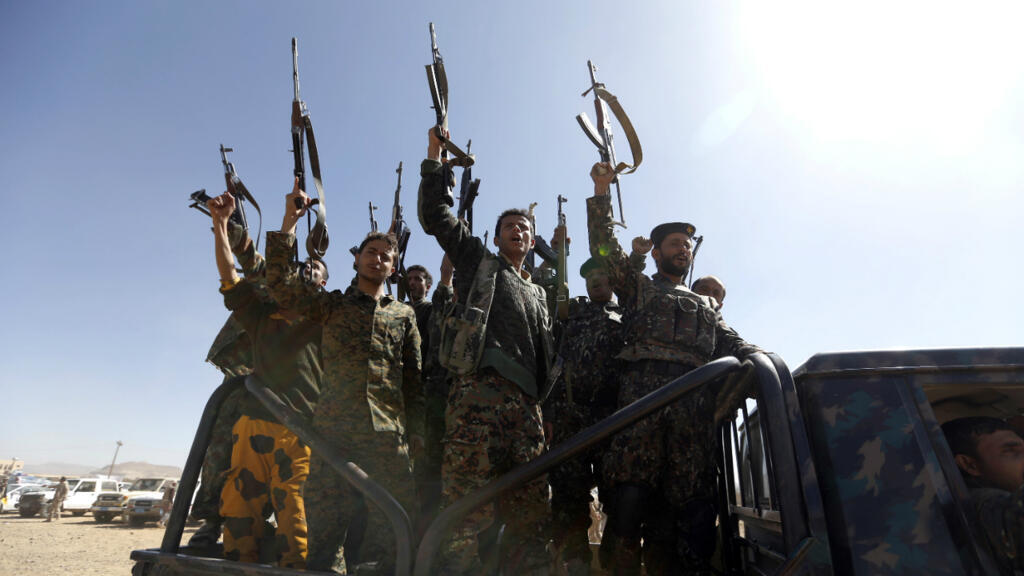
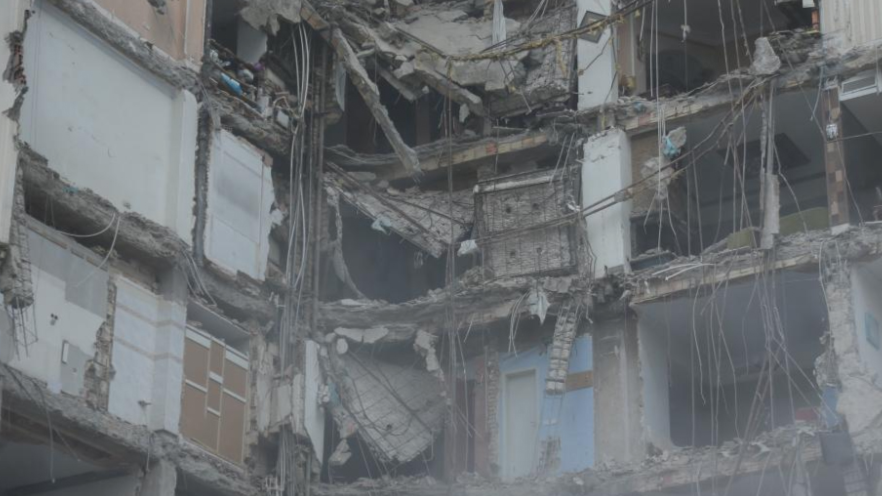
Yemen’s Houthi armed forces said on Saturday that they had launched a barrage of ballistic missiles targeting “sensitive Israeli military sites” in southern Israel, which marked the group’s first such attack since Israel and the United States started massive attacks on Iran a month ago.
The group signaled readiness for further military action, framing its recent military strikes on Israel as “legitimate right” to confront what it called “brutal American-Israeli aggression” against Iran and the wider region.
In a statement, the group’s foreign affairs authority said that its intervention was part of a broader regional strategy tied to Iran, Palestine, Iraq and Lebanon.
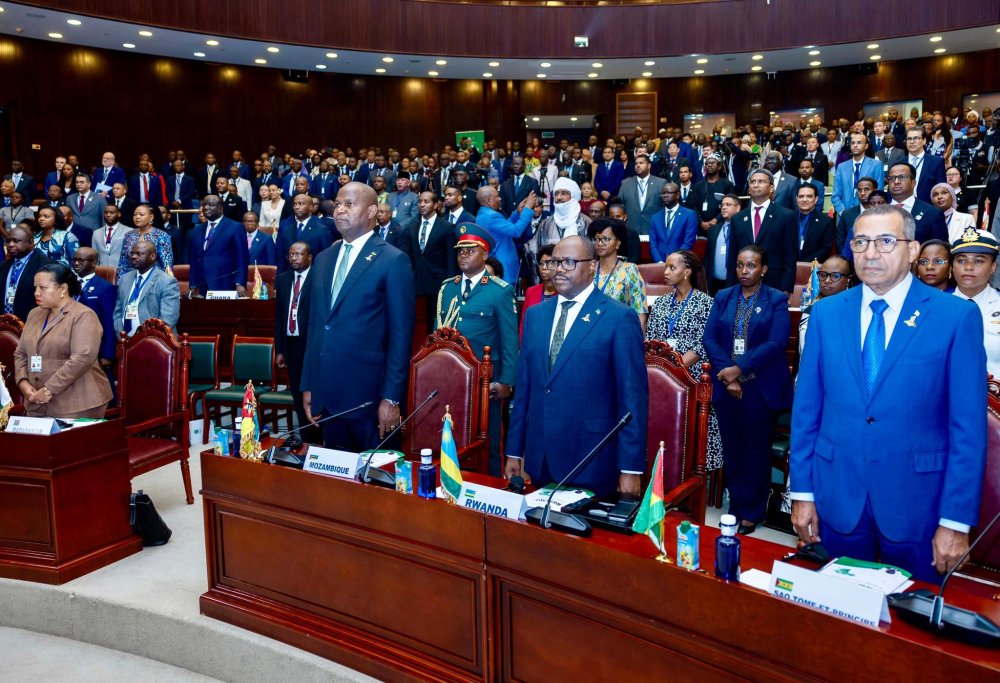
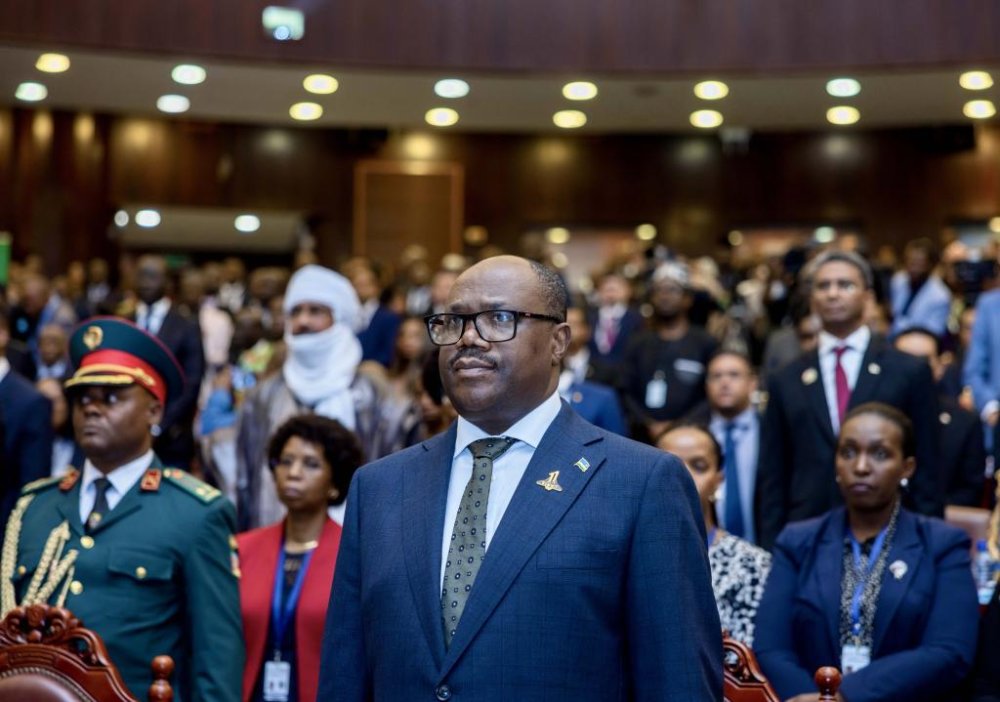
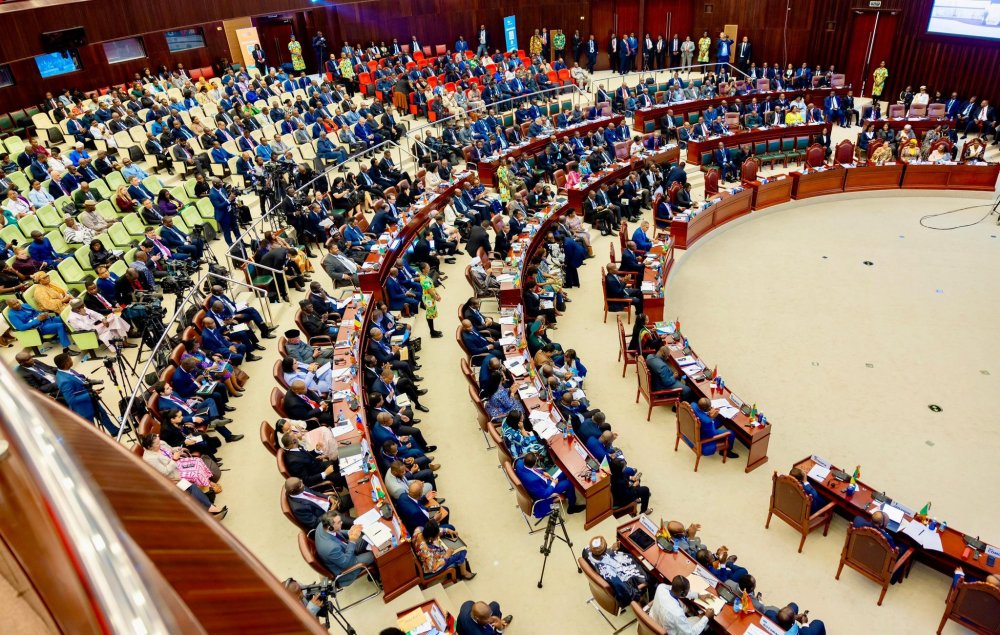
He was speaking on Saturday at the 11th Summit of OACPS in Malabo, Equatorial Guinea where he represented President Paul Kagame.
Dr. Nsengiyumva highlighted the importance of aligning the organization’s financing model with global changes.
“As the global context evolves, it is natural that our approach to financing must also adapt,” he said.
He urged member states to rethink traditional financing approaches and to leverage OACPS as a platform not just for cooperation, but also for investment and economic transformation.
To achieve sustainable financing, Dr. Nsengiyumva outlined three essential priorities for the OACPS.
First, he emphasized the need to strengthen domestic resource mobilization across member states as a foundation for greater financial ownership of the organization. He pointed out that ensuring timely and predictable contributions would be crucial for sustainability.
The second priority was promoting the scale and bankability of regional projects to attract long-term institutional investment. Dr. Nsengiyumva noted that OACPS needs to promote the scale and bankability of projects, particularly at the regional level, as key to attracting long-term and institutional investment.
This, he explained, requires stronger projects, risk mitigation, and coordinated efforts to unlock viable investment opportunities across our countries.
The third priority was deepening partnerships for co-investment, which would involve both traditional and emerging partners in a spirit of mutual benefit and shared responsibility.
Dr. Nsengiyumva also referred to the Samoa Agreement, noting that it provides a valuable framework for supporting sustainable financing efforts.
However, he stressed that its success would depend on member states’ ability to translate commitments into concrete, measurable outcomes. “The impact [of the Samoa Agreement] will depend on our collective ability to translate commitments into concrete and measurable outcomes,” he remarked.
Premier Nsengiyumva also reaffirmed Rwanda’s commitment to timely contributions.
“Rwanda has consistently continued to pay its assessed contributions on time, and Rwanda commits again to continue to honor its commitments and its assessed contributions to this great organisation and that will be done on time,” he stated.
The Organisation of African, Caribbean and Pacific States (OACPS) is a group of countries in Africa, the Caribbean, and the Pacific that was created by the Georgetown Agreement in 1975. Formerly known as African, Caribbean and Pacific Group of States (ACP), the organisation’s main objectives are sustainable development and poverty reduction within its member states, as well as their greater integration into the world’s economy.
Premier Dr. Nsengiyumva has called for sustainable financing at OACPS Summit.Premier Dr. Nsengiyumva represented President Paul Kagame at the summit. The 11th Summit of OACPS took place in Malabo, Equatorial Guinea.
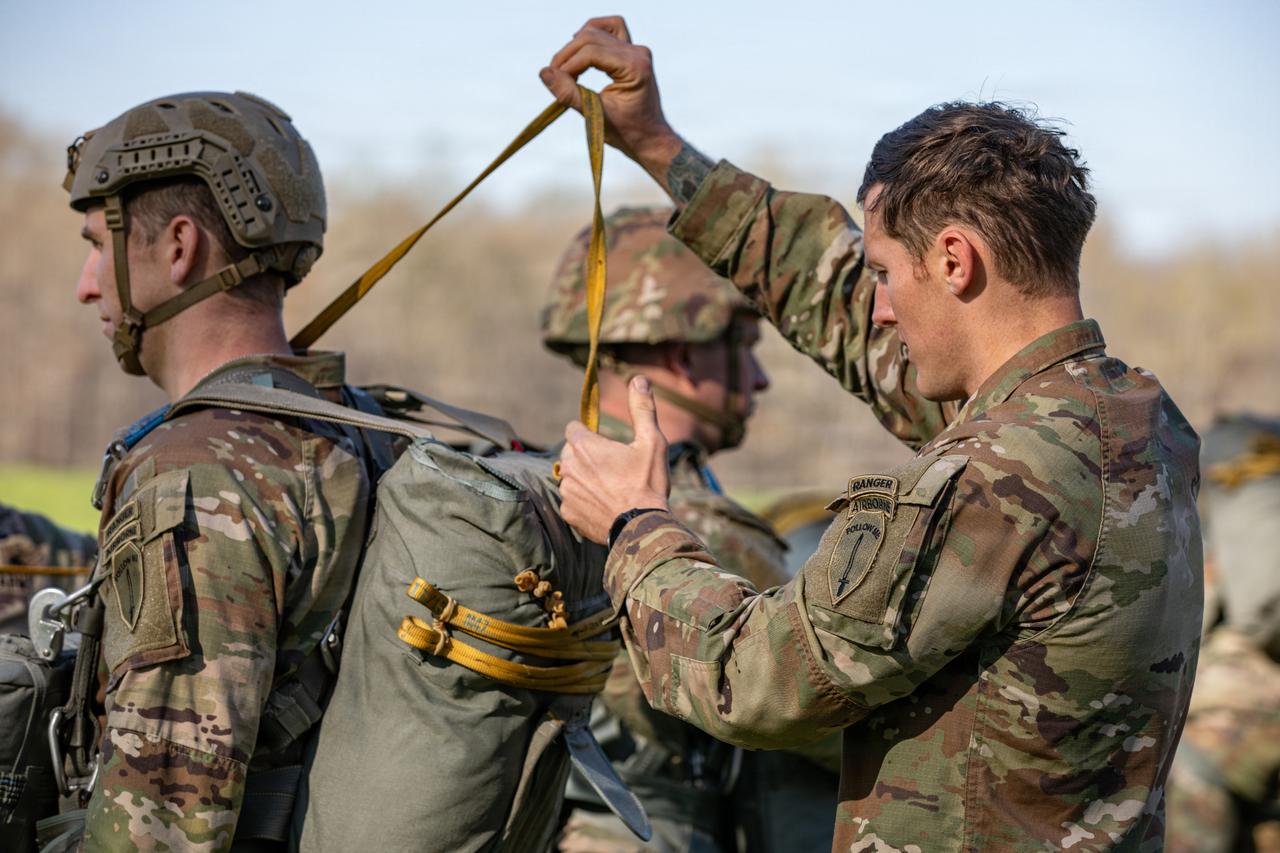
Any potential ground operation would fall short of a full-scale invasion and could instead involve raids by a mixture of Special Operations forces and conventional infantry troops, the newspaper quoted officials as saying on the condition of anonymity.
Such a mission could expose U.S. personnel to an array of threats, including Iranian drones and missiles, ground fire and improvised explosives, the report noted, adding the Trump administration in recent days has vacillated between declaring that the war is winding down and threatening to amplify it.
Discussions within the U.S. administration over the past month have touched upon the possible seizure of Kharg Island, a key Iranian oil export hub in the Persian Gulf, and raids into other coastal areas near the Strait of Hormuz to locate and destroy weapons capable of targeting commercial and military shipping, said officials.
They added that in the past month, 13 U.S. troops have been killed in action, including six in a plane crash in Iraq, six in a drone attack on Port Shuaiba in Kuwait, and one in an attack on Prince Sultan Air Base in Saudi Arabia. More than 300 service members have been wounded by Iranian drones and missiles in retaliatory attacks targeting U.S. facilities in at least seven countries across the Middle East, with at least 10 sustaining serious injuries.
According to The Post, recent polls indicate strong public resistance in the United States to sending combat troops in Iran. A survey conducted by the Associated Press and the National Opinion Research Center at the University of Chicago found that 62 percent of respondents were strongly opposed to deploying ground forces, while only 12 percent were in favor.
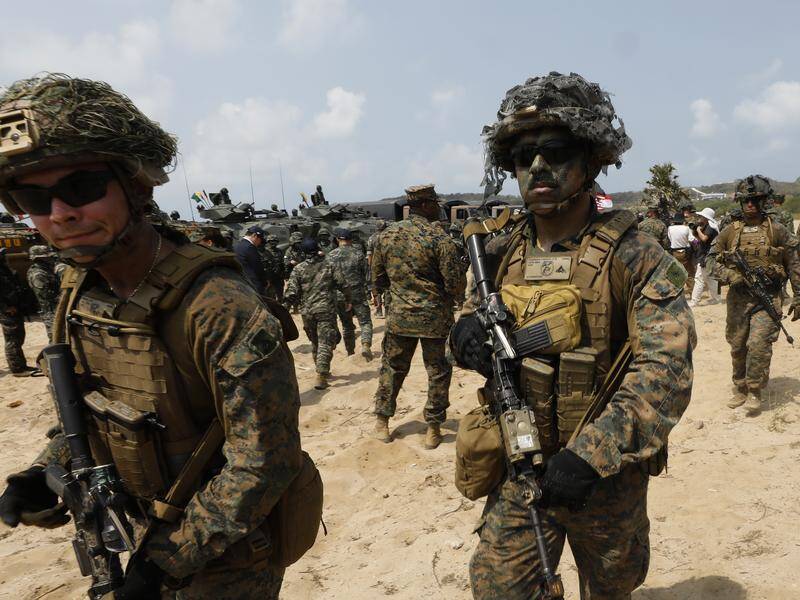
The U.S. Central Command (CENTCOM) announced on Saturday that a task force of 3,500 marines and sailors arrived in the Middle East on Friday.
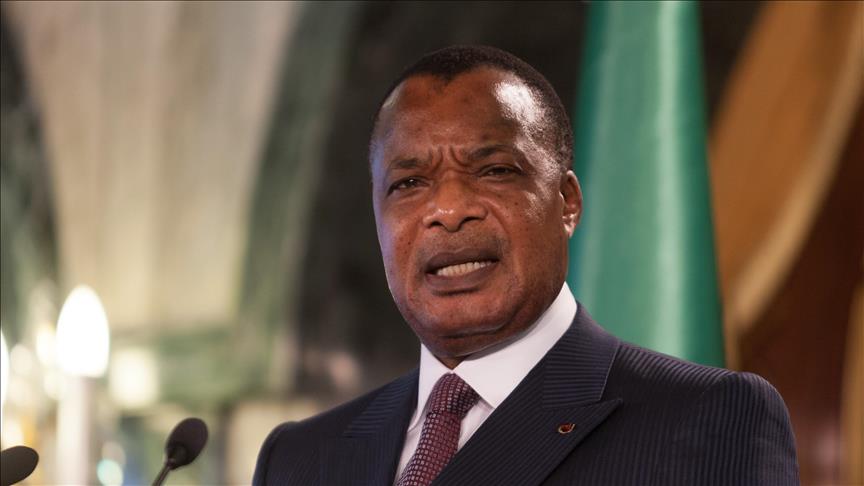
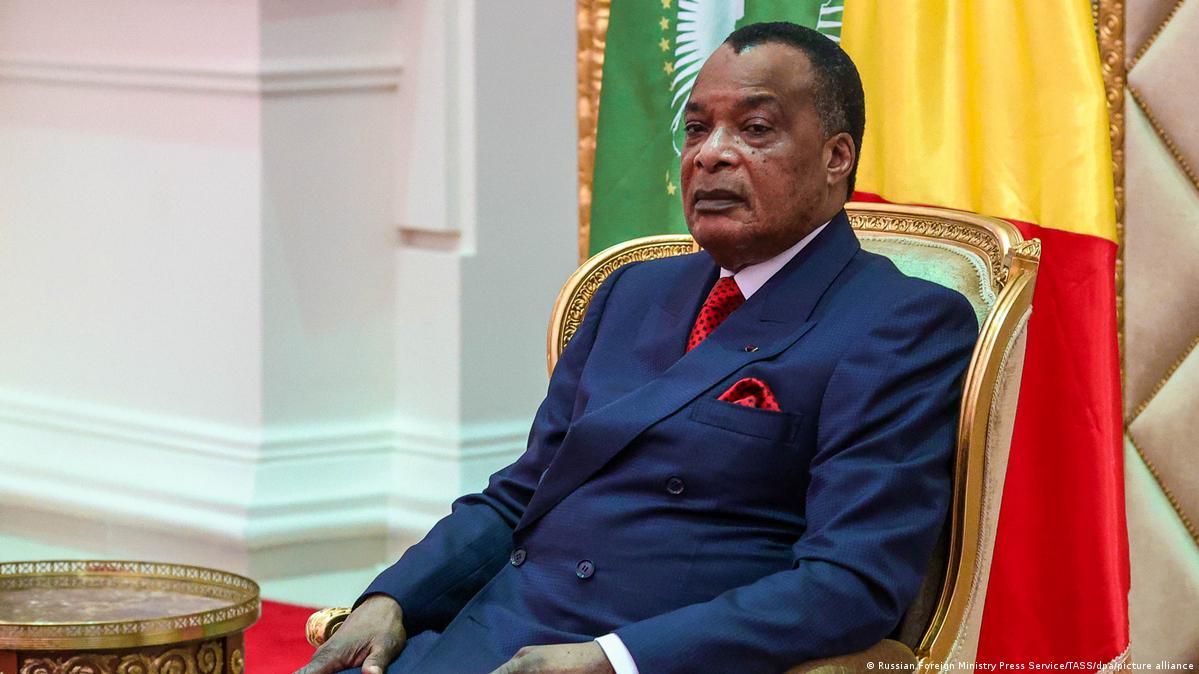
As a result, the provisional results announced on Tuesday, March 17, by the Minister of Interior, Raymond Zephirin Mboulou, on behalf of the National Independent Electoral Commission remain unchanged, officially declaring Denis Sassou Nguesso re-elected as president of the republic for a new five-year term.
Denis Sassou Nguesso, who ran under the banner of the Presidential Majority composed of nearly 20 political parties, competed against six other candidates.
He had secured over 94 percent of the vote in the provisional results released on March 17 by the minister of interior, Raymond Zephirin Mboulou.
Out of an expected electorate of 3,167,909 voters, 2,681,571 cast their ballots, representing a voter turnout of 84.65 percent.
Denis Sassou Nguesso, who ran under the banner of the Presidential Majority composed of nearly 20 political parties, competed against six other candidates.
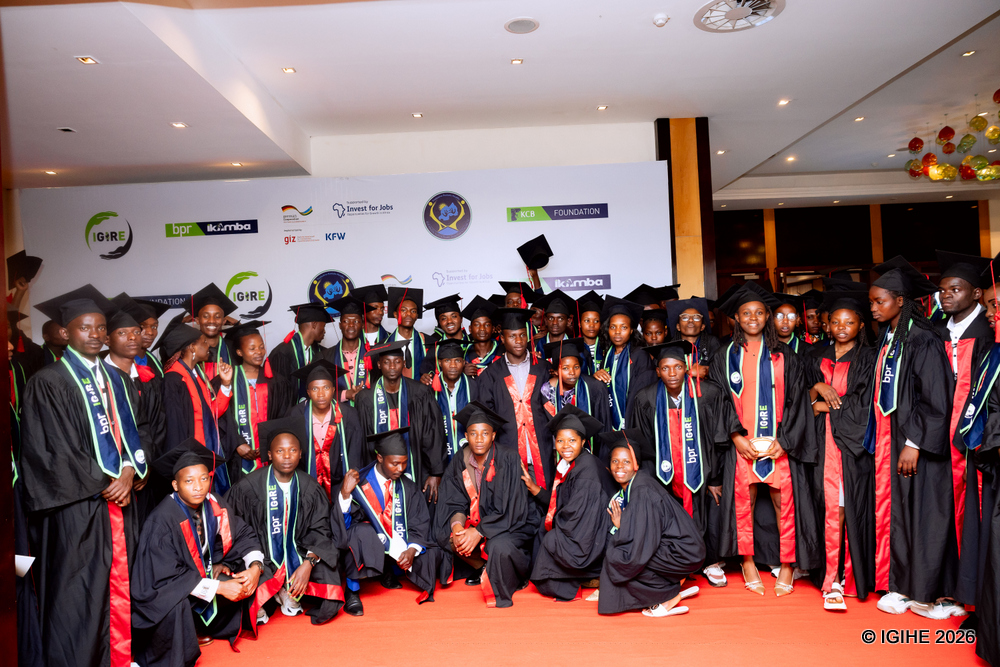
These projects were selected from 90 youth and women who had been trained in various vocational skills by BPR Foundation under the ‘IGIRE & Women Economic Empowerment (WEE-IKAMBA)’ program.
The participants had undergone six months of training in fields such as construction, carpentry, electrical work, catering, mechanics, ICT, and other trades, aimed at addressing unemployment and creating new job opportunities in Rwanda.
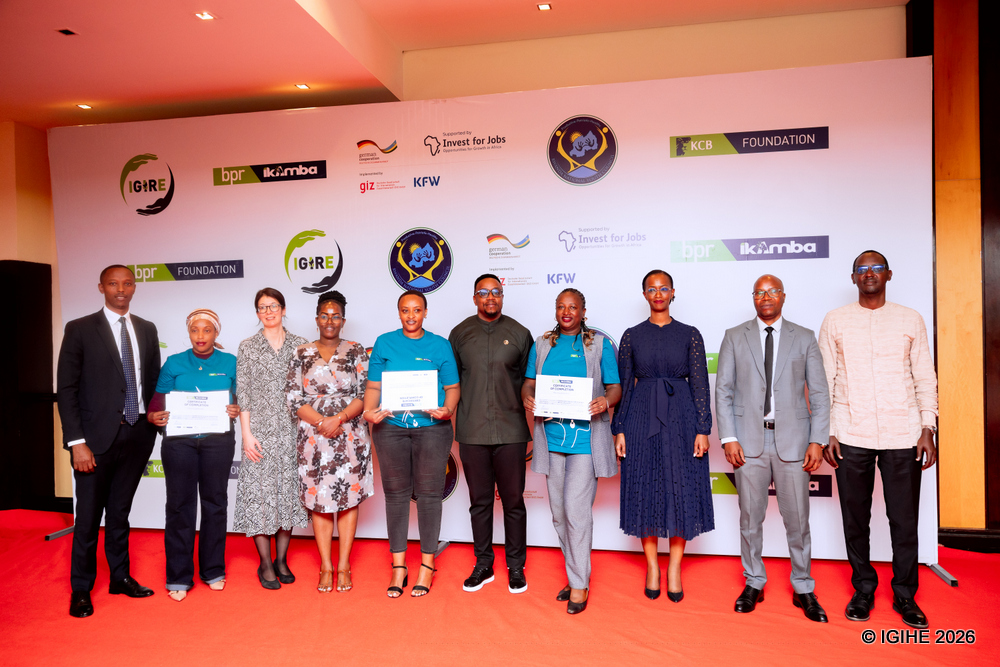
The award ceremony took place on March 26, 2026, in Kigali, where five standout projects were recognized. Each of the winning projects received 3 million Rwandan Francs to support their expansion efforts.
Gireh Maurice, CEO of Jamup Electronica Hub Ltd, a company that specializes in welding and maintaining electronic equipment, was one of the recipients. His company was founded by five young entrepreneurs who recently completed their training through the BPR Foundation program.
Gireh expressed gratitude for both the knowledge gained and the 3 million Rwandan Francs (Rwf), noting that the financial support would enable them to secure a permanent base for their operations, as they previously lacked the resources to do so.
“We are grateful to BPR and the ‘IGIRE’ program for the award. The Rwf3 million will allow us to expand our business. When we started, we had little capital and limited resources. Now, we can have a permanent address and grow our business.”
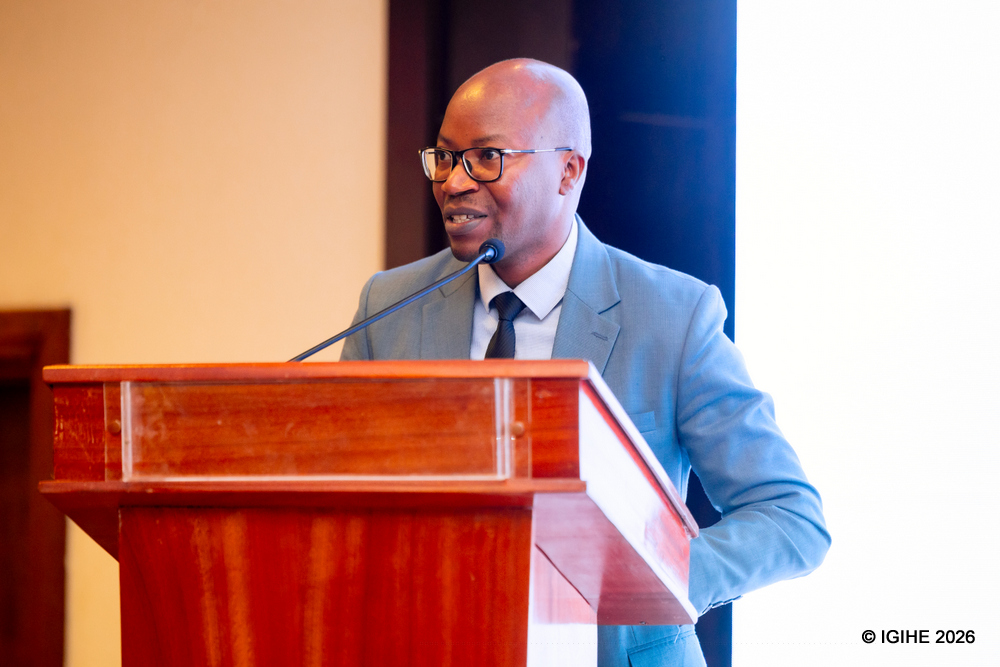
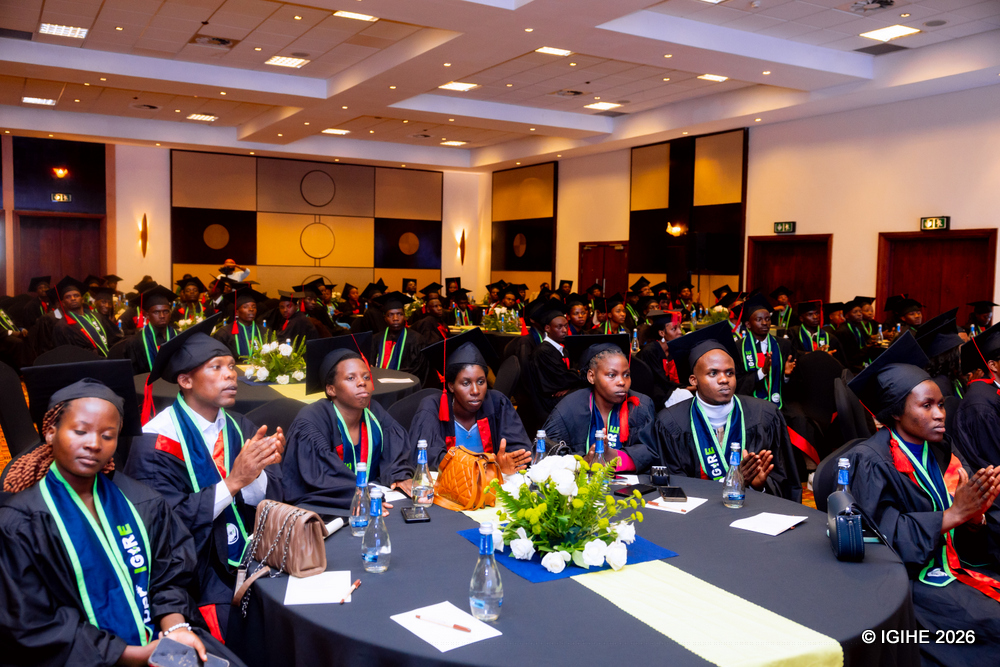
Dr. Jean Claude Habumugisha, Deputy Principal in charge of Academics and Training at Rwanda Polytechnic-Ngoma College urged the graduates to go beyond acquiring knowledge, stressing the importance of applying it in a professional manner.
“Let the knowledge you have gained help you grow personally and contribute to the country’s development. Wherever you work, your professionalism and integrity should define your approach. Our country needs your contribution, and we are here to support you,” he remarked.
Ngabo Brave Olivier, the Permanent Secretary of the Ministry of Youth and Arts, reminded the graduates to uphold strong moral values, explaining that development cannot be achieved by individuals who, despite having skills, engage in harmful behaviors like drug abuse.
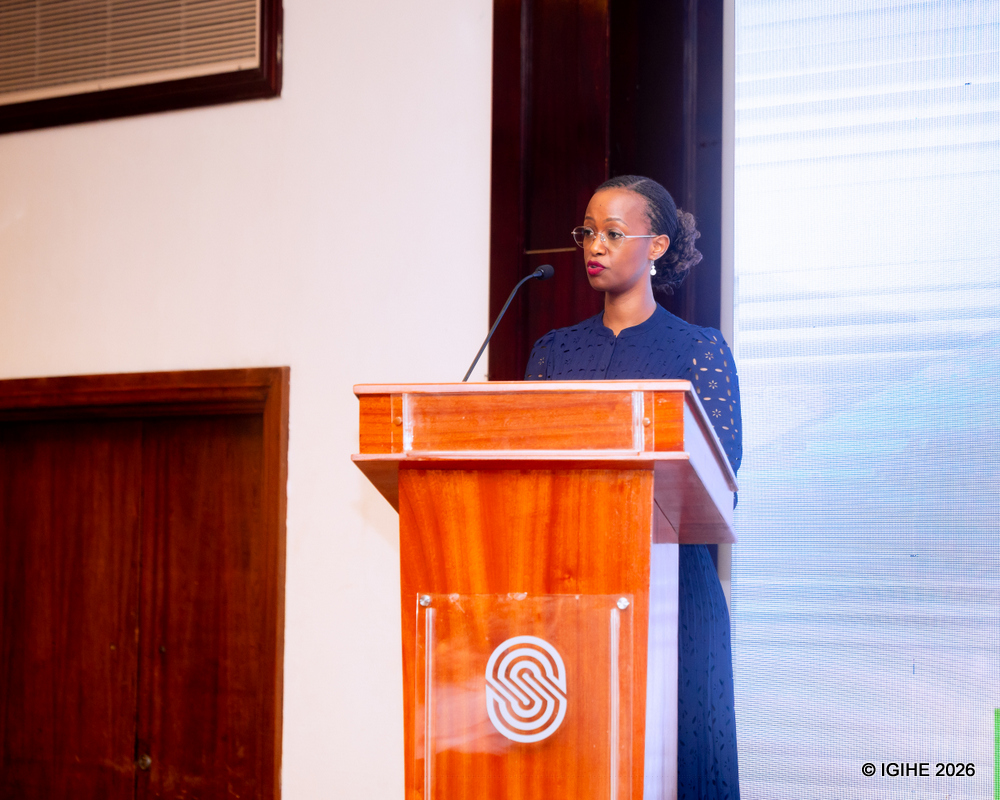
Patience Mutesi, Managing Director of BPR Bank Rwanda Plc, emphasized that initiatives like vocational training cannot succeed without the collaboration of various institutions and sectors. She reaffirmed that the BPR Foundation is committed to these programs because they believe investing in individuals is a critical way to support sustainable development.
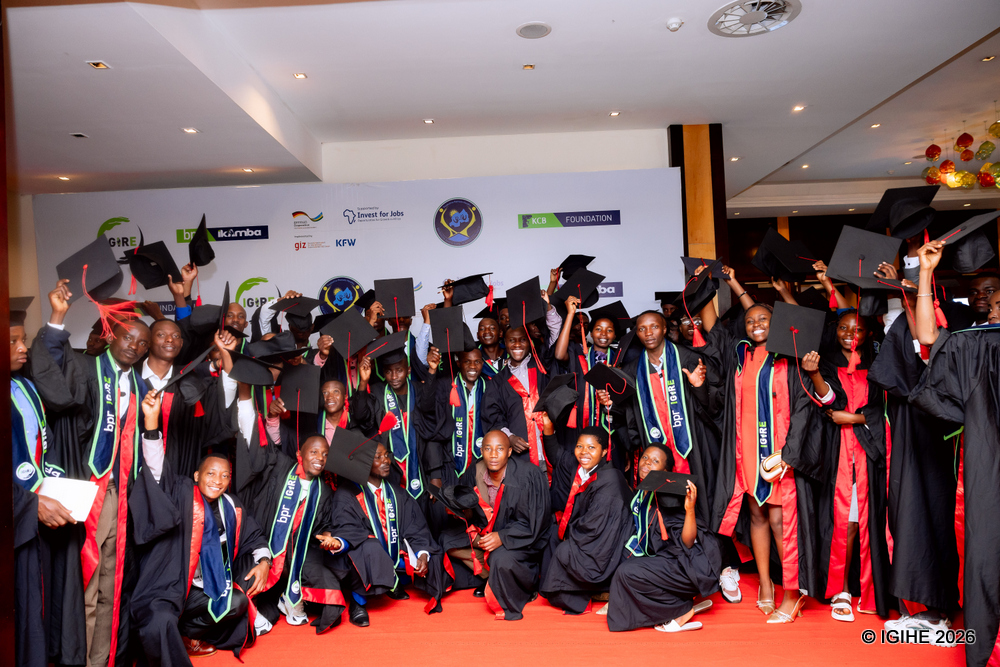
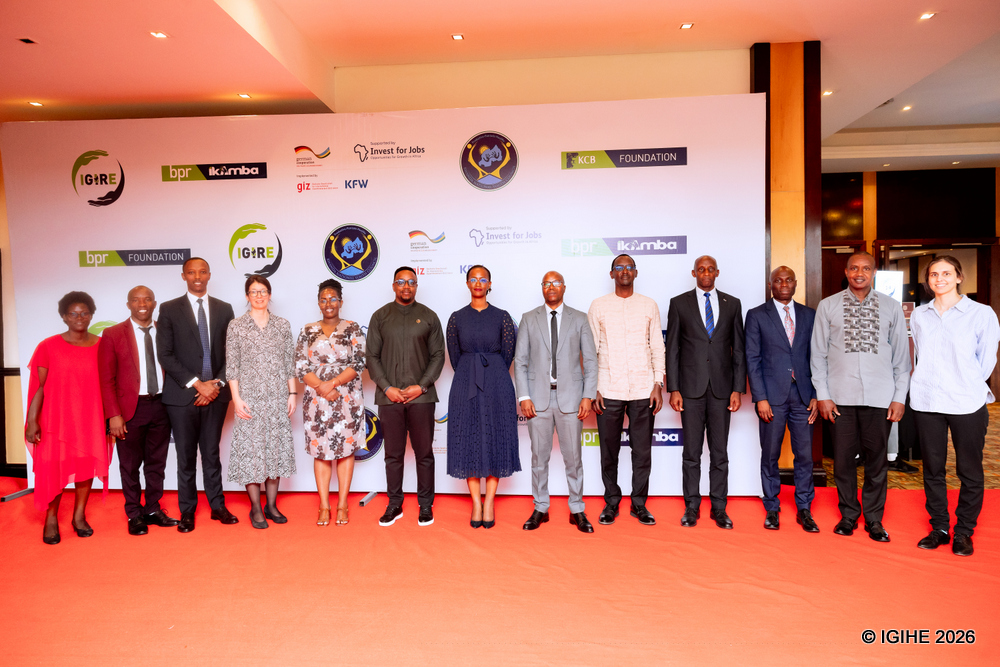
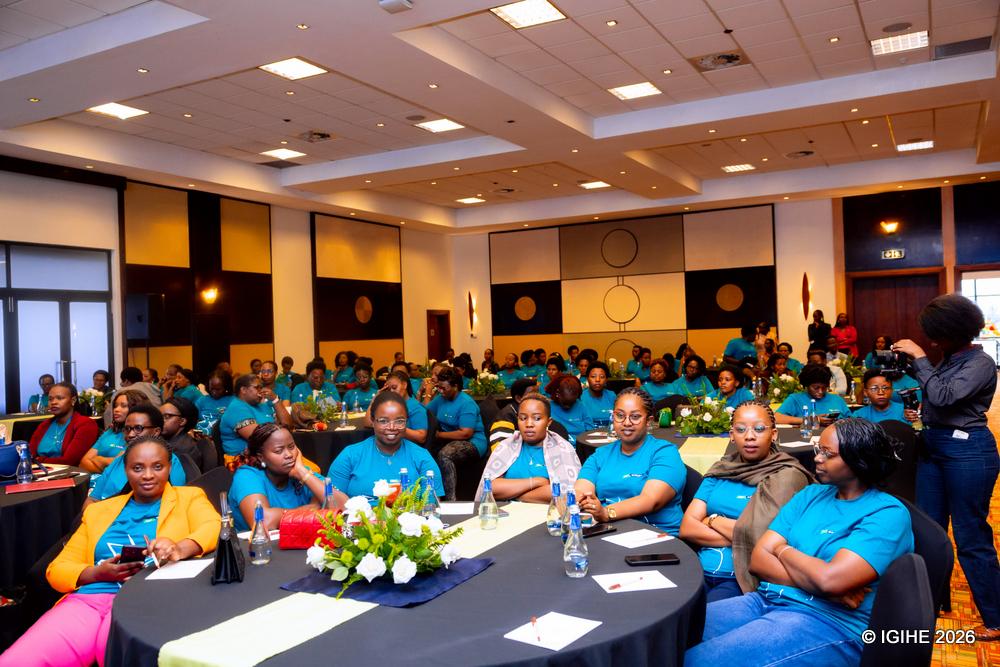
Graduates of the training provided by BPR Foundation were urged to help Rwanda achieve the development it aspires to.Women trained in WEE IKAMBA with promising projects were also recognized and praised.Graduates of the IGIRE program have committed to creating new job opportunities.Various partners of BPR attended the ceremony to award the best-performing projects.BPR Bank Rwanda Plc, through its ‘IGIRE’ program by BPR Foundation, has awarded 15 million Rwandan Francs to five youth-led projects that demonstrate outstanding innovation.BPR Bank Rwanda Plc, through its ‘IGIRE’ program by BPR Foundation, has awarded 15 million Rwandan Francs to five youth-led projects that demonstrate outstanding innovation.The event also highlighted the crucial role of women in the country’s development.90 students graduated from the ‘IGIRE & Women Economic Empowerment (WEE-IKAMBA)’ program.
On March 27, 2026, media reports indicated that the AU had decided not to support Macky Sall’s candidacy due to procedural violations.
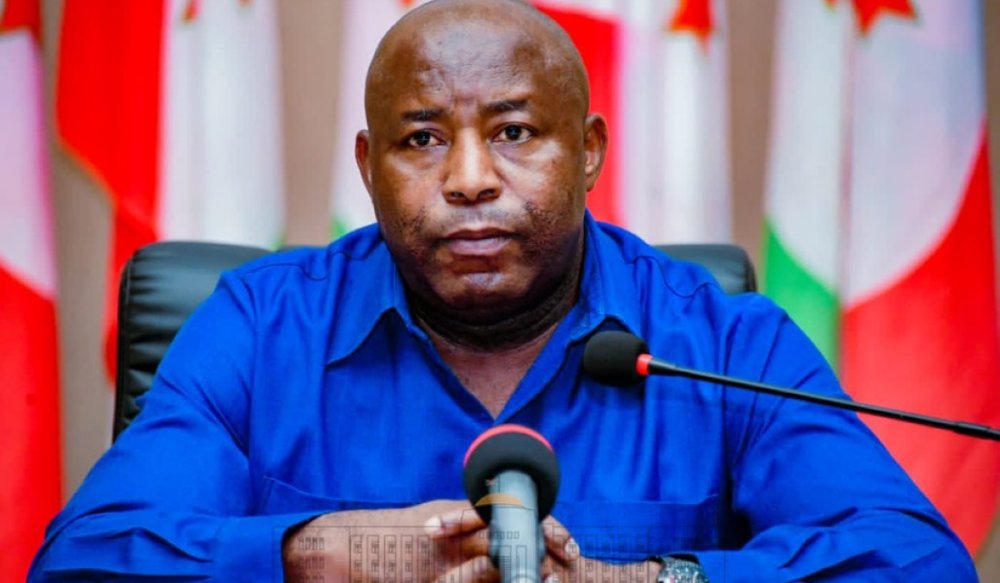
Amb. Nduhungirehe, Rwanda’s Minister of Foreign Affairs, has explained that the 20 AU member states who broke their silence were not rejecting any candidacy but rather opposing the flawed procedure initiated by President Ndayishimiye, which ignored AU rules governing international nominations.
“What happened today at the African Union is a stark reminder that leadership matters. It’s unbelievable to note that a whole continental organisation can be tarnished or driven into a crisis by its own Chairperson, who is in office for not even two months,” Nduhungirehe posted on X .
The nomination process for the UN Secretary-General can be initiated by any country or group of countries, but the nominee need not necessarily be from the country that submits the candidacy.
On March 2, 2026, the Permanent Representative of Burundi to the UN notified the General Assembly that the Burundian government serving as current Chair of the African Union nominated Macky Sall, former President of Senegal, for the position.
“This submission of an African candidature to the position of UN Secretary General came as a surprise to all African Heads of State and Government, as none of them was consulted by the AU Chairperson before taking this important decision,” Nduhungirehe emphasized.
After the nomination, President Ndayishimiye attempted to pressure fellow African leaders into endorsing his decision by imposing a 24-hour “silence procedure.”
According to Amb. Nduhungirehe, Ndayishimiye convened the AU Bureau, where only two other members participated, and gave African governments 24 hours to approve or reject the nomination either by silence or by response.
“In other words, President Ndayishimiye, instead of calling an AU meeting for advice on the right procedure, chose to give his fellow AU Heads of State and Government only 24 hours to either endorse, by keeping silent, an AU decision that ‘EXPRESSES ITS FIRM SUPPORT to the President of the Republic of Burundi, H.E. Evariste Ndayishimiye, Chairperson of the AU for 2026, for having presented the candidacy of President Macky Sall […] for the position of Secretary-General of the United Nations,’ or to reject it by breaking the silence,” Amb. Nduhungirehe added.
This authoritarian approach was too much for many AU member states, which responded by breaking their silence and blocking the decision. They reminded Ndayishimiye that the AU must be governed by the rule of law.
Despite the damage to the AU’s international reputation, Nduhungirehe hopes this incident will serve as a lesson for future appointments of AU Chairpersons.
The new UN Secretary-General will begin their term in January 2027. Any candidate must be nominated by a country or group of countries, and it is not a requirement for the candidate to come from the country making the nomination. This means that Burundi could have nominated Macky Sall on their own behalf, but the actions of Ndayishimiye caused a stir within the AU.
While it is not always followed strictly, UN leadership positions are generally rotated among different regions of the world, and there is growing support for the idea that it is time for a woman to lead the UN.
Other candidates who have submitted their nominations for the position include Michelle Bachelet, former President of Chile; Rafael Grossi, Director-General of the International Atomic Energy Agency; Rebeca Grynspan, former Vice President of Costa Rica; and Virginia Gamba from Argentina.
Since Ndayishimiye took over the AU chairmanship, analysts have criticized his leadership, questioning his ability to address the pressing challenges facing Africa, such as the ongoing war in the eastern part of the Democratic Republic of Congo, where Burundi is involved in the conflict.
Since Ndayishimiye took over the AU chairmanship, analysts have criticized his leadership, questioning his ability to address the pressing challenges facing Africa
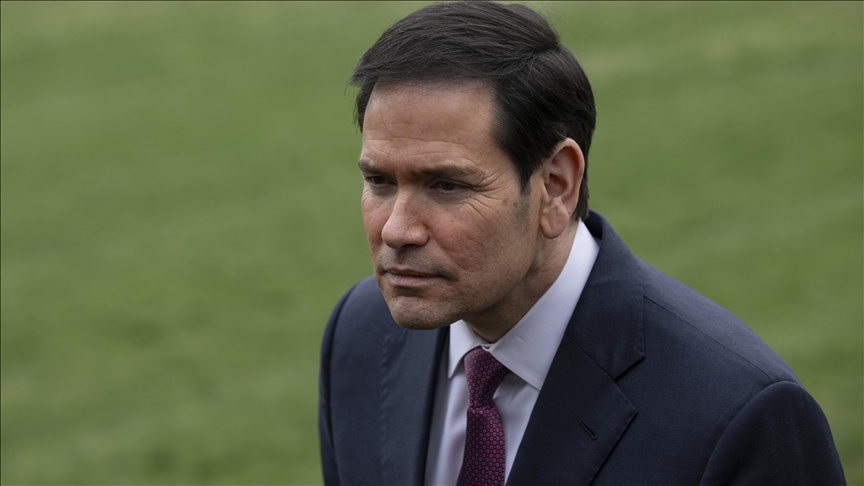
Speaking to reporters after attending a G7 foreign ministers’ meeting in France, Rubio said the operation would end “at the appropriate time, in a matter of weeks, not months.”
He noted that the United States could still “achieve the objectives without any ground troops,” including destroying Iran’s missile and drone capabilities.
A reporter from the U.S. news website Axios wrote on social media platform X that Rubio told his G7 counterparts the conflict with Iran could continue for “another two to four weeks.”
Rubio also said Washington was open to diverting U.S. weapons from Ukraine to the Middle East, although such a move has not been made so far.
Regarding the Russia-Ukraine conflict, Rubio said no meetings are currently scheduled to address the issue. He also rejected Ukrainian President Volodymyr Zelensky’s recent claim that U.S. security guarantees are tied to territorial concessions in Donbass, calling it “a lie” and stating that Zelensky was told that such guarantees would only come after the end of the conflict.
The G7 foreign ministers’ meeting was held in France on Thursday and Friday, with discussions focusing on issues including the situation in Iran and the Russia-Ukraine conflict.
U.S. Secretary of State Marco Rubio said on Friday that the ongoing operation against Iran is expected to “conclude in weeks.”
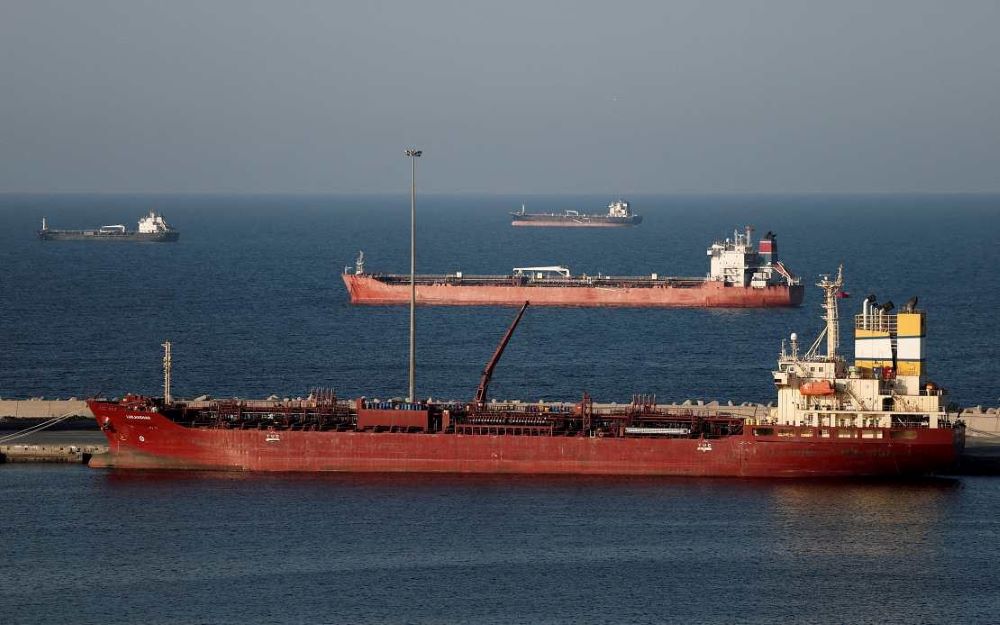
According to the Ministry of Foreign Affairs (MFA), Thailand has engaged in direct diplomatic communication to clarify that Thai vessels are not involved in the conflict since the Thai cargo ship Mayuree Naree came under attack on March 11 while sailing in the Strait of Hormuz, leaving three crew members unaccounted for.
The MFA also requested safe navigation through the strategic waterway, while Iranian authorities subsequently acknowledged the request and asked for details of the vessels transiting the area.
The government is accelerating efforts to strengthen energy security amid mounting pressure from the ongoing global energy crisis, Thai Prime Minister Anutin Charnvirakul told a press conference on Saturday.
Thailand has engaged in direct diplomatic communication to clarify that Thai vessels are not involved in the Middle East conflict
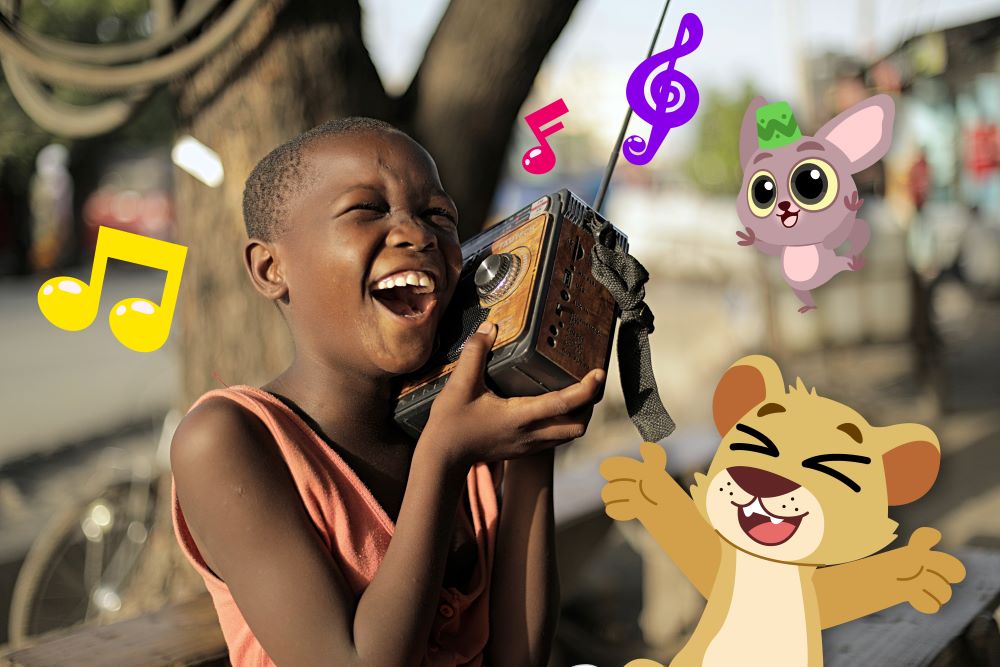
Just before sunrise in rural Chikutu, in Malawi’s Nkhata Bay district, children wake up to the sound of roosters and the start of another busy day. There’s water to fetch. Chores to finish.
School is far away, internet access is unreliable, and smartphones are rare. But as families get ready, a small battery-powered radio crackles to life. Songs begin to play. Stories follow. Lessons come through in Chichewa, the language spoken at home. For these children, that morning broadcast is their classroom.
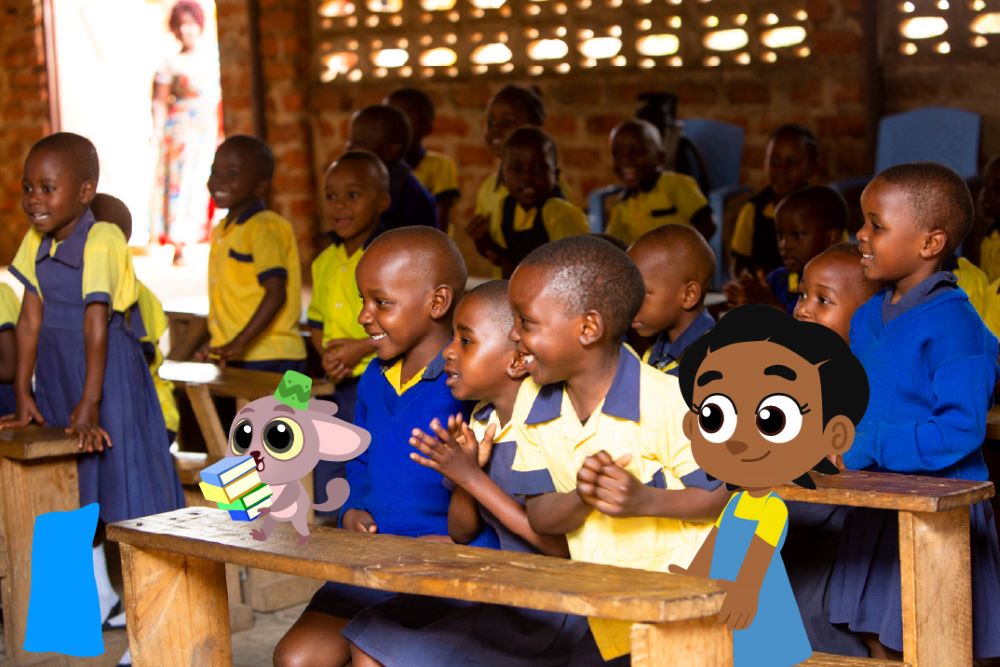
Scenes like this unfold every day across Africa. In places where classrooms are out of reach and digital learning is not an option, television and radio quietly step in. They are not just sources of entertainment. They are how learning happens. And behind them are Africa’s broadcasters, often unseen, often uncelebrated, playing a central role in children’s education.
For millions of families, broadcast remains the easiest and most reliable way to access learning. A radio doesn’t need data. A television doesn’t require a smartphone. One broadcast can reach entire communities at once, without placing any financial burden on families.
UNESCO estimates that radio reaches more than 75 percent of households worldwide, including many of the most remote and low-income communities, making it one of the most far-reaching tools for education.
This reality has shaped Ubongo’s work from the very beginning. More than ten years ago, when Ubongo was still an idea taking shape, African broadcasters saw the value of locally made educational content and made space for it on their airwaves. That early trust changed everything. What began as a small experiment grew into a learning resource that now reaches over 48 million households across the continent.
What makes African broadcasters special isn’t just how many people they reach. It’s how closely they are connected to the communities they serve. They know the languages families speak at home. They understand the challenges parents face. They treat education as a public service, not an afterthought. In many ways, they don’t just broadcast learning, they help teach it.
That partnership is clear in Malawi, where Ubongo has worked closely with Malawi Broadcasting Corporation since 2021. MBC has consistently treated educational programming as essential.
In December 2022, during a period of real economic strain, MBC’s Holiday Special Programme brought learning and joy into homes at a time when families needed both.
The station contributed ideas, production support, promotion, and national coverage, ensuring children could watch and learn together with their families during the school holidays. It felt less like a programme and more like a shared moment.
The importance of broadcast became even clearer during the COVID-19 pandemic, when online learning was out of reach for many underserved families. Around the world, more than 90 percent of countries turned to television and radio to support learning during school closures.
Broadcasters extended airtime, repeated episodes, and worked closely with education ministries to create dedicated learning hours. Through these collective efforts, Ubongo reached 24.6 million families during the pandemic—families who might otherwise have been left without any learning support at all.
But broadcasting isn’t only a solution for emergencies. Long after schools reopen, radios and shared televisions continue to play a role in everyday learning. Children gather around them. Parents listen in.
Lessons happen together. Regular schedules create routine, even when daily life is unpredictable. And when content is delivered in local languages, children connect more deeply. Research shows that this approach improves literacy, numeracy, and problem-solving, especially for learners who are often left behind.
Today, Ubongo works with more than 80 broadcasters across 23 countries, delivering content in 13 languages, including Kiswahili, Chichewa, Hausa, Kinyarwanda, French, and English. Families access our programmes through free-to-air TV, radio, pay TV, and on-demand platforms. This network is the backbone of Ubongo’s ambition to reach 100 million children by 2028.
Our five-year strategy reflects that reality. It focuses on 19 priority markets, blends broadcast with digital and last-mile channels, and centres on both foundational and supplementary learning. None of this is possible without broadcasters who believe that children’s education is worth investing in.
Across the continent, broadcasters continue to show resilience and commitment, even as they navigate financial pressure and changing media landscapes. They keep children’s programming on air because they believe in its value. Because they believe in Africa’s children.
Recognising our broadcast partners is really about acknowledging their role in creating fairer access to learning. To every broadcaster who has supported Ubongo, we are deeply grateful. You have helped turn airwaves into learning spaces, screens into classrooms, and stories into tools that shape young lives.
There is still more to do. Children’s programming needs more space. Local language adaptations need continued investment. There is room to co-create more, to launch national learning campaigns, and to strengthen the role of broadcast in education systems.
Television and radio remain the most powerful tools we have for reaching every child, wherever they live. And together with Africa’s broadcasters, we can keep building the largest classroom on the continent, one that no child is locked out of.
For millions of families, broadcast remains the easiest and most reliable way to access learning. Ubongo uses Television and Radio to deliver education at low cost to hard-to reach population in Sub-Saharan Africa The author of the article, Tamala Maerere serves as Audience Engagement Manager at Ubongo.
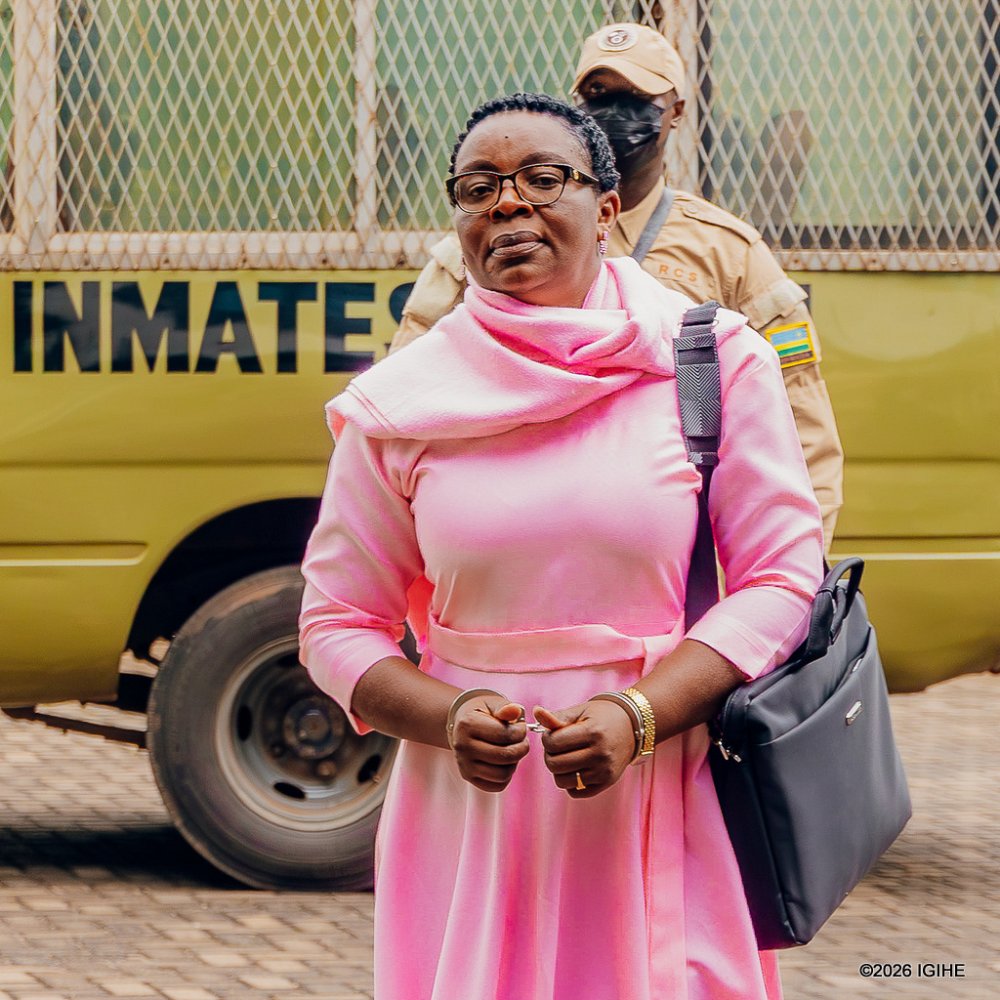
Ingabire had argued that Article 106, which allows a court to summon individuals as accomplices or accessories during criminal proceedings, violated the presumption of innocence guaranteed by the Constitution. She contended that the provision contributed to her imprisonment and should be annulled.
In its ruling, the Court addressed three key issues, focusing on whether Article 106 infringes on constitutional rights. The Court emphasized that summoning an individual as an accomplice does not equate to a presumption of guilt.
The provision allows for the prosecution to summon individuals linked to the case for questioning, but it does not make them guilty unless there is sufficient evidence. If no such evidence is found, the court continues the trial without further involvement from the summoned individuals.
The Court also clarified that the prosecution must present irrefutable evidence to justify the summoning. It asserted that the judicial process ensures the defendant’s rights and guarantees that they are treated as innocent until proven guilty.
Regarding concerns of judicial overreach, the Court highlighted that the judiciary and prosecution may cooperate but must not interfere with each other’s roles.
The Supreme Court dismissed Ingabire’s claim, affirming that Article 106 aligns with the Constitution and does not violate any fundamental rights.