The mission, carried out by the Hope Probe, was originally launched as a two-year project and entered Mars’ orbit in 2021. The extension seeks to maximize the scientific return on the UAE’s space investments and gain valuable operational experience for future deep-space missions.
Since its arrival at Mars, the Hope Probe has gathered around 10 terabytes of data, shared in 16 datasets with over 200 global research institutions. The mission has also supported pioneering discoveries, including new observations of Mars’ auroral activity and close fly-bys of Deimos, the smaller outer moon of Mars.
In October 2025, the probe expanded its scientific scope by capturing images of Comet 3I/ATLAS, the third known interstellar object that passes through our solar system, offering a rare opportunity to study material from beyond the solar system.
Officials said the decision demonstrates confidence in the probe’s technical readiness and national team capabilities, while supporting the rapid growth of the UAE’s space ecosystem through expanded research and aerospace education.
Jackson marched alongside Martin Luther King Jr. and led the Civil Rights Movement for decades after the latter’s assassination.
“He died peacefully on Tuesday morning, surrounded by his family,” the statement posted on Instagram said.
“His unwavering commitment to justice, equality, and human rights helped shape a global movement for freedom and dignity. A tireless change agent, he elevated the voices of the voiceless — from his presidential campaign in the 1980s to mobilizing millions to register to vote — leaving an indelible mark on history,” the statement said.
In 2017, Jackson revealed that he had been diagnosed with Parkinson’s disease, which affects the nervous system and slowly restricts movement and daily activities.
Jackson had built a very strong political influence both inside the United States and abroad, and he spent his life dedicated to pursuing civil rights for disenfranchised groups.
“Our father was a servant leader — not only to our family, but to the oppressed, the voiceless, and the overlooked around the world,” the statement said.
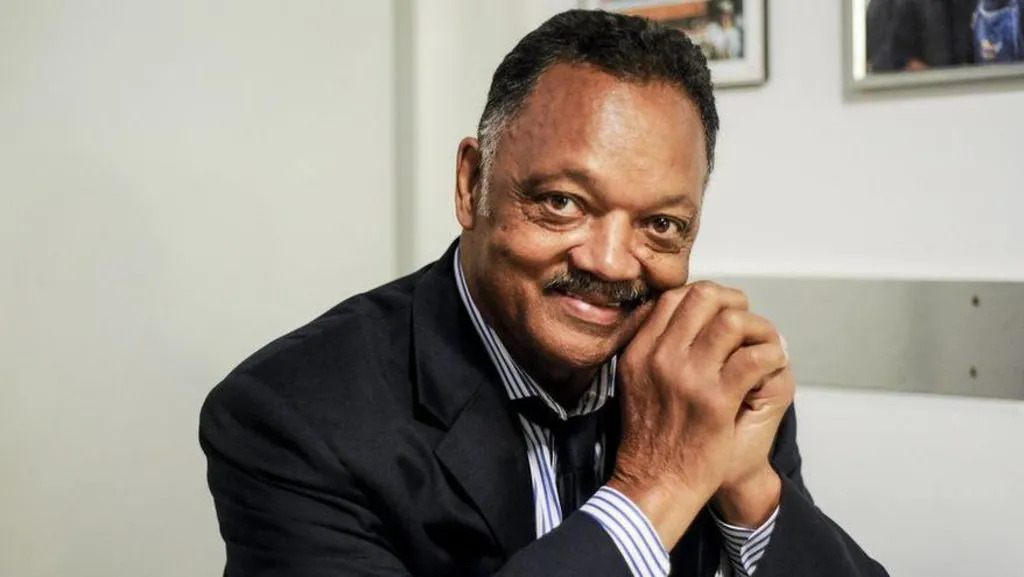
Jesse Jackson, the famed U.S. civil rights leader, has died at the age of 84.
The originally approved budget stood at Rwf 7,032.5 billion. The proposed adjustment trims Rwf 80.4 billion, primarily through more favorable financing terms for major initiatives like the New Kigali International Airport and a rescheduled RwandAir loan repayment, bringing the revised total to Rwf 6,952.1 billion.
Revenue collection from July to September 2025 reached Rwf 1,156.6 billion, closely aligning with the targeted Rwf 1,157.2 billion.
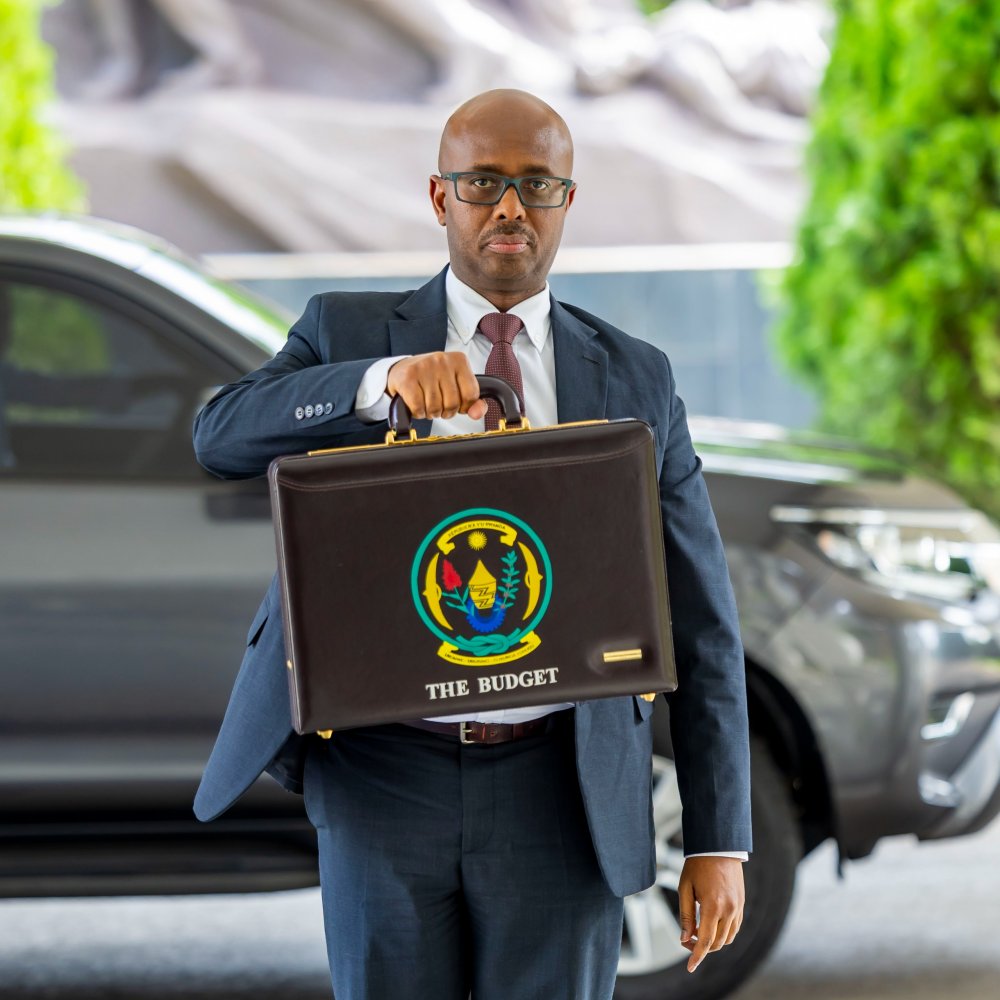
Presenting the progress update, Minister of Finance and Economic Planning Yusuf Murangwa highlighted advances across agriculture, infrastructure, energy, health, and social protection.
Agricultural production support featured prominently during the first quarter of the fiscal year. Farmers received 4,162 tonnes of improved seeds, including maize, wheat, and soybean, along with 50,452 tonnes of mineral fertilizer.
Climate resilience efforts are expanding through irrigation development, with Mahama I and II agricultural zones in Kirehe District now 75% complete. Crop and livestock insurance coverage also broadened, protecting 14,783 hectares of farmland, more than 16,000 cattle, and over 96,000 small livestock.
Industrial supply chains performed above expectations, with processing plants receiving more raw materials than initially projected. Export revenues remained strong, generating $104.6 million from coffee, $49.5 million from tea, $3.1 million from flowers, and $53.2 million from fruits and vegetables.
Transport infrastructure works continue to reshape connectivity across the country. Construction of 184.8 kilometers of tarmac roads is progressing steadily, including major corridors linking eastern and northern regions. Rehabilitation of feeder roads is also advancing, particularly in Rutsiro District and Karongi District, improving access between production areas and markets.
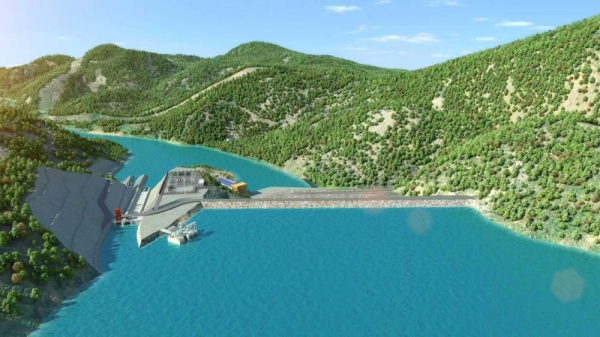
Energy access has expanded through grid extension, solar installations, and network upgrades. More than 34,000 households have been connected to the national electricity grid, while over 8,000 households now use solar power and dozens of public institutions have been electrified. Construction of the Nyabarongo II Hydropower Plant, expected to generate 43.5 megawatts, has reached 60% completion.
Water supply projects are advancing in multiple districts. Pipeline construction is underway in Nyamagabe District and Gisagara District, while rehabilitation of water networks across 13 districts is nearing completion under programs aimed at improving nutrition and public health outcomes.
Urban development initiatives are expanding housing and basic infrastructure. Servicing works are underway for more than 500 housing units in Gasabo District, while development of the planned Nyabisindu model settlement is progressing as part of broader efforts to promote organized urban growth.
Education and health investments remain central to the budget’s implementation. Thousands of teachers have been recruited, and new teacher training colleges are approaching completion.
Technology-focused education infrastructure continues to expand, while the modernization of Masaka University Teaching Hospital is nearing completion.
Digital health systems are now operational in hundreds of health centers, strengthening patient record management and continuity of care. At the same time, thousands of patients diagnosed with non-communicable diseases have begun receiving structured follow-up treatment.
Social protection programs have provided employment and direct support to vulnerable households. Public works initiatives created jobs for tens of thousands of people, while nutrition programs supplied milk and fortified foods to young children, pregnant women, and breastfeeding mothers.
Environmental management efforts are also advancing. Restoration of major wetlands in Kigali has reached 78%, and tens of thousands of fuel-efficient cookstoves have been distributed to reduce reliance on firewood.
In the justice sector, community mediation committees and legal aid services resolved the vast majority of cases received, while authorities reported the recovery of approximately Rwf 300 million in misappropriated public funds.
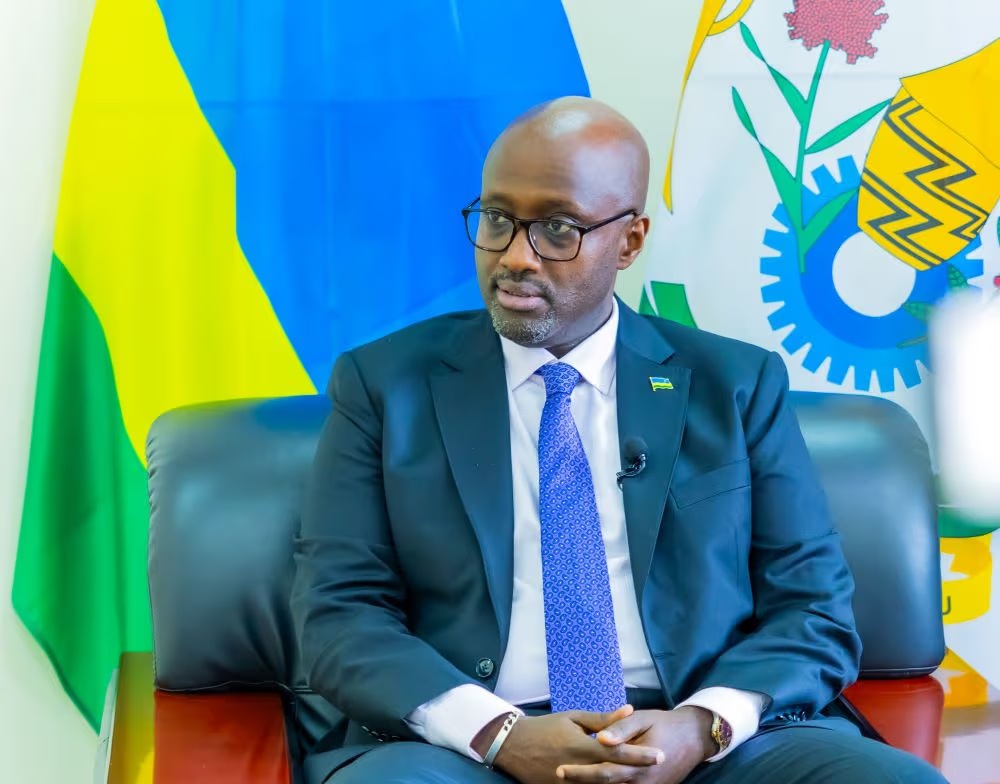
Minister of Finance and Economic Planning Yusuf Murangwa highlighted advances across agriculture, infrastructure, energy, health, and social protection in the 2025/2026 fiscal year.
The clarification followed remarks by Jeune Afrique journalist Romain Gras, who appeared to question why President Kagame did not attend the summit, noting that he had been in the United States over the weekend attending the NBA All-Star Game.
Responding to the comments, Nduhungirehe emphasized that many African leaders were also absent and that Rwanda had official representation at the highest level.
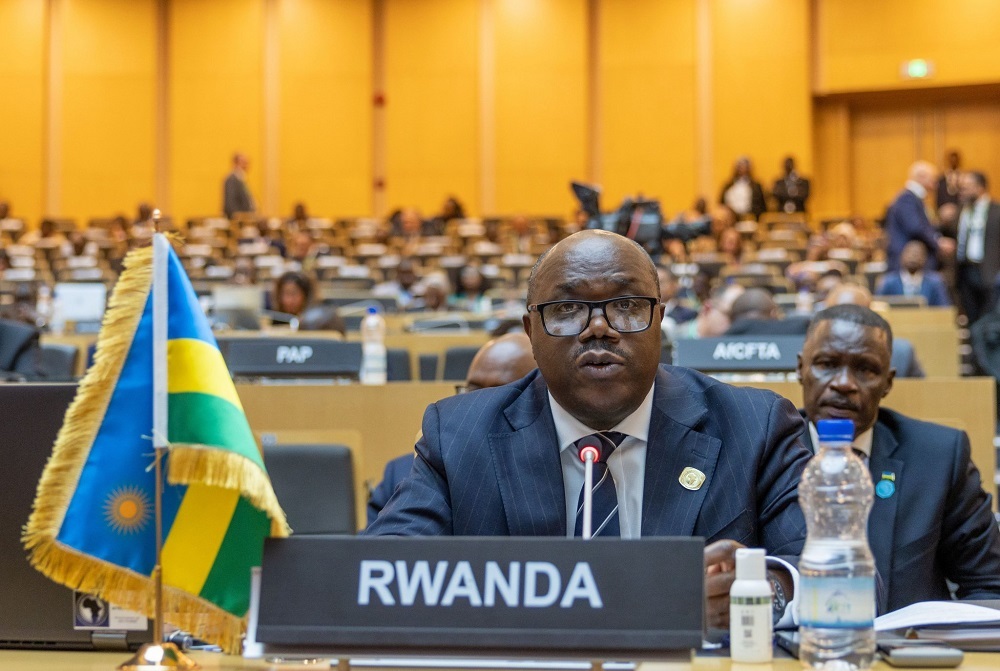
“President Paul Kagame did not personally attend the 39th Session of the African Union Assembly, just like nearly half of the African Heads of State. In Addis Ababa, he was duly represented by Prime Minister Justin Nsengiyumva. So, there is nothing new under the sun!” the minister said.
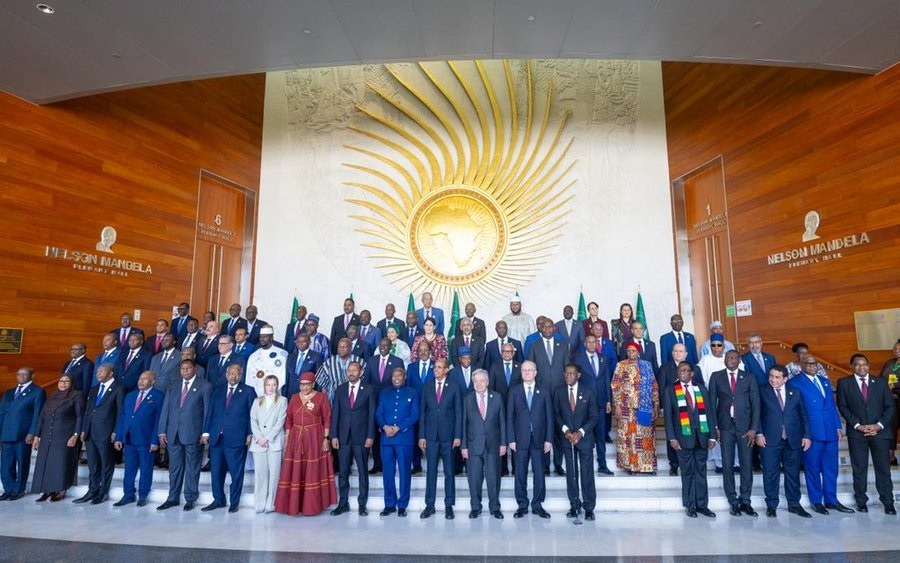
The AU summit was held in Addis Ababa, Ethiopia, on February 14 and 15, 2026. Rwanda was represented by Prime Minister Justin Nsengiyumva, who addressed key continental priorities, including health and security, in line with the AU’s Agenda 2063 framework.
On regional security, Nsengiyumva told fellow African leaders that the government of the Democratic Republic of the Congo continues to violate the Washington peace agreements and the Doha principles. He stressed that all parties concerned must honour their commitments to create conditions for sustainable peace.
The Prime Minister further argued that actors directly involved in the conflict in eastern DRC should not participate in mediation efforts led by the AU, warning that such involvement undermines trust and raises concerns over impartiality.
Meanwhile, President Kagame was in Los Angeles on a working visit. He met with Adam Silver, Commissioner of the National Basketball Association, and Deputy Commissioner Mark Tatum, to discuss ongoing cooperation between the league and Rwanda in developing basketball talent.
He also held talks with Steve Ballmer, owner of the Los Angeles Clippers, whose franchise promotes Rwanda’s tourism brand through the “Visit Rwanda” partnership launched in September 2025.
The NBA All-Star Game took place at the Intuit Dome, the Clippers’ 18,000-seat arena in Los Angeles, where Visit Rwanda branding has been displayed since last year.
Nduhungirehe emphasized that many African leaders were also absent and that Rwanda had official representation at the highest level.President Paul Kagame was represented by Prime Minister Justin Nsengiyumva.
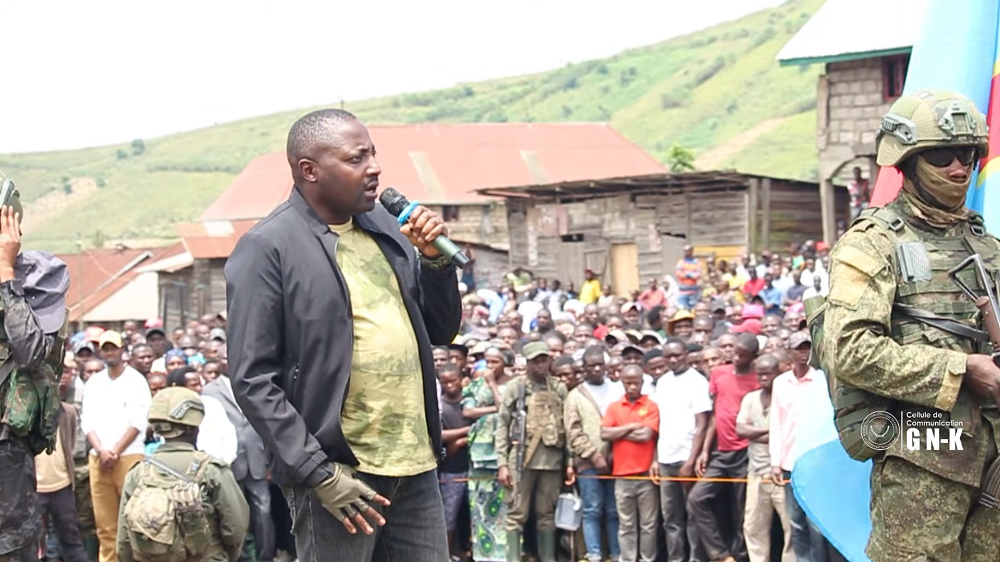
Bahati Musanga Erasto, the AFC/M23-appointed governor of North Kivu Province, made the announcement on Monday during a visit to Kitshanga trading center in Masisi Territory.
According to Bahati, the government in Kinshasa cut off telecommunications services in areas controlled by the group, a decision he said has negatively affected civilians. He stated that AFC/M23 is working on measures to ensure communication services are restored and cannot be disrupted again.
“The Kinshasa government is the one that shut down the network,” he said. “We are working to ensure that the network will no longer be shut down. We are in the process of introducing another network provider that will be under our control. It will reach Goma, Kitshanga and all other areas. No one will be able to interfere with these towers again in a way that disrupts connectivity.”
He added that currently only residents in the cities of Goma and Bukavu are able to access mobile phone services, while people in other areas remain without reliable telecommunications access.
It remains unclear whether AFC/M23 intends to launch a newly created telecommunications company or partner with an existing operator active in other countries.
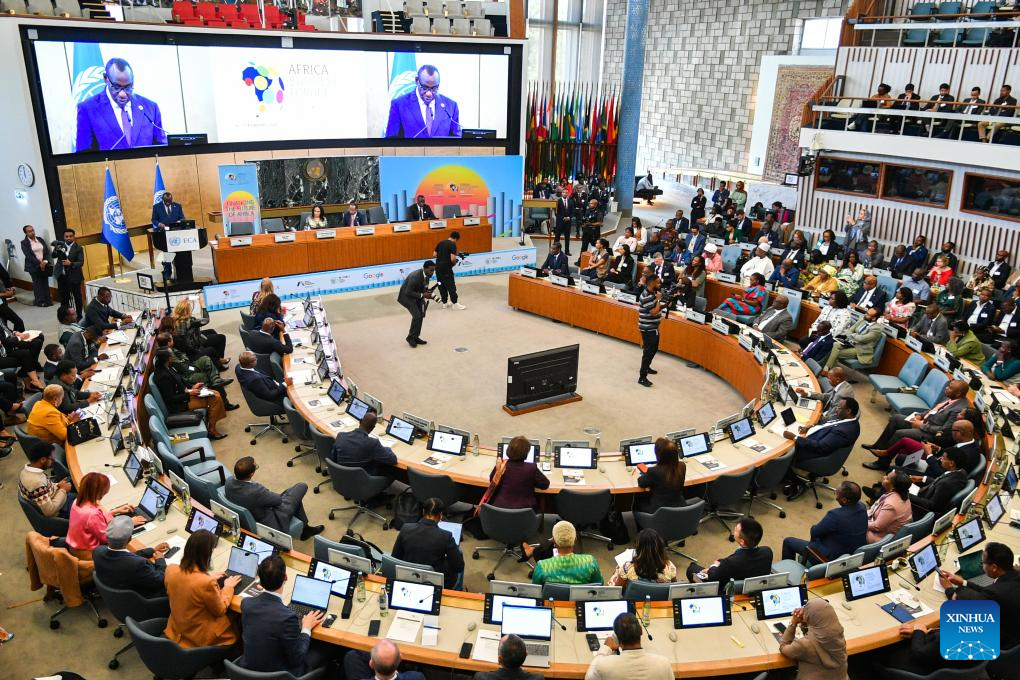
The urgent call came at the 9th Africa Business Forum 2026, the continent’s flagship business gathering, which opened Monday at the UN Conference Center in Addis Ababa, Ethiopia’s capital, under the theme “Financing the Future of Africa: Jobs, Innovation and Creative Capital.”
The two-day forum, convened annually by the UN Economic Commission for Africa (UNECA) in collaboration with the African Union (AU) and other partners, is a premier platform for high-level engagement among African heads of state, private sector leaders, and investors.
This year’s forum centered on fostering partnerships and leveraging blended finance to advance Africa’s youth economy.
Addressing the forum, Ethiopian President Taye Atske Selassie emphasized the crucial importance of harnessing the potential of Africa’s youth. Noting that the AU’s 50-year continental development blueprint, Agenda 2063, designates the youth as the primary drivers of Africa’s renaissance, he said with over 70 percent of the continent’s population under the age of 30, Africa is yet to exploit its “immense” demographic potential.
“During this decade, 362 million youngsters entered the working age population. However, our current job market can only provide jobs to 161 million people,” Atske Selassie said. “This demographic reality can become Africa’s greatest strength if we succeed in turning our youth into productive capital and our innovation into scalable enterprises.”
Experts and policymakers at the forum stressed that while global capital has become more selective, Africa’s demographic and market fundamentals make it an “irresistible frontier.” They highlighted the need to address the existing gap between available funds and viable projects.
Emphasizing that transformation is already underway in multiple sectors across Africa, with the continent beginning to export value, not just commodities, UNECA Executive Secretary Claver Gatete said that despite these successes, the pace of transformation remains below potential.
“Africa faces a huge infrastructure financing gap and further loses billions annually to illicit financial flows. Even so, the continent holds over 1.1 trillion U.S. dollars of domestic institutional capital in pension funds, insurance pools, and sovereign assets. The paradox, therefore, is not a lack of capital, but the lack of mechanisms that connect capital to bankable projects,” he said.
Gatete proposed four strategic measures for collective action. These include scaling up domestic capital and deploying innovative financing instruments, stronger credit ratings and more credible African capital markets, full implementation of the African Continental Free Trade Area, and investing decisively in innovation, skills, and data systems.
This photo taken on Feb. 16, 2026 shows a scene of the 9th Africa Business Forum 2026 at the UN Conference Center in Addis Ababa, Ethiopia.
The decision on Sunday “could lead to the dispossession of Palestinians of their property and risks expanding Israeli control over land in the area,” said a statement issued by spokesperson Stephane Dujarric.
Such measures, including Israel’s continued presence in the occupied Palestinian territory, “are not only destabilizing but, as recalled by the International Court of Justice, unlawful,” it added.
The UN chief called on the Israeli government to immediately reverse these measures, and again warned that the current trajectory on the ground is eroding the prospect for the two-state solution, the statement said.
Guterres reiterated that all Israeli settlements in the occupied West Bank, including East Jerusalem, and the regime associated with them, have no legal validity and are in flagrant violation of international law and relevant UN resolutions.
“The Secretary-General calls on all parties to preserve the only path to lasting peace, a negotiated two-State solution, in line with relevant Security Council resolutions and international law,” the statement said.
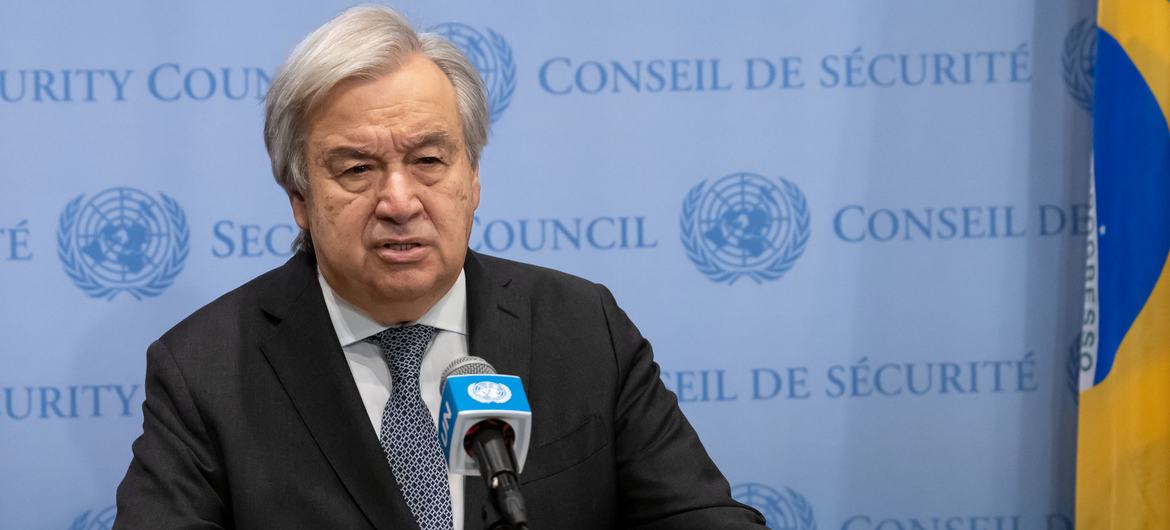
UN Secretary-General Antonio Guterres on Monday condemned the Israeli government’s decision to resume land registration procedures in Area C of the occupied West Bank.
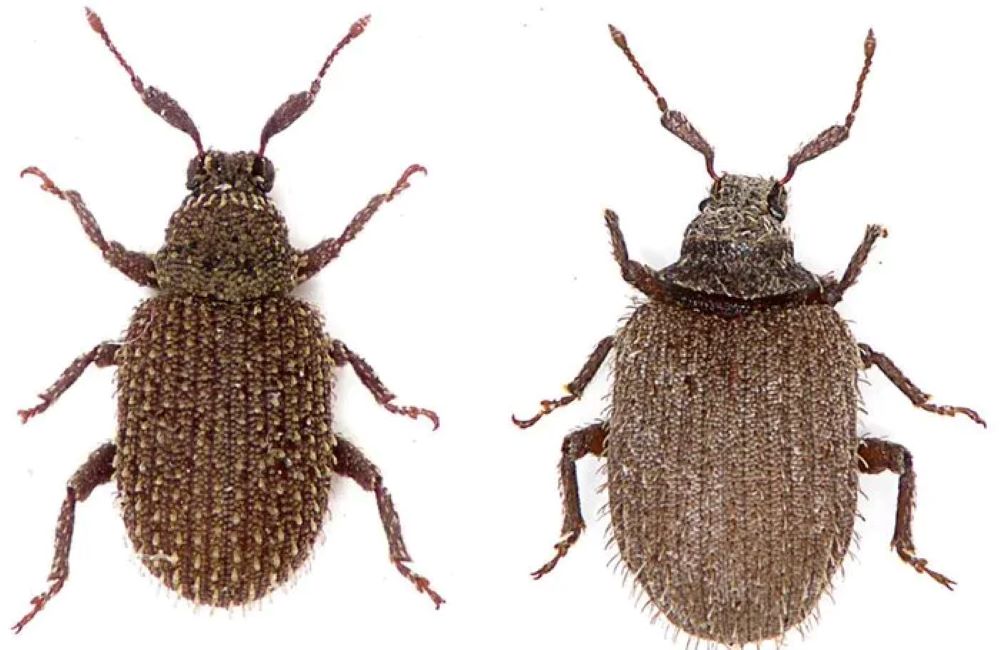
According to SA News, the discovery was made by Dr. Massimo Meregalli from Italy and Dr. Roman Borovec from the Czech Republic.
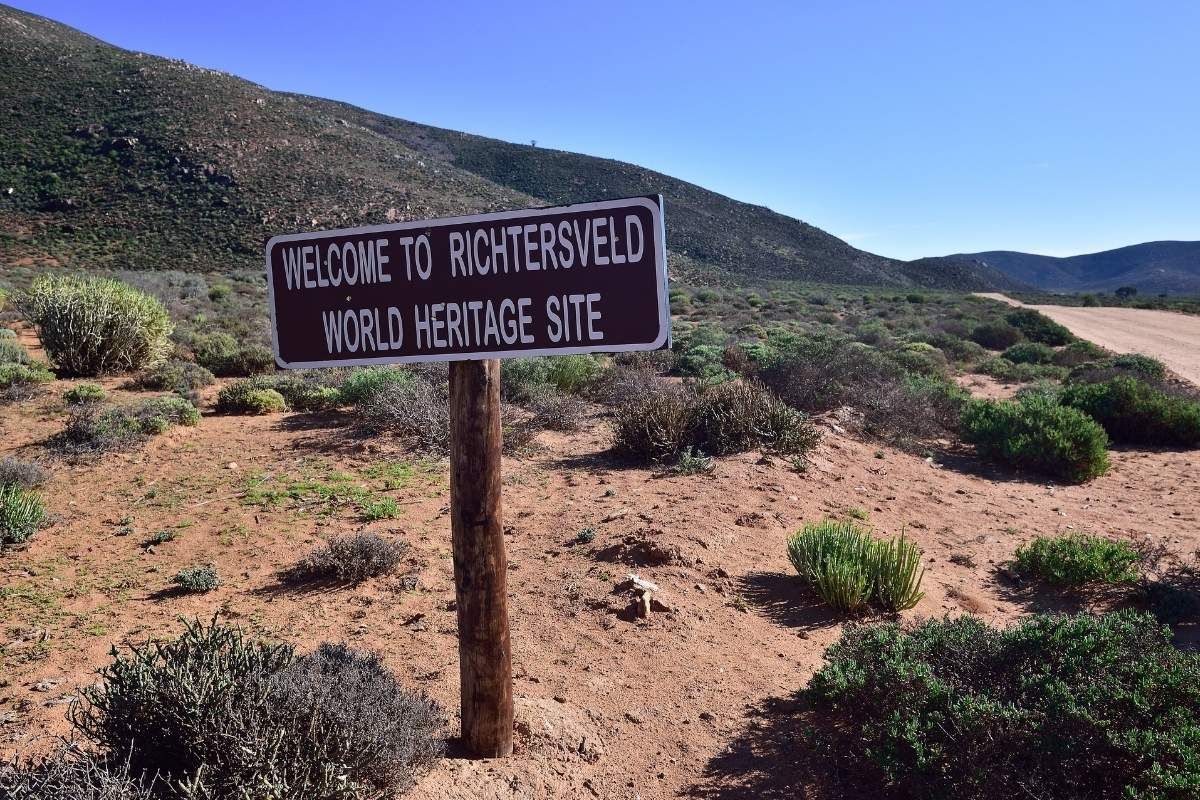
These respected entomologists recently published their research on flightless weevils found in remote parts of the park. These tiny insects live in the soil, hidden under shrubs, and mostly come out at night, making them very hard to find and study. Therefore, their discovery required meticulous fieldwork in the Richtersveld’s challenging environment.
SA News quoted a statement by South African National Parks (SANParks) as saying, “With the support and guidance of Richtersveld National Park Nursery Curator Pieter van Wyk, the researchers explored the remote Armmanshoek Valley, an area not previously surveyed for soil insects.”
“Their efforts resulted in the identification of multiple new species, further confirming the Richtersveld as a hotspot of endemism and scientific importance,” it said.
To honor the park’s importance for conservation and SANParks’ support for research, the scientists named a newly found group and species “Richtersveldiella sanparkensis.”
This is the first insect species to be officially named after SANParks and Richtersveld National Park. The researchers have also previously honored the local culture by naming other groups, Khoisan and Nama, recognizing the long history of connection between the communities and this unique land.
“These discoveries highlight the importance of continued scientific exploration within protected areas and reinforce SANParks’ commitment to conserving not only iconic wildlife and landscapes, but also the often-overlooked species that form the foundation of healthy ecosystems,” SANParks said.
“The naming of Richtersveldiella sanparkensis stands as a lasting scientific tribute to the Richtersveld and SANParks’ ongoing dedication to biodiversity conservation,” it added.
To honor the park’s importance for conservation and SANParks’ support for research, the scientists named a newly found group and species “Richtersveldiella sanparkensis.”
These figures are part of the 2025 annual report released by African Parks, which manages the park in partnership with the Rwanda Development Board. The report highlights the park’s achievements across conservation, tourism, community development, and global recognition.
In 2025, Rwandan nationals and international tourists each accounted for 47 percent of visitors, while foreign residents made up 6 percent.
The park was able to cover its core operating costs through its own revenue, marking a milestone as the first park under African Parks management to achieve operational self-sufficiency.
Besides, Akagera earned international acclaim after being listed among the world’s top 25 must-visit destinations for 2026 by National Geographic. The recognition celebrates over a decade of restoration work that has reestablished the park as a Big Five destination, showcasing Rwanda’s growing presence in global conservation and tourism.
Akagera National Park received nearly 60,000 visitors in 2025.
Wildlife conservation milestones also marked the year. In June, 70 southern white rhinos were translocated from South Africa in the largest movement of its kind under the Rhino Rewild Initiative. Some of these rhinos have already given birth, signaling successful adaptation.
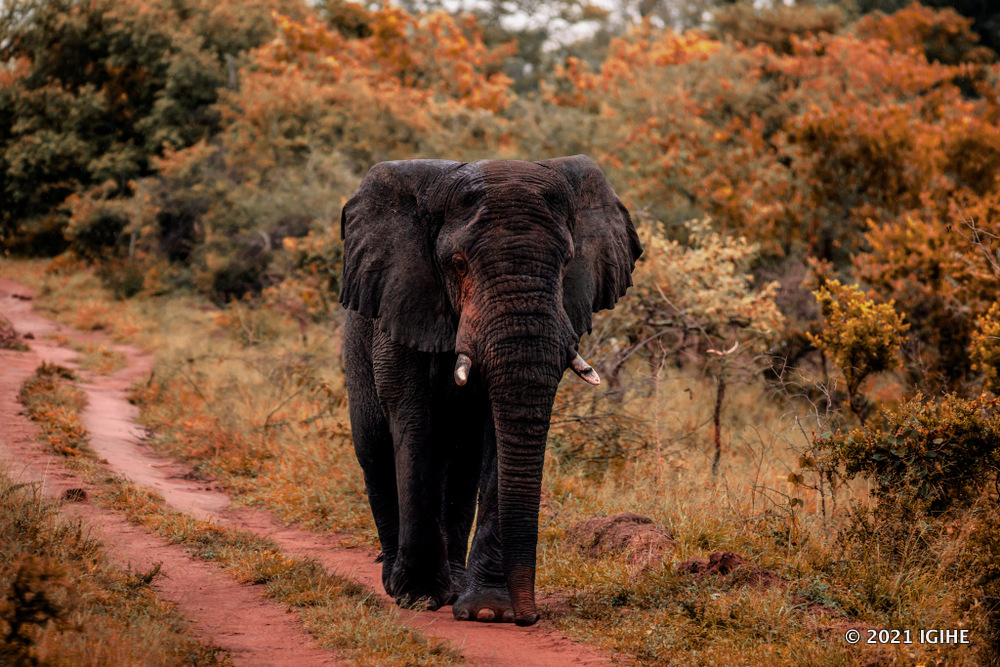
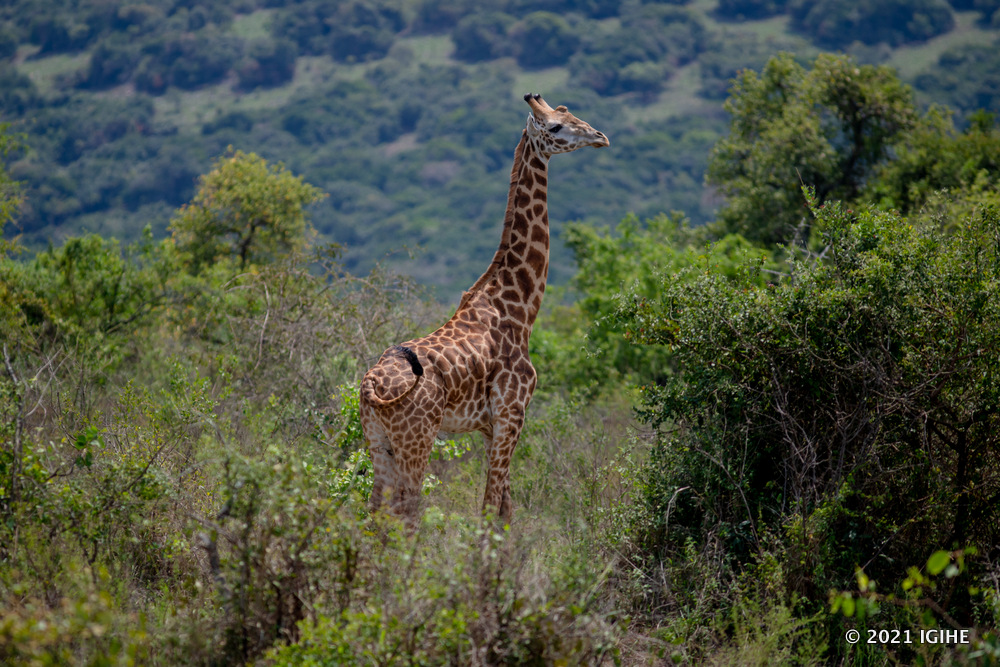
Routine wildlife monitoring continued, with 17 white rhinos and 7 black rhinos darted for tracking, along with elephants and lions. A ground survey counted 70 giraffes, while elephant identification projects documented 92 individuals, representing about 75 percent of the park’s estimated 142 elephants.
Tourism infrastructure expanded with the opening of Wilderness Magashi Peninsula, an exclusive retreat overlooking Rwanyakizinga Lake. The new facility strengthens premium tourism offerings and supports the park’s sustainability goals.
Law enforcement and anti-poaching efforts remained effective. Rangers completed over 21,000 field days, covering 134,076 kilometers in patrols. Only five animals were poached inside the park, while collaborative operations outside the park resulted in 135 arrests and 20 prosecutions. The number of illegal fires dropped dramatically, from 13 in 2024 to just one in 2025.
Community engagement and capacity building were a key focus. More than 124,000 community members participated in 30 outreach events, including the Rhino Velo Race, Rhino Foot Race, and Lion’s Cup football tournament. Over 4,000 individuals accessed the Savannah Learning Centre, nearly 2,000 visited the community library, and 4,300 students and teachers participated in school visits. The park also supported 30 local teachers in strengthening eco-clubs focused on biodiversity and climate change.
Community enterprises benefited significantly, generating $555,242 in revenue for approximately 1,200 individuals. Beekeeping cooperatives produced over 17 tons of honey, while fishing groups earned $122,356. Other income came from guiding services, hospitality initiatives, and procurement of goods and services from local businesses, contributing an additional $637,000. Through Rwanda’s Tourism Revenue Sharing Program, $886,379 was allocated for local development projects.
Infrastructure development in 2025 included the completion of the Gishanda Fish Farm Aquaculture Training Centre, fencing of Karenge Bush Camp, maintenance of Ruzizi Tented Lodge, and road upgrades totaling 27 kilometers, bringing the park’s operational road network to 511 kilometers. New ranger facilities, expanded gift shops, and a café kitchen were also completed.
Akagera National Park spans more than 1,200 square kilometers, covering the districts of Kayonza, Gatsibo, and Nyagatare.
Over the past 30 years, Rwanda has made significant efforts to restore the park, which was once heavily impacted by poaching, resulting in the extinction of some species.
In 2025, elephant identification projects documented 92 individuals, representing about 75 percent of Akagera National Park’s estimated 142 elephants.Akagera National Park is home to diverse species including giraffes.
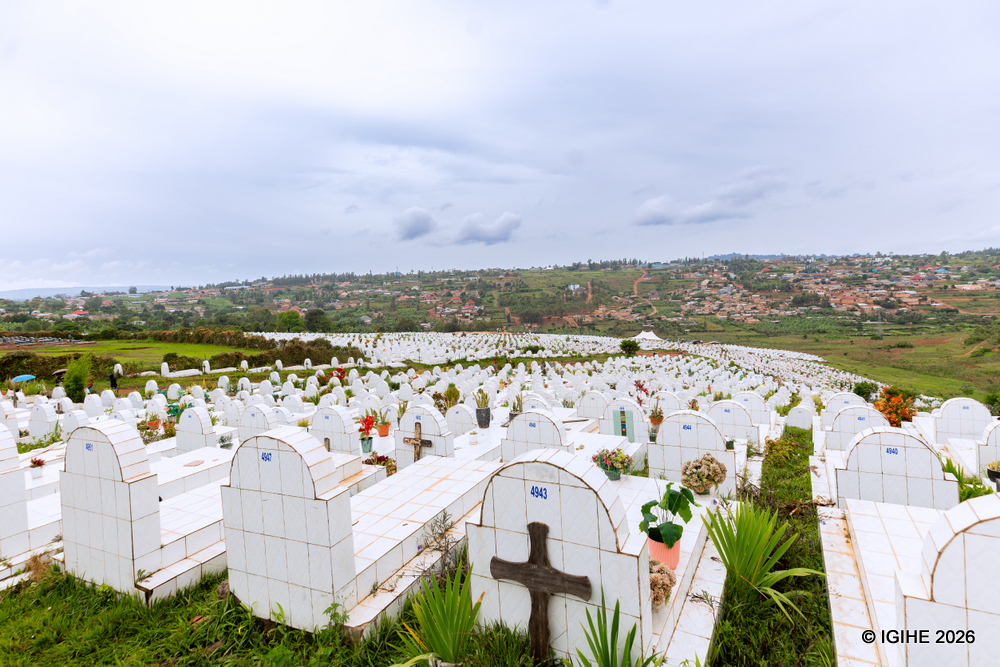
The cemetery was established in 2011 after Remera Cemetery in Gasabo District was permanently closed. Remera had been in use long before 1994, and by the time it closed, 9,525 burials had taken place on seven hectares of land. Since its opening, Rusororo Cemetery has accommodated 13,396 burials across 18 hectares.
Rwandan law sets specific standards for burial plots, including maximum dimensions and spacing between graves, and allows multiple burials in a single grave if the family consents.
Despite these provisions, the remaining space at Rusororo is limited, prompting authorities to explore options for expansion.
According to Anselme Nkusi, the Director of Cons Tech Ltd, which manages the cemetery, “The land we currently have will last about seven to eight months. When additional space is needed, the City of Kigali relocates nearby residents to create more room for burials.”
Cremation has been legally permitted for over ten years as a potential solution to land shortages, but adoption remains low among Rwandans, who are often reluctant to burn the remains of loved ones. Since the law was enacted, only 28 cremations have been performed in Rwanda, primarily by foreign residents accustomed to this practice in their home countries.
Authorities have also considered stacking two coffins in a single grave to maximize space, but cultural sensitivities have made this approach difficult.
“We tried burying two people in one grave with family consent,” Nkusi said. “Some families initially agreed but later withdrew, insisting no additional burial should be added above. This illustrates the challenge of balancing practical needs with cultural preferences.”
Attitudes, however, appear to be shifting. A 2025 study by the Ministry of Unity and Civic Engagement found that 61 percent of respondents agreed that cremation could help address the growing shortage of burial space.
Of more than 12,000 people surveyed, 32 percent strongly supported cremation, 29 percent moderately supported it, while 34 percent opposed it and 5 percent were undecided.
Since its opening, Rusororo Cemetery has accommodated 13,396 burials across 18 hectares.