YouTube experienced the outage earlier on Tuesday, disrupting access for users across multiple countries, including the United States, with hundreds of thousands reporting problems loading videos and using related services.
In a public statement, TeamYouTube acknowledged the outage: “We’re aware some of you are having issues accessing YouTube right now.”
In an update, the team said: “An issue with our recommendations system prevented videos from appearing across surfaces on YouTube (including the homepage, the YouTube app, YouTube Music and YouTube Kids).”
A couple of hours after the massive disruption, the team said all of its platforms were back to normal.
Social media platforms were flooded with posts from YouTube users across regions reporting simultaneous access failures. Outage tracking website Downdetector showed a sharp surge in complaints worldwide. In the United States alone, more than 320,000 users flagged issues at the peak of the disruption.
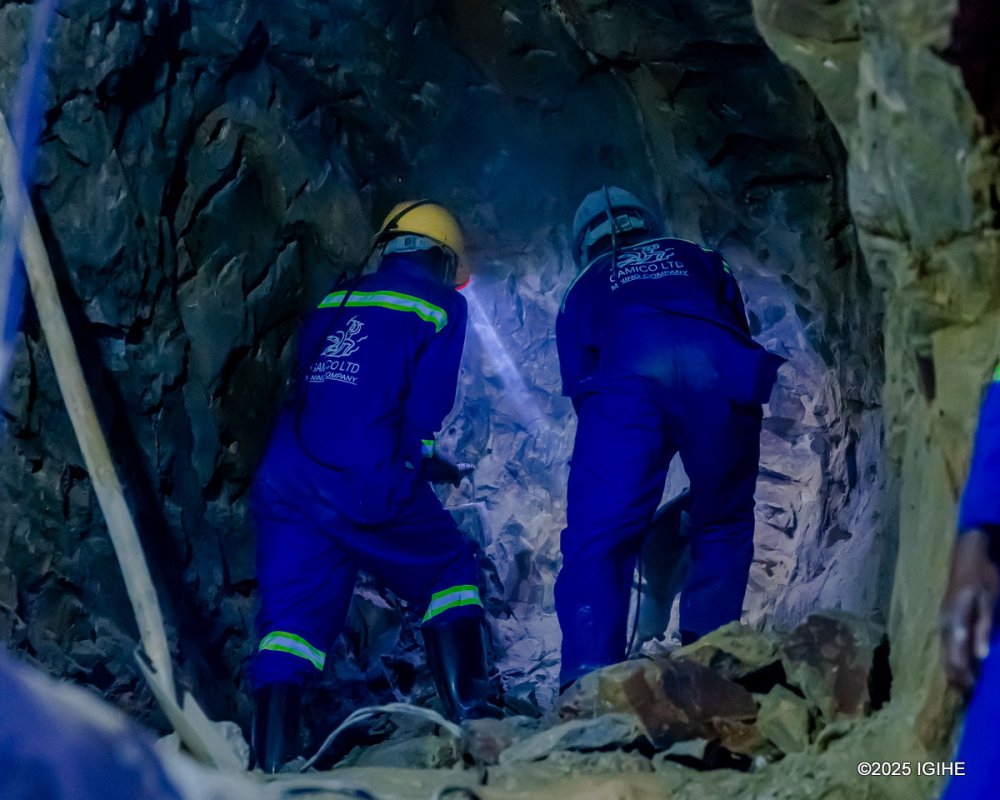
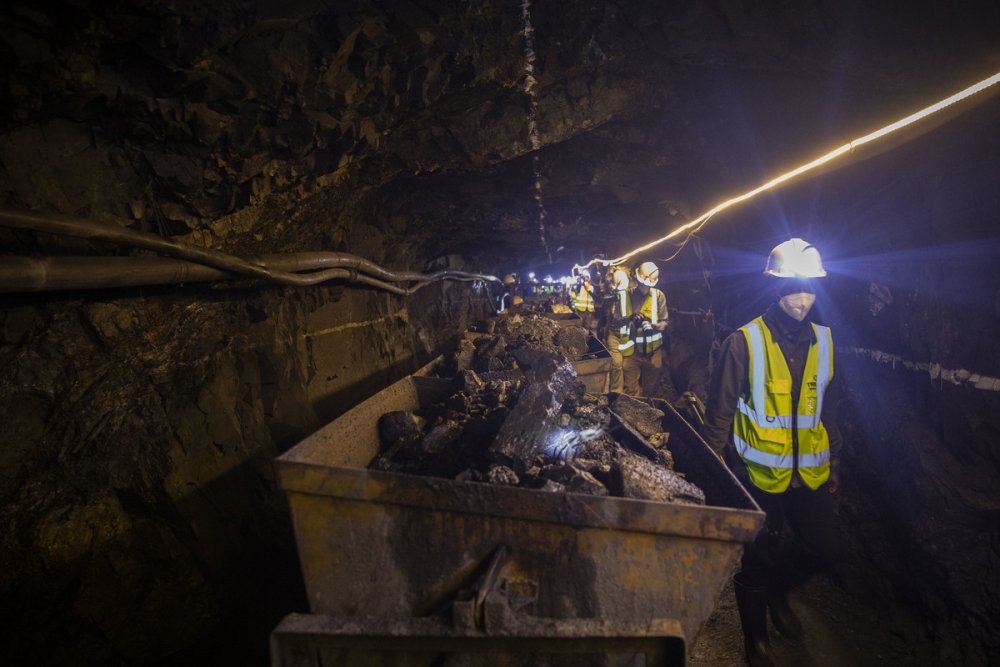
In mid-2025, at least 73 applications were received for 10 mining blocks, underscoring growing enthusiasm for the country’s mineral resources.
The new blocks are available for field visits from February 16 to 20, 2026. Interested investors must submit signed applications by March 3 through the Rwanda Mines, Petroleum and Gas Board (RMB).
“From our previous experience, competition was intense. We hope to see even more investors this time,” said Alice Uwase, CEO of RMB.
The newly available blocks include Bihembe, Rubiha, Musenyi, Nyamyumba–Kivumu, Shyorongi & Binyeri, Kanama, Minazi, Bushekeri–Rangiro, and Kabagari–Kinihira. Four of the blocks have been explored previously and are considered highly promising, targeting tin, tantalum, tungsten, beryllium, and lithium. Four others are earmarked for fresh exploration focusing on the 3Ts, while two blocks are dedicated to gemstones, including sapphires.
RMB emphasised that technical expertise and local capacity remain key for successful bids.
“Finances alone are not enough—you need the right people and equipment on the ground. This is what we assess first,” Uwase said, urging investors to consider joint ventures to strengthen compliance and operational capacity.
Each block offers unique opportunities: Binyeri and Musenyi show strong potential for lithium, beryllium, cassiterite, and columbite-tantalite. Rubiha and Minazi are rich in tin and tantalum, with Minazi also featuring gemstones and gold.
Shyorongi and Bihembe are linked to rare metals, including niobium and tungsten, while Bushekeri–Rangiro and Kanama are focused on gemstones such as sapphire, ruby, and tourmaline.
By promoting exploration and investment in these new blocks, Rwanda aims to attract a broader pool of investors, foster technical partnerships, and accelerate growth in its mining sector, moving closer to its goals for increased mineral production and export revenue.
In mid-2025, at least 73 applications were received for 10 mining blocks, underscoring growing enthusiasm for the country’s mineral resources.
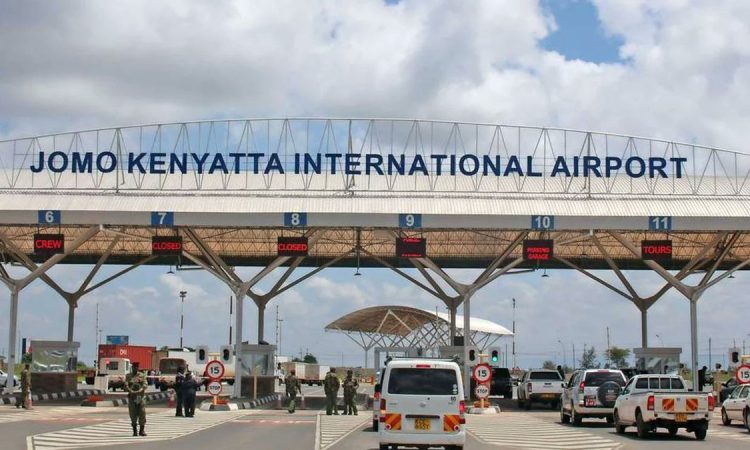
The Kenya Aviation Workers Union (KAWU) agreed to resume work following a meeting involving relevant government ministries and airport authorities. The strike had caused flight cancellations, delays, and diversions affecting both domestic and international travelers.
The return-to-work deal was reached after negotiations involving the Ministry of Roads and Transport, the Ministry of Labor, the Kenya Airports Authority (KAA), and KAWU. The parties committed to addressing workers’ grievances through a collective bargaining agreement.
“Aviation contributes immensely to the economy of the country, and we are committed to ensuring that the sector remains stable,” said Davies Chirchir, cabinet secretary for the Ministry of Roads and Transport, in a joint statement issued in Nairobi.
Under the agreement, airport operations at JKIA and other facilities resumed immediately.
“Immediate action includes reviewing the level of representation of Kenya Civil Aviation Authority (KCAA) staff to consider grades previously proposed and agreed upon but not included,” the statement said.
Kenya Airways and other international carriers had reported schedule adjustments and extended delays due to air traffic control operational constraints.
The Ministry of Labor will assist in a conciliatory process to discuss all issues raised and reach an amicable solution. KAWU is committed to a roundtable dialogue aimed at resolving workers’ concerns while ensuring that ongoing discussions prioritize passengers, aviation reliability, and national interests.
KAA welcomed the decision, noting that the disruption had paralyzed airport operations, raised safety and security concerns, and prompted the activation of contingency measures.
“Operations are now normalizing across all airports. Passengers are advised to contact their airlines for the latest flight schedules,” KAA said in a statement.
The labor dispute between the union and KCAA was driven by unresolved grievances, including delays in implementing a collective bargaining agreement dating back a decade, as well as concerns over pay and working conditions. KAWU said the strike was prompted by demands for better pay and improved working conditions.
Passengers were stranded in terminals, and some remained onboard aircraft for extended periods awaiting clearance for takeoff at JKIA. Airport authorities and the KCAA activated contingency measures to manage congestion and clear backlogs.
Kenya’s aviation sector is a key driver of economic growth, supporting tourism, trade, cargo, and employment. With millions of passengers and billions of U.S. dollars in annual freight, a swift resolution helps safeguard investor confidence and livelihoods.
Earlier, Rebecca Miano, cabinet secretary for the Ministry of Tourism and Wildlife, had called for an immediate resolution, highlighting the importance of reliable aviation infrastructure for tourism recovery and national commerce.
“The uninterrupted operation of our aviation infrastructure is vital to traveler safety, national commerce, and the livelihoods of countless Kenyans who depend on tourism. I respectfully urge all parties involved in the air traffic control strike to return to dialogue in good faith and resolve their outstanding issues swiftly,” Miano said.
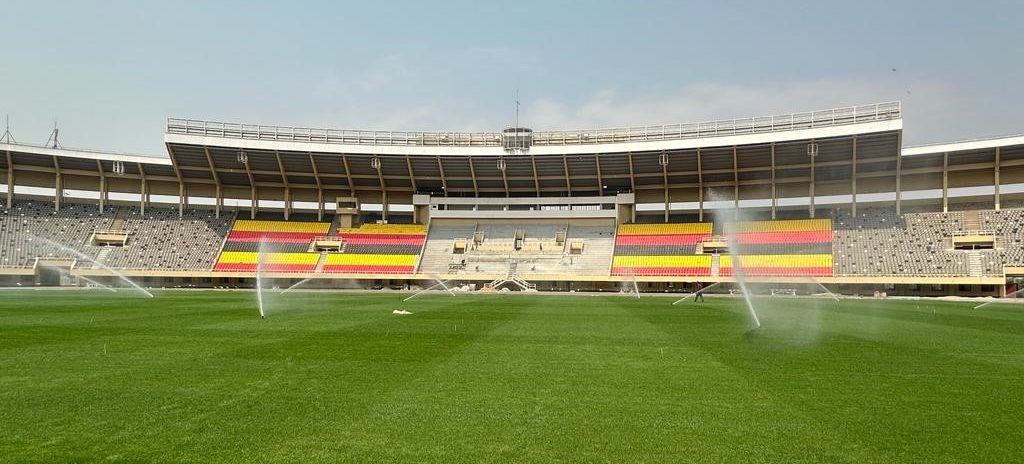
“It is the first time we are announcing this, but we submitted a bid late last year and now we have experts in the country to carry out evaluation of the facilities to determine if we meet all that is required,” Patrick Ogwel, General Secretary of the National Council of Sports (NCS), told Xinhua.
“The comments from the evaluators are very promising,” he added.
Ogwel also pointed out that Uganda is already preparing to co-host the CAF Africa Cup of Nations 2027 alongside Kenya and Tanzania, and that hosting the African Games would further demonstrate the country’s capacity to stage major international competitions.
“The government of Uganda is ready to host as many international competitions as possible because this will also help boost tourism in the country,” added Ogwel.
Previously known as the All Africa Games and later the Pan African Games, the African Games are held every four years and are organized by the African Union in collaboration with the Association of National Olympic Committees of Africa (ANOCA) and the Association of African Sports Confederations (AASC).
The report shows that the financial sector attracted $299.1 million in 2024, a 27.2% increase. Industry received $267.1 million, construction $150.5 million, while agriculture, education and health together drew $107.7 million in foreign investment.
By country of origin, investors from Mauritius led with $251.1 million, followed by Kenya with $140.3 million, China with $108.6 million, the United States with $103.9 million, and Germany with $65.3 million.
Viewed by regional blocs, the Common Market for Eastern and Southern Africa (COMESA) accounted for $418.6 million in investment inflows, followed by the Organisation for Economic Co-operation and Development (OECD) with $340.6 million, the Southern African Development Community (SADC) with $293.4 million, Asia with $228.2 million, and the East African Community with $159.1 million.
Foreign loans to Rwandan businesses rose to $543.6 million, a 28.5% increase from $423 million the previous year. The report attributes the rise mainly to borrowing from affiliated companies abroad, which accounted for 60.8% of external loans, while 39.2% came from non-affiliated foreign entities.
More than 380 companies participated in the survey. Their combined turnover reached $3.9 billion in 2024, up from $3.6 billion in 2023.
Profitability and employment
The report indicates that in 2024, private companies with foreign ownership exceeding 10% recorded profits of $179.5 million, up 36.4% from $176.5 million in 2023. Reinvested earnings rose by 34.6% to $125.4 million, while dividends distributed to shareholders increased by 15.2% to $38.3 million.
Foreign investment generated 69,341 jobs in 2024, with 97.6% of positions held by Rwandans. In 2023, foreign investment-related employment stood at 59,916 jobs.
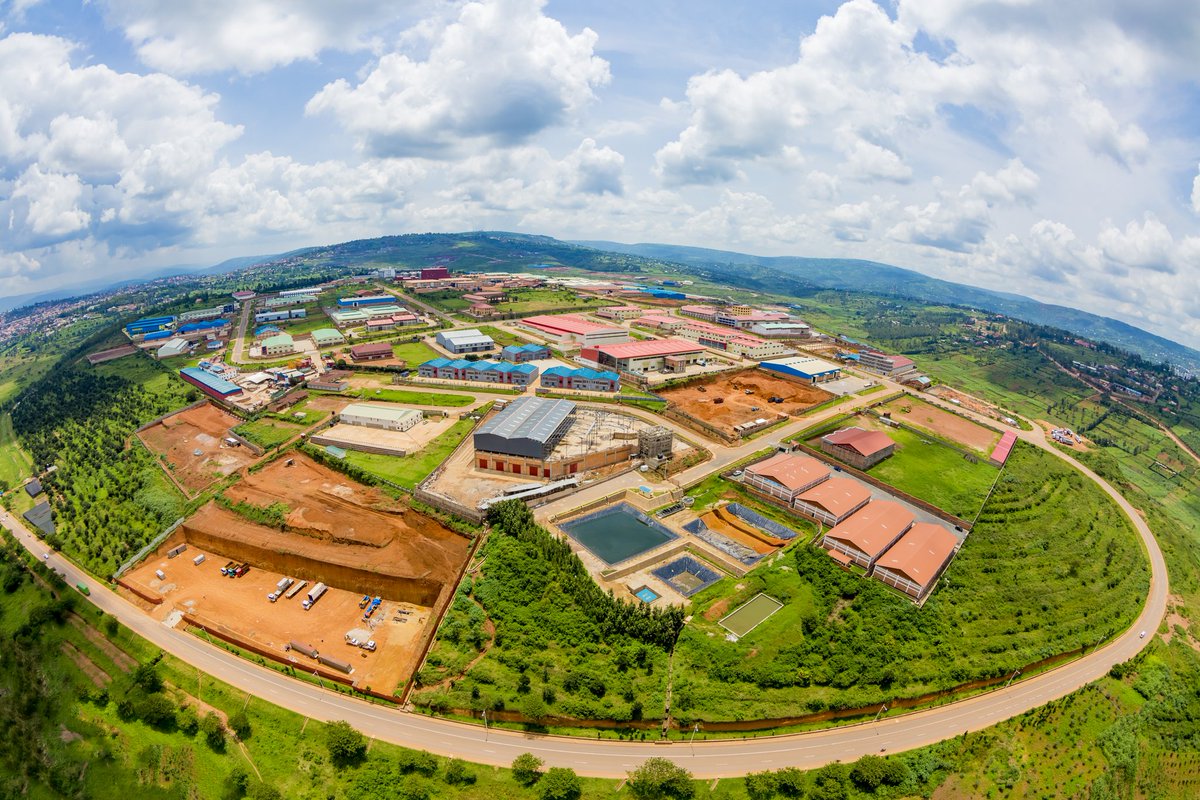
Ths photo shows the view of Kigali Special Economic Zone in Masoro.
The 12 resolutions, published on February 17, 2026, include measures to further improve the quality of education, with a particular focus on strengthening the teaching of languages, especially English, as well as improving public awareness of available government services and where to access them.
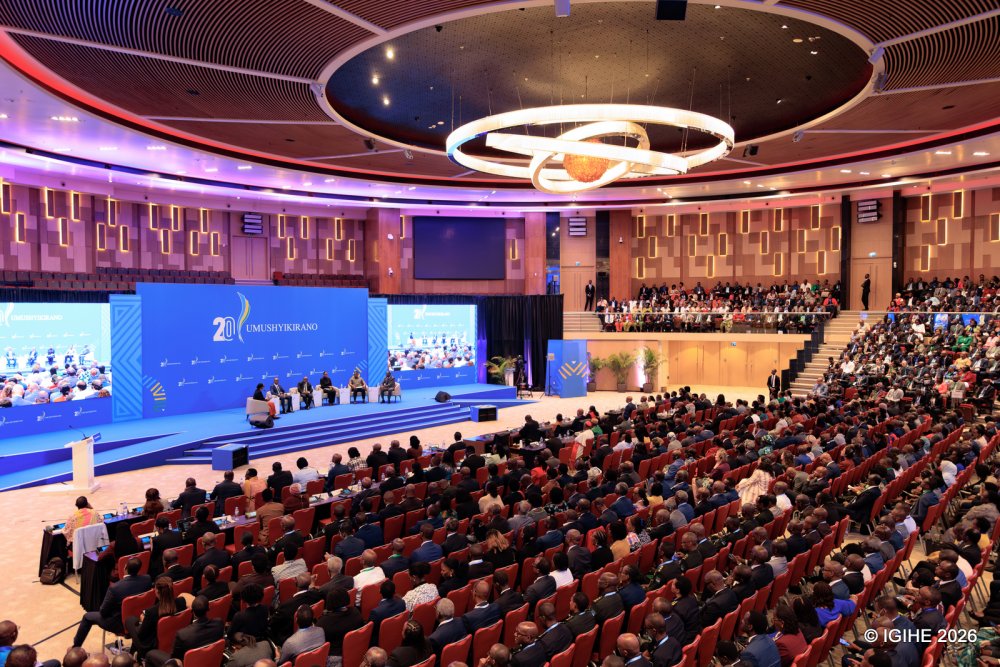
The 20th session of the National Dialogue Council was held in Kigali from February 5 to 6 and was chaired by President Paul Kagame.
The meeting brought together participants from across society, including government leaders, representatives of the private sector, members of the Rwandan diaspora, diplomats accredited to Rwanda, international organizations, development partners, and the media.
In his opening remarks, President Kagame emphasized the importance of implementing the Council’s resolutions, describing them as a cornerstone of national development and self-reliance. He also highlighted the responsibility of leaders to promote unity among Rwandans, strengthen self-reliance, and build public confidence.
The Head of State urged leaders to further improve performance and coordination, consistently place citizens at the center of service delivery, and remain accountable for their responsibilities.
Discussions during the 20th National Dialogue Council focused on key issues including the implementation of the National Strategy for Transformation (NST2), sustainable economic development, Rwanda’s position in the international arena, good governance, education, and employment.
Following these discussions, the following resolutions were adopted:
1. Strengthen project planning, monitoring, and accountability to ensure timely completion and achievement of objectives.
2. Continue professionalization of mining activities and prioritize processing and value addition.
3. Intensify efforts to increase agricultural and livestock productivity, including through expanded access to fertilizers, improved seeds, irrigation services and artificial insemination.
4. Provide targeted support to industries to boost production and competitiveness, improve value addition, and address packaging challenges.
5. Resolve outstanding issues in One Stop Centres by streamlining processes and procedures, to ensure adequate public awareness of the existence of these services.
6. Accelerate the integration of SACCOs at district and national levels.
7. Advance education quality to align with labor market needs, nurture talents, and significantly strengthen language instruction, particularly in English.
8. Promote youth recreational activities, talent promotion and skills development for productive and decent jobs.
9. Support Rwandan content creators and creatives to effectively monetize digital platforms and online content.
10. Improve planning and implementation of performance contracts (Imihigo) to better respond to citizens’ concerns, enhance service delivery, and raise overall performance.
11. Reinforce citizen engagement for behaviour change to enable communities to be more active in addressing social welfare and development challenges.
12. Strengthen campaigns and educational measures against teenage pregnancies, school dropout, alcohol and drug abuse.
The 20th session of the National Dialogue Council, held in Kigali from February 5 to 6, was chaired by President Paul Kagame.
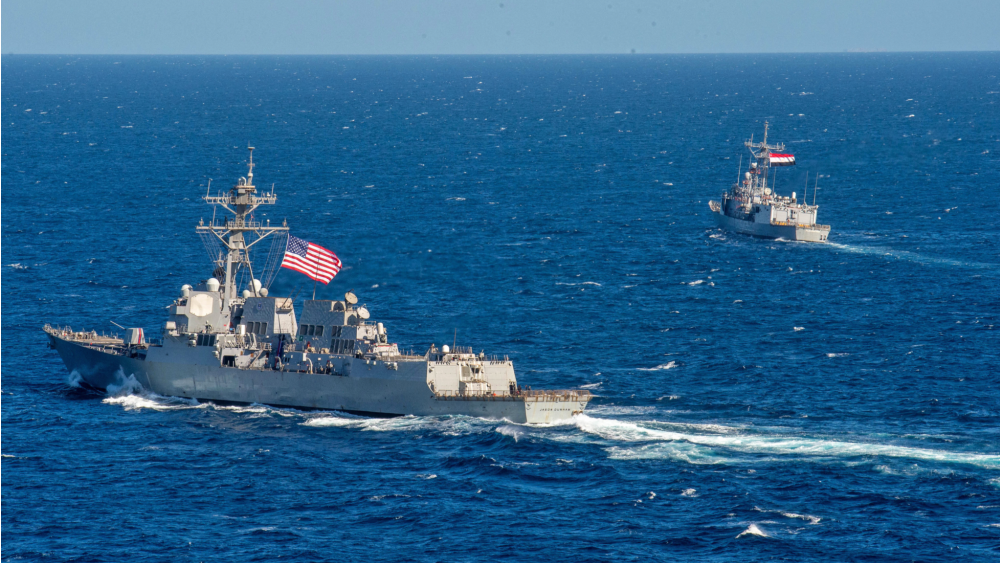
Four people were killed on the first vessel in the eastern Pacific, four on the second vessel in the eastern Pacific, and three on the third vessel in the Caribbean, the command said on X.
“Intelligence confirmed the vessels were transiting along known narco-trafficking routes and were engaged in narco-trafficking operations,” the command claimed.
It added that no U.S. military forces were harmed.
The U.S. administration has not provided evidence supporting its allegations about the boats, cargo or the people killed.
Since early September, the U.S. forces have launched about 40 known strikes on alleged drug-smuggling boats in the Caribbean and the eastern Pacific, killing more than 130 people.
The Pentagon resumed strikes on boats in late January following a Jan. 3 U.S. military raid in which Venezuelan President Nicolas Maduro and his wife were forcibly seized.
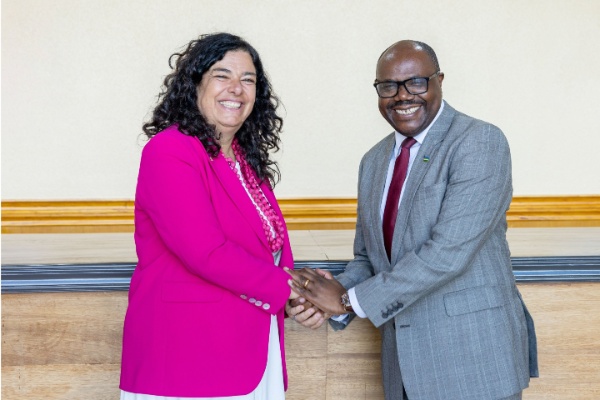
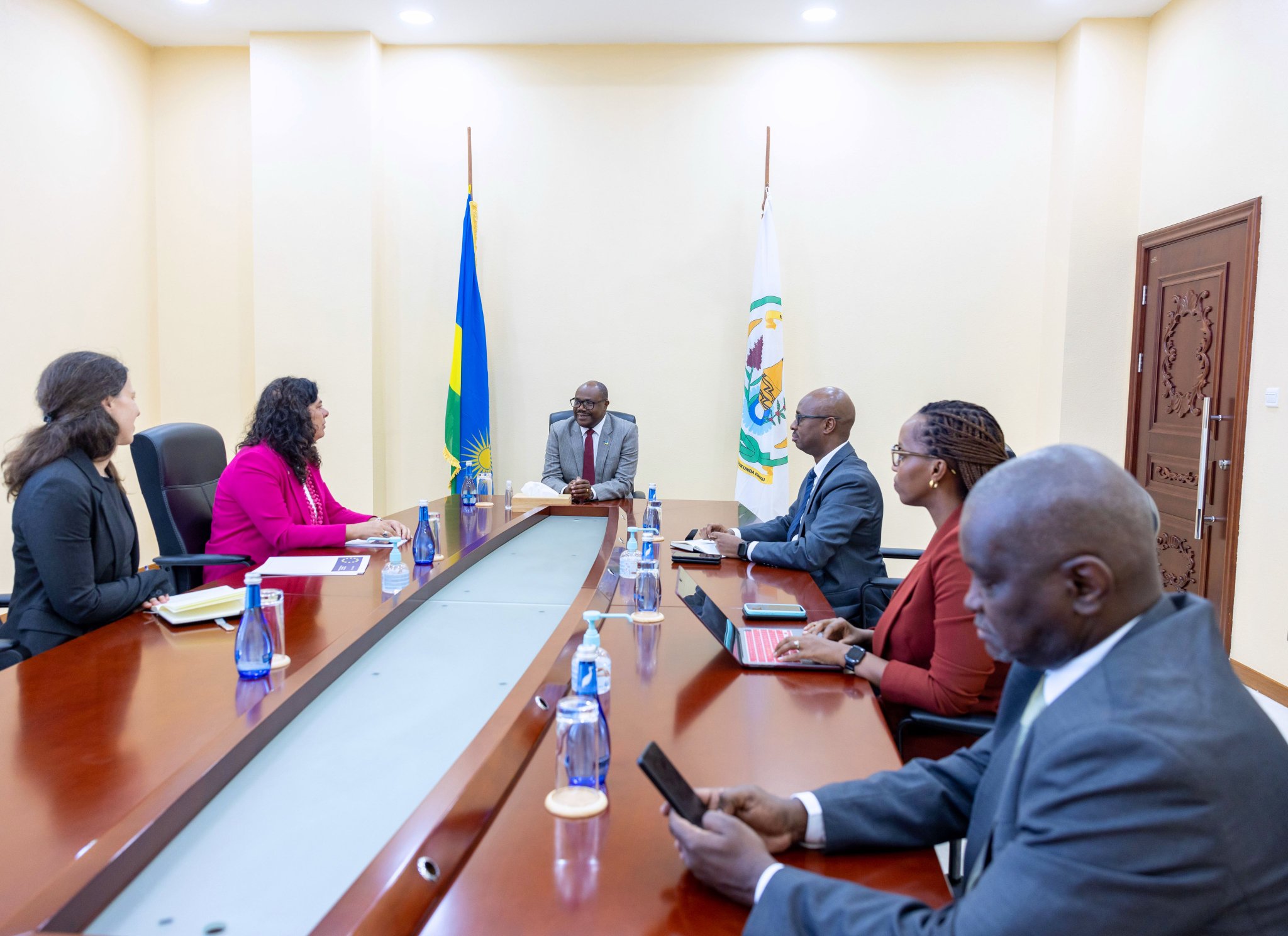
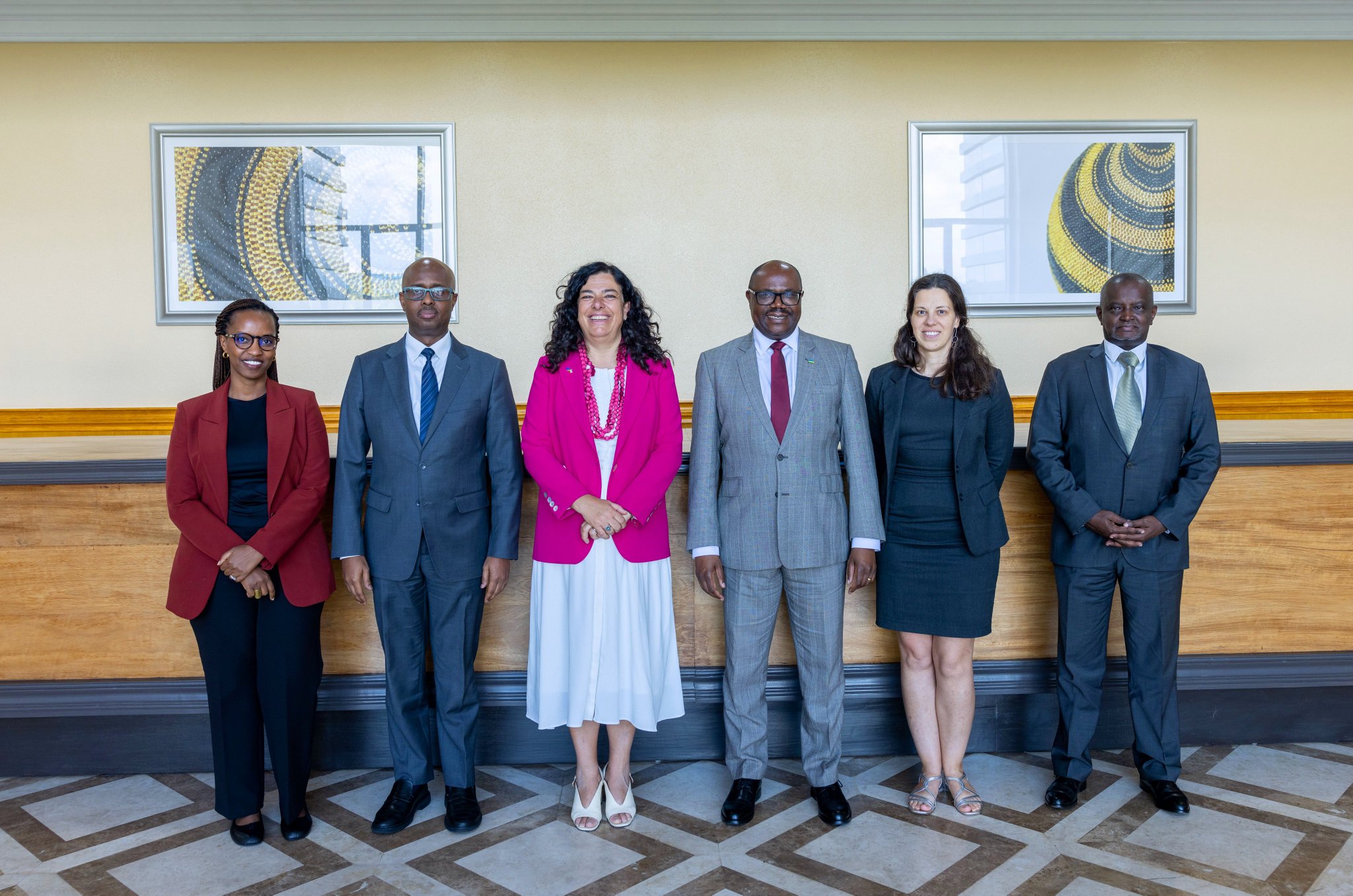
The talks come at a time when Rwanda–EU relations are undergoing a notable shift from traditional development assistance toward strategic, high-value economic cooperation. This transformation is largely driven by the EU’s Global Gateway strategy, a multi-billion-euro initiative aimed at building sustainable partnerships through investments in digital, energy, transport and health infrastructure.
Under the current multiannual financial framework, the EU allocated €260 million in grant funding to Rwanda for the 2021–2024 period, including €49 million in EFSD+ provisioning. For 2025–2027, an additional €134 million has been earmarked, alongside Rwanda’s participation in several multi-country EU programmes.
Through the “Team Europe” approach in Rwanda, the EU works alongside the European Investment Bank and member states including France, Germany, Belgium, Luxembourg, the Netherlands, Lithuania, Greece, Sweden, Austria and Denmark.
A key highlight of the evolving partnership has been support for Rwanda’s ambition to become a regional biotechnology and pharmaceutical hub. In October last year, during bilateral talks in Brussels between President Paul Kagame and Ursula von der Leyen, the EU announced €95 million in new funding to strengthen vaccine manufacturing in Rwanda.
The financing builds on earlier EU support of more than €93 million toward BioNTech’s Kigali facility, inaugurated in 2023 as the company’s first mRNA manufacturing site in Africa. The project is seen as a major step toward ensuring equitable access to vaccines and strengthening Africa’s capacity to respond to future health emergencies.
Rwanda’s development ambitions are guided by the National Strategy for Transformation and Vision 2050, which aim to achieve upper-middle-income status by 2035. The EU has positioned its cooperation framework to align with these goals, supporting economic transformation, green transition efforts and inclusive growth.
The discussions focused on further strengthening the longstanding partnership between Rwanda and the EU.
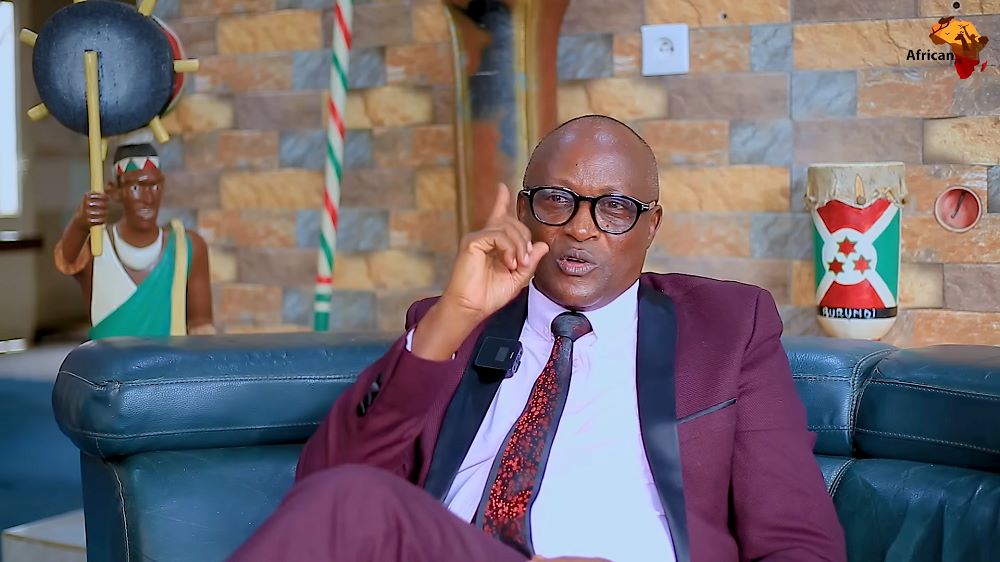
Speaking on Africa TV YouTube channel, Sindimwo suggested that those pressuring Rwanda to lift security measures along its border may have ulterior motives.
“If you come and tell me to lift my country’s defensive measures, what do you want? You want to attack me,” he said. “As for the Washington agreement, I don’t see anything meaningful in it given the ongoing tensions in the DRC.”
The government of the Democratic Republic of the Congo has called on countries including the United States to impose sanctions on Rwanda, accusing it of violating a peace agreement signed in Washington on December 4, 2025.
Sindimwo argued that sanctions would have little real impact on a country, noting that Burundi itself faced sanctions in 2016 yet continued to function. In his view, such measures mainly serve to intimidate.
“There are things that make me laugh,” he said. “They impose sanctions on you, so what happens? Were we not sanctioned? Did we stop existing? That is intimidation.”
At the National Dialogue Council held on February 5, 2026, President Paul Kagame explained that Rwanda deployed defensive measures along its border to prevent attacks by the FDLR terrorist group operating in eastern DRC.
President Kagame stressed that Rwanda will not accept any situation that undermines its security.
Sindimwo expressed support for Kagame’s decision to safeguard Rwanda’s security, saying no form of intimidation should prevent a leader from protecting their country and its citizens.
Gaston Sindimwo served as the Vice President of Burundi from 2015 to 2020.
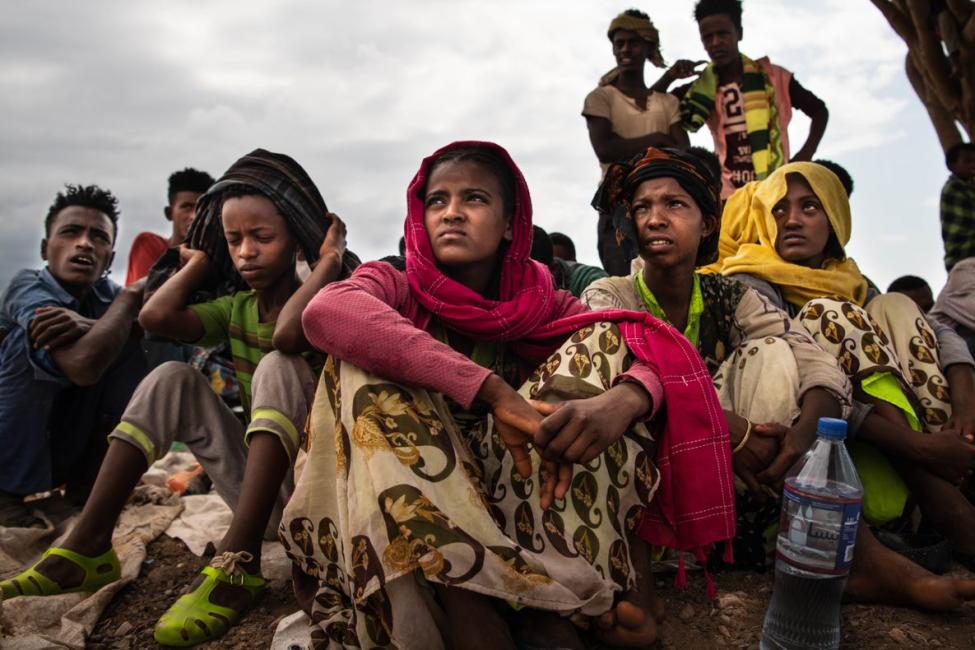
The funding appeal, launched under the Regional Migrant Response Plan for the Horn of Africa to Yemen and Southern Africa, was unveiled in Nairobi, the Kenyan capital.
IOM Director General Amy Pope stressed in a video message that sustainable financing is key to tackling the migration crisis in the Greater Horn of Africa and southern Africa regions, fueled by climate change, instability, and poverty.
Pope said the migrant response plan aims to protect the rights, dignity, safety, and livelihoods of migrants and host communities in a region grappling with sporadic conflicts, climate shocks, and high youth unemployment.
Adequate funding is required to provide humanitarian support to these migrants and their host communities, and to enhance stability, resilience, and inclusive growth across the region, Pope said.
“This support is not just humanitarian; it is an investment. We must turn this migrant response plan into protection, solutions, and hope for the people who depend on us,” Pope added.
Migrants traveling from the Horn of Africa to the Southern Africa region, including women, children, and youth, face significant risks of violence, trafficking, abduction, torture, dehydration, and forced labor, according to IOM.
IOM Chief of Staff Mohammed Abdiker noted that both regions have become global hotspots for risky and irregular migration, adding that the new funding will support livelihood projects for migrants, as well as their return and reintegration into their countries of origin.
The International Organization for Migration (IOM) on Tuesday launched a 91 million U.S. dollar funding appeal to support about 1.2 million migrants and host communities in the Greater Horn of Africa and southern Africa regions.