The appeal was made in an official communiqué released on February 19, 2025, in which the movement expressed concern over what it termed sustained silence from global and regional actors.
According to the statement, civilian populations in Minembwe, Mikenge, Karingi, and across the Hauts Plateaux of South Kivu have been subjected to “daily, systematic, and unpunished massacres.”
The group attributed the alleged attacks to coalition forces aligned with the Kinshasa government, including FARDC units, local armed groups, and foreign mercenaries.
The communiqué further claimed that women, children, and elderly civilians are among the primary victims, describing the situation as a humanitarian catastrophe and alleging repeated violations of international humanitarian law.
The movement also warned that continued inaction could heighten instability across the wider Great Lakes region, urging international institutions and regional leaders to take what it called decisive measures.
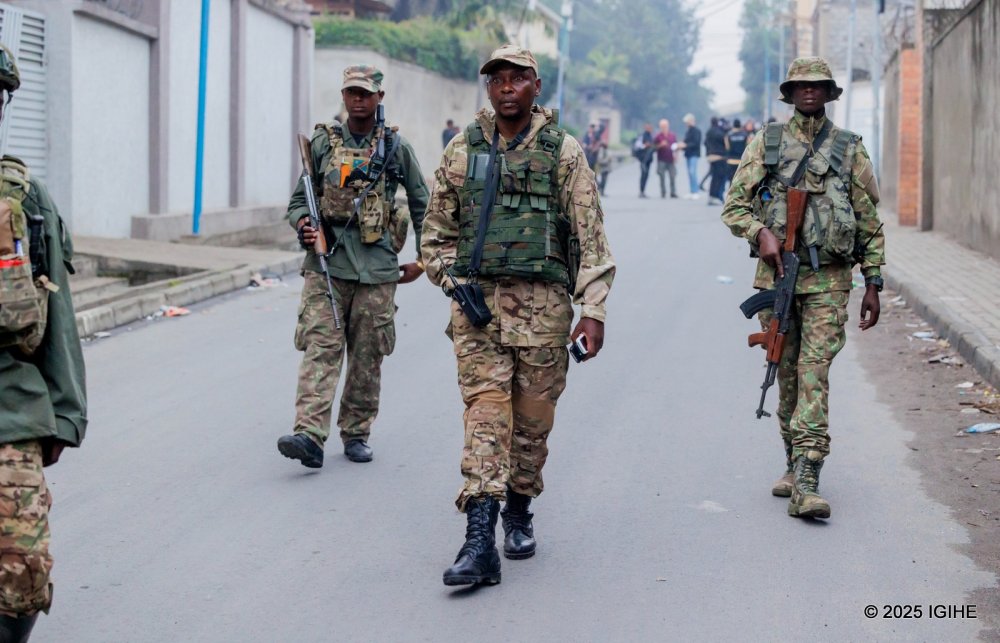
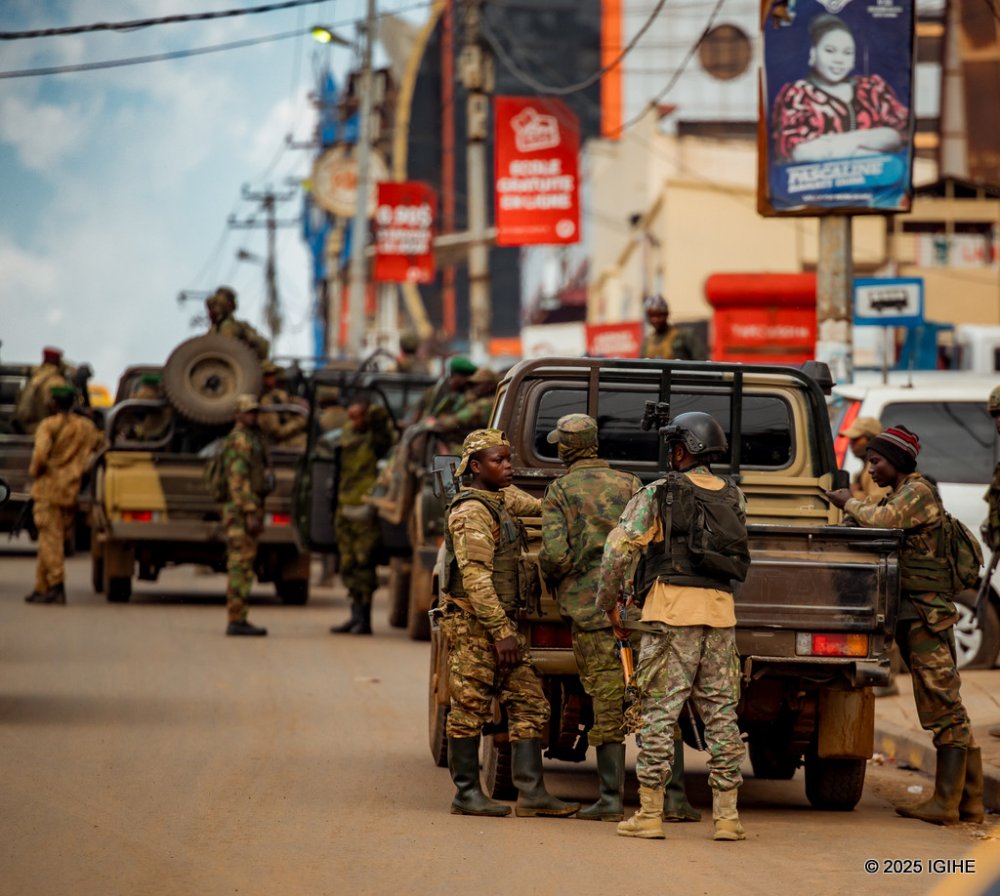
AFC/M23 has been controlling Goma city since January 2025.
MediConnect is a digital health platform that connects patients with licensed doctors across multiple specialities through messaging, phone calls, or video consultations. It offers electronic prescriptions, home delivery of medications, and follow-up care. Consultations are priced to remain affordable, with a general practitioner costing 3,000 Rwandan francs and a specialist 5,000 Rwandan francs.
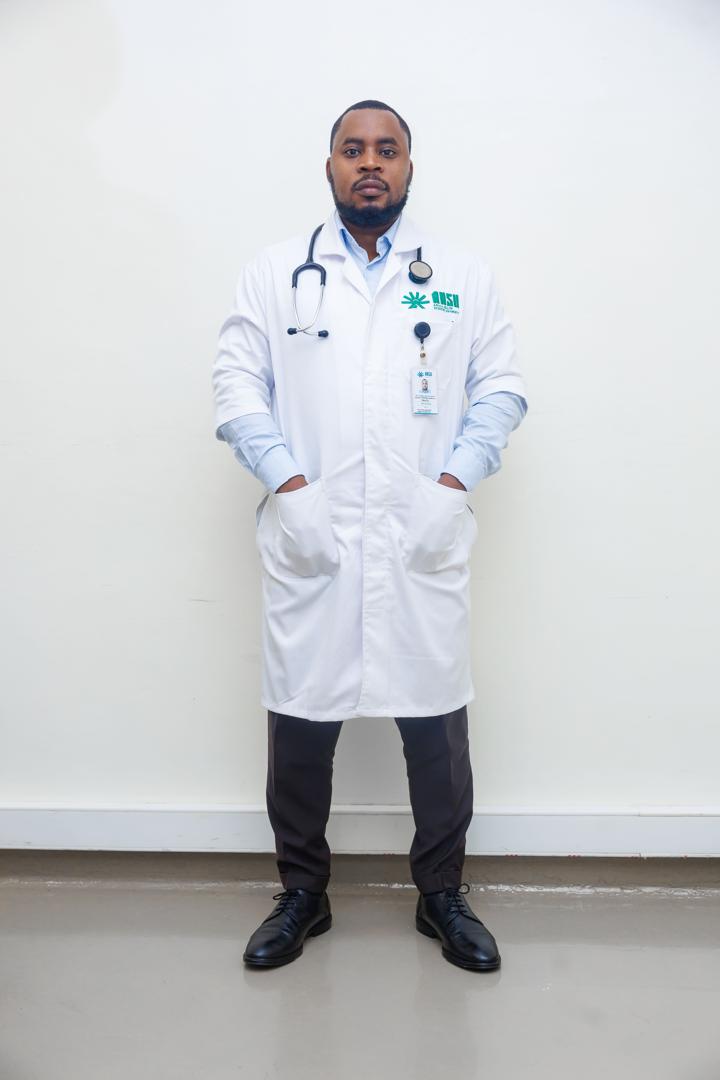
In an interview with IGIHE, Dr. Iradukunda explained that MediConnect was born from watching patients travel long distances for consultations and imagining a way for doctors to provide care beyond hospital walls.
The MediConnect platform connects patients with licensed doctors across multiple specialities through messaging, phone calls, or video consultations.
The shortage of doctors was another driving factor. Currently, Rwanda has approximately one doctor for every 4,000 members of its population, but the government is working aggressively to meet the WHO-recommended threshold by 2028 through the “4×4 Reform”.
“At the current rate, it would take us about 180 years to reach the World Health Organization’s recommended number of healthcare providers,” he remarked, acknowledging the urgent need to disrupt that timeline through the government’s ambitious initiative to quadruple the number of healthcare professionals within four years.
The MediConnect solution, he said, was not about replacing existing services but complementing them. MediConnect allows doctors to consult patients virtually when they are not at hospitals or clinics, extending care beyond traditional settings and reaching patients in both urban and rural areas.
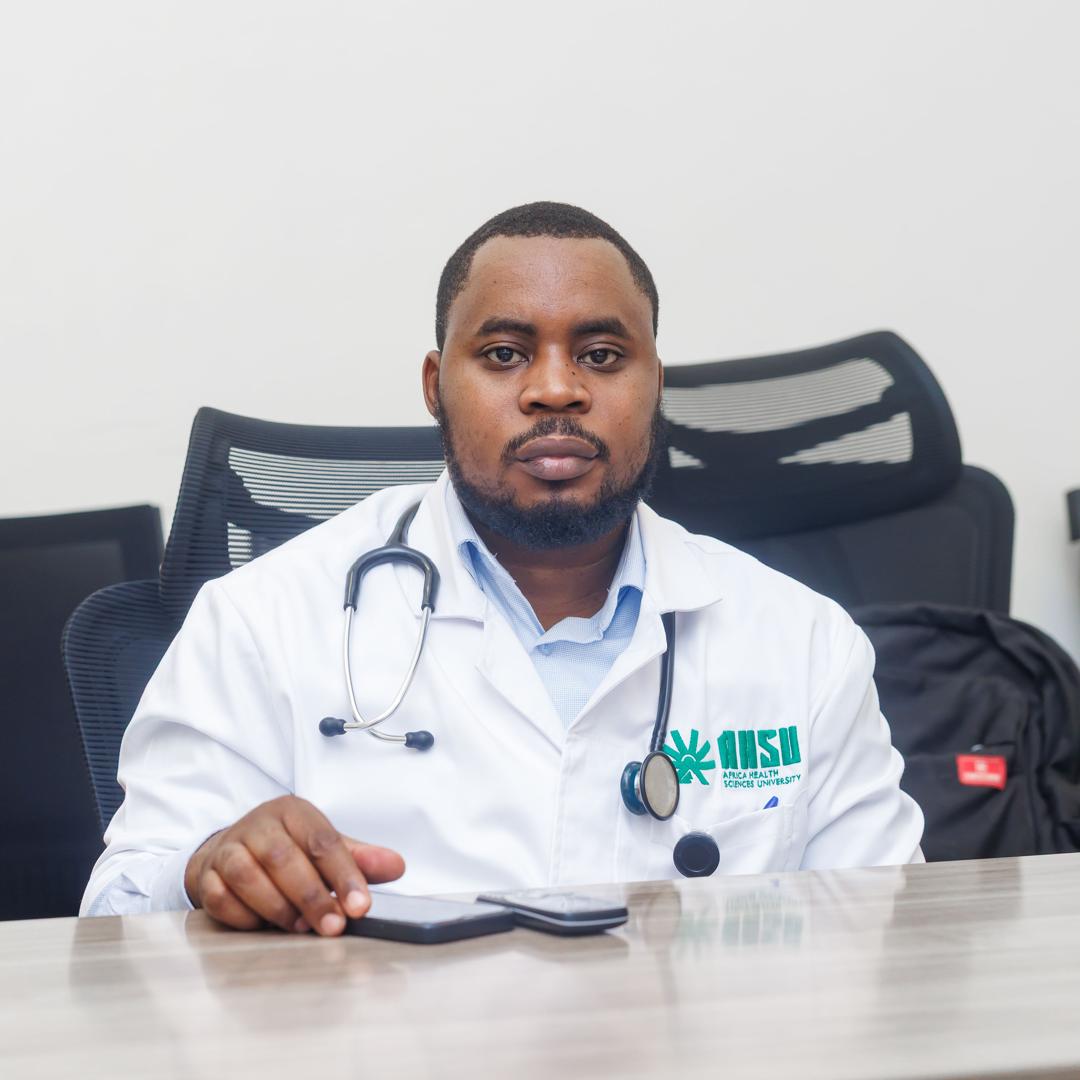
Dr. Seraphin Iradukunda launched MediConnect in 2024.
The platform was conceived during the COVID-19 lockdowns in 2020, when access to healthcare became even more challenging. Development began in 2023, when Dr. Iradukunda brought together a team of colleagues, developers, and digital health experts. MediConnect officially launched in 2024 and has since onboarded more than 60 licensed doctors across different specialities, facilitating hundreds of consultations.
The platform is registered with the Rwanda Development Board, licensed by the Ministry of Health, and cleared by the Rwanda Cyber Security Authority for data protection and privacy compliance. It was also featured on the Africa Digital Health Network Watchlist 2025 as one of the continent’s promising digital health startups.
MediConnect’s impact goes beyond consultations. Dr. Iradukunda is specializing in Emergency Medicine and Critical Care at Africa Health Sciences University (AHSU). Launched in September 2024 by King Faisal Hospital Rwanda in partnership with the Ministry of Health, AHSU aims to expand the country’s healthcare workforce.
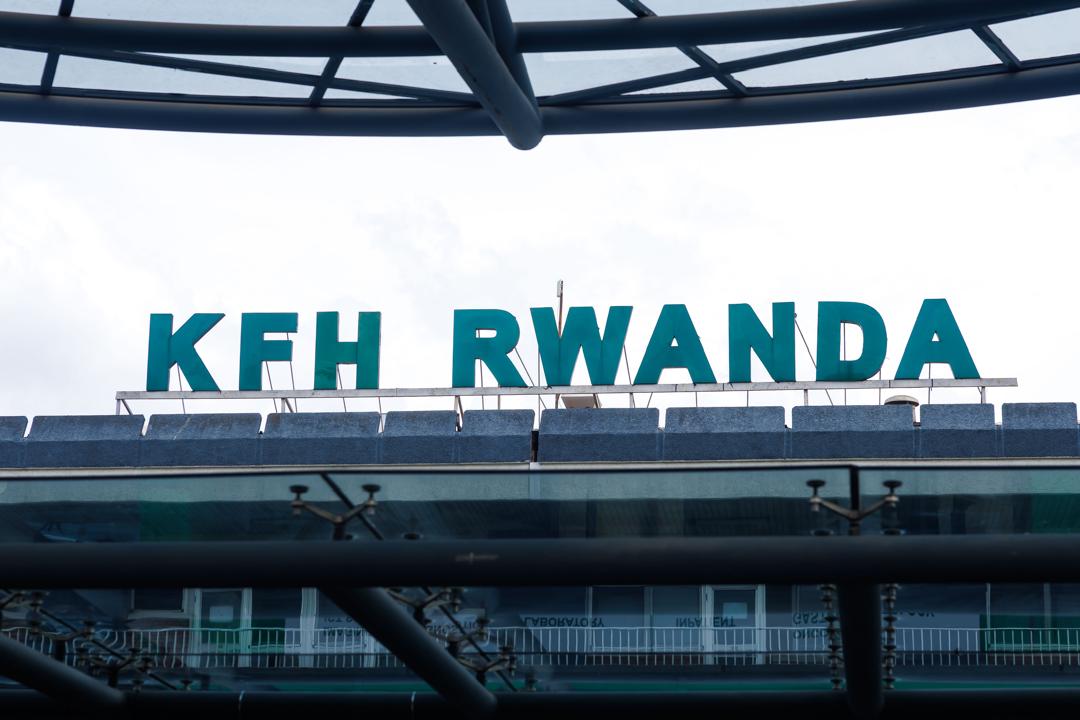
King Faisal Hospital Rwanda is the founder and a key stakeholder of Africa Health Sciences University (AHSU).
The university currently has 202 students and is expecting its third cohort this September. Its first cohort, which began training in 2024 and is expected to graduate in 2028, will produce roughly 60 specialists and 40 midwives. AHSU integrates digital health, telemedicine, and artificial intelligence into its residency programs, equipping students with the skills to innovate.
Residents from AHSU, including Dr. Iradukunda, have contributed to MediConnect by refining the web application, creating patient-centred designs, and developing health education tools.
“That early training in digital health opened our minds to technology’s role,” he told IGIHE. “We show that beyond being a doctor, you can provide solutions using university-acquired skills to solve real-world problems.”
Residents from AHSU, including Dr. Iradukunda, have contributed to MediConnect by refining the web application.
Beyond the code and the interface, the true heart of MediConnect is found in the lives it quietly saves when every second counts. This was the reality for a 25-year-old patient in 2025 who logged on to discuss persistent headaches.
What began as a convenient digital check-up quickly turned urgent as the physician identified critical warning signs, blurred vision and impaired balance. The resulting CT scan uncovered a brain tumour, leading to an immediate referral and successful surgery that likely wouldn’t have happened without that timely virtual connection.
“This shows MediConnect’s role in early detection of serious conditions that could have been missed,” Dr. Iradukunda said.
Looking ahead, MediConnect and AHSU innovators are developing AI-powered triage tools to determine whether cases can be managed virtually or need urgent referral. They are also creating electronic health information cards to track patient histories and exploring digital medical fitness certificates to reduce unnecessary clinic visits. Plans are underway for a mobile app and telemedicine kiosks to reach rural areas with limited digital access.
Dr. Iradukunda sees the platform not just as technology but as a new model of healthcare delivery. “We must be solution providers for our country and continent,” he said. “The future belongs to those who use knowledge and digital technology like AI to solve real-world problems.”
To access MediConnect’s services, book a consultation, or learn more about their digital health solutions, visit their web portal at www.mediconnect.rw.
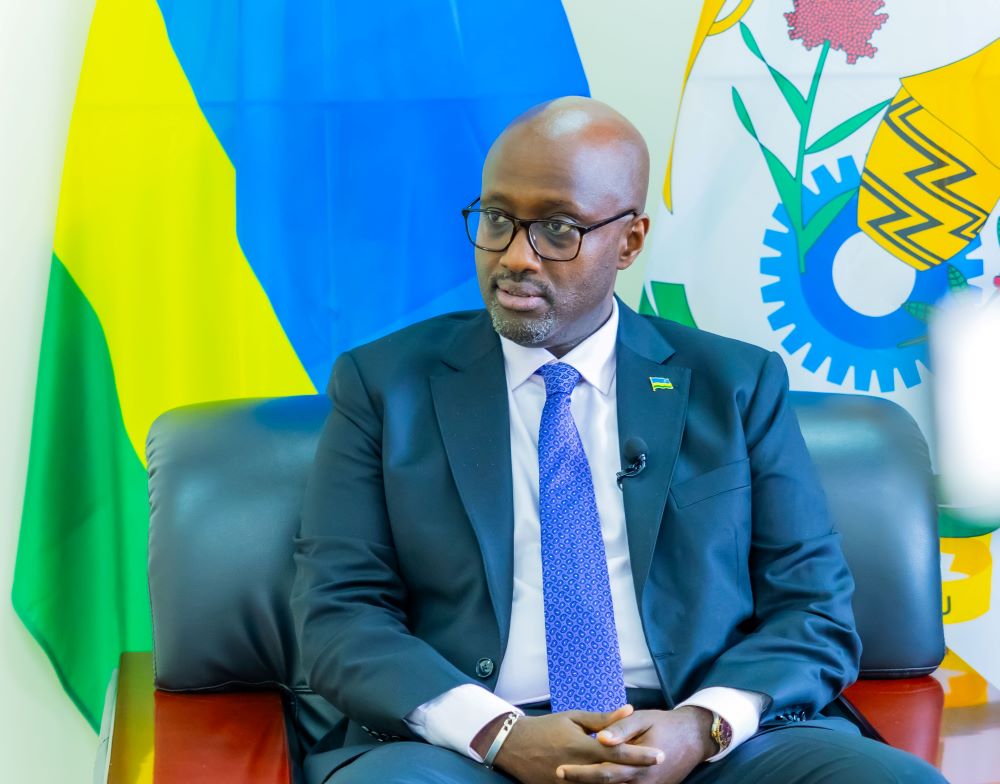
Amb. Nduhungirehe made the remarks on Thursday during a press briefing in Kigali alongside European Commissioner for Equality, Preparedness and Crisis Management, Hadja Lahbib.
Burundi’s President, Évariste Ndayishimiye, recently assumed the rotating chairmanship of the African Union during the bloc’s 38th Ordinary Session of Heads of State and Government held in Addis Ababa.
Ndayishimiye took office at a time when Burundian troops were engaged in military operations in eastern Democratic Republic of the Congo alongside the Congolese army coalition, FARDC. The African Union, which he now chairs, is also involved in facilitating dialogue between Rwanda and the DRC over the conflict in that region.
Beyond the fighting in eastern Congo, tensions between Rwanda and Burundi remain strained, largely due to Rwanda’s concerns over Burundi’s alleged cooperation with the FDLR terrorist group.
Speaking during a press briefing on Thursday, Minister Nduhungirehe acknowledged that Rwanda and Burundi are neighboring states and both members of the East African Community, but said that relations remain strained.
“As you know, Burundi closed borders with Rwanda. And also, which is more worrying, Burundi is involved in a conflict in eastern DRC in a negative way, because it has imposed a blockade against the Banyamulenge in Minembwe, preventing them from accessing markets, which aggravates the humanitarian situation,” he stated.
In that context, Amb. Nduhungirehe said Burundi’s involvement in mediation would be inappropriate.
“Although it has accessed the AU chairmanship, it is difficult for Burundi to get involved in mediation. We have a mediation of Togo, mandated by the African Union, with five facilitators. We believe that those facilitators and the mediators should continue their work of supporting the parties in implementing the Washington Agreement without the involvement of Burundi, which is a party to this conflict,” he added.
Relations between Rwanda and Burundi have deteriorated in recent years. On January 11, 2024, Burundi closed all border crossings with Rwanda, accusing Kigali of supporting the RED Tabara rebel group, an allegation Rwanda has repeatedly denied. Tensions further escalated amid claims that Burundi has cooperated with the FDLR in the eastern DRC conflict.
In July 2024, officials from Rwanda and Burundi met in Zanzibar during a retreat of foreign affairs ministers from East African Community member states, where both sides pledged efforts to restore relations. Despite subsequent meetings and diplomatic engagements, no concrete breakthrough has yet been achieved.
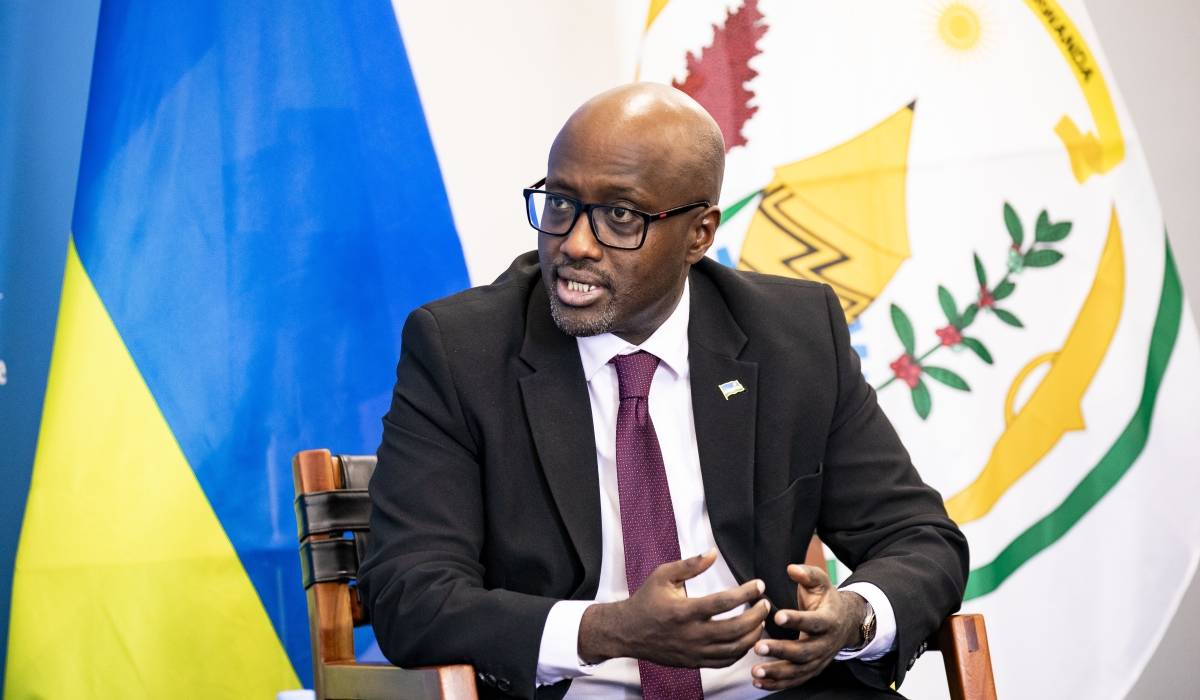
Rwanda’s Minister of Foreign Affairs and International Cooperation, Amb. Olivier Nduhungirehe said Burundi should not take part in AU-led mediation on eastern DRC crisis.
In a statement released Thursday, the monarch emphasized that the case is “being investigated in the appropriate manner and by the appropriate authorities,” adding that those authorities have the Royal Family’s “full and wholehearted support and cooperation.” He further underscored that “the law must take its course.”
Thames Valley Police confirmed that a man in his sixties from Norfolk had been arrested on suspicion of misconduct in public office. Several media organizations have identified the individual as Mountbatten-Windsor.
The arrest follows earlier changes to his status. Last October, he was stripped of his royal and military titles and vacated Royal Lodge, later relocating to private accommodation. Since then, he has been referred to by his birth name rather than a royal title.
The development has also revived scrutiny of his past links to the late American financier and convicted sex offender Jeffrey Epstein.
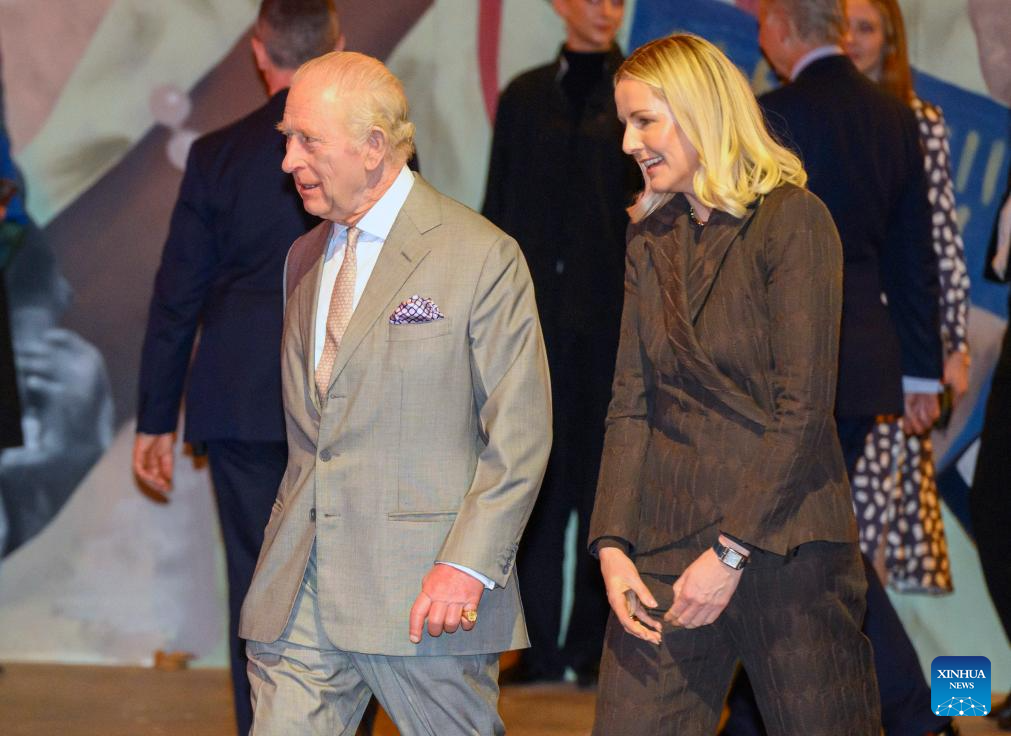
Britain’s King Charles III attends the opening show of London Fashion Week 2026, in London, Britain, on Feb. 19, 2026.
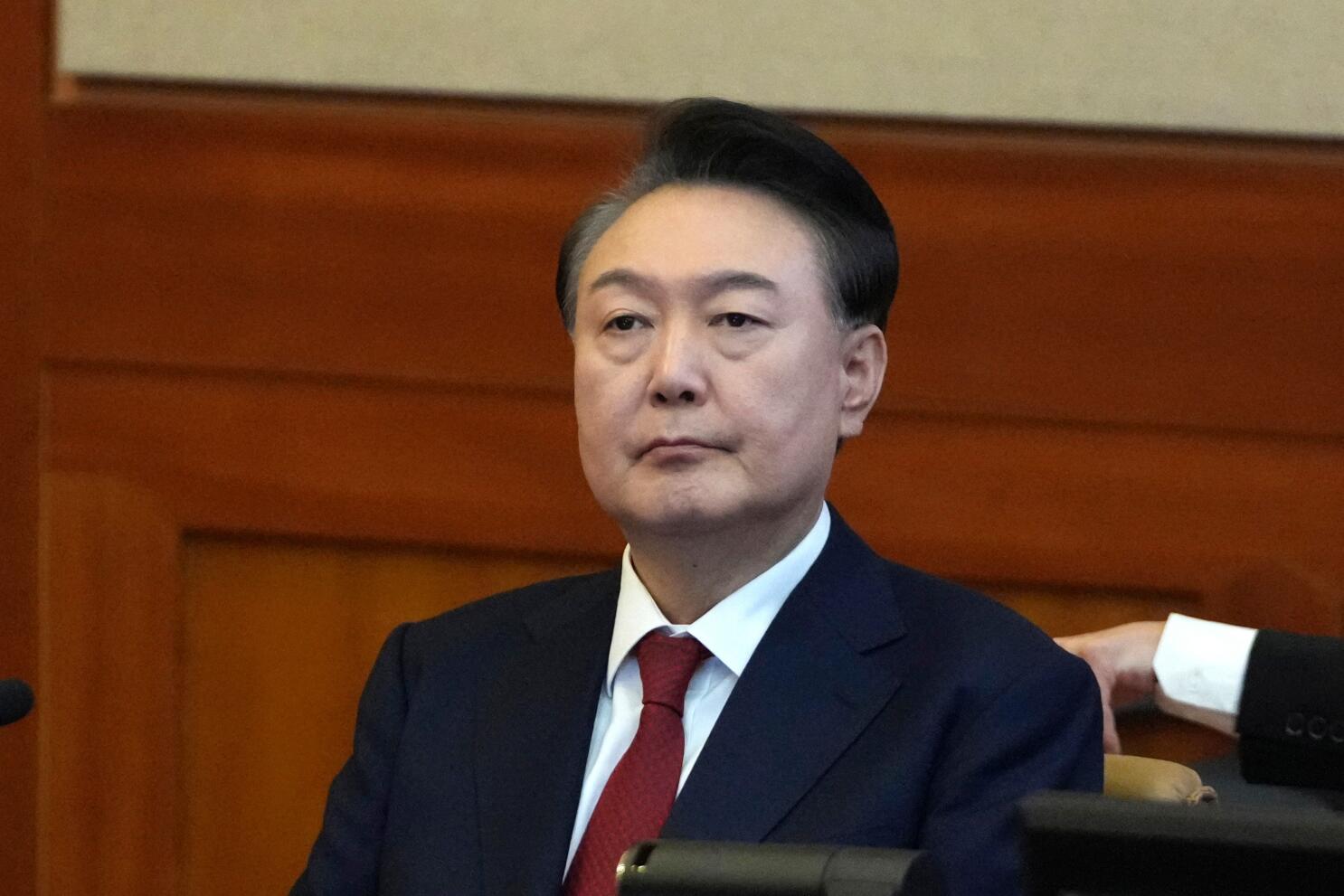
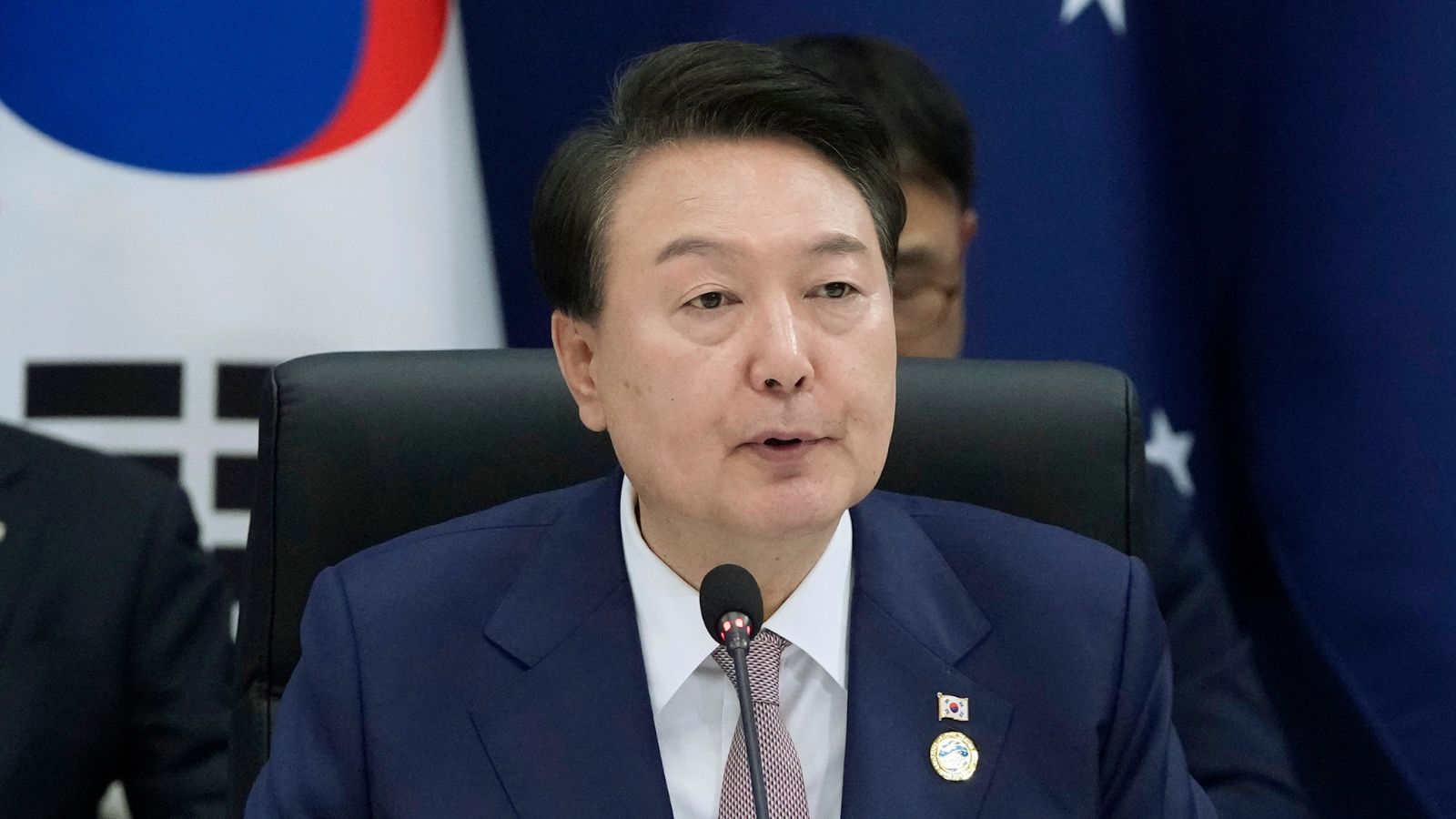
Yoon said in a statement that he deeply apologized to the public for the frustrations and hardships caused by his own shortcomings, although his decision to declare the emergency martial law was solely for the nation and the people.
He stressed that his desperate decision to save the nation was slandered as an insurrection, noting that the court’s ruling was unacceptable as it convicted him of insurrection because of the military entering the National Assembly building.
The Seoul Central District Court ruled on Thursday that the crux of Yoon’s martial law case was the fact that troops were deployed to the National Assembly, saying the impeached leader attempted to prevent the parliament from functioning properly for a significant period.
The emergency martial law was declared by Yoon on the night of Dec. 3, 2024, but it was revoked hours later by the National Assembly.
The constitutional court upheld a motion to impeach Yoon in April of 2025, officially removing him from office.
Yoon was indicted under detention in January of 2025 as a suspected ringleader of insurrection, becoming the first sitting president to be arrested and indicted.
S. Korea’s ex-president Yoon has regretted not living up to expectations.
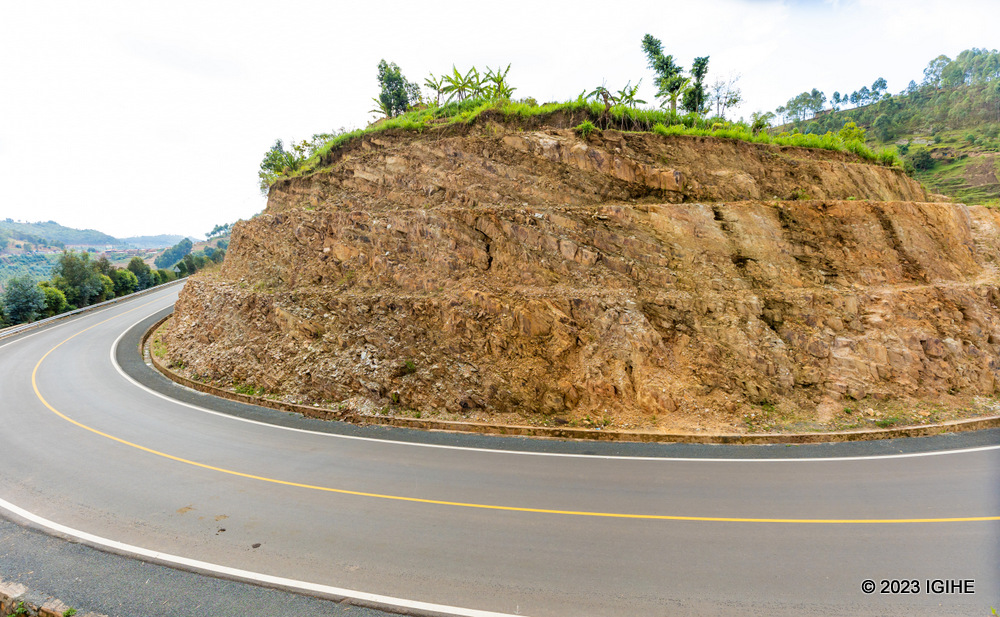
Rwanda is set to spend more than Rwf 513 billion on key infrastructure projects during the 2025/2026 fiscal year, according to a performance report from the Ministry of Infrastructure. The funding will support the construction and rehabilitation of roads and other strategic facilities across the country.
The government recently indicated that the national budget approved by Parliament in June 2025 has so far been implemented at 65 percent. The budget is currently undergoing revisions, with some projects receiving increased allocations while others are being scaled down.
Among the major undertakings is the rehabilitation of 79 kilometers of roads in different parts of the country. This includes the Muhanga–Rubengera road, specifically the 24-kilometer Nyange–Muhanga section. At the start of the fiscal year, works on this stretch had reached 30 percent completion. The rehabilitation of this section is expected to cost more than Rwf 8.59 billion. The Muhanga–Rubengera road has been developed in phases, beginning with Rubengera–Rambura, followed by Rubengera–Nyange, and finally Nyange–Muhanga.
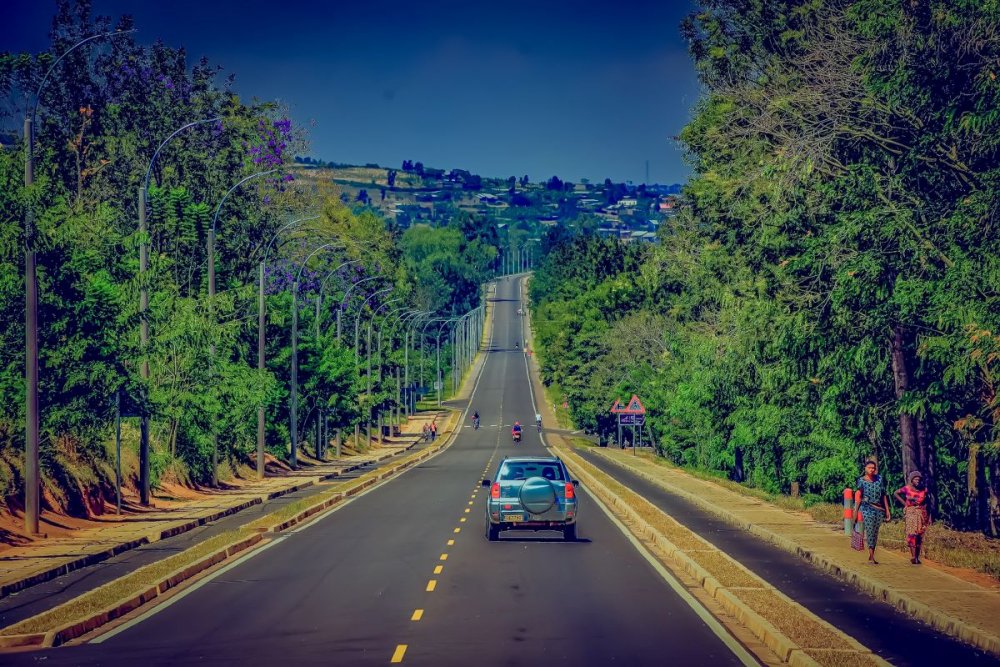
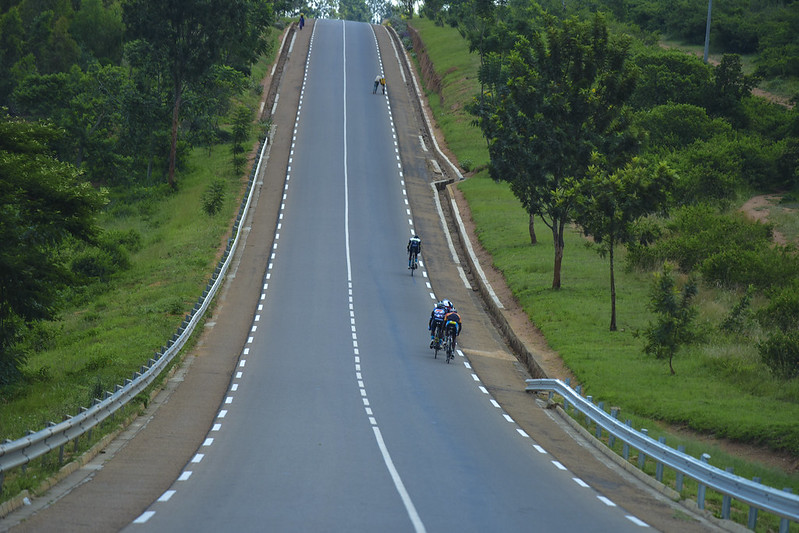
Rwanda continues to invest heavily in road development.
The ministry also plans to produce a detailed design report for the rehabilitation of the 45-kilometer Kigali–Muhanga asphalt road at an estimated cost of Rwf 3 billion.
Construction preparations are underway for the 10-kilometer Prince House–Giporoso–Masaka road. Preliminary activities have begun, including the removal of houses along the road corridor, and construction is expected to commence by February 2026.
In addition, MININFRA will oversee the paving of 184.8 kilometers of national roads this year. Among them is the 63-kilometer Base–Butaro–Kidaho road, with works budgeted at more than Rwf 11.77 billion.
Further roadworks will cover the 18-kilometer Nyagatare–Rwempasha road and the 73-kilometer Nyagatare–Rukomo road, for which over Rwf 4 billion has been allocated. Construction will also proceed on the 52-kilometer Ngoma–Ramiro road linking Ngoma and Bugesera districts, with Rwf 6 billion set aside for the project.
Before the end of the fiscal year, feasibility studies will be completed for the modernization of three major road junctions in Kigali—Gishushu, Chez Lando, and Sonatube—as part of efforts to improve urban transport in the capital. The planned upgrades, to be implemented using modern interchange designs, are expected to cost $100 million.
The government will also undertake construction of the 51-kilometer Sashwara–Rega–Kabuhanga–Busasamana–Muhato road at a cost of Rwf 4.3 billion.
Beyond national highways, Rwanda is preparing to develop feeder roads and apply light asphalt surfacing, including 194 kilometers of feeder roads in Rutsiro District. Other priority projects include infrastructure works at the Kigali Logistics Platform dry port, upgrades to the Nyacyonga–Mukoto and Byumba–Ngondore roads, infrastructure supporting refugees and host communities, and improvements to roads near border areas.
Rwanda will spend more than Rwf 513 billion on key infrastructure projects during the 2025/2026 fiscal year.
Specific border-area projects include paving the 18-kilometer Nyagisozi–Remera–Nshili road at a cost of Rwf 6.1 billion. In Rutsiro, 41 kilometers of feeder roads will be constructed at a cost of Rwf 5.3 billion. Additional funding amounting to Rwf 3.1 billion has been earmarked for equipment and supervision works at the Kigali Logistics Platform, as well as the preparation of a master plan covering 69.45 kilometers of roads.
“I would think that would be enough time,” he told reporters aboard Air Force One.
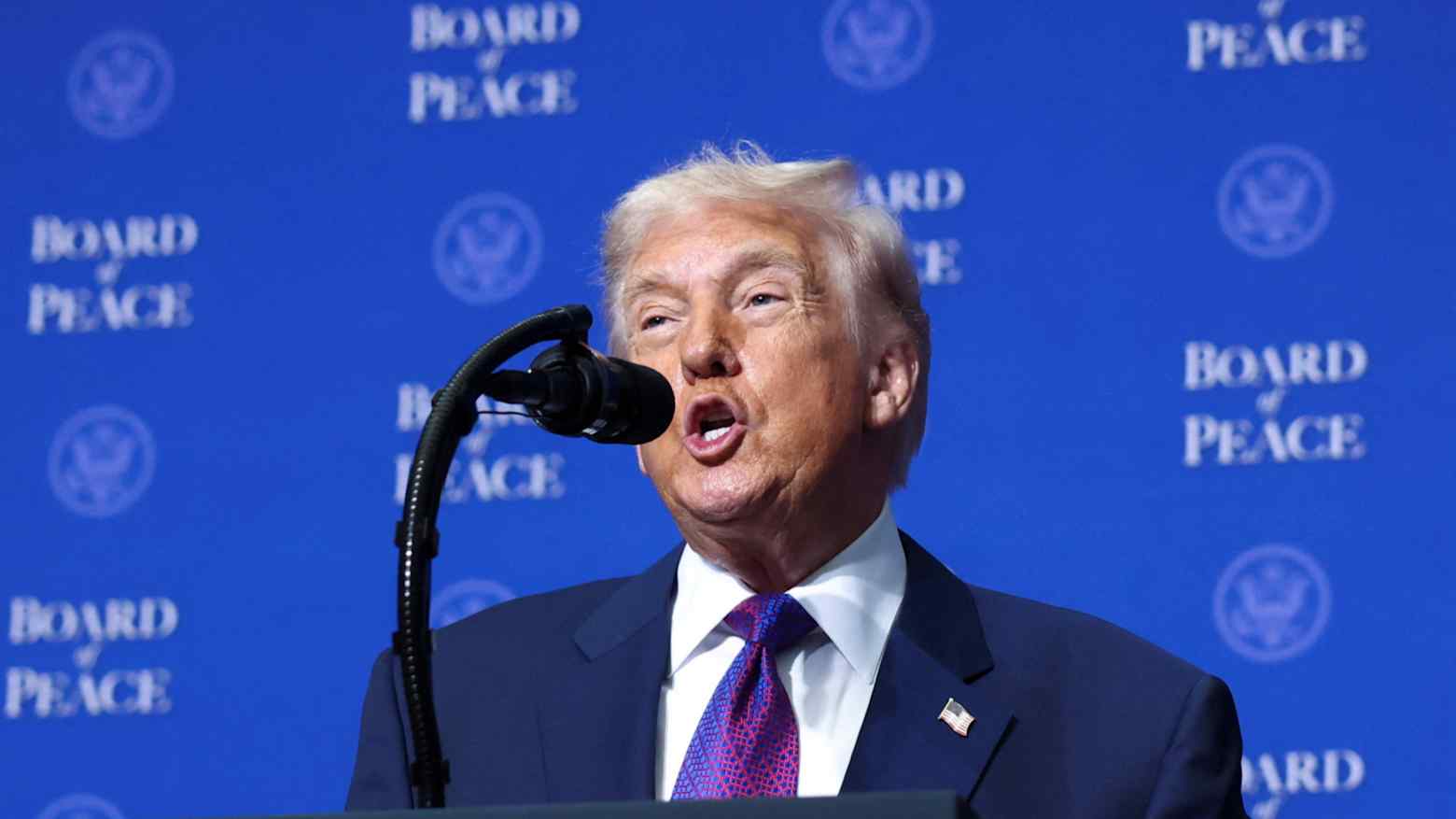
“We’re either going to get a deal or it’s going to be unfortunate for them,” Trump said.
Earlier on Thursday, Trump said at the inaugural meeting of the “Board of Peace” that the outcome of the U.S.-Iran nuclear talks will be decided over the next 10 days, calling Iran “a hot spot right now.”
“It’s proven to be, over the years, not easy to make a meaningful deal with Iran, and we have to make a meaningful deal. Otherwise bad things happen,” Trump said.
U.S. Vice President JD Vance said that the second round of the U.S.-Iran talks in Geneva on Tuesday showed “some” positive signs but key U.S. red lines remain unmet.
A Trump adviser estimated a “90 percent chance” of strikes within weeks if talks fail, Axios reported Tuesday.
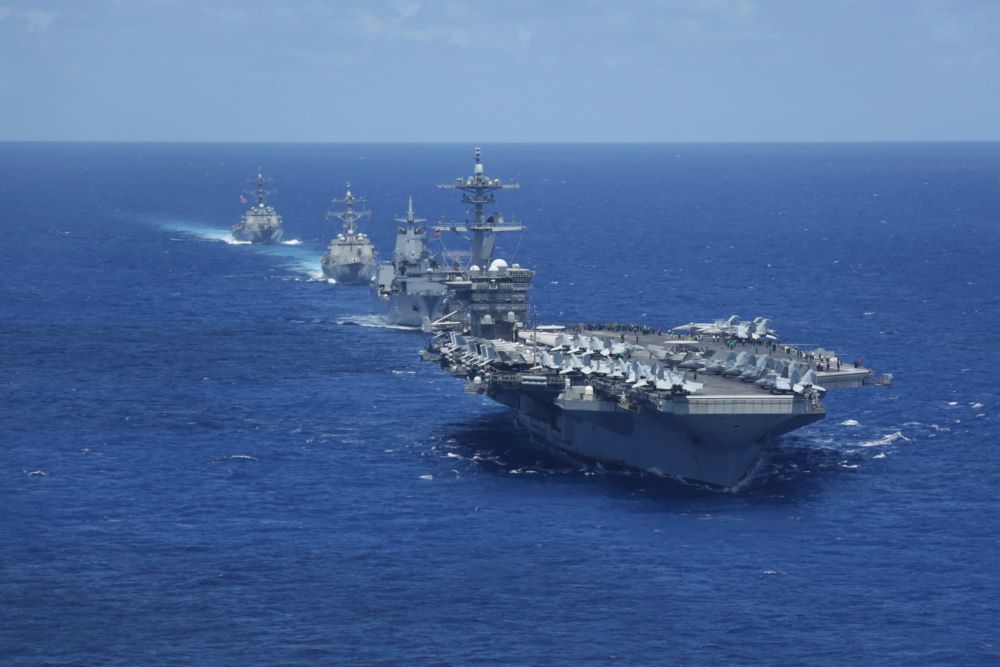
The aircraft carrier USS Gerald R. Ford was approaching Gibraltar on Wednesday as it made its way from the Caribbean to join the aircraft carrier USS Abraham Lincoln in waters near Iran, according to local media reports.
The aircraft carrier USS Abraham Lincoln was deployed in waters near Iran in the past few weeks.
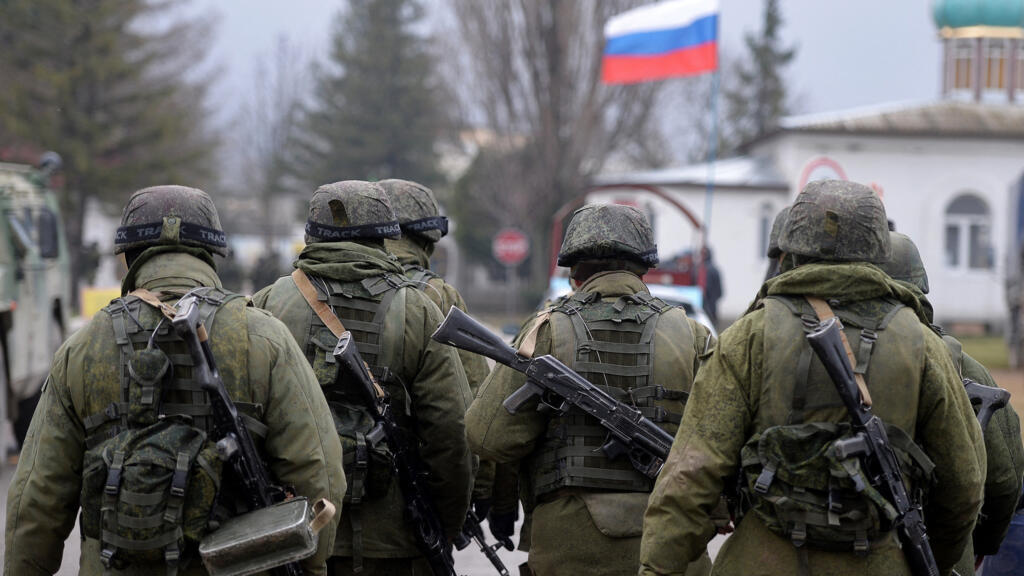
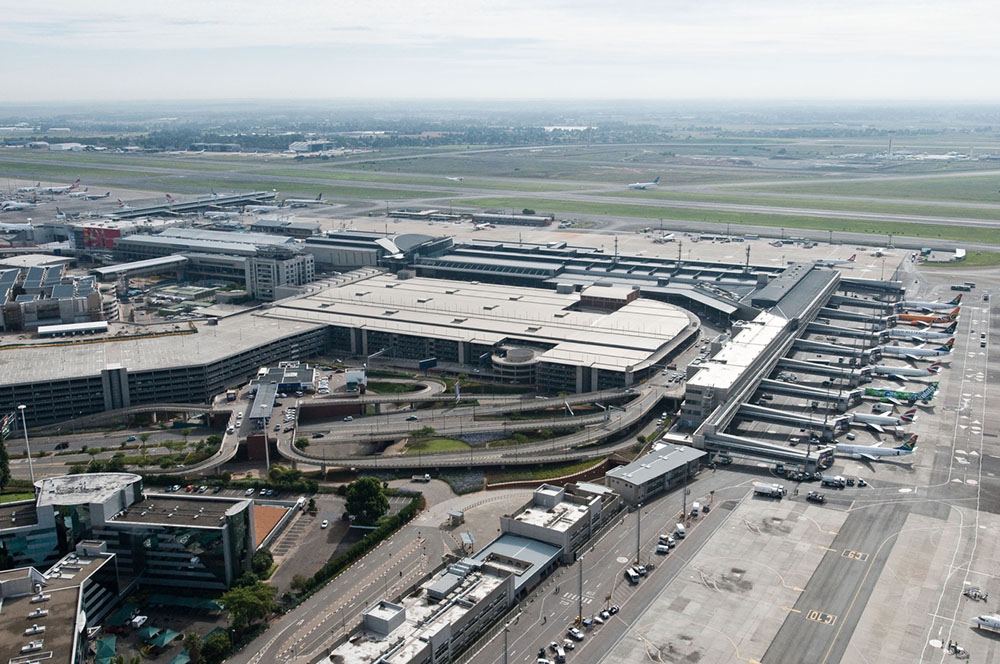
Independent Online (IOL) reported on Thursday that the four men arrived at Johannesburg’s O.R. Tambo International Airport on Wednesday, where they were met by South African police before being taken into custody for processing.
According to the report, their return followed diplomatic engagements between South African President Cyril Ramaphosa and his Russian counterpart, Vladimir Putin, on Feb. 10, during which the two leaders pledged support for the safe repatriation of South African citizens caught up in the conflict.
Quoting DIRCO Minister Ronald Lamola, IOL reported that the men had been contracted by private security companies in Russia rather than directly enlisted into the Russian military.
“They will be allowed to return when their contracts are cancelled,” Lamola was quoted as saying, adding that the repatriation would take place in phases.
“The Russian government is assisting with their return… What is clear is that they were lured under false pretenses, and that matter is now the subject of a police investigation in South Africa,” the minister said.
On Nov. 6, 2025, the South African Presidency announced that it had been alerted about the 17 men who were “trapped” in the war-torn Donbas region of Ukraine.
The men reportedly claimed they were lured with promises of lucrative employment, only to find themselves caught in a conflict zone.
Local reports indicate that the four men arrived at Johannesburg’s O.R. Tambo International Airport on Wednesday.
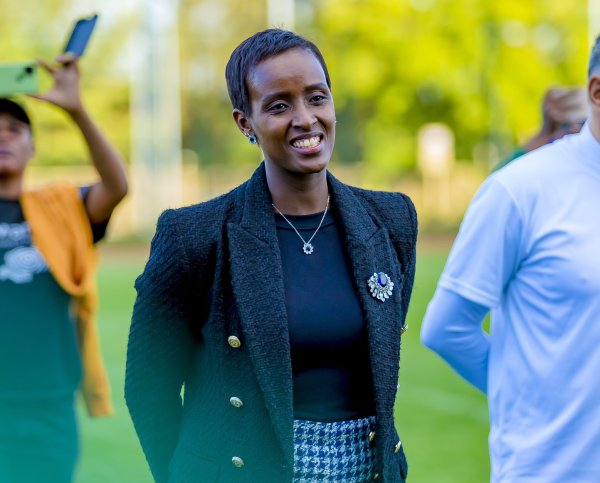
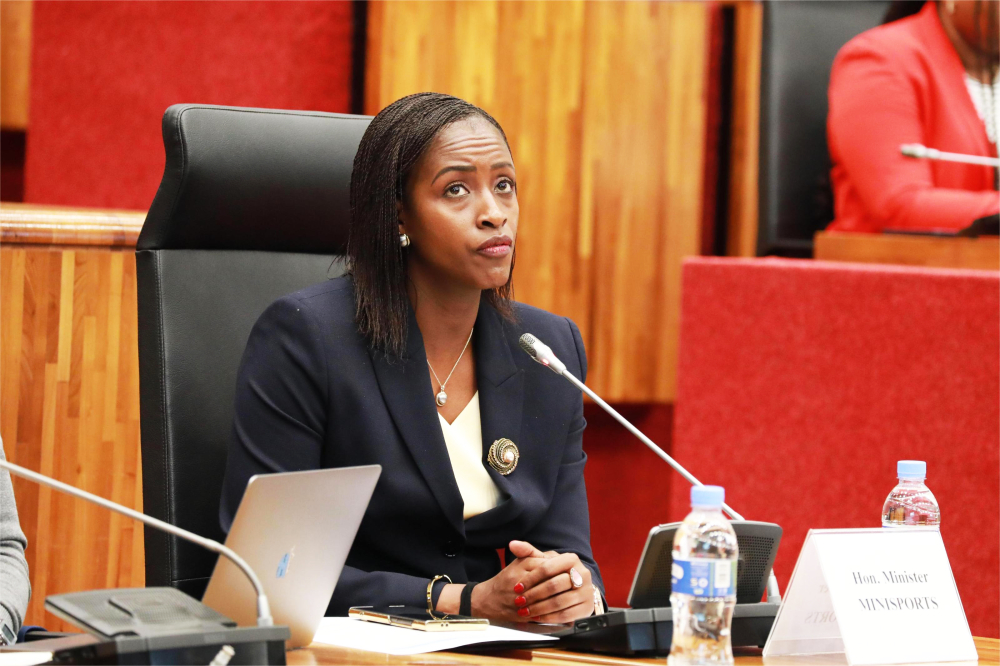
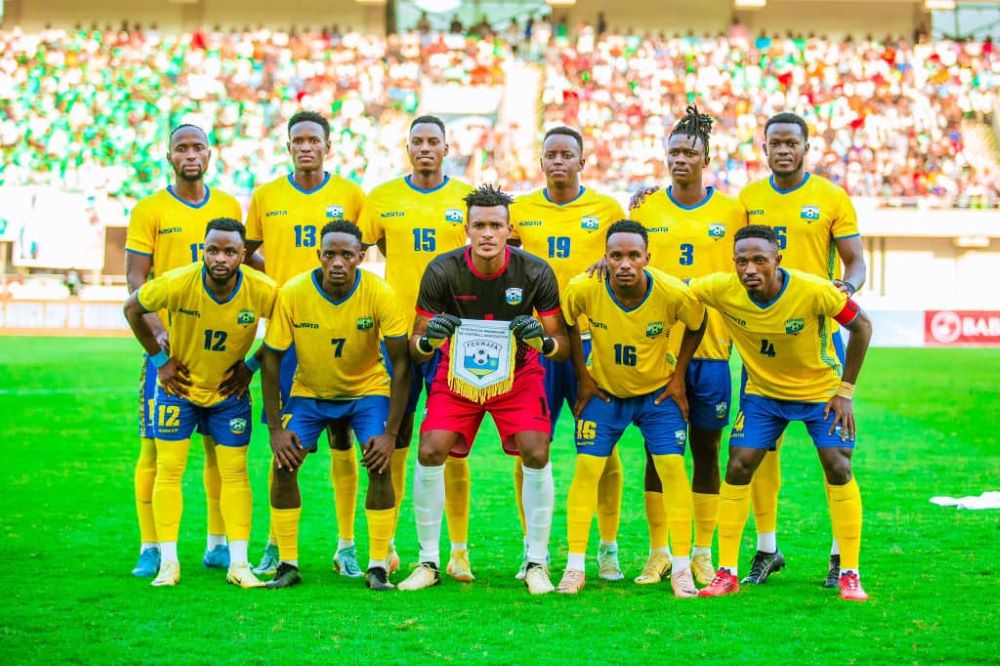
Mukazayire told Members of Parliament on Thursday that the government was not satisfied with the team’s current performance but had put in place a long-term strategy aimed at building a competitive and professional football system.
“We are not satisfied with the way Amavubi are performing,” she said. “Changes will continue at the Federation, the Ministry and elsewhere for as long as we have not achieved the results we expect.”
Her remarks came after MP Rutebuka Balinda, Deputy Chairperson of the Committee on Education, Technology, Culture, Youth and Sports, questioned the frequent turnover of coaches and leadership within the Rwanda Football Federation (FERWAFA), warning that instability could undermine progress.
Mukazayire said the changes were intended to establish a clear direction for Rwandan football, focused on professionalism, talent development and achieving victories.
She acknowledged that the national team’s results reflect the broader state of football development in the country, arguing that meaningful improvement requires structural reforms rather than short-term fixes.
A key pillar of the strategy, she said, is identifying and recruiting talented players of Rwandan origin living abroad while ensuring their integration serves national interests.
“We must identify them, bring them in and use them effectively. We have already discussed this with FERWAFA and implementation is underway,” she said.
The minister also stressed that coaching contracts must clearly define performance targets, warning that leadership changes would persist if expectations are not met.
“If contracts do not clearly state the expected outcomes, you will continue to see changes because we need results,” she said.
Youth development forms the core of the reform agenda. Mukazayire said players under the ages of 15 and 17 will be closely monitored and systematically developed so they can transition into competitive professional football by the age of 21.
“You cannot neglect youth development and expect to qualify for the Africa Cup of Nations,” she said. “We must build from the grassroots.”
Rwanda plans to establish a National Football Academy where young players can train and study together as part of a long-term effort to build a stronger national team.
Currently, the Isonga talent development programme operates in 17 schools with 599 children and is expected to expand to more than 2,000 participants. Other initiatives include the Bayern Munich academy in Rwanda, the Paris Saint-Germain academy and the Tony Football academy, which collectively support youth talent development.
Mukazayire cautioned that the reforms would take time to produce tangible results, estimating that visible improvements may require at least five years.
Meanwhile, FERWAFA recently parted ways with head coach Adel Amrouche on January 14, 2026, after one year in charge. The federation said it has received 688 applications from qualified candidates and will shortlist coaches based on credentials, experience with national teams and participation in major tournaments such as the Africa Cup of Nations and the FIFA World Cup.
With less than a month before Rwanda hosts the FIFA Series friendly matches in Kigali from March 23–31, the national team remains without a head coach. Rwanda is scheduled to face Estonia, Grenada and Kenya in Group A.
Mukazayire also emphasized the importance of mentality, noting that defeats are not always due to a lack of technical ability but can stem from psychological factors affecting players and coaching staff.
Sports Minister Nelly Mukazayire stressed that there is a plan to turn Amavubi into a results-driven team.Sports Minister Mukazayire expressed dissatisfaction with Amavubi’s current performance.
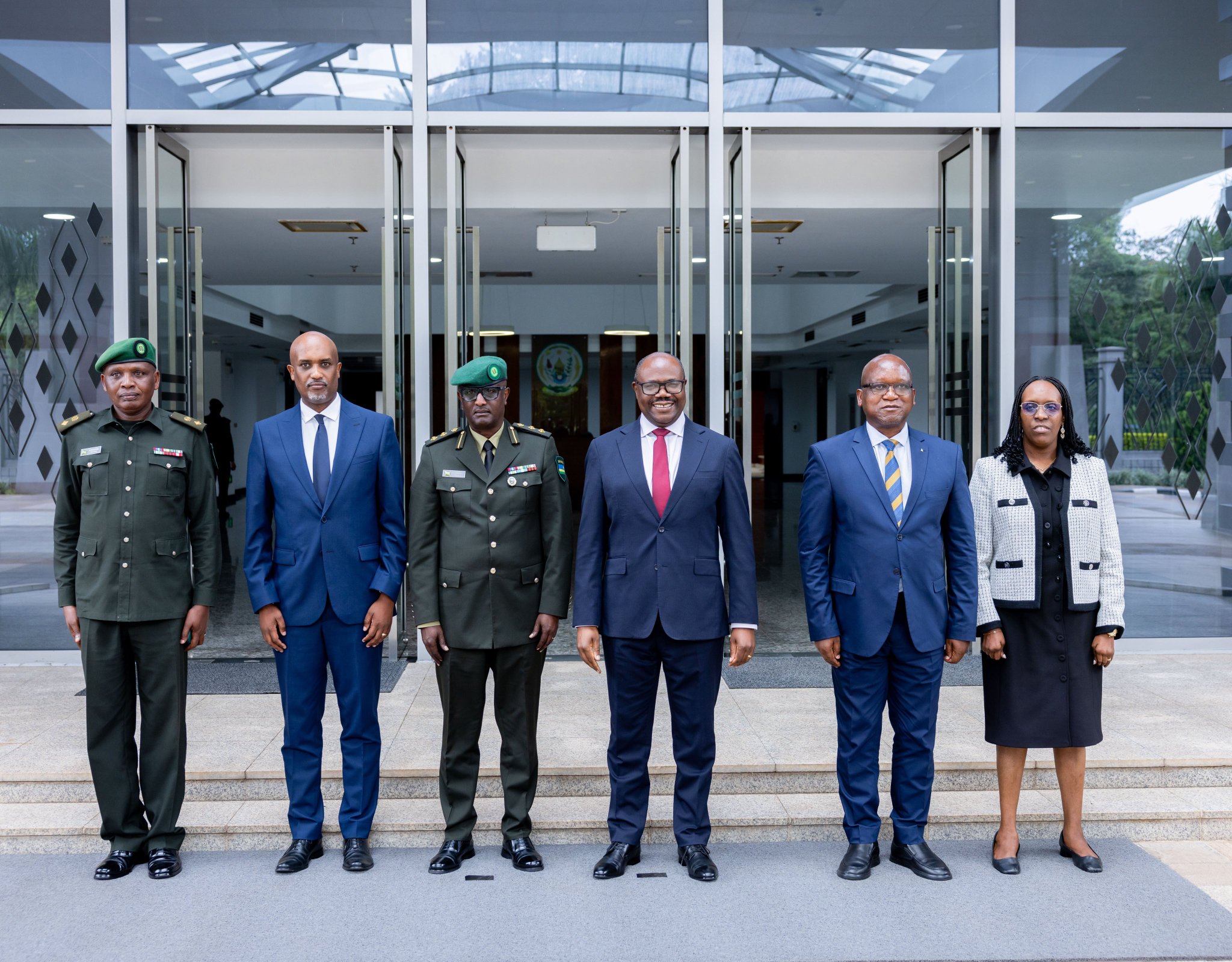
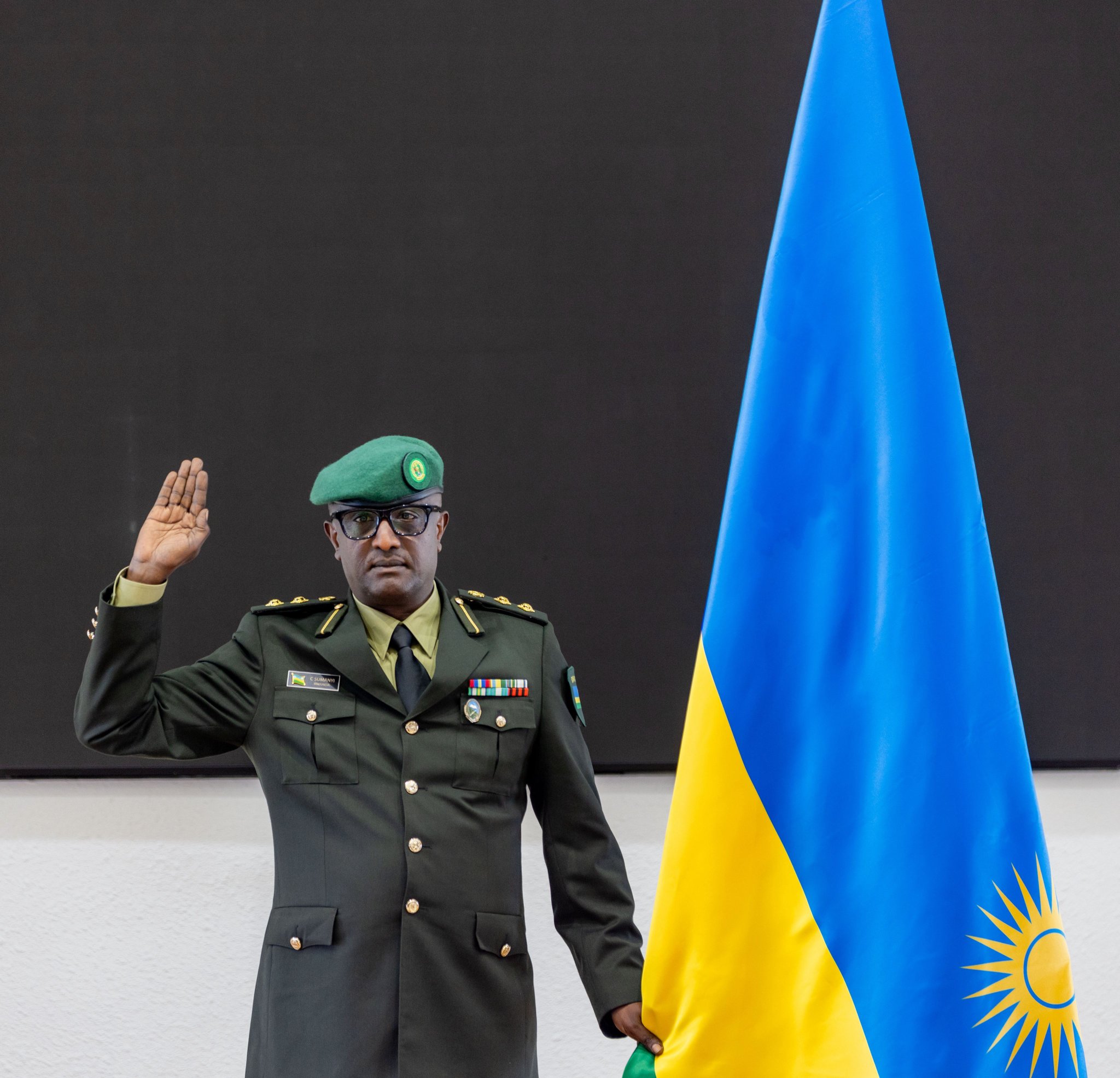
Col Charles Sumanyi previously served as Vice President of the Supreme Military Court since 2024. He has also held other positions, including serving as a military court judge for eight years and as a judge in the Military High Court for seven years.
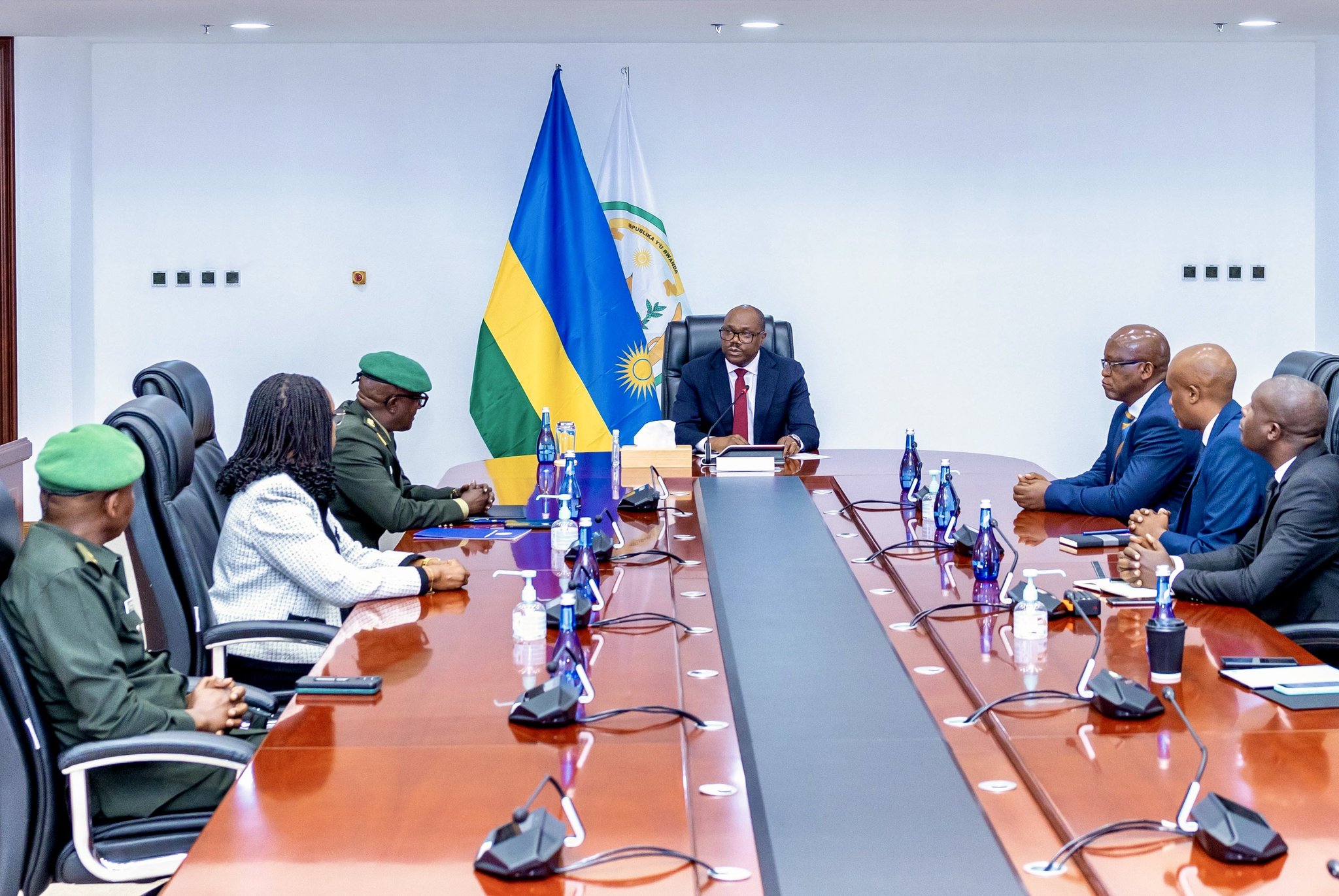
After administering the oath, Prime Minister Dr. Justin Nsengiyumva reminded Col Sumanyi that his new role requires prudence and integrity.
“As you have sworn, in the duties you are about to undertake it is essential that you refrain from using the authority entrusted to you for your personal gain,” he said.
“You must prioritise the interests of the country and diligently fulfill your responsibilities, always striving to deliver fair justice to all and to uphold the positive image of the Rwanda Defence Force and the Republic of Rwanda as a whole,” the Prime Minister added.
Col Sumanyi’s appointment was approved by the Cabinet meeting chaired by President Paul Kagame on January 28, 2026.
Expressing gratitude for the trust placed in him by the Head of State, Col Sumanyi pledged to carry out his duties diligently, aiming to strengthen good conduct within the Rwanda Defence Force.
“This role I am taking up is all about promoting discipline and good conduct in our country’s army. Recently, you heard the President emphasizing that these security institutions are ones he has always wished for… In this position, my primary duty is to reinforce discipline and good conduct, starting with educating soldiers about crimes and their consequences.
“As you know, wherever there are people, minor infractions are inevitable. Where crimes occur, we will take them to court. Our goal is to deliver justice that is both fair and swift.”
He affirmed that he will execute his responsibilities with full dedication to ensure they are fulfilled properly.
The ceremony was attended by the Minister of Defence and Minister of Defence, among others.The ceremony took place on Thursday, February 19, 2025. Col Sumanyi expressed gratitude for the trust placed in him by the Head of State.