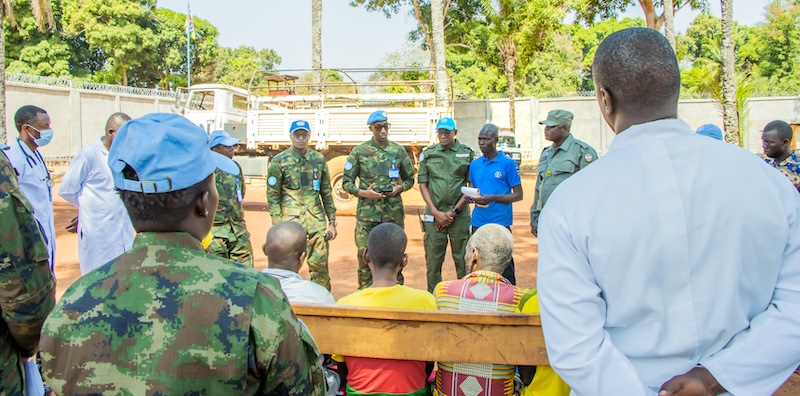
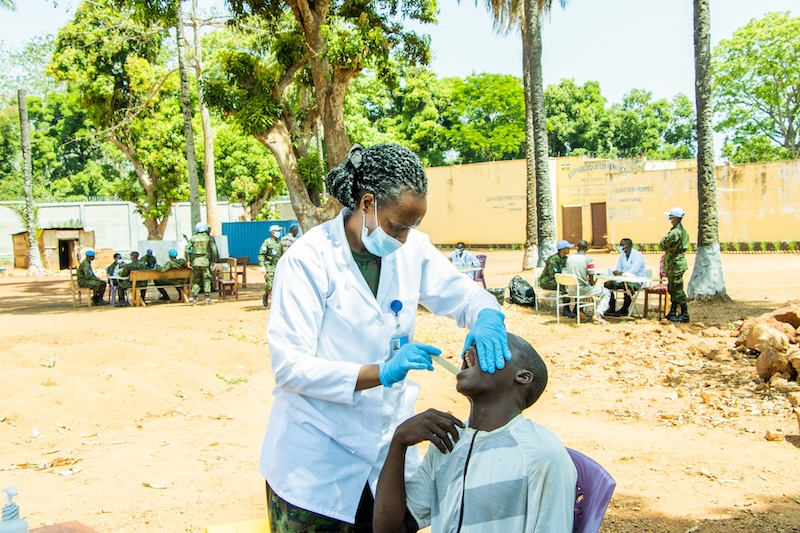
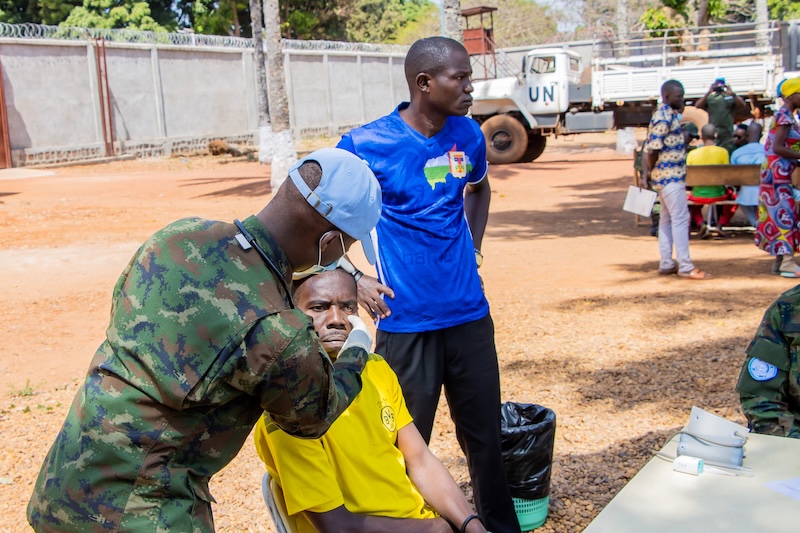
According to Rwanda’s Ministry of Defence, the initiative was carried out by Rwanda Battle Group 8 in collaboration with the Rwanda Level 2 Hospital contingent, it aimed to address essential health needs within the prison community by offering a wide range of medical services, including internal medicine consultations, gynecological care, dental treatment, and other critical healthcare support.
The activity was attended by the Director of Bria Prison, Mahamat Adoum Salle; the Commander of the Rwanda Level 2 Hospital, Col Dr. Christian Mukwesi; and the Commander of Rwanda Battle Group 8, Lieutenant Col David Ngabonziza.
In his welcoming remarks, Bria Prison Director Mahamat Adoum Salle expressed sincere gratitude to MINUSCA leadership and the Rwandan peacekeepers for their timely intervention. He described MINUSCA as a longstanding and reliable partner in various areas of support and commended the medical outreach as a strong example of effective cooperation.
He further highlighted the challenges prisoners face in accessing medical care, particularly due to shortage of essential medicines and medical supplies.
“When prisoners experience health problems, we take them to the hospital where medication is prescribed, but obtaining those medicines is often difficult,” he explained. “It is therefore extremely important that the Rwandan peacekeepers under MINUSCA have come to provide free medical treatment to our inmates.”
Col Dr. Christian Mukwesi, Commander of the Rwanda Level 2 Hospital, stated that the outreach was guided by the fundamental peacekeeping principle of protecting civilians.
“This medical outreach at Bria Prison demonstrates our commitment not only to maintaining security but also to promote the well-being, dignity, and fundamental rights of every individual. Health is a universal right, not a privilege. By offering free medical consultations, treatment, and preventive care to prisoners, we reaffirm that every human life is precious and deserves compassion,” he said.
The activity was attended by the Director of Bria Prison, Mahamat Adoum Salle; the Commander of the Rwanda Level 2 Hospital, Col Dr. Christian Mukwesi; and the Commander of Rwanda Battle Group 8, Lieutenant Col David Ngabonziza.The contingent offered a wide range of medical services, including internal medicine consultations, gynecological care, dental treatment, and other critical healthcare support.The exercise was conducted on Tuesday, February 24, 2025, conducted a medical outreach at Bria Prison.
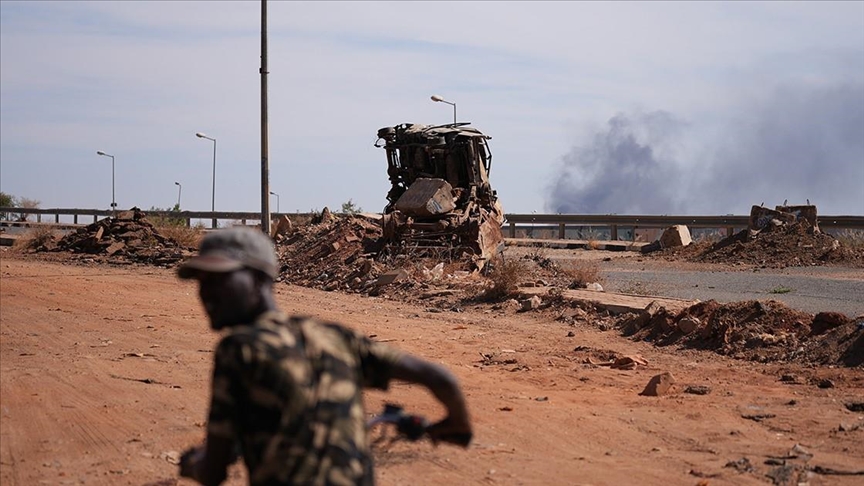
In a statement, the network said the casualties included 10 women, based on preliminary information from the area.
Rocket shelling destroyed the town’s only health center, and medical staff working there were assaulted, with one of them arrested and remaining unaccounted for, the statement said.
The network condemned what it called a “large-scale violation” that caused civilian deaths, spread fear among residents, and targeted health facilities, triggering a wave of displacement toward nearby villages amid deteriorating humanitarian conditions.
The Emergency Lawyers, a legal group, said on Tuesday in a separate statement that the RSF’s attack on Monday included an armed raid and the burning of several homes. It was preceded by drone strikes targeting several civilian locations, including the health center, residents’ homes, the market, and guest houses, resulting in civilian deaths and injuries, and forced displacement of residents.
An eyewitness from the nearby city of Kabkabiya told Xinhua that dozens of families had arrived in the city in recent hours after fleeing Mustariha.
“They were in shock. Some walked long distances on foot. Many spoke of heavy shelling and homes being burned, and they were unable to take any belongings with them,” the witness said, speaking on condition of anonymity.
Mustariha is considered a stronghold of Musa Hilal, one of the leaders of a branch of the Rizeigat tribe, from which several RSF commanders originate. Since the outbreak of fighting in Sudan, Hilal has declared his support for the Sudanese army and allied with the joint forces, which includes armed Darfuri groups fighting alongside the army.
The RSF has not yet commented on the attack.
Since April 15, 2023, Sudan has been engulfed in an armed conflict between the Sudanese Armed Forces and the RSF, resulting in thousands of deaths and injuries and the displacement of millions of people inside and outside the country, while regional and international efforts continue to seek a ceasefire.
Iran’s Foreign Minister Seyed Abbas Araghchi said on Tuesday Iran is determined to reach a “fair and equitable” deal with the United States as soon as possible.
In his remarks posted on X, Araghchi said the two sides have a “historic opportunity” to strike an unprecedented agreement that addresses mutual concerns and achieves common interests, adding that a deal is within reach if diplomacy is prioritized.
His comments came ahead of a third round of indirect nuclear negotiations between Tehran and Washington, scheduled for Thursday in Geneva. Two rounds of indirect talks were held earlier this month, centered on Iran’s nuclear program and the possible lifting of U.S. sanctions.
Also on Tuesday, Iran’s Deputy Foreign Minister for Political Affairs Majid Takht Ravanchi said Iran is ready to do “whatever necessary” to reach a nuclear agreement with the United States.
“We want to do whatever necessary to make it (an agreement) happen. We will enter the negotiating room in Geneva with all sincerity and goodwill,” Ravanchi said in an interview with NPR radio.
“We hope that our goodwill and good approach would be reciprocated by the Americans, and if there is a political will on all sides, I believe that the deal can be reached as soon as possible,” he added.
Meanwhile, during a meeting in Tehran with Armenian Defense Minister Suren Papikyan on Tuesday, Iranian Defense Minister Aziz Nasirzadeh reiterated his country’s firm resolve to defend itself.
He said Iran does not seek war, “but if a war is imposed on the country, it will defend itself strongly and give an unforgettable lesson to enemies.”
The remarks followed a drill held by Iran’s Islamic Revolution Guards Corps (IRGC) along the Iran’s southern coast, the semi-official Fars news agency reported on Tuesday.
Iranian forces practiced the scenario of “strongly defending” the country’s coasts and islands, and the IRGC Ground Forces’ special forces carrying out operations to prevent the enemy from approaching Iran’s southern coasts.
The exercise took place amid continued U.S. military buildup in the Middle East and media reports that U.S. President Donald Trump was considering launching an initial attack on Iran.
Israel media reported Tuesday that eleven U.S. F-22 stealth fighter jets have landed at an Israeli airbase in southern Israel, as part of Washington’s regional military reinforcement against Iran.
The world’s largest aircraft carrier, the USS Gerald R. Ford, which is en route to the Middle East, has arrived in the Mediterranean Sea. It will join the USS Abraham Lincoln carrier strike group and other guided-missile destroyers already deployed near Iran.
Trump on Monday refuted media reports that Dan Caine, the chairman of the Joint Chiefs of Staff, warned against attacking Iran.
In a social media post, Trump said that if a decision is made on conducting military operations against Iran, “it is his (Caine’s) opinion that it will be something easily won.”
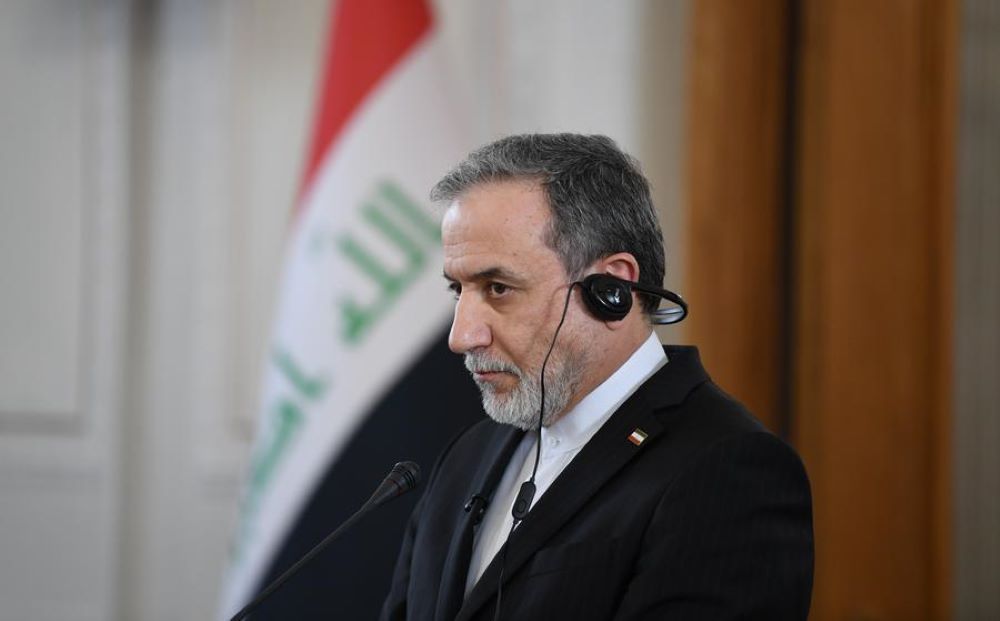
Iran’s Foreign Minister Seyed Abbas Araghchi (R) attends a joint press conference in Tehran, Iran, Jan. 18, 2026.
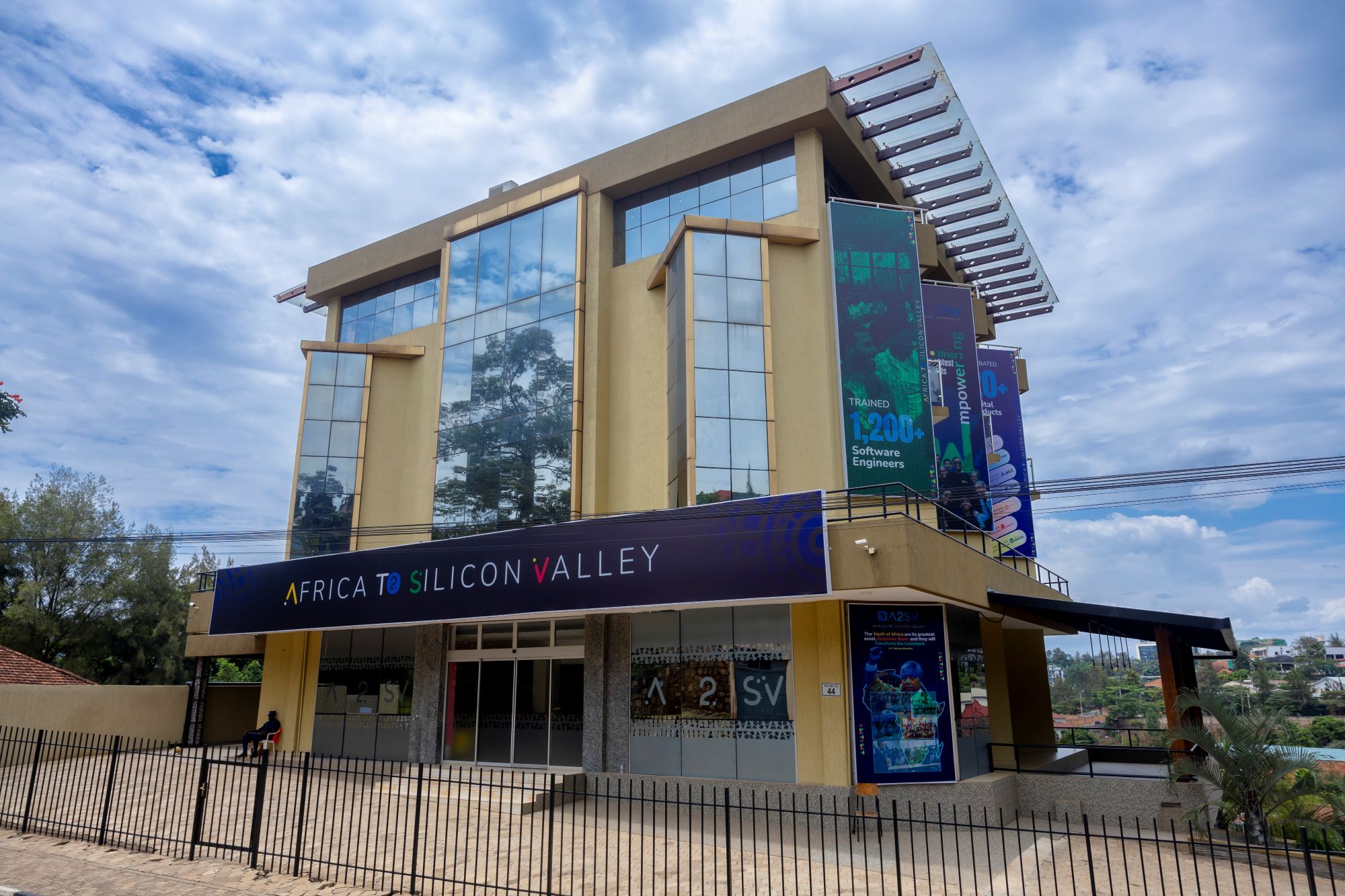
The organisation’s new office is located in Gishushu, placing it within Kigali’s growing tech ecosystem and providing a central base for A2SV’s education and incubator programs.
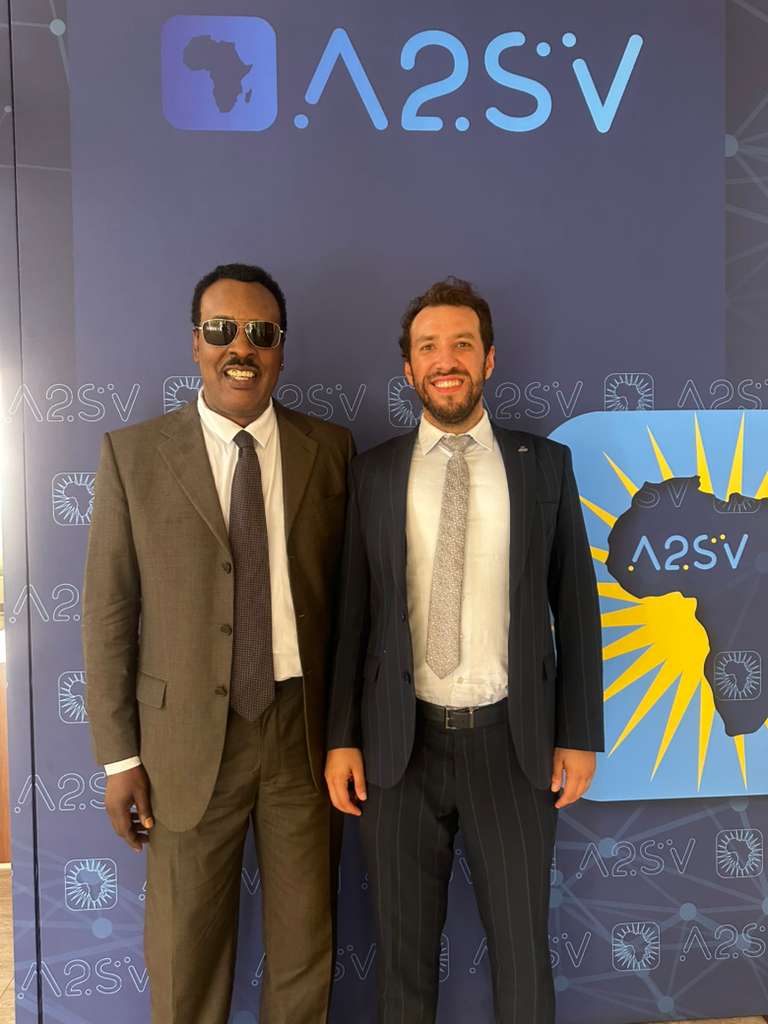
Founded in 2019 by former Google software engineer Emre Varol, A2SV is a free, non-profit initiative providing high-impact technical education to top-performing university students across Africa. Its mission is to bridge the gap between local university training and the expectations of global tech employers.
What began as a single, informal class at Addis Ababa University with just 22 students has grown into a continent-wide program. To date, A2SV has trained more than 1,200 software engineers from 22 African countries, with alumni securing over 120 job offers from global firms including Google, Amazon, LinkedIn, Bloomberg, and Meta.
A2SV’s model combines rigorous training, mentorship, and real-world project experience to develop globally competitive technologists. The program identifies promising students through a competitive selection process that includes solving data structure and algorithm problems and participating in technical and behavioural interviews.
Once selected, students receive intensive training both in-person and remotely, covering foundational software engineering concepts, problem-solving, and soft skills. Education is delivered in small groups, often with three educators for every thirty students, ensuring each participant receives personalised guidance.
Students work on digital products designed to address local African challenges, such as Eskalate, which connects developers to global companies; DIME, a digital money transfer platform; and Skillbridge, which helps bridge gaps between universities and the workforce. Beyond education, A2SV functions as an incubator, hiring top alumni to develop new solutions while mentoring the next generation of talent.
Graduates are connected to internships and full-time roles at top tech companies, and the program remains entirely free for participants through partnerships with universities. In Rwanda, A2SV has partnered with the University of Rwanda and the Adventist University of Central Africa.
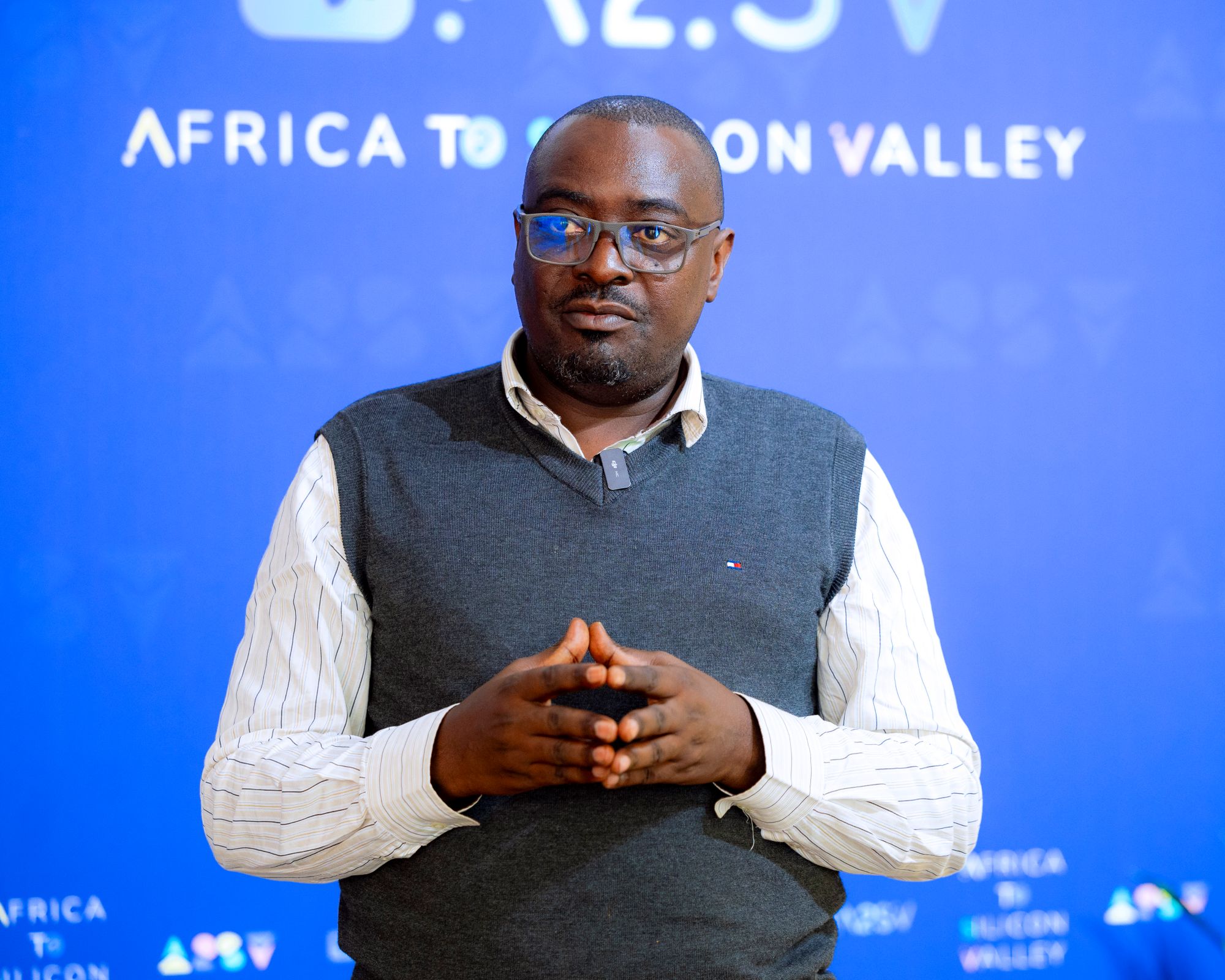
Shema Katende, A2SV’s marketing lead, explained that Kigali was chosen for its supportive environment for innovation and its growing pool of IT talent.
“Rwanda has systematically become a hub for innovation,” he said. “The government’s strong support and youth-focused initiatives made Kigali the ideal base for A2SV to scale across the continent.”
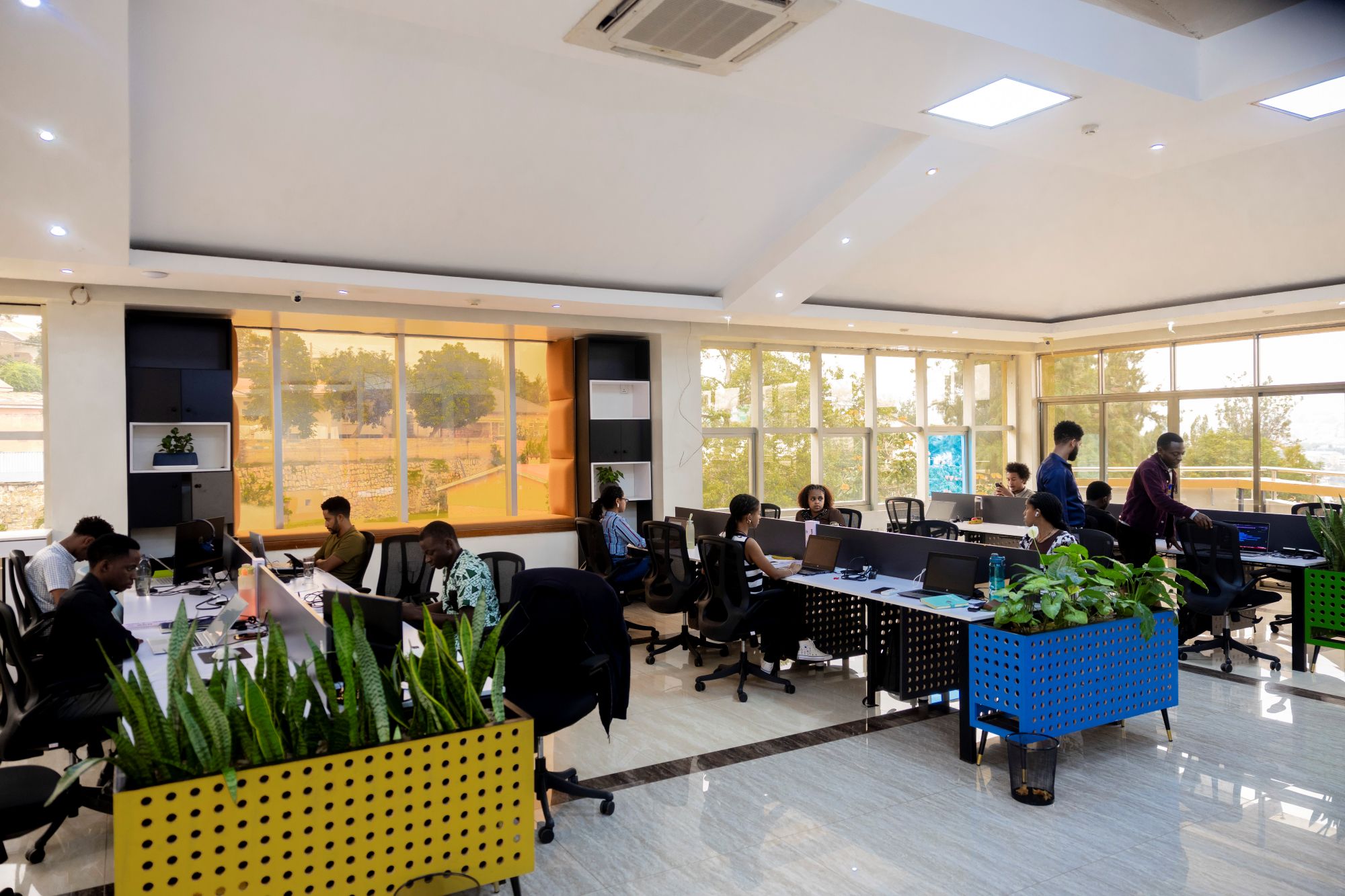
The Gishushu office now serves as the central hub for both the academy and incubator, attracting students, mentors, and developers to work on projects with both local and international impact.
The program emphasises building a strong foundation in programming, particularly in data structures and algorithms, which sets it apart from traditional boot camps.
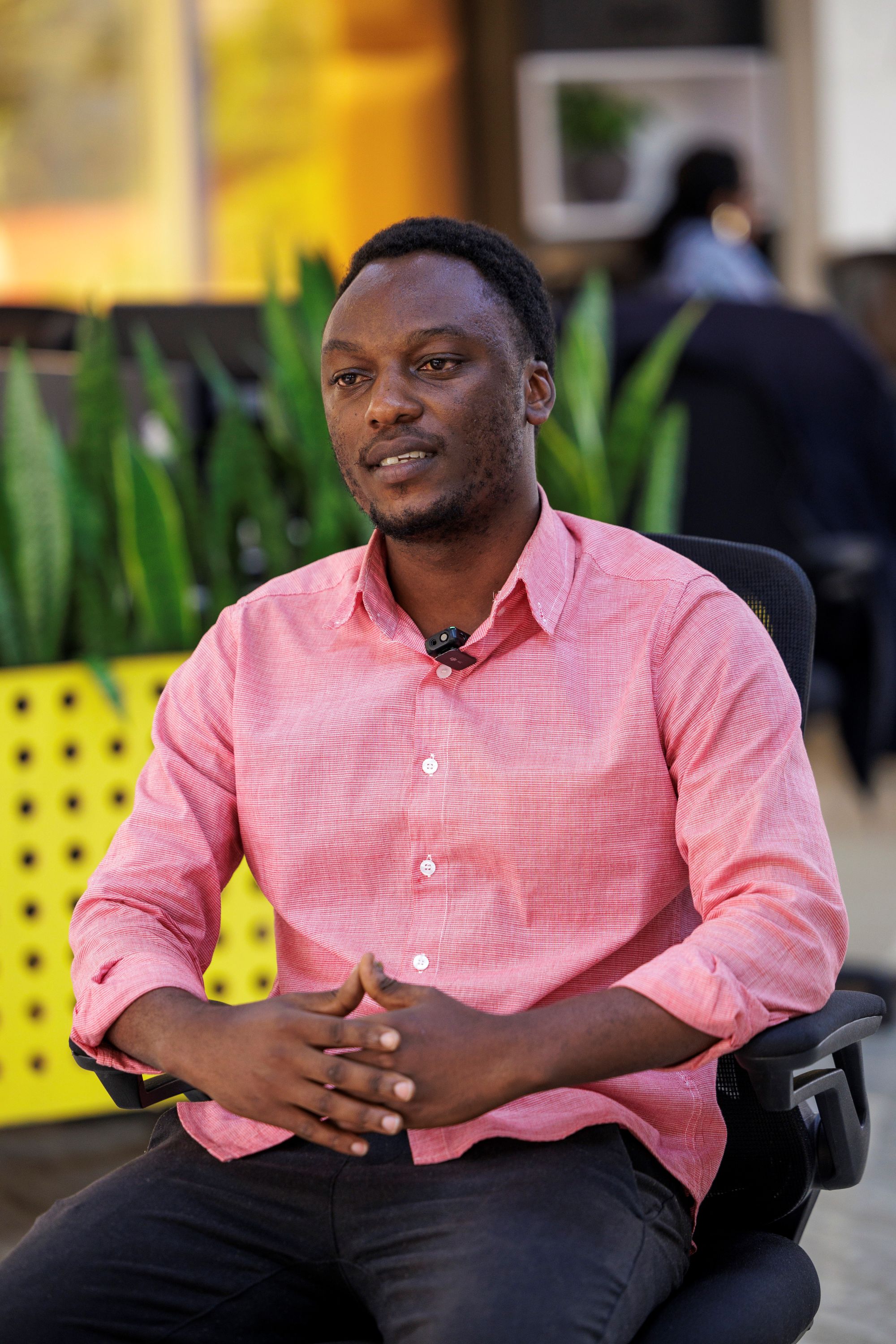
Adolphe Ngoga, a Rwandan IT graduate, is now part of the team on Eskalate, the organisation’s platform that connects African developers with companies around the world. The program gives developers the opportunity to work on real software projects and gain experience with international teams.
“By the time I joined, more than a dozen developers had already secured roles with U.S.-based companies, showing that these opportunities are truly possible,” said Ngoga, who joined A2SV nearly three months ago when the company relocated to Rwanda.
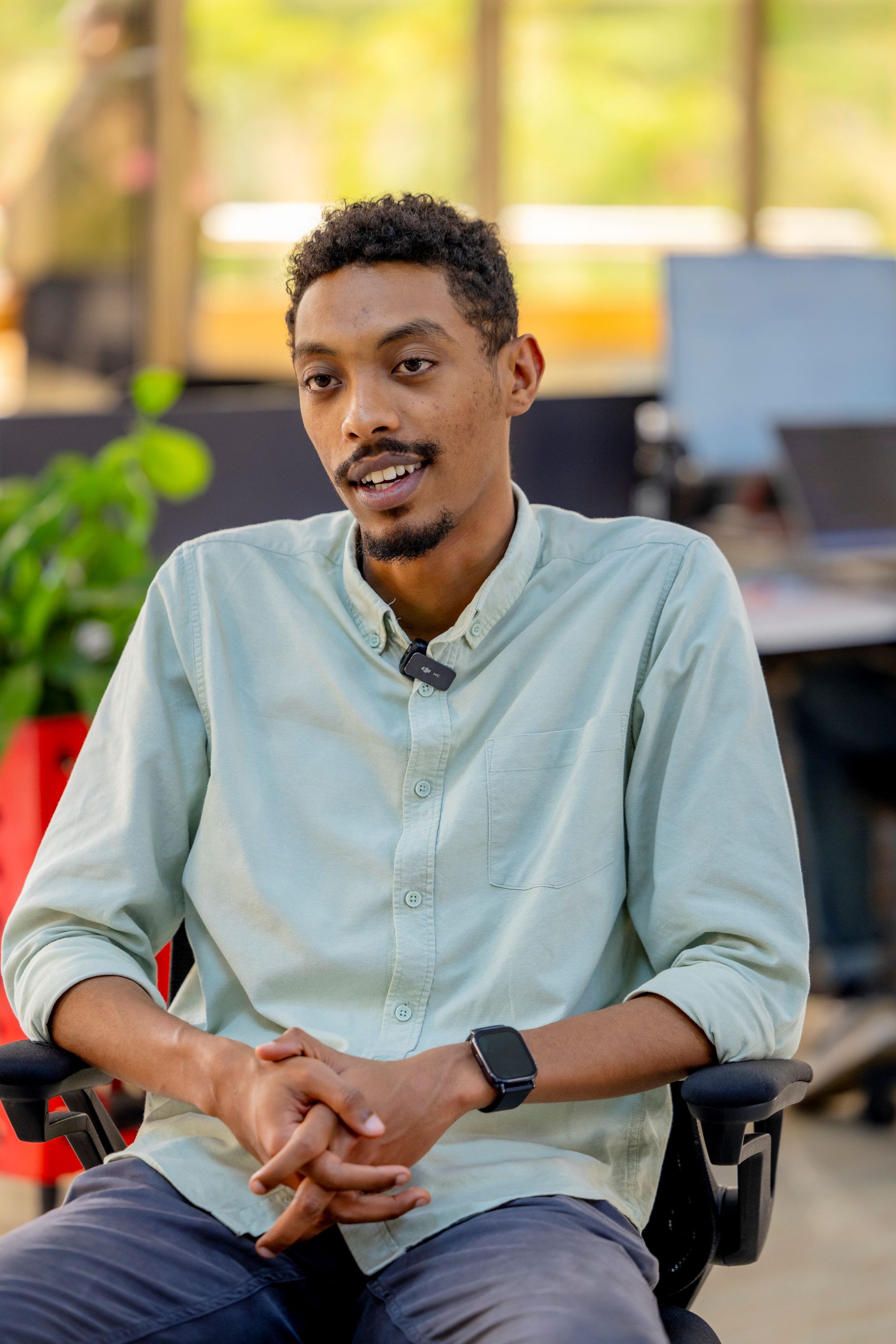
Mohamed Yasir, a Sudanese team lead who started as a student at A2SV a few years ago, highlighted the importance of mentorship and mastering foundational skills, saying, “Starting with the basics is key. If you understand data structures, algorithms, and how to collaborate with your team, you can take on bigger challenges.”
He advises emerging tech talent to focus on mastering foundational skills and adapting to the evolving landscape, including artificial intelligence: “AI is not here to replace us; it’s here to support developers. Learning how to collaborate with AI and communicate effectively is key to succeeding in today’s tech landscape.”
As A2SV grows in Kigali, founder Emre Varol emphasised the need for partners, investors, and philanthropists to help scale the initiative.
“Our goal is not to promise overnight transformation, but to do the rigorous work required to build a durable pipeline of technical talent and locally rooted ventures,” he remarked.
With its new base in Kigali, A2SV is positioning itself as a launchpad for a continent-wide vision, connecting African engineers to the global tech stage while simultaneously addressing real challenges in education, healthcare, and finance.
A2SV new office in Gishushu, Kigali.Founded in 2019 by Emre Varol, A2SV is a free, non-profit initiative that provides high-impact technical education to top-performing university students across Africa. The program emphasises building a strong foundation in programming, particularly in data structures and algorithms, which sets it apart from traditional boot camps.A2SV CEO Emre Varol (right) and the company’s Executive Public Relations Officer, John Bunyeshuri. The CEO emphasised the need for partners, investors, and philanthropists to help scale the initiative.Shema Katende, A2SV’s marketing lead, explained that Kigali was chosen for its supportive environment for innovation and its growing pool of IT talent.Adolphe Ngoga, a Rwandan IT graduate, is now part of the team on Eskalate, the organisation’s platform that connects African developers with companies around the world.Mohamed Yasir, a Sudanese team lead who started as a student at A2SV a few years ago, highlighted the importance of mentorship and mastering foundational skills
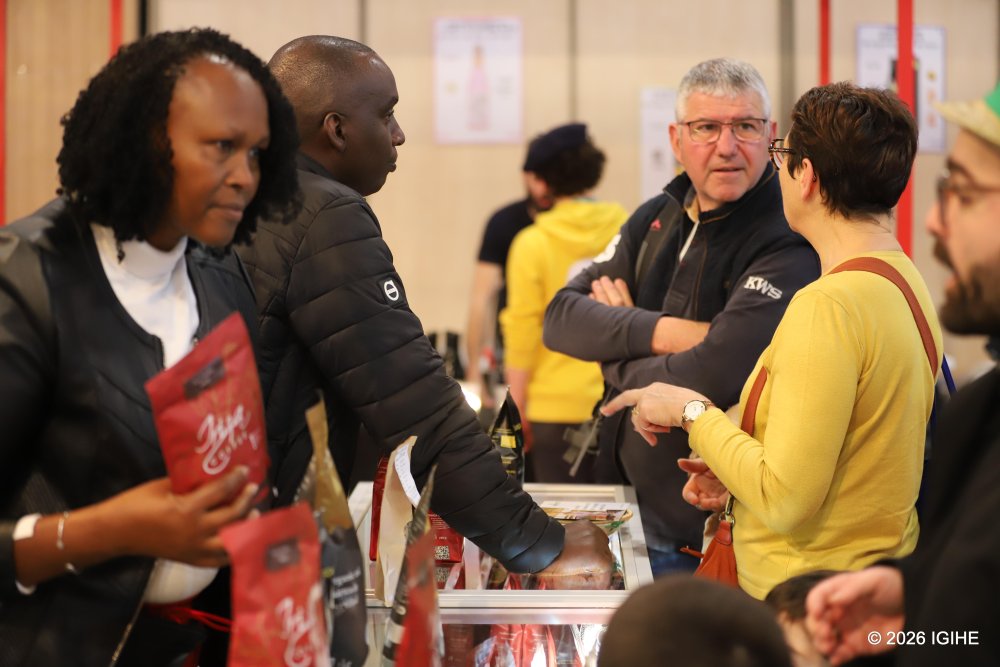
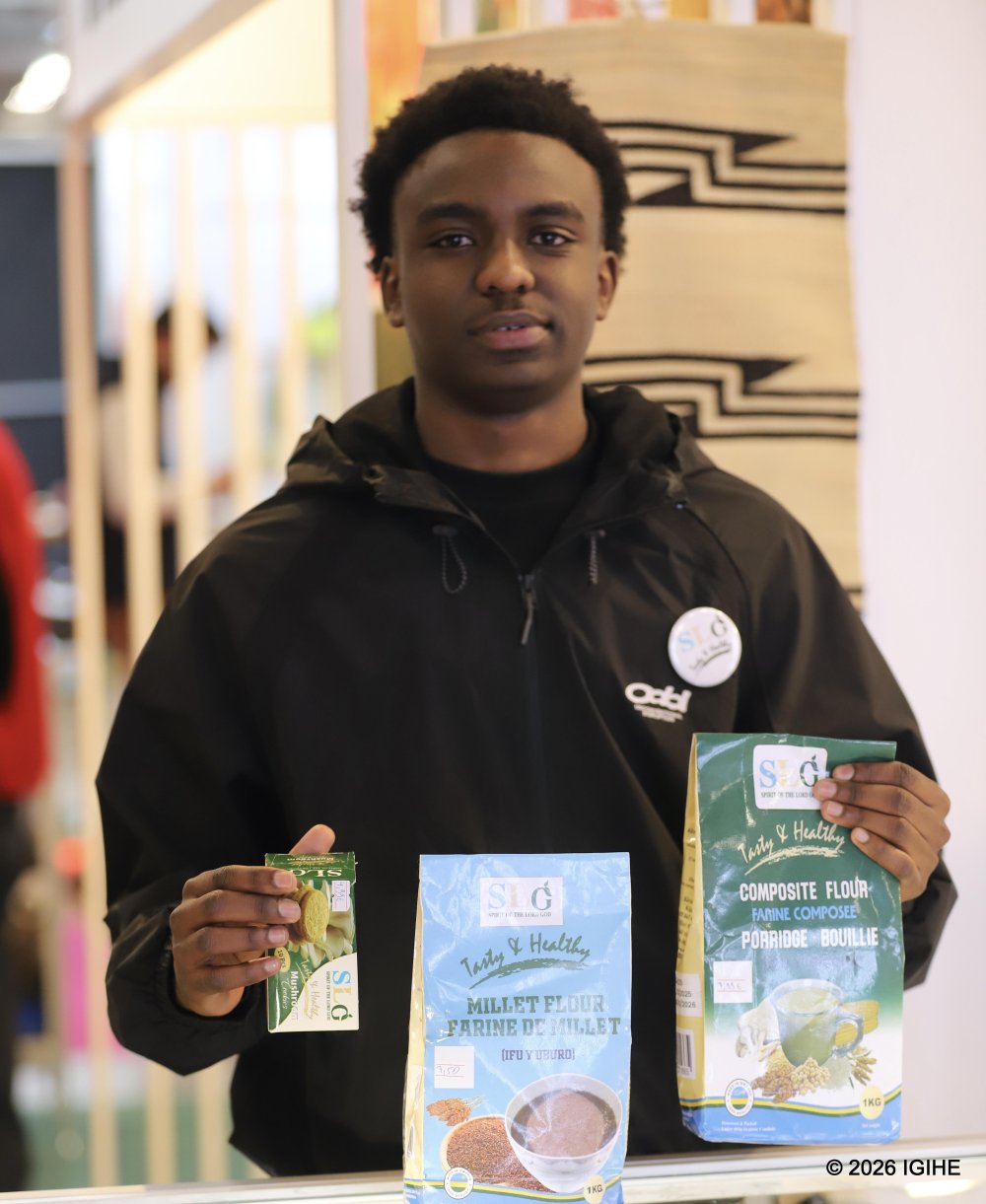
The National Agricultural Export Development Board (NAEB) has announced ongoing efforts to expand international markets for Rwanda’s agricultural products.
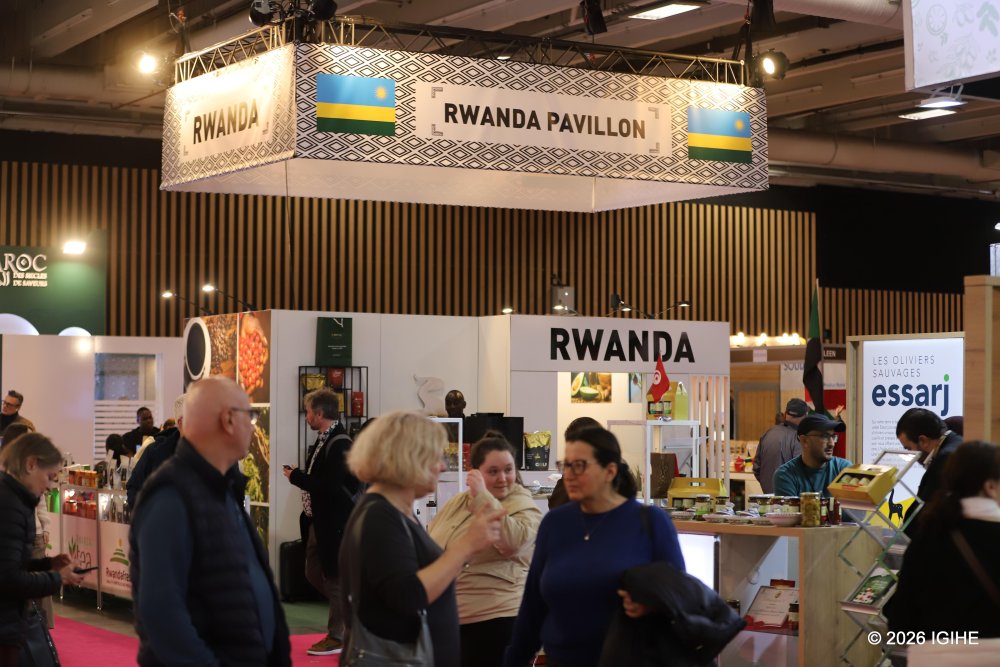
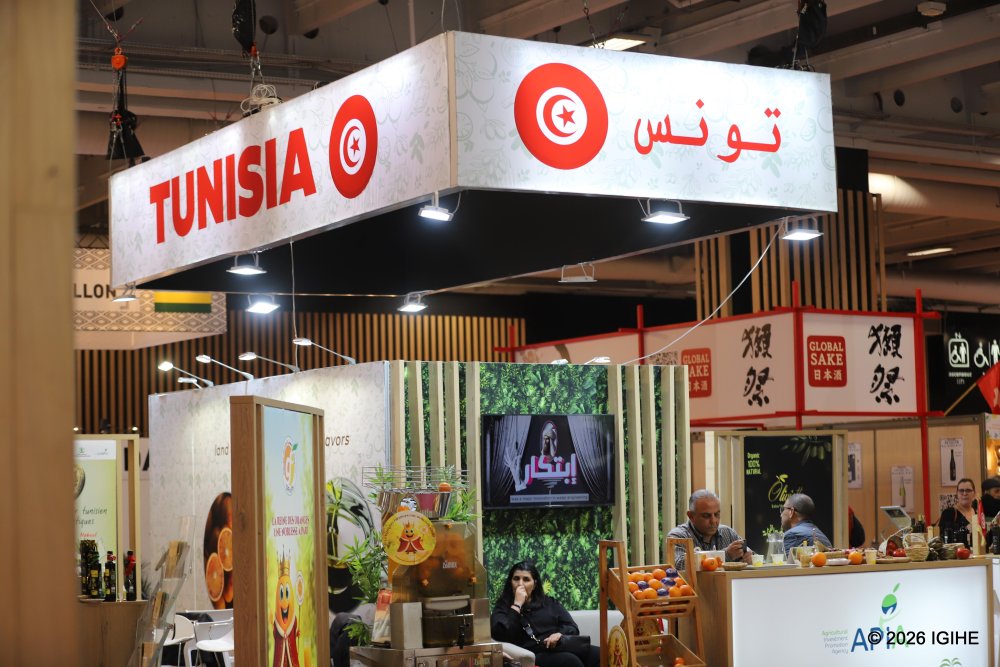
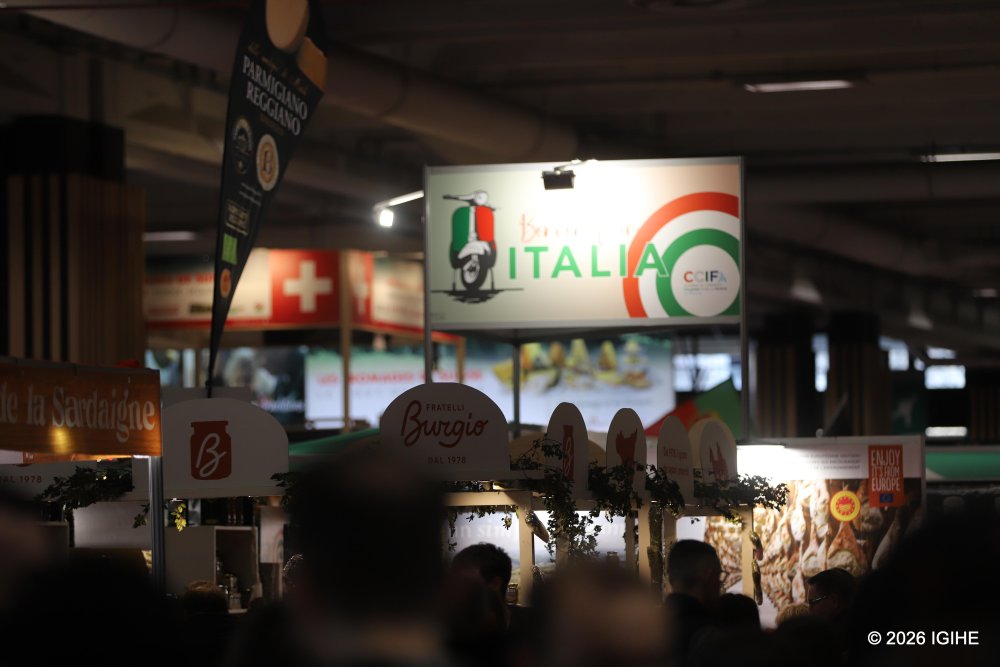
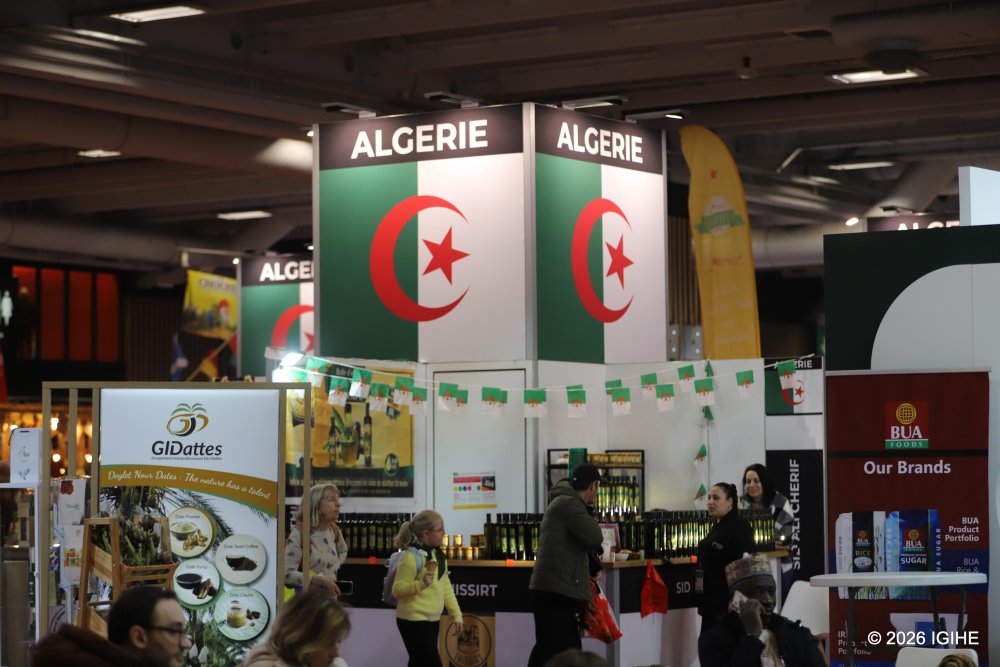
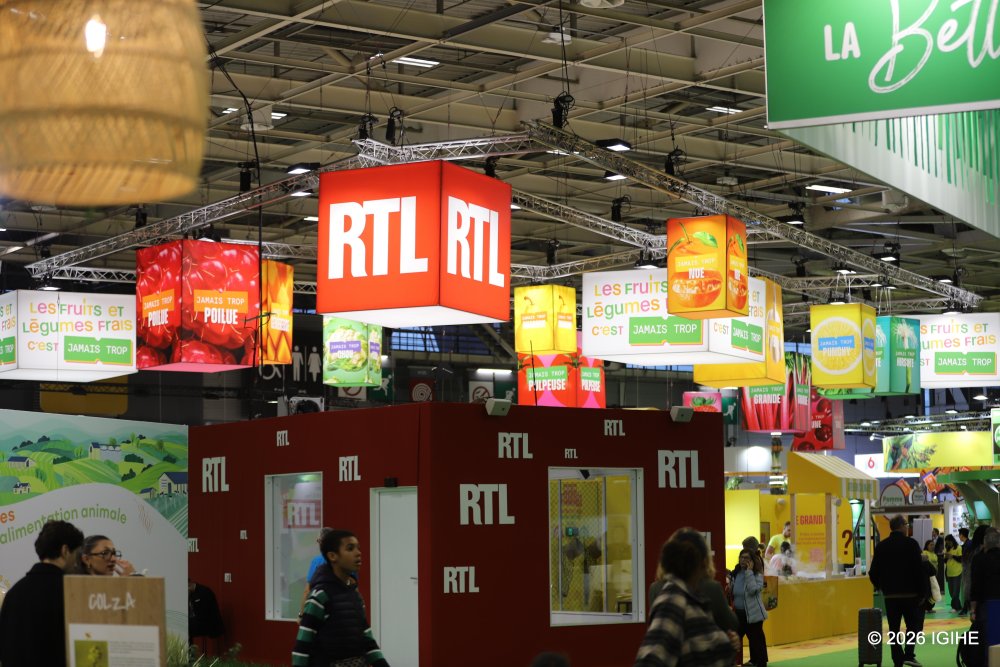
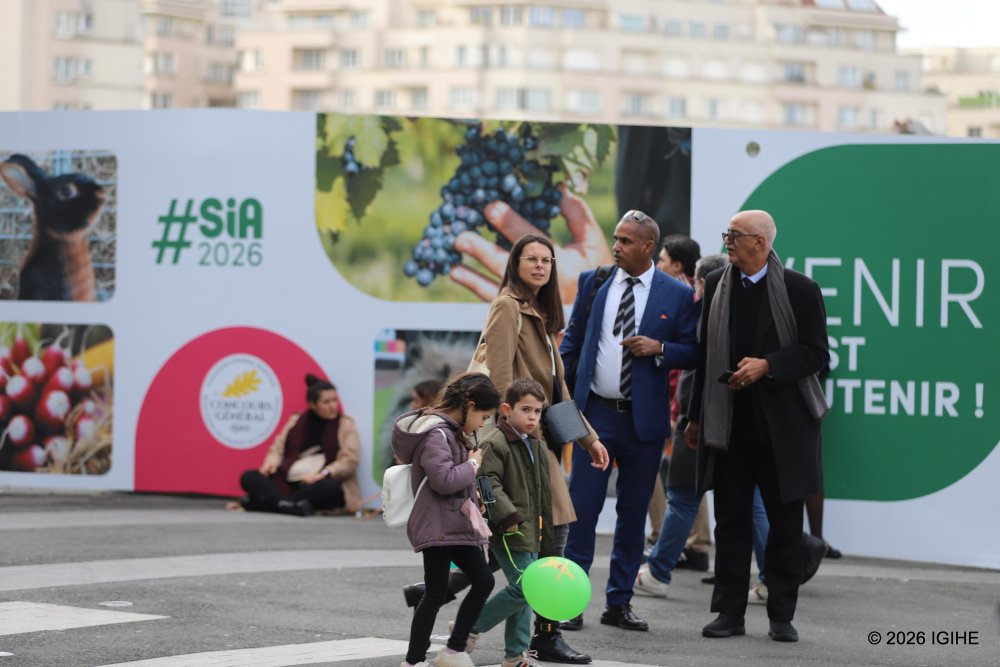
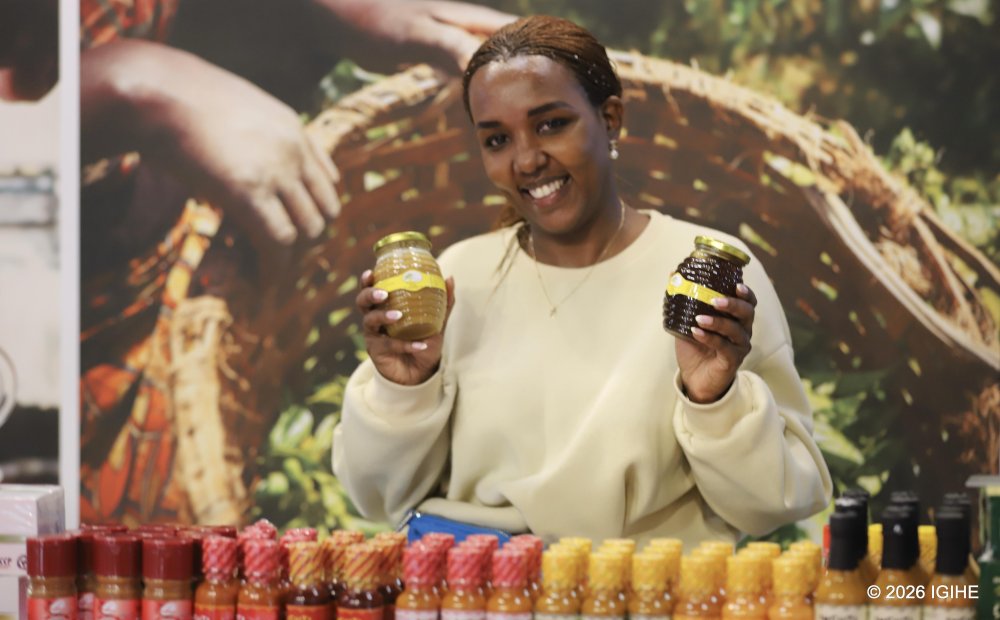
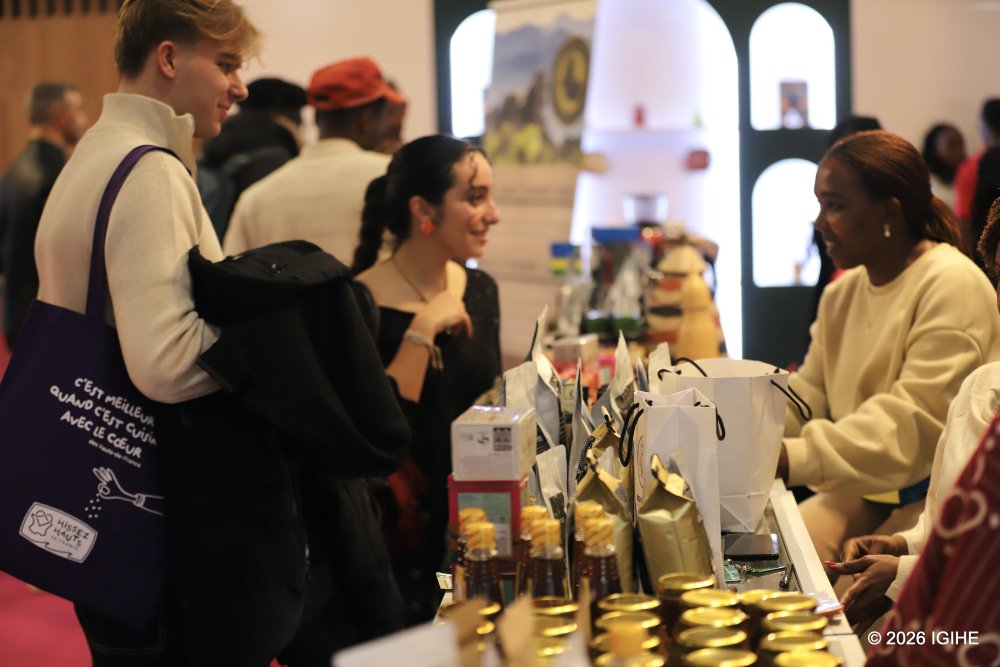
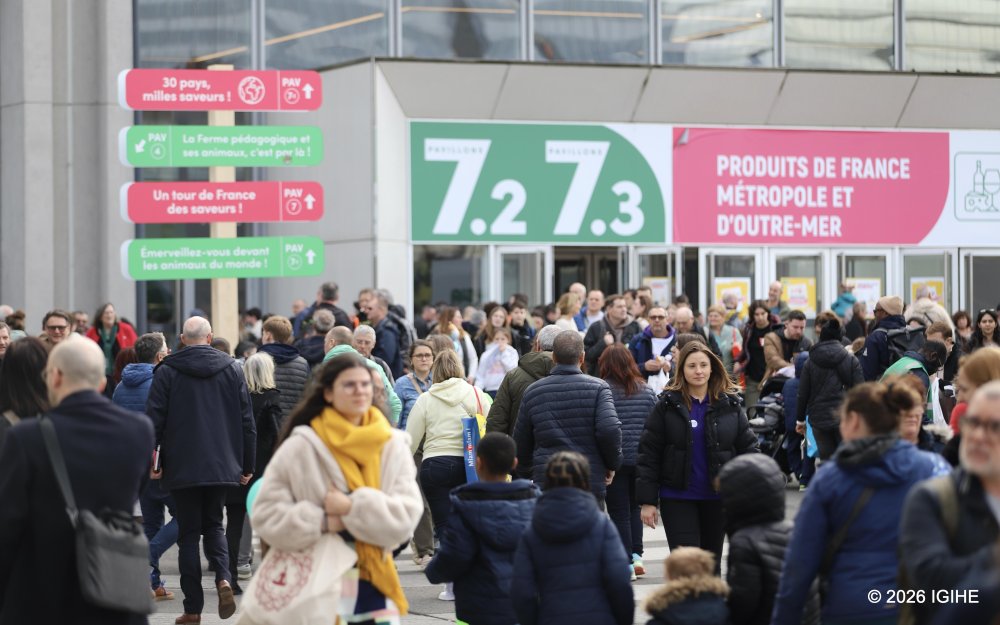
The announcement comes as Rwanda participates for the fifth time in the Paris International Agricultural Show (SIA), an international agriculture and livestock exhibition held annually in France. The event takes place at Paris Expo–Porte de Versailles from late February to early March each year.
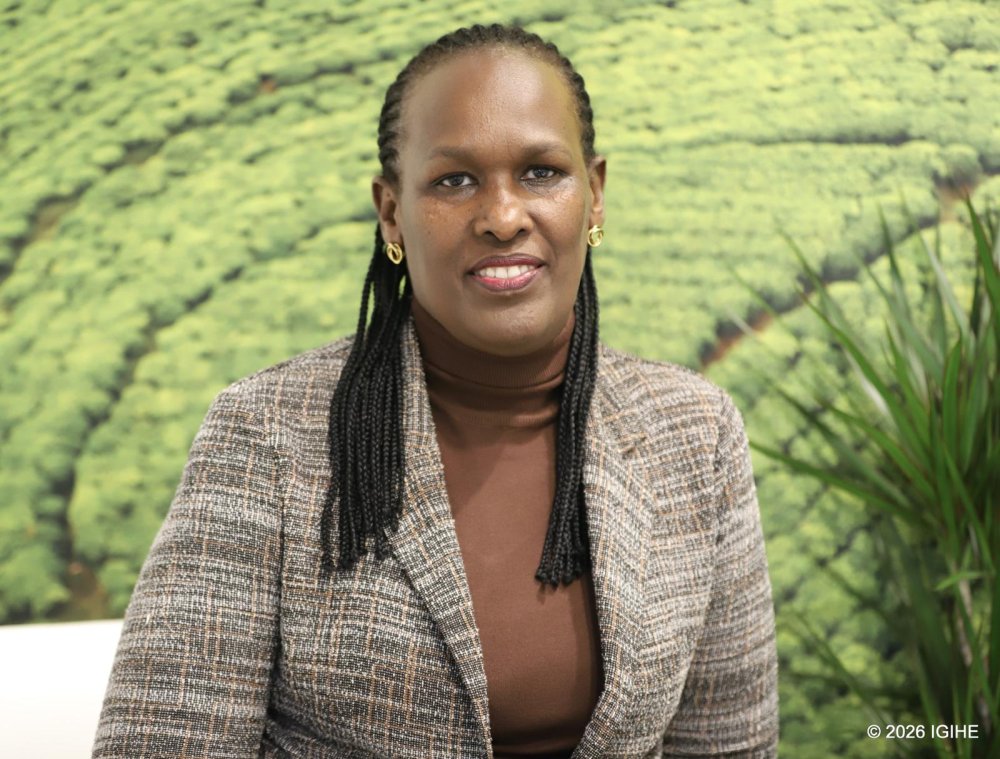
In an interview with IGIHE, Janet Basiima, Export Market Development and Innovation Division Manager at NAEB, said Rwanda continues to broaden market access while strengthening the global visibility of its agricultural products.
She noted that although this marks Rwanda’s fifth participation, the exhibition itself has been held for more than six decades.
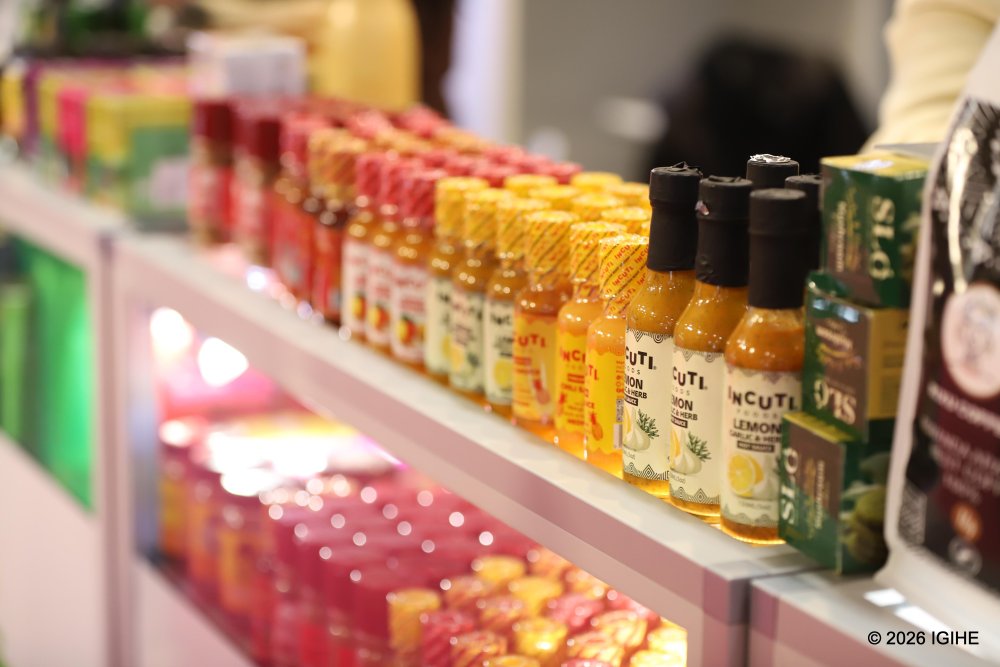
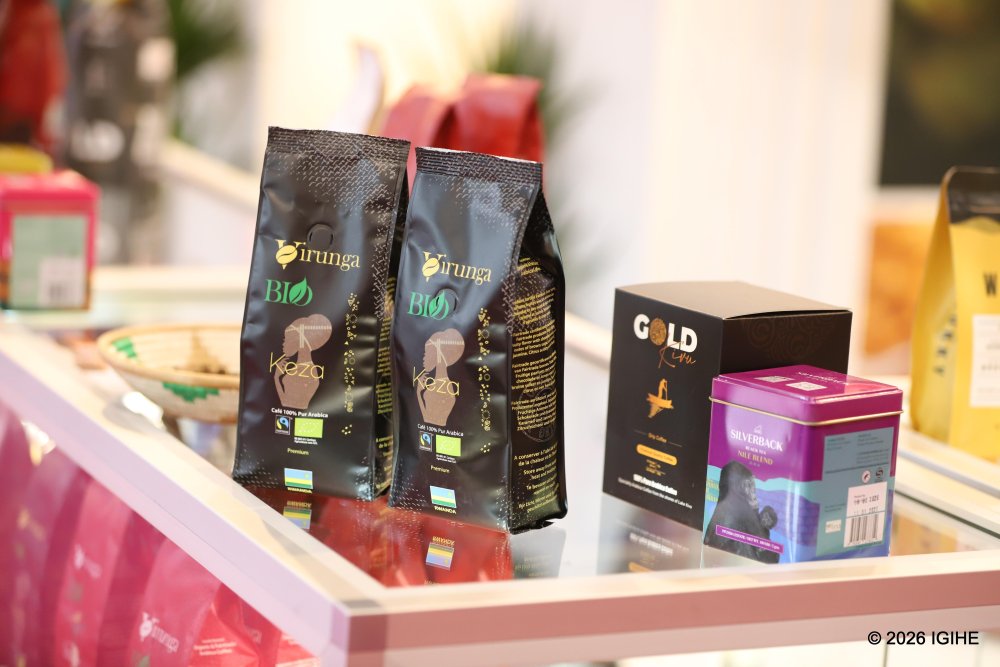
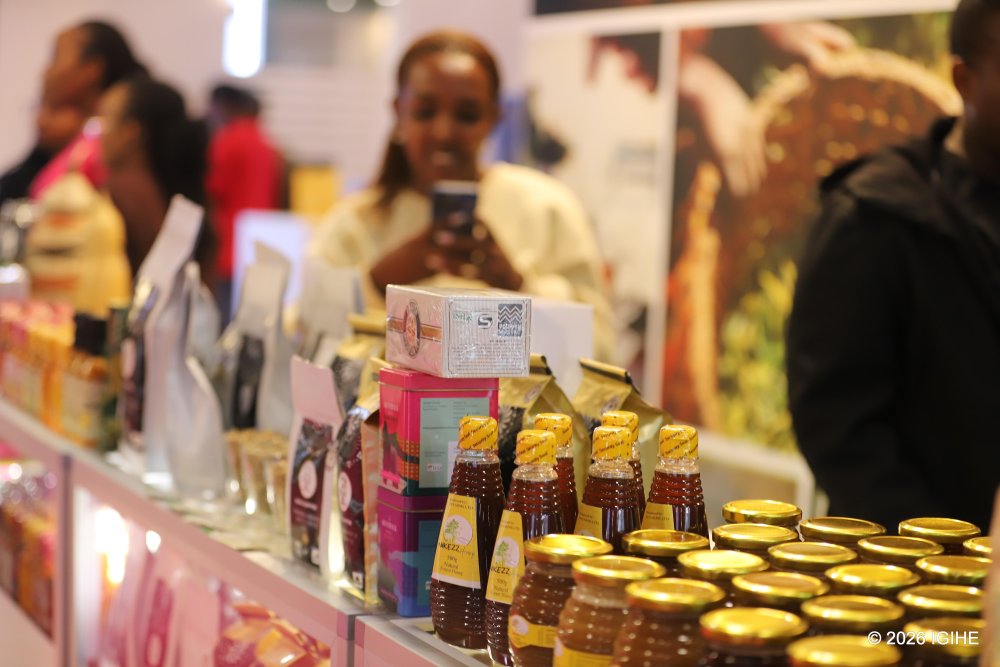
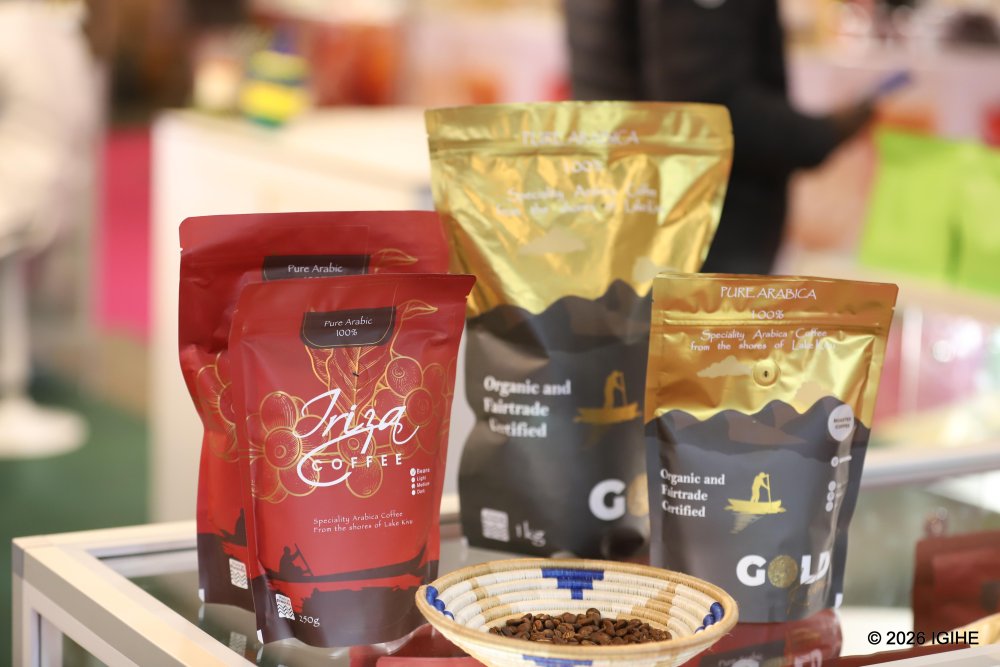
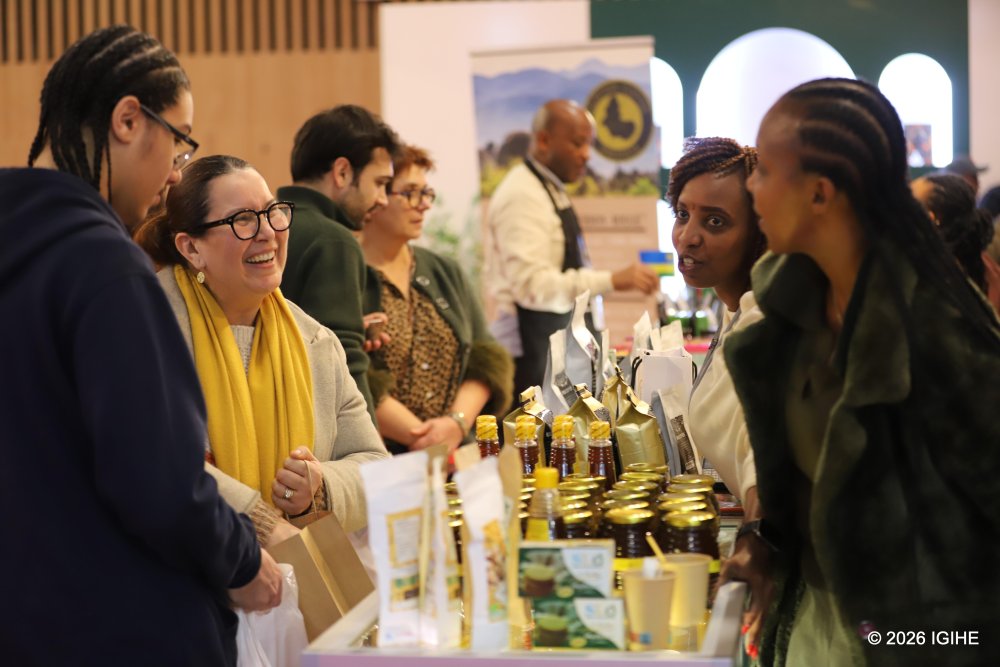
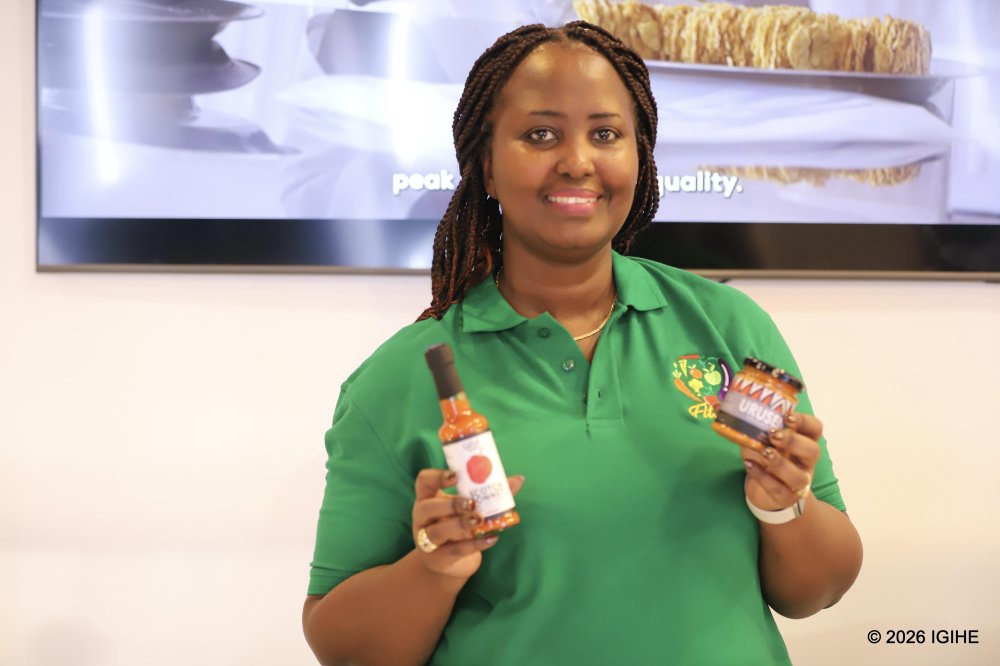
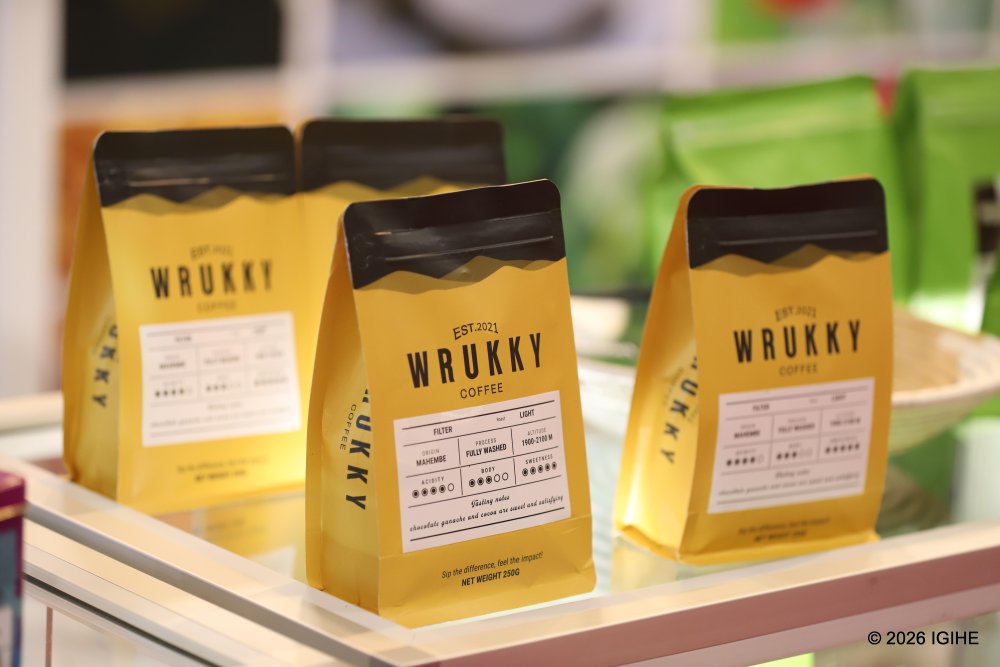
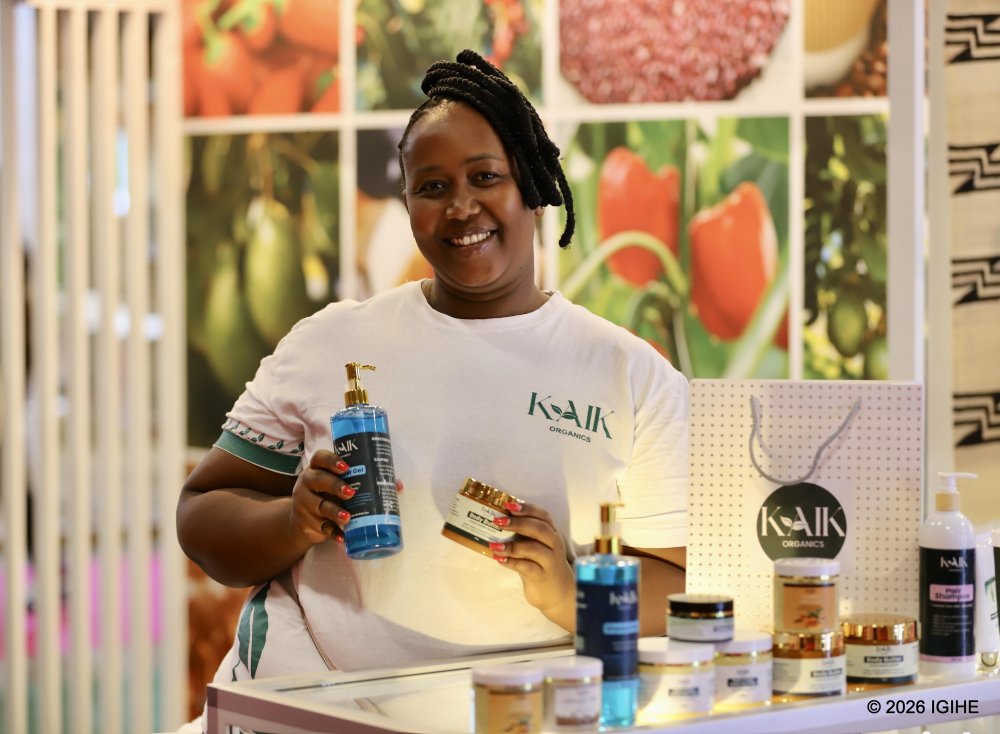
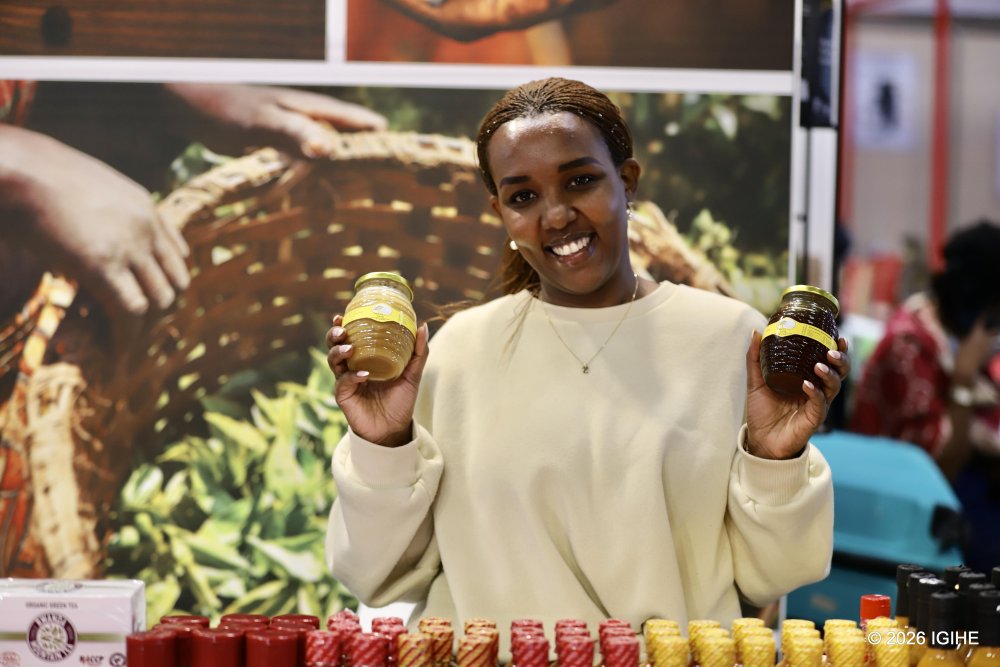
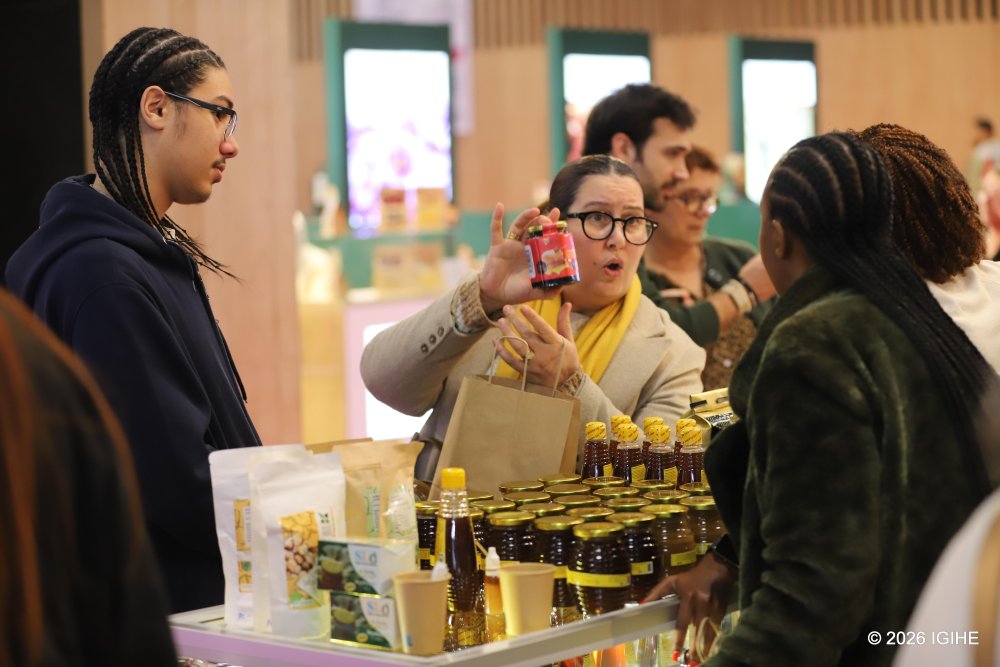
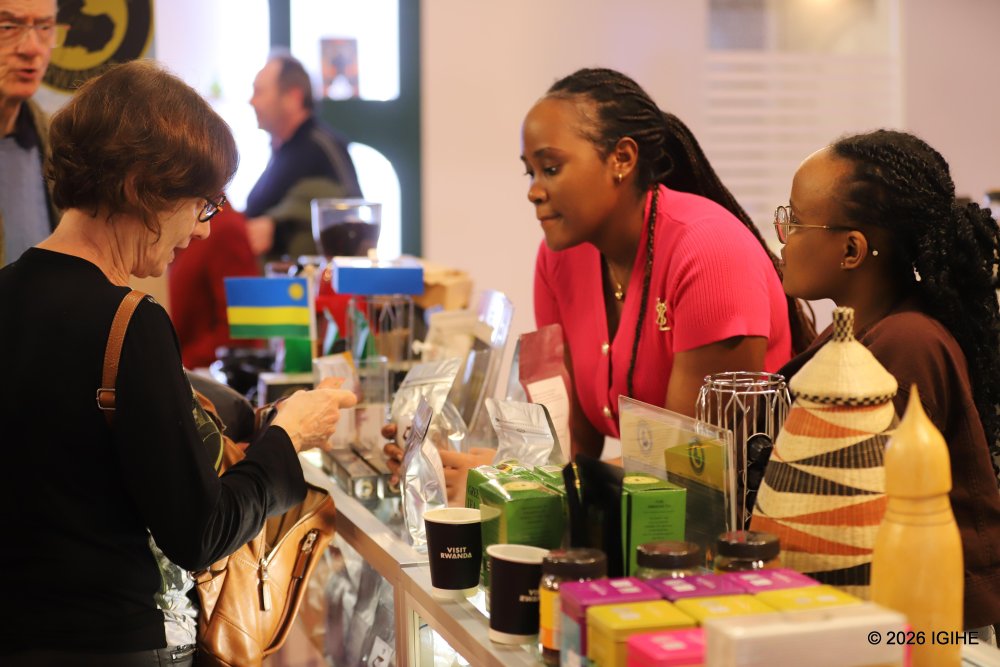
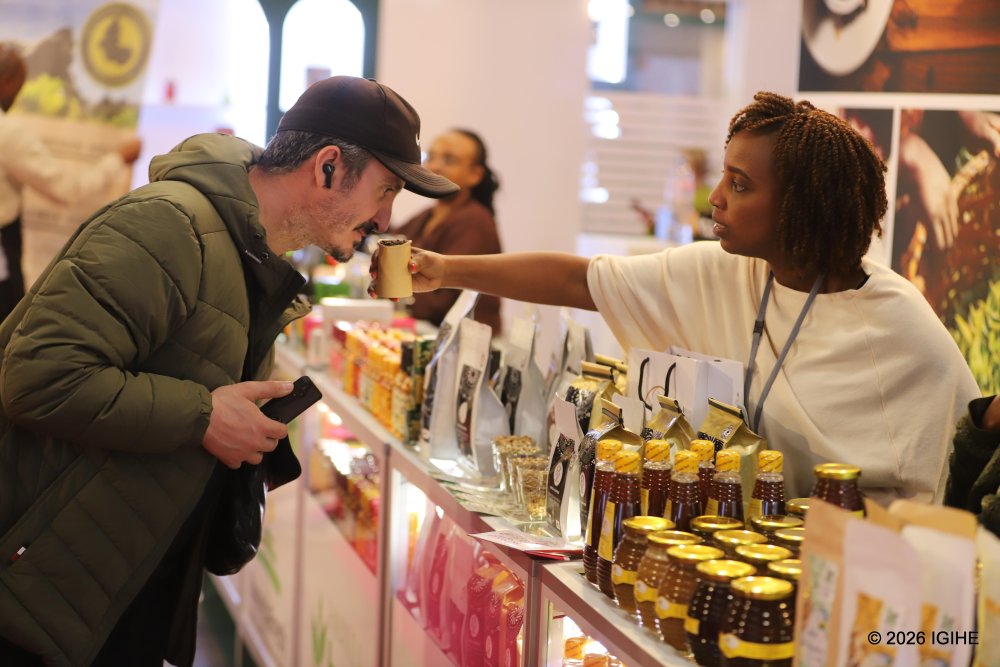
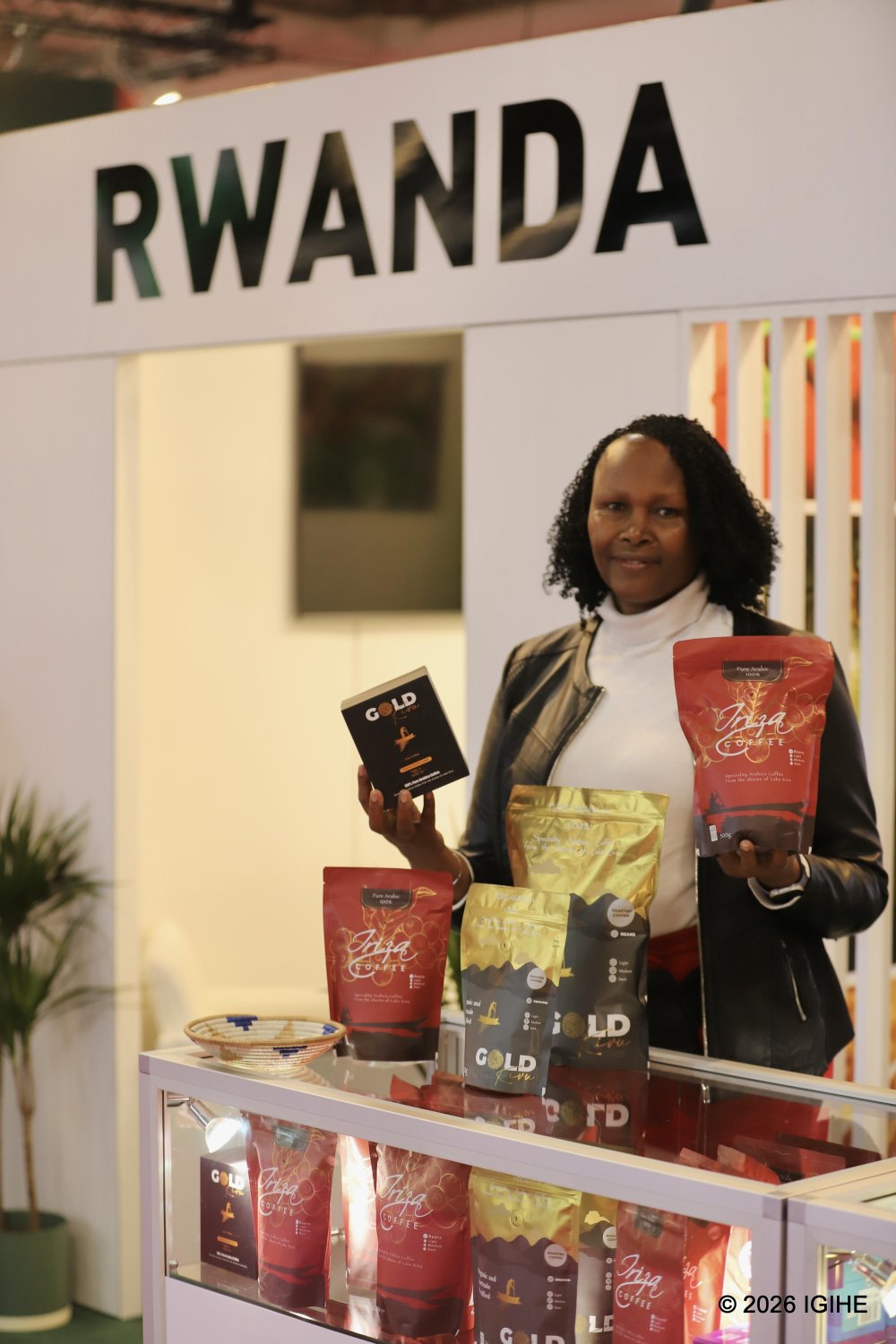
“We came with around 15 exporters showcasing tea, coffee, honey, and other agricultural goods. Our participation is aimed at expanding markets for Rwanda’s agricultural and livestock products,” she said.
Basiima added that the delegation is not only exhibiting but also engaging potential buyers who import products from Africa to explore new trade partnerships. She emphasized that, beyond the more than 100 countries represented at the exhibition, France itself remains a significant market for Rwanda.
She further highlighted that France ranks fourth among destinations for Rwanda’s agricultural exports. According to Basiima, the presence of RwandAir flights to Paris three times a week provides a strategic advantage, making it easier to transport Rwandan products to newly secured markets.
This year’s exhibition opened on February 21, 2026, and was officially launched by French President Emmanuel Macron, as is customary each year.
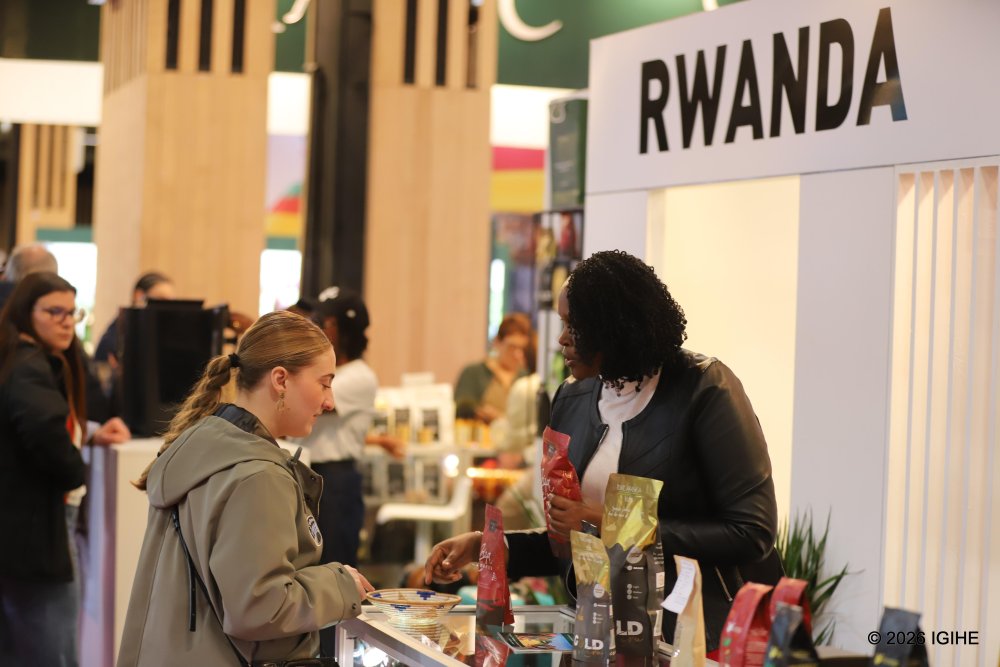
Rwanda is exhibiting at Pavillion Seven, where it is showcasing progress in developing export-ready agricultural and livestock products. The country is represented by NAEB and the Embassy of Rwanda in France.
The exhibition provides a valuable platform for farmers, entrepreneurs, traders, and investors to exchange expertise, foster partnerships, and promote innovation in agriculture and livestock development.
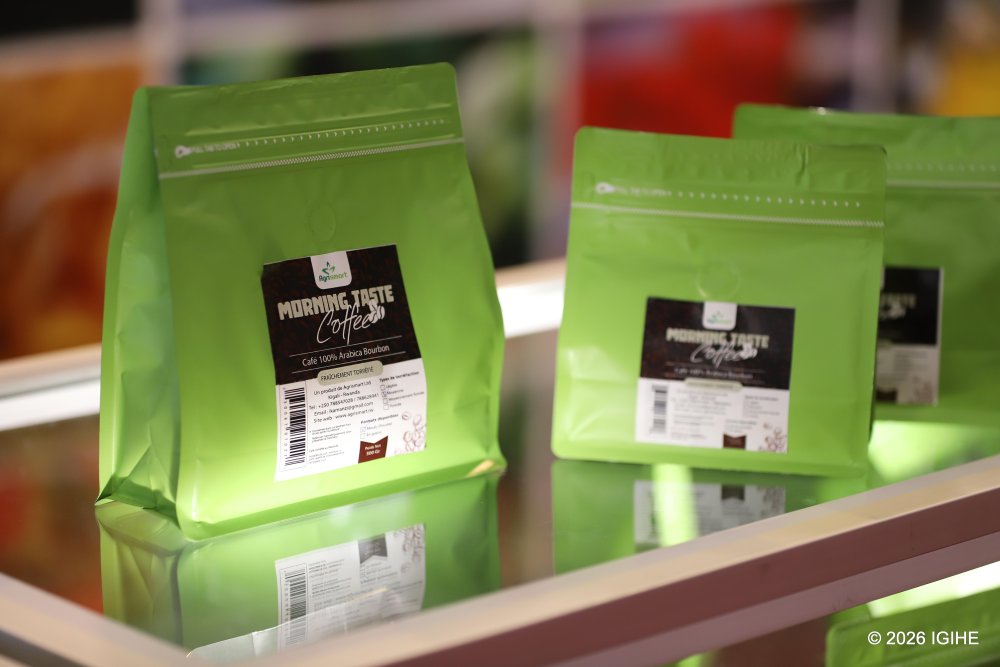
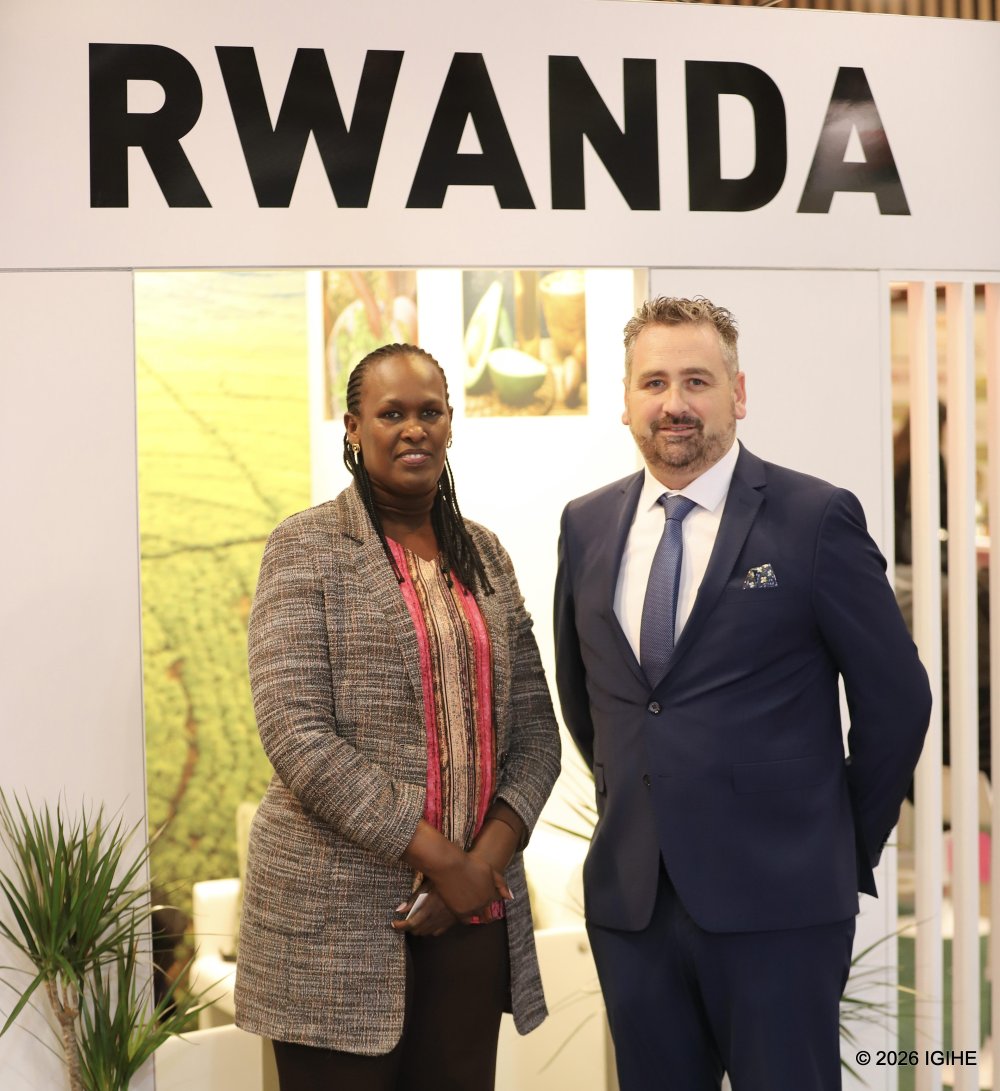
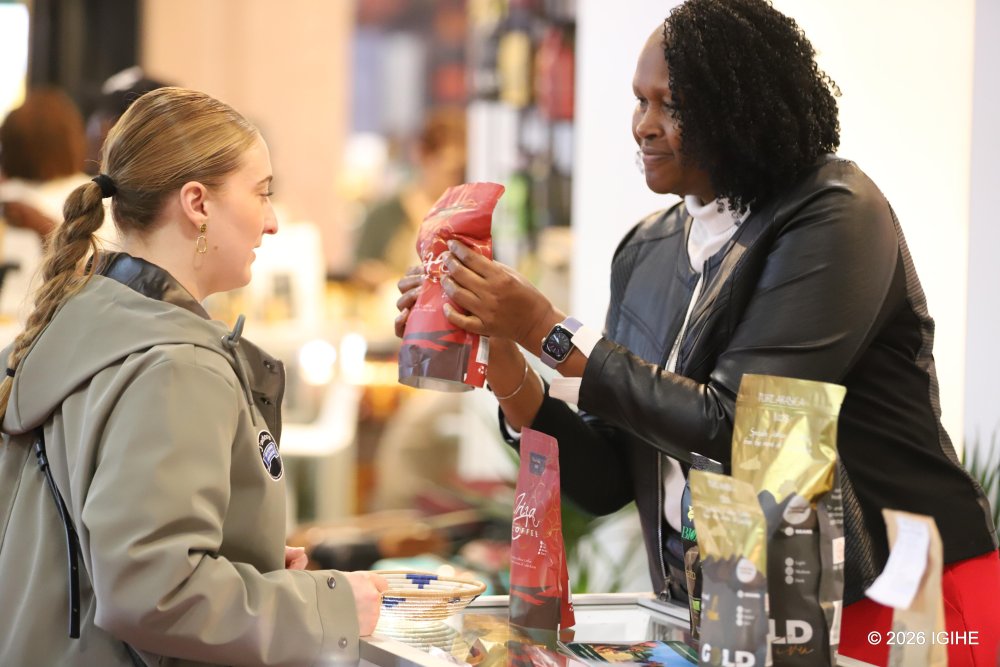
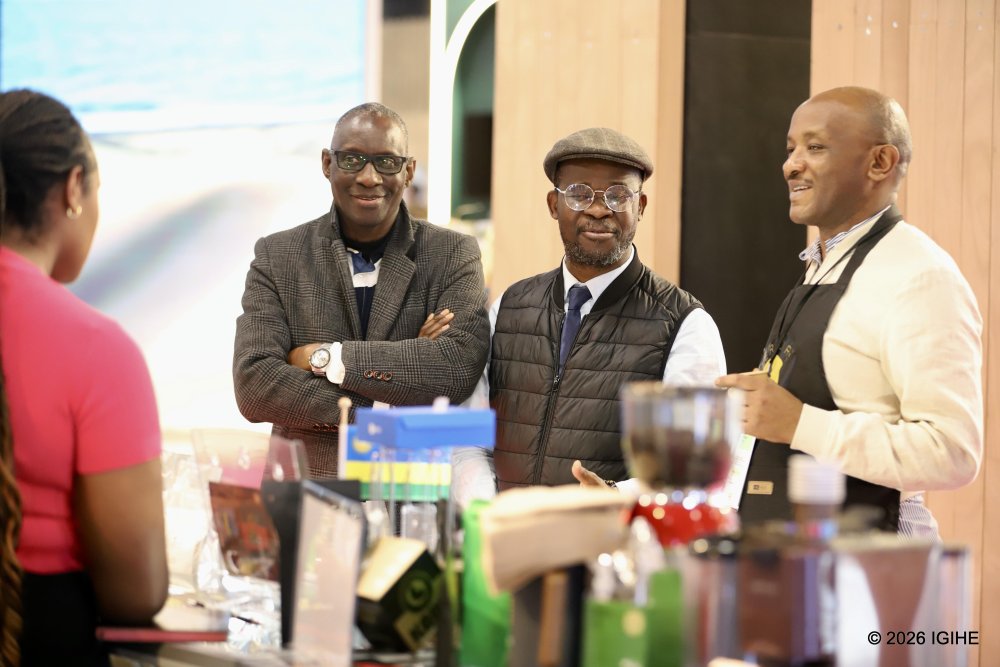
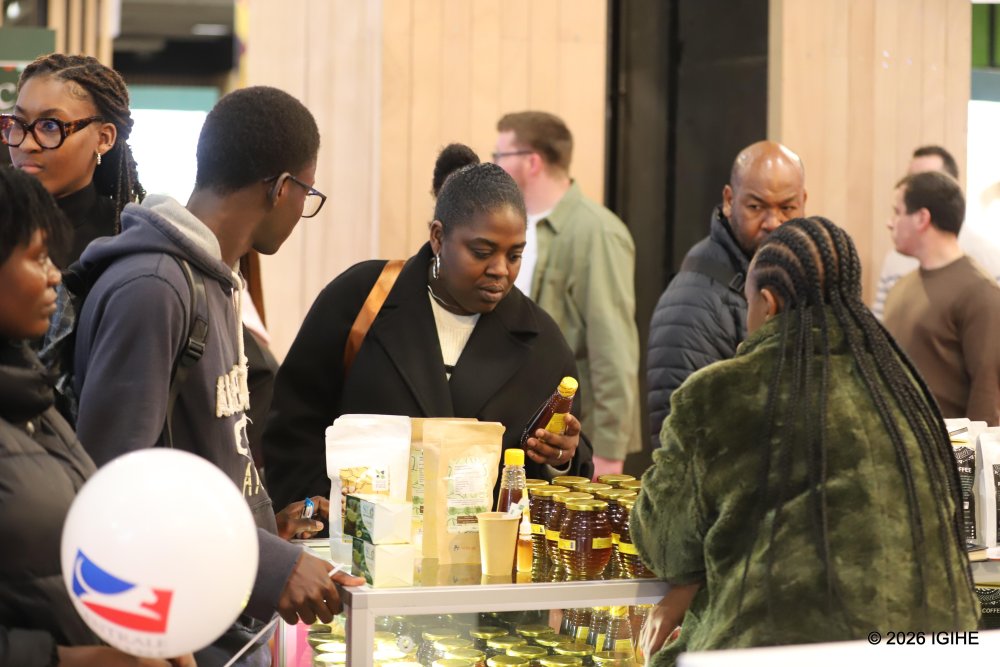
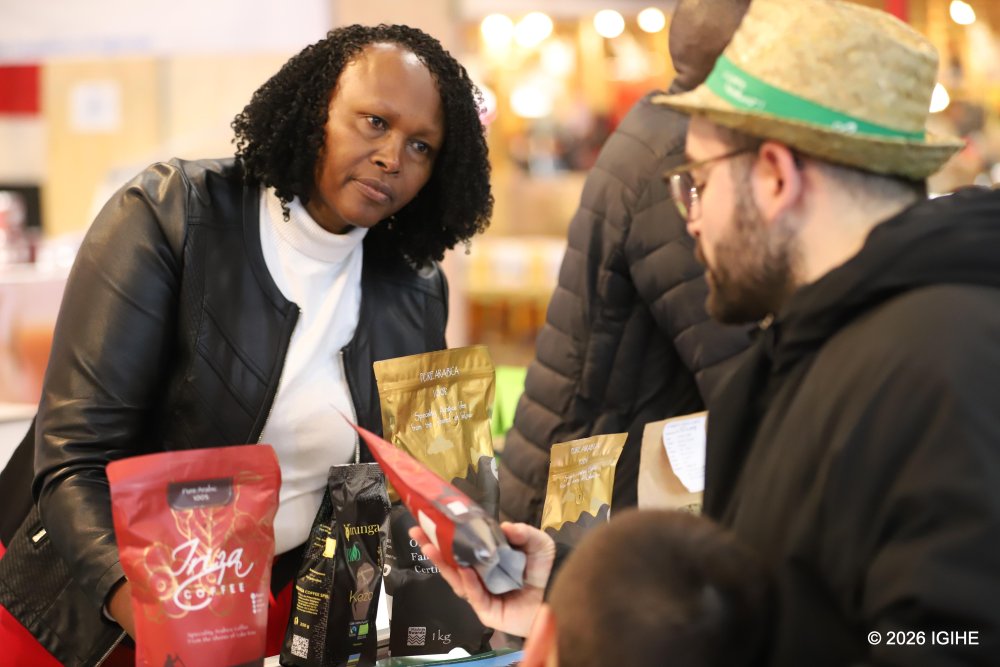
Janet Basiima, Export Market Development and Innovation Division Manager at NAEB, said Rwanda continues to broaden market access while strengthening the global visibility of its agricultural products. The exhibition provides a valuable platform to promote innovation in agriculture and livestock development.The event takes place at Paris Expo–Porte de Versailles from late February to early March each year. Nzungize is among participants representing Rwandan companies exporting coffee.
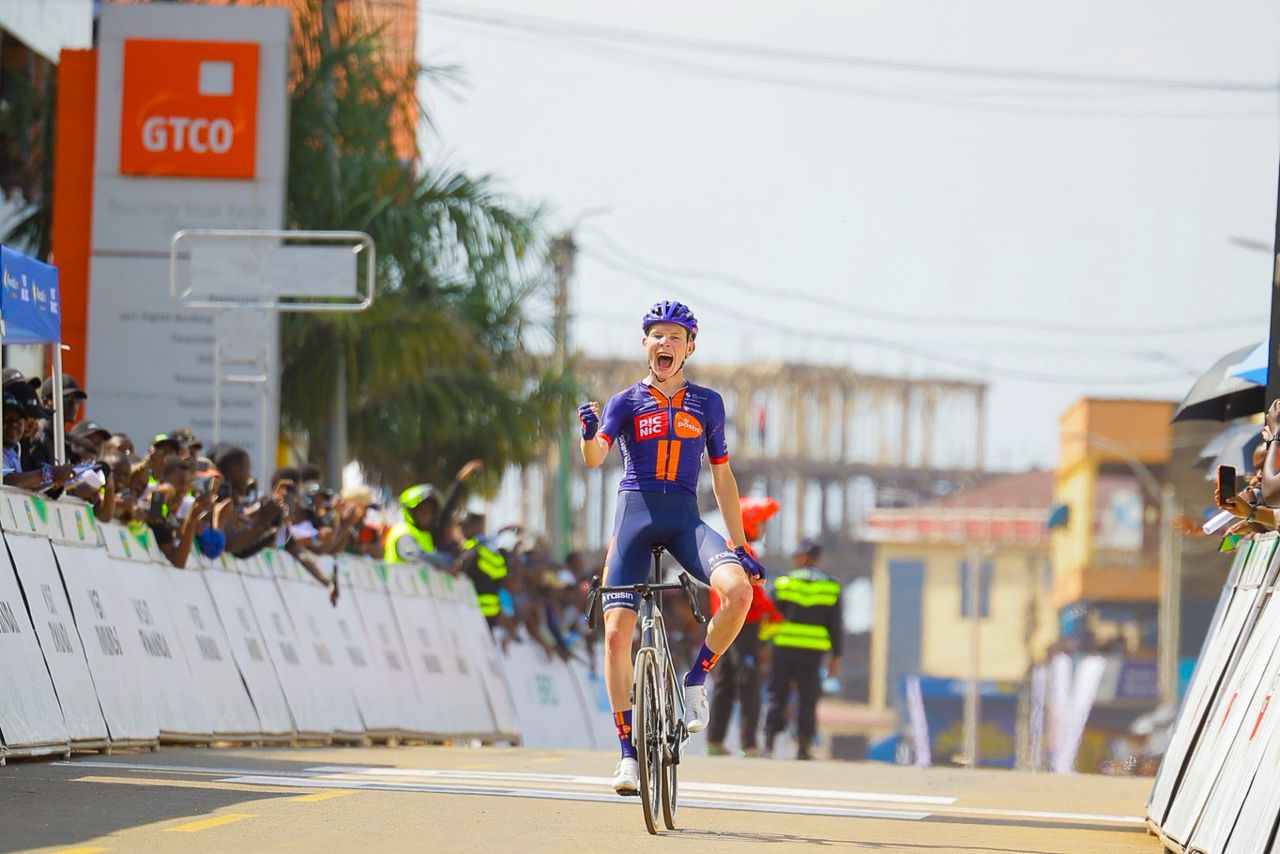
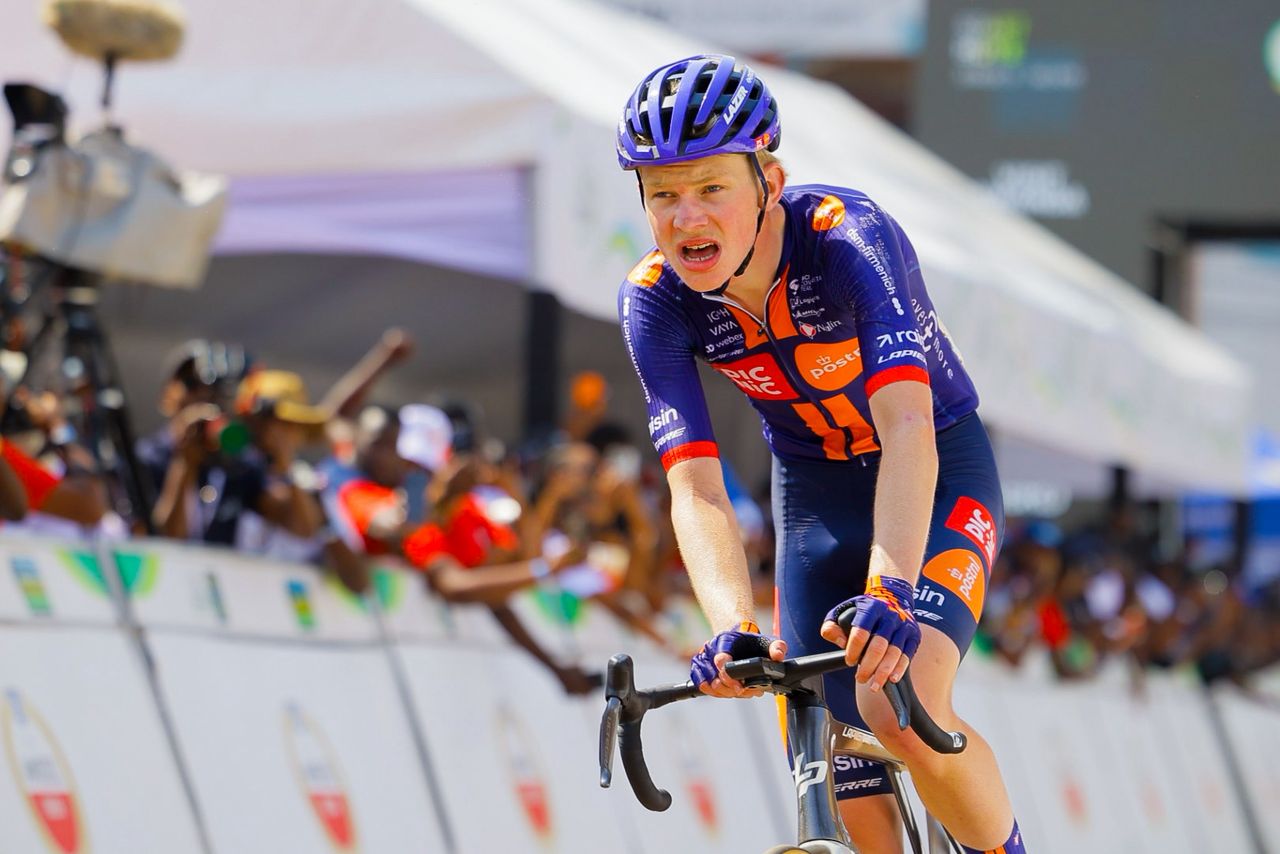
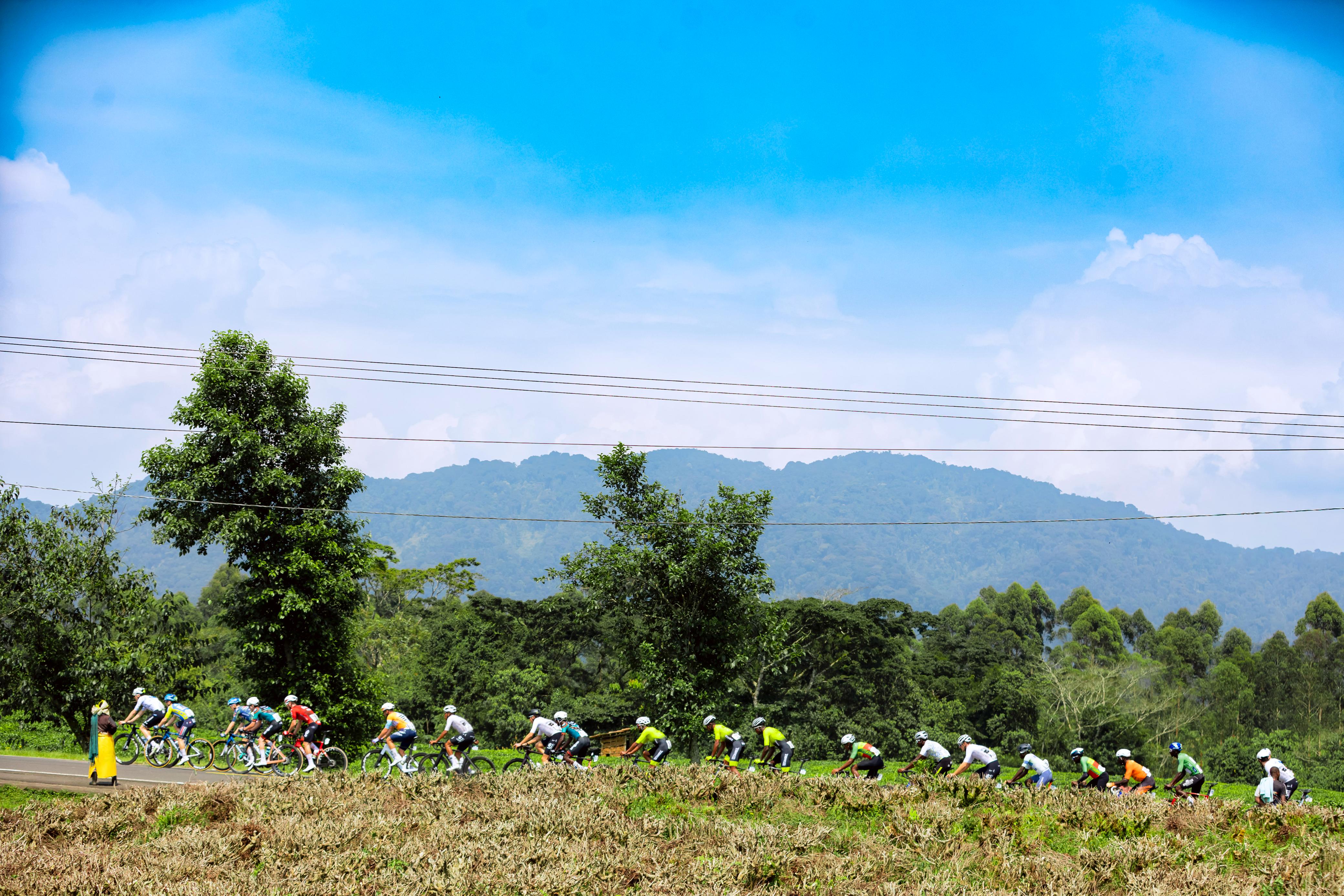
The 20-year-old, who also won a yellow jersey, made his decisive move with just three kilometers remaining, breaking clear from the peloton and holding off the chasing riders to cross the line solo. At the 1 km mark, he had a lead of 45 seconds, which had slightly narrowed to 35 seconds, while Pau Marti, in the yellow jersey, struggled to maintain pace in the chasing group.
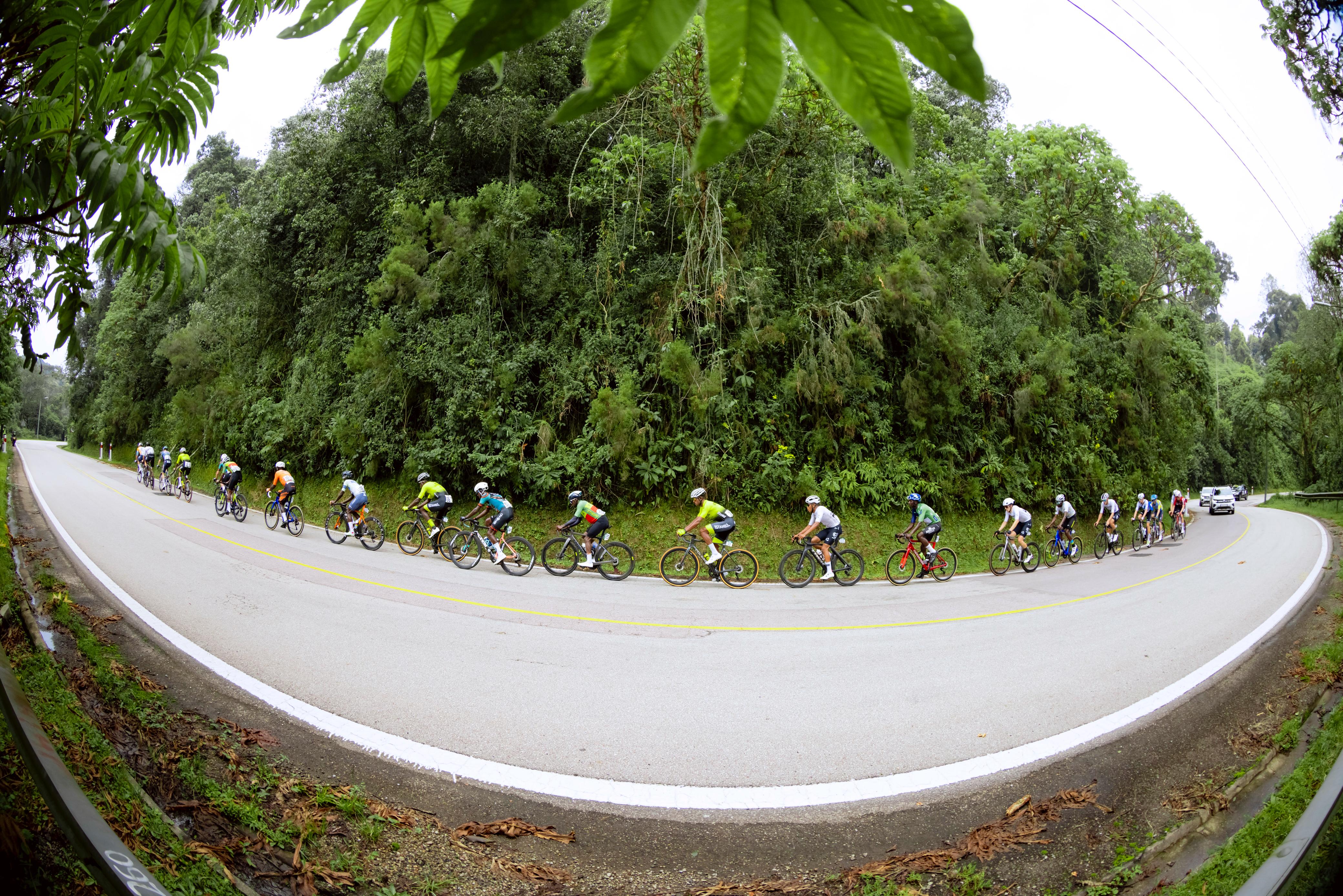
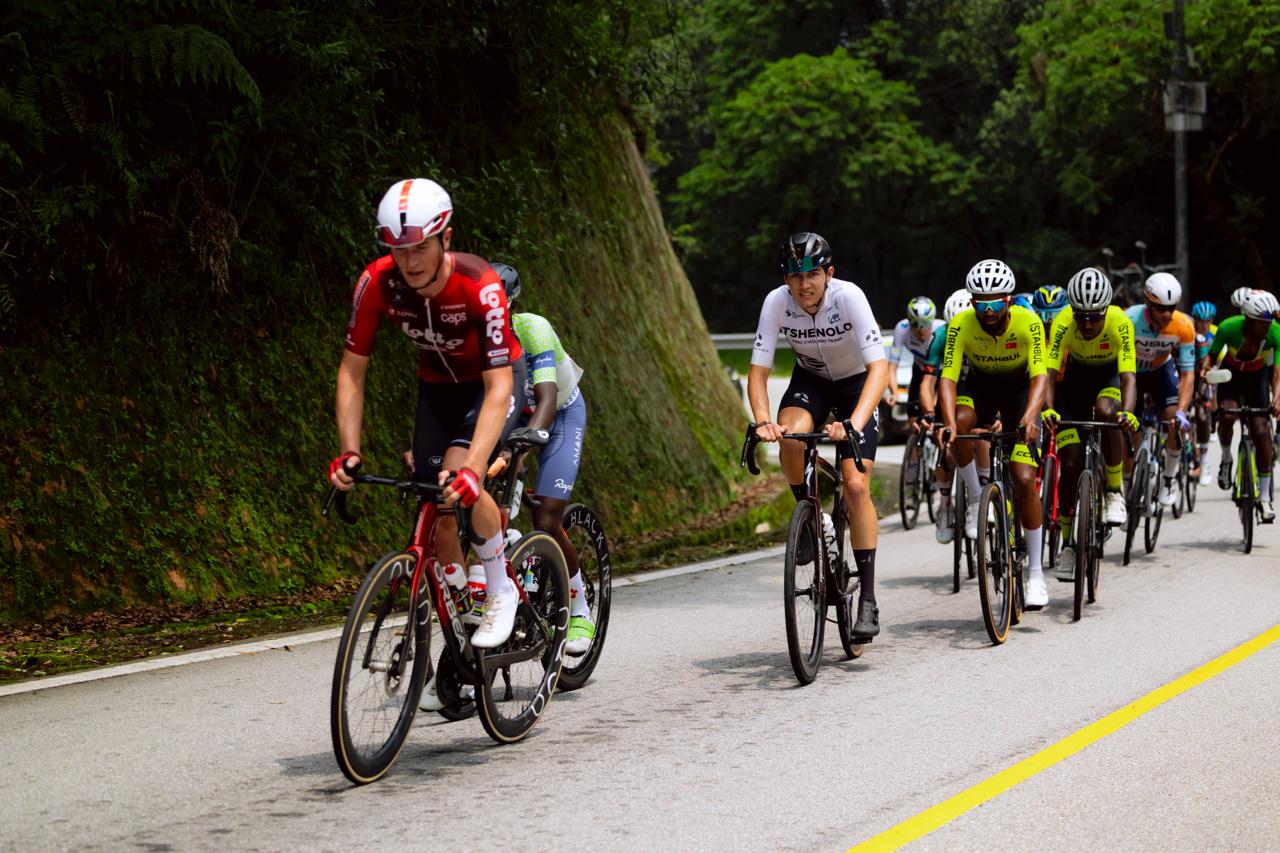
Earlier in the stage, the front group of 12 riders had established a 50-second gap over the peloton, featuring riders such as Ribeiro, Mulugeta, Mulubrhan, Aman, Vanhuffel, and Marti. Zomermaand also claimed the final climbing points at Bushenge Hill (km 127), edging past Mulubrhan and Vanhuffel. Solo breakaway attempts by Eritrea’s Nahom Araya earlier in the stage added drama, but the chasing group gradually reeled him back, including Duarte Marivoet of Lotto – Groupe Wanty.
Rwanda’s top rider
Rwanda’s own Samuel Niyonkuru of Team Amani finished 10th, emerging as the highest-placed Rwandan on Stage 3. Tackling the hilly 145 km course with determination, Niyonkuru stayed with the leading group for most of the stage, fending off the chasing pack to secure a top-ten finish.
Stage 3 Results (Elite – Top 10)
Jurgen Zomermaand (Development Team Picnic PostNL) – 3:44:53
Lucas Van Gils (Lotto – Groupe Wanty) – +20.36s
Matteo Vanhuffel (Development Team Picnic PostNL) – +20.50s
Jose Said Cisneros Diaz De Leon (Soudal Quick-Step Devo Team) – +28.22s
Yafiet Mulugeta (Eritrea) – +28.43s
Henrique Da Silva Avancini (Localiza Meoo / Swift Pro Cycling) – +28.93s
Oliver Mattheis (Bike Aid) – +29.09s
Awet Aman (Istanbul Team) – +29.27s
Samuel Niyonkuru (Team Amani) – +43.81s
The race continues on Wednesday, February 25, with Stage 4 starting in Karongi at 12:00 and concluding in Rubavu over a 127.2 km route.
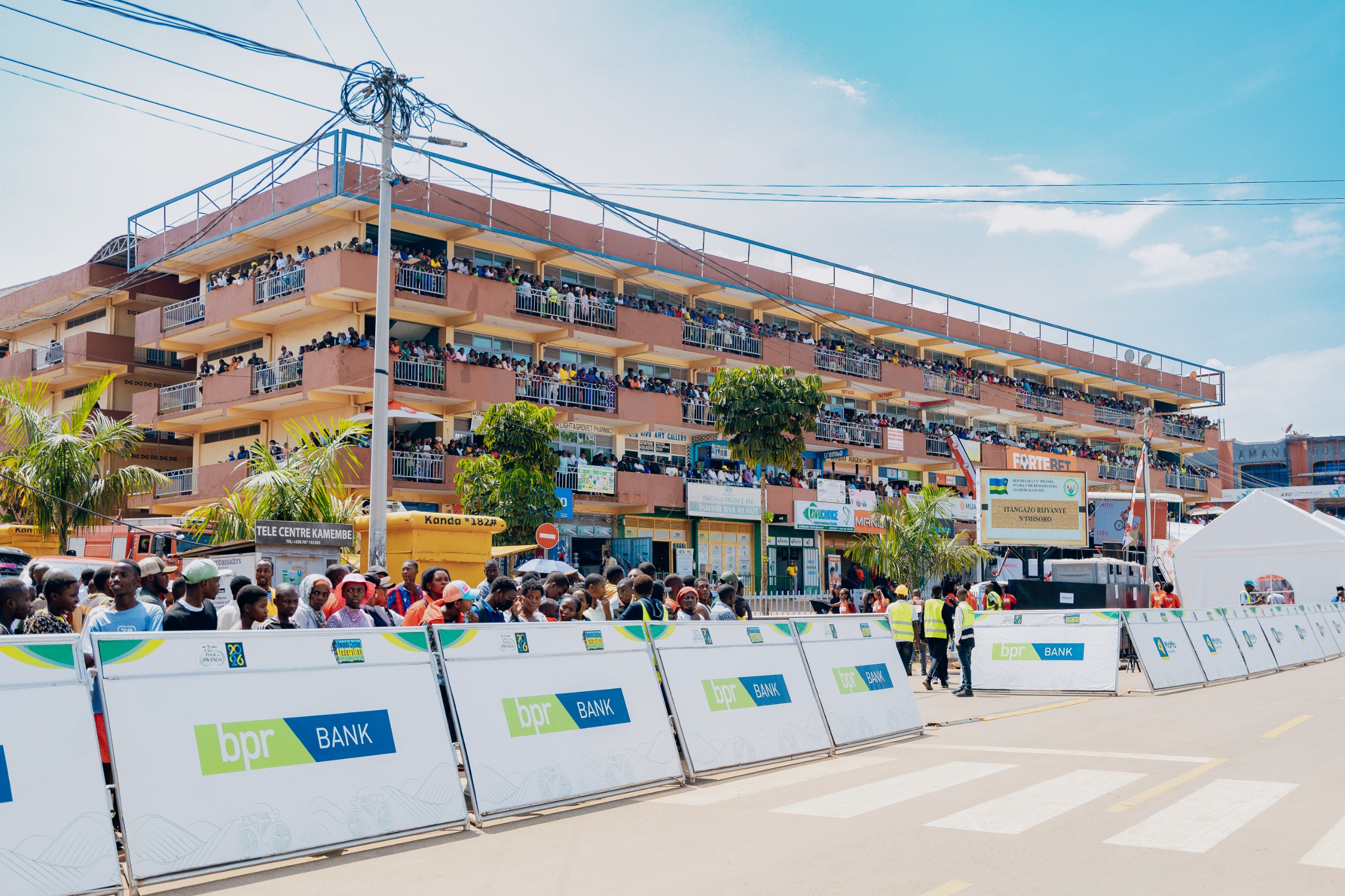
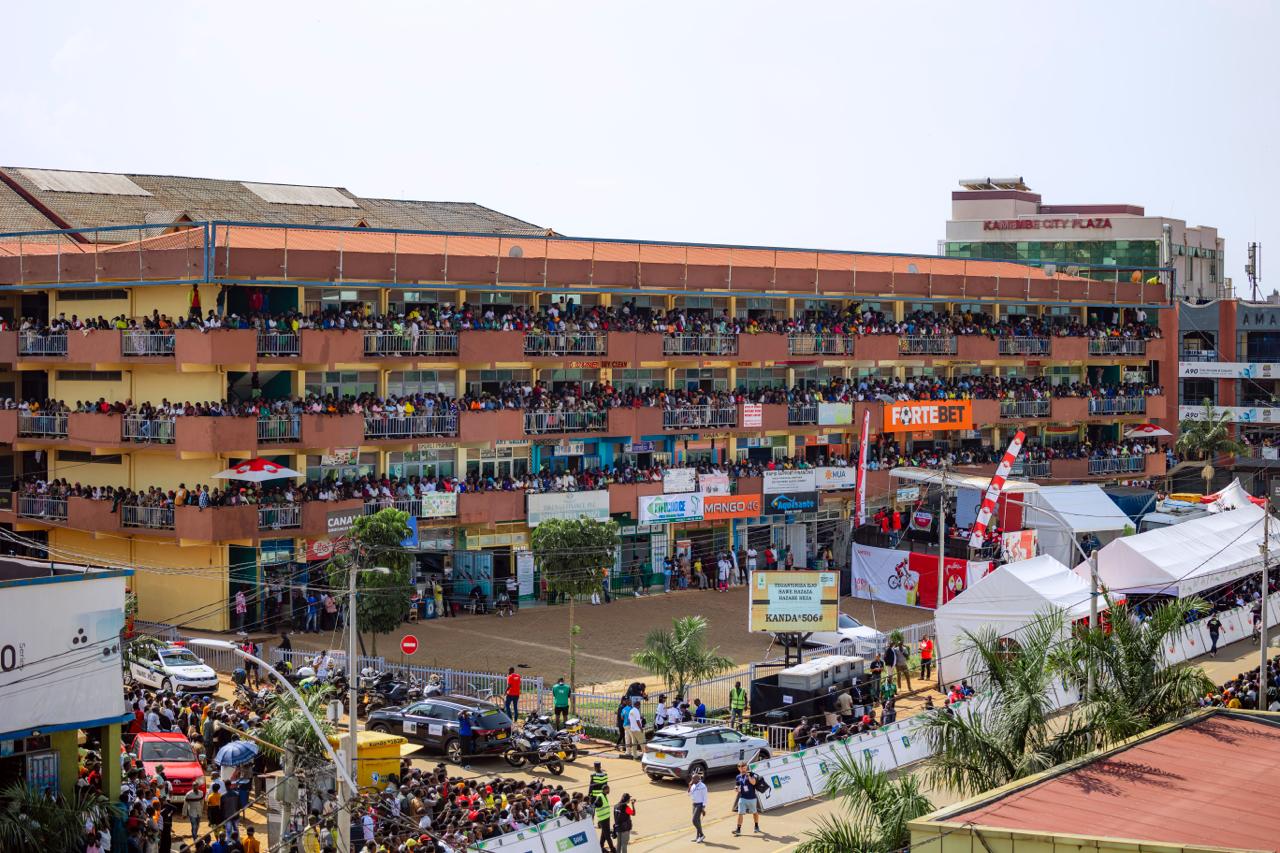
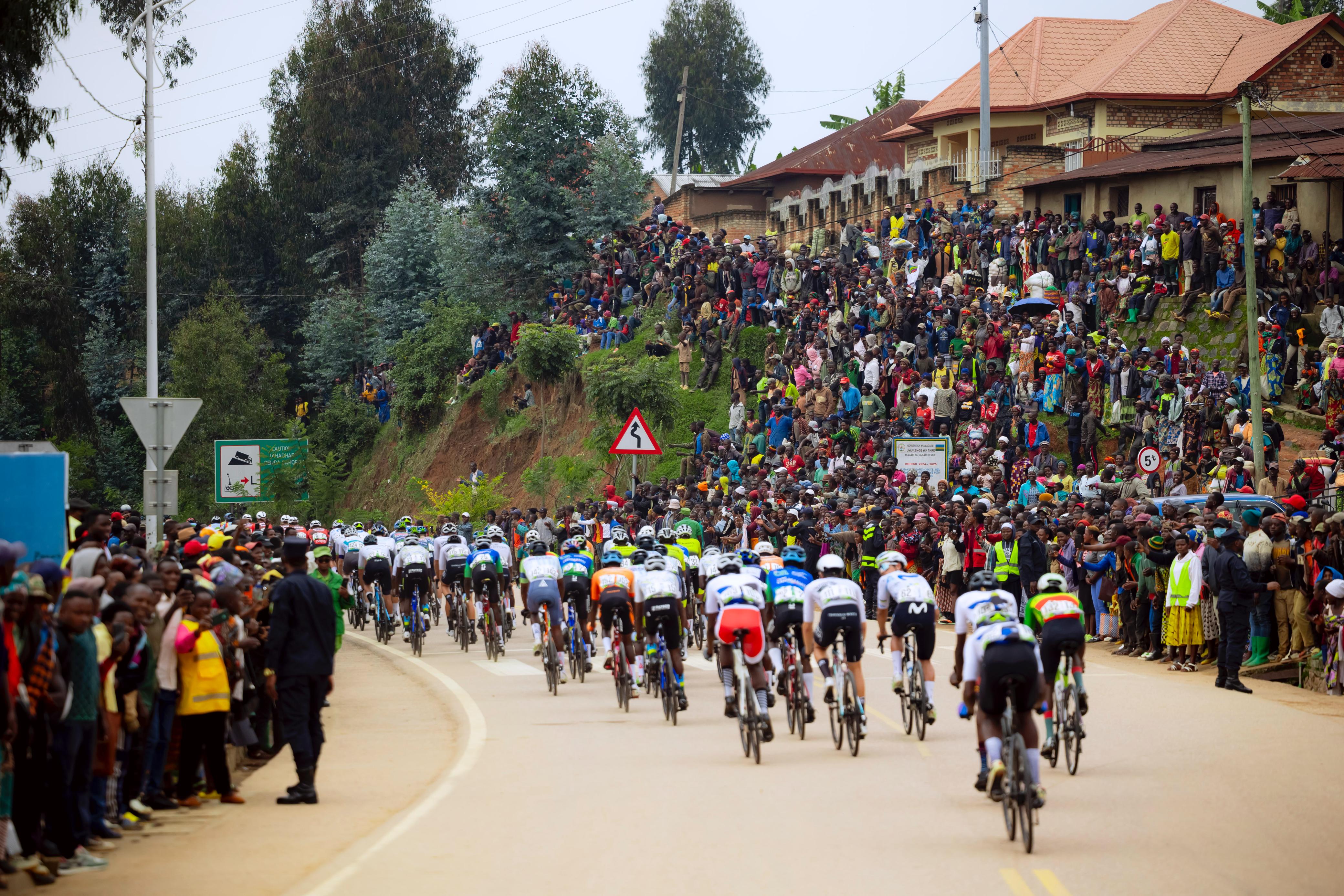
Zomermaand made his decisive move with just three kilometers remaining, breaking clear from the peloton and holding off the chasing riders to cross the line solo.Locals turned up along the road and on top of their buildings to witness the race.Stage 3 of the Tour du Rwanda stretched from Huye to Rusizi, covering 145.3 km of challenging terrain.
In a statement released on Tuesday, MONUSCO said the assessment mission, running from February 23 to 27, follows consultations with Democratic Republic of the Congo President Félix Tshisekedi, who also serves as chairperson of the ICGLR.
The statement noted that the deployment is a preparatory step toward operationalising the agreed ceasefire architecture. The team is evaluating access, security, logistics, and engagement requirements to ensure that future monitoring and verification efforts are credible, safe, and operationally feasible.
The initiative comes amid sustained diplomatic efforts to stabilise eastern DRC. In October 2025, the DRC government and the AFC/M23 rebel alliance signed the Doha Framework for Comprehensive Peace Agreement in Doha, establishing a joint monitoring and verification mechanism to investigate and prevent ceasefire violations. Observers from the United States, the African Union and Qatar are also part of that mechanism.
MONUSCO recalled that under UN Security Council Resolution 2808 (2025), the mission is authorised to support the implementation of a permanent ceasefire. This includes backing the Ceasefire Oversight and Verification Mechanism as well as the Expanded Joint Verification Mechanism Plus (EJVM+), created following the Doha agreement.
During their stay in and around Uvira, the joint team will assess political, security, logistical and socio-environmental conditions to inform comprehensive planning for a future deployment.
“Effective ceasefire monitoring is intended to reduce violence and create the necessary space for a durable political solution,” said Vivian van de Perre, Special Representative of the UN Secretary-General in the DRC and Head of MONUSCO ad interim.
She noted that, unlike in North Kivu and Ituri, MONUSCO’s mandate in South Kivu is limited to ceasefire monitoring and does not include Protection of Civilians responsibilities under Resolution 2808 (2025).
The mission emphasised that the current deployment is exploratory in nature. The scale and configuration of any subsequent ceasefire monitoring presence will depend on agreed parameters, security guarantees and operational requirements.
ICGLR Executive Secretary Dr. Mbita Luwabeha said regional cooperation remains key to lasting stability. “The Great Lakes region has vast potential for peace and prosperity. By uniting and cooperating, we can tackle challenges and create a brighter future for everyone,” he said.
Repeated ceasefire violations and ongoing hostilities have hampered efforts to stabilise the region, and it remains to be seen if the latest attempt to implement a lasting truce will succeed.
During their stay in and around Uvira, the joint team will assess political, security, logistical and socio-environmental conditions to inform comprehensive planning for a future deployment. The assessment mission runs from February 23 to 27.The team is evaluating access, security, logistics, and engagement requirements to ensure that future monitoring and verification efforts are credible, safe, and operationally feasible.
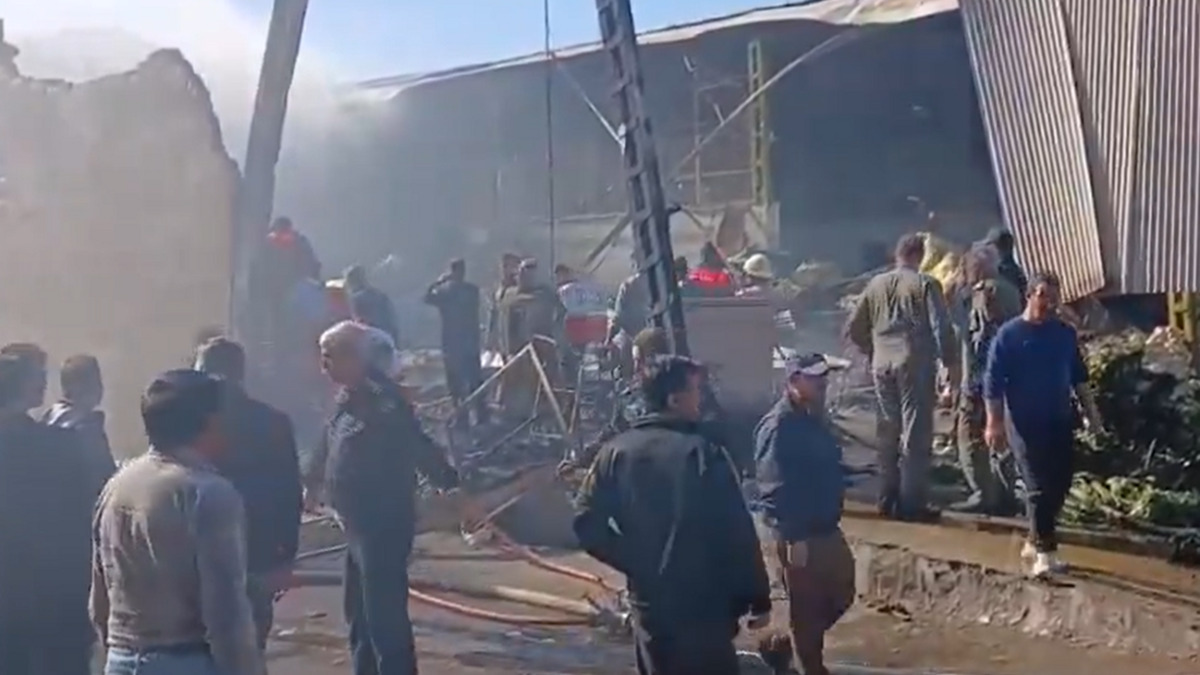
The pilot, co-pilot and two vendors were killed when the aircraft struck a market stall at 9:09 a.m. local time (0539 GMT), said the report.
Four ambulances were immediately dispatched to the scene, Fars quoted Ali Nasiri, head of the provincial emergency medical services organization, as saying.
Mansour Shishehforoush, director general of Isfahan’s crisis management department, told the official news agency IRNA that a technical failure caused the incident.
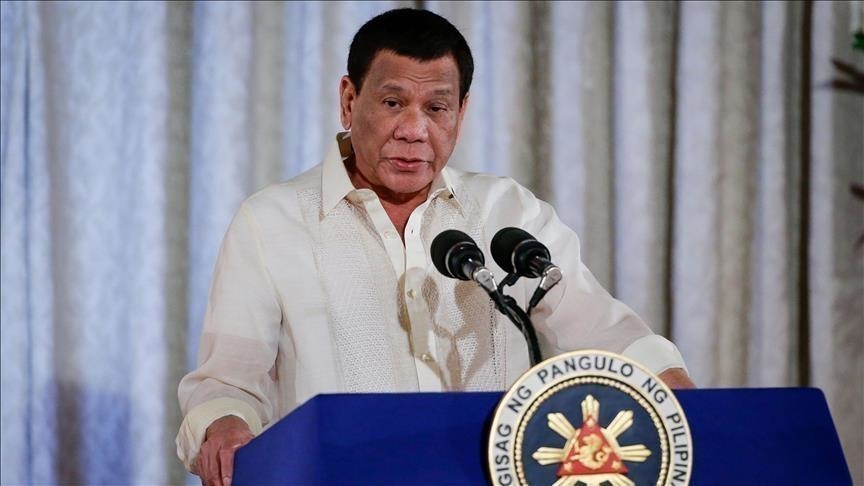
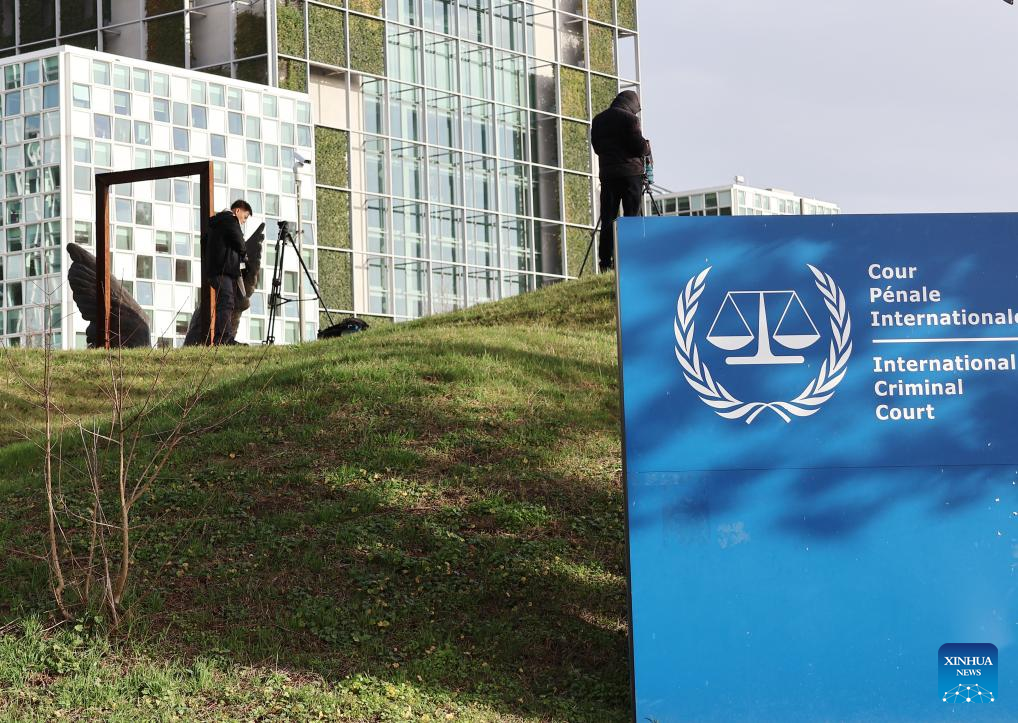
The ICC said the hearing will last four days. During Monday’s session, the Prosecution, the Defence, and the Legal Representatives of Victims delivered oral submissions, outlining their arguments on whether the case should proceed to trial.
Duterte faces three counts of crimes against humanity. The purpose of the hearing is to determine whether there is sufficient evidence to establish substantial grounds to believe that he committed the crimes charged. If one or more charges are confirmed, the case will be transferred to a Trial Chamber for the next phase of proceedings. The court is expected to issue its decision within 60 days after the conclusion of the hearing.
The 80-year-old Duterte did not attend the hearing in The Hague. Although the judges found him fit to participate in the proceedings, they separately granted a defence request to excuse his personal attendance at the hearing.
Earlier, his legal team had requested an indefinite adjournment of proceedings, including the confirmation hearing, arguing that he was unfit to participate. In response, ICC Pre-Trial Chamber I appointed three independent medical experts to examine his condition and received their reports on Dec. 5, 2025. On Jan. 26, 2026, the Chamber concluded that, based on the medical assessments, Duterte “is able to exercise his procedural rights and is therefore fit to take part in the pre-trial proceedings.”
Duterte served as president of the Philippines from 2016 to 2022. He was arrested and transferred to ICC custody in March 2025 under a warrant linked to his controversial anti-drug campaign, a move he has challenged. His initial appearance before ICC Pre-Trial Chamber I took place on March 14, 2025, and on Nov. 28, 2025, the court rejected an appeal seeking his release on grounds of age and declining health.
Cameramen work outside of the International Criminal Court in The Hague, the Netherlands, on Feb. 23, 2026.
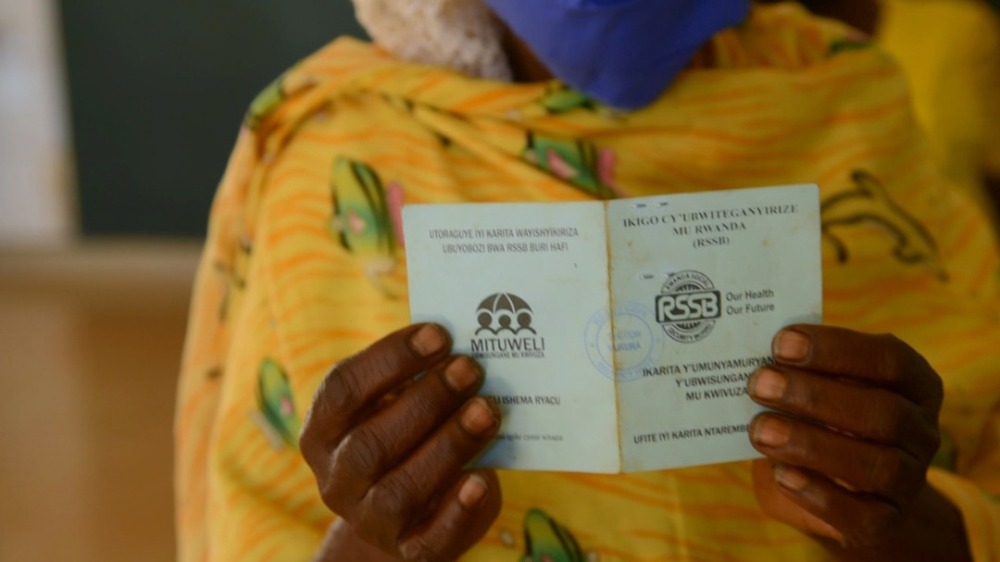
Under the revised structure, individuals in the first level are required to contribute Rwf4,000 annually, an amount fully covered by the Government. Those in the second level of social registry pay Rwf3,000 per year, supplemented by a Rwf1,000 government contribution. Members in the third, fourth and fifth categories contribute Rwf 5,000, Rwf8,000 and Rwf20,000 respectively per person per year.
The Order also maintains a co-payment system for services received through Mutuelle de Santé. Beneficiaries pay Rwf200 when receiving care at health centers and primary clinics, and 10 percent of treatment costs at hospital level. However, individuals classified as indigent are exempt from these co-payments.
The Prime Minister’s Order issued on February 16, broadens the range of contributors supporting the scheme. Banking institutions and general insurance providers have now joined the list of entities required to support Mutuelle de Santé financially. The order, published on February 23, 2026, had earlier been reviewed and approved by Cabinet on January 17, 2025.
The order confirms that funding for the scheme comes from multiple sources, including the Government, employees in both public and private sectors, health insurers, telecommunications companies, petrol and gas oil trade companies, general insurance providers and banks. Direct government support amounts to Rwf 6 billion annually from the national budget, in addition to targeted subsidies for people in the first and second levels of the social registry.
Further public contributions are drawn from a range of regulatory and service-related revenues. Half of the fees collected for the registration of pharmaceutical products, medical devices and food products are channeled into the scheme through the Rwanda Food and Drugs Authority.
Revenue from vehicle mechanisation inspection and a share of traffic fines collected by the Rwanda National Police also support the system, alongside penalties imposed on traders dealing in substandard goods. Additional funding is generated through parking fees collected by the City of Kigali, a share of tourism revenue, and charges applied to vehicle and motorcycle ownership transfers.
Employee participation remains a central component of the financing model. Workers in both public and private sectors contribute 0.5 percent of their net salary, which employers deduct and remit monthly to the Mutuelle de Santé fund.
Health insurance providers operating in Rwanda contribute five percent of their annual premiums, while telecommunications companies provide three percent of their yearly turnover. General insurance companies contribute five percent of annual pre-tax profits, and banking institutions contribute two percent of their annual profit before tax.
Institutions are required to transfer their contributions within 30 days following the close of their financial year. Where audits reveal underpayment, the concerned entity must settle the outstanding amount and may face an administrative fine equivalent to 200 percent of the unpaid contribution.
Together, the revised contribution levels and expanded funding base are intended to strengthen the sustainability of Rwanda’s community-based health insurance system.
Rwanda has revised contribution levels for community-based health insurance, Mutuelle de Santé, under a Prime Minister’s Order dated 16 February 2026.