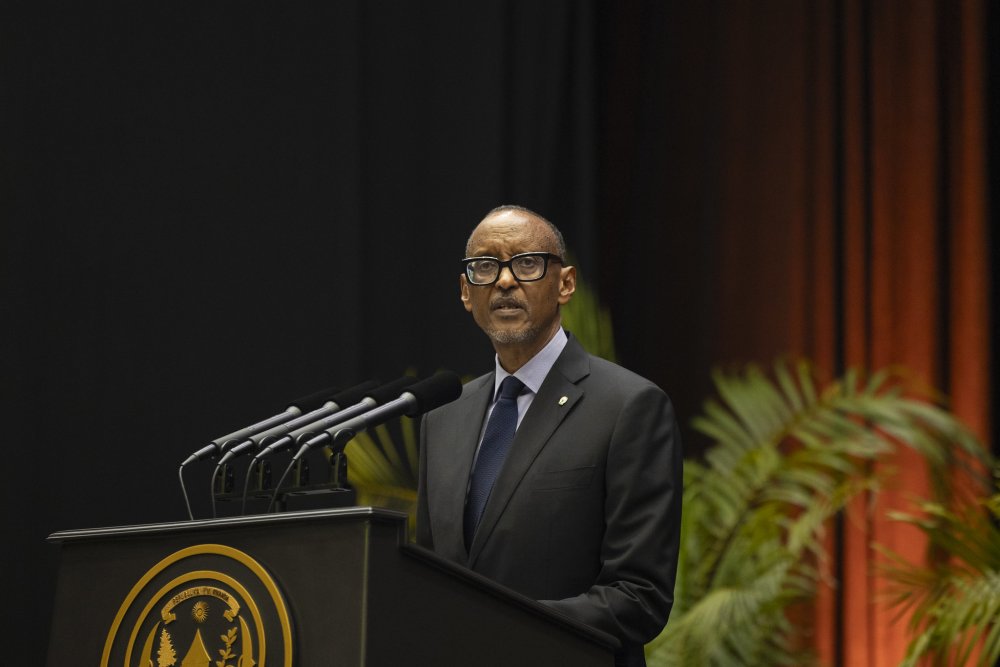
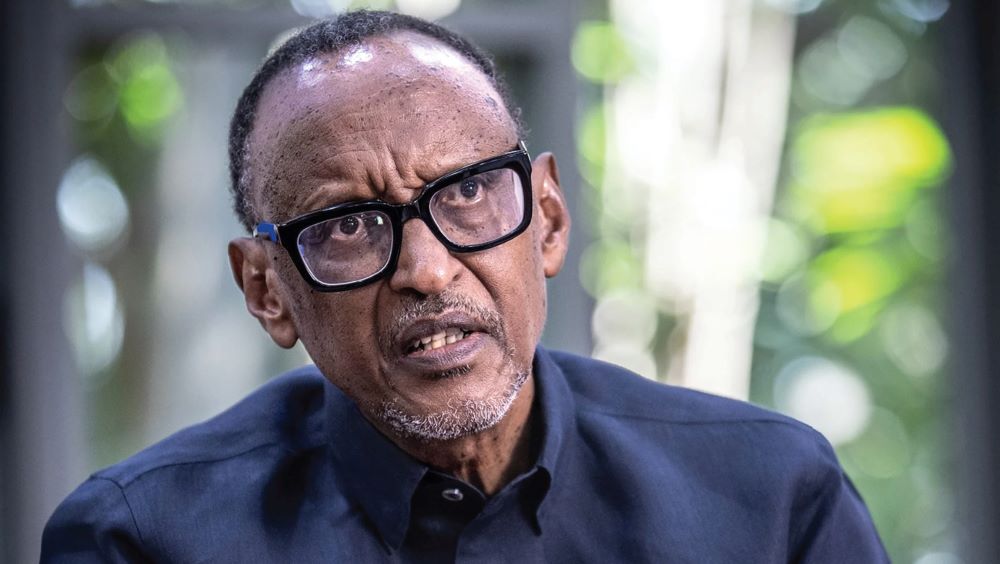
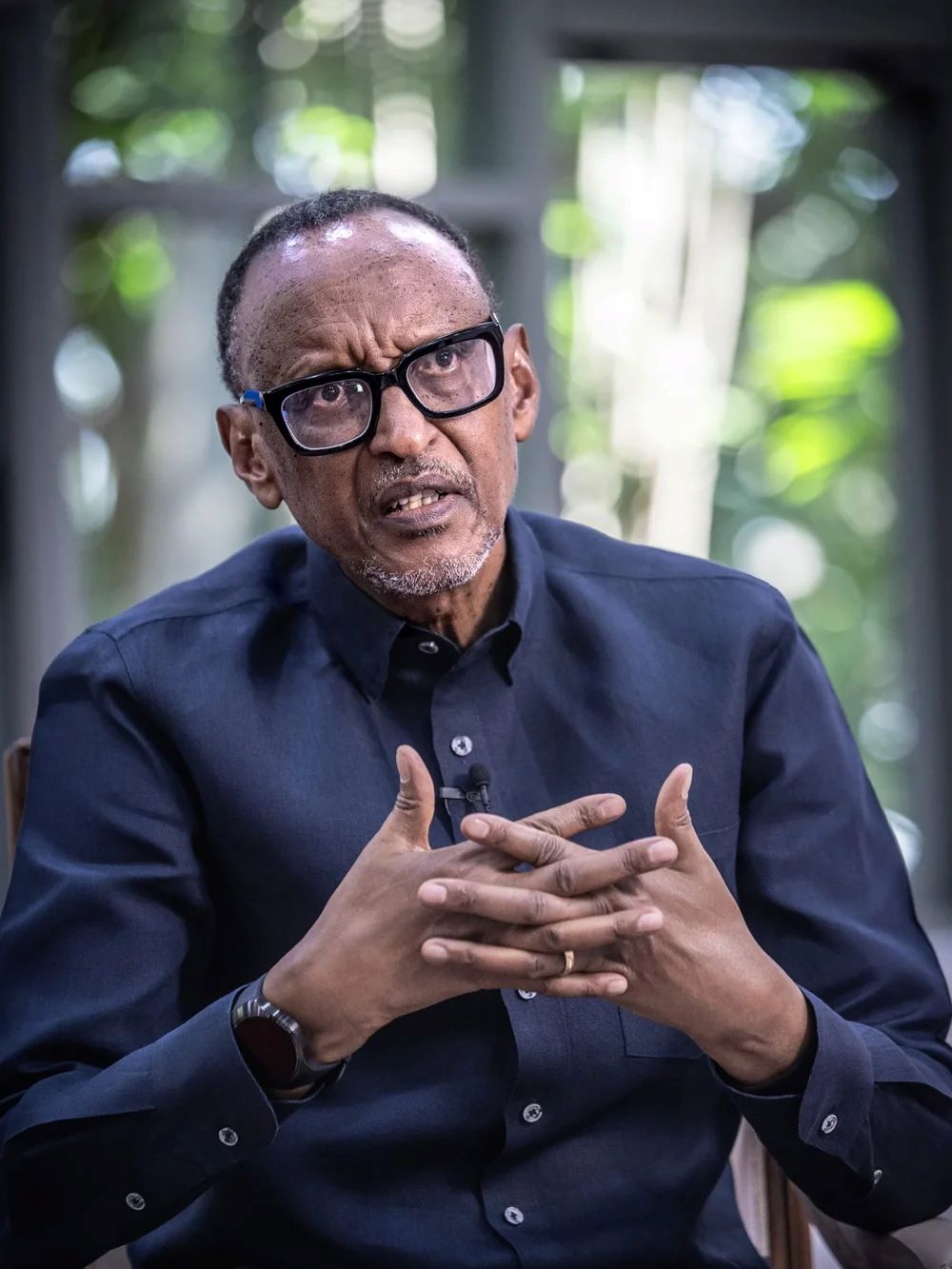
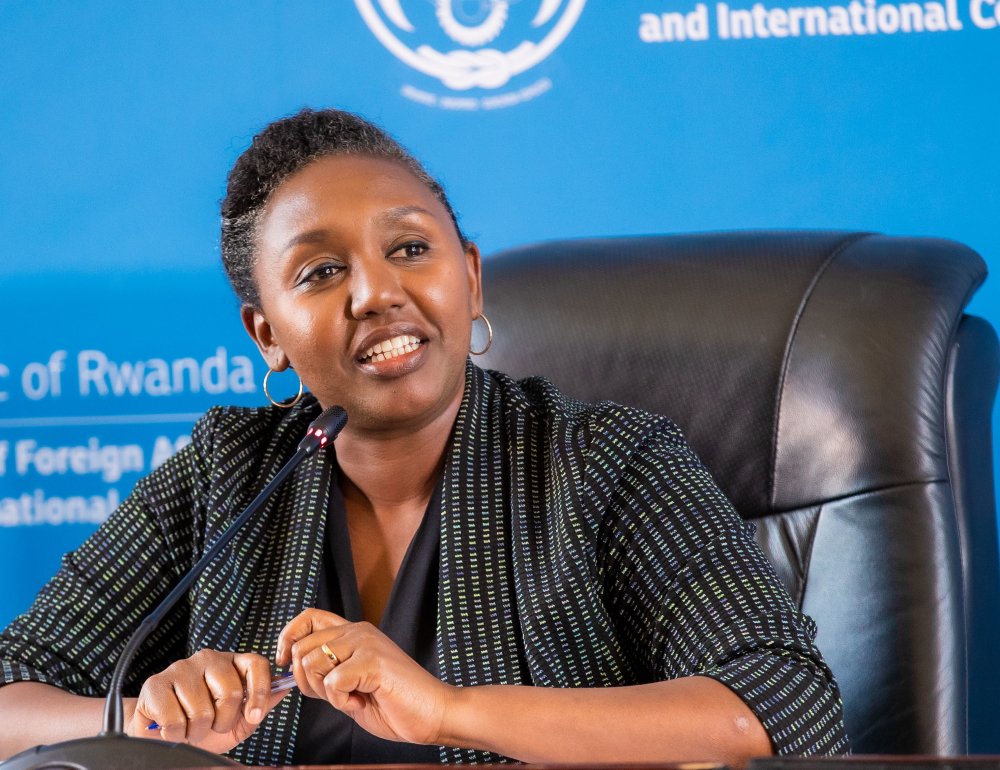
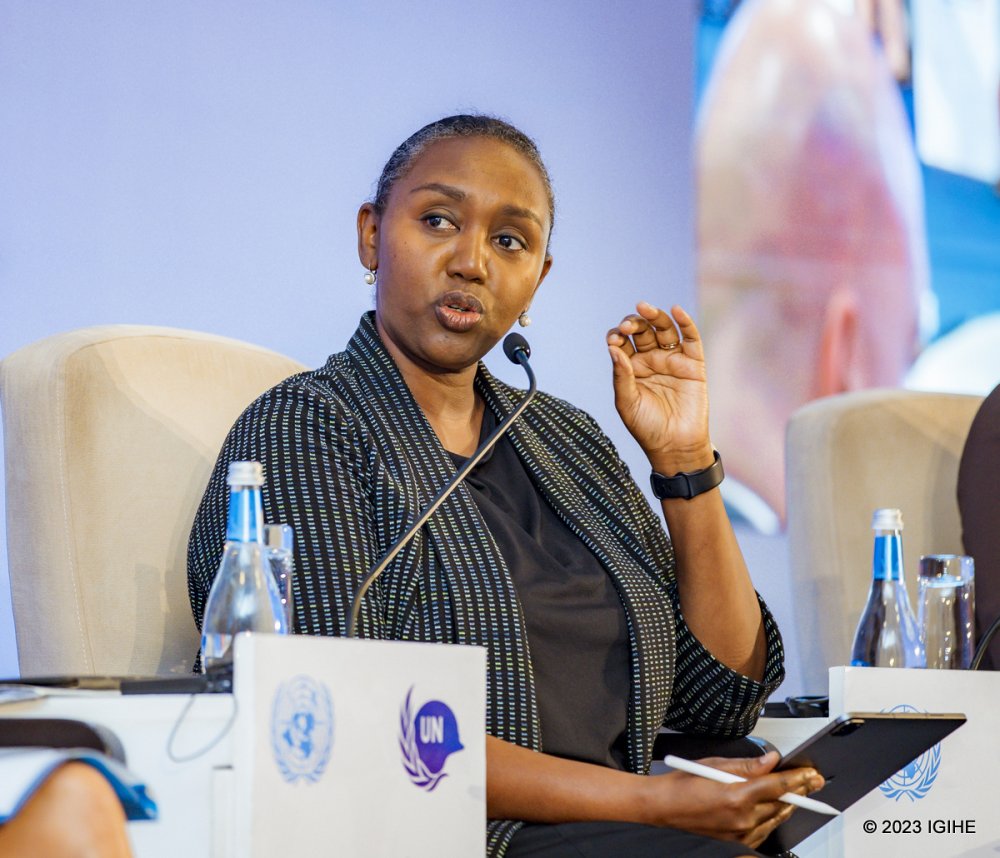
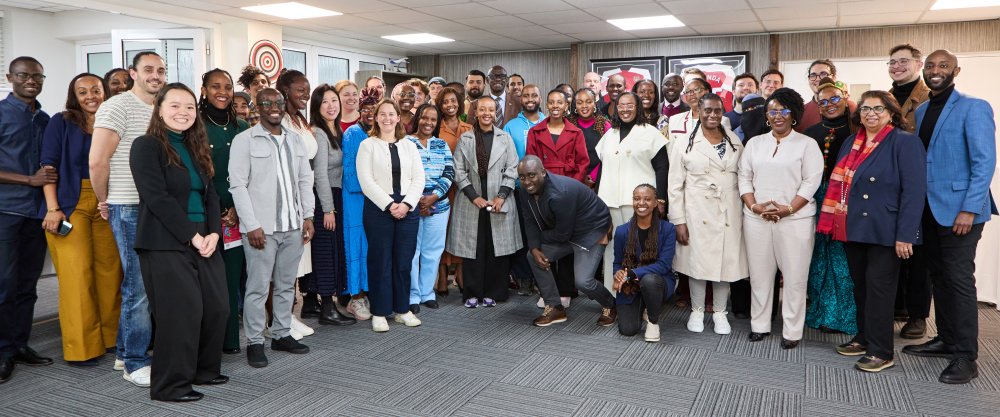
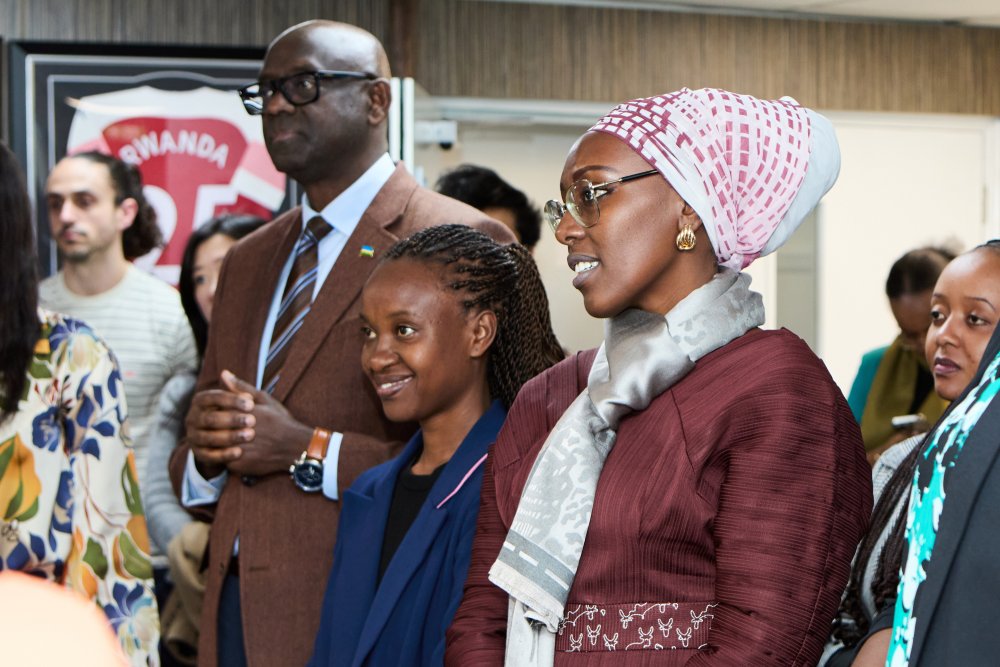
He made his criticisms during an interview with Jeune Afrique where he addressed concerns about his personal reputation, recent U.S. sanctions and rumors that once circulated about his health.
“Those who apply sanctions, they’ll do what they want, any day. You don’t have to have done anything wrong, but because they support somebody who has done something wrong, or is doing something wrong, they will apply it if it is based on interest,” he stated.
On March 2, 2026, the U.S. Department of the Treasury’s Office of Foreign Assets Control (OFAC) announced sanctions against the RDF as an institution and four senior military officials; Chief of Defence Staff Gen Mubarakh Muganga; Army Chief of Staff Maj Gen Vincent Nyakarundi; Commander of the RDF Special Operations Force, Brig Gen Stanislas Gashugi; and Commander of the RDF’s Fifth Division, Maj Gen Ruki Karusisi.
In early December 2025, Rwanda and the DRC signed the Washington Accords in Washington, D.C., aimed at restoring peace in eastern DRC.
Despite the agreements, however, a DRC-allied coalition—including the genocidal FDLR militia, mercenaries, Burundian soldiers, and Wazalendo militia, continued launching attacks on AFC/M23 positions and densely populated areas using ground and drone offensives.
The DRC has accused Rwanda of supporting the AFC/M23 rebel coalition, which resumed fighting in 2021 to defend the rights of marginalized Tutsi communities targeted by the DRC government after previous talks failed.
The United States statement imposed sanctions, accusing Rwanda of backing the M23, allegations Kigali has consistently denied, while urging the Democratic Republic of the Congo to end its collaboration with the FDLR, which has launched attacks on Rwandan territory on multiple occasions.
During the fighting in DRC, Rwanda was targeted multiple times, prompting the country to establish defensive measures along its border.
In its statement released on March 2, 2026, the Rwandan government insisted that the sanctions unfairly target only one party to the peace process while ignoring violations by the DRC side.
Commenting on these sanctions, Kagame also emphasized that Rwanda’s global reputation is important, but it cannot be compromised by sanctions that ignore the root causes of conflicts.
On the topic of public perception, Kagame also reflected on his brief disappearance from public view last year, which had sparked health rumors. He explained that the time away was personal, spent with his grandchildren, and not related to any illness.
The President reassured the public of his robust health, comparing himself favorably to others worldwide.
“But let me tell you, if you take 100 people randomly from anywhere to investigate how healthy they are—here, France, London, the UK, America—and include me among them, I would come among the top 10.”
President Kagame has criticized biased sanctions against Rwanda
In an exclusive interview with Jeune Afrique, Kagame criticized the hypocrisy by international actors calling for lifting of defensive measures without taking Rwanda’s security concerns into consideration.
“We refuse to remove defensive measures, whether it means troops or whatever else. We call it defensive measures. And in your logic, why would a threat be against me and you are asking me to remove my defensive measures but you’re not dealing with a threat? What is the logic?” he said.
Kagame stressed that the defensive measures are intended solely to secure Rwanda’s borders and prevent any hostile force from crossing into the country.
He emphasized that the FDLR terrorist group remains a persistent threat, making the continuation of measures put in place essential.
Since January 2025, when AFC/M23 forces captured Goma, Kagame highlighted that the security situation in Eastern Congo has improved. He highlighted that the presence of M23 on the border guarantees better border security with the DRC.
“The situation today is better than it was before. Anybody can make their own assessment. It is better there in Goma and better in Bukavu than it was before. There is no question about it. The whole border now is secure.”
Despite criticism from some international actors, Kagame maintained that Rwanda’s defensive posture is necessary to ensure no threat crosses into Rwanda.
“The easiest thing to do here is to blame Rwanda and keep all the penalties and whatever on Rwanda because it is easy. They are doing what is easy for them to do. […] But can it give a solution when you are keeping quiet about the root cause?” he wondered.
He also hinted at the possibility of compromise but warned that previous agreements with the DRC had not been fully respected.
“A compromise solution has been indicated in many of these agreements we have had, including the one in Washington, D.C., but previous agreements have never been respected by DRC.”
President Kagame has defended Rwanda’s defensive measures during an interview with Jeune Afrique.
According to district authorities, Karongi has experienced 647 disaster incidents over the past 13 years, resulting in the deaths of 156 people.
These disasters include 233 cases of unusually heavy rainfall, 58 landslides, 114 lightning strikes, 127 windstorms, 27 floods, three minor earthquakes, 31 fires, and two cases of mine collapses.
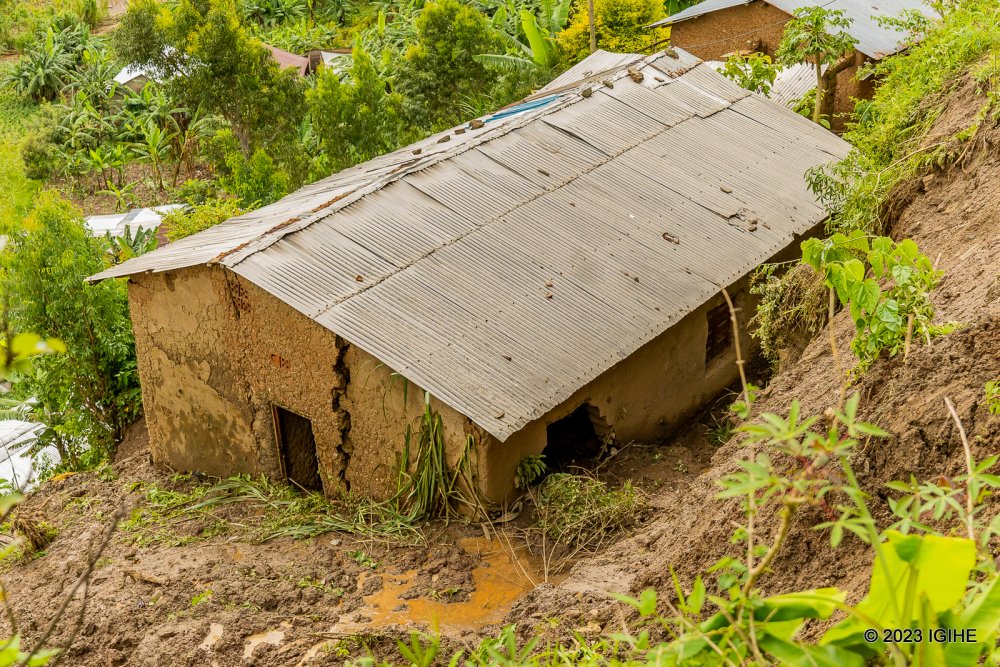
Among the most devastating incidents was a landslide that occurred on May 8, 2018, in Rwankuba Sector. Triggered by prolonged heavy rains, part of a mountain collapsed onto nearby homes, killing 18 people.
More recently, between May 2 and 3, 2023, the district was again hit by severe disasters that claimed 16 lives.
Overall, disasters in Karongi over the past 13 years have injured 128 people, destroyed 139 houses, damaged 2,334 homes, and affected crops on 95,197 hectares of land. Additionally, 123 hectares of forest and 35 livestock were lost.
At the beginning of the 2025/2026 fiscal year, about 800 households whose homes were destroyed by disasters were in need of relocation and resettlement. Currently, 399 families are being provided with new houses across various sites, including Kayenzi, where 190 homes are under construction.
Karongi District Mayor, Muzungu Gerald, told IGIHE that in the past three months alone, nine people have lost their lives due to disasters, mainly from landslides and drowning in rivers.
To prevent further loss of life, the district has adopted several measures, including relocating residents living in high-risk zones and constructing footbridges over rivers that often flood and sweep people away. A total of 10 such bridges are planned for construction during the current fiscal year.
“We have 201 households that still need to be relocated. So far, 190 have already been moved. We are continuing the assessment to identify all those who must relocate. Those who can afford it are encouraged to find housing on their own, while we support vulnerable families with rent,” Mayor Muzungu said.
The district has also established monitoring systems to track disaster risks and ensure rapid emergency response. In addition, two designated relocation sites have been prepared to accommodate residents in case of major disasters.
Mayor Muzungu cautioned residents against complacency, stressing that living for many years in a high-risk area without incident does not eliminate the danger.
Disasters killed 156 people in Karongi over 13 years
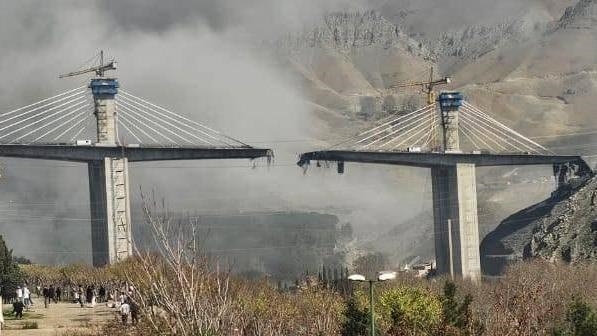
According to the report, the B1 bridge, located in the provincial capital Karaj, is one of the highest bridges in the Middle East and among the most complicated projects in Iran. It was targeted twice with missiles on Thursday.
IRNA cited Qodratollah Seif, the province’s deputy governor for political, security and social affairs, as saying that among those killed and injured were the inhabitants of Bileqan village, passengers and the families who had gathered in the nearby areas for the Nature Day, a traditional Iranian holiday marking the end of the Nowruz holidays.
He added that there were no military activities in the areas surrounding the bridge, stressing that the structure was under construction and scheduled to be inaugurated in the coming days.
Seif said those injured in the strikes were immediately transferred to nearby medical centers, and some of them were hospitalized.
Condemning the attacks in a post on social media platform X, Iran’s Foreign Minister Seyed Abbas Araghchi said, “Striking civilian structures, including unfinished bridges, will not compel Iranians to surrender.”
He added, “It only conveys the defeat and moral collapse of an enemy in disarray. Every bridge and building will be built back stronger. What will never recover: damage to America’s standing.”
On Feb. 28, Israel and the United States launched joint attacks on Tehran and several other Iranian cities, killing Iran’s then Supreme Leader Ali Khamenei, along with senior military commanders and civilians. Iran responded with waves of missile and drone strikes targeting Israel and U.S. assets in the Middle East.
The B1 bridge, located in the provincial capital Karaj, is believed to be one of the highest bridges in the Middle East and among the most complicated projects in Iran.
She emphasized that these assaults are, in fact, conducted by the Congolese Army (FARDC) in coordination with Burundian troops and the Wazalendo forces.
Makolo’s remarks came in response to statements by DRC Government Spokesperson Patrick Muyaya, who had insisted that attacks on the Banyamulenge in Minembwe are perpetrated by M23.
Addressing Muyaya’s claims, Makolo highlighted the deliberate misrepresentation of facts, referencing what has become known as the classic poisonous tactic.
“‘Accusation in a mirror’ – where perpetrators falsely attribute their own crimes to their intended victims. Often used to incite violence or genocide, reversing reality to portray attackers as defenders against a threatening out-group and preemptively shift blame,” she stated.
The DRC has long propagated false narratives in its conflict with M23. Even during moments of ceasefire agreement; FARDC, Burundian forces, FDLR, and allied groups have continued attacks in areas controlled by M23.
Peace talks in Doha included agreements on prisoner exchanges and temporary ceasefires, yet FARDC reportedly violated them by continuing targeting civilians.
Rwanda maintains that sustainable peace in the region will only be possible when the DRC takes decisive action against the FDLR, the terrorist group responsible for spreading genocidal ideology throughout the region.
The Spokesperson of the Government of Rwanda, Yolande Makolo has dismissed DRC’s false claims on attacks against the Banyamulenge community.
The UN Office for the Coordination of Humanitarian Affairs (OCHA) said that more than 1.1 million Lebanese have been displaced as displacement orders continue to affect new areas.
OCHA said nearly 15 percent of Lebanon’s territory has been affected by displacement orders over the past month. While many families have fled to collective shelters, relatives’ homes or informal settlements, others have remained behind in affected areas and are in urgent need of assistance.
Half of the healthcare facilities supported by the UN Population Fund (UNFPA) in affected conflict areas have been forced to close due to violence. Many healthcare workers themselves have been displaced. Hospitals and primary healthcare centers that remain operational are overwhelmed and understaffed.
Humanitarian partners are working to sustain essential services where possible. UNFPA has deployed nine mobile health units across Lebanon, providing maternal health services and emergency obstetric care in collective shelters. The units also offer psychosocial support, care for survivors of sexual violence and the distribution of dignity kits and essential supplies for pregnant women and new mothers.
However, OCHA said the humanitarian response is facing growing logistical constraints. Disruptions to major global transport routes are delaying the delivery of critical supplies. While aid agencies are attempting to reroute shipments and secure alternative supply lines, significant gaps remain as needs continue to rise sharply.
The office renewed its call on the international community for an immediate de-escalation of hostilities, the protection of civilians, healthcare facilities and humanitarian workers, full and unimpeded humanitarian access, particularly to southern Lebanon, and urgent funding to meet rapidly expanding needs.
UN peacekeepers along the Blue Line, known as UNIFIL, describe the situation as bleak and concerning.
UNIFIL said the Israel Defense Forces have expanded their incursion westward, with tanks and clashes reported in Sector West, roughly 12 km north of the Blue Line.
In Gaza, OCHA said humanitarian needs continue to far exceed what aid organizations can provide. Only one crossing is currently open for cargo to enter the Gaza Strip.
On food security, UN agencies and partners reported that distributions for March were completed, reaching every other family with rations covering half of minimum caloric requirements.
UN aid partners are also serving nearly 1.5 million meals daily and producing about 130,000 two-kilogram bread bundles daily. Still, OCHA said it is insufficient. Limited entry of commercial goods, particularly cooking gas, continues to constrain food preparation, forcing nearly half of households to rely on unsafe cooking methods such as burning trash.
On health, OCHA said that UN-supported emergency medical teams provided about 23,000 consultations across Gaza during the final week of March. However, persistent delays in clearing specialized medical and surgical equipment are limiting the ability to deliver complex care.
On shelter, the office said most of Gaza’s population is still displaced, and assistance is largely confined to short-term solutions. More durable shelter support depends on the entry of materials that are difficult to approve, including equipment needed to clear debris and unexploded ordnance or repair damaged homes.
During the last week of March, humanitarian partners assisted nearly 14,000 families with tarpaulins and household items, prioritizing those affected by flooding from recent rainstorms.
In education, last week’s rains damaged at least 15 temporary learning spaces, disrupting schooling for around 20,000 students. UNICEF and its partners continued setting up specialized learning tents and distributing stationery and recreational materials for children.
In the West Bank, OCHA data showed that violence has surged since the regional escalation began on Feb. 28. Two-thirds of Palestinian fatalities recorded in the first quarter of this year occurred after that date. Four Palestinians women were killed by falling munitions during an Iranian missile attack.
The office also reported more than 200 settler attacks in March that caused casualties or property damage, affecting over 100 Palestinian communities.
OCHA said that Palestinians must be protected, perpetrators of unlawful attacks must be held accountable, and policies driving displacement, insecurity and humanitarian needs must be reversed.
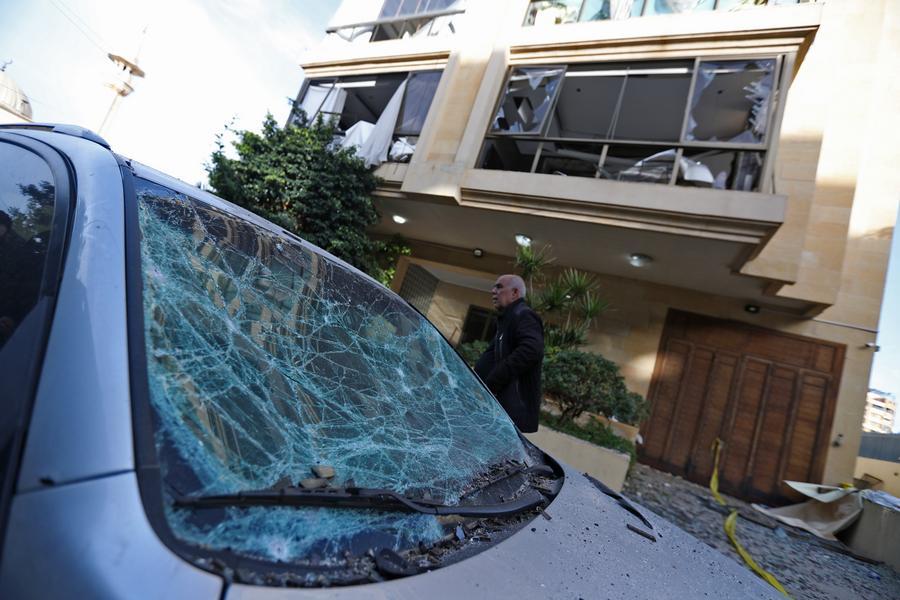
This photo taken on April 1, 2026 shows the building and vehicle damaged in Israeli strikes in the Jnah area of Beirut, Lebanon. (Photo by Bilal Jawich/Xinhua)
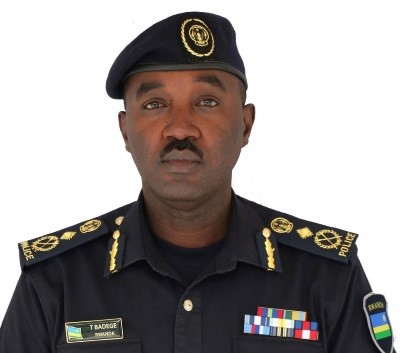
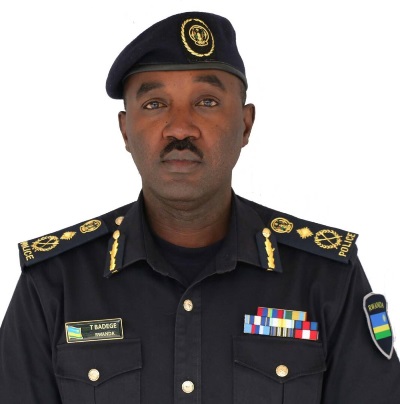
He is among the officials appointed during the Cabinet meeting of April 2, 2026, held at Village Urugwiro and chaired by President Paul Kagame.
CP Badege previously served as spokesperson of the Rwanda National Police at different times. In 2013, he left the role to become the Commissioner for Criminal Investigation Department (CID) within the police force.
In 2016, he was reappointed as police spokesperson, a position he held before taking up duties with Interpol, where he has been serving in recent years.
CP Theos Badege has been appointed as Deputy Commissioner General of RCS
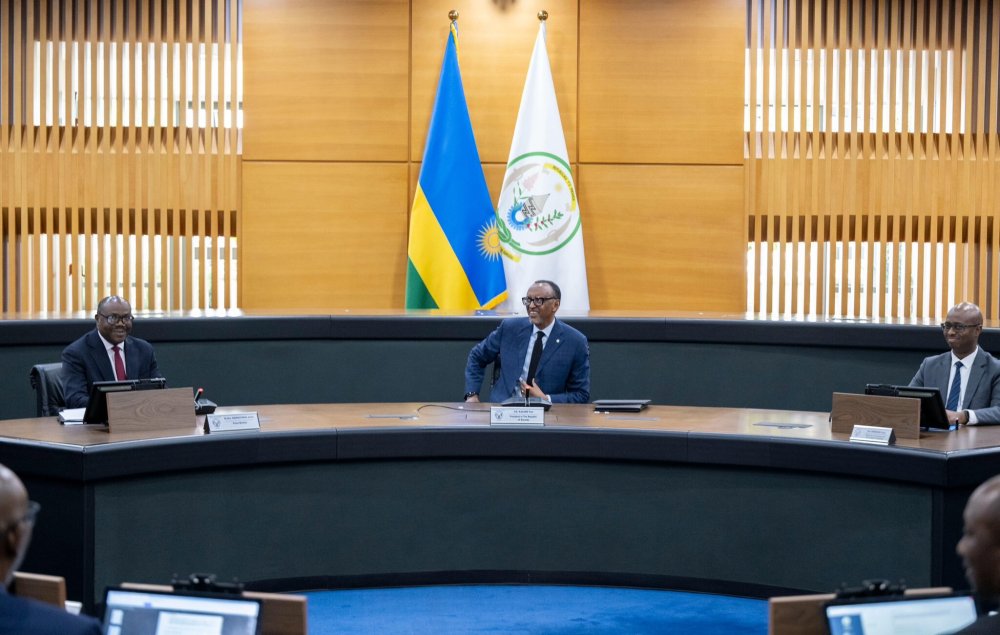
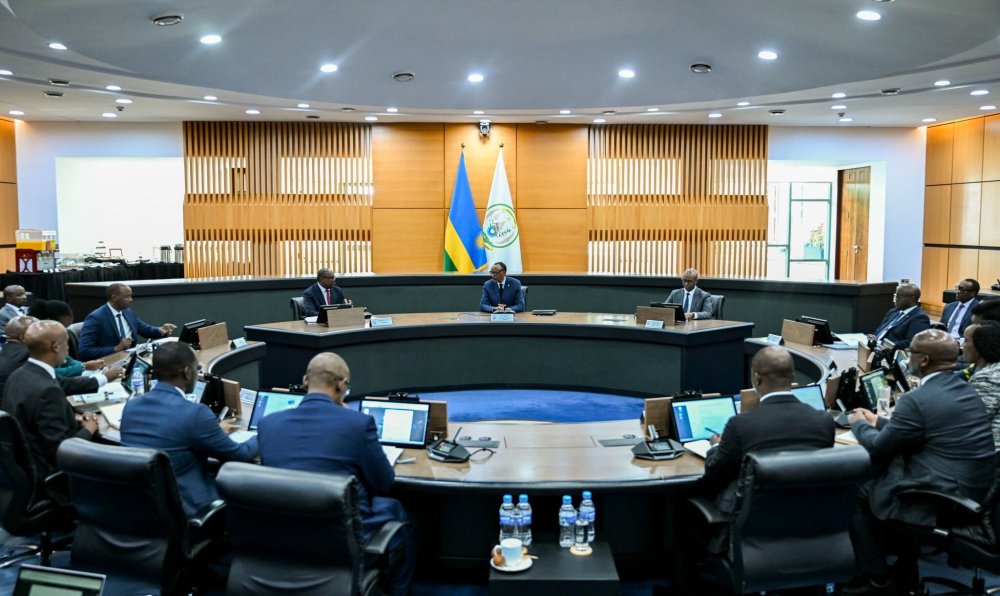
The meeting was chaired by President Paul Kagame at Village Urugwiro. Institutions, communities and individuals have been encouraged to take part in the 32nd commemoration of the 1994 Genocide against the Tutsi.
The cabinet also approved different draft laws, discussed the economic implications of the ongoing situation in the Middle East, particularly its impact on global energy and commodity markets, and several appointments in key government institutions.
Cabinet resolutions
On Thursday, 2 April 2026, His Excellency Kagame Paul, the President of the Republic of Rwanda, chaired a Cabinet Meeting at Urugwiro Village.
1. Cabinet was briefed on preparations for the 32nd Commemoration of the Genocide against the Tutsi (Kwibuka 32).
The national commemoration week will be observed from 7 – 13 April 2026 in Rwanda and abroad. Institutions, communities, and individuals are encouraged to actively participate in remembrance activities.
As Rwanda commemorates Kwibuka32, Cabinet called upon all citizens to reject genocide ideology in all its forms.
In light of its continued resurgence in the region and beyond, it is essential that all Rwandans come together to safeguard national unity, reconciliation, and the country’s peace and stability.
2. Cabinet discussed the economic implications of the ongoing situation in the Middle East, particularly its impact on global energy and commodity markets.
Cabinet emphasised the need to continuously sustain Rwanda’s macroeconomic stability, mitigate inflationary pressures, and ensure that citizens are consistently informed and engaged throughout this process.
3. Cabinet was briefed on the recently published education statistics and the key measures driving continuous improvement across the education sector.
4. Cabinet approved the following draft laws:
Draft law approving ratification of the Loan Agreement between the Republic of Rwanda and the Asian Infrastructure Investment Bank for Rwanda’s energy sector result-based financing.
Draft law approving ratification of the Financing Agreement between the Republic of Rwanda and the International Development Association, relating to the credit for the Rwanda inclusive and resilient job creation development policy financing.
Cabinet approved the following policies/strategies/programmes:
National Lottery Operating Agreement between the Government of Rwanda and Moja Rwanda Limited.
Power Purchase Agreement between the Government of Rwanda and G2P Energy Limited related to their investment in generating electricity from methane gas.
Partnership Agreement between the Government of Rwanda and Teleperformance Rwanda Limited related to their investment in telecommunication.
Cabinet granted agrément to the proposed Ambassador and Honorary Consuls as follows:
Mr. El Houssein Nagi, Ambassador of the Islamic Republic of Mauritania to the Republic of Rwanda, with residence in Addis Ababa
Mr. Irene Ndikumwenayo, Honorary Consul of Grenada to the Republic of Rwanda.
Mr. Hugh Delaney, Honorary Consul of Ireland to the Republic of Rwanda.
Cabinet approved the following appointments:
Rwanda Cooperation Initiative (RCI)
Mr. Niwenshuti Richard, Chief Executive Officer
Ms. Tubane Chance, Chief Operating Officer
Rwanda Development Board (RDB)
Mr. Nsengiyumva Joseph Cedrick, Chief Corporate Affairs Officer
Mr. Kayibanda Richard, Chief Licensing Officer
The Office of the Ombudsman
Ms. Mbabazi Judith, Deputy Ombudsman in charge of Preventing and Fighting Injustice.
Rwanda Correctional Service (RCS)
CP Badege Theos, Deputy Commissioner General
National Electoral Commission (NEC)
Mr. Nkiko Albert, Commissioner
National Prosecution Authority (NPPA)
Mr. Habimana Donath, National Prosecutor
AOB
The Chief Executive Officer of the Rwanda Development Board informed the Cabinet of the 12th edition of the Africa CEO Forum , scheduled in Kigali from May 14 to May 15, 2026.
The Minister of Infrastructure informed the Cabinet of the Nuclear Innovation Summit for Africa scheduled in Kigali from May 18 to May 21, 2026.
President Paul Kagame chaired a Cabinet Meeting at Urugwiro Village on Thursday, 2 April 2026.
The tour ran from March 25 to March 28, 2026, and included women involved in horticulture, as well as coffee production.
During the trip, participants visited markets in London and Birmingham, learning about how international markets operate, customer preferences, the requirements for exporting products, and networking opportunities, all designed to strengthen their business knowledge and expand their trade.
Gisele Umuhoza, programme management adviser for ITC SheTrades, highlighted that the study tour enhances women entrepreneurs’ market access and boosts their businesses.
“By connecting women exporters with buyers and traders, we are creating tangible opportunities for these entrepreneurs to grow,” she said.
Rwandan High Commissioner to UK, Johnston Busingye, emphasized that the initiative aligns with Rwanda-UK trade cooperation.
“The UK remains a key trade partner with Rwanda, and programs like SheTrades complement our economic cooperation policies, offering meaningful opportunities to expand trade relations. We are thrilled to see women entrepreneurs taking the lead, showcasing the quality of Rwandan coffee and other products, while building new partnerships with UK buyers.”
Meanwhile, in collaboration with the National Agricultural Export Development Board (NAEB), 20 Rwandan women traders participated in the International Food and Drink Event (IFE) in London from March 30 to April 1, 2026. The event provided international exposure for Rwandan coffee and other agricultural products.
Janet Basiima, Division Manager of Export Market Development and Innovation Division at the National Agricultural Export Board (NAEB) explained that these initiatives aim to support women-led businesses.
“By helping women entrepreneurs access key markets like the UK, we not only promote Rwandan coffee and other products but also strengthen relationships and partnerships that help meet international market demands,” she said.
Connecting Rwandan women entrepreneurs to buyers through the SheTrades program creates opportunities for export growth while contributing to Rwanda’s overall economic advancement.
A group of 15 Rwandan women traders explored market trends and export opportunities during a study tour across London and Birmingham.Rwandan High Commissioner to UK, Johnston Busingye, emphasized that the initiative aligns with Rwanda-UK trade cooperation. By connecting with UK buyers, Rwandan women entrepreneurs are building partnerships that could drive long-term export growth.The SheTrades initiative is opening doors for Rwandan women by linking them directly with international buyers and trade networks.
The Space Launch System rocket, with the Orion spacecraft on top, launched from NASA’s Kennedy Space Center at 6:35 p.m. Eastern Time.
It is NASA’s first crewed mission under the Artemis program. The four-member crew consists of NASA astronauts Reid Wiseman, Victor Glover and Christina Koch, along with Canadian Space Agency astronaut Jeremy Hansen.
What’s the purpose?
A sweeping collection of astronaut health studies planned for the mission will soon provide agency researchers with a glimpse into how deep space travel influences the human body, mind and behavior, NASA said on its website.
During an approximately 10-day mission, the astronauts are set to collect and store saliva, wear wrist monitors that track movement and sleep, and provide other essential data for NASA’s Human Research Program and other agency science teams.
The mission will explore how the immune system reacts to spaceflight and evaluate how crew members perform individually and as a team throughout the mission, including how easily they can move around within the confined space of their Orion spacecraft.
Astronauts will also collect a standardized set of measurements spanning multiple physiological systems to provide a comprehensive snapshot of how spaceflight affects the human body.
What’s more, radiation sensors placed inside the Orion capsule cells will collect additional information about radiation shielding functionality and organ-on-a-chip devices containing astronaut cells will study how deep space travel affects humans at a cellular level.
The crew will also conduct science investigations that will inform future deep space missions, including a lunar science investigation as Orion flies about 4,000 to 6,000 miles (approximately 6,400 to 9,600 kilometers) from the Moon’s surface.
As Orion passes on the far side of the Moon, the side that always faces away from Earth, the crew will analyze and photograph geologic features on the surface, such as impact craters and ancient lava flows.
Why is the mission crucial?
The studies focusing on the health of Artemis II astronauts will provide researchers with an unprecedented glimpse into how deep space travel influences the human body, mind and behavior, said NASA.
Results will help the agency develop future interventions, protocols, and preventive measures to best protect astronauts on future missions to the lunar surface and Mars, it said.
“Artemis II is a chance for astronauts to implement the lunar science skills they’ve developed in training,” said Kelsey Young, Artemis II lunar science lead at NASA’s Goddard Space Flight Center in Greenbelt, Maryland.
“It’s also an opportunity for scientists and the engineers in mission control to collaborate during real-time operations, building on the years of testing and simulations that our teams have done together,” she said.
The crew’s observations will also help pave the way for lunar science activities on future Artemis missions to the Moon’s surface, said NASA.
The astronauts could be the first humans to see some parts of the Moon’s far side with the naked eye, it said. During the nine Apollo missions that left Earth’s orbit, astronauts saw parts of the Moon’s far side, but not all of it, limited by which sections were lit during their orbits.
The astronauts may also get to observe flashes of light from space rocks striking the surface, clues that help reveal how often the Moon gets hit, or dust floating above the Moon’s edge, a mysterious phenomenon scientists want to understand, it added.
“Whether they’re looking out the spacecraft’s windows or walking the surface, Artemis astronauts will be working on behalf of all scientists to collect clues to the ancient geologic processes that shaped the Moon and our solar system,” said Cindy Evans, NASA’s Artemis geology training and strategic integration lead.
Why the moon?
The Artemis II mission is part of the Artemis program that aims to return astronauts to the Moon and develop space defense technologies. According to NASA, there will be two more missions under the program in the next two years.
Scheduled for 2027, the Artemis III mission will launch a crew in the Orion spacecraft atop the Space Launch System rocket to test rendezvous and docking capabilities between Orion and commercial spacecraft needed to land astronauts on the Moon.
NASA targets early 2028 for the launch of Artemis IV to lunar orbit, where two crew members will land on the Moon and spend approximately a week near its South Pole, investigating the landforms, rocks and other features around their landing site.
The program envisions humans living beyond Earth’s orbit, said Clayton Swope, deputy director of the Aerospace Security Project at the Washington-based Center for Strategic and International Studies, a think tank.
All roads to the cosmos naturally lead through the Moon, making it ideal for NASA to test new technologies and figure out how to sustain human life far from Earth, thereby preparing for future missions to Mars and beyond, Swope wrote in a commentary on the think tank’s website.
It will serve as a jumping-off point for scientific expeditions, he said, adding that lunar infrastructure will serve as a key waystation and transit hub, possibly within decades, like a service plaza on an interstellar toll road for journeys between Earth and beyond.
The Moon is also important because of its natural resources, he said. “Today, transporting the materials needed to support space activities into orbit, let alone to deep space, is expensive. Water ice on the Moon can be broken down and used for a variety of purposes, such as manufacturing propellant.”
The Moon contains certain resources that may be valuable enough to extract and bring back to Earth, including rare earth elements used in modern electronics, while helium-3 — scarce on Earth but abundant on the Moon — could support future advances in quantum technologies, he added.
Some experts also argue that during a time when Americans are polarized once more and the United States is at war, the program could offer a rare moment of collective national pride.
“Space is one of the few areas that Americans with different political views can enjoy and watch together,” Esther Brimmer, a senior fellow at the Council on Foreign Relations who specializes in space policy, told the BBC.
“The space programme is something that most Americans have grown up with and see as a point of pride,” Brimmer added. “It’s by and large unifying, in terms of the social impact.”
NASA’s Space Launch System rocket carrying the Orion spacecraft lifts off on the Artemis I flight test at NASA’s Kennedy Space Center in Florida, the United States, Nov. 16, 2022.