In an official communique released on Saturday night, the group said the strike occurred on February 24, 2026, and targeted both soldiers and civilian populations far from the front lines.
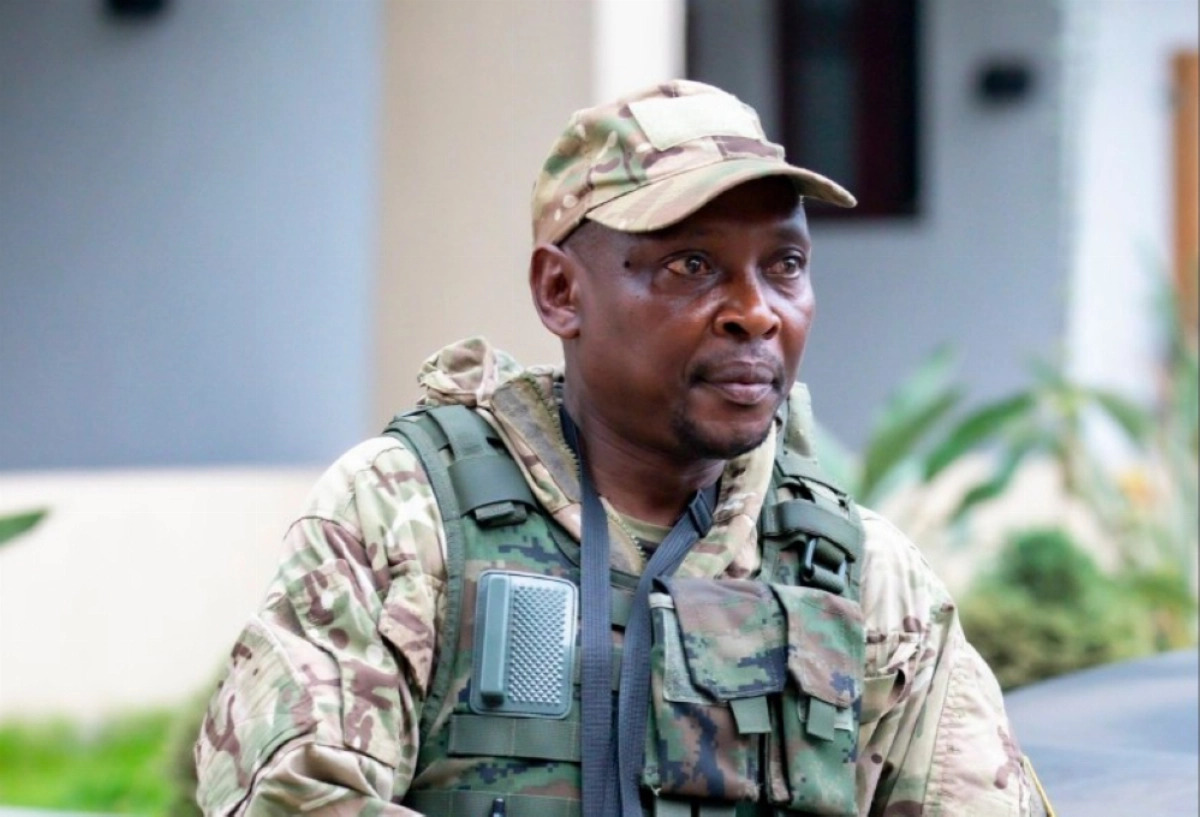
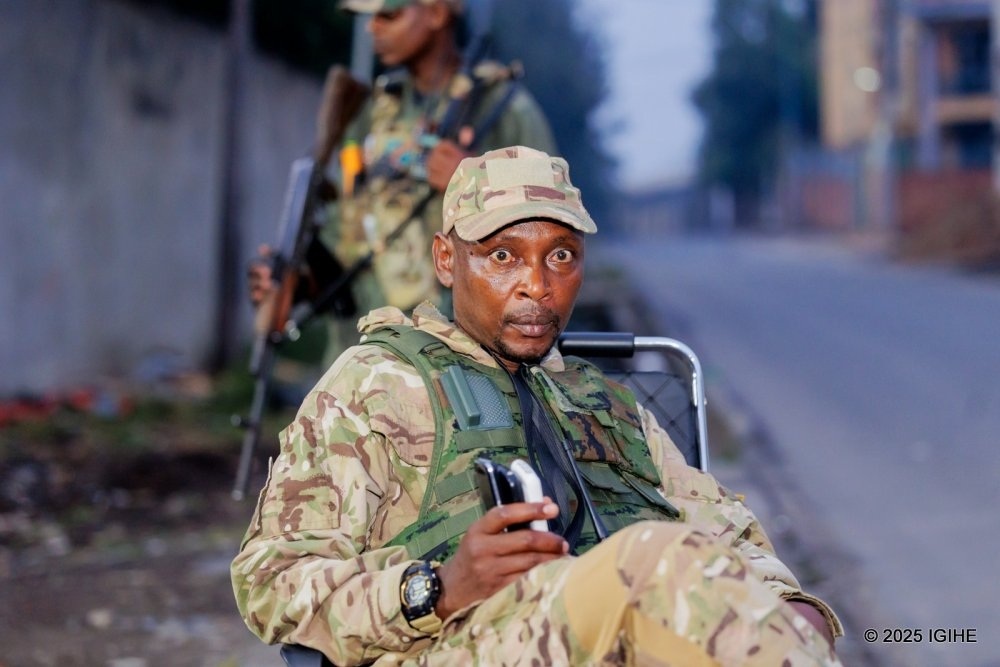
Initial media reports indicated that Ngoma, a senior official within the AFC/M23 ranks, was killed in a drone strike by the Kinshasa forces in Rubaya.
AFC/M23 accused the Kinshasa regime of violating the ceasefire and imposing a full-scale war against the group. The communique states that these attacks have claimed multiple lives and continue to put civilians at risk across the eastern Democratic Republic of Congo.
“These crimes will neither go unnoticed nor unpunished. The memory of the victims binds us and engages our collective responsibility,” the statement read, emphasising the group’s commitment to defending both civilians and its forces.
The rebel group further noted that the AFC/M23 had repeatedly alerted national and international partners about ongoing ceasefire violations and massacres of civilians in numerous densely populated areas of North Kivu and South Kivu.
According to the group, the affected areas include Kawele, Mweso, Rutigita, Kitazungura, Rugezi, Kitendebwa, Kashihe, Kiduveri, Rubaya, Rumbishi, Walikale, Masisi, Kalehe, Gasovu, Nkowe, Gatoyi, Minembwe, Gasheke, Murema, Mberwa, Ruki, Mutobo, Nyaruhinga, Mulumemunene, Rutare, Kadasomwa, Nyagisozi, Nyabikeri, Kinyumba, Nyabyondo, Miyanga, Kasirosiro, Bunyantenge, and Misiya, as well as their surrounding areas.
Despite these warnings, the group says, the Kinshasa regime continued its attacks, demonstrating a “blatant disregard for de-escalation efforts.”
The AFC/M23 also reaffirmed its dedication to the peace process while vowing to continue protecting the populations and territories under its control.
AFC/M23 said the attack that killed Col. Willy Ngoma targeted both soldiers and civilians far from the front lines.
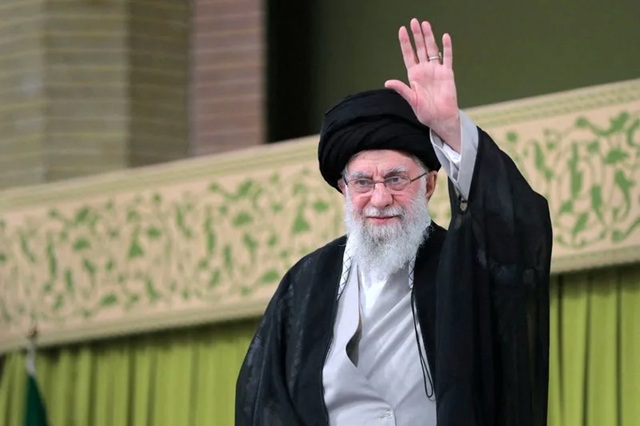
State television announced overnight that Khamenei, who had ruled Iran for nearly four decades, was killed in his office on Saturday morning during coordinated strikes by the United States and Israel. The attack is part of a broader military campaign that US President Donald Trump said would continue with “heavy bombing” throughout the week.
The Iranian government has announced a 40-day national mourning period following confirmation of the Supreme Leader’s death.
In a statement released shortly after the news broke, Trump described Khamenei as “one of the most evil people in History” and urged Iranians to “take back their Country,” signalling support for regime change in Tehran.
*Heavy casualties across Iran*
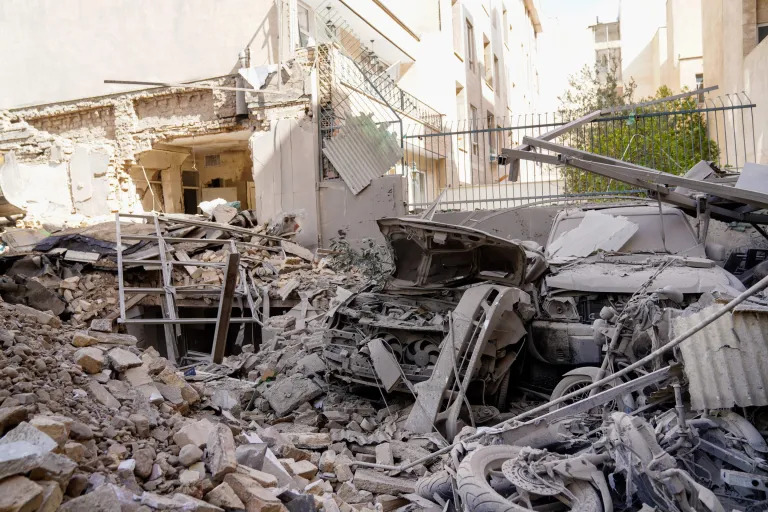
The strikes have resulted in significant civilian and military casualties. Iran’s Red Crescent said more than 200 people have been killed nationwide. Iranian state media reported that at least 108 people, including more than 100 girls, died when a strike hit an elementary school.
Sources speaking to international media said around 40 Iranian officials are believed to be among the dead. Israel said it killed several senior figures, including the head of the Islamic Revolutionary Guard Corps (IRGC). The IRGC has vowed to carry out “the most devastating offensive operation” in its history in response to the killing.
Overnight, Israel’s military launched additional waves of bombing, targeting what it described as Iran’s ballistic missile stockpiles, launch sites and air defence systems.
*Retaliation across the region*
Iran has responded with a fresh wave of retaliatory strikes across the Middle East. Missile attacks were reported in Dubai, Doha, Bahrain and Kuwait, countries that host US military bases or are allied with Washington.
In Israel, air raid sirens sounded again on Sunday morning as Iran continued to fire ballistic missiles. Israeli officials said most were intercepted by air defence systems. However, one missile struck Tel Aviv, killing a woman, the first Israeli fatality of the conflict, and injuring 120 others, most of them lightly, according to ambulance services.
Iran’s retaliatory campaign has also targeted US military facilities and key infrastructure across the Middle East region, disrupting air travel and oil shipments.
State television announced overnight that Khamenei, who had ruled Iran for nearly four decades, was killed in his office on Saturday morning during coordinated strikes by the United States and Israel.
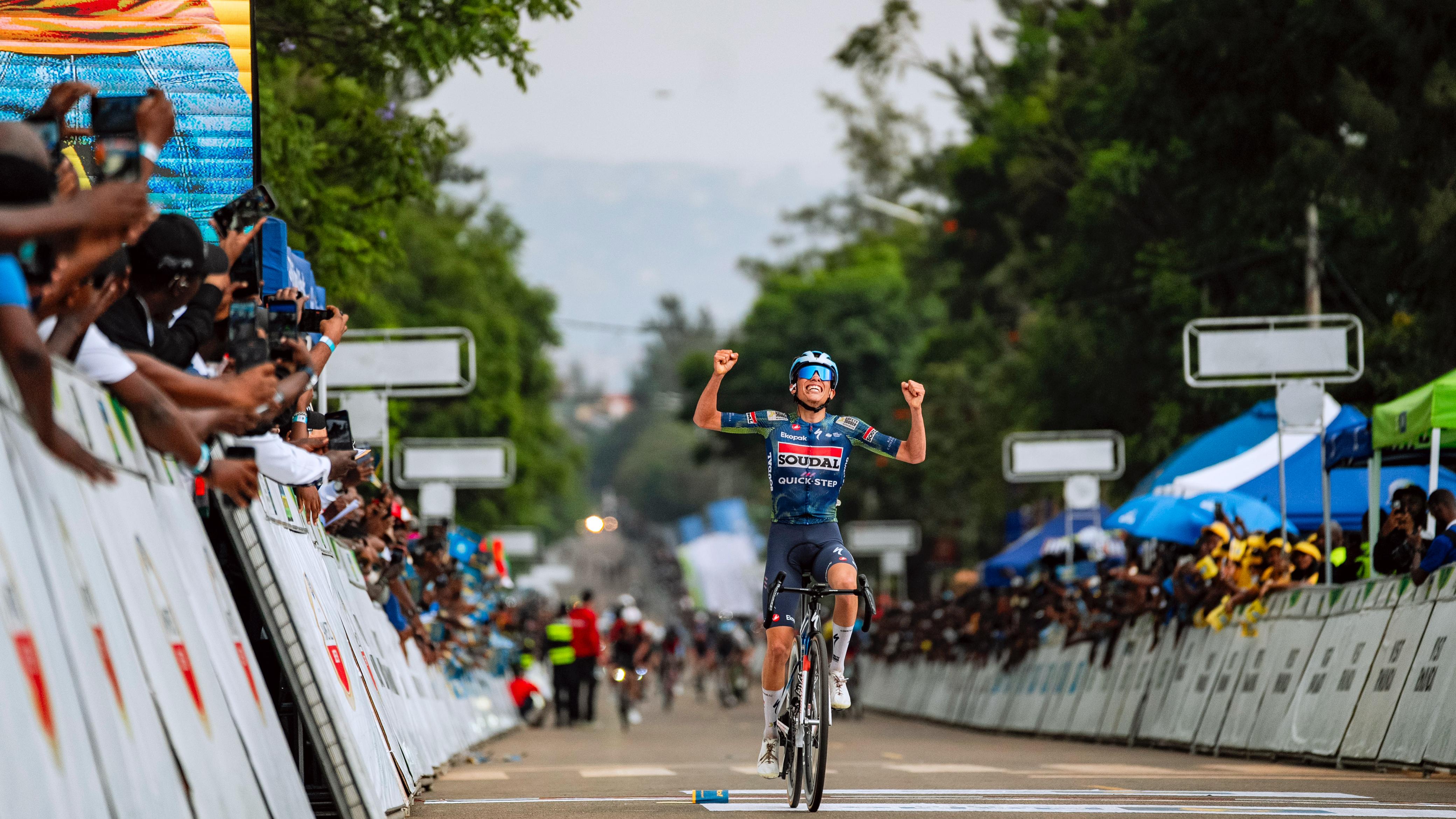
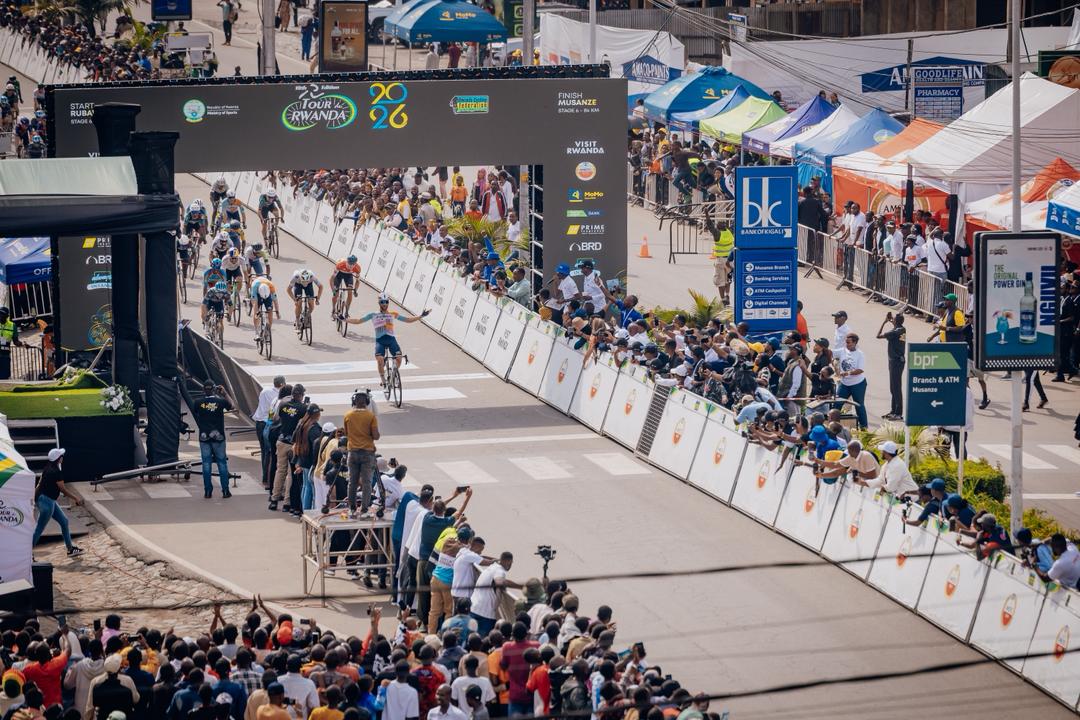
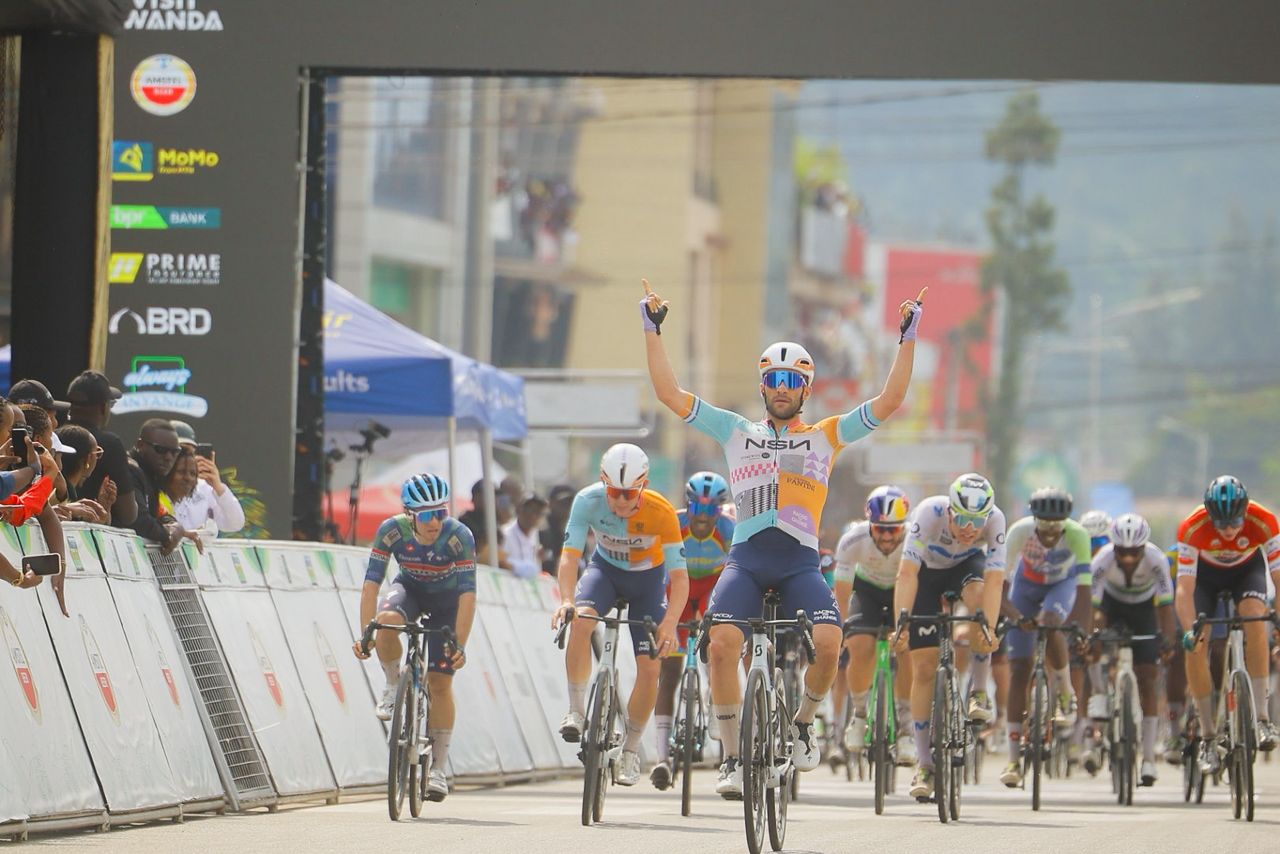
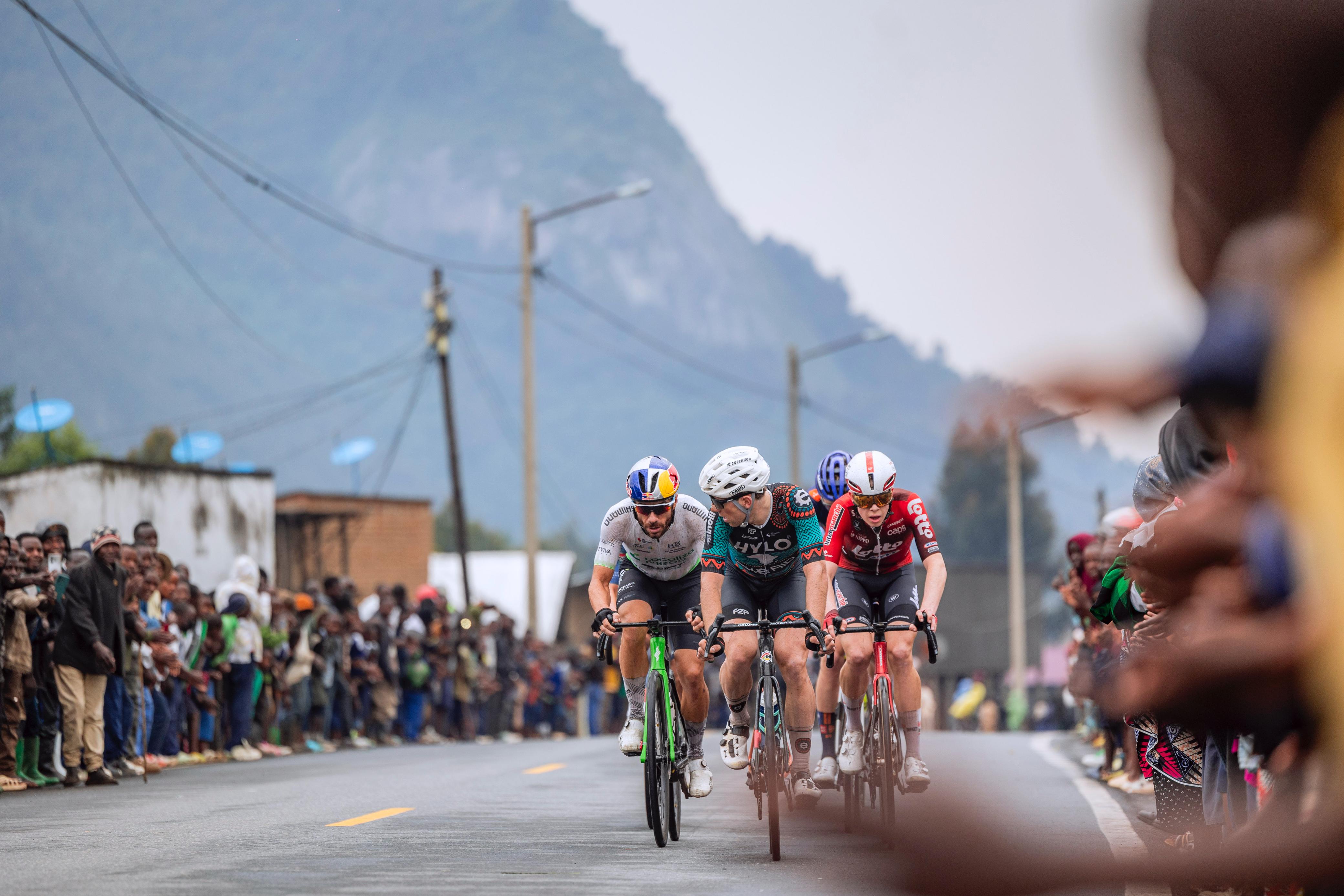
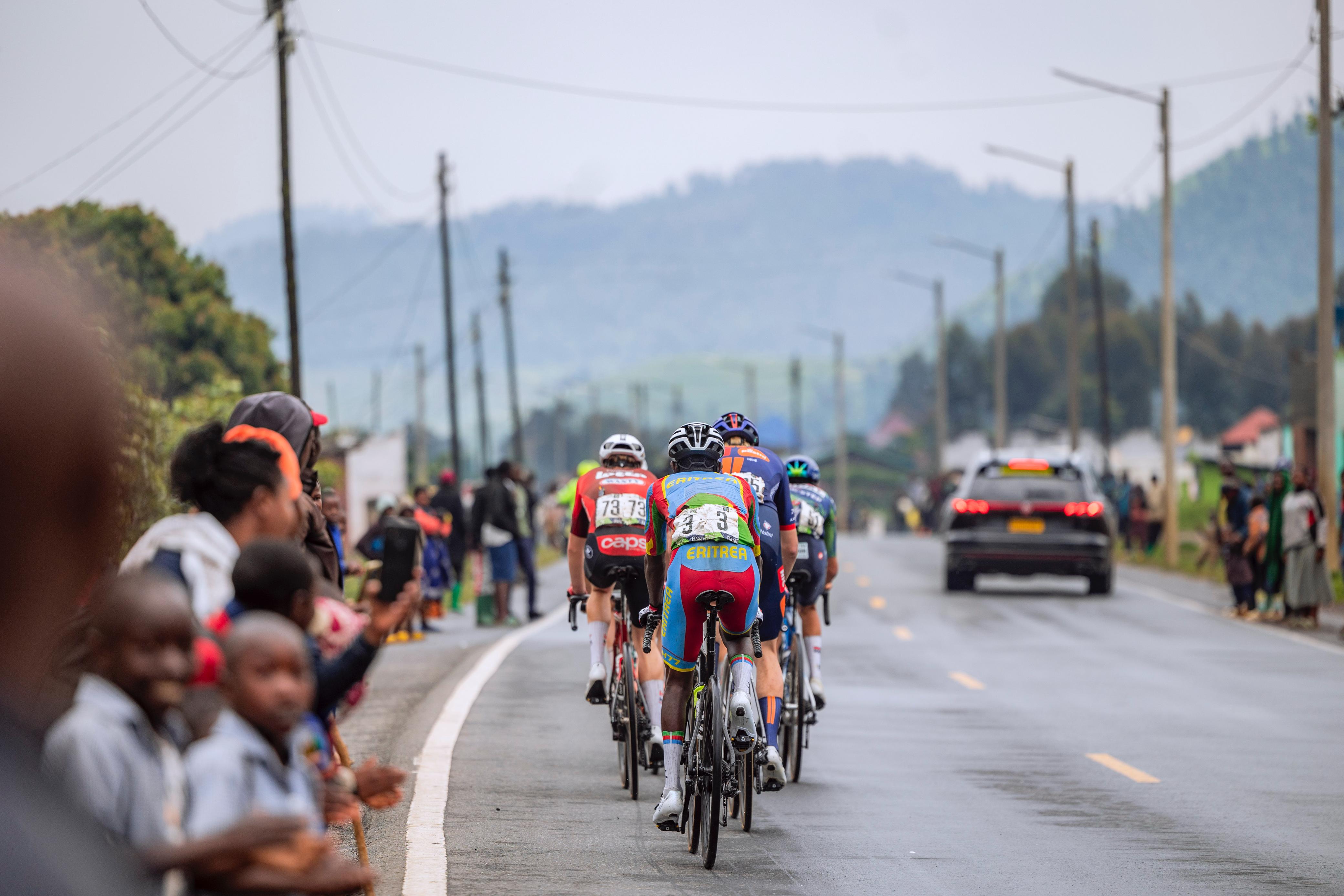
Despite Ribeiro’s stage win, German rider Moritz Kretschy of the NSN Development Team maintained a narrow overall lead, holding a two-minute advantage over his closest competitor with one stage remaining, Stage 8, scheduled for Sunday.
With Stage 8 still to come, the overall title remains up for grabs, setting the stage for an exciting finale in the 2026 Tour du Rwanda.
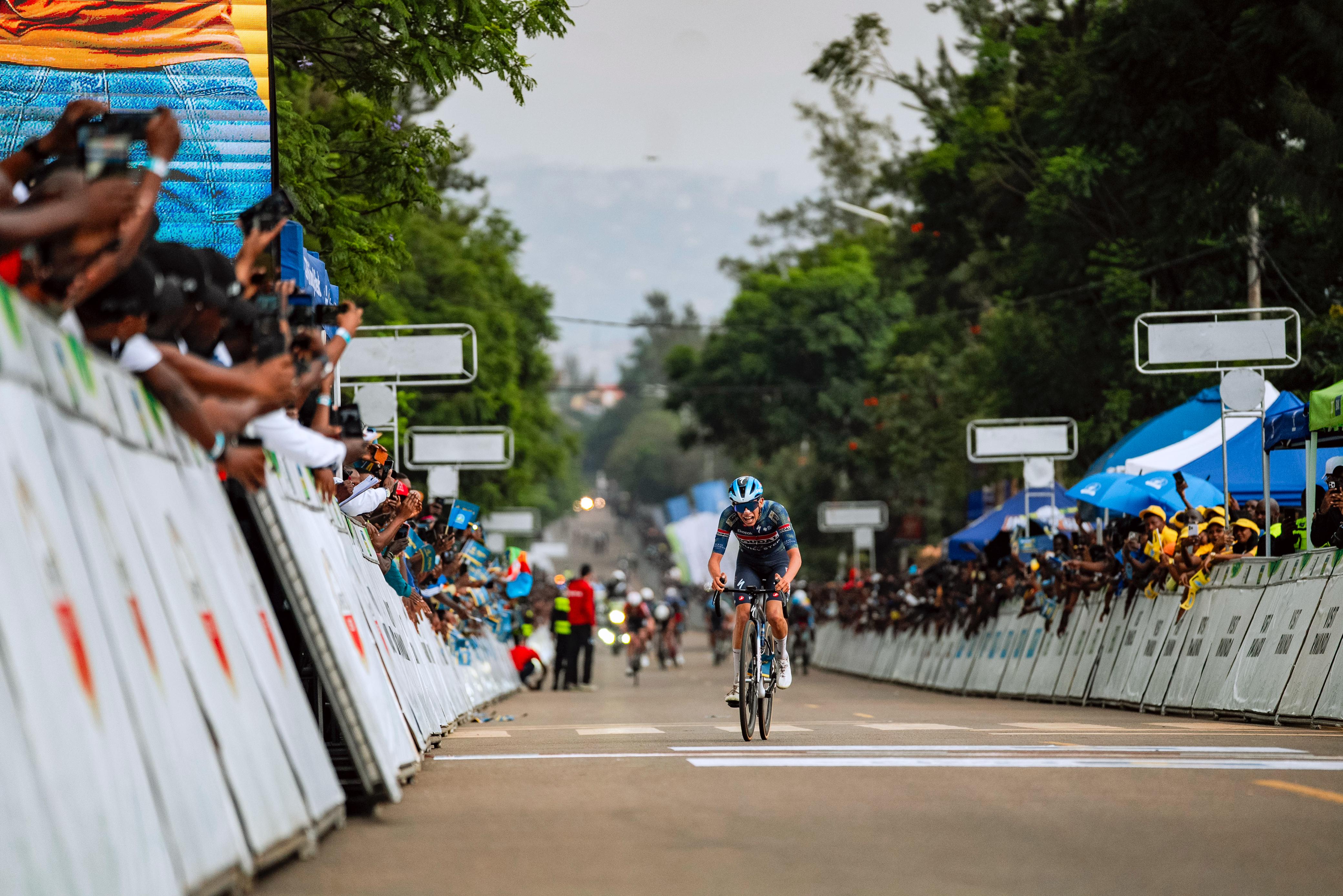
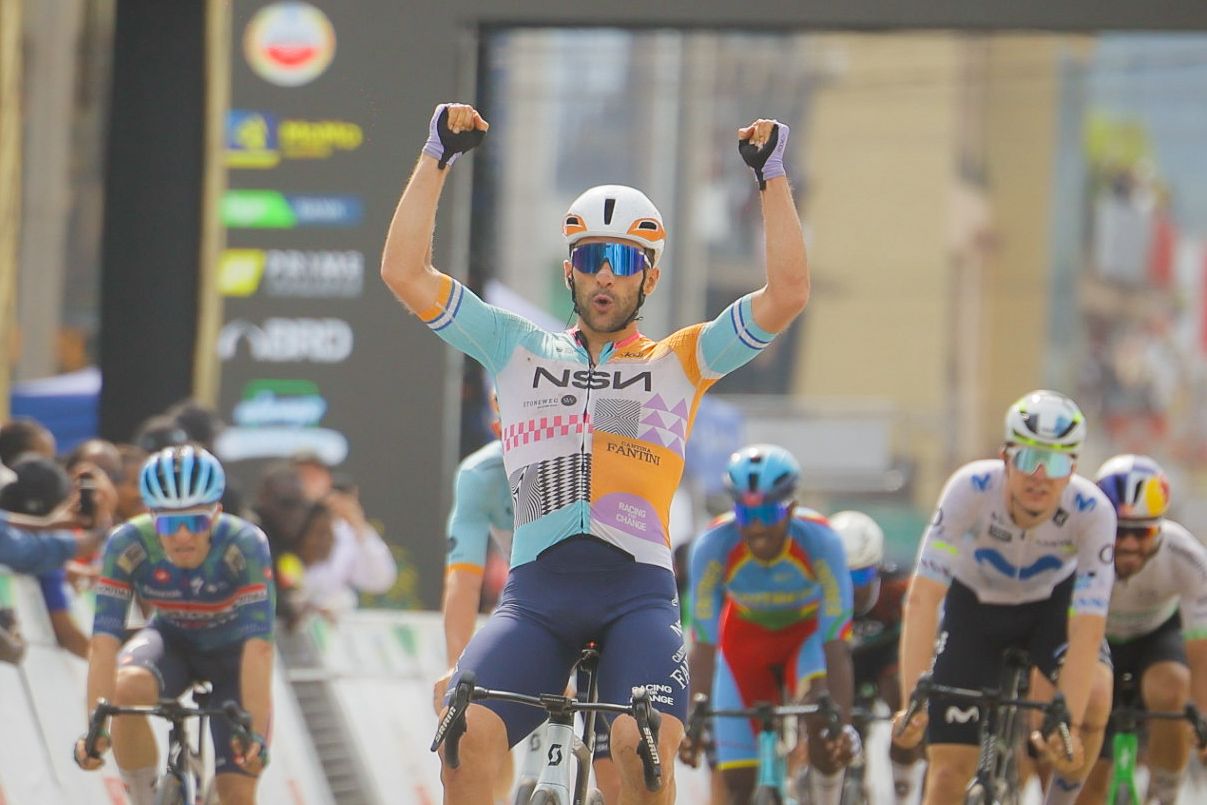
Brazilian cyclist Henrique Bravo Ribeiro, 20, riding for the Soudal Quick-Step Development Team, claimed victory in Stage 7 of the Tour du Rwanda 2026.
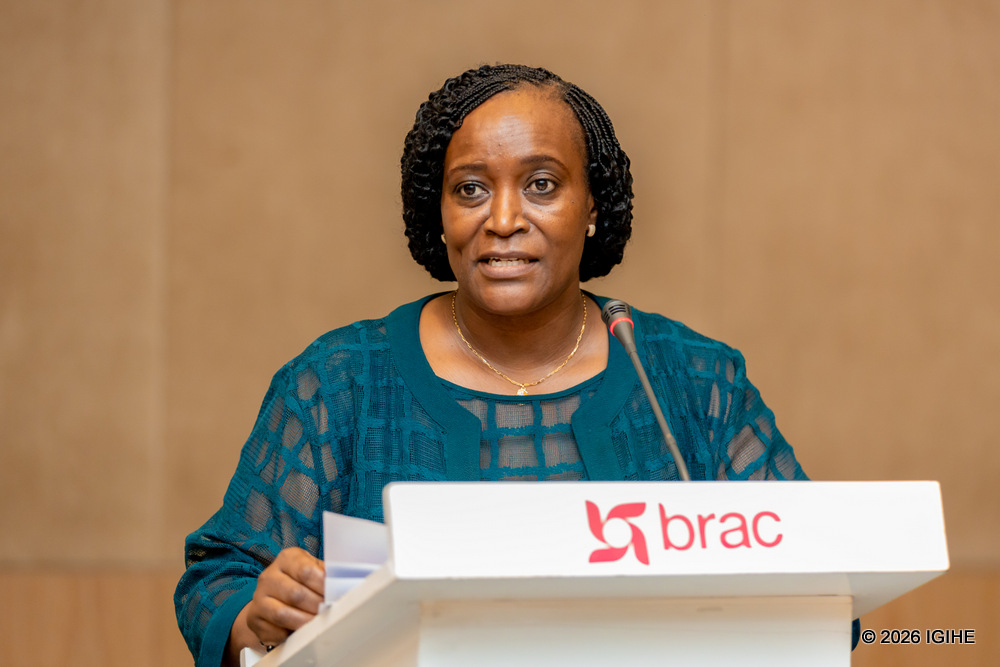
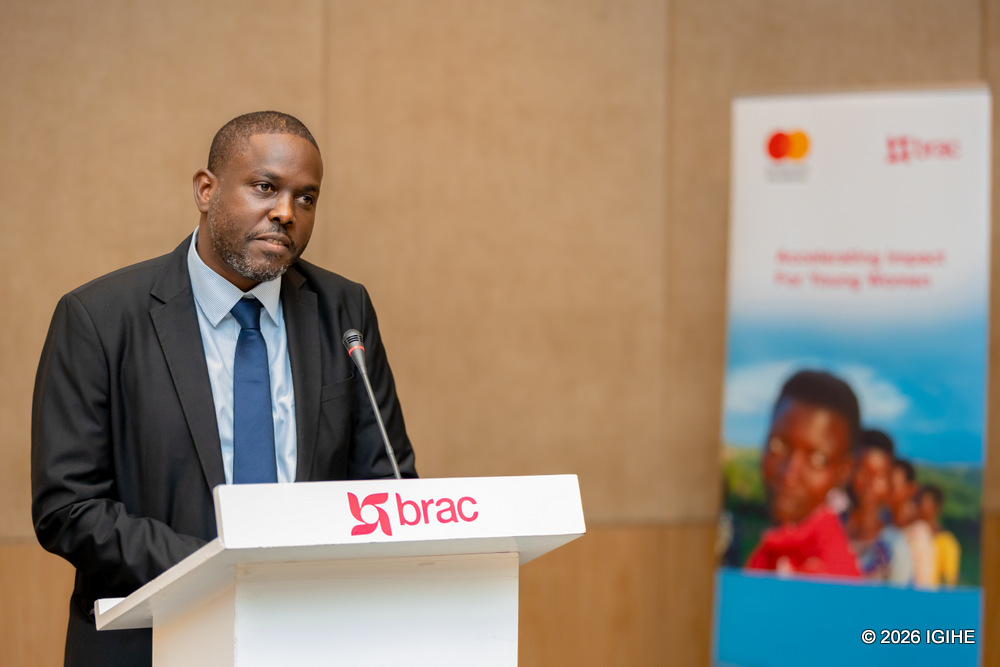
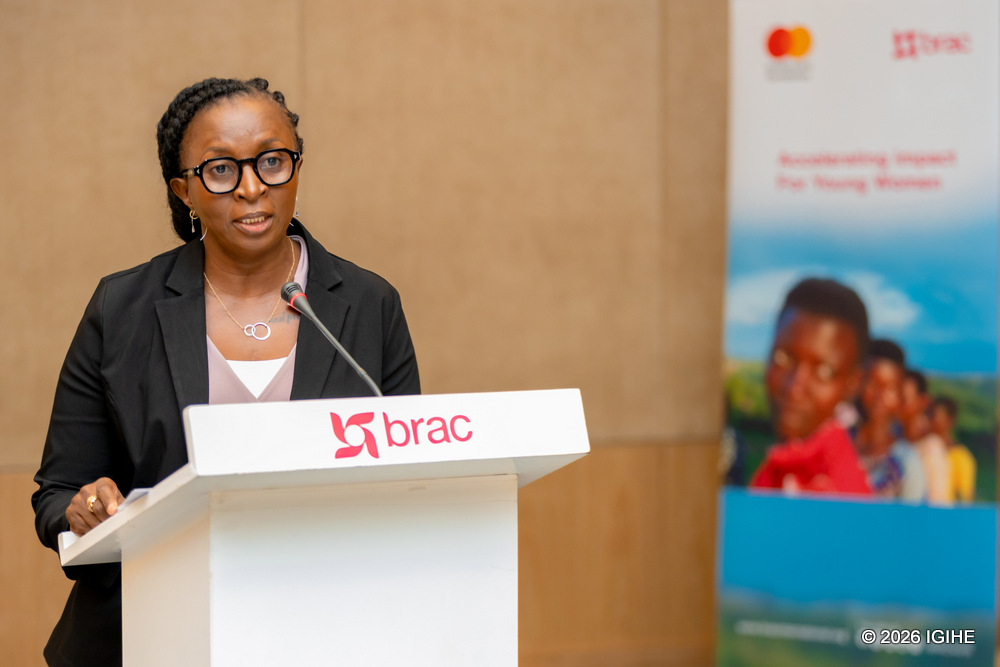
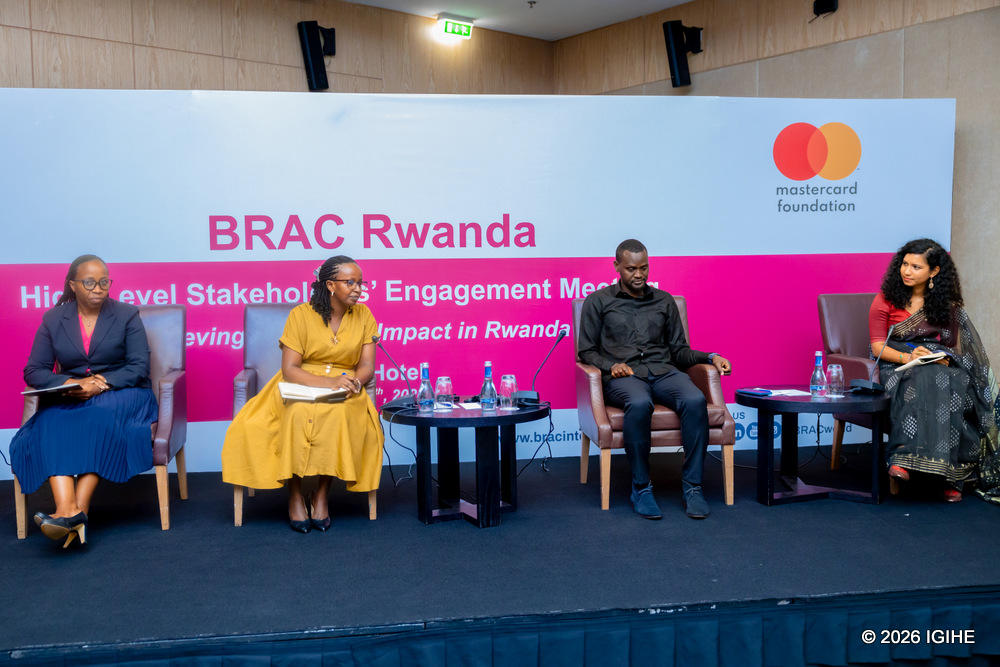
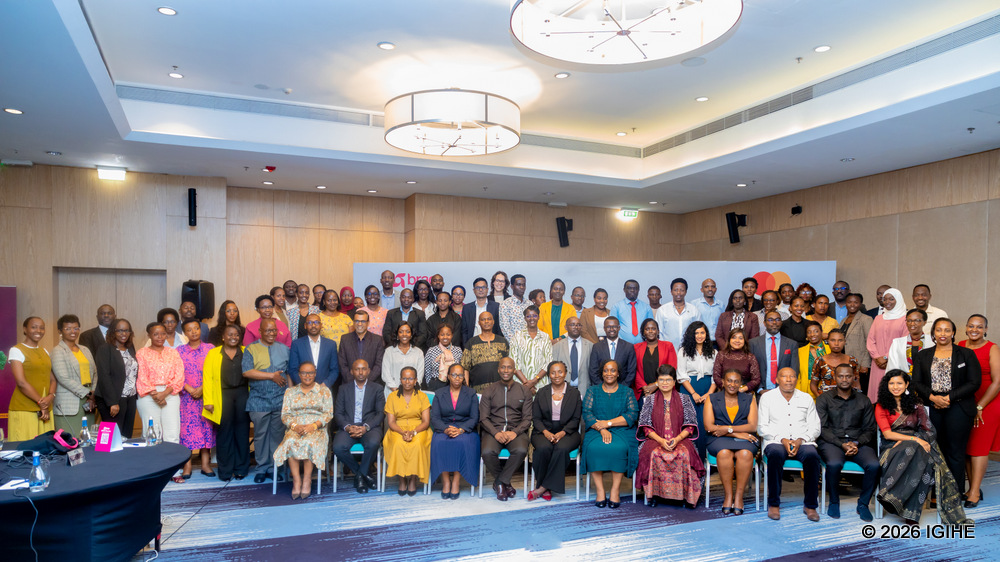
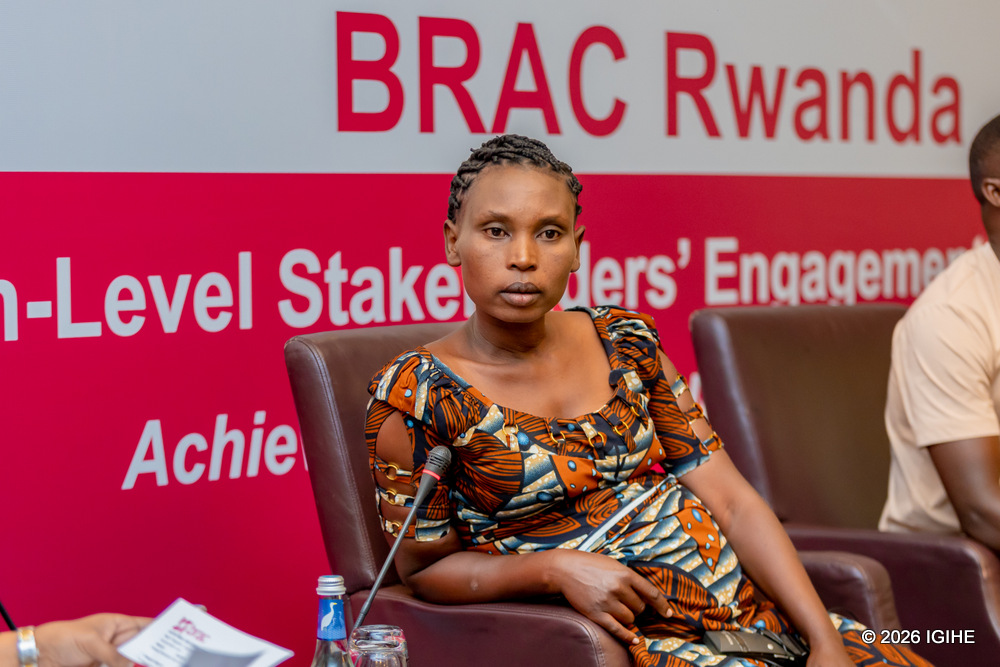
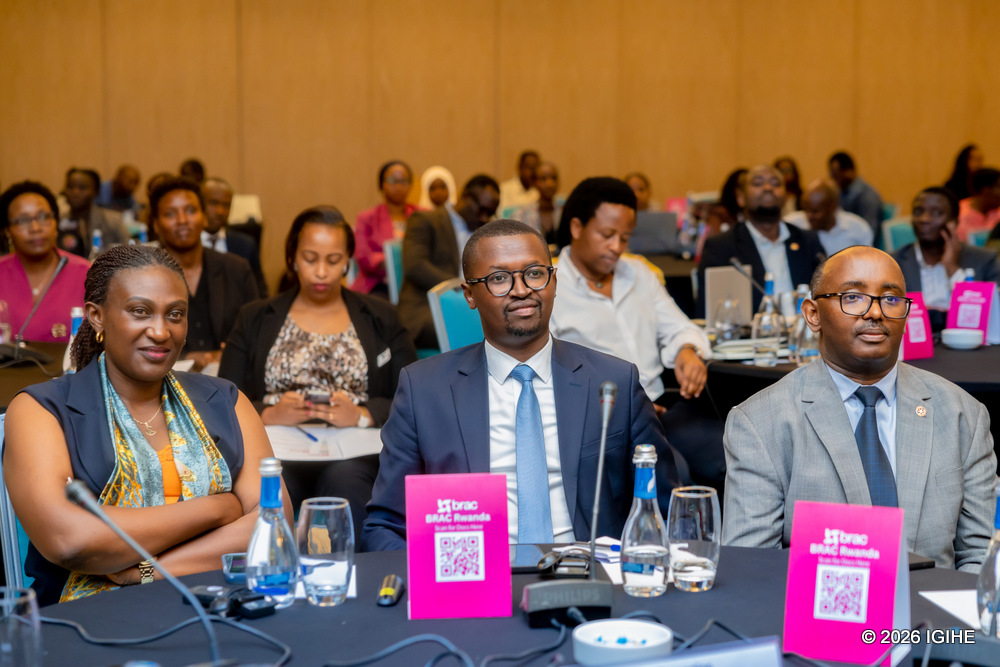
She voiced the appreciation during a High-Level Stakeholders’ Engagement Meeting held on February 27, 2026, at the Kigali Marriott Hotel.
The minister specifically highlighted BRAC’s commitment to combating issues such as teenage pregnancy and school dropout rates affecting both boys and girls.
Minister Uwimana emphasized the urgency of intensified action on these concerns and urged all stakeholders to collaborate more effectively, aligning their initiatives with Rwanda’s national priorities to achieve measurable and lasting impact.
BRAC, originally the Bangladesh Rural Advancement Committee, is a global development organization founded in 1972 in Bangladesh. It began operations in Rwanda in 2019, concentrating on youth unemployment, gender inequality, and financial inclusion.
These efforts support Rwanda’s long-term development agenda, including Vision 2050 and the National Strategy for Transformation (NST2).
BRAC Rwanda operates through three entities; BRAC Microfinance and BRAC NGO, which implements Accelerating Impact for Young Women (AIM ) programme in partnership with the Mastercard Foundation and BRAC Ultra Poor graduation Initiative (UPGI) which supports Rwanda to implement out of poverty graduation agenda.
Since 2019, BRAC Rwanda Microfinance has grown to 35 branches covering all 30 districts, serving over 100,000 borrowers, 98% of whom are women. It offers collateral-free group loans, agricultural finance products, savings services, and financial literacy training, primarily targeting women in rural and remote areas.
Through its AIM programme, launched in 2023 in partnership with the Mastercard Foundation, BRAC has reached over 30,000 adolescent girls and young women in Rwanda.
The programme provides life skills, entrepreneurship training, employability skills, and access to finance, equipping participants to succeed in the country’s growing economy.
Minister Uwimana expressed deep appreciation to BRAC and its partners, for their vital funding and support.
“This comprehensive approach aligns strongly with our national priorities and aspirations. We extend our appreciation to BRAC and its partners, especially MasterCard Foundation for generously funding these programmes, enabling the success we are celebrating today,” she stated.
“Your partnership exemplifies how strategic collaboration can translate into meaningful opportunities for young people, families, across all the country,” the minister added.
Alex Bekunda, BRAC’s Country Director for Rwanda, reinforced the value of joint efforts.
“We have witnessed young women start and grow businesses, engage in productive work among others and build confidence as leaders within their communities. These are not isolated stories. They are powerful reminders of what is possible when systems work together and when potential is nurtured,” he said.
Bekunda also called for expanding youth programmes to reach an additional 100,000 adolescent girls and young women by 2030.
Anne Mutta, BRAC’s Regional Director, elaborated on the organization’s integrated model, stressing the importance of combining skills development with financial access.
She also stressed the urgent need for collective action to confront the persistent challenges of gender-based violence and teenage pregnancy, issues that continue to disrupt girls’ education, threaten their safety, and constrain their economic prospects.
“Ending poverty in Rwanda will remain incomplete unless we protect girls, keep them in school, and create safe pathways for them to thrive.
“BRAC stands ready not only as a problem solver but also as a long-term partner committed to advancing Rwanda’s development vision through evidence, scale, and systems change to reduce poverty,” Mutta noted.
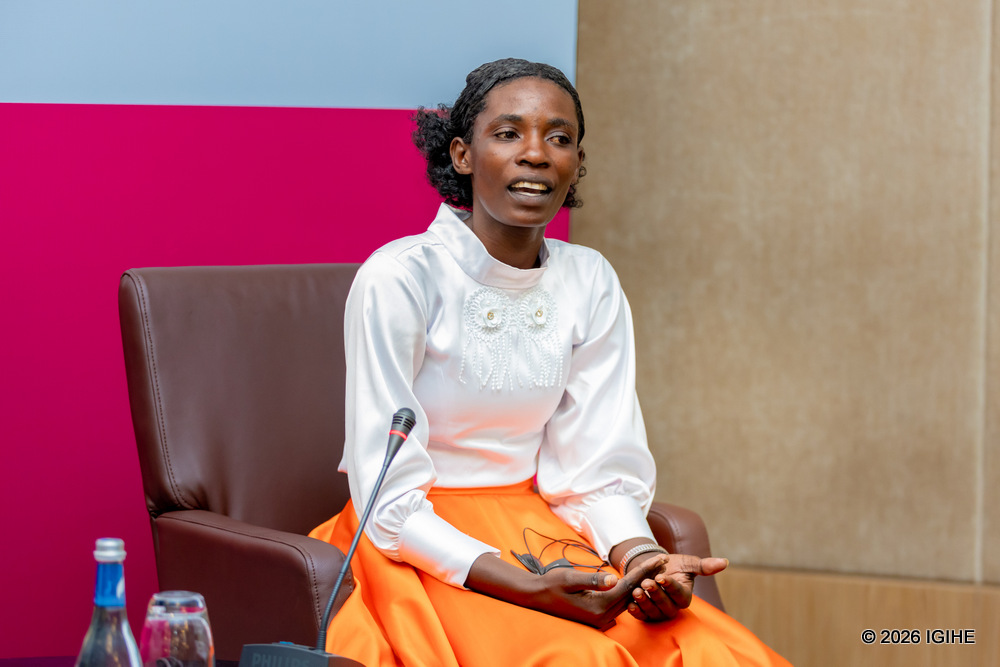
The event included inspiring testimonies from beneficiaries. Gaudence Muhongerwa, a mother of four from Ruhango District who participated in the AIM Programme, shared her progress.
“Through the AIM Programme, I have gained new skills that have helped me grow my business and empower my family,” she noted.
Marie Rose Uwizeyimana, a para-social worker from Nyamagabe District, also praised BRAC’s grassroots impact and its role in driving sustainable change.
The meeting took place as BRAC Rwanda hosted senior leadership; including the Regional Director, Senior Director of Programs, and AIM Director, from February 23–27.
During the visit, the delegation witnessed firsthand the depth of BRAC’s integrated impact and how the “ONE BRAC” model works seamlessly to transform lives across the country.
In the Southern Province, they observed how AIM is creating pathways of opportunity for young women and communities. They met with provincial and district officials, led by Governor Alice Kayitesi, and engaged directly with frontline staff whose dedication drives the organization’s mission forward. They also interacted with BRAC participants who shared powerful testimonies of transformation and resilience.
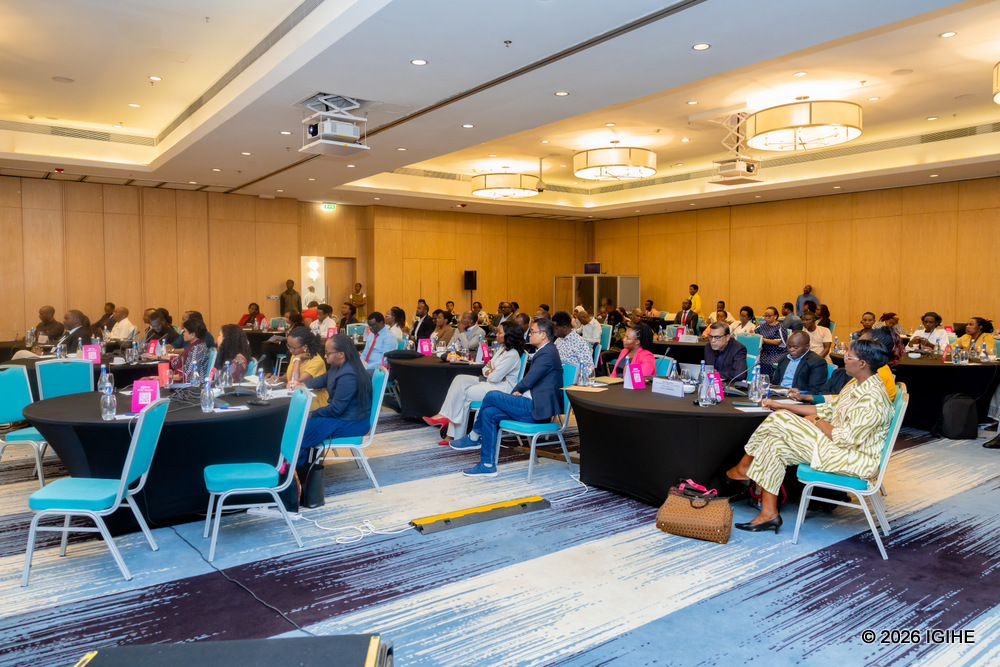
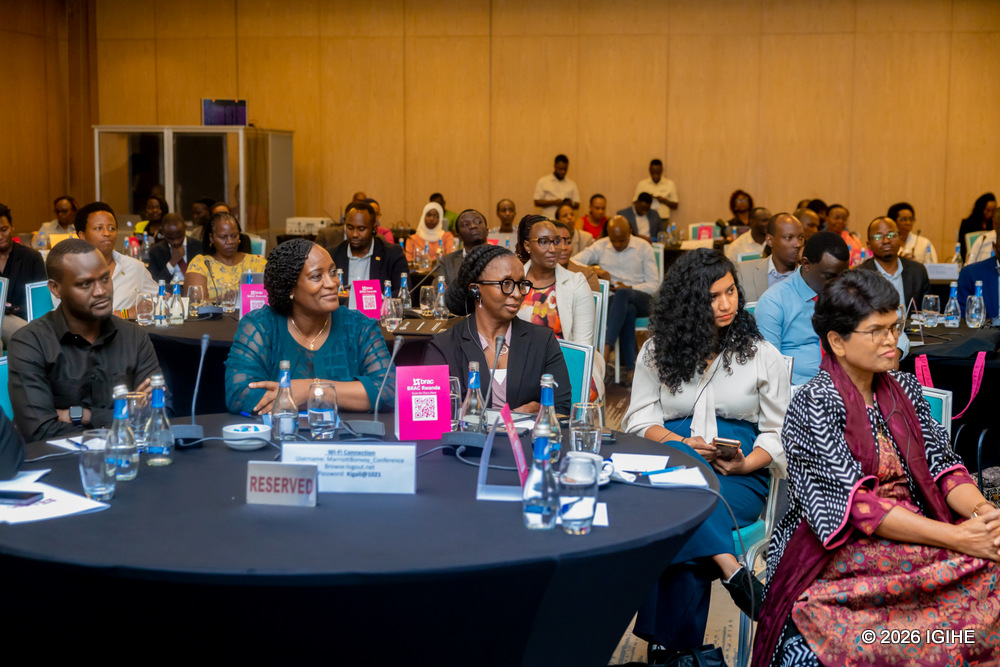
The visit culminated in a high-level stakeholder meeting on the 27th, attended by senior government officials, civil society leaders, and development partners, with the Minister of Gender and Family Promotion, Consolée Uwimana, serving as Guest of Honor.
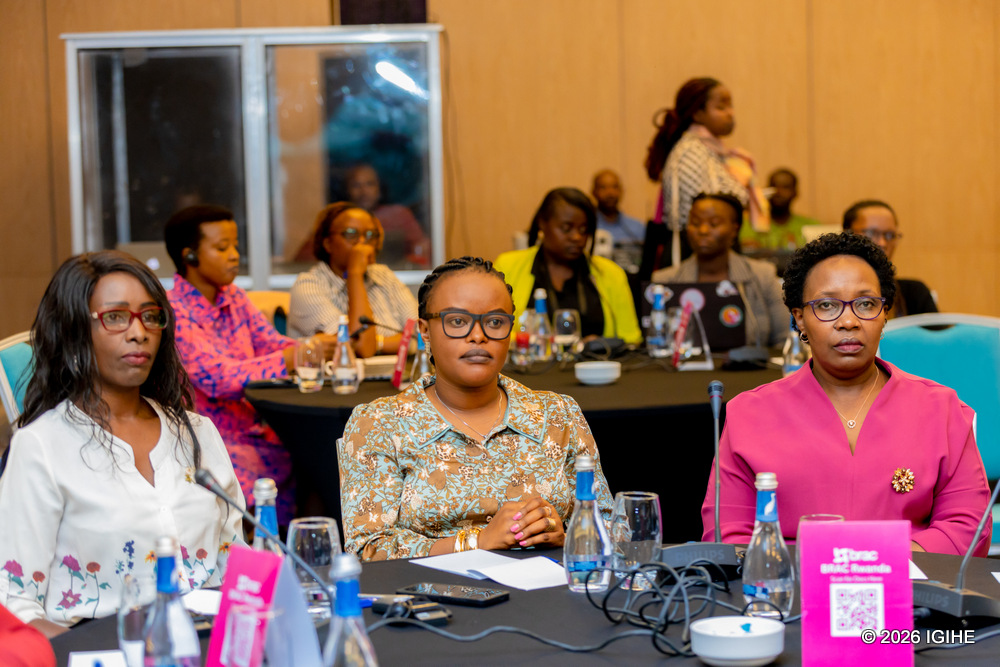
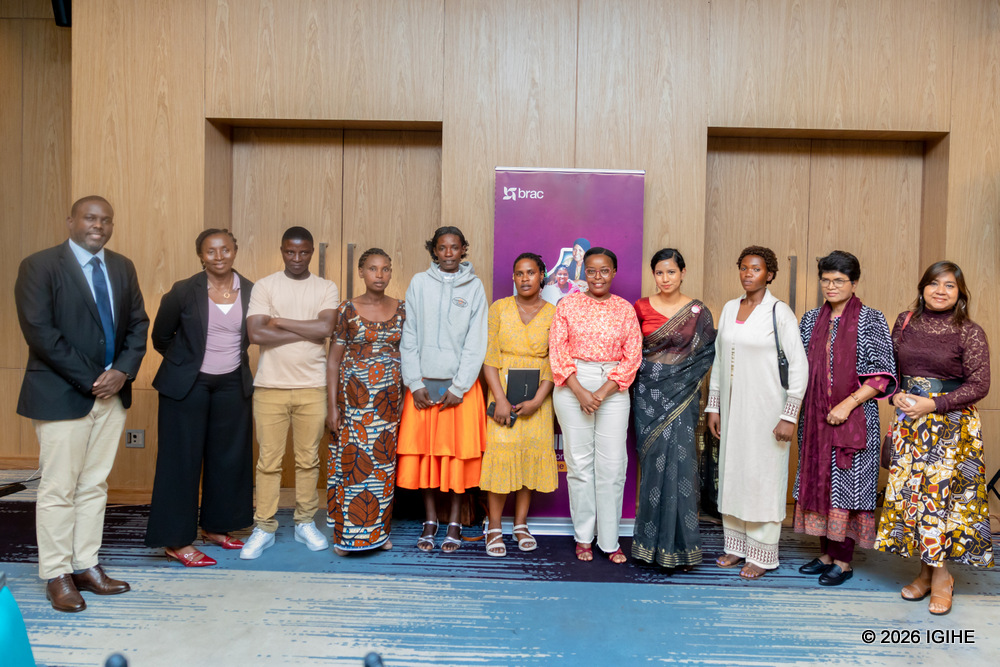
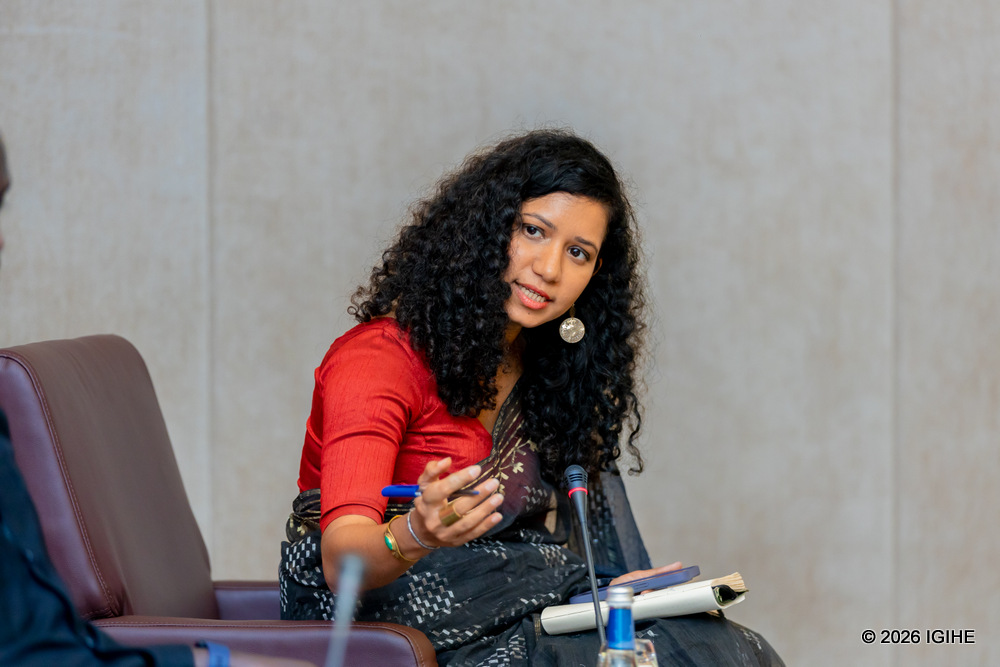
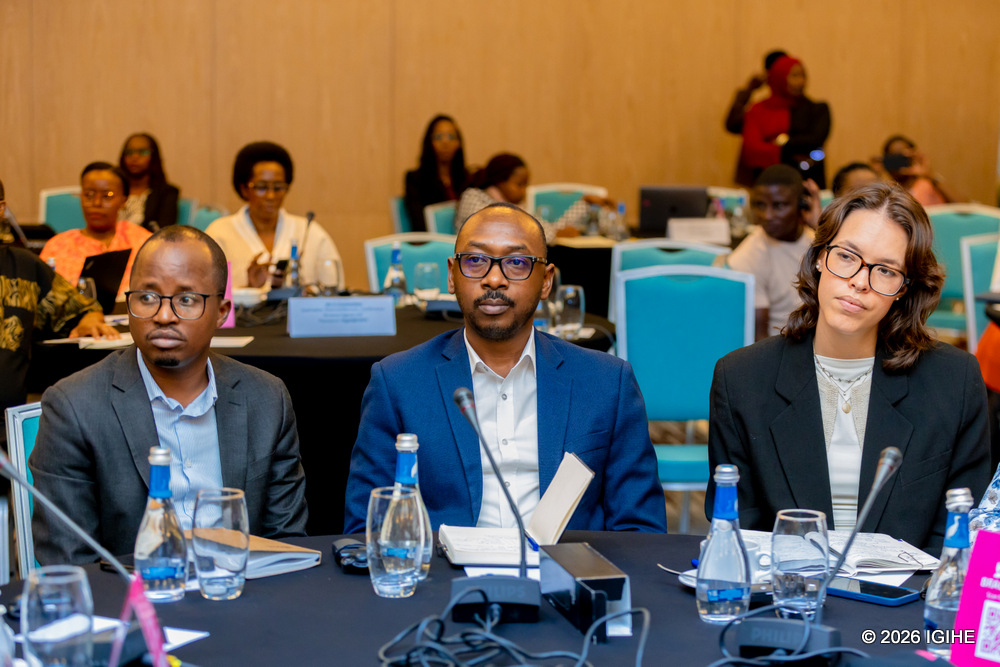
Minister Uwimana has praised BRAC’s efforts in empowering young women, tackling youth challenges. The event took place at Kigali Marriott Hotel. Alex Bekunda, BRAC’s Country Director for Rwanda, reinforced the value of joint efforts.BRAC has reached over 30,000 adolescent girls and young women in Rwanda. Upoma Husain, Chief Executive Officer, BRAC Rwanda Microfinance also shared insights into key areas of interventions. Anne Mutta, BRAC’s Regional Director, elaborated on the organization’s integrated model.The event also featured a panel discussion revolving around community empowerment. Marie Rose Uwizeyimana, a para-social worker from Nyamagabe District, also praised BRAC’s grassroots impact. Participants of the event in a group photo. Gaudence Muhongerwa, a mother of four from Ruhango District who participated in the AIM Programme, shared her progress.
The announcement, made on February 28, 2026, follows a major strike by Israel and the United States on Iran, dubbed “Operation Roaring Lion.”
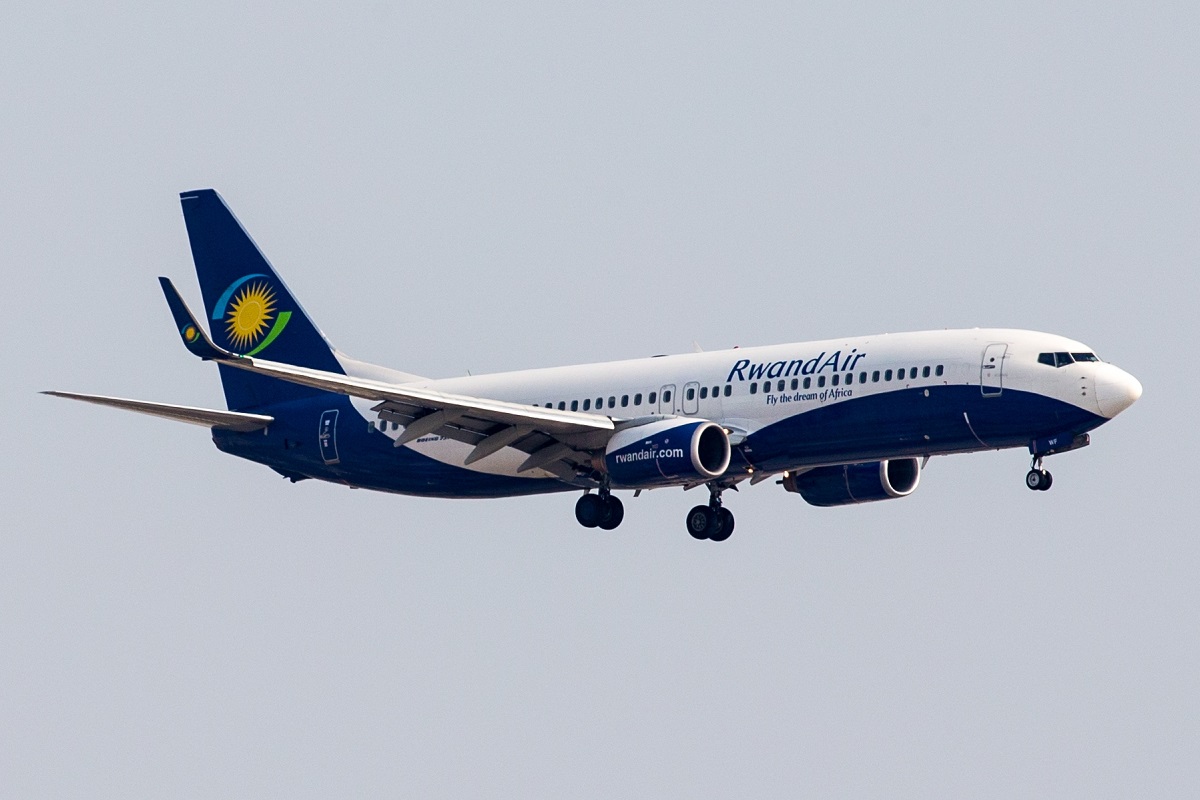
RwandAir said passenger and crew safety remains its top priority and urged affected passengers to reschedule their flights.
“ We are closely monitoring the situation and will provide further updates as more information becomes available. Affected passengers may reschedule their tickets for a later date,” reads a statement shared on X.
As Iran began retaliating, several neighboring countries; including Qatar, Kuwait, Syria, and the United Arab Emirates,closed their airspace.
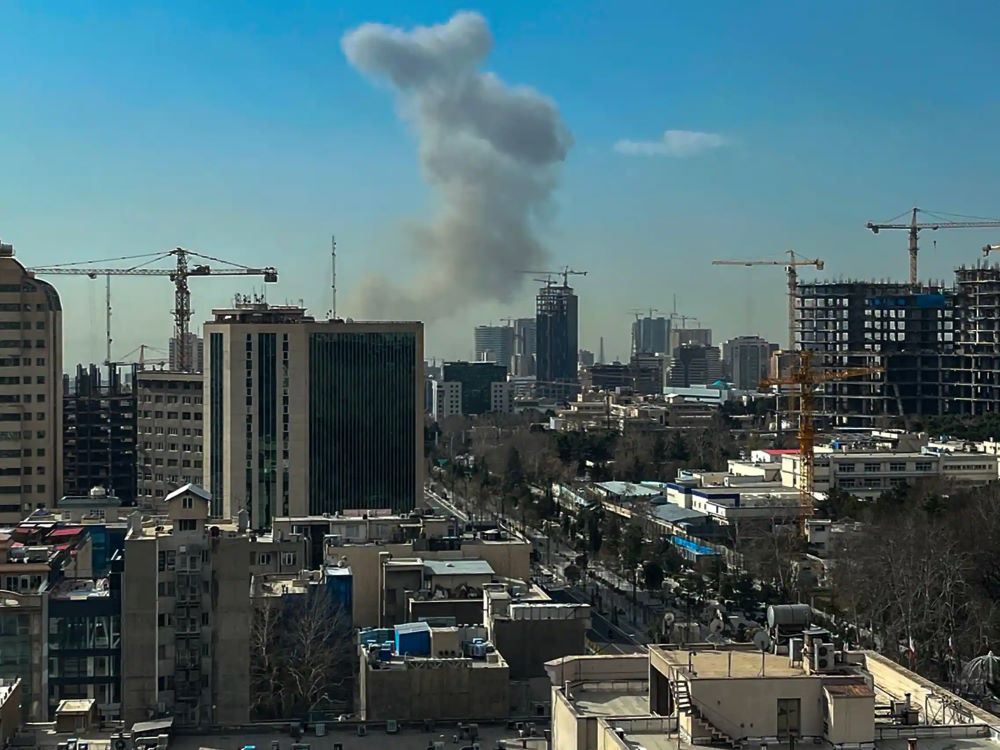
According to reports, plumes of smoke were seen rising from central Tehran following explosions reported near offices associated with Supreme Leader Ali Khamenei. Iranian state television confirmed the blasts without providing details on casualties or damage.
It remains unclear whether Khamenei was present at the time. Iranian authorities subsequently shut down the country’s airspace and issued warnings to pilots as additional explosions were reported across the capital.
Israeli Defence Minister Israel Katz described the strike as an operation aimed at “removing threats,” though he provided few specifics. The Israeli government later identified the offensive as “Operation Lion’s Roar,” underscoring what officials describe as an effort to neutralize security risks tied to Iran’s nuclear programme.
Air raid sirens sounded across Israeli cities, prompting the Israel Defense Forces to issue a proactive alert advising civilians to remain near bomb shelters and avoid non-essential travel.
At Tel Aviv’s international airport, passengers were directed to shelters amid fears of missile retaliation. Air India announced it would suspend flights on one affected route for at least a week as a precaution.
The confrontation has drawn in United States, with President Donald Trump confirming American participation in military operations targeting Iranian facilities.
Washington has also deployed additional fighter jets and naval forces to the region. Trump emphasized the need for what he described as a “meaningful deal” regarding Iran’s nuclear ambitions but acknowledged the seriousness of the unfolding situation.
Israeli Prime Minister Benjamin Netanyahu framed the joint operation with Washington as an effort to remove what he called an “existential threat.” In a public address, he urged Iranians to pursue political change, saying the military action could create conditions for a different future in Iran.
In response, Iranian officials warned of a “crushing” retaliation, signaling the potential for further escalation. Meanwhile, Qatar said its internal security situation remained stable but confirmed it was closely monitoring developments.
Exiled opposition figure Reza Pahlavi also weighed in, claiming the situation could mark a turning point for Iran’s political future.
Saturday’s events mark the latest chapter in decades of confrontation between Iran and the United States, a rivalry rooted in the 1979 Islamic Revolution and intensified by disputes over nuclear development and regional influence.
With airspace closures, military alerts, and diplomatic tensions mounting, the region now faces growing uncertainty as global leaders monitor the risk of broader conflict.
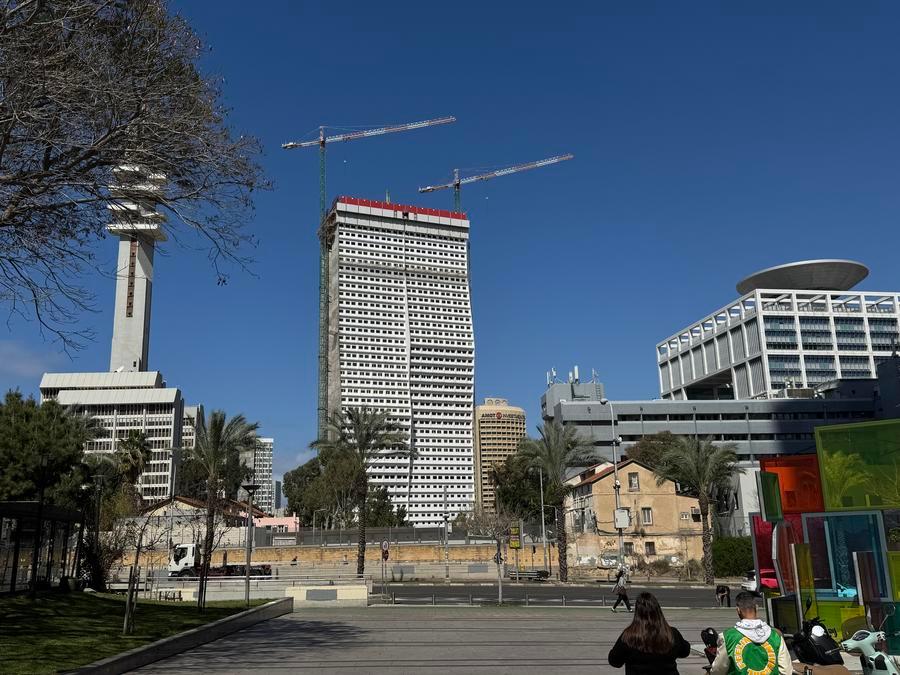
This photo taken by cellphone on Feb. 26, 2026 shows buildings of the headquarter of the Israel Defense Forces (IDF) in Tel Aviv, Israel. U.S. State Department authorized on Friday the departure of non-emergency U.S. government personnel and family members of U.S. government personnel from Mission Israel due to safety risks, U.S. embassy in Jerusalem posted on X.
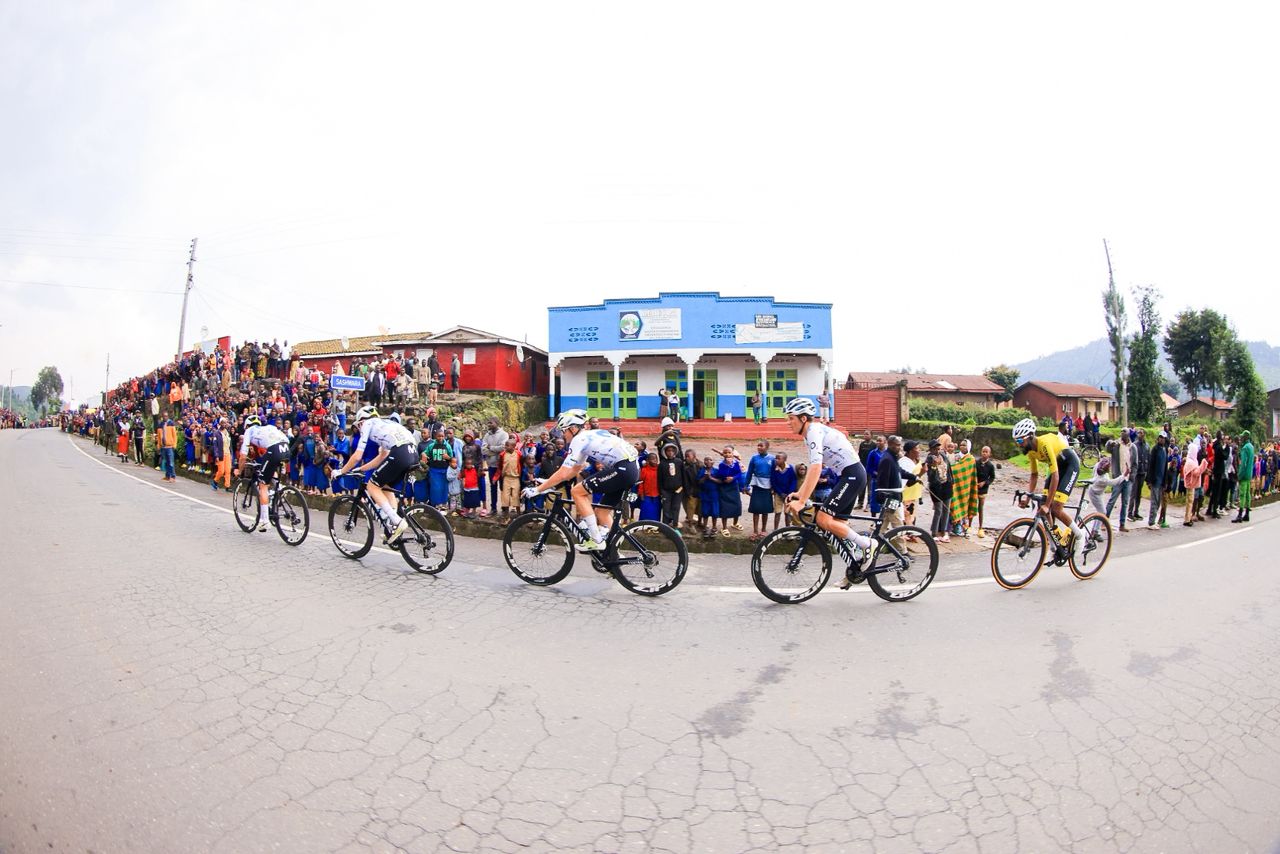
Germany’s Moritz Kretschy continues to hold the yellow jersey, leading the general classification after another consistent performance.
Stage awards highlighted outstanding performances across different categories. The best team award was presented to the NSN Development Team by Inyange Industries. Mike Uwiduhaye of Benediction Banafrica Team received the most combative rider award, presented by Ingufu Gin Ltd.
The best Rwandan rider, recognised by BPR Bank, went to Samuel Niyonkuru (Team Amani). Eritrea’s Amaniel Desta of Team Amani earned both the best African rider award (presented by RwandAir) and the best young African rider award.
The best climber award went to Germany’s Miguel Heidemann (Rembe | rad-net), while the sprint classification was led by Belgium’s Mauro Cuylits (Lotto–Groupe Wanty).
The best young rider award, presented by Prime Insurance, was claimed by Desta Teweldemedhn Amaniel (Team Amani). The stage winner’s prize was presented by Amstel, and the yellow jersey holder continues to be awarded by Visit Rwanda.
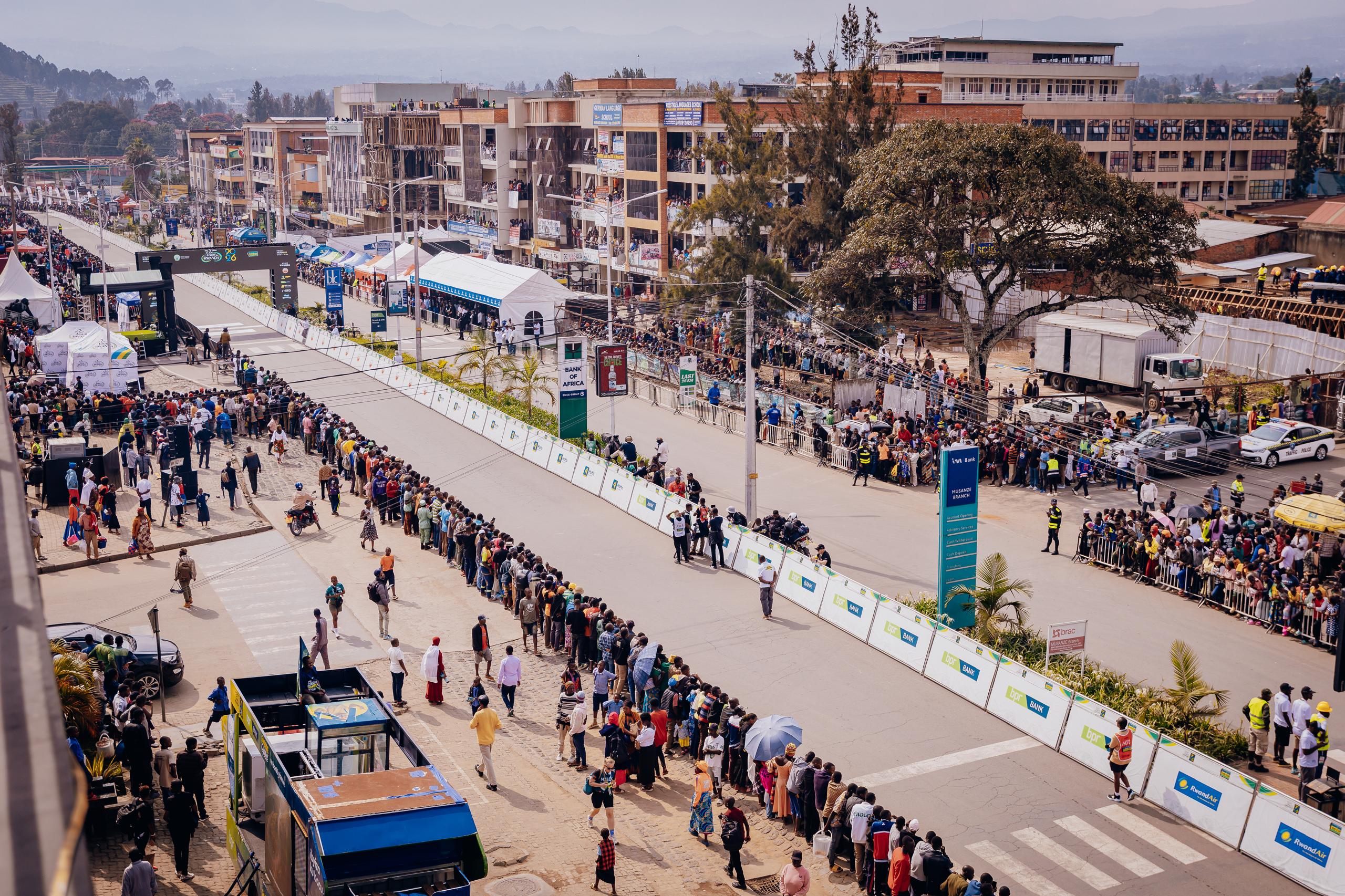
The race will continue on Saturday, 28 February, with Stage 7, as riders depart Musanze at 11:00 a.m. heading for Kigali Pele Stadium via Gicumbi, covering 147.2 kilometres.
General classification after Stage 6
1 Kretschy Moritz (NSN Development Team): 17:48:00 2. Adamietz Johannes (Rembe | Rad-Net): +2:02 3. Desta Teweldemedhn Amaniel (Team Amani): + 2:18 4. Marivoet Scholiers Duarte (Lotto – Groupe Wanty): +2:32 5. Zomermaand Jurgen (Development Team Picnic Postnl): +4:07 . . . 9. Kudus Merhawi (Eritrea): +4:32 15. Mulueberhan Henok (Eritrea): +4:41 16. Niyonkuru Samuel (Team Amani): +4:59 23. Mugisha Moise (Benediction Banafrica Team): +5:57 25. Muhoza Eric (Team Amani): +8:06 26. Masengesho Vainqueur (Benediction Banafrica Team): +9:07
Itamar Einhorn has claimed stage 6 of Tour du Rwanda 2026.
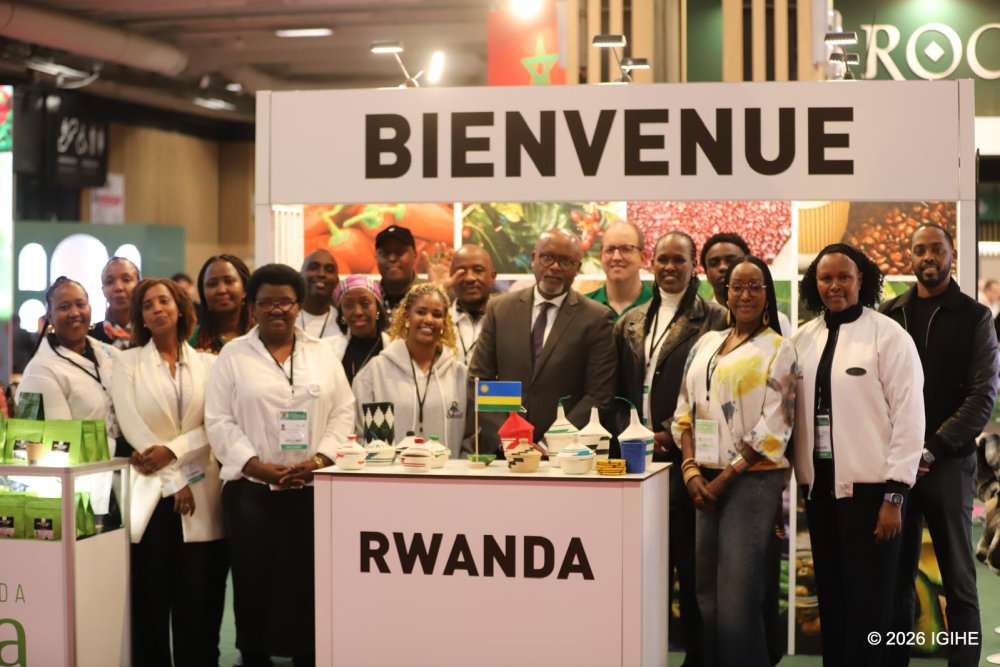
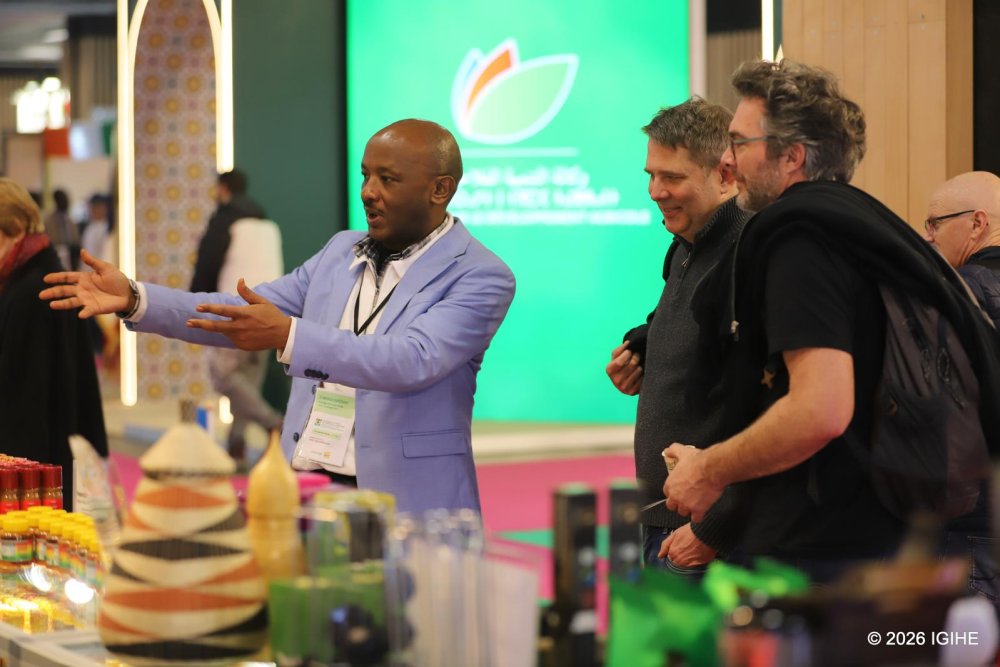
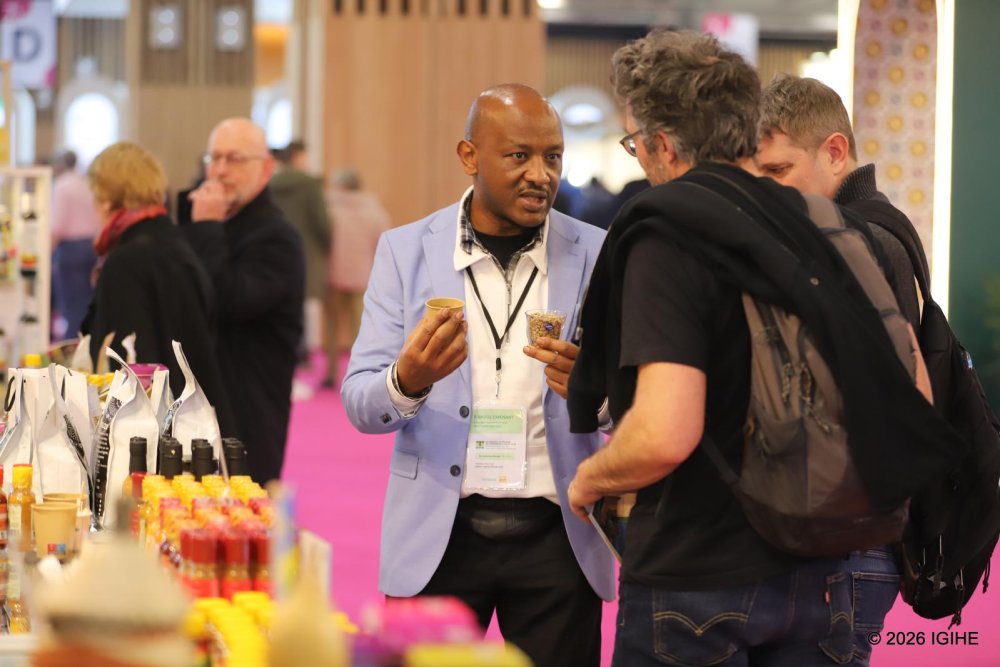
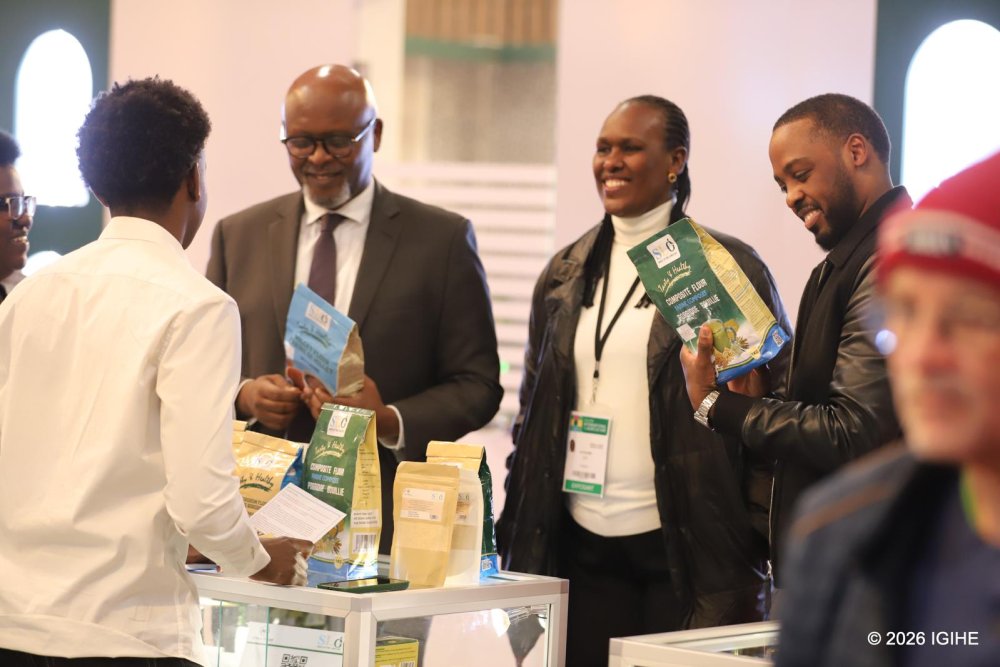
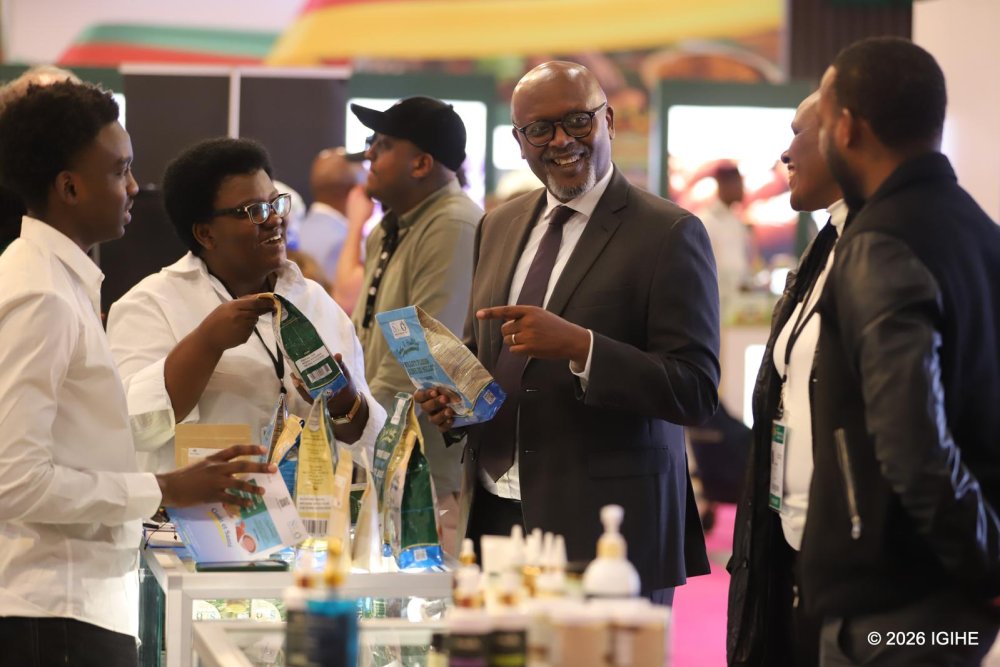
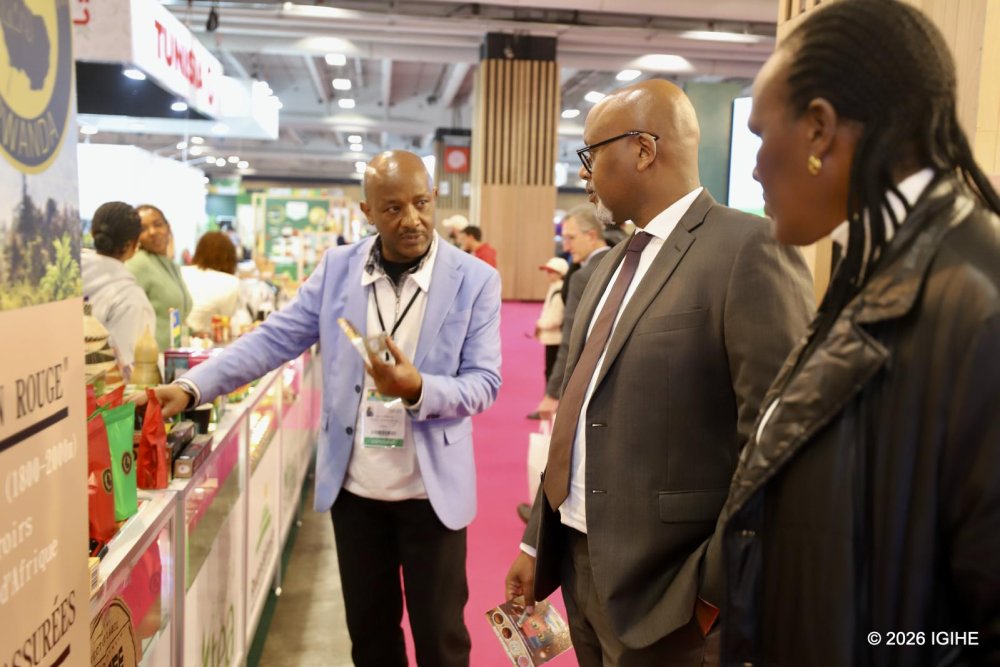
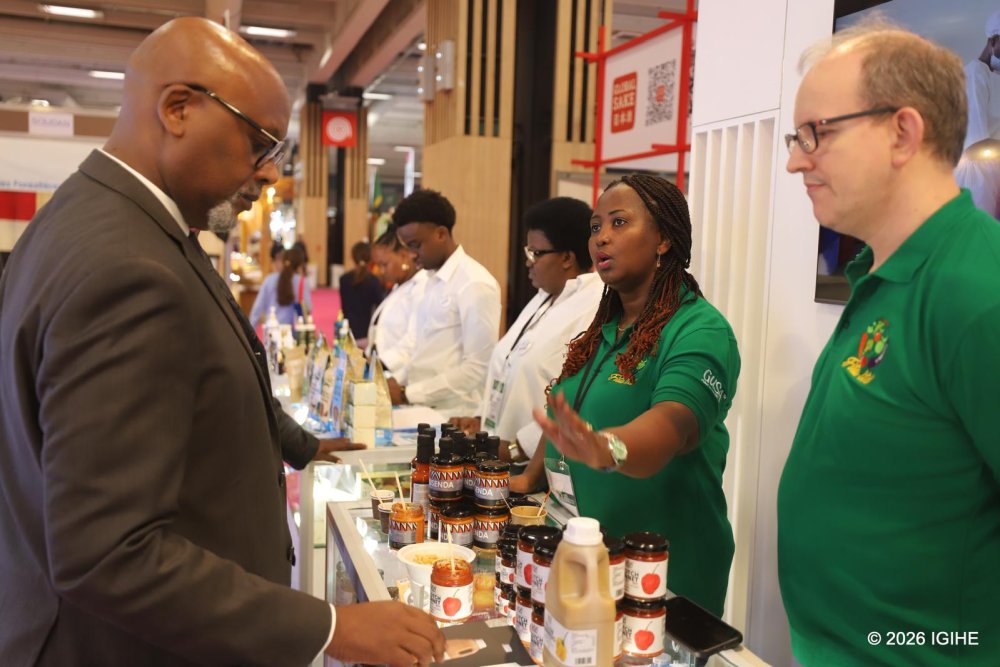
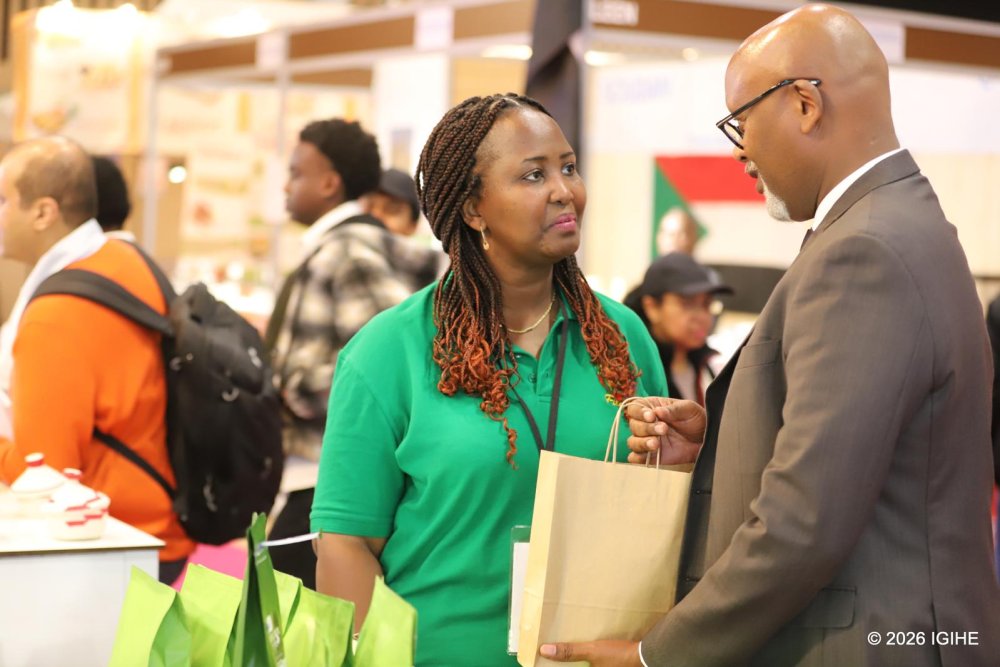
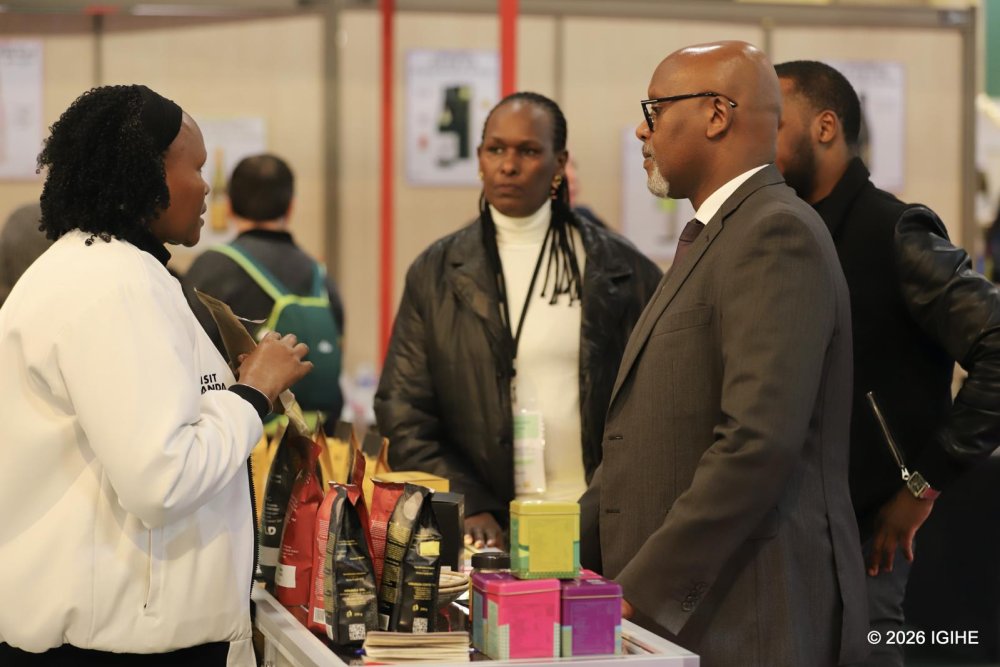
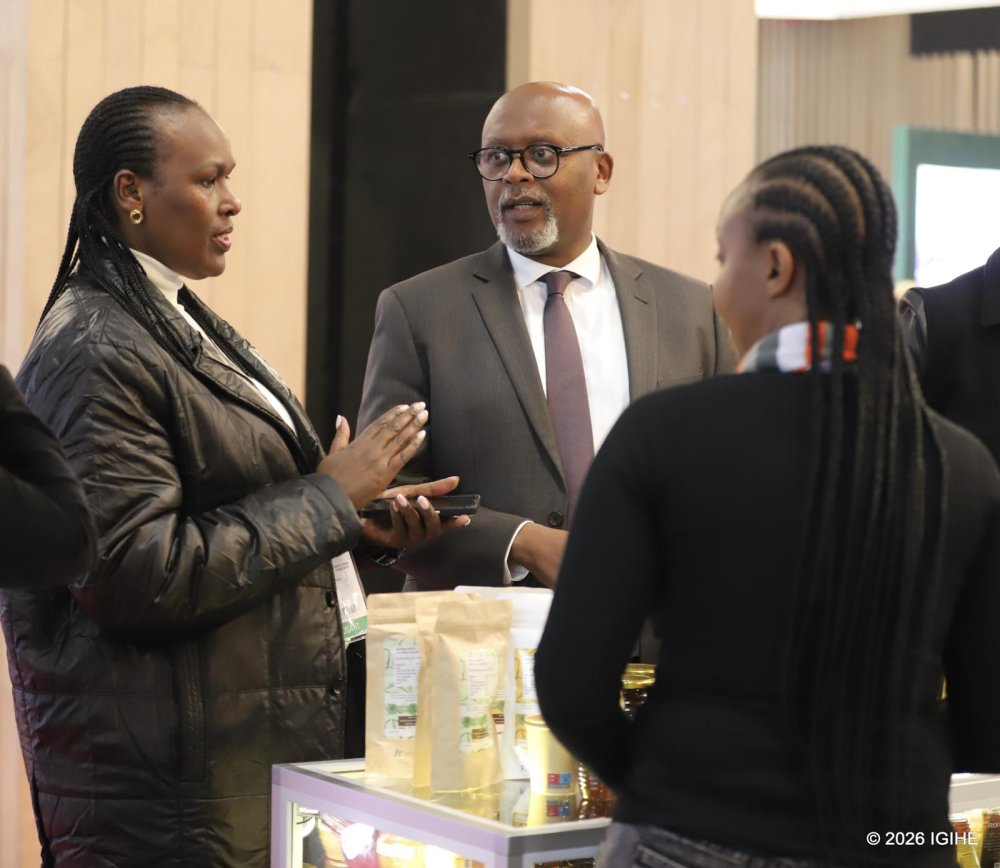
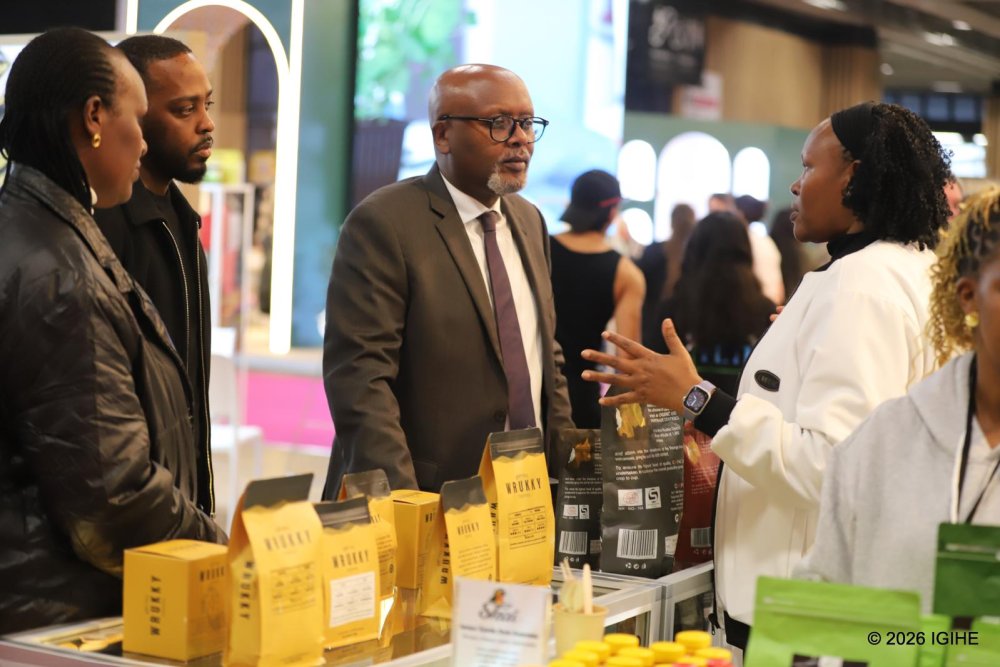
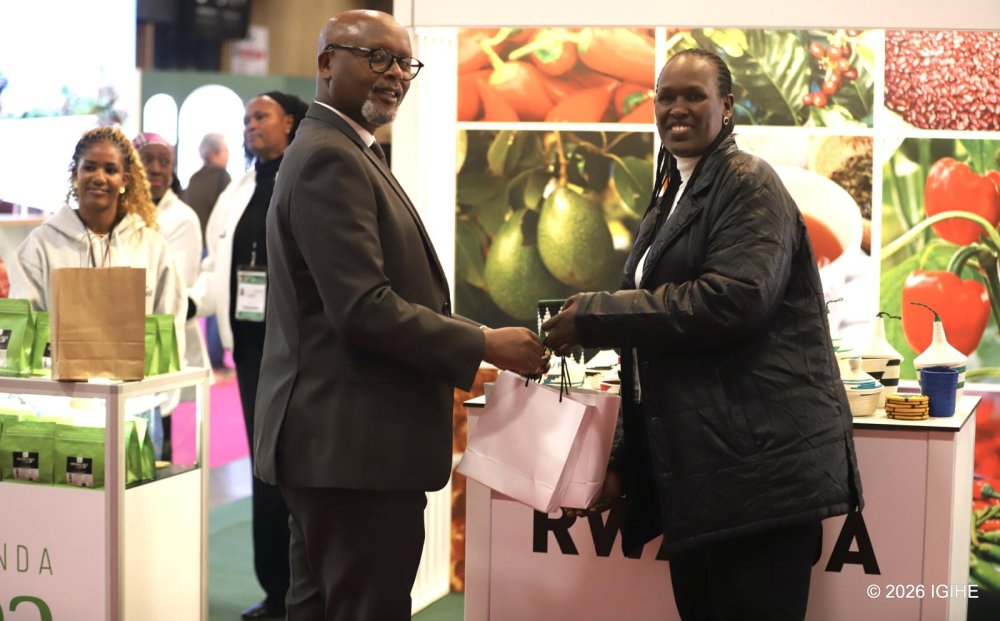
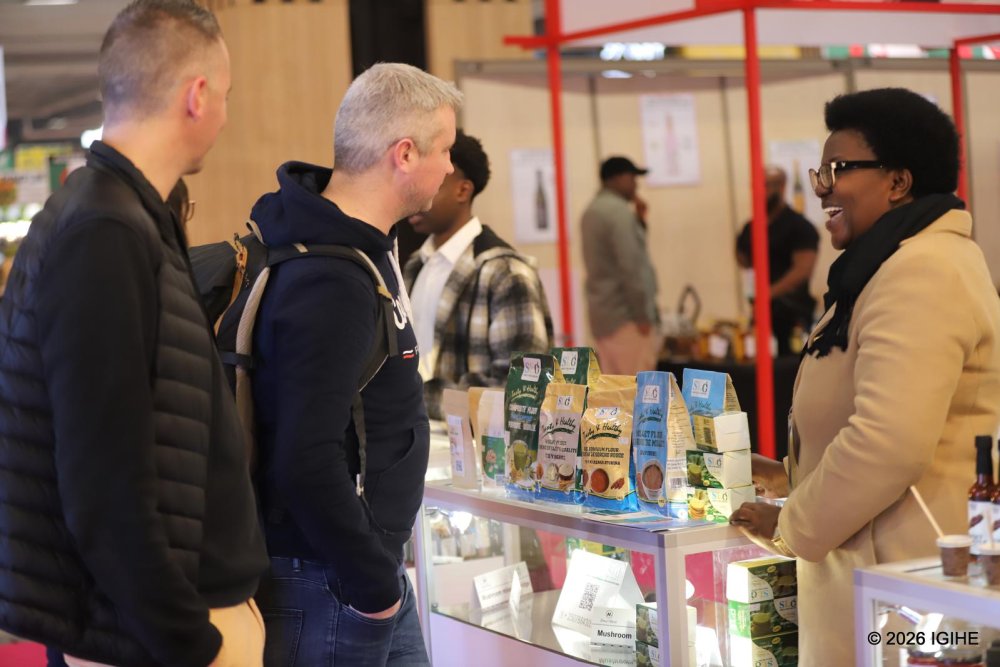
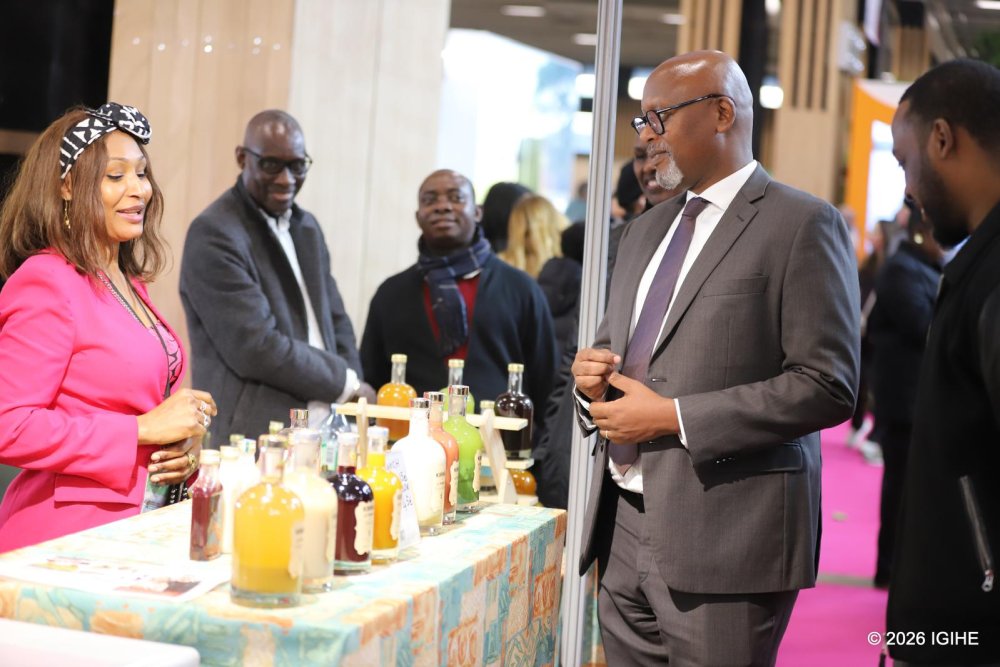
This was emphasized during a visit by Rwanda’s Ambassador to France, François Nkulikiyimfura, who toured the Rwandan pavilion and engaged with exhibitors about the benefits from it.
The ambassador noted that France is a major player in agriculture and livestock, stressing the value of establishing business partnerships. He also assured participants that the Rwandan Embassy would continue to support them in accessing new markets in France.
Amb. Nkulikiyimfura was accompanied by Janet Basiima, the Head of the Export Market Development and Innovation Division at the National Agricultural Export Development Board (NAEB).
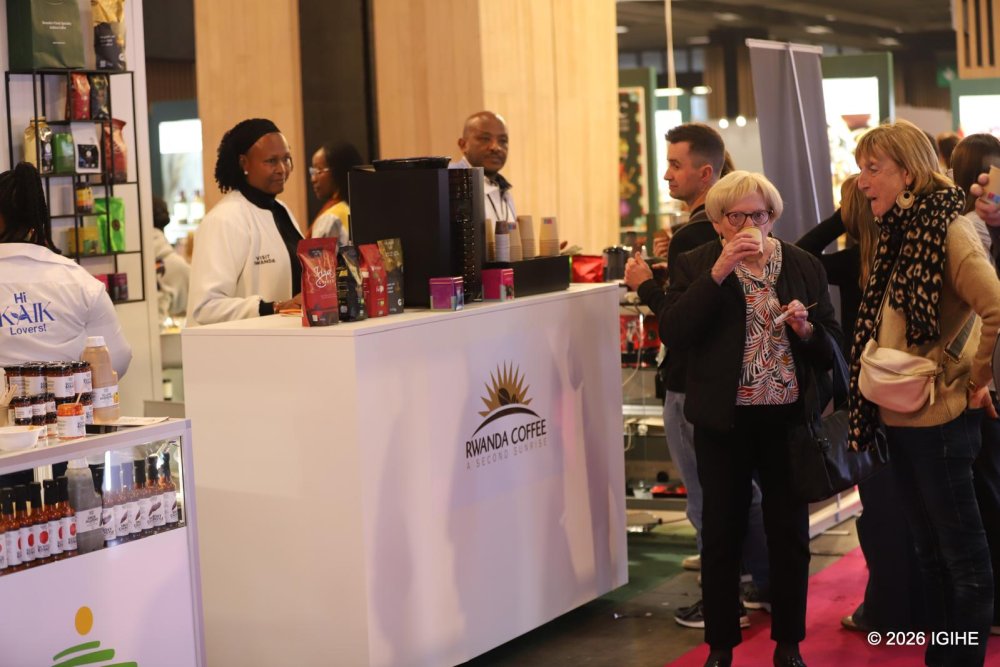
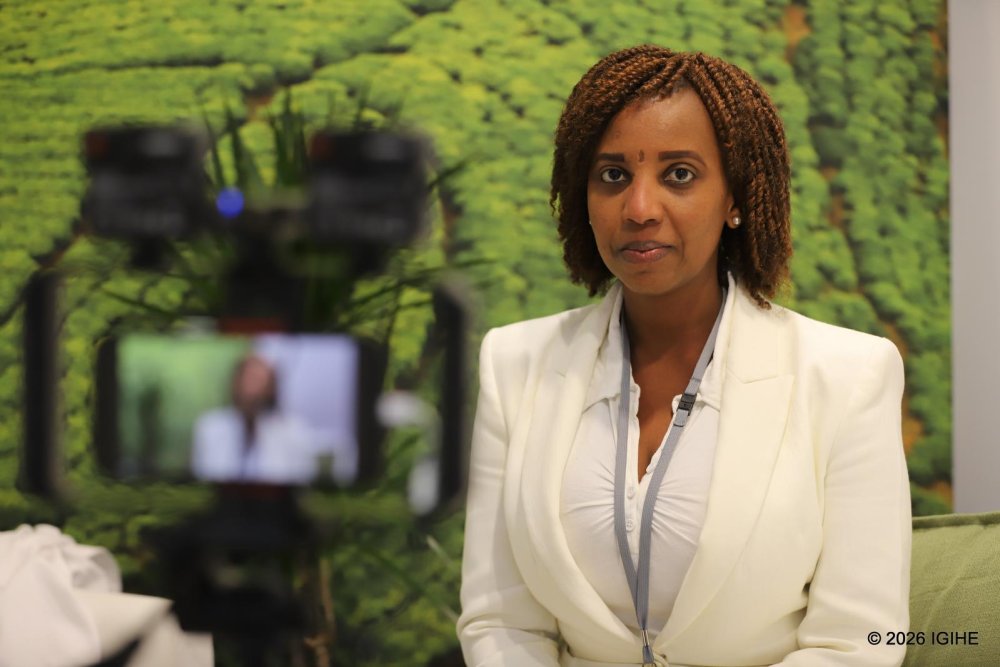
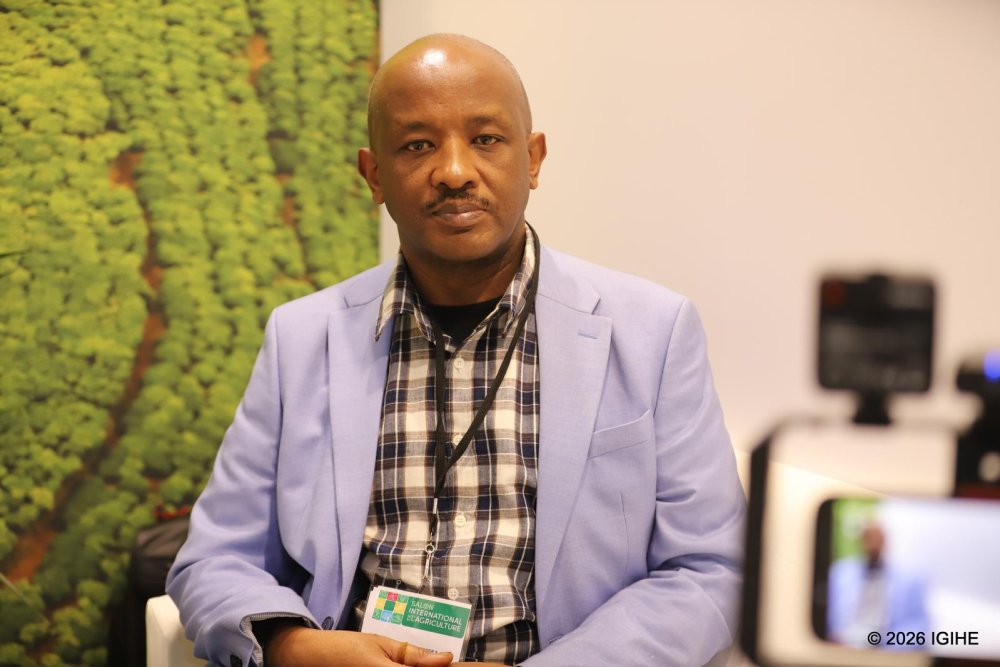
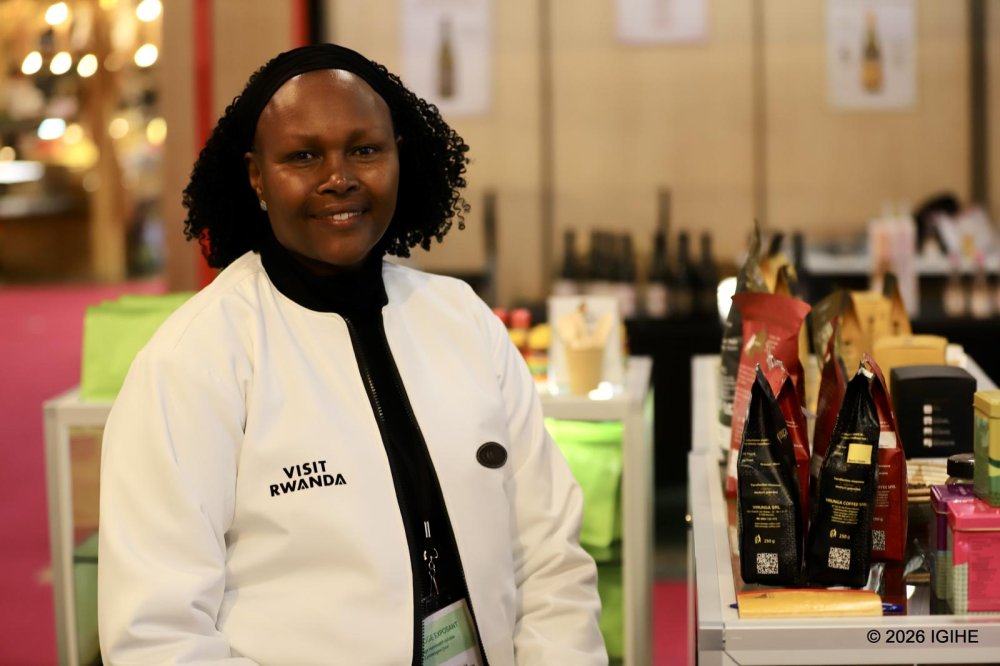
Among the exhibitors was Ritha Umutoni, CEO of Rixu Rwanda Coffee, who told IGIHE that participating in such fairs helps promote Rwandan products on international markets.
“Attending is not just about meeting buyers,” she said. “We also engage in planned activities, meeting executives from large importing and exporting companies worldwide. It’s a place to learn, visit other key markets in France, and expand our business ideas and practices.”
Umutoni also praised Rwanda’s governance under President Paul Kagame, saying it enables Rwandans to participate confidently on international platforms.
Stephanie Kayirangwa, Managing Director of Fita Ltd, which grows and exports agricultural products including chili, commended NAEB for facilitating access to the fair and the embassy for ongoing support.
Aloys Rubayiza, Managing Director of Rwanda Mountain Coffee, noted that this was his first time at the show but was impressed by the attention Rwandan products received.
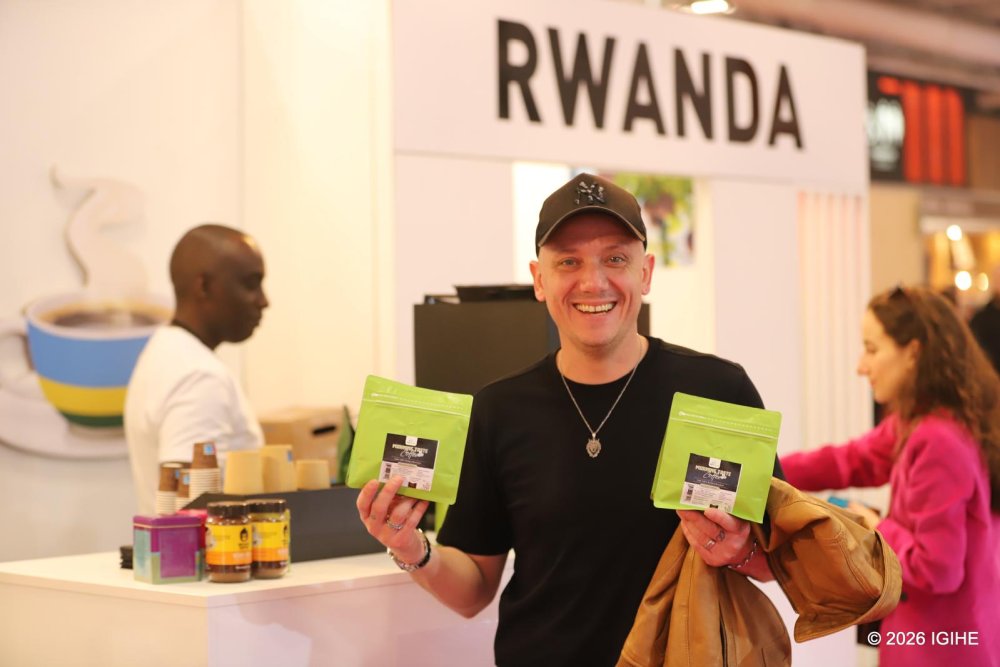
“This was Rwanda’s fifth participation, and we noticed buyers returning for Rwandan coffee and tea because they enjoyed it. It confirmed that our coffee is gaining recognition internationally,” he said.
The fair, held annually at Paris Expo – Porte de Versailles from late February to early March, showcases agricultural and livestock products, related technologies, partnerships, and innovations.
The 2026 edition opened on February 21 with the presence of French President Emmanuel Macron. Rwanda was allocated the seventh pavilion among over 100 participating countries, highlighting its progress in promoting agricultural and livestock exports.
Rwanda was represented by NAEB, the Rwandan Embassy in France, and 15 companies showcasing products such as coffee, tea, honey, and more.
The exhibition provides a valuable platform for farmers, entrepreneurs, and investors to share experiences and explore investment opportunities.
SIA spans nine days and attracts more than 1,000 exhibitors and thousands of visitors. In 2025, over 607,503 people attended the event, making it one of France’s most attended fairs.
The exhibition also features 4,000 animals, including cows, sheep, pigs, and horses.
Agricultural exports continue to grow. In December 2025, Rwanda’s Ministry of Agriculture and Animal Resources reported that exports of these products had generated over $893.1 million.
Under Rwanda’s Second National Strategy for Transformation (NST2), the country aims to increase foreign currency earnings from agricultural exports to $1.5 billion annually by 2029.
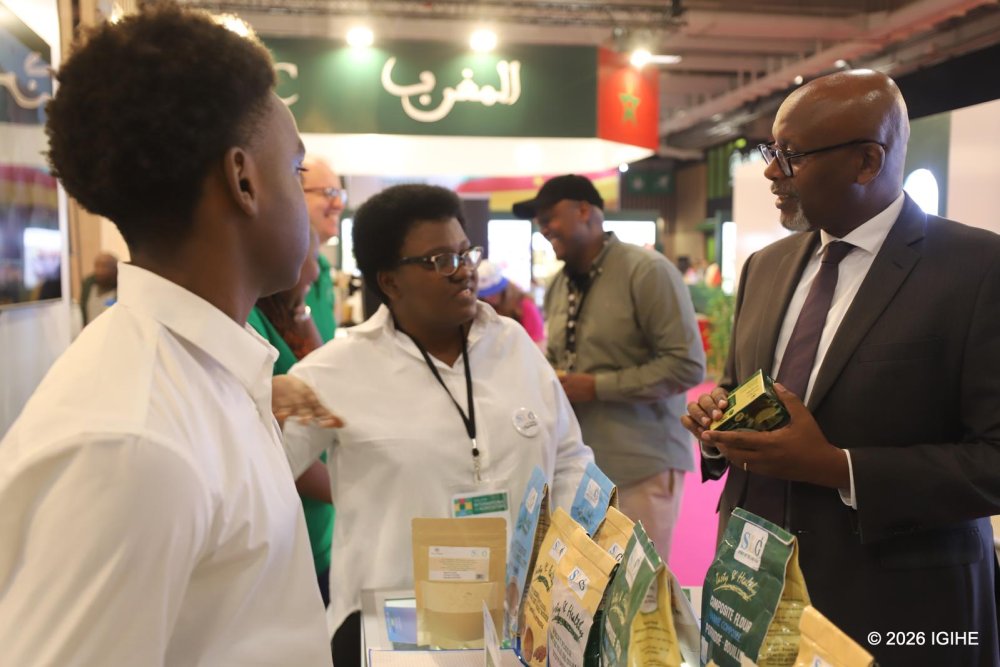
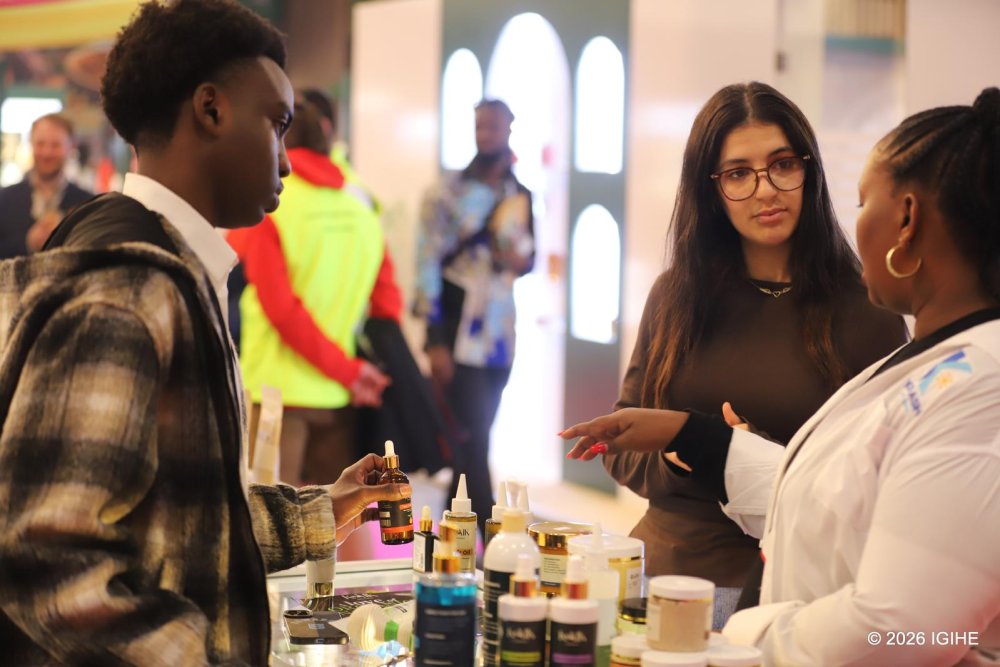
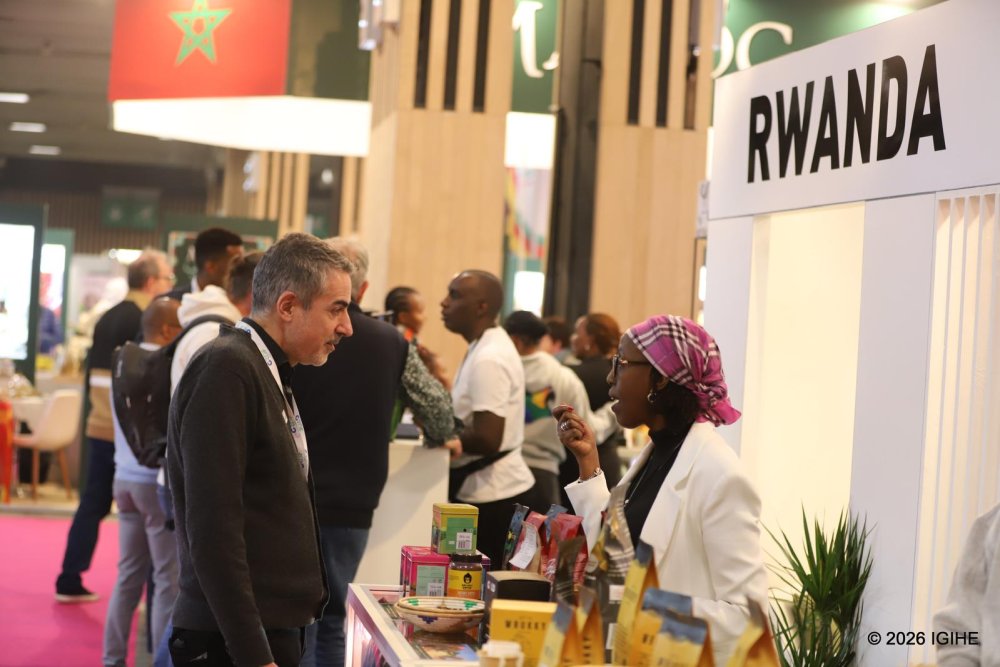
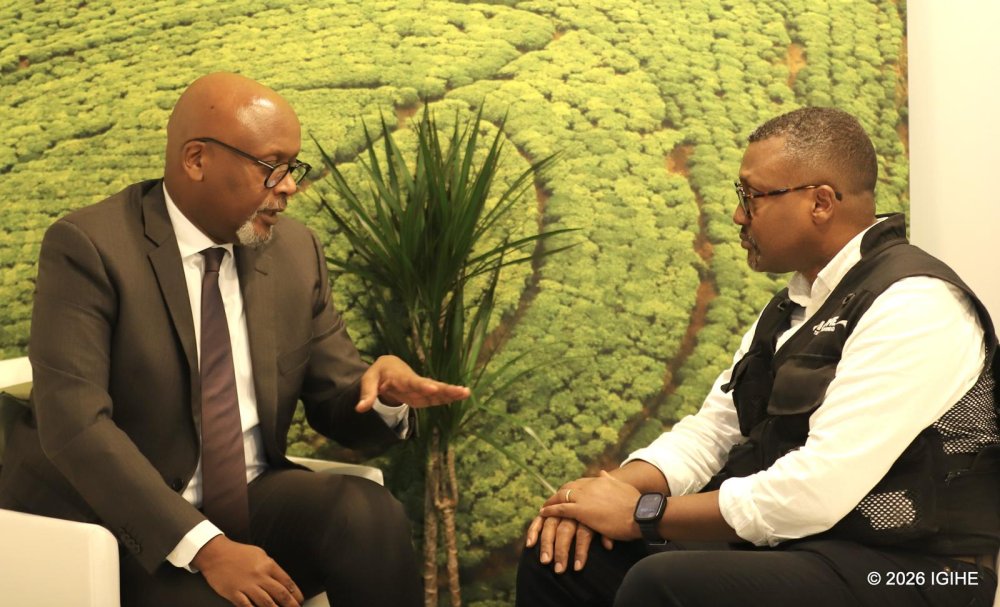
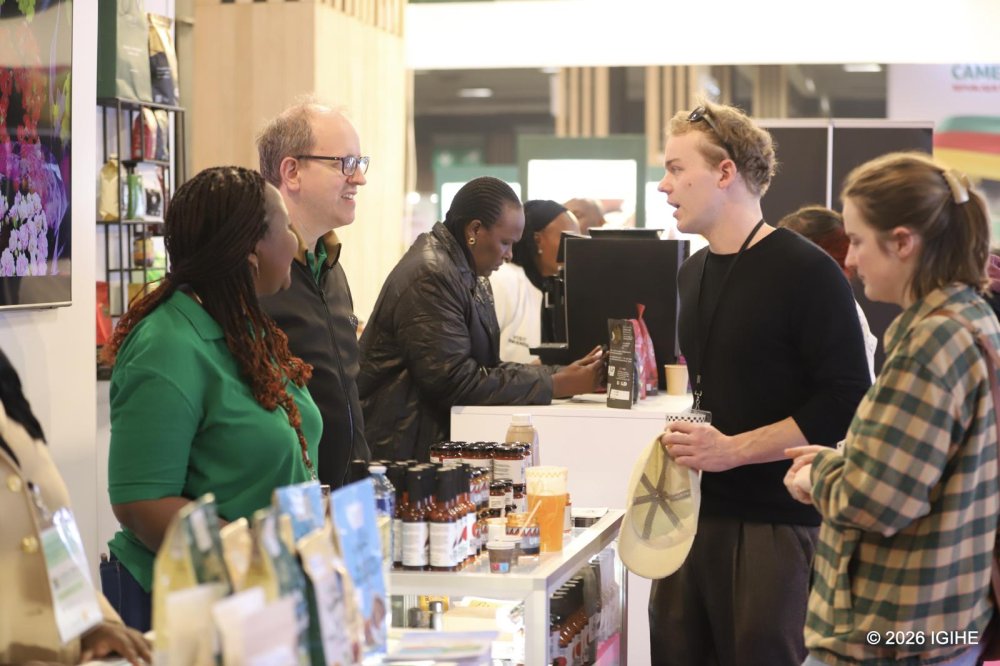
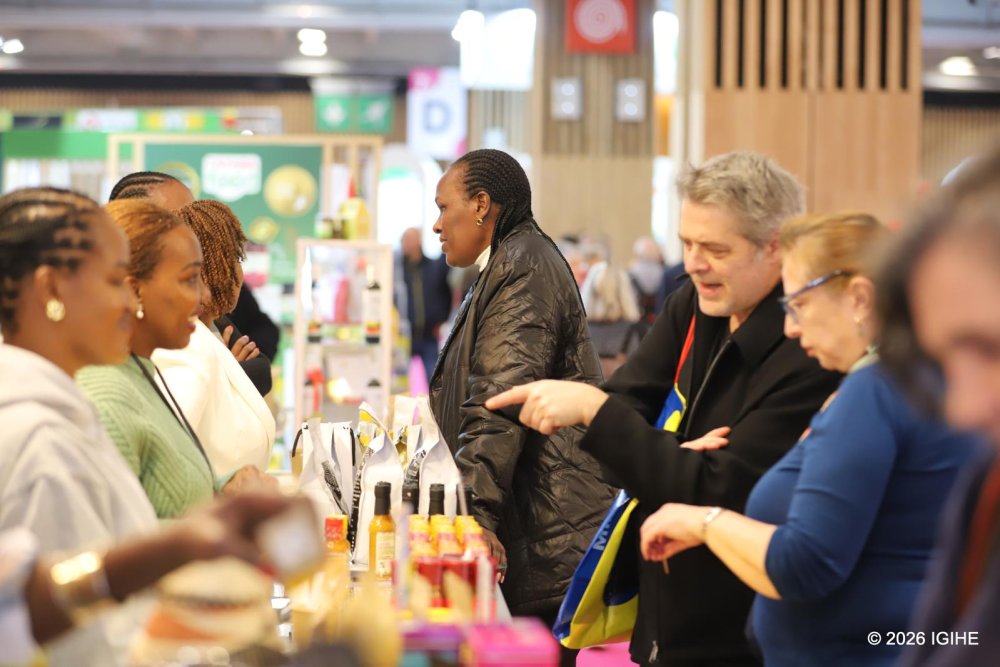
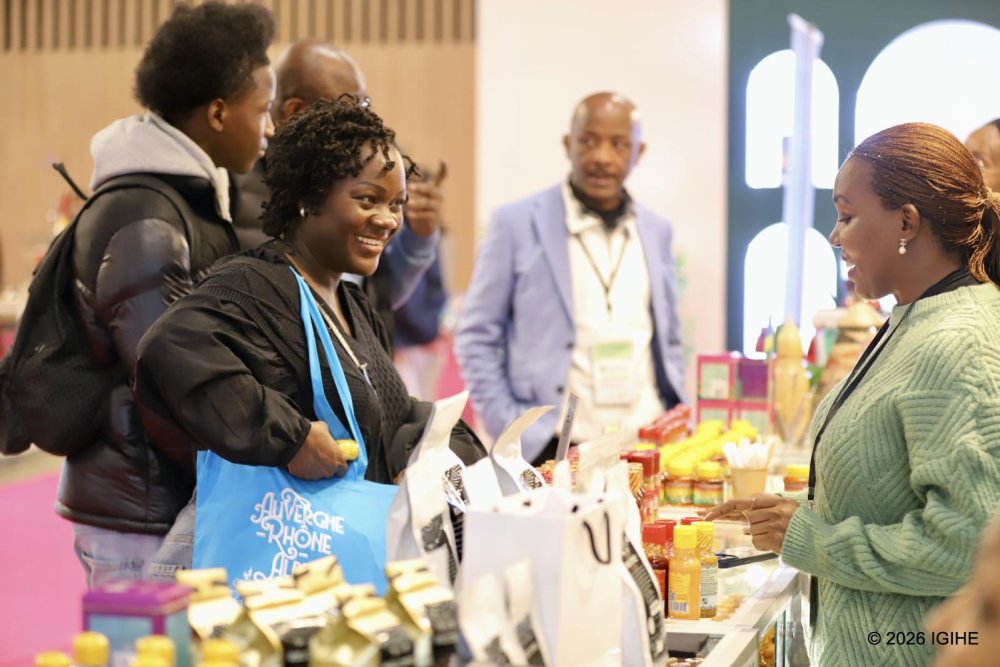
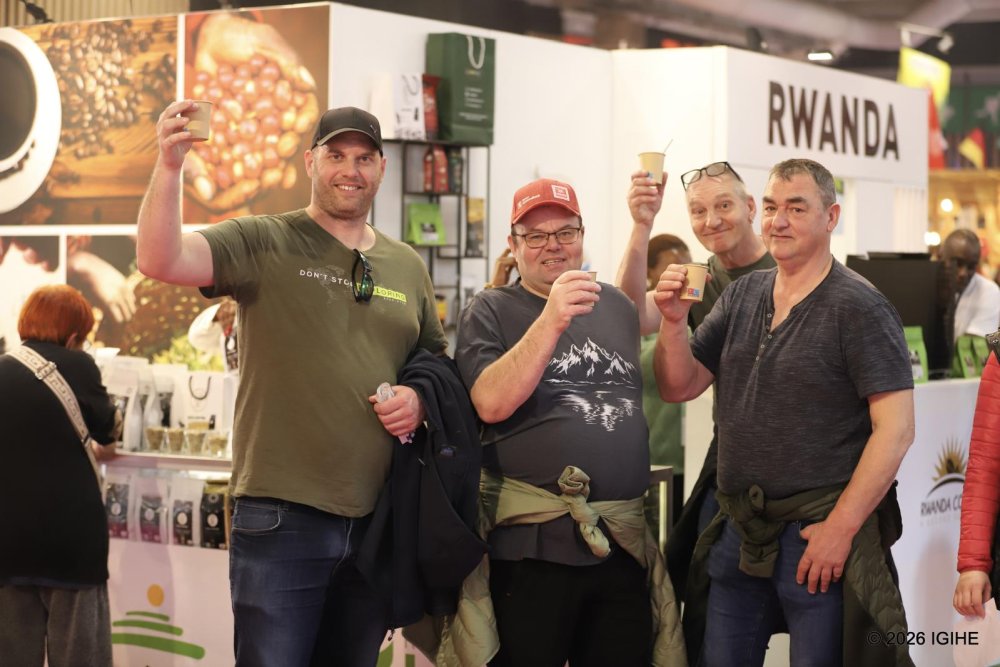
Rwandans at SIA 2026 trade fair have been pleased with the available opportunities. Visitors were impressed by Rwandan coffee. Rubayiza Aloys, the Managing Director of Rwanda Mountain Coffee, showcasing his products to visitors. Rwanda is participating in SIA trade fair in France for the fifth time.Rwanda’s Ambassador to France, François Nkulikiyimfura, promised support to those seeking expanded market opportunities in the country. Amb. Nkulikiyimfura speaks with Stephanie Kayirangwa, CEO of Fita Ltd, which produces chili and various flavors.Amb. Nkulikiyimfura talks with participants, including coffee exporter NzungizeAmbassador François Nkulikiyimfura in conversation with IGIHE.Ritha Umutoni, CEO of Rixu Rwanda Coffee, told IGIHE that the main reason for attending such fairs is to promote “Made in Rwanda” products.Rubayiza Aloys, the Managing Director of Rwanda Mountain Coffee, welcomed the attention Rwandan exhibitors receive from foreign visitorsRwanda’s pavillion received significant attention. Rwandans were pleased with opportunities to expand markets in Europe.Swiss visitors admired Rwandan coffee
To address these challenges, the Government of Rwanda, in partnership with the World Bank, launched the Volcanoes Community Resilience Project (VCRP). The initiative aims to protect vulnerable areas and prevent disasters from undermining local livelihoods.
Valued at more than $300 million (approximately Rwf 435.6 billion), the project is structured around four key components: flood prevention, expansion of the national park, land restoration, and public awareness and capacity building. Together, these efforts seek to improve living conditions for communities in the region.
Flood prevention and environmental restoration
To mitigate flooding, monitoring equipment is being installed along rivers and waterways in the Vunga corridor. About 15 hydrological stations have already been set up to measure water levels, flow speed, and volume — work led by the Rwanda Water Resources Board.
Land restoration activities are being implemented by the Rwanda Environment Management Authority. These include tree planting, construction of radical terraces on steep hillsides, and training for farmers on effective water management in agricultural fields.
The project plans to establish nurseries and carry out afforestation across 1,177 hectares, promote agroforestry on 10,388 hectares, where more than 86,000 trees have already been planted, and restore 2,955 hectares of degraded forest.
Radical terraces will be developed on 12,740 hectares, with 87 hectares already completed. Contour bank terraces are planned for 81,376 hectares, of which 47 hectares have been implemented so far.
In addition, 10,000 household water tanks will be distributed, where 140 have already been provided, alongside 10,000 cows under the Girinka program, with 40 cows delivered to date.
Expansion of Volcanoes National Park
A major component of the project is the expansion of Volcanoes National Park, which alone is expected to cost about $230 million.
Currently covering about 16,000 hectares, the park will expand by 3,740 hectares — a 23% increase — to reduce human-wildlife conflict and strengthen conservation.
The expansion will require the relocation of residents living within and near the new park boundaries. Business owners such as hotel operators will be compensated or supported to operate eco-friendly forest lodges that comply with park conservation standards, including reforestation requirements and strict environmental guidelines.
As part of the first phase, a “Smart Green Village” will be constructed to house 510 families affected by relocation.
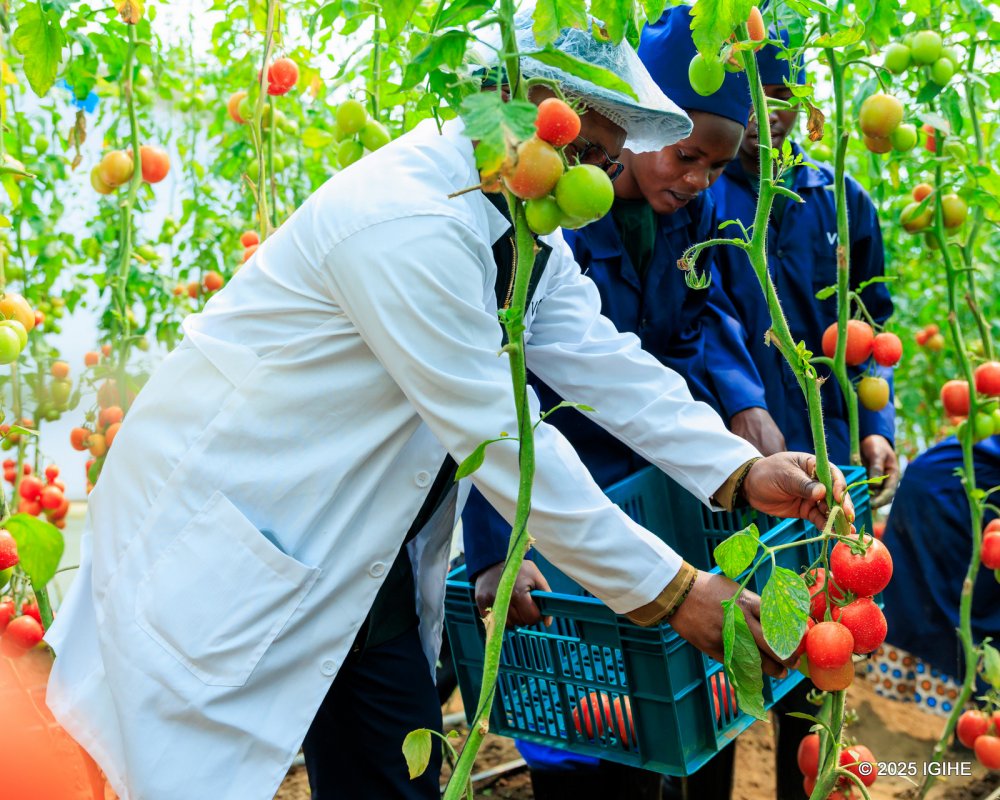
Resettled residents are also receiving training in modern agriculture through the Kinigi Horticulture Hub, which includes greenhouses covering 1,250 square meters. Initial crops include pepper, tomatoes, and cucumbers, selected for their strong market demand and profitability. The hub is projected to generate Rwf 45 million annually, with operating costs estimated at Rwf 11 million.
Project scope and implementation
Launched in 2023, the five-year VCRP is scheduled to run until 2028. It is being implemented in disaster-prone districts including Musanze, Burera, Rubavu, Nyabihu, Ngororero, Rutsiro, Gakenke, and Muhanga.
The project is being carried out through collaboration among several national institutions, including the Rwanda Environment Management Authority, Rwanda Water Resources Board, Meteo Rwanda, and the Rwanda Development Board.
Residents to be resettled are receiving training in modern agriculture through the Kinigi Horticulture Hub, which includes greenhouses covering 1,250 square meters.
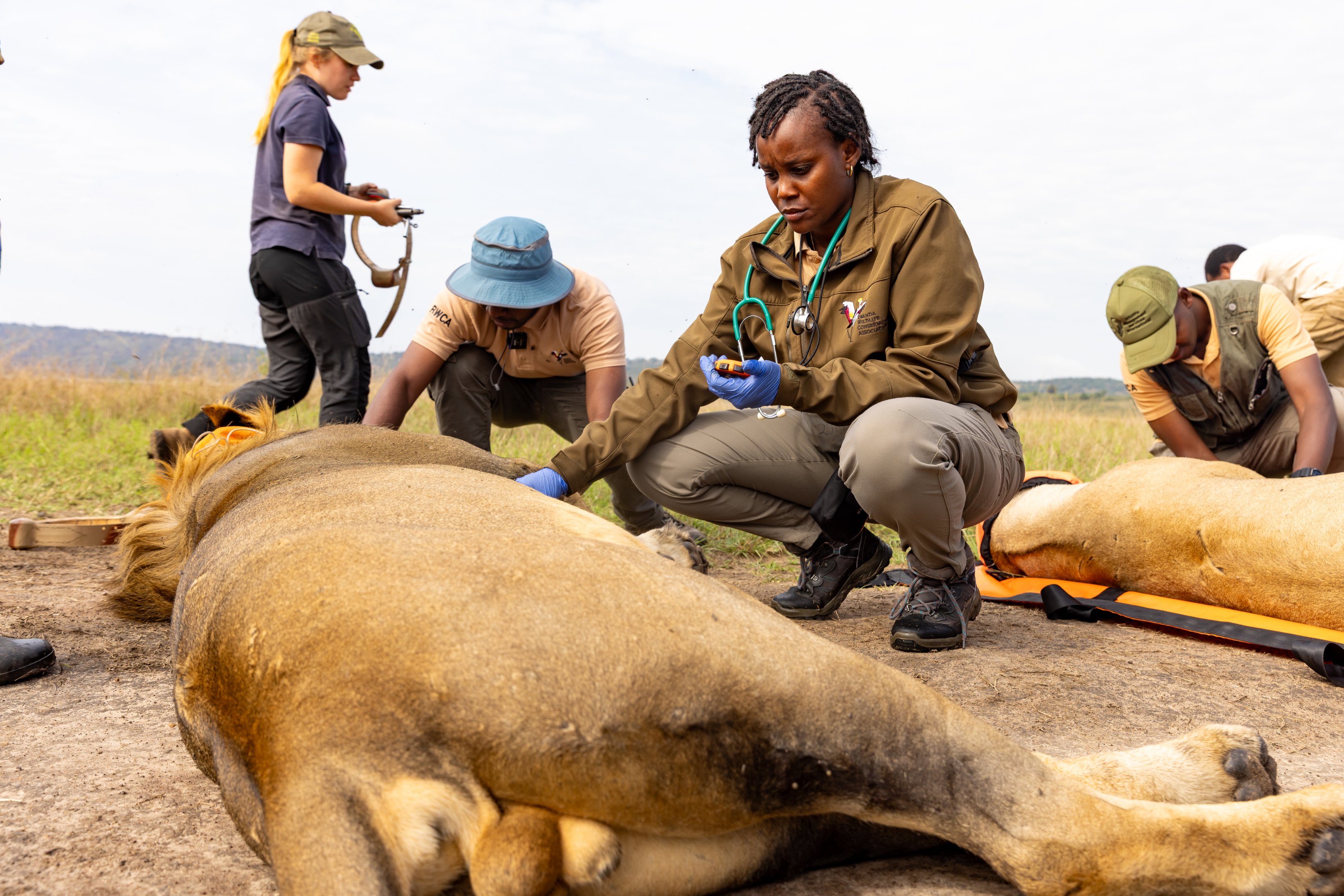
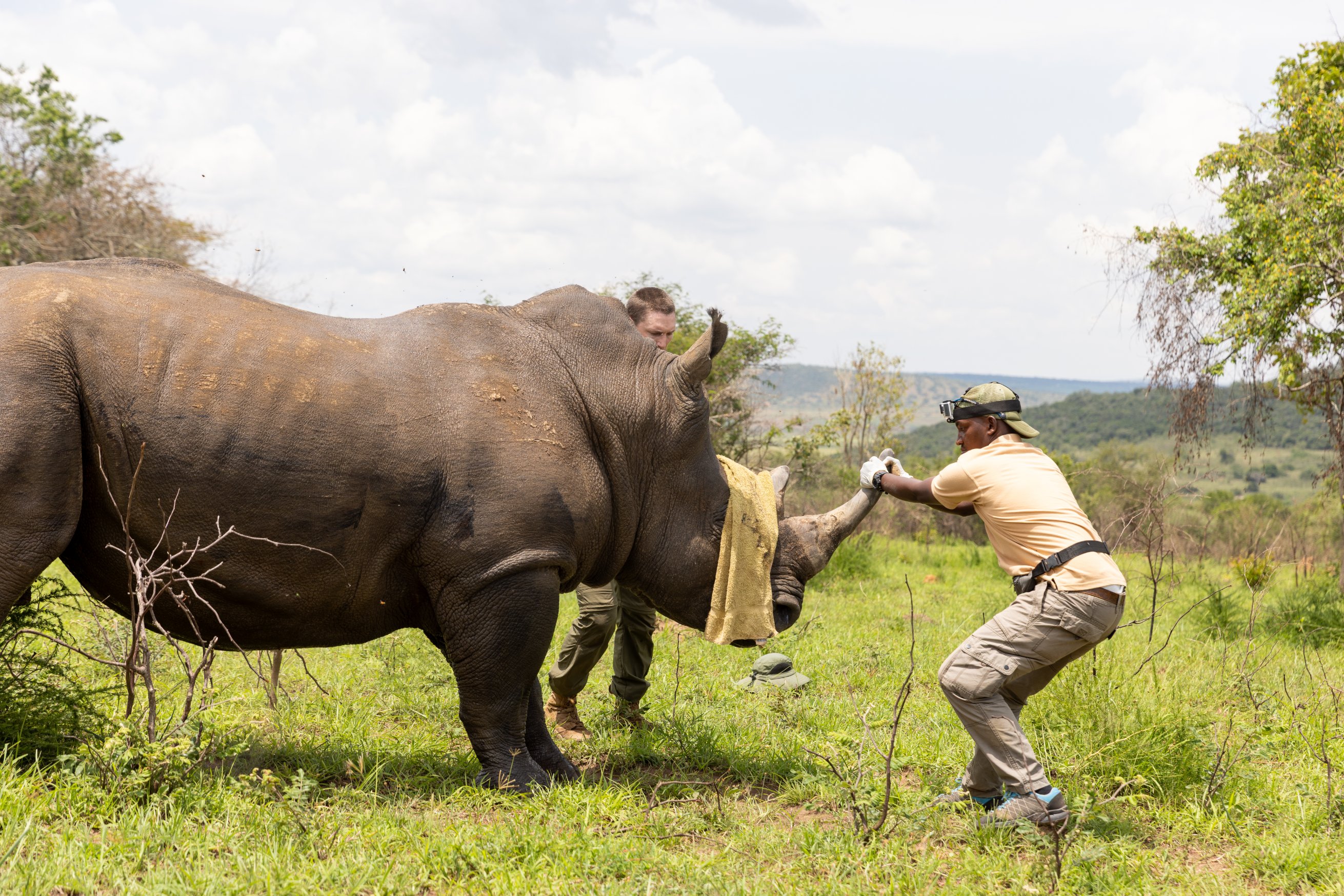
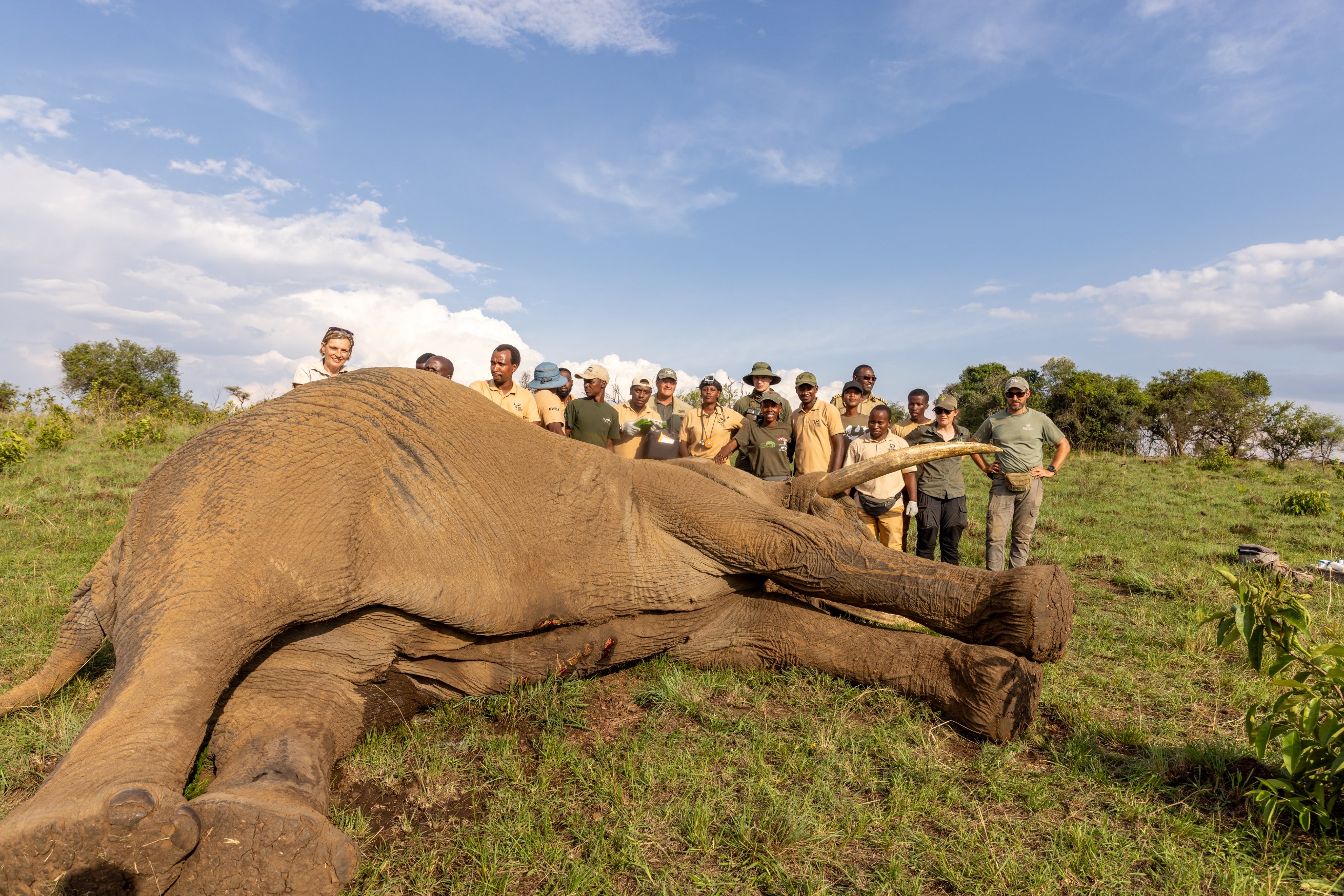
In a statement released on Thursday, the park’s management also disclosed that conservation teams successfully fitted GPS collars to three lions and one elephant in February 2026, to enhance real-time monitoring of animal movements.
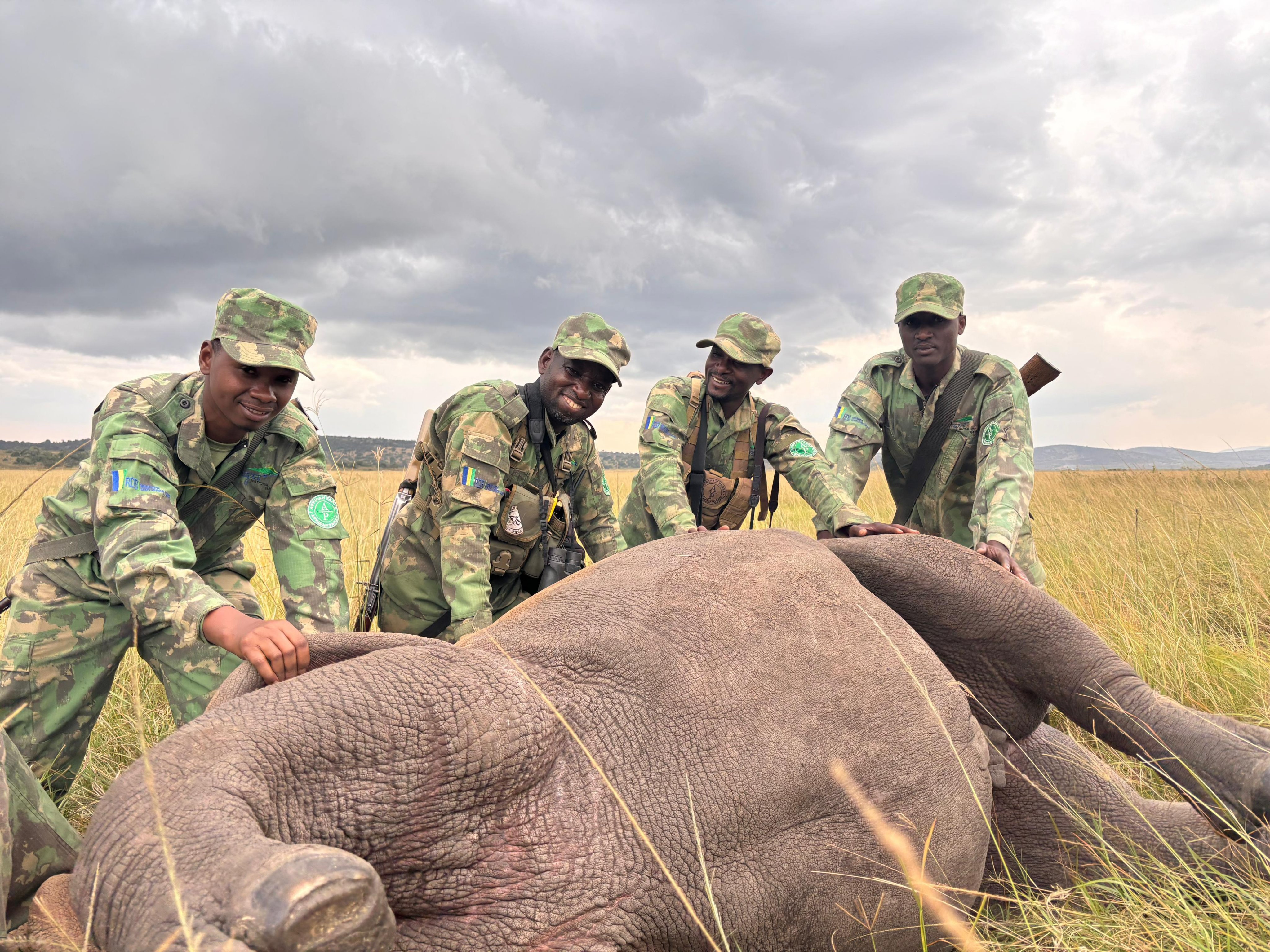
Seventeen white rhinos and eight black rhinos were also fitted with in-horn VHF transmitters to strengthen protection and tracking. During the same operation, eight black rhinos were safely darted, an achievement that surpassed last year’s total of seven.
The park acknowledged the contribution of Dr. Richard Harvey of Wildscapes Vets, as well as its Conservation & Research, Field Operations, and Law Enforcement teams, and the Rwanda Wildlife Conservation Association for their professionalism in this exercise.
Why contraception for lions
Speaking with IGIHE, park officials explained that animals such as lions live within clearly defined boundaries and cannot easily migrate beyond the protected area.
“A wetland between Rwanda and Tanzania, together with a river that forms a natural border between the two countries, further restricts wildlife movement and dispersal. In such enclosed conditions, when predator populations reproduce successfully in a confined space, careful management is required to maintain ecological balance,” reads a statement shared with IGIHE.
The park explained that in small enclosed protected areas, lions have a significant impact on prey populations.
When lion numbers grow rapidly, prey species may decline, which is why reproduction is managed over longer intervals.
“This can also alter vegetation patterns depending on whether grazing animals decrease or increase in certain areas. Some species may disappear from the ecosystem. Lions themselves may eventually face food shortages, and human-wildlife conflicts near park boundaries could increase.”
Excess lions in enclosed parks cannot naturally relocate elsewhere. Each cub born affects the balance of the ecosystem. “The objective is not to stop reproduction entirely, but to mimic natural processes that regulate population growth in the wild. Veterinary-administered contraception can delay the age at first birth in females and extend intervals between litters, gradually slowing population growth,” adds the statement.
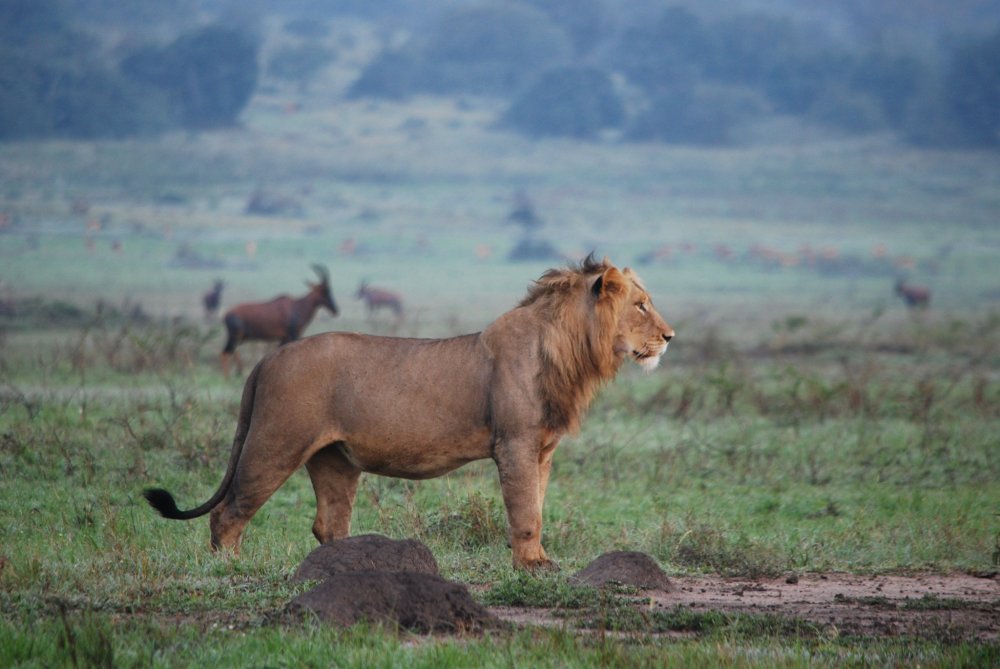
The lion population in the park has now reached about 70 individuals. In 2015, the Government of Rwanda reintroduced seven lions, including five females, as part of efforts to restore the species in the park.
Established in 1934, the park covers 1,120 square kilometers and is home to some of the world’s most iconic wildlife, including lions, leopards, elephants, rhinos, and buffalo. Data from African Parks, which manages the park, shows that in 2025 visitor numbers rose to 59,538, generating $5.06 million in revenue.
Of those visitors, 51,769 were paying guests, an 8% increase compared to 2024. Rwandan citizens accounted for 47% of visitors, international tourists for 47%, and foreign residents living in Rwanda for 6%.
The lion population in the park has now reached 70 individuals.Akagera National Park has placed five lionesses under contraception.Seventeen white rhinos and eight black rhinos were also fitted with in-horn VHF transmitters to strengthen protection and tracking.Akagera National Park’s management also disclosed that conservation teams successfully fitted GPS collars to three lions and one elephant.The exercise was conducted in February 2026.