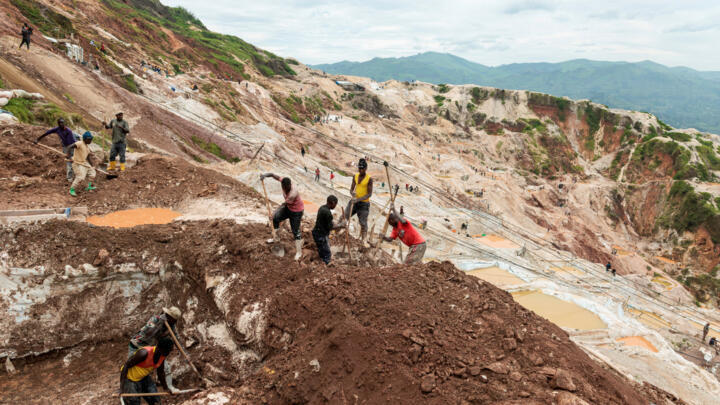
“There was indeed a landslide following heavy rainfall on the mountain known as Kasasa. The earth swallowed many people. We are awaiting the official death toll,” David Kasereka, an artisanal miner and resident of Rubaya, told Xinhua.
The Rubaya mines in North Kivu Province are a crucial global source of coltan and have been controlled by the March 23 Movement (M23) rebel group since 2024.
The M23 has yet to comment on the tragedy.
In January 2026, at least 200 miners were killed after several shafts collapsed at coltan mining sites in Rubaya. Local media reported that the death toll may have exceeded 400, excluding those still missing.
Coltan, or columbite-tantalite, is the main source of tantalum, a rare metal used in the production of advanced electronic devices. The United Nations estimated that the Rubaya mines alone account for about 15 percent of the global tantalum supply.
But beyond the ward rounds and clinical consultations, another mission has been steadily unfolding, one that could reshape the future of medical research in Rwanda.
A question that changed everything
Like many young doctors, Dr. Munyaneza entered medicine driven by curiosity and a desire to serve. Science fascinated him. So did the power of evidence, how data and research could shape decisions, strengthen health systems, and influence national policy.
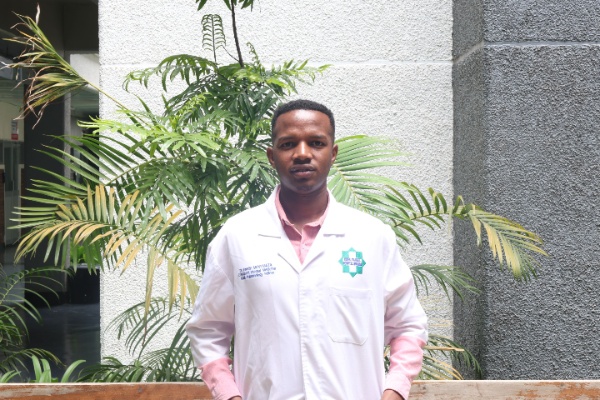
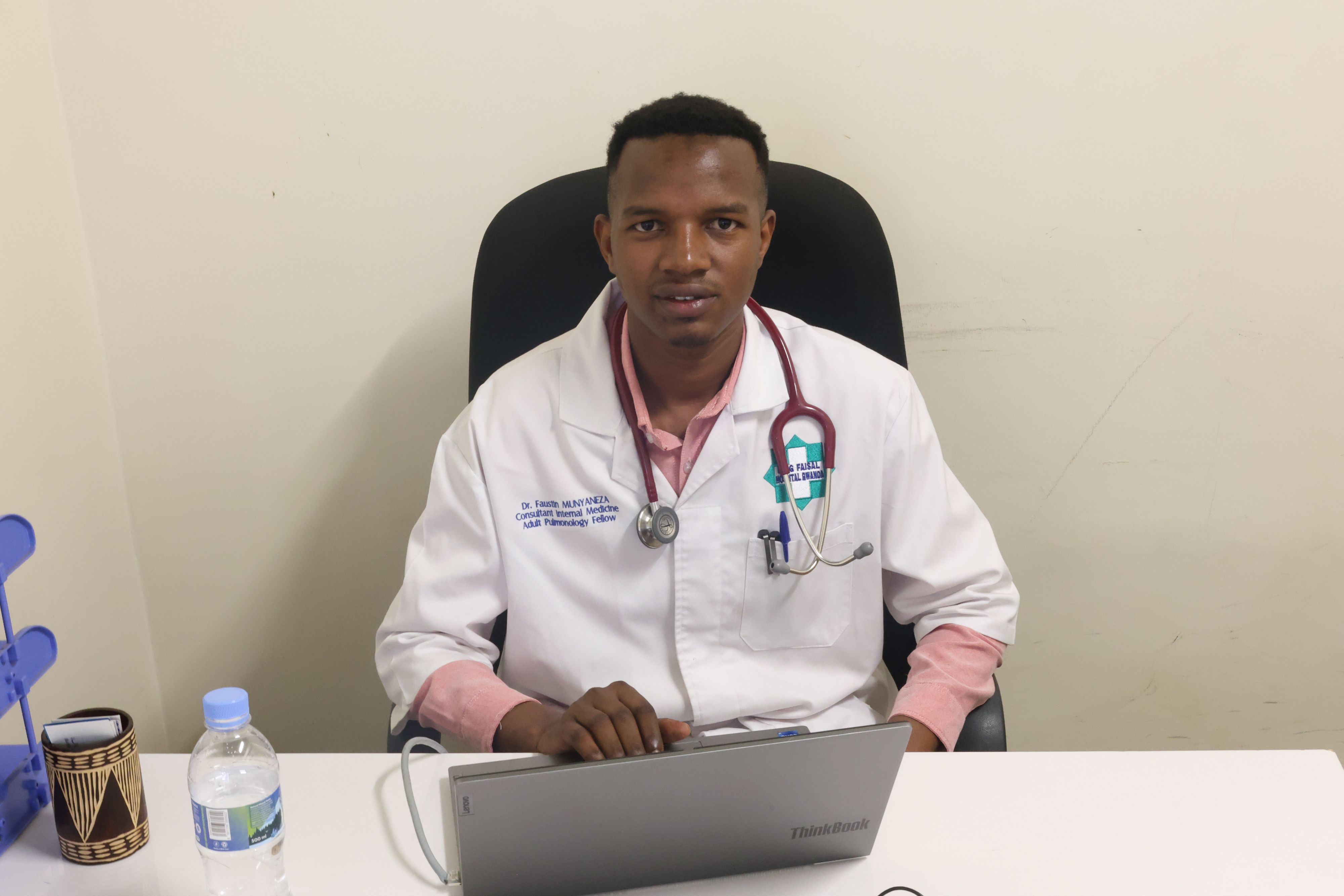
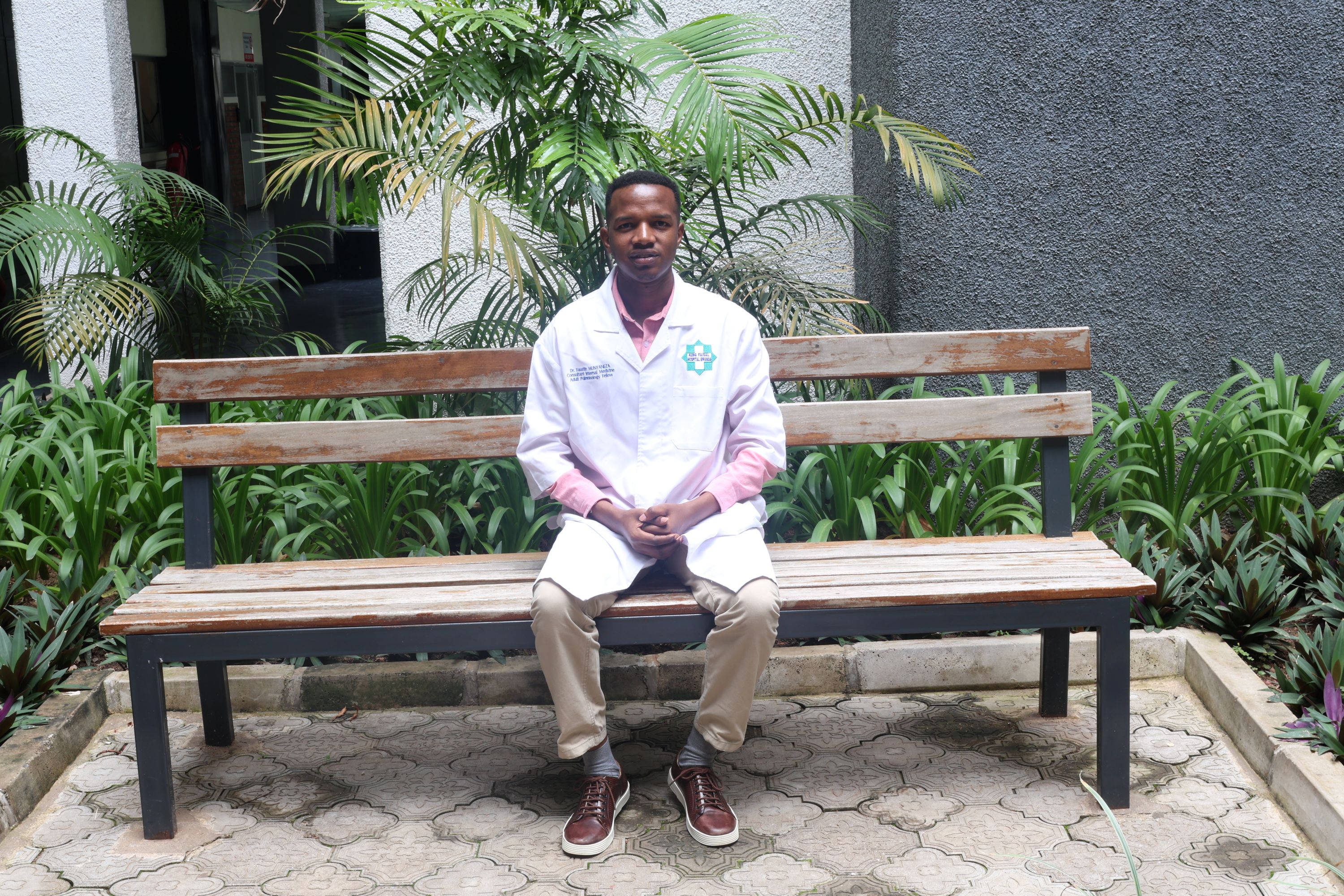
Dr. Faustin Munyaneza is an Internal Medicine Specialist and Pulmonology Fellow at King Faisal Hospital Kigali.
During his residency training at the University of Rwanda, he began to observe opportunities to further strengthen practical research mentorship for medical trainees.
Like any tertiary institution, research was a graduation requirement. Every resident had to complete a dissertation. As Dr. Munyaneza began shaping his own research topic, he sought guidance from senior colleagues, hoping to learn from their experience.
What he found was that many residents were navigating similar challenges themselves, balancing clinical duties while trying to translate research theory into practical project design, data analysis, and scientific writing. Some projects progressed more slowly than expected, occasionally extending training timelines. It became clear to him that the issue was not a lack of ability or dedication, but the need for more structured, hands-on mentorship throughout the research journey.
“We were taught research methodology once, mostly in theory, and then left to navigate complex projects largely on our own,” he explains.
Curious and concerned, he examined the university repository of medical Master’s theses dating back to 2014. Fewer than 10 percent had been published in peer-reviewed journals. In conversations and needs assessments with fellow residents, more than 85 percent cited lack of mentorship and practical research skills as major barriers.
Valuable local data was being generated, but rarely reaching the global scientific community.
Dr. Munyaneza founded NextGen MedResearch, an initiative designed to strengthen practical research mentorship for medical trainees.
Rather than accepting the gap, Dr. Munyaneza decided to build something to fill it.
He founded NextGen MedResearch, an initiative designed to strengthen practical research mentorship for medical trainees. Its flagship program, the Resident Research Space (RRS), offers structured, step-by-step guidance from the earliest stages of idea development all the way to journal submission.
Residents receive support in designing strong protocols, navigating ethical approvals, planning statistical analyses, interpreting their own data, and writing manuscripts that meet publication standards.
Importantly, the program does not replace academic supervisors. It complements them, reducing supervisory burden while strengthening residents’ independence and confidence.
The transformation, he says, has been striking.
“Residents who consistently participate show remarkable growth. They don’t just complete dissertations. They understand their data. They defend their methodology. They think like researchers.”
A shift in identity
Perhaps the most powerful change has been less technical and more personal.
Residents who once viewed research as an academic hurdle now see it as part of their professional identity. They begin to imagine futures that include academic medicine, doctoral training, conference presentations, and independent projects.
“They no longer see themselves only as clinicians,” Dr. Munyaneza notes. “They see themselves as contributors to knowledge.”
That shift matters. In a country like Rwanda, with its unique epidemiological patterns, environmental factors, and health system realities, relying solely on external data can limit effectiveness. Local research ensures that clinical guidelines and policies reflect lived realities.
For Dr. Munyaneza, strengthening research output is not about prestige. It is about patient care.
“Without strong local evidence, we make decisions based on assumptions that may not fully apply to our context,” he says. “Research improves outcomes.”
Collaboration and vision
The initiative has grown through collaboration. Partnerships with the University of Rwanda, teaching hospitals, and international collaborators like Oli Health Magazine Organization are expected to expand mentorship networks and create new opportunities for publication and conference engagement.
Rwanda’s policy environment, including its emphasis on innovation and evidence-based healthcare, provides fertile ground. Still, Dr. Munyaneza sees room for growth: protected research time for residents, stronger infrastructure, access to statistical tools and journals, and sustainable funding.
Looking ahead, he envisions expanding the Resident Research Space nationally, developing AI-powered mentorship tools, and launching a digital mentor–mentee matching platform to connect Rwandan trainees with experts across Africa and beyond.
“Africa does not lack talent,” he often says. “It lacks systems that nurture that talent.”
Ask him where he hopes Rwanda will stand in a decade, and his answer comes without hesitation.
He sees hospitals generating high-quality, clinician-led research. Residents graduating not only as competent specialists but as confident researchers. Local data shaping national health policy. Rwanda emerging as a continental hub for scientific innovation.
But if his journey proves anything, it is that systems can be built. Gaps can be addressed. And change often begins with one person who refuses to accept that things must remain as they are.
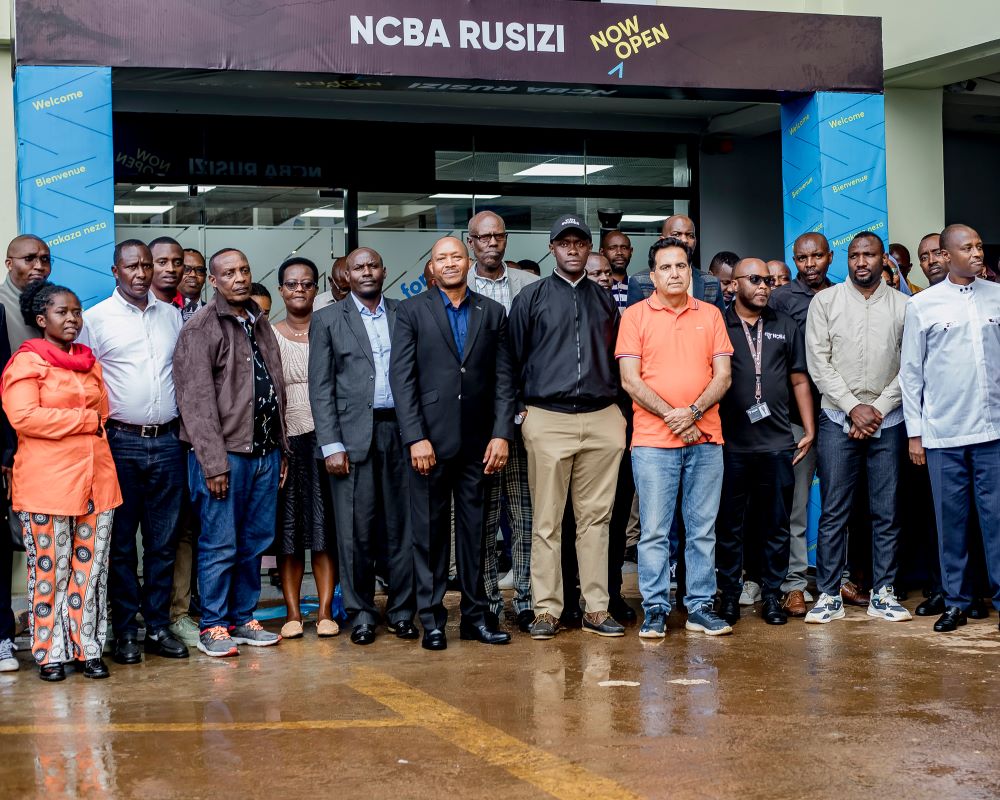
Located near Rusizi’s main commercial area, the new branch is strategically positioned to serve small and medium enterprises, cross-border traders, farmers, hospitality operators, and growing households.
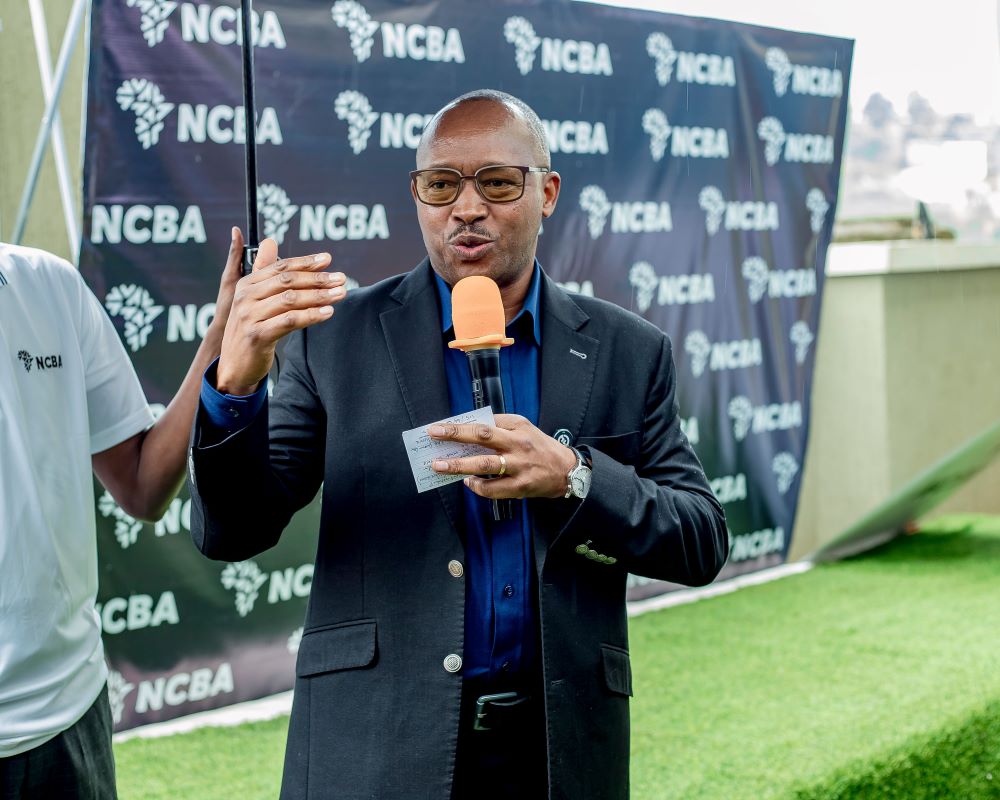
Speaking at the opening ceremony, NCBA Bank Rwanda Managing Director Maurice Toroitich thanked the community for the warm reception and described the move as a long-term partnership rather than a transactional expansion.
“We come here as a capable partner in the transformation of Rusizi — ready to listen, ready to support, and ready to grow alongside the businesses and people who work hard every day to develop themselves, their families, this district, and the country at large,” he said.
Rusizi’s strategic location as a gateway to Bukavu in the eastern Democratic Republic of Congo positions it as a dynamic commercial hub. However, bank officials emphasized that their support will extend beyond trade flows to the sectors shaping the district’s broader economic transformation.
The bank has already made commitments and attracted commercial farmers investing in the district’s fertile agricultural land, hoteliers expanding the hospitality sector along Lake Kivu, and developers responding to growing demand for residential and commercial real estate.
NCBA indicated it will continue focusing on enabling agribusiness growth, property development, and SME expansion across key value chains.
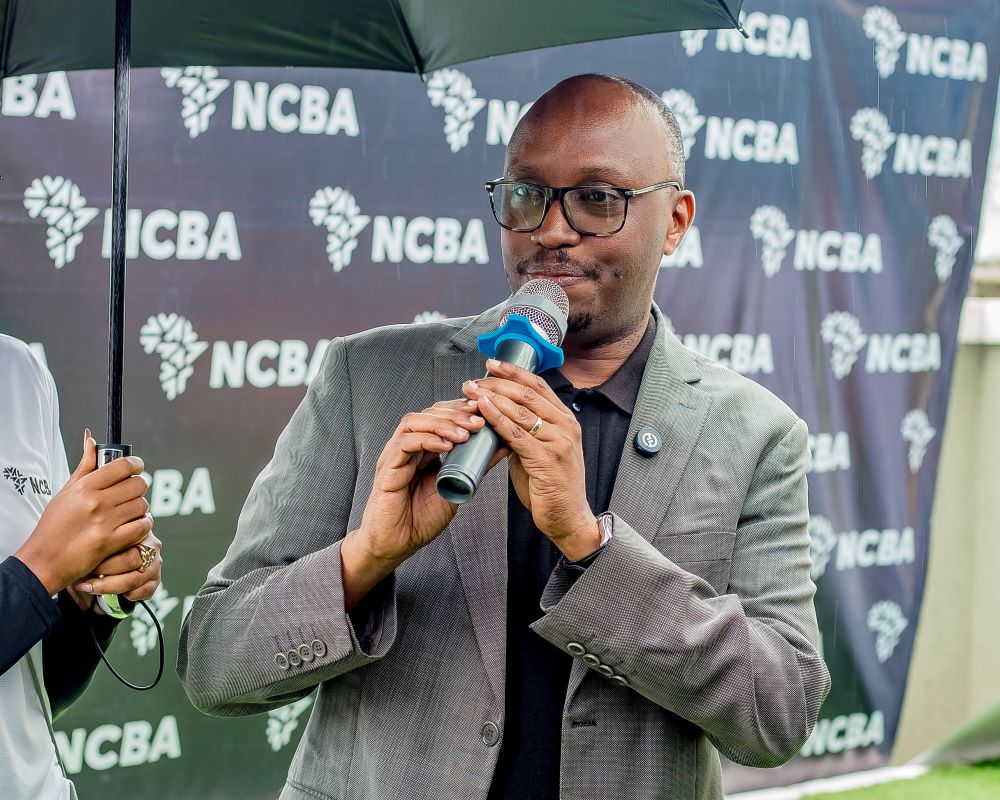
Head of Business at NCBA Bank Rwanda, Samuel Nkubito, said the branch was deliberately located close to the market to remain accessible to everyday entrepreneurs.
“Smal and medium enterprises are the backbone of Rwanda’s economy. From shop owners and boutique operators to agro-processors and service providers, these businesses create livelihoods for the majority. Our presence here is about giving them the financial tools to scale sustainably.”
The opening of the Rusizi branch also strengthens NCBA’s national and regional integration strategy.
As part of a banking group operating in five African countries; Kenya, Uganda, Tanzania, Rwanda, and Côte d’Ivoire, with over 115 branches and more than 60 million customers, NCBA connects clients to a wider East African financial network.
“When a client in Rusizi grows beyond one market, we are able to support that journey,” Toroitich added.
In addition to its physical expansion, NCBA highlighted its digital reach through MoKash, the mobile savings and lending platform operated in partnership with MTN Rwanda.
Through MoKash, the bank serves nearly six million customers nationwide, positioning it as Rwanda’s largest retail digital bank by customer numbers.
The Rusizi branch is expected to deepen that relationship by combining digital convenience with on-the-ground advisory and financing capabilities.
Local business leaders welcomed the bank’s arrival, noting that improved access to structured credit and responsive banking services will support enterprise growth across the district.
With existing branches in Kigali, Musanze, Nyagatare, Kayonza, and Rubavu, the addition of Rusizi signals NCBA’s continued expansion into high-potential and regionally connected markets.
Similar branch expansions have been executed by the bank in the various markets where it operates. The bank reaffirmed that its investment in Rusizi reflects confidence in the district’s future and a commitment to building lasting relationships with the community.
NCBA Bank Rwanda has expanded its footprint in Rwanda’s Western Province with the official opening of its Rusizi branch,. Speaking at the opening ceremony, NCBA Bank Rwanda Managing Director Maurice Toroitich described the move as a long-term partnership rather than a transactional expansion. Head of Business at NCBA Bank Rwanda, Samuel Nkubito speaking at the inauguration.
Since the announcement of the sanctions on the evening of March 2 2026, officials in the DRC government have reacted with extreme delight, thanking the United States for acting on a request they have reportedly pursued for years.
DRC’s Foreign Minister, Thérèse Kayikwamba Wagner, said the U.S. decision demonstrates that no party should ignore agreements, adding that DRC officials remain steadfast in their position.
Makolo responded to Kayikwamba, saying that despite the propaganda and all efforts by the DRC government, the DRC’s support to the FDLR terrorist group is evident.
“The Government of the DRC remains the #1 backer of FDLR, which is an existential threat to Rwanda. No matter how many lies and resources are invested into propaganda to distract from DRC state sponsorship of the FDLR, this problem is not going away,” she said.
She emphasised that the U.S. sanctions on the RDF and some of its senior officials are biased and will likely push the DRC to rely even more on military solutions, thereby prolonging the conflict.
Makolo added: “One-sided sanctions unfortunately only serve to embolden the Government of the DRC in its insistence on a military solution. The result is what we see now: prolongation of the conflict, escalation of violence, lost opportunities and importantly, lost lives.”
Both the DRC and the U.S. accuse Rwanda of supporting the M23/AFC, an alliance was formed to counter politically motivated persecution against Congolese, backed by DRC policies and genocidal ideologies.
DRC’s collaboration with FDLR, left Rwandan territory shelled at different times, prompting Rwanda to strengthen its defensive measures along the border.
In a statement shared on X, Makolo also warned that inflammatory remarks against Tutsis, such as those made by former DRC army spokesperson Gen. Maj. Sylvain Ekenge on state television, risk spreading ethnic violence across the region.
Makolo concluded that addressing these issues requires the consideration of existing facts, not distortion, in the search for a solution to the eastern DRC crisis.
“The way forward to lasting peace and progress is already laid out in agreements reached in the past year, including the comprehensive Washington Accords, but the DRC appears more interested in continued war than in implementing its obligations in the peace processes,” she noted.
Reports from UN experts indicate the DRC continued aiding the FDLR even after the agreement, yet the U.S. has taken no action.
Yolande Makolo is the Spokesperson of the Government of Rwanda.
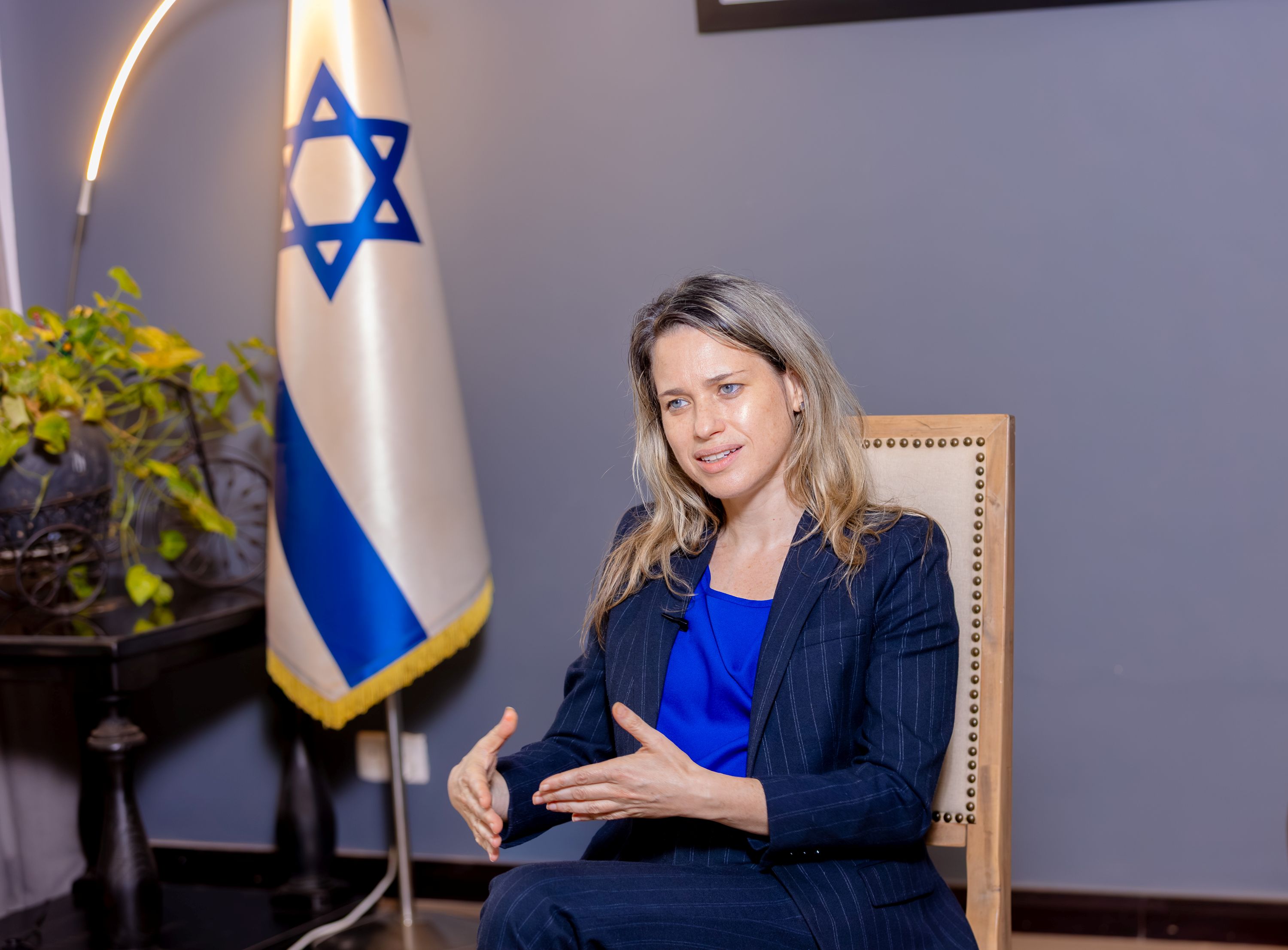
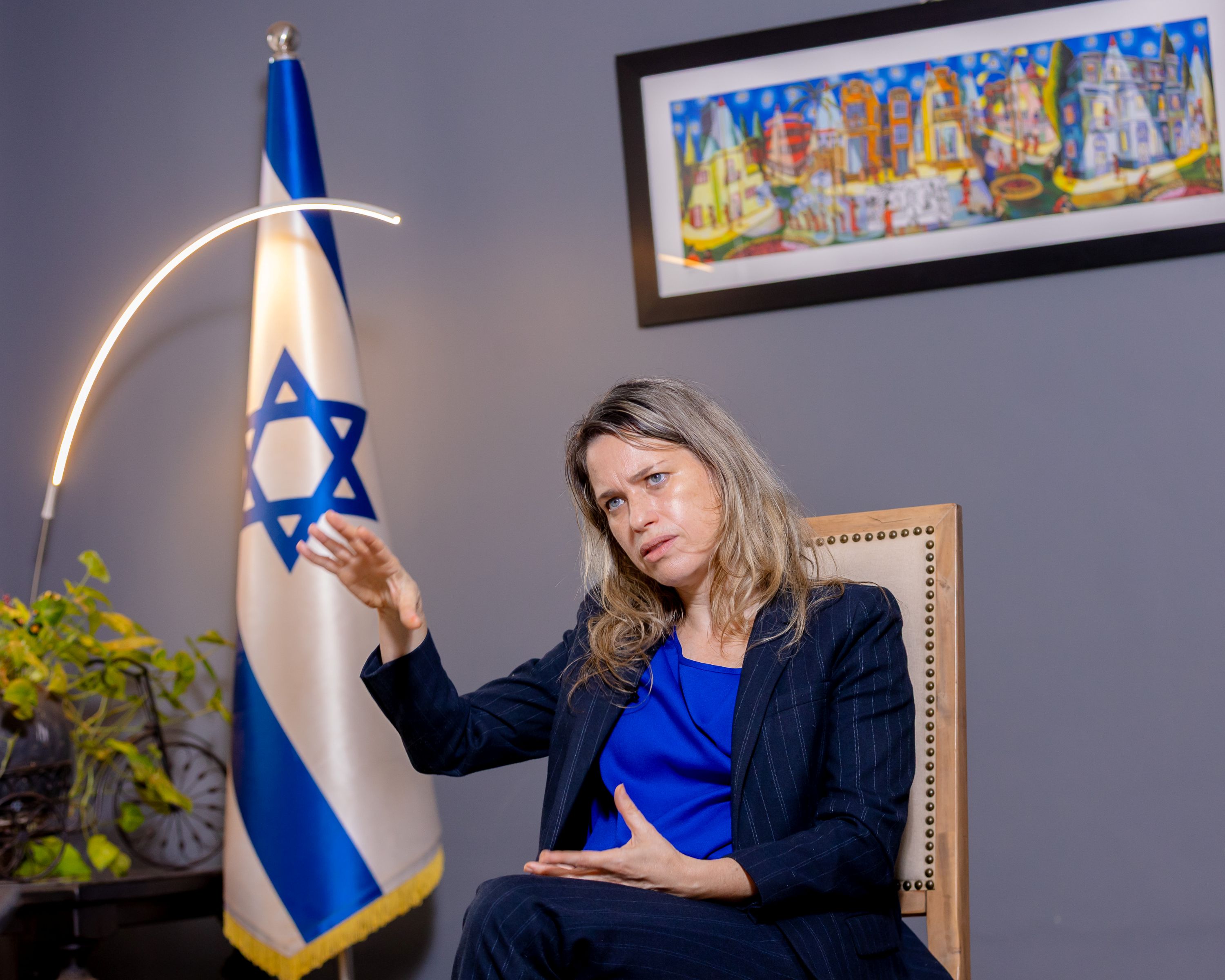
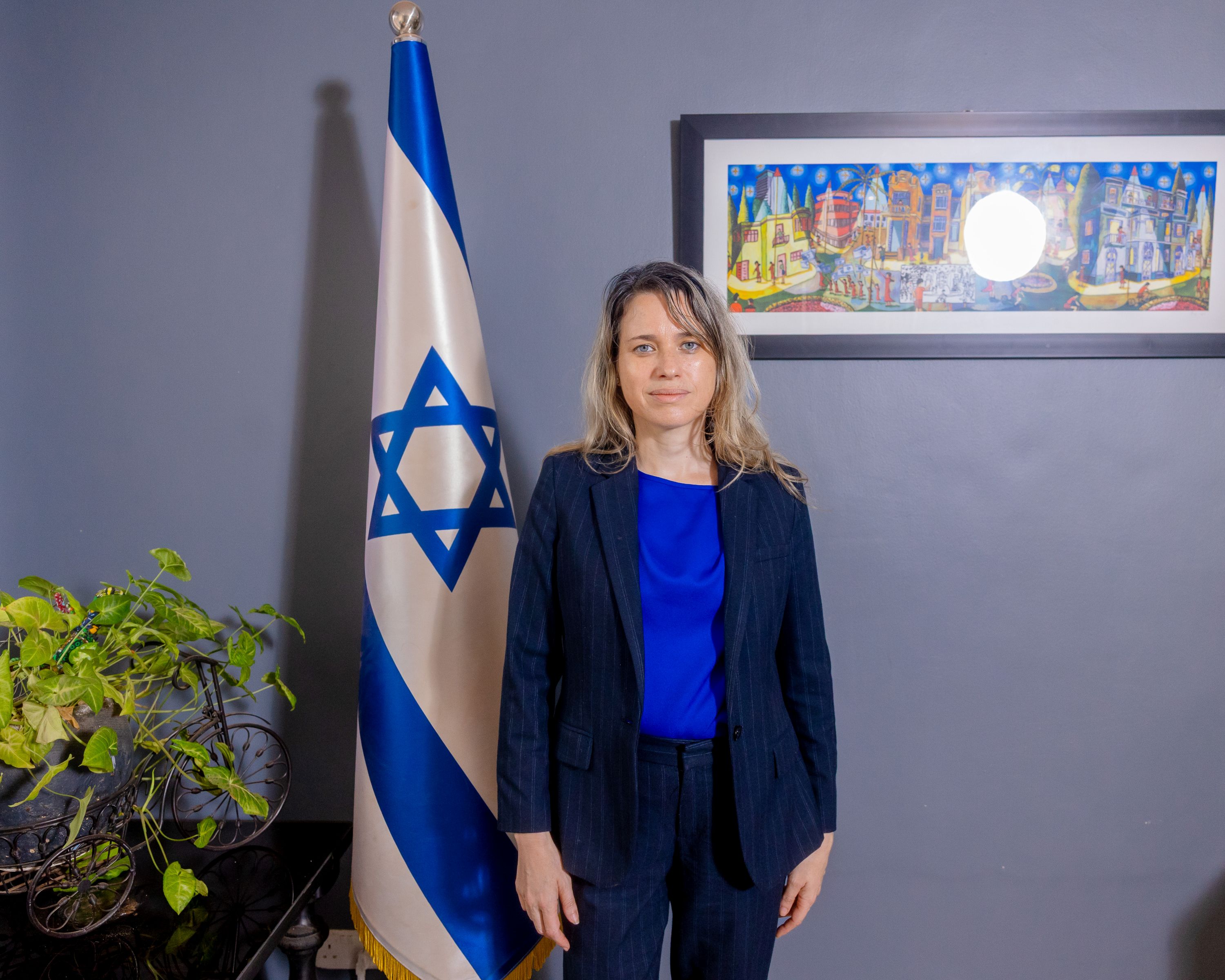
Speaking exclusively to IGIHE, Israeli Ambassador to Rwanda, Einat Weiss, shed light on the crisis, Israel’s objectives, and the safety of foreign nationals in the country, including Rwandans.
The ambassador explained that the strikes were prompted by intelligence showing Iran’s continued development of ballistic missiles and nuclear programs, often hidden underground, despite ongoing negotiations mediated by Oman. She criticised Iran for simultaneously suppressing its own population while claiming to negotiate in good faith.
“The Iranian regime has been on a terror path for over five decades,” Weiss said. “Our goal is to stop Iran’s attacks on Israel, neutralise its proxy networks like Hezbollah, and enable the Iranian people to shape their own future.”
Amb. Einat Weiss explained that the strikes were prompted by intelligence showing Iran’s continued development of ballistic missiles and nuclear programs.
She noted that Hezbollah joined Iran in recent missile strikes, demonstrating the threat Iran poses through its regional proxies.
Regarding Israel’s security, Weiss acknowledged casualties, including nine fatalities in a recent missile strike, but stressed that technology such as the Iron Dome and disciplined public response have minimised harm.
“Even one missile that is not intercepted can cause huge damage,” she said. She reassured Rwandan nationals in Israel, stating that everyone has access to shelters and that warnings from authorities are reliable.
“Rwandans are resilient, and we maintain daily contact with Rwandan officials to address any concerns,” Weiss added.
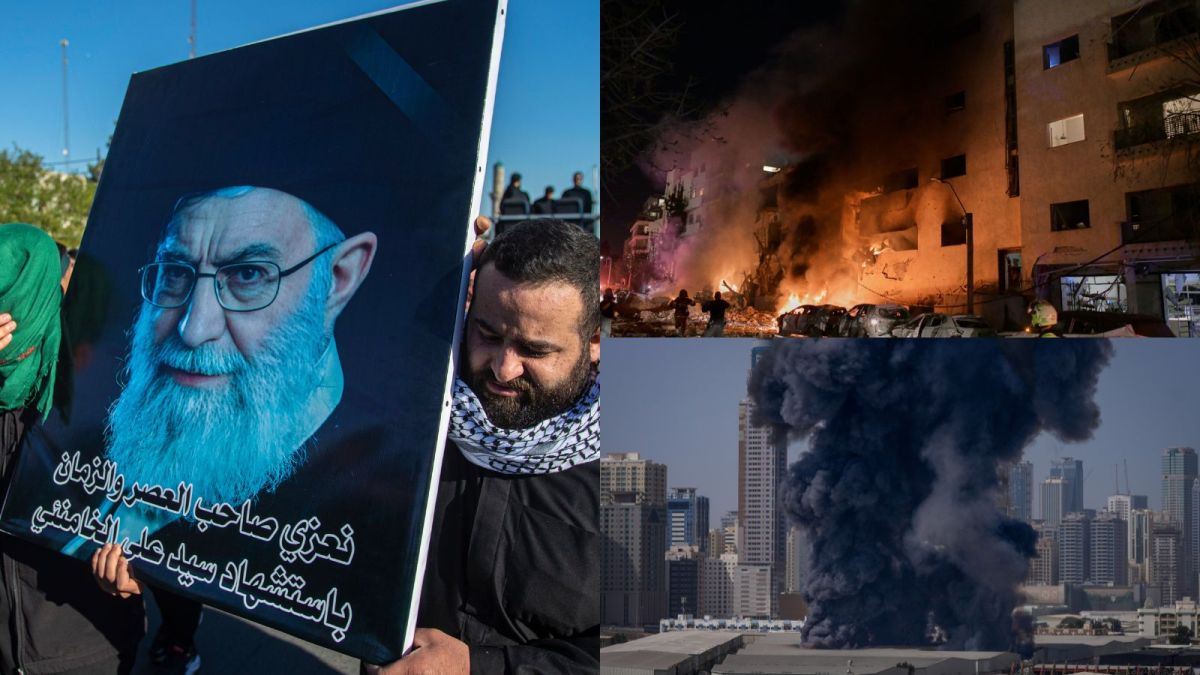
Iran’s supreme leader, Ayatollah Ali Khamenei, was killed in the opening barrage of the US‑Israeli attacks, prompting a swift and aggressive retaliation across the Middle East.
On the international front, Weiss criticised what she termed as global double standards, noting that while Israel faces criticism for defending itself, Iran’s suppression of its people and funding of terrorist groups like Hamas, Hezbollah, and Houthis is often ignored.
“Israel is defending itself; Iran is deliberately targeting civilians,” she said. Ambassador Weiss also explained why Israel opposes Iran’s nuclear program. While Israel possesses nuclear weapons for defence, Iran openly seeks nuclear capabilities to destroy Israel and exert global influence.
“This intent is alarming and should not be tolerated by the international community,” she warned.
The ambassador highlighted the regional impact of the conflict, pointing to disruptions in oil trade through the Hormuz Strait and the threat Iran poses to the Gulf and Africa through funding terror networks. She emphasised that a shift in Iran’s regime or a halt to its aggression would benefit the Middle East, Africa, and the world.
While the envoy could not predict the end of the war, she emphasised that Israel, in collaboration with the U.S., will continue operations until its objectives are achieved.
Finally, Weiss addressed prospects for de-escalation. While she could not predict the end of the war, she emphasised that Israel, in collaboration with the U.S., will continue operations until its objectives are achieved, aiming for a safer, more stable Middle East.
“This is not only about defending Israel,” she said. “It is about creating a world where terror is reduced, and peace can prevail.”
From Tehran’s viewpoint, the conflict is not seen as a defensive struggle against terror but as a response to what Iranian officials describe as “unlawful aggression” by the United States and Israel. Iran’s government has condemned the February 28 strikes as a “clear act of aggression” that violates international law and the United Nations Charter, asserting that it targeted sovereign territory without justification.
As the Moon’s core cools, it pulls its surface inward, much like a grape shrivelling into a raisin. This creates wrinkled, cliff-like ridges known as lobate scarps, formed when the brittle crust is pushed and crumpled from below. These features are a clear sign that, despite lacking the tectonic plate activity found on Earth, the Moon is not geologically dead.
“This is not to alarm anyone,” says Dr. Thomas R. Watters, a senior scientist emeritus at the Smithsonian and a lead researcher on the study. “But it is to raise the caution that the Moon is not this benign place where nothing is happening.”
The phenomenon is not entirely new; Watters first demonstrated in 2010 that the Moon has been shrinking for millions of years. However, recent data suggests many of these features are geologically young, meaning the Moon remains tectonically active. This activity is a significant concern for future space missions, as shallow moonquakes could impact landing sites and potential lunar bases.
“Unlike earthquakes, which last for tens of seconds, these moonquakes can last for hours,” explains planetary scientist Dr. James O’Donoghue. Such tremors could be “sufficient to potentially knock over any astronaut infrastructure.”
What if the moon disappeared?
While the Moon is not going anywhere, scientists often use the “disappearing Moon” scenario to highlight its importance to our survival. The Moon acts as a gravitational anchor, stabilising our planet’s tilt and driving the tides.
Without it, Earth’s axis could wobble uncontrollably. “Everything we know about the seasons would be completely out of whack,” notes astrophysicist Paul Sutter. “Some places on the planet would hardly ever see the sun at all, and at others, the sun would be overhead for months on end.” These shifts would disrupt marine life, weather patterns, and the predictable climate that allowed human civilisation to thrive.
The idea of a “disappearing Moon” even has a place in history. Records from England in 1110 describe the Moon vanishing from the night sky entirely. Scientists later determined that a massive volcanic eruption had filled the atmosphere with sulfur-rich particles, temporarily blocking its light and creating the haunting illusion that it had vanished.
Even as it shrinks by a few hundred feet over millions of years, the Moon remains a critical stabiliser for Earth. Studying these lunar “wrinkles” does more than just reveal the Moon’s history; it helps us understand the delicate celestial balance that sustains life on our own planet.
Researchers at the National Air and Space Museum’s Centre for Earth and Planetary Studies have confirmed that the Moon is gradually contracting.
The analysis found that more than 40% of adults with chronic headache conditions experience symptoms of depression or anxiety.
Chronic headaches were defined as occurring on more than 15 days per month or lasting longer than three months.
Across 48 eligible studies, researchers reported that 43.1% of adults with chronic headaches had clinical symptoms of anxiety, while 45.9% showed symptoms of depression.
Compared with people without headaches, those with chronic headaches were nearly five times more likely to experience depression and more than seven times more likely to experience anxiety.
They were also more than twice as likely to report both conditions compared with individuals who suffer from episodic headaches.
The findings highlight the urgent need for improved mental health screening and treatment among people with chronic headache disorders.
Previous research has shown similar social and health patterns. The 2010 American Migraine Prevalence and Prevention study found that individuals with chronic migraine had lower household incomes, were less likely to work full time, and were more likely to experience occupational disability than those with episodic migraine.
They were also more likely to report respiratory illnesses such as asthma and bronchitis, as well as cardiovascular risk factors including hypertension, diabetes, high cholesterol and obesity.
Researchers note that chronic pain conditions show comparable mental health trends, reinforcing the need for targeted psychological support, particularly for women and younger patients.
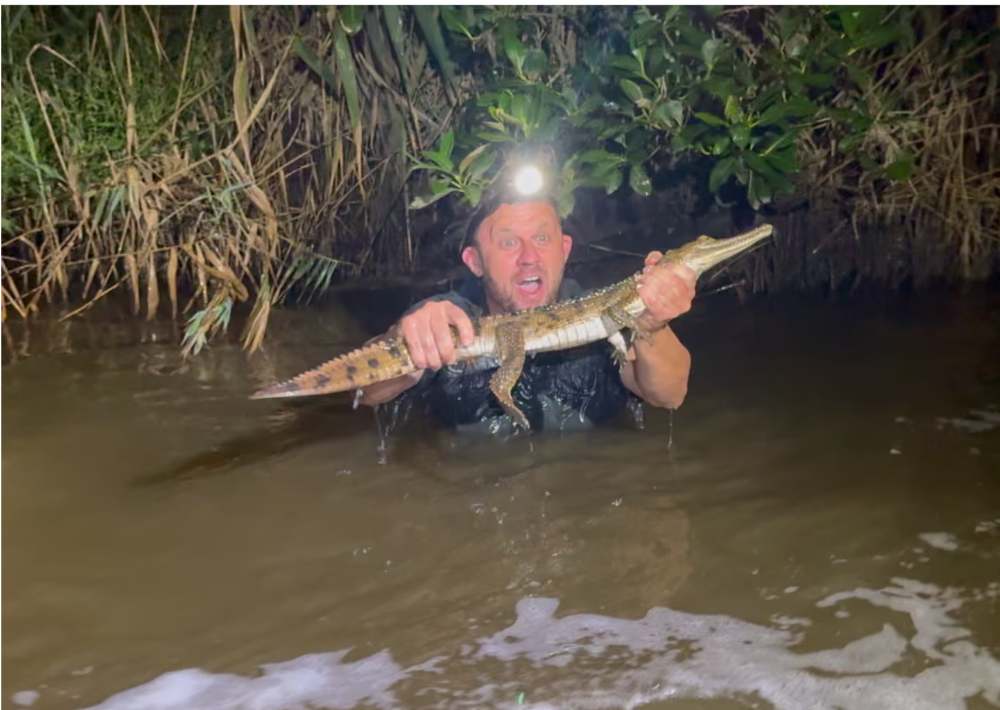
The reptile was first spotted around midday on Saturday in Ironbark Creek at Federal Park in Wallsend, about 100km north of Sydney, by a group of teenagers.
Stephanie Kirsop, whose son was among those who saw the animal, initially dismissed the sighting.
“This is a trick … it looks like a crocodile but that’s probably a log,” she told The Guardian.
After visiting the creek herself, she realised it was indeed “this little crocodile swimming around in the water.”
The discovery, near a public pool and primary school, prompted calls to wildlife rescue group Wires, the Australian Reptile Park and New South Wales police.
Once a Police officer confirmed the sighting, crocodile handlers led by Billy Collett from the Australian Reptile Park were deployed.
After unsuccessful attempts on Saturday, the team returned Sunday with a motorised boat and captured the reptile about 3km downstream.
Collett said their main concern was the animal’s welfare, noting they were about 2,500km away from the species’ natural range in northern Australia.
The freshwater crocodile (Crocodylus johnstoni) is native to northern Queensland, the Northern Territory and Western Australia.
Authorities suspect it may have been an escaped pet. The animal has since been taken to the Australian Reptile Park on the NSW Central Coast for veterinary checks. Police said it remains unclear how it ended up in the creek.
Billy Collett (pictured) and his team found the crocodile near wetlands approximately 3km downstream from where it was first spotted. Photograph: Australian Reptile Park
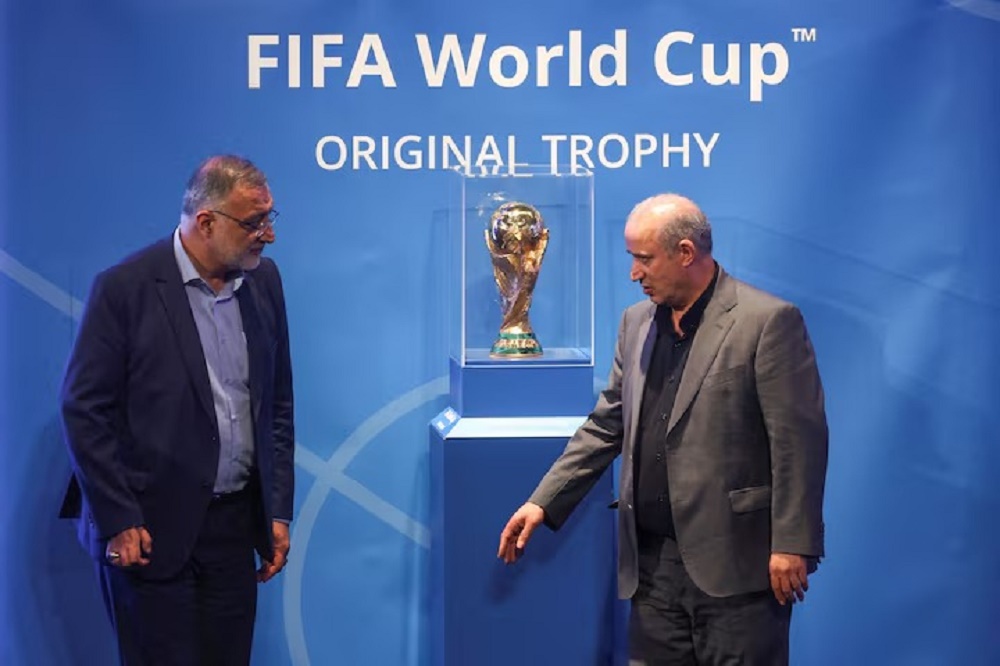
Speaking with state broadcaster IRIB TV3 and sports portal Varzesh3 on Monday, Taj addressed the escalating conflict and its impact on “Team Melli’s” appearance in the upcoming tournament, which is primarily hosted by the United States.
While stopping short of an official withdrawal, Taj indicated that the federation’s enthusiasm for the competition has evaporated following the attacks.
“What is certain is that after these strikes, it is hard to look at the World Cup with hope,” Taj stated. “I cannot say with certainty what the final outcome will be, but there will inevitably be consequences.”
The remarks come in the wake of the February 28, 2026, coordinated strikes by U.S. and Israeli forces targeting Iranian military infrastructure and leadership. Iran responded within 24 hours with a massive wave of retaliatory drone and missile attacks against U.S. military installations across the Middle East, including bases in Qatar, the UAE, Bahrain, and Kuwait.
Taj noted that the decision to travel to the U.S. is no longer a purely sporting matter. “All relevant football and high-ranking governing authorities in Iran will convene to take an appropriate decision,” he said. “At this moment, given the scale and intensity of the attacks, I do not believe this is a World Cup we are looking forward to.”
Tensions between the federation and the host nation were already high prior to the military escalation. In December 2025, Iranian representatives boycotted the World Cup draw in Washington, D.C., after the U.S. government denied visas to several members of the delegation, including Taj himself.
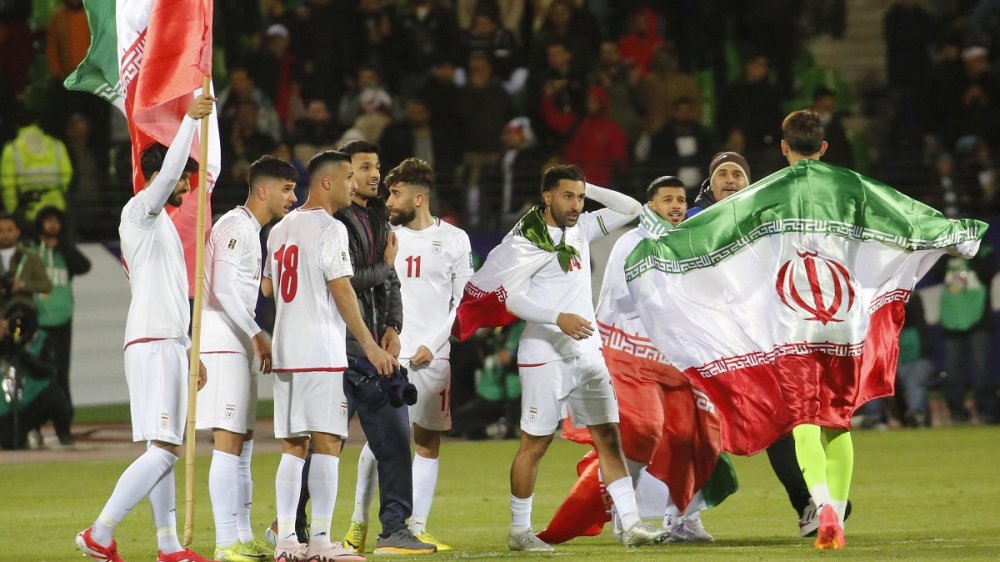
Iran is currently slated to compete in Group G alongside Belgium, Egypt, and New Zealand. All three of their group-stage matches are scheduled to take place on U.S. soil, with fixtures in Los Angeles and Seattle beginning June 15. FIFA has stated it is “monitoring the situation closely,” but has yet to comment on a potential replacement should Iran formally withdraw.
Iran could withdraw from the 2026 World Cup following attacks launched against it by the United States.
The decision was made public on the night of March 2, 2026, through a statement posted on his X account. The trip had been scheduled to take place from March 4 to March 13, 2026.
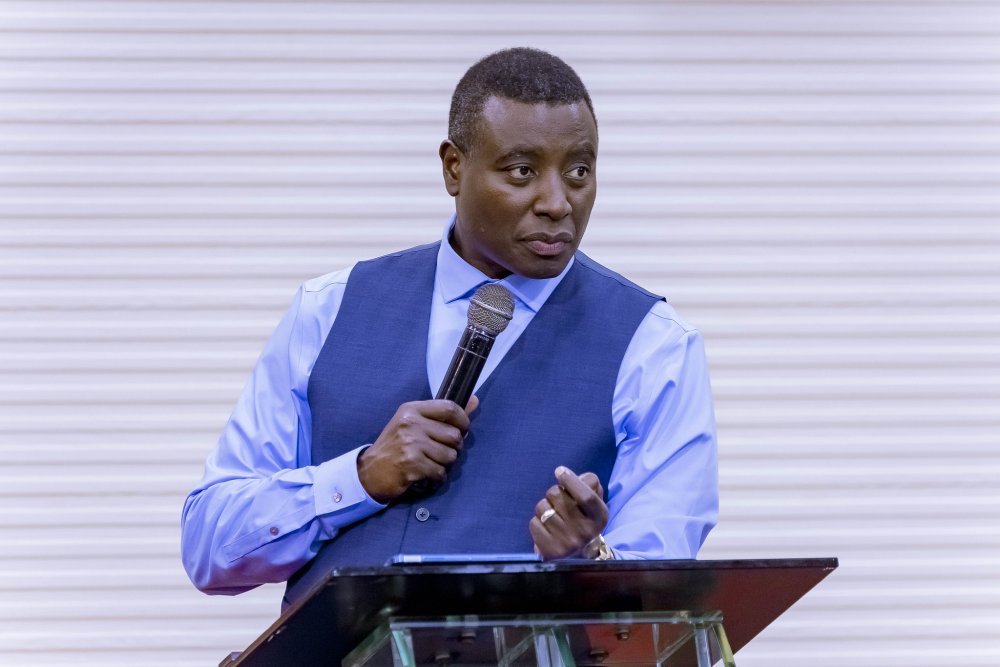
“The leadership of Authentic Word Ministries informs everyone who had registered to go to Israel for the prophetic tour that was scheduled for March 4–13, 2026, that it has been postponed due to security reasons,” the statement read.
Apostle Gitwaza added that those who had signed up, will be informed of the new dates once the trip is rescheduled.
Authentic Word Ministries decided to suspend the trip at a time when tensions continue to escalate in the Middle East. Ongoing conflict has pitted Iran against the United States, which, alongside Israel, has been involved in military strikes.
The fighting appears to be spreading across the region. After coming under attack, Iran reportedly retaliated by launching strikes on several U.S. partner countries, including Qatar, Kuwait, the United Arab Emirates, Bahrain, and Saudi Arabia.
Dr. Apostle Paul Gitwaza has announced the suspension of a planned prophetic tour to Israel.