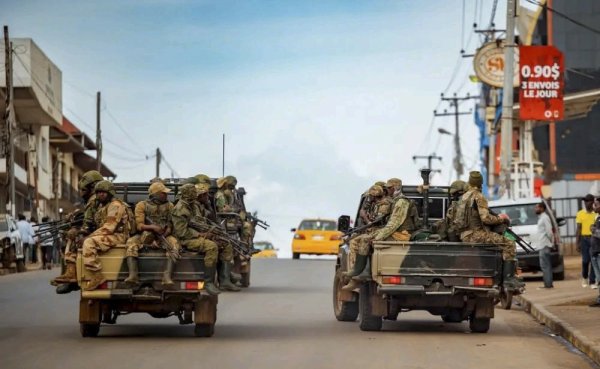
In a statement issued by AFC/M23 spokesperson Lawrence Kanyuka, the movement said the handover took place on March 2, 2026, at Rugamabo camp in North Kivu Province, where the captives had been held after being captured on various frontlines of the conflict.
According to the statement, the detainees were transported back to the Congolese capital under the supervision of the Red Cross.
The prisoner transfer comes within a broader framework aimed at facilitating detainee exchanges between the Congolese government and the AFC/M23. The Red Cross was tasked with overseeing such exchanges in eastern Congo in September 2025 as part of confidence-building measures linked to mediation efforts.
During a ceremony in Doha, officials from Qatar, acting as mediator, handed the ICRC a signed copy of the mechanism for the release of detainees. Representatives from both the Congolese government and AFC/M23 attended the event, which established procedures for verification and exchange operations.
As part of the process, the AFC/M23 has called for the release of more than 700 prisoners currently held by Congolese authorities in connection with the conflict. The group says the request should be addressed during the Red Cross–supervised exchange process.
The ICRC has previously facilitated similar operations in eastern Congo, including the transfer of disarmed Congolese government soldiers and their family members from Goma to Kinshasa.
In its statement, the AFC/M23 said the handover of prisoners demonstrates its commitment to confidence-building measures and to easing tensions in accordance with international humanitarian law.
However, the group accused the government in Kinshasa of failing to reciprocate. It alleged that authorities have refused to release detainees linked to the movement and accused the government of violating ceasefire arrangements while continuing military operations against its forces.
The statement also urged international mediators and partners to take note of repeated ceasefire violations by the government of President Félix Tshisekedi.
The conflict in eastern Democratic Republic of the Congo, particularly in North Kivu, has escalated in recent years, displacing hundreds of thousands of civilians and drawing regional and international mediation efforts aimed at restoring stability in the mineral-rich region.
L’Alliance Fleuve Congo/Mouvement du 23 Mars (AFC/M23) informe l’opinion publique qu’elle a une fois de plus remis au Comité international de la Croix-Rouge (CICR) plus de 5 000 éléments des FARDC, capturés sur différents fronts. Ceux-ci seront rapatriés vers Kinshasa sous la… pic.twitter.com/5eP9QCLFD5
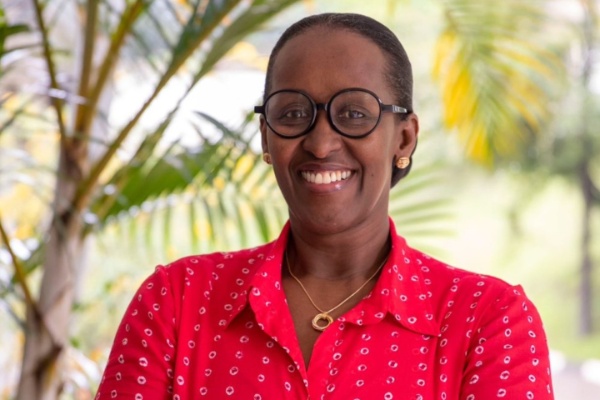
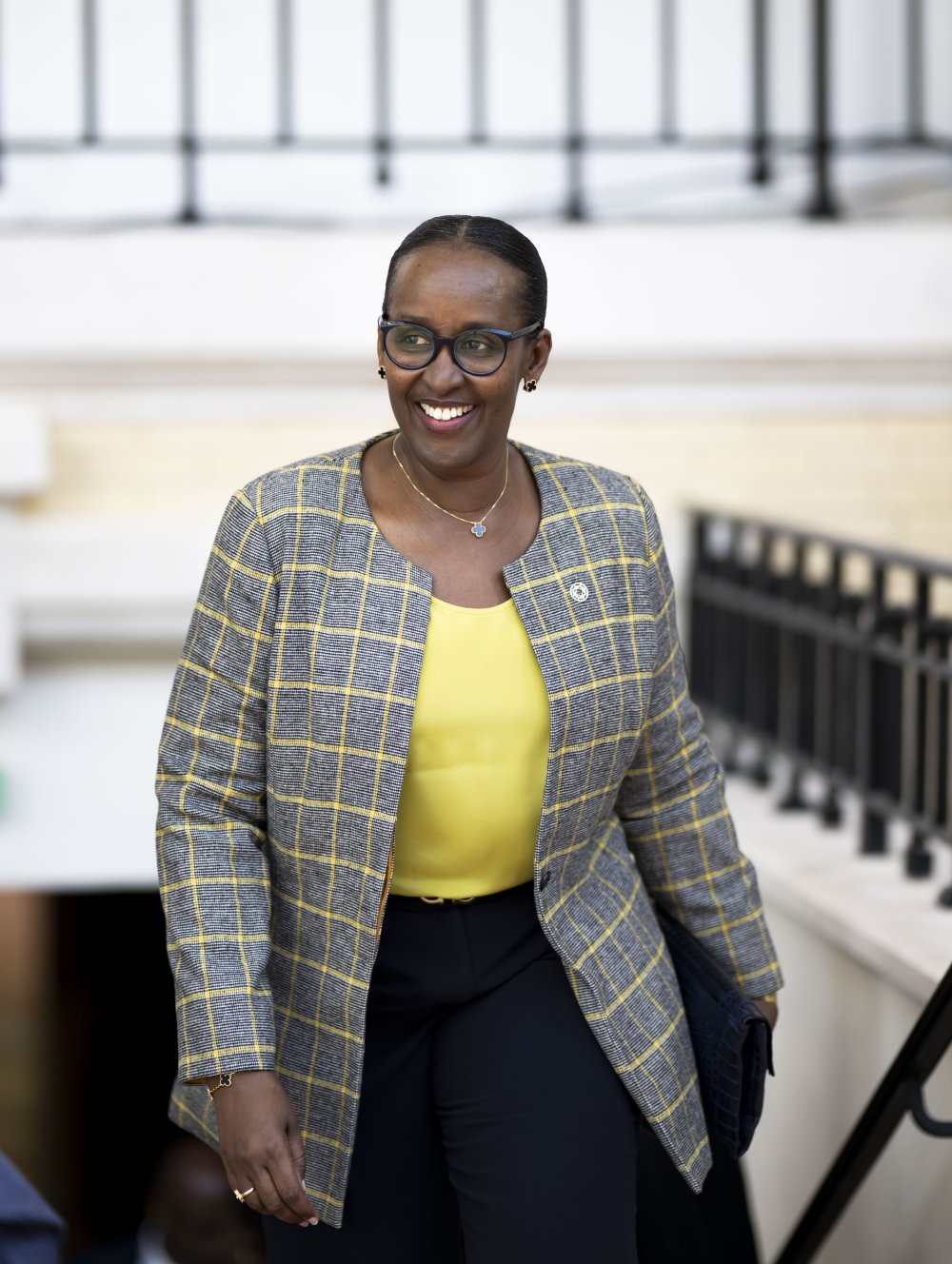
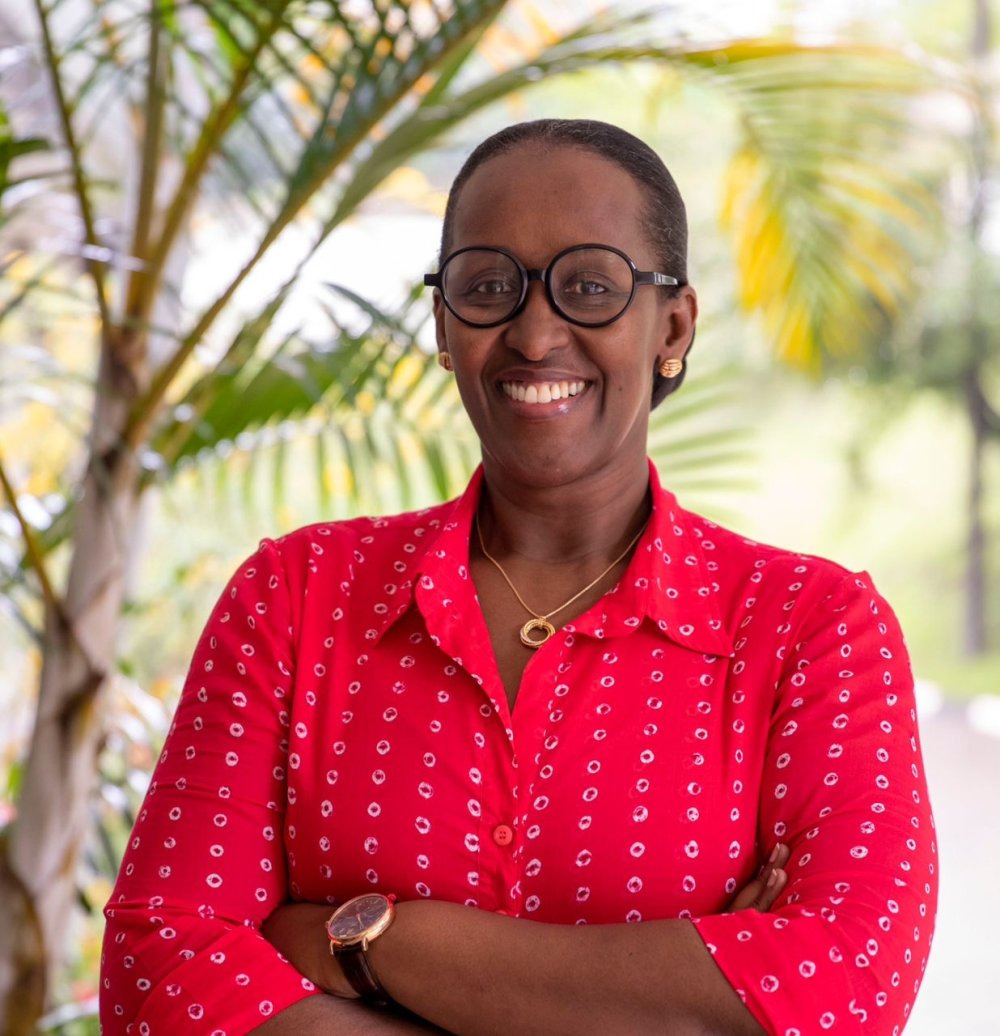
In a post on X, the First Lady called on women to prioritise self-care and their health, set boundaries, and advocate for themselves and others.
“I urge you to carve your character carefully, define your boundaries, advocate for yourselves and other women and girls, and protect your physical and mental health. And please, love yourself with the same gentleness you give others – the same gentleness you wish and deserve to experience from the world,” she wrote.
International Women’s Day, celebrated annually on March 8, recognises the social, economic, cultural, and political achievements of women worldwide. It also serves as a call to action to accelerate gender parity and address ongoing challenges such as the gender pay gap, violence against women, and underrepresentation in leadership positions.
In Rwanda, IWD is marked by celebrations acknowledging women’s contributions to family and national development, empowerment activities, and the promotion of gender equality. The country has made significant strides in political representation: women now occupy 63.75% of parliamentary seats, up from just 12% in 1996, making Rwanda the nation with the highest proportion of women in Parliament globally in 2026.
The origins of International Women’s Day trace back to the early 20th-century labour and socialist movements in North America and Europe. In 1908, 15,000 women marched in New York City demanding shorter working hours, better pay, and voting rights, leading to the first National Woman’s Day in 1909.
In 1910, German activist Clara Zetkin proposed an annual International Women’s Day, which was celebrated for the first time in 1911 in several European countries. The day gained further prominence after women in Russia staged the “Bread and Peace” strike in 1917, a pivotal moment that contributed to women gaining voting rights.
The United Nations officially recognised March 8 as International Women’s Day in 1977, establishing it as a global observance for women’s rights and world peace.
First Lady Jeannette Kagame called on women to prioritise self-care and their health, set boundaries, and advocate for themselves and others.International Women’s Day, celebrated annually on March 8, recognises the social, economic, cultural, and political achievements of women worldwide.
Key housing initiatives include the Heza Estate in Batsinda, Gasabo District, which will provide 548 housing units featuring two- and three-bedroom apartments as well as townhouses. This project is expected to cost 14.5 billion Rwandan francs.
Another major development is the Nyabisindu project in Gasabo, which will see 1,639 homes built on 38.54 hectares, replacing unplanned settlements with 58 residential blocks at a total cost of 42 billion francs.
The government is also constructing 296 houses for survivors of the 1994 Genocide against the Tutsi, costing 5.4 billion francs, and approximately 2,300 homes will be rebuilt to replace those completely destroyed by natural disasters, with 11 billion francs allocated for this purpose. These housing projects include a variety of types, from multi-story apartments to townhouses, combining affordability with modern living standards.
The country estimates it will need at least 5.5 million houses by 2050, when the population is projected to reach 22.1 million people.
The revised National Urbanisation Policy indicates that Rwanda has chosen a strategy focused on upgrading housing and addressing the demand for adequate accommodation, in line with the Vision 2025 development agenda.
In addition to housing, the government is investing in complementary development initiatives to improve urban management and infrastructure. Informal settlements in Mpazi, Gatenga, Nyabisindu, and Nyagatovu will be upgraded under the RUDP II program, ensuring safer and more organised neighbourhoods.
Government buildings will also be improved, with asbestos roofs replaced and some offices expanded to meet functional needs. Infrastructure projects include the installation of artificial turf at Huye Stadium and the construction of 80 modern bridges across the country, while environmental management efforts will focus on rehabilitating wetlands and managing flood-prone areas in Kigali, including Rwandex, Gisozi, Kinyinya, Rugunga, and Rwampara.
The budget also supports capacity building and urban management, with 600 partners receiving training to ensure compliance with building regulations, alongside inspections of structures across all districts.
In total, 4,783 new homes are planned across the country, aimed at improving living conditions and supporting Rwanda’s urbanisation goals.
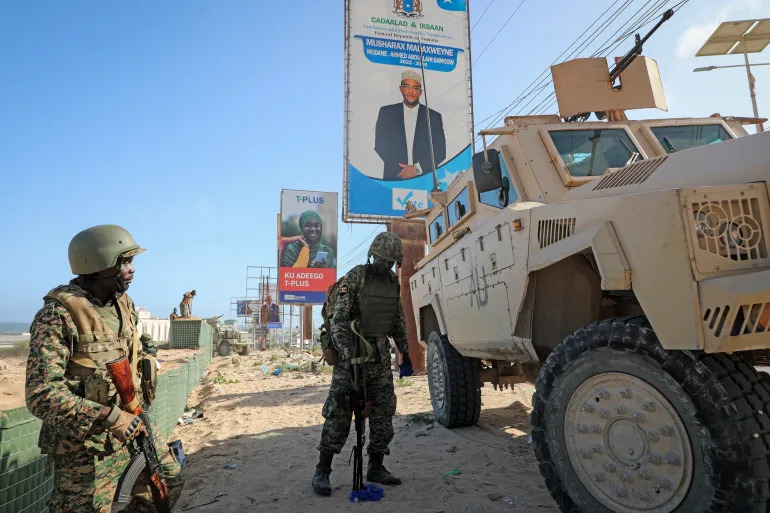
AUSSOM Force Commander Sam Kavuma, who spoke during a field visit to assess the combat readiness of frontline troops following the successful liberation of the strategic towns of Mubarak and Durasalaam in Somalia, said the allied forces are united in their efforts to flush out al-Shabaab terrorists in the country.
“Through sweat, struggle, and sacrifice, we stand united to eliminate al-Shabaab and secure a future for our brothers and sisters in Somalia,” Kavuma said in a statement on Friday evening after the field visit.
He called on the Ugandan contingent serving under AUSSOM and the Somali National Armed Forces to uphold the highest standards of professionalism, morale, and discipline in fulfilling the mission’s mandate.
“AUSSOM, in partnership with the Somali government and other stakeholders, will provide essential relief support to the liberated communities,” he added.
The joint operation conducted on Monday with international partners resulted in the full capture and securing of two strategic locations that had long served as strongholds and safe havens for al-Shabaab terrorists.
Owiny Akena, Battle Group 44 commander and operation commander, said Mubarak and Durasalaam remain under the full control of the joint forces.
AUSSOM Force Commander Sam Kavuma said the allied forces are united in their efforts to flush out al-Shabaab terrorists in the country.
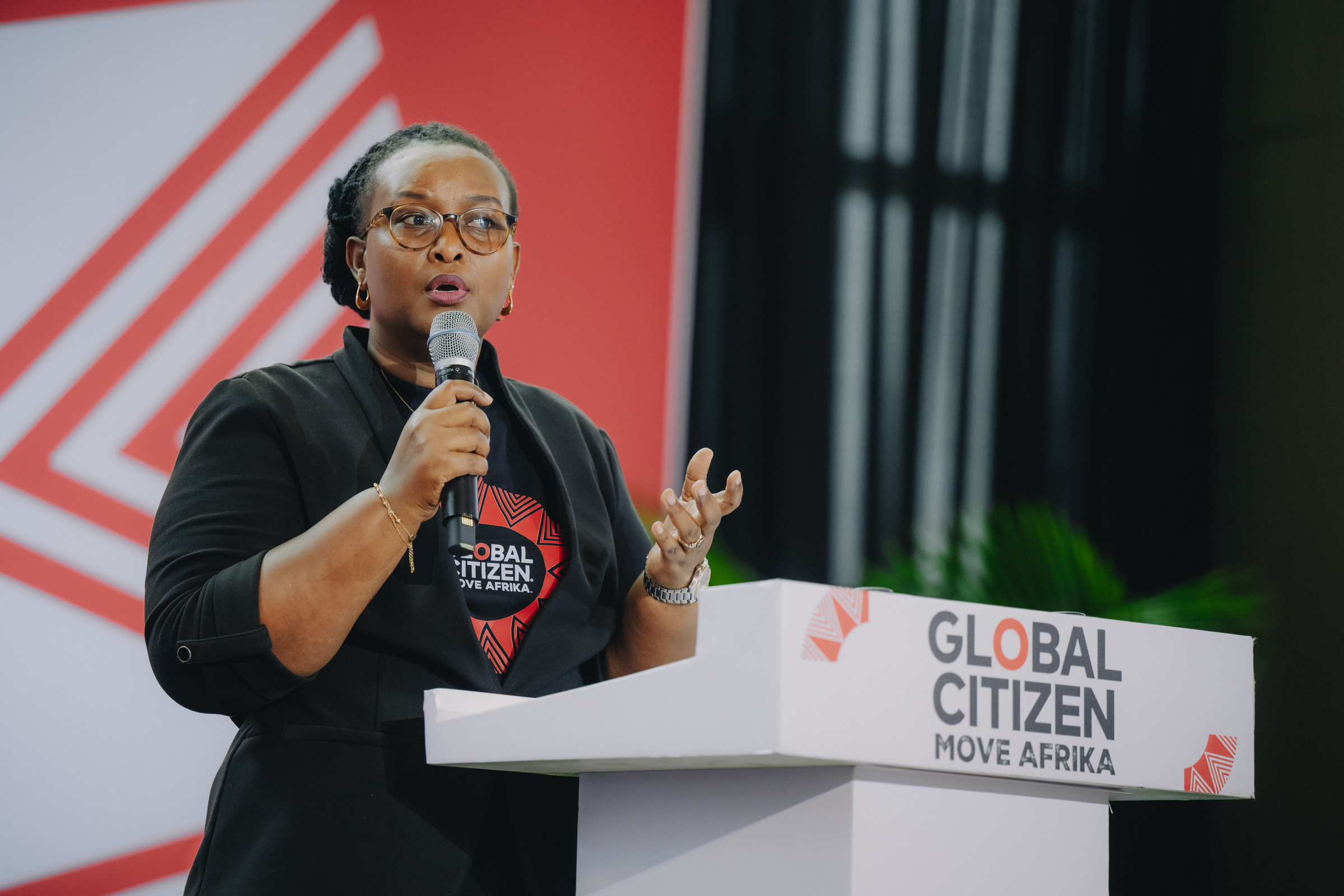
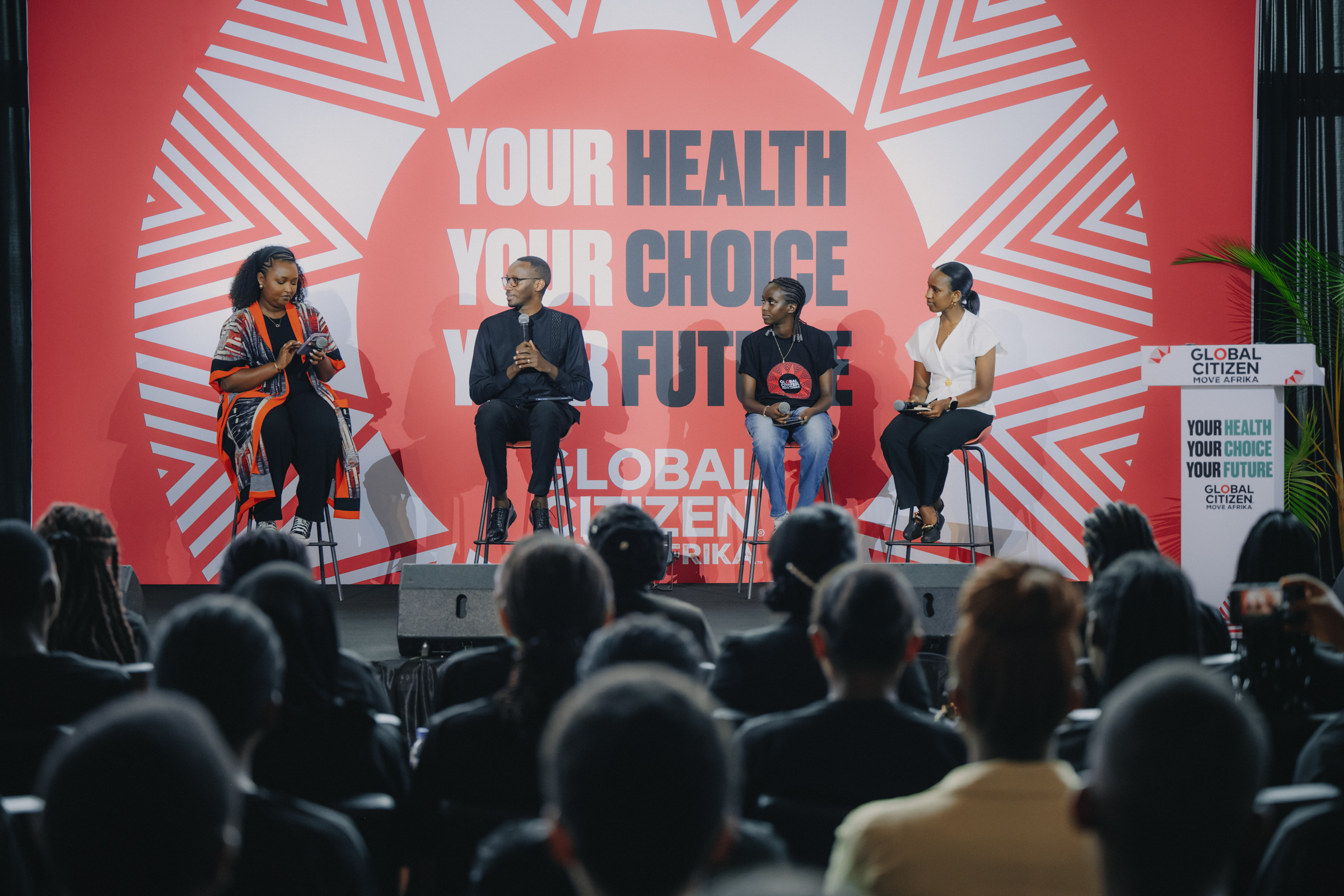
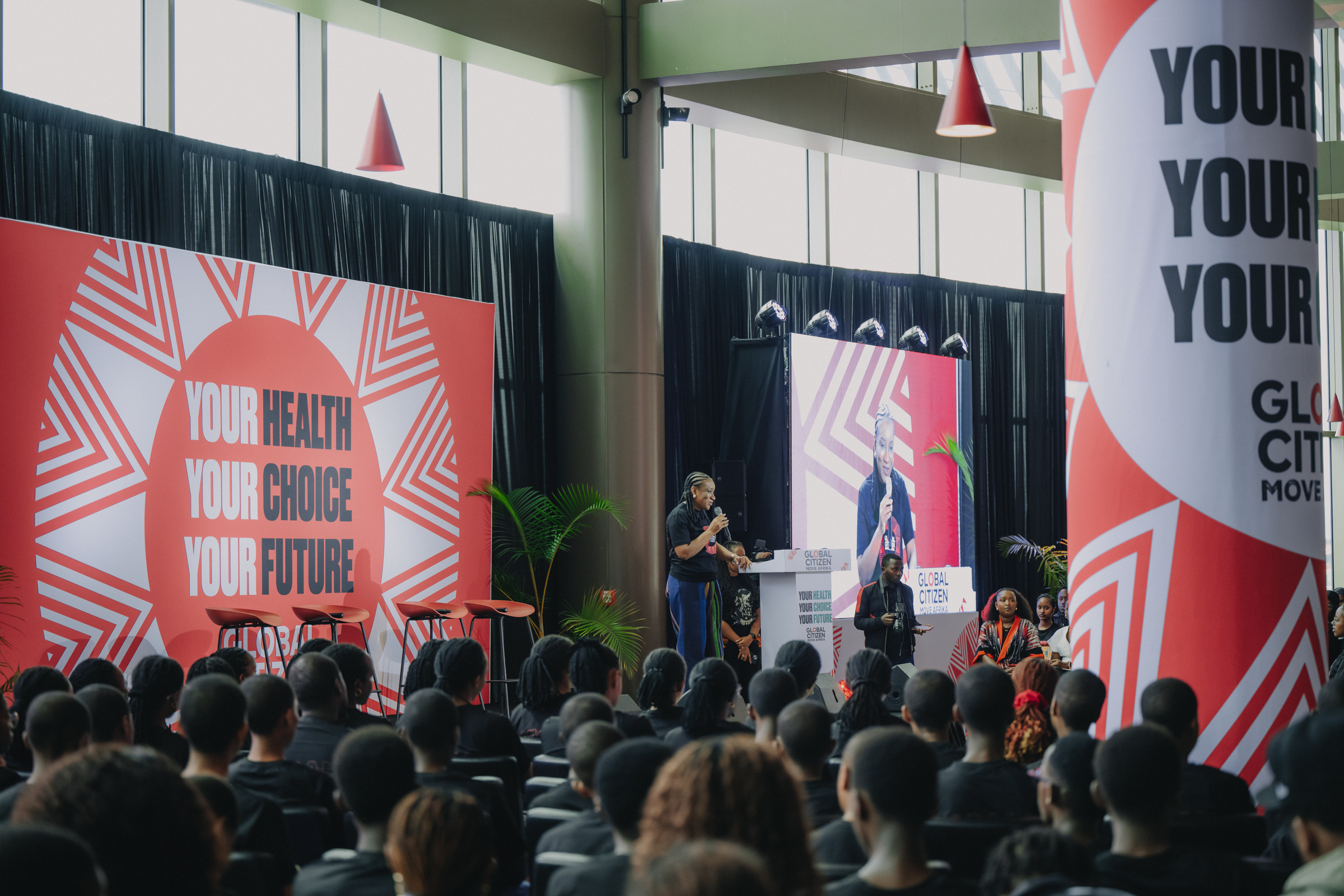
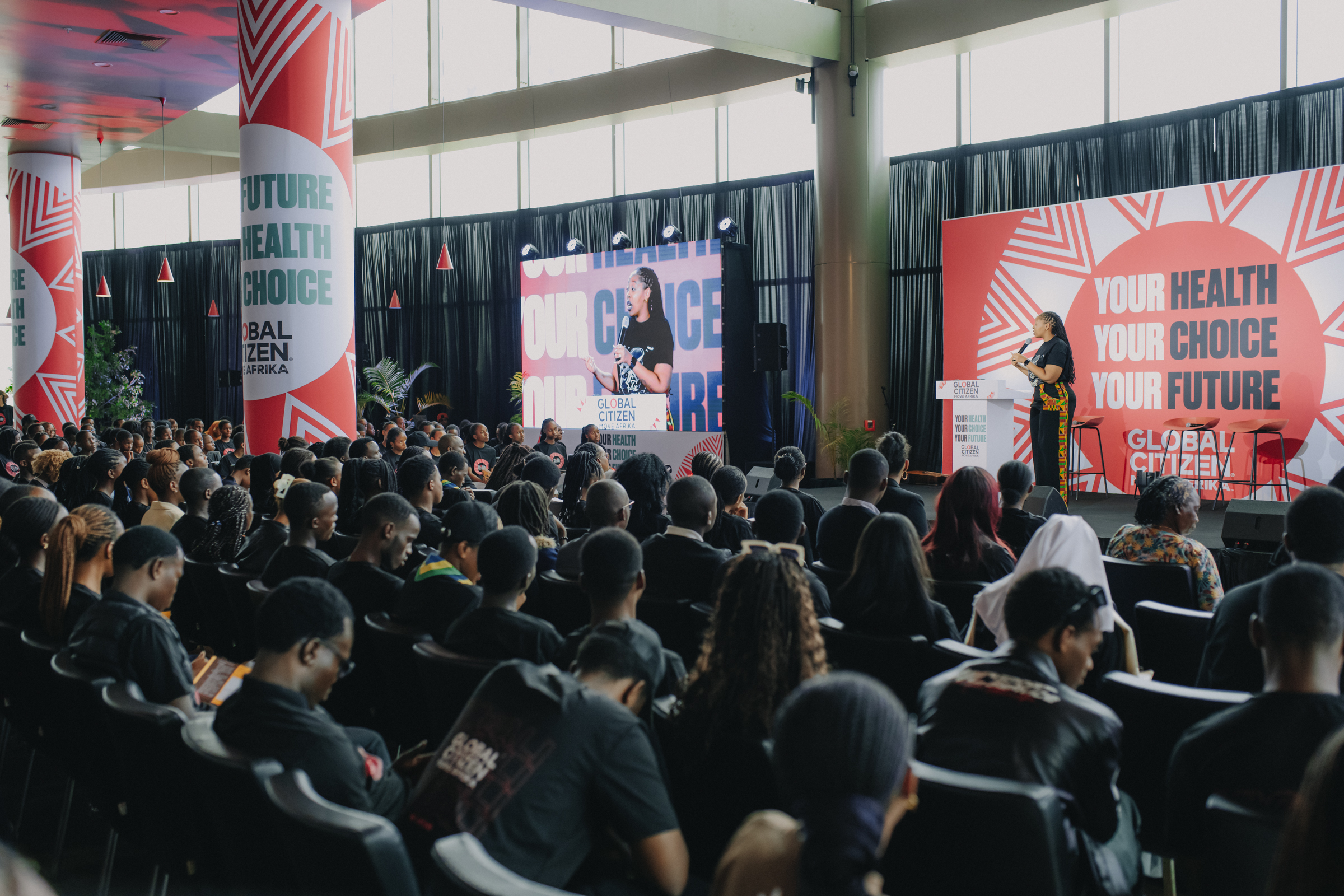
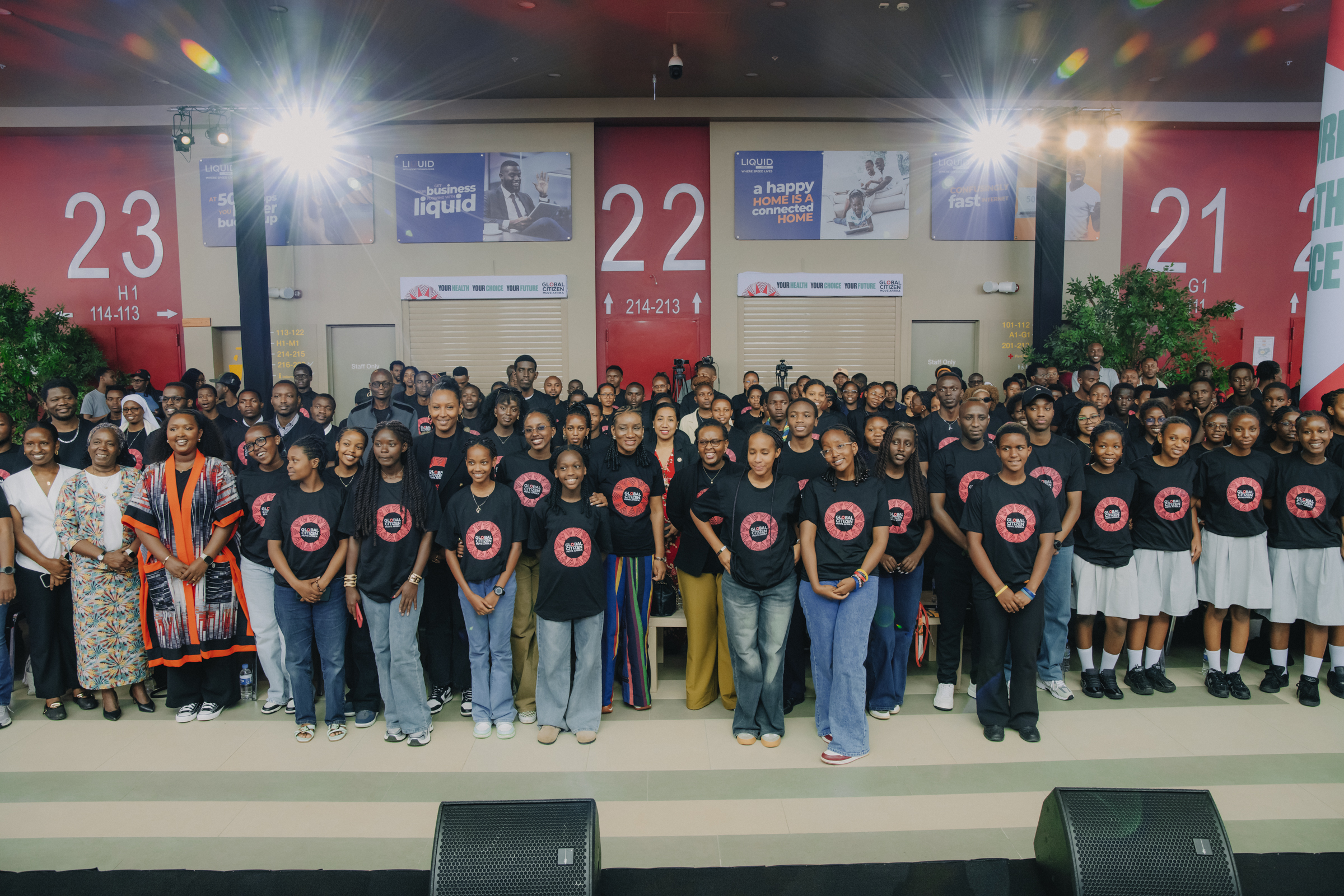
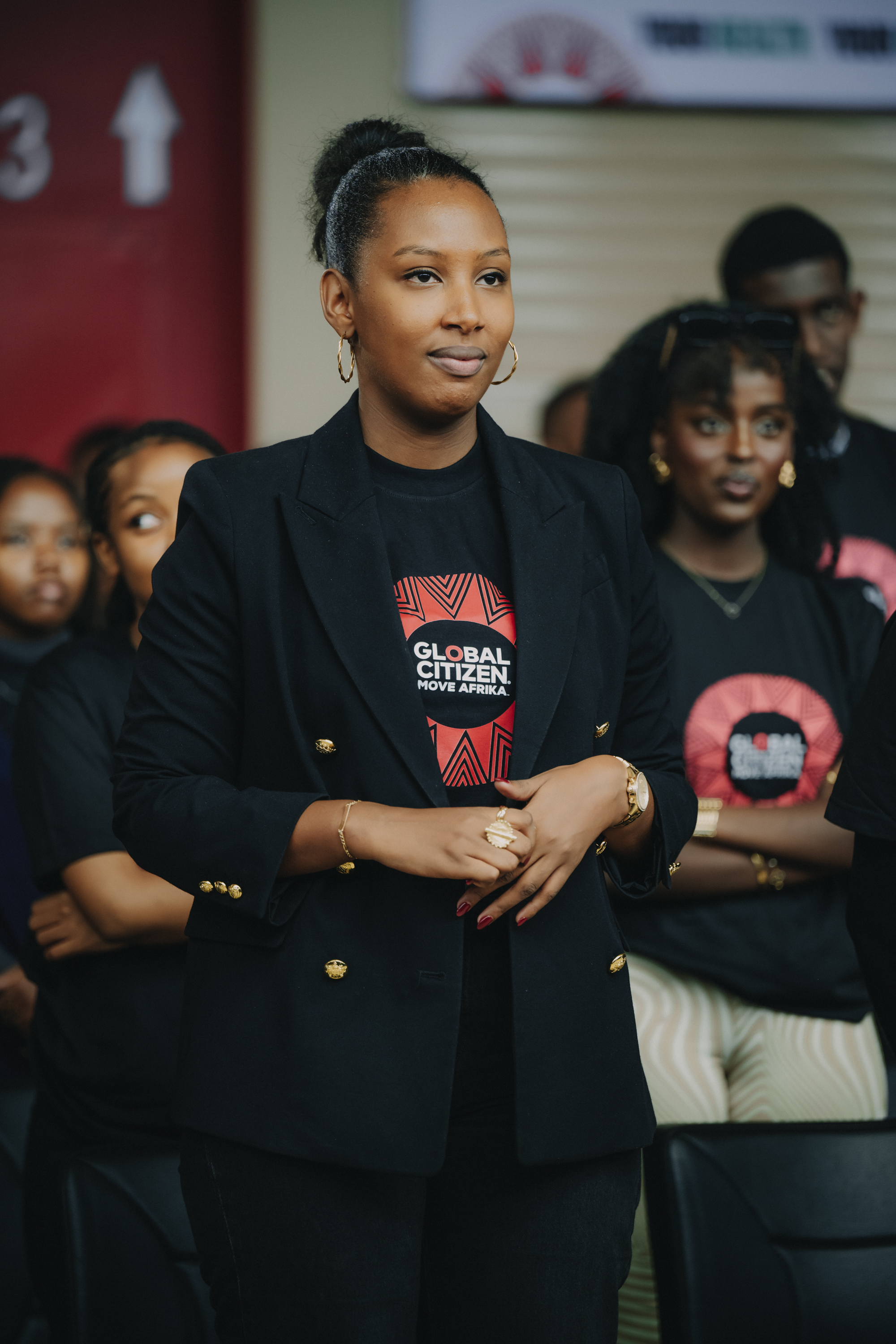
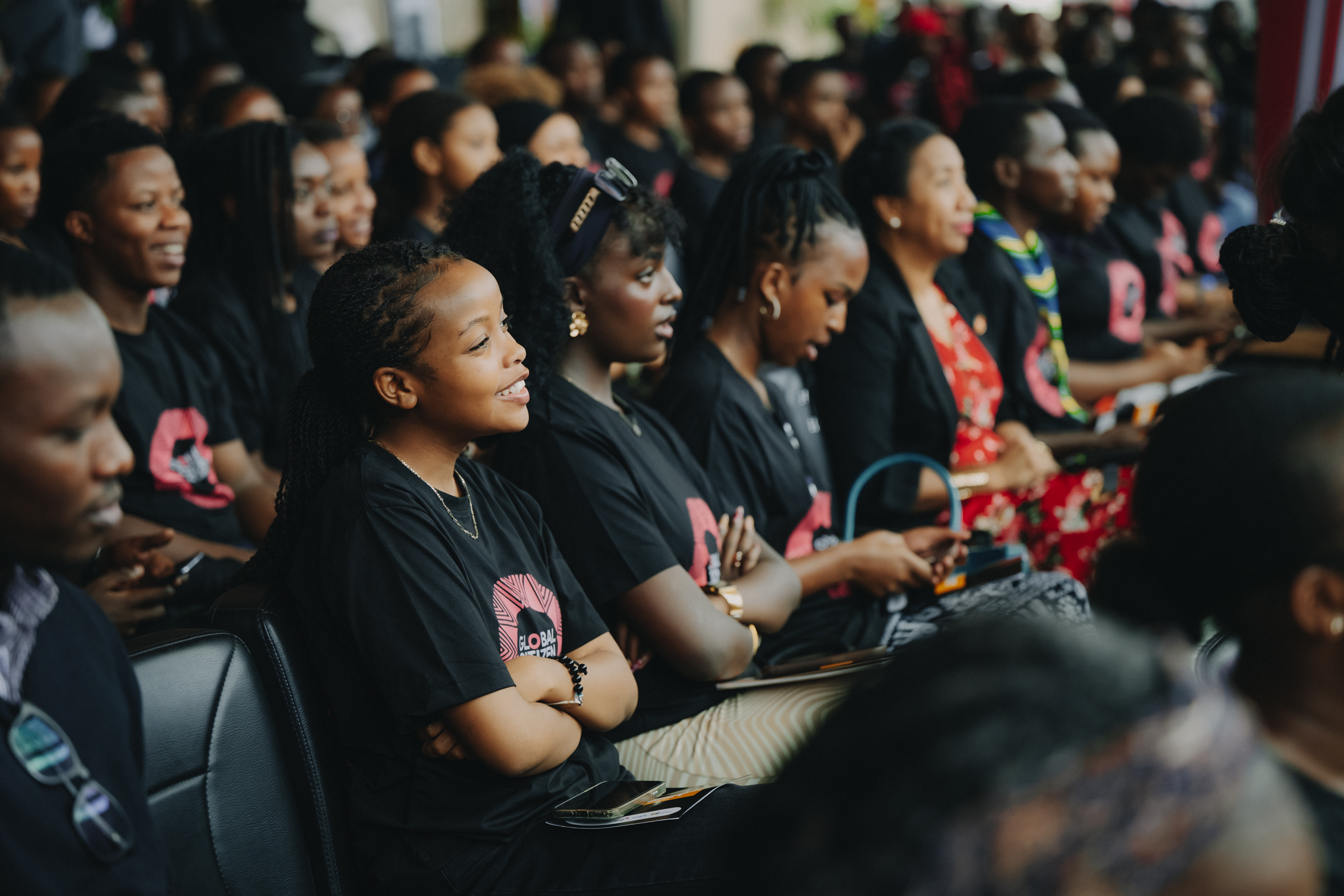
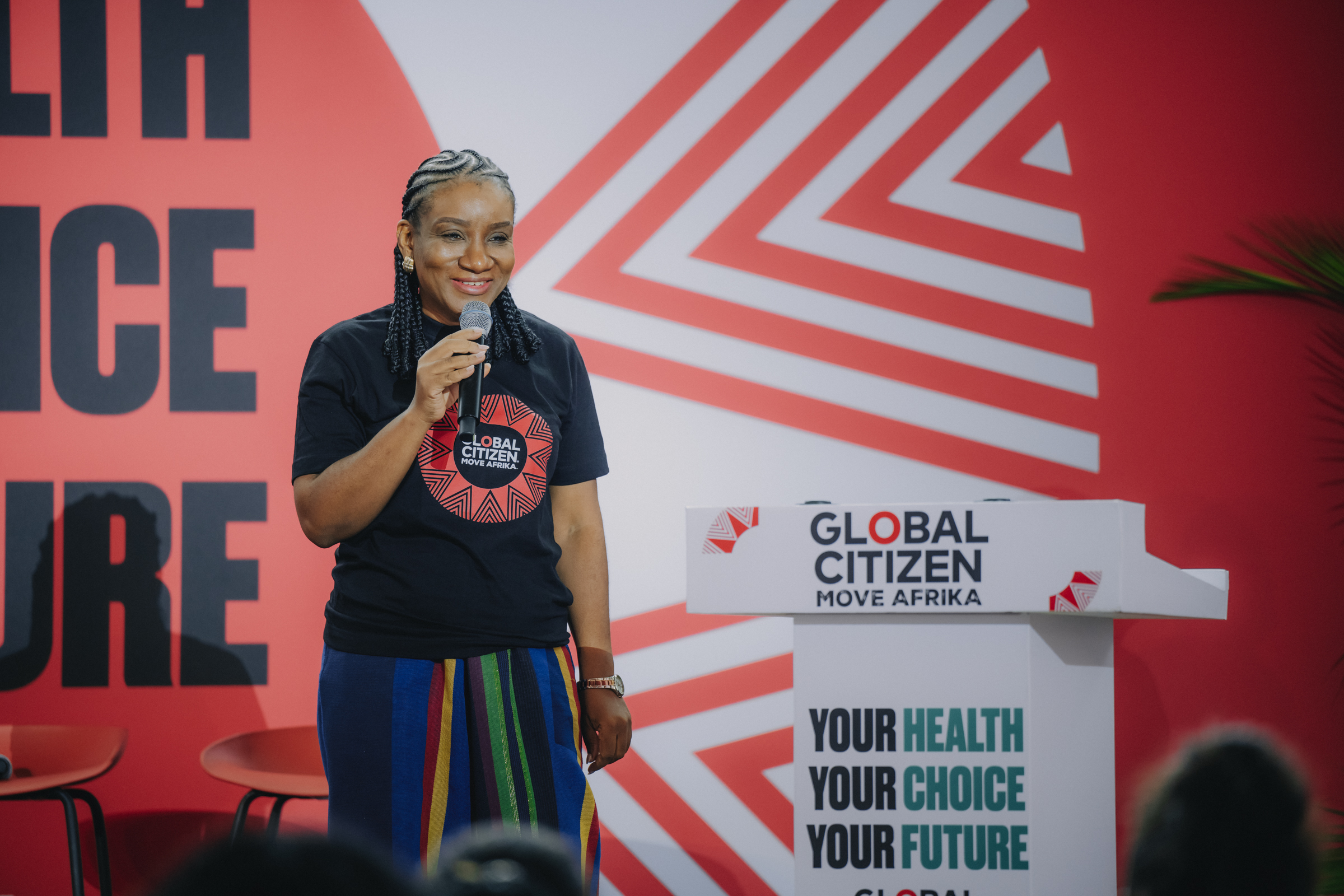
The forum, themed “Your Health. Your Choice. Your Future,” was held on Saturday, March 7, at BK Arena and brought together students aged 15 to 20.
The event focused on discussions about health, consent, and responsible decision-making.
It was organized by Global Citizen in collaboration with the Rwanda Development Board, the Ministry of Health, Ministry of Youth and Arts, Imbuto Foundation, Health Development Initiative (HDI), and other stakeholders.
Designed as an interactive session, the forum aimed to equip young people with accurate information on sexual and reproductive health while encouraging open conversations in a safe and non-judgmental environment.
Batamuriza spoke about the importance of recognizing the value of their current stage in life and using it wisely.
“You must first be a child before becoming an adult. Life has stages, and young people should recognize the opportunities they have today while they are still young. A time will come when they are no longer young, so they must make the most of the opportunities available to them now,” she said.
She also emphasized the importance of making wise choices early in life.
“Young people must understand that the choices they make today will follow them into adulthood and shape the kind of parents and elders they become. They should reflect on the temptations that may mislead them, set clear values, and make decisions that guide them toward a better future,” Batamuriza added.
She noted that the lack of safe spaces for young people to access accurate information often drives them to rely on social media and other unreliable sources, exposing them to misinformation and increased vulnerability.
Batamuriza stressed that platforms like the youth forum provide reliable information, empowering young people to make informed decisions about their health and relationships.
“Dialogue about consent, boundaries, and healthy relationships empowers young people to make informed and responsible decisions. Knowledge builds confidence, and confidence helps young people protect their health, respect one another, and pursue their ambitions,” she concluded.
The forum is part of the activities surrounding Move Afrika, an initiative by Global Citizen aimed at promoting the creative economy and creating jobs through large-scale music events across Africa.
Ifeoma Chuks-Aduzeo, Managing Director for Africa at Global Citizen, thanked Rwanda for its key role in bringing the initiative to life.
“We want to thank the Rwanda Development Board for their continued support in bringing the Move Afrika vision to life,” she said.
This year’s edition will be headlined by Grammy Award-winning artist Doja Cat and will begin in Kigali on March 17 before heading to Pretoria on March 20.
According to Chuks-Aduzeo, Move Afrika is part of a broader effort to strengthen Africa’s creative economy and create employment opportunities for young people.
Since its start in 2023, the initiative has created about 2,500 jobs, with that number expected to grow as the concept expands to more countries.
She added that Move Afrika aims to position African cities as part of the global touring circuit, potentially stimulating tourism, entrepreneurship, and cultural exchange.
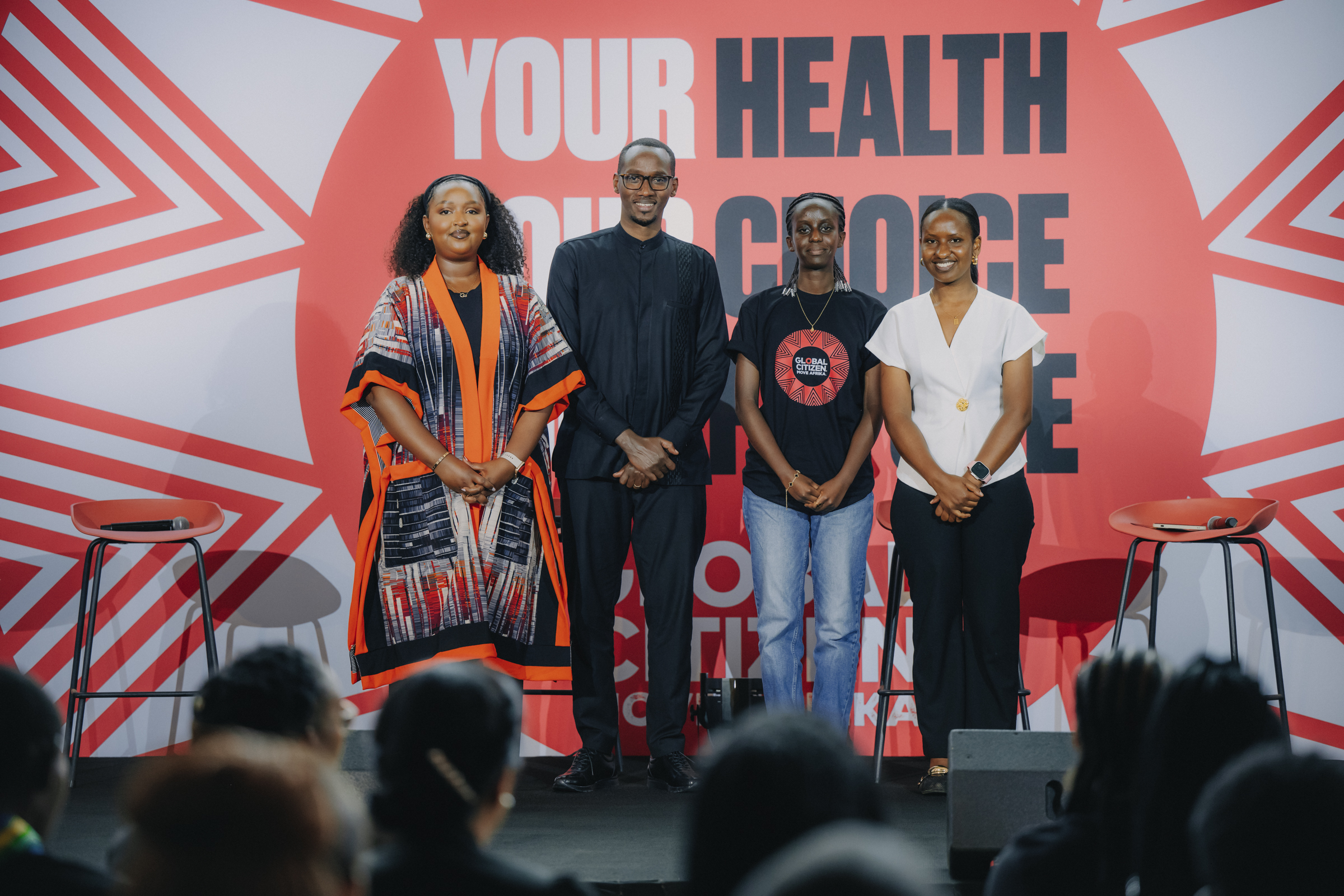
During the forum, participants engaged in panel discussions on consent, healthy relationships, and emotional well-being.
Health professionals and youth representatives answered questions about recognizing pressure in relationships, setting boundaries, and accessing youth-friendly health services.
Bernice Ineza, a 19-year-old student and one of the panelists, emphasized the importance of consent in everyday life.
“One of the key lessons we learned is that consent is something we should apply in everyday situations. For example, if someone asks for a picture or asks to do something you are not comfortable with, you should feel confident to say no, and that no really means no,” she said.
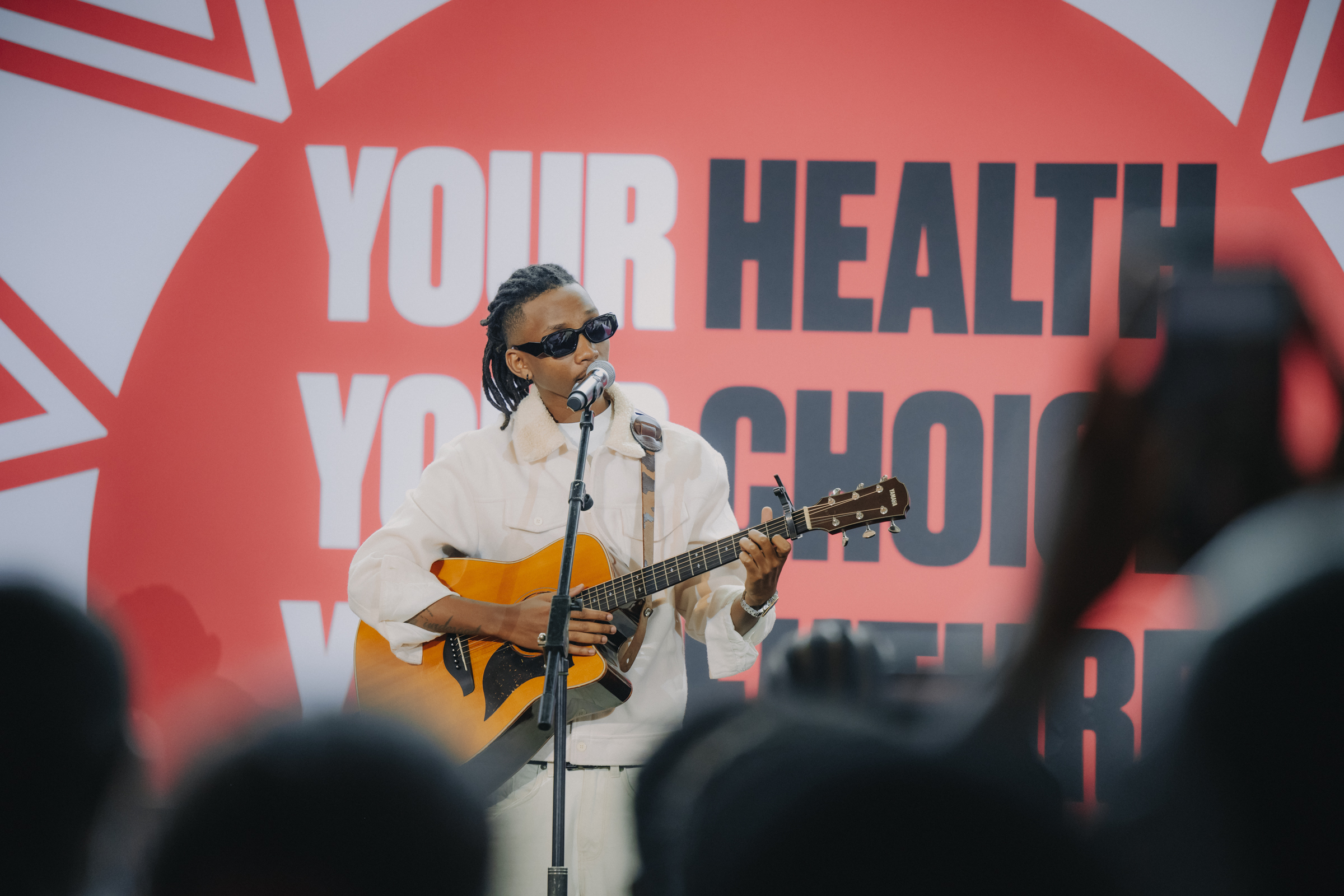
The event also featured a musical performance by Kivumbi King.
Organizers stated that such youth-focused engagements aim to reduce stigma around health conversations, improve awareness of sexual and reproductive health rights, and encourage responsible behavior among young people.
Panelists share valuable insights on youth health, relationships, and empowerment at the Global Citizen Move Afrika eventLeaders and youth unite at the Global Citizen Move Afrika event, empowering the next generation.Kivumbi King brings the energy, entertaining the youth at the Global Citizen Move Afrika eventIphie Chuks-Adizue, Global Citizen’s Managing Director for Africa, praised efforts to empower young people in Rwanda during the Global Citizen Move Afrika event
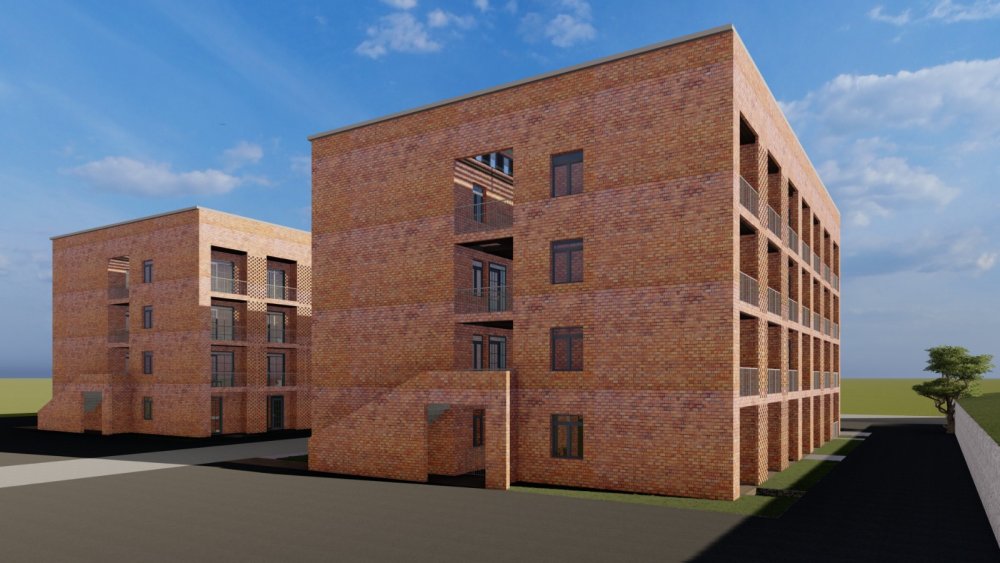
This timeline was announced following the cabinet meeting held on March 4, which greenlighted an agreement between the Government of Rwanda and Bauhaus International Rwanda Ltd, a subsidiary of Bauhaus International Incorporated, headquartered in New Jersey, United States, for the phased development of more than 3,000 housing units.
This initiative will make a major contribution to Rwanda’s urban development goals and expand access to modern, affordable housing.
Phase one development
The initial phase involves constructing 892 housing units in Gahanga Sector, Kicukiro District, Kigali. The estate will feature diverse modern residential options, including one- and two-bedroom apartments, three-bedroom apartments, and three-bedroom terraced duplex houses.
The project also incorporates a community center to offer social and recreational services for residents.
“This development represents an important contribution to Rwanda’s vision of modern, sustainable urban living. Our goal is to deliver high-quality housing while creating a vibrant community environment for residents,” said Mukiza.
The project will be implemented through a partnership framework involving key national institutions, with the City of Kigali and the Rwanda Development Board acting as project promoters, and Bauhaus International Rwanda Ltd serving as the developer.
This collaboration underscores Rwanda’s ongoing commitment to attracting international investment and forging partnerships that fast-track infrastructure and housing advancements.
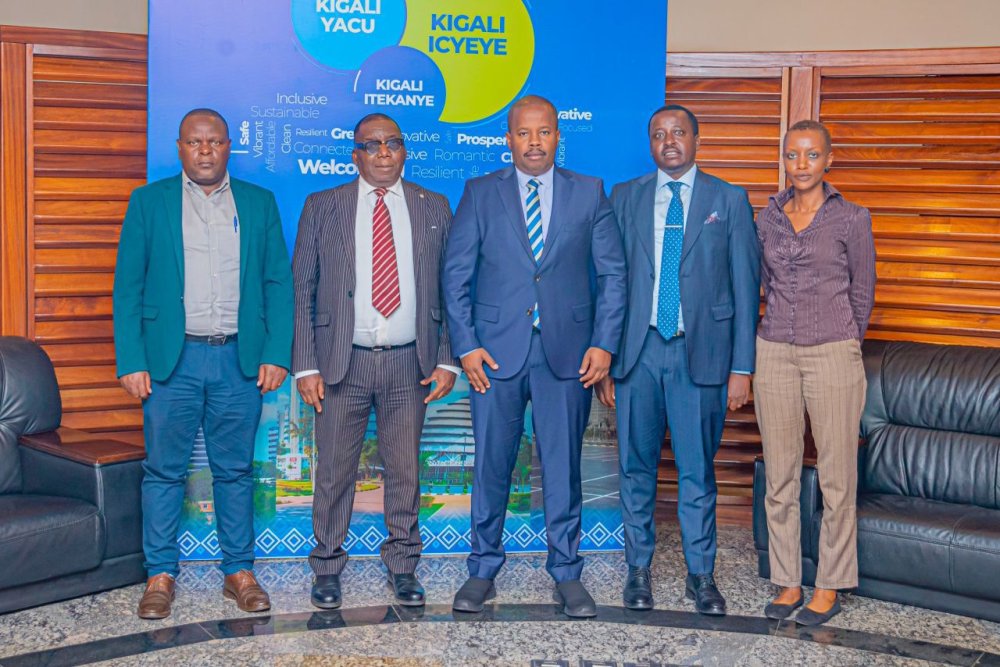
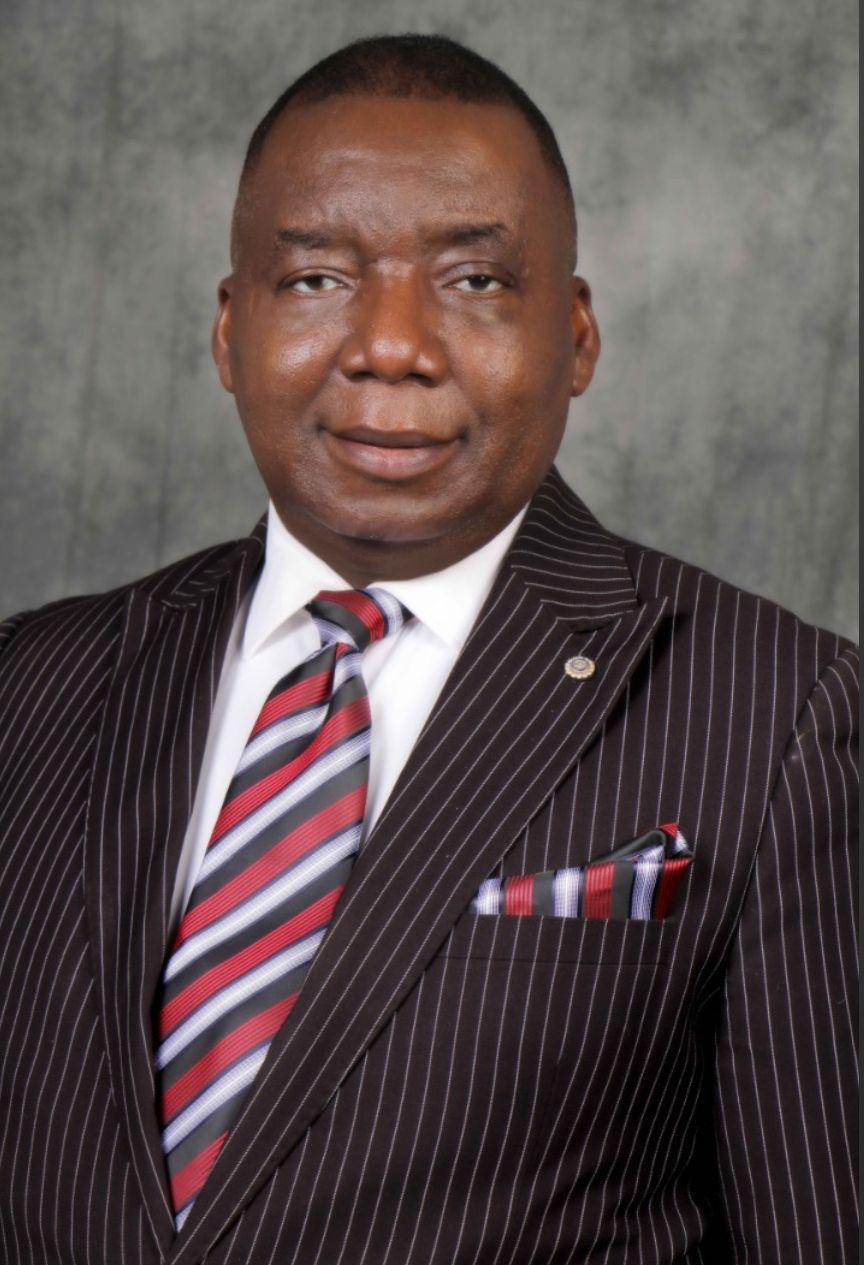
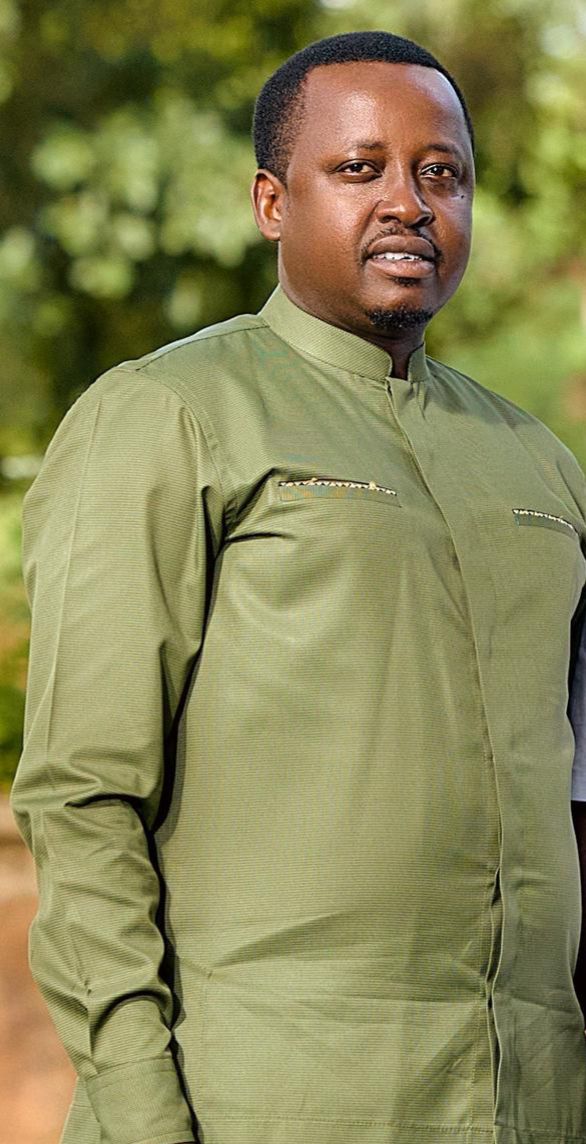
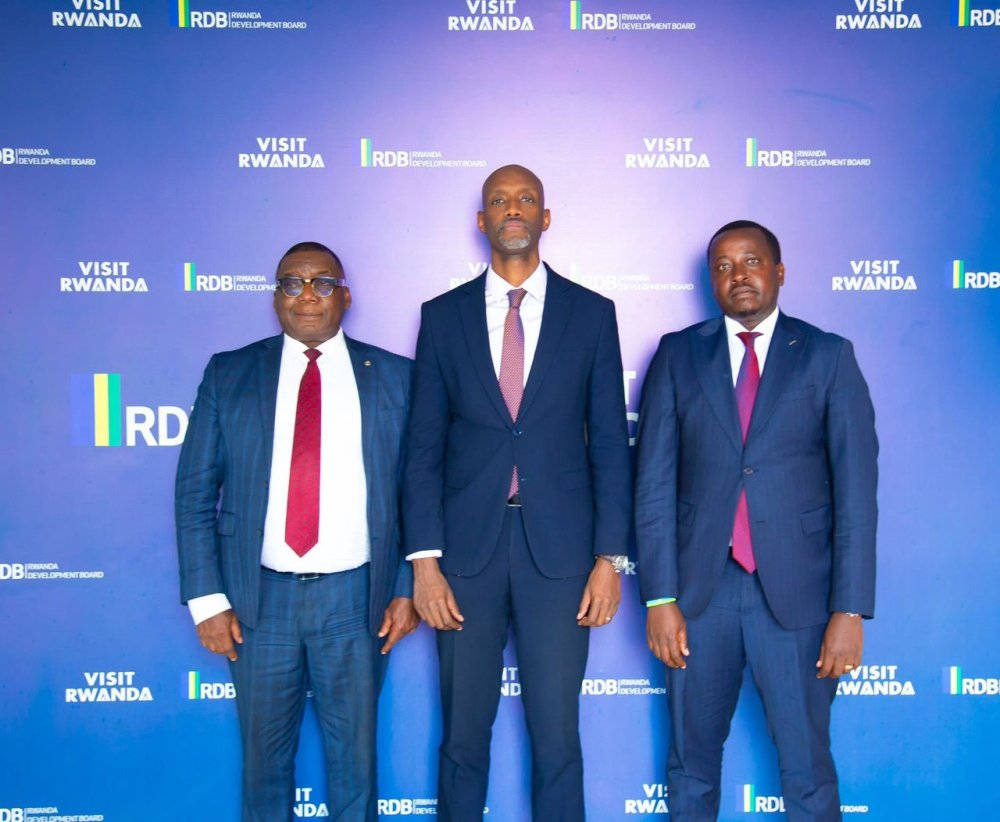
The project will be implemented through a partnership framework between the City of Kigali, the Rwanda Development Board, and Bauhaus International Rwanda Ltd serving.Dr Victor C ONUKWUGHA, the CEO of Bahaus International Ltd Richard Mukiza, Managing Director of Bauhaus International Rwanda Ltd said the project will be completed within 24 months.
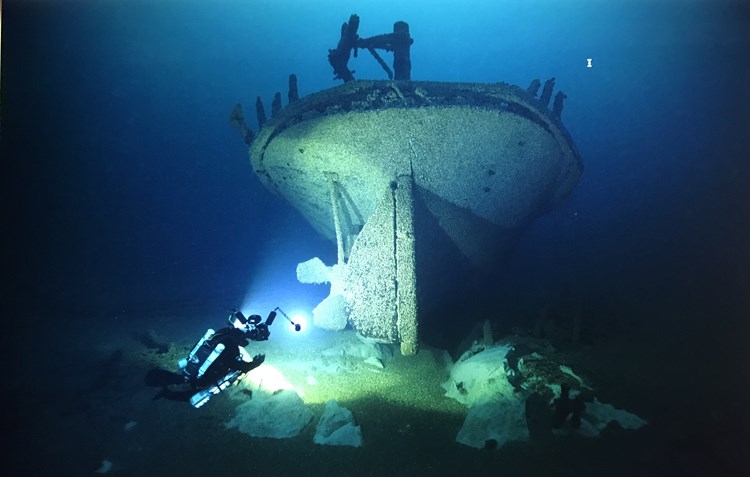
Paul Ehorn recently announced the discovery of the ‘Lac La Belle’, a 217-foot luxury passenger steamer that sank during a storm in October 1872. The vessel had departed from Milwaukee heading to Grand Haven, Michigan, when it was damaged in a gale just two hours into its journey.
Eight of the 53 people on board died after a lifeboat capsized, while the remaining passengers survived.
The Great Lakes are known for their dangerous maritime history. Historians estimate that more than 6,000 shipwrecks have been documented in the region, most occurring between 1840 and 1900 when heavy traffic and severe weather often collided.
In Lake Michigan alone, about 1,500 ships are believed to have sunk. According to Brendon Baillod, president of the Wisconsin Underwater Archaeology Association, many vessels were pushed ashore by storms, while fewer, like the ‘Lac La Belle’, sank in deeper waters.
At the time of its operation, the ‘Lac La Belle’ was considered a high-quality and fast vessel, reportedly about 30 percent faster than other steamers.
It featured elegant passenger spaces including parlours and a main salon decorated with chandeliers. Alongside its passengers, the ship also transported cargo such as barley, flour, pork and whiskey along an important commercial route connected to Michigan’s railroad network.
Ehorn’s fascination with shipwrecks began at age 15 when he started scuba diving. Since 1965, he has helped locate 15 shipwrecks, including the automobile carrier Senator in 2005. His breakthrough in the search for the ‘Lac La Belle’ came in 2022 after fellow shipwreck hunter Ross Richardson uncovered a key clue. Using side-scan sonar, Ehorn detected the ship’s outline on the lakebed.
Two years later, divers documented the wreck, which remains in surprisingly good condition. Ehorn plans to share footage of the discovery at the 2026 Ghost Ships Festival in Manitowoc, Wisconsin in the United States, while continuing his lifelong search for other lost vessels.
The stern of the Lac La Belle showing one of her propellers missing.This image of an original photo print provided by Brendon Baillod shows the Lac La Belle docked at Marquette, Mich., in 1866. (Brendon Baillod via AP)
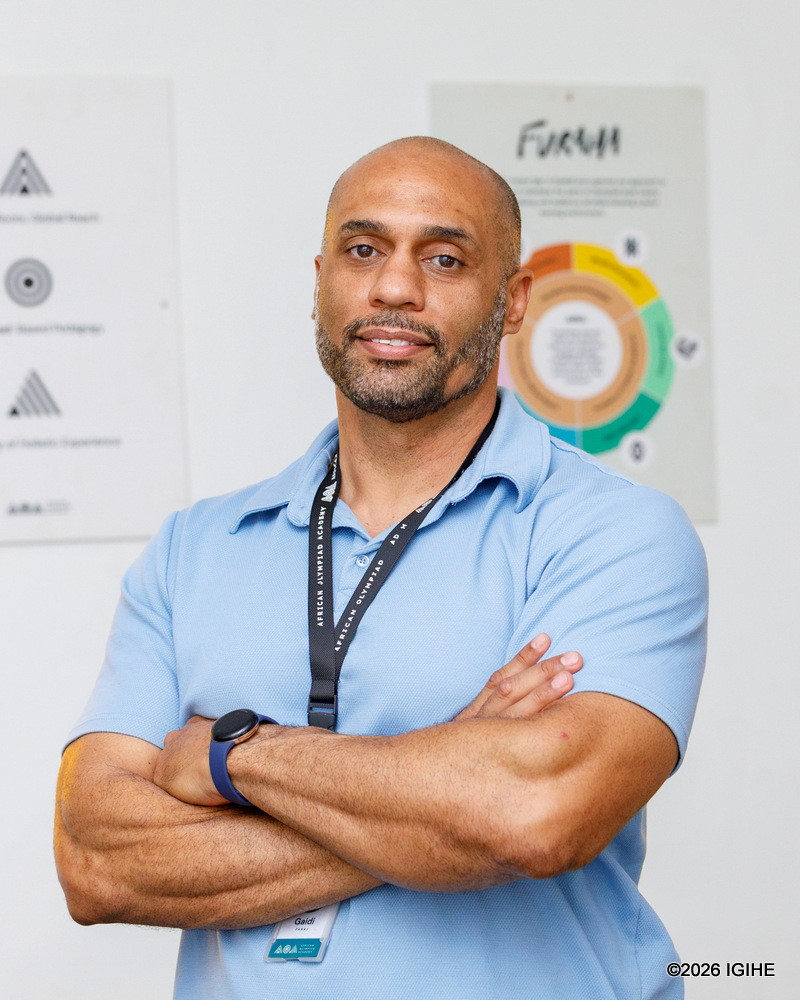
Holding a PhD from the University of California, Berkeley, Faraj first moved to Tanzania for dissertation research, where he ended up living for about 12 years before eventually relocating to Rwanda, where he established the African Olympiad Academy.
The latter is a unique school dedicated to training the continent’s next generation of innovators, problem-solvers, and leaders.
In an exclusive interview with IGIHE reflecting on the decision to set up his school in Rwanda, Dr. Faraj explained that the country offers a unique environment for building impactful institutions.
“Both my wife and I have a very strong commitment to Pan-African institution building. We chose Rwanda as our base, but it’s not just to do work in Rwanda or just to impact Rwanda. Rwanda is almost like a sandbox where you can operate within a very safe and disciplined environment to build institutions and structures that have broader impact beyond the borders of Rwanda,” he said.
Dr. Faraj’s journey into education deepened after working in Tanzania’s private sector during a period when the country’s economy was opening up and undergoing rapid change.
“Education is my real passion. I believe in the transformative power of education,” he said.
His academic path led him to the African Leadership University (ALU), where he first worked in Mauritius before being asked to move to Rwanda to help launch the institution’s campus in 2018.
During his time in Rwanda, Faraj came to see the country as an example of how strategic planning and discipline can rebuild a nation and create an environment that supports innovation and institution building.
“One of the things that I really appreciate about Rwanda is that it is a proof of concept. Rwanda has been able to rebuild itself through focus, discipline, strategic planning and a real commitment to institution building,” he explained.
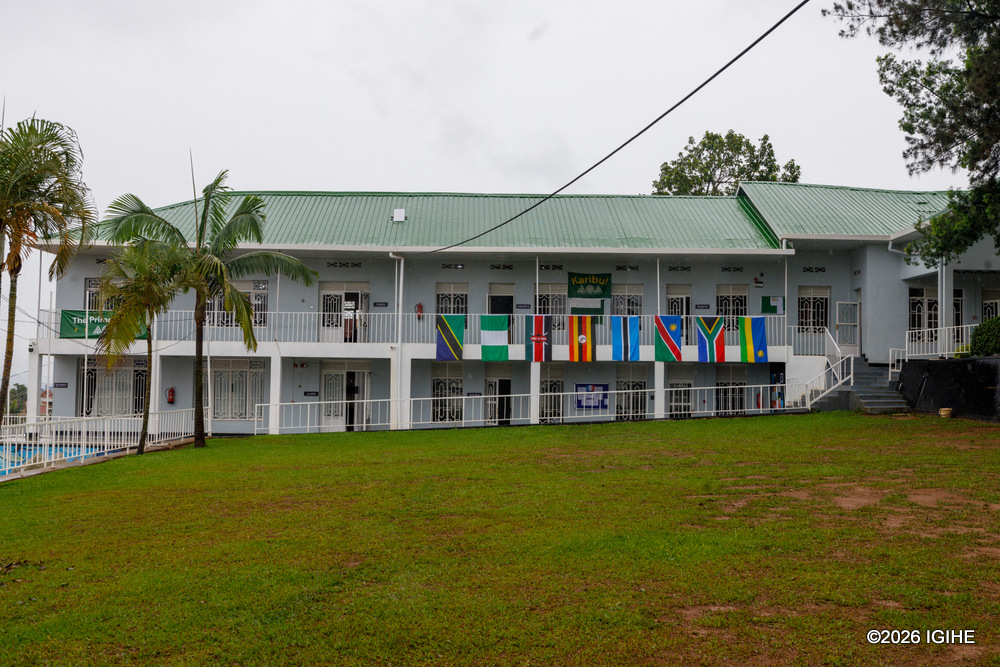
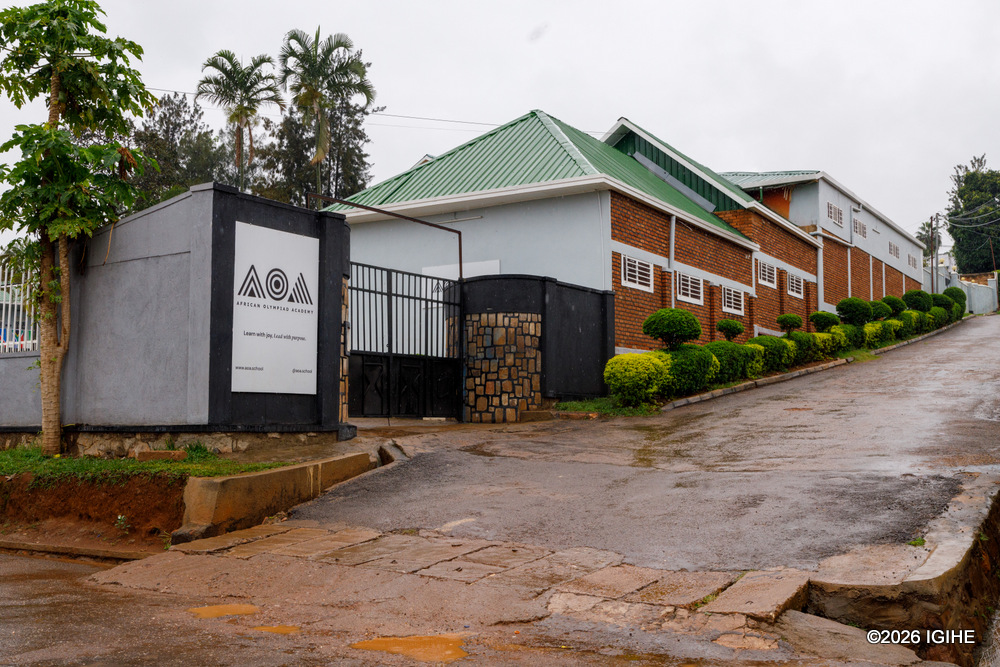
Inspired by this environment, Dr. Faraj later co-founded the African Olympiad Academy (AOA) in Kigali, a Pan-African residential high school dedicated to nurturing Africa’s most talented students in mathematics, science, and technology.
The academy, launched in November 2025, offers full scholarships and uses an Olympiad-based learning approach to prepare students for international competitions and careers in advanced technology.
Dr. Faraj and his wife are both committed to Pan-African institution building, using Rwanda as a foundation to impact the continent and beyond.
According to Dr. Faraj, the school also aims to challenge common misconceptions about Africa’s intellectual history.
“We want our students to understand that they come from a rich tradition of doing mathematics and STEM on the continent. Too often Africans get pigeonholed as only doing culture, but the reality is we built the pyramids, and the pyramids required a great amount of math,” he said.
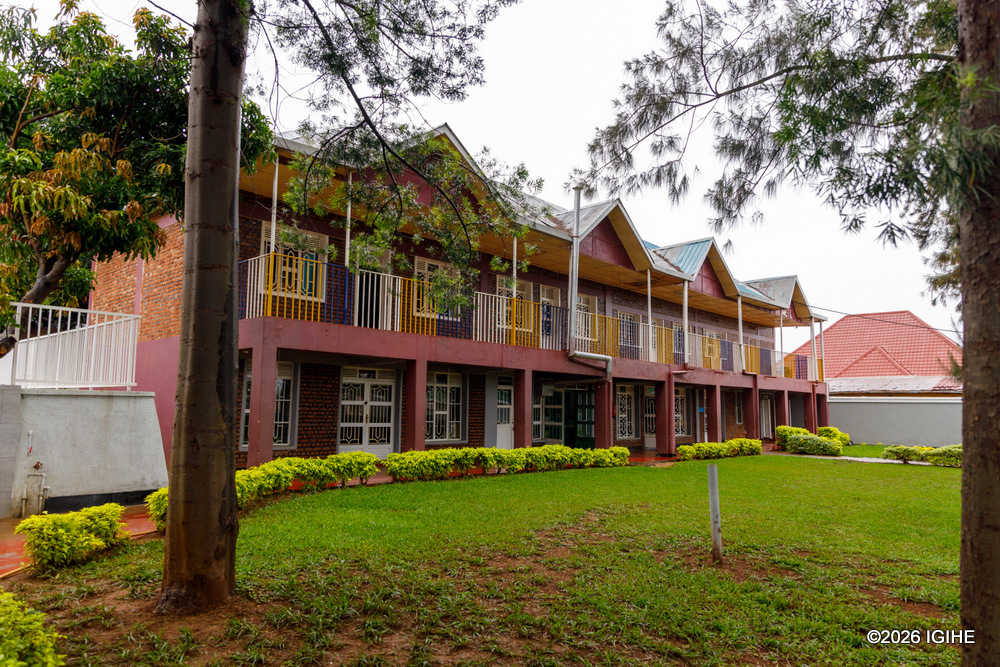
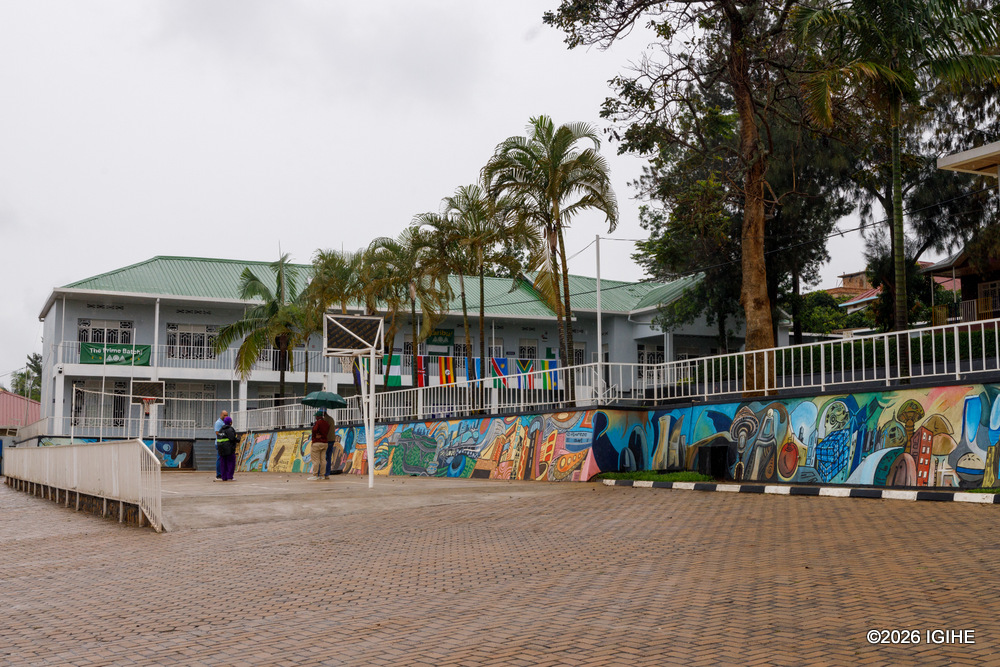
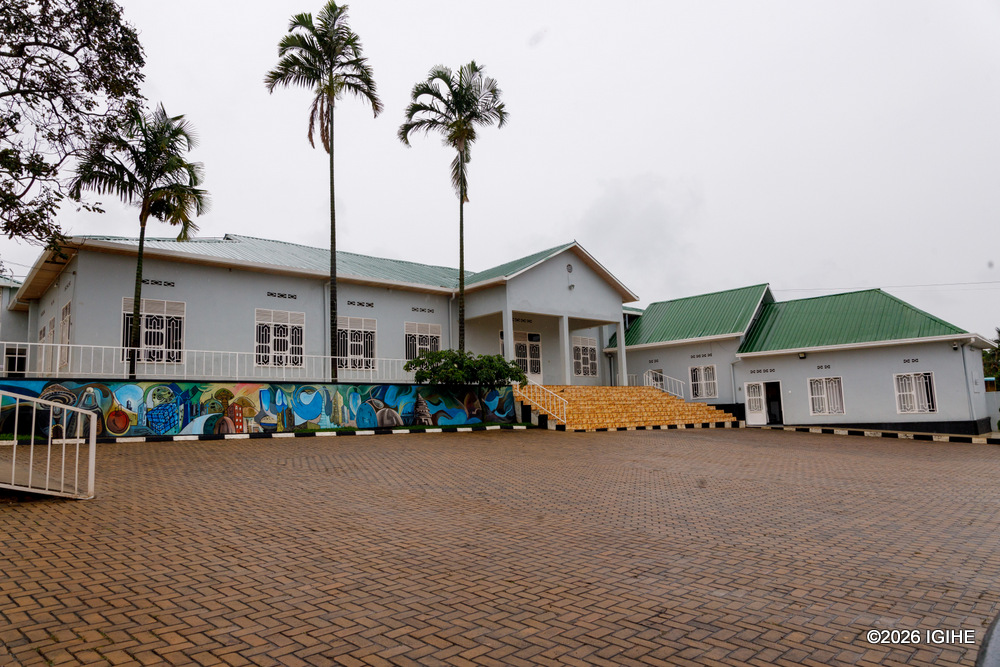
The academy is located in Kanombe, Kigali, on the renovated campus of a former primary school. At the entrance stands a large mural illustrating the history of science and technology in Africa, linking ancient achievements with modern landmarks like the Kigali Convention Centre and an imagined Afro-futurist future.
“This is our Afro-futurism mural. We want to inspire our students to think about themselves as the architects of Africa’s future,” Dr. Faraj said. “If we ever achieve the Africa we want, it will be because our students have been able to imagine and build what that future looks like.”
Currently, the academy hosts 30 students from eight African countries, with plans to expand gradually to about 120 students. Admission is highly competitive, and unlike traditional schools, students do not apply.
Students are selected through competitions, mathematics camps, and the Rwanda Olympiad program, which attracts tens of thousands of participants across the continent. In one recent competition, more than 60,000 students participated before the selection process narrowed down to a small group of finalists.
At AOA, the curriculum is built around three core subjects: foundational mathematics, applied mathematics, and global perspectives. The emphasis on mathematics is particularly important in the age of artificial intelligence.
“You can’t really have AI if you don’t have strong foundational math,” Dr. Faraj said. “If Africa does not develop its own AI developers, we will simply remain consumers of technologies created elsewhere.”
The applied mathematics courses include physics and computer science, while the global perspectives program ensures students understand history, geopolitics, economics, and African identity.
“We want our students to understand the world around them and have a strong sense of African identity so that when they apply their skills, they are solving real problems facing the continent,” he said.
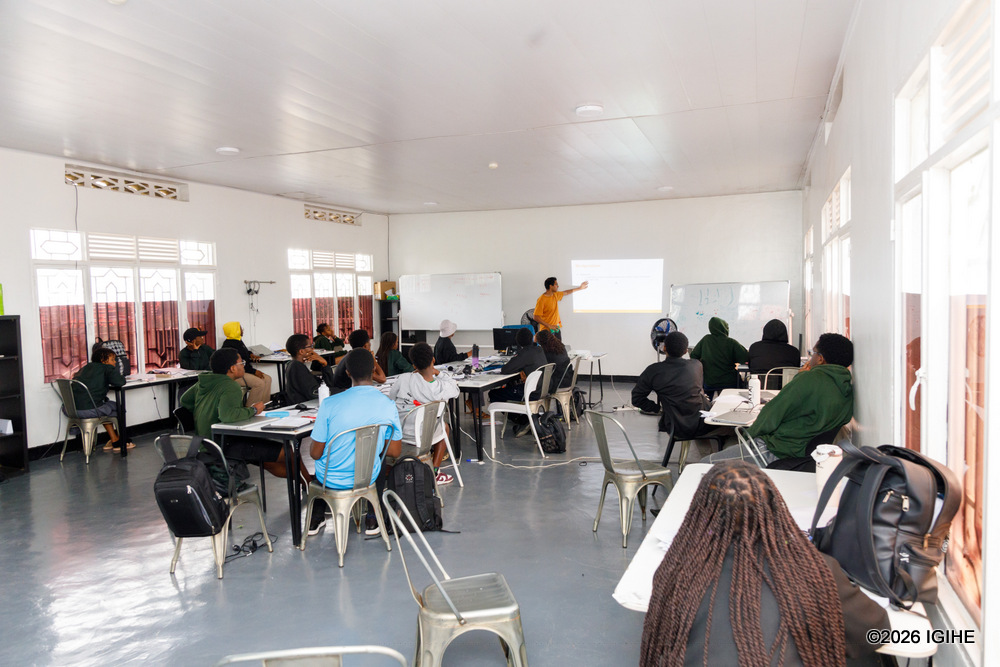
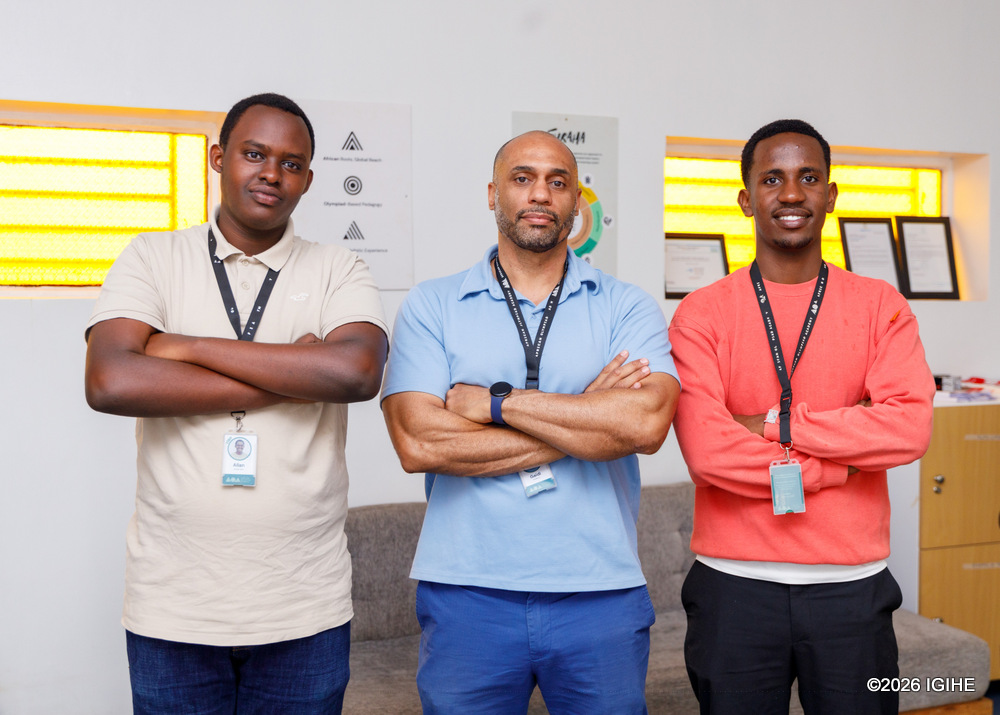
Students at the African Olympiad Academy (AOA) are mastering applied mathematics, equipping themselves with the skills needed to innovate in AI and technology.Some of the dedicated staff at the African Olympiad Academy (AOA).
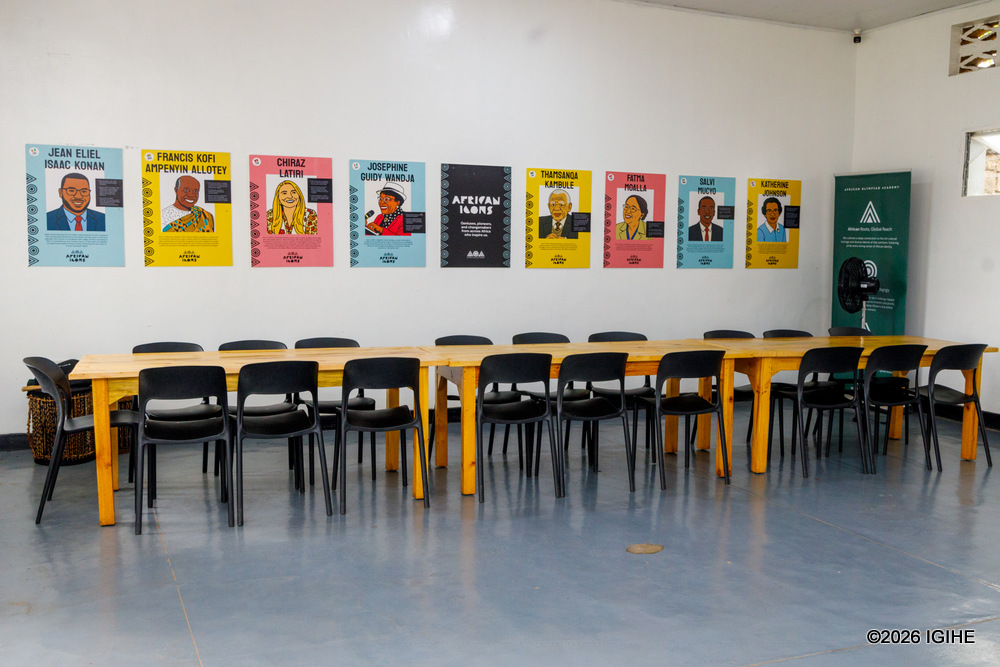
Life at the academy extends beyond the classroom. The campus features murals celebrating African scientists and innovators, residential facilities for students, and spaces where learners interact through activities such as games, movie nights, and discussions.
The academy also runs an online initiative called Rising Stars, which provides mathematics training for talented students across Africa in both English and French.
Rwanda’s supportive environment played a crucial role in the academy’s rapid development. According to Dr. Faraj, the country’s stability, openness to African diaspora professionals, and ease of establishing institutions allowed the school to launch in just one year.
Looking ahead, the academy aims to prepare students to compete in prestigious competitions such as the International Mathematical Olympiad and other global science contests. Dr. Faraj believes that such programs can help African students gain entry to the world’s top universities and become innovators shaping the continent’s future.
“Our mission here is really about scaling impact,” he said. “Research shows that students who participate in math Olympiads often go on to achieve extraordinary things. We want our students to be AI creators and developers so that Africa is not dependent on technologies built elsewhere.”
Through the African Olympiad Academy, Dr. Faraj hopes to build a Pan-African educational ecosystem capable of transforming Africa’s youngest generation into global leaders in science, technology, and innovation during the Fourth Industrial Revolution.
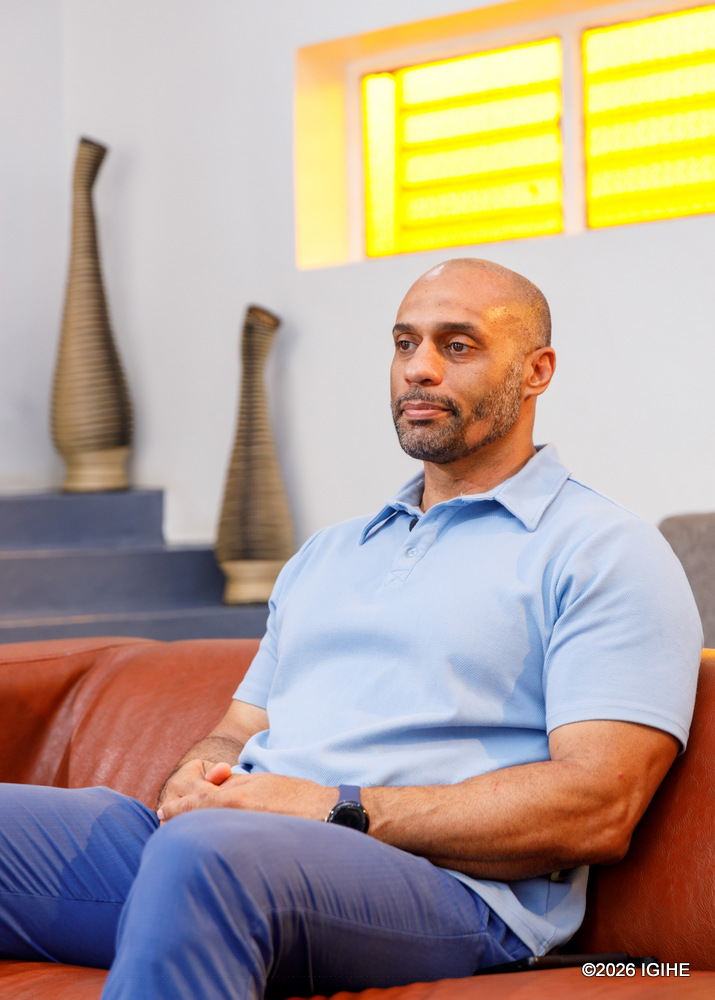
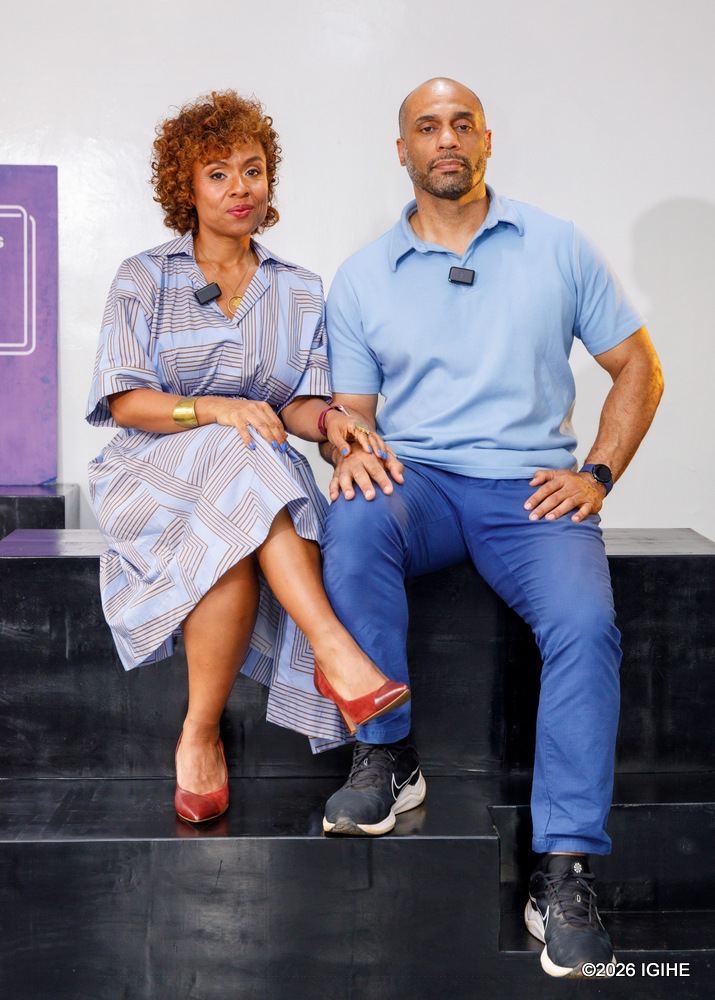
Outside the classrooms of the African Olympiad Academy.The academy is located in KanombeDr. Gaidi Faraj, an educator hailing from California.
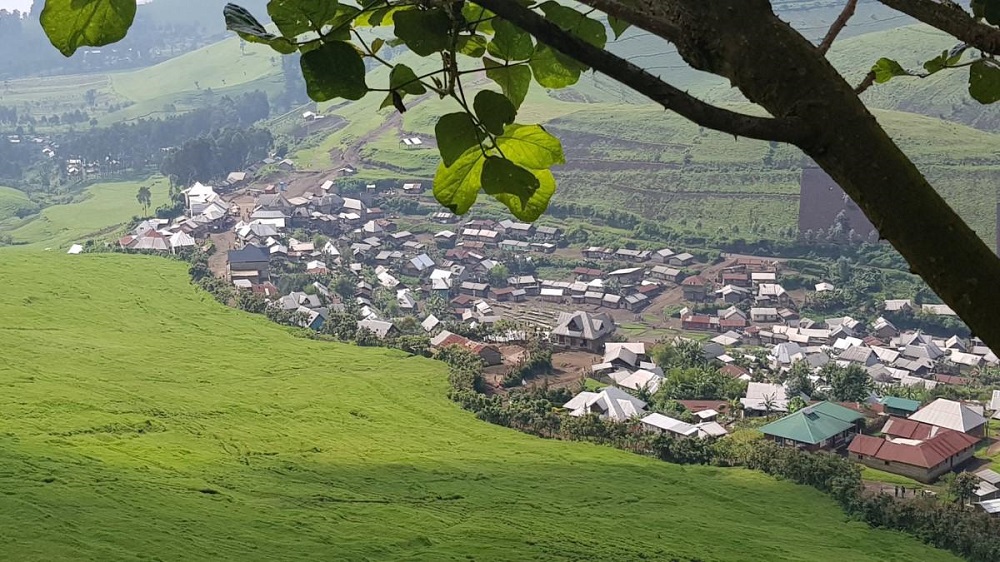
AFC/M23 spokesperson Lawrence Kanyuka explained that the attack targeted densely populated areas in the Masisi territory of North Kivu province, resulting in numerous civilian casualties and the destruction of homes.
“At 5:15 a.m., the Kinshasa government forces fired multiple indiscriminate shells at heavily populated areas in Mushaki and its surroundings. These attacks were blind and showed no regard for human life, killing many innocent civilians and destroying numerous houses,” Kanyuka said.
AFC/M23 seized control of Mushaki in early December 2023, expelling DRC, Burundian, and allied forces. Mushaki is a strategically important area in Masisi territory, located approximately 30 kilometers from the city of Goma.
Kanyuka further stated that this morning, DRC forces also carried out a significant attack in the densely populated Gakenke area in Minembwe commune, actions he described as part of a plan to target the Banyamulenge population.
These attacks follow a drone strike carried out by DRC forces on March 6 in the Kibanda Mangobo area of Walungu territory, South Kivu province.
AFC/M23 reported that eight people were killed and 12 others injured in this latest attack, reiterating its commitment to protecting civilians who continue to be affected by ongoing hostilities.
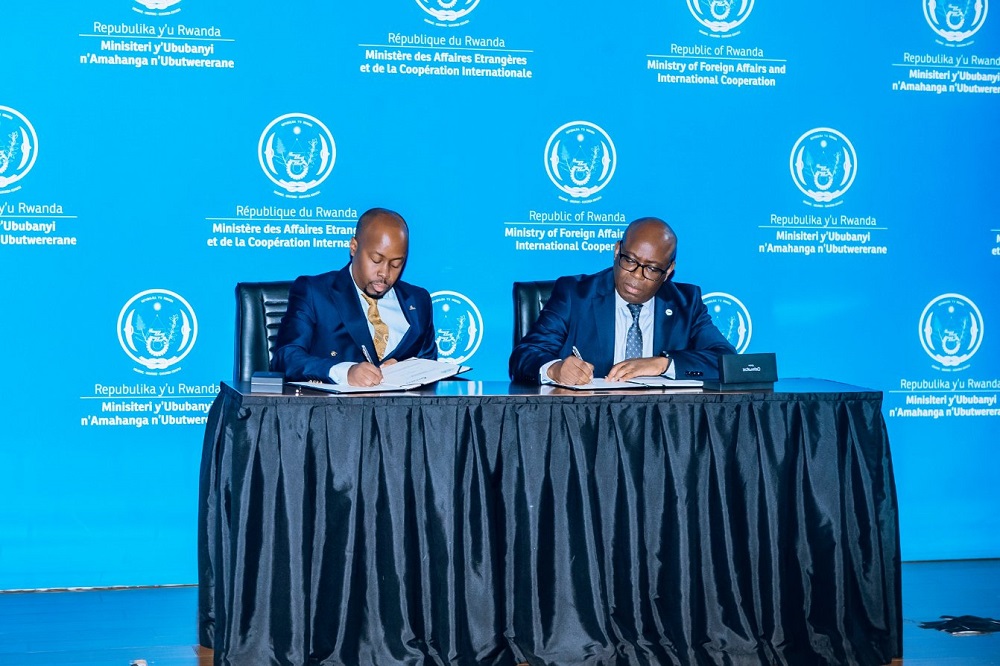
The agreement ensures that products from Rwanda certified as meeting quality standards will no longer require retesting upon arrival in these countries and can move directly to their markets.
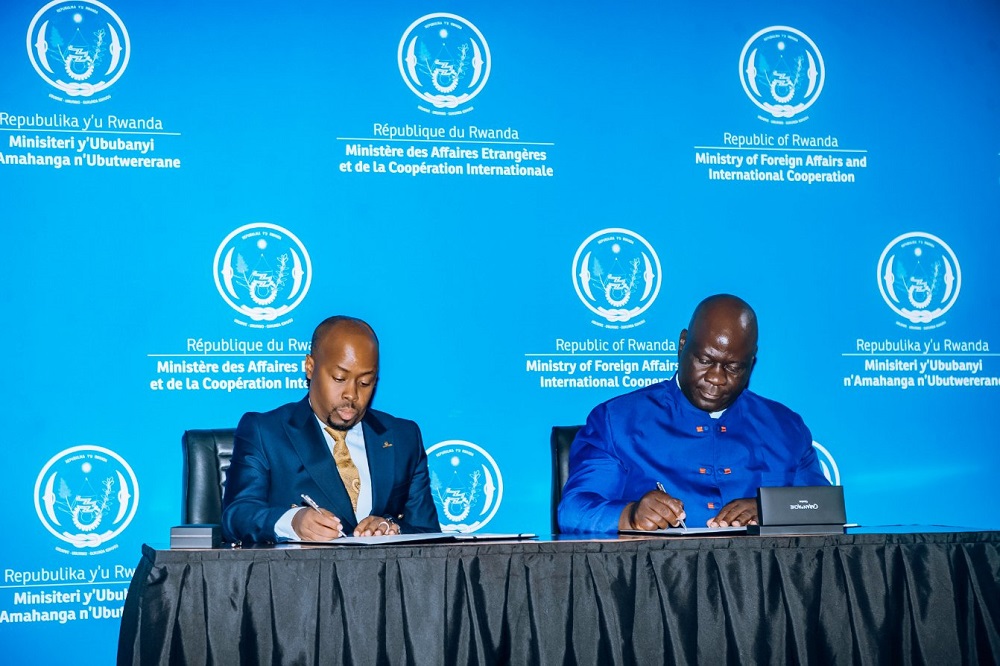
The same applies to products originating from Zimbabwe and Congo Brazzaville exported to Rwanda. The agreement was signed in Kigali at the Ministry of Foreign Affairs and Cooperation on March 6, 2026, and is based on collaboration between Rwanda Standards Board (RSB) and the equivalent institutions in Zimbabwe and Congo Brazzaville.
Key provisions include recognizing that laboratories in the three countries meet internationally trusted quality standards. Products tested in Rwanda will not need to be retested in Zimbabwe or Congo Brazzaville, speeding up trade and reducing the costs associated with repeated testing.
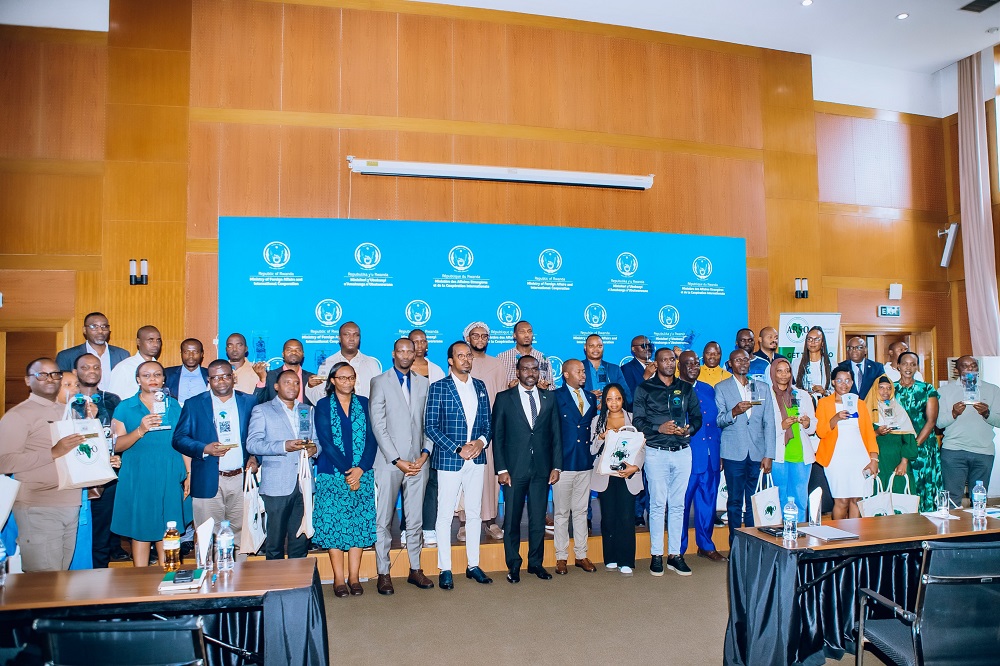
The signing followed a three-day meeting of the African Organisation for Standardisation (ARSO) held in Kigali, which focused on establishing 25 continental quality standards for unstitched fabrics, textile products, and related goods.
Following the agreement, 32 Rwandan factories received certificates confirming that their products meet trade-quality standards across Africa. This will prevent delays at customs and the need for additional testing in other countries.
The head of Uniworks Transporters and Logistics, which also operates a maize-processing factory in Rwanda, said the certificates will ensure their products are internationally trusted.
He stated, “When we started, it was challenging. We even began operations in Uganda before coming here, and it was not easy. Opening doors to other African markets is very important for our business. Previously, the challenge was proving the quality of our products; retesting in other countries caused delays and extra costs.”
Rwanda’s Minister of Trade and Industry, Sebahizi Prudence, said that Africa has long been criticized for signing agreements without implementing them. He emphasized that such agreements now help accelerate trade among the signatory countries.
ARSO Secretary-General Dr. Hermogene Nsengimana said the agreement benefits all parties and will open opportunities for Rwanda to expand trade with Southern African Development Community (SADC) countries, where Zimbabwe is a member.
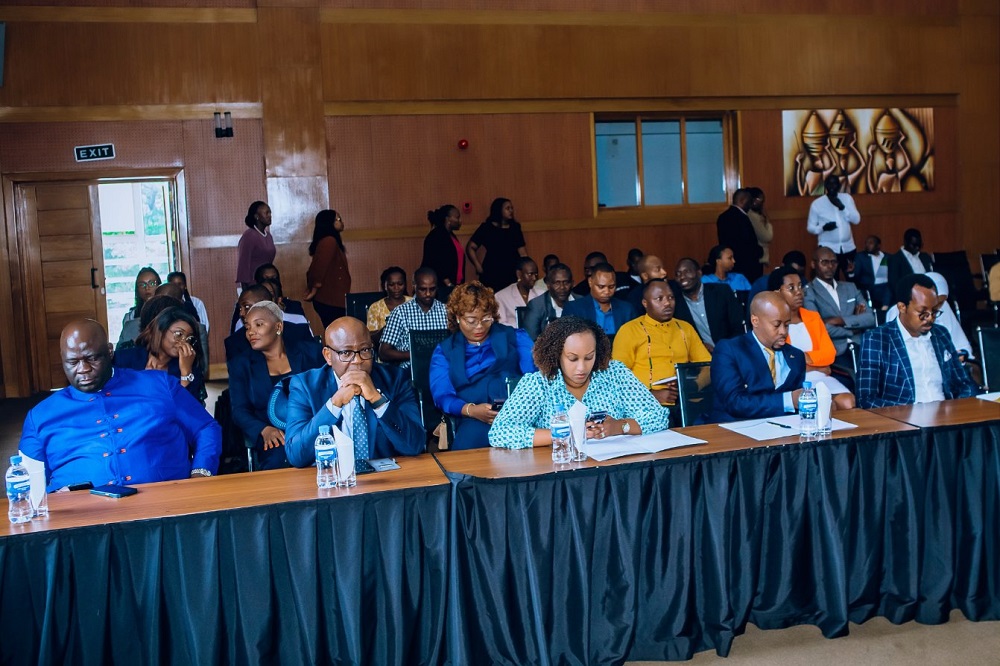
Rwanda and Zimbabwean representatives signing the agreement in Kigali. Officials who participated in the meeting in a group photo. The agreement was signed on Friday, March 6, 2026. The signing followed a three-day meeting of the African Organisation for Standardisation (ARSO) held in Kigali.