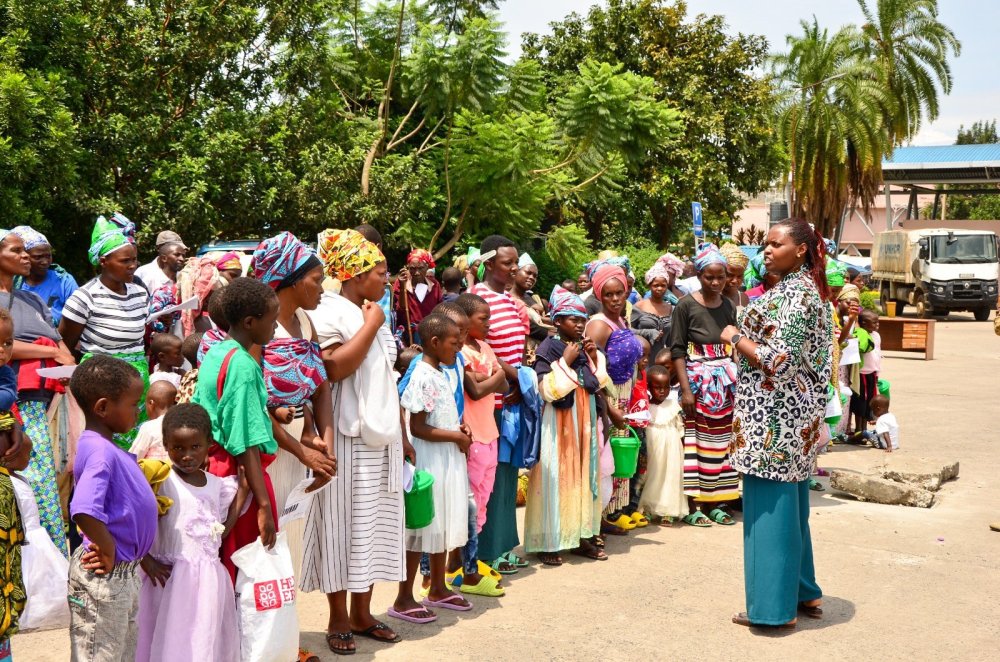
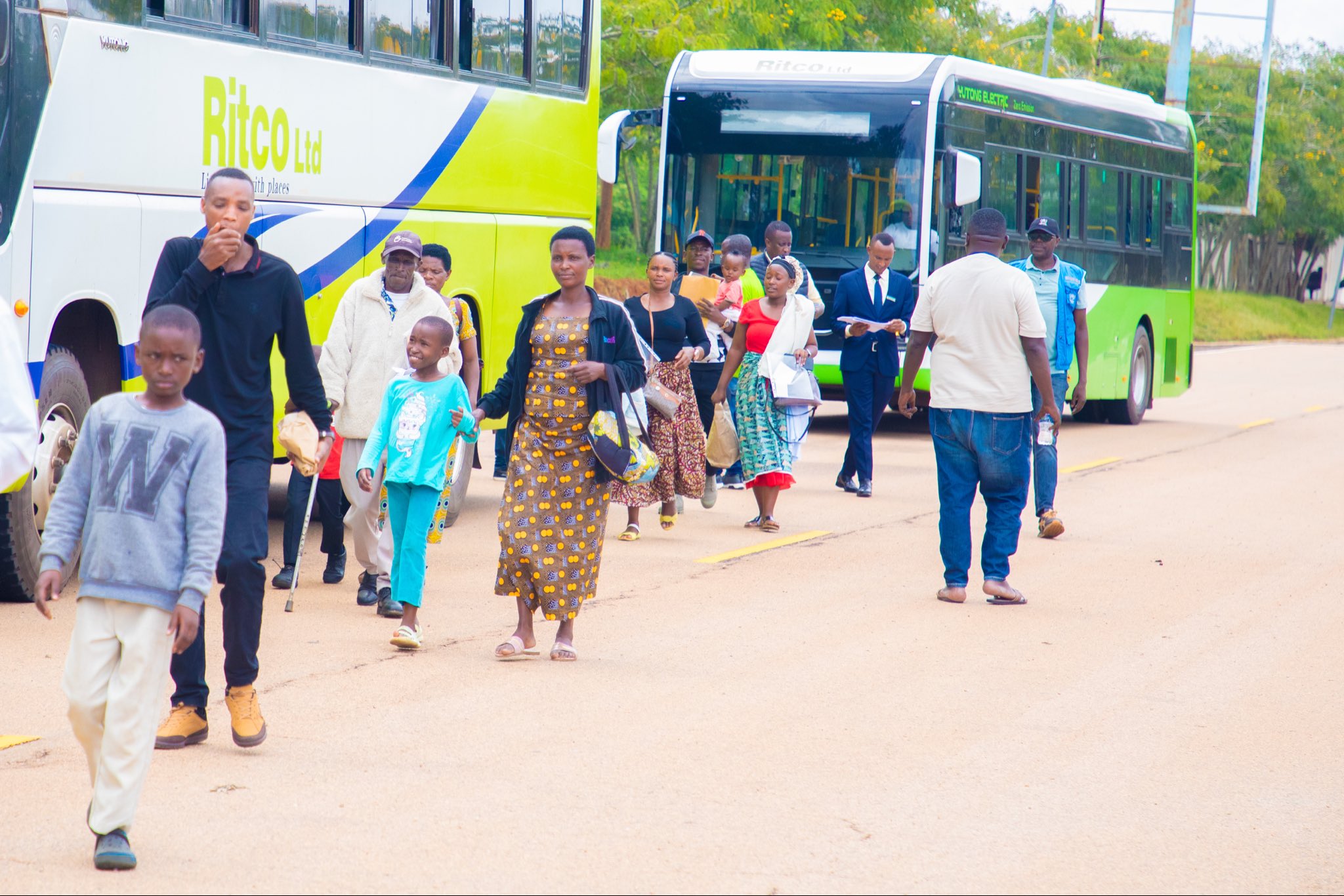
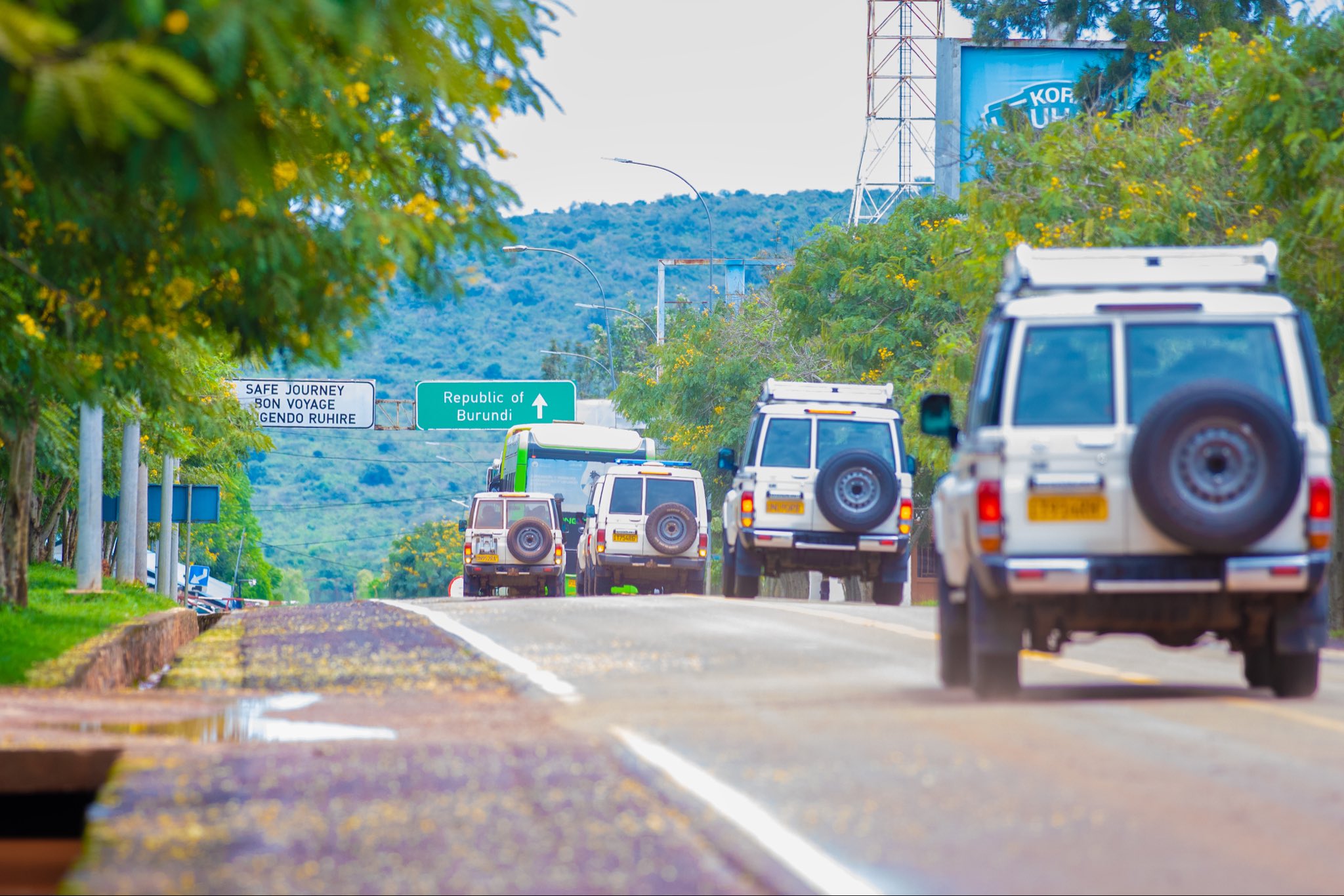
The group crossed into Rwanda on Thursday, March 12, 2026, through the main border post linking the two countries in Rubavu District, where they were received by the district’s Vice Mayor in charge of Social Affairs, Ishimwe Pacifique.
Most of the returnees are women and children, many of whom were born in the Democratic Republic of the Congo.
Speaking to the Rwanda Broadcasting Agency, several of them said they decided to return after being encouraged by fellow Rwandans who had previously repatriated and successfully rebuilt their lives back home.
Many of those returning had spent years under the control of the FDLR, a militia group formed by perpetrators of the 1994 Genocide against the Tutsi who fled to the DRC after being defeated by the Rwandan Patriotic Army (RPA).
Since the M23 rebel forces began taking control of large parts of eastern DRC, the returnees say security conditions have improved, allowing them to consider going back to Rwanda.
In cooperation with the United Nations High Commissioner for Refugees, those willing to return are being facilitated to repatriate.
The returning Rwandan nationals were welcomed by the district’s Vice Mayor in charge of Social Affairs, Ishimwe Pacifique.
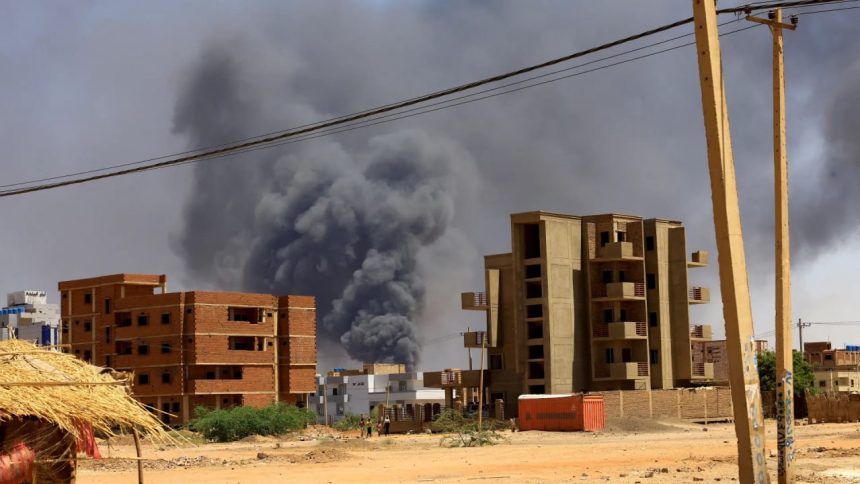
The Coordination Council of El Geneina Emergency Rooms, a voluntary civilian group, said in a statement that a drone fired four missiles at the crossing, killing 13 people involved in the fuel trade, including five women, and injuring five others.
The strike destroyed the fuel market at the crossing, damaged several civilian vehicles, and burned large quantities of food supplies, the group said.
According to the council, all the victims were small-scale traders who transported fuel and goods from the Chadian city of Adre to the crossing using traditional animal-drawn carts as part of their daily livelihood activities.
The group added that the crossing is also used for humanitarian operations, including the delivery of relief supplies, medicines, and shelter materials, as well as the movement of international humanitarian workers.
Meanwhile, an eyewitness, Adam Abdalla, a local fuel trader, told Xinhua that the attack occurred early in the morning while traders were preparing to begin their daily work.
“Several successive explosions hit the fuel market, and the fuel tanks and vehicles caught fire,” he said.
Abdalla added that the fuel market at the crossing had been a primary source of livelihood for dozens of families, noting that the strike caused heavy losses for traders and left the site almost completely destroyed.
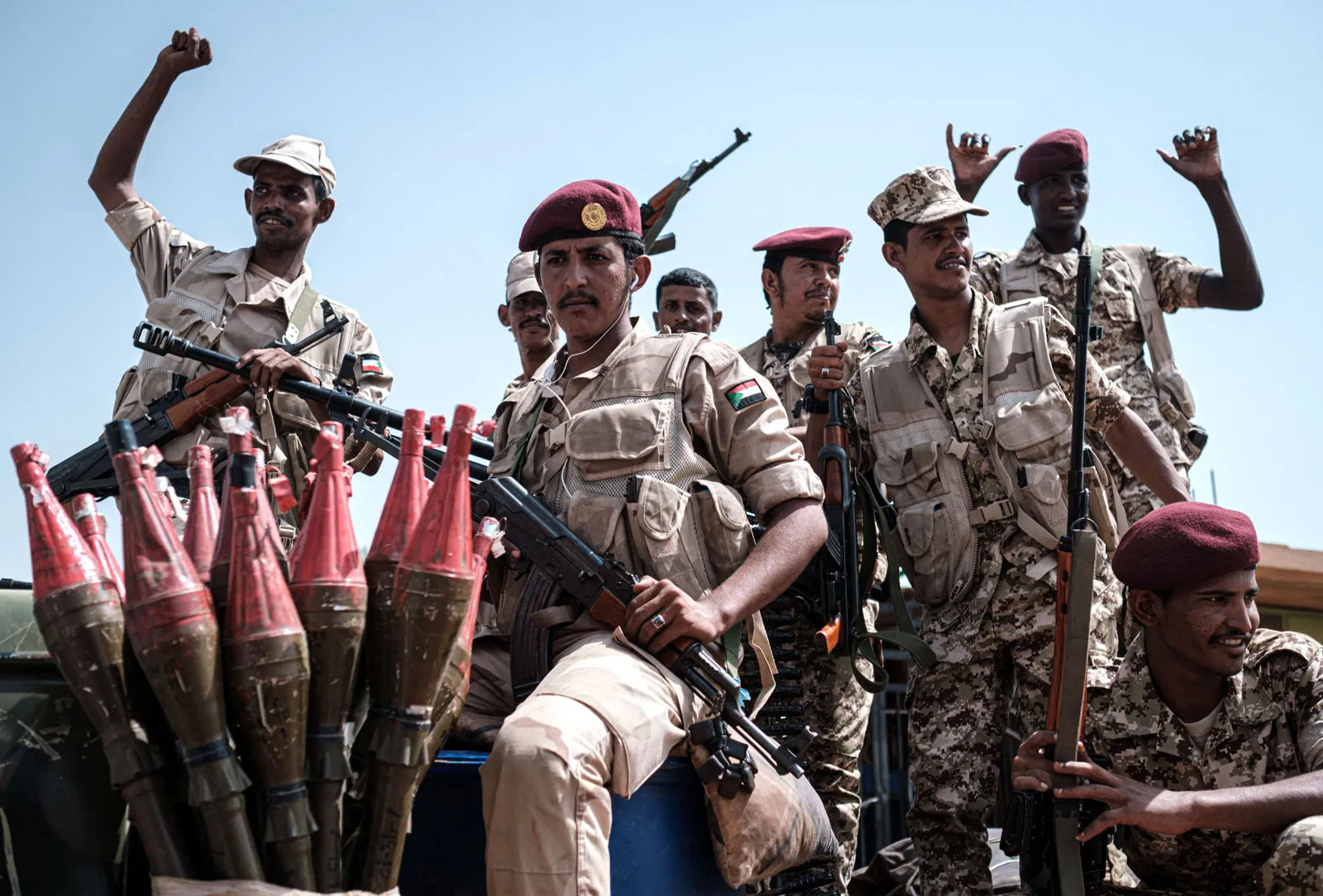
The paramilitary Rapid Support Forces (RSF) accused the Sudanese Armed Forces (SAF) of carrying out the attack, claiming it was intended to disrupt the delivery of humanitarian aid to the Darfur region.
The RSF called on the UN Security Council and international organizations to take urgent measures to halt what it described as “attacks” and to hold those responsible accountable.
Border crossings between Sudan and Chad, particularly the Adre crossing, are among the most important commercial routes for residents of Darfur, serving as a key artery for the movement of goods and people.
On February 23, Chad announced the closure of its border with Sudan after armed groups involved in the conflict crossed into its territory, while stating that humanitarian exceptions would still be granted subject to prior authorization.
Fighting between the SAF and the RSF erupted in April 2023 and has killed tens of thousands of people and displaced millions inside Sudan and across its borders.
The paramilitary Rapid Support Forces (RSF) accused the Sudanese Armed Forces (SAF) of carrying out the attack, claiming it was intended to disrupt the delivery of humanitarian aid to the Darfur region.
European Commission Deputy Chief Spokesperson Olof Gill told a press briefing that the Commission would carefully review the details of the U.S. investigation and continue to ensure that the EU’s interests are fully protected.
Gill added that the Commission would seek further clarification from Washington on how the Section 301 investigation would interact with the framework agreed under the EU-U.S. joint statement.
“The Commission will respond firmly and proportionately to any breach of the joint statement commitments,” Gill said.
Under the EU-U.S. trade deal reached in July last year, the EU agreed to eliminate tariffs on all U.S. industrial products and introduce tariff-rate quotas for a wide range of U.S. agri-food products entering the EU market. In return, Washington would set a 15-percent tariff ceiling on most EU goods exported to the United States.
Under the EU-U.S. trade deal reached in July last year, the EU agreed to eliminate tariffs on all U.S. industrial products and introduce tariff-rate quotas for a wide range of U.S. agri-food products entering the EU market.
Under the new legislation, any driver found with a blood alcohol content above the legal limit commits an offence. Convicted drivers face a fine ranging from Rwf 100,000 to Rwf 400,000 and imprisonment of three to six months.
The law specifically targets drivers of public transport, school buses, employee shuttles, tourist vehicles, and cargo trucks over 3.5 tons. Drivers whose blood alcohol level is at least twice the legal limit may face fines between Rwf 200,000 and Rwf 500,000 and imprisonment of three to six months, or one of these penalties.
Refusing a blood alcohol test is also criminalised. Drivers convicted of this offence face fines of Rwf 300,000 to Rwf 600,000 and imprisonment of three to six months if they operate public transport, school, or tourist vehicles, or cargo trucks over 3.5 tons. Drivers of other vehicles may face fines of Rwf 400,000 to Rwf 600,000 and imprisonment of up to 10 days.
The law sets the maximum permissible blood alcohol content at 0.80 grams per litre of blood. It also prohibits driving without a valid license, punishable by fines of Rwf 100,000–200,000 and 15–30 days in jail. Additionally, refusing to stop when signalled by a traffic officer is punishable by fines of Rwf 400,000–700,000 and imprisonment of three to six months.
The revision incorporates modern technology to enhance transparency and accountability in law enforcement, aiming to improve road safety and reduce accidents and fatalities. Traffic officers will prepare case files for prosecution in accordance with criminal procedure law.
Under the new legislation, any driver found with a blood alcohol content above the legal limit commits an offence. Convicted drivers face a fine ranging from Rwf 100,000 to Rwf 400,000 and imprisonment of three to six months.
Seventy-four Burundians, who had sought refuge in Rwanda over the years, have voluntarily returned to their home country, expressing gratitude for the safety and support they received while in Rwanda.
The group crossed the Rwanda-Burundi border at Nemba One Stop Border Post in Bugesera District on Thursday, March 12. The group included 44 men and 30 women from 47 families. Among them, 62 had lived in Mahama Refugee Camp in Kirehe District, while 12 had been residing in Kigali City.
They were received by officials from Burundi following their transfer, with representatives from Rwanda’s Ministry of Emergency Management (MINEMA) and the United Nations High Commissioner for Refugees (UNHCR) accompanying them.
The group crossed the Rwanda-Burundi border at Nemba One Stop Border Post in Bugesera District on Thursday, March 12.
Jérémie Havugiyaremye, who spent 25 years in Rwanda, said he lived a normal life during his stay and had four children there, adding to three he had brought with him, making seven in total.
“Life in the camp was not easy, but we did not face any problems while in Rwanda,” Havugiyaremye said. “However, a camp is not a place to stay permanently. I miss my country, and I have decided to return to rebuild my life there.”
He added that his decision was influenced by friends who had returned earlier and reported that peace had been restored in Burundi.
The voluntary repatriation was facilitated by the United Nations High Commissioner for Refugees (UNHCR) in coordination with officials from Rwanda and Burundi.
Oda Mariya, who had lived in Rwanda for 11 years after fleeing the unrest in Burundi in 2015, said she returned after learning that peace had returned.
“I fled alone, leaving my family behind,” she said. “Friends who returned earlier told us it was peaceful. I decided to go back and live normally with others, as we had no issues here in Rwanda.”
Karagire Gonzague, Refugee Programme Manager at MINEMA, said that since 2020, more than 31,000 Burundians have voluntarily returned home, with Burundi actively encouraging returns.
“In 2022, Burundi officials visited Mahama Camp and Kigali to speak with refugees and encourage them to return,” he said. “Last year, online discussions were held to explain to refugees the reasons for going back home.”
The 74 returnees join 115 others who returned in November 2025 from Mahama Camp and Kigali. MINEMA reports that since 2020, more than 30,000 Burundian refugees have returned home, while Rwanda continues to host over 50,000 others.
The Burundian nationals expressed gratitude for the safety and support they received while in Rwanda.
In a statement released on Thursday, the federation highlighted that the appointment ‘reflects Rwanda’s continued commitment to strengthening football structures and achieving excellence on the continental and global stage’.
Coach Constantine is set to take charge of the Amavubi squad on Monday, March 16, 2026, and will immediately begin preparations with the existing team ahead of the FIFA Series Tournament scheduled later this month in Kigali City.
FERWAFA announced that further details regarding technical plans, strategic objectives, and the roadmap for the teams will be shared during an official press conference planned for next week.
Stephen Constantine previously served as the team’s head coach between 2014 and 2015 before leaving to take charge of the India national football team.
During his earlier stint with Amavubi, Constantine had been tasked with preparing the team for the 2016 African Nations Championship (CHAN), which was hosted in Rwanda. After his departure, Rwanda went on to reach the quarter-finals of the tournament.
He returns to Rwanda at a time when the country is ranked 131st in the FIFA rankings, compared with 68th when he left the role, the highest position Rwanda has ever achieved in its history. During his tenure, Amavubi remained unbeaten at home.
In the seven matches played during that period, the team lost only one, against Congo national football team, while drawing two games against Burundi national football team and Morocco national football team.
In 2025, Constantine expressed his continued appreciation for Rwanda after defeating Nigeria national football team on their home ground. He described Rwanda as a country that has made progress in football with talented players.
Stephen Constantine has been confirmed as new Amavubi head coach.
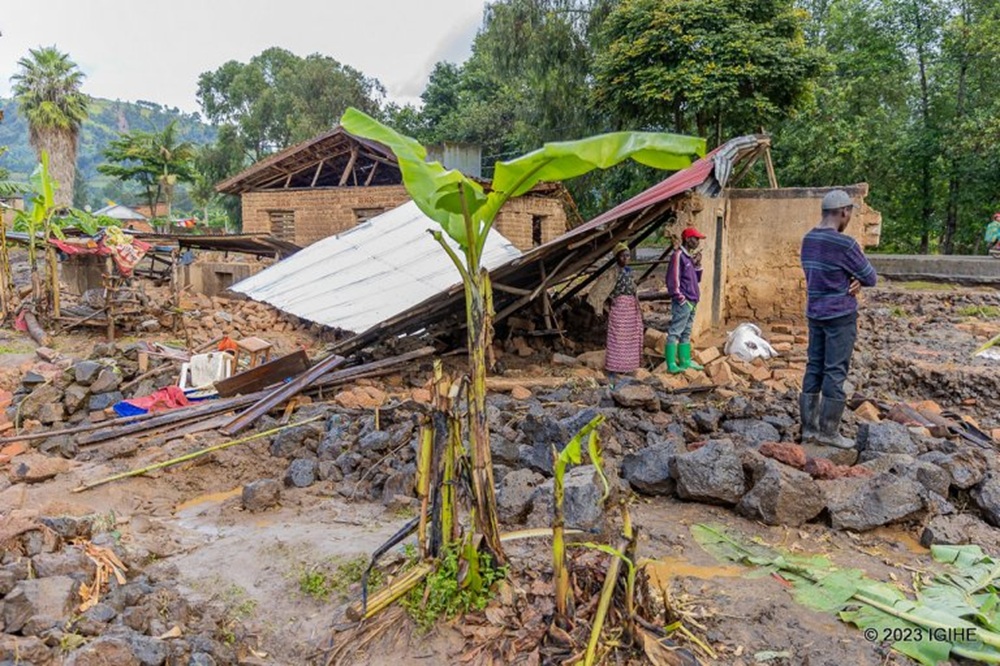
Data shared with IGIHE shows that between January 1 and March 11, 2026, disasters including lightning strikes, landslides and floods claimed lives in different parts of the country.
Among the victims, 14 people were killed by lightning, while five died in fires. Floods and landslides each killed three people, while two people died after houses collapsed. One person lost their life in a disaster linked to mining activities.
MINEMA also reported that besides the fatalities, 75 people have been injured since the start of the year, while 297 houses were damaged.
The disasters also destroyed crops on 220 hectares of land, killed 25 cows and nine other livestock, and damaged public infrastructure.
According to the ministry, the incidents also destroyed eight school classrooms, 14 roads, 22 electricity lines, and 22 bridges. In addition, one church and one market were damaged.
Recently, Rwanda’s Meteorological Agency warned that March 2026 is expected to receive above-average rainfall, which could increase the risk of disasters.
The meteorological agency said rainfall during the month could be slightly higher than the usual average, increasing soil moisture levels.
While this may benefit agricultural activities at the beginning of the Season B planting period, it could also bring strong winds and thunderstorms capable of triggering disasters, especially in areas where the ground is already saturated.
Forecasts indicate that rainfall between 100 and 350 millimeters is expected in the first and second ten-day periods of March, slightly above the usual average for those periods. Between March 21 and 31, rainfall is expected to return to normal levels ranging between 89 and 292 millimeters.
The Minister in charge of Emergency Management, Albert Murasira, recently urged residents to take precautions against disasters linked to heavy rains, particularly those living in high-risk zones.
He also called on people living in wetlands and high-risk zones to relocate to safer areas to avoid putting their lives in danger, stressing that long-term measures are being implemented to ensure communities do not settle in hazardous locations.
MINEMA has reported that disasters claimed 28 lives in Rwanda since start of 2026.
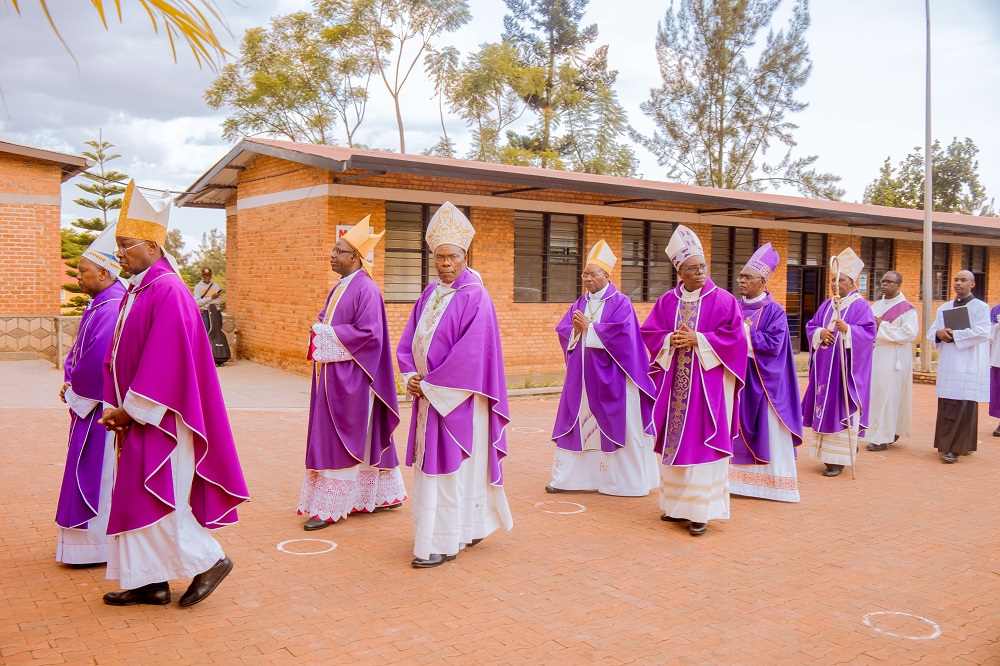
From March 9 to 11, 2026, Kigali hosted a meeting of the Catholic Bishops’ Conference bringing together bishops from both countries to discuss cooperation and ways to address challenges affecting communities, particularly Christian faithful.
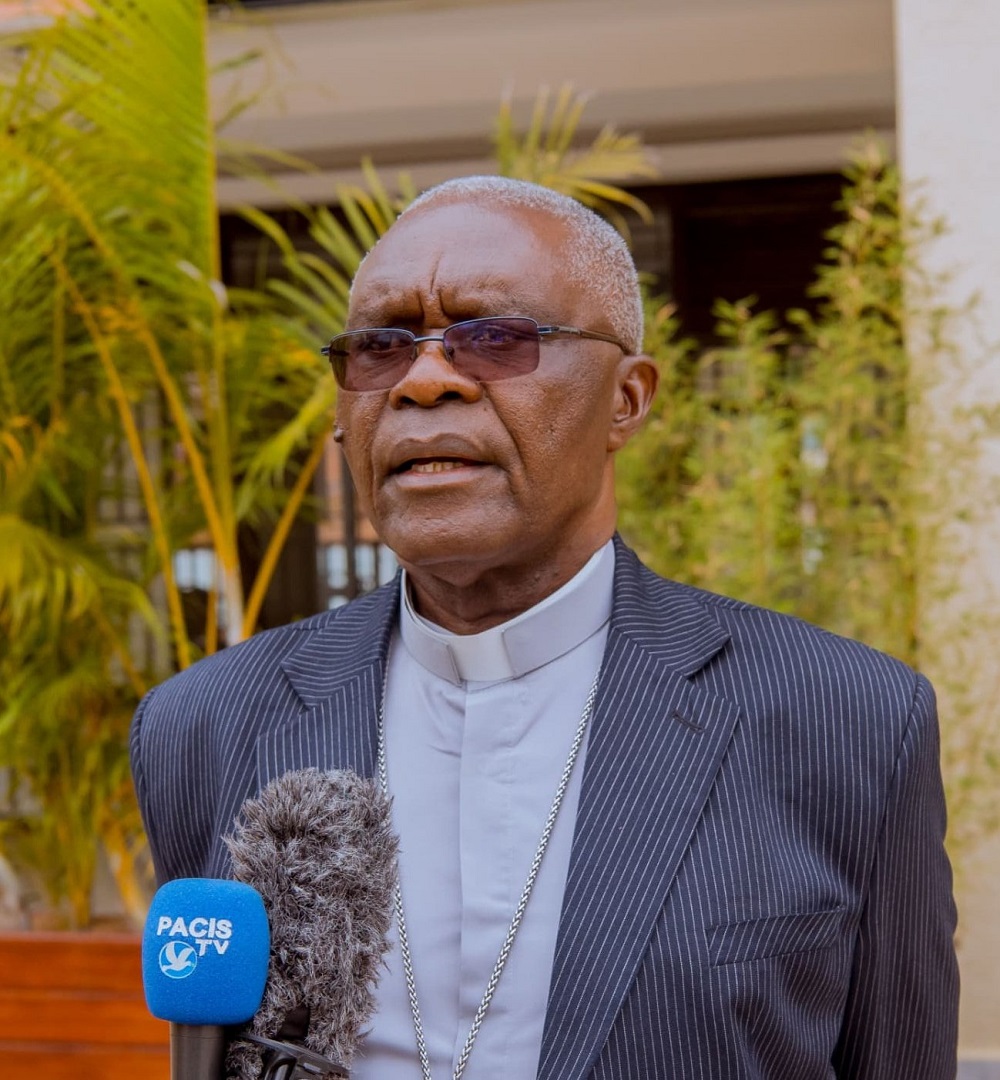
Speaking to the media, Bishop Joachim Ntahondereye of Muyinga Diocese and President of the Catholic Bishops’ Conference of Burundi, encouraged believers from both nations not to lose hope despite the prolonged border closure.
“Our message to Christians in Rwanda and Burundi at a time when the border between the two countries is closed is that they should not lose hope because no rain falls without eventually stopping,” he said.
“As the saying goes, every rain passes. The issues that led to the closure of the border will also pass, and people will once again travel, cooperate and support one another as they used to.”
Bishop Ntahondereye also urged those who have the means to continue using air travel, which remains open between the two countries, so they can keep sharing ideas, develop joint initiatives and help strengthen peace between Rwanda and Burundi.
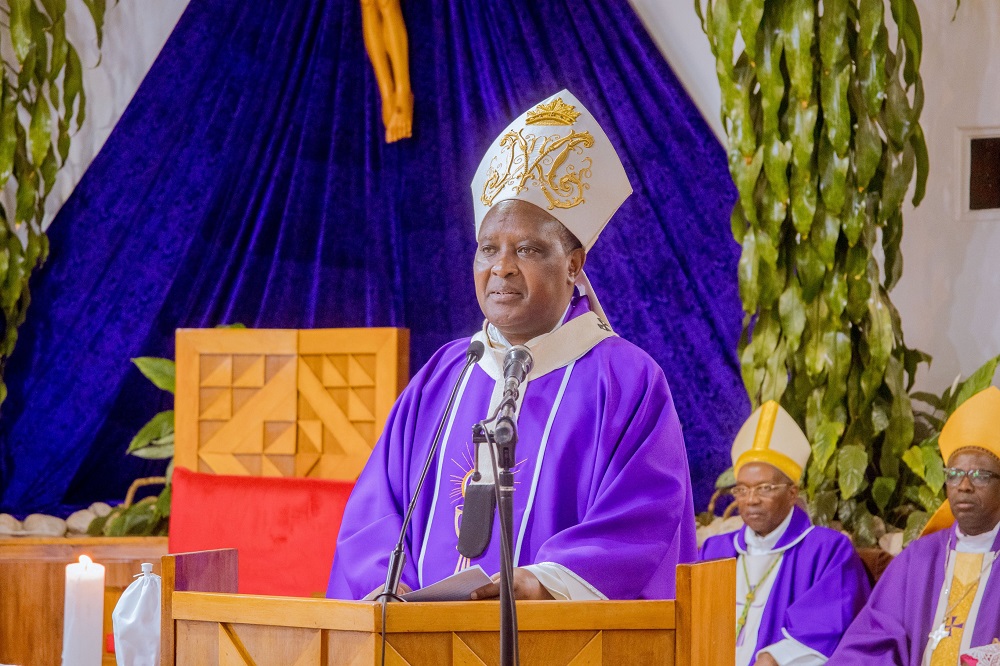
Meanwhile, Cardinal Antoine Kambanda, Archbishop of Kigali and President of the Catholic Bishops’ Conference of Rwanda, said the arrival of Burundian bishops in Kigali by plane was itself a sign that the people of the two nations remain closely connected despite the border closure.
“It is strong testimony that we must work together to find solutions,” Cardinal Kambanda said. “We must do so as people who understand one another, because we have more to gain from living in harmony than from living in conflict.”
Burundi closed its land borders with Rwanda in January 2024, citing security concerns. Although air travel between the two countries has continued, the closure has significantly disrupted cross-border trade and movement of people who have long relied on ties between the neighboring nations.
Bishop Joachim Ntahondereye of Muyinga Diocese and President of the Catholic Bishops’ Conference of Burundi, encouraged believers from both nations not to lose hope despite the prolonged border closure.Cardinal Antoine Kambanda, Archbishop of Kigali and President of the Catholic Bishops’ Conference of Rwanda, stressed the need for people from both countries to remain connected. Eight Catholic bishops from Burundi spent three days in Rwanda.
Signed on the sidelines of the Inclusive FinTech Forum 2026 in Kigali on Wednesday, the new framework aims to reduce duplicative regulatory processes while maintaining strong oversight, allowing licensed PSPs to operate seamlessly in both Kenya and Rwanda.
By promoting mutual recognition of licensing regimes, the initiative is expected to foster competition, encourage innovation, and accelerate the delivery of digital financial services across borders.
The MoU, the partners said, aligns with the East Africa Community Cross-Border Payment System Masterplan (EAC Masterplan), which envisions a more integrated, efficient, and inclusive regional payments ecosystem.
One of the Masterplan’s key priorities is to create a mutual recognition system for PSP licensing across partner states, addressing the regulatory fragmentation that has historically limited cross-border payment expansion.
Rwanda’s central bank termed the new agreement a “major step toward stronger competition, greater innovation, and faster cross-border digital financial services under robust regulatory oversight.
The Central Bank of Kenya reaffirmed its commitment to strengthening regional collaboration and ensuring that national payment infrastructures meet the evolving needs of the economy.
The agreement is expected to pave the way for a more connected East African payments landscape, benefiting businesses and consumers alike by facilitating faster, safer, and more accessible digital financial services.
Signed on the sidelines of the Inclusive FinTech Forum 2026 in Kigali on Wednesday, the new framework aims to reduce duplicative regulatory processes while maintaining strong oversight, allowing licensed PSPs to operate seamlessly in both Kenya and Rwanda.
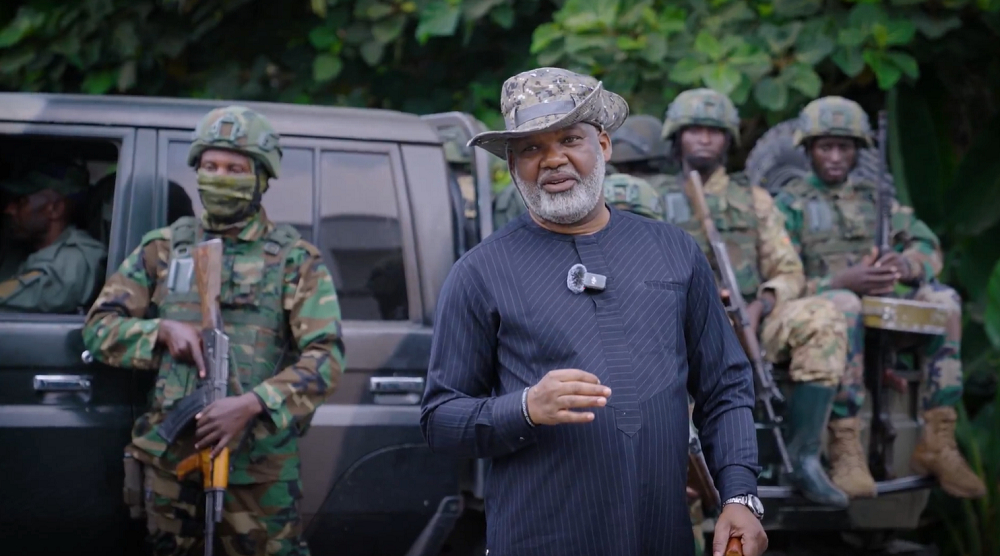
This statement followed a drone attack carried out by the DRC’s armed forces on the city of Goma on March 11, 2026. Nangaa revealed that the attack had been planned for some time, as a campaign led by Kinshasa had been urging the people of Goma to evacuate the city.
“This campaign directly preceded the recent assault by a coalition of government forces, including FARDC, FDLR, Wazalendo, FDNB, and mercenaries on Goma. The message instructing the residents to leave the city was spread across networks linked to President Tshisekedi’s administration, aiming to create the illusion for the international community that the people of Goma were fleeing,” he said.
Nangaa further stated that the DRC government has a plan to eliminate AFC/M23 leaders and opposition politicians in order to undermine any dissent, but he also warned that the government is working to “extend the war into a broader regional conflict.”
The AFC/M23 has emphasized that, as the DRC government continues to escalate the conflict, their fighters have a duty to protect the civilians under controlled areas. They also stated that President Félix Tshisekedi will be held accountable for the consequences of the looming war.
Corneille Nangaa asserted that President Tshisekedi will be held accountable for the consequences of the military offensives being conducted by the DRC’s government forces.