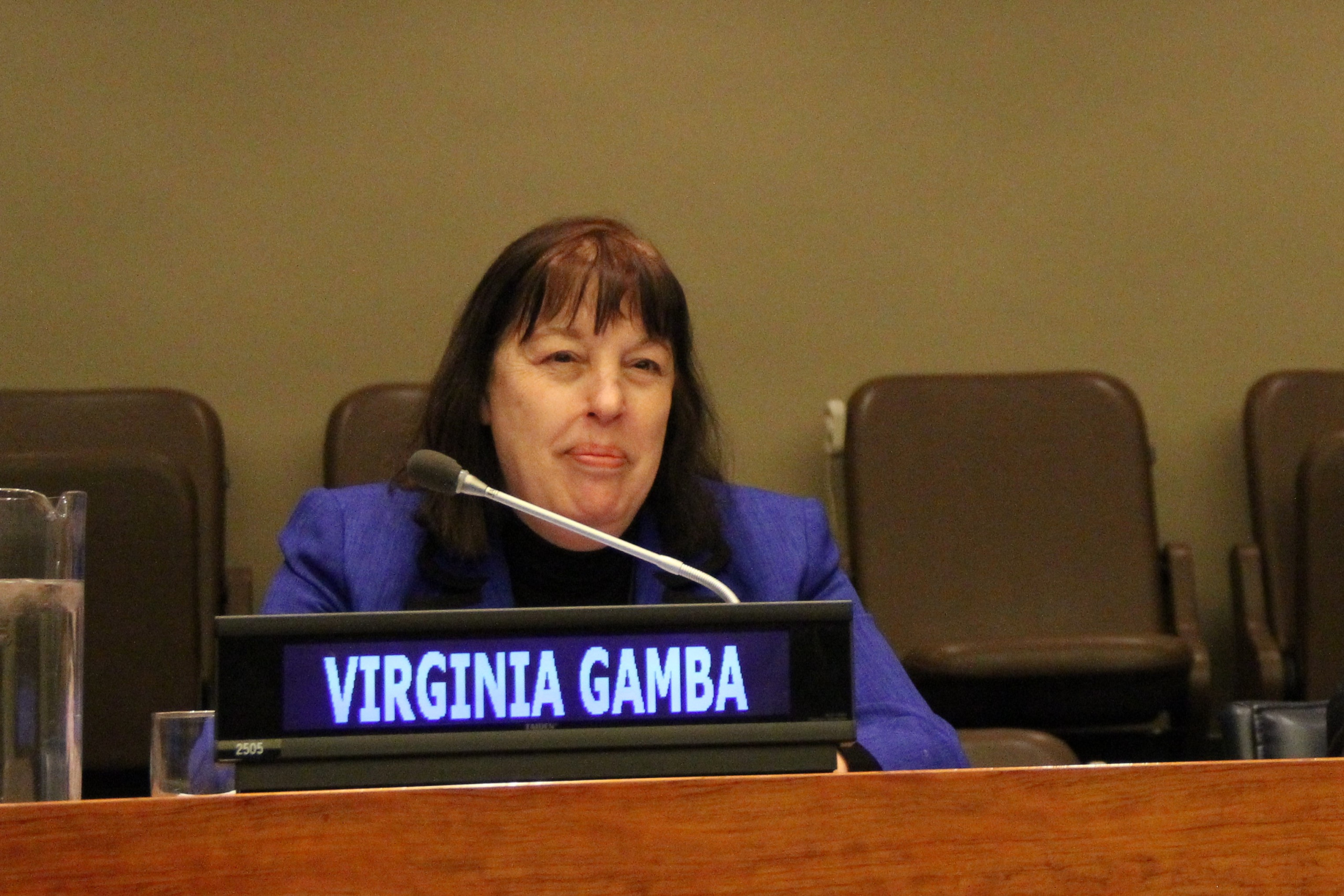
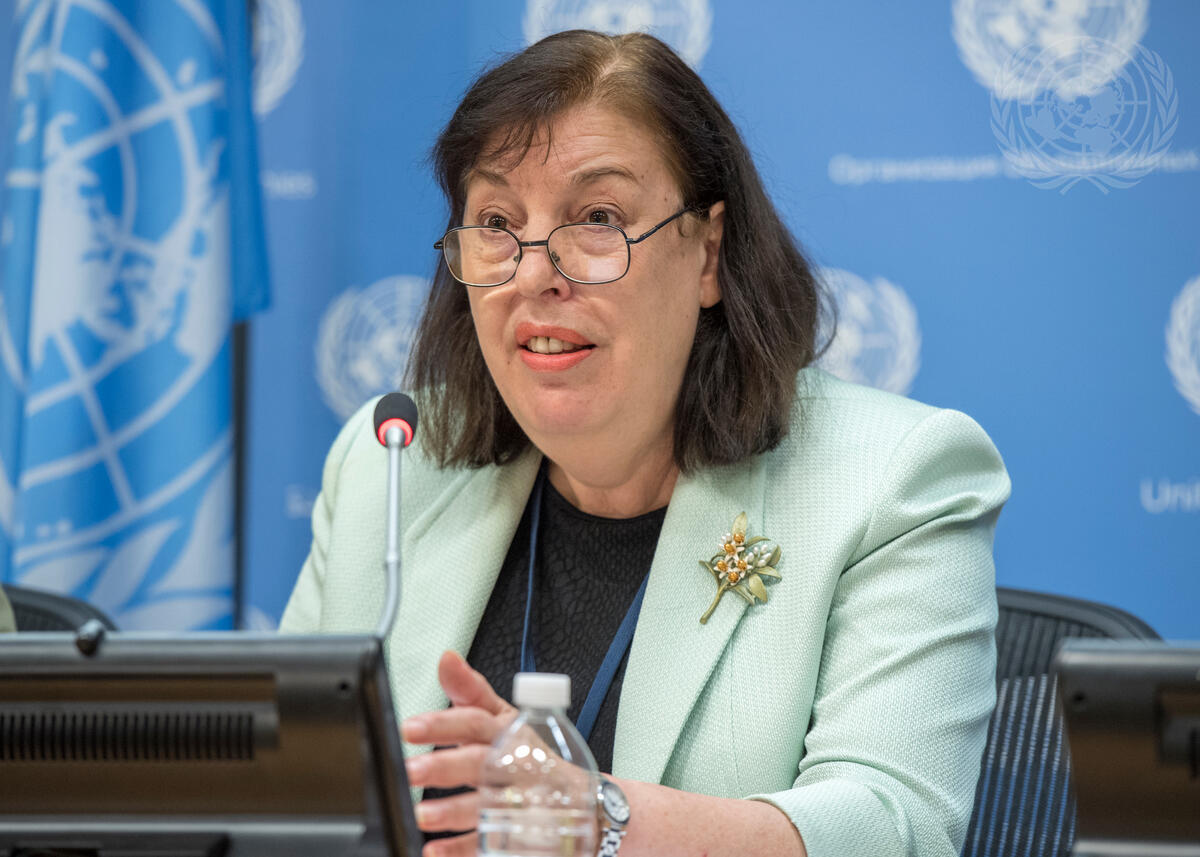
The Republic of Maldives has nominated Virginia Gamba, former UN under-secretary-general, for the position, according to a joint letter signed by UN General Assembly (UNGA) President Annalena Baerbock and Michael Waltz, president of the UN Security Council for March.
According to her curriculum vitae, Gamba is an Argentine scholar, practitioner and recognized authority on war and peace studies with over 40 years relevant experience on all themes related to peace and security, including crisis management.
At the United Nations, she served as under-secretary-general in two dockets: Children and Armed Conflict (2017-2025), and the Prevention of Genocide (2024-2025).
The four other candidates are former Chilean President Michelle Bachelet, nominated by Chile, Brazil and Mexico; Rafael Grossi, the current director general of the International Atomic Energy Agency, nominated by Argentina; Macky Sall, former president of Senegal, nominated by Burundi; and Rebeca Grynspan, economist and former vice president of Costa Rica, nominated by Costa Rica.
The UNGA is scheduled to conduct interactive dialogues with the candidates in the week of April 20.
Virginia Gamba served as the Special Representative of the UN Secretary-General for Children and Armed Conflict
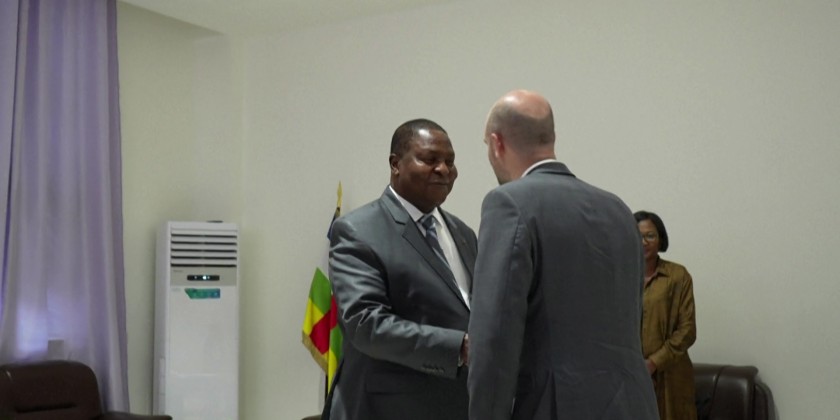
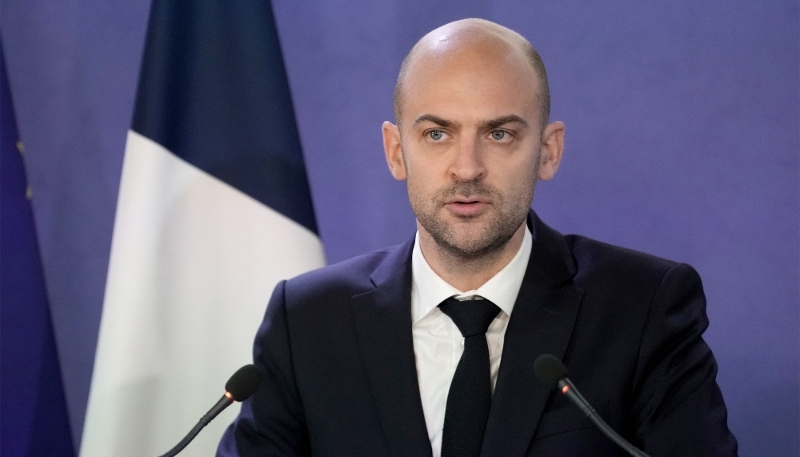
Barrot made the announcement during a two-day trip to the country.
“This is the first time in eight years that a French foreign minister is present in Bangui and my presence marks the complete restoration of relations between our two countries after a period of strain and tension,” Barrot told reporters.
He said France was looking forward to “reinforcing our relations in all sectors”.
In 2024, Faustin-Archange Touadera, president of the Central African Republic, met with his French counterpart Emmanuel Macron in Paris as part of efforts to resume ties.
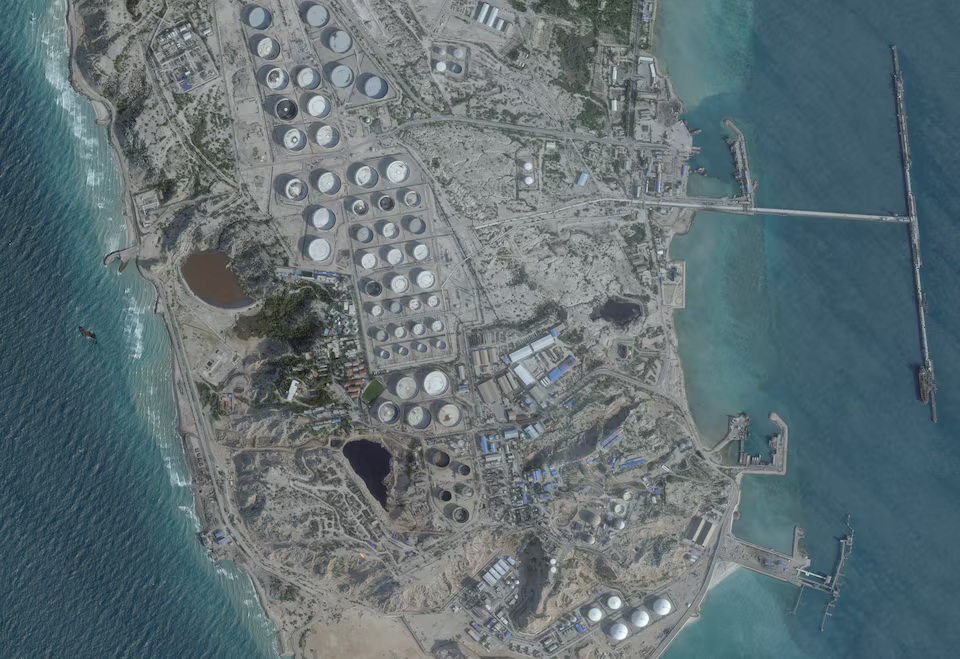
In a social media post, Trump said the United States had already “totally obliterated” military targets on Kharg Island, but that the island’s oil facilities were deliberately spared for now. He made clear that if Iran or any other force interfered with the free and safe passage of ships through the Strait of Hormuz, those energy assets could be hit.
The warning comes amid a broader and escalating conflict that began in late February with coordinated U.S. and Israeli bombardments on Iran.
Iran’s armed forces have responded with missile and drone attacks against U.S. bases, Israel, and shipping traffic in the Gulf, prompting closures of some sea routes.
The Strait of Hormuz is one of the world’s most significant maritime passages, with about 20% of global oil supplies normally passing through it each day. Disruptions there have already disturbed energy markets and driven global oil prices higher.
Iran’s government has vowed that any attack on its energy infrastructure would prompt retaliation against energy facilities linked to the United States and its allies. Oil markets are closely watching the situation, as even small disruptions at Kharg Island could tighten already strained global supply.
Trump threatens to hit Iran’s Kharg Island oil network if shipping lanes remain blocked.
FUFA announced the punitive measures following an investigation into a match played on December 21, 2024, in which Kitara FC defeated Express FC 7–0.
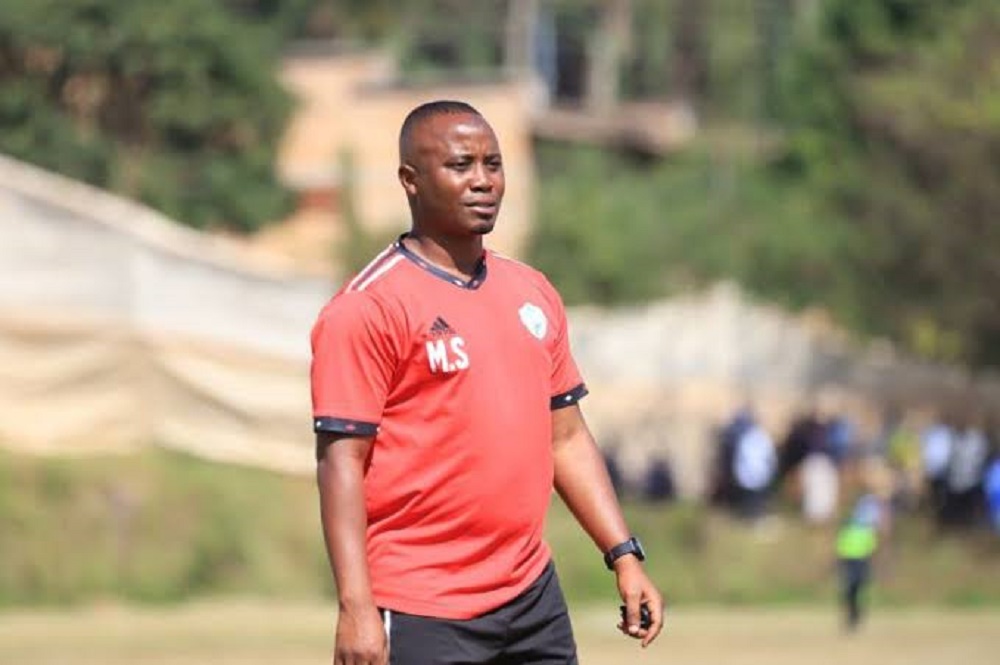
The suspended individuals include Mike Mutyaba, a former player for Uganda Cranes, Ivan Katende, a former FUFA staff member, Ashiraf Miiro, the Chief Executive Officer of Express FC, and two players —Emmanuel Kalyowa and Ashiraf Mbaziira.
FUFA’s Investigatory Chamber of the Ethics and Disciplinary Committee revealed that the match was reportedly fixed for betting purposes.
“After the match, FUFA was informed by FIFA via a betting report that the game had been fixed for betting purposes, with prior knowledge that Express FC would lose and concede at least five goals,” FUFA said in a statement.
Preliminary investigations suggest that Mutyaba coordinated the fix with Katende, who has previously been implicated in match-fixing cases. Mutyaba reportedly introduced Katende to Express FC CEO Miiro, and the three conspired to manipulate the match outcome.
Evidence shows that Ugandan betting accounts linked to Katende won millions of shillings at a Tanzanian-based betting company, which later blocked the payments after detecting fraud.
The inquiry also points to the involvement of players Kalyowa and Mbazira, who were allegedly recruited by Mutyaba to execute the fix on the field. Mutyaba assumed technical responsibilities for the team during the match due to the absence of head coach Kaddu Badru.
FUFA has formally engaged the Criminal Investigations Directorate, and the process remains ongoing.
“FUFA remains committed to protecting the integrity of football in Uganda by fighting all forms of match manipulation,” the federation said in a statement.
The suspended individuals include Mike Mutyaba, a former player for Uganda Cranes.Preliminary investigations suggest that Mutyaba coordinated the fix with Katende, who has previously been implicated in match-fixing cases.
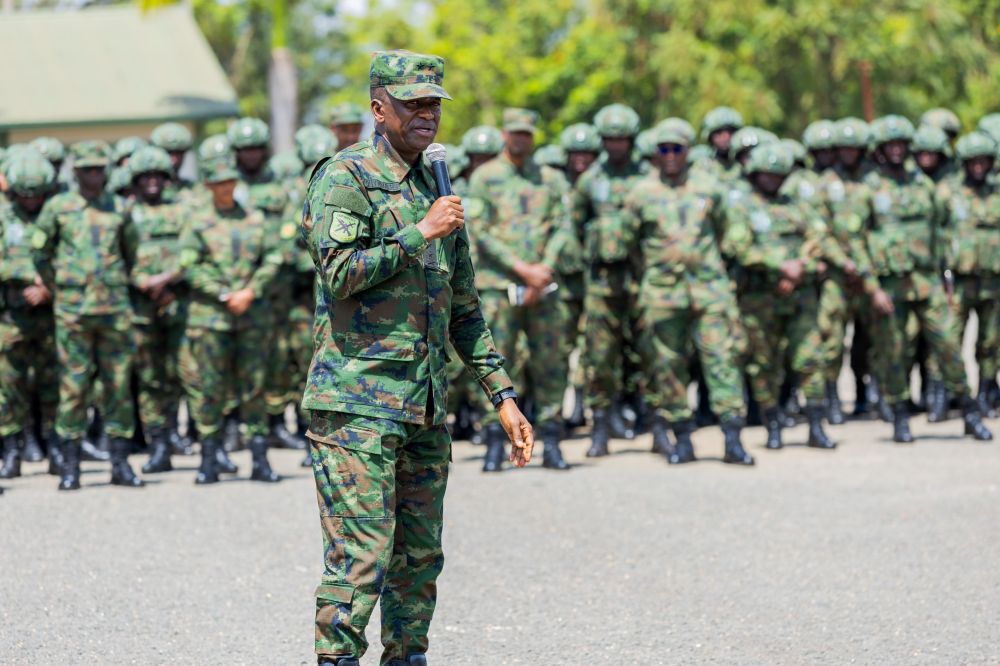
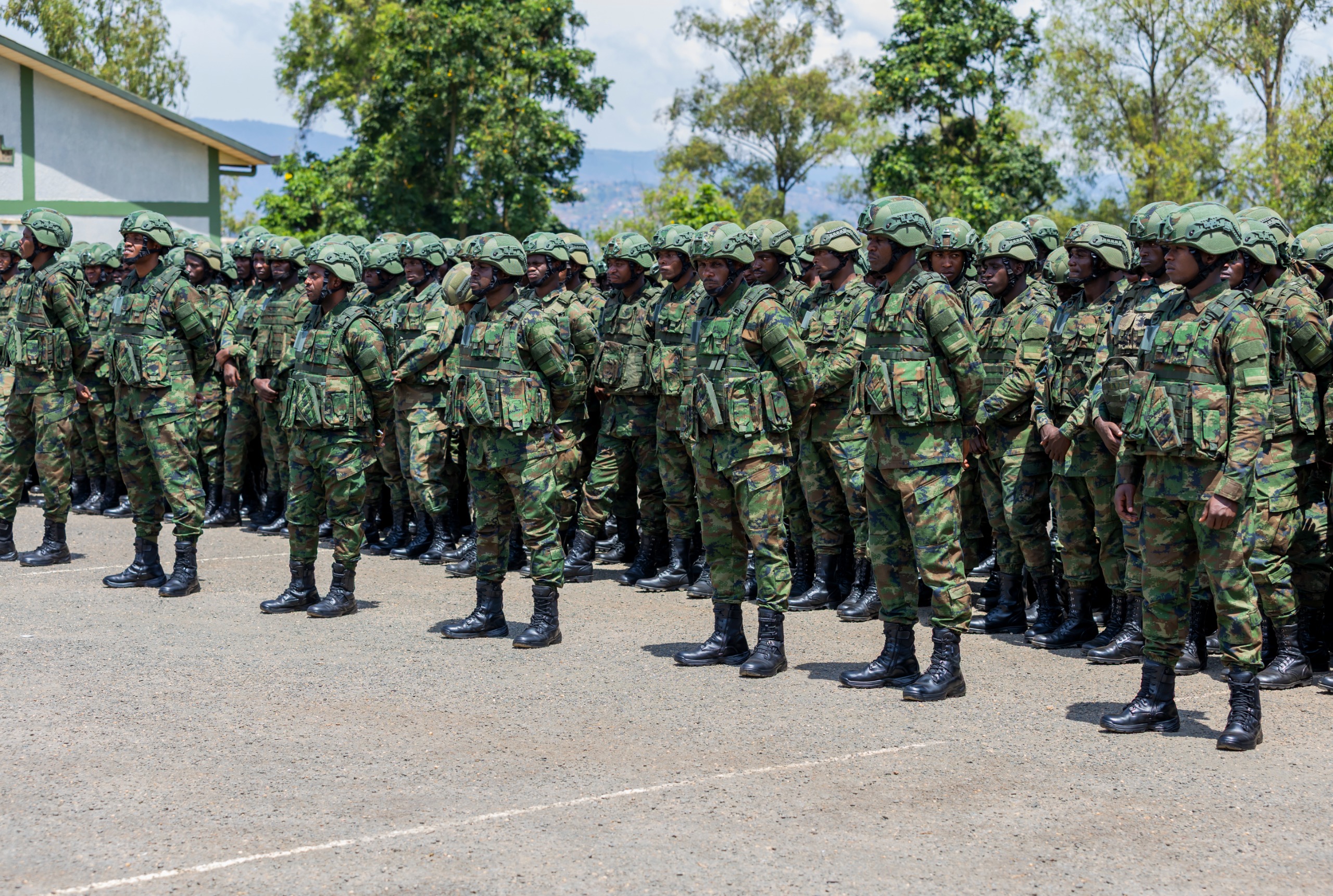
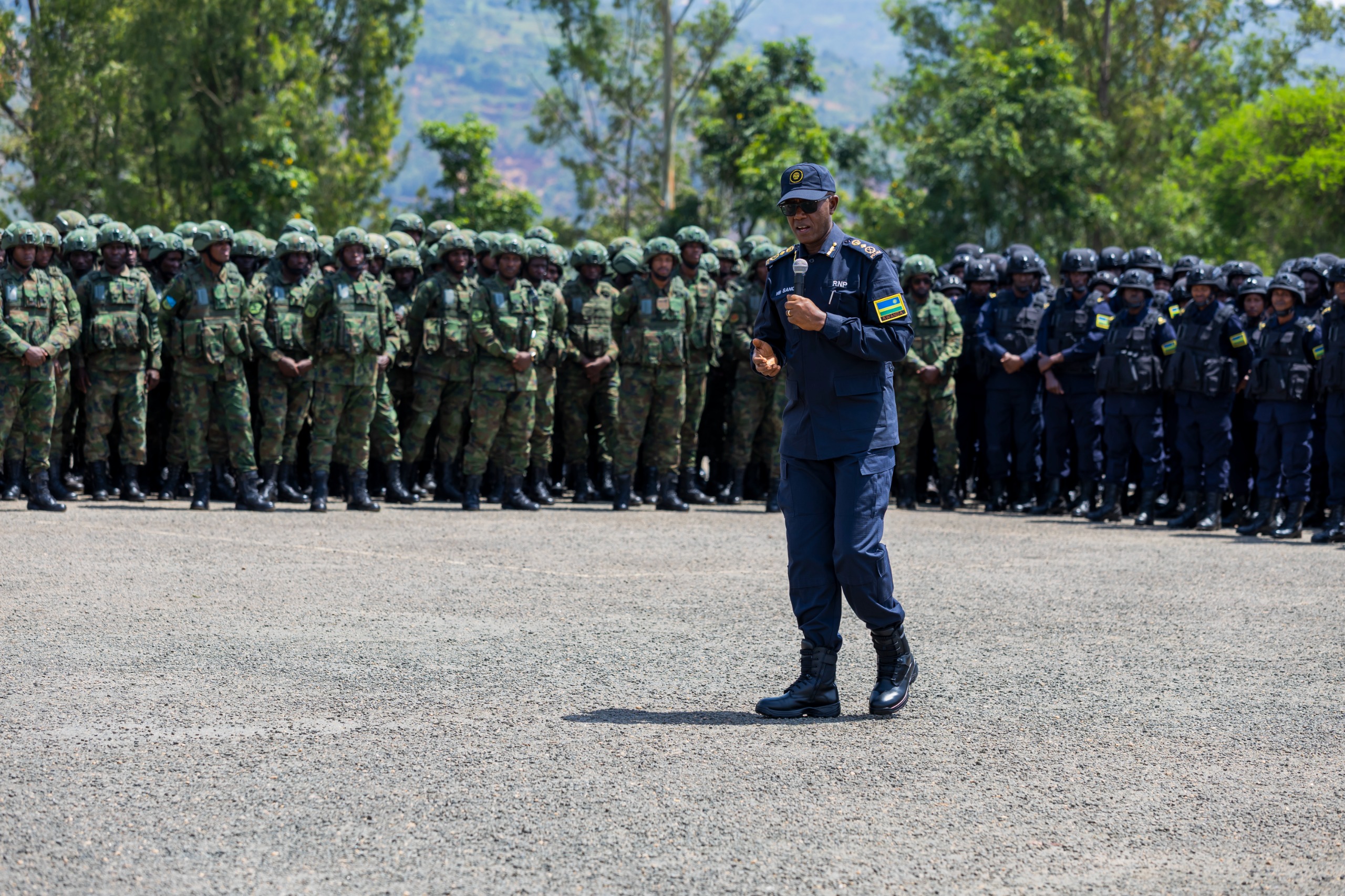
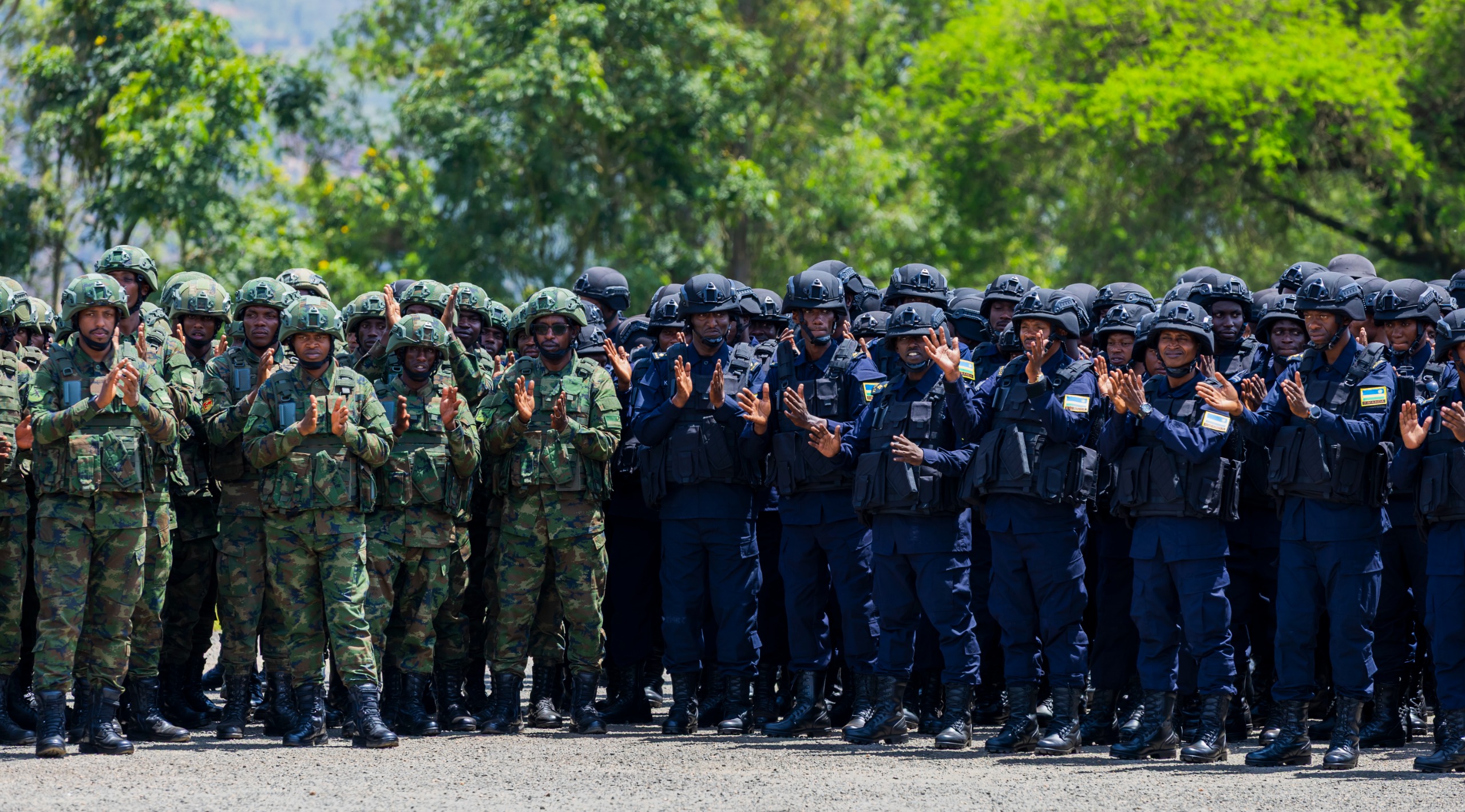
The contingent was briefed on Friday by Vincent Nyakarundi, the Army Chief of Staff of the RDF, during a ceremony held at Kami Barracks.
The briefing was also attended by the Deputy Inspector General of Police in charge of Operations, Commissioner of Police Vincent B. Sano.
During the briefing, Maj Gen Nyakarundi reminded the contingent that their mission is to protect civilians from terrorism and urged them to serve as good ambassadors of Rwanda. He emphasised the importance of discipline, teamwork, and professionalism, encouraging them to remain fully committed to their duties, just as their predecessors have done.
Rwandan troops were first deployed to Cabo Delgado in July 2021 at the request of the Mozambican government, following years of attacks by Islamic State-linked insurgents.
Since then, the joint operations between Rwanda Security Forces and the Mozambican army have significantly weakened the insurgency, restored security in several areas, and enabled thousands of displaced residents to return to their homes.
The latest deployment comes a few months after a visit by Mozambican President Daniel Francisco Chapo to Rwanda, during which a renewed Status of Forces Agreement on the support to fight terrorism in Mozambique was signed. The agreement extended Rwanda’s military support in Cabo Delgado province.
“Thanks to this cooperation, we can see peace returning to the region,” President Chapo said, acknowledging Rwanda’s role in stabilising Cabo Delgado despite ongoing sporadic attacks.
Maj Gen Nyakarundi reminded the contingent that their mission is to protect civilians from terrorism and urged them to serve as good ambassadors of Rwanda. The new contingent will relieve colleagues currently serving in Rwanda’s counter-terrorism mission in Cabo Delgado.The briefing was also attended by the Deputy Inspector General of Police in charge of Operations, Commissioner of Police Vincent B. Sano.
Since the first State of the World’s Migratory Species report in 2024, the proportion of imperiled CMS-listed species has risen from 44% to 49%, highlighting an alarming trend over just two years.
Migratory animals, from shorebirds to freshwater fish, rely on moving across continents to breed, find food, and escape harsh weather.
Blue wildebeest, for instance, migrate across the Serengeti-Masai Mara Ecosystem in East Africa following seasonal grass growth, while humpback whales travel thousands of miles between tropical breeding grounds and Antarctic feeding areas.
When habitats are lost or fragmented, these natural journeys are disrupted, threatening the survival of entire populations.
The report identifies multiple drivers of decline, including habitat loss, hunting, overfishing, and climate change. Roads, railways, fences, and pipelines often block long-established migration routes, constraining species such as the Mongolian gazelle.
In the Arctic, mining activities and climate change have contributed to dramatic losses of tundra caribou, with some herds shrinking from hundreds of thousands to just a few thousand over decades.
Birds, in particular, are being heavily affected by highly pathogenic avian influenza (HPAI). Since 2020, H5N1 has caused mass die-offs, killing tens of thousands of waterfowl and shorebirds, and spreading to more than 500 bird species and over 100 mammals worldwide.
Species impacted include Peruvian pelicans, hooded cranes, African penguins, and red-crowned cranes, with Australia remaining largely unaffected. The virus, combined with habitat loss, has intensified the decline of many avian species.
Despite these challenges, there are some conservation successes. The reintroduction of the scimitar-horned oryx in Chad has increased its population to 575, and saiga antelope numbers have rebounded after disease outbreaks.
Mapping migration routes and creating safe corridors remain critical. Protected areas along the Serengeti-Masai Mara Ecosystem Corridor, for example, allow up to 2.5 million herbivores, including wildebeest, zebras, and gazelles, to migrate safely over vast distances.
CMS Executive Secretary Amy Fraenkel emphasizes the need for cross-border habitat protection, especially for birds and ocean species, which require networks of safe areas rather than single contiguous spaces.
Ahead of the 15th Conference of the Parties to the Convention on the Conservation of Migratory Species of Wild Animals (CMS COP15), 42 new migratory species are being proposed for CMS listing, the largest number ever, to spur urgent action.
“We know what needs to be done, and we look forward to galvanizing action by governments and other stakeholders to protect, conserve and save these species. There is no time to wait,” said Susan Lieberman, vice president of international policy at the Wildlife Conservation Society.
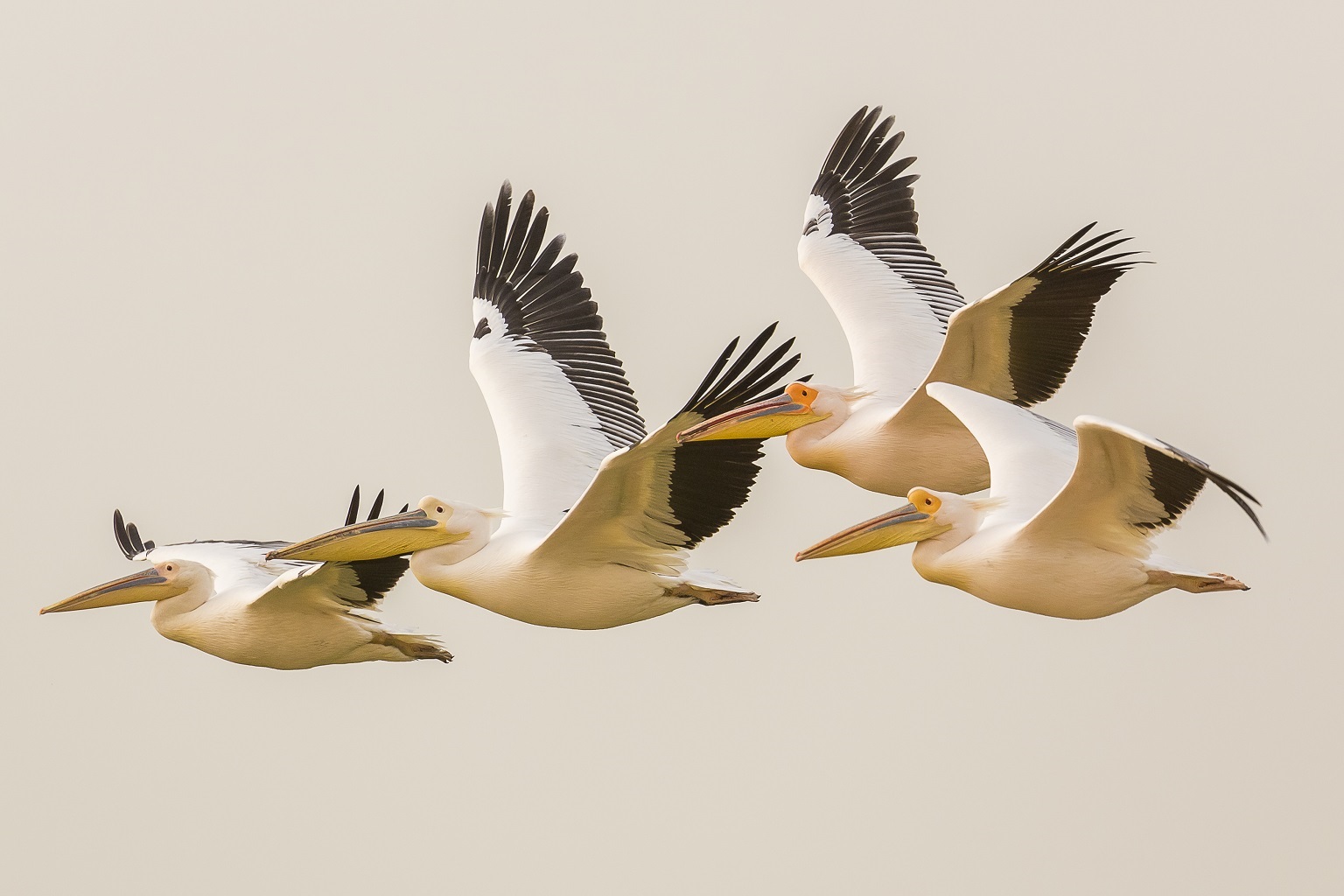
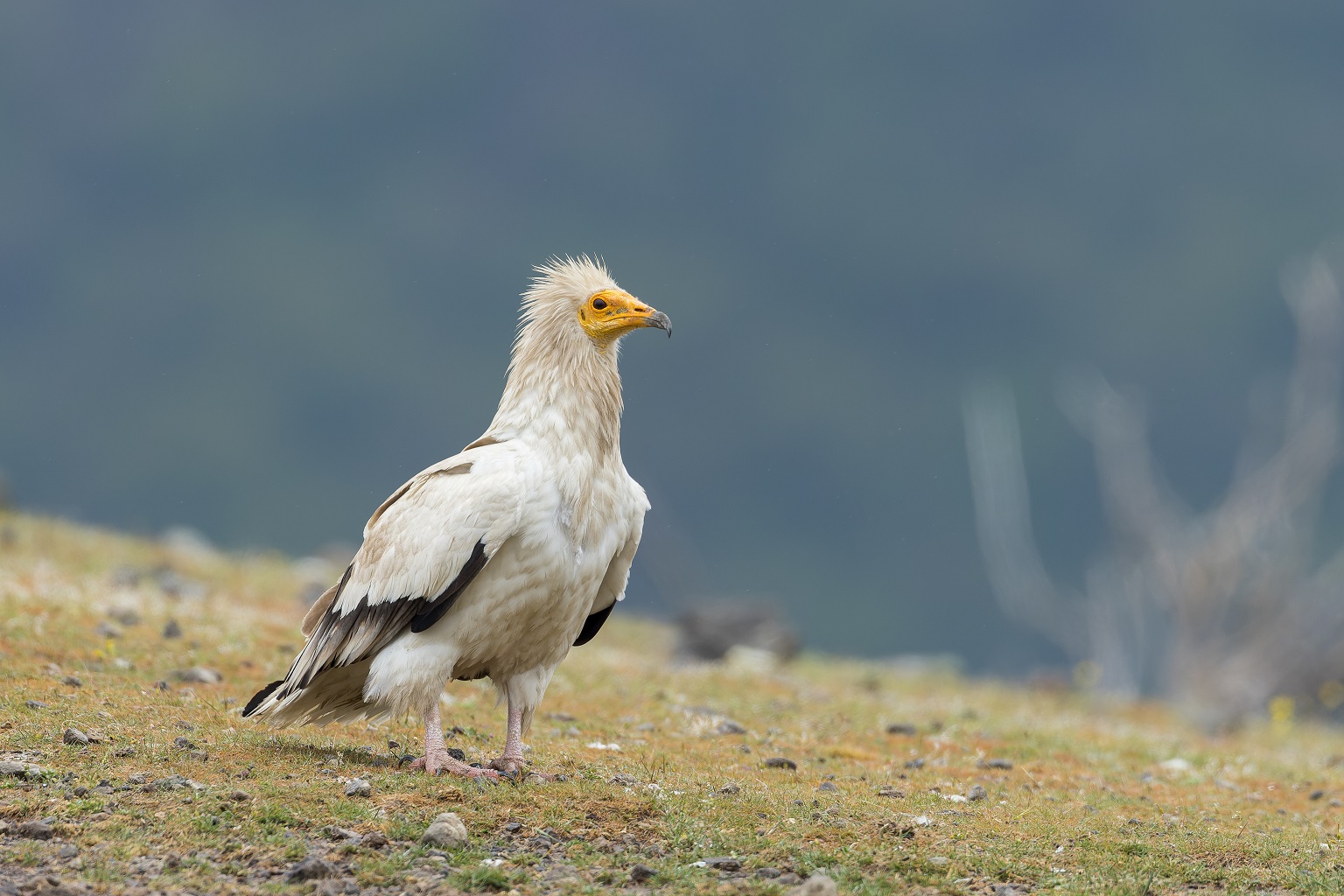
Many bird species have lost vital stopovers along flyways, but with ongoing spread of Highly Pathogenic Avian Influenza, some populations have been decimated. Shorebirds have been particularly hard-hit, including pelicans. Image by Sergey Dereliev.The Egyptian vulture can fly up to 640 kilometers (400 miles) in a day as it travels between its wintering grounds in the Sahara and European breeding sites — a migration that of up to 5,000 km (3,100 mi). Image by Sergey Dereliev.
The evaluation, conducted from March 2–9, 2026, reviewed 19 key areas, including the country’s long-term nuclear energy plans, measures to protect people and the environment, financial frameworks for building and maintaining facilities, skilled personnel, and relevant legislation. The experts concluded that Rwanda is well-prepared in many of these areas.
Dr. Fidele Ndahayo, CEO of the Rwanda Atomic Energy Board (RAEB), said six priority areas require continued focus.
“We have made progress across all areas assessed, but there is still work to be done. The priority areas include preparing comprehensive documentation of what has been achieved and what remains, ensuring national leadership is fully informed, and reviewing all legislation to remove potential obstacles to the nuclear power plant project,” he said.
Rwanda plans to develop small nuclear power plants, which are expected to increase the country’s electricity capacity from 447 megawatts.
President Paul Kagame, speaking at the Nuclear Energy Summit in Paris, France, on Tuesday, said Rwanda’s long-term ambition to become a high-income country by 2050 requires a reliable and abundant electricity supply. He noted that nuclear energy will play a central role in diversifying the country’s energy mix and providing the stability needed for sustained economic transformation.
According to the Head of State, nuclear power offers Rwanda a dependable source of electricity that can support industrial expansion while helping reduce carbon emissions.
“We have decided to make nuclear central to our strategy,” Kagame said. “It will diversify our energy mix while providing the stability required for industrial growth and long-term transformation.”
The government estimates that $5 billion will be needed to establish nuclear power generation in the country.
Rwanda began collaborating with Russia in 2018 to establish a nuclear research center, paving the way for a future power plant. In August 2024, the country signed a partnership with U.S.-based Nano Nuclear Energy Inc. to develop new technology for generating electricity from nuclear energy.
RAEB projects that by 2028, the 234 skilled personnel required for the nuclear program will be in place, enabling the nuclear power plant to start supplying electricity by 2030.
In late 2025, the University of Rwanda introduced a new academic programme in nuclear science to build local expertise. Dr. Ndahayo also highlighted the need to support local industries to actively participate in building and operating nuclear-powered facilities.
As of early 2026, over 85% of Rwandan households have access to electricity, with residential and industrial sectors accounting for the highest demand.
Rwanda plans to develop small nuclear power plants, which are expected to increase the country’s electricity capacity from 447 megawatts.
According to sources familiar with the matter, the alleged strategy hinges on cooperation with the Democratic Forces for the Liberation of Rwanda (FDLR), an terrorist group formed by individuals linked to the perpetrators of the 1994 Genocide against the Tutsi in Rwanda. The effort reportedly seeks to create a broader coalition of groups opposed to Rwanda’s government.
At the center of the reported initiative is Jean‑Luc Habyarimana, the son of the late president. Sources indicate he is being positioned as a figure capable of rallying remnants of the Hutu Power network and helping reorganize opposition groups under a new structure.
During a recent visit to Kinshasa, Jean-Luc reportedly met Désiré Cashmir Eberande Kolongele, President Tshisekedi’s special advisor on security matters.
According to individuals familiar with the meeting, he conveyed a message that plans were being developed to form a strong military alliance initially focused on confronting AFC/M23, before potentially expanding operations toward Rwanda.
Sources further claim that Jean-Luc, working with officials in the Congolese Ministry of Communication and Media, helped establish a platform known as Xtrafrica. The platform is reportedly used to promote narratives rehabilitating the image of Habyarimana, criticize the Rwandan government and support Tshisekedi’s regional agenda.
Meanwhile, Agathe Kanziga, the widow of Habyarimana, along with other figures associated with the Hutu Power ideology, is said to have advised Jean-Luc to rebrand the FDLR under a new name, the FCLR (Front Commun pour la Libération Rwandaise), in an effort to improve its international image while maintaining its existing structure and ideology.
The broader strategy reportedly involves bringing together political and military figures opposed to Rwanda’s government by offering them refuge and support in Congo.
Attention has also reportedly turned to Nyamwasa, a former senior officer in the Rwanda Defence Force who later founded the Rwanda National Congress (RNC).
Sources say he has been attempting to unite armed, political and propaganda networks in opposition to Rwanda’s leadership.
During a reported trip to Kinshasa in September 2024, Nyamwasa is said to have met leaders of the FDLR to discuss strengthening cooperation. Congolese officials familiar with the matter claim he has remained in close contact with Gaston Iyamuremye, the commander of the FDLR, a relationship described as key to efforts to align the RNC with the group.
In January 2026, Byiringiro reportedly appointed his brother-in-law Cyprien Ngabo as a liaison between the FDLR and an RNC faction led by Frank Ntwali, further indicating growing coordination between the groups.
Sources also claim that cooperation dates back several years. In early 2025, Byiringiro is said to have sent Emmanuel Hakizimana, an RNC member based in Canada, to the United States to represent the FDLR at a meeting of so-called Rwandan opposition figures.
The meeting was reportedly part of a long-running effort to unite fragmented groups opposed to Rwanda’s government. With alleged financial and political backing from individuals close to Tshisekedi, recruitment into the anti-Rwanda coalition is said to have intensified, involving supporters based in Uganda and prominent RNC-associated figures such as Charles Kambanda, Eugène Gasana, and Christine Uwizera Coleman.
Sources claim the initiative is becoming increasingly visible, pointing to alleged logistical support for the FDLR and outreach to individuals linked to or associated with the genocide, as part of a broader effort to unite groups opposed to Rwanda’s government under a single front.
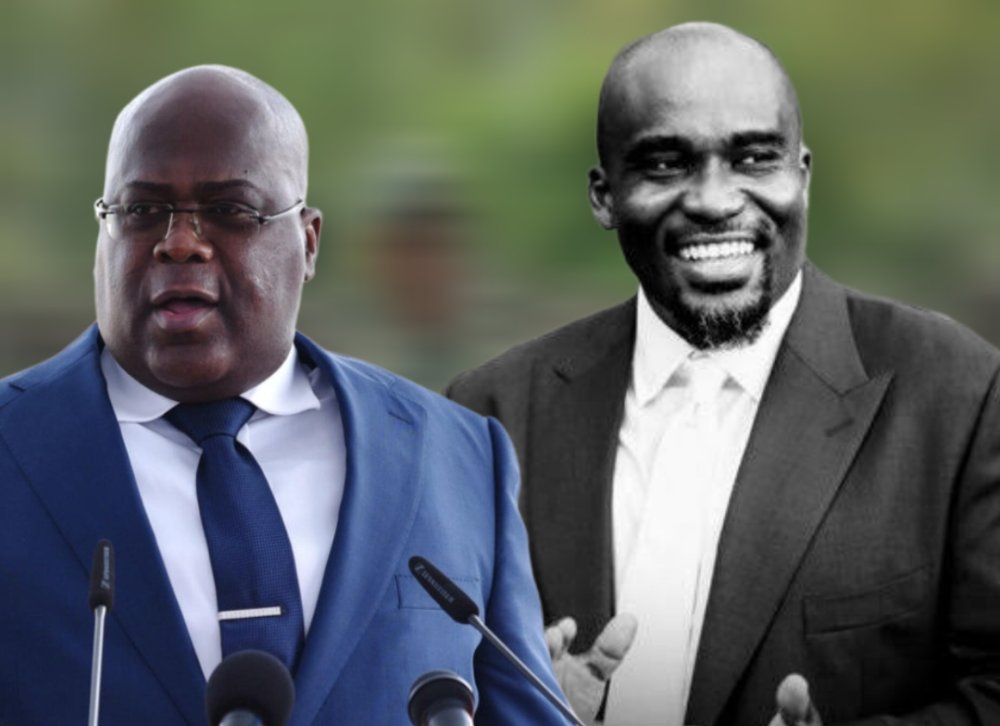
New details have emerged on the coordination between President Félix Tshisekedi of the Democratic Republic of the Congo and son of former Rwandan President Jean Luc Habyarimana.
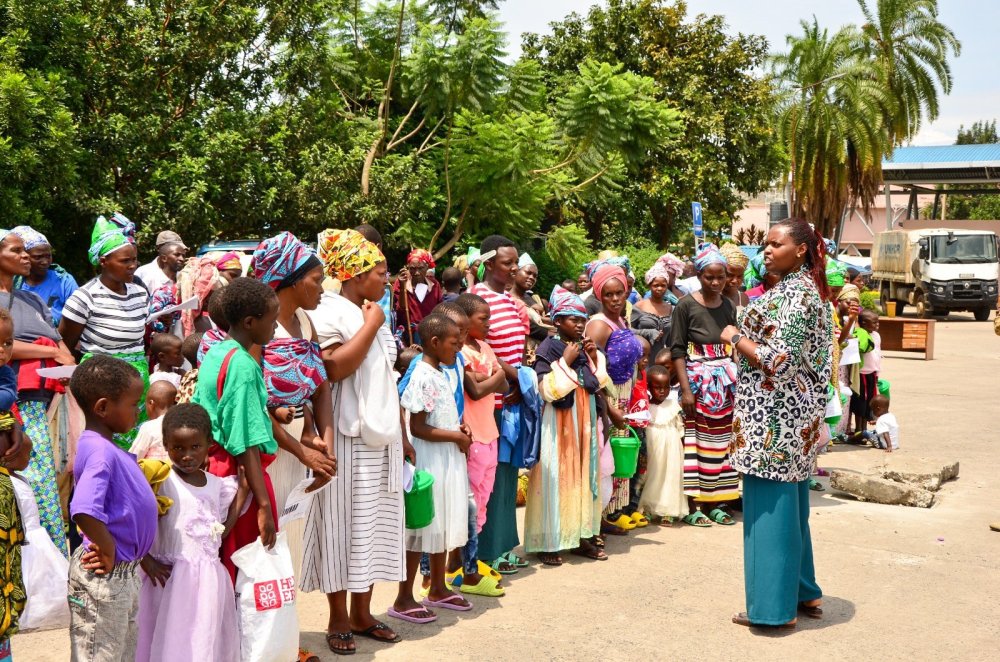
The group crossed into Rwanda on Thursday, March 12, 2026, through the main border post linking the two countries in Rubavu District, where they were received by the district’s Vice Mayor in charge of Social Affairs, Ishimwe Pacifique.
Most of the returnees are women and children, many of whom were born in the Democratic Republic of the Congo.
Speaking to the Rwanda Broadcasting Agency, several of them said they decided to return after being encouraged by fellow Rwandans who had previously repatriated and successfully rebuilt their lives back home.
Many of those returning had spent years under the control of the FDLR, a militia group formed by perpetrators of the 1994 Genocide against the Tutsi who fled to the DRC after being defeated by the Rwandan Patriotic Army (RPA).
Since the M23 rebel forces began taking control of large parts of eastern DRC, the returnees say security conditions have improved, allowing them to consider going back to Rwanda.
In cooperation with the United Nations High Commissioner for Refugees, those willing to return are being facilitated to repatriate.
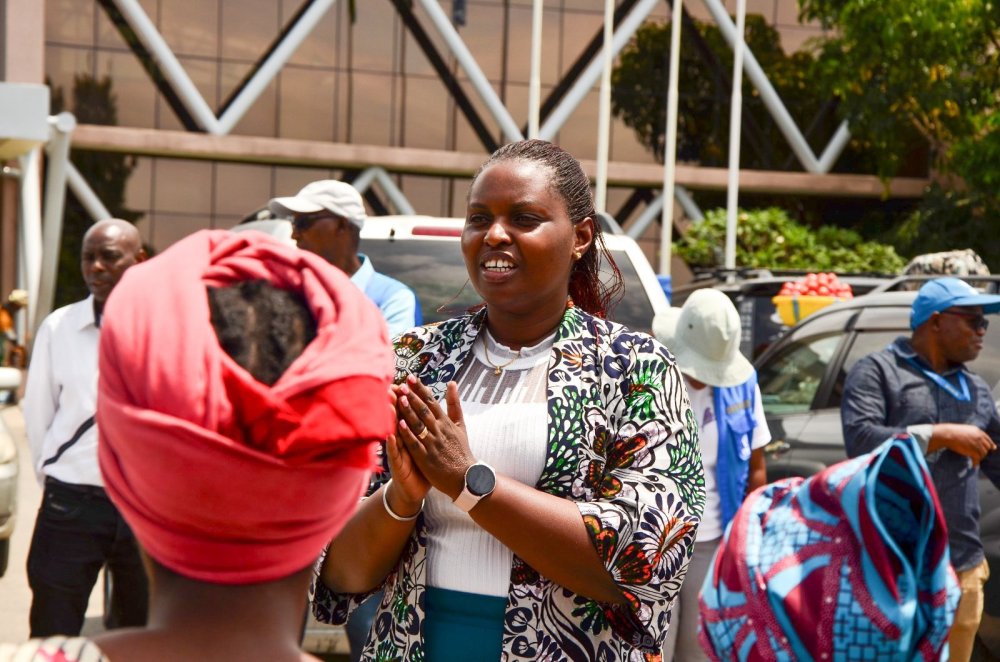
The returning Rwandan nationals were welcomed by the district’s Vice Mayor in charge of Social Affairs, Ishimwe Pacifique.
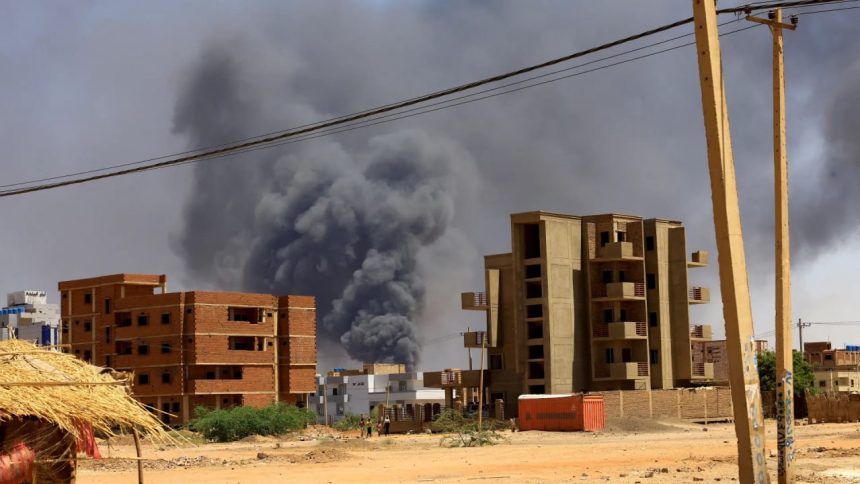
The Coordination Council of El Geneina Emergency Rooms, a voluntary civilian group, said in a statement that a drone fired four missiles at the crossing, killing 13 people involved in the fuel trade, including five women, and injuring five others.
The strike destroyed the fuel market at the crossing, damaged several civilian vehicles, and burned large quantities of food supplies, the group said.
According to the council, all the victims were small-scale traders who transported fuel and goods from the Chadian city of Adre to the crossing using traditional animal-drawn carts as part of their daily livelihood activities.
The group added that the crossing is also used for humanitarian operations, including the delivery of relief supplies, medicines, and shelter materials, as well as the movement of international humanitarian workers.
Meanwhile, an eyewitness, Adam Abdalla, a local fuel trader, told Xinhua that the attack occurred early in the morning while traders were preparing to begin their daily work.
“Several successive explosions hit the fuel market, and the fuel tanks and vehicles caught fire,” he said.
Abdalla added that the fuel market at the crossing had been a primary source of livelihood for dozens of families, noting that the strike caused heavy losses for traders and left the site almost completely destroyed.
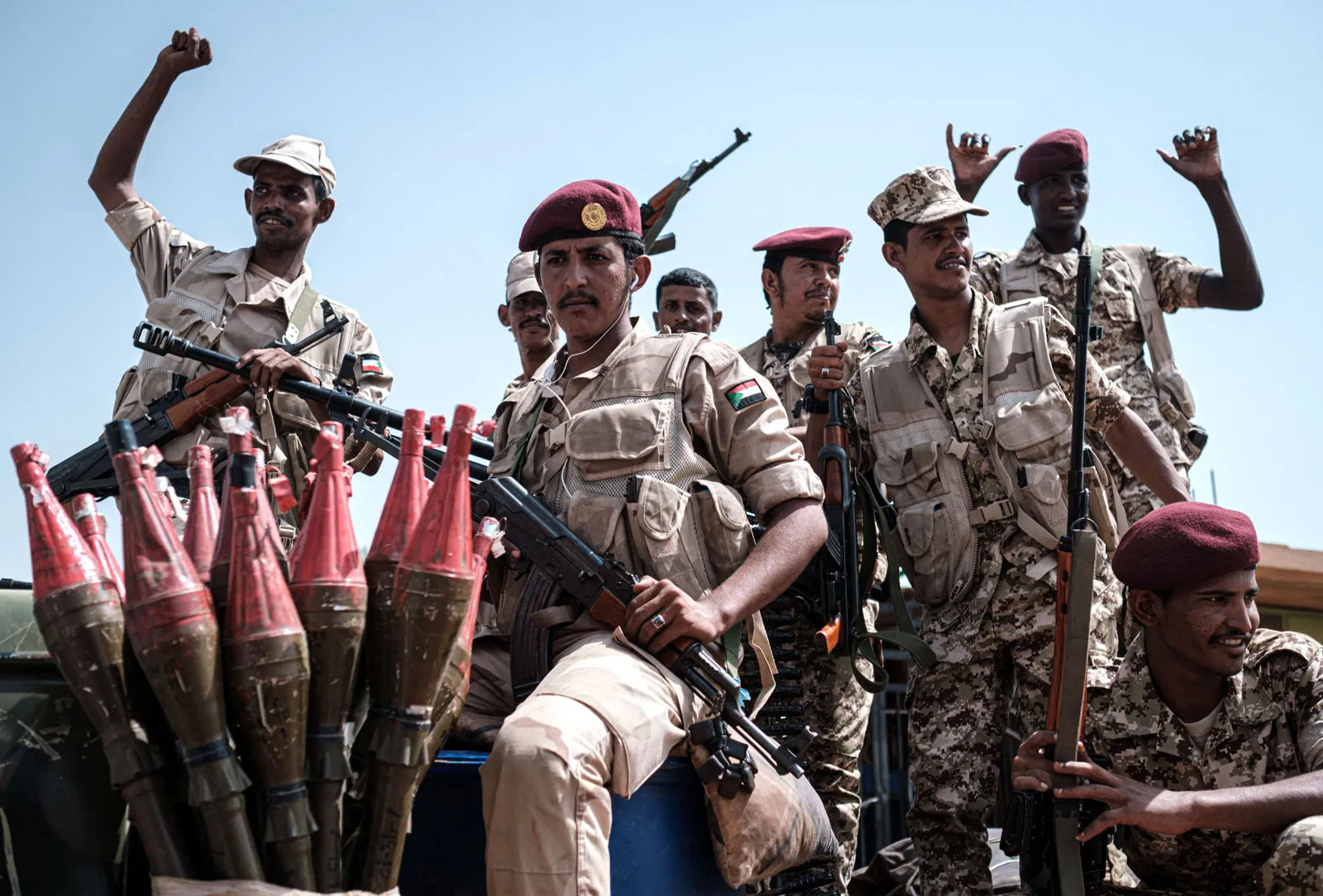
The paramilitary Rapid Support Forces (RSF) accused the Sudanese Armed Forces (SAF) of carrying out the attack, claiming it was intended to disrupt the delivery of humanitarian aid to the Darfur region.
The RSF called on the UN Security Council and international organizations to take urgent measures to halt what it described as “attacks” and to hold those responsible accountable.
Border crossings between Sudan and Chad, particularly the Adre crossing, are among the most important commercial routes for residents of Darfur, serving as a key artery for the movement of goods and people.
On February 23, Chad announced the closure of its border with Sudan after armed groups involved in the conflict crossed into its territory, while stating that humanitarian exceptions would still be granted subject to prior authorization.
Fighting between the SAF and the RSF erupted in April 2023 and has killed tens of thousands of people and displaced millions inside Sudan and across its borders.
The paramilitary Rapid Support Forces (RSF) accused the Sudanese Armed Forces (SAF) of carrying out the attack, claiming it was intended to disrupt the delivery of humanitarian aid to the Darfur region.