The Parliamentary Standing Committee on Infrastructure commended the Tanzania Railways Corporation (TRC) for the initiative during an inspection visit to the Pugu railway workshop in Dar es Salaam, where the locomotive assembly project is underway.
Committee Chairman Selemani Kakoso urged the TRC to continue building the capacity of Tanzanian youth involved in assembling and maintaining the locomotives by providing advanced training both domestically and abroad.
He said strengthening technical knowledge, skills and innovation among young technicians would enhance efficiency and sustainability in the railway sector.
According to TRC Director General Machibya Shiwa, the decision to assemble the locomotives locally followed delays in the delivery of spare parts from suppliers due to the Russia-Ukraine conflict.
Two locomotives assembled in Malaysia were shipped to Tanzania, while parts for the remaining six units were transported to the Pugu workshop for local assembly.
Shiwa said the project has opened business opportunities for local suppliers providing machinery services, construction materials, electrical equipment and other components.
Tanzania has begun assembling mainline gauge railway locomotives locally.
In a statement released on March 13, the global credit rating agency said the outlook revision reflects reduced uncertainty over Rwanda’s access to external funding and growing confidence that public debt levels will stabilise in the coming years.
Fitch noted that strong donor support has helped ease near-term fiscal and external financing risks. External disbursements from multilateral and bilateral partners reached about $1 billion, equivalent to 6.1% of GDP, in the fiscal year ending June 2025. The agency expects official external loan commitments to remain close to $1 billion annually between 2026 and 2027, supporting government financing needs.
The agency also pointed to recent diplomatic engagement and de-escalation of conflict in eastern Democratic Republic of the Congo as helping reduce uncertainty over Rwanda’s access to concessional financing, although it cautioned that the regional security environment remains fragile.
Rwanda’s public debt is expected to rise in the short term as the government continues to finance major infrastructure and development projects. According to Fitch, government debt could reach around 79% of GDP by 2027, up from 75% in 2025, before gradually stabilising as growth and fiscal adjustments take effect.
The increase in borrowing is partly linked to large-scale investments, including the construction of Bugesera International Airport and the expansion of the national carrier RwandAir. However, Fitch noted that most of Rwanda’s external debt remains highly concessional, helping maintain manageable debt servicing costs.
Economic growth remains a key strength supporting the rating. Fitch estimates that Rwanda’s real GDP growth reached 8% in 2025 and expects it to remain above 7% through 2027, significantly higher than the median growth rate for countries with similar credit ratings.
Recent data from the National Institute of Statistics of Rwanda also showed strong economic momentum, with the economy expanding 11.8% in the third quarter of 2025, driven largely by the services and industrial sectors.
As Rwanda continues investing in major infrastructure projects, Fitch projects the current account deficit to widen to around 15% of GDP in 2026, reflecting strong import demand linked to ongoing economic development.
Fitch said improvements in export performance, stronger foreign reserve levels and sustained fiscal consolidation could support a future upgrade of Rwanda’s credit rating.
Fitch Ratings is an American-British credit rating agency. It is one of the three nationally recognised statistical rating organisations designated by the U.S. Securities and Exchange Commission and is considered as being one of the “Big Three credit rating agencies”, along with Moody’s and S&P Global Ratings.
Fitch Ratings is an American-British credit rating agency and one of the “Big Three” global rating agencies alongside Moody’s and S&P Global Ratings.
From March 23 to 29, 2026, delegates will gather at the Bosque Expo venue for what promises to be a pivotal UN wildlife conference, the first time Brazil has hosted this landmark event.
Under the compelling theme “Connecting Nature to Sustain Life”, the meeting underscores the indispensable role of ecological connectivity, the seamless web of habitats, corridors, and stopover sites that migratory species rely on to complete their epic journeys.
Representatives from the CMS’s 133 Parties, comprising 132 countries plus the European Union, will join forces with scientists, conservation organizations, Indigenous Peoples, local communities, environmental NGOs, and other stakeholders from across the globe.
High-level government officials, including Brazil’s Ministry of the Environment and Climate Change leadership, are expected to preside over sessions, with João Paulo Capobianco designated as the COP15 President. The gathering will also feature side events, stakeholder dialogues, and a dedicated high-level segment aimed at securing renewed political commitments.
This COP follows the momentum built at COP14, held in February 2024 in Samarkand, Uzbekistan, the first CMS COP in Central Asia, under the banner “Nature Knows No Borders.”
That meeting launched the groundbreaking State of the World’s Migratory Species report, revealing that 44% of monitored populations were declining and over one in five listed species faced extinction risk.
It also adopted the Samarkand Strategic Plan for Migratory Species 2024–2032, setting ambitious targets for habitat restoration, reduced infrastructure impacts, and enhanced connectivity.
Recent updates paint an even starker picture: an interim assessment shows declines have worsened to 49% of migratory species populations, with 24% now at heightened extinction risk.
Mounting threats include habitat fragmentation, overexploitation, fisheries bycatch, marine and plastic pollution, illegal take, climate-driven disruptions, light pollution, renewable energy infrastructure collisions, anthropogenic noise, and emerging risks like deep-sea mining.
Delegates at COP15 are poised to tackle these challenges head-on through a comprehensive agenda. Key discussions will center on implementing the Samarkand Strategic Plan, proposing amendments to the CMS Appendices to afford stricter protections to vulnerable species; such as certain sharks and rays, hammerhead and thresher sharks, giant otters, striped hyenas, Amazon catfish, and potentially others like the snowy owl.
Cross-cutting issues will dominate debates, including measures to curb bycatch and fisheries mortality, combat pollution and illegal take, promote wildlife health, address climate impacts, safeguard seamount ecosystems, and advance ecological connectivity initiatives, including tools like an Atlas of Animal Migration.
Participants will also explore synergies with other global frameworks, such as the Convention on Biological Diversity and Ramsar wetlands convention, while emphasizing sustainable livelihoods, pastoralism in rangelands, and the role of infrastructure in minimizing harm to migratory routes.
Expected outcomes include the adoption of a high-level Ministerial Declaration reaffirming global commitments, approvals of new species listings and concerted action plans, strengthened guidelines on emerging threats, and concrete steps to operationalize the Strategic Plan through the next decade.
These decisions could galvanize coordinated international efforts, potentially reversing declines and ensuring migratory species, from soaring birds and ocean-crossing whales to river-traversing fish, continue to sustain ecosystems and human well-being.
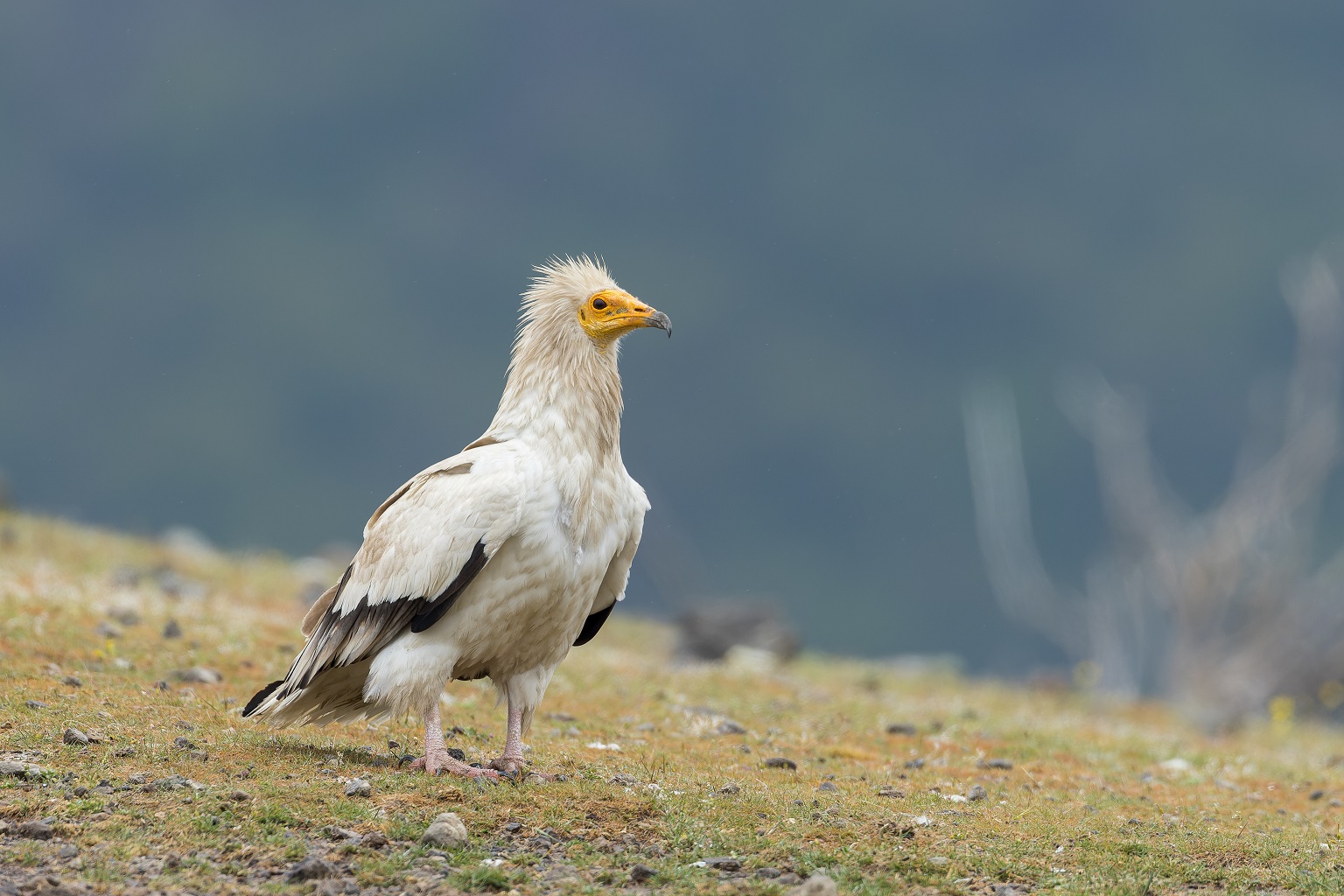
The Egyptian vulture can fly up to 640 kilometers (400 miles) in a day as it travels between its wintering grounds in the Sahara and European breeding sites — a migration that of up to 5,000 km (3,100 mi). Image by Sergey Dereliev.
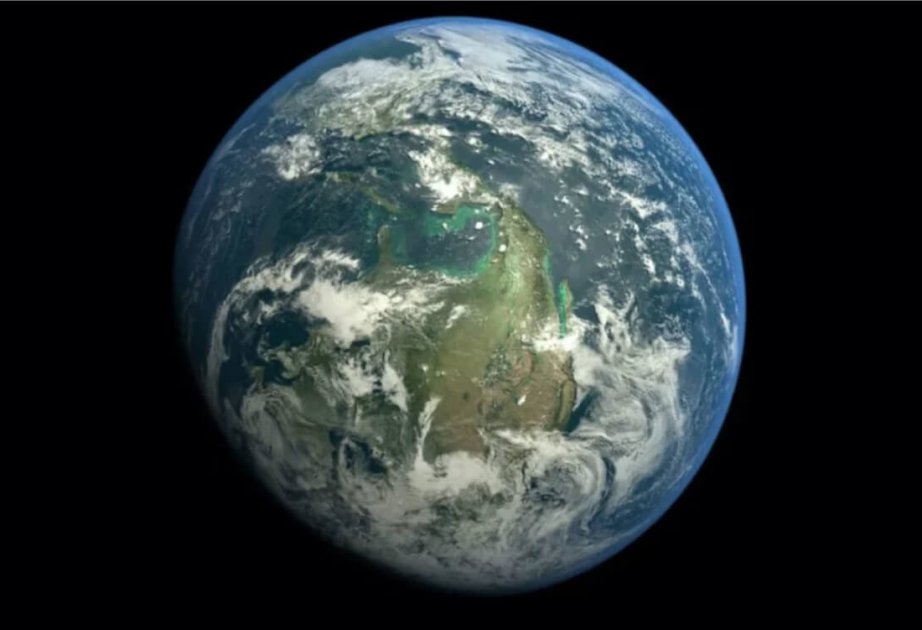
Earth’s day is not always exactly 24 hours. It changes naturally because of the moon’s pull and processes inside the planet. But recent climate change adds a new factor. As ice melts, water moves from land to oceans, shifting Earth’s mass. This slows rotation, like a figure skater spinning more slowly when stretching their arms.
To study how unusual this is, researchers looked at tiny marine fossils called benthic foraminifera. The chemical makeup of these fossils shows old sea levels. Using this data and a special computer model, scientists could estimate how day length changed over millions of years.
During past ice ages, growing and melting ice sheets changed day length, but none as fast as today. Only around 2 million years ago was the change somewhat similar, but still slower.
This shows that today’s climate change is faster than anything in the last 3.6 million years, according to said Benedikt Soja of ETH Zurich. By the end of this century, human-driven climate change could affect day length even more than the moon does.
Even though the change is only a few milliseconds, it can affect precise tasks like space travel.
Scientists from the University of Vienna and ETH Zurich say climate change is slowing Earth’s spin, making our days slightly longer.
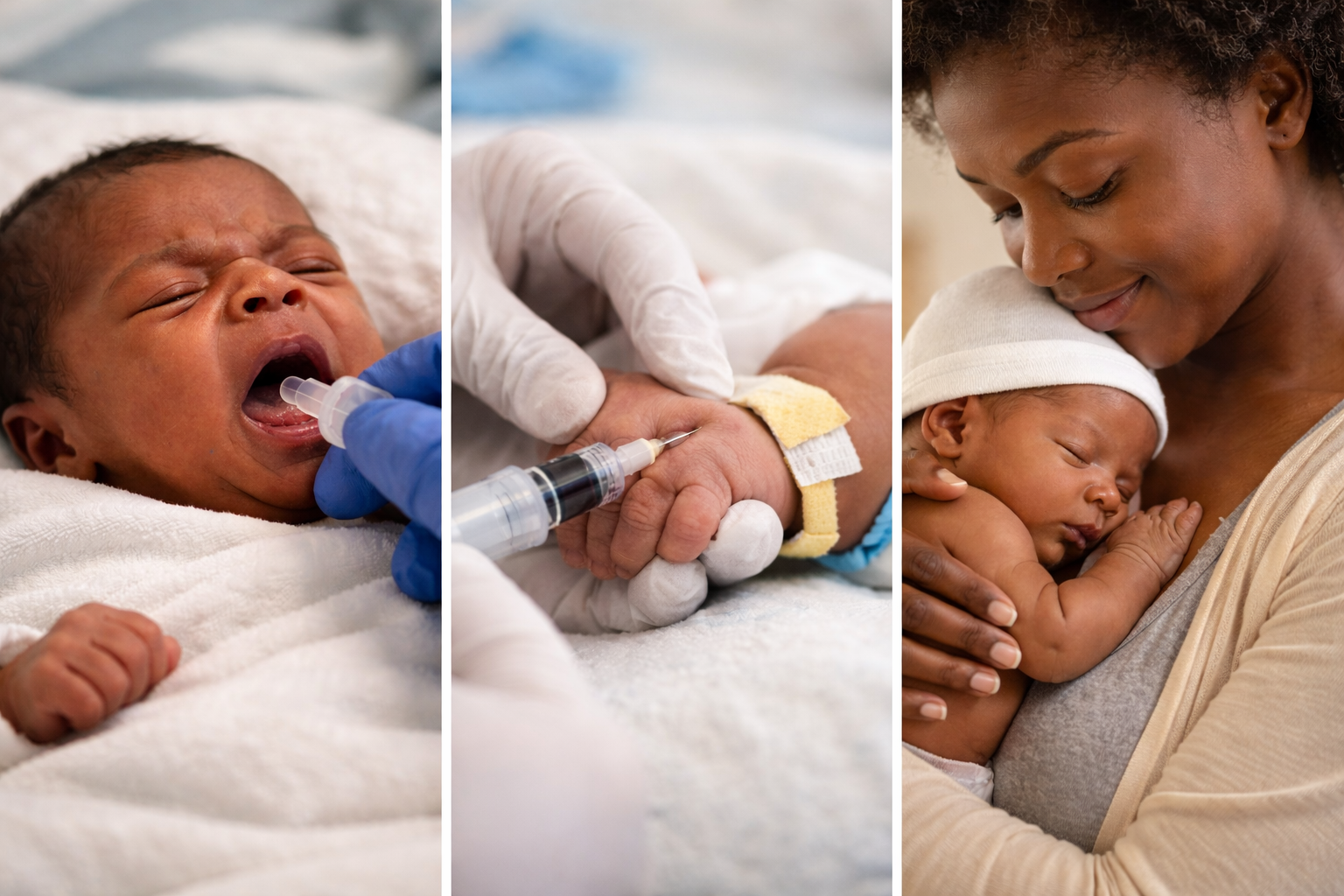
The review included 29 randomized controlled trials involving more than 2,700 preterm and full‑term neonates. It showed that infants who received sucrose just before or during the needle insertion probably experienced less pain than those who received no intervention, water, or only standard comfort care. Sucrose was found to lower pain scores during the procedure and for up to one minute afterward.
Dr Mariana Bueno from the University of Toronto, the lead author of the review, said: “Newborn babies undergo frequent needle procedures in hospital without any pain relief or comforting measures, even though older children and adults rarely have these procedures done without pain care.
The evidence shows that a small amount of sucrose given just before the procedure is a simple, fast, and effective way to reduce that pain. Our review helps clinicians use this evidence more confidently and consistently in practice.”
The review also found that sucrose appeared to be more effective than the use of pacifiers alone for reducing pain. However, evidence comparing sucrose with other comforting measures such as skin‑to‑skin care was limited.
Importantly, no studies reported harmful side effects such as gagging or pauses in breathing when sucrose was used in the small amounts required for pain relief.
Researchers emphasized that sucrose can be given orally in very small doses and that this simple intervention could help inform clearer clinical guidelines for neonatal pain management worldwide.
New research indicates that sugar helps relieve pain in newborns during venepuncture.
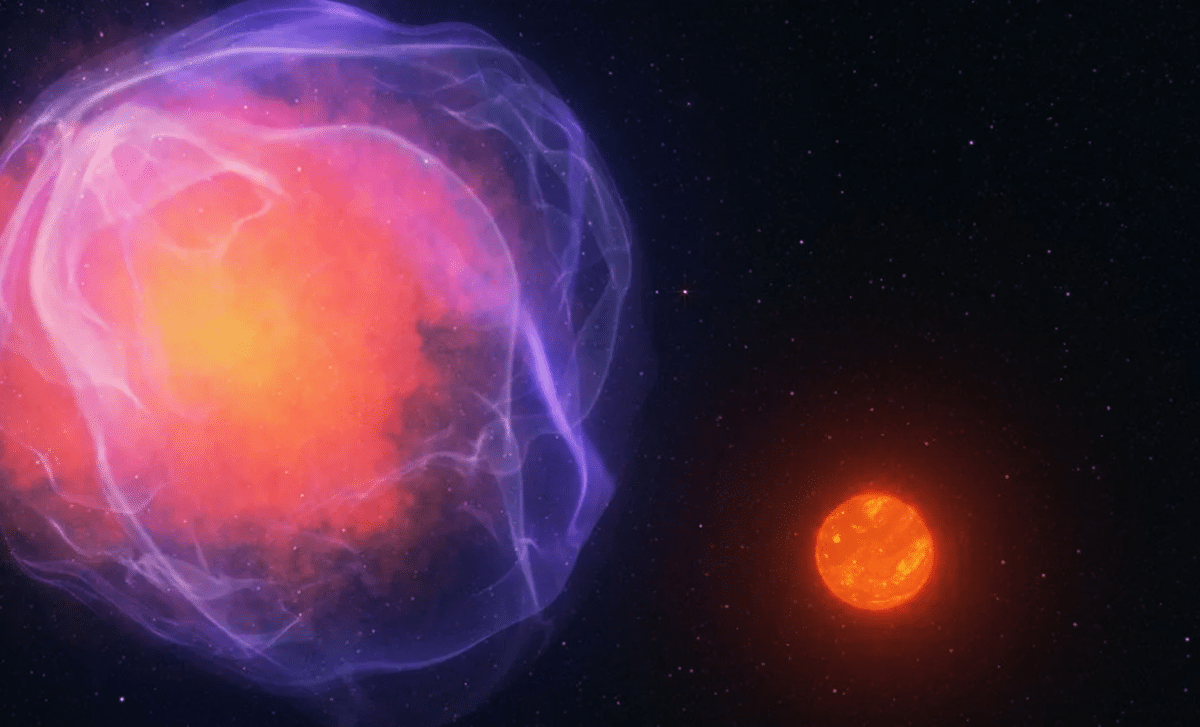
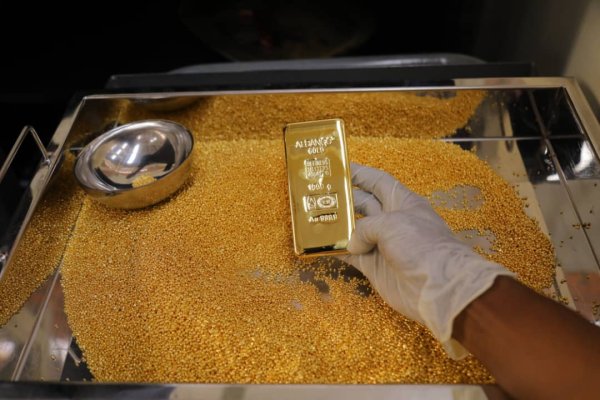
Heavy elements like gold and platinum are not formed on Earth. They are created during powerful cosmic events such as exploding stars or collisions between neutron stars.
During these extreme moments, a process known as the Rapid neutron capture process occurs. In this process, atomic nuclei quickly absorb neutrons, becoming heavier and unstable before breaking into more stable elements.
To better understand this transformation, scientists carried out experiments at the CERN using its ISOLDE Facility. The team studied a rare atomic form called indium-134 and tracked how it decays into different tin isotopes.
Their research revealed three major discoveries. The most important was the first measurement of energy released when unstable nuclei emit two neutrons during decay. This rare reaction helps scientists understand how heavy elements form during violent stellar events.
The researchers also identified a long-predicted nuclear state in tin-133 that had remained hidden for two decades. This discovery shows that the atomic nucleus still “remembers” how it was formed, challenging earlier theories that suggested the process erased such information.
Finally, scientists observed behavior that does not match existing nuclear models, suggesting that current theories may need to be revised.
The findings provide new clues about how elements like gold are created in the universe and could help scientists improve models that explain the origins of matter in space.
Scientists have made a breakthrough in understanding how precious metals such as gold are created in the universe.
“The full cost to the Government of Rwanda is at least 10 times more, in addition to the ultimate sacrifice of loss of soldiers’ lives, all to stabilize Cabo Delgado,” she said.
Makolo was reacting to a report by Bloomberg indicating that the European Union’s funding to Rwandan forces deployed in Cabo Delgado could come to an end in May 2026.
The €20 million package was approved by foreign ministers of the European Union during a meeting in Brussels, Belgium, on November 18, 2024. It followed another €20 million support package granted to Rwandan troops in December 2022, about a year and a half after they began the deployment.
The reported halt in funding comes after the United States announced sanctions against the Rwanda Defence Force (RDF) on March 2, 2026, accusing Rwanda of supporting the M23 rebel group, allegations Kigali has repeatedly denied.
A spokesperson for the European Union said the assistance programmes approved in 2022 and 2024 will expire in May 2026, adding that the bloc is reviewing the implications of the recent US sanctions targeting Rwandan military leaders.
Bloomberg reported that there are currently no plans to extend the funding.
Makolo noted that Rwanda’s continued deployment in Cabo Delgado, if deemed necessary, depends on sufficient and predictable support.
“The sustainability of Rwanda’s bilateral counter-terrorism deployment in Mozambique, if our forces are actually needed, depends on adequate, predictable funding,” she said.
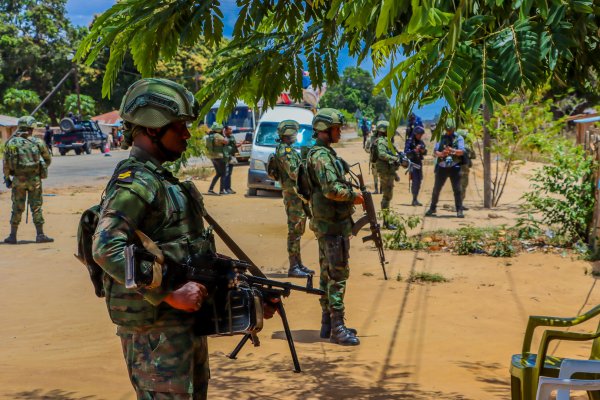
She recalled that Rwanda first deployed its forces in 2021 following a request from the Mozambican authorities.
“Rwandan Forces went to Cabo Delgado in 2021 at the request of the Mozambican government, to work with a brotherly African country that needed the support; money was not the first consideration,” she said.
Makolo highlighted the impact of the mission, noting that civilians have returned to their homes, children have gone back to school, businesses have reopened, and major foreign investments have resumed.
Cabo Delgado is rich in natural gas resources and hosts major liquefied natural gas projects led by TotalEnergies, valued at around $20 billion.
The project has also received backing from the Export-Import Bank of the United States.
Makolo stressed that the work carried out by the Rwanda Defence Force has benefited both local communities and companies investing in LNG projects.
“To be clear, the work of RDF in countering terrorism in Cabo Delgado has benefitted the Mozambican people and the companies investing in LNG, and supporting that work is not a favor being granted to Rwanda,” she said.
“Should the RDF Command assess that the work being done by Rwandan Security Forces in Cabo Delgado is not appreciated, they would be right to urge the government to end this bilateral counter-terrorism arrangement and pull out,” Makolo concluded.
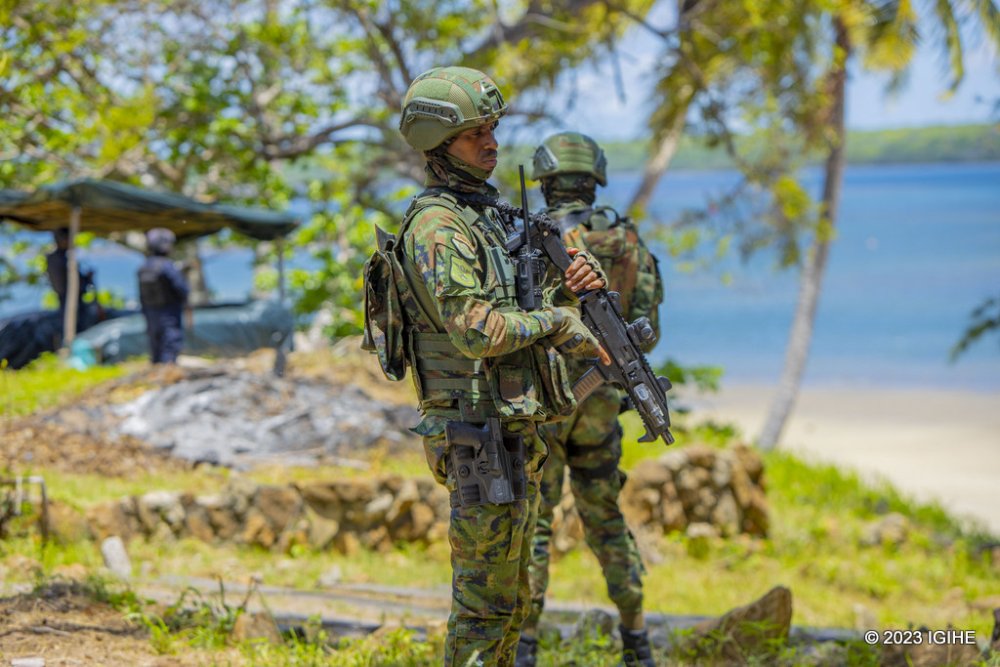
Rwanda first deployed its forces in 2021 following a request from the Mozambican authorities.
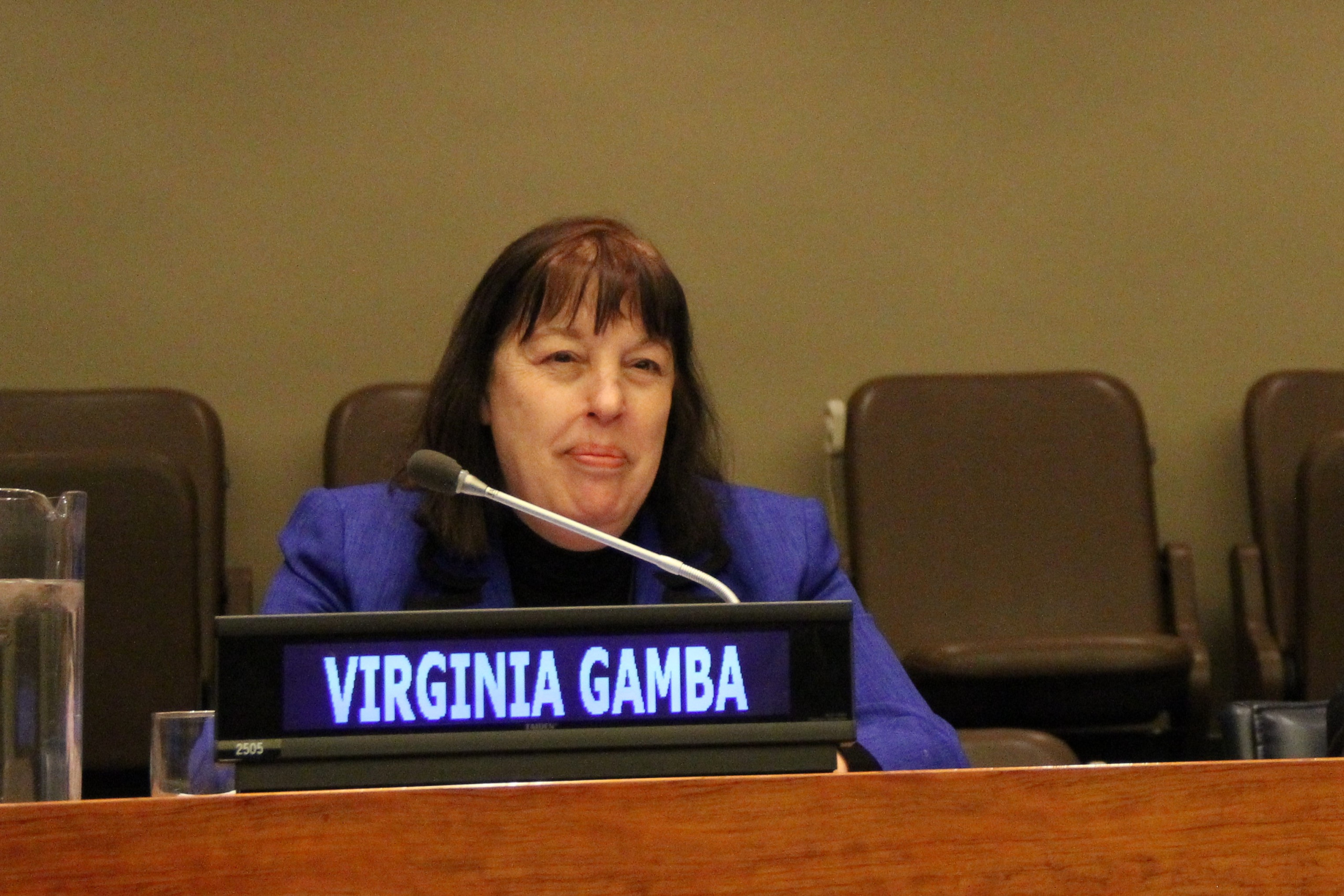
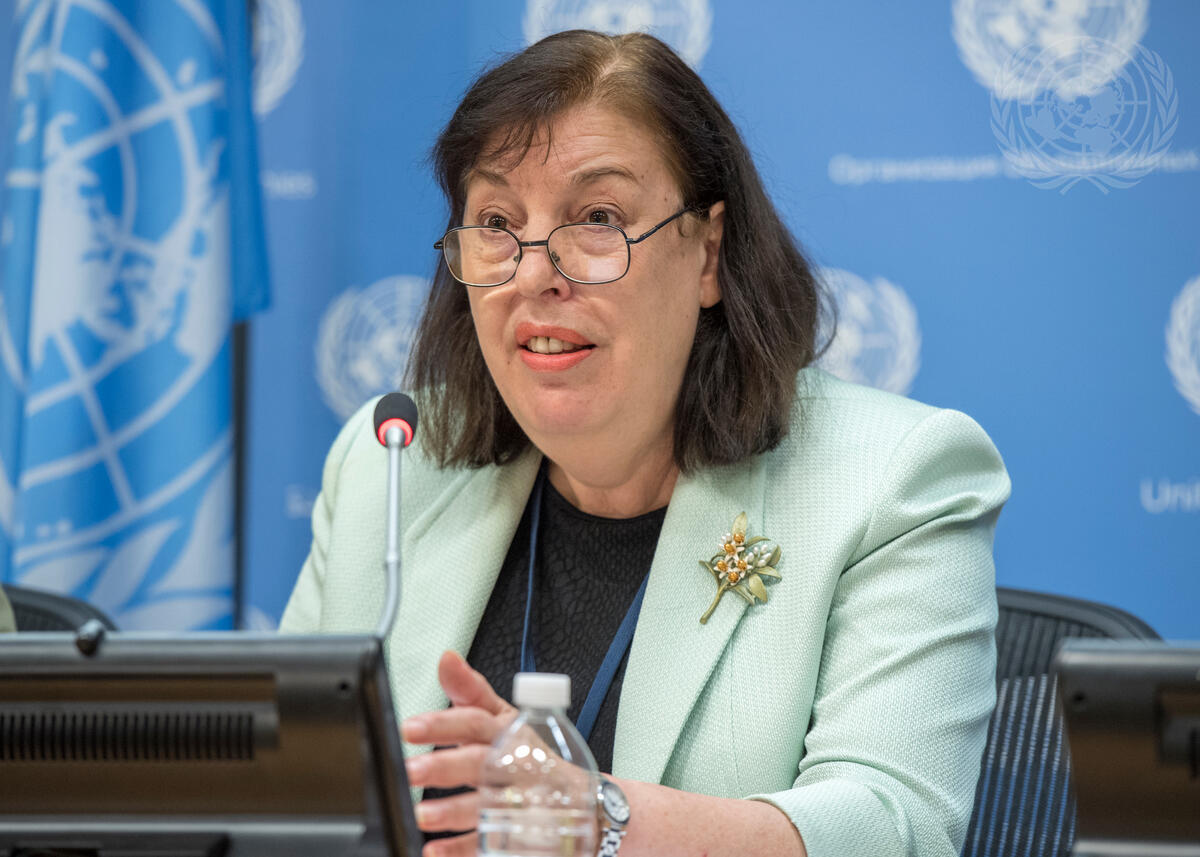
The Republic of Maldives has nominated Virginia Gamba, former UN under-secretary-general, for the position, according to a joint letter signed by UN General Assembly (UNGA) President Annalena Baerbock and Michael Waltz, president of the UN Security Council for March.
According to her curriculum vitae, Gamba is an Argentine scholar, practitioner and recognized authority on war and peace studies with over 40 years relevant experience on all themes related to peace and security, including crisis management.
At the United Nations, she served as under-secretary-general in two dockets: Children and Armed Conflict (2017-2025), and the Prevention of Genocide (2024-2025).
The four other candidates are former Chilean President Michelle Bachelet, nominated by Chile, Brazil and Mexico; Rafael Grossi, the current director general of the International Atomic Energy Agency, nominated by Argentina; Macky Sall, former president of Senegal, nominated by Burundi; and Rebeca Grynspan, economist and former vice president of Costa Rica, nominated by Costa Rica.
The UNGA is scheduled to conduct interactive dialogues with the candidates in the week of April 20.
Virginia Gamba served as the Special Representative of the UN Secretary-General for Children and Armed Conflict
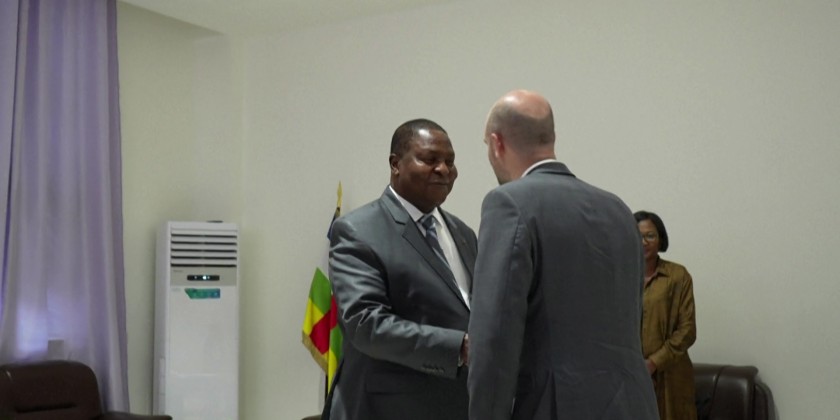
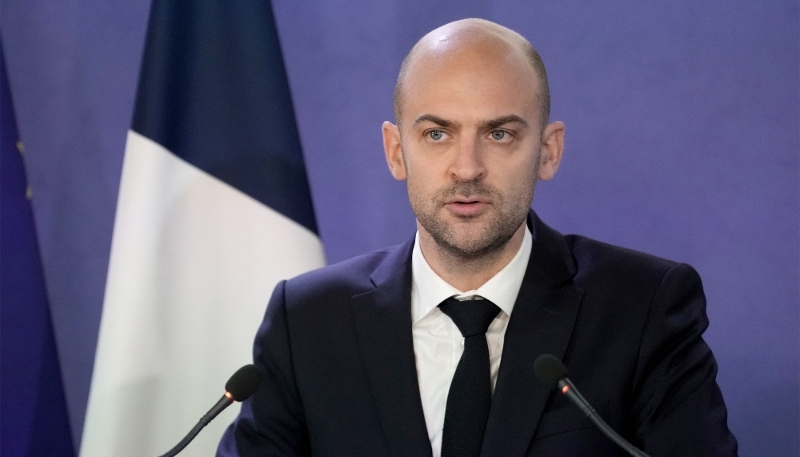
Barrot made the announcement during a two-day trip to the country.
“This is the first time in eight years that a French foreign minister is present in Bangui and my presence marks the complete restoration of relations between our two countries after a period of strain and tension,” Barrot told reporters.
He said France was looking forward to “reinforcing our relations in all sectors”.
In 2024, Faustin-Archange Touadera, president of the Central African Republic, met with his French counterpart Emmanuel Macron in Paris as part of efforts to resume ties.
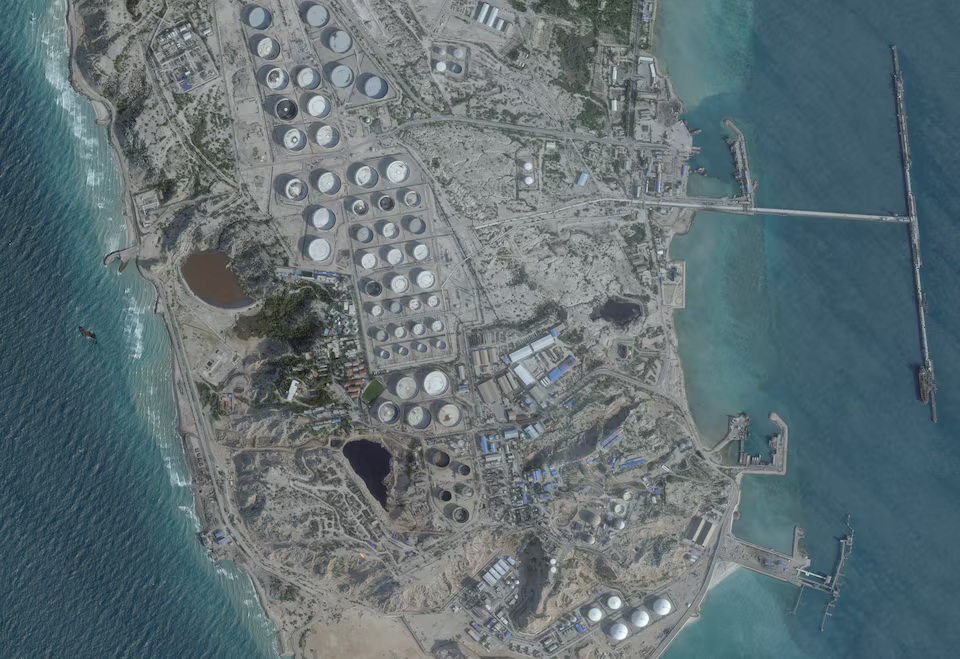
In a social media post, Trump said the United States had already “totally obliterated” military targets on Kharg Island, but that the island’s oil facilities were deliberately spared for now. He made clear that if Iran or any other force interfered with the free and safe passage of ships through the Strait of Hormuz, those energy assets could be hit.
The warning comes amid a broader and escalating conflict that began in late February with coordinated U.S. and Israeli bombardments on Iran.
Iran’s armed forces have responded with missile and drone attacks against U.S. bases, Israel, and shipping traffic in the Gulf, prompting closures of some sea routes.
The Strait of Hormuz is one of the world’s most significant maritime passages, with about 20% of global oil supplies normally passing through it each day. Disruptions there have already disturbed energy markets and driven global oil prices higher.
Iran’s government has vowed that any attack on its energy infrastructure would prompt retaliation against energy facilities linked to the United States and its allies. Oil markets are closely watching the situation, as even small disruptions at Kharg Island could tighten already strained global supply.
Trump threatens to hit Iran’s Kharg Island oil network if shipping lanes remain blocked.