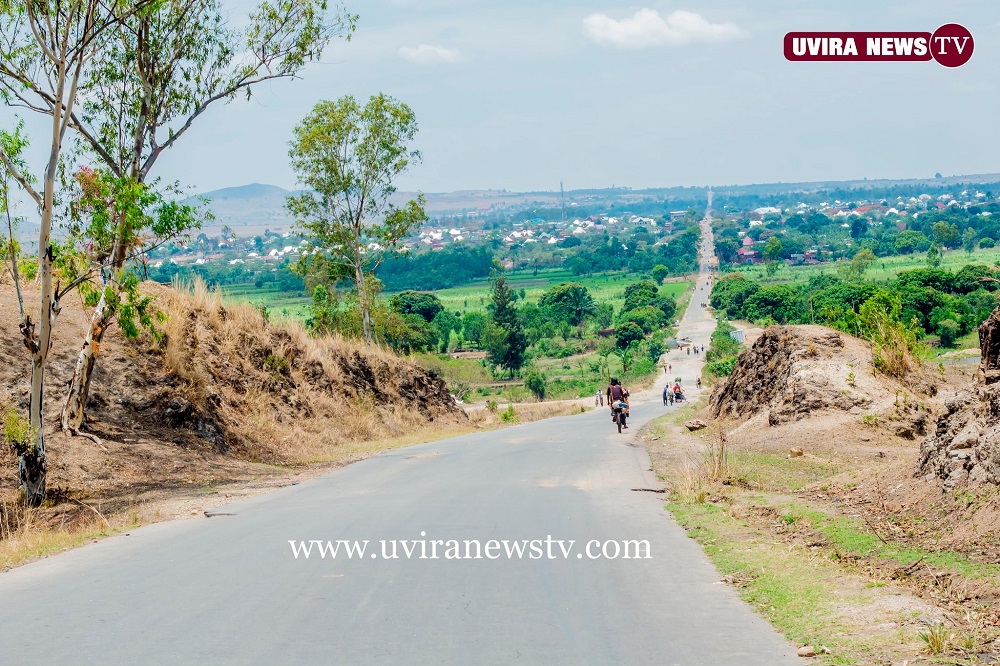
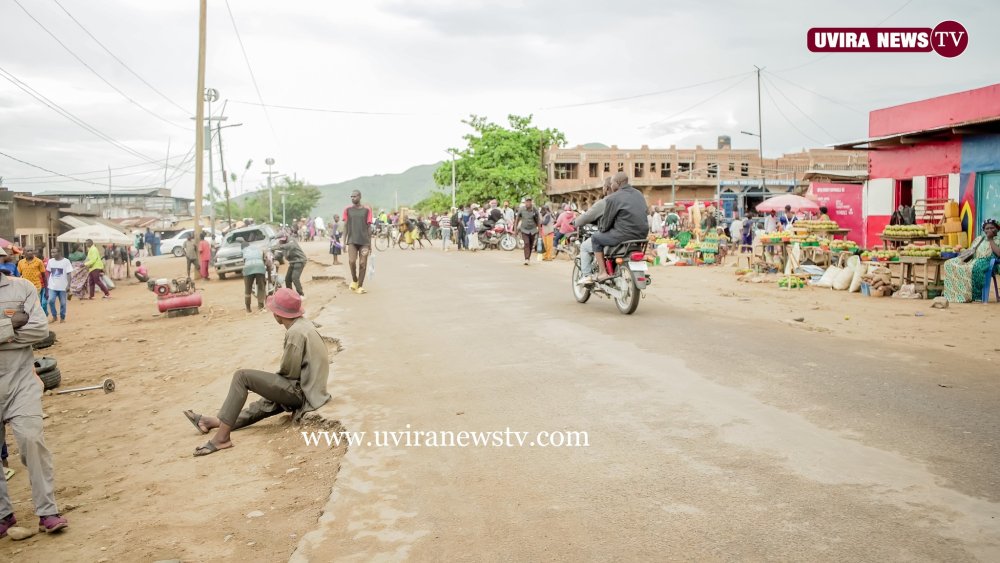
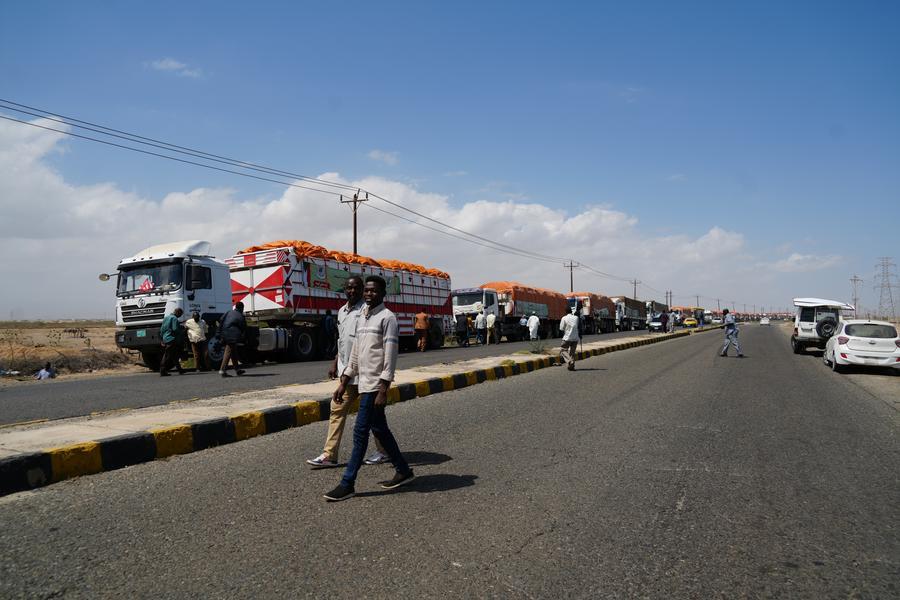
The RN5 road, which is commonly used for transportation, passenger travel, and trade, connects residents from the Uvira territory located in the Ruzizi Valley.
On the morning of March 15, 2026, traders traveling from the Runingu center towards Sange were turned back by FARDC and Wazalendo forces.
Radio Maendeleo reported that some passengers traveling from Bukavu to areas in the Ruzizi Valley or the city of Uvira were also blocked, causing a build-up of people at the Sange center as they awaited further instructions.
After a prolonged period of confusion, these residents were informed that no vehicles, motorcycles, or pedestrians were allowed to proceed into the city of Uvira from areas controlled by the AFC/M23 group.
The road had been functioning smoothly from the beginning of December 2025 until January 2026, when AFC/M23 controlled all the areas in the Ruzizi Valley and the city of Uvira.
Since AFC/M23 withdrew from the city of Uvira in mid-January 2026, traffic has significantly decreased on this road due to the fact that travelers now pass through areas controlled by opposing factions.
The FARDC and Wazalendo forces have stated that this decision was made to ensure security in the controlled areas, but the residents do not agree, as they are calling for increased security rather than restrictions on their livelihoods.
FARDC and Wazalendo reportedly blocked the key road between Bukavu and Uvira on Sunday, March 15, 2026.
“I’m demanding that these countries come in and protect their own territory, because it is their own territory,” Trump told reporters aboard Air Force One, referring to the strait.
Trump didn’t name the countries the White House is negotiating with.
In an interview with The Financial Times on Sunday, Trump said that NATO members should send warships to help open up the Strait of Hormuz or face a “very bad” future.
“If there’s no response or if it’s a negative response, I think it will be very bad for the future of NATO,” he told the British newspaper.
A report in The Wall Street Journal earlier Sunday said the White House plans to announce a multinational coalition as early as this week, citing U.S. officials.
“Many countries, especially those who are affected by Iran’s attempted closure of the Hormuz Strait, will be sending War Ships” to secure the oil trade route, Trump claimed in a post on Truth Social on Saturday.
Publicly, many governments have been reluctant to commit to such a mission before the end of the U.S.-Israel war with Iran, given the risks involved, said The Wall Street Journal in its report.
In his first message as Iran’s new Supreme Leader, Mojtaba Khamenei on Thursday called for the continued closure of the Strait of Hormuz and pledged to open new fronts in his country’s conflict with the United States and Israel.
The United States and Israel launched massive attacks on Iran on February 28, disrupting global shipping, sending oil prices soaring and shaking the global economy.
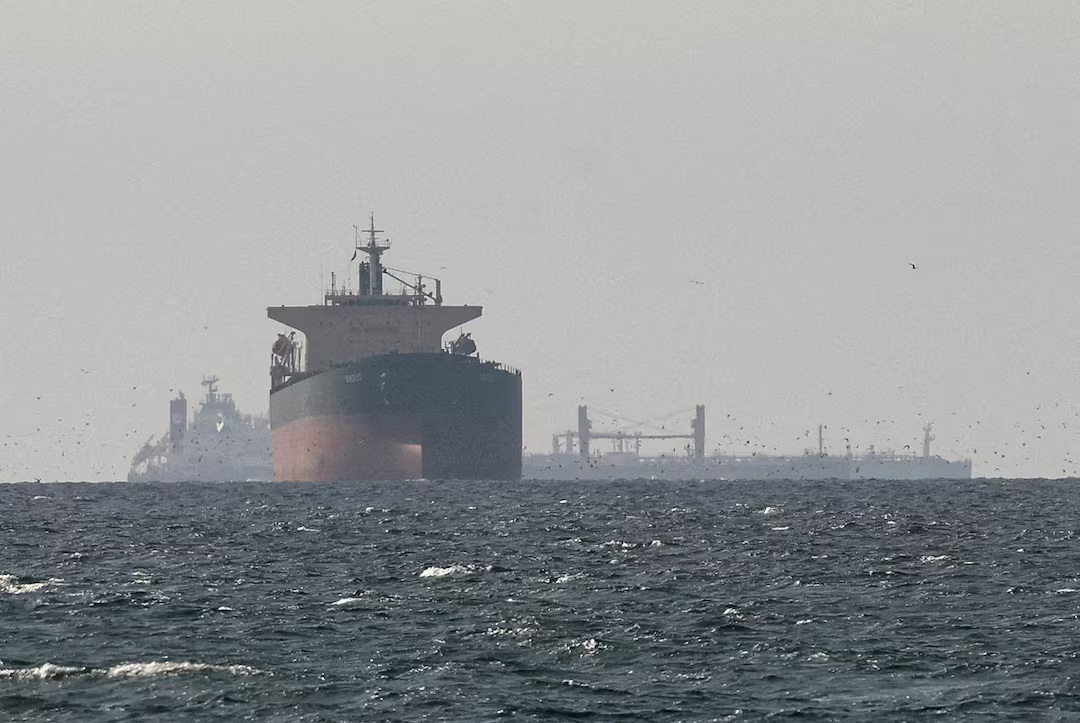
US President Donald Trump wants seven countries heavily reliant on Middle East oil join a coalition to escort vessels through the Strait of Hormuz, a key waterway through which about 20 percent of the world’s oil passes.
As attacks between the warring sides continue, shipping through the strategic Strait of Hormuz, a vital global transport chokepoint, has been heavily disrupted.
Beyond the energy and shipping sectors, the global food supply is also feeling the pinch, reflected in a sharp surge in food prices and warnings from UN agencies.
How does the crisis hit food production?
The Gulf region not only produces a significant portion of the world’s fertilizer but also supplies key raw materials, with roughly one-third of global seaborne fertilizer trade passing through the Strait of Hormuz.
As transport through the Strait of Hormuz is largely disrupted, natural gas, the essential feedstock for nitrogen fertilizers, has become difficult to deliver to major agricultural producers such as Brazil and Sudan. Meanwhile, fertilizer producers in India and Pakistan are also struggling to secure raw materials.
Phosphate fertilizers face similar disruption. Gulf states accounts for roughly one-fifth of the world’s phosphate fertilizer output and one-quarter of the world’s sulfur supply, a petrochemicals’ byproduct used to process phosphate. With exports largely halted, the supply shock is cascading across fertilizer markets.
The timing compounds the crisis. Across the Northern Hemisphere, from Europe to North America, farmers typically purchase fertilizer in March for application in April and May. Fertilizer shortages could force growers to reduce usage or shift to less input-intensive crops — decisions that may translate into lower yields months later.
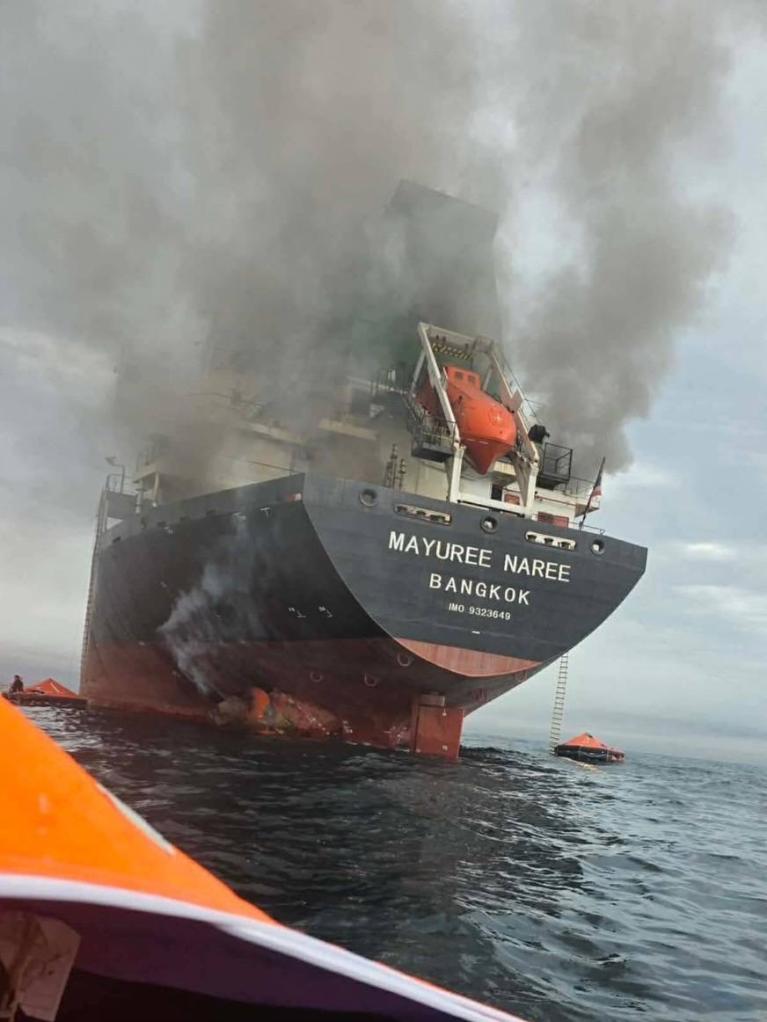
A fire breaks out on a Thai cargo ship after it was struck in the Strait of Hormuz on March 11, 2026.
How do energy prices affect food costs?
Modern agriculture is deeply dependent on fossil fuels. Oil and natural gas power tractors, irrigation systems, and grain dryers; they also underpin fertilizer production, food processing, refrigeration, and transportation. Even packaging materials, from plastic wraps to storage containers, are derived from petrochemicals.
Global fertilizer prices have surged by roughly one-third since the conflict began. Plastics futures are also soaring, with chemical giant BASF announcing price increases of up to 20 percent for core plastic additives worldwide. Higher fuel prices are also pushing up shipping and logistics costs, which feed directly into food supply chains.
“If the crisis continues, transportation and food processing costs may rise further, and agricultural inputs such as fertilizers may become scarce,” Samina Sultan, an economist of the German Economic Institute, warned. “Supply risks could further push up agricultural product costs, leading to higher supermarket prices and triggering a new round of inflationary pressures.”
How could global food security be at risk?
The United Nations has warned that rising food and energy prices will hit hardest in developing countries and among low-income families, where food already accounts for a large share of spending.
“The conflict is already having immediate food security impacts in the Middle East. In Lebanon, significant internal displacement is occurring within a population that has been grappling with high levels of food insecurity for several years,” the World Food Programme (WFP) said in a recent report.
Humanitarian operations are also under strain.
“Extended shipping routes and congestion are jeopardizing WFP’s ability to reach vulnerable populations quickly, increasing the risk that people will wait longer for assistance and face heightened food insecurity and malnutrition,” added the report.
As the crisis deepens, what began as a regional conflict over energy and geopolitics is increasingly turning into a threat to the global food supply, with consequences measured not only in barrels of oil, but also in empty plates.
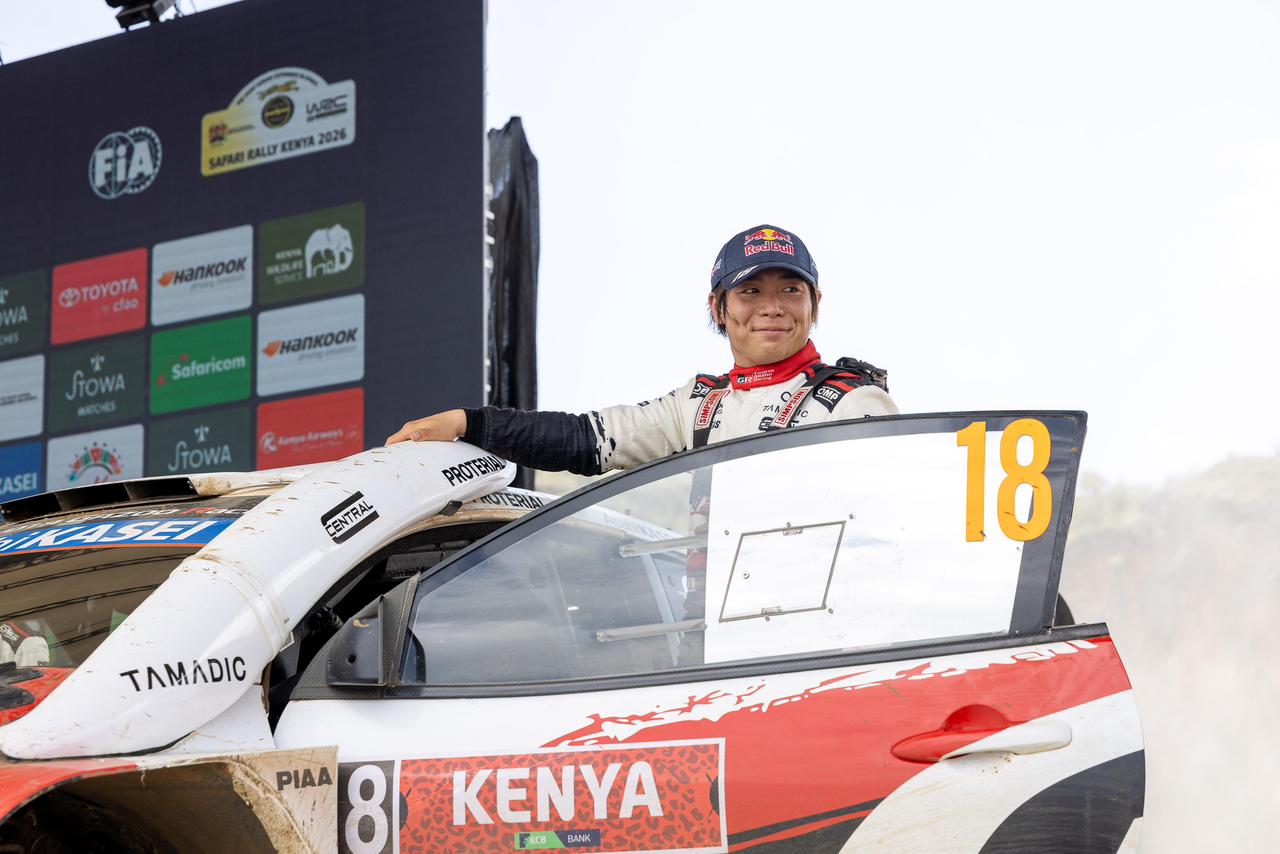
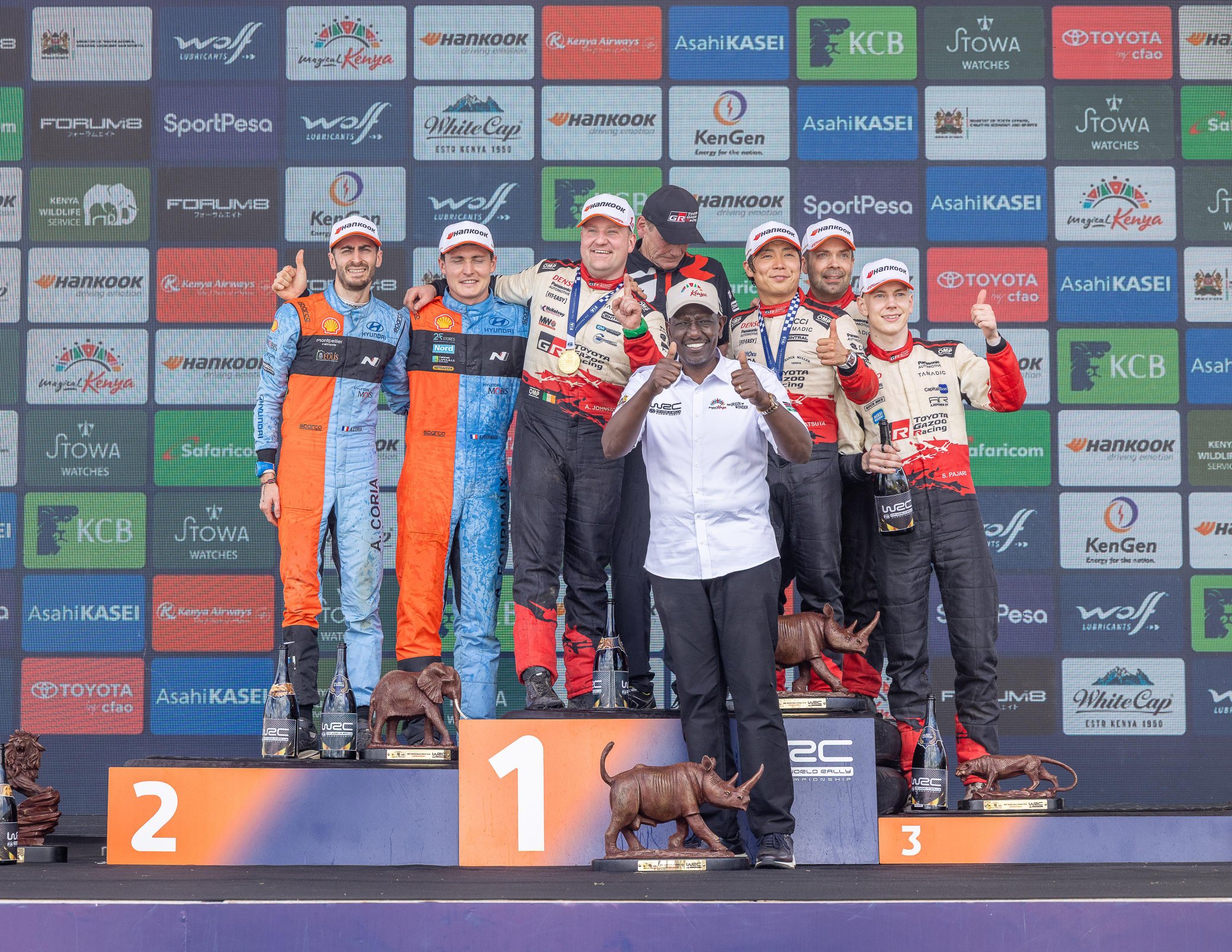
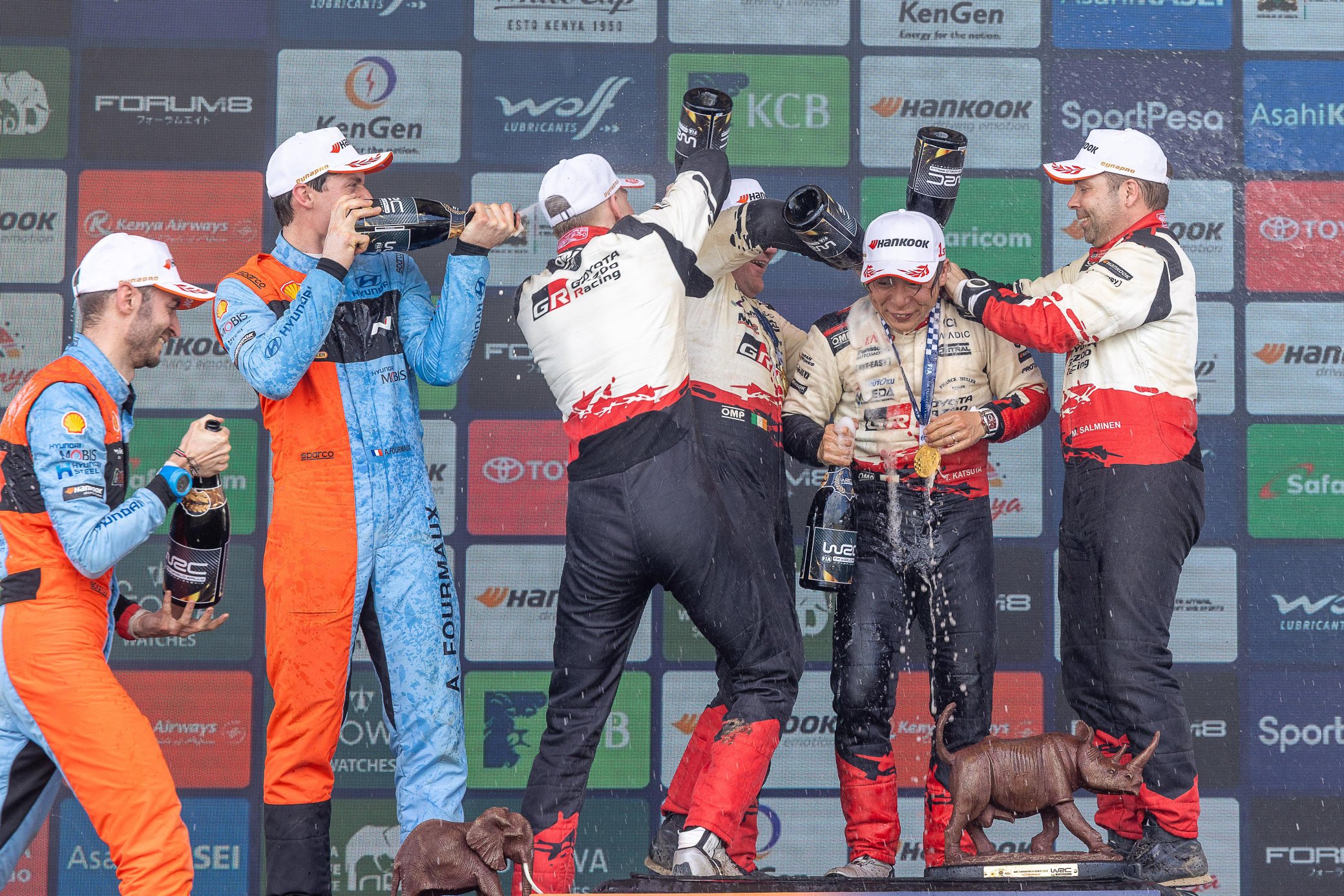
France’s Adrien Fourmaux finished second, delivering Hyundai Shell Mobis WRT its first podium of the season, while Toyota’s rising star Sami Pajari completed the podium in third. Katsuta’s breakthrough triumph propels him to second in the championship standings, just three points behind leader Elfyn Evans, who retired on Saturday following suspension damage.
Triumph amid chaos
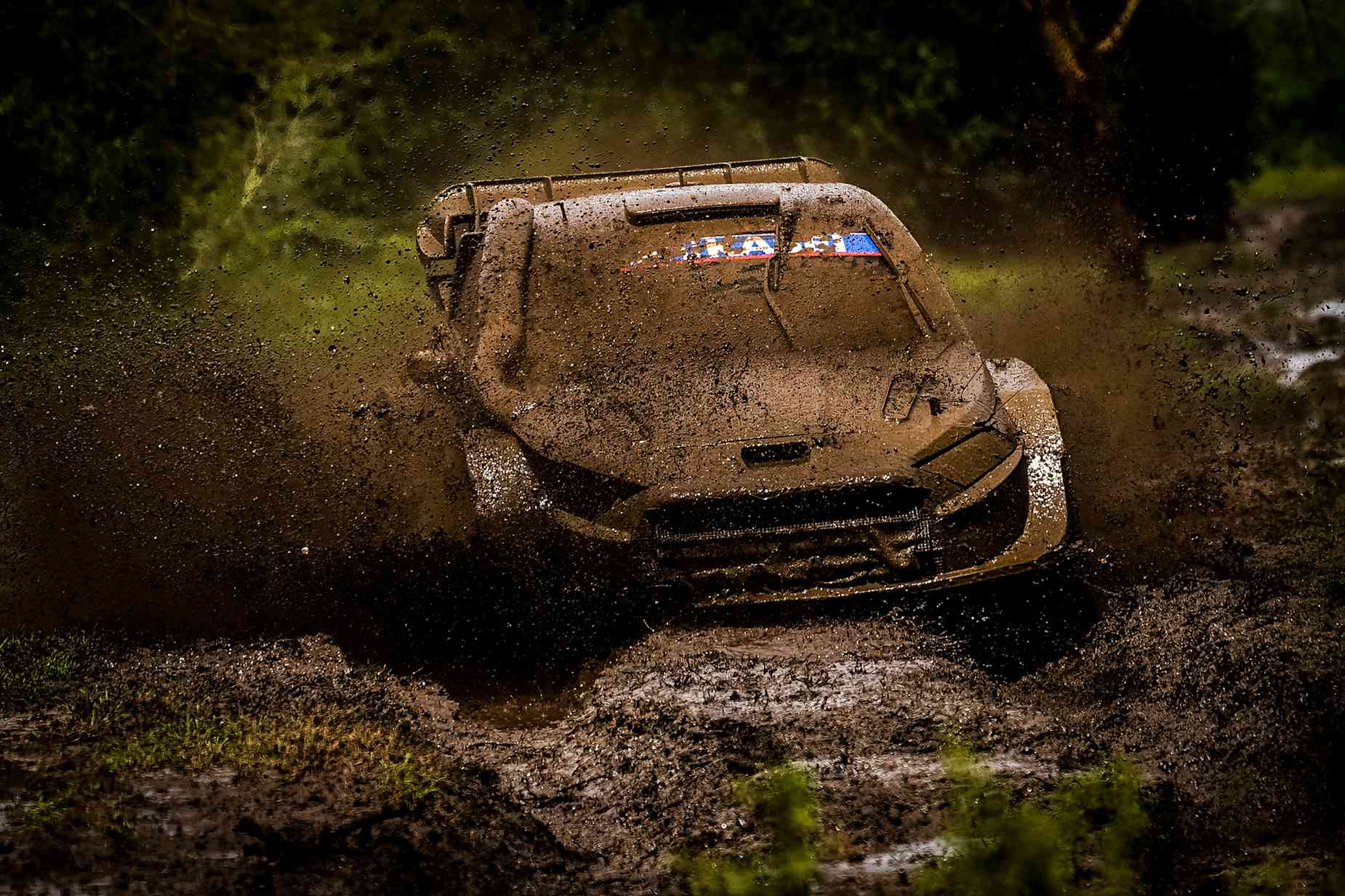
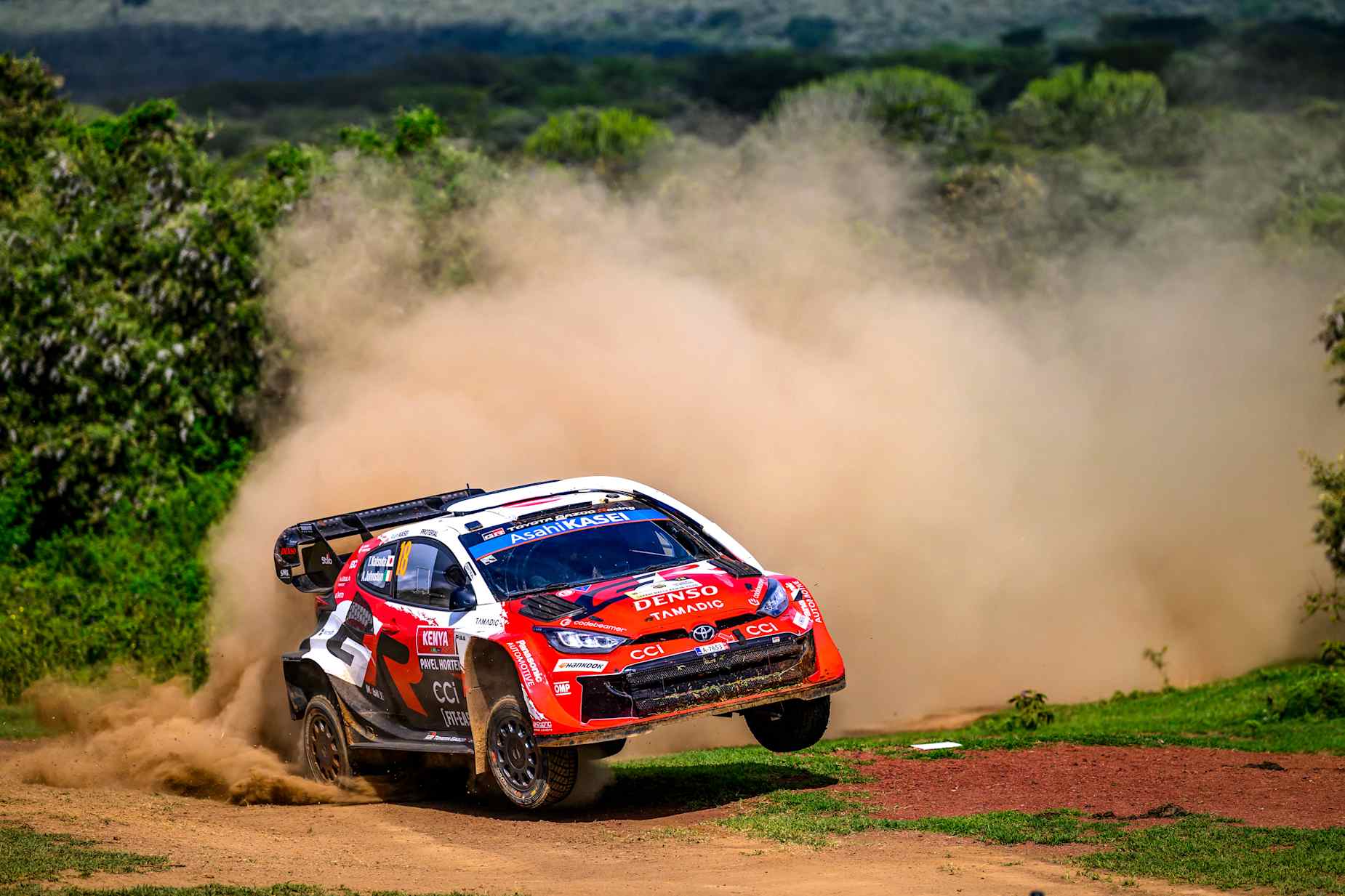
The rally was full of challenges from the start. Heavy rains during the opening Camp Moran stage caused Katsuta’s intercom to fail, leaving him without pace notes from Johnston. A puncture on Friday dropped the Japanese driver to seventh overall overnight.
The race was hit by heavy rains, forcing drivers to battle through mud.
Katsuta steadily climbed the leaderboard on Saturday’s punishing gravel stages, taking advantage of troubles faced by his competitors. Championship leader Elfyn Evans suffered two punctures and eventual rear suspension failure, forcing him to retire. Rising star Oliver Solberg and eight-time world champion Sébastien Ogier also retired with mechanical issues, handing Katsuta the rally lead.
Starting Sunday’s final leg with a 1-minute 25-second advantage, Katsuta carefully managed the rough terrain of Oserengoni and Hell’s Gate to secure victory.
“I don’t know what to say. We have faced so many difficult moments. Aaron has worked very hard with me, and the team always believed in me even when I was struggling. I’m here because of them and Aaron,” Katsuta said, emotionally overwhelmed at the finish.
Kenyan President William Ruto was present at the finish to personally present Katsuta with the winner’s trophy.
Podium and other highlights
Fourmaux delivered a composed drive to secure second overall despite Hyundai battling severe overheating issues. Pajari, despite suffering a tyre explosion and another puncture on Saturday morning, guided his Toyota GR Yaris Rally1 to a solid third-place finish.
Esapekka Lappi finished fourth after adopting a cautious approach across the demanding Kenyan stages. Meanwhile, Robert Virves claimed the WRC2 category victory on his first Kenyan appearance, beating Gus Greensmith by 30.3 seconds, with Paraguay’s Fau Zaldívar rounding out the podium.
Kenyan President William Ruto was present at the finish to personally present Katsuta with the winner’s trophy.
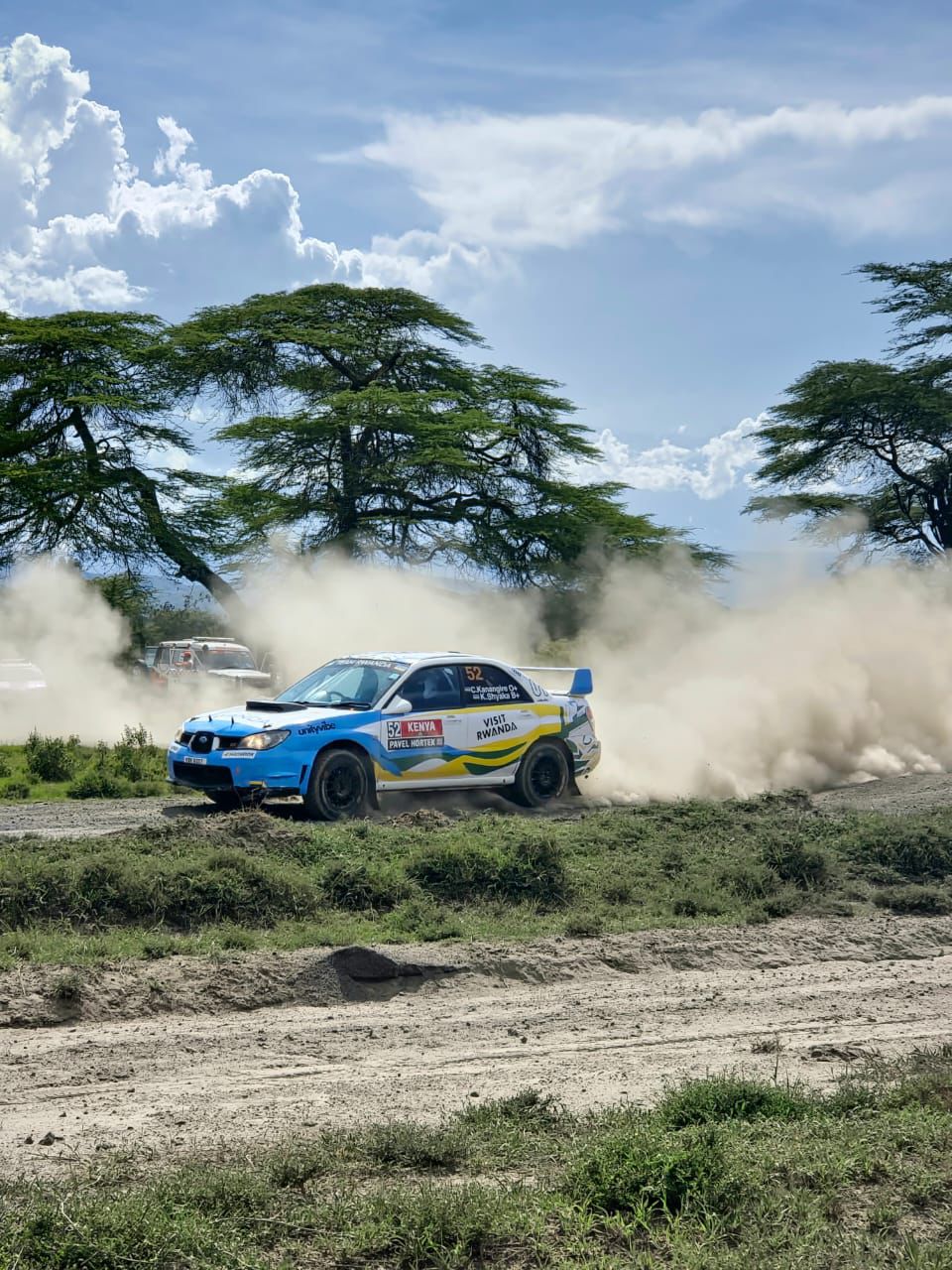
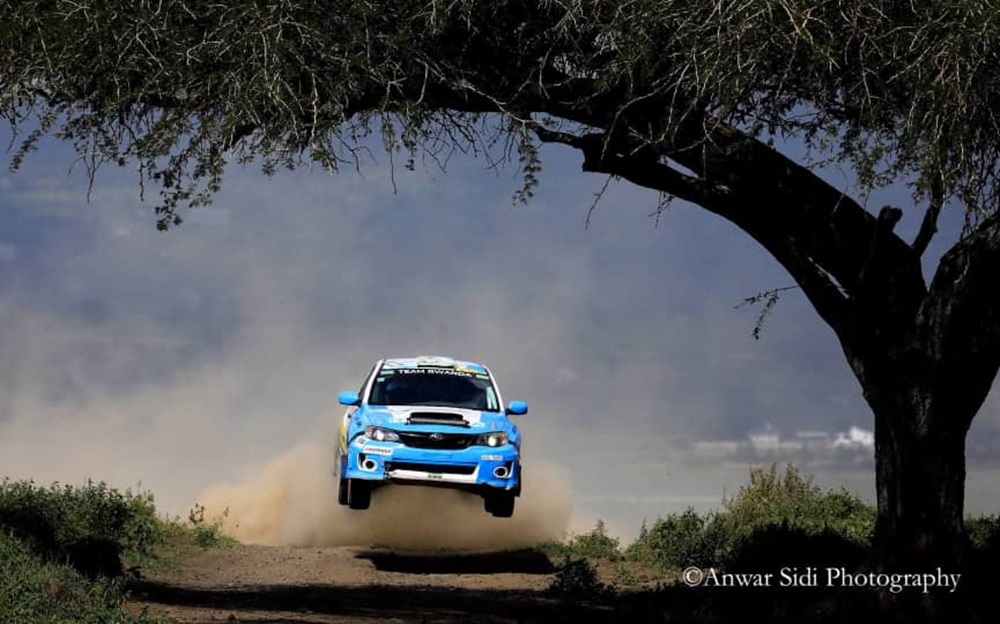
Rwanda was represented by four crews, with notable performances. Christian Kanangire and Kevin Shyaka, driving a Subaru Impreza WRX STi, finished as the top-performing Rwandan team, placing 27th overall after showing remarkable consistency through the final Hell’s Gate stages.
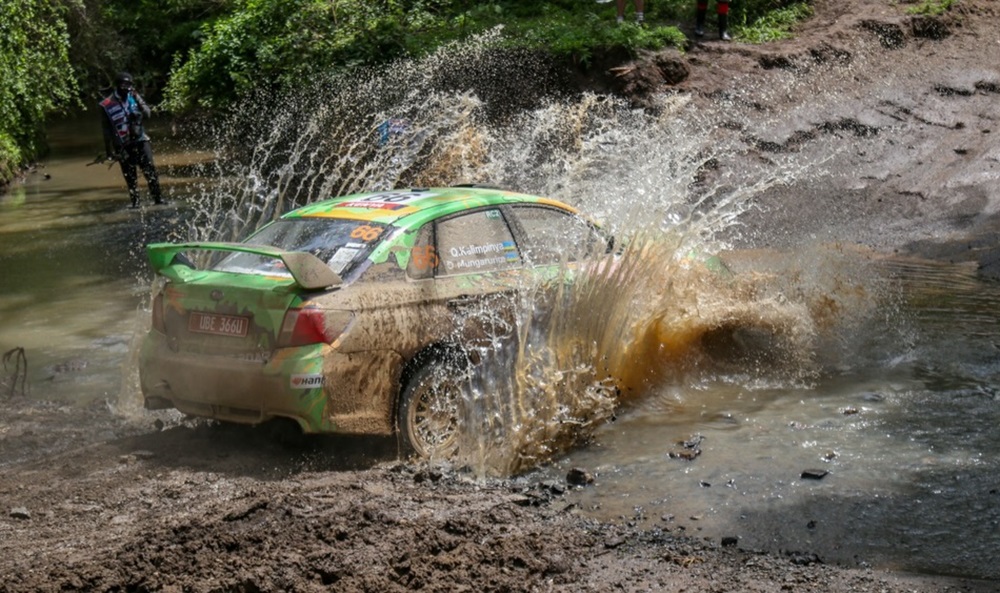
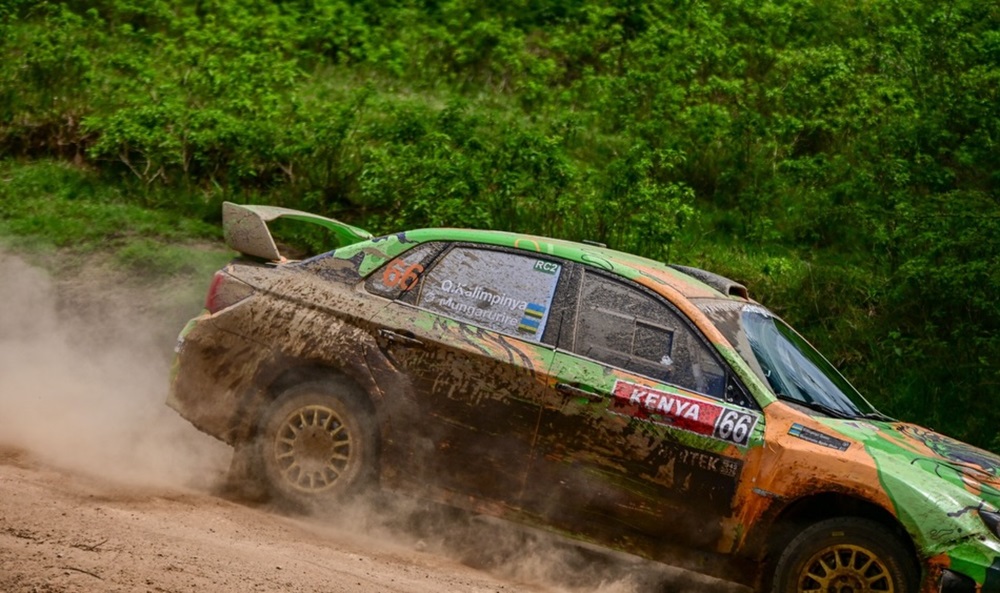
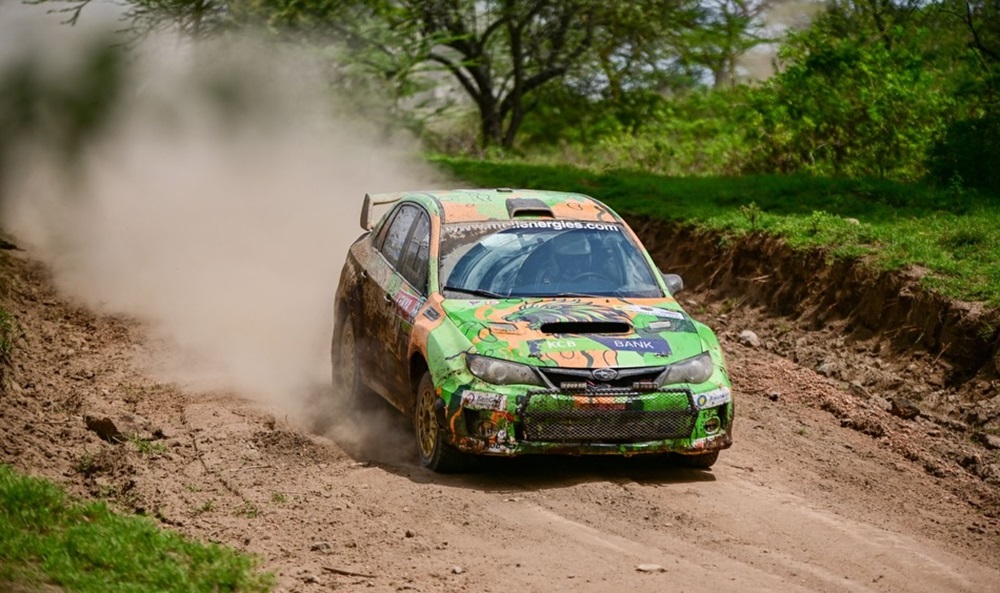
Queen Kalimpinya made history as the first Rwandan woman to compete in the WRC Safari Rally. Despite a technical setback that ruled her car out of the ARC classification, she continued in the national category and showcased resilience to reach the final stages alongside co-driver Olivier Ngabo.
Co-driven by Aaron Johnston, Katsuta sealed the win by 27.4 seconds, ending years of near misses in his pursuit of a WRC crown.
The lender has not publicly disclosed the amount involved in the attempted fraud.
In a statement on Sunday, the lender said that when the fraud was detected, it immediately activated its security and incident response protocols, working closely with relevant authorities to contain the situation. According to the bank, the majority of the suspicious transactions were successfully reversed within 24 hours of detection.
“We acted swiftly to protect our customers and ensure the integrity of their accounts,” the bank said. “Our teams remain vigilant, and we are fully cooperating with the relevant authorities to investigate the matter.”
Investigations into the matter are ongoing in coordination with law enforcement and regulatory agencies, including the National Bank of Rwanda.
Equity Bank Rwanda has emphasised that no customer funds were lost, and all accounts remain secure.
“We wish to reassure our customers and stakeholders that customer deposits and accounts remain safe and secure, and the Bank’s operations continue as normal. No customer funds have been lost,” the bank added.
The bank reiterated its zero-tolerance approach to financial crime and said it continues to strengthen cybersecurity infrastructure, transaction monitoring systems, and internal controls to protect customer assets.
Equity Bank Rwanda also encourages responsible reporting of any suspected misconduct through its official whistleblowing platform.
“Cyber threats remain a global challenge affecting financial institutions worldwide,” the bank said. “We remain fully committed to transparency and will continue to cooperate with authorities as investigations progress.”
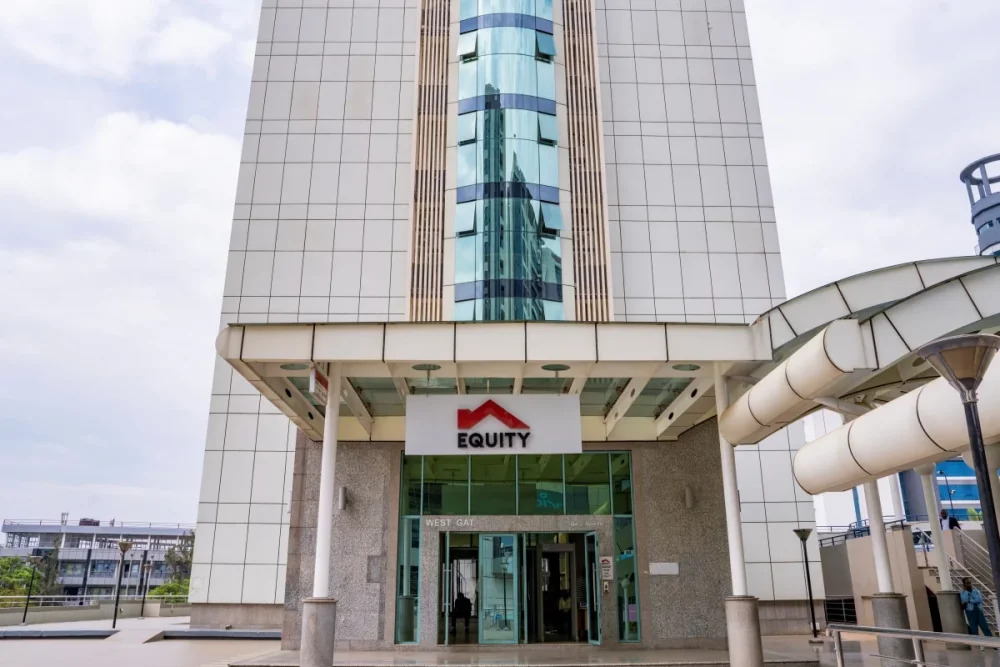
Equity Bank Rwanda has confirmed that its internal monitoring systems recently detected irregular banking transactions linked to an attempted fraud.
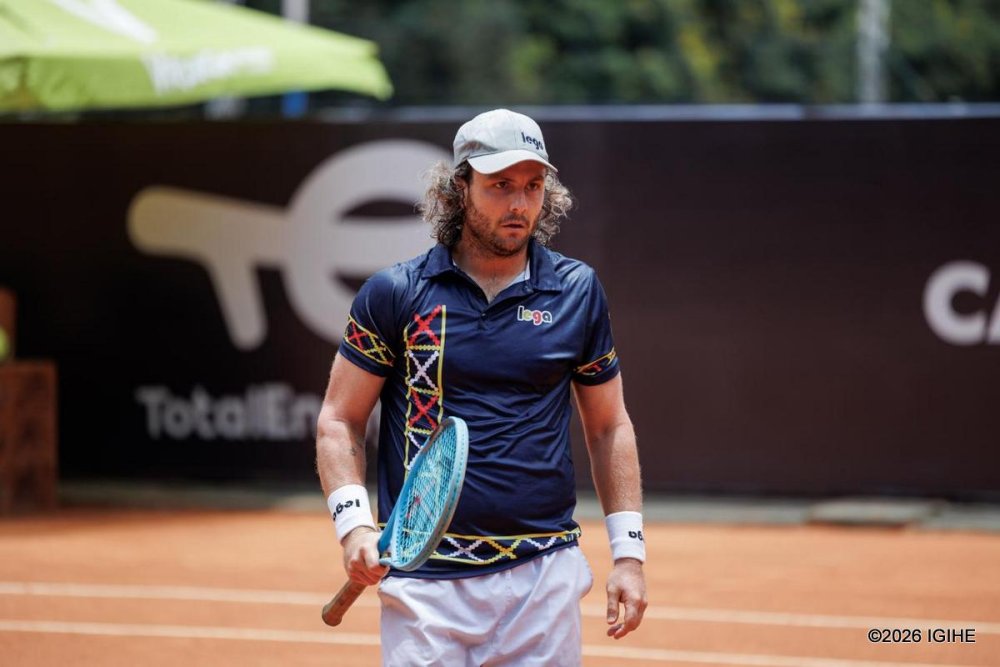
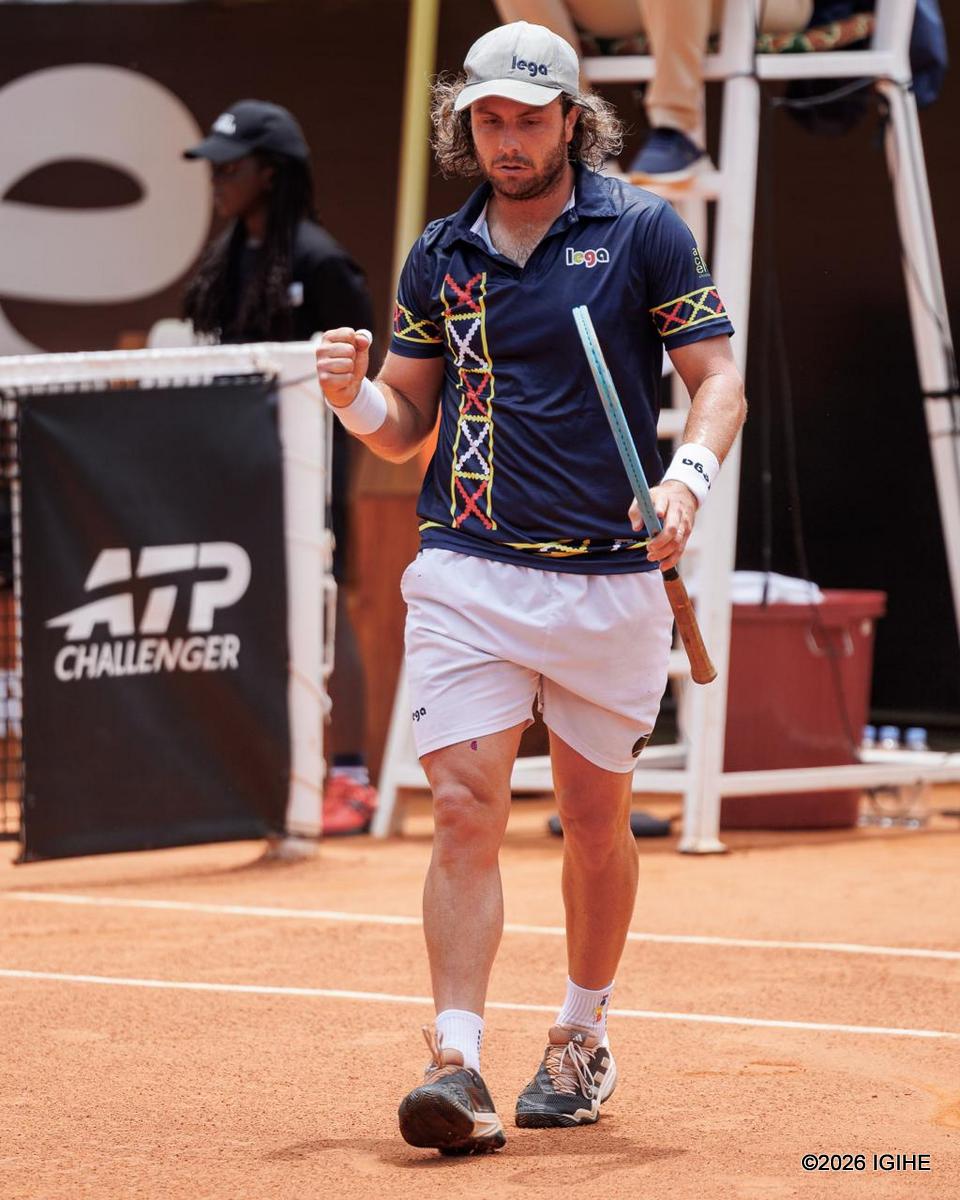
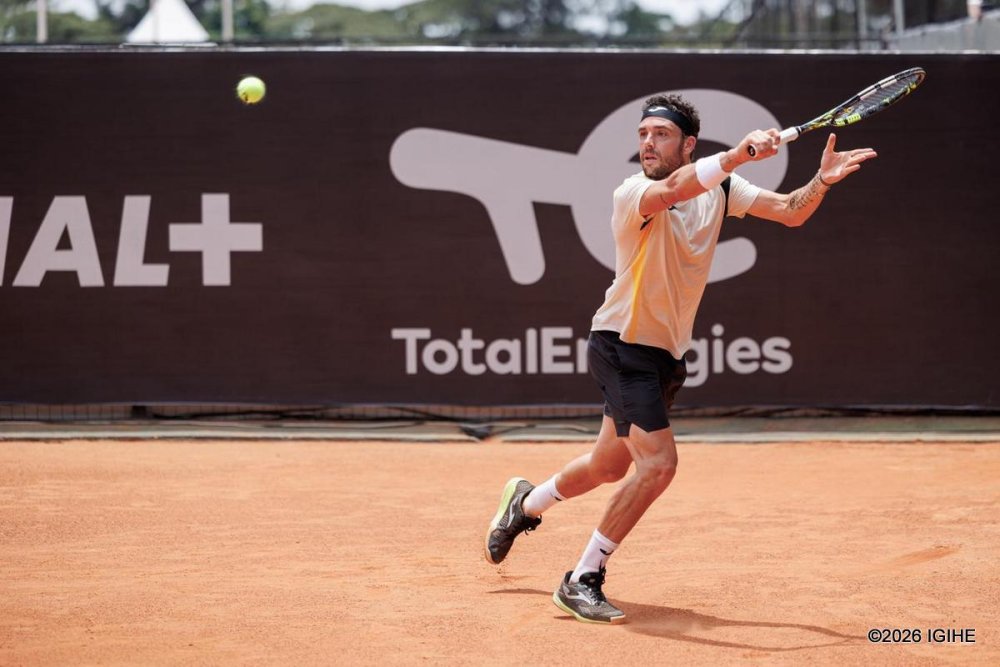
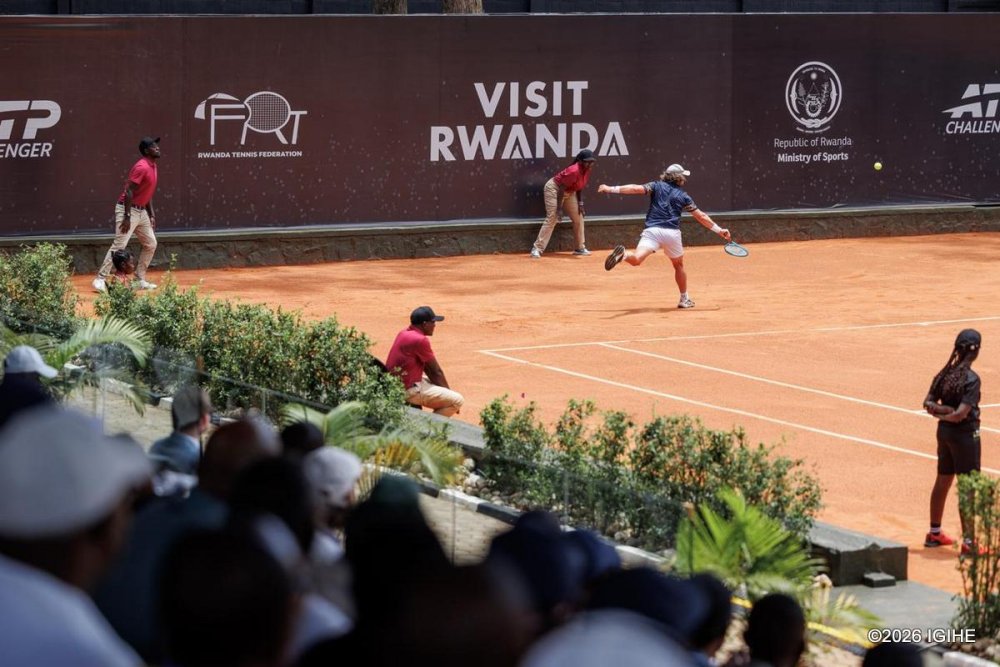
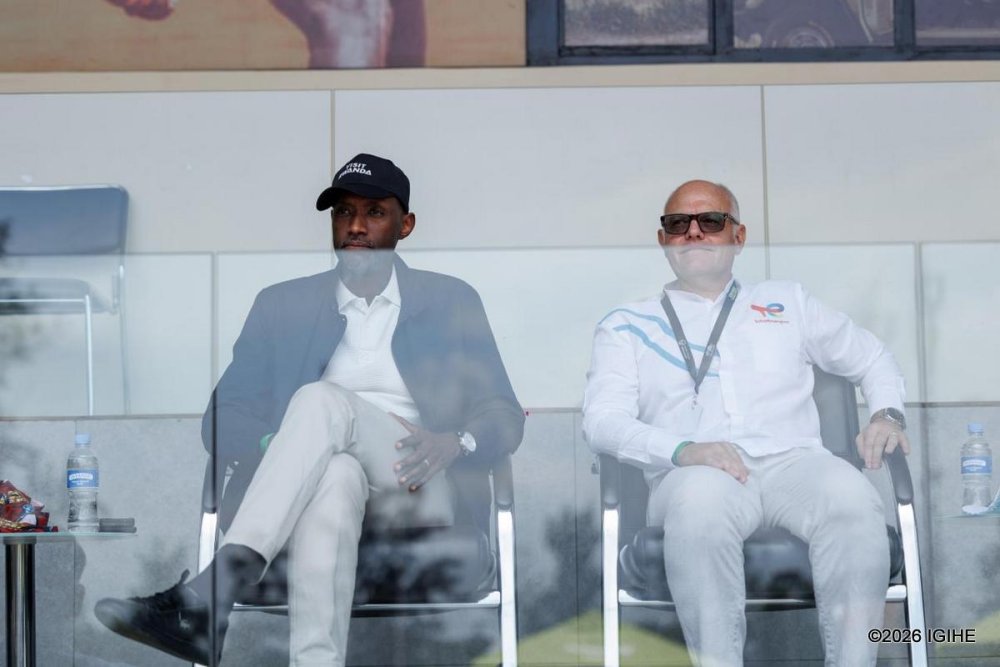
The final, held at the IPRC Kigali Ecology Tennis Court, was also attended by Rwanda Development Board CEO Jean-Guy Afrika, State Minister in the Ministry of Sports Rwego Ngarambe, French Ambassador Aurélie Royet-Gounin, and Rwanda Tennis Federation President Karenzi Théoneste.
After dropping the first set 4-6, Trungelliti bounced back in the second set, dominating 6-0 as Cecchinato appeared to struggle with a shoulder issue. The Argentine secured the title by winning the third set 6-3. This marks Trungelliti’s second appearance in Kigali, having reached the final of the ATP Challenger 50 in 2024.
“This tournament showcases Rwanda as a growing hub for professional tennis in Africa,” said Karenzi Théoneste.
After dropping the first set 4-6, Trungelliti bounced back in the second set.
Earlier in the week, Trungelliti, 36, reached the final by defeating Czech player Zdenek Kolar 6-3, 6-3, while Cecchinato advanced by beating second seed Arthur Géa of France 6-3, 6-4.
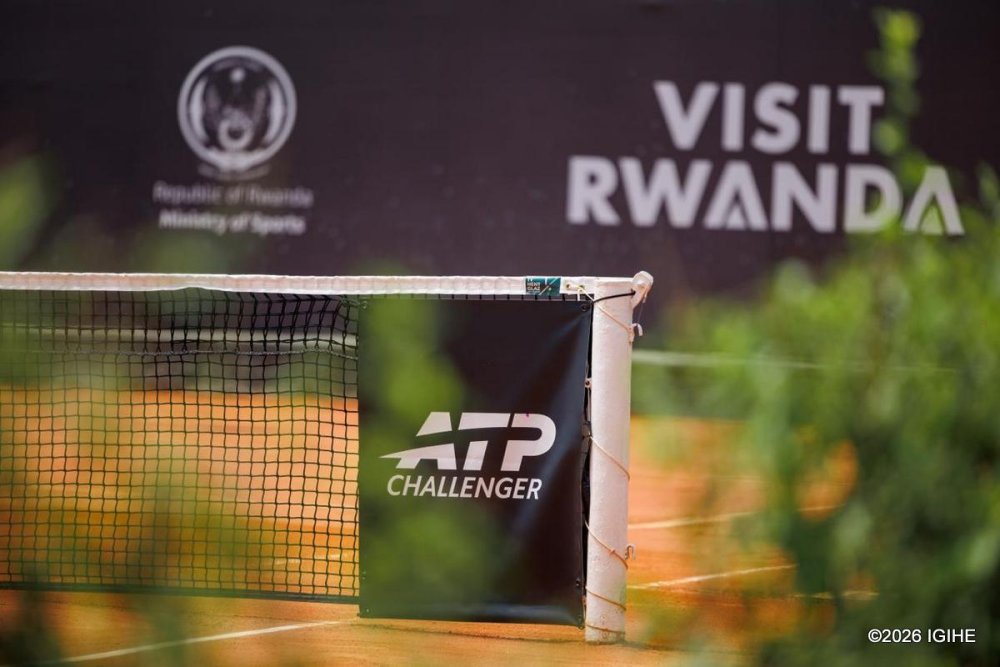
The Kigali tournaments form part of the African Tennis Tour, with the ATP Challenger 75 held in the first week and ATP Challenger 100 in the second. Rwanda has hosted back-to-back editions since 2025, following its debut in 2024 with an ATP Challenger 50.
The first week’s ATP Challenger 75 concluded on March 8, with 20-year-old Austrian Joel Schwaerzler defeating Italian Stefano Napolitano 7-6(5), 7-6(6) to claim the title. American Jay Clarke and Dutch player Max Houkes won the doubles in a thrilling 2-1 final against Siddhant Banthia (India) and Alexander Donski (Bulgaria).
Italy’s Marco Cecchinato took the opening set on Sunday in the ATP Challenger 100 final in Kigali but eventually lost to Argentina’s Marco Trungelliti.
This week, Serbian Stefan Latinović and Frenchman Luka Pavlović took the doubles title, defeating Donski and Banthia 7-6(5), 7-6(2). Two Rwandan players, Ishimwe Claude and Niyigena Étienne, received wildcards into the main draws but were eliminated in the early rounds.
Over 40 players from across the globe competed in Kigali, including participants from Argentina, Austria, Burundi, Croatia, Czech Republic, Ecuador, Finland, France, Germany, Italy, Japan, Netherlands, Romania, Russia, Rwanda, South Africa, Spain, Switzerland, Tunisia, the UK, and the US.
Trungelliti, ranked 132 in the world, was the highest-ranked player, followed by Arthur Gea (161) and Luka Mikrut (165). Several players who competed at the Australian Open in January 2026, including Trungelliti, Gea, Mikrut, Roberto Carballes Baena, Jay Clarke, Zdenek Kolar, Jérôme Kym, and Marco Cecchinato, were in Kigali for the Rwanda Challenger 2026.
The ATP Challenger circuit has produced many of the sport’s top names, including world No. 1 Carlos Alcaraz and former world No. 1s Roger Federer, Rafael Nadal, Andy Roddick, and Juan Martin Del Potro, the 2009 US Open champion.
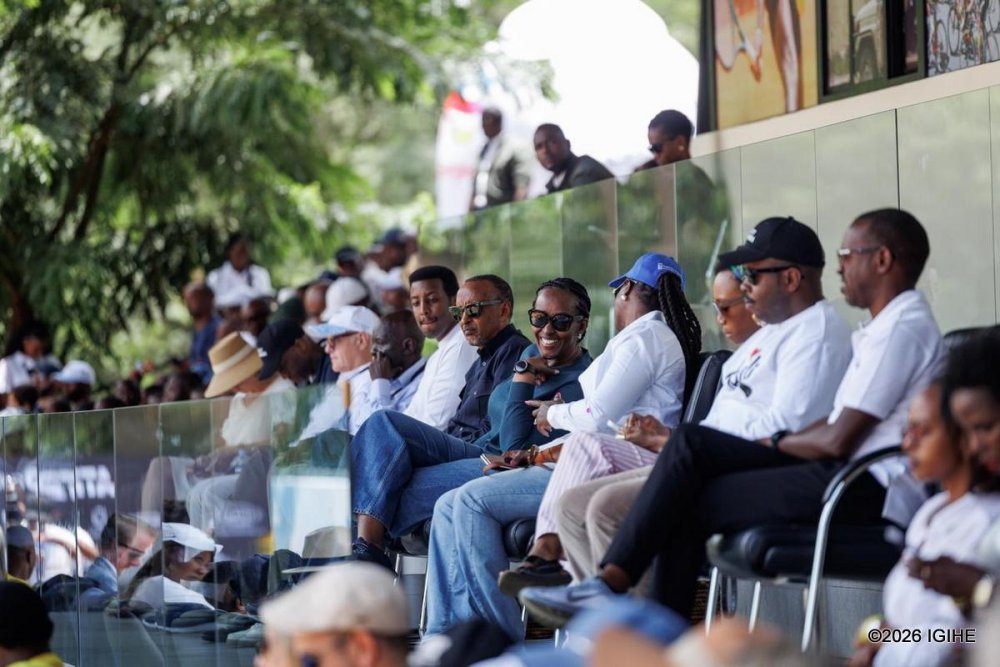
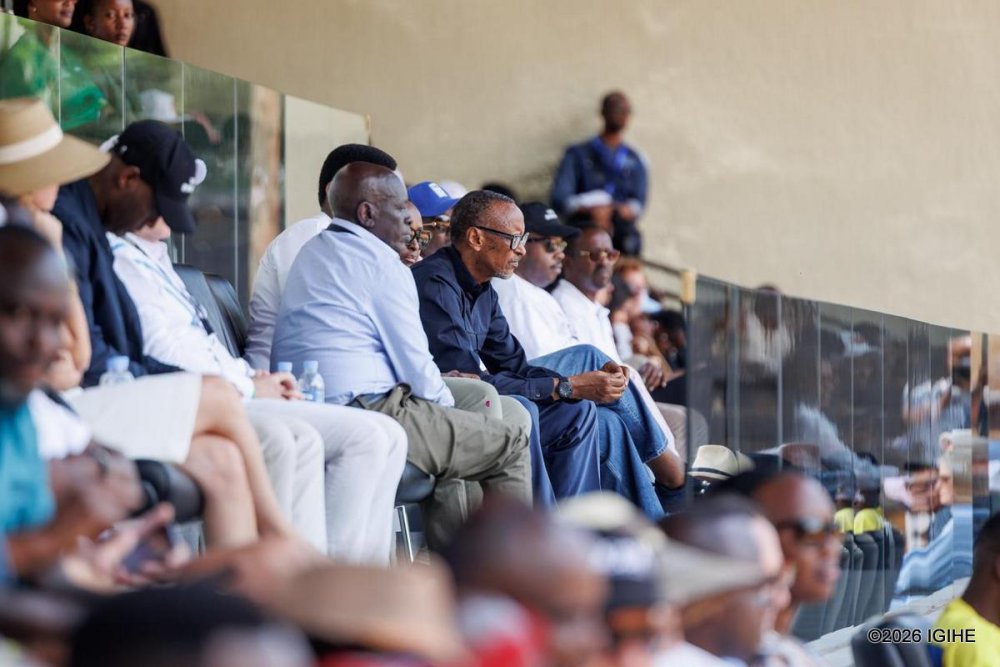
Rwanda has hosted the ATP Challenger tournament for the third consecutive year.President Paul Kagame and First Lady Jeannette Kagame attended the match.Rwanda Development Board CEO Jean-Guy Afrika (left) was also present.
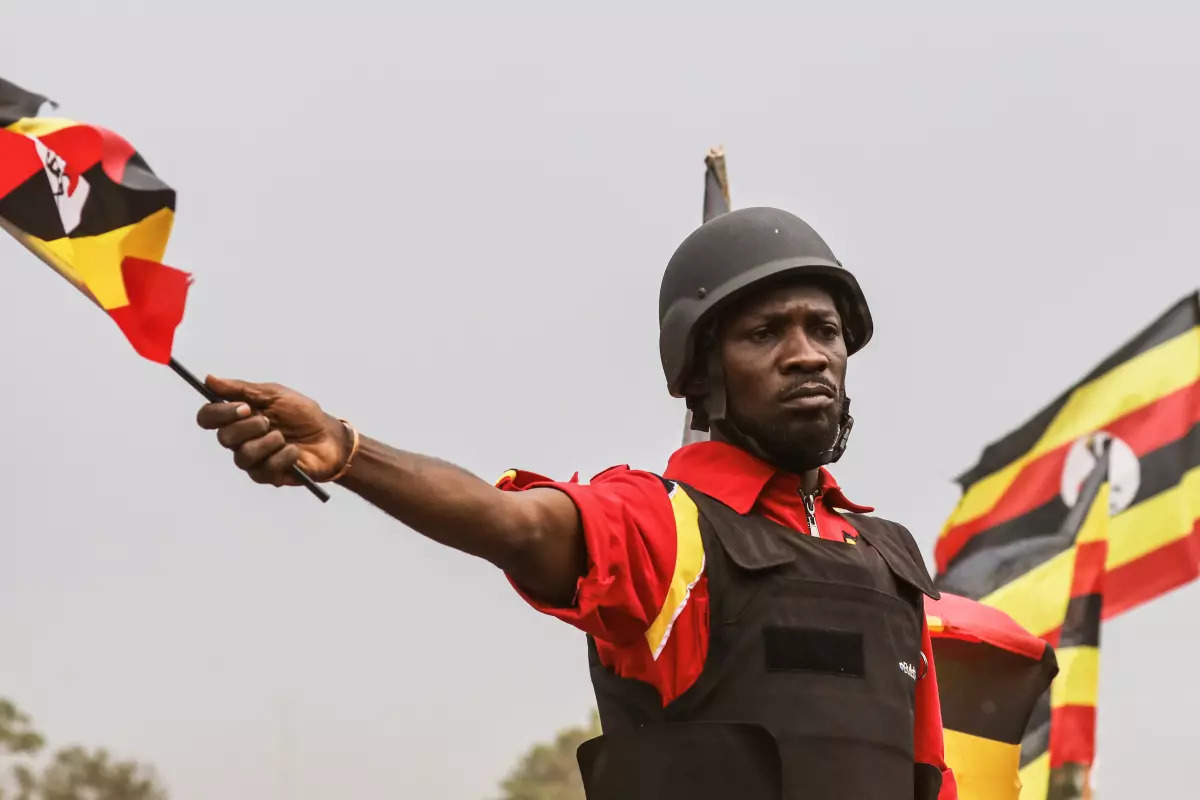
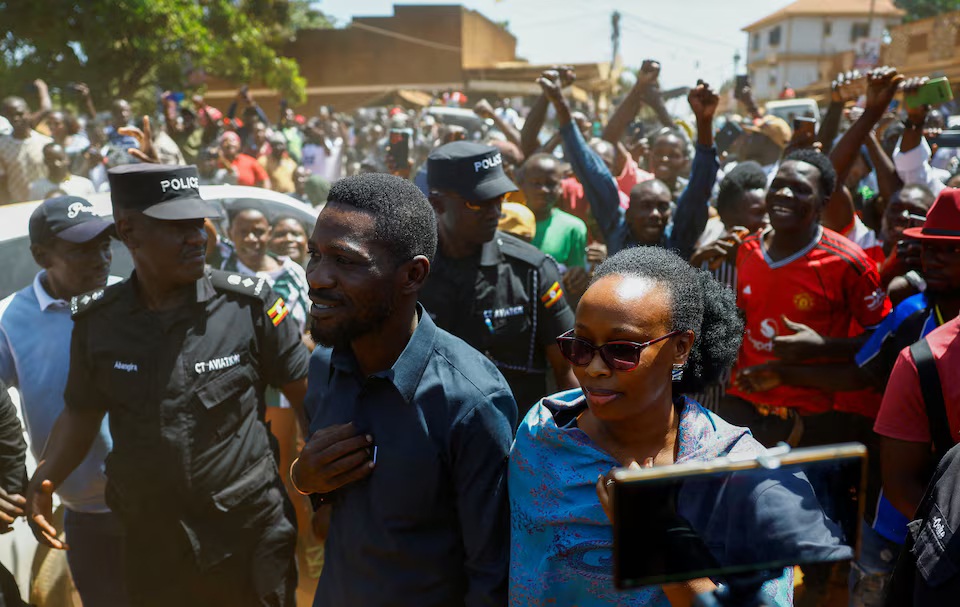
Wine, whose real name is Robert Kyagulanyi, announced his departure in a video posted on X, saying he had gone abroad for “critical engagements outside Uganda” and would return at the right time.
Wine, a pop star turned politician, had decided earlier this year not to challenge the election results in court, citing concerns over Uganda’s judicial process.
President Yoweri Museveni, 81, was declared the winner, securing a seventh term with about 72 percent of the vote, while Wine received around 25 percent.
In his video message late Saturday night, Wine noted that he had been in hiding due to heightened security around his home in Kampala, and he reaffirmed his commitment to political activism and advocacy through constitutional channels.
“At the right time I will come back and continue with the cause,” he said.
Uganda’s military chief, Muhoozi Kainerugaba, who is also Museveni’s son, has indicated that authorities are aware of Wine’s movements, though no charges have been specified.
During the election period, the African Union Election Observation Mission noted there was no evidence of widespread irregularities, though it criticised the temporary internet shutdown imposed during and after polling.
The Uganda Human Rights Commission acknowledged some procedural challenges on voting day but maintained that the election’s overall credibility was intact.
President Museveni, in his victory address, called for national unity and peace. He outlined priorities for his new term, including wealth creation, poverty reduction, improved public services, and an ongoing fight against corruption.
Wine, whose real name is Robert Kyagulanyi, announced his departure in a video posted on X, saying he had gone abroad for “critical engagements outside Uganda” and would return at the right time.
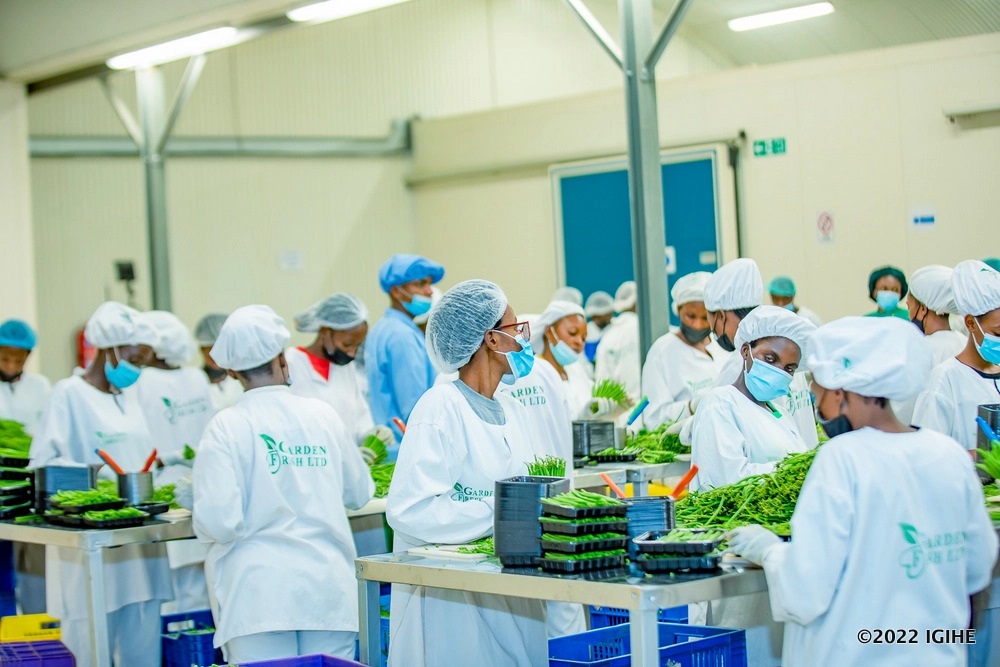
Before the war, traders, who spoke to the Rwanda Broadcasting Agency, reported that exports to the Middle East were thriving, with large volumes of fruits and vegetables being shipped abroad. However, the onset of the conflict has disrupted trade, particularly to Dubai, one of the region’s main markets.
Marie Ange Claudine Ingabire, a leading exporter, said, “Most of our fruits were destined for Dubai, while vegetables were primarily sent to European markets. With flights now suspended, markets for avocados, bananas, and other fruits have collapsed, creating unprecedented challenges for exporters.”
Ingabire added that she currently has 40 tons of avocados awaiting shipment to Dubai. “We had hoped the market would reopen quickly, but now these products are no longer suitable for export, even if transport routes become available,” she said.
Similarly, Zainabu Abdul, another fruit exporter, reported losing Rwf 15 million.
“The war began just as we were harvesting. We intended to pack the produce and send it immediately to the airport, but with flights halted, we incurred unexpected losses. Now our produce continues to deteriorate in cold storage,” Zainabu explained.
Traders say the current situation highlights the importance of diversifying export markets rather than relying on a single destination.
Rwanda’s Minister of Trade and Industry, Sebahizi Prudence, said the government is assessing the conflict’s impact on national trade to identify alternative markets.
“We have multiple markets for our products, including some in countries affected by conflict. We need to evaluate the potential effects and explore other export destinations,” he said.
The Rwanda Agriculture and Animal Resources Development Board (NAEB) confirmed that the conflict has already cost vegetable and fruit exporters more than Rwf 100 million.
The war in Iran, which began on February 28, 2026, is expected to have broader economic implications if prolonged. Experts warn that disruptions in the Middle East, a key hub for global trade, particularly oil, could significantly affect international markets.
The Rwanda Agriculture and Animal Resources Development Board (NAEB) confirmed that the conflict has already cost vegetable and fruit exporters more than Rwf 100 million.
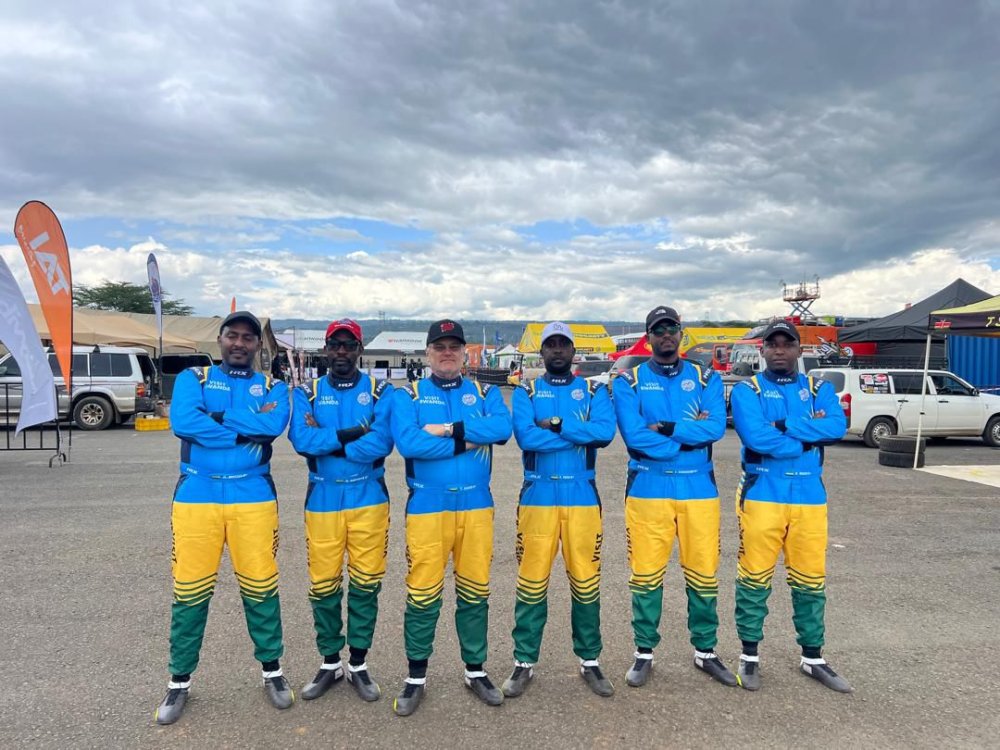
Among them, two crews are competing in the ARC2 category of the African Rally Championship (ARC), while one crew is taking part in the Kenya National Rally Championship (KNRC).
The four-day rally counts simultaneously toward the World Rally Championship (WRC), the African Rally Championship, and the Kenyan national championship, with competitors contesting different categories within the same event.
Some of the drivers representing Rwanda at the WRC Safari Rally 2026 in Kenya.
Strong early showing
After the opening two stages, Kanangire Christian and Giancarlo Davite were placed 21st overall out of 40 competing cars, a result that positioned the Rwandan representatives well heading into the following stages.
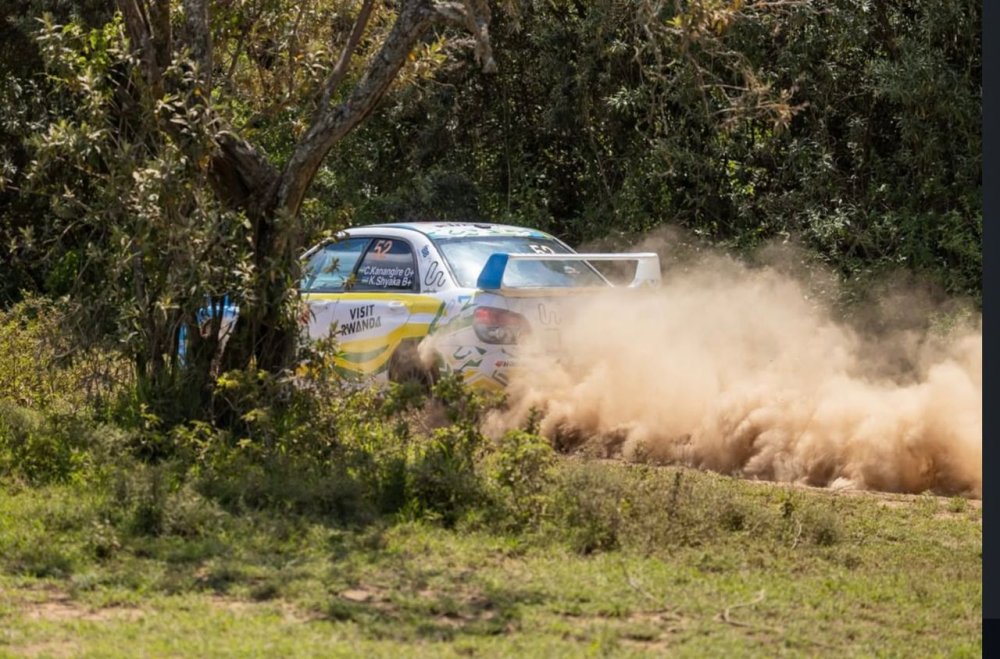
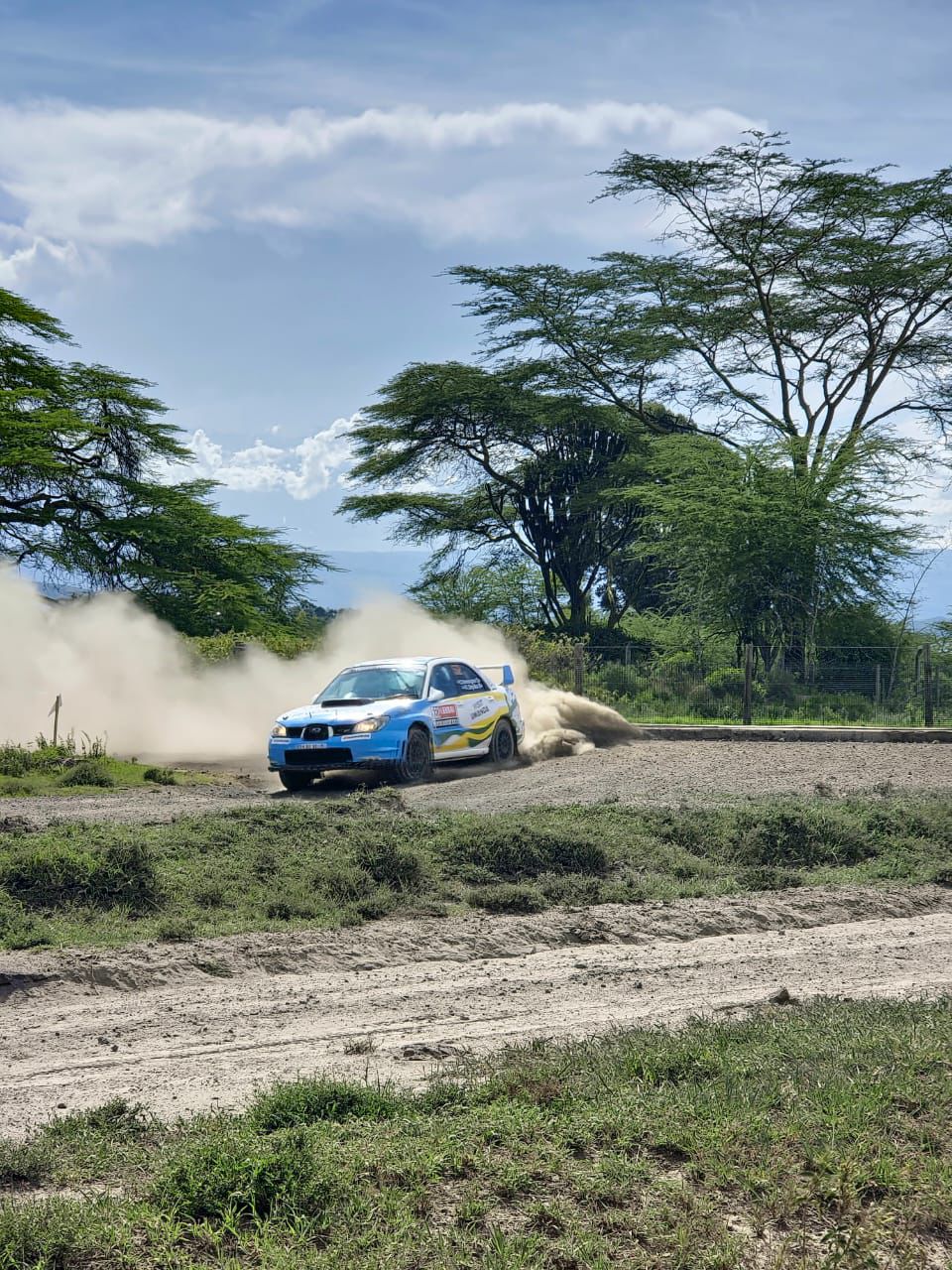
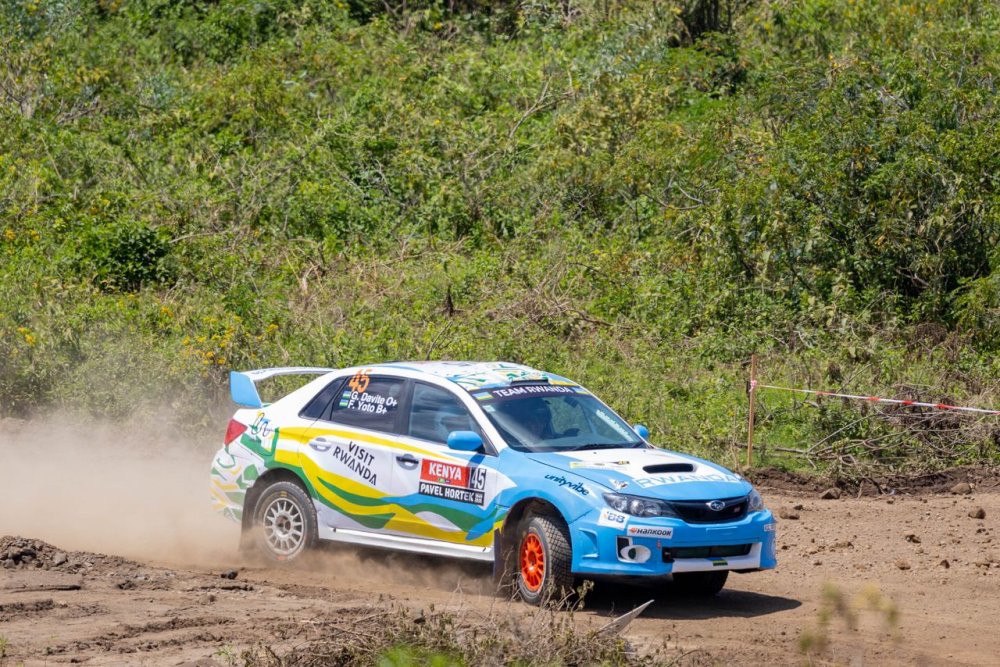
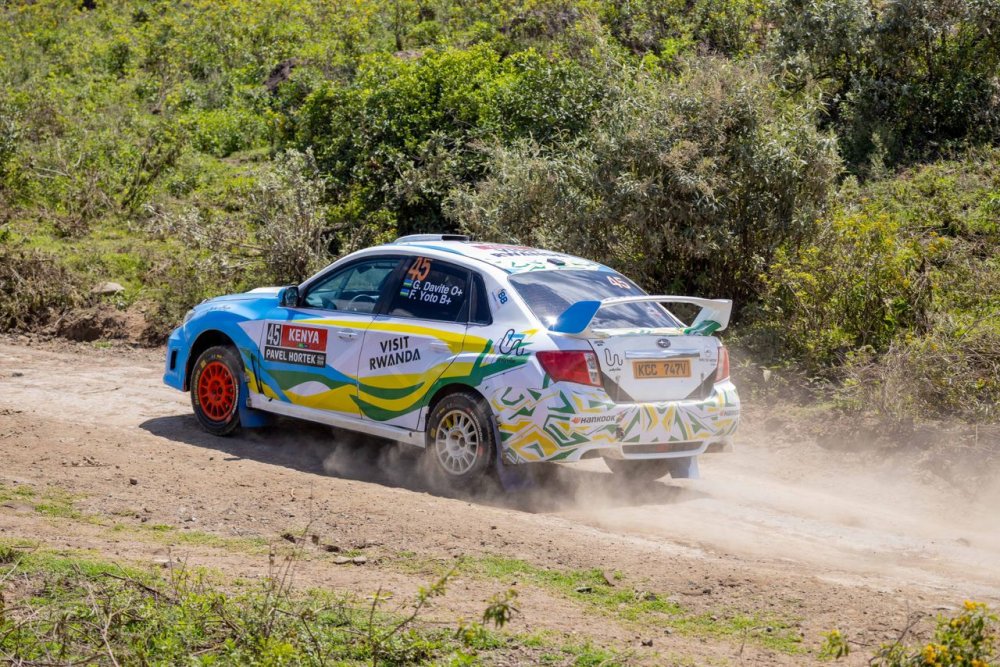
In the ARC2 category, Giancarlo Davite, driving a Subaru Impreza WRX STi 4D alongside co-driver Yoto Fabrice, ended Friday’s action in first place. They were closely followed by fellow Rwandan crew Kanangire Christian and Shyaka Kevin, also competing in a Subaru Impreza WRX STi.
The WRC Safari Rally is among the world’s most prominent motorsport events.
Positions shift on Saturday
However, results from the Saturday stages (March 14) saw both crews lose ground. Kanangire Christian and Shyaka Kevin fell to third place in the ARC2 standings, while Giancarlo Davite and Yoto Fabrice dropped to seventh, the last position in the category.
The two Rwandan crews now trail Oscar Ntambi of Uganda and Evans Nzioka of Kenya in the ARC2 classification.
In the overall African competitors’ standings, Kanangire and Shyaka currently sit ninth, while Davite and Yoto occupy 17th place.
Three Rwandan crews remain in the rally.
Kalimpinya moves to Kenyan championship category
On the first day of the rally, the car driven by Queen Kalimpinya and Ngabo Olivier, a Subaru Impreza WRX STi, was excluded from the African Rally Championship classification after failing to meet certain technical requirements, particularly regarding the fuel tank installation.
As a result, the crew continued their participation under the Kenya National Rally Championship (KNRC) category, where they are currently sixth with their Subaru Impreza WRX STi 4D R4.
Another Rwandan entry, driven by Gakwaya Jean Claude and Mugabo Jean Claude, retired from the rally before completing any stage.
Kanangire Christian is faring well in the ARC2 category of the African Rally Championship.
Overall rally standings
In the overall rally standings, the event is currently led by Takamoto Katsuta of Japan, alongside Irish co-driver Aaron Johnston, driving a Toyota GR Yaris, with a total elapsed time of 2 hours and 41 minutes.
The final day of the rally, scheduled for Sunday, March 15, 2026, will feature four stages covering a total distance of 57.1 kilometres.
Some stages were postponed due to heavy rain.Slippery roads challenged competitors on the third day of the WRC Safari Rally.Kalimpinya is competing in the Kenya National Rally Championship.Giancarlo Davite is driving alongside co-driver Yoto Fabrice.The WRC Safari Rally is among the world’s most prominent motorsport events.
The Parliamentary Standing Committee on Infrastructure commended the Tanzania Railways Corporation (TRC) for the initiative during an inspection visit to the Pugu railway workshop in Dar es Salaam, where the locomotive assembly project is underway.
Committee Chairman Selemani Kakoso urged the TRC to continue building the capacity of Tanzanian youth involved in assembling and maintaining the locomotives by providing advanced training both domestically and abroad.
He said strengthening technical knowledge, skills and innovation among young technicians would enhance efficiency and sustainability in the railway sector.
According to TRC Director General Machibya Shiwa, the decision to assemble the locomotives locally followed delays in the delivery of spare parts from suppliers due to the Russia-Ukraine conflict.
Two locomotives assembled in Malaysia were shipped to Tanzania, while parts for the remaining six units were transported to the Pugu workshop for local assembly.
Shiwa said the project has opened business opportunities for local suppliers providing machinery services, construction materials, electrical equipment and other components.
Tanzania has begun assembling mainline gauge railway locomotives locally.