Senegal had beaten Morocco 1-0 in the January 18 final, but the match was marred by controversy when Senegal’s players refused to continue after Morocco was awarded a stoppage-time penalty with the score level.
Play resumed after a 17-minute delay. Brahim Diaz’s penalty was saved before Pape Gueye scored the winner for Senegal in extra time.
CAF said an appeals board had since ruled that Senegal forfeited the match. The result was recorded as a 3-0 victory for Morocco.
Morocco has been awarded the 2025 Africa Cup of Nations title after the Confederation of African Football overturned the result of the final following Senegal’s walk-off.
Senegal had beaten Morocco 1-0 in the January 18 final, but the match was marred by controversy when Senegal’s players refused to continue after Morocco was awarded a stoppage-time penalty with the score level.
Play resumed after a 17-minute delay. Brahim Diaz’s penalty was saved before Pape Gueye scored the winner for Senegal in extra time.
CAF said an appeals board had since ruled that Senegal forfeited the match. The result was recorded as a 3-0 victory for Morocco.
In a statement, CAF said Senegal breached Article 82 of the Africa Cup of Nations regulations, triggering the application of Article 84.
Article 82 states that a team that refuses to play or leaves the field without the referee’s authorization is considered to have lost and is eliminated from the competition. Article 84 adds that such a violation results in a 3-0 defeat and permanent elimination.
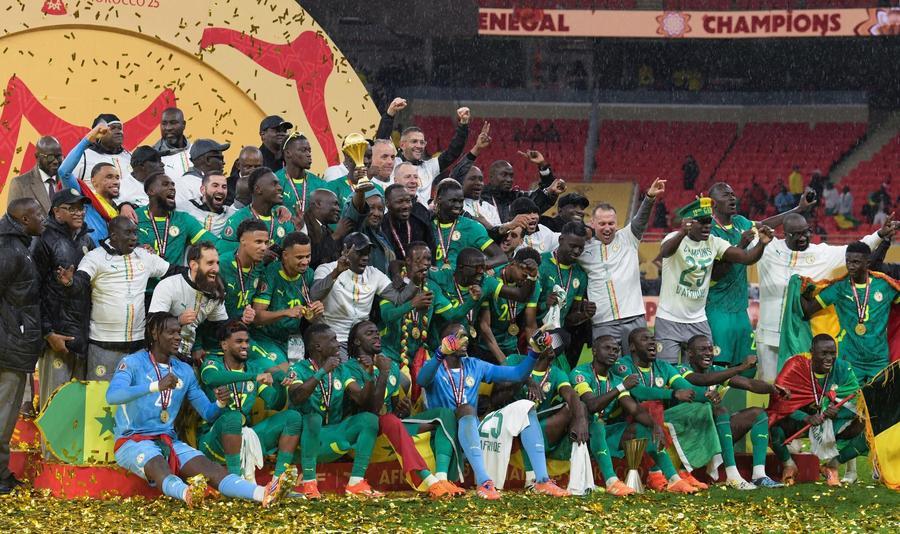
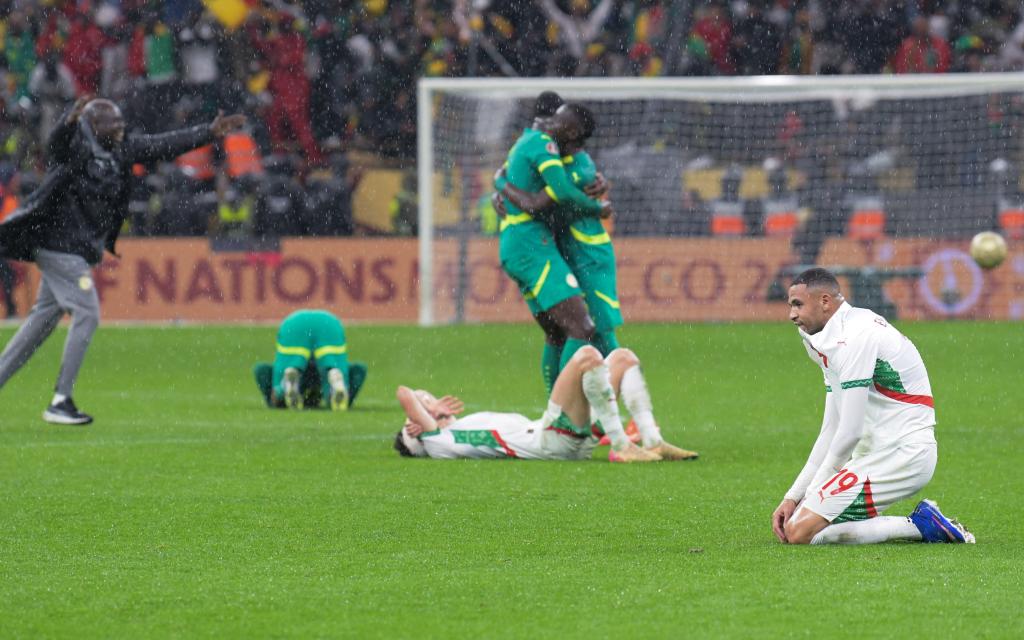
Senegal players celebrate with Africa Cup of Nations trophy after the final against Morocco in Rabat, Morocco, Jan. 18, 2026.Players of Morocco express their despair after the Africa Cup of Nations final between Senegal and Morocco in Rabat, Morocco, Jan. 18, 2026.
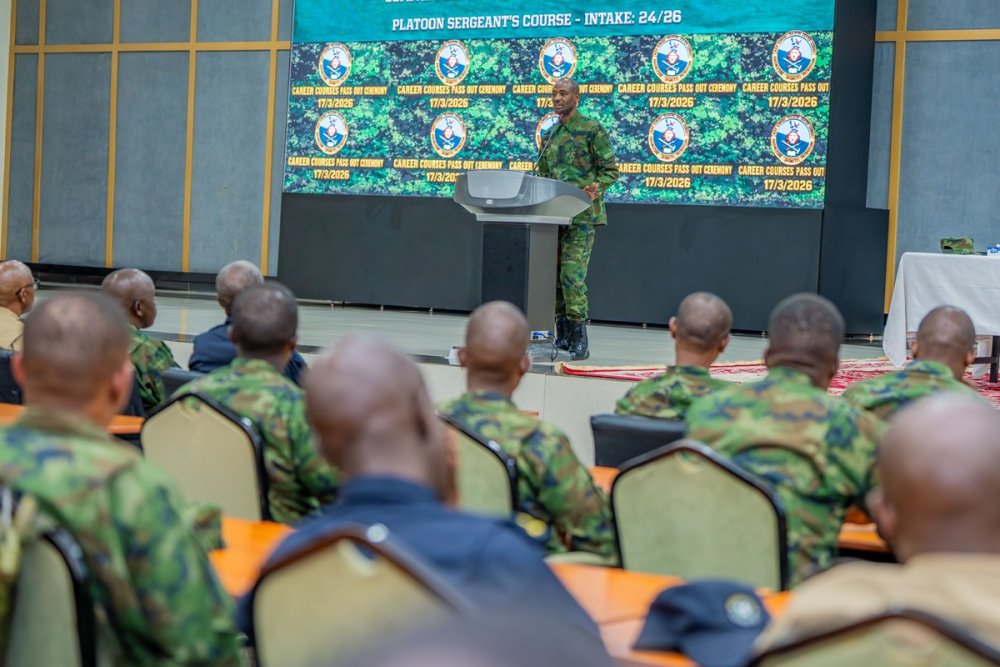
The courses have equipped them to serve as professional company commanders, platoon commanders, company sergeant majors, and platoon sergeants.
While presiding over the graduation ceremony, the Chief of Defence Staff, Gen MK Mubarakh congratulated the trainees for their dedication and achievement. He noted that the courses are essential in shaping professional military leaders.
The CDS commended the discipline and commitment demonstrated throughout the training.
He emphasized the relevance of the training in modern operations, highlighting that the experience gained is critical for today’s complex security environment.
He further stressed that training goes beyond theory, urging the graduates to apply what they have learned in their respective duties.
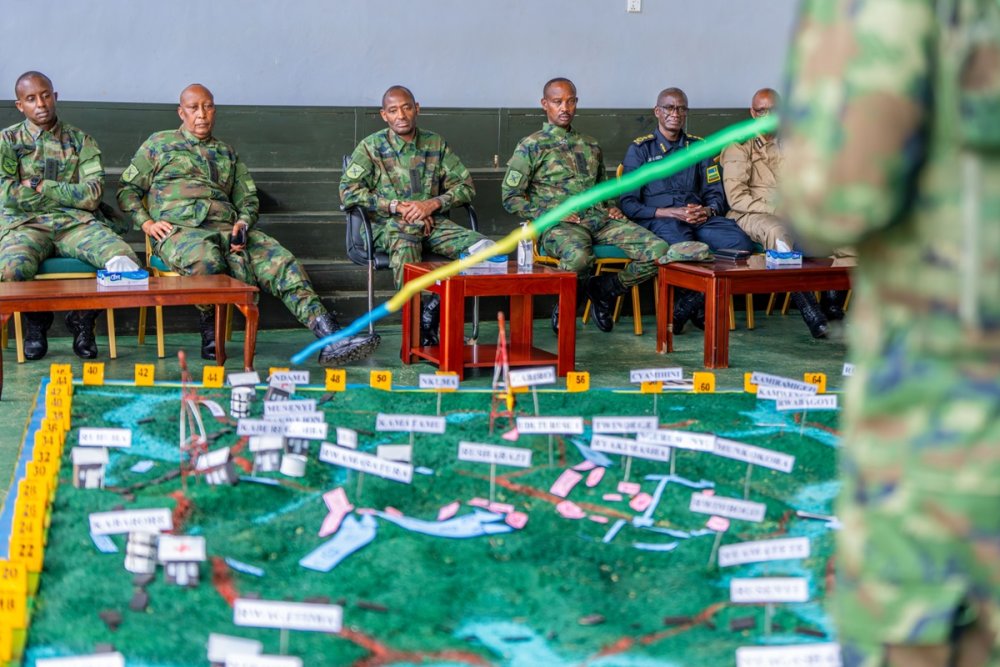
The comprehensive training focused on enhancing military skills, tactical thinking, leadership, and management, marking a significant step in ongoing efforts to professionalise the force and prepare for current and future security challenges.
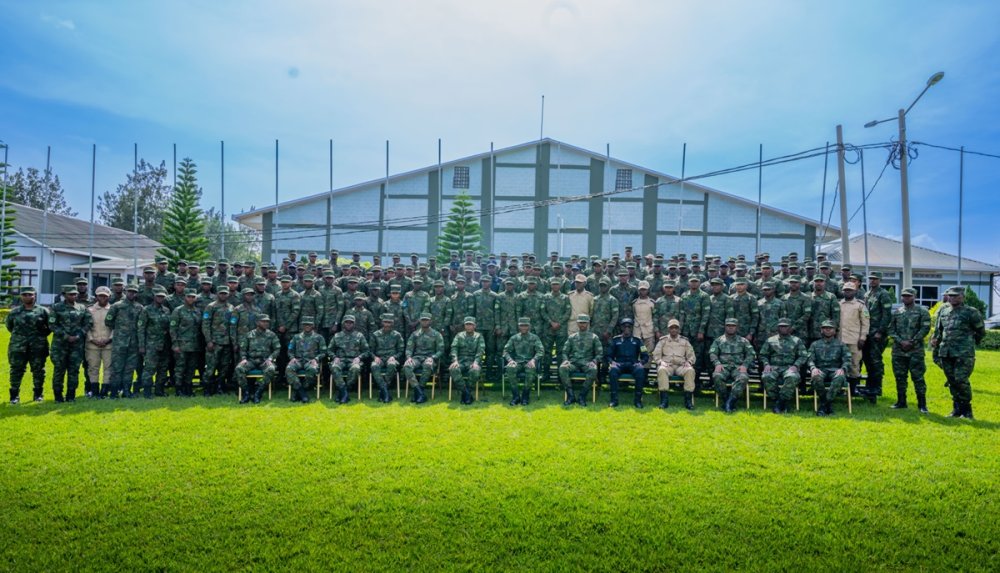
The comprehensive training focused on enhancing military skills and tactical thinking among others. The CDS commended the discipline and commitment demonstrated throughout the training.Trainees underwent militart career courses at Gabiro Combat Training Centre.
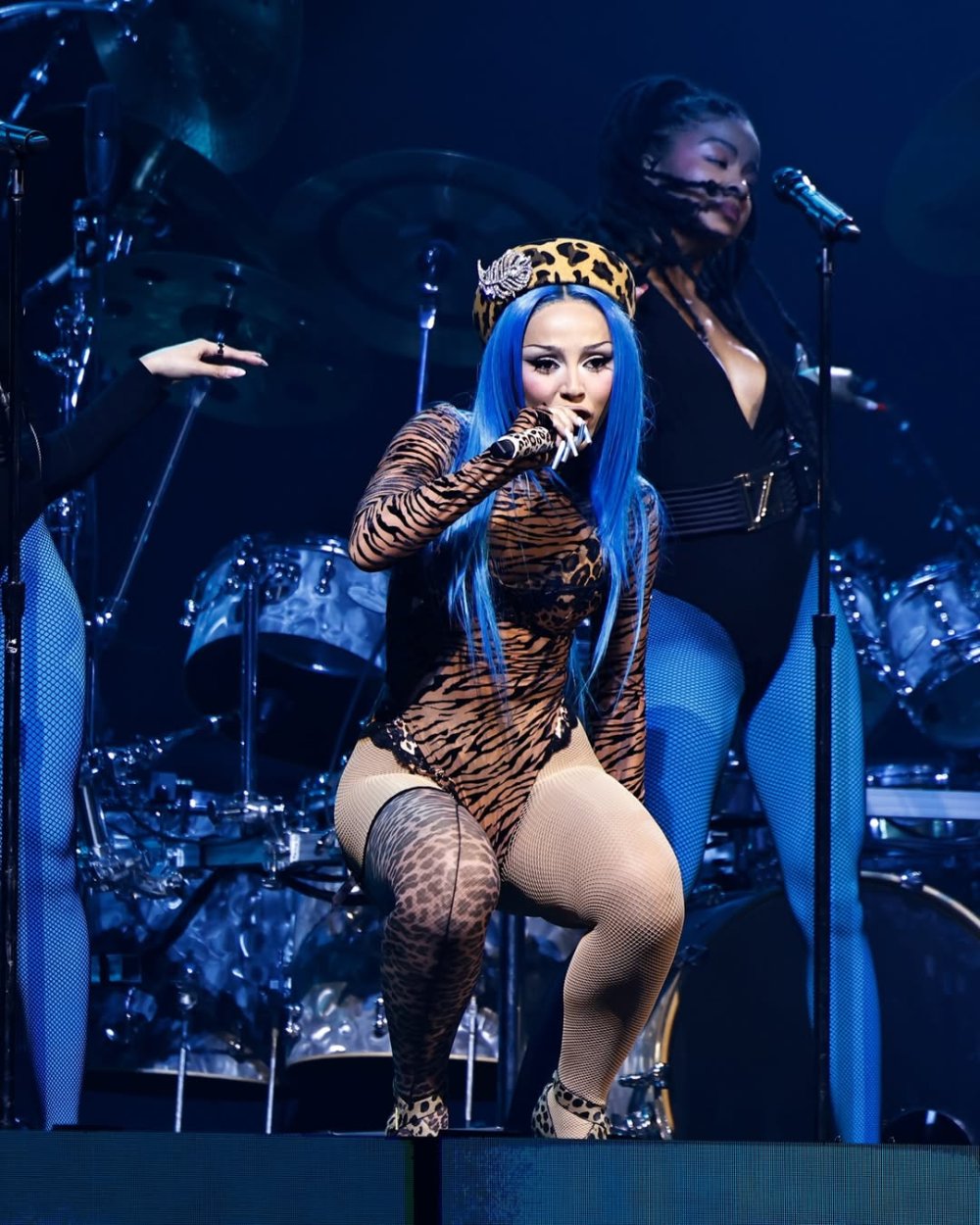
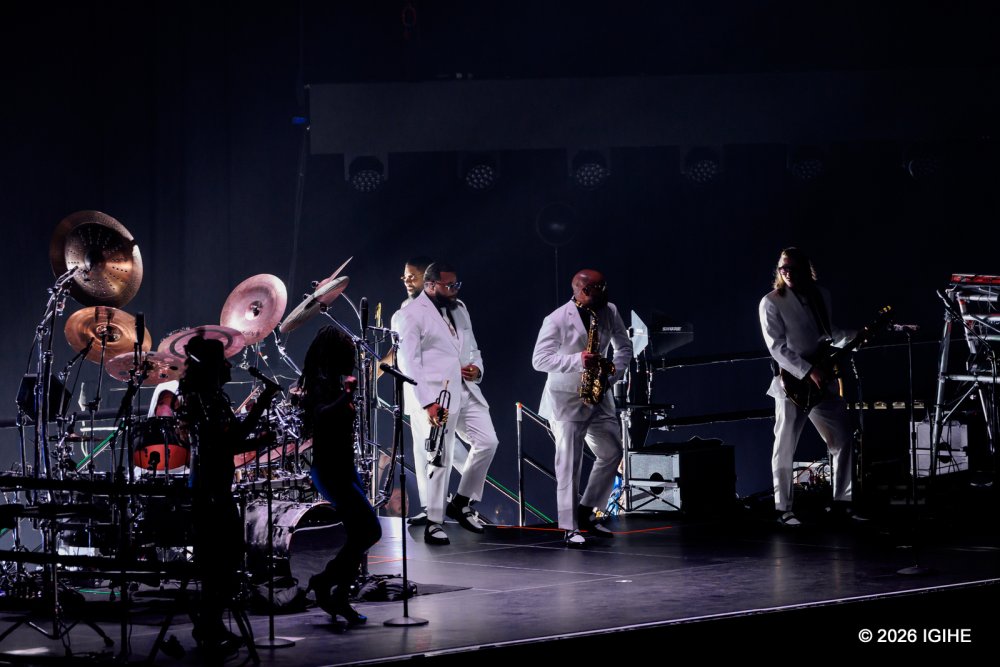
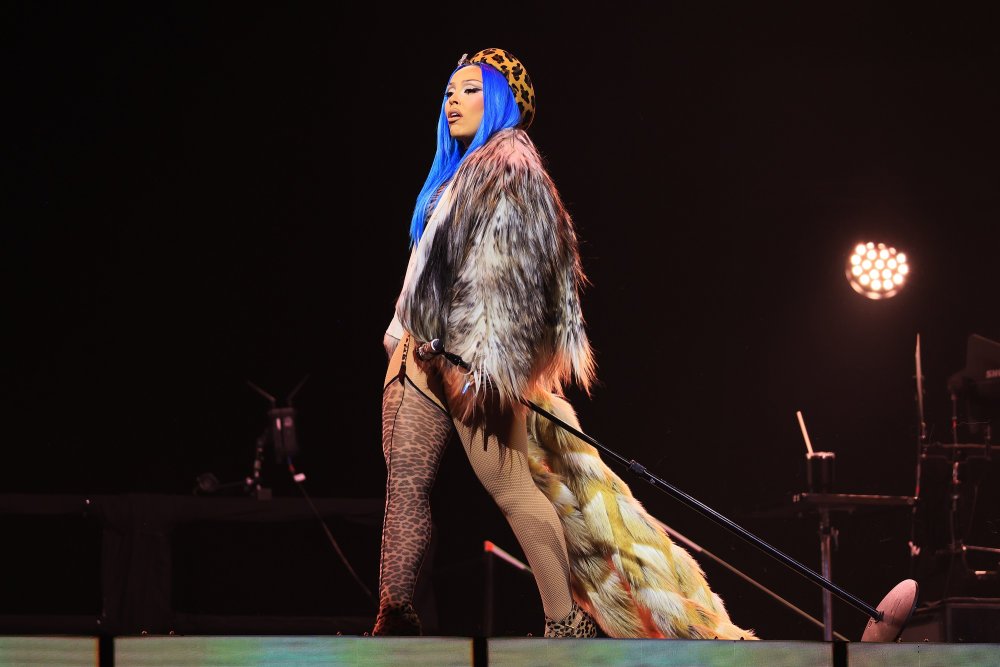
The concert, attended by a large crowd from various nationalities, also saw the foreign minister in attendance. Amb. Nduhungirehe shared his thoughts on the event in a post on his ‘X’ account, noting that, although he has attended many concerts at BK Arena, Doja Cat’s concert was by far the most exciting.
“I have been to many concerts at BK Arena, but this one was certainly the best performance and entertainment I’ve ever seen in that place. Doja Cat is indeed an incredible showgirl with a unique energy from outer space!” he wrote.
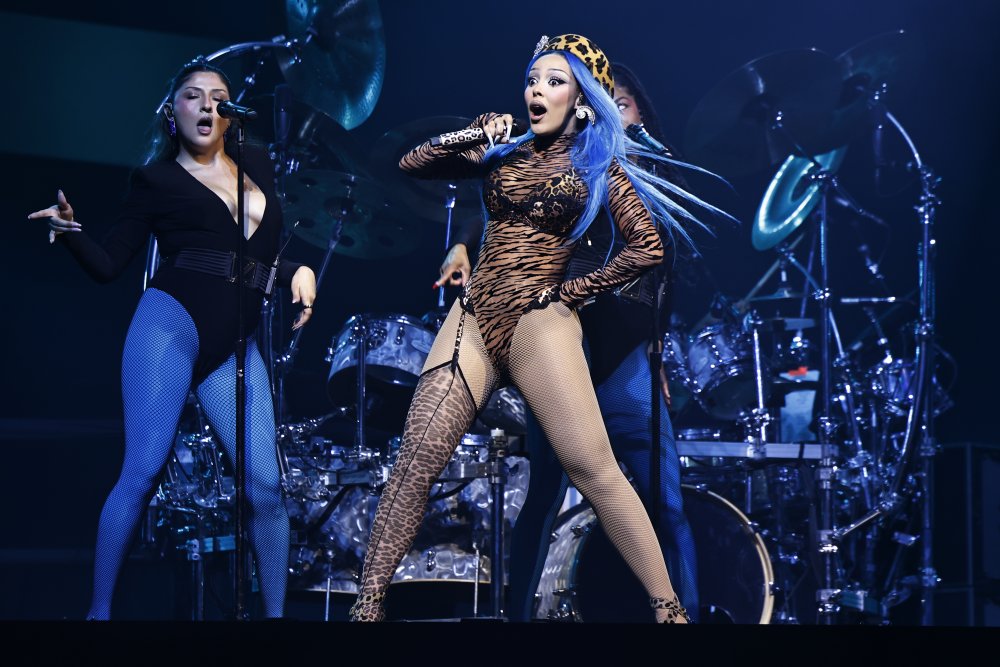
Amb. Nduhungirehe’s sentiments echoed the feelings of many concertgoers who, despite not being familiar with Doja Cat’s music, were captivated by her talent and the high energy she brought to the stage.
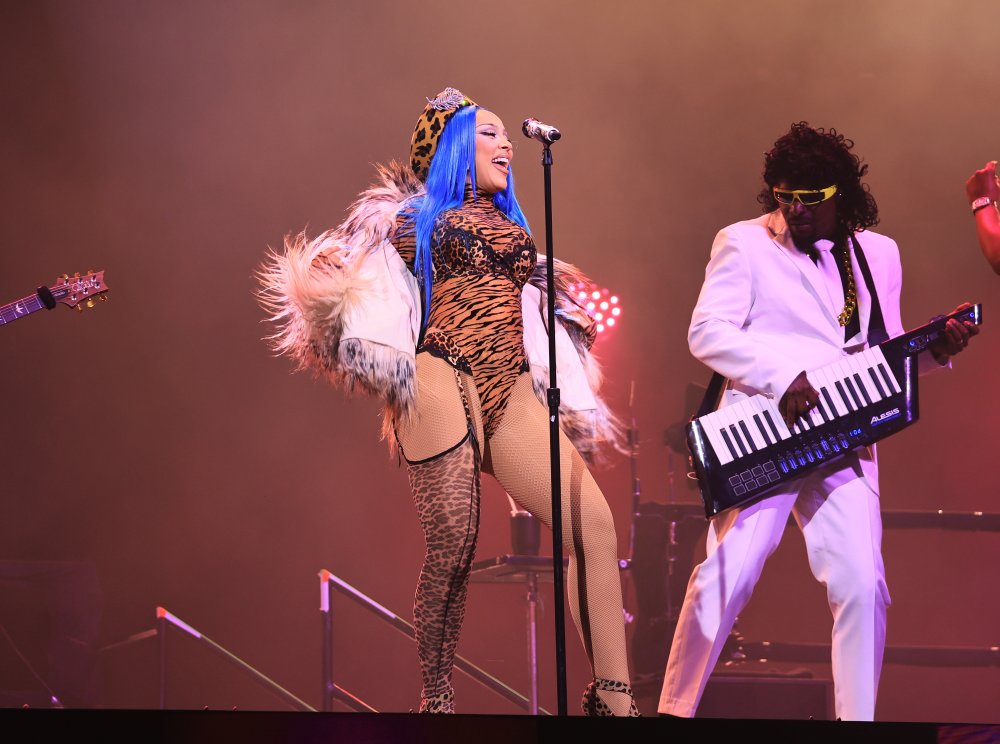
During her hour and a half-long performance, Doja Cat entertained the crowd with hit songs such as ‘Paint the Town Red,’ ‘Woman,’ ‘Get Into It (Yuh),’ ‘Agora Hills,’ ‘Say So,’ ‘Cards,’ ‘Gorgeous,’ ‘Take Me Dancing,’ and many others.
After her performance in Kigali, Doja Cat, who is also in the process of promoting her new album ‘Tour Ma Vie,’ is expected to perform next in South Africa on March 20, 2026.
Move Afrika is a pioneering music touring circuit by Global Citizen, that aims to drive economic growth, job creation, and entrepreneurship across Africa through world-class entertainment events.
Since its inception in 2023, Move Afrika has already created over 2,500 jobs.
Doja Cat becomes the third artist to perform in the ‘Move Afrika’ series, following Kendrick Lamar, who performed in 2024, and John Legend, who performed in 2025.
The 30-year-old artist has been in music for almost 15 years. She is well known for songs like “Say So,” “Kiss Me More” featuring SZA, “Streets,” and many others.
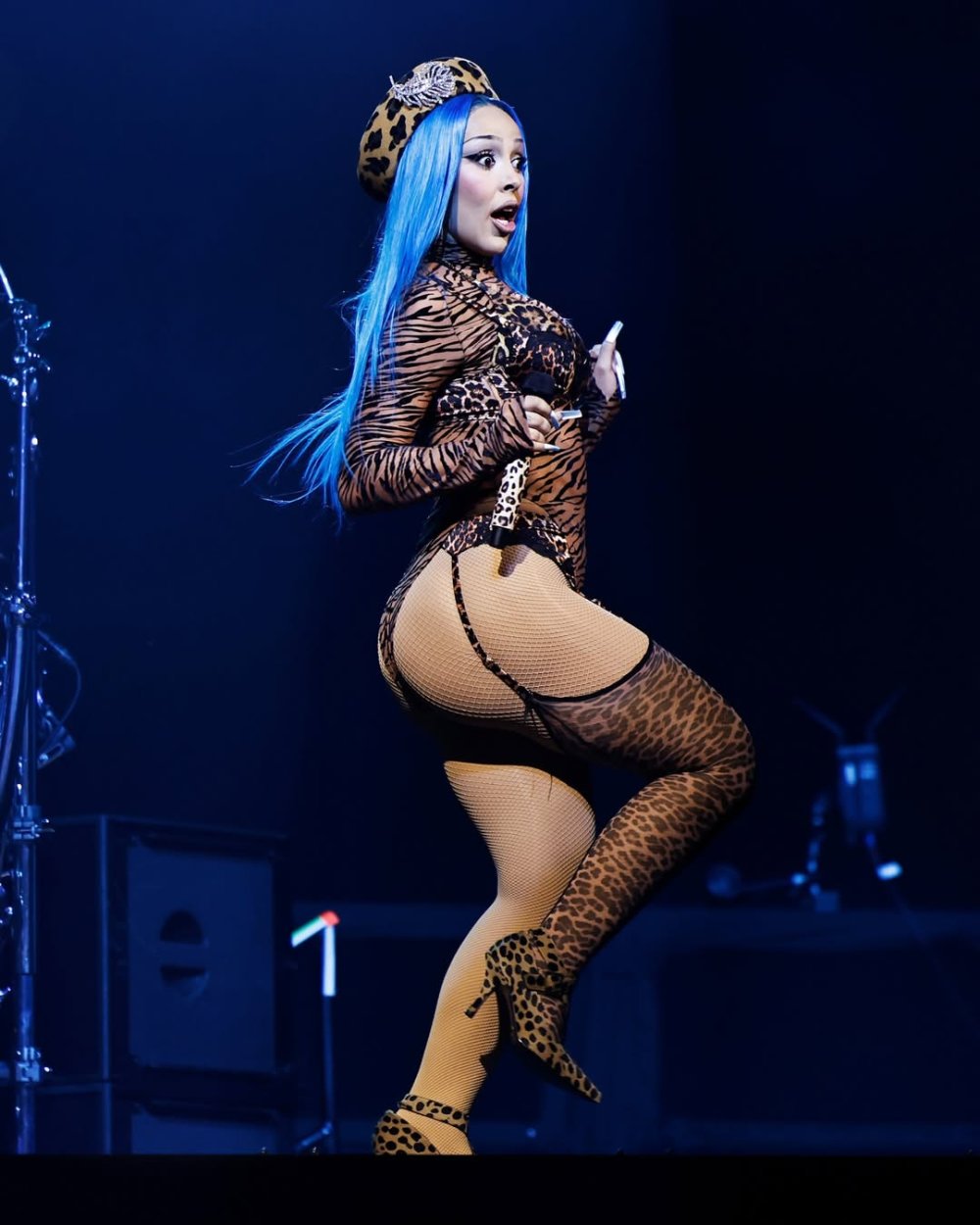
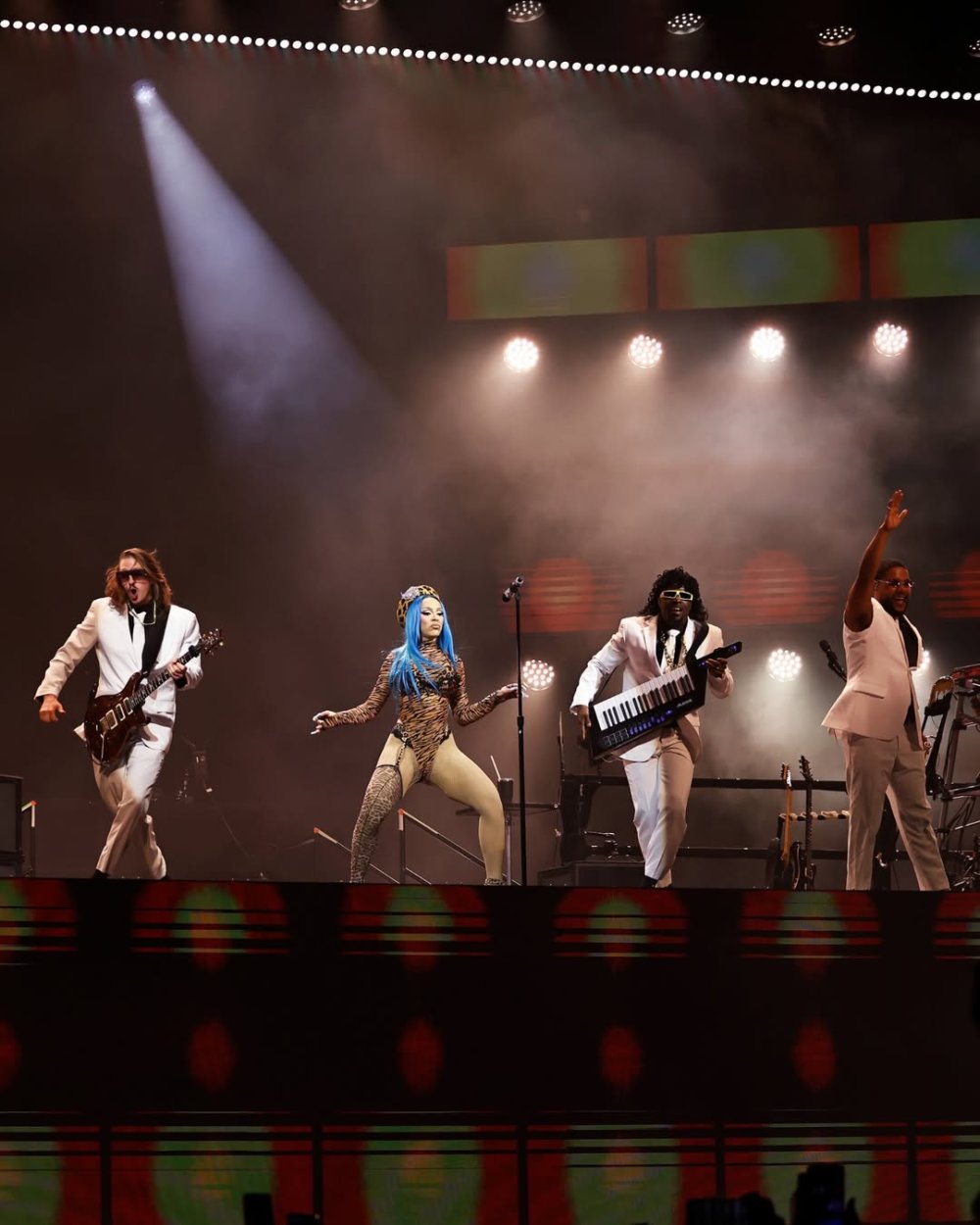
oja Cat’s performance at the ‘Move Africa’ concert left everyone in awe.Kigali was buzzing with excitement at the ‘Move Africa’ concertDoja Cat took Kigali by storm with her signature style and energetic performance at the ‘Move Africa’ concert
He said in a social media post that Argentina communicated this decision through a note addressed to the United Nations Secretary-General on March 17, 2025.
In accordance with the Vienna Convention on the Law of Treaties, the withdrawal takes place one year after that notification.
“Our country will continue to promote international cooperation in health through bilateral agreements and regional forums, fully safeguarding its sovereignty and its capacity to make decisions regarding health policies,” Quirno said.
The Argentine government announced the decision to withdraw from the global health body in February last year.
Presidential spokesperson Manuel Adorni told a press conference at the time that President Javier Milei had instructed the Argentine foreign minister to withdraw the country’s participation in the UN specialized agency.
The spokesperson said that the decision “gives the country greater flexibility to implement policies adapted to the context and interests that Argentina requires, as well as greater availability of resources, and reaffirms our path towards a country with sovereignty also in matters of health.”
President Javier Milei had instructed his foreign minister to withdraw the country from WHO
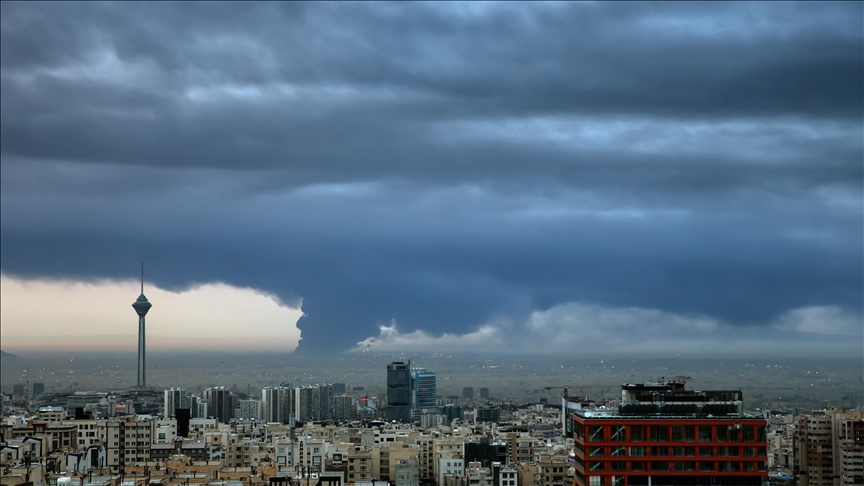
“Hours ago, U.S. forces successfully employed multiple 5,000-pound deep penetrator munitions on hardened Iranian missile sites along Iran’s coastline near the Strait of Hormuz,” the command said.
“The Iranian anti-ship cruise missiles in these sites posed a risk to international shipping in the strait,” it added.
Earlier on Tuesday, U.S. President Donald Trump told reporters that Washington is “not ready” to end its strikes on Iran, now in its third week.
Trump admitted that his demand for a joint escort mission through the Strait of Hormuz has been rejected by most NATO members and U.S. allies, saying he is “disappointed” in NATO’s decision and asserting the United States does “not need the help of anyone.”
He said Japan, Australia and South Korea also rejected his escort call.
Mohammad-Bagher Ghalibaf, Iranian parliament speaker, said in a post on X on Tuesday that the Strait of Hormuz “won’t return to its pre-war status” but gave no further details.
In a recent report by J.P. Morgan, analysts warn that oil producers in the Middle East could sustain output for “no more than 25 days” if the Strait of Hormuz were completely shut.
Saudi Arabia, Iraq, Qatar, and the United Arab Emirates, alongside Iran itself, depend on this narrow passage to export their crude oil.
Iranian Foreign Minister Abbas Araghchi told U.S. media last week that the strait remained open to international shipping, except for vessels belonging to the United States, Israel, and their allies.
The United States and Israel launched massive attacks on Iran on Feb. 28, disrupting global shipping, sending oil prices soaring and shaking the global economy.
U.S. has claimed a strike near the Strait of Hormuz
Move Afrika, a pioneering music touring circuit by Global Citizen, aims to drive economic growth, job creation, and entrepreneurship across Africa through world-class entertainment events.
According to Rwanda’s Office of the President, their discussion highlighted the partnership’s positive impact on Rwanda’s creative economy, and the wider work being done across key sectors including health and education.
Hugh Evans is in Rwanda for the ‘Move Afrika’ concert featuring American artist Doja Cat, which is expected to take place at BK Arena on the night of March 17, 2026.
Doja Cat becomes the third artist to perform in the ‘Move Afrika’ series, following Kendrick Lamar, who performed in 2024, and John Legend, who performed in 2025.
The 30-year-old artist has been in music for almost 15 years. She is well known for songs like “Say So,” “Kiss Me More” featuring SZA, “Streets,” and many others.
After performing in Kigali, Doja Cat is expected to head to South Africa, where she will perform on March 20, 2026.
Since its inception in 2023, Move Afrika has already created over 2,500 jobs.
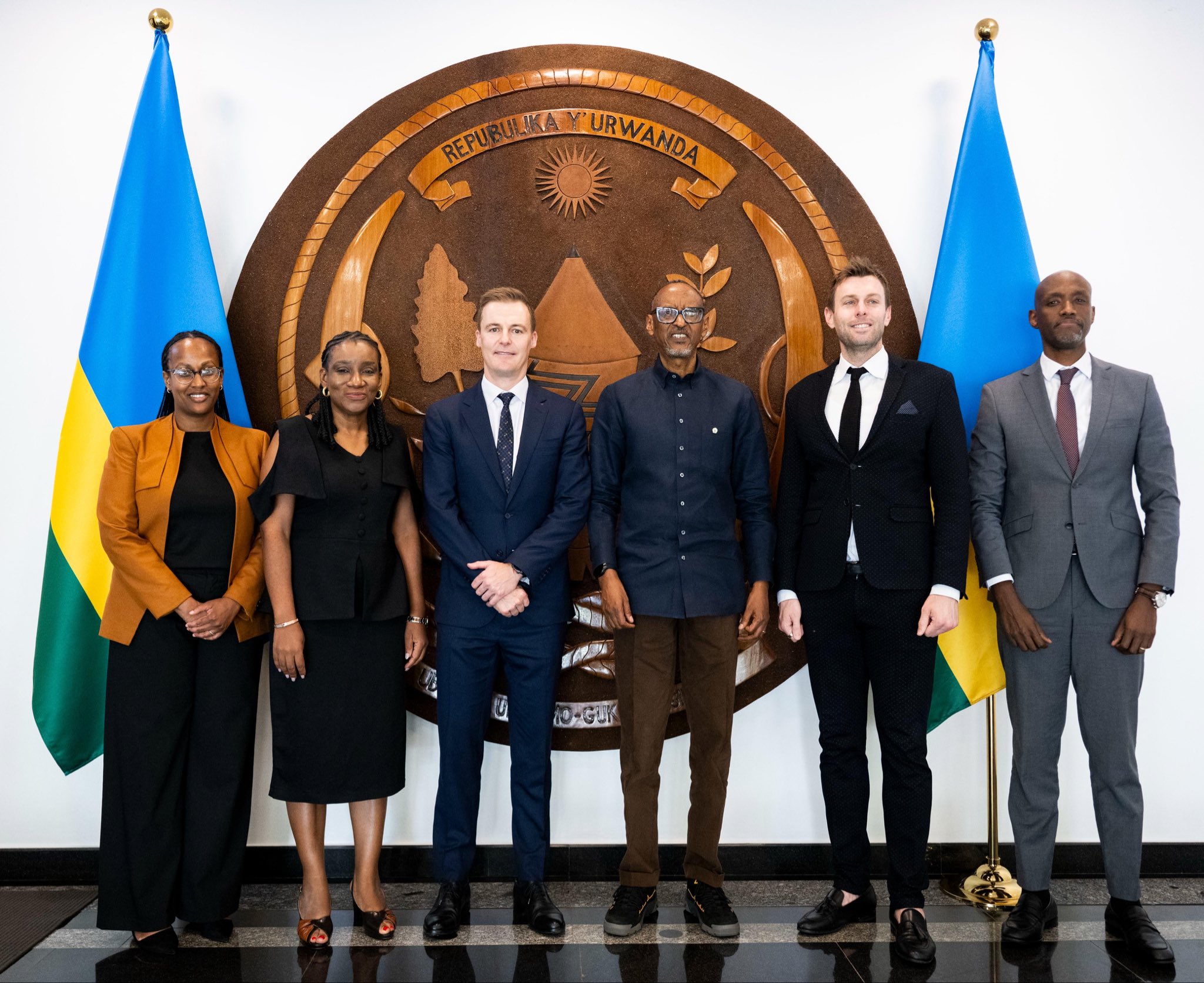
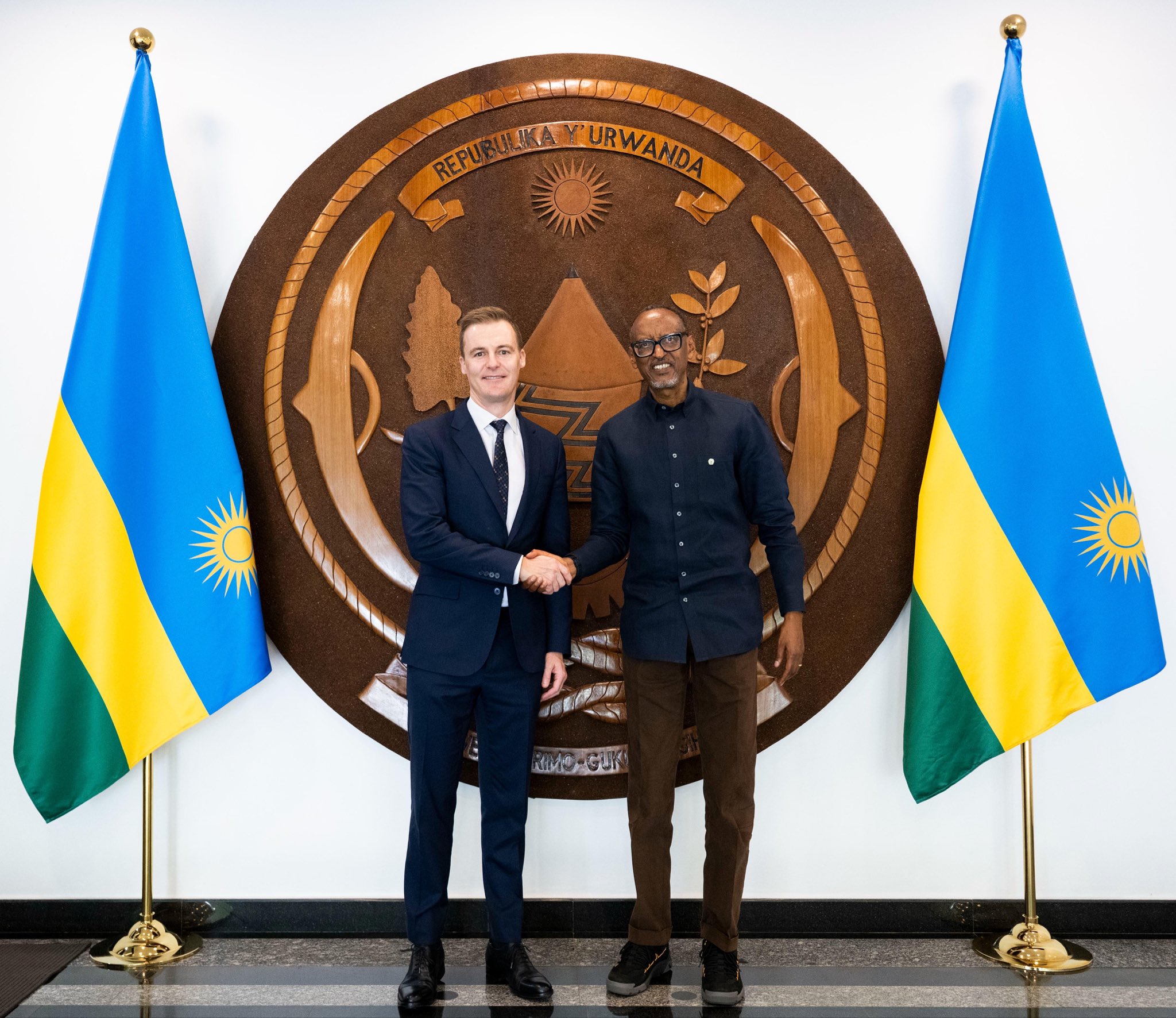
President Kagame has met withGlobal Citizen founder, Hugh Evans ahead of Move Afrika concert at BK Arena. Hugh Evans and his delegation were hosted at Urugwiro Village on March 17, 2026.
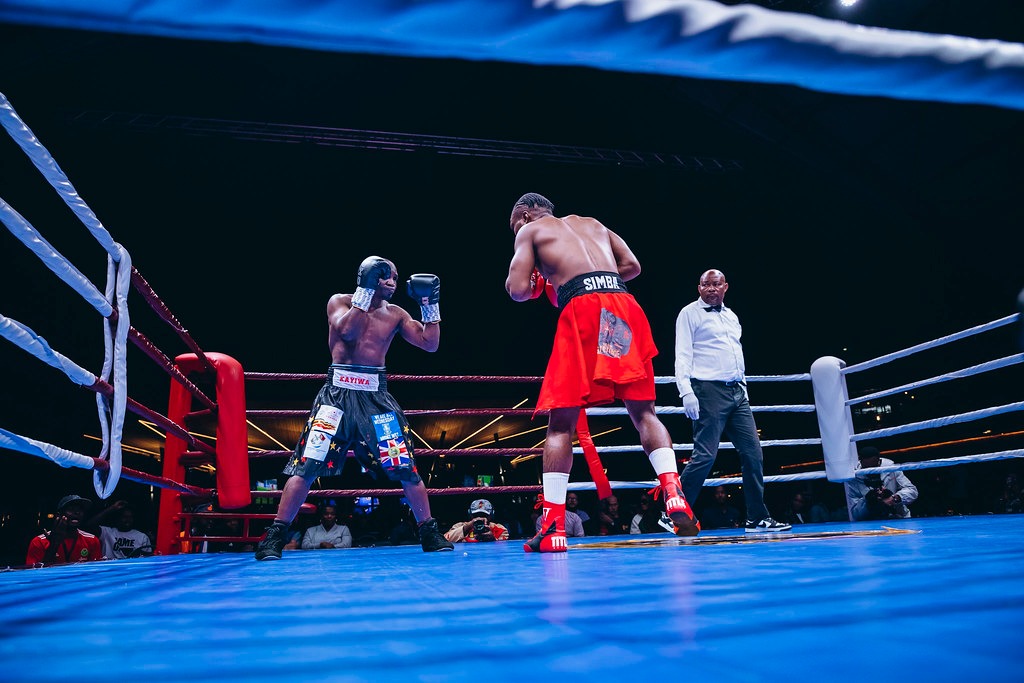
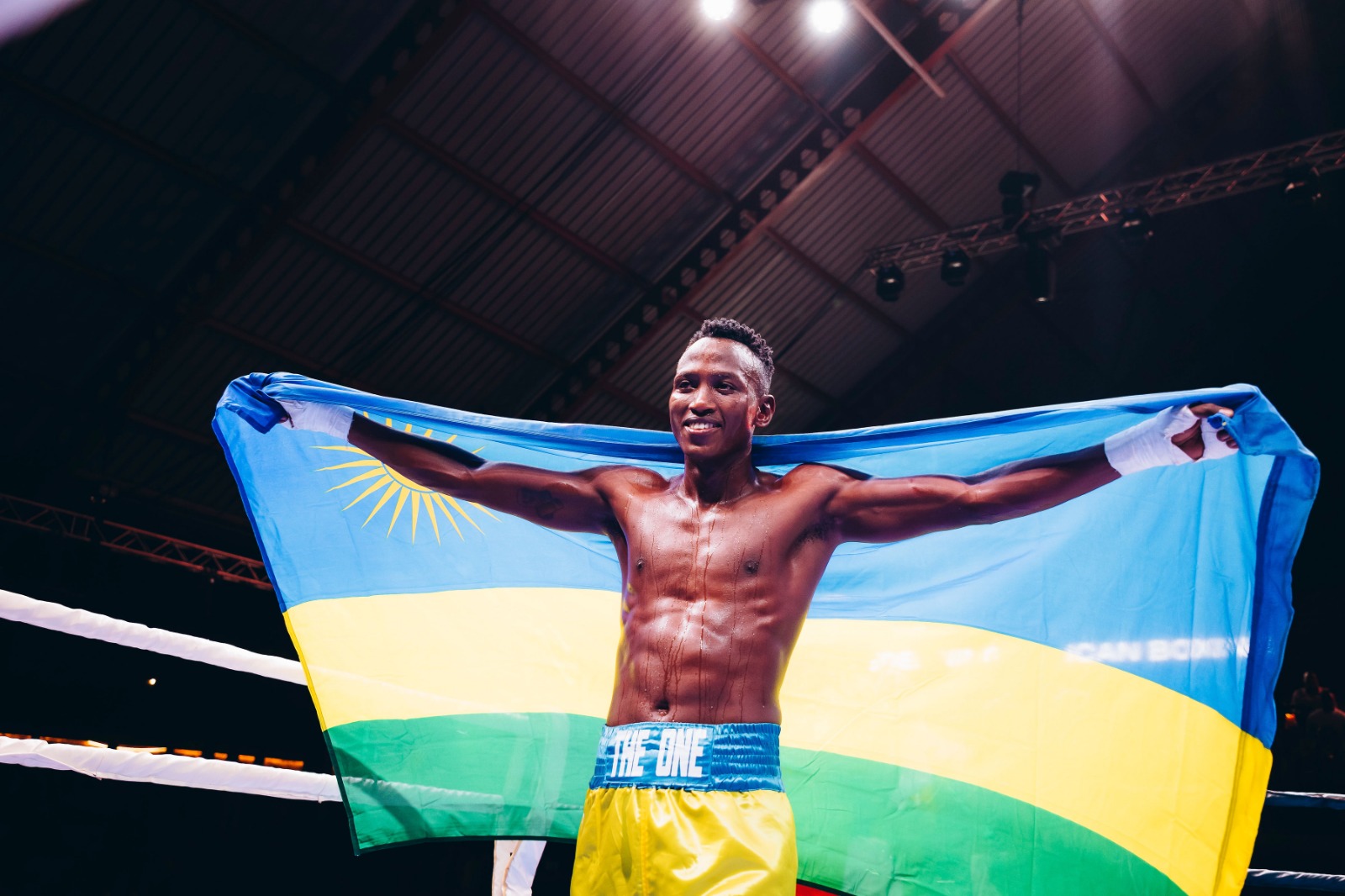
Scheduled for Saturday, March 28, 2026, the event will take place at KCC Roundabout, Kigali Heights, delivering a professional boxing showcase designed to elevate the sport in Rwanda while creating a vibrant cultural experience for fans.
Organized and promoted by Silverback Sports, Kigali Fight Night will feature professional boxers from across Africa, including fighters from Rwanda, Uganda, Cameroon, Gabon, Tanzania, Nigeria, the Democratic Republic of Congo, Malawi, and beyond, competing in a high-level lineup of bouts under the lights.
Adding to the international profile of the event, renowned boxing coaches and trainers from the United States, the United Kingdom, and Dubai are expected to be in Kigali for the tournament, creating a rare opportunity for knowledge exchange, talent scouting, and exposure for local fighters.
This level of participation signals a significant moment not only for Rwanda but for African professional boxing, positioning Kigali as an emerging hub for the sport and opening new pathways for fighters across the continent to access global networks, training standards, and competitive platforms.
The event blends boxing with live DJ performances, music, dramatic fighter walkouts, and an electric ringside atmosphere, transforming the venue into a celebration of athleticism, entertainment, and African sporting culture.
According to Bashir Ntwari, President of the Rwanda Boxing Federation, the event is a strategic investment in the long-term future of boxing in the country.
“Kigali Fight Night is about more than one night of boxing. It is about creating a pathway for Rwandan fighters to transition from amateur boxing into professional careers, compete in international tournaments, and gain global exposure. Events like this help us build the foundations of the sport by strengthening local clubs, developing talent, and moving toward the creation of a professional boxing competition in Rwanda,” he said.
Beyond developing athletes, Kigali Fight Night is also opening doors for local economic growth and business development. The organizers have created opportunities for Rwandan businesses, entrepreneurs, and brands to participate directly in the event by offering free vendor spaces at the venue.
This initiative allows small and emerging businesses to showcase their products and services to hundreds of attendees, creating new opportunities for visibility, networking, and sales. From food vendors and fashion brands to lifestyle products and creative enterprises, the vendor marketplace ensures that the economic impact of the event extends beyond the ring.
By integrating local businesses into the event ecosystem, Kigali Fight Night aims to stimulate micro-enterprise growth, strengthen local supply chains, and deepen collaboration between sports, entertainment, and commerce, reinforcing the role of sports as a driver of economic activity in Rwanda.
Jermaine Burke, CEO of Silverback Sports and promoter of the event, said the vision goes beyond hosting a single tournament.
“Kigali Fight Night is not just about boxing. It is about building an ecosystem around sports that benefits athletes, businesses, and communities. By bringing international fighters and coaches to Rwanda while creating opportunities for local entrepreneurs, we are helping to position Kigali as a serious destination for global boxing and sports entertainment,” he said.
The official fight card will feature a series of high-profile matchups, including Tamba Merlin vs Yusufu Changarawe (Main Card), Jerry Katamba (DRC) vs Ali Mkojani (Tanzania), and Kingbo Hans (Gabon) vs Taafu Odoyi (Uganda). The event will also highlight women’s boxing with bouts such as Daniella Muleketsi (DRC) vs Martha Akinyi (Uganda) and Nene Joy Ojo (Nigeria) vs Leila Yazidu (Tanzania).
In addition to the professional bouts, Kigali Fight Night will feature seven amateur fights showcasing Rwanda’s most promising young boxers, giving emerging athletes the opportunity to compete on a major stage and gain valuable exposure.
Doors will open at 2:00 p.m. for amateur bouts and the vendor village, with the main event scheduled for 5:00 p.m., offering fans an afternoon and evening filled with fights, music, and entertainment. Attendees will be able to choose from multiple ticket categories, including Diamond Ringside, Platinum VIP, and Gold Regular seating options.
Open to fans of all ages, Kigali Fight Night is expected to attract a diverse audience of sports fans, entertainment lovers, and business communities. By combining world-class boxing with opportunities for local entrepreneurship, the event positions itself as both a sporting spectacle and a platform for economic participation.
With international fighters, global coaching presence, rising Rwandan talent, and a strong emphasis on community and commerce, Kigali Fight Night promises to be one of the most exciting and impactful sporting events of the year in Rwanda and a key step forward for African professional boxing.
Kigali Fight Night will feature professional boxers from across AfricaIn addition to the professional bouts, Kigali Fight Night will feature seven amateur fights showcasing Rwanda’s most promising young boxers.
On Sunday, March 15, 2026, a letter from the City of Kigali circulated, asking AS Kigali to make a decision on whether to dissolve and merge with other teams supported by the city, namely Kiyovu Sports and Gasogi United.
At the time, Kiyovu Sports spokesperson Minani Hemed stated that the plan had been poorly considered and that it would erase the history of the club’s establishment.
Gasogi United also expressed its opposition, claiming that such a merger was not feasible.
Speaking to Radio Rwanda, Emma Claudine Ntirenganya, spokesperson for Kigali City, stated that if the teams refuse to merge, the city will stop its support for them.
“If these teams [AS Kigali, Kiyovu, and Gasogi] fail to merge and decide to continue separately, the city will stop providing its support. However, we are still awaiting their response,” she noted.
The teams have been given a deadline of March 30, 2026, to notify Kigali City of their decision.
She added, “If all of them refuse, we plan to start with a new team and build it from the ground up. If they agree to merge, we will continue together in the top league.”
Kigali City emphasizes that the goal of merging these teams is to pool resources and help the new team become stronger and more competitive in fighting for trophies.
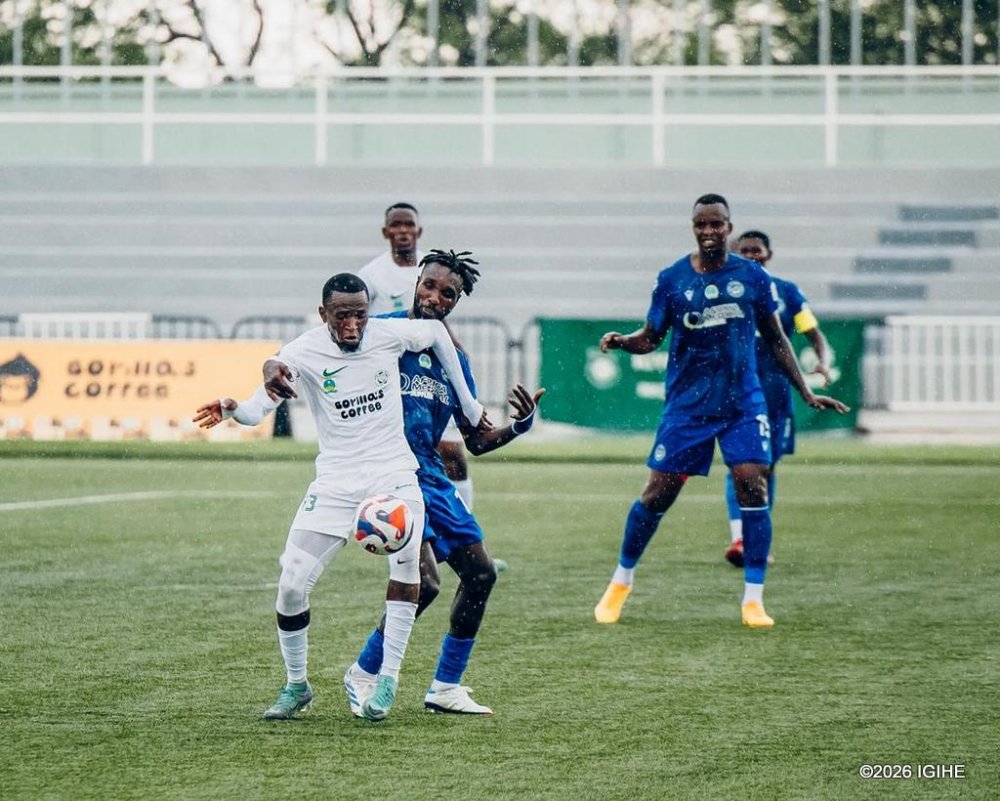
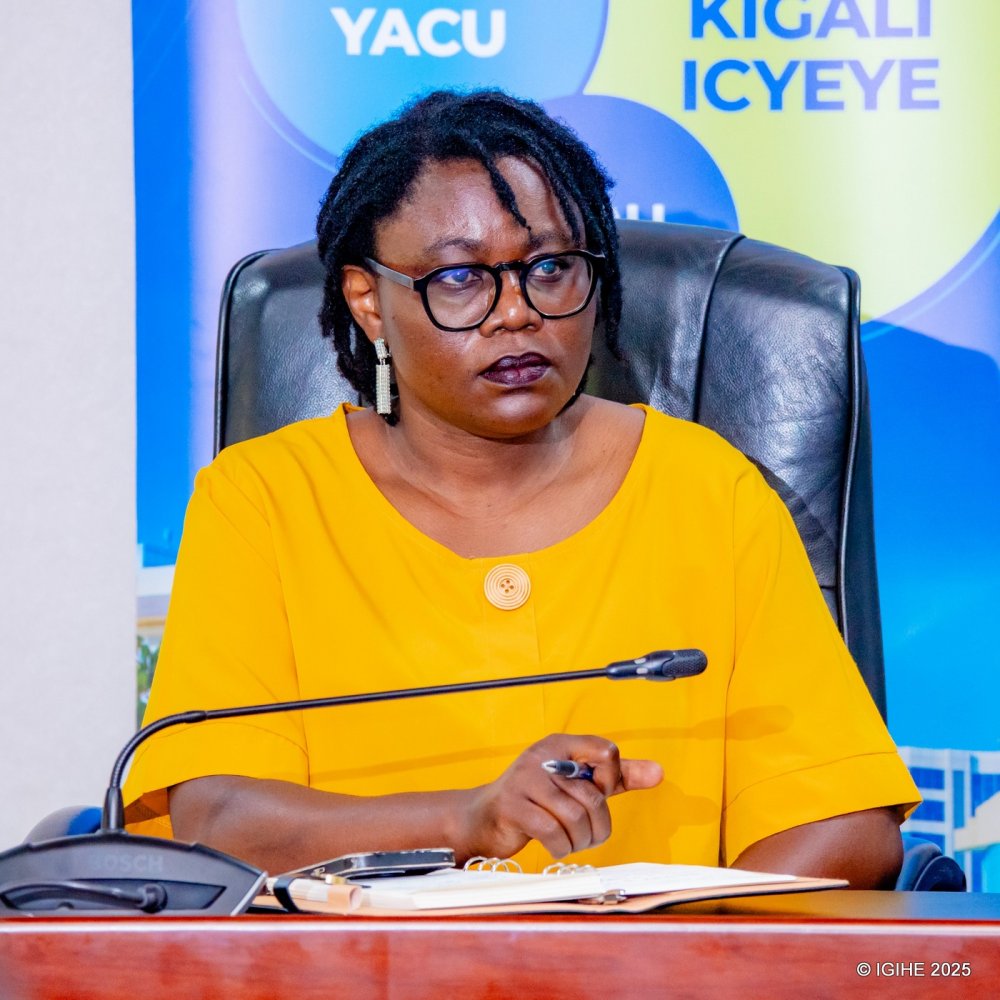
Kigali City spokesperson, Emma Claudine Ntirenganya speaking to the press at a past event. The City of Kigali has proposed the merger of AS Kigali and Kiyovu Sports
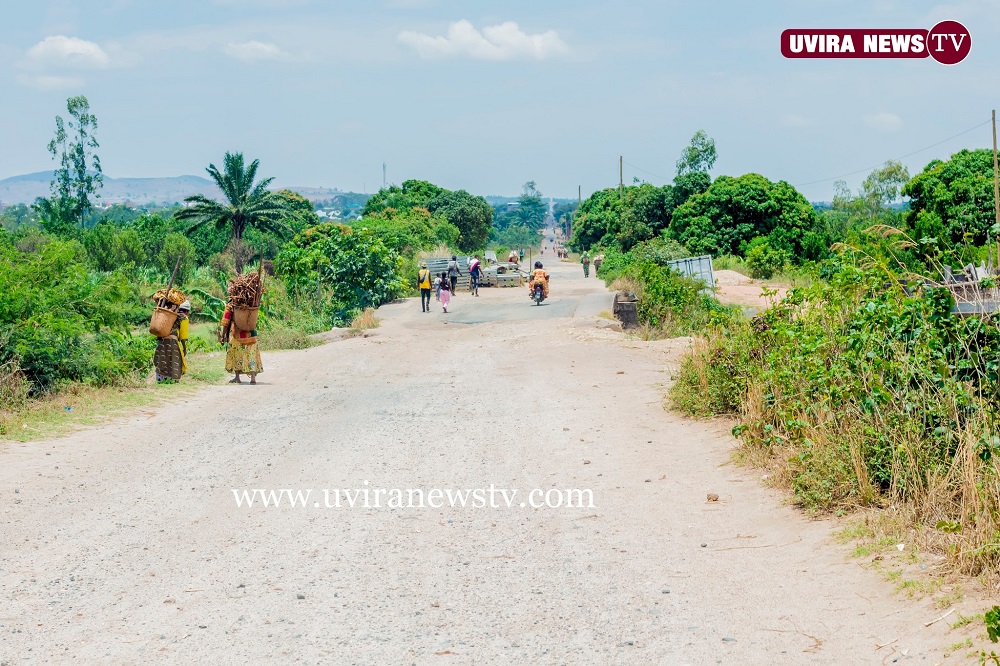
This fighting comes just two days after FARDC, Wazalendo, and other allied groups blocked the RN5 road, which connects the city of Uvira to Bukavu, citing security concerns.
AFC/M23 spokesperson, Lawrence Kanyuka, reported that as of 06:00 AM on March 17, 2026, FARDC forces began firing heavy artillery in the Kabunambo area, forcing many residents to flee.
Benjamin Mbonimpa, the Permanent Secretary of AFC/M23, stated that Kabunambo residents had been peaceful and safe while under AFC/M23 control, but that the Congolese government chose to threaten their security with artillery strikes.
Kanyuka further emphasized that AFC/M23 is prepared to protect the people of Kabunambo and their property as long as FARDC continues its aggressive actions.
The Ruzizi Plain has been a hotspot for intense fighting since early December 2025, triggered by attacks from FARDC forces against areas controlled by AFC/M23, including the Kamanyola sector.
AFC/M23 responded with force, gaining control of several territories including the city of Uvira, which was vacated in January 2026 to resume peace talks.
As FARDC returned to the city, they made it clear they would stabilize the region once they retake all areas controlled by AFC/M23, including the city of Bukavu, Goma, and Bunagana, which had been captured in December 2022.
The ongoing drone strikes by FARDC forces on Minembwe commune and neighboring regions indicate their intent to continue military operations in areas under AFC/M23 control.
In the early hours of February 24, FARDC launched a drone attack near Rubaya, which killed their former military spokesperson, Lt. Col. Willy Ngoma.
On March 11, FARDC conducted another drone strike in the city of Goma, killing three civilians, including French national Karine Buisset, a UNICEF worker.
AFC/M23 reported that from the night of March 16 to March 17, FARDC, Burundian forces, FDLR, Wazalendo, and mercenaries launched additional drone strikes on Minembwe and surrounding regions.
The alliance warned that the Congolese government would be held accountable for the continued bloodshed of innocent civilians under the sielnce of the international community.
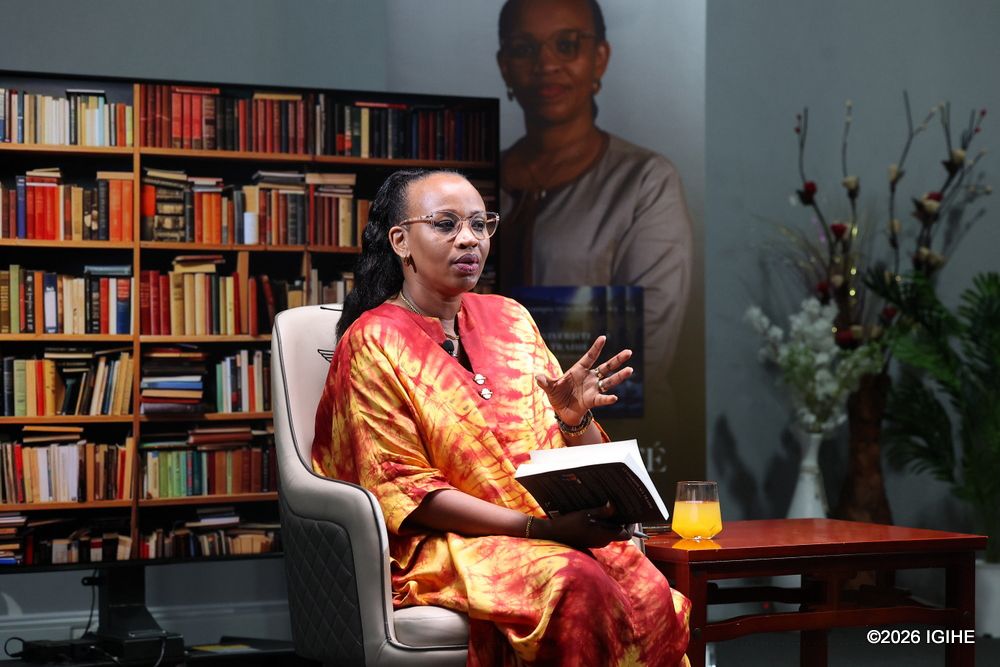
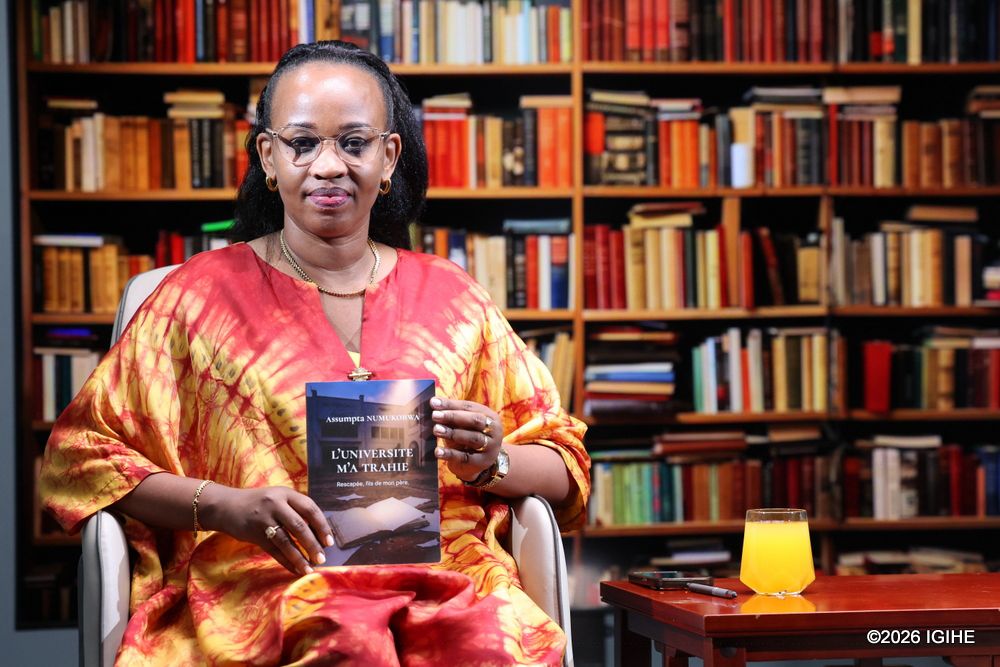
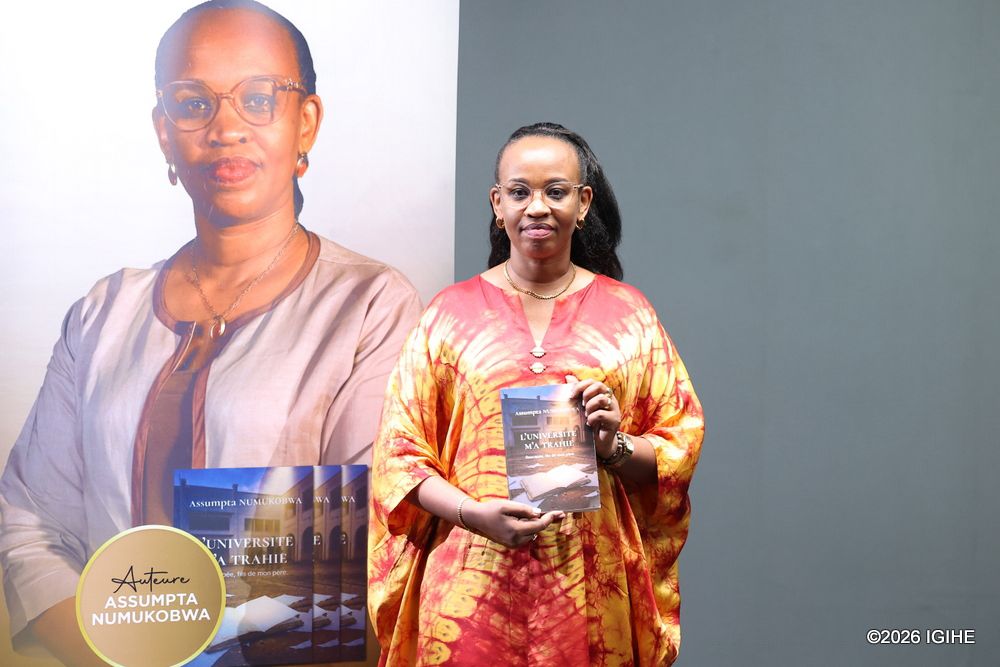
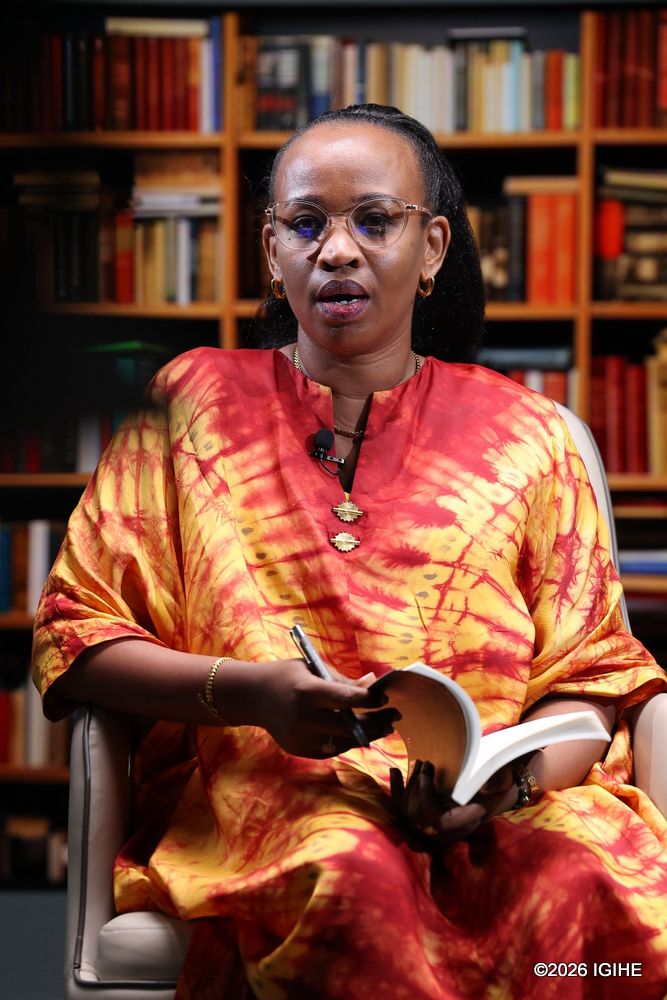
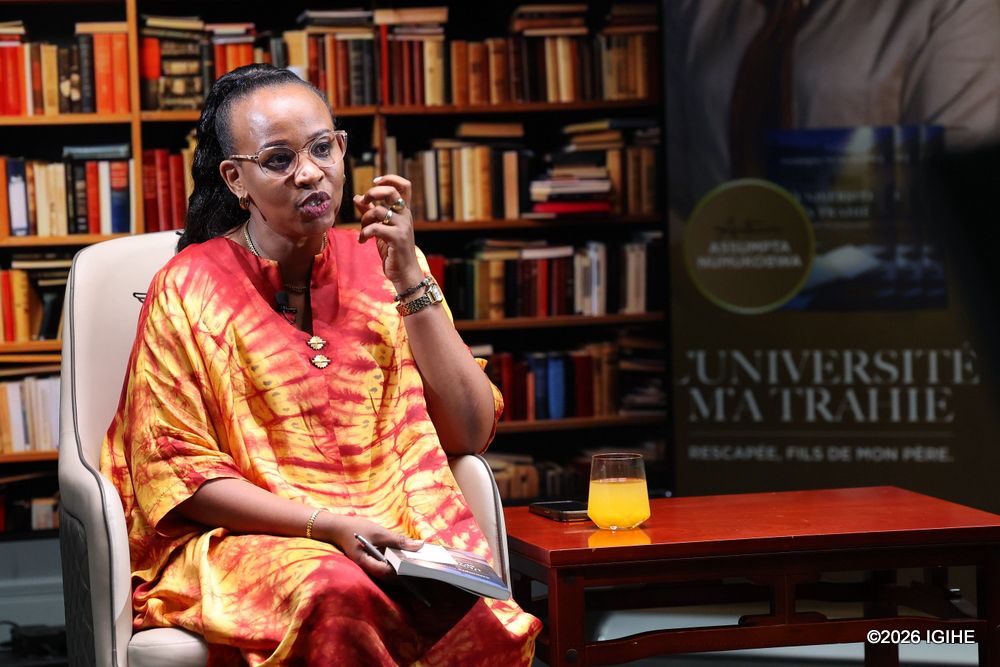
Through her book launched on Friday, February 27, at Kigali Genocide Memorial, the author seeks to preserve the memory of the students who were victims of the genocide on the campus of the National University of Rwanda in Butare, while also questioning the moral responsibility of educational institutions in the face of hatred and violence.
A childhood built around education and values
The story begins with the author’s childhood in Kigali, in a family deeply committed to Christian values, solidarity and the importance of education.
Despite economic difficulties and the unstable political context of Rwanda at the time, her parents encouraged their children to pursue their studies and to believe in the future.
Assumpta Numukobwa recalls her early school years with emotion, retracing her educational journey from primary school to her admission to Lycée Notre‑Dame de Cîteaux in Kigali.
At this renowned school, she discovered a world of learning, cultural activities, and youth movements that played an important role in shaping her personal development.
These experiences helped build her character, develop her sense of responsibility, and nurture her ambition to pursue higher education.
Yet behind this relatively normal school life lay a darker reality: Rwandan society was already marked by deep ethnic tensions and persistent discrimination against the Tutsi.
The dream of university
After completing her secondary education, Numukobwa briefly taught in a primary school. Encouraged particularly by her brother Emmanuel, she decided to pursue her dream of higher education.
Numukobwa eventually obtained a scholarship that allowed her to join the Faculty of Medicine at the National University of Rwanda in Butare.
For the young student, university represented the fulfillment of a dream. She imagined it as a space of intellectual freedom, discovery, and the construction of the future.
The Butare campus appeared dynamic and stimulating: university buildings, libraries, gardens, student residences, and meeting spaces created an environment conducive to exchanges and the training of the country’s future leaders.
However, the author quickly realized that the university was not entirely sheltered from the political tensions affecting Rwandan society. Students began to divide along political and ethnic lines, and the influence of political parties increasingly infiltrated university life.
Despite these tensions, student life continued; classes, discussions, friendships, and future plans shaped the daily lives of the young students.
Numukobwa has recounted her heartbreaking journey before, during, and after the 1994 Genocide against the Tutsi.
Warning signs
At the beginning of the 1990s, Rwanda entered a period of deep political turmoil. The liberation war launched in 1990 by the Rwandan Patriotic Front, the introduction of multiparty politics, and rivalries between political parties contributed to the radicalization of public discourse.
On the university campus, these divisions became increasingly visible. Students participated in political meetings, and hate speech circulated openly.
Media propaganda, particularly broadcast by Radio Télévision Libre des Mille Collines, fueled hatred against the Tutsi. The climate of mistrust and tension gradually intensified.
On April 6, 1994, when President Juvénal Habyarimana’s plane was shot down, this event was immediately exploited by the extremist faction of Hutu Power as a pretext to trigger the genocide against the Tutsi, which had been planned for long time.
What was meant to be a place of knowledge and dialogue gradually turned into a space of fear and violence.
University turned into a place of betrayal
In her testimony, Numukobwa painfully describes how the university, supposed to protect its students, became a place of denunciation and persecution.
Tutsi students were hunted, isolated, and threatened. Some classmates, as well as members of staff and even teachers, actively participated in their persecution.
This betrayal was particularly painful for the author because it often came from people she knew personally: dormitory neighbors, classmates, or teachers with whom she had previously shared everyday spaces.
Gradually, fear spread across the campus. Meetings organized under the pretext of security were sometimes used to identify Tutsi students. Information broadcast on the radio was used to publicly designate certain individuals as enemies.
Numukobwa also recounts the tragic disappearance of many classmates and friends. Many students were stopped at roadblocks, while others were killed on campus or in nearby areas.
The book pays tribute to those students whose dreams and ambitions were brutally cut short.
Surviving the unspeakable
For several months, the author lived in constant fear of death. Numukobwa had to hide, flee, and attempt to escape militias and killers.
Like many other survivors, she witnessed the loss of members of her family and friends.
Numukobwa speaks about the psychological trauma left by these events; painful memories, nightmares, and the difficulty of rebuilding a life after experiencing such violence. To survive also means carrying the weight of memory and the burden of irreparable loss.
Rebuilding and passing on memory
After the genocide, Numukobwa embarked on a long process of personal reconstruction in a country deeply marked by tragedy.
Institutions gradually resumed their activities, and survivors attempted to rebuild their lives.
The author eventually succeeded in rebuilding a professional and family life, but the memories of the genocide remained deeply embedded in her mind.
This duty of remembrance pushed her to testify regularly, particularly during commemorations organized on the Butare campus, now part of the University of Rwanda.
These testimonies ultimately led her to write ‘L’Université m’a trahie’ in order to preserve the memory of the students who were victims of the genocide and to pass on their story to future generations.
A reflection on the role of education
Beyond personal testimony, the book raises a fundamental question; how could an institution meant to transmit knowledge become a place that participated in genocide?
For the author, the tragedy highlights a profound gap between academic knowledge and human values. She argues that diplomas and scientific knowledge do not inherently guarantee morality or respect for human life. Without ethics and conscience, education, she warns, can be manipulated to serve destructive ideologies.
Her book serves as a powerful reminder that memory is crucial for understanding the past and preventing such tragedies from recurring.
Education, she asserts, should not only transmit knowledge but also shape citizens who are equipped to defend human dignity and resist hatred.