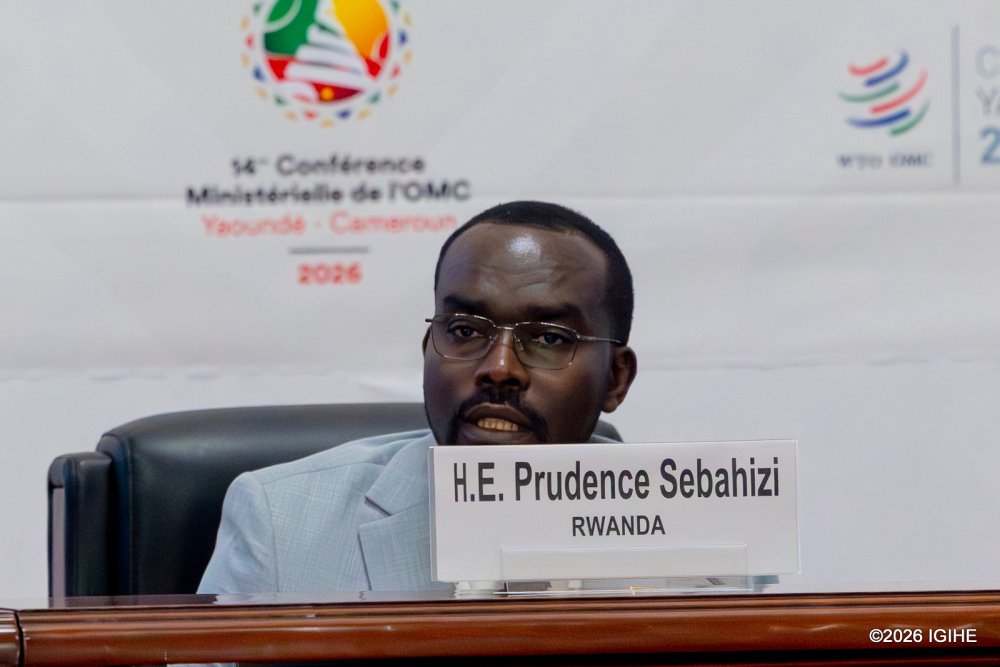
He pointed out that this rate is significantly lower than the 37% tariff Rwanda had already been paying on textile exports, despite arguing that such charges are inconsistent with international trade law.
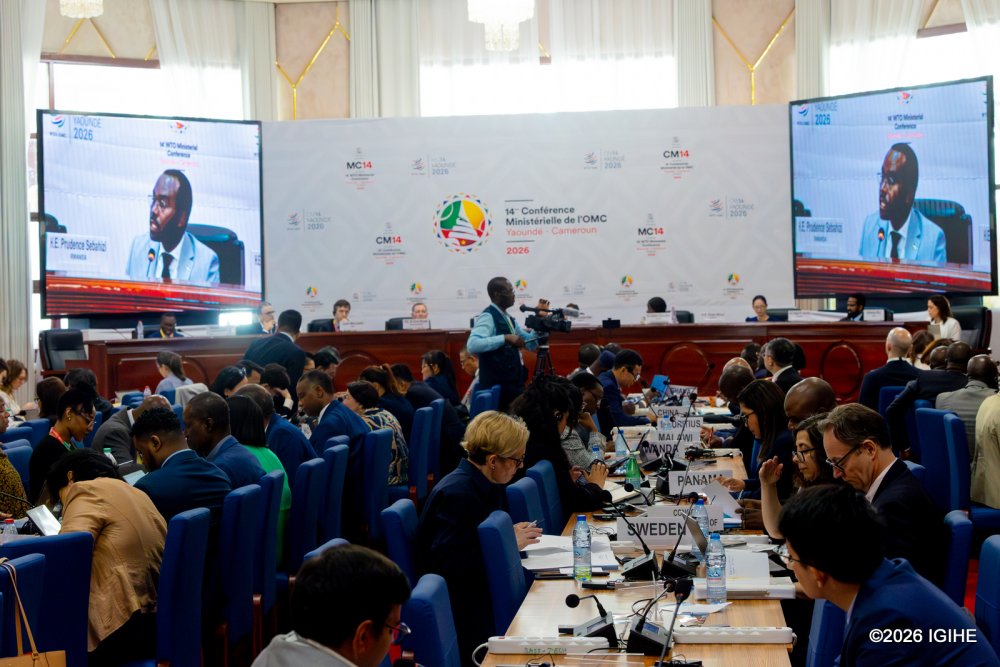
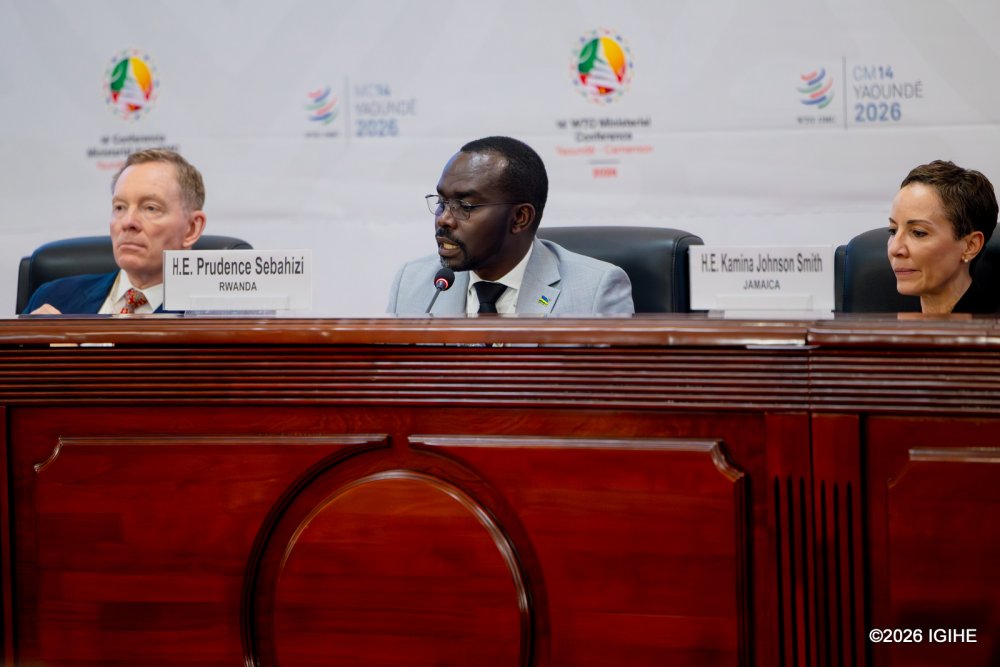
The minister is among participants of the World Trade Organization (WTO) Ministerial Conference in Yaoundé, Cameroon.
On Wednesday morning, he addressed a joint session organized by the World Bank and the WTO, where he outlined Rwanda’s strategies to boost trade through services, job creation, and inclusive economic growth. In an interview with IGIHE, Sebahizi noted that the meeting comes at a time when the global trading system faces persistent challenges, particularly related to institutional reforms and the failure of some countries to adhere to established trade rules.
He emphasized that one of the core principles of international trade is non-discrimination. According to this principle, imported goods should be treated equally regardless of their country of origin. However, recent trends show that some countries are imposing tariffs based on origin, undermining these rules.
“There are fundamental principles guiding international trade law, especially non-discrimination,” he said. “But we have recently seen countries imposing tariffs depending on where goods come from.”
Sebahizi added that while preferential trade agreements may allow certain countries to export goods duty-free, countries without such agreements should still be treated according to WTO rules. He stressed the need for a return to proper implementation of these principles.
Addressing the U.S. tariffs specifically, the minister noted that although they have had some impact, Rwanda has not suffered significant losses. He explained that the tariffs apply to goods already being exported to the U.S., and that Rwanda had long faced even higher duties on key exports like garments.
“In reality, Rwanda has not lost much because we were already facing a 37% tariff on clothing exports to the U.S. market,” he said. “Now, under the new measures, Rwanda falls under a 10% tariff category.”
He added that while the reduction may appear beneficial, the broader issue lies in the inconsistency of applying or adjusting tariffs on goods from developing countries, which itself contradicts international trade norms.
Sebahizi further stated that, aside from the United States, Rwanda has not encountered other countries imposing trade barriers that violate global trade rules.
Minister Prudence Sebahizi speaks during the WTO Ministerial Meeting in Yaoundé.Minister Prudence Sebahizihas dioscussed Rwanda’s trade outlook amid shifting global tariff policies during an interview on the sidelines of the WTO meeting in Yaoundé.
In a statement citing the Global Tuberculosis Report 2025 released by the World Health Organization, the Rwanda Biomedical Center (RBC) said tuberculosis cases in the country fell from 238 to 62 per 100,000 people between 2000 and 2024, while deaths dropped from 77 to 3 per 100,000 people over the same period due to various health interventions.
The interventions cited by the RBC include increasing the role of health workers in awareness campaigns, promoting early detection and supporting treatment in villages. In addition, the agency highlighted the extension of free diagnosis and treatment of tuberculosis to health facilities across the country.
During an event held on Tuesday to mark World Tuberculosis Day, Albert Tuyishime, in charge of disease prevention and control at the RBC, reaffirmed the government’s commitment to curbing tuberculosis by 2035.
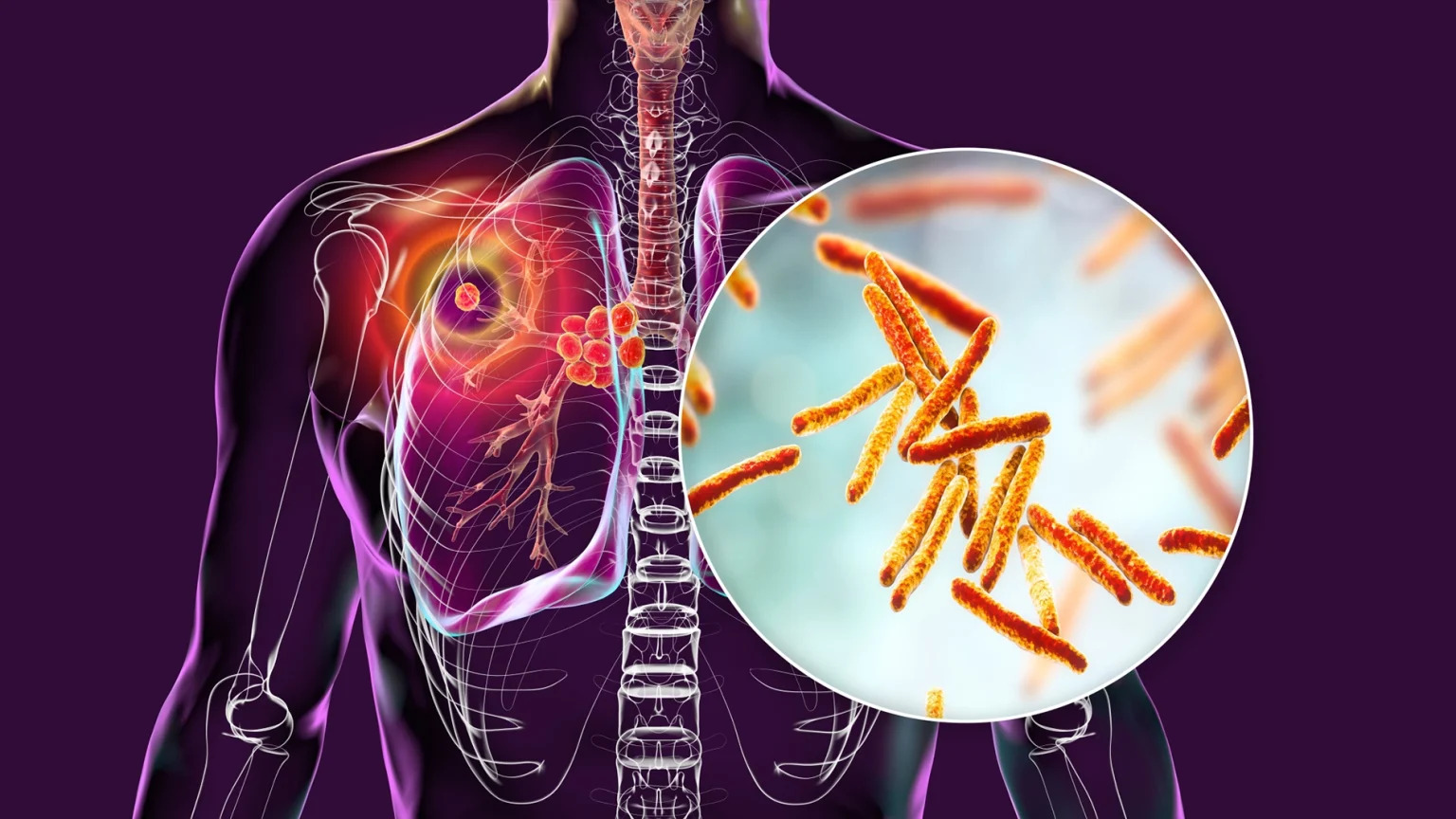
Tuberculosis is an infectious disease caused by bacteria that spread through the air when an infected person coughs or sneezes.
However, in Rwanda, a lack of awareness among many people about how tuberculosis spreads, its symptoms and prevention measures calls for more public education, health officials said.
About 600,000 people with tuberculosis in the African region are either undiagnosed or not receiving treatment every year, according to the World Health Organization.
Tuberculosis is an infectious disease caused by bacteria that spread through the air when an infected person coughs or sneezes.
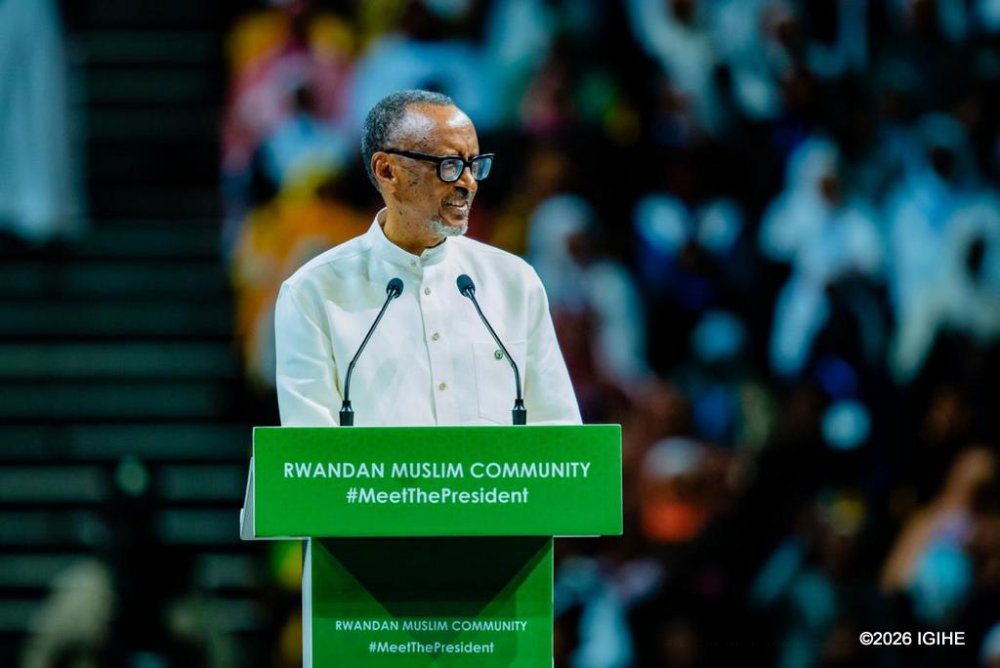
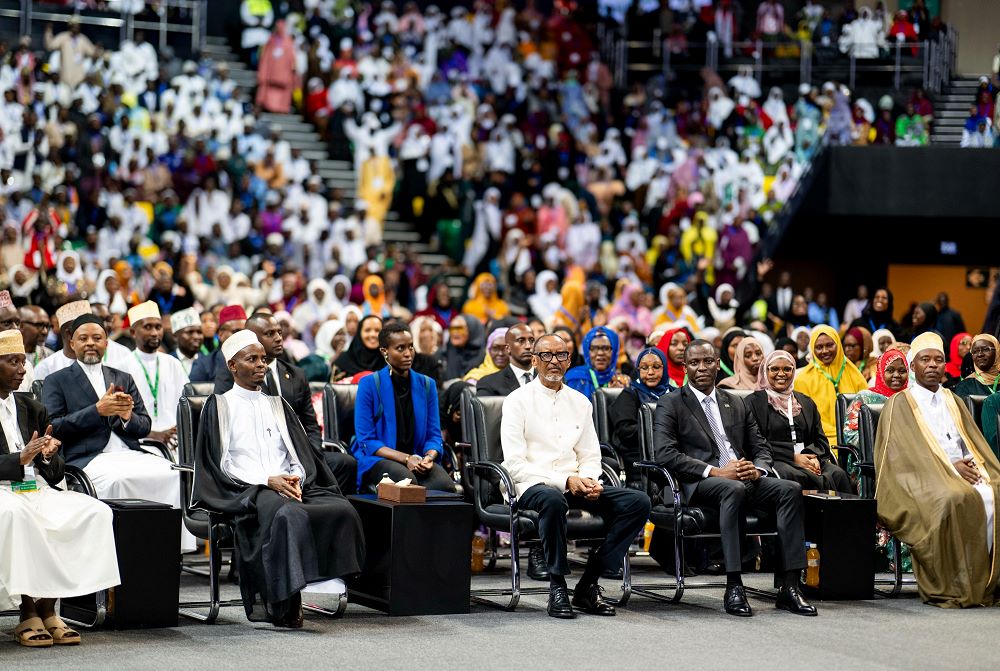
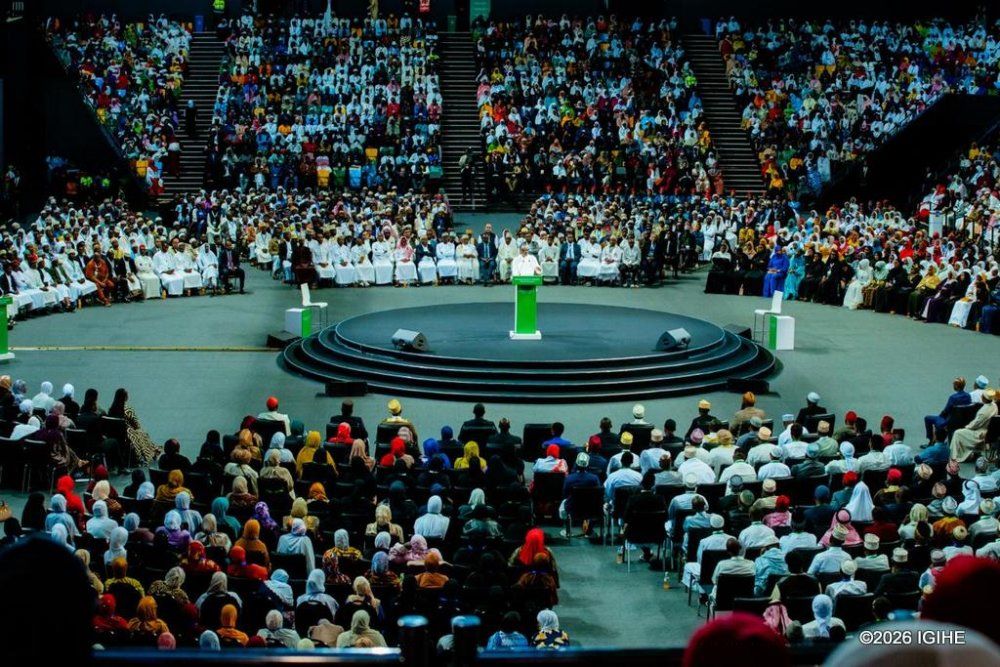
The Head of State made the commitment on March 25, 2026, during a meeting with members of the Muslim community, where he reiterated the government’s support for their development initiatives.
“We have a responsibility to support you. That support is there and will be provided,” Kagame said.
The pledge follows earlier commitments dating back to 2011, which had yet to be fully implemented. Kagame acknowledged the delay, describing it as an obligation he intends to fulfill.
“There are things that were promised, and I recently learned they were not handled as they should have been. I take that as a debt that must be settled,” he said.
Reaffirming his position, the President stressed urgency in resolving the matter. “This year will not pass without it being done. It will be resolved. When we meet again, it will not be you asking me, but me asking you what you have done with it,” he added.
Call for shared responsibility in development
The head of state went on to say that after the difficult history that Muslims in Rwanda, and Rwandans in general have endured, now is the time to effect change, with all citizens playing a role in the country’s development.
“It is a path to transform lives, improve governance, and change mindsets so that Rwanda can progress, with every Rwandan contributing and no one being excluded. Many of the things you now value are praised because they did not exist before, but when someone does what is right and expected, it should not require excessive recognition,” Kagame said.
He urged Rwandan Muslims to actively participate in the country’s development initiatives, alongside all other citizens.
“To make change happen, you must also take part. For Rwanda to transform, all Rwandans need to contribute. Regarding religious institutions, it is understandable to set rules for their functioning and for places of worship to fulfill their responsibilities, and everyone should support that. But for things to run smoothly, these institutions themselves must first operate properly and do what is right,” he said.
President Kagame explained that the government has established mechanisms to monitor the functioning of religious institutions to ensure accountability and prevent people from hiding behind them to exploit citizens.
“In Rwanda, our work, our politics, and our governance aim to put things in the right order. No one is denied peace in any way,” he said.
“The measures put in place by government authorities to ensure proper alignment were meant to prevent abuses. This did not apply only to Muslims; it applied to all religions and faith-based institutions… [where some people could sometimes] use religion to pursue personal gain and take advantage of others.”
“It is like putting up barriers, stopping people, deceiving others about who you are, and beginning to take their property… this should never happen in any religion,” he added.
Kagame assured Rwandan Muslims that the history of marginalization and exclusion they have faced, like other Rwandans, will not be repeated.
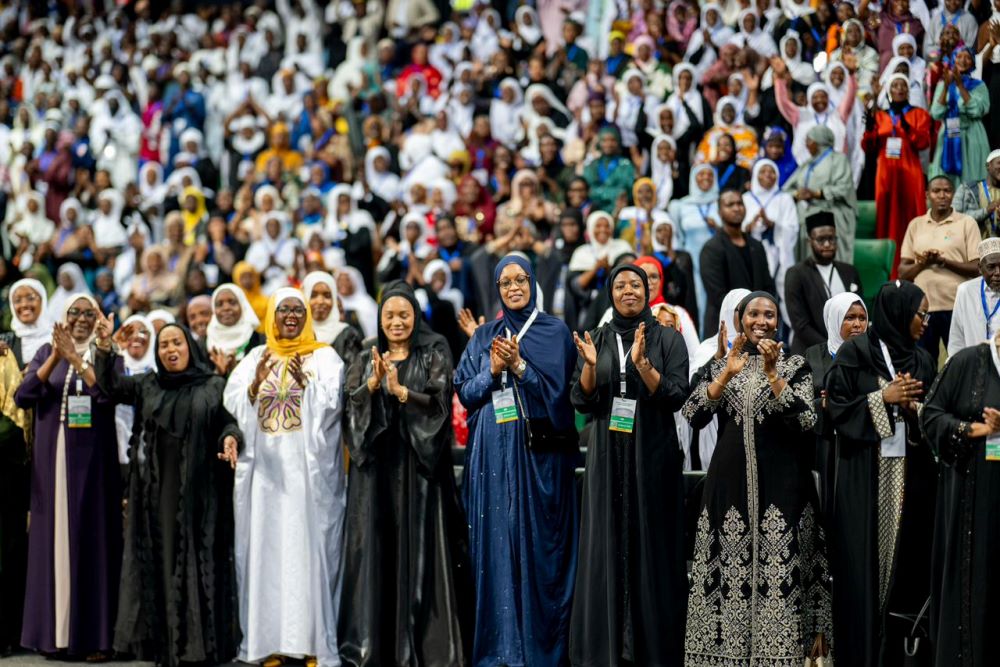
The Mufti of Rwanda, Sheikh Sindayigaya Musa, expressed gratitude to the President for engaging with the Muslim community and assured that they will continue to play an active role in the country’s development.
Muslims thanked President Kagame for his engagement and support for the community. President Kagame encouraged muslims’ active participation in Rwanda’s progress.The meeting took place at BK Arena.
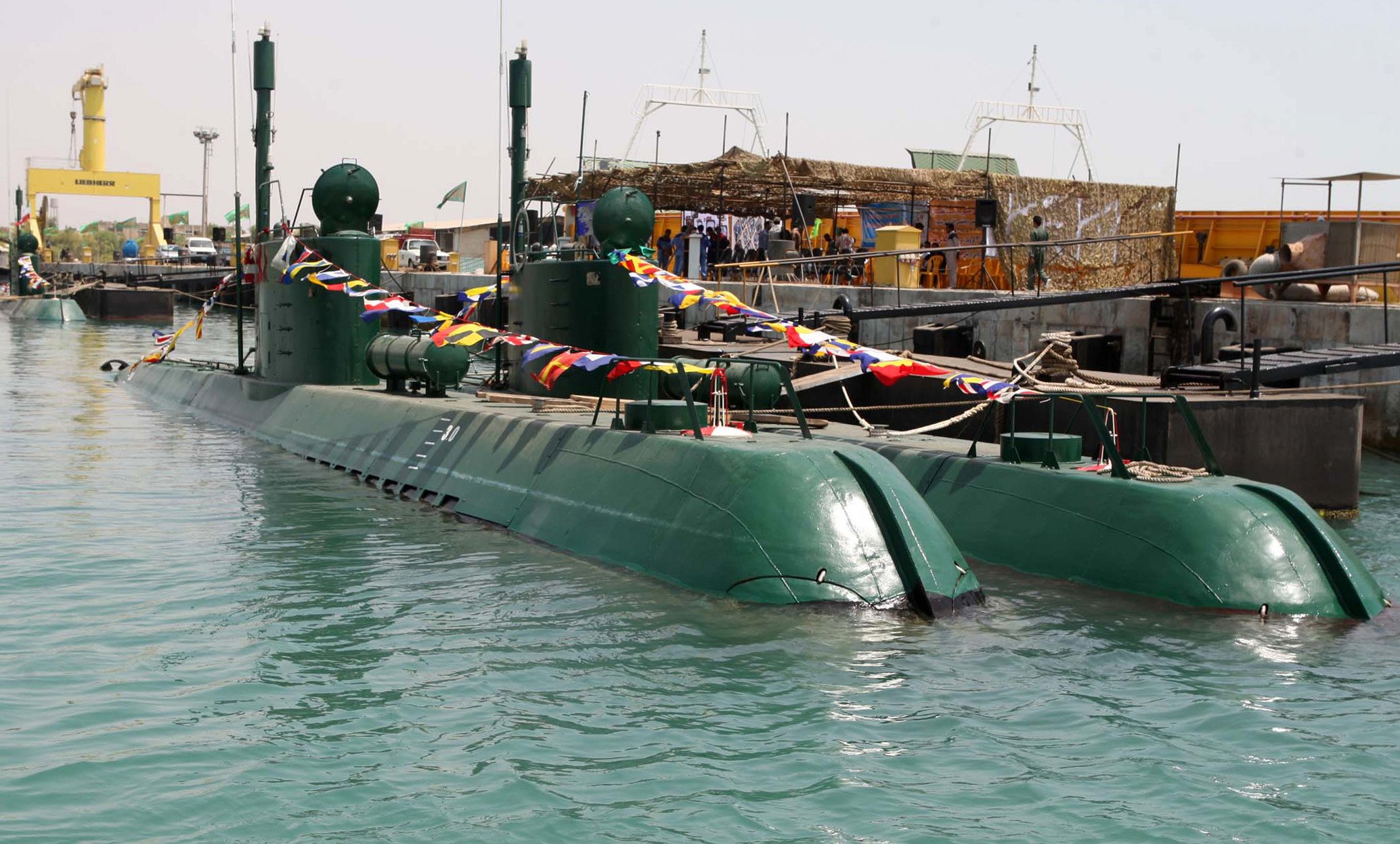
“The center is the only facility in Iran responsible for the design and development of submarines and support systems for the Iranian Navy,” an Israeli military spokesperson said, adding that Iran also produces various models of unmanned vessels at the site.
The strike “significantly limits” the Iranian Navy’s ability to manufacture new and advanced submarines and upgrade its existing fleet, the spokesperson said.
Separately, the military said it has completed two waves of large-scale airstrikes targeting government sites in Tehran on Wednesday.
Meanwhile, multiple sirens were activated across Israel on Wednesday amid Iranian missile launches, including in Tel Aviv and Hadera, where one of Israel’s key power stations is located.
A large plume of black smoke was seen in the area, but the military said the missile hit an empty field, and the Israel Electric Corporation said in a statement that no damage was caused to its facilities.
No casualties have been reported so far.
Also, Israeli Defense Minister Israel Katz said Wednesday that the country has dropped over 15,000 munitions on Iran since the start of the nearly month-long conflict, about four times the number used in the Israel-Iran war last summer.
The developments came amid heightened regional tensions following joint U.S.-Israeli attacks on Iran that began on Feb. 28, prompting retaliatory attacks by Iran and its regional allies on Israeli and U.S. interests across the Middle East.
Israel said the latest strike “significantly limits” the Iranian Navy’s ability to manufacture new and advanced submarines and upgrade its existing fleet.
The Communications Regulatory Authority of Namibia confirmed that Starlink’s applications for both a telecommunications service licence and access to radio spectrum were rejected, according to a notice published in the government gazette earlier this week.
The regulator said Starlink only satisfied three of the six legal criteria required for approval. A key issue was non-compliance with Namibia’s local ownership laws, which require that at least 51% of a telecommunications company be owned by Namibian citizens or entities. Starlink, being wholly foreign-owned, had not obtained an exemption from this requirement.
Authorities also raised concerns related to national defence and public security, arguing that Starlink’s ownership structure presented challenges around jurisdiction and enforcement of regulatory obligations.
In addition, the regulator pointed to past instances in which Starlink was found to have contravened Namibia’s Communications Act and failed to respond to a regulatory summons, describing the conduct as showing “a total disregard” for the sector’s governance framework.
Despite the rejection, the regulator noted that Starlink met criteria related to competition, technical and financial capacity, as well as frequency availability.
Starlink has been expanding its presence across Africa, operating in several countries including Rwanda, but has encountered regulatory hurdles in others due to local ownership requirements and policy restrictions.
In Namibia, authorities previously issued a cease-and-desist order in November 2024, stating that the company had been operating without a licence and advising the public against using its services.
The regulator said it may reconsider the decision within 90 days, either on its own initiative or following a petition from an affected party.
Starlink has been expanding its presence across Africa, operating in several countries, but has encountered regulatory hurdles in others due to local ownership requirements and policy restrictions.
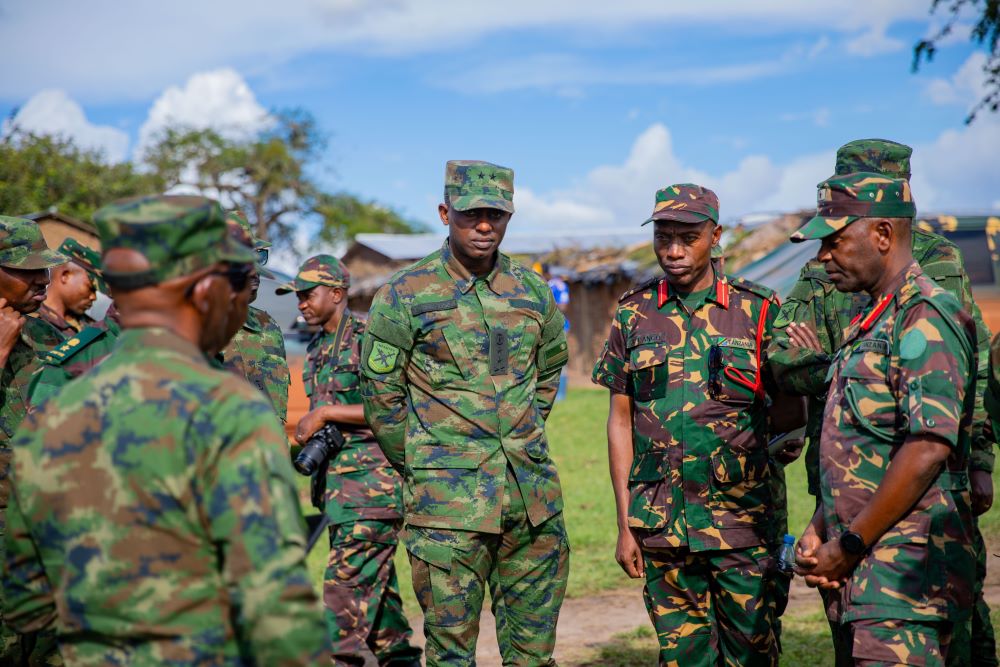
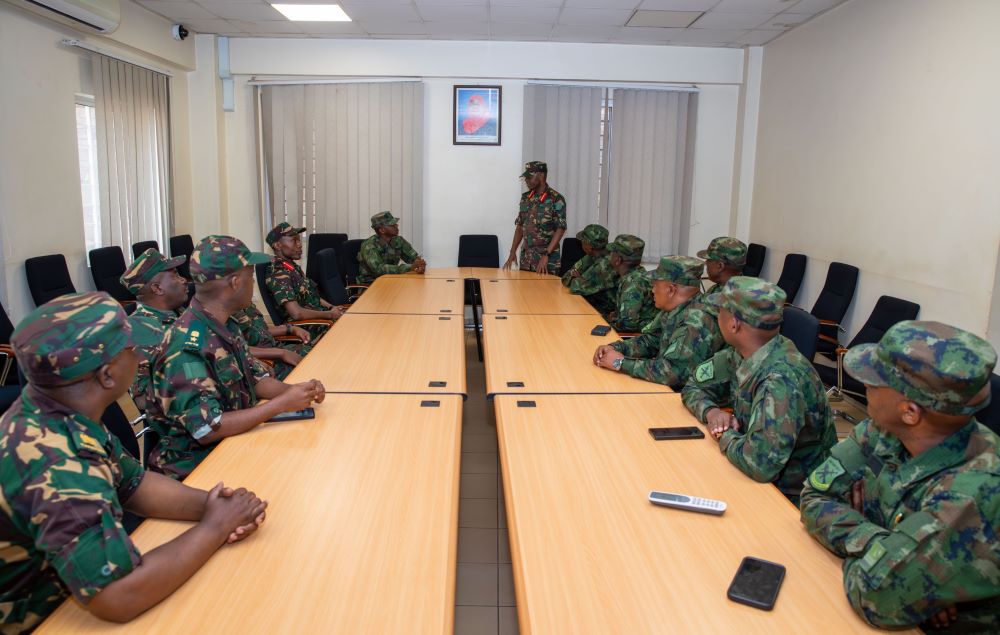
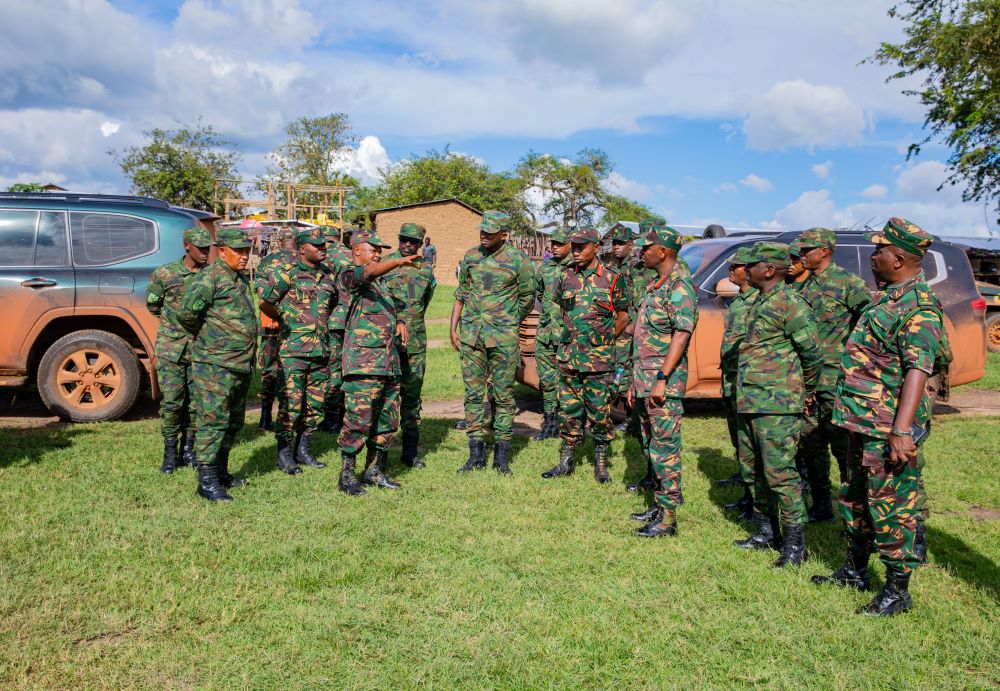
The three-day meeting, taking place from 24 to 26 March 2026, brings together the RDF 5th Infantry Division and the TPDF 202 Infantry Brigade, whose areas of responsibility lie along the shared border between Rwanda and Tanzania.
The RDF delegation is led by Major General Ruki Karusisi, Commander of the 5th Infantry Division, while the TPDF delegation is headed by Brigadier General Gabriel Elias Kwiligwa, Commander of the 202 Infantry Brigade.
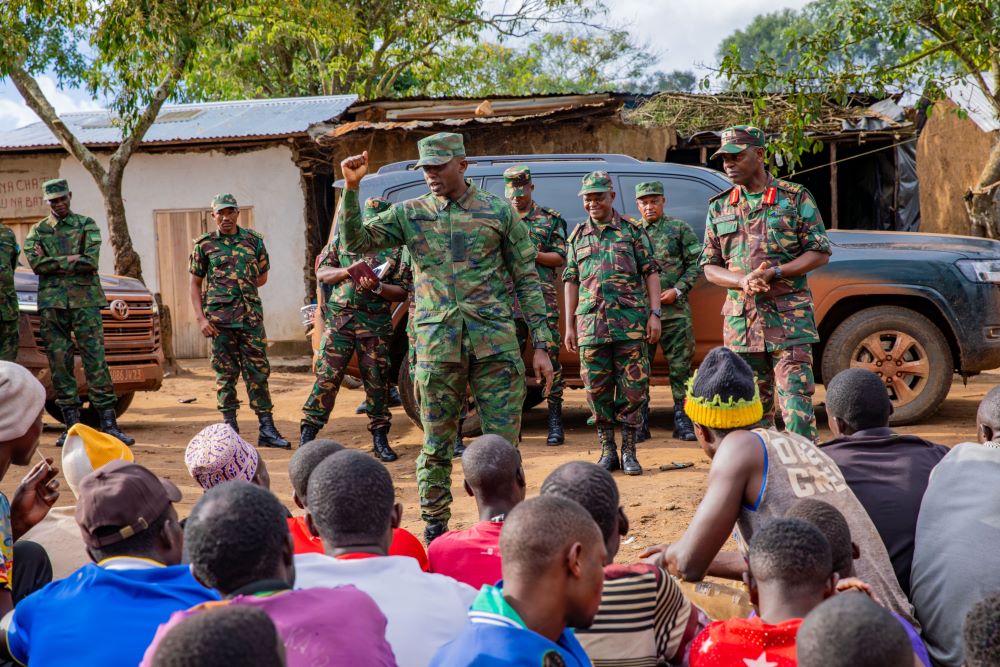
On the first day, commanders conducted joint field visits to key border areas to assess prevailing security challenges and engage with local communities. The visits focused on raising awareness about the dangers of illegal border crossings and unlawful fishing activities in shared water bodies.
The delegations visited border communities including Nyarubare and Katwe villages in Kyerwa District, as well as Nyakakoni Village in Kayisho Sector on the Tanzanian side, opposite Rwanda’s Rwimiyaga Sector.
These areas are characterized by porous borders, with lakes, rivers, and swamps, particularly the Akagera River frequently used for unauthorized crossings.
Commanders identified these locations as hotspots for smuggling and other illicit cross-border activities, emphasizing the urgent need to strengthen preventive measures and enhance joint efforts to curb illegal movements and improve overall border security.
Commanders interact with local communities to raise awareness on illegal border crossings and related risks.Delegations from RDF and TPDF conducted field visits to assess security conditions along the shared border.Military leaders from Rwanda and Tanzania engage in joint discussions during the Proximity Commanders’ meeting.RDF and TPDF officials inspected key border areas identified as hotspots for cross-border activities.
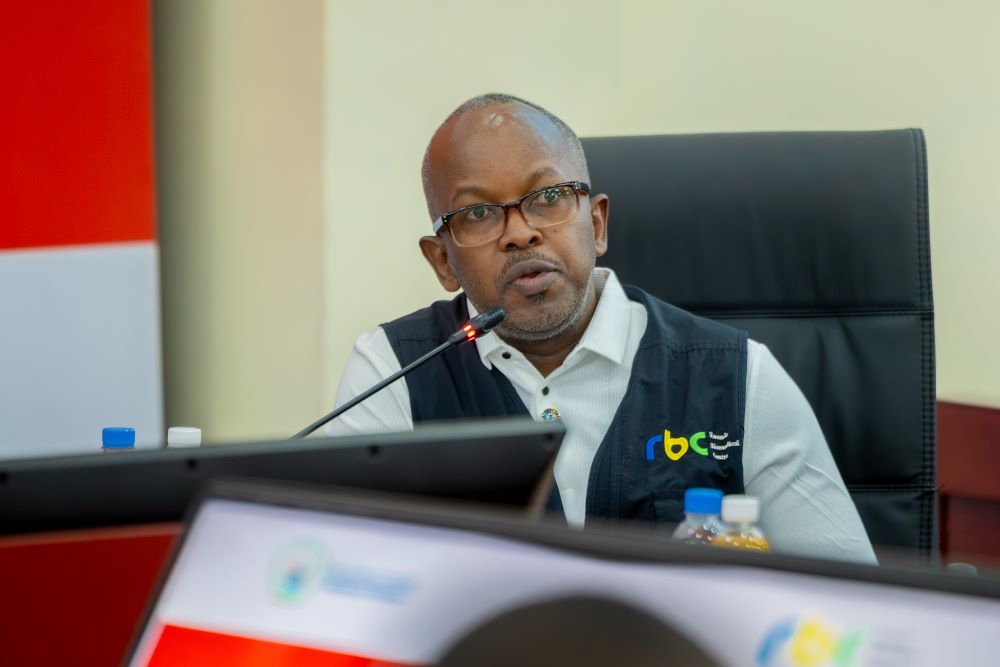
The Head of the Tuberculosis Division at the Rwanda Biomedical Centre (RBC), Dr. Habimana Mucyo Yves, said that although the disease has decreased compared to previous years, it has not been eliminated.
He made the remarks on March 23, 2026, during the national commemoration of World Tuberculosis Day held in Gasabo District.
“From July 2024 to June 2025, we recorded 8,196 TB patients. While the numbers have not significantly dropped, we are confident that through collaboration with community health workers, the disease can eventually be eradicated,” he said.
Dr. Habimana noted that one of the key strategies involves strengthening the role of community health workers in raising awareness about TB prevention and encouraging early testing.
He emphasized that 27% of all TB patients were referred to health facilities by community health workers, highlighting the progress made in combating the disease.
Tuberculosis remains among the top 10 causes of death globally and disproportionately affects people living with HIV.
The World Health Organization (WHO) Representative in Rwanda, Dr. Brian Chirombo, said that global data from 2024 shows that more than 10.7 million people contracted TB, with 1.23 million deaths, including 150,000 among people living with HIV.
In Rwanda, TB prevalence has significantly declined over the years, dropping from 238 cases per 100,000 people in 2000 to 62 cases per 100,000 in 2024.
Recent data from the National Institute of Statistics of Rwanda (NISR) also shows a general decline in TB-related deaths.
The mortality rate was 6.1% in 2019, 6.4% in 2020, rising to 7.9% in 2021, before dropping to 5.7% in 2022, 4.8% in 2023, and 4.5% in 2024.
Dr. Habimana said Rwanda aims to eliminate tuberculosis entirely by 2035, noting that advanced diagnostic tools such as chest X-ray machines are increasingly being used to detect the disease early.
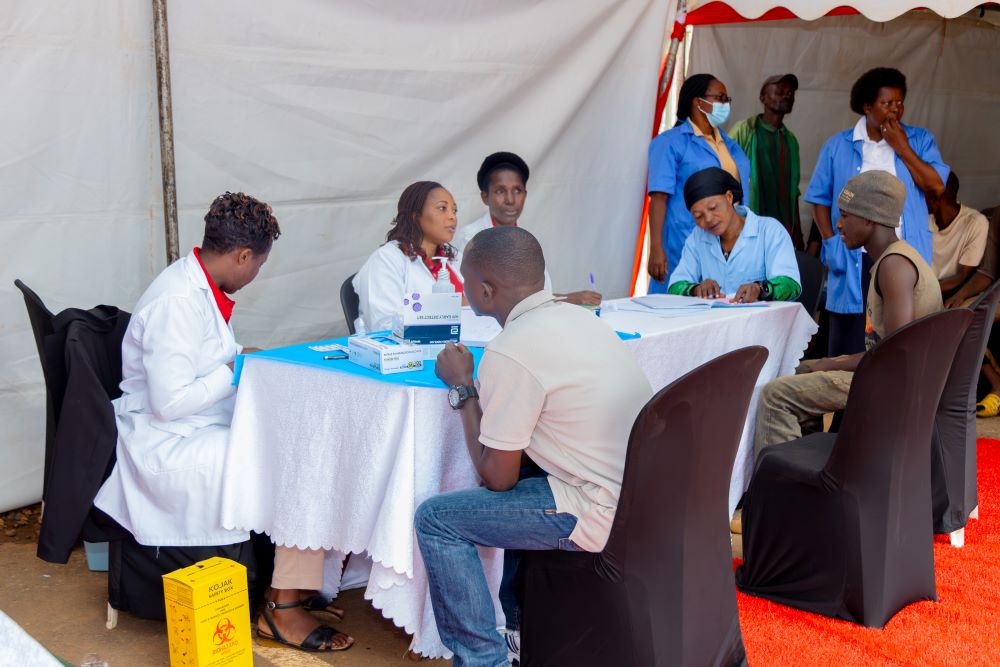
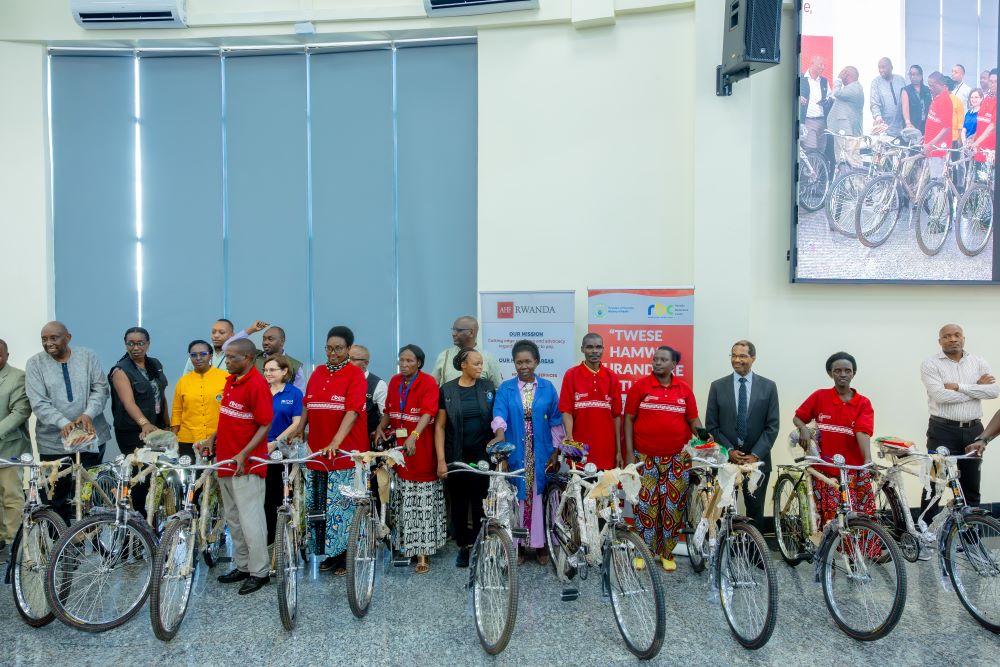
The Head of the Tuberculosis Division at the Rwanda Biomedical Centre (RBC), Dr. Habimana Mucyo Yves urged Rwandans not to be complacent as TB has not been eliminated.Outstanding community health workers received bicyclesThe event was an opportunity for participants to undergo TB check ups
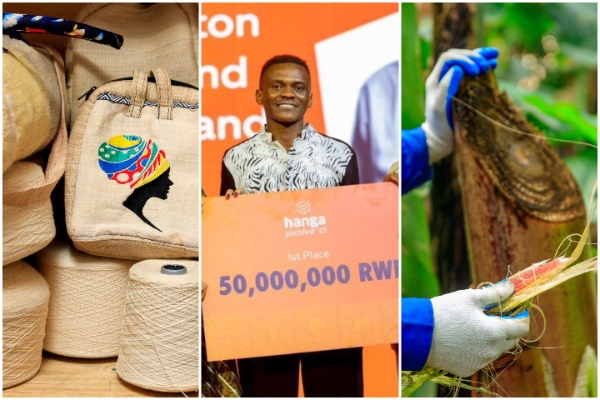
At the centre of that transformation is Jonathan Shauri Kalibata, a mechanical engineer trained at Rwanda Polytechnic and the founder of Re-Banatex, a startup turning discarded banana stems into textile fibres. His work recently gained national attention after winning Hanga Pitch Fest 2025, a platform organised by the Ministry of ICT and Innovation (MINICT) and the Rwanda Development Board, with support from partners including UNDP.
For Shauri, the idea did not begin in a lab, but in memory.
Growing up, banana stems were part of everyday life, playthings, discarded remnants, and later, invisible waste. Years later, that same material would become the raw input for an emerging textile innovation.
“Banana plants only produce fruit once,” he explains. “After harvesting, the stems are usually thrown away without any economic value. We are giving them that value.”
Re-Banatex turns banana stems into textile fibres.
From agricultural waste to industrial input
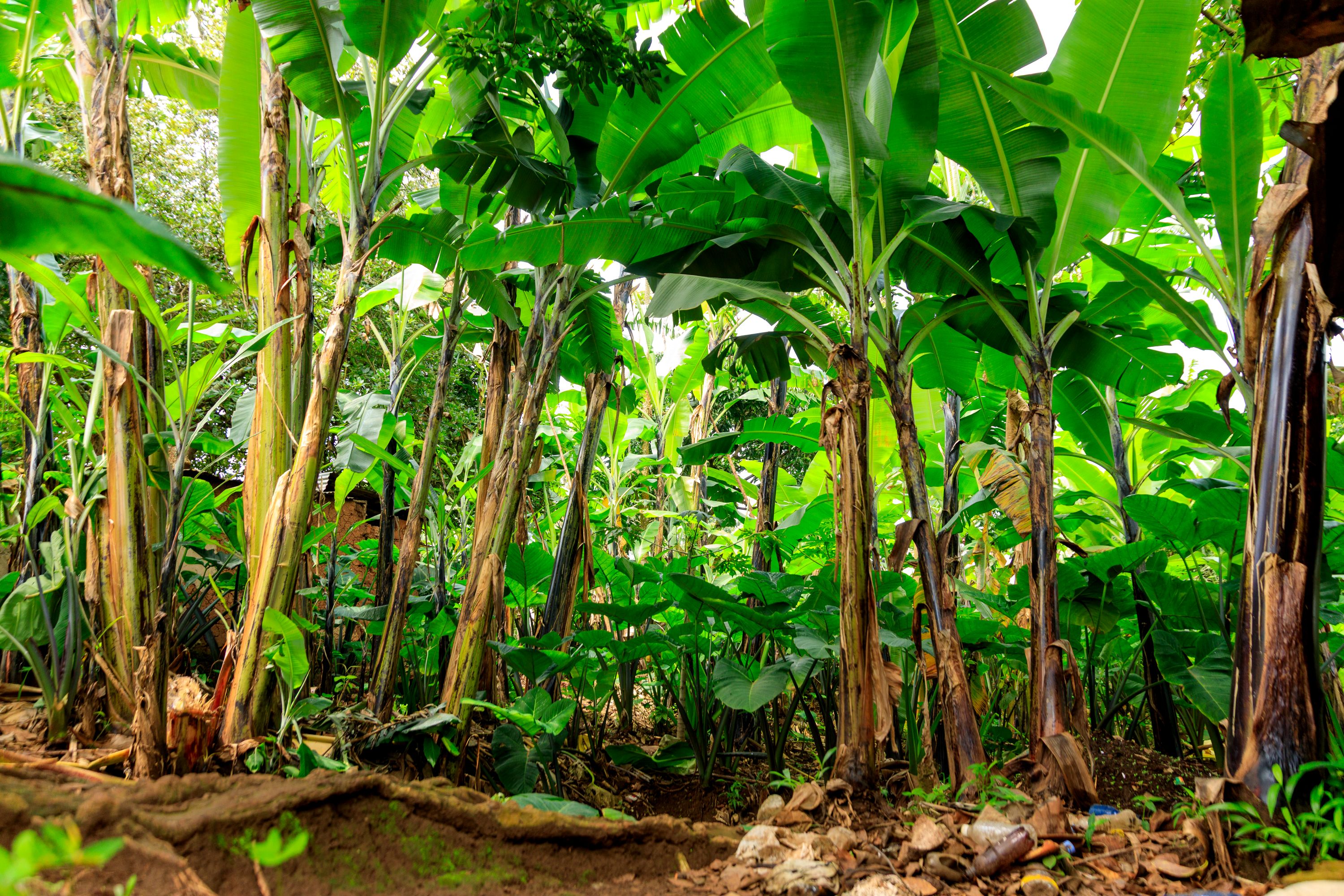
Rwanda’s position as one of the region’s major banana producers means large volumes of post-harvest biomass are generated daily. Traditionally left to decompose or be discarded, these stems are now being reclassified by Re-Banatex as a resource rather than waste.
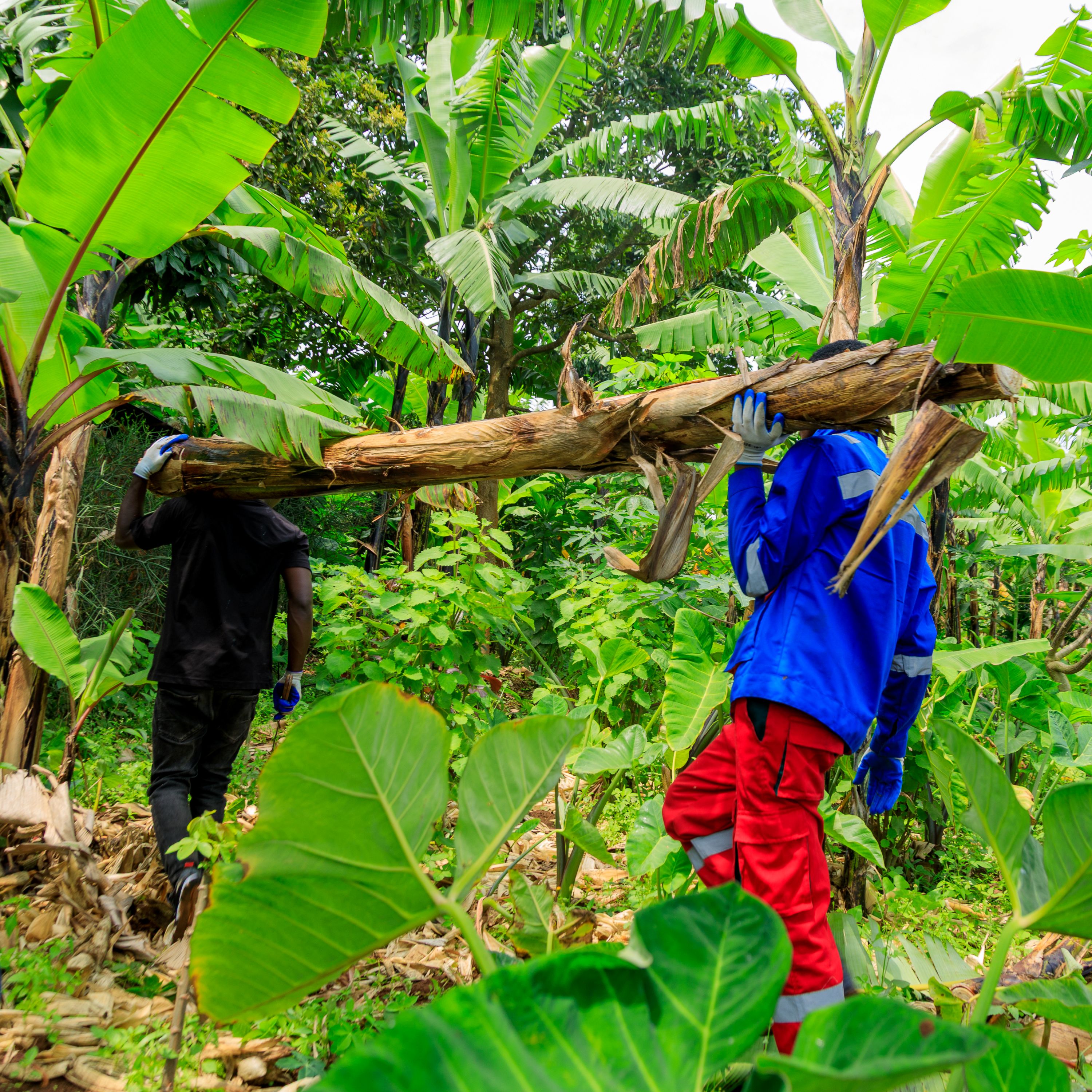
The process begins at the farm level. Re-Banatex works directly with banana farmers, purchasing stems after harvest at a rate of 100 Rwandan francs per meter. The arrangement is simple but impactful, allowing farmers to earn income from material that previously had no market value, while the company secures its primary raw input.
Rather than relying on dried material, the startup uses fresh banana stems. According to Shauri, fresh stems yield stronger fibres, which are better suited for textile production.
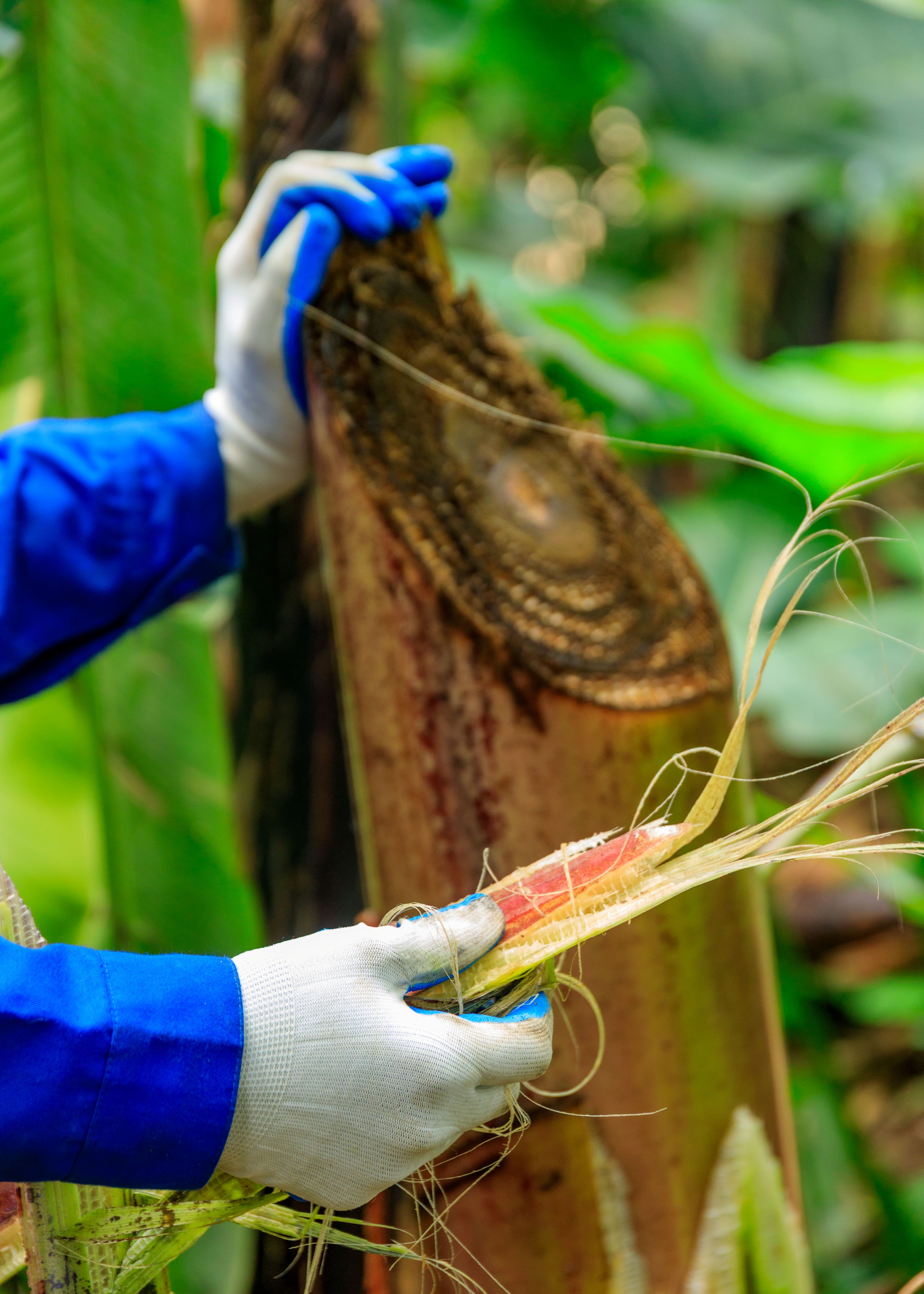
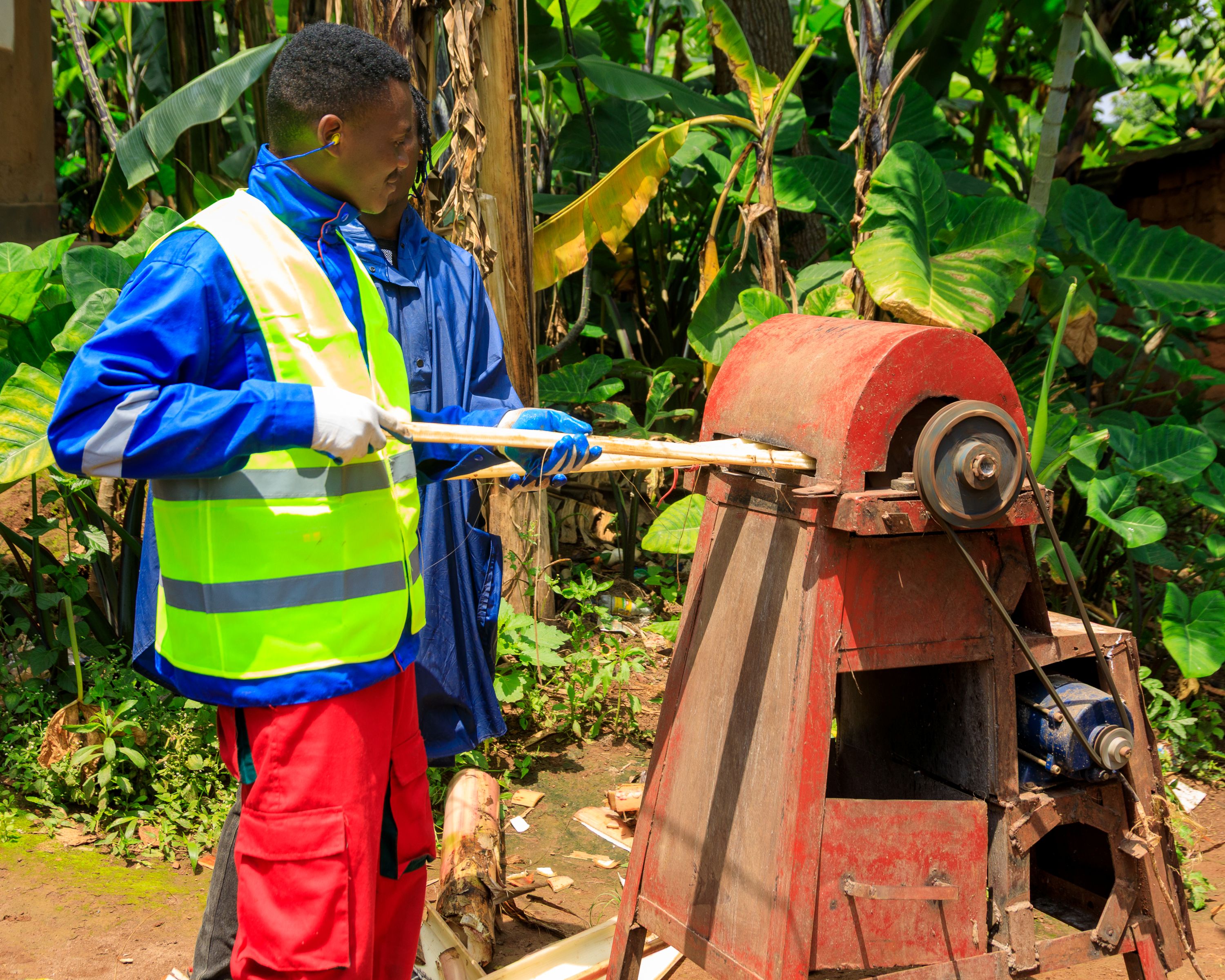
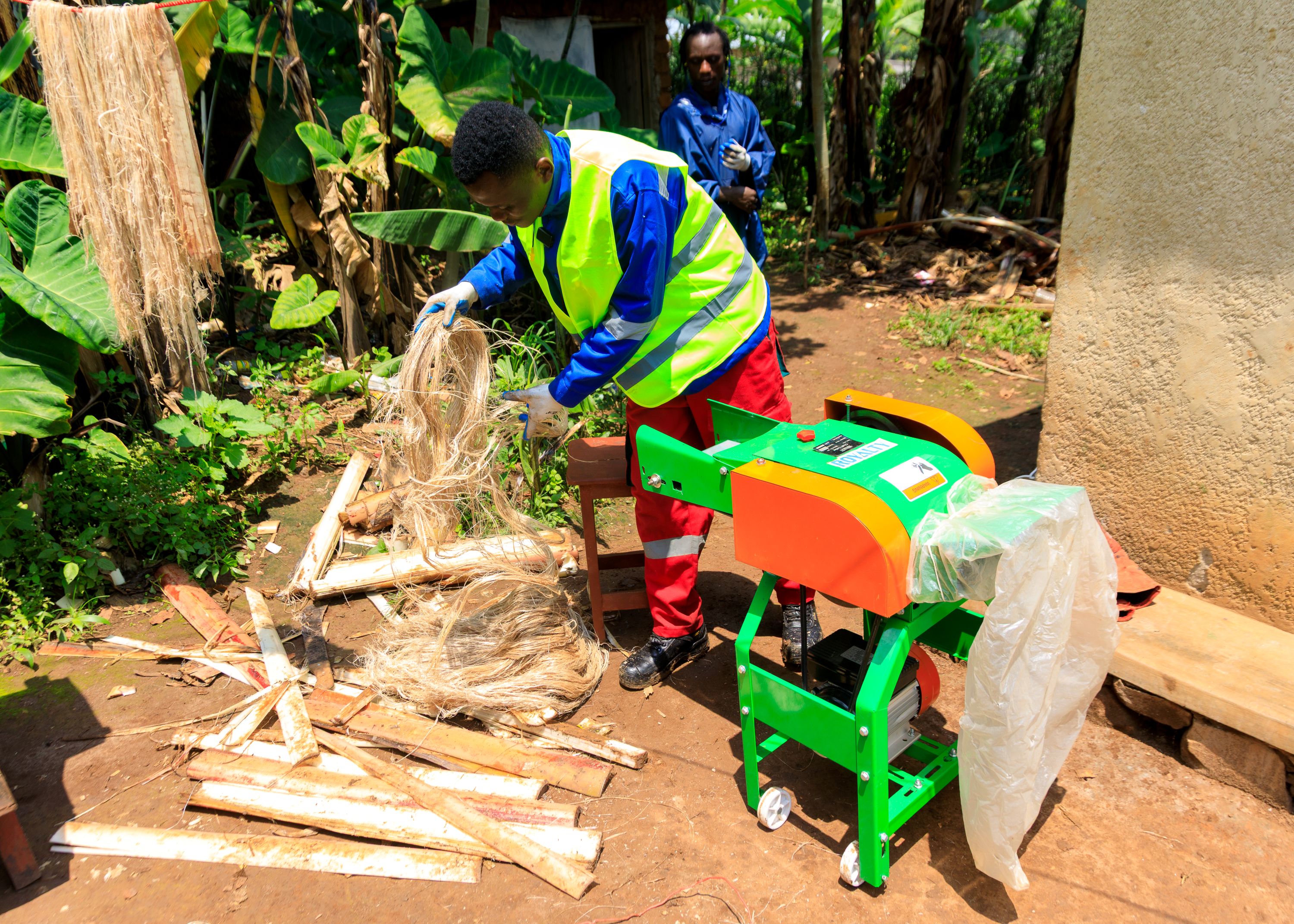
Once collected, the stems are transported to processing sites where fibres are extracted. Initially, this process was manual with workers physically beating the stems to reveal the fibres inside. Over time, the team engineered machinery to improve efficiency and consistency.
Re-Banatex buys banana stems that were often discarded by farmers.
Engineering a new material
What begins as a thick, water-rich stem is transformed through a multi-stage process into usable fibre. The stems contain multiple layers, each with potential applications, though Re-Banatex continues to explore ways to utilise even the inner portions more effectively.
After extraction, the fibres are dried and processed into a softer form suitable for blending. This intermediate material is then mixed with cotton and spun into yarn, which can be woven into fabric using loom machines.
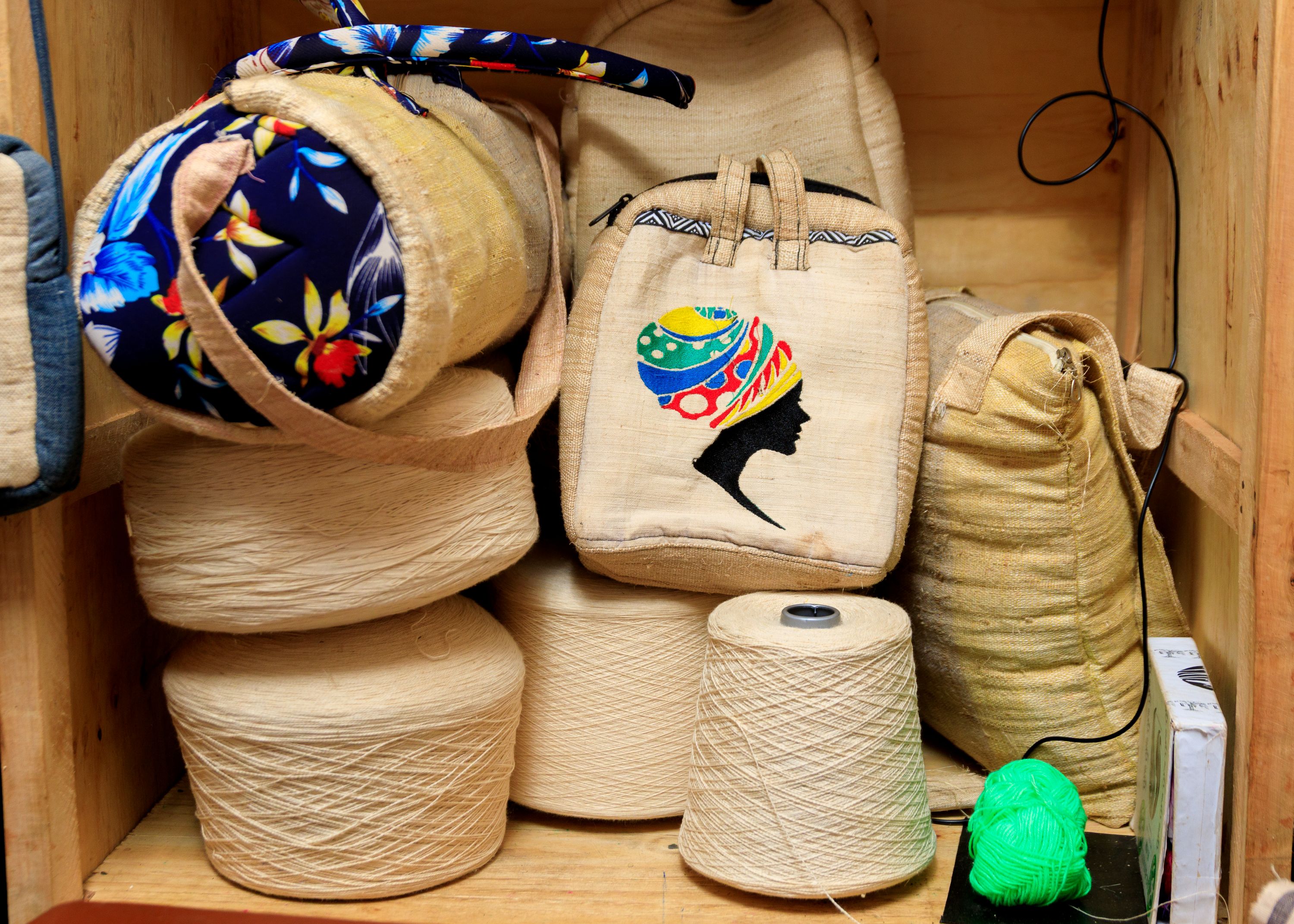
The result is a plant-based textile that can be used in a range of products, including bags and shoes to carpets and garments.
Shauri notes that the company is still expanding its material applications, reflecting the experimental nature of the innovation.
Rather than relying on dried material, the startup uses fresh banana stems. According to Shauri, fresh stems yield stronger fibres, which are better suited for textile production.
Trial, error, and iteration
Re-Banatex’s journey has not been linear.
The team’s first fabric prototype, Shauri recalls, was far from market-ready. It was stiff, rough, and visually unappealing. But rather than discouraging the team, it became a turning point.
“It was very bad,” he admits. “But it gave us feedback that pushed us to improve.”
That early failure led to experimentation with blending banana fibres with other materials, including cotton. The goal, as Shauri recalls, was to improve texture, durability, and usability while maintaining sustainability.
The company also began exploring ways to repurpose byproducts from the extraction process. The residual material left after fibre extraction is not wasted as it can be used as fertiliser, animal feed, or even for mushroom cultivation.
The textile material extracted from banana stems is used in the fashion value chain to make products such as bags.
Building a circular value chain
Beyond the technical process, Re-Banatex is building a value chain that connects farmers, engineers, and designers.
Farmers benefit from an additional income stream. Designers gain access to locally produced, eco-friendly materials. And the startup positions itself at the intersection of agriculture, manufacturing, and sustainability.
“We bring banana farmers, fashion designers, and other stakeholders together,” Shauri says.
The company’s products, including woven fabrics and finished goods like bags, are already being introduced to local designers. These collaborations are helping test market acceptance while refining product quality.
Like many early-stage innovations, Re-Banatex has faced resistance. Introducing a new material into a market accustomed to synthetic and imported textiles has required persistent education and outreach. Early reactions from designers were sceptical, particularly when presented with initial fabric samples.
At the same time, scaling production and transitioning from manual to industrial processes has been a technical and financial challenge.
There were moments of doubt.
“At some point, I felt like giving up,” Shauri reflects. “But innovation requires resilience.”
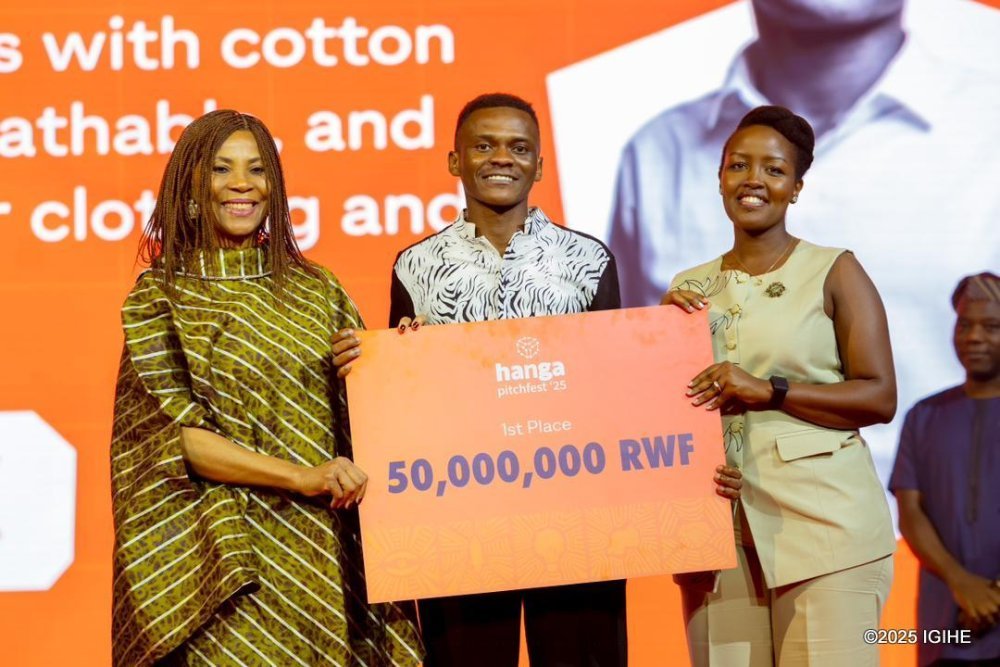
The co-founder says winning Hanga Pitchfest 2025 marked a significant milestone for Re-banatex.
Recognition and momentum
Winning Hanga Pitchfest 2025 marked a significant milestone for Re-banatex. As one of the Rwandan government’s premier innovation platforms, the competition has empowered hundreds of startups since its inception in 2021 by bridging the gap between raw ideas and market readiness. To date, it has disbursed over Rwf 600 million in direct grants, providing the critical capital and mentorship needed for entrepreneurs to scale their solutions.
For Re-Banatex, the prize of 50 million Rwandan francs extends beyond financial support. It represents validation from institutions such as MINICT and the Rwanda Development Board, signalling confidence in the startup’s potential.
Shauri says the recognition is already accelerating the company’s transition toward industrial-scale production. The start-up is in the process of importing new machinery to automate processes such as fibre carding and spinning, with plans to fully industrialise operations within months.
Re-Banatex is in the process of importing high-tech machinery to replace their mechanical processes as they look to fully industrialise their idea.
Aligning with “Made in Rwanda”
Re-Banatex’s ambitions extend beyond entrepreneurship. The company sees itself as contributing to Rwanda’s broader industrial and sustainability goals, particularly within the “Made in Rwanda” agenda.
By sourcing raw materials locally and reducing reliance on imported synthetic fibres, the startup is attempting to close gaps in the textile value chain.
“In the future, we want ‘Made in Rwanda’ to truly mean made from Rwanda’s own resources,” Shauri explains.
Over the next five to ten years, Re-Banatex aims to position itself as a leading player in eco-friendly textile manufacturing in Rwanda and across Africa. The vision includes expanding production capacity, improving material quality, and influencing a shift toward sustainable alternatives in the fashion industry.
For now, the journey continues, rooted in experimentation, driven by local resources, and sustained by a belief that waste can be transformed into value.
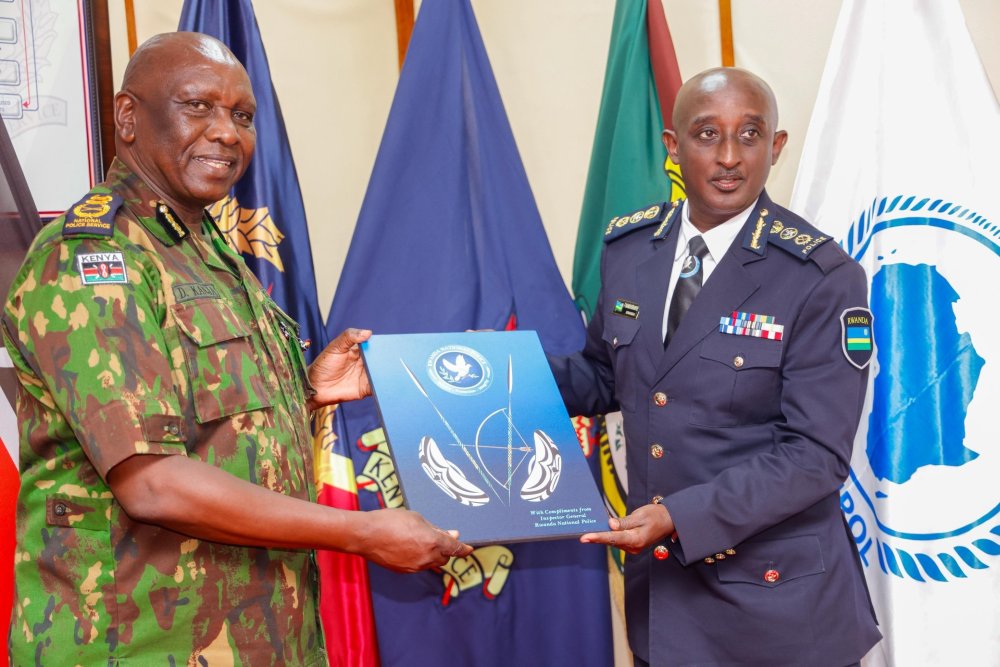
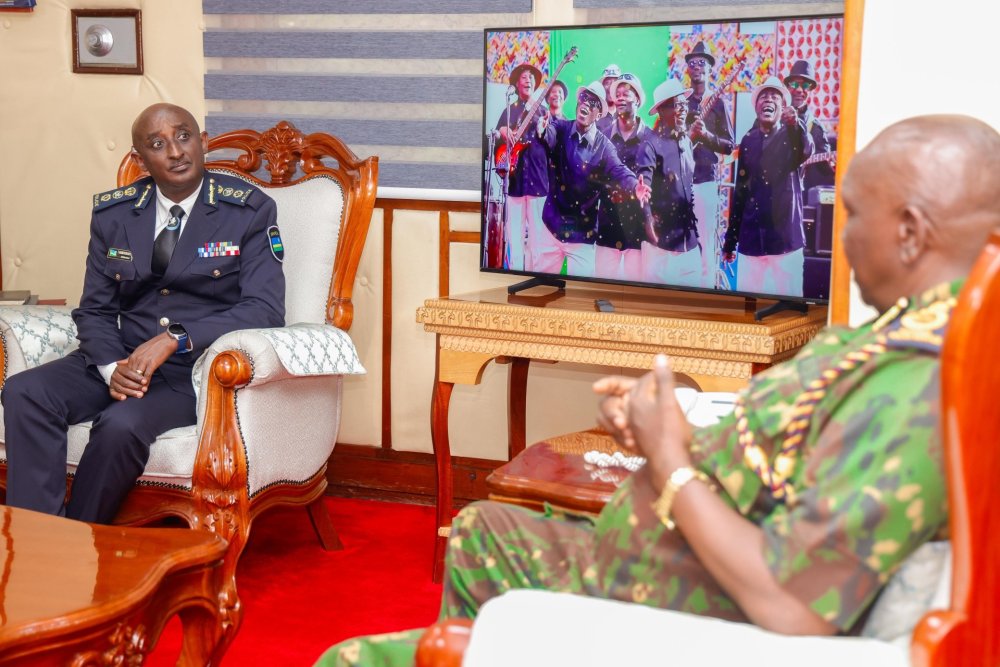
The discussions between CG Felix Namuhoranye and Douglas Kanja took place on March 24, 2026, in Nairobi, Kenya.
Their talks focused on areas of mutual interest in policing and explored ways to further strengthen the existing cooperation between the Rwanda National Police and the Kenya National Police Service.
Both Police chiefs also discussed the preparation of a cooperation agreement and agreed to work together on combating cross-border and emerging crimes.
CG Namuhoranye and his delegation also toured Police Training Institutions in Kenya, including the National Police Service Senior Staff College–Emali and the National Police College–Kiganjo. At both institutions, the IGP interacted with directing staff and trainees to align training programmes with the contemporary, evolving policing environment.
CG Felix Namuhoranye also invited his counterpart to attend events in May when the Rwanda National Police will celebrate its 25th anniversary.
Rwanda and Kenya already collaborate in various sectors, including security. In November 2026, the Chief of the Kenya Defence Forces, Gen Charles Muriu Kahariri, visited Rwanda and held talks with his Rwandan counterpart, Gen Mubaraka Muganga.
The discussions between CG Felix Namuhoranye and Douglas Kanja took place on March 24, 2026, in Nairobi, Kenya.The Inspector General of Rwanda National Police (IGP), CG Felix Namuhoranye is on an official working visit to Kenya, where he held talks with his Kenyan counterpart, Douglas Kanja.
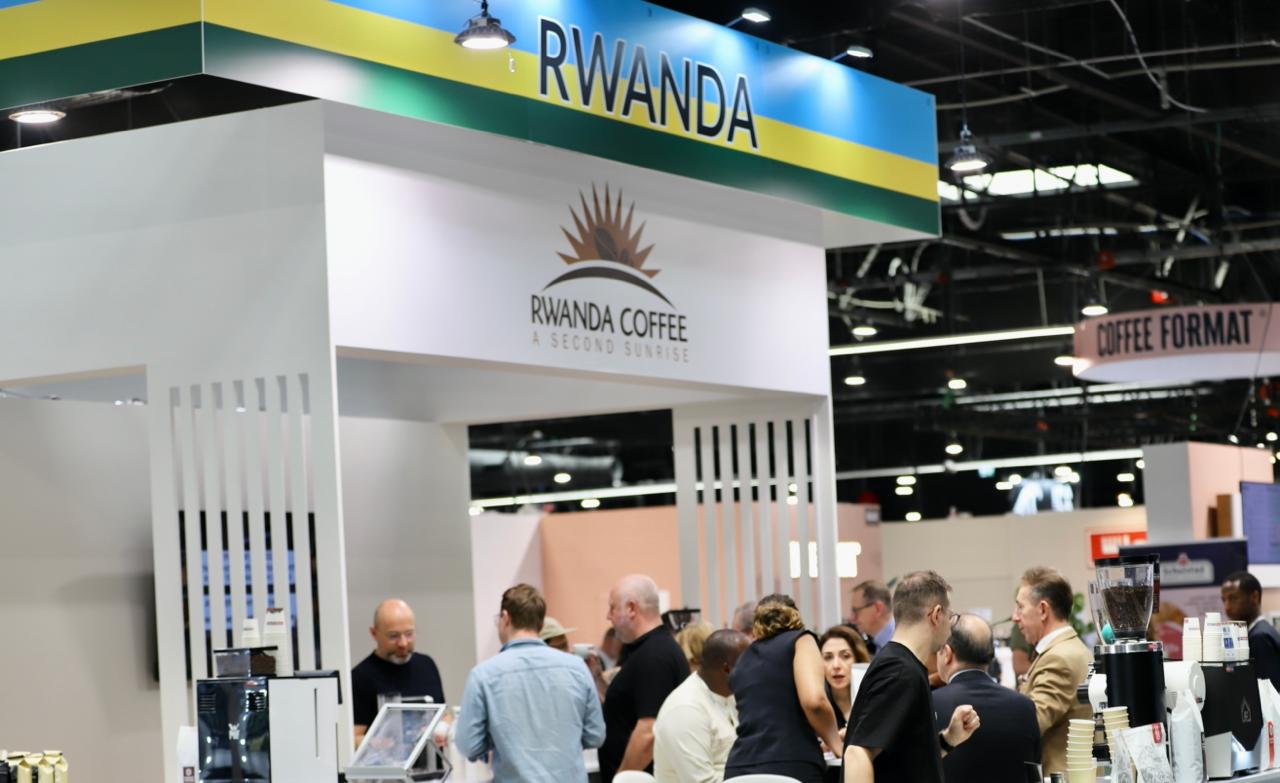
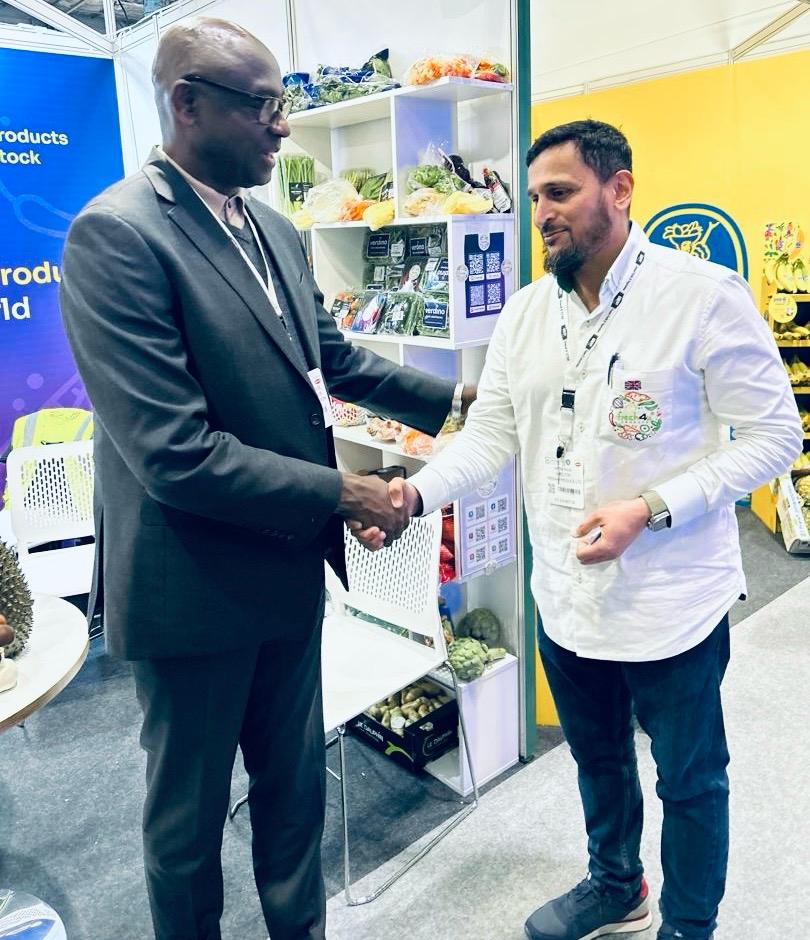
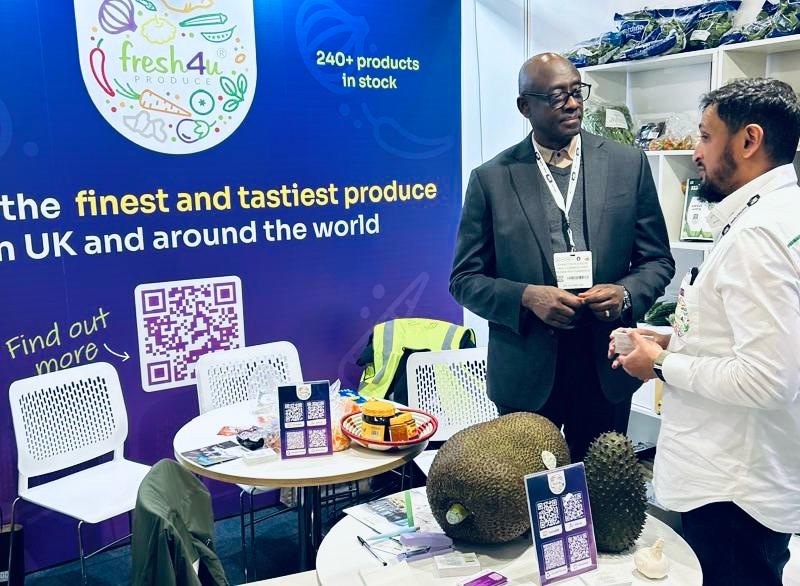
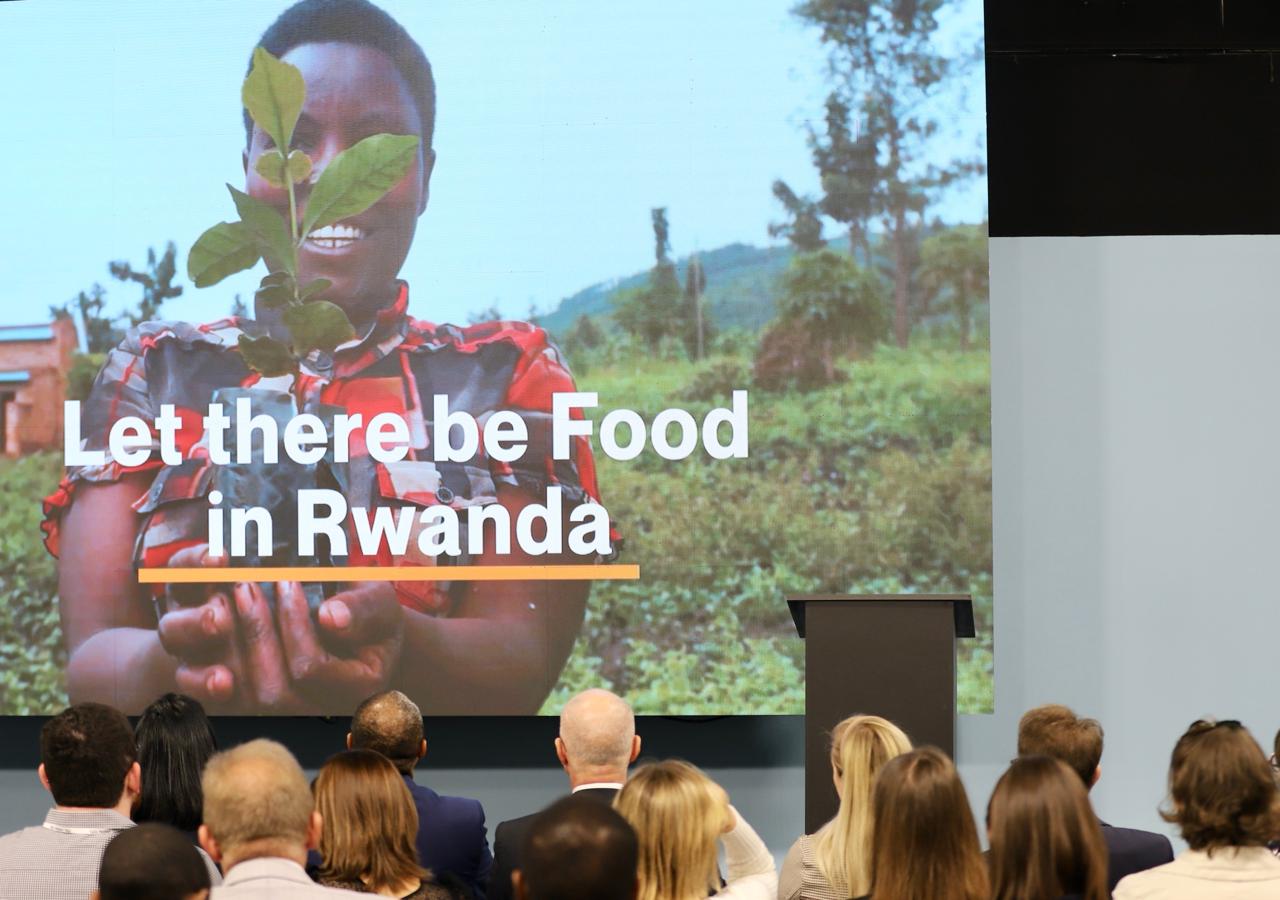
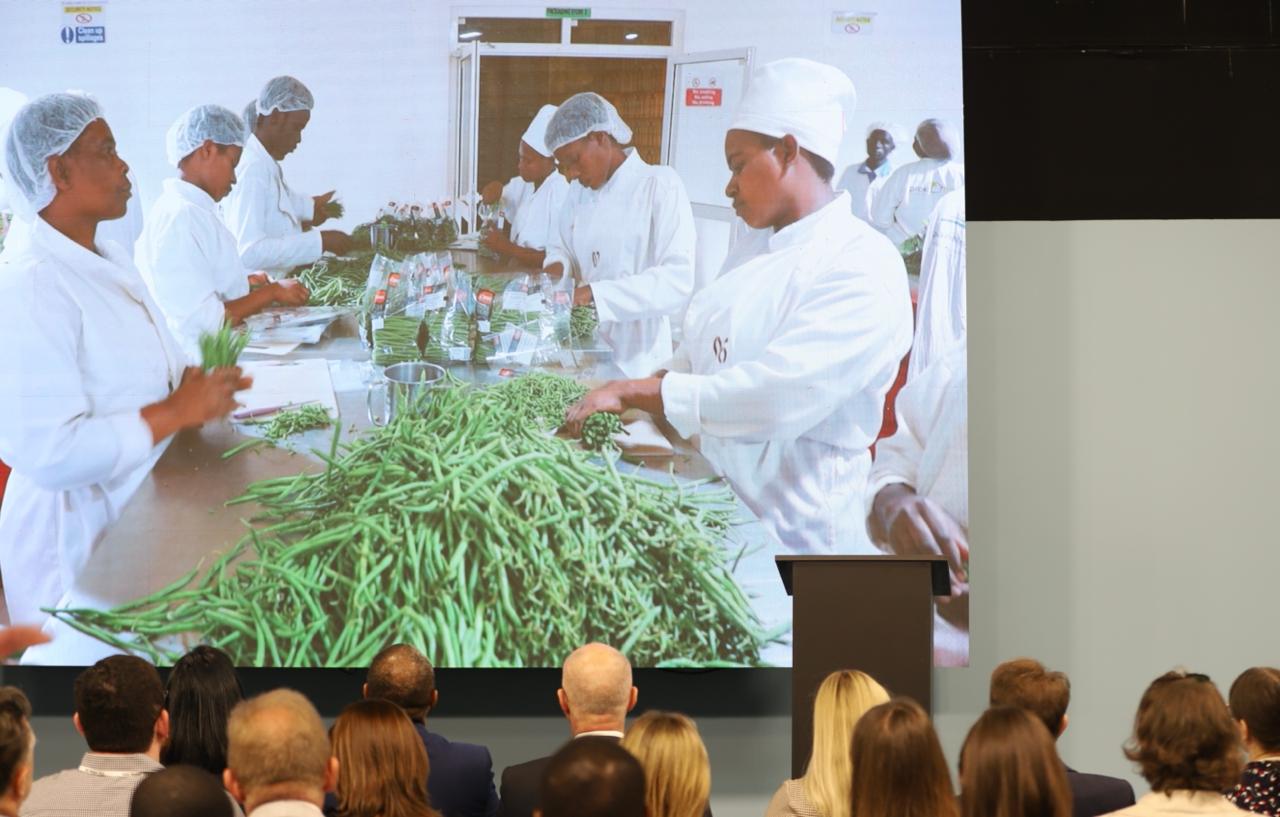
Rwanda is set to take part in the International Food & Drink Event (IFE) for the second time, with this year’s edition scheduled from March 30 to April 1 at ExCeL London. The country’s renewed participation highlights its growing ambition to establish itself as a credible and competitive player in the global agri-food market.
A delegation of representatives from Rwandan companies is expected to travel to London for the event, showcasing a range of locally produced goods and engaging directly with international partners.
Rwanda’s participation will be coordinated by the Embassy of Rwanda in the United Kingdom, in collaboration with the National Agricultural Export Development Board (NAEB).
Considered one of the leading B2B events in the sector, IFE brings together thousands of professionals from the food, beverage, and hospitality industries each year. For Rwanda, this platform represents far more than just visibility, it serves as a strategic lever to boost exports, build new partnerships, and showcase the quality of its products on the international stage.
Building on a first successful participation, the country returns with a clearer vision. The objective is to capitalize on previous experience, increase its visibility, and sustainably position its products, particularly coffee and tea, among international buyers and distributors.
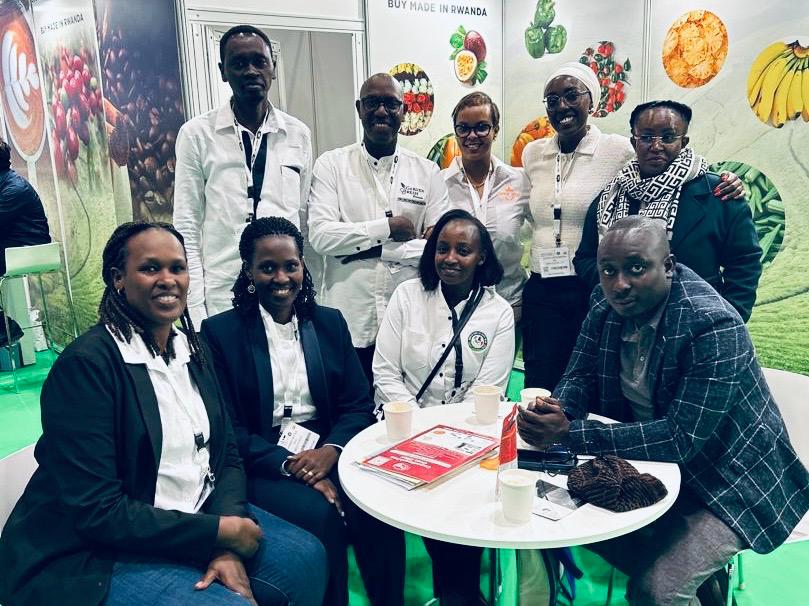
In the lead-up to the exhibition, Rwandan women entrepreneurs will also take part in the SheTrades Rwanda – UK Study Visit, scheduled from March 25 to 28, 2026. Organized under the SheTrades Commonwealth+ Programme and implemented by the International Trade Centre (ITC), this initiative will bring together 16 women-led businesses from the agrifood and coffee sectors.
During the study visit, participants will engage in market visits across London and Birmingham, meet UK-based buyers, and gain first-hand insights into market entry requirements, consumer trends, and business practices. The programme aims to strengthen their export readiness and expand their international networks ahead of IFE 2026.
At the heart of Rwanda’s broader strategy is a strong commitment to promoting a national know-how that is continuously evolving, supported by initiatives aimed at improving product quality, traceability, and local value addition. This approach aligns with broader efforts to move up the value chain and diversify export markets.
By participating in IFE 2026, and through complementary initiatives such as the SheTrades study visit, Rwanda is embracing a proactive approach, leveraging major international platforms to accelerate its integration into global value chains. Beyond mere presence, this participation highlights the country’s increasingly assertive positioning within the global agri-food landscape.
Rwanda pavilion at the previous edition of IFE in London (Illustration photos)