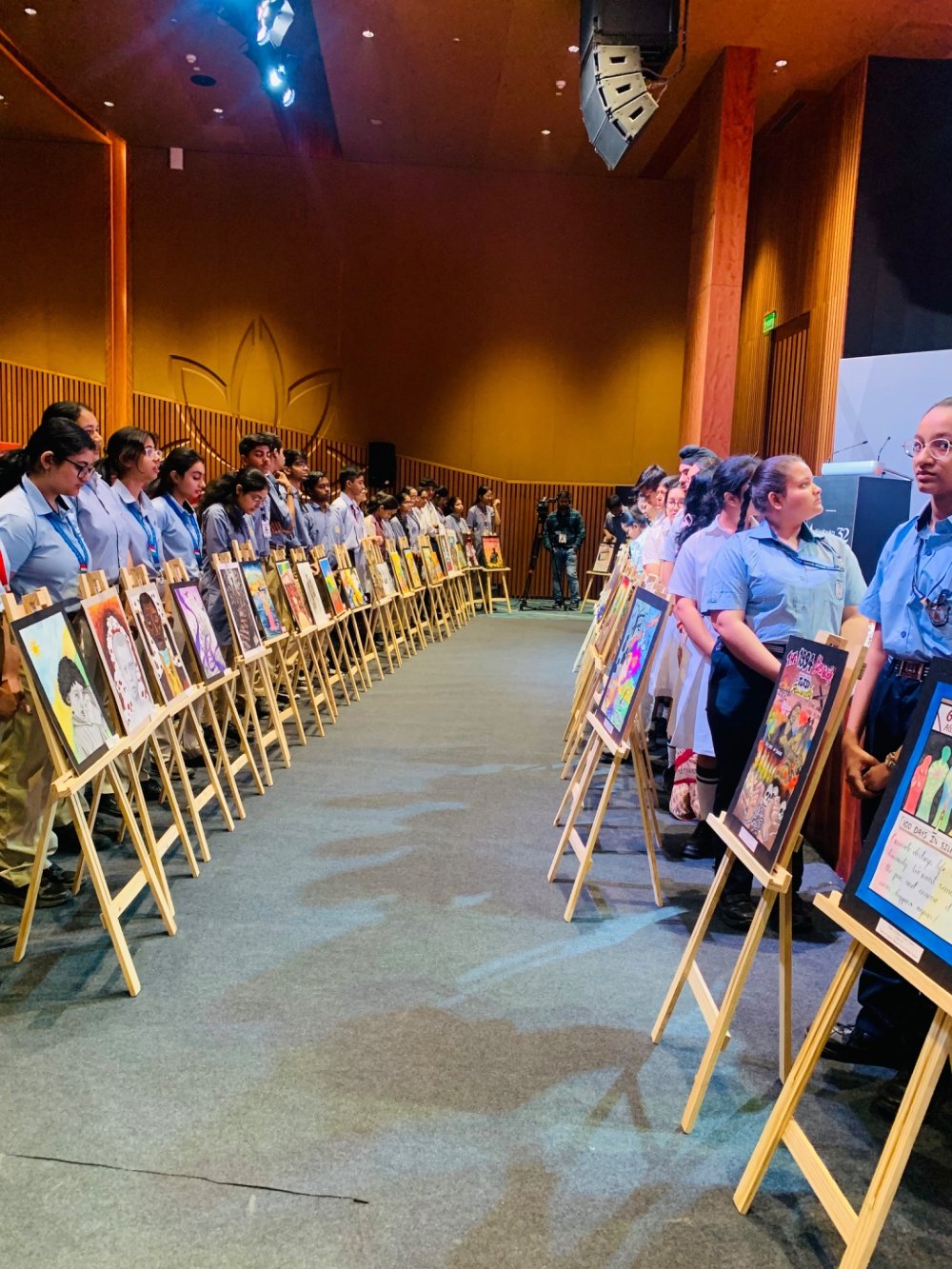
The exhibition took place on the morning of April 7, 2026, in the hall where the 32nd commemoration of the Genocide against the Tutsi was held.
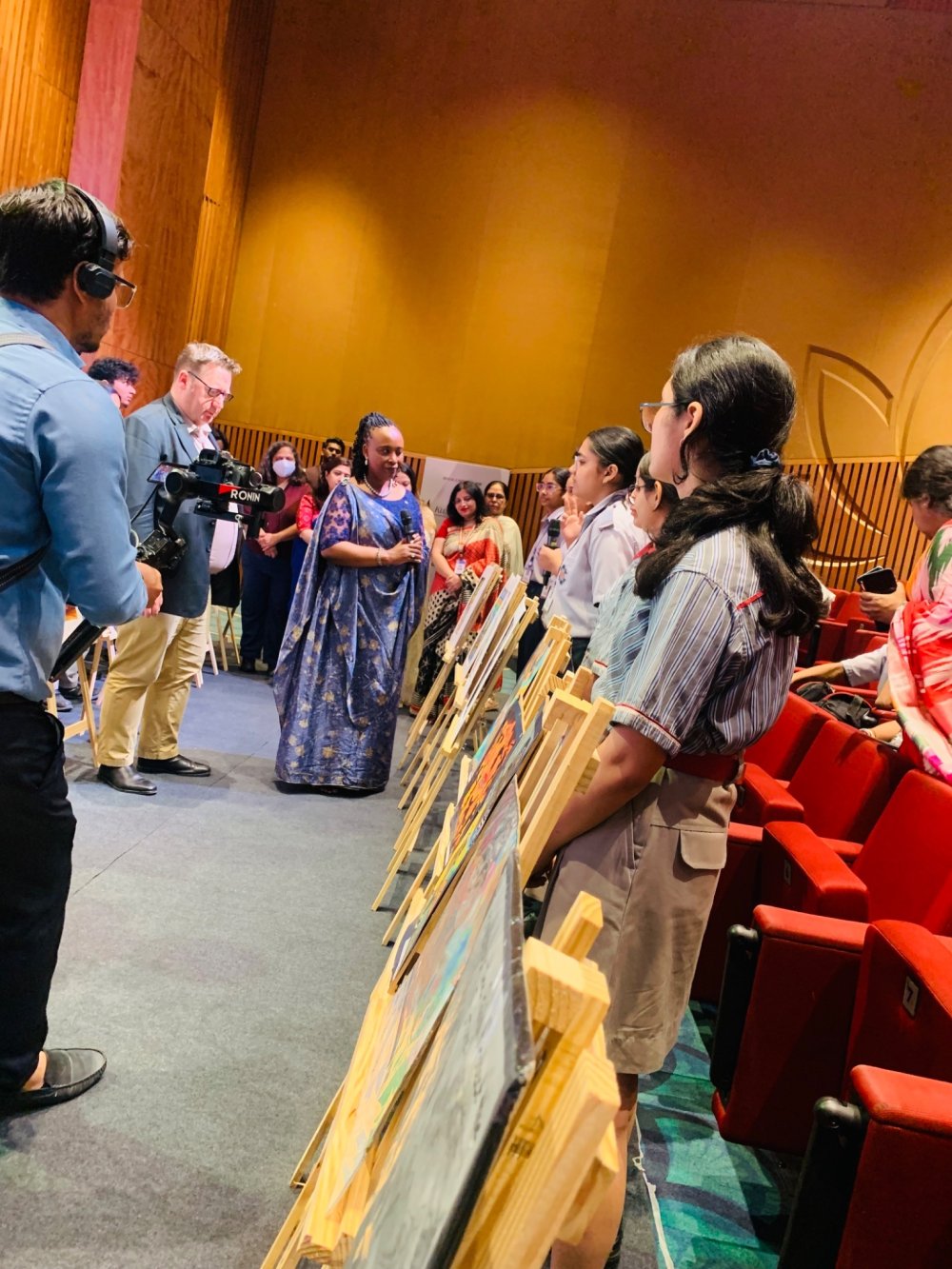
The Rwandan Embassy in India reported that officials, including Rwanda’s High Commissioner to India, Jacqueline Mukangira, the Head of the UN Mission in India, Darrin Farrant, and school teachers, were given an introduction and explanation of the messages conveyed through the students’ works.
April 7 is observed annually as the International Day of Reflection on the 1994 Genocide against the Tutsi. This year marks the 32nd commemoration, when Rwandans and the global community remember the genocide.
In Rwanda, the 32nd Commemoration Week has begun nationally, alongside 100 days of remembrance activities.
Students in India on the morning of April 7, 2026, displayed artworks commemorating the 32nd anniversary of the 1994 Genocide against the Tutsi.
On April 7, 2026, Rwanda, alongside the international community, began the 32nd commemoration of the 1994 Genocide against the Tutsi.
MINUBUMWE stated that the Commemoration Week officially begins at the Kigali Genocide Memorial, which also hosts the national-level Kwibuka ceremony.
On the evening of April 7, a “Walk to Remember” will start in Gasabo District and conclude at BK Arena, where the Evening of Remembrance will take place.
At the community level, commemorative activities will include talks and guidance on the day’s messages. MINUBUMWE emphasized that after the Kwibuka activities, all regular work and services may continue as usual.
Essential services, such as pharmacies, hospitals, and health centers, will remain operational to serve the public, and hotels are allowed to continue providing services to their guests.
At the village level, no additional talks are planned during the Commemoration Week, except for those scheduled on April 7.
On April 11, 2026, in Kigali’s Kicukiro District, another Walk to Remember will start at IPRC/Kicukiro and conclude with an Evening of Remembrance at the Nyanza Genocide Memorial.
MINUBUMWE also stated that commercial activities, individual sports, team training, and other income-generating activities are allowed to continue throughout the Commemoration Week.
The ministry further announced that during Commemoration Week, the national flag will be flown at half-mast.
On April 13, 2026, the Commemoration Week will conclude at the Rebero Genocide Memorial at the national level. On that day, political figures who were killed for opposing the genocide will also be remembered.
The ministry clarified that no additional district-level closing activities are planned. It also reminded organizers that Kwibuka ceremonies should not exceed three hours.
Remembrance activities in government institutions, private organizations, businesses, and foreign embassies in Rwanda will be held on designated days between April 8 and July 3, 2026, with talks led by knowledgeable facilitators.
Schools will organize special remembrance days with lectures, visits to memorial sites, and activities aligned with Kwibuka program once students return from holidays.
It was also emphasized that evening vigils held before Kwibuka ceremonies or genocide victim burials should conclude by 10:00 p.m.
After the Commemoration Week, all remembrance symbols will be lowered, but may be reused only for specially organized genocide remembrance events.
During the 32nd commemoration of the Genocide against the Tutsi, Rwandans, particularly the youth, are encouraged to actively participate in remembrance activities and follow commemorative programs broadcast on radio, television, and social media.
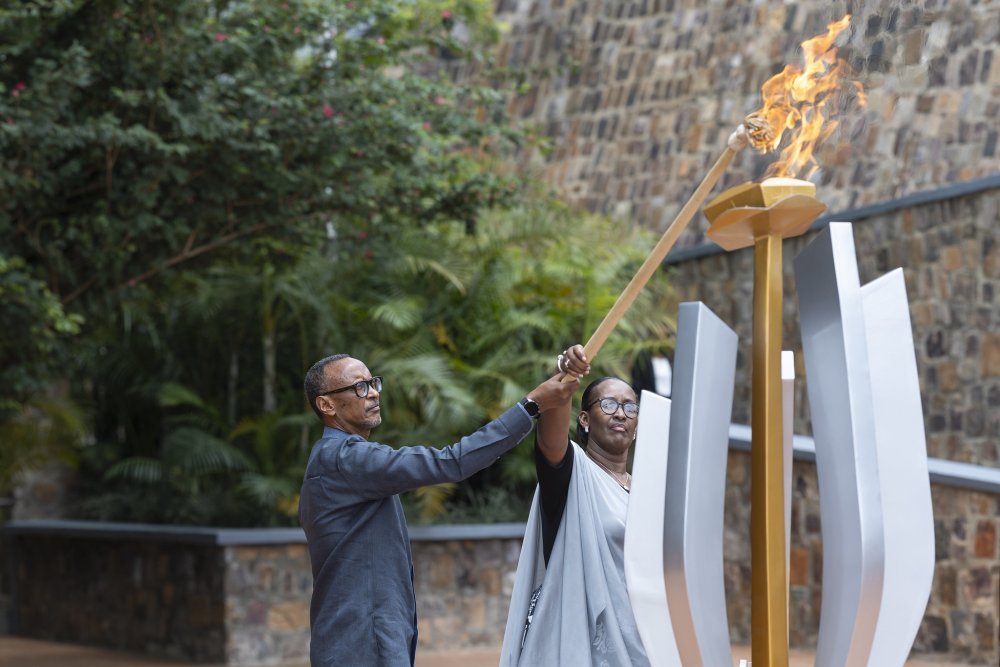
President Kagame and First Lady Jeannette Kagame lighting the Flame of Hope in 2025 during the 31st commemoration of the Genocide against the Tutsi.
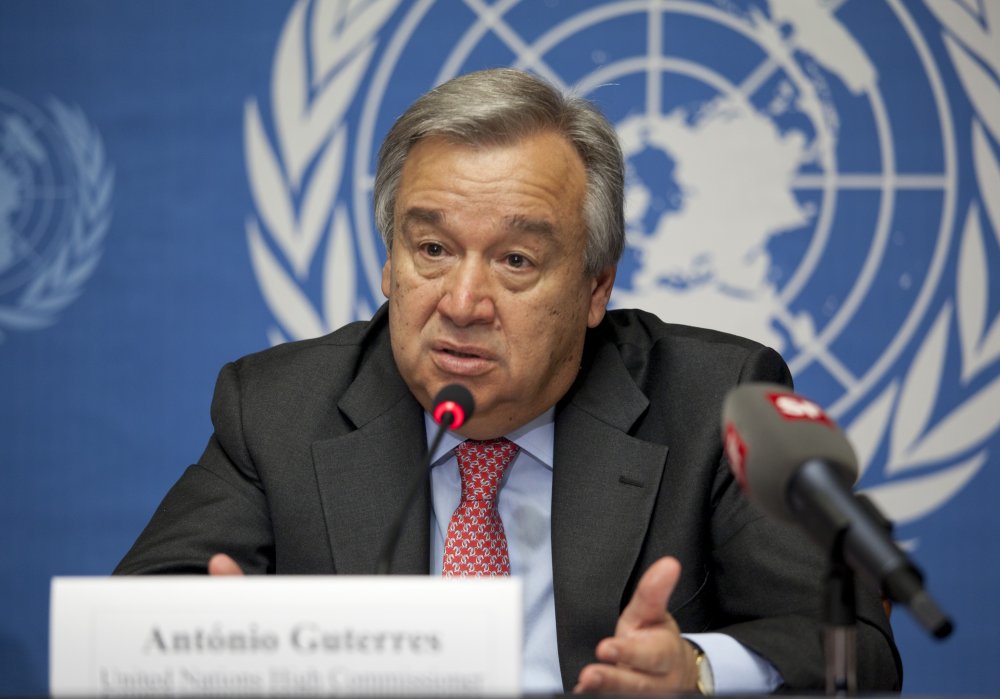
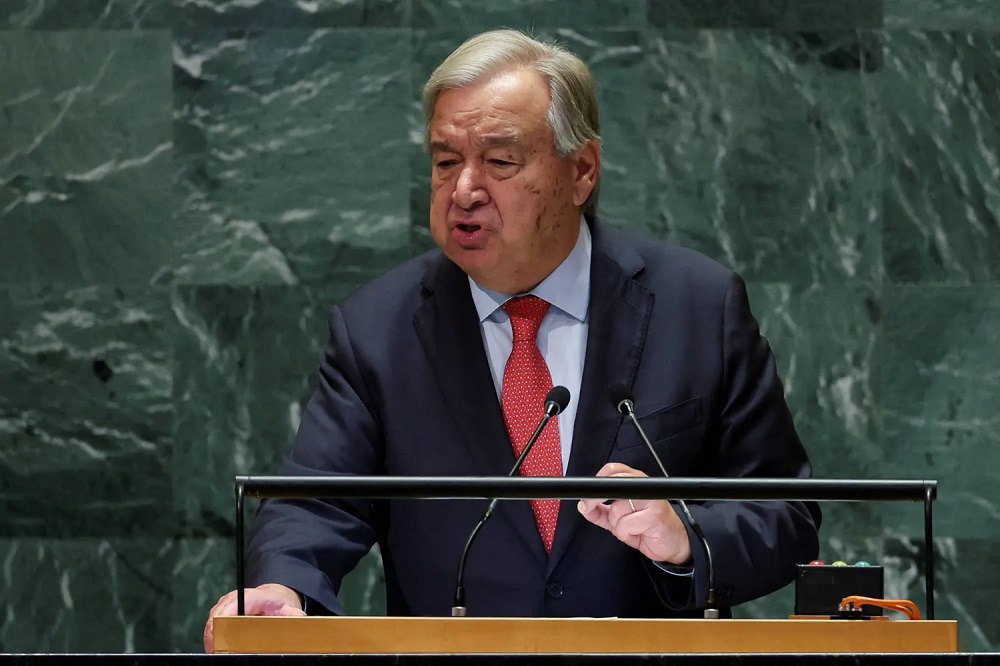
In a statement issued on the occasion of the International Day of Reflection on the 1994 Genocide against the Tutsi in Rwanda, Guterres reflected on the horrors of 1994 while stressing the urgent need for accountability and prevention.
“Thirty-two years ago, Rwanda endured one of the darkest chapters in human history. In just 100 days, more than a million people were murdered,” he said.
The UN chief noted that the day serves not only to honour the victims but also to confront the failures of the international community at the time.
“On the International Day of Reflection on the 1994 Genocide Against the Tutsi in Rwanda, we mourn the victims and honour their stolen dignity. We pay tribute to the survivors, whose resilience shows the strength of the human spirit,” he stated, adding that the world must also recall “with humility and shame, the international community’s failure to heed warnings and take immediate lifesaving action.”
Guterres emphasized that remembrance alone is not sufficient, urging nations to take deliberate steps to prevent similar tragedies.
“It’s not enough to remember the dead. We must learn from past failures and protect the living – by rejecting hatred, inflammatory rhetoric and incitement to violence; by investing in the social fabric to deepen community resilience; and by strengthening institutions that help prevent mass atrocities,” he said.
He further called on all countries to commit to international legal frameworks aimed at preventing genocide.
“I call on all countries to become parties to the Genocide Convention without delay and to implement it fully,” he added.
So far, 153 countries have signed the international convention on the prevention and punishment of the crime of genocide.
Reaffirming the United Nations’ solidarity, Guterres said, “The United Nations stands with the people of Rwanda. And we stand with all those, everywhere, who refuse to surrender our future to fear, division, or silence.”
He concluded by urging a renewed global commitment to action, saying, “Let this day reaffirm our commitment to remember, to listen, and to act. With history as our guide, and the prevention of genocide as our goal.”
Rwanda’s commemoration period, known as Kwibuka, begins on April 7, with a week of national mourning and continues over 100 days, reflecting the duration of the genocide in which more than one million victims were killed.
This year’s commemoration is observed under the theme “Remember, Unite, Renew”.
Guterres has urged action beyind remembrance as Rwanda marks the 32nd commemoration of Genocide against the Tutsi.
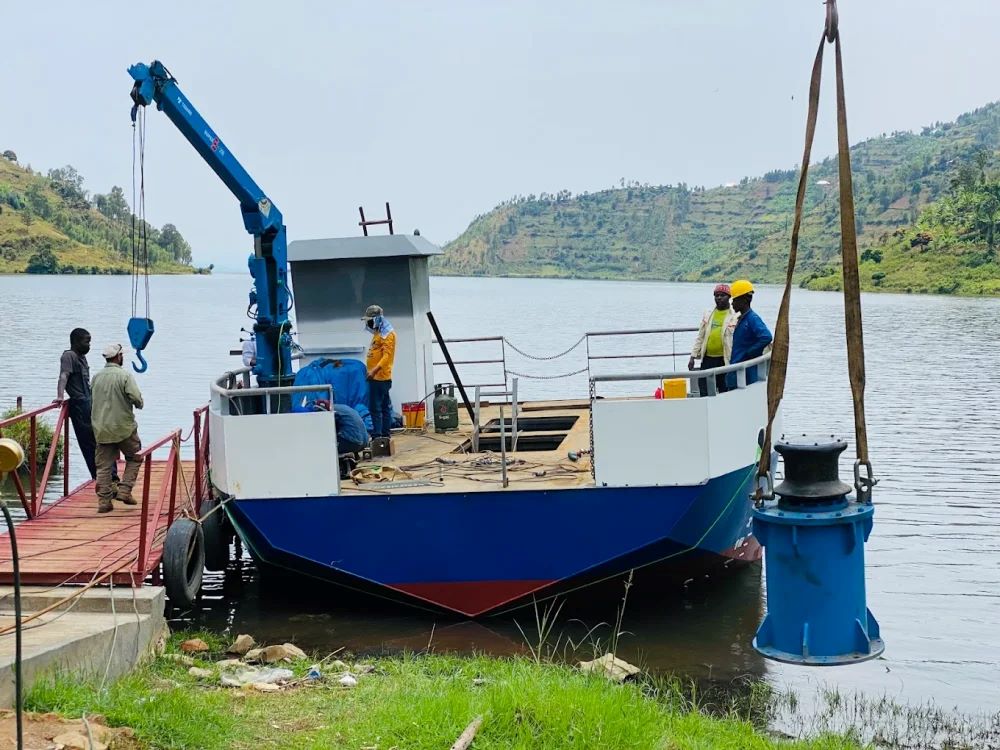
The development follows the signing of a partnership agreement between Karongi District authorities and Afrinest Engineering, a company that has been operating in the area for the past seven years.
Rwanda comprises six major lakes, including Lake Kivu, Muhazi, Ihema, Rweru, Burera, and Ruhondo.
These water bodies present significant opportunities for transport, trade, tourism, and recreation. However, progress in these sectors has been hindered by limited local expertise in boat construction and navigation. Within the region, Afrinest Engineering Ltd is currently the only company manufacturing boats that meet the standards of the International Maritime Organization (IMO).
One of the key challenges the company faces is its reliance on foreign skilled labor, with workers sourced from countries such as Bangladesh, Egypt, Kenya, Tanzania, and South Africa. This challenge has driven the initiative to establish a local training institution in partnership with Karongi District.
The Managing Director of Afrinest Engineering, Alain Munyaburanga, said the land for the school has already been secured, and the next steps involve conducting architectural studies and developing the curriculum.
“We will begin with 40 students, gradually increasing to 400. We plan to recruit students with backgrounds in welding, mechanics, and electrical engineering and equip them with specialized skills in boat building and maintenance,” he said.
Julienne Ntakirutimana, Vice Mayor of Karongi District in charge of economic development, noted that the school will be built in Bwishyura Sector. She added that the district will support student recruitment.
“This initiative will help reduce unemployment, as Afrinest has access to job markets both in neighboring countries and beyond. When the company builds boats, clients often request trained personnel to operate and maintain them,” she explained.
Célestin Simparinka, who has spent 30 years navigating boats on Lake Kivu, welcomed the initiative. He noted that his own skills were acquired abroad, having trained in the Democratic Republic of Congo, Burundi, and Uganda.
“My boat navigation license was obtained in Congo. I have heard about Afrinest’s plan to establish this training school, and it is a very positive step.
Karongi is growing in tourism, and we have long been concerned about operators who learn informally and in a short time,” he said.
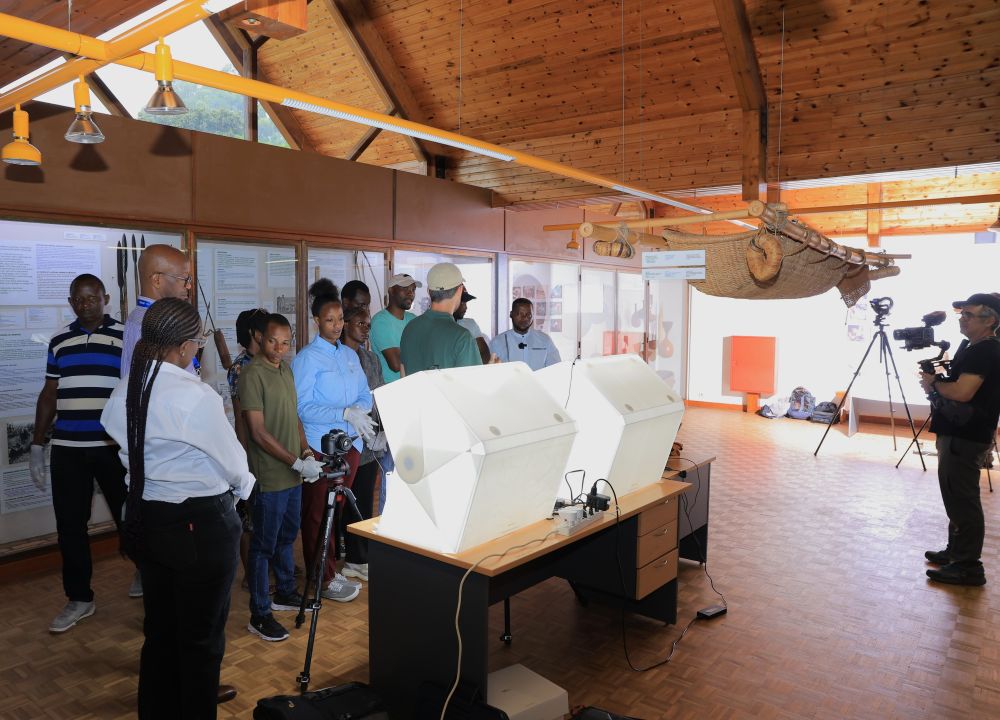
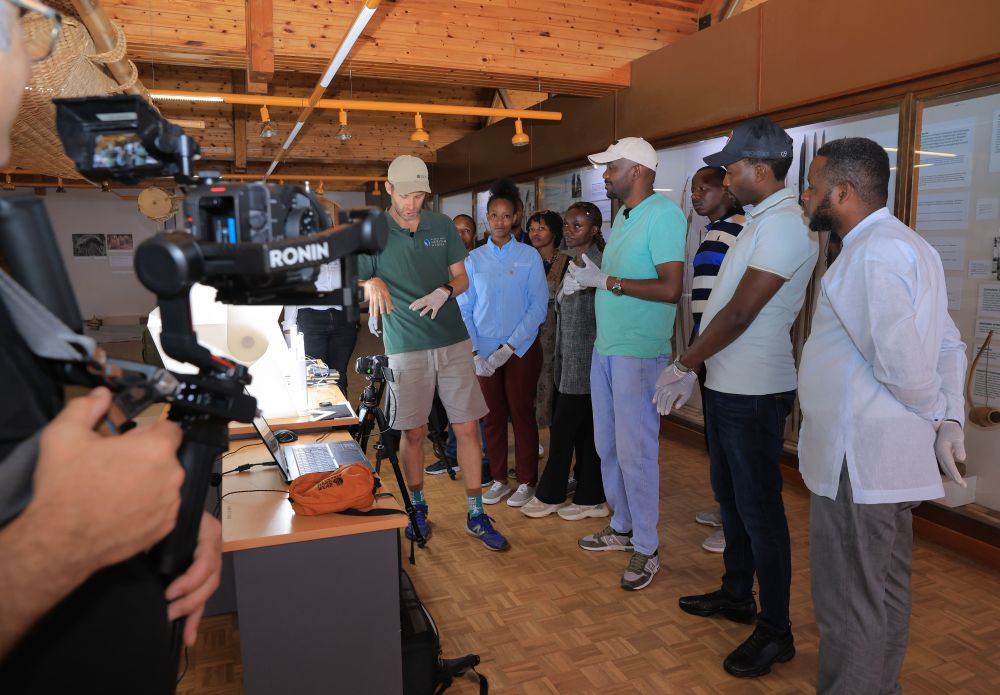
The announcement came at the conclusion of a week-long training program organized by the U.S.-based Global Digital Heritage Center, designed for staff responsible for managing exhibitions in museums and heritage sites across the country.
3D technology allows objects or sites to be captured in a way that lets people view them from all angles, replacing traditional photography, which only captures a single perspective.
This means that anyone will soon be able to rotate and examine artifacts or historical sites virtually, gaining a much fuller understanding of their details.
The digitization program is planned to be rolled out museum by museum until all sites are covered, with new discoveries continuously added to the digital archive.
Chantal Umuhoza, a staff member of the Rwanda Cultural Assembly responsible for Exhibitions and Digital Heritage Projects, Chantal Umuhoza, Museum Curator at the Rwanda Cultural Heritage Academy (RCHA), specializing in exhibitions and cultural heritage protection, said the technology will improve the preservation and global dissemination of Rwanda’s heritage.
She explained, “This technology helps us preserve and safeguard artifacts in museums and at heritage sites. Take, for example, the Musanze cave, you can now explore it virtually and see all angles as if you were there in person. This is the level at which we want to showcase our heritage.”
Umuhoza added that digitizing museums will also raise the international profile of Rwanda’s heritage, allowing anyone with an internet connection to visit the museums virtually without needing to travel physically. This is expected to increase curiosity and interest among potential visitors worldwide.
Historians and cultural experts note that making museum artifacts digitally accessible will help people better understand the country’s history and culture, while also making it easier to share Rwanda’s heritage with foreigners.
Steven Iradukunda commented, “In today’s world, technology is the most advanced way to quickly share information. As someone interested in history, I feel this technology will provide an easy way to explore museum collections, helping our children learn more about our heritage instead of wasting time on trivial content on social media.”
Addressing concerns that digitization might reduce physical visits to museums and heritage sites, Rwanda’s Cultural Heritage Academy clarified that this is unlikely. Instead, virtual access is expected to stimulate interest, encouraging more people to visit in person, ultimately increasing attendance.
Visitor numbers to Rwanda’s museums and heritage sites have been steadily increasing; from 139,538 in the 2014/15 fiscal year to 263,061 in 2024/25, generating Rwf 439,885,212 in revenue that year.
Participants praised the training for being transformative.
With its lush landscapes, cool fresh air, and welcoming communities, it attracts a diverse mix of visitors eager to explore nature, experience local culture, and enjoy a different side of Rwanda; including its unique cow-based tourism, where visitors engage with traditional livestock practices deeply rooted in Rwandan heritage.
It is in this spirit of exploration and connection that, recently, a group of 92 travelers set off on an unforgettable adventure to this picturesque destination in Nyabihu District.
This journey, organized by RUA Safaris, brought together a diverse group of adventurers, including influencers, artists, and families. The tour offered a perfect blend of outdoor exploration, cultural immersion, and a true taste of Rwandan hospitality.
The adventure began with a breathtaking scenic drive through the hills of Bigogwe. As the group made their way through this rural paradise, the lush green landscapes, rolling hills, and clear skies left everyone in awe. Bigogwe is renowned for its natural beauty, and the opportunity to explore it on foot was something all the travelers eagerly anticipated.
The highlight of the trip was the hiking experience. The group trekked through the hills of Bigogwe, guided by locals who shared their knowledge of the area’s flora, fauna, and history.
The invigorating atmosphere of the hike brought a sense of peace and connection to nature. Whether they were experienced hikers or first-timers, the adventure proved to be equally rewarding, and everyone left feeling accomplished, with a deep appreciation for the landscape.
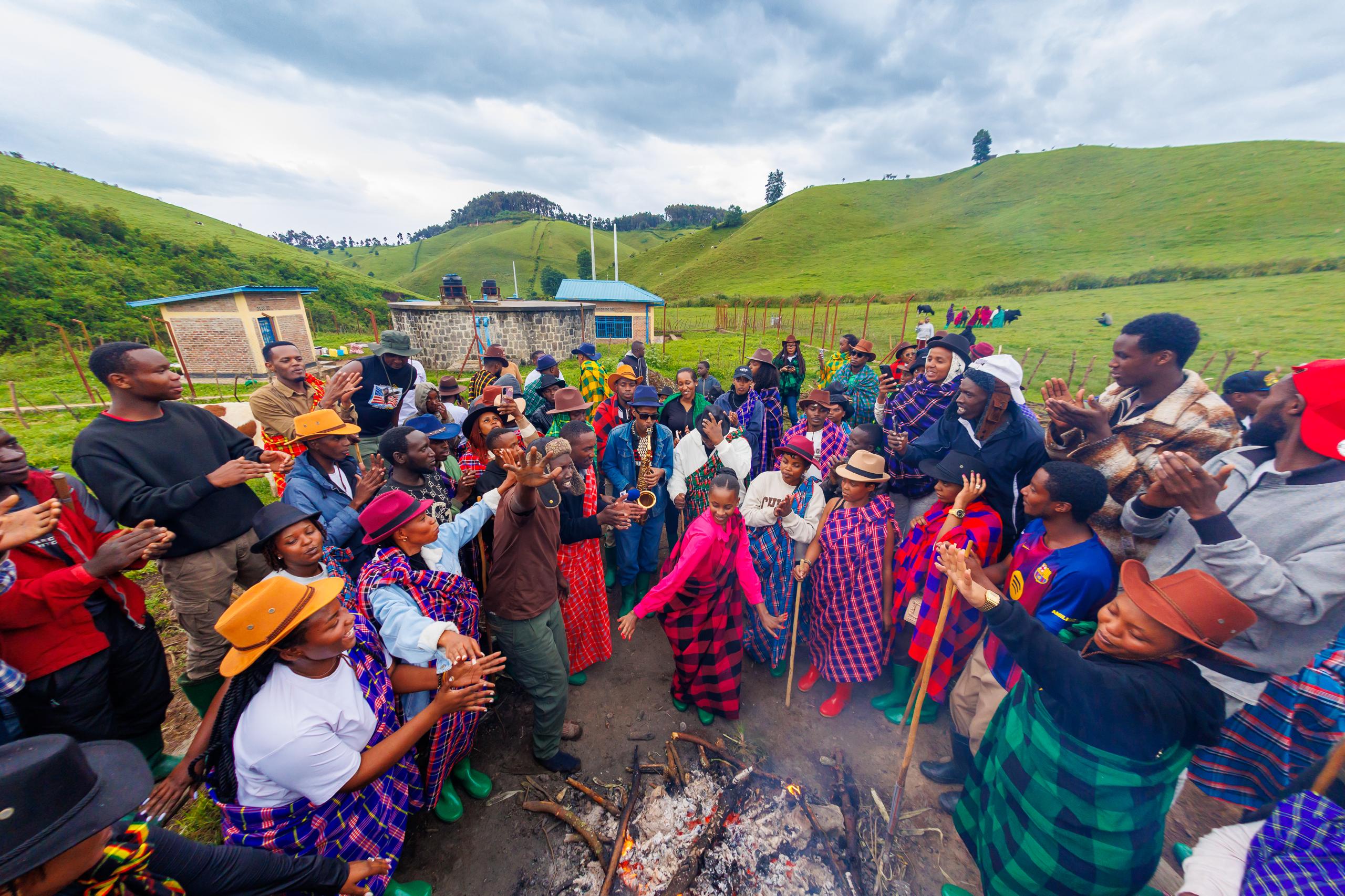
The vibrant spirit of Rwanda with Inyambo cows, where tradition meets unity in every step.
The experience deepened with traditional games and food. The travelers engaged in traditional Rwandan games, which brought joy and camaraderie to the group.
The games ranged from teamwork challenges to friendly competitions, offering a fun and interactive way to bond with fellow travelers while learning about local customs. The meal that followed was a true reflection of Rwandan cuisine.
Participants were treated to a feast of beans, cassava, Irish potatoes, and milk dishes prepared with fresh local ingredients. Sharing a meal together, surrounded by the beauty of Bigogwe, made the experience even more special.
Beyond the hiking, games, and food, the tour also allowed the travelers to connect with the local community. Many of the villagers shared their stories, providing insights into their daily lives.
It was a humbling experience to witness the warmth, hospitality, and resilience of the people of Bigogwe. RUA Safaris ensured that every moment of the tour was an opportunity to engage with Rwanda’s culture and the unique lifestyle of its rural communities.
Among the 92 travelers were notable influencers, including Linda and her husband, AG Promoter and his wife, the artist RunUp, Papa Cyangwe, and many others.
RunUp soaking in the beauty and adventure of Bigogwe.
Speaking to IGIHE, Amen Babu Rugemana, founder of RUA Safaris, expressed appreciation to the sponsors, partners, and participants who contributed to the success of the initiative.
“The trip went smoothly, and we are grateful to everyone who took part,” he said.
He noted that beyond hiking and food, the experience was about bringing people together to connect with the essence of Rwanda.
Rugemana also acknowledged key partners, including The CHOICE Live, IGIHE, Dopik Electronics, and L & L Attire, for their support in making the trip possible. He emphasized that such collaborations are essential in delivering unique and memorable experiences.
As RUA Safaris prepares for a trip to Zanzibar this summer, he reflected on the impact of the Bigogwe tour, describing it as unforgettable and highlighting the joy people find in such adventures.
“It was an unforgettable experience. It showed me how people are truly happy when they get the chance to experience such adventures. We can’t wait to continue offering more exciting opportunities to connect with nature and culture.”
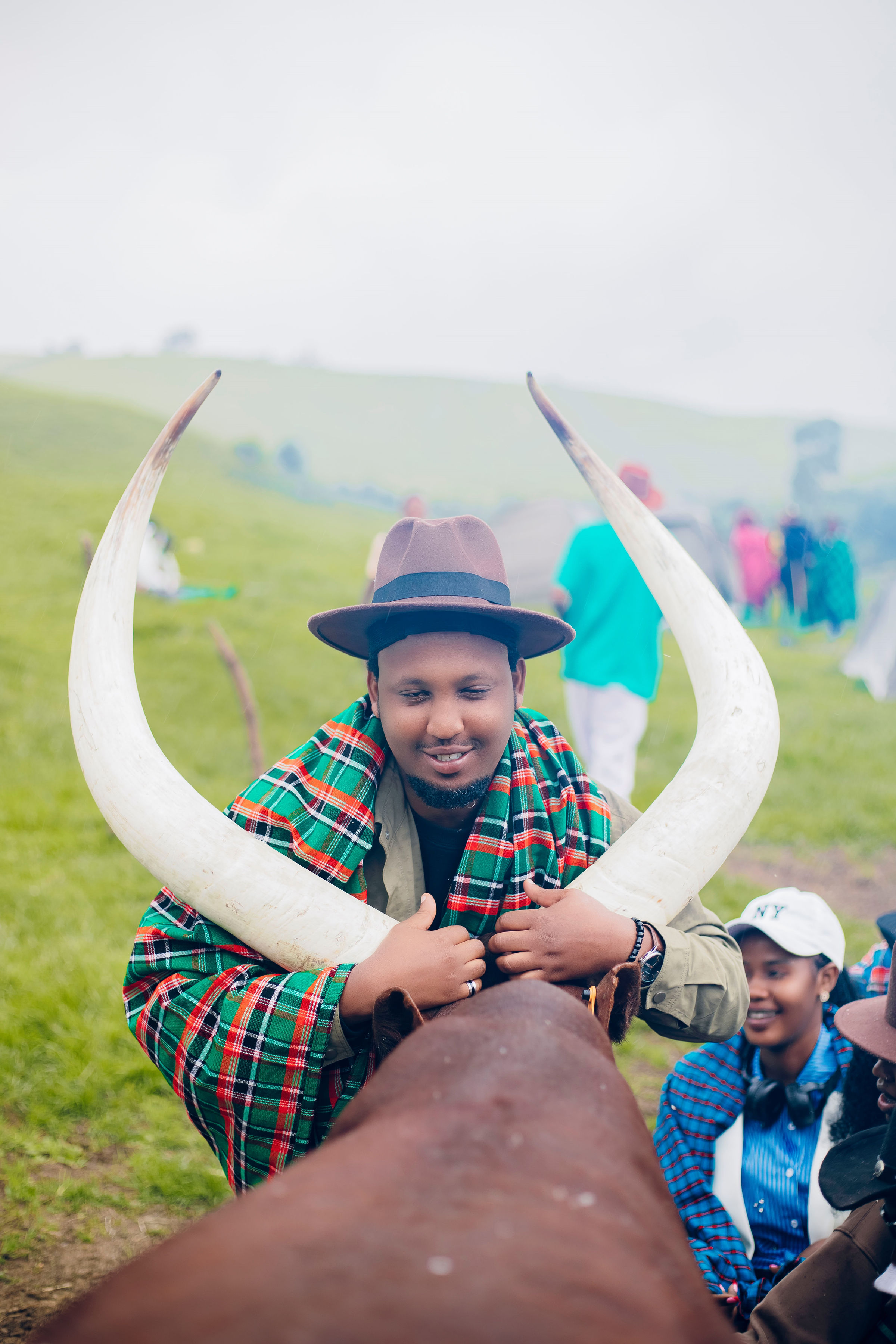
Papa Cyangwe embracing the rich culture of Rwanda in traditional attire.
The trip to Bigogwe, organized by RUA Safaris, was more than just an adventure; it was a celebration of Rwanda’s rich culture, nature, and community spirit. From the challenging hikes and traditional food to the laughter-filled games and heartfelt connections with locals, every aspect of the trip was crafted to create lasting memories. For those seeking a deeper connection to Rwanda’s culture and natural beauty, a tour to Bigogwe with Ruwa Safaris is highly recommended. It was an experience that allowed everyone to disconnect from the daily grind and reconnect with the heart of Rwanda. The memories of this beautiful journey will continue to inspire future travels and a lasting love for Rwanda’s hidden gems.
Babu extends heartfelt gratitude to everyone who joined the Bigogwe adventure.
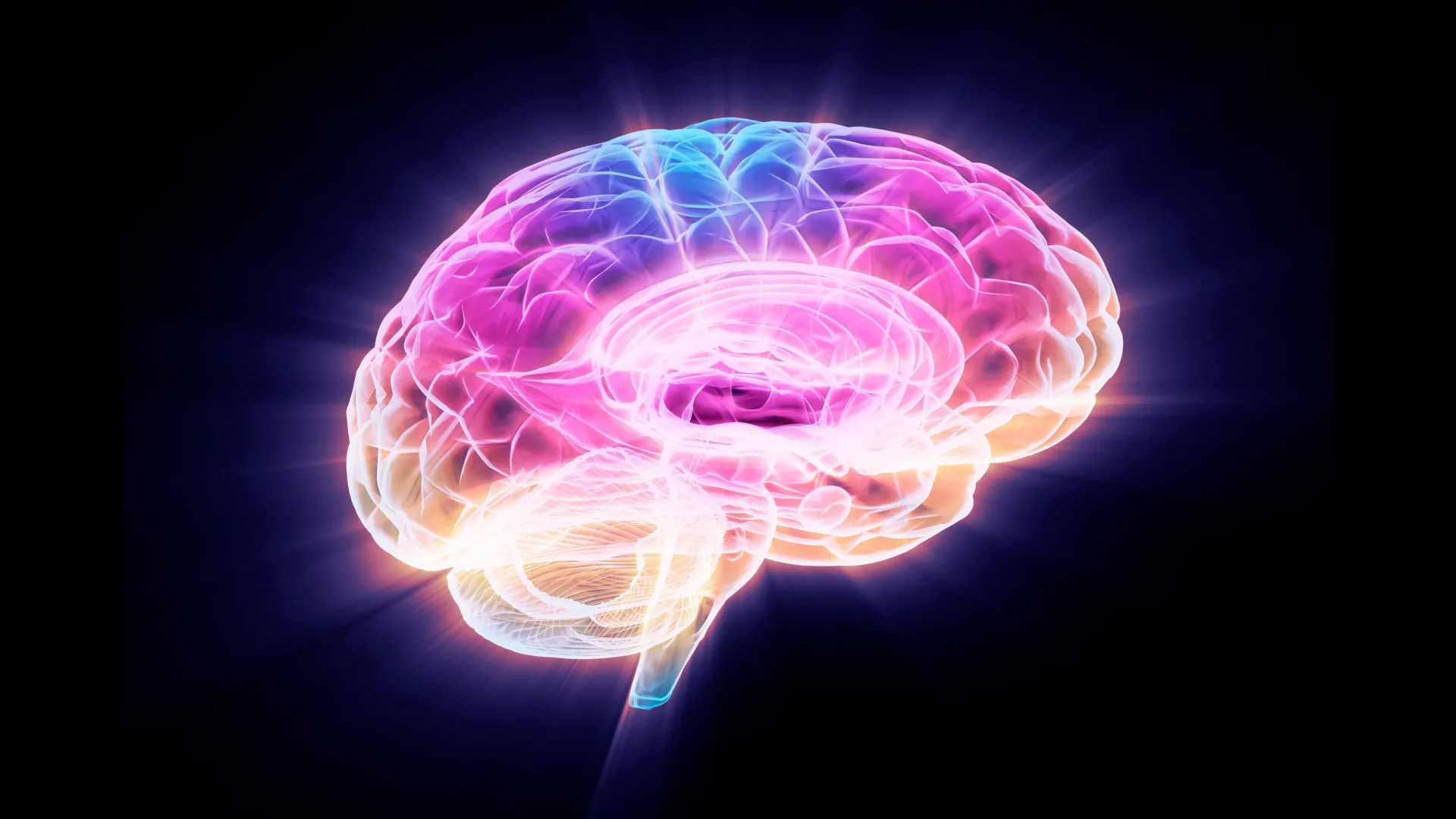
In a new study, scientists identified a single protein, called FTL1, that appears to play a central role in the aging brain. In experiments with mice, higher levels of this protein were linked to weaker connections between neurons, the cells responsible for memory, learning, and thinking.
Older mice with elevated FTL1 performed worse on memory tests and had fewer network connections in a key brain region called the hippocampus, which is vital for forming and storing memories.
To explore how FTL1 influences aging, the researchers increased its levels in the brains of young mice. The results were dramatic: the mice began to show brain changes and behaviors similar to much older animals. Their nerve cells developed simpler structures and fewer of the branching connections that healthy brains rely on.
But the most remarkable finding came when the team reduced FTL1 levels in older mice. After this adjustment, the animals showed clear signs of cognitive recovery.
Neurons started to build more connections again, and the mice performed significantly better on memory tests. According to Dr. Saul Villeda, the study’s senior author, this wasn’t just slowing aging it was a real reversal of age‑related decline.
Further investigation revealed that FTL1 also affects how brain cells use energy. In older mice with high levels of the protein, metabolism in the hippocampus slowed down.
However, when researchers treated these cells with a compound that boosted metabolism, they prevented many of the negative effects tied to FTL1.
This discovery could have major implications for future treatments targeting age‑related memory loss and cognitive decline in humans.
By focusing on FTL1 and how it impacts brain cell connections and metabolism, scientists may one day develop therapies that help preserve or even restore mental function in older adults.
While more research is needed before human treatments are possible, the findings offer exciting promise. Understanding the biology of brain aging is a major step toward tackling memory disorders and improving quality of life for older generations.
Scientists found a protein that drives brain aging and how to stop it.
The night of March 31, 2026, was filled with celebration across the country as the national team defeated Jamaica 1-0, securing a World Cup spot for the first time in 52 years.
Residents in regions under AFC/M23 control, including the city of Goma, also celebrated the victory, demonstrating a sense of shared joy with citizens in other parts of the country, despite being under the rule of opposing factions.
On April 5, 2026, during festivities in Kinshasa honoring the team and thanking the players for their achievement, President Tshisekedi noted that the happiness of people in the eastern regions reinforced his confidence in reclaiming these areas.
He stated, “You saw the footage—there is joy in these territories controlled by the enemy, and we will reclaim them soon because of these forces, because of this momentum.”
The Head of State expressed optimism about regaining the regions, even as AFC/M23 maintained that it had no plans to relinquish control and warned that any government attacks would be dealt with.
Whenever the Congolese government has tried to retake lost areas, AFC/M23 has countered effectively, often seizing additional territory.
The international community has emphasized political negotiations as the only viable solution to halt the conflict, but President Tshisekedi has remained adamant.
There are reports that peace talks between the DRC government and AFC/M23 could resume in April 2026, though not in Doha, Qatar, due to the ongoing conflict in the Middle East; suggesting the venue may be moved to Switzerland.
President Tshisekedi noted that the happiness of people in the eastern regions reinforced his confidence in reclaiming AFC/M23 controlled areas.
Recognizing this problem, researchers at Tufts University have developed a new approach that could transform how AI systems are designed and used, making them both much more energy efficient and significantly smarter.
Traditional AI systems, like the large language models many people are familiar with, learn by processing vast amounts of data through trial and error. This method works, but it requires huge amounts of computing power, which translates into high energy demands and large carbon footprints.
To address this, the Tufts research team focused on combining the strengths of two different types of AI reasoning: neural networks (which learn patterns from data) and symbolic reasoning (which uses explicit logic and rules).
The result is called neuro‑symbolic AI, a hybrid system that mimics how humans think by breaking problems down into meaningful rules while still learning from experience. In practical tests, including classic problem‑solving tasks like the Tower of Hanoi puzzle, the neuro‑symbolic AI outperformed more traditional systems.
It solved complex problems more accurately and did so with far less energy. In one example, the new AI used only 1 % of the energy required by a conventional system while still achieving a 95 % success rate in solving difficult tasks.
This breakthrough has wide‑ranging implications. For robotics and visual‑language‑action systems which combine perception and physical movement the energy savings could make real‑world applications far more practical and affordable. The researchers say that by making AI thinking more structured and logical, systems don’t need to rely as heavily on brute‑force data processing, which is a major source of inefficiency in today’s models.
The development of more efficient AI is not only important for reducing environmental impact, but also for promoting broader access to advanced technology.
As AI continues to influence medicine, transportation, education, and industry, making these systems less energy‑intensive could help ensure they are both sustainable and widely available. This new research points toward a future where AI innovations are not just powerful, but also environmentally and economically responsible.
AI breakthrough cuts energy use by 100x while boosting accuracy.
For decades, vast regions of the Arctic have remained permanently frozen, trapping organic material in the soil that built up over millennia.
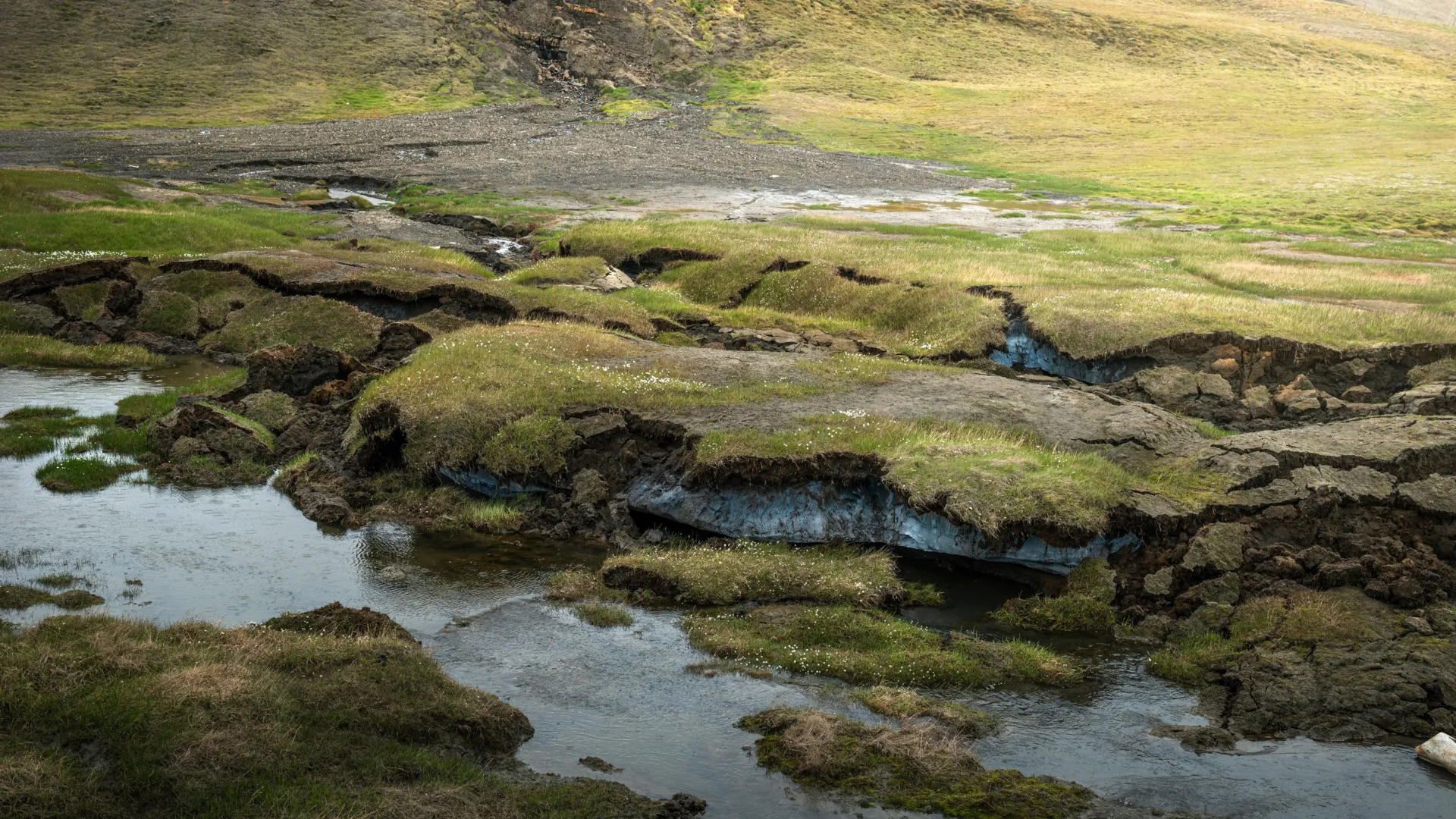
This frozen soil layer known as permafrost has acted like a natural vault, keeping carbon safely stored away. But as global temperatures rise, that permafrost is melting deeper and for longer periods each year.
Scientists from the University of Massachusetts Amherst analyzed nearly 44 years of detailed climate and runoff data from northern Alaska, an area roughly the size of the U.S. state of Wisconsin.
What they found was striking: as the warming season extends into late summer and fall, more water flows through Arctic rivers and carries larger amounts of dissolved ancient carbon out to the ocean.
This matters because once that carbon reaches the ocean, some of it is converted into carbon dioxide (CO₂) , a potent greenhouse gas that traps heat in the atmosphere.
With more carbon being released from thawing permafrost, the planet could experience an amplifying feedback loop, where warming leads to more thawing, which releases more carbon, and so on.
The scientists also pointed out that Arctic rivers play a uniquely large role in the Earth’s freshwater system, delivering about 11 % of the world’s river water into the ocean despite the Arctic holding only a small percentage of the global ocean volume.
This means changes in the Arctic water cycle can have outsized effects far beyond the polar regions.
To achieve such detailed results, researchers used a sophisticated computer model called the Permafrost Water Balance Model, which simulates snowmelt, thaw depth, and river runoff at very high resolution.
This allowed them to track how both water and ancient carbon mobilize under changing climate conditions.
According to the study, unless warming trends slow, Arctic landscapes will continue shifting dramatically over the coming decades.
Increased thawing could not only impact carbon release, but also alter ecosystems, river patterns, and coastal environments in ways that scientists are just beginning to understand.
A massive arctic thaw is unleashing carbon frozen for thousands of years.