In Rwanda, the industry is also evolving. Beyond mass-market beverages, a growing niche of premium and ultra-luxury products is carving out space in the country’s hospitality and fine-dining sector, reflecting shifting consumption patterns and rising purchasing power among certain segments of the population.
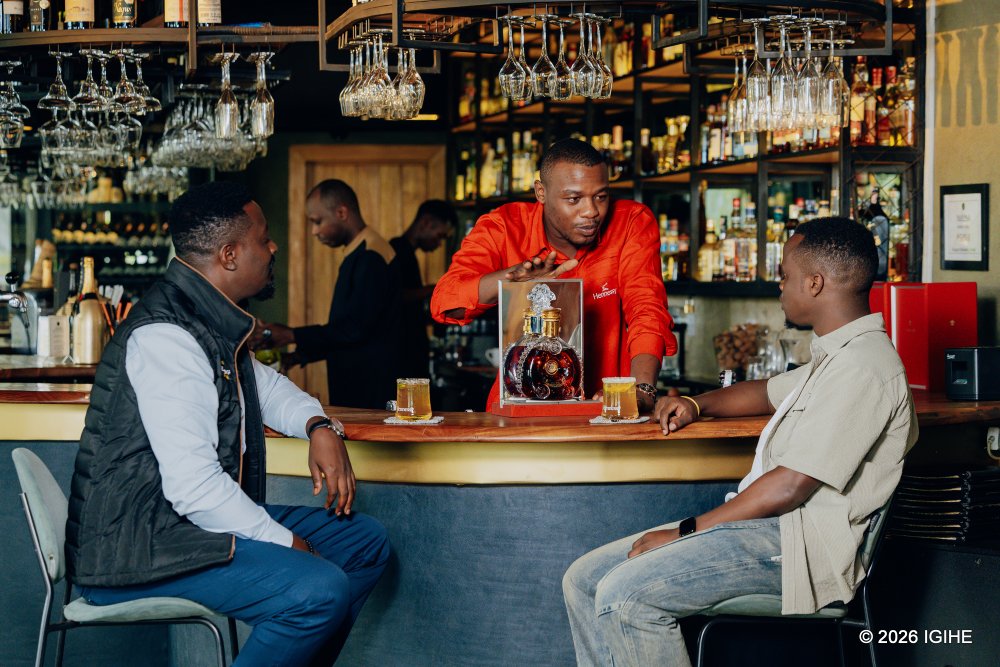
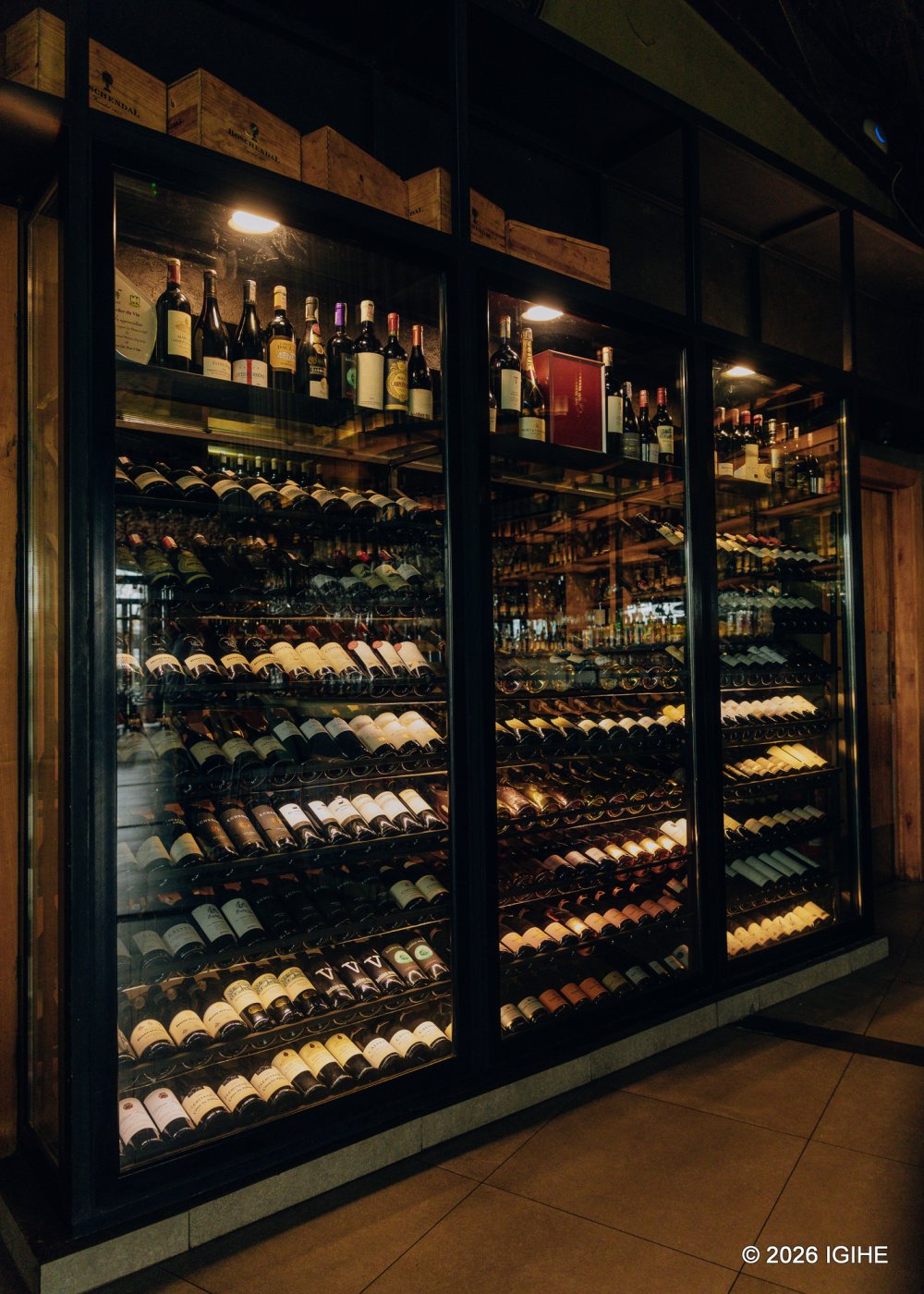
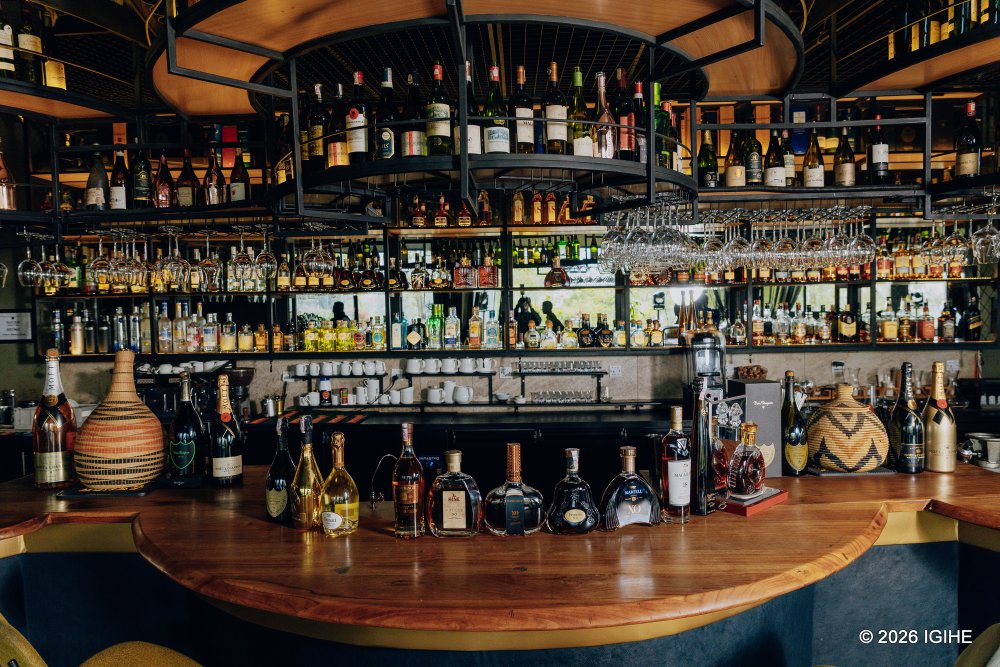
A recent visit to Atelier du Vin, a high-end restaurant operating under Akagera Trading, a subsidiary of Akagera Motors, offered insight into the scale of this emerging luxury market.
A bottle worth Rwf 5.5 million
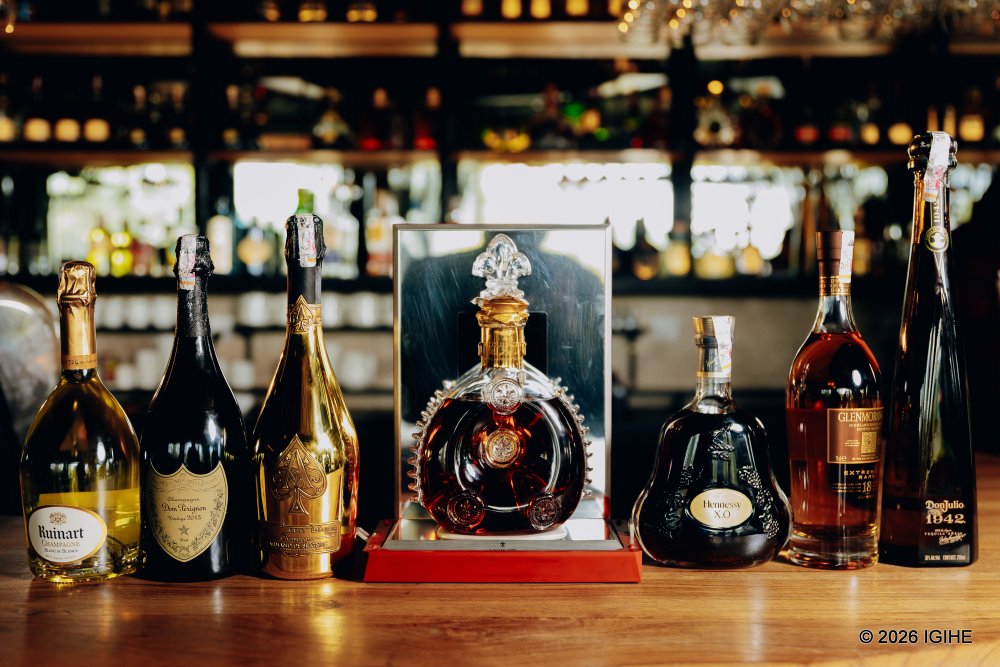
Among the most striking offerings is Louis XIII de Rémy Martin, a luxury cognac first created in 1874 and crafted from a blend of approximately 1,200 eaux-de-vie aged between 40 and 100 years. At the Kigali establishment, a single bottle retails for Rwf 5.5 million, making it one of the most expensive alcoholic beverages publicly available in the country.
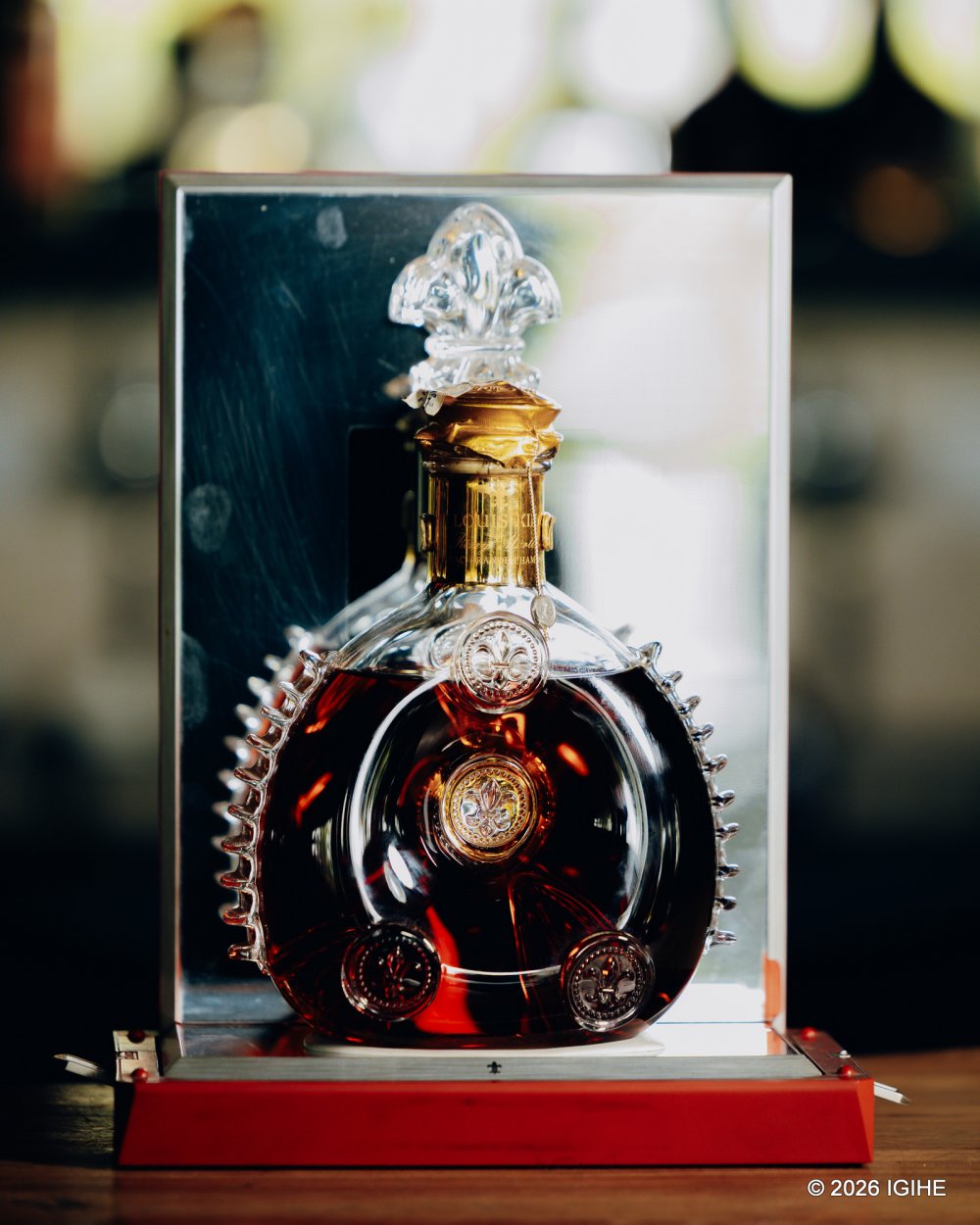
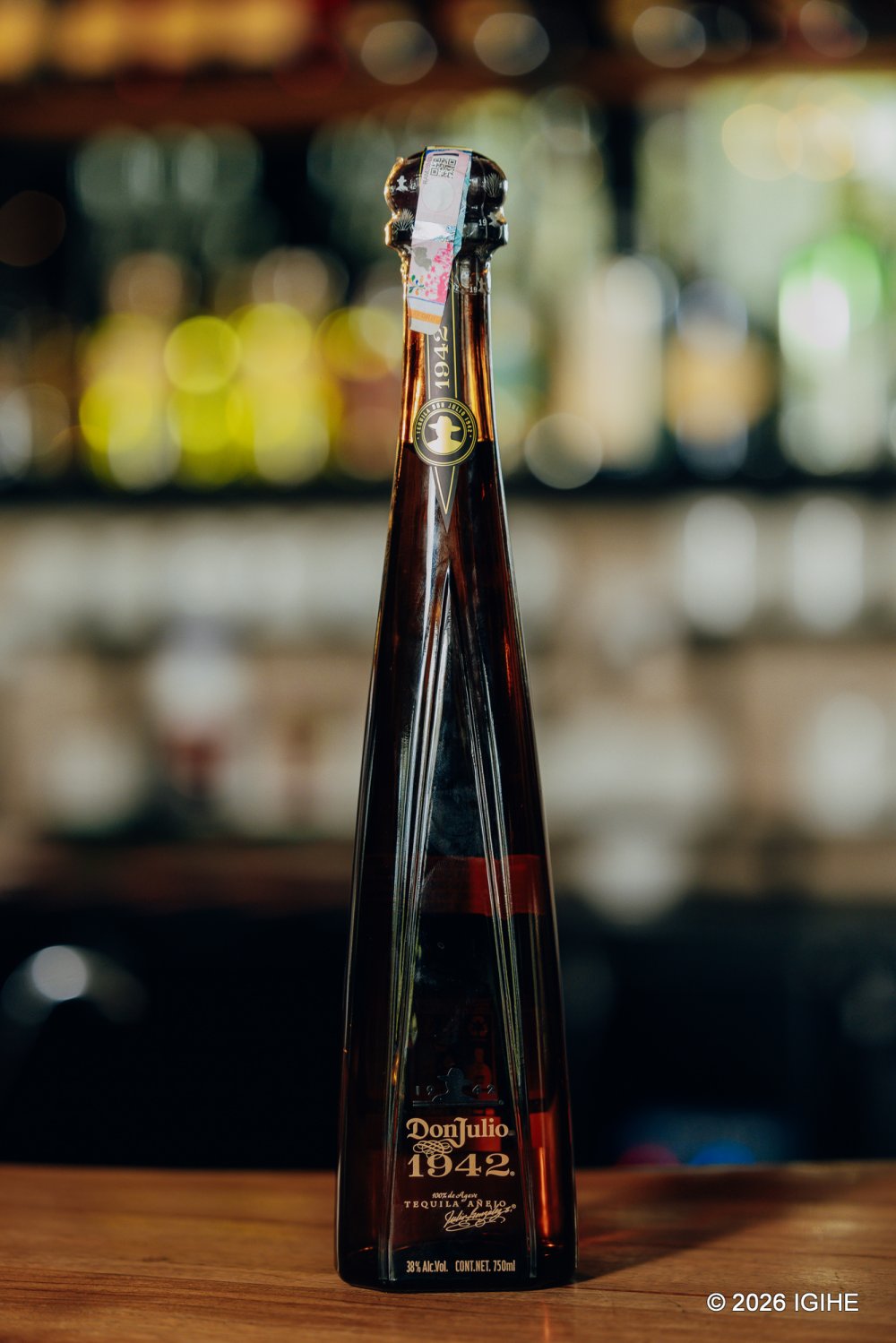
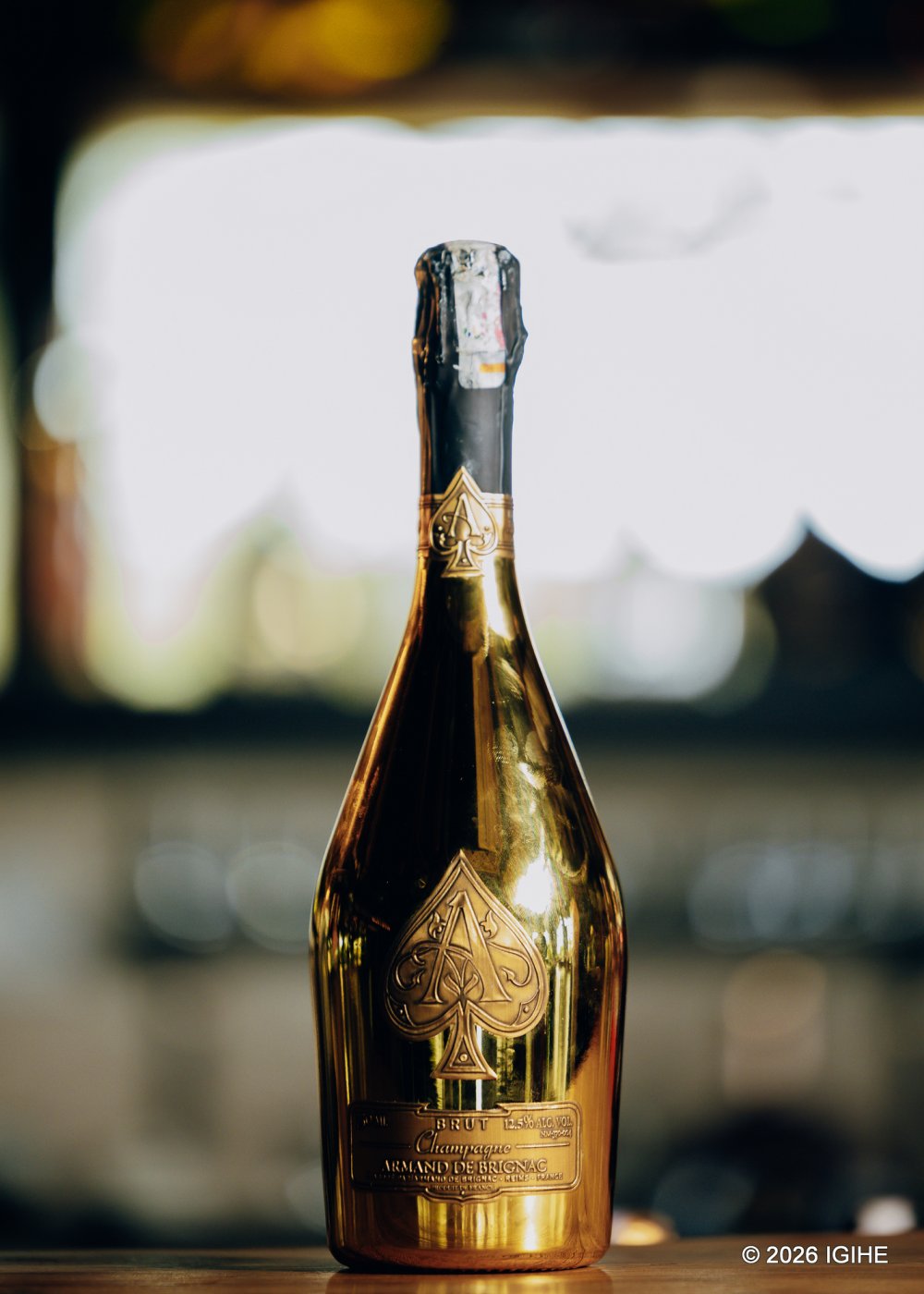
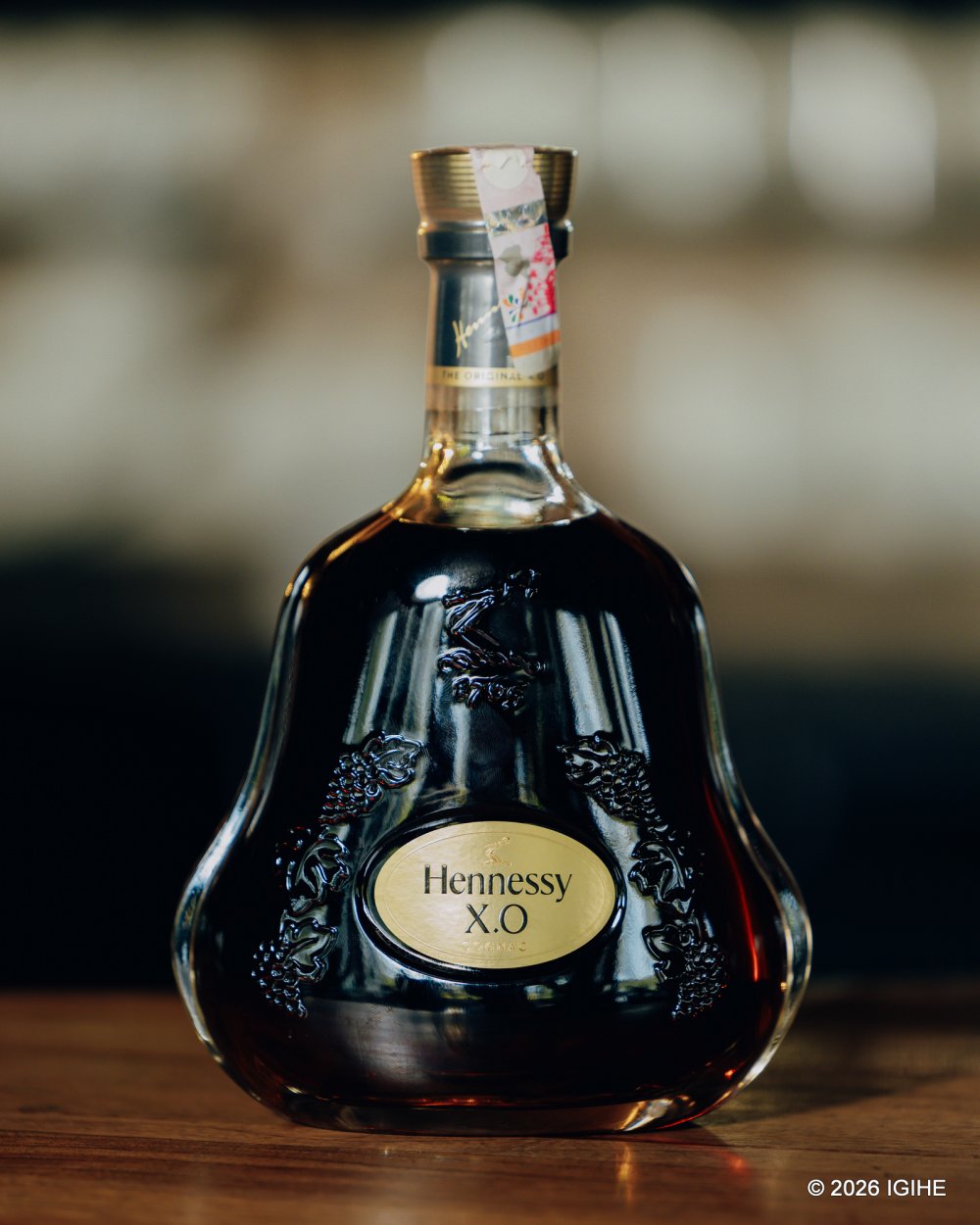
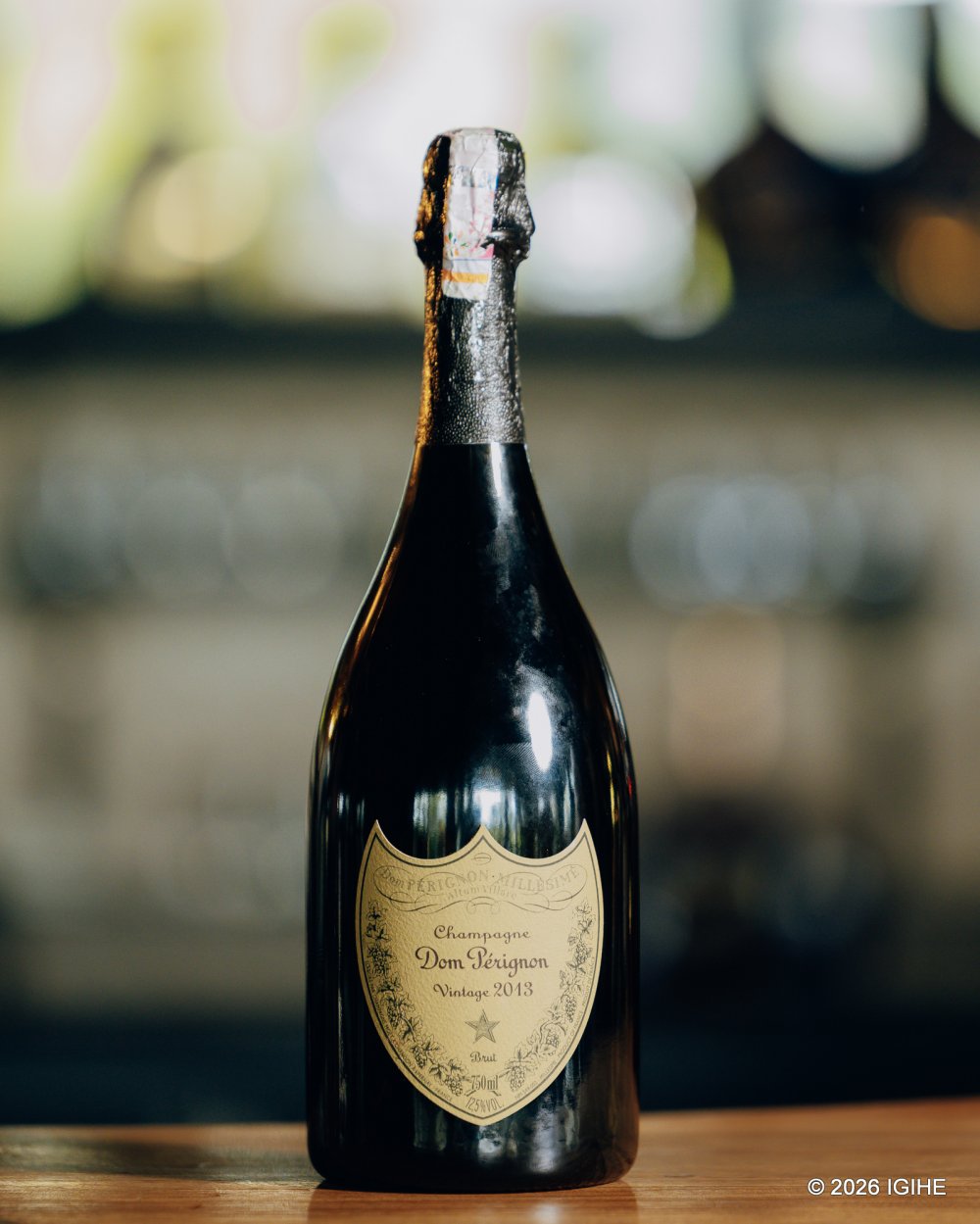
In addition to Louis XIII, the restaurant’s premium catalogue features several other high-end labels. These include Don Julio 1942, retailing at Rwf 1.2 million; Armand de Brignac, popularly known as Ace of Spades, priced at Rwf 650,000; Hennessy X.O at Rwf 600,000; and Dom Pérignon Vintage 2013, which sells for Rwf 540,000 per bottle.
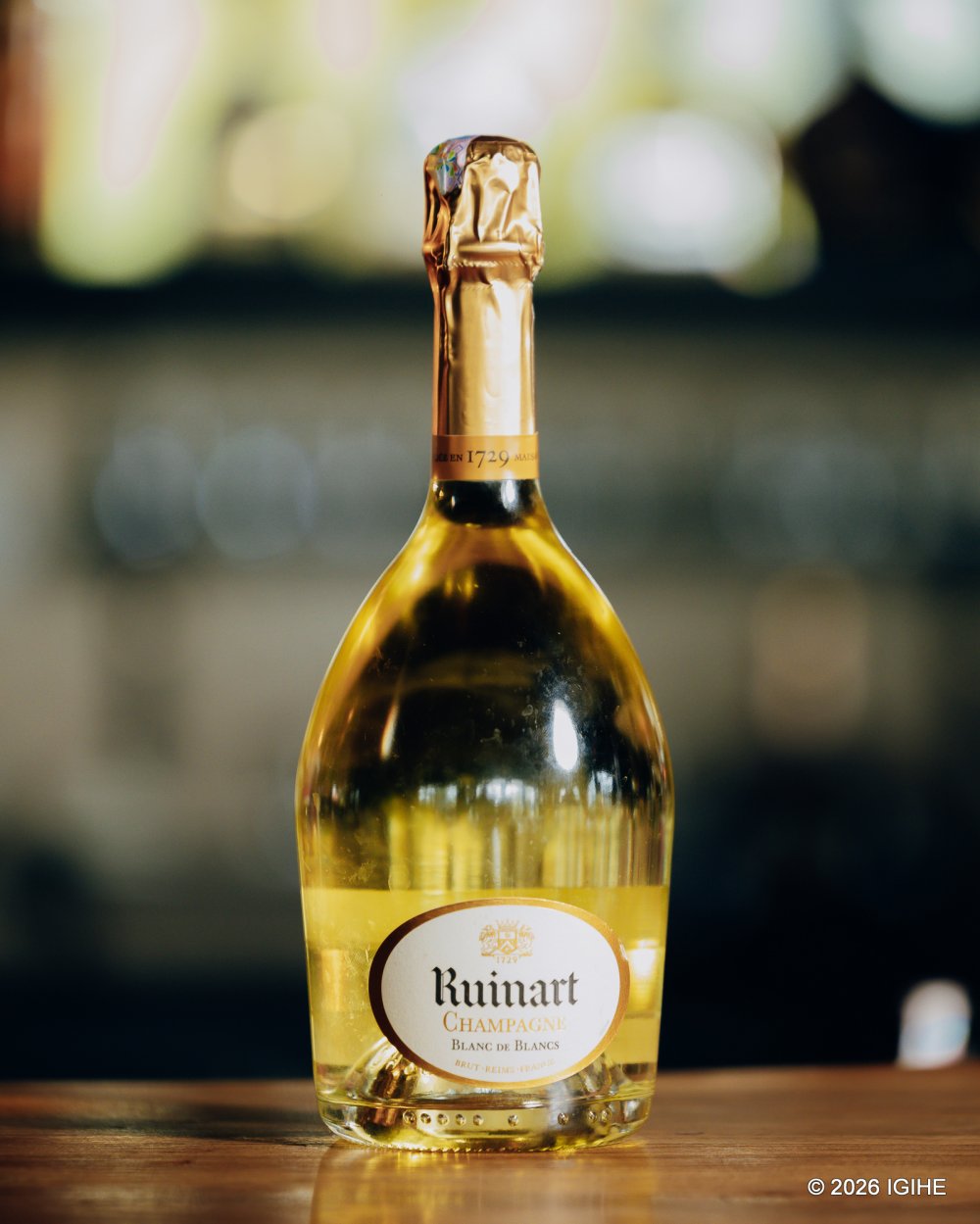
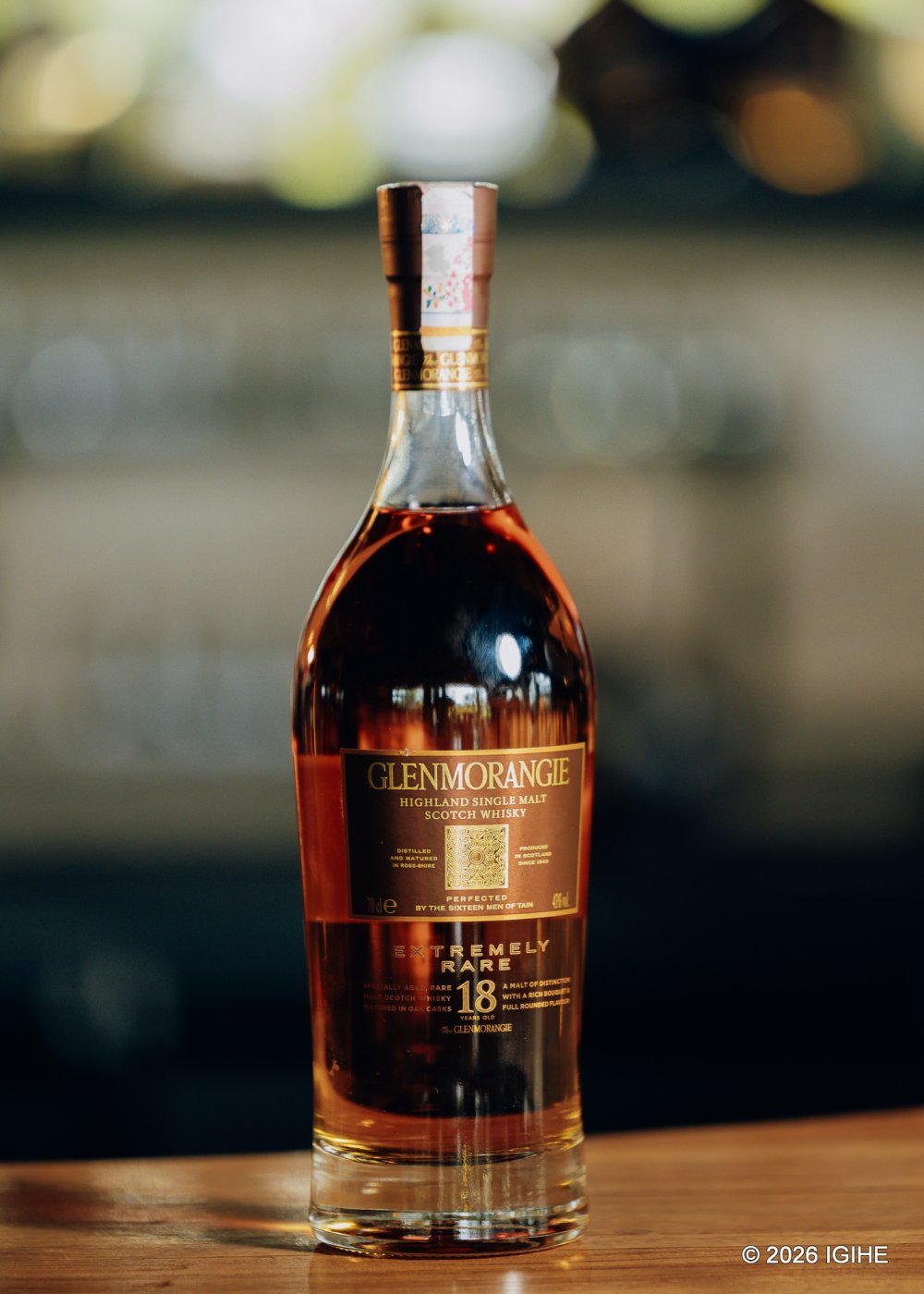
Other high-end selections such as Ruinart 1729 and Glenmorangie 18 retail at Rwf 315,000 per bottle.
A niche but active market
According to Richard Ahadi, Head of Sales and Marketing at Akagera Trading, demand for these products remains consistent throughout the year.
“These premium beverages generate more than Rwf 100 million annually,” Ahadi said. “Between 50% and 60% of the purchases are made by Rwandans. On average, we sell between 120 and 180 bottles per year.”
While the company distributes to regional markets including the Democratic Republic of the Congo, Burundi and Uganda, Ahadi noted that approximately 80% of its business is conducted within Rwanda.
“Our largest market is domestic,” he said, pointing to steady local demand for luxury imports.
The company also imports limited-edition releases produced in small quantities worldwide. Certain editions of Dom Pérignon P2 (2002), for example, are limited to fewer than 500 bottles annually worldwide, with only a handful allocated to Rwanda. Similarly, limited releases of Hennessy Paradis are capped globally at around 150 bottles per edition, with fewer than two dozen reaching the Rwandan market.
“These limited editions usually launch in April and typically retail between Rwf 10 million and Rwf 12 million,” Ahadi explained, noting that buyers include high-net-worth individuals, private companies, and international visitors.
Taxation and pricing dynamics
Industry observers attribute the high retail prices in Rwanda largely to excise duties and import-related costs.
In 2023, the Government of Rwanda revised aspects of its tax framework as part of broader domestic revenue mobilization reforms. The Rwanda Revenue Authority (RRA) states that excise duty rates vary depending on alcohol content, product category and sourcing of raw materials.
Beer, wine, liqueur, whisky and other spirits are generally taxed at 40%. Beverages with higher alcohol content may attract rates between 60% and 65%, depending on whether inputs are locally sourced. Premium wines and high-value spirits may be subject to excise duties of up to 70% per litre under specific valuation thresholds.
When combined with import costs, insurance, freight and distributor margins, these tax structures significantly influence final retail prices.
Leave a Reply