Minister of Trade and Industry, Prudence Sebahizi, said the closure of the Strait of Hormuz, a key route for global oil trade, poses challenges for oil-importing countries worldwide, including Rwanda. However, he noted that Kigali has activated contingency plans to prevent immediate disruptions for consumers.
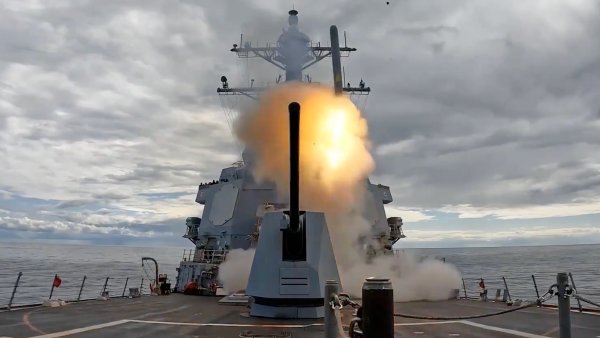
Heavy strikes by the United States and Israel began on February 28, 2026, with Iran retaliating against neighboring countries such as Qatar, Saudi Arabia, Kuwait, and Bahrain. The escalation has disrupted traffic through the Strait of Hormuz, which carries roughly 20 percent of globally traded oil.
Speaking to the Rwanda Broadcasting Agency, Sebahizi highlighted the immediate impact on petroleum products.
“Nearly one-fifth of the world’s traded oil passes through that corridor. Countries that rely on imported petroleum products will inevitably be affected,” he said, noting that much of the fuel supplied to East Africa transits through this route.
Rwanda, a landlocked country dependent on imports, is working with suppliers to ensure that shipments already in transit reach the country without delay, and to strengthen national reserves.
“We are coordinating with importers to ensure that fuel shipments already in transit, particularly those that have cleared the conflict-affected routes, arrive promptly. The objective is to build sufficient stock so that if tensions ease within the coming months, we will have maintained stability in the domestic market,” Sebahizi explained.
The Strait of Hormuz lies between Iran and Oman and facilitates the daily passage of between 16 and 21 million barrels of oil. Major exporters under the Organization of the Petroleum Exporting Countries, including Iran, Saudi Arabia, the United Arab Emirates, and Kuwait, rely heavily on this corridor to supply Asian markets.
Fuel prices in Rwanda have already risen in recent months, with petrol at Rwf 1,989 per litre and diesel at Rwf 1,900 per litre since November 2025. Sebahizi said the government is taking steps to ensure that adequate reserves are maintained to reduce exposure to supply disruptions.
He added that private investors have committed to building additional storage facilities, which will allow Rwanda to hold larger fuel reserves in the future.
“We must accelerate the development of storage infrastructure so that, in the future, the country can hold fuel for longer periods and reduce vulnerability to external shocks,” Sebahizi said.
The minister also noted that authorities are reviewing trade strategies, including diversifying sourcing options for goods imported from Asia, to manage potential disruptions or price increases in global markets.

Leave a Reply