Using 3D facial analysis, researchers are able to detect three major causes of road accidents simultaneously: blood alcohol concentration, fatigue, and expressions such as anger, said a statement from Australia’s Edith Cowan University (ECU) on Wednesday.
The system, developed by ECU researchers, uses a single deep learning model to identify blood alcohol concentration with nearly 90 percent accuracy and drowsiness with 95 percent accuracy, the statement said.
The technology can also determine the level of intoxication, classifying alcohol impairment into three categories — sober, moderate and severe, it said.
Lead researcher, ECU PhD candidate Abdullah Tariq, said the system automatically captures diverse facial dynamics, including eye blinking, subtle facial movements, and progressive facial feature changes that are critical for distinguishing between different states.
Unlike breathalysers, the method allows continuous, real-time monitoring without driver cooperation, the researchers said.
A companion study demonstrated that combining infrared and color video improves detection in low-light conditions, they said, adding the research could lead to an innovative, non-invasive way to help combat drink driving.
Using 3D facial analysis, researchers are able to detect three major causes of road accidents simultaneously:
Globally, over 4.6 million robots are currently in use across industries, illustrating how automation is increasingly shaping productivity. In many cases, a robot can perform tasks up to ten times more efficiently than a human worker.
China, for instance, has long recognized the potential of these machines. By 2024, it had deployed around 300,000 robots, and today more than two million are in active use across industries. Nearly 90% of Chinese companies view artificial intelligence (AI) and robotics as key drivers of business transformation. The global robotics market was valued at $20.8 billion in 2025 and is expected to grow sevenfold by 2032.
From autonomous vehicles and service robots to surgical-assisting machines and agricultural automation for planting, pruning, and harvesting, robotics technology is increasingly integrated into daily life. Notable examples include the Spot robot, widely used in military operations for surveillance and explosive detection, Apis Cor’s Russian-built robot that can construct a house in under 24 hours, and Israel’s ReWalk, which assists people with spinal injuries to walk.
Rwanda embraces robotics
Rwanda has not been left behind. Following the Cabinet’s approval of the five-year National AI Policy in April 2023, a study identified a need for $76.5 million in investment to scale AI across sectors and boost its contribution to the national economy.
The country continues to promote AI and robotics projects expected to add $589 million (about 6%) to Rwanda’s GDP. Efforts are supported by investments in internet infrastructure, including high-speed networks like 5G, which are essential for operating these advanced machines.
During the COVID-19 pandemic, robots helped monitor temperatures and reduce human contact, demonstrating their potential in public health and service delivery. Rwanda is now extending these innovations to sectors such as hospitality, where robots are still relatively rare compared to developed countries.
Robots serve customers at One Love Café
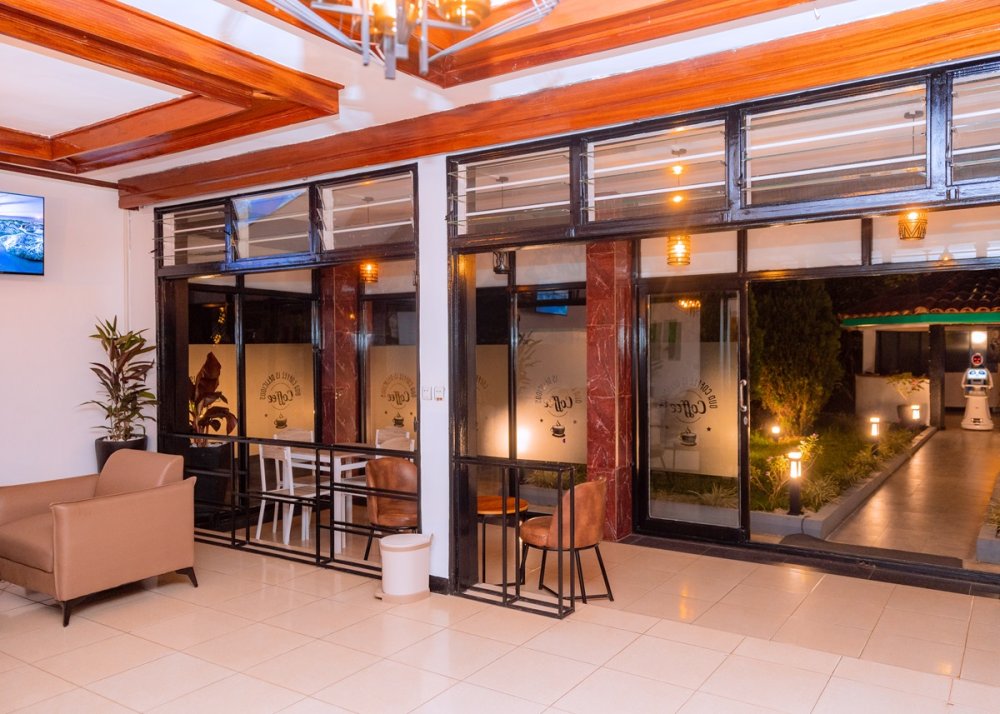
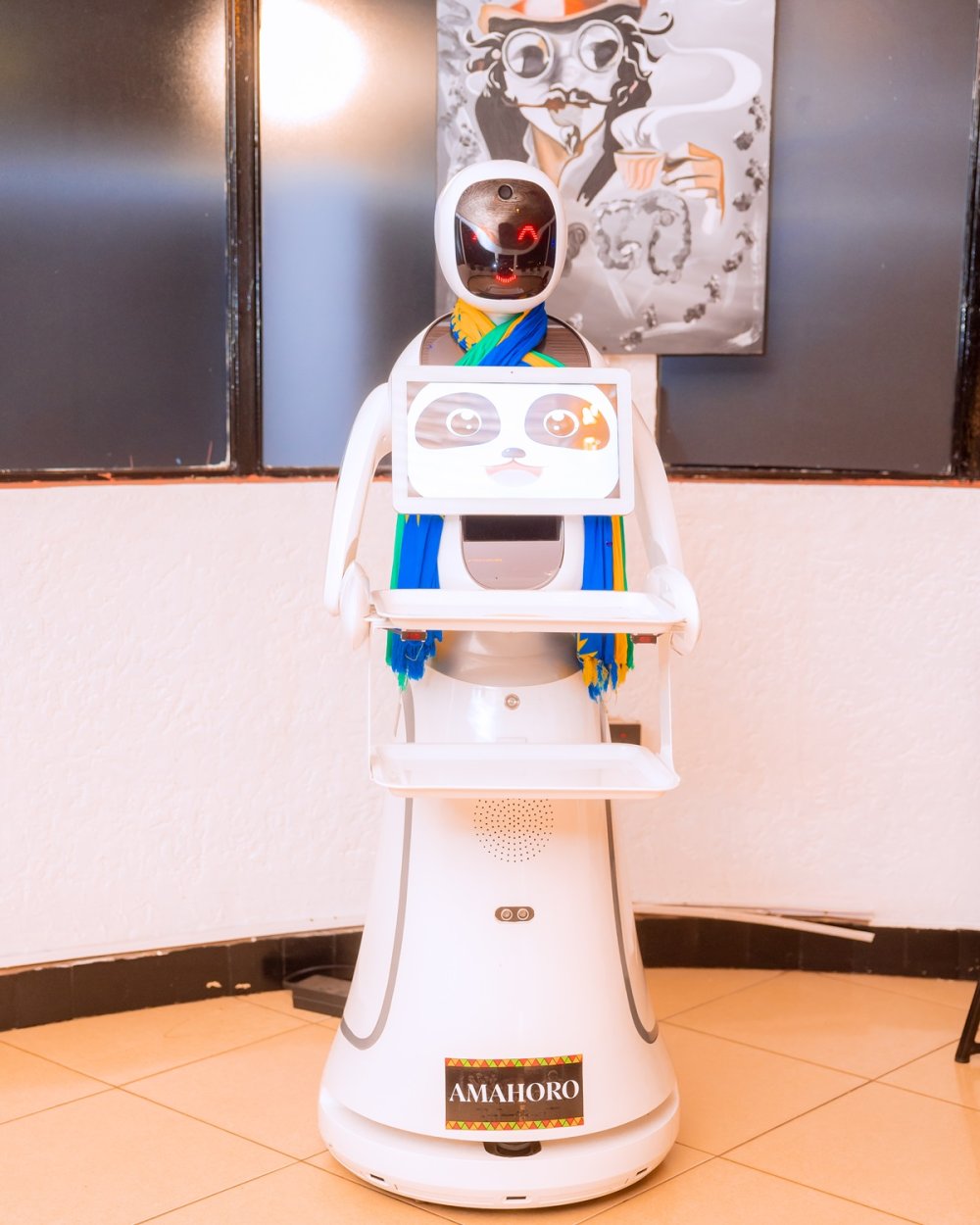
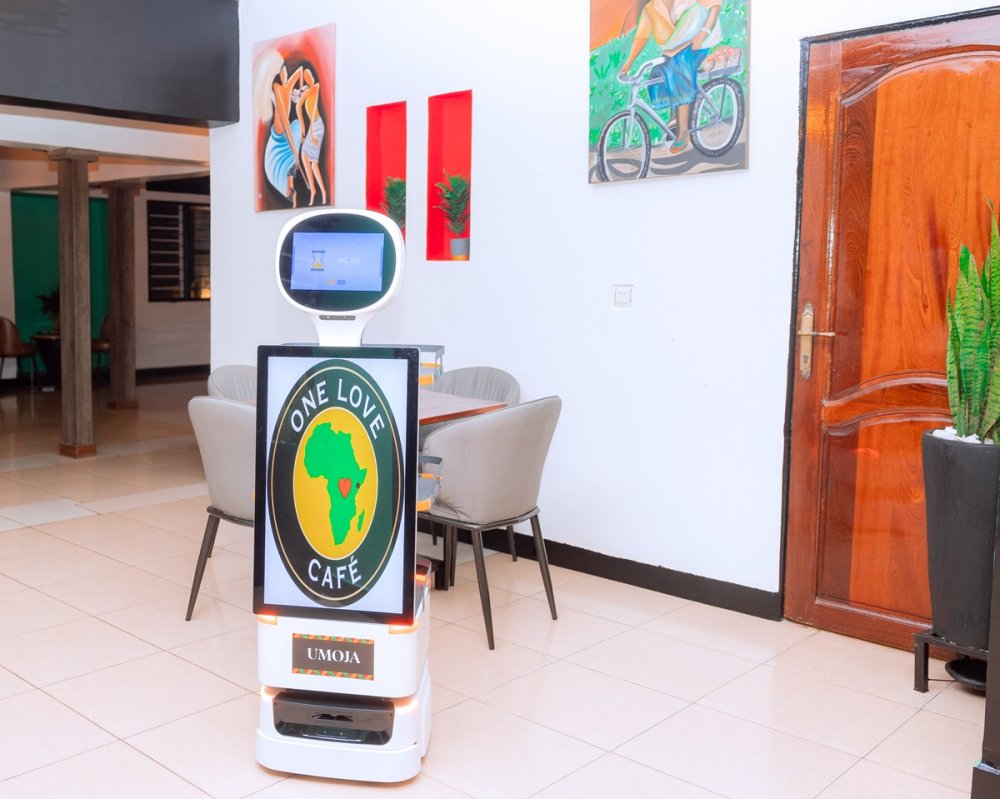
One Love Café, located in Kimihurura, Gasabo District, has introduced robots into its operations. Two of these robots, named Amahoro and Umoja (meaning “peace” and “unity”), greet and serve customers, delivering orders directly to tables and notifying customers when their meals arrive.
The robots also feature interactive capabilities, such as promoting tourism in Rwanda, highlighting Kigali’s cleanliness, singing birthday songs, and performing other entertainment tasks.
Umutoni Cynthia, manager at One Love Café, explained the decision to integrate robots: “We decided to introduce robots from the start, just as you would plan for any new project. Our goal was to align the restaurant with technological advancement and offer customers a modern experience.”
While some worry that robotics may reduce employment opportunities, technology experts stress that AI and robotics create new types of work. For instance, jobs emerge in robot maintenance, regulation, and operation, rather than simply replacing human labor. One Love Café, for example, still employs 20 staff members alongside the robots.
Engineer Misgun Abraha Berne, owner of One Love Café, emphasized that the goal is not to eliminate jobs but to enhance service delivery, attract customers, and introduce innovation in Rwanda’s hospitality sector: “Kigali is one of Africa’s fastest-growing tourist cities. We wanted to add something unique to our service offering and create a modern, enjoyable experience for visitors.”
The robots used at One Love Café are high-end and come at a significant cost. Engineer Misgun explained that, depending on the model, the robots’ prices range from 10 million to 50 million Rwandan francs, including shipping, taxes, and other fees.
He added: “If these robots prove popular and improve customer service, we plan to bring in more in the future.”
Innovation and economic impact
Technological innovation, particularly in services, plays a crucial role in Rwanda’s economic growth. In the third quarter of 2025, Rwanda’s GDP reached 5.525 trillion Rwandan francs, an 11.8% increase compared to the same period in the previous year. Services contributed 57% of this growth, agriculture 15%, and industry 22%.
Robots can deliver meals and entertain customers with songs, including birthday celebrations.Service robots at the restaurant assist staff in streamlining operations without replacing human workers.Amahoro delivers meals directly to customers’ tables, ensuring efficient service.Umoja greets guests and notifies them when their orders are ready.
Infantino said on social media that he met Trump on Tuesday evening to discuss preparations for the upcoming World Cup, which will be co-hosted by the United States, Canada and Mexico from June to July.
“This evening, I met with the President of the United States, Donald Trump to discuss the status of preparations for the upcoming FIFA World Cup, and the growing excitement as we are set to kick off in just 93 days,” Infantino wrote.
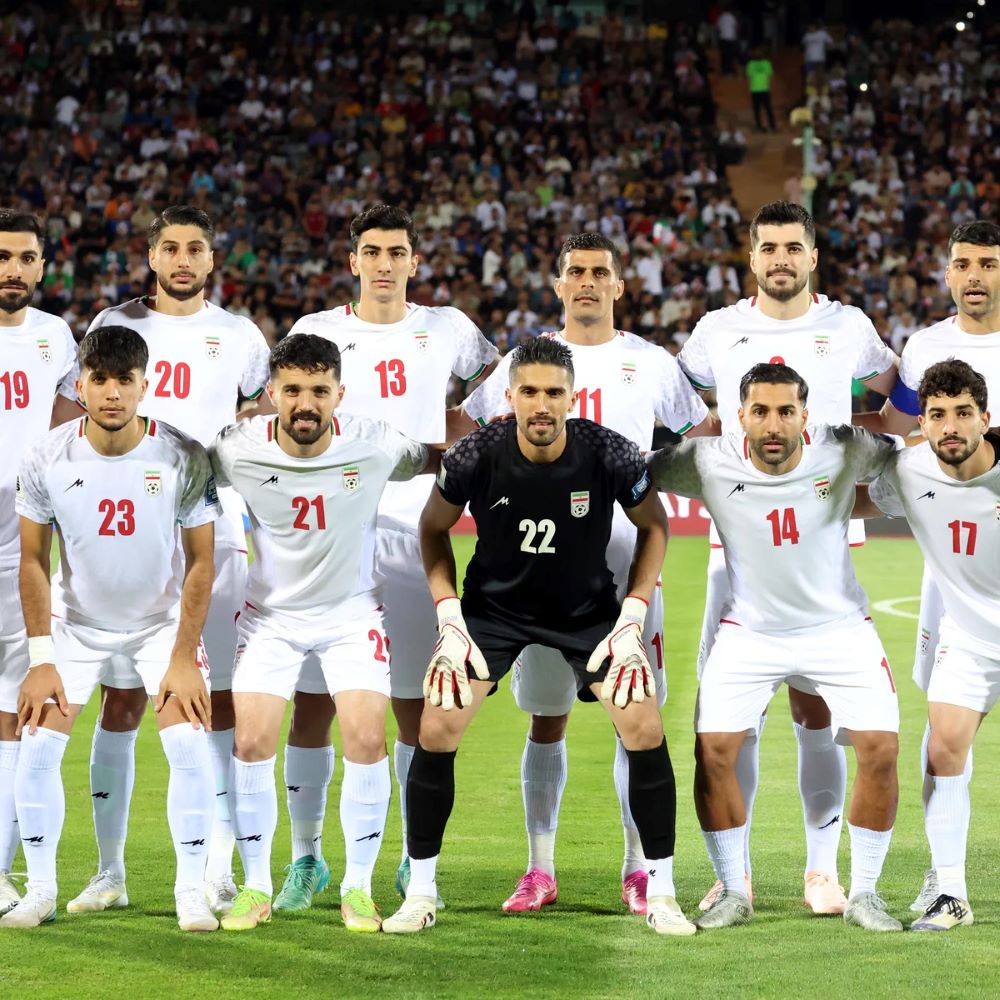
He added that the two also discussed the current situation in Iran and the fact that the Iranian team has already qualified for the tournament.
“During the discussions, President Trump reiterated that the Iranian team is, of course, welcome to compete in the tournament in the United States,” Infantino said. “We all need an event like FIFA World Cup to bring people together now more than ever.”
Tensions in the Middle East have escalated after military strikes by the United States and Israel on Iran, raising uncertainty over Iran’s participation in the tournament.
Mehdi Taj, president of Iran’s Football Federation, had said last week that Iran could not be optimistic about participating in the World Cup under the current circumstances.
According to the draw, Iran is placed in Group G alongside Belgium, New Zealand and Egypt, with all three of its group-stage matches scheduled to be played in the United States.
Iran have qualified for their fourth consecutive World Cup
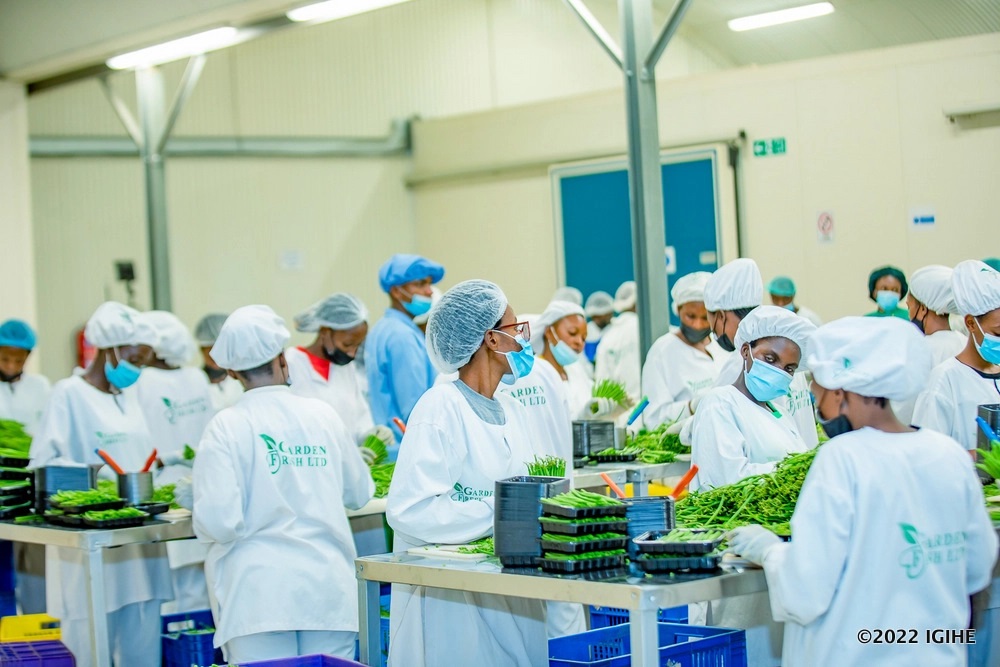
During these five days, the country shipped a variety of products including coffee, tea, vegetables, fruits, flowers, livestock products, and more.
Coffee exports totaled 508 tonnes, earning over $2.7 million, while 846 tonnes of tea brought in more than $2.3 million. Vegetables, shipped at 440 tonnes, generated approximately $479,450. Fruit exports reached 462 tonnes, earning over $311,000, and 42 tonnes of flowers brought in more than $282,000.
The main destinations for these exports included the United Kingdom, the Netherlands, the United Arab Emirates, France, Germany, and other African countries.
Other agricultural products totaling 7,078 tonnes earned over $3.7 million, while 273 tonnes of livestock products generated more than $437,000. These were primarily exported to Oman, Nigeria, and other African countries.
Rwanda earned over Rwf14 billion from agricultural exports in five days.
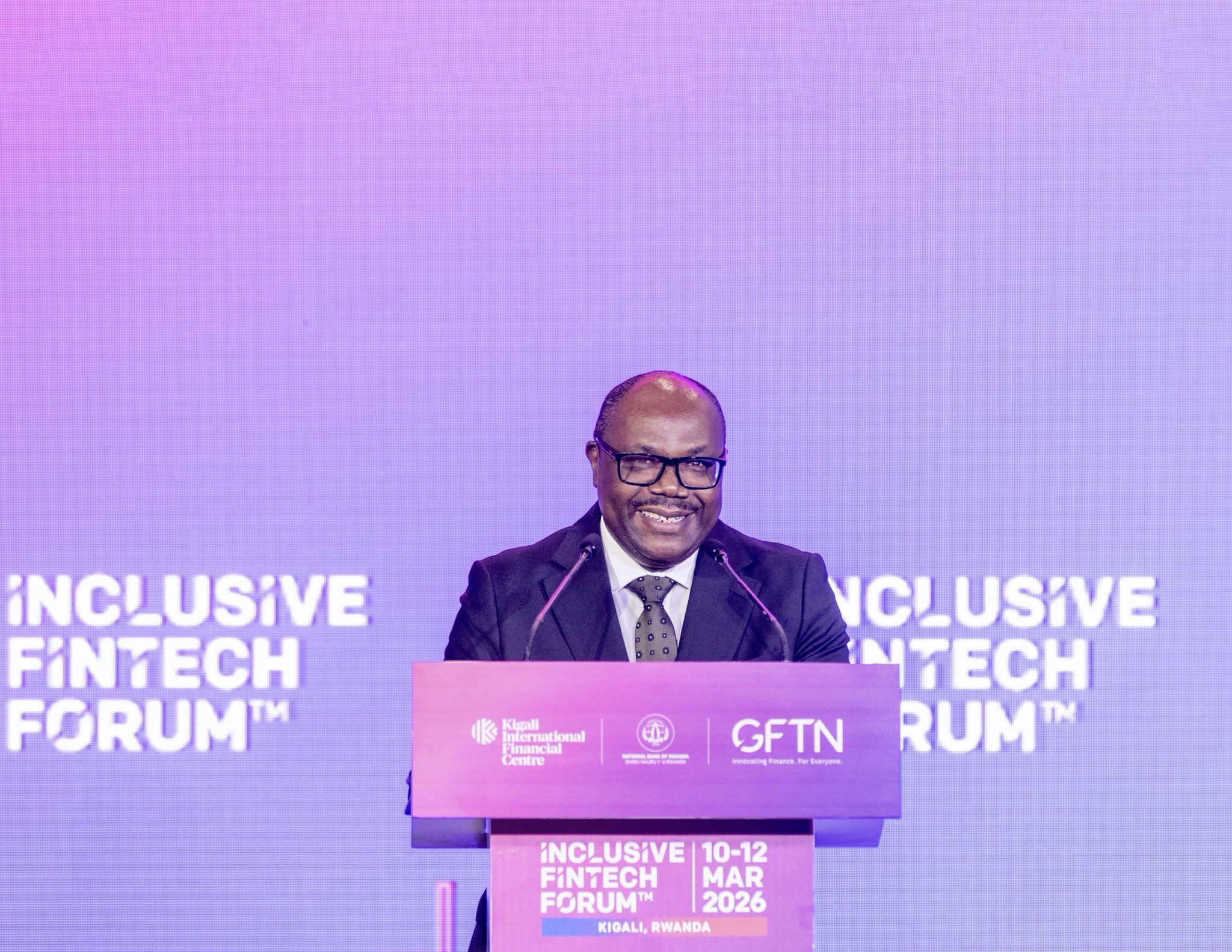
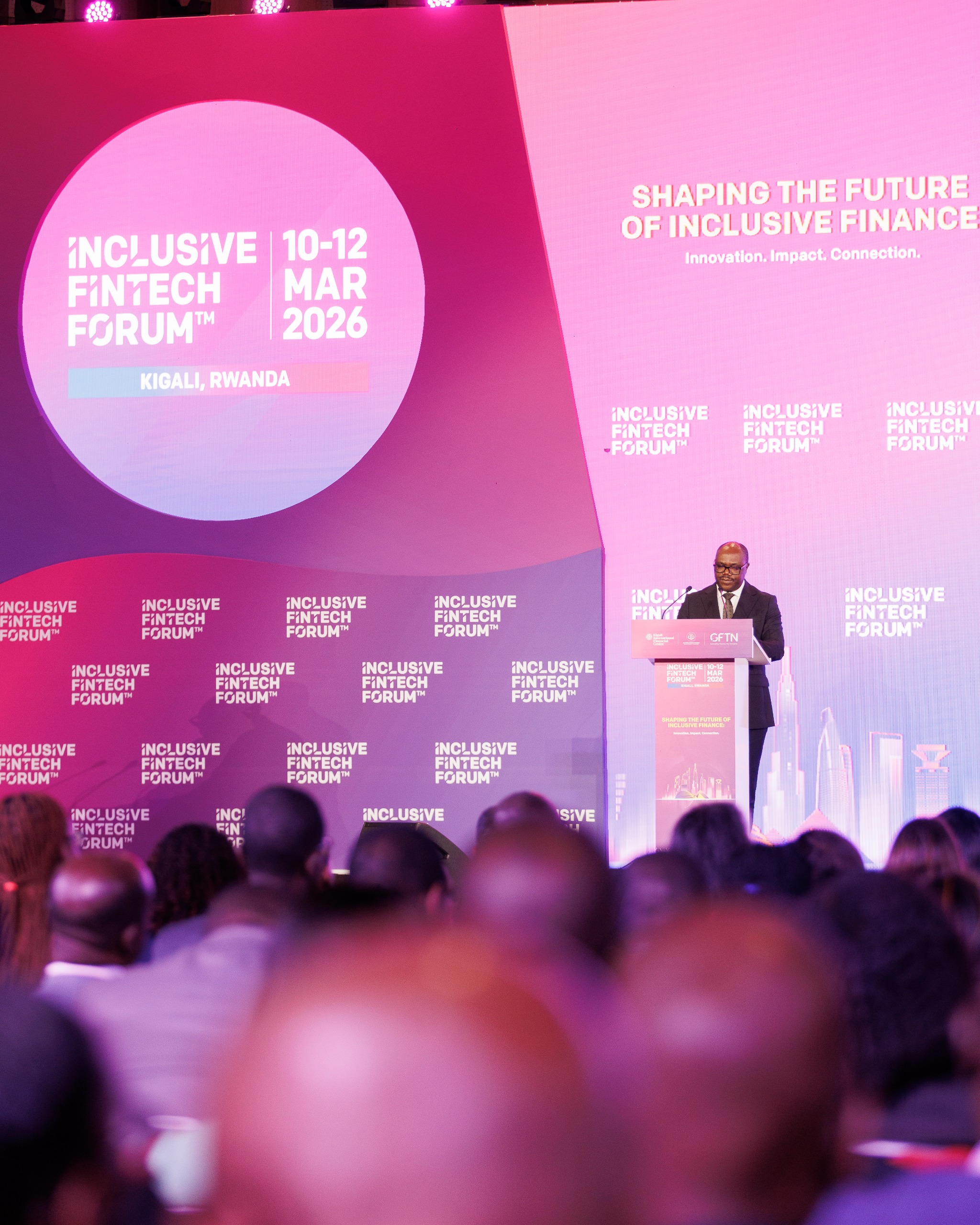
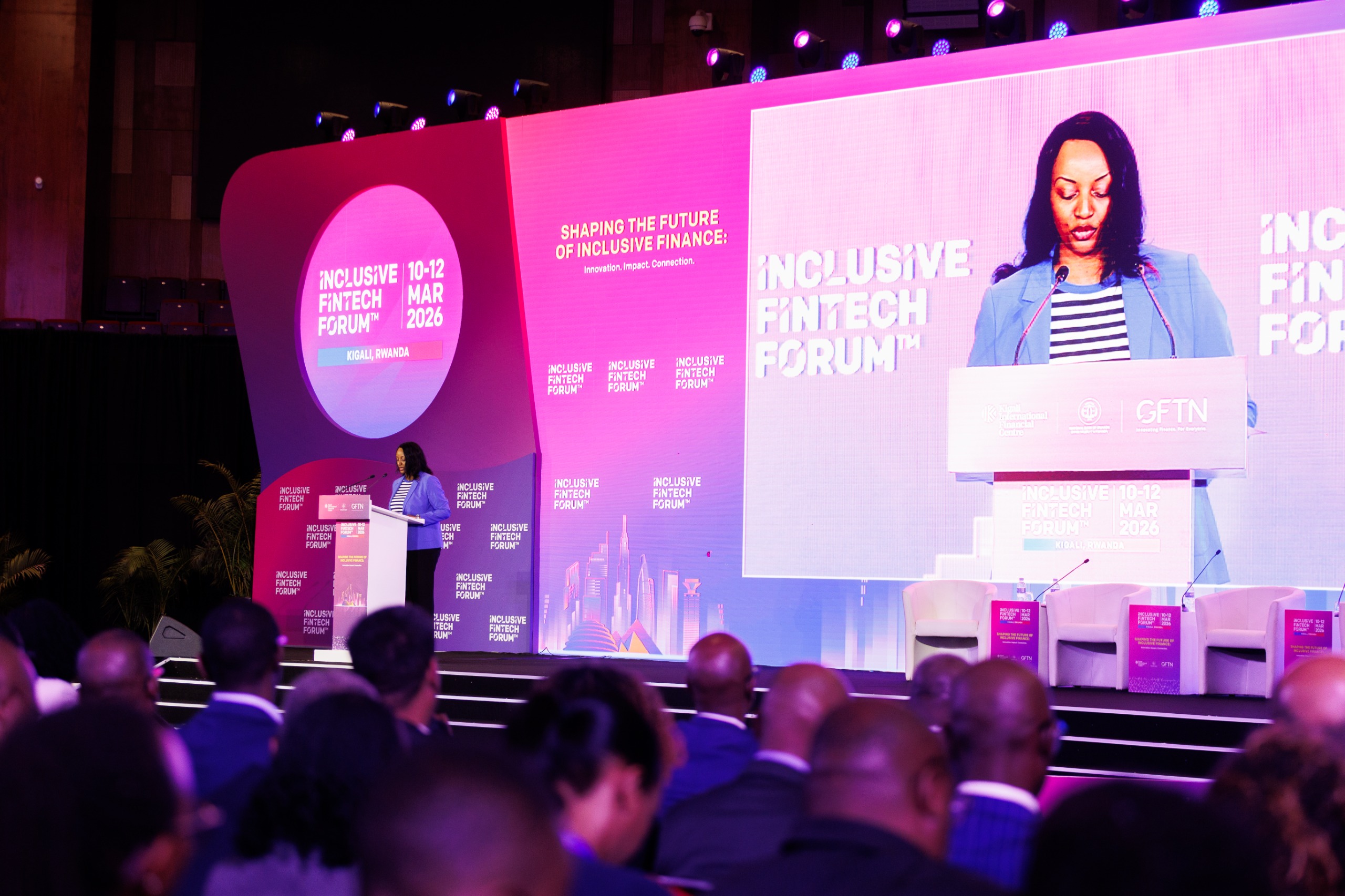
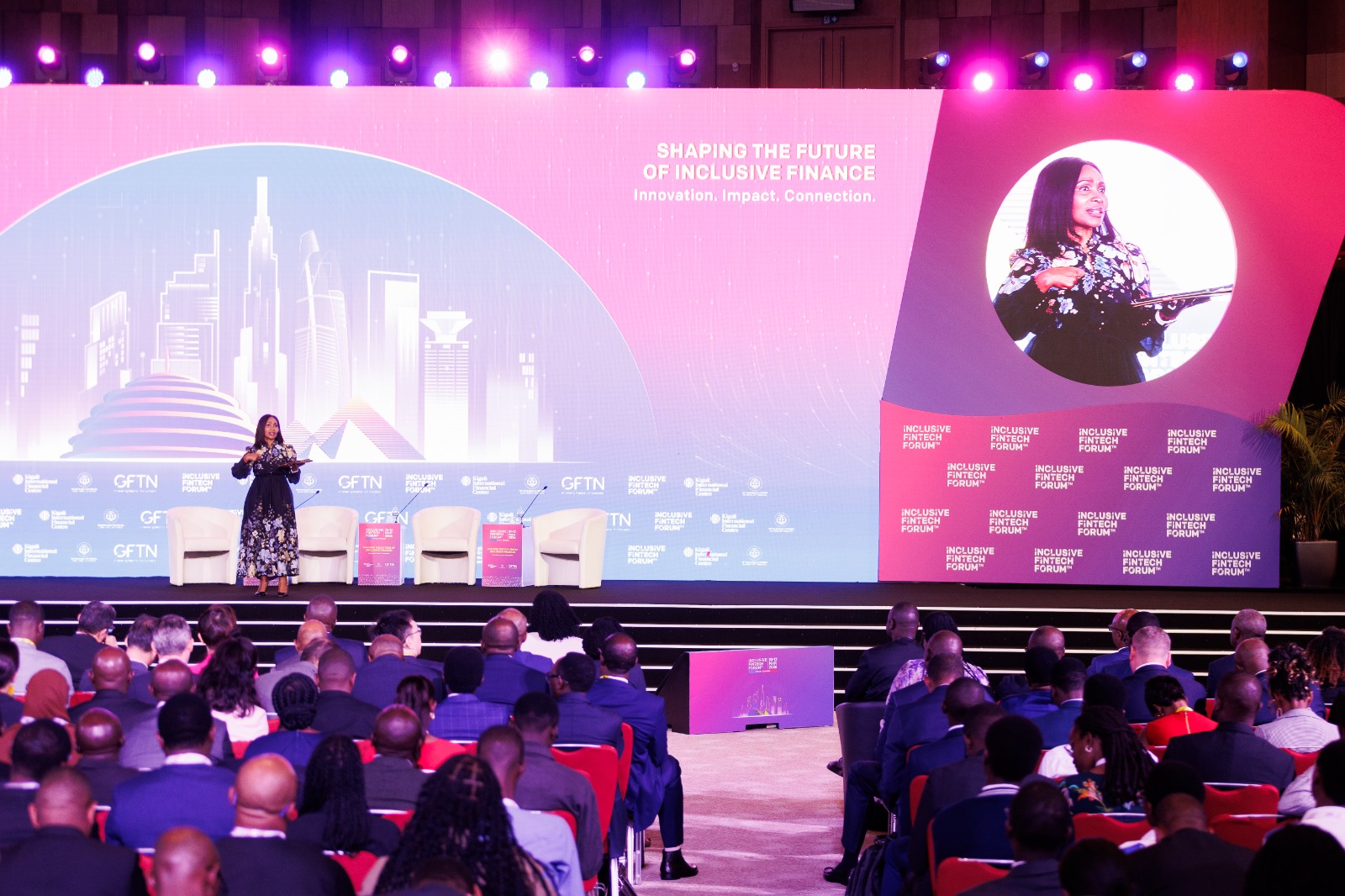
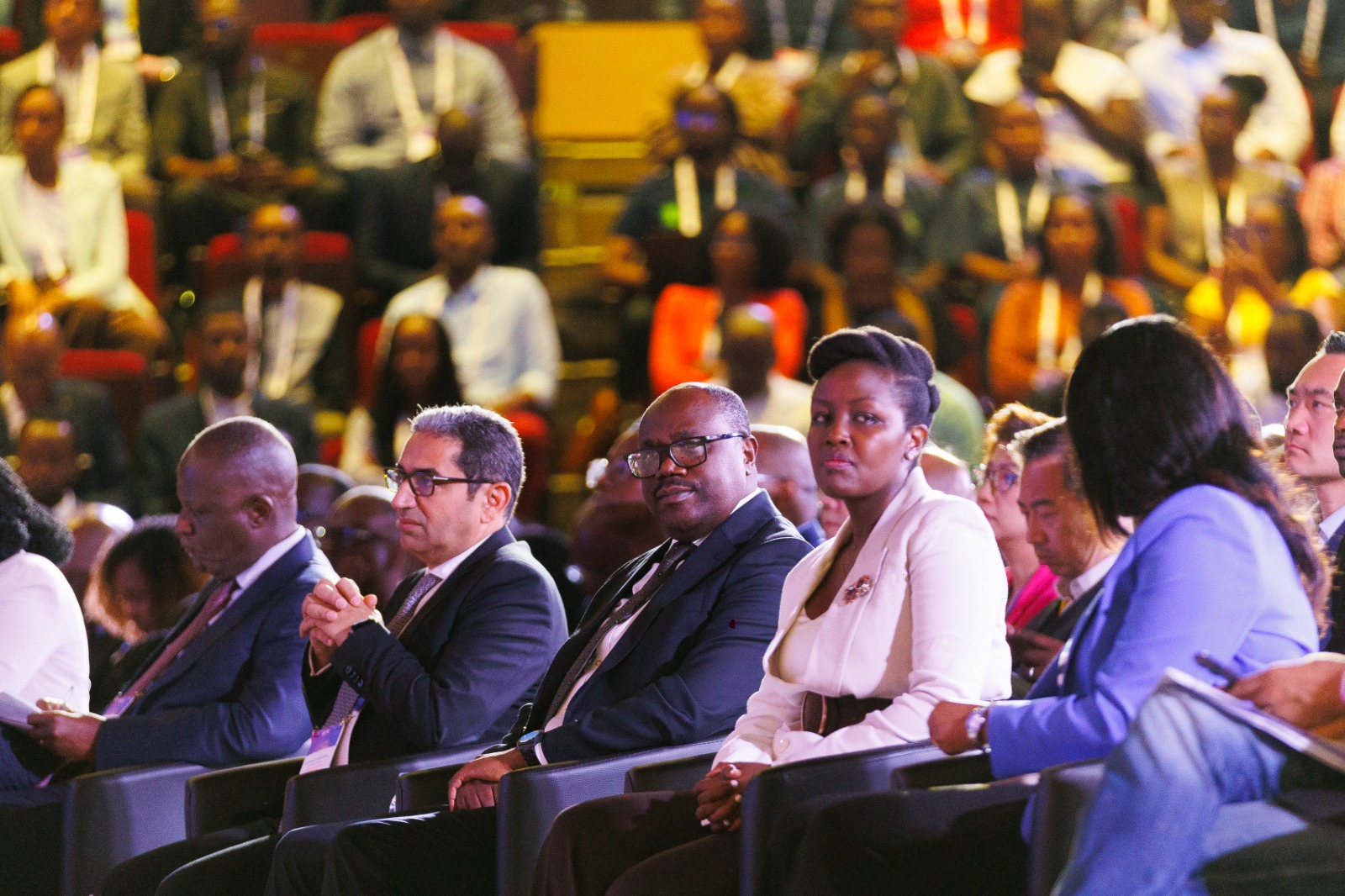
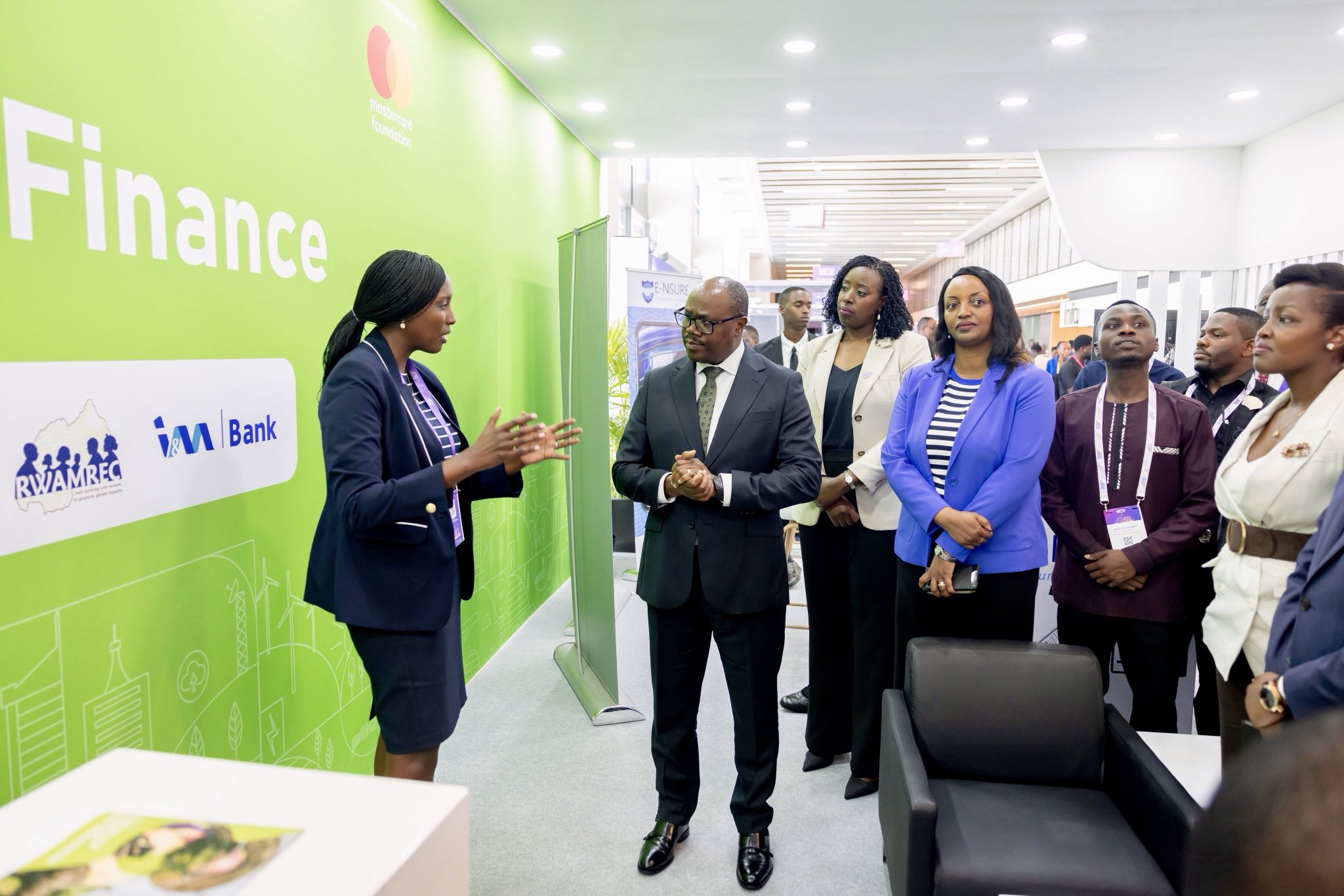
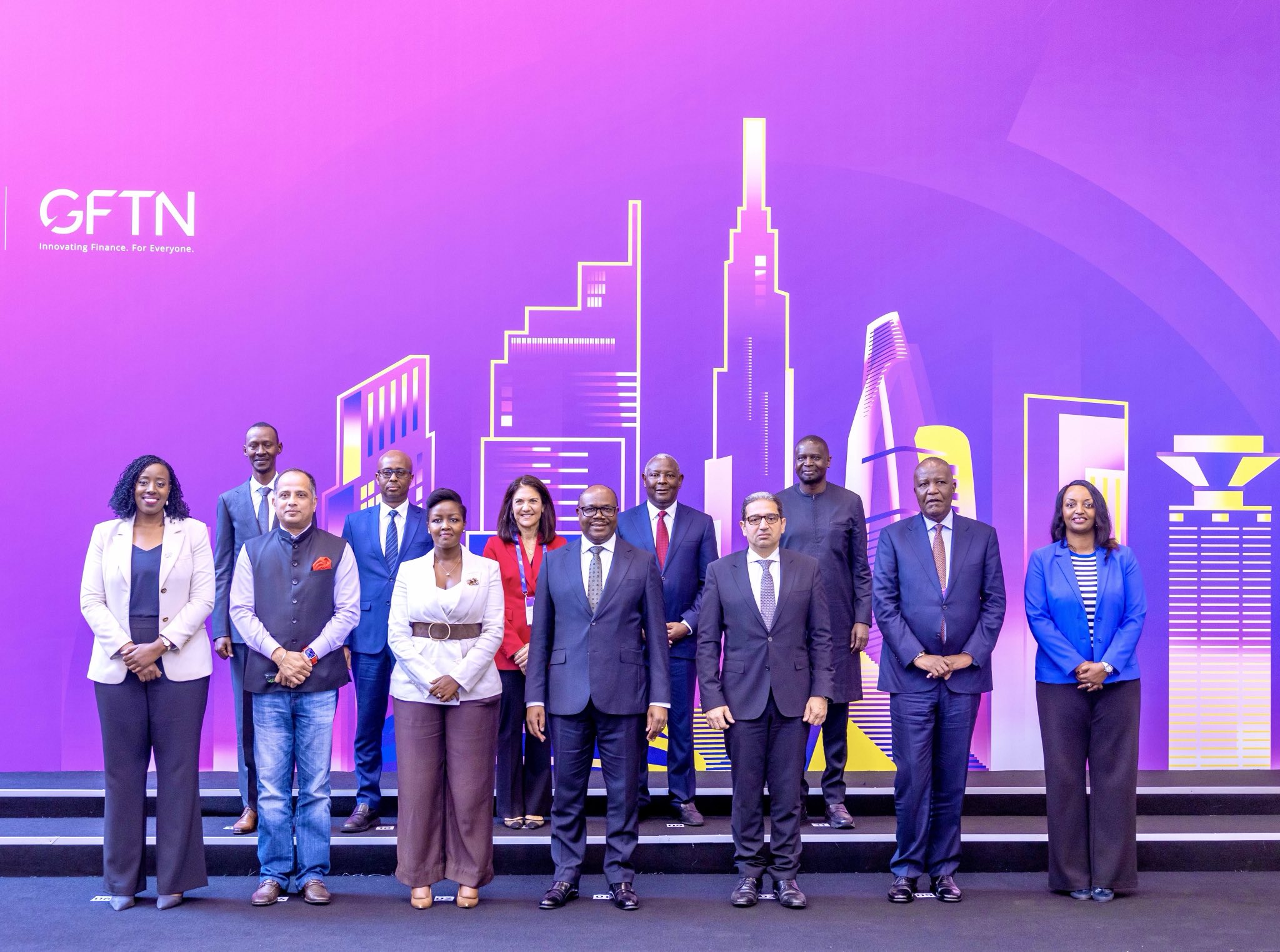
Held from March 10 to 12 at the Kigali Convention Centre, the forum brings together participants from the finance, technology and investment sectors to explore how innovation can accelerate financial inclusion and unlock capital for Africa’s growing digital economy.
Opening the forum, Prime Minister Justin Nsengiyumva said the global financial system is undergoing profound changes that present both risks and opportunities for the continent.
“We are honoured to host you in Kigali to advance an important global mission: building a financial system that leaves no one behind,” he said.
Nsengiyumva noted that Africa has historically operated on the margins of global finance, often facing limited access to capital and high risk premiums. However, rapid advances in digital technologies are allowing African entrepreneurs to bypass traditional infrastructure constraints, particularly in the fast-growing fintech sector.
“The opportunity for Africa to become a cradle of global business and innovation is real,” he said, adding that inclusive financial systems will be essential to mobilise investment for key sectors including energy, digital infrastructure, manufacturing and human capital.
Nsengiyumva said Rwanda is ready to work with global investors, innovators and policymakers to help unlock these opportunities and accelerate the continent’s digital financial transformation.
“To the investors and innovators gathered here today, allow me to reaffirm that Rwanda stands ready to partner with you to unlock the extraordinary opportunities before us,” he said, adding that the country aims to build a dynamic, secure and inclusive financial ecosystem capable of supporting Africa’s next phase of growth.
Rwanda has spent the past two decades investing heavily in digital infrastructure as part of its long-term economic transformation strategy. The country now has near-universal 4G population coverage and has digitised many public services through platforms such as Irembo, improving access to government services and enabling electronic transactions across the economy.
Today, about 92 percent of adults in Rwanda have access to financial services through bank accounts or mobile money wallets.
The Governor of the National Bank of Rwanda, Soraya Hakuziyaremye, said the country’s progress shows how the right policy environment can accelerate financial inclusion.
“In Rwanda, we have made remarkable strides in financial inclusion, from just 21 percent in 2008 to 92 percent of adults today having access to a bank account or mobile money wallet,” she said.
Across Sub-Saharan Africa, the region remains the global leader in mobile money adoption, with more than 600 million registered accounts, while digital payments continue to grow at double-digit rates.
“These are not just statistics,” Hakuziyaremye said. “They represent farmers, traders, women and youth whose financial wellbeing has improved. But more needs to be done to ensure financial resilience for households and enterprises.”
To deepen access to digital financial services, Rwanda has launched a new national financial inclusion roadmap for 2026–2030 aimed at expanding digital payments, strengthening financial resilience and supporting innovation in emerging technologies such as artificial intelligence and digital assets.
Regulators are also focusing on improving cross-border payments and enhancing regulatory cooperation across African markets, which experts say will be critical for scaling digital finance across the continent.
Industry leaders at the forum warned that Africa still faces structural barriers that limit trade and financial integration.
Haytham ElMaayergi, Executive Vice President for Global Trade Bank at African Export-Import Bank (Afreximbank), said Africa’s digital gap risks becoming a competitiveness gap if infrastructure and integration challenges are not addressed.
“Globally, about 25 percent of trade is conducted through digital processes, but in Africa that figure is only around five percent,” he said.
Fragmented financial systems mean cross-border payments in Africa can cost up to three times the global average, while small and medium-sized enterprises face a trade finance gap estimated at $120 billion.
However, initiatives such as the African Continental Free Trade Area are creating new opportunities to integrate African markets by connecting 1.3 billion people into a $3.4 trillion economic bloc.
Afreximbank is supporting that transformation through digital platforms such as the Africa Trade Gateway, which helps African businesses identify partners, access trade intelligence and secure financing.
The bank is also backing the Pan-African Payment and Settlement System, which enables cross-border trade to be settled in local currencies, helping reduce transaction costs and reliance on foreign exchange.
ElMaayergi also praised Rwanda’s progress in building a fintech ecosystem capable of serving as a continental innovation hub.
“Afreximbank is committed to supporting Africa’s and Rwanda’s digital transformation and innovation agenda as the country advances its knowledge-based economy and growing fintech, AI and startup ecosystem,” he said.
He added that Kigali has already demonstrated the conditions needed to scale financial innovation across Africa.
“Through the Kigali International Financial Centre, the city has created a proof of concept for Africa. You have the regulatory clarity, political will and infrastructure to serve as the control tower of African fintech,” he said.
ElMaayergi stressed that digital infrastructure must now be treated as a strategic economic priority.
“Digital payment rails are as essential as paved roads,” he said. “Without them, trade stands still. The time for pilot projects is over , we must scale now.”
Organised by the Kigali International Financial Centre, the National Bank of Rwanda and the Global Finance & Technology Network, the Inclusive FinTech Forum has emerged as a leading global platform for advancing financial innovation in emerging markets.
This year’s discussions focus on topics such as artificial intelligence-driven financial services, digital currency corridors, open finance ecosystems and climate-focused fintech solutions.
For Rwanda, the event reflects a broader strategy to position Kigali as a gateway for financial innovation and investment in Africa’s rapidly evolving digital economy.
Opening the forum, Prime Minister Justin Nsengiyumva said the global financial system is undergoing profound changes that present both risks and opportunities for the continent.The Governor of the National Bank of Rwanda, Soraya Hakuziyaremye, said the country’s progress shows how the right policy environment can accelerate financial inclusion.Held from March 10 to 12 at the Kigali Convention Centre, the forum brings together participants from the finance, technology and investment sectors to explore how innovation can accelerate financial inclusion and unlock capital for Africa’s growing digital economy.
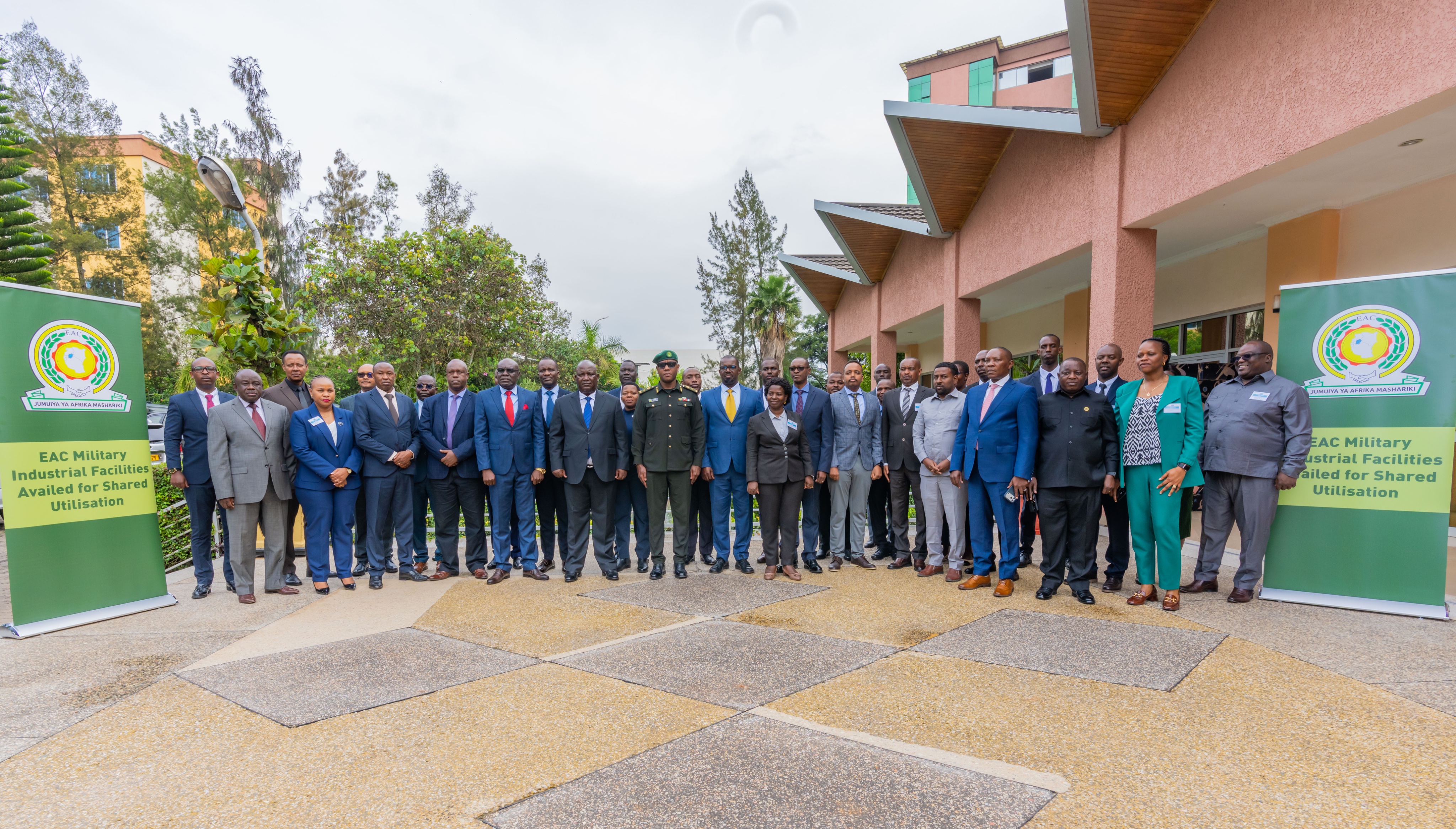
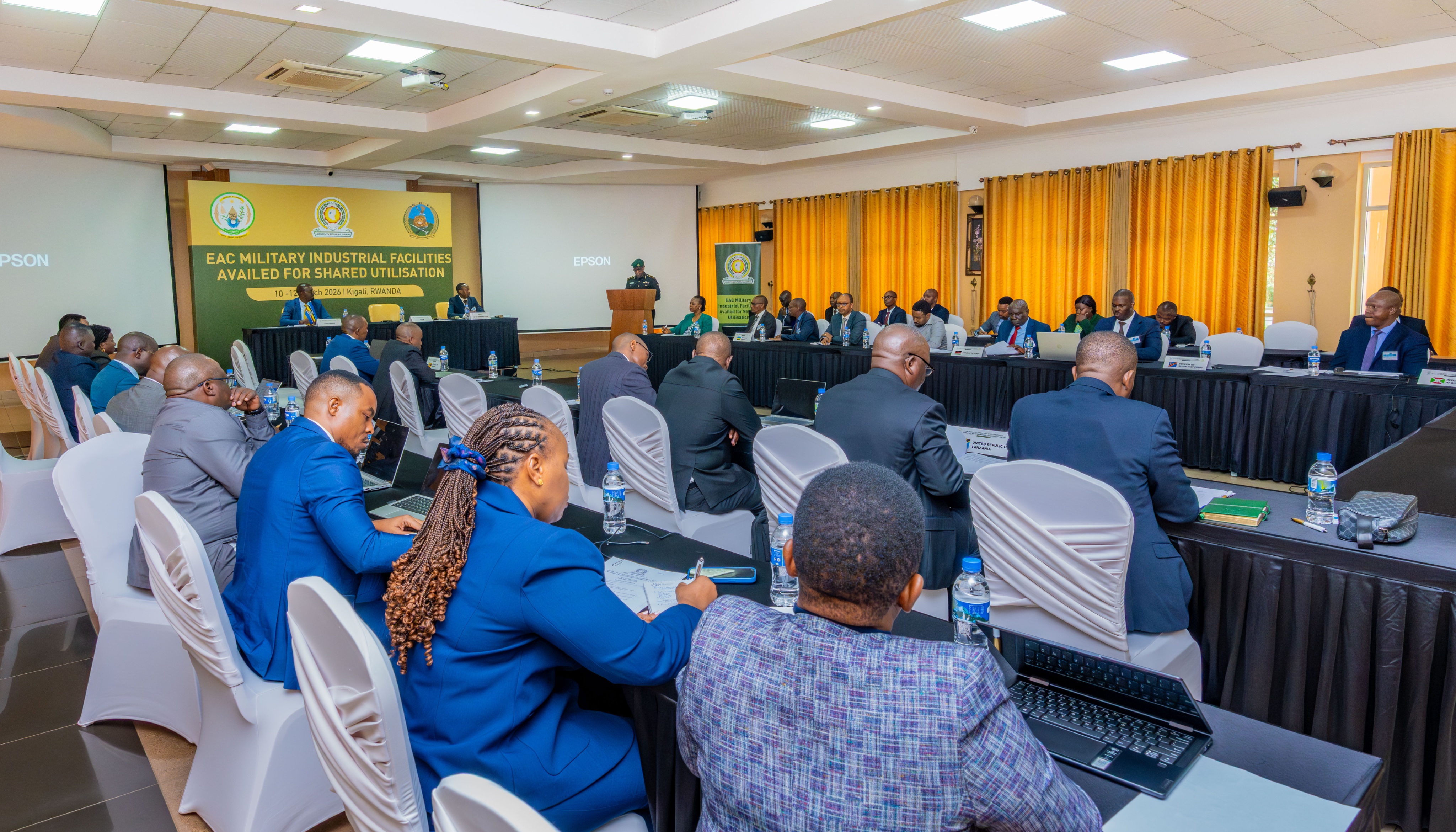
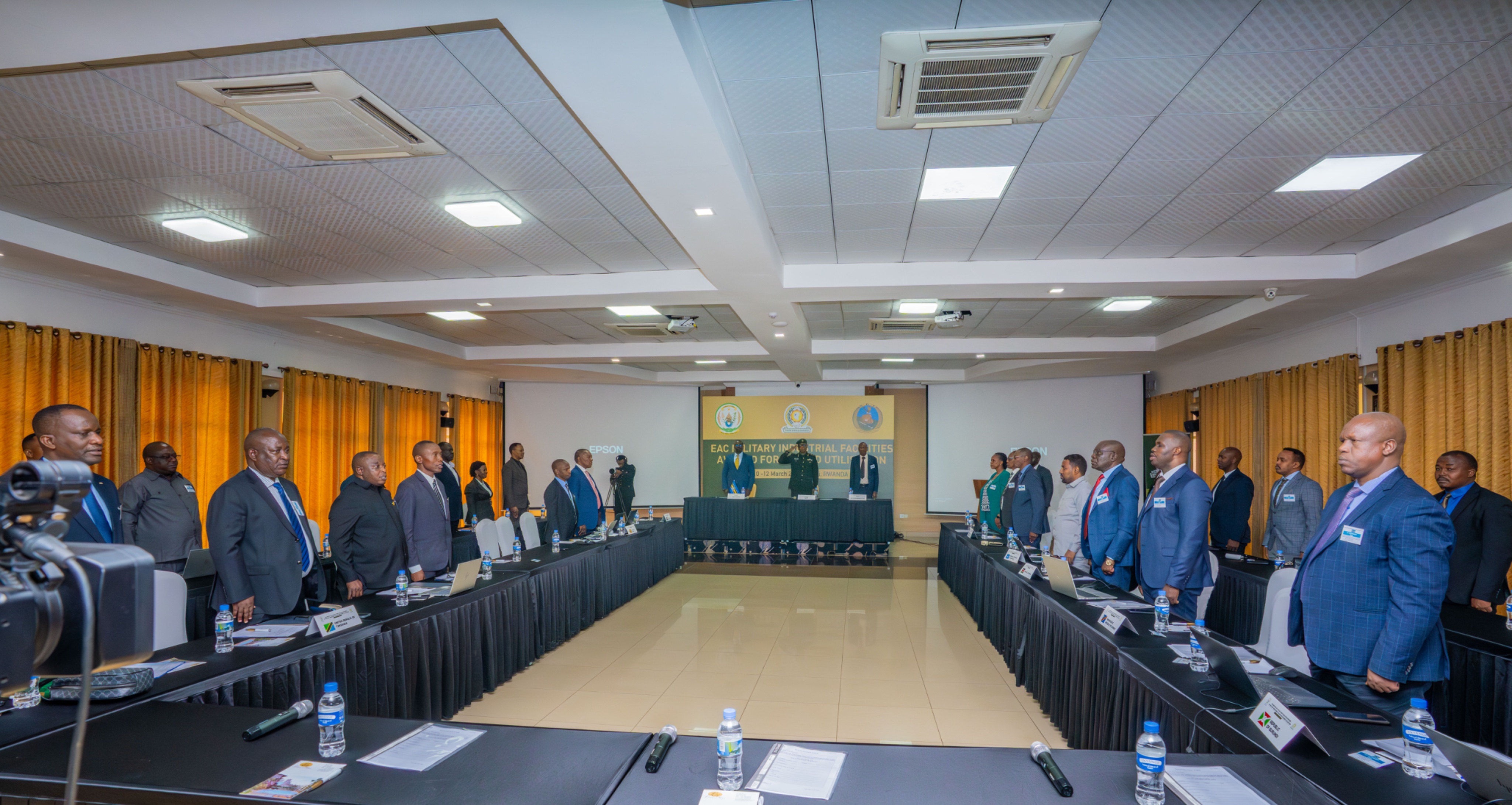
The meeting is being held pursuant to Article 2 of the EAC Protocol on Cooperation in Defence Affairs and in accordance with the EAC Defence Sector Calendar of Activities for the period January–June 2026.
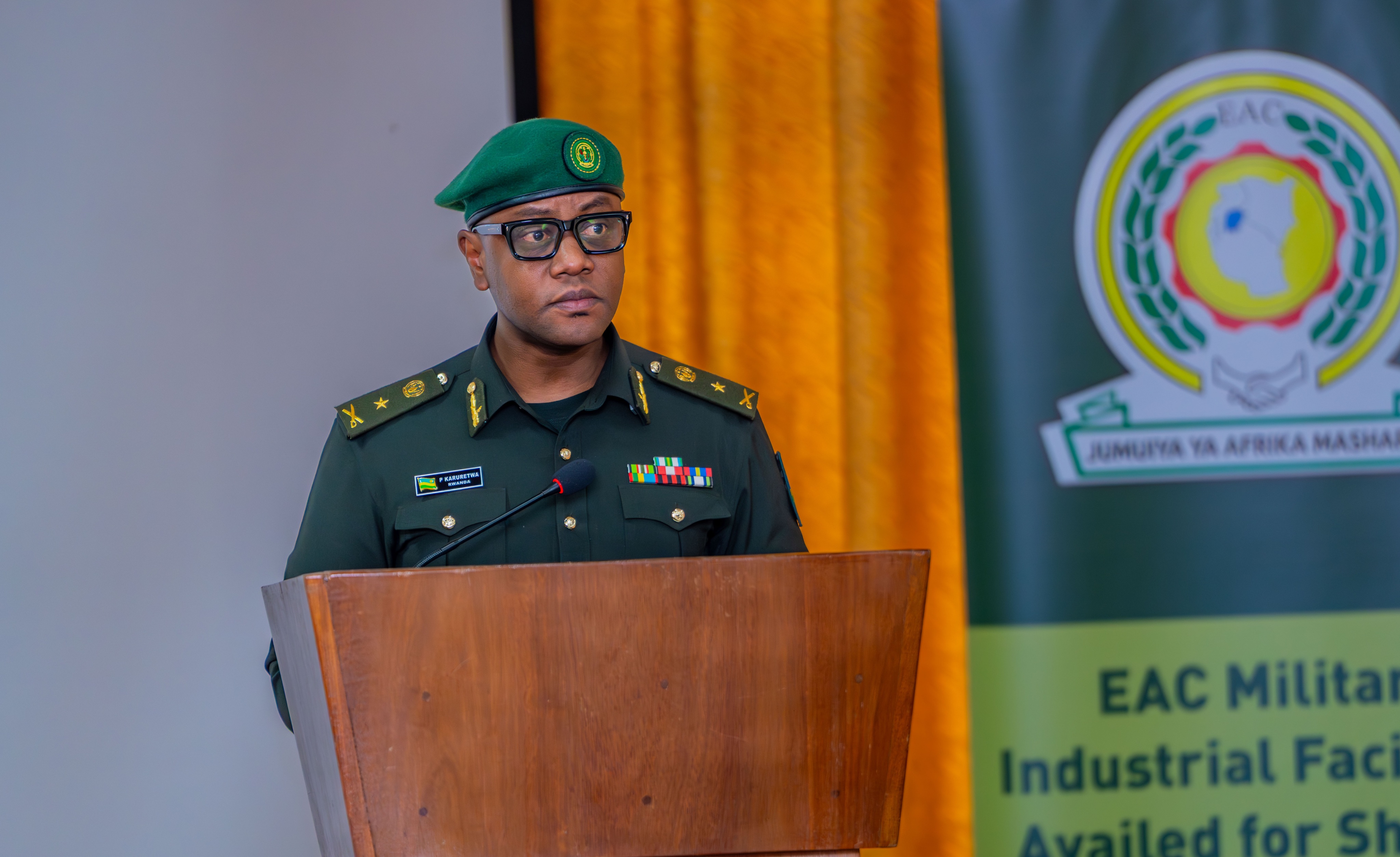
While opening the meeting, Brig Gen Patrick Karuretwa, Director General of International Military Cooperation at the Ministry of Defence, Rwanda, noted that the gathering reflects the collective commitment of EAC defence institutions to strengthening cooperation within the defence sector and enhancing the region’s security capabilities.
He highlighted that military industrial facilities play a critical role in enabling armed forces to operate effectively by providing reliable access to essential equipment, maintenance services, and technical capabilities. He further noted that defence industries contribute significantly to economic growth, industrial development, job creation, and technological advancement.
“For the East African Community, cooperation in this domain presents significant opportunities. Through the shared utilization of military industrial facilities, we can optimize our resources, strengthen regional capacity, and promote the exchange of knowledge, skills, and technological expertise,” he said.
Brig Gen Karuretwa further emphasized that Rwanda remains fully committed to working with all EAC Partner States to advance initiatives that promote collective security, innovation, and industrial development across the region.
The Chairperson of the meeting, Eng. James Mutamba from the National Enterprise Corporation of Uganda, expressed optimism about the engagement.
He noted that such meetings are essential for strengthening cooperation among EAC member states, enabling them to share available facilities within the region instead of relying on products from abroad.
He added that EAC countries have developed specific capabilities in defence manufacturing, making regional cooperation both practical and economically beneficial.
Countries represented at the meeting include Burundi, Kenya, Somalia, Tanzania, Uganda, and the host nation, Rwanda.
The meeting was opened by Brig Gen Patrick Karuretwa, Director General of International Military Cooperation at the Ministry of Defence.The meeting is being held pursuant to Article 2 of the EAC Protocol on Cooperation in Defence Affairs.Countries represented at the meeting include Burundi, Kenya, Somalia, Tanzania, Uganda, and the host nation, Rwanda.Chief Executive Officers of Military Industrial Facilities from member states of the East African Community (EAC) convened in Kigali for a three-day meeting from 10–12 March 2026.
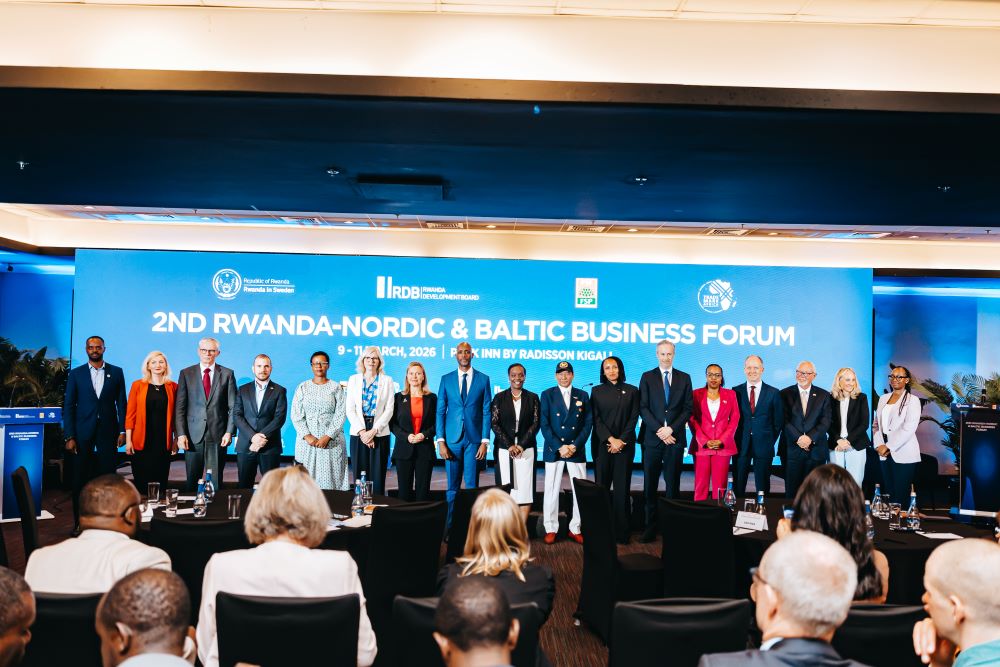
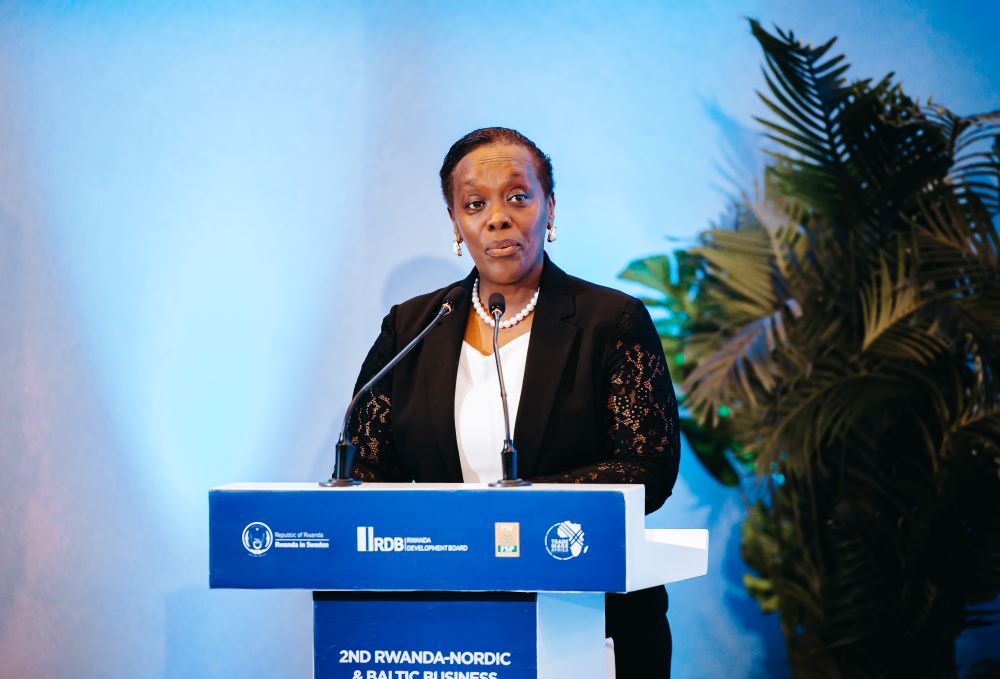
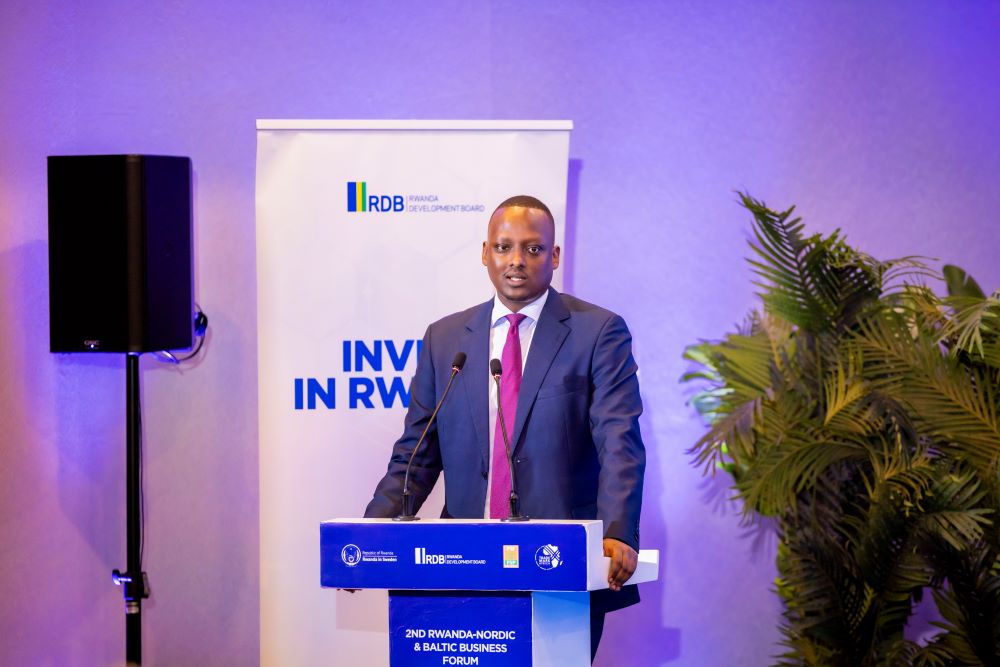
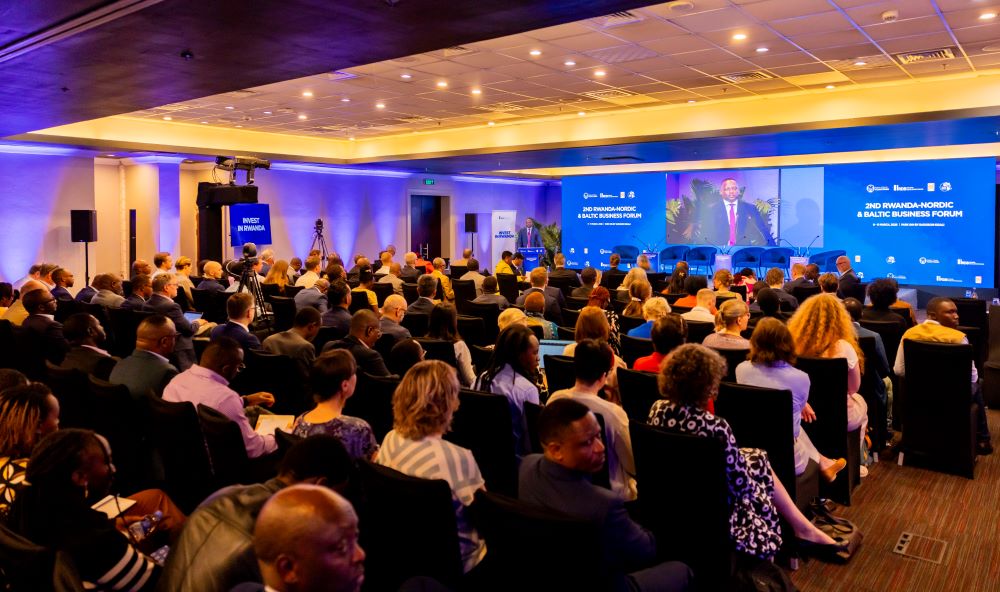
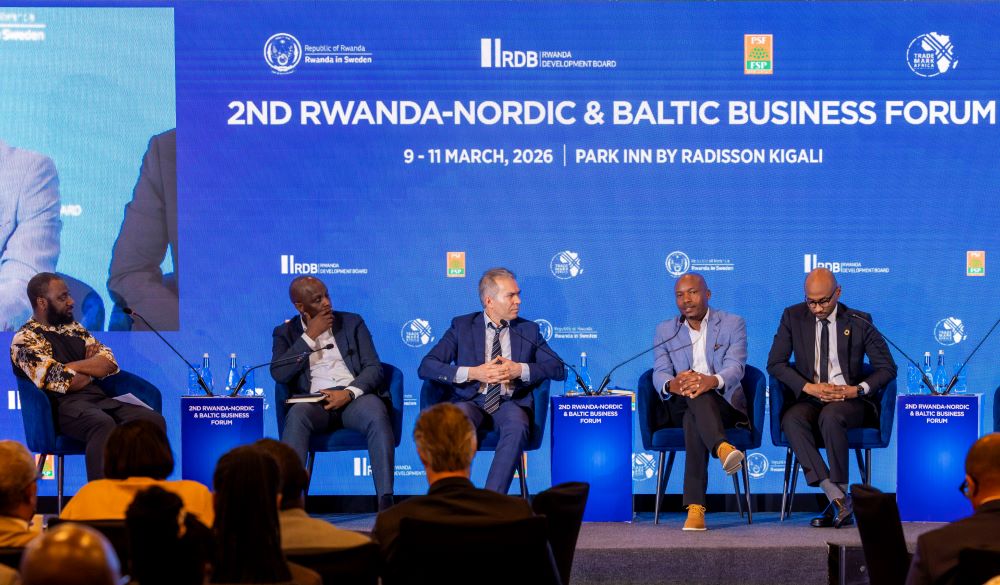
At the opening of the forum on March 9 , Rwanda’s Ambassador to Sweden, Diane Gashumba, welcomed the visiting delegations.
“I want to take this moment to thank the delegation from the Baltic and Nordic countries. You are welcome to the Land of a Thousand Hills and a thousand opportunities.”
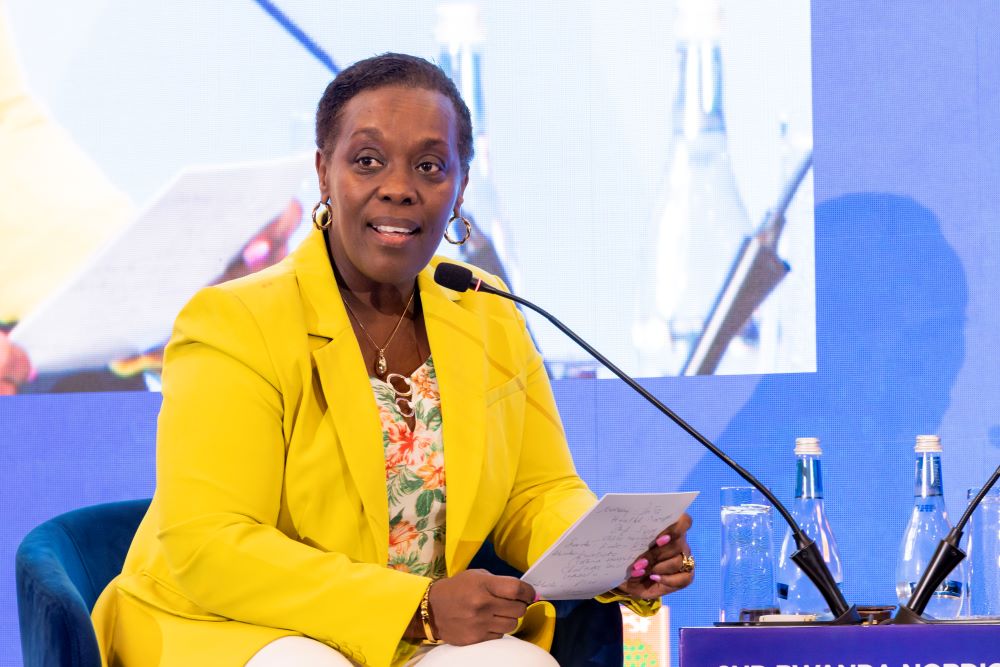
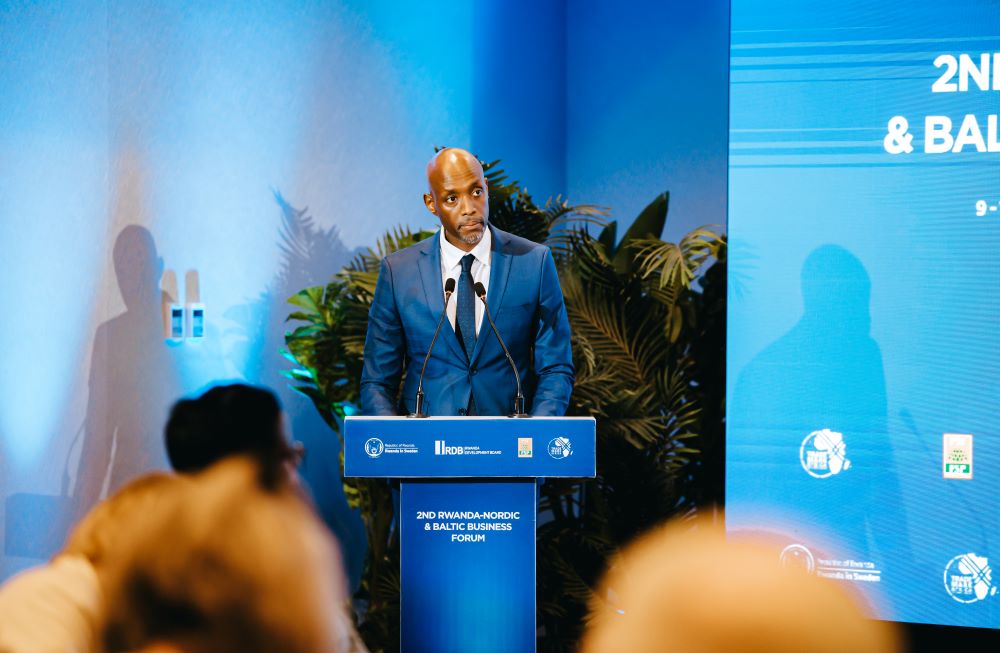
During the forum, the Minister of State for Primary Health Care at the Ministry of Health, Yvan Butera, highlighted the remarkable progress Rwanda has achieved in maternal and newborn health.
According to him, thanks to the joint efforts of the government and its partners, the country has made significant advances in recent years.
“Rwanda, together with its partners, is proud of the remarkable progress achieved in maternal and newborn health, and we are ready to take the next step forward with partners who share the same ambitions.”
The minister noted that maternal mortality has declined significantly, while 98% of births now take place in health facilities with skilled health providers, reflecting the country’s strong commitment to safe delivery.
Progress is also visible in childhood vaccination. Today, 94% of children aged 12 to 23 months are fully vaccinated with basic antigens, and 98% receive key vaccines such as BCG.
Rwanda has also strengthened access to healthcare through its health insurance system. More than 90% of the population is covered by community-based or private health insurance schemes, allowing citizens to access quality healthcare services without facing heavy financial burdens.
Minister Butera invited Nordic and Baltic countries to strengthen their collaboration with Rwanda in order to accelerate progress in the health sector.
“Rwanda is not only one of the fastest-improving health systems in Africa, but also a transparent and corruption-free environment where investments generate a real impact on people’s lives.”
For his part, Rwanda Development Board (RDB) CEO Jean-Guy Afrika highlighted the country’s advances in pharmaceutical regulation and life sciences.
He noted that the Rwanda Food and Drugs Authority (Rwanda FDA) has reached World Health Organization (WHO) Maturity Level 3, demonstrating its ability to consistently and effectively regulate medical products according to internationally recognized standards.
Afrika also emphasized Rwanda’s ambition to become a regional biotechnology and vaccine manufacturing hub, notably through the establishment of facilities by BioNTech.
These infrastructures aim to produce vaccines locally in Africa, strengthen the continent’s health security, and improve access to innovative vaccines while reducing reliance on imports during future health emergencies.
During the forum, Dr. Albert Tuyishime, Head of the Diseases Prevention and Control Department (HDPC), also shared Rwanda’s experience in building an African bio-manufacturing and vaccine innovation ecosystem.
Drawing on the country’s effective responses to various outbreaks, he highlighted several key lessons, including the importance of strong public policies, effective regulation, innovation, and research to support vaccine development.
According to him, these efforts are closely linked to health security and emergency preparedness.
On this occasion, Rwandan officials invited investors from Nordic and Baltic countries to explore opportunities in Rwanda’s Life Sciences sector, a rapidly expanding field in the country.
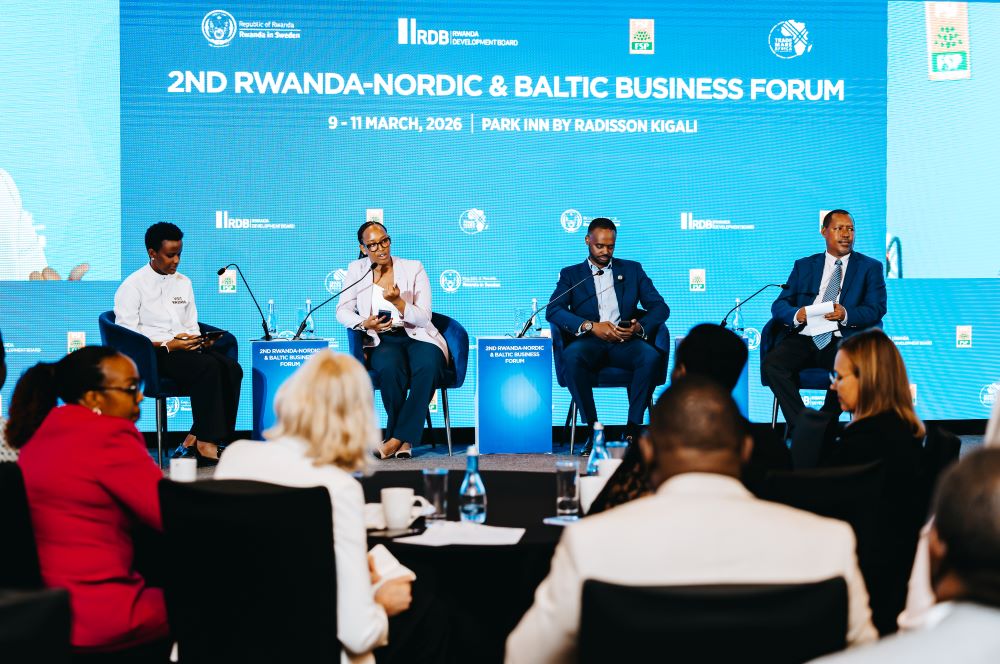
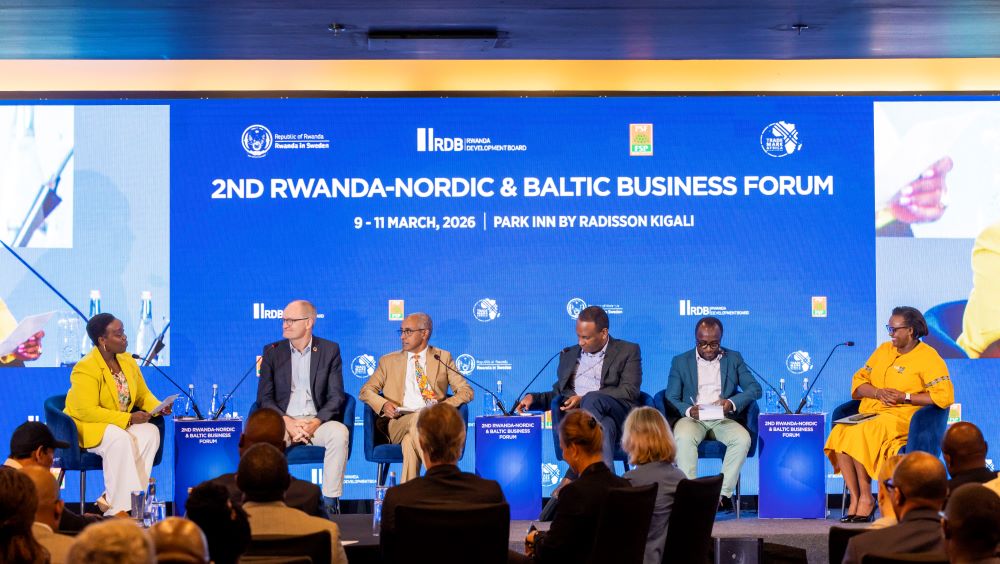
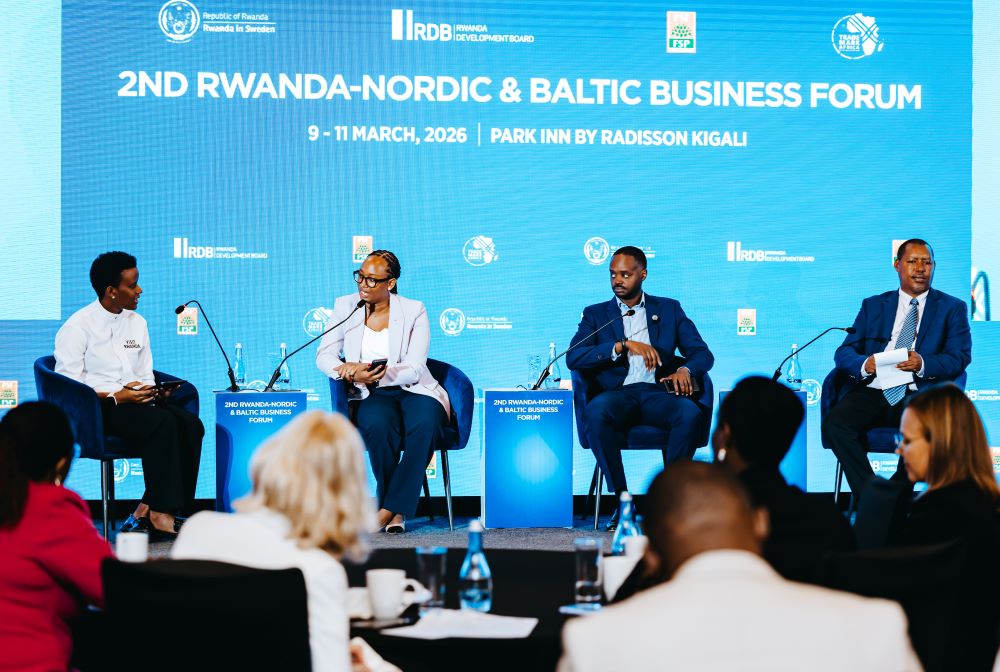
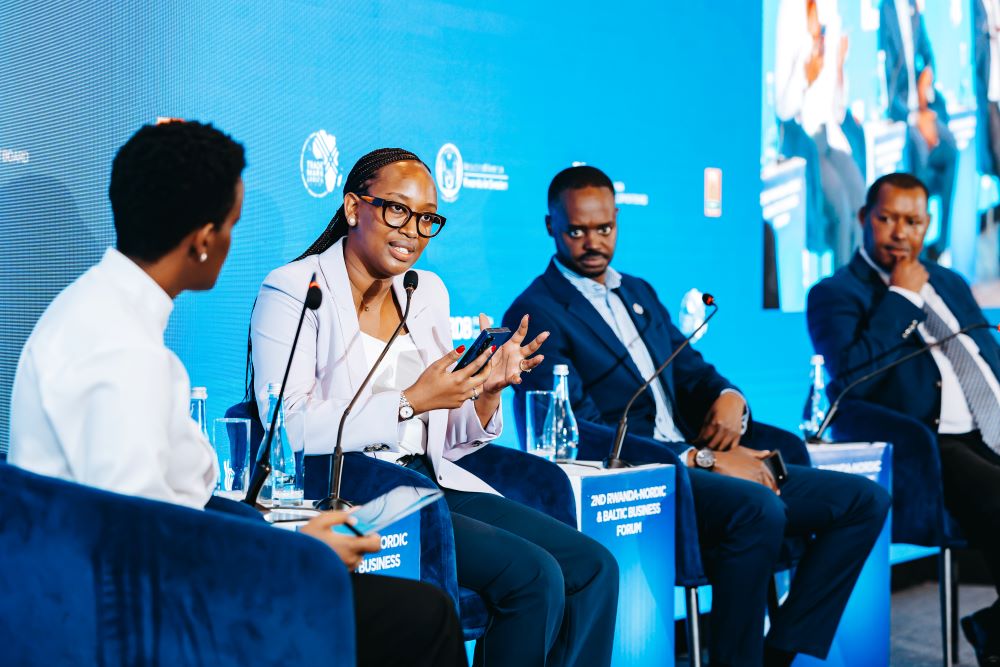
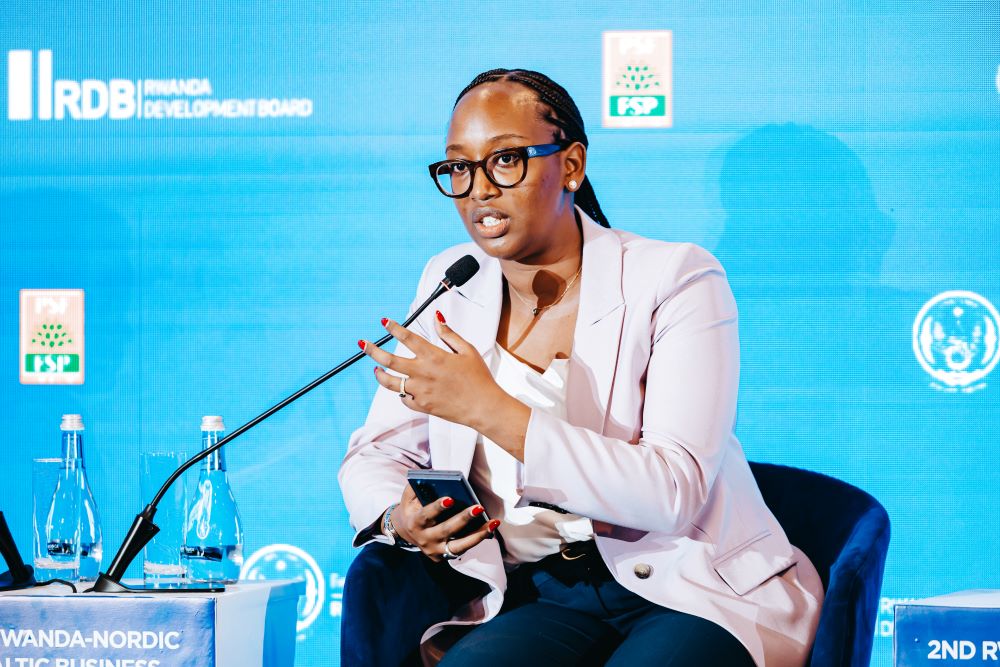
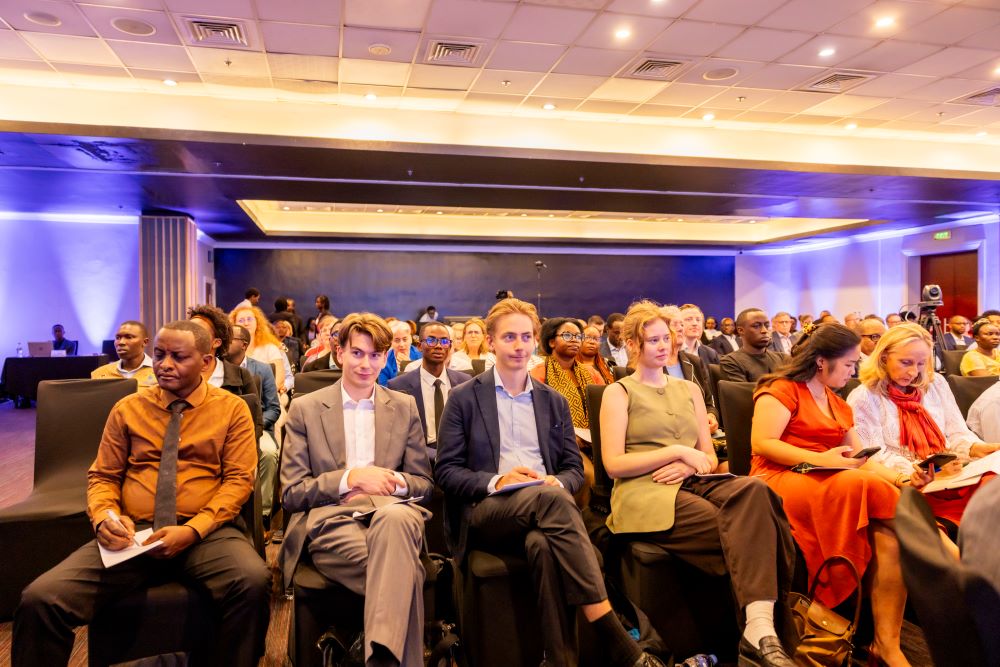
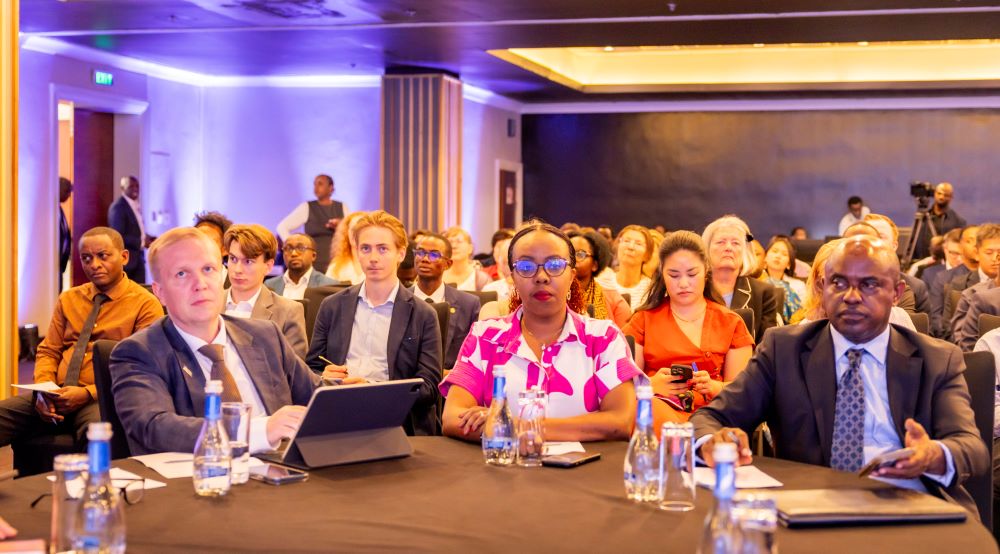
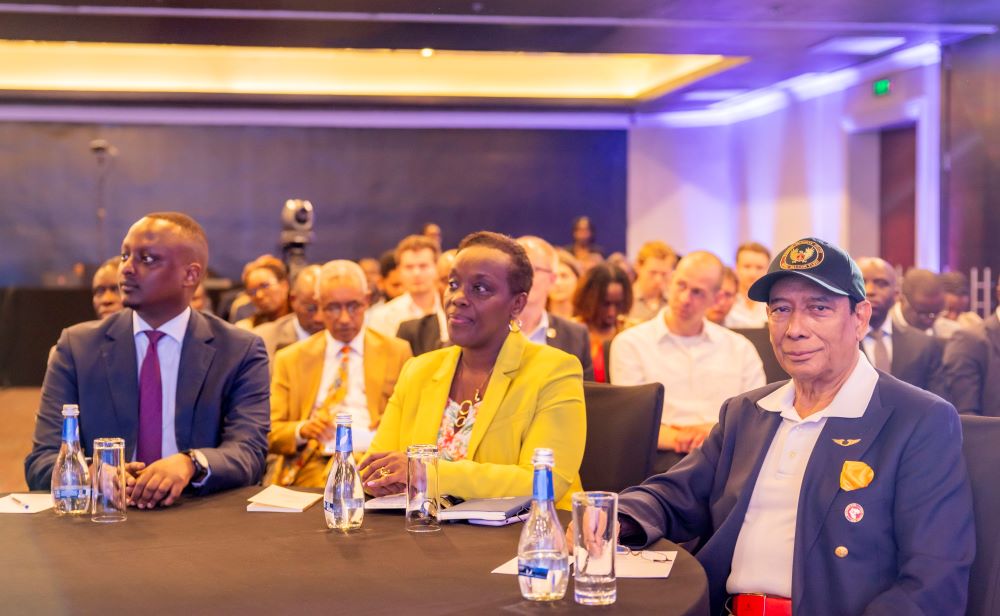
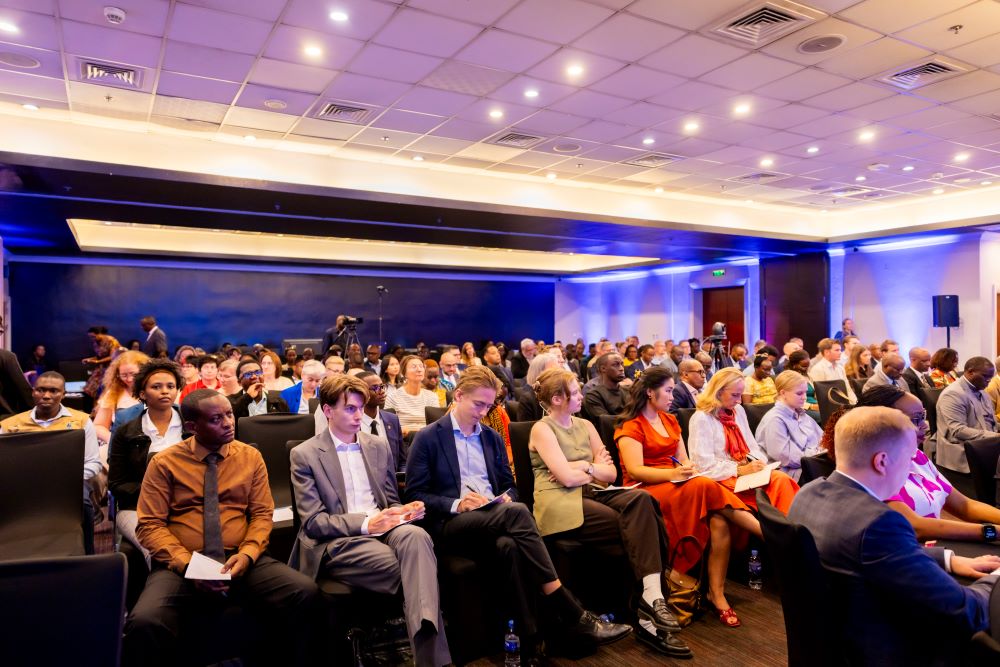
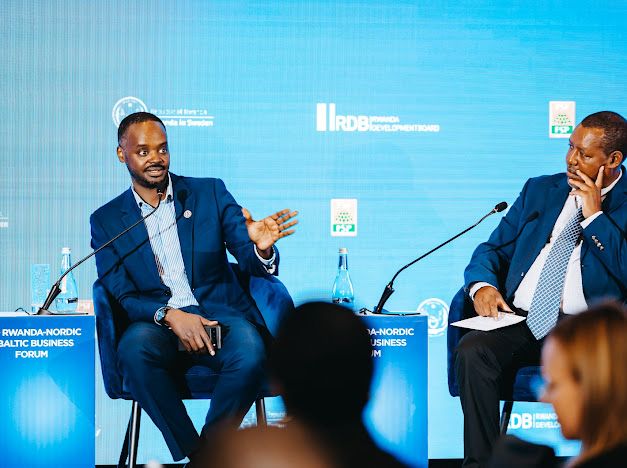
A group photo of Rwandan officials and Nordic-Baltic delegations at the second Rwanda–Nordic and Baltic Business Forum in Kigali.Rwanda’s Ambassador to Sweden, Diane Gashumba, welcomed Nordic and Baltic delegations to Kigali at the opening of the business forum on March 9, 2026.Minister of State for Primary Health Care, Yvan Butera, addressed participants, highlighting Rwanda’s achievements in maternal and newborn health.Jean-Guy Afrika, CEO of Rwanda Development Board, shed light on Rwanda’s progress in pharmaceutical regulation and life sciences.Participants at the forum explored Rwanda’s health sector innovations and potential for collaborative projects.Delegates from Nordic and Baltic countries engaged in discussions with Rwandan officials on investment opportunities in health and life sciences.
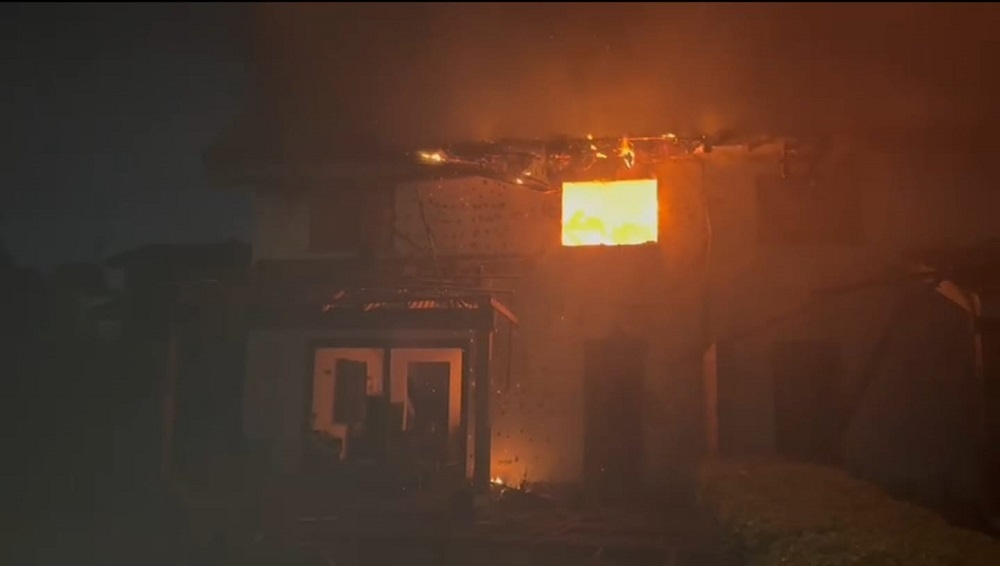
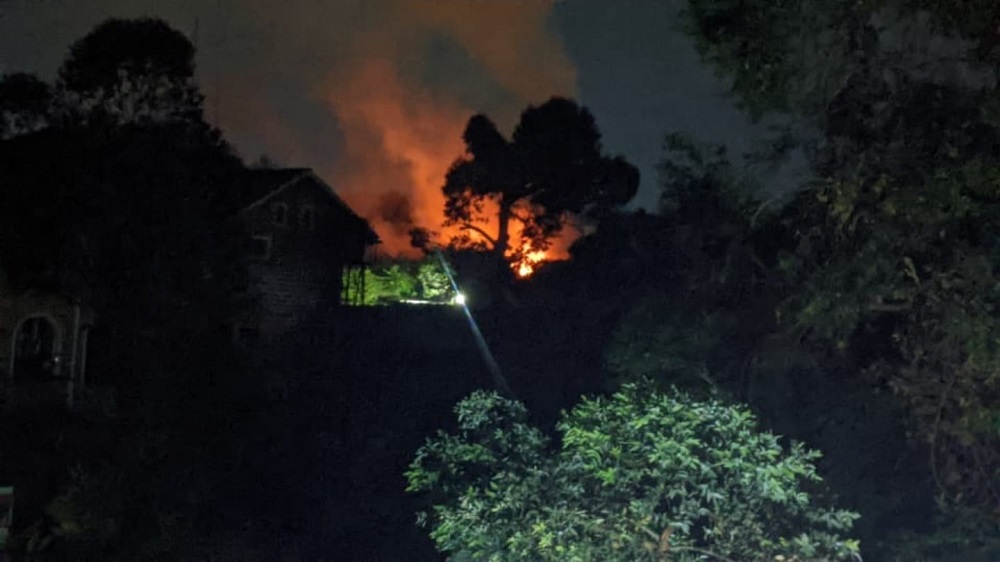
Video footage from the site shows a building heavily damaged by the strike. DRC authorities reportedly believed the home of a Belgian national named Pascal was sheltering several group leaders.
Lawrence Kanyuka, spokesperson for AFC/M23, confirmed that three people died in the attack, including a foreign national. Among the victims was French UNICEF staff member Carine Buisset, who worked in Goma.
Bertrand Bisimwa, deputy coordinator of AFC/M23 in charge of politics, diplomacy, and governance, condemned the attack, accusing the DRC government of violating ceasefire agreements.
“At this moment, the city of Goma is under attack by drones from the Kinshasa regime. This latest escalation of violence reflects Kinshasa’s ongoing pattern of ceasefire violations, coupled with the surprising inaction of peace process partners,” he said.
On Wednesday morning, United Nations peacekeeping forces in DRC (MONUSCO)arrived at the site to investigate the attack.
The DRC government has indicated that it intends to reclaim territories held by AFC/M23 through military means, despite calls from the international community to prioritize political dialogue.
The Congolese National Center for Cybersecurity (CNC) has reportedly been used to track the phones of some AFC/M23 leaders and former President Joseph Kabila to facilitate drone strikes.
On March 24, 2026, a subsequent strike near the Rubaya stronghold targeted top AFC/M23 leaders, including the group’s commander, Gen. Maj Sultani Makenga. The attack killed the group’s military spokesperson, Lt Col Willy Ngoma, along with other fighters including bodyguards.
DRC authorities reportedly believed AFC/M23 leaders were present in the targeted area.The building in Himbi was heavily damaged after a drone strike.The house reportedly belonged to a Belgian national named Pascal.
The study, published in Nature Communications, shows that the crater formed about 43 to 46 million years ago when a space object struck the seabed, triggering a massive tsunami. The research was led by Uisdean Nicholson of Heriot-Watt University, with support from the Natural Environment Research Council.
Located about 700 meters beneath the seabed and roughly 80 miles off the coast of Yorkshire, the three-kilometer-wide crater was first identified in 2002. Its circular shape and surrounding ring of faults led some scientists to suspect an asteroid impact, but others argued it might have been caused by underground salt movement or volcanic activity.
Using new seismic imaging, geological samples and computer simulations, the research team found clear evidence supporting the impact theory. Rock samples taken from an oil well revealed “shocked” quartz and feldspar crystals, microscopic minerals that form only under the extreme pressure generated by asteroid collisions. According to Nicholson, a roughly 160-meter-wide asteroid struck the seabed at a shallow angle from the west. The impact created a towering column of rock and water that quickly collapsed, producing a tsunami estimated to have exceeded 100 meters in height.
Scientists say the finding confirms Silverpit as one of the relatively few known impact craters on Earth. Fewer than 200 have been identified on land and only about 33 beneath the oceans, making the site a rare and well-preserved example of how asteroid impacts shape the planet’s surface.
A long-debated North Sea crater has finally been confirmed as the scar of a massive asteroid impact that unleashed a towering tsunami millions of years ago. Credit: Shutterstock
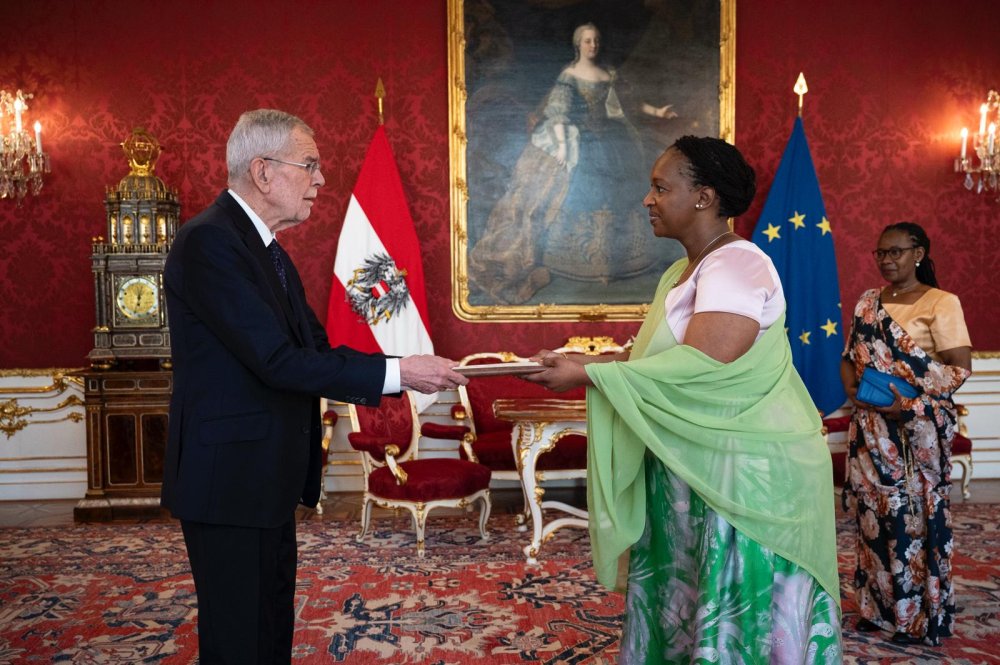
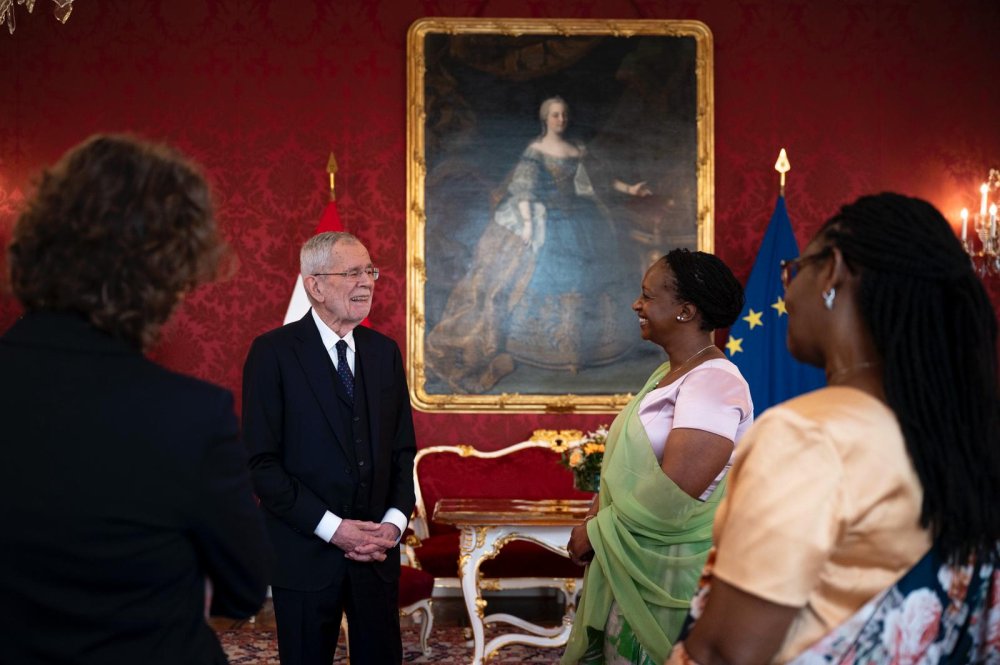
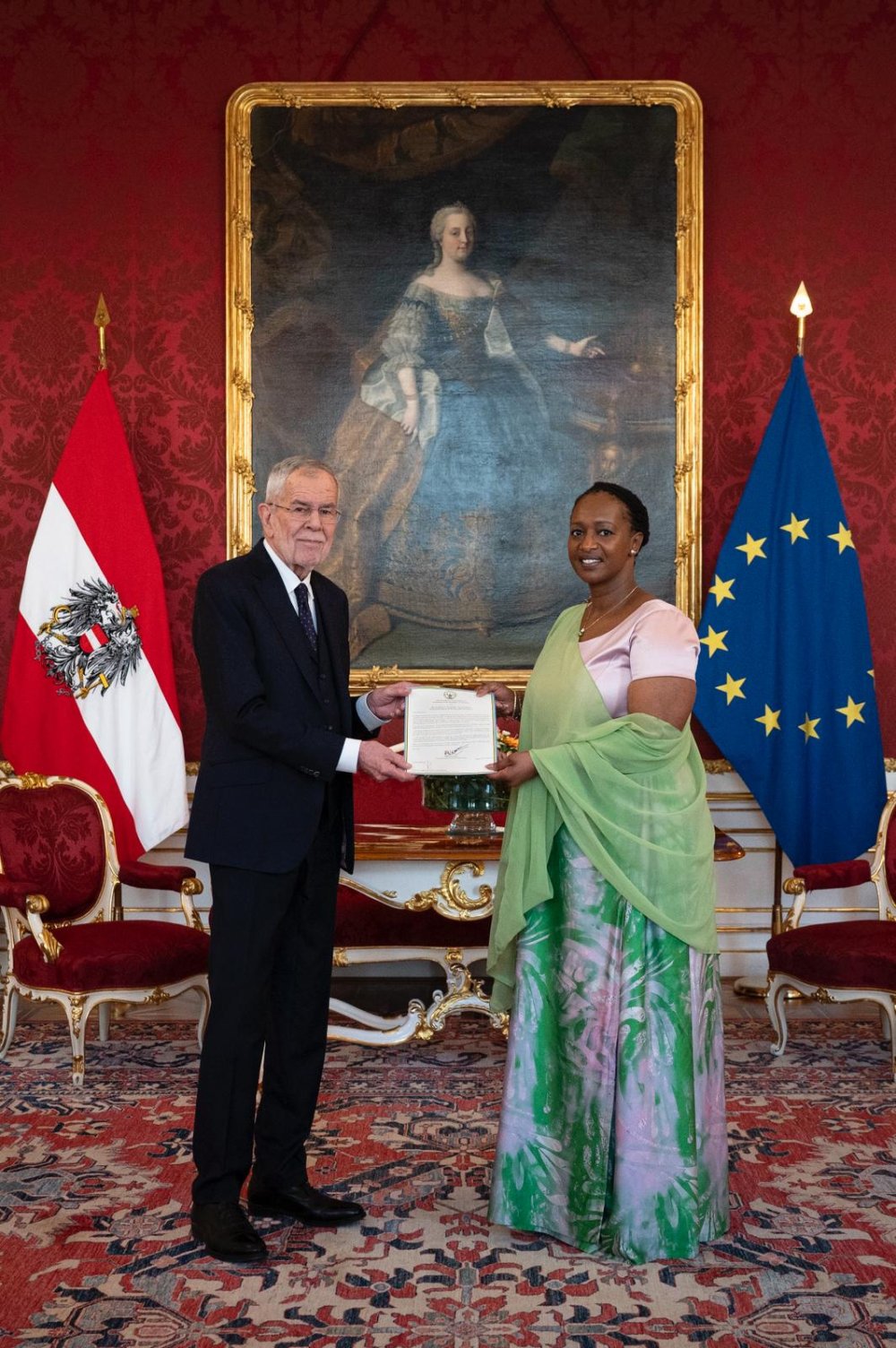
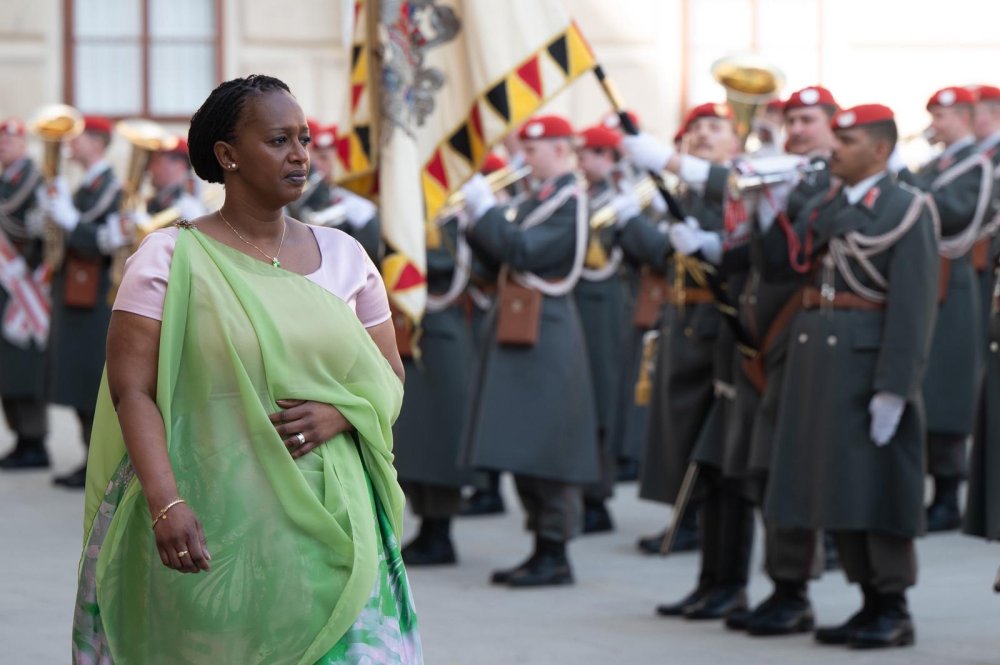
The ceremony marks the official beginning of the Rwandan envoy’s diplomatic mission in Austria. On this occasion, the exchanges between the two leaders reaffirmed the strong ties of friendship and cooperation between Kigali and Vienna, as well as their shared commitment to further strengthening bilateral relations.
During her visit to the Austrian capital, Amb. Bakuramutsa also held several meetings with Austrian officials. These discussions focused on prospects for cooperation in key sectors such as trade and investment, innovation, tourism, cultural diplomacy, and multilateral collaboration.
On the eve of the official ceremony, March 9, 2026, the Rwandan diplomat had already presented copies of her Letters of Credence to Ambassador Nikolaus Marschik, Secretary General of the Austrian Federal Ministry for European and International Affairs.
The meeting took place in the presence of Ambassador Maximilian Hennig, Chief of Protocol, and Dr Stefan Scholz, Head of the Department for Sub-Saharan Africa and the African Union.
During her stay in Vienna, Amb. Bakuramutsa also met with Peter Launsky-Tieffenthal, Special Envoy to the Federal Chancellor of Austria, to explore opportunities for further deepening relations between the two countries.
Rwanda and Austria maintain strong cooperative relations, notably through various development partnerships. Several initiatives supported by the Austrian Development Cooperation Agency (ADA) have contributed to projects in areas such as water and sanitation, youth empowerment, employability, and strengthening the justice sector.
Through this new diplomatic mission, Kigali and Vienna aim to continue consolidating their partnership and exploring new opportunities for collaboration for the benefit of both nations.
Rwanda’s Ambassador to Austria, Urujeni Bakuramutsa, with President Alexander Van der Bellen after presenting her Letters of Credence at the Hofburg Presidential Palace in Vienna.Urujeni Bakuramutsa presented her Letters of Credence to Alexander Van der Bellen, Federal President of Austria, during a ceremony at the Hofburg Presidential Palace in Vienna on March 10, 2026.President Alexander Van der Bellen welcomed Rwanda’s new ambassador, Urujeni Bakuramutsa, during the official credential presentation ceremony in Vienna.