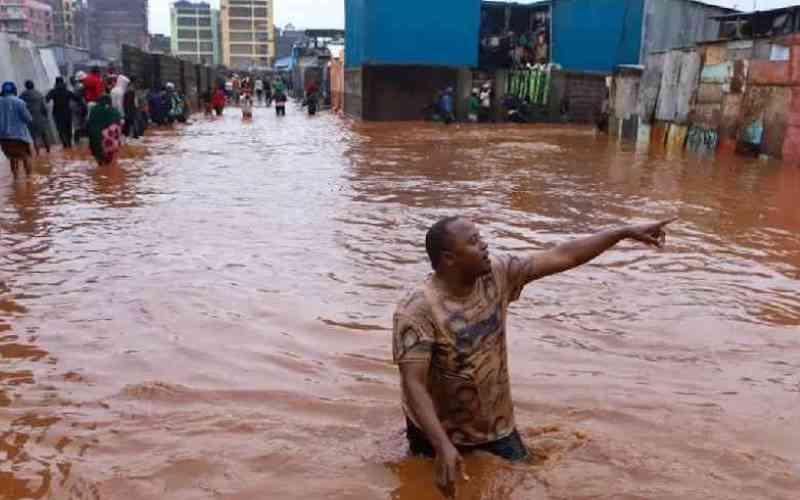
The Ministry of Interior and National Administration said the victims comprise 46 men, eight women, and eight children.
“Nairobi recorded the highest number of deaths with 33, followed by the Eastern region at 17, and Rift Valley region with seven,” the ministry said in an update released in Nairobi, the Kenyan capital.
The government said the floods have affected more than 10,000 households, with 4,845 people displaced and forced to seek shelter in safer areas.
The heavy rainfall has caused flooding in several parts across the East African nation, leading to road closures, property damage, displacement and distress among the affected communities.
In addition to the tragic loss of lives, significant damage to infrastructure and livelihoods has been reported.
The Kenya Meteorological Department has forecast continued heavy rainfall and urged residents to take extreme caution to prevent further loss of life.
Kenya said floods have affected more than 10,000 households, with 4,845 people displaced
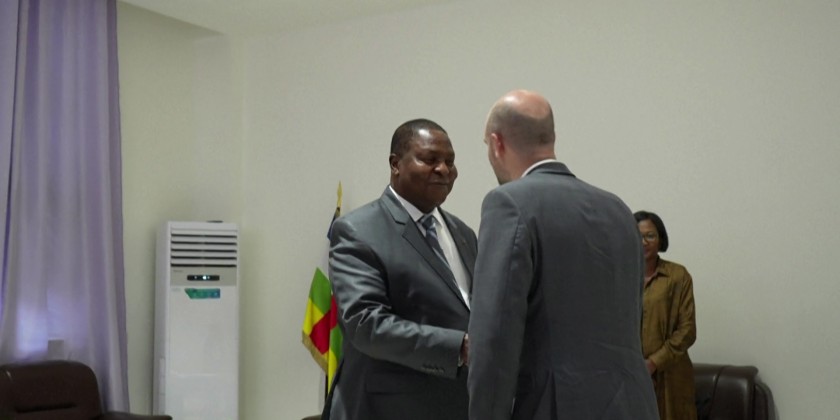
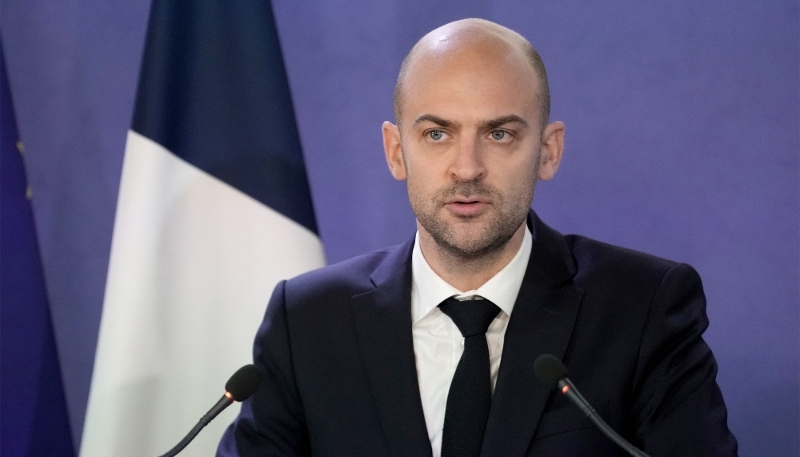
Barrot made the announcement during a two-day trip to the country.
“This is the first time in eight years that a French foreign minister is present in Bangui and my presence marks the complete restoration of relations between our two countries after a period of strain and tension,” Barrot told reporters.
He said France was looking forward to “reinforcing our relations in all sectors”.
In 2024, Faustin-Archange Touadera, president of the Central African Republic, met with his French counterpart Emmanuel Macron in Paris as part of efforts to resume ties.
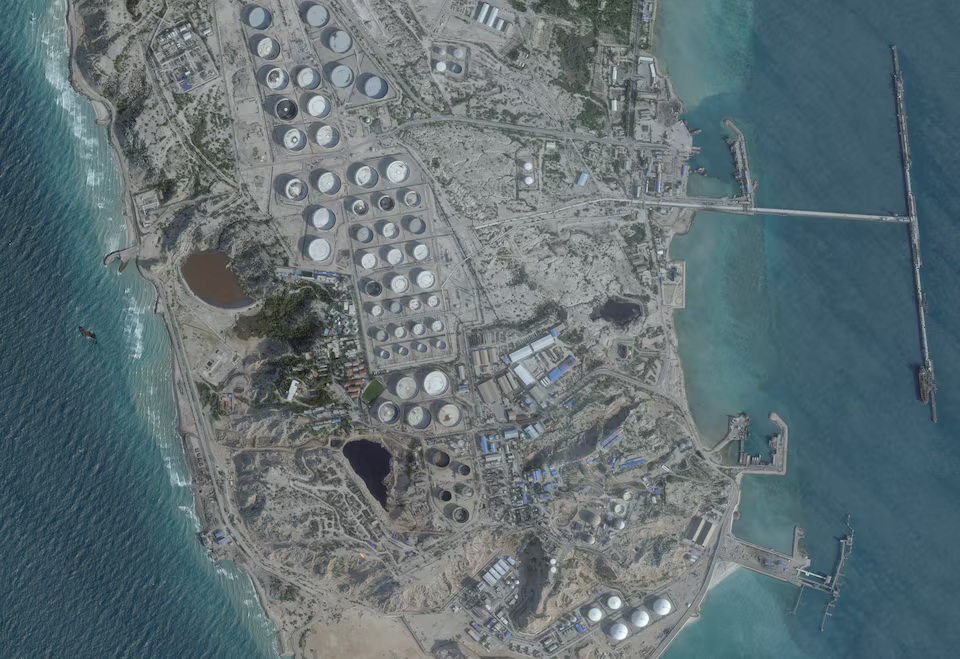
In a social media post, Trump said the United States had already “totally obliterated” military targets on Kharg Island, but that the island’s oil facilities were deliberately spared for now. He made clear that if Iran or any other force interfered with the free and safe passage of ships through the Strait of Hormuz, those energy assets could be hit.
The warning comes amid a broader and escalating conflict that began in late February with coordinated U.S. and Israeli bombardments on Iran.
Iran’s armed forces have responded with missile and drone attacks against U.S. bases, Israel, and shipping traffic in the Gulf, prompting closures of some sea routes.
The Strait of Hormuz is one of the world’s most significant maritime passages, with about 20% of global oil supplies normally passing through it each day. Disruptions there have already disturbed energy markets and driven global oil prices higher.
Iran’s government has vowed that any attack on its energy infrastructure would prompt retaliation against energy facilities linked to the United States and its allies. Oil markets are closely watching the situation, as even small disruptions at Kharg Island could tighten already strained global supply.
Trump threatens to hit Iran’s Kharg Island oil network if shipping lanes remain blocked.
In a recent interview with Hot 97 FM in New York City, Starr praised the trio for their contributions to the genre. She highlighted Savage as the pioneering female force, Wizkid as the embodiment of global success, and Rema for his innovative sounds that continue to push Afrobeats in new directions.
“My Afrobeats Big 3 would be Tiwa Savage, Wizkid and Rema. My solid Big 3,” Starr said.
Notably, her selection excludes Davido and Burna Boy, who are often cited alongside Wizkid as part of the traditional Afrobeats Big 3.
Born Oyinkansola Sarah Aderibigbe in Cotonou, Benin, and raised in Lagos, Nigeria, Ayra Starr has rapidly become one of the leading faces of the global Afrobeats movement. Since her debut in early 2021, she has transitioned from a viral social media sensation to a multi-platinum, Grammy-nominated artist, establishing herself as a major force in the music industry.
Her 2022 hit “Rush” became a global anthem, accumulating over 300 million streams on Spotify and becoming the first solo song by a female Nigerian artist to chart on the UK Singles Chart.
She also earned a nomination for Best African Music Performance at the 66th Annual Grammy Awards, making her one of the youngest Nigerian female artists to receive the honour. Her sophomore album, The Year I Turned 21 (2024), marked the first time a female Nigerian artist debuted on the Billboard 200.
Starr, who refers to herself as a “Celestial Being”, has become a cultural icon for Africa’s youth. Known for her Y2K-inspired fashion, bold style, and unapologetic attitude, she seamlessly blends Afrobeats, R&B, Soul, and Alté in her music. Her versatile alto voice allows her to switch effortlessly between English, Nigerian Pidgin, and Yoruba.
Born Oyinkansola Sarah Aderibigbe in Cotonou, Benin, and raised in Lagos, Nigeria, Ayra Starr has rapidly become one of the leading faces of the global Afrobeats movement.Ayra Starr during her debut performance in Kigali at the Giants of Africa in August 2025.
FUFA announced the punitive measures following an investigation into a match played on December 21, 2024, in which Kitara FC defeated Express FC 7–0.
The suspended individuals include Mike Mutyaba, a former player for Uganda Cranes, Ivan Katende, a former FUFA staff member, Ashiraf Miiro, the Chief Executive Officer of Express FC, and two players —Emmanuel Kalyowa and Ashiraf Mbaziira.
FUFA’s Investigatory Chamber of the Ethics and Disciplinary Committee revealed that the match was reportedly fixed for betting purposes.
“After the match, FUFA was informed by FIFA via a betting report that the game had been fixed for betting purposes, with prior knowledge that Express FC would lose and concede at least five goals,” FUFA said in a statement.
Preliminary investigations suggest that Mutyaba coordinated the fix with Katende, who has previously been implicated in match-fixing cases. Mutyaba reportedly introduced Katende to Express FC CEO Miiro, and the three conspired to manipulate the match outcome.
Evidence shows that Ugandan betting accounts linked to Katende won millions of shillings at a Tanzanian-based betting company, which later blocked the payments after detecting fraud.
The inquiry also points to the involvement of players Kalyowa and Mbazira, who were allegedly recruited by Mutyaba to execute the fix on the field. Mutyaba assumed technical responsibilities for the team during the match due to the absence of head coach Kaddu Badru.
FUFA has formally engaged the Criminal Investigations Directorate, and the process remains ongoing.
“FUFA remains committed to protecting the integrity of football in Uganda by fighting all forms of match manipulation,” the federation said in a statement.
The suspended individuals include Mike Mutyaba, a former player for Uganda Cranes.Preliminary investigations suggest that Mutyaba coordinated the fix with Katende, who has previously been implicated in match-fixing cases.
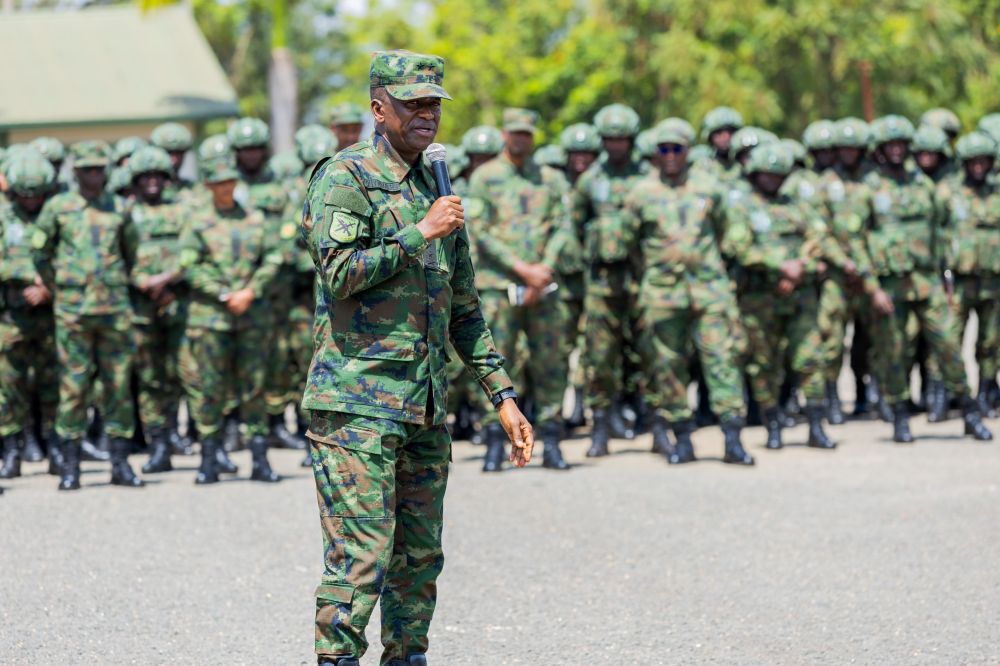
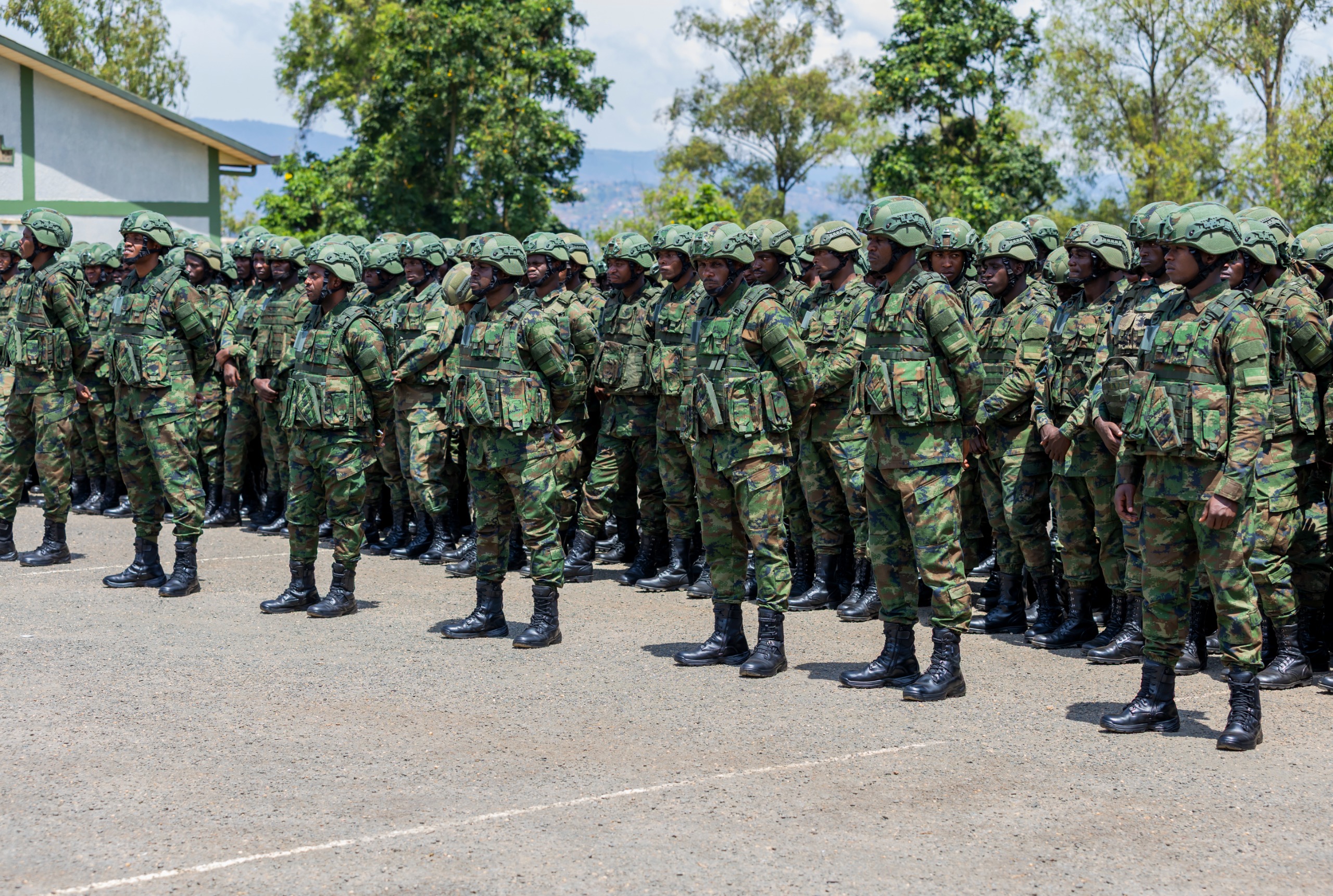
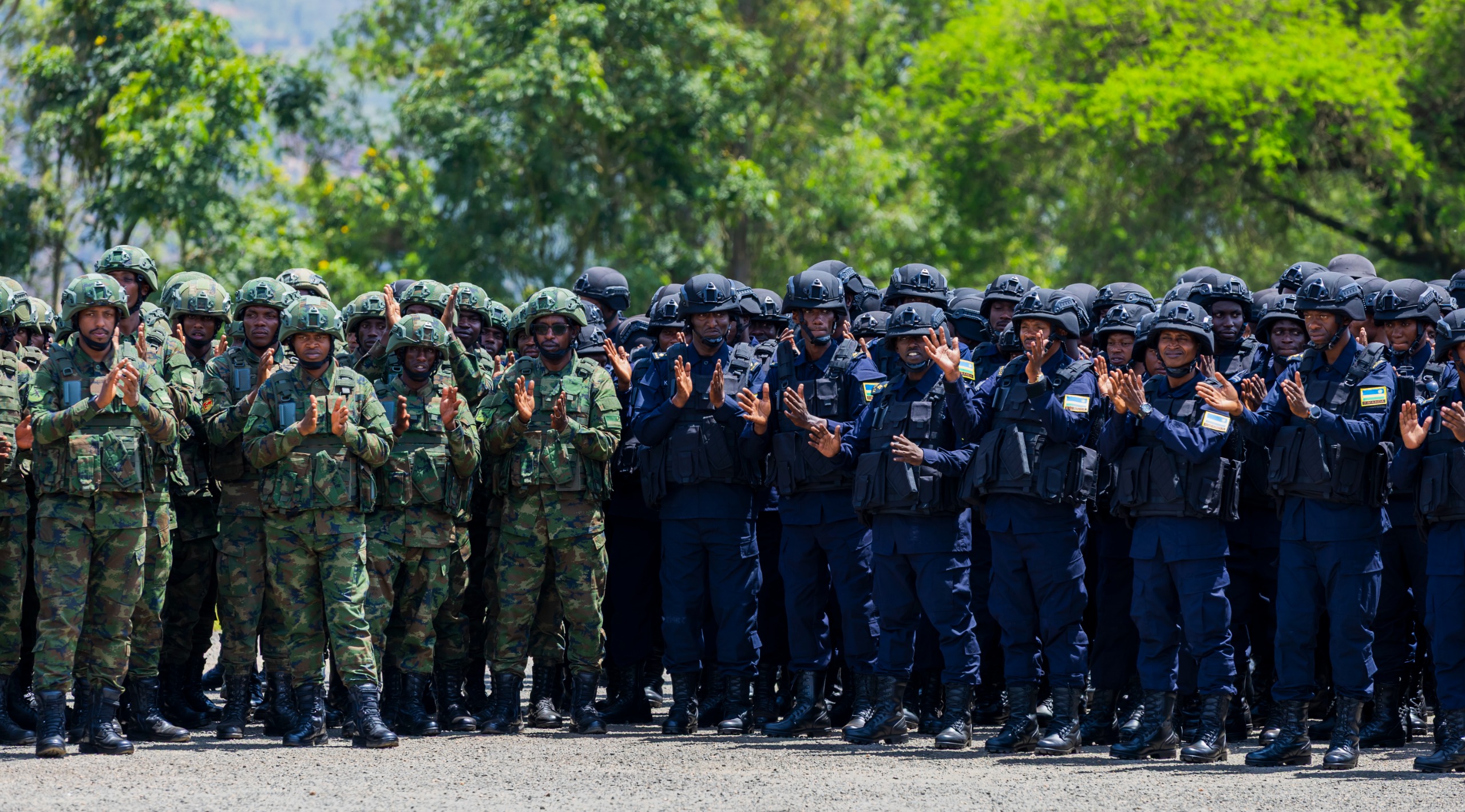
The contingent was briefed on Friday by Vincent Nyakarundi, the Army Chief of Staff of the RDF, during a ceremony held at Kami Barracks.
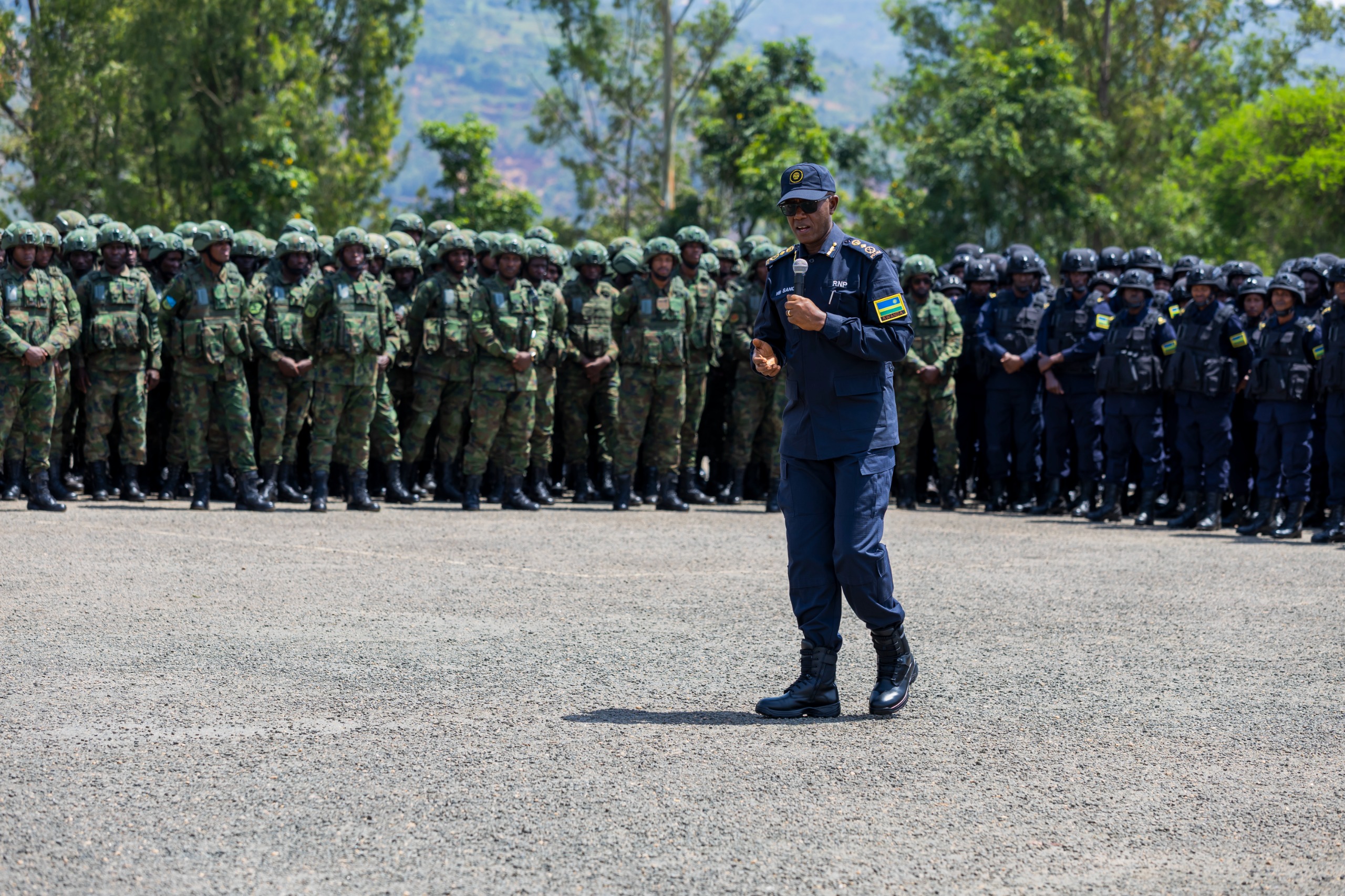
The briefing was also attended by the Deputy Inspector General of Police in charge of Operations, Commissioner of Police Vincent B. Sano.
During the briefing, Maj Gen Nyakarundi reminded the contingent that their mission is to protect civilians from terrorism and urged them to serve as good ambassadors of Rwanda. He emphasised the importance of discipline, teamwork, and professionalism, encouraging them to remain fully committed to their duties, just as their predecessors have done.
Rwandan troops were first deployed to Cabo Delgado in July 2021 at the request of the Mozambican government, following years of attacks by Islamic State-linked insurgents.
Since then, the joint operations between Rwanda Security Forces and the Mozambican army have significantly weakened the insurgency, restored security in several areas, and enabled thousands of displaced residents to return to their homes.
The latest deployment comes a few months after a visit by Mozambican President Daniel Francisco Chapo to Rwanda, during which a renewed Status of Forces Agreement on the support to fight terrorism in Mozambique was signed. The agreement extended Rwanda’s military support in Cabo Delgado province.
“Thanks to this cooperation, we can see peace returning to the region,” President Chapo said, acknowledging Rwanda’s role in stabilising Cabo Delgado despite ongoing sporadic attacks.
Maj Gen Nyakarundi reminded the contingent that their mission is to protect civilians from terrorism and urged them to serve as good ambassadors of Rwanda. The new contingent will relieve colleagues currently serving in Rwanda’s counter-terrorism mission in Cabo Delgado.The briefing was also attended by the Deputy Inspector General of Police in charge of Operations, Commissioner of Police Vincent B. Sano.
Since the first State of the World’s Migratory Species report in 2024, the proportion of imperiled CMS-listed species has risen from 44% to 49%, highlighting an alarming trend over just two years.
Migratory animals, from shorebirds to freshwater fish, rely on moving across continents to breed, find food, and escape harsh weather.
Blue wildebeest, for instance, migrate across the Serengeti-Masai Mara Ecosystem in East Africa following seasonal grass growth, while humpback whales travel thousands of miles between tropical breeding grounds and Antarctic feeding areas.
When habitats are lost or fragmented, these natural journeys are disrupted, threatening the survival of entire populations.
The report identifies multiple drivers of decline, including habitat loss, hunting, overfishing, and climate change. Roads, railways, fences, and pipelines often block long-established migration routes, constraining species such as the Mongolian gazelle.
In the Arctic, mining activities and climate change have contributed to dramatic losses of tundra caribou, with some herds shrinking from hundreds of thousands to just a few thousand over decades.
Birds, in particular, are being heavily affected by highly pathogenic avian influenza (HPAI). Since 2020, H5N1 has caused mass die-offs, killing tens of thousands of waterfowl and shorebirds, and spreading to more than 500 bird species and over 100 mammals worldwide.
Species impacted include Peruvian pelicans, hooded cranes, African penguins, and red-crowned cranes, with Australia remaining largely unaffected. The virus, combined with habitat loss, has intensified the decline of many avian species.
Despite these challenges, there are some conservation successes. The reintroduction of the scimitar-horned oryx in Chad has increased its population to 575, and saiga antelope numbers have rebounded after disease outbreaks.
Mapping migration routes and creating safe corridors remain critical. Protected areas along the Serengeti-Masai Mara Ecosystem Corridor, for example, allow up to 2.5 million herbivores, including wildebeest, zebras, and gazelles, to migrate safely over vast distances.
CMS Executive Secretary Amy Fraenkel emphasizes the need for cross-border habitat protection, especially for birds and ocean species, which require networks of safe areas rather than single contiguous spaces.
Ahead of the 15th Conference of the Parties to the Convention on the Conservation of Migratory Species of Wild Animals (CMS COP15), 42 new migratory species are being proposed for CMS listing, the largest number ever, to spur urgent action.
“We know what needs to be done, and we look forward to galvanizing action by governments and other stakeholders to protect, conserve and save these species. There is no time to wait,” said Susan Lieberman, vice president of international policy at the Wildlife Conservation Society.
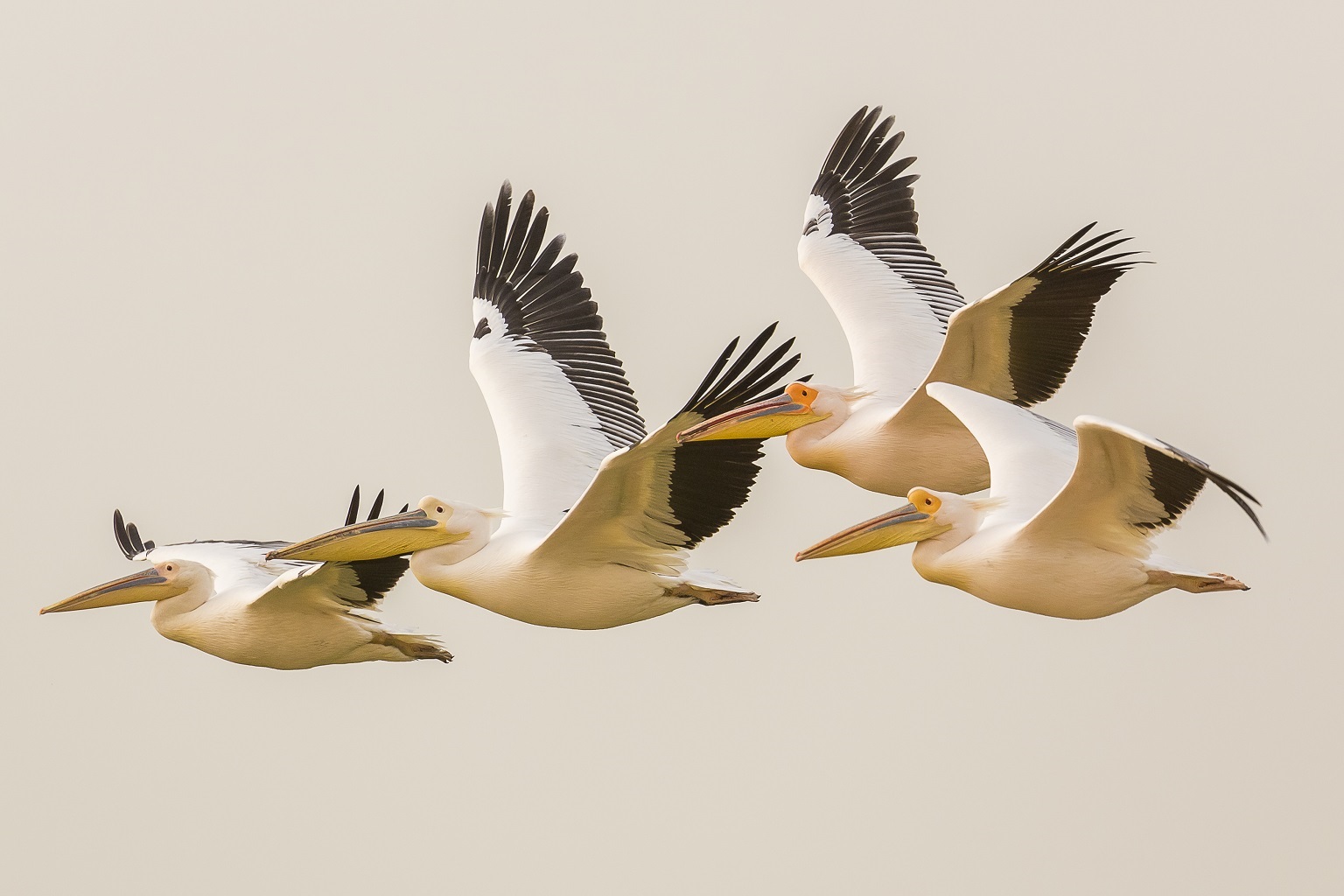
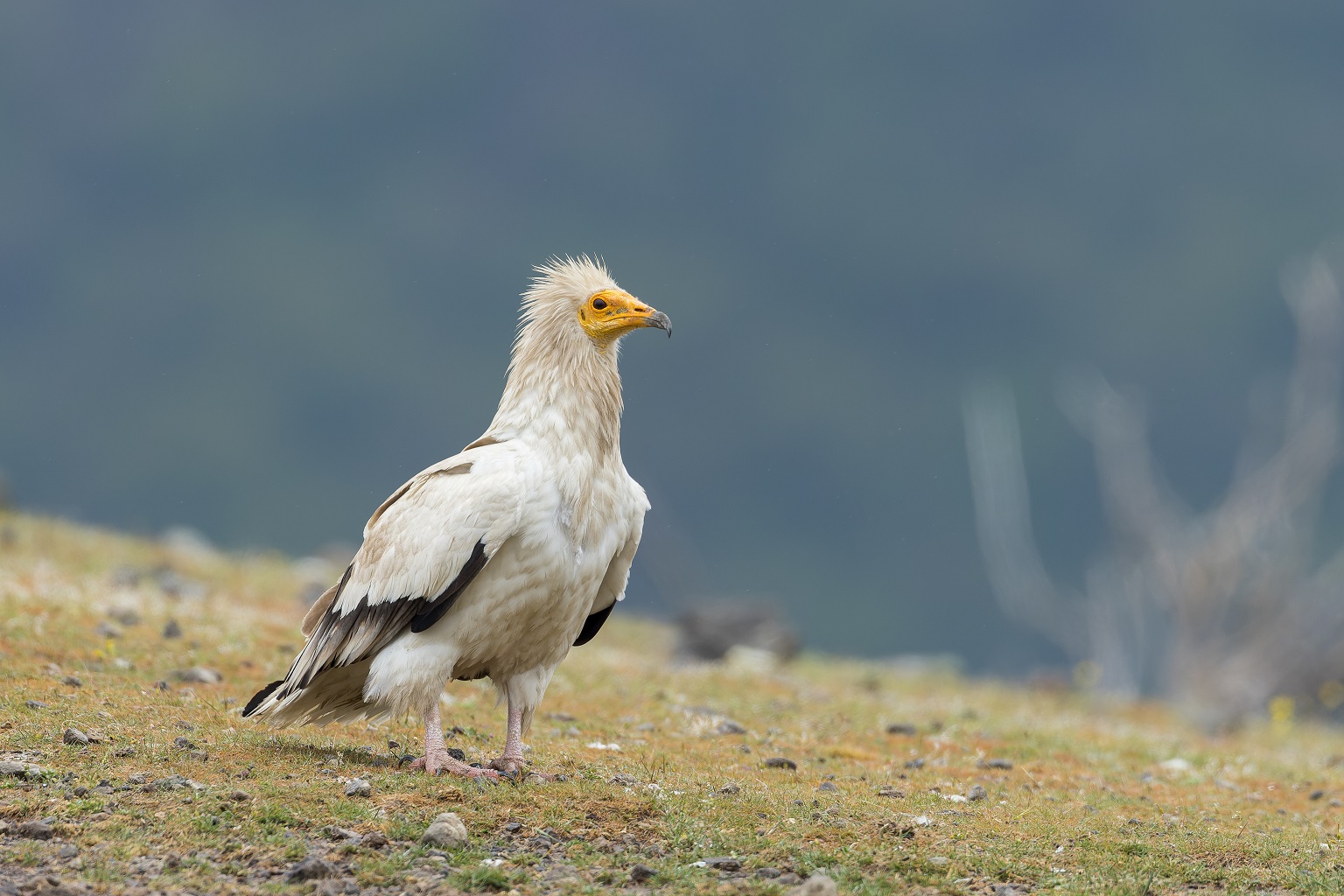
Many bird species have lost vital stopovers along flyways, but with ongoing spread of Highly Pathogenic Avian Influenza, some populations have been decimated. Shorebirds have been particularly hard-hit, including pelicans. Image by Sergey Dereliev.The Egyptian vulture can fly up to 640 kilometers (400 miles) in a day as it travels between its wintering grounds in the Sahara and European breeding sites — a migration that of up to 5,000 km (3,100 mi). Image by Sergey Dereliev.
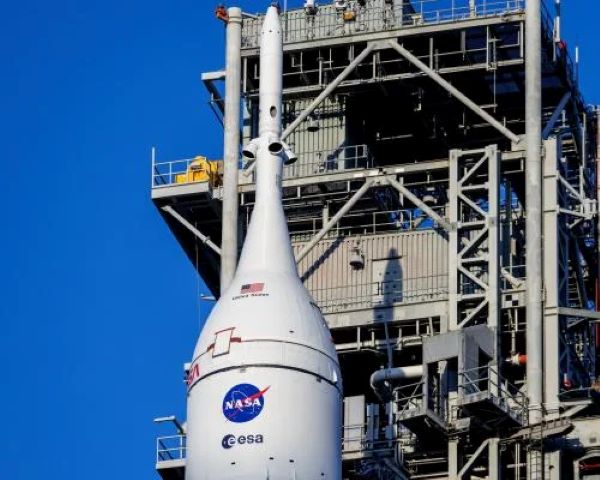
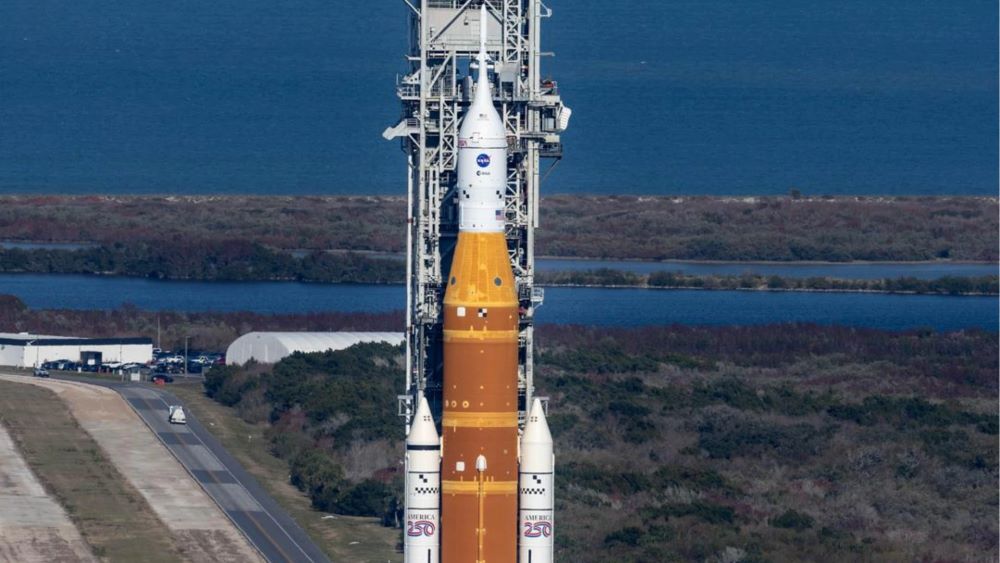
Speaking at a press conference on Thursday, senior NASA official Lori Glaze said the agency is working toward the new launch date after the mission, originally planned for February, was postponed.
“We are on track for a launch as early as April 1, and we are working toward that date,” Glaze said, noting that although progress is encouraging, engineers still have work to complete. She described the mission as a crucial test flight that carries inherent risks.
The launch window is expected to open on April 1 at 6:24 p.m. GMT, with several additional opportunities available during the following days.
The mission will carry four astronauts: Americans Reid Wiseman, Victor Glover, and Christina Koch, along with Canadian astronaut Jeremy Hansen.
According to NASA, the spacecraft will first orbit Earth before heading toward the Moon, completing a flyby without landing and then returning to Earth for an ocean splashdown. The distance from the lunar surface will vary depending on the launch date, ranging between roughly 4,000 and 6,000 miles.
While the earlier Artemis I mission passed much closer to the Moon, Artemis II will still take astronauts tens of thousands of miles closer than any humans have traveled since the era of the Apollo program.
NASA plans to follow the mission with Artemis III, which aims to support a future lunar landing as part of the broader Artemis program to return humans to the Moon.
According to NASA, the spacecraft will first orbit Earth before heading toward the Moon, completing a flyby without landing and then returning to Earth for an ocean splashdown.
The evaluation, conducted from March 2–9, 2026, reviewed 19 key areas, including the country’s long-term nuclear energy plans, measures to protect people and the environment, financial frameworks for building and maintaining facilities, skilled personnel, and relevant legislation. The experts concluded that Rwanda is well-prepared in many of these areas.
Dr. Fidele Ndahayo, CEO of the Rwanda Atomic Energy Board (RAEB), said six priority areas require continued focus.
“We have made progress across all areas assessed, but there is still work to be done. The priority areas include preparing comprehensive documentation of what has been achieved and what remains, ensuring national leadership is fully informed, and reviewing all legislation to remove potential obstacles to the nuclear power plant project,” he said.
Rwanda plans to develop small nuclear power plants, which are expected to increase the country’s electricity capacity from 447 megawatts.
President Paul Kagame, speaking at the Nuclear Energy Summit in Paris, France, on Tuesday, said Rwanda’s long-term ambition to become a high-income country by 2050 requires a reliable and abundant electricity supply. He noted that nuclear energy will play a central role in diversifying the country’s energy mix and providing the stability needed for sustained economic transformation.
According to the Head of State, nuclear power offers Rwanda a dependable source of electricity that can support industrial expansion while helping reduce carbon emissions.
“We have decided to make nuclear central to our strategy,” Kagame said. “It will diversify our energy mix while providing the stability required for industrial growth and long-term transformation.”
The government estimates that $5 billion will be needed to establish nuclear power generation in the country.
Rwanda began collaborating with Russia in 2018 to establish a nuclear research center, paving the way for a future power plant. In August 2024, the country signed a partnership with U.S.-based Nano Nuclear Energy Inc. to develop new technology for generating electricity from nuclear energy.
RAEB projects that by 2028, the 234 skilled personnel required for the nuclear program will be in place, enabling the nuclear power plant to start supplying electricity by 2030.
In late 2025, the University of Rwanda introduced a new academic programme in nuclear science to build local expertise. Dr. Ndahayo also highlighted the need to support local industries to actively participate in building and operating nuclear-powered facilities.
As of early 2026, over 85% of Rwandan households have access to electricity, with residential and industrial sectors accounting for the highest demand.
Rwanda plans to develop small nuclear power plants, which are expected to increase the country’s electricity capacity from 447 megawatts.
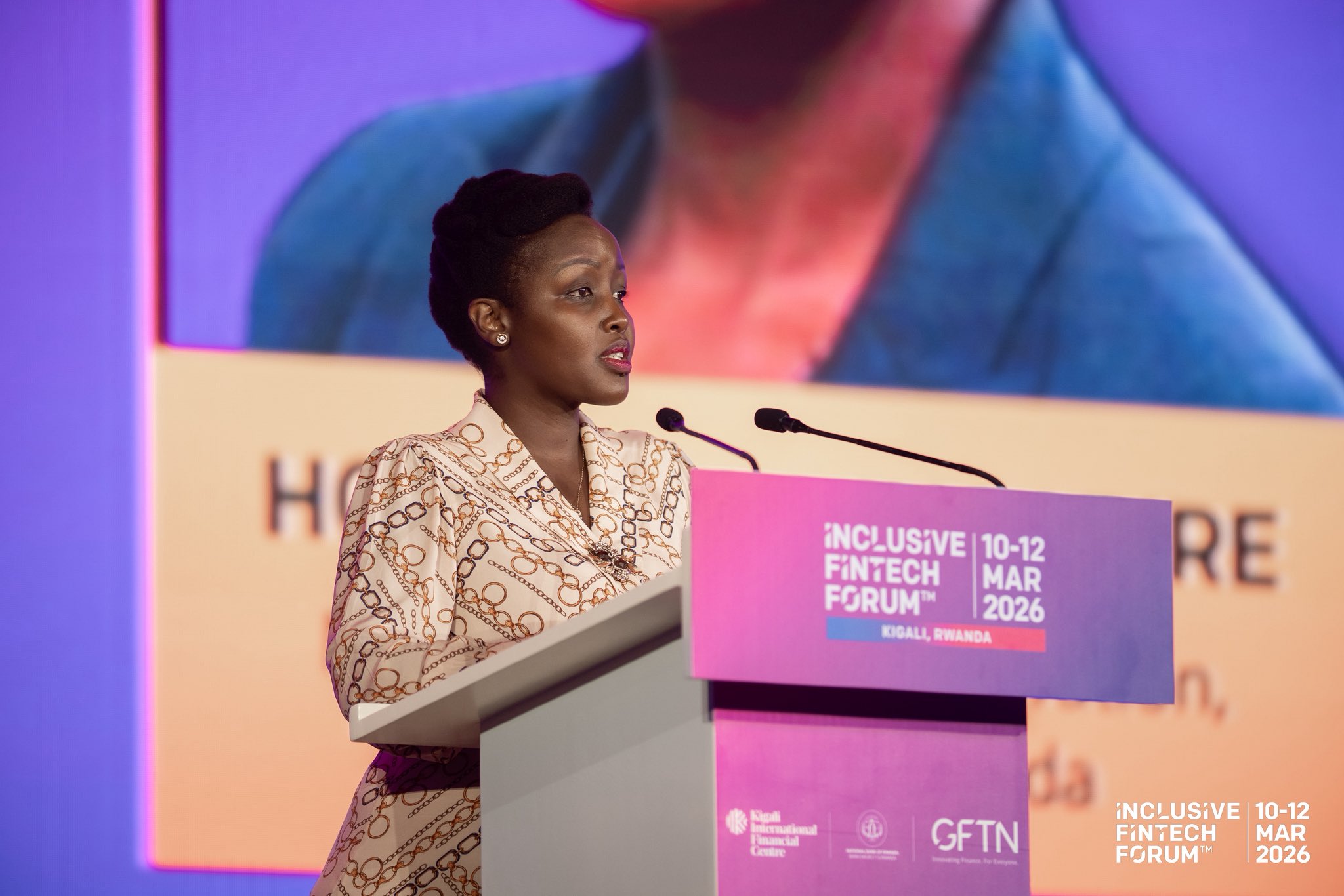
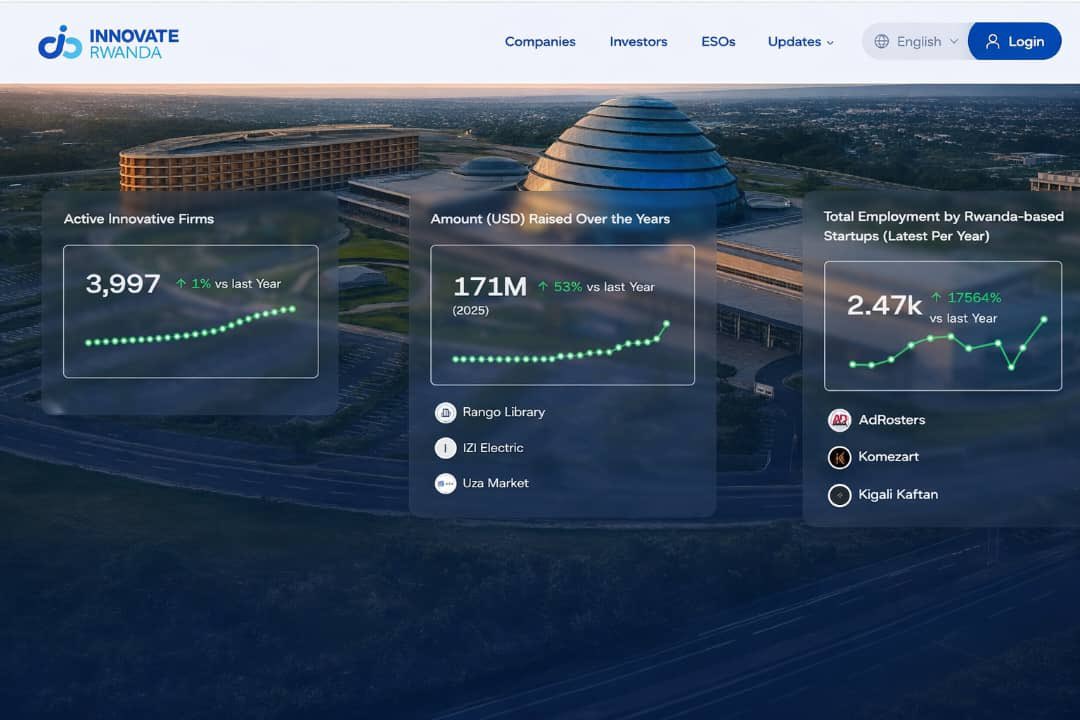
The platform, unveiled by Minister of ICT and Innovation Paula Ingabire on the sidelines of the Inclusive FinTech Forum, serves as a central gateway for Rwanda’s innovation landscape, making it easier for founders, partners, and investors to discover opportunities, collaborate, and grow innovative ventures.
“The platform will provide innovators and partners with an environment to experiment, collaborate, and develop solutions that address real challenges across digital finance, public services, and cross-border trade,” Minister Ingabire stated.
Innovate Rwanda enables ecosystem support organisations, including hubs, accelerators, incubators, and capacity-building programs, to better coordinate their efforts in supporting startups. Through the platform, the organisations can publish their programs, track startup engagement, and connect with partners working in similar sectors. By offering a shared space for visibility and collaboration, the platform aims to reduce fragmentation and improve the effectiveness of support for founders.
Minister of ICT and Innovation Paula Ingabire unveiled the platform on the sidelines of the Inclusive FinTech Forum.
For startups, Innovate Rwanda acts as a gateway to opportunities across Rwanda’s innovation ecosystem. Founders can create profiles to showcase their ventures, discover support programs, access funding and partnerships, and connect with ecosystem organisations that can help scale their ideas. The platform simplifies navigation of the innovation landscape, ensuring entrepreneurs find the right support at every stage of their journey.
The platform also enhances visibility for investors by providing a clear view of Rwanda’s startup pipeline. Investors can explore verified startup profiles, identify high-potential ventures, and engage with ecosystem organisations that facilitate deal flow and due diligence. This improved transparency helps investors discover opportunities and participate more effectively in the country’s growing startup scene.
Beyond connecting stakeholders, Innovate Rwanda strengthens coordination among ecosystem actors. By promoting programs, reaching the right founders, and aligning initiatives, the platform ensures that support, investment, and talent flow efficiently to innovators.
Ultimately, Innovate Rwanda positions Rwanda’s innovation ecosystem to be more connected, visible, and accessible both locally and globally, providing innovators with the resources and partnerships they need to grow and scale.