The dangerous extensions were designed to look like helpful productivity tools that integrate artificial intelligence into the browser, offering features such as AI chat, writing assistance, or summarization.
Instead of performing useful tasks, the add‑ons collected sensitive data from interactions with popular AI platforms like ChatGPT and DeepSeek, including full conversation histories, prompts, responses, and even visited web page URLs.
These malicious extensions reached users through the Chrome Web Store, where they mimicked the branding and descriptions of legitimate AI tools to avoid suspicion.
Because browsers like Google Chrome and Microsoft Edge are built on similar Chromium architecture, the extensions were easily downloadable across both browsers, exposing individuals and organizations alike.
Once installed, the extensions operated quietly in the background, monitoring user activity. They logged browsing data and segments of AI chat content and then periodically uploaded that information to remote servers controlled by attackers. Researchers found that data was transmitted to suspicious domains making it appear like normal internet traffic and harder to detect.
Microsoft’s telemetry also showed that this malicious campaign extended beyond individuals to the corporate world, impacting more than 20,000 enterprise tenants whose employees regularly interact with AI tools using sensitive inputs.
The risk is significant: companies often paste proprietary code, internal workflows, strategic discussions, and other confidential material into AI chatbots, and these extensions can expose that material to attackers without users realizing it.
Unlike typical malware that tries to hide aggressively, these extensions behaved like ordinary add‑ons. Once installed, they automatically reloaded with every browser session and continued collecting data over extended periods without clear signs of malicious behavior.
To mitigate the threat, Microsoft urged organizations to take several defensive steps; audit and remove unverified browser extensions, enforce restrictions on extension installations through enterprise policies, monitor network traffic for connections to known malicious domains, and educate employees about the risks of installing untrusted AI tools.
Microsoft warns that 900,000 Chrome AI extensions are monitoring ChatGPT conversations.
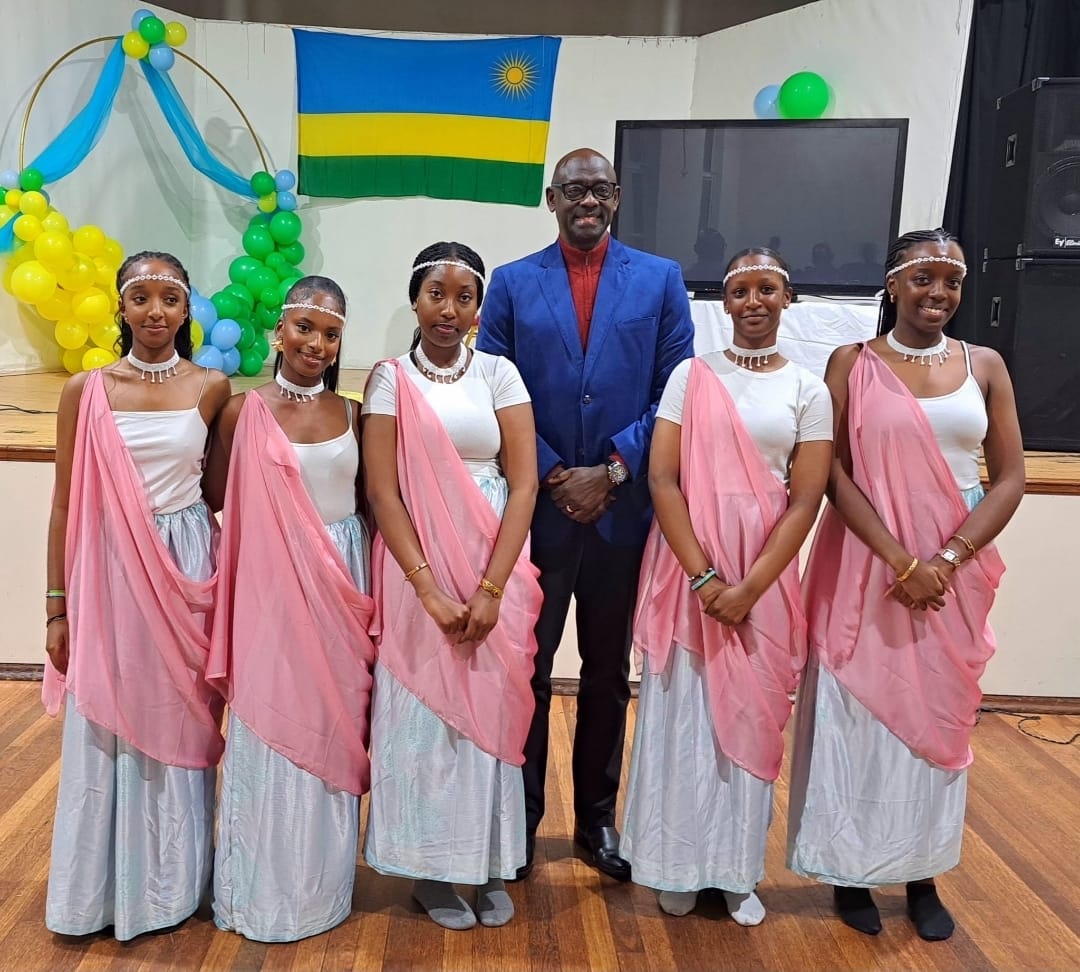
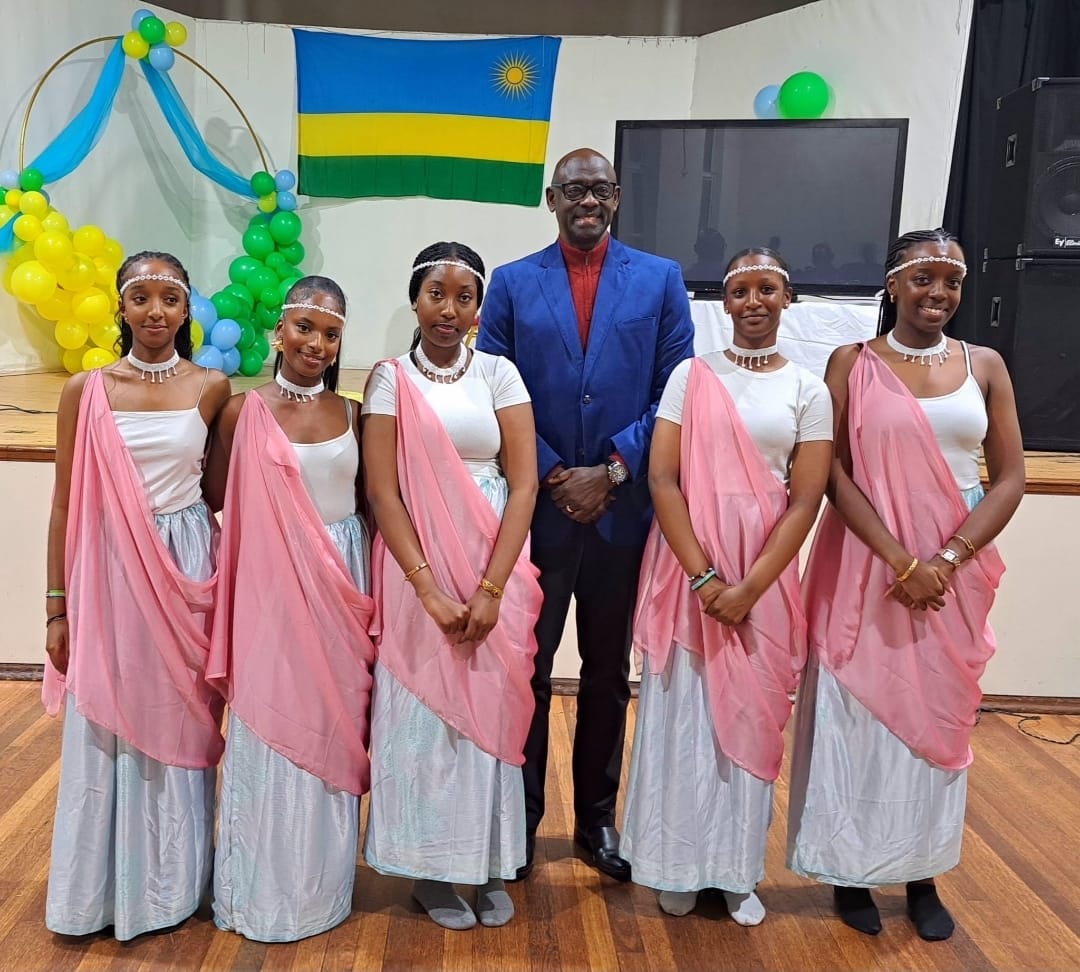
In an interview with IGIHE, Batamuriza Ange, one of the event organizers, explained that the initiative aims to strengthen ties within the diaspora while introducing the richness of Rwandan culture to a wider audience in the United Kingdom.
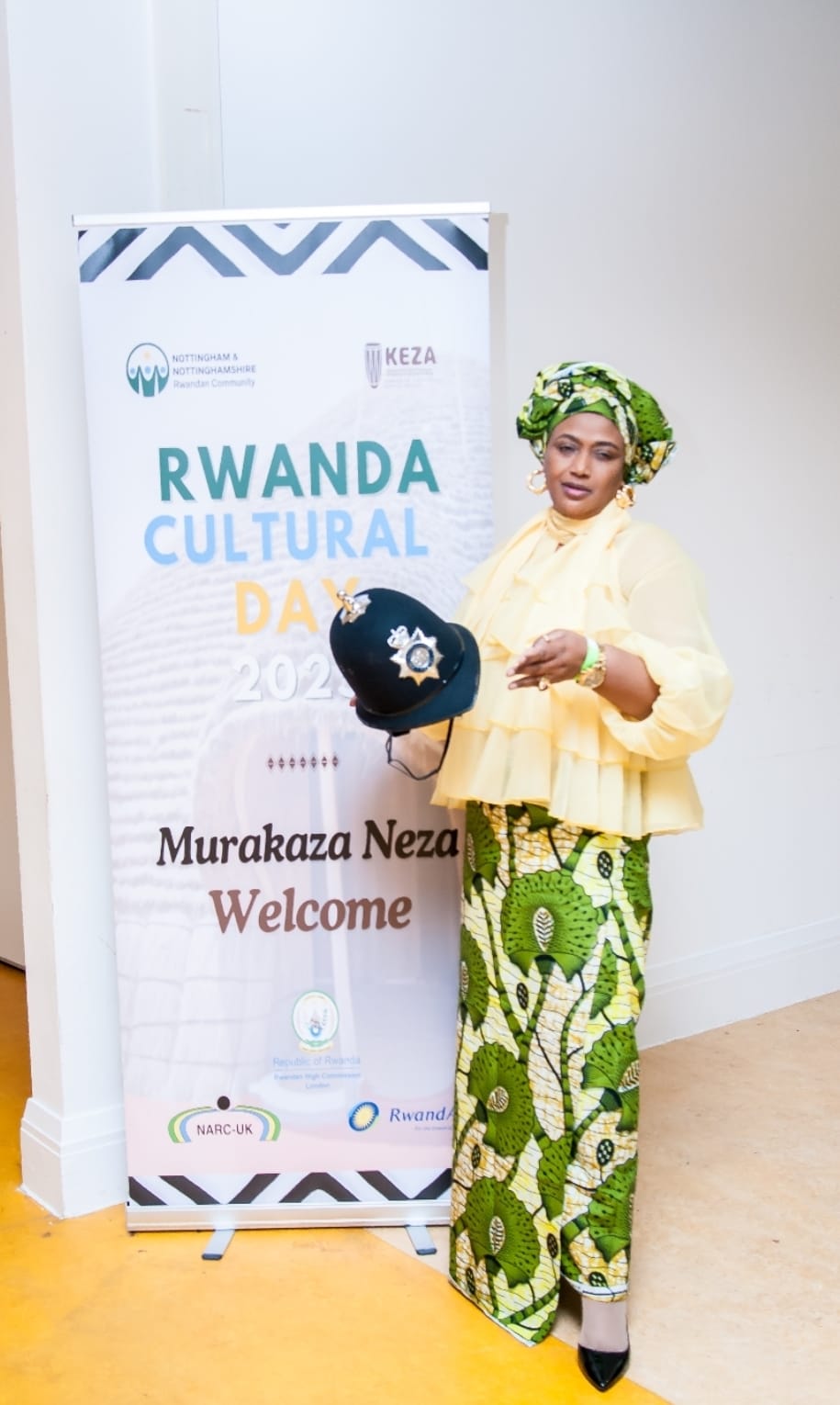
The event scheduled on March 21, 2026, in Coventry, West Midlands, was organized by the West Midland (Coventry) RCA. Activities will run from 3:00 PM to 10:00 PM.
Wibabara noted that “Rwanda Cultural Day” will feature a variety of activities highlighting the country’s cultural identity. The program will include traditional music and dance performances, opportunities for community interaction, and a chance to discover authentic Rwandan cuisine.
“Rwanda Cultural Day brings together the Rwandan community and friends of Rwanda to celebrate shared heritage, traditions, and values,” she said.
Beyond the festivities, the event will also serve as a platform for dialogue and connection, allowing members of the diaspora to strengthen community bonds and pass on Rwandan cultural values to younger generations growing up in the United Kingdom.
The Rwandan community warmly invites everyone interested to attend “Rwanda Cultural Day” and experience a day filled with culture, unity, and the celebration of Rwanda’s heritage.
Interested individuals can register using the link below for Rwanda Cultural Day
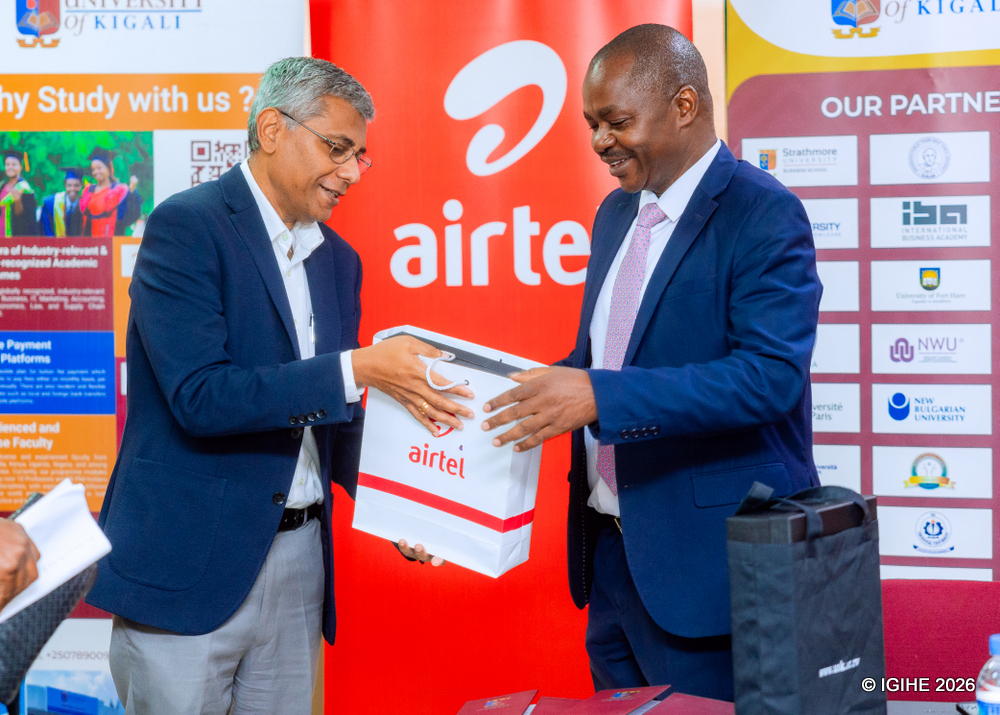
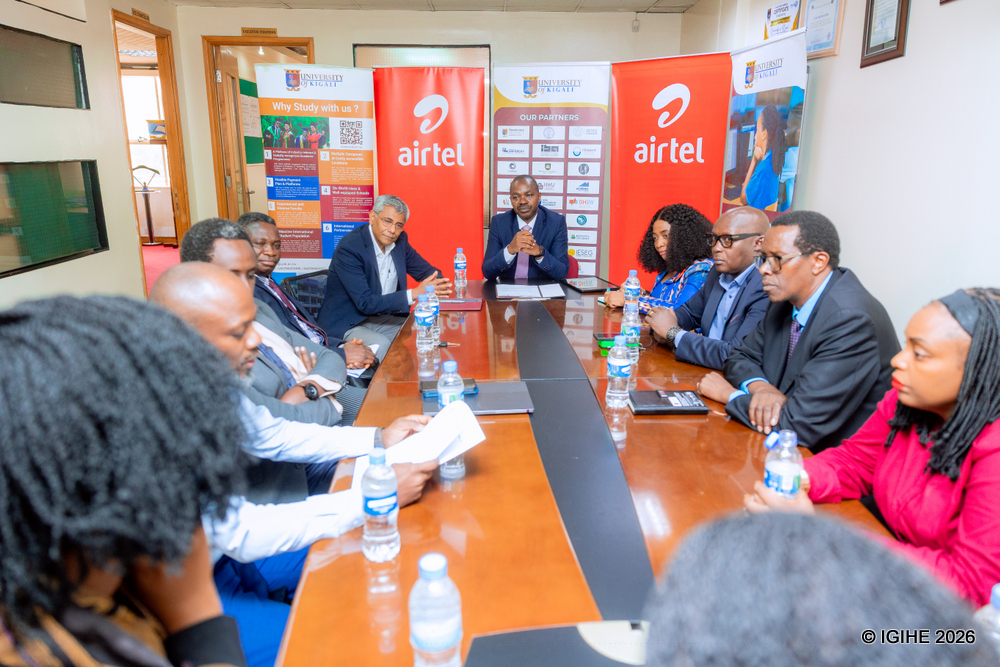
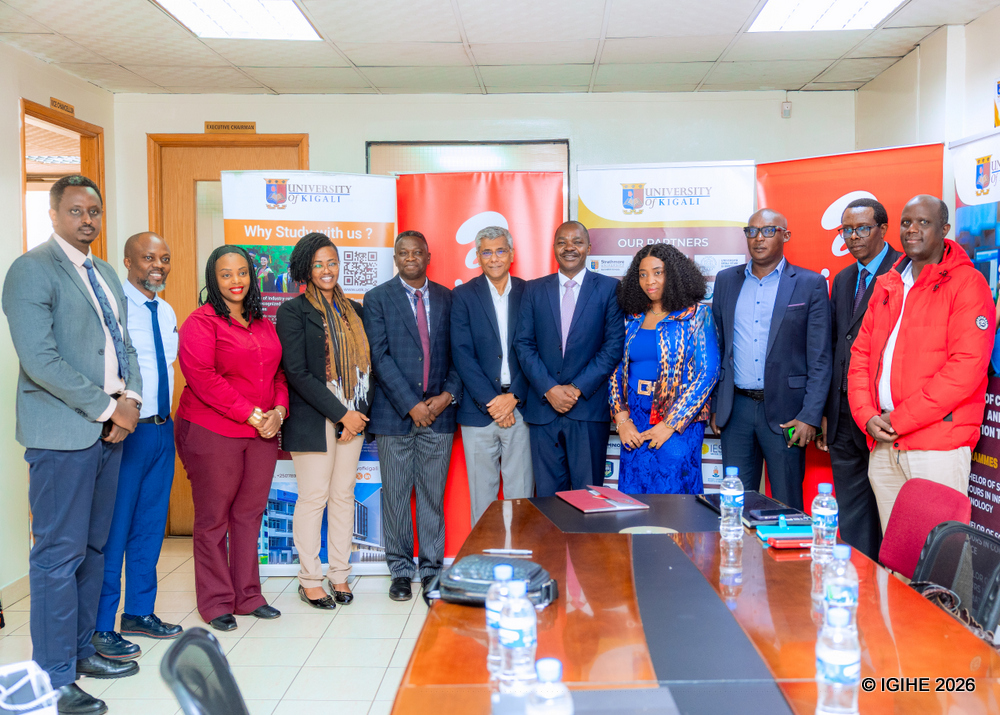
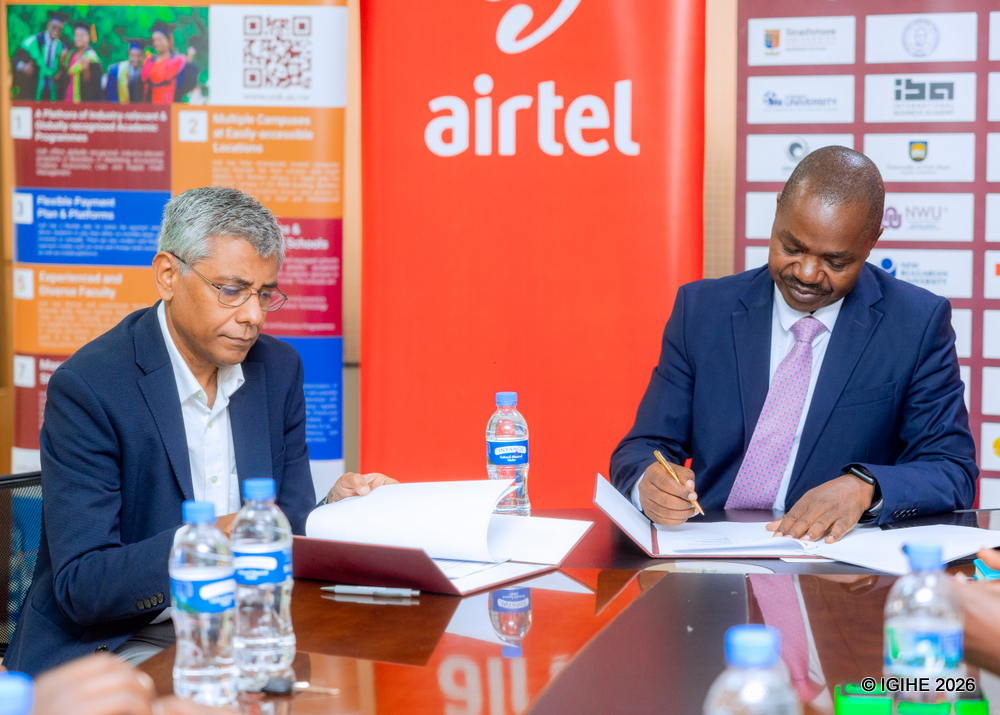
The agreement was signed at the university’s headquarters in Kigali on March 5, 2026.
Under the partnership, Airtel Rwanda will provide affordable internet packages and routers to students at the University of Kigali to support digital learning.
One of the initiatives includes offering a router with 60GB of monthly internet, normally priced at Rwf10,000, at a reduced cost of Rwf5,000. The package can be shared by up to ten users.
Students who prefer mobile connectivity will also be able to subscribe to a package costing Rwf3,000 per month, which provides one gigabyte of 4G internet per day along with the ability to make calls across all networks.
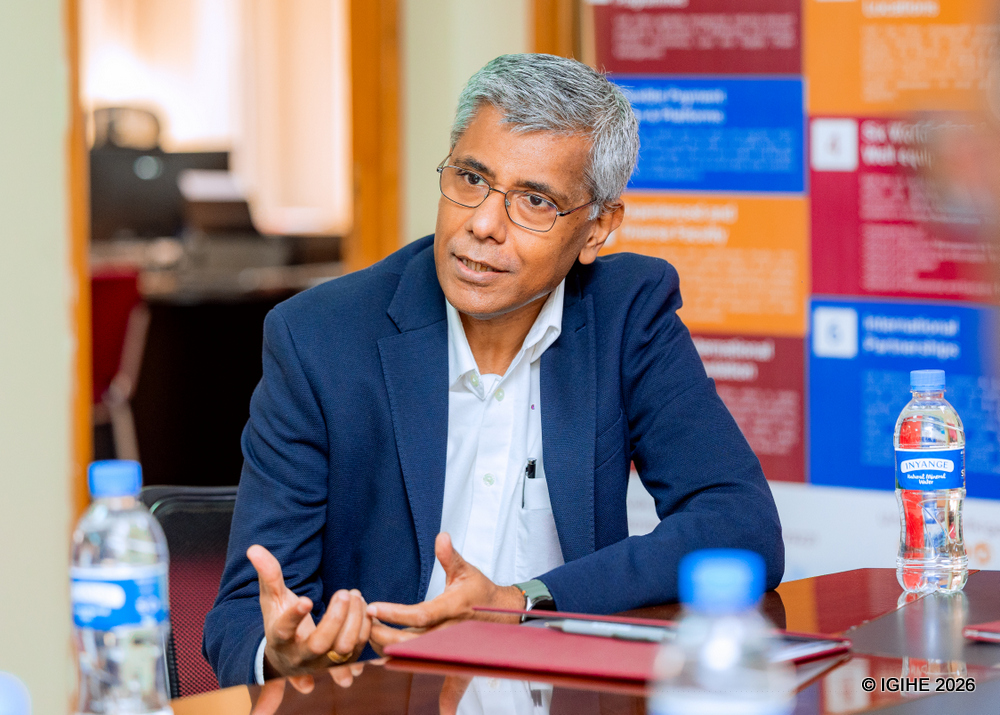
The Managing Director of Airtel Rwanda, Sujay Chakrabarti, said the company plans to expand similar partnerships with other universities in order to support students who rely on internet access for their studies.
“We believe that education is extremely important,” he said, adding that universities host large numbers of young people who increasingly depend on digital tools for learning. “With the university’s support, our technological equipment such as routers and other services will be made available to students.”
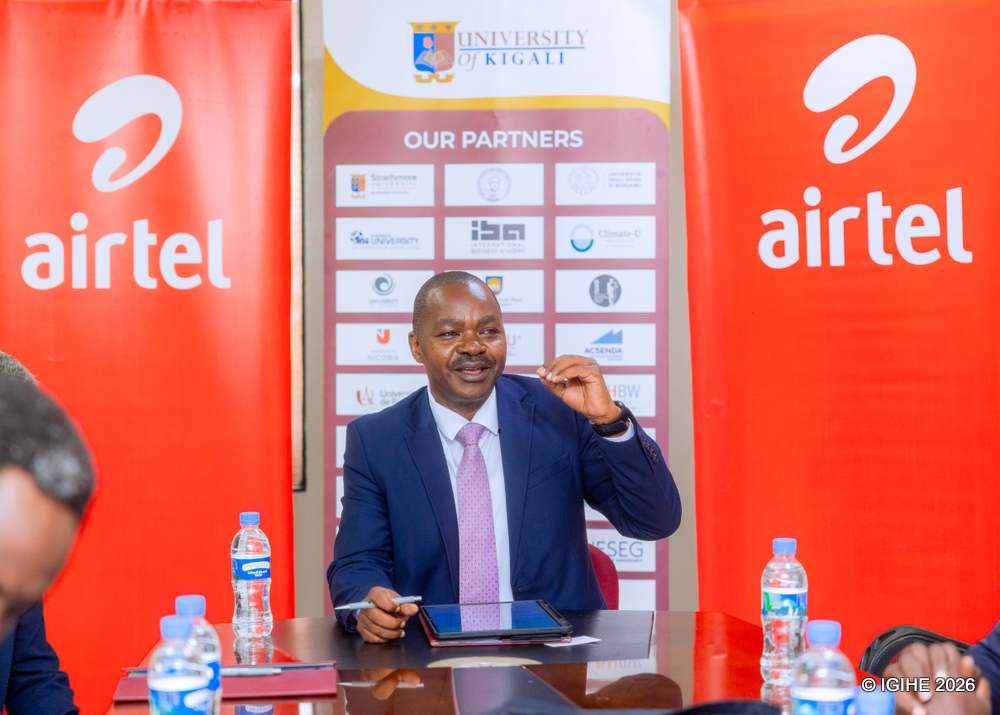
The Vice Chancellor of the University of Kigali, George Kimathi, said both institutions have strong experience in research and that the partnership will allow them to collaborate in finding solutions to global challenges.
“We have a large number of researchers here, and Airtel also has experts. Together we can conduct joint research to identify problems that need solutions,” he said. “This partnership will accelerate research and produce better outcomes than if either side worked alone.”
The collaboration will also allow Airtel Rwanda to expand its services among the university’s student community while enabling students to access relevant data and resources that can support research and practical learning.
Both institutions also plan to organize mentorship sessions, innovation activities, and knowledge-sharing events.
The partnership aligns with Rwanda’s Vision 2050 strategy, which aims to build a knowledge-based economy and ensure that graduates leave universities equipped with the digital skills needed to compete in a technology-driven job market.
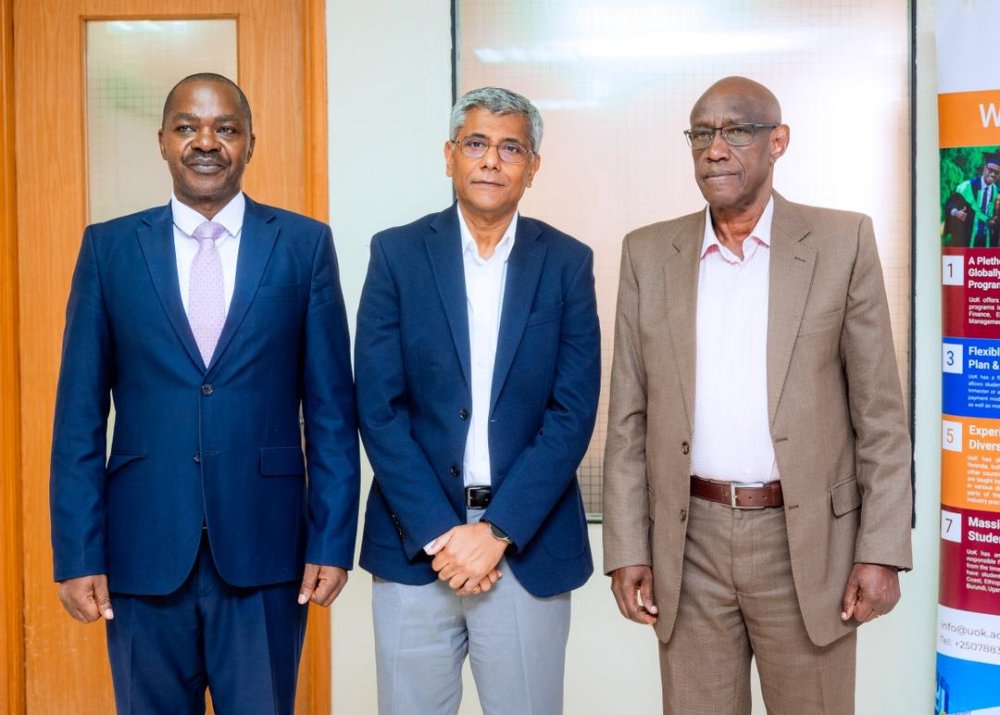
The agreement was signed on March 5, 2026. The Airtel Rwanda–UoK partnership is also expected to create job opportunities UoK Vice Chancellor Prof. George Kimathi highlighted the partnership’s impact on teaching and learning Airtel Rwanda MD Sujay Chakrabarti says affordable internet will support university studiesThe benefits of the Airtel Rwanda–UoK agreement were discussed ahead of the signingExecutives from Airtel Rwanda and UoK represented their institutions at the signing The agreement aims to promote tech-driven learning at the university
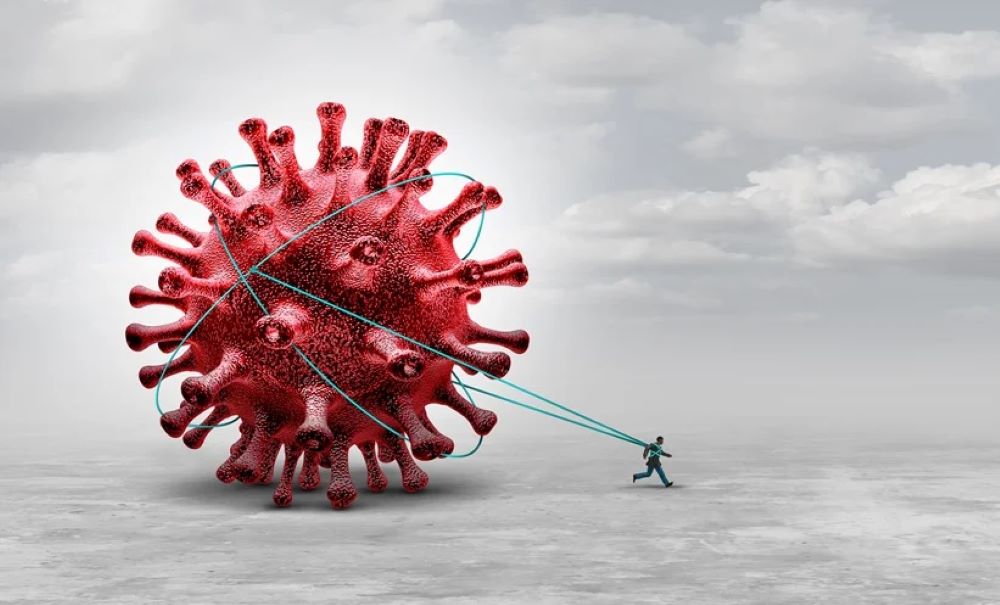
Long COVID is a condition where symptoms of COVID-19 persist for weeks or months after the initial infection has cleared.
People with Long COVID often experience fatigue, shortness of breath, and “brain fog,” even if their initial illness was mild.
New research in mice sheds light on why coronavirus infections can have longer-lasting effects than influenza.
In the study published by European Medical Journala, researchers compared the long-term impact of coronavirus with influenza A on the lungs and brain.
Both viruses caused lung inflammation, but coronavirus led to ongoing tissue damage, including scarring, abnormal repair, and persistent activation of inflammatory and clotting pathways.
Influenza, by contrast, triggered a strong early immune response followed by effective lung repair, helping explain why breathing difficulties are more common after coronavirus infection.
The study also found that coronavirus affected the brain, even though the virus itself was not present there. Mice infected with coronavirus showed early microbleeds and sustained brain inflammation.
Changes in gene activity suggested blood vessel problems, immune system overactivity, and disrupted signaling in areas controlling hormones and sensory processing.
These changes mirror neurological symptoms reported by people with long COVID, such as fatigue and cognitive difficulties. Influenza did not produce these brain effects.
The findings suggest that long COVID is not just about lingering virus, but rather ongoing immune activation, blood vessel damage, and impaired tissue repair.
The research also points to lasting effects on how organs communicate, including the lung-brain connection.
While mouse studies cannot fully replicate human disease, these insights could help scientists develop targeted treatments to reduce inflammation, prevent lung scarring, and protect the brain.
Further clinical studies are needed to confirm these mechanisms in people, but this work helps explain why coronavirus can leave a longer-lasting mark on the body than influenza.
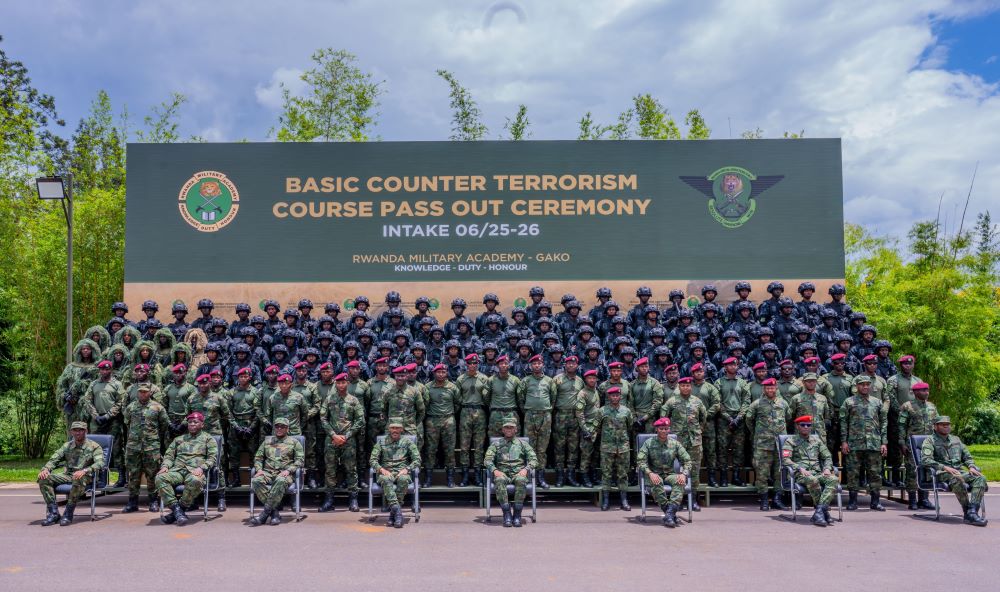
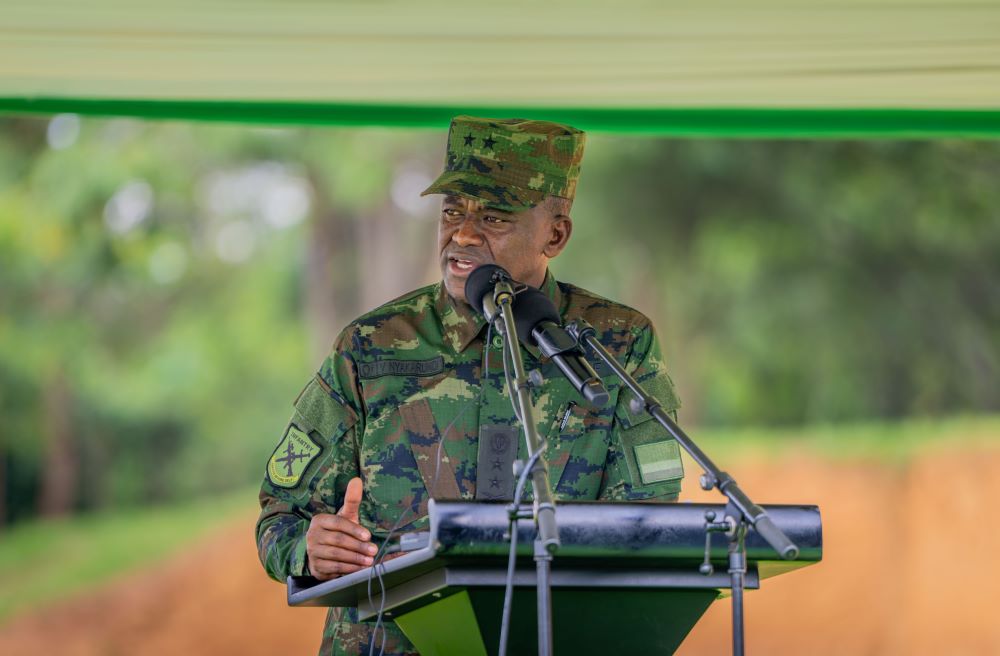
The graduation ceremony was presided over by the RDF Army Chief of Staff, Maj Gen Vincent Nyakarundi, on behalf of the Chief of Defence Staff, and was attended by RDF Generals and officers.
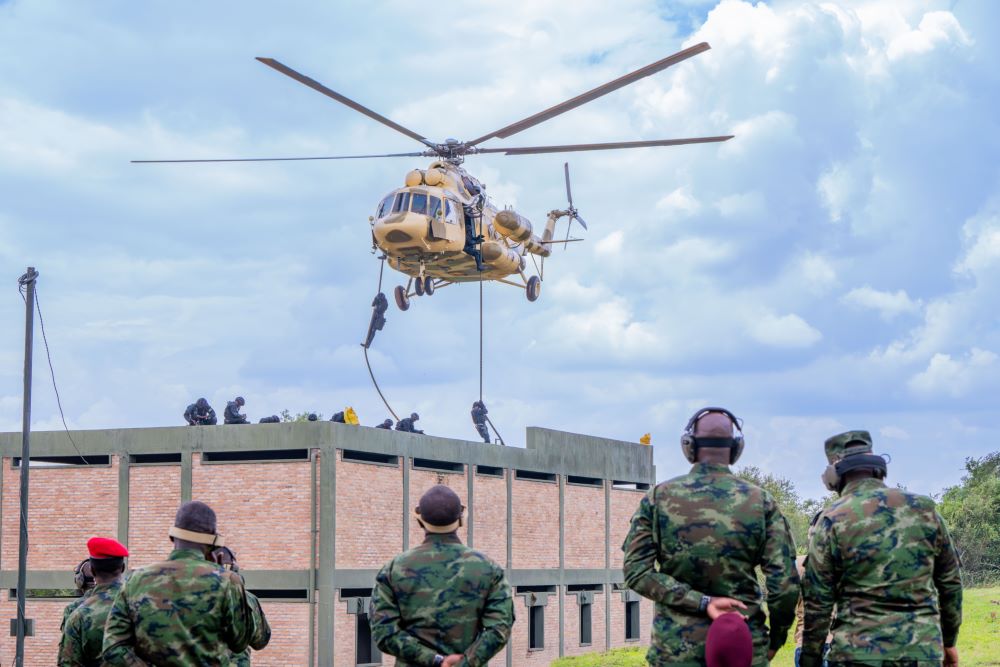
The course was designed to strengthen the operational readiness of RDF Special Operations personnel by equipping them with advanced tactical knowledge and practical skills needed to address emerging security threats. It also aimed to enhance their ability to effectively respond to terrorist incidents and conduct rescue operations for victims held by terrorist groups.
In his remarks, Maj Gen Nyakarundi commended the trainers for their dedication and professionalism in delivering high-quality instruction that strengthens the capabilities of RDF personnel. He further congratulated the graduates for their discipline and successfully completing the demanding training and acquiring valuable skills essential for future missions.
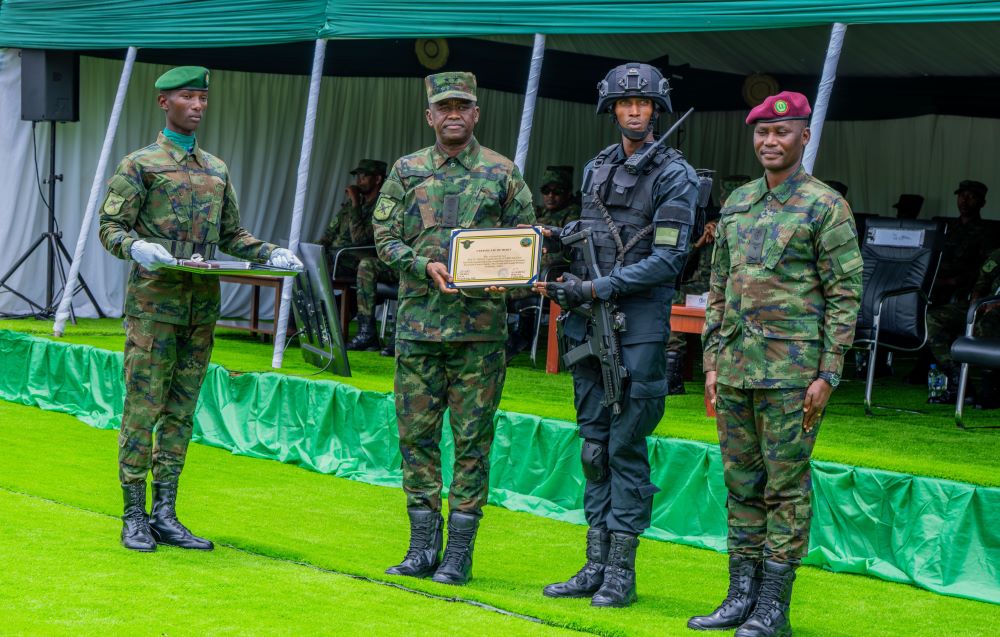
Maj Gen Nyakarundi commended the trainers for their dedication and professionalism in delivering high-quality instruction. Best performers were awarded at the ceremony.RDF officials followed final drills as trainees showcased acquired practical skills.
Speaking in an interview with Firstpost, Amb. Nduhungirehe said the roots of Rwanda’s security concerns date back to the aftermath of the genocide, when forces responsible for the killings crossed into the eastern part of the Democratic Republic of the Congo.
“In 1994 in Rwanda, we had a genocide against the Tutsi. Over one million people were killed over three months,” he said, noting that the perpetrators later fled across the border. “Those who committed that genocide crossed the border. They were never disarmed by the UN or other forces that were on the ground.”
He said the group that later became the Democratic Forces for the Liberation of Rwanda has continued to operate from eastern Congo and has launched attacks on Rwanda over the past three decades.
“From DRC, they have been attacking Rwanda over the past 30 years on countless occasions,” Amb. Nduhungirehe said, adding that Rwanda has therefore deployed defensive measures along its border to prevent further attacks.
The minister also warned that genocide ideology remains a concern in the region. “When we hear the same words that were used before the genocide… we take it very seriously,” he said, stressing that what happened in 1994 should never happen again.
He further argued that ongoing hostilities on the ground, including increased air strikes and drone attacks in eastern Congo, risk undermining ceasefire commitments linked to ongoing peace initiatives.
Despite these challenges, Amb. Nduhungirehe said Rwanda remains engaged in diplomatic efforts aimed at resolving the conflict while ensuring the country’s security and preventing a repeat of the dark moments of 1994.
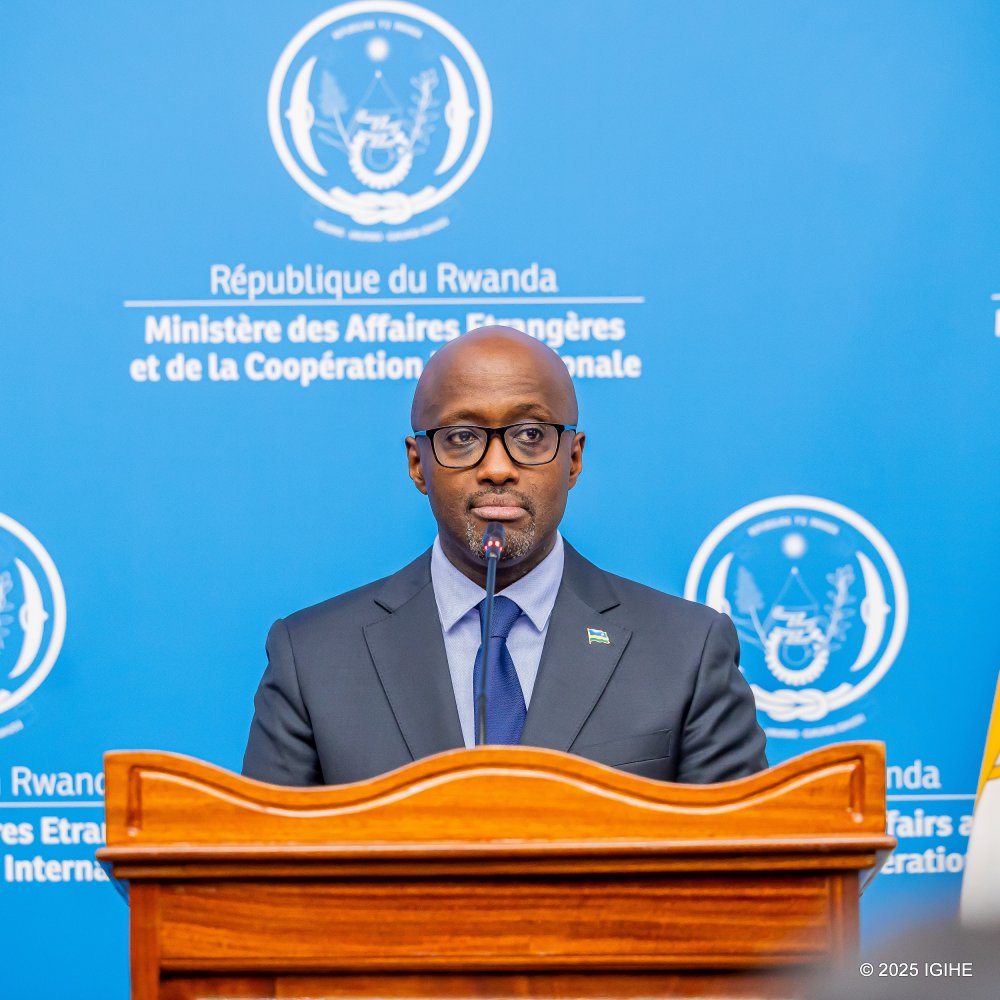
Rwanda’s Foreign Affairs Minister, Amb. Olivier Nduhungirehe has shed light on reasons why Rwanda’s defensive measures remain in place.
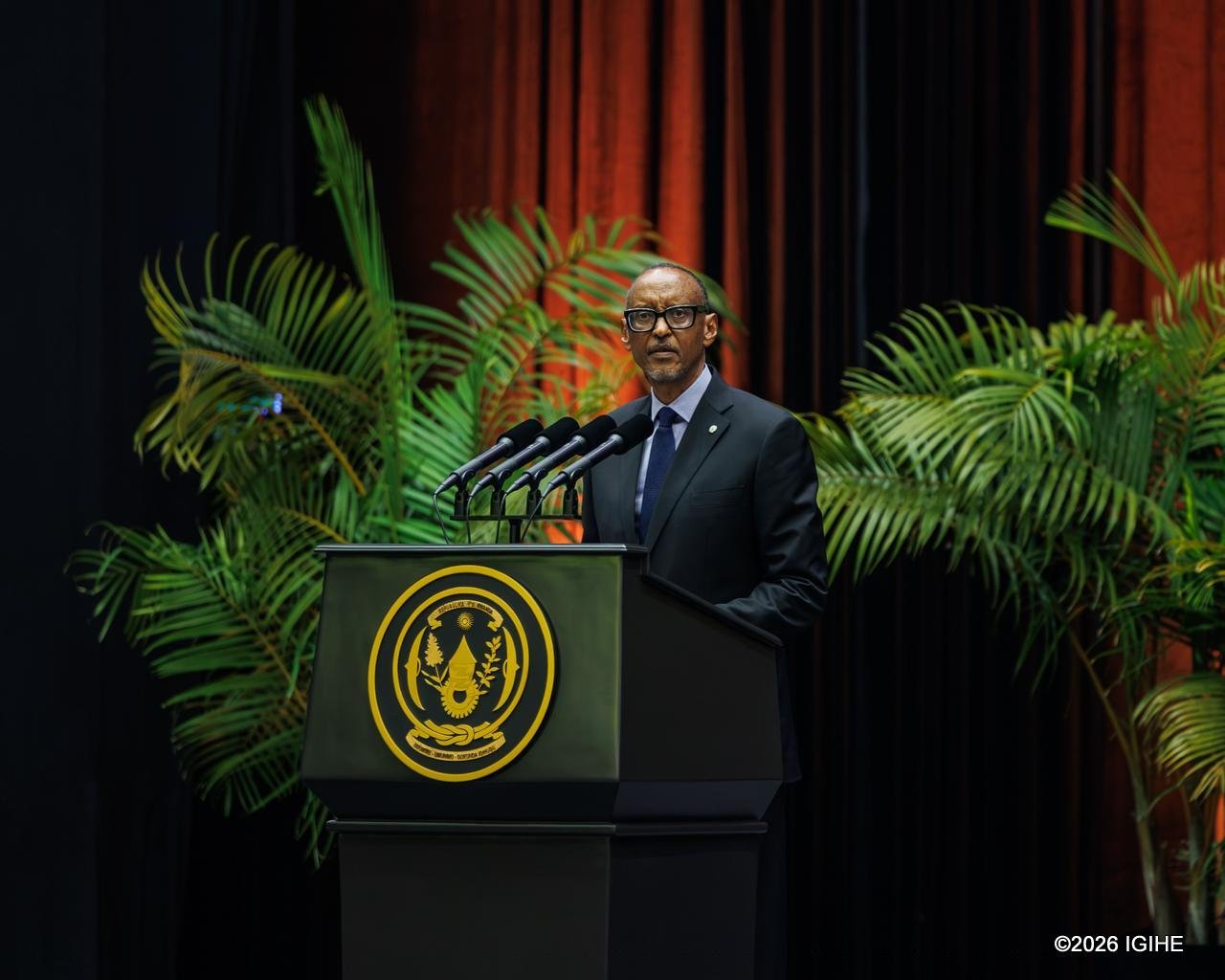
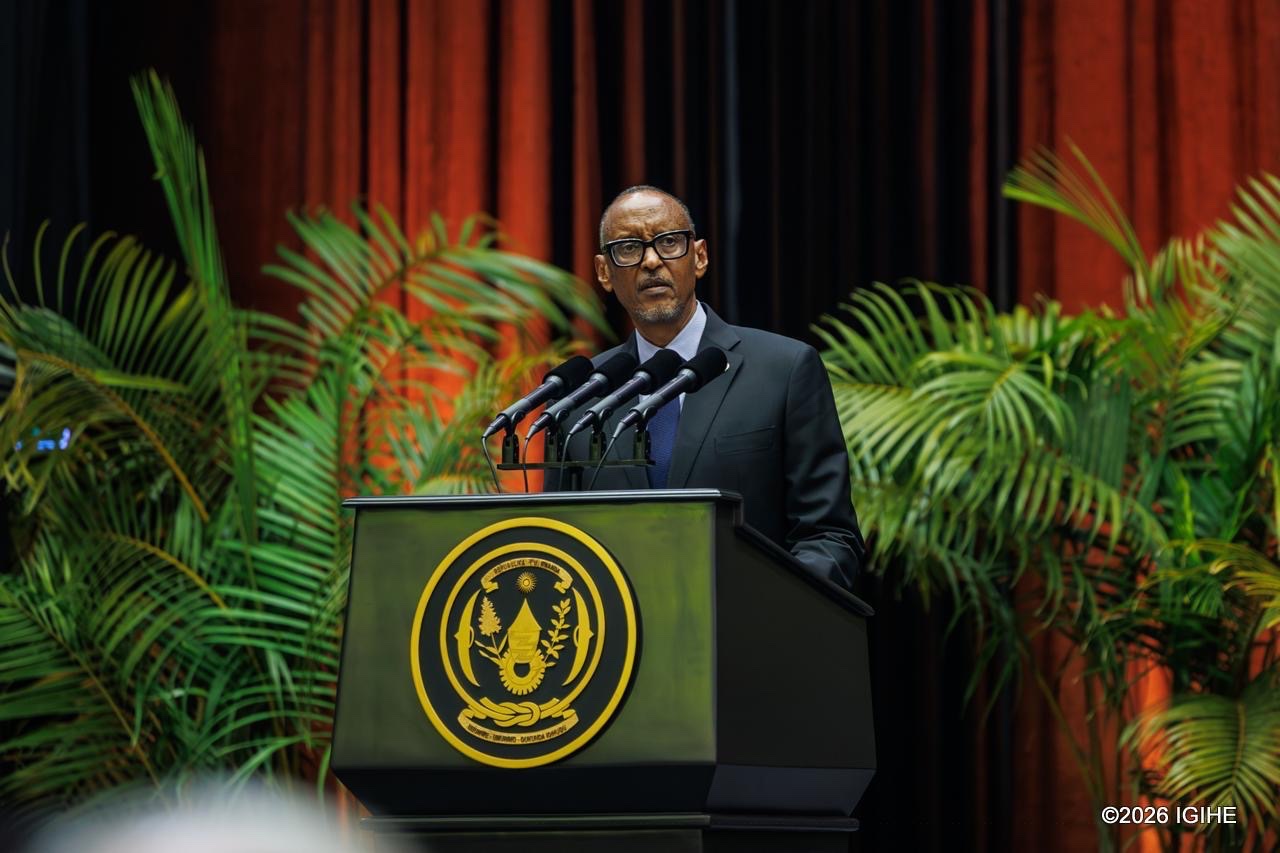
Speaking during a diplomatic dinner with ambassadors, high commissioners and representatives of international organisations in Kigali on Friday, Kagame said Rwanda faces what he described as an “impossible choice” between tolerating threats near its borders or defending itself and facing condemnation.
His remarks come days after the United States imposed sanctions on the Rwanda Defence Force (RDF) over the conflict in eastern Democratic Republic of the Congo (DRC).
The Head of State said Rwanda’s defensive measures are driven solely by security concerns, particularly the continued presence of the Democratic Forces for the Liberation of Rwanda (FDLR), a militia group formed by perpetrators of the 1994 Genocide against the Tutsi, in the eastern DRC.
“Rwanda faces an impossible choice: to either tolerate the continued presence of the FDLR and its growing network of militias and allow them to grow closer to our border or to defend ourselves and be condemned for it,” Kagame said.
“Any condemnation that comes, by the way, is a badge of honour for our security forces,” he added.
Security concerns
The president told diplomats that Rwanda’s security concerns stem from the continued presence and activities of the FDLR in eastern DR Congo, accusing the Congolese government of providing political cover and support to the group.
According to Kagame, the militia continues to spread an ideology rooted in genocide and has formed alliances with other armed groups in the region.
“One thing that has not changed is the right and duty of every nation to ensure the safety of its borders and people. Rwanda is no exception,” Paul Kagame said, adding that the country’s defensive measures are intended to address security threats and nothing else.
He argued that Rwanda has repeatedly raised these concerns in regional and international forums, but claims that the root causes of the conflict are often ignored in favour of short-term political interests.
Kagame also questioned the implementation of the Washington Accords, saying the agreement was intended to address security concerns for all parties involved.
He noted that the accords involve three parties, Rwanda, DR Congo and the United States, but said expectations often appear to place the burden of compliance primarily on Rwanda.
“A signed peace agreement should bind all parties equally,” Kagame said, adding that selective pressure risks emboldening armed groups and prolonging instability.
Call for lasting peace
Despite the tensions, Kagame emphasised that Rwanda remains committed to peace in the region.
He said Rwanda would be ready to lift its defensive measures if DR Congo fulfils its obligations under the Washington Accords, including addressing the threat posed by the FDLR and other armed groups operating near Rwanda’s borders.
“Rwanda wants peace,” Kagame said. “But we want a genuine and lasting peace on which we can build our future prospects.”
The president also warned that Rwanda would never compromise on the security gains it has built over the past three decades.
“We have made a promise to ourselves never to go back to the dark days,” he told the diplomats. “That is not something we will waver from.”
President Kagame said Rwanda’s defensive measures are driven solely by security concerns, particularly the continued presence of the FDLR genocidal force in the DRC.
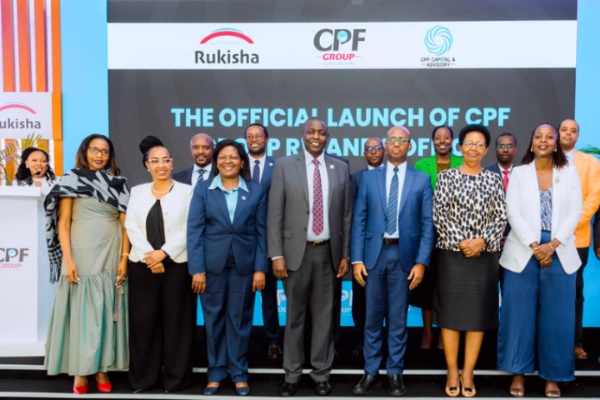
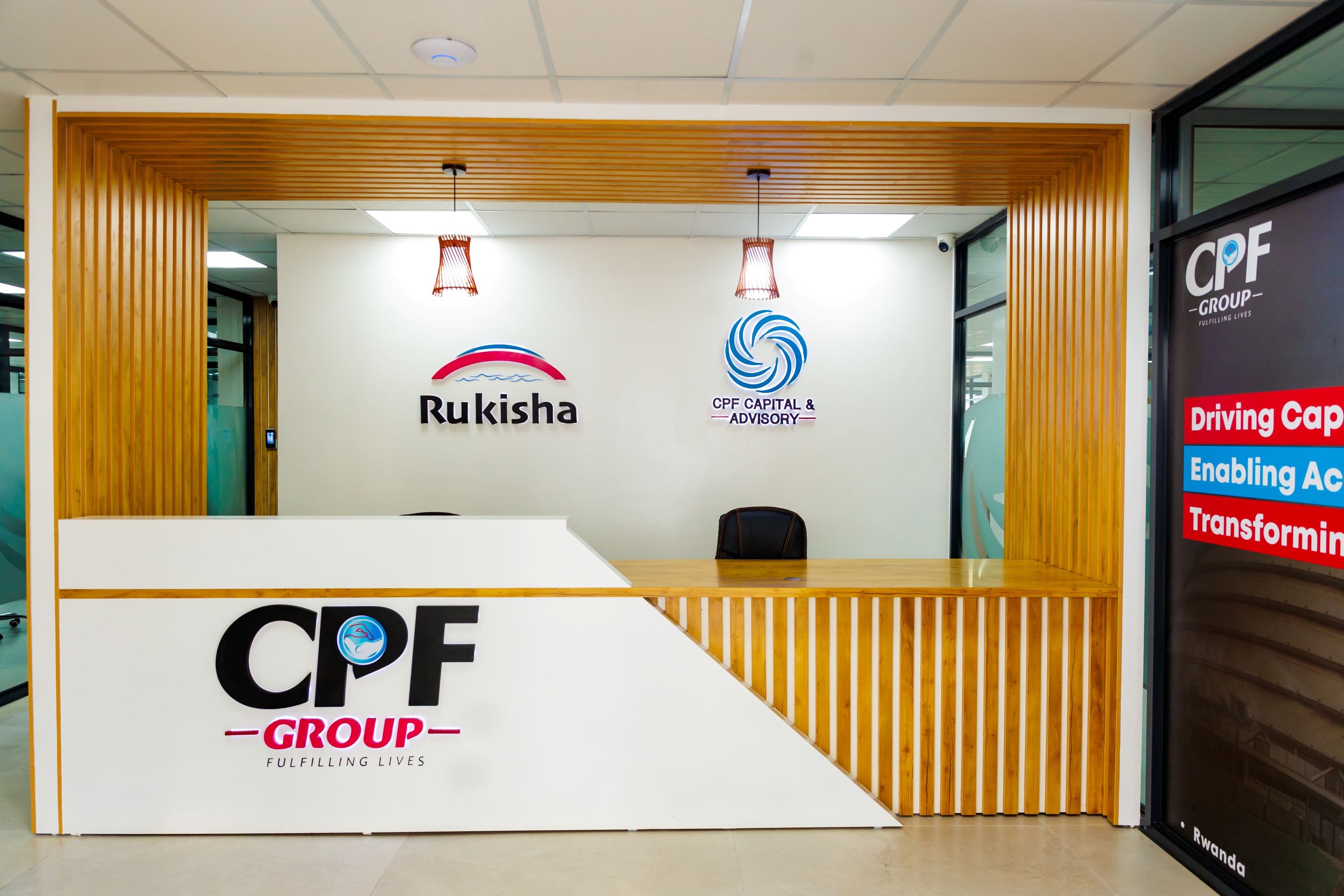
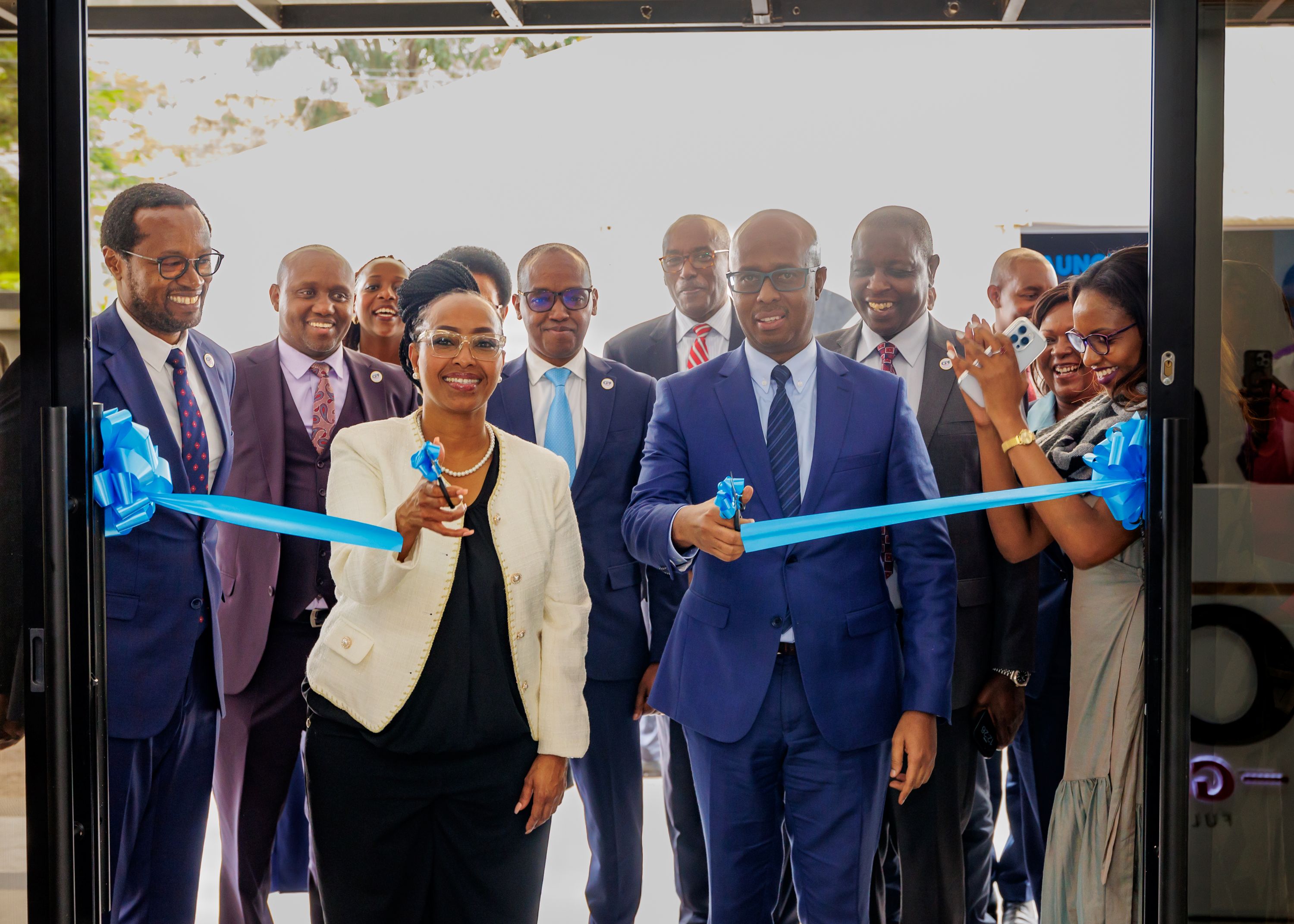
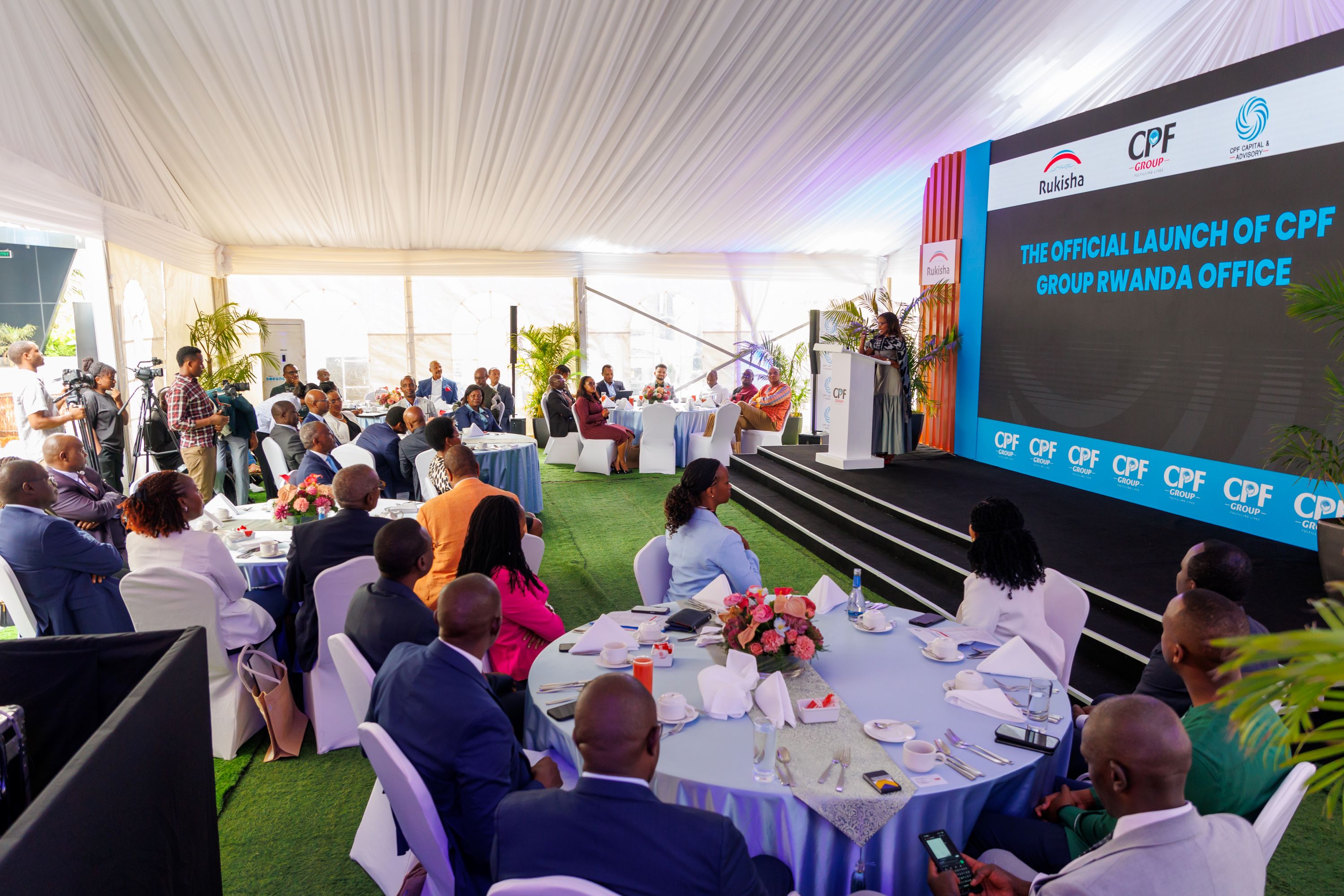
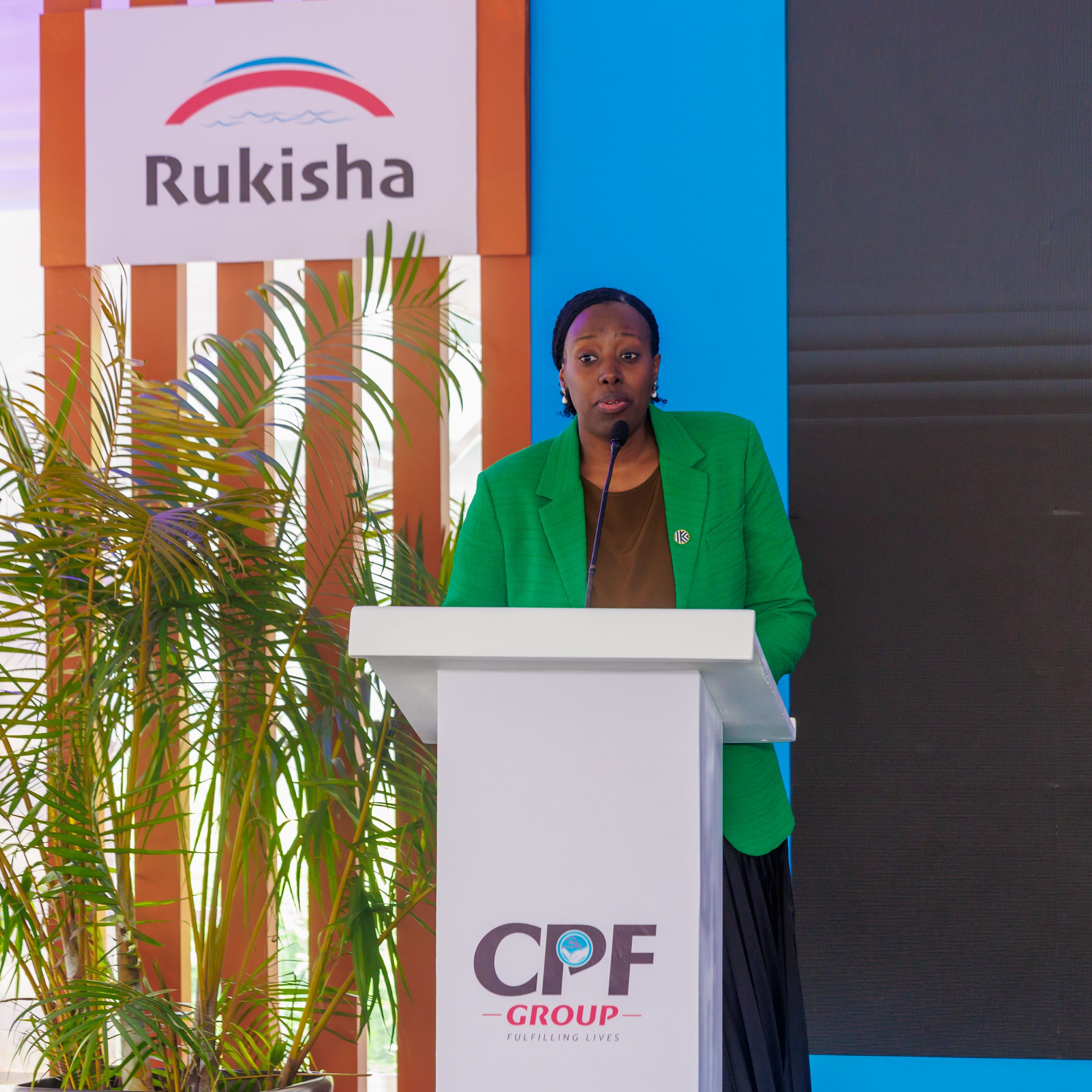
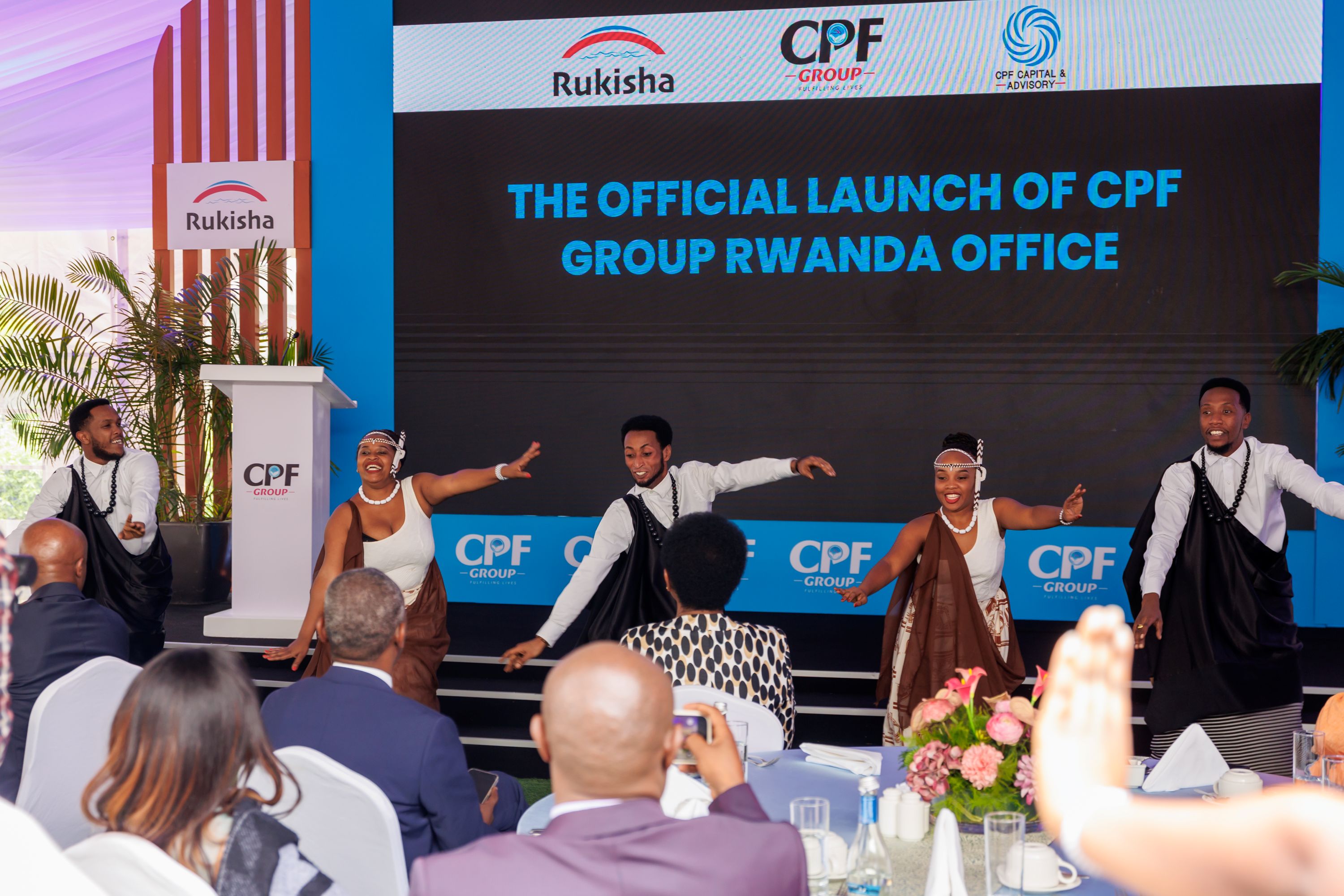
The office, located at the Zein Building in Nyarutarama, Kigali, will host the group’s subsidiaries CPF Capital & Advisory, Rukisha Solutions, and CPF Financial Services, positioning the institution as a partner in capital markets development, structured finance, and technology-driven financial services in Rwanda.
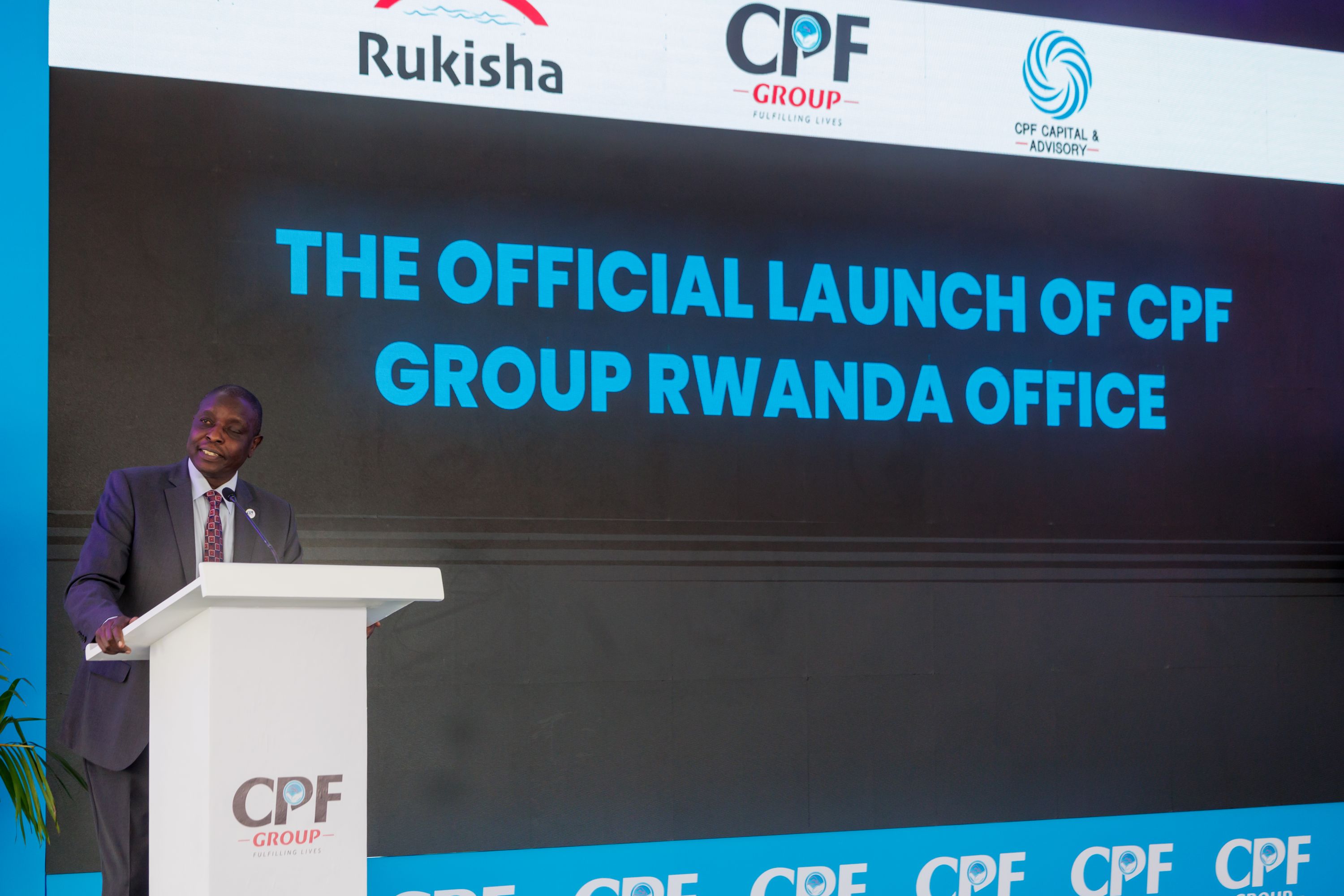
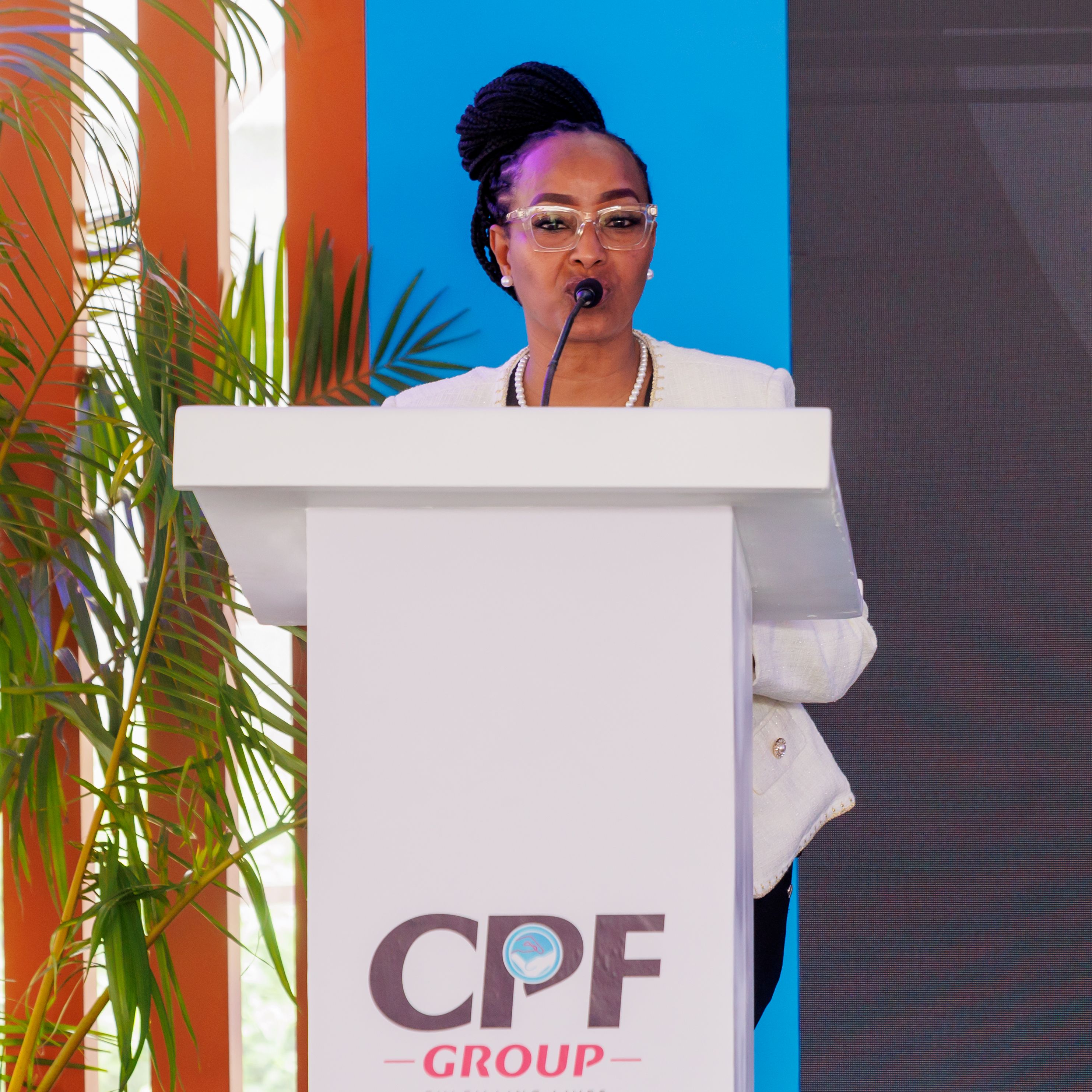
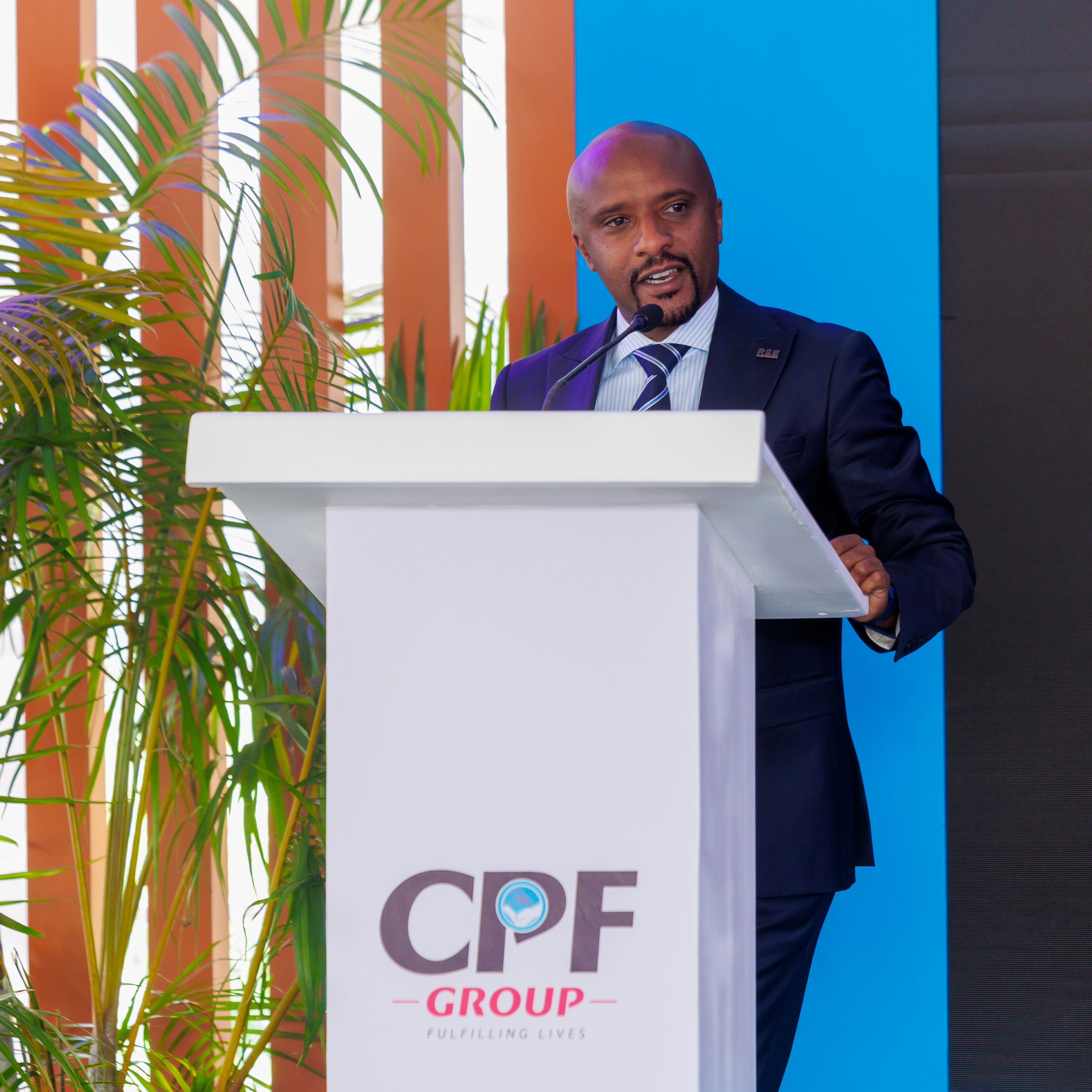
Speaking during the launch on Friday, Hosea Kili, Group Managing Director and CEO of CPF Group, said Rwanda’s stable regulatory environment and rapidly developing digital economy made it an attractive destination for the company’s regional growth strategy.
“Our presence in Rwanda reflects the deliberate regional growth strategy. Rwanda has built one of Africa’s most stable and forward-looking financial ecosystems. We are here to mobilize capital responsibly, structure transformative transactions, and support institutions with governance-led, execution-focused advisory solutions aligned to national development priorities,” Kili said.
Hosea Kili, Group Managing Director and CEO of CPF Group, said Rwanda’s stable regulatory environment and rapidly developing digital economy made it an attractive destination for the company’s regional growth strategy.
He revealed that the group plans to begin operations with a $20 million investment, with additional capital expected as the company identifies further opportunities in the market.
Founded in Kenya in the 1920s as a pension fund administrator, CPF Group has grown into a diversified regional financial services institution providing pension administration, wealth management, capital advisory and structured finance services. The company currently administers pension funds with a combined value of over Ksh 318 billion (approximately Rwf 3.6 trillion) serving more than 500,000 members.
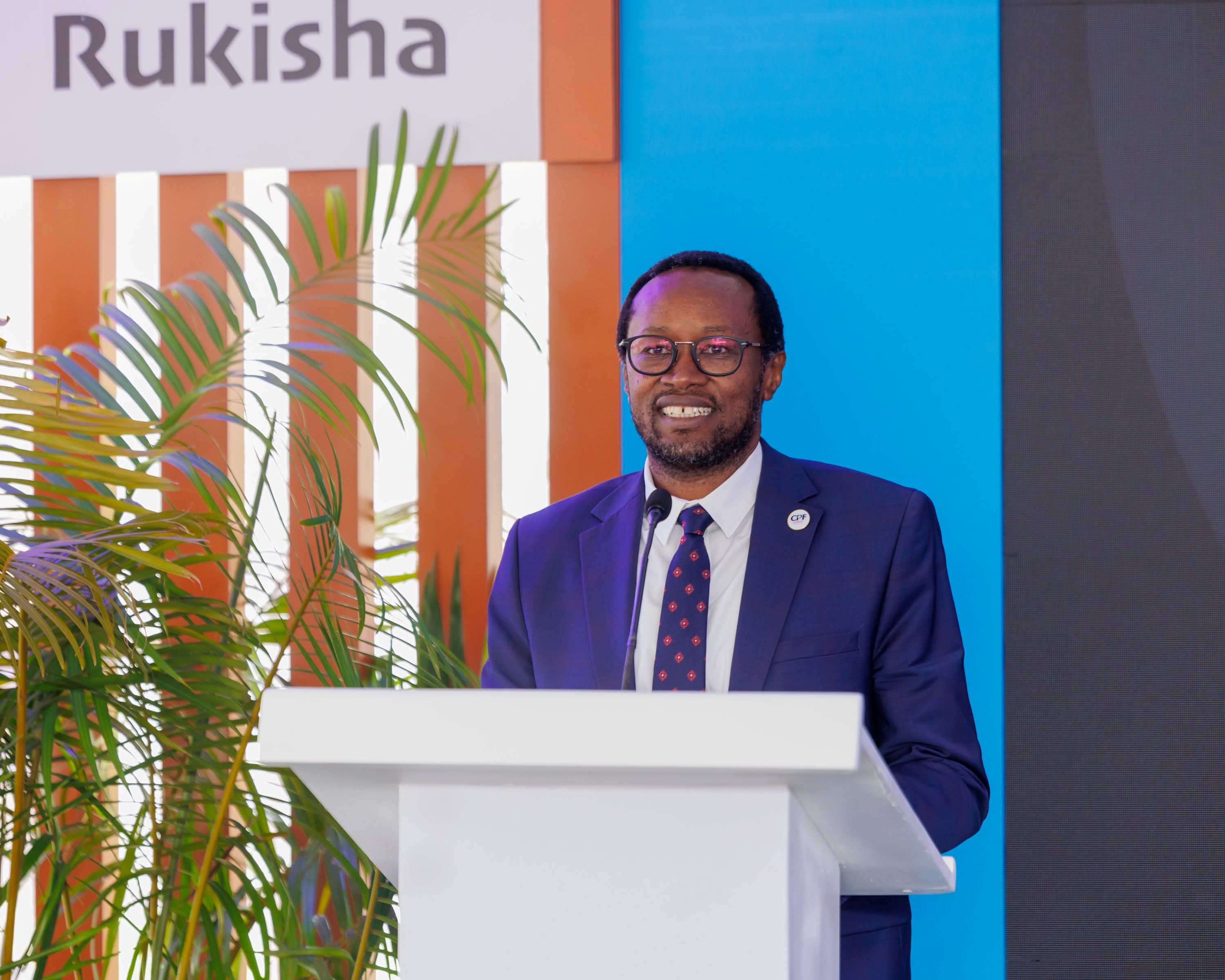
According to Maurice Nduranu, Group Chairperson, CPF Group, Rwanda was chosen as one of the first destinations for the group’s international expansion due to its strong investment climate and supportive regulatory environment.
“We are excited about the ease of doing business in Rwanda and the responsiveness of both government and the private sector. For us, this is an excellent first stop outside Kenya as we expand across the region with ultimately Pan-African ambitions,” Nduranu said.
Maurice Nduranu, Group Chairperson, CPF Group, Rwanda was chosen as one of the first destinations for the group’s international expansion due to its strong investment climate and supportive regulatory environment.
He added that establishing a physical presence in Rwanda would allow the firm to build partnerships locally rather than operating remotely from Kenya.
“We believe capital is borderless, and African businesses must increasingly operate across borders. Being here allows us to collaborate with institutions on the ground and contribute to regional economic growth,” he noted.
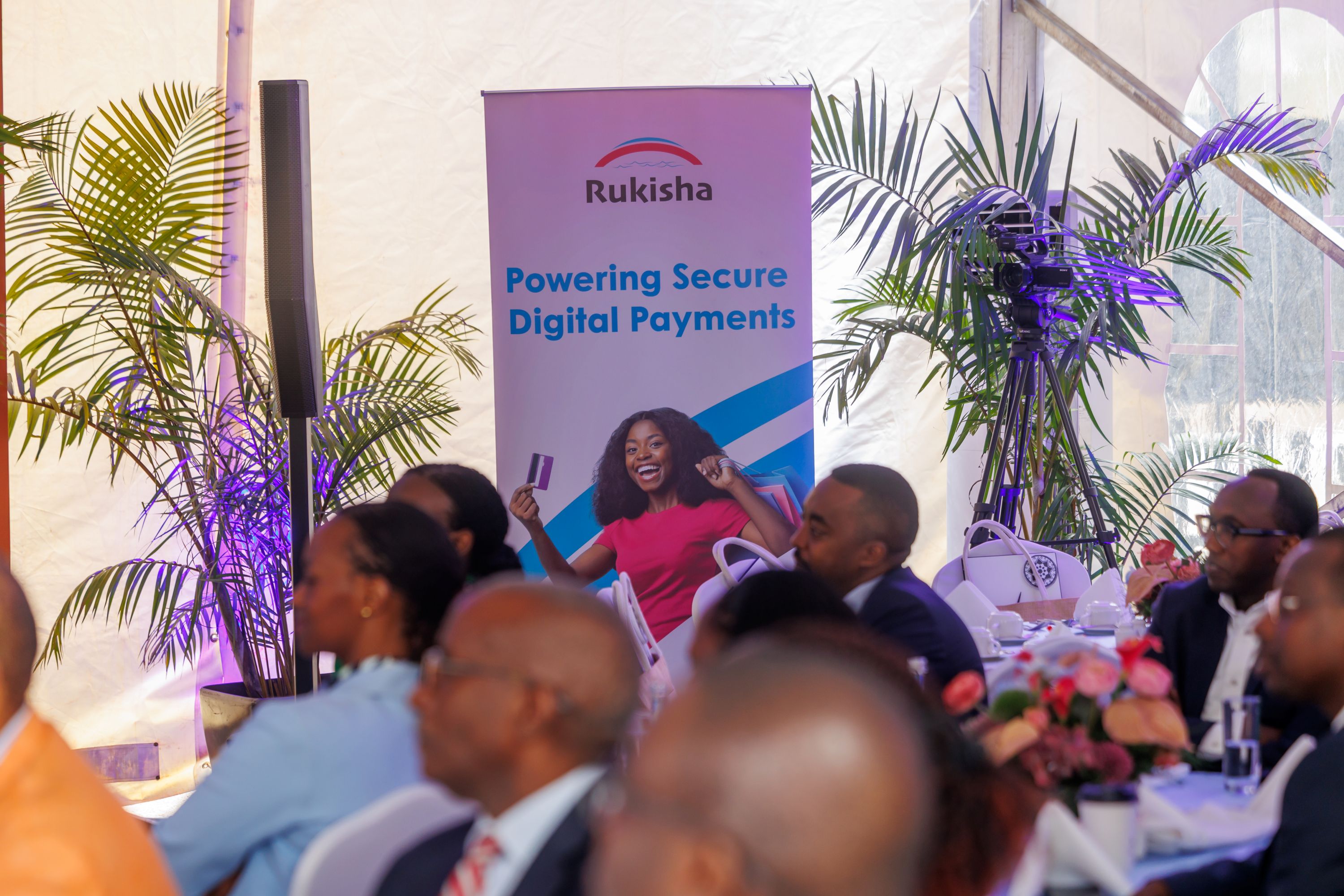
The Rwanda office will focus on capital markets advisory, infrastructure financing, alternative investment structuring, and cross-border capital mobilization. Through its fintech subsidiary Rukisha Solutions, the company also plans to introduce digital micro-lending and payments services aimed at expanding financial inclusion.
The office, located at the Zein Building in Nyarutarama, Kigali, will host the group’s subsidiaries CPF Capital & Advisory, Rukisha Solutions, and CPF Financial Services.
Kili said Rwanda’s growing Rwanda Stock Exchange presents opportunities for new investment products, noting that the group intends to support listings and capital market transactions in the country.
“We have strong experience in transaction advisory and investment banking across the region. Through our investment banking license, we expect to bring new products that can be listed on the stock exchange and deepen Rwanda’s capital markets,” he said.
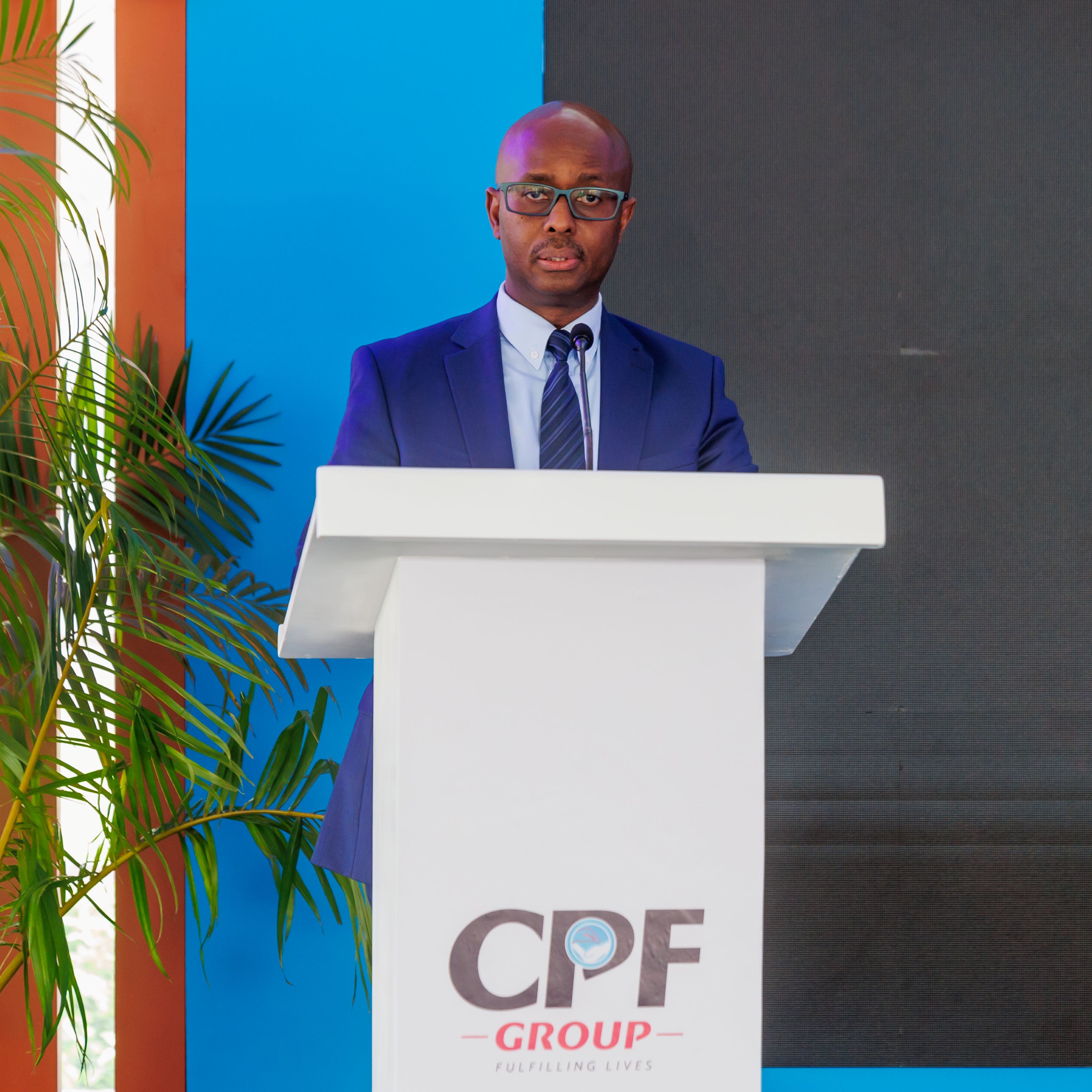
Speaking at the launch, Rwanda’s Minister of Finance and Economic Planning, Yusuf Murangwa, said the entry of institutions like CPF Group reflects growing confidence in Rwanda’s economic direction and policy framework.
“This milestone reflects the continued confidence that regional and international institutions have in Rwanda’s economic direction, the strength of our policy framework, and the consistency with which we are implementing our national development agenda,” Murangwa said.
Rwanda’s Minister of Finance and Economic Planning, Yusuf Murangwa, said the entry of institutions like CPF Group reflects growing confidence in Rwanda’s economic direction and policy framework.
He emphasized that strengthening financial markets and expanding financial inclusion remain key priorities for the government.
“Mobilizing long-term capital is essential for financing infrastructure, supporting private sector growth, and delivering our national strategy for transformation. Institutions such as CPF Capital play an important role in bringing structuring expertise and access to new sources of capital,” he said.
Murangwa added that Rwanda is continuing to invest in institutions, regulatory frameworks and financial infrastructure to position the country as a regional financial and investment hub.
On her part, Janet Mwawasi, Kenya’s High Commissioner to Rwanda, highlighted the broader economic and diplomatic significance of the launch between the two countries.
“The establishment of CPF Group in Rwanda represents the strengthening of economic ties between Kenya and Rwanda and demonstrates the confidence Kenyan institutions have in Rwanda’s regulatory environment and growth trajectory. This investment reflects the shared ambition of our nations to deepen capital markets integration and accelerate sustainable regional development.”
Janet Mwawasi, Kenya’s High Commissioner to Rwanda, said the establishment of CPF Group in Rwanda demonstrates the confidence Kenyan institutions have in Rwanda’s regulatory environment and growth trajectory.
The expansion into Rwanda marks a key milestone in CPF Group’s broader regional strategy, as the nearly century-old institution seeks to deepen its presence across East Africa while pursuing longer-term Pan-African ambitions.
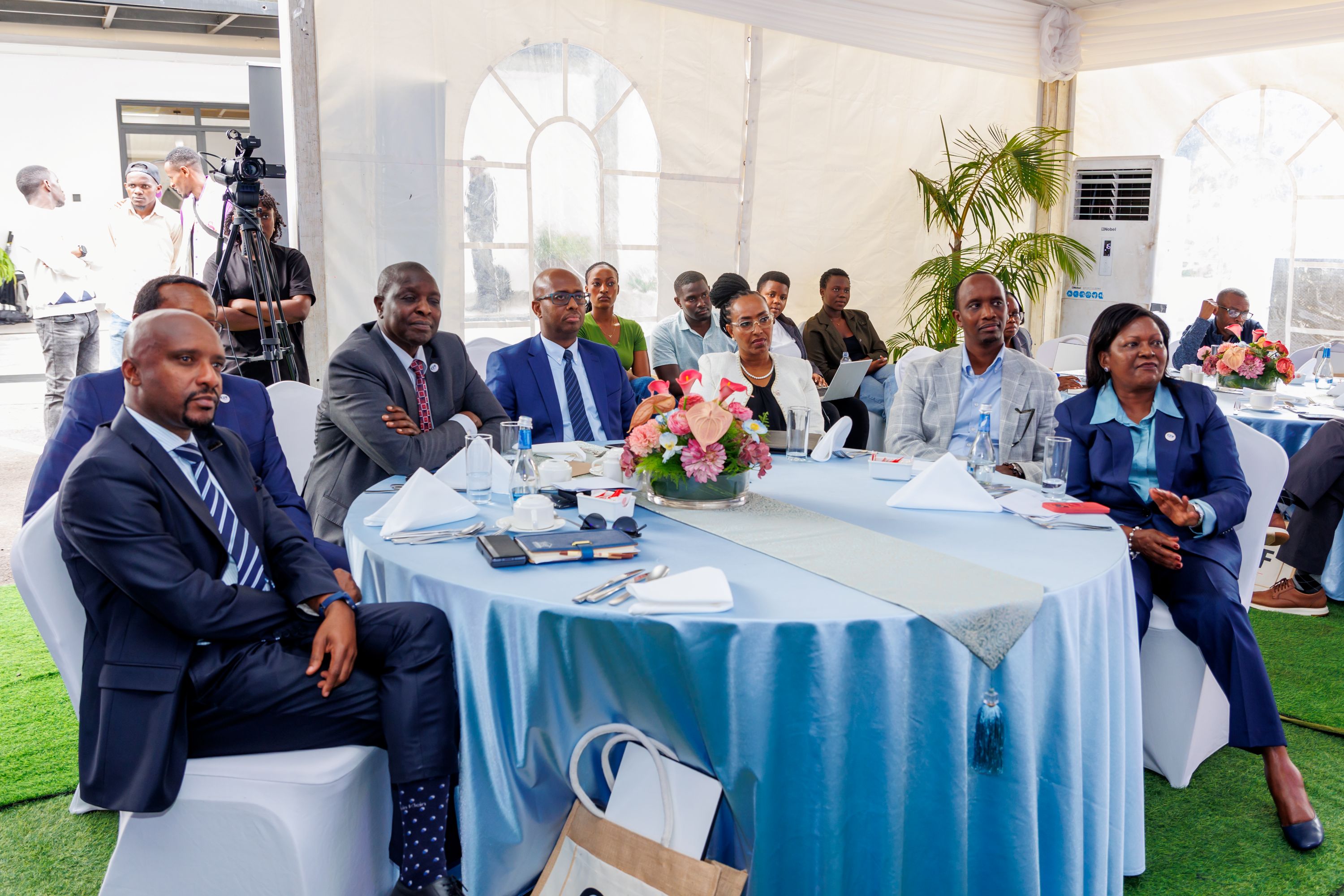
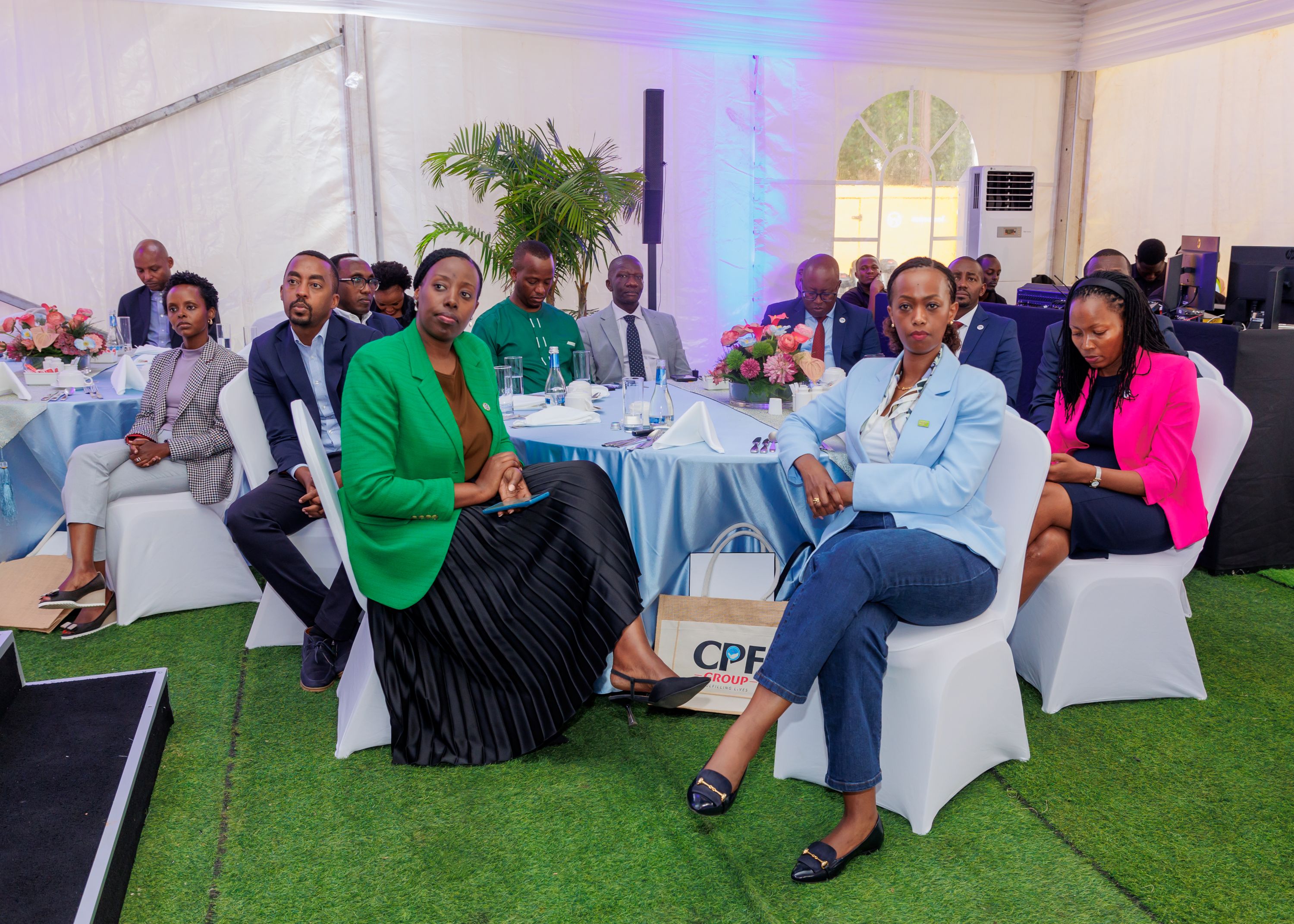
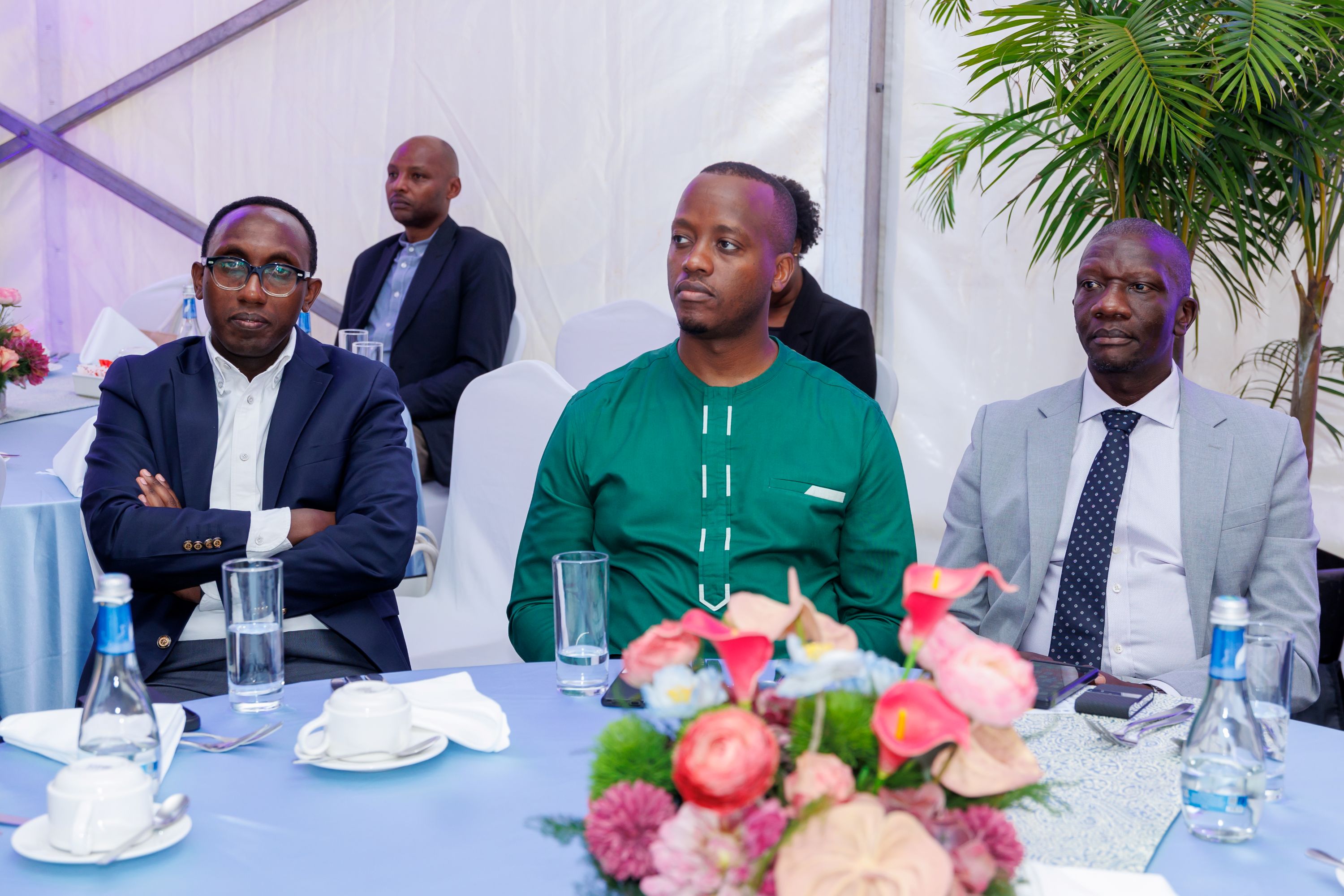
Pierre-Célestin Rwabukumba, the Chief Executive Officer (CEO) of the Rwanda Stock Exchange (RSE), attended the event.Hortense Mudenge, the CEO of the Kigali International Financial Centre (KIFC), also graced the launch.Various stakeholders attended the launch.Attendees were treated to entertainment by a traditional Rwandan troupe.
The gathering highlighted shared values of compassion, tolerance and mutual respect, with speakers emphasizing the role of faith communities in fostering harmony in society.
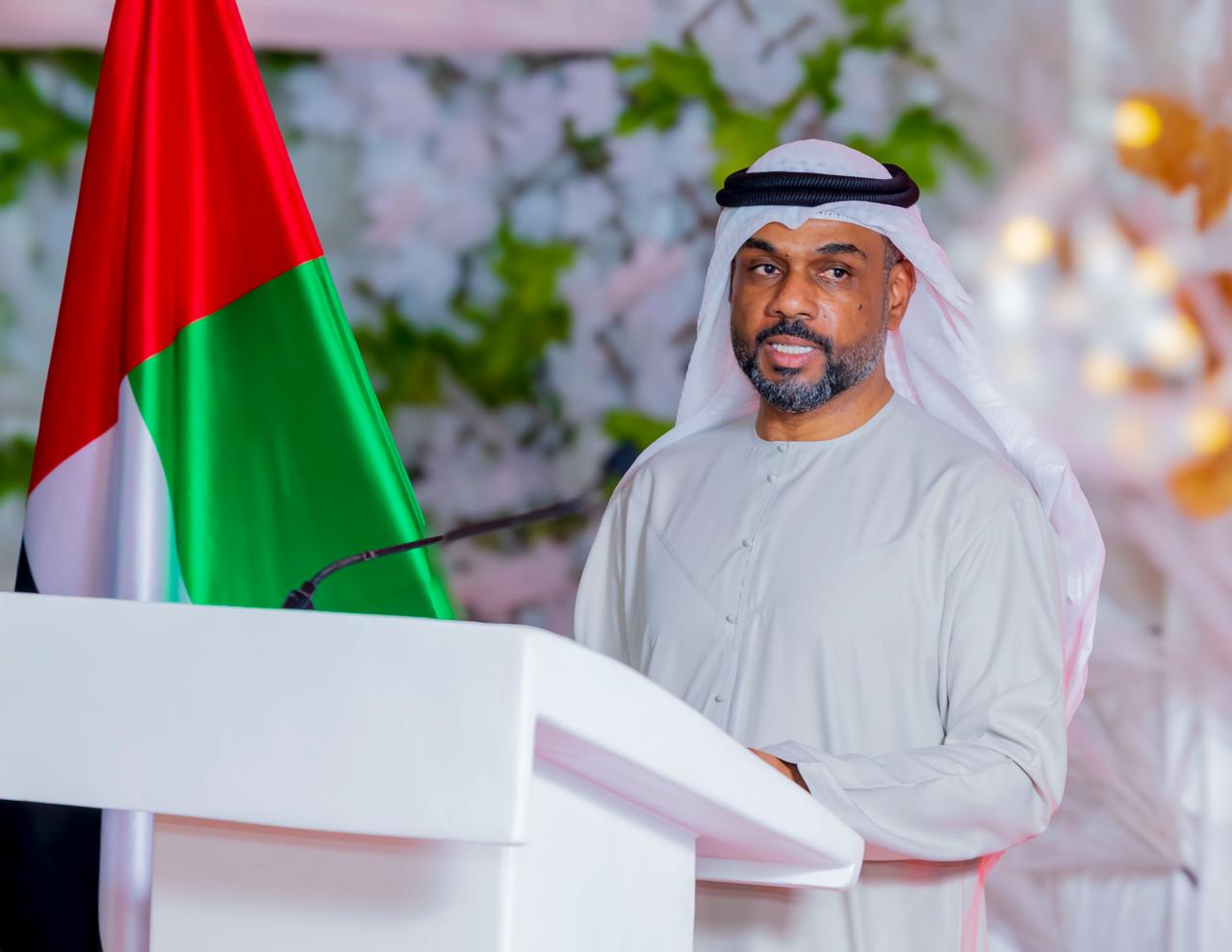
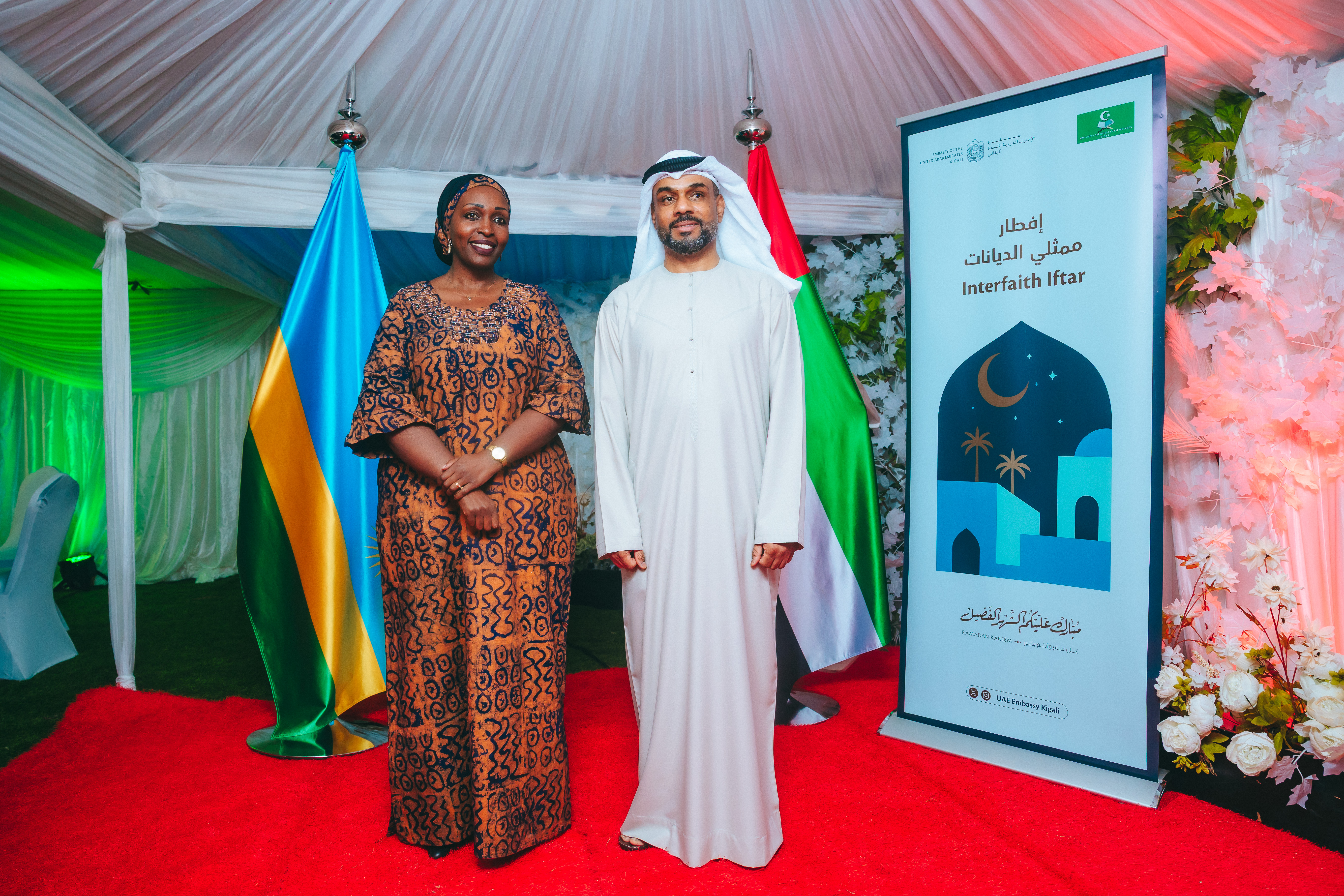
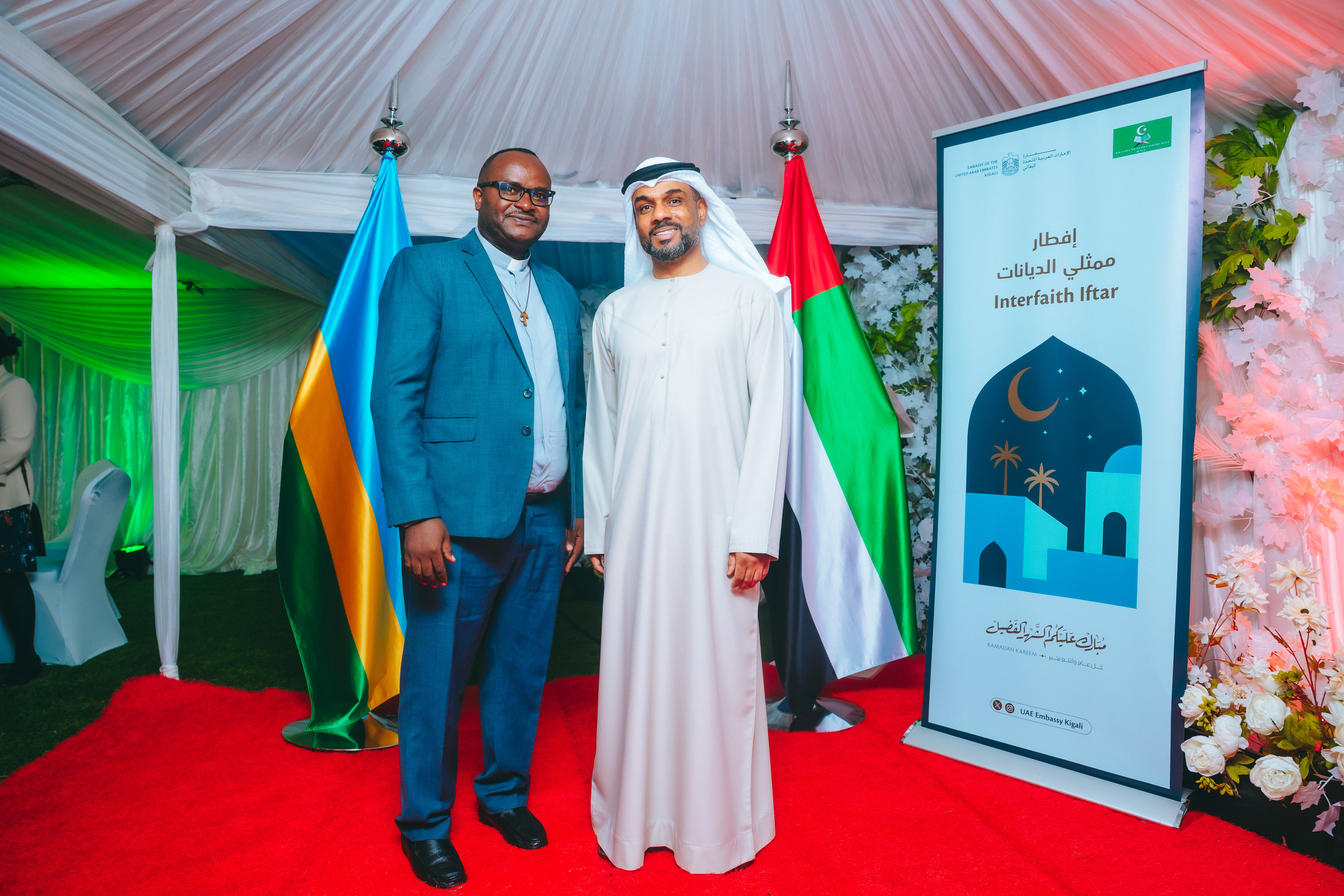
Speaking at the event, the UAE Embassy’s Chargé d’Affaires, Mohammed AlKaabi, said the interfaith Iftar was an opportunity to bring together people from diverse traditions in the spirit of friendship and shared humanity.
“Your presence honors us, and it also gives this gathering its true meaning: coming together across traditions and backgrounds in a spirit of respect, friendship and shared humanity,” he said.
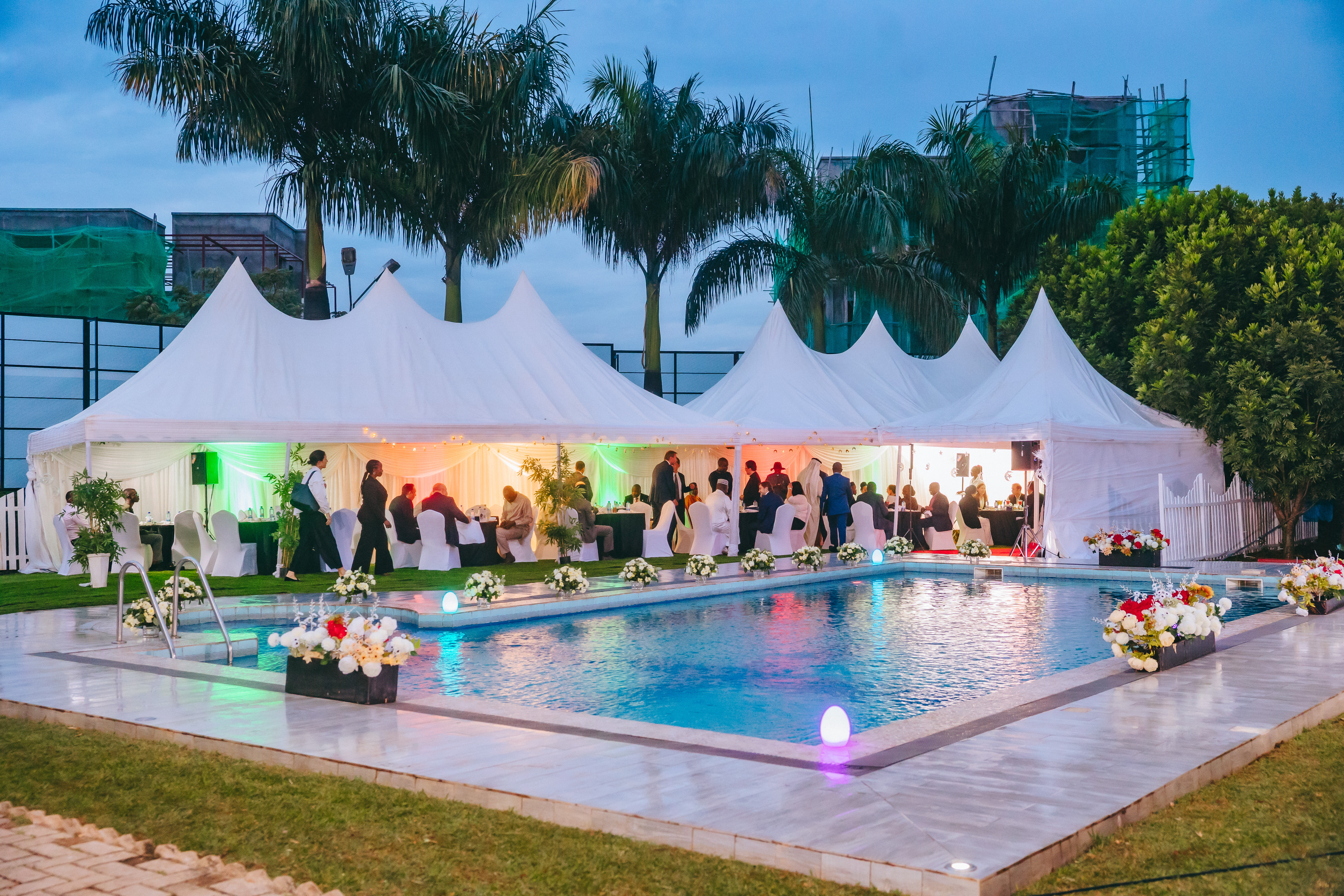
The gathering held at the UAE ambassador’s residence highlighted shared values of compassion, tolerance and mutual respect.
AlKaabi noted that the United Arab Emirates places strong emphasis on tolerance, mutual respect and peaceful coexistence, values that shape its society and engagement with partners around the world.
“In the UAE, diversity is not simply acknowledged — it is embraced. People of many faiths and cultures live and work side by side, contributing to a society built on openness, compassion and unity,” the envoy noted.
He emphasized that Ramadan’s values of compassion, generosity, and reflection are especially important amid global uncertainties, and in light of recent tensions in the Middle East, he stressed the need for restraint and dialogue.
“Such times remind us how essential it is to protect human life, reject hatred and incitement, and uphold the principles of international law,” he added.
The diplomat also pointed to the growing relationship between the UAE and Rwanda, describing it as a partnership grounded in mutual respect and a shared commitment to progress and stability.
“We value Rwanda’s commitment to unity and resilience, and we look forward to further strengthening our cooperation in ways that benefit our peoples,” AlKaabi remarked.
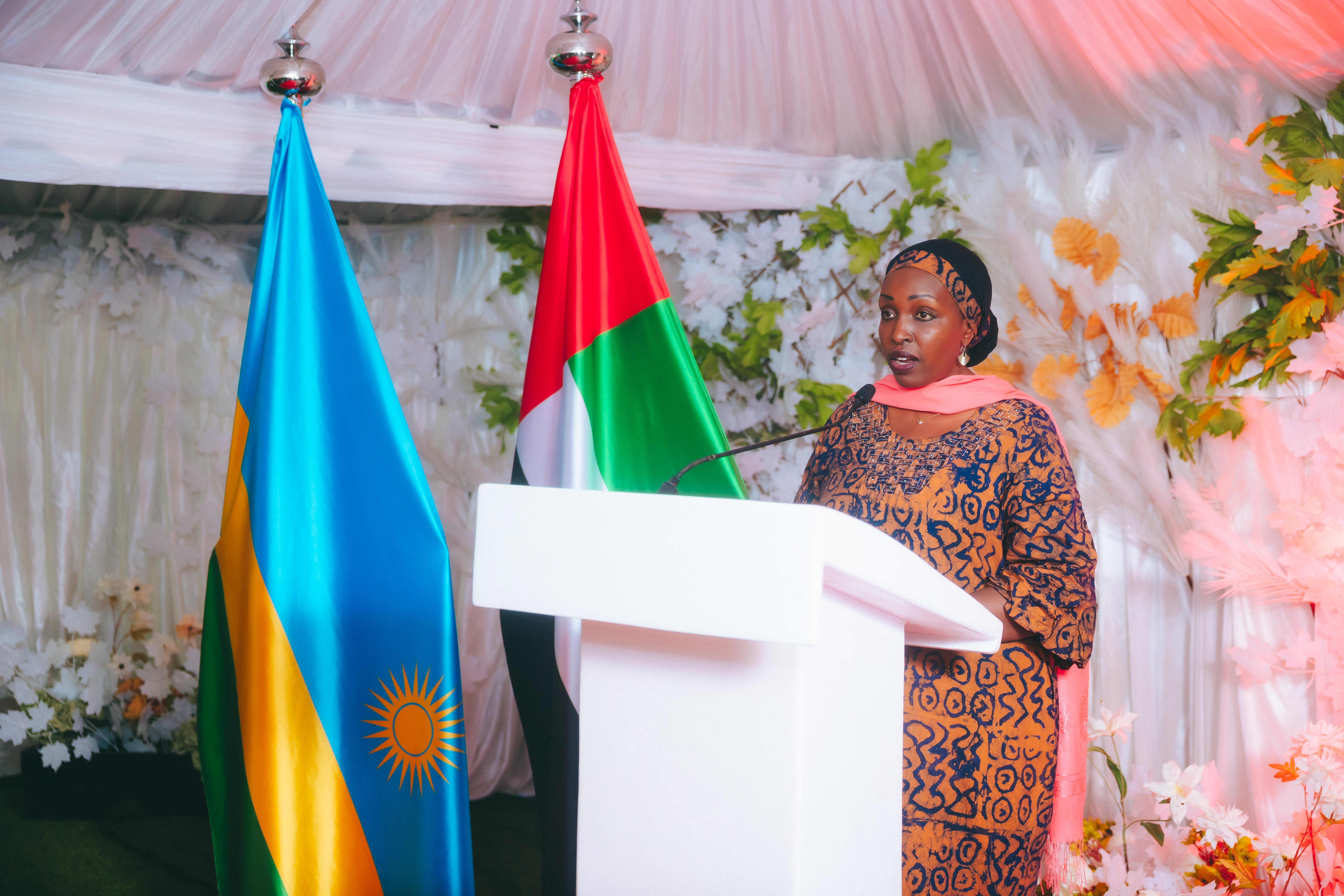
The Guest of Honor, Marie Grâce Nyinawumuntu, Director General for Europe, Americas and International Organizations at the Ministry of Foreign Affairs and International Cooperation, commended the initiative for bringing together people of different faiths.
Marie Grâce Nyinawumuntu, Director General for Europe, the Americas, and International Organizations at the Ministry of Foreign Affairs and International Cooperation, was the guest of honor.
She said Ramadan serves as a period of reflection, compassion and spiritual renewal, encouraging individuals to strengthen their faith and commitment to serving others.
“This evening is particularly meaningful because it brings together people of different faiths and backgrounds around one table,” she said.
Nyinawumuntu noted that Rwanda strongly values peaceful coexistence among religions, with different faith communities living side by side in mutual respect.
“This commitment to unity and reconciliation is rooted in our history and in our determination to ensure that faith becomes an instrument of peace, not division,” she added.
Marie Grâce Nyinawumuntu noted that Rwanda strongly values peaceful coexistence among religions.
She also recalled Rwanda’s recent engagement with the Muslim World League, including the visit of its Secretary-General Mohammed bin Abdulkarim Al-Issa from February 18 to 20, during which a scholarly seminar on peaceful coexistence highlighted Rwanda’s experience in unity and reconciliation.
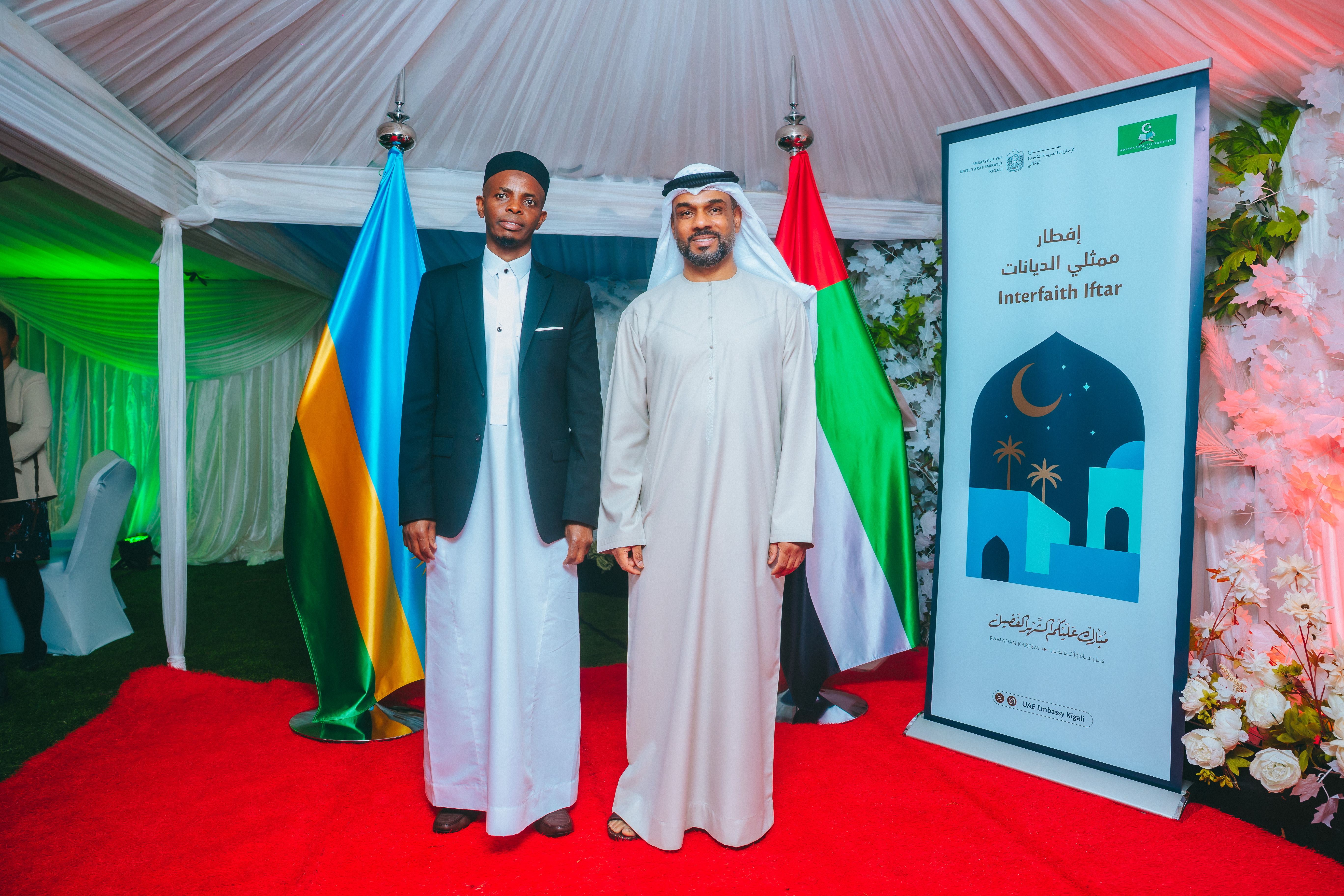
Also addressing the gathering, the Mufti of Rwanda, Sheikh Musa Sindayigaya, emphasized that Ramadan is not only a time of fasting but also a period of spiritual reflection, self-discipline and compassion for others, particularly the vulnerable.
He said interfaith initiatives such as the Iftar reflect the true spirit of Ramadan by bringing together people from different religious traditions around shared values including respect for diversity and the pursuit of peace.
“As religious leaders, we carry a sacred responsibility to guide our communities toward harmony and tolerance rather than division and violence,” Sheikh Musa stated.
The Mufti of Rwanda, Sheikh Musa Sindayigaya said interfaith initiatives such as the Iftar reflect the true spirit of Ramadan.
He also commended the UAE for its global efforts to promote tolerance and interfaith dialogue, noting that such initiatives strengthen not only diplomatic relations between nations but also the bonds among their peoples.
Participants concluded the evening by breaking the fast together, symbolizing a shared commitment to dialogue, understanding and cooperation for the common good. The event formed part of broader Ramadan observances aimed at encouraging compassion, solidarity and peace among communities.
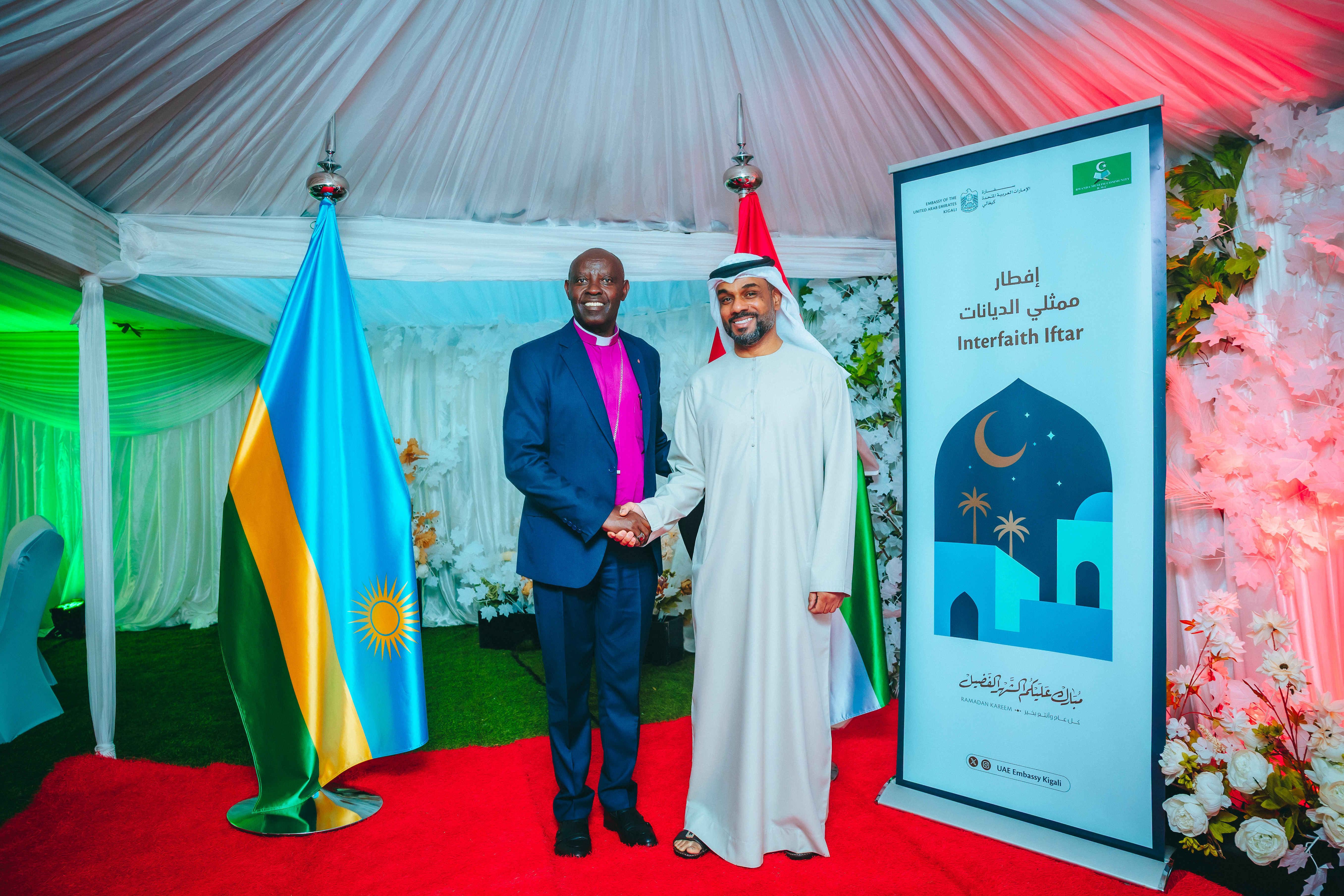
The event brought together government officials, diplomats, religious leaders and members of different faith communities.The gathering highlighted shared values of compassion, tolerance and mutual respect.
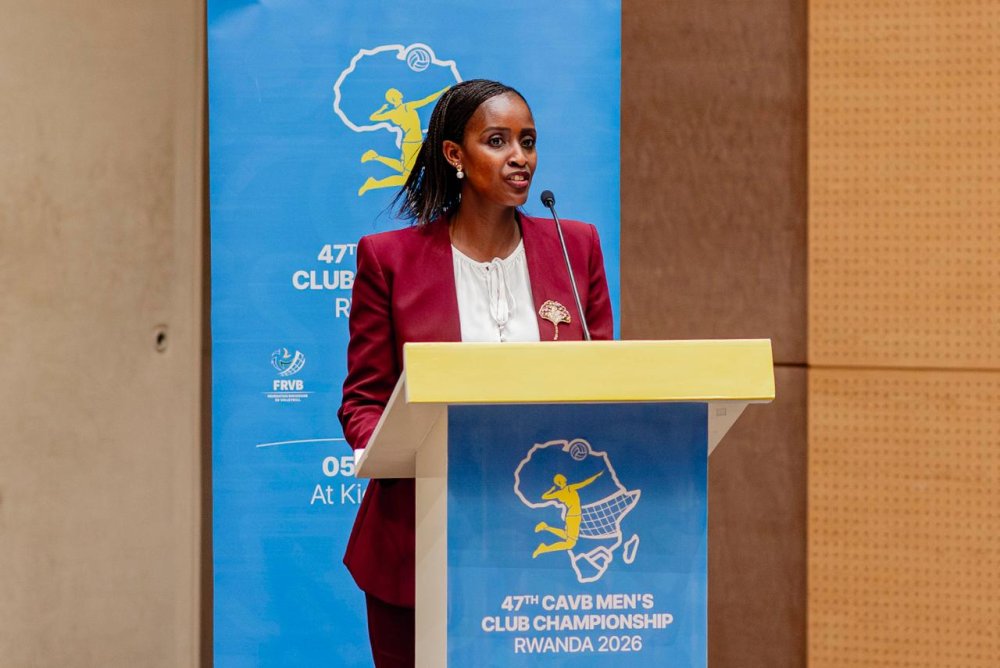
This annual event, now in its 47th edition, will bring together top-tier volleyball teams from across Africa, with additional strong teams from various nations expected to participate.
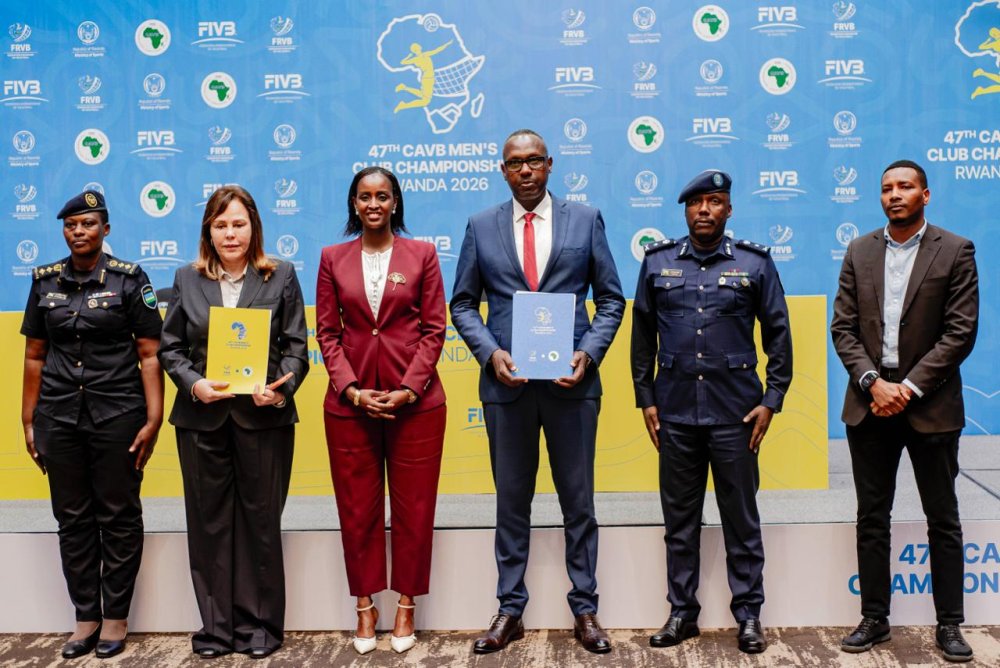
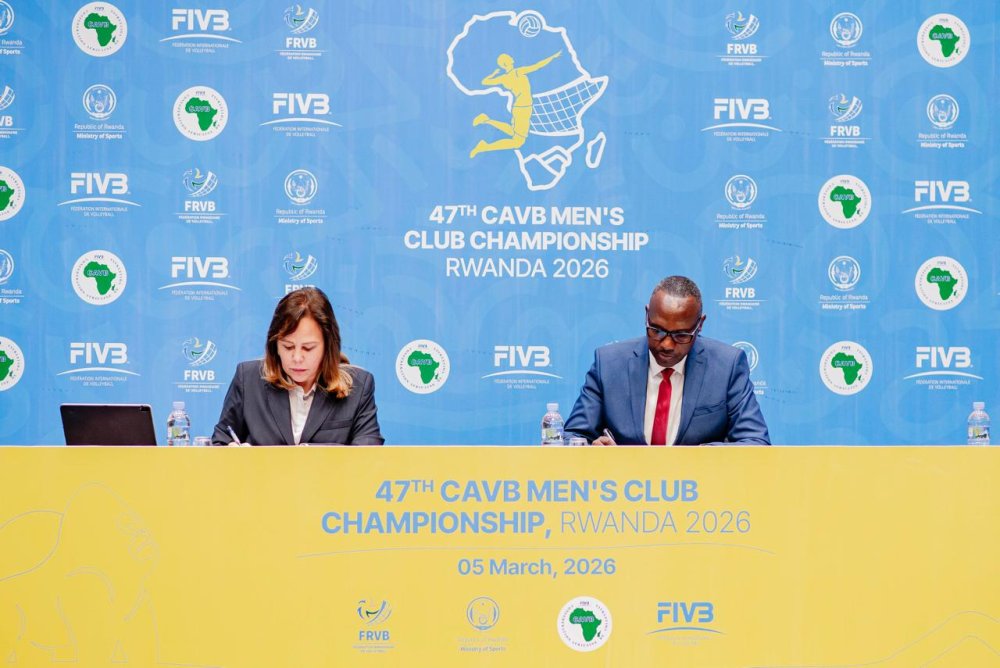
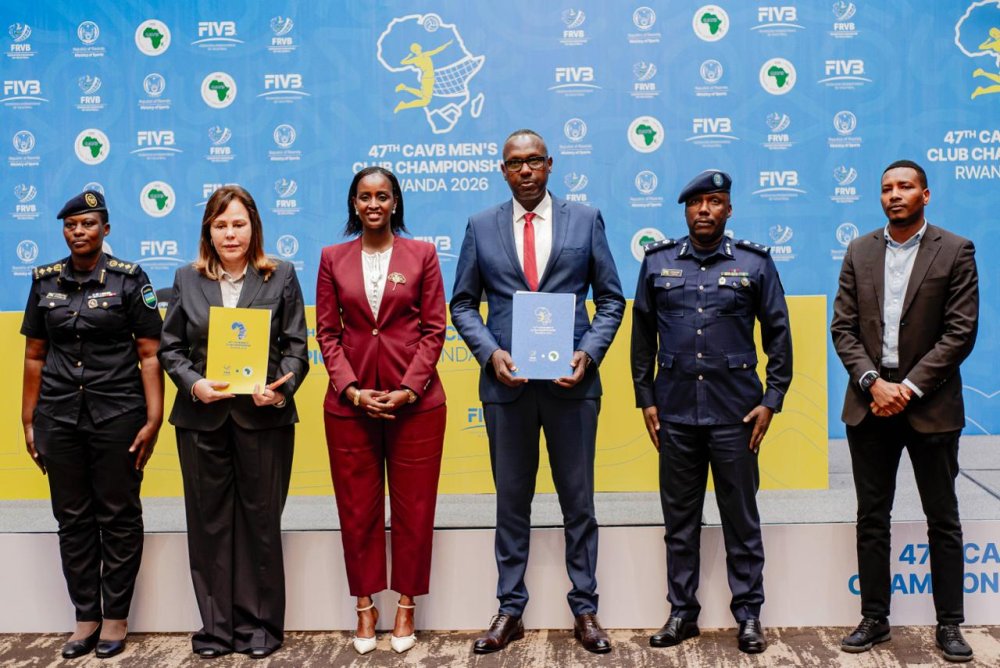
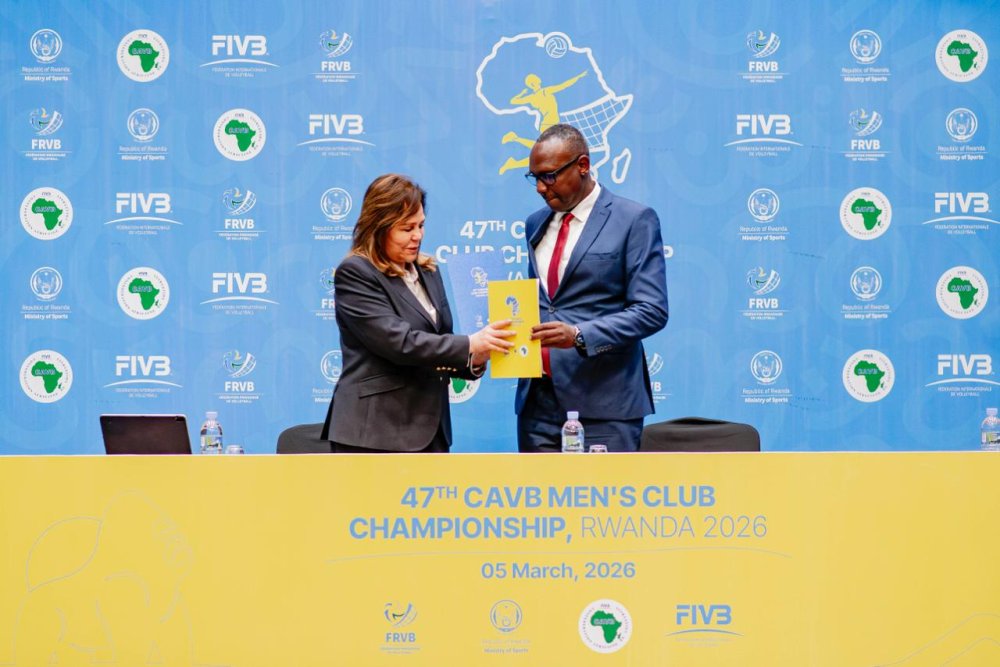
The agreement was signed in a ceremony held at the Kigali Convention Centre on Thursday, March 5, 2026.
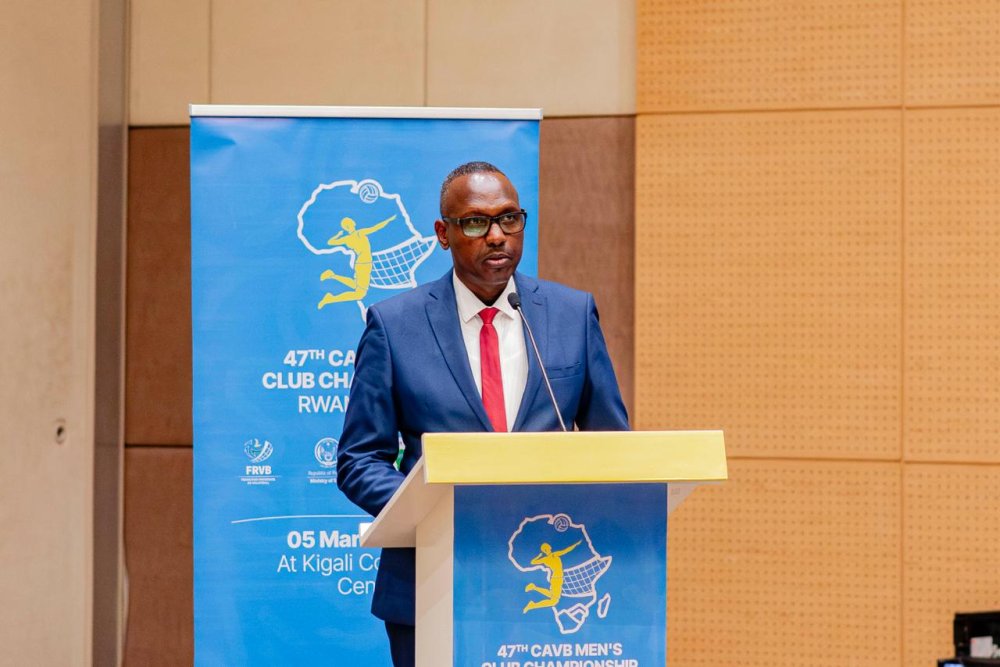
FRVB was represented by its president, Raphaël Ngarambe, while CAVB was represented by its president, Bouchra Hajij.
Ngarambe expressed excitement about Rwanda hosting this major event, highlighting that the championship would provide valuable opportunities, including qualification for the World Cup for the participating teams.
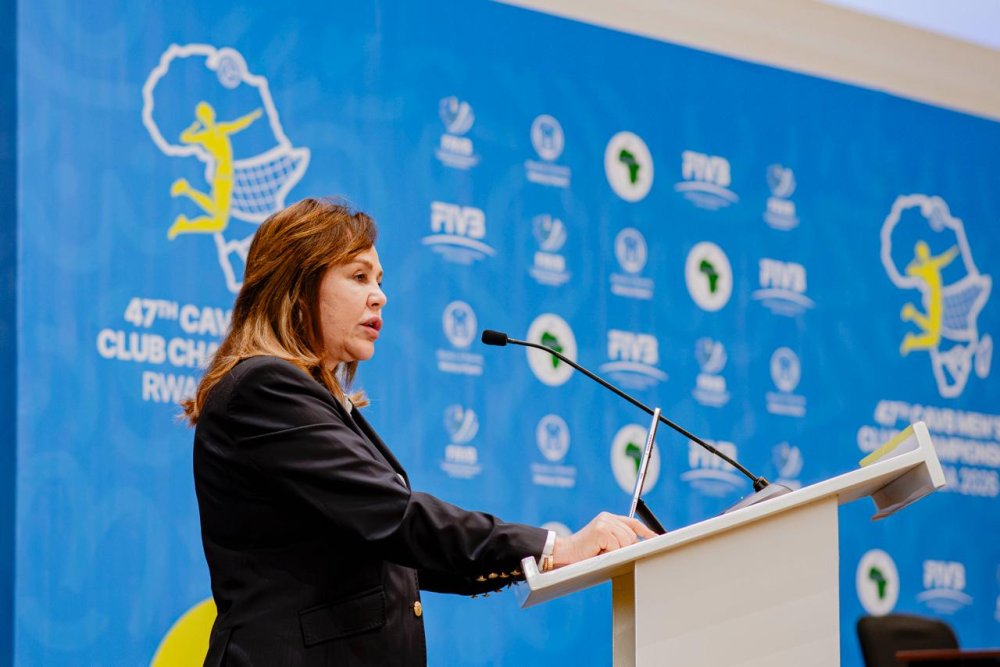
Bouchra Hajij, president of CAVB, thanked Rwanda for agreeing to host the competition, expressing confidence that the event would be well-organized and stand out.
She noted, “Rwanda is a key partner for us. The country’s streamlined visa process for Africans is one of the factors that makes its events successful. Rwanda has demonstrated its capability to host international tournaments, and I am optimistic that the 2026 competition will be a resounding success.”
She further added, “I believe that the leadership of President Paul Kagame has played a pivotal role in nurturing talent and providing clear direction, which has significantly contributed to the country’s economic growth and sporting success.”
The Minister of Sports, Nelly Mukazayire, who was also present at the signing ceremony, expressed her gratitude to CAVB for placing their trust in Rwanda to host this important event. She reassured that the country’s facilities and commitment to sports excellence would leave a lasting impression on participants.
“It is an honor for us to host the African Championship for the first time, which will see 24 top teams compete. As the hosts, we are determined to demonstrate that Rwanda is well-equipped to showcase the talents of all athletes and provide them with world-class facilities,” she stated.
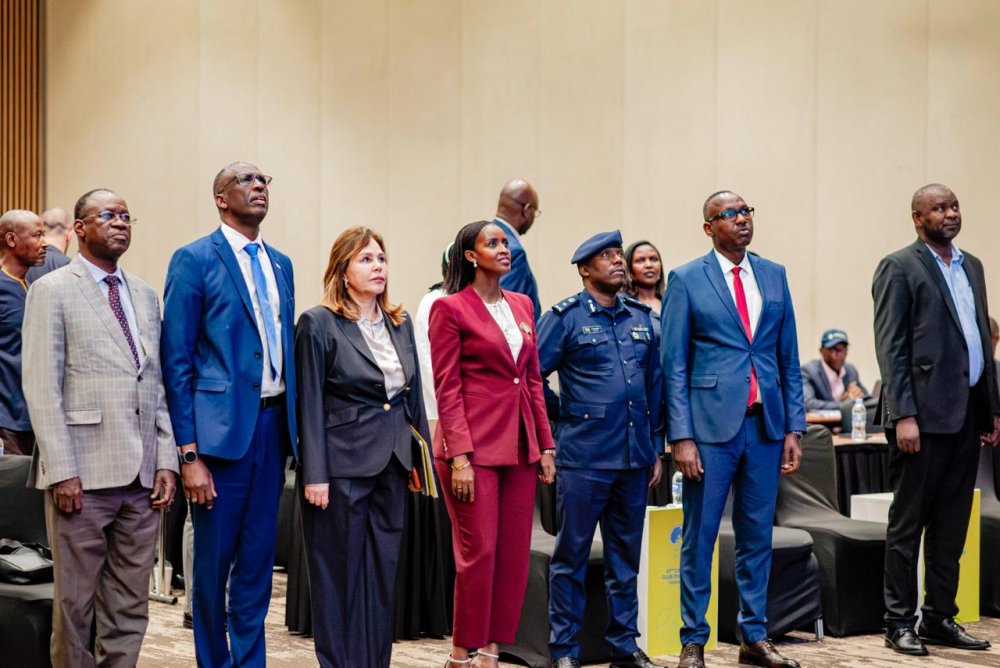
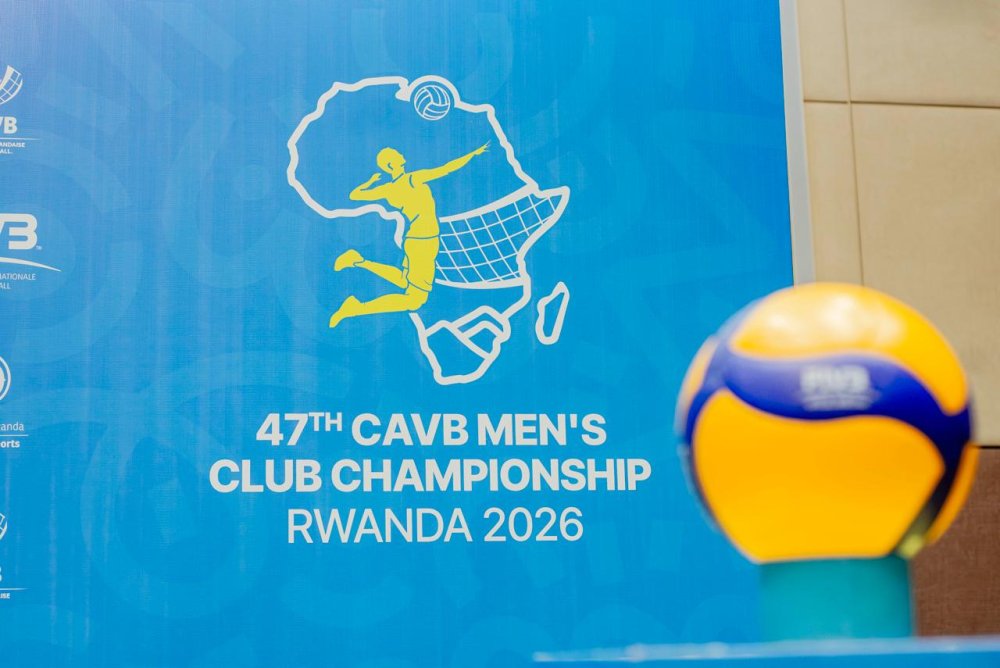
The signing ceremony was preceded by the unveiling of the official logo for the CAVB Men’s Club Championship to be held in Kigali.
The previous edition of the championship, held in 2025 in Misurata, Libya, saw Swehly Sports Club from Libya claiming the title, with APR VC from Rwanda finishing in fourth place.
As per the competition’s format, the host country is represented by the top four teams based on their performance in the previous year’s championship. This year, Rwanda will be represented by teams including; APR, Police, REG, and Kepler VC.
In a historic achievement, Gisagara VC made history in 2022 as the first Rwandan team to win a medal in this competition, securing third place by defeating Port de Douala 3-1 in the event held in Kelibia, Tunisia.
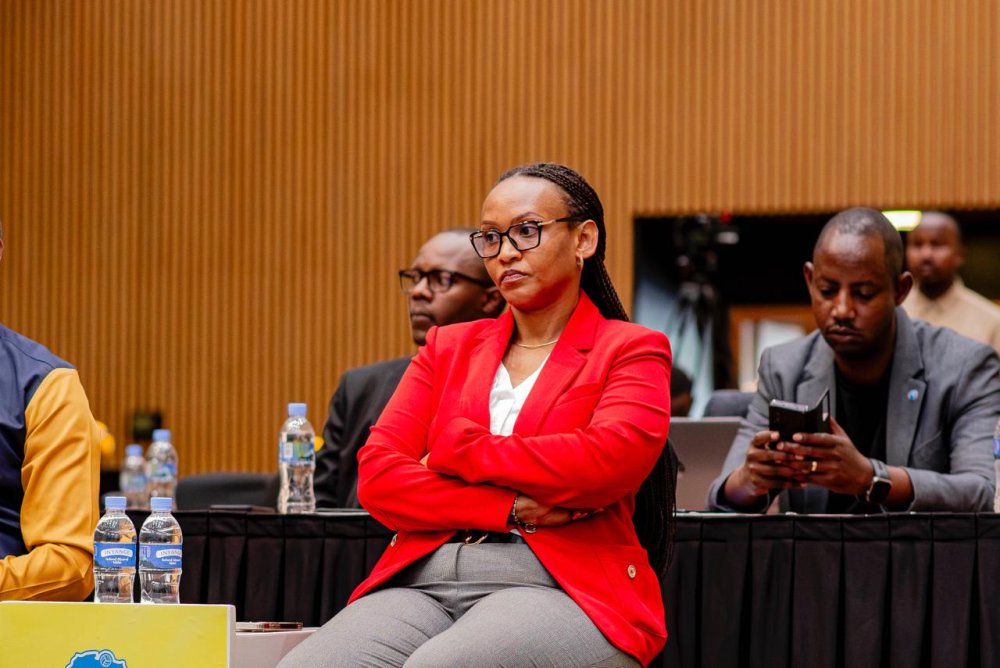
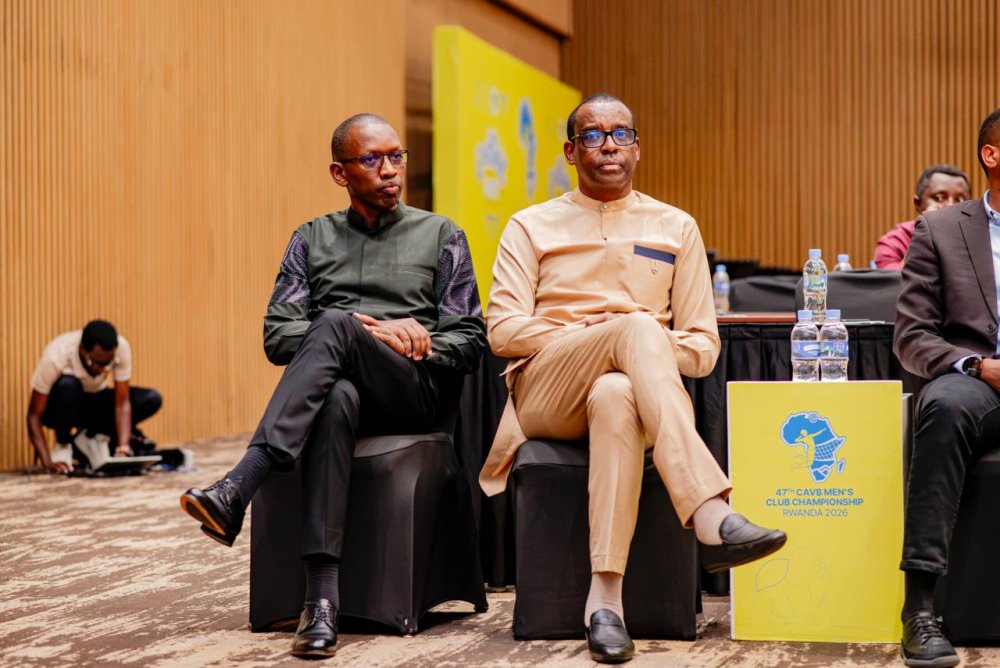
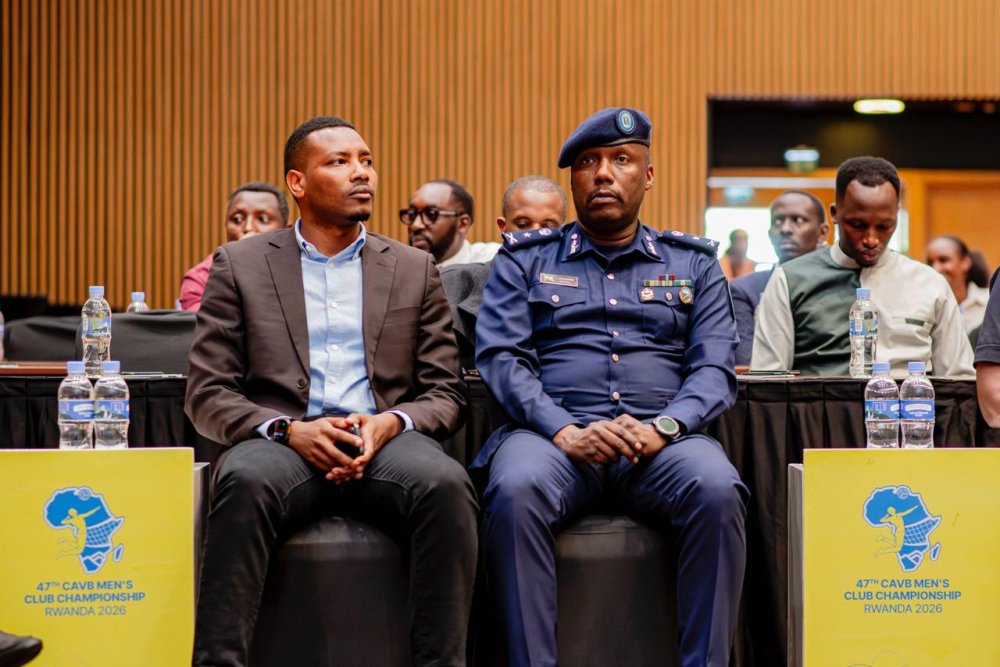
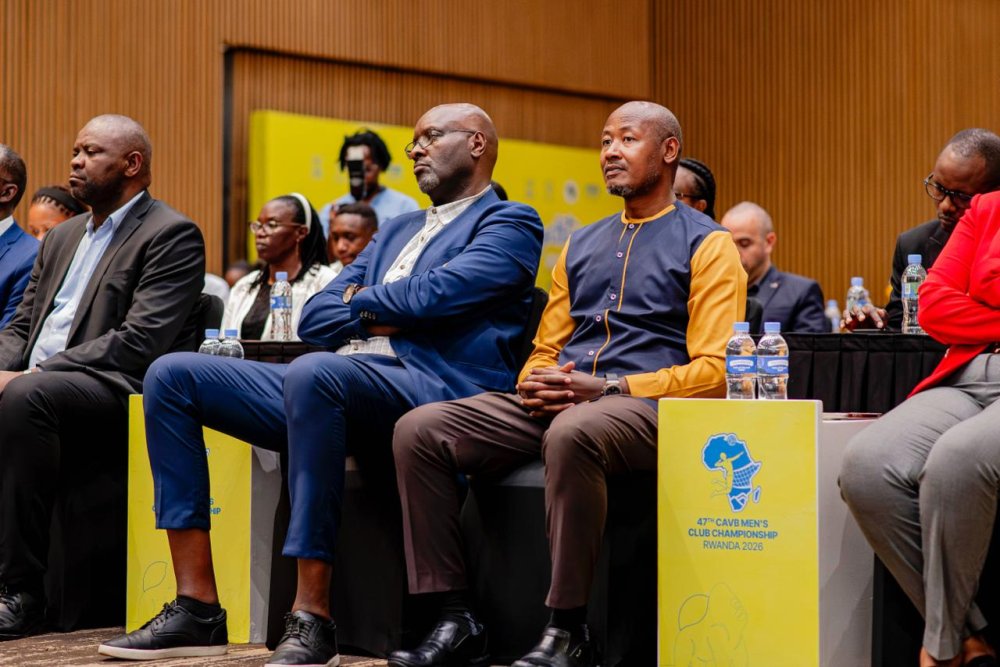
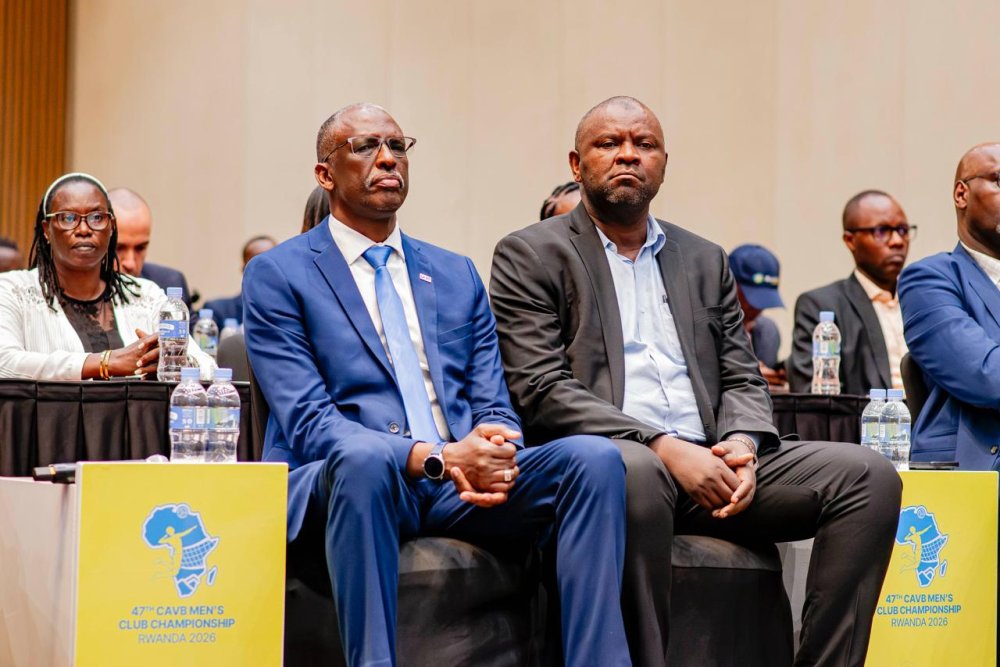
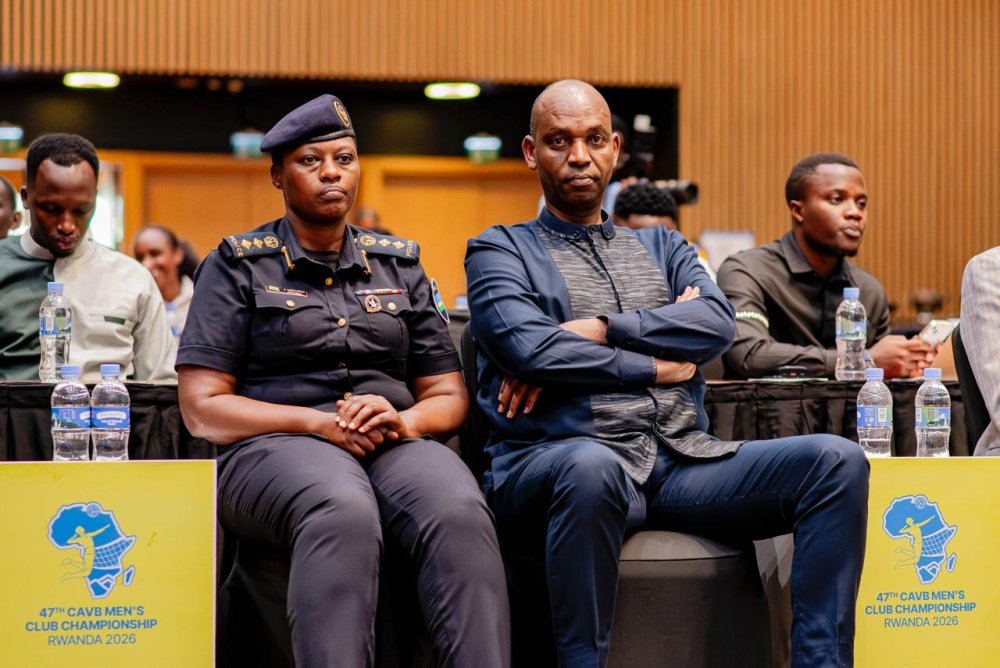
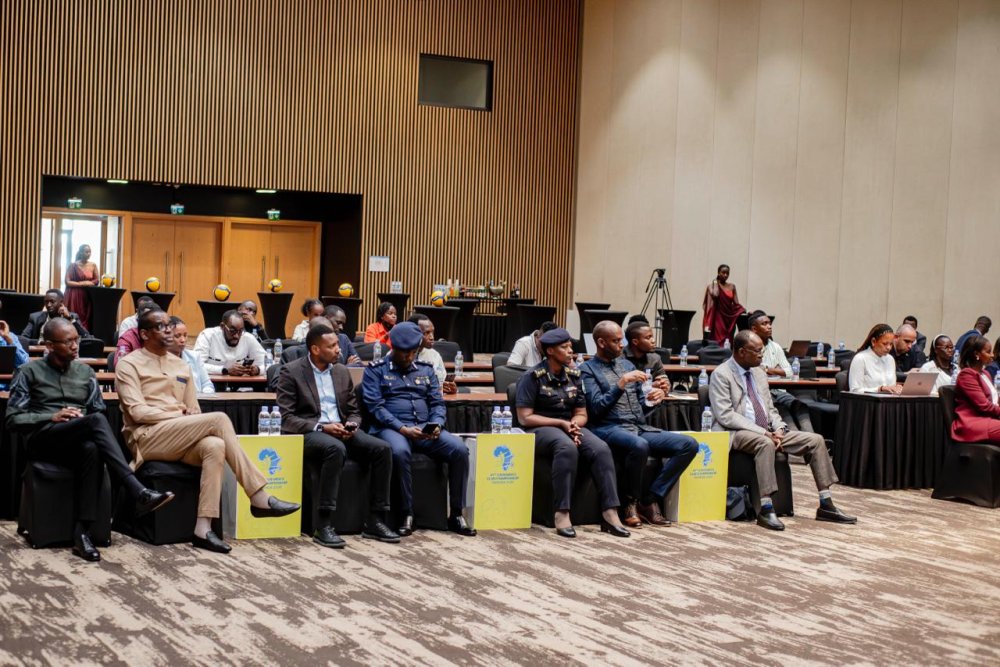
The officials attending the event observe the logo of the competition.The logo of the African Men’s Club Championship to be held in Kigali.The President of the Rwanda Olympic Committee, Alice Umulinga, also attended the signing of the agreement.FRVB President, Ngarambe Raphaël, and CAVB President, Bouchra Hajij, sign the agreement to host the African Men’s Club Championship.The Minister of Sports, Nelly Mukazayire, assured that the competition to be held in Kigali will be a success.