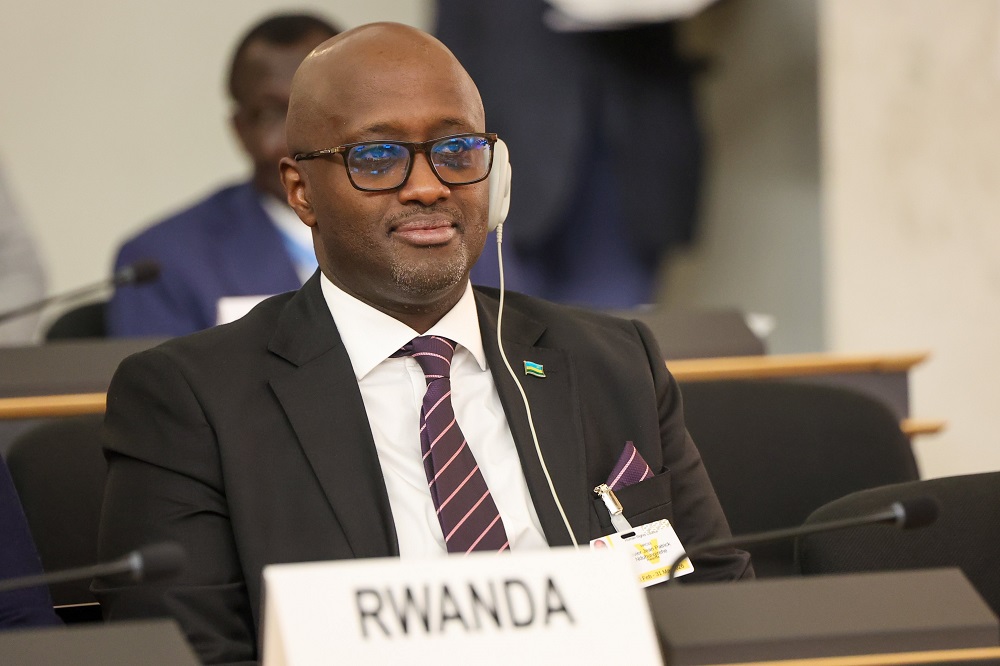
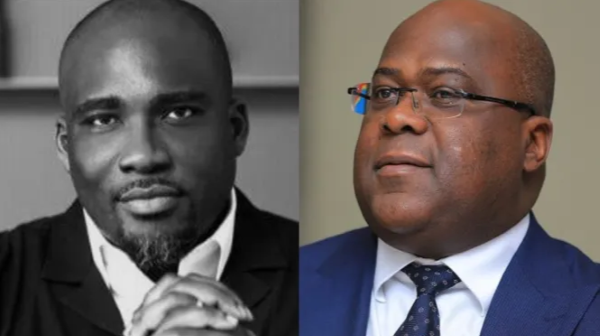
In a statement addressing Jean-Luc Habyarimana’s recent post on X , Nduhungirehe said the former president’s son’s description of his frequent visits to Kinshasa as “private” was an insult to Rwanda’s intelligence services.
“Here, your impulsive and violent nature from 1994 has evidently resurfaced. Instead of enjoying a peaceful life in your Parisian exile, instead of seeking stable employment in France, you made the decision to enter the arena, offering your services to the genocidal FDLR and President Tshisekedi, to plan subversive actions against your own country. But rest assured, we take this threat very seriously,” Nduhungirehe said.
The minister’s comments follow social media posts by Jean-Luc Habyarimana in which he sought to portray his personal trips to the Democratic Republic of Congo (DRC) as unrelated to any regional security issues or his links with the FDLR, a militia group formed by individuals responsible for the 1994 Genocide against the Tutsi in Rwanda.
Nduhungirehe’s statement also referenced the history of the Habyarimana family, noting that Rwanda continues to consider regional security, including its relationship with DRC President Félix Tshisekedi, as a priority.
“I will simply focus on the fact that you present your frequent visits to Kinshasa as ‘private.’ My response is this: this is an insult to our intelligence, whether understood in the common or institutional sense of the term,” the minister added.
President Paul Kagame recently raised concerns over Jean-Luc Habyarimana’s visits to Kinshasa during a dinner with members of the diplomatic corps in Kigali. During the meeting, the Head of State reaffirmed Rwanda’s strong stance on national security and regional stability.
“The Congolese government has provided political cover and financial support to the FDLR and integrated this group into its military structures, from where it now operates with total impunity. They have attacked Rwanda on multiple occasions. Some countries even issued travel advisories as a result,” he said.
He also referenced recent videos showing Jean-Luc Habyarimana travelling to Kinshasa in 2025.
“Lately, the son of the former leader of Rwanda, who led this country into genocide, along with other close collaborators, has been visiting Kinshasa to deepen the alliance with the FDLR, and they have more or less openly been welcomed there,” he added.
The FDLR currently maintains bases in the DRC, with estimates placing its fighters between 7,000 and 10,000. Rwanda has consistently expressed concern over the group’s activities, which threaten both national and regional security.
Rwanda continues to stress the importance of regional cooperation and the enforcement of security measures to prevent destabilising activities by armed groups operating across its borders.
A recent trip to Kinshasa by Jean-Luc Habyarimana, son of former President Juvénal Habyarimana, has raised concerns over ties with the genocidal FDLR and President Félix Tshisekedi, whose administration continues to harbour the group.
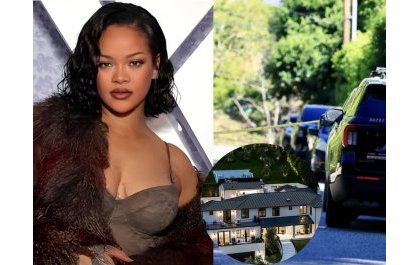
According to media reports, the incident happened on Sunday afternoon when a woman allegedly fired several gunshots toward the singer’s home while Rihanna was inside the property.
Authorities said the suspect fired multiple rounds from a vehicle parked across the street from the house. Reports indicate that between seven and ten shots were fired, with at least one bullet striking a wall of the mansion.
Police officers quickly responded to the scene after receiving reports of gunfire and later arrested a 30-year-old woman in connection with the shooting. However, authorities have not yet released the suspect’s identity or revealed the motive behind the attack.
Rihanna, whose real name is Robyn Fenty, was reportedly inside the house at the time of the incident but was not harmed. It is still unclear whether other members of her family were present.
“No injuries were reported in the incident… Officers responded to an ‘assault with a deadly weapon’ call and were able to locate a suspect and take them into custody without further incident,” Police Sgt. Jonathan de Vera, a spokesperson for the LAPD, told reporters.
The mansion is located in the upscale Beverly Crest area of Los Angeles, where the singer owns property. Police say investigations are ongoing as detectives work to establish the circumstances surrounding the shooting.
Gunshots were fired at Rihanna’s residence in Los Angeles, but the singer was not injured.Police quickly arrived at Rihanna’s residence and secured the area.
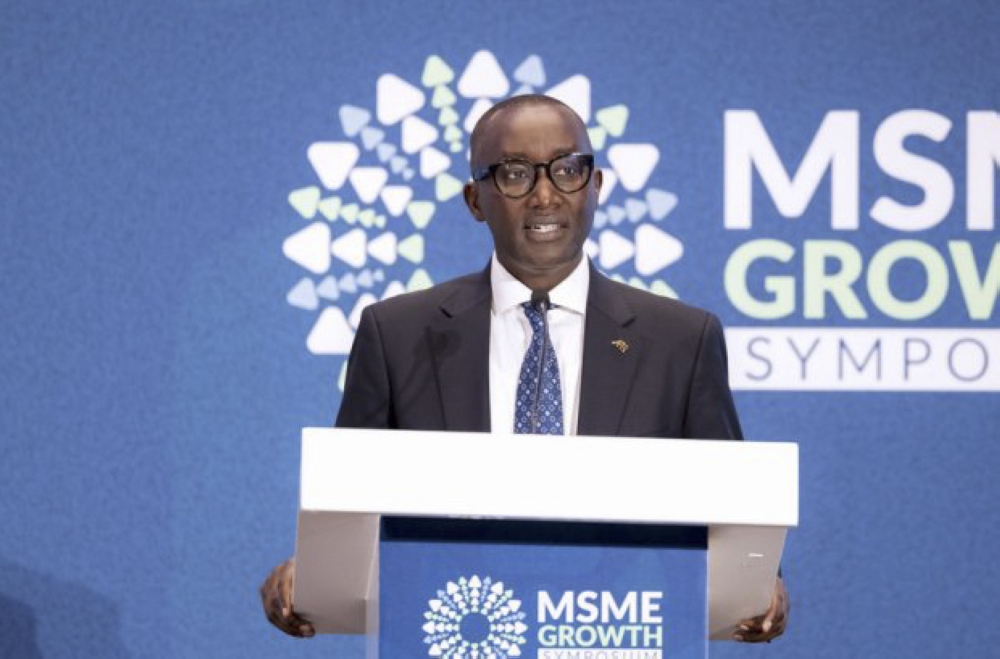
The platform is designed to bring together MSMEs seeking support, qualified business growth service providers, and capital providers looking to engage with investment-ready enterprises.
It seeks to address persistent challenges facing MSMEs, including limited access to finance, inadequate support for business growth, and barriers to greater profitability and to creating dignified and fulfilling work.
The Terimbere MSME Facility serves MSMEs across Rwanda, with a particular focus on rural and peri-urban areas, and prioritizes MSMEs in agriculture, tourism, and hospitality, as well as other businesses linked to these sectors.
Facilitating the provision of business growth services and access to finance
Through the facility, MSMEs will be able to access tailored business growth support in areas such as financial management, operational efficiency, marketing, human resources management, technical sector-specific advisory, investment readiness, Environmental, Social, and Governance (ESG), etc.
The facility also works with financial institutions and capital market actors to facilitate tailored financial solutions, including MSME-centric loans, guarantee facilities, subsidy mechanisms, and targeted products for women and youth entrepreneurs.
Expanding access through digital and physical channels
MSMEs, service providers, and capital providers can access the Terimbere MSME Facility Platform online (terimberemsme.rw) to register, indicate their needs or services, and connect with relevant partners, access appropriate information and opportunities.
The platform is intended to simplify the process of finding credible, affordable, and tailored support, while helping enterprises to find appropriate financing more efficiently.
Recognising that many enterprises, particularly in rural and peri-urban areas, may still face barriers such as limited connectivity, information gaps, or distance from support services, Terimbere MSME Facility also operates Satellite Offices in five districts; Musanze, Rubavu, Rusizi, Kayonza, and Huye.
These offices are intended to bring support closer to entrepreneurs and MSMEs by offering a convenient local access point for guidance, onboarding, and support throughout the business diagnostic process that leads to tailored business growth support, as well as access to financial solutions for investment-ready MSMEs.
Commenting on the development, Jean Bosco Iyacu, Chief Executive Officer of Access to Finance Rwanda, said: “The Terimbere MSME Facility represents a significant step in strengthening Rwanda’s entrepreneurship ecosystem by connecting MSMEs to tailored services and financial solutions they need to scale, build resilience, and create meaningful and dignified jobs.
It also provides business growth service providers with a stronger platform to extend their impact, while enabling capital providers to connect with investment-ready enterprises that can drive inclusive economic growth.”
The initiative has been designed with a strong gender and social inclusion lens to ensure that women, especially young women, refugees, persons with disabilities, and entrepreneurs in rural areas are not left behind.
In addition to MSME-level support, the Facility will also contribute to improving the broader entrepreneurship and MSME finance ecosystem through research, market insights, and engagement with policymakers, regulators, and other key enablers.
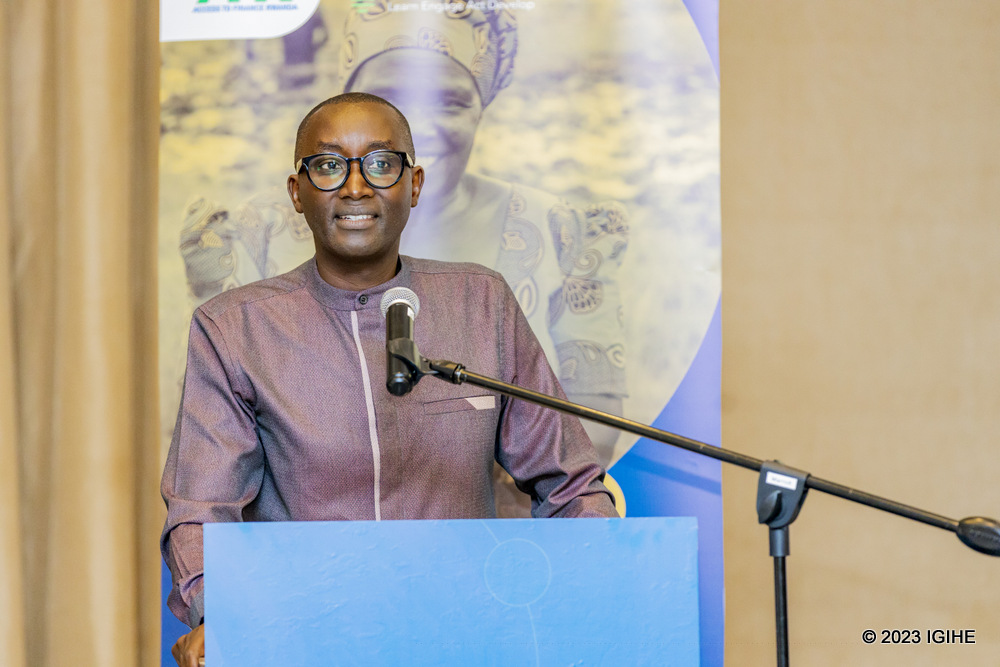
Jean Bosco Iyacu, Chief Executive Officer of Access to Finance Rwanda, said ‘Terimbere MSME Facility’ represents a significant step in strengthening Rwanda’s entrepreneurship ecosystem.
As Rwanda’s economy continues to transform and solidify its position among Africa’s most dynamic economies, the question of monetary sovereignty is becoming increasingly central. In a global economic environment marked by uncertainty, inflationary pressures, and market volatility, a country’s ability to safeguard its currency stability is a key pillar of economic resilience.
The recent decision by the National Bank of Rwanda (BNR) to raise its benchmark interest rate highlights ongoing efforts to maintain this stability. However, it also underscores a deeper reality: monetary policy, while essential, cannot alone ensure the long-term strength of an economy.
To truly reinforce Rwanda’s monetary sovereignty, a more structural approach is needed, combining monetary discipline, economic transformation, and strategic mobilization of national and international resources.
Credible monetary policy in the face of inflationary pressures
On February 19, 2026, the National Bank of Rwanda raised its benchmark interest rate by 50 basis points to 7.25 percent. This decision aims to curb inflation, which reached 8.9 percent in January, according to BNR data.
By increasing the cost of credit, the central bank seeks to slow inflationary pressures and stabilize economic expectations. The move reflects prudent macroeconomic management and sends an important signal to both domestic and international investors about the Rwandan authorities’ commitment to financial stability.
Yet international experience shows that monetary policy alone cannot resolve structural economic imbalances. When imports consistently exceed exports or when the value added of key products is captured abroad, the national currency remains vulnerable to external shocks.
In this context, monetary stability must be supported by deep economic reforms that strengthen productive capacity and national competitiveness.
Transforming exports to capture greater value
One of the most important levers for reinforcing monetary sovereignty lies in transforming exports. Rwanda is internationally recognized for the quality of its agricultural products, particularly coffee and tea.
In 2025, Rwanda exported nearly 24,000 tons of unroasted coffee valued at approximately $148.6 million. Yet much of the value added—from roasting and packaging to marketing and distribution—is generated outside the country.
This presents both a challenge and an opportunity. By expanding local coffee processing, developing strong national brands, and investing in packaging and branding, Rwanda could capture a significantly larger share of export value.
Such a strategy would increase revenues per kilogram exported, create skilled jobs in industrial sectors, strengthen local enterprise ecosystems, improve the trade balance, and generate additional foreign exchange, thereby reinforcing the stability of the Rwandan franc. More broadly, upgrading exports is essential for integrating Rwanda more deeply into global value chains.
Strengthening sovereign reserves to enhance financial stability
Another fundamental pillar of monetary sovereignty is the level of foreign exchange reserves. International reserves allow a country to stabilize its currency, finance critical imports, and withstand external economic shocks.
Rwanda’s reserves currently cover approximately 4.8 months of imports, a relatively strong position for an emerging economy.
However, in an increasingly volatile global environment, gradually building additional reserves could provide even greater protection against international turbulence.
Resource-rich countries have developed innovative strategies to manage surpluses and strengthen economic stability. Botswana’s Pula Fund demonstrates how a well-structured sovereign fund can stabilize a national economy while preparing for the future.
Similarly, Rwanda could consider creating a long-term mechanism to invest part of its strategic revenues in international assets. Such a fund could play a crucial role in macroeconomic stabilization while serving as a financing tool for high-value national projects.
Mobilizing strategic diaspora capital
Rwanda’s diaspora also represents a major economic and financial resource. Remittance inflows exceeded $517 million in 2024, according to BNR statistics.
These funds already provide significant foreign exchange for the national economy. Yet their strategic potential could be further leveraged if a portion were directed toward productive investments.
Several countries have successfully mobilized diaspora capital through innovative financial instruments such as diaspora bonds or dedicated investment funds, allowing members of the diaspora to contribute directly to their home country’s economic development while benefiting from attractive investment opportunities.
In Rwanda, transparent and well-structured mechanisms could channel diaspora capital into infrastructure projects, export-oriented industries, or innovative entrepreneurial initiatives. Such an approach would strengthen the country’s macro-financial resilience while reinforcing economic links between Rwanda and its diaspora.
Building a sustainable economic architecture
Monetary sovereignty depends not only on central bank decisions but also on a coherent set of economic policies that strengthen a country’s ability to generate wealth, attract investment, and earn foreign exchange.
For Rwanda, several pillars can help build this sustainable economic architecture: credible and disciplined monetary policy, local transformation of high-value exports, strategic accumulation of international reserves, structured mobilization of diaspora capital, and the development of innovative financial instruments.
By combining these levers, Rwanda can consolidate currency stability while maintaining openness to the global economy.
An opportunity to strengthen Rwanda’s economic resilience
The February 2026 rate hike sends a clear signal of the central bank’s vigilance in the face of inflationary pressures and demonstrates the growing maturity of Rwanda’s macroeconomic framework.
Yet beyond this temporary measure, the true challenge lies in the country’s ability to pursue strategic and sustainable economic transformation.
By adding value to its exports, consolidating financial reserves, and fully mobilizing the potential of its diaspora, Rwanda can strengthen monetary sovereignty while consolidating its position on the international economic stage.
This approach would not only stabilize the national currency but also create the conditions for sustainable prosperity for future generations.
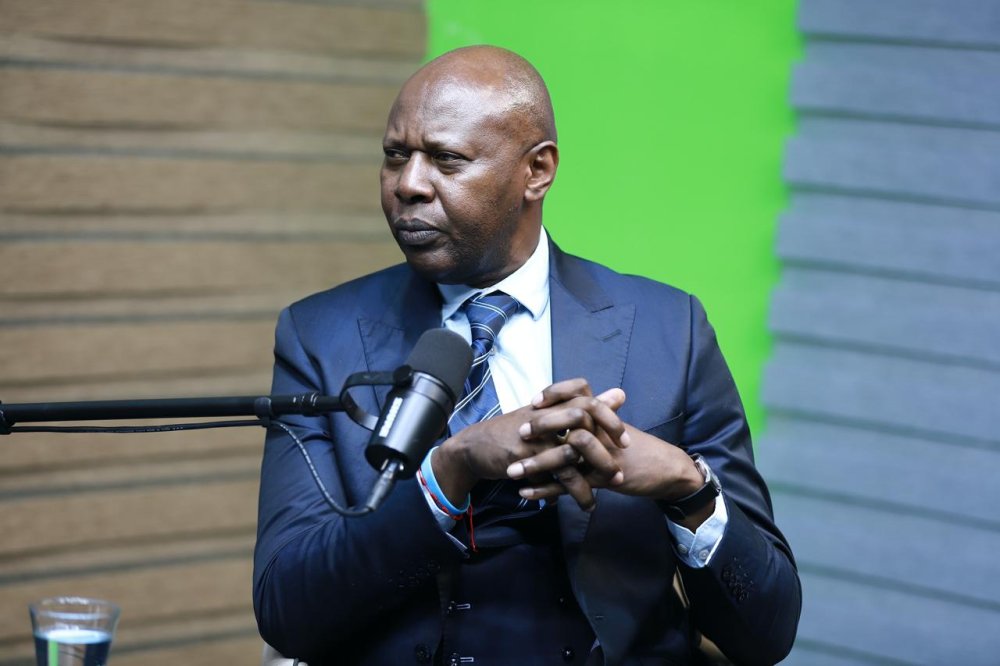
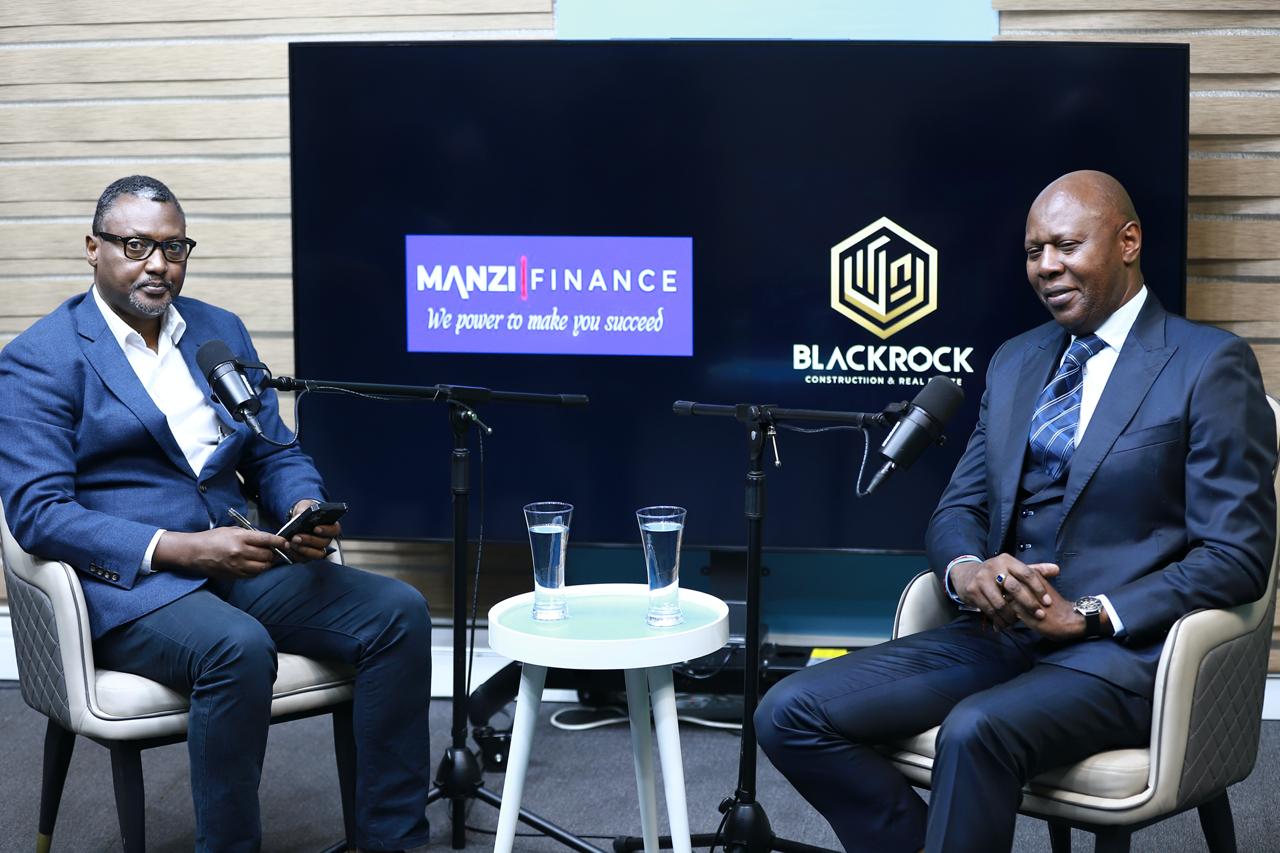
Aloys Manzi is the author of the article. Aloys Manzi during an interview with IGIHE
Aloys Manzi is Chairman of Manzi Finance Ltd and Chief Executive Officer of Flexero Ltd, based in London. He holds an MBA in General Management from Brighton Business School and a Master’s degree from the University of Reims, along with executive certifications in Artificial Intelligence (MIT) and in Blockchain and FinTech (University of Oxford). A specialist in financial innovation and diaspora capital mobilization, he focuses on macro-financial resilience strategies and economic transformation in emerging markets.
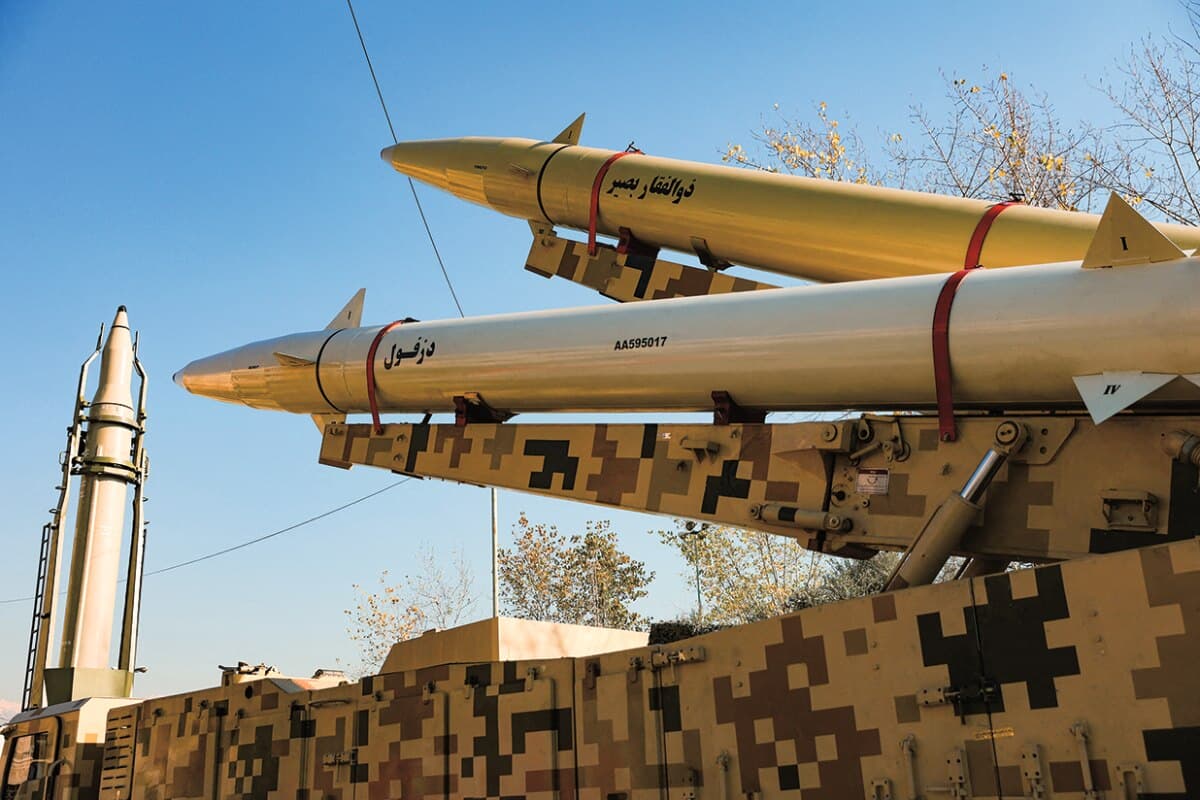
“The Israeli Air Force… completed an additional wave of strikes on infrastructure across Iran belonging to the Iranian regime,” a military statement said.
According to the statement, the targets included “a rocket engine production facility and several long-range ballistic missiles launch sites” considered a threat to Israel.
The military also reported hitting internal security facilities in the central city of Isfahan, including a police headquarters and other sites used by the Revolutionary Guards and the paramilitary Basij force.
“The Internal Security and Basij forces… constitute a central arm in the repression of the Iranian civilian population and are responsible for the use of brutal and systematic violence against it,” the statement said.
It added that the latest strikes were part of “deepening the damage to the core arrays and foundations of the Iranian regime.”
The announcement came shortly after Tehran named Mojtaba Khamenei as the Islamic Republic’s supreme leader late on Sunday, marking the first wave of Israeli strikes reported since the appointment.
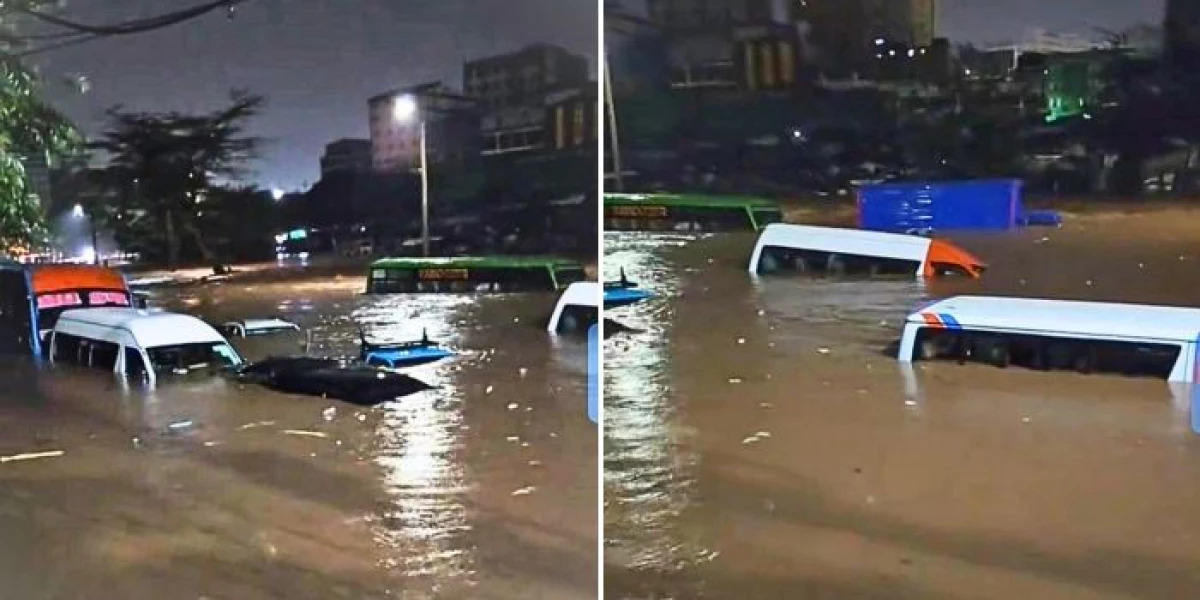
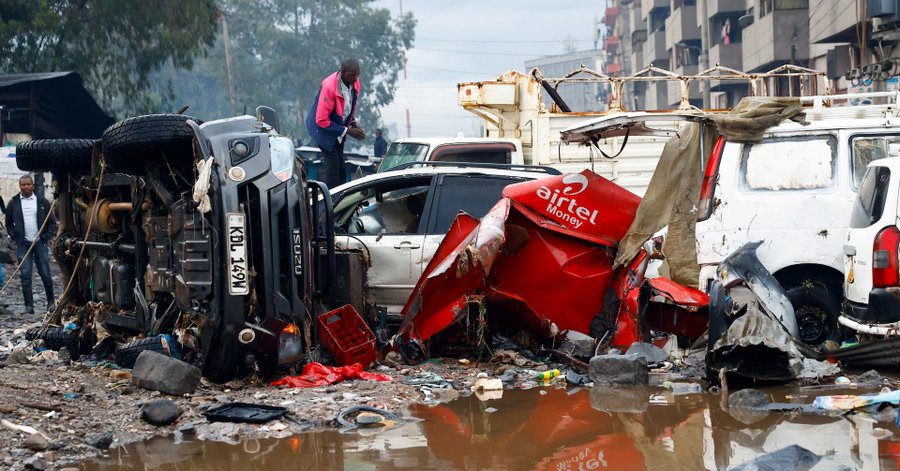
Public Service Minister Geoffrey Ruku said the updated death toll follows Friday evening’s flash floods that swept through several counties, causing widespread destruction. The fatalities rose from the 25 deaths reported shortly after the disaster.
Multi-agency teams, including the National Police Service, the Kenya Defence Forces and the Kenya Red Cross Society, have been deployed to assist with search and rescue operations and distribute relief supplies to affected families.
Nairobi hardest hit
The capital, Nairobi, accounts for the majority of the deaths, with 26 of the 42 fatalities recorded there.
Authorities said most of the victims were residents of informal settlements located near overflowing rivers in areas such as Mathare, Mukuru and Kibra. Among those who died were 21 adult men, three adult women and two children.
The remaining 16 deaths were reported in other parts of the country, including the Eastern region (10), Rift Valley (4), Coast (1) and Homa Bay County (1).
Several people are still missing, with officials saying the figures may change as rescue teams continue searching in areas that remain cut off by floodwaters.
Widespread damage
Authorities reported that floodwaters swept away 172 vehicles in Nairobi alone, though all have since been recovered. Damage to homes, private property and road infrastructure remains extensive.
Across the country, more than 50,000 people have been forced to leave their homes, with many now sheltering in schools, churches and temporary relief centres.
The floods have also devastated livestock, killing at least 607 animals, including pigs and poultry in parts of Nairobi and more than 200 animals in Migori.
Ruku said the government will cover hospital bills and burial costs for victims of the disaster as part of emergency support to affected families.
Relief teams are currently distributing food, blankets and mattresses to displaced residents in hard-hit neighbourhoods such as Mathare and Ruaraka.
The Kenya Meteorological Department has maintained a heavy rainfall advisory until Monday, March 9, warning that saturated soils could still trigger flash floods and landslides even if rainfall intensity decreases.
Although the rains eased slightly on Sunday, forecasters warned that moderate to heavy showers and isolated thunderstorms could continue in parts of Nairobi and neighbouring counties.
Residents living near rivers, including the Nairobi River, have been urged to move to higher ground, while motorists have been advised to avoid submerged roads and bridges.
Authorities also warned of possible water contamination in densely populated settlements and urged residents to seek emergency assistance through local officials or by calling national emergency lines.
Transport disruption and recovery plans
Heavy rainfall has disrupted transport in several areas after damaging roads and bridges. In some cases, motorists have been forced to use alternative routes after major highways became impassable due to flooding and traffic congestion.
Government officials said relief centres have been established in sub-county offices in affected regions, while distribution of building materials to displaced households is expected to begin on Monday as authorities transition from emergency response to early recovery.
Meanwhile, Johnson Sakaja has defended his administration against criticism over the city’s preparedness for flooding.
“I am not resigning, I’m working,” Sakaja said, acknowledging the challenges posed by limited financial resources and long-standing infrastructure gaps in the city.
He said the county government is working to expand drainage systems and address flooding risks, but warned that progress has been slowed by budget constraints and inherited debts from previous administrations.
Multi-agency teams have been deployed to assist with search and rescue operations.
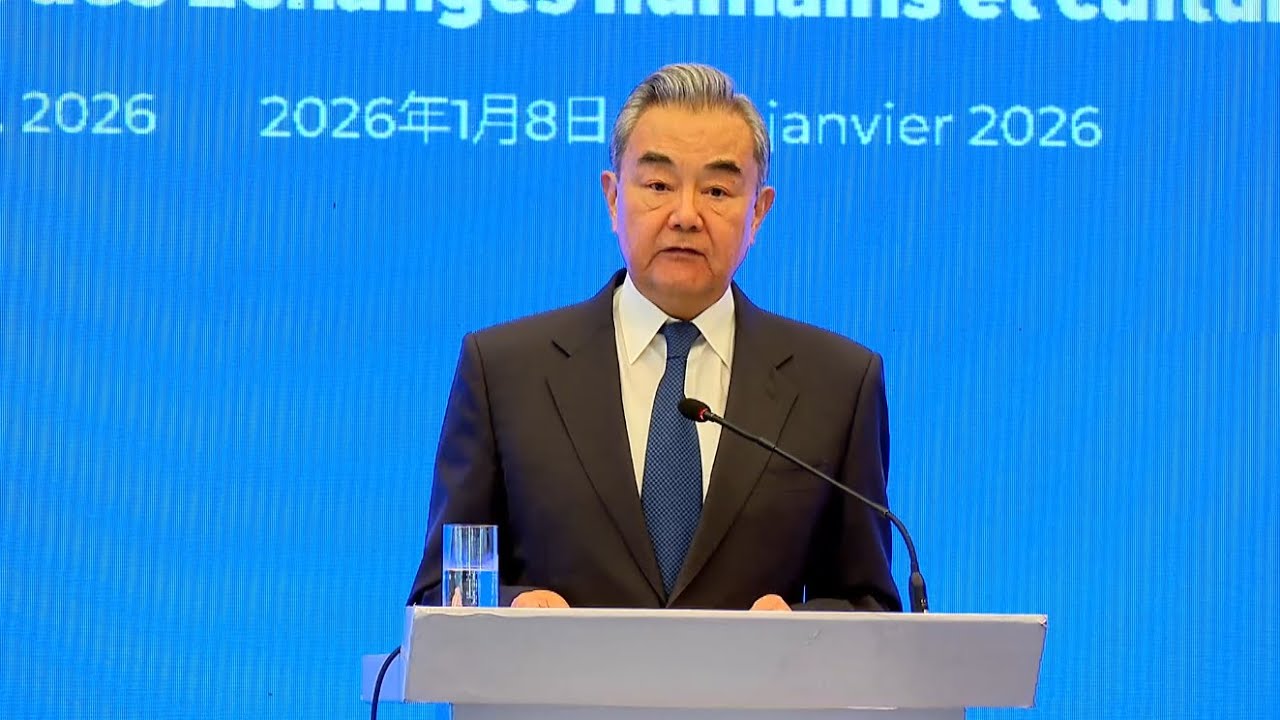
For many years, China’s foreign minister has honored a diplomatic tradition by kicking off the year with a visit to Africa. “This consistency reflects the spirit and commitment of China’s diplomacy,” Wang told a press conference on the sidelines of the fourth session of the 14th National People’s Congress.
“It’s no exaggeration to say that China-Africa friendship has been passed down from generation to generation — forged heart to heart, and built with sweat and blood,” Wang said.
Highlighting fresh steps in building a China-Africa community with a shared future, he said China will host multiple African leaders this year to strengthen mutual support as all-weather partners and to write a new chapter of a shared journey together.
Starting from May 1, China will fully implement zero-tariff access to 100 percent of chart of African imports, removing tariffs completely to boost trade, multiply benefits for the people, and help Africa access the enormous opportunities of the Chinese market, Wang said.
The China-Africa Year of People-to-People Exchanges has officially commenced, with nearly 600 activities planned throughout this year, he said, adding that China is ready to work with its African brothers to draw inspiration from their civilization heritage for a stronger bond between people and carry forward the friendship for many generations to come.
Chinese Foreign Minister Wang Yi has said that China-Africa friendship has withstood the test of changing international circumstances, demonstrating strong vitality.
At the ceremony, Secretary-General of Madagascar’s Ministry of Communication and Culture Miary Rasolofoarijaona expressed his deep gratitude for the organization of “this unprecedented festival,” held as part of activities celebrating the China-Africa Year of People-to-People Exchanges.
“The China Film Festival is a concrete illustration of the willingness to bring our hearts and minds closer together through the power of images and shared stories,” he said, adding that the festival will enable Malagasy audiences to discover the richness, modernity and depth of Chinese culture.
Chinese Ambassador to Madagascar Ji Ping said the continuous deepening of people-to-people and cultural exchanges between China and Africa carries paradigmatic significance that transcends the bilateral framework, especially in the current global context marked by divisions caused by geopolitical conflicts.
“Let us seize the opportunity of this film festival to make the cultures of our two countries shine on the global stage,” he said.
Zhang Xuxia, deputy director of the China Film Archive, said in a video address that the themes and styles of Chinese films have become increasingly diverse, while the unique charm of Malagasy films and other cultural works has been widely appreciated.
“We are convinced that Chinese and Malagasy filmmakers can inspire each other and generate new ideas, so that more works can be seen, understood and appreciated by audiences in both countries,” she said.
The 2026 China Film Festival, which runs until March 15 and features the screening of six Chinese films, is expected to strengthen mutual understanding between China and Madagascar, while promoting people-to-people and cultural exchanges between the two countries.
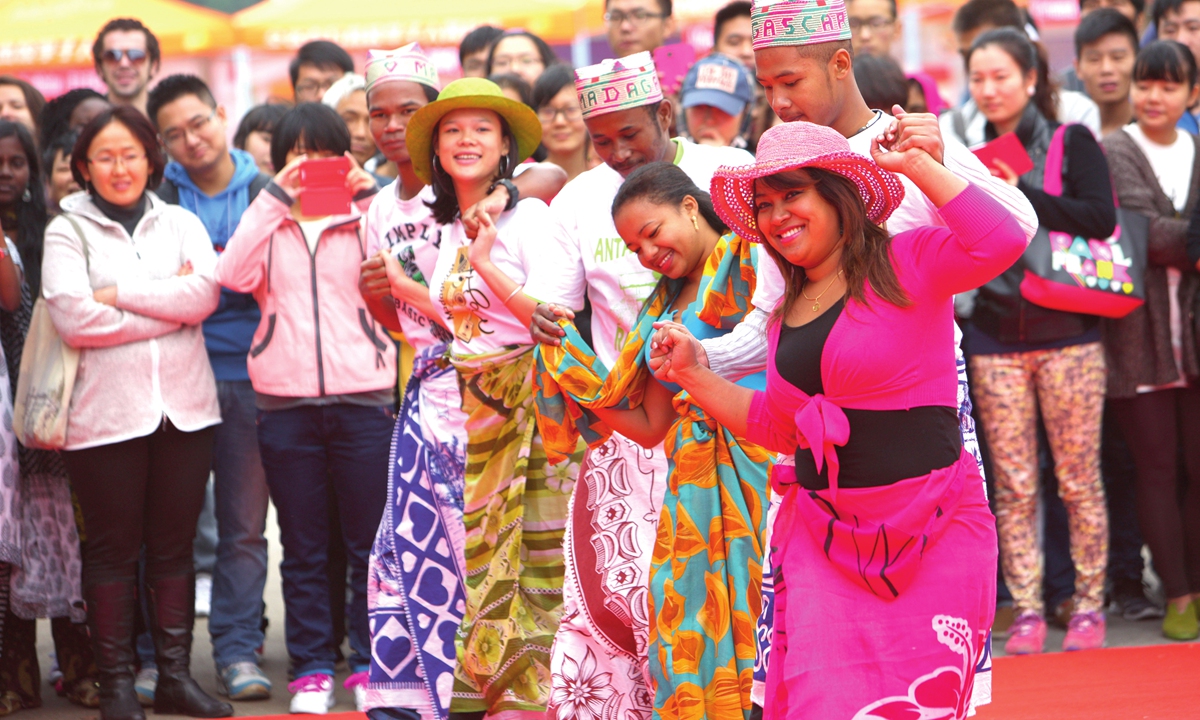
Students from Madagascar perform at a campus event in Ningbo, East China’s Zhejiang Province. File photo: VCG
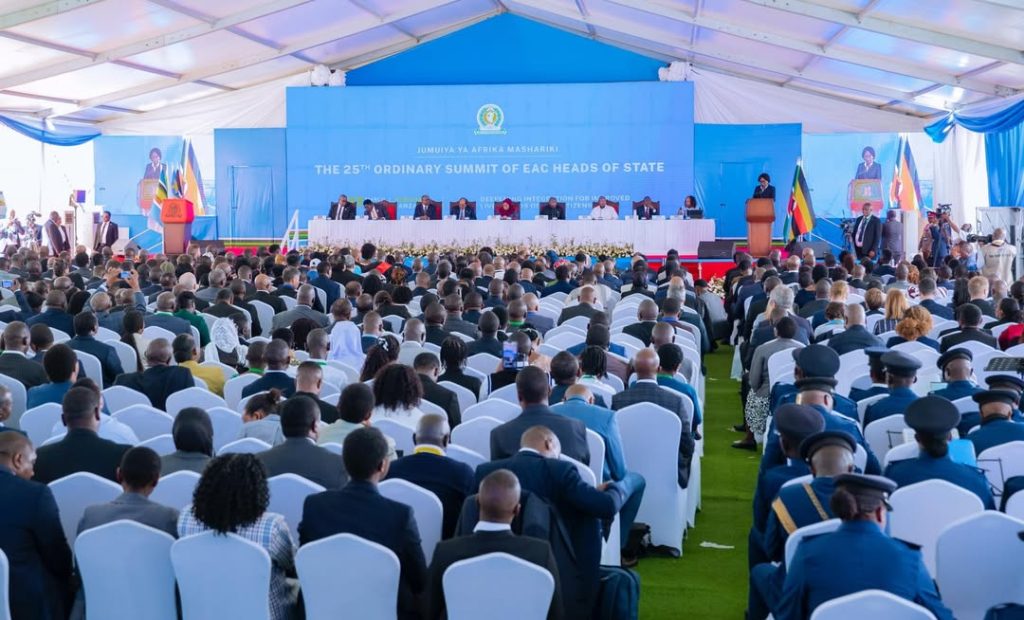
The call was made during the 25th Ordinary Summit of the EAC Heads of State, held in Arusha, Tanzania.
A communique issued late Saturday at the end of the summit said the leaders reviewed progress on the EAC-led Nairobi Peace Process aimed at restoring peace and stability in eastern DRC.
The summit welcomed the progress made so far and commended Kenyan President William Ruto for steering the implementation of regional decisions regarding the security situation in eastern DRC and coordinating the peace process, the communique said.
However, the leaders expressed concern over continued hostilities in the conflict-affected region and urged all parties involved to immediately cease fighting, according to the communique.
“The summit called on all parties to the conflict to cease hostilities and observe an immediate ceasefire while recommitting to the peaceful resolution of their differences.”
The communique said the heads of state also appealed to the African Union to provide adequate financial and logistical support to the AU-led mediation efforts to ensure the peace process proceeds effectively and reaches a sustainable conclusion.
In addition, the leaders acknowledged ongoing diplomatic efforts under the International Conference on the Great Lakes Region, led by Ugandan President Museveni, and agreed that regional initiatives should be harmonized to strengthen peacebuilding efforts in eastern DRC, it said.
According to the communique, beyond security issues, the summit reaffirmed the bloc’s commitment to accelerating regional integration in areas such as trade, infrastructure development and the movement of people and goods.
The summit, held at the Arusha International Conference Centre (AICC), brought together Heads of State and senior officials from EAC partner states to deliberate on key regional priorities
In a statement, the assembly confirmed Mojtaba Khamenei’s election as the country’s third supreme leader, citing “the decisive vote of the respected representatives” of the assembly.
“In today’s extraordinary session, Ayatollah Seyyed Mojtaba Hosseini Khamenei … is appointed and introduced as the third leader of the sacred system of the Islamic Republic of Iran,” the statement said.
Mojtaba Khamenei, born in 1969, is the son of Iran’s late Supreme Leader Ali Khamenei, who was killed in the joint U.S.-Israeli strikes.
The United States and Israel launched surprise airstrikes on Tehran and other Iranian cities on Feb. 28, killing Ali Khamenei, along with some of the leader’s family members, Iran’s senior military commanders and civilians. Iran responded through several waves of missile and drone attacks targeting Israel and U.S. assets across the Middle East.
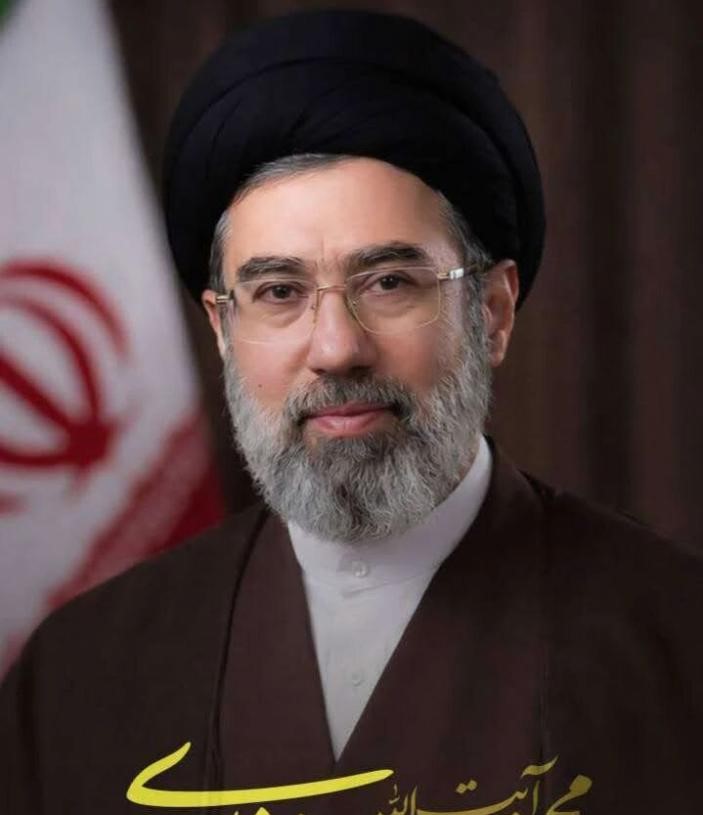
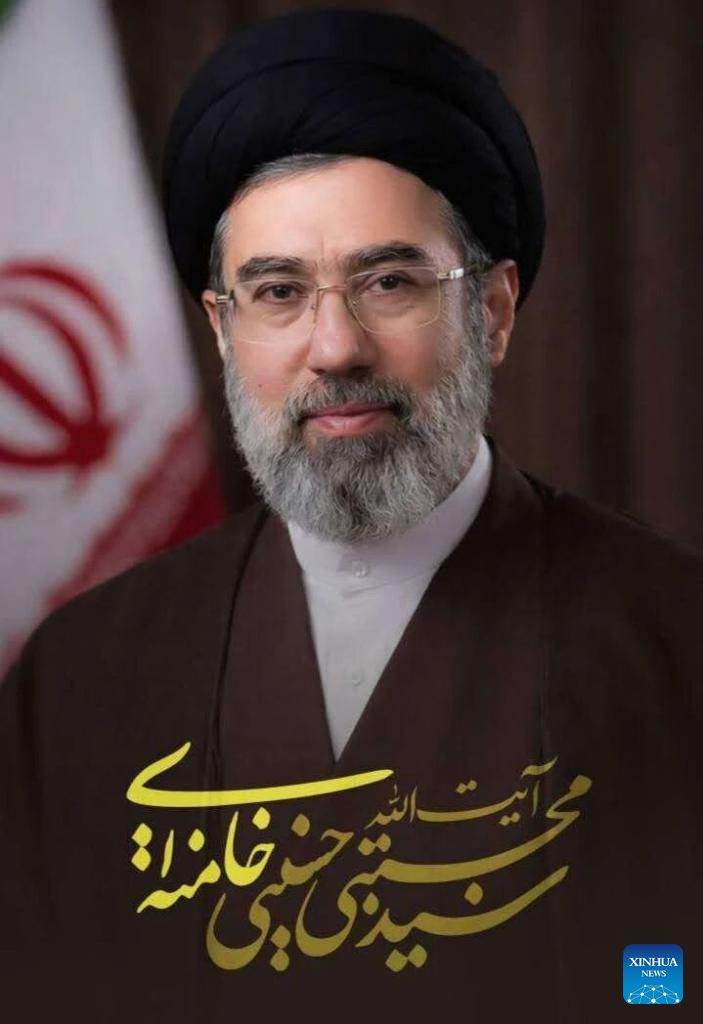
This undated file photo shows Mojtaba Khamenei, Iran’s new supreme leader. Mojtaba Khamenei, son of Ali Khamenei, was selected as Iran’s new supreme leader, Iran’s Assembly of Experts announced on Sunday.