
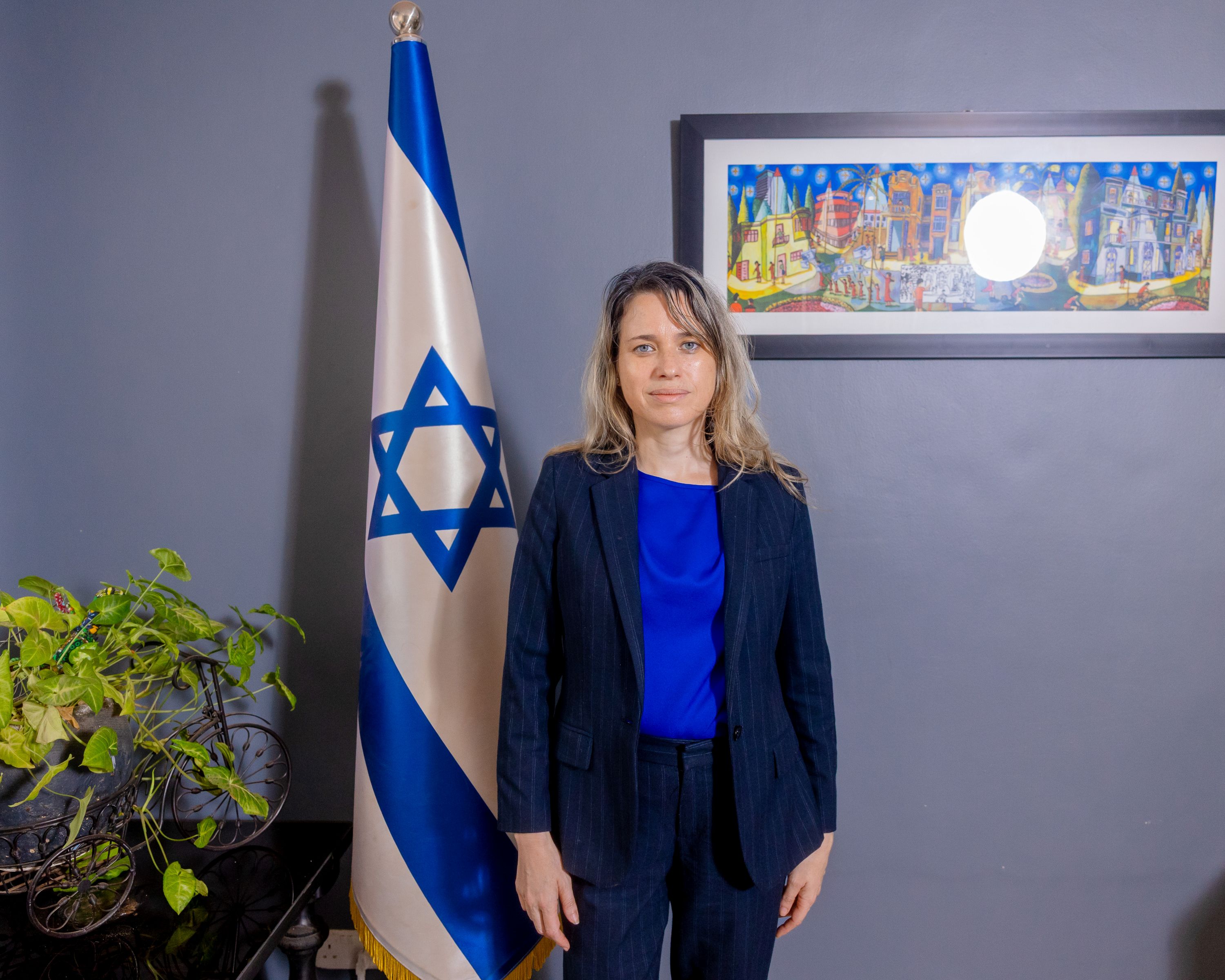
Speaking exclusively to IGIHE, Israeli Ambassador to Rwanda, Einat Weiss, shed light on the crisis, Israel’s objectives, and the safety of foreign nationals in the country, including Rwandans.
The ambassador explained that the strikes were prompted by intelligence showing Iran’s continued development of ballistic missiles and nuclear programs, often hidden underground, despite ongoing negotiations mediated by Oman. She criticised Iran for simultaneously suppressing its own population while claiming to negotiate in good faith.
“The Iranian regime has been on a terror path for over five decades,” Weiss said. “Our goal is to stop Iran’s attacks on Israel, neutralise its proxy networks like Hezbollah, and enable the Iranian people to shape their own future.”

She noted that Hezbollah joined Iran in recent missile strikes, demonstrating the threat Iran poses through its regional proxies.
Regarding Israel’s security, Weiss acknowledged casualties, including nine fatalities in a recent missile strike, but stressed that technology such as the Iron Dome and disciplined public response have minimised harm.
“Even one missile that is not intercepted can cause huge damage,” she said.
She reassured Rwandan nationals in Israel, stating that everyone has access to shelters and that warnings from authorities are reliable.
“Rwandans are resilient, and we maintain daily contact with Rwandan officials to address any concerns,” Weiss added.
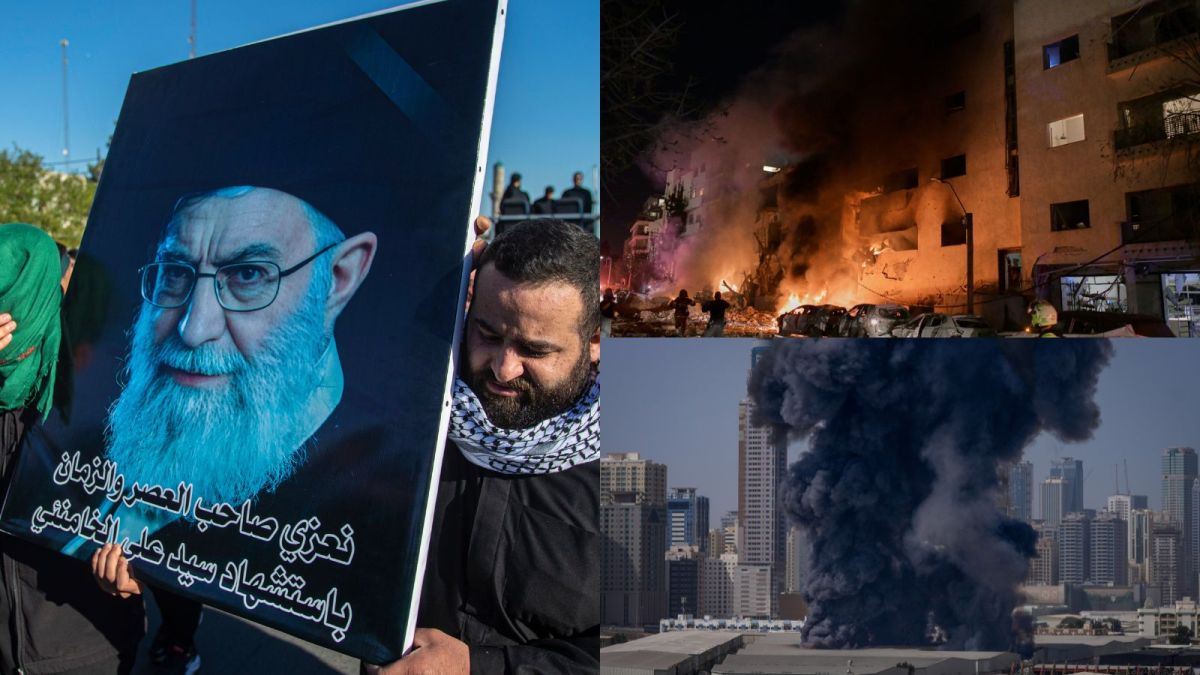
On the international front, Weiss criticised what she termed as global double standards, noting that while Israel faces criticism for defending itself, Iran’s suppression of its people and funding of terrorist groups like Hamas, Hezbollah, and Houthis is often ignored.
“Israel is defending itself; Iran is deliberately targeting civilians,” she said.
Ambassador Weiss also explained why Israel opposes Iran’s nuclear program. While Israel possesses nuclear weapons for defence, Iran openly seeks nuclear capabilities to destroy Israel and exert global influence.
“This intent is alarming and should not be tolerated by the international community,” she warned.
The ambassador highlighted the regional impact of the conflict, pointing to disruptions in oil trade through the Hormuz Strait and the threat Iran poses to the Gulf and Africa through funding terror networks. She emphasised that a shift in Iran’s regime or a halt to its aggression would benefit the Middle East, Africa, and the world.
Finally, Weiss addressed prospects for de-escalation. While she could not predict the end of the war, she emphasised that Israel, in collaboration with the U.S., will continue operations until its objectives are achieved, aiming for a safer, more stable Middle East.
“This is not only about defending Israel,” she said. “It is about creating a world where terror is reduced, and peace can prevail.”
From Tehran’s viewpoint, the conflict is not seen as a defensive struggle against terror but as a response to what Iranian officials describe as “unlawful aggression” by the United States and Israel. Iran’s government has condemned the February 28 strikes as a “clear act of aggression” that violates international law and the United Nations Charter, asserting that it targeted sovereign territory without justification.
Leave a Reply