
A Persian-Norwegian with a background in architecture and systemic design, Gharavi recently spent two weeks in Kigali, scouting Rwanda’s “hidden entrepreneurial gems” and exploring opportunities to connect them with European and Nordic investors.
“Rwanda is a bold and dynamic country,” Gharavi told IGIHE during an exclusive interview. “It has fundamental elements for finance structuring and project development in place, which makes it a very good base to expand into Africa.”
She added that the country’s commitment to entrepreneurship, strong institutions, and regional connectivity made it an ideal location for ENFA to establish a presence and test its model in practice.
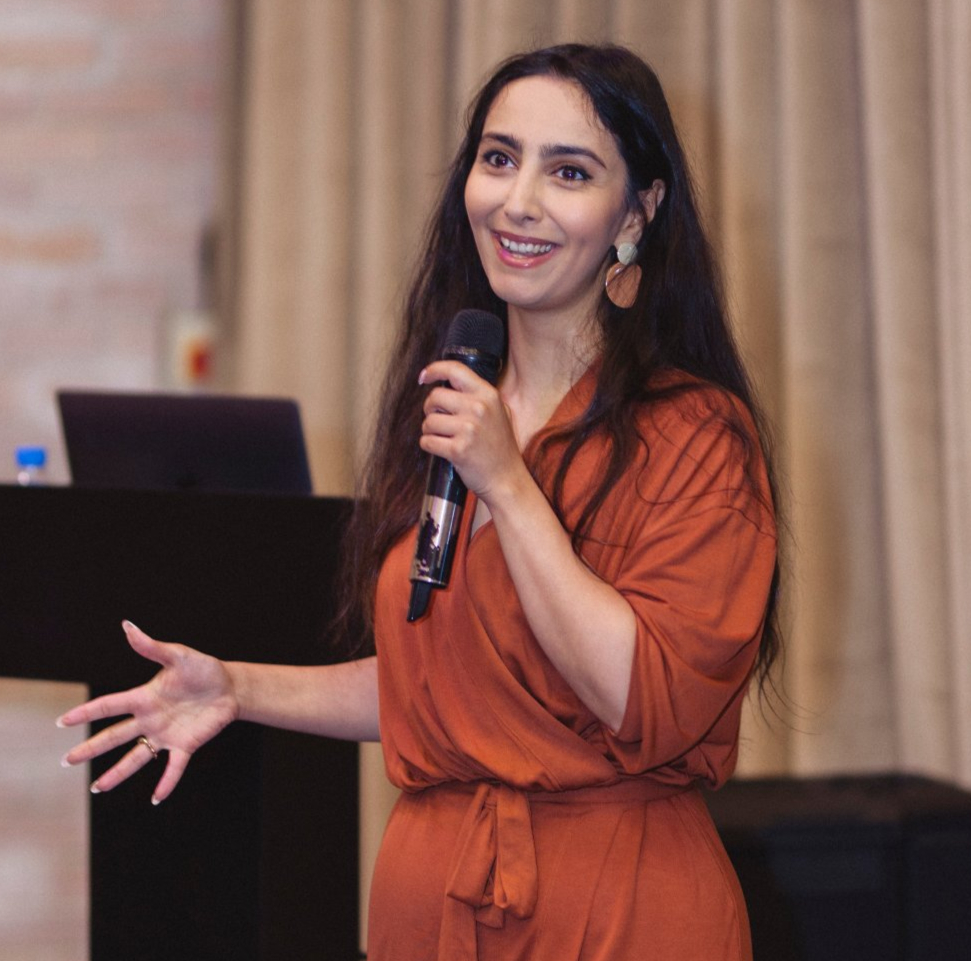
Founded three years ago, ENFA has grown from a concept into a presence in 21 countries, operating as a facilitator of cross-border business development and blended financing. Gharavi explains that the organization’s core philosophy is not merely to introduce entrepreneurs to capital, but to become a development partner: providing training, advisory support, and strategic connections to ensure startups and SMEs thrive in the long term.
ENFA has been active in Rwanda for nearly a year through local partnerships, guided by Regina Mukamusinga, the CEO of ENFA Rwanda and a former investment analyst with 14 years of experience at the Development Bank of Rwanda. The organisation has now formalised its presence by establishing a legal entity in the country.
“The reception has been overwhelmingly positive,” Mukamusinga said. “Local entrepreneurs are eager to join our network, and we’re seeing real progress in turning these SMEs into internationally connected businesses.”
Gharavi highlights the impact of this approach using Rwanda’s honey industry as an example. Through ENFA, women-led honey businesses that had previously operated independently were connected, advised on value chain development, and introduced to international partners. This collaboration not only enhances production capacity but also opens doors to broader markets.
For Grace Mbabazi, founder of M&M Sozo, producing and exporting honey, joining ENFA has shown her just how transformative the right support and connections can be for a growing business.
“Before ENFA, our business was mostly local. Now we have access to training, strategic advice, and European partners. It’s transforming how we operate and where we can sell our honey,” she said.
Beyond SMEs, ENFA is actively exploring larger projects across Rwanda in sectors such as affordable housing, health tech, and agriculture.
Initiatives include a state-of-the-art prefabricated housing factory, a network of 50-bed clinics to expand rural healthcare access, and digitised agricultural solutions to facilitate export and market expansion.
Gharavi also emphasised the potential for renewable energy projects, including Lake Victoria and Lake Kivu developments, as well as data centres that can tap into European and Nordic investment.
A systemic designer by profession, Gharavi approaches business through a lens of complexity and interconnectivity.
“Everything is a system,” she explains. “Your business, your product, your value chain; they’re all interconnected. We don’t just bring capital; we help entrepreneurs redesign and optimise their systems to generate sustainable growth.”
ENFA’s funding model spans five brackets, from €500,000 to over €15 million, combining public grants, philanthropic funds, and private investments. But Gharavi underscores the importance of local equity.
“Investors want to see Rwandans actively putting their own capital into their projects. That’s how trust is built and exploitation avoided,” she explains, adding that this approach supports local ownership and ensures international support complements, rather than replaces, Rwandan initiative.
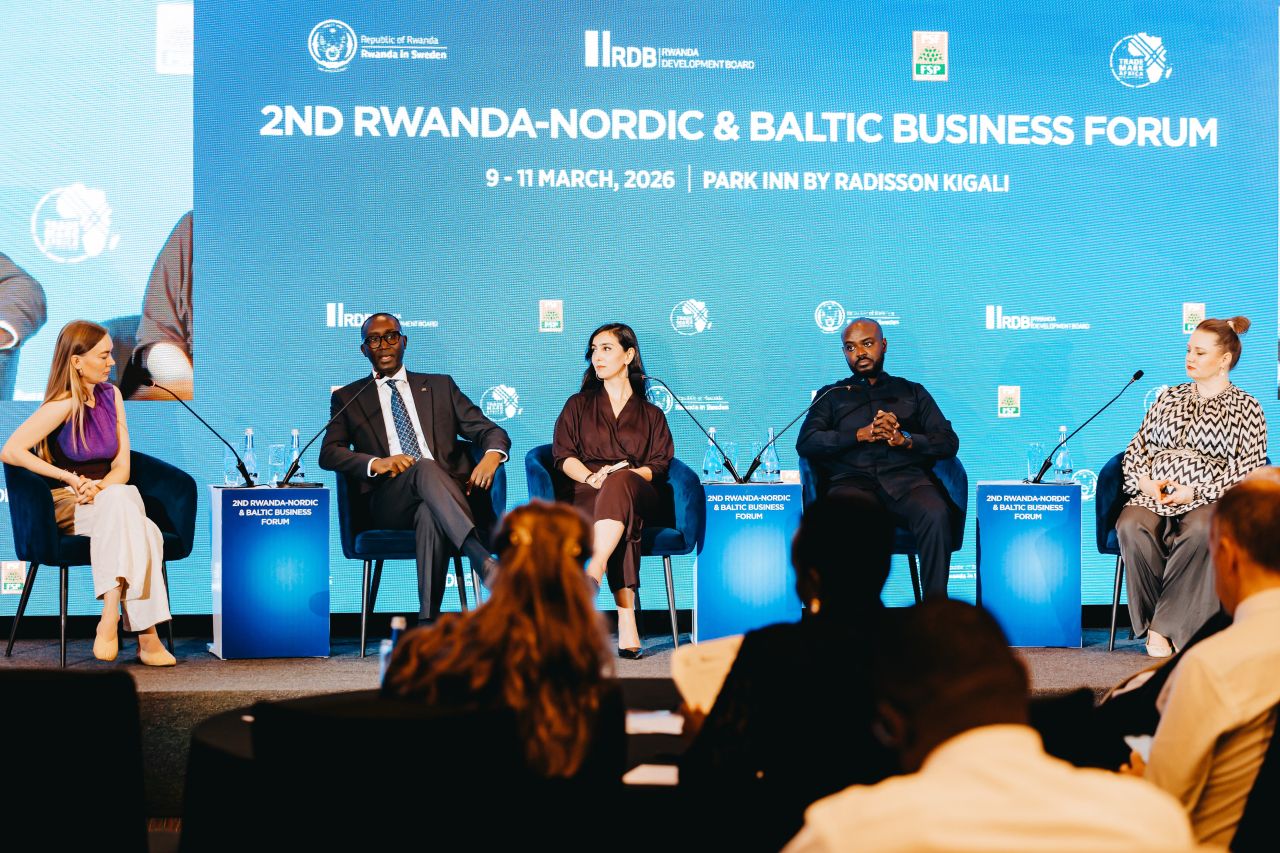
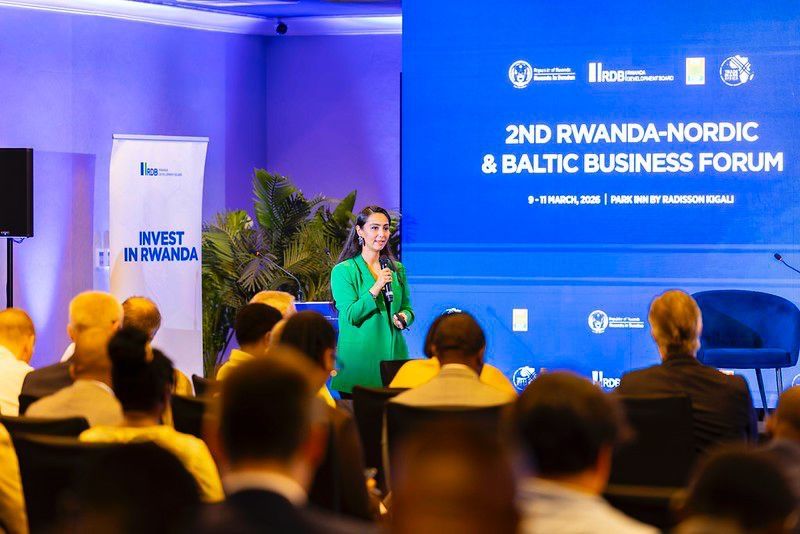
Earlier this month, Gharavi was a featured speaker and panellist at the 2nd Rwanda Nordic-Baltic Forum, held in Kigali from March 9–11, 2026. In the interview with IGIHE, she reiterated ENFA’s hands-on approach to connecting European and Nordic investors with African businesses.
“We actually become their partners. They join us, we give them the right advice and the right network, and support them as they grow,” the founder explained.
Last December, Gharavi launched her book, Save the World Before Breakfast, introducing the concept of design-driven entrepreneurship.
“Everything we do is designerly,” she stressed. “Designers see the world from scratch. We know that this chair, this building, this phone, even the lifestyles we live, they didn’t exist naturally. They were all created over time. Once you realise that everything can be redesigned, that’s when real sustainability and regeneration become possible.”

She emphasised that this philosophy shapes ENFA’s operations, from its internal code of conduct to member training programs. ENFA’s newly established holding in Luxembourg, she added, will champion regenerative, fair-share economies built on design thinking, equipping entrepreneurs to approach challenges with “fresh eyes on the world.”
For Gharavi, the journey from architect to global entrepreneur has been shaped by high-stakes decision-making and a design-driven mindset. Her experience as a professional rally driver also plays a role.
“Racing taught me to assess risks, make decisions quickly, and trust the team around me. Those same skills are vital when supporting entrepreneurs across continents,” she said.

Reflecting on Rwanda’s entrepreneurial ecosystem, Gharavi is optimistic.
“We are becoming a fund ourselves, but primarily, we facilitate growth,” she said. “The local teams and authorities play a central role. Rwanda has the readiness, the infrastructure, and the entrepreneurial spirit to become a gateway to the continent.”
Gharavi envisions similar partnerships expanding across Africa, leveraging Rwanda as a model for design-driven, investor-backed entrepreneurial growth.
Curious to learn more? Watch her full conversation with IGIHE below.
Leave a Reply