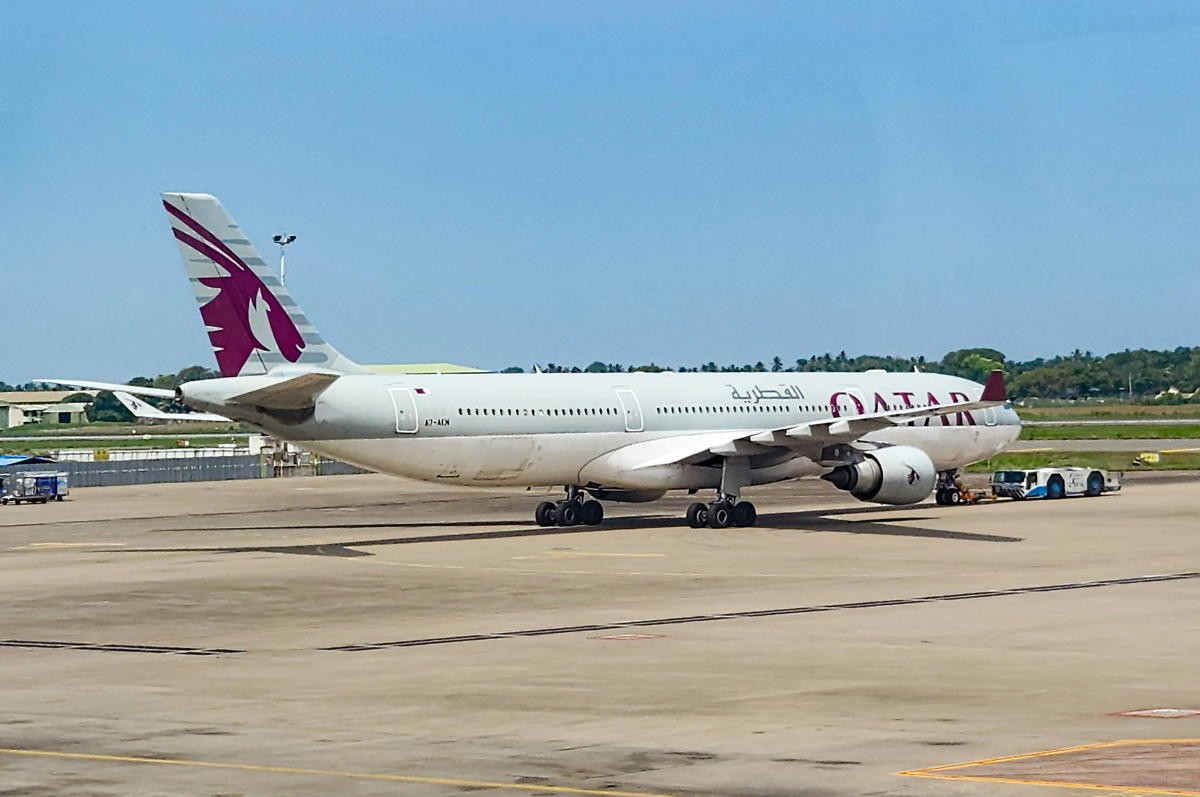
In a new assessment, the council estimates that disruptions to air travel, declining traveller confidence and reduced regional connectivity are costing the sector about $600 million per day in international visitor spending.
“Travel & Tourism is the most resilient of sectors,” the WTTC said, noting that losses across the region currently average “around US$600 million per day.”
The Middle East plays a significant role in global travel flows, accounting for roughly 5% of international tourist arrivals worldwide and 14% of global transit passenger traffic. As a result, any instability quickly reverberates across the international travel network.
Major aviation hubs such as Dubai, Abu Dhabi, Doha and Manama, which together normally process more than half a million passengers daily, have experienced temporary closures and operational disruptions as tensions escalate. The WTTC had projected that international visitors would spend about $207 billion in the Middle East in 2026, meaning even short-term interruptions could translate into significant economic losses for airlines, airports, hotels and other tourism services.
Despite the challenges, the organization says the sector has historically shown strong resilience, with tourism demand often rebounding within months when governments and industry coordinate efforts to restore traveller confidence and ensure safety.
The World Travel & Tourism Council estimates that disruptions to air travel, declining traveller confidence and reduced regional connectivity are costing the sector about $600 million per day in international visitor spending.
Titled ‘Climate Justice in Tourism’, the publication was edited by Freya Higgins-Desbiolles, Raymond Rastegar and Roshis Krishna Shrestha.
The book brings together research and case studies from around the world to explore the complex links between tourism development, climate change and social inequality.
Developed with input from researchers at the Griffith Institute for Tourism, the book is connected to the institute’s Climate Justice and Tourism research initiative. The project examines how climate policies in the tourism sector can be designed to address fairness and avoid deepening existing social and economic disparities.
Tourism remains one of the largest global industries and plays a significant role in greenhouse gas emissions, especially through aviation and other forms of transport.
At the same time, many popular tourism destinations, including islands, coastal areas and nature-based sites, are among the most exposed to climate threats such as rising sea levels, extreme weather events and environmental degradation.
Dr. Rastegar said the research highlights a fundamental contradiction within the sector.
“Tourism is both a contributor to the climate crisis and one of its victims,” he said. “If we want meaningful climate action in tourism, we must consider who benefits from tourism development and who bears the environmental and social costs.”
The book introduces a framework for examining justice within tourism, looking at how power structures, governance systems and global economic dynamics influence climate outcomes in the industry. It also questions traditional tourism models that prioritize economic growth while overlooking environmental sustainability and social wellbeing.
Instead, the contributors call for new approaches that respect the rights of local communities, indigenous peoples and ecosystems.
“Too often climate action focuses only on reducing emissions or protecting industry growth,” Dr. Rastegar said. “A climate justice perspective asks deeper questions about fairness, participation and responsibility, ensuring that climate policies support communities, workers and ecosystems rather than leaving them behind.”
Through interdisciplinary research and global case studies, the book offers insights for policymakers, researchers and industry leaders seeking more sustainable and equitable pathways for the future of tourism.
Tourism is both a contributor to the climate crisis and one of its victims
The report examines how much international visitors spend from the time they arrive in Rwanda until they depart, covering expenses such as accommodation, food, shopping, and other services.
In recent years, Rwanda has opened several high-end hotels capable of hosting international conferences that bring together thousands of participants from across the world to discuss different issues.
The country has also invested heavily in healthcare infrastructure, with existing facilities being expanded to increase capacity.
In the fourth quarter of 2025 alone, more than 1,400 people entered Rwanda specifically seeking medical services.
Among the most sought-after services are cancer treatment offered at Butaro Cancer Center of Excellence and specialized procedures such as heart surgery available in Kigali.
Sports infrastructure has also contributed to the inflow of international visitors. The recently completed Amahoro Stadium now hosts international matches organized by the Confederation of African Football (CAF) and FIFA.
During the 2025/2026 football season, Amahoro Stadium has hosted several continental matches after Al-Hilal SC reached the quarter-finals of the CAF Champions League.
The matches have attracted many foreign fans and officials to Rwanda, who in turn spend on services and goods during their stay.
In addition to football, Rwanda continues to host other international sporting events including cycling, handball, volleyball, and basketball competitions, as well as entertainment concerts that bring visitors from across the world to the “Land of a Thousand Hills.”
According to the Travel Expenditure Survey included in the fourth-quarter report, visitors who came to see Rwanda’s mountain gorillas were the biggest spenders during the period.
Data was collected from travelers passing through 11 border points, including Rusumo, Kagitumba, Buziba, Gatuna, Cyanika, Rusizi I, Rusizi II, Bugarama, La Corniche, and Kigali International Airport.
Information for foreign visitors was gathered at exit points, while data for Rwandans traveling abroad was collected when they re-entered the country.
In the fourth quarter of 2025, international visitors spent more than $161.5 million in Rwanda on shopping, accommodation, and other services.
Tourists traveling for holidays alone spent $65 million during the quarter, while revenue generated from gorilla tourism accounted for 71.4% of total tourism earnings.
NISR data also indicates that visitors from North America spent the most on shopping and purchasing goods in Rwanda, totaling $40.8 million.
Foreign travelers entering Rwanda by land spent about $24.9 million, with the majority traveling to visit friends and relatives, accounting for $11.3 million.
Strong performance in 2025
The report further shows that international visitors spent $130.7 million in the first quarter of 2025, $121.7 million in the second quarter, $190.6 million in the third quarter, and $161.5 million in the fourth quarter.
Leisure travelers made up the largest share of spending, accounting for 41.1% of total tourism revenue. They were followed by visitors traveling to see friends and relatives, while those visiting Rwanda for business and investment opportunities contributed 16.2% of the spending.
Meanwhile, Rwandans traveling abroad spent $83.7 million in the first quarter, $89.3 million in the second quarter, $90.1 million in the third quarter, and $95.9 million in the fourth quarter of 2025.
Rwandans who traveled abroad for business purposes accounted for the largest share of spending, representing 35.7% of the total. Those visiting friends and relatives spent 28.3%, while travelers seeking education-related services accounted for 23.1%.
A 2024/25 report from the Ministry of Trade and Industry shows that 1.15 million visitors entered Rwanda, including 37% who came for gorilla tourism, 24% visiting friends and relatives, and 17% traveling for business.
In the fourth quarter of 2025, international visitors spent more than $161.5 million in Rwanda on shopping, accommodation, and other services.
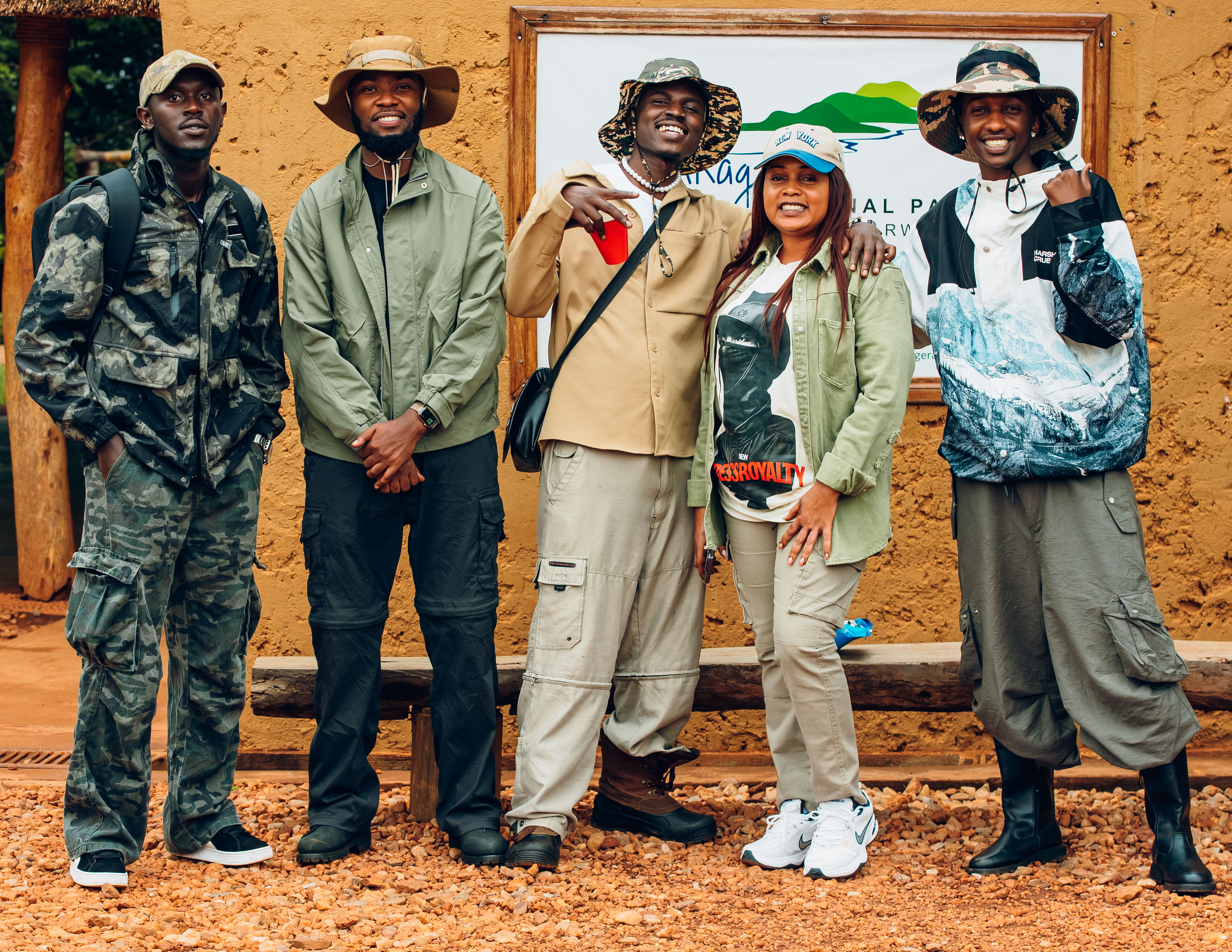
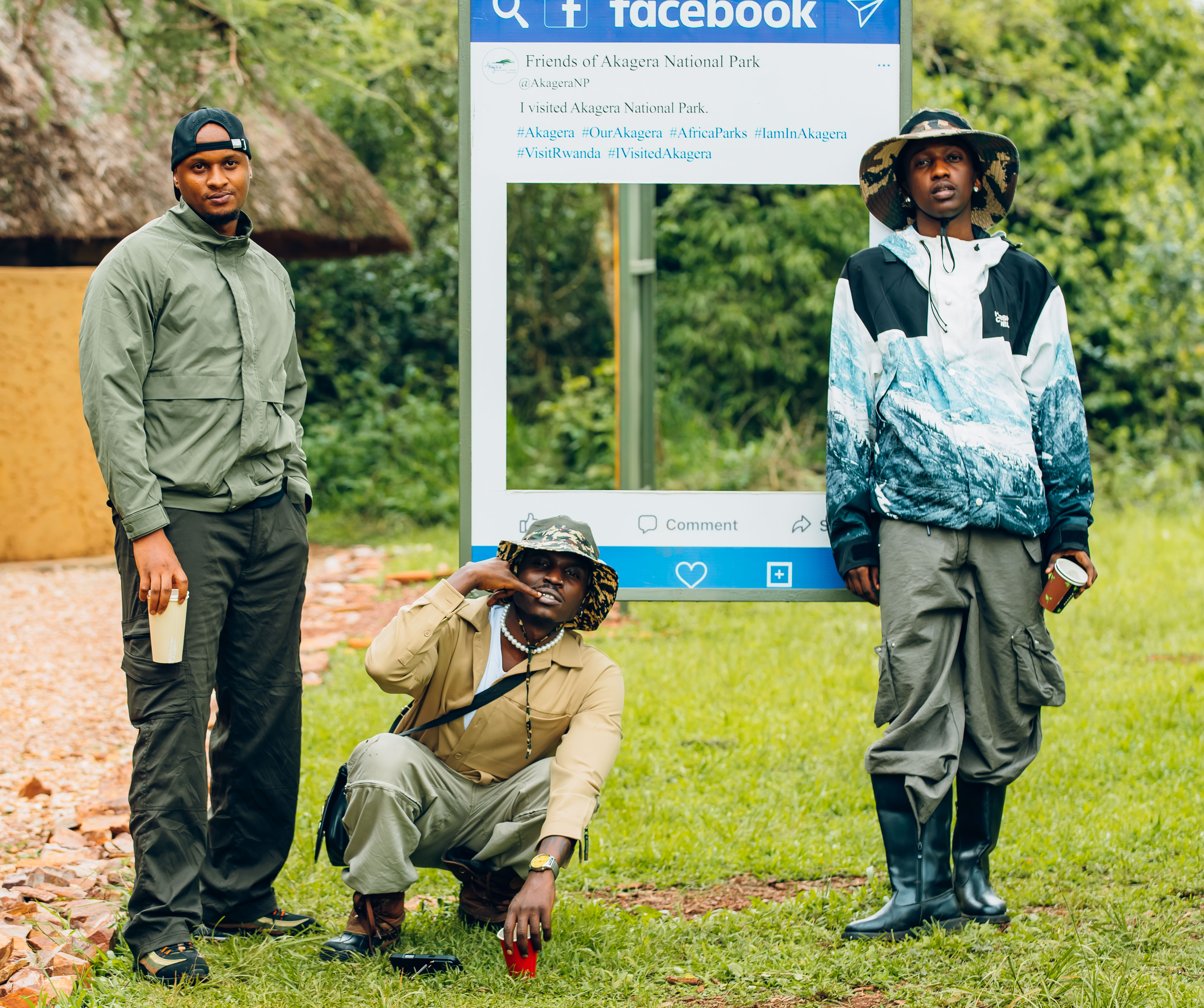
The initiative aimed at promoting domestic tourism while giving participants an immersive experience in the rich biodiversity of one of Rwanda’s most iconic wildlife destinations.
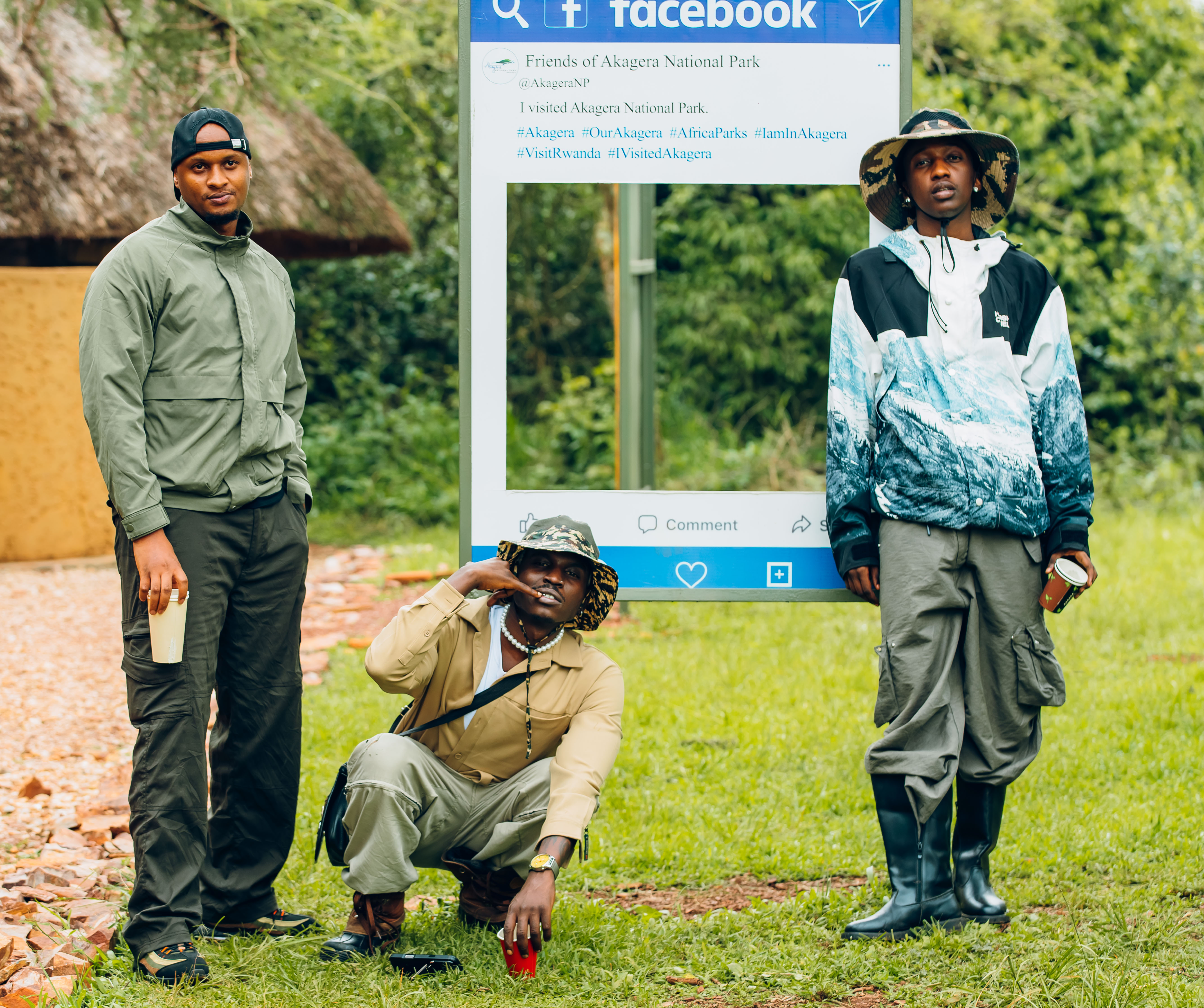
Participants expressed excitement as they explored Akagera’s scenic landscapes and diverse wildlife.
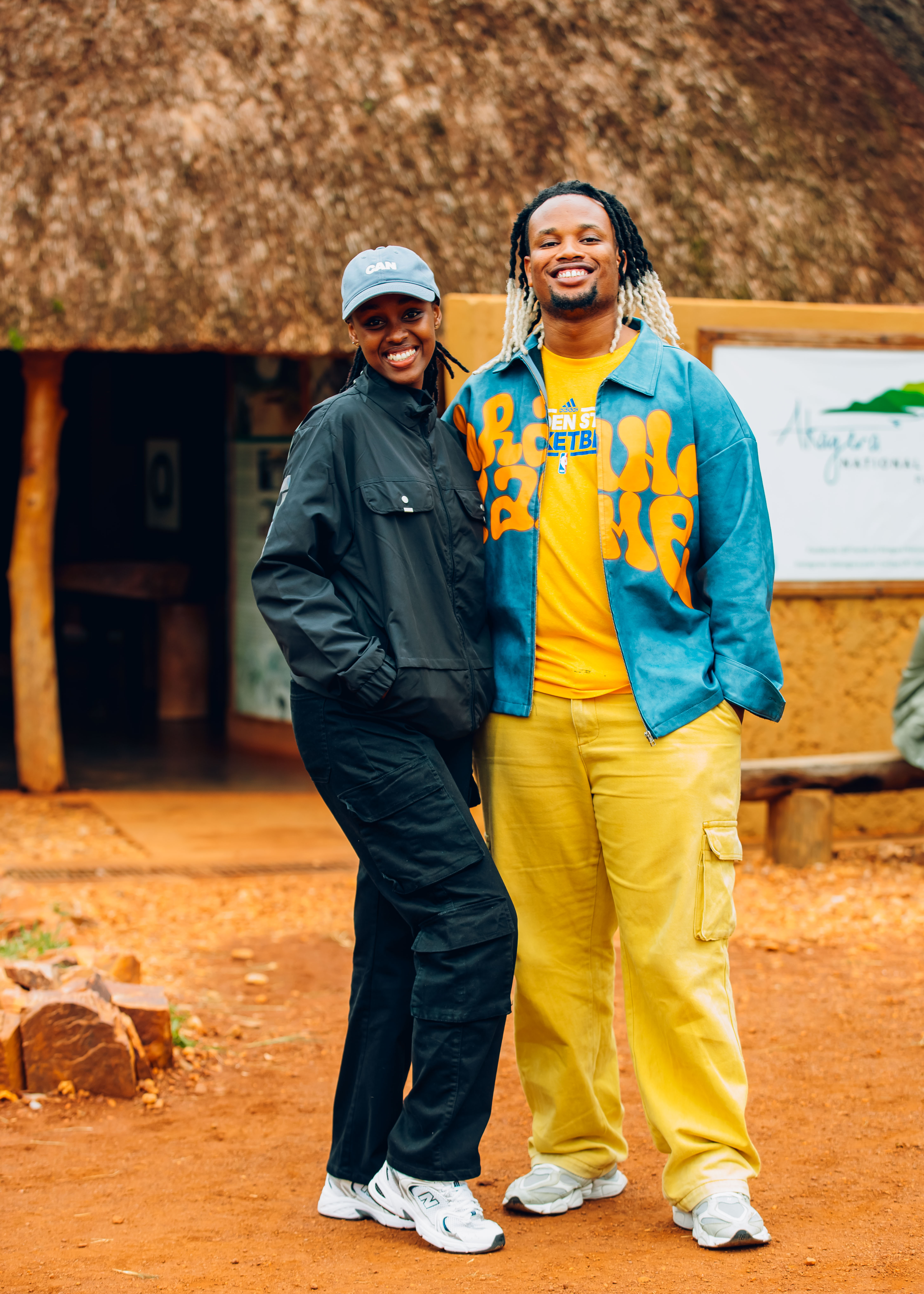
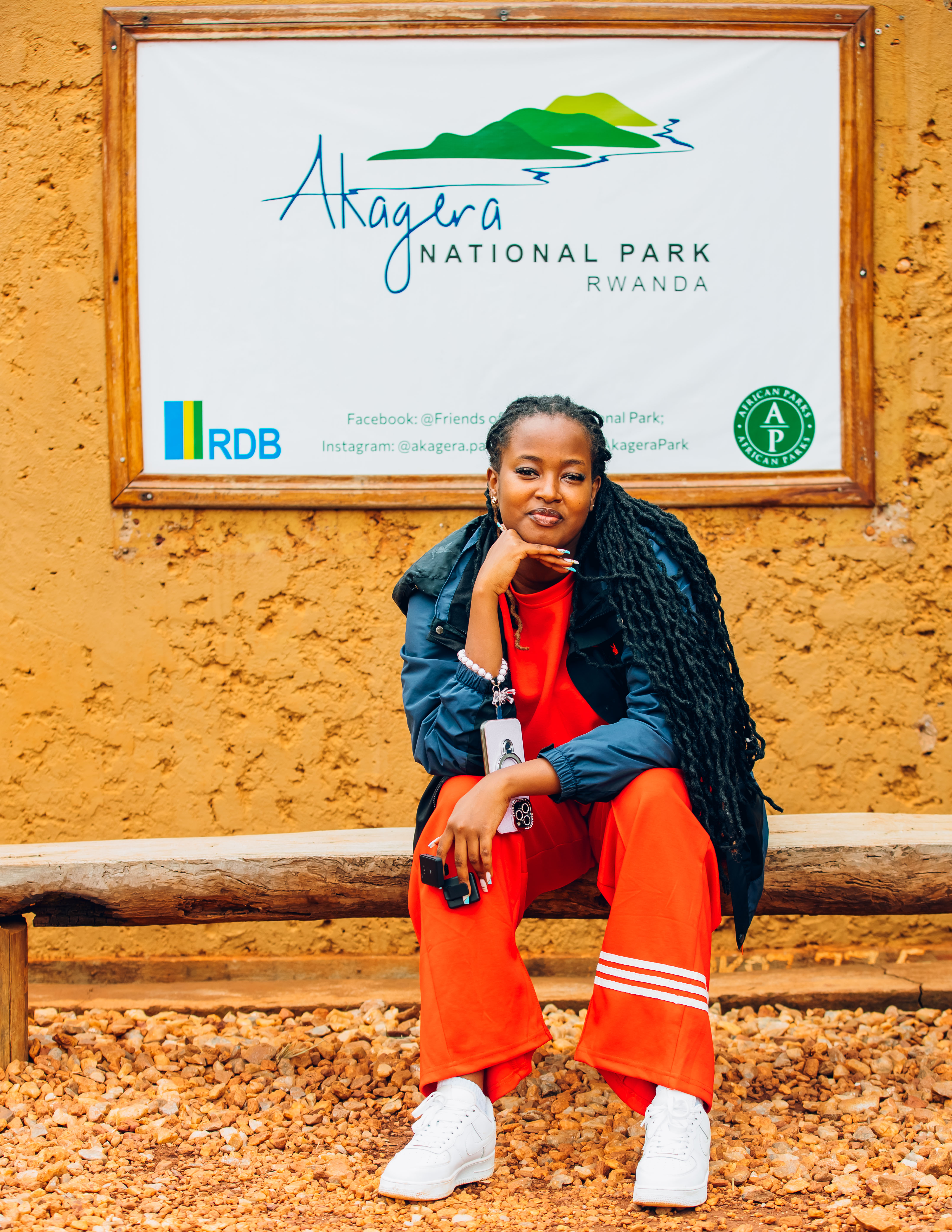
Celebrities, including Ish Kevin and DiezDola, joined fans for an unforgettable safari adventure at Akagera National Park.
The tour, held on Saturday, February 28, followed a successful inaugural trip to Nyungwe National Park. Organisers have since announced a third excursion scheduled for April in Bigogwe, Nyabihu District, as part of ongoing efforts to encourage Rwandans to discover the country’s natural attractions.
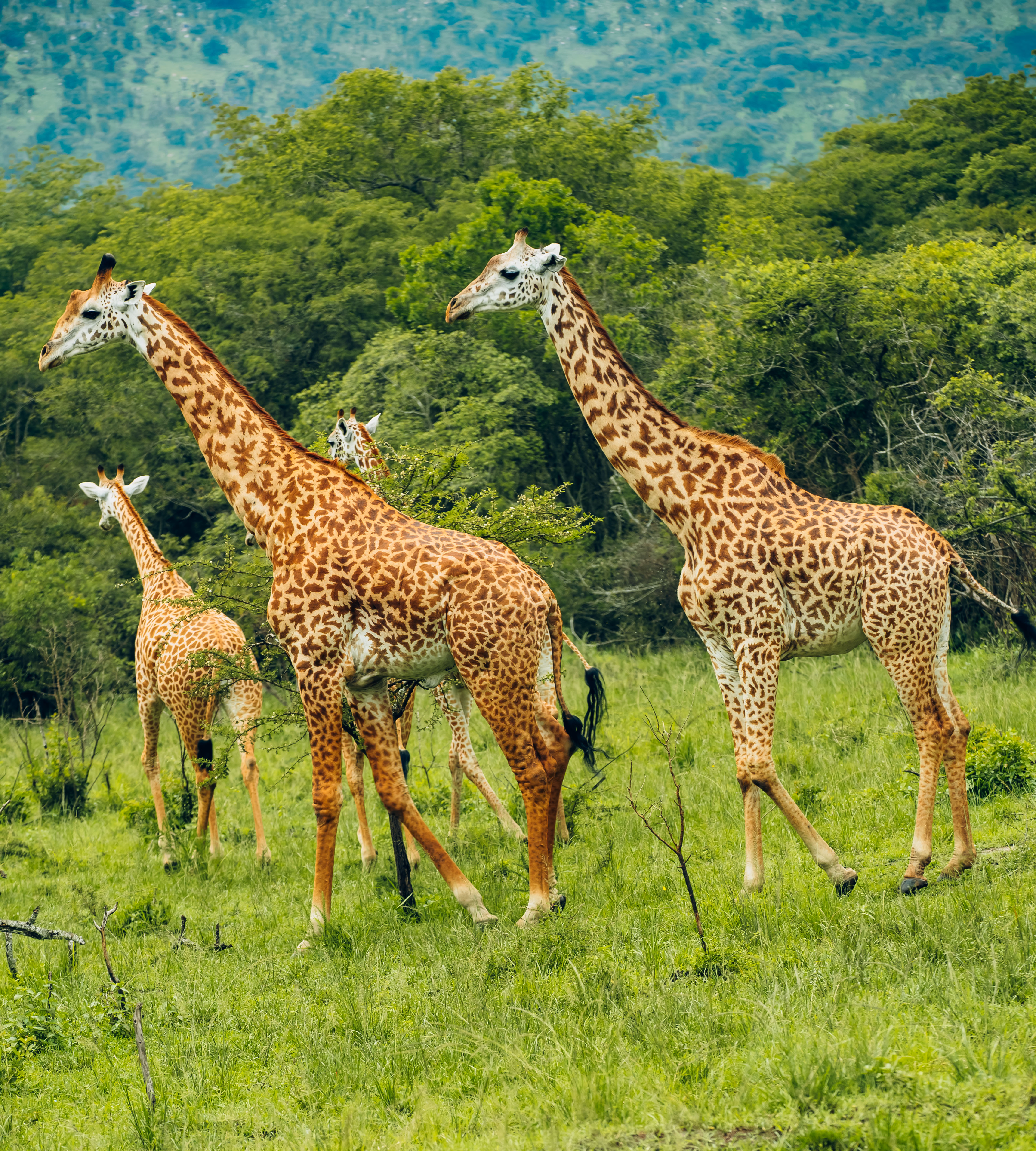
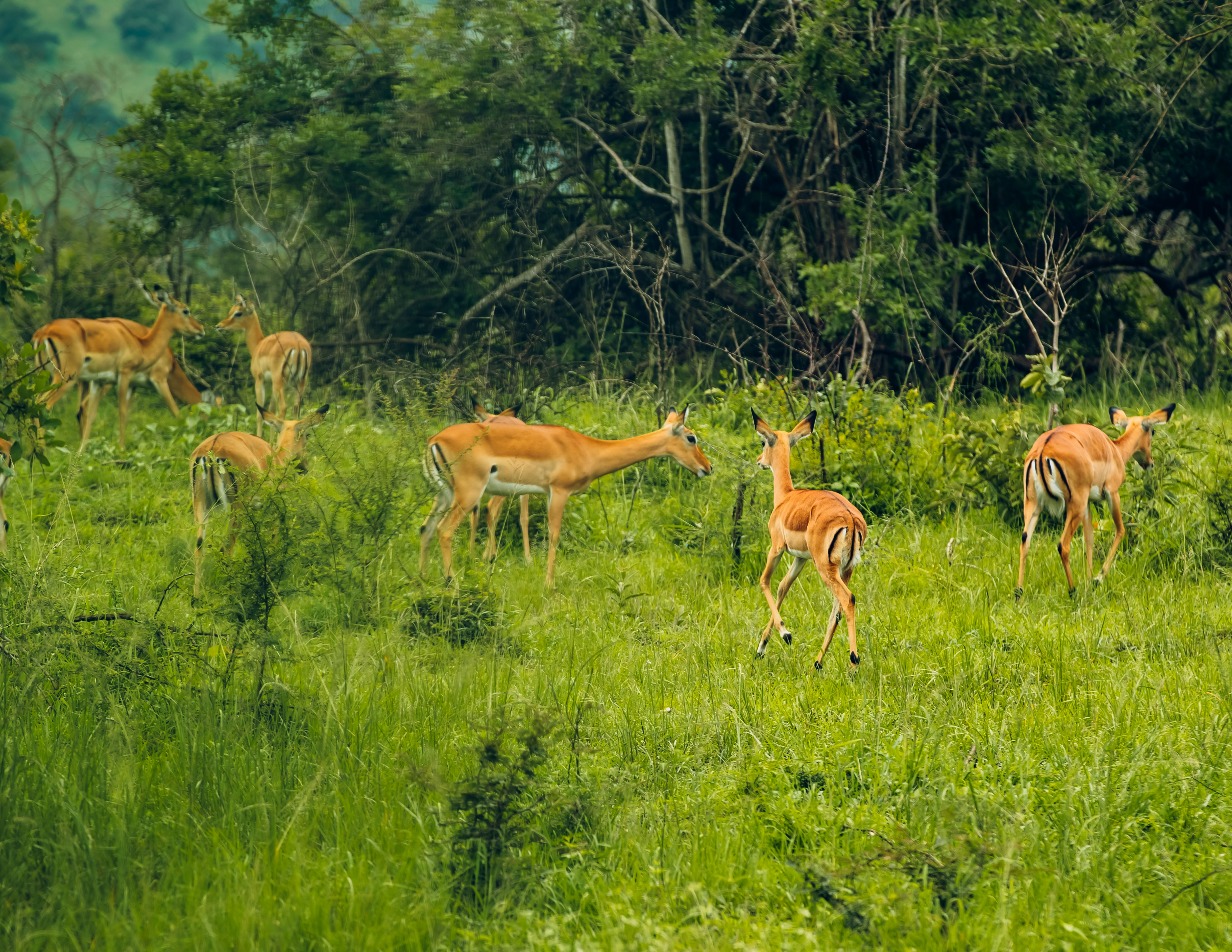
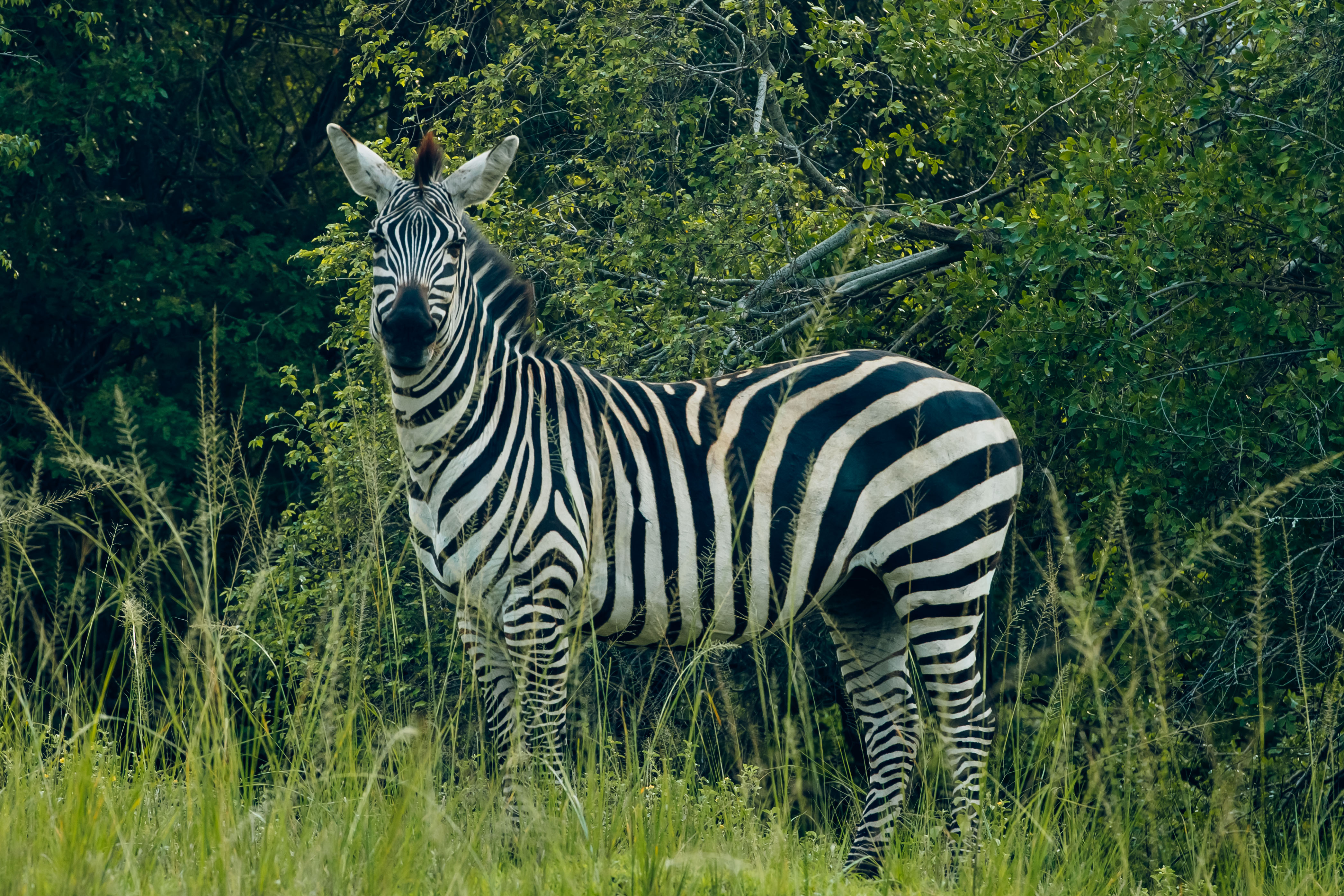
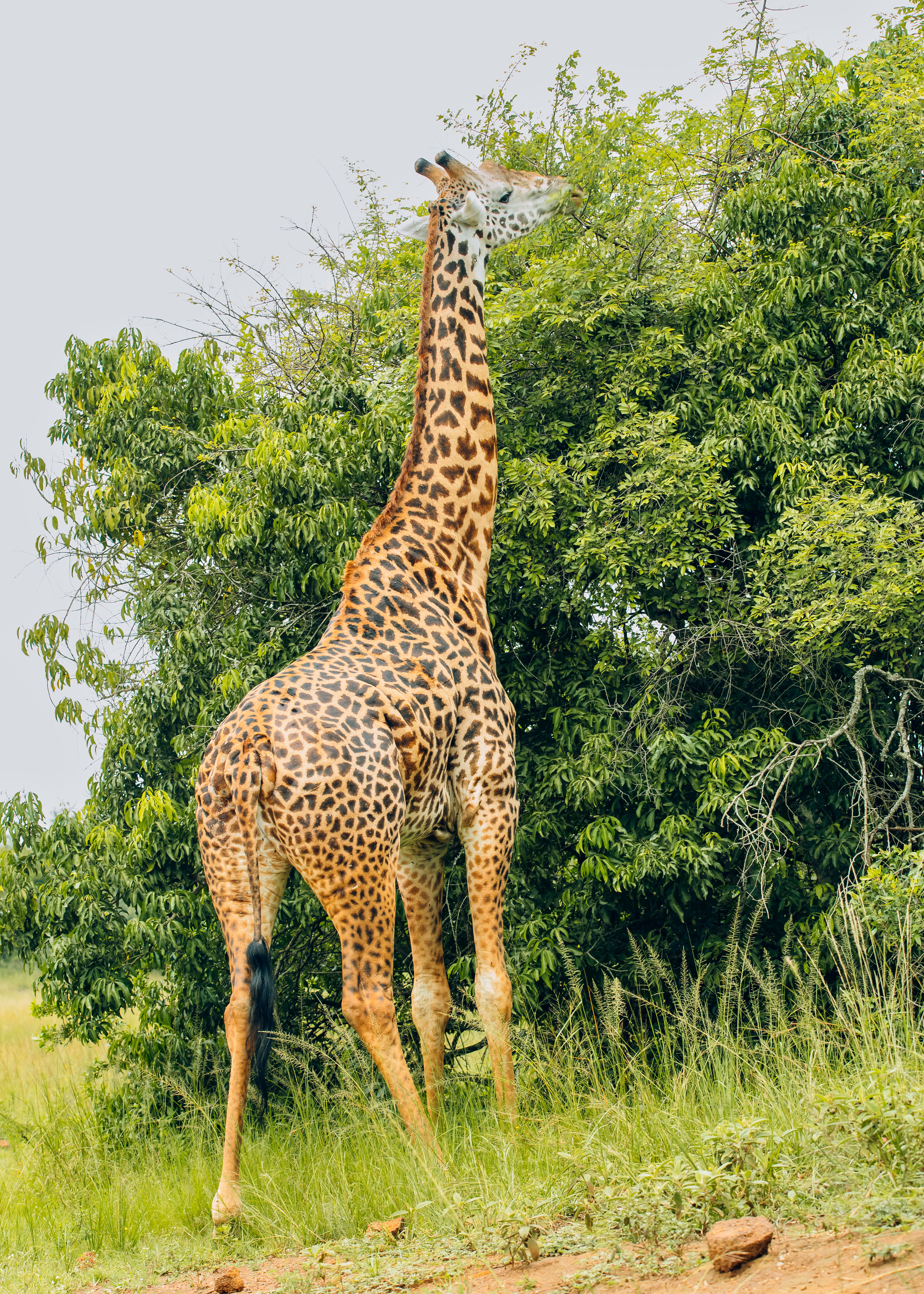
The highlight of the trip was the game drive, which took participants deep into the park’s wilderness. Akagera, renowned for its diverse wildlife species including lions, giraffes, zebras and elephants, offered guests an opportunity to observe animals in their natural habitat.
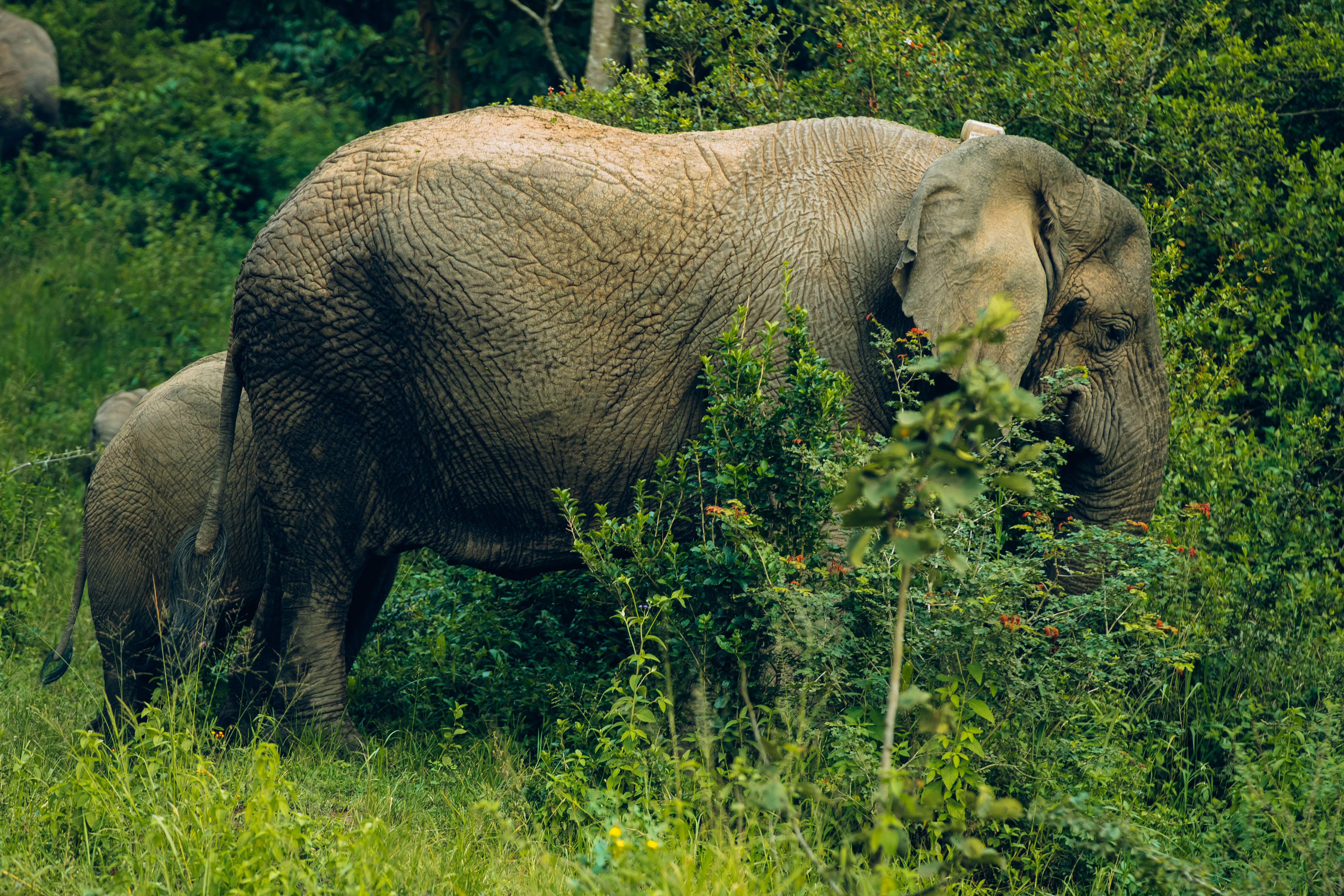
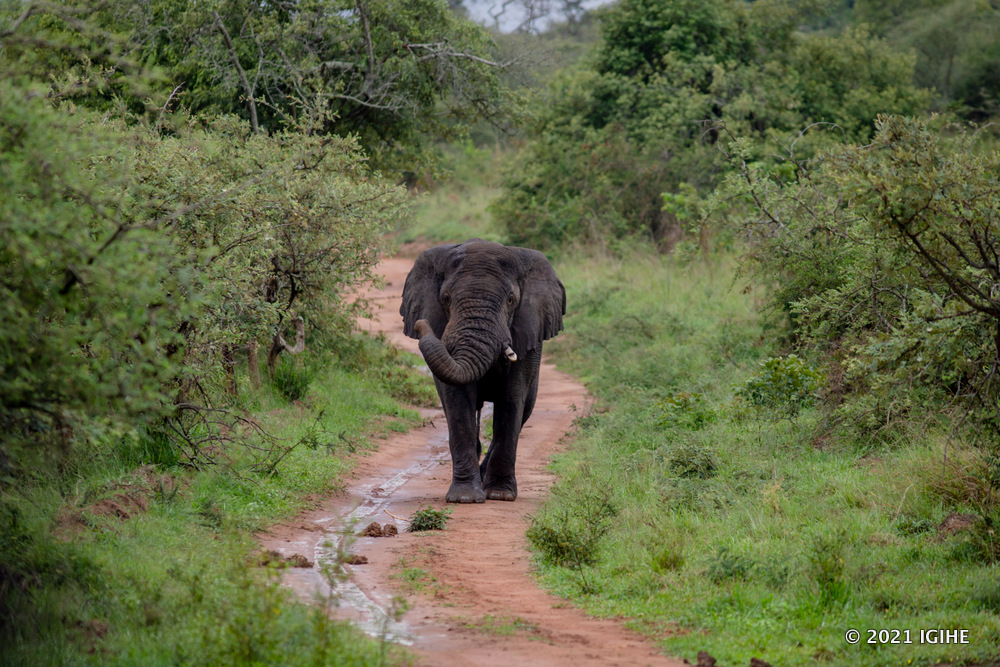
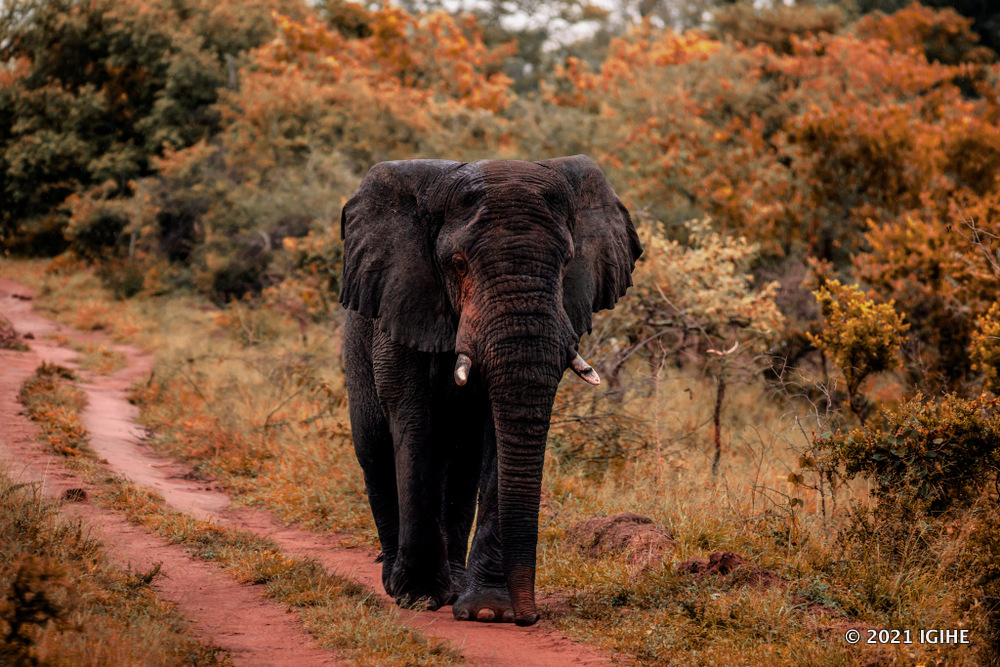
The group was fortunate to spot elephants, one of the iconic Big Five, during their adventure at Akagera National Park.
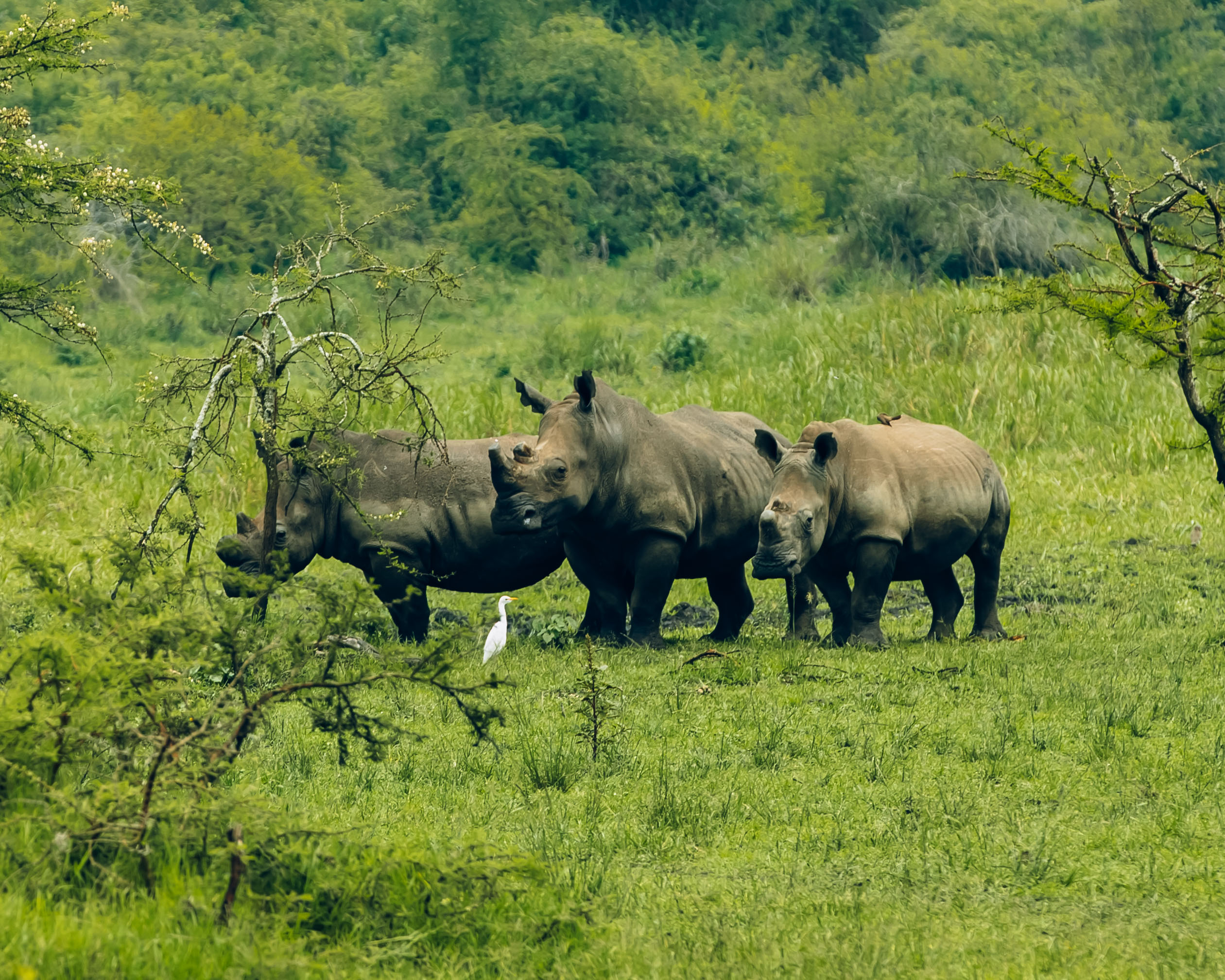
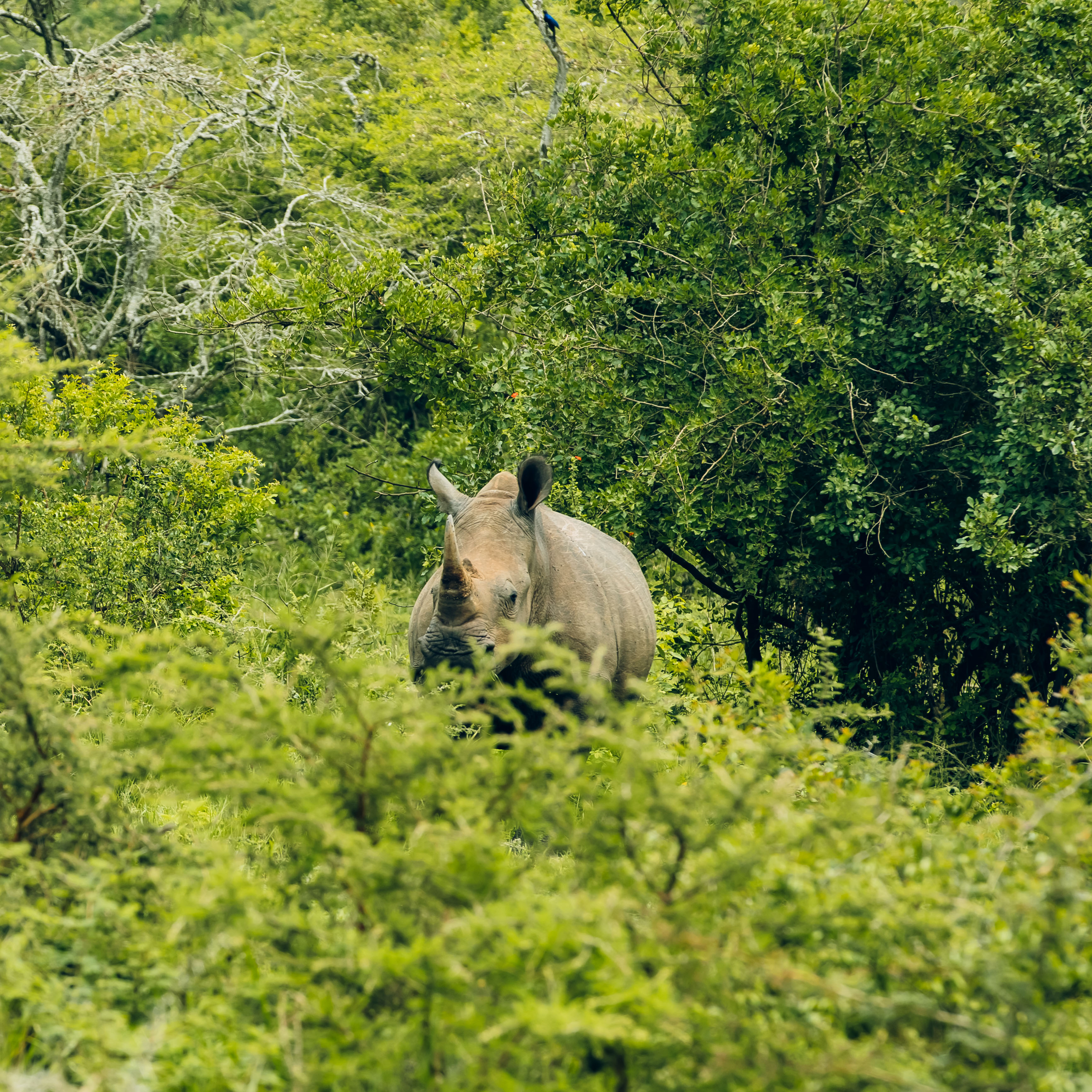
Although the group did not spot the complete Big Five, they encountered elephants, buffaloes and a rhinoceros during the drive.
Babu Rugemana, the event organiser, described wildlife viewing as a matter of chance.
“You may see them today, and you may not see them tomorrow,” he said, noting that safari experiences vary from one visit to another.
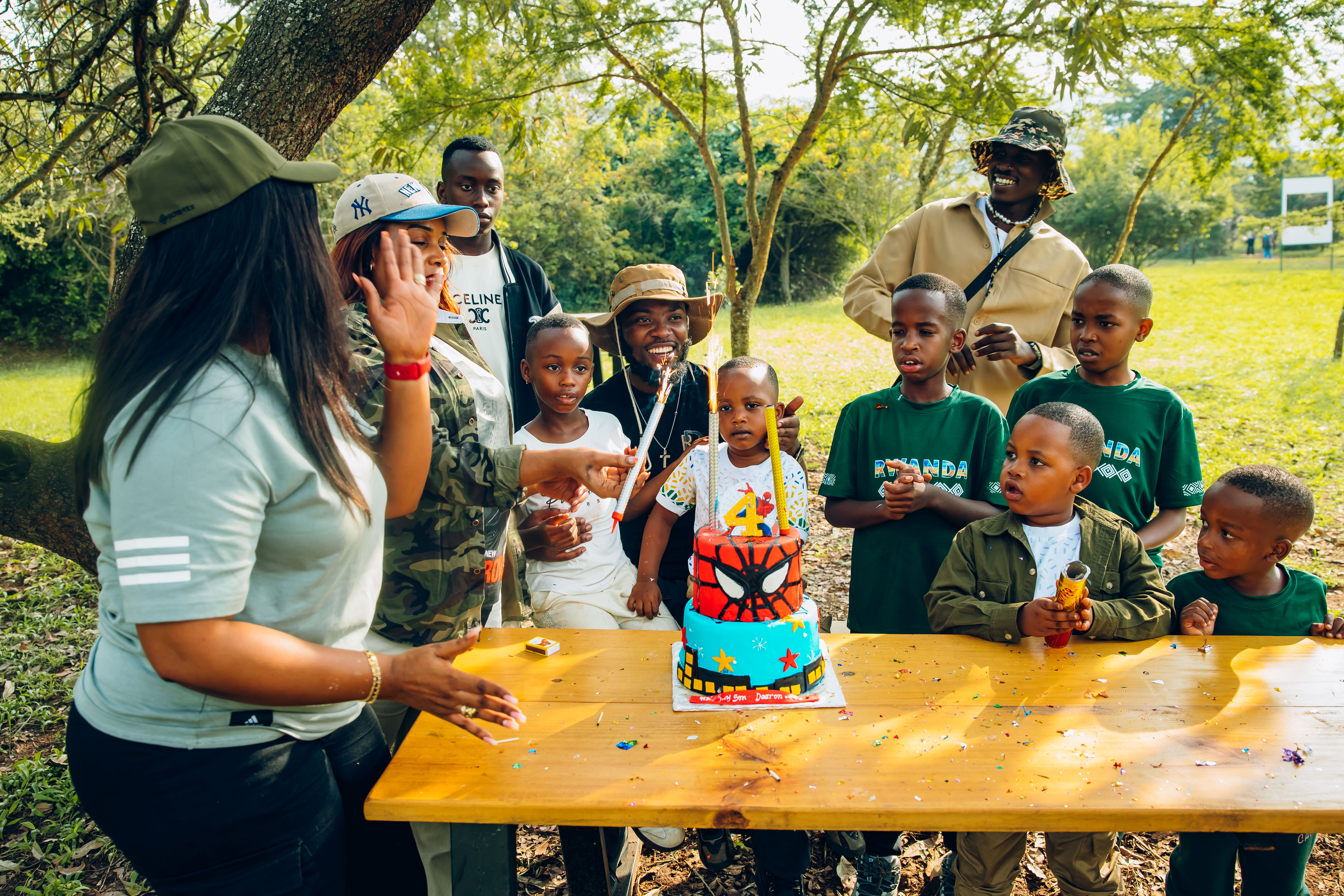
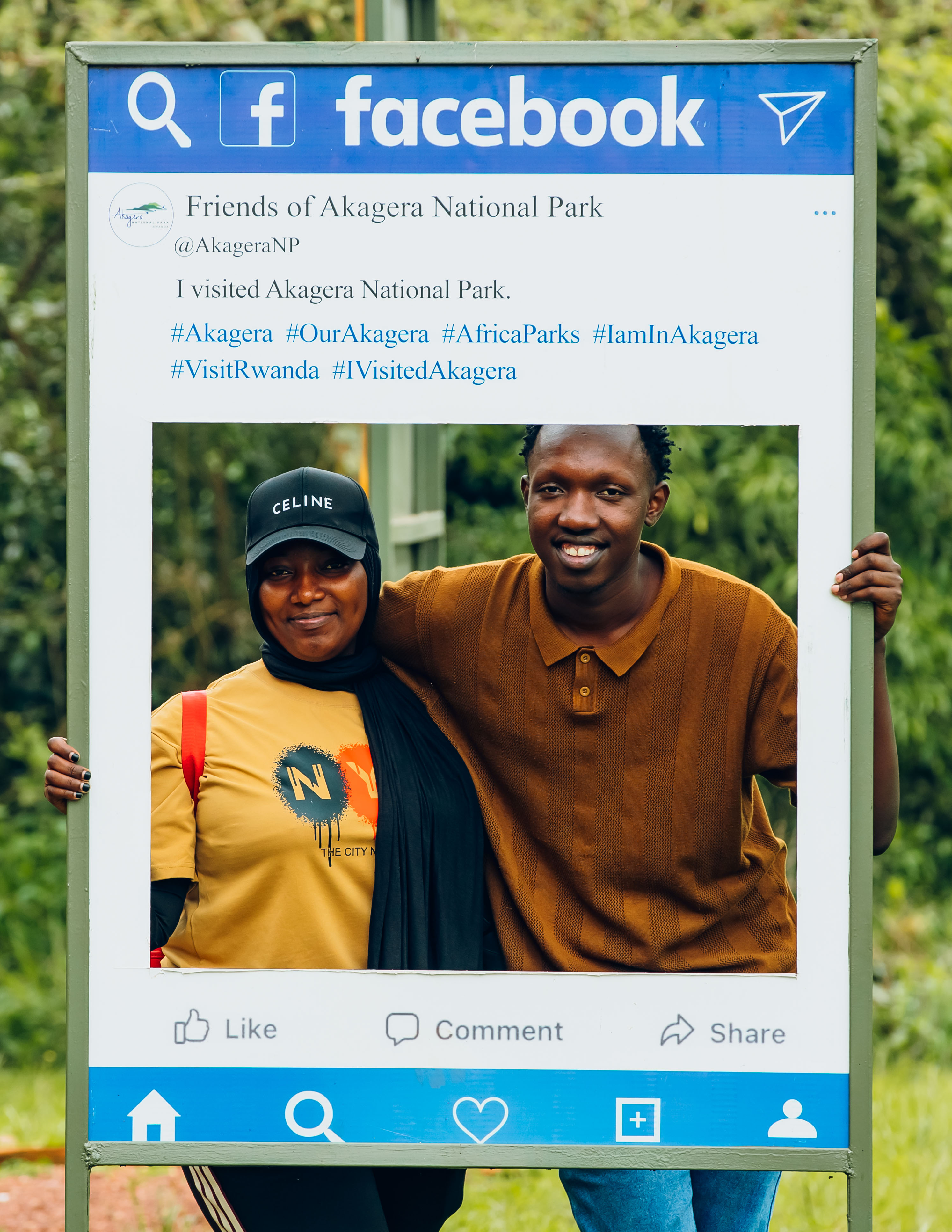
Families with their children had an amazing time at Akagera National Park, enjoying the beauty of nature and the thrill of wildlife sightings.
In addition to the game drive, participants enjoyed a boat safari on Lake Ihema, where they observed hippos, crocodiles and various bird species. The boat cruise provided a unique vantage point of the park’s ecosystem.
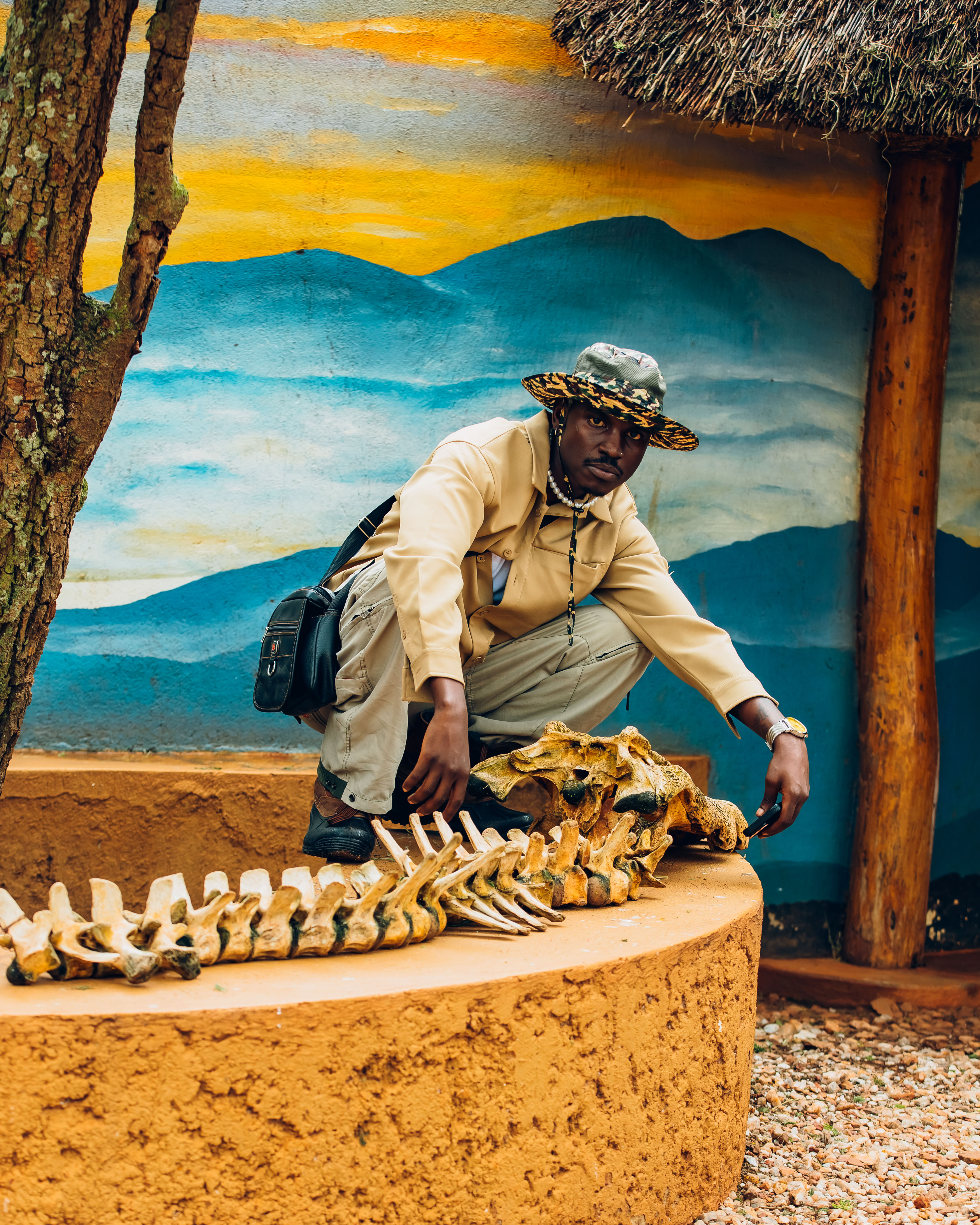
The tour also featured a guided nature walk led by conservation experts, who educated participants on Akagera’s ecological significance, conservation efforts and historical background.
Speaking to IGIHE, Amen Babu Rugemana expressed appreciation to the sponsors, partners and celebrities who supported and amplified the initiative.
He specifically acknowledged IGIHE and Choice Live for their sponsorship, and commended Coach Gael for backing the event, particularly in its appeal to young people.
“I’m thankful to everyone who made this trip a success, from our sponsors to the celebrities who shared their experiences. Their engagement plays a key role in promoting Rwanda’s wildlife and tourism potential,” he said.
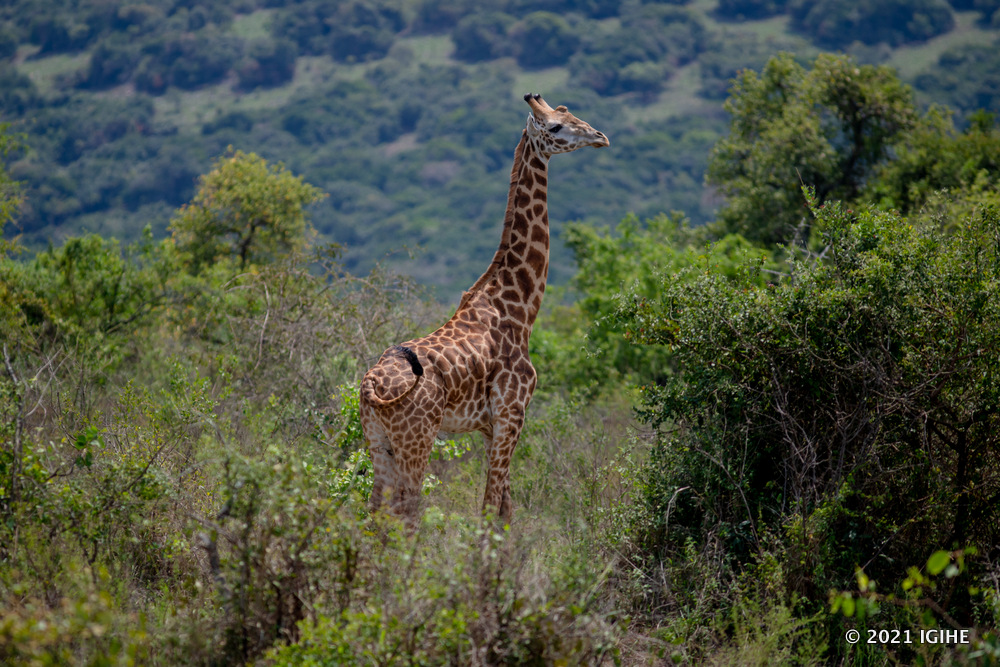
The group was treated to the sight of giraffes gracefully roaming through Akagera National Park, adding to the awe of the safari experience.
Looking ahead, Rugemana reaffirmed plans for the upcoming April trip to Bigogwe in Nyabihu District.
“This is just the beginning. We want to continue creating opportunities for more people to explore Akagera and other unique destinations across Rwanda,” he added.
Akagera National Park continues to play a vital role in Rwanda’s conservation and tourism sectors. Located in eastern Rwanda, the park is home to the Big Five, lions, elephants, buffaloes, rhinos, and leopards, making it one of the region’s premier wildlife destinations.
In recent years, visitor numbers have steadily grown, reaching 59,538 in 2025, a 5.4% increase over the previous year.
This growth, alongside ongoing conservation and restoration initiatives and the park’s achievement of 100% operational self-sufficiency in 2025, underscores Akagera’s importance as both a cornerstone of Rwanda’s natural heritage and a key driver of the country’s ambition to become a global leader in sustainable tourism.
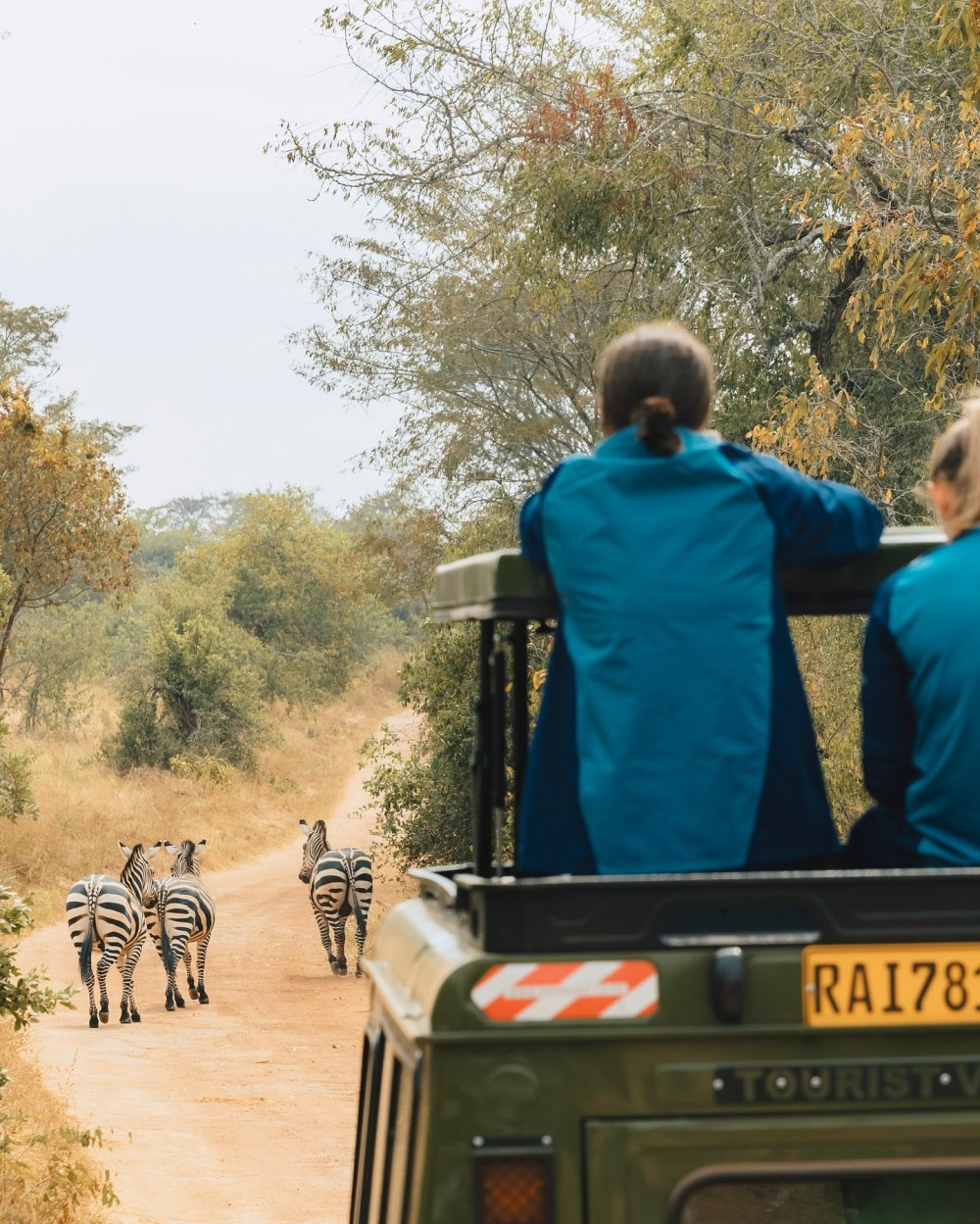
Osmarito, the popular TikToker, was also part of the adventure at Akagera National Park, sharing his experience with fans and capturing the beauty of Rwanda’s wildlife.IGIHE journalists were also on the ground at Akagera National Park, capturing the essence of the adventure and sharing the unforgettable moments of the safari.The group was thrilled to spot zebras during the safari tour at Akagera National Park. The day at Akagera National Park offered a variety of entertainment activities.
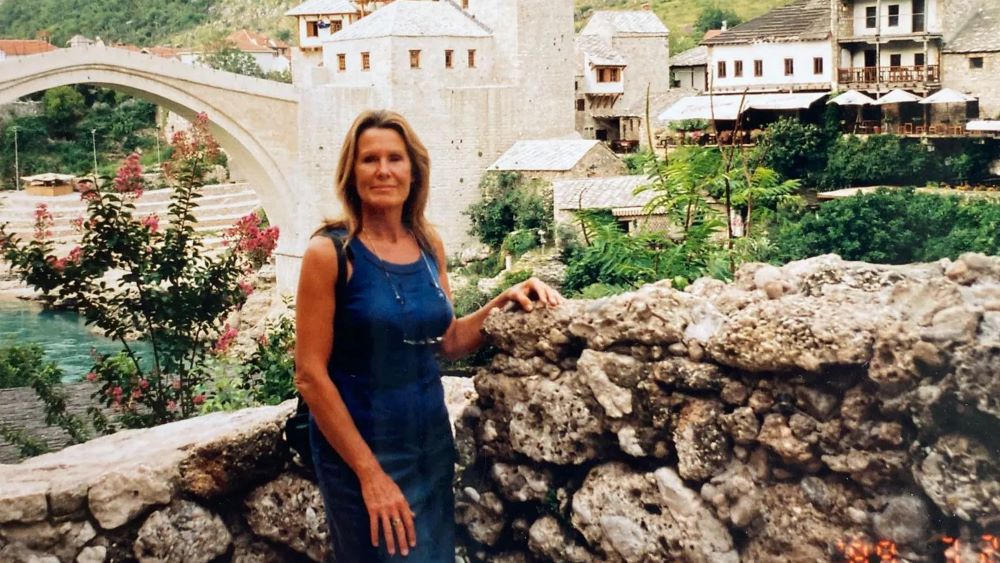
Known for a lifetime of overland journeys with her husband Alan, 85, Cooper has recently returned from Rwanda, after 14 years since her husband first visited and she initially declined to join him.
In an interview with BBC, she recounted her experiences in the East African nation, painting a vivid picture of its natural beauty and warm hospitality.
“I was really surprised. It was like one vast botanical garden. Green, lush plants and flowers everywhere, the people were friendly, the food terrific,” Cooper said.
Her description highlights Rwanda’s lush landscapes, often dubbed the “Land of a Thousand Hills,” where rolling green vistas, vibrant flora, and a welcoming atmosphere create an almost garden-like serenity.
Cooper and her husband Alan, have been backpacking the globe together since shortly after their marriage, embracing a spontaneous, off-the-beaten-path style of travel that has taken them across continents.
Their adventures began with overland journeys, including a memorable route through India, Iran, Afghanistan, and Pakistan.
Over the decades, they have ventured into the Middle East and South Asia extensively, often booking flights to a destination and then relying on local hotels, public transport, and a sense of adventure to navigate from there.
Reflecting on their nomadic lifestyle, Cooper explained how external events sometimes extended their stays in unexpected ways.
“We decided we would go to Canada or Australia. We were going to go overland to India and get a boat to Australia. But when we got to India, there was the Arab-Israeli War. That trip was about eight months!” she recalled.
Cooper also reflected on how recent conflicts in the region reminded her of times past.
“That was when the Shah was in power in Iran. It was very civilized. As we approached a town, there was always a big roundabout planted with trees and flowers to welcome you. And people were lovely, friendly, educated,” she recalled, drawing a connection between past travels and present news.
Ann Cooper started backpacking with her husband Alan two years after they got married and the couple have maintained their wanderlust ever since.
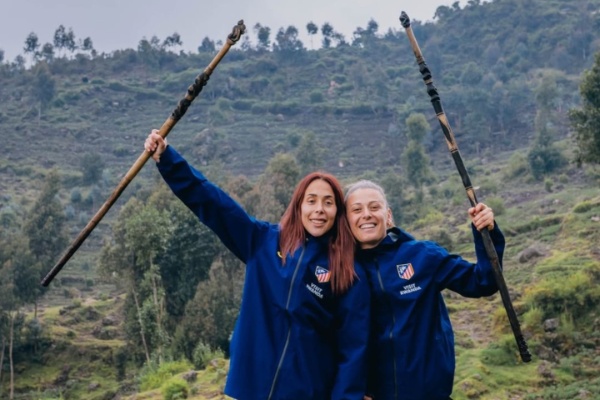
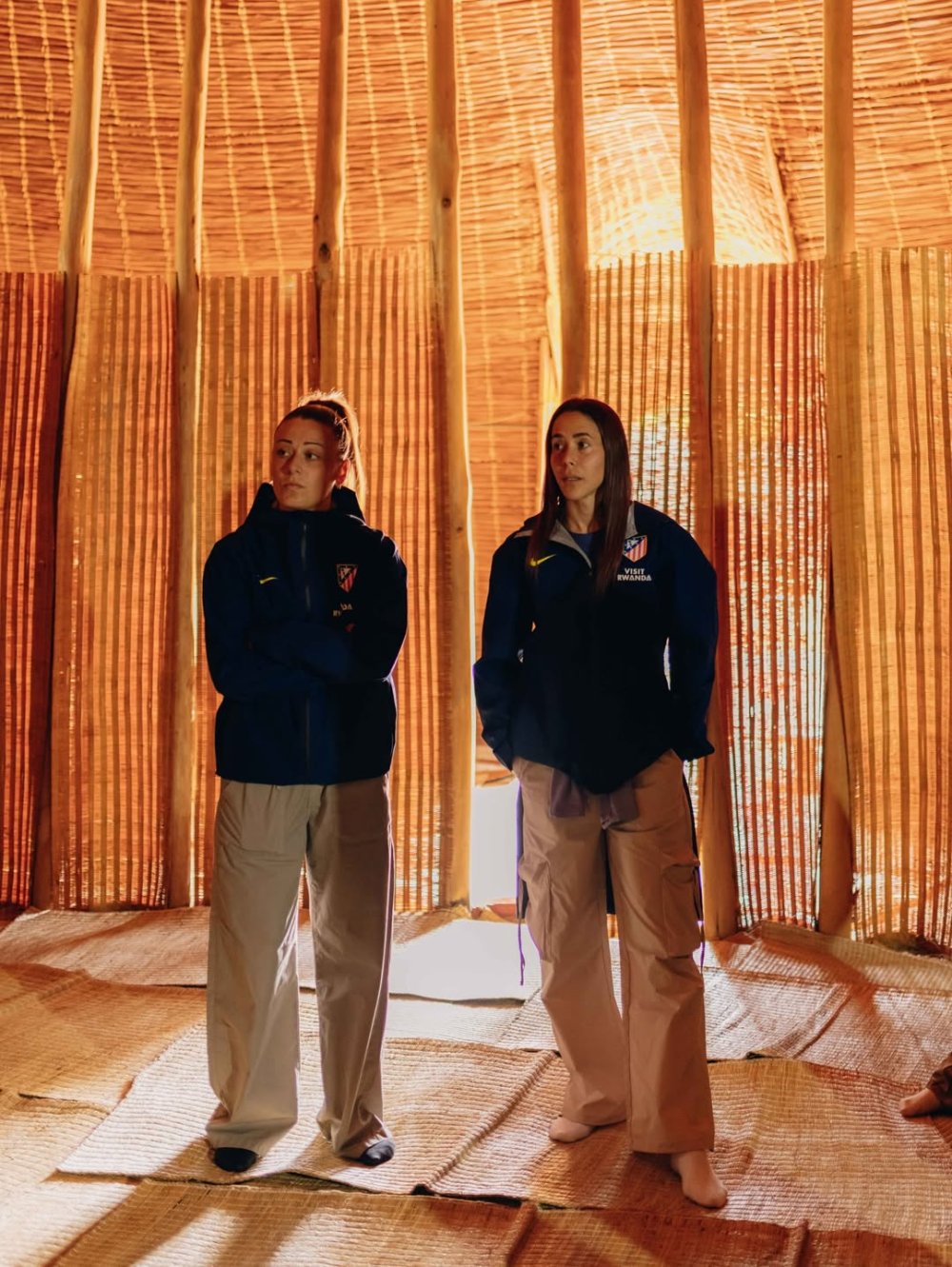
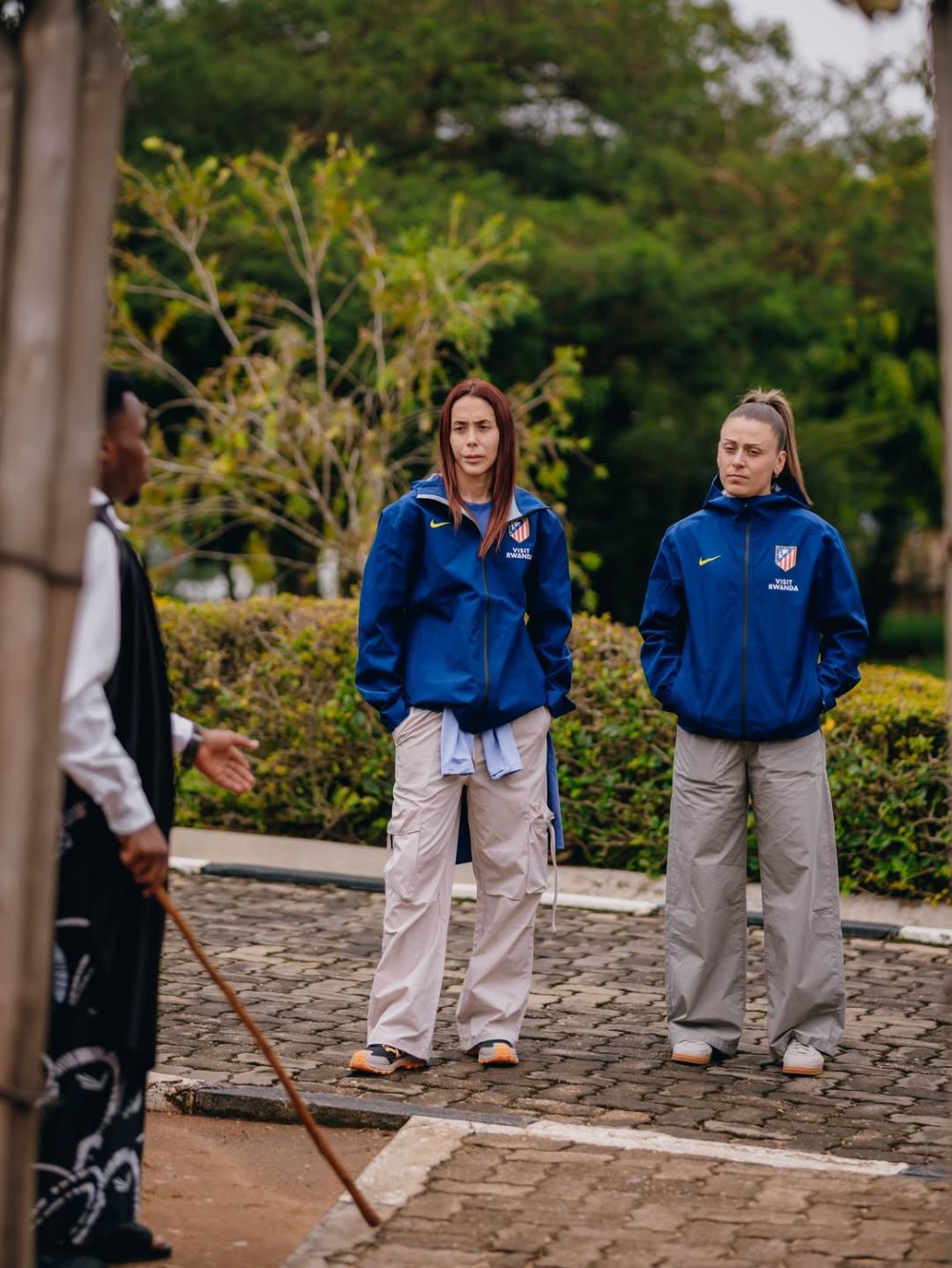
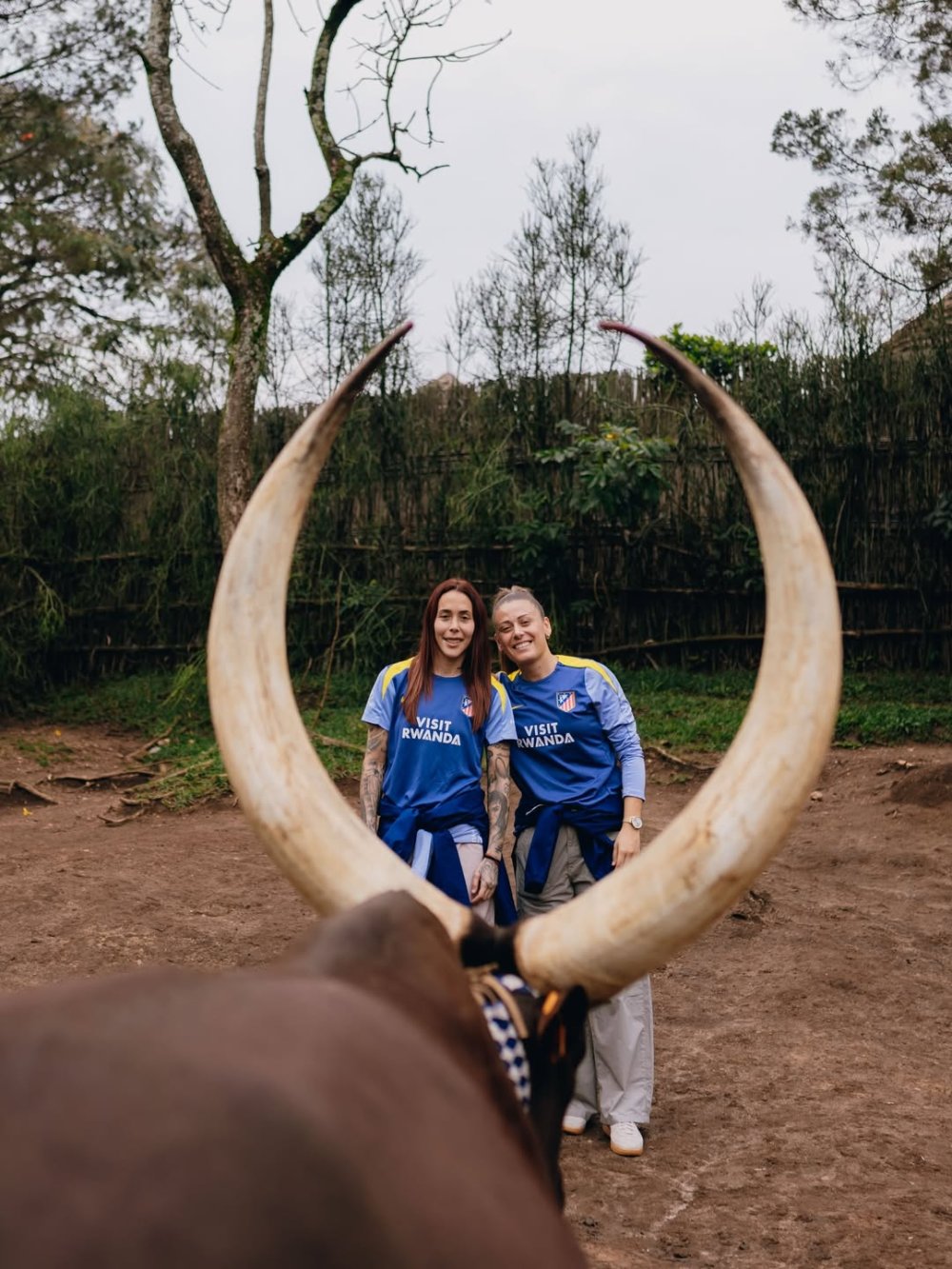
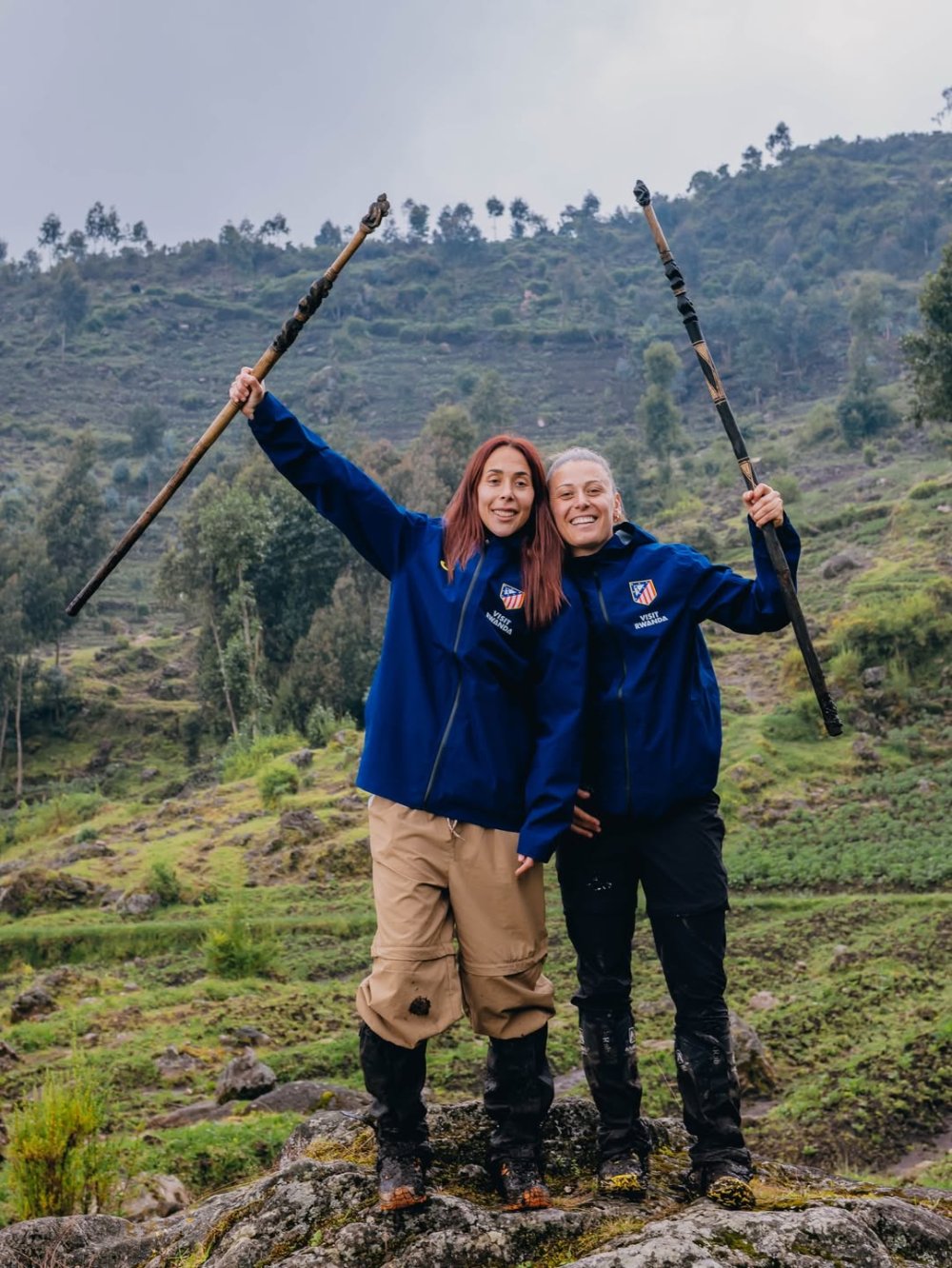
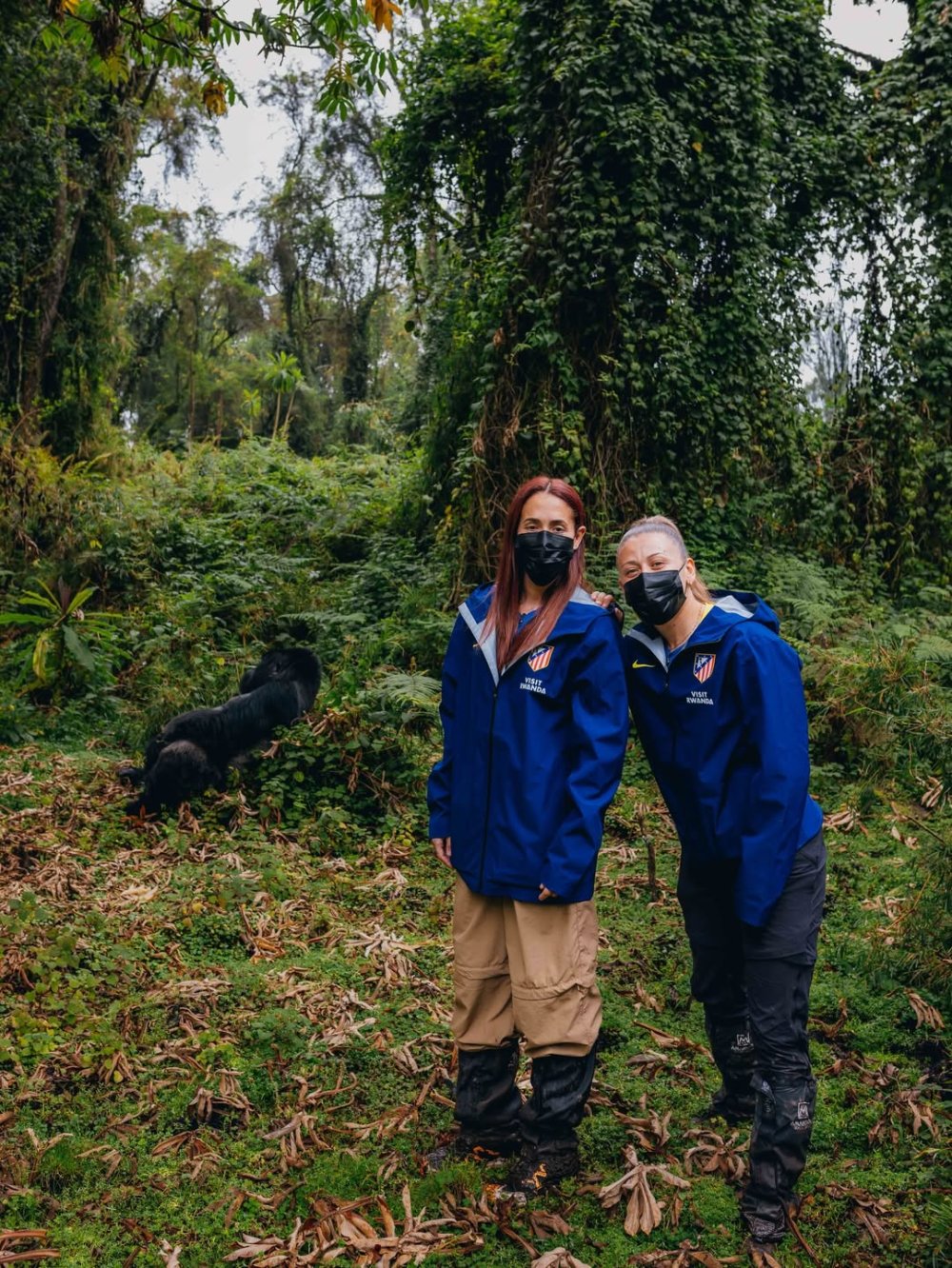
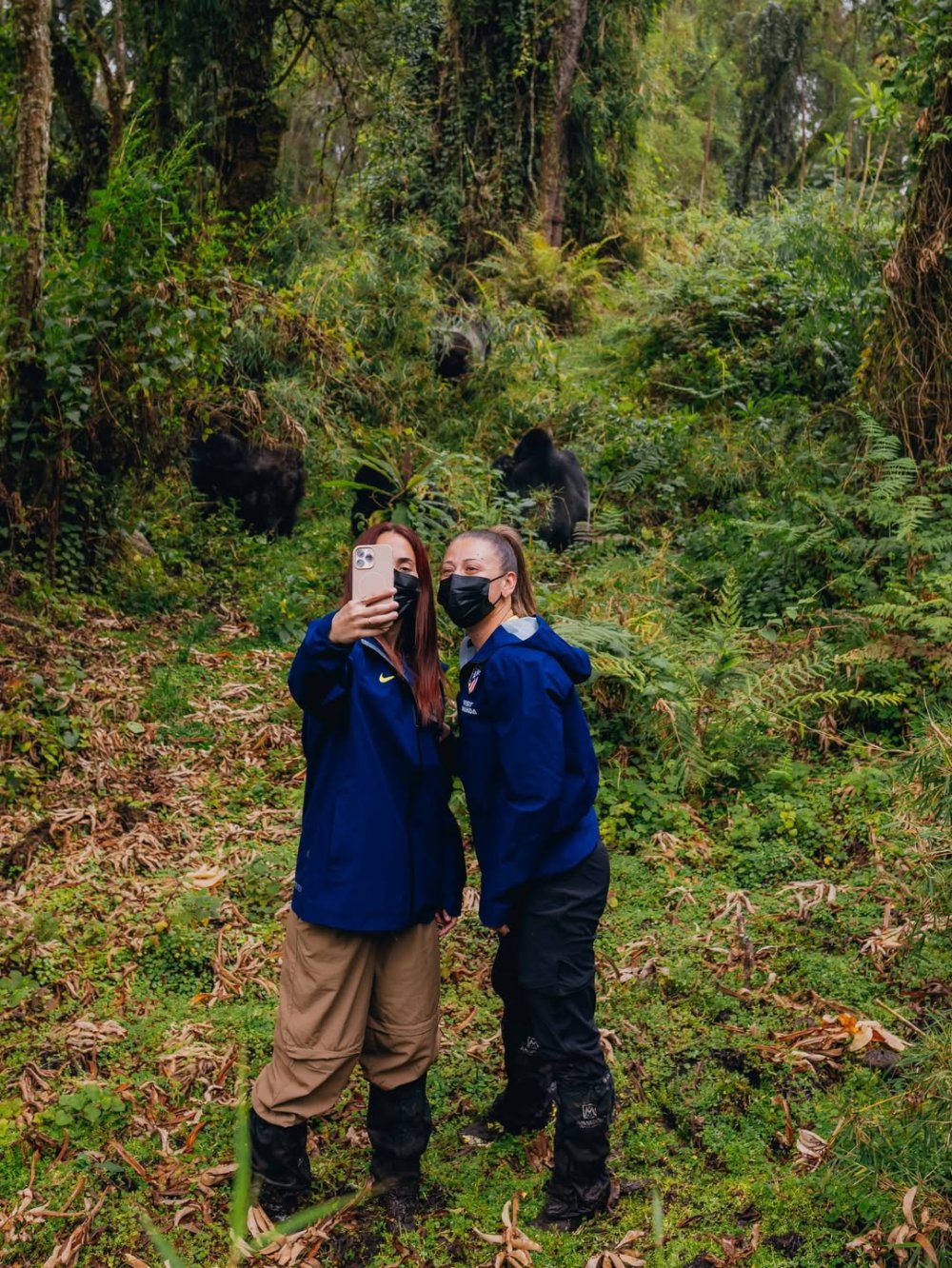
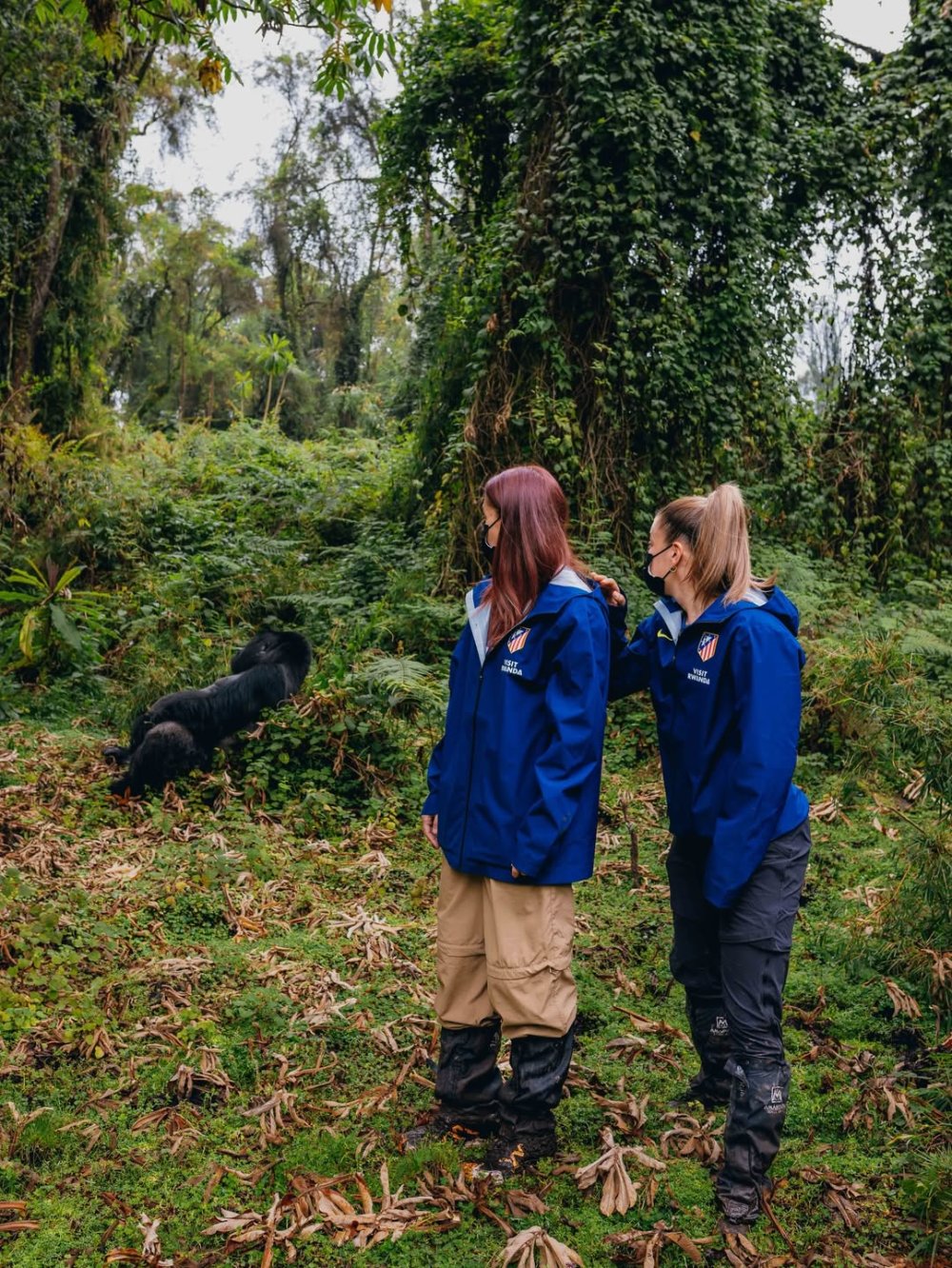
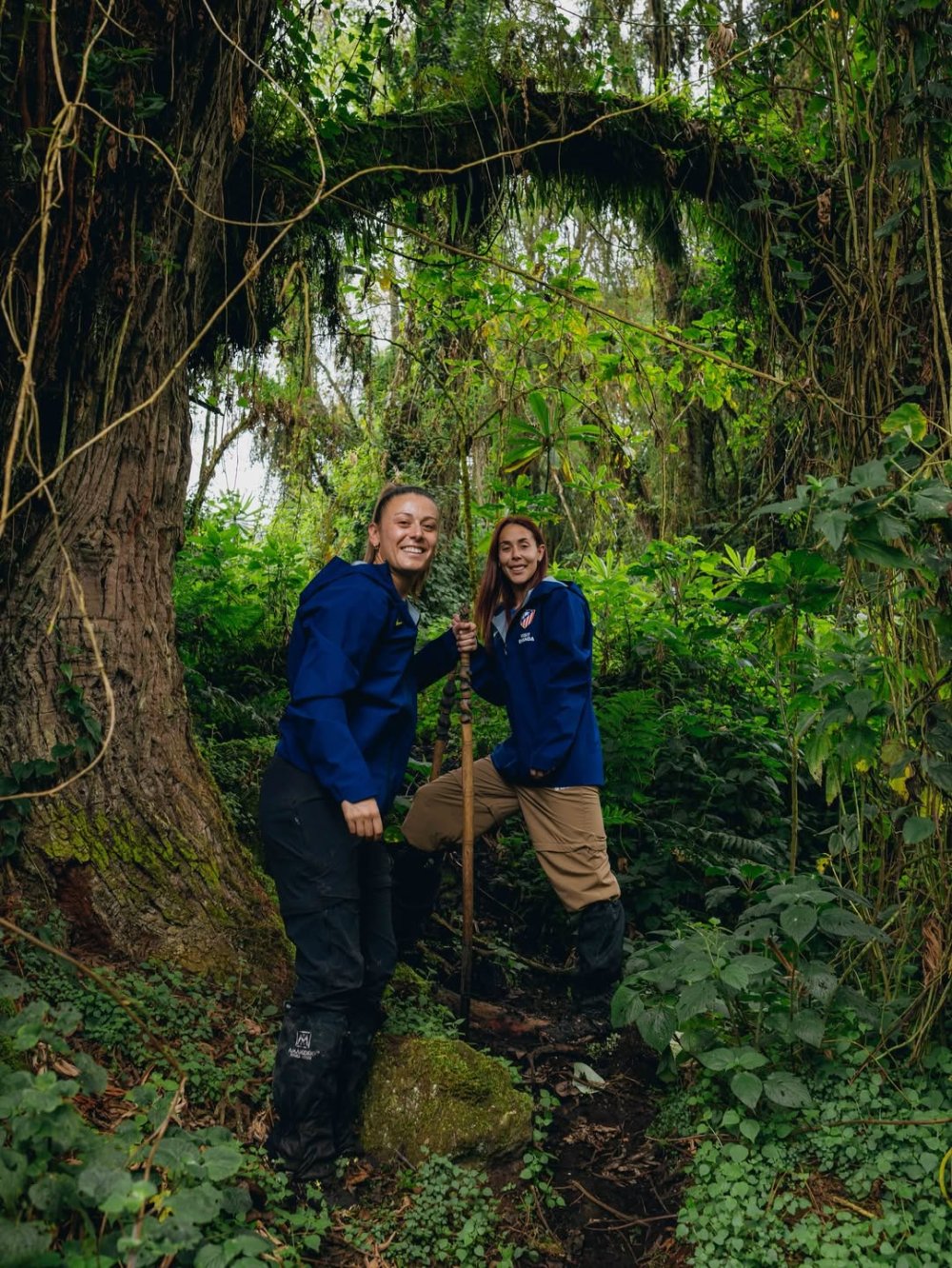
Their trip comes as part of the ongoing partnership between Rwanda and Atlético de Madrid, which has seen players from the men’s and women’s teams, former players, and coaches travel to the country for official engagements and tourism activities.
On the first day of their visit, the two players toured the Kigali Genocide Memorial, where they paid tribute to victims of the 1994 Genocide against the Tutsi.
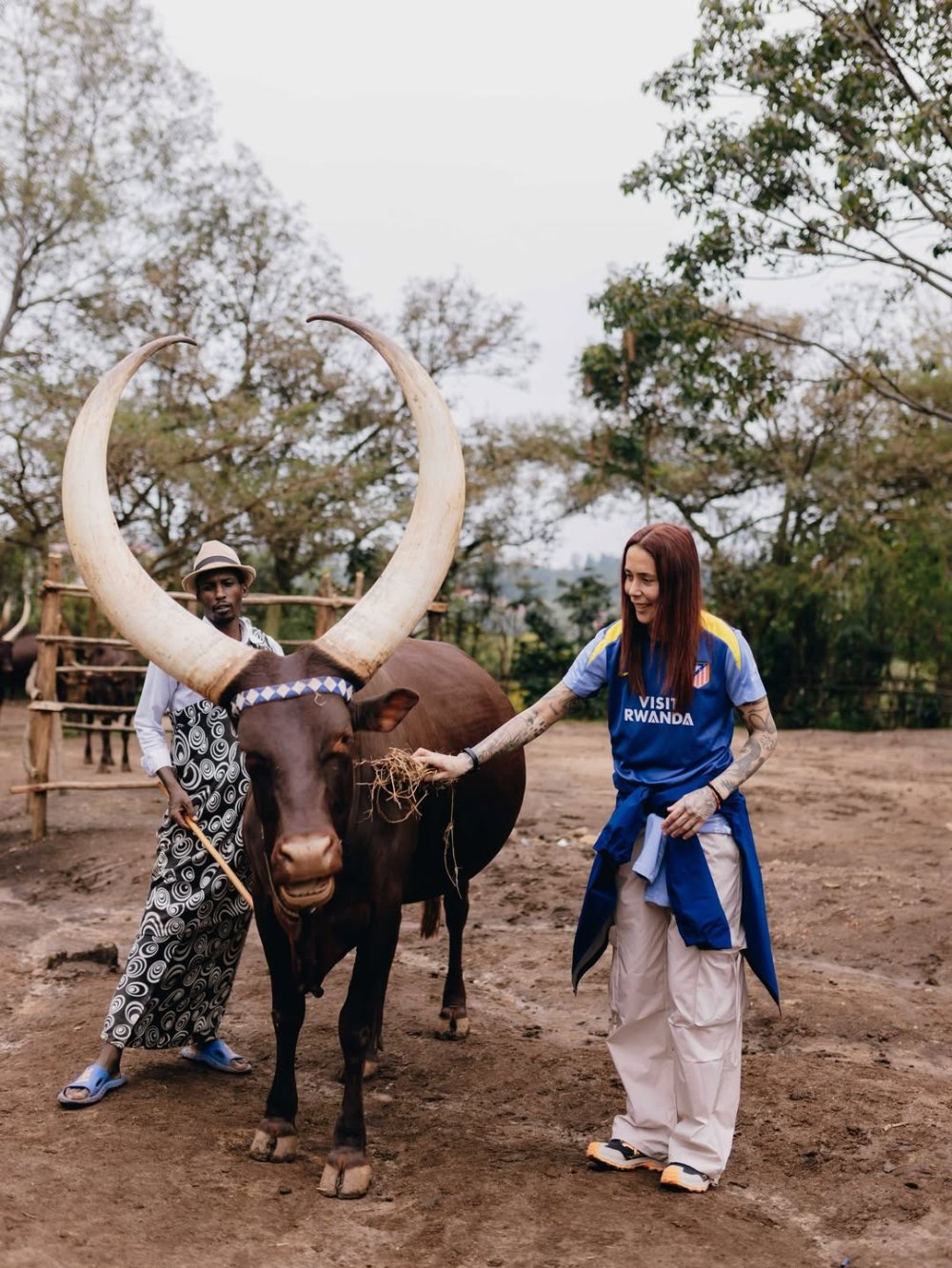
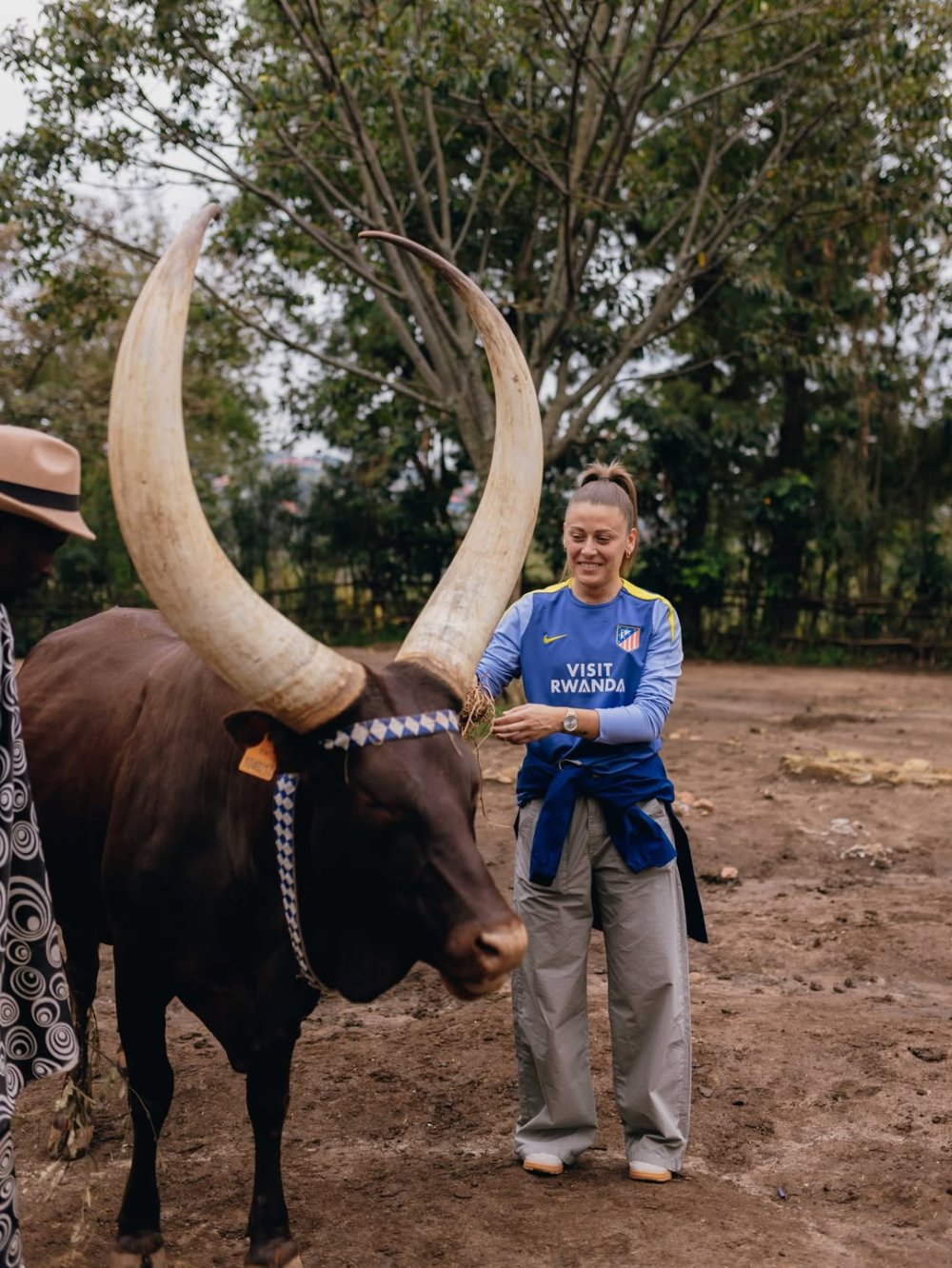
The players later traveled to Nyanza District, visiting the King’s Palace Museum, where they learned about Rwanda’s pre-colonial history and the lifestyle of its former monarchs. They also learned about the traditional Inyambo cows, renowned for their cultural significance in the country.
Their itinerary also included a visit to Lake Kivu, where they enjoyed a boat ride on one of the country’s most popular tourist destinations.
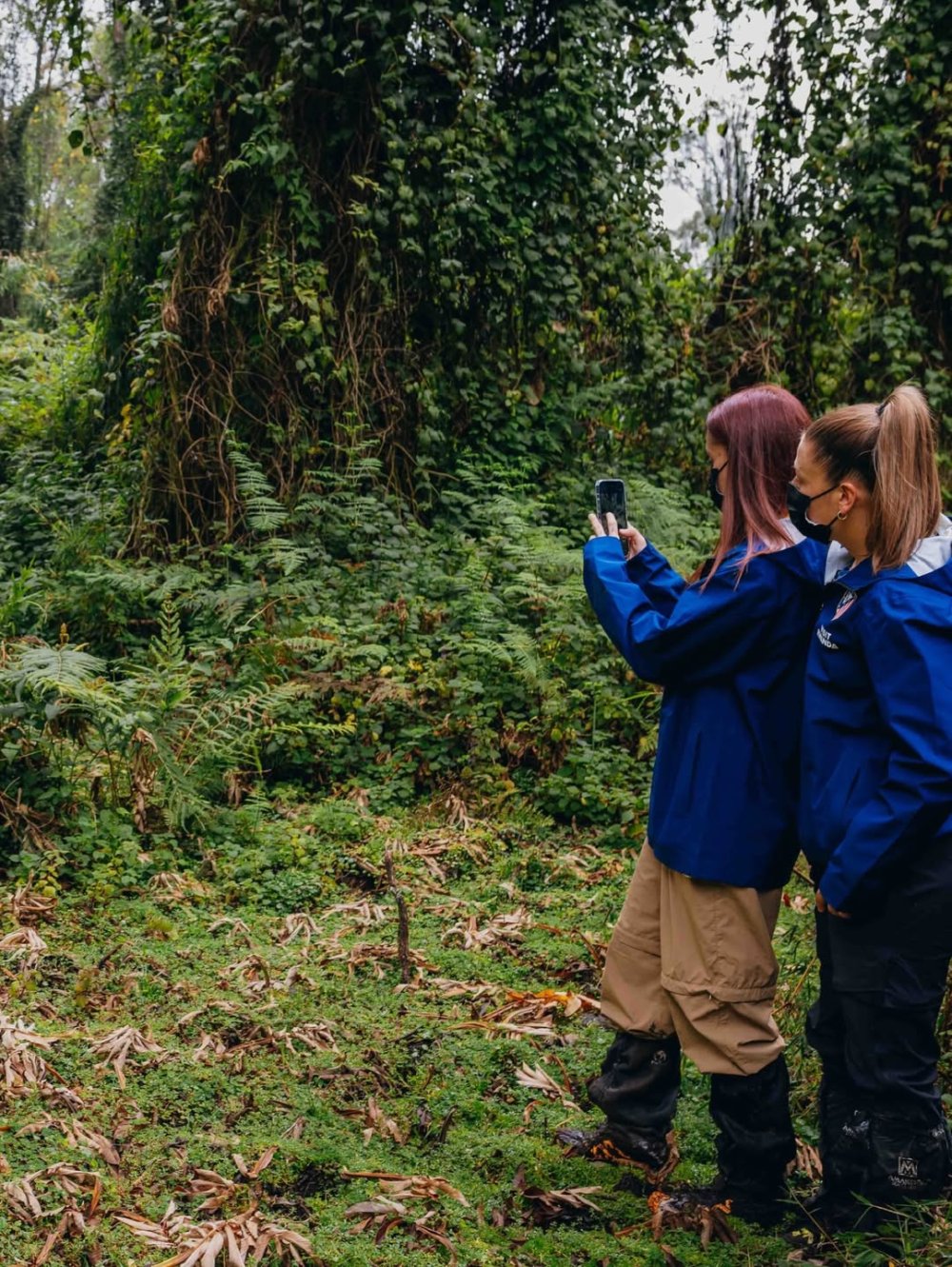
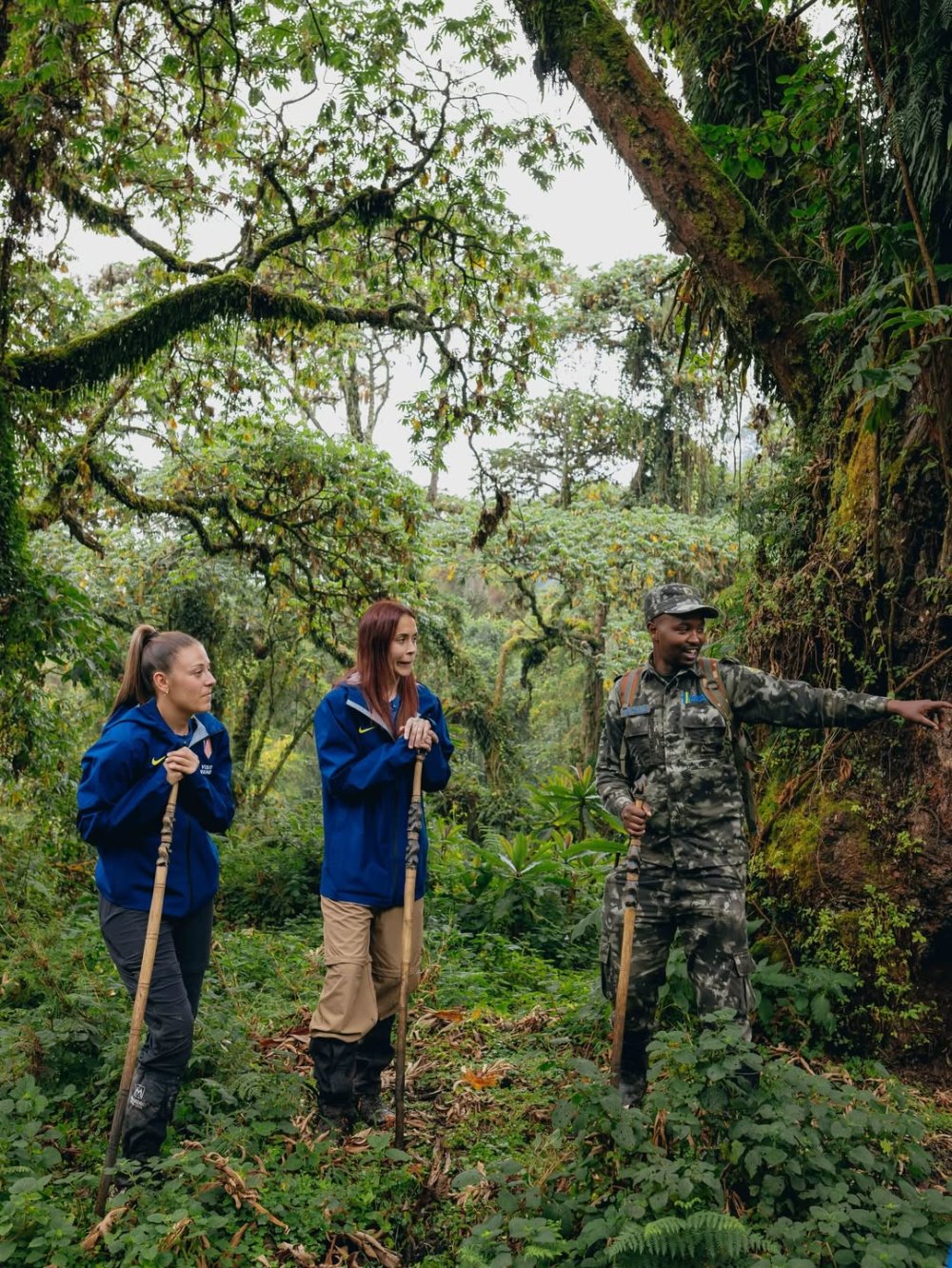
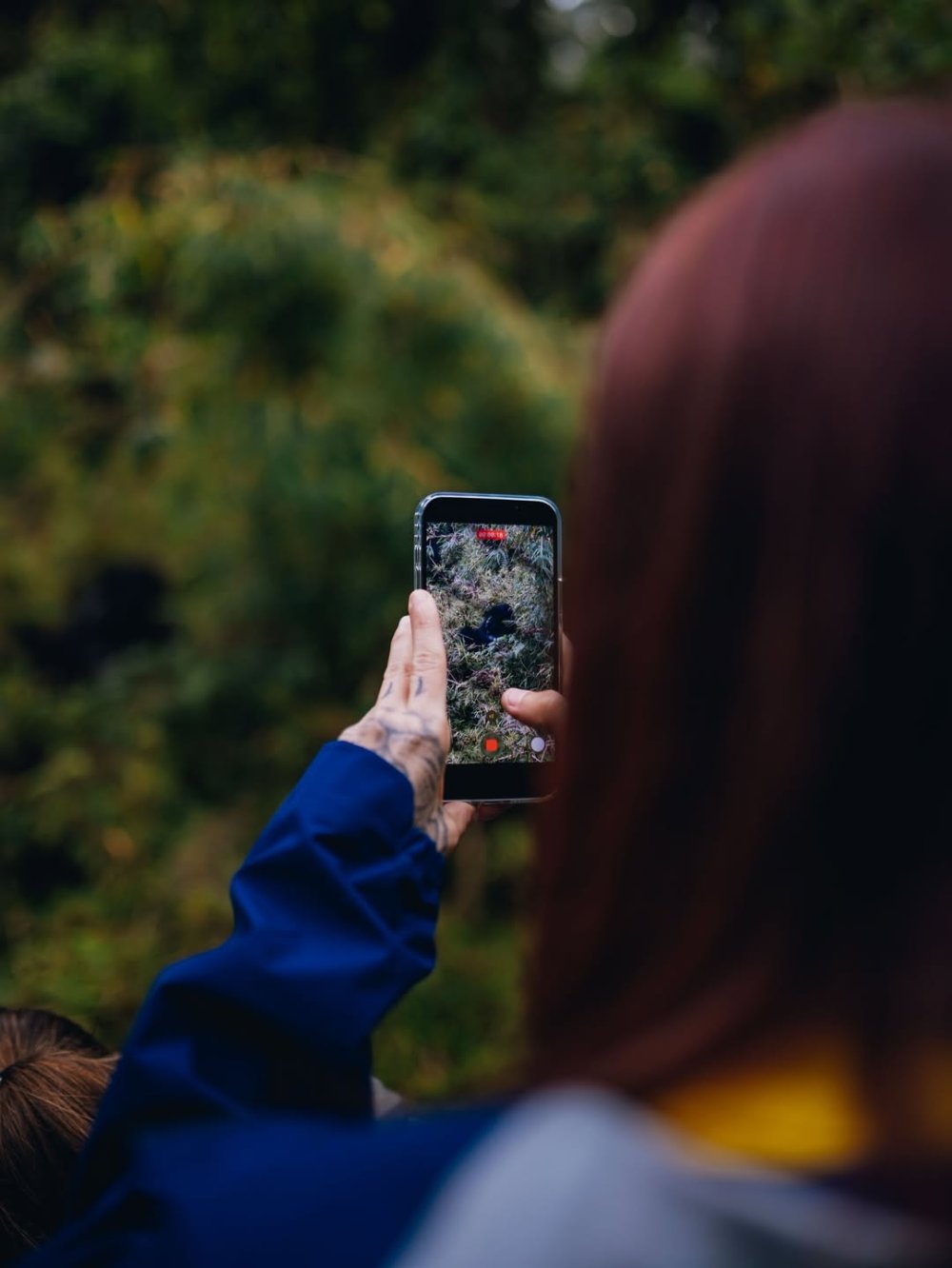
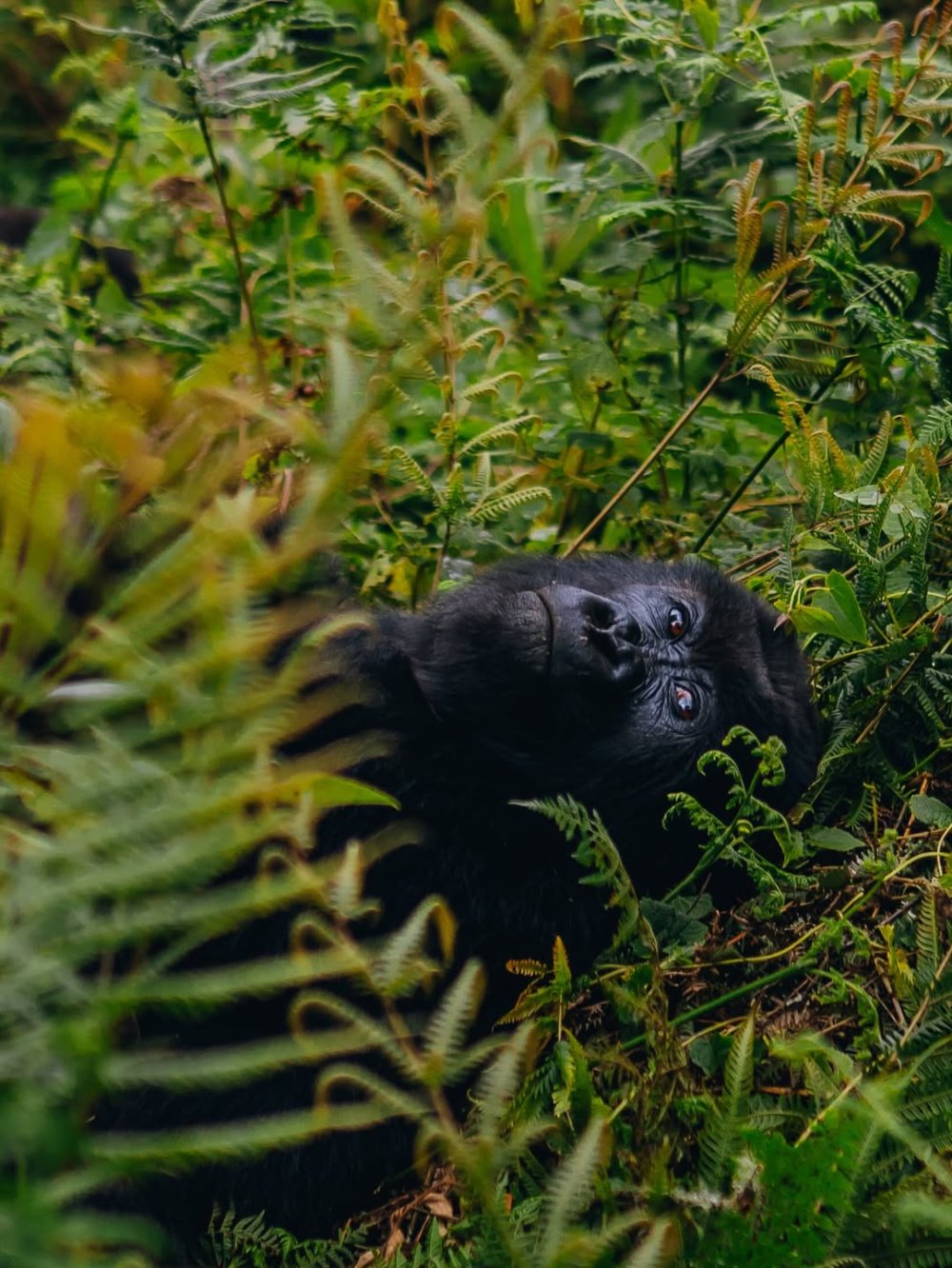
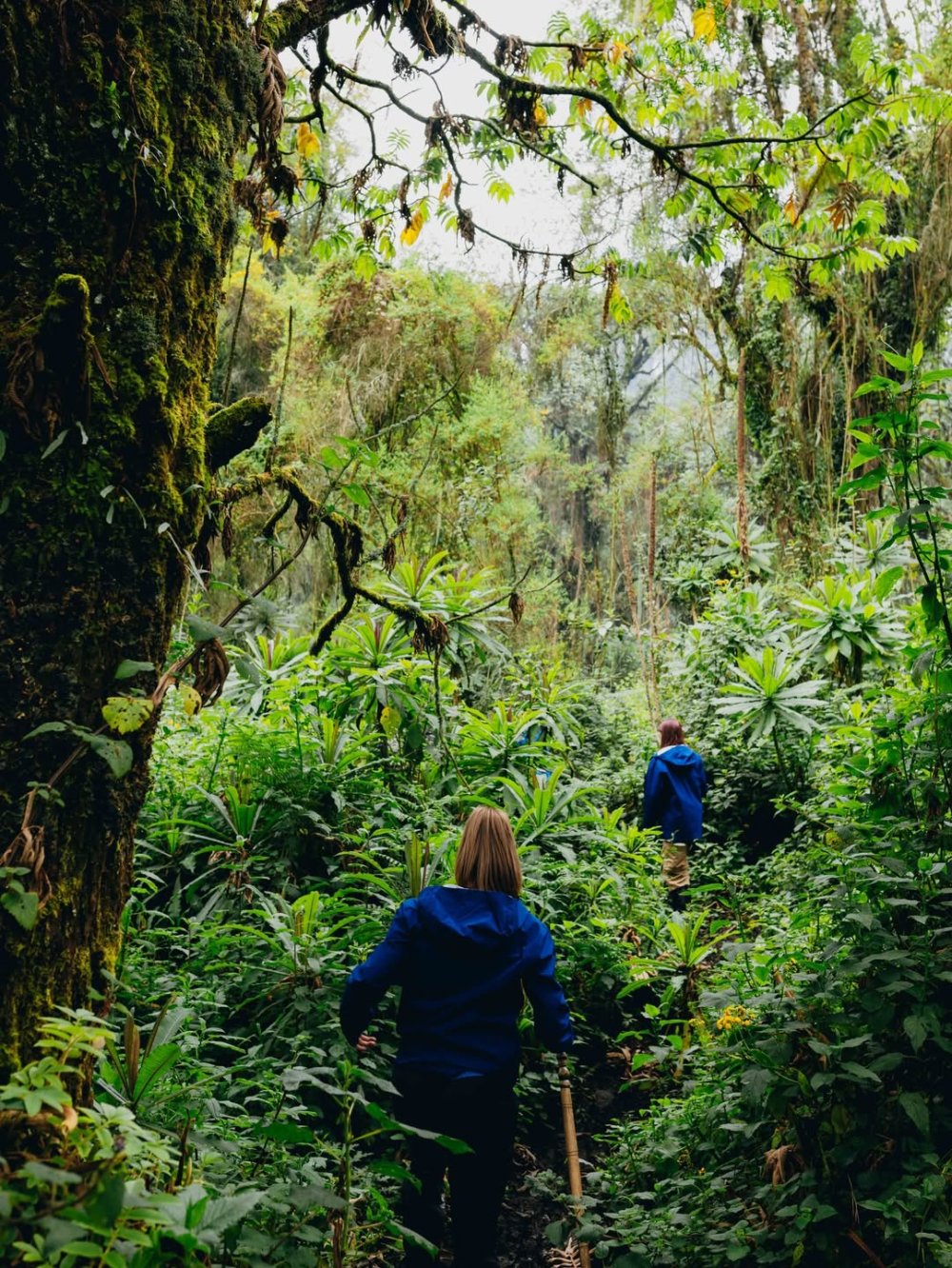
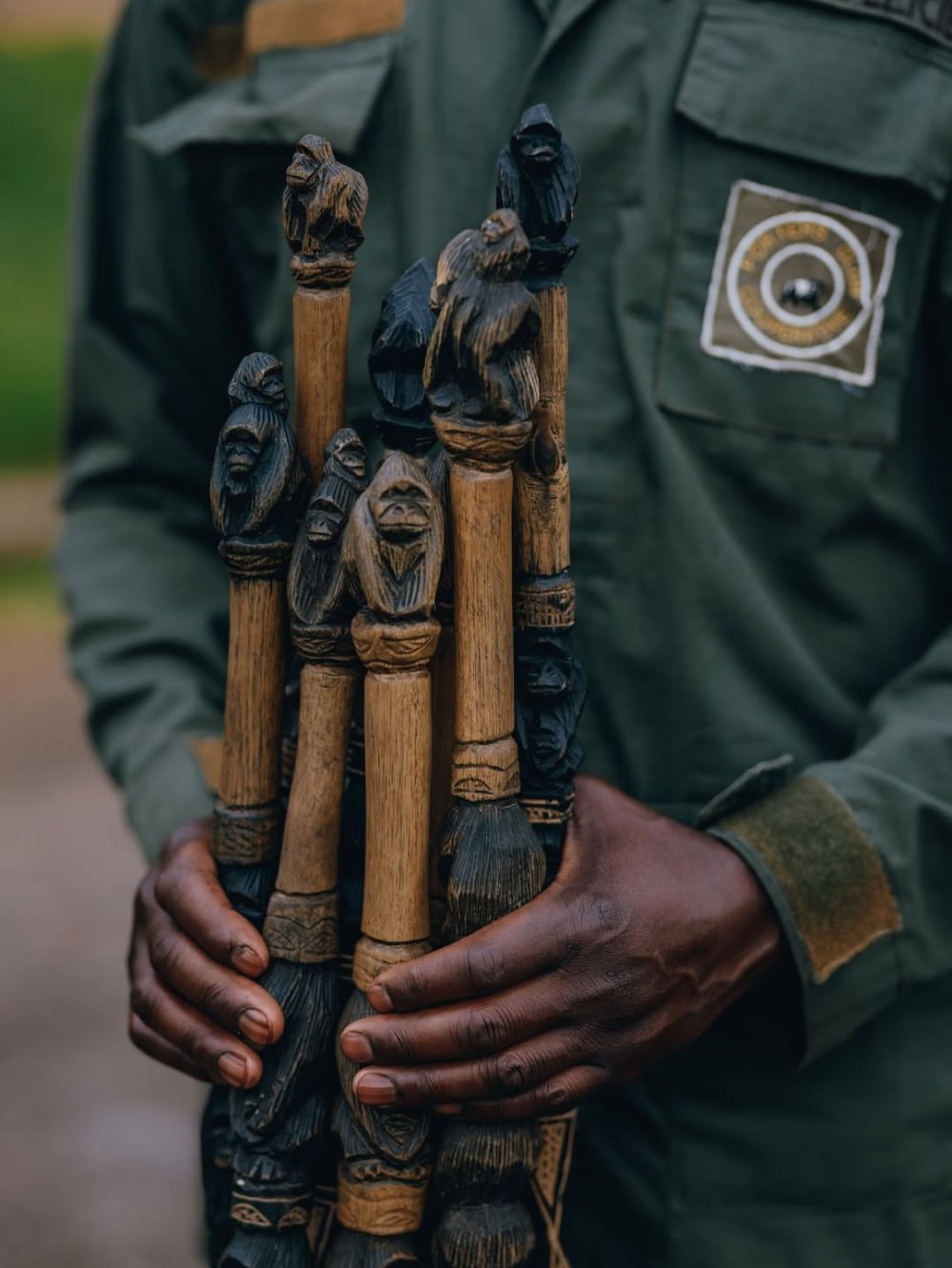
Menayo and Gallardo further toured Volcanoes National Park in Musanze District, where they had the opportunity to see mountain gorillas, a rare species found in limited regions worldwide.
Gallardo, 32, is a goalkeeper and one of the experienced members of Atlético de Madrid. She first joined the club in 2012 and spent eight years there before moving to Olympique Lyonnais Féminin in France for a season. She rejoined Atlético in 2021 and has remained with the club since. Between 2013 and 2022, she earned 38 caps with the Spain women’s national football team.
Menayo, 27, plays as a defender. She began her professional career at Santa Teresa CD, where she spent two seasons before joining Atlético de Madrid in 2016. She currently serves as team captain and has made more than 200 appearances for the club.
The players visited the King’s Palace Museum, where they learned about Rwanda’s pre-colonial history.María Dolores arrived in Nyanza.Carmen Menayo and María Dolores learned about the lifestyle of Rwanda’s kings during their visit.They had an opportunity to meet and engage with the Inyambo cows up close. The players visited Kinigi in Musanze to see the mountain gorillas.
Rather than a simple list of attractions, Rwanda unfolds as an interconnected journey, where wildlife encounters, cultural immersion, and lakeside retreats flow seamlessly together, and every adventure feels part of a larger story. This thoughtful balance is what makes Rwanda a standout choice for travelers in 2026: a destination that leaves a lasting impression, offering both authenticity and unforgettable moments.
Your journey often begins in Kigali, one of Africa’s cleanest and most welcoming capitals. The city’s impeccably tidy streets reflect a longstanding commitment to the environment, starting with the groundbreaking 2008 plastic bag ban and reinforced by nationwide community clean-up efforts.
This green ethos extends far beyond the city: Rwanda maintains around 30% forest cover through ambitious tree-planting campaigns and wetland restorations that curb flooding, boost biodiversity, and create urban gems like the Nyandungu Urban Wetland Eco-Tourism Park, with its scenic trails and over 100 bird species.
Layered onto this foundation is an unwavering reputation for safety, stability, and efficient infrastructure, making Rwanda genuinely accessible and reassuring for families, solo adventurers, and everyone in between.
Heading north to Volcanoes National Park, the experience becomes truly transformative. Here, mountain gorillas, now numbering close to 1,080 worldwide, thanks to relentless anti-poaching and habitat protection, offer one of wildlife’s most profound encounters.
The annual Kwita Izina ceremony, celebrating its 20th edition in September 2025, named 40 baby gorillas (bringing the total named since 2005 to nearly 400).
This vibrant tradition blends Rwandan cultural heritage with global conservation support, while gorilla trekking permits sustain high-value tourism. Crucially, 10% of park revenues flow back to surrounding communities through sharing programs, funding schools, clinics, clean water, and more, transforming local residents into active stewards of their shared heritage.
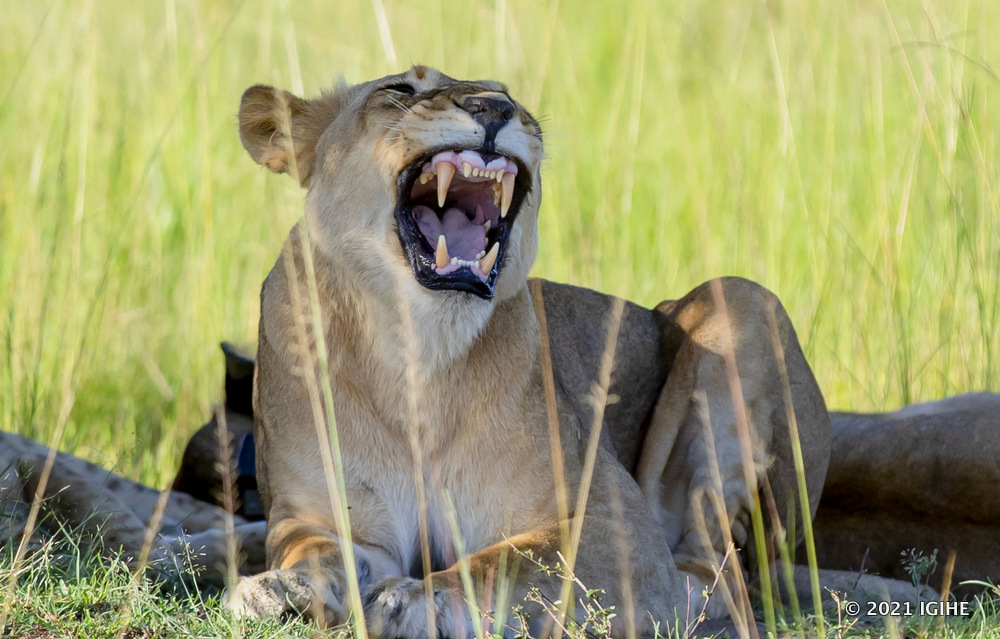
Eastward, Akagera National Park showcases the power of rewilding. Lions, reintroduced in 2015, now thrive with a population of about 70 individuals through natural growth. Rhinos have made a bold return, highlighted by the historic translocation of 70 southern white rhinos in June 2025—the largest single operation of its kind in Rwanda’s history.
These achievements, driven by strong partnerships and zero poaching losses for key species since reintroduction, have restored classic Big Five safaris across sweeping savannas, lakes, and wetlands.
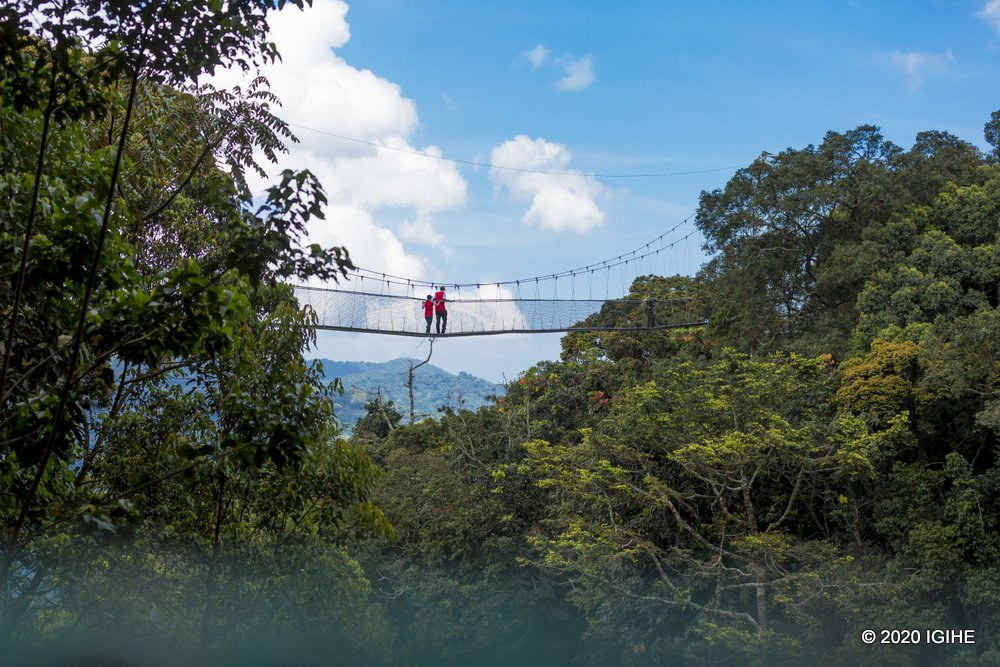
To the south lies Nyungwe Forest National Park, inscribed as a UNESCO World Heritage Site in 2023. As one of Africa’s oldest montane rainforests, it pulses with life: chimpanzees, rare birds, suspended canopy walks, and unparalleled biodiversity within the Albertine Rift.
Ongoing restoration efforts only deepen its global significance. Rwanda’s protected areas continue to evolve, with the newer Gishwati-Mukura National Park safeguarding regenerating forests home to Eastern chimpanzees and golden monkeys, opening fresh avenues for eco-tourism and community empowerment.
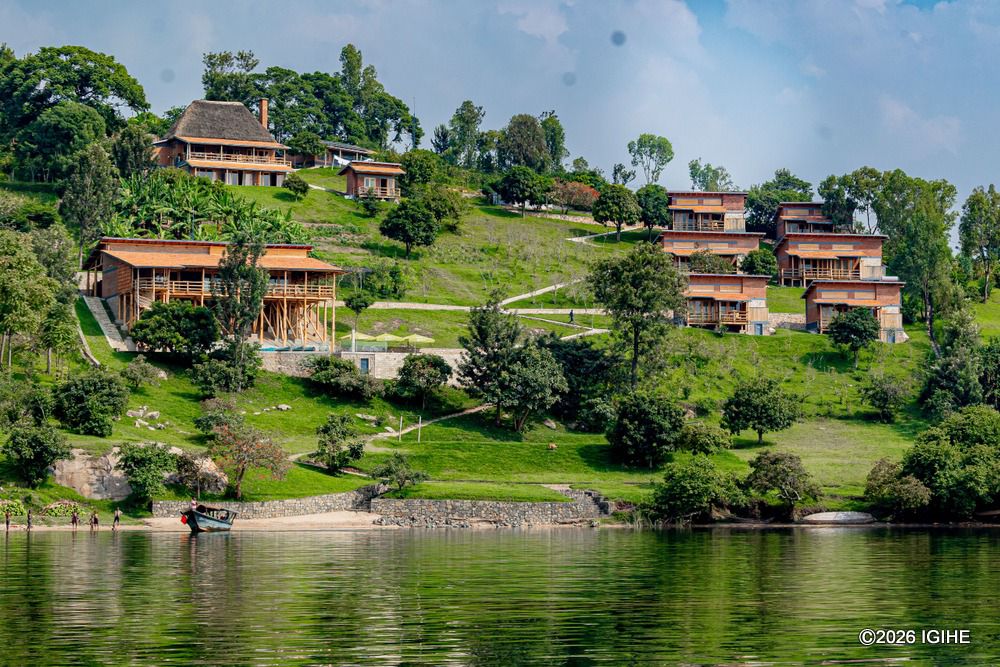
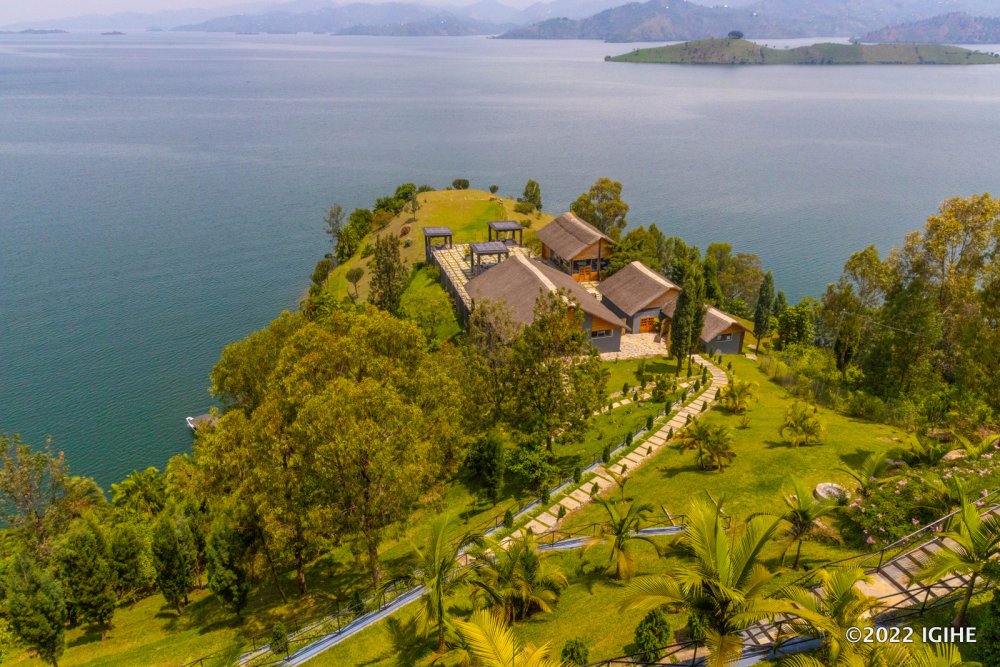
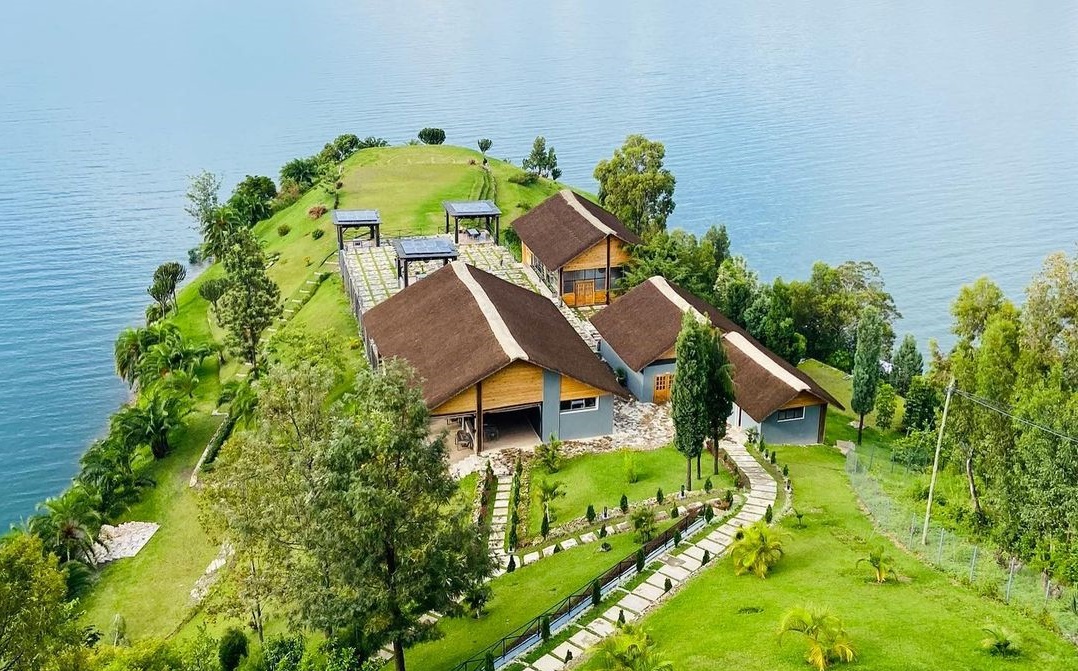
Beyond the parks, the country’s scenic shores, especially along Lake Kivu, offer tranquil lakeside lodges, cultural villages, and relaxed immersion, rounding out a portfolio that balances adventure with serenity.
Hospitality here mirrors this thoughtful approach: elevated yet unobtrusive, sustainable, and deeply connected to place. In Volcanoes, standout lodges like Singita Kwitonda (with sweeping volcano views), One&Only Gorilla’s Nest (nestled in eucalyptus groves), and Bisate Lodge (with its innovative, tradition-inspired pods) set benchmarks for luxury and responsibility.
In Nyungwe, One&Only Nyungwe House harmonizes with surrounding tea plantations; in Akagera, Magashi Camp delivers intimate wilderness immersion. These are just highlights in a landscape dotted with exceptional options, from misty highlands to serene lakesides and vibrant urban edges, ensuring every traveler finds spaces to rest, reflect, and reconnect.
This is merely a glimpse; Rwanda pulses with more: emerging trails, ziplines, cultural encounters, adventure pursuits, and new developments that keep the destination fresh and forward-looking.
The vision guiding it all is measured yet ambitious. From $647 million in tourism revenue in 2024 (boosted by a 27% surge in gorilla tourism), Rwanda eyes over $700 million in 2025, with a longer-term goal of $1.1 billion annually by 2029.
This growth stems from smart diversification; into Meetings, Incentives, Conferences, and Exhibitions (MICE), sports, nature-based experiences, and more, while redefining what sustainable African tourism can look like, ensuring revenues regenerate communities, spark positive change, and let visitors connect with genuine hope.
This photo shows the canopy walkway in Nyungwe National Park. Tourists take a leisurely cruise across a lake in Akagera National Park.Tourists can enjoy a variety of breathtaking scenic views.Akagera National Park is home to the big five animals.
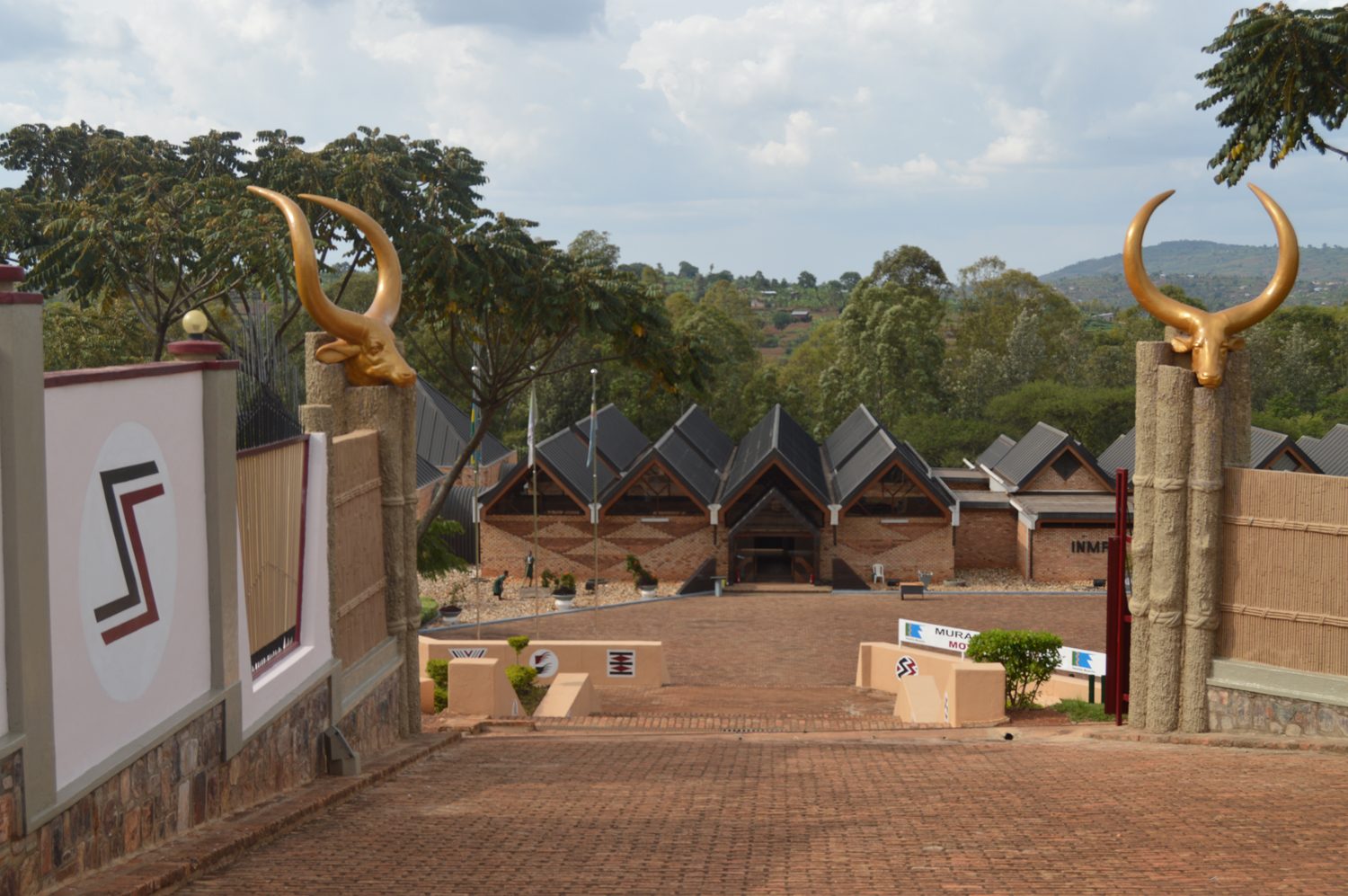
Located in Huye’s academic heartland, the museum doesn’t overwhelm; it gently guides. A gift from Belgium’s King Baudouin in the late 1980s, it has grown into one of Africa’s finest ethnographic collections and remains a cornerstone of the Institute of National Museums of Rwanda.
Inside, Rwanda unfolds not through dates and timelines, but through the textures of daily life. The journey begins with the land itself, geology and geography that shaped how communities lived and thrived.
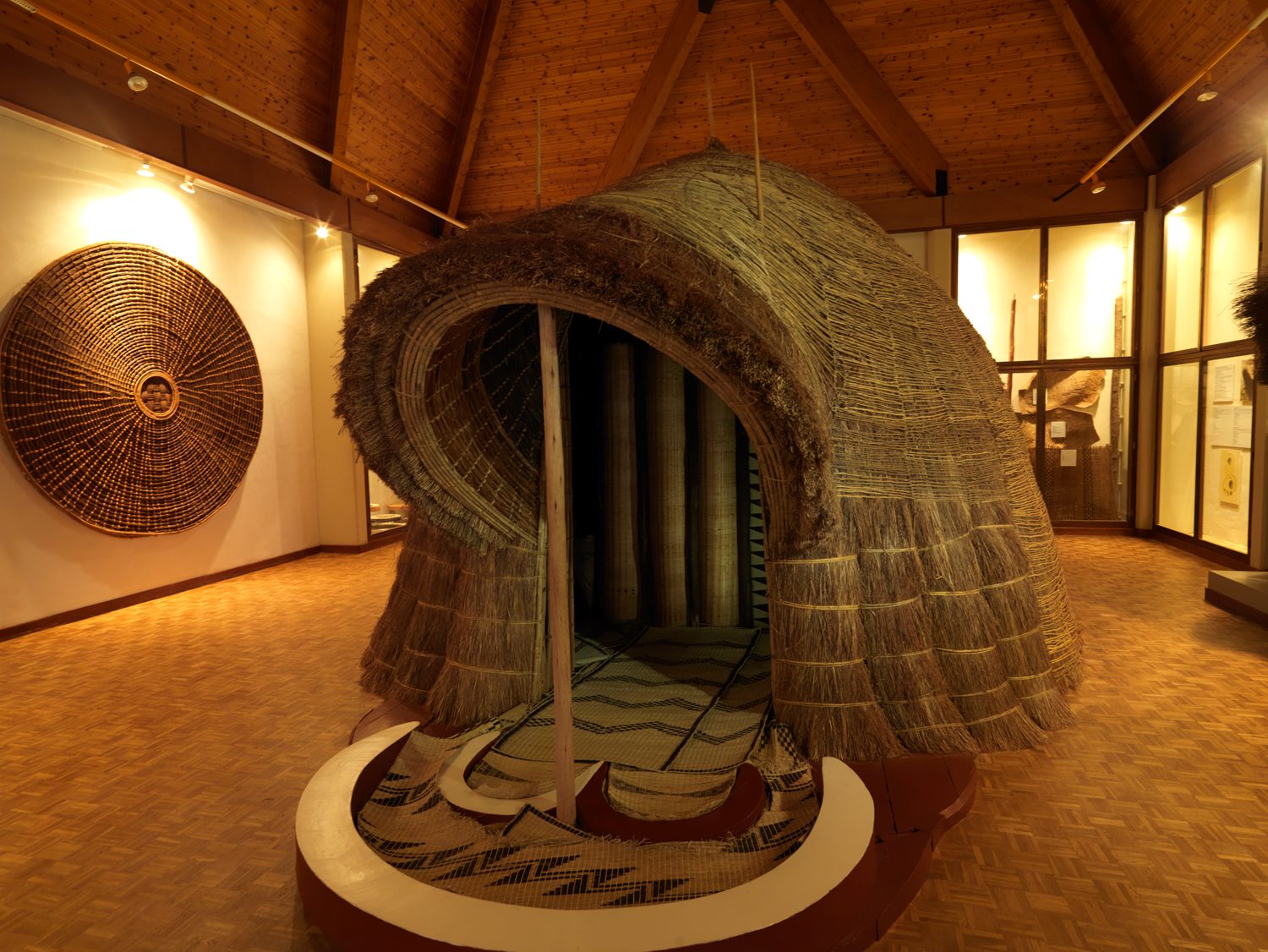
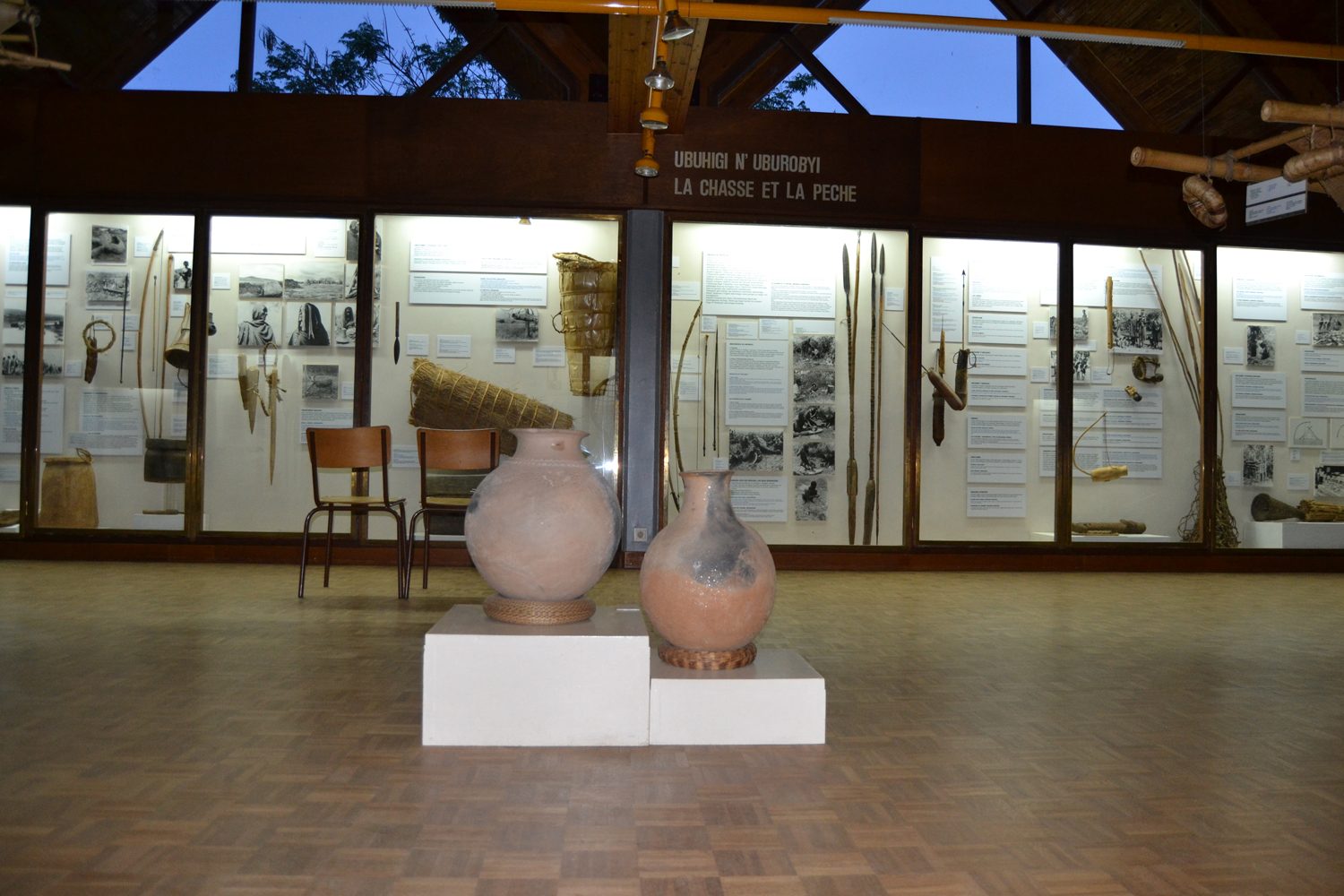
From there, visitors move through galleries filled with objects that once defined survival and creativity: farming tools worn smooth by use, finely woven baskets, elegant pottery, and woodwork that balances function with artistry.
There is a quiet poetry in the details. Traditional clothing reveals social identity; architectural models show how communities built harmony with their environment. One gallery explores the deep cultural significance of cattle, symbols of prosperity, social ties, and heritage that still resonate today. That living tradition continues nearby at the King’s Palace Museum, where descendants of the royal herd remain a powerful cultural link.
The final spaces shift from objects to meaning. Here, visitors encounter oral traditions, poetry, belief systems, and cosmology; the unseen threads that bind generations. It feels less like a museum room and more like listening to elders recount the foundations of a nation.
Outside, a vibrant craft centre brings continuity to the experience, showcasing artisans who carry tradition forward with contemporary expression.
For travelers exploring Rwanda beyond scenery, the Ethnographic Museum offers something deeper: context. It reveals how beauty, resilience, and identity are woven together, not only in landscapes, but in memory, craftsmanship, and living culture.
The Ethnographic Museum is located in Huye District. The Ethnographic Museum offers a glimpse into Rwanda’s cultural heritage. At the museum, visitors move through galleries filled with objects that once defined survival and creativity.
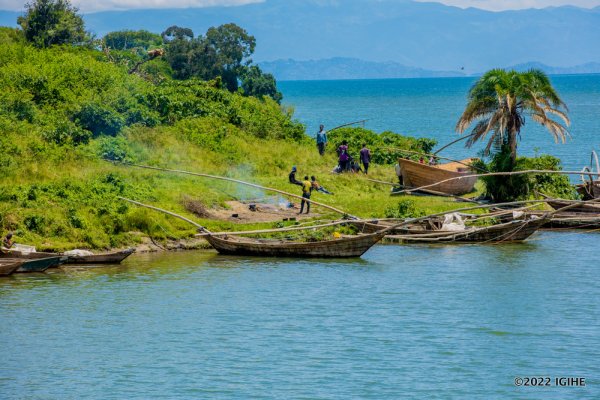
Mornings drift lazily here, as fishermen push wooden boats into the lake, their voices echoing across the water, while the air carries the fresh scent of water, pine, and earth.
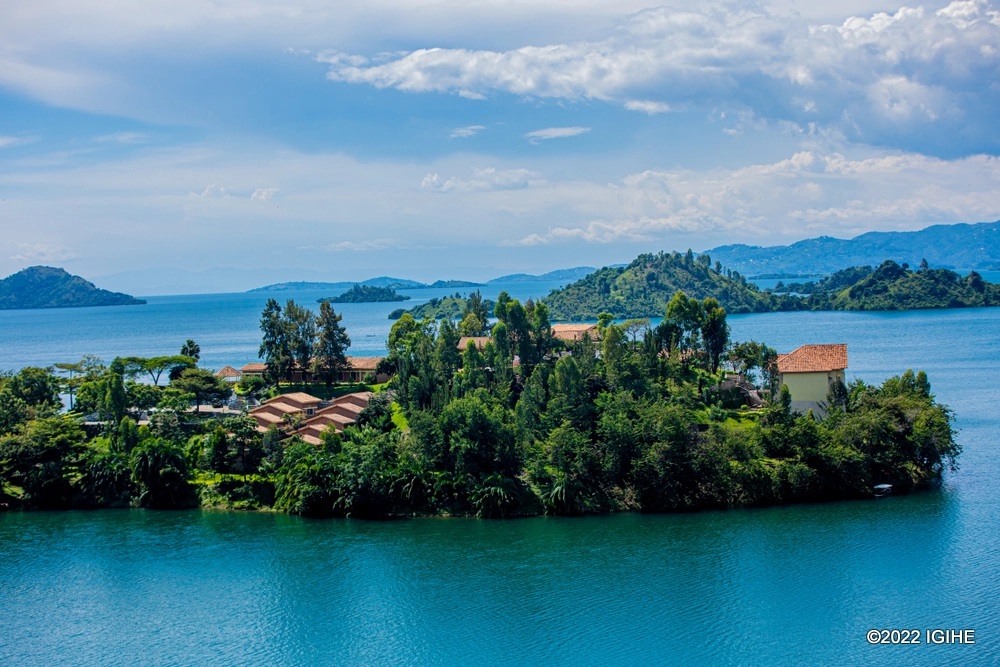
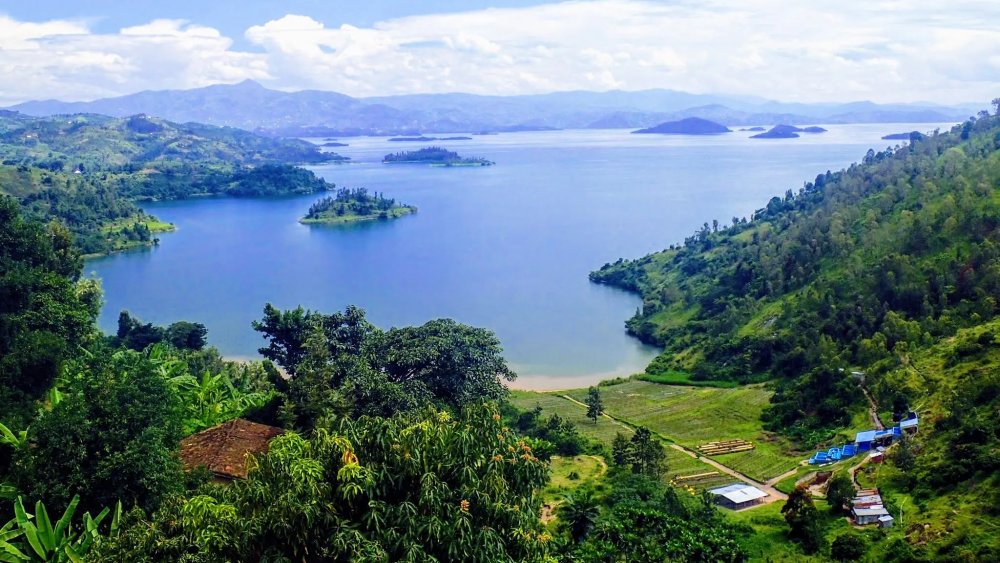
Along the shores, small villages hum to life. Hidden trails, sandy beaches, and secret corners invite discovery. Whether you seek tranquil mornings, vibrant sunsets, flavorful local cuisine, or lakeside adventures, Lake Kivu, spanning 2,700 km², offers experiences that linger long after you leave, and always tempt you to return. With a maximum depth of 485 meters, it is Rwanda’s largest lake and the sixth largest in Africa.
In the north, the lakeside town of Rubavu, once known as Gisenyi, invites travelers to pause and savor life by the water. Its colonial-era mansions and vibrant bars line the shore, where sundowners can be enjoyed against the backdrop of fishermen paddling in harmony. A short drive from Volcanoes National Park, it is also the perfect retreat after gorilla trekking, offering both relaxation and lakeside charm.
Halfway along the lake, Karongi presents a serene beachside escape. Pine and eucalyptus-covered hills cascade down to the sparkling water, where dawn and dusk bring the hauntingly beautiful songs of local fishermen. Here, travelers can taste traditional Rwandan dishes such as grilled tilapia or fresh tropical fruits, and experience cultural performances that celebrate the region’s rich heritage.
For those drawn to adventure, Lake Kivu is a playground. Kayak across its placid waters, explore enchanting islands like Napoleon and Amahoro, or take to the legendary Congo Nile Trail—a 227-kilometre journey weaving along terraced hills, eucalyptus-lined paths, and panoramic viewpoints. Along the lakeshore, hospitality ranges from cozy guesthouses to luxury lodges among other facilities, all accompanied by the warmth and friendliness of Rwandan hosts.
Whether it’s the soft morning songs, the taste of local cuisine, or the thrill of exploring hidden corners of the lake, Lake Kivu unfolds like a secret gem waiting to be discovered.
Along the lakeshore, hospitality ranges from cozy guesthouses to luxury lodges among other facilities. With a maximum depth of 485 meters, Lake Kivuis Rwanda’s largest lake and the sixth largest in Africa..Lake Kivu, spanning 2,700 km², offers experiences that linger long after you leave.Mornings drift lazily at Lake Kivu as fishermen push wooden boats into the lake
These figures are part of the 2025 annual report released by African Parks, which manages the park in partnership with the Rwanda Development Board. The report highlights the park’s achievements across conservation, tourism, community development, and global recognition.
In 2025, Rwandan nationals and international tourists each accounted for 47 percent of visitors, while foreign residents made up 6 percent.
The park was able to cover its core operating costs through its own revenue, marking a milestone as the first park under African Parks management to achieve operational self-sufficiency.
Besides, Akagera earned international acclaim after being listed among the world’s top 25 must-visit destinations for 2026 by National Geographic. The recognition celebrates over a decade of restoration work that has reestablished the park as a Big Five destination, showcasing Rwanda’s growing presence in global conservation and tourism.
Akagera National Park received nearly 60,000 visitors in 2025.
Wildlife conservation milestones also marked the year. In June, 70 southern white rhinos were translocated from South Africa in the largest movement of its kind under the Rhino Rewild Initiative. Some of these rhinos have already given birth, signaling successful adaptation.
Routine wildlife monitoring continued, with 17 white rhinos and 7 black rhinos darted for tracking, along with elephants and lions. A ground survey counted 70 giraffes, while elephant identification projects documented 92 individuals, representing about 75 percent of the park’s estimated 142 elephants.
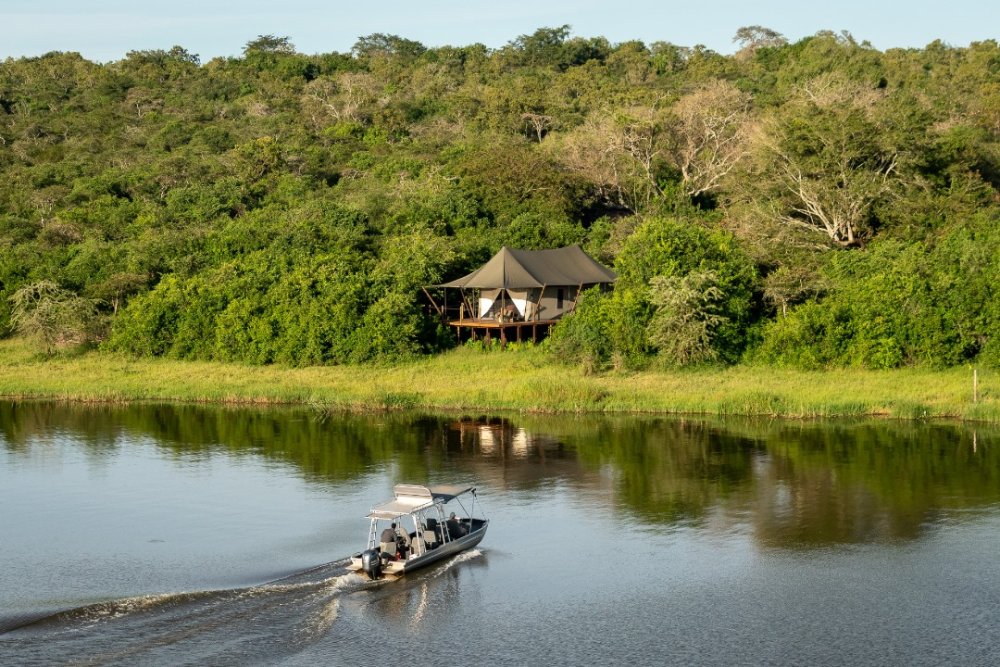
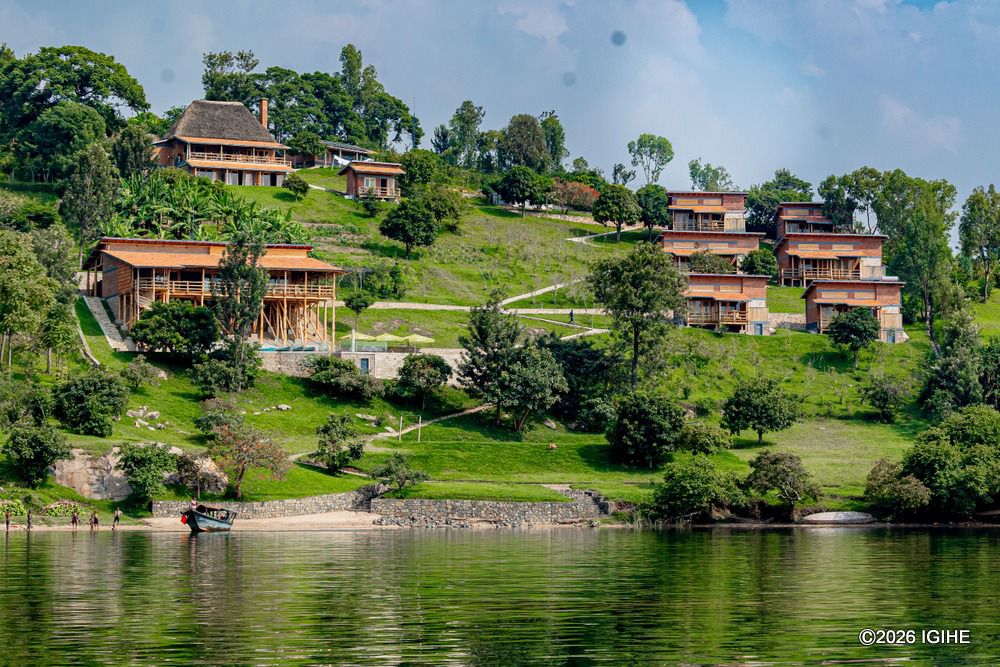
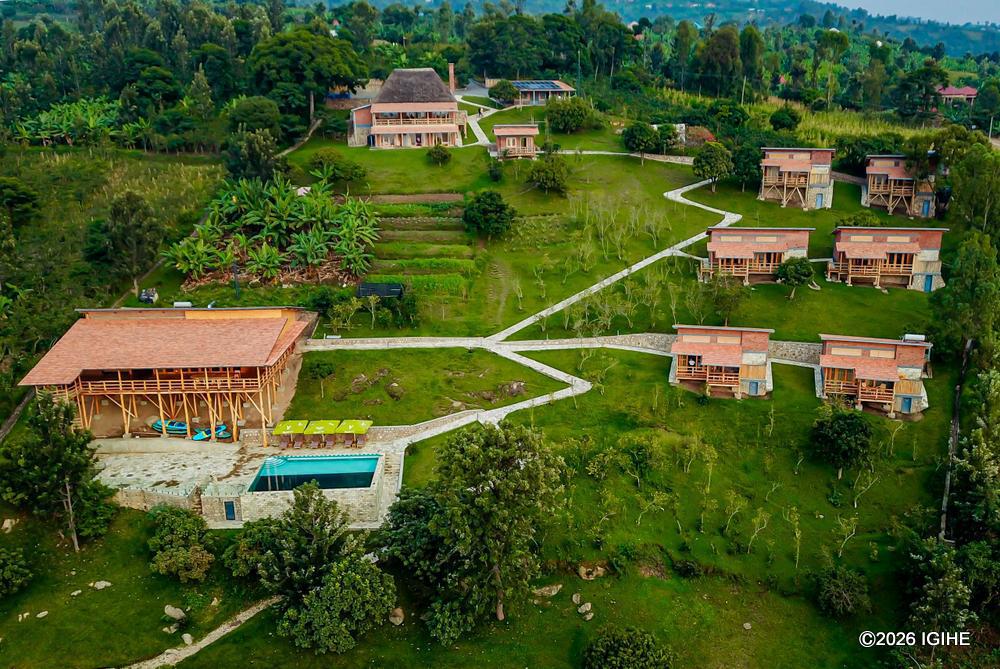
Tourism infrastructure expanded with the opening of Wilderness Magashi Peninsula, an exclusive retreat overlooking Rwanyakizinga Lake. The new facility strengthens premium tourism offerings and supports the park’s sustainability goals.
Law enforcement and anti-poaching efforts remained effective. Rangers completed over 21,000 field days, covering 134,076 kilometers in patrols. Only five animals were poached inside the park, while collaborative operations outside the park resulted in 135 arrests and 20 prosecutions. The number of illegal fires dropped dramatically, from 13 in 2024 to just one in 2025.
Community engagement and capacity building were a key focus. More than 124,000 community members participated in 30 outreach events, including the Rhino Velo Race, Rhino Foot Race, and Lion’s Cup football tournament. Over 4,000 individuals accessed the Savannah Learning Centre, nearly 2,000 visited the community library, and 4,300 students and teachers participated in school visits. The park also supported 30 local teachers in strengthening eco-clubs focused on biodiversity and climate change.
Community enterprises benefited significantly, generating $555,242 in revenue for approximately 1,200 individuals. Beekeeping cooperatives produced over 17 tons of honey, while fishing groups earned $122,356. Other income came from guiding services, hospitality initiatives, and procurement of goods and services from local businesses, contributing an additional $637,000. Through Rwanda’s Tourism Revenue Sharing Program, $886,379 was allocated for local development projects.
Infrastructure development in 2025 included the completion of the Gishanda Fish Farm Aquaculture Training Centre, fencing of Karenge Bush Camp, maintenance of Ruzizi Tented Lodge, and road upgrades totaling 27 kilometers, bringing the park’s operational road network to 511 kilometers. New ranger facilities, expanded gift shops, and a café kitchen were also completed.
Akagera National Park spans more than 1,200 square kilometers, covering the districts of Kayonza, Gatsibo, and Nyagatare.
Over the past 30 years, Rwanda has made significant efforts to restore the park, which was once heavily impacted by poaching, resulting in the extinction of some species.
In 2025, elephant identification projects documented 92 individuals, representing about 75 percent of Akagera National Park’s estimated 142 elephants.Akagera National Park is home to diverse species including giraffes.