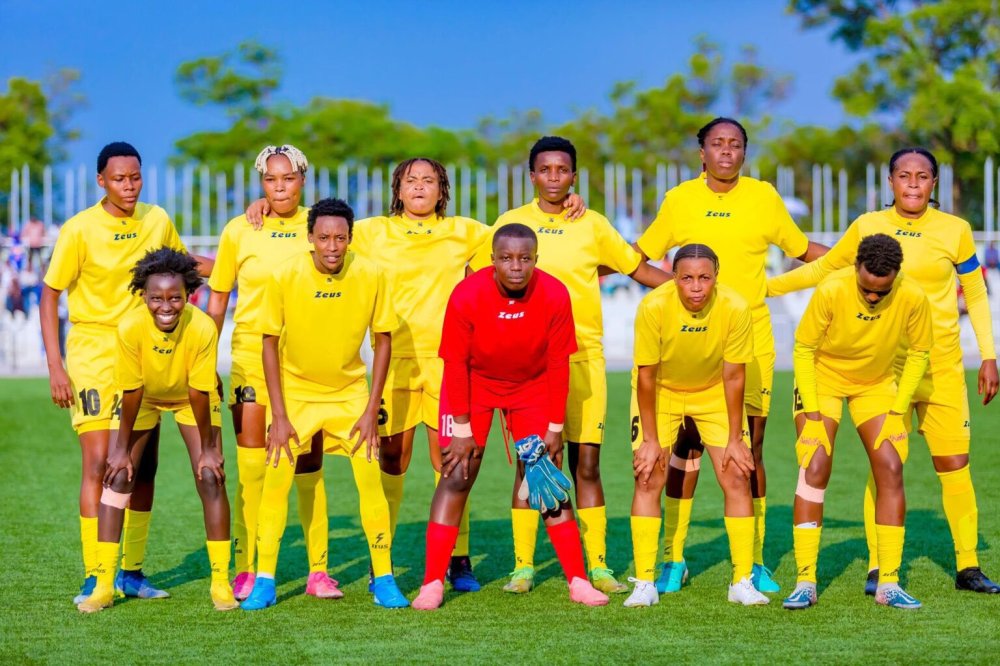
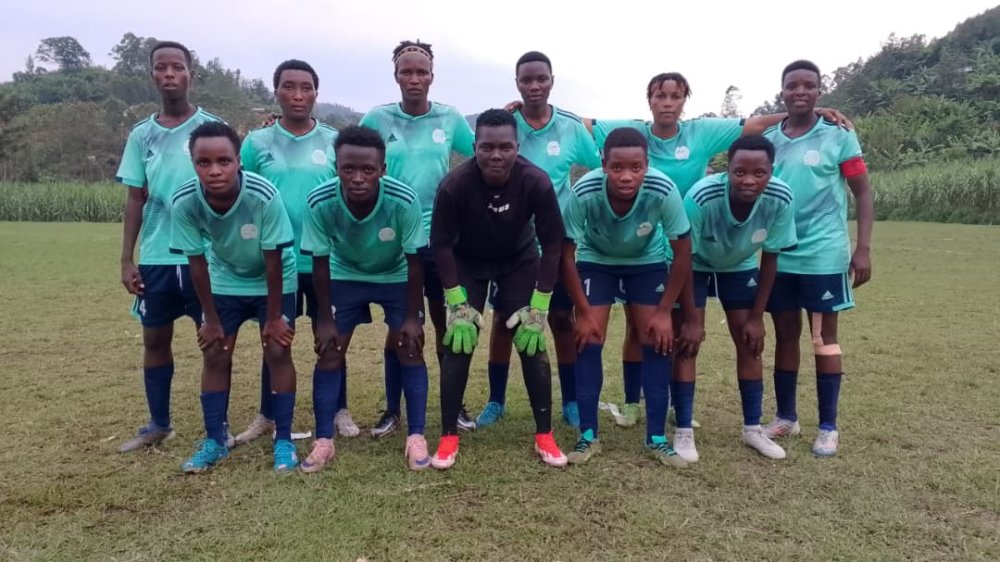
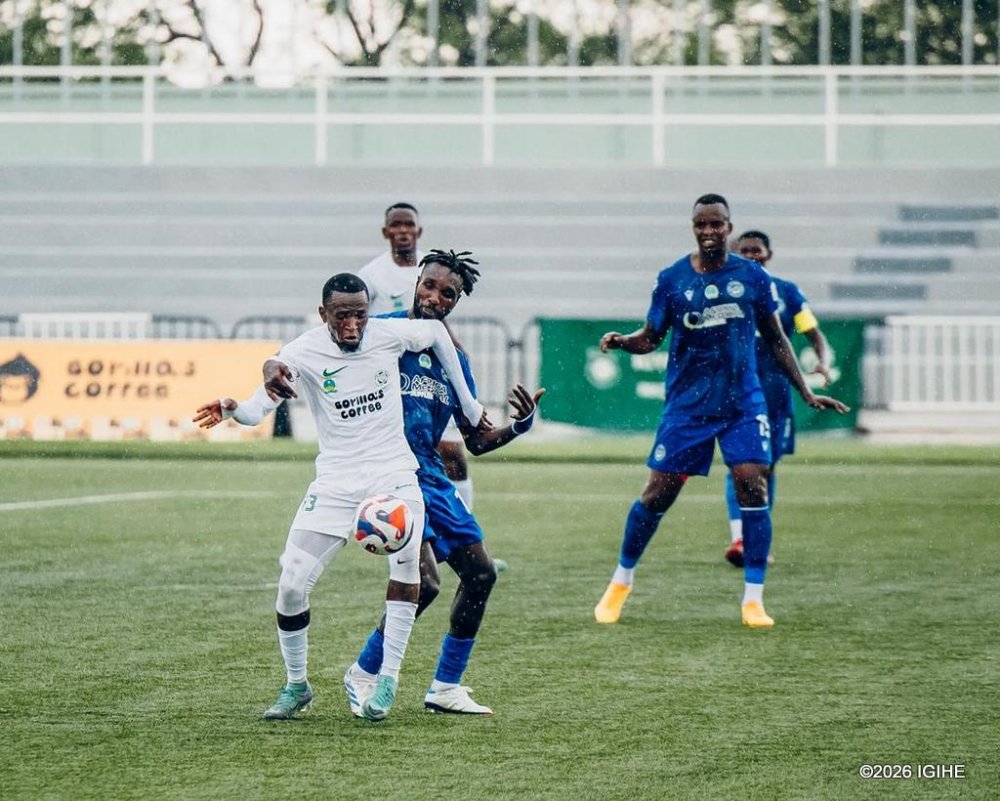
The City of Kigali–backed side saw its relegation effectively sealed with one match remaining in the 2025/26 FERWAFA Women’s Super League season, following a 1-1 draw with Inyemera WFC on Saturday, March 21, 2026, in a Matchday 21 fixture.
Inyemera WFC, which hosted the encounter, proved a difficult opponent, and the match ended level despite both teams creating opportunities. The result left AS Kigali WFC in 11th place with 13 points, four points behind Forever WFC, which sits 10th with 17 points.
AS Kigali WFC will be relegated alongside Nyagatare WFC, who lost 2-1 to Bugesera FC. The Nyagatare-based side has failed to register a single point this season and will go down regardless of the outcome of its remaining fixture against AS Kigali WFC.
AS Kigali WFC now features a squad largely composed of young players.
The 2025/26 campaign has been a challenging one for AS Kigali WFC, marked by significant squad changes and instability in the technical bench.
The season began with the return of Mukamusonera Théogènie as head coach, replacing Bizumuremyi Radjab, who had left to join Rutsiro FC in the men’s top division. However, coaching changes continued in February when Mukamusonera was replaced by his assistant, Mubumbyi Adolphe “Igor.”
Mubumbyi struggled to reverse the team’s fortunes, collecting just two points from five matches during his one-month spell in charge.
Despite its relegation, AS Kigali WFC leaves the top flight with a strong historical record. Over its 18-year stay in the first division, the club established itself as the most successful side in the league’s history, winning 12 league titles.
What unfolded was more than a demonstration of martial arts. It was a story of cultural exchange, healing, and transformation.
Eric Mugisha, secretary general of Rwanda Kung Fu Wushu Federation, highlighted the steady growth of Kung Fu across the country in an interview with Xinhua.
Representing the federation at the event, he noted the widespread presence of clubs and the unique place tai chi holds within them.
“Many clubs are based in Kigali, and we have some others in different provinces, normally we have around 30 clubs in total,” he said.
Unlike other forms of kung fu, tai chi stands apart. “This is a form of art that is not about fighting, the energy from tai chi is from within oneself, it is there to balance the harmony between body and mind,” said Mugisha.
For many Rwandans, tai chi is more than just movement – it is a personal journey.
Emile Ndagijimana, a tai chi teacher, shared a deeply rooted story of passion that began in childhood with Xinhua.
“I started practicing kung fu at the age of nine,” he recalled. Over the years, his curiosity led him from martial arts films to deeper study and eventually to tai chi.
His turning point came when he began to understand its philosophy.
“A Chinese teacher who teaches at the Confucius Institute told me that to succeed, I needed to balance and move my arms while breathing and master the balance technique of tai chi. That’s when I started loving tai chi.”
Today, Ndagijimana teaches hundreds of students and integrates tai chi into community life, especially for healing and wellbeing.
“In Rwanda, people do not know about tai chi; they think it’s fighting,” he explained. “Tai chi is a form of medicine, it helps them move their joints, and those who are sick.”
His mission is clear, bringing tai chi to both young people and the elderly. “The reason I teach tai chi is that I see that it helps in healing, if more Rwandans learn tai chi, it could assist them in healing.”
Sumaya Uwase Niyonzima is a martial art lover whose enthusiasm reflects a growing appreciation among youth. Her introduction to tai chi came through her martial arts club and visiting Chinese instructors. “I love tai chi because I hear it is the medicine of the health. It helps our body, it helps our feelings, also our brain,” she said.
Though she admits the practice requires dedication, but the benefits keep her committed.
“I feel good when I am doing tai chi, my blood goes well. I didn’t get sick again like how I got sick before I practiced tai chi.”
At a broader level, the impact of tai chi in Rwanda reflects years of cultural collaboration. Zeng Guangyu, Chinese director of the Confucius Institute, emphasized how far the practice has come since its introduction in 2009.
“More than a decade later, it’s no longer us who practice tai chi best. It’s the Rwandans,” he said proudly.
Today, thousands of practitioners and dozens of trained instructors are helping embed tai chi into local communities. Beyond physical exercise, Zeng underscored its deeper significance: “Tai chi does not advocate confrontation; instead, it champions the principles of ‘overcoming hardness with softness’ and ‘tolerance and inclusiveness.’”
As Rwanda joined the global celebration of the first International Taijiquan Day, the message is clear – tai chi is no longer just a foreign tradition. It is becoming a shared cultural bridge, a tool for health, and a symbol of harmony.
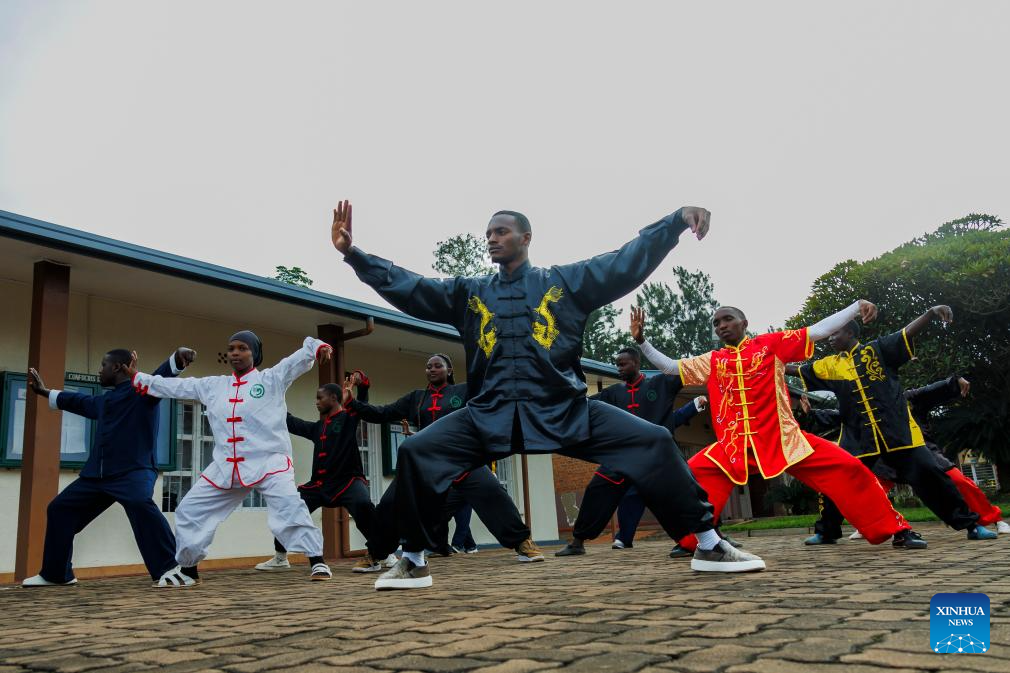
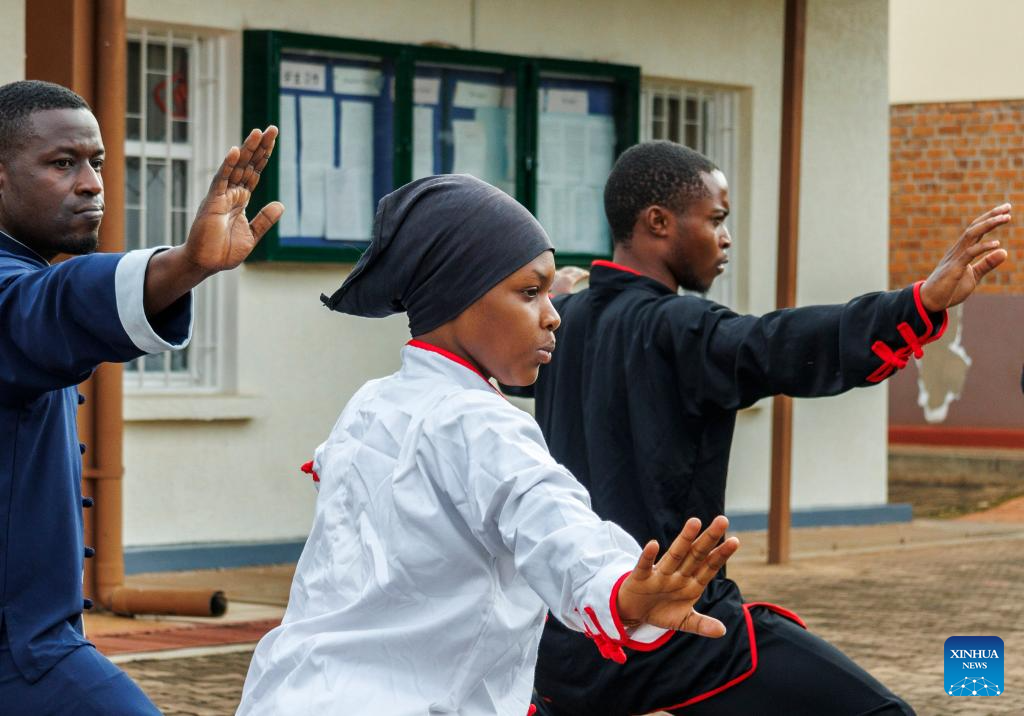
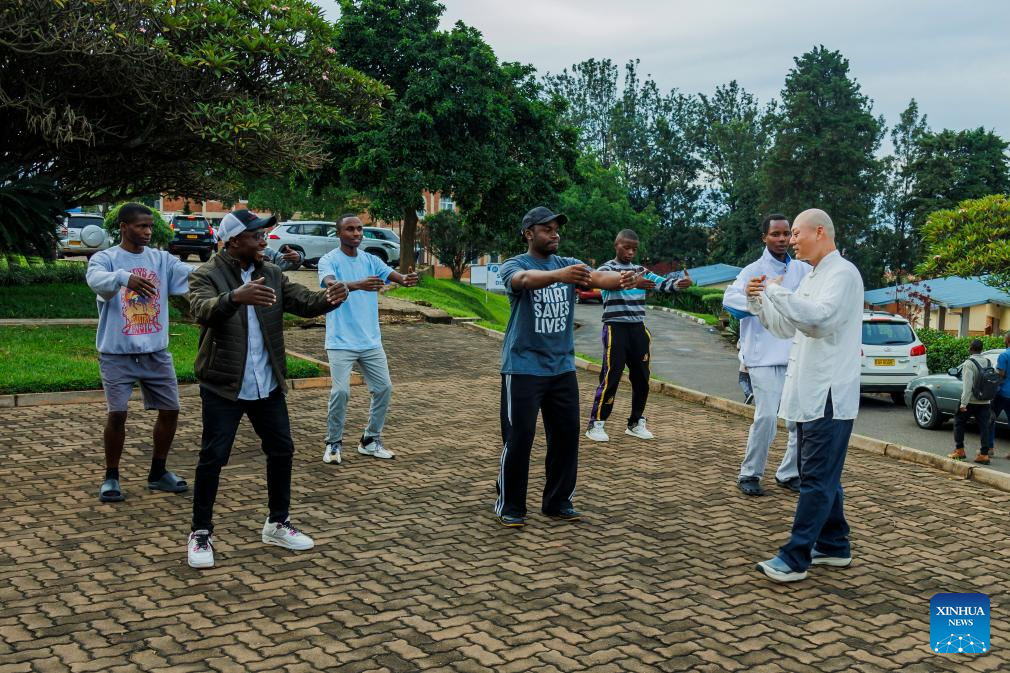
Local people practice Taijiquan, a kind of Chinese traditional martial arts, at the Confucius Institute at the University of Rwanda, in Kigali, Rwanda, March 18, 2026.Sumaya Uwase Niyonzima (C) practices Taijiquan, a kind of Chinese traditional martial arts, at the Confucius Institute at the University of Rwanda, in Kigali, Rwanda, March 18, 2026.Zeng Guangyu (front R), Chinese director of the Confucius Institute, communicates with local people for Taijiquan, a kind of Chinese traditional martial arts, at the Confucius Institute at the University of Rwanda, in Kigali, Rwanda, March 18, 2026.
Senegal had beaten Morocco 1-0 in the January 18 final, but the match was marred by controversy when Senegal’s players refused to continue after Morocco was awarded a stoppage-time penalty with the score level.
Play resumed after a 17-minute delay. Brahim Diaz’s penalty was saved before Pape Gueye scored the winner for Senegal in extra time.
CAF said an appeals board had since ruled that Senegal forfeited the match. The result was recorded as a 3-0 victory for Morocco.
Morocco has been awarded the 2025 Africa Cup of Nations title after the Confederation of African Football overturned the result of the final following Senegal’s walk-off.
Senegal had beaten Morocco 1-0 in the January 18 final, but the match was marred by controversy when Senegal’s players refused to continue after Morocco was awarded a stoppage-time penalty with the score level.
Play resumed after a 17-minute delay. Brahim Diaz’s penalty was saved before Pape Gueye scored the winner for Senegal in extra time.
CAF said an appeals board had since ruled that Senegal forfeited the match. The result was recorded as a 3-0 victory for Morocco.
In a statement, CAF said Senegal breached Article 82 of the Africa Cup of Nations regulations, triggering the application of Article 84.
Article 82 states that a team that refuses to play or leaves the field without the referee’s authorization is considered to have lost and is eliminated from the competition. Article 84 adds that such a violation results in a 3-0 defeat and permanent elimination.
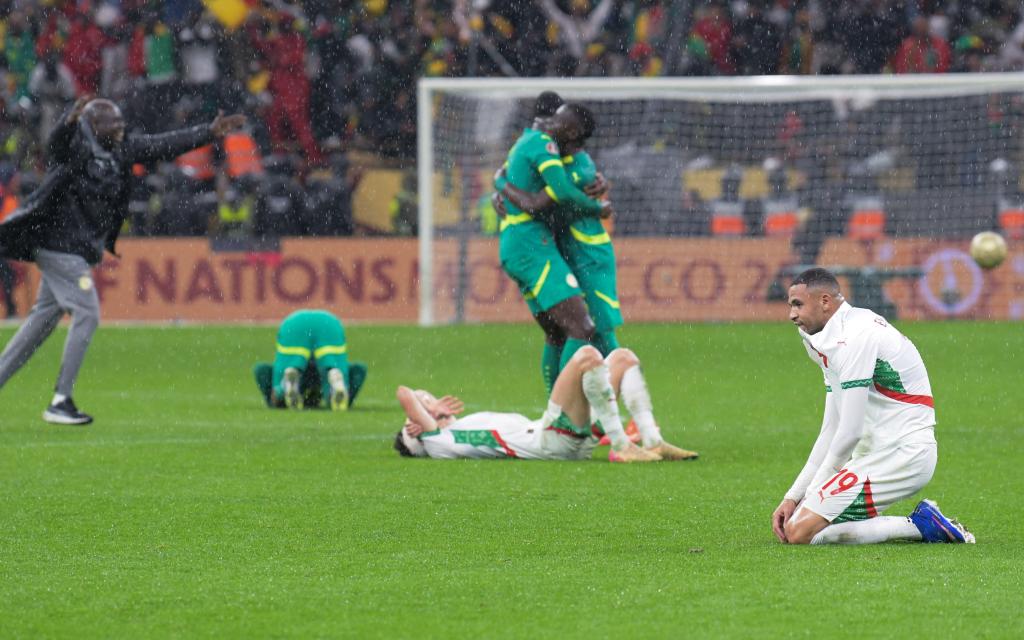
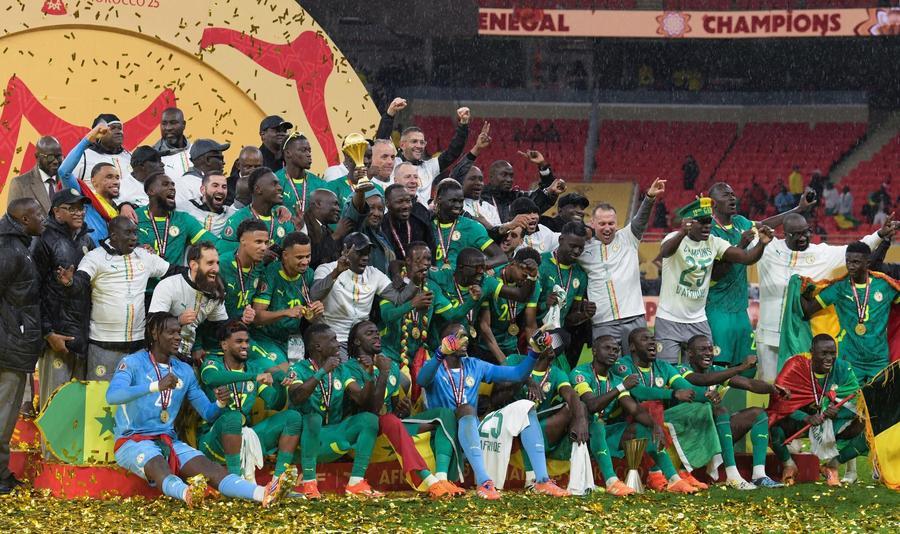
Senegal players celebrate with Africa Cup of Nations trophy after the final against Morocco in Rabat, Morocco, Jan. 18, 2026.Players of Morocco express their despair after the Africa Cup of Nations final between Senegal and Morocco in Rabat, Morocco, Jan. 18, 2026.
Scheduled for Saturday, March 28, 2026, the event will take place at KCC Roundabout, Kigali Heights, delivering a professional boxing showcase designed to elevate the sport in Rwanda while creating a vibrant cultural experience for fans.
Organized and promoted by Silverback Sports, Kigali Fight Night will feature professional boxers from across Africa, including fighters from Rwanda, Uganda, Cameroon, Gabon, Tanzania, Nigeria, the Democratic Republic of Congo, Malawi, and beyond, competing in a high-level lineup of bouts under the lights.
Adding to the international profile of the event, renowned boxing coaches and trainers from the United States, the United Kingdom, and Dubai are expected to be in Kigali for the tournament, creating a rare opportunity for knowledge exchange, talent scouting, and exposure for local fighters.
This level of participation signals a significant moment not only for Rwanda but for African professional boxing, positioning Kigali as an emerging hub for the sport and opening new pathways for fighters across the continent to access global networks, training standards, and competitive platforms.
The event blends boxing with live DJ performances, music, dramatic fighter walkouts, and an electric ringside atmosphere, transforming the venue into a celebration of athleticism, entertainment, and African sporting culture.
According to Bashir Ntwari, President of the Rwanda Boxing Federation, the event is a strategic investment in the long-term future of boxing in the country.
“Kigali Fight Night is about more than one night of boxing. It is about creating a pathway for Rwandan fighters to transition from amateur boxing into professional careers, compete in international tournaments, and gain global exposure. Events like this help us build the foundations of the sport by strengthening local clubs, developing talent, and moving toward the creation of a professional boxing competition in Rwanda,” he said.
Beyond developing athletes, Kigali Fight Night is also opening doors for local economic growth and business development. The organizers have created opportunities for Rwandan businesses, entrepreneurs, and brands to participate directly in the event by offering free vendor spaces at the venue.
This initiative allows small and emerging businesses to showcase their products and services to hundreds of attendees, creating new opportunities for visibility, networking, and sales. From food vendors and fashion brands to lifestyle products and creative enterprises, the vendor marketplace ensures that the economic impact of the event extends beyond the ring.
By integrating local businesses into the event ecosystem, Kigali Fight Night aims to stimulate micro-enterprise growth, strengthen local supply chains, and deepen collaboration between sports, entertainment, and commerce, reinforcing the role of sports as a driver of economic activity in Rwanda.
Jermaine Burke, CEO of Silverback Sports and promoter of the event, said the vision goes beyond hosting a single tournament.
“Kigali Fight Night is not just about boxing. It is about building an ecosystem around sports that benefits athletes, businesses, and communities. By bringing international fighters and coaches to Rwanda while creating opportunities for local entrepreneurs, we are helping to position Kigali as a serious destination for global boxing and sports entertainment,” he said.
The official fight card will feature a series of high-profile matchups, including Tamba Merlin vs Yusufu Changarawe (Main Card), Jerry Katamba (DRC) vs Ali Mkojani (Tanzania), and Kingbo Hans (Gabon) vs Taafu Odoyi (Uganda). The event will also highlight women’s boxing with bouts such as Daniella Muleketsi (DRC) vs Martha Akinyi (Uganda) and Nene Joy Ojo (Nigeria) vs Leila Yazidu (Tanzania).
In addition to the professional bouts, Kigali Fight Night will feature seven amateur fights showcasing Rwanda’s most promising young boxers, giving emerging athletes the opportunity to compete on a major stage and gain valuable exposure.
Doors will open at 2:00 p.m. for amateur bouts and the vendor village, with the main event scheduled for 5:00 p.m., offering fans an afternoon and evening filled with fights, music, and entertainment. Attendees will be able to choose from multiple ticket categories, including Diamond Ringside, Platinum VIP, and Gold Regular seating options.
Open to fans of all ages, Kigali Fight Night is expected to attract a diverse audience of sports fans, entertainment lovers, and business communities. By combining world-class boxing with opportunities for local entrepreneurship, the event positions itself as both a sporting spectacle and a platform for economic participation.
With international fighters, global coaching presence, rising Rwandan talent, and a strong emphasis on community and commerce, Kigali Fight Night promises to be one of the most exciting and impactful sporting events of the year in Rwanda and a key step forward for African professional boxing.
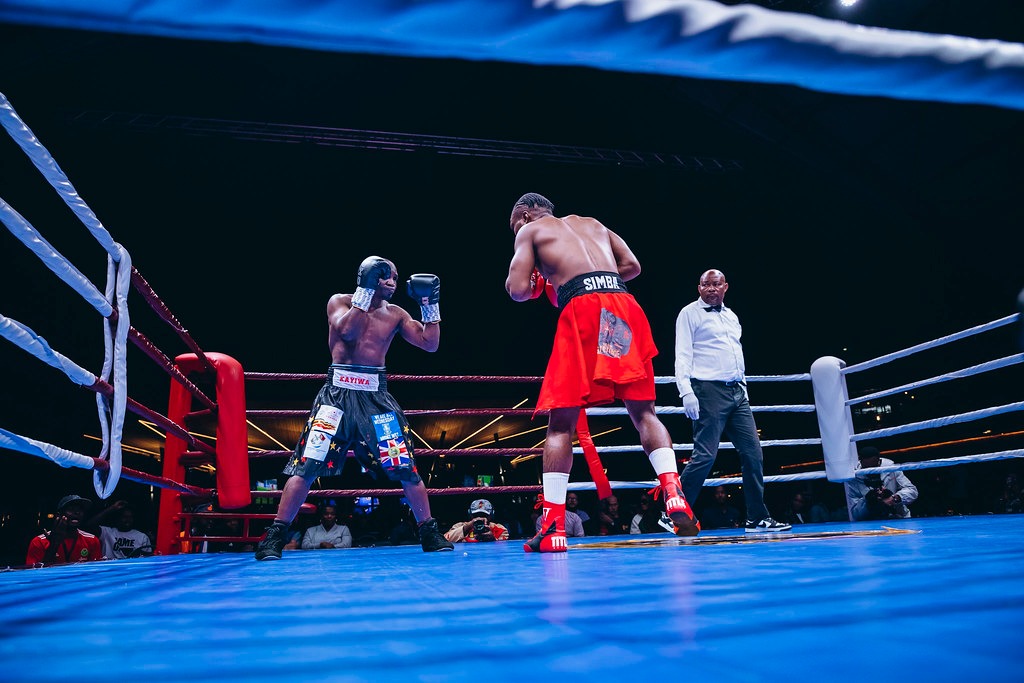
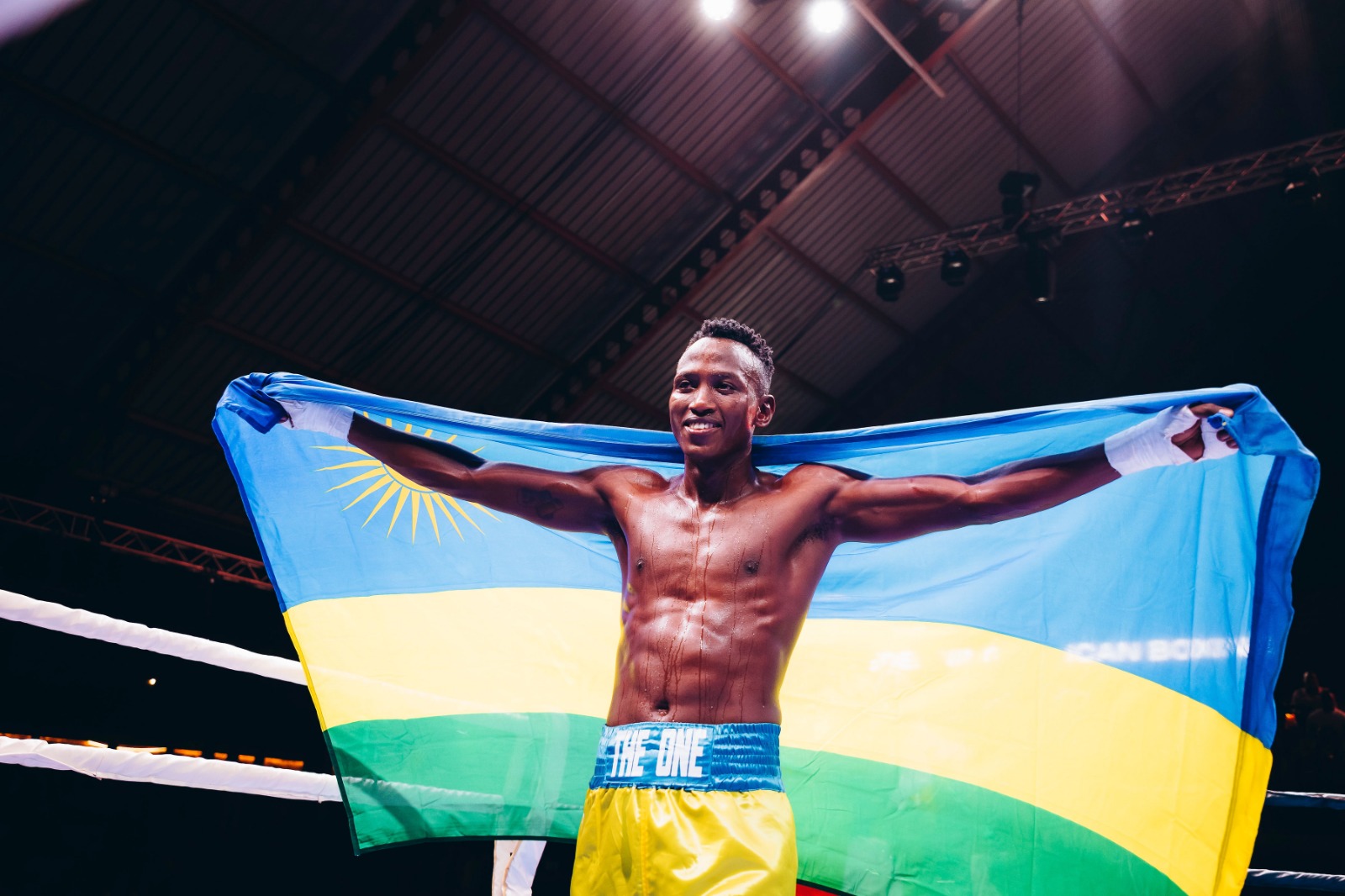
Kigali Fight Night will feature professional boxers from across AfricaIn addition to the professional bouts, Kigali Fight Night will feature seven amateur fights showcasing Rwanda’s most promising young boxers.
On Sunday, March 15, 2026, a letter from the City of Kigali circulated, asking AS Kigali to make a decision on whether to dissolve and merge with other teams supported by the city, namely Kiyovu Sports and Gasogi United.
At the time, Kiyovu Sports spokesperson Minani Hemed stated that the plan had been poorly considered and that it would erase the history of the club’s establishment.
Gasogi United also expressed its opposition, claiming that such a merger was not feasible.
Speaking to Radio Rwanda, Emma Claudine Ntirenganya, spokesperson for Kigali City, stated that if the teams refuse to merge, the city will stop its support for them.
“If these teams [AS Kigali, Kiyovu, and Gasogi] fail to merge and decide to continue separately, the city will stop providing its support. However, we are still awaiting their response,” she noted.
The teams have been given a deadline of March 30, 2026, to notify Kigali City of their decision.
She added, “If all of them refuse, we plan to start with a new team and build it from the ground up. If they agree to merge, we will continue together in the top league.”
Kigali City emphasizes that the goal of merging these teams is to pool resources and help the new team become stronger and more competitive in fighting for trophies.
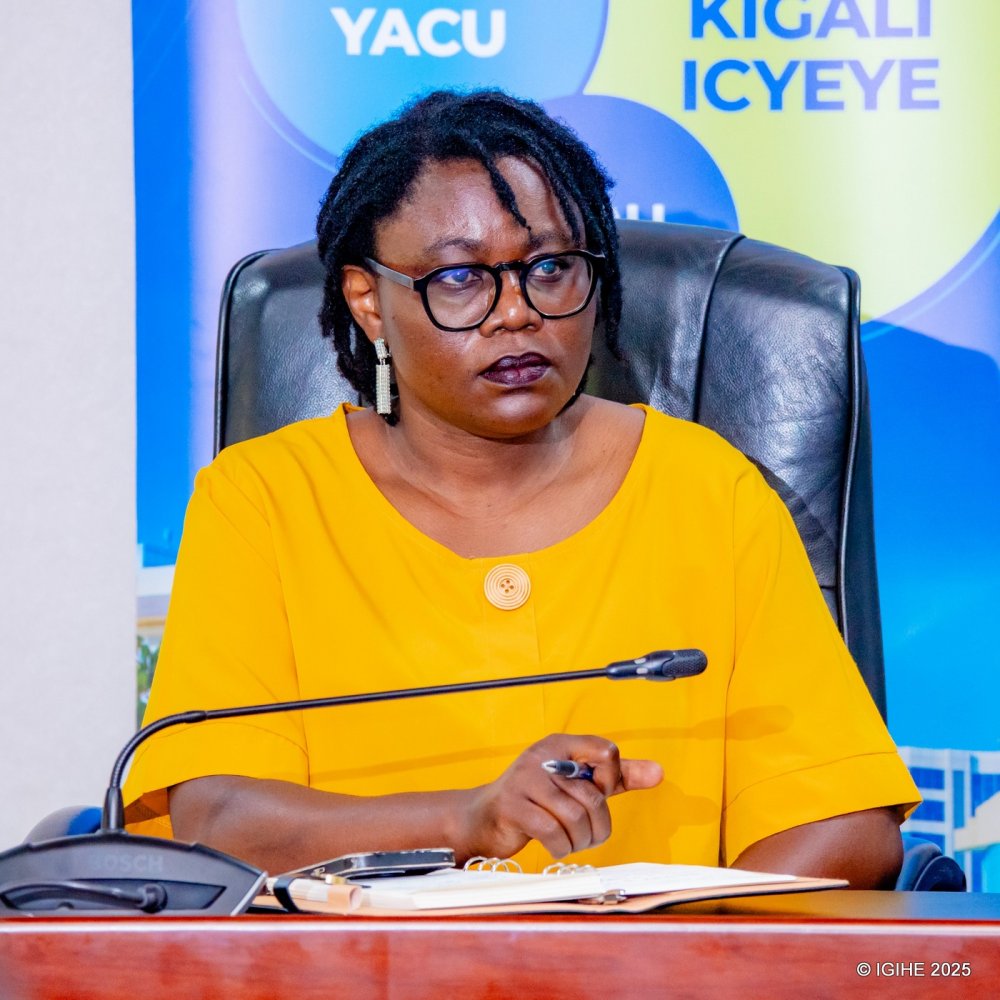
Kigali City spokesperson, Emma Claudine Ntirenganya speaking to the press at a past event. The City of Kigali has proposed the merger of AS Kigali and Kiyovu Sports
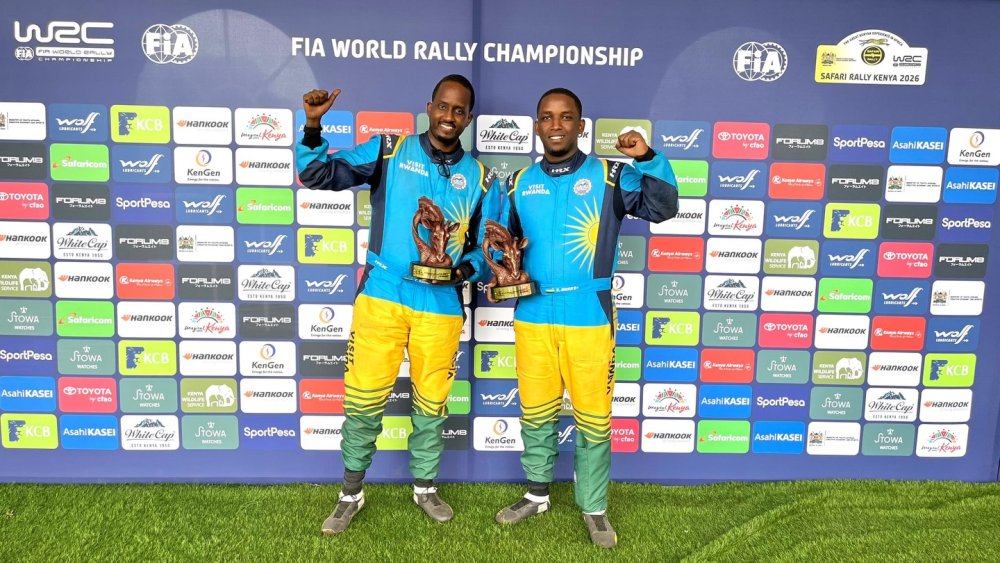
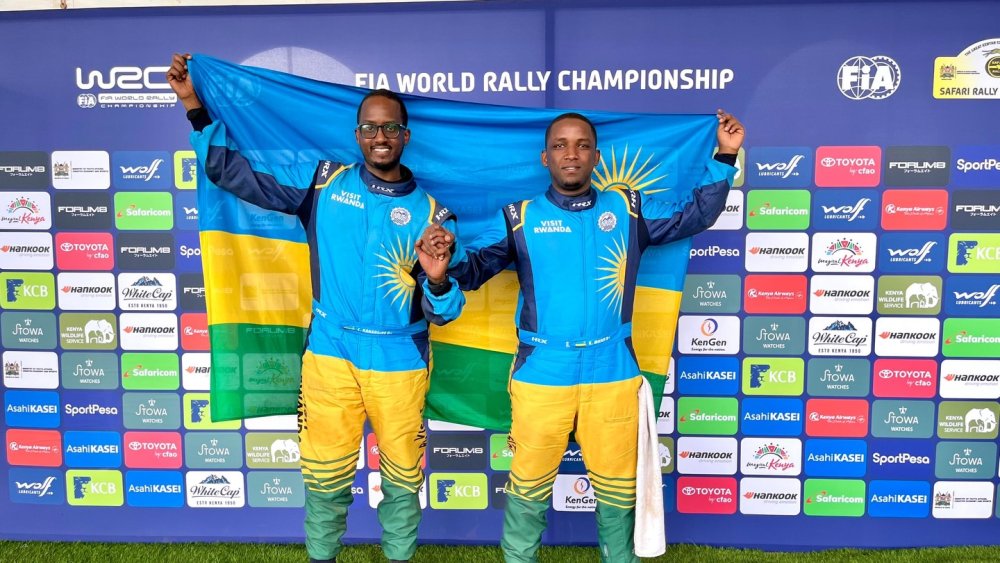
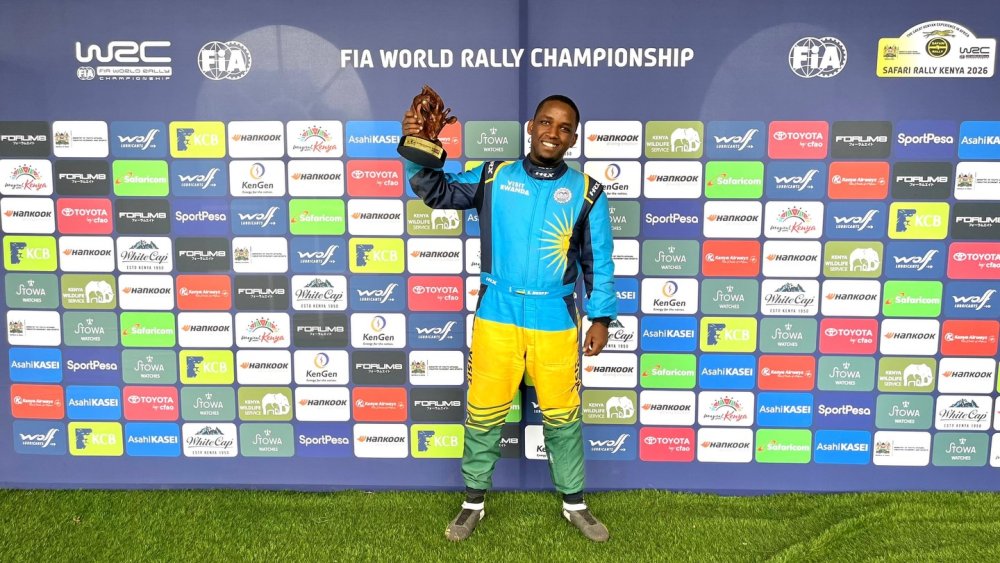
On Sunday, March 15, 2026, the final leg of the “WRC Safari Rally 2026” took place in Naivasha, Kenya. Two Rwandan cars completed the race, out of the four representing the country in the event.
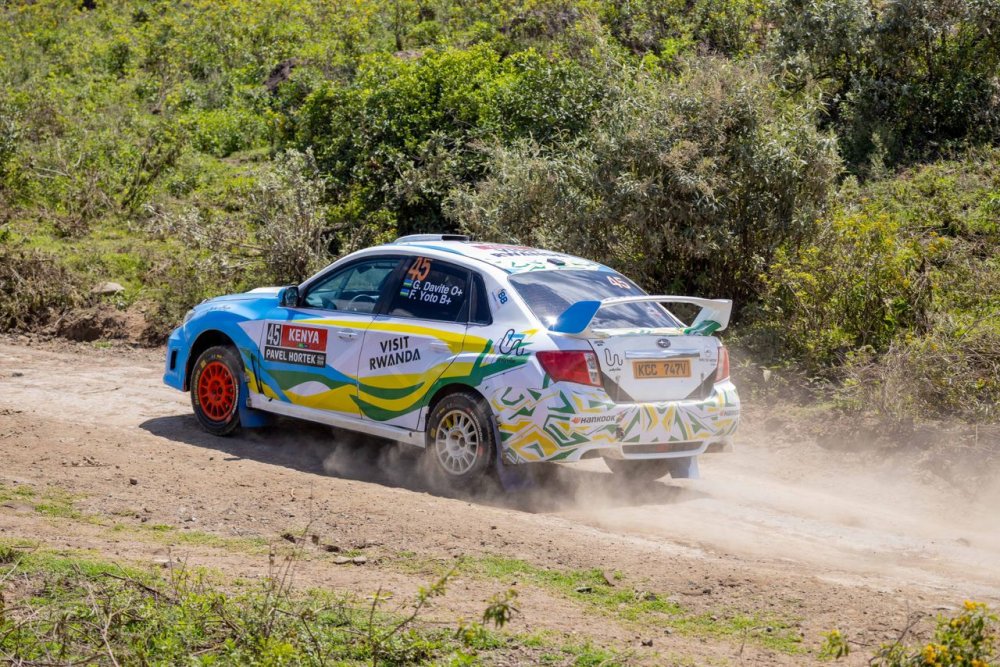
The final day was challenging for Davite Giancarlo and Yoto Fabrice, driving a Subaru Impreza WRX STi 4 D, as they retired from the race after Stage 17 of 20 in the four-day event.
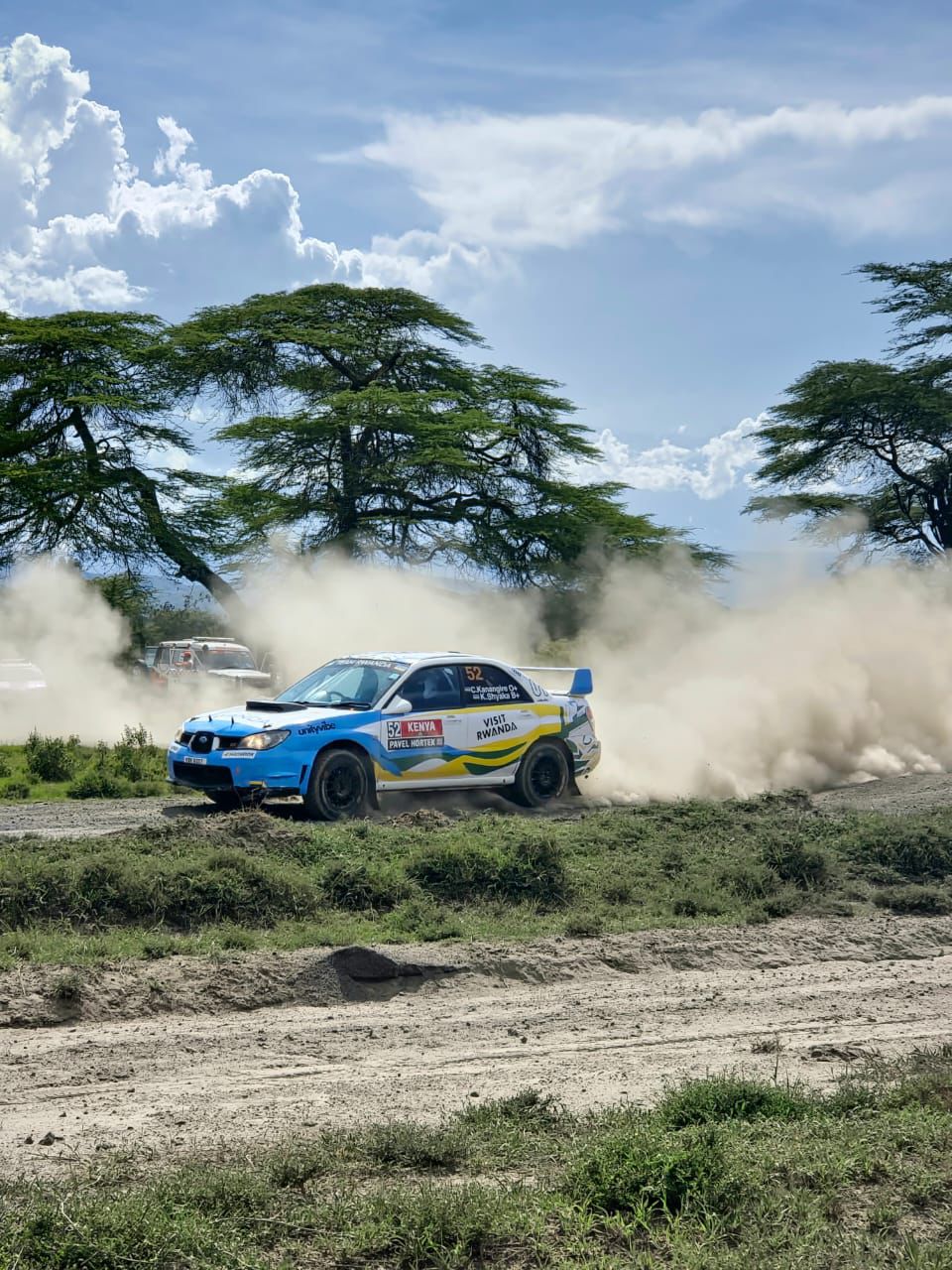
Christian Kanangire and Kevin Shyaka were the only remaining Rwandan duo in the competition, and they performed exceptionally well, finishing third in the second category of the African Rally Championship (ARC).
This marks a historic achievement, as it is the first time a Rwandan driver has participated in and completed a WRC event. In 2023, Giancarlo Davite took part in the WRC Safari Rally in Kenya but did not finish, despite competing alongside Sylvia Vindevogel in a Ford Fiesta Rally2 (R5) in the WRC2 category.
Kanangire said that the rally was tough, but the key to their success was perseverance and pride in representing Rwanda.
“The rally was extremely challenging, and we thank God we were able to finish. I believe you can see that just finishing was an achievement in itself, and we ended up in a great position in our category. We could have finished first, but we encountered some issues, and we are proud that Rwanda’s flag was raised in a positive position,” he said.
This international rally driver placed ninth in the first category of the African Rally Championship (ARC), which was won by Kenya’s Patel Karan, and finished 27th in the World Rally Championship (WRC).
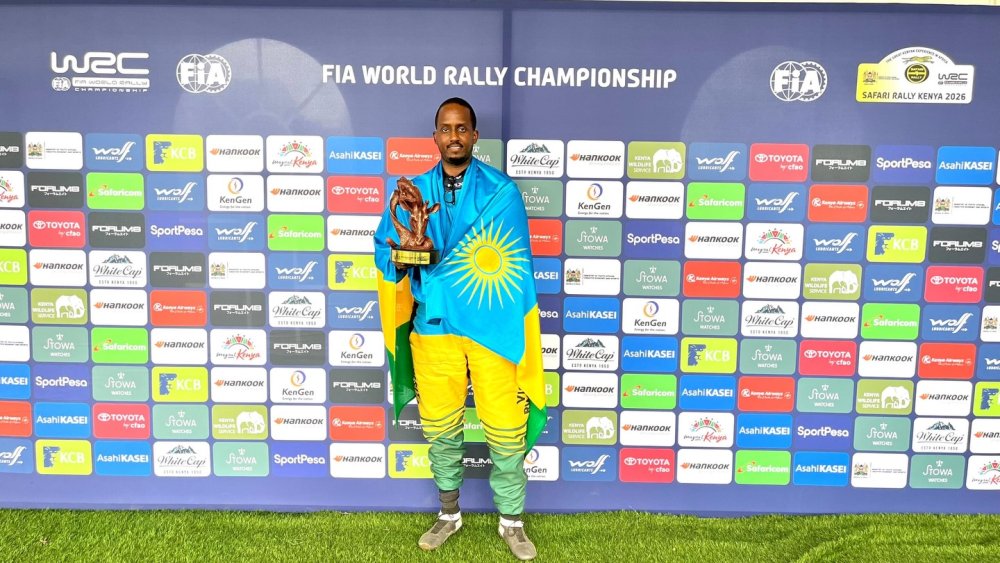
Christian Kanangire and Kevin Shyaka were the only remaining Rwandan duo in the competition, and they performed exceptionally well.Kanangire and Shyaka finish strong in the WRC Safari Rally 2026, finishing 27th in the overall competition.Christian Kanangire alongside co-driver Shyaka Kevin in a Subaru Impreza WRX STi after the final leg. Kevin Shyaka was a co-driver of Kanangire throughout the race.
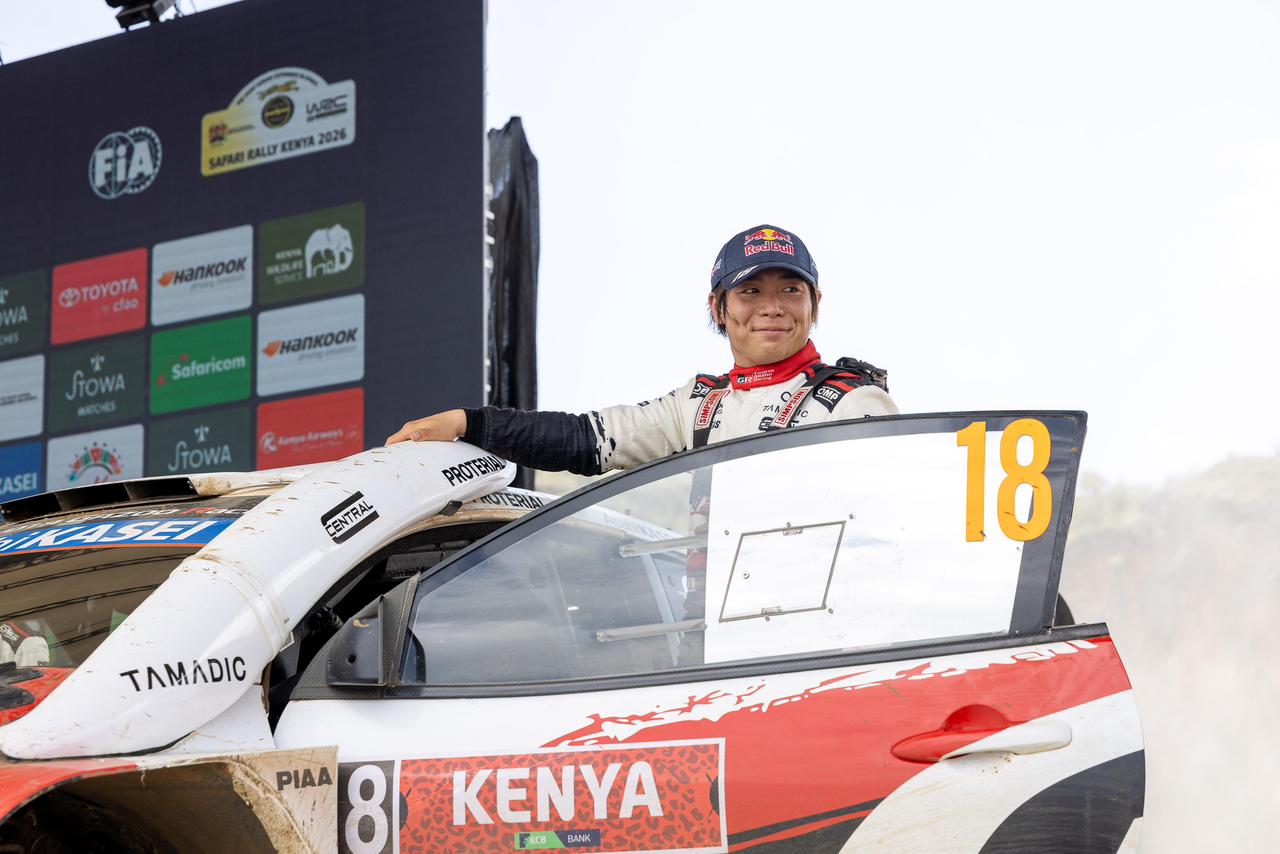
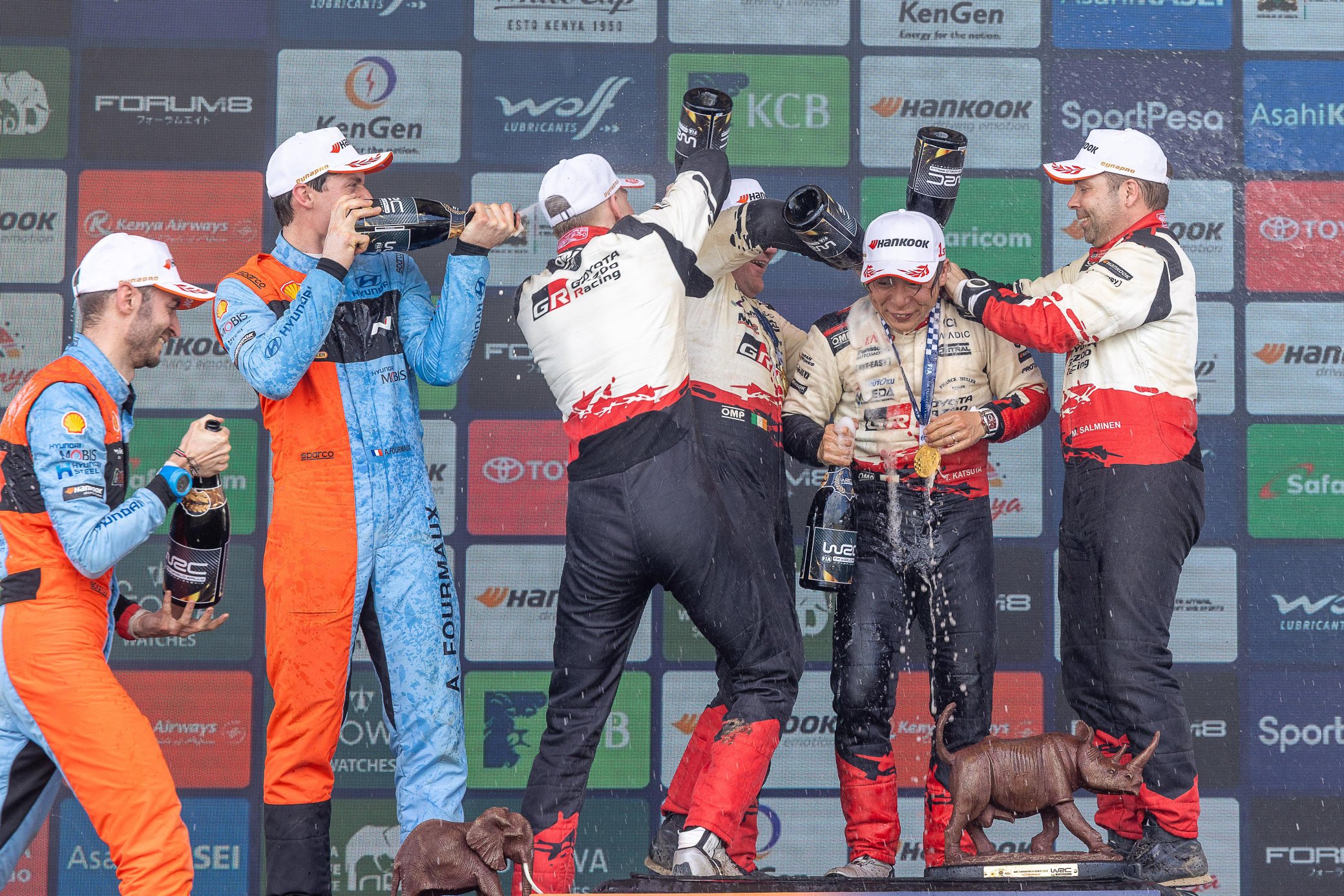
France’s Adrien Fourmaux finished second, delivering Hyundai Shell Mobis WRT its first podium of the season, while Toyota’s rising star Sami Pajari completed the podium in third. Katsuta’s breakthrough triumph propels him to second in the championship standings, just three points behind leader Elfyn Evans, who retired on Saturday following suspension damage.
Triumph amid chaos
The rally was full of challenges from the start. Heavy rains during the opening Camp Moran stage caused Katsuta’s intercom to fail, leaving him without pace notes from Johnston. A puncture on Friday dropped the Japanese driver to seventh overall overnight.
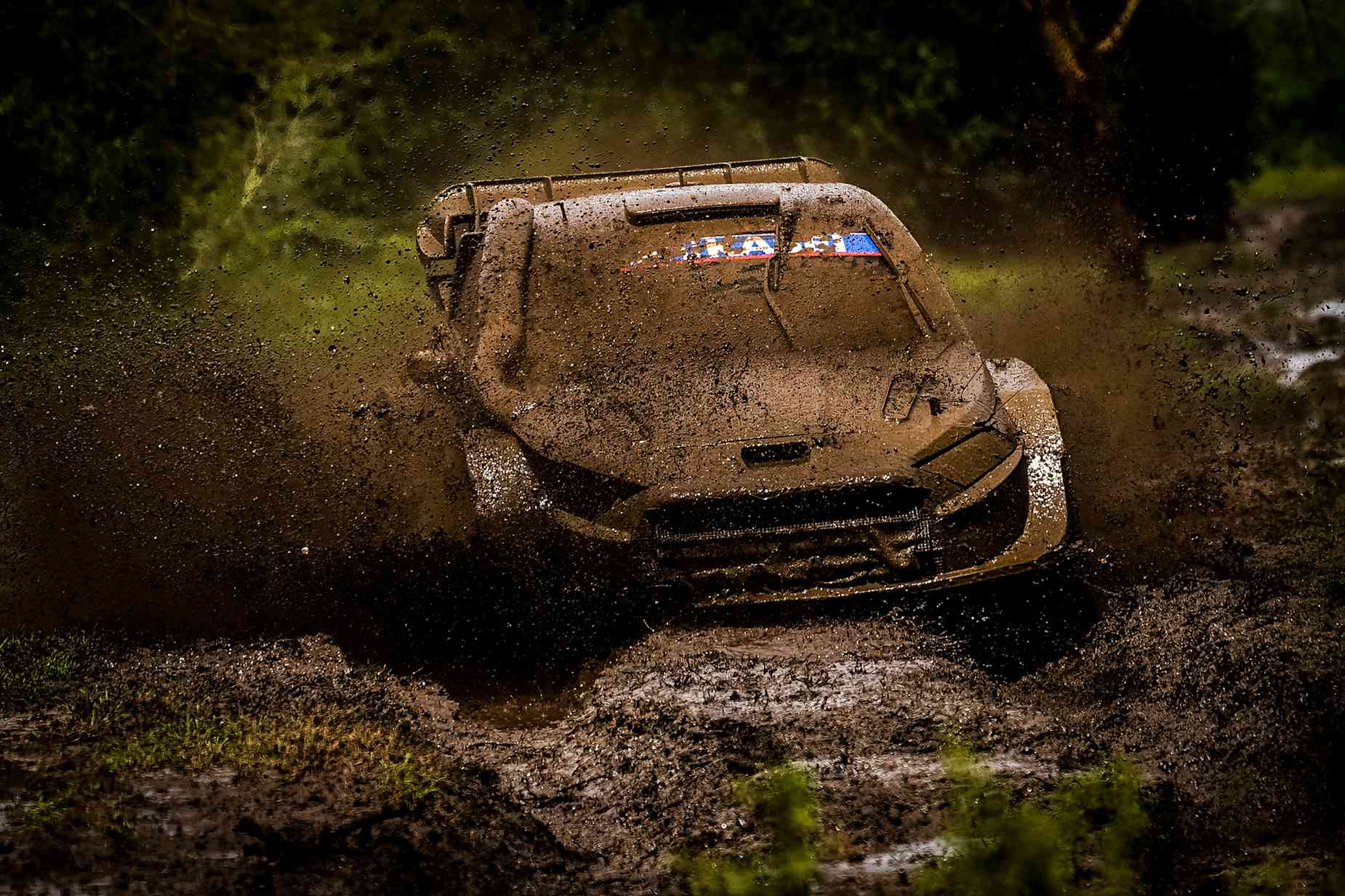
The race was hit by heavy rains, forcing drivers to battle through mud.
Katsuta steadily climbed the leaderboard on Saturday’s punishing gravel stages, taking advantage of troubles faced by his competitors. Championship leader Elfyn Evans suffered two punctures and eventual rear suspension failure, forcing him to retire. Rising star Oliver Solberg and eight-time world champion Sébastien Ogier also retired with mechanical issues, handing Katsuta the rally lead.
Starting Sunday’s final leg with a 1-minute 25-second advantage, Katsuta carefully managed the rough terrain of Oserengoni and Hell’s Gate to secure victory.
“I don’t know what to say. We have faced so many difficult moments. Aaron has worked very hard with me, and the team always believed in me even when I was struggling. I’m here because of them and Aaron,” Katsuta said, emotionally overwhelmed at the finish.
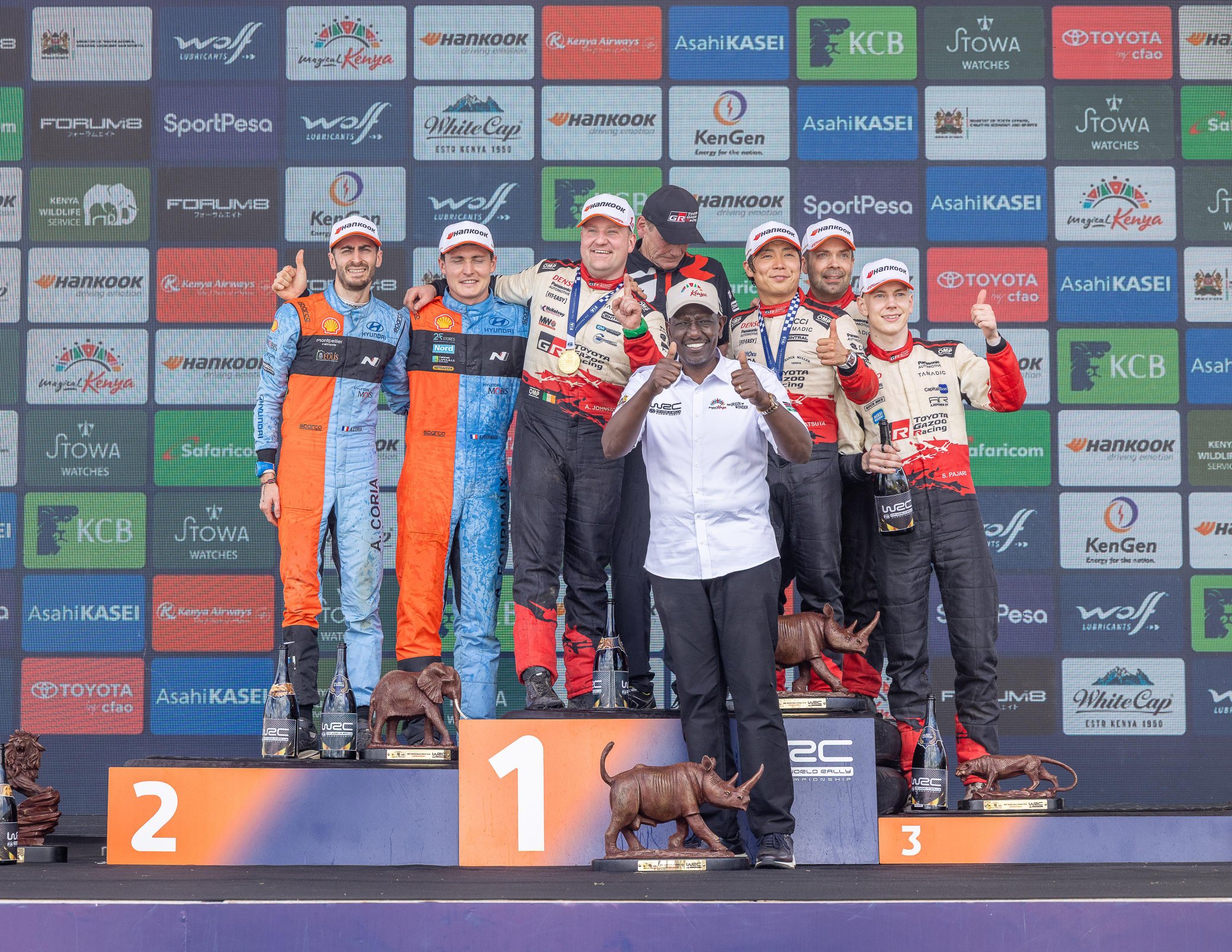
Kenyan President William Ruto was present at the finish to personally present Katsuta with the winner’s trophy.
Podium and other highlights
Fourmaux delivered a composed drive to secure second overall despite Hyundai battling severe overheating issues. Pajari, despite suffering a tyre explosion and another puncture on Saturday morning, guided his Toyota GR Yaris Rally1 to a solid third-place finish.
Esapekka Lappi finished fourth after adopting a cautious approach across the demanding Kenyan stages. Meanwhile, Robert Virves claimed the WRC2 category victory on his first Kenyan appearance, beating Gus Greensmith by 30.3 seconds, with Paraguay’s Fau Zaldívar rounding out the podium.
Kenyan President William Ruto was present at the finish to personally present Katsuta with the winner’s trophy.
Rwanda was represented by four crews, with notable performances. Christian Kanangire and Kevin Shyaka, driving a Subaru Impreza WRX STi, finished as the top-performing Rwandan team, placing 27th overall after showing remarkable consistency through the final Hell’s Gate stages.
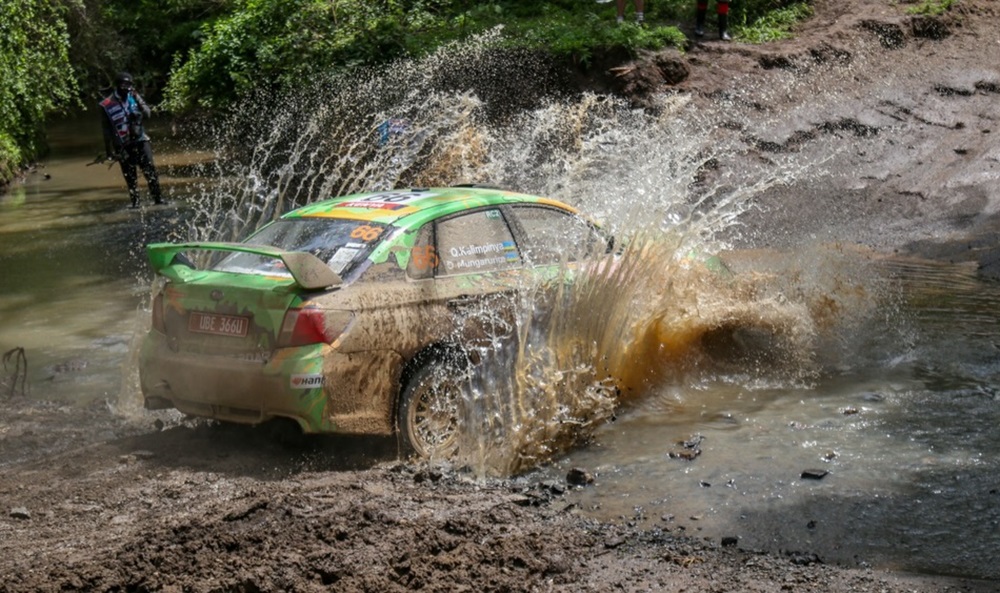
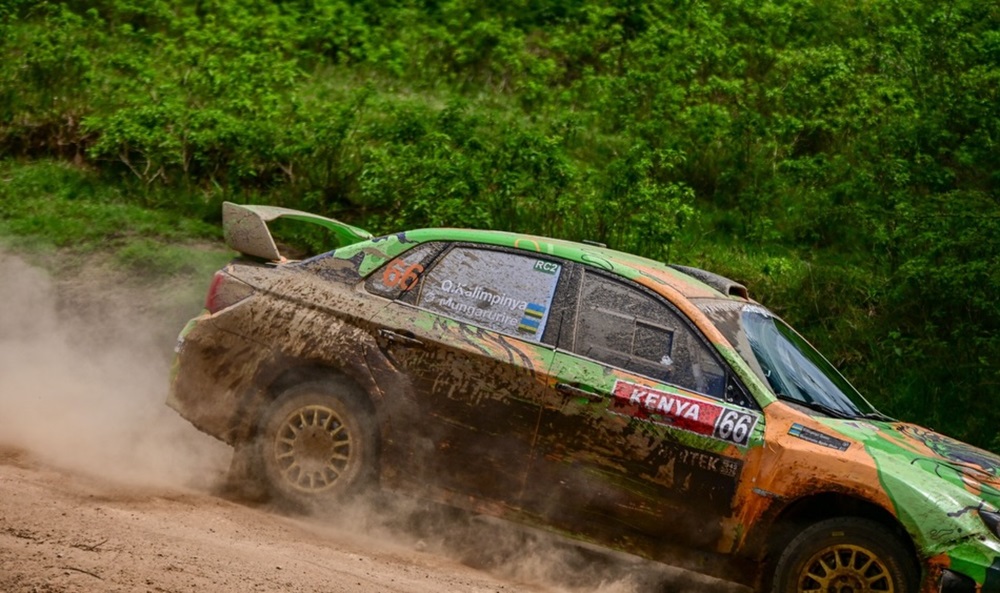
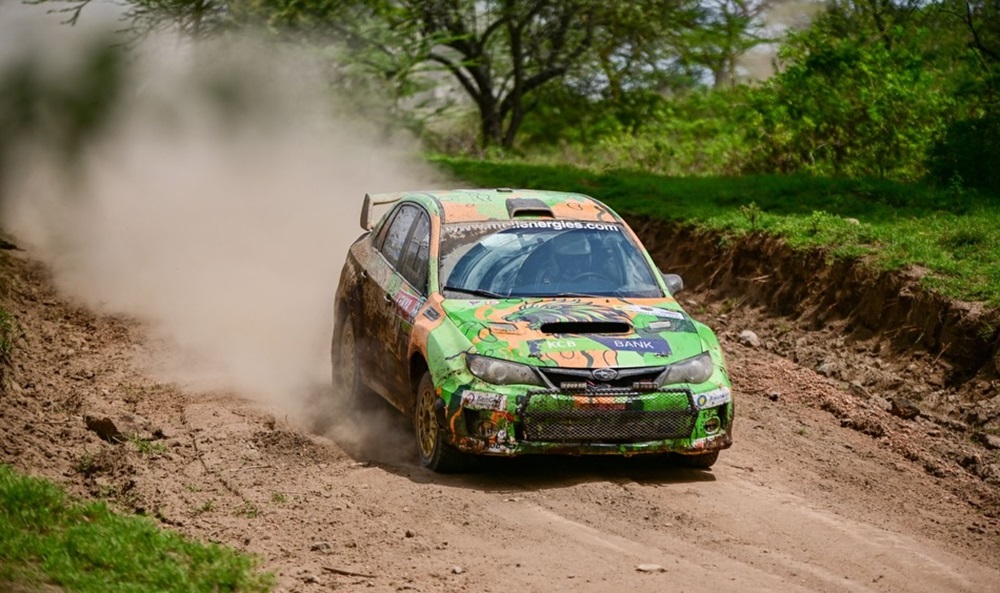
Queen Kalimpinya made history as the first Rwandan woman to compete in the WRC Safari Rally. Despite a technical setback that ruled her car out of the ARC classification, she continued in the national category and showcased resilience to reach the final stages alongside co-driver Olivier Ngabo.
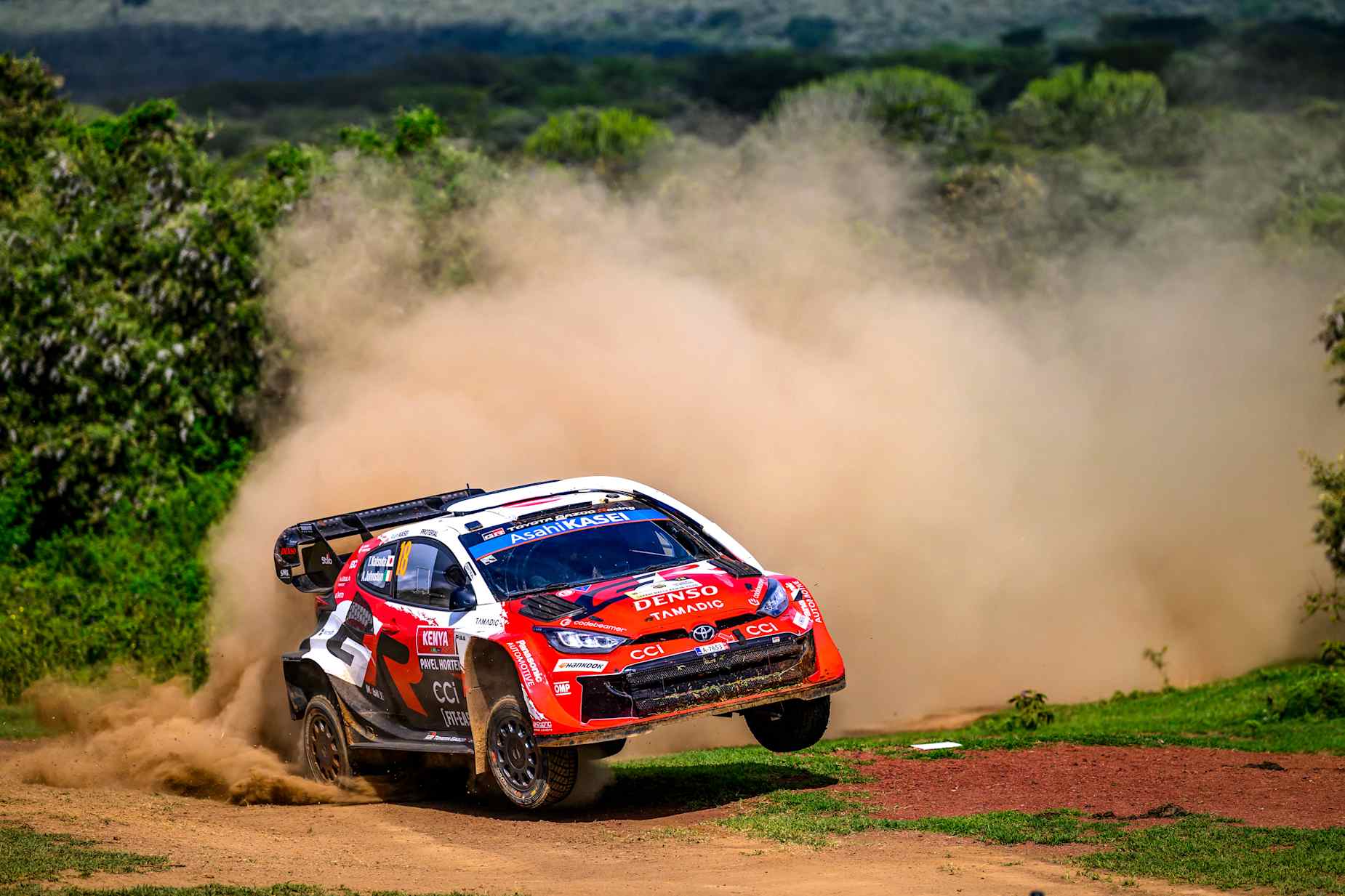
Co-driven by Aaron Johnston, Katsuta sealed the win by 27.4 seconds, ending years of near misses in his pursuit of a WRC crown.
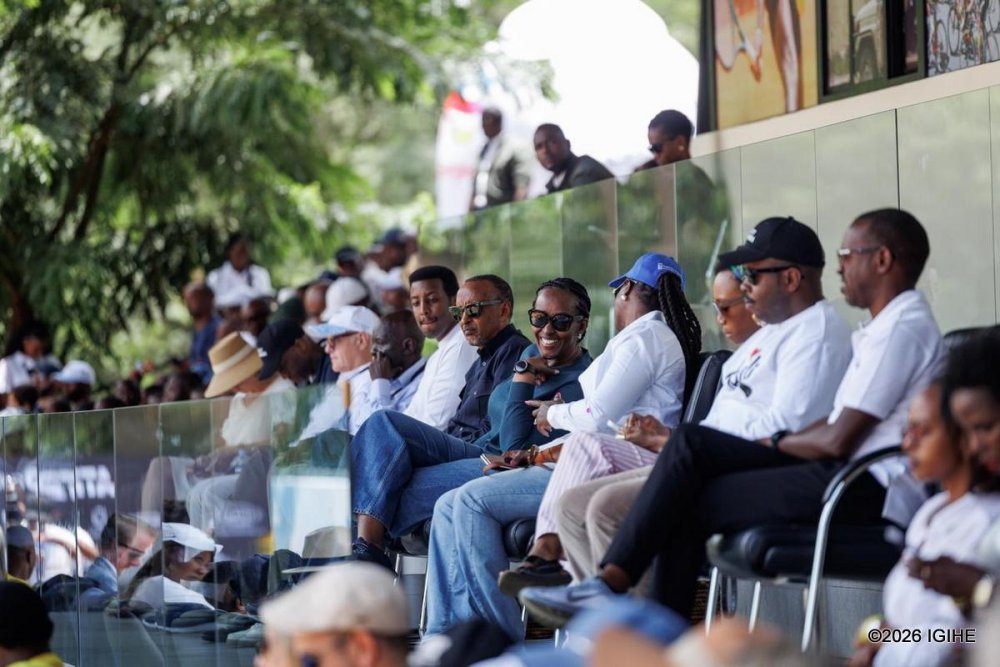
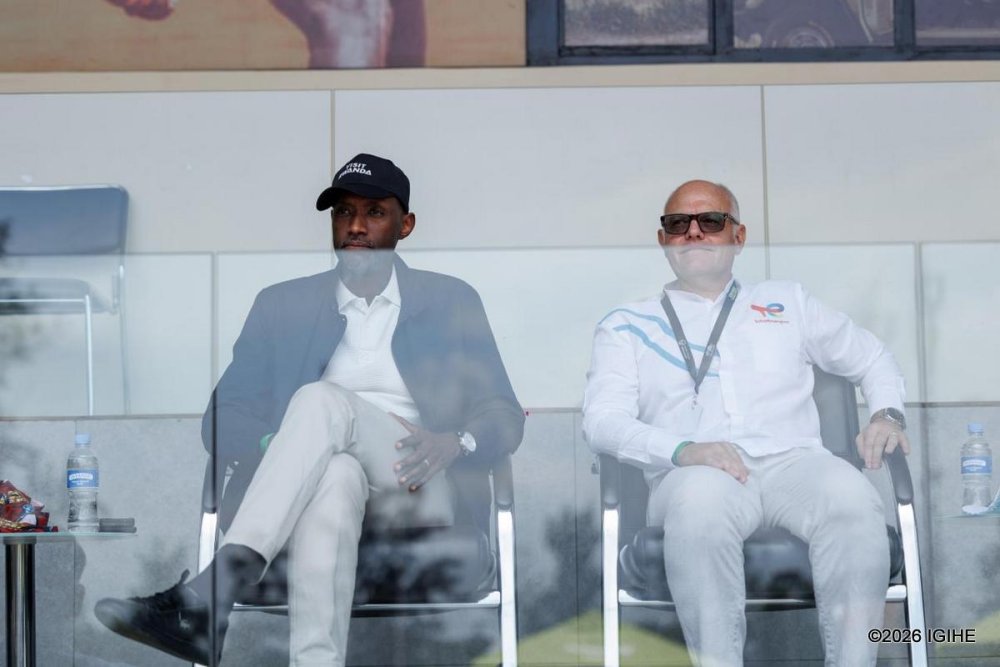
The final, held at the IPRC Kigali Ecology Tennis Court, was also attended by Rwanda Development Board CEO Jean-Guy Afrika, State Minister in the Ministry of Sports Rwego Ngarambe, French Ambassador Aurélie Royet-Gounin, and Rwanda Tennis Federation President Karenzi Théoneste.
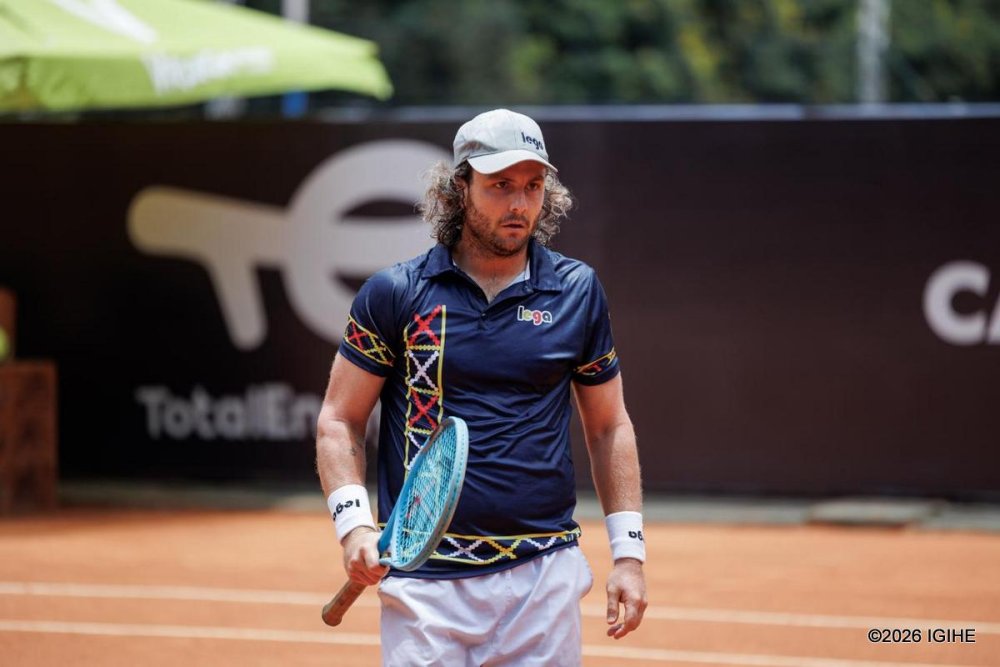
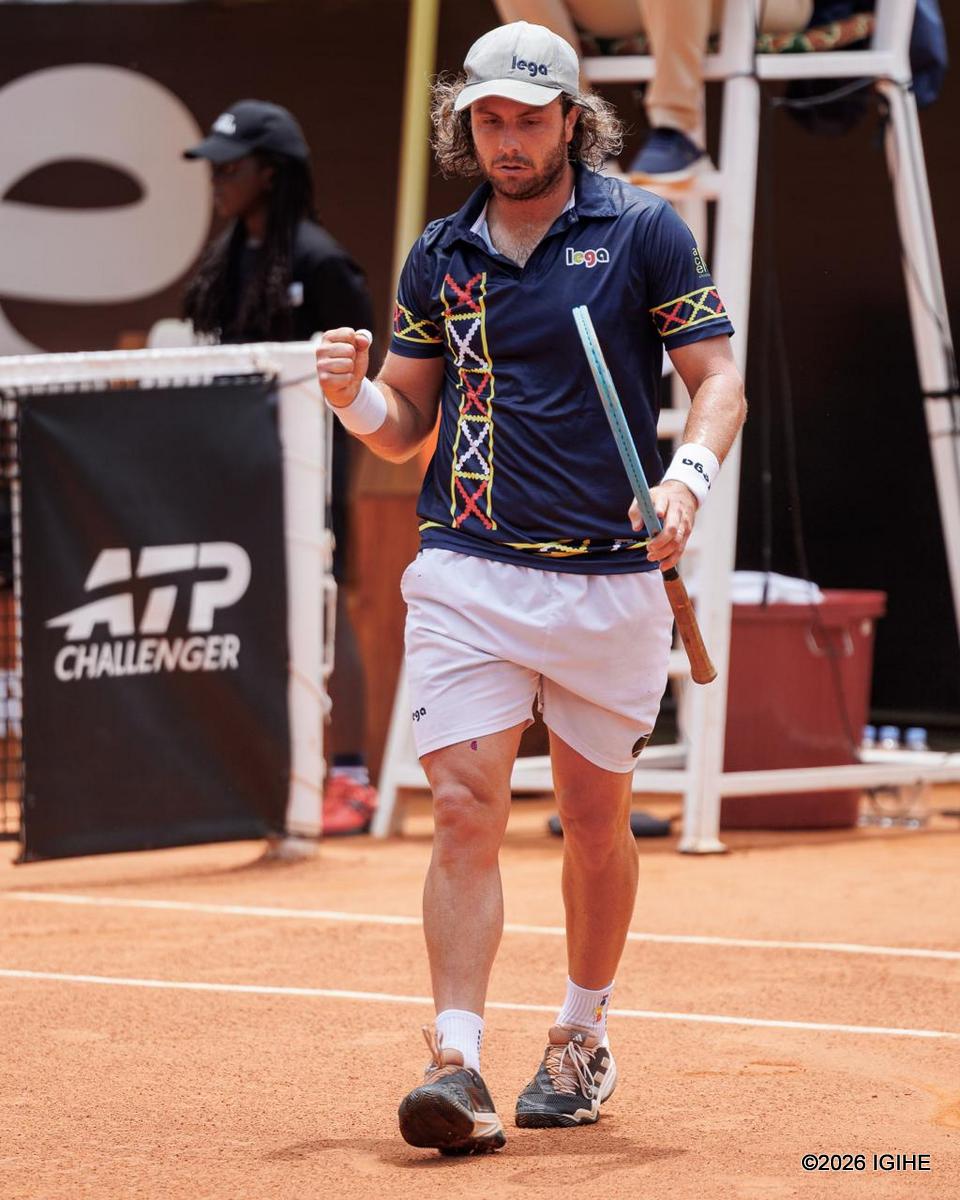
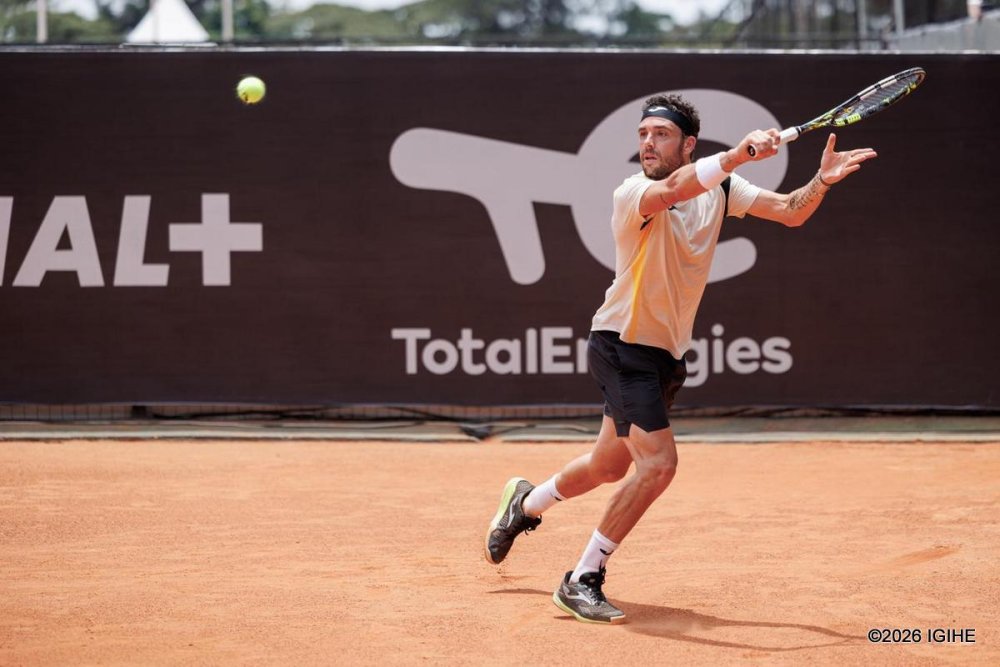
After dropping the first set 4-6, Trungelliti bounced back in the second set, dominating 6-0 as Cecchinato appeared to struggle with a shoulder issue. The Argentine secured the title by winning the third set 6-3. This marks Trungelliti’s second appearance in Kigali, having reached the final of the ATP Challenger 50 in 2024.
“This tournament showcases Rwanda as a growing hub for professional tennis in Africa,” said Karenzi Théoneste.
After dropping the first set 4-6, Trungelliti bounced back in the second set.
Earlier in the week, Trungelliti, 36, reached the final by defeating Czech player Zdenek Kolar 6-3, 6-3, while Cecchinato advanced by beating second seed Arthur Géa of France 6-3, 6-4.
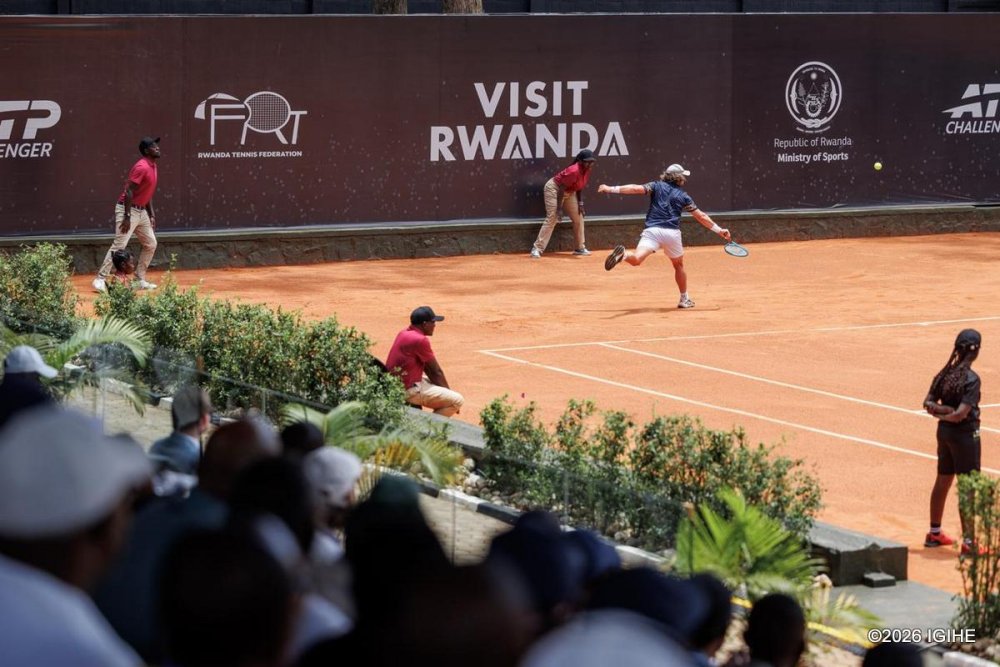
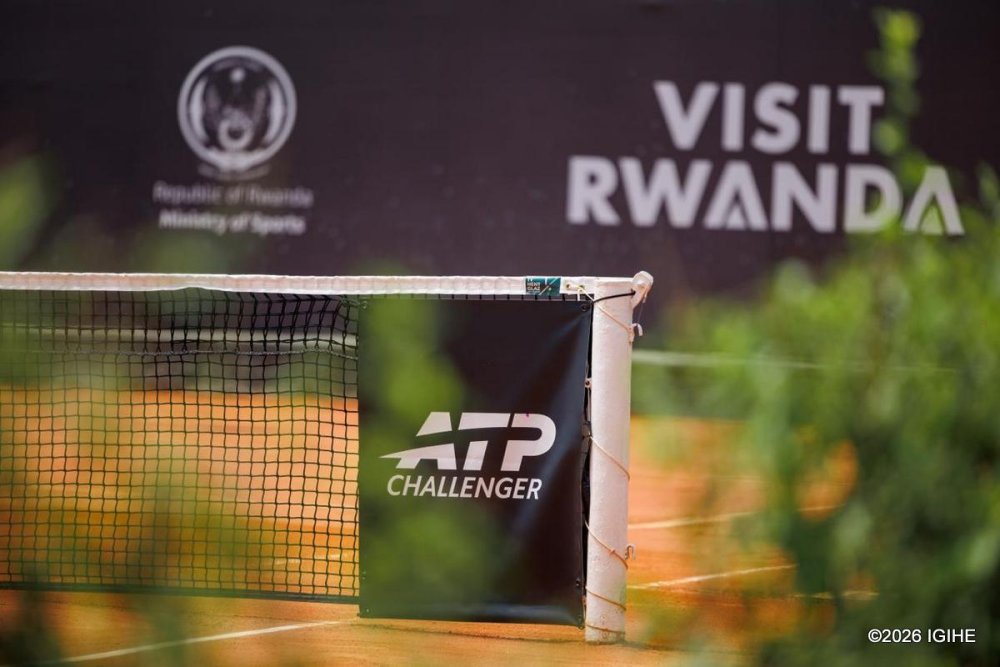
The Kigali tournaments form part of the African Tennis Tour, with the ATP Challenger 75 held in the first week and ATP Challenger 100 in the second. Rwanda has hosted back-to-back editions since 2025, following its debut in 2024 with an ATP Challenger 50.
The first week’s ATP Challenger 75 concluded on March 8, with 20-year-old Austrian Joel Schwaerzler defeating Italian Stefano Napolitano 7-6(5), 7-6(6) to claim the title. American Jay Clarke and Dutch player Max Houkes won the doubles in a thrilling 2-1 final against Siddhant Banthia (India) and Alexander Donski (Bulgaria).
Italy’s Marco Cecchinato took the opening set on Sunday in the ATP Challenger 100 final in Kigali but eventually lost to Argentina’s Marco Trungelliti.
This week, Serbian Stefan Latinović and Frenchman Luka Pavlović took the doubles title, defeating Donski and Banthia 7-6(5), 7-6(2). Two Rwandan players, Ishimwe Claude and Niyigena Étienne, received wildcards into the main draws but were eliminated in the early rounds.
Over 40 players from across the globe competed in Kigali, including participants from Argentina, Austria, Burundi, Croatia, Czech Republic, Ecuador, Finland, France, Germany, Italy, Japan, Netherlands, Romania, Russia, Rwanda, South Africa, Spain, Switzerland, Tunisia, the UK, and the US.
Trungelliti, ranked 132 in the world, was the highest-ranked player, followed by Arthur Gea (161) and Luka Mikrut (165). Several players who competed at the Australian Open in January 2026, including Trungelliti, Gea, Mikrut, Roberto Carballes Baena, Jay Clarke, Zdenek Kolar, Jérôme Kym, and Marco Cecchinato, were in Kigali for the Rwanda Challenger 2026.
The ATP Challenger circuit has produced many of the sport’s top names, including world No. 1 Carlos Alcaraz and former world No. 1s Roger Federer, Rafael Nadal, Andy Roddick, and Juan Martin Del Potro, the 2009 US Open champion.
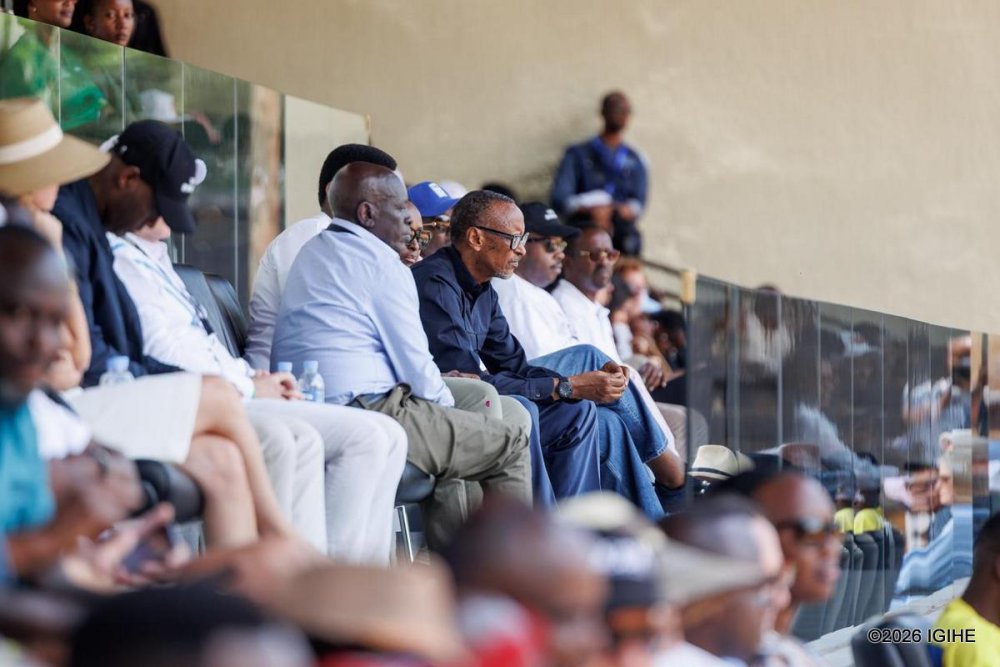
Rwanda has hosted the ATP Challenger tournament for the third consecutive year.President Paul Kagame and First Lady Jeannette Kagame attended the match.Rwanda Development Board CEO Jean-Guy Afrika (left) was also present.
Among them, two crews are competing in the ARC2 category of the African Rally Championship (ARC), while one crew is taking part in the Kenya National Rally Championship (KNRC).
The four-day rally counts simultaneously toward the World Rally Championship (WRC), the African Rally Championship, and the Kenyan national championship, with competitors contesting different categories within the same event.
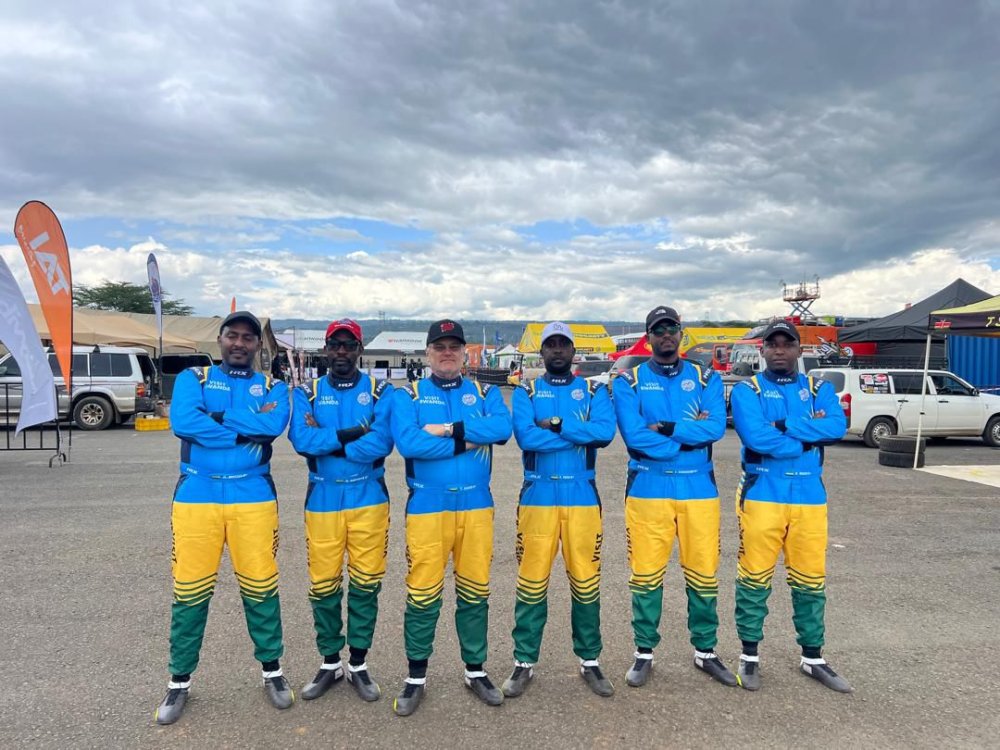
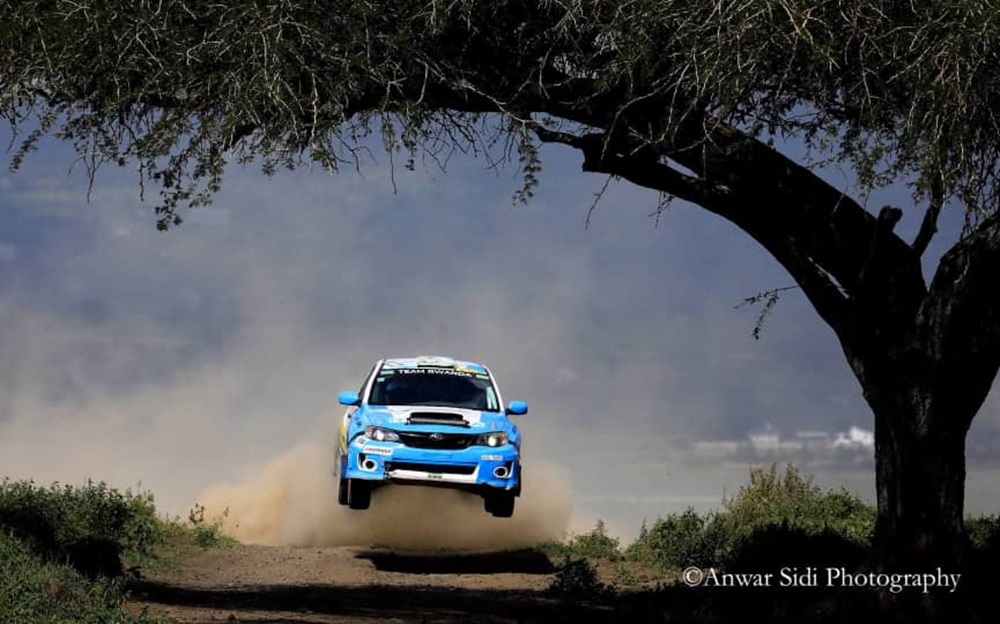
Some of the drivers representing Rwanda at the WRC Safari Rally 2026 in Kenya.
Strong early showing
After the opening two stages, Kanangire Christian and Giancarlo Davite were placed 21st overall out of 40 competing cars, a result that positioned the Rwandan representatives well heading into the following stages.
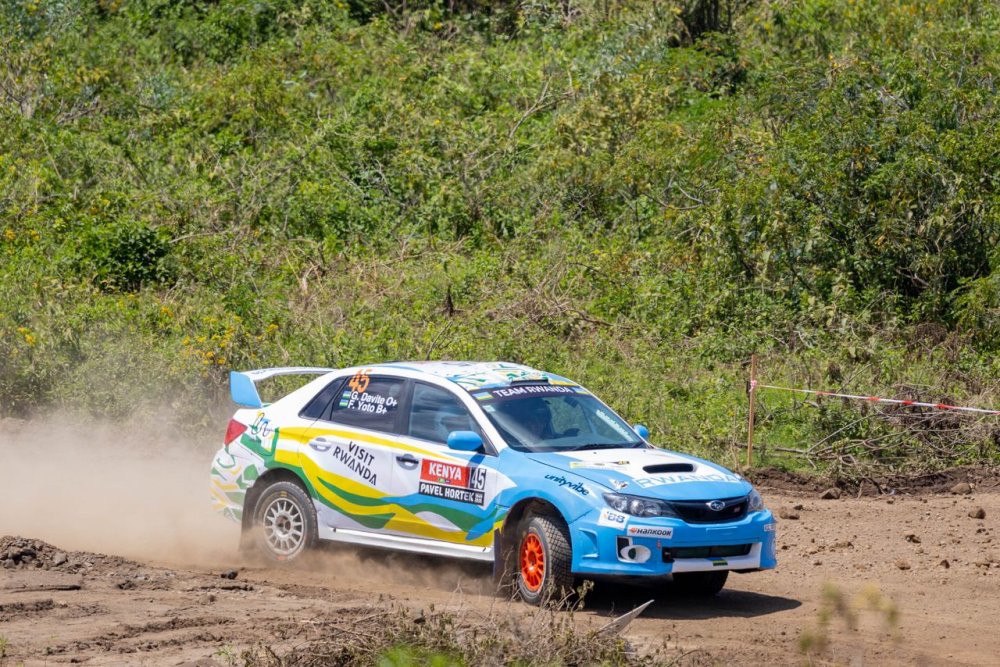
In the ARC2 category, Giancarlo Davite, driving a Subaru Impreza WRX STi 4D alongside co-driver Yoto Fabrice, ended Friday’s action in first place. They were closely followed by fellow Rwandan crew Kanangire Christian and Shyaka Kevin, also competing in a Subaru Impreza WRX STi.
The WRC Safari Rally is among the world’s most prominent motorsport events.
Positions shift on Saturday
However, results from the Saturday stages (March 14) saw both crews lose ground. Kanangire Christian and Shyaka Kevin fell to third place in the ARC2 standings, while Giancarlo Davite and Yoto Fabrice dropped to seventh, the last position in the category.
The two Rwandan crews now trail Oscar Ntambi of Uganda and Evans Nzioka of Kenya in the ARC2 classification.
In the overall African competitors’ standings, Kanangire and Shyaka currently sit ninth, while Davite and Yoto occupy 17th place.
Three Rwandan crews remain in the rally.
Kalimpinya moves to Kenyan championship category
On the first day of the rally, the car driven by Queen Kalimpinya and Ngabo Olivier, a Subaru Impreza WRX STi, was excluded from the African Rally Championship classification after failing to meet certain technical requirements, particularly regarding the fuel tank installation.
As a result, the crew continued their participation under the Kenya National Rally Championship (KNRC) category, where they are currently sixth with their Subaru Impreza WRX STi 4D R4.
Another Rwandan entry, driven by Gakwaya Jean Claude and Mugabo Jean Claude, retired from the rally before completing any stage.
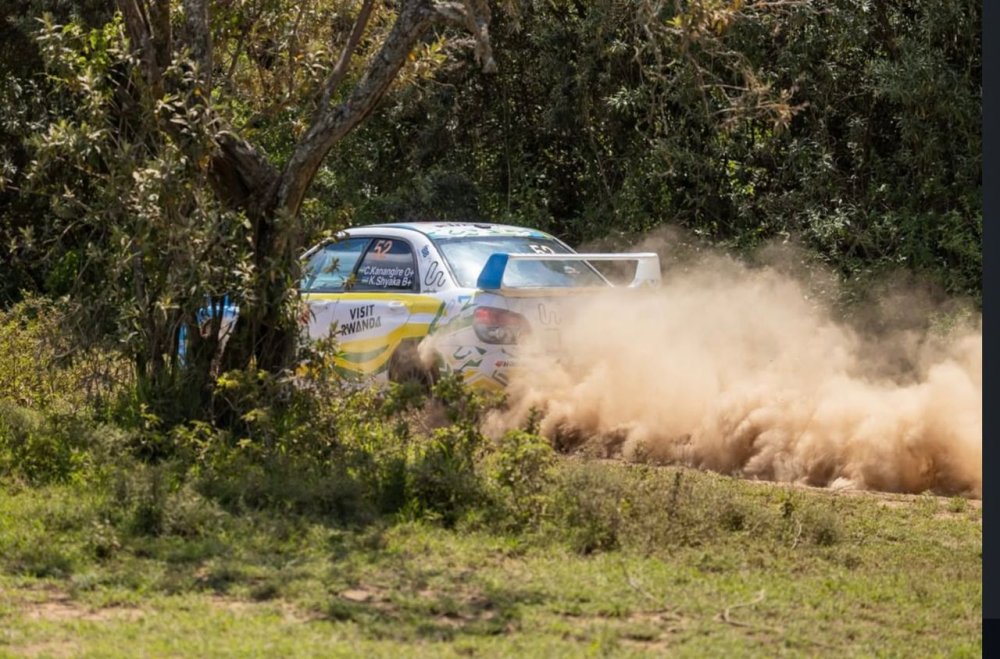
Kanangire Christian is faring well in the ARC2 category of the African Rally Championship.
Overall rally standings
In the overall rally standings, the event is currently led by Takamoto Katsuta of Japan, alongside Irish co-driver Aaron Johnston, driving a Toyota GR Yaris, with a total elapsed time of 2 hours and 41 minutes.
The final day of the rally, scheduled for Sunday, March 15, 2026, will feature four stages covering a total distance of 57.1 kilometres.
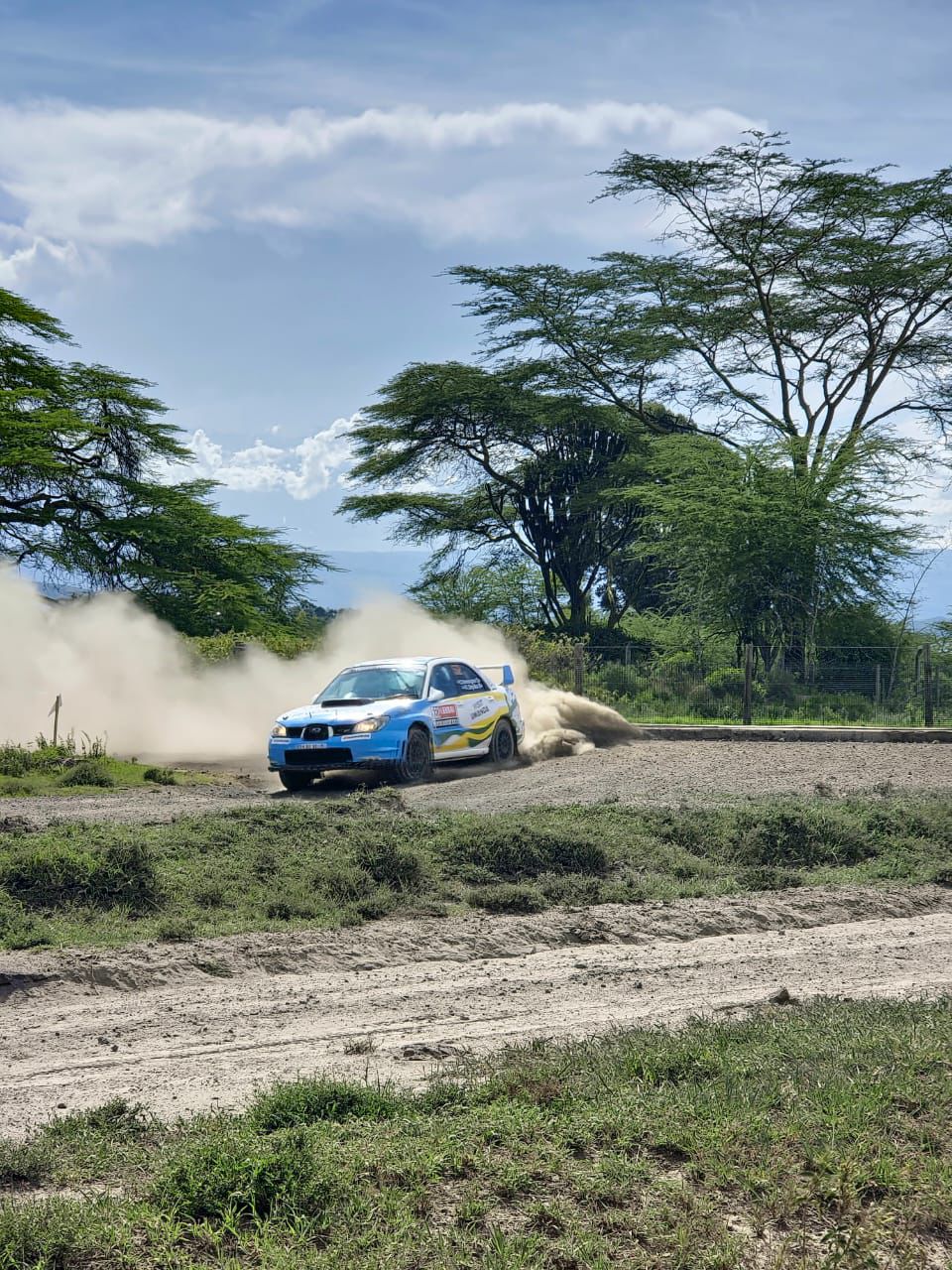
Some stages were postponed due to heavy rain.Slippery roads challenged competitors on the third day of the WRC Safari Rally.Kalimpinya is competing in the Kenya National Rally Championship.Giancarlo Davite is driving alongside co-driver Yoto Fabrice.The WRC Safari Rally is among the world’s most prominent motorsport events.
FUFA announced the punitive measures following an investigation into a match played on December 21, 2024, in which Kitara FC defeated Express FC 7–0.
The suspended individuals include Mike Mutyaba, a former player for Uganda Cranes, Ivan Katende, a former FUFA staff member, Ashiraf Miiro, the Chief Executive Officer of Express FC, and two players —Emmanuel Kalyowa and Ashiraf Mbaziira.
FUFA’s Investigatory Chamber of the Ethics and Disciplinary Committee revealed that the match was reportedly fixed for betting purposes.
“After the match, FUFA was informed by FIFA via a betting report that the game had been fixed for betting purposes, with prior knowledge that Express FC would lose and concede at least five goals,” FUFA said in a statement.
Preliminary investigations suggest that Mutyaba coordinated the fix with Katende, who has previously been implicated in match-fixing cases. Mutyaba reportedly introduced Katende to Express FC CEO Miiro, and the three conspired to manipulate the match outcome.
Evidence shows that Ugandan betting accounts linked to Katende won millions of shillings at a Tanzanian-based betting company, which later blocked the payments after detecting fraud.
The inquiry also points to the involvement of players Kalyowa and Mbazira, who were allegedly recruited by Mutyaba to execute the fix on the field. Mutyaba assumed technical responsibilities for the team during the match due to the absence of head coach Kaddu Badru.
FUFA has formally engaged the Criminal Investigations Directorate, and the process remains ongoing.
“FUFA remains committed to protecting the integrity of football in Uganda by fighting all forms of match manipulation,” the federation said in a statement.
The suspended individuals include Mike Mutyaba, a former player for Uganda Cranes.Preliminary investigations suggest that Mutyaba coordinated the fix with Katende, who has previously been implicated in match-fixing cases.