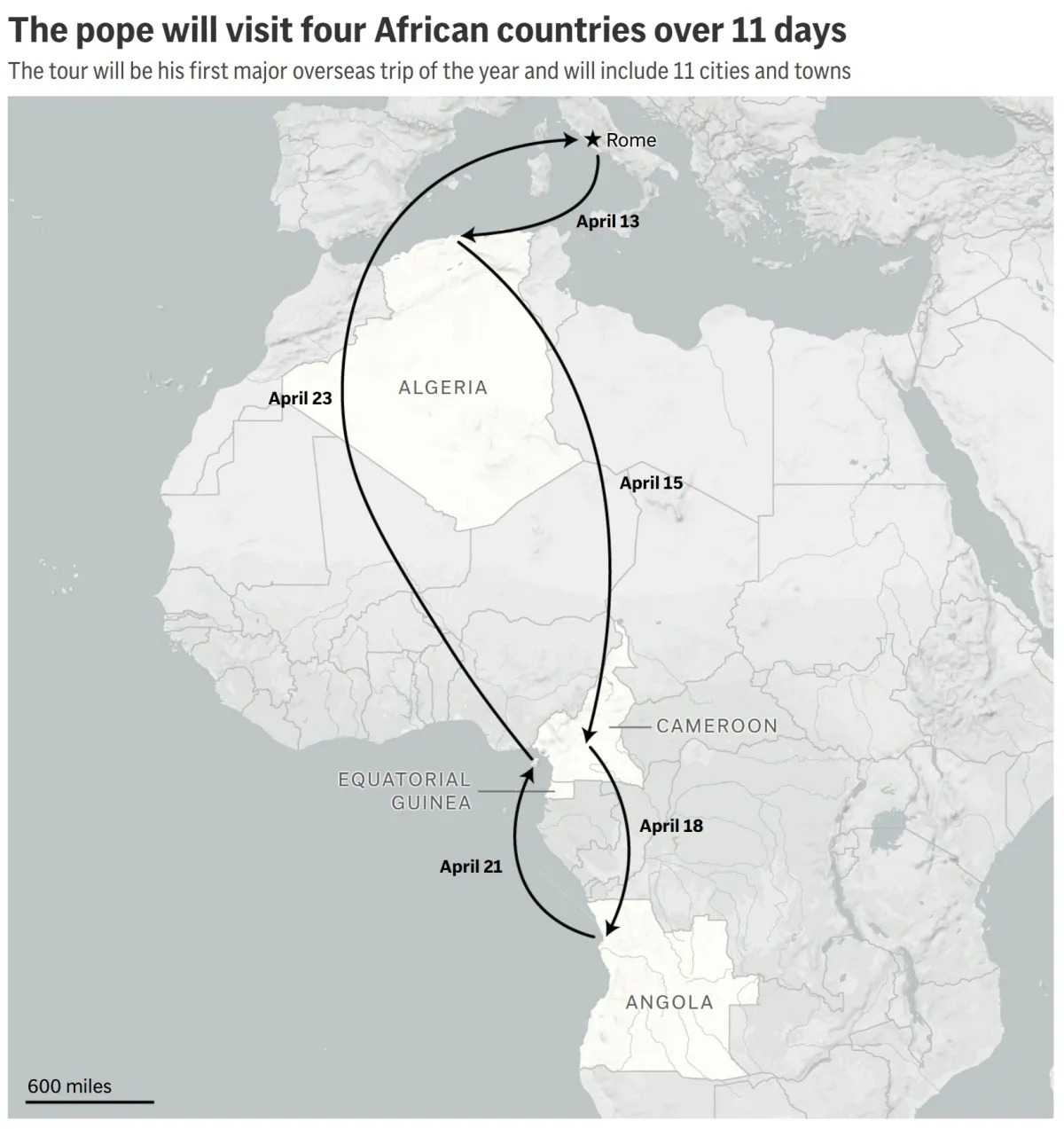
Pope Leo XIV began his African tour on April 13, starting in Algeria before concluding his visit there on April 14, 2026.
In Cameroon, the Pope is expected to focus on key themes including peace, coexistence, youth development, and holistic human development—covering economic, social, spiritual, and physical dimensions of life.
Antoine Kambanda was elevated to Cardinal on November 28, 2020, by Pope Francis.
Since then, the Vatican has appointed him as a member of the Dicastery for Evangelization and the Dicastery for Culture and Education in the Catholic Church.
Cardinals who accompany the Pope on his apostolic journeys are often those whose responsibilities align with the main themes of the visit.
During the wider African tour, Pope Leo XIV is also expected to focus on youth development, human progress, and the impact of corruption and colonial legacy in Angola.
In Equatorial Guinea, the Pope will emphasize education, culture, and the role of the Church in promoting peace.
A significant number of African Cardinals are part of the delegation accompanying Pope Leo XIV on this tour.
The Catholic Church has increasingly appointed African Cardinals to senior global roles, as part of efforts to strengthen the Church’s presence on a continent where more than 20% of its faithful live.
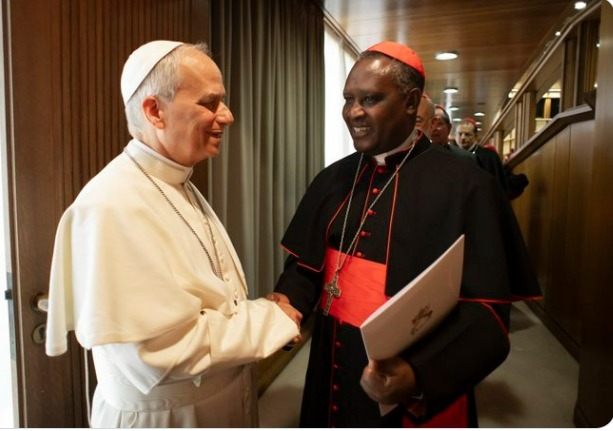
Cardinal Kambanda is among clergy accompanying Pope Leo XIV in Cameroon.
This is not a routine diplomatic stop; it is a calculated recognition of a continent that has become the new center of gravity for the world’s most pressing conversations on faith, diplomacy, and unity.
The 11-day itinerary, spanning Algeria, Cameroon, Angola, and Equatorial Guinea, is a grueling schedule involving 18 flights and 11 cities. In practice, it represents a bold pivot toward the Global South, moving Africa from the periphery of international discourse to its vital center.
A strategic opening in Algiers
The decision to launch the tour in Algeria is a significant diplomatic statement. As a nation where Islam is the bedrock of social life, Algeria has never before hosted a Catholic Pope. By beginning his journey here, Leo XIV is prioritizing interfaith dialogue over traditional denominational strongholds.
Pope Leo is the first pope to visit Algeria.
The symbolism is profound: the Pontiff’s schedule includes a historic visit to the Great Mosque of Algiers, one of the world’s largest, followed by a meeting with the local Christian community at the Basilica of Our Lady of Africa. These visits are an active demonstration of how divergent faiths can occupy the same intellectual and physical space.
Furthermore, the visit serves as a historical homecoming. On April 14, the Pope travels to Annaba, the ancient Hippo Regius, to pray at the ruins where Saint Augustine, a foundational architect of Western thought, lived and ministered. For Leo XIV, an Augustinian himself, this is a nod to the African roots of Christian philosophy, a reminder that the continent’s contribution to global thought is as ancient as it is essential.
The new heart of global Catholicism
Beyond the symbolism lies a demographic reality: Africa is now the primary engine of the Catholic Church’s growth. The continent is home to over 256 million Catholics, representing roughly one-fifth of the global total. While participation in the West plateaus, African congregations are expanding at a rate that has fundamentally inverted the old “missionary” narrative.
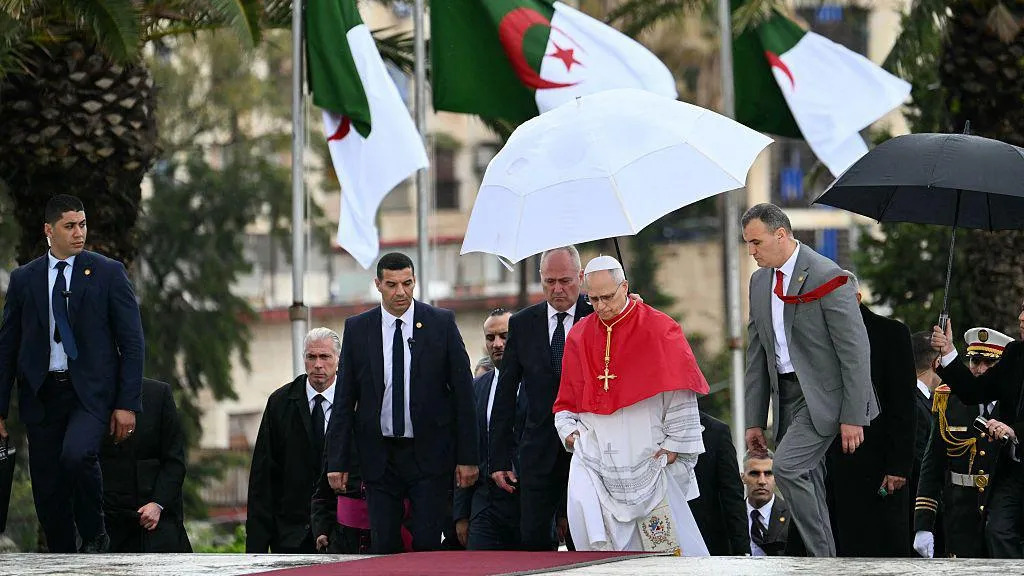
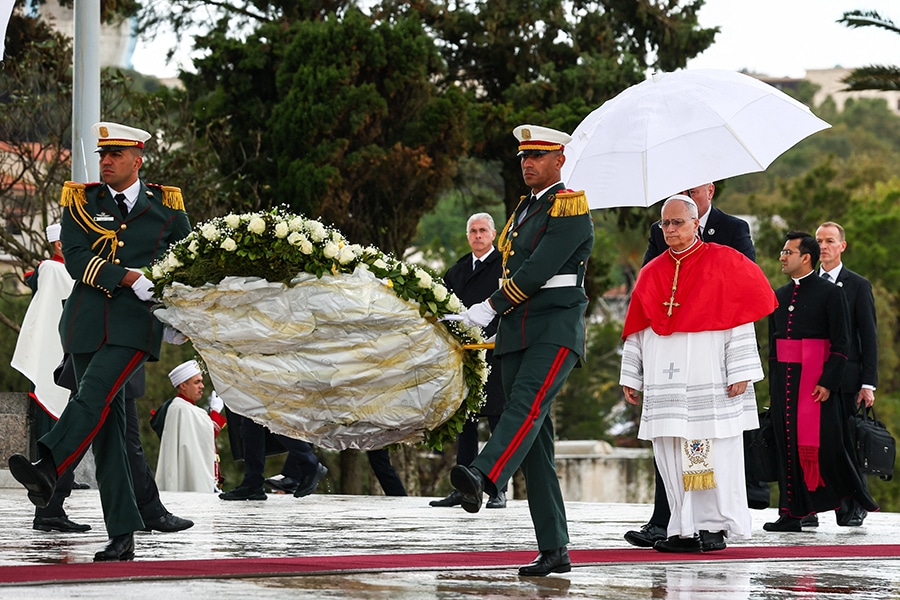
Pope Leo XIV visits Maqam Echahid (Martyrs’ Memorial) monument in El Madania, Algiers, Algeria, April 13, 2026, to begin his apostolic journey to Algeria, Angola, Cameroon and Equatorial Guinea.
Today, Africa no longer just receives the faith; it exports it. African priests and lay leaders are increasingly filling the administrative and spiritual voids of the Global North. By visiting Cameroon and Angola, Leo XIV is engaging with the very people who will dictate the future trajectory of the institution.
Navigating high-stakes realities
Each stop on the itinerary is strategically calibrated to address specific regional or global tensions, moving the journey beyond simple ritual into the realm of high-stakes diplomacy.
From Wednesday, April 15, to Saturday, April 18, the Pope will visit Cameroon, a nation of 30 million people, where he will venture into Bamenda. This region has been marked by years of socio-political tension, making his “Meeting for Peace” at St. Joseph’s Cathedral a high-stakes effort toward national reconciliation.
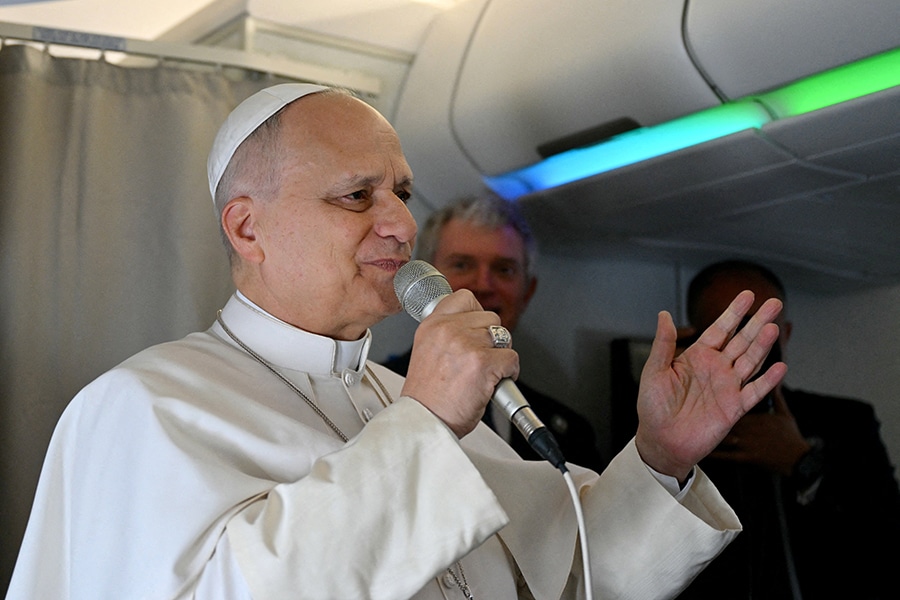
Pope Leo XIV addresses journalists during the flight heading to Algiers on April 13, 2026. Pope Leo XIV embarks on April 13 on an 11-day visit to Algeria, Cameroon, Angola and Equatorial Guinea for his first major international trip since becoming pontiff in May 2025.
This serious diplomatic mission will be balanced by a massive show of faith in Douala, where an estimated 600,000 faithful are expected to gather at Japoma Stadium for a landmark Eucharistic celebration.
The journey then shifts to Angola from Saturday, April 18, to Tuesday, April 21. During this leg, the Pontiff will travel to the Marian shrine of Mama Muxima, a site of profound cultural and spiritual devotion, to pray for peace in a nation still navigating the scars of its civil war history.
His itinerary also includes a visit to Saurimo, a hub of the diamond industry, where he intends to highlight the human dignity and ethical stakes involved in Africa’s vast natural resource wealth.
The tour concludes in Equatorial Guinea from Tuesday, April 21, to Thursday, April 23, with a final focus on “works of mercy.” In the capital and beyond, Leo XIV will visit the Jean Pierre Olie Psychiatric Hospital and engage with academics at the National University’s León XIV Campus, a sequence of events designed to bridge the gap between grassroots social care and the continent’s growing intellectual influence.
The sheer scale of the mission, covering nearly 18,000 kilometers, underscores its urgency. For a 70-year-old leader, the pace is demanding, but the objective is clear: visibility. By visiting coastal hubs, diamond centers, and conflict-affected regions, the tour brings a global spotlight to areas frequently overlooked by the Western media apparatus.
Ultimately, this tour is an exercise in recognition. It acknowledges a continent that is no longer “in waiting,” but is actively leading global conversations. Over these 11 days, Pope Leo XIV is not merely visiting four nations; he is engaging with a continent that is currently writing the next chapter of global history. In a world defined by fragmentation, this move to center Africa may well be the most important diplomatic statement of his papacy.
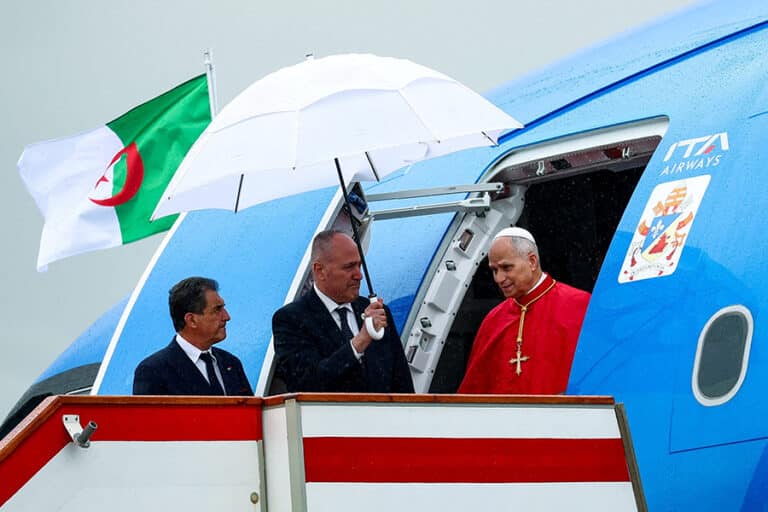
Pope Leo XIV disembarks the papal plane upon his arrival at Houari Boumediene International Airport to begin his apostolic journey to Algeria, Angola, Cameroon and Equatorial Guinea, in Dar El Beida, Algiers, Algeria, April 13, 2026.
The trip is expected to be one of the most demanding of his early pontificate, combining intense travel, high-level diplomacy, and major religious celebrations across a continent where the Catholic Church is growing rapidly.
Africa is now home to about 288 million Catholics, roughly 20.3 percent of the global Catholic population, according to the Vatican Yearbook (2024). The visit is therefore seen as both symbolic and strategic, highlighting the Church’s growing center of gravity in the Global South.
Pope Leo will travel with senior Vatican officials, including Cardinal Pietro Parolin, Cardinal Luis Antonio Tagle, and Cardinal Peter Turkson, as well as diplomatic and communications teams. Around 70 journalists will accompany the delegation. In total, the pope will complete 12 plane journeys and four helicopter transfers, delivering multiple speeches, homilies, and greetings in English, French, Portuguese, and Spanish.
April 13–15: Algeria – Peace, memory, and dialogue
The journey will begin in Algeria, where Pope Leo will make the first papal visit in the country’s history. He will be received in Algiers by President Abdelmadjid Tebboune in a state ceremony that includes full military honors.
His program in the capital will include a visit to the Maqam Echaid memorial for Algeria’s war of independence, a private meeting at the presidential palace, and a major address to political, diplomatic, and civil society leaders. The speech is expected to focus on peacebuilding and dialogue in a country shaped by both colonial legacy and a violent civil war in the 1990s.
On April 14, he will travel to Annaba, the ancient city of Hippo and the historic seat of St. Augustine. There he will pray at archaeological sites linked to the saint, meet religious communities caring for the poor and elderly, and celebrate Mass at the Basilica of St. Augustine.
On April 15, after meetings with local bishops and the Catholic community, he will leave Algeria for Cameroon.
April 15–18: Cameroon – Calls for unity and reconciliation
Pope Leo will be welcomed in Yaoundé by Prime Minister Joseph Dion Ngute and will later meet President Paul Biya, one of Africa’s longest-serving leaders.
In the capital, he is expected to address political leaders, diplomats, and civil society at the Palace of Congresses, with a message focused on peace and national unity. His visit comes at a time when Cameroon continues to face conflict in its English-speaking regions.
On April 16, he will travel to Bamenda in the northwest, where he will take part in an “encounter for peace” with Christian and Muslim leaders at St. Joseph’s Cathedral. He will also celebrate a large open-air Mass for tens of thousands of faithful before returning to Yaoundé.
On April 17, he will travel to Douala, Cameroon’s largest city and economic hub, where he will celebrate Mass at Japoma Stadium and visit a hospital. Later, he will address students and academics at the Catholic University of Central Africa.
On April 18, he will celebrate Mass at the airport in Yaoundé before continuing his journey to Angola.
April 18–21: Angola – Healing and social justice
In Luanda, Pope Leo will be welcomed by President João Manuel Gonçalves and will take part in official state ceremonies. He is expected to address national leaders on issues including poverty, inequality, corruption, and post-war reconstruction.
Angola, still shaped by the legacy of its civil war (1975–2002), will provide a key backdrop for his messages on reconciliation and development.
On April 19, he will celebrate a major outdoor Mass in Kilamba, expected to draw around 200,000 people. He will later travel to Muxima, one of Africa’s most important Marian shrines, where millions of pilgrims visit each year.
On April 20, he will visit Saurimo in the country’s diamond-rich northeast, meeting the elderly and celebrating Mass for large crowds. He will later return to Luanda for meetings with bishops and Church leaders.
On April 21, he will leave Angola for Equatorial Guinea, marking the anniversary of Pope Francis’s death.
April 21–23: Equatorial Guinea – Youth, hope and renewal
Pope Leo will be received in Malabo by President Teodoro Obiang Nguema Mbasogo. He will meet government officials and address civil society at the presidential palace, followed by an engagement with students and staff at the newly named Leo XIV Campus of the National University.
On April 22, he will travel to Mongomo, where he will celebrate Mass in one of Africa’s largest churches before visiting a technical school and continuing to Bata. There he will visit a prison, meet victims of a 2021 explosion, and address young people and families at the stadium.
On April 23, he will conclude his African journey with a final Mass in Malabo before departing for Rome, where he is expected to hold a press conference reflecting on the visit.
Across 10 days, Pope Leo’s first African trip is expected to underline the continent’s growing importance in the Catholic Church. With a focus on peace, dialogue, and development, the visit will be closely watched as both a spiritual pilgrimage and a major diplomatic moment in the early months of his papacy.
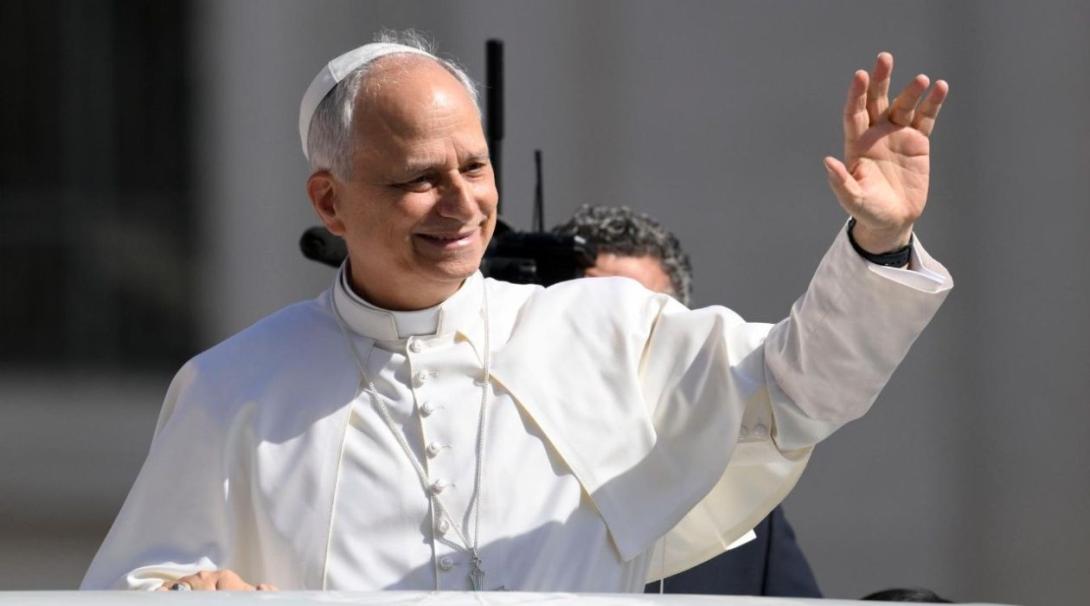
Pope Leo’s first African trip is expected to underline the continent’s growing importance in the Catholic Church.
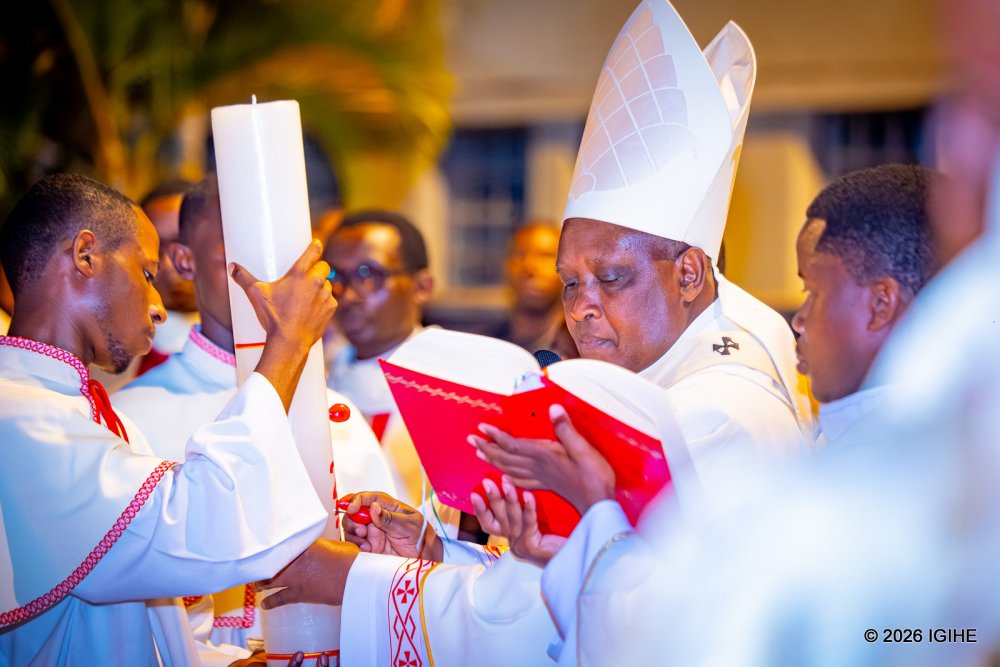
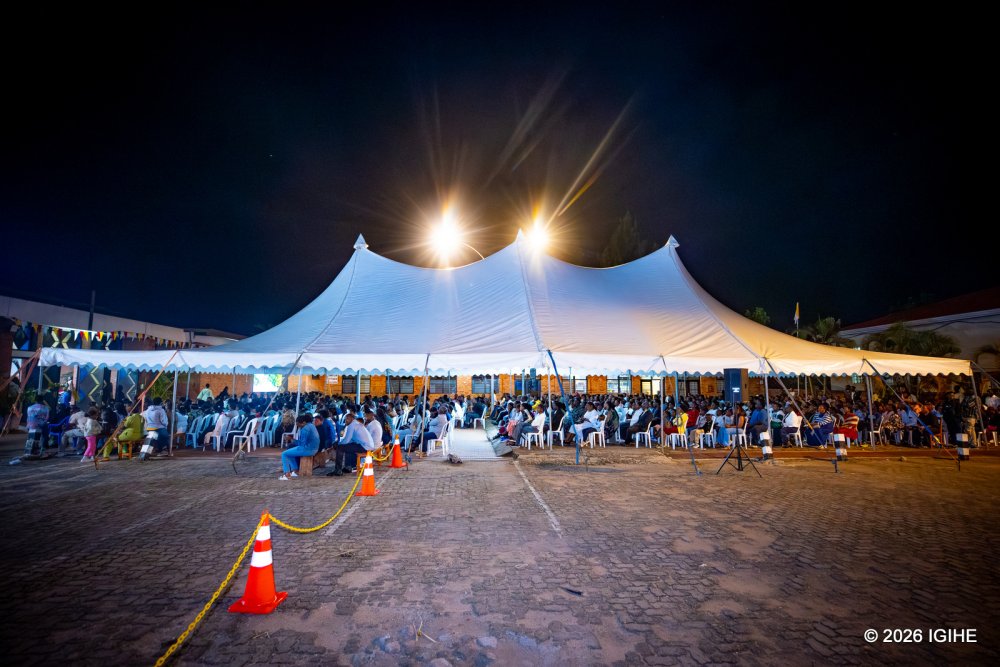
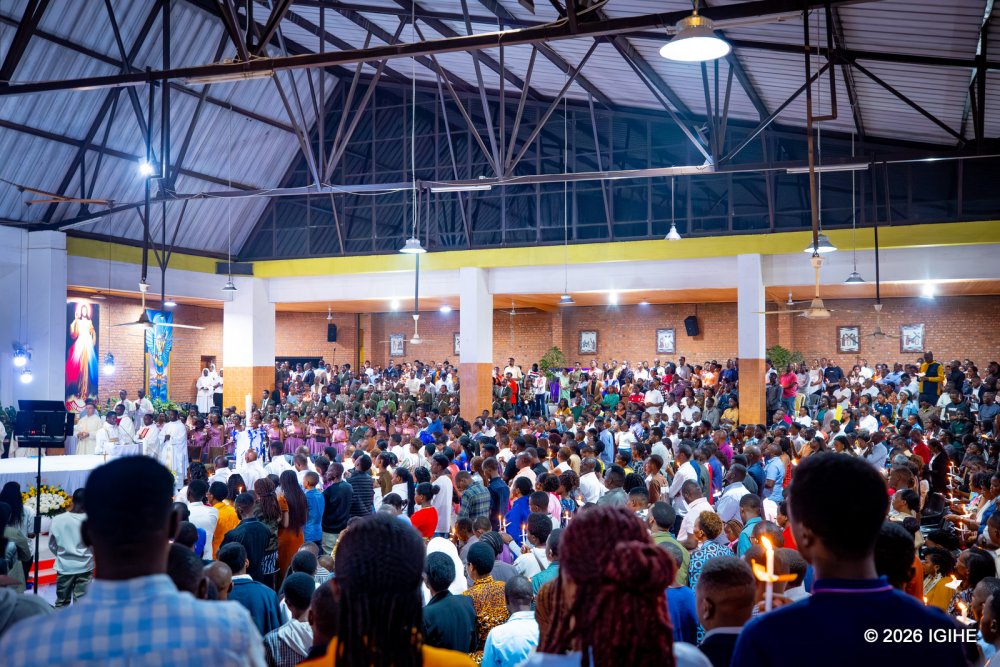
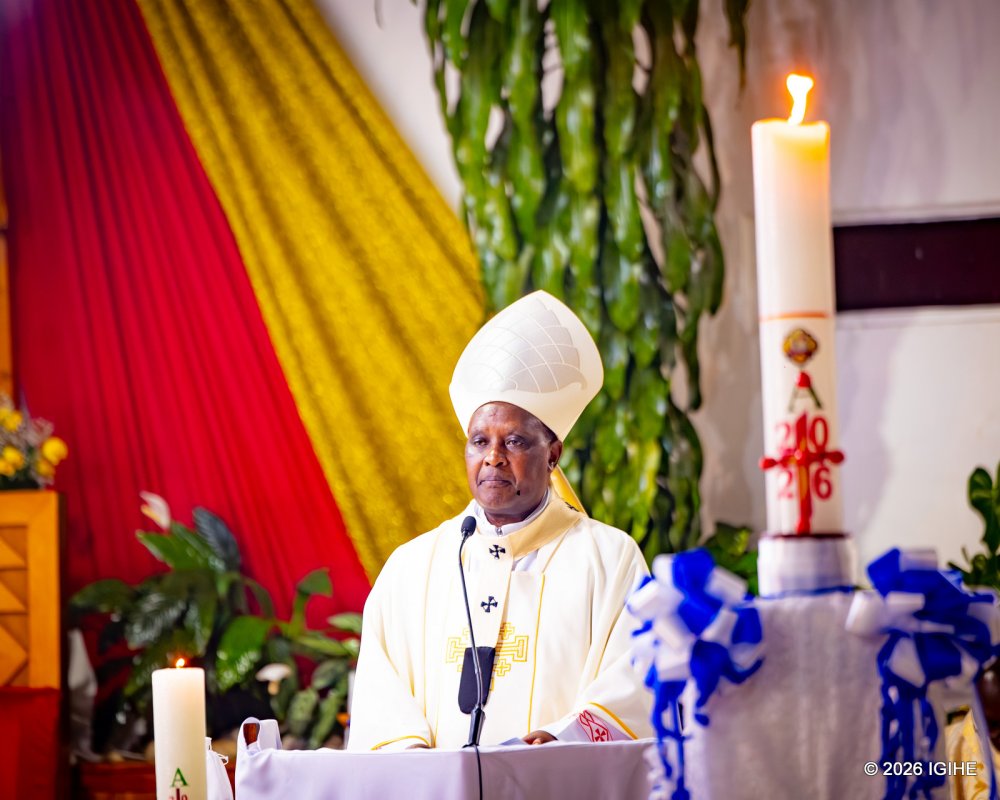
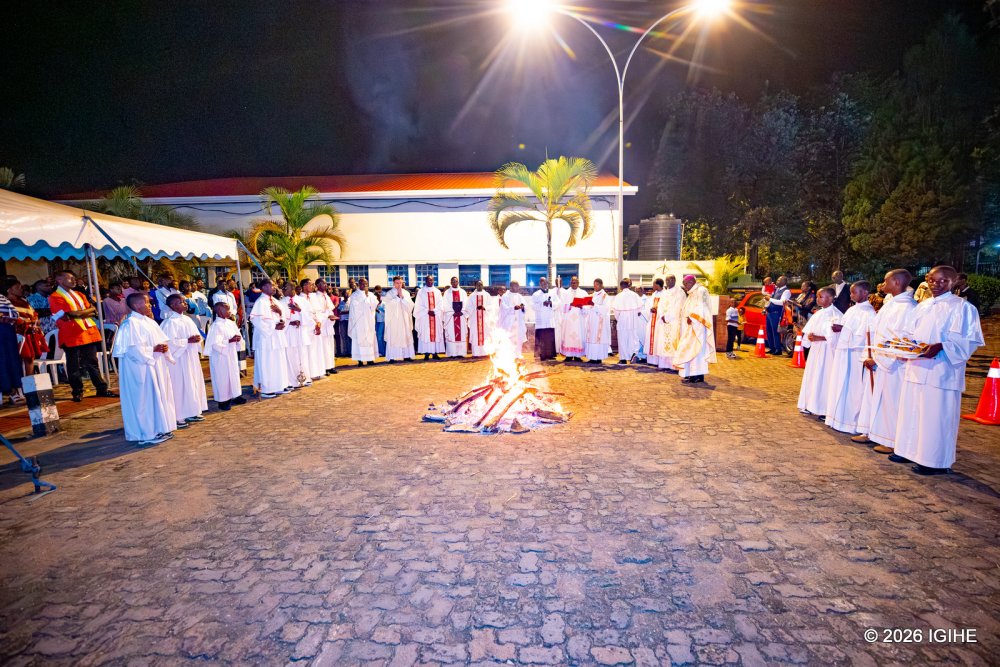
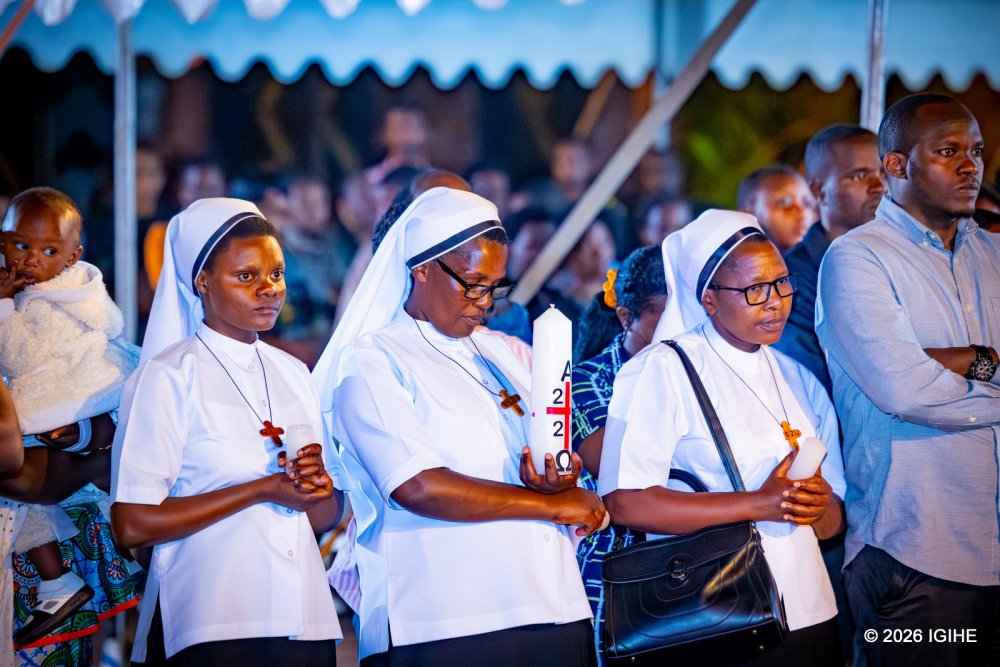
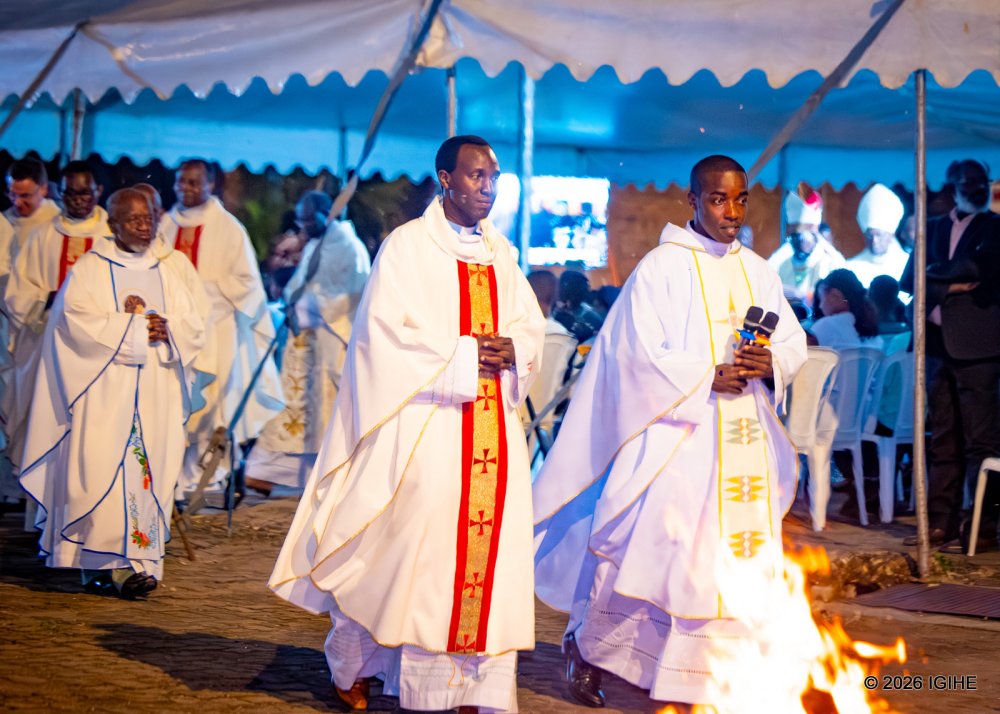
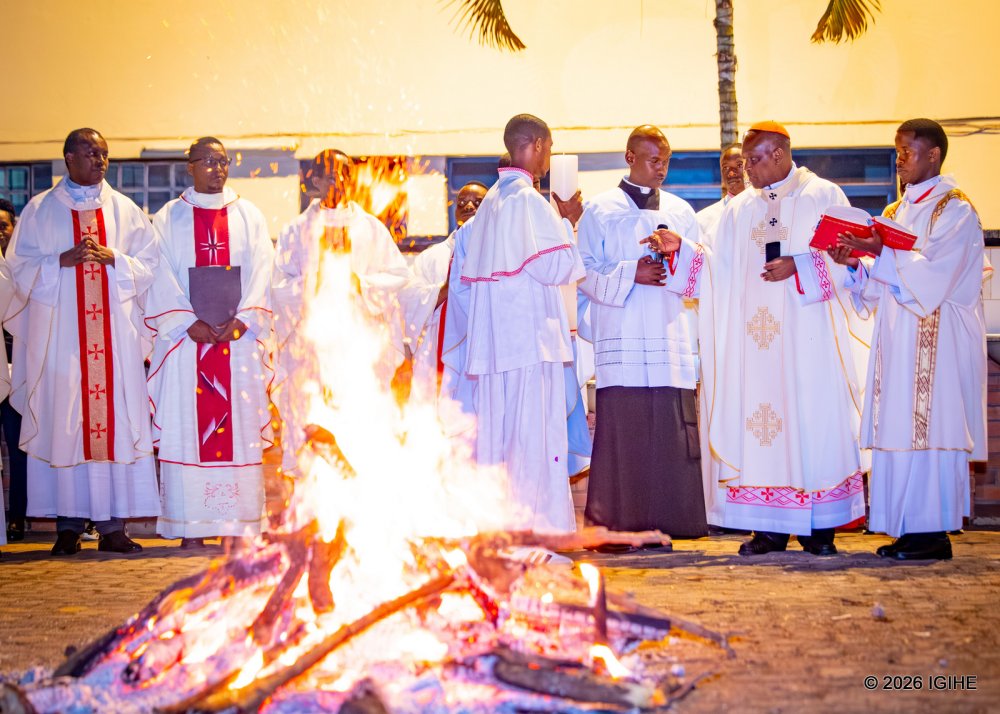
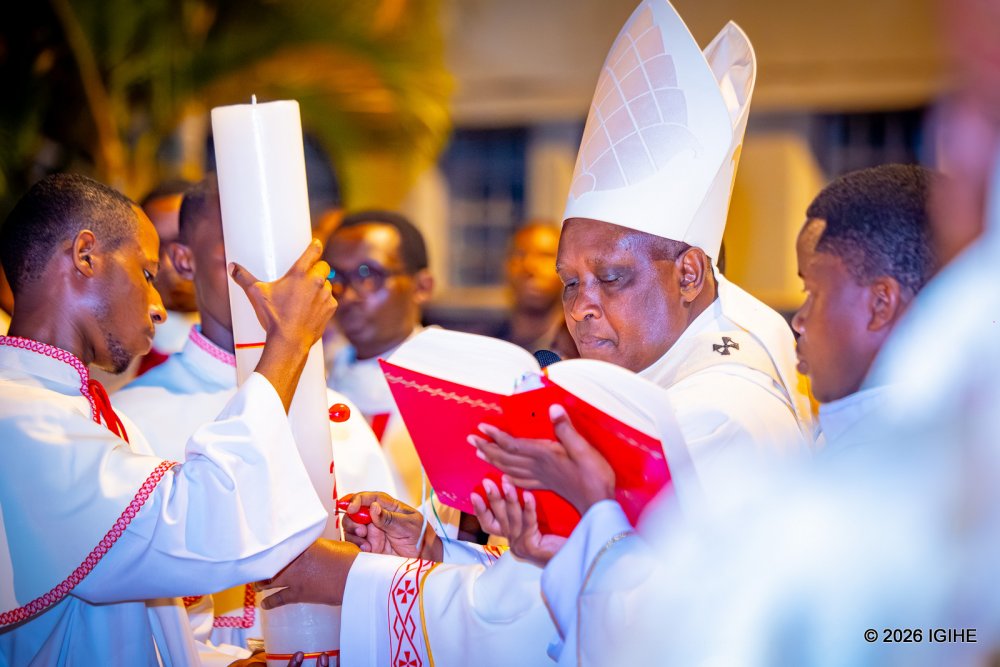
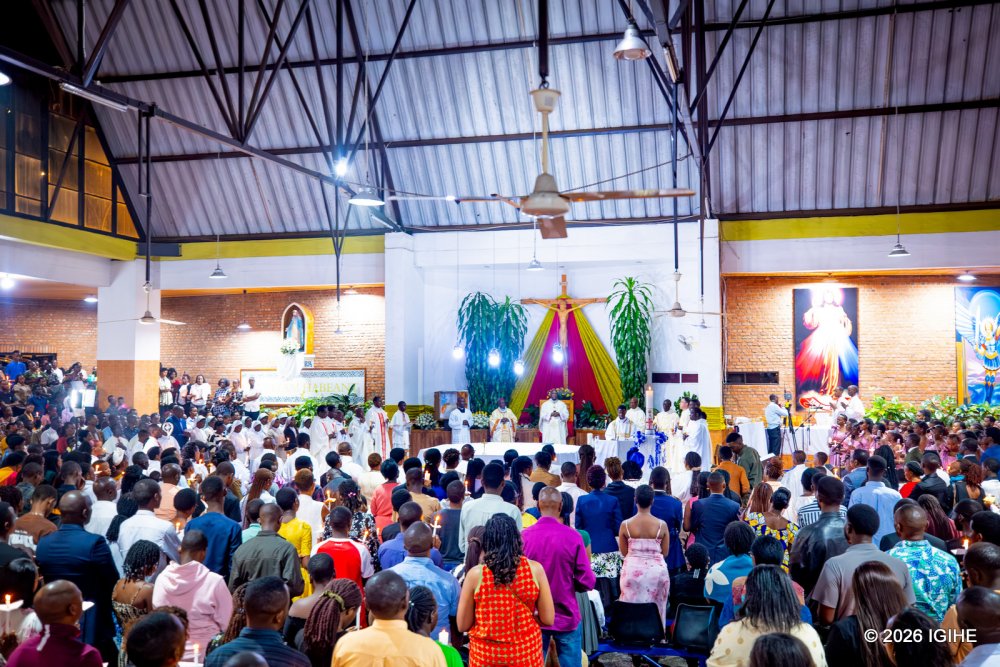
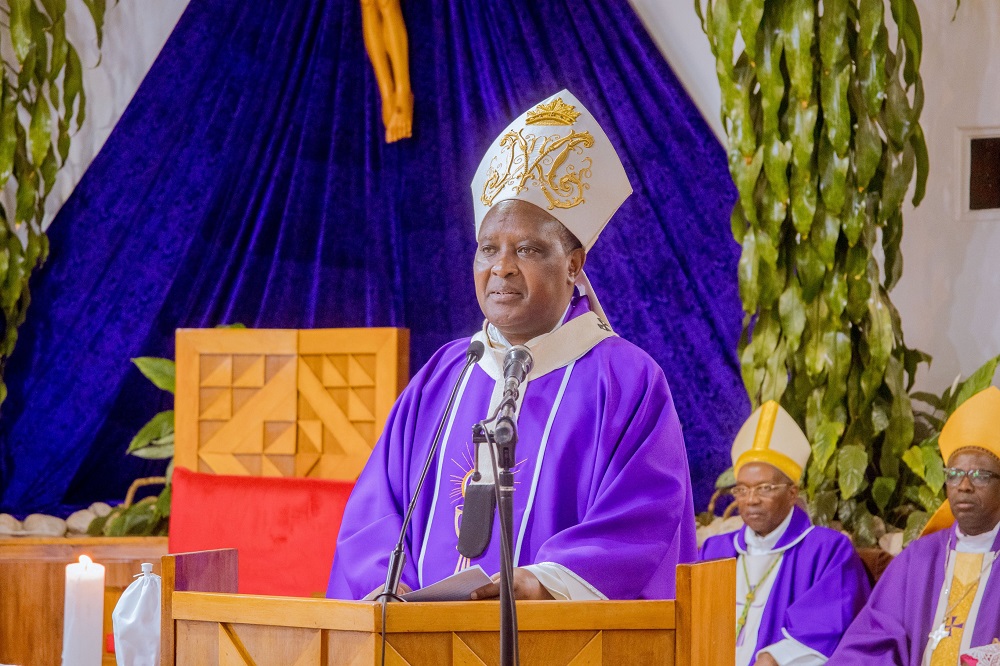
The Archbishop of Kigali, Antoine Cardinal Kambanda, delivered this message during the Easter Vigil Mass held at Saint Michel Cathedral Parish in Kigali.
The service brought together believers preparing to celebrate Easter, one of the most significant feast in the Catholic Church, which commemorates the resurrection of Jesus Christ.
In his homily, Cardinal Kambanda stressed that faith remains the foundation of all aspects of life, noting that many of today’s challenges, including family breakdowns and conflicts around the world, stem from a lack of strong belief.
“Faith is the foundation of everything,” he said, urging Christians to remain rooted in their beliefs and to become true witnesses of Christ in their daily lives.
He further encouraged the faithful to let the spirit of Easter strengthen love among them, helping them resist violence and wrongdoing. He called on Christians to embrace the light of Christ and turn away from sin and hatred.
The Cardinal also warned against growing materialism, saying that the desire for worldly possessions is increasingly overshadowing love for God. He reminded believers that one cannot serve both material wealth and God at the same time.
As Rwanda approaches the commemoration of the 1994 Genocide against the Tutsi, Cardinal Kambanda reflected on its connection to faith, describing the tragedy as a sign of moral failure where true Christian values were lacking.
He drew parallels between the suffering of genocide victims and that of Jesus Christ, emphasizing the importance of remembrance and compassion.
He urged Christians to continue honoring the victims while also supporting survivors with care and love, noting that their needs remain significant despite their survival.
Cardinal Kambanda also called on all believers to pray for peace in Rwanda, the region, and the world, so that people may live together in harmony and stability.
Christians in Kigali have been called upon to deepen their faith as they celebrate Easter.Christians were also encouraged to let the spirit of Easter strengthen love among them, helping them resist violence and wrongdoing. In his homily, Cardinal Kambanda stressed that faith remains the foundation of all aspects of life. Clergy attended the Easter Vigil Mass at Saint Michel Cathedral Parish in Kigali in large numbers.
The development was confirmed in a statement released on Thursday, April 2, 2026, noting that it applies to both the public and private sectors.
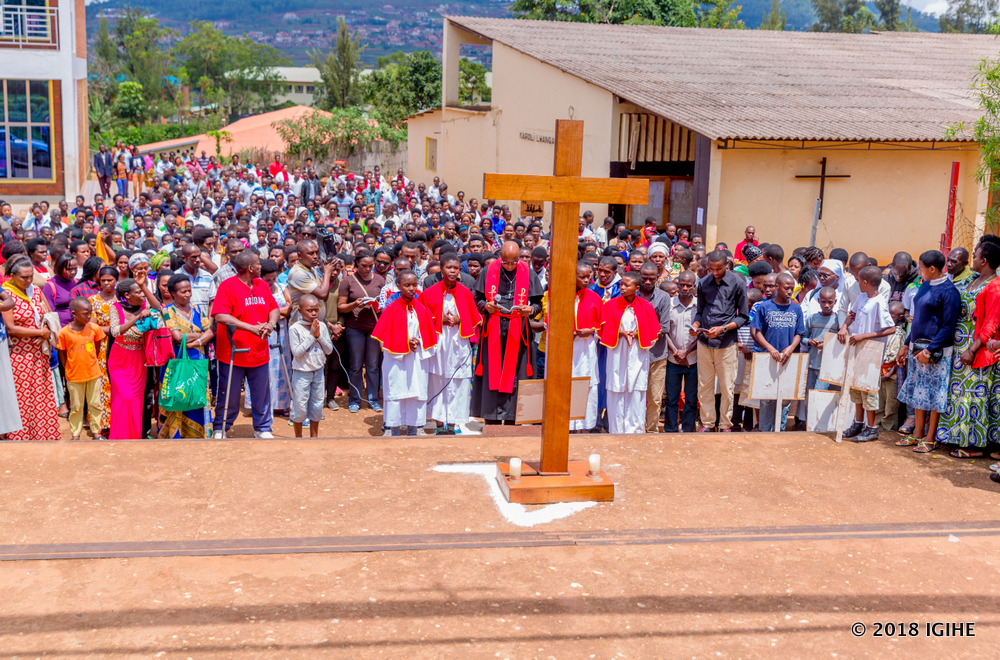
Good Friday is one of the most significant days in the Christian calendar. It commemorates the crucifixion and death of Jesus Christ, and is typically observed through church services, prayer, fasting, and reflection.
Many Christians in Rwanda and around the world use the day to remember the suffering and sacrifice of Christ, often participating in solemn religious gatherings.
Easter Monday, which follows Easter Sunday, is part of the broader Easter celebrations marking the resurrection of Jesus Christ.
While Easter Sunday is the central celebration, Easter Monday provides an additional opportunity for rest, family gatherings, and continued religious observance.
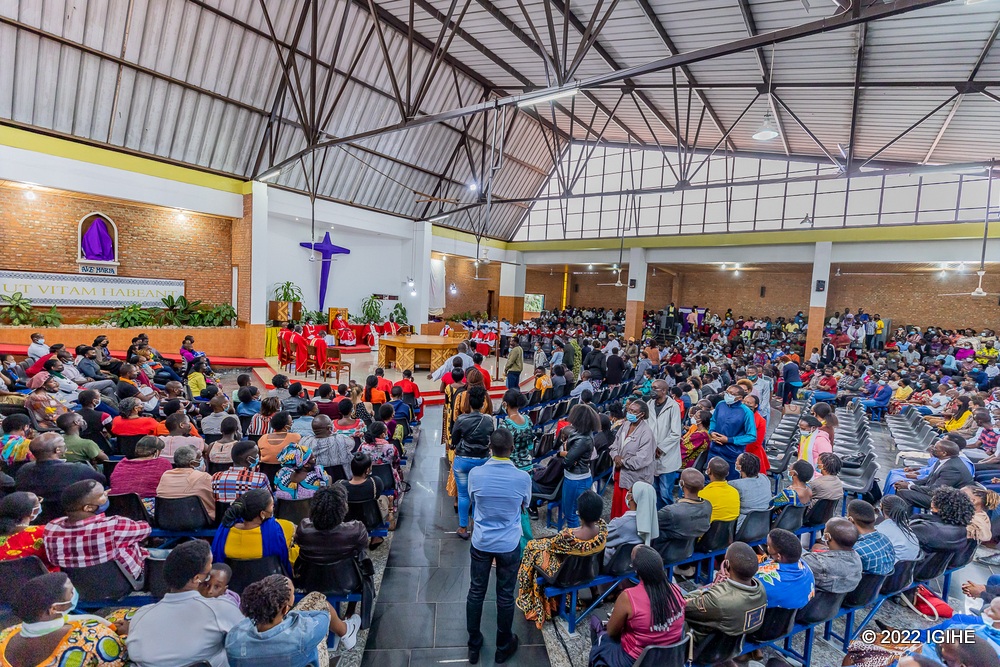
Christians celebrate Easter, marking the resurrection of Jesus Christ, a central event symbolizing hope, renewal, and new life. This photo shows a past Easter celebration at Saint Michel Cathedral. Observed by Christians worldwide, Good Friday commemorates the crucifixion and death of Jesus Christ, a day of reflection, prayer, and solemn remembrance.
The faithful were urged to maintain the spirit of Ramadan by continuing to do good deeds and avoiding sin beyond the fasting period.
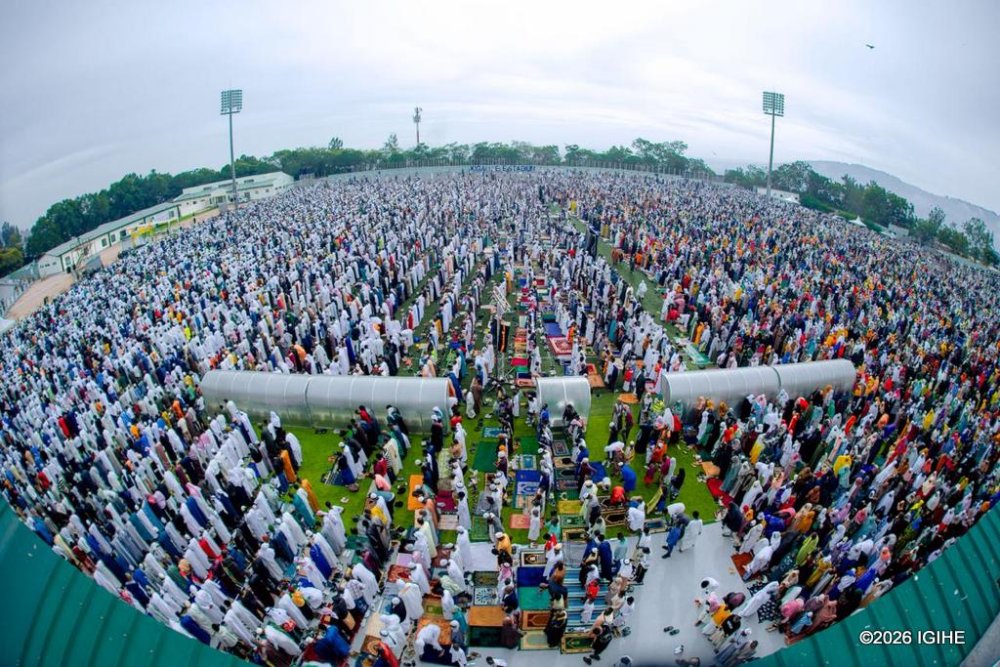
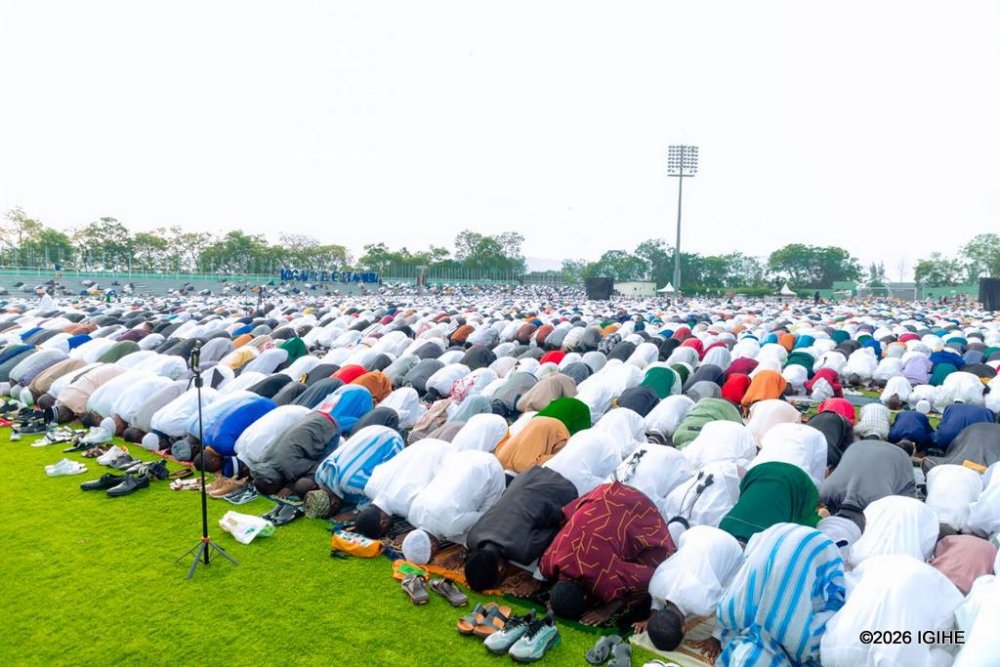
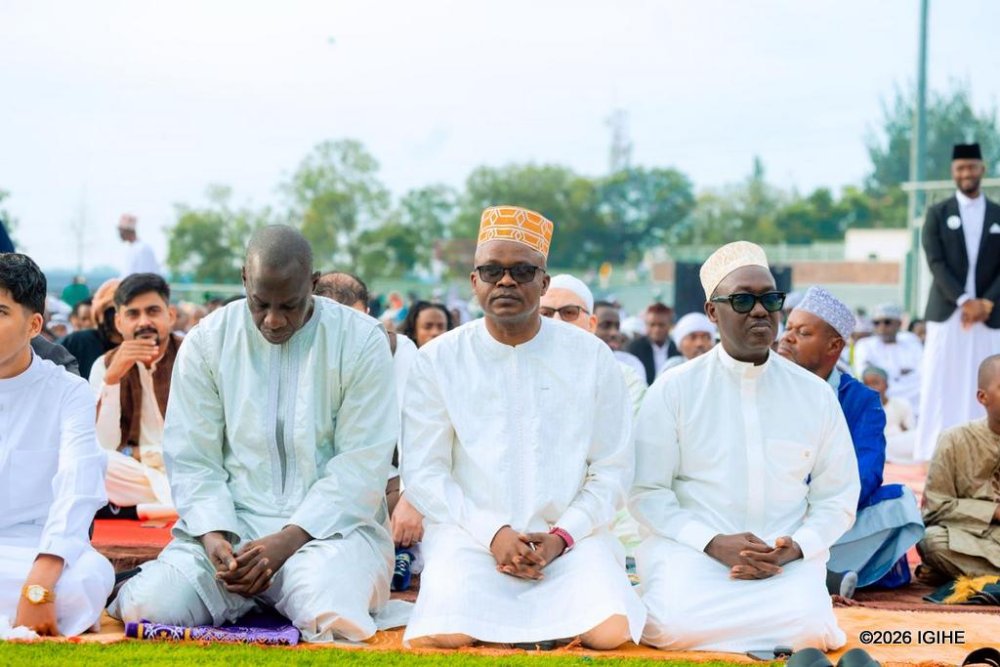
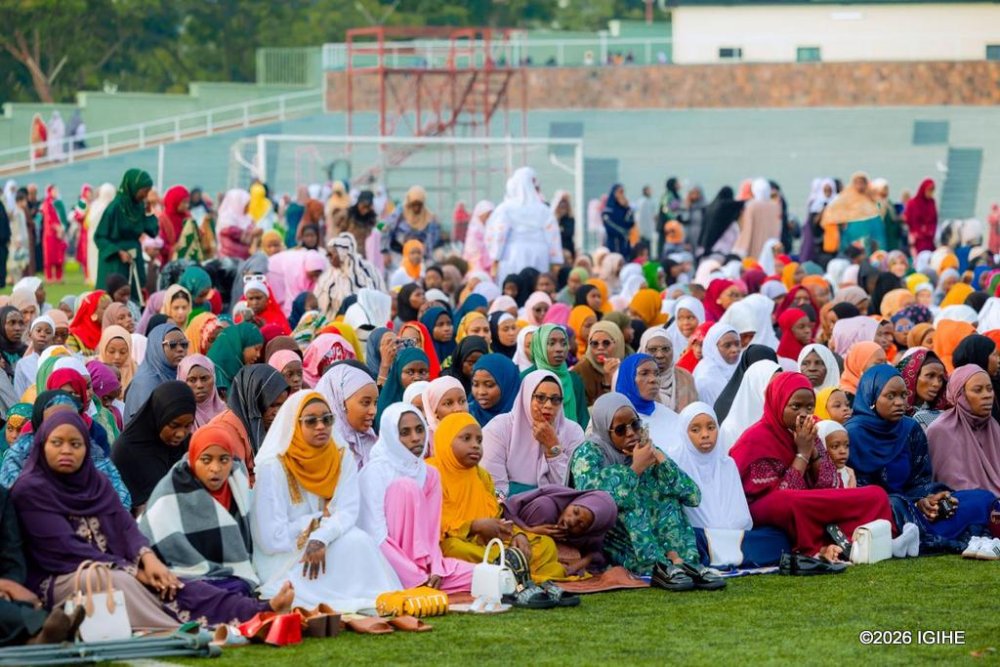
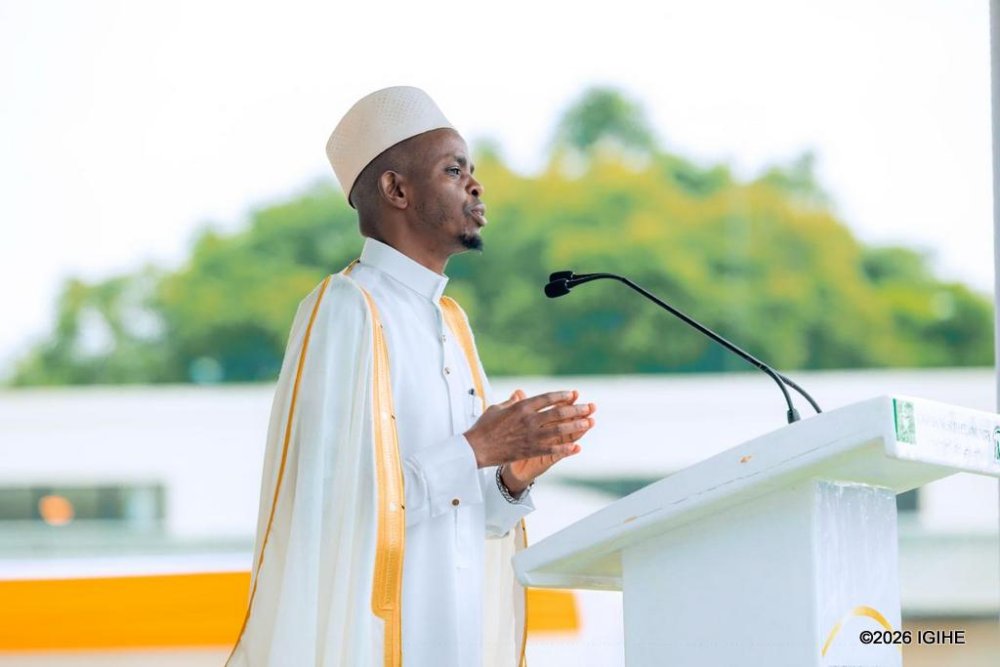
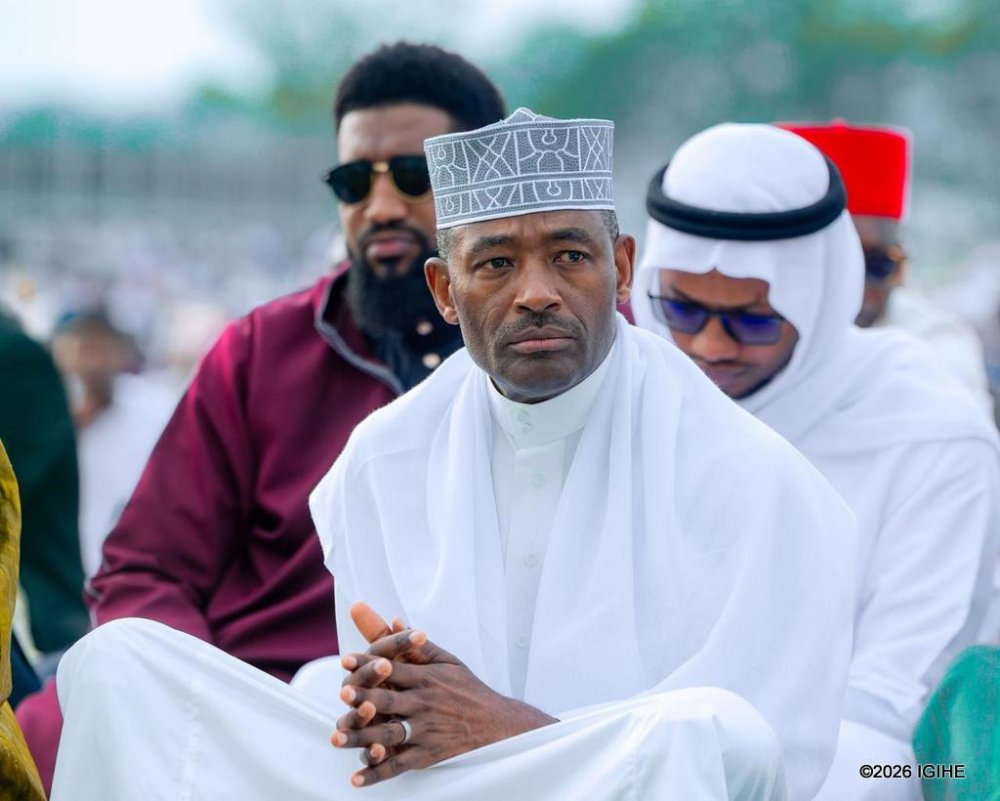
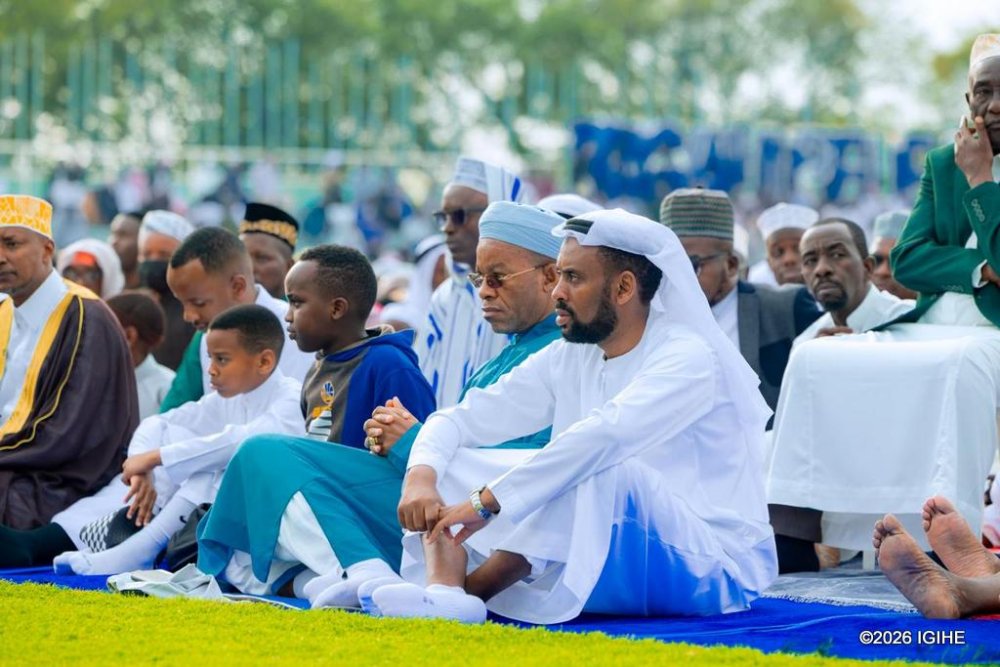
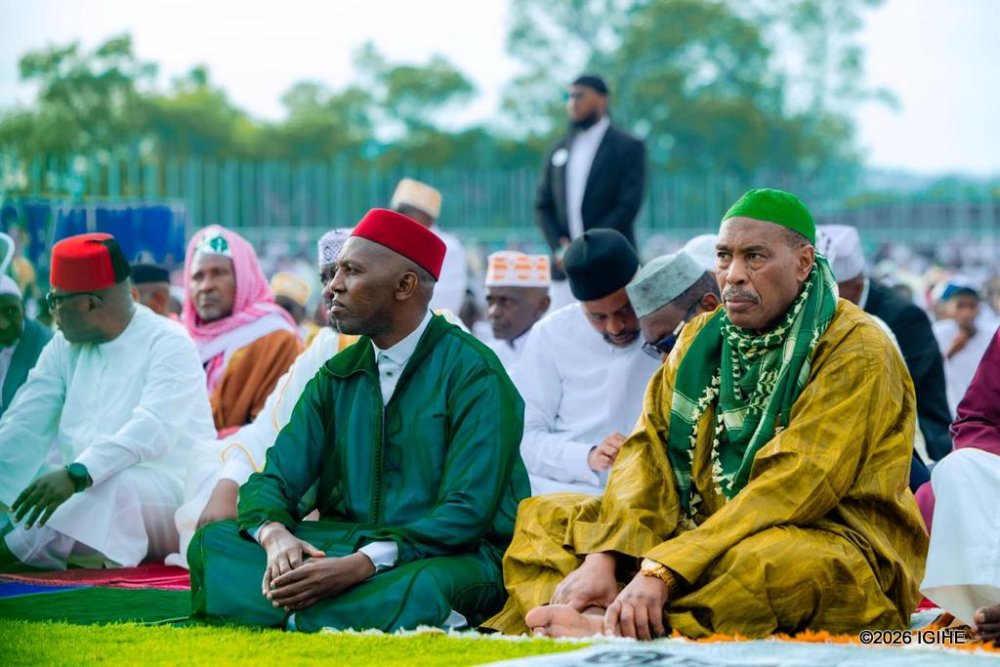
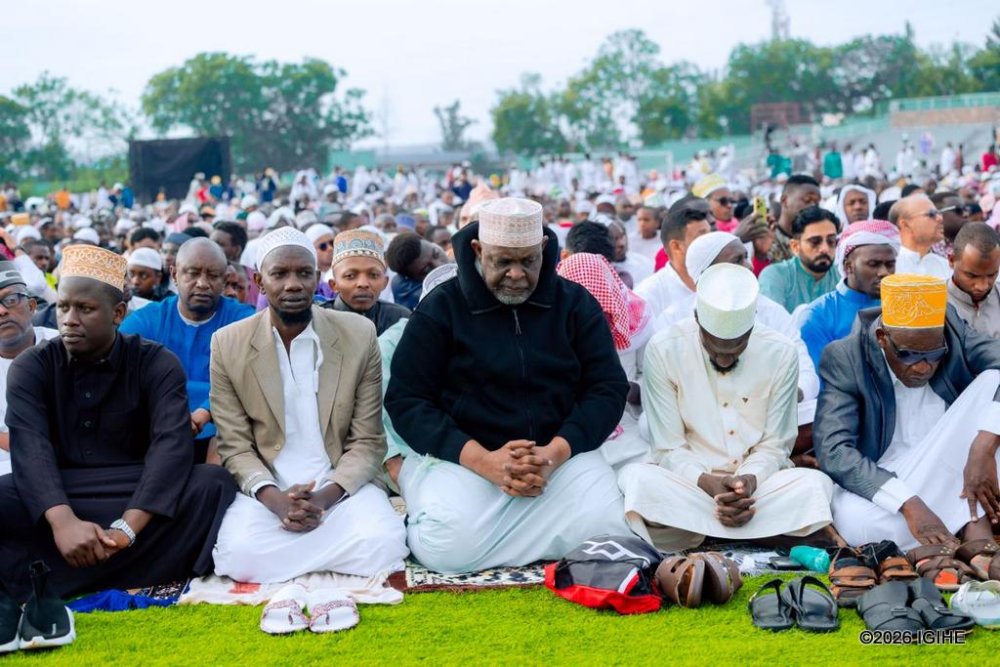
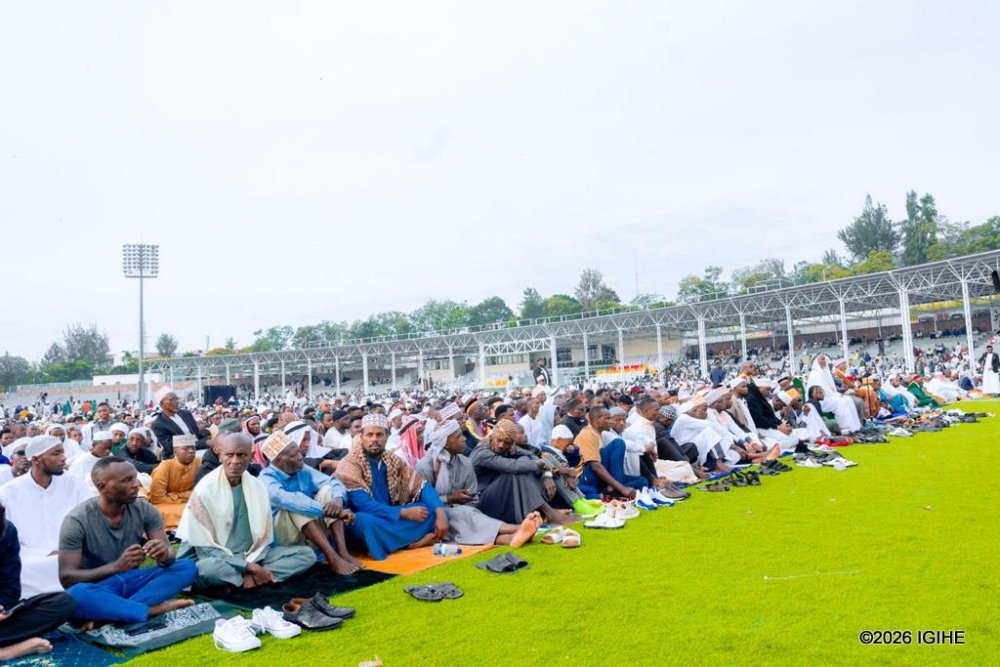
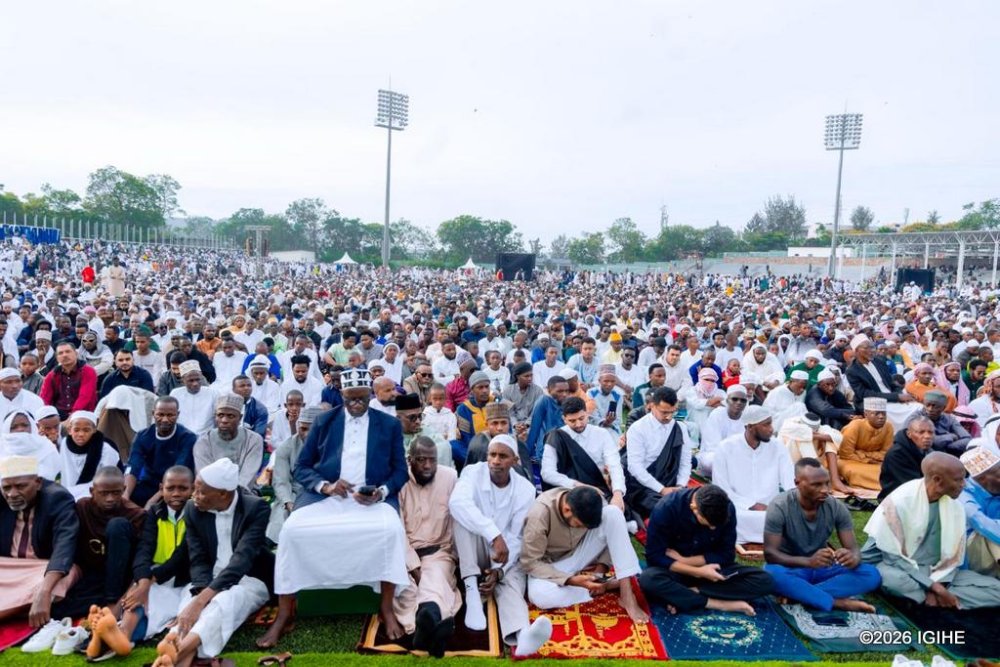
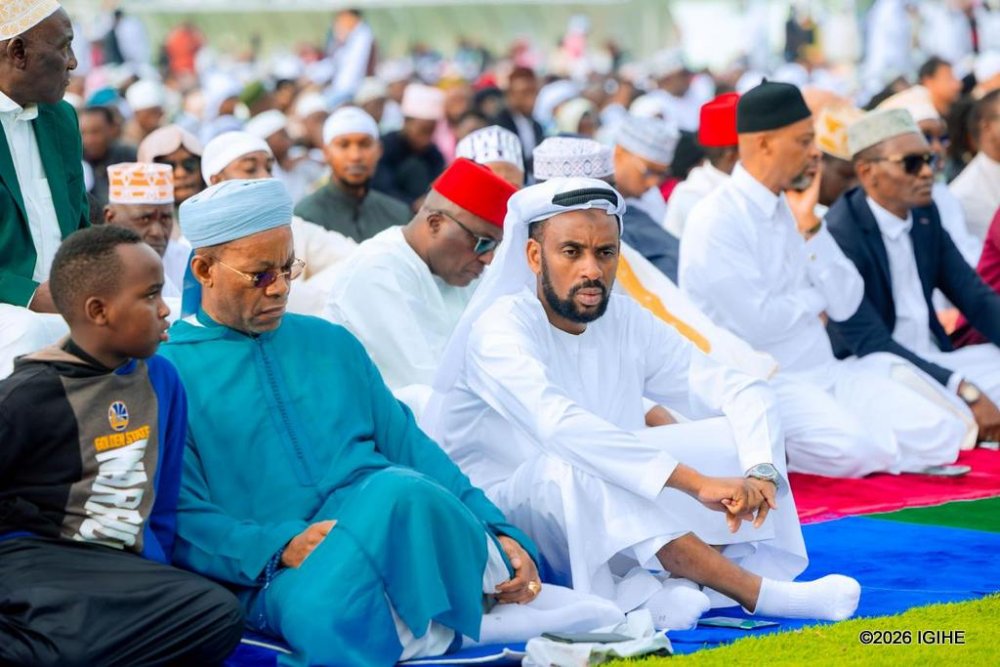
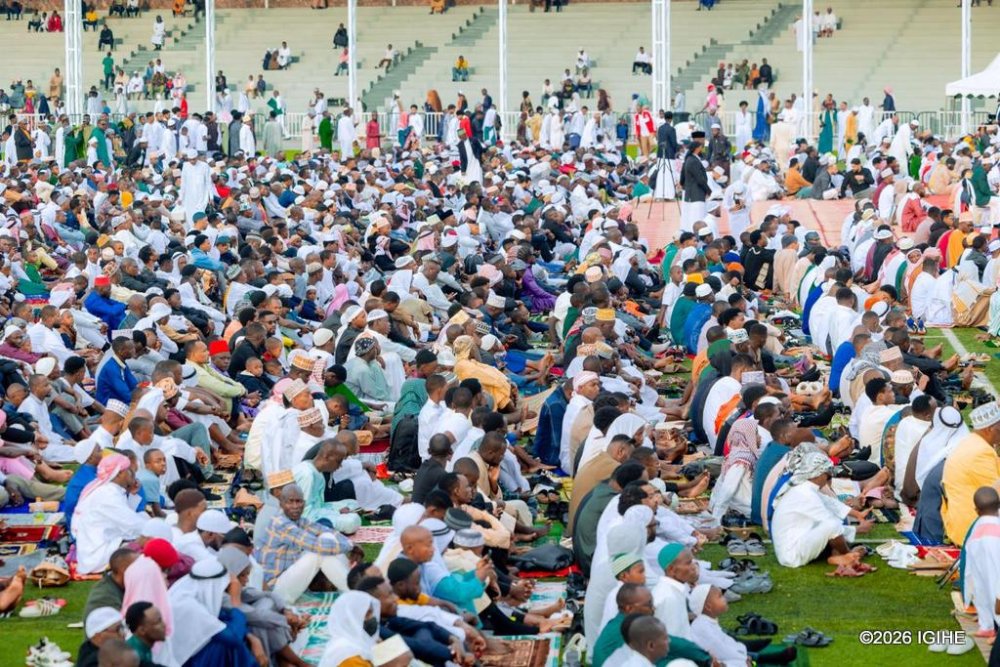
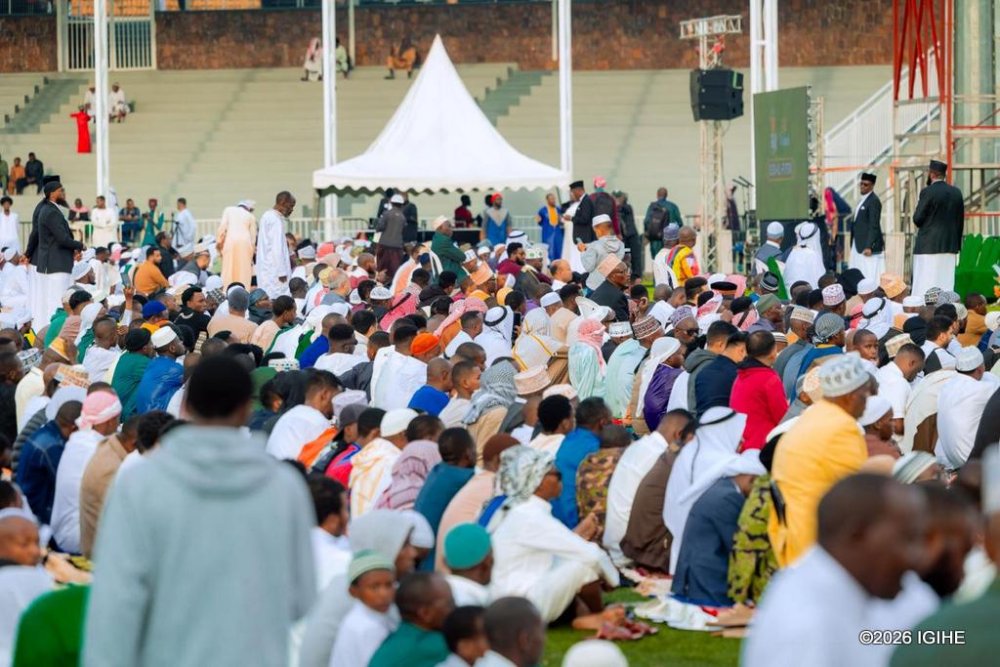
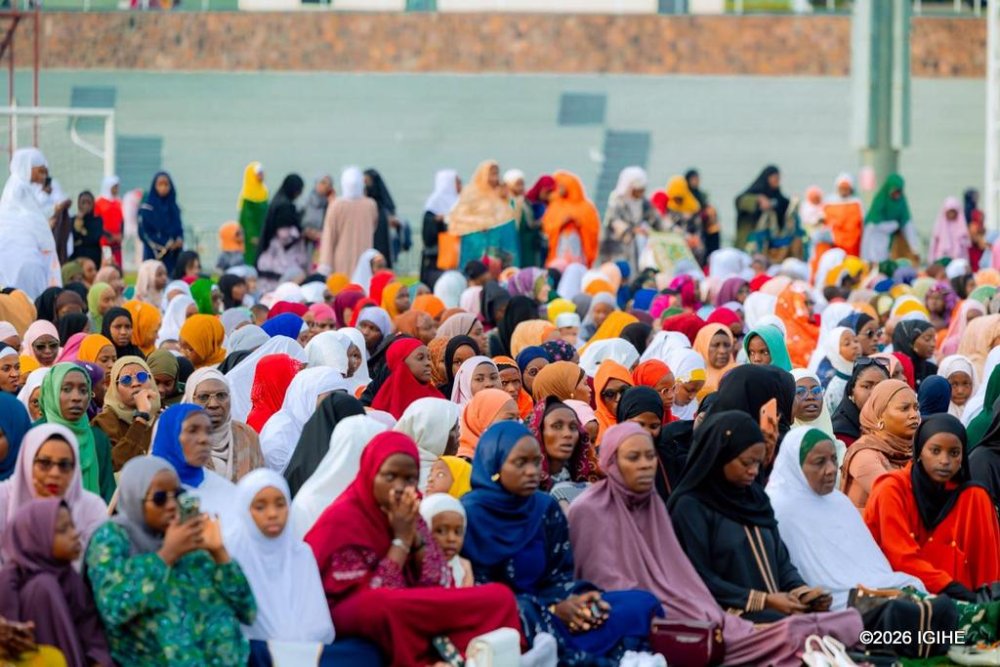
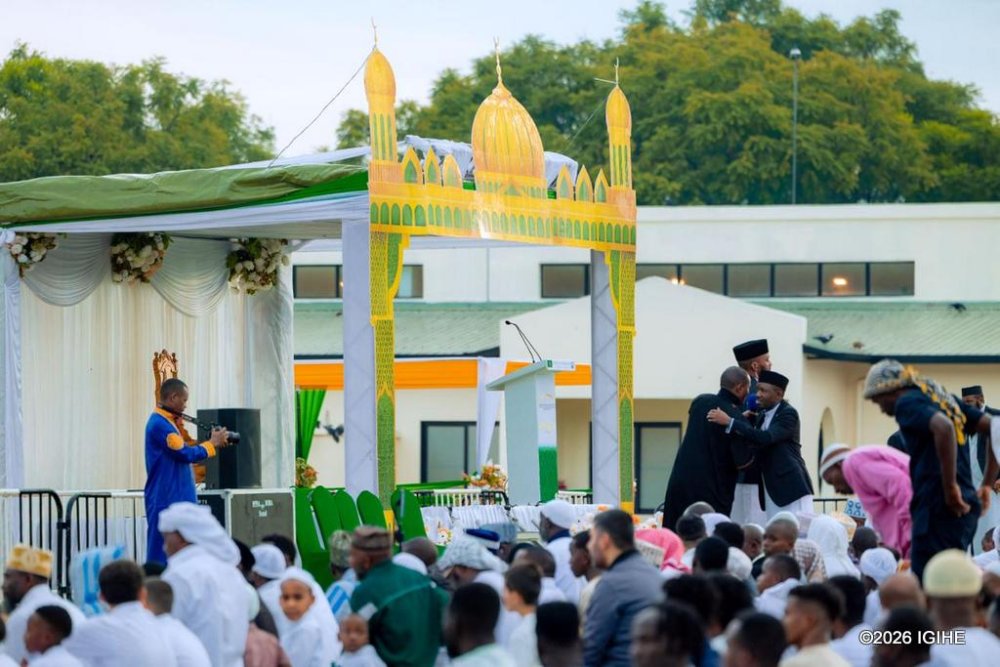
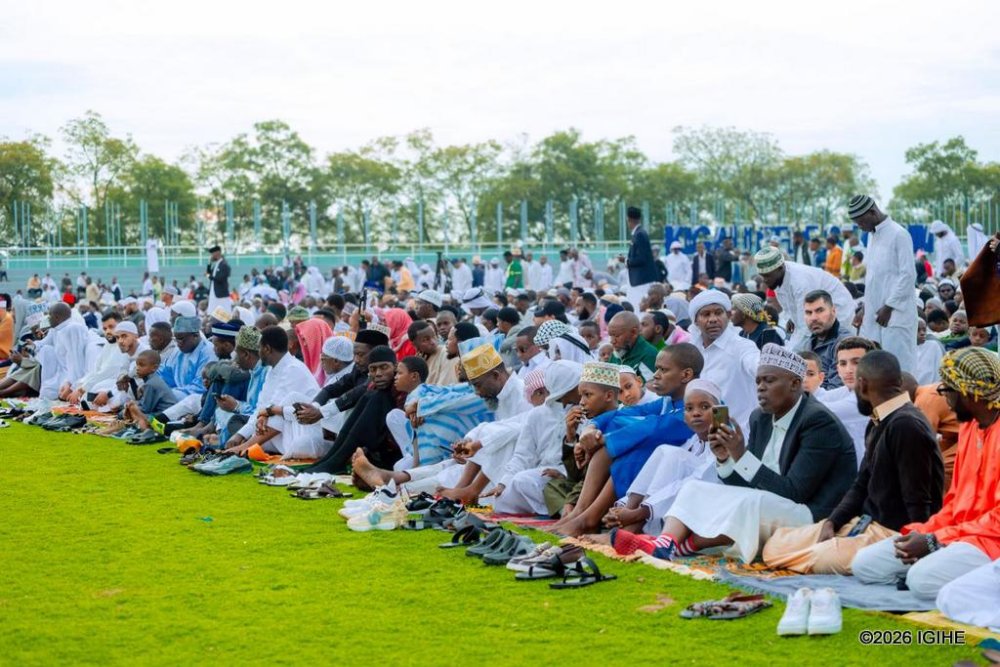
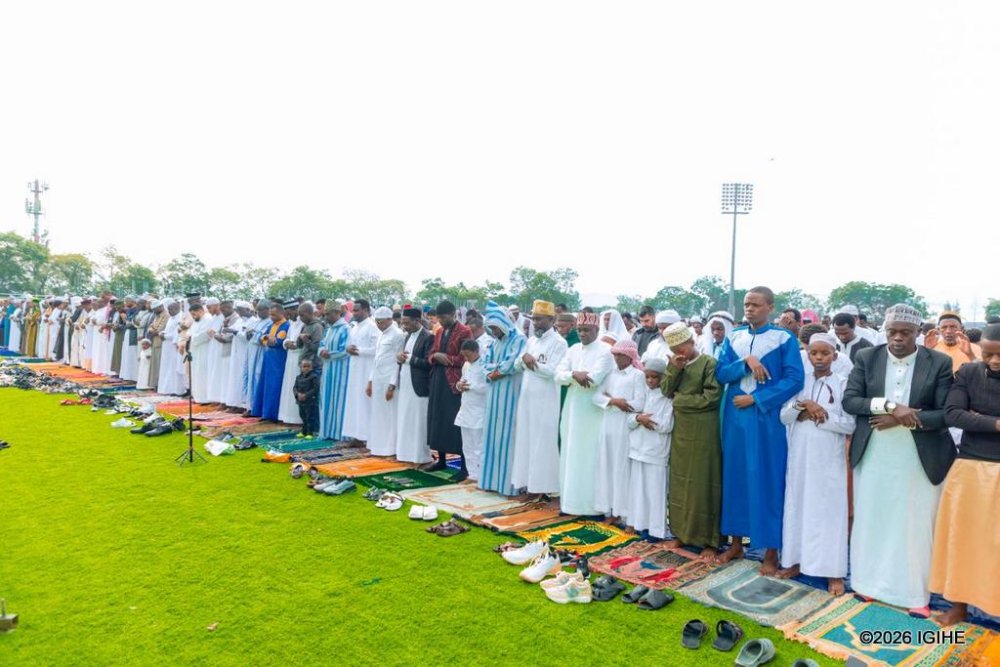
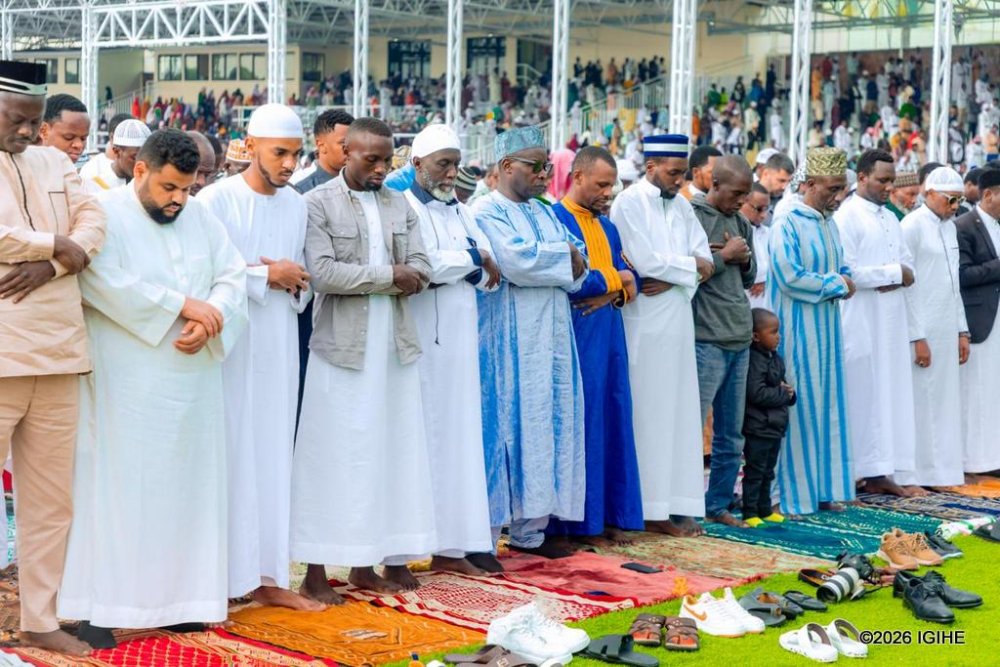
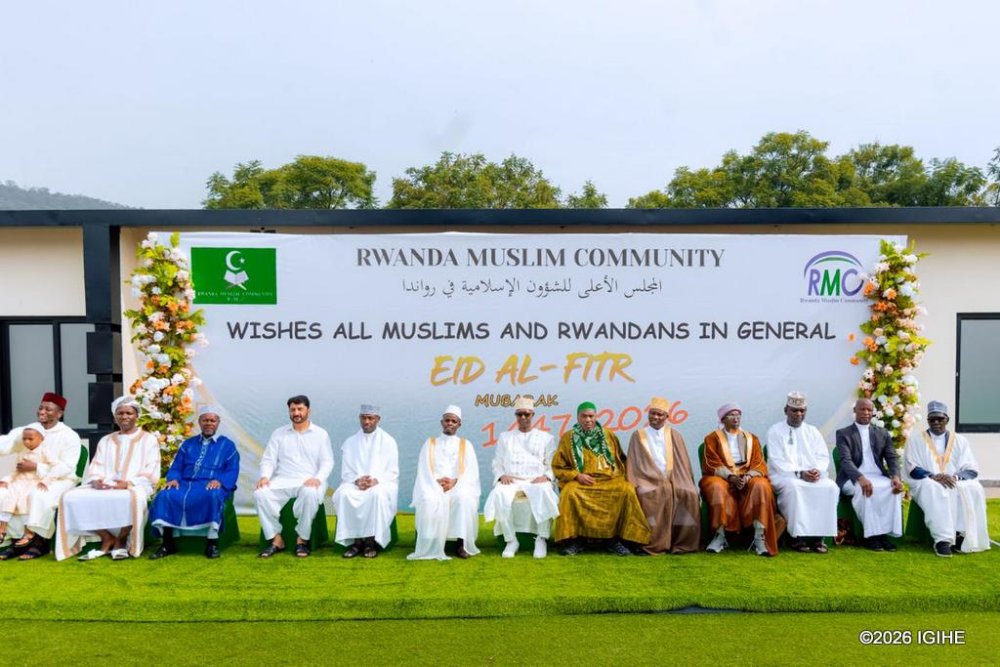
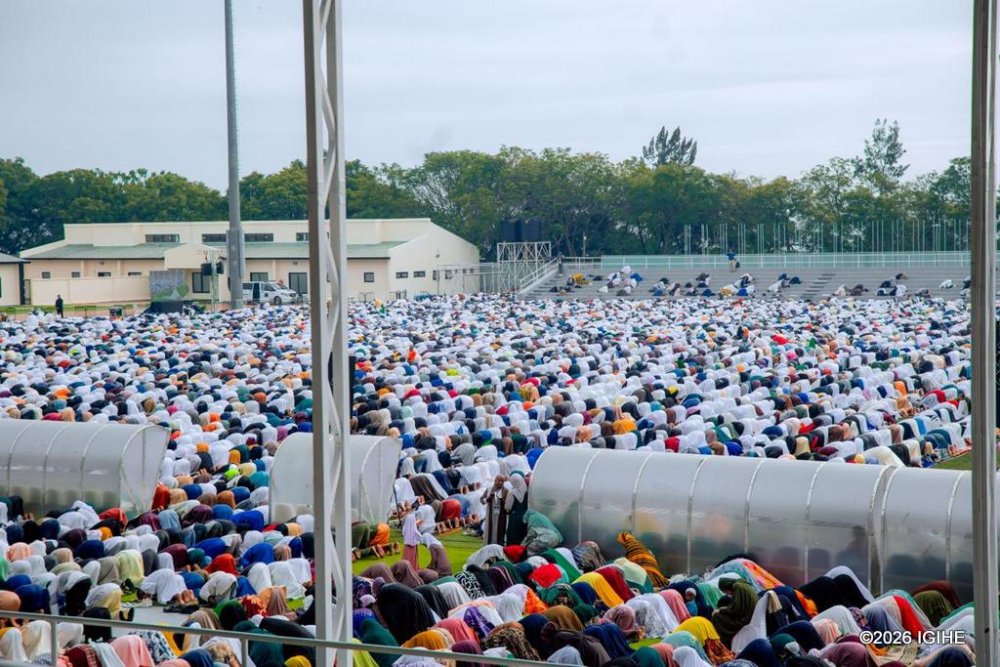
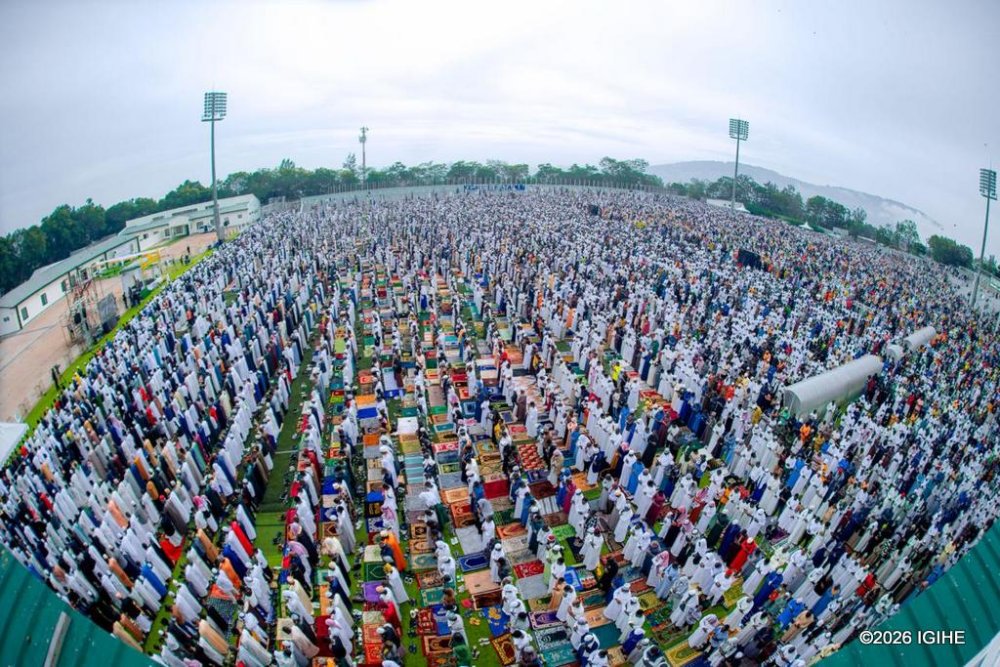
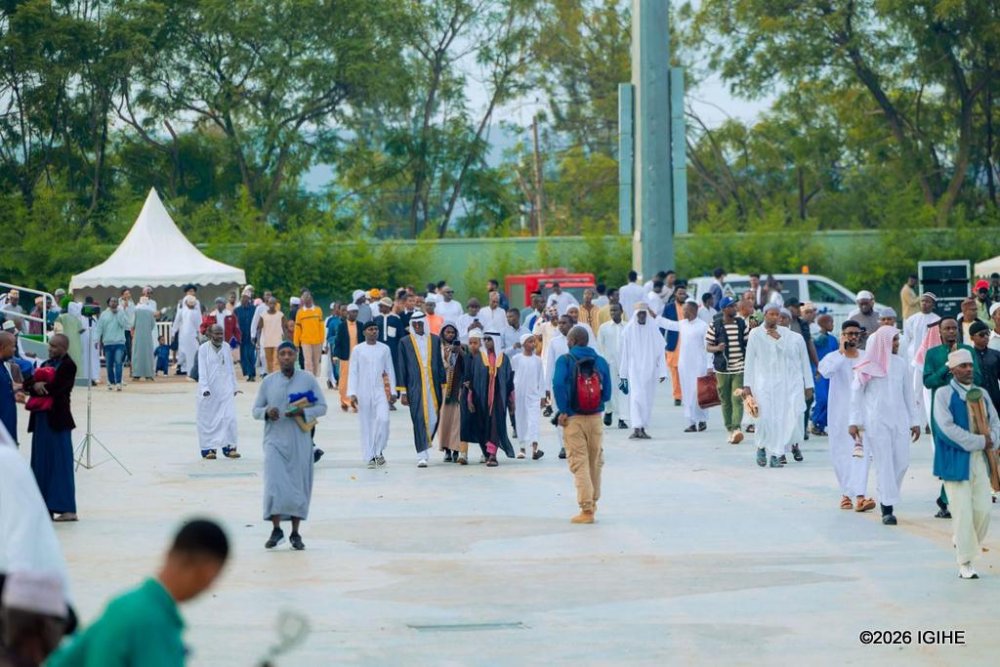
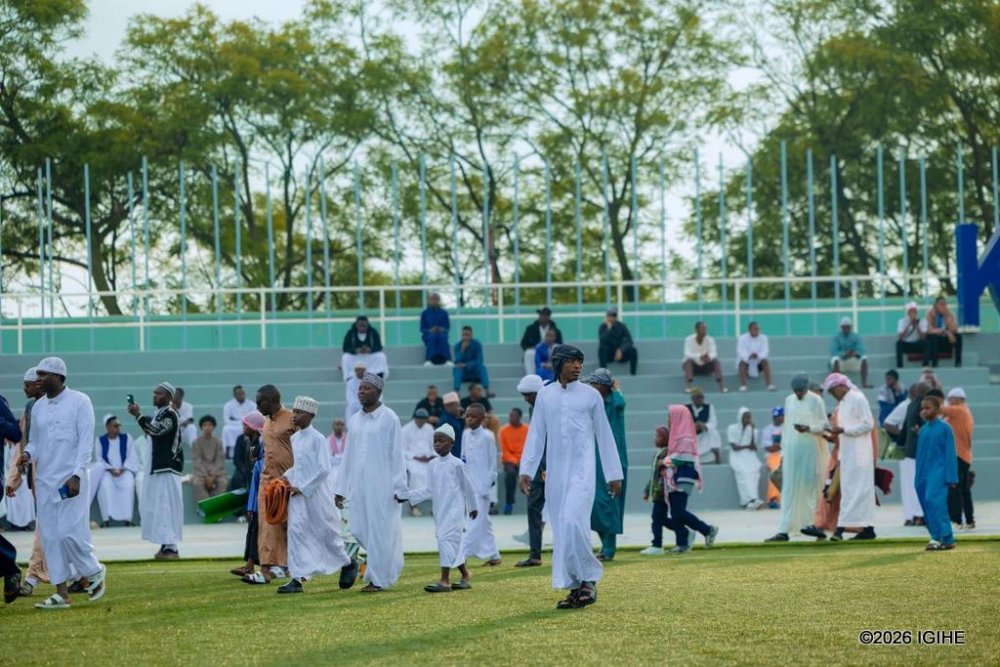
The national Eid prayer was held on March 20, 2026, at Kigali Pele Stadium in Nyamirambo and was led by the Mufti of Rwanda, Sheikh Sindayigaya Mussa.
The Rwanda Muslim Community announced that more than Rwf 38 million was raised during Ramadan to support vulnerable Muslims, enabling the distribution of food on Eid day. Under the initiative, 20 tonnes of rice were provided to those in need.
The national Eid prayer was held on March 20, 2026, at Kigali Pele Stadium in Nyamirambo.
Sibomana Salimu, Executive Secretary of the Rwanda Muslim Community, said that although Ramadan has ended, the commitment to faith should continue.
He also noted that preparations for the annual Hajj pilgrimage to Saudi Arabia are underway, with 65 pilgrims expected to depart from Rwanda in May. The group will travel directly to Saudi Arabia.
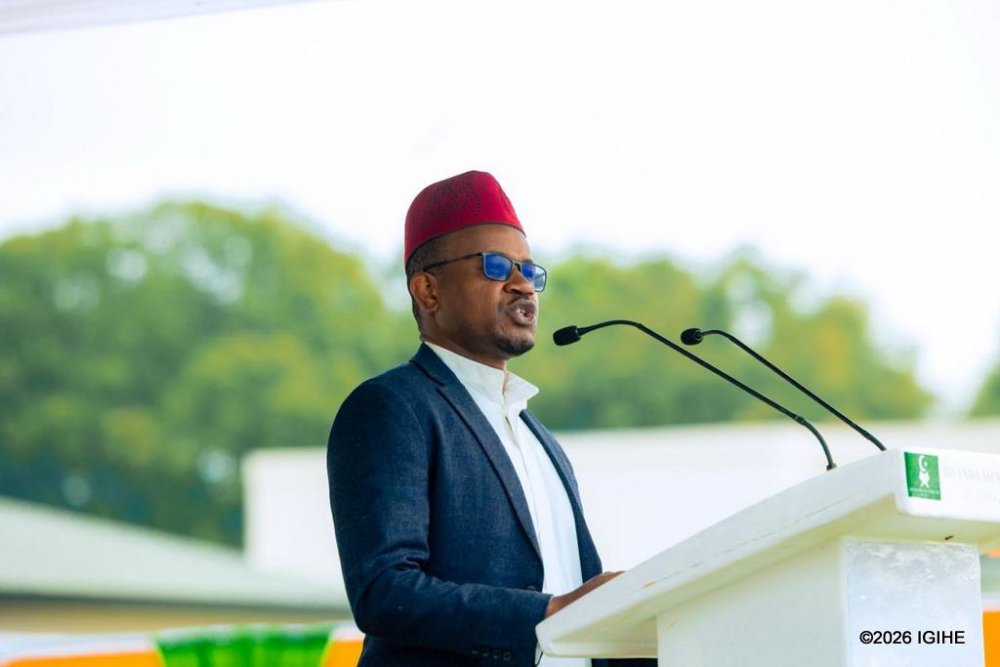
Delivering his message, Mufti Sindayigaya emphasised the importance of sustaining good character and righteous actions beyond Ramadan.
“The end of Ramadan should not mark the end of good deeds. We must continue praying and supporting the vulnerable. A wise person draws strength from this period,” he said.
He added that consistency in doing good, even in small acts, is what defines true devotion.
“Good deeds are not temporary. Even the smallest acts matter when done consistently,” he noted.
The Mufti further cautioned against returning to sinful behaviour after the fasting period, stressing that true worship extends throughout the year.
“It is a great loss for one to fast during Ramadan only to return to sin afterward. Worship should not be limited to one month while the rest of the year is neglected,” he said.
He also called on Muslims to uphold discipline, integrity, and values that reflect their faith.
Sindayigaya urged the Muslim community to remain grateful for the peace and stability in Rwanda, noting that in some parts of the world, particularly in the Middle East, communities marked the end of Ramadan under difficult security conditions due to ongoing conflicts.
“Peace enables economic growth and allows people to enjoy its benefits. We should always be thankful,” he said.
Mufti of Rwanda, Sheikh Sindayigaya Mussa, urged the Muslims community to maintain the spirit of Ramadan by continuing to do good deeds and avoiding sin beyond the fasting period.
He concluded by encouraging unity among Muslims, calling for collective efforts toward development and social cohesion.
“Our unity is a strong foundation for achieving sustainable development,” he said.
He also extended Eid greetings to all Rwandans.
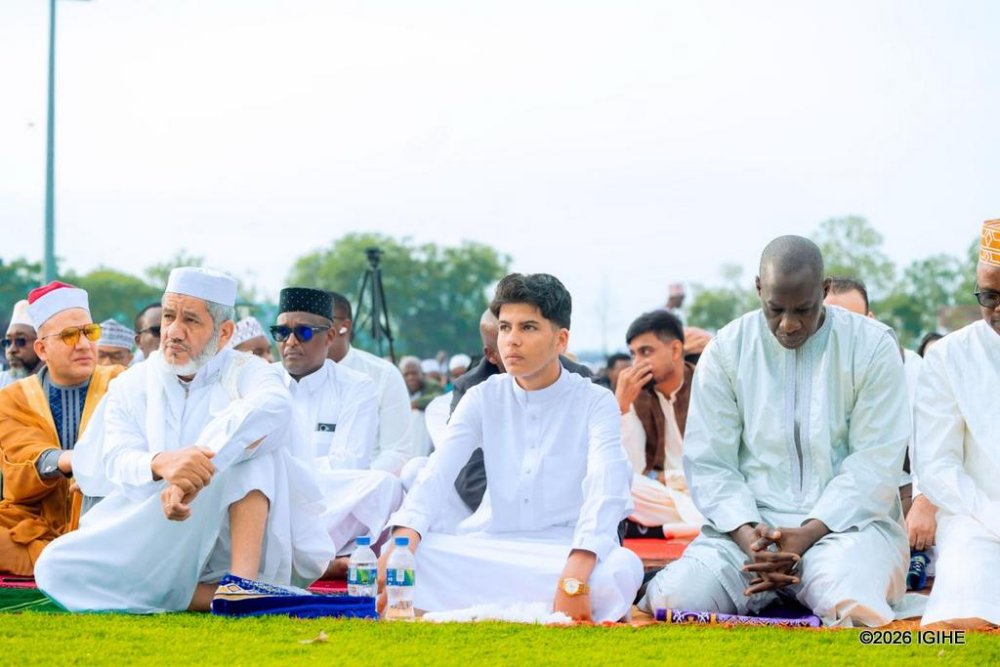
Rwanda’s Chief of Defence Staff, General Mubarakh Muganga, attended Eid prayer.Sindayigaya urged the Muslim community to remain grateful for the peace and stability in Rwanda.The Executive Secretary of the Rwanda Muslim Community, Sibomana Salimu, said that during Ramadan, Muslims supported vulnerable people.
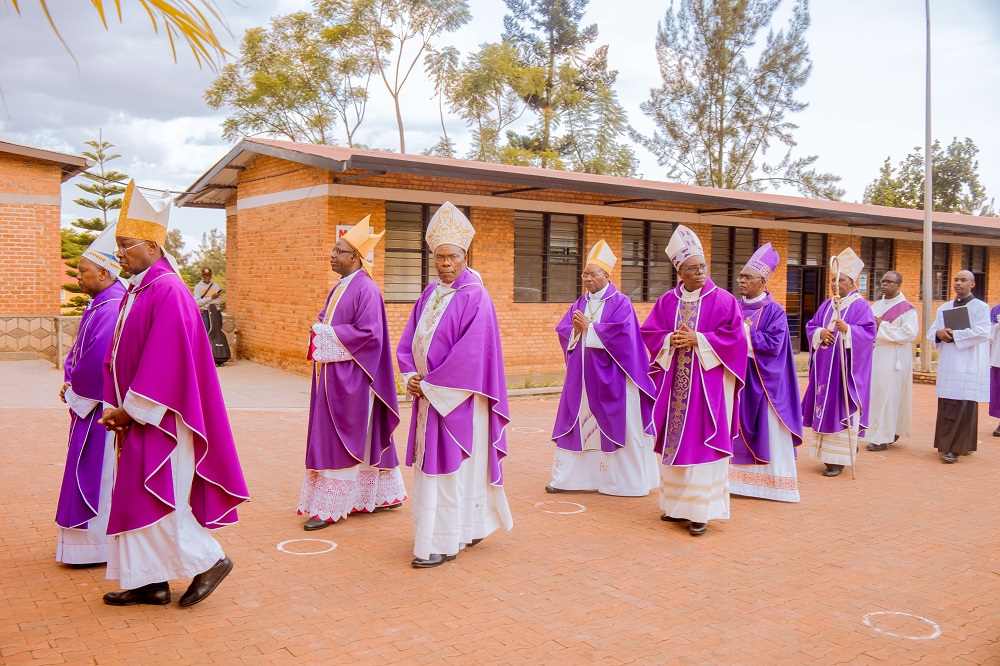
From March 9 to 11, 2026, Kigali hosted a meeting of the Catholic Bishops’ Conference bringing together bishops from both countries to discuss cooperation and ways to address challenges affecting communities, particularly Christian faithful.
Speaking to the media, Bishop Joachim Ntahondereye of Muyinga Diocese and President of the Catholic Bishops’ Conference of Burundi, encouraged believers from both nations not to lose hope despite the prolonged border closure.
“Our message to Christians in Rwanda and Burundi at a time when the border between the two countries is closed is that they should not lose hope because no rain falls without eventually stopping,” he said.
“As the saying goes, every rain passes. The issues that led to the closure of the border will also pass, and people will once again travel, cooperate and support one another as they used to.”
Bishop Ntahondereye also urged those who have the means to continue using air travel, which remains open between the two countries, so they can keep sharing ideas, develop joint initiatives and help strengthen peace between Rwanda and Burundi.
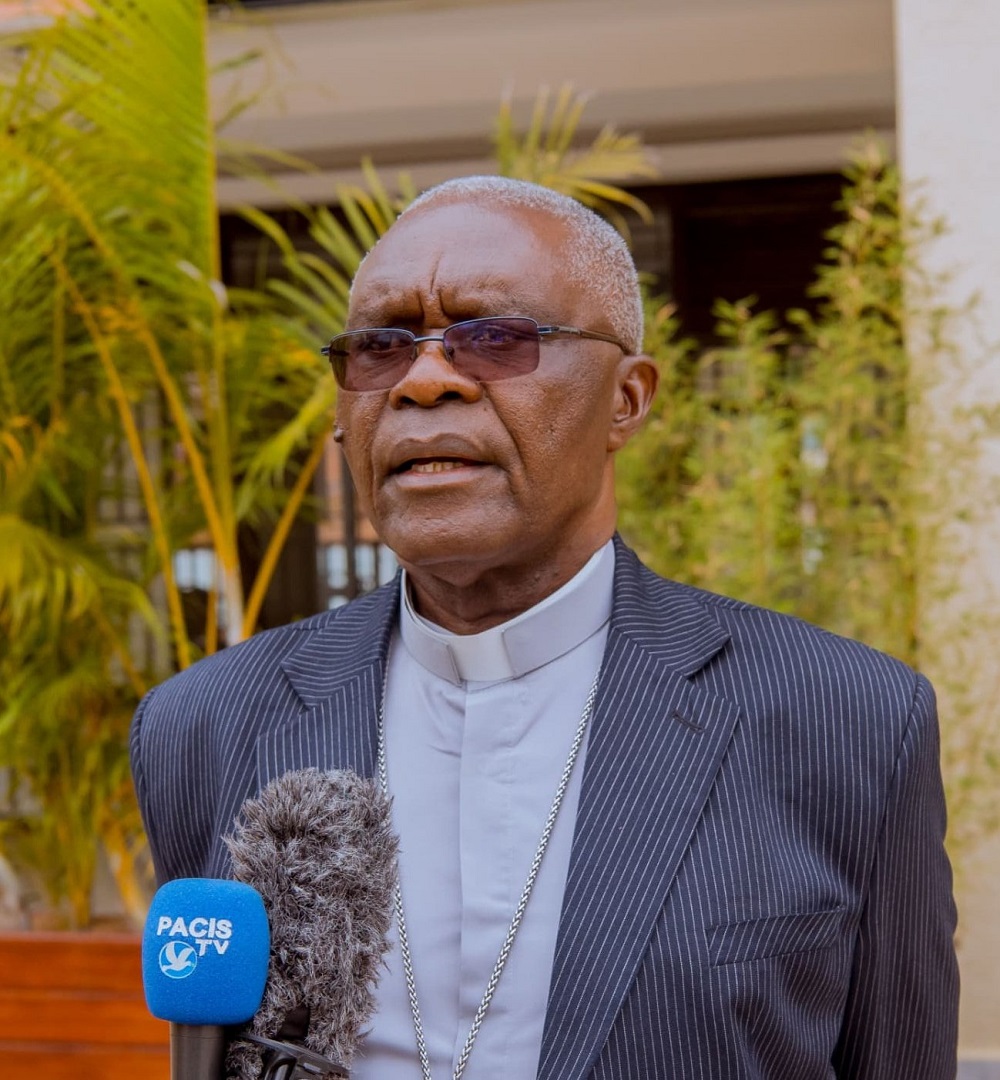
Meanwhile, Cardinal Antoine Kambanda, Archbishop of Kigali and President of the Catholic Bishops’ Conference of Rwanda, said the arrival of Burundian bishops in Kigali by plane was itself a sign that the people of the two nations remain closely connected despite the border closure.
“It is strong testimony that we must work together to find solutions,” Cardinal Kambanda said. “We must do so as people who understand one another, because we have more to gain from living in harmony than from living in conflict.”
Burundi closed its land borders with Rwanda in January 2024, citing security concerns. Although air travel between the two countries has continued, the closure has significantly disrupted cross-border trade and movement of people who have long relied on ties between the neighboring nations.
Bishop Joachim Ntahondereye of Muyinga Diocese and President of the Catholic Bishops’ Conference of Burundi, encouraged believers from both nations not to lose hope despite the prolonged border closure.Cardinal Antoine Kambanda, Archbishop of Kigali and President of the Catholic Bishops’ Conference of Rwanda, stressed the need for people from both countries to remain connected. Eight Catholic bishops from Burundi spent three days in Rwanda.
According to Vatican News, the report is now available in English and Italian on the official Synod website, along with a summary translated into five languages. It follows the recent publication of reports from Study Groups No. 3 and No. 4, which examined the Church’s mission in the digital environment and the formation of priests from a missionary synodal perspective.
The publication was directed by Pope Leo XIV in a move aimed at promoting transparency and sharing the outcomes of the Church’s reflection with the wider Catholic community.
The document is structured in three main parts. The first section explains the history and working method of Study Group No. 5. The second offers a synthesis of the themes that emerged during the study, drawing from consultations with women working in Church structures, contributions from various Church bodies, and testimonies gathered by the Dicastery involved in the process.
This reflection places strong emphasis on listening to the experiences of women who already hold responsibilities within the Church. Among the key themes discussed are the recognition of the “question of women” as a sign of the times, the importance of local cultural contexts, and the relational and charismatic contributions women bring to ecclesial life.
The report also examines concrete steps taken by Pope Francis and Pope Leo XIV to appoint women to leadership roles within the Roman Curia, presenting these decisions as examples for the wider Church.
A final appendix compiles extensive materials on women’s roles in Scripture, Church history, contemporary leadership, and theological perspectives on authority in the Church.
The study groups that submitted their reports have now completed their mandate, while Church institutions will prepare practical proposals based on the findings for the Pope’s consideration.
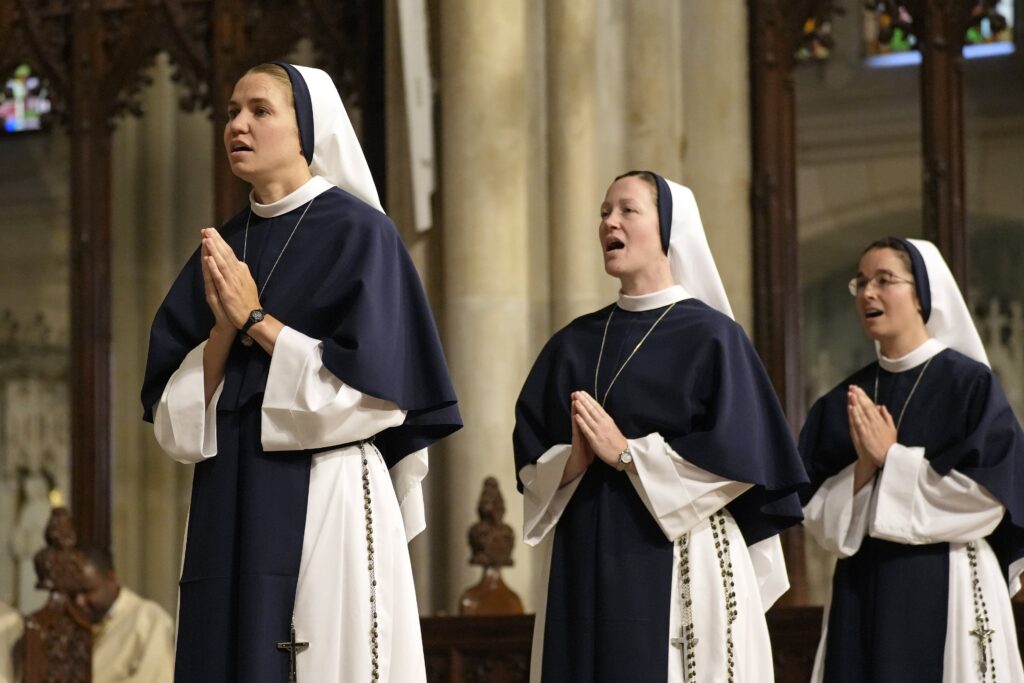
Sisters of Life Beata Victoria, left, Léonie Thérèse, and Maria Augustine respond as New York Cardinal Timothy M. Dolan questions them on their readiness to dedicate themselves to God prior to professing their perpetual vows during Mass at St. Patrick’s Cathedral in Manhattan on August 6, 2025.
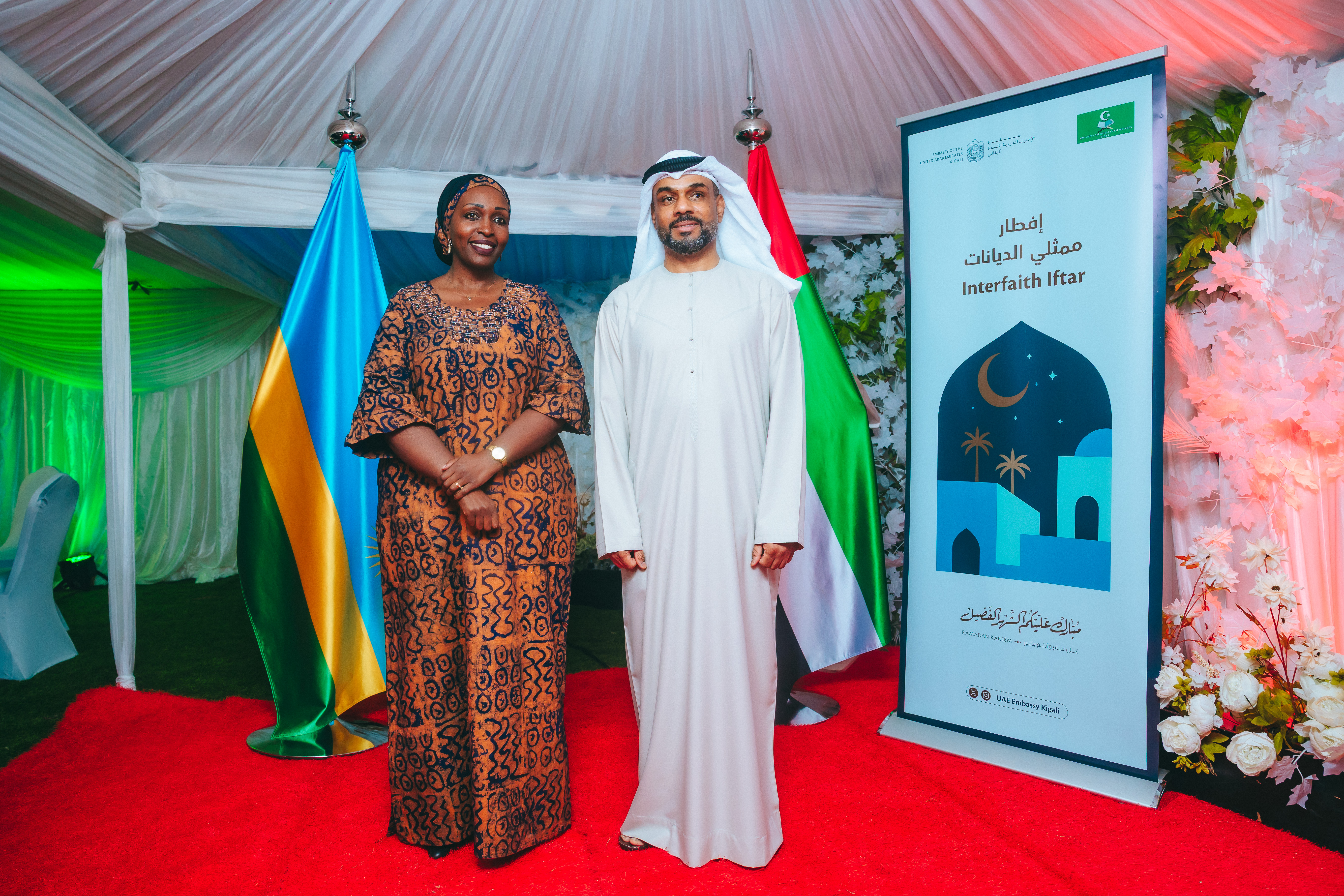
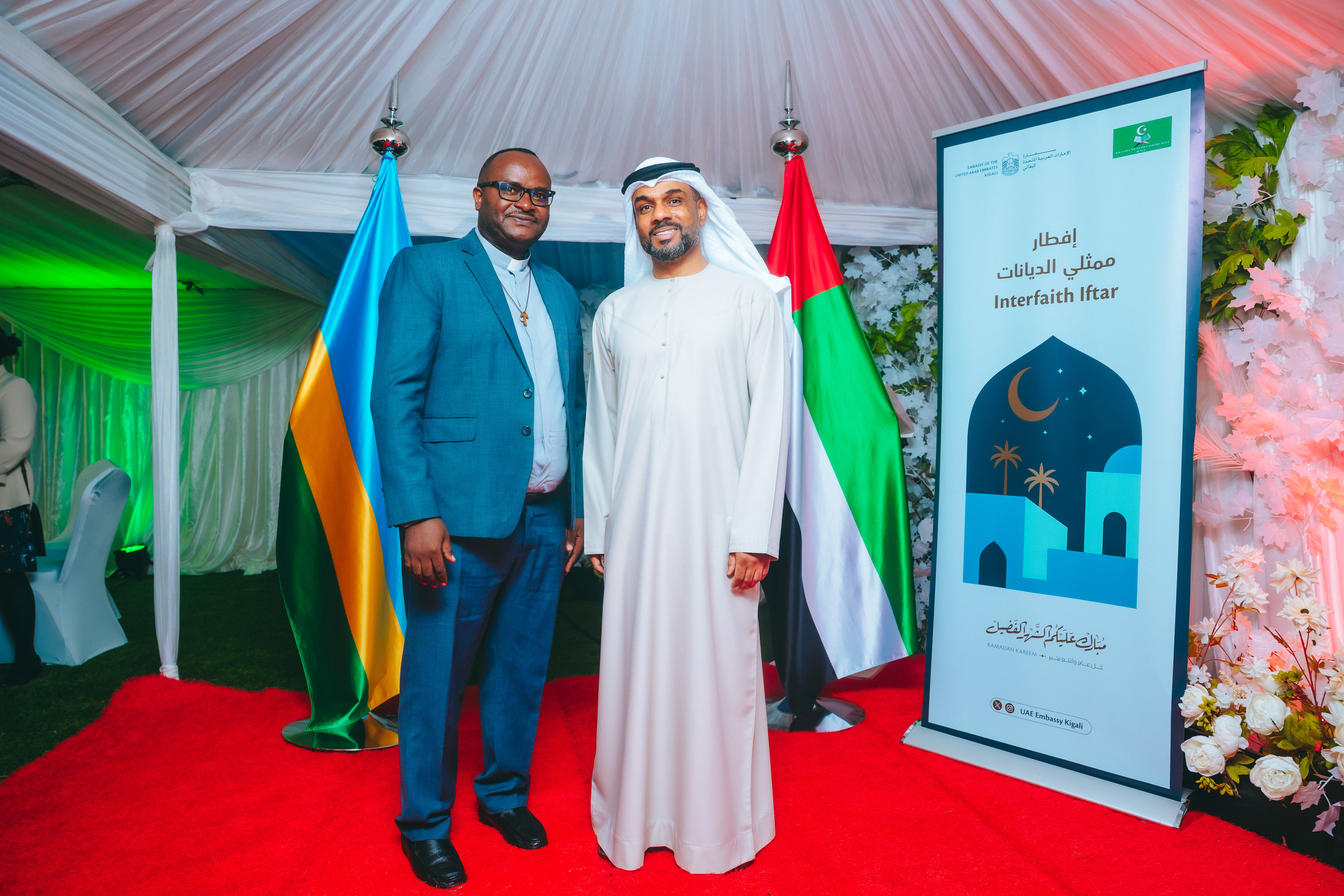
The gathering highlighted shared values of compassion, tolerance and mutual respect, with speakers emphasizing the role of faith communities in fostering harmony in society.
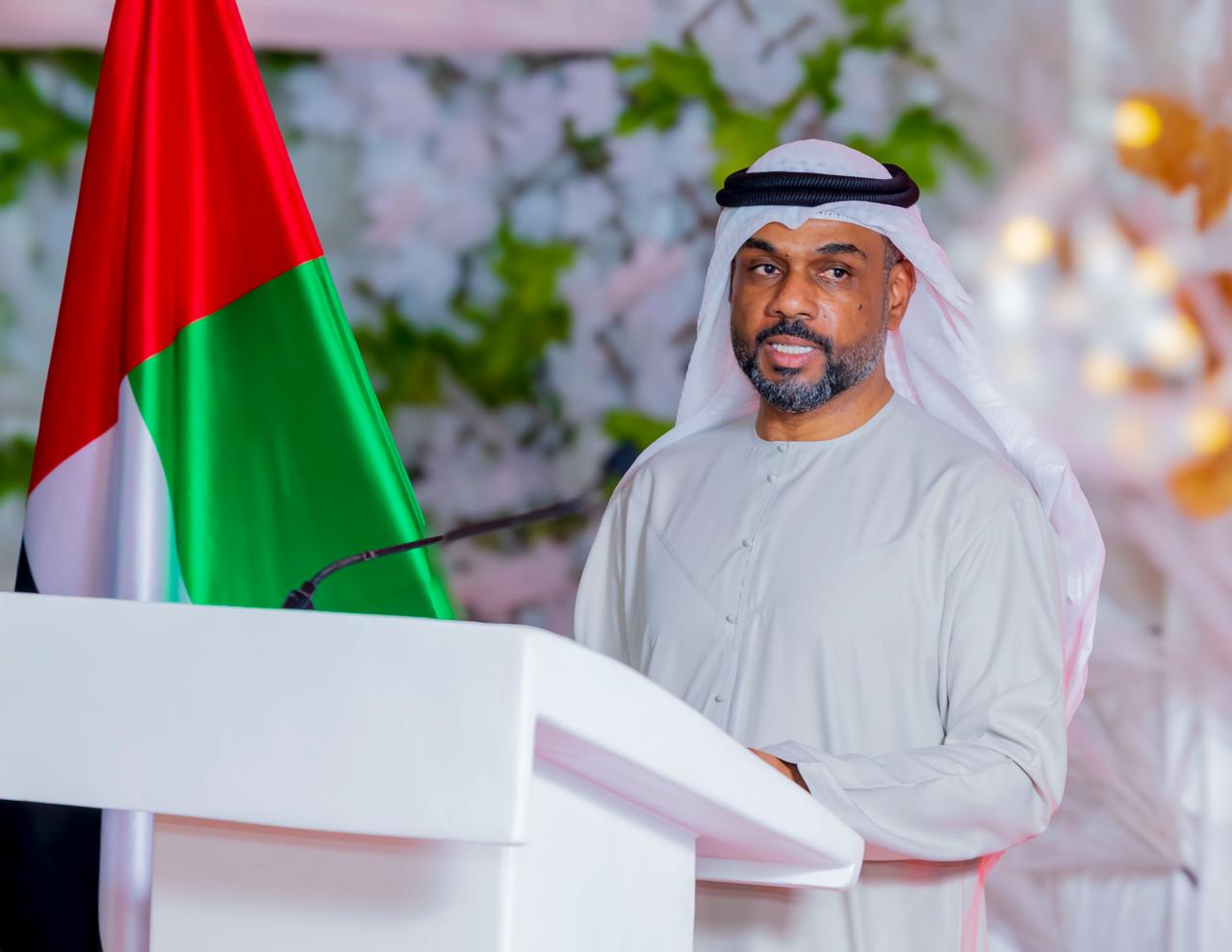
Speaking at the event, the UAE Embassy’s Chargé d’Affaires, Mohammed AlKaabi, said the interfaith Iftar was an opportunity to bring together people from diverse traditions in the spirit of friendship and shared humanity.
“Your presence honors us, and it also gives this gathering its true meaning: coming together across traditions and backgrounds in a spirit of respect, friendship and shared humanity,” he said.
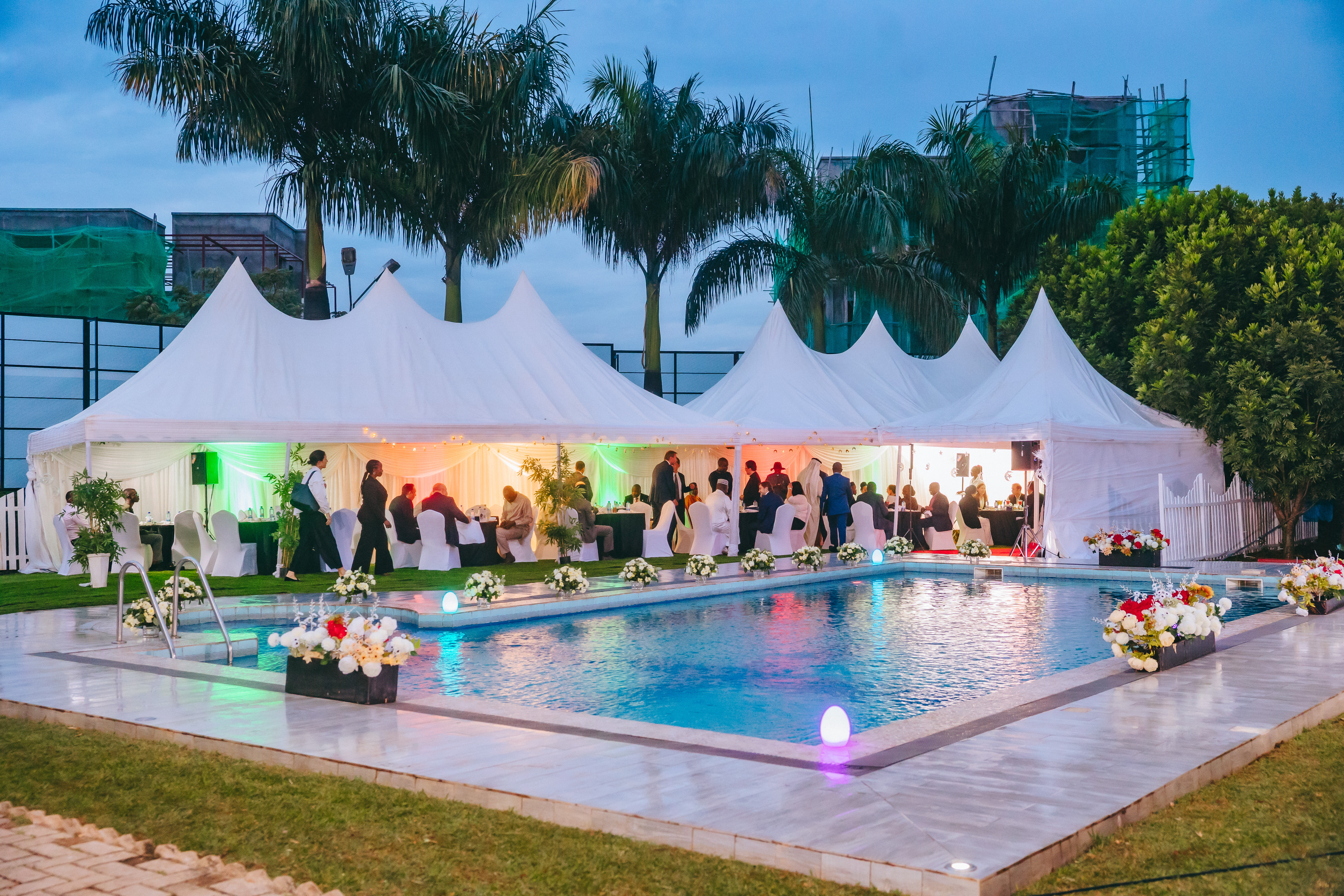
The gathering held at the UAE ambassador’s residence highlighted shared values of compassion, tolerance and mutual respect.
AlKaabi noted that the United Arab Emirates places strong emphasis on tolerance, mutual respect and peaceful coexistence, values that shape its society and engagement with partners around the world.
“In the UAE, diversity is not simply acknowledged — it is embraced. People of many faiths and cultures live and work side by side, contributing to a society built on openness, compassion and unity,” the envoy noted.
He emphasized that Ramadan’s values of compassion, generosity, and reflection are especially important amid global uncertainties, and in light of recent tensions in the Middle East, he stressed the need for restraint and dialogue.
“Such times remind us how essential it is to protect human life, reject hatred and incitement, and uphold the principles of international law,” he added.
The diplomat also pointed to the growing relationship between the UAE and Rwanda, describing it as a partnership grounded in mutual respect and a shared commitment to progress and stability.
“We value Rwanda’s commitment to unity and resilience, and we look forward to further strengthening our cooperation in ways that benefit our peoples,” AlKaabi remarked.
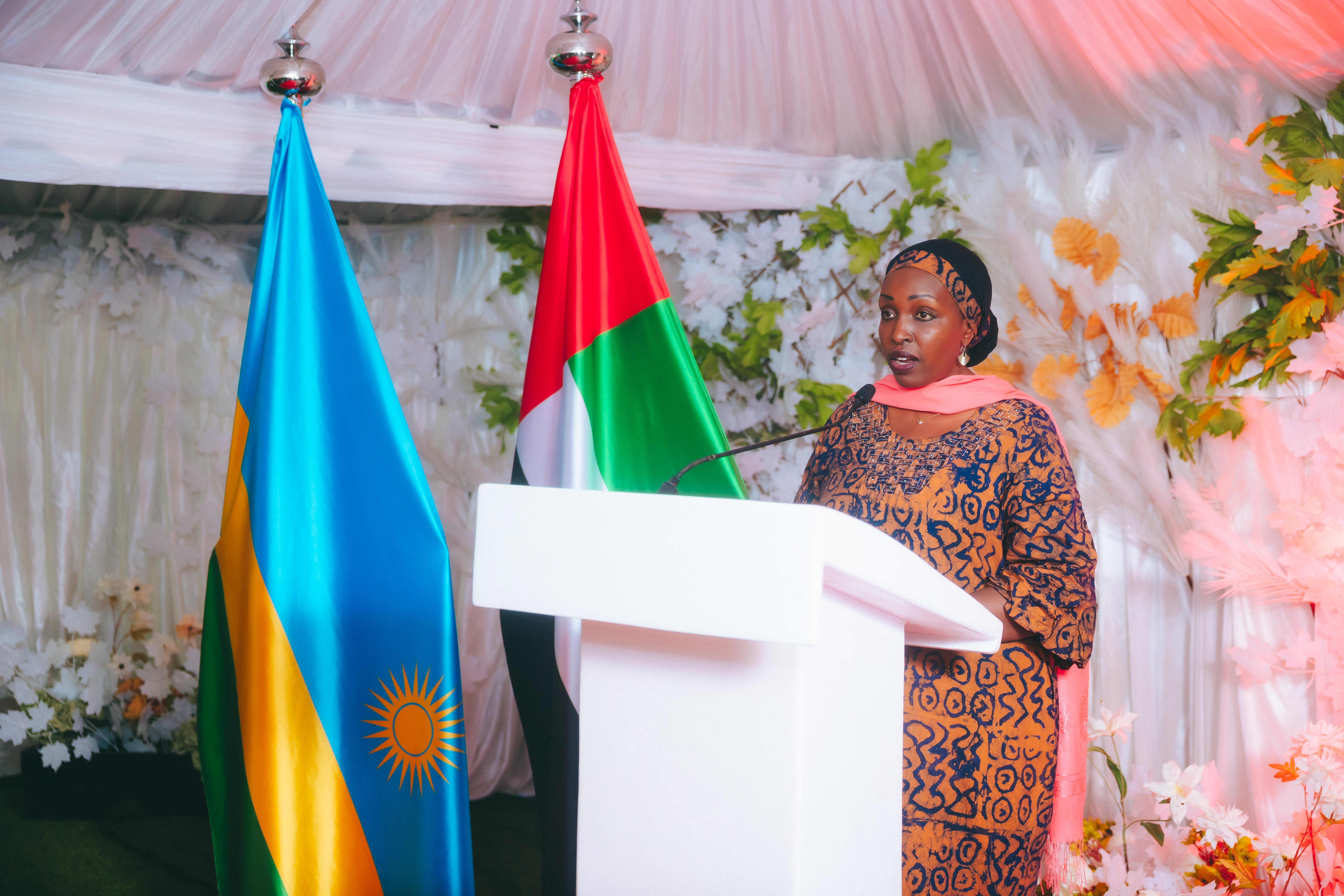
The Guest of Honor, Marie Grâce Nyinawumuntu, Director General for Europe, Americas and International Organizations at the Ministry of Foreign Affairs and International Cooperation, commended the initiative for bringing together people of different faiths.
Marie Grâce Nyinawumuntu, Director General for Europe, the Americas, and International Organizations at the Ministry of Foreign Affairs and International Cooperation, was the guest of honor.
She said Ramadan serves as a period of reflection, compassion and spiritual renewal, encouraging individuals to strengthen their faith and commitment to serving others.
“This evening is particularly meaningful because it brings together people of different faiths and backgrounds around one table,” she said.
Nyinawumuntu noted that Rwanda strongly values peaceful coexistence among religions, with different faith communities living side by side in mutual respect.
“This commitment to unity and reconciliation is rooted in our history and in our determination to ensure that faith becomes an instrument of peace, not division,” she added.
Marie Grâce Nyinawumuntu noted that Rwanda strongly values peaceful coexistence among religions.
She also recalled Rwanda’s recent engagement with the Muslim World League, including the visit of its Secretary-General Mohammed bin Abdulkarim Al-Issa from February 18 to 20, during which a scholarly seminar on peaceful coexistence highlighted Rwanda’s experience in unity and reconciliation.
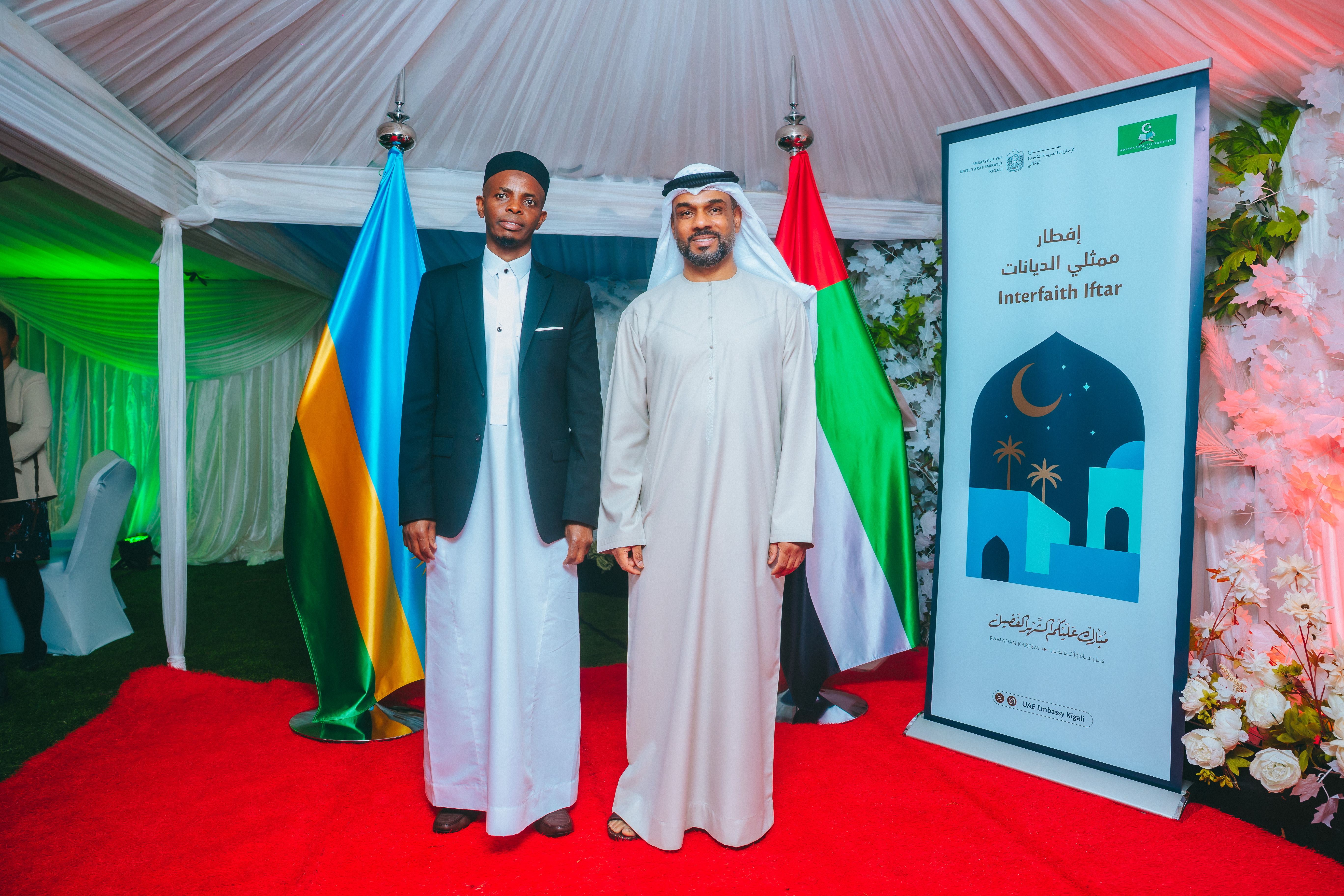
Also addressing the gathering, the Mufti of Rwanda, Sheikh Musa Sindayigaya, emphasized that Ramadan is not only a time of fasting but also a period of spiritual reflection, self-discipline and compassion for others, particularly the vulnerable.
He said interfaith initiatives such as the Iftar reflect the true spirit of Ramadan by bringing together people from different religious traditions around shared values including respect for diversity and the pursuit of peace.
“As religious leaders, we carry a sacred responsibility to guide our communities toward harmony and tolerance rather than division and violence,” Sheikh Musa stated.
The Mufti of Rwanda, Sheikh Musa Sindayigaya said interfaith initiatives such as the Iftar reflect the true spirit of Ramadan.
He also commended the UAE for its global efforts to promote tolerance and interfaith dialogue, noting that such initiatives strengthen not only diplomatic relations between nations but also the bonds among their peoples.
Participants concluded the evening by breaking the fast together, symbolizing a shared commitment to dialogue, understanding and cooperation for the common good. The event formed part of broader Ramadan observances aimed at encouraging compassion, solidarity and peace among communities.
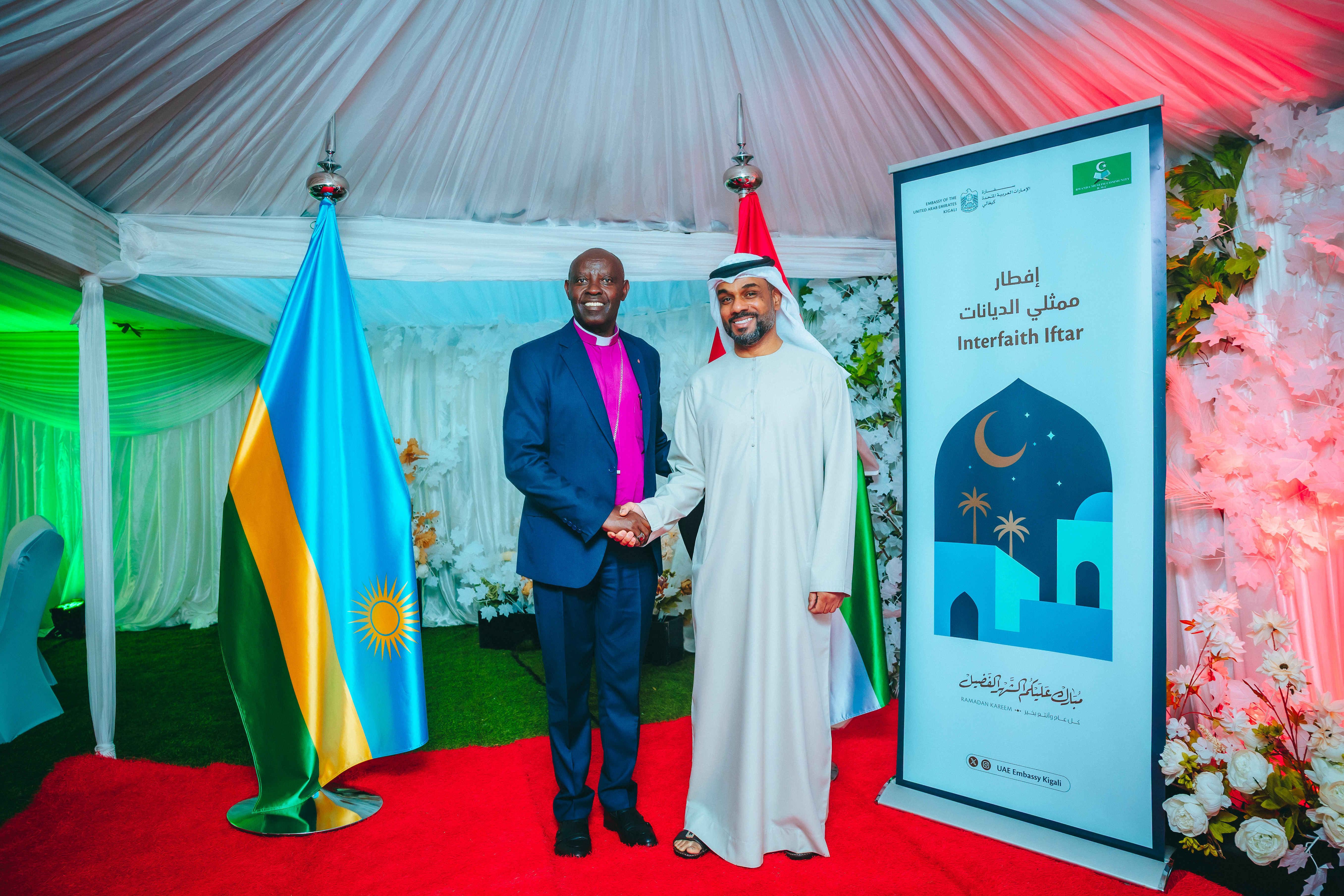
The event brought together government officials, diplomats, religious leaders and members of different faith communities.The gathering highlighted shared values of compassion, tolerance and mutual respect.
The announcement came in a statement released on March 5, 2026, by GAFCON Secretary-General Rt. Rev. Paul Donison, following the G26 Bishops Conference in Abuja, Nigeria.
In the communique titled “A Council to Lead the Communion,” Donison confirmed that the GAFCON Primates had dissolved the longstanding GAFCON Primates Council and replaced it with the Global Anglican Council, a conciliar structure including primates, bishops, clergy, and lay members with full voting privileges, to lead the Global Anglican Communion.
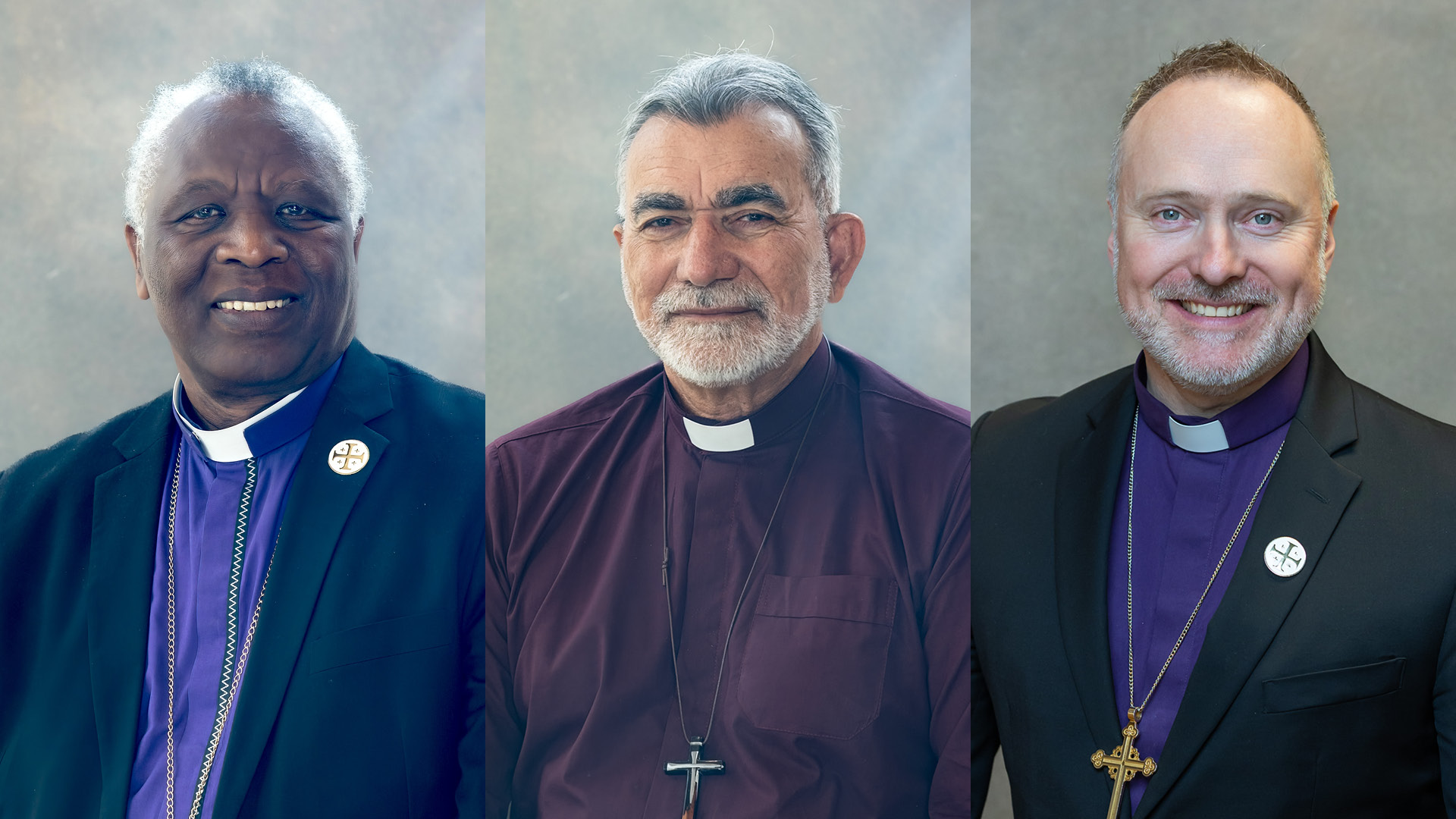
Archbishop Mbanda was elected Chairman, Archbishop Miguel Uchoa as Vice-Chairman, and Bishop Paul Donison as General Secretary, with terms concluding at GAFCON V in Athens in 2028.
This restructuring marks a decisive step in GAFCON’s efforts to reorder the Anglican Communion amid ongoing divisions.
GAFCON was founded in 2008 in response to concerns over liberal shifts in parts of the Anglican Communion, particularly decisions perceived as departing from biblical authority.
Tensions intensified with the January 2026 appointment of Bishop Sarah Mullally as Archbishop of Canterbury and events such as the 2025 election of Bishop Cherry Vann, who is in a same-sex marriage, in Wales.
Archbishop Mbanda had publicly voiced concerns that such developments reflected worldly pressures contrary to Scripture, and GAFCON has emphasized its role in representing the majority of Anglicans worldwide, especially through alignment with the Global South Fellowship of Anglican Churches (GSFA), claiming to encompass around 85% of global Anglicans.
The new council structure deliberately moves away from a single “primus inter pares” model, opting for shared leadership to better serve the needs of the majority of Anglicans.
Archbishop Mbanda, who has led GAFCON since April 21, 2023, continues in this pivotal role through the restructured framework.
Archbishop Mbanda holds advanced degrees in evangelism, Christian education, and theology from Trinity International University in the United States, following studies at Kenya Highlands Bible College.
He served as Bishop of the Diocese of Shyira from March 2010 before being elected Archbishop of the Anglican Church in Rwanda in January 2018.
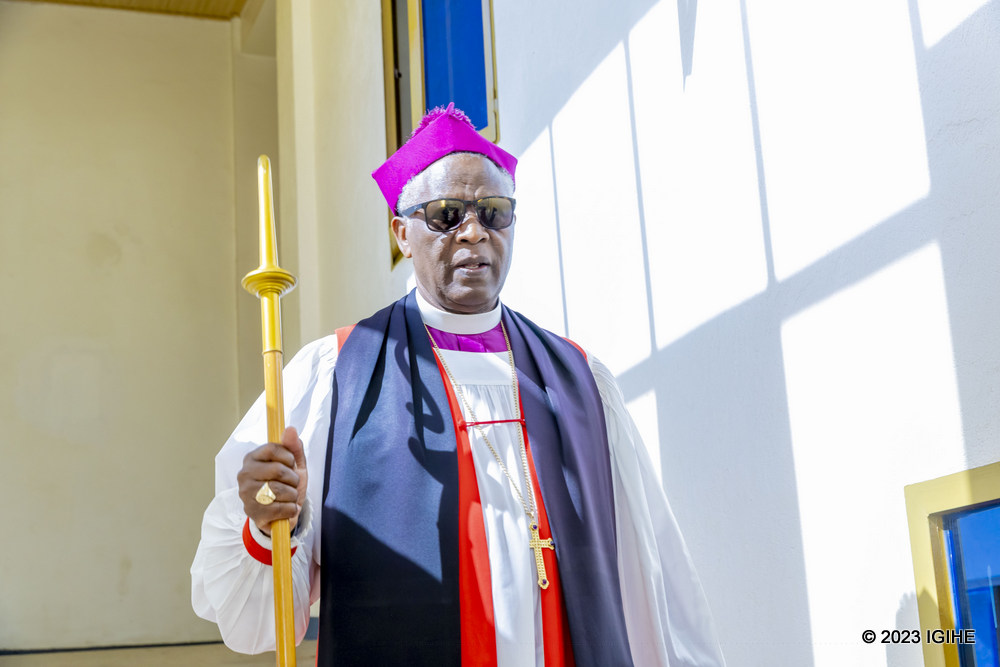
Archbishop Mbanda was elected Chairman, Archbishop Miguel Uchoa as Vice-Chairman, and Bishop Paul Donison as General Secretary. Archbishop Laurent Mbanda has been elected Chairman of Global Anglican Council