From March 9 to 11, 2026, Kigali hosted a meeting of the Catholic Bishops’ Conference bringing together bishops from both countries to discuss cooperation and ways to address challenges affecting communities, particularly Christian faithful.
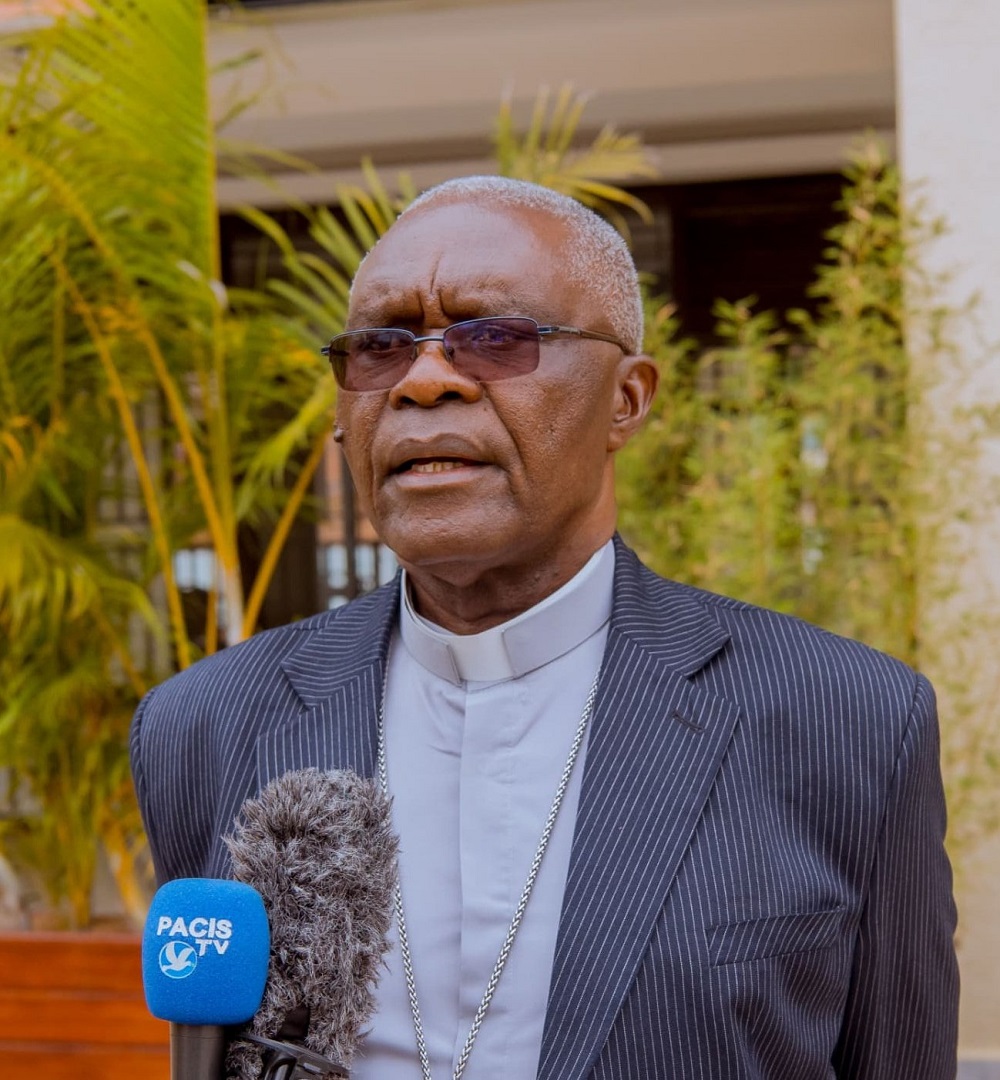
Speaking to the media, Bishop Joachim Ntahondereye of Muyinga Diocese and President of the Catholic Bishops’ Conference of Burundi, encouraged believers from both nations not to lose hope despite the prolonged border closure.
“Our message to Christians in Rwanda and Burundi at a time when the border between the two countries is closed is that they should not lose hope because no rain falls without eventually stopping,” he said.
“As the saying goes, every rain passes. The issues that led to the closure of the border will also pass, and people will once again travel, cooperate and support one another as they used to.”
Bishop Ntahondereye also urged those who have the means to continue using air travel, which remains open between the two countries, so they can keep sharing ideas, develop joint initiatives and help strengthen peace between Rwanda and Burundi.
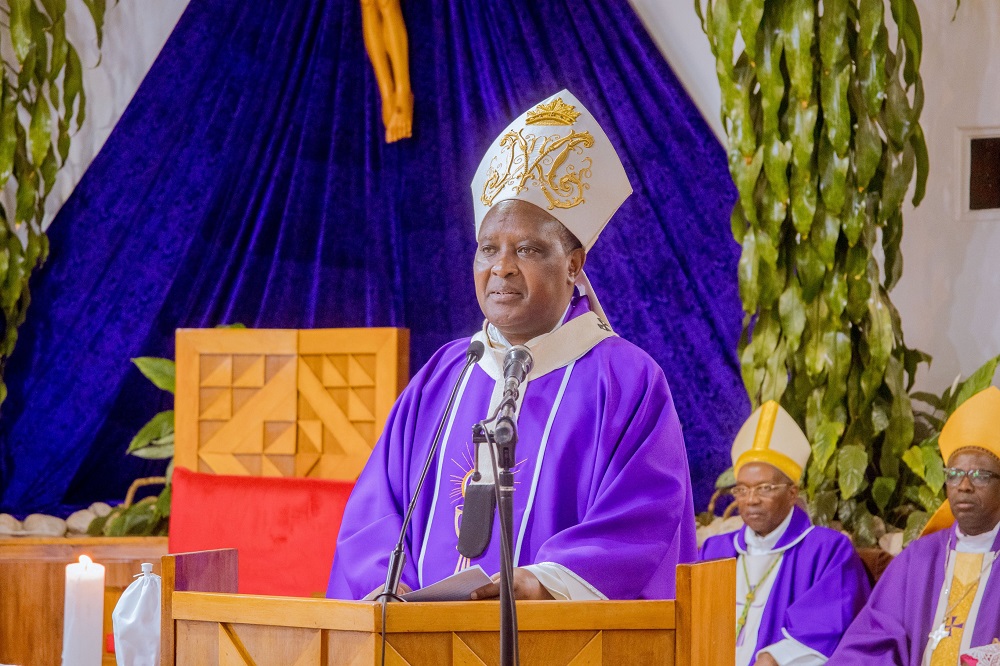
Meanwhile, Cardinal Antoine Kambanda, Archbishop of Kigali and President of the Catholic Bishops’ Conference of Rwanda, said the arrival of Burundian bishops in Kigali by plane was itself a sign that the people of the two nations remain closely connected despite the border closure.
“It is strong testimony that we must work together to find solutions,” Cardinal Kambanda said. “We must do so as people who understand one another, because we have more to gain from living in harmony than from living in conflict.”
Burundi closed its land borders with Rwanda in January 2024, citing security concerns. Although air travel between the two countries has continued, the closure has significantly disrupted cross-border trade and movement of people who have long relied on ties between the neighboring nations.
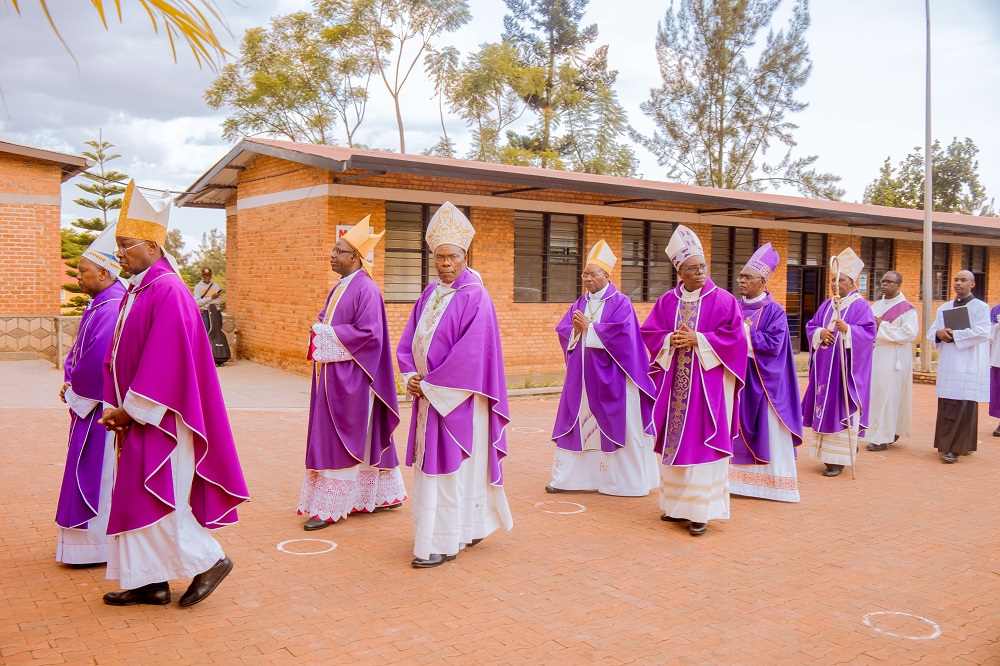
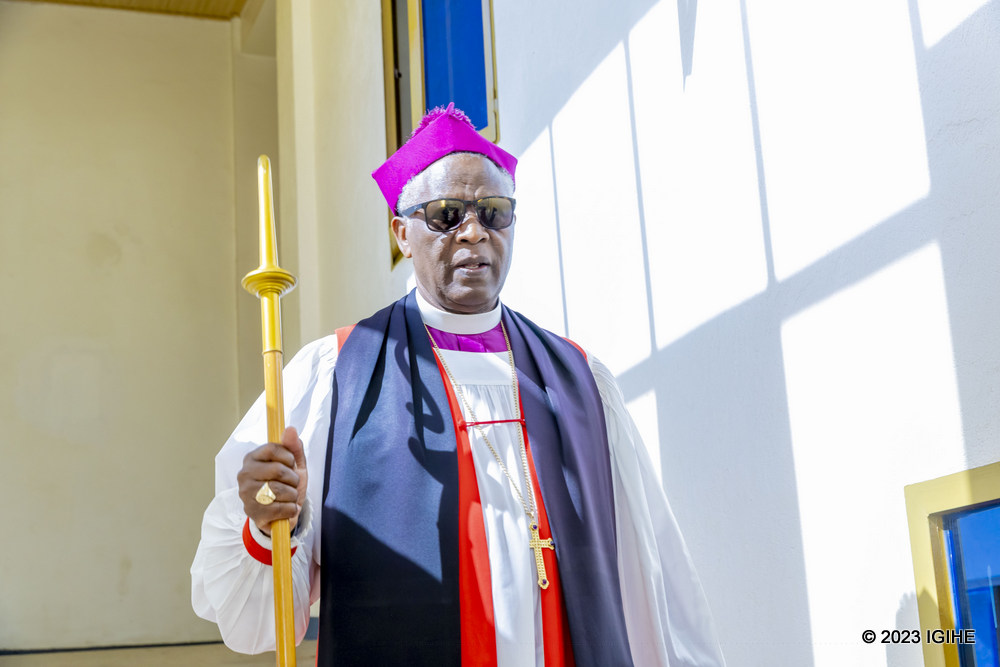
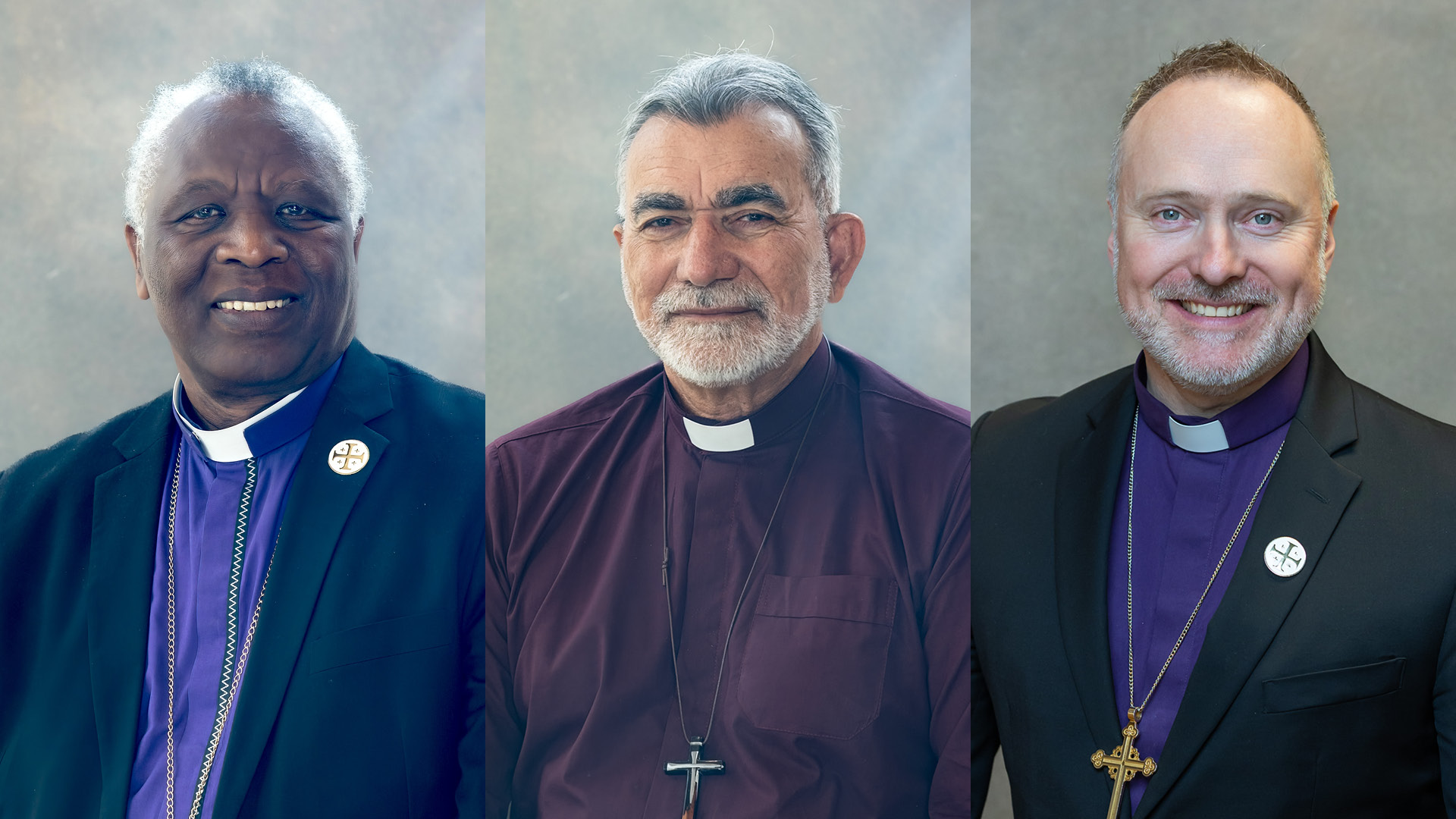
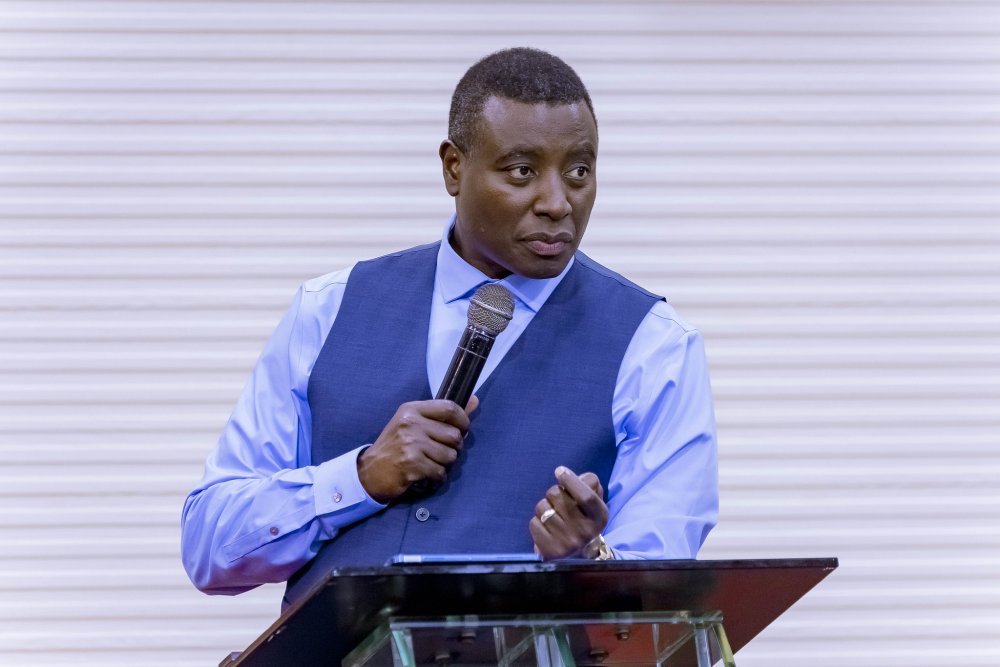
Bishop Joachim Ntahondereye of Muyinga Diocese and President of the Catholic Bishops’ Conference of Burundi, encouraged believers from both nations not to lose hope despite the prolonged border closure.Cardinal Antoine Kambanda, Archbishop of Kigali and President of the Catholic Bishops’ Conference of Rwanda, stressed the need for people from both countries to remain connected. Eight Catholic bishops from Burundi spent three days in Rwanda.
According to Vatican News, the report is now available in English and Italian on the official Synod website, along with a summary translated into five languages. It follows the recent publication of reports from Study Groups No. 3 and No. 4, which examined the Church’s mission in the digital environment and the formation of priests from a missionary synodal perspective.
The publication was directed by Pope Leo XIV in a move aimed at promoting transparency and sharing the outcomes of the Church’s reflection with the wider Catholic community.
The document is structured in three main parts. The first section explains the history and working method of Study Group No. 5. The second offers a synthesis of the themes that emerged during the study, drawing from consultations with women working in Church structures, contributions from various Church bodies, and testimonies gathered by the Dicastery involved in the process.
This reflection places strong emphasis on listening to the experiences of women who already hold responsibilities within the Church. Among the key themes discussed are the recognition of the “question of women” as a sign of the times, the importance of local cultural contexts, and the relational and charismatic contributions women bring to ecclesial life.
The report also examines concrete steps taken by Pope Francis and Pope Leo XIV to appoint women to leadership roles within the Roman Curia, presenting these decisions as examples for the wider Church.
A final appendix compiles extensive materials on women’s roles in Scripture, Church history, contemporary leadership, and theological perspectives on authority in the Church.
The study groups that submitted their reports have now completed their mandate, while Church institutions will prepare practical proposals based on the findings for the Pope’s consideration.
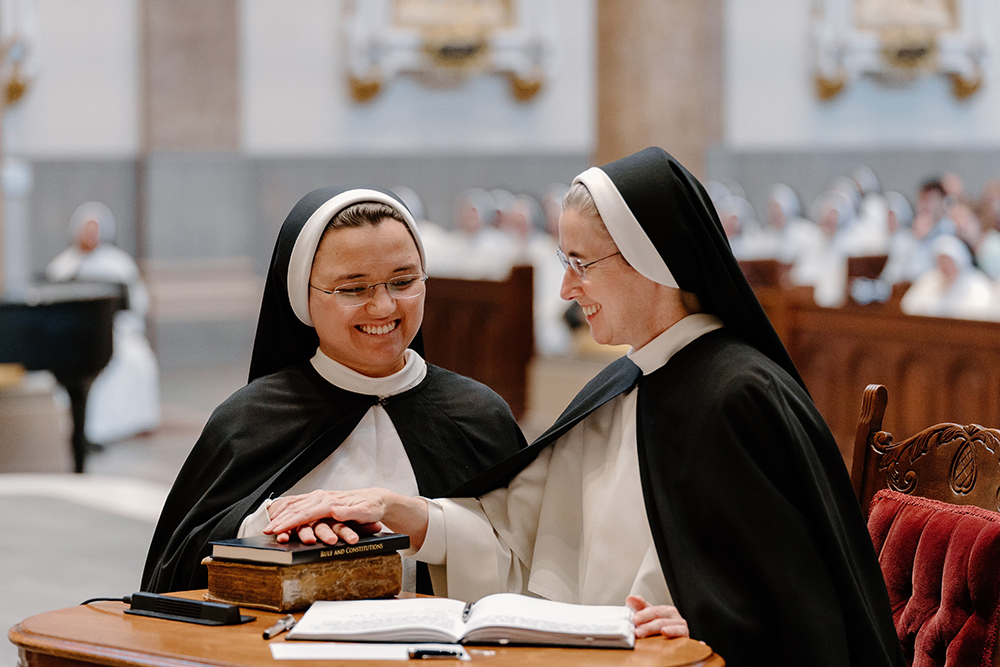
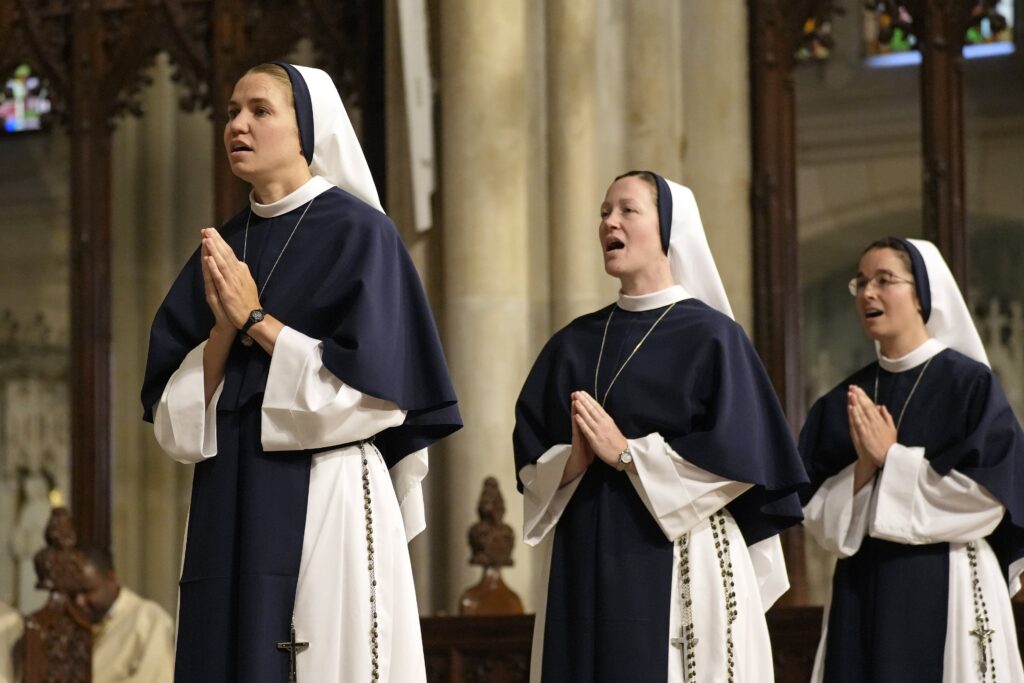
Sisters of Life Beata Victoria, left, Léonie Thérèse, and Maria Augustine respond as New York Cardinal Timothy M. Dolan questions them on their readiness to dedicate themselves to God prior to professing their perpetual vows during Mass at St. Patrick’s Cathedral in Manhattan on August 6, 2025.
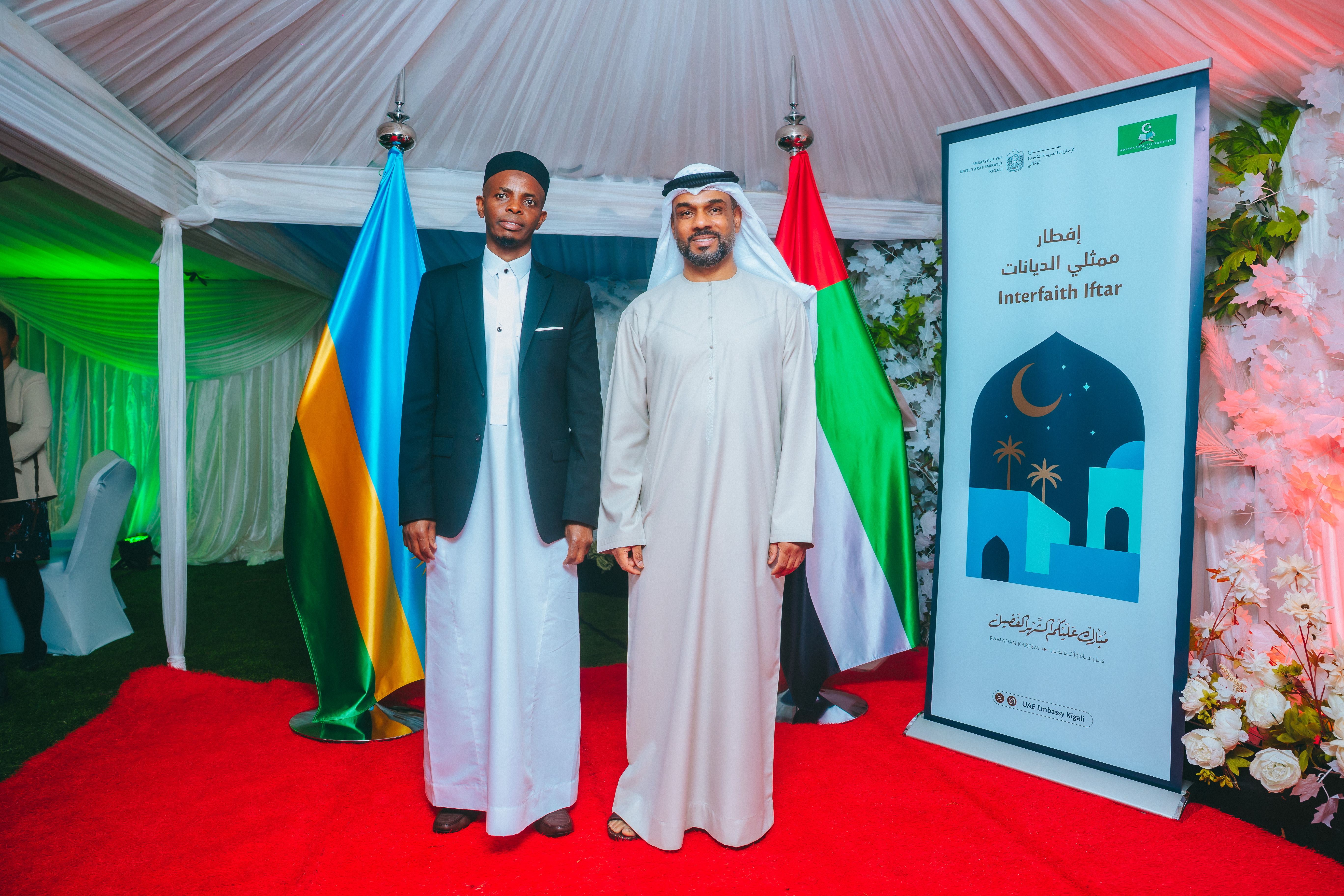
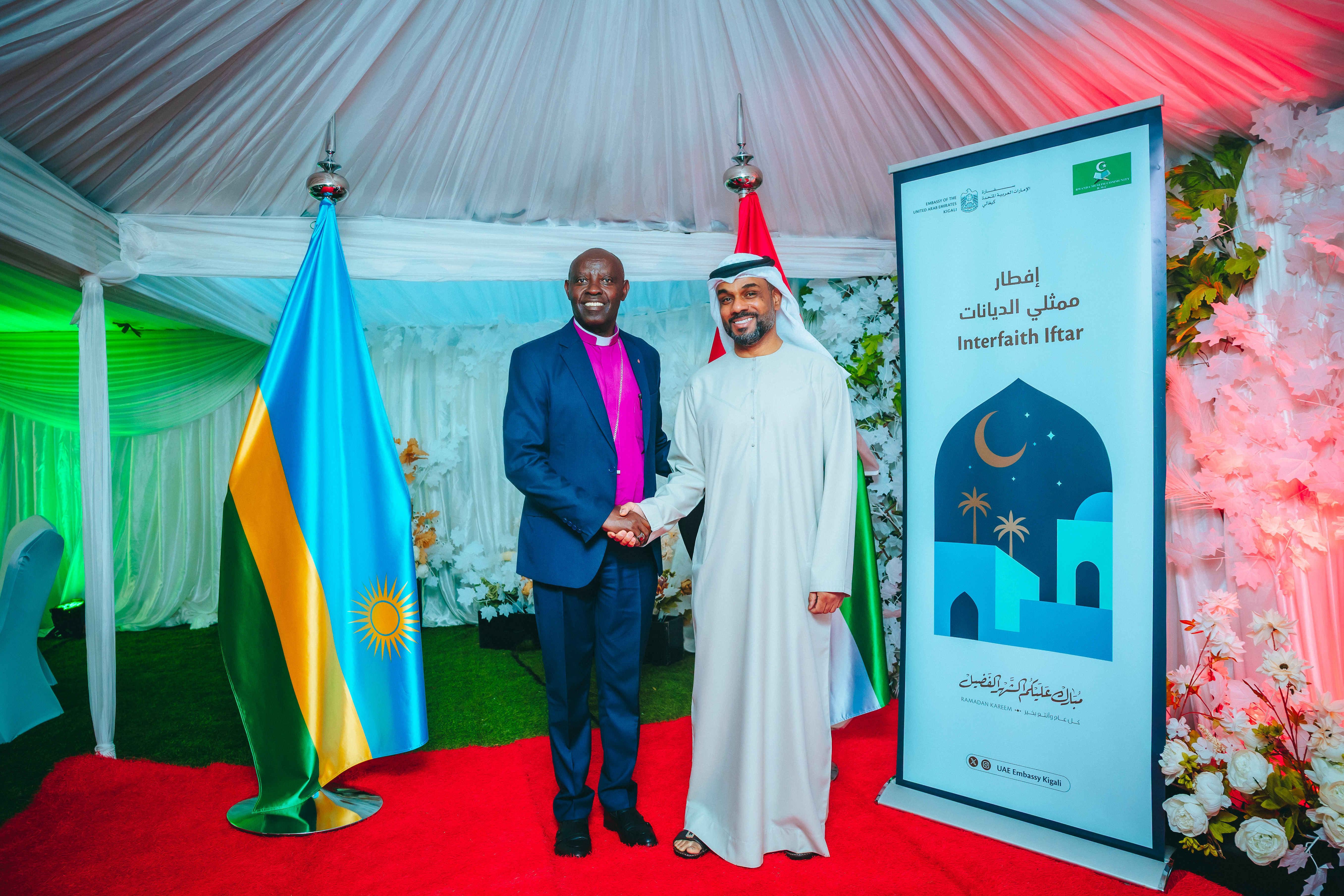
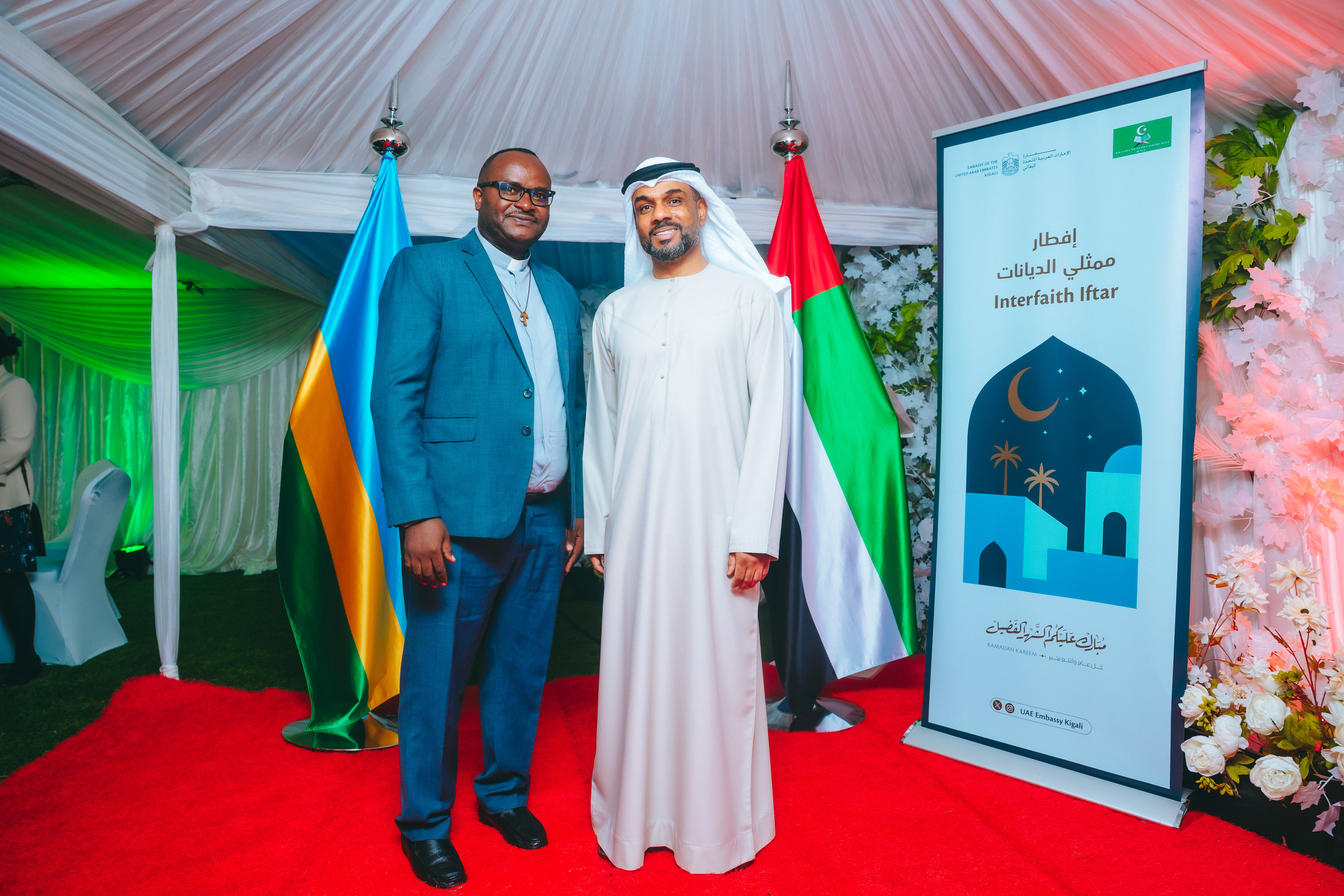
The gathering highlighted shared values of compassion, tolerance and mutual respect, with speakers emphasizing the role of faith communities in fostering harmony in society.
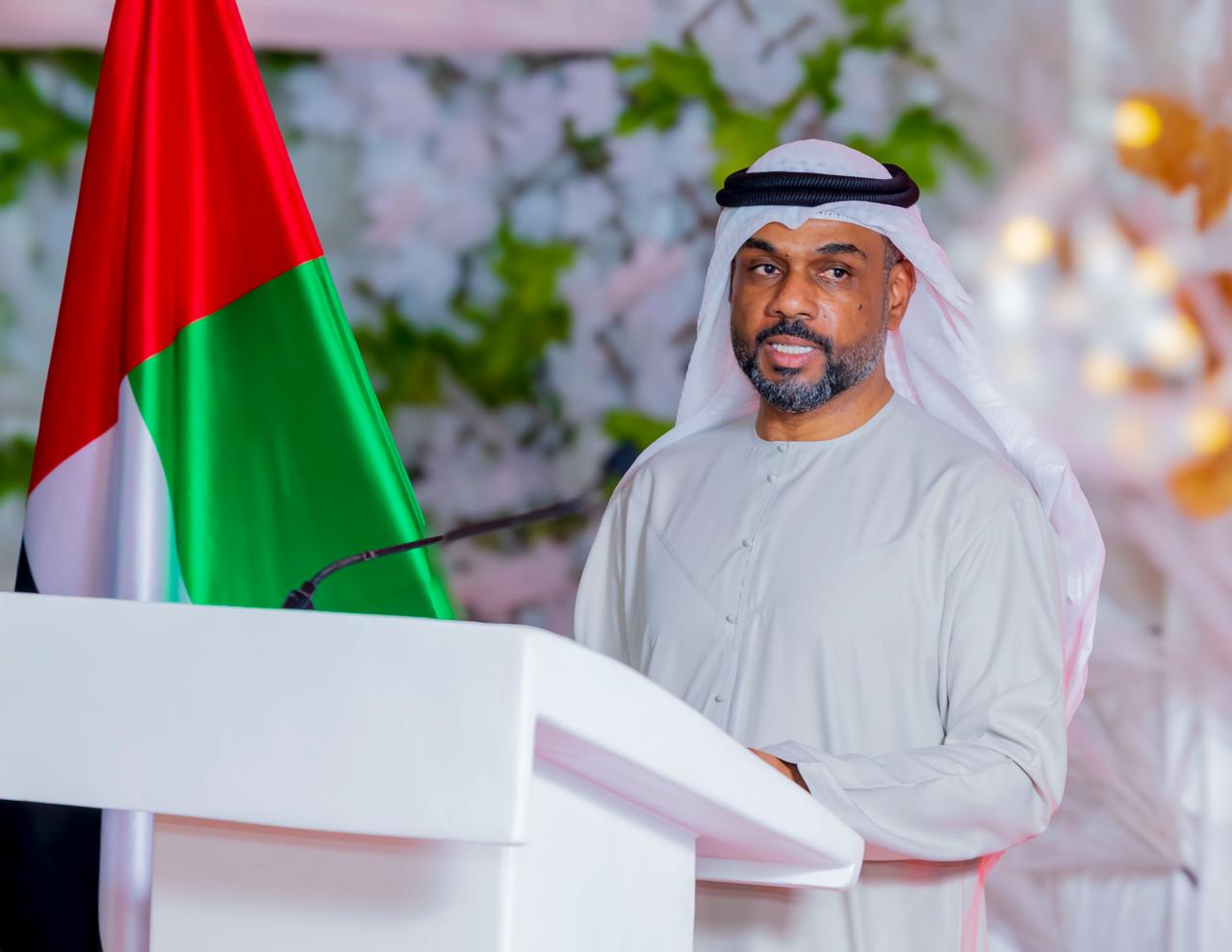
Speaking at the event, the UAE Embassy’s Chargé d’Affaires, Mohammed AlKaabi, said the interfaith Iftar was an opportunity to bring together people from diverse traditions in the spirit of friendship and shared humanity.
“Your presence honors us, and it also gives this gathering its true meaning: coming together across traditions and backgrounds in a spirit of respect, friendship and shared humanity,” he said.
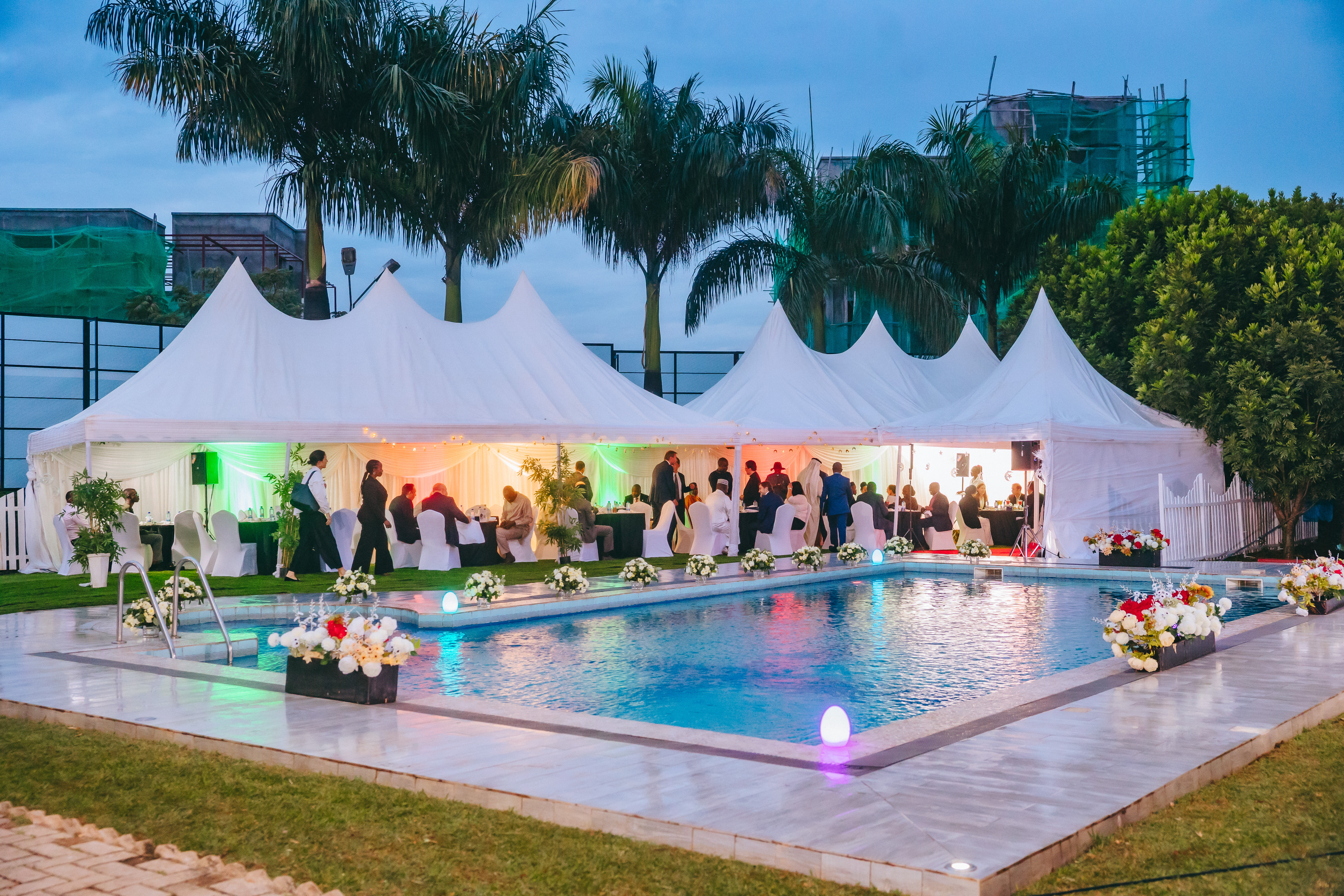
The gathering held at the UAE ambassador’s residence highlighted shared values of compassion, tolerance and mutual respect.
AlKaabi noted that the United Arab Emirates places strong emphasis on tolerance, mutual respect and peaceful coexistence, values that shape its society and engagement with partners around the world.
“In the UAE, diversity is not simply acknowledged — it is embraced. People of many faiths and cultures live and work side by side, contributing to a society built on openness, compassion and unity,” the envoy noted.
He emphasized that Ramadan’s values of compassion, generosity, and reflection are especially important amid global uncertainties, and in light of recent tensions in the Middle East, he stressed the need for restraint and dialogue.
“Such times remind us how essential it is to protect human life, reject hatred and incitement, and uphold the principles of international law,” he added.
The diplomat also pointed to the growing relationship between the UAE and Rwanda, describing it as a partnership grounded in mutual respect and a shared commitment to progress and stability.
“We value Rwanda’s commitment to unity and resilience, and we look forward to further strengthening our cooperation in ways that benefit our peoples,” AlKaabi remarked.
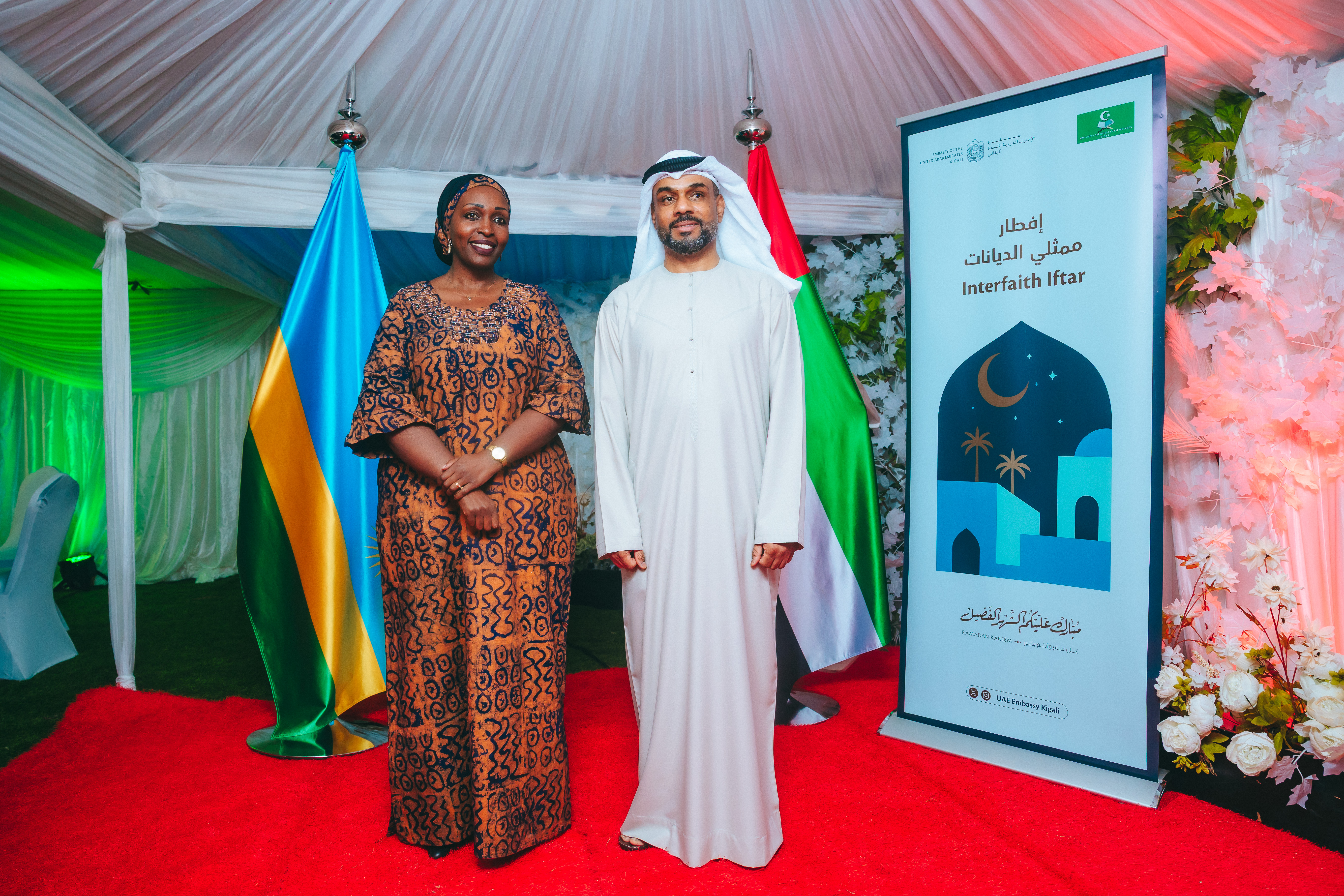
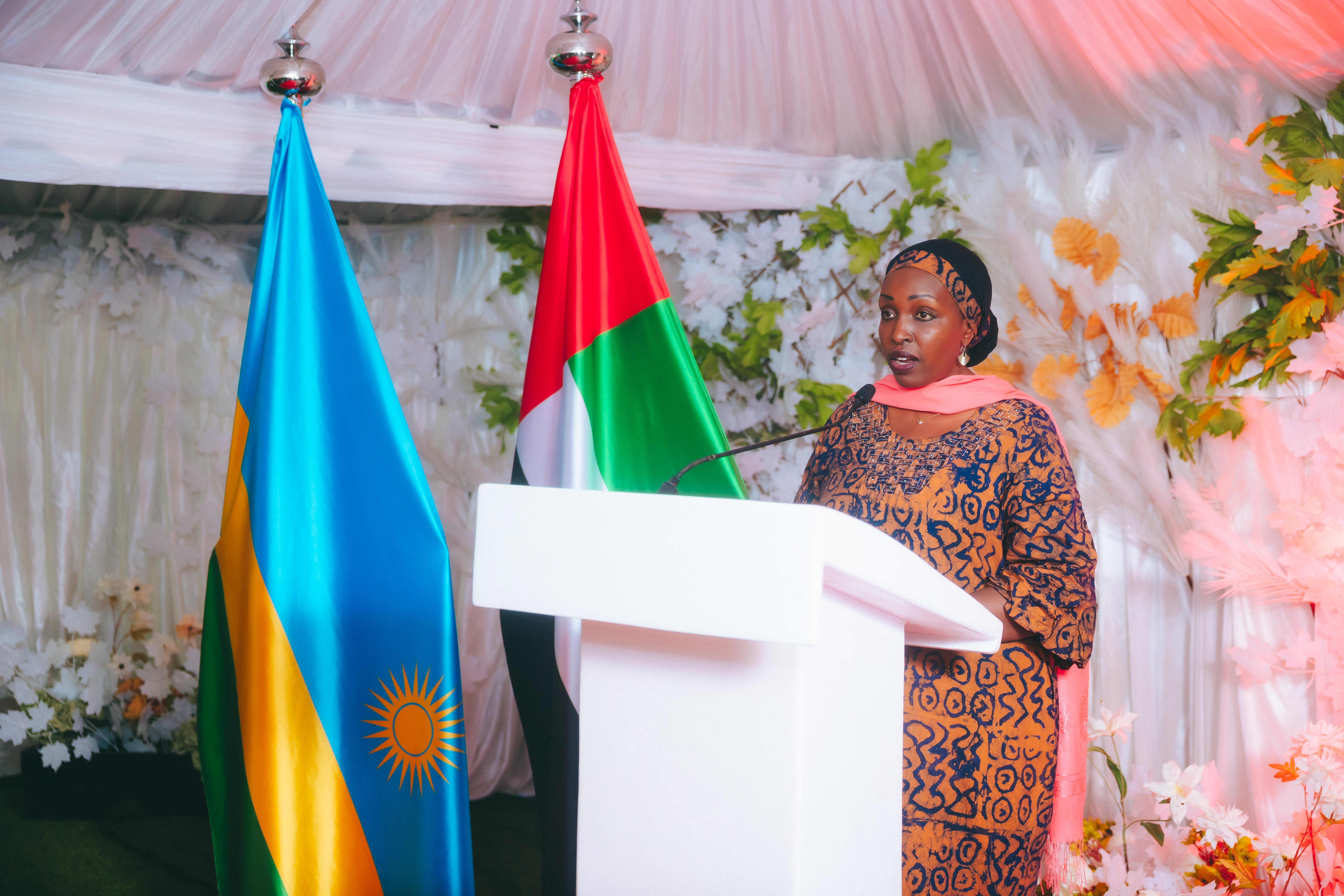
The Guest of Honor, Marie Grâce Nyinawumuntu, Director General for Europe, Americas and International Organizations at the Ministry of Foreign Affairs and International Cooperation, commended the initiative for bringing together people of different faiths.
Marie Grâce Nyinawumuntu, Director General for Europe, the Americas, and International Organizations at the Ministry of Foreign Affairs and International Cooperation, was the guest of honor.
She said Ramadan serves as a period of reflection, compassion and spiritual renewal, encouraging individuals to strengthen their faith and commitment to serving others.
“This evening is particularly meaningful because it brings together people of different faiths and backgrounds around one table,” she said.
Nyinawumuntu noted that Rwanda strongly values peaceful coexistence among religions, with different faith communities living side by side in mutual respect.
“This commitment to unity and reconciliation is rooted in our history and in our determination to ensure that faith becomes an instrument of peace, not division,” she added.
Marie Grâce Nyinawumuntu noted that Rwanda strongly values peaceful coexistence among religions.
She also recalled Rwanda’s recent engagement with the Muslim World League, including the visit of its Secretary-General Mohammed bin Abdulkarim Al-Issa from February 18 to 20, during which a scholarly seminar on peaceful coexistence highlighted Rwanda’s experience in unity and reconciliation.
Also addressing the gathering, the Mufti of Rwanda, Sheikh Musa Sindayigaya, emphasized that Ramadan is not only a time of fasting but also a period of spiritual reflection, self-discipline and compassion for others, particularly the vulnerable.
He said interfaith initiatives such as the Iftar reflect the true spirit of Ramadan by bringing together people from different religious traditions around shared values including respect for diversity and the pursuit of peace.
“As religious leaders, we carry a sacred responsibility to guide our communities toward harmony and tolerance rather than division and violence,” Sheikh Musa stated.
The Mufti of Rwanda, Sheikh Musa Sindayigaya said interfaith initiatives such as the Iftar reflect the true spirit of Ramadan.
He also commended the UAE for its global efforts to promote tolerance and interfaith dialogue, noting that such initiatives strengthen not only diplomatic relations between nations but also the bonds among their peoples.
Participants concluded the evening by breaking the fast together, symbolizing a shared commitment to dialogue, understanding and cooperation for the common good. The event formed part of broader Ramadan observances aimed at encouraging compassion, solidarity and peace among communities.
The event brought together government officials, diplomats, religious leaders and members of different faith communities.The gathering highlighted shared values of compassion, tolerance and mutual respect.
The announcement came in a statement released on March 5, 2026, by GAFCON Secretary-General Rt. Rev. Paul Donison, following the G26 Bishops Conference in Abuja, Nigeria.
In the communique titled “A Council to Lead the Communion,” Donison confirmed that the GAFCON Primates had dissolved the longstanding GAFCON Primates Council and replaced it with the Global Anglican Council, a conciliar structure including primates, bishops, clergy, and lay members with full voting privileges, to lead the Global Anglican Communion.
Archbishop Mbanda was elected Chairman, Archbishop Miguel Uchoa as Vice-Chairman, and Bishop Paul Donison as General Secretary, with terms concluding at GAFCON V in Athens in 2028.
This restructuring marks a decisive step in GAFCON’s efforts to reorder the Anglican Communion amid ongoing divisions.
GAFCON was founded in 2008 in response to concerns over liberal shifts in parts of the Anglican Communion, particularly decisions perceived as departing from biblical authority.
Tensions intensified with the January 2026 appointment of Bishop Sarah Mullally as Archbishop of Canterbury and events such as the 2025 election of Bishop Cherry Vann, who is in a same-sex marriage, in Wales.
Archbishop Mbanda had publicly voiced concerns that such developments reflected worldly pressures contrary to Scripture, and GAFCON has emphasized its role in representing the majority of Anglicans worldwide, especially through alignment with the Global South Fellowship of Anglican Churches (GSFA), claiming to encompass around 85% of global Anglicans.
The new council structure deliberately moves away from a single “primus inter pares” model, opting for shared leadership to better serve the needs of the majority of Anglicans.
Archbishop Mbanda, who has led GAFCON since April 21, 2023, continues in this pivotal role through the restructured framework.
Archbishop Mbanda holds advanced degrees in evangelism, Christian education, and theology from Trinity International University in the United States, following studies at Kenya Highlands Bible College.
He served as Bishop of the Diocese of Shyira from March 2010 before being elected Archbishop of the Anglican Church in Rwanda in January 2018.
Archbishop Mbanda was elected Chairman, Archbishop Miguel Uchoa as Vice-Chairman, and Bishop Paul Donison as General Secretary. Archbishop Laurent Mbanda has been elected Chairman of Global Anglican Council
The decision was made public on the night of March 2, 2026, through a statement posted on his X account. The trip had been scheduled to take place from March 4 to March 13, 2026.
“The leadership of Authentic Word Ministries informs everyone who had registered to go to Israel for the prophetic tour that was scheduled for March 4–13, 2026, that it has been postponed due to security reasons,” the statement read.
Apostle Gitwaza added that those who had signed up, will be informed of the new dates once the trip is rescheduled.
Authentic Word Ministries decided to suspend the trip at a time when tensions continue to escalate in the Middle East. Ongoing conflict has pitted Iran against the United States, which, alongside Israel, has been involved in military strikes.
The fighting appears to be spreading across the region. After coming under attack, Iran reportedly retaliated by launching strikes on several U.S. partner countries, including Qatar, Kuwait, the United Arab Emirates, Bahrain, and Saudi Arabia.
Dr. Apostle Paul Gitwaza has announced the suspension of a planned prophetic tour to Israel.
Speaking on the 44th anniversary of her first apparition on January 12, 1982, the 62-year-old Mukamazimpaka emphasised the enduring relevance of the Virgin Mary’s calls for sincere prayer, genuine love, and conversion.
The anniversary was solemnly commemorated with a Holy Mass at the Chapel of Our Lady of Kibeho, presided over by Bishop Célestin Hakizimana of the Diocese of Gikongoro. He was joined by retired Bishop Kizito Bahujimihigo of Kibungo Diocese, numerous priests, religious, and pilgrims from Rwanda and abroad.
The Kibeho apparitions began on November 28, 1981, when Alphonsine Mumureke, a student at Kibeho Secondary School (now Our Lady of the Word Secondary School), reported seeing the Virgin Mary.
Mukamazimpaka followed on January 12, 1982, and Marie Claire Mukangango on March 2, 1982.
All three were teenage students at the small girls’ school of about 150 pupils. The Catholic Church, after thorough investigation, officially recognised the apparitions to Alphonsine and Nathalie in 2001, making Kibeho the only approved Marian site in Africa.
Marie Claire Mukangango was killed with her husband during the 1994 Genocide against the Tutsi.
{{Mukamazimpaka’s experience}}
In an interview with IGIHE, Mukamazimpaka recounted that the Virgin Mary appeared to her countless times between January 12, 1982, and December 3, 1983, sometimes privately in her dormitory bed, sometimes with classmates, and on 30 public occasions before large crowds.
She described the Virgin Mary as a young woman of extraordinary beauty, aged between 20 and 30, dressed in a seamless white gown and a blue veil, neither distinctly Black nor white.
The apparitions typically came from the east, with Mary standing in the air about four metres above the ground.
The visionaries were shown harrowing scenes of violence and rivers of blood, images later understood as foretelling the 1994 Genocide against the Tutsi. They also received personal guidance about their future lives.
Mukamazimpaka was told she would never marry and would remain in Kibeho to pray for the world, a calling she has faithfully followed.
Alphonsine Mumureke, who was told she would become a nun, now lives as a religious sister in Italy.
Mukamazimpaka urged people worldwide to heed the core messages: sincere prayer without hypocrisy, authentic love for God and neighbour, and heartfelt conversion.
“The Virgin Mary often called us to be ‘beautiful flowers’, people filled with goodness and love, rather than withered ones who spread cruelty,” she said. “Her message never ages. Only by living it can humanity find healing.”
She pointed to Kibeho’s transformation as visible proof of the messages’ power: once a little-known area, it is now a major pilgrimage site attracting over 1.2 million visitors from around the world, bringing spiritual peace and tangible development.
Concessa Mukarusagara, a former classmate of the visionaries, expressed sorrow that some Rwandans still overlook the message while pilgrims travel from distant countries to embrace it.
“This place is my home,” she told IGIHE. “When I come here, I speak to my Mother, and she listens. I have seen her miracles and learned the patience she asked for. Praying the Rosary through Mary always resolves my difficulties.”
Bishop Célestin Hakizimana of Gikongoro Diocese highlighted Kibeho’s ongoing fruitfulness: “No one leaves Kibeho unchanged, spiritually or even physically. What was once an obscure sector has become a town of light, consolation and blessing for many.”
Today, Kibeho stands as Africa’s sole Vatican-approved Marian apparition site, a beacon of hope and reconciliation 44 years after heaven, in the words of pilgrims, “came down to visit us.”
The bookstore offers a broad selection of titles, including Bibles, devotionals, inspirational wisdom books, children’s literature, and Bible commentaries. Customers can place orders through the TLG Africa website or via social media platforms such as Instagram, with deliveries made to any location across Rwanda.
According to Patience Harerayesu, the Managing Director of TLG Africa, also known as The Legacy of God in Africa, the organisation’s affordability model is supported by its partnership with Alpha Courses in the United Kingdom. Alpha Courses is a global Christian organisation known for running programmes that introduce people to the basics of the Christian faith, and it helps TLG source books at lower costs.
She says the goal is to ensure that Christian knowledge remains within reach for anyone seeking spiritual development.
“We want people to be able to order a book online and have it delivered wherever they are in Rwanda,” she told IGIHE.
TLG Africa’s growing presence was most recently visible during the Niwe Healing Concert held at BK Arena, where the organisation was among the event’s supporters. Its stand attracted concert-goers who visited to browse books, make purchases, and learn more about the platform’s mission of promoting a reading culture rooted in faith.
One of the moments that stood out during the concert involved gospel artist Richard Nick Ngendahayo, who received a book gift from TLG Africa.
The team presented him with The Power of a Praying Husband, describing the gesture as an appreciation for his ministry and the influence he continues to have among young believers and worshippers.
TLG Africa’s team said their participation in the event offered an opportunity to connect directly with readers, interact with various Christian communities, and reinforce the value of spiritual growth through reading.
{{How to order a book on the TLG Africa website
}}
The platform continues to draw attention for its straightforward online ordering process. Customers looking to purchase a book simply visit the website, search for their preferred title, select it, click “Order via WhatsApp”, and await delivery to their location.
Beyond sales, TLG Africa positions itself as an organisation committed to enriching communities with literature that inspires learning and strengthens spiritual understanding. The bookstore stocks both new and gently used Christian titles, catering to readers seeking faith-based guidance, study materials, or meaningful gifts.
To place an order, visit TLG Africa on their website: https://tlg-africa.org/
While this feast day resonates deeply across the globe, here in Rwanda, it holds a unique and sacred significance. It beats in the hills of Nyaruguru, a place now known as Kibeho — Rwanda’s Holy Land.
Here, in the early 1980s, a story began that would touch countless lives and change the course of history in Rwanda. This is the story of Kibeho.
On November 28, 1981, a 16-year-old student named Alphonsine Mumureke, studying at Kibeho Secondary School, had an extraordinary experience.
Around 12:35 PM, while eating lunch with her classmates, Alphonsine saw a Lady — a woman of unimaginable beauty, dressed in white.
She introduced herself as Nyina wa Jambo, meaning “Mother of the Word.” Alphonsine, confused and overwhelmed, initially couldn’t believe what she was seeing.
When she tried to share her experience, her classmates didn’t believe her. Some laughed, while others accused her of making things up. But Alphonsine knew what she had seen. And soon, others began to have similar experiences.
In the following months, more visions appeared. On January 12, 1982, Nathalie Mukamazimpaka, another student at Kibeho, began seeing the same Lady.
Nathalie, known for her deep faith, shared her experience, and soon, on March 2, 1982, Marie-Claire Mukangango joined them. The three girls, seemingly ordinary students, were now seeing and speaking with the Virgin Mary.
By May 31, 1982, the apparitions moved outside. And by August 15, 1982, the visions were witnessed at the “Podium,” where a large crowd had gathered, eager to witness the events unfold.
These visions were not fleeting encounters. The Virgin Mary conveyed urgent and powerful messages.
She called for repentance, a conversion of heart, and a renewed focus on prayer, especially the Rosary of the Seven Sorrows. She reminded the visionaries — and by extension, all Christians that suffering is a part of the path to salvation.
The Catholic Church, known for its careful process in evaluating such claims, began an investigation into the apparitions.
In 1982, just one year after the first vision, both medical and theological investigations were launched. Experts monitored the girls’ behaviours and testimonies to ensure the experiences were genuine.
For years, the Church conducted thorough reviews. In 1988, after much study, public devotion was allowed at Kibeho. This was a clear sign that the Church found the apparitions credible. However, full official recognition wouldn’t occur until later.
Finally, on June 29, 2001, after years of investigation, the apparitions were officially recognised. Kibeho became the first Vatican-approved Marian apparition site in Africa.
This recognition marked a turning point. Kibeho was no longer just a remote site in southern Rwanda; it was now a sacred pilgrimage destination.
People began travelling from all over the world to witness the site where the Virgin Mary had appeared. Many believed in the miraculous properties of the water from the shrine’s fountain, which became a symbol of hope and healing for the faithful.
On Assumption Day, August 15, Kibeho transforms into a place of prayer. Thousands of pilgrims gather for Mass. The hills echo with songs of faith and deep devotion.
{{Fate of visionaries }}
The lives of the visionaries unfolded in different ways. Alphonsine Mumureke, the first to see the Virgin Mary, went on to become a nun, dedicating her life to prayer.
Nathalie Mukamazimpaka, who had returned to live in Kibeho, continues to be a spiritual presence at the shrine.
Sadly, Marie-Claire Mukangango’s life was tragically cut short, but her legacy lives on, inspiring all who visit.
Today, Kibeho is a vibrant spiritual destination. The once difficult journey to the shrine has been transformed by modern infrastructure, with paved roads and welcoming buildings.
The local community has embraced this development, ensuring that Kibeho remains a place of peace, healing, and spiritual renewal for generations to come.
Locals sell religious items like rosaries and crosses, while others offer food and refreshments to the pilgrims.
Kibeho’s influence has extended far beyond Rwanda. Pilgrims come from all corners of the globe to experience the divine presence that many believe still resides in this holy land.
The use of black and white smoke during the papal election is one of the most recognizable and symbolic traditions of the Catholic Church. It communicates the outcome of the secretive conclave process to the world using a simple visual code: black smoke (fumata nera) indicates an inconclusive vote, while white smoke (fumata bianca) announces that a new pope has been chosen.
This tradition dates back to the late 19th century, becoming more consistent in the early 20th century. During the conclave, ballots are burned after each voting round. If no decision is reached, chemicals are added to the paper to produce thick black smoke, signaling the faithful in St. Peter’s Square and around the world that deliberations continue.
When a new pope is elected by the required two-thirds majority of cardinals, the ballots are burned with substances that produce white smoke—a visual message that centuries of ritual and reflection have led to a new spiritual leader.
Over the years, the Vatican has improved the process by using chemical additives to make the smoke colors more distinguishable. This adjustment was introduced after several confusing moments in past conclaves when smoke appeared gray or ambiguous. Today, the appearance of white smoke is often accompanied by the ringing of St. Peter’s Basilica’s bells, adding further clarity and celebration to the moment.
This sacred signal marked the beginning of a new era for the Catholic Church under Pope Leo XIV. Born in Chicago in 1955, Robert Francis Prevost is a member of the Order of Saint Augustine. He holds dual citizenship with Peru, a testament to his long years of missionary service in Latin America. Before his election, he served as Prefect of the Dicastery for Bishops, a role to which he was appointed by Pope Francis in 2023.
Following the passing of Pope Francis on April 21, 2025, the conclave of 133 cardinal electors convened in the Sistine Chapel. After two days of deliberation, they selected Cardinal Prevost, whose experience and global perspective made him a compelling choice to lead the Church through its next chapter.
From the balcony of St. Peter’s Basilica, Pope Leo XIV greeted the waiting crowd with the words, “Peace be with all of you,” a message of unity and continuity. His choice of name pays homage to Pope Leo XIII, known for his strong stance on social justice and workers’ rights, suggesting that Pope Leo XIV may likewise emphasize outreach, inclusion, and moral leadership in an increasingly complex world.
In addition to his deep pastoral experience, Pope Leo XIV’s election reflects the growing global nature of the Church. His background—rooted in both North and South America—symbolizes a bridge between cultures and traditions, and offers fresh hope to millions of Catholics around the world.
As white smoke once again rose into the Roman sky, it signaled more than the end of a conclave. It marked the start of a new papacy, shaped by tradition, strengthened by global diversity, and guided by the same faith that has carried the Church for centuries.
The first day of the conclave, held on Wednesday, concluded without a decision. As tradition dictates, the appearance of black smoke from the chapel’s chimney signaled that no candidate had secured the necessary two-thirds majority to be named pope and succeed the late Pope Francis.
While only one round of voting is customary on the first day, Thursday marked the beginning of a more intensive schedule. From now on, the cardinals will hold up to four ballots each day—two in the morning and two in the afternoon—until a new pontiff is chosen.
Outside the Vatican, a quiet tension mingled with hope. St. Peter’s Square glowed under the morning sun, the basilica’s iconic dome casting long shadows across the gathering crowds.
Pilgrims, clergy, tourists, and reporters—speaking a blend of languages—waited patiently for the next sign from the chimney.
Some found shade under the colonnades; others sat cross-legged on the cobblestones, gazing toward the roofline for a glimpse of smoke.
The mix of ages and backgrounds spoke to the global significance of the moment. From the devout to the curious, seasoned observers to first-time visitors, all had come to witness history.
As the world watches, the color of the smoke remains the only clue to the proceedings within. Until white smoke rises—signaling the successful election of a new pope—the search for the next leader of the Catholic Church continues.