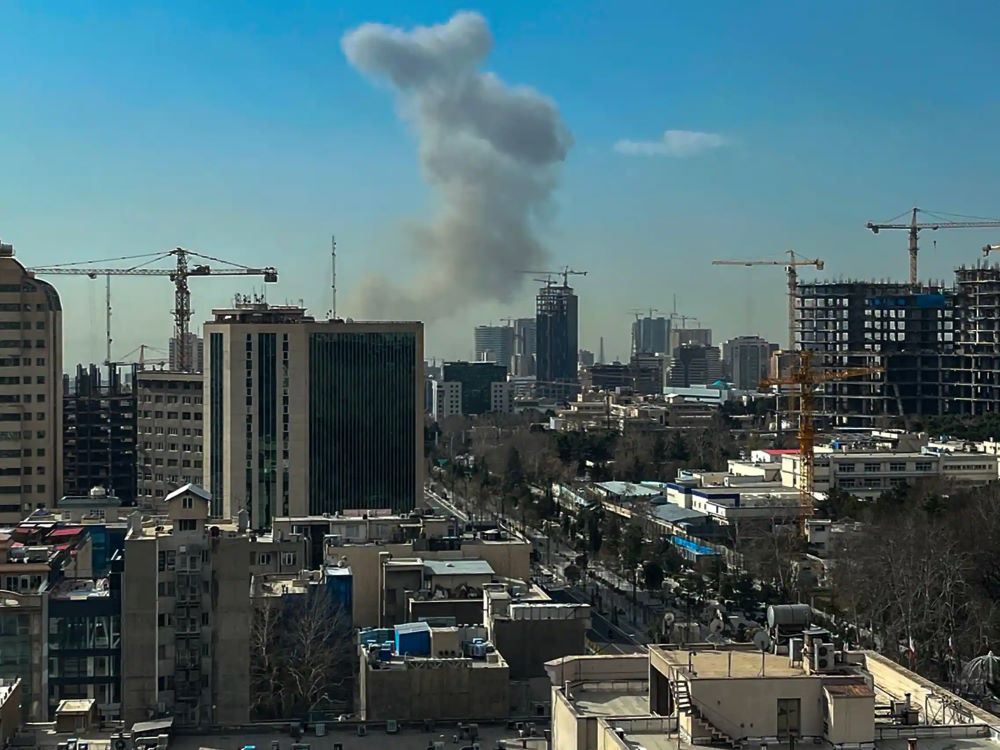
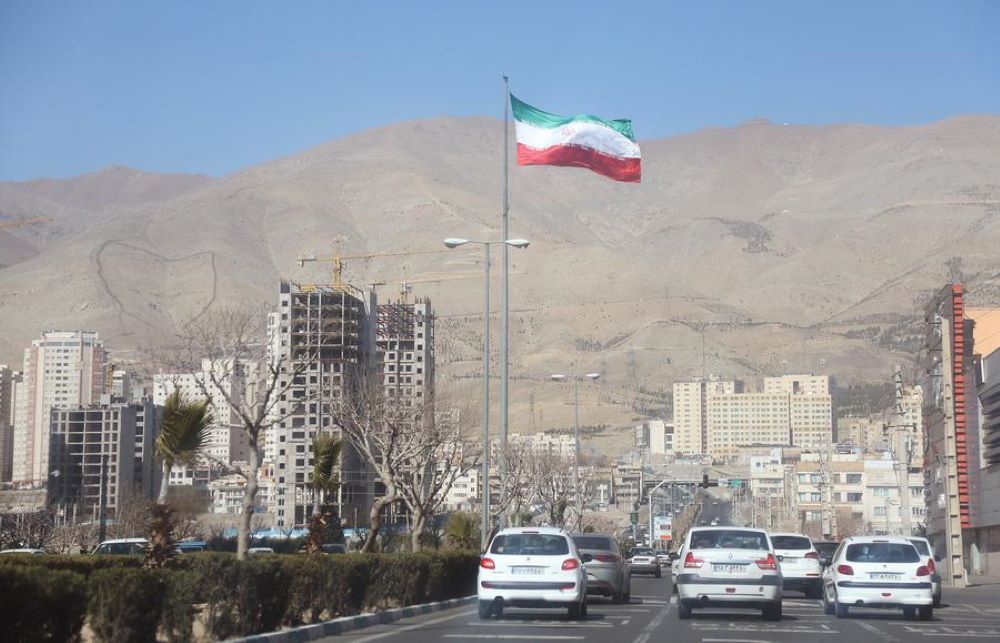
According to reports, plumes of smoke were seen rising from central Tehran following explosions reported near offices associated with Supreme Leader Ali Khamenei. Iranian state television confirmed the blasts without providing details on casualties or damage.
It remains unclear whether Khamenei was present at the time. Iranian authorities subsequently shut down the country’s airspace and issued warnings to pilots as additional explosions were reported across the capital.
Israeli Defence Minister Israel Katz described the strike as an operation aimed at “removing threats,” though he provided few specifics. The Israeli government later identified the offensive as “Operation Lion’s Roar,” underscoring what officials describe as an effort to neutralize security risks tied to Iran’s nuclear programme.
Air raid sirens sounded across Israeli cities, prompting the Israel Defense Forces to issue a proactive alert advising civilians to remain near bomb shelters and avoid non-essential travel.
At Tel Aviv’s international airport, passengers were directed to shelters amid fears of missile retaliation. Air India announced it would suspend flights on one affected route for at least a week as a precaution.
The confrontation has drawn in United States, with President Donald Trump confirming American participation in military operations targeting Iranian facilities.
Washington has also deployed additional fighter jets and naval forces to the region. Trump emphasized the need for what he described as a “meaningful deal” regarding Iran’s nuclear ambitions but acknowledged the seriousness of the unfolding situation.
Israeli Prime Minister Benjamin Netanyahu framed the joint operation with Washington as an effort to remove what he called an “existential threat.” In a public address, he urged Iranians to pursue political change, saying the military action could create conditions for a different future in Iran.
In response, Iranian officials warned of a “crushing” retaliation, signaling the potential for further escalation. Meanwhile, Qatar said its internal security situation remained stable but confirmed it was closely monitoring developments.
Exiled opposition figure Reza Pahlavi also weighed in, claiming the situation could mark a turning point for Iran’s political future.
Saturday’s events mark the latest chapter in decades of confrontation between Iran and the United States, a rivalry rooted in the 1979 Islamic Revolution and intensified by disputes over nuclear development and regional influence.
With airspace closures, military alerts, and diplomatic tensions mounting, the region now faces growing uncertainty as global leaders monitor the risk of broader conflict.
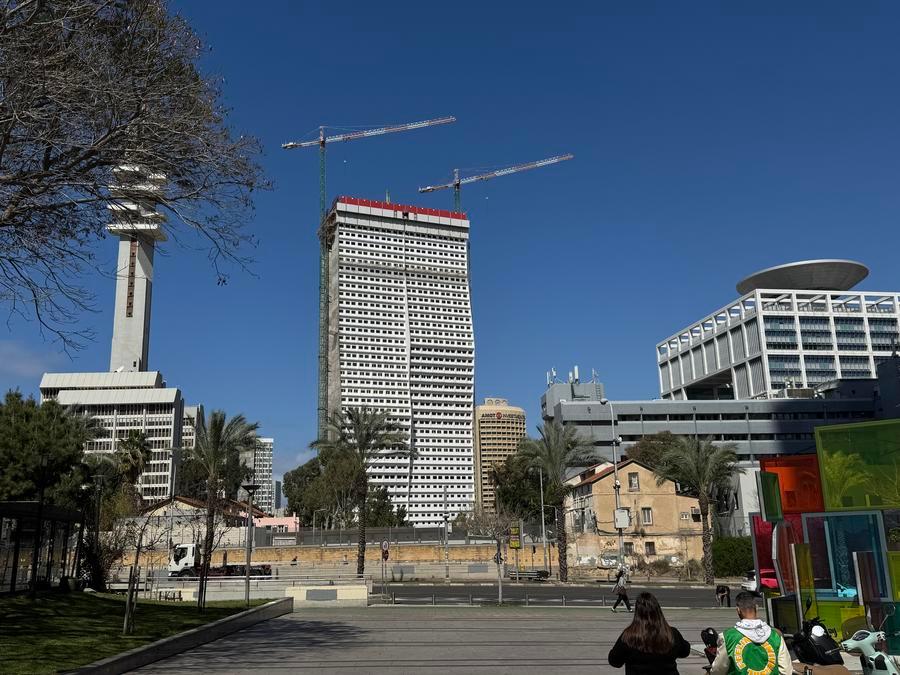
This photo taken by cellphone on Feb. 26, 2026 shows buildings of the headquarter of the Israel Defense Forces (IDF) in Tel Aviv, Israel. U.S. State Department authorized on Friday the departure of non-emergency U.S. government personnel and family members of U.S. government personnel from Mission Israel due to safety risks, U.S. embassy in Jerusalem posted on X.
Experts warned that although the indirect talks have achieved “significant” and “good progress” as Iran mediator Oman reported, the fundamental rift between Tehran and Washington remains unbridgeable, keeping the risk of military confrontation dangerously high.
Good progress on table, but no handshake yet
The Geneva talks, headed respectively by Iran’s Foreign Minister Seyed Abbas Araghchi and U.S. president’s special envoy Steve Witkoff, and mediated by Oman, were held on Thursday with both sides presenting what Iranian Foreign Ministry spokesman Esmaeil Baghaei called “very important and practical proposals” on the nuclear file and sanctions relief.
According to Iran’s official news agency IRNA, after three hours of intensive negotiations, delegations from both sides took a break for “internal consultations” before resuming their talks later in the day. The IRNA said the second stage lasted two hours.
Araghchi said good progress was achieved with Washington in the talks, and the two sides agreed to begin technical reviews in Vienna next Monday.
He added that it was also decided that the Iranian and U.S. delegations would hold the fourth round of talks very soon, perhaps in less than a week.
Following the first stage of the talks, Oman’s Foreign Ministry described the atmosphere as demonstrating “unprecedented openness to new and creative ideas and solutions.”
A report by The Wall Street Journal, citing U.S. officials, said Washington is demanding that Iran accept a deal with no expiration date, setting tough terms including shutting down Iran’s three main nuclear facilities of Fordow, Natanz and Isfahan, and transferring all remaining enriched uranium to the United States.
The United States is offering only limited sanctions relief at the outset of any agreement, with the possibility of further easing if Iran complies over time, said the report.
Meanwhile, Iran’s state-run IRIB TV reported that the Iranian delegation has completely rejected transferring Iran’s enriched uranium abroad in the indirect talks, and is also insistent on the termination of U.S. sanctions against the country.
Ali Shamkhani, a senior advisor to Iran’s Supreme Leader Ali Khamenei, posted on social media platform X that if the main issue is Iran not making nuclear weapons, “an immediate agreement is within reach,” citing a religious decree against such weapons. Tehran has been firm in securing its right to enrichment on its own soil.
Palestinian political analyst Samer Anabtawi told Xinhua that the Iranian move to prepare a draft agreement shows its “clear seriousness” in the negotiation process.
“But Washington’s acceptance of it remains another matter linked to broader political calculations,” Anabtawi noted.
Akram Atallah, a Gaza-based analyst, told Xinhua that Israel, though not at the table, is “the most influential actor” shaping the “dynamics” of the talks.
“It plays a significant role in preventing the negotiations from reaching a meaningful outcome,” Atallah said, adding, “many of the conditions being raised in this diplomatic process are, in essence, Israeli conditions reflected in American demands.”
Dual-track strategy
“What is currently happening can be described as a ‘finger-biting’ phase, in which each side is flexing its military and political muscle in an attempt to impose its negotiating terms,” Anabtawi noted.
Both Washington and Tehran are pursuing a dual-track strategy: negotiating while visibly preparing for possible conflict. The United States has amassed two aircraft carrier strike groups, over 150 combat aircraft, including F-35 stealth fighters, and has reinforced its bases in Jordan and Israel. It has also evacuated non-essential staff from its embassy in Beirut.
U.S. President Donald Trump has warned of “phase two” if such indirect talks fail, and The New York Times reported he is considering initial limited strikes to pressure Tehran at the negotiation table, which could later turn into a far larger campaign.
Iran, for its part, conducted live-fire drills in the Strait of Hormuz last week, temporarily closing the strategic waterway in a show of its ability to disrupt global oil shipments. Tehran has repeatedly stressed readiness to retaliate forcefully against any attack.
Mohammed Nader al-Omari, a Syrian writer and researcher specializing in crisis and conflict management, described the scale of the U.S. mobilization as “not routine” and sending “a clear signal that military options are being prepared.” Another Syrian analyst, Sinan Hassan, called it “coercive diplomacy,” by “applying pressure through military signaling while keeping negotiations alive.”
Yet Amer Sabaileh, a Jordanian political analyst, argued that the size and nature of the buildup suggest Washington is not merely posturing.
“The military preparations and reinforcements the United States is carrying out in the region suggest that the possibility of war and U.S. strikes against Iran is highly likely,” Sabaileh said.
Meanwhile, Charbel Barakat, international editor at Kuwait’s Al-Jarida newspaper, noted Iran’s tactical flexibility, as Tehran has signaled willingness to cap enrichment at 3.67 percent, accept an international consortium for fuel supply, and place its 60-percent stockpile under continuous monitoring of the International Atomic Energy Agency, all while keeping the missile program and regional allies off the table.
“This flexibility does not mean a willingness to alter its strategic doctrine,” Mohamed Mohsen Abo El-Nour, head of the Arab Forum for Analyzing Iranian Policies and an expert on Iranian affairs, told Xinhua.
Ahed Ferwana, a Gaza-based analyst, observed that the U.S. military moves “exert significant pressure on Iran” and are meant to push Tehran toward compromise. But he cautioned that if Washington rejects Iran’s proposals, “tensions are likely to continue or even escalate.”
Possible technical understanding amid persistent core conflict
Despite the tactical maneuvers, experts agreed that the core conflict is far from resolved. Iran’s red lines, including its right to a civilian nuclear program, its missile deterrent, and its regional influence, are seen as non-negotiable.
In the eyes of Atallah, U.S. objectives may extend to altering Iran’s domestic trajectory, possibly through regime change, which is a “maximalist” goal Tehran would never accept.
El-Nour pointed out that Washington’s goal “goes beyond the narrow nuclear file to recalibrating the security environment surrounding Iran.”
Amid heated debate on whether a full-scale war will break out between the two sides, Omani analyst Khalfan al-Touqi cautioned that any conflict would be far more destructive than the 12-day war in June last year. “The strikes will not be limited, as some expect, but will be far more dangerous, with dire consequences not just for Iran, but for the entire region.”
Still, some experts believe in a possible interim outcome, with both sides reaching a technical understanding, which could reduce imminent confrontation.
“Both sides are aware of the high cost of military escalation and therefore prefer managing tensions through negotiation,” said Abdulaziz Alshaabani, researcher at Al Riyadh Center for Political and Strategic Studies, noting that a full-scale explosion “remains a less probable outcome.”
For al-Omari, Trump now faces a narrowing set of choices. On one hand, he is under pressure from Washington hawks not to accept terms that could be portrayed as a watered-down version of the earlier nuclear deal signed in 2015.
On the other hand, military action carries its own dangers, he noted. “There are serious fears about the consequences of war and the scale of losses U.S. forces could suffer if Iran absorbs the first strike and is able to respond.”
Thair Abu Ras, director of Palestinian Programs at the Van Leer Jerusalem Institute, questioned whether Washington is truly prepared to pull the trigger.
Washington “is not politically prepared and lacks sufficient legal grounds, and most of its regional allies do not appear to be keen on a war of this nature,” Ras said.
Still, he acknowledged that after such a massive buildup, Trump faces “two main options: either launching a strike or extracting an agreement that is presented to the American public as an achievement.”
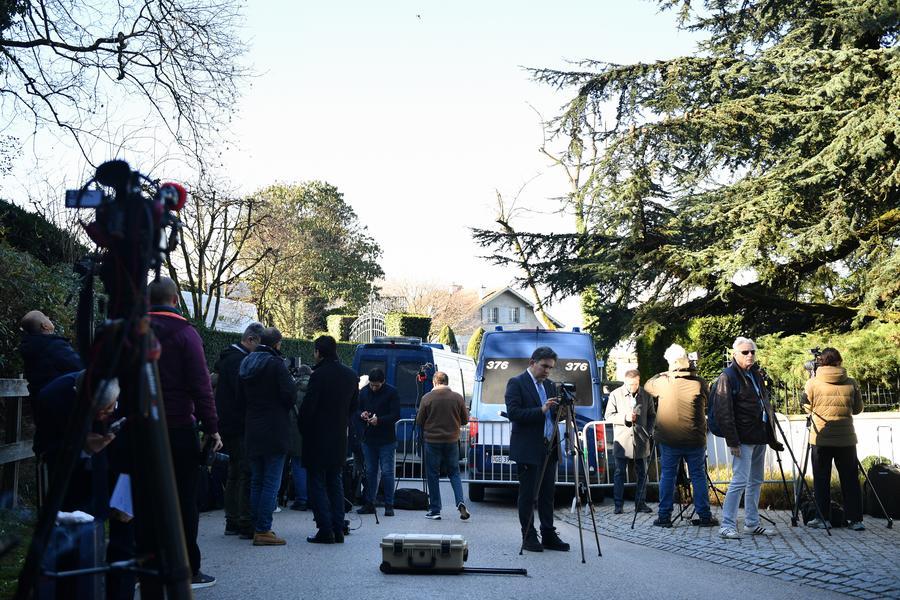
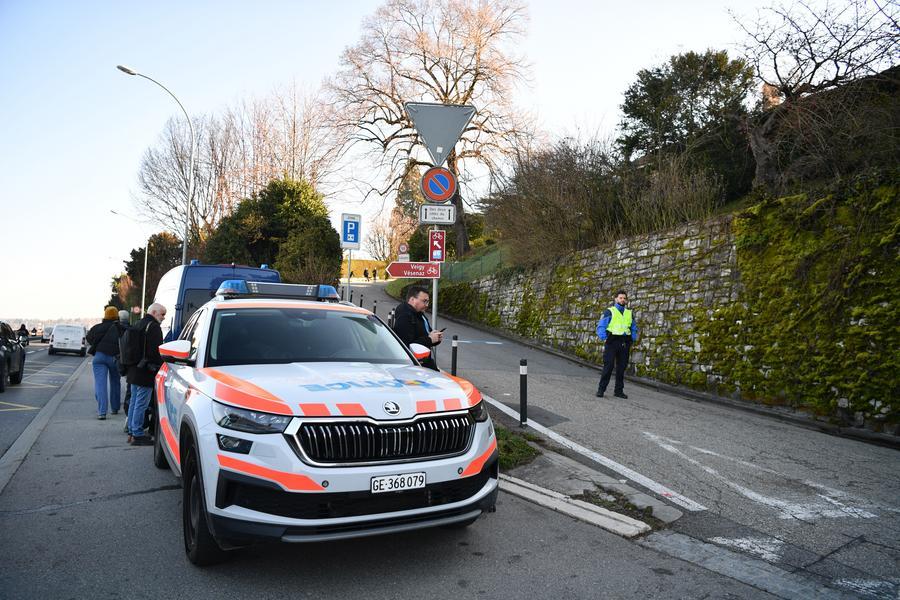
A police car is seen near the Omani ambassador’s residence in Geneva, Switzerland, Feb. 26, 2026. (Xinhua/Lian Yi)
The withdrawal was due to the prevailing conditions in Palestine, Baerbock said in a letter to all permanent representatives and permanent observers to the United Nations.
In accordance with the established regional rotation, the president of the 81st UNGA session will be elected from the Asia Pacific Group.
Following Mansour’s withdrawal, two candidates remain in the race for the post — Md. Touhid Hossain of Bangladesh and Andreas S. Kakouris of Cyprus.
According to a note sent to reporters on Thursday, Baerbock will convene informal dialogues with the candidates in May and an election will be held on June 2.
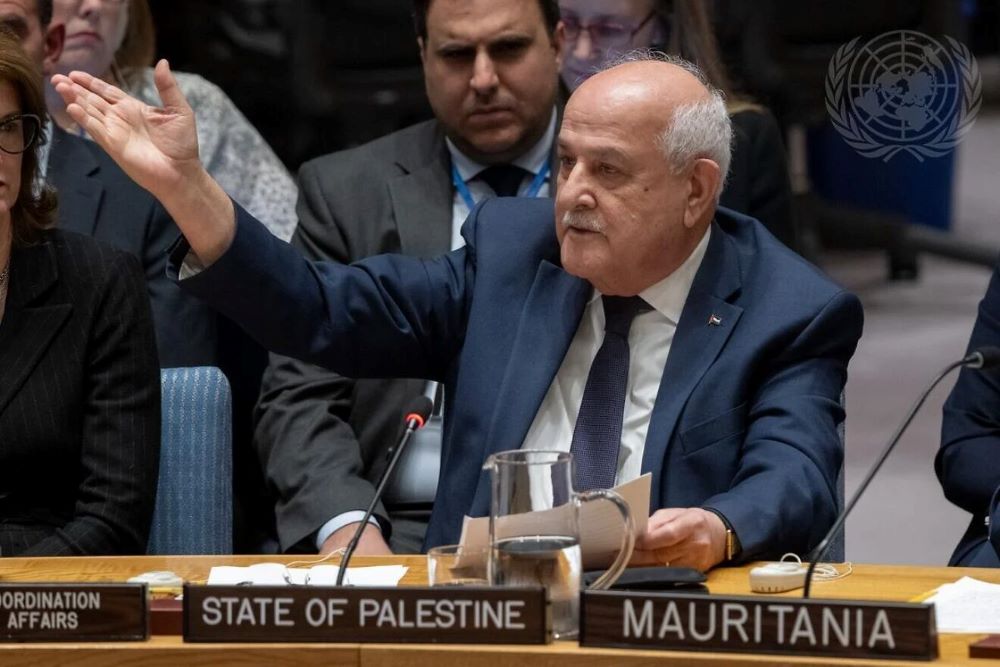
Riyad Mansour, the Palestinian “permanent observer” to the United Nations, speaks at the U.N. Security Council meeting on the situation in the Middle East on Oct. 9, 2024. Credit: Eskinder Debebe/U.N. Photo.
Iran’s Foreign Minister Seyed Abbas Araghchi said on Tuesday Iran is determined to reach a “fair and equitable” deal with the United States as soon as possible.
In his remarks posted on X, Araghchi said the two sides have a “historic opportunity” to strike an unprecedented agreement that addresses mutual concerns and achieves common interests, adding that a deal is within reach if diplomacy is prioritized.
His comments came ahead of a third round of indirect nuclear negotiations between Tehran and Washington, scheduled for Thursday in Geneva. Two rounds of indirect talks were held earlier this month, centered on Iran’s nuclear program and the possible lifting of U.S. sanctions.
Also on Tuesday, Iran’s Deputy Foreign Minister for Political Affairs Majid Takht Ravanchi said Iran is ready to do “whatever necessary” to reach a nuclear agreement with the United States.
“We want to do whatever necessary to make it (an agreement) happen. We will enter the negotiating room in Geneva with all sincerity and goodwill,” Ravanchi said in an interview with NPR radio.
“We hope that our goodwill and good approach would be reciprocated by the Americans, and if there is a political will on all sides, I believe that the deal can be reached as soon as possible,” he added.
Meanwhile, during a meeting in Tehran with Armenian Defense Minister Suren Papikyan on Tuesday, Iranian Defense Minister Aziz Nasirzadeh reiterated his country’s firm resolve to defend itself.
He said Iran does not seek war, “but if a war is imposed on the country, it will defend itself strongly and give an unforgettable lesson to enemies.”
The remarks followed a drill held by Iran’s Islamic Revolution Guards Corps (IRGC) along the Iran’s southern coast, the semi-official Fars news agency reported on Tuesday.
Iranian forces practiced the scenario of “strongly defending” the country’s coasts and islands, and the IRGC Ground Forces’ special forces carrying out operations to prevent the enemy from approaching Iran’s southern coasts.
The exercise took place amid continued U.S. military buildup in the Middle East and media reports that U.S. President Donald Trump was considering launching an initial attack on Iran.
Israel media reported Tuesday that eleven U.S. F-22 stealth fighter jets have landed at an Israeli airbase in southern Israel, as part of Washington’s regional military reinforcement against Iran.
The world’s largest aircraft carrier, the USS Gerald R. Ford, which is en route to the Middle East, has arrived in the Mediterranean Sea. It will join the USS Abraham Lincoln carrier strike group and other guided-missile destroyers already deployed near Iran.
Trump on Monday refuted media reports that Dan Caine, the chairman of the Joint Chiefs of Staff, warned against attacking Iran.
In a social media post, Trump said that if a decision is made on conducting military operations against Iran, “it is his (Caine’s) opinion that it will be something easily won.”
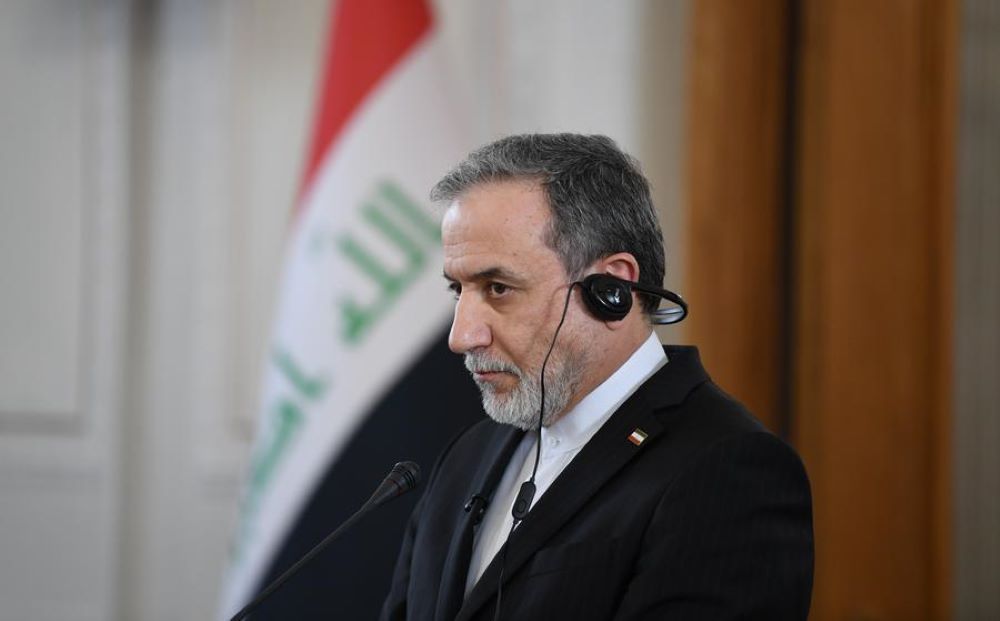
Iran’s Foreign Minister Seyed Abbas Araghchi (R) attends a joint press conference in Tehran, Iran, Jan. 18, 2026.
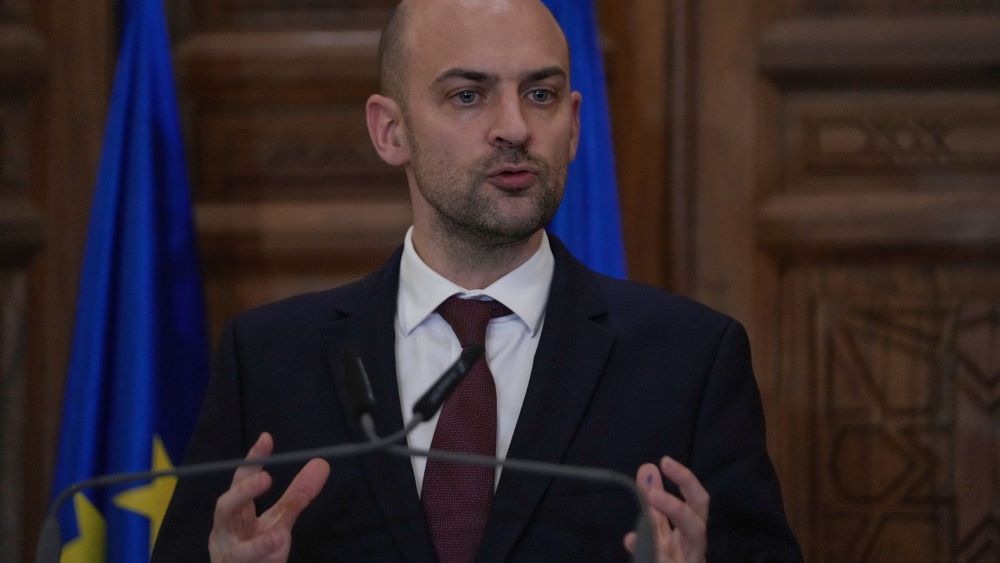
French Foreign Minister Jean-Noel Barrot on Tuesday voiced unsatisfaction after U.S. Ambassador to France Charles Kushner failed to attend a summons by the French Foreign Ministry, saying diplomatic representatives must respect established protocol.
Speaking to French media France Info, Barrot said that when one has the honor of representing one’s country in France, one need to respect diplomatic customs and responds to summonses from the foreign ministry.
Barrot described the ambassador’s absence “a surprise,” pointing to Kushner’s “personal responsibility” in the matter. He noted that summoning an ambassador when explanations are required is a routine diplomatic practice.
“This in no way affects the relationship between France and the United States,” Barrot said. “However, it will naturally affect his ability to carry out his mission in our country.”
The French minister reiterated that France does not accept foreign interference in its domestic political debate and said the purpose of the summons was to seek clarification.
The summons followed statements by the U.S. embassy on social media about the death of Quentin Deranque, a French far-right activist, which French authorities viewed as inappropriate.
On Friday, the U.S. Embassy said on X account that “violent left-wing extremism is on the rise, and its role in Quentin Deranque’s death demonstrates the threat it poses to public safety.”
On Monday, France restricted Kushner’s access to senior government officials after he failed to attend a summons from the French Foreign Ministry.
According to French media reports, Deranque was seriously injured during a clash between rival radical groups at a conference in Lyon on Feb. 12. The event was organized by a member of the hard-left party La France Insoumise (LFI). Deranque later died from his injuries.
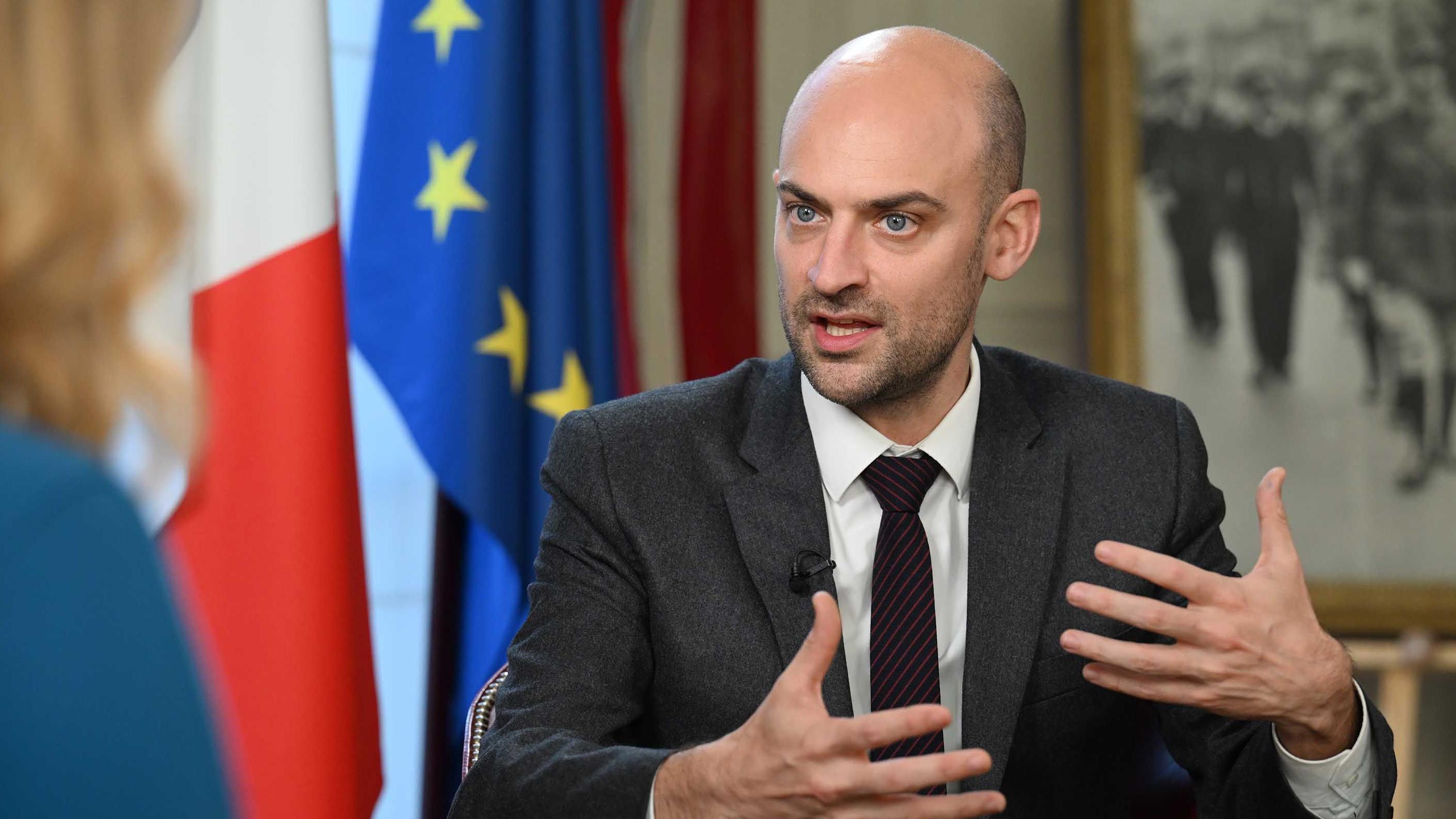
French Foreign Minister Jean-Noel Barrot on Tuesday voiced unsatisfaction after U.S. Ambassador to France Charles Kushner failed to attend a summons by the French Foreign Ministry
The minister was responding to Congolese government spokesperson Patrick Muyaya, who had downplayed the threat posed by the militia group formed by the perpetrators of the 1994 Genocide against the Tutsi who fled to the DRC.
Muyaya had questioned whether members of the FDLR could still pose a threat 32 years later, calling the group an “eternal pretext” in regional tensions.
Responding in detail, Nduhungirehe rejected that argument outright.
“The misleading propaganda of the Congolese government on the issue of the genocidal FDLR nevertheless has its limits,” the minister wrote.
He recalled that on March 21, 2024, during the first ministerial meeting under the Luanda Process, then DRC Foreign Minister Christophe Lutundula had committed to presenting a “plan for the neutralisation of the FDLR.”
“In the final communiqué of that meeting, it was even specified that ‘consequently’ to the neutralisation of the FDLR, Rwanda would lift its defensive measures,” Nduhungirehe stated.
However, he pointed to what he called a sudden reversal only days later.
“We were surprised to hear, two days later in a press conference in Kinshasa, the same Christophe Lutundula claim that the FDLR did not exist,” he said.
The minister also cited a planned 2024 operation by the Congolese armed forces (FARDC), coordinated with the United States and aimed at targeting FDLR positions, describing it as a total failure.
“This military operation was a total failure, for the simple reason that a FARDC general had informed his FDLR friends in advance,” Nduhungirehe stated, adding that the development had angered international partners.
Despite that setback, he noted that military and intelligence experts from Rwanda, the DRC and mediator Angola later adopted a Concept of Operations (CONOPS) in Luanda on October 31, 2024, focused on neutralising the FDLR.
According to Nduhungirehe, the CONOPS became a key pillar of subsequent peace understandings.
“The neutralisation of the FDLR is therefore a central element of the Washington Agreements and for a lasting peace in eastern DRC,” he wrote.
But he questioned Kinshasa’s commitment, noting that coordination meetings between FARDC and FDLR commanders took place on the very day the CONOPS was endorsed.
“This demonstrates the lack of political will in Kinshasa on the FDLR issue,” he argued.
Addressing Muyaya’s assertion that the group’s age diminishes its relevance, Nduhungirehe dismissed the reasoning as flawed.
“This eternal argument about the age of FDLR members is one of the most absurd and ridiculous there is,” he said, adding that the group “regularly recruits new members on the basis of its genocidal ideology.”
Muyaya had claimed that the real drivers of instability in eastern DRC are natural resources, including gold and coltan, rather than the FDLR.
Earlier this month, President Paul Kagame dismissed claims that Rwanda was targeting DRC minerals, insisting that the country’s concerns were primarily about security and the FDLR’s genocidal ideology.
“If we were in Congo for minerals, we would be a hundred times richer than we are now […] the threats coming from Congo related to our security have materialised several times. You just don’t want to see it, you don’t want to hear it,” he stated during the 20th edition of Umushyikirano, Rwanda’s National Dialogue Council.
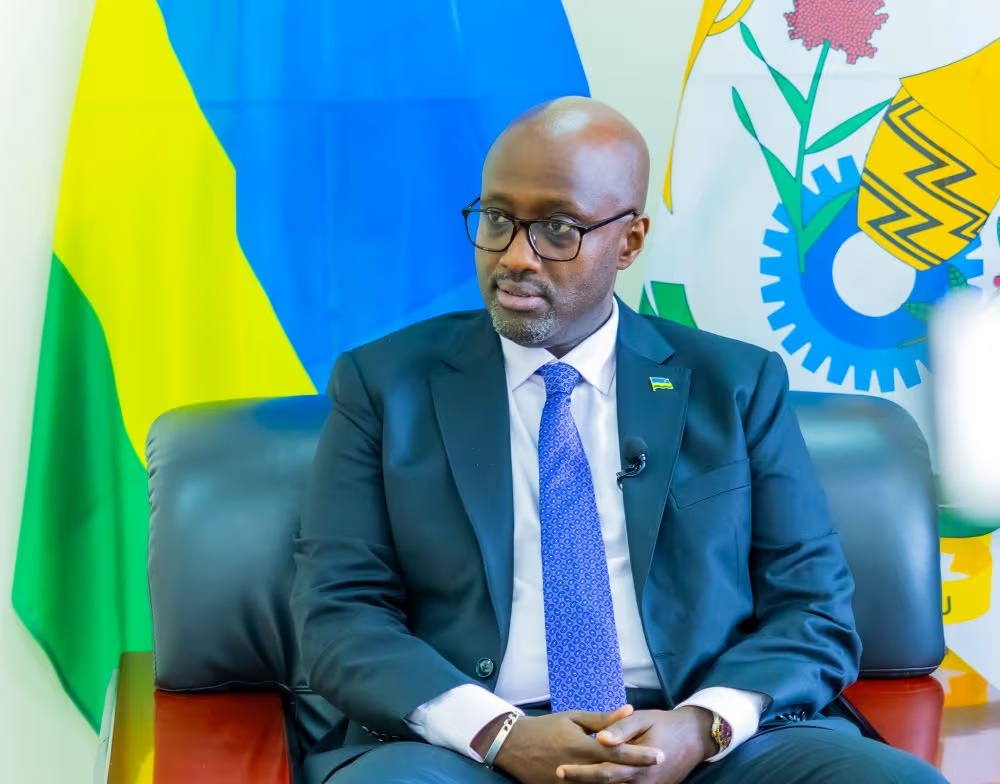
Minister Nduhungirehe slammed Patrick Muyaya over the DRC government’s repeated contradictions on the FDLR.
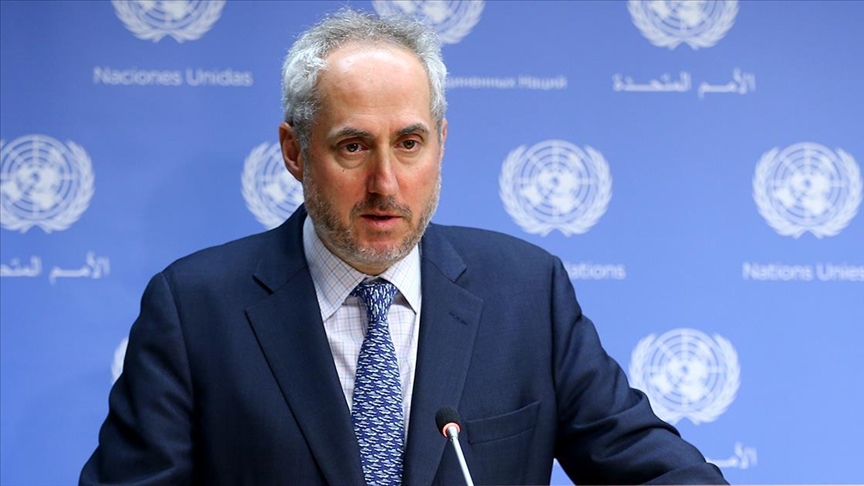
“I can tell you and reiterate yet again that we are very concerned about the heightened rhetoric we’re seeing around the region, by the heightened military activities, war games, or just increased military naval presence in the region,” Dujarric said at a daily briefing in response to a question posed by Xinhua about a letter the Iranian permanent mission sent to the UN chief and the president of the Security Council on Thursday.
“And we encourage both the United States and the Islamic Republic of Iran to continue to engage in diplomacy in order to settle the differences,” he said.
In the letter, Iran’s UN ambassador Amir Saeid Iravani said the country will respond “decisively and proportionately” to any military aggression, exercising its right to self-defense under the UN Charter, and urged the Security Council and the UN secretary-general to “act without delay, before it is too late.”
According to Dujarric, the letter has gone to the Security Council and to the General Assembly, as requested by Iran’s permanent mission to the United Nations.
Stephane Dujarric, spokesperson for the UN secretary-general
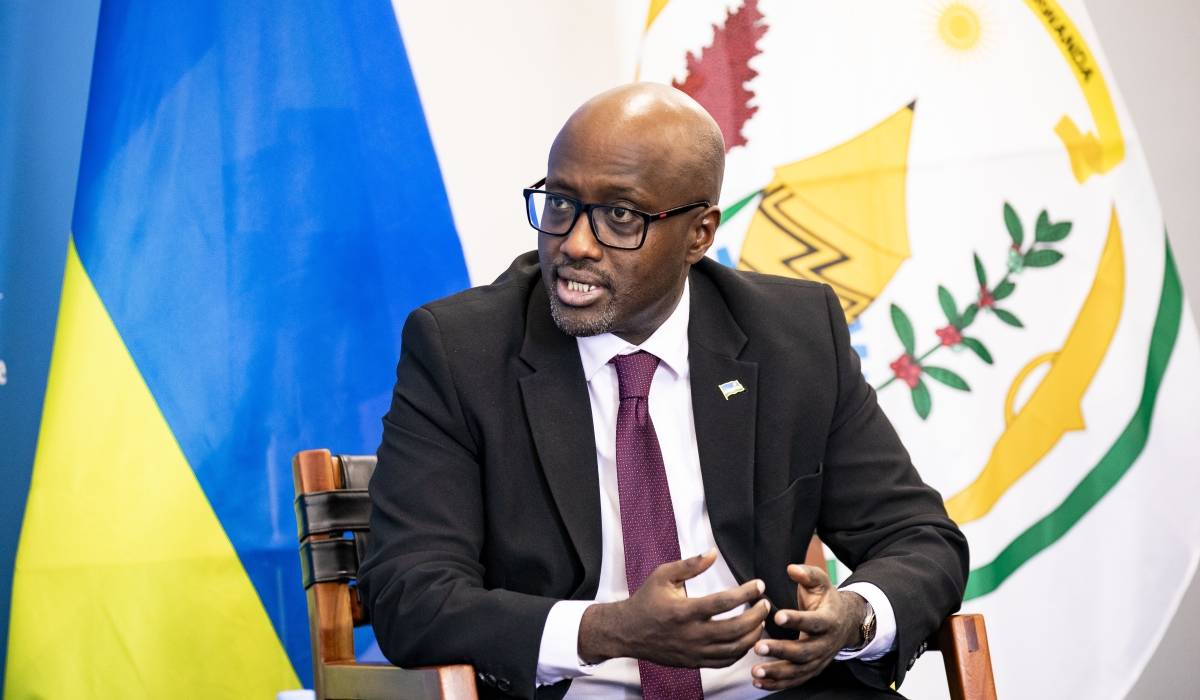
Amb. Nduhungirehe made the remarks on Thursday during a press briefing in Kigali alongside European Commissioner for Equality, Preparedness and Crisis Management, Hadja Lahbib.
Burundi’s President, Évariste Ndayishimiye, recently assumed the rotating chairmanship of the African Union during the bloc’s 38th Ordinary Session of Heads of State and Government held in Addis Ababa.
Ndayishimiye took office at a time when Burundian troops were engaged in military operations in eastern Democratic Republic of the Congo alongside the Congolese army coalition, FARDC. The African Union, which he now chairs, is also involved in facilitating dialogue between Rwanda and the DRC over the conflict in that region.
Beyond the fighting in eastern Congo, tensions between Rwanda and Burundi remain strained, largely due to Rwanda’s concerns over Burundi’s alleged cooperation with the FDLR terrorist group.
Speaking during a press briefing on Thursday, Minister Nduhungirehe acknowledged that Rwanda and Burundi are neighboring states and both members of the East African Community, but said that relations remain strained.
“As you know, Burundi closed borders with Rwanda. And also, which is more worrying, Burundi is involved in a conflict in eastern DRC in a negative way, because it has imposed a blockade against the Banyamulenge in Minembwe, preventing them from accessing markets, which aggravates the humanitarian situation,” he stated.
In that context, Amb. Nduhungirehe said Burundi’s involvement in mediation would be inappropriate.
“Although it has accessed the AU chairmanship, it is difficult for Burundi to get involved in mediation. We have a mediation of Togo, mandated by the African Union, with five facilitators. We believe that those facilitators and the mediators should continue their work of supporting the parties in implementing the Washington Agreement without the involvement of Burundi, which is a party to this conflict,” he added.
Relations between Rwanda and Burundi have deteriorated in recent years. On January 11, 2024, Burundi closed all border crossings with Rwanda, accusing Kigali of supporting the RED Tabara rebel group, an allegation Rwanda has repeatedly denied. Tensions further escalated amid claims that Burundi has cooperated with the FDLR in the eastern DRC conflict.
In July 2024, officials from Rwanda and Burundi met in Zanzibar during a retreat of foreign affairs ministers from East African Community member states, where both sides pledged efforts to restore relations. Despite subsequent meetings and diplomatic engagements, no concrete breakthrough has yet been achieved.
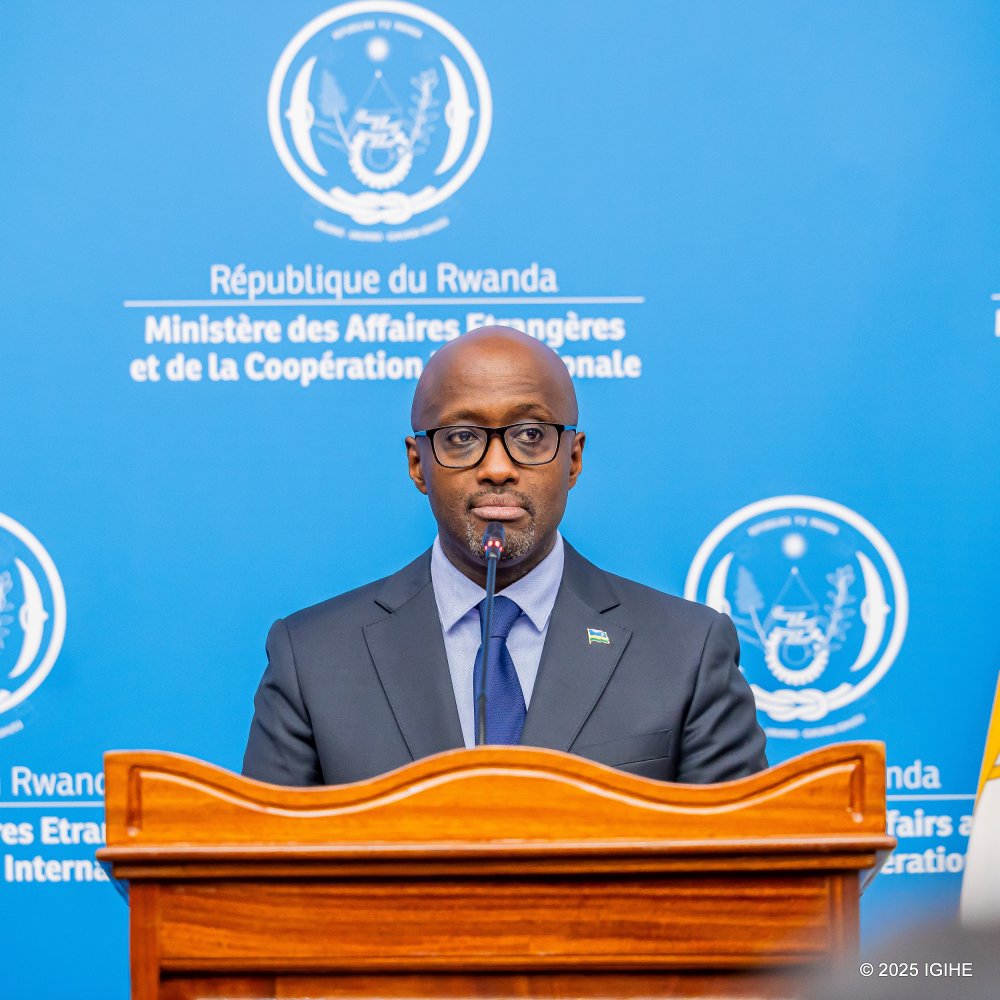
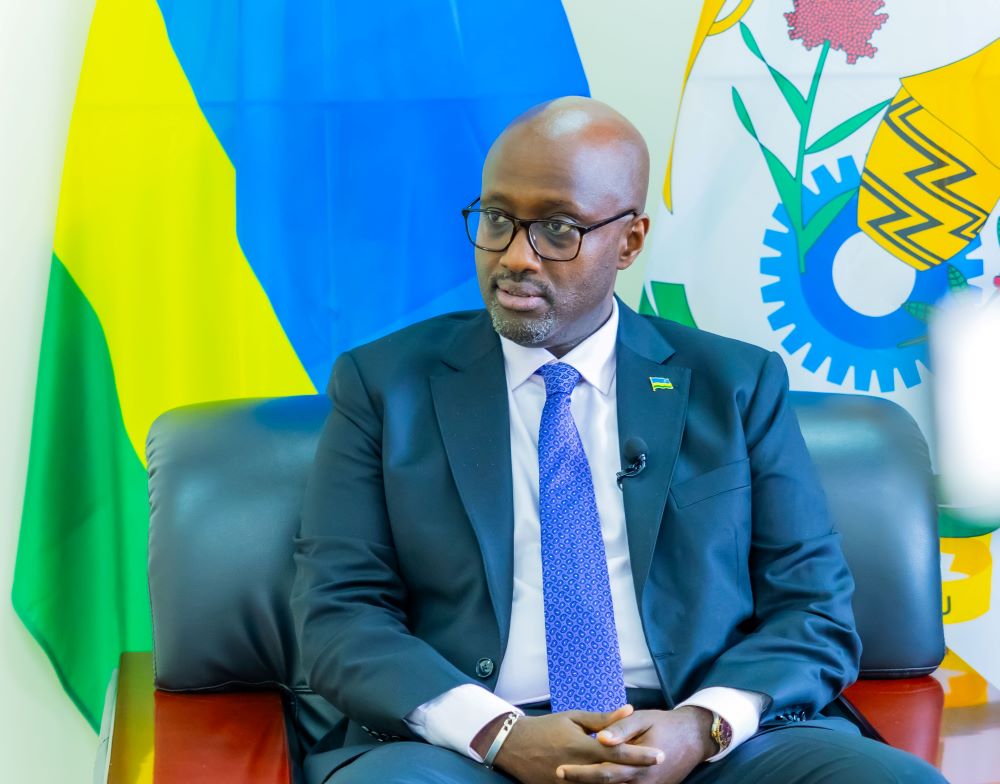
Rwanda’s Minister of Foreign Affairs and International Cooperation, Amb. Olivier Nduhungirehe said Burundi should not take part in AU-led mediation on eastern DRC crisis.
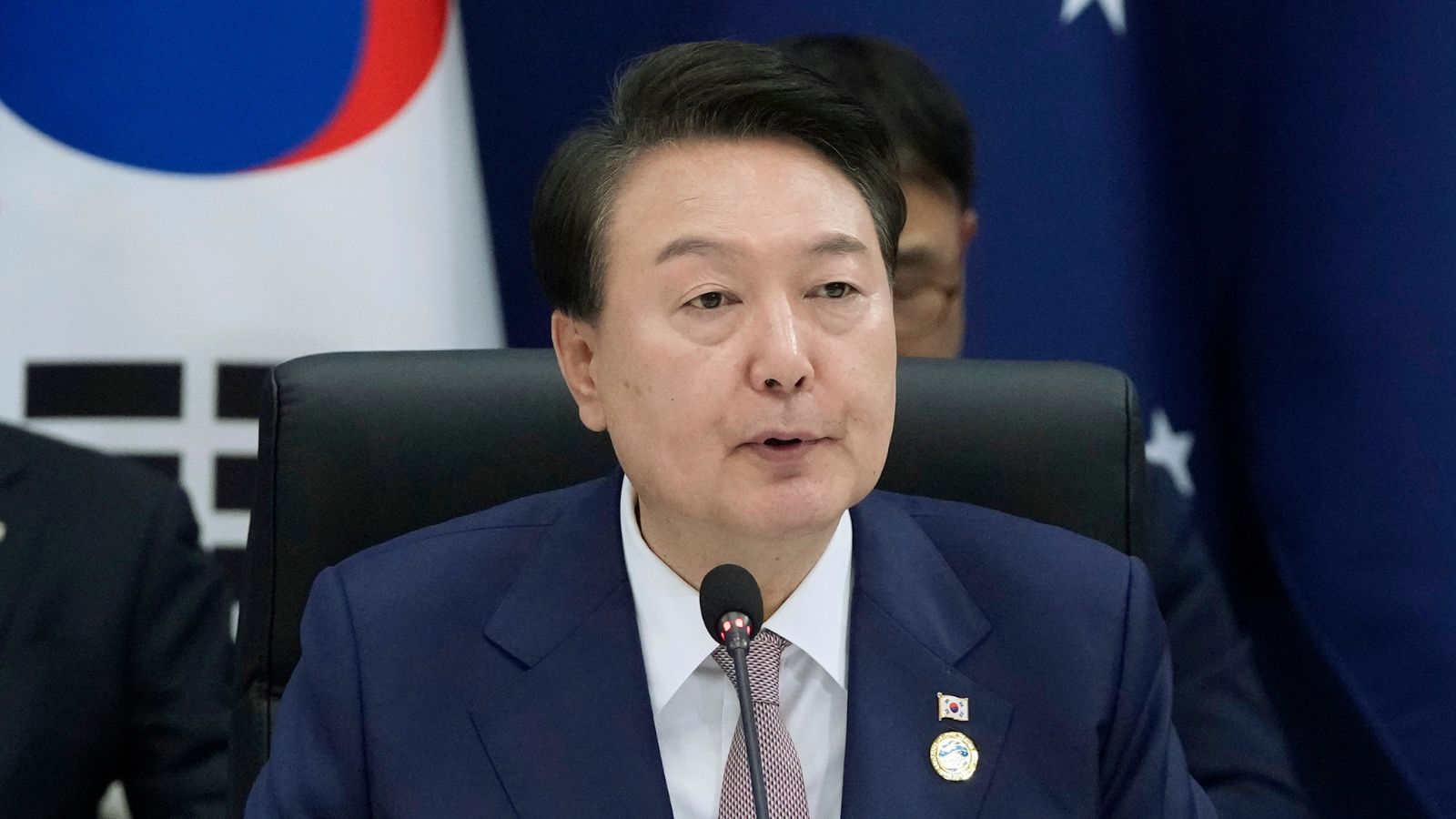
Yoon said in a statement that he deeply apologized to the public for the frustrations and hardships caused by his own shortcomings, although his decision to declare the emergency martial law was solely for the nation and the people.
He stressed that his desperate decision to save the nation was slandered as an insurrection, noting that the court’s ruling was unacceptable as it convicted him of insurrection because of the military entering the National Assembly building.
The Seoul Central District Court ruled on Thursday that the crux of Yoon’s martial law case was the fact that troops were deployed to the National Assembly, saying the impeached leader attempted to prevent the parliament from functioning properly for a significant period.
The emergency martial law was declared by Yoon on the night of Dec. 3, 2024, but it was revoked hours later by the National Assembly.
The constitutional court upheld a motion to impeach Yoon in April of 2025, officially removing him from office.
Yoon was indicted under detention in January of 2025 as a suspected ringleader of insurrection, becoming the first sitting president to be arrested and indicted.
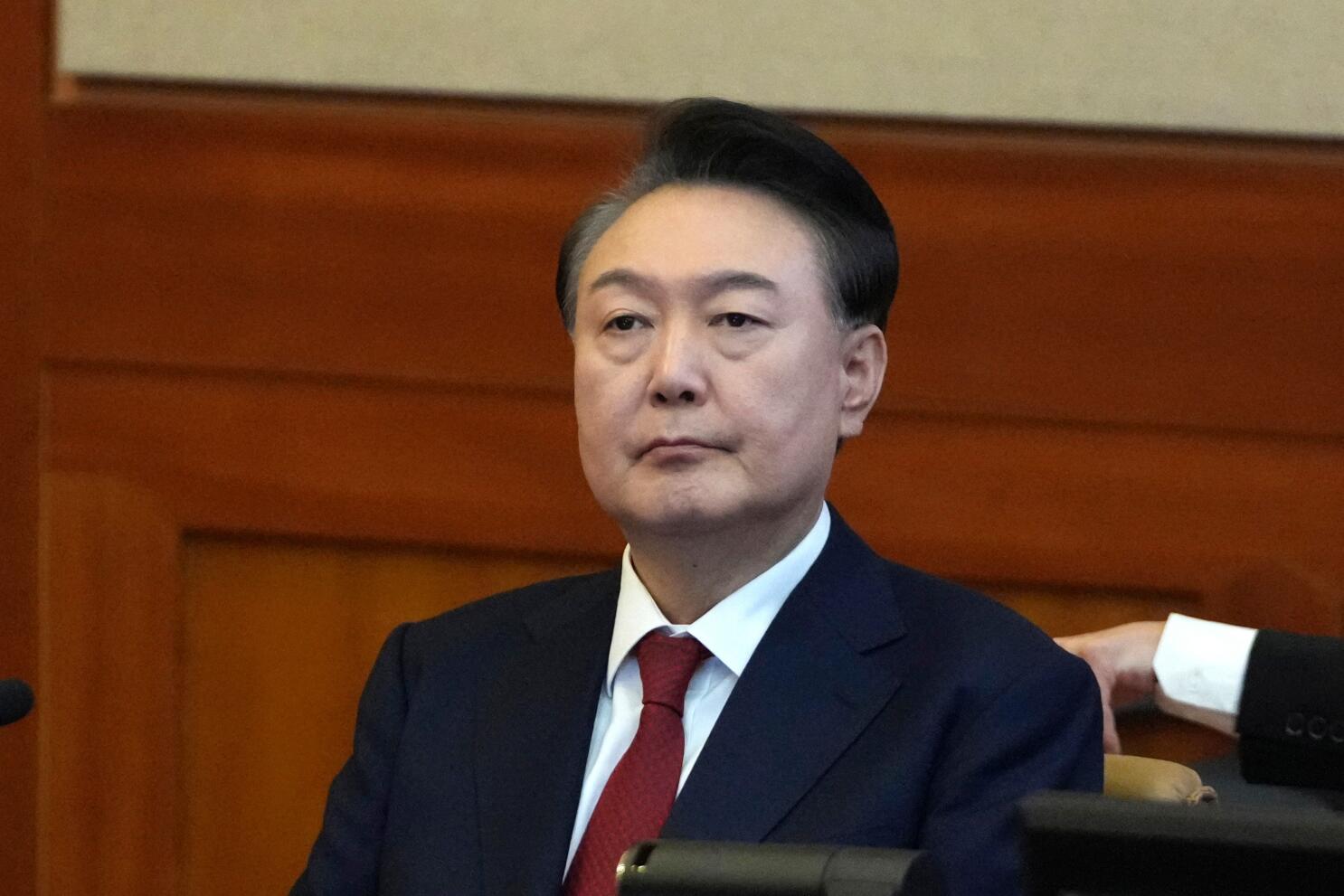
S. Korea’s ex-president Yoon has regretted not living up to expectations.
The talks come at a time when Rwanda–EU relations are undergoing a notable shift from traditional development assistance toward strategic, high-value economic cooperation. This transformation is largely driven by the EU’s Global Gateway strategy, a multi-billion-euro initiative aimed at building sustainable partnerships through investments in digital, energy, transport and health infrastructure.
Under the current multiannual financial framework, the EU allocated €260 million in grant funding to Rwanda for the 2021–2024 period, including €49 million in EFSD+ provisioning. For 2025–2027, an additional €134 million has been earmarked, alongside Rwanda’s participation in several multi-country EU programmes.
Through the “Team Europe” approach in Rwanda, the EU works alongside the European Investment Bank and member states including France, Germany, Belgium, Luxembourg, the Netherlands, Lithuania, Greece, Sweden, Austria and Denmark.
A key highlight of the evolving partnership has been support for Rwanda’s ambition to become a regional biotechnology and pharmaceutical hub. In October last year, during bilateral talks in Brussels between President Paul Kagame and Ursula von der Leyen, the EU announced €95 million in new funding to strengthen vaccine manufacturing in Rwanda.
The financing builds on earlier EU support of more than €93 million toward BioNTech’s Kigali facility, inaugurated in 2023 as the company’s first mRNA manufacturing site in Africa. The project is seen as a major step toward ensuring equitable access to vaccines and strengthening Africa’s capacity to respond to future health emergencies.
Rwanda’s development ambitions are guided by the National Strategy for Transformation and Vision 2050, which aim to achieve upper-middle-income status by 2035. The EU has positioned its cooperation framework to align with these goals, supporting economic transformation, green transition efforts and inclusive growth.
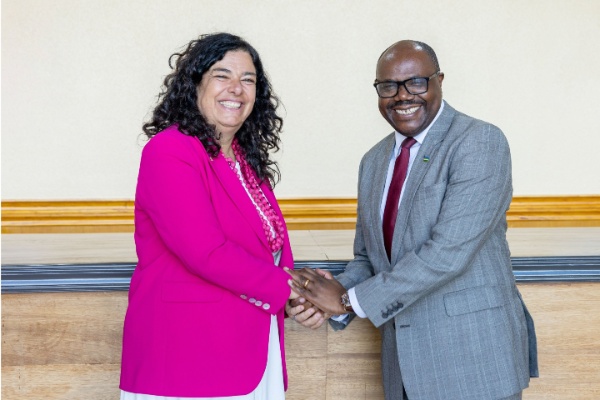
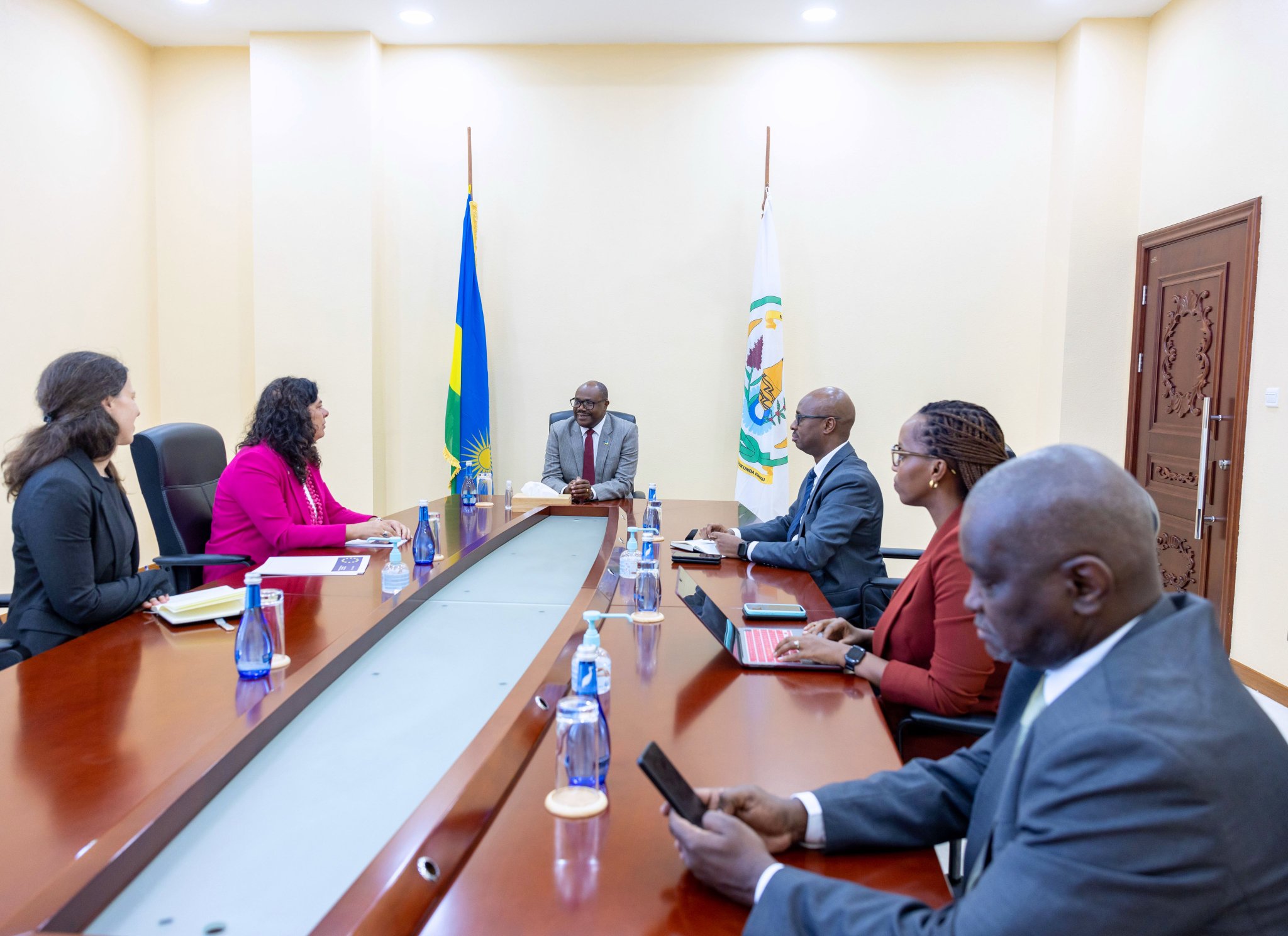
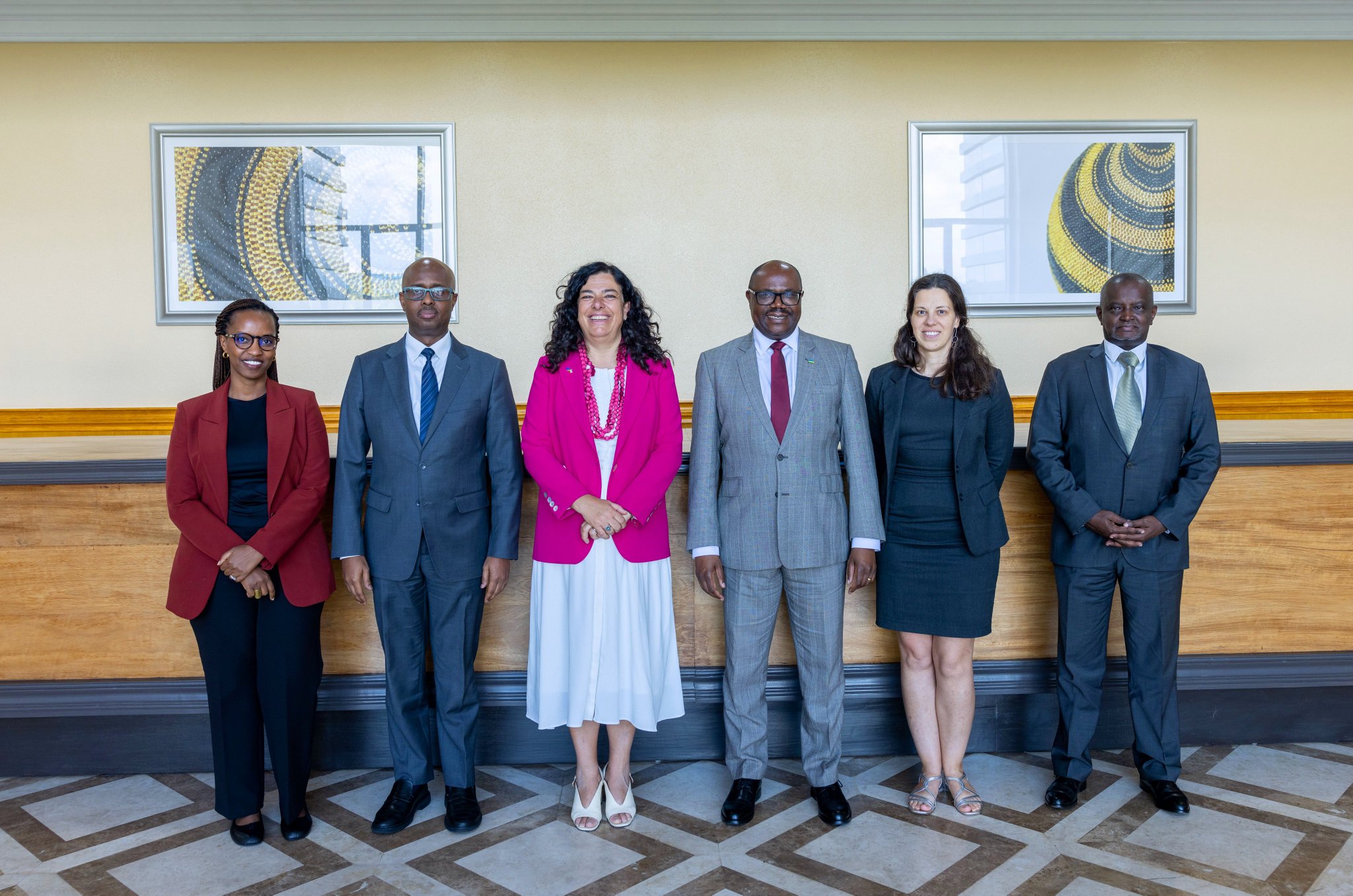
The discussions focused on further strengthening the longstanding partnership between Rwanda and the EU.