The lower chamber voted 212-219 — largely along party lines — to reject the resolution, which is intended to prevent Trump from ordering further military strikes on Iran without congressional approval.
On Wednesday, the Republican-led upper chamber blocked the resolution by a 53-47 vote.
The latest votes in Congress showed that Democrats and Republicans remain sharply divided over the issue, with Democrats largely criticizing the military strikes against Iran, while Republicans predominantly defended the president.
“We cannot allow a wannabe King to drag us into an endless war in the Middle East. Republicans can find billions for bombs, but nothing to bring down your grocery bill or healthcare costs,” Hakeem Jeffries, the top Democrat in the House, wrote in a post on social media platform X.
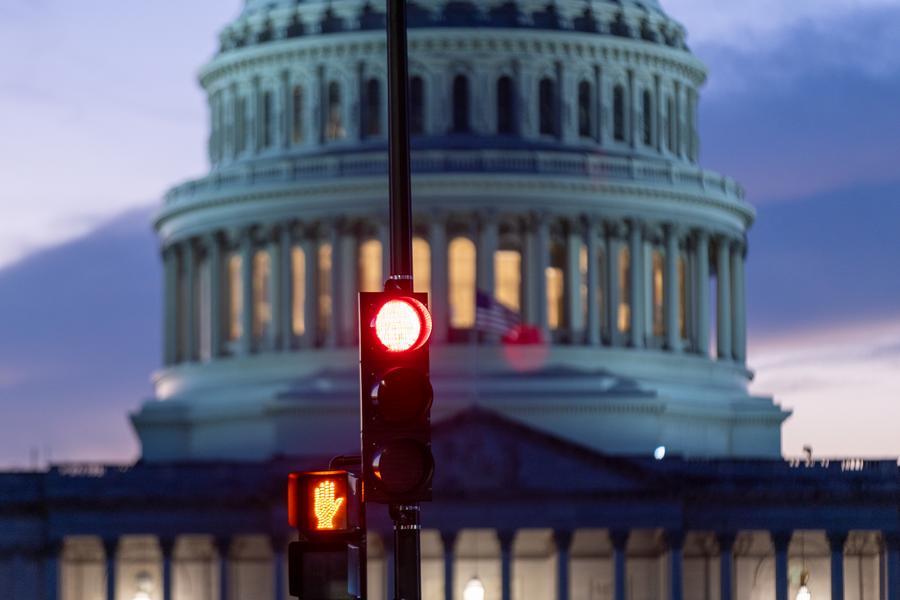
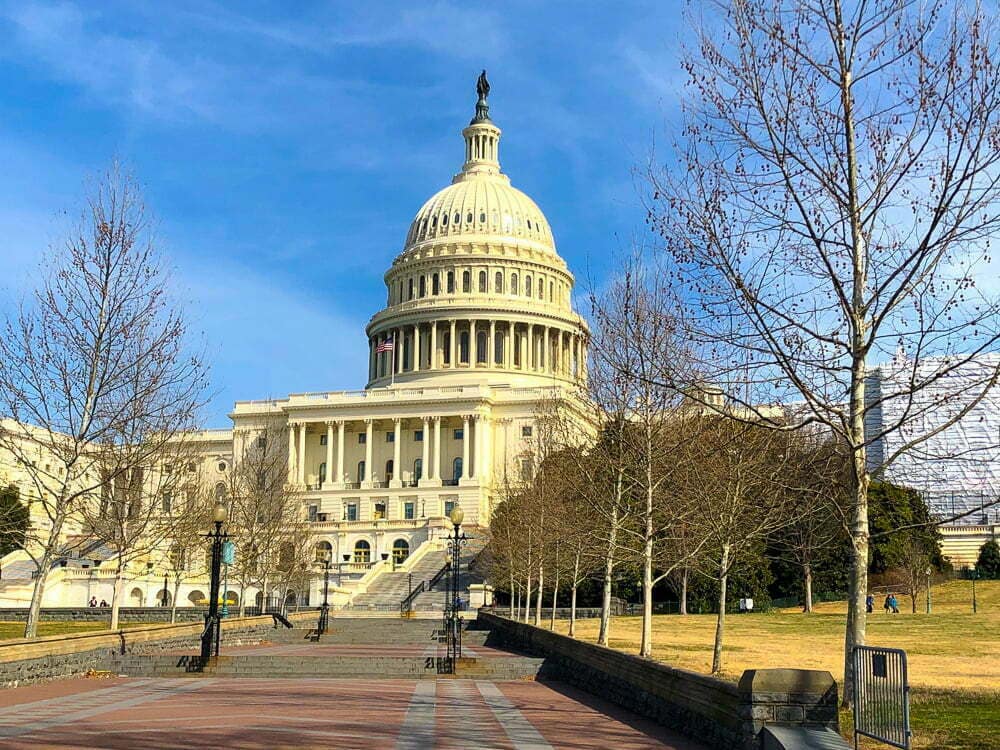
Photo taken on Nov. 5, 2025 shows U.S. Capitol in Washington, D.C., the United States.
The press conference came as the Middle East entered the sixth day of a rapidly escalating regional war, triggered by massive joint U.S.-Israeli strikes on Iran that began on February 28.
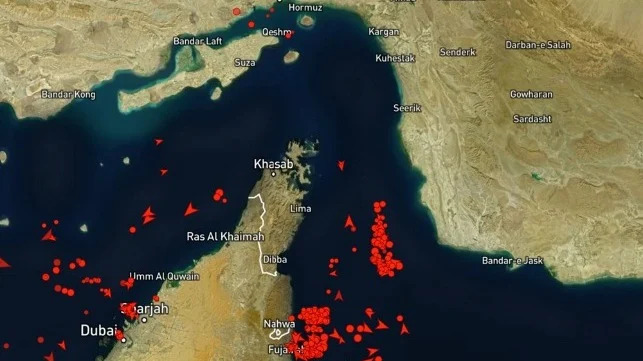
The Strait of Hormuz is a shipping lane that handles about 20 per cent of the world’s traded oil.
The attacks, code-named Operation Roaring Lion by Israel and Operation Epic Fury by the U.S., targeted Iranian nuclear sites, missile infrastructure, and leadership, including the killing of Iran’s Supreme Leader, Ayatollah Ali Khamenei, in the opening strikes.
Iran’s counterattack, Operation True Promise IV, has involved waves of missiles and drones targeting U.S. bases across Iraq, Jordan, Bahrain, Qatar, Kuwait, and the UAE, as well as Israeli cities including Tel Aviv and Jerusalem.
The conflict has disrupted international trade, closed airspaces, and triggered mass evacuations of foreign nationals, creating both a humanitarian and economic crisis.
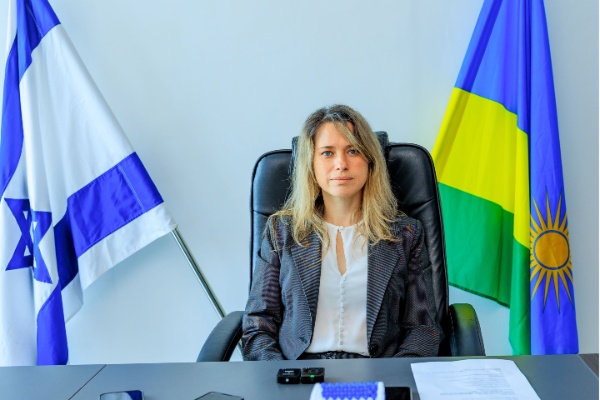
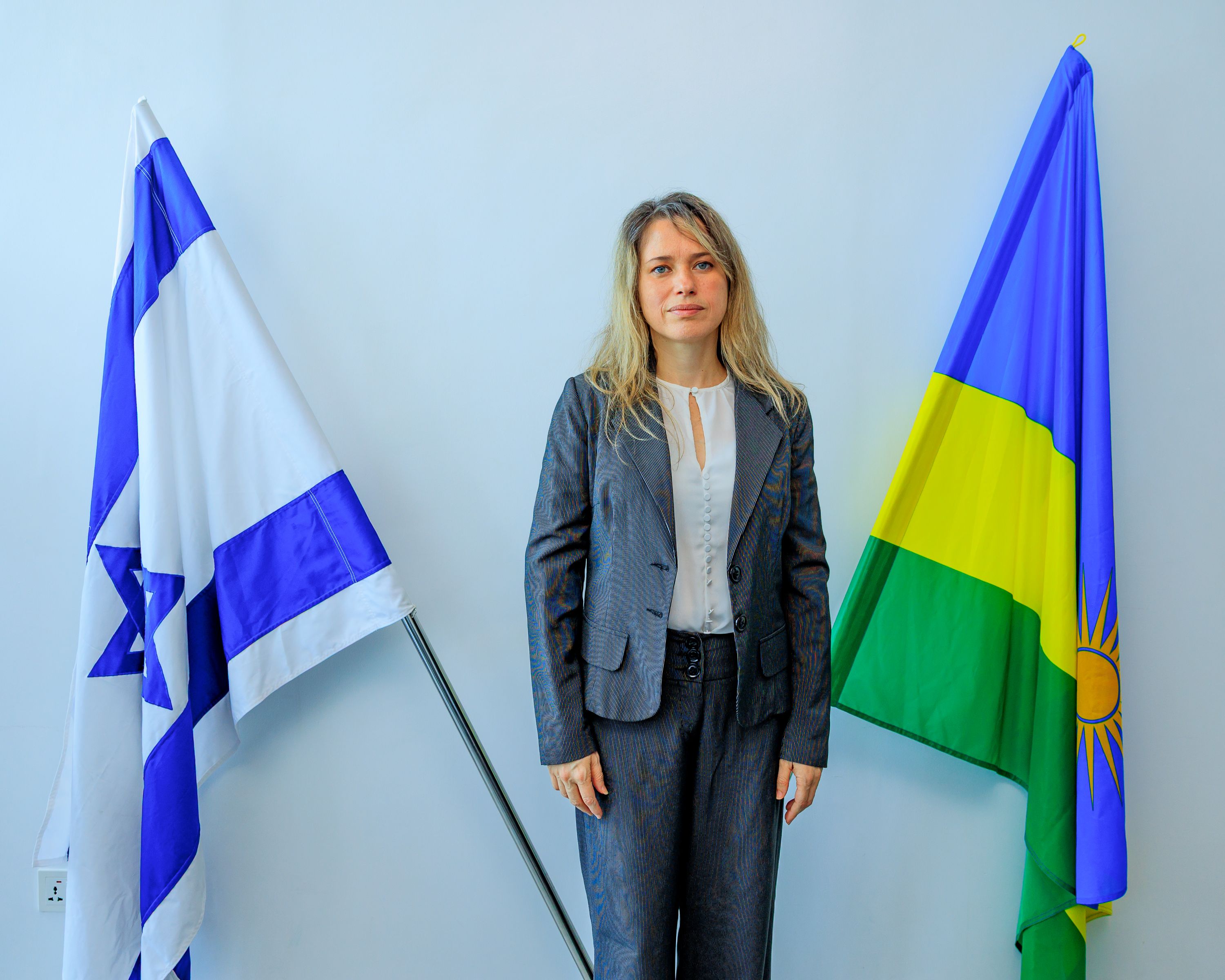
“Iran wants to close the Strait of Hormuz to drive oil prices up and force the international community into applying pressure to end Israel’s operations,” Ambassador Weiss said. “This is a desperate measure by a country under attack, but it also affects Africa. You are not out of this game.”
The Ambassador emphasised the strategic importance of the Strait of Hormuz, a shipping lane that handles about 20 percent of the world’s traded oil, and warned that disruptions could drive global oil prices higher. Recent data shows fuel prices have surged from $70 to over $85 per barrel, with global fuel costs increasing by more than 10 percent since the escalation of U.S.-Iran tensions.
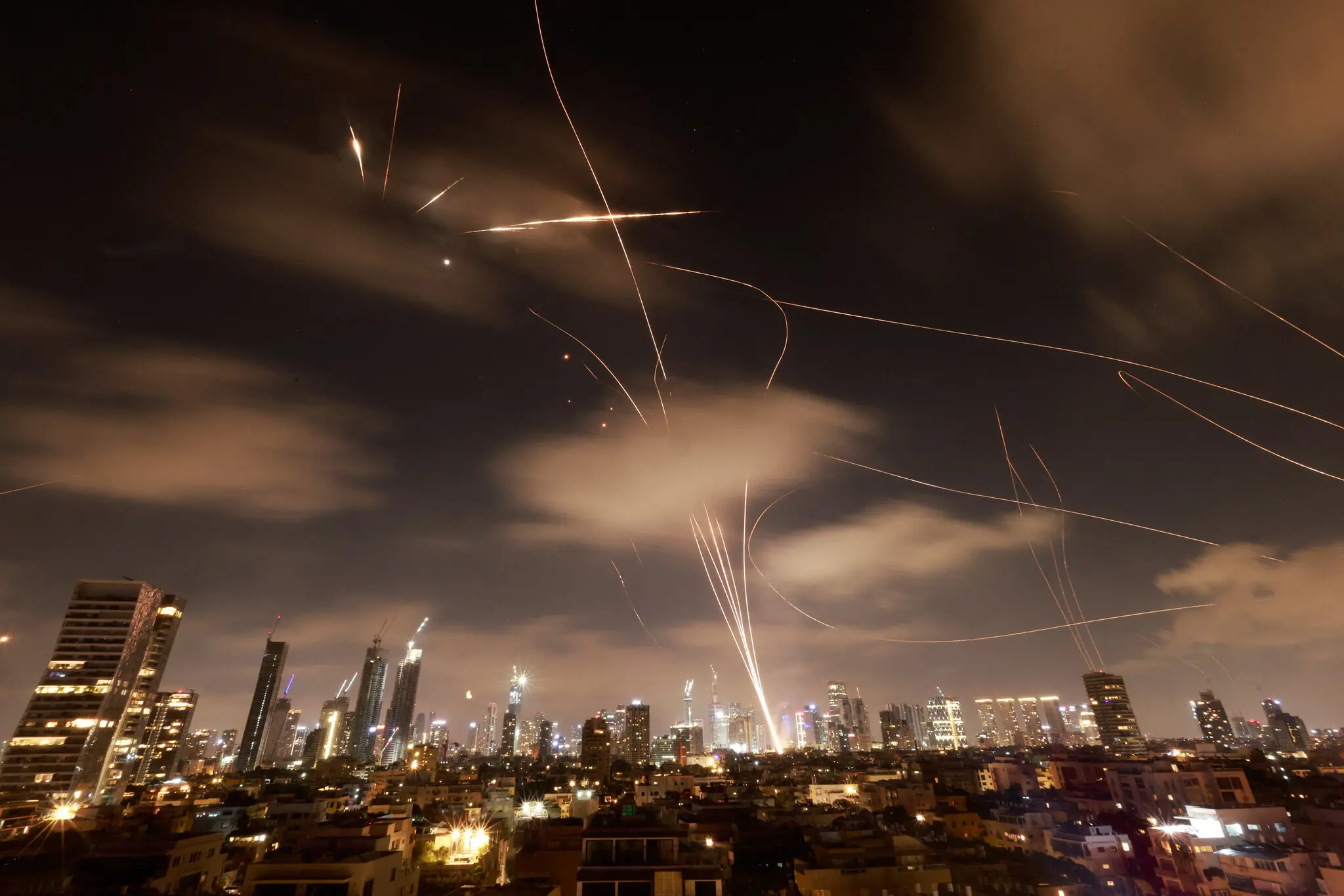
File photo: Israeli air defence systems were activated to intercept Iranian missiles over the Israeli city of Tel Aviv.
Ambassador Weiss framed Israel-U.S. operations as preemptive measures designed to prevent Iran from acquiring capabilities to destroy Israel, stressing that strikes were carefully targeted at government and military infrastructure.
She described Iran’s support for proxy groups such as Hezbollah, Hamas, and Houthi forces in Yemen as a regional threat extending beyond the Middle East.
“Hamas, Hezbollah, the Houthis, and Iran – they are all linked. Iran funds, arms, and directs these groups. The impact is global, including Africa,” she said.
Beyond security concerns, Weiss highlighted Israel’s development and humanitarian cooperation in Rwanda. Initiatives in agriculture, renewable energy, STEM education, and vocational training for women were cited as lessons in resilience and self-reliance during times of crisis.
“The lesson from Israel is how to remain self-sufficient even under siege,” she said. “Rwanda can apply the same principles to ensure food security, energy independence, and stability for its people.”
The ambassador expressed hope for pragmatic engagement to prevent further escalation while advocating for regional stability.
The Ambassador concluded with a message emphasising peace and solidarity, clarifying that Israel’s conflict is with the Iranian regime, not its people. She expressed hope for pragmatic engagement to prevent further escalation while advocating for regional stability.
“We hope for peace and normal lives for all, but we cannot wait for Iran to become fully equipped to destroy Israel. Our actions are about defence, deterrence, and protecting not just Israel but also the stability of the wider region,” she said.
From Tehran’s viewpoint, the conflict is not seen as a defensive struggle against terror but as a response to what Iranian officials describe as “unlawful aggression” by the United States and Israel. Iran’s government has condemned the February 28 strikes as a “clear act of aggression” that violates international law and the United Nations Charter, asserting that it targeted sovereign territory without justification.
Watch our recent exclusive interview with the ambassador below:
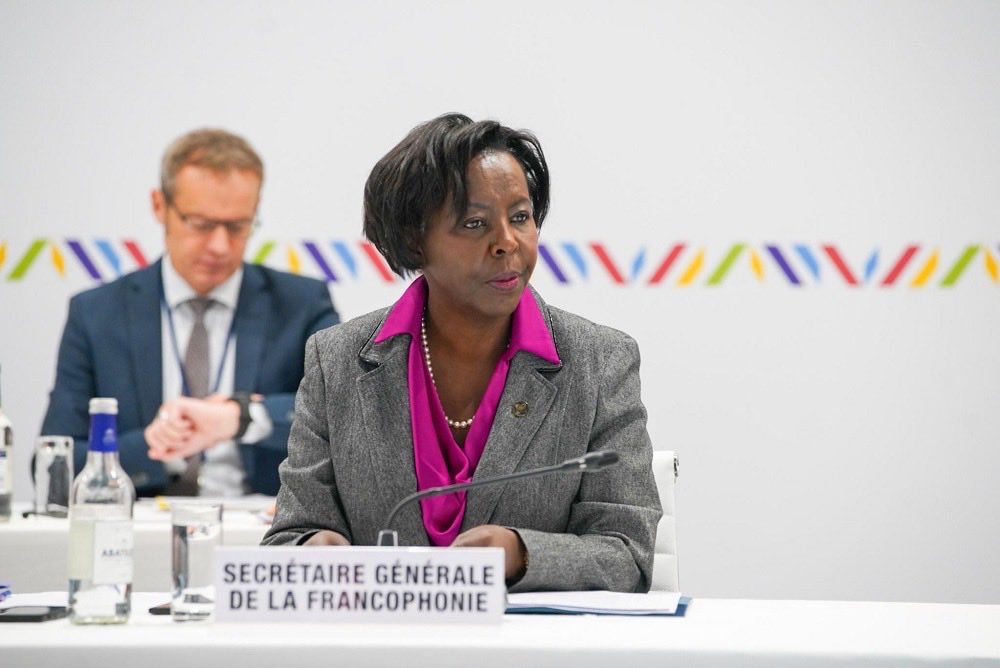
In a statement, Mushikiwabo deplored the loss of human lives and warned of the severe consequences for civilian populations caught in the crossfire. She reaffirmed the full solidarity of La Francophonie with all countries and communities in the region affected by the crisis.
“The Secretary-General urges all parties to exercise restraint, prioritise diplomatic solutions, and fully respect international law, particularly in safeguarding civilians,” the statement read.
The warning comes as the Middle East enters the sixth day of a rapidly expanding regional war, triggered by massive joint U.S.-Israeli strikes on Iran that began on February 28. The attacks, code-named Operation Roaring Lion by Israel and Operation Epic Fury by the U.S., targeted Iranian nuclear sites, missile infrastructure, and leadership, and Iran’s Supreme Leader, Ayatollah Ali Khamenei, was reported killed in the opening strikes.
The conflict has since escalated far beyond its initial targets. Israeli airstrikes hit Beirut’s southern suburbs, targeting Hezbollah, which formally joined the war on March 2. Meanwhile, Iranian drones struck locations in Azerbaijan, marking the first expansion of the fighting into the Caucasus.
In Turkey, NATO forces intercepted an Iranian ballistic missile aimed at its territory. The U.S. Navy also became directly engaged, with a submarine sinking the Iranian frigate IRIS Dena in the Indian Ocean, the first torpedo attack by a U.S. submarine since World War II.
Iran’s counterattack, known as Operation True Promise IV, has involved waves of missiles and drones targeting U.S. bases across Iraq, Jordan, Bahrain, Qatar, Kuwait, and the UAE, as well as Israeli cities including Tel Aviv and Jerusalem.
The conflict has also triggered a global humanitarian and economic crisis. Mass evacuations of foreign nationals are underway, airspaces and key shipping routes like the Strait of Hormuz and Bab El-Mandeb Strait are closed, and global oil prices have surged from $70 to over $85 per barrel.
La Francophonie, which comprises 90 states and governments, including 53 members, 5 associate members, and 32 observers, emphasised in Mushikiwabo’s statement the need for diplomacy and adherence to international law to prevent further humanitarian catastrophe.
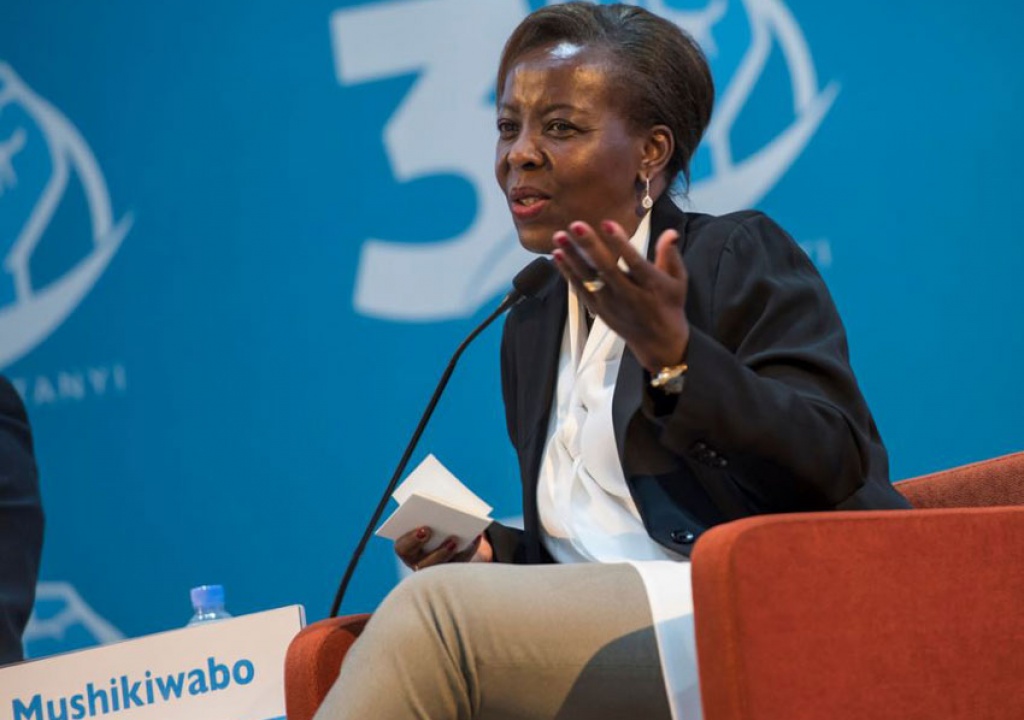
The Secretary-General of La Francophonie, Louise Mushikiwabo, deplored the loss of human lives and warned of the severe consequences for civilian populations caught in the crossfire.
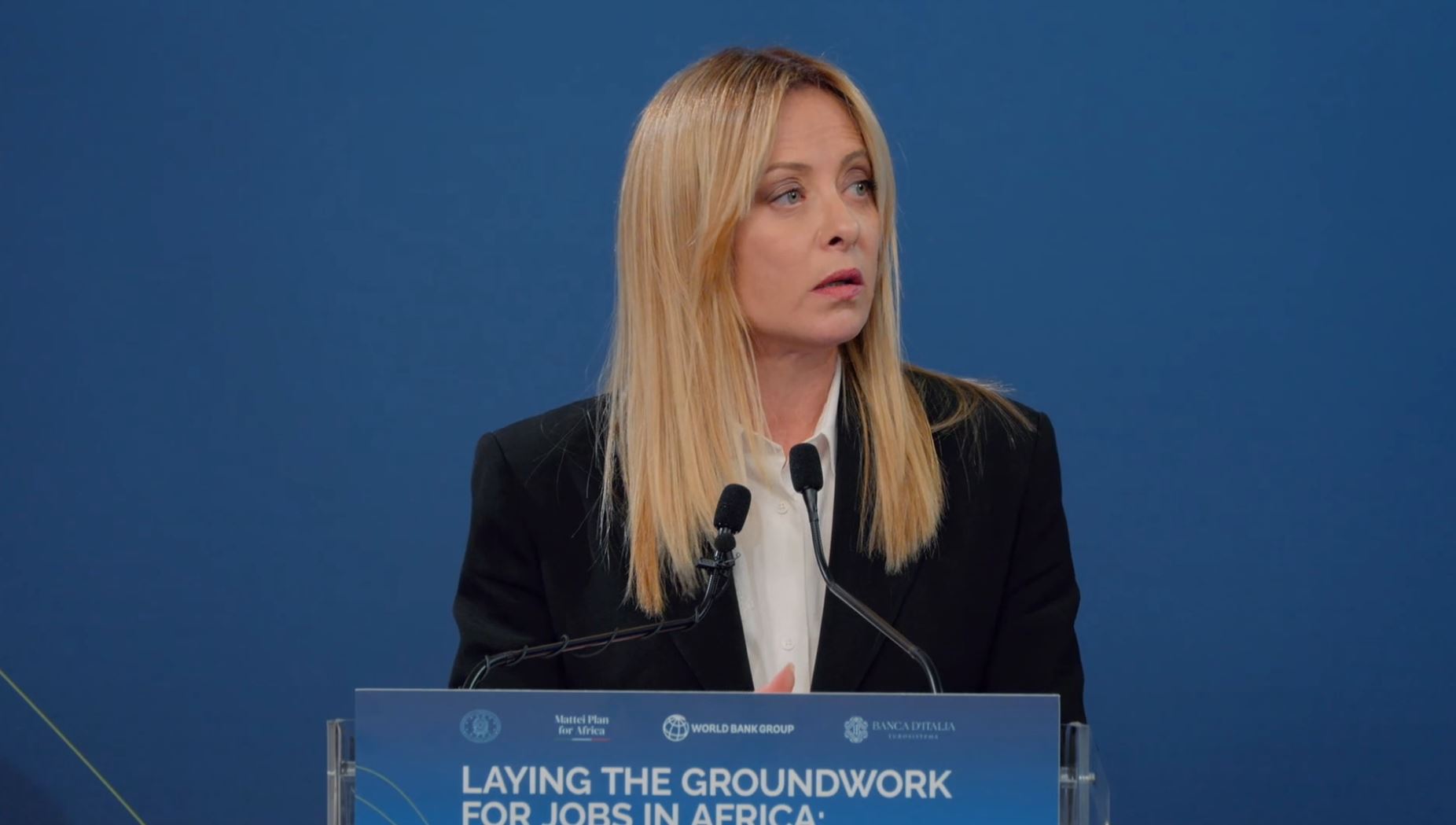
Meloni revealed the planned expansion while speaking at the conference “Laying the groundwork for jobs in Africa” held at the Bank of Italy on Wednesday, where she outlined Italy’s broader strategy for economic partnership with African countries.
“The Matte Plan has involved 14 countries, and in 2026, we will extend it to another 4: Congo, Rwanda, Gabon, and Zambia,” Meloni said.
The Mattei Plan is a strategic initiative launched by the Italian government to promote what it describes as a “non-predatory” and equal partnership with African nations.
The programme focuses on key sectors such as energy, infrastructure, education, health, and agriculture.
Backed by more than €1.2 billion in funding, the plan aims to boost development in partner countries while also helping to address the root causes of irregular migration toward Europe.
Meloni also stressed that the success of cooperation with Africa should be judged by practical results.
“We believe that the effectiveness of cooperation is measured not by good intentions but by the concrete results it achieves in terms of jobs created, businesses supported, and investments mobilized.
“This is our approach, and we believe it should also be the approach Europe and the West adopt toward Africa: less fragmentation, more coordination, less rhetoric, more construction projects, fewer promises, more innovative and concrete financial instruments, less charity, more development,” she noted.
Currently, the initiative involves 14 partner countries. The initial pilot group includes Algeria, the Democratic Republic of Congo, Egypt, Ethiopia, Kenya, Côte d’Ivoire, Morocco, Mozambique, and Tunisia.
Additional partners later added to the programme are Angola, Ghana, Senegal, Mauritania, and Tanzania.
Italian Prime Minister Giorgia Meloni announced a plan to extend the ‘Mattei Plan’ to more African countries.
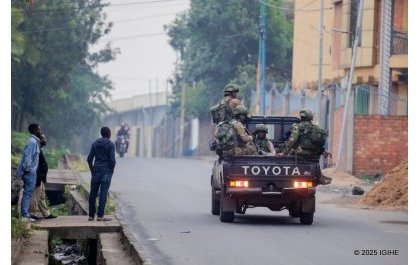
AFC/M23 stated that it conducted drone strikes on the airport on February 1 and March 1, 2026, targeting a section of the facility used by the DRC military and its allies.
The aim was to destroy part of the airport’s infrastructure utilized by the DRC military forces and their partners.
The alliance explained that the DRC military and its partners use the airport to prepare and launch drone strikes against AFC/M23 bases and civilians in North Kivu and South Kivu provinces.
Dr. Oscar Balinda, the Deputy Spokesperson for AFC/M23, revealed that the alliance has deployed commando units near Kisangani.
These units are tasked with carrying out operations aimed at disrupting the DRC’s plans to destabilize areas under AFC/M23 control.
“The commandos operate day and night, completing their missions and returning once the task is finished. Our goal is to halt this terror and restore peace so we can return to the negotiation table and work towards lasting peace,” he stated.
On March 2, 2026, AFC/M23 enrolled 1,518 special force recruits who were trained at the Rumangabo military camp in Rutshuru Territory.
The alliance clarified that these new recruits are specially trained commandos with advanced combat skills, prepared to undertake mobile operations and establish permanent bases.
Yannick Tshisola, Chief of Staff to AFC leader, hinted that these new fighters would be involved in future missions, similar to the recent strike on Bangoka International Airport.
Dr. Balinda stated that AFC/M23 fighters conduct targeted attacks in Kisangani before returning to their original positions.
The National News Agency reported that the victims included senior Hamas official Wassim Atallah al-Ali and his wife after an Israeli drone targeted their home in the camp.
One of al-Ali’s daughters was also injured and transferred to the hospital inside the camp for treatment.
Hezbollah on Monday fired missiles and drones toward Israel in retaliation for the killing of Iran’s Supreme Leader Ali Khamenei in a joint U.S.-Israeli strike and for repeated Israeli attacks on Lebanon.
Israel has responded with massive airstrikes on Hezbollah targets and deployed ground forces into southern Lebanon.
The report, produced by intelligence services in the Democratic Republic of the Congo in February 2019, details the activities of a coalition of armed groups known as P5, which was reportedly formed with the aim of overthrowing the Government of Rwanda.
According to the document, the coalition brought together several political and armed groups, including the Rwanda National Congress (RNC) led by former Rwandan army officer Kayumba Nyamwasa; FDU-Inkingi associated with Victoire Ingabire Umuhoza; CNRD-FLN linked to Paul Rusesabagina; RUD-Urunana led by Nshimiyimana Cassien; and the FDLR commanded by Victor Byiringiro.
The report claims that fighters from this coalition were recruited and trained at a military camp in Bijabo, located in Balala-Sud Groupement in the Tanganyika sector of Fizi Territory, South Kivu.
On the night of January 22, 2019, more than 1,500 fighters from the FDLR reportedly moved from Masisi Territory in North Kivu toward Shanje in Lowa-Numbi, within the Buhavu Chiefdom, where they were expected to link up with other P5 elements led by Nyamwasa.
The document further alleges that the coalition intended to establish operational bases in Burundi before launching attacks into Rwanda. At the time, Burundi was led by former president Pierre Nkurunziza, whose government is said to have provided logistical support and coordination for the coalition’s activities.
According to the report, Agricole Ntirampeba, then a senior adviser to President Nkurunziza, was responsible for coordinating FDLR activities in the region.
He reportedly facilitated cooperation among the various P5 groups with the goal of strengthening their ability to destabilize Rwanda and attempt to overthrow its government.
The 2019 attack in Musanze
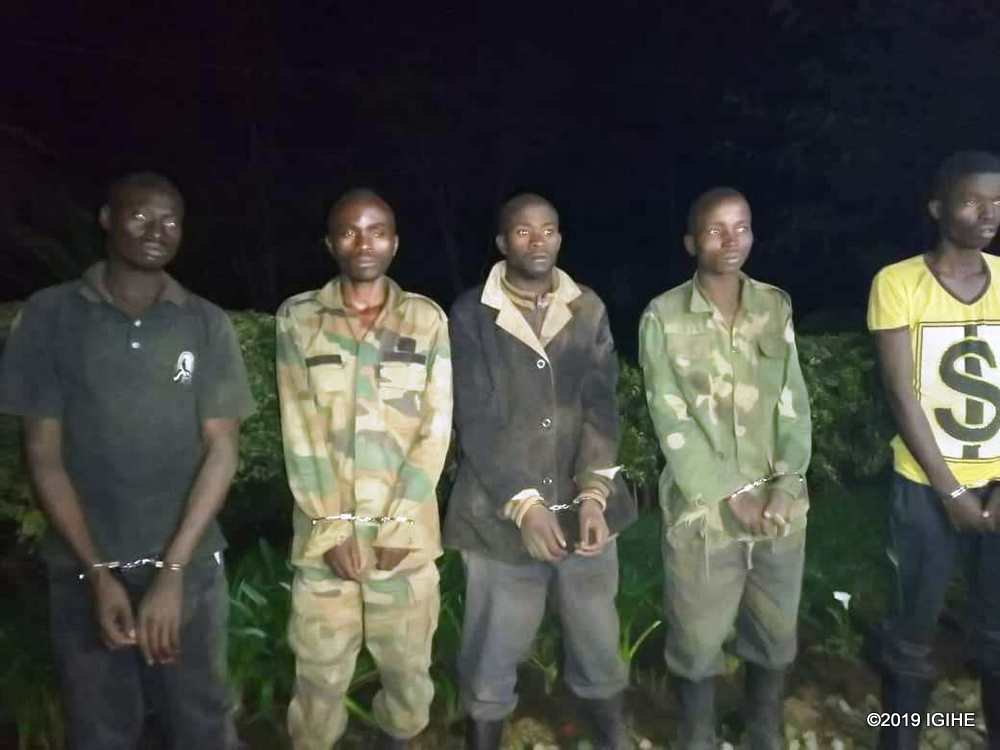
In October 2019, about 67 fighters affiliated with groups linked to the P5 coalition, mainly members of RUD-Urunana, entered Rwanda through Volcanoes National Park near Kinigi, close to the border with the DRC.
According to figures from the Rwandan government, the attackers killed 14 civilians and injured several others. Homes and businesses were looted, shops were destroyed, and food supplies were stolen during the assault.
Rwandan security forces launched operations to pursue the attackers, killing some and arresting others.
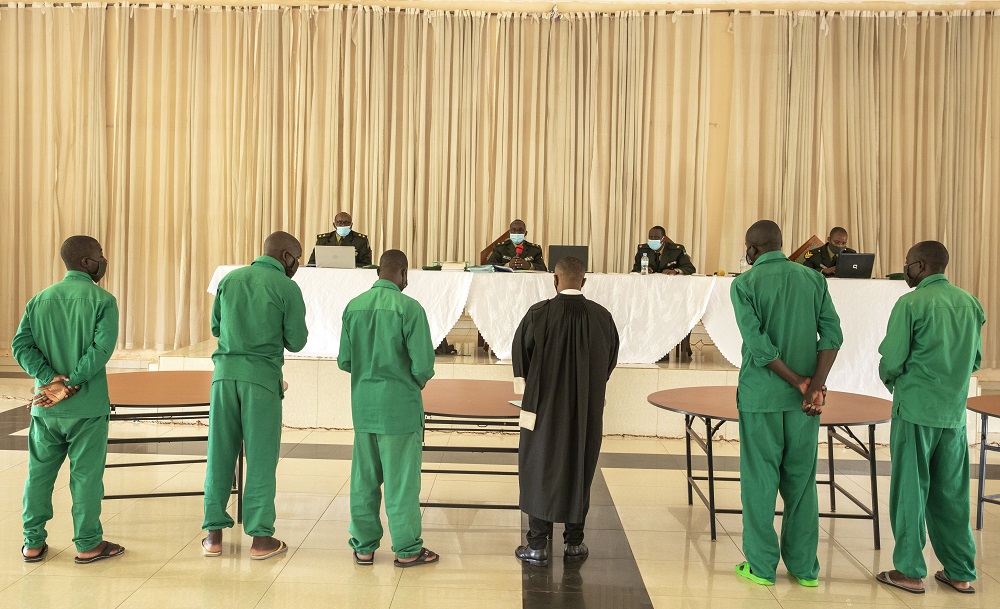
Those captured were later brought before the Military High Court in Kigali, where prosecutors charged them with crimes including membership in an illegal armed group, attempting to wage war against the state, and terrorism-related offenses.
Allegations of long-standing cooperation
The report also points to what it describes as a long-standing relationship between Burundi and the FDLR. According to the document, members of the armed group have at times found refuge in Burundi, and some of their activities have allegedly been facilitated from within the country.
It further claims that Burundi’s ambassador to Kinshasa at the time, Agricole Ntirampeba, helped facilitate communication between Félix Tshisekedi, president of the DRC, and the FDLR.
This reportedly contributed to joint military operations involving Congolese forces, the FDLR terrorist group formed by individuals responsible for the 1994 Genocide against the Tutsi in Rwanda and Burundian troops against the AFC/M23 coalition.
On December 5, 2019, the then commander of CNRD/FLN, Wilson Irategeka, was reportedly assisted by Burundian officials to travel to Bujumbura for medical treatment via Nyangezi-Ngomo and Kamanyola in South Kivu. Congolese soldiers stationed in the region allegedly helped transport him by motorcycle and ensured his security during the journey.
Recently, when asked about Burundi’s cooperation with the FDLR, President Évariste Ndayishimiye acknowledged the relationship, citing the adage: “The enemy of my enemy is my friend.”
Critics argue that despite presenting himself as a stabilizing figure in the region, Ndayishimiye’s policies and continued engagement with armed groups have contributed to ongoing instability in the Great Lakes Region.
Attackers were tried before the Military High Court.Some of arrested assailants who took part in Kinigi attack in 2019.
Burundi, the current chair of the African Union, has nominated Macky Sall, former president of Senegal, while Costa Rica has put forward Rebeca Grynspan, economist and former vice president of Costa Rica, for the post.
With the new nominations, there are currently four candidates vying for the position. The other two candidates are former Chilean president Michelle Bachelet, nominated by Chile, Brazil and Mexico, and Rafael Grossi, the current director general of the International Atomic Energy Agency, nominated by Argentina.
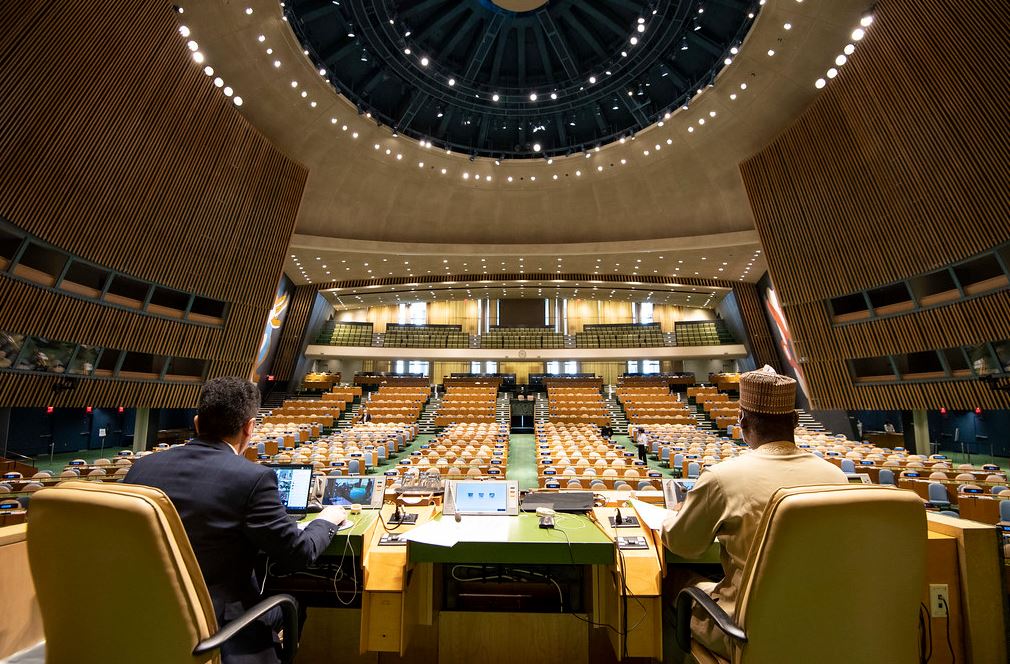
In a letter to UN member states on Wednesday, UNGA President Annalena Baerbock revealed the modalities of the interactive dialogues with the candidates, scheduled for the week of April 20.
The dialogues will be structured around the three pillars of the United Nations, namely peace and security, human rights and development. Each candidate will present their vision, followed by questions and engagement from member states, according to the letter.
Nominations must be submitted in advance of the interactive dialogues, and no later than April 1, for candidates to be eligible to participate, the letter added.
By a 53-47 vote, the Republican-led upper chamber blocked the resolution, which is intended to prevent Trump from ordering further military strikes on Iran without congressional approval.
In floor speeches before the vote, Democrats largely lashed out at the military strikes against Iran while Republicans predominately defended the president.
Veteran Democratic Senator Tim Kaine, who co-sponsored the measure, said that “the administration and their shifting set of rationales, and even in a classified setting, could produce no evidence, none, that the U.S. was under an imminent threat of attack from Iran.”
“Have we learned nothing from 25 years of war in the Middle East? 14,000 American troops and contractors killed in Iran and Afghanistan … hundreds of thousands of civilian deaths … in Iran and Afghanistan, more than 8 trillion spent that could have been spent on American health care, on American housing, on American education, spent on the war in Afghanistan and Iraq. And what did we get for it?” said Kaine.
Democratic Senator Patty Murray, vice chair of the Senate Appropriations Committee, said “we should not gamble American lives on incomplete plans, unclear objectives and completely uncertain future.”
Republicans argued that Trump’s actions in Iran were necessary and justified, accusing Democrats of objecting to Trump’s actions for partisan reasons.
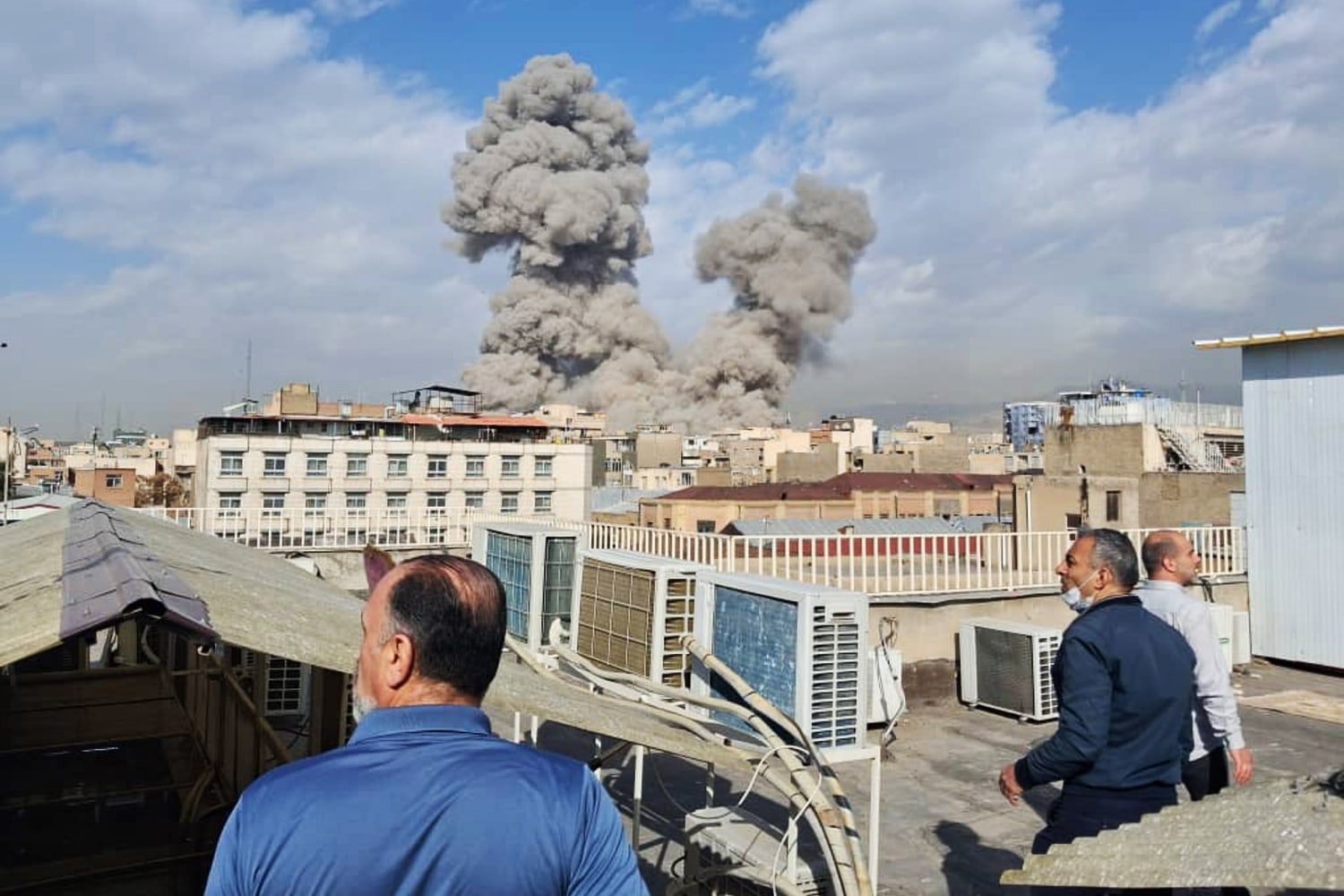
The military said the airstrikes now focus mainly on government targets in Tehran.
Earlier on Wednesday, Iran said 1,045 people had been killed in the country since Saturday as a result of the U.S.-Israeli operation.
Meanwhile, according to Israel’s Magen David Adom rescue service, Iranian missiles have killed at least 10 people in Israel.
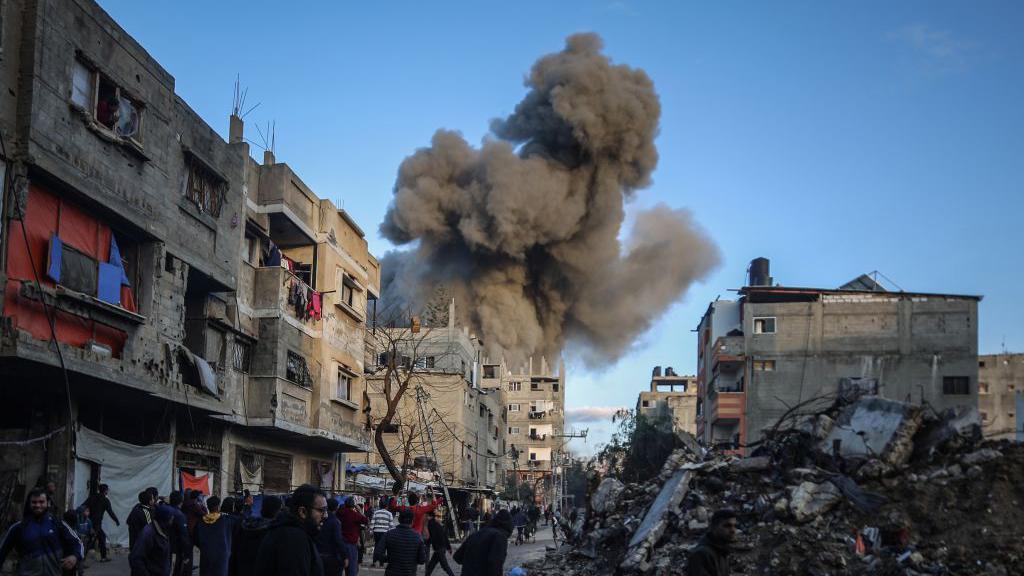
The joint U.S.-Israeli military operation against Iran, entering its fifth day, has triggered a sharp escalation across the Middle East, setting off waves of missile exchanges, mounting casualties, and far-reaching political, security, and economic repercussions.
Iran said at total of 1,045 people had been killed in the country since Saturday as a result of the U.S.-Israeli operation.