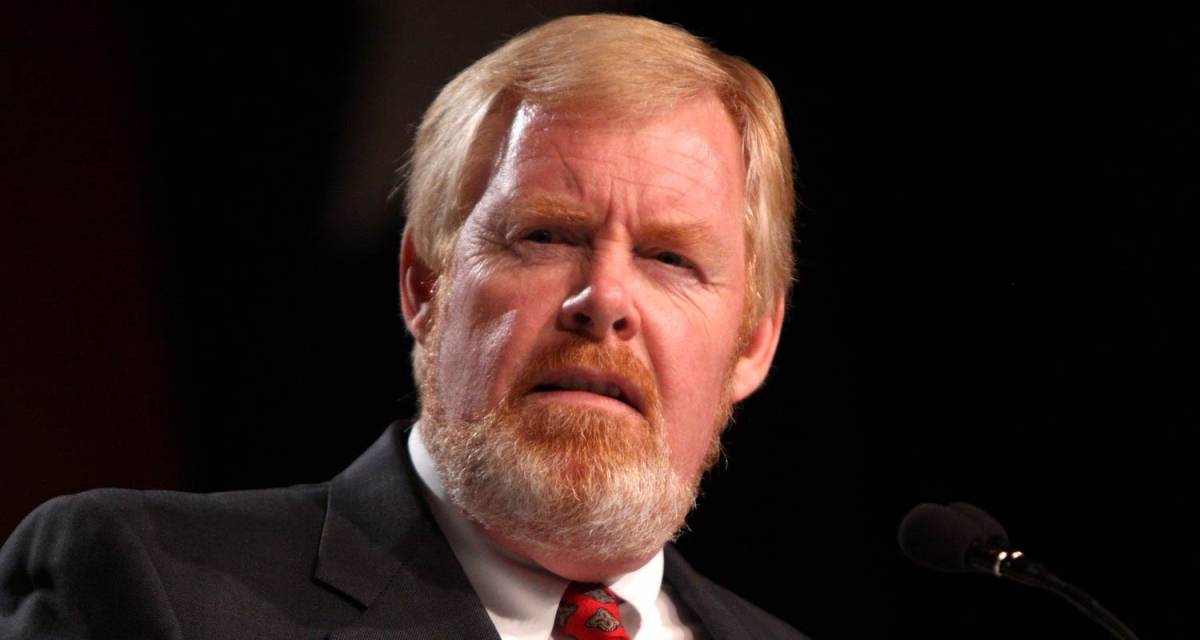
Minister of International Relations and Cooperation Ronald Lamola confirmed during a media briefing that Bozell was called in to explain “undiplomatic remarks” that disregarded established protocols and judicial sovereignty.
Lamola emphasized that while South Africa welcomes active public diplomacy, foreign envoys must respect international etiquette and the country’s sovereignty.
Speaking at a meeting in South Africa’s Western Cape Province on Tuesday, Bozell accused the South African government, led by the ruling African National Congress, of practicing “racial discrimination” against white people.
He also criticized South Africa’s participation in the BRICS mechanism, its case against Israel at the International Court of Justice and its friendly ties with Iran.
Bozell’s remarks drew widespread criticism in South Africa. The influential black nationalist left-wing Economic Freedom Fighters party called on the government to declare Bozell persona non grata and expel him from the country.
Since U.S. President Donald Trump returned to the office in January 2025, relations between the United States and South Africa have remained strained across political, economic and diplomatic fronts.
In March 2025, Trump nominated conservative activist Bozell, a long-time critic of South Africa’s ruling African National Congress, as U.S. ambassador to South Africa. Bozell arrived in the country in February this year to take up the post.
Bozell accused the South African government, led by the ruling African National Congress, of practicing “racial discrimination” against white people.
Residents in Tel Aviv reported loud blasts as Israel’s state-owned Kan TV news said debris hit several locations in the area. The country’s rescue service, Magen David Adom, said its teams were on their way to search for possible injuries at sites where missile hits or fragments had been reported.
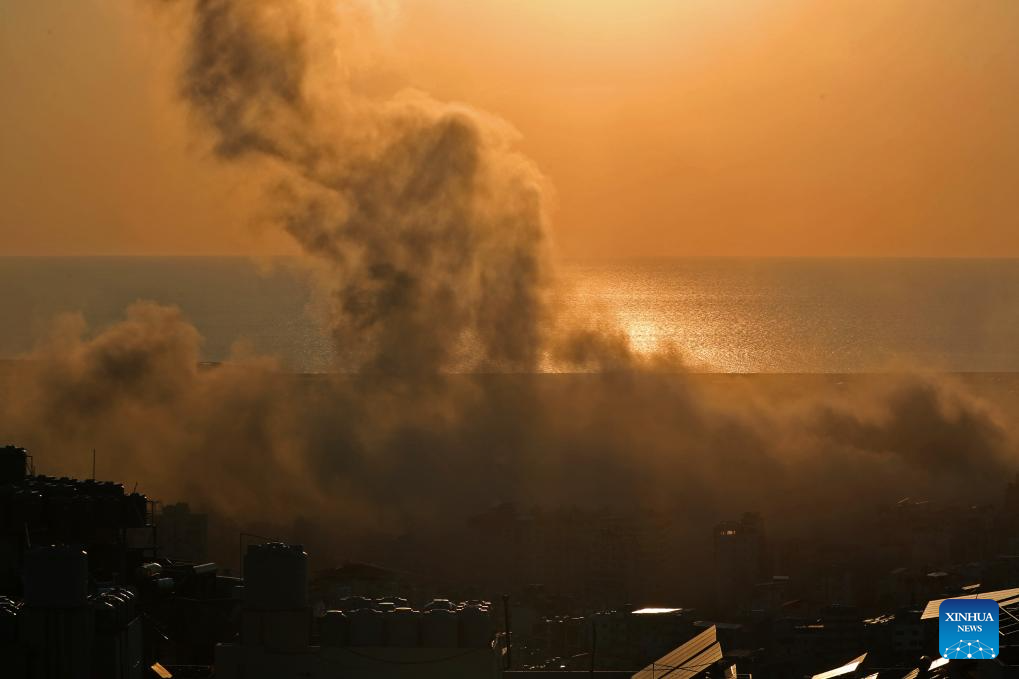
The attacks followed large-scale Israeli airstrikes on Beirut’s southern suburbs on Wednesday night, while Hezbollah targeted northern Israel for hours with rocket barrages.
According to Israeli military officials, Hezbollah militants fired about 100 rockets and several drones at northern Israel, while Iran simultaneously launched several missiles at the north as well as other areas.
Impacts were reported and at least two civilians were lightly injured, Magen David Adom said.
The fights came as the regional conflict, triggered by the U.S.-Israeli joint military strikes on Iran, stretched into its 13th day.
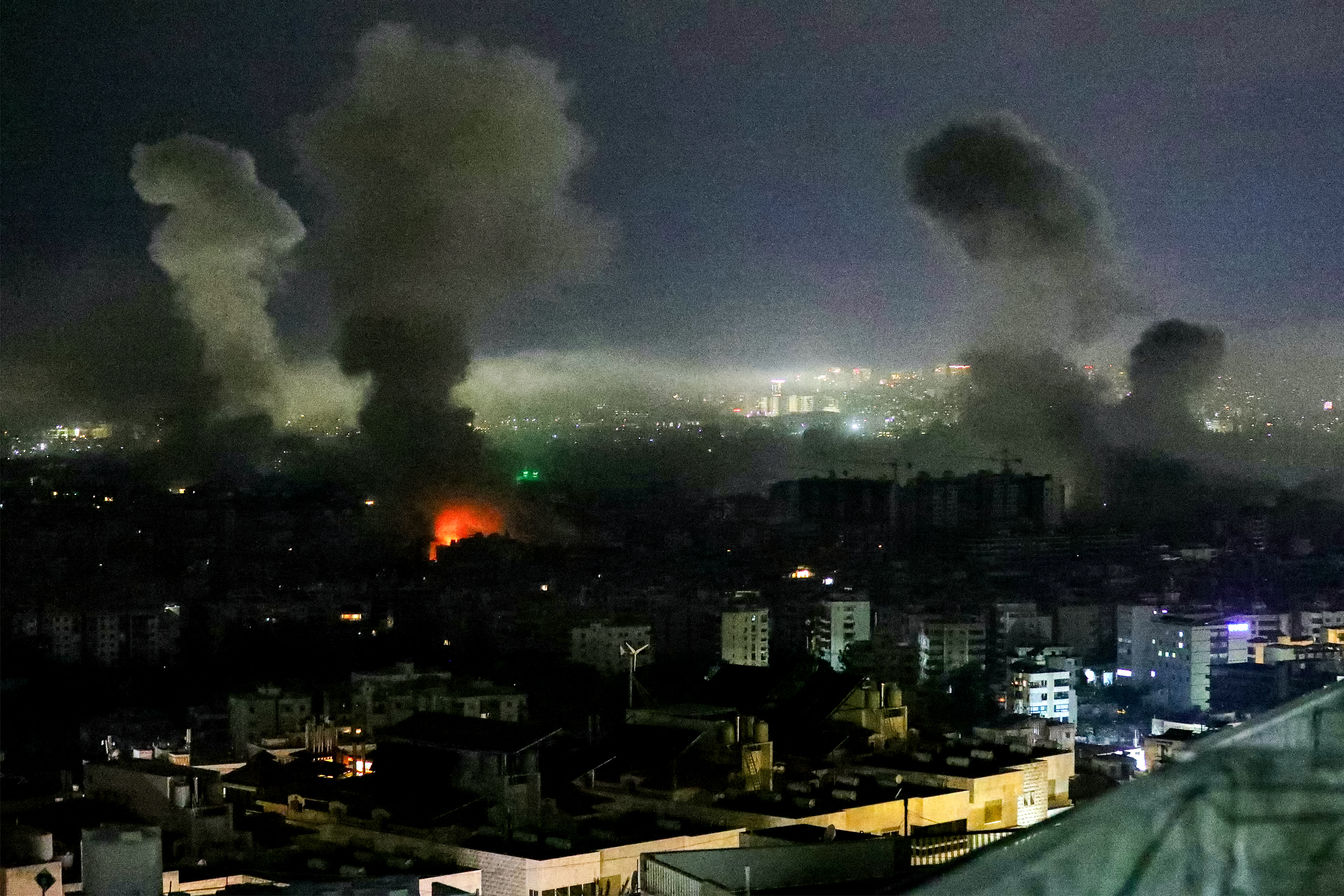
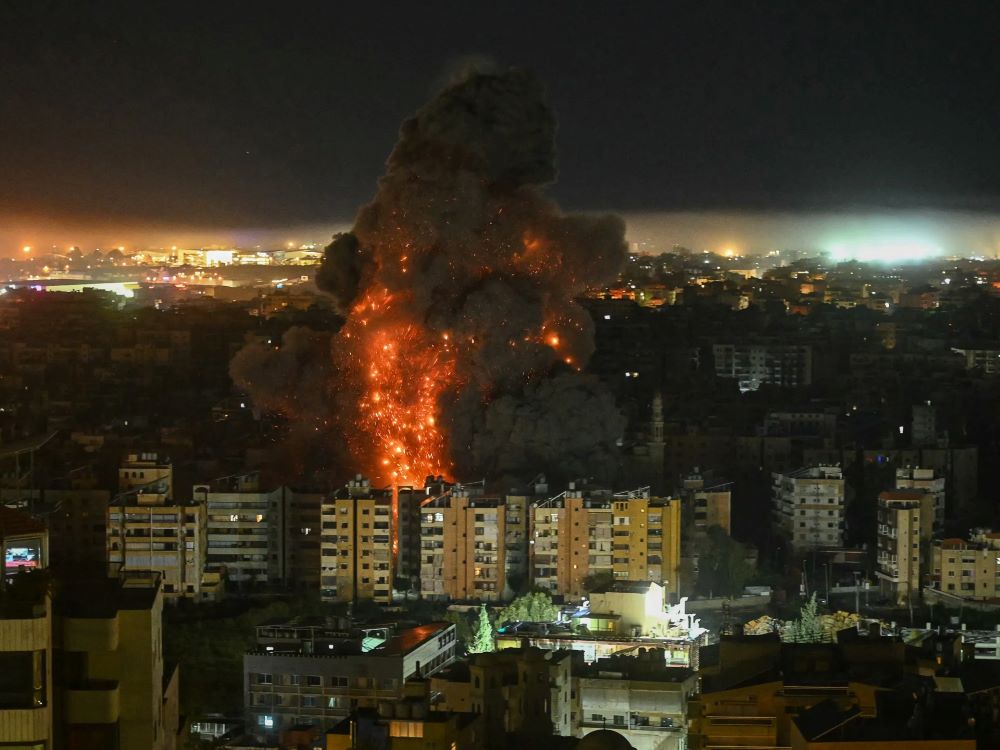
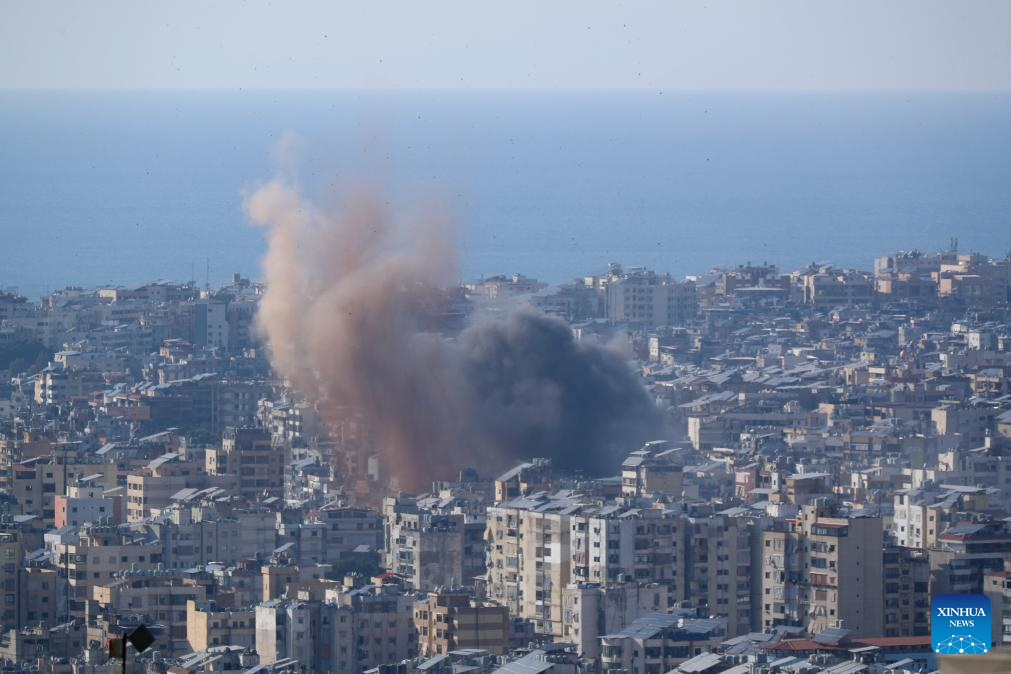
Smoke rises from the site of an Israeli airstrike that targeted an area in Beiruts southern suburbs on March 11, 2026. Lebanon was drawn into the Middle East war last week when Hezbollah attacked Israel in response to the killing of the Iranian supreme leader in US-Israeli strikes. Israel, which kept up strikes targeting Hezbollah despite a 2024 ceasefire, has since launched attacks across Lebanon and sent ground troops into border areas. (Photo by AFP) /
“You just said it is a little excursion and you said it is a war. So, which one is it?” Trump was asked by one of the reporters traveling with him in the U.S. state of Ohio.
“Well, it’s both,” Trump answered. “It’s an excursion that will keep us out of a war, and the war is going to be, I mean for them it’s a war.”
Addressing House Republicans on Monday, Trump described the military operation against Iran as a “short-term excursion” while later vowing to “go forward more determined than ever to achieve ultimate victory.” He has also demanded Iran’s “unconditional surrender.”
Though Trump said earlier on Wednesday that the U.S.-Israeli war with Iran will end “soon” because there is “practically nothing left to target,” Axios reported.
U.S. and Israeli officials said that they are preparing for at least two more weeks of strikes in Iran, and that there has been no internal directive on when such strikes might stop, according to the report.
More than 1,300 civilians have been killed and 9,669 civilian sites destroyed in Iran in U.S.-Israeli strikes since Feb. 28, Amir Saeid Iravani, Iran’s ambassador and permanent representative to the United Nations, said Tuesday.
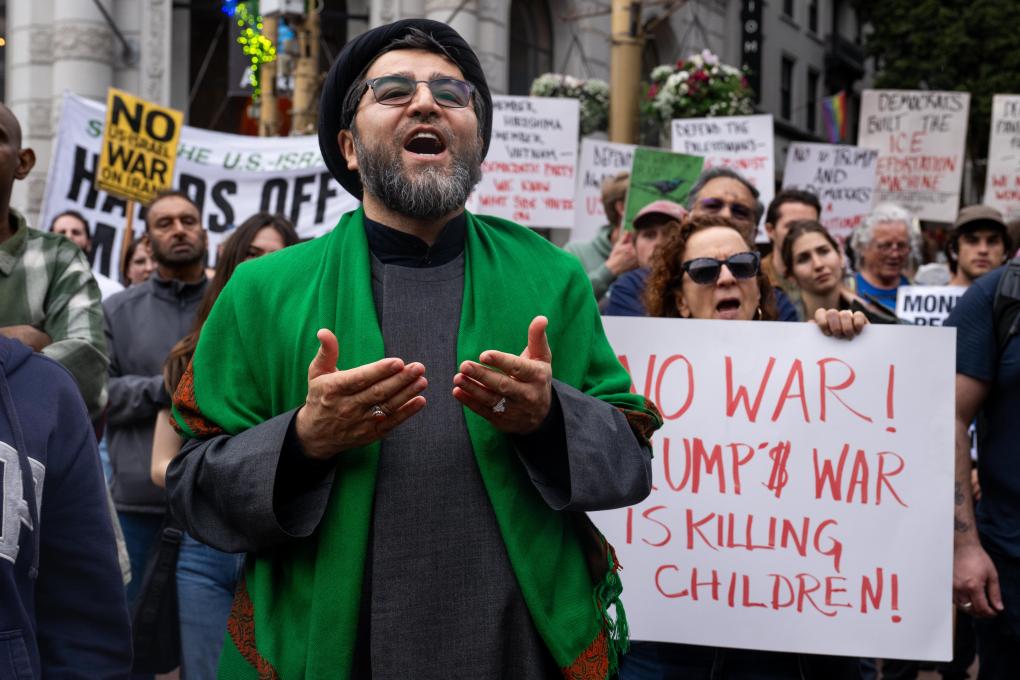
People attend a protest against U.S.-Israeli strikes on Iran in San Francisco, the United States, Feb. 28, 2026.
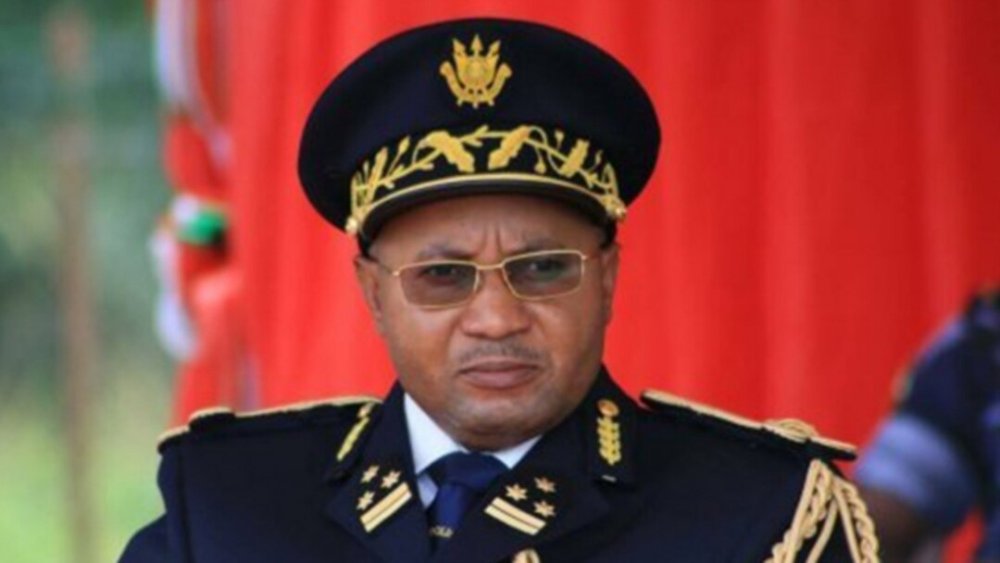
Bunyoni, who served as Prime Minister of Burundi from June 2020 to September 2022, was freed alongside ten other detainees on health grounds. The release was confirmed by security officials in Burundi as well as his lawyer Placide Gatoto.
One of the most influential figures in Burundi’s political and security establishment, Bunyoni held several senior positions during his career, particularly within the security sector. He was also the first person to receive the rank of General in the country’s national police.
He was arrested in April 2023 and accused of crimes linked to an alleged plot to harm President Évariste Ndayishimiye as well as charges related to undermining the country’s economy.
Following his trial, Bunyoni was convicted and sentenced to life imprisonment. He was subsequently transferred to Gitega Central Prison, where he had been serving his sentence.
At the time of his conviction, the court also ordered the seizure and sale of his assets, which reportedly included numerous buildings and vehicles. The proceeds were intended to compensate the Burundian state for funds he was accused of embezzling.
Bunyoni’s health had deteriorated significantly during his detention. On October 9, 2025, he was admitted to a hospital in Gitega after human rights activists who visited him in the special cell where he was being held warned that his condition could be life-threatening.
According to Pierre Claver Mbonimpa, chairperson of the human rights organization APRODH, Bunyoni was suffering from severe diabetes and serious mental health issues. Mbonimpa said the former prime minister sometimes became extremely frightened, even hiding under his bed when people visited him.
Medical treatment at the Gitega hospital reportedly failed to improve his condition. He was later transferred to the private Kira Hospital in Bujumbura, but he was discharged shortly afterward when no significant improvement was observed.
The Burundian government’s decision to release Bunyoni has fueled speculation that he may be allowed to seek specialized medical treatment abroad, where doctors may be better equipped to handle his condition than facilities in Bujumbura or Gitega.
Bunyoni served as Prime Minister of Burundi from June 2020 to September 2022.
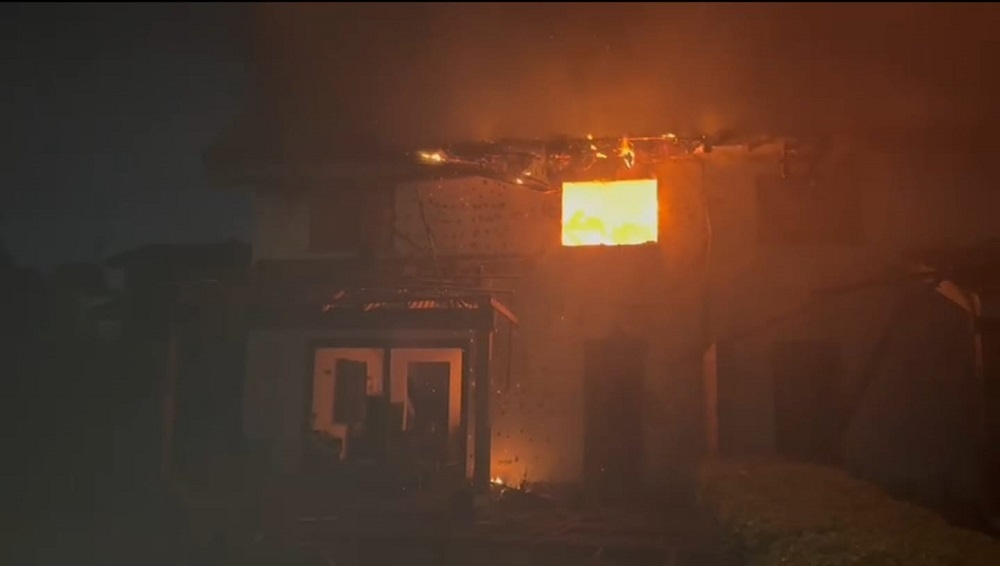
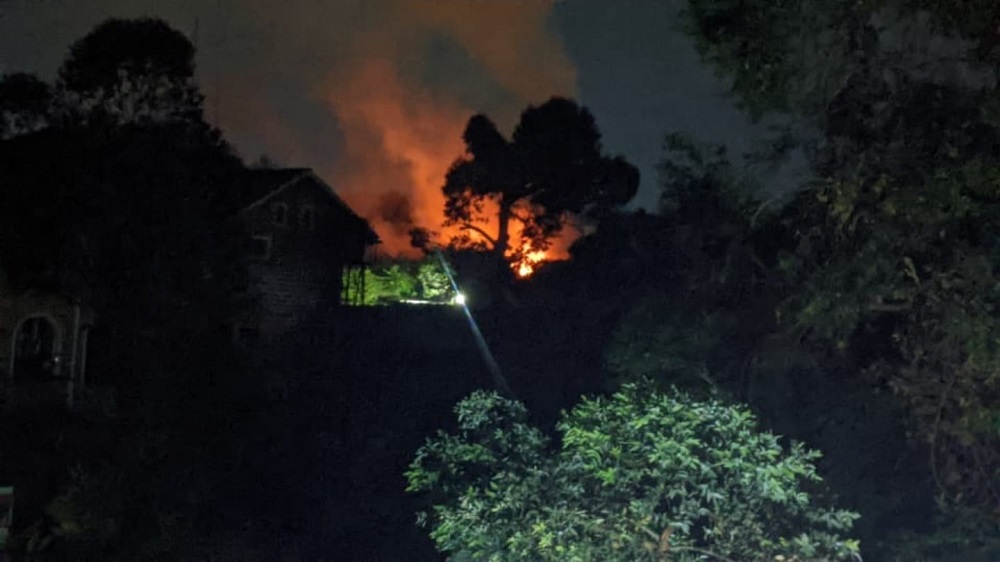
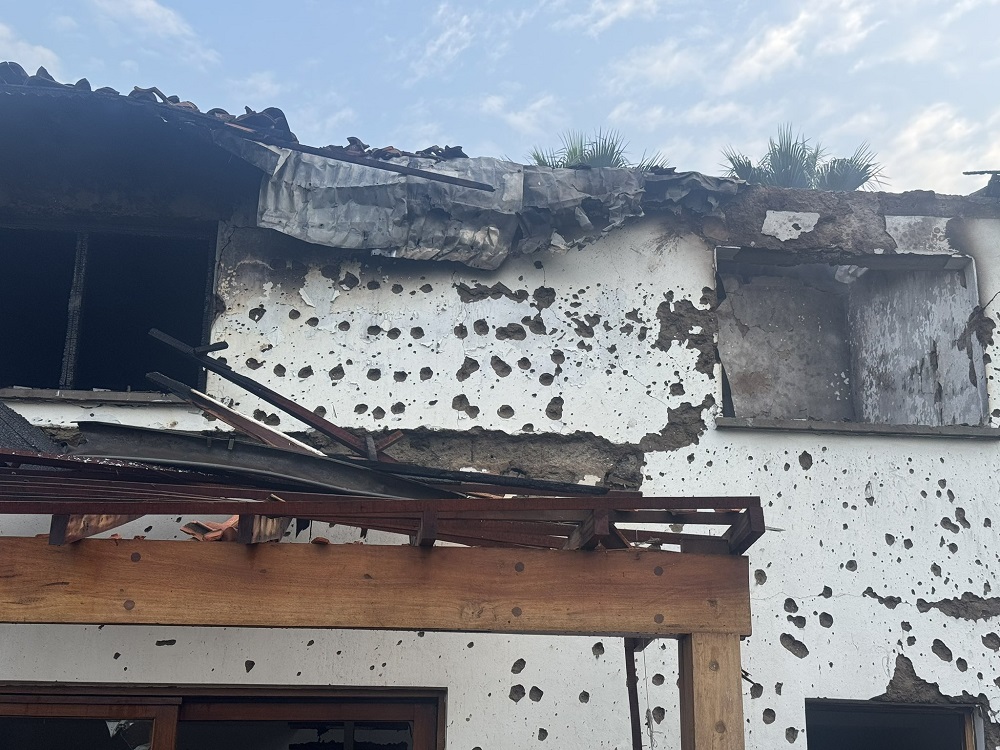
Video footage from the site shows a building heavily damaged by the strike. DRC authorities reportedly believed the home of a Belgian national named Pascal was sheltering several group leaders.
Lawrence Kanyuka, spokesperson for AFC/M23, confirmed that three people died in the attack, including a foreign national. Among the victims was French UNICEF staff member Carine Buisset, who worked in Goma.
Bertrand Bisimwa, deputy coordinator of AFC/M23 in charge of politics, diplomacy, and governance, condemned the attack, accusing the DRC government of violating ceasefire agreements.
“At this moment, the city of Goma is under attack by drones from the Kinshasa regime. This latest escalation of violence reflects Kinshasa’s ongoing pattern of ceasefire violations, coupled with the surprising inaction of peace process partners,” he said.
On Wednesday morning, United Nations peacekeeping forces in DRC (MONUSCO)arrived at the site to investigate the attack.
The DRC government has indicated that it intends to reclaim territories held by AFC/M23 through military means, despite calls from the international community to prioritize political dialogue.
The Congolese National Center for Cybersecurity (CNC) has reportedly been used to track the phones of some AFC/M23 leaders and former President Joseph Kabila to facilitate drone strikes.
On March 24, 2026, a subsequent strike near the Rubaya stronghold targeted top AFC/M23 leaders, including the group’s commander, Gen. Maj Sultani Makenga. The attack killed the group’s military spokesperson, Lt Col Willy Ngoma, along with other fighters including bodyguards.
DRC authorities reportedly believed AFC/M23 leaders were present in the targeted area.The building in Himbi was heavily damaged after a drone strike.The house reportedly belonged to a Belgian national named Pascal.
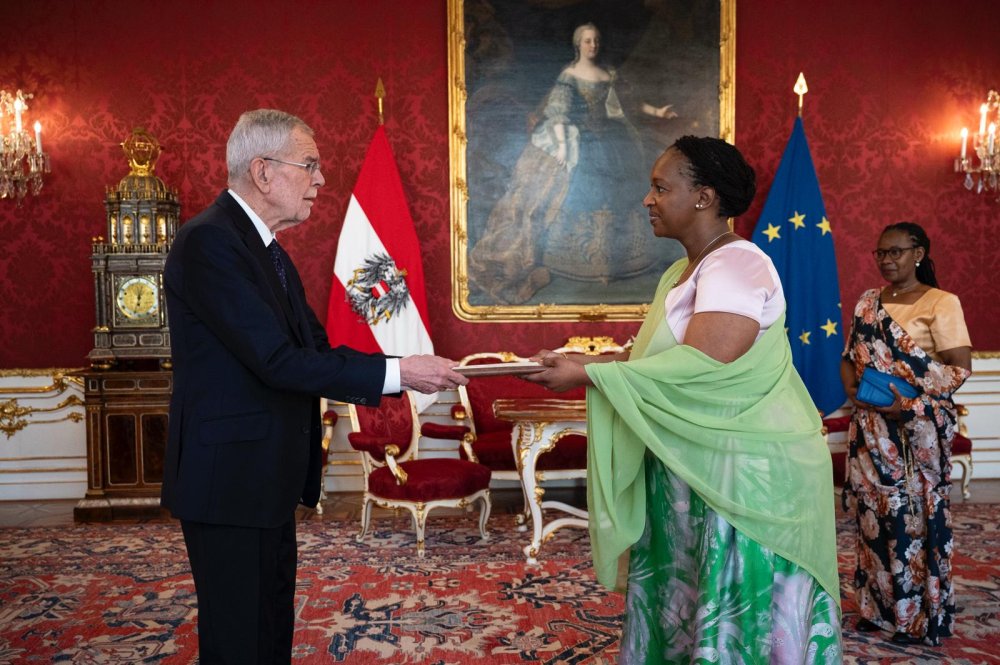
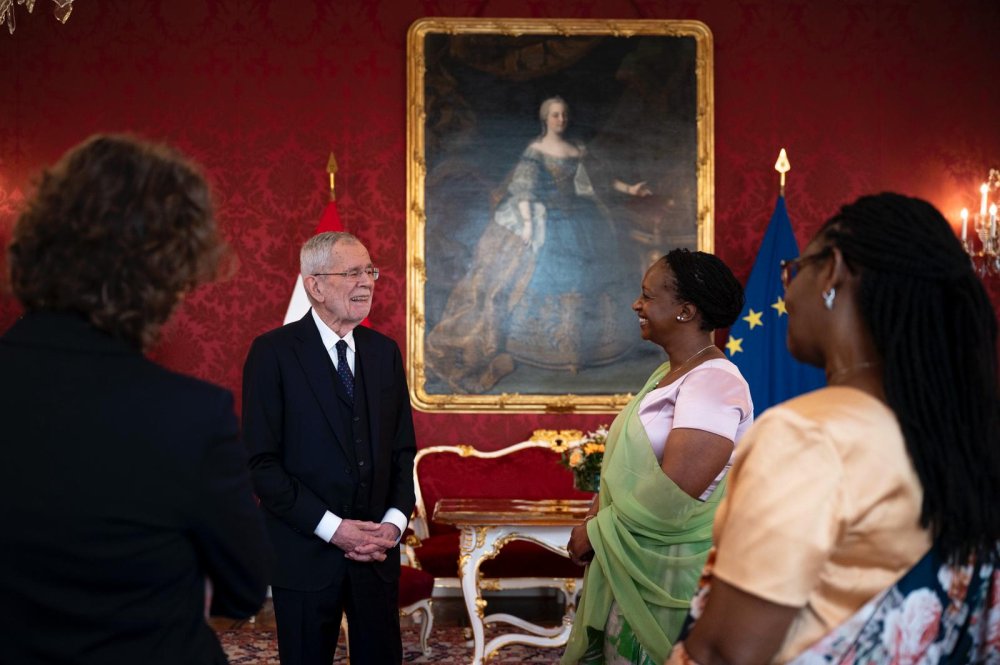
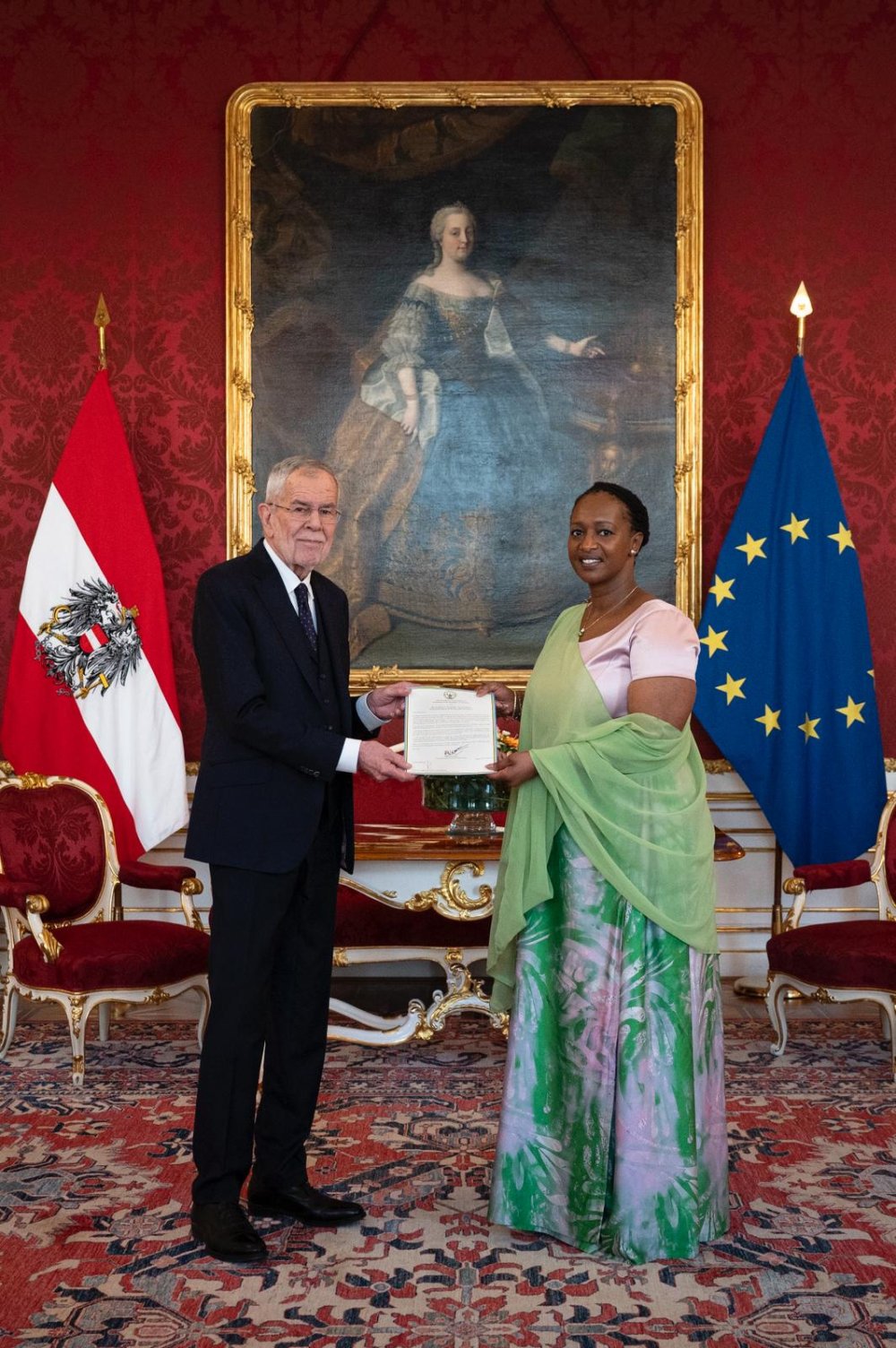
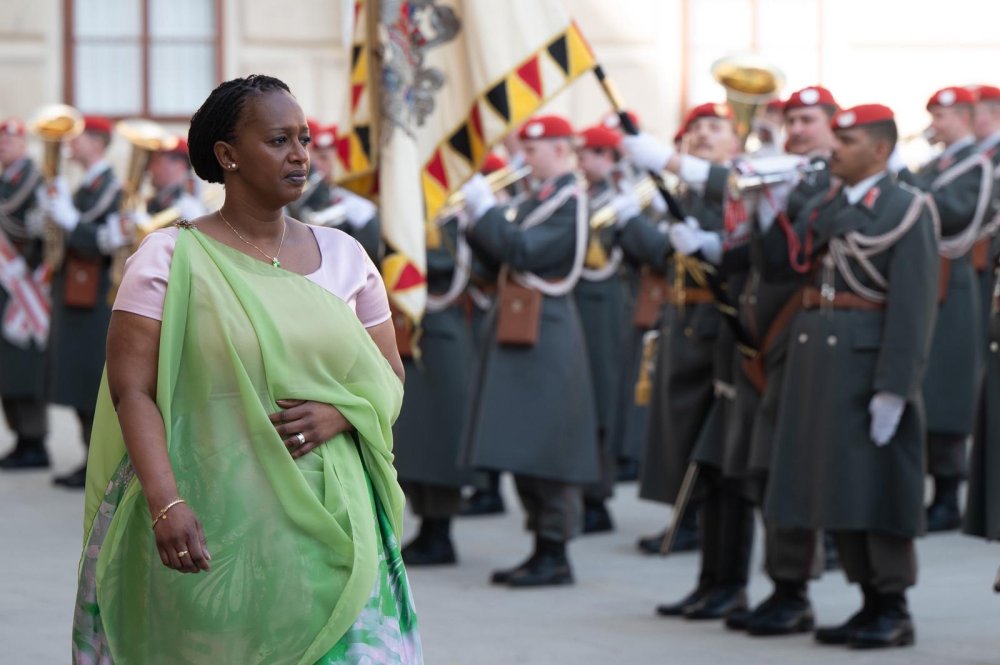
The ceremony marks the official beginning of the Rwandan envoy’s diplomatic mission in Austria. On this occasion, the exchanges between the two leaders reaffirmed the strong ties of friendship and cooperation between Kigali and Vienna, as well as their shared commitment to further strengthening bilateral relations.
During her visit to the Austrian capital, Amb. Bakuramutsa also held several meetings with Austrian officials. These discussions focused on prospects for cooperation in key sectors such as trade and investment, innovation, tourism, cultural diplomacy, and multilateral collaboration.
On the eve of the official ceremony, March 9, 2026, the Rwandan diplomat had already presented copies of her Letters of Credence to Ambassador Nikolaus Marschik, Secretary General of the Austrian Federal Ministry for European and International Affairs.
The meeting took place in the presence of Ambassador Maximilian Hennig, Chief of Protocol, and Dr Stefan Scholz, Head of the Department for Sub-Saharan Africa and the African Union.
During her stay in Vienna, Amb. Bakuramutsa also met with Peter Launsky-Tieffenthal, Special Envoy to the Federal Chancellor of Austria, to explore opportunities for further deepening relations between the two countries.
Rwanda and Austria maintain strong cooperative relations, notably through various development partnerships. Several initiatives supported by the Austrian Development Cooperation Agency (ADA) have contributed to projects in areas such as water and sanitation, youth empowerment, employability, and strengthening the justice sector.
Through this new diplomatic mission, Kigali and Vienna aim to continue consolidating their partnership and exploring new opportunities for collaboration for the benefit of both nations.
Rwanda’s Ambassador to Austria, Urujeni Bakuramutsa, with President Alexander Van der Bellen after presenting her Letters of Credence at the Hofburg Presidential Palace in Vienna.Urujeni Bakuramutsa presented her Letters of Credence to Alexander Van der Bellen, Federal President of Austria, during a ceremony at the Hofburg Presidential Palace in Vienna on March 10, 2026.President Alexander Van der Bellen welcomed Rwanda’s new ambassador, Urujeni Bakuramutsa, during the official credential presentation ceremony in Vienna.
The civilian sites included 7,943 residential homes, 1,617 commercial and service centers, 32 medical and pharmaceutical facilities, 65 schools and educational institutions, 13 Red Crescent buildings, and several energy supply facilities, Iravani told the press in a statement.
“They are deliberately and indiscriminately targeting civilians and civilian infrastructure across my country. They show no respect for international law and no restraint in committing these crimes,” he said.
“Densely populated residential areas and critical civilian infrastructure are deliberately targeted,” he said, adding that the figures continue to rise as the U.S.-Israeli military attacks continue.
Iravani listed several instances in which civilian targets were attacked, including heavy strikes on fuel storage facilities in Tehran and other cities on Saturday night, releasing large quantities of hazardous and toxic pollutants into the atmosphere.
The explosions caused severe air pollution and serious health risks for civilians, especially children, women, the elderly, and those with critical health conditions, he said, citing the Iranian Red Crescent Society.
“These heinous attacks also violate international environmental obligations, including those under the United Nations Framework Convention on Climate Change and the Convention on Biological Diversity,” he said.
Iravani noted that other instances included attacks on Mehrabad Airport in Tehran early Saturday morning, destroying or severely damaging several civilian aircraft and airport facilities, and attacks on a freshwater desalination plant on Qeshm Island in Hormozgan province, disrupting water supplies to 30 villages.
He also said that in the early hours of Sunday, Israel carried out “a deliberate terrorist attack” against the Ramada Hotel in Beirut, Lebanon, killing four Iranian diplomats. “The targeted killing of diplomats on the territory of another sovereign State is a grave terrorist act, a war crime, and a flagrant violation of international law.”
“The international community must act now to stop this bloody war against the Iranian people. We will take all necessary measures to defend our people, our territory, and our independence,” he said.
Iran has sadi that more than 1,300 civilians have been killed and 9,669 civilian sites destroyed in Iran in the military strikes launched by the United States and Israel since February 28.
The conflict has triggered large-scale displacement across the country. About 759,300 people have been registered as displaced, according to government data.
Authorities said 122,600 displaced people are currently staying in 580 shelters set up across various regions to house families forced to flee their homes amid the continuing hostilities.
Meanwhile, Israel carried out three airstrikes on Beirut’s southern suburbs on Tuesday afternoon, Lebanon’s National News Agency reported, and continued strikes on several areas in southern Lebanon.
Hezbollah said it launched rockets from Lebanon toward Israel early on March 2 for the first time since a ceasefire was declared on Nov. 27, 2024. The move prompted the Lebanese government to ban the group’s security and military activities, limiting it to political work and requiring it to hand over its weapons.
The Israeli military said it had launched what it described as an “offensive military campaign” against Hezbollah, carrying out heavy airstrikes across multiple Lebanese areas and conducting ground incursions near the border. It also warned residents to evacuate areas south of the Litani River and Beirut’s southern suburbs.
Smoke rises following an Israeli airstrike in Beirut’s southern suburbs, Lebanon, on March 10, 2026. The death toll from ongoing Israeli attacks on Lebanon has risen to 570, with 1,444 others wounded since the escalation began on March 2, figures released on Tuesday by the Disaster Risk Management Unit at the Lebanese Council of Ministers showed. Smoke rises following an Israeli airstrike in Beirut’s southern suburbs, Lebanon, on March 10, 2026. The death toll from ongoing Israeli attacks on Lebanon has risen to 570, with 1,444 others wounded since the escalation began on March 2, figures released on Tuesday by the Disaster Risk Management Unit at the Lebanese Council of Ministers showed.
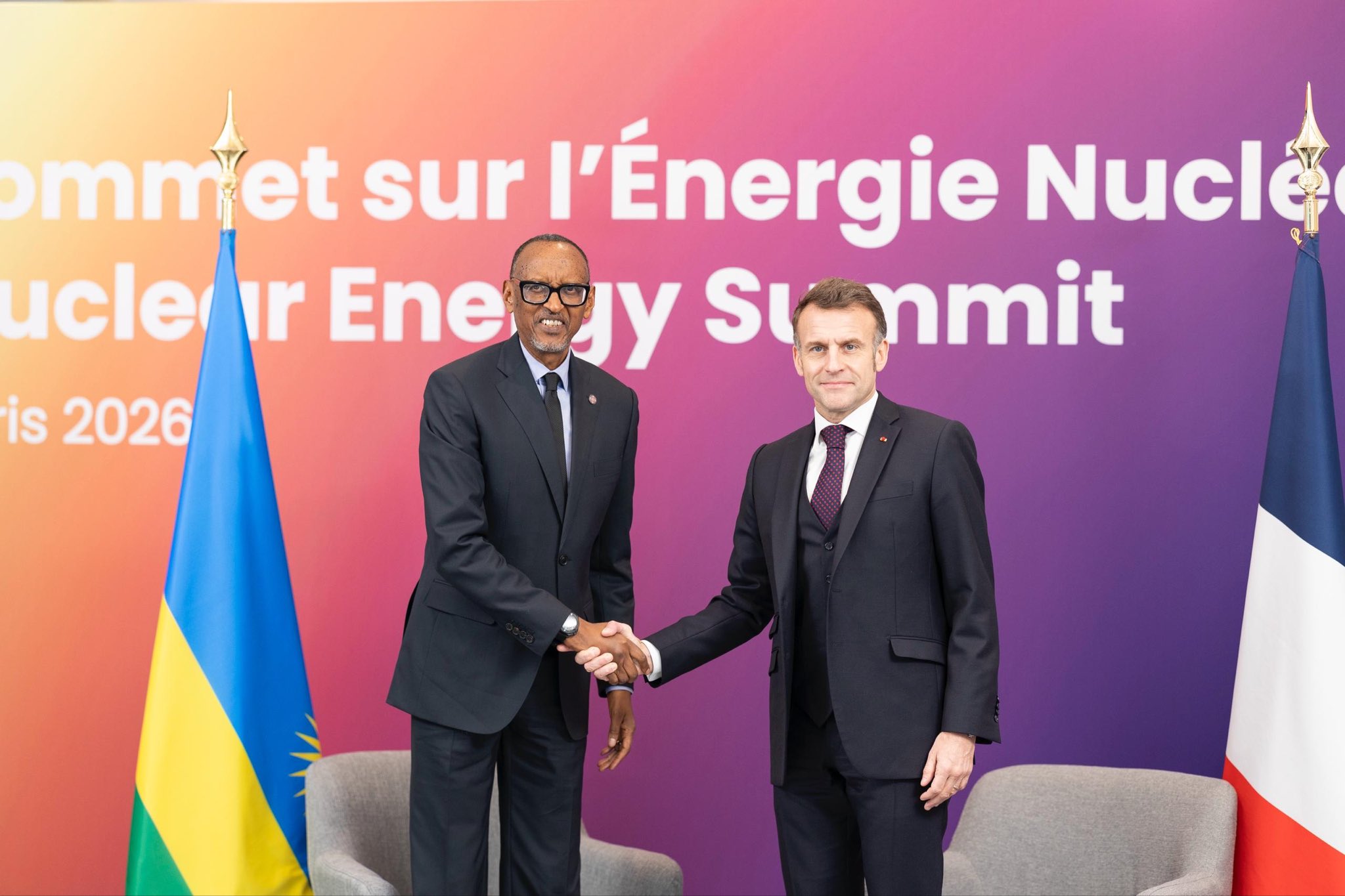
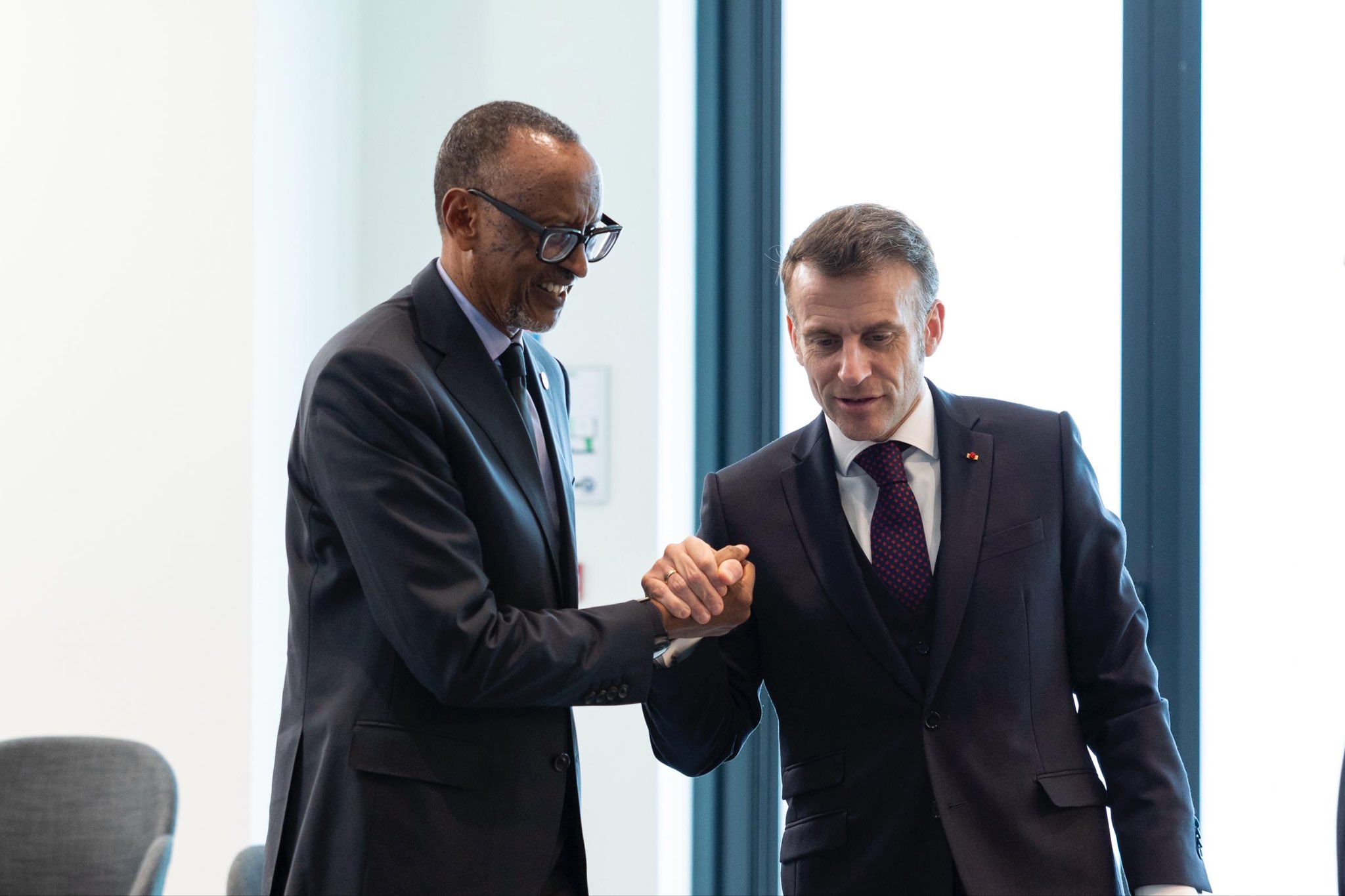
A brief statement released by the Office of the President indicated that the leaders discussed the strong and productive bilateral relations between Rwanda and France, as well as the security situation in the region, emphasising the need for sustained efforts to address its root causes.
The meeting comes against the backdrop of ongoing efforts to resolve the conflict in eastern Democratic Republic of the Congo, with Rwanda insisting that addressing the root causes is crucial to ending the decades-long conflict.
Meanwhile, the high-level summit in Paris brought together heads of state, government leaders, international organisations, financial institutions, nuclear industry representatives, and energy experts to discuss the future of civil nuclear energy. President Kagame attended the summit alongside a delegation from the Rwanda Atomic Energy Board (RAEB).
During his address at the summit, President Kagame reaffirmed Rwanda’s commitment to developing nuclear energy, describing it as a key pillar for powering the country’s industrial growth while meeting climate responsibilities.
He highlighted that Rwanda’s long-term ambition to become a high-income country by 2050 hinges on having a reliable and abundant electricity supply.
“Nuclear energy will play a central role in diversifying our energy mix and providing the stability needed for sustained economic transformation,” Kagame said.
President Kagame noted that nuclear power offers Rwanda a dependable source of electricity that can support industrial expansion while helping reduce carbon emissions.
“We have decided to make nuclear central to our strategy,” President Kagame said. “It will diversify our energy mix while providing the stability required for industrial growth and long-term transformation.”
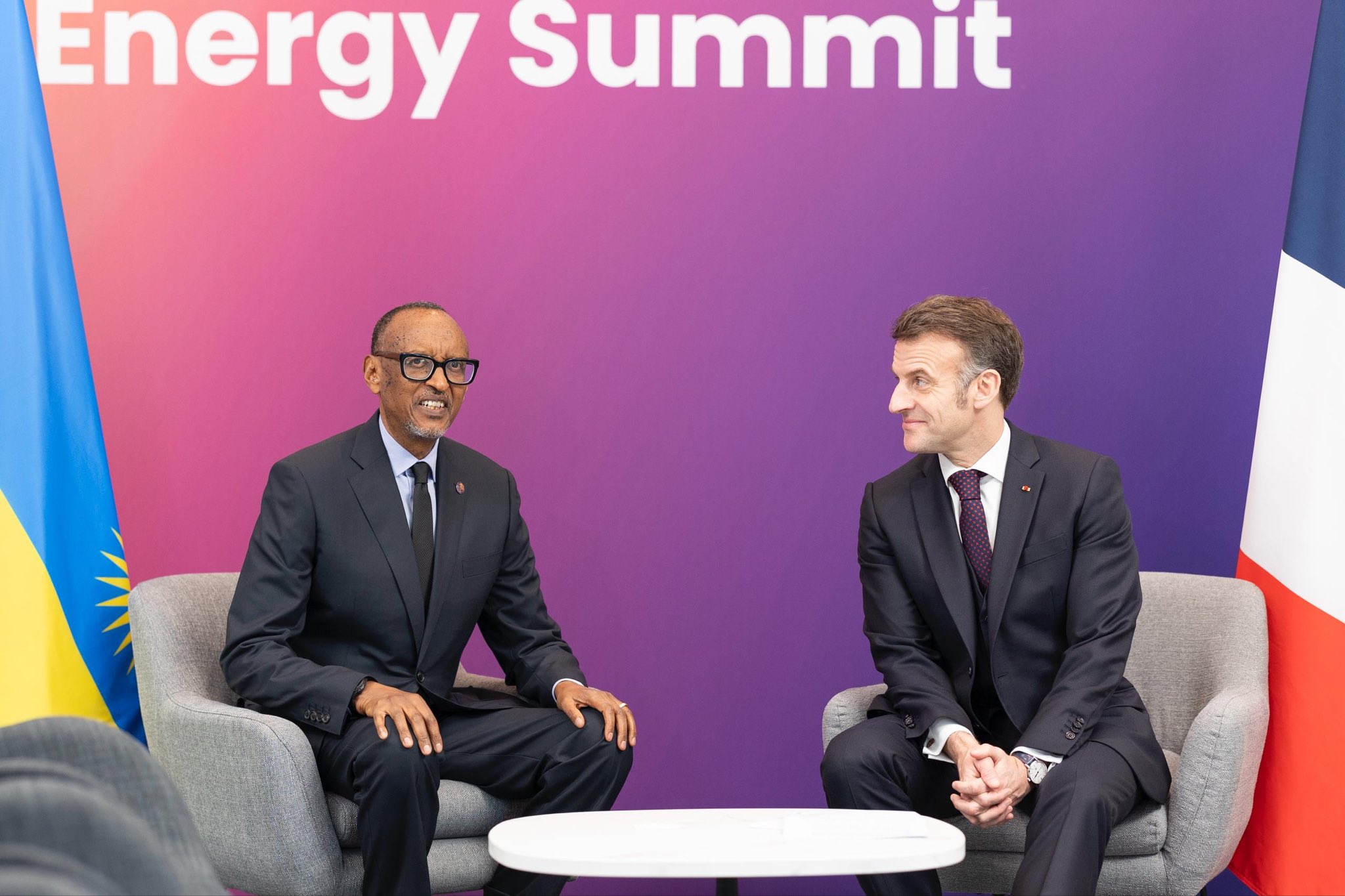
President Paul Kagame and his French counterpart Emmanuel Macron met on the sidelines of the Nuclear Energy Summit in Paris on Tuesday afternoon.The two leaders discussed the strong and productive bilateral relations between Rwanda and France, as well as the security situation in the region.
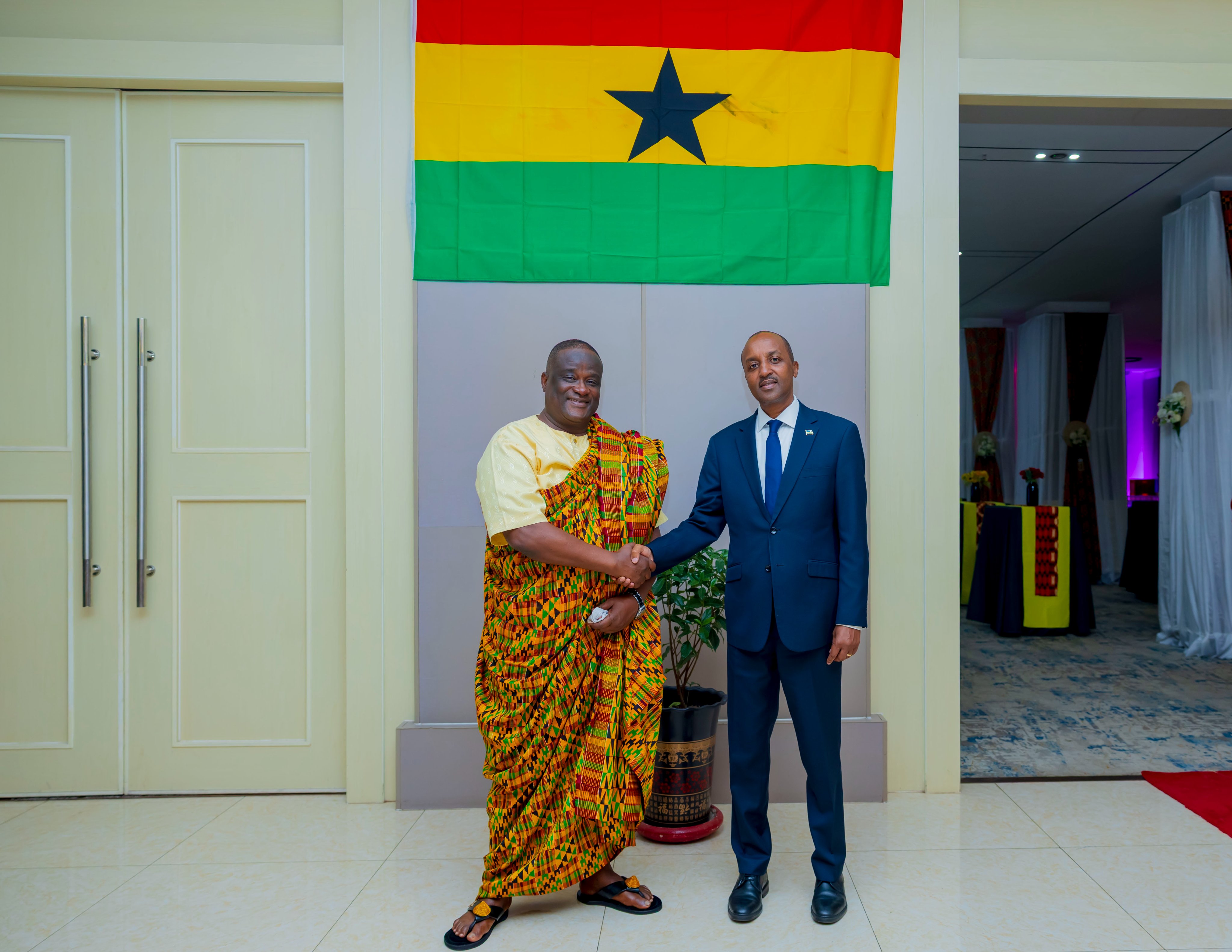
The event, held at M-Hotel, was the first such reception organized by the High Commission since its establishment in Rwanda in September 2024.
It brought together diplomats, Rwandan government officials, members of the Ghanaian community and their friends.
Speaking at the ceremony, Ghana’s resident High Commissioner to Rwanda, Ernest Yaw Amporful noted that the presence of members of the diplomatic corps and officials reflected the strong ties between Ghana, Rwanda and the wider international community.
Reflecting on Ghana’s history, the ambassador recalled that the country became the first sub-Saharan African nation to gain independence from colonial rule on March 6, 1957 under the leadership of Kwame Nkrumah, a moment that inspired liberation movements across the continent.
Nkrumah’s vision of Pan-African unity and his declaration that “Ghana’s independence is meaningless unless it is linked with the total liberation of the African continent” transformed the country into a hub and beacon of hope for freedom movements.
“Sixty-Nine years ago, Ghana blazed the trail as the first sub-Saharan African nation to break free from colonial rule, igniting a flame of freedom and self-determination across our continent,” he said.
Amb. Amporful said Ghana remains committed to democracy, peace and sustainable development, adding that the country continues to pursue economic transformation through new initiatives led by President John Dramani Mahama.
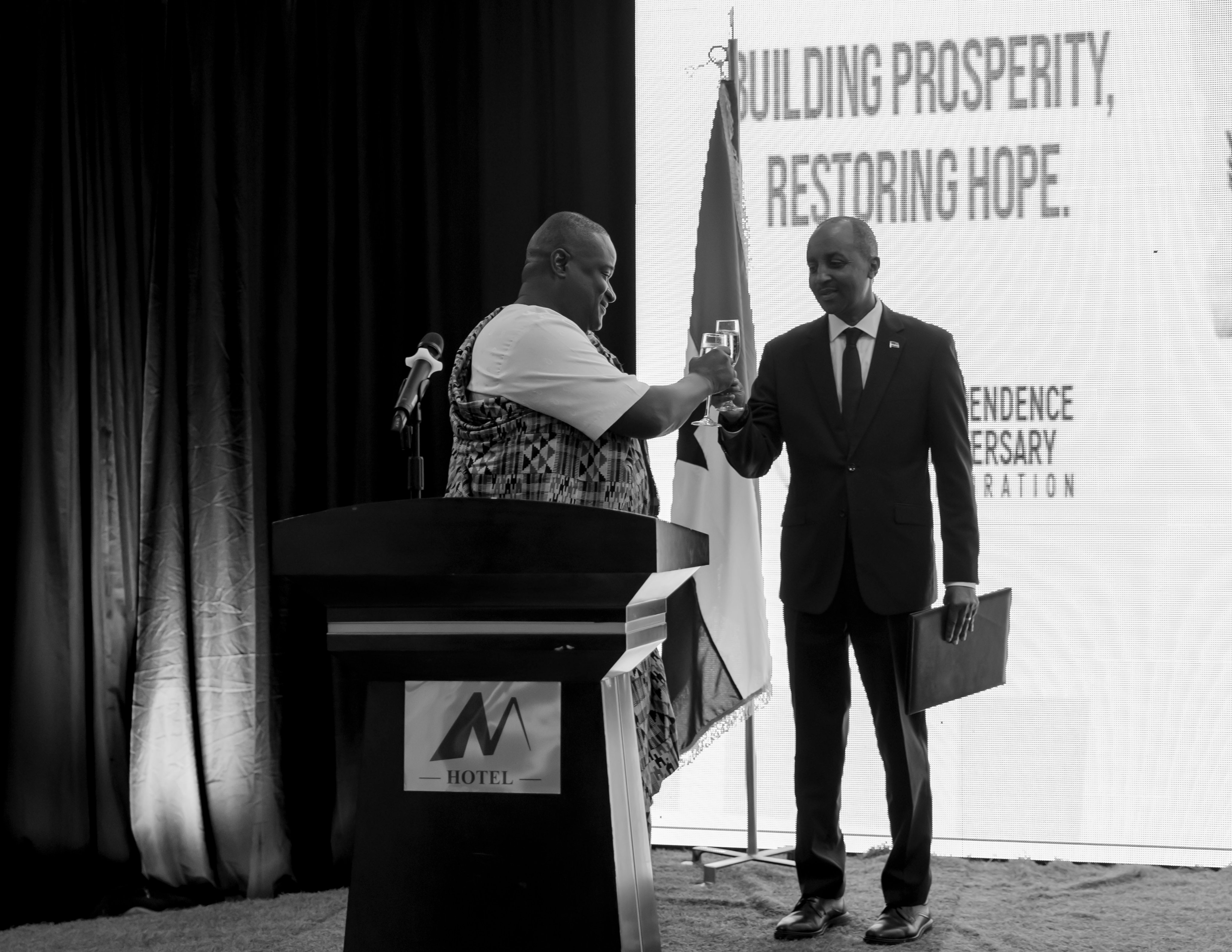
“This year’s celebration is anchored on the theme, ‘Building Prosperity, Restoring Hope’, a theme that speaks not only to Ghana’s aspirations but also to the collective yearning of Africa for economic transformation and a future of dignity and opportunity for all,” he said.
“They protected and saved lives during the Genocide against the Tutsis, even when ordered to withdraw. That act of courage and humanity forged a bond of trust and empathy between our peoples,” he said.
The ambassador noted that both countries are working toward their first Joint Permanent Commission of Cooperation, aimed at boosting trade, investment and innovation.
“Let us recommit ourselves to strengthening the bonds of friendship between our nations,” Amb. Amporful said, adding that such cooperation would help build prosperity and restore hope for both peoples.
Amb. Amporful also paid tribute to women, noting that the celebration came just a day after the world marked International Women’s Day.
“The prosperity of our nations and the hope of our continent rest upon the empowerment of women and girls, whose voices must be heard, whose rights must be protected, and whose dreams must be nurtured,” he said.
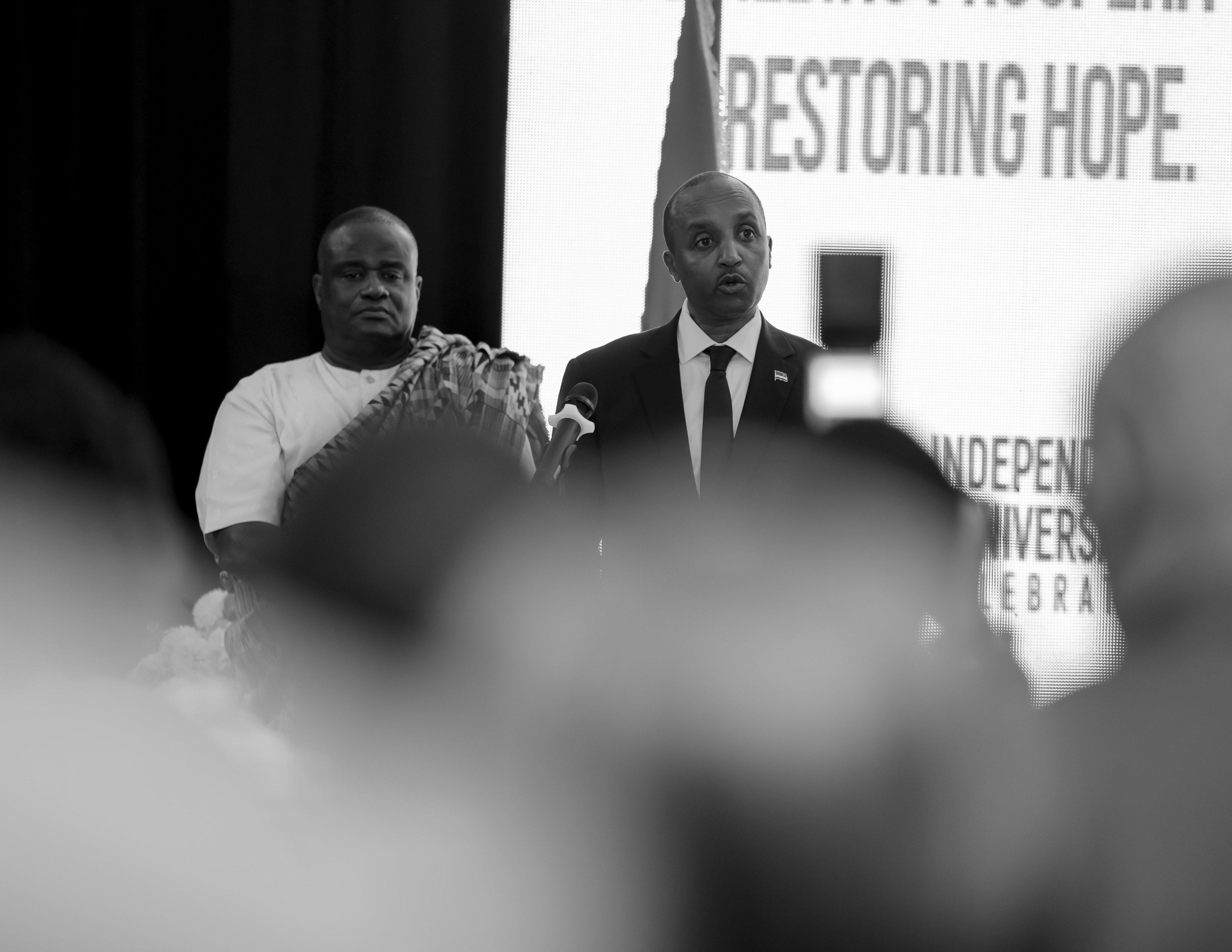
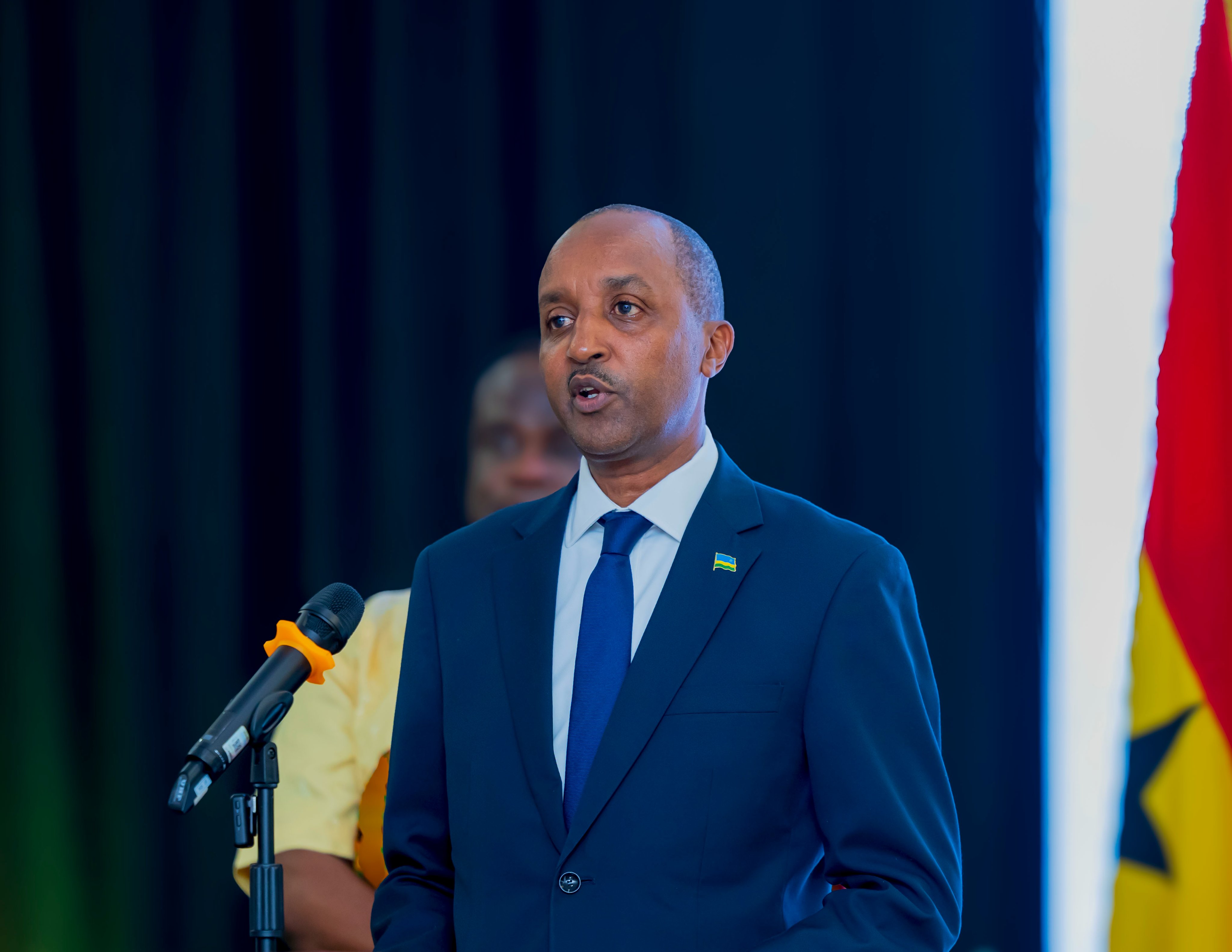
Speaking at the reception, the Permanent Secretary in the Ministry of Foreign Affairs, Amb. Fidelis Mironko, congratulated the government and people of Ghana on their 69th Independence Day and reflected on the broader meaning of such anniversaries. “I like to think of Independence Day as a call to action for the future. It is a reminder that the courage of our forebears must be matched by our determination today,” he said.
Amb. Mironko noted that the challenges facing the world today, including climate change, economic shocks and global uncertainty, require countries to work together with unity and strong leadership.
“As sister nations, Rwanda and Ghana will continue to stand shoulder to shoulder in advancing our shared vision of an Africa that is self-reliant, innovative, and globally competitive,” he said.
Rwanda and Ghana share long-standing relations that have grown over the years through cooperation in areas such as trade, defence and security, tourism, technology, culture and parliamentary exchanges.
The partnership also carries a strong historical dimension. In 1994, Ghanaian peacekeepers serving under the United Nations Assistance Mission for Rwanda (UNAMIR) were among the few who remained in the country to help protect civilians during the Genocide against the Tutsi, despite orders to withdraw.
Diplomatic ties have since deepened. Rwanda opened a resident High Commission in Accra in 2020 to strengthen political and economic cooperation, while Ghana established its High Commission in Kigali in 2024, marking another step in reinforcing relations between the two countries
High Commissioner Amporful and Permanent Secretary in MINAFFET, Amb. Mironko pose together at the reception, symbolizing the strong ties between Ghana and Rwanda.High Commissioner Ernest Yaw Amporful and Permanent Secretary Fidelis Mironko toast to Ghana’s 69th Independence Anniversary at the Kigali reception on March 9, 2026.High Commissioner Amporful with Rwanda’s Permanent Secretary in the Ministry of Foreign Affairs, Amb. Fidelis Mironko, during the Independence Day reception at M-Hotel.Permanent Secretary Fidelis Mironko congratulated Ghana on its 69th Independence Day, emphasizing the importance of unity and shared action for Africa’s future.