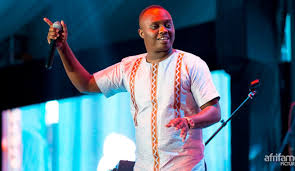
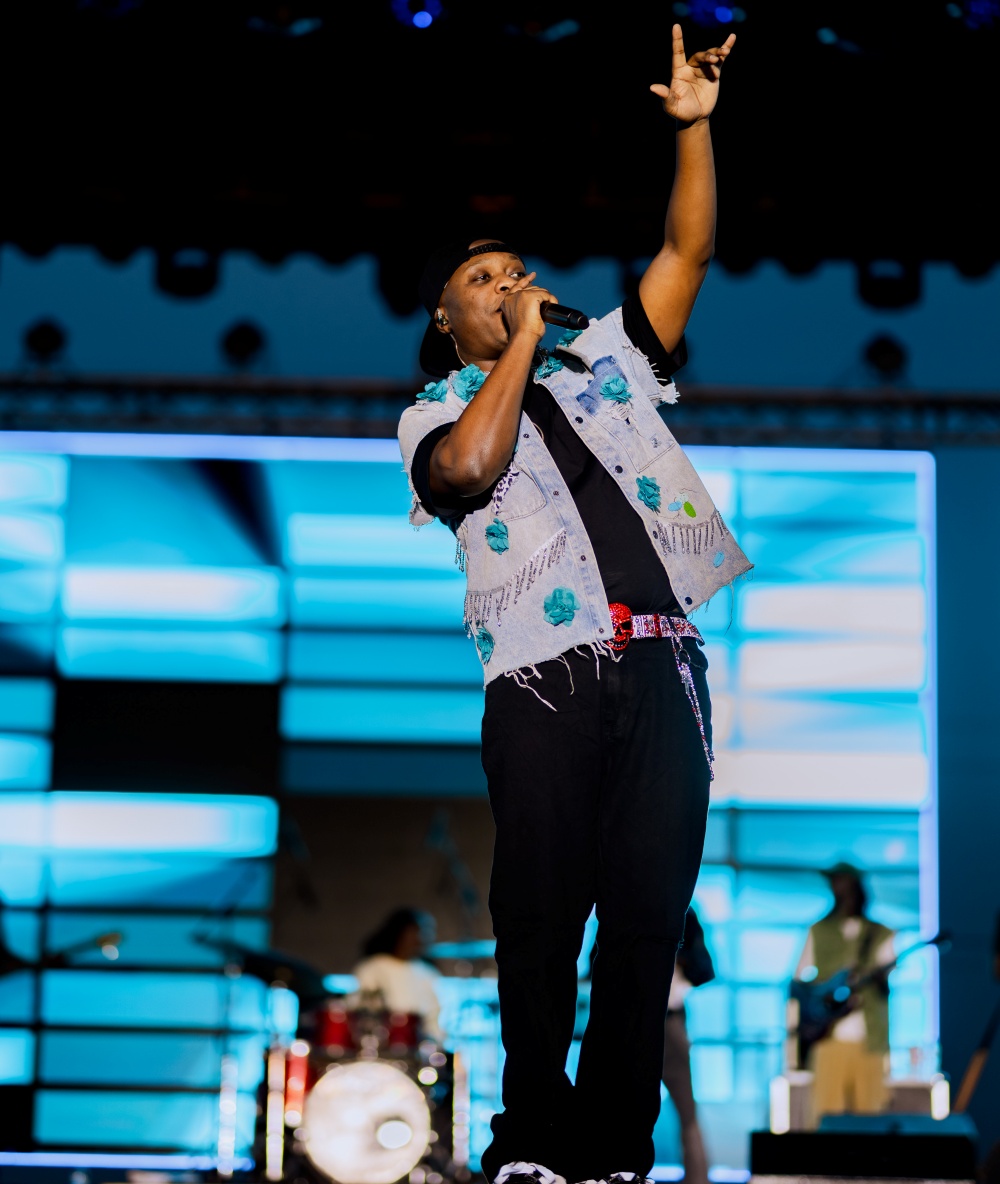
Only one day after King James released “Ndi Uwawe,” Bolingo Paccy, who produced the track and also contributed to writing it, reported the song to YouTube, requesting its removal. He said the decision was made because some of the agreements reached during the production of the song were not respected.
The dispute also affected another song, “Ndagushaka,” which King James had recently released in collaboration with Muttima. Bolingo Paccy used his studio, UB Studio Rwanda, to file a complaint about this song as well.
Although Bolingo Paccy has not publicly detailed the exact nature of the disagreement with King James, he told IGIHE that the songs were removed because they were released without respecting the terms previously agreed upon.
“It’s true that I am the one who had them removed. There were things we had agreed on that were not respected. I kept trying to remind them that those agreements needed to be followed, but they didn’t do so. So I relied on the copyright protection rules on YouTube to have the songs taken down,” he said.
When asked whether he had discussions with King James’ team before the songs were removed, Bolingo Paccy explained that they contacted him only after the songs had already been taken down.
“They called me, and I connected them with people from the team I work with because I was very busy. I will try to find time to talk with them so we can see what can be done,” he added.
Meanwhile, as King James’ management team works on finding a solution to the issue, the artist is continuing preparations for a major concert scheduled for August 1, 2026, where he plans to celebrate 20 years in the music industry.
When attempting to play the song “Ndi Uwawe,” a notice appears indicating that the video has been removed following a claim filed by Bolingo Paccy.For the song “Ndagushaka,” a notice indicates that the video was removed following a copyright claim filed by UB Records Studio Rwanda, the studio owned by Bolingo Paccy.The latest development comes as King James prepares to celebrate 20 years in the music industry.
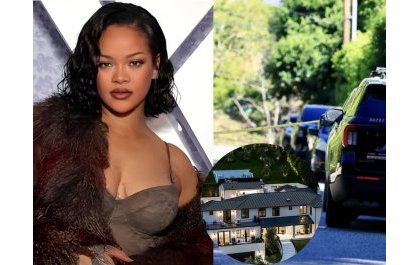
According to media reports, the incident happened on Sunday afternoon when a woman allegedly fired several gunshots toward the singer’s home while Rihanna was inside the property.
Authorities said the suspect fired multiple rounds from a vehicle parked across the street from the house. Reports indicate that between seven and ten shots were fired, with at least one bullet striking a wall of the mansion.
Police officers quickly responded to the scene after receiving reports of gunfire and later arrested a 30-year-old woman in connection with the shooting. However, authorities have not yet released the suspect’s identity or revealed the motive behind the attack.
Rihanna, whose real name is Robyn Fenty, was reportedly inside the house at the time of the incident but was not harmed. It is still unclear whether other members of her family were present.
“No injuries were reported in the incident… Officers responded to an ‘assault with a deadly weapon’ call and were able to locate a suspect and take them into custody without further incident,” Police Sgt. Jonathan de Vera, a spokesperson for the LAPD, told reporters.
The mansion is located in the upscale Beverly Crest area of Los Angeles, where the singer owns property. Police say investigations are ongoing as detectives work to establish the circumstances surrounding the shooting.
Gunshots were fired at Rihanna’s residence in Los Angeles, but the singer was not injured.Police quickly arrived at Rihanna’s residence and secured the area.
In a message shared on X on March 8, the Head of State highlighted the resilience, leadership and innovation of women, noting that inclusive societies are essential for national progress.
“Happy International Women’s Day! Today and every day, we celebrate the foundational role women continue to play in Rwanda’s transformation. Your resilience, ingenuity and leadership continue to affirm a simple truth: a nation can only truly progress when inclusion and equality are upheld in every sphere,” he wrote.
Earlier, First Lady Jeannette Kagame also joined the global community in celebrating women, urging them to prioritise their wellbeing and continue advocating for themselves and others.
In her message on X, the First Lady encouraged women to embrace self-care, define their boundaries and protect both their physical and mental health.
“I urge you to carve your character carefully, define your boundaries, advocate for yourselves and other women and girls, and protect your physical and mental health. And please, love yourself with the same gentleness you give others – the same gentleness you wish and deserve to experience from the world,” she wrote.
Observed annually on March 8, International Women’s Day recognises the social, economic, cultural and political achievements of women worldwide. The day also serves as a global call to accelerate gender equality and address persistent challenges such as the gender pay gap, violence against women and underrepresentation in leadership.
In Rwanda, the occasion is marked by celebrations recognising women’s contributions to families and national development, alongside initiatives promoting empowerment and gender equality.
The country has made notable progress in advancing women’s participation in politics. Women currently hold 63.75 percent of seats in Parliament, up from just 12 percent in 1996, making Rwanda the country with the highest proportion of female parliamentarians globally in 2026.
The origins of International Women’s Day date back to early 20th-century labour and socialist movements in North America and Europe. In 1908, about 15,000 women marched in New York City demanding shorter working hours, better pay and voting rights, which led to the first National Woman’s Day in 1909.
Two years later, in 1910, German activist Clara Zetkin proposed the idea of an annual International Women’s Day, which was first celebrated in several European countries in 1911. The day gained further prominence after women in Russia staged the “Bread and Peace” strike in 1917, an event that helped pave the way for women gaining voting rights.
In 1977, the United Nations officially recognised March 8 as International Women’s Day, cementing its status as a global observance dedicated to women’s rights and world peace.
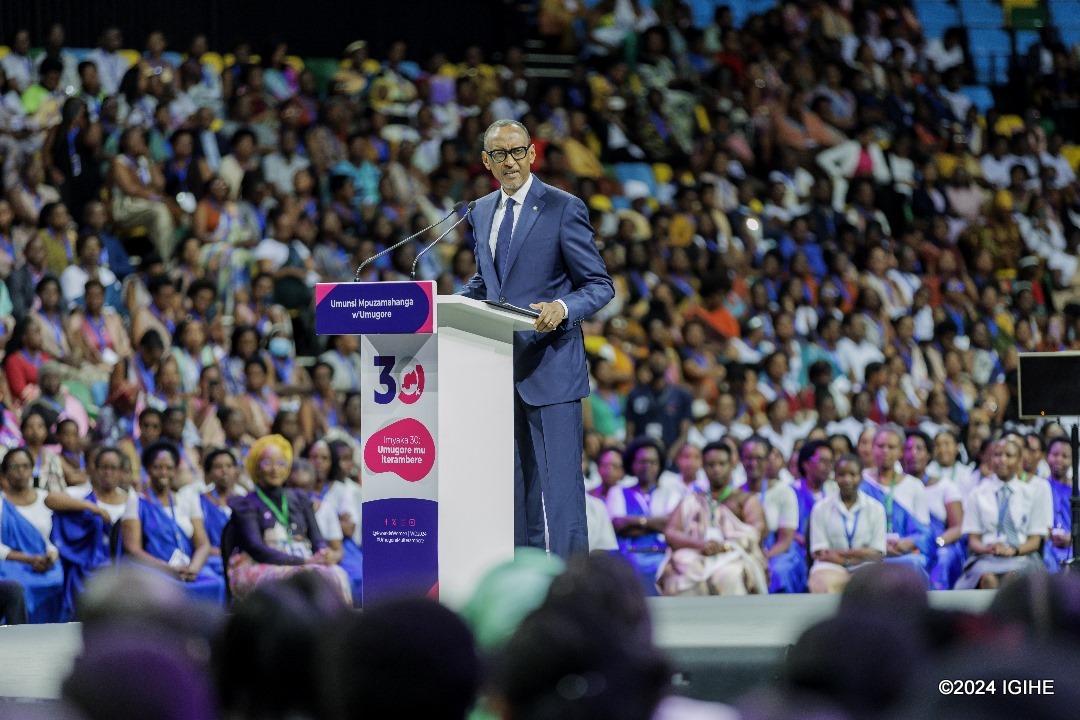
President Paul Kagame during a past International Women’s Day event. On Sunday, March 8, 2026, he joined global celebrations of the day, praising the vital role women continue to play in shaping Rwanda’s development and transformation.
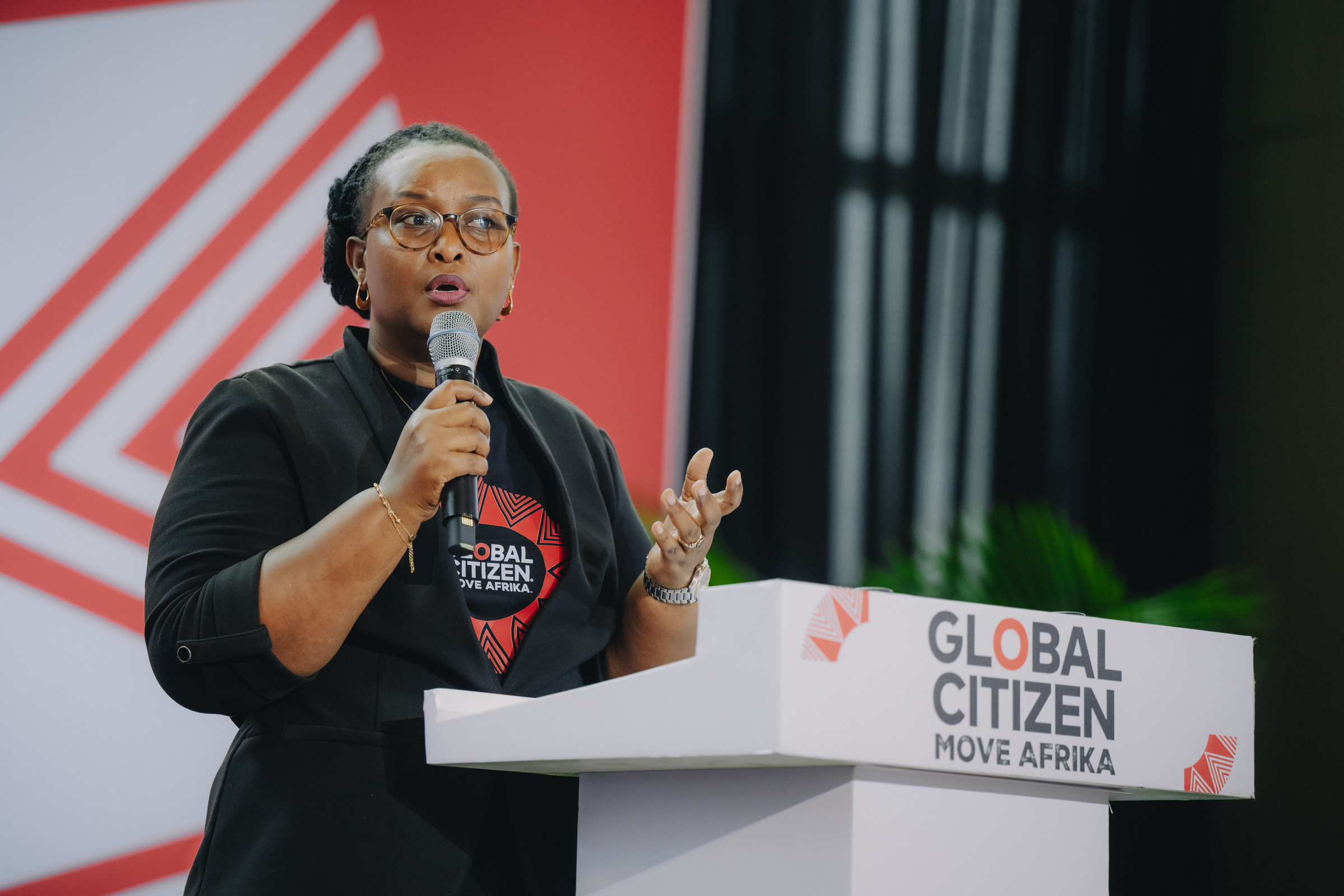
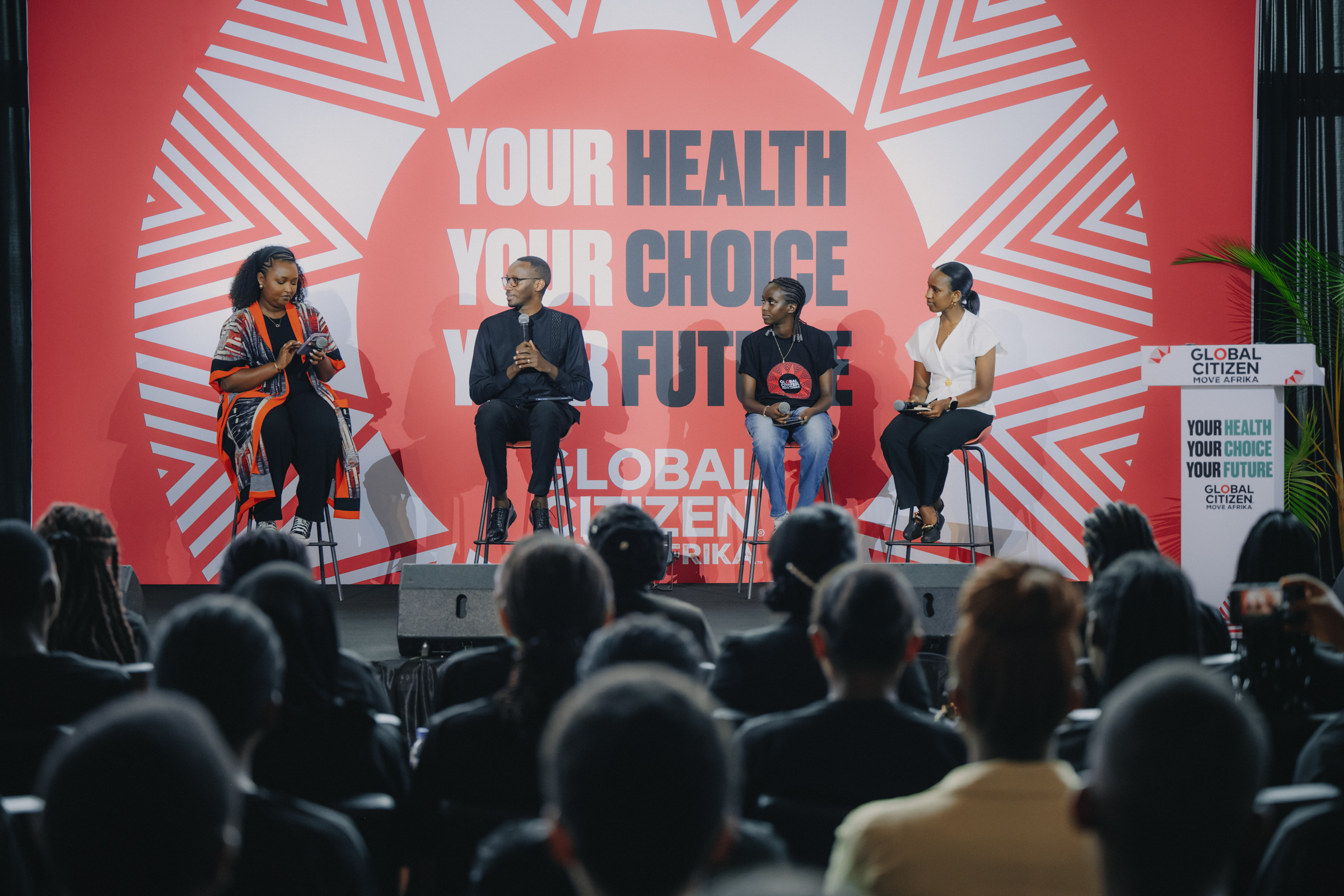
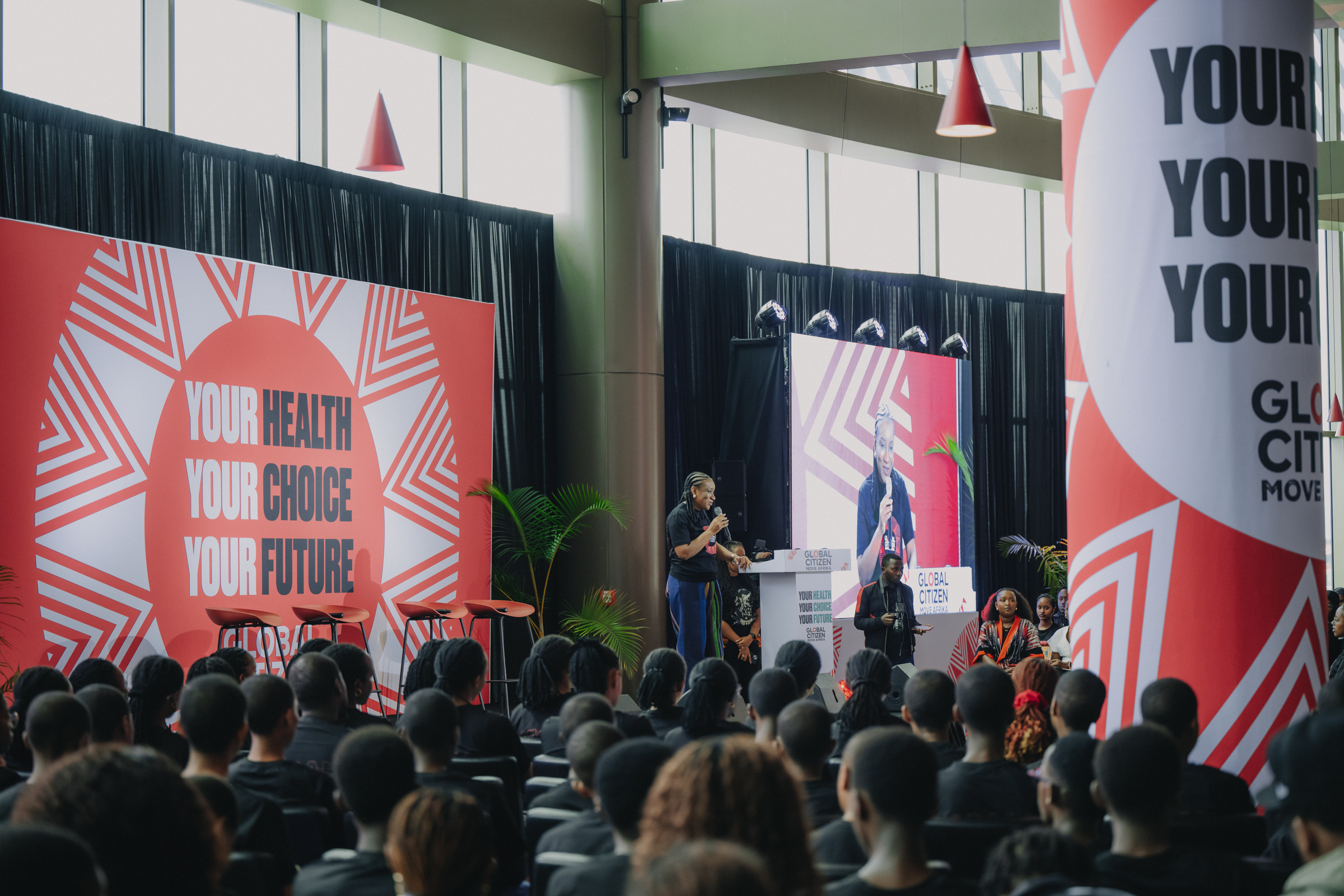
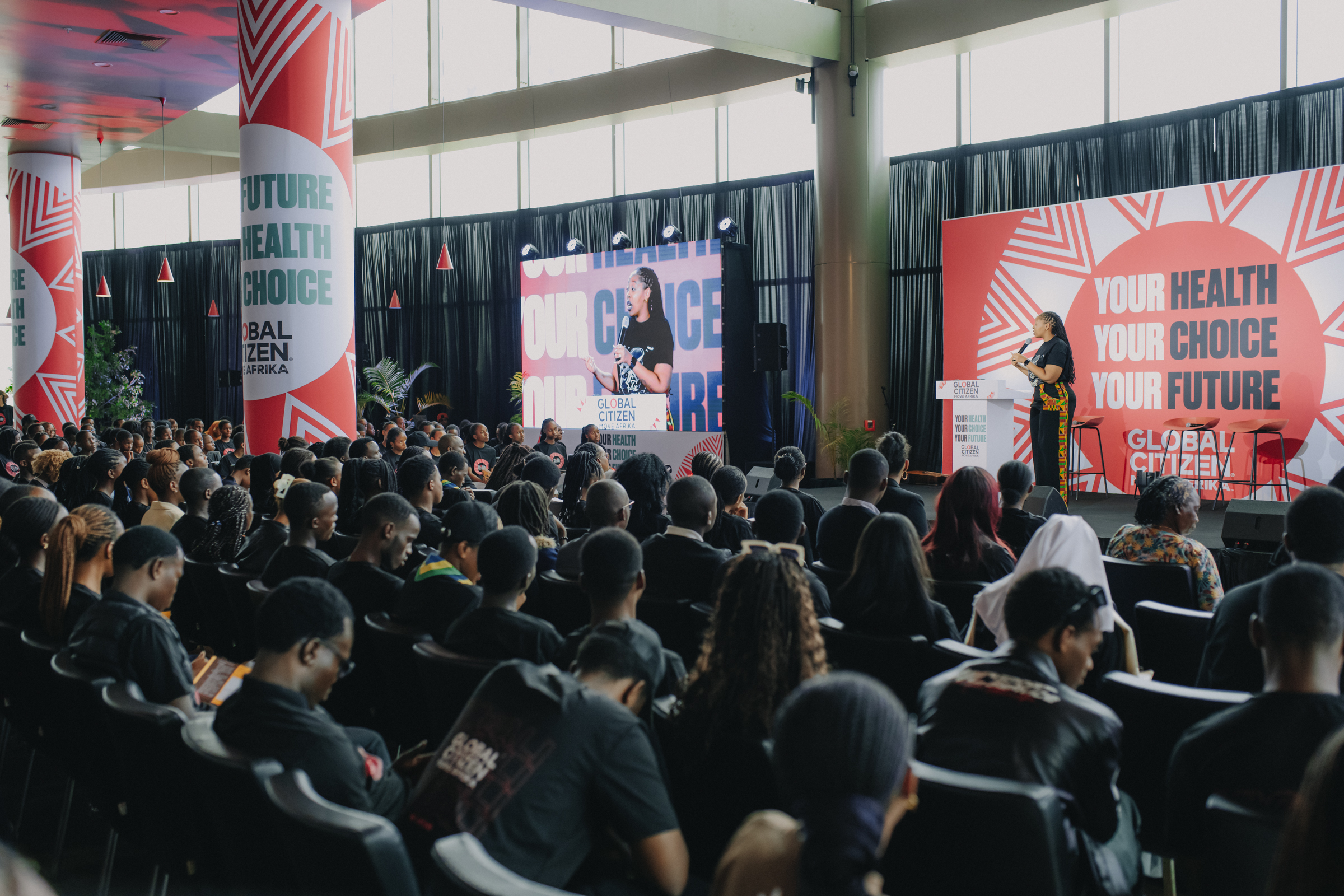
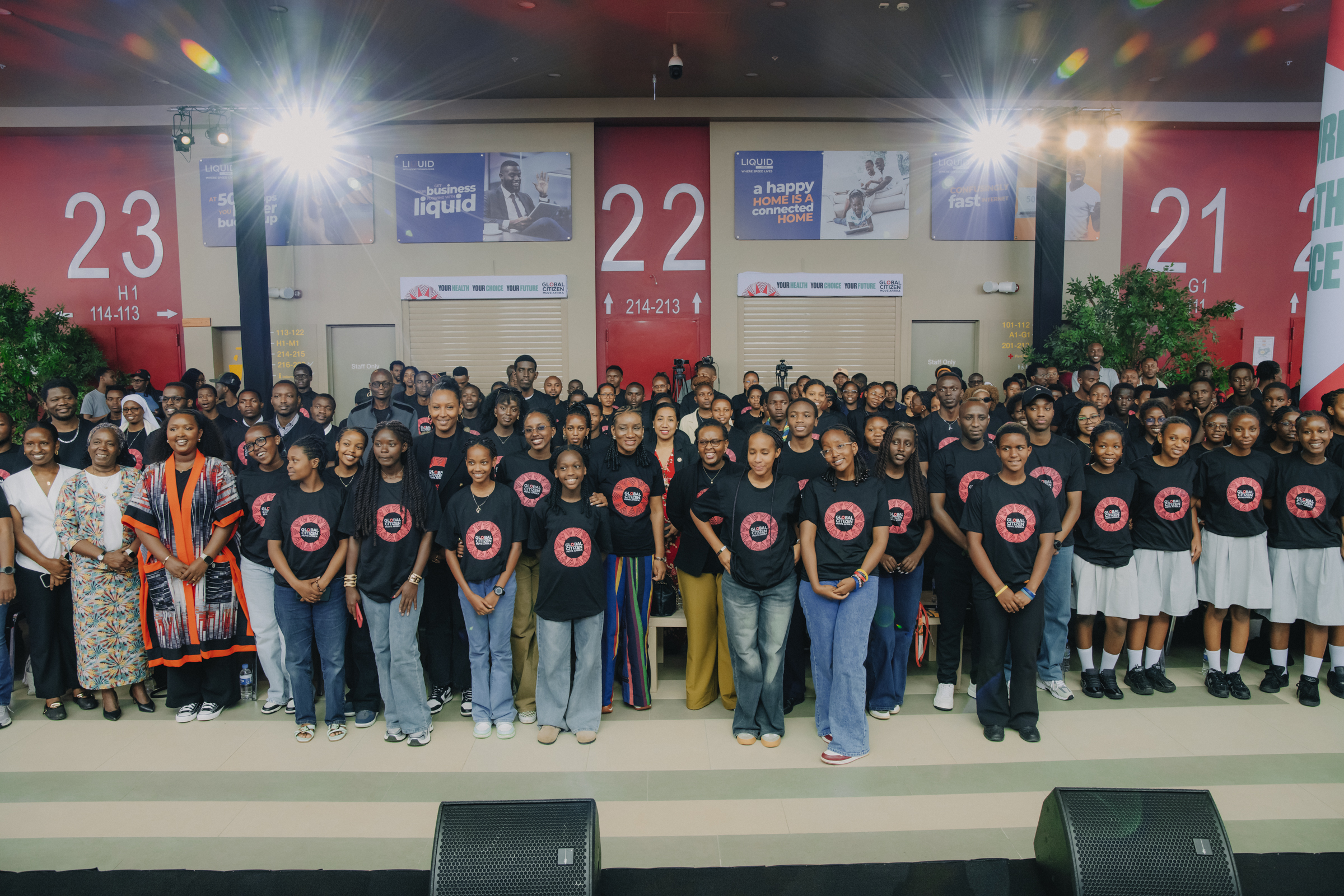
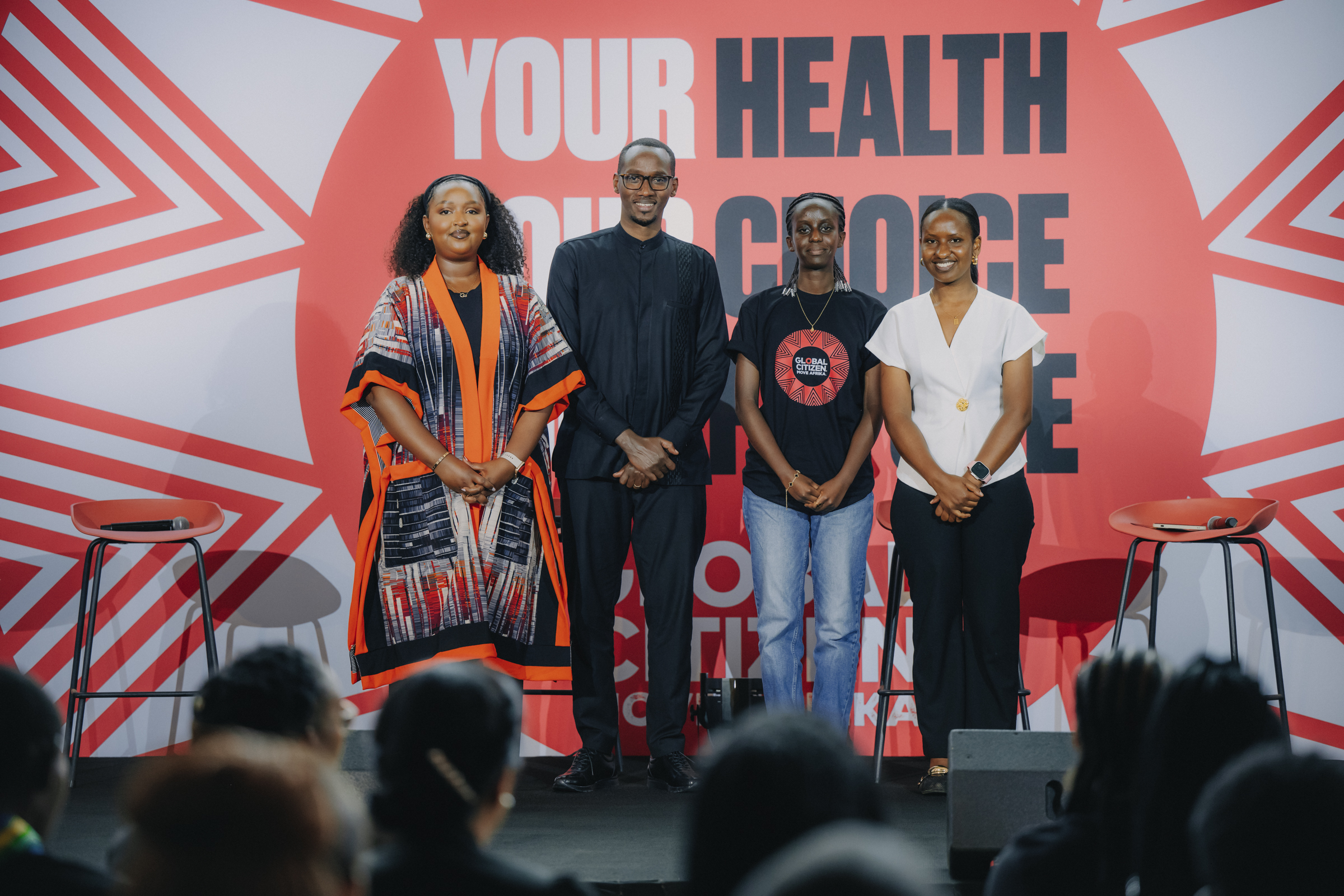
The forum, themed “Your Health. Your Choice. Your Future,” was held on Saturday, March 7, at BK Arena and brought together students aged 15 to 20.
The event focused on discussions about health, consent, and responsible decision-making.
It was organized by Global Citizen in collaboration with the Rwanda Development Board, the Ministry of Health, Ministry of Youth and Arts, Imbuto Foundation, Health Development Initiative (HDI), and other stakeholders.
Designed as an interactive session, the forum aimed to equip young people with accurate information on sexual and reproductive health while encouraging open conversations in a safe and non-judgmental environment.
Batamuriza spoke about the importance of recognizing the value of their current stage in life and using it wisely.
“You must first be a child before becoming an adult. Life has stages, and young people should recognize the opportunities they have today while they are still young. A time will come when they are no longer young, so they must make the most of the opportunities available to them now,” she said.
She also emphasized the importance of making wise choices early in life.
“Young people must understand that the choices they make today will follow them into adulthood and shape the kind of parents and elders they become. They should reflect on the temptations that may mislead them, set clear values, and make decisions that guide them toward a better future,” Batamuriza added.
She noted that the lack of safe spaces for young people to access accurate information often drives them to rely on social media and other unreliable sources, exposing them to misinformation and increased vulnerability.
Batamuriza stressed that platforms like the youth forum provide reliable information, empowering young people to make informed decisions about their health and relationships.
“Dialogue about consent, boundaries, and healthy relationships empowers young people to make informed and responsible decisions. Knowledge builds confidence, and confidence helps young people protect their health, respect one another, and pursue their ambitions,” she concluded.
The forum is part of the activities surrounding Move Afrika, an initiative by Global Citizen aimed at promoting the creative economy and creating jobs through large-scale music events across Africa.
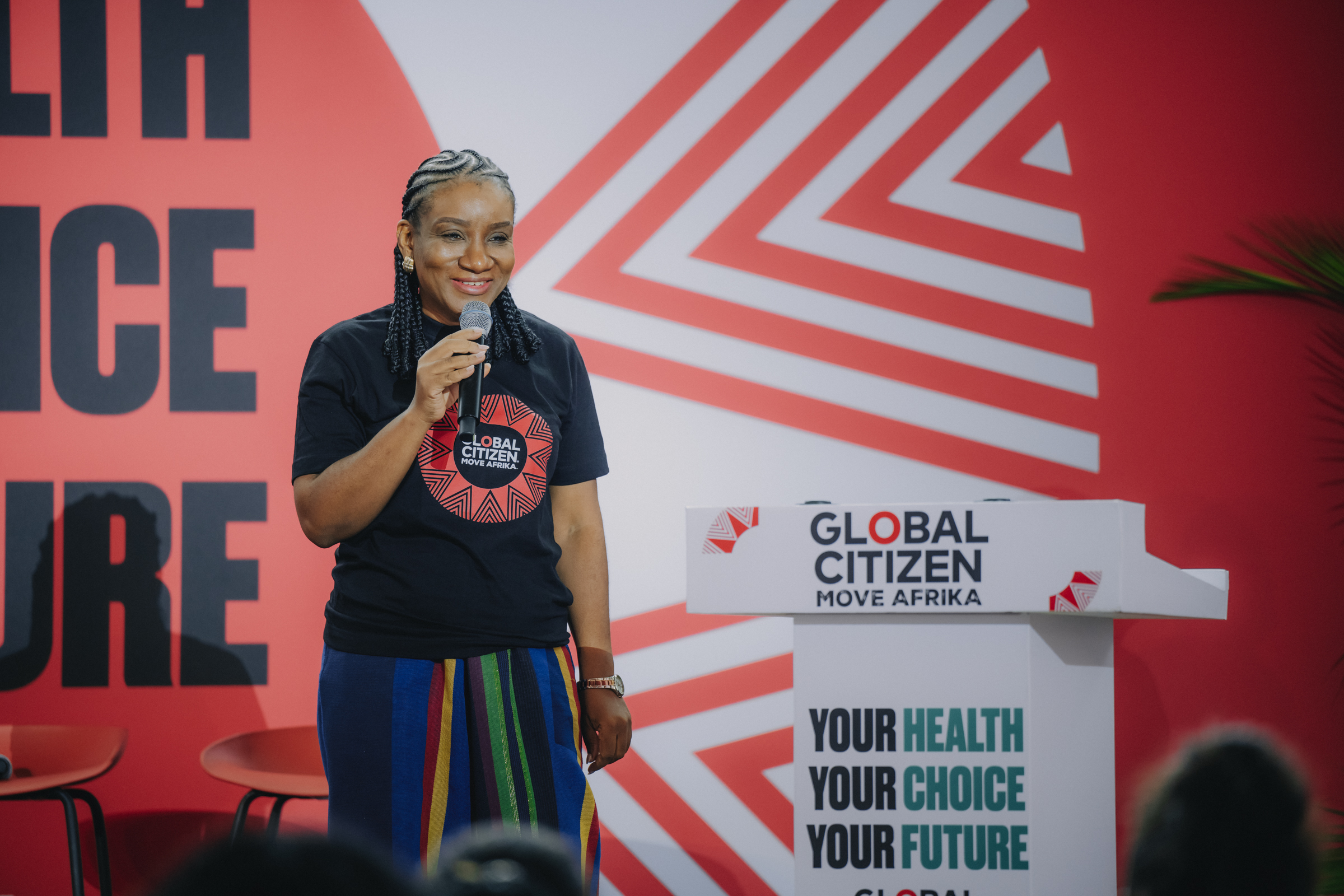
Ifeoma Chuks-Aduzeo, Managing Director for Africa at Global Citizen, thanked Rwanda for its key role in bringing the initiative to life.
“We want to thank the Rwanda Development Board for their continued support in bringing the Move Afrika vision to life,” she said.
This year’s edition will be headlined by Grammy Award-winning artist Doja Cat and will begin in Kigali on March 17 before heading to Pretoria on March 20.
According to Chuks-Aduzeo, Move Afrika is part of a broader effort to strengthen Africa’s creative economy and create employment opportunities for young people.
Since its start in 2023, the initiative has created about 2,500 jobs, with that number expected to grow as the concept expands to more countries.
She added that Move Afrika aims to position African cities as part of the global touring circuit, potentially stimulating tourism, entrepreneurship, and cultural exchange.
During the forum, participants engaged in panel discussions on consent, healthy relationships, and emotional well-being.
Health professionals and youth representatives answered questions about recognizing pressure in relationships, setting boundaries, and accessing youth-friendly health services.
Bernice Ineza, a 19-year-old student and one of the panelists, emphasized the importance of consent in everyday life.
“One of the key lessons we learned is that consent is something we should apply in everyday situations. For example, if someone asks for a picture or asks to do something you are not comfortable with, you should feel confident to say no, and that no really means no,” she said.
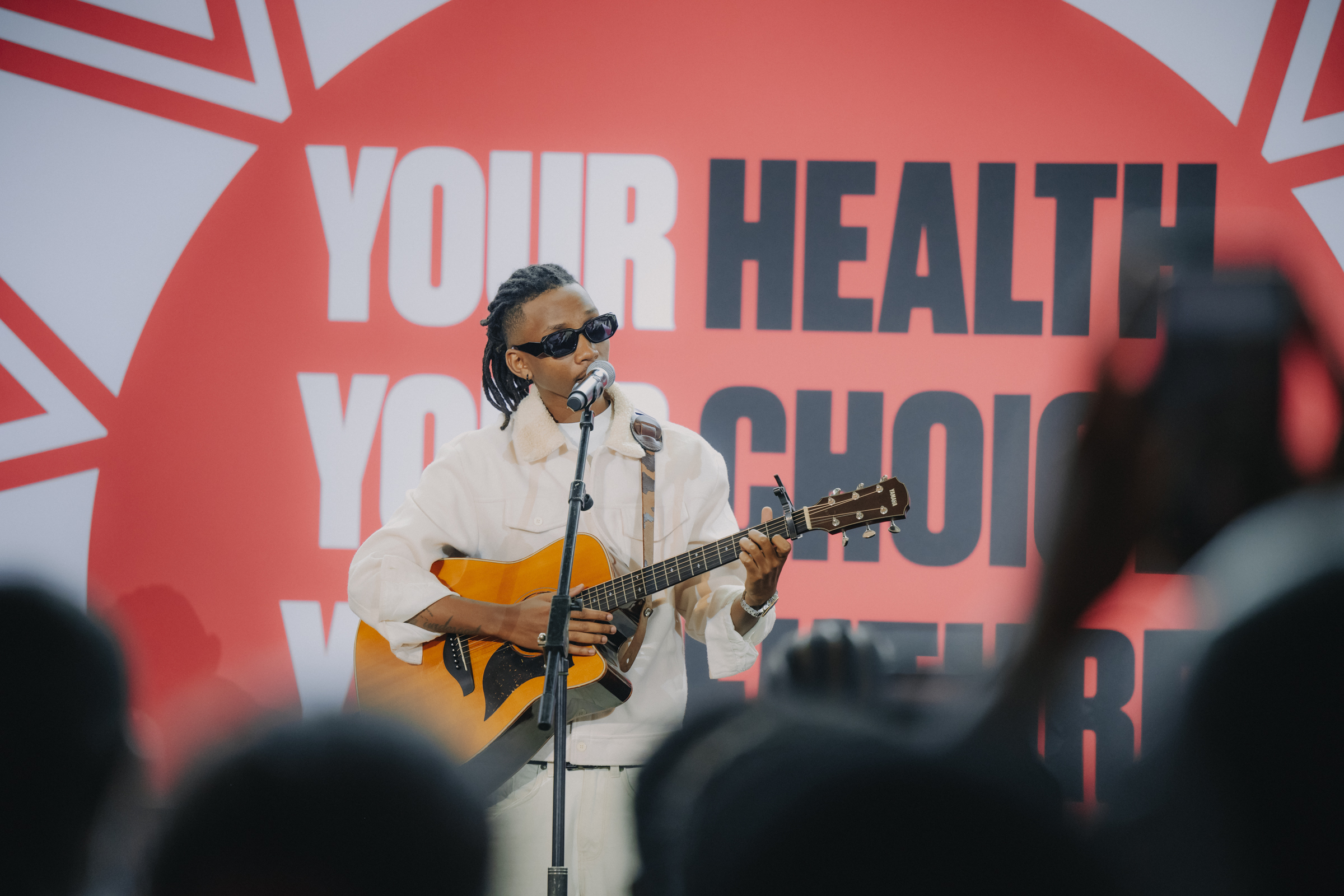
The event also featured a musical performance by Kivumbi King.
Organizers stated that such youth-focused engagements aim to reduce stigma around health conversations, improve awareness of sexual and reproductive health rights, and encourage responsible behavior among young people.
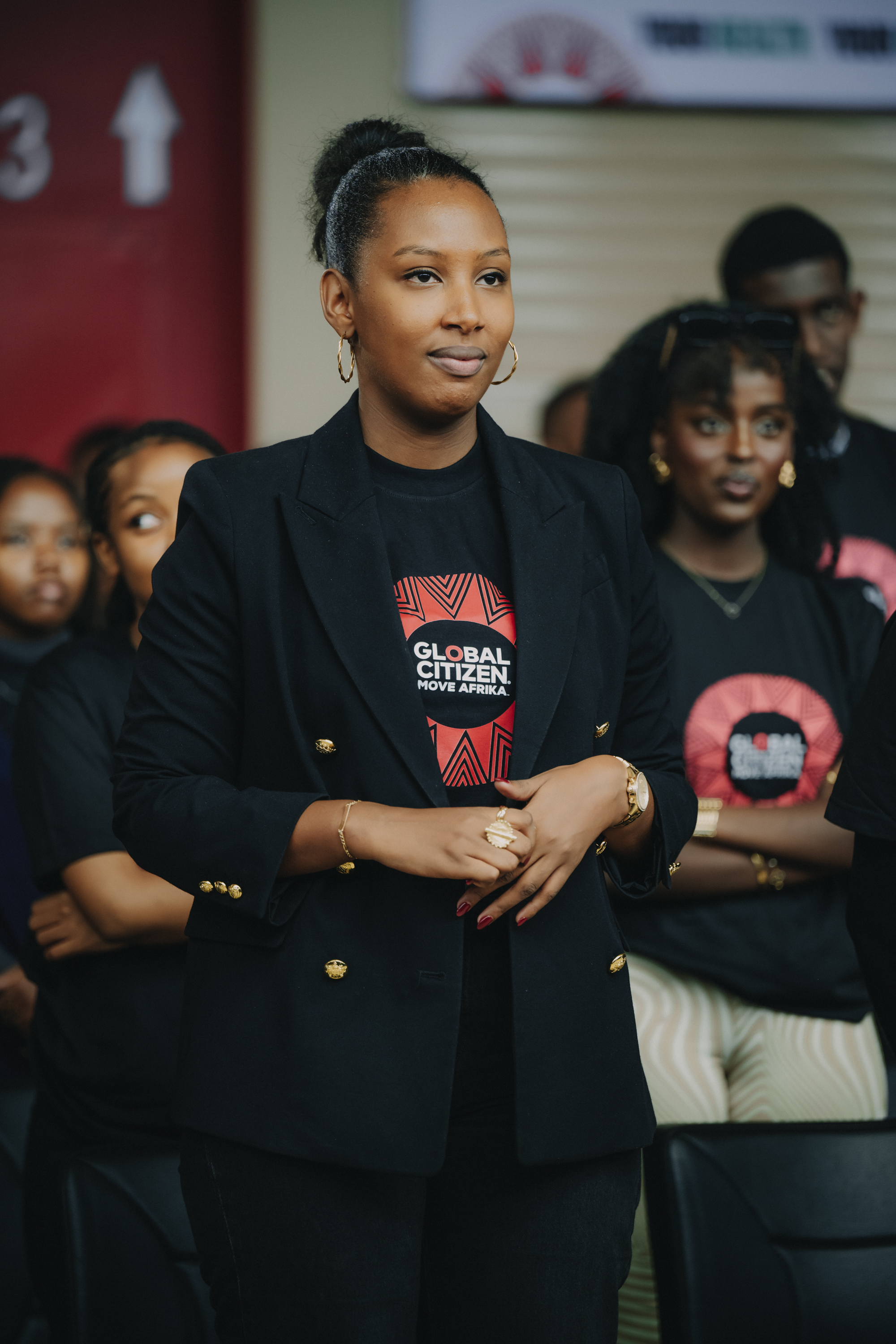
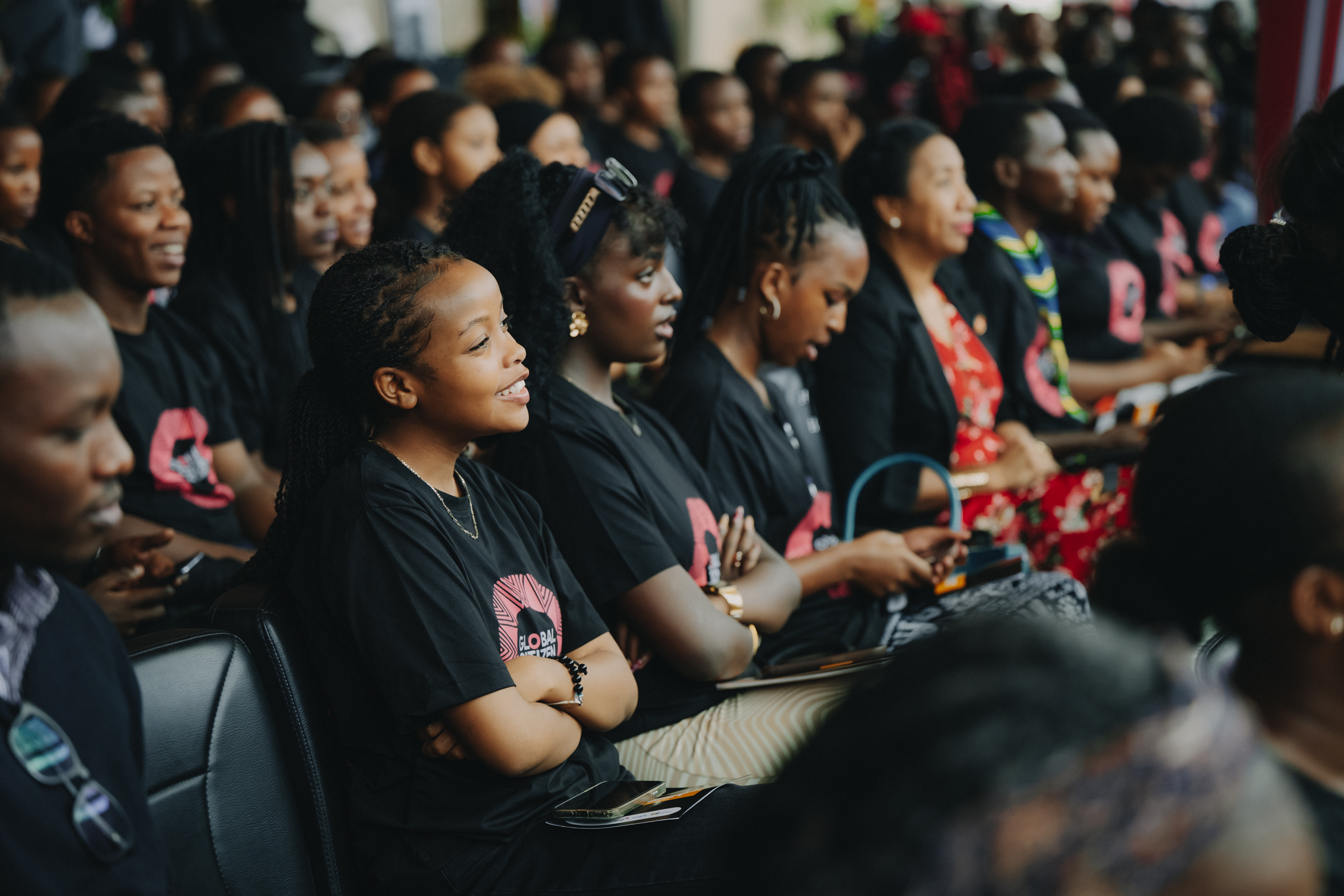
Panelists share valuable insights on youth health, relationships, and empowerment at the Global Citizen Move Afrika eventLeaders and youth unite at the Global Citizen Move Afrika event, empowering the next generation.Kivumbi King brings the energy, entertaining the youth at the Global Citizen Move Afrika eventIphie Chuks-Adizue, Global Citizen’s Managing Director for Africa, praised efforts to empower young people in Rwanda during the Global Citizen Move Afrika event
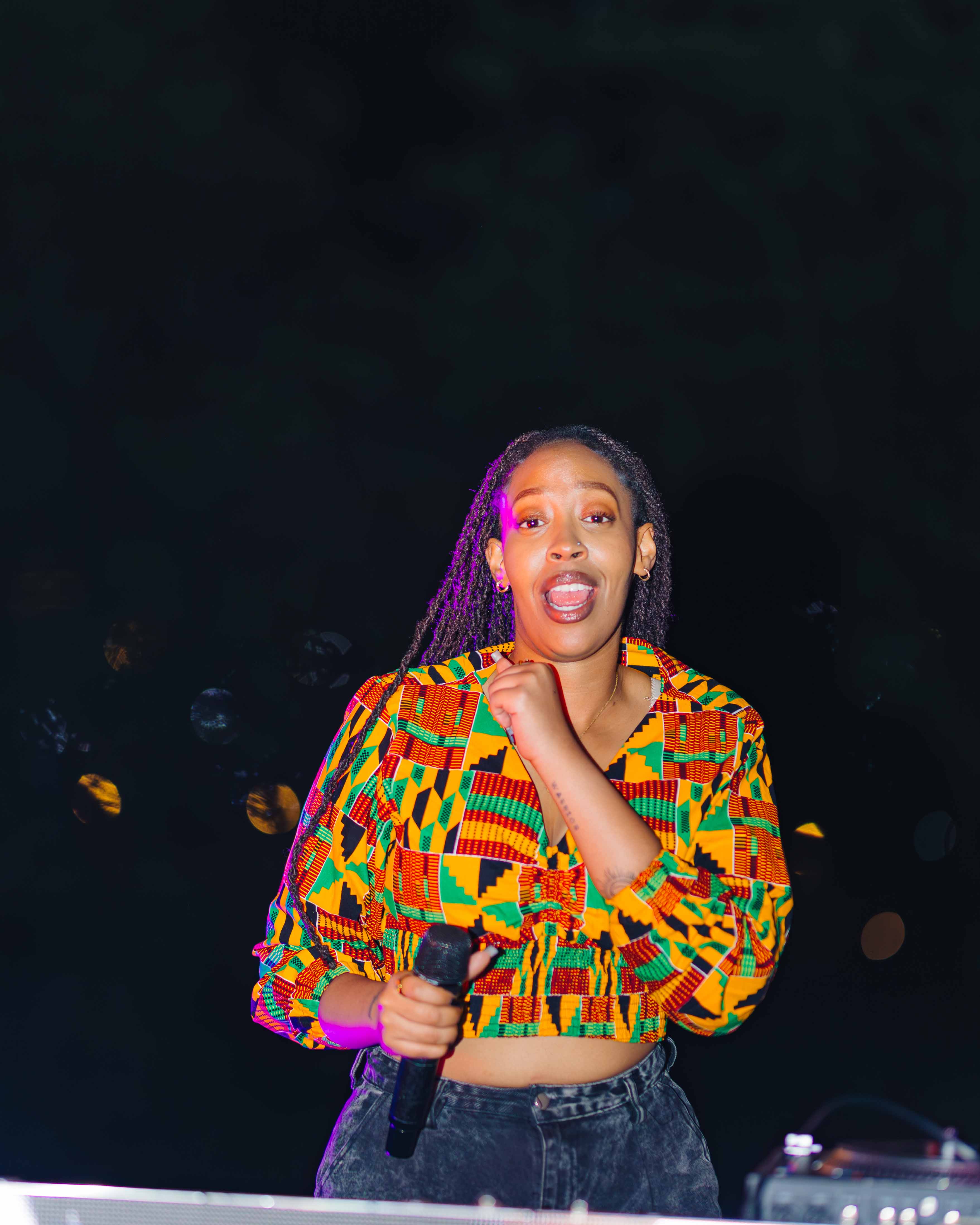
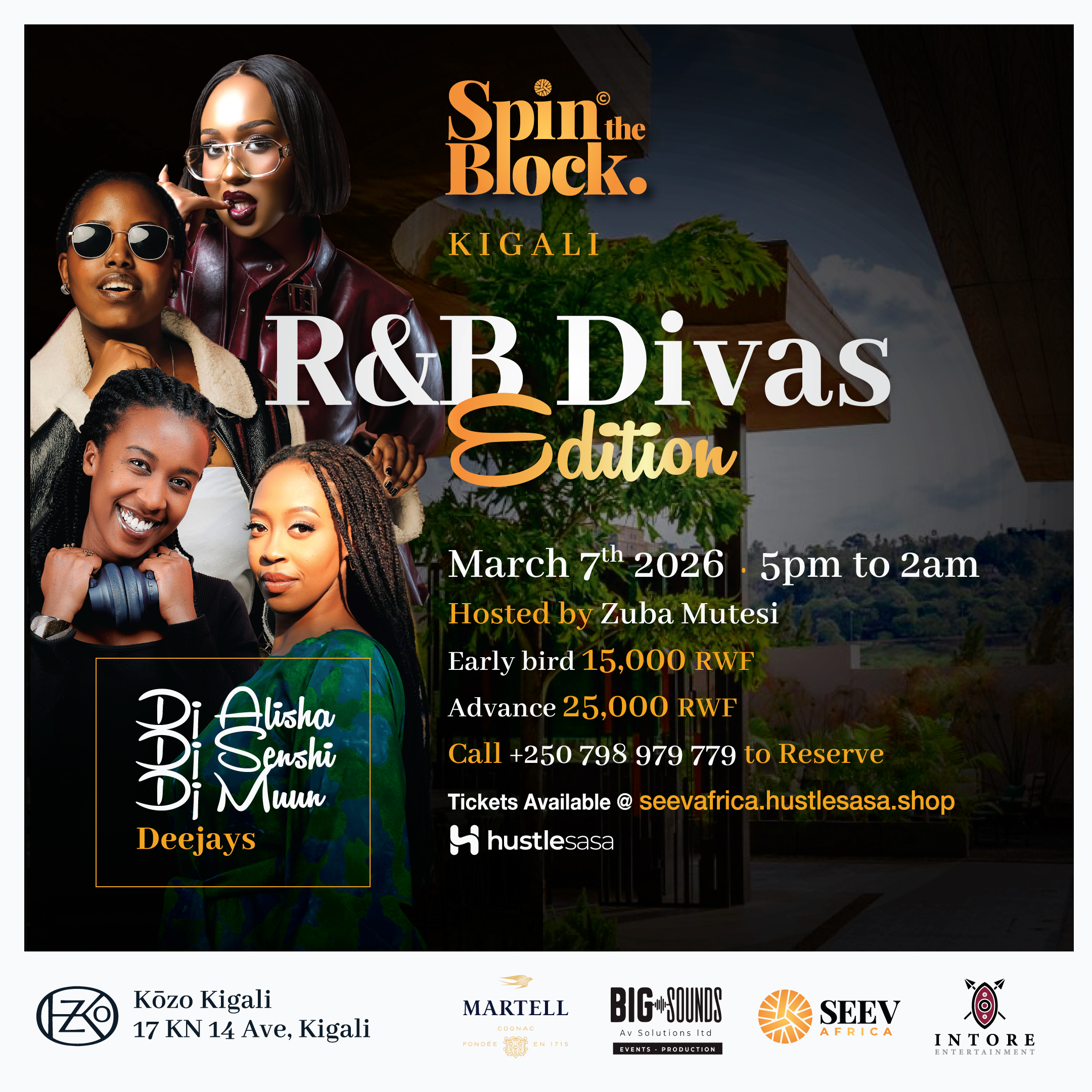
Headlined by international touring DJ Alisha, the event marks the first stop of a continental journey for the Rwandan-owned and trademarked brand. After Kigali, the tour is expected to travel to several African cities, including Nairobi, Kampala, Lusaka, and Zanzibar.
Organized by SEEV AFRICA in partnership with Intore Entertainment and Kozo Kigali, the Kigali edition coincides with Women’s Month and features an all-female DJ lineup. Alongside DJ Alisha, the event will showcase DJ Senshi, DJ Muun, and host Zuba Mutesi.
Alongside DJ Alisha, the event will showcase DJ Senshi, DJ Muun, and host Zuba Mutesi.
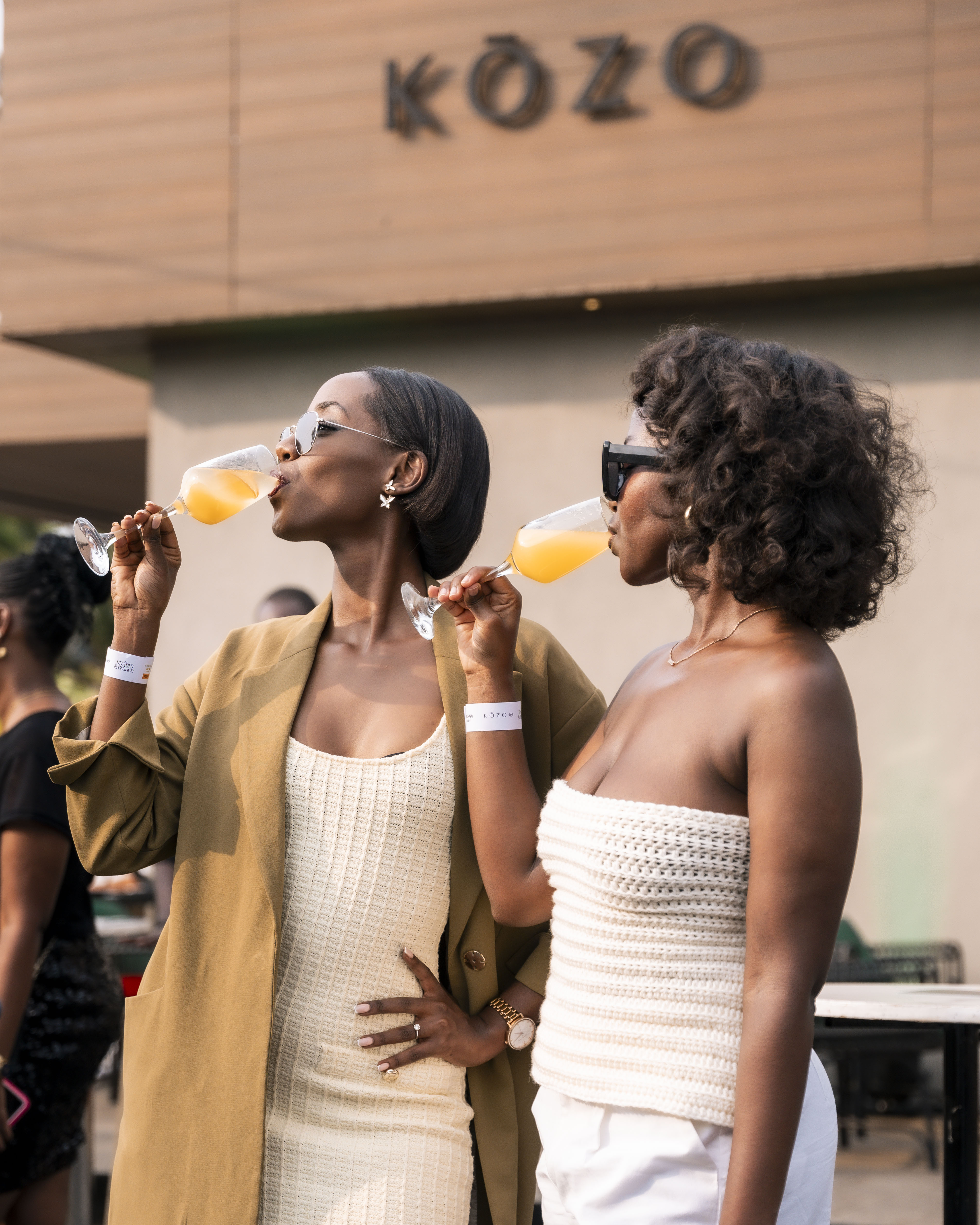
The night is designed as a tribute to the women whose voices and artistry helped define the R&B genre. Guests can expect a nostalgic mix of 1990s and early 2000s R&B classics, complemented by Kozo’s signature ambience, food offerings, and a premium social experience.
Since its launch in 2024, Spin The Block has grown beyond a pop-up music event into a platform aimed at supporting the cultural and creative industries. The brand uses R&B music as a cultural connector to bring together people, networks, and opportunities.
Spin The Block will launch its highly anticipated Africa Tour with the R&B Divas Edition at Kozo Kigali.
In 2024 alone, the initiative contributed to the creation of more than 200 short-term jobs for youth, refugees, and persons with disabilities. It has also supported women-led small businesses and cultural icons through talent accelerators and capacity-building initiatives.
According to the experience’s lead curator, Paul Atwine, the Kigali edition represents a defining moment for the tour.
“The Kigali edition will serve as the sound-breaking moment for the Africa Tour, symbolizing Rwanda’s growing influence in the regional creative economy,” he said.
By taking the experience to other African cities, the organizers hope to export Rwandan talent and culture while opening new pathways for collaboration, revenue generation, and market access across the continent.
Doors for the event open at 5 p.m., with organizers encouraging early reservations as tickets are selling quickly. The evening promises a celebration of Women’s Month and the queens who shaped the golden era of old-school R&B.
The event is curated by SEEV AFRICA and Intore Entertainment in partnership with Kozo Kigali, with support from Martell and Big Sound AV Solutions.
Doors for the event open at 5 p.m., with organizers encouraging early reservations as tickets are selling quickly.
The tour will include performances in multiple countries, starting with Uganda on May 1, 2026, followed by Kenya on May 8, 2026, and concluding in Kigali, Rwanda, on May 9, 2026.
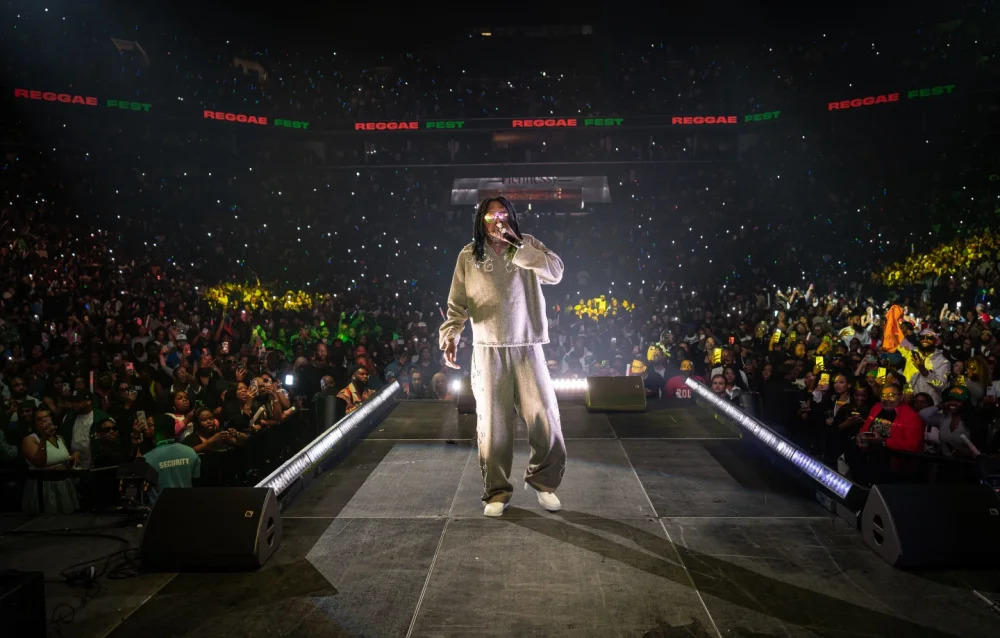
During these concerts, Vybz Kartel will perform alongside artists such as Element EleéeH, Bien, and Joshua Baraka. Additionally, each country on the tour will feature local artists who will join the performances to enhance the show.
A source close to the event shared, “These four artists will be the main performers, but in each country, local artists will also be added to the lineup to perform with them. In Kenya, they have their own local talent, Uganda has theirs, and in Kigali, we’ll showcase our local artists as well.”
Vybz Kartel, whose real name is Adidja Azim Palmer, is a renowned Jamaican artist famous for his contributions to the “Dancehall” genre. He began his rise to fame in 1993.
In 2014, Vybz Kartel was sentenced to life imprisonment after being convicted of the murder of Clive “Lizard” Williams. Despite being incarcerated, he remained active in music, releasing over 50 songs in 2016 alone, showing his unwavering commitment to his craft.
In 2024, after a lengthy legal battle, Vybz Kartel was acquitted and released from prison, having spent nearly ten years behind bars.
The artist is best known for hit songs like “Romping Shop” featuring Spice, “Clarks” featuring Popcaan, “Loodi” featuring Shensea, and “Wine to the Top” featuring WizKid. With his return to the stage, Vybz Kartel is set to continue making waves in the music industry.
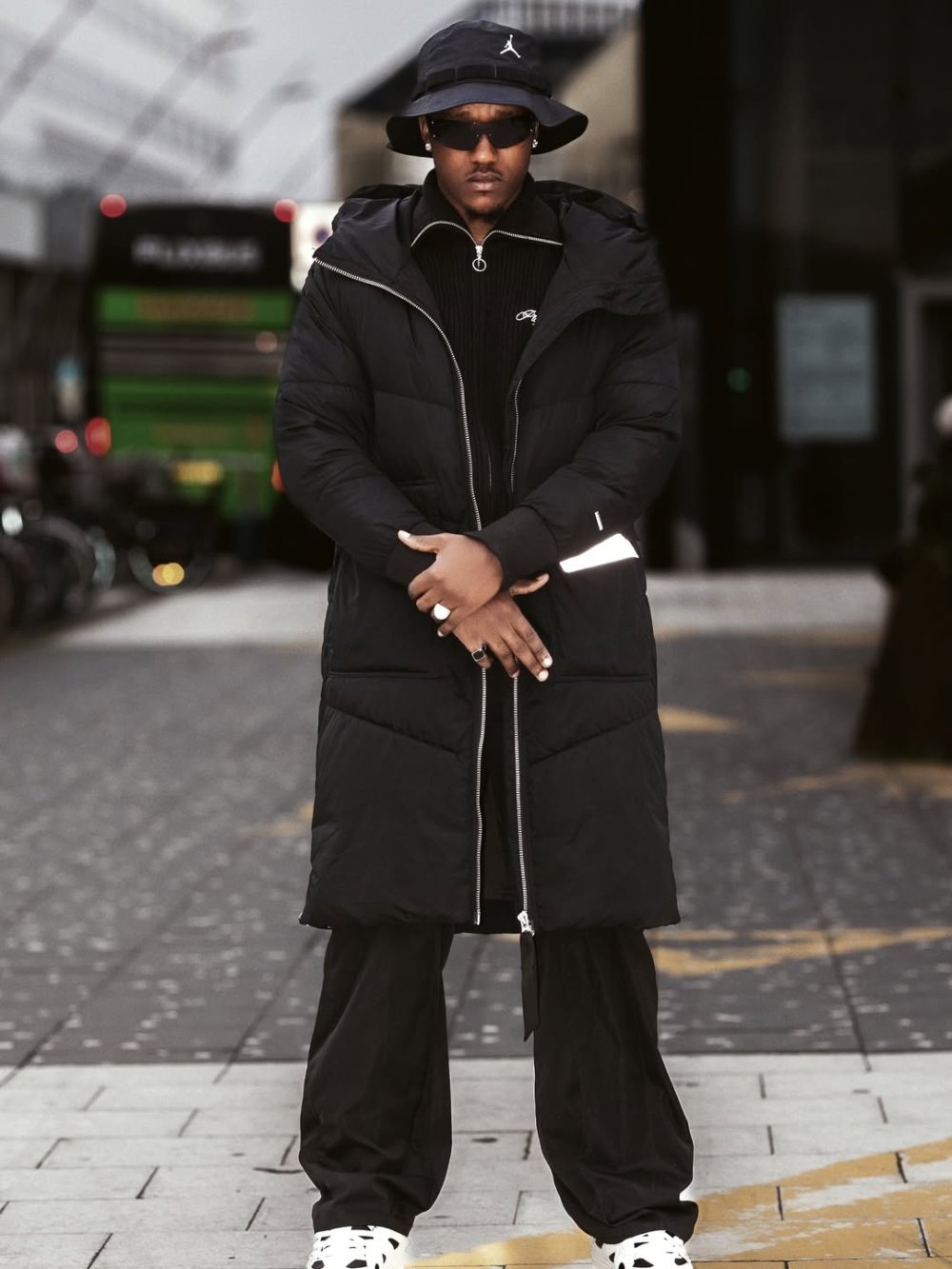
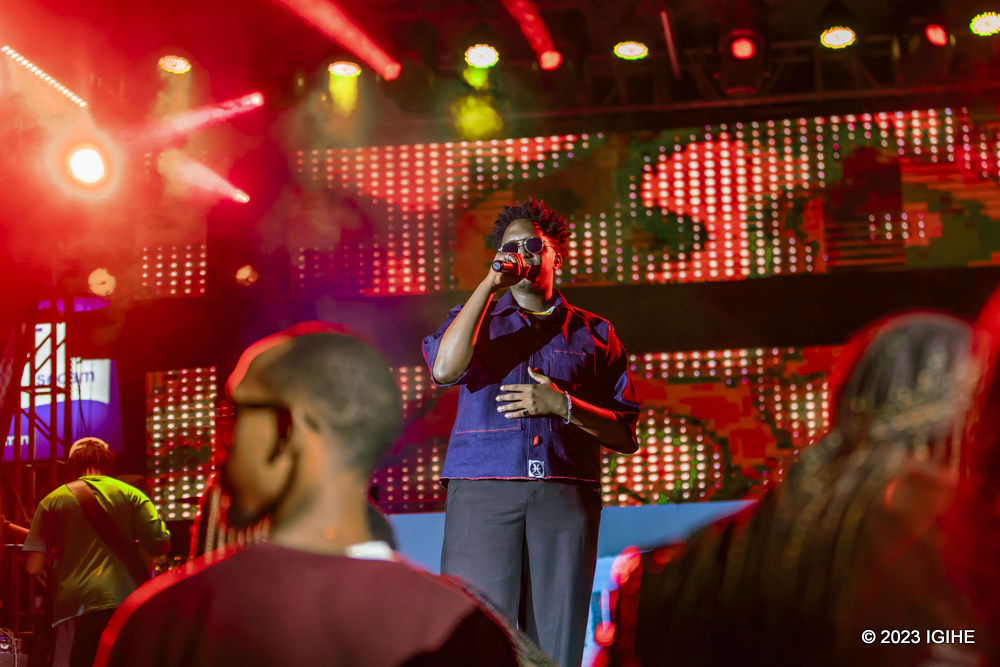
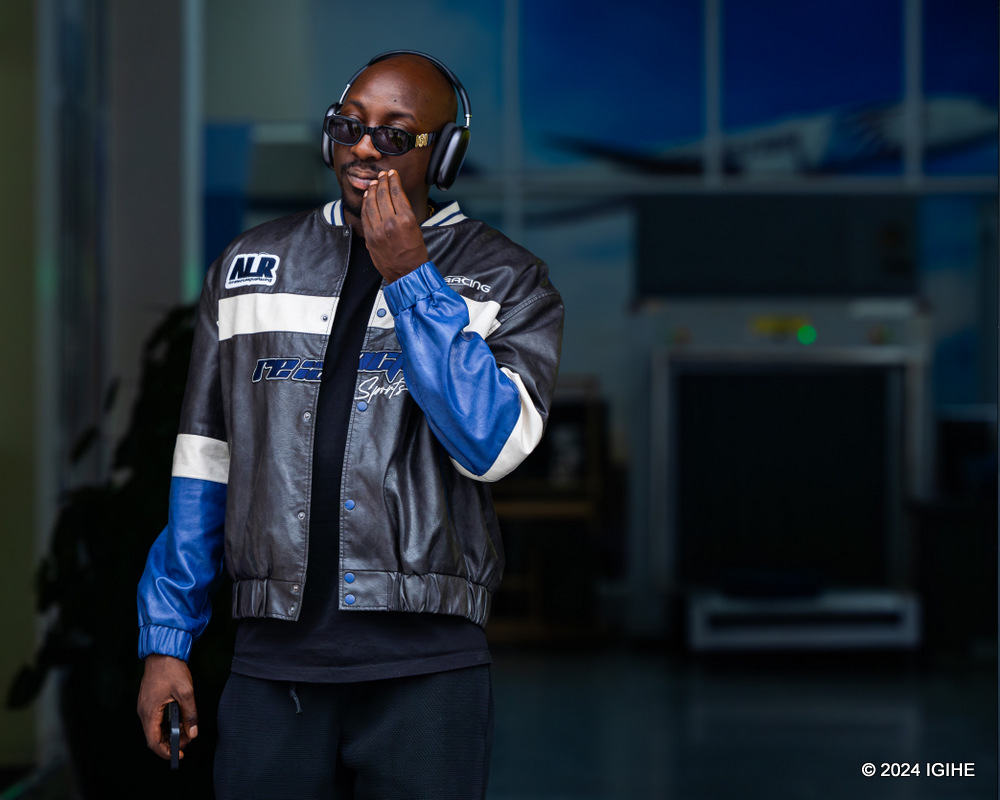
Element is set to perform with Vybz Kartel on EAC tour in May.Joshua Baraka from Uganda will also join the tour.Bien from Kenya is among the artists on the lineup.Vybz Kartel is set to embark on an East Africa concert tour.
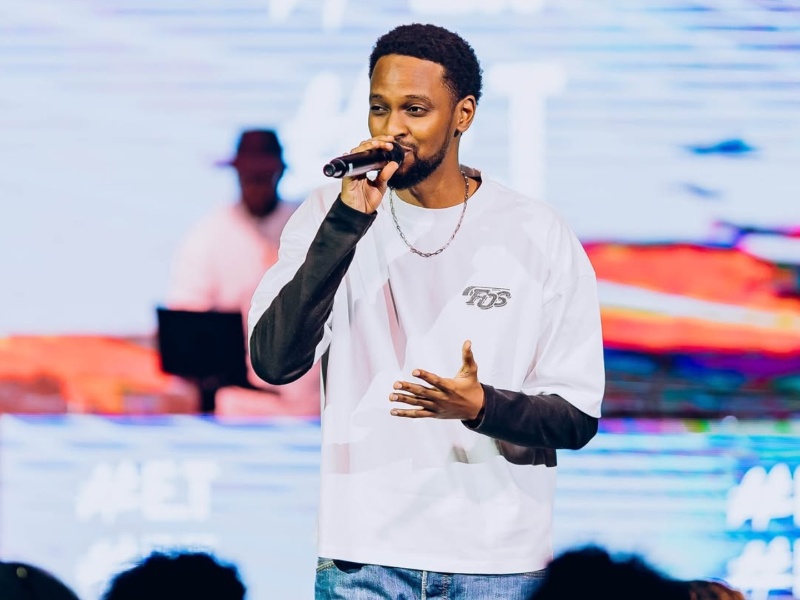
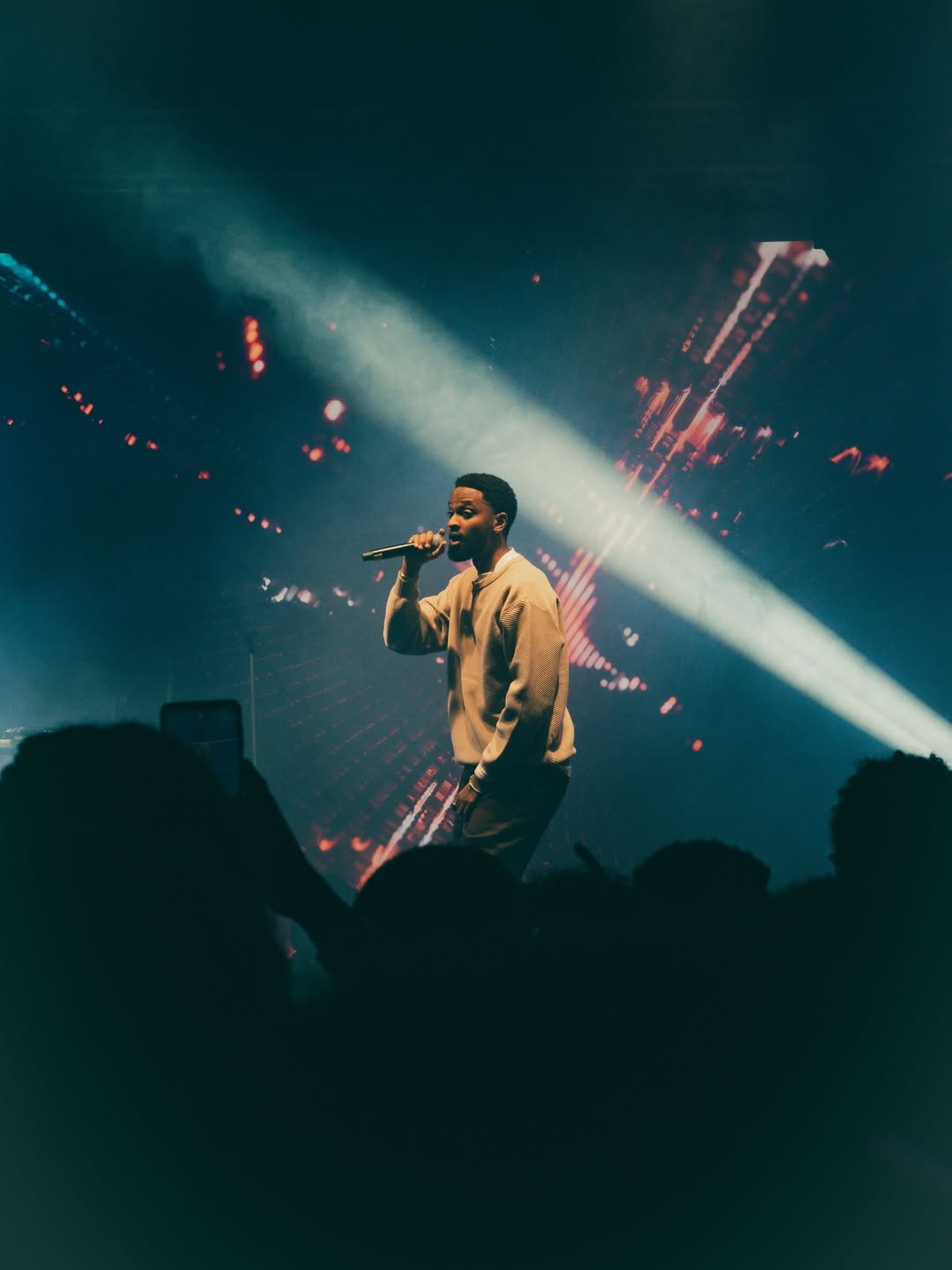
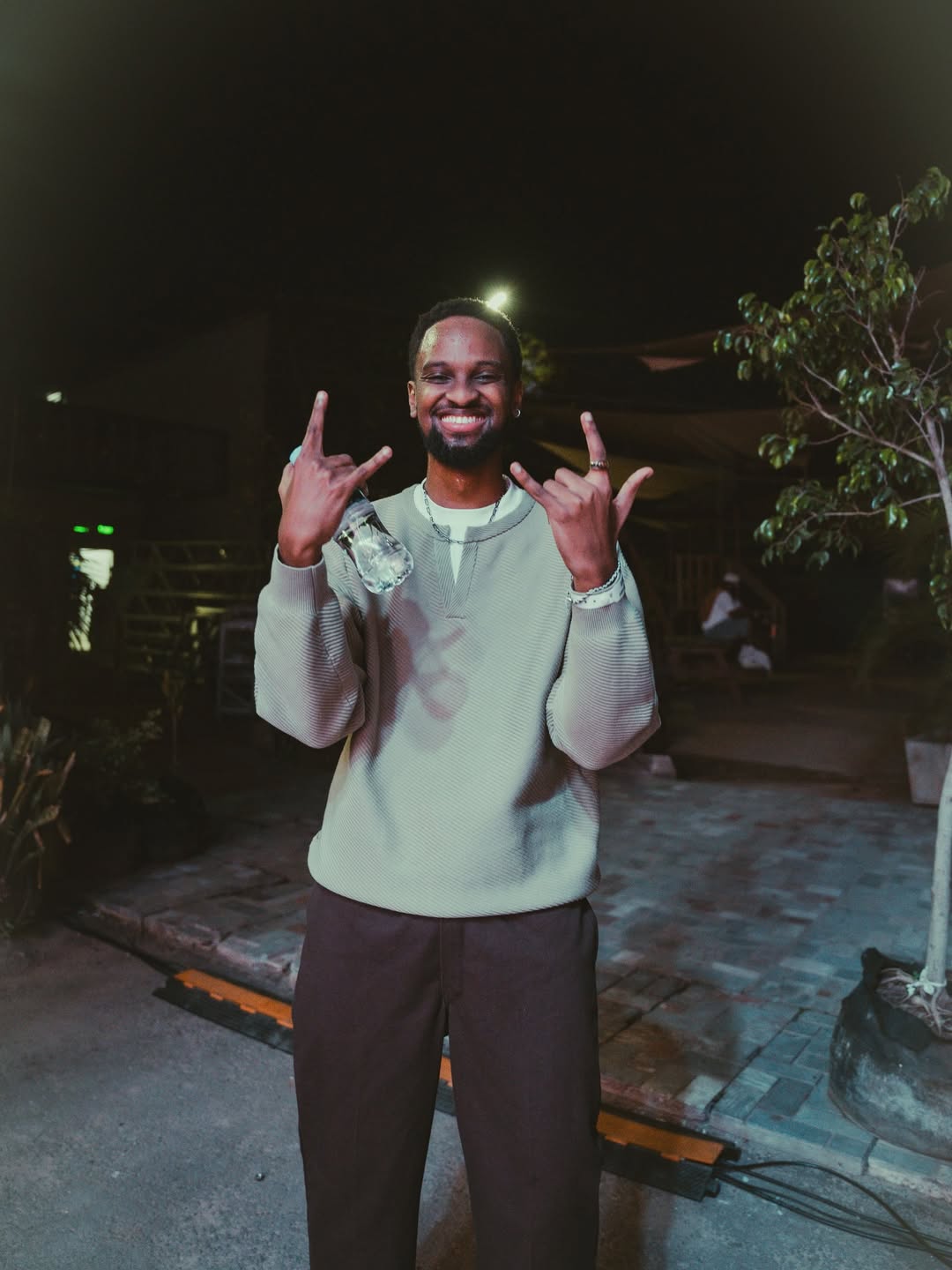
Known for his precision and “music geek” tendencies, E.T. brought a level of intensity to the conversation that borders on scientific, diving deep into the records that shaped his DNA and the specific behaviours that can instantly get someone kicked out of his recording sessions. It was a rare look at the man behind the music, revealing an artist who is as strict about his studio etiquette as he is passionate about a good plate of food in Kigali.
Music is perhaps the centre of E.T.’s universe, and he describes albums as his “everything.”
Music is clearly the centre of E.T.’s universe, and he describes albums as his “everything.” When asked to pick his all-time greats, he pointed to Kendrick Lamar’s Good Kid, M.A.A.D City as the definitive classic that drew him into hip-hop back in 2012. His taste is a sophisticated blend of influences, ranging from the technical brilliance of Isaiah Rashad’s The Sun’s Tirade to the timeless soul of Stevie Wonder’s Songs in the Key of Life.
He even revealed his technical side when breaking down his love for SZA, noting that her unique 5×5 verse structures are what set her apart from standard writers. Rounding out his list with Kanye West’s Graduation and a nod to his peer K-Shot, E.T. proved that his ear is always tuned toward longevity and craft.
However, that love for the craft comes with a very high standard for anyone entering his workspace. E.T. was remarkably candid about being “high-maintenance” in the studio, emphasising that when he is “cooking up,” it is strictly a “men at work” environment. His biggest vibe-killer is the presence of people in the studio for no reason, especially those who talk or distract the room while he is trying to capture a moment on the mic.
For E.T. Ndahigwa, the studio is a sacred space for focus.
He told fellow artists to practice before they arrive, noting that being slow or unprepared in the booth is an immediate way to kill the energy. For E.T., the studio is a sacred space for focus, not a place for gossip or sluggishness.
When he isn’t locked in the booth, E.T. is exploring the Kigali food scene with a discerning palate. Although he jokes that he shouldn’t give out free shoutouts without a sponsorship, he can’t help but praise the “goated” spots that keep him fed. He highlighted a Catholic brother–owned eatery in Kicukiro, known for its brochette, and Meze Fresh restaurant. For a more diverse experience, he directed listeners to Mumarangi in Nyamirambo and Gisementi Place, calling it the go-to spot for authentic Arabic and Nigerian cuisine. To him, the neighbourhood is about far more than just the parties; it’s a culinary destination that locals shouldn’t overlook.
Ending the segment on a personal note, E.T. shared the few things he truly cannot live without. He admitted to a self-confessed “bad” screen time habit on TikTok, but noted that he feels physically naked without his watch or his headphones.
Whether it is staying hydrated with water or geeking out over a new track, E.T. Ndahigwa remains a man of specific tastes and uncompromising standards. It is this mix of local pride and professional intensity that continues to define his rise in the Rwandan music scene.
Watch the full “Top Five” segment with E.T. Ndahigwa below:
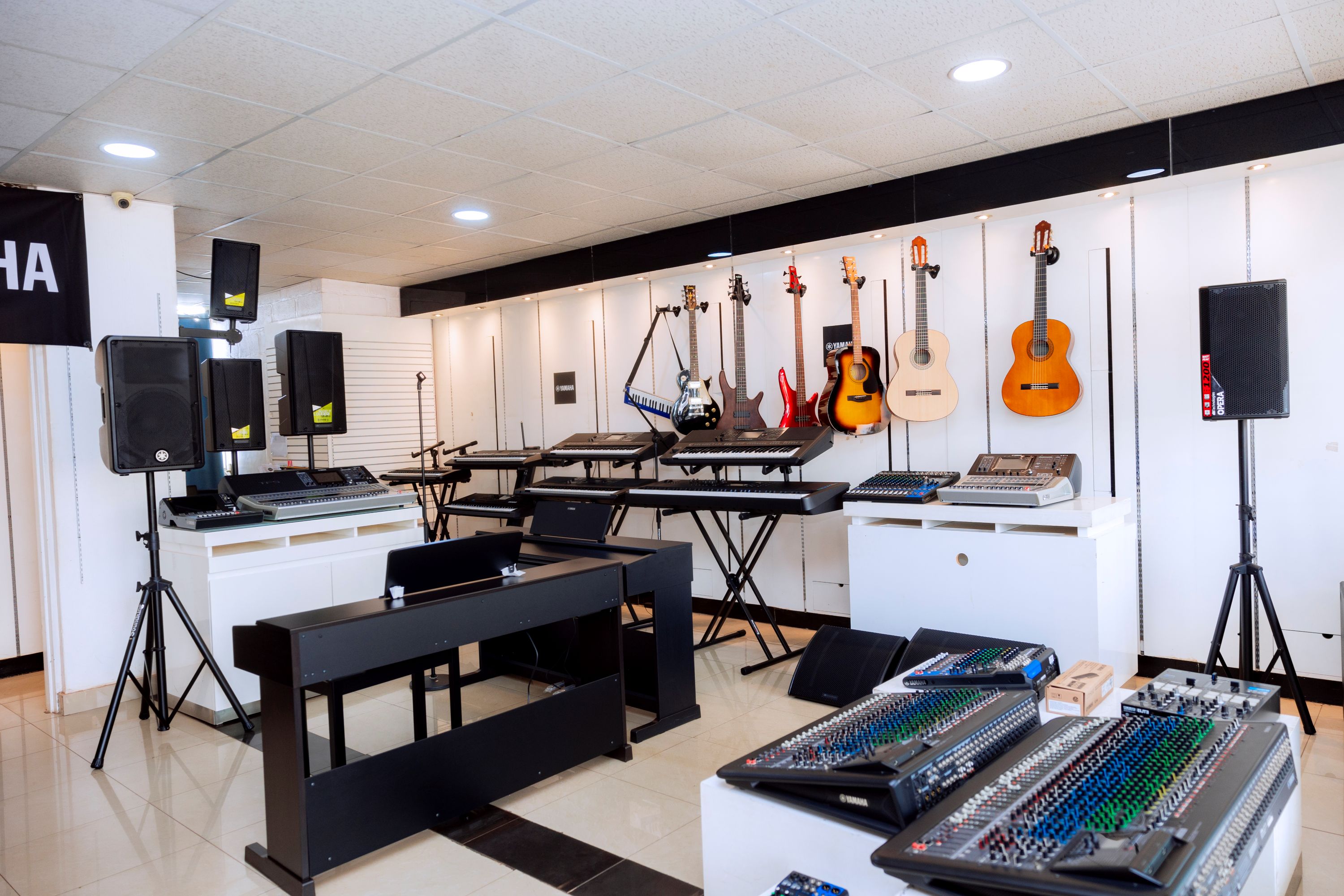
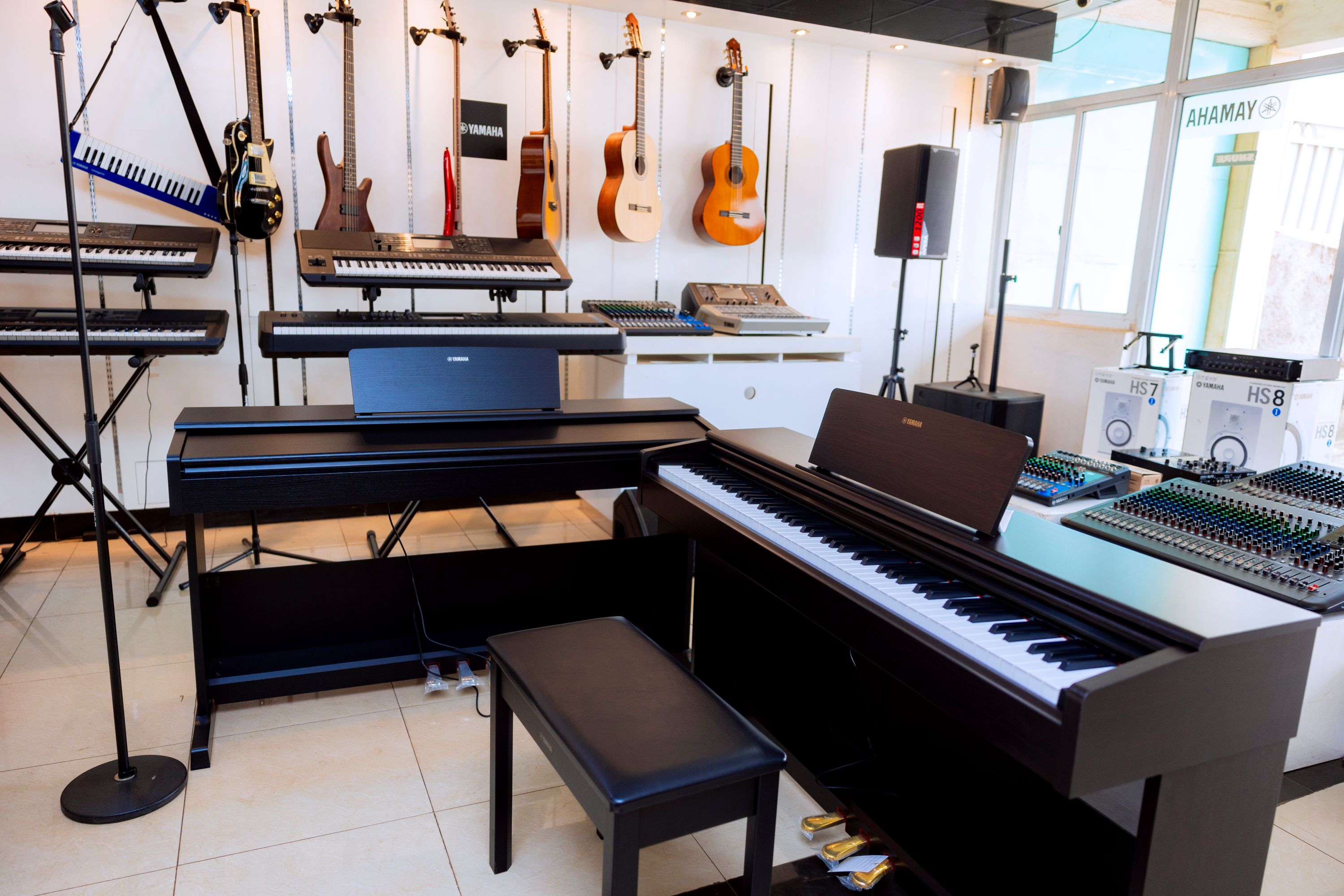
Unlike a market increasingly flooded with counterfeit and substandard audio products, Sound Creations has built its reputation on quality, authenticity, transparency, and long-term value rather than quick sales. The company is an official distributor of internationally respected brands such as Yamaha, dB Technologies, Shure, Behringer, Bose Professional and Rockfon.
Sound Creations stands out for quality, authenticity, and transparency in a market full of counterfeits.
Yamaha, the renowned Japanese manufacturer, is globally respected for its musical instruments, professional mixers, and studio equipment. dB Technologies, an Italian brand, is known for its powerful, pristine speakers and line-array systems used in high-end clubs and performance venues worldwide. Shure, an American audio giant, is synonymous with industry-standard microphones and conferencing systems trusted by professionals across the globe.
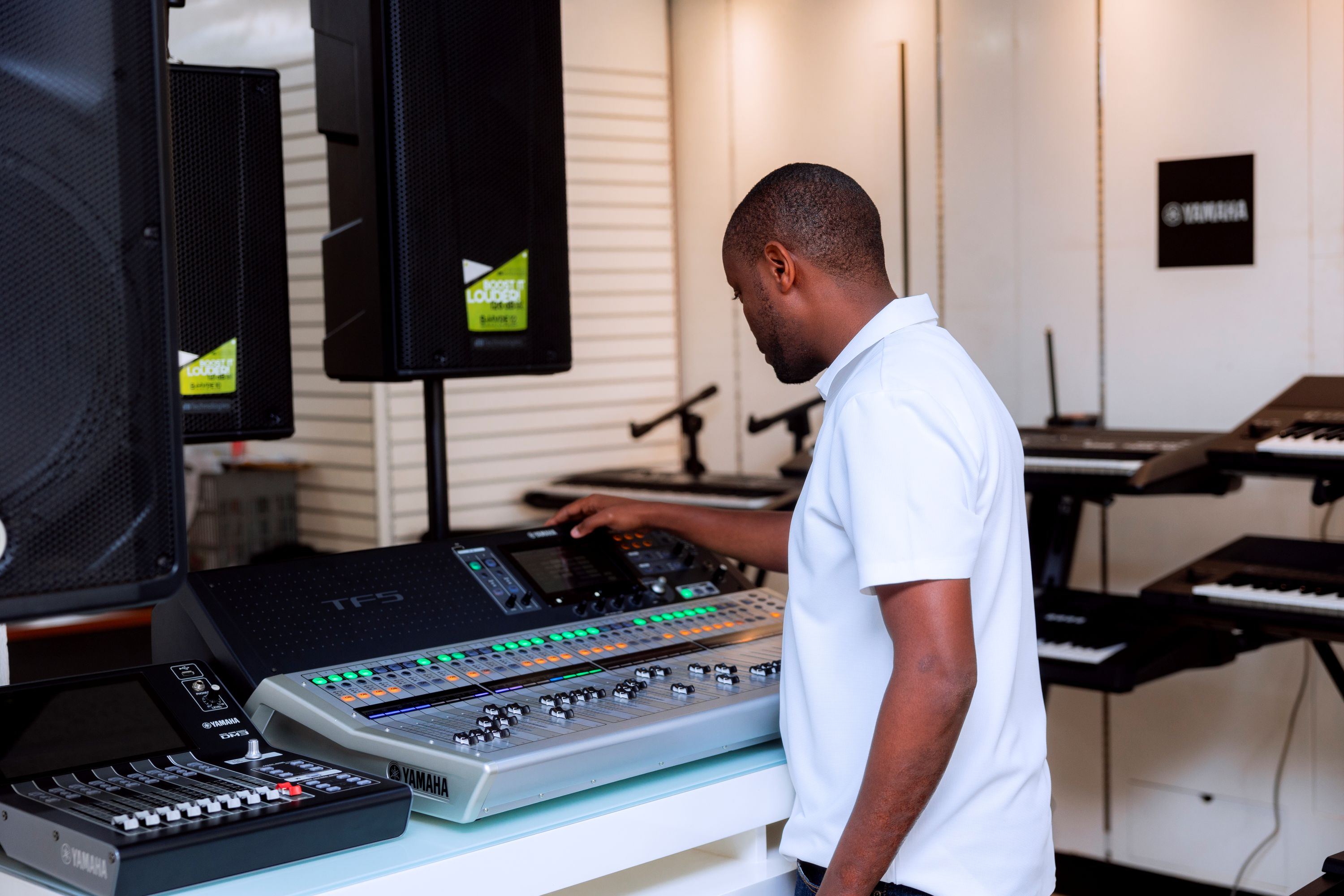
Managing Director Stefic Shen told IGIHE during a recent visit to the company’s store in Muhima, Kigali, that selling these genuine products is not just business; it is a commitment to raising the standard of sound in Rwanda.
“We care about reputation more than money. If it’s original, it’s genuine. We don’t cut corners,” the MD affirms. “People should enjoy music without leaving with ear pain. Good sound is not just loud; it’s clear, controlled, and comfortable.”
For Rwanda’s growing music industry, genuine equipment is essential for artists to take their craft to a professional level.
For Rwanda’s growing music industry, genuine equipment is helping artists raise their craft to a professional level. Yamaha keyboards and pianos supplied by Sound Creations are used in churches, music studios, and by independent artists, composers, and gospel musicians across the country. Reliable instruments and mixers allow producers to record with clarity and performers to deliver consistent live sound, helping local talent compete at regional and international levels.
In Kigali’s hospitality sector, the impact is equally visible. Several popular venues, including Serena Hotel, Atelier Du Vin and Boho, rely on dB Technologies speaker systems supplied and installed by Sound Creations. These systems are engineered not only for power but for balance, ensuring that music energises a space without overwhelming conversation. For business owners, quality sound enhances customer experience; for guests, it transforms an ordinary evening into a memorable one.
Premier hospitality venues like Serena Hotel, Atelier Du Vin, and Boho use dB Technologies speakers from Sound Creations.
Beyond entertainment venues, the company has also installed professional conferencing systems featuring Shure microphones and integrated audio solutions for institutions such as the Ministry of Finance and the Embassy of Sweden in Kigali. Built-in microphones, wireless systems, and carefully calibrated speakers ensure clarity in meetings where every word matters.
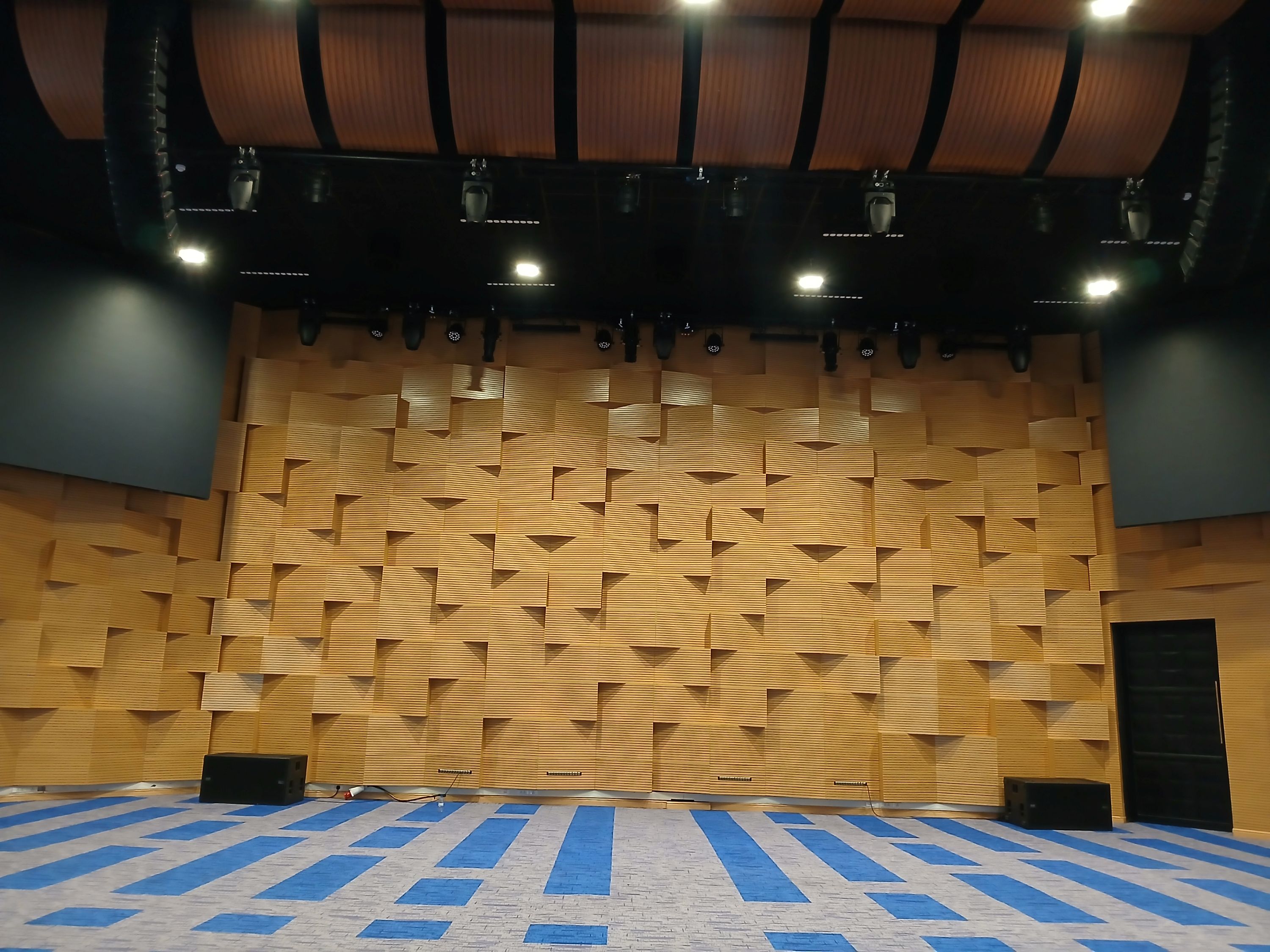
While selling systems remains the company’s primary operation, Sound Creations also provides acoustic consultation and installation for projects where sound control is critical. One of its most notable undertakings is the Kivu Intare Arena in Rubavu, an auditorium where acoustics are non-negotiable. In such spaces, proper design ensures controlled reverberation, balanced distribution, and speech intelligibility, demonstrating how engineering complements high-quality equipment.
“Sound and acoustics are a marriage,” Shen explains. “You can install the best speakers in the world, but without proper acoustic treatment, you will still have echo, distortion, and sound leakage that disturbs neighbours.”
Sound Creations installed acoustic solutions at Kivu Intare Arena in Rubavu.
Despite recent slowdowns in church-related supplies, the company sees an opportunity for places of worship to upgrade their installations through acoustic improvements in order to meet noise standards. The team also views the changing landscape as a chance to further educate clients about the value of investing in original systems.
From its early days in 2018 with just three team members to its current six-person operation, Sound Creations has relied heavily on demonstrations and direct engagement. Customers are encouraged to test equipment, compare genuine products with counterfeits, and experience the difference for themselves.
“Once clients hear the clarity and feel the balance, they understand why quality matters,” adds Olga Divine Agahozo, Sales and Digital Marketing Officer. “We want a community that understands and enjoys quality sound.”
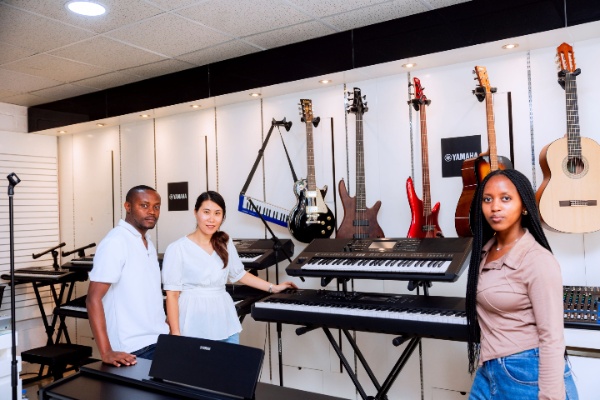
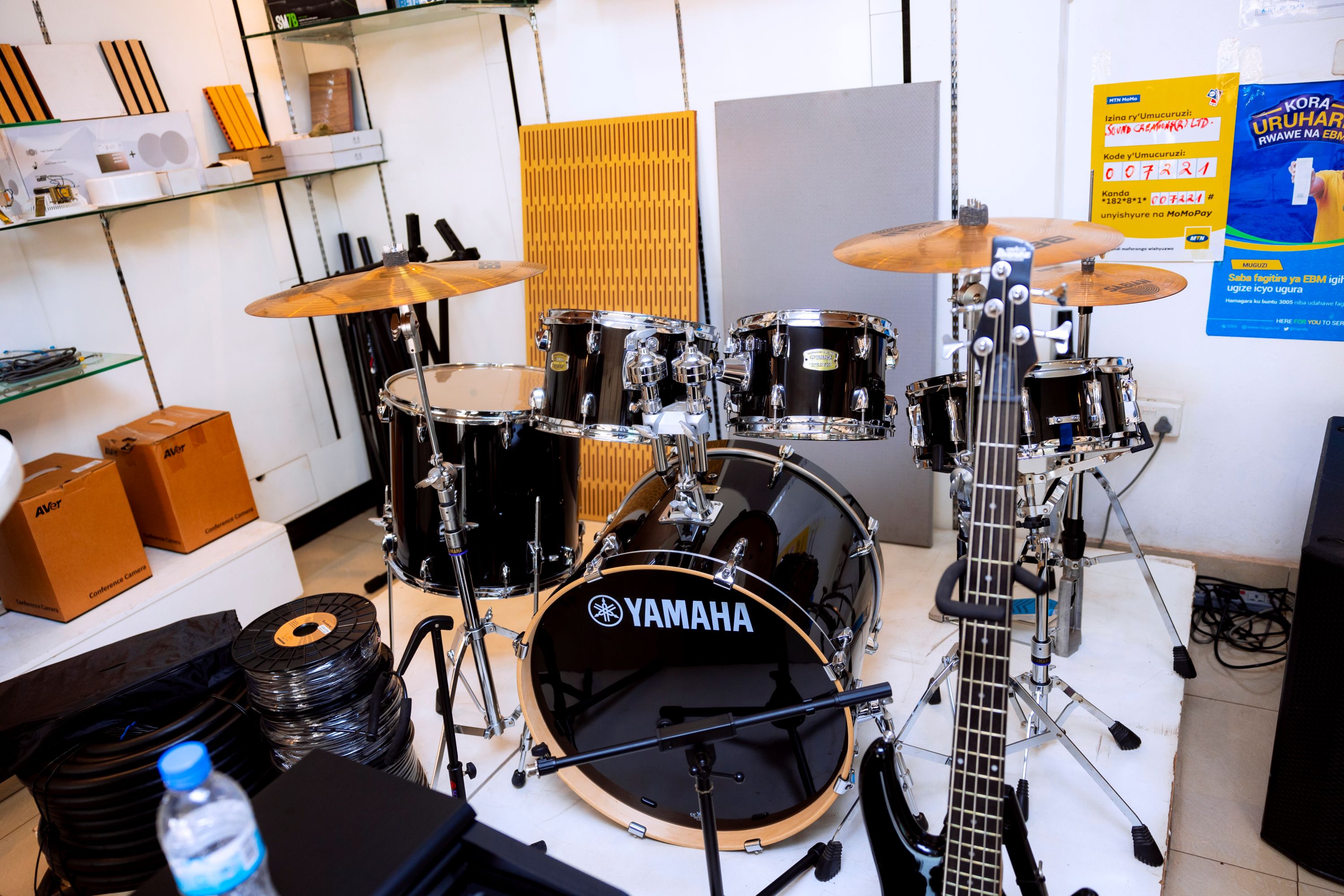
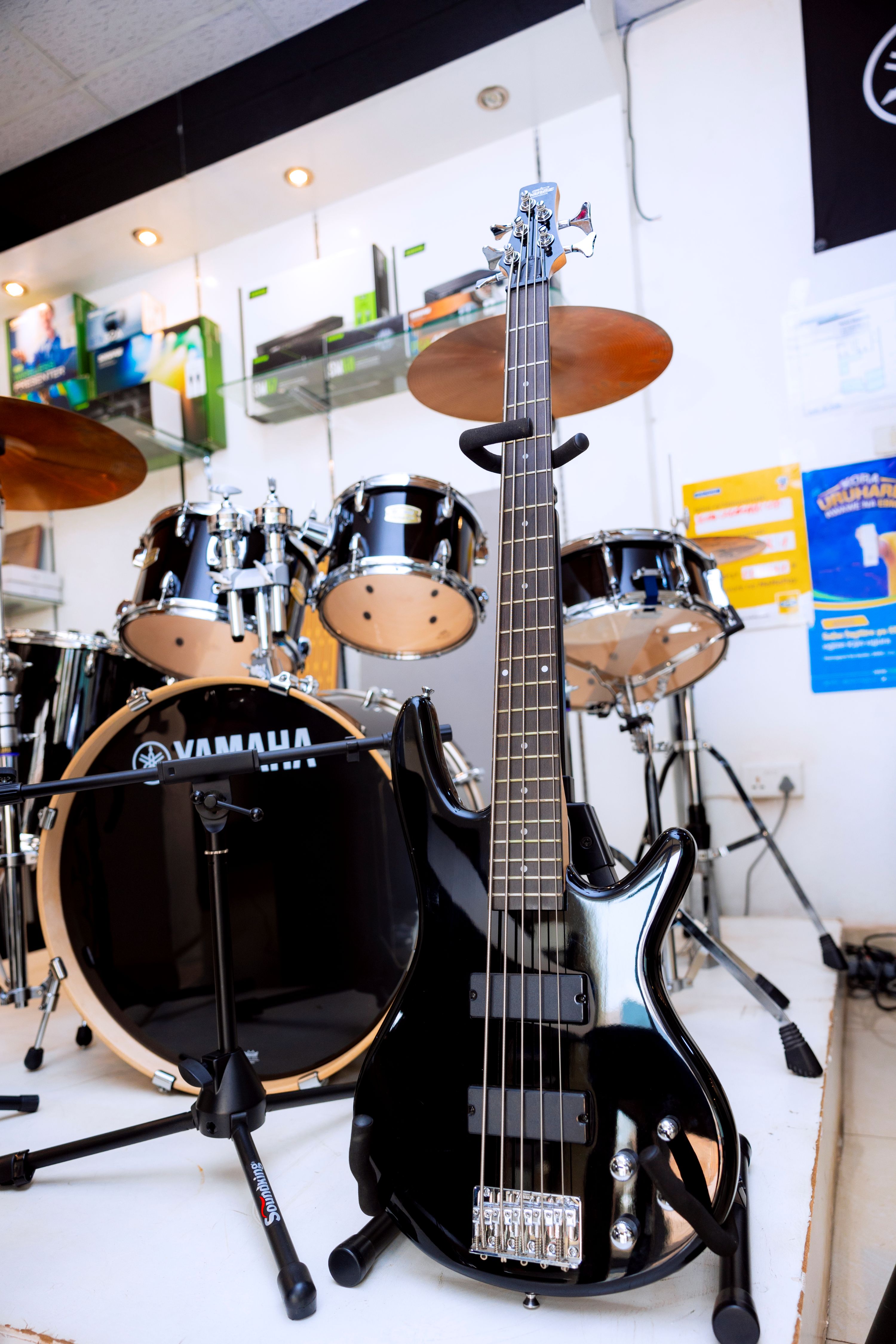
Yamaha acoustic drum kit and other music equipment on display at the Sound Creations store.
Looking ahead, the company hopes to contribute even more to Rwanda’s emerging music culture, particularly in education. Plans are underway to organise workshops and talent shows during school holidays, giving children hands-on exposure to instruments such as piano, keyboard, and guitar. The aim is to nurture creativity and encourage young people to see music as both an art form and a valuable skill.
“We want children to enjoy music, learn instruments like piano, guitar, and keyboard, and see music as something fun, educational, and even intellectual,” Shen says.
“This year, we plan to start workshops and talent shows during holidays so kids can experience music hands-on. It’s about creating a community that values and enjoys music, not just selling equipment.”
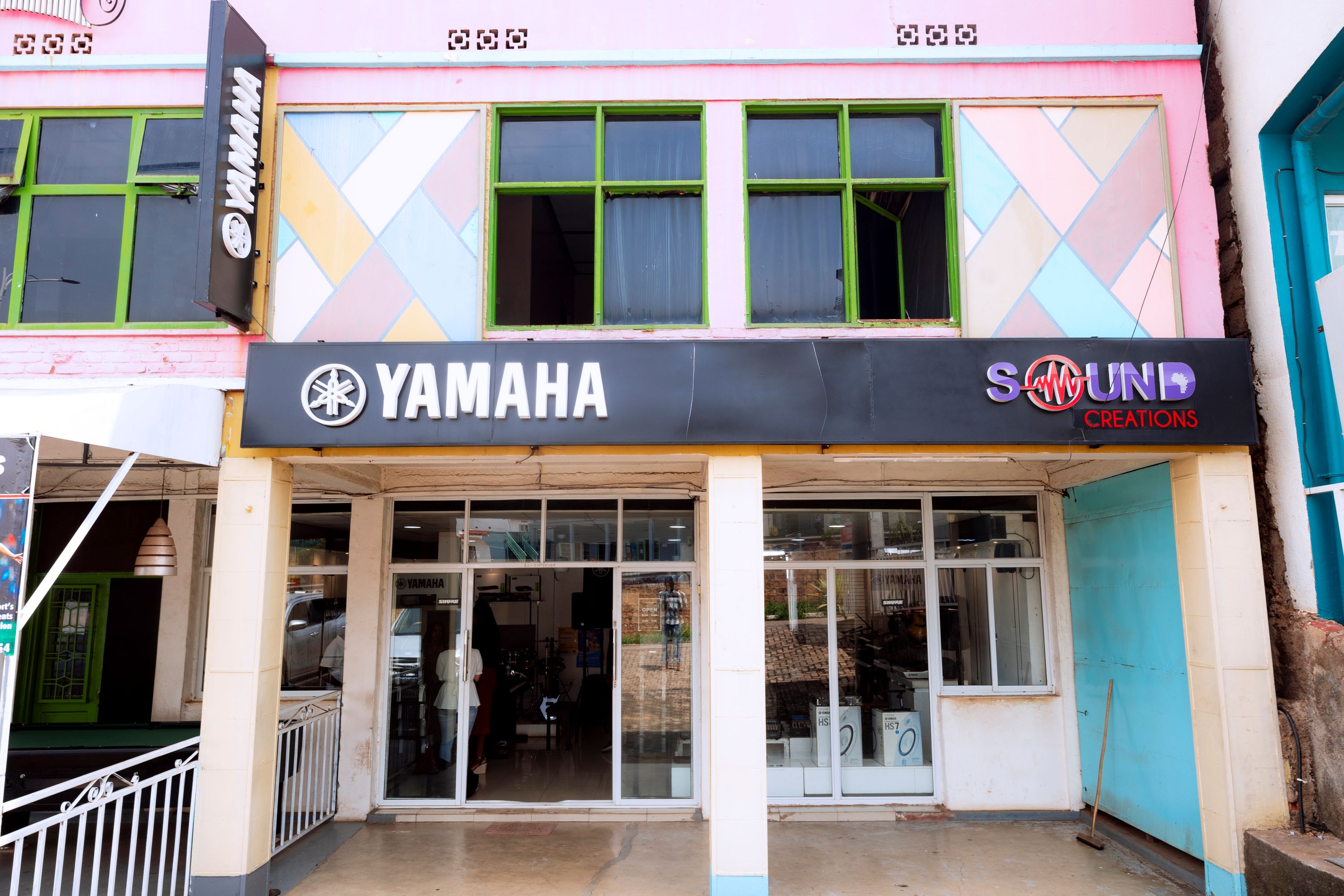
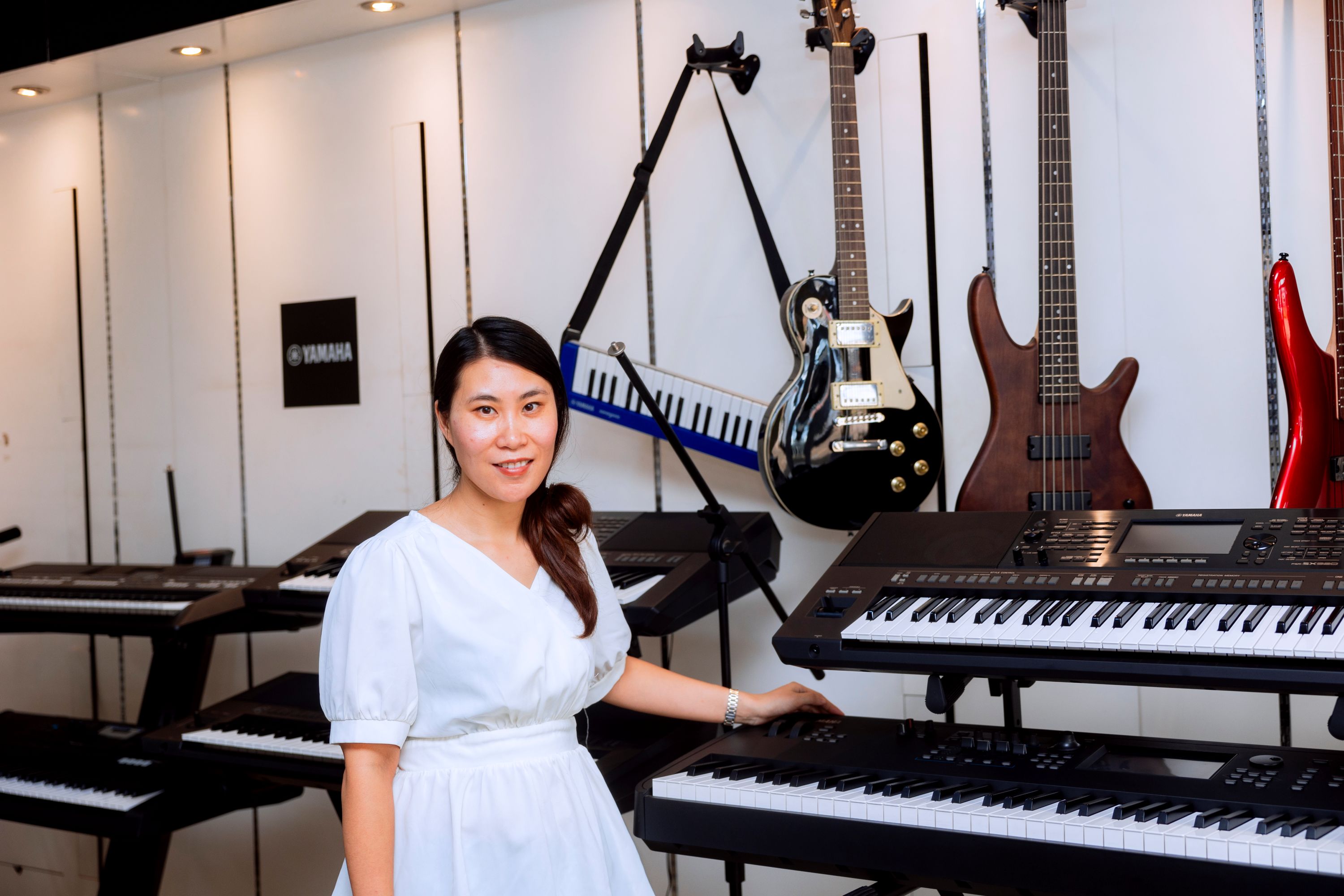
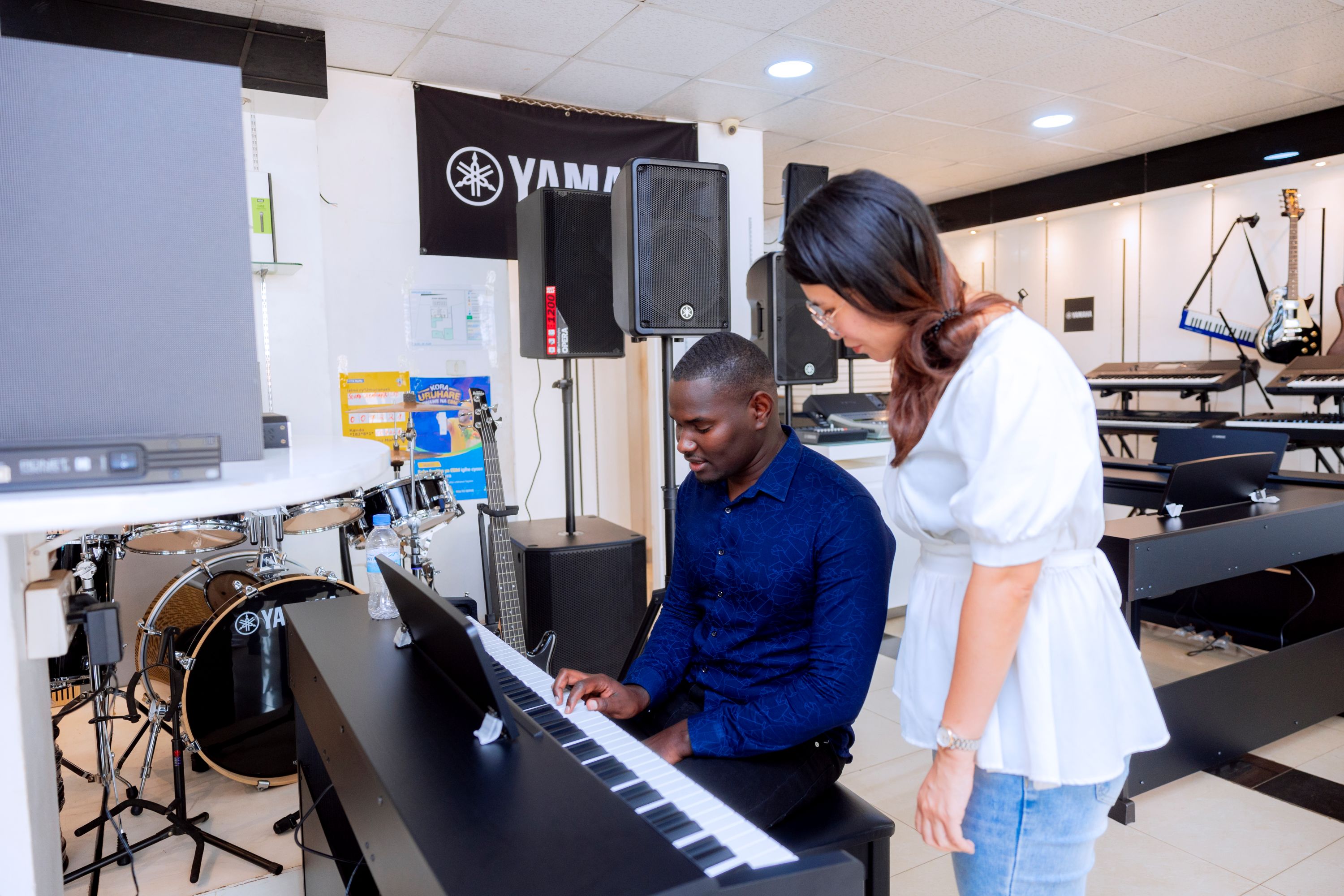
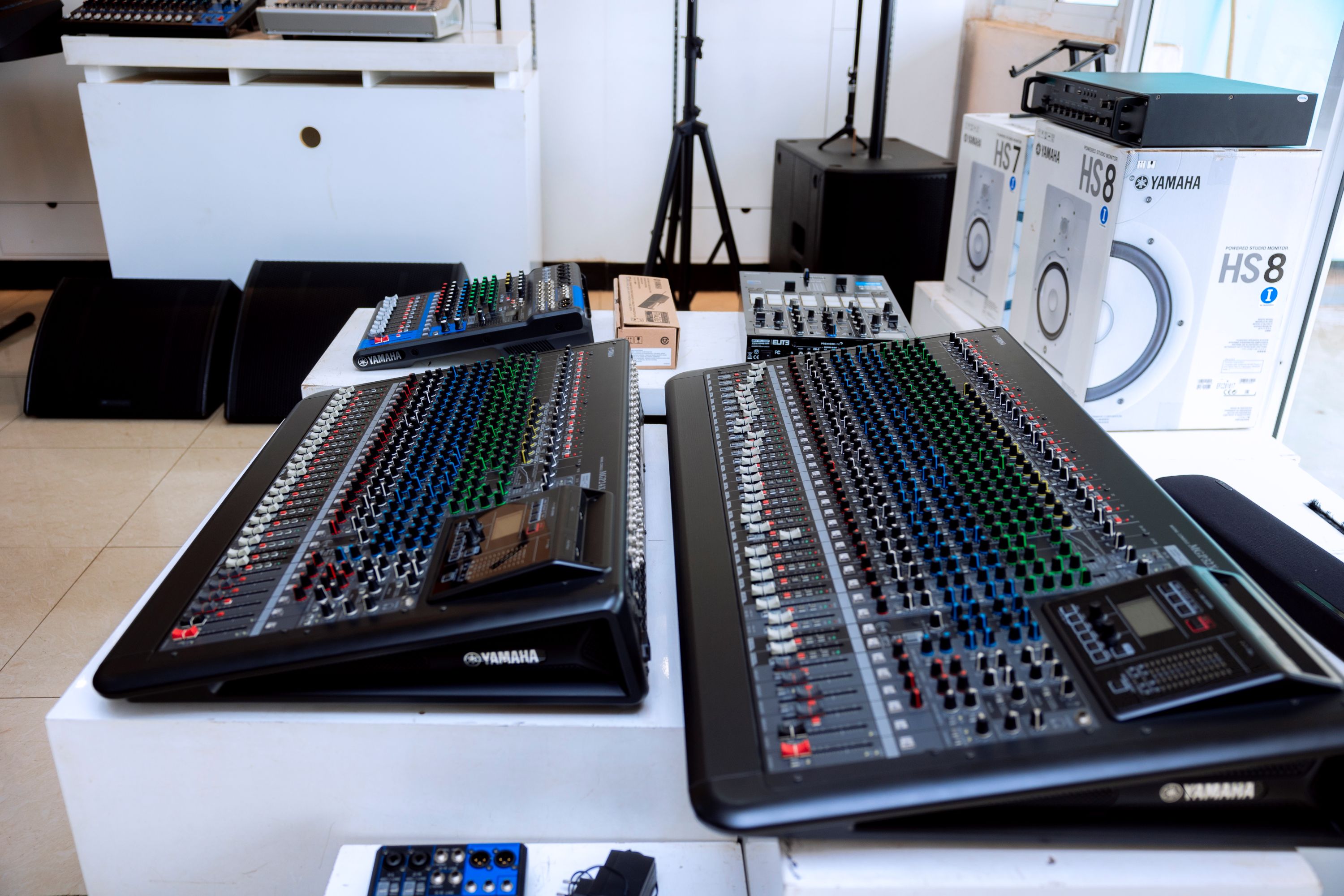
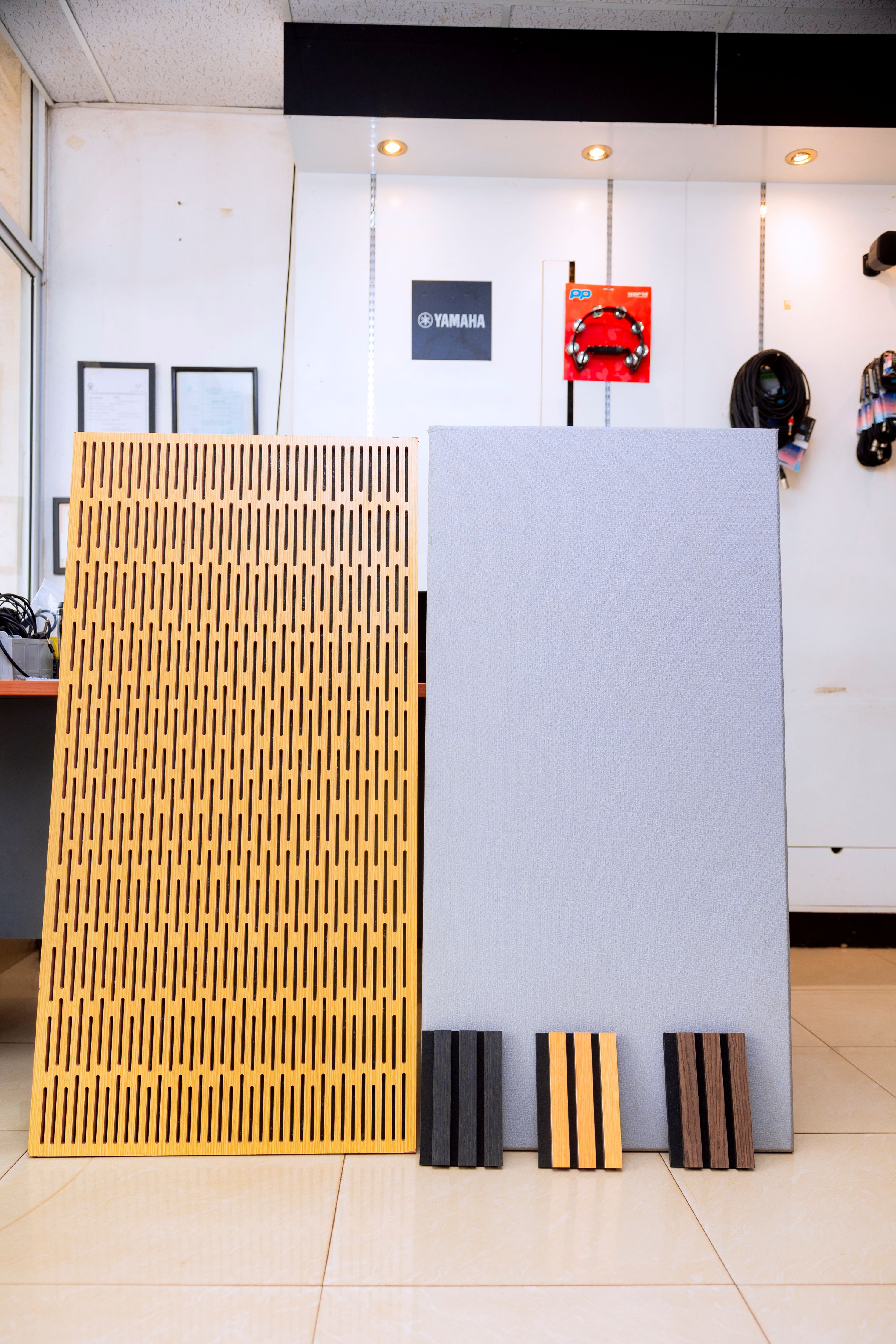
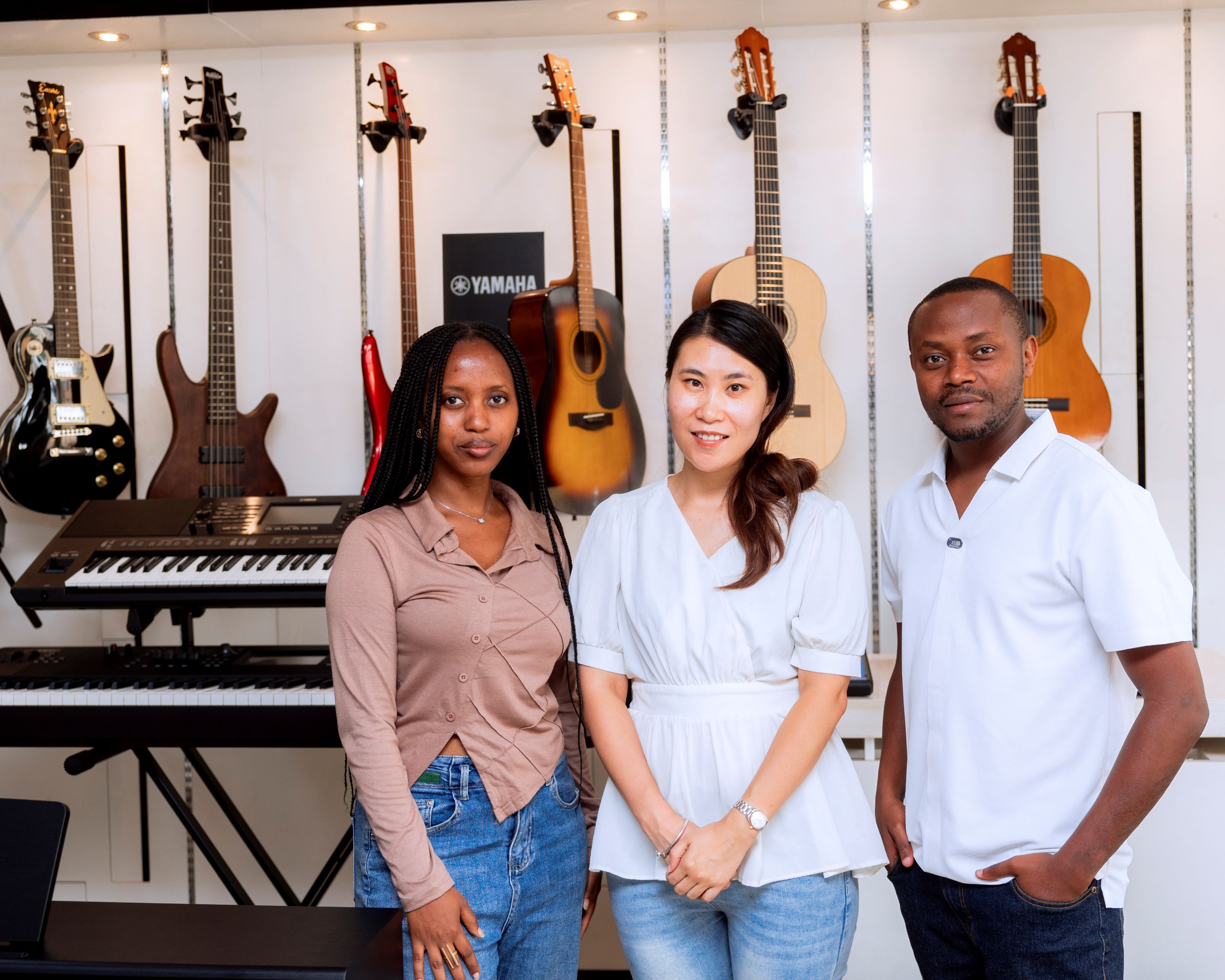
Sound Creations store, Muhima, Nyarugenge District, Kigali.Sound Creations Ltd Managing Director Stefic Shen emphasises that the company remains steadfast in its commitment to delivering unmatched quality.The company sells quality pianos from Yamaha, the renowned Japanese manufacturer.In addition to drum kits, the company also sells guitars.The company sells mixers from world-renowned brands.Sound Creations also provides acoustic treatment panels.Sound Creations Managing Director Stefic Shen poses for a photo with two of her staff members.
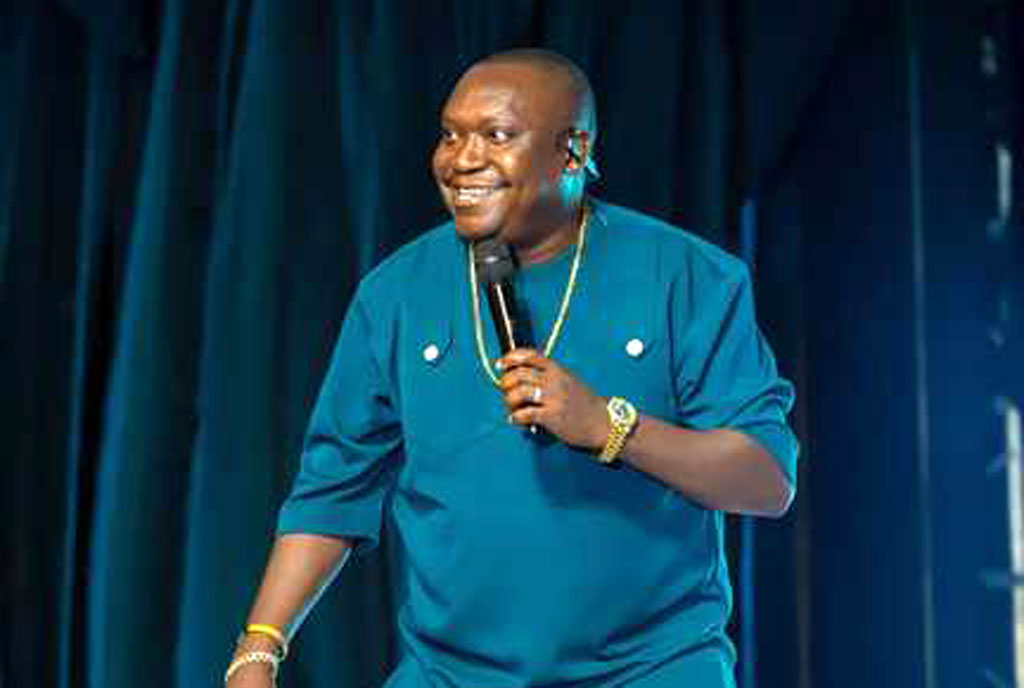
Patrick Salvado, a leading figure in Uganda and across Africa’s comedy scene, will headline the ‘Thank God It’s Funny’ show at Kigali Universe on March 6, 2026.
The show will feature an exciting lineup of local talent, including Rwandan comedians Rusine, Michael Sengazi, Hervé Kimenyi, Muhindee, and several others.
Patrick Idringi Viera, known professionally as Patrick Salvado, is a 41-year-old comedian and actor with a career spanning over 17 years.
He began performing in 2009 while working at NTV Uganda as a technical assistant during his university studies in Telecommunications Engineering. After graduating in 2008, he joined MTN Uganda, where he started developing his comedy career. In 2011, he moved to Capital FM, gaining wider recognition, including performing at events like Miss Uganda.
Since 2011, Salvado has performed in numerous shows both in Uganda and internationally, including Rwanda, where he has appeared in various comedy events.
The origin of “Salvado”
His stage name originates from the 2000s soap opera Second Chance (El Cuerpo del Deseo). Salvado has said that a woman once mistook him for the show’s handsome lead, Salvador Cerinza, a joke that eventually inspired his professional name.
Salvado’s work has gained international recognition. He was a semi-finalist in the 2016 “World’s Funniest Person” competition, organised by the Laugh Factory in the United States. He is also the founder and host of Africa Laughs, a comedy franchise that brings together performers from across the continent, including Nigeria, South Africa, and Kenya.
In addition to stand-up comedy, Salvado has appeared in television series such as Beneath the Lies and films including Bed of Thorns.
Away from the spotlight, Salvado shares his life with his wife, Daphine Frankstock Idringi, and their three children.
Patrick Salvado will headline the ‘Thank God It’s Funny’ show at Kigali Universe on March 6, 2026.
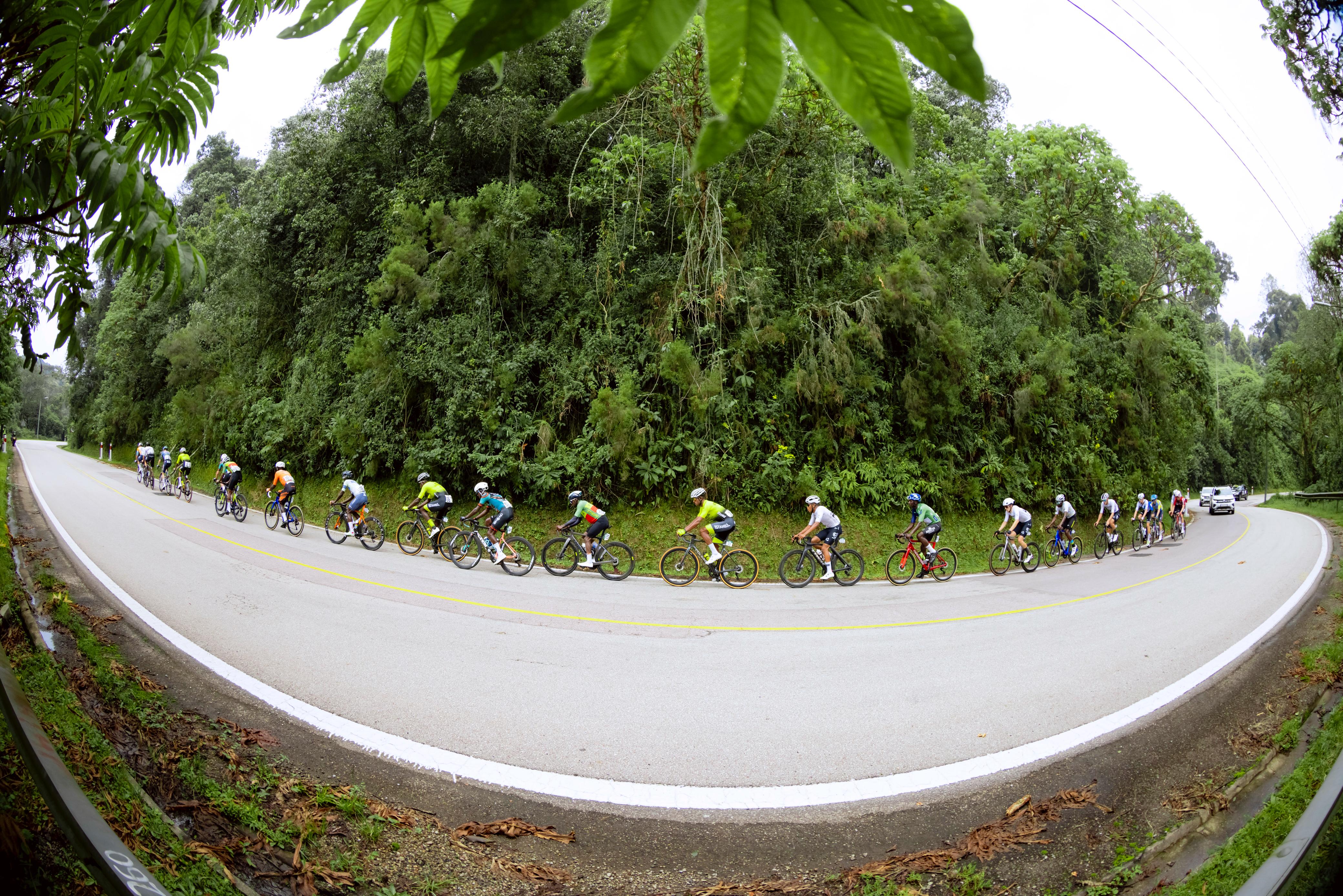
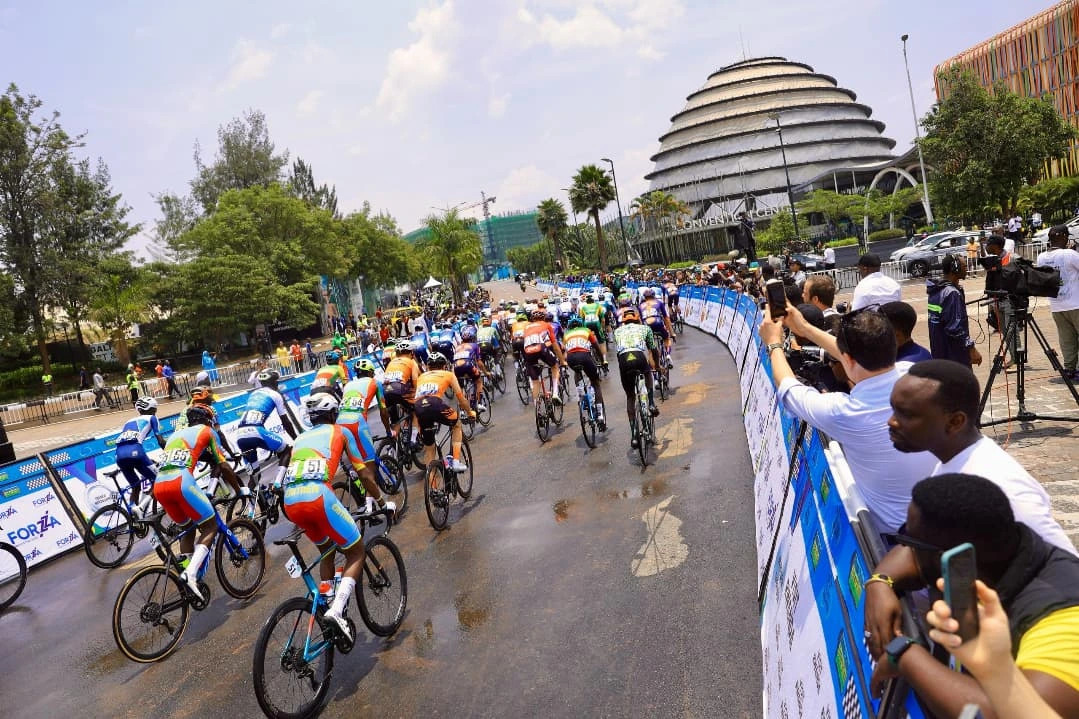
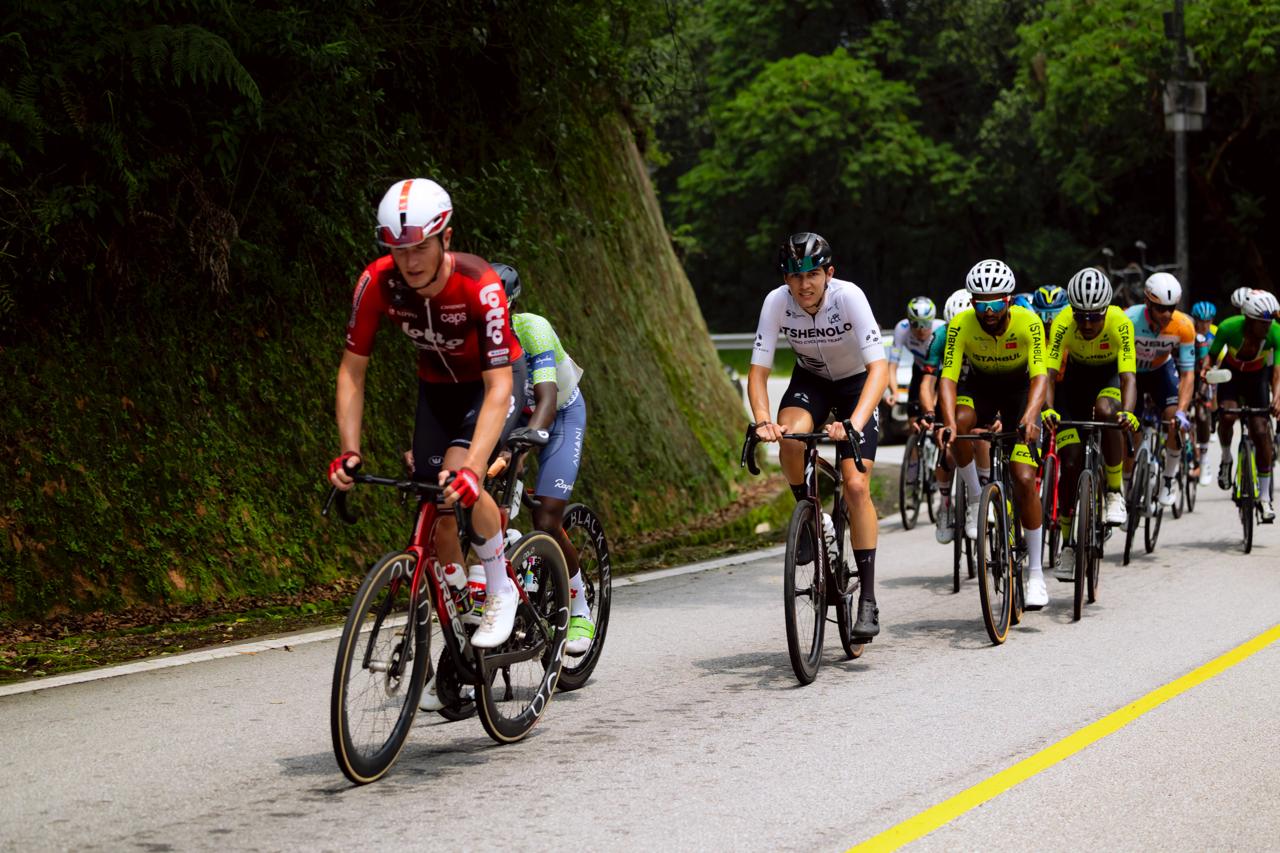
The Tour du Rwanda 2026 is currently rolling across the “Land of a Thousand Hills”, and while on paper it’s a UCI 2.1 cycling race, to anyone standing on the roadside, it feels more like a national carnival.
Now in its 18th edition as an international event, the Tour has grown from a local race into one of Africa’s premier cycling competitions. Following the massive success of the historic 2025 World Championships held right here in Rwanda, this year’s Tour feels like a victory lap for an entire continent.
Here is why this race is so much more than just a bike ride.
1. The “Mur de Kigali” is our colosseum
In European cycling, fans talk about the cobbled climbs of Flanders. In Rwanda, the Mur de Kigali demands the same awe. This steep, cobblestone climb winds through the lively streets of Nyamirambo, where the energy of the crowd meets the grit of the riders.
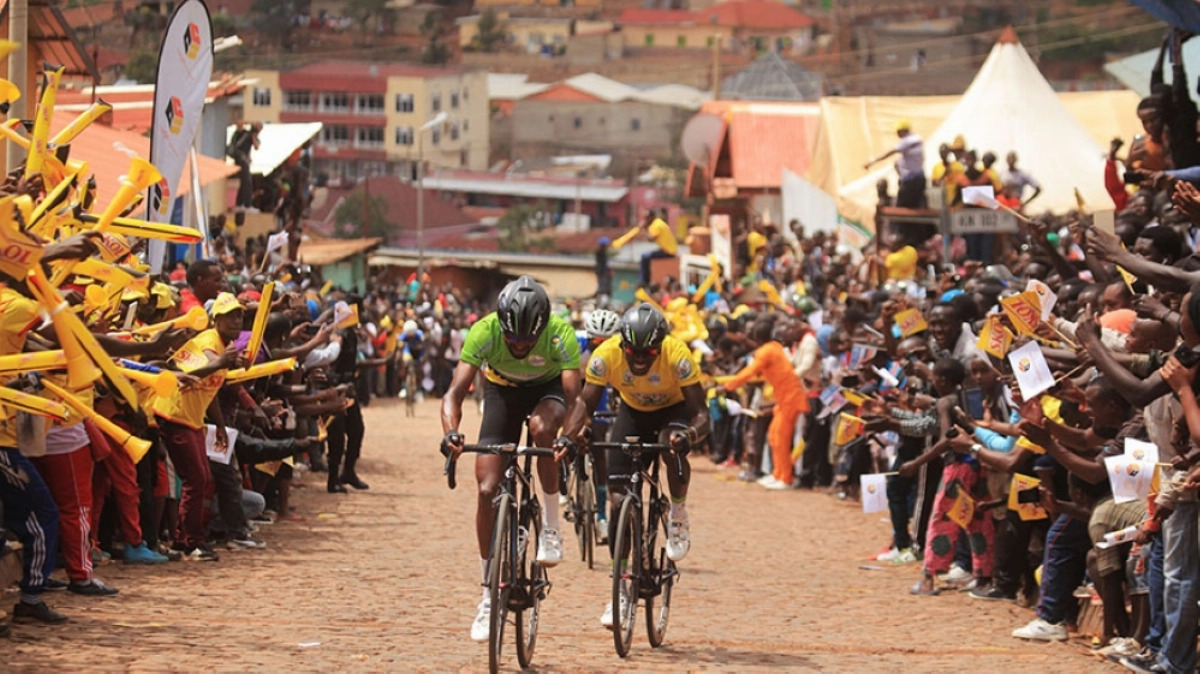
Tour du Rwanda 2017: Joseph Areruya and Eritrean Eyob Metkel climb the Mur de Kigali, the legendary cobblestone climb, one of the toughest challenges awaiting global cycling stars.
Streets packed with cheering spectators transform each pedal stroke into a test of endurance, courage, and sheer will. When a Rwandan rider leads up “The Wall,” the roar of the crowd echoes across the surrounding hills.
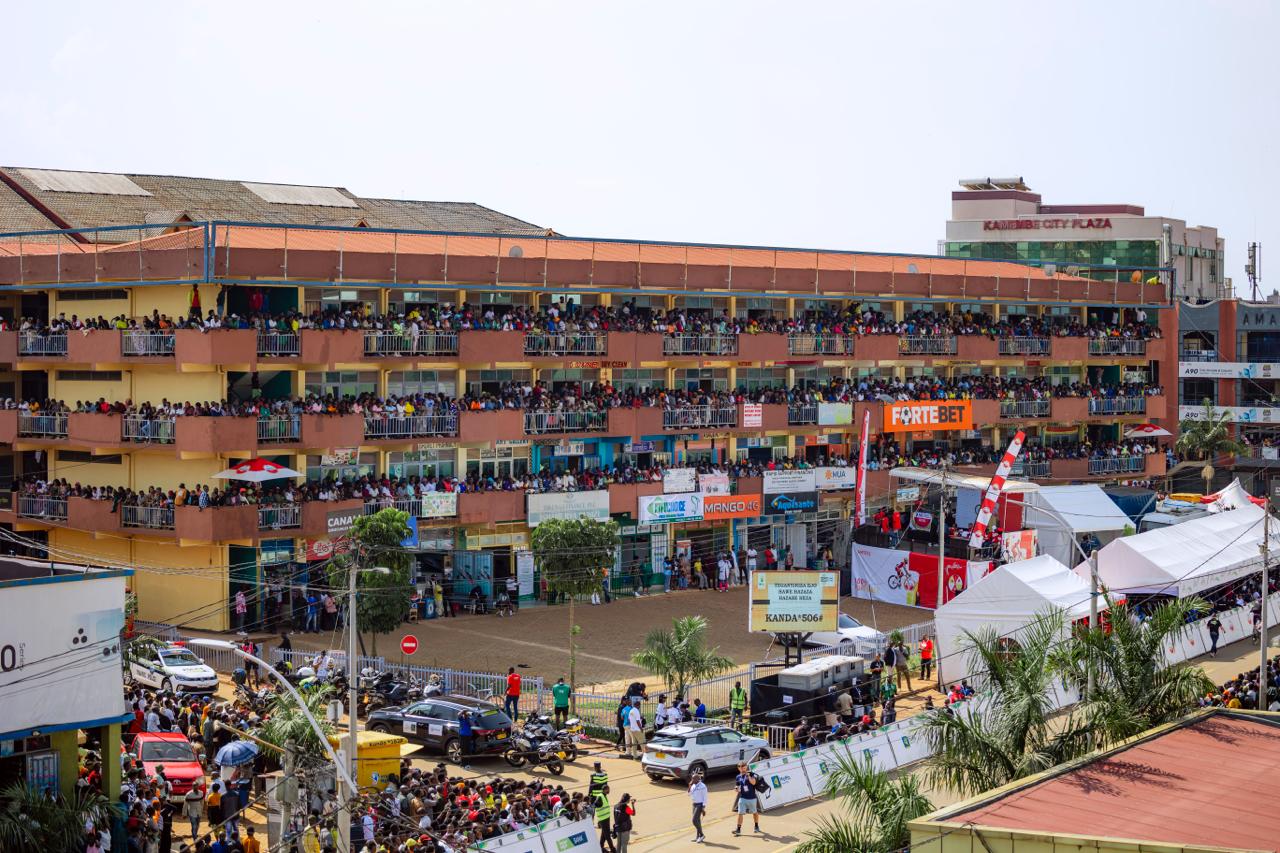
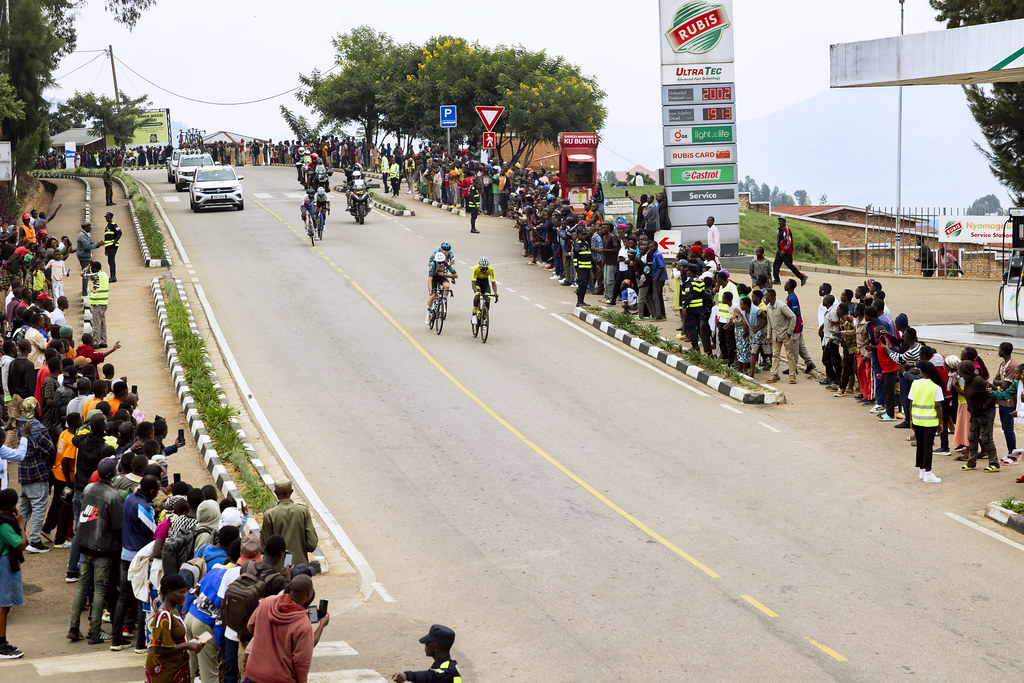
Thousands of fans line the streets, standing along sidewalks, slopes, and open areas near the climb. You’ll see grandmothers cheering next to teenagers, all drawn together by the sight of elite athletes powering up a 12% incline.
When the peloton powers up the Mur de Kigali, the cheers ripple across the surrounding hills, filling the neighborhood with energy and excitement. Fans clap, wave, and call out encouragement as riders tackle the steep climb, making the moment feel like a shared celebration of effort and endurance.
It has become a norm for locals to turn up along the road and on top of their buildings to witness the race.
2. A “stadium” without walls
Most sports require a ticket and a seat. The Tour du Rwanda requires a front porch and a pair of lungs.
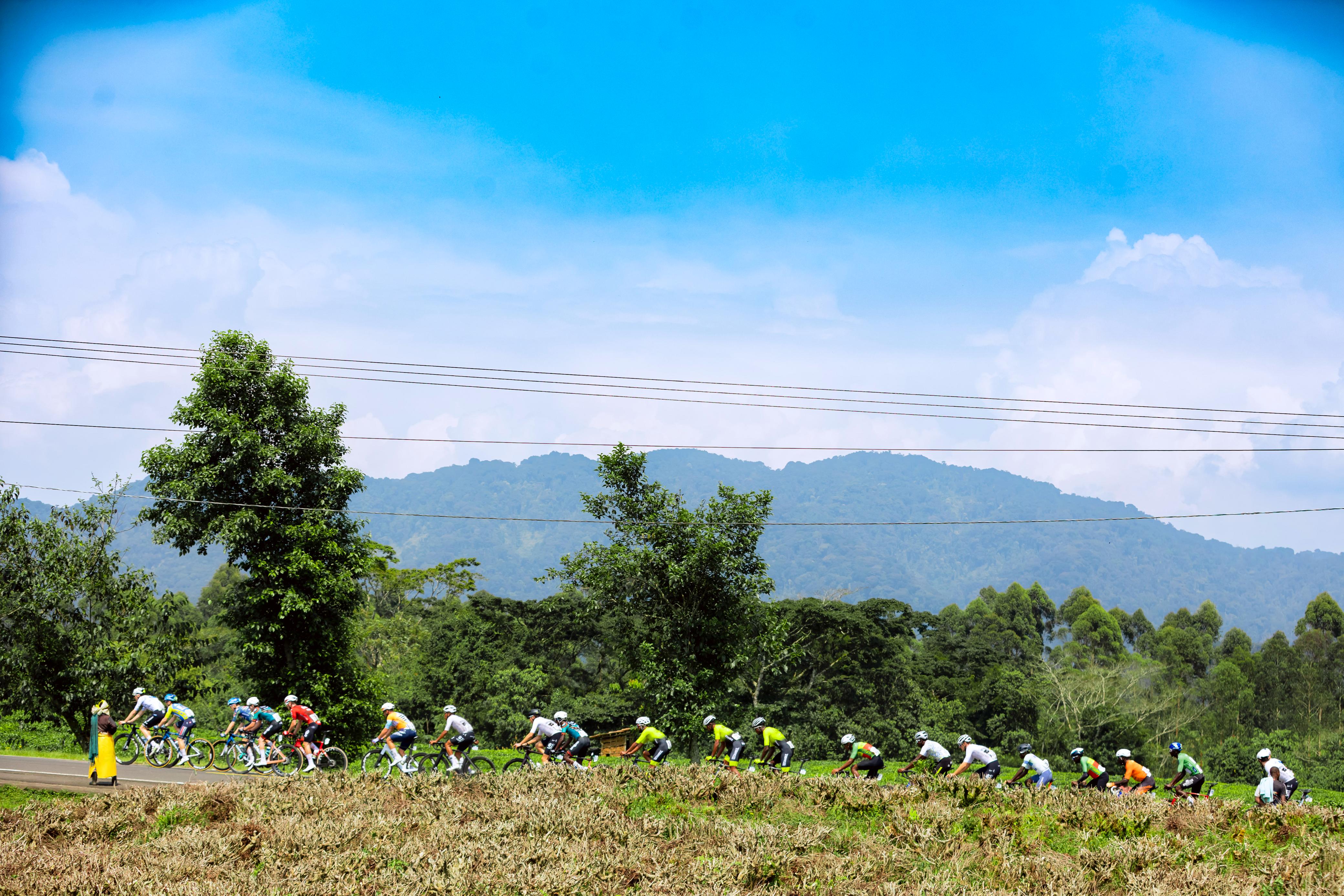
Because the 2026 route stretches across nearly 1,000 kilometres of the country, from the rolling highlands of northern Rwanda to the palm-fringed shores of Lake Kivu, it brings the spectacle to the people. It’s estimated that over 2 million people line the roads.
Crowds gather to cheer on the elite riders.
For a few minutes, every village becomes the centre of the world. Rural farmers and urban residents alike watch the same drama unfold as the peloton passes by, united in the excitement of the race.
3. Cycling is part of life in Rwanda
To understand why Rwandans love this race, you have to look at the “abanyonzi” taxi-velo riders. In Rwanda, the bicycle isn’t just for fitness; it’s a lifeline.
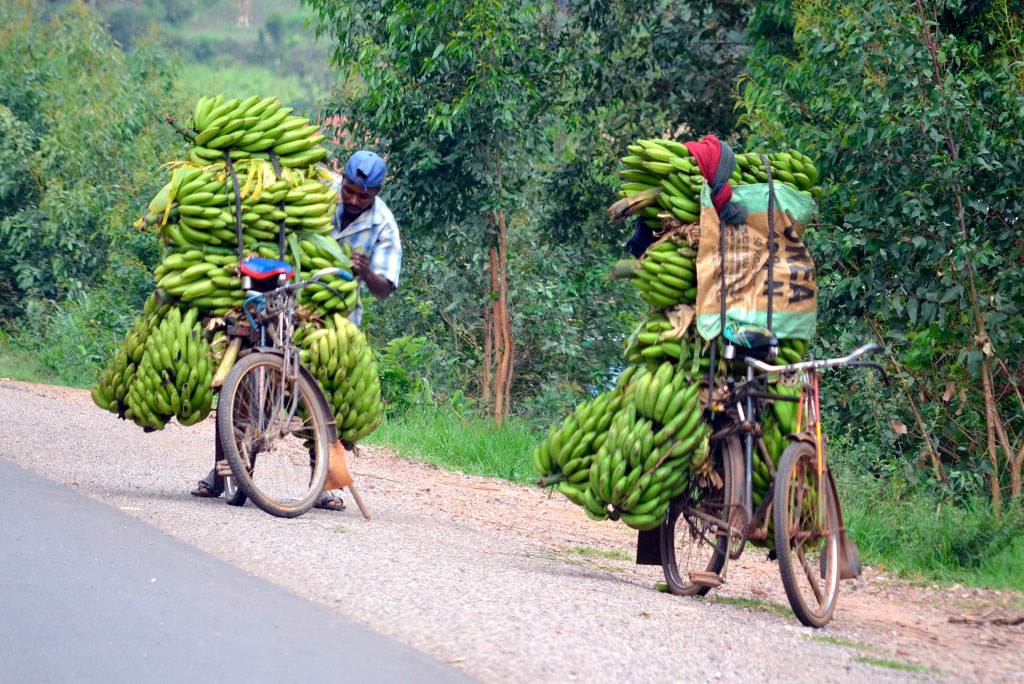
Bicycles are common in rural Rwandan villages and are often used to transport farm produce like green bananas.
Every day, thousands of Rwandans use bikes to transport massive loads of ibitoke (green bananas), heavy milk jugs, or charcoal across impossible inclines. There is a deep, cultural respect for anyone who can conquer a hill on two wheels.
When locals watch a pro athlete fly up a mountain that they usually struggle to climb with a load of crops, there is an instant, visceral connection. It’s a celebration of the hustle that defines Rwandan rural life.
4. A high-def tour of the “new Rwanda”
The Tour is arguably Rwanda’s most effective “business card” to the world. As the cameras follow the peloton, the world sees not just sweat; but also the results of a nation’s transformation.
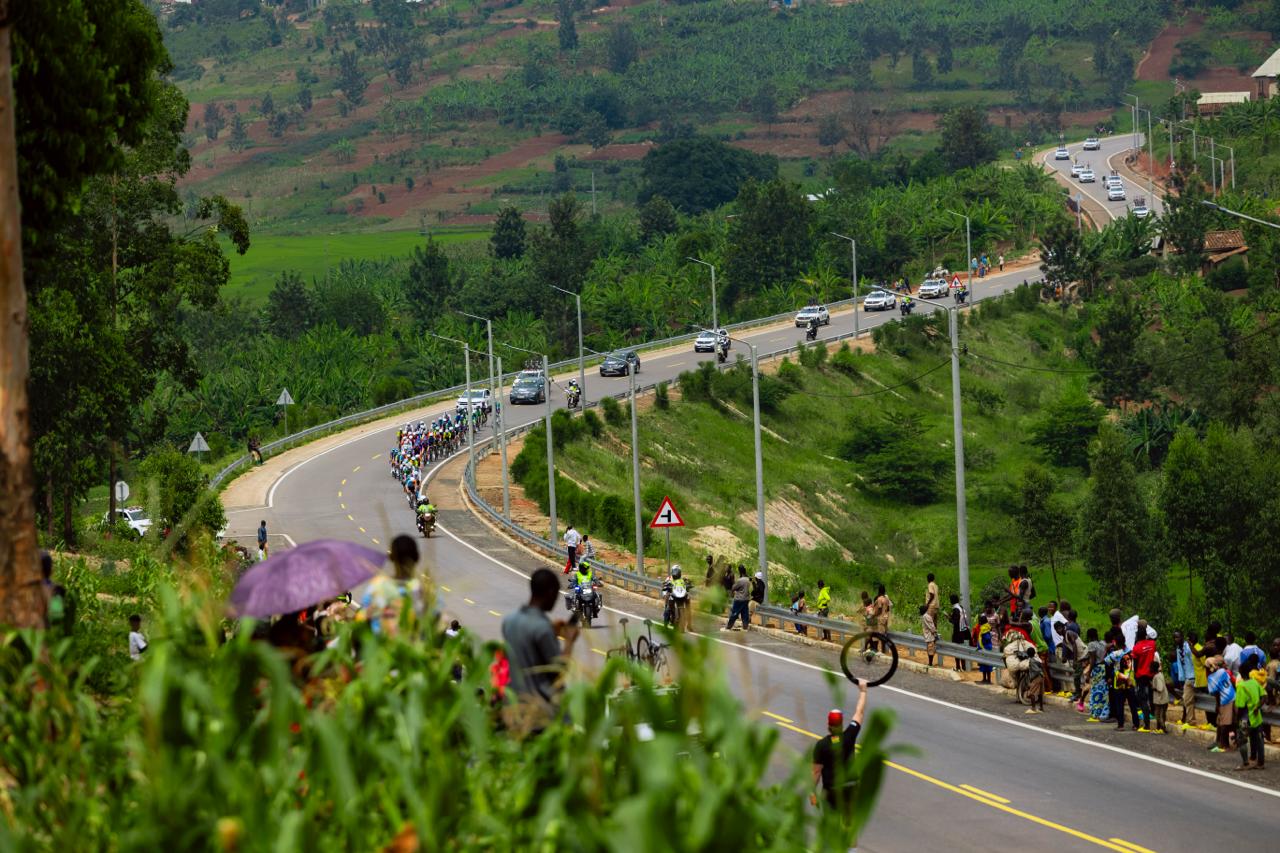
Tour du Rwanda showcases Rwanda’s incredible transformation to the world.
The 2026 footage showcases the pristine, plastic-free streets of Kigali, the lush green tea plantations of the West, and the world-class infrastructure that makes this the safest and cleanest cycling environment in Africa. It’s a source of immense national pride, a way for Rwandans to say, “This is who we are now.”
6. The “Africa’s turn” momentum
For decades, professional cycling was a closed-off European club. The Tour du Rwanda changed that narrative. As the premier stage for African talent, this race is where the next global stars, like Samuel Niyonkuru or Henok Mulubrhan, prove they belong on the world stage.
In the wake of the 2025 UCI World Championships, the 2026 Tour feels like the start of a new era. It’s no longer about hosting a race; it’s about owning the sport. For every kid on the side of the road in Rubavu or Gicumbi watching the peloton fly by, that bike represents a path to the world stage.