Moses Vilakati, AU commissioner for agriculture, rural development, blue economy, and sustainable environment, made the remarks at the official launch of the 2025 Global Hunger Index (GHI) at the AU headquarters in Addis Ababa, the capital of Ethiopia.
Vilakati said that African countries lagged in implementing the Comprehensive Africa Agriculture Development Program (CAADP), which required them to eradicate hunger, halve poverty, and triple intra-African agricultural trade and build resilience by 2025.
“According to the 2025 Food and Agriculture Organization of the United Nations report, nearly 300 million people on the continent are food insecure. This aligns with the CAADP biennial review, which shows that no member state was on track to achieve zero hunger by 2025. Alarmingly, the continent spends up to 100 billion U.S. dollars each year on food imports,” he said.
Vilakati called on African governments to recommit to zero hunger through policy reforms, smarter investments, and enhanced accountability mechanisms.
“We must strengthen agrifood systems, invest in climate resilience, improve our soil productivity, expand social protection and safety nets, empower women and youth across value chains, and promote innovation that improves productivity and market access, while mitigating food loss and wastage,” the commissioner said.
The 2025 GHI revealed that chances for achieving zero hunger by 2030 worldwide are slipping away, while undernourishment, child stunting, and child mortality levels are far from international targets.
According to the 2025 GHI, various challenges, including climate change, armed conflicts, economic fragility, and political disengagement, exacerbate the situation of hunger in Africa and beyond.
The 2025 GHI scores show that hunger is considered alarming in seven countries, namely Burundi, the Democratic Republic of the Congo, Haiti, Madagascar, Somalia, South Sudan, and Yemen.
The index flagged conflict as the most destructive force driving hunger in different parts of the world, with armed violence fueling 20 food crises affecting nearly 140 million people last year.
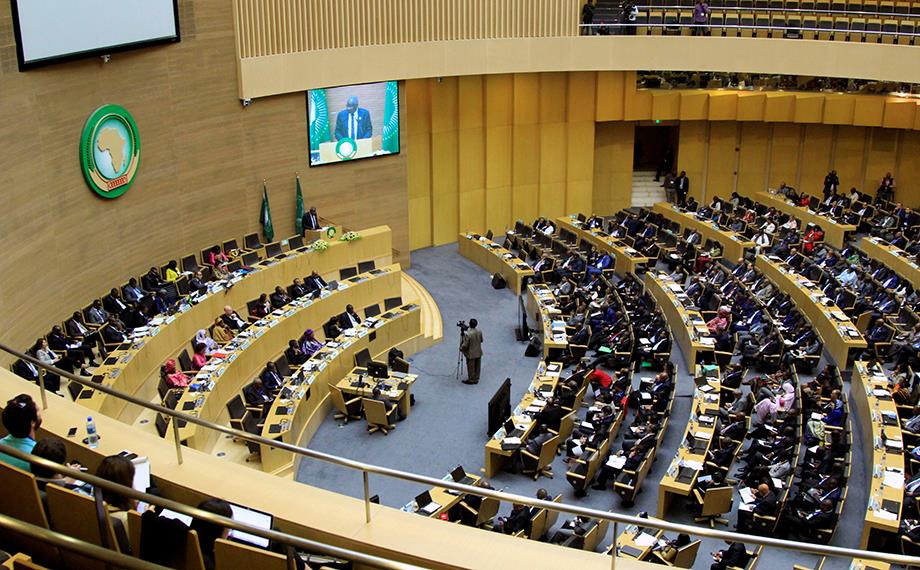
General view of the 30th African Union (AU) Summit in Addis Ababa, Ethiopia on January 25, 2018.
China has set a target of 4.5 to 5 percent for gross domestic product growth this year, while pledging to strive for better results in practice, according to a government work report submitted Thursday to the country’s top legislature for deliberation.
Speaking at a press conference on the sidelines of the fourth session of the 14th National People’s Congress, Zheng Shanjie, head of the National Development and Reform Commission, noted that the country has the confidence to cope with risks and market volatility and achieve its development goals.
“More proactive and effective” macro policies will be implemented, he said, emphasizing a policy package that combines fiscal, monetary, investment, employment and consumption measures.
Stressing a strong fiscal support, Finance Minister Lan Fo’an told the press conference that China’s fiscal expenditure, new government bond issuance and central transfers to local authorities will all reach record highs this year.
Total investment in infrastructure, public services and other key areas, including power grids, computing power, education and health care, is expected to exceed 7 trillion yuan (about 1 trillion U.S. dollars) in 2026.
Expanding domestic demand remains a top priority this year, with particular focus on building a robust domestic market.
A total of 250 billion yuan in ultra-long special treasury bonds will be earmarked for consumer goods trade-in programs, with another 100 billion yuan for introducing a package of coordinated fiscal and financial policies to support private investment and consumer spending.
Meanwhile, Pan Gongsheng, governor of the People’s Bank of China, said the central bank will flexibly and effectively employ a range of policy instruments, including cuts to required reserve ratios and interest rates, to create a sound monetary environment for development.
Pan also said the country will respond firmly to external shocks amid a complex global environment, noting that authorities will closely monitor external shocks — from geopolitical tensions to financial market swings — and stand ready to contain any potential spillovers.
Balanced trade
China will promote balanced trade growth this year, stabilizing exports while sharing more opportunities in its domestic market, Minister of Commerce Wang Wentao told the press conference.
The country is already the world’s second-largest import market, and its growing middle-income group means demand still has considerable room to expand.
At a time when some countries treat markets as a bargaining chip, China is proactively opening its vast market and turning it into opportunities for cooperation, Wang said, pledging more imports of agricultural products, premium consumer goods, advanced equipment and key components.
China is currently the major trading partner for more than 160 countries and regions. Pan said China has no need or intention to seek competitive edges in foreign trade through the depreciation of its currency, adding that the yuan has strengthened against the U.S. dollar so far this year.
Senior officials at the press conference also highlighted measures to promote high-standard opening up this year.
China will expand access to its services market, including pilot programs in the telecom and biotechnology sectors, as well as in wholly foreign-owned hospitals, Wang said. Meanwhile, Wu Qing, chairman of the China Securities Regulatory Commission, said authorities will work to create a more transparent, stable and predictable market environment to better meet global investors’ demand for Chinese assets.
New engines of growth
Alongside demand-side support, China will step up efforts to shore up new industries and develop new quality productive forces this year.
Nearly 1.3 trillion yuan of fiscal funds will be allocated this year to support science and technology development, an increase of 7.1 percent from the previous year, Lan said.
Zheng said China will intensify its moves to modernize the industrial system, promoting deeper integration of technological and industrial innovation, and of advanced manufacturing and modern services, in an effort to accelerate upgrading old economic engines and fostering new drivers.
Artificial intelligence (AI) is expected to play a pivotal role as AI technology is rapidly spreading across various industries in China. The government will continue to advance its “AI Plus” initiative, Zheng said, forecasting that AI-related industries will be valued at more than 10 trillion yuan by the end of the 15th Five-Year Plan period (2026-2030).
China will also move to boost six emerging pillar industries this year, including integrated circuits, the low-altitude economy and intelligent robots. These sectors, approaching 6 trillion yuan in total value last year, are expected to surpass 10 trillion yuan in 2030, Zheng said.
High-tech manufacturing contributed 26 percent of China’s industrial growth last year, and more high-growth sectors are expected to emerge in the coming years, Zheng said, adding that several trillion-yuan-level markets are poised to take shape in the future to create new engines for high-quality development.
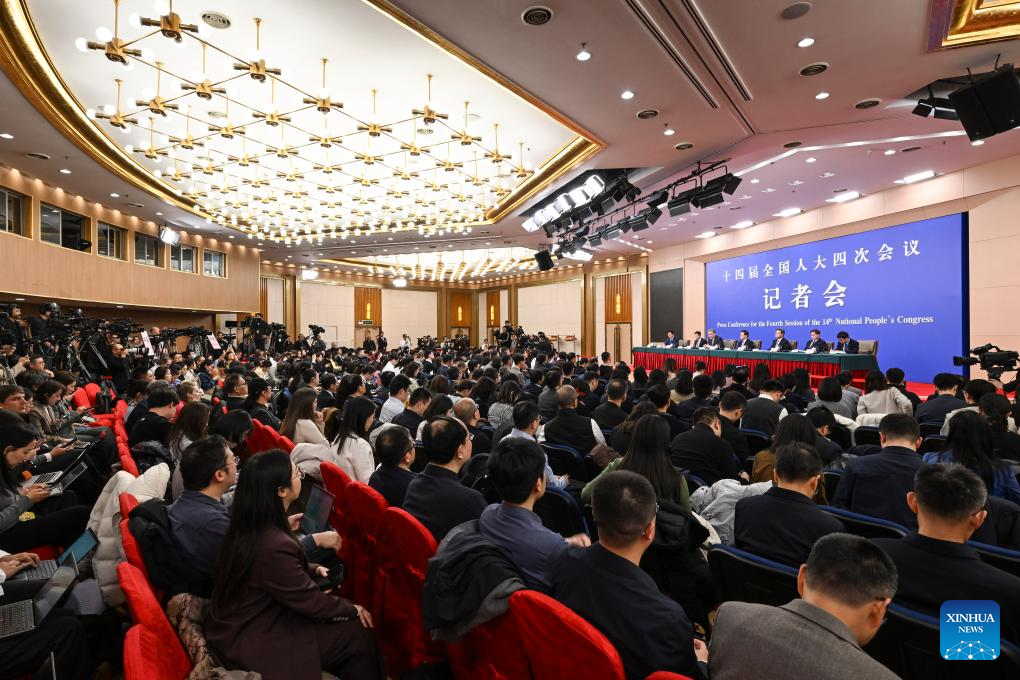
A press conference for the fourth session of the 14th National People’s Congress (NPC) on economy is held in Beijing, capital of China, March 6, 2026.
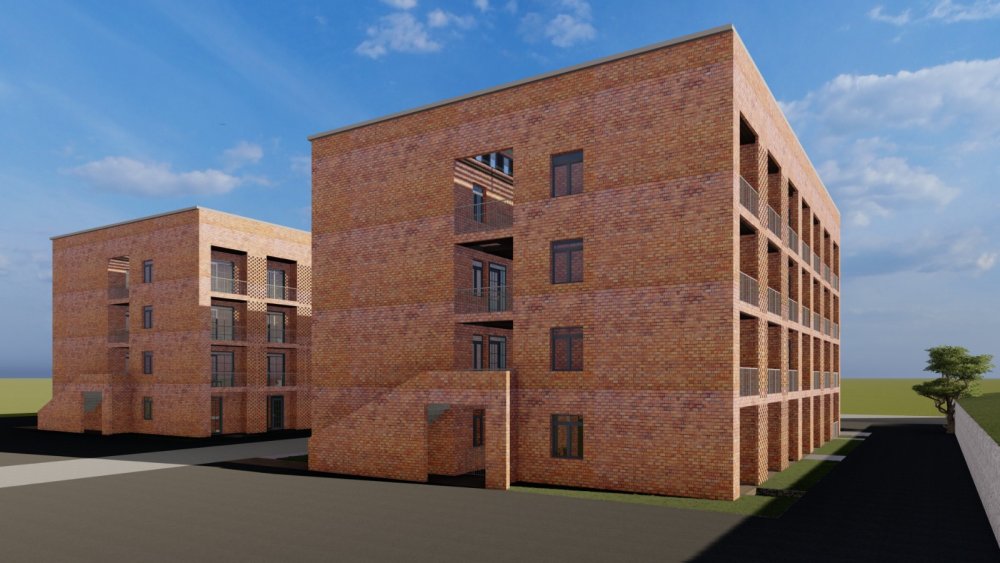
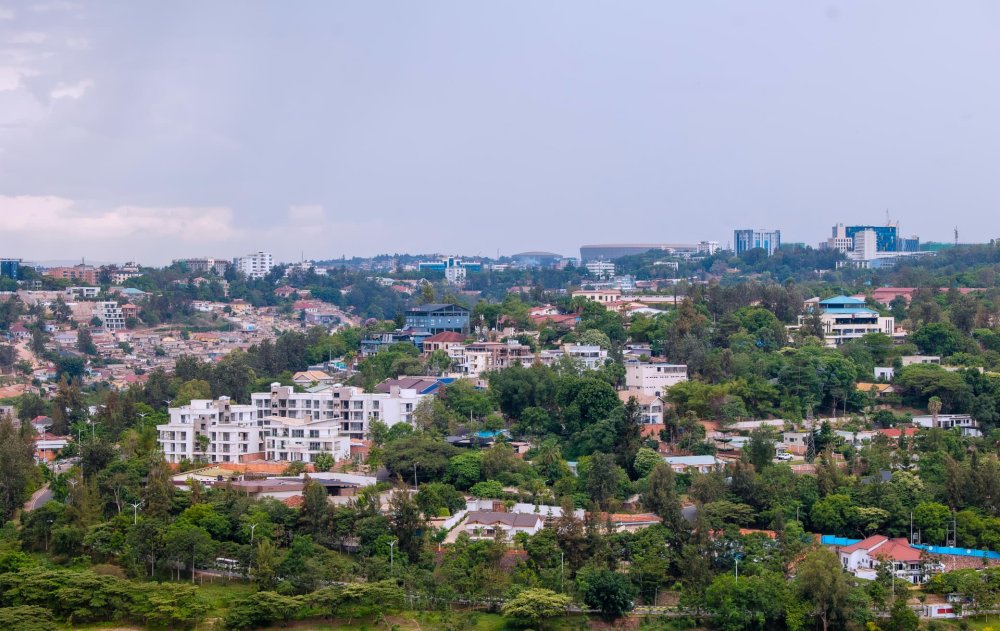
Key housing initiatives include the Heza Estate in Batsinda, Gasabo District, which will provide 548 housing units featuring two- and three-bedroom apartments as well as townhouses. This project is expected to cost 14.5 billion Rwandan francs.
Another major development is the Nyabisindu project in Gasabo, which will see 1,639 homes built on 38.54 hectares, replacing unplanned settlements with 58 residential blocks at a total cost of 42 billion francs.
The government is also constructing 296 houses for survivors of the 1994 Genocide against the Tutsi, costing 5.4 billion francs, and approximately 2,300 homes will be rebuilt to replace those completely destroyed by natural disasters, with 11 billion francs allocated for this purpose. These housing projects include a variety of types, from multi-story apartments to townhouses, combining affordability with modern living standards.
The country estimates it will need at least 5.5 million houses by 2050, when the population is projected to reach 22.1 million people.
The revised National Urbanisation Policy indicates that Rwanda has chosen a strategy focused on upgrading housing and addressing the demand for adequate accommodation, in line with the Vision 2025 development agenda.
In addition to housing, the government is investing in complementary development initiatives to improve urban management and infrastructure. Informal settlements in Mpazi, Gatenga, Nyabisindu, and Nyagatovu will be upgraded under the RUDP II program, ensuring safer and more organised neighbourhoods.
Government buildings will also be improved, with asbestos roofs replaced and some offices expanded to meet functional needs. Infrastructure projects include the installation of artificial turf at Huye Stadium and the construction of 80 modern bridges across the country, while environmental management efforts will focus on rehabilitating wetlands and managing flood-prone areas in Kigali, including Rwandex, Gisozi, Kinyinya, Rugunga, and Rwampara.
The budget also supports capacity building and urban management, with 600 partners receiving training to ensure compliance with building regulations, alongside inspections of structures across all districts.
In total, 4,783 new homes are planned across the country, aimed at improving living conditions and supporting Rwanda’s urbanisation goals.
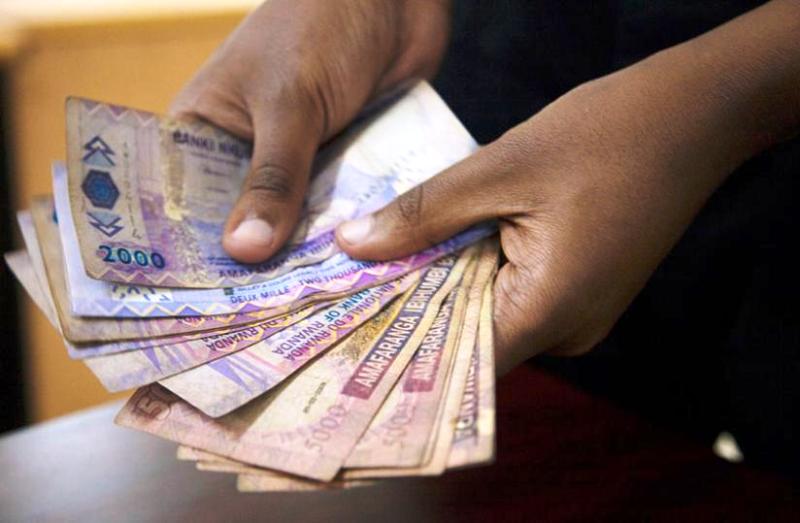
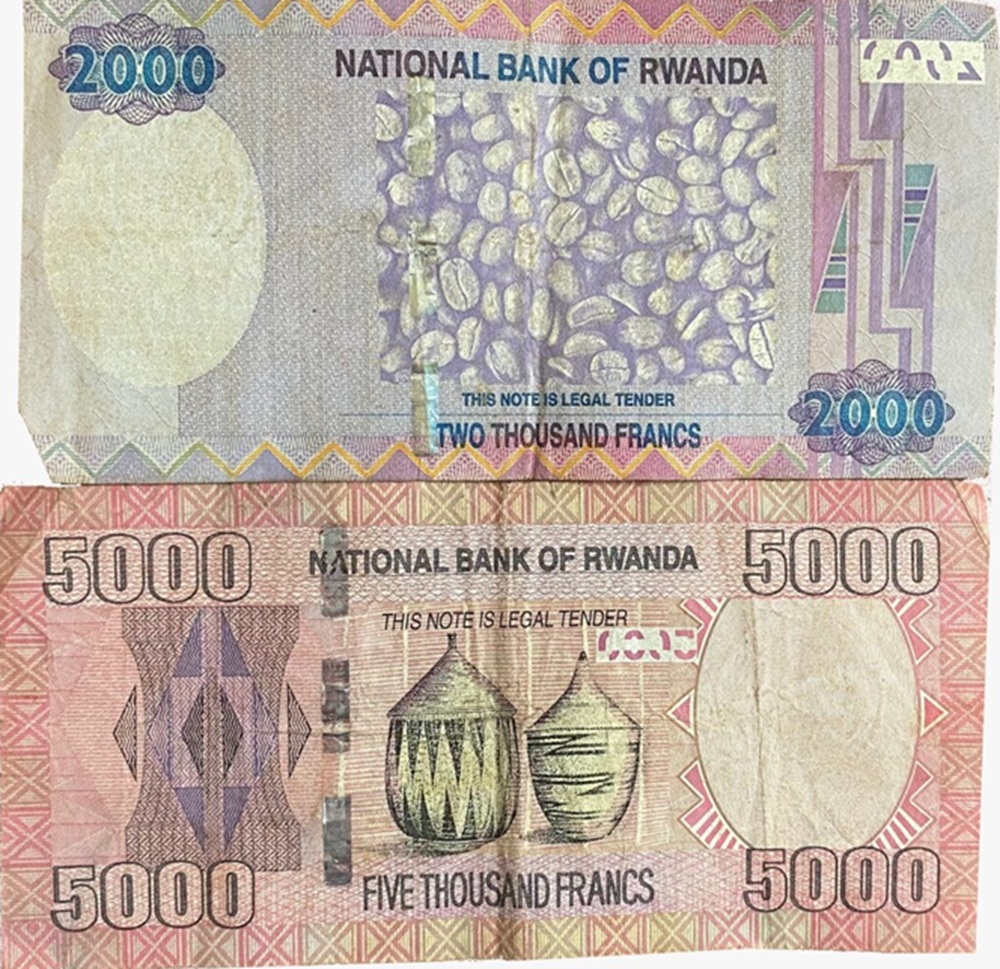
The decision is contained in Presidential Order No. 011/01 of February 27, 2026, which revokes the legal tender status of several older series of these banknotes.
The measure will take effect 12 months after the order is published in the Official Gazette of the Republic of Rwanda, giving the public time to exchange the notes.
Among the banknotes to be phased out are the Rwf 500 and Rwf 1,000 notes introduced through a presidential order issued on September 20, 2004. The Rwf 500 note later introduced on September 10, 2013 will also be withdrawn.
The order further removes the Rwf 1,000 banknote introduced on October 15, 2015 and the Rwf 2,000 banknote issued on December 31, 2007. Also affected are two versions of the Rwf 5,000 banknote that were introduced through presidential orders dated June 5, 2004 and August 12, 2009.
Article four of the order states that the withdrawal will only become effective one year after the decree is officially published in the Official Gazette.
Newer versions of the Rwf 500 and Rwf 1,000 notes currently in circulation were introduced through a presidential order issued on July 2, 2019.
More recently, new designs for the Rwf 5,000 and Rwf 2,000 banknotes were introduced through a presidential order published on August 30, 2024.
At the time, the National Bank of Rwanda (BNR) explained that the redesign was necessary because the existing notes had been in use for many years. For example, the Rwf 2,000 note had last been issued in December 2014.
The central bank said the update was meant to incorporate modern technology that strengthens security features and reduces the risk of counterfeiting.
BNR also revised the material used to produce the banknotes to make them more durable while ensuring that their design reflects Rwanda’s current development and economic progress.
The old Rwf 5,000 and Rwf 2,000 banknotes will cease to be used after 12 months.
The draft law was previously approved by Parliament and will now be forwarded to the budget committee for detailed scrutiny, where each provision will be reviewed ahead of the final approval of the new national budget in Rwanda.
Domestic revenue is projected at Rwf 4,662.7 billion, comprising Rwf 3,655.3 billion in tax income, Rwf 516.5 billion from domestic borrowing, and Rwf 490.8 billion from other sources, including assets, sales of goods and services, fines, and penalties.
Foreign revenue is expected to reach Rwf 2,289.3 billion, made up of Rwf 1,639.7 billion in loans and Rwf 649.6 billion in grants.
The funds will be allocated according to priority needs and planned government activities. The recurrent budget is set at Rwf 4,836.2 billion, covering staff salaries of Rwf 1,167.2 billion, expenditure on goods and services of Rwf 1,038.8 billion, and interest payments totaling Rwf 536.4 billion.
In addition, there will be funds allocated for durable equipment, grants, loans, and assistance for the disadvantaged, as well as other miscellaneous expenses.
The development budget has been set at Rwf 2.115.8 billion and will be used for various development projects across the country.
Minister of Finance and Economic Planning, Murangwa Yusuf, recently told the parliament that the reduction in the budget was due to changes made in the process of securing funds for the construction of the new Kigali International Airport. The amount required for this project was reduced by Rwf 168.2 billionfor the 2025/2026 fiscal year.
Additionally, the planned repayment of the RwandAir loan for the 2025/2026 fiscal year has been revised, meaning the repayments will begin gradually from the 2026/2027 fiscal year.
This reduction in the budget has been offset by an increase in foreign funds for development projects, particularly funds expected from international aid and loans.
Key changes in this budget revision include the increased revenue, an increase in tax revenues, additional funds, and the rise in foreign grants and loans used for development projects, along with a decrease in foreign loans routed through the State Treasury.
Despite the overall reduction in the budget, the government has shown that foreign funds are expected to rise by Rwf 250.5 billion, primarily from grants and loans for development projects.
This will coincide with an increase in the development budget, which will also rise by Rwf 253.3 billion.
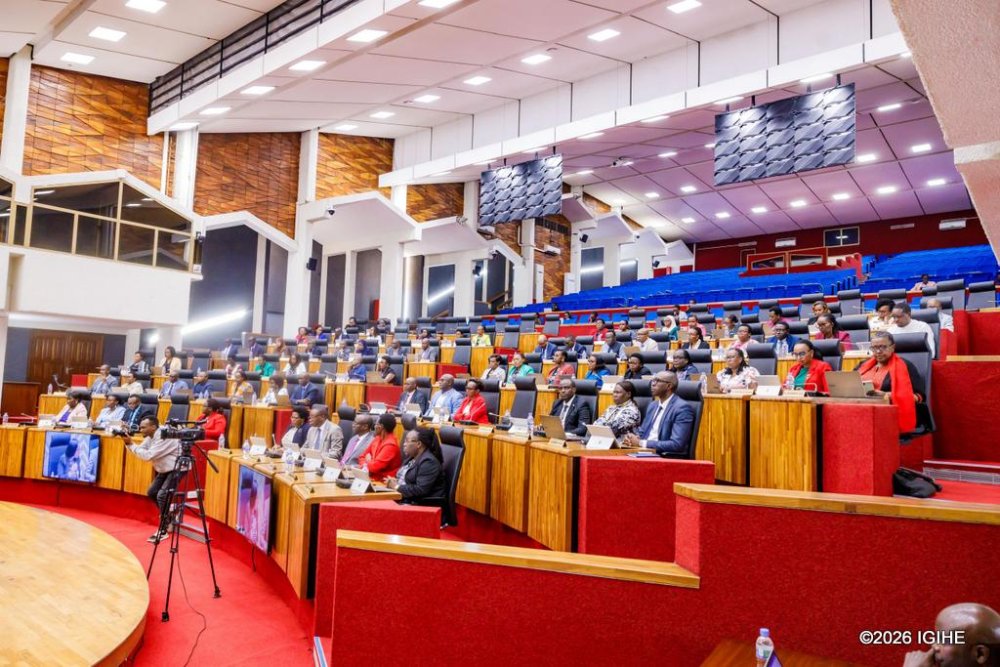
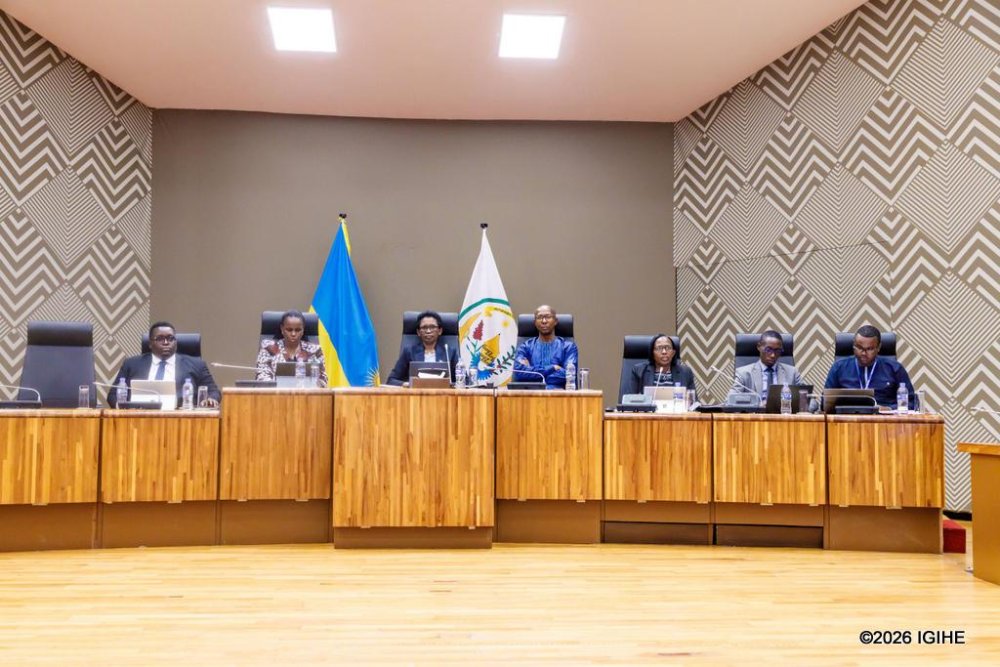
The Minister of State for National Treasury in Rwanda’s Ministry of Finance and Economic Planning , Godfrey Kabera, represented the Government.A total of 78 Members of Parliament attended the General Assembly that approved the new budget.
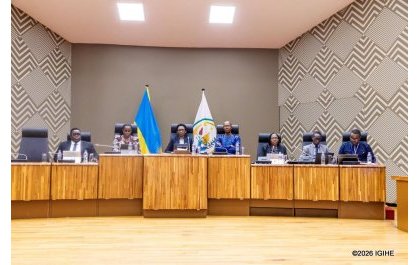
The Parliament approved the revised budget for the 2025/2026 fiscal year.
The Speaker of the Chamber of Deputies of the Parliament of Rwanda Kazarwa Gerturde, chaired the General Assembly.Deputy Uwamariya Odette, explained the reasons for the changes in the budget.
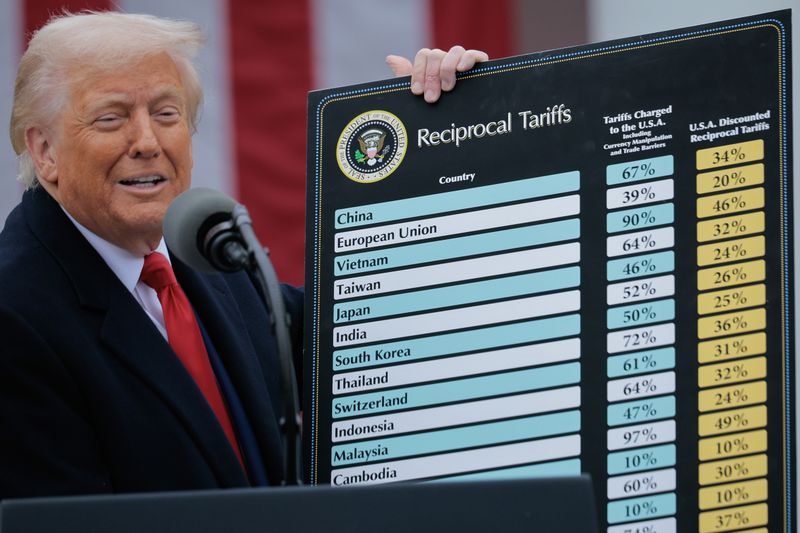
The latest guidance involves additional ad valorem duties covered by seven executive orders signed from Feb. 1, 2025 to Aug. 6, 2025, according to a bulletin issued by the U.S. CBP on Feb. 22.
The U.S. Supreme Court ruled last Friday that U.S. President Donald Trump’s sweeping tariffs under IEEPA meant for use in national emergencies were illegal, officially striking down the global tariffs introduced since April.
“In light of recent events, the additional ad valorem duties imposed pursuant to IEEPA shall no longer be in effect and, as soon as practicable, shall no longer be collected,” the executive order said.
Trump authorized all executive departments and agencies to immediately take appropriate steps to terminate the collection of the additional ad valorem duties imposed under the IEEPA.
CBP has collected as much as 175 billion U.S. dollars in duties pursuant to the IEEPA, according to an estimate by Penn-Wharton Budget Model.
Meanwhile, the Trump administration is scheduled to impose an additional 15 percent tariff on imported goods from all countries starting Tuesday, according to a White House proclamation and one of Trump’s social media posts on Saturday.
Section 122 of the Trade Act of 1974 allows the president to impose duties of up to 15 percent for up to 150 days on any and all countries to address “large and serious” balance of payments issues. After 150 days, Congress would need to approve their extension.
“This is a setback and a message we did not want to send today, but the work continues,” Kallas told a news conference after talks in Brussels, adding that she also decided to cap the size of the Russian Mission in the EU at 40 people.
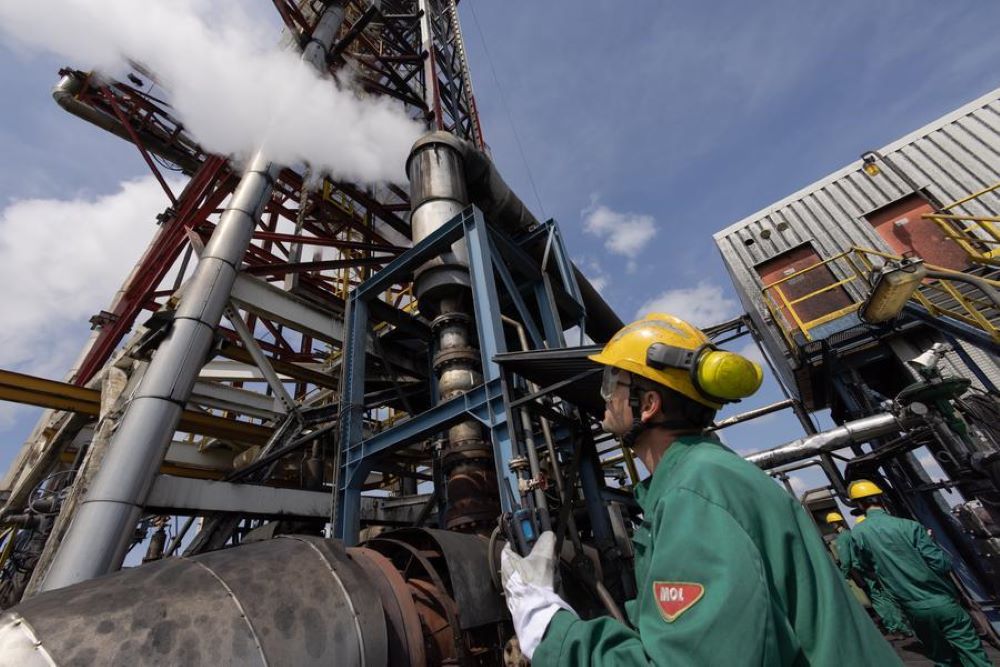
Hungarian Minister of Foreign Affairs and Trade Peter Szijjarto said on Monday that Budapest has made clear in the meeting that it will not support or approve the planned sanctions package, and will also block an EU proposal to provide Ukraine with a 90-billion-euro (106-billion-U.S. dollar) loan.
Szijjarto said Hungary will not support any EU decision that benefits Ukraine as long as Kyiv continues to halt oil deliveries to Hungary via the Druzhba pipeline.
The Druzhba pipeline, which transports Russian oil to Central Europe via Ukraine, has faced repeated disruptions since last year amid the ongoing conflict between Russia and Ukraine. Hungary has stated that although there are currently “no practical or technical obstacles,” Ukraine has decided not to restart crude deliveries.
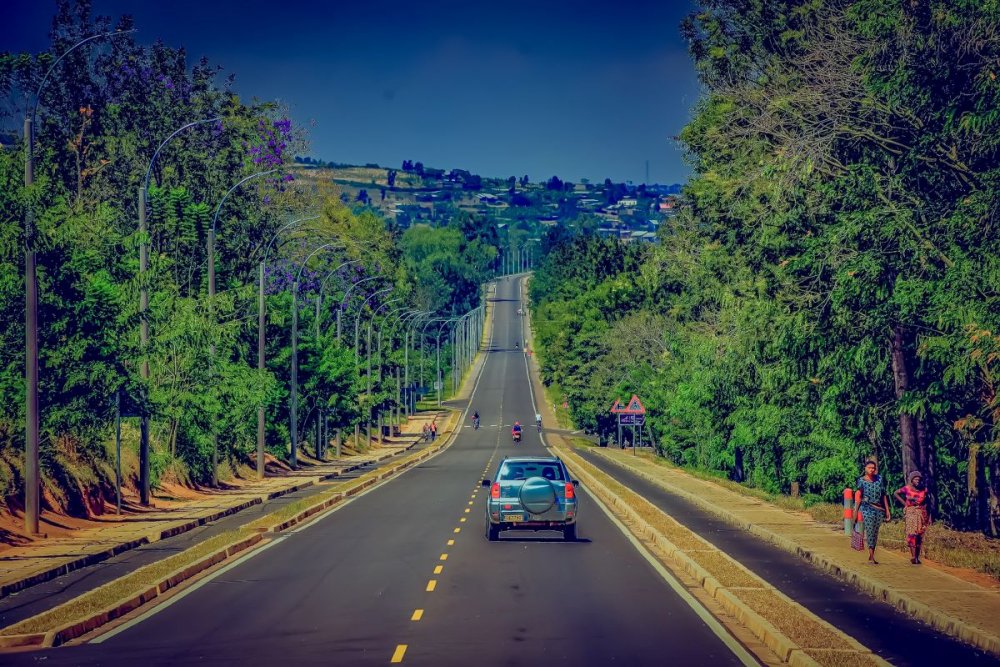
Rwanda is set to spend more than Rwf 513 billion on key infrastructure projects during the 2025/2026 fiscal year, according to a performance report from the Ministry of Infrastructure. The funding will support the construction and rehabilitation of roads and other strategic facilities across the country.
The government recently indicated that the national budget approved by Parliament in June 2025 has so far been implemented at 65 percent. The budget is currently undergoing revisions, with some projects receiving increased allocations while others are being scaled down.
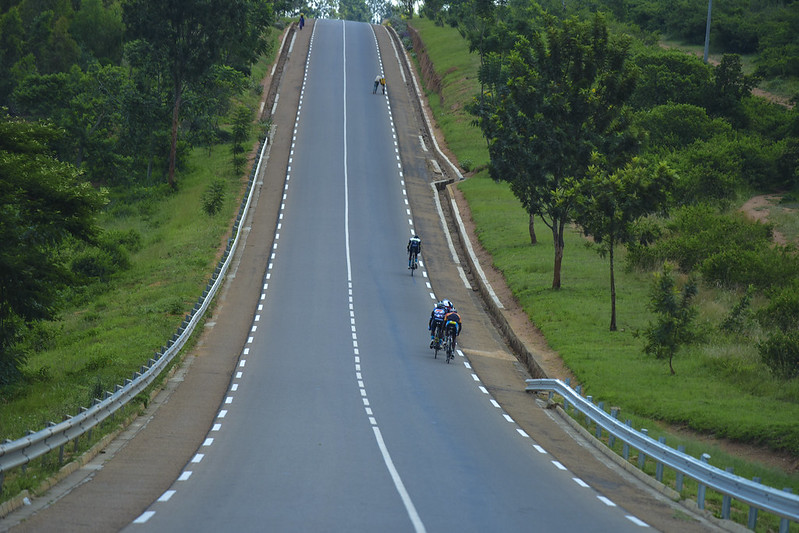
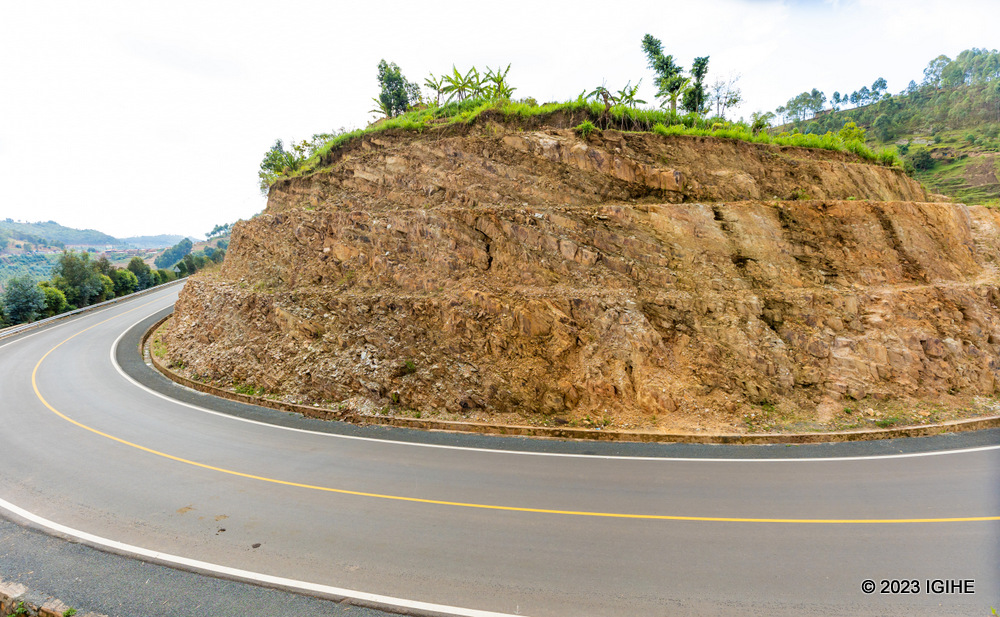
Among the major undertakings is the rehabilitation of 79 kilometers of roads in different parts of the country. This includes the Muhanga–Rubengera road, specifically the 24-kilometer Nyange–Muhanga section. At the start of the fiscal year, works on this stretch had reached 30 percent completion. The rehabilitation of this section is expected to cost more than Rwf 8.59 billion. The Muhanga–Rubengera road has been developed in phases, beginning with Rubengera–Rambura, followed by Rubengera–Nyange, and finally Nyange–Muhanga.
Rwanda continues to invest heavily in road development.
The ministry also plans to produce a detailed design report for the rehabilitation of the 45-kilometer Kigali–Muhanga asphalt road at an estimated cost of Rwf 3 billion.
Construction preparations are underway for the 10-kilometer Prince House–Giporoso–Masaka road. Preliminary activities have begun, including the removal of houses along the road corridor, and construction is expected to commence by February 2026.
In addition, MININFRA will oversee the paving of 184.8 kilometers of national roads this year. Among them is the 63-kilometer Base–Butaro–Kidaho road, with works budgeted at more than Rwf 11.77 billion.
Further roadworks will cover the 18-kilometer Nyagatare–Rwempasha road and the 73-kilometer Nyagatare–Rukomo road, for which over Rwf 4 billion has been allocated. Construction will also proceed on the 52-kilometer Ngoma–Ramiro road linking Ngoma and Bugesera districts, with Rwf 6 billion set aside for the project.
Before the end of the fiscal year, feasibility studies will be completed for the modernization of three major road junctions in Kigali—Gishushu, Chez Lando, and Sonatube—as part of efforts to improve urban transport in the capital. The planned upgrades, to be implemented using modern interchange designs, are expected to cost $100 million.
The government will also undertake construction of the 51-kilometer Sashwara–Rega–Kabuhanga–Busasamana–Muhato road at a cost of Rwf 4.3 billion.
Beyond national highways, Rwanda is preparing to develop feeder roads and apply light asphalt surfacing, including 194 kilometers of feeder roads in Rutsiro District. Other priority projects include infrastructure works at the Kigali Logistics Platform dry port, upgrades to the Nyacyonga–Mukoto and Byumba–Ngondore roads, infrastructure supporting refugees and host communities, and improvements to roads near border areas.
Rwanda will spend more than Rwf 513 billion on key infrastructure projects during the 2025/2026 fiscal year.
Specific border-area projects include paving the 18-kilometer Nyagisozi–Remera–Nshili road at a cost of Rwf 6.1 billion. In Rutsiro, 41 kilometers of feeder roads will be constructed at a cost of Rwf 5.3 billion. Additional funding amounting to Rwf 3.1 billion has been earmarked for equipment and supervision works at the Kigali Logistics Platform, as well as the preparation of a master plan covering 69.45 kilometers of roads.
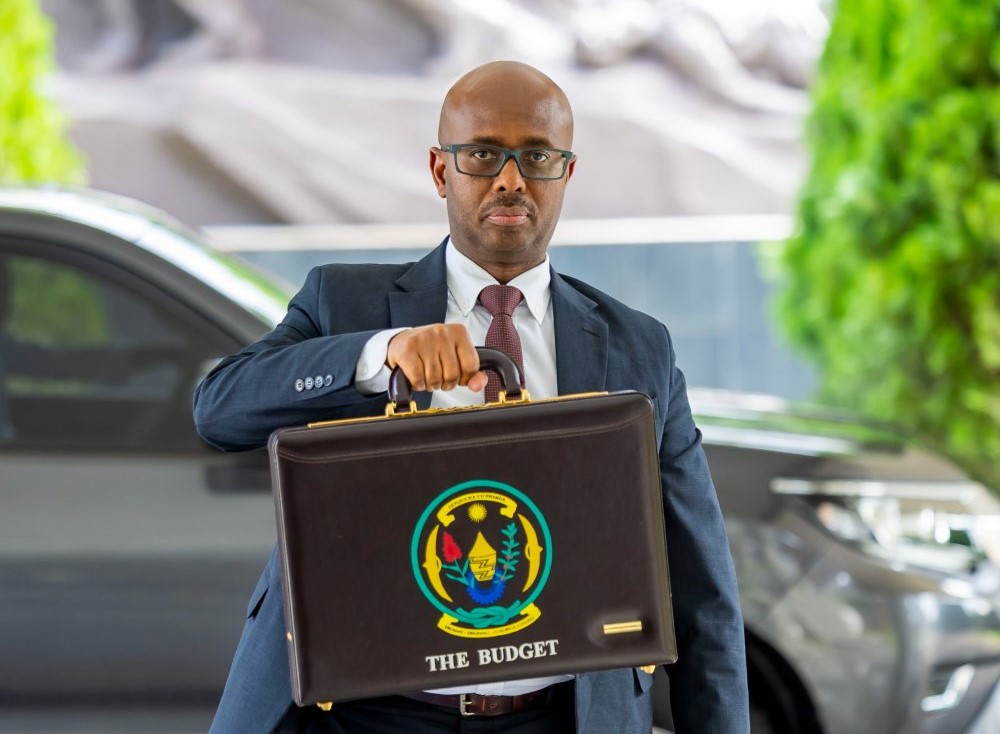
On February 12, 2026, the Minister of Finance and Economic Planning, Yusuf Murangwa, announced that the national budget for 2025/2026 had been revised downward from Rwf 7,032.5 billion to Rwf 6,952.1 billion.
The reduction stems largely from adjustments in financing arrangements for Phase II of the new Kigali International Airport project, which lowered the amount required in the 2025/2026 fiscal year by Rwf 168.2 billion. Changes were also made to the repayment plan for loans owed by RwandAir, with repayments now scheduled to begin gradually from the 2026/2027 fiscal year.
On February 18, 2026, the Senate plenary concluded that the revised budget is well structured and aligned with the pillars of Rwanda’s second National Strategy for Transformation (NST2, 2024–2029).
Funding for social transformation has increased from Rwf 1,526.9 billion to Rwf 1,641.8 billion, representing 23.6% of the total budget. Allocations for good governance have also risen, from Rwf 1,088.3 billion to Rwf 1,105.1 billion, accounting for 15.9% of total expenditure.
Meanwhile, funding for economic transformation has been reduced from Rwf 4,417.2 billion to Rwf 4,205.1 billion, representing 60.5% of the budget. Overall development expenditure, however, has increased from Rwf 2,719.7 billion to Rwf 2,837.2 billion, an increment of Rwf 117.5 billion. Funding for projects alone has risen by Rwf 253.3 billion, reaching Rwf 2,115.8 billion.
Government projections also indicate higher domestic revenue collections than previously expected. Tax and non-tax revenues are projected to rise from Rwf 4,105.2 billion to Rwf 4,146.2 billion, an increase of at least Rwf 41 billion.
Chairperson of the Senate Committee on Economic Development and Finance, Fulgence Nsengiyumva, said the projected growth in tax revenue reflects increasing taxpayer awareness and strengthens Rwanda’s path toward self-reliance.
Data from the Rwanda Revenue Authority show that between July and November 2025, tax collections reached Rwf 1,456.3 billion, surpassing the target of Rwf 1,449.5 billion. Revenue collected on behalf of districts also exceeded expectations.
Domestic borrowing is set to increase significantly, nearly tripling from Rwf 136.6 billion to Rwf 468.4 billion. Minister Murangwa noted that domestic borrowing provides more affordable financing while supporting the growth of local financial institutions.
He added that borrowing in foreign currencies can expose the country to exchange rate losses, whereas local banks remain sufficiently capitalized to support both public and private investment.
External borrowing, on the other hand, will decline by Rwf 512.1 billion, dropping from Rwf 2,151.9 billion to Rwf 1,639.8 billion. Grants are expected to increase from Rwf 585.2 billion to Rwf 649.6 billion.
Combined tax revenues and borrowing will account for 90% of the total budget, slightly down from 91% in the initially approved budget, an indication of continued progress toward financial self-reliance.
The Senate’s recommendations will now be submitted to the Chamber of Deputies, where the Committee on National Budget and State Patrimony will conduct a clause-by-clause review before final approval.
The Government of Rwanda also reported that by December 2025, 65% of the budget approved by Parliament in June 2025 had already been implemented.
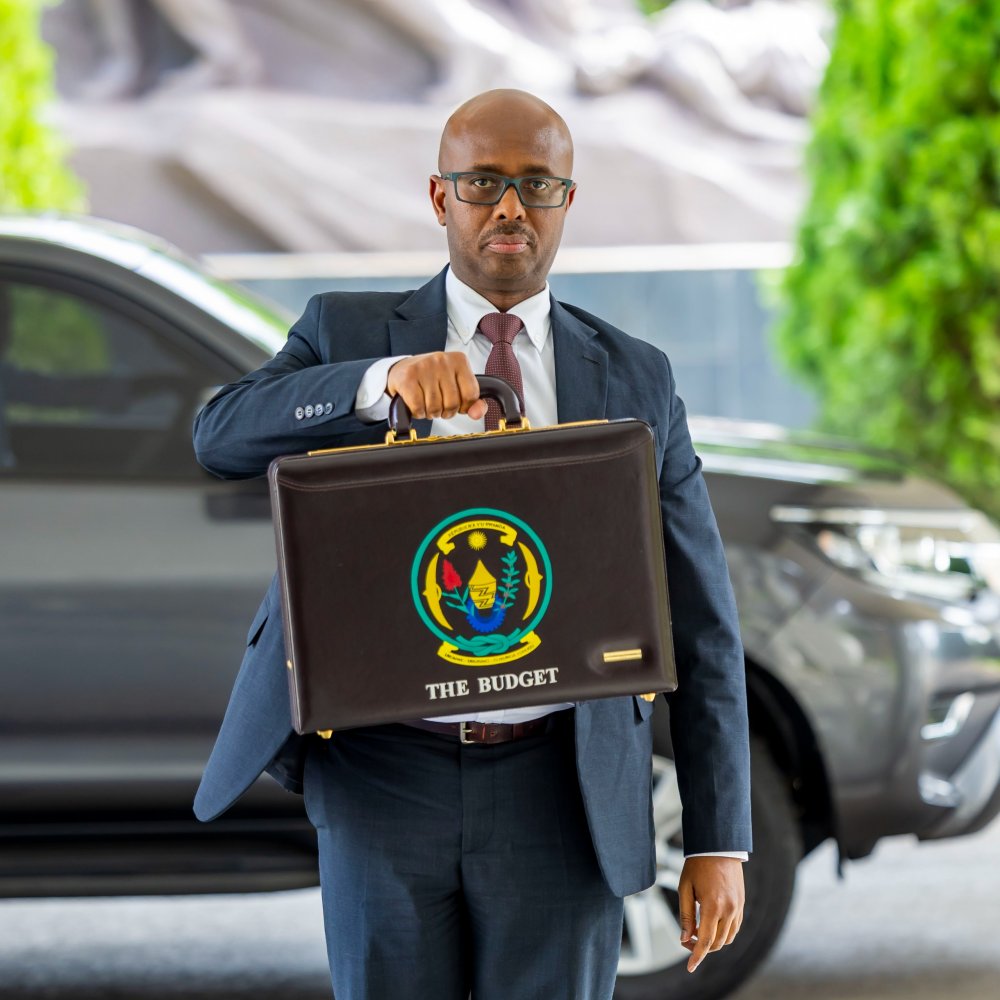
The Minister of Finance and Economic Planning, Yusuf Murangwa presented the revised national budget for 2025/2026 to the parliament on February 12, 2026.
The report shows that the financial sector attracted $299.1 million in 2024, a 27.2% increase. Industry received $267.1 million, construction $150.5 million, while agriculture, education and health together drew $107.7 million in foreign investment.
By country of origin, investors from Mauritius led with $251.1 million, followed by Kenya with $140.3 million, China with $108.6 million, the United States with $103.9 million, and Germany with $65.3 million.
Viewed by regional blocs, the Common Market for Eastern and Southern Africa (COMESA) accounted for $418.6 million in investment inflows, followed by the Organisation for Economic Co-operation and Development (OECD) with $340.6 million, the Southern African Development Community (SADC) with $293.4 million, Asia with $228.2 million, and the East African Community with $159.1 million.
Foreign loans to Rwandan businesses rose to $543.6 million, a 28.5% increase from $423 million the previous year. The report attributes the rise mainly to borrowing from affiliated companies abroad, which accounted for 60.8% of external loans, while 39.2% came from non-affiliated foreign entities.
More than 380 companies participated in the survey. Their combined turnover reached $3.9 billion in 2024, up from $3.6 billion in 2023.
Profitability and employment
The report indicates that in 2024, private companies with foreign ownership exceeding 10% recorded profits of $179.5 million, up 36.4% from $176.5 million in 2023. Reinvested earnings rose by 34.6% to $125.4 million, while dividends distributed to shareholders increased by 15.2% to $38.3 million.
Foreign investment generated 69,341 jobs in 2024, with 97.6% of positions held by Rwandans. In 2023, foreign investment-related employment stood at 59,916 jobs.
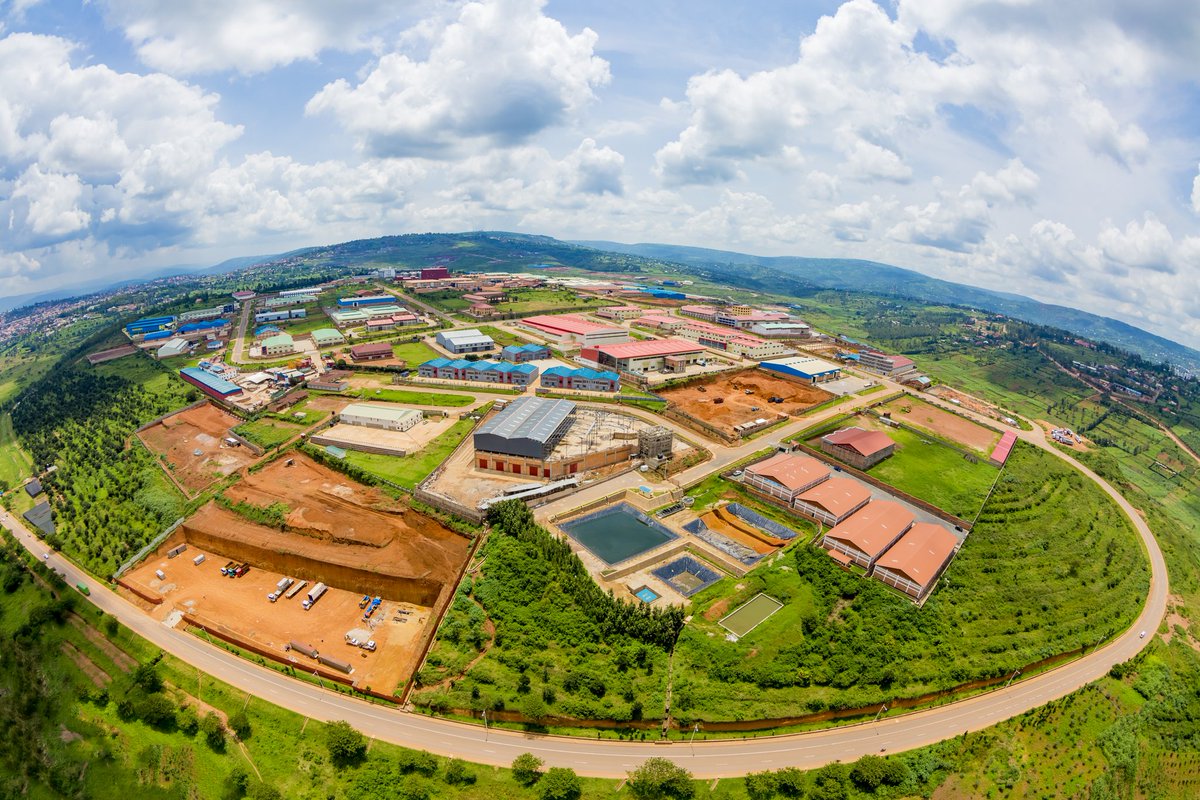
Ths photo shows the view of Kigali Special Economic Zone in Masoro.