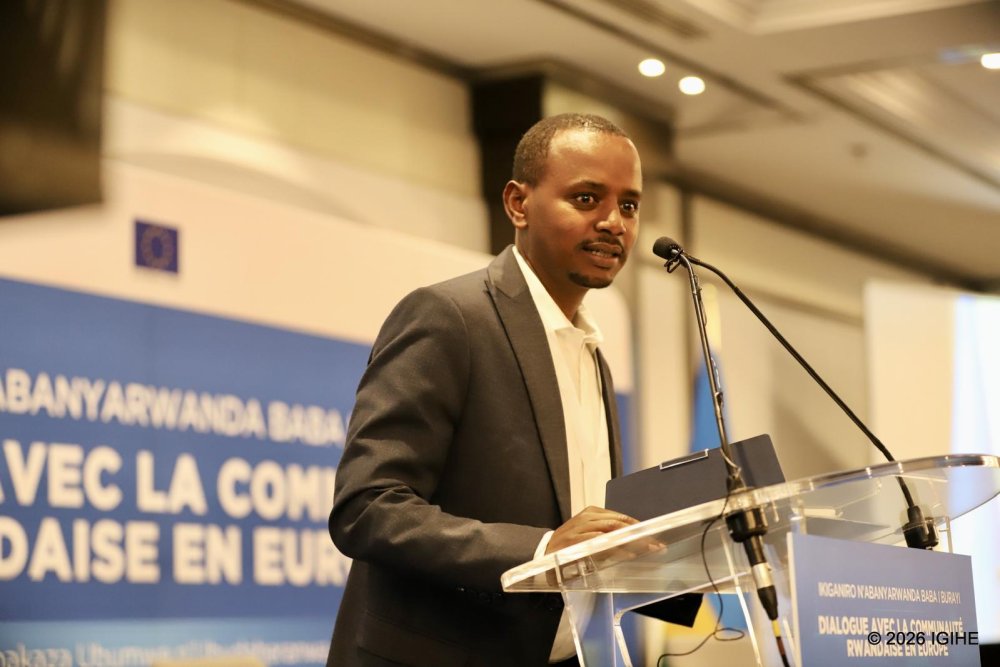
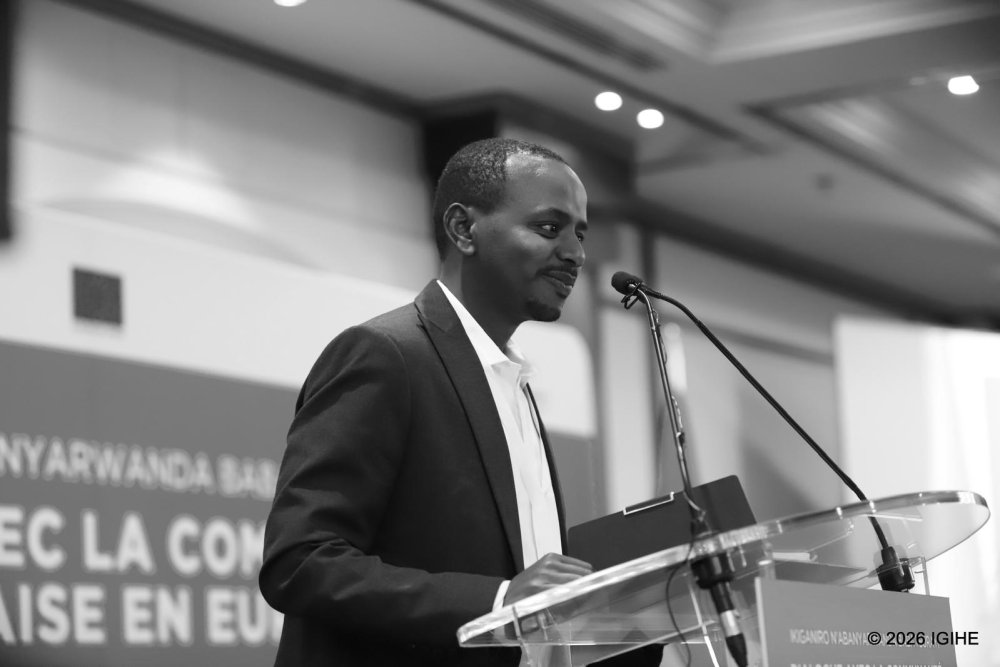
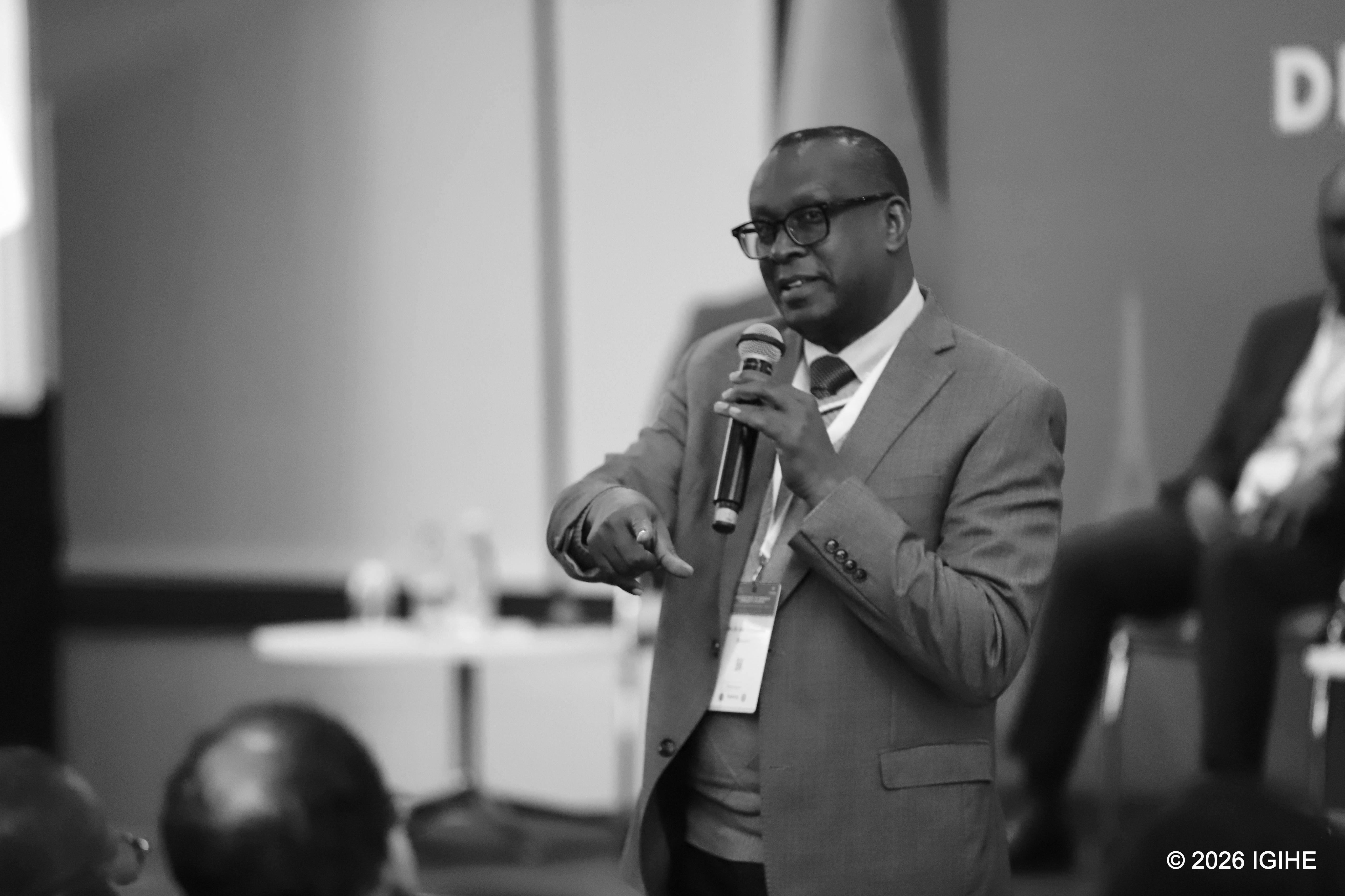
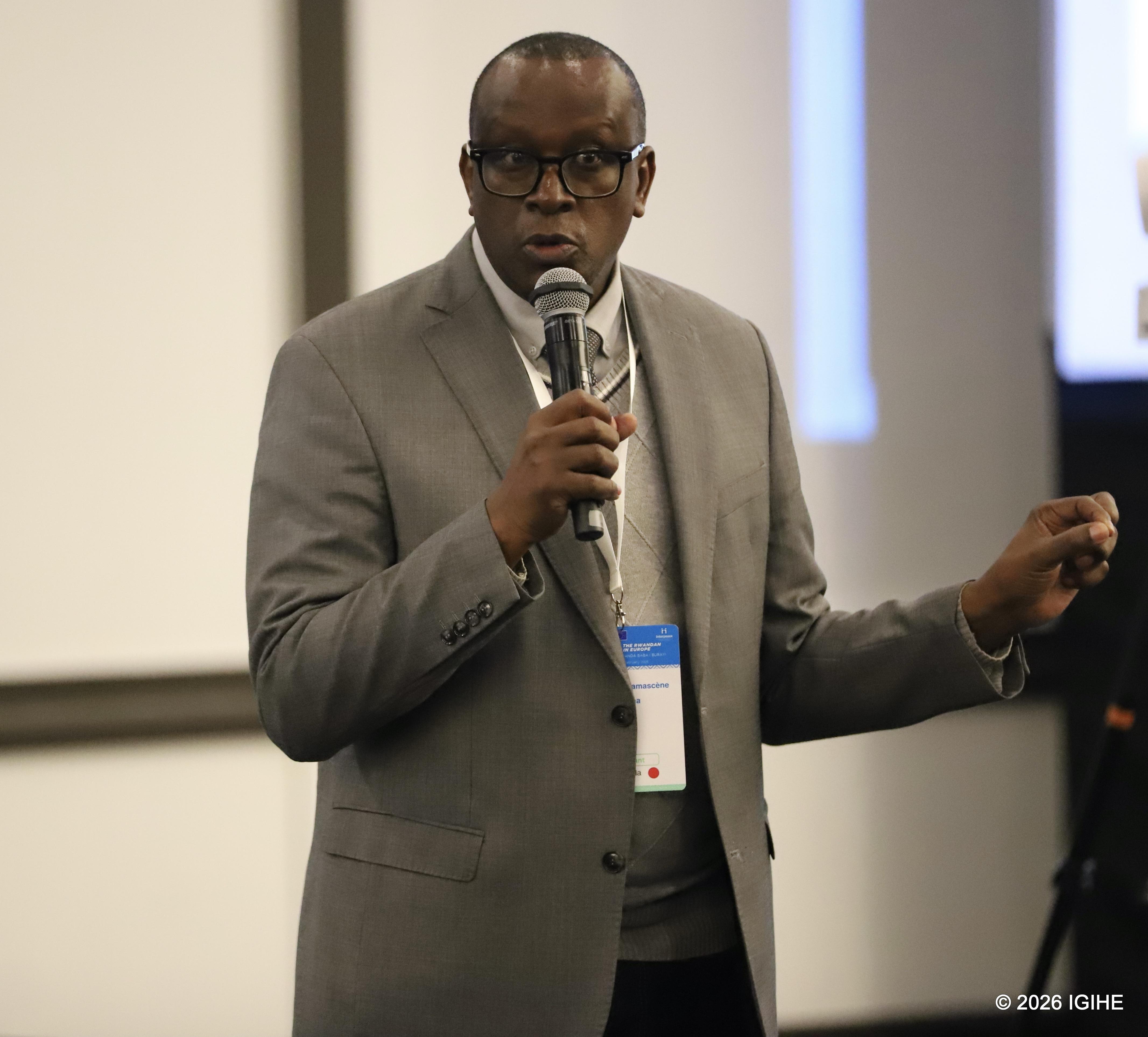
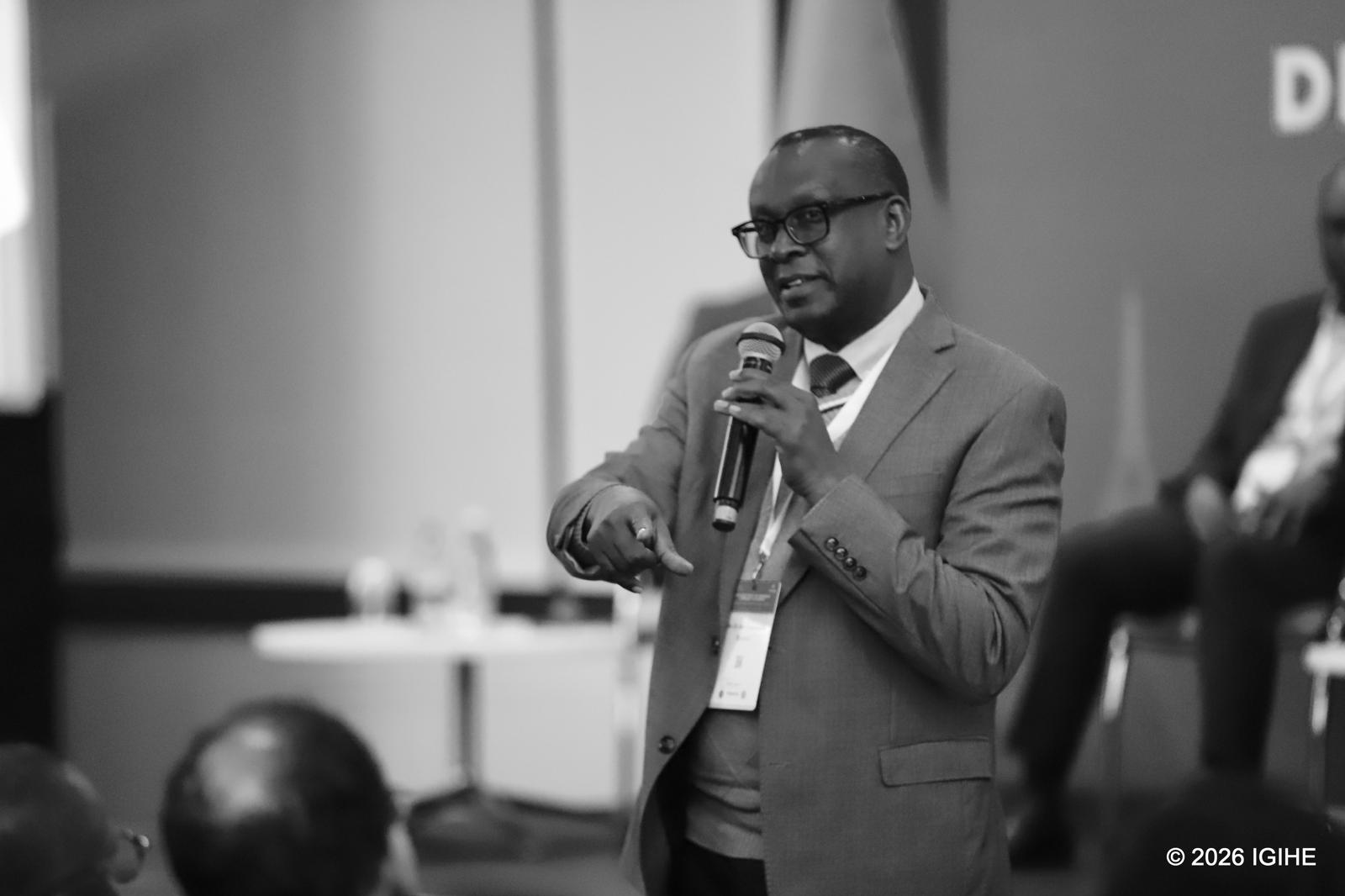
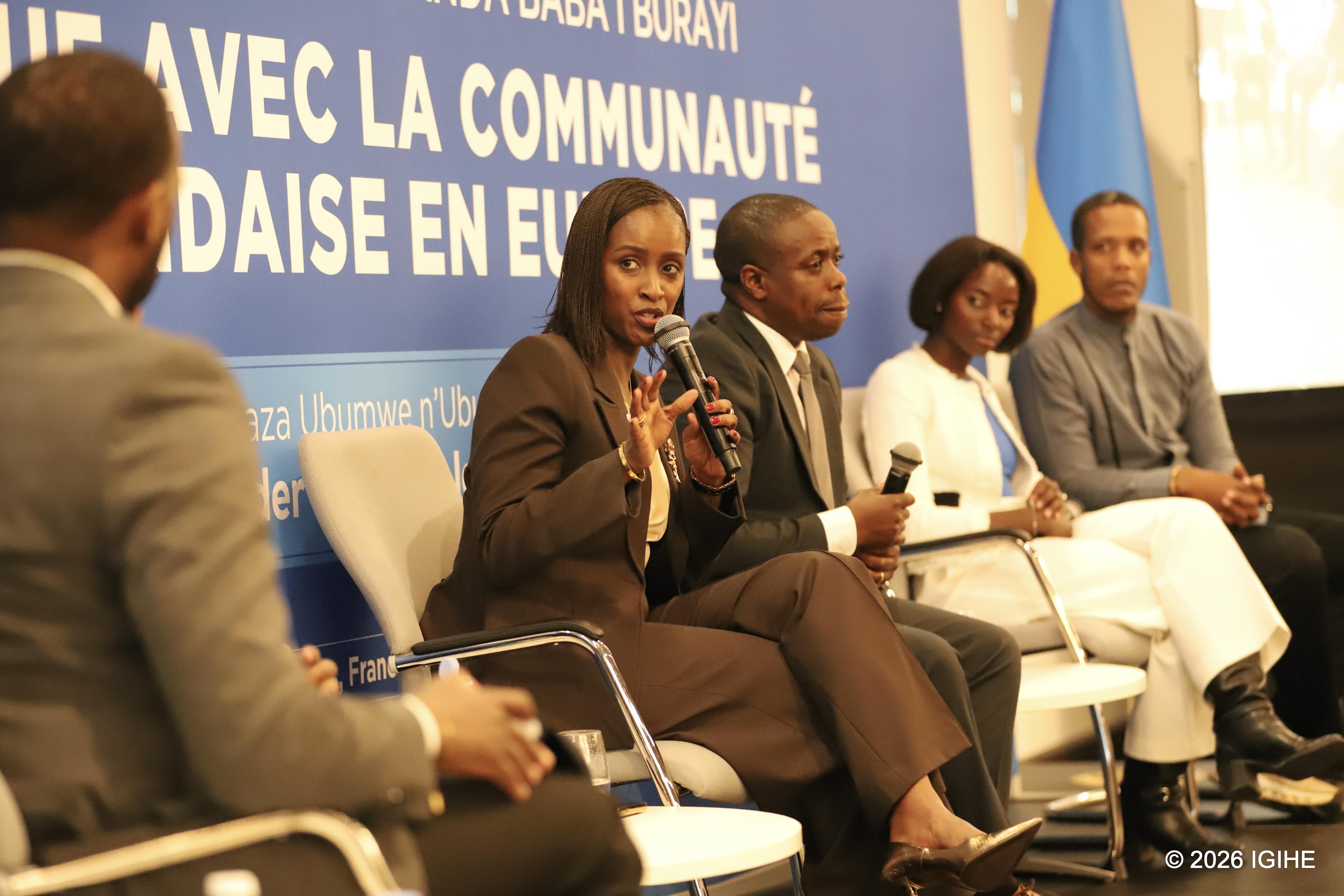
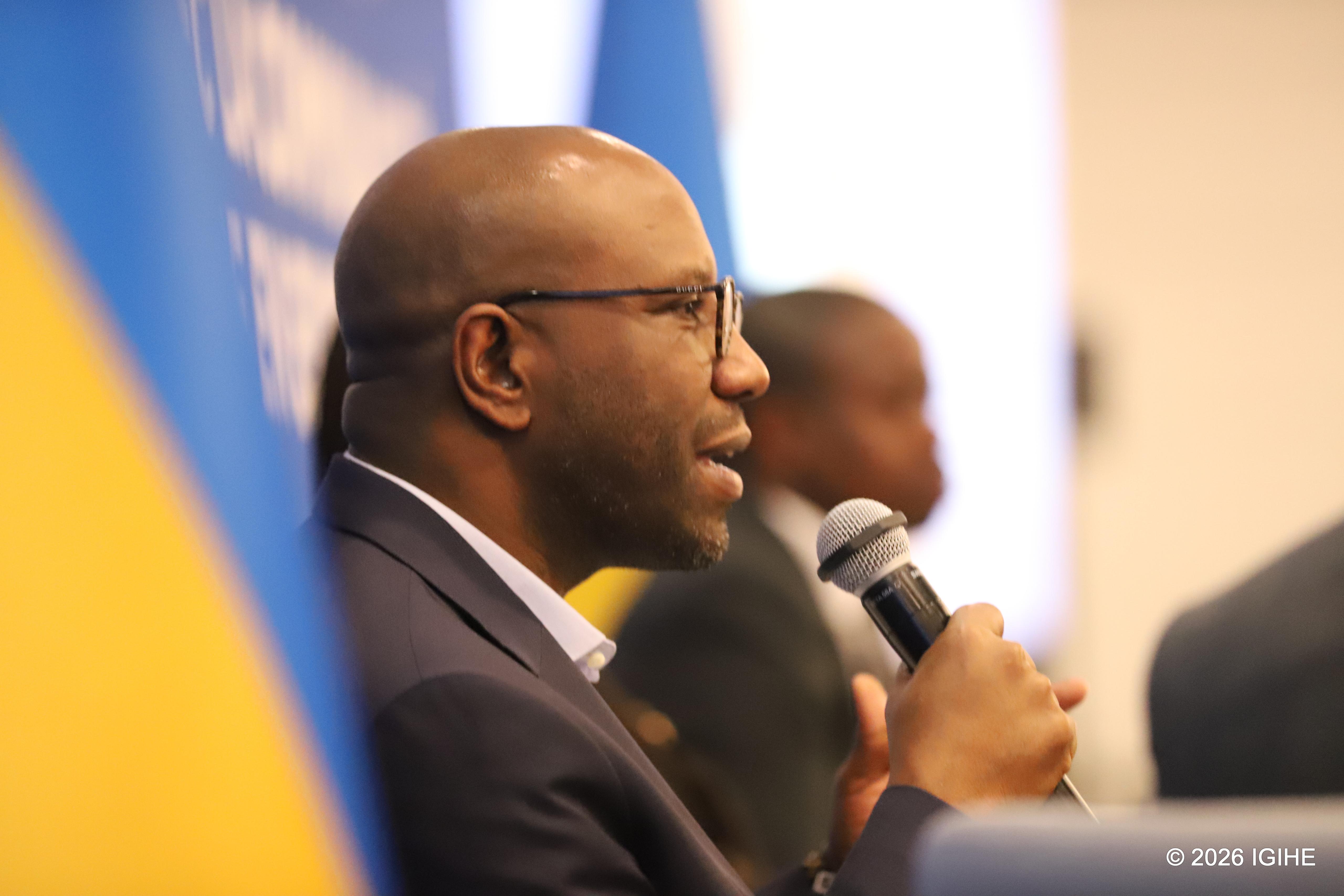
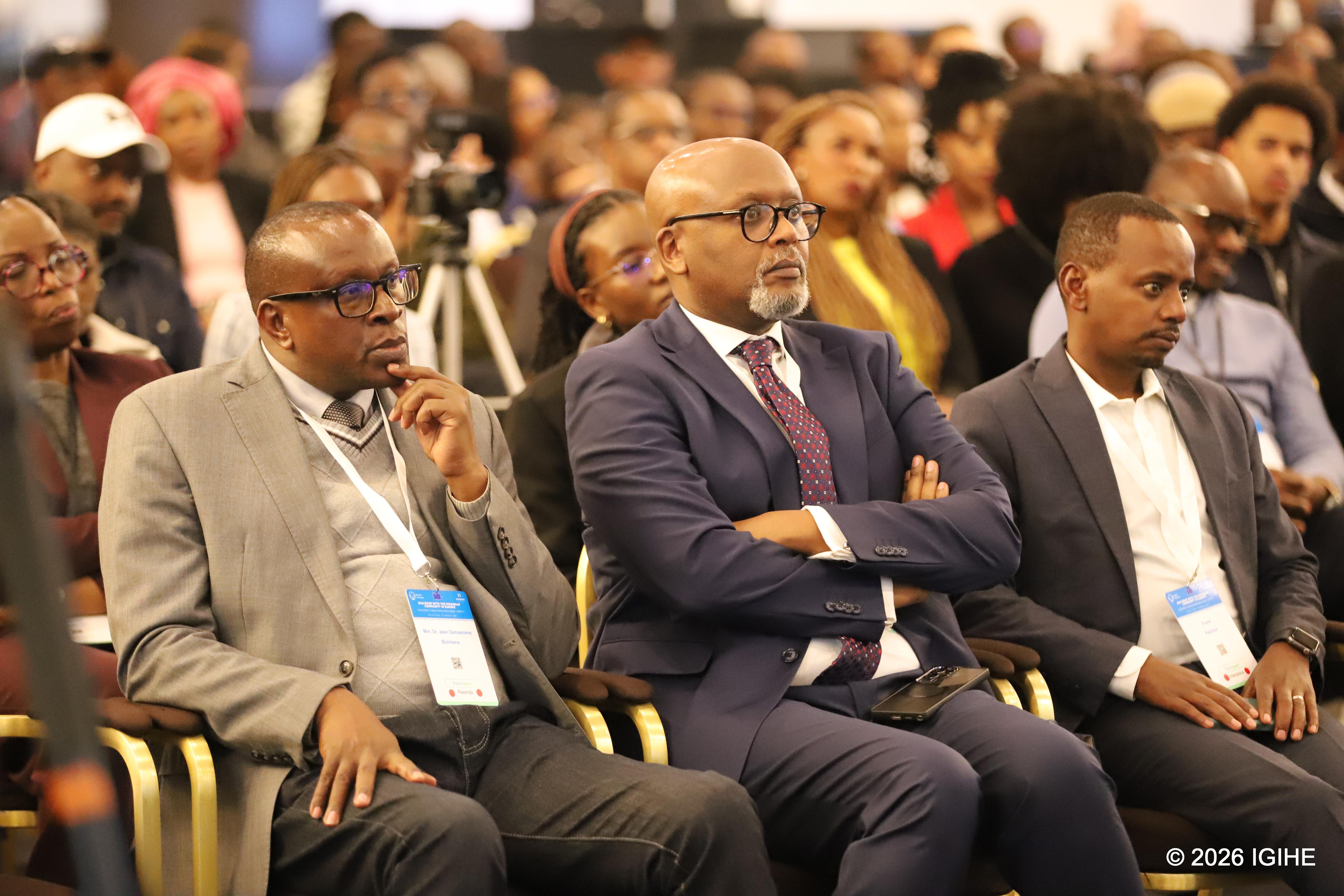
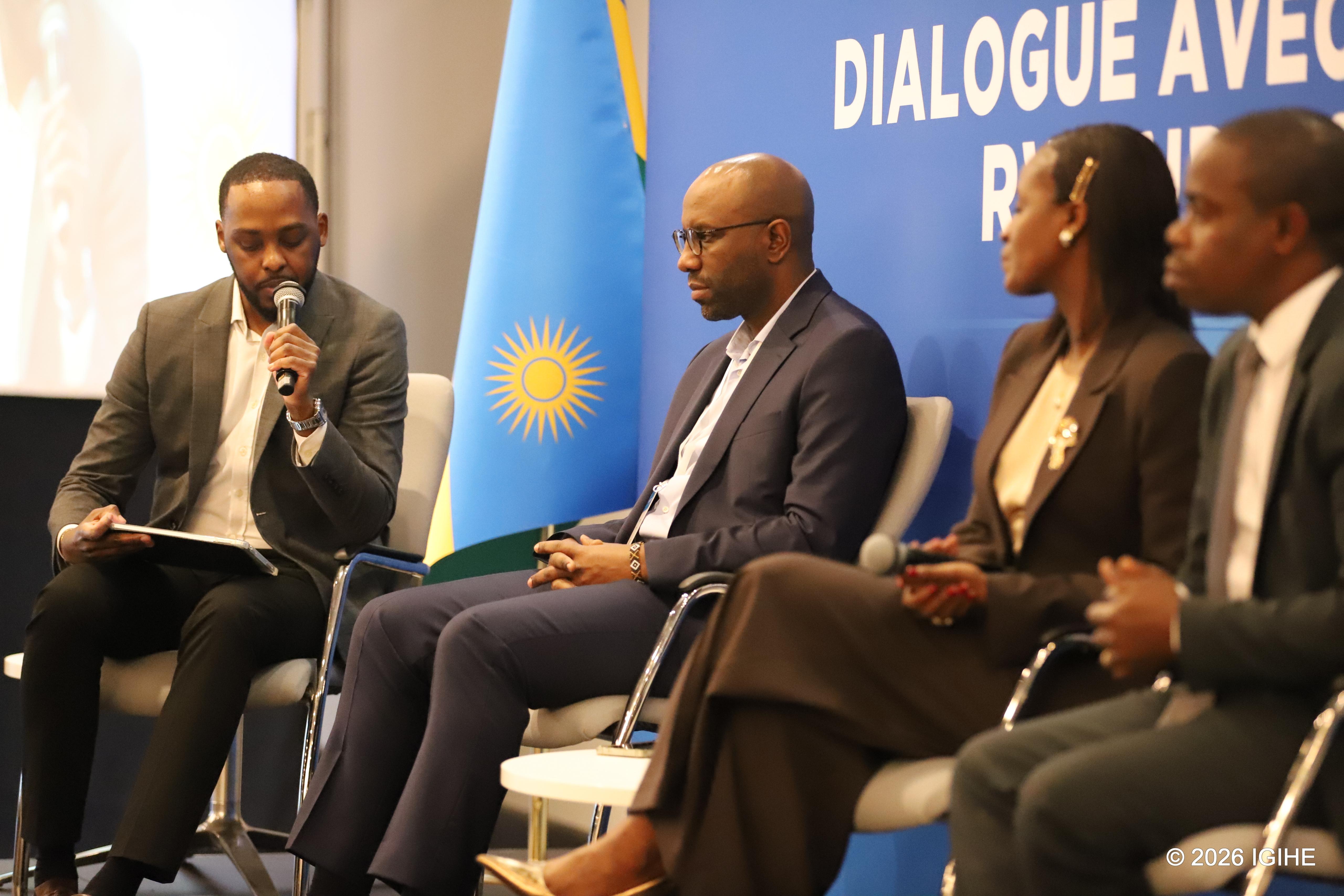
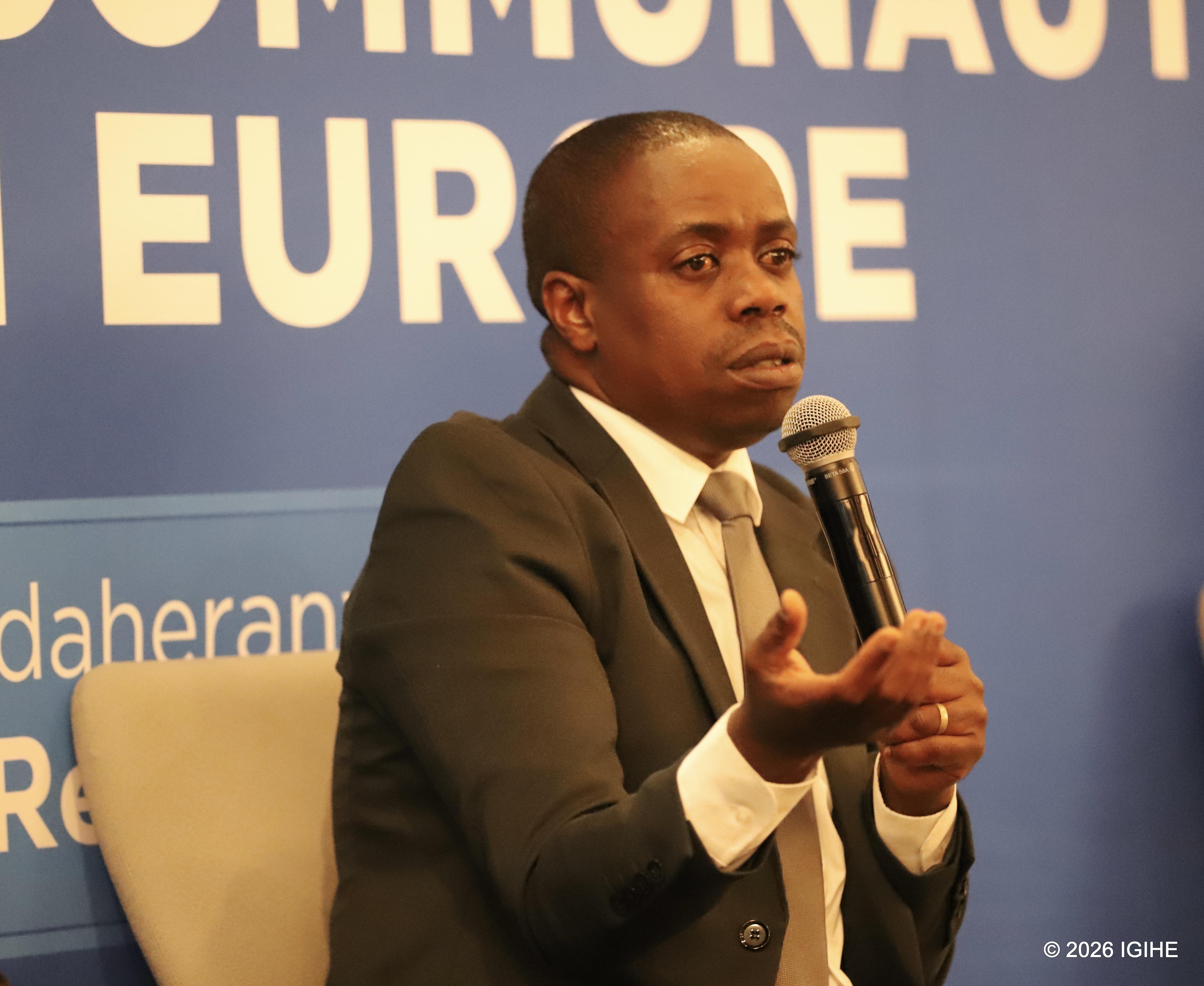
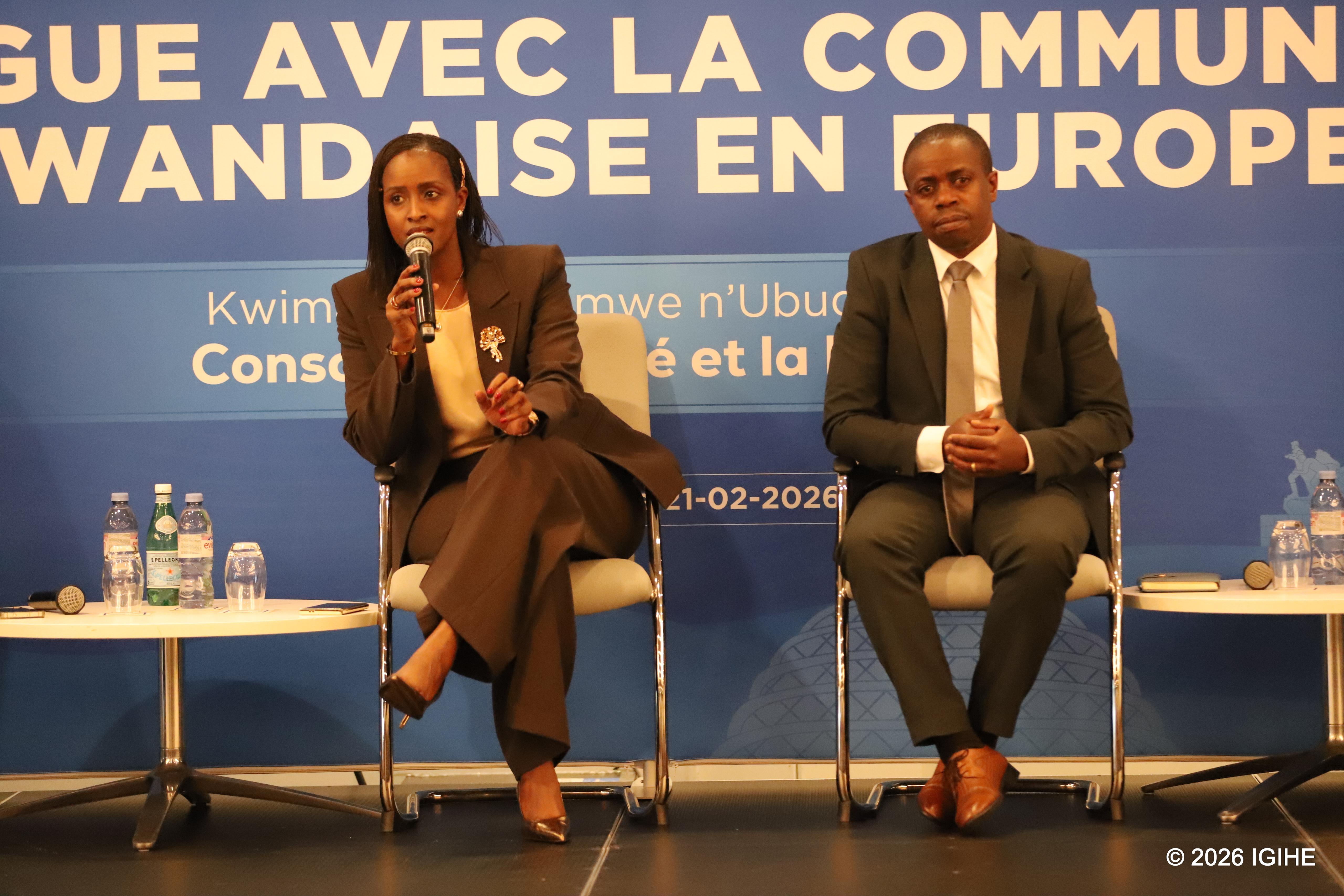
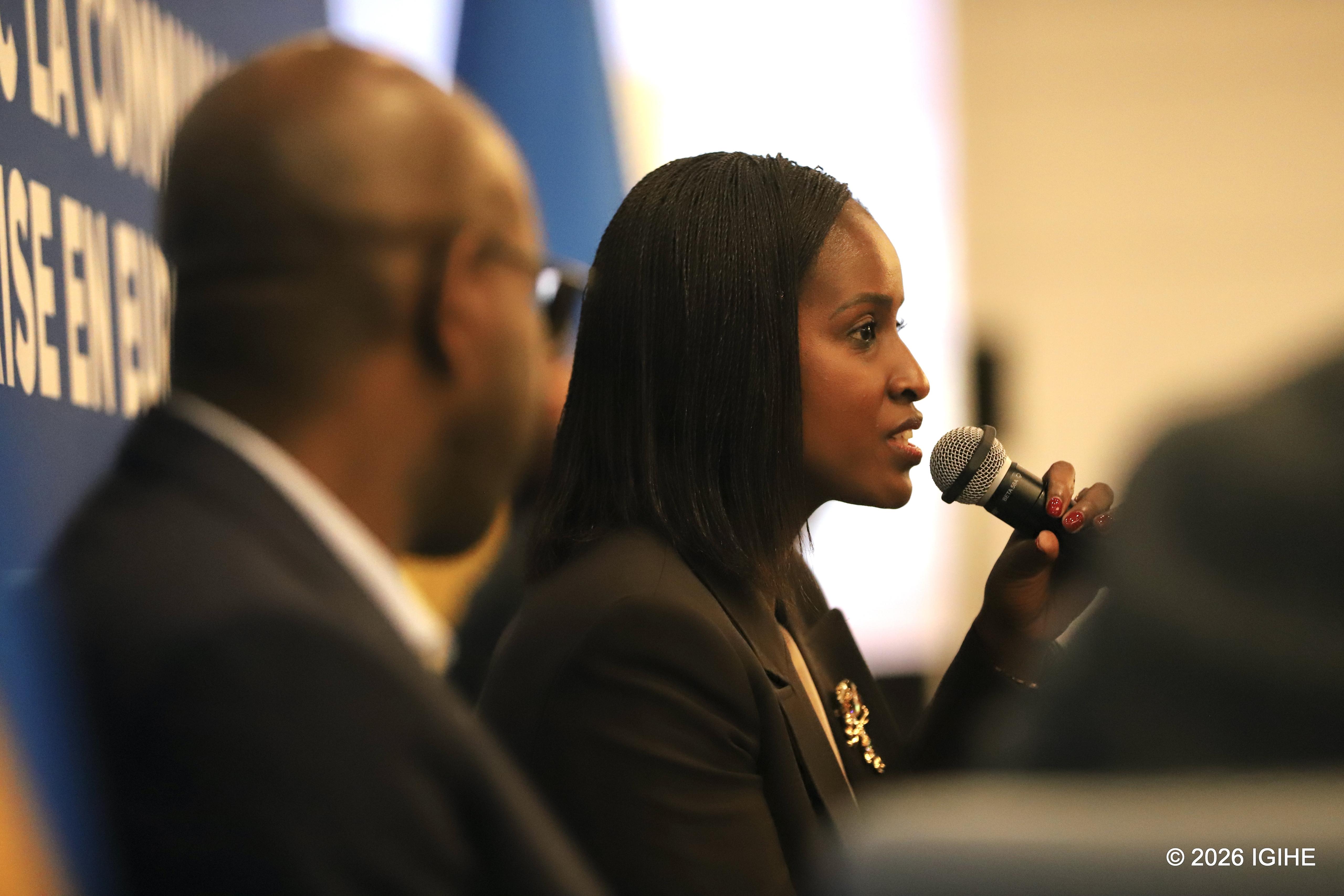
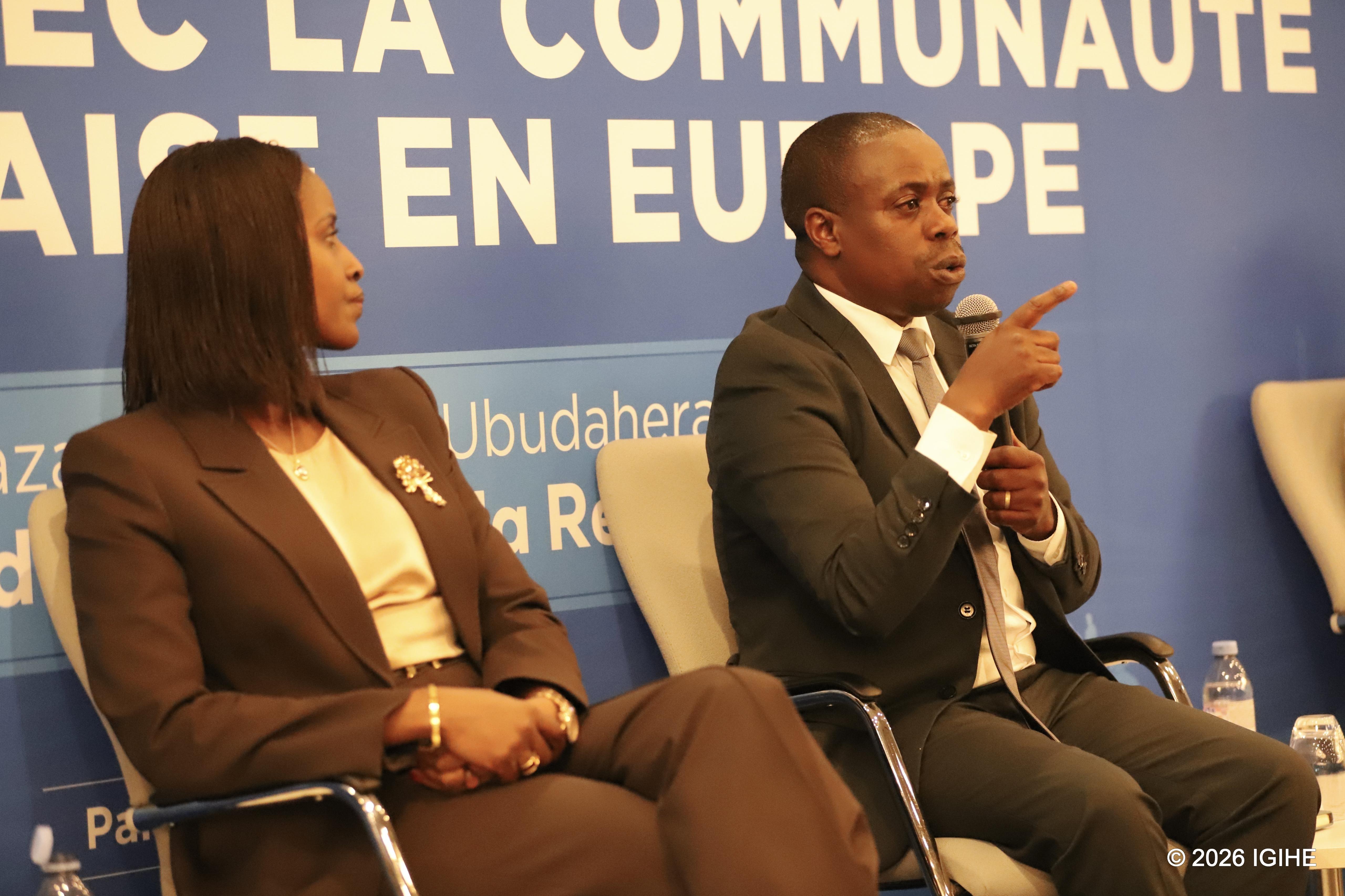
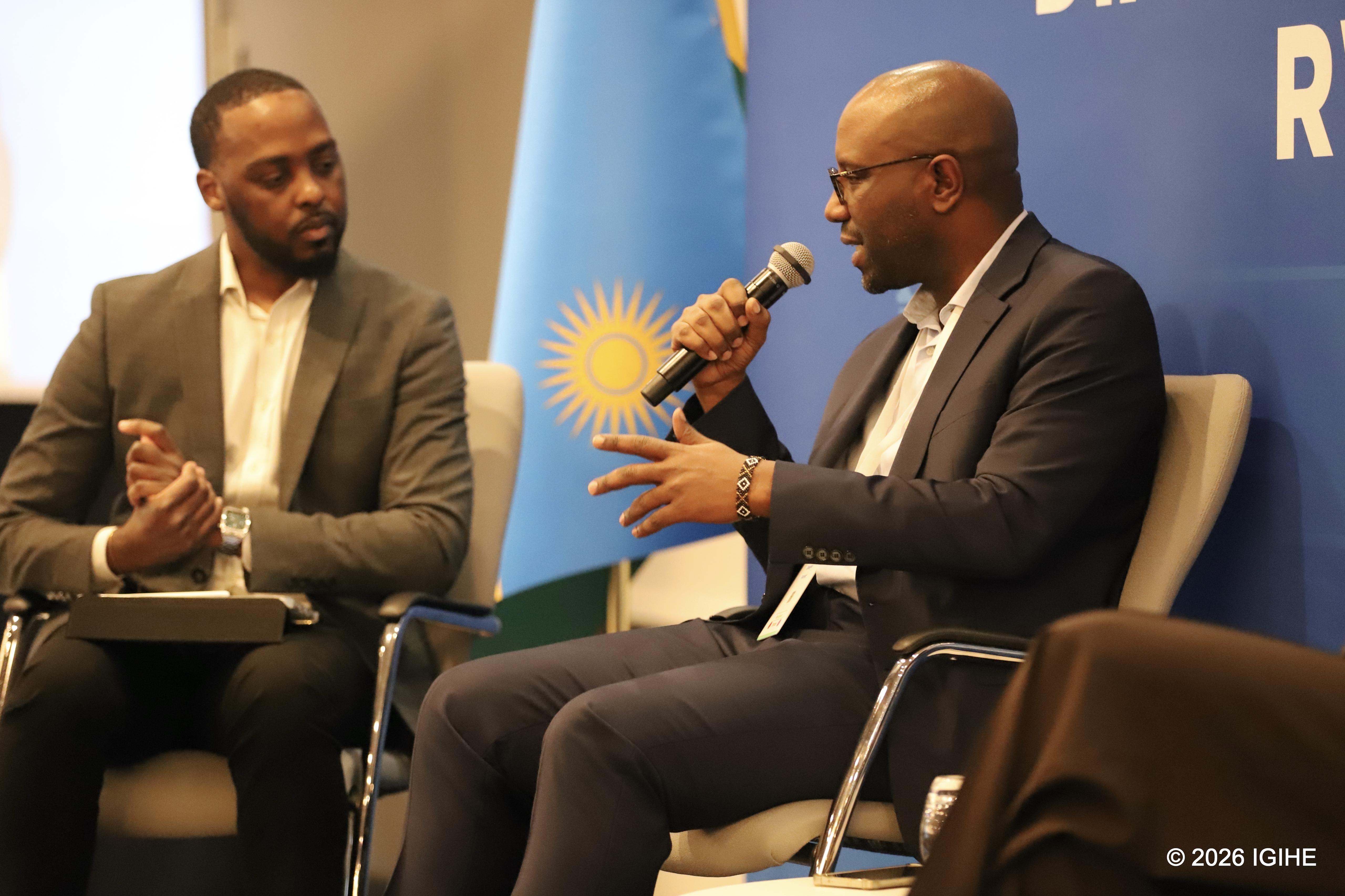
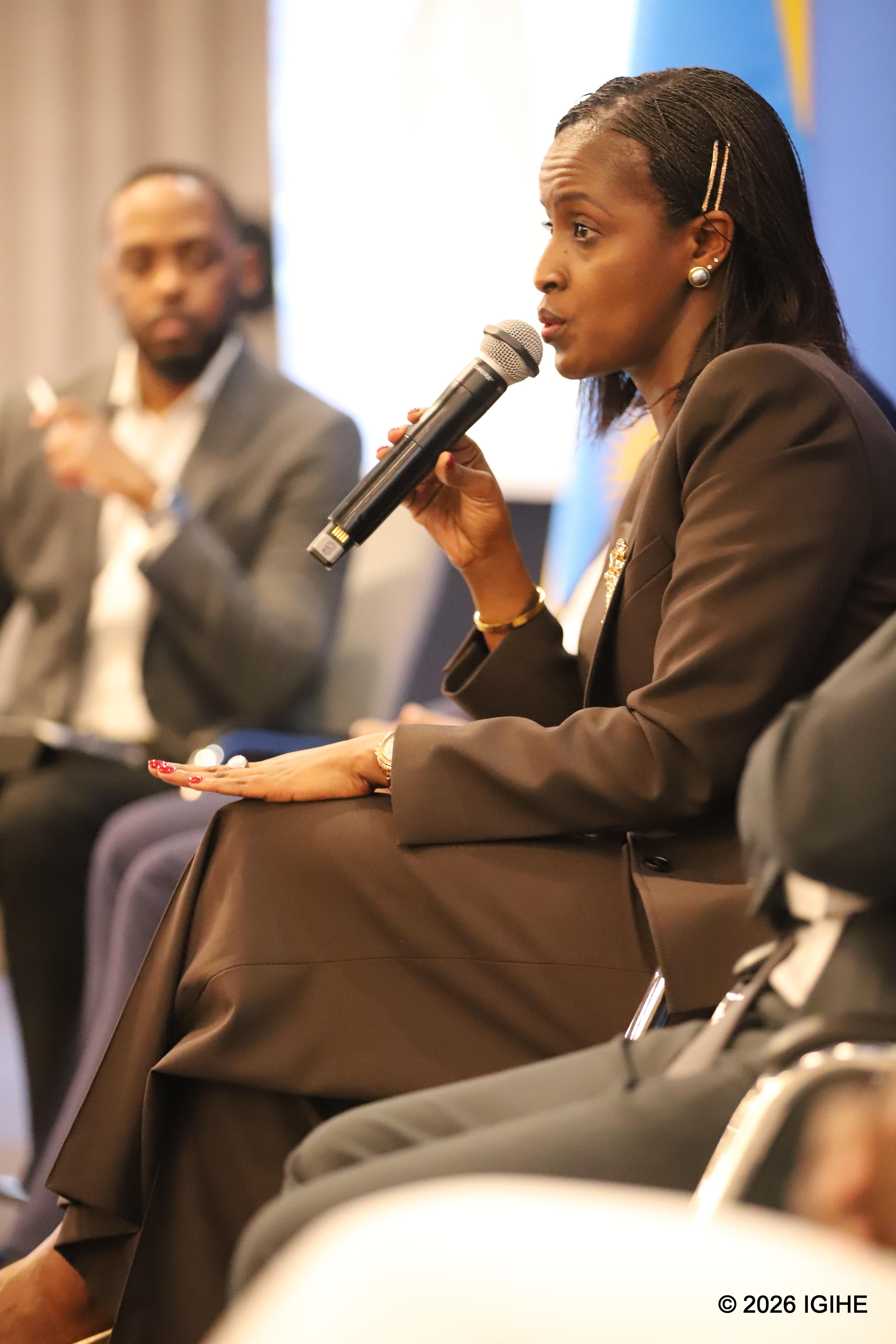
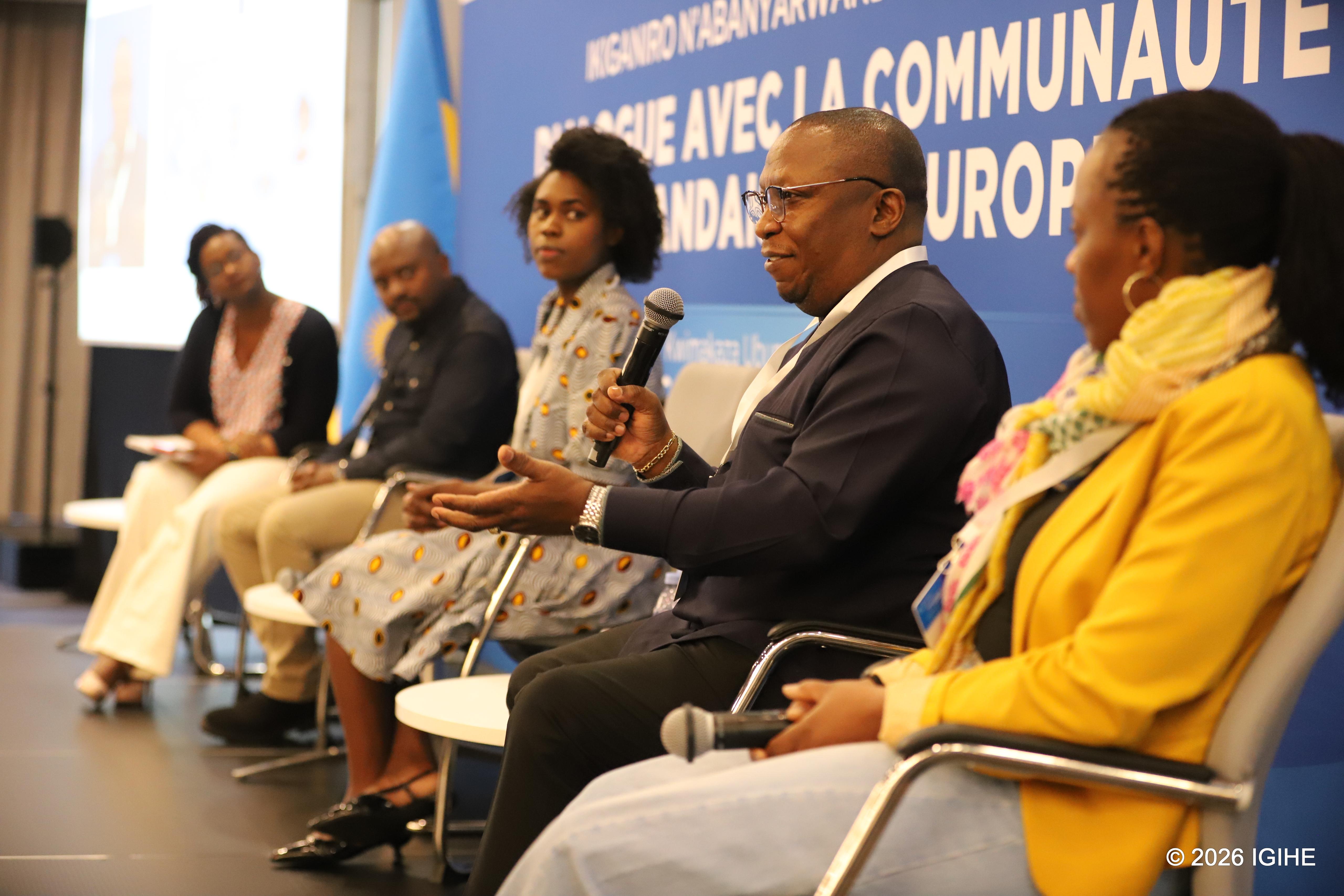
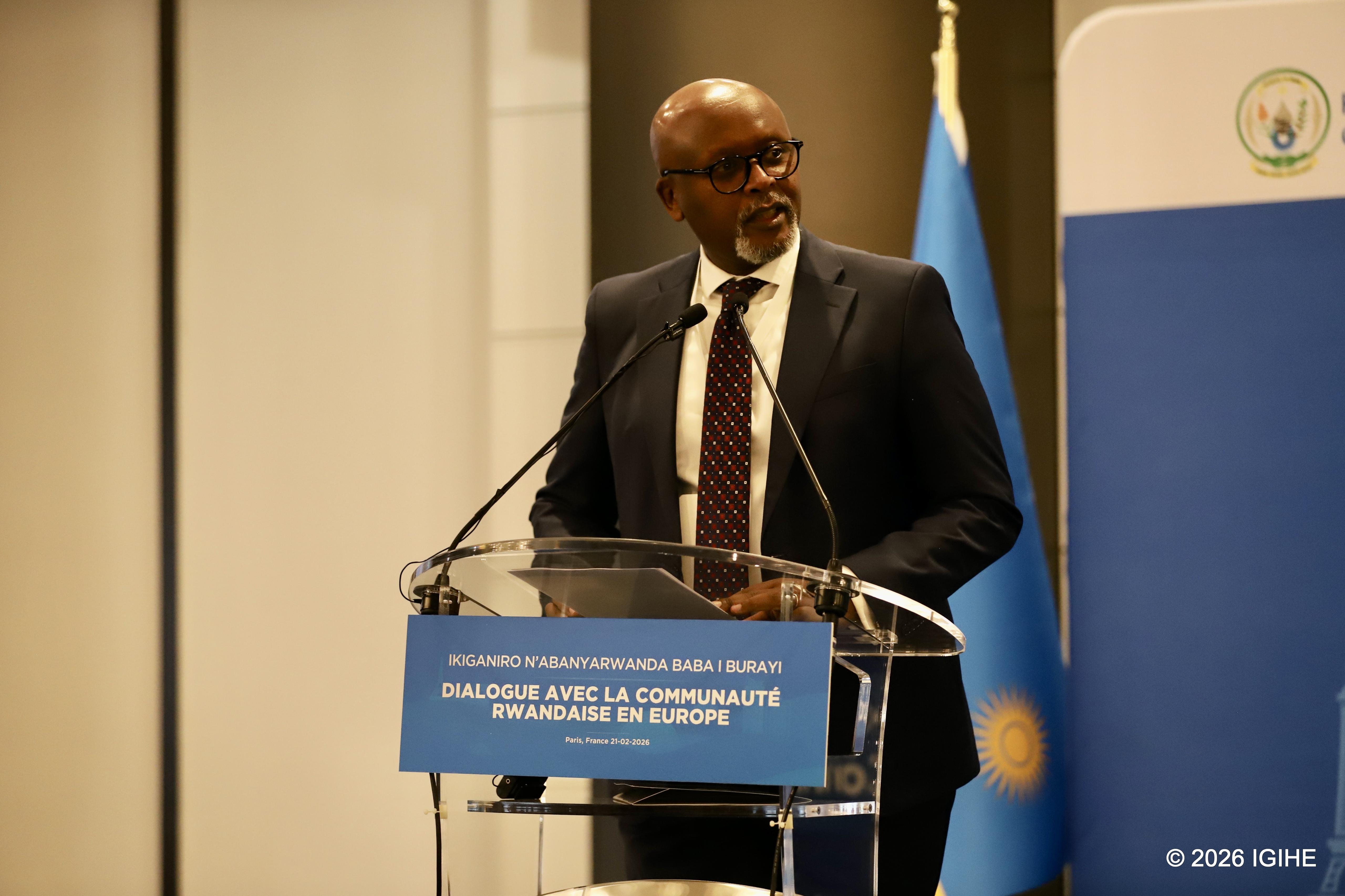
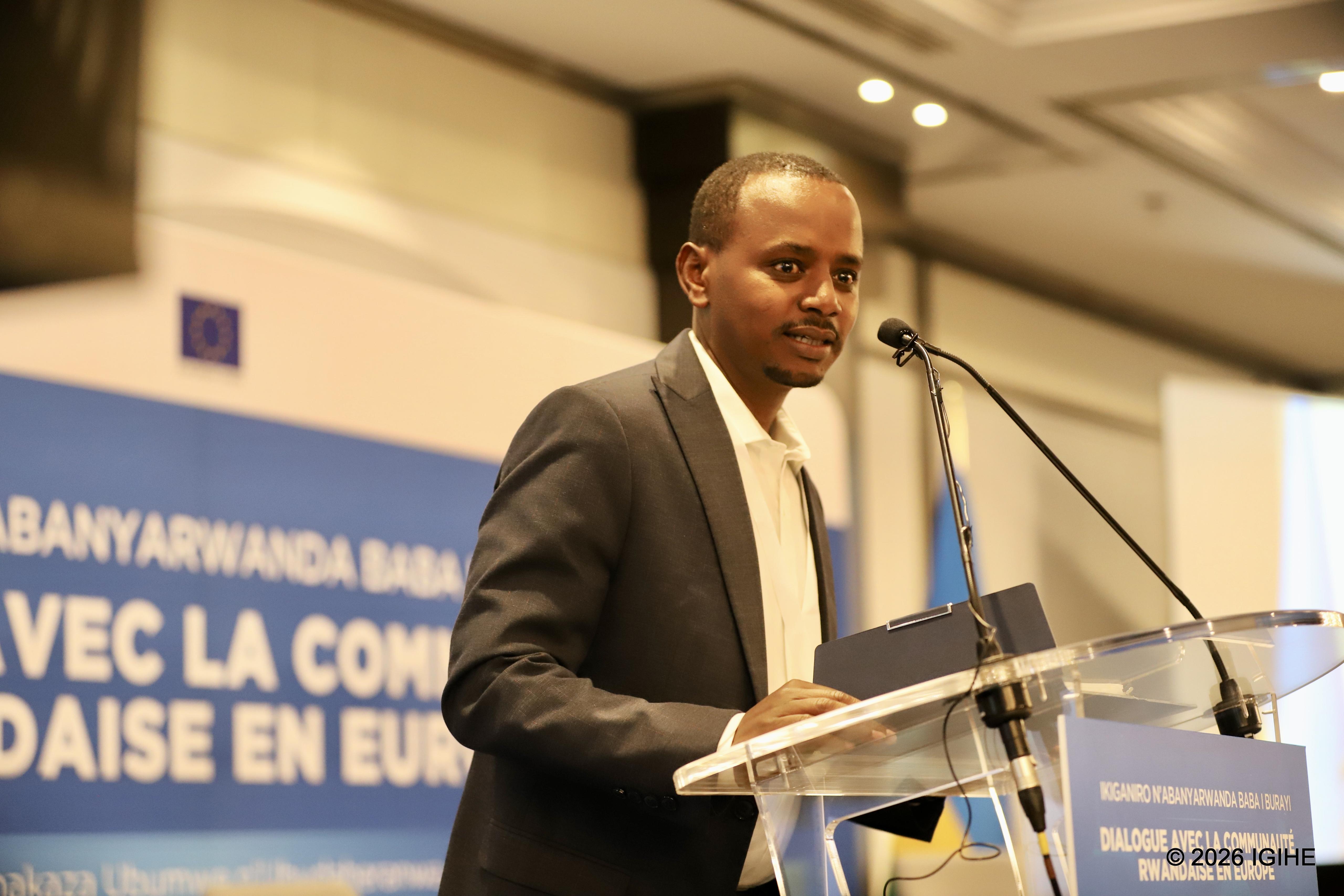
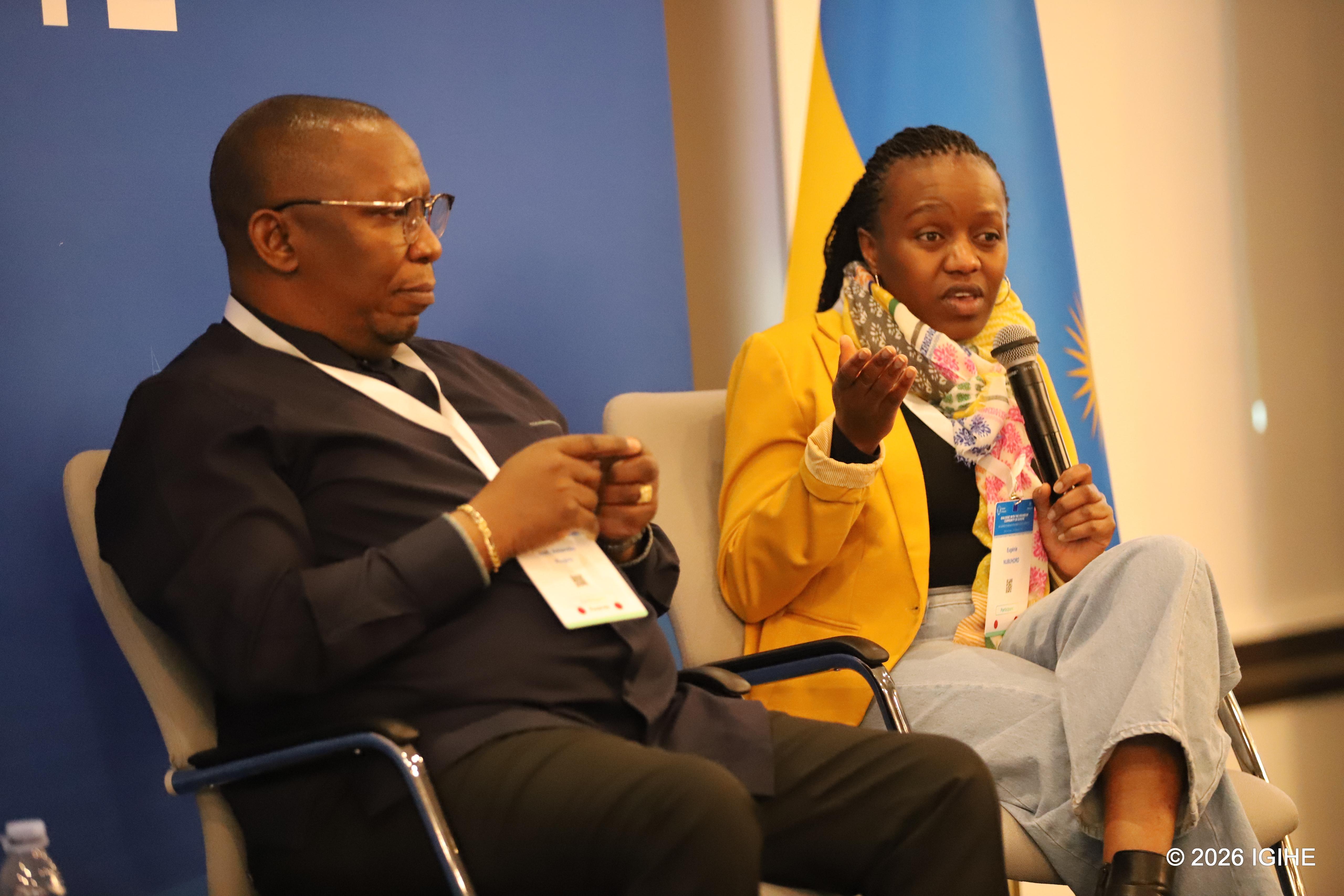
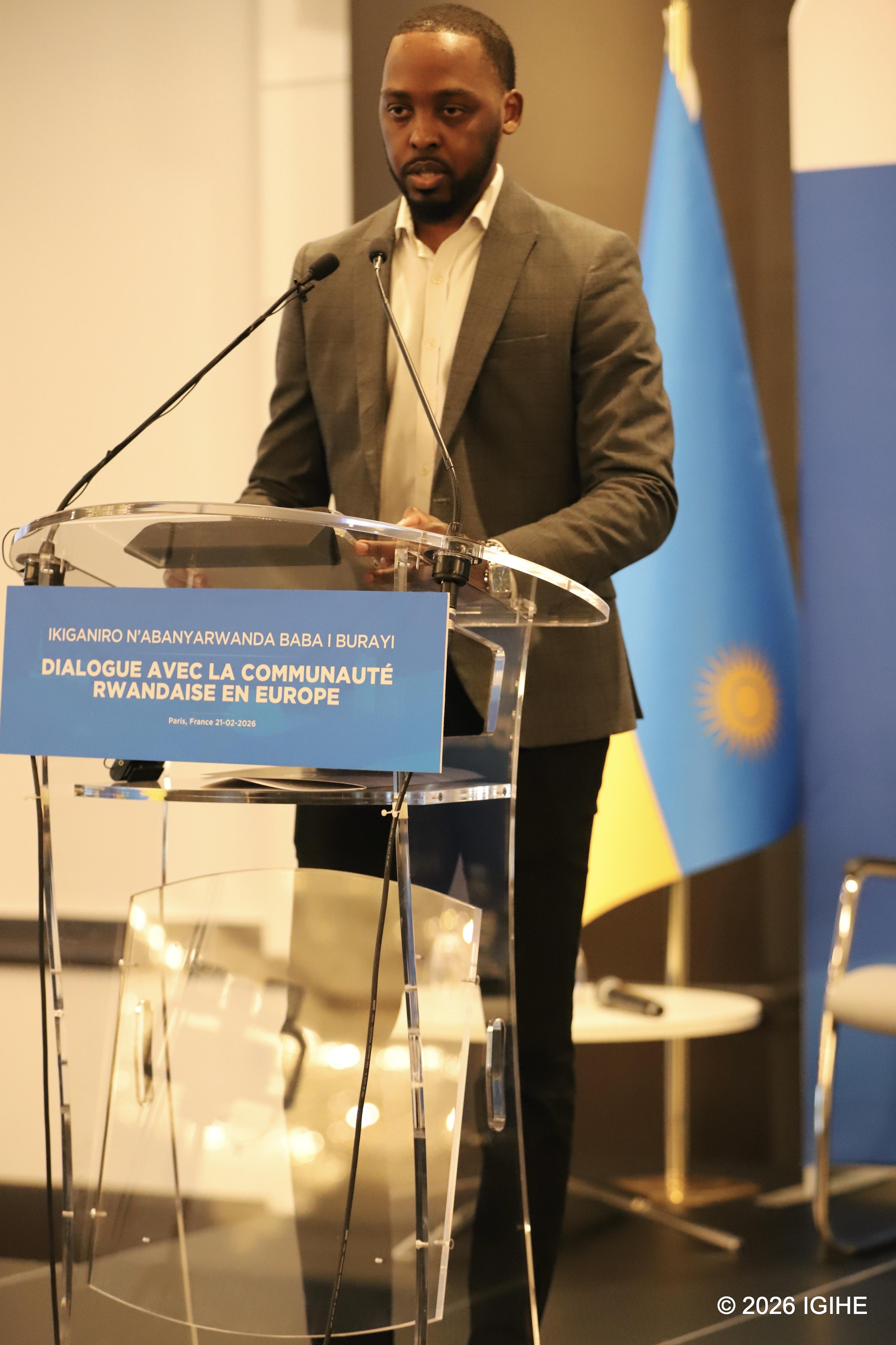
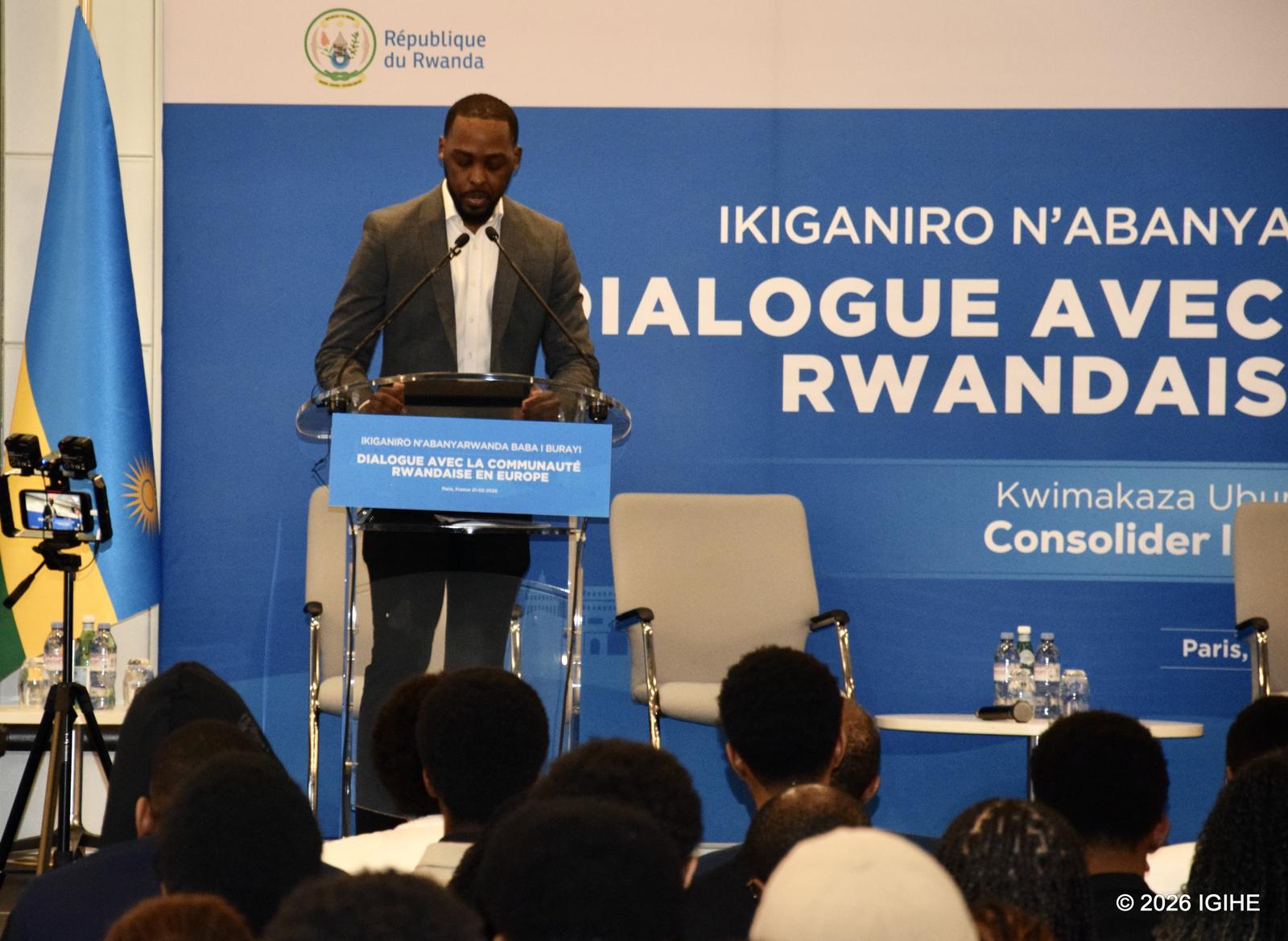
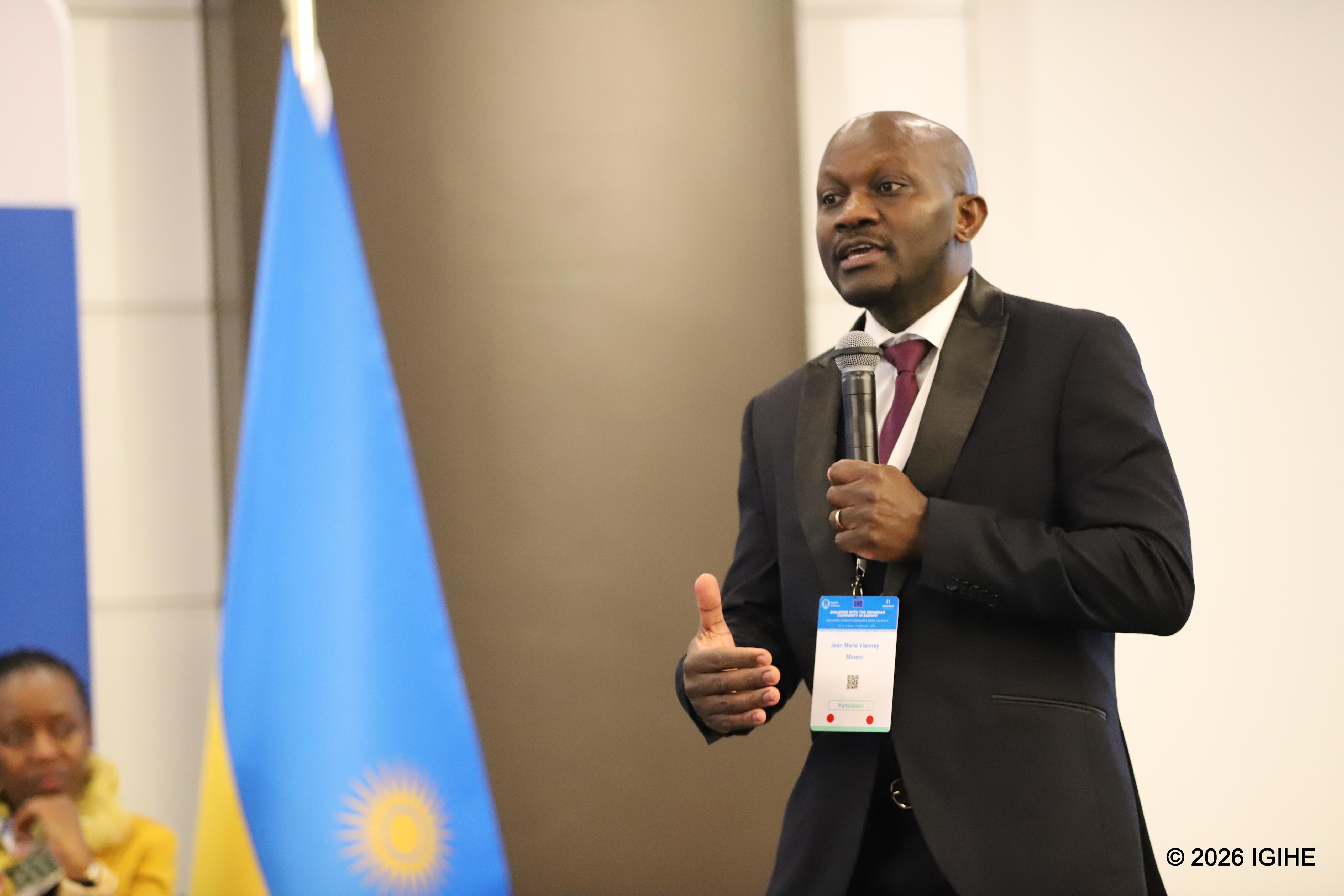
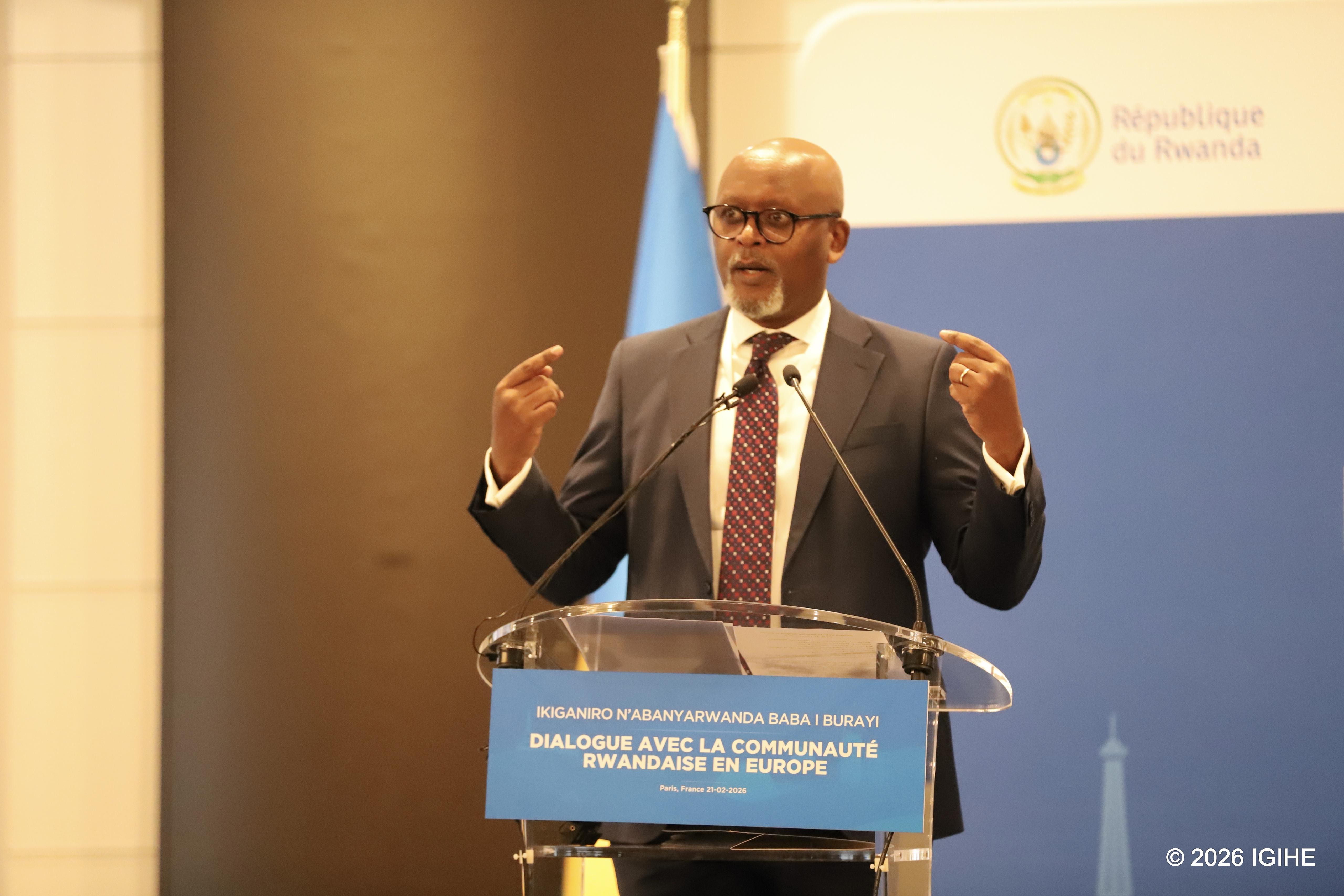
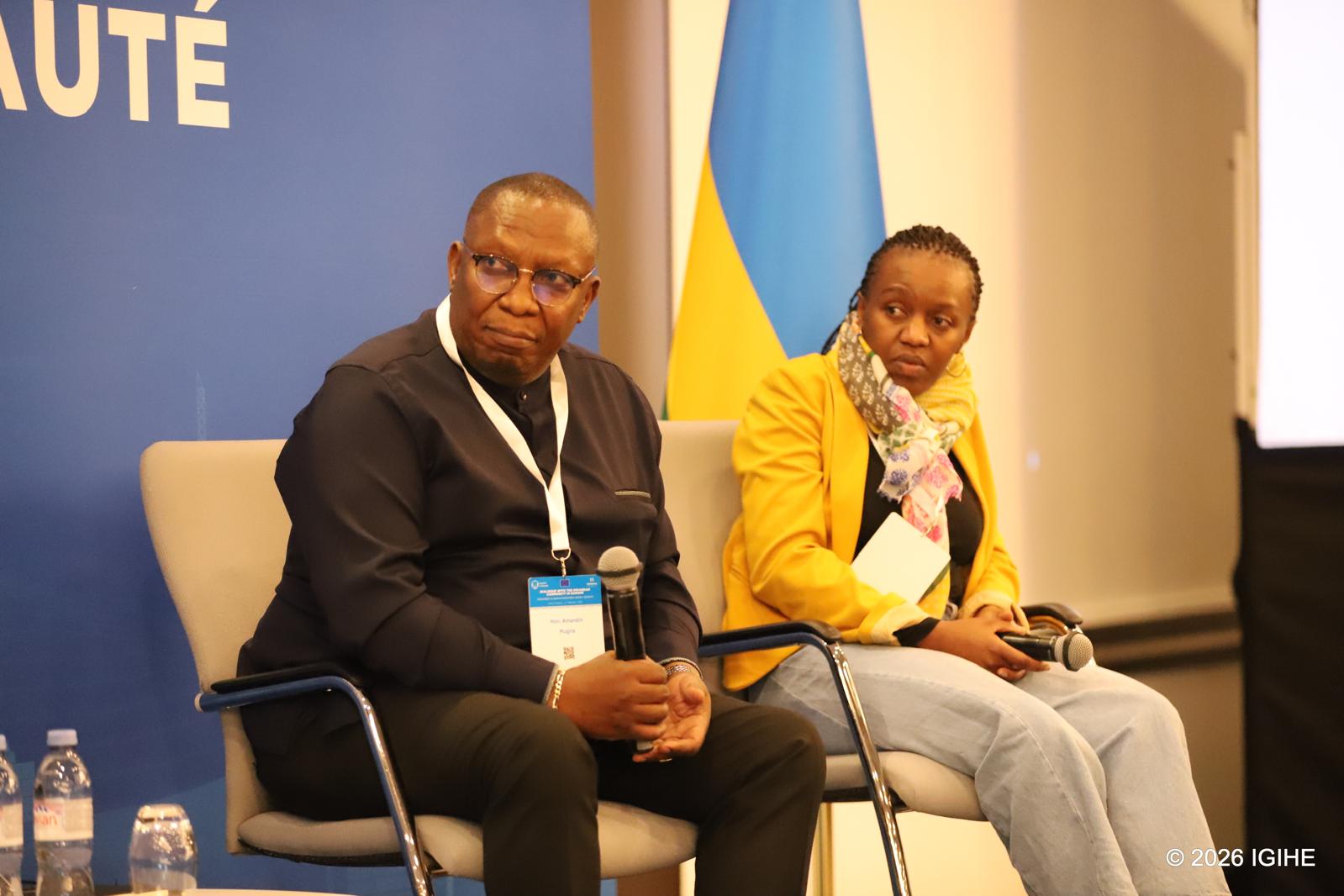
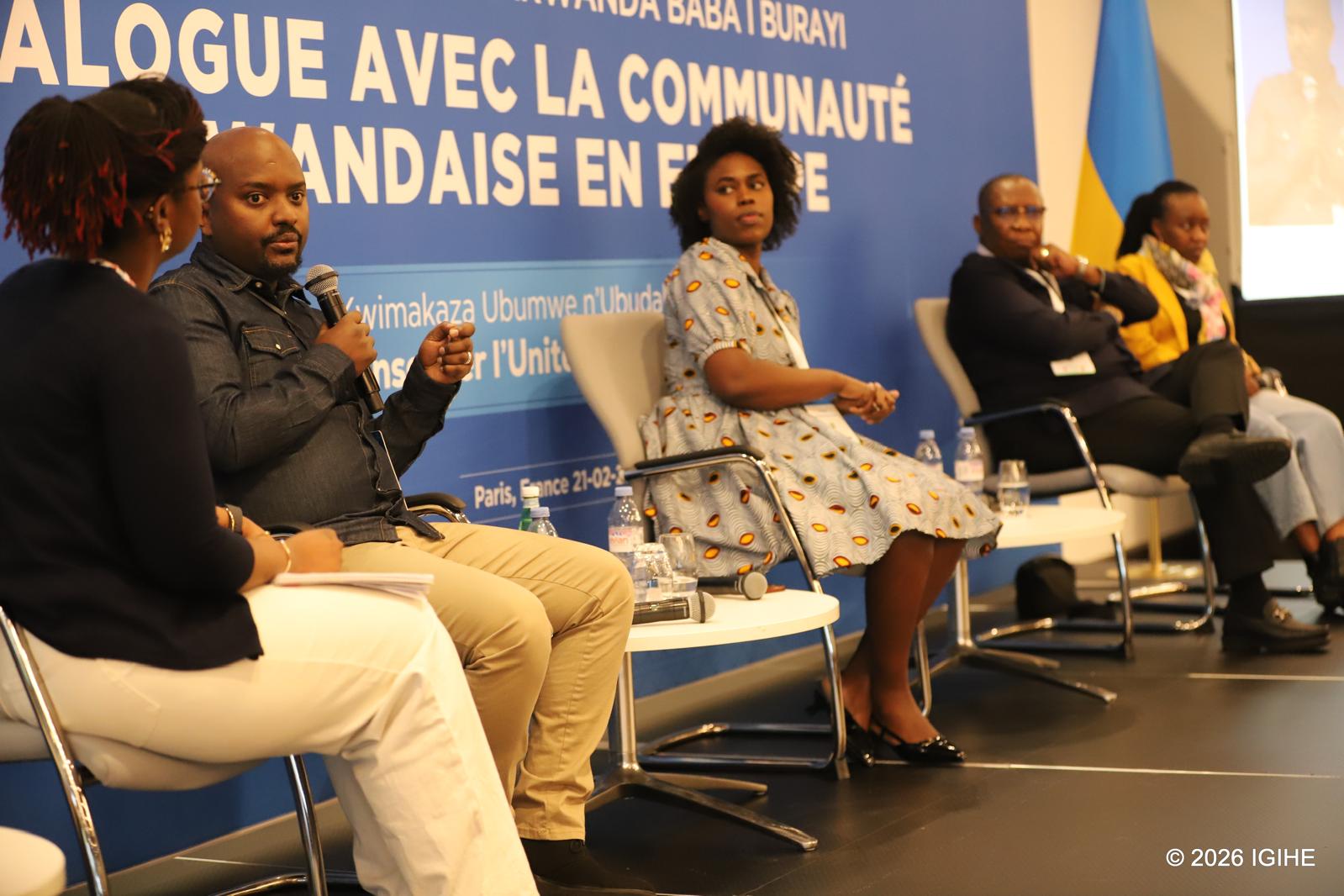
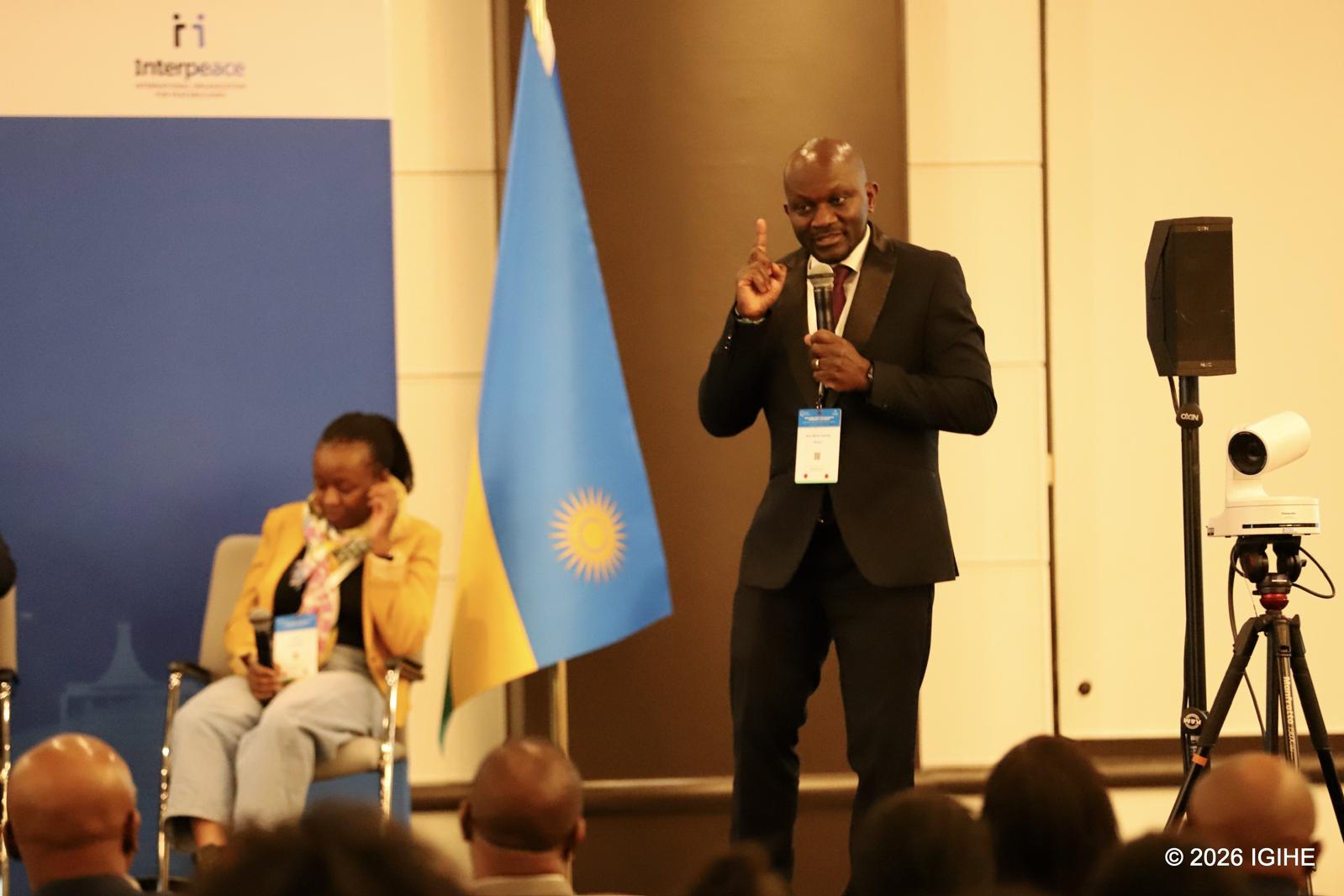
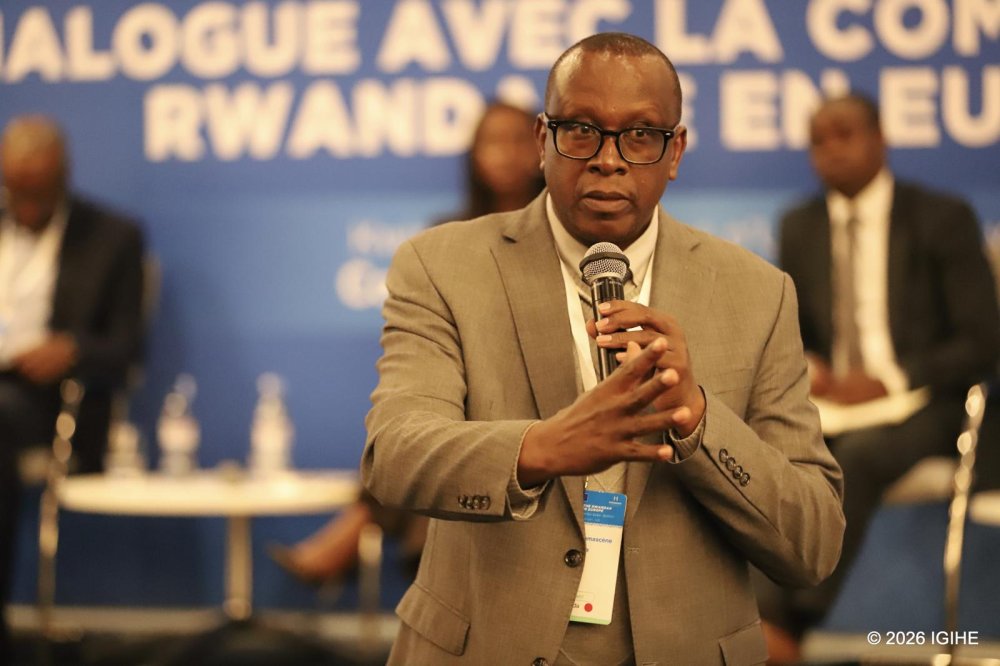
Among the speakers, Frank Kayitare, representing Interpeace, emphasized the importance of addressing legacies of the past with clarity and inclusiveness in order to reinforce community cohesion and resilience.
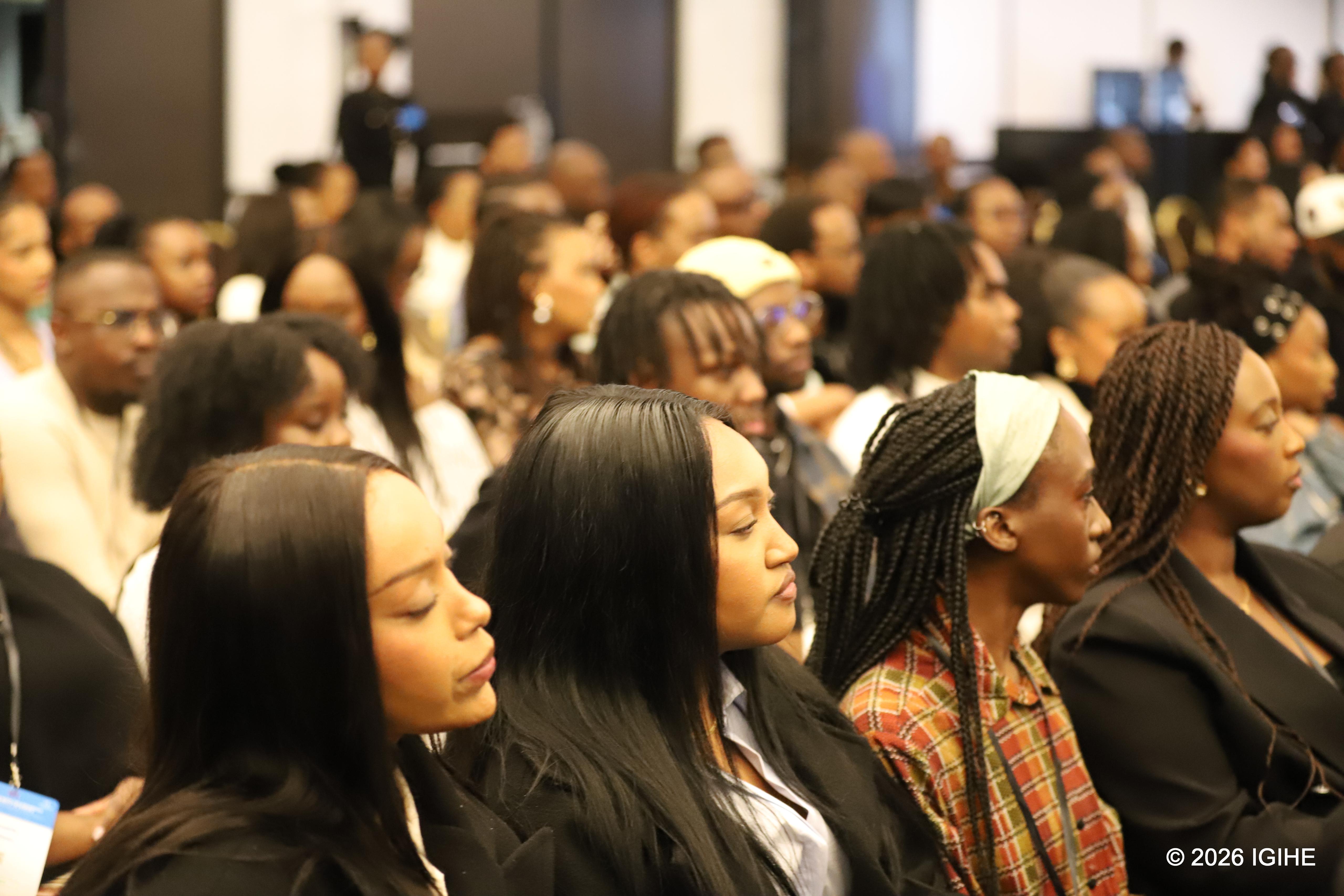
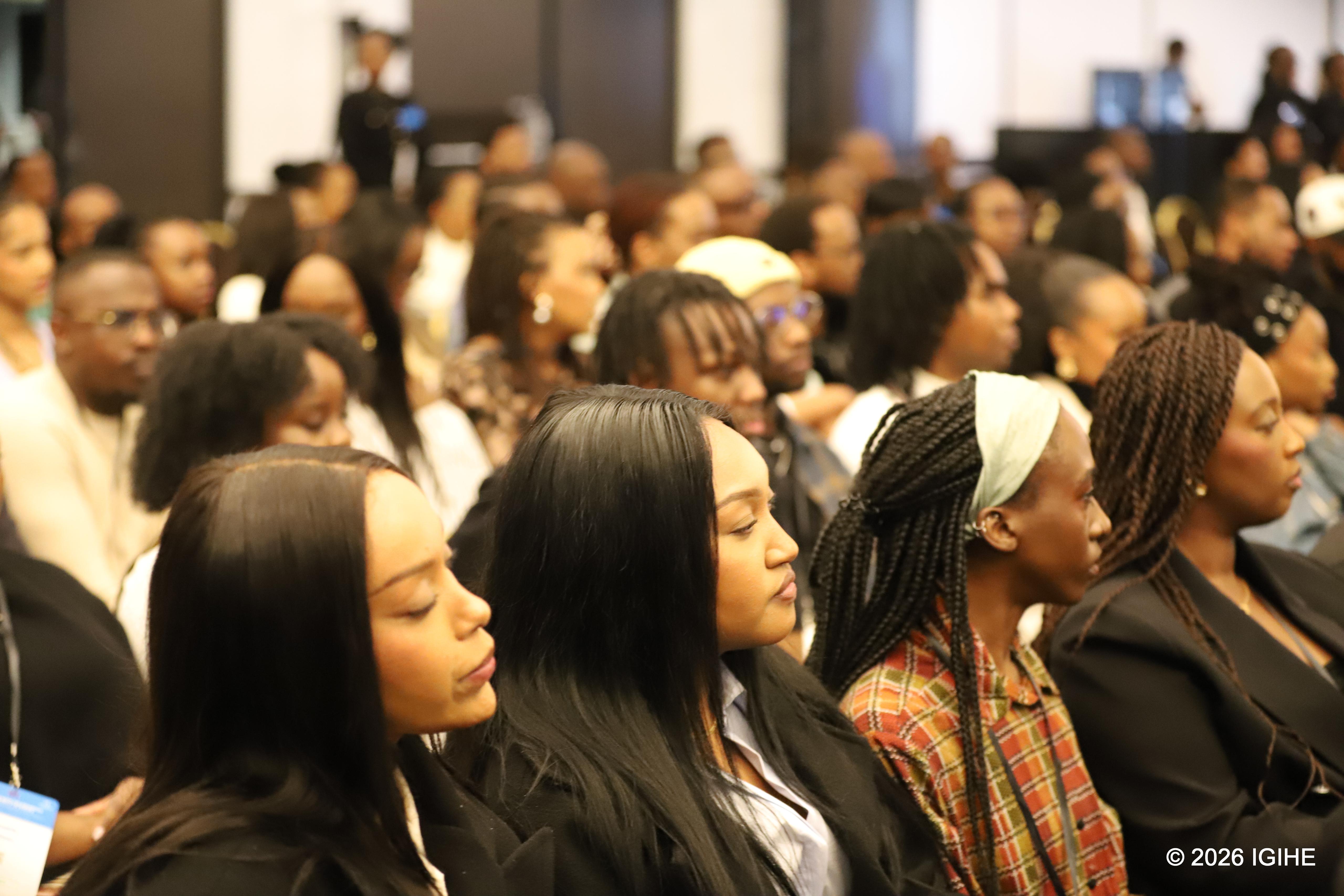
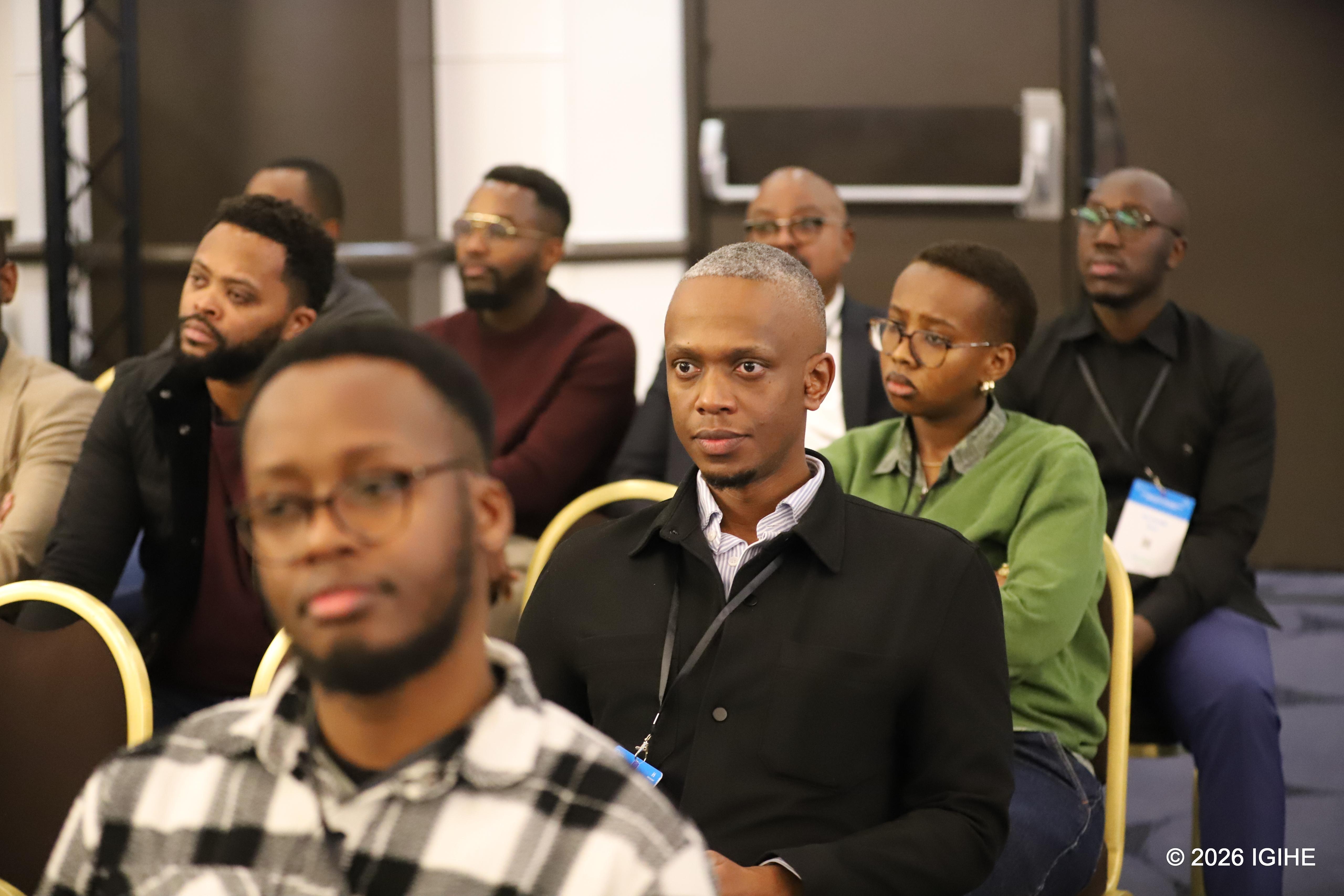
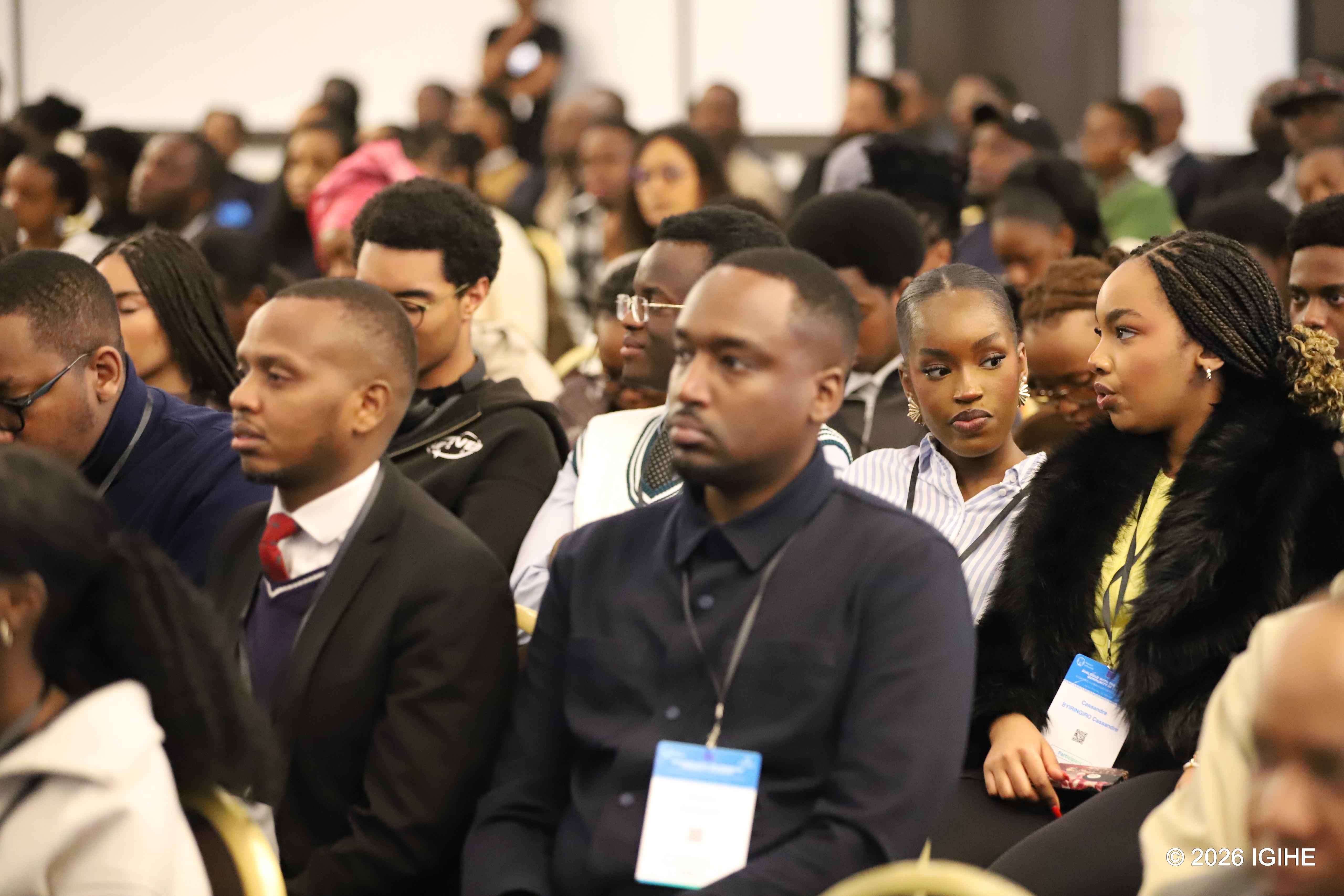
Speaking before an audience of youth and adults from various European countries, he highlighted the complexity surrounding the transmission of genocide legacies, such as trauma and hate ideology.
In his remarks, he explained that the concept of the intergenerational transmission of genocide legacies reflects a broad and often invisible reality.
According to him, what passes from one generation to the next can take multiple forms, ranging from trauma and silence to guilt, shame, and mistrust. These legacies, he noted, are transmitted both consciously and unconsciously, shaping individual and collective trajectories.
In response to this reality, Interpeace prioritizes the creation of safe spaces that foster dialogue between generations. Such forums enable participants to share their experiences, listen to others, and build mutual understanding in an environment grounded in respect and trust.
For the organizers, this approach represents a key pathway toward preventing memory divides and encouraging a more reconciled engagement with history.
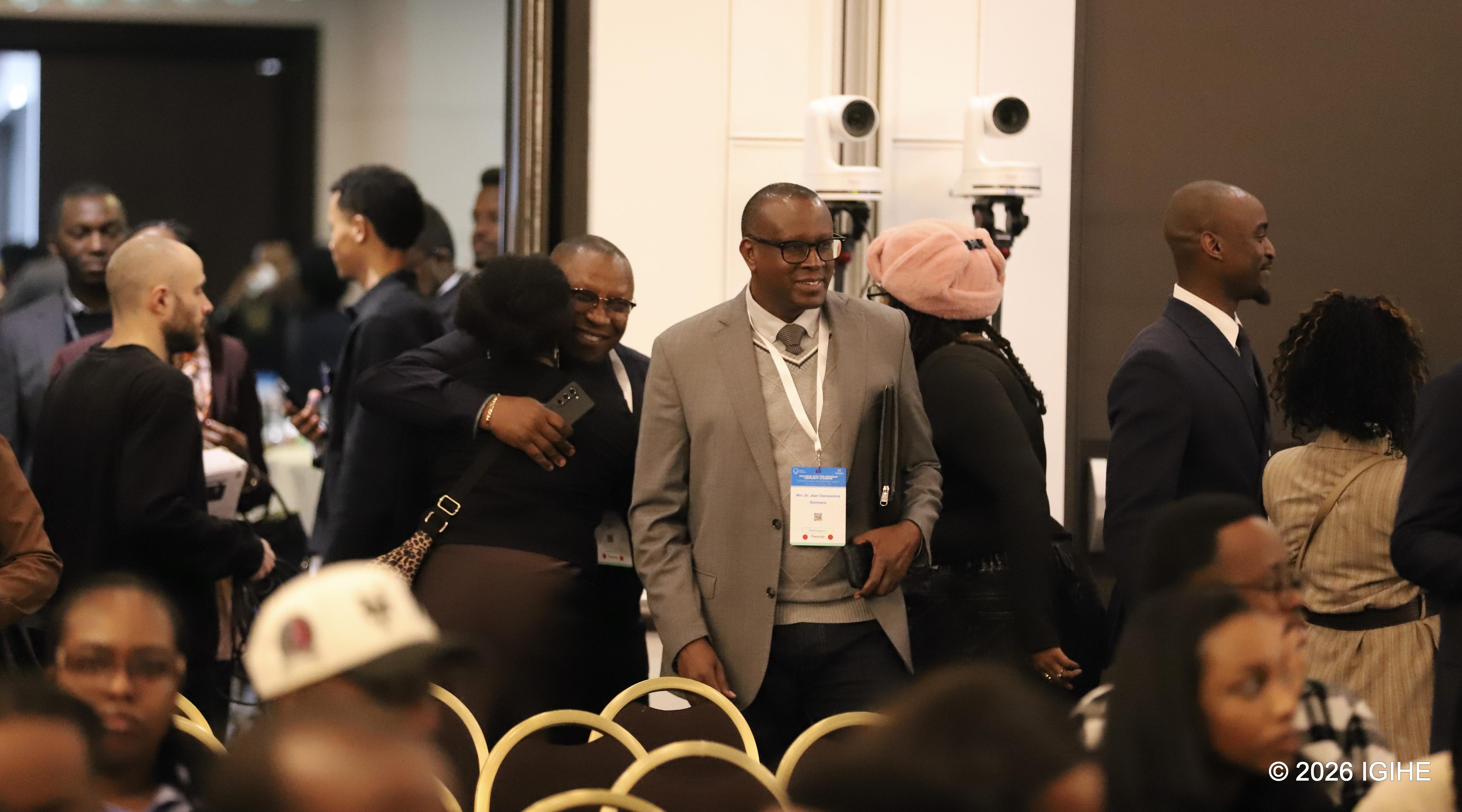
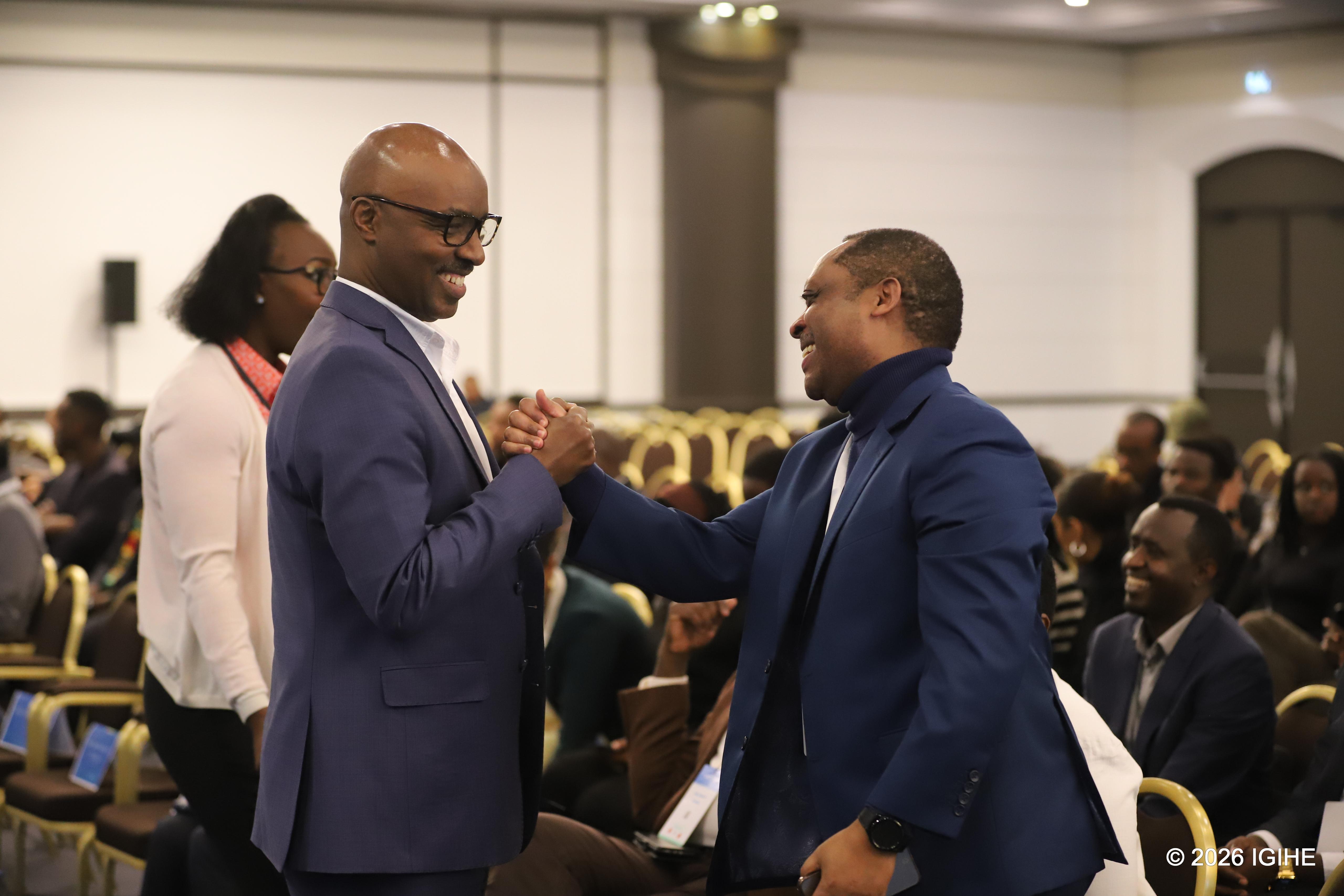
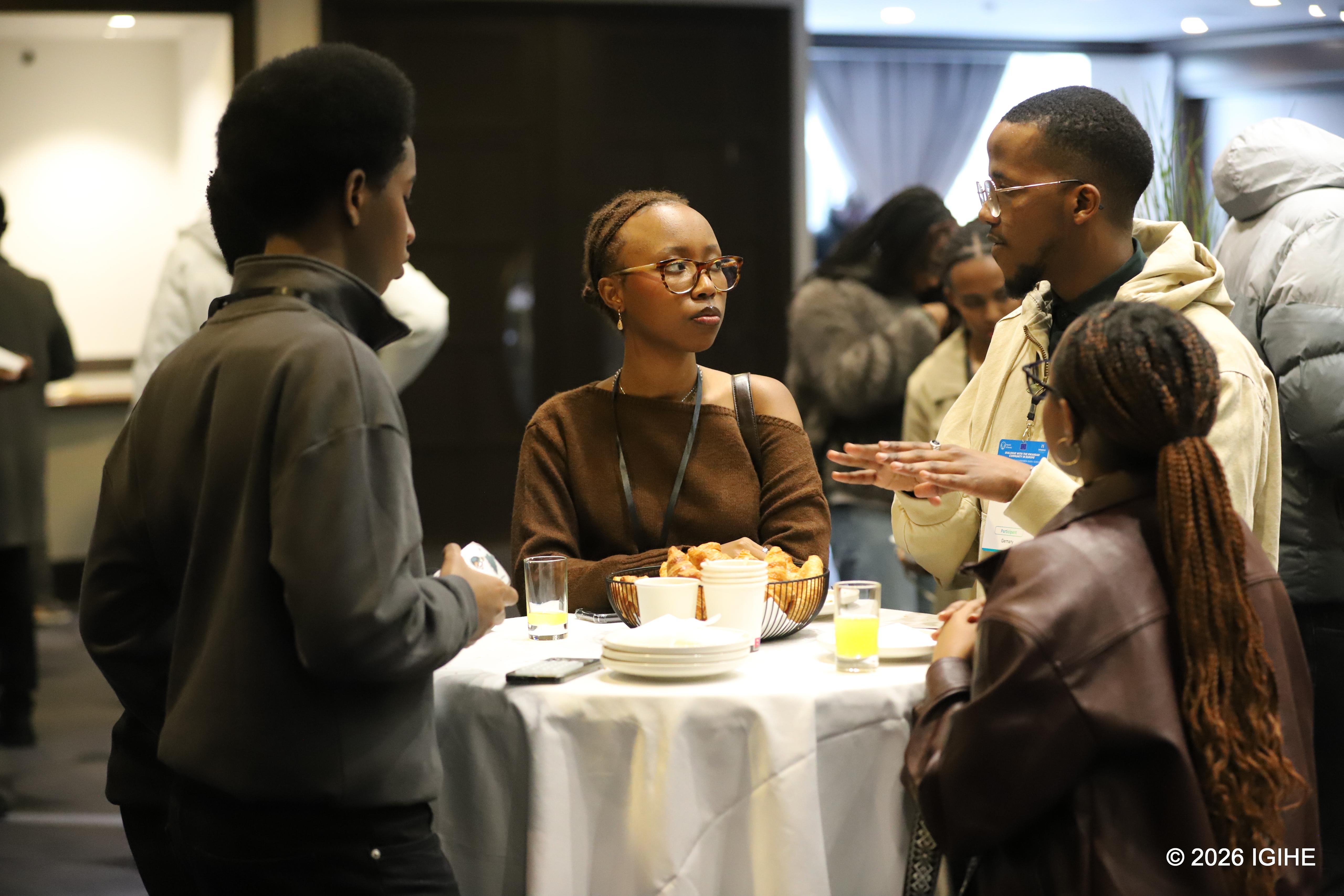
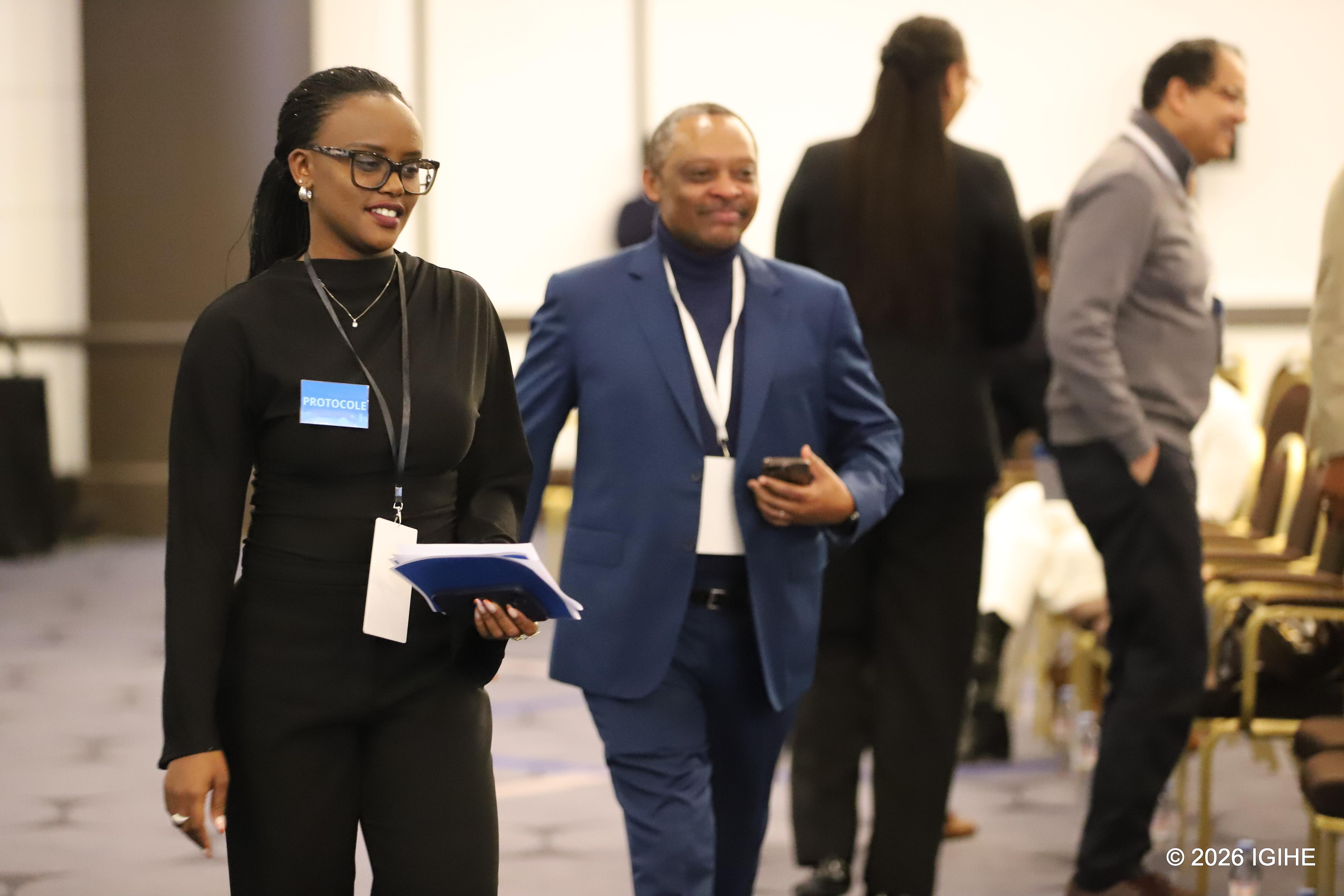
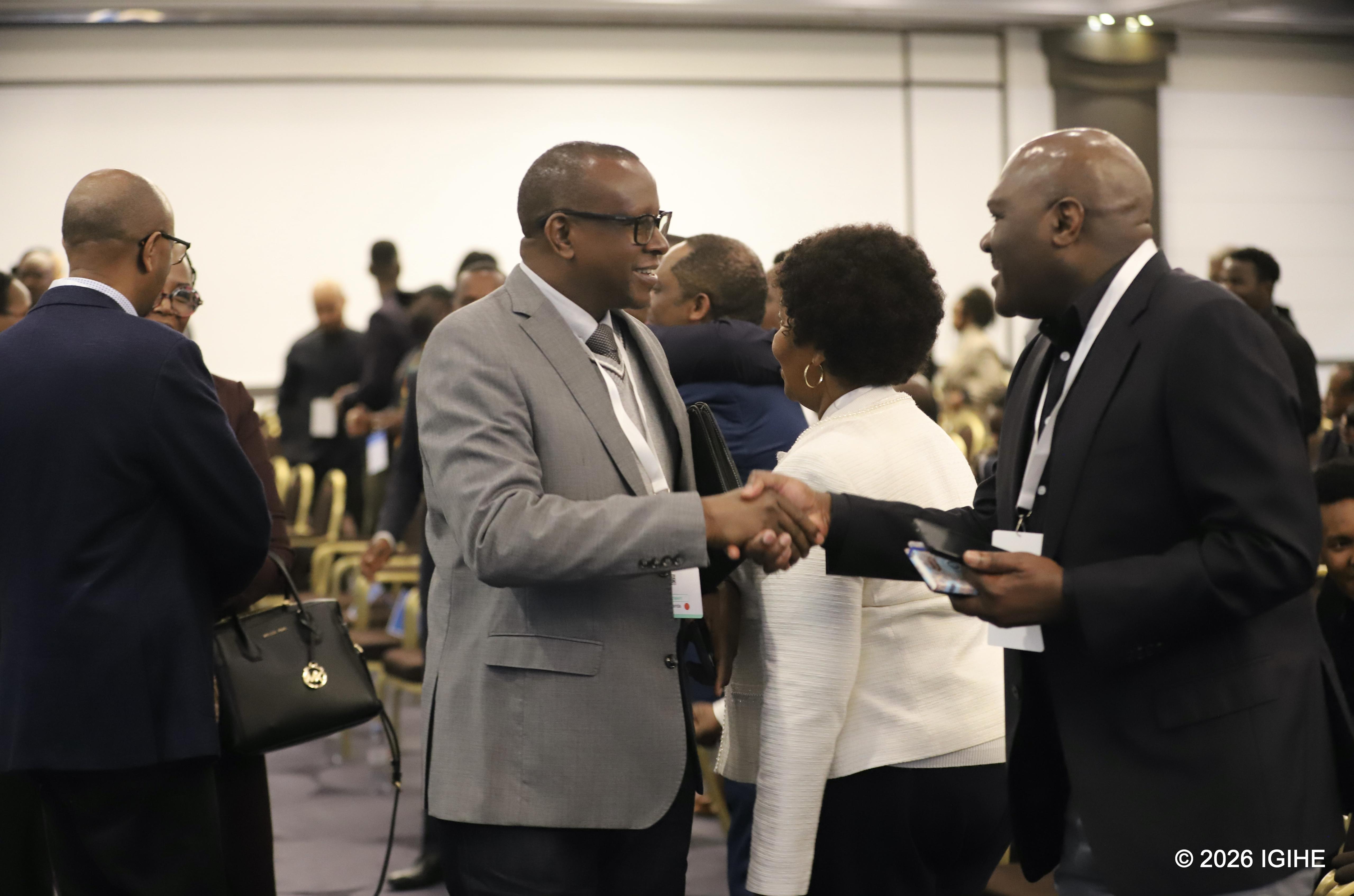
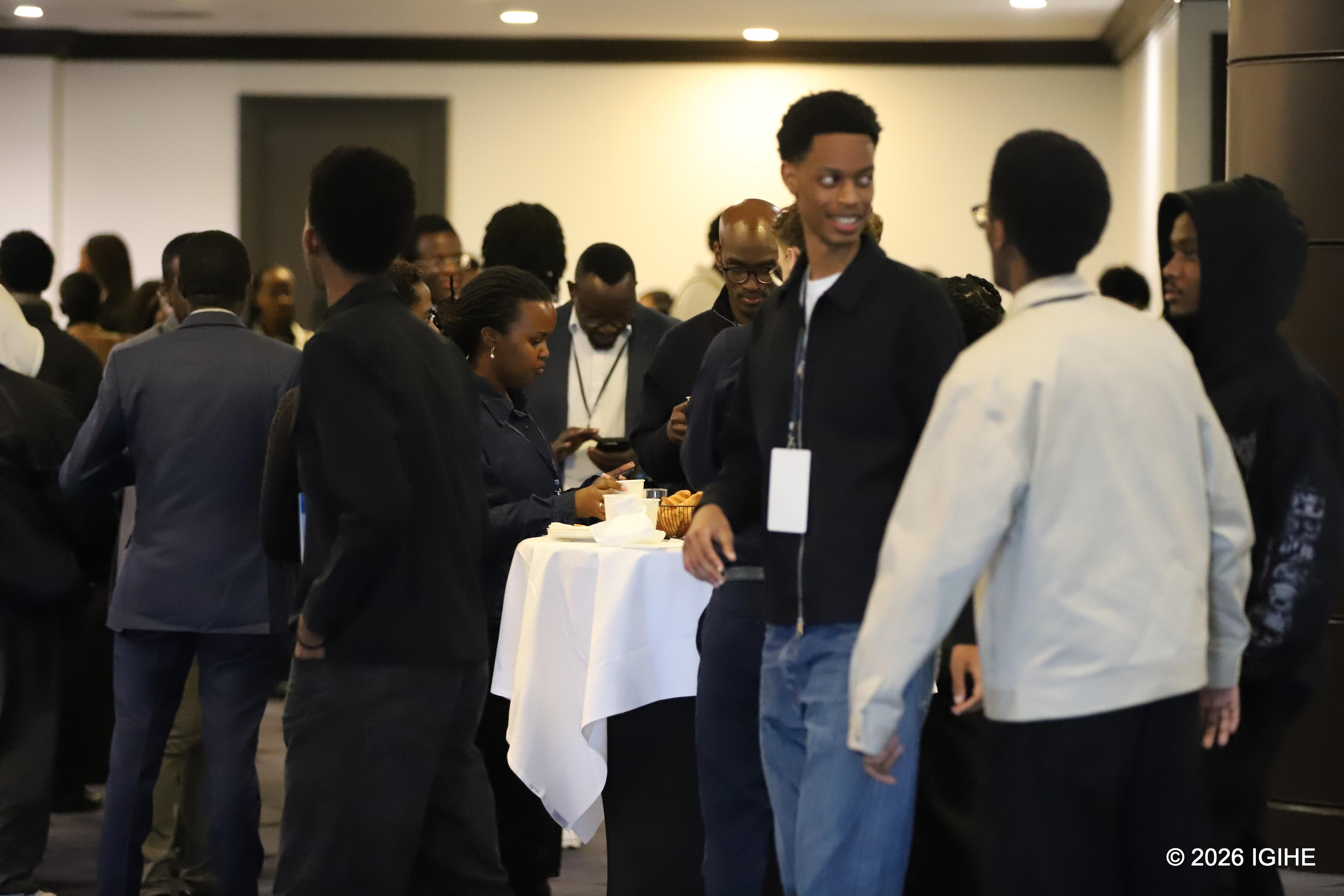
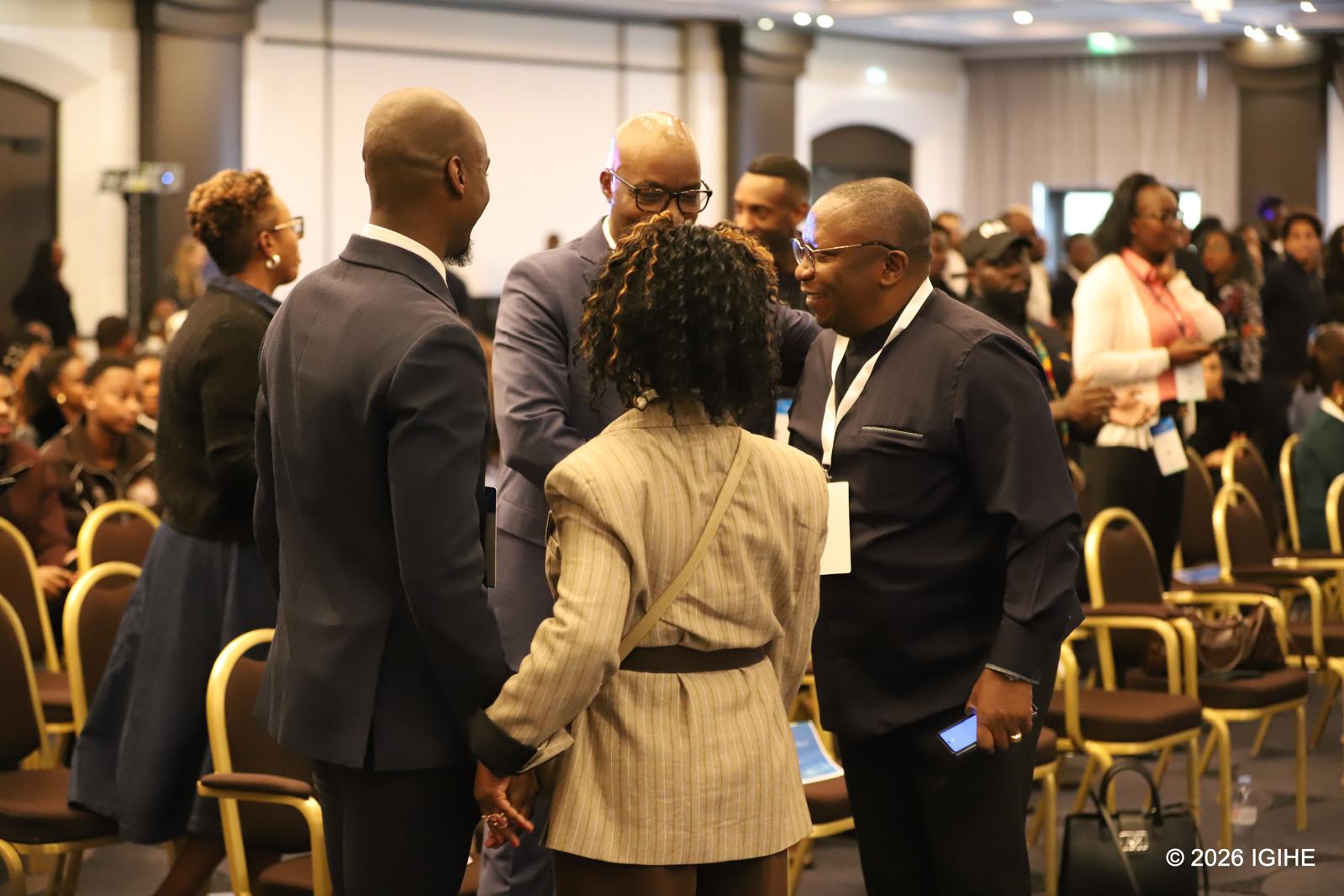
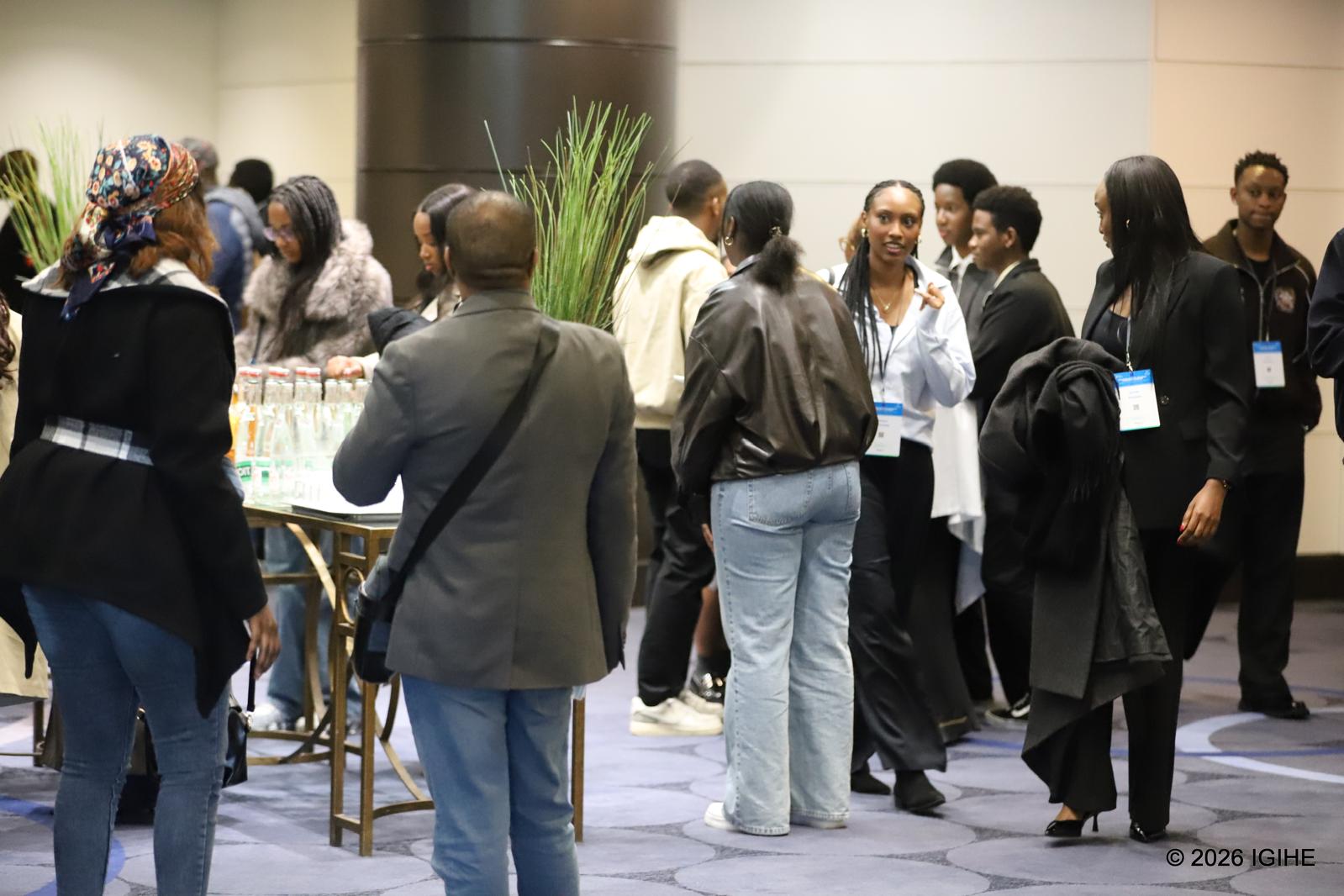
Beyond the formal interventions, the event was enriched by personal testimonies, informal discussions, and cultural moments that strengthened the sense of belonging to a community shaped by diverse journeys yet united by shared memory.
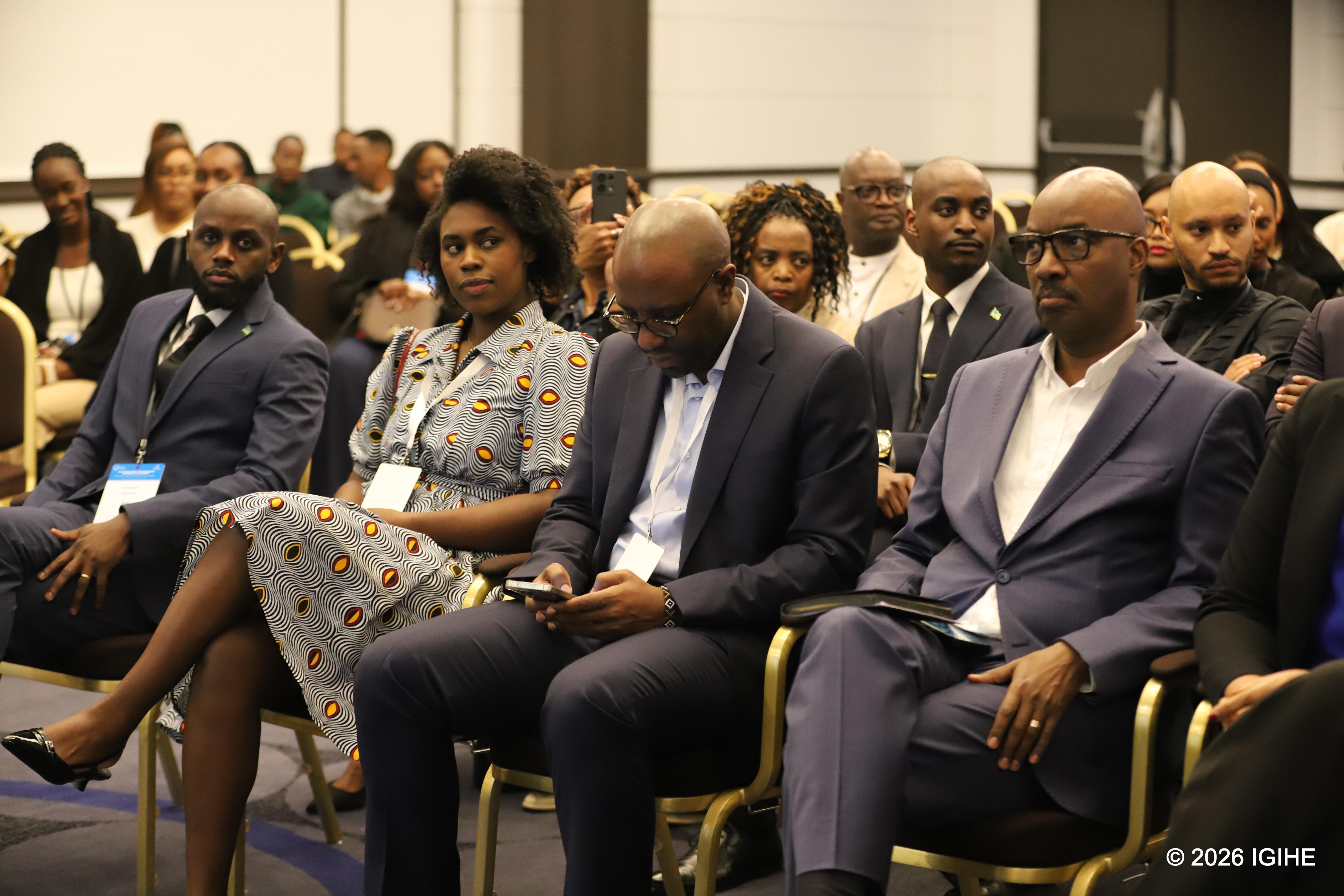
Several participants welcomed an initiative that offers younger generations an opportunity to ask questions, engage with different narratives, and participate in a constructive process of transmission.
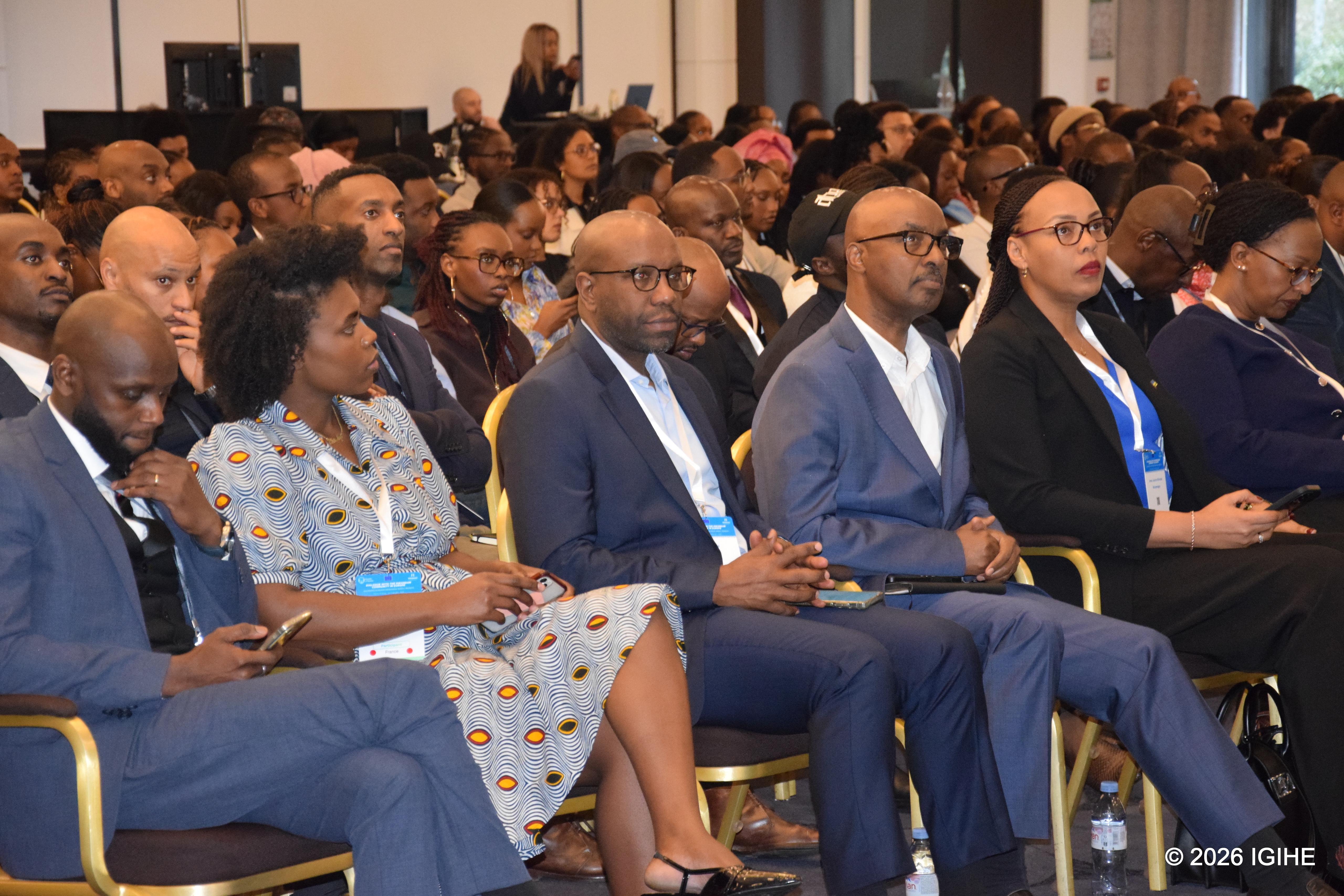
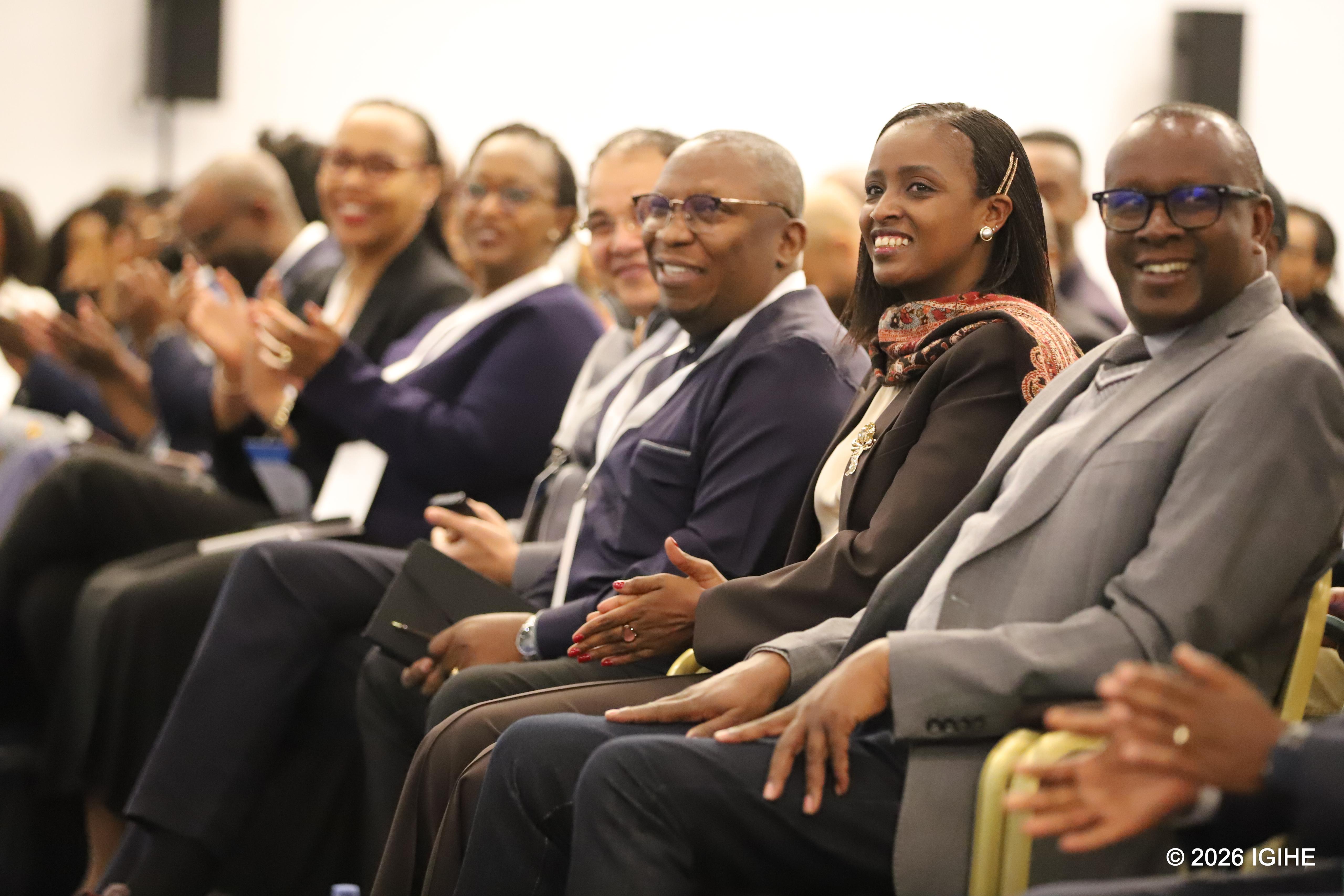
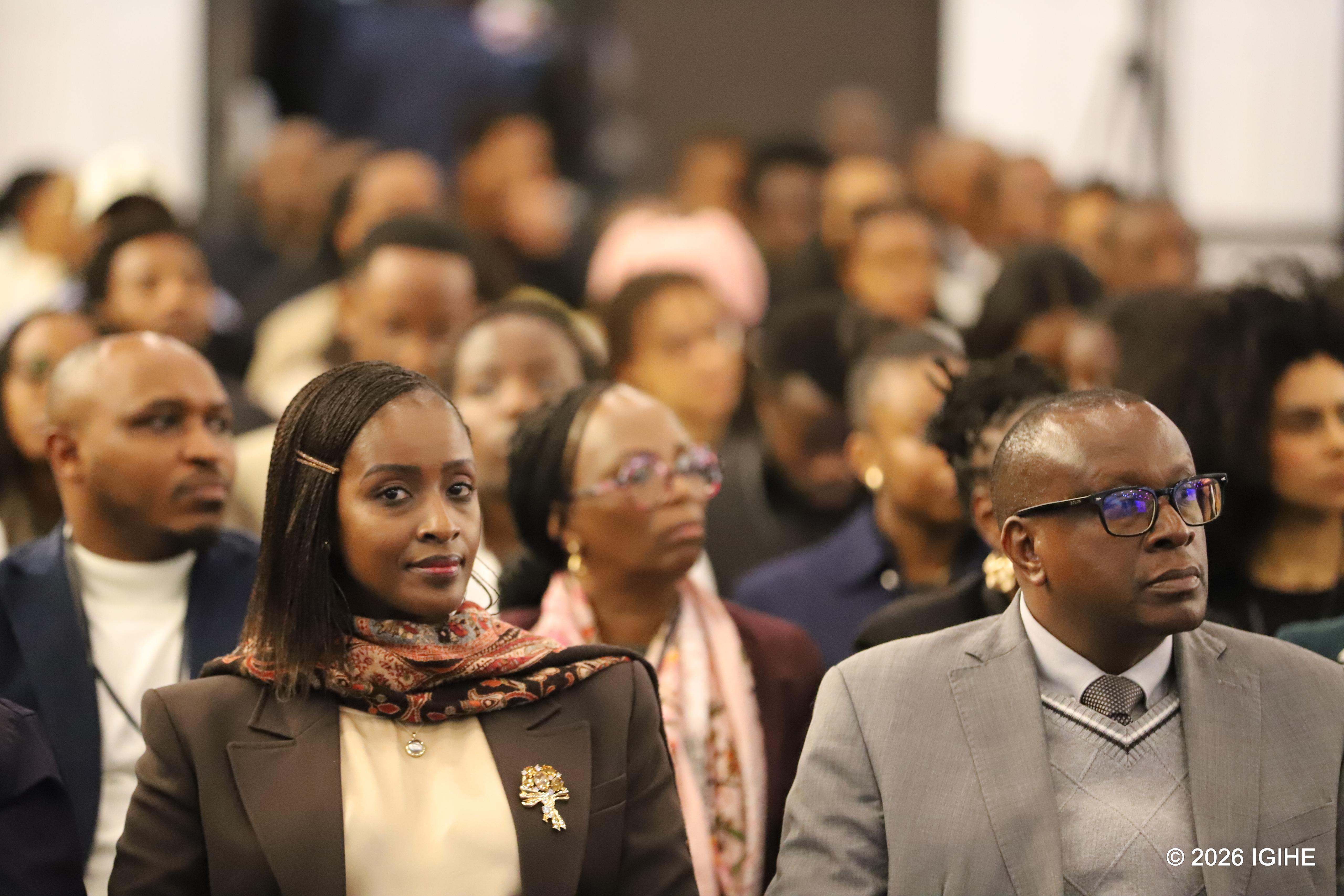
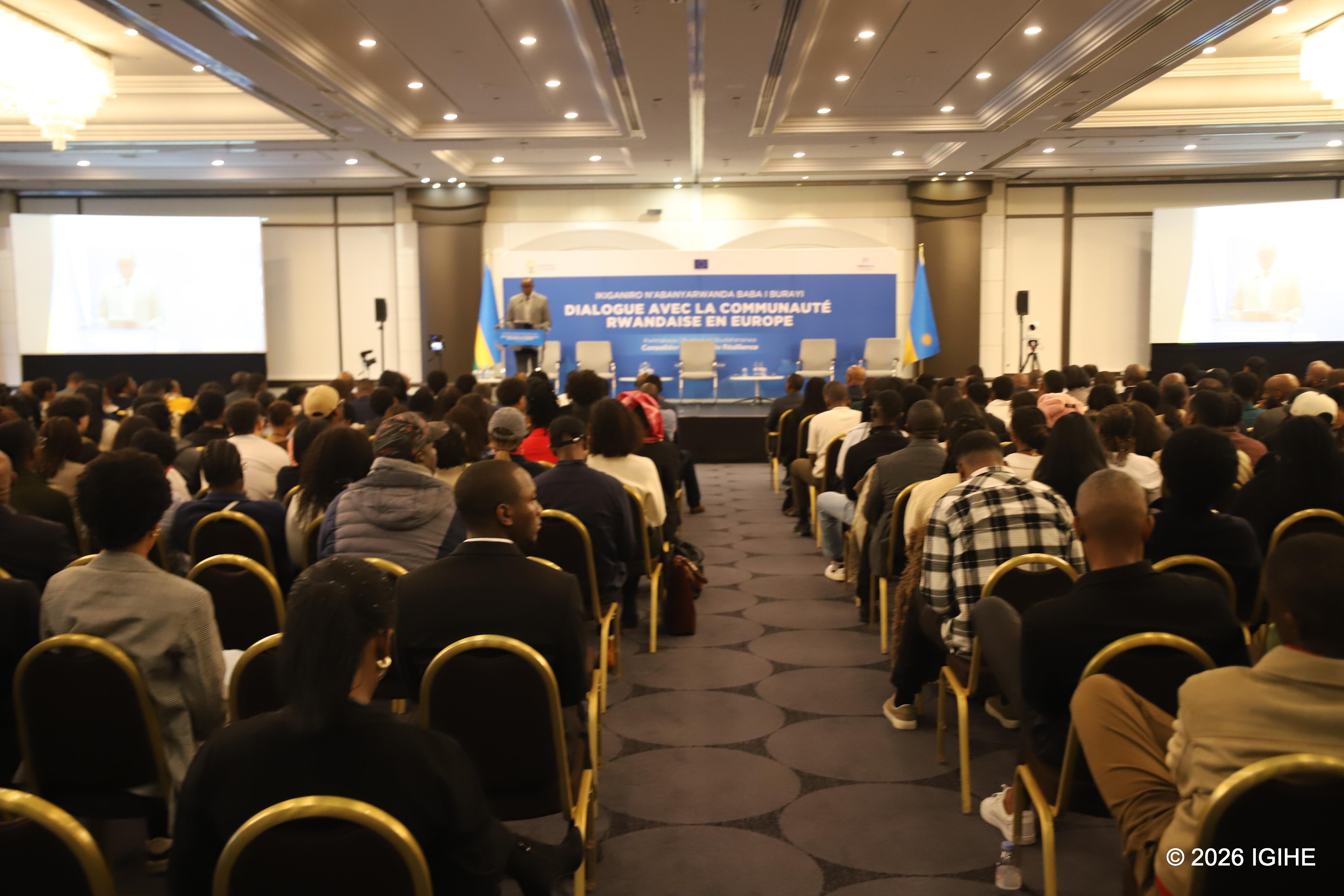
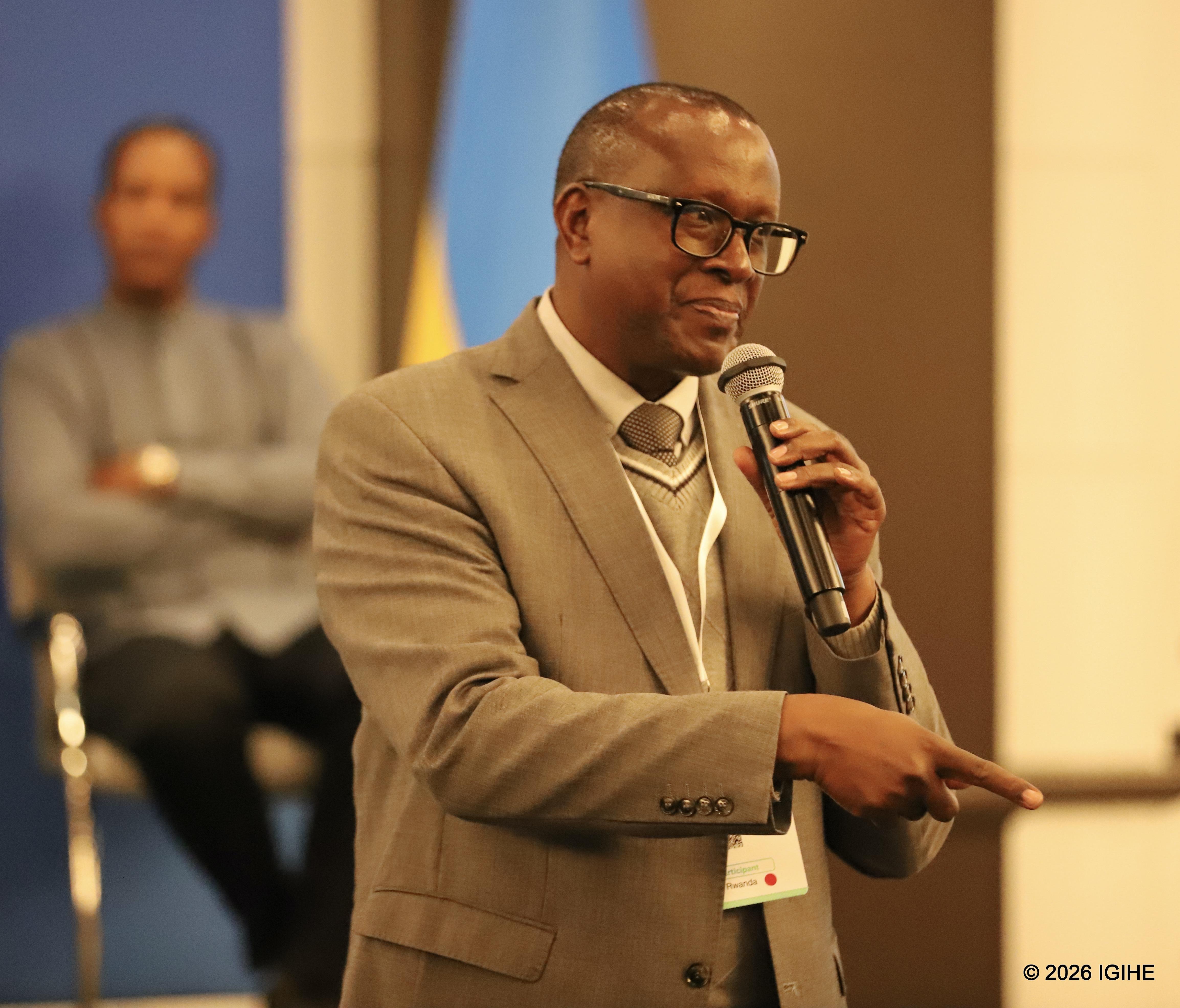
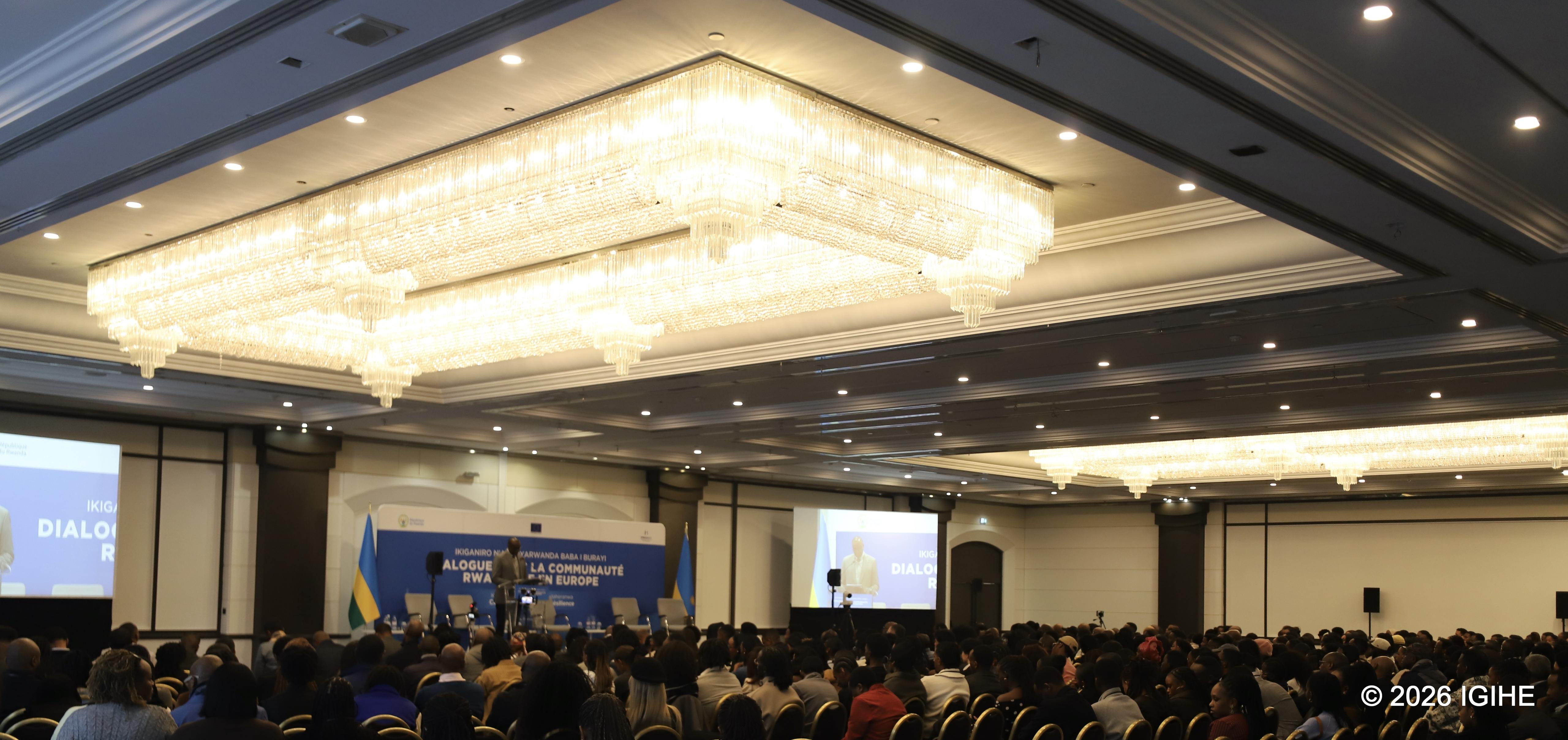
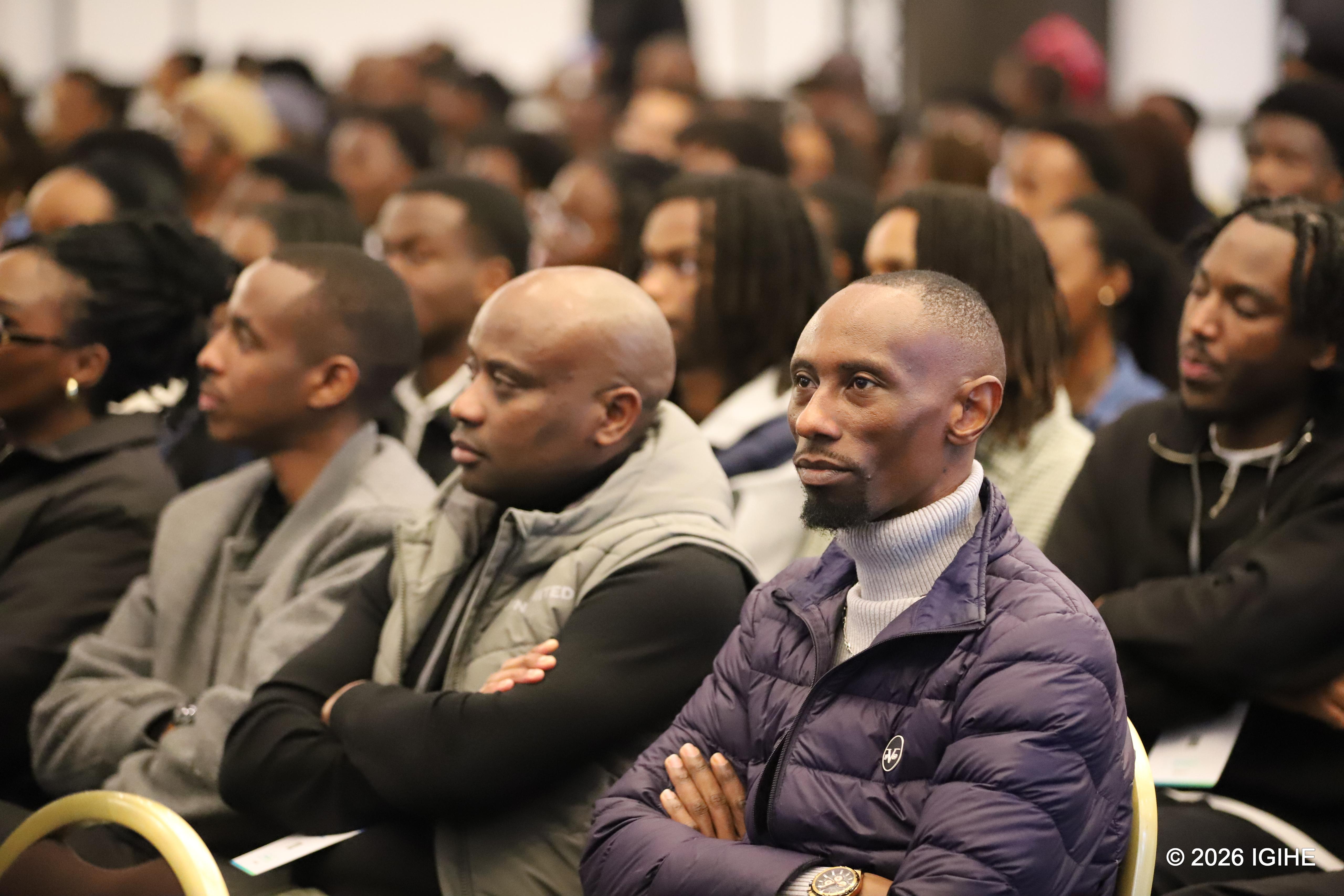
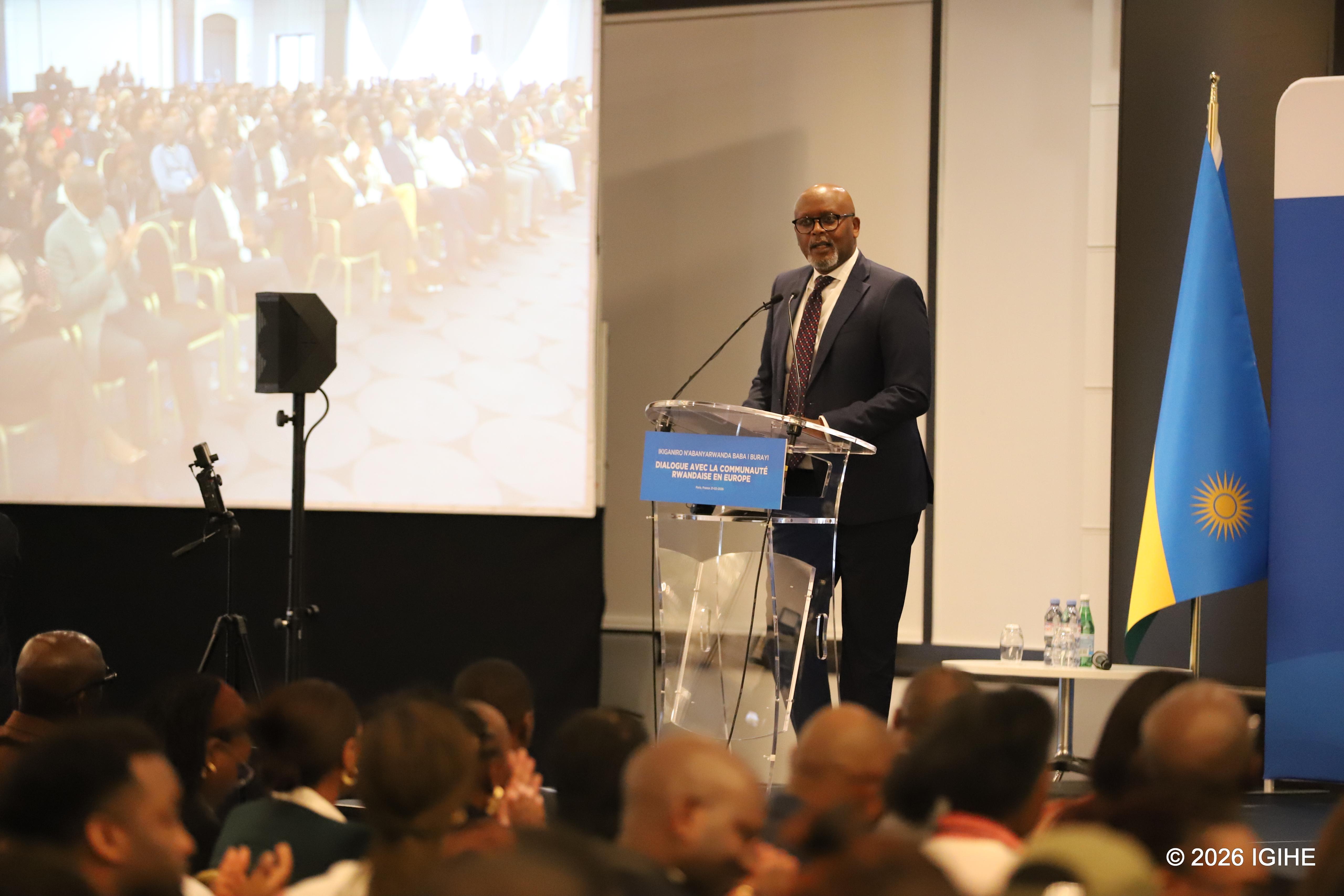
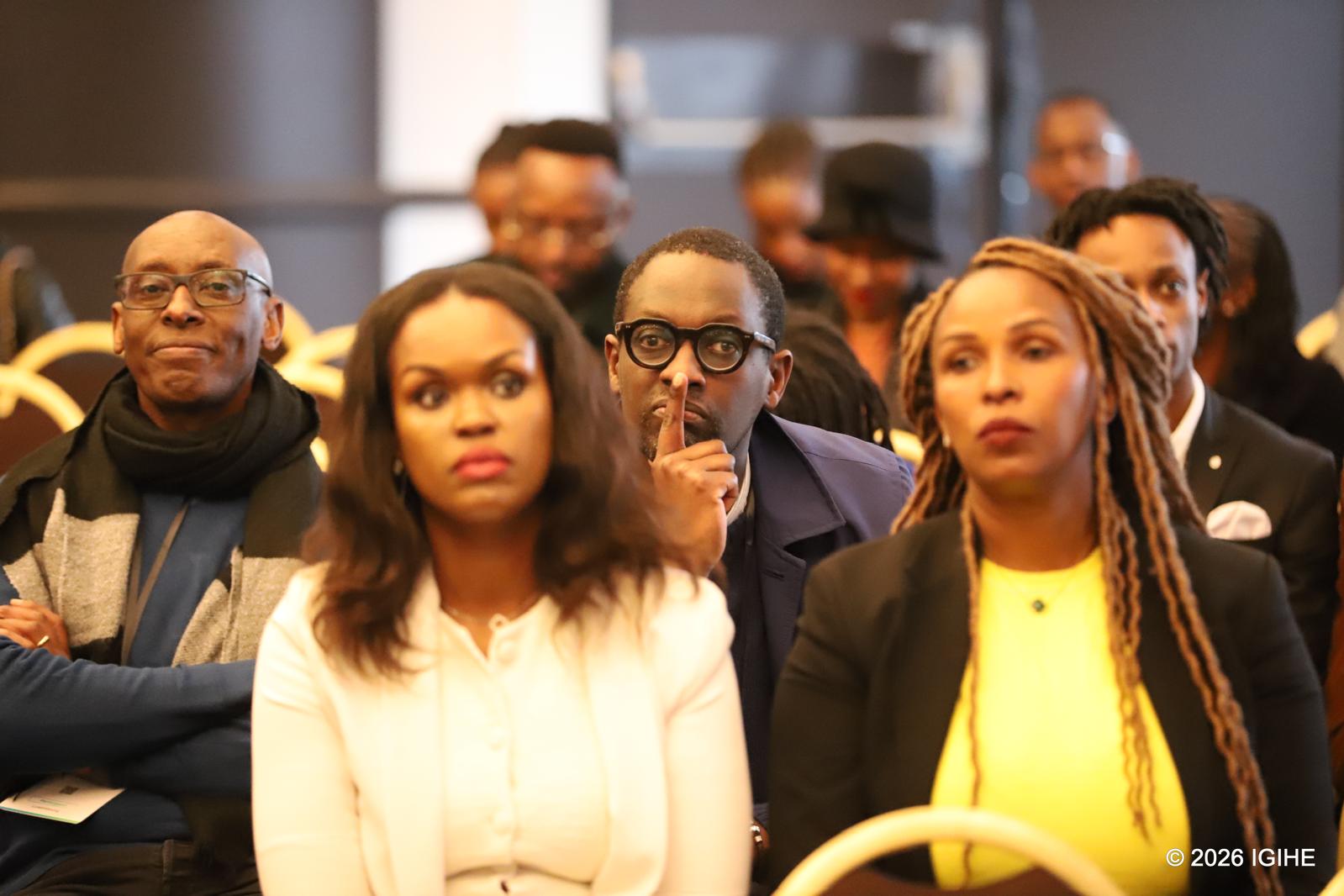
Speaking before an audience of youth and adults from various European countries, Kayitare highlighted the complexity surrounding the transmission of genocide legacies, such as trauma and hate ideology.The event held in Paris brought together over 500 Rwandans from across Europe for a sociocultural dialogue. Frank Kayitare, representing Interpeace, was among speakers.
“Hatred does not dwell in me and will never define me; I document historical facts that are irreversible,” said Dr. Bizimana.
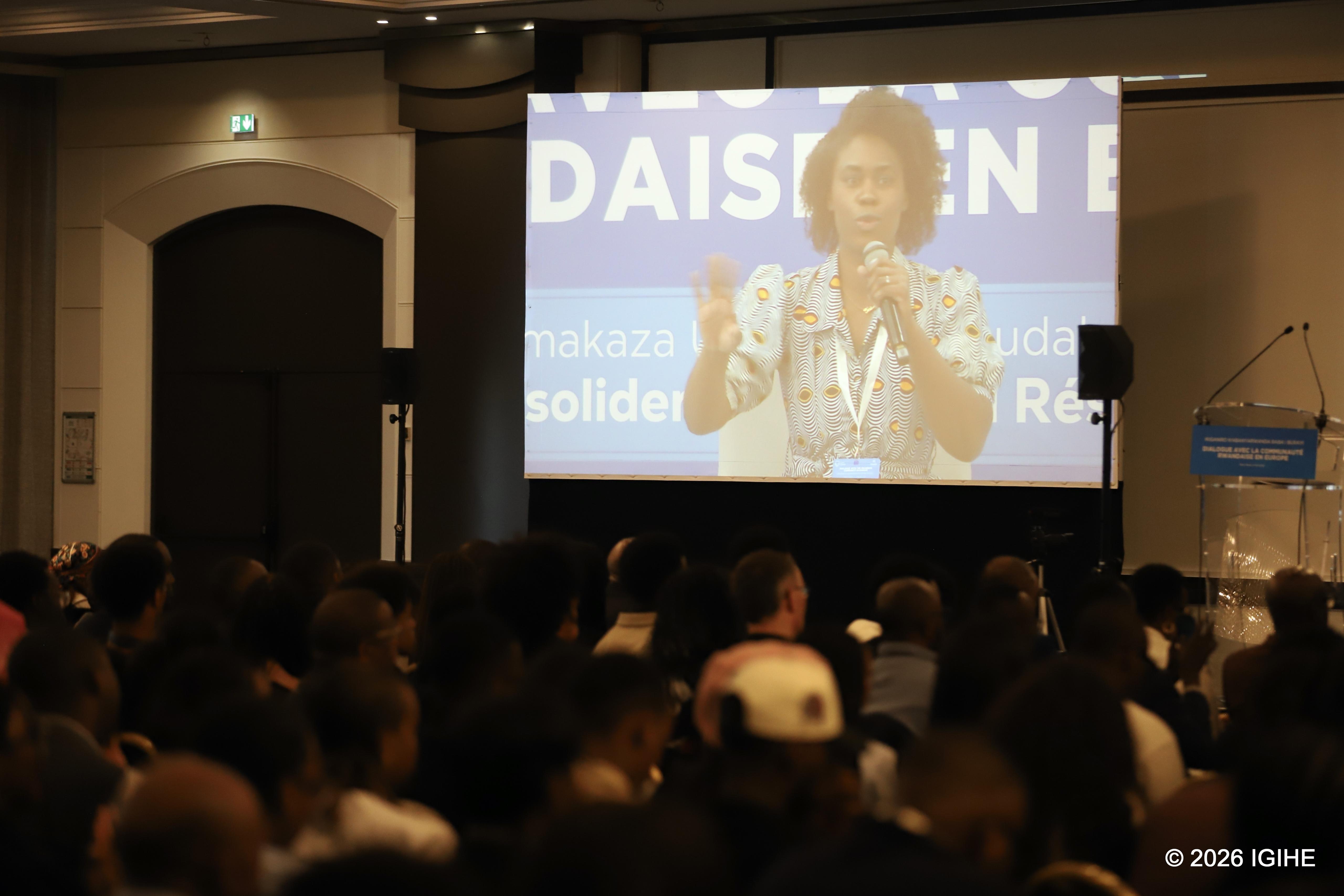
He made these remarks on Saturday in Paris during a socio-cultural meeting organized by the Ministry of National Unity and Civic Engagement, in collaboration with the Rwandan Embassy in France and Interpeace, which brought together the Rwandan diaspora in Europe.
The minister explained that his statement was in response to social media attacks by individuals dissatisfied with the current Rwandan revolution, spreading false information that could mislead young Rwandans living in Europe and elsewhere in the world.
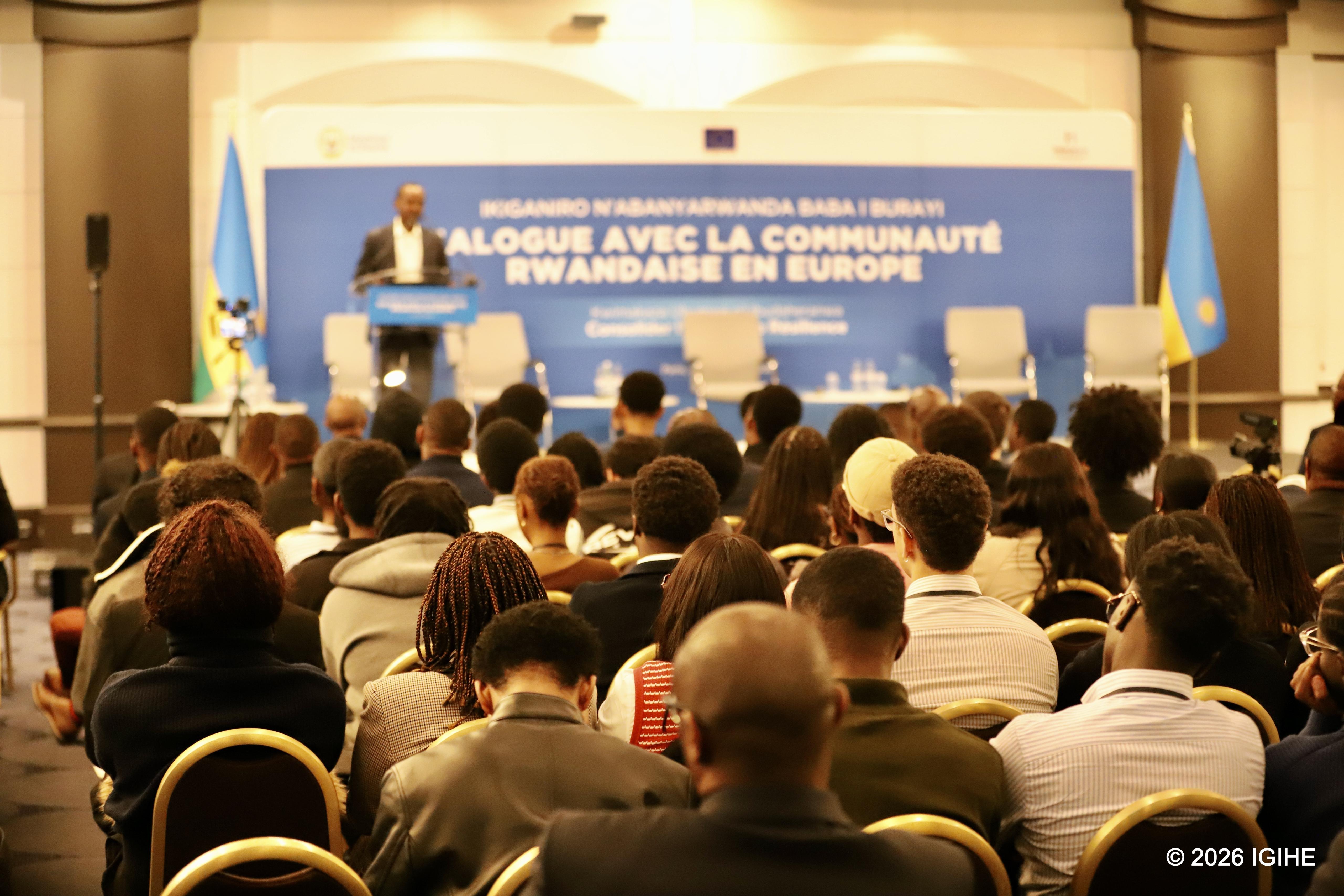
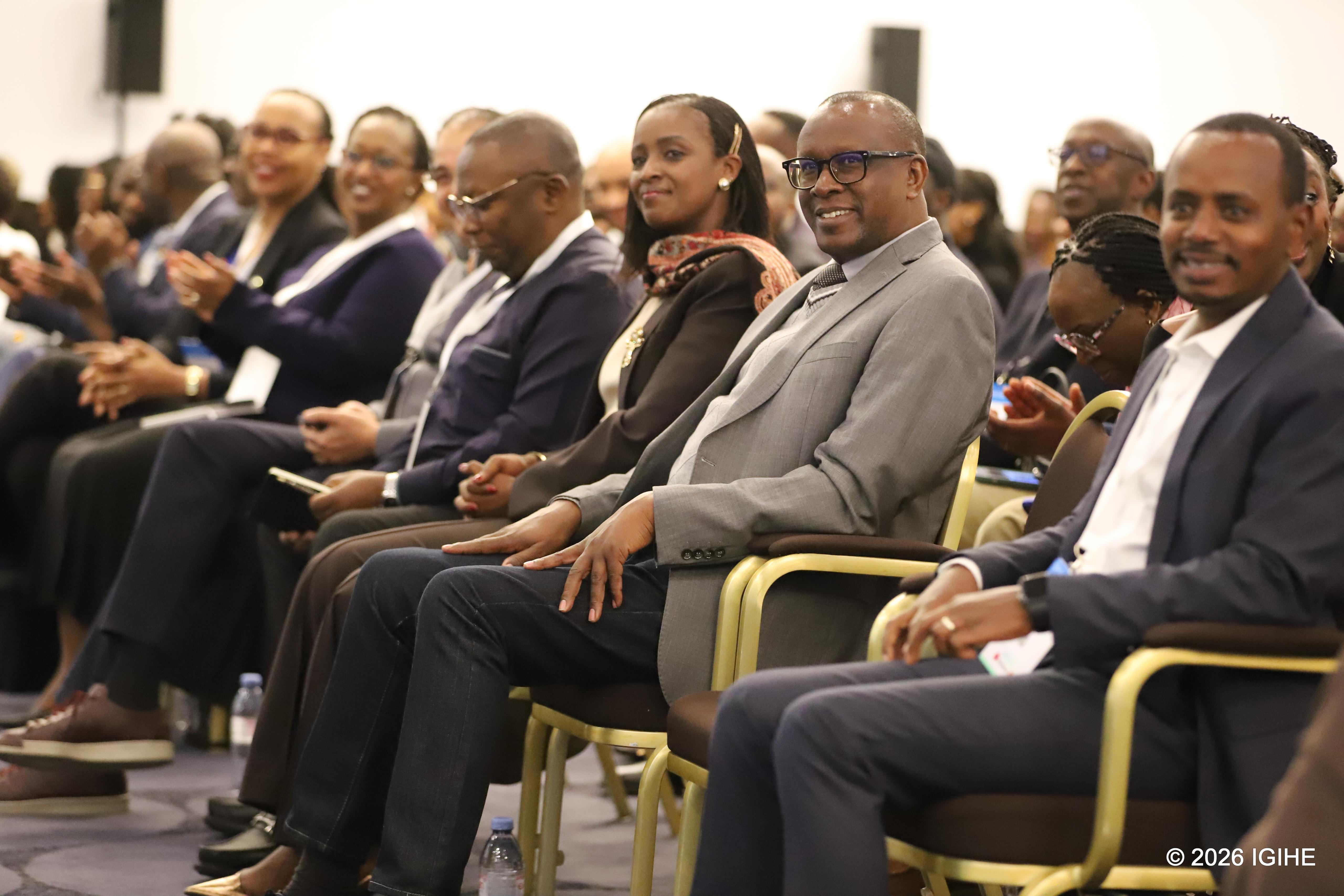
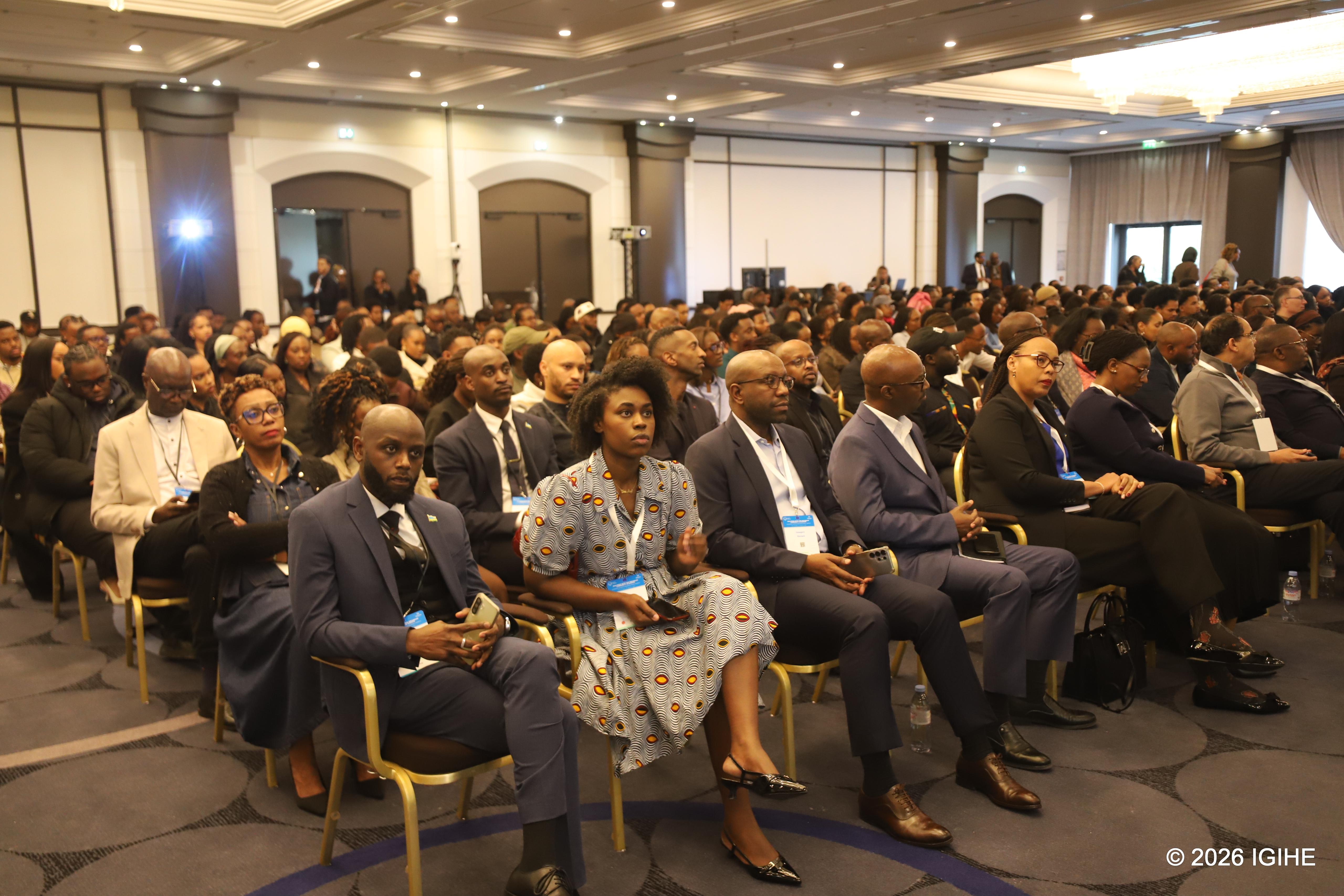
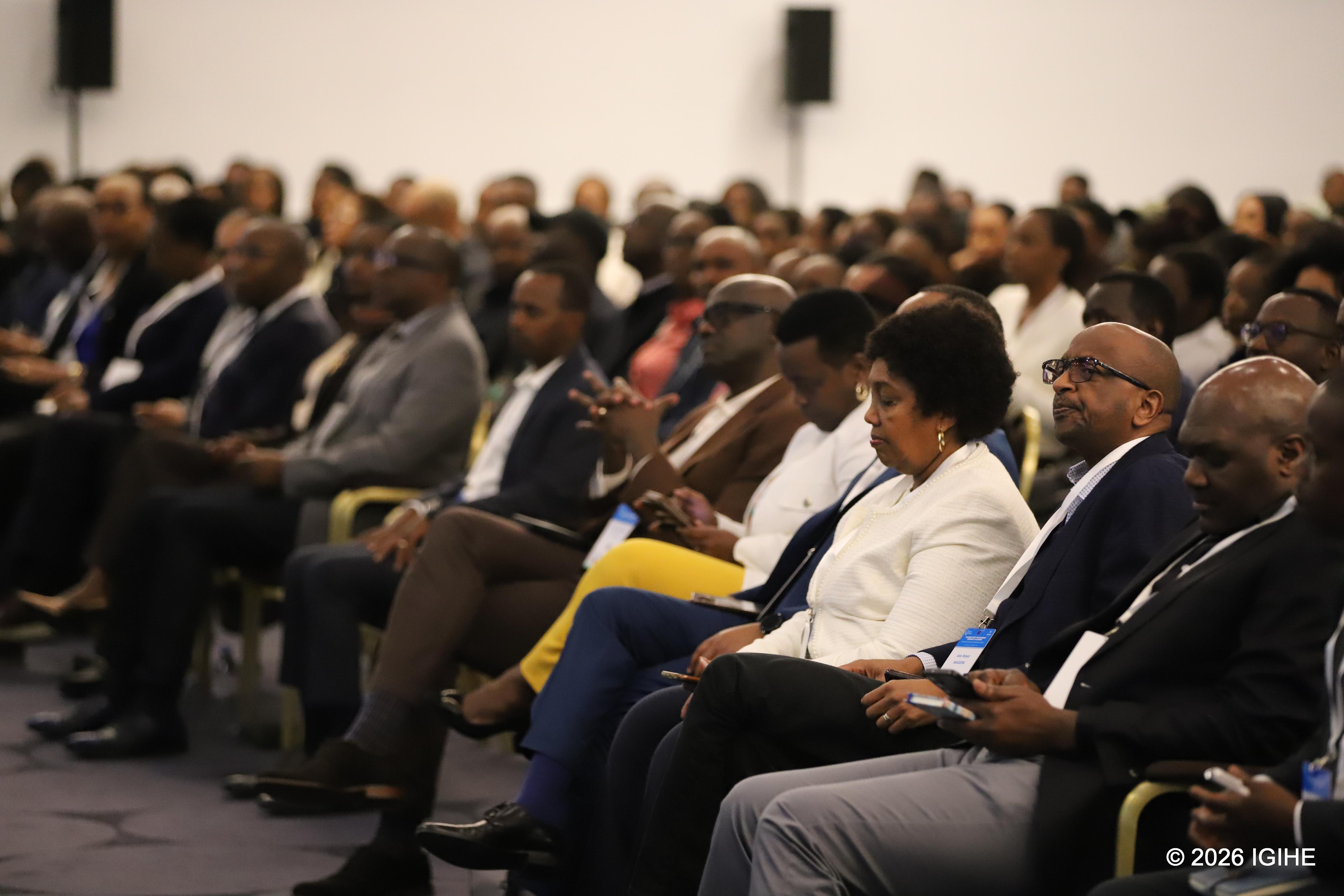
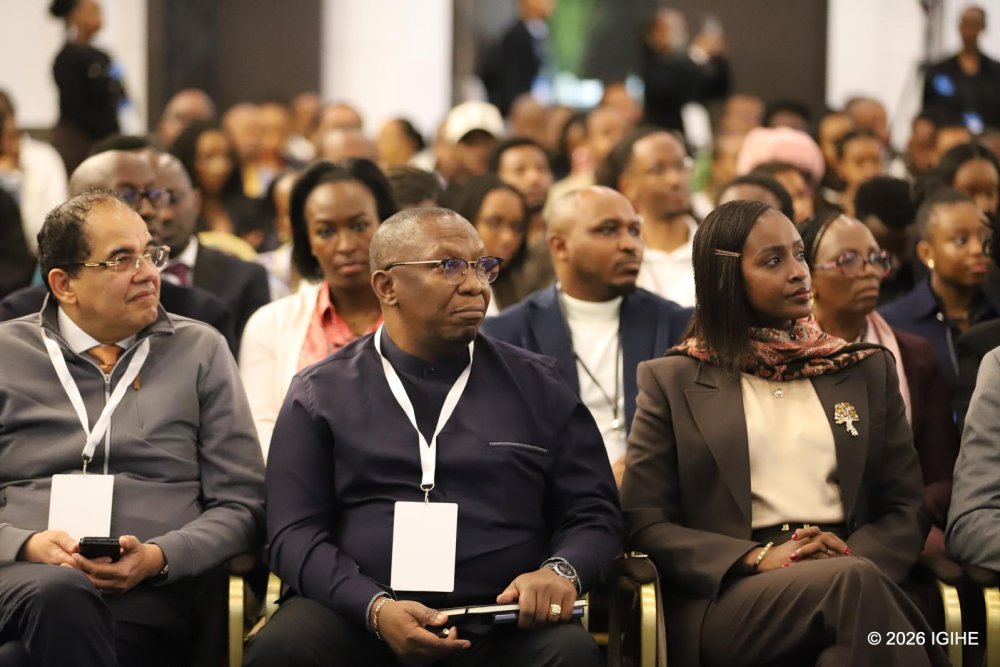
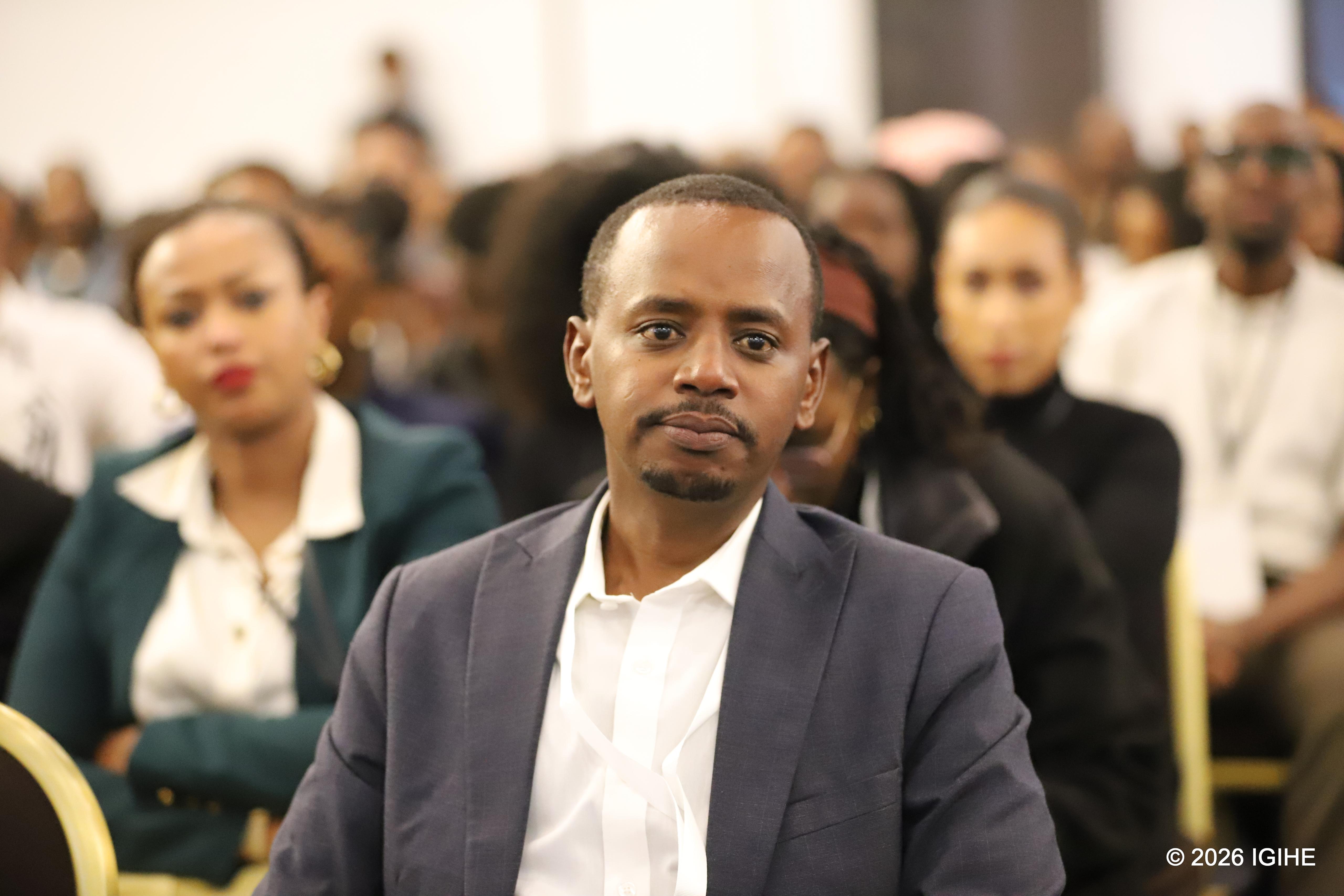
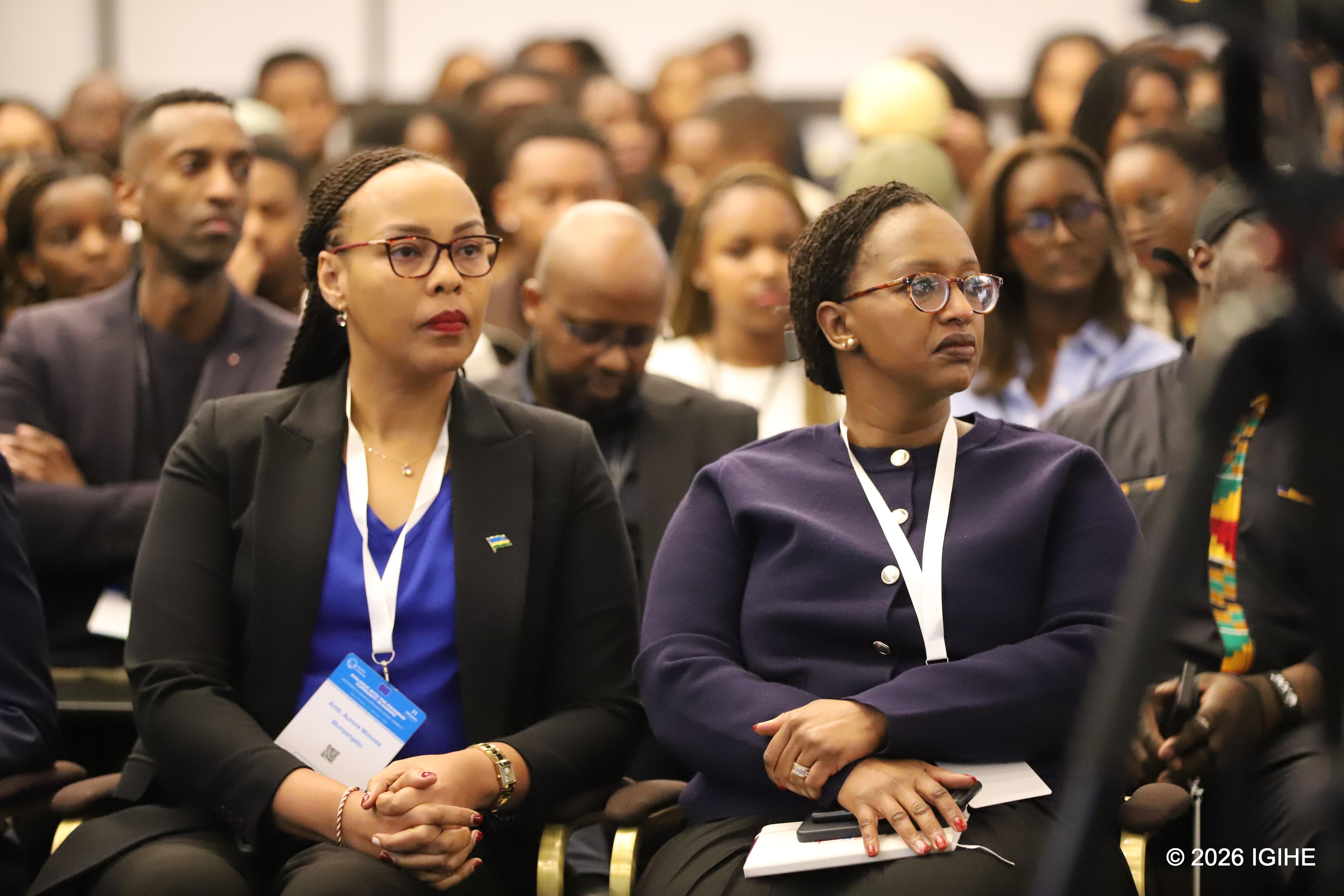
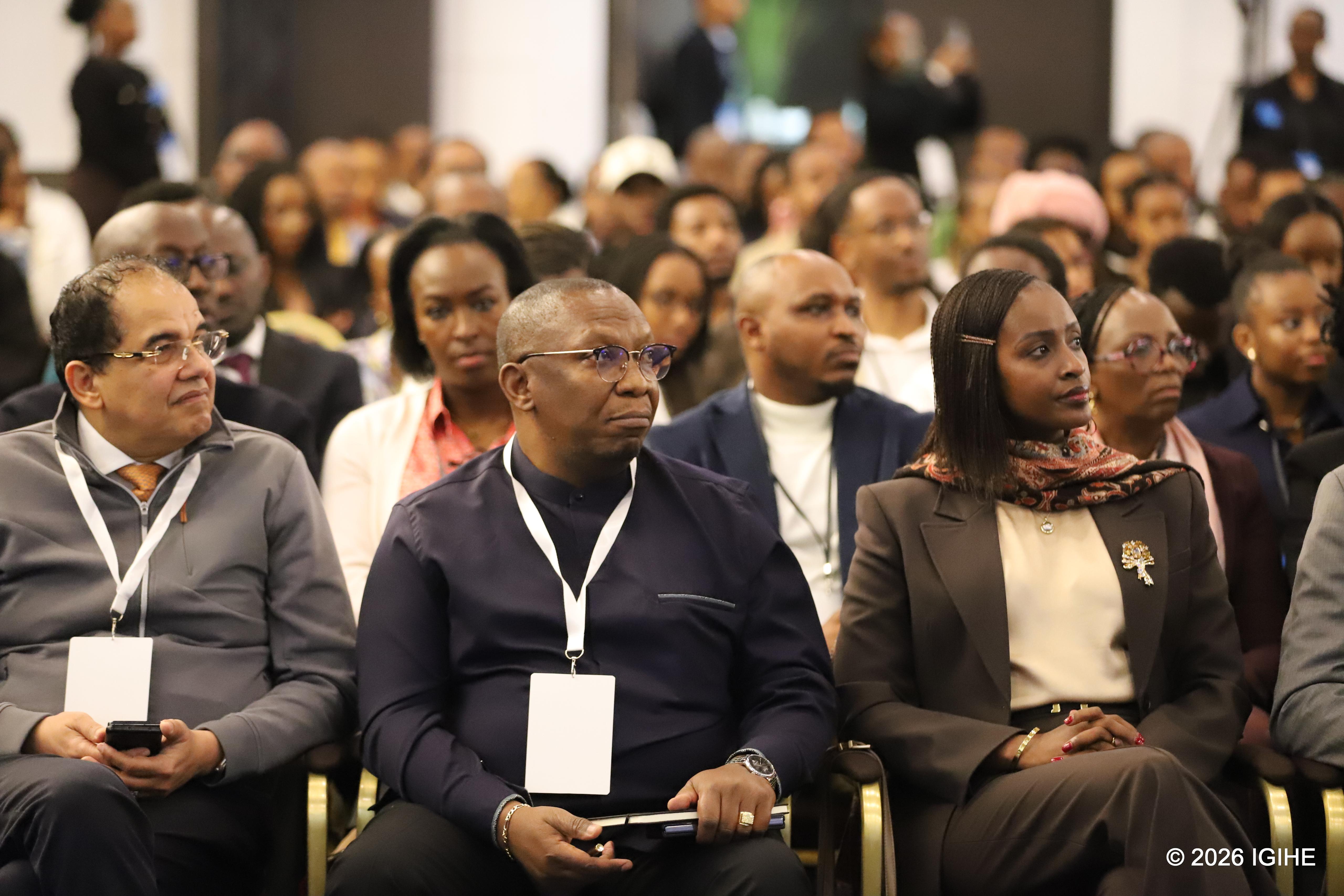
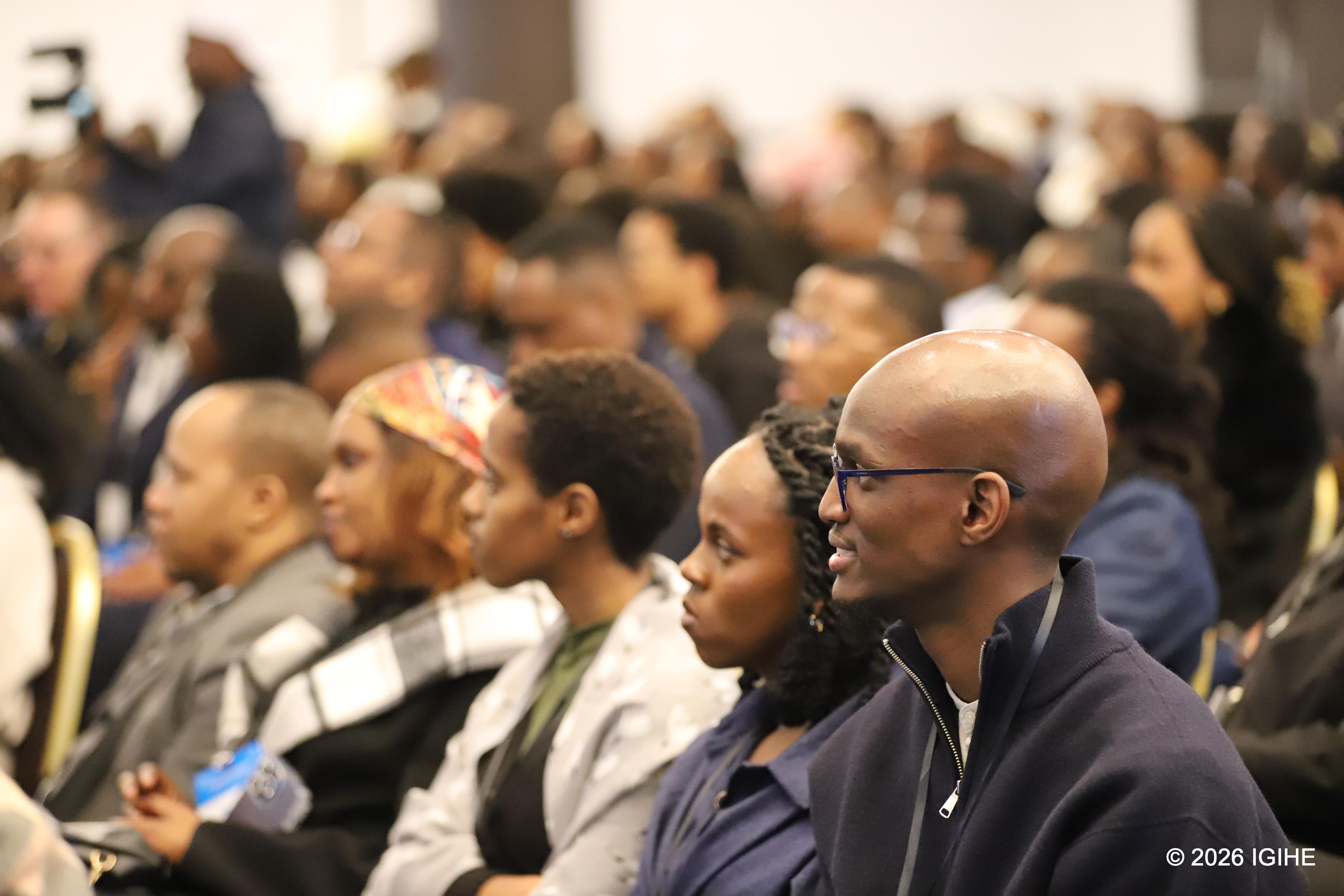
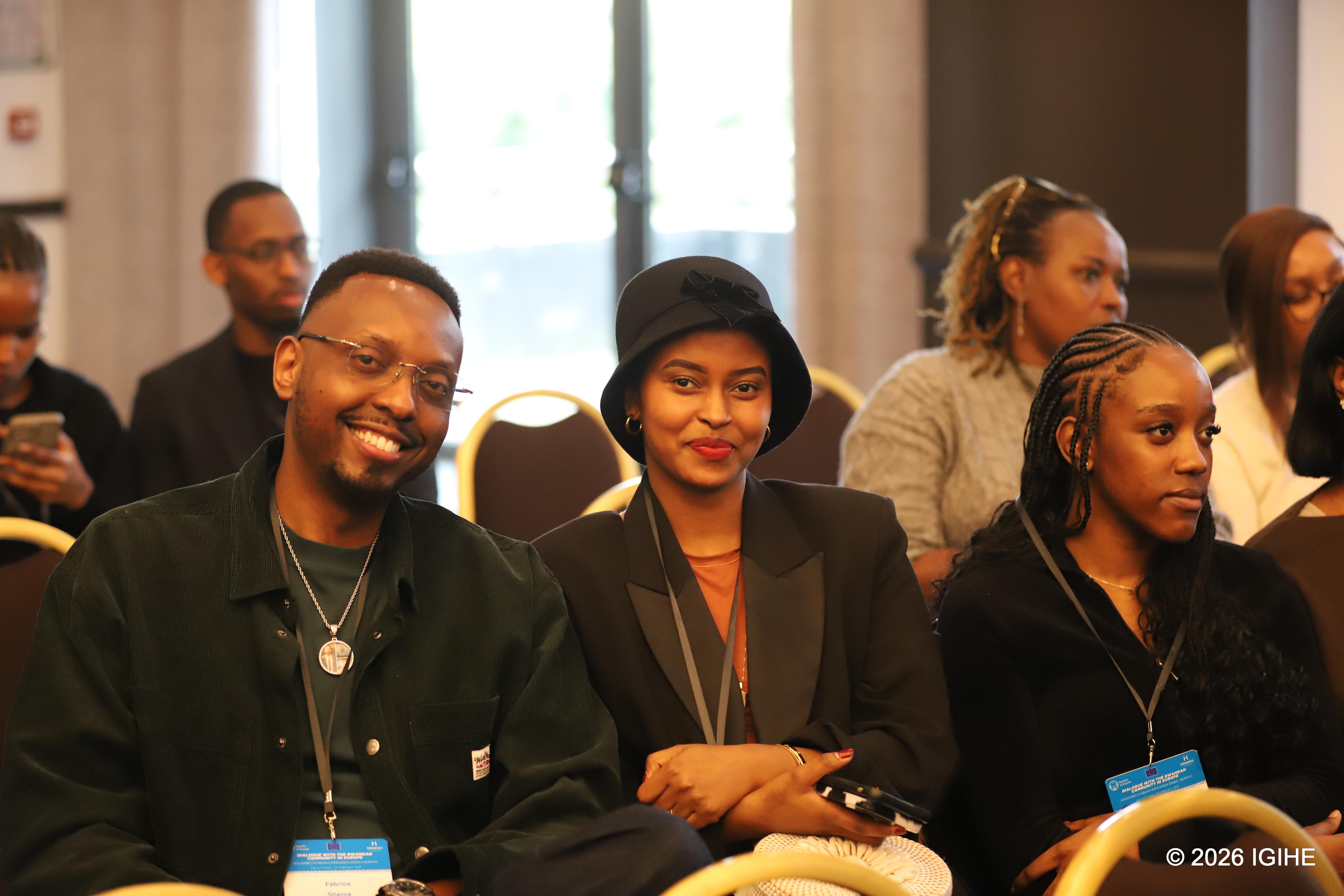
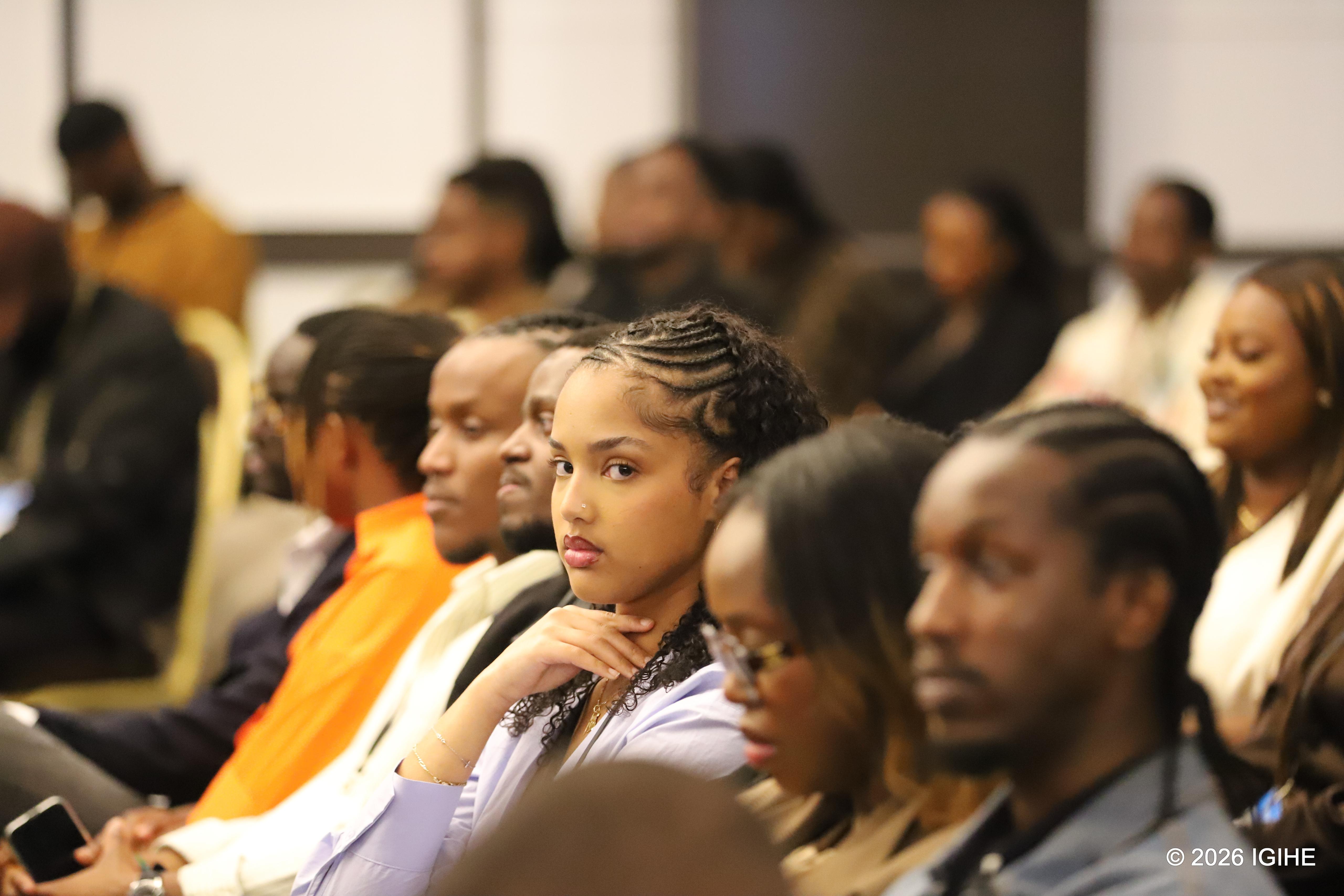
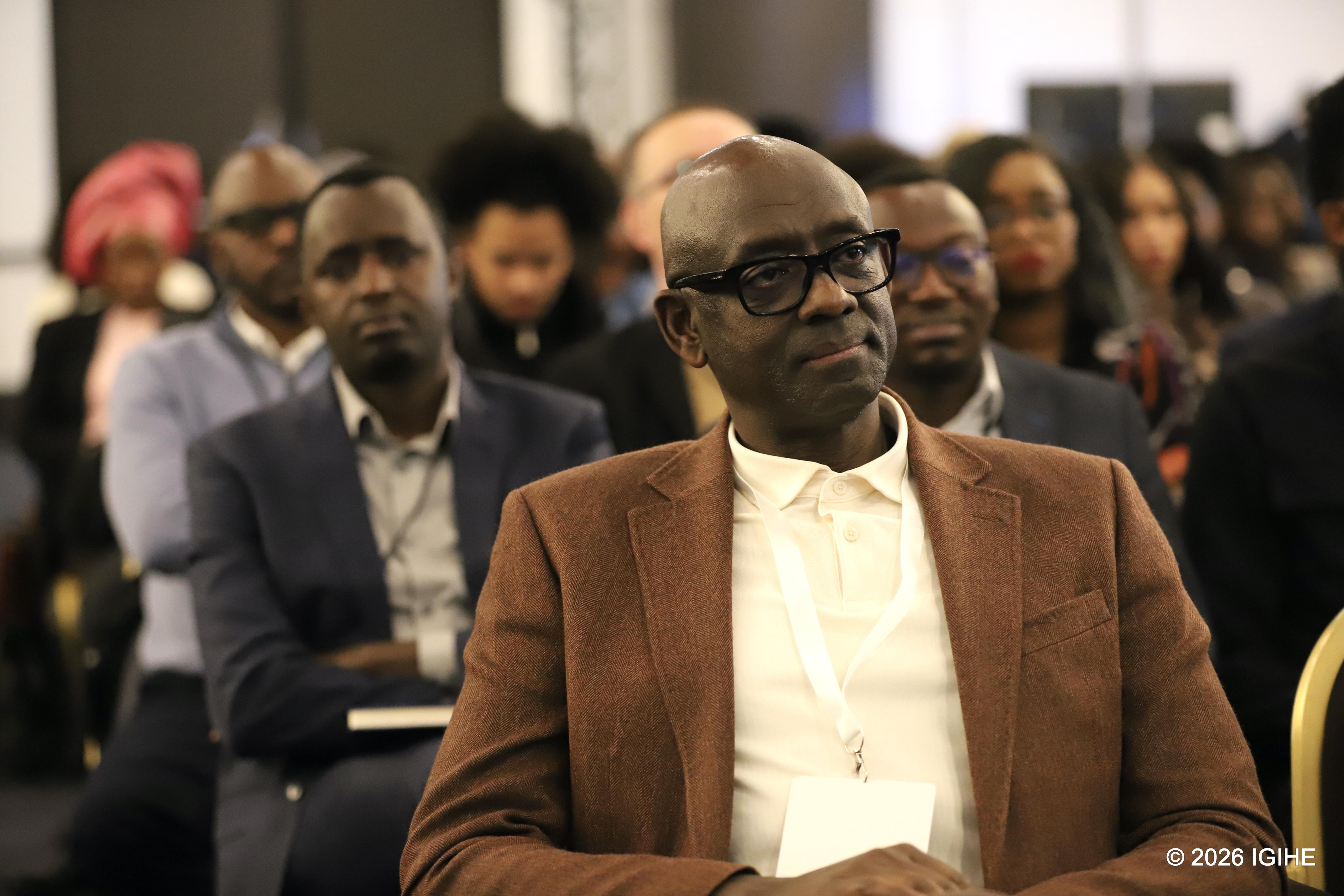
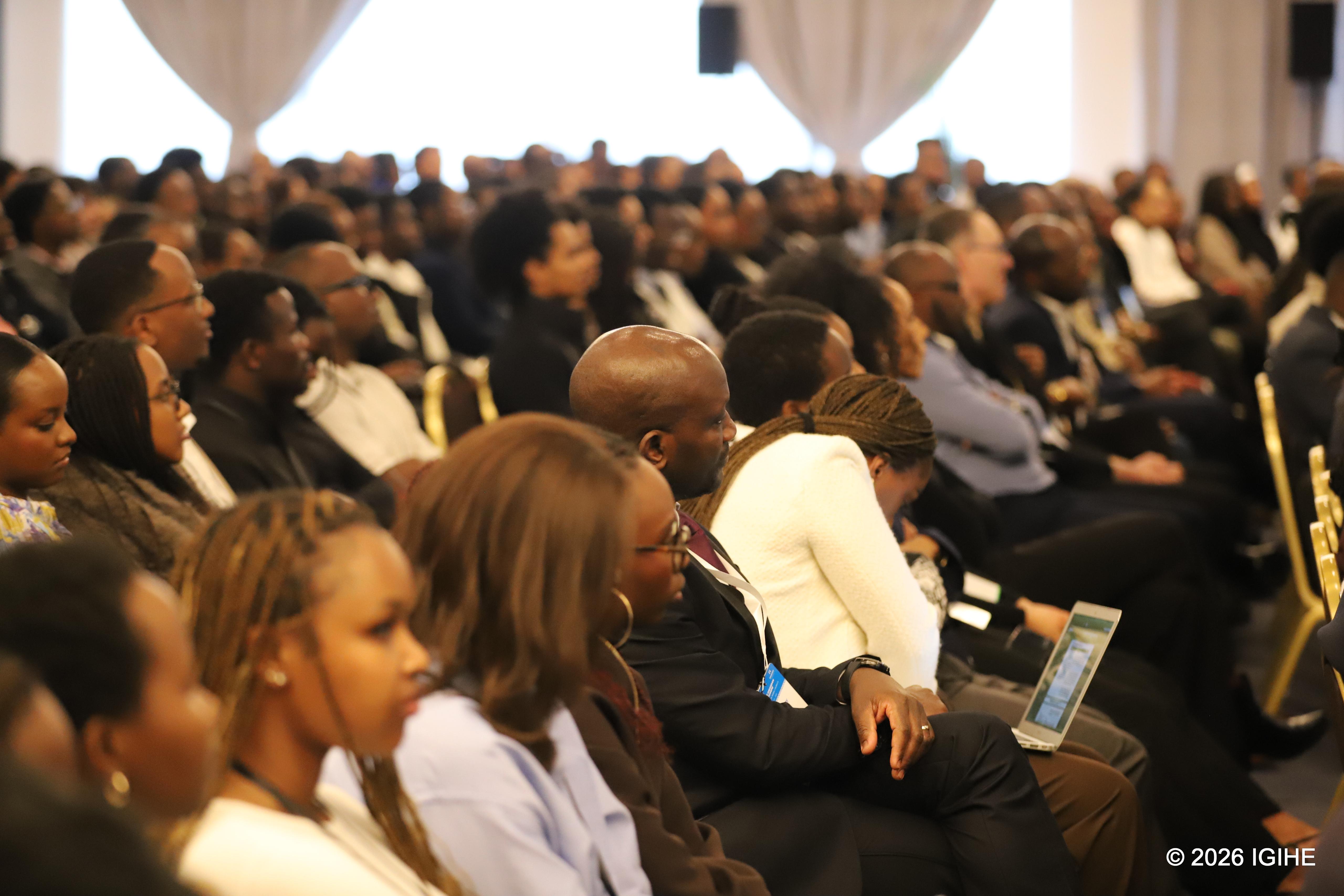
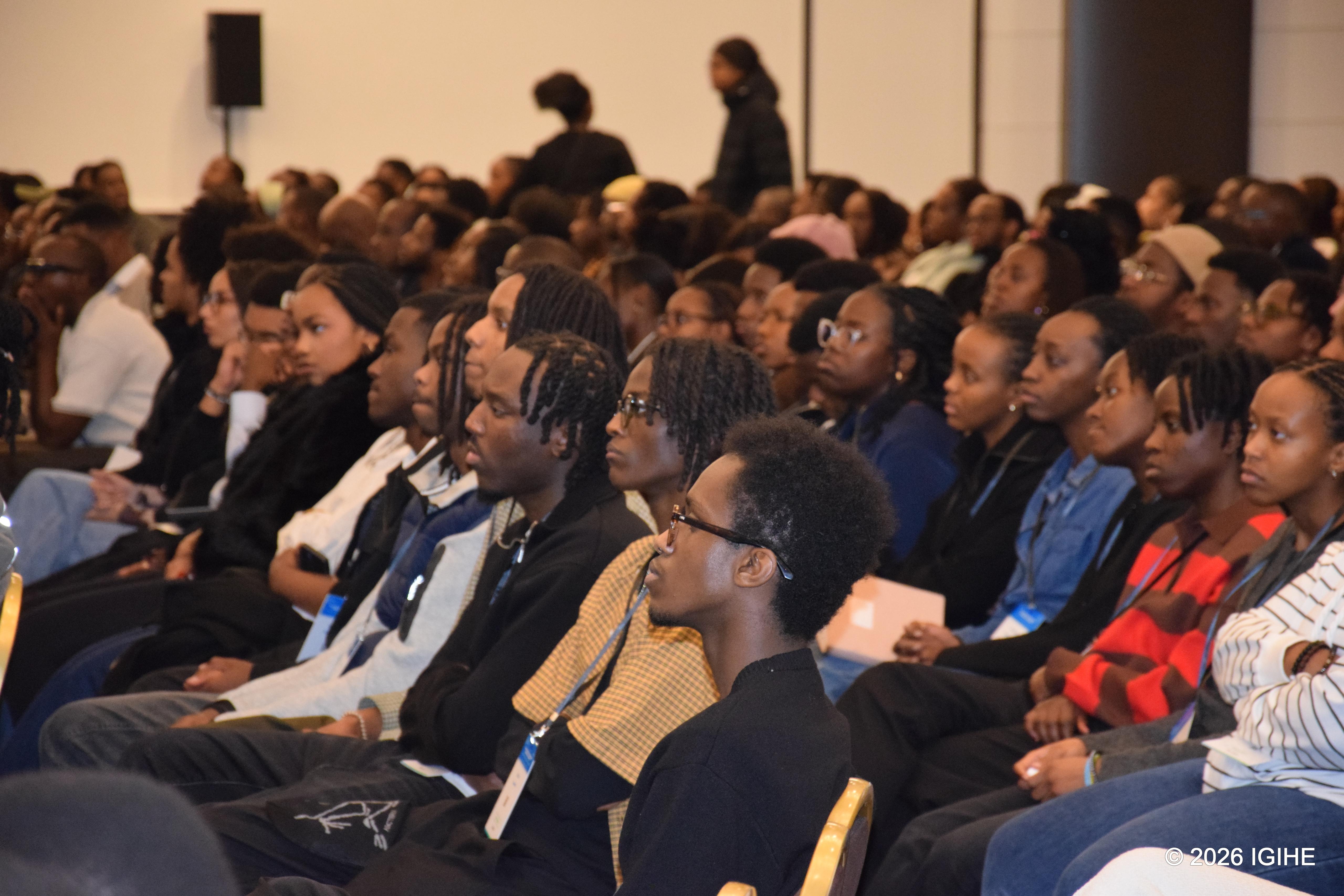
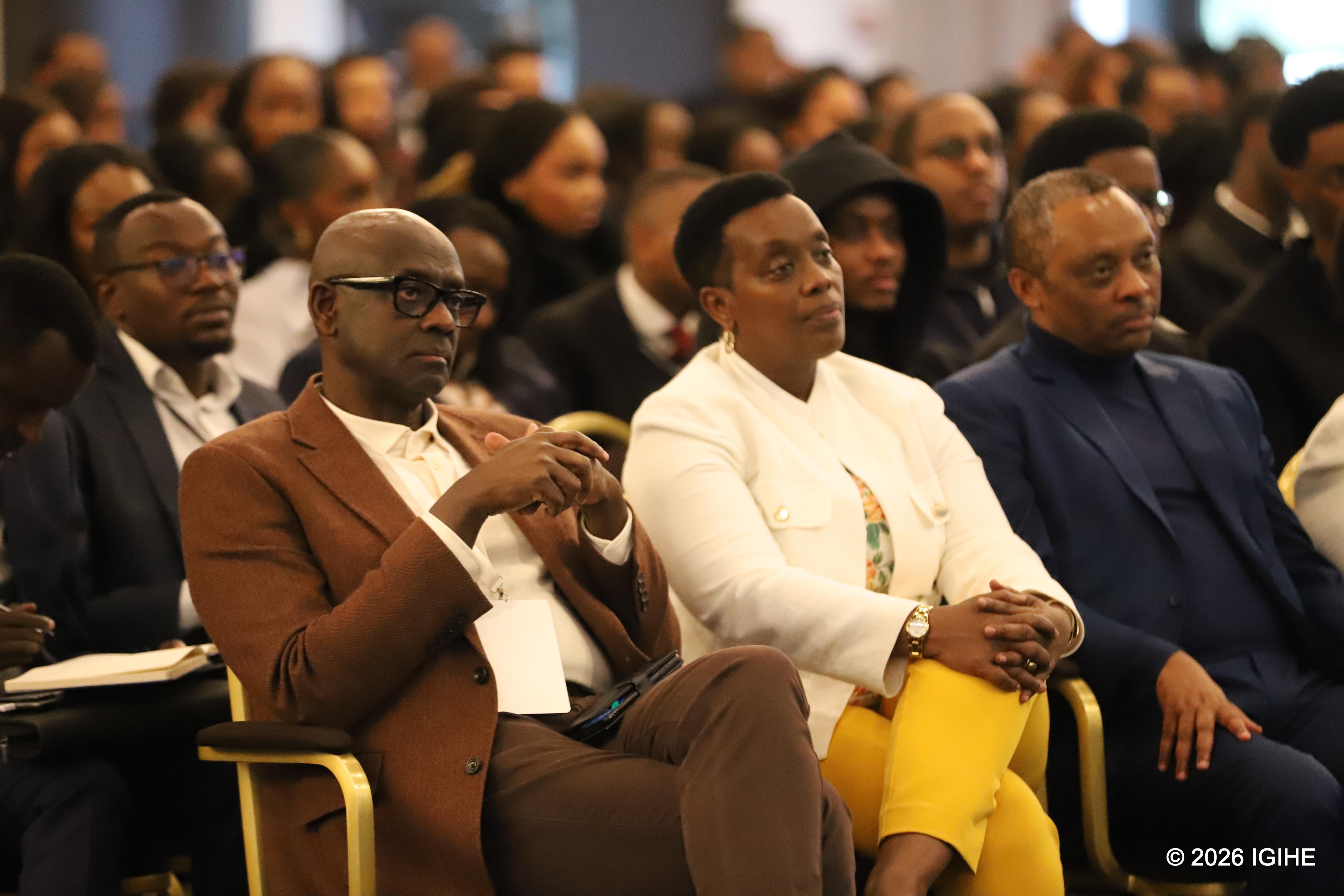
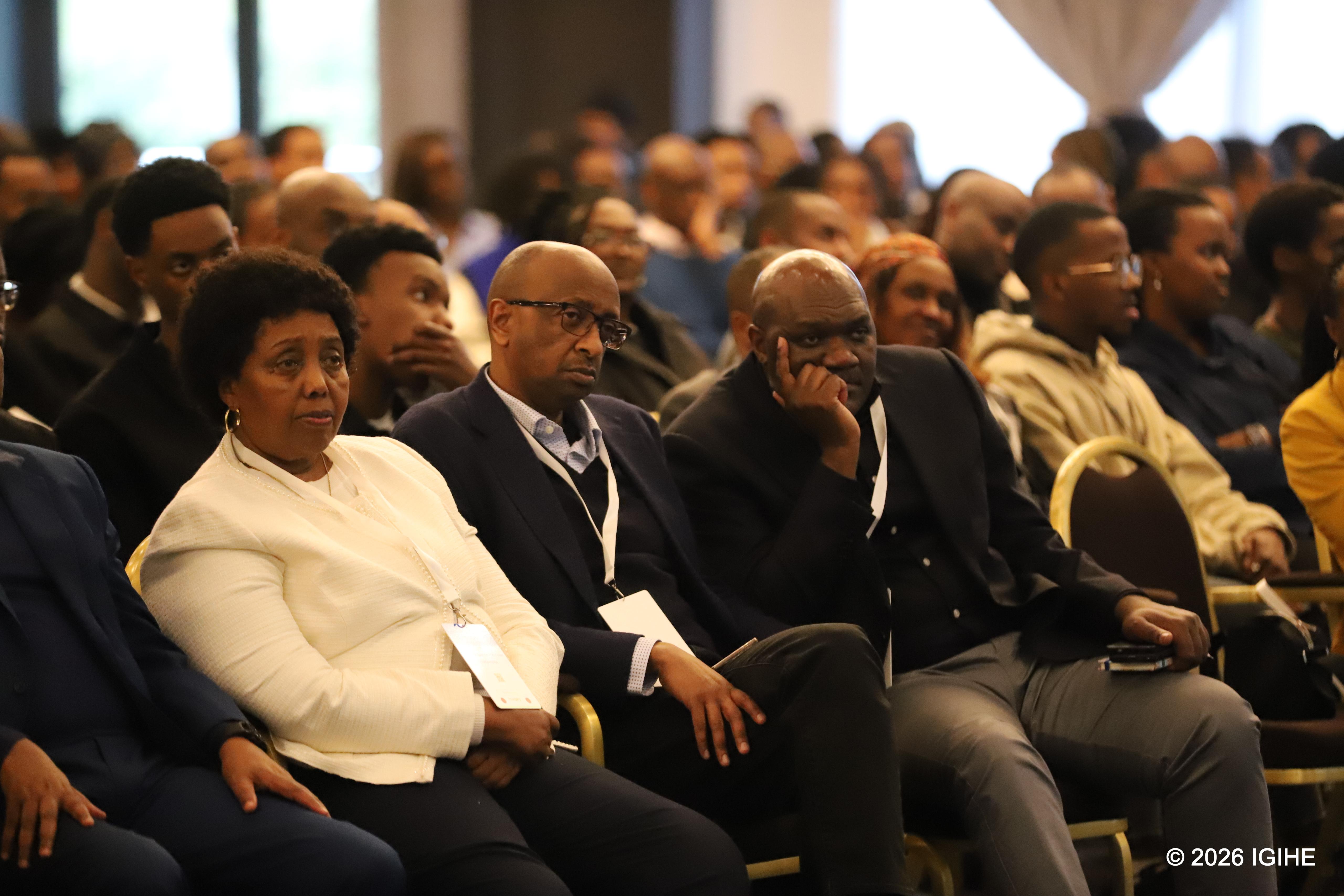
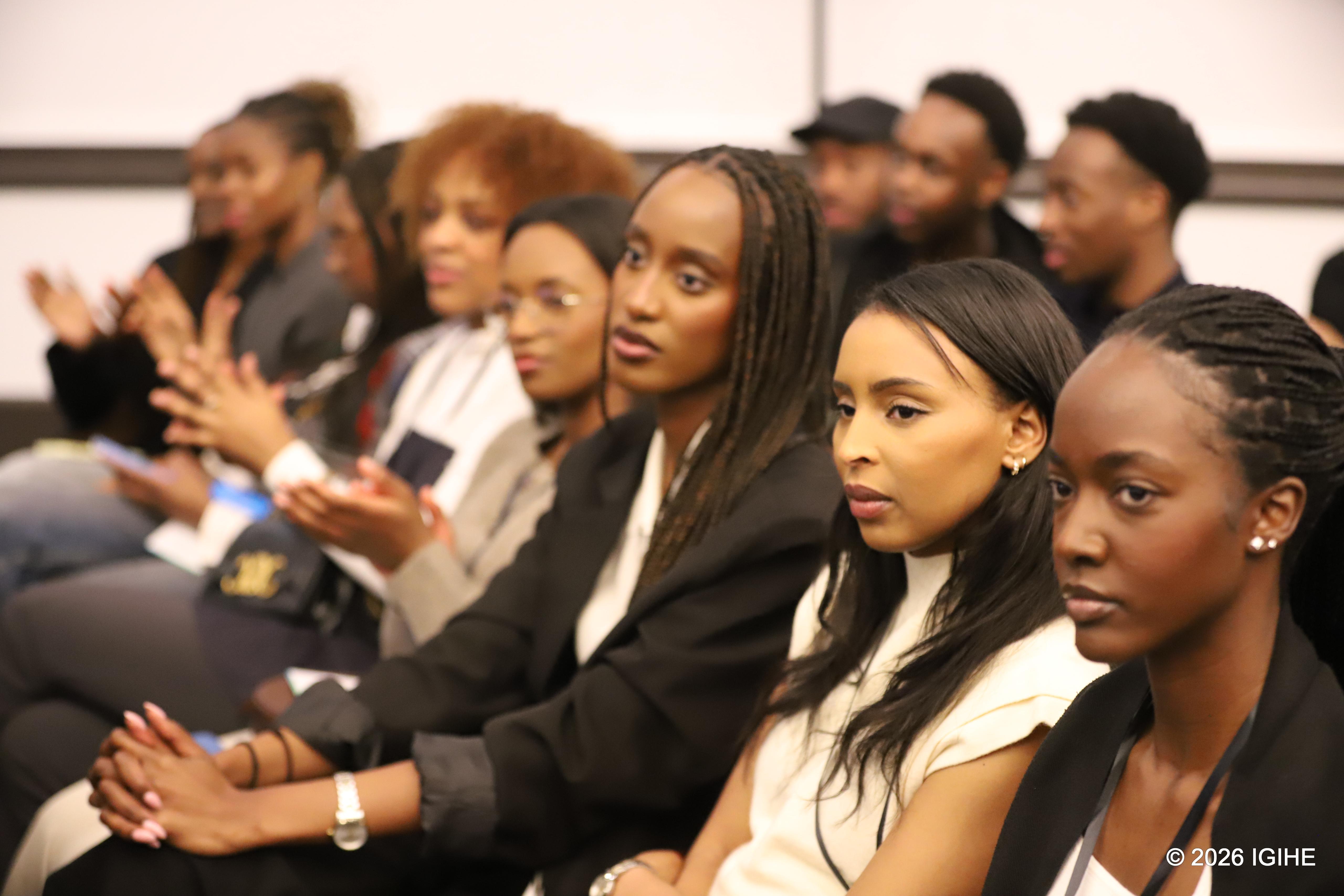
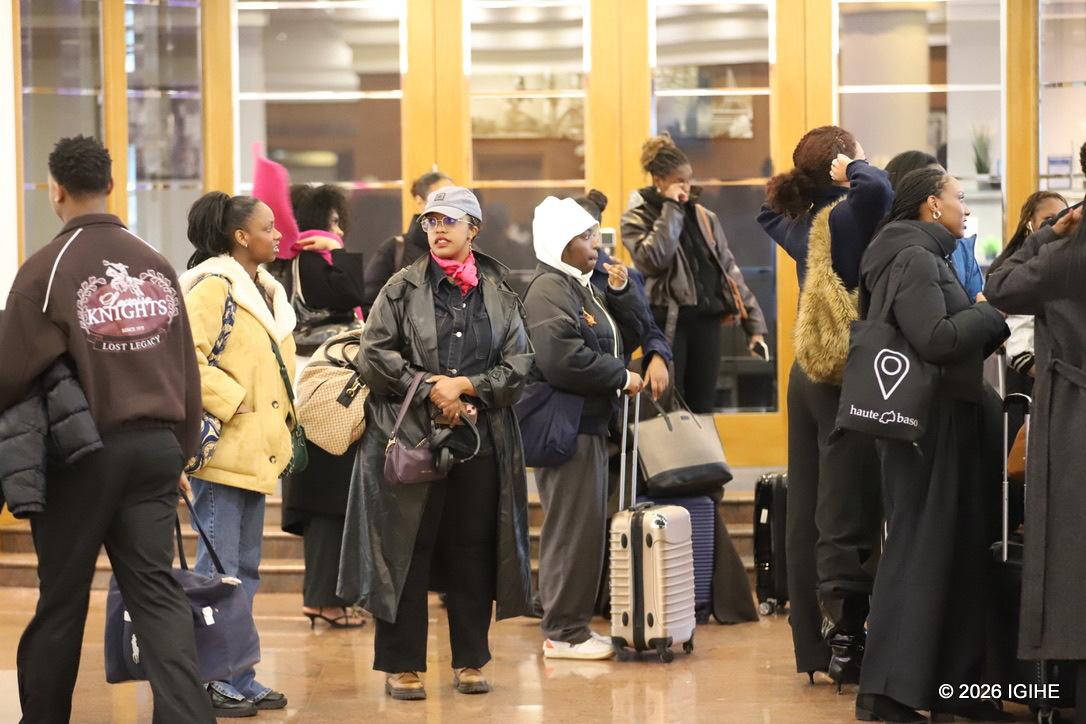
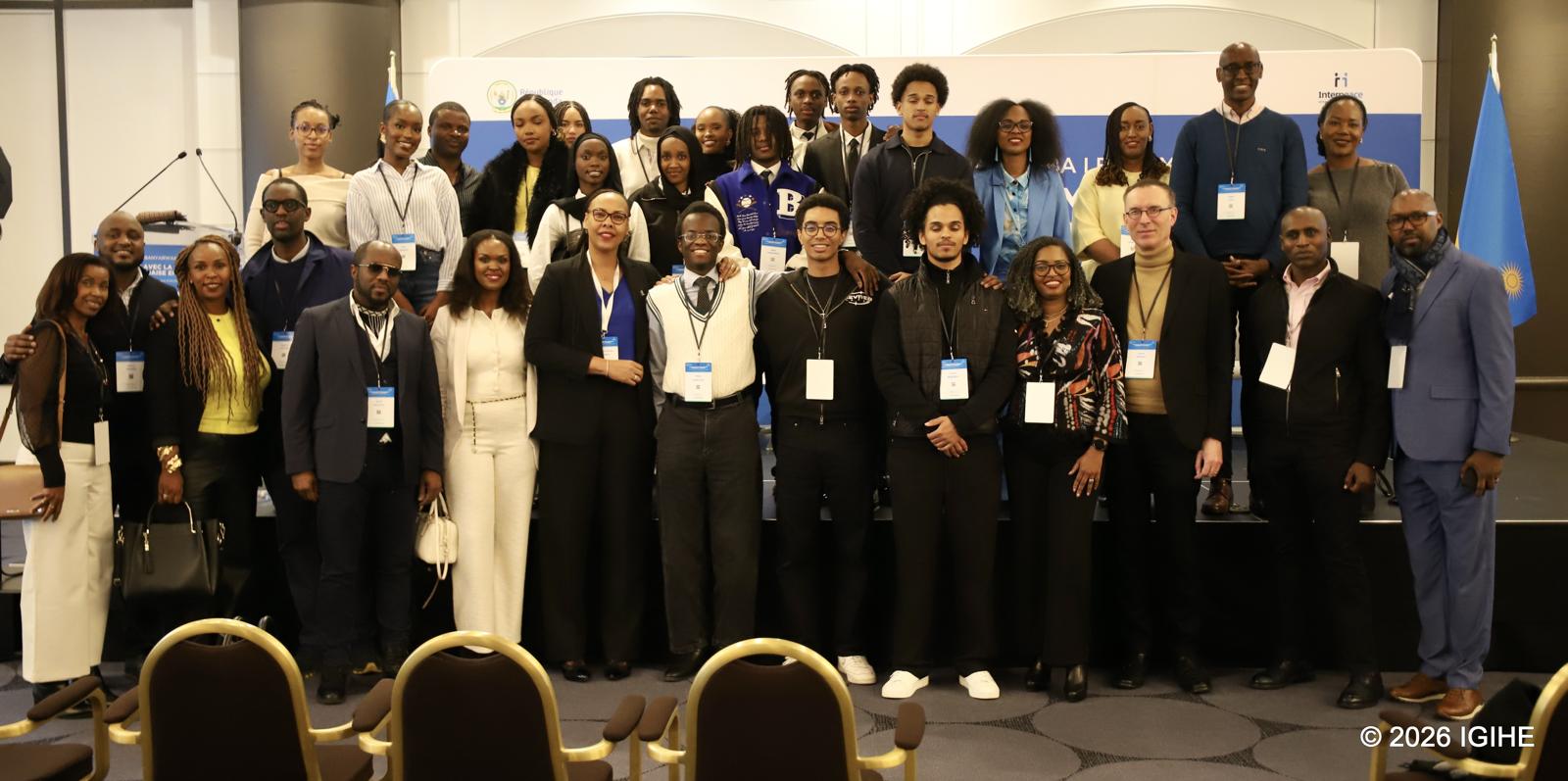
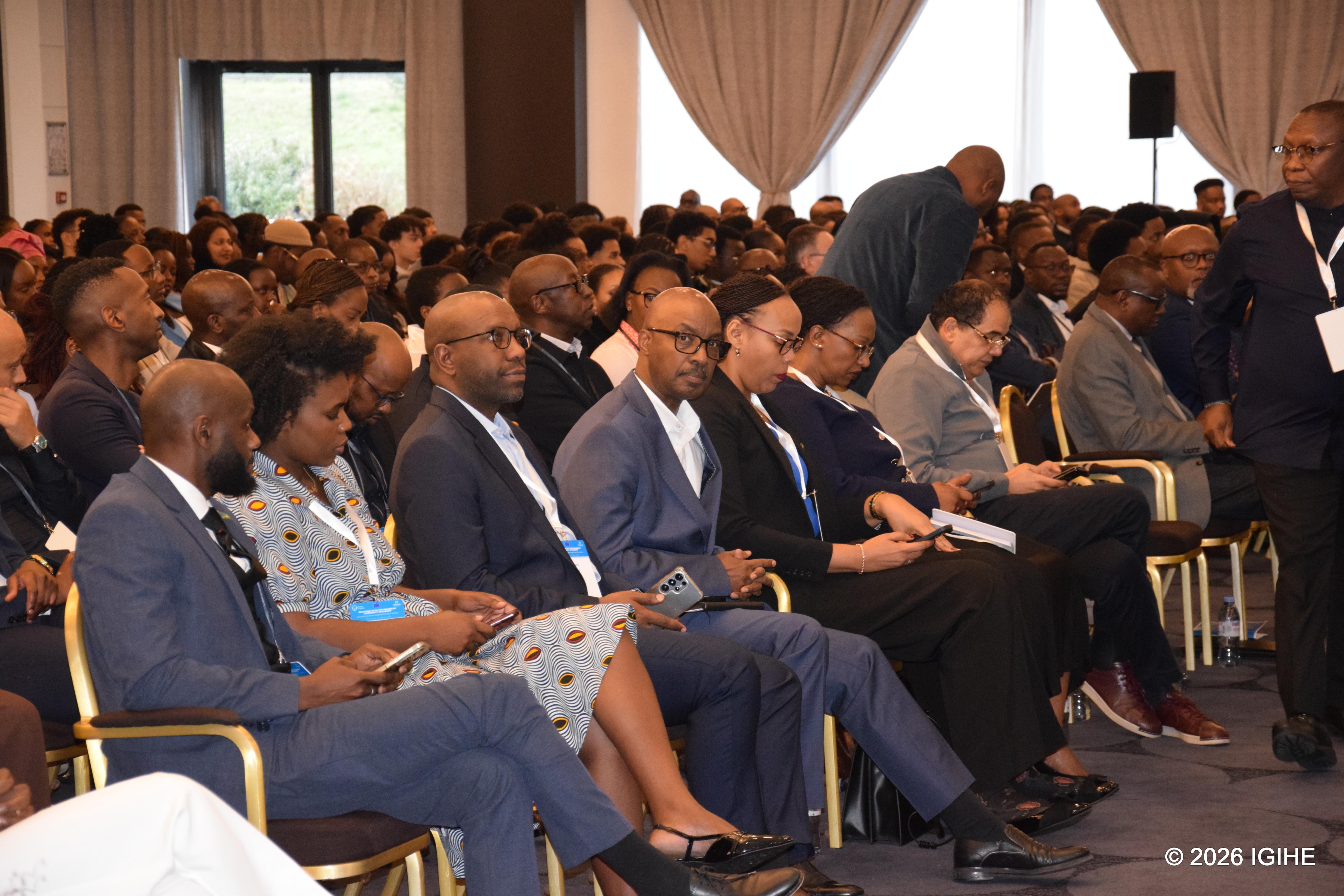
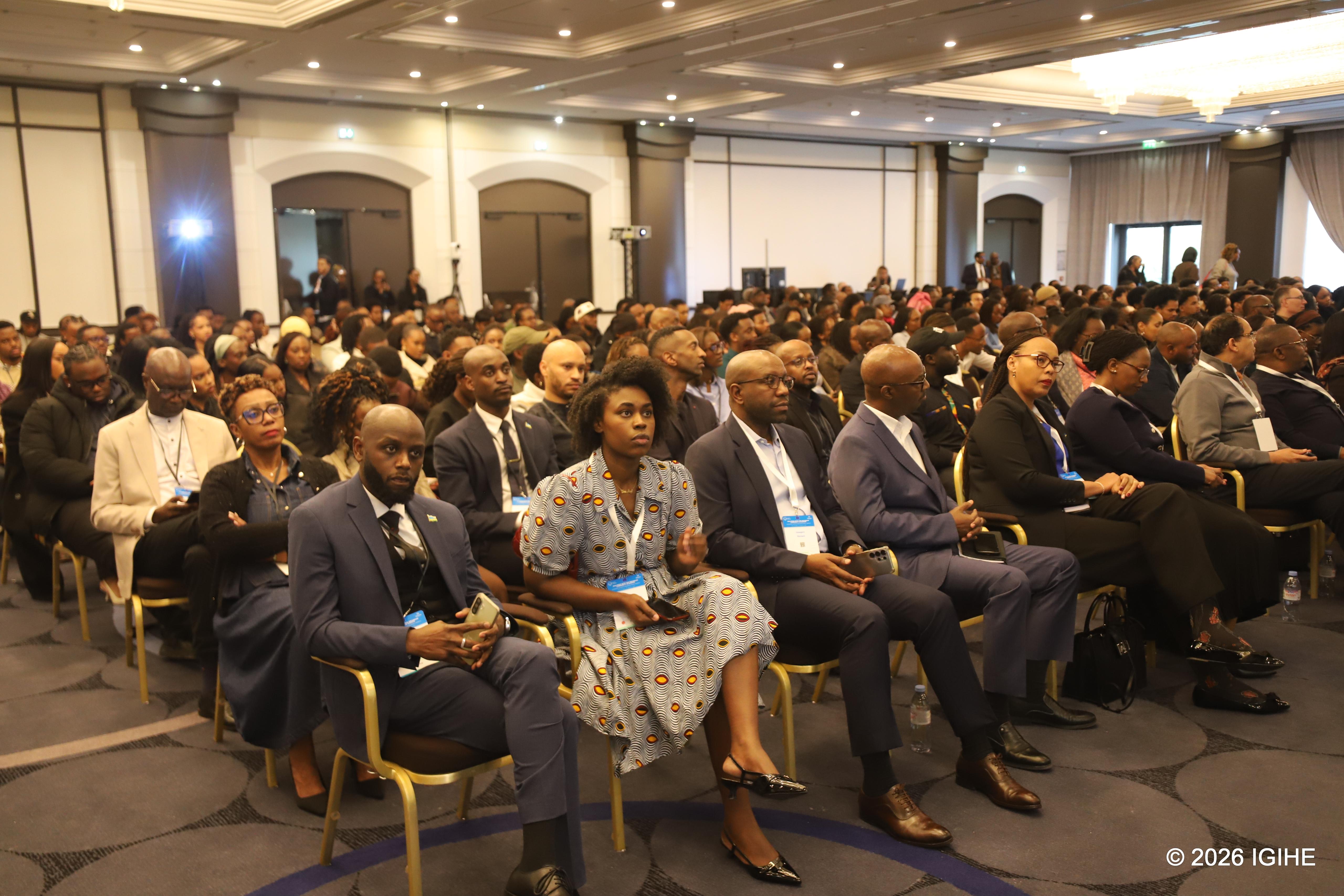
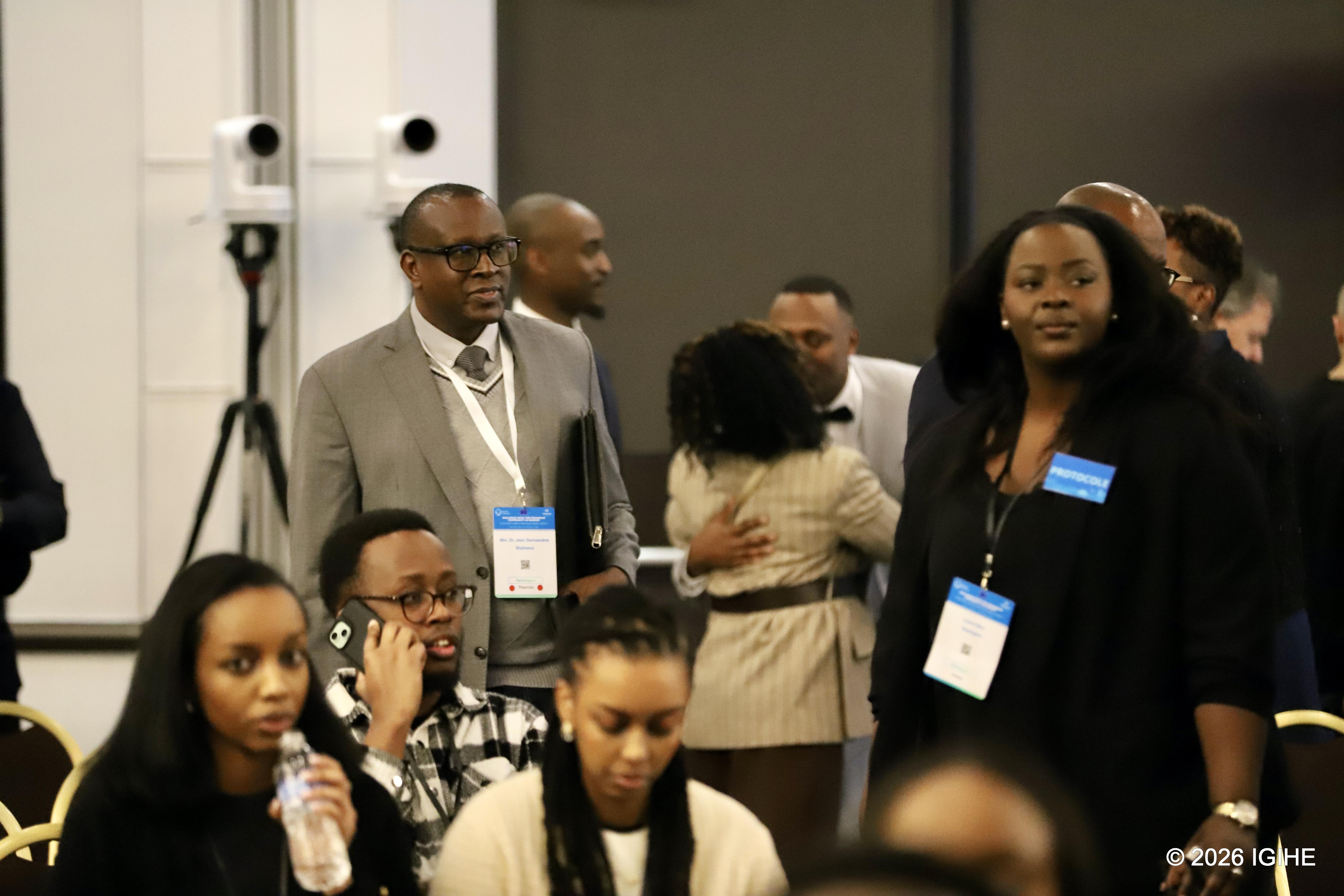
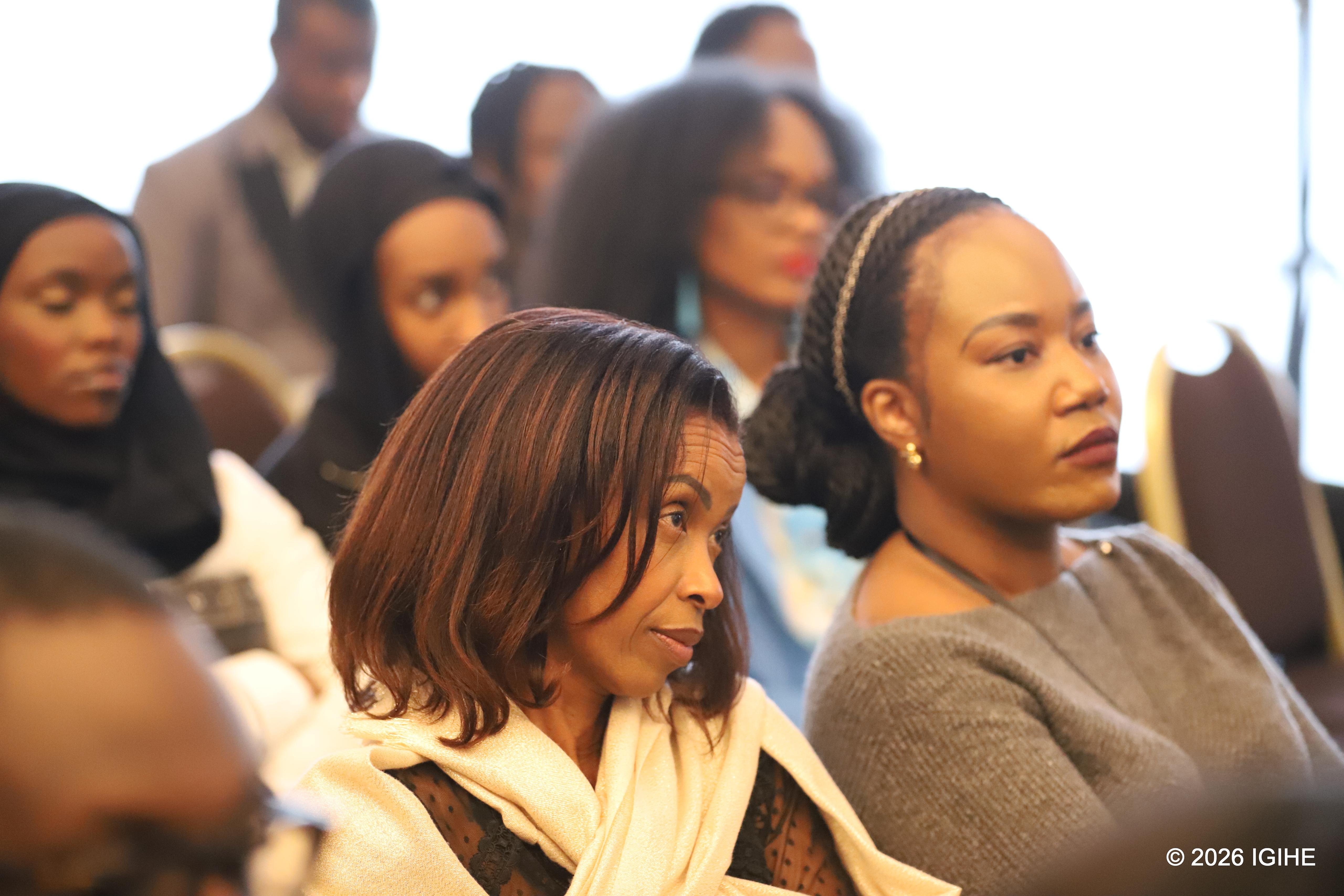
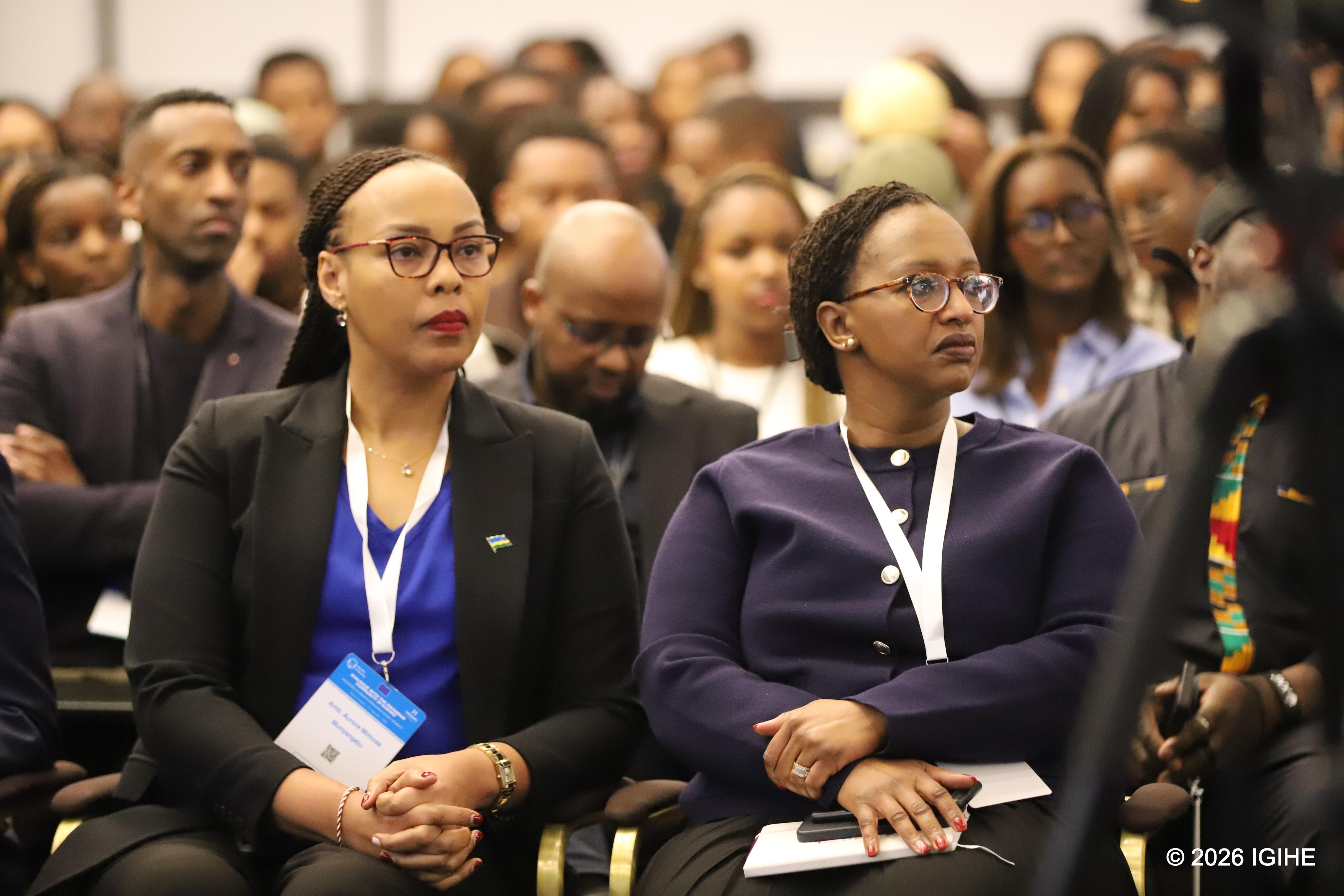
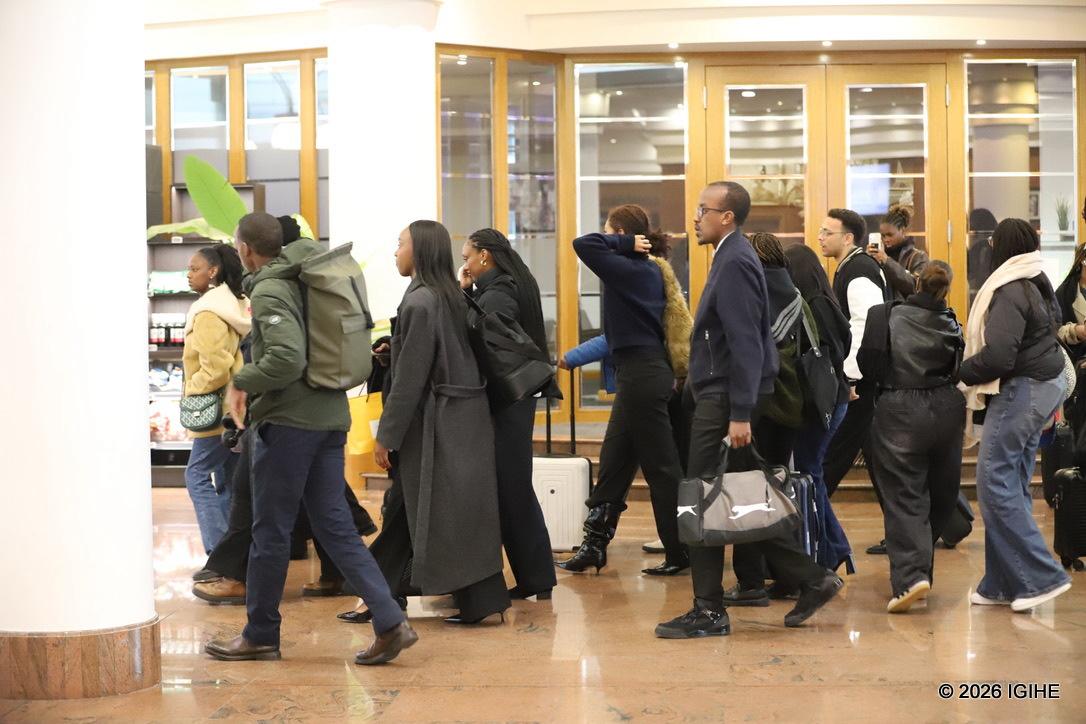
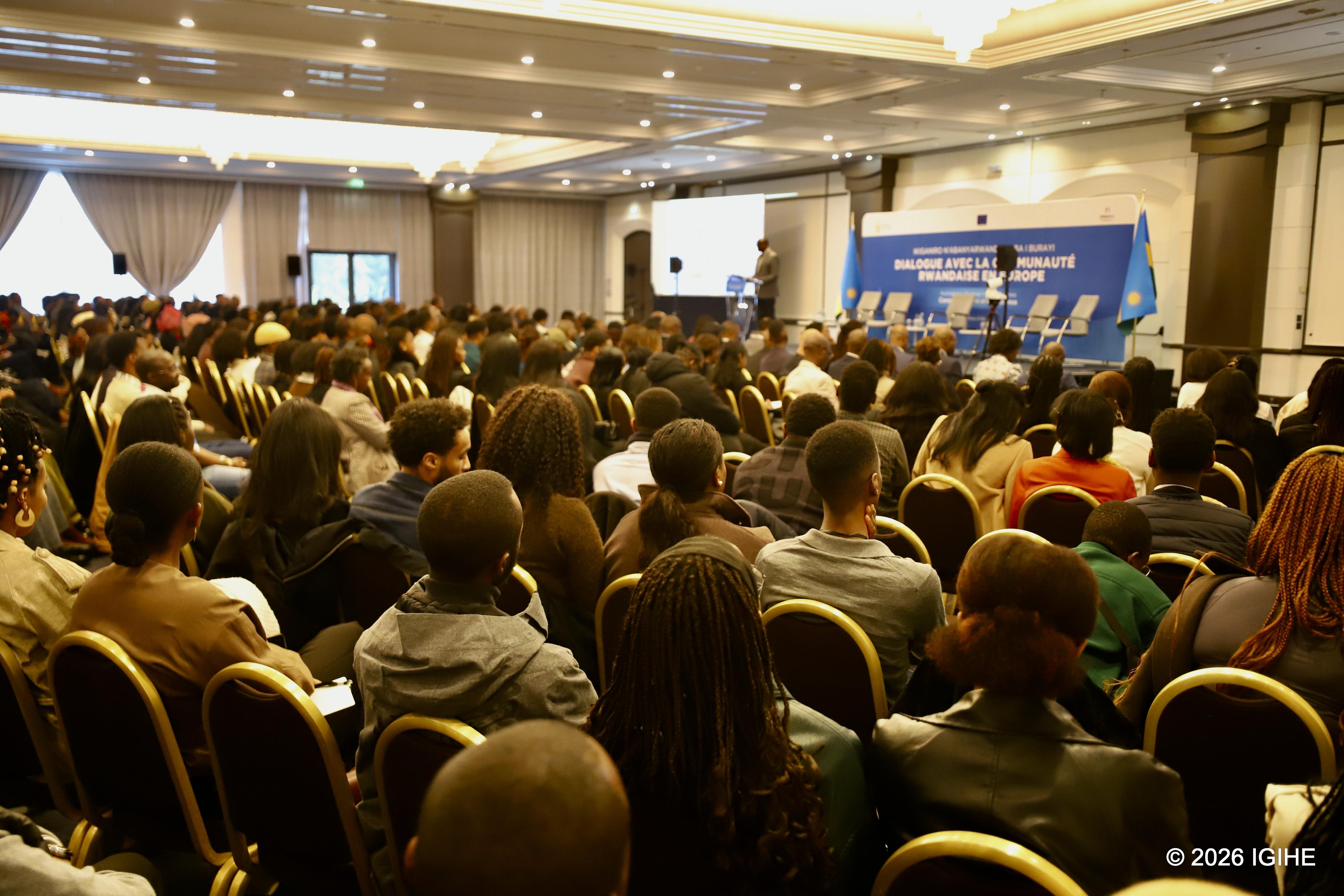
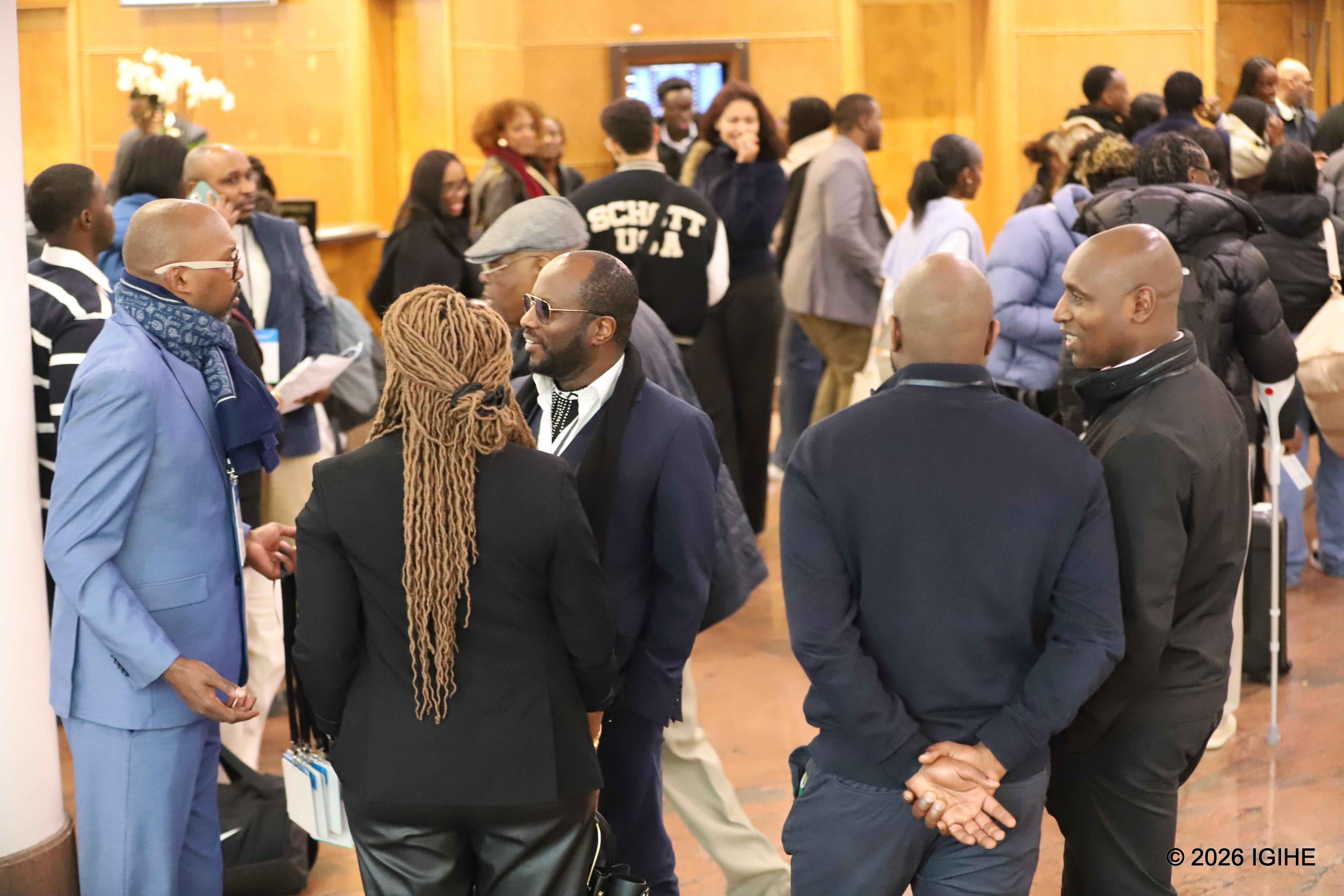
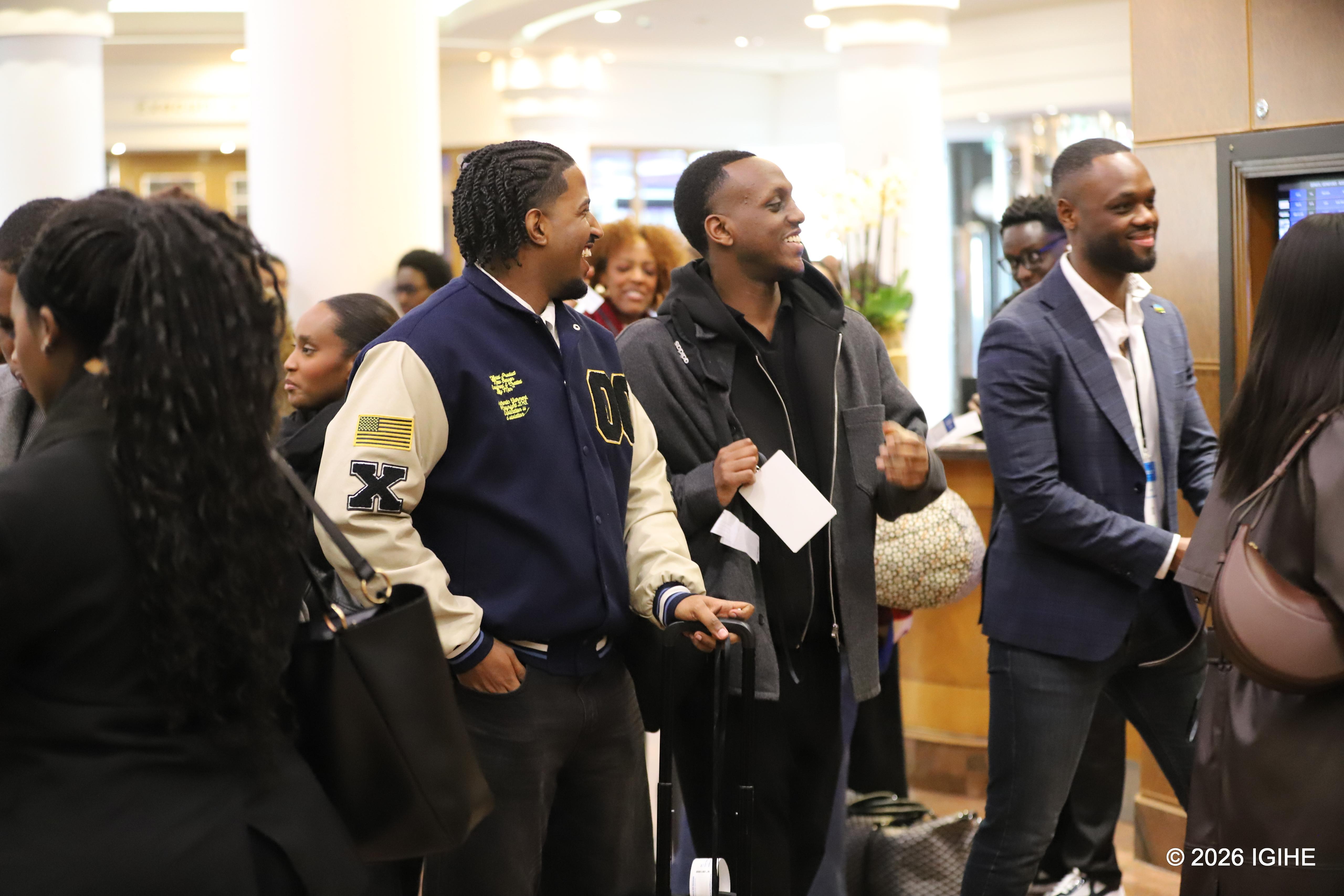
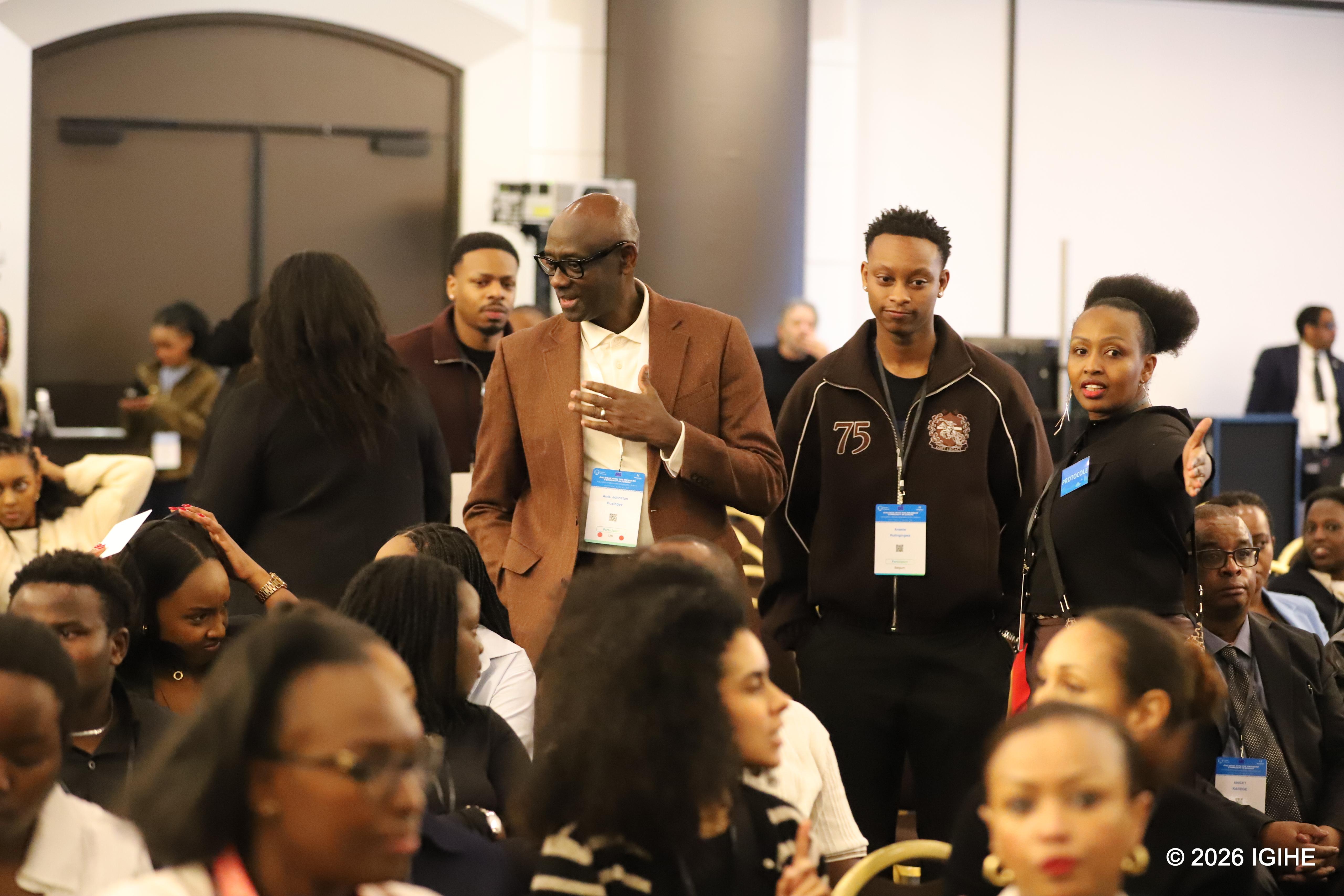
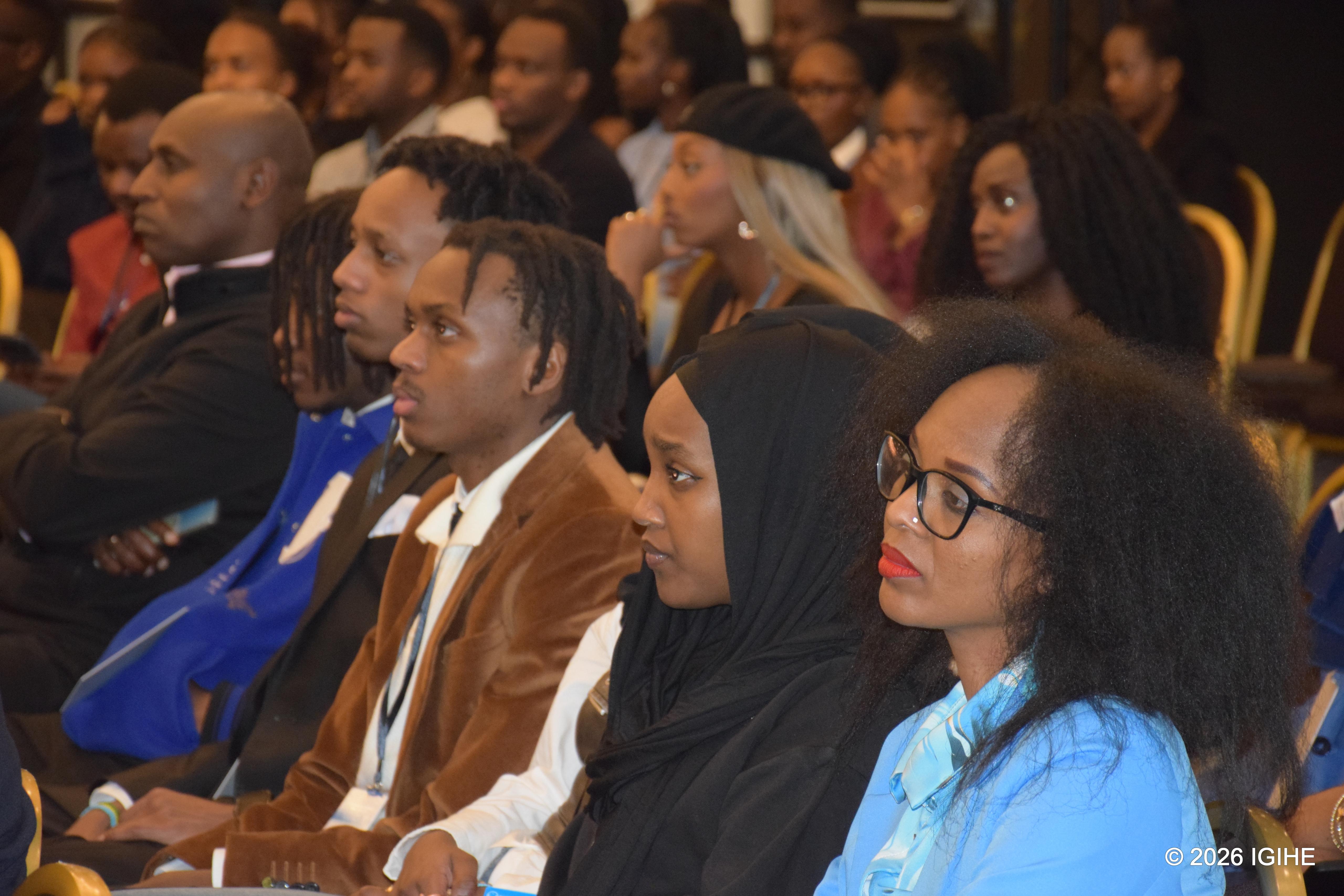
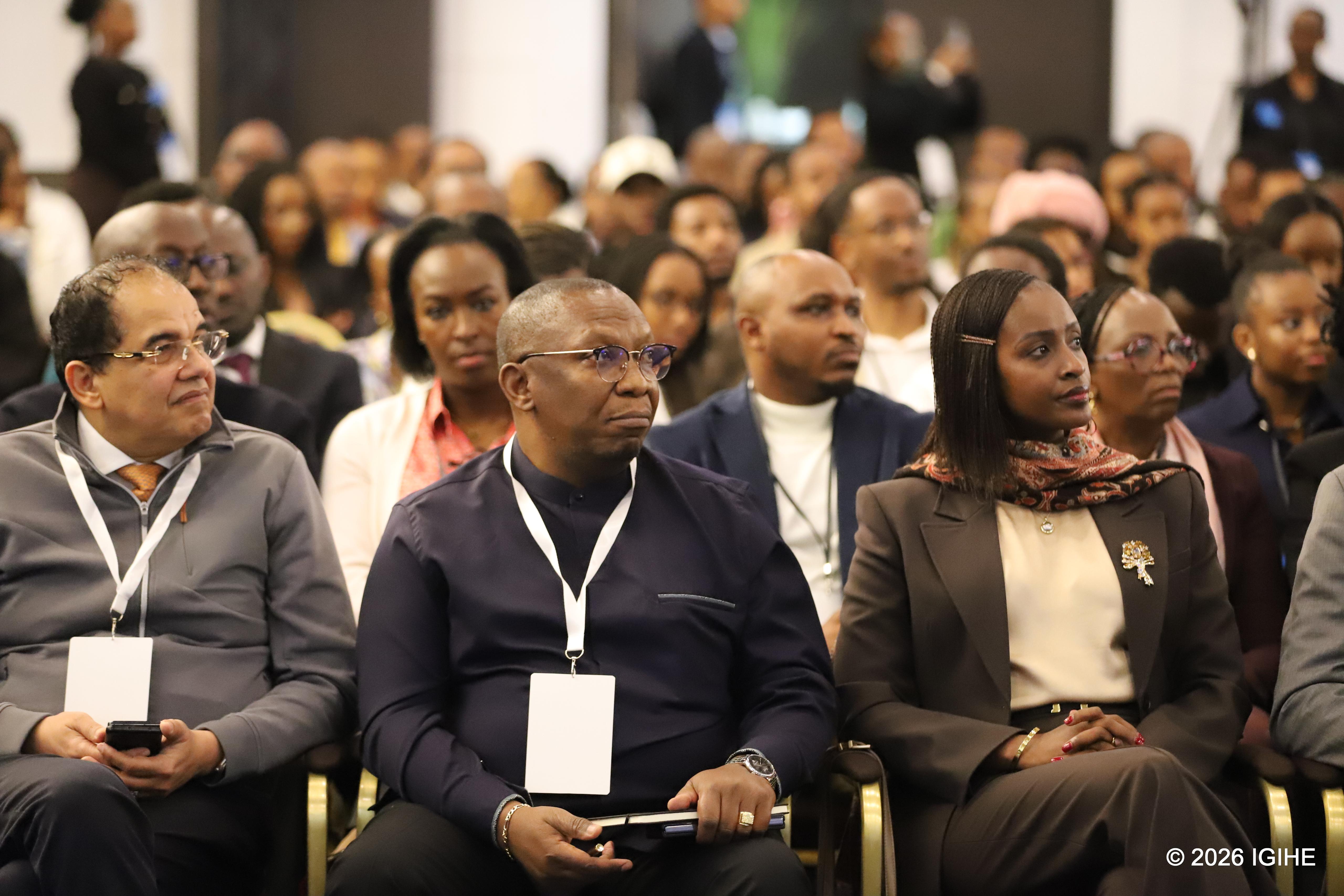
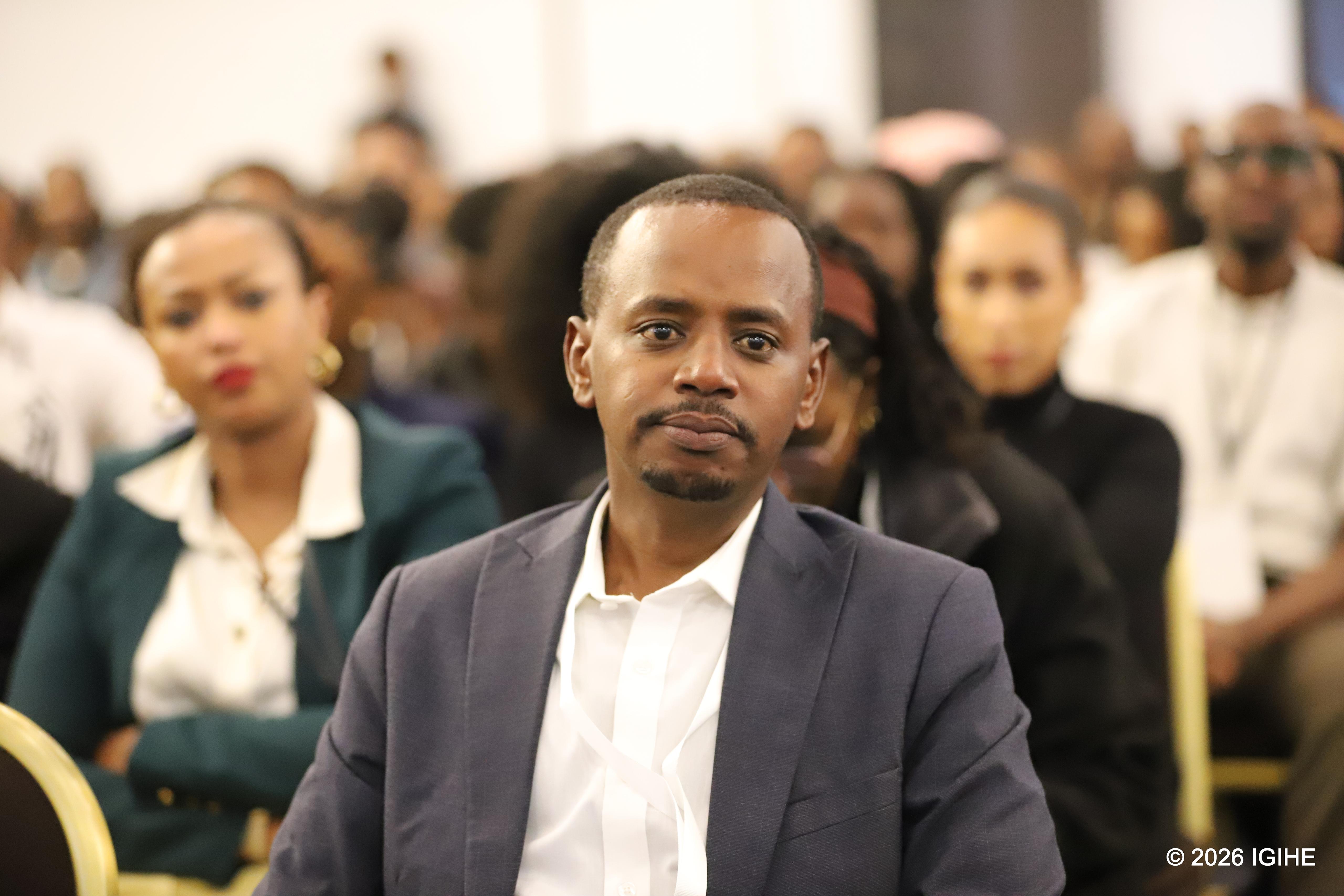
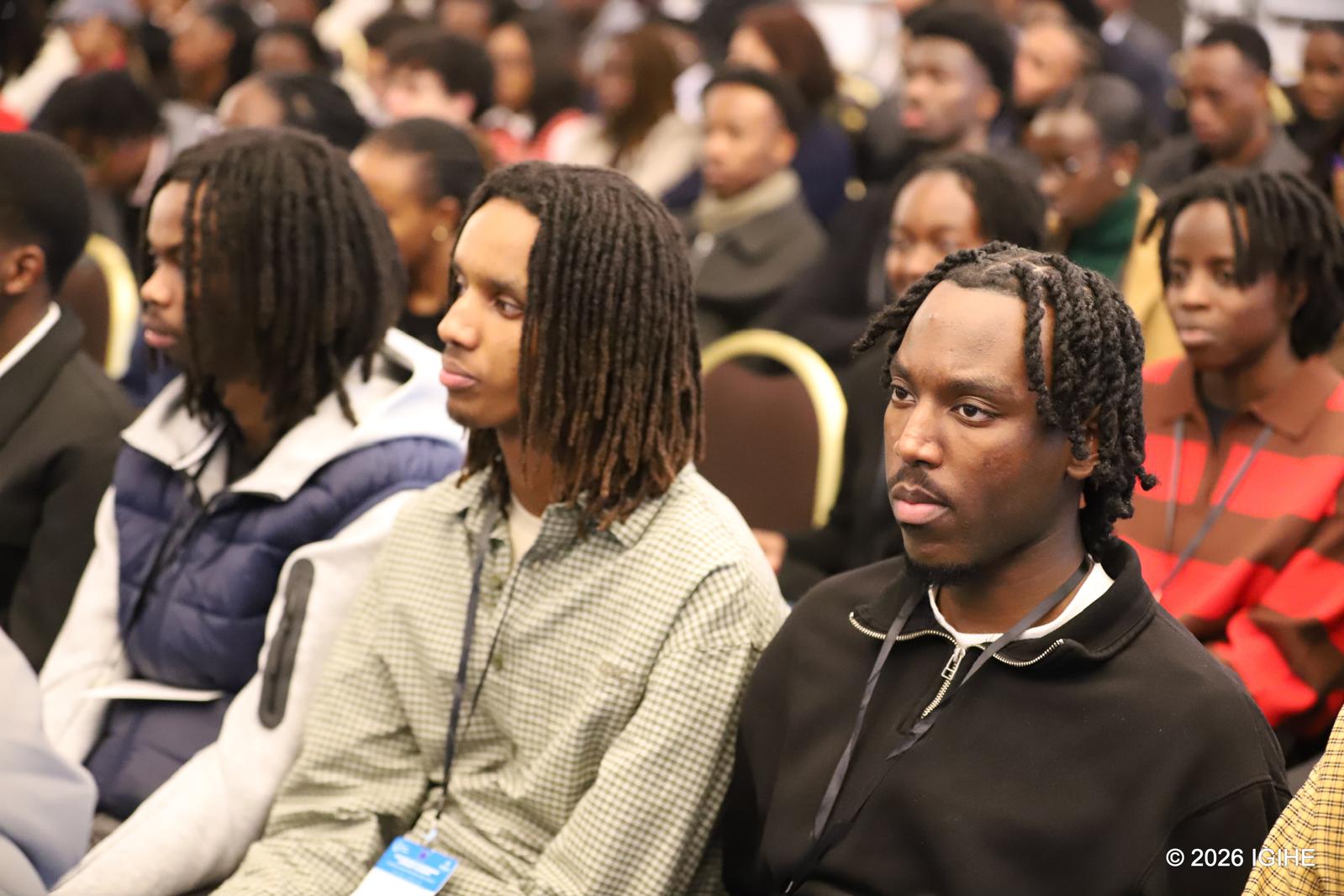
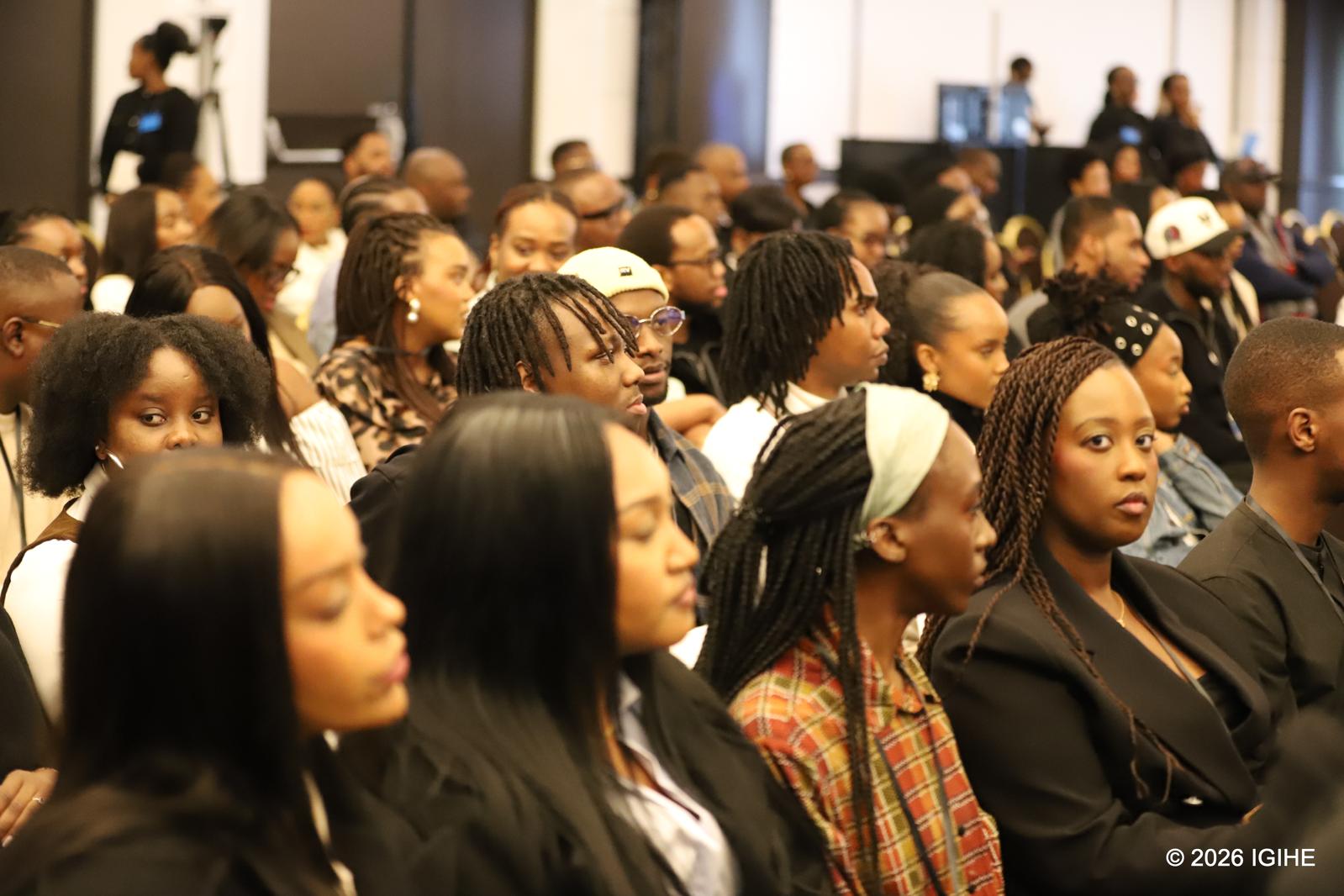
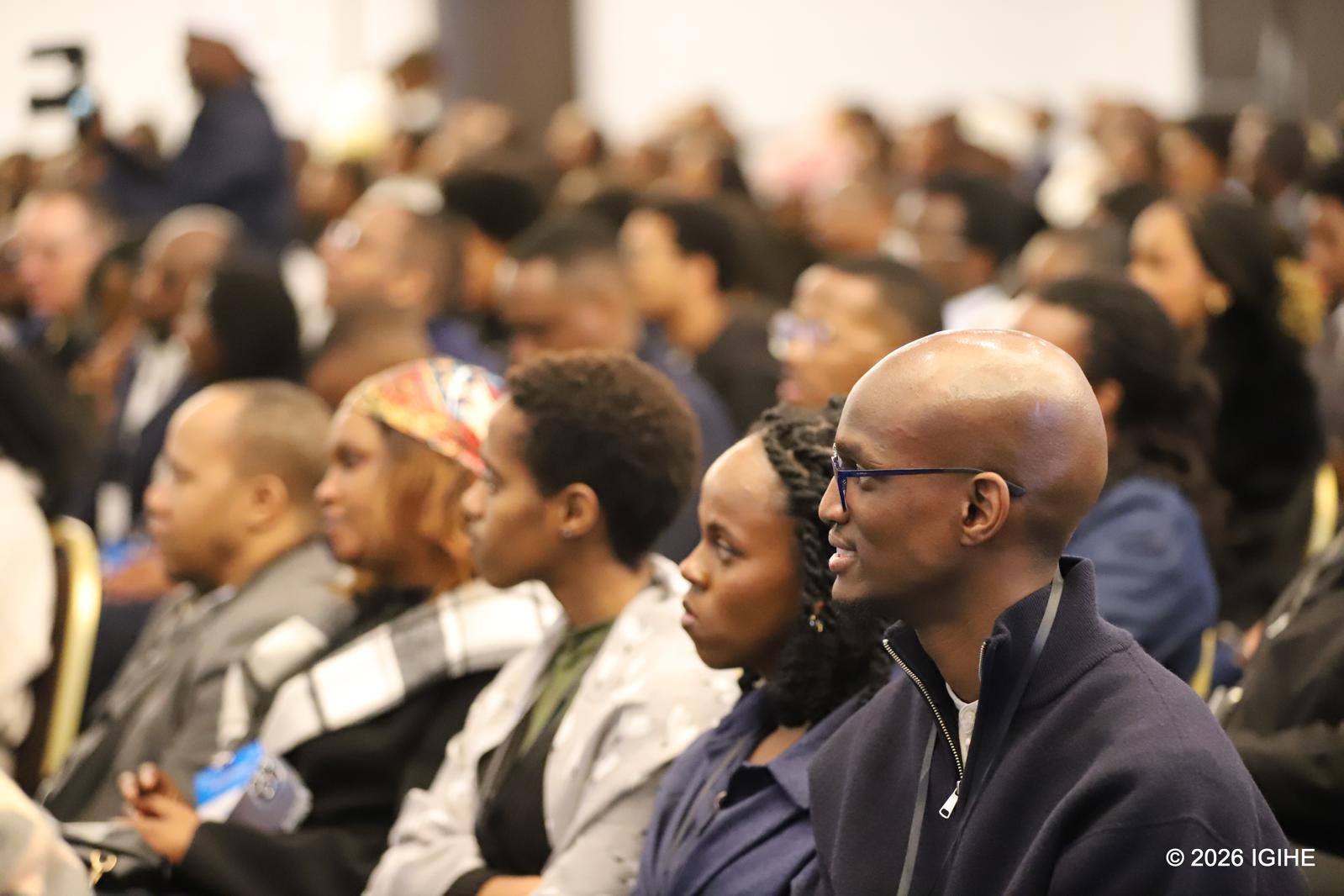
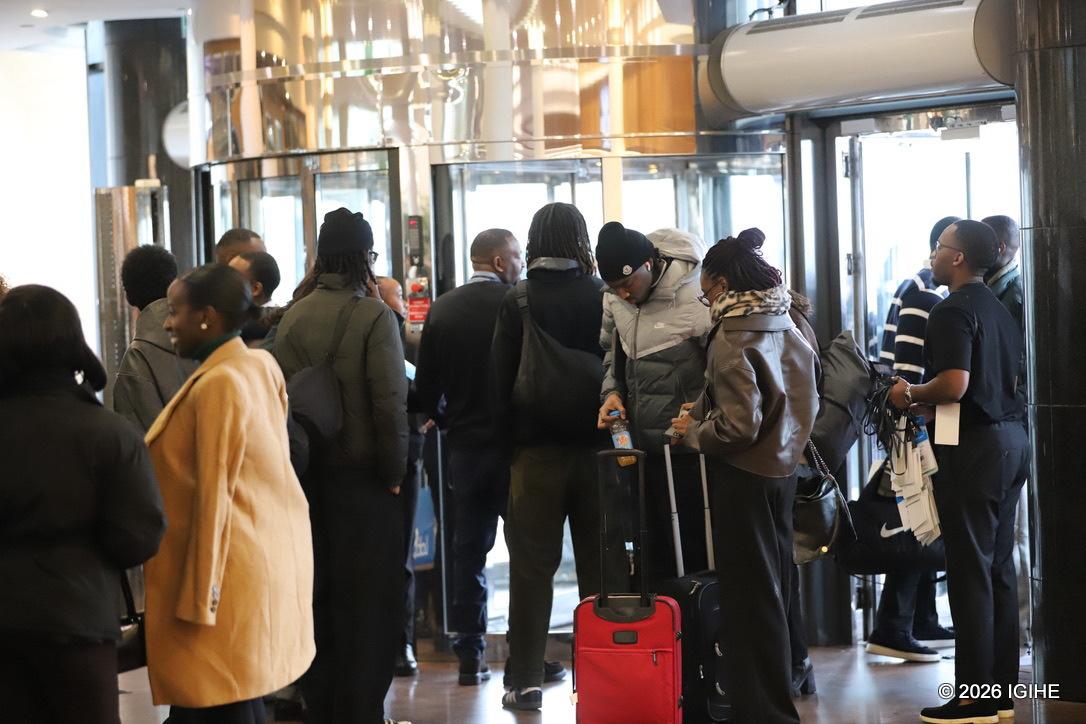
The event gathered over 500 Rwandans, focusing on strengthening national unity and resilience among the diaspora, particularly the younger generation born or raised outside Rwanda.
Dr. Bizimana thanked participants for attending, describing the gathering as a moment that united Rwandans through their shared love for the homeland.
Through this dialogue, a strong message was delivered to younger generations: preserve the Kinyarwanda language, understand history, and strengthen ties with the homeland.
The meeting provided an intergenerational space where testimonies, exchanges, and knowledge transmission help build collective memory.
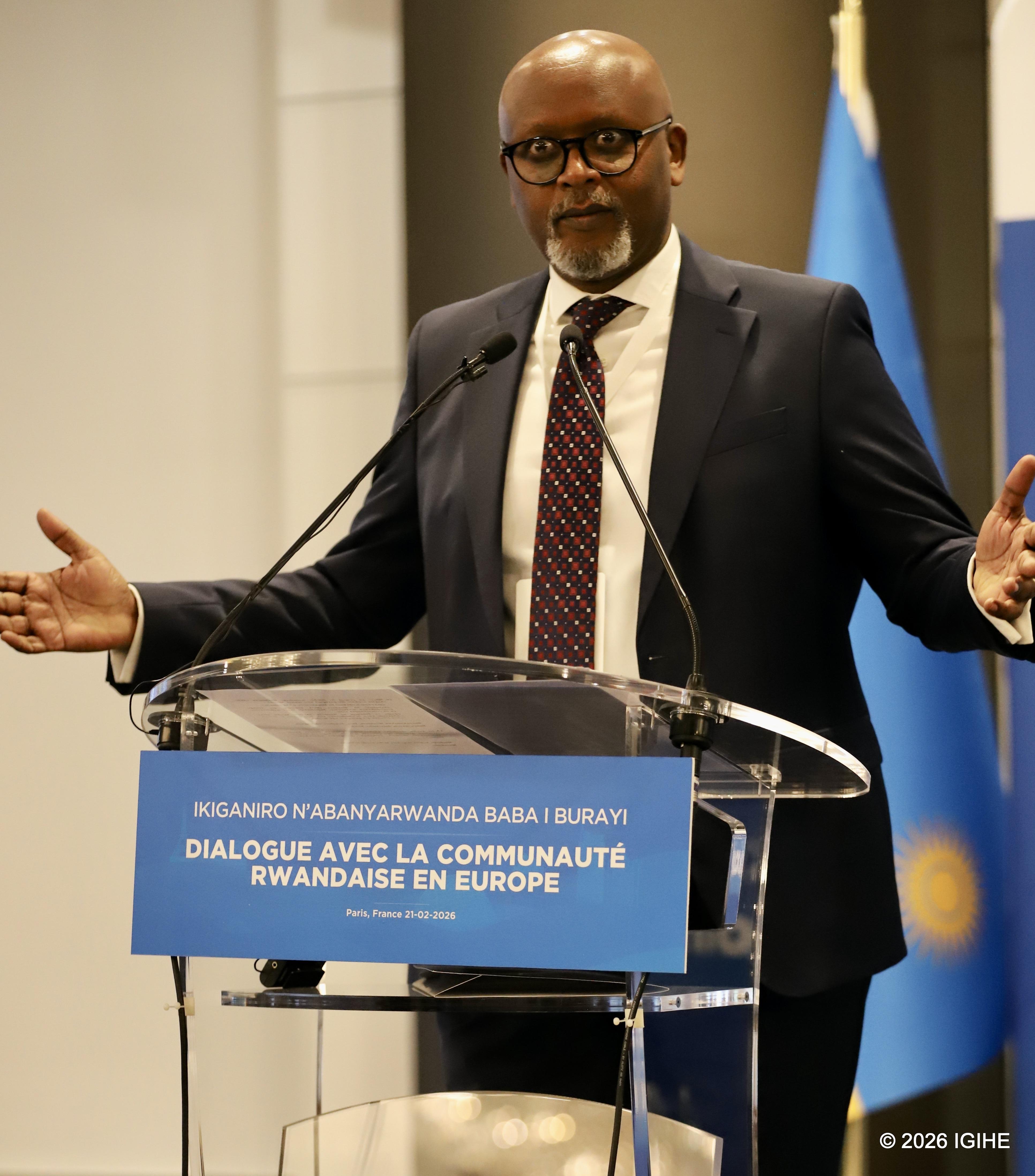
Minister Bizimana has urged Rwandans abroad to uphold truth The event gathered over 500 RwandansDr. Bizimana described the gathering as a moment that united Rwandans through their shared love for the homeland.
Speaking at the event, Rwanda’s Minister of National Unity and Civic Engagement, Dr. Jean-Damascène Bizimana, delivered a strong message directed to younger generations: preserve the language, understand history, and strengthen ties with the motherland.
Through testimonies, discussions, and collective reflections, the meeting emerged as a valuable platform for intergenerational dialogue and transmission.
Kinyarwanda language, a foundation of unity
From the outset of his remarks, the speaker chose to speak in French, accompanied by interpretation into Kinyarwanda to ensure inclusivity among participants. A summary was also provided for those not fully fluent in either language.
This linguistic choice became the starting point for a clear call to action: encouraging the learning of Kinyarwanda within the diaspora. “We are fortunate to share a single national language that facilitates communication and strengthens our identity,” he emphasized, urging Rwandan communities abroad to develop local initiatives for cultural and linguistic transmission.
Youth at the heart of discussions
The strong presence of young people born or raised in the diaspora was a defining feature of the gathering. For the delegation from Rwanda, this reality represents a source of optimism. Although geographically distant from the country, these young individuals remain an essential link in cultural and national continuity.
The event also responded to a request expressed by diaspora youth eager to engage directly with representatives from Rwanda in order to better understand the country’s contemporary realities and share their aspirations.
Understanding history to build the future
Discussions also explored memory and historical issues, recalling Rwanda’s complex past and the profound human consequences of the 1994 Genocide against the Tutsi.
Within this context, the speaker stressed the importance of critical inquiry among younger generations, particularly in response to the wide range of narratives circulating on social media. The objective, he explained, is not to impose a particular perspective but to promote informed understanding grounded in facts, testimonies, and direct exchanges.
Dialogue and sharing experiences
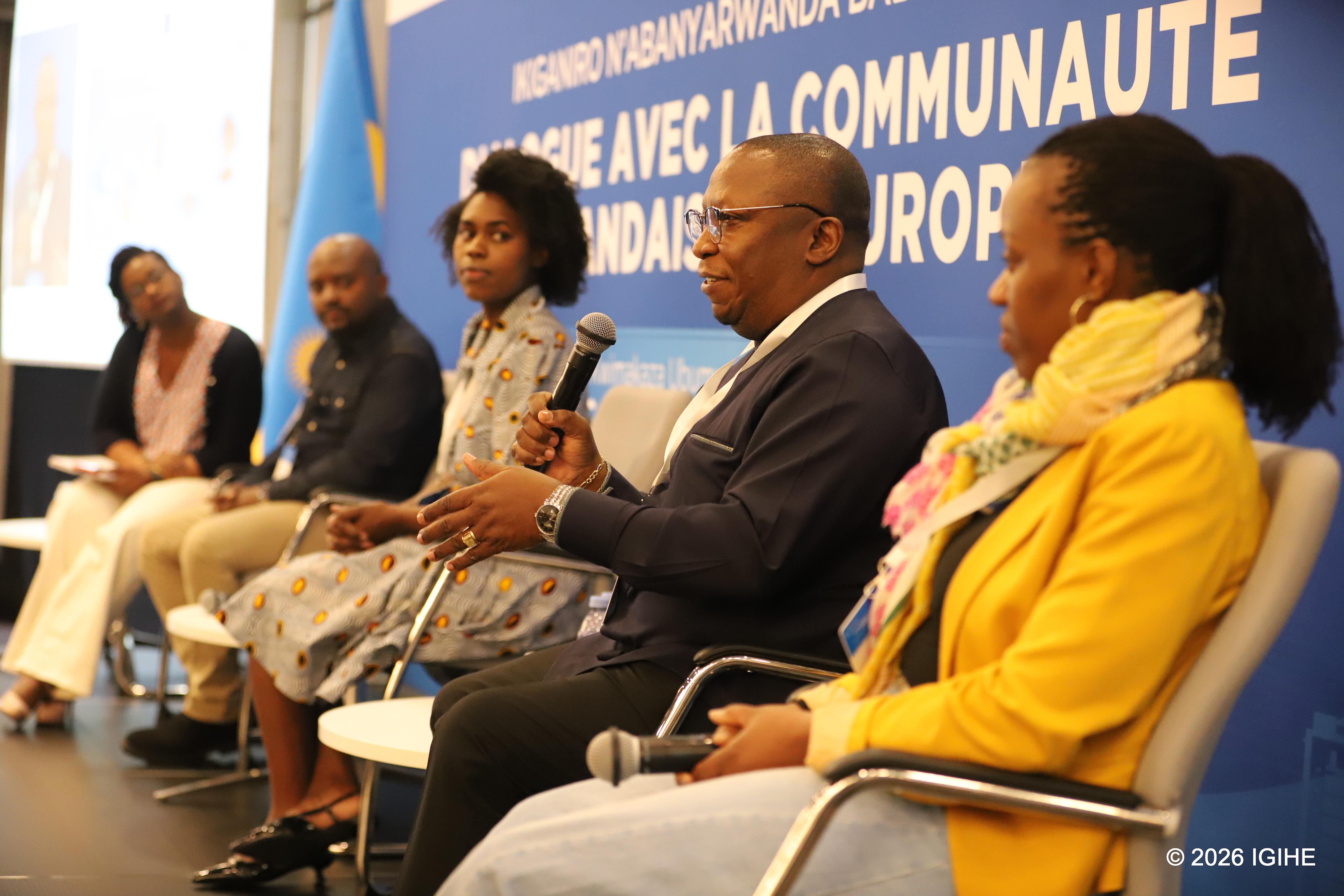
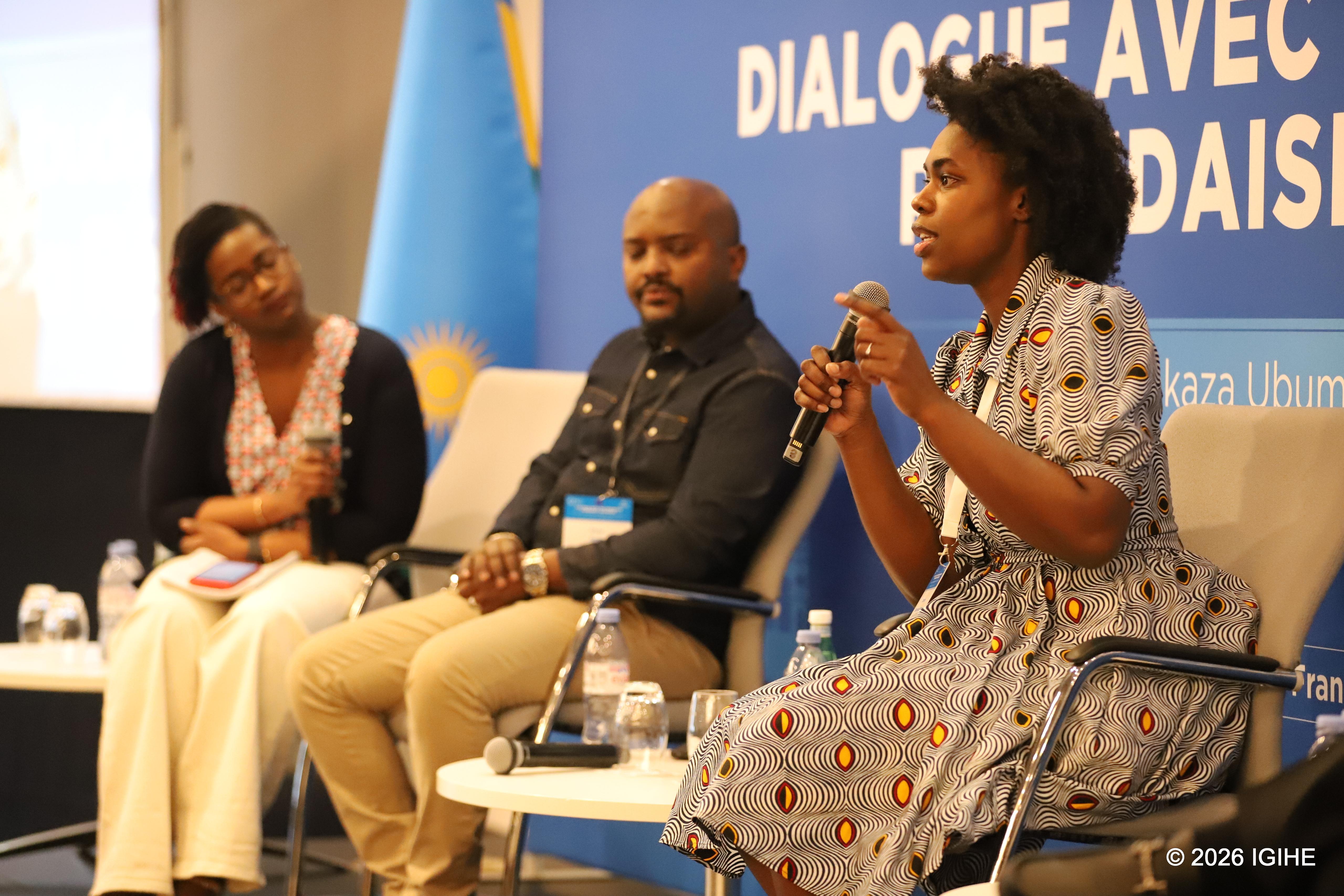
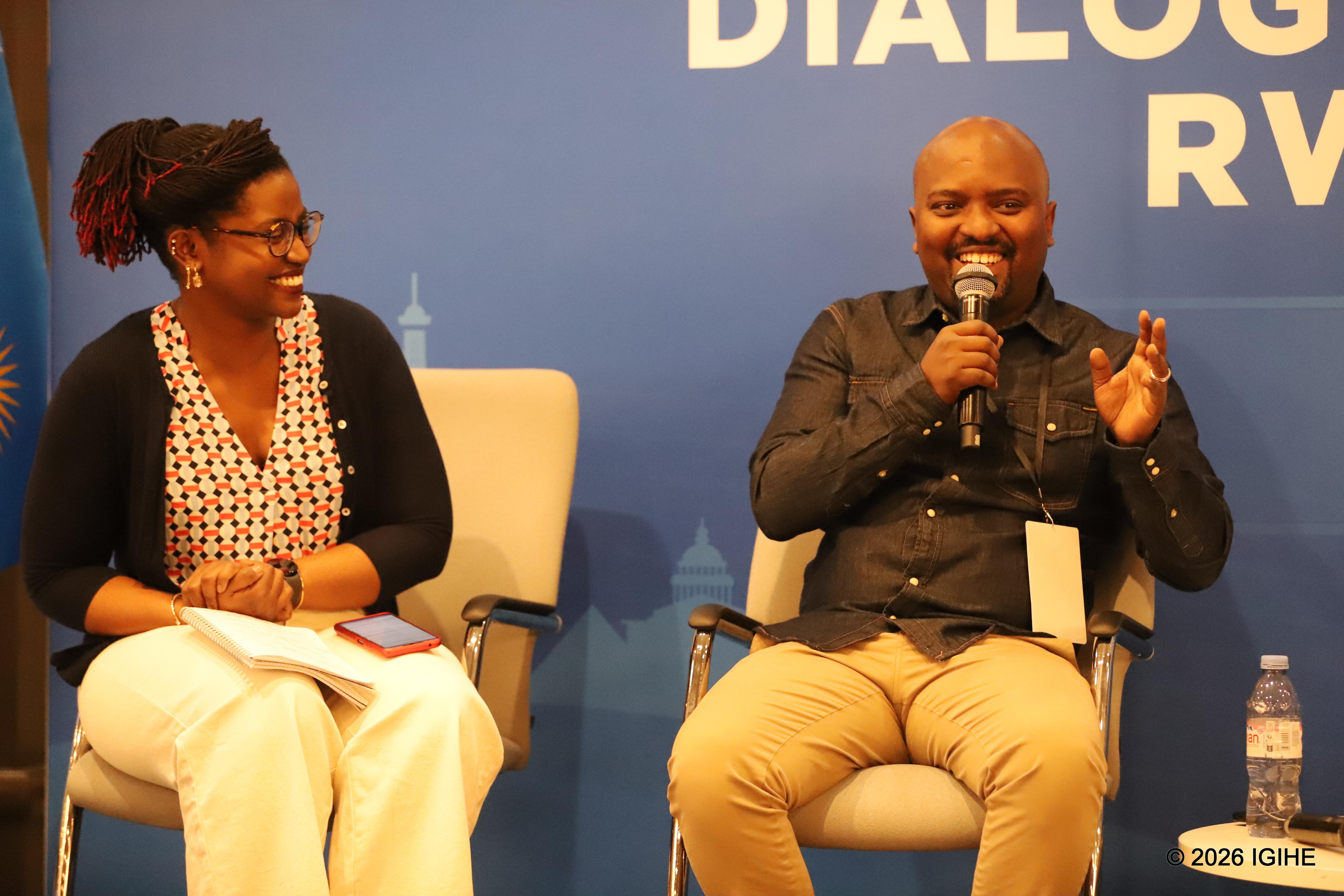
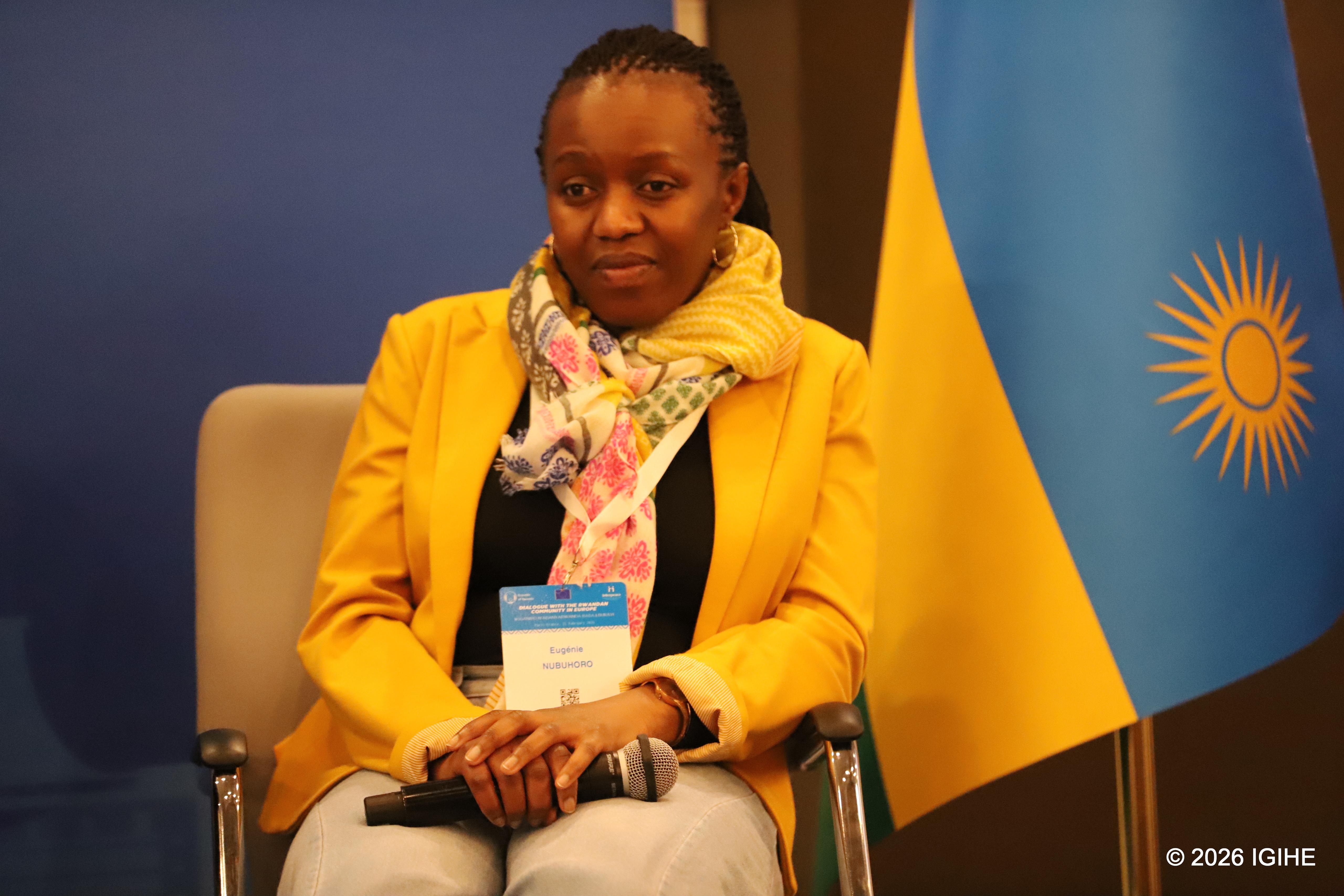
One of the gathering’s key strengths lay in the diversity of speakers. Panelists from varied professional backgrounds and life experiences shared stories closely aligned with those of many diaspora youth.
This practical approach aimed to provide concrete responses to questions surrounding identity, belonging, opportunities, and the different ways individuals can engage while living abroad.
Maintaining ties with the motherland
Beyond historical reflections, the meeting highlighted Rwanda’s transformations over recent decades and the opportunities available to the diaspora, particularly in economic, cultural, and social initiatives.
The central message to young participants was clear and motivating: geographical distance should not be a barrier to engagement. Communication technologies, travel, and cooperation programs now offer multiple pathways to maintain active connections with the country.
A call for unity and transmission
In closing, the remarks turned toward the future, encouraging young Rwandans abroad to take pride in their identity and contribute, in their own ways, to Rwanda’s global presence.
Learning the language, understanding history, and participating in community initiatives were presented as key drivers for strengthening unity and intergenerational solidarity.
Marked by fraternity and dialogue, the gathering illustrates a shared determination to deepen ties between Rwanda and its diaspora, underpinned by a common conviction: unity remains the cornerstone of a peaceful and hopeful collective future.
He delivered the message while addressing over 500 Rwandans living in Europe during an interaction focused on strengthening national unity and resilience among the diaspora, particularly young people born or raised outside Rwanda.
The youth, eager to better understand Rwanda’s history, progress, and future direction, constituted the majority of attendees.
Speaking at the event held in France, Dr. Bizimana thanked participants for attending the gathering, describing it as a moment that brought Rwandans together through their shared love for their homeland.
Acknowledging the diversity of language among participants, he encouraged them to learn Kinyarwanda, describing it as a unique national asset that strengthens unity and communication. He urged diaspora communities to organize cultural and language initiatives wherever they live to help preserve national identity across generations.
The minister said the engagement responded to a long-standing request from diaspora members seeking direct dialogue with government representatives. The initiative was discussed and endorsed during the 19th National Umushyikirano Council held in Kigali in January 2024, where diaspora delegates also participated.
Dr. Bizimana emphasized that the discussions were meant to provide practical insights based on real experiences rather than abstract theory, enabling participants to better understand Rwanda’s trajectory and make informed, patriotic choices about their connection to the country.
Reflecting on Rwanda’s history, he highlighted the country’s recovery from the 1994 Genocide against the Tutsi and the subsequent rebuilding of national unity, governance, and social cohesion. He warned against misinformation circulating on social media, saying false narratives continue to confuse some members of the diaspora, particularly those who did not grow up in Rwanda.
He urged young people not to inherit hatred or denial rooted in the past, stressing that acknowledging truth is essential for lasting reconciliation and unity. “Distance should not disconnect you from reality,” he said, encouraging diaspora youth to rely on verified information and remain engaged with developments in Rwanda.
The minister also outlined key milestones in Rwanda’s post-genocide reconstruction, including policies promoting equal rights for all citizens, national reconciliation efforts, reintegration programs for former combatants, and justice processes that helped rebuild social trust.
Addressing the youth directly, Dr. Bizimana described them as “the strength and the future of the nation,” urging them to take pride in their identity, maintain close ties with Rwanda, and contribute to the country’s development.
He concluded by emphasizing unity as the foundational value guiding Rwanda’s progress, calling on all Rwandans, wherever they live, to uphold the commitment of “Never Again” through shared responsibility and national cohesion.
Rwanda’s Minister of National Unity and Civic Engagement, Dr. Jean-Damascène Bizimana interacting with Rwandans living in Europe on Saturday, February 21, 2025.
Scheduled for February 21, 2026, in Paris, the event will bring together nearly 500 Rwandans, particularly young people born abroad or those who left Rwanda at a very young age in 1994 during the Genocide against the Tutsi, along with representatives of diaspora associations and community leaders from several European countries.
Designed as a space for exchange, sharing, and information, this dialogue will provide an opportunity to better understand Rwanda’s journey in building national unity, addressing the challenges encountered over the years, and presenting the opportunities available to the diaspora to remain connected to their country of origin.
At the heart of this initiative is the desire to create a welcoming environment where everyone can share their life experiences, their attachment to Rwanda, and the ways in which they keep Rwandan culture alive in Europe. Discussions will focus in particular on identity transmission, the importance of family narratives, the role of youth in preserving cultural reference points, and the contribution of associations to community cohesion.
The day’s program will revolve around keynote speeches, expert panels, the sharing of lived testimonies, and plenary discussions.
Beyond the formal exchanges, this gathering is above all intended as a moment of reunion and sociocultural dialogue, where the Rwandan diaspora can strengthen its ties, value its shared identity, and pass on to younger generations the values of solidarity, respect, and resilience that define the community.
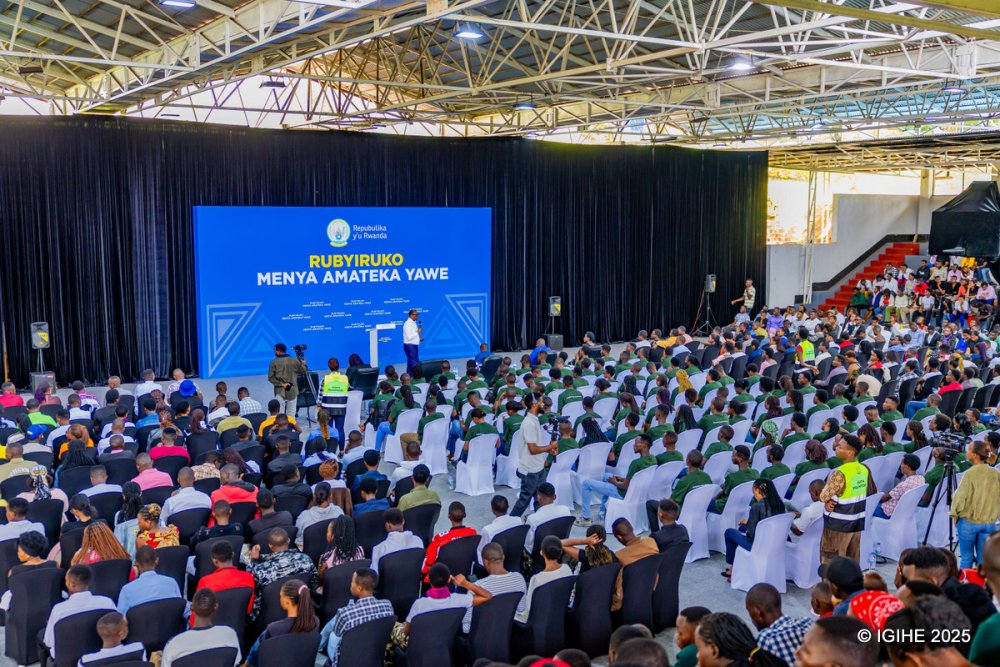
Dr. Jean Damascene Bizimana, Minister of National Unity and Civic Engagement, interacts with youth on Rwandan history at a past event.
The initiative, aimed at supporting the well-being of IDPs, brought together peacekeepers, community members, and partner organisations in a coordinated campaign to reduce the risks and impact of malaria.
During the outreach, participants engaged in clearing overgrown vegetation, eliminating mosquito breeding sites, educating residents on malaria prevention methods, and distributing mosquito repellents to families living in the camp.
Speaking at the event, Colonel Leodomir Uwizeyimana, Commander of the Rwanbatt-3 Contingent and representative of the Rwandan peacekeepers in UNMISS, emphasised the importance of collaboration between peacekeepers and the local community. He encouraged residents to actively maintain a clean environment by removing bushes and stagnant water, crucial steps in preventing malaria transmission.
Simon Khan Lok, Chairman of the Mangateen IDP Camp, praised the initiative, highlighting how the partnership promotes community health by combining education with practical tools to fight malaria.
Malaria continues to pose a serious health challenge in Mangateen, located on the outskirts of Juba. This outreach activity underscores the shared commitment of Rwandan peacekeepers, diaspora groups, and health organisations to improving the living conditions and health outcomes of displaced residents.
Since 2021, the Rwanda Youth Tour has brought together Rwandan youth living abroad for a two-week immersive experience that connects them with their roots while encouraging engagement in national development.
This year’s delegation includes participants, mostly students, from the United States, the United Kingdom, Italy, Uganda, Senegal, Belgium, and Canada. For some, it is their first time visiting Rwanda, having either been born abroad or left at a young age.
The programme began with a guided tour of Nyandungu Eco Park in Kigali, following an official welcome by the Ministry of Foreign Affairs and International Cooperation (MINAFFET) and the Ministry of Youth and Arts Development.
Speaking at the welcoming ceremony, Virgile Rwanyagatare, Director for Asia Pacific and the Middle East at MINAFFET, commended the participants’ enthusiasm and sense of belonging.
“These are passionate young Rwandans who love their country and its history, and who are eager to contribute to its future. Rwanda is proud to welcome them home—to show them where the country stands today, where it has come from, and to educate them about the Genocide against the Tutsi. This journey helps them understand Rwanda’s transformation and the role they can play in its continued progress,” he said.
Rwanyagatare also noted that since the inception of the Rwanda Youth Tour five years ago, diaspora youth have increasingly contributed to the country’s development through academic pursuits, professional expertise, and investment initiatives.
Sandrine Umutoni, State Minister for Youth and Arts Development, underscored the importance of correcting misconceptions among diaspora youth.
“Many arrive believing they know Rwanda’s history, but often lack the full picture, such as what triggered the Genocide against the Tutsi, how it was stopped, and how peace and unity were restored. Those who return more than once begin to grasp the foundational values of our nation: reconciliation, resilience, and inclusivity,” she said.
During the event, four participants shared their initial impressions and hopes for the tour, which focuses on exploring Rwanda’s history, culture, and development journey.
Among them, Linnah Mukandori expressed her heartfelt connection to Rwanda, saying:
“I have missed my country so much. I missed speaking Kinyarwanda and hearing others speak it. I missed everything about Rwanda, and that is why this trip means so much to me.”
Some of them, like Emech from Belgium, look forward to sharing their experiences with their friends when back home.
“I want to discover the country and share my experiences on why they should visit Rwanda,” he remarked.
Watch this video to learn more about the tour and the students’ experiences.
The Bank’s presence at the event reflects its continued efforts to build meaningful connections with the diaspora and offer convenient, tailored financial solutions that support long-term investment ambitions in Rwanda.
As part of its engagement, I&M Bank will provide on-the-ground support for account opening, showcase investment opportunities in Rwanda’s growing real estate sector including mortgages, construction loans, and plot acquisition financing—and introduce attendees to its high-interest savings accounts and one-on-one advisory services.
These offerings are designed to help diaspora clients secure and grow their assets back home, with greater ease and confidence.
This initiative aligns with I&M Bank’s broader mission to increase financial accessibility and promote prosperity among Rwandans living abroad. Over the past few years, the Bank has conducted similar outreach programs in Europe and several African countries, strengthening its role as a trusted financial partner for diaspora communities.
Speaking ahead of the convention, Yves Kayihura, Head of Retail Banking at I&M Bank, emphasized the importance of removing barriers for diaspora clients.
“For many Rwandans living abroad, the desire to invest or build back home is strong, but navigating the process can be challenging. Our role is to make that experience easier, more transparent, and ultimately rewarding,” he said.
By participating in the Rwanda Convention in Dallas, I&M Bank reaffirms its commitment to customer-centric banking and its promise to bring services closer to where Rwandans live, work, and dream, no matter how far from home.
The Central Bank’s Governor, Soraya Hakuziyaremye, noted that remittances from the diaspora have continued to grow at a positive rate.
She also highlighted that funds from foreign investment also increased considerably, reaching $573 million in 2024, up from $458 million in 2023.
Looking at the trend over recent years, remittances from the Rwandan diaspora stood at $274 million in 2020, rising to $379 million in 2021 and $461 million in 2022.
By 2023, the figure had reached $505 million, reflecting consistent growth in the flow of funds from abroad.
Economic recovery from the pandemic and addressing the rising cost of living remain central to most campaigns. Additionally, there is heightened focus on the direction of foreign policy, with US relations with countries like China and Russia becoming increasingly significant.
Since the last election, the political landscape in the US has become more polarized. Debates over issues such as inflation, abortion, and immigration have intensified, driving deeper divisions among voters and political factions.
These five key issues will likely define the direction of the campaigns leading up to the November 5 election.
{{Candidates and Campaigns.}}
The frontrunners in the 2024 race have both their strengths and weaknesses. Incumbents may have the advantage of experience, but they are also closely tied to current economic and political challenges.
Challengers, on the other hand, promise fresh approaches but face scrutiny over whether their policies are viable.
Debates will play a critical role in shaping voter opinions, providing a platform for candidates to present their ideas. With voters seeking clarity on key issues, these debates could significantly impact the outcome of the election.
{{Domestic Issues.}}
Domestic policies are at the heart of voter concerns. Healthcare, economic stability, and immigration are among the most pressing matters. Inflation and the rising cost of living are particularly crucial, with candidates proposing different strategies to address these challenges.
Social issues such as gun control and abortion rights are further fueling the intensity of the race, drawing clear lines between voter bases.
{{Foreign Policy.}}
On the international front, the next president will face pressing foreign policy challenges, including managing US relations with global powers like China and Russia. The approach to these relationships could shift dramatically depending on the election outcome, with candidates offering differing strategies on trade, diplomacy, and security.
{{Electoral Process.}}
Social media and digital campaigning have transformed the electoral process, allowing candidates to reach wider audiences and influence voter behavior. However, voter turnout will be a crucial factor in determining the election’s outcome, as historically, low turnout has skewed results.
Questions also remain about the relevance of the Electoral College system, with growing calls for reform to better reflect the democratic will of the people.
{{Political Climate.}}
The current level of political polarization in the US is expected to significantly influence the election. With misinformation and ‘fake news’ still prevalent, campaign strategies must navigate a media landscape that can shape voter perceptions and decision-making.
{{Predictions}}
As we get closer to election day, key trends are beginning to emerge. Voter turnout, economic concerns, and social issues will likely be deciding factors. Ultimately, the candidate who can convincingly address voters’ most pressing concerns, particularly on inflation and the economy, may have the edge in this critical race.