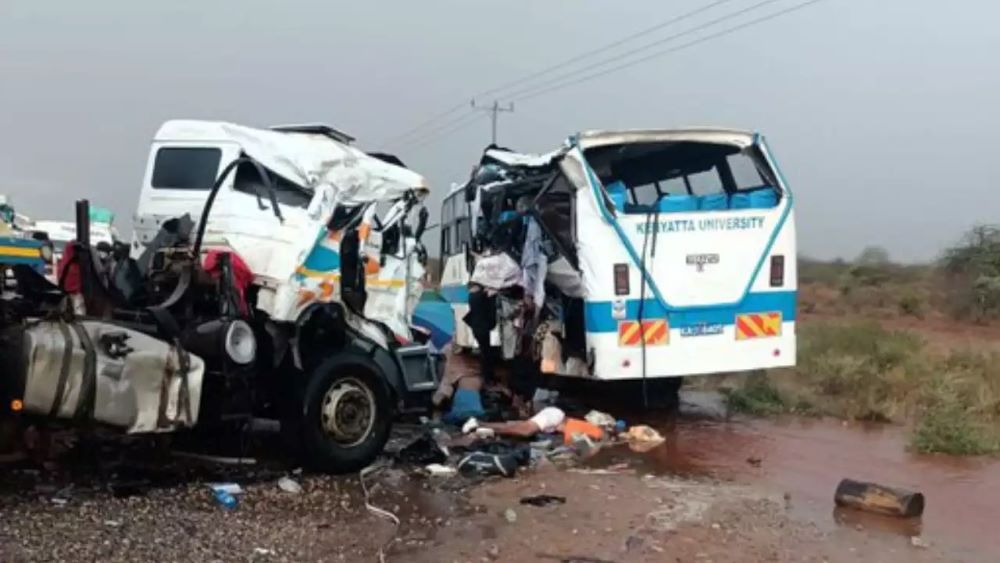
Police said the incident occurred at around 9:30 p.m. local time (1830 GMT) and involved a 10-seater minibus, locally known as a matatu, which was traveling from the lakeside town of Naivasha toward Nakuru City.
According to police, the minibus rammed into a stalled truck that had been parked along the highway due to a mechanical problem.
The latest incident brought the total number of people killed in separate accidents on Friday to 20, which includes 16 passengers and four riders, police said, adding that 27 others were injured.
According to police, fatal accidents are common in Kenya due to reckless driving, dangerous overtaking, drunk driving, and failure to use helmets.
An estimated 4,000 Kenyans die in road accidents annually despite concerted efforts by the state and the private sector to promote road safety, according to the National Transport and Safety Authority.
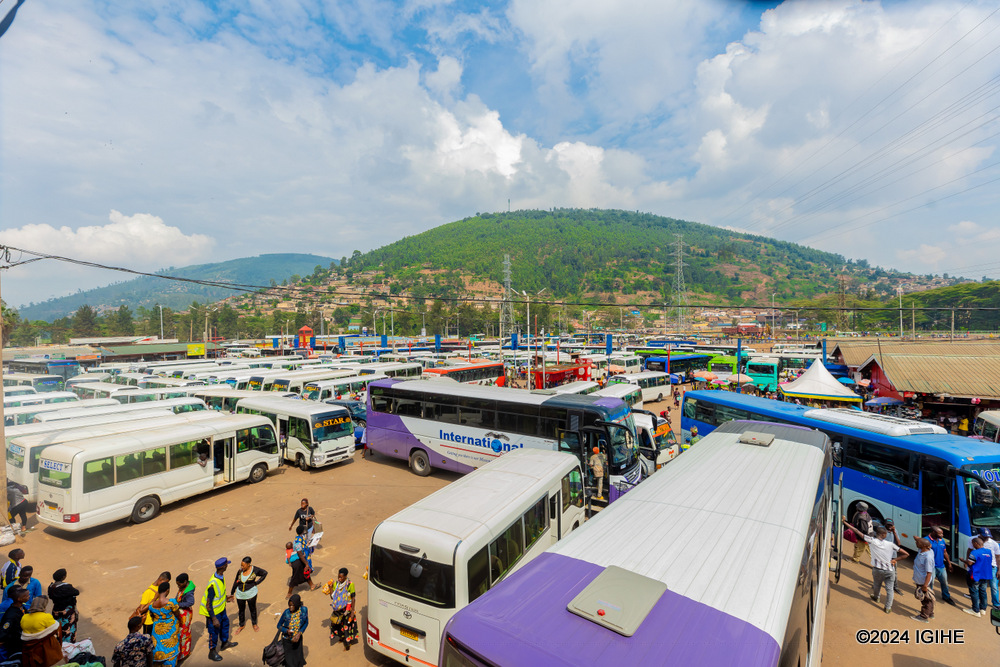
The changes come in response to a sharp rise in fuel prices, which recently reached historic levels in Rwanda. For the first time, both petrol and diesel exceeded Rwf 2,000 per litre, with petrol priced at Rwf 2,303 and diesel at Rwf 2,205.
Under the revised pricing structure, passengers in Kigali will now pay Rwf 59.28 per kilometre, while intercity travels will be charged Rwf 41.58 per kilometre.
Currently, the most expensive route in the country is from Nyabugogo to Kamembe via Huye, with a fare of Rwf 11,445. This route was not among those listed in the 2024 fare structure.
Passengers traveling from Nyabugogo to Pindura will now pay Rwf 10,930, up from the previous Rwf 8,070.
For those heading from Nyabugogo to Kamembe via Karongi, the fare has increased to Rwf10,296. Meanwhile, passengers traveling from Muhanga to Kamembe via Huye will pay Rwf 9,603, compared to the previous Rwf 7,090.
The fare from Nyabugogo to Mushubi has risen to Rwf 9,524 from Rwf 7,032. Similarly, passengers traveling from Rubavu to Kamembe will now pay Rwf 9,009, up from Rwf 6,652.
Other updated fares include Rwf 4,950 for the journey from Rubavu to Karongi, Rwf 4,851 from Nkomero to Kirambo, and Rwf 5,881 for passengers traveling from Gakeri to Nyamasheke.
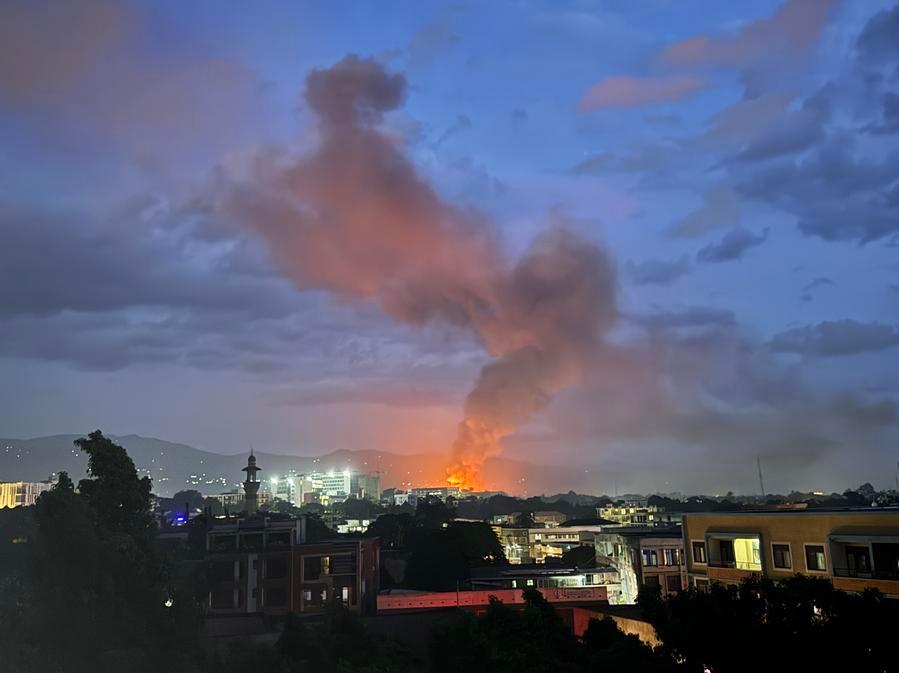
During a press conference, FDNB spokesperson Gaspard Baratuza said that the explosions were caused by a fire that broke out in the ammunition depot of the logistics brigade, located in the Musaga area in Mugere district.
He specified that the fire resulted in material damage to homes, private vehicles, and military equipment and installations.
“The FDNB extends its condolences to the families who lost their members in this accident and wishes a speedy recovery to the injured being treated in various hospitals,” Baratuza said.
Despite the losses suffered, Burundi remains standing and retains its defense capabilities to guarantee the peace and security of the country, he said.
The spokesperson called on the Burundian people to remain calm and to report any unexploded ordnance immediately to the administration or security forces.
Photo taken on March 31, 2026 shows smoke rising after explosions followed a fire at a military camp in Bujumbura Province, Burundi.
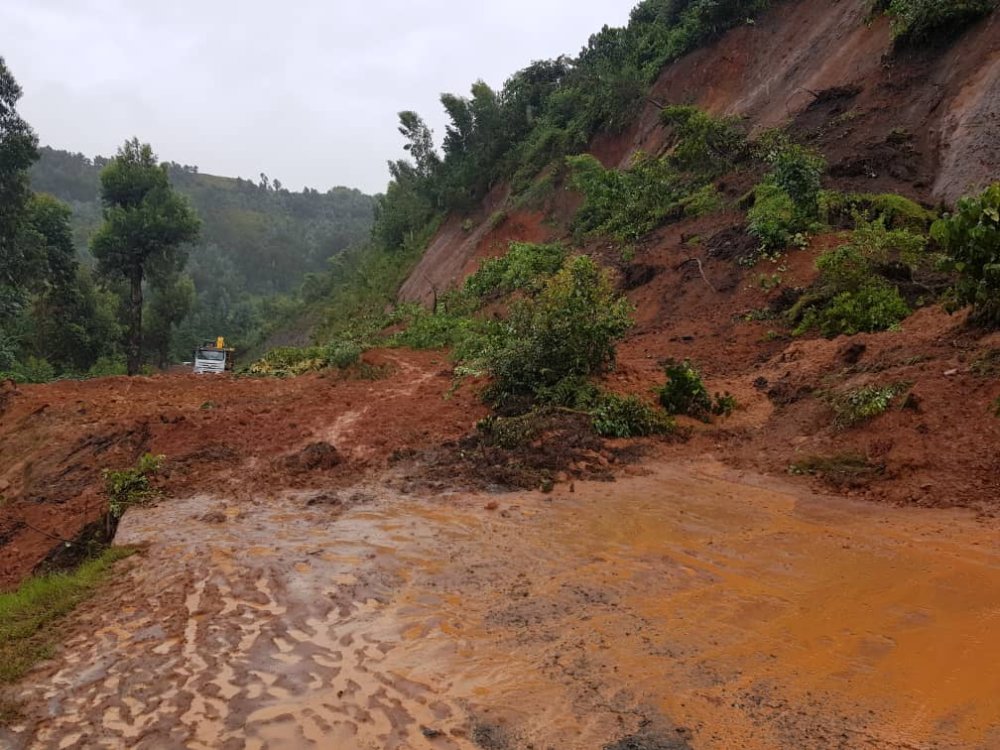
The rainfall, which started around 7 AM and continued until 5 PM, had already saturated the soil in the area, which had been experiencing heavy rains since the beginning of March.
The motorcyclists, who were returning from Gasenyi Trading Center, were caught by the landslide. The victims were Imanirafasha Diedonné, 23, from Nyabiguri Village, Gasharu Cell, and Ishimwe Chance, from Gasharu Cell, Gashanga Village.
The passenger, Harerimana Joseph, 42, from Karambo Village, Murengezo Cell, is currently receiving treatment at Kibuye Referral Hospital.
Fabien Ngendo, the Acting Executive Secretary of Mutuntu Sector, expressed condolences to the families of the deceased and urged residents to be more cautious.
He said, “We urge the community to remain vigilant, as the continuous heavy rainfall in Karongi has caused the soil to become unstable.”
Meteo Rwanda, the Rwanda Meteorological Agency, has forecasted above-average rainfall in March 2026, which could lead to more natural disasters.
This tragic event follows another similar incident three days earlier in Gashari Sector, Karongi District, where a landslide destroyed a house, resulting in two fatalities.
The Ministry of Emergency Management (MINEMA) recently reported that from January 1, 2025, to March 18, 2026, weather-related disasters, including heavy rains, landslides, and lightning strikes, have claimed the lives of 207 people nationwide, injured 432, and damaged 2,341 homes, with 35 completely destroyed.
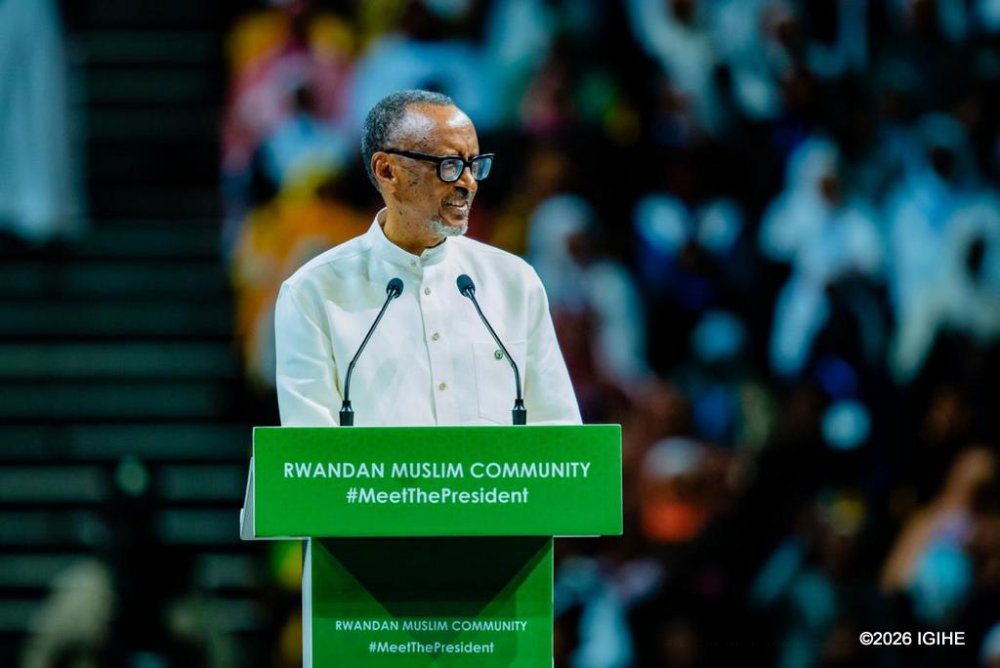
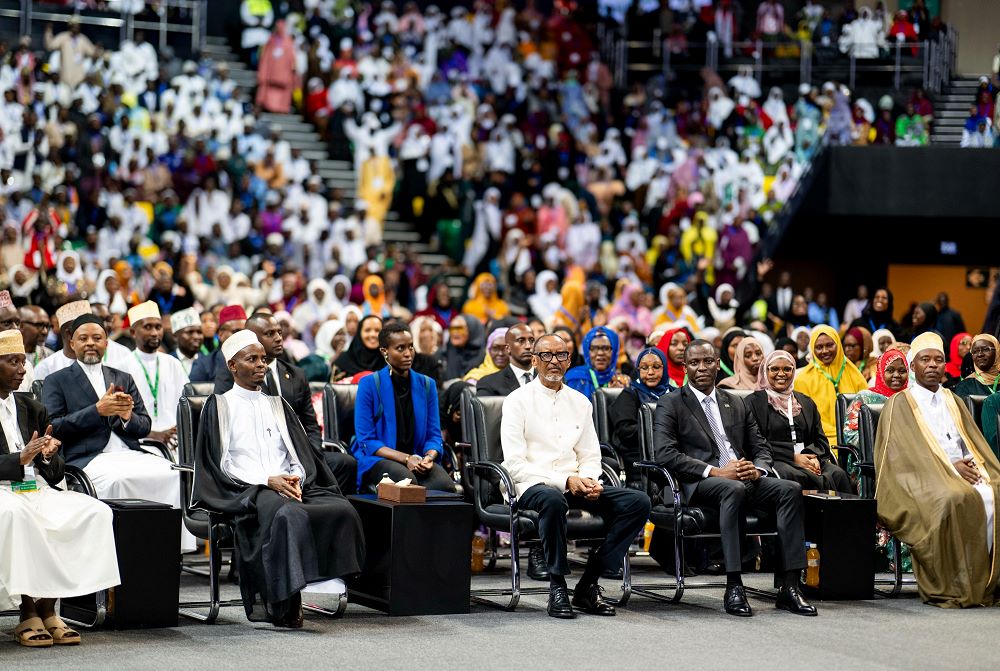
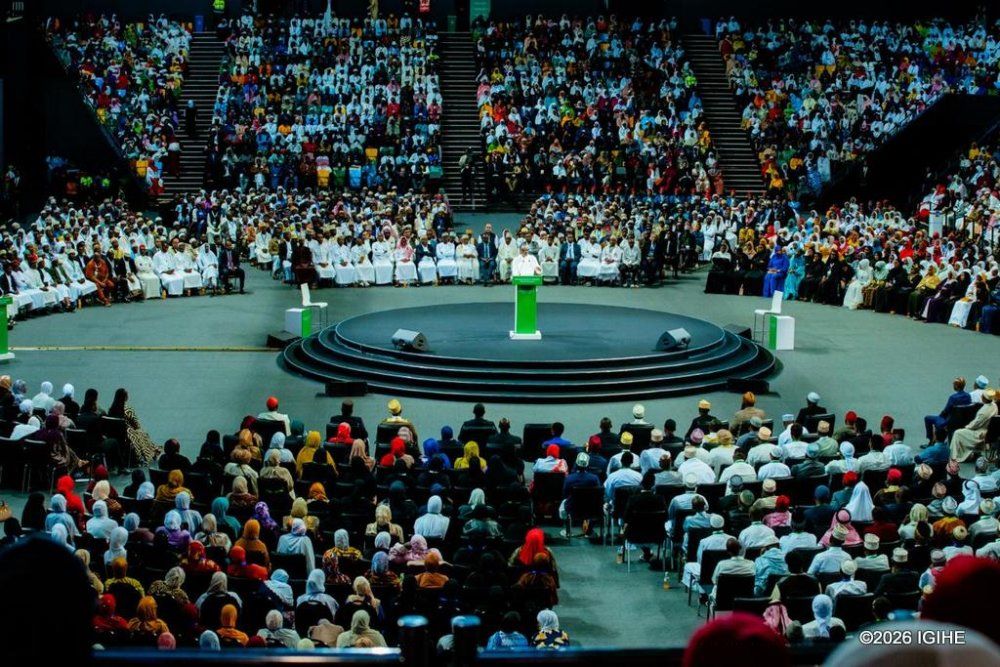
The Head of State made the commitment on March 25, 2026, during a meeting with members of the Muslim community, where he reiterated the government’s support for their development initiatives.
“We have a responsibility to support you. That support is there and will be provided,” Kagame said.
The pledge follows earlier commitments dating back to 2011, which had yet to be fully implemented. Kagame acknowledged the delay, describing it as an obligation he intends to fulfill.
“There are things that were promised, and I recently learned they were not handled as they should have been. I take that as a debt that must be settled,” he said.
Reaffirming his position, the President stressed urgency in resolving the matter. “This year will not pass without it being done. It will be resolved. When we meet again, it will not be you asking me, but me asking you what you have done with it,” he added.
Call for shared responsibility in development
The head of state went on to say that after the difficult history that Muslims in Rwanda, and Rwandans in general have endured, now is the time to effect change, with all citizens playing a role in the country’s development.
“It is a path to transform lives, improve governance, and change mindsets so that Rwanda can progress, with every Rwandan contributing and no one being excluded. Many of the things you now value are praised because they did not exist before, but when someone does what is right and expected, it should not require excessive recognition,” Kagame said.
He urged Rwandan Muslims to actively participate in the country’s development initiatives, alongside all other citizens.
“To make change happen, you must also take part. For Rwanda to transform, all Rwandans need to contribute. Regarding religious institutions, it is understandable to set rules for their functioning and for places of worship to fulfill their responsibilities, and everyone should support that. But for things to run smoothly, these institutions themselves must first operate properly and do what is right,” he said.
President Kagame explained that the government has established mechanisms to monitor the functioning of religious institutions to ensure accountability and prevent people from hiding behind them to exploit citizens.
“In Rwanda, our work, our politics, and our governance aim to put things in the right order. No one is denied peace in any way,” he said.
“The measures put in place by government authorities to ensure proper alignment were meant to prevent abuses. This did not apply only to Muslims; it applied to all religions and faith-based institutions… [where some people could sometimes] use religion to pursue personal gain and take advantage of others.”
“It is like putting up barriers, stopping people, deceiving others about who you are, and beginning to take their property… this should never happen in any religion,” he added.
Kagame assured Rwandan Muslims that the history of marginalization and exclusion they have faced, like other Rwandans, will not be repeated.
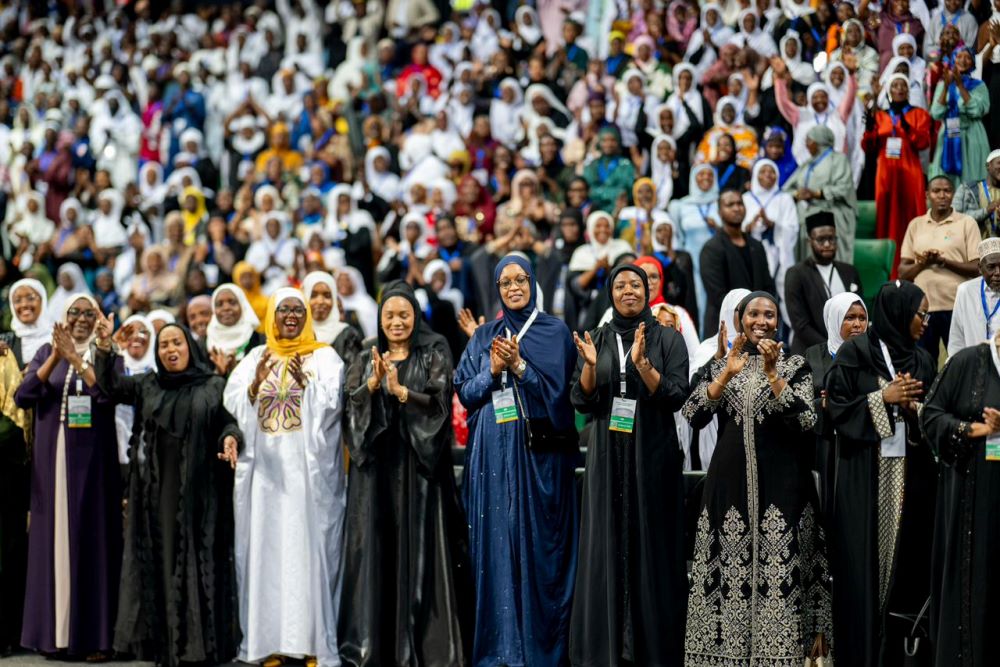
The Mufti of Rwanda, Sheikh Sindayigaya Musa, expressed gratitude to the President for engaging with the Muslim community and assured that they will continue to play an active role in the country’s development.
Muslims thanked President Kagame for his engagement and support for the community. President Kagame encouraged muslims’ active participation in Rwanda’s progress.The meeting took place at BK Arena.
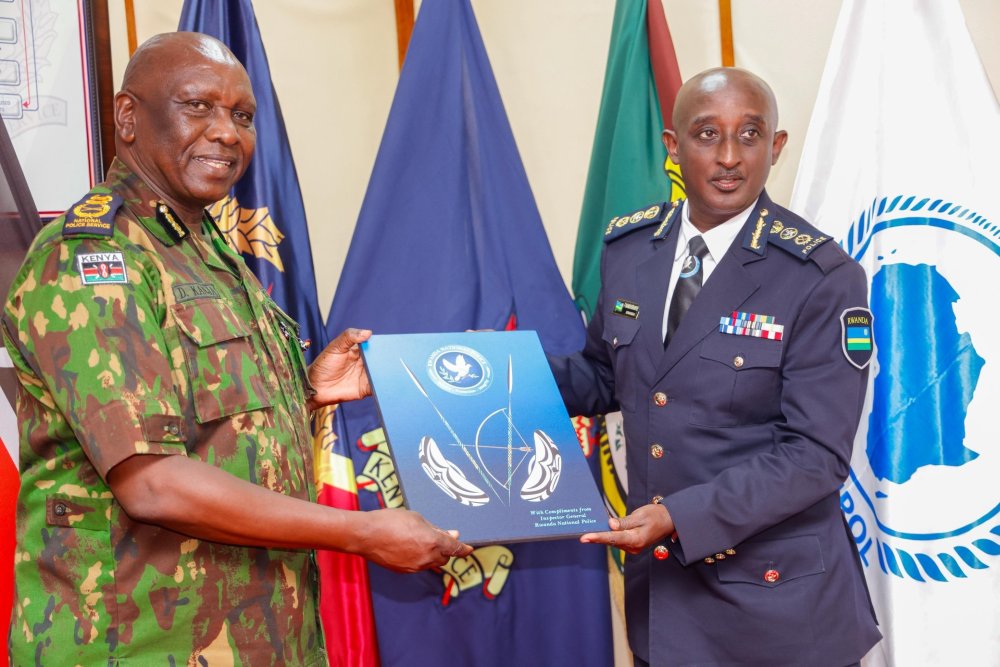
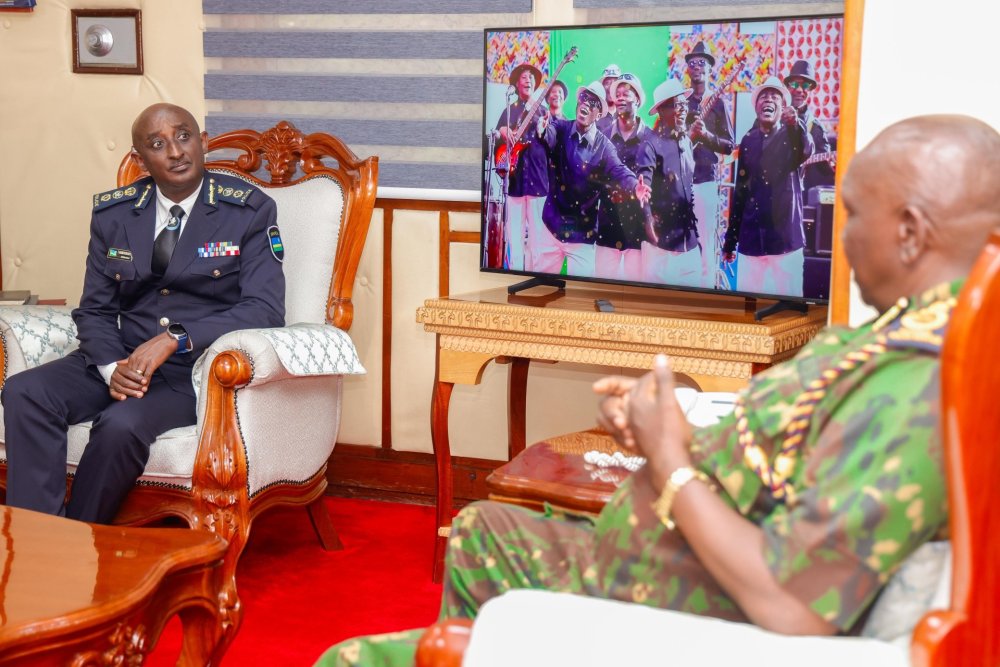
The discussions between CG Felix Namuhoranye and Douglas Kanja took place on March 24, 2026, in Nairobi, Kenya.
Their talks focused on areas of mutual interest in policing and explored ways to further strengthen the existing cooperation between the Rwanda National Police and the Kenya National Police Service.
Both Police chiefs also discussed the preparation of a cooperation agreement and agreed to work together on combating cross-border and emerging crimes.
CG Namuhoranye and his delegation also toured Police Training Institutions in Kenya, including the National Police Service Senior Staff College–Emali and the National Police College–Kiganjo. At both institutions, the IGP interacted with directing staff and trainees to align training programmes with the contemporary, evolving policing environment.
CG Felix Namuhoranye also invited his counterpart to attend events in May when the Rwanda National Police will celebrate its 25th anniversary.
Rwanda and Kenya already collaborate in various sectors, including security. In November 2026, the Chief of the Kenya Defence Forces, Gen Charles Muriu Kahariri, visited Rwanda and held talks with his Rwandan counterpart, Gen Mubaraka Muganga.
The discussions between CG Felix Namuhoranye and Douglas Kanja took place on March 24, 2026, in Nairobi, Kenya.The Inspector General of Rwanda National Police (IGP), CG Felix Namuhoranye is on an official working visit to Kenya, where he held talks with his Kenyan counterpart, Douglas Kanja.
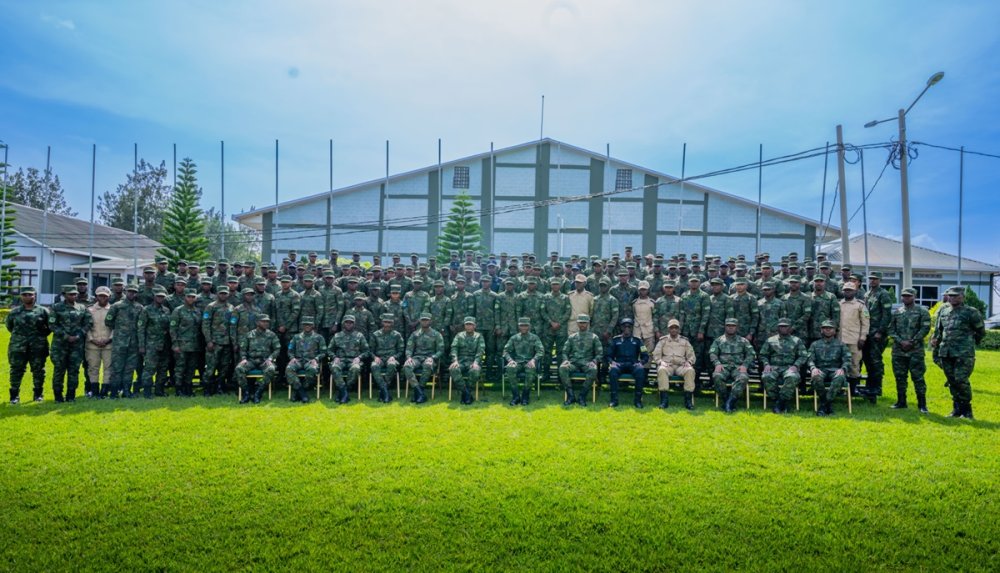
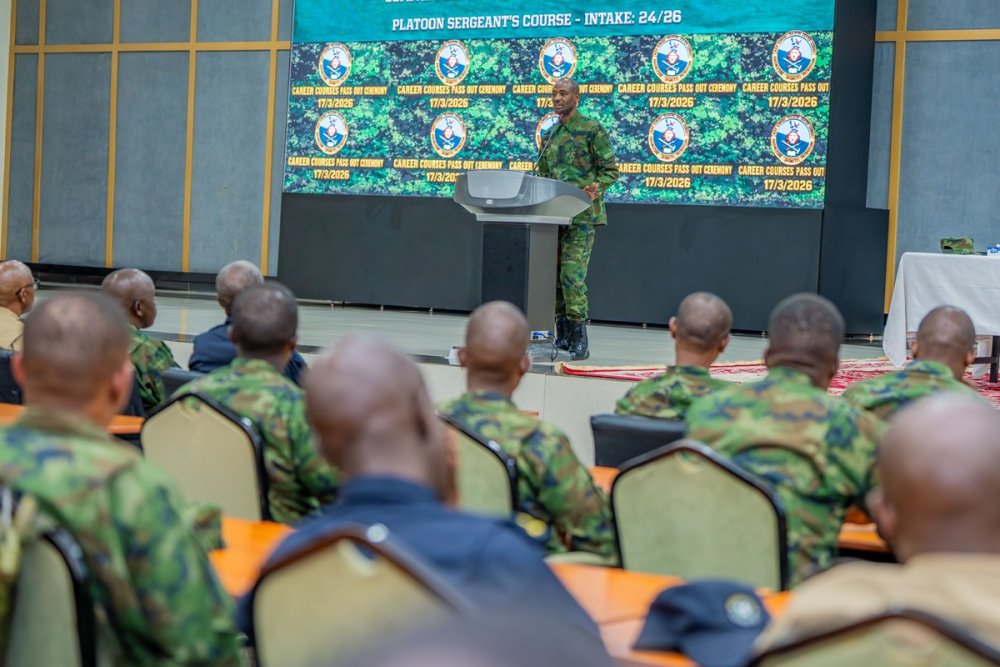
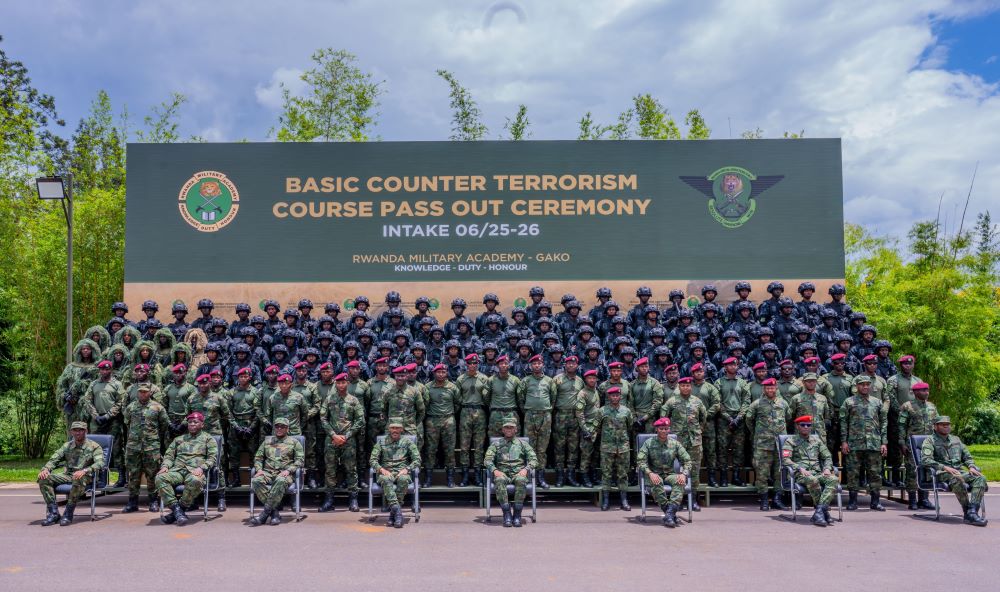
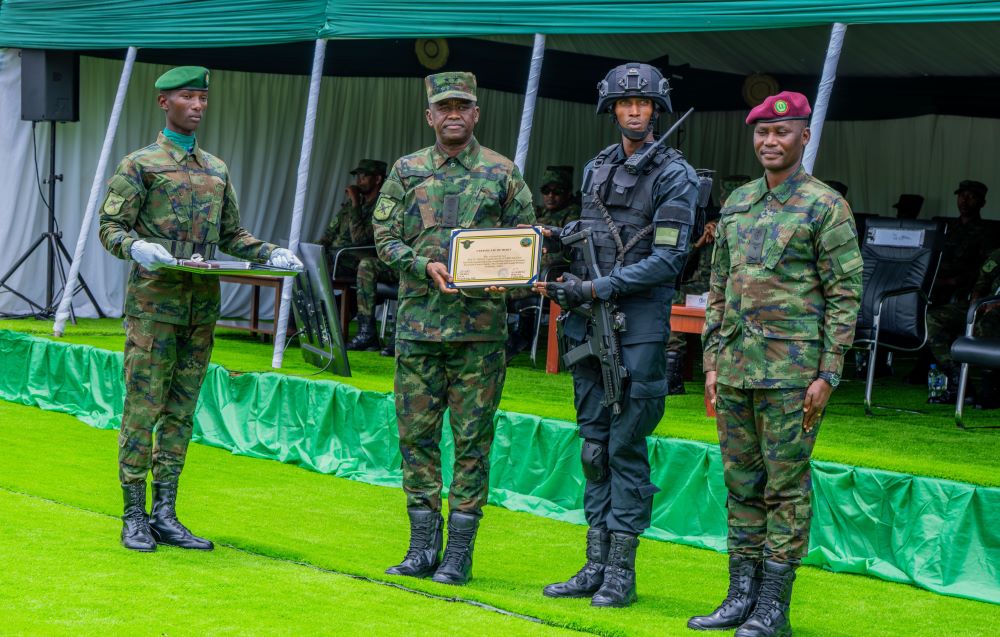
The courses have equipped them to serve as professional company commanders, platoon commanders, company sergeant majors, and platoon sergeants.
While presiding over the graduation ceremony, the Chief of Defence Staff, Gen MK Mubarakh congratulated the trainees for their dedication and achievement. He noted that the courses are essential in shaping professional military leaders.
The CDS commended the discipline and commitment demonstrated throughout the training.
He emphasized the relevance of the training in modern operations, highlighting that the experience gained is critical for today’s complex security environment.
He further stressed that training goes beyond theory, urging the graduates to apply what they have learned in their respective duties.
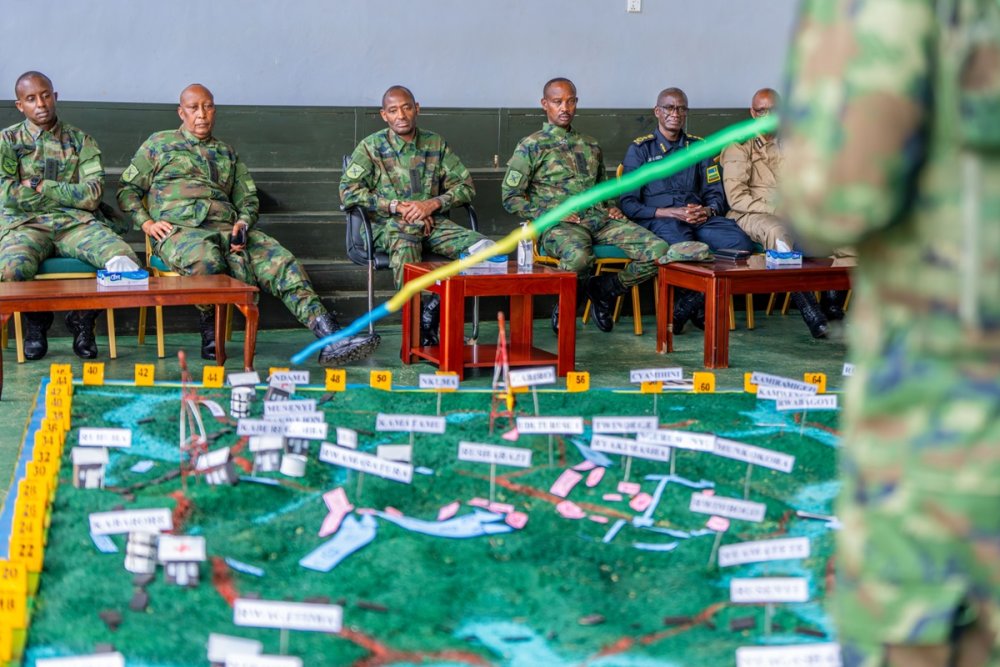
The comprehensive training focused on enhancing military skills, tactical thinking, leadership, and management, marking a significant step in ongoing efforts to professionalise the force and prepare for current and future security challenges.
The comprehensive training focused on enhancing military skills and tactical thinking among others. The CDS commended the discipline and commitment demonstrated throughout the training.Trainees underwent militart career courses at Gabiro Combat Training Centre.
Hurricane Melissa, a Category 5 storm, triggered extensive flooding, landslides, and widespread destruction, causing an estimated $8.8 billion in damages across Jamaica.
IGIHE has learned that the mission concluded at the end of last week, with the RDF team departing Jamaica on Sunday, March 15, 2026.
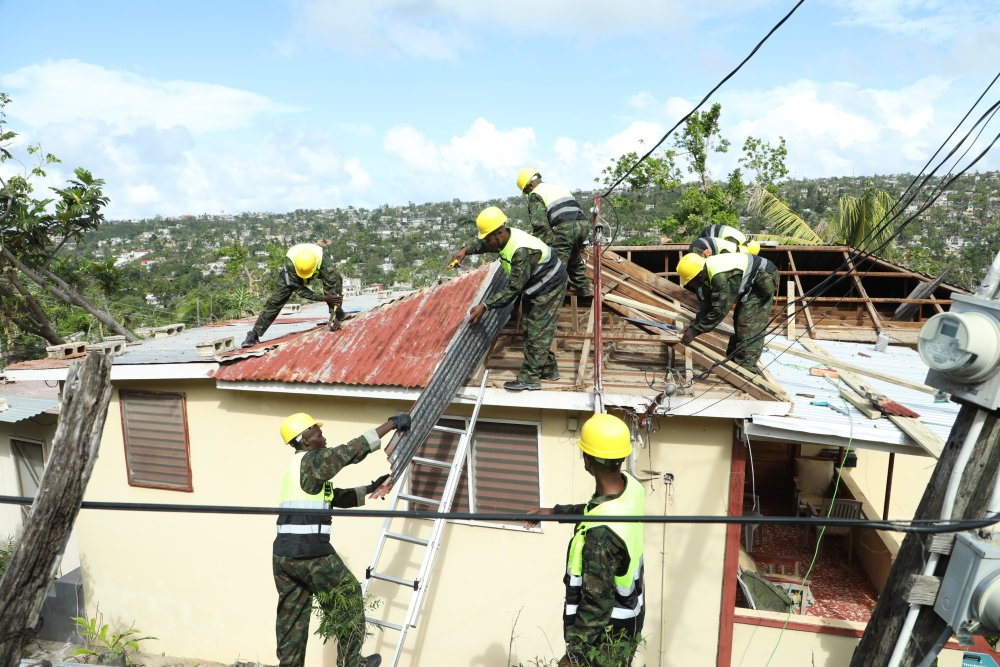
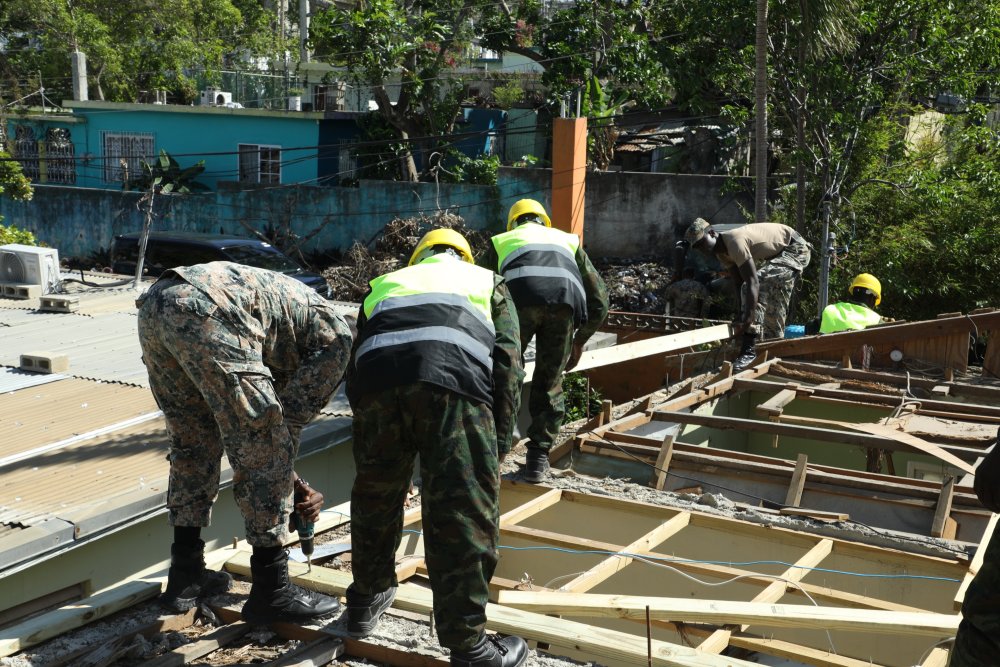
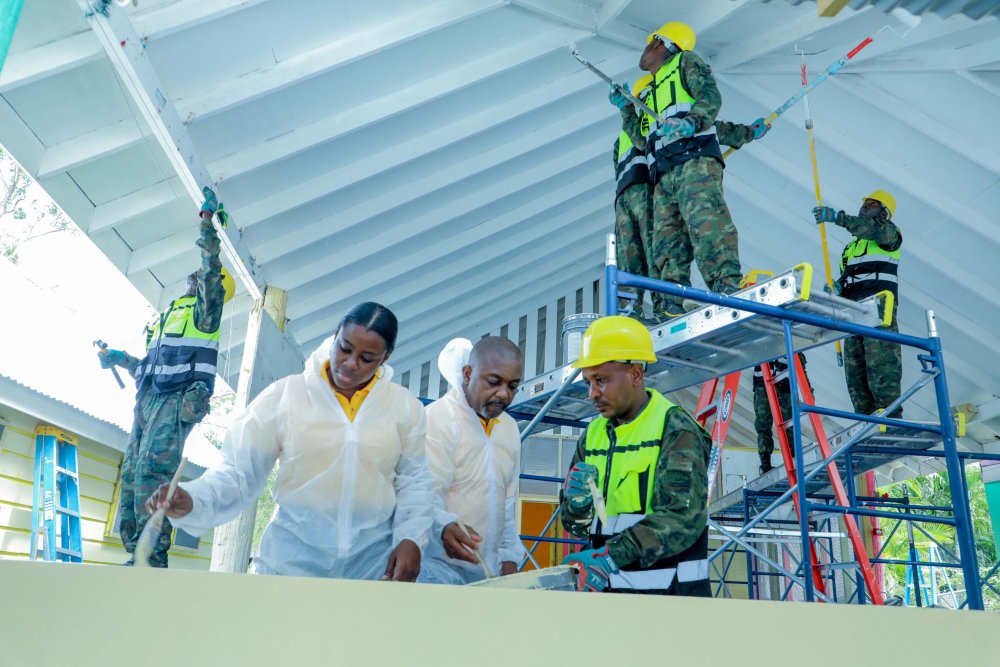
The Rwandan forces focused on repairing infrastructure and homes in the city of Montego Bay, located in the St. James parish. Over a two-month period, the RDF Engineering Contingent, in collaboration with the Jamaica Defence Force (JDF) engineers, successfully reconstructed 62 houses. The team also built additional rooms for a school and made improvements to a home for children with disabilities.
The initiative played a vital role in the recovery and rebuilding efforts for communities devastated by the disaster.
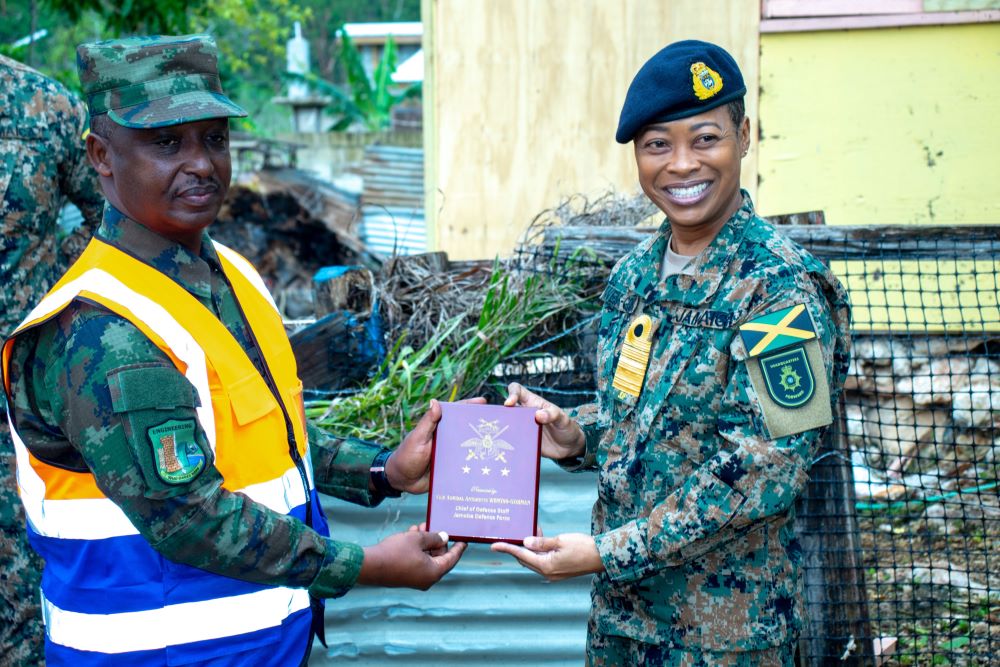
The Chief of Defence Staff of the JDF, Vice Admiral Antonette Wemyss-Gorman, recently expressed her gratitude, commending the leadership of the Rwanda Defence Force for deploying troops to assist Jamaica in the aftermath of Hurricane Melissa.
Colonel Moses Kayigamba, Commander of the RDF Engineer Contingent, emphasized that Rwanda’s intervention is deeply rooted in its history.
“Rwanda’s swift response is not driven by wealth but the deeper understanding of suffering shaped by the painful history of Genocide against the Tutsi that occured at the watch of the world. For Rwanda , the suffering of any kind anywhere is taken as seriously as our own,” he said.
The RDF deployment began on January 14, 2026, under a bilateral agreement aimed at rehabilitating critical infrastructure destroyed by natural disasters.
The contingent, led by Colonel Moses Kayigamba, included 100 military engineers who brought both technical expertise and humanitarian support to the island.
Over a two-month period, the RDF Engineering Contingent, in collaboration with the Jamaica Defence Force (JDF) engineers, successfully reconstructed 62 houses.The Rwandan forces focused on repairing infrastructure and homes in the city of Montego Bay, located in the St. James parish.The Chief of Defence Staff of the JDF, Vice Admiral Antonette Wemyss-Gorman commended the leadership of the Rwanda Defence Force for deploying troops to assist Jamaica in the aftermath of Hurricane Melissa.RDF engineering contingent has completed mission in Jamaica.
The graduation ceremony was presided over by the RDF Army Chief of Staff, Maj Gen Vincent Nyakarundi, on behalf of the Chief of Defence Staff, and was attended by RDF Generals and officers.
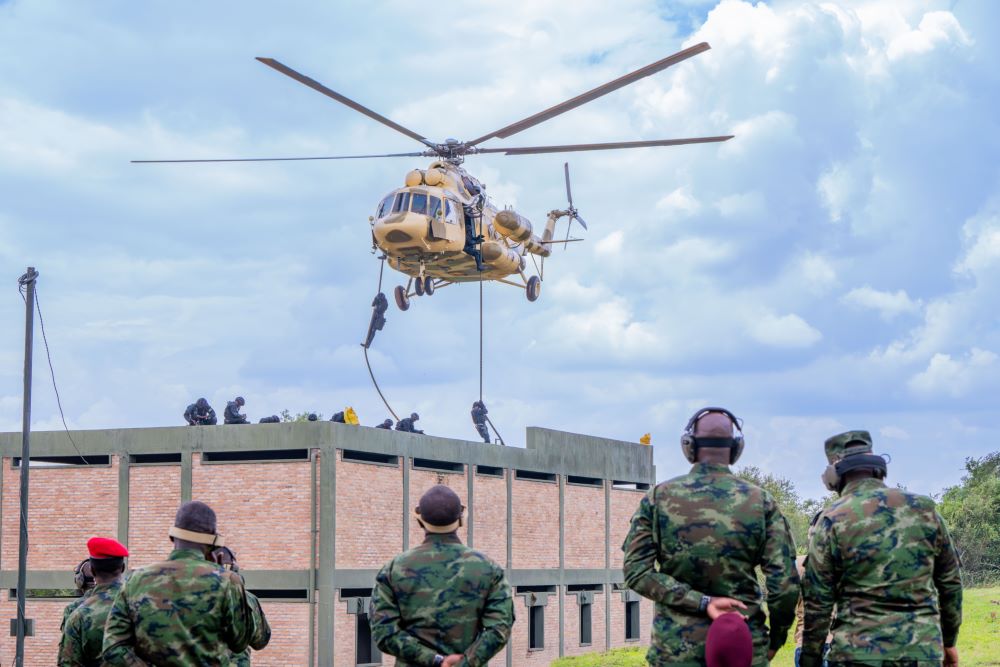
The course was designed to strengthen the operational readiness of RDF Special Operations personnel by equipping them with advanced tactical knowledge and practical skills needed to address emerging security threats. It also aimed to enhance their ability to effectively respond to terrorist incidents and conduct rescue operations for victims held by terrorist groups.
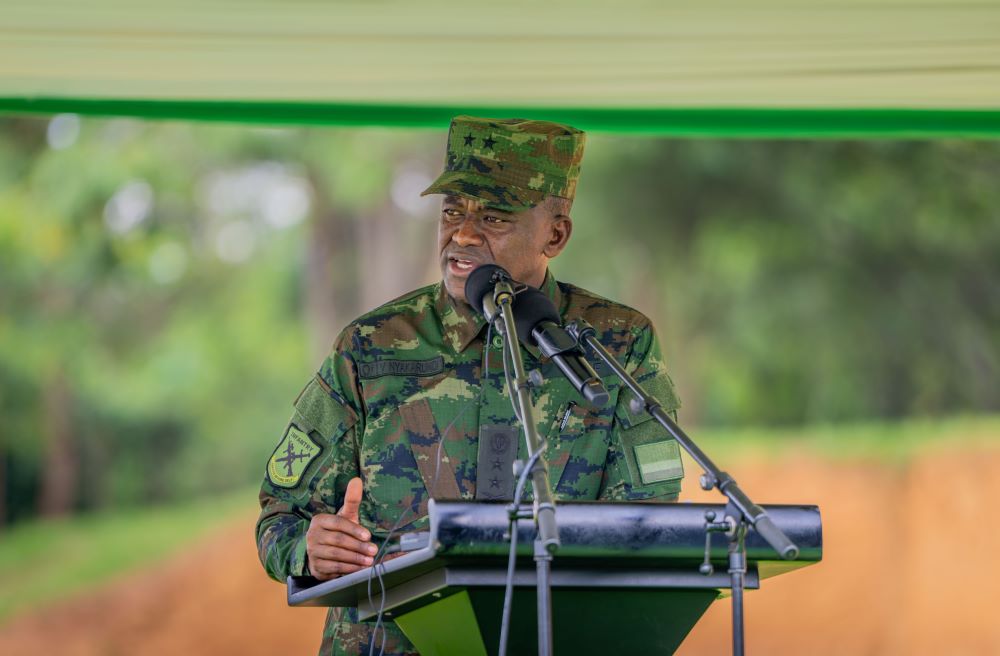
In his remarks, Maj Gen Nyakarundi commended the trainers for their dedication and professionalism in delivering high-quality instruction that strengthens the capabilities of RDF personnel. He further congratulated the graduates for their discipline and successfully completing the demanding training and acquiring valuable skills essential for future missions.
Maj Gen Nyakarundi commended the trainers for their dedication and professionalism in delivering high-quality instruction. Best performers were awarded at the ceremony.RDF officials followed final drills as trainees showcased acquired practical skills.
Kinyera died on March 3, 2026, at Mulago National Referral Hospital in Kampala, where he had been receiving treatment.
According to the ministry, the funeral service will be held on Thursday, March 12, 2026 from 10:00 a.m. to 12:00, at Our Lady of Africa Church in Mbuya, followed by a vigil in Naalya, Wakiso District from 3:00 p.m. onwards.
On Friday, March 13, 2026, his body will be transported to his birthplace in Amuru District, where a vigil will take place in the evening.
His burial is scheduled for Saturday, March 14, 2026, in Akurukwe, within the same district.
Santa Mary Laker Kinyera had served in the Ministry of Foreign Affairs of Uganda since 1994.
In addition to his posting in Rwanda, he held diplomatic positions in Uganda’s embassies in Denmark, the United States, and Turkey.
Former Ugandan Deputy High Commissioner to Rwanda Kinyera died on March 3, 2026, at Mulago Specialised National Referral Hospital in Kampala.