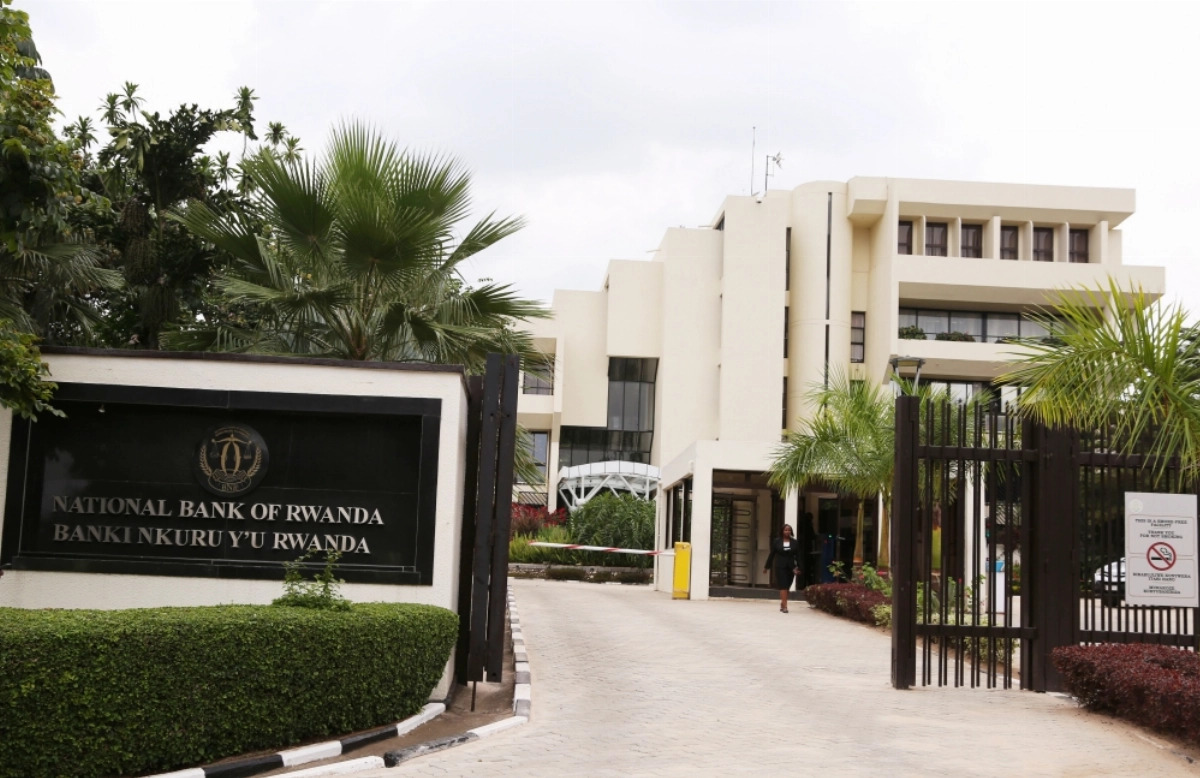
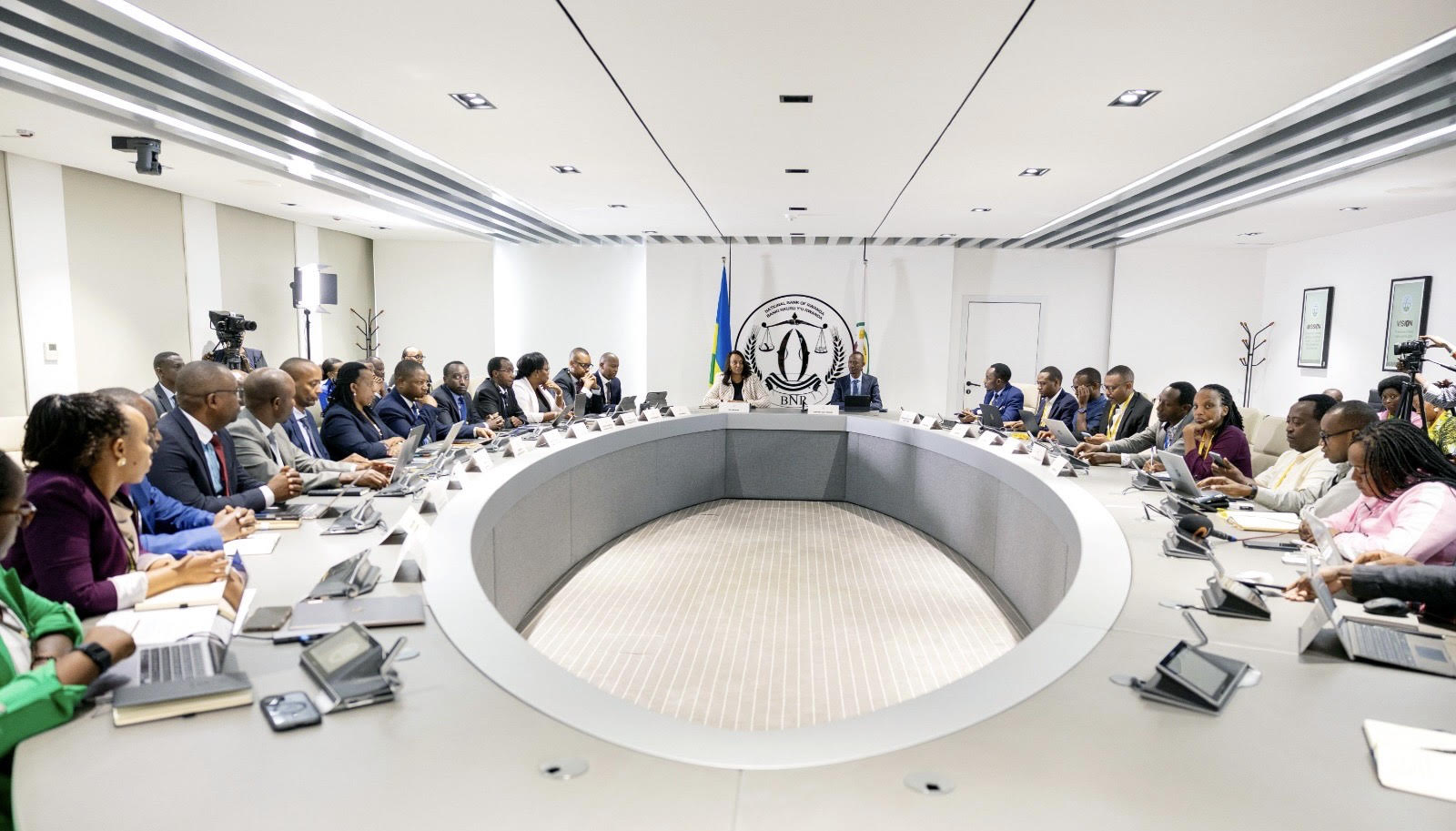
NBR Governor Soraya Hakuziyaremye announced the decision on Thursday, February 19, following a meeting of the Monetary Policy Committee (MPC) on Wednesday, which reviewed recent domestic and international economic developments and updated the country’s economic projections.
Inflation in Rwanda increased to 8.9 percent in January 2026, up from 8.0 percent in December 2025, exceeding the Central Bank’s target range of 2–8 percent.
The rise, the central bank boss said, has been driven largely by higher energy costs, electricity tariffs, fuel prices, and supply constraints on fresh food, particularly vegetables affected by below-normal rainfall.
“The Monetary Policy Committee has decided to increase the Central Bank Rate to 7.25 percent to limit second-round effects of recent price increases and support a timely return of inflation to the target range,” she stated.
The governor noted that headline inflation is expected to remain slightly above 8 percent in the first half of 2026, before easing toward the target band by the end of the year.
“The MPC will continue to closely monitor economic developments and the inflation outlook. Should the highlighted risks materialize, we will assess the need for further policy adjustments to ensure inflation converges to the target range over the medium term,” Governor Hakuziyaremye added.
Despite inflationary pressures, Rwanda’s economy continues to perform strongly. The country recorded an average growth of 8.7 percent during the first three quarters of 2025, with the Composite Index of Economic Activity (CIEA) rising 17.1 percent in the fourth quarter.
Merchandise exports grew by 14.1 percent, supported by traditional exports such as coffee and minerals, while non-traditional exports, including processed cooking oil and wheat flour, also recorded notable gains.
The Rwandan franc showed signs of stabilisation in 2025, with depreciation slowing to 4.4 percent from 9.42 percent in 2024, thanks to stronger tourism receipts, increased remittances, and domestic foreign exchange reforms.
In the financial sector, Rwanda continues to demonstrate resilience. Credit institutions, insurance companies, and microfinance institutions maintained strong capital and liquidity positions, while the consolidated loan book of the banking sector grew by 28.5 percent to reach Rwf 6.8 trillion as of December 2025. Non-performing loans remained low at 2.5 percent, within regulatory limits.
NBR Governor Soraya Hakuziyaremye announced the decision on Thursday, February 19, following a meeting of the Monetary Policy Committee (MPC) held on Wednesday.
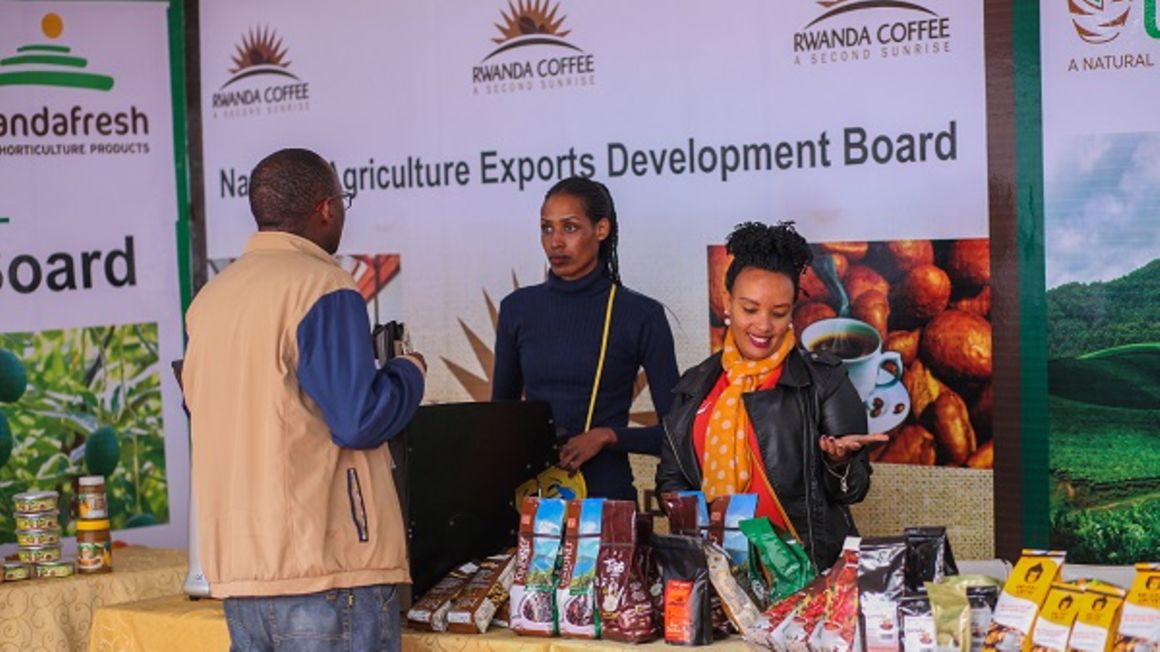
According to data from the National Agricultural Export Development Board (NAEB), coffee and tea remained the leading foreign exchange earners during the period under review.
Coffee leads export revenues
Coffee recorded export volumes of 741 metric tons, generating $4,854,267 in revenues, the highest among all product categories. The strong performance underscores Rwanda’s reputation for high-quality speciality coffee in global markets.
Tea followed closely, with 1,097 metric tons exported and revenues amounting to $3,175,927, reinforcing its position as one of the country’s traditional top export commodities.
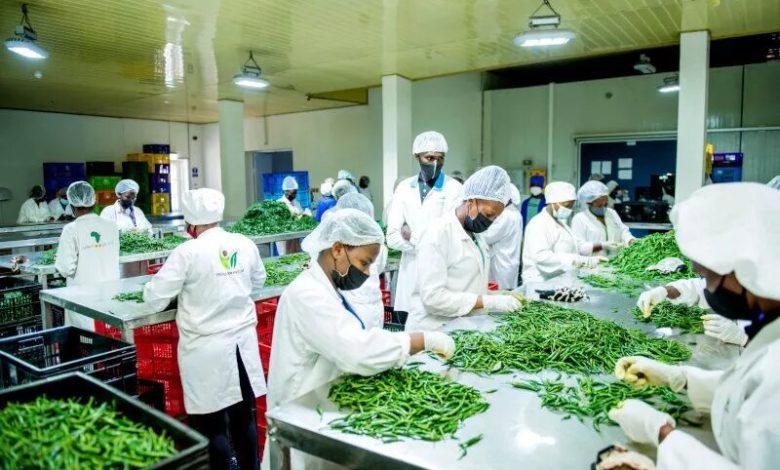
Vegetable exports reached 509 metric tons, generating $485,340. Key destination markets included Great Britain, the Netherlands, the United Arab Emirates, France, China, as well as cross-border and other African countries.
Fruit exports totalled 385 metric tons and earned $286,215. Japan, Great Britain, Vietnam, and regional African markets were among the primary destinations.
Flower exports, though smaller in volume at 44 metric tons, generated a notable $388,241. Major markets included Nigeria, the Netherlands, and the United Kingdom.
Diversified agricultural products accounted for the largest export volume at 6,500 metric tons, bringing in $3,431,876. The main destinations for these products were the United States of America, Oman, India, and cross-border and other African countries.
Animal products also contributed to overall earnings, with 266 metric tons exported and revenues totalling $449,009, largely destined for cross-border and regional African markets.
The export data highlights Rwanda’s expanding footprint across Europe, Asia, the Middle East, North America, and intra-African markets. The diversified export basket demonstrates the country’s ongoing efforts to strengthen agricultural value chains and enhance competitiveness in international trade.
Diversified agricultural products accounted for the largest export volume at 6,500 metric tons, bringing in $3,431,876.
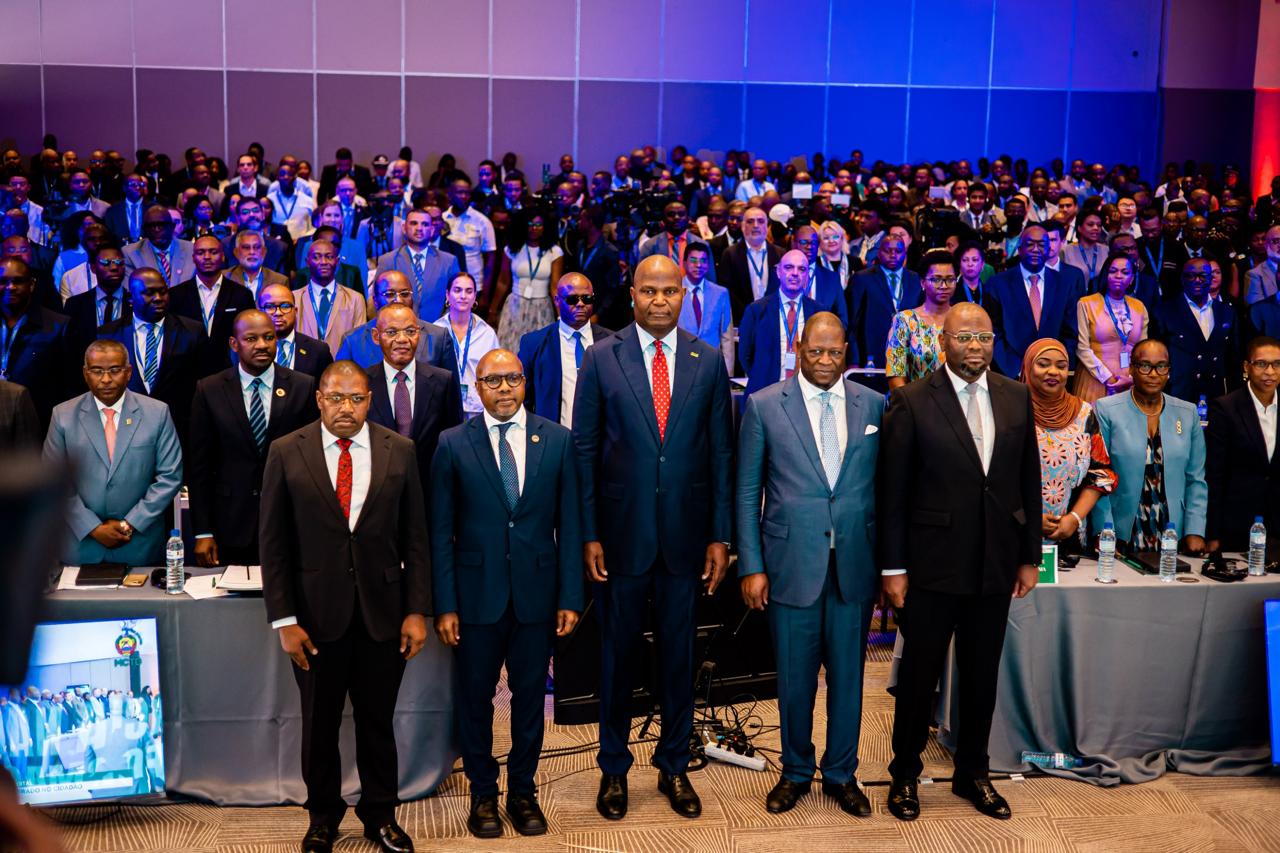
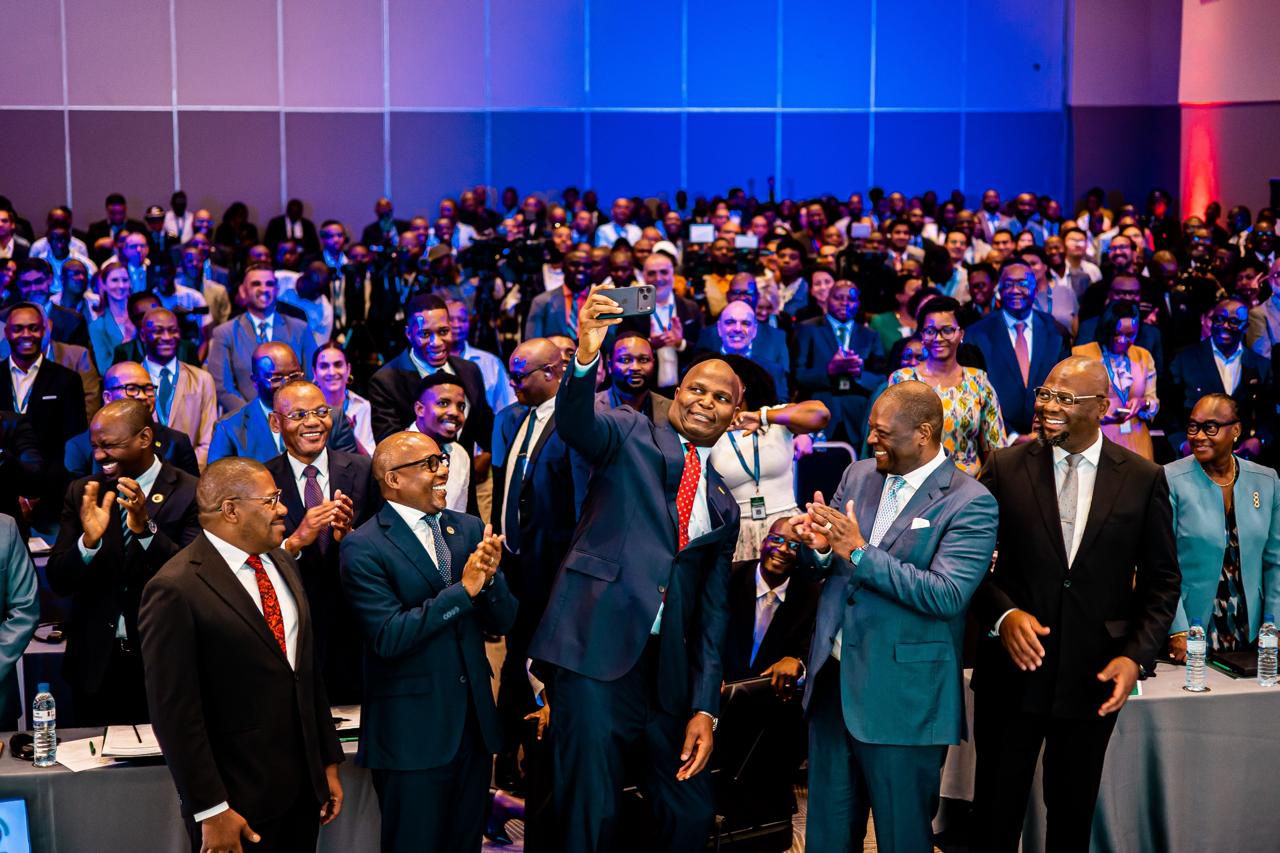
Speaking at the country’s First National Conference on Digital Transformation in Maputo last week, President Daniel Francisco Chapo framed digitalisation as a governance reform rather than a purely technological upgrade.
“Countries are not transformed only with physical infrastructure. They are also transformed through digital infrastructure that connects citizens to the State and to opportunity,” he said.
At the heart of the initiative is the creation of a Multi-Sector Technical Commission on Digital Services, tasked with delivering a national roadmap for integrating public digital systems by mid-2026. The Commission will map existing platforms, promote interoperability, eliminate duplication, and define a strategy for a fully connected government.
President Chapo acknowledged that fragmentation across government institutions—such as separate databases and non-communicating systems—creates inefficiencies and administrative burdens.
“There must be no technological islands within the State,” he said.
The reform aims to enable citizens and businesses to access services such as identity documentation, licensing, tax payments, and business registration remotely through interoperable platforms and a central Citizen Portal.
Officials say digital integration could reduce bureaucratic delays, improve transparency, and strengthen Mozambique’s investment climate, a key priority as the country seeks to expand private-sector participation and align with regional digital trade frameworks under the African Continental Free Trade Area (AfCFTA).
Mozambique has already established a dedicated Ministry of Communications and Digital Transformation, consolidating institutional leadership of the digital agenda. The initiative comes amid recent floods affecting several provinces, with President Chapo noting that digital platforms are vital for disaster preparedness, early warning systems, and secure preservation of administrative records.
“Yesterday, independence was measured by control of territory. Today, it is also measured by the ability to govern the digital space,” President Chapo said, framing digital transformation as a pillar of national sovereignty.
The conference also saw the unveiling of a new electronic visa (e-Visa) platform, which allows remote applications and faster processing to streamline entry, boost tourism, and improve the ease of doing business.
Mozambique’s “one-click” ambition reflects a broader effort to learn from successful ICT integration models in Africa, including Rwanda’s Irembo platform and Kenya’s M-Pesa system, which Mozambique has recently adopted to expand access to mobile money.
Last August, President Chapo visited Rwanda, including the Kigali Special Economic Zone, where he explored the country’s industrial, manufacturing, and business infrastructure and held discussions with President Paul Kagame on economic and technological cooperation.
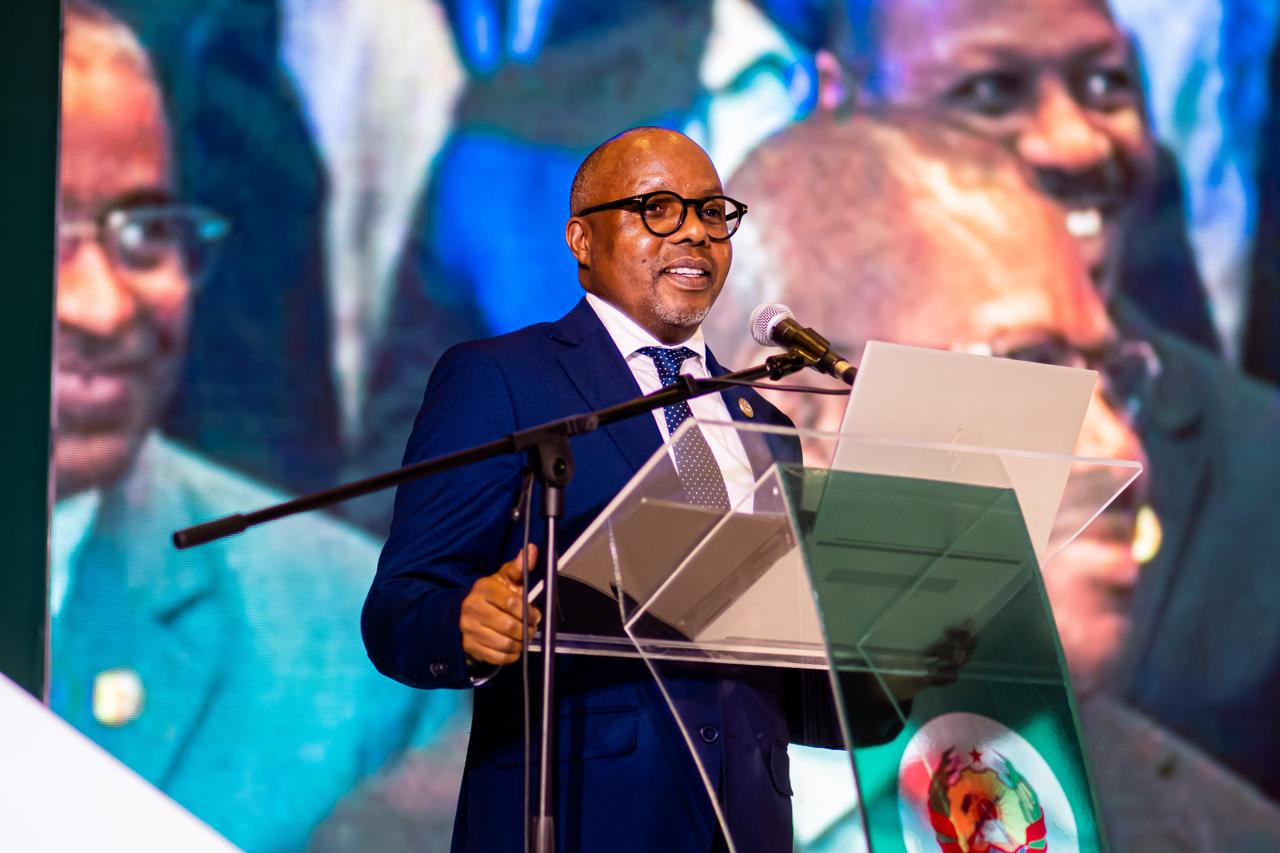
“We want to move at the same pace as those ahead, learning from those who have done it already, understanding the challenges they faced and how they overcame them to bring about the same level of services that can be found in those countries,” said Mozambique’s Américo Muchanga, Minister of Communications and Digital Transformation, adding that tech companies from the region can compete for tenders to help transform the country.
While the digital reform signals strong political commitment, implementation will depend on institutional coordination, infrastructure expansion, digital literacy, and sustained financing. Mozambique’s internet penetration, rural connectivity gaps, and cybersecurity capacity remain structural factors that will influence the pace of transformation.
President Daniel Francisco Chapo framed digitalisation as a governance reform rather than a purely technological upgrade.Mozambique’s First National Conference on Digital Transformation was held in Maputo last weekMozambique’s ICT Minister Américo Muchanga addresses the conference.
As the exclusive representative of world-class brands such as Caterpillar, Manitou, Kalmar, Massey Ferguson, and the newly added FAW, Tractafric Equipment offers a comprehensive range of services, including the sale of new and used equipment, spare parts, maintenance, rentals, repairs, fleet management, and training.
For construction, mining, infrastructure development, and more, Tractafric Equipment offers globally recognized CAT and SEM machines.
Their extensive lineup includes bulldozers, excavators, wheel loaders, motor graders, and other earthmoving and material handling equipment. Available in diesel. These machines provide customers with flexible power options to suit diverse operational needs.
With a diverse fleet comprising over 100 types of machines, Tractafric Equipment supplies industrial equipment renowned for cargo handling and material movement, with capacities ranging from 1.5 to 60 tons.
Specialized machines are capable of lifting loads up to 30 meters, with brands like Manitou and Kalmar offering models powered by diesel, fuel, or electricity, catering to environmentally conscious businesses.
Given the region’s reliance on agriculture, Tractafric Equipment provides tailored solutions to enhance agricultural productivity.
Partnering with Massey Ferguson, the company supplies a range of tractors equipped with various horsepower options and specialized attachments for plowing, harrowing, fertilizing, and harvesting with exceptional precision.
Beyond equipment sales, Tractafric Equipment is a one-stop center for spare parts, offering components for trucks, tractors, machines, and more. Their inventory includes tires, oil, oil filters, and other essential parts to keep machinery running smoothly.
The company also offers generators up to 4MW and solar-powered generators ranging from small household units to industrial models capable of generating over 2,000 volts.
Additionally, Tractafric Equipment supplies mobile tower lights, which extend up to 7.6 meters, providing reliable illumination for construction sites, events, and other temporary lighting needs. They also stock 400-liter cement mixers, ideal for large-scale construction projects.
Abdourahman Youssouf Ismail, Parts & Service Manager, emphasized the importance of maintenance in protecting the value of machinery investments.
“We guide our clients on how to care for their machines because some parts require replacement every 250, 500, or 1,000 hours of use. Without proper knowledge, clients might overlook essential maintenance,” he said.
Pierre Warin, Regional Director for the Great Lakes region, underscored Tractafric Equipment’s commitment to after-sales support, highlighting that their employees receive specialized training directly from manufacturers such as Caterpillar, Perkins, and Massey Ferguson.
“We don’t just sell machines; we provide long-term value by ensuring these machines continue to perform efficiently over time,” Warin noted.
In addition to sales and maintenance, Tractafric Equipment offers rental services, allowing clients to access essential equipment for extended periods.
The company has also introduced a flexible rent-to-own program, enabling customers to acquire equipment through installment payments in partnership with financial institutions. This approach reduces financial strain while empowering clients to grow their businesses effectively.
Sales Manager Kevin Ndahinyuka noted that the company goes beyond sales to provide advisory services, helping clients select the right equipment for their specific operational needs.
“We assist clients in choosing the appropriate machinery based on their needs, and even after the purchase, we continue to support them throughout the machine’s lifecycle,” he said.
Recently, Tractafric Equipment expanded its offerings with the introduction of the FAW J6P truck tractors and tippers, manufactured by the leading Chinese brand FAW.
Designed for mining, construction, and agriculture, these robust trucks offer payload capacities ranging from 7,000 to 18,000 kg, with a 6×4 transmission system ensuring reliable performance in demanding conditions.
As the region continues to develop rapidly, Tractafric Equipment remains steadfast in its mission to provide top-tier heavy machinery solutions while maintaining a customer-centric approach. “Our mission remains the same: to be the go-to provider of heavy machinery solutions, delivering the best value to our clients,” the company stated.
For business inquiries, Tractafric Equipment’s offices are located in Kigali, Rwanda at KK 6 Ave, Magerwa Road. They can also be reached at +250 788 366 000 for Rwanda and +257 79 33 93 37 for Burundi.
Stay updated with Tractafric Equipment by following them on Instagram, Facebook, and LinkedIn at Tractafric Equipment Rwanda & Tractafric Equipment Burundi.
Visit their website at https://www.tractafric-equipment.com/en/rwanda–burundi.html for more information.
The deal, announced on Tuesday, May 20, 2025, will see Paradigm Tower Ventures acquire 100% of IHS Rwanda Limited, which operates approximately 1,465 tower sites across the country.
The transaction remains subject to government and regulatory approvals and is expected to be completed in the second half of 2025.
The transaction reflects an enterprise value of $274.5 million, representing a multiple of 8.3 times IHS Rwanda’s adjusted EBITDA after leases. The valuation is considered a significant premium compared to the broader IHS Towers group’s current market multiple.
“The agreement to sell our Rwanda operations to Paradigm Tower Ventures was carefully
considered as part of our strategic initiatives targeted at shareholder value creation options and highlights the value of our Rwanda operations within our wider portfolio,” said IHS Towers Chairman and CEO Sam Darwish.
In a statement reflecting on the company’s successful journey in Rwanda, the IHS boss expressed appreciation for the partnerships and conducive environment that have supported the firm’s growth over the years.
“We have enjoyed more than 10 years of commercial success in Rwanda. We are deeply appreciative to our colleagues and customers, in addition to the Government of Rwanda for its exemplary and investor-supportive framework, who have all helped make IHS Rwanda the success it is today,” he added.
Paradigm Tower Ventures, which is making its first investment under a new platform dedicated to wireless infrastructure growth in Sub-Saharan Africa, hailed Rwanda as a promising market.
“Rwanda represents an exciting market with high demand for shared wireless infrastructure,” said Stephen Harris, Co-founder of Paradigm Tower Ventures.
“The Paradigm team is very much looking forward to building a strong customer-focused business providing high-quality and secure infrastructure to mobile network operators.”
Founded in 2019 by seasoned industry executives Stephen Harris, Hal Hess, and Steven Marshall, Paradigm Infrastructure has been involved in various tower acquisitions and operations across Africa.
IHS Towers, listed on the New York Stock Exchange, operates more than 39,000 towers across eight markets, including Brazil, Cameroon, Colombia, Côte d’Ivoire, Nigeria, South Africa and Zambia.
The delegation, led by Dr. Imad Al-Khoury, CEO of AQI, met with Rwanda Development Board (RDB) Deputy CEO Juliana Muganza on Monday. The group expressed interest in the pharmaceuticals, manufacturing, real estate, and agriculture sectors.
The delegation also met separately with the Minister of State in the Ministry of Health, Dr Yvan Butera, in a discussion focused on investment opportunities in Rwanda’s pharmaceutical production, local manufacturing, and regional health security.
Also in attendance were Waseem Hamad, CEO of Philex Pharmaceuticals, and Lee Farrelly, General Manager of Manal Food Factory.
AQI was established in 2002 and operates across a wide range of industries, including construction, oil and gas, manufacturing, and medical services. The company is known for providing strategic and operational solutions across its portfolio, and has a growing interest in expanding into new markets.
The visit by AQI and its partners marks a continued strengthening of economic ties between Rwanda and Qatar, with both governments actively facilitating cross-border investments to drive innovation, create jobs, and boost sustainable development.
The visit also reflects Rwanda’s growing appeal to international investors, driven by its strong global rankings in business climate.
According to the World Bank’s 2024 Business Ready (B-READY) report, Rwanda is among the [top-performing countries in terms of ease of doing business->https://en.igihe.com/economy/article/rwanda-ranked-among-top-performers-in-new-world-bank-business-report].
The country ranked 3rd globally for Operational Efficiency, scoring 81.31%, and 8th in Public Services with a score of 67.37%. It also placed 17th worldwide in Regulatory Framework, earning a score of 70.35%.
The campaign was officially launched at the East African University Rwanda (EAUR) Nyagatare campus on May 16, 2025. It is being implemented through the Capital Market Youth Forum, a platform that introduces young people to capital market opportunities.
The initiative, conducted by CMA in collaboration with various partners, will extend to other universities across the country.
During the campaign, students received in-depth insights into how the capital market functions, including strategies for saving through investment, and participated in interactive discussions to deepen their understanding.
Freddy Rukundo, an Accounting student, shared that he learned how to save and invest starting with small amounts of money, and he now plans to join the stock market.
“I used to think that anything under 100,000 Rwandan francs wasn’t enough to invest, but now I know it’s possible. I’ve registered to start investing in the Rwandan capital market, and I hope to graduate with savings that will make it easier to enter the job market,” Rukundo remarked.
Esperance Muhoza, who also registered as an investor, said she learned how to invest while saving at the same time.
“For instance, when parents give us money, I can set aside a small portion and start saving it by investing in capital market products. After school, I’ll use those funds to join others in investing in a business or opportunity,” she explained.
David Mugabo, a Business Administration student and student representative, said EAUR students were impressed by how CMA taught them to become investors using the limited resources they currently have. He noted that they saw great potential and opportunities for future development.
“We have gained knowledge in mid-growth markets as well as investment. The saving culture will provide a better future for the youth of today,” he revealed.
Dr. James Ndahiro, Technical Advisor at the CMA, emphasised that university students were specifically targeted because they are at a pivotal stage, transitioning from academic life into the workforce, making it the right moment to influence their financial mindset.
“Youth, particularly those at the university level, have the capacity, the drive, and the ability to understand important concepts. This is especially true as they are in a critical phase, transitioning from school to the workplace. We are preparing them to not only navigate that transition but also to recognise opportunities beyond traditional employment,” Ndahiro said.
On the importance of financial discipline, he added: “Before they begin investing, we emphasise the importance of learning how to save, shifting from a culture of consumption without saving to one of saving before spending.”
Emmanuel Masantura Ruziga, Head of Marketing and Sales at the Rwanda National Investment Trust (RNIT) Iterambere Fund—one of CMA’s partners in the campaign—noted that a segment of Rwandans still lacks sufficient awareness and education about saving.
He affirmed that RNIT, a government-established company created to promote a culture of saving among Rwandans, is committed to addressing this gap.
“We believe that there is a generation that has missed out on many opportunities to learn about saving. However, we are confident that with collective efforts and collaboration across all industry players, we can mobilise as many people as possible to understand, adopt, and strengthen this important culture of saving,” Ruziga noted.
“If we want to build a society rooted in a strong saving culture, we must start by engaging young people, especially students in schools, colleges, and universities. Together, we must sit down with the Ministry of Education to ensure that financial literacy and the culture of saving are integrated into Rwanda’s national education curriculum,” he added.
Following the awareness campaign taking place in May, members of the Capital Market Youth Forum will gather in Kigali on June 20, 2025, for a joint training session.
The annual FT ranking, compiled in partnership with research firm Statista, tracks companies across the continent based on their compound annual growth rate (CAGR) in revenues between 2020 and 2023.
This year’s list features 130 companies, with South Africa and Nigeria dominating the rankings, together accounting for more than half of all entries. Kenya ranks third, with 11 companies making the list.
Inkomoko’s inclusion is seen as a major milestone for Rwanda’s private sector. Founded 12 years ago, Inkomoko has grown into a regional enterprise, operating in Rwanda, Kenya, Ethiopia, South Sudan, and most recently, Chad.
The company has invested over $35 million, supported more than 100,000 entrepreneurs, and reached over 1.2 million people, many of whom live in refugee camps or underserved communities.
“This isn’t just our growth story — it’s our clients’ and the communities we serve,” said Emmanuel Mugabo, Inkomoko’s Rwanda Managing Director.
“Every business we support is a reminder that talent is everywhere, but what is often missing is access. That’s something we can fix together with partners, investors, and policymakers,” he added.
Inkomoko’s model is built on the belief that displacement-affected communities are not just in need of aid, but ripe with economic potential. By providing entrepreneurs with training, finance, and market access, the organisation demonstrates that empowering the underserved is not charity, but a proven method for driving local economic growth and long-term stability.
As the world faces mounting challenges from conflict, climate change, and inequality, Inkomoko is positioning itself for greater impact. The organisation has announced an ambitious goal to invest $150 million in 550,000 small and micro businesses by 2030, and is actively seeking like-minded partners to scale its mission.
“This recognition from the Financial Times is an honour,” Mugabo added. “But the real measure of our success will be how many others join us in this work.”
Rwanda Central Bank Governor Soraya Hakuziyaremye made the revelation during a press conference on Thursday, May 15, following a recent Monetary Policy Committee (MPC) meeting.
Addressing growing interest in gold among central banks in the East African Community (EAC) region, Governor Hakuziyaremye said Rwanda’s central bank conducted a detailed study on incorporating gold as an additional reserve asset.
The move follows a trend observed by the EAC Central Bank Monetary Affairs Committee, which noted several regional central banks considering gold to diversify and strengthen their reserves.
“Given gold’s ability to counter shocks in the financial market and serve as a hedge against external uncertainties, we have decided to explore it as a new asset class,” Governor Hakuziyaremye explained.
The central bank boss emphasised that capital preservation, liquidity, and reasonable returns remain the primary objectives for the central bank’s foreign reserves investments.
“The good news is that gold meets these criteria at this time, which makes our consideration positive,” she said.
The central bank has already secured board approval to include gold investments in its portfolio.
However, Governor Hakuziyaremye highlighted that gold is a new asset for the bank, and further updates on acquisition volumes and expected returns will be communicated by the end of the current financial year.
“This is a learning process, and as we continue benchmarking with our peers, we plan to start adding gold to our reserves from July 2025,” she said.
Meanwhile, the bank maintained the lending rate at 6.5 percent, a level Governor Soraya noted is aimed at keeping inflation within the targeted 2 to 8 percent range.
Commenting on the economic outlook, she said headline inflation rose to 6.7 percent in the first quarter of 2025, up from 5.2 percent in the previous quarter, largely driven by increases in core and fresh food prices. Core inflation climbed to 6.1 percent, while fresh food inflation surged to 11.2 percent, mainly due to a base effect from unusually low prices in early 2024 and rising meat prices.
Despite the uptick, inflation remains within the medium-term target range and is expected to average 6.5 percent in 2025 before easing to 3.9 percent in 2026.
“Inflationary risks remain, particularly from global geopolitical tensions and shifting trade policies,” the central bank governor warned, but emphasized that the current rate should continue to anchor inflation expectations.
The recent MPC meeting also noted Rwanda’s ongoing economic resilience, with the Composite Index of Economic Activity (CIEA) registering a 9.3 percent year-on-year increase in Q1 2025, supported by robust industrial and services performance. The economy grew by an impressive 8.9 percent in 2024, buoyed by a rebound in agriculture and strong domestic demand.
However, Rwanda’s trade deficit widened by 10.8 percent in Q1 2025, as merchandise exports fell by 3.0 percent—mainly due to declining re-exports—while imports rose 5.8 percent, driven by increased demand for machinery and raw materials. This put pressure on the Rwandan franc, which depreciated by 2.46 percent against the U.S. dollar by the end of April.
NBR Governor Soraya Hakuziyaremye announced the decision on Thursday, May 15, a day after a meeting of the Monetary Policy Committee (MPC), which sets the rate quarterly to guide the cost of borrowing and maintain macroeconomic stability.
This marks the fourth consecutive time the MPC has held the rate at 6.5 percent, following its initial reduction from 7.0 percent in August 2024.
Addressing members of the press, Governor Soraya said the current rate remains appropriate to keep inflation within the targeted 2–8 percent band.
Headline inflation rose to 6.7 percent in the first quarter of 2025, up from 5.2 percent in the previous quarter, largely driven by increases in core and fresh food prices. Core inflation climbed to 6.1 percent, while fresh food inflation surged to 11.2 percent, largely due to a base effect from unusually low prices in early 2024 and rising meat prices.
Despite the uptick, inflation remains within the medium-term target range and is expected to average 6.5 percent in 2025 before easing to 3.9 percent in 2026.
“Inflationary risks remain, particularly from global geopolitical tensions and shifting trade policies,” the central bank boss warned, but emphasised that the current rate should continue to anchor inflation expectations.
The MPC also noted Rwanda’s ongoing economic resilience, with the Composite Index of Economic Activity (CIEA) registering a 9.3 percent year-on-year increase in Q1 2025, supported by robust industrial and services performance. The economy grew by an impressive 8.9 percent in 2024, buoyed by a rebound in agriculture and strong domestic demand.
However, Rwanda’s trade deficit widened by 10.8 percent in Q1 2025, as merchandise exports fell by 3.0 percent—mainly due to declining re-exports—while imports rose 5.8 percent, driven by increased demand for machinery and raw materials. This put pressure on the Rwandan franc, which depreciated by 2.46 percent against the U.S. dollar by the end of April.
Money market trends have followed suit. The interbank rate declined to an average of 6.78 percent in Q1 2025, down from 8.29 percent a year earlier, reflecting the impact of earlier rate cuts. Deposit and lending rates also fell, with the average lending rate dropping to 15.89 percent from 16.35 percent.
Going forward, the central bank reaffirmed its commitment to closely monitoring both global and domestic economic trends and to adjusting policy as needed to maintain price stability and support growth.
“The MPC stands ready to take appropriate measures if inflationary pressures intensify,” Soraya stated.