The funding supports farmer training, capacity building, and modern production techniques aimed at strengthening food security and raising farm incomes.
The progress was highlighted during a consultative meeting that brought together SAIP-supported farmers from Huye District on February 24, 2026. The meeting focused on exchanging experience and identifying practical ways to further increase yields.
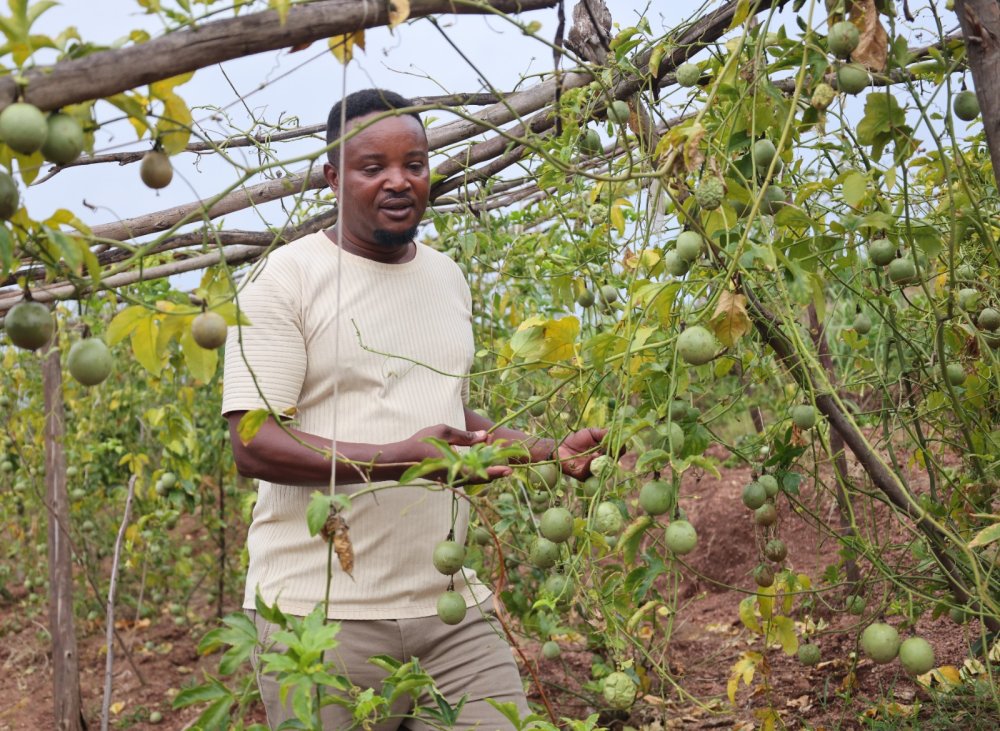
Launched in 2024, SAIP II operates in 20 districts across Rwanda. Among beneficiaries is farmer Darius Havugarurema, who grows fruits on more than five hectares. Before receiving SAIP training, the land had largely remained idle, producing only once every seven years.
With project support, he received over 7,000 fruit seedlings, including tomato trees, passion fruit, and avocado, along with a diesel-powered irrigation system and more than 800 meters of piping. The investment totaled nearly Rwf 40 million, half of which was subsidized by the project. He said the transformation allowed him to fully commit to commercial farming, with initial harvests generating between Rwf 6 and 7 million.
Support has also extended to agro-processing. Entrepreneur Mutabaruka Théophile, who operates a rice processing plant in Sovu Industrial Zone in Huye District, said SAIP backing helped expand his operations.
He has since established a Rwf 650-million-animal feed factory, receiving Rwf 140 million in project support. The facility is expected to process six tons per hour.
He noted that by-products from rice processing that were previously discarded will now be converted into livestock feed, while strengthened links with maize and soybean farmers supported by SAIP will ensure a steady supply of raw materials.
Farmer cooperatives have also benefited. The Tuzamurane Cooperative, which grows maize, beans, and vegetables in Ruvungirana Marshland in Ruhashya Sector, received training that reached all members.
Cooperative leaders say new practices, such as planting protective vegetation along roadsides to prevent flooding, have improved resilience while creating additional income sources.
Members were also equipped with harvesting tents that allowed them to gather and protect crops from post-harvest losses.
SAIP Project Coordinator at RAB-SPIU, Mutabaruka Ezra, said the initiative aims to expand sustainable agriculture by improving irrigation, particularly small-scale irrigation, while strengthening post-harvest handling, storage, and market access.
Beyond field production, the project is supporting broader agricultural infrastructure, including the construction of eight storage facilities, cold rooms and cold trucks for transport of fruits and vegetables, construction of more than 200 greenhouses, and modern farming machinery, investments expected to deliver long-term gains in food production.
Overall, SAIP II represents a $20 million investment, with irrigation alone accounting for $5.7 million.
Darius Havugarurema grows fruits on more than five hectares.
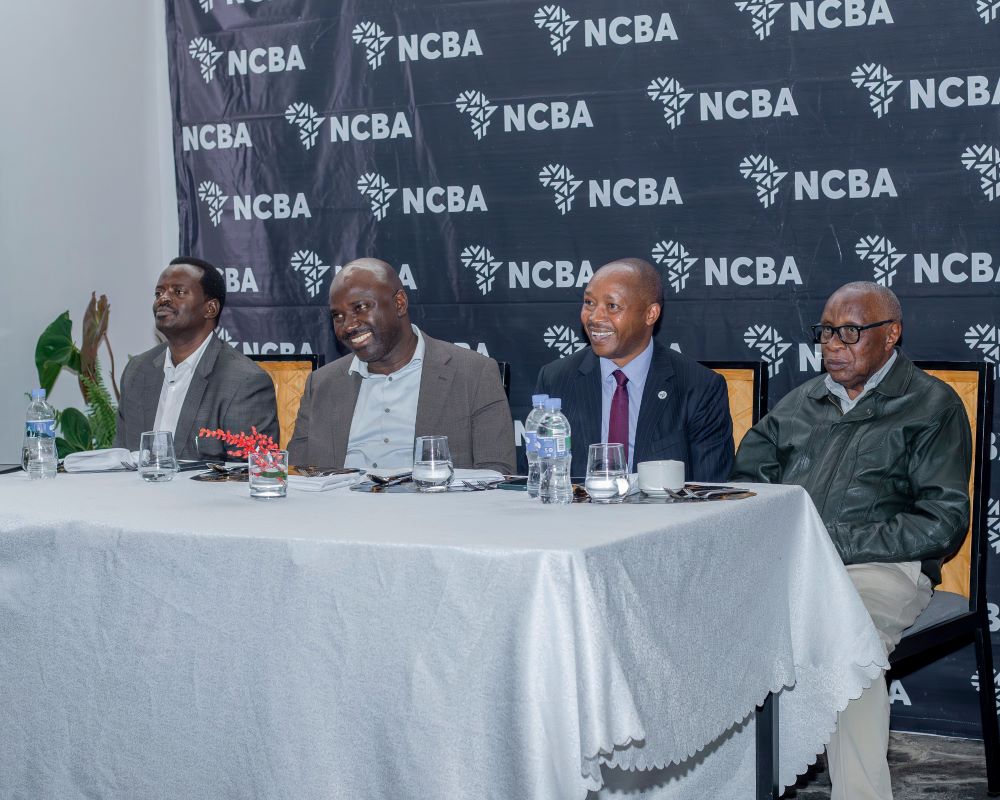
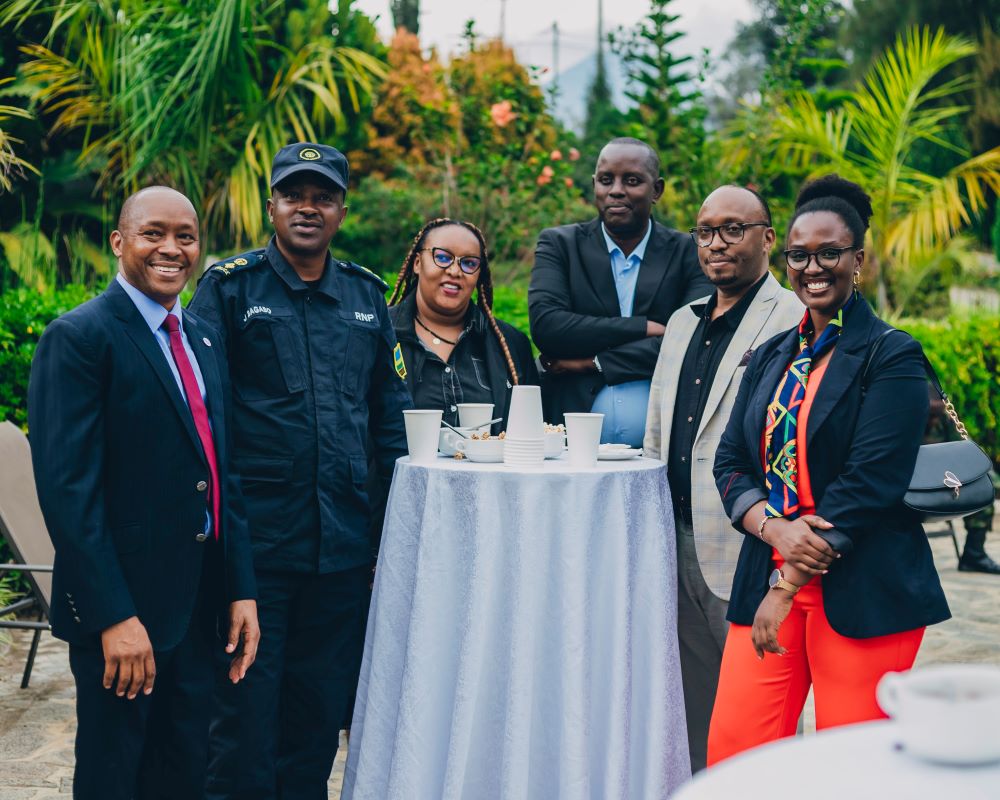
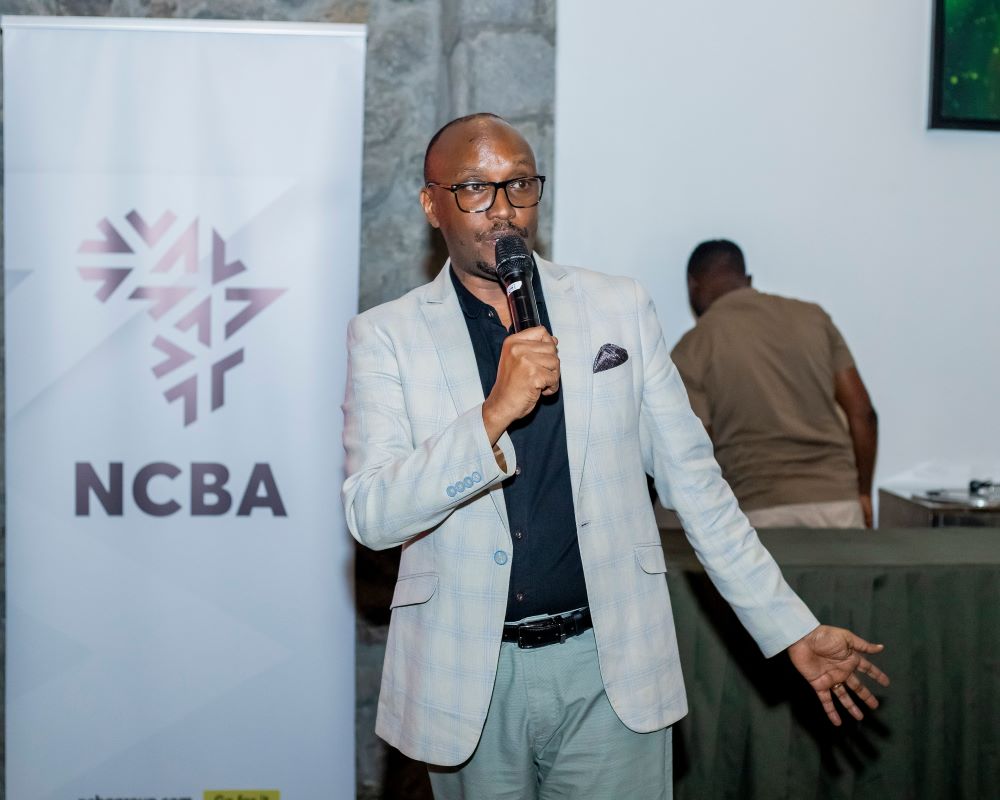
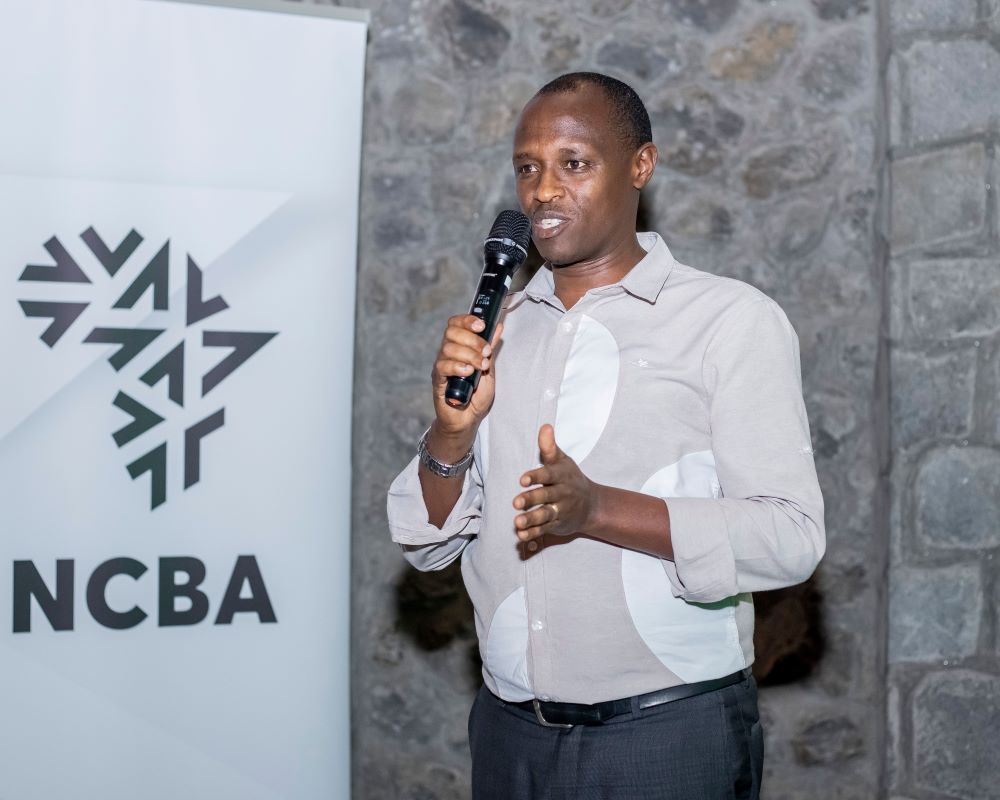
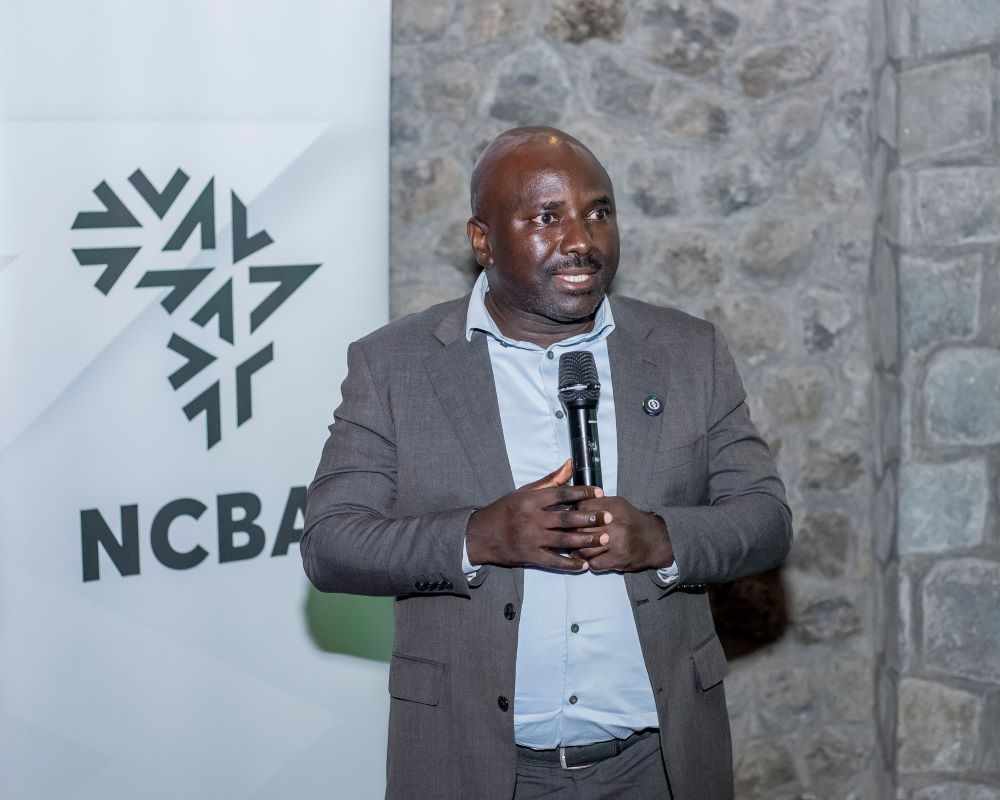
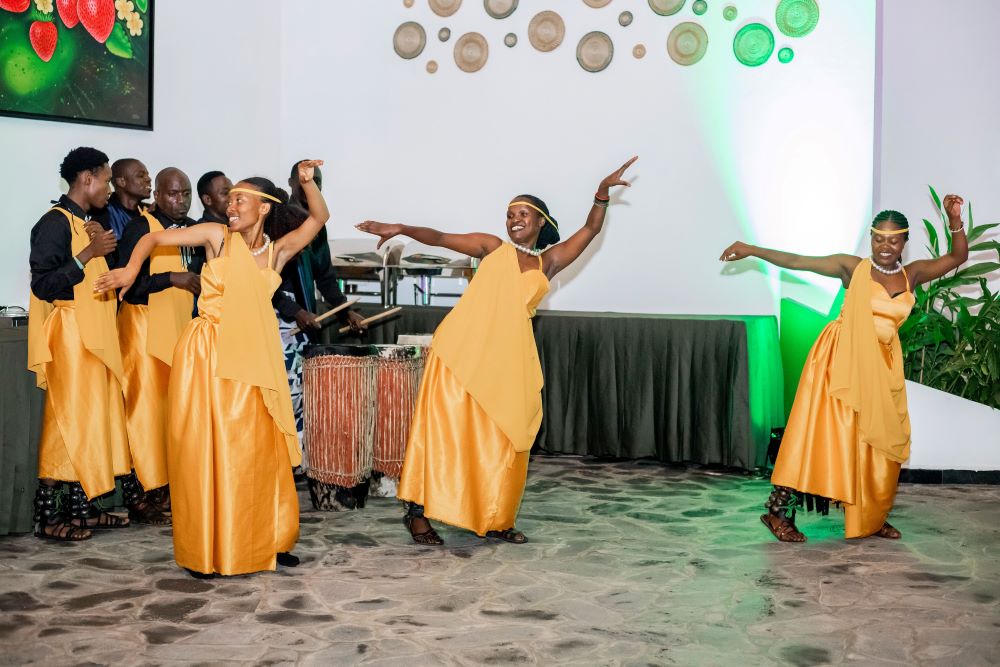
The commitment was underscored during a high-level customer engagement forum hosted by NCBA in Musanze, which brought together senior government officials, provincial leadership, business owners, investors, faith leaders, and entrepreneurs from across the Northern Province.
Held at Grotta Resort, the engagement served both as a platform for dialogue and a reaffirmation of partnership as Musanze continues to emerge as one of Rwanda’s most dynamic growth centers.
The Governor of the Northern Province, Maurice Mugabowagahunde, graced the event and expressed appreciation for NCBA’s continued collaboration.
“In Musanze, we are proud to be the heart of the country’s tourism economy, but we have even bolder ambitions to become a commercial hub that attracts investment in real estate, trade, and hospitality. Partnering with NCBA will enable entrepreneurs to invest in new infrastructure while supporting implementation of our master plan, ultimately driving economic growth across the region,” he noted.
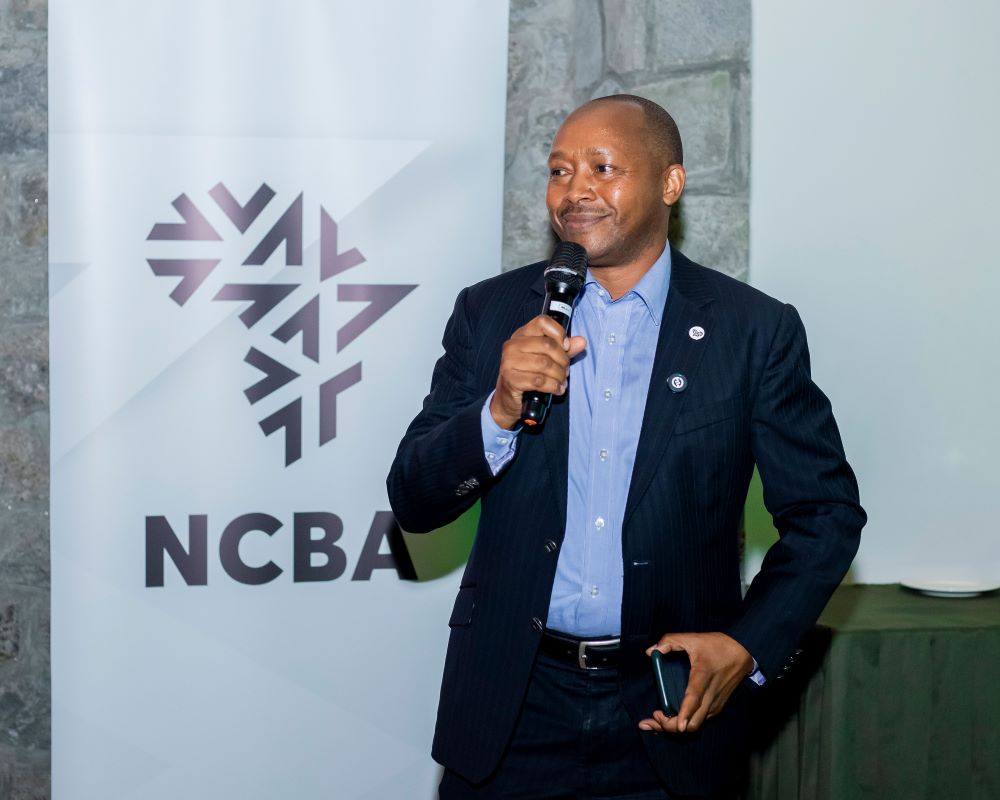
Addressing stakeholders during the engagement, Maurice Toroitich, Managing Director of NCBA Bank Rwanda, emphasized the bank’s role in aligning financing solutions with regional development priorities.
“NCBA’s role is to align financing solutions with Musanze’s development ambitions. We are here to reaffirm our readiness to support Musanze in scaling both rapidly and responsibly while contributing to Rwanda’s broader economic vision,” he said.
Within three years of operations in Musanze, NCBA has deepened relationships with customers and local institutions. The bank currently finances developers investing in hospitality infrastructure, SMEs expanding operations, contractors driving construction activity, and entrepreneurs building businesses that sustain the local economy.
Musanze’s growth reflects Rwanda’s broader national vision of balanced regional development, where secondary cities evolve into sustainable economic centers supported by investment, infrastructure, and enterprise.
As the city’s skyline continues to rise, and its economic potential expands, NCBA reiterated its commitment to working alongside government, investors, and communities to ensure the city’s growth remains structured, inclusive, and sustainable. The evening concluded with renewed partnership among stakeholders united by a shared vision for Musanze’s continued progress.
Connecting Musanze to regional opportunity
As part of a regional banking group operating across five African markets and serving over 60 million customers, NCBA encouraged entrepreneurs in Musanze to extend their ambitions beyond geographic boundaries.
The Bank’s Head of Business, Samuel Nkubito, highlighted NCBA’s strengthened regional trade and advisory capabilities, positioning Musanze-based enterprises to access cross-border trade opportunities and investment linkages across East and West Africa.
The engagement also provided an opportunity for NCBA leadership to reassure clients of ongoing investments aimed at improving service delivery and digital banking performance.
As businesses increasingly rely on digital transactions and real-time liquidity management, the bank confirmed that enhanced mobile and corporate internet banking platforms will soon be introduced to strengthen reliability, efficiency, and overall customer experience.
The open forum allowed customers to directly share feedback with senior leadership, reinforcing transparency, trust, and relationships built since the establishment of the Musanze branch. Mobile Money–to–Bank integration remains a strategic priority, particularly for SMEs and traders whose daily operations depend on seamless digital payments. NCBA confirmed continued collaboration with ecosystem partners to improve performance and stability across these critical transaction channels.
NCBA Bank Rwanda is a subsidiary of NCBA Group, a regional banking group providing a broad range of financial products and services to corporate, institutional, SME, and consumer banking customers.
NCBA Group operates 115 branches across five countries; Kenya, Uganda, Tanzania, Rwanda, and Côte d’Ivoire, serving over 60 million customers and ranking among Africa’s largest banking groups by customer numbers.
In Rwanda, NCBA operates branches in Kigali, Musanze, Nyagatare, Rubavu, Kayonza, and Rusizi. Through its partnership with MTN Mobile Money Rwanda Ltd on MoKash, NCBA has reached over 6 million customers, making it the country’s largest retail digital bank and a key catalyst for financial inclusion.
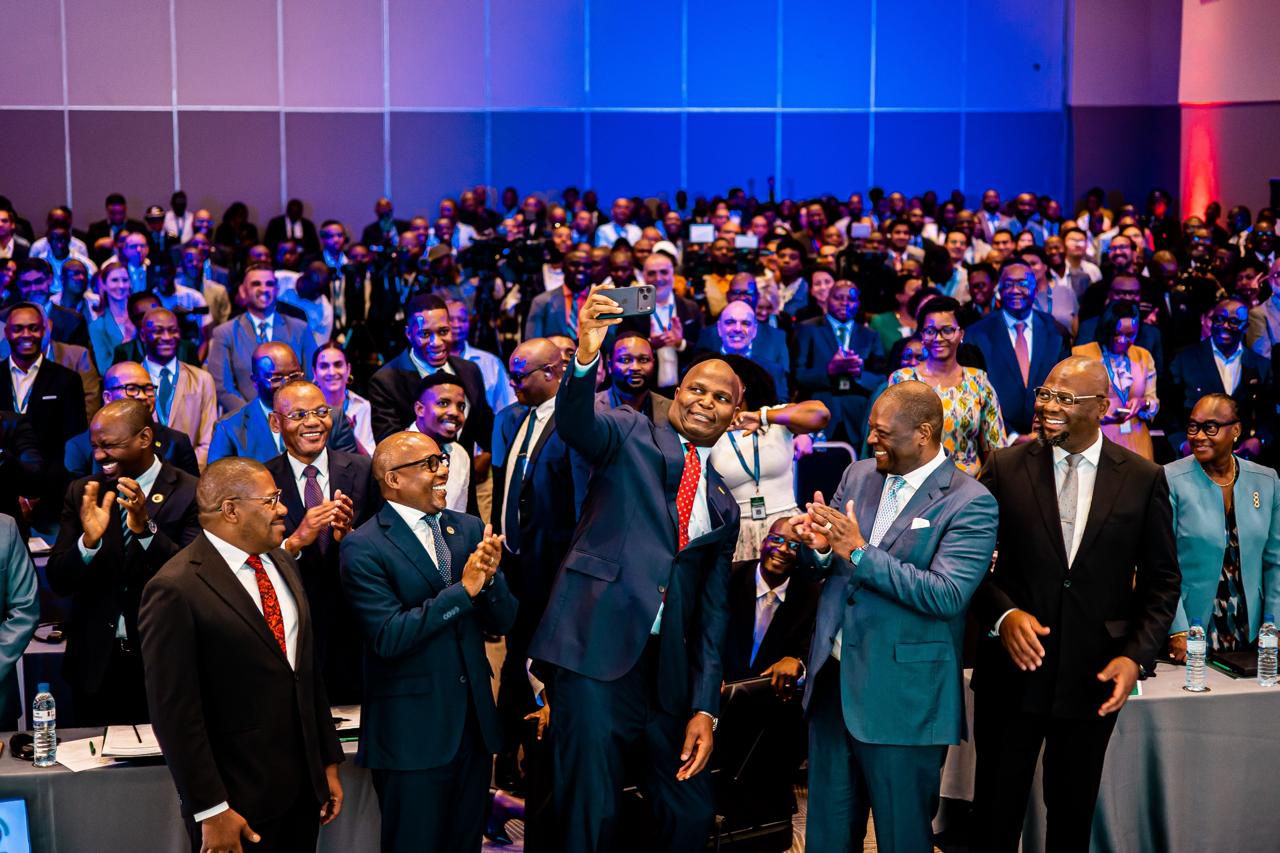
Maurice Toroitich, Managing Director of NCBA Bank Rwanda, emphasized the bank’s role in aligning financing solutions with regional development priorities. The engagement also provided an opportunity for NCBA leadership to reassure clients of ongoing investments.The open forum allowed customers to directly share feedback with senior leadership.The Bank’s Head of Business, Samuel Nkubito, highlighted NCBA’s strengthened regional trade and advisory capabilities.The Governor of the Northern Province, Maurice Mugabowagahunde, graced the event and expressed appreciation for NCBA’s continued collaboration.
Mozambique is among countries in the Southern African region looking to benchmark with nations like Rwanda, which has successfully rolled out an e-government portal handling over 100 government services, making service delivery to citizens easier, more convenient, and paperless.
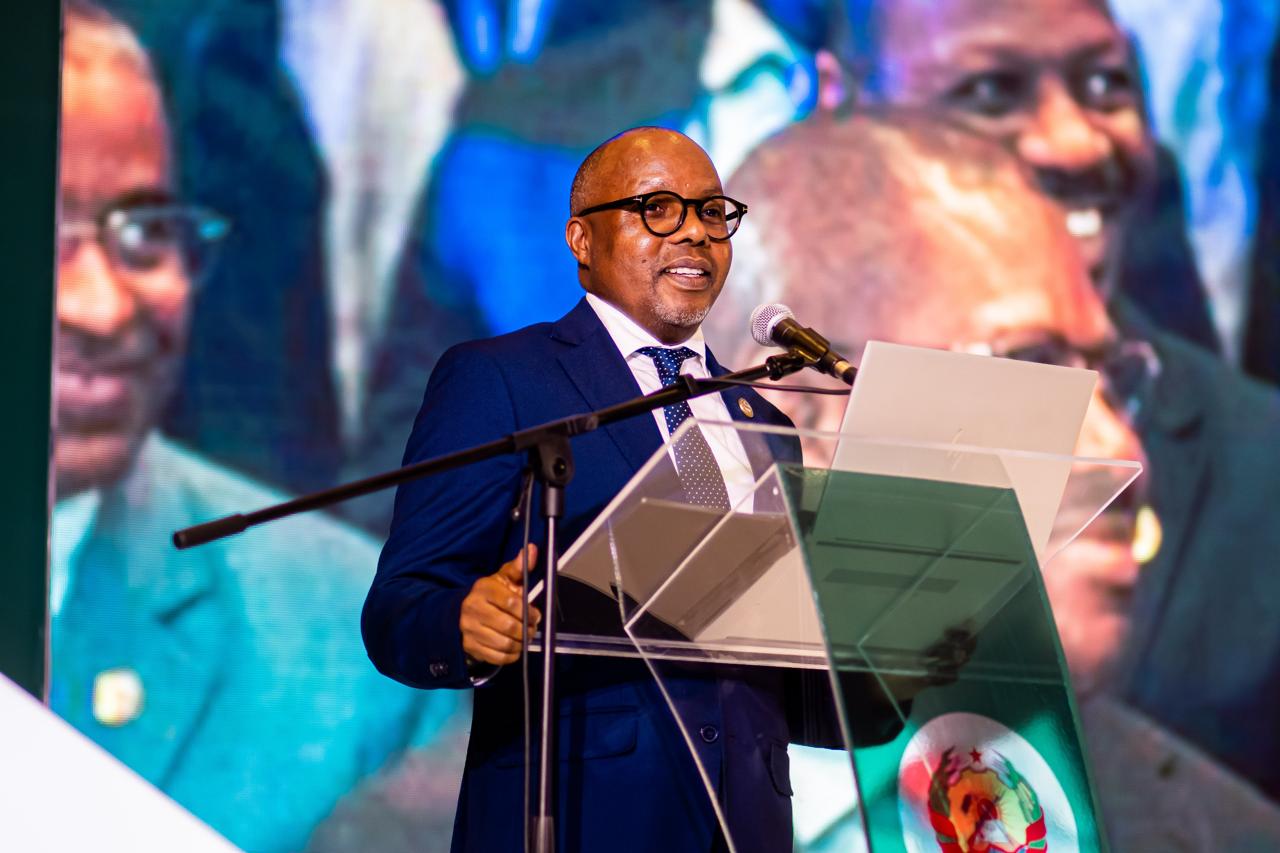
Speaking after the First National Conference on Digital Transformation, Américo Muchanga, Minister of Communications and Digital Transformation, said the government is learning from other countries’ experiences to overcome challenges and deliver high-quality digital services.
“We want to move at the same pace as those ahead, learning from those who have done it already, learning from the challenges they faced and how they overcame them to bring about the same level of services that you can find in those countries,” the minister said.
He acknowledged that the path ahead will not be easy but emphasised that Mozambique is prepared to combine political will, digital infrastructure, and private-sector involvement to make the transformation a reality.
The minister also outlined opportunities for investors and companies, saying, “Mozambique is open for business. All our tenders for digital systems and infrastructure are international. We invite companies in the technology sector to look to Mozambique as a place to invest and deliver the services we need as a nation.”
Mozambique’s digital agenda includes the creation of a Multi-Sector Technical Commission to develop a national roadmap for integrating public services. The government aims to enable citizens and businesses to access services such as identity documentation, licensing, tax payments, and business registration through interoperable platforms and a central Citizen Portal, reducing bureaucratic delays and improving transparency.
Muchanga highlighted the role of technology in disaster management, noting Mozambique’s recent floods and cyclones.
“We are using telecommunication networks to send messages to people in affected areas, and we employ drones to assess damage and locate stranded citizens. Technology has a crucial role in saving lives and building resilient communities,” he said.
As Mozambique advances its digital transformation agenda, the government hopes that partnerships with regional and international technology players will accelerate the rollout of integrated public services, strengthen resilience to natural disasters, and bring the country closer to its goal of building a seamless, citizen-centred digital state.
Mozambique’s President, Daniel Francisco Chapo, has framed digitalisation as a governance reform rather than a purely technological upgrade.
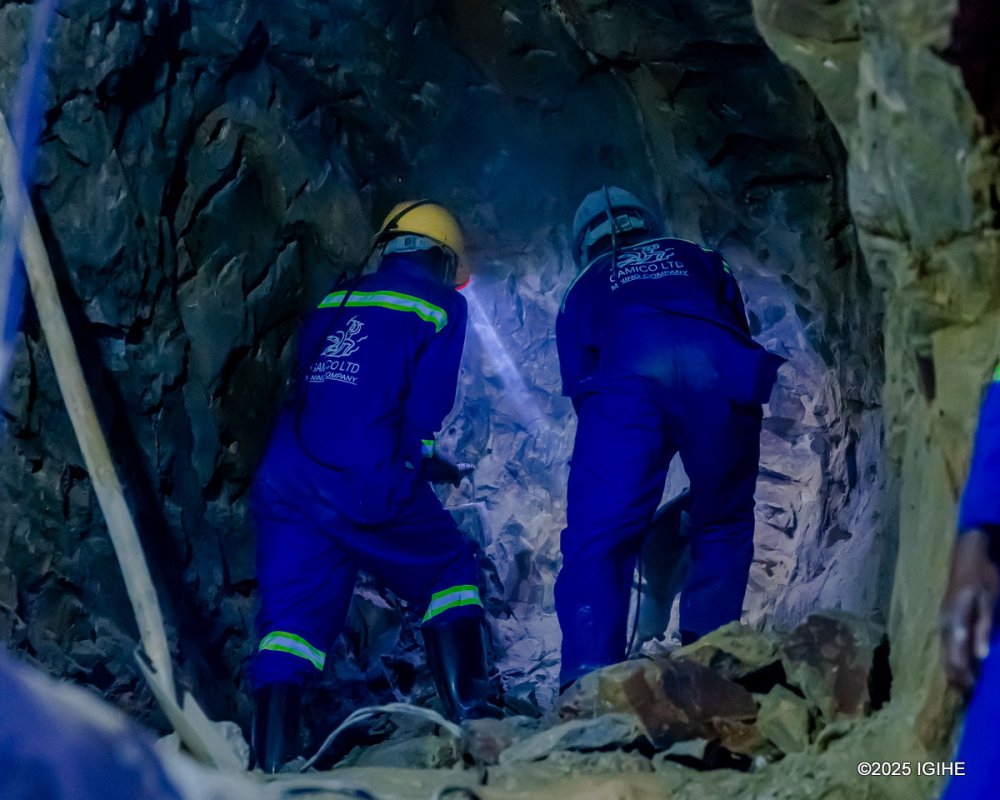
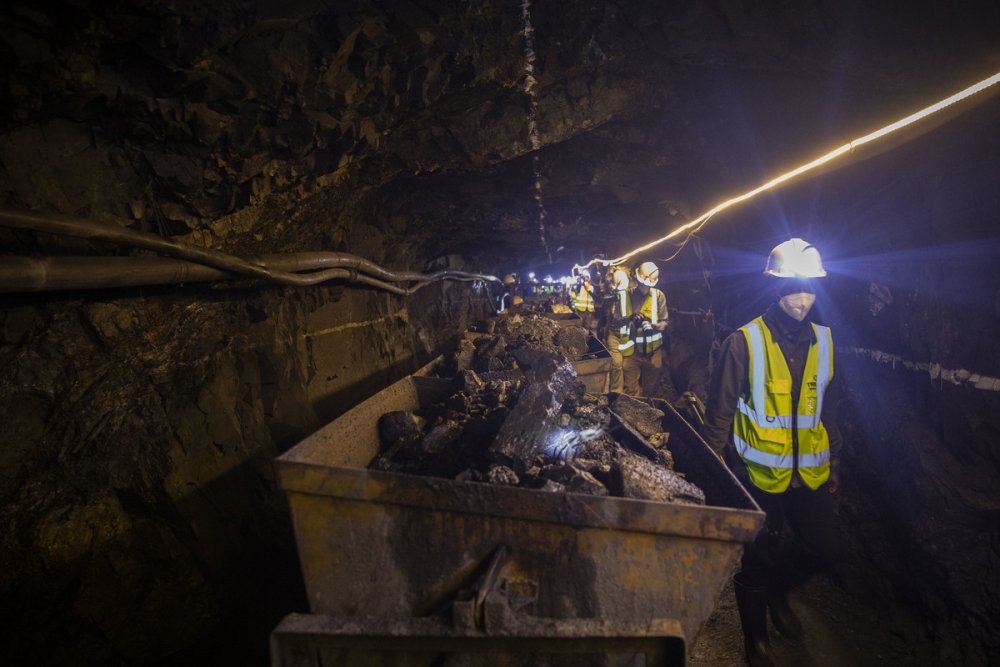
In mid-2025, at least 73 applications were received for 10 mining blocks, underscoring growing enthusiasm for the country’s mineral resources.
The new blocks are available for field visits from February 16 to 20, 2026. Interested investors must submit signed applications by March 3 through the Rwanda Mines, Petroleum and Gas Board (RMB).
“From our previous experience, competition was intense. We hope to see even more investors this time,” said Alice Uwase, CEO of RMB.
The newly available blocks include Bihembe, Rubiha, Musenyi, Nyamyumba–Kivumu, Shyorongi & Binyeri, Kanama, Minazi, Bushekeri–Rangiro, and Kabagari–Kinihira. Four of the blocks have been explored previously and are considered highly promising, targeting tin, tantalum, tungsten, beryllium, and lithium. Four others are earmarked for fresh exploration focusing on the 3Ts, while two blocks are dedicated to gemstones, including sapphires.
RMB emphasised that technical expertise and local capacity remain key for successful bids.
“Finances alone are not enough—you need the right people and equipment on the ground. This is what we assess first,” Uwase said, urging investors to consider joint ventures to strengthen compliance and operational capacity.
Each block offers unique opportunities: Binyeri and Musenyi show strong potential for lithium, beryllium, cassiterite, and columbite-tantalite. Rubiha and Minazi are rich in tin and tantalum, with Minazi also featuring gemstones and gold.
Shyorongi and Bihembe are linked to rare metals, including niobium and tungsten, while Bushekeri–Rangiro and Kanama are focused on gemstones such as sapphire, ruby, and tourmaline.
By promoting exploration and investment in these new blocks, Rwanda aims to attract a broader pool of investors, foster technical partnerships, and accelerate growth in its mining sector, moving closer to its goals for increased mineral production and export revenue.
In mid-2025, at least 73 applications were received for 10 mining blocks, underscoring growing enthusiasm for the country’s mineral resources.
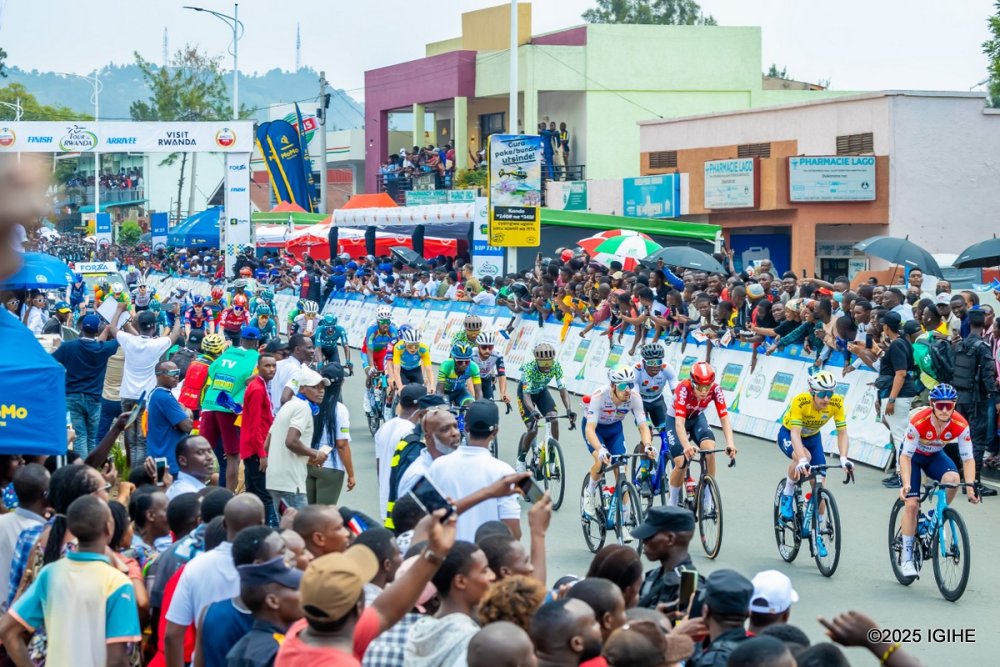
Over the years, BRALIRWA’s involvement in Tour du Rwanda has evolved beyond sponsorship, becoming an integral part of the race’s identity and fan experience.
For the 2026 edition, scheduled to take place from February 22 to March 1, the leading beverage company will participate through its premium beer brand Amstel, which has long been a Gold Sponsor of the race for several consecutive years.
Celebrating performance and authenticity
At the heart of BRALIRWA’s Tour du Rwanda engagement is Amstel 100% PURE MALT, a brand whose values of authenticity, craftsmanship, and consistency align naturally with the discipline and endurance of professional cycling.
As part of its sponsorship, Amstel will once again award the daily stage winners, a tradition that has become a defining moment of each racing day, celebrating excellence, resilience, and achievement on Rwanda’s demanding routes.
Beyond the competitive aspect, BRALIRWA continues to elevate the Tour du Rwanda experience for fans by hosting After-Race Experiences at stage finishes. These moments bring spectators together to celebrate the day’s racing, reinforcing Tour du Rwanda as not just a sporting competition, but a shared national celebration.
Bringing fans closer
In line with its commitment to shared moments and friendship, BRALIRWA, through Amstel, will actively participate in the Tour du Rwanda Social Ride, a unique experience allowing cycling enthusiasts to ride selected race routes ahead of the professional peloton.
The Social Rides will take place on February 26 and March 1, 2026, with participants standing a chance to win exciting rewards. Across the two rides, four sports bicycles—two per ride—will be given away, alongside branded goodies and prizes, making the experience both inclusive and rewarding for cycling fans across the country.
BRALIRWA’s presence will further extend to the Tour du Rwanda Festivals, which will be hosted in four locations nationwide, including: Kigali, Huye, Rubavu, and Musanze.
At each festival stop, Amstel will add to the excitement by giving away one sports bicycle per festival, reinforcing its support for grassroots cycling enthusiasm while celebrating the diverse communities that make Tour du Rwanda a truly national event.
Responsible celebration at the core
As a leading beverage company, BRALIRWA has stated that all Amstel activities during the upcoming Tour du Rwanda 2026 will follow regulatory requirements and responsible drinking guidelines.
Alcoholic beverages will not be sold to persons under 18 or to pregnant women. The company also emphasizes the messages “Drink Responsibly” and “Don’t Drink and Drive,” highlighting its commitment to public safety and responsible consumption.
BRALIRWA’s partnership with Tour du Rwanda continues to blend world-class cycling, fan engagement, and responsible brand leadership, cementing Tour du Rwanda as a celebration that extends far beyond the race itself.
As part of its sponsorship, Amstel will once again award the daily stage winners. BRALIRWA, through Amstel, will actively participate in the Tour du Rwanda Social Ride, a unique experience allowing cycling enthusiasts to ride selected race routes ahead of the professional peloton.
Launched on the sidelines of the 39th AU Summit in Addis Ababa on Thursday, February 12, the platforms, BiasharaLink and Deal House, seek to close what officials described as Africa’s long-standing “execution gap,” where trade opportunities are identified but rarely converted into completed transactions.
The initiative, spearheaded by Kenya’s Ministry of Foreign and Diaspora Affairs in partnership with Real Sources Africa and Equity Group Holdings, positions diplomatic missions as structured commercial pipelines rather than traditional liaison offices.
{{Turning diplomacy into delivery
}}
Speaking at the launch, Kenya’s Prime Cabinet Secretary and Foreign Affairs Minister, Musalia Mudavadi, said the platforms introduce a new model of economic diplomacy anchored in systems, accountability and measurable outcomes.
“BiasharaLink and Deal House represent a new model of economic diplomacy; one that is results-oriented,” Mudavadi said. “It provides a common platform for capturing and organising opportunity. It connects opportunity to execution. Together, the platforms turn diplomacy into delivery.”
Mudavadi noted that while Africa has made significant progress in negotiating trade frameworks, including the AfCFTA, traders and investors still face stalled transactions, fragmented information and weak follow-through.
“This is not a question of political will or commitment,” he said. “It is a failure of systems.”
The new platforms aim to institutionalise how embassies capture, track and convert trade and investment leads, ensuring continuity beyond individual diplomatic postings and creating a structured pipeline from inquiry to execution.
{{Closing the trade execution gap
}}
According to Real Sources Africa founder and CEO, Felix Chege, Kenyan embassies collect an average of 3,500 trade inquiries per month, yet fewer than one percent historically translate into closed deals.
“Our embassies are centres of trust,” Chege said. “But they lacked the infrastructure to transmit inquiries to the right businesses and execute them efficiently.”
BiasharaLink functions as the intake and structuring layer, enabling diplomatic missions, exporters and investors to digitally capture, validate and monitor trade leads. It distinguishes between exploratory inquiries and transaction-ready buyers, supported by due diligence processes and “deal stewards” trained to guide transactions.
Deal House serves as the execution engine, where validated opportunities are matched with counterparties, supported with documentation, and connected to payment and financing solutions. The system integrates escrow mechanisms and trade finance tools to reduce risk for both buyers and sellers.
Chege described the model as “capture, validate and close,” adding that the goal is to build a continental infrastructure leveraging embassy credibility to drive trade, investment and financing.
{{Finance as the lubrication layer
}}
James Mwangi, Group CEO of Equity Group Holdings, framed the initiative as a bridge between policy ambition and commercial reality.
“For years, Africa has had policy frameworks without flow of goods and services,” Mwangi said. “What we are witnessing is a partnership between government and private sector to create an infrastructure that enables people to walk, ride and drive on a trade superhighway.”
He described the platform as “visa-free,” compressing time and distance by connecting buyers and sellers digitally, while reducing reliance on costly physical travel and fragmented networks.
Equity will provide the financing layer, including trade finance, guarantees and payment solutions, to ensure that structured deals become bankable transactions.
“It’s not enough to have a pipeline,” Mwangi said. “You must lubricate the platform by having finance accessible.”
He added that the platform creates equal access for SMEs, women and youth entrepreneurs, reducing gatekeeping and embedding trust through government-backed verification via diplomatic missions.
{{AfCFTA enters implementation phase
}}
The launch comes as the AfCFTA Secretariat prepares for the adoption of remaining legal instruments under the trade pact.
AfCFTA Secretary-General Wamkele Mene said the agreement now provides the regulatory certainty needed to unlock intra-African trade, but warned that execution remains the central challenge.
“In a world moving toward fragmentation and protectionism, Africa is moving in the opposite direction,” Mene said. “We have no alternative but to succeed; we have to build a very strong domestic market.”
He highlighted the AfCFTA’s protocols on digital trade and on women and youth in trade as forward-looking instruments that align with Kenya’s digital approach.
With a market of 1.4 billion people and a combined GDP of $3.4 trillion, Mene said the opportunity is unprecedented, but only if SMEs and young entrepreneurs can access structured trade systems.
The initiative has also received backing from development partners supporting AfCFTA implementation. Mathias Kamp, Regional Director of Konrad-Adenauer-Stiftung, said the launch marks a critical step toward unlocking the bloc’s trade potential.
“The AfCFTA needs to move to the next level. Five years on, the potential remains untapped. I’m convinced that what we are launching today will be a significant step forward in unlocking trade,” he said.
{{From diplomatic hubs to economic hubs
}}
Kenya’s government says the initiative forms part of a broader shift in its foreign policy, which now prioritises commercial diplomacy and diaspora investment.
Mudavadi noted that Kenya recently secured parliamentary endorsement of its updated foreign policy framework, reinforcing predictability and credibility in its external engagements.
“Our diplomatic missions are among Africa’s most valuable assets. They are trusted institutions that already facilitate trade and investment, but today’s economy requires structured pipelines, reliable data, verified partners, and access to finance,” he said.
Officials stressed that while the system begins with Kenya’s 70 diplomatic missions, its ambition is continental, with an invitation extended to other African countries to adopt or integrate into the model.
“The success of this initiative,” Mudavadi said, “will be measured in completed deals, jobs created and enterprises grown. Africa’s next chapter must be written in performance, not promises.”
The budget cut follows the government’s securing of cheaper concessional and domestic financing for major projects, including Kigali’s new international airport, reducing the funding requirement by Rwf 168.2 billion.
Minister Murangwa said external financing is expected to increase by Rwf 250.5 billion, mainly from grants and concessional loans, while projected tax and other domestic revenues have been revised upward by Rwf 41 billion, signalling confidence in Rwanda’s growing economy.
The recurrent budget has been revised downward by Rwf 198 billion to Rwf 4,114.9 billion. This adjustment, the minister said, reflects changes in public debt servicing, subsidies, and expenditures on goods and services.
At the same time, investment in capital and development projects has been increased by Rwf 253.2 billion, reaching Rwf 2,115.8 billion.
The revised budget has been submitted to Parliament, which approved it for detailed review by the Finance Committee before final adoption.
It also emphasized its ability to meet larger financing needs through partnerships with other Bank of Africa subsidiaries across Africa, as part of the broader BMCE Group.
The event drew leaders from various institutions, including Morocco’s Ambassador to Rwanda, Youssef Imani. Jean Havugimana, the Executive Head of Business at Bank of Africa Rwanda, described the past decade as one of steady growth and client trust.
“The past 10 years in Rwanda have been very positive and marked by growth, culminating in the inauguration of our headquarters,” he said.
“More importantly, the trust our clients and shareholders have placed in us confirms that Rwanda is a place where we can build profitable business while contributing to national development.”
He attributed this progress to the bank’s responsiveness to client needs and robust lending capabilities.
“In Rwanda, we can provide loans of up to Rwf 6 billion at once. More broadly, there is no financing level beyond our reach, as we are part of the BMCE Group, which includes around 20 Bank of Africa subsidiaries that can pool their capacity,” Havugimana explained.
Looking forward, he outlined priorities for the next decade: accelerating service delivery, deepening client partnerships, expanding engagement with the Rwandan diaspora, and supporting private sector growth.
Managing Director Serge Atikossie emphasized the institution’s evolution. “Through the dedication of our teams, professionalism, and accountability, we have built more than a bank, we have built a trusted institution,” he said. “Today’s inauguration is not just about a building; it represents modernization and confidence in the future.”
National Bank of Rwanda (BNR) Deputy Governor Nick Barigye praised the bank’s trajectory.
“As BNR, we view its journey as a positive example of how a financial institution can perform strongly in the market while strengthening our financial sector,” he said. “Banks in Rwanda do more than provide financial services; they support investment, job creation, and broader national economic transformation.”
Barigye urged the bank to further prioritize support for small and medium-sized enterprises (SMEs), advance financial inclusion, and invest in technology, key areas aligned with Rwanda’s development goals.
Businessman Eugène Higiro, a client for five years, shared his positive experience. The bank has provided him with loans exceeding Rwf 1.4 billion.
“Bank of Africa understands that in business, speed matters,” he said. “Their loan processing is fast, you receive financing and can immediately move forward with your projects.”
Bank of Africa Rwanda began operations in 2015 following its merger with the former microfinance institution Agaseke Bank.
Today, it serves over 25,000 clients through 14 branches nationwide (including eight in Kigali) and has disbursed loans totaling more than Rwf 80 billion across various sectors.
As part of the BMCE Group, Bank of Africa operates in 20 countries, primarily across Africa, with additional presence in Asia and France.
Data from the National Agricultural Export Development Board (NAEB) shows that coffee and tea remained the country’s top foreign exchange earners during the week, contributing significantly to the overall export revenues.
Coffee exports reached 650 metric tons, generating $3,992,824, maintaining its position as Rwanda’s leading agricultural export. Tea followed closely, with 958 metric tons exported and revenues amounting to $2,800,793.
Diversified agricultural products accounted for the largest export volume during the period, with 6,732 metric tons shipped abroad, generating $4,288,813. Key destinations included the United States of America, Oman, as well as cross-border and other African markets.
The horticulture subsector also recorded notable performance. Vegetable exports totalled 363 metric tons, earning $390,539, with major markets including Great Britain, the Netherlands, India, Canada, Germany, France, and regional African countries. Fruit exports reached 267 metric tons, generating $311,860, mainly destined for the United Arab Emirates, Great Britain, Canada, and regional markets.
Flower exports, though smaller in volume at 59 metric tons, generated $614,925, reflecting strong demand in the Netherlands and the United Kingdom.
Animal products contributed $676,440 from 364 metric tons exported, with the United Arab Emirates and cross-border markets serving as key destinations.
Of this sponsorship, KShs. 100 million will go directly to the Safari Rally Kenya, while KShs. 28.5 million will be spent on the 5 KCB-sponsored; Karan Patel, Nikhil Sachania, Tinashe Gatimu, Queen Kalimpinya from Rwanda, and Uganda’s Oscar Ntambi. The rest of the funds will be spent on activations and marketing.
This brings to the total KShs. 980 million, the amount of money the Bank has given towards the global showpiece since its return to Kenyan soil in 2021 after a 19-year absence.
While presenting the sponsorship cheque to the Sports Principal Secretary, Elijah Mwangi Tuesday morning, KCB Group CEO Paul Russo said: “Our sponsorship demonstrates our commitment to driving sustainable impact, supporting local talent, and stimulating economic activity across tourism, trade, and enterprise among other sectors.”
“We are looking at continually building on our experience and scale in sports sponsorships across East Africa to further support talent for global, regional and in-country competitions across disciplines.”
KCB, a synonymous name in sports, has played a pivotal role in elevating the sports landscape in the country. In the past two decades, the Bank has spent over KShs. 5 billion on various sports disciplines, including motorsports, rugby, chess, volleyball, football, golf, and athletics. For motorsports specifically, the Bank has invested over KShs. 2 billion while also giving local drivers an opportunity to participate in local, regional, and international events.
The rally will cover a total competitive distance of 350.02 kilometers, supported by a liaison distance of 842.9 kilometers, in line with FIA requirements.
The four-day event will be based in Naivasha, a move designed to meet the FIA 2026 sporting regulations on distances and crew working hours, moving away from the usual ceremonial flag off in Nairobi.
On Thursday, March 12, there will be a shakedown at the newly introduced Nawisa stage. This will be followed by a ceremonial flag off before the cars pass Camp Moran and Mzabibu stages.
On Friday, March 13, cars will pass Camp Moran, Loldia, Geothermal, and Kedong. On Sunday, March 14, action will head to Soysambu, Elementaita, and Sleeping Warrior, before concluding with an autograph signing at Mzabibu.
Sunday, March 15, marks an electric day of action as cars rev off from Oserengoni, Hell’s Gate, before passing the Wolf Power Stage in the afternoon, culminating in the prize-giving ceremony.
“KCB’s sustained investment has helped grow local talent, attract global attention, and unlock opportunities for communities along the rally route. We commend the Bank for being a dependable partner in advancing sports development and youth empowerment in Kenya,” said PS Mwangi.
The Bank is committed to embedding sustainability at the heart of the rally, with an ambitious target of planting and growing 5,000 trees this year, in line with the government’s agenda to plant 15 billion trees by 2032.
Additionally, KCB will engage over 60 high schools in a curated green debate series that seeks to inspire and engage the younger generation, at the same time promoting environmental consciousness.
“The Safari Rally continues to grow as a global sporting spectacle, attracting fans and competitors from around the world. We are proud to showcase Kenya on the international motorsport stage and to inspire the next generation of local talent,” said Safari Rally Kenya CEO, Charles Gacheru.
This year, the rally is expected to attract 50 local and international teams, with top manufacturers such as Toyota, Hyundai, Škoda, and M-Sport Ford confirmed to compete.
The entry list features some of the sport’s biggest names, including Sebastien Ogier, Thierry Neuville, defending Safari Rally champion Elfyn Evans, and Grégoire Munster, among others.
Marking the third round of the season, the event remains the ultimate test of survival in the WRC, where the wildlife is as unpredictable as the weather, with a refined schedule that packs 20 special stages into four days.