At the ceremony, Secretary-General of Madagascar’s Ministry of Communication and Culture Miary Rasolofoarijaona expressed his deep gratitude for the organization of “this unprecedented festival,” held as part of activities celebrating the China-Africa Year of People-to-People Exchanges.
“The China Film Festival is a concrete illustration of the willingness to bring our hearts and minds closer together through the power of images and shared stories,” he said, adding that the festival will enable Malagasy audiences to discover the richness, modernity and depth of Chinese culture.
Chinese Ambassador to Madagascar Ji Ping said the continuous deepening of people-to-people and cultural exchanges between China and Africa carries paradigmatic significance that transcends the bilateral framework, especially in the current global context marked by divisions caused by geopolitical conflicts.
“Let us seize the opportunity of this film festival to make the cultures of our two countries shine on the global stage,” he said.
Zhang Xuxia, deputy director of the China Film Archive, said in a video address that the themes and styles of Chinese films have become increasingly diverse, while the unique charm of Malagasy films and other cultural works has been widely appreciated.
“We are convinced that Chinese and Malagasy filmmakers can inspire each other and generate new ideas, so that more works can be seen, understood and appreciated by audiences in both countries,” she said.
The 2026 China Film Festival, which runs until March 15 and features the screening of six Chinese films, is expected to strengthen mutual understanding between China and Madagascar, while promoting people-to-people and cultural exchanges between the two countries.
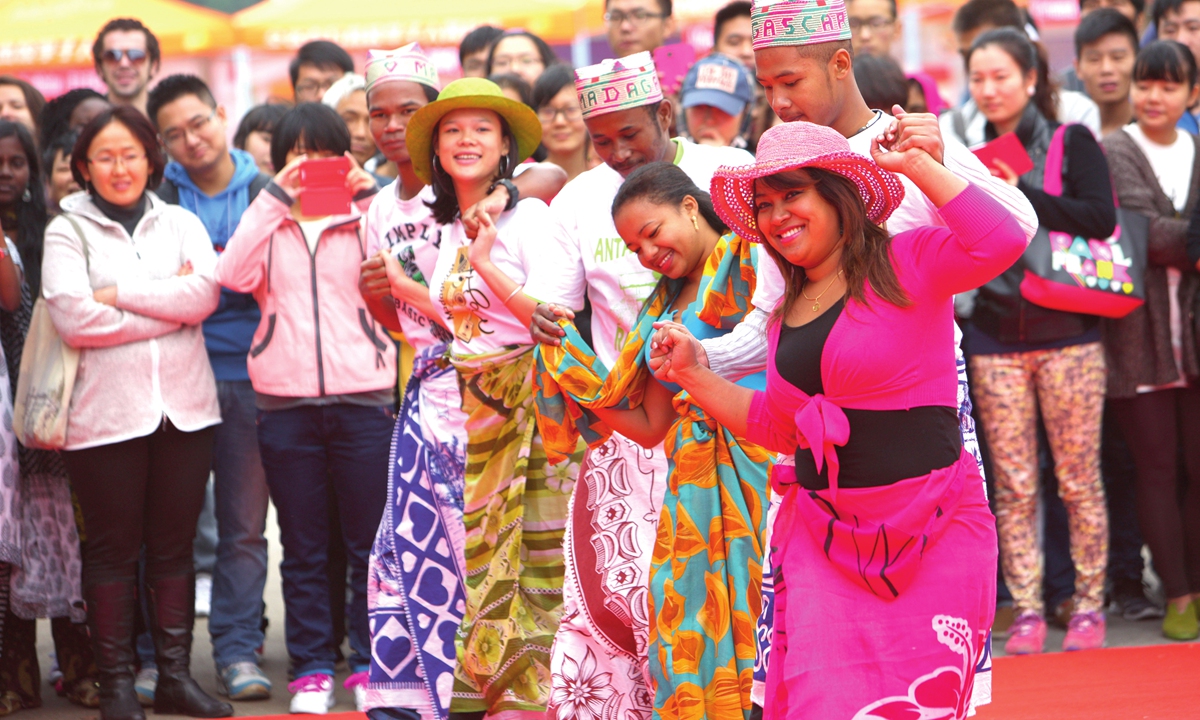
Students from Madagascar perform at a campus event in Ningbo, East China’s Zhejiang Province. File photo: VCG
Paul Ehorn recently announced the discovery of the ‘Lac La Belle’, a 217-foot luxury passenger steamer that sank during a storm in October 1872. The vessel had departed from Milwaukee heading to Grand Haven, Michigan, when it was damaged in a gale just two hours into its journey.
Eight of the 53 people on board died after a lifeboat capsized, while the remaining passengers survived.
The Great Lakes are known for their dangerous maritime history. Historians estimate that more than 6,000 shipwrecks have been documented in the region, most occurring between 1840 and 1900 when heavy traffic and severe weather often collided.
In Lake Michigan alone, about 1,500 ships are believed to have sunk. According to Brendon Baillod, president of the Wisconsin Underwater Archaeology Association, many vessels were pushed ashore by storms, while fewer, like the ‘Lac La Belle’, sank in deeper waters.
At the time of its operation, the ‘Lac La Belle’ was considered a high-quality and fast vessel, reportedly about 30 percent faster than other steamers.
It featured elegant passenger spaces including parlours and a main salon decorated with chandeliers. Alongside its passengers, the ship also transported cargo such as barley, flour, pork and whiskey along an important commercial route connected to Michigan’s railroad network.
Ehorn’s fascination with shipwrecks began at age 15 when he started scuba diving. Since 1965, he has helped locate 15 shipwrecks, including the automobile carrier Senator in 2005. His breakthrough in the search for the ‘Lac La Belle’ came in 2022 after fellow shipwreck hunter Ross Richardson uncovered a key clue. Using side-scan sonar, Ehorn detected the ship’s outline on the lakebed.
Two years later, divers documented the wreck, which remains in surprisingly good condition. Ehorn plans to share footage of the discovery at the 2026 Ghost Ships Festival in Manitowoc, Wisconsin in the United States, while continuing his lifelong search for other lost vessels.
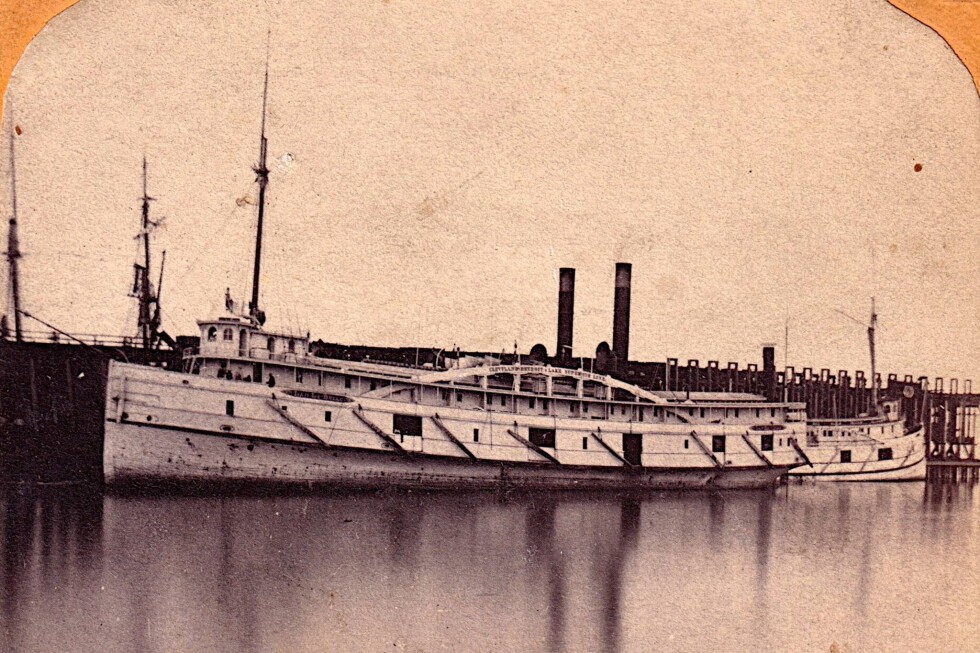
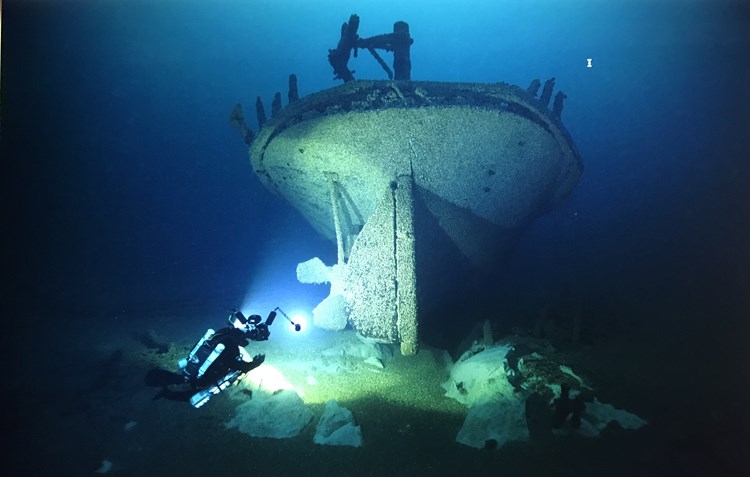
The stern of the Lac La Belle showing one of her propellers missing.This image of an original photo print provided by Brendon Baillod shows the Lac La Belle docked at Marquette, Mich., in 1866. (Brendon Baillod via AP)
Organised by BAD Hair Uprooted, a global initiative founded by Mireille Liong that promotes acceptance of natural hair and challenges Eurocentric beauty standards, the gathering will bring together participants for an evening of discussion and cultural reflection.
The event aims to encourage dialogue about the meaning of hair in shaping identity, confidence and cultural pride. Organisers say such conversations remain important in many societies where perceptions of beauty have historically been influenced by external standards.
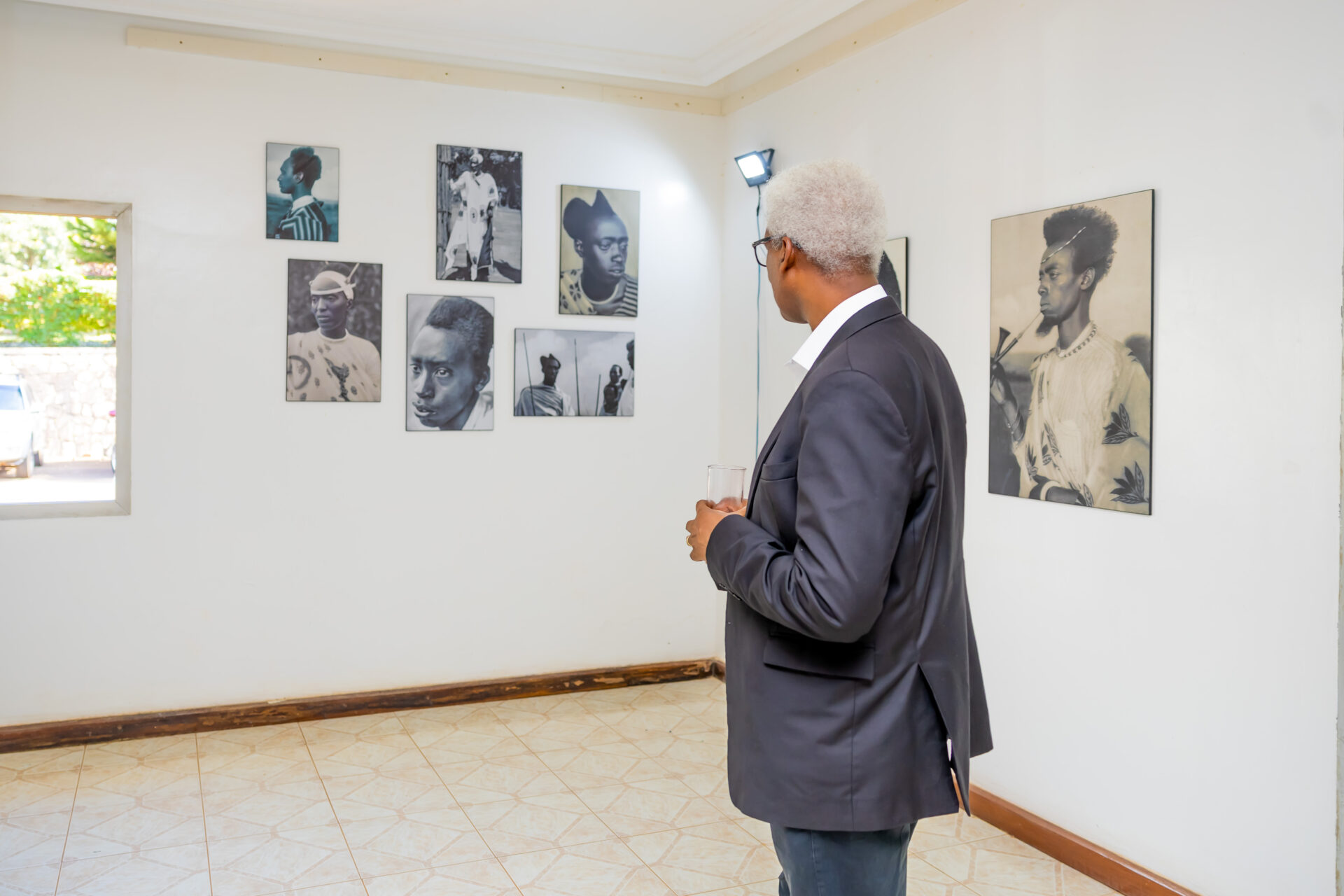
The dinner will also explore traditional African hairstyles and their cultural significance. In Rwanda, hairstyles such as Amasunzu once symbolised social status, creativity and beauty, reflecting a rich heritage of hair artistry that existed long before modern beauty norms.
Through discussions and cultural showcases, participants will examine how hair continues to play a role in shaping identity and self-expression.
The event will feature a three-course dinner and conversations centred on themes of pride, growth and choice, offering a space for reflection on how cultural traditions intersect with modern perspectives on beauty.
According to Liong, such discussions resonate beyond a single community and form part of a wider global conversation about identity and representation.
“Hair is often the first place where power touches the body,” she said. “When we allow hair to grow, we allow confidence to grow.”
Organisers say the gathering seeks to celebrate diversity in beauty while encouraging open dialogue about cultural identity across generations.
According to BBC, the five-minute film, launching on Thursday, was filmed on a rewilded farm at the Westacre Estate near King’s Lynn in Norfolk.
Written by Norfolk playwright Emma-Louise Howell, the script was created in collaboration with young farmers. It explores why people often talk about the weather but avoid discussions about climate change.
Howell said the farmers she spoke to are directly affected by shifting climates, adjusting daily to changes rather than seeing it as a distant concept.
The film features young Norfolk actor Hemi Grimsby, Ben Mansfield of Primeval, and Florence Wright from The Flash. Environmental group Climate Majority Project hopes it will help pupils and teachers speak “honestly and sensitively” about climate issues.
Howell described working with Sheen, known for Good Omens and The Twilight Saga, as a dream come true.
Director Harry Tomlin added that the Norfolk landscape provided the perfect backdrop, presenting the story through a child’s perspective in a gritty folk-horror style.
He said the film offers an accessible, engaging way to start climate conversations without feeling didactic or patronising.
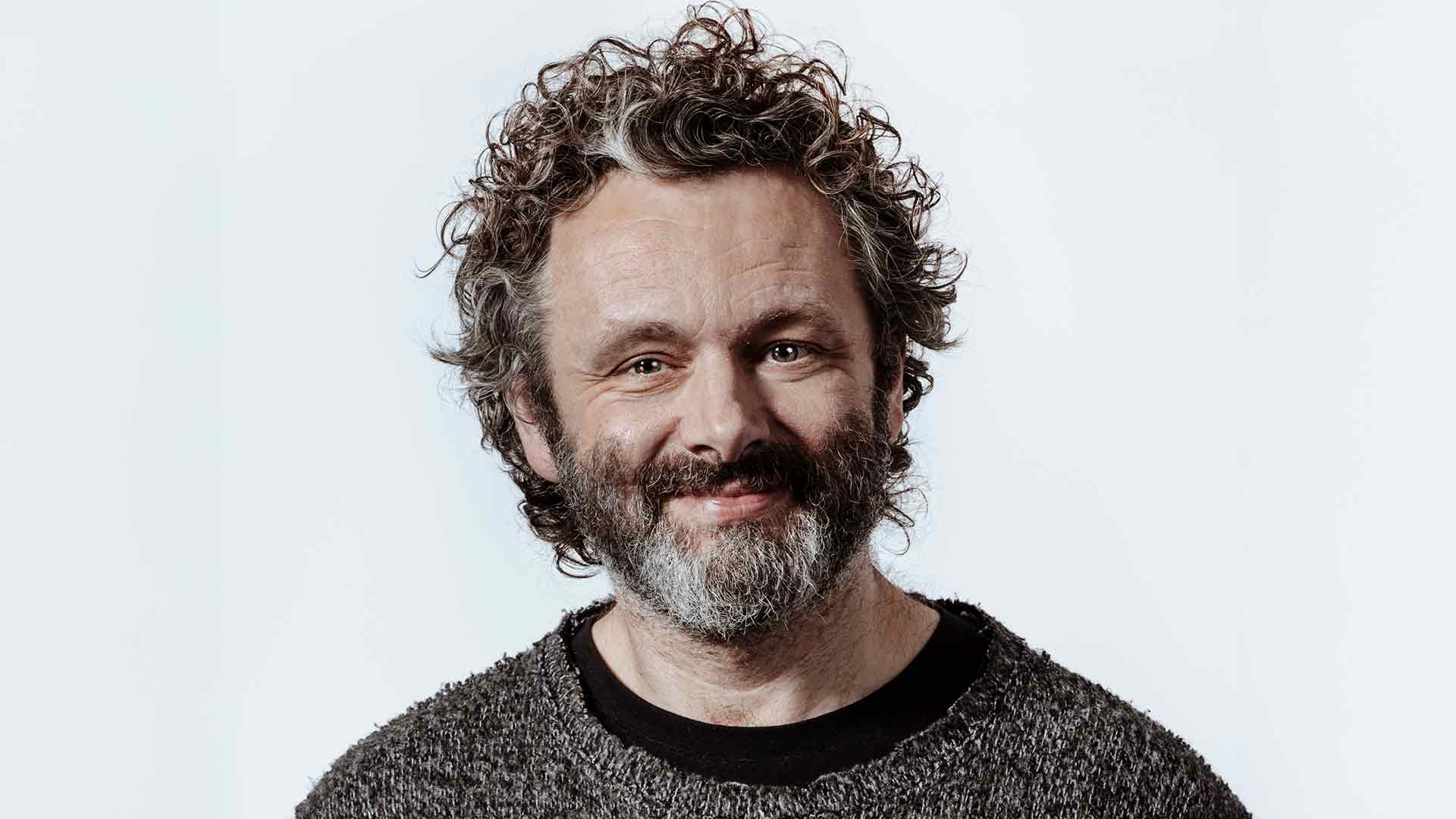
Renowned Actor born in Newport, Wales, Michael Sheen has narrated a new short film.
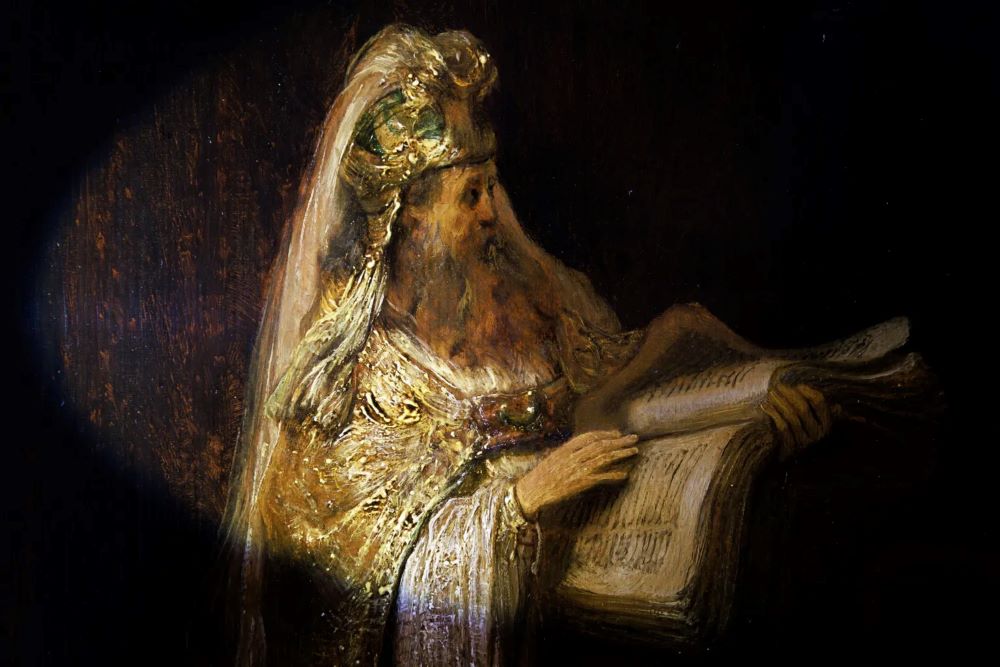
The work, Vision of Zacharias in the Temple (1633), disappeared from public view after being sold to a private collector in 1961. It had previously been excluded from a catalogue of Rembrandt’s works in 1960.
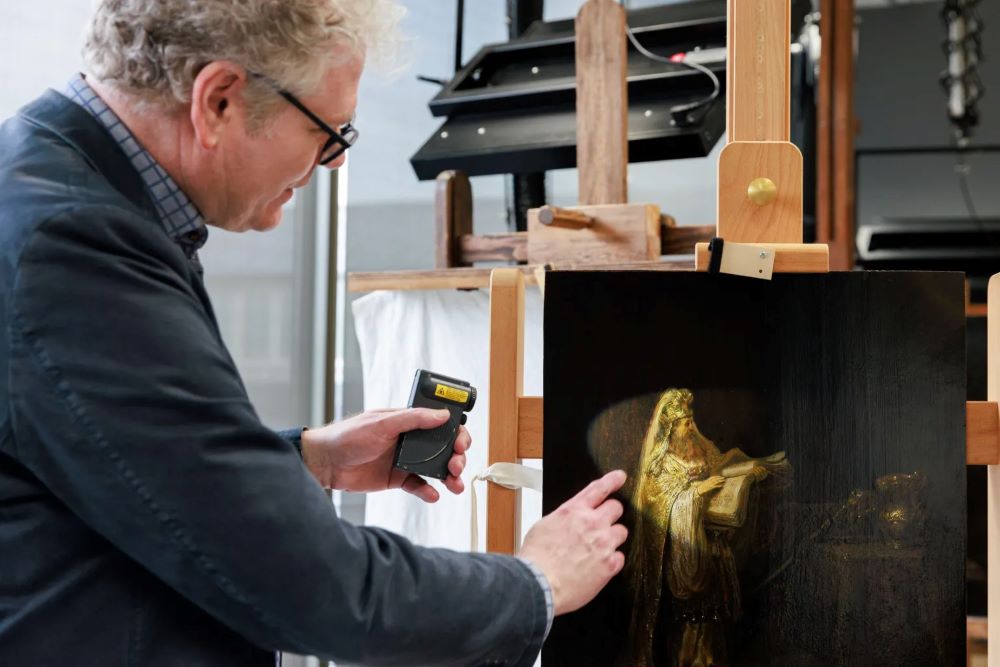
The painting resurfaced when its current owners submitted it for testing at the Rijksmuseum, which conducted a two-year analysis.
Experts confirmed that the signature is genuine, the wooden panel dates from the correct period, and the materials and painting techniques match those of Rembrandt’s early works.
“When I saw it in our studio during restoration, I was immediately struck by the incredible power it has,” Rijksmuseum director Taco Dibbits told BBC. “It’s very high quality. You really feel that he dedicated his soul to it.”
The painting depicts the biblical moment when priest Zacharias is told by the Archangel Gabriel that he and his wife will have a son, John the Baptist. Rembrandt innovatively suggests Gabriel’s presence without showing him visibly, capturing the decisive moment before the archangel reveals his identity.
At the time, Rembrandt primarily painted portraits, making this one of the few history paintings from his early career. The Rijksmuseum plans to put the work on public display starting Wednesday.
While its market value is unknown, other Rembrandt works have sold for millions, including a record £20 million in 2009.
Rembrandt was 27 when he painted the high priest Zacharias, father of John the Baptist
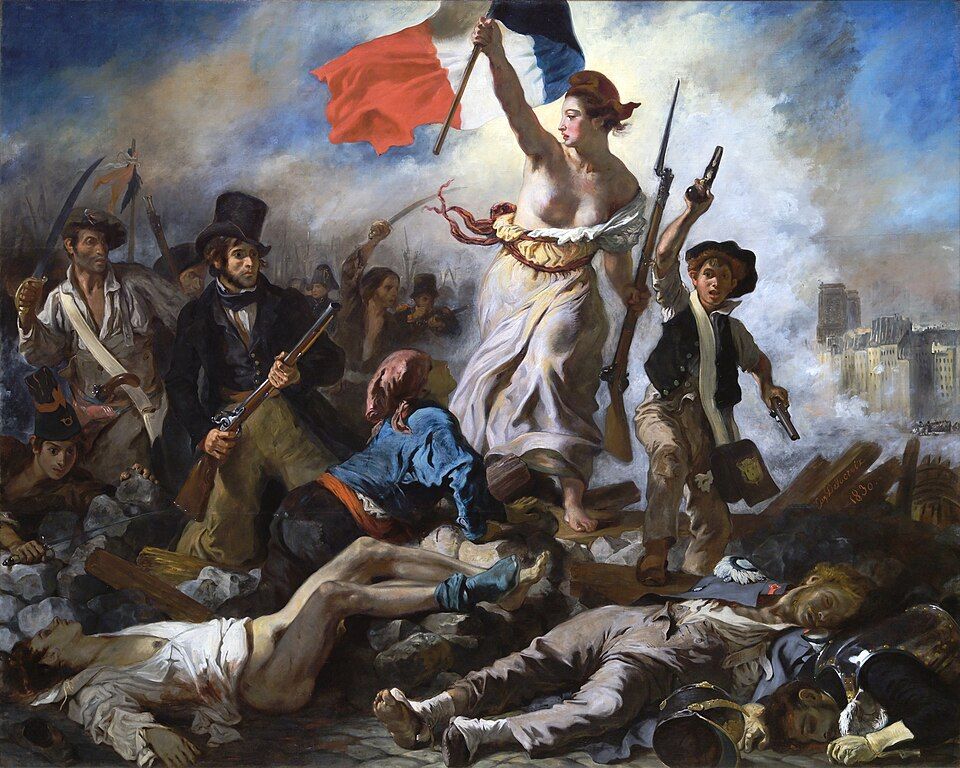
The museum is dedicated to the Romantic movement, which flourished in France between the late 18th and mid-19th centuries, celebrating emotion, imagination, and the sublime.
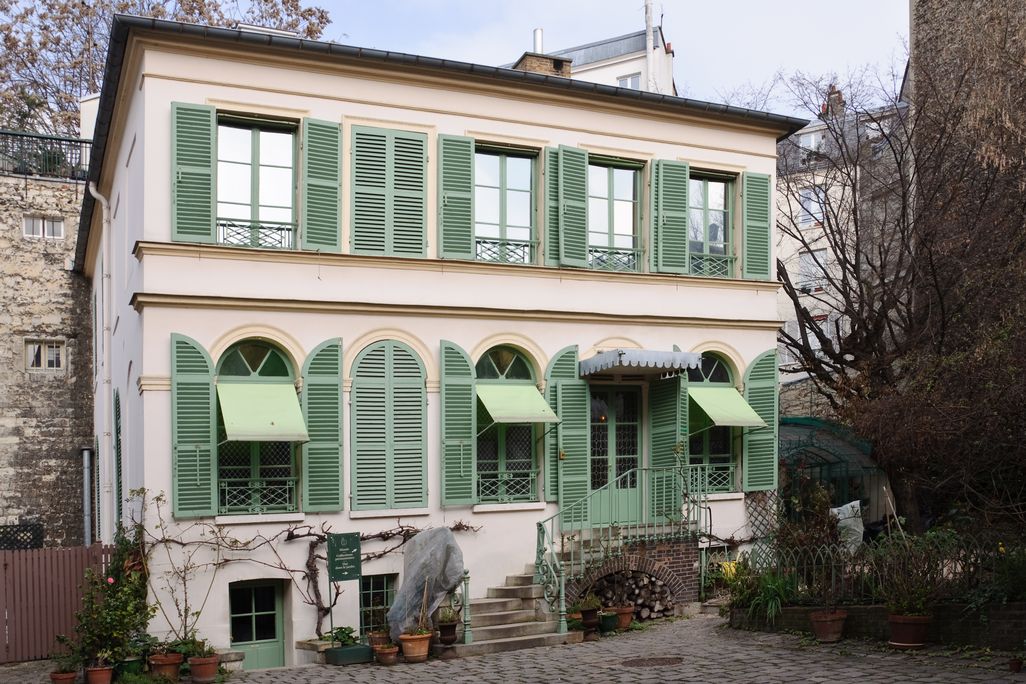
Housed in the former residence of Dutch-French painter Ary Scheffer, the museum preserves the legacy of both Scheffer and novelist George Sand.
Between the 1830s and 1850s, Scheffer hosted Friday salons at the residence, welcoming artists and intellectuals inspired by figures like Dante, Lord Byron, and Goethe.
Located in Paris’ ninth arrondissement, the property was originally surrounded by orchards and gardens before the area developed into a hub for literary and artistic activity.
After Scheffer’s death in 1858, the residence changed hands several times before being acquired by the city and transformed into a museum in the 1980s. Today, it holds 2,340 works, with around 300 on display, and drew 230,000 visitors in 2023.
The restoration aimed to return the building to its 19th-century appearance.
“For the woodwork and window frames, we tried to restore the house’s original color,” Gaëlle Rio, the museum director told Le Monde.
The courtyard, greenhouse, tea room, and first-floor exhibitions were also updated to enhance visitor experience while respecting the building’s status as a historical monument.
To mark the reopening, the museum is launching a new exhibition, Facing the Sky, Paul Huet in His Time.
Huet, a contemporary of Scheffer, is considered a precursor of French Romantic landscape painting.
“This one echoes the ‘Nature and Landscape’ section and invites visitors to pause and reflect. I enjoy highlighting a single artist while exploring a subject through their perspective,” Rio explains.
Few cities embraced Romanticism like Paris, which became a stage for artistic experimentation and a break from classical traditions.
The Musée de la Vie Romantique now continues that legacy, offering visitors a glimpse into the passions and creativity that defined the era.
The Musée de la Vie Romantique has reopened in Paris after a lengthy renovation.
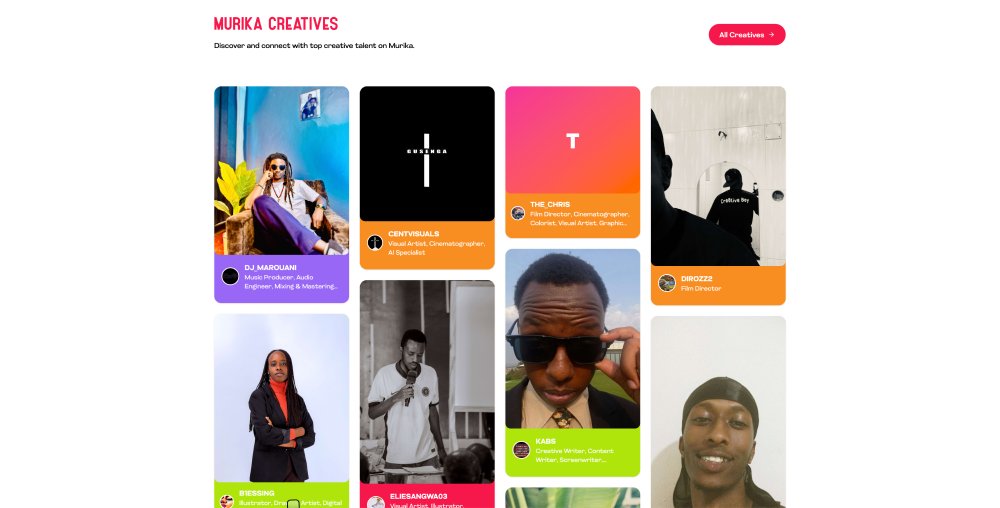
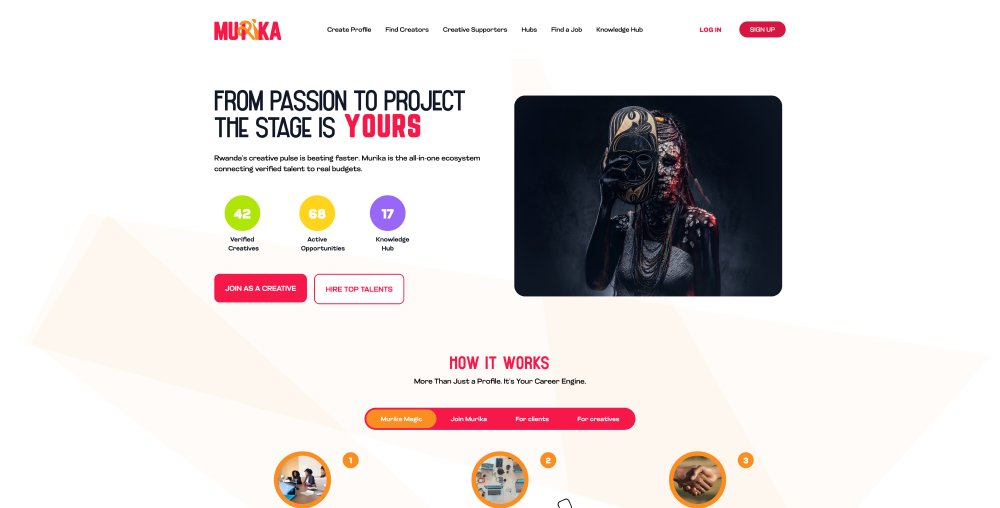
As Rwanda’s creative economy continues to grow, the platform addresses long-standing barriers including low visibility, fragmented networks, unpaid opportunities, and lack of trusted professional infrastructure.
Developed in partnership with the Ministry of Youth and Arts, L’Espace, KinaRwanda, and the Swiss Agency for Development and Cooperation (SDC), MURIKA represents an important step in building long-term digital infrastructure for Rwanda’s creative economy.
Supporting professional growth and opportunities
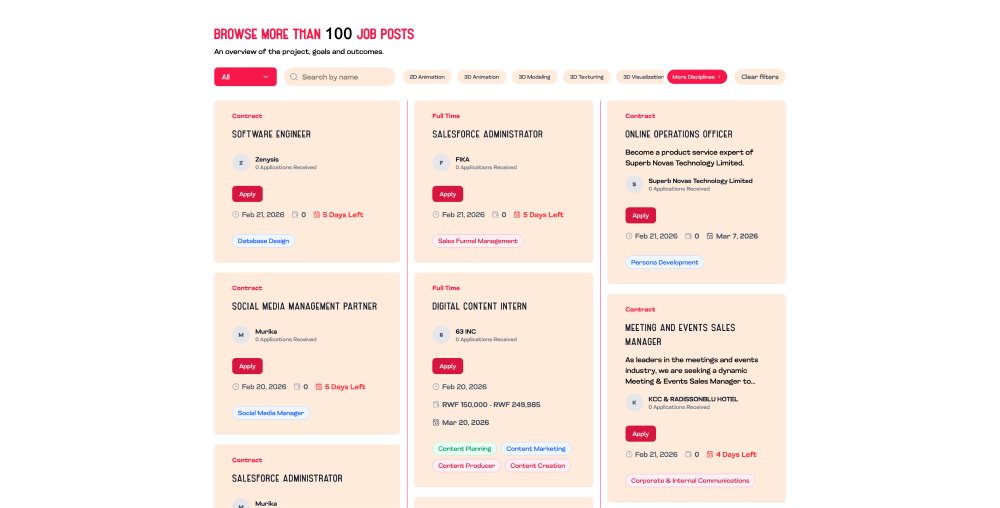
Built as a structured ecosystem rather than a social network, MURIKA brings together verified creative profiles, professional portfolios, transparent opportunity listings, collaboration spaces, and practical industry resources.
The platform enables creatives to showcase their work professionally, connect with clients and collaborators, and access knowledge on pricing, intellectual property, contracts, and career development.
By creating trusted professional infrastructure, MURIKA helps move creative work from informal activity to sustainable, income-generating careers.
Malik Shaffy, Managing Director of KinaRwanda, welcomed the platform as an important development for the industry.
“For a long time, talent has been everywhere, but opportunities and visibility haven’t been organized. MURIKA changes that. It gives creatives a place to be seen, trusted, and get paid. It gives clients a direct path to verified talent, and this is how we grow a creative economy that pays,” he said.
Creative professionals also say the platform will help strengthen the industry.
David Sindambiwe, a Rwandan visual creative said, “MURIKA creates a professional space where my fellow creatives and I can showcase our work and connect with real opportunities. The resources will also help us build structure, trust, and visibility, which are essential for us to grow sustainable careers in our industry.”
Now live
The platform is currently in its beta phase, allowing creatives, clients, and institutions to join, explore features, and provide feedback to help refine the platform.
MURIKA is now open to creatives, clients, institutions, and partners across Rwanda, via http://www.murika.rw/
The platform addresses long-standing barriers including low visibility. The platform was developed in partnership with the Ministry of Youth and Arts, L’Espace, KinaRwanda, and the Swiss Agency for Development and Cooperation (SDC). MURIKA brings together verified creative profiles, professional portfolios, transparent opportunity listings, collaboration spaces, and practical industry resources.The platform enables creatives to showcase their work professionally.
On a quiet afternoon in Kigali, the sound of traffic softens behind high compound walls. Inside, canvases lean against brick exteriors, paint dries in the sun, and artists move between studios with brushes still in hand. In a restored villa across town, visitors pause in front of layered abstract works, debating texture and meaning. Not far away, curators arrange lighting for an upcoming contemporary exhibition, fine-tuning how each piece will be encountered.
These are not isolated pockets of creativity. They are signs of a city steadily constructing its cultural identity.
Over the past decade, and more visibly in recent years, Kigali has developed a confident and increasingly structured contemporary art ecosystem. What began as collective studios driven by experimentation has expanded into a network that includes museums, research-based institutes, socially driven galleries, photography centres and private collector spaces.
Here are 10 art spaces at the heart of that transformation.
1. Inema Art Centre
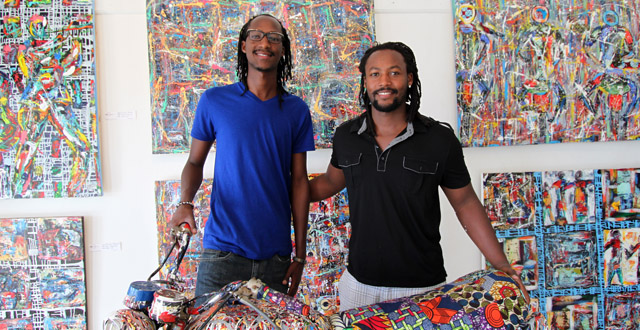
More than a gallery, Inema, situated in the Kacyiru neighbourhood, functions as a living studio complex. Founded by brothers Emmanuel Nkuranga and Innocent Nkurunziza, the centre helped redefine what professional art practice could look like in Kigali.
Brothers Emmanuel Nkuranga and Innocent Nkurunziza founded Inema in 2012 in an effort to share their creative passion with Rwandans and visitors alike.
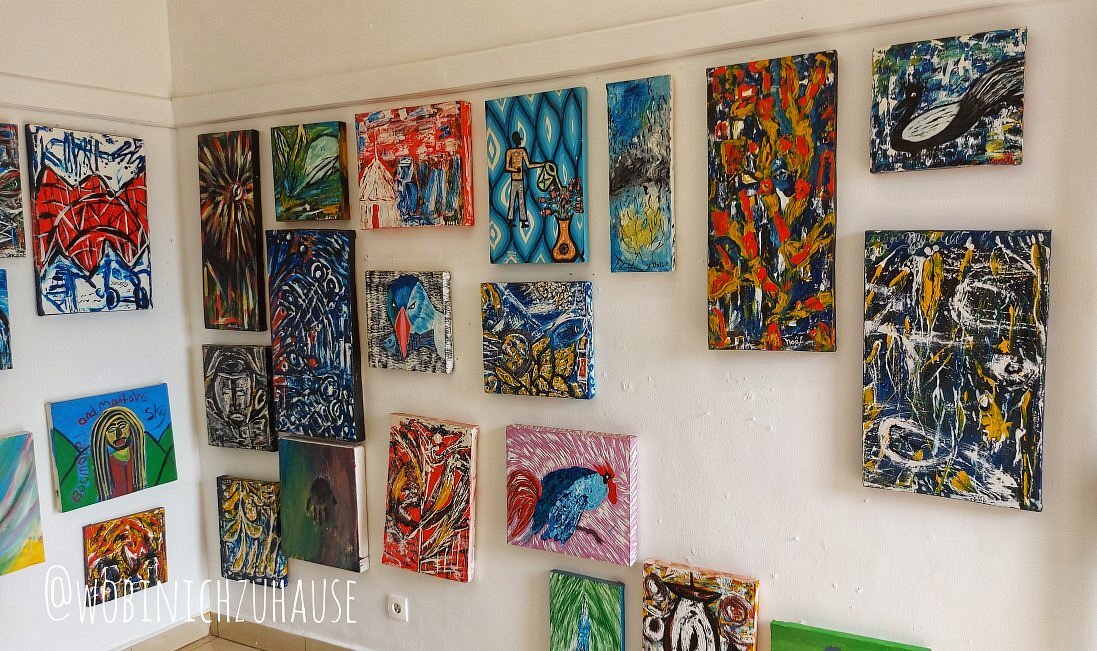
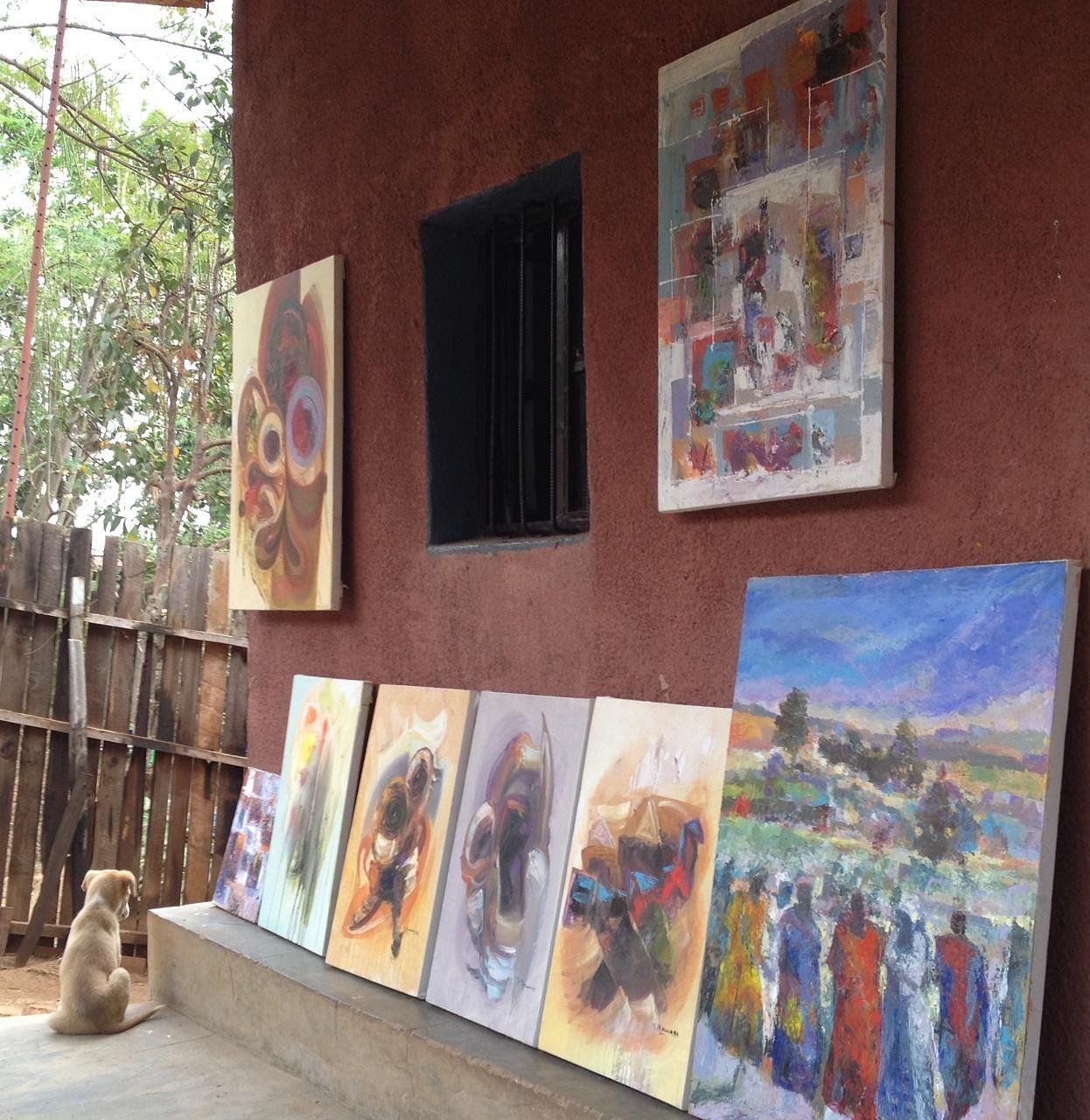
Visitors rarely encounter a silent, static space. Instead, they find artists actively working on large-scale canvases characterised by bold colour palettes, textured layers and recurring motifs that draw from Rwandan daily life. The centre regularly hosts themed exhibitions, dance performances, poetry evenings and workshops for young creatives.
Artworks on display at Inema Art Center.
Inema’s impact lies not only in the artwork it produces, but in how it normalised the idea that contemporary art could be visible, collaborative and commercially viable within Rwanda.
2. Ivuka Art
As Rwanda’s first contemporary art collective, Ivuka Arts, situated in Kacyiru, represents the roots of Kigali’s modern art movement. Its open compound model, where artists share space, critique each other’s work and collaborate across mediums, created an early support system in an otherwise limited infrastructure.
An artwork at Ivuka.
The space is known for its colourful murals and sculpture installations that spill into outdoor areas, blurring the line between exhibition and environment. Ivuka fostered experimentation at a time when contemporary art was still gaining recognition locally, helping shape a generation of artists who would later exhibit regionally and internationally.
3. Rwanda Art Museum
Set within the former Presidential Palace in Kanombe, the Rwanda Art Museum offers one of the most layered art experiences in the country. The building itself carries political history, and the preserved wreckage of the presidential plane in the garden serves as a reminder of the nation’s past.
The museum carries deep political history.
Inside, the museum houses more than 120 works by over 50 artists, providing a structured overview of Rwanda’s visual art evolution. The collection spans painting and sculpture, capturing shifts in style, subject matter and technique over time. Unlike studio spaces, the museum offers institutional framing, placing contemporary Rwandan art within a curated historical narrative.
4. Gihanga Institute of Contemporary Art(GICA)
Opened in December 2025, the Gihanga Institute of Contemporary Art (GICA) represents a decisive step toward institutional maturity in Rwanda.
The Gihanga Institute of Contemporary Art (GICA), Rwanda’s first non-profit institution dedicated to contemporary art, officially opened in Kigali on December 20, 2025.
Situated in Kimihurura, GICA is the country’s first independent, non-profit center dedicated to high-end contemporary art and Pan-African exchange.
Co-founded by international curator Kami Gahiga and artist Kaneza Schaal, the 777-square-meter facility, designed by architect Amin Gafaranga, moves beyond exhibition alone. It functions as a complete ecosystem, integrating curated shows with a reference library curated by Christian Nyampeta, a screening room, and artist residency studios.
Its inaugural exhibition, Inuma: A Bird Shall Carry the Voice, featured world-class talent and underscored a multidisciplinary mission that positions Kigali as a rigorous hub for global art dialogue and structured cultural infrastructure.
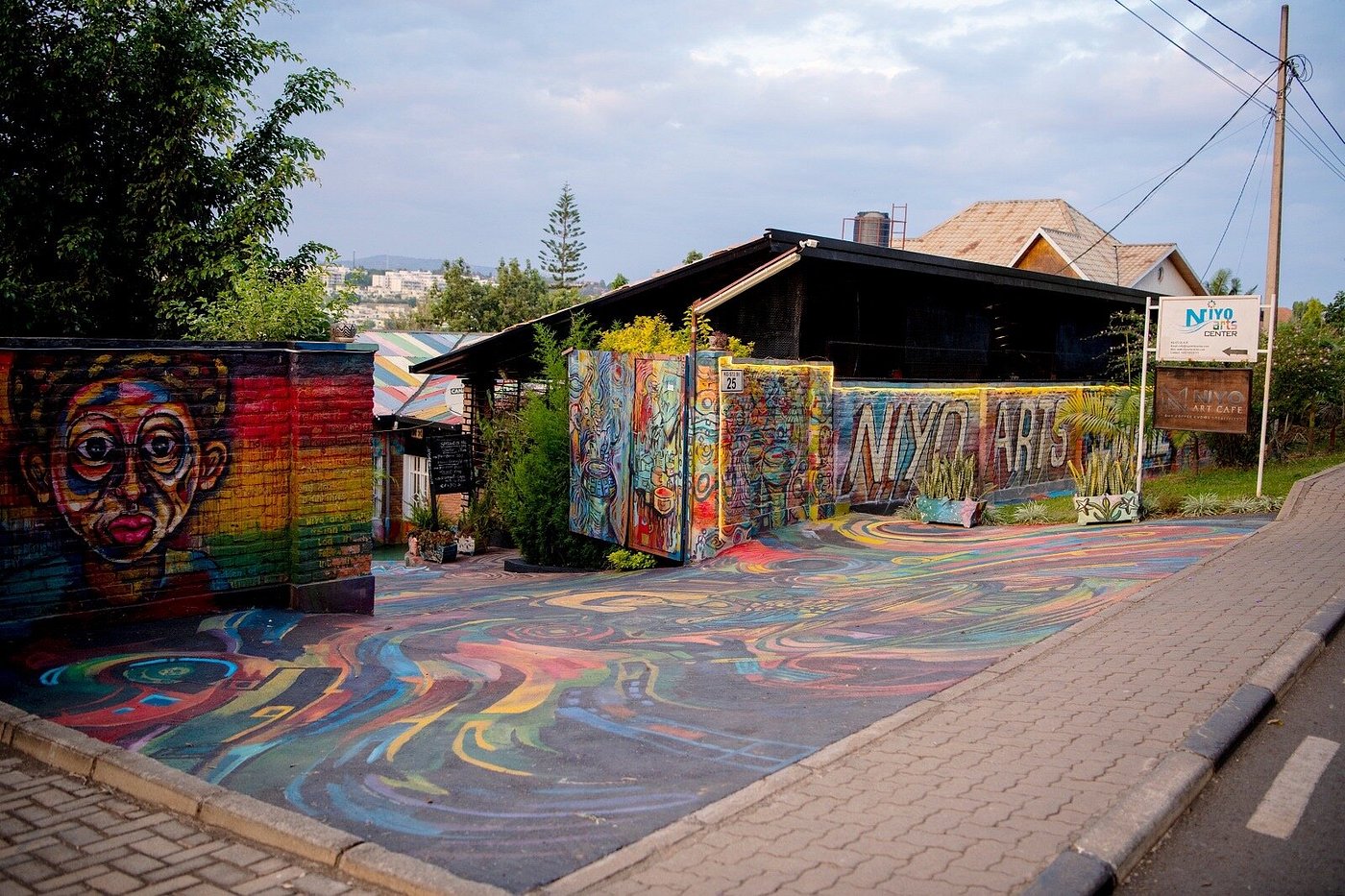
5. Niyo Art Gallery
At Niyo Art Gallery in Kacyiru, artistic production is directly tied to social impact. Founded by Pacifique Niyonsenga, the gallery operates as a social enterprise supporting vulnerable children through education and creative training funded by art sales.
The gallery doubles as a learning space, where young artists receive mentorship and exposure.
The artwork displayed often reflects scenes of rural and urban Rwandan life, rendered in vibrant tones and layered textures. The gallery doubles as a learning space, where young artists receive mentorship and exposure. Here, art functions as both livelihood and opportunity, reinforcing its social dimension within Kigali’s ecosystem.
6. Tongo Art Gallery
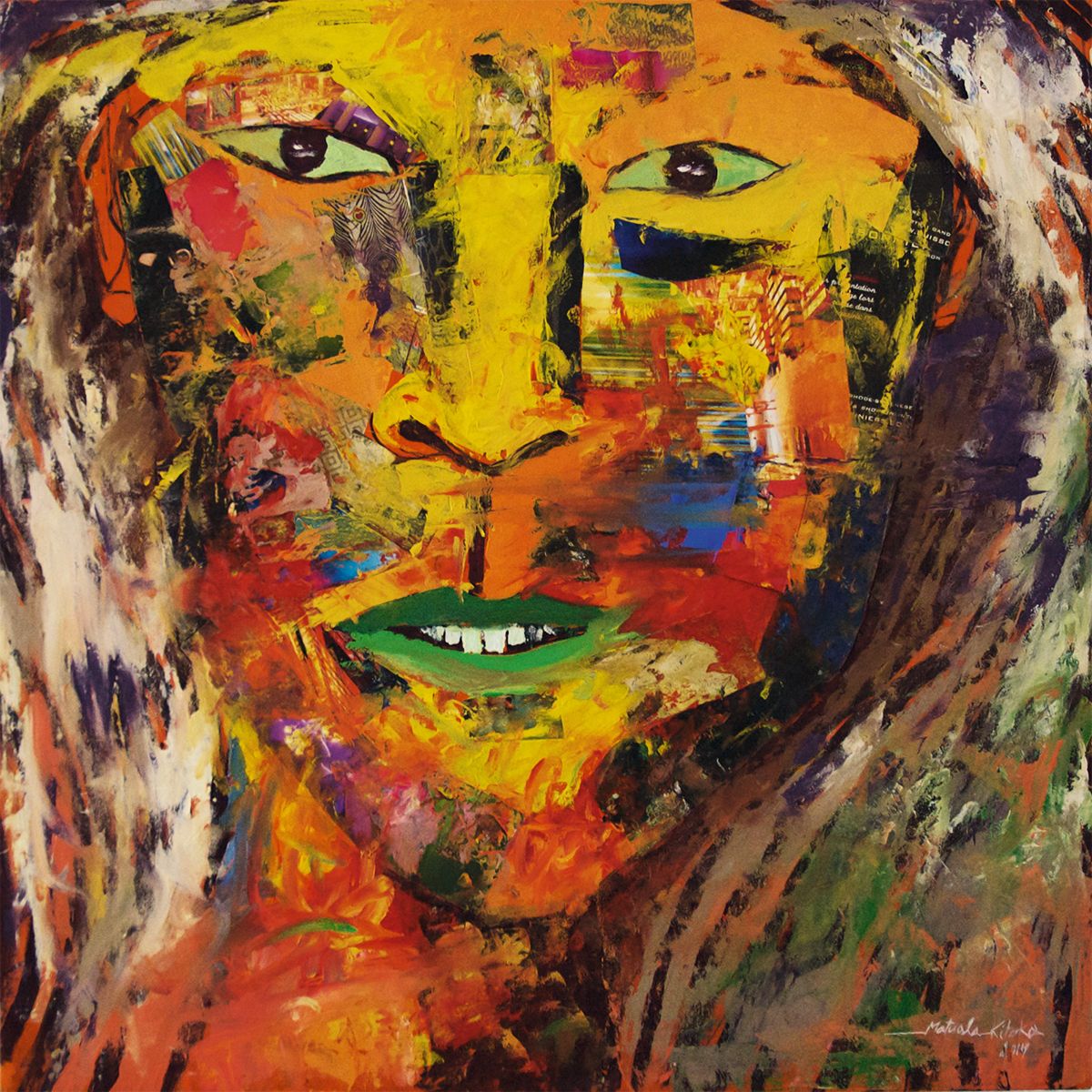
Tongo Art Gallery, located in Kacyiru, offers a quieter but deeply engaging experience. Known for abstract and mixed-media works, it provides space for experimentation in form and technique.
Exhibitions often rotate, allowing emerging and mid-career artists to test new ideas before an intimate audience. Live painting sessions and pop-up events keep the space fluid. Tongo’s strength lies in its accessibility; conversations between artists and visitors unfold naturally, demystifying the creative process.
7. Indiba Art Space
Indiba Art Space, nestled in the vibrant neighbourhood of Kimihurura, leans toward carefully curated exhibitions that explore identity, heritage and contemporary urban life. The gallery’s programming often includes workshops and discussions, reinforcing its role as more than a display venue.
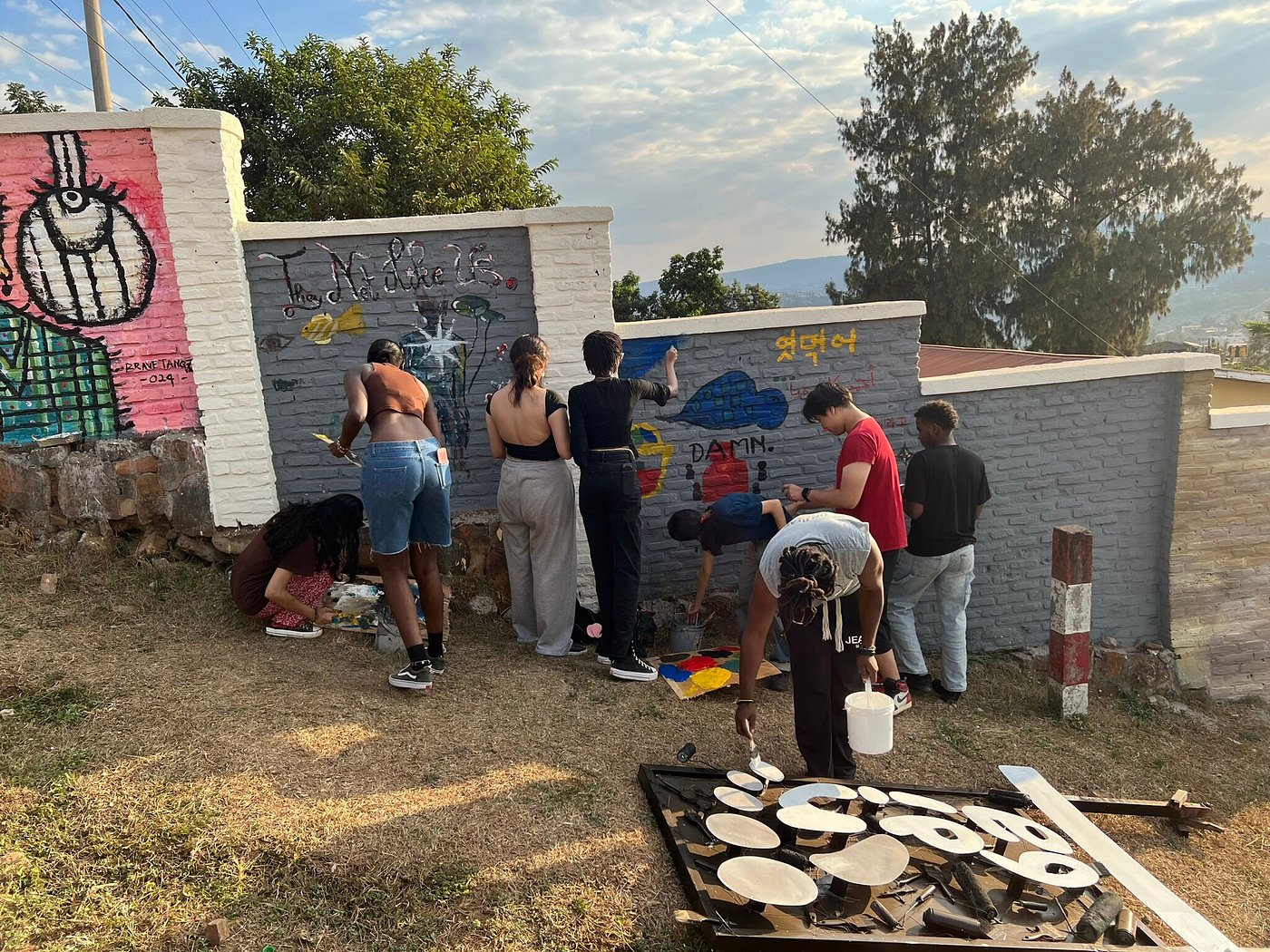
Artists making murals.
Works presented at Indiba frequently engage with memory and transformation, reflecting Rwanda’s rapid social and economic evolution. The gallery contributes to a growing culture of critical engagement around art in Kigali.
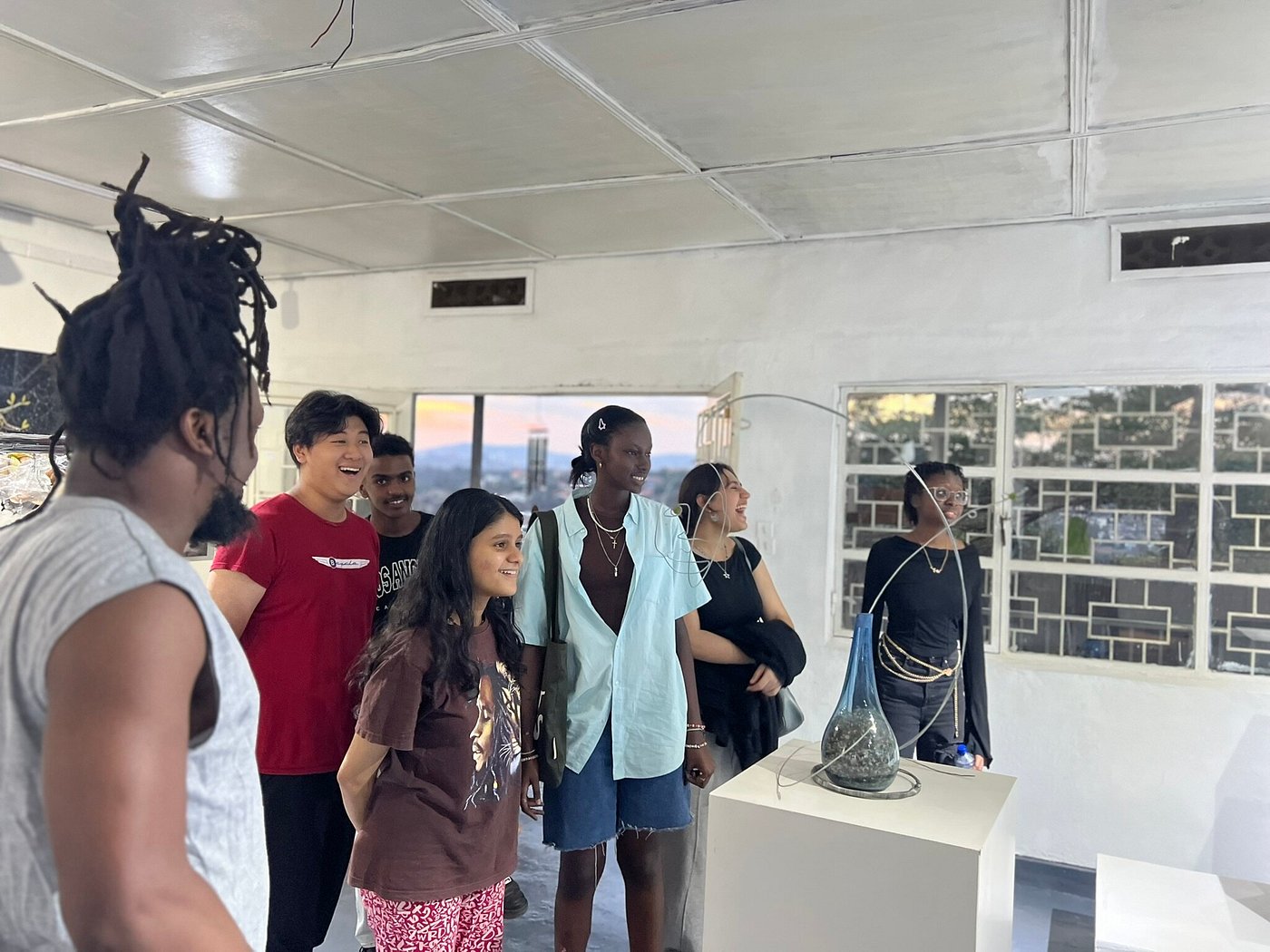
Group of students visiting the gallery for ‘Mural Day’.
8. Choose Kigali
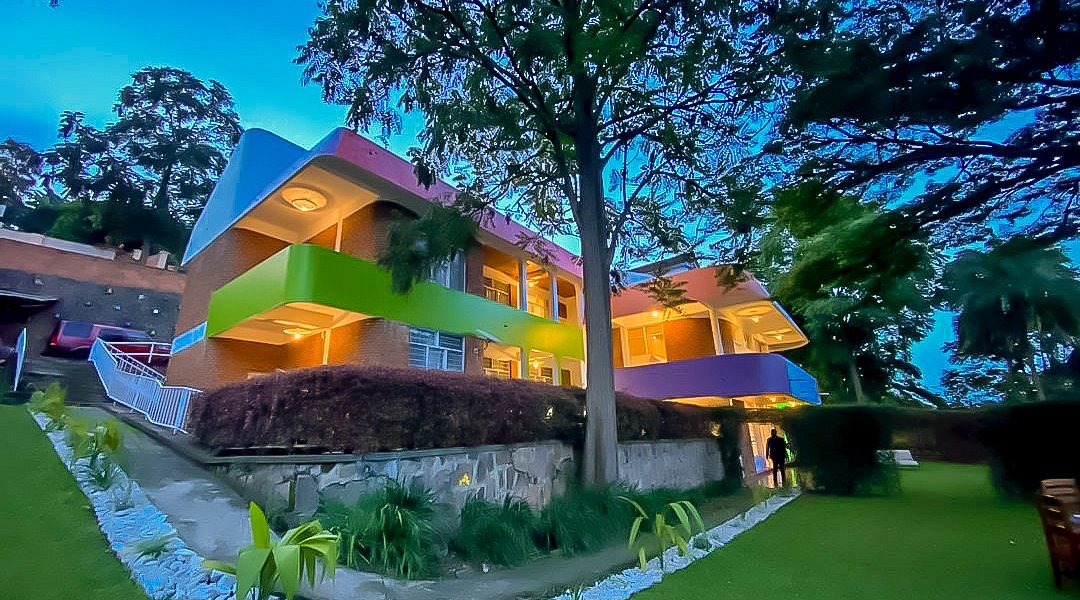
Choose Kigali introduces a different model, merging contemporary art with high-end dining. Founded by Emmanuel Nkuranga, the space located in the Kiyovu neighbourhood caters to collectors and patrons seeking a more exclusive setting.
Choose Kigali merges contemporary art with high-end dining.
Artworks are displayed within a refined interior, encouraging slower viewing and private acquisition. This hybrid concept reflects the expanding commercial dimension of Kigali’s art scene and the rise of a discerning local and international clientele.
9. Kigali Center for Photography
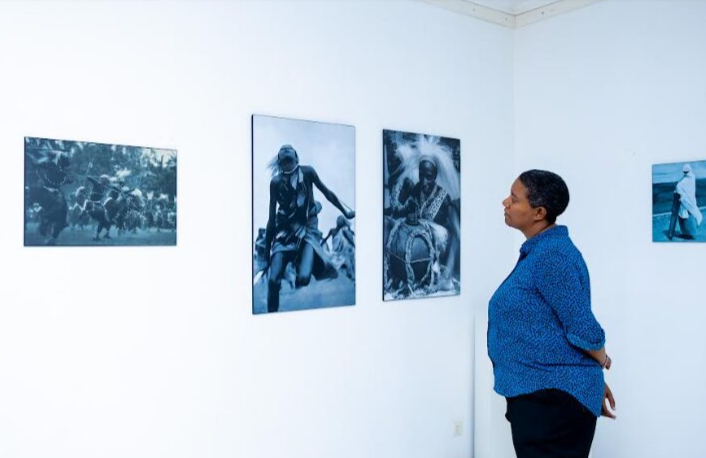
While painting dominates much of the city’s gallery landscape, the Kigali Center for Photography (KCP), situated in the creative heart of Kimihurura, anchors a different visual medium.
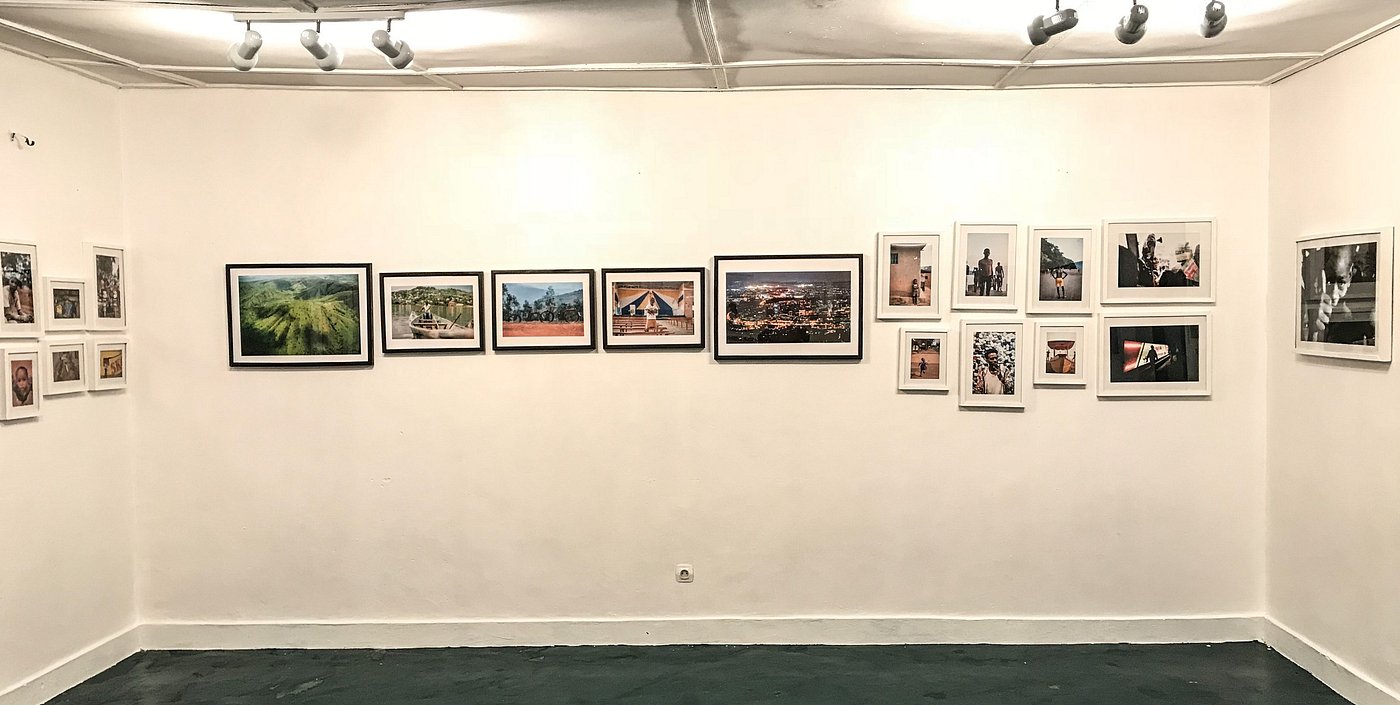
The centre aims to explore and promote Rwandan and foreign photography.
As the first dedicated space of its kind in Rwanda, the center prioritizes visual storytelling as a tool for social change and historical preservation. Beyond its gallery walls, KCP serves as a vibrant ‘learning lab’ where founder Jacques Nkinzingabo and local mentors provide free workshops, equipment access, and residencies for emerging talent.
By focusing on documentary and artistic photography, the center actively works to reclaim the Rwandan narrative, shifting the lens away from past trauma toward a multifaceted view of contemporary identity, resilience, and daily life.
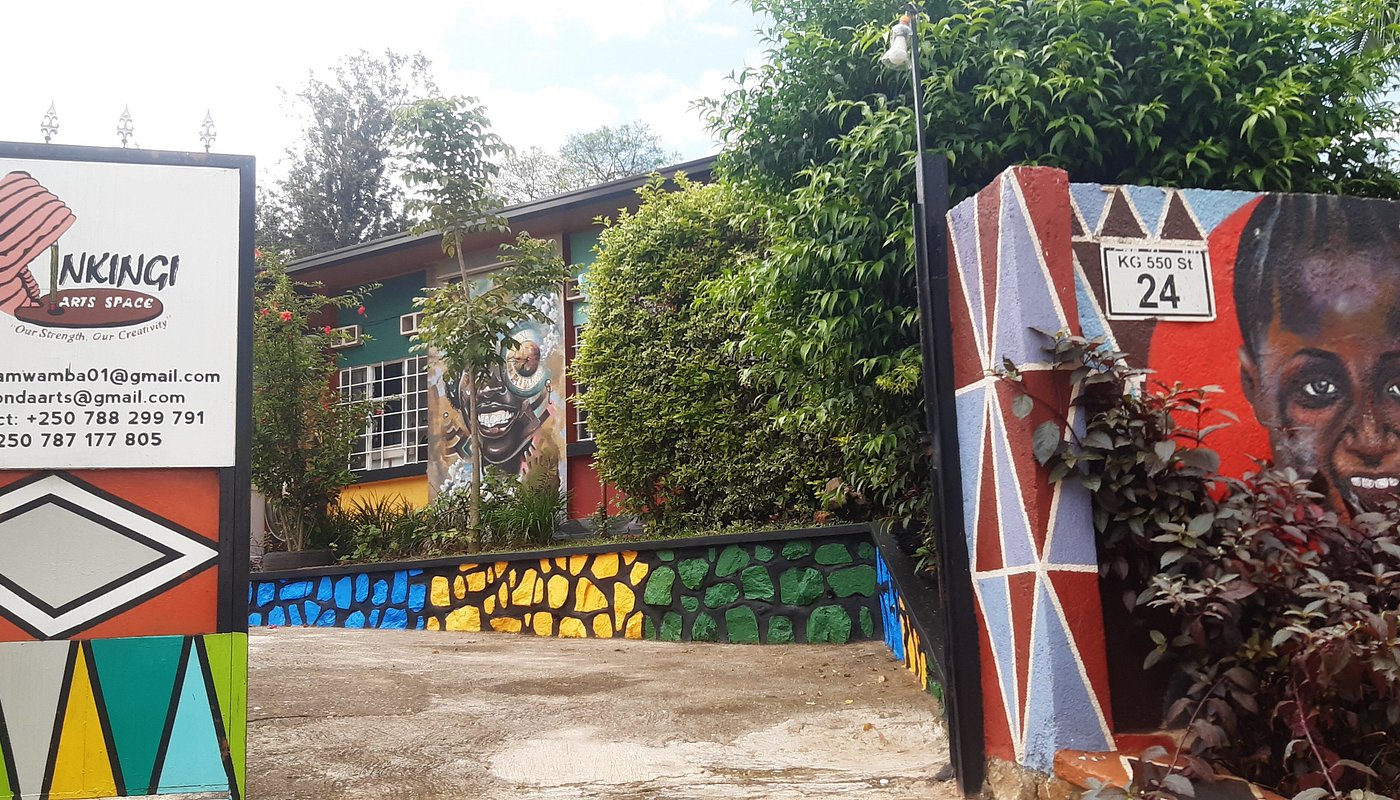
10. Inkingi Arts Space
Inkingi, which translates to “pillar” or “support” in Kinyarwanda, lives up to its name by serving as a foundational space for both established and emerging artists.
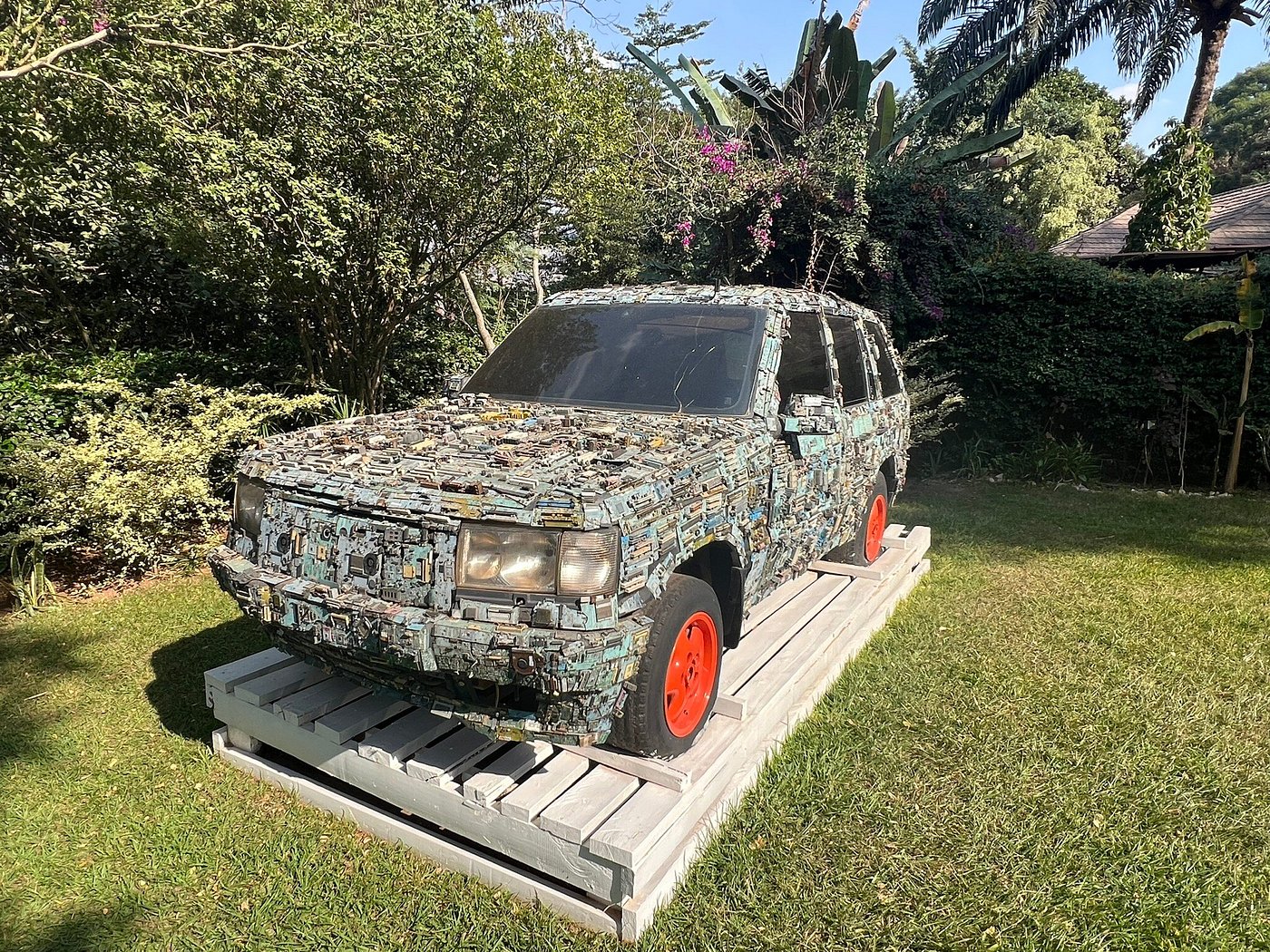
Nestled within a lush, green compound, Inkingi is incredibly photogenic and welcoming.
Founded in 2023 by Olivier Kwitonda and located in Kacyiru, the gallery exudes a distinct atmosphere that feels more like an intimate garden sanctuary than a bustling, high‑traffic space.
Nestled within a lush, green compound, Inkingi is incredibly photogenic and welcoming. Like Inema, it functions as an active studio where visitors can often meet the artists at work, and many guests describe the hospitality here as among the warmest in Kigali, making every visit feel personal and engaging.
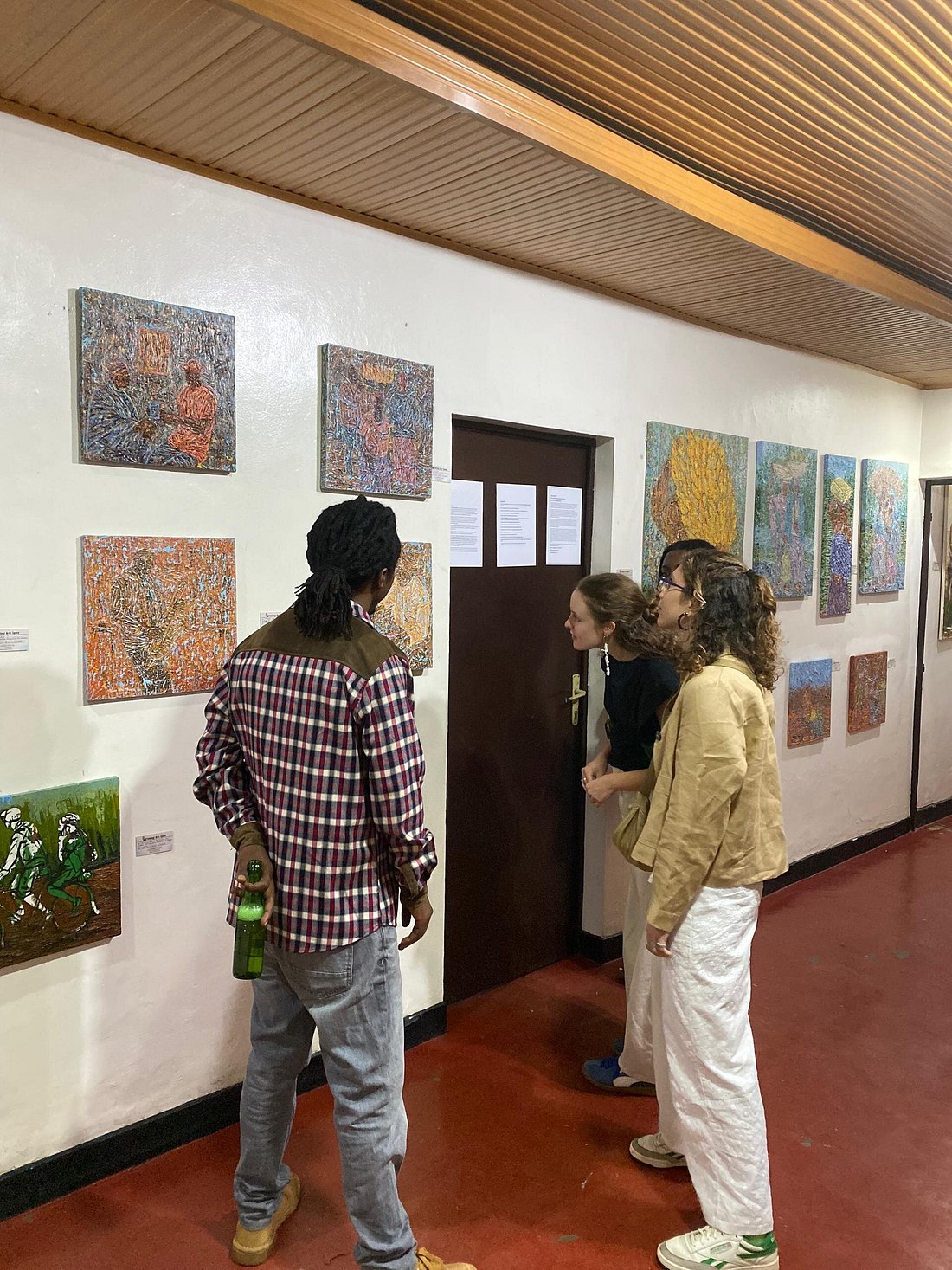
While bold acrylic paintings, a hallmark of Rwandan contemporary art, are on display, Inkingi distinguishes itself through diversity. Visitors encounter a mix of paintings, sculptures, intricate beadwork, and textiles, reflecting a wide range of creative practices.
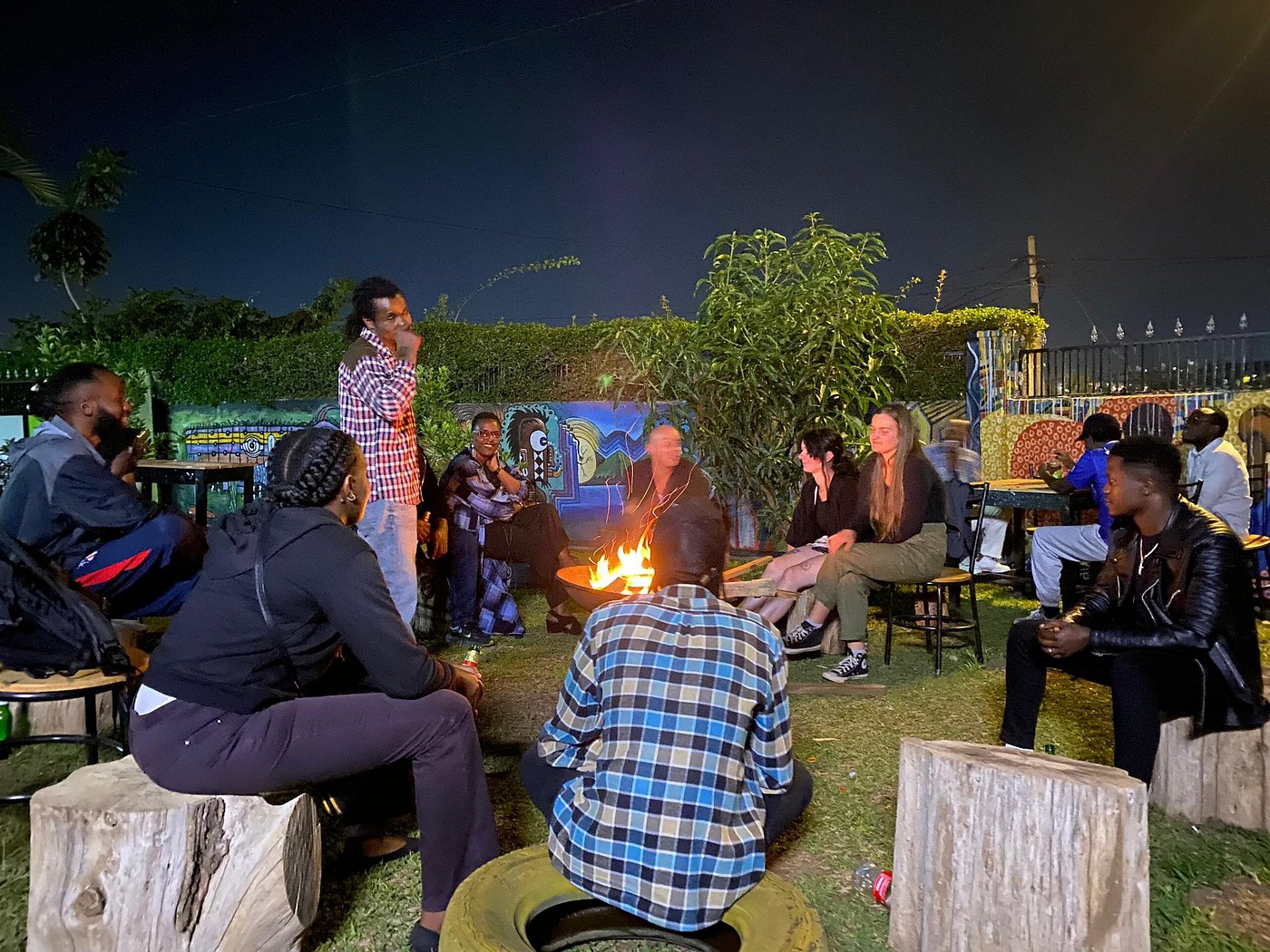
The gallery also offers a strong connection to Rwanda’s cultural heritage. Every third Saturday of the month, storytelling sessions are paired with traditional food, allowing guests to engage with the country’s oral traditions while surrounded by modern visual interpretations of those same stories. In this way, Inkingi bridges the gap between heritage and contemporary expression, creating a space that is both reflective and forward-looking.
Opening in theaters this weekend, How to Make a Killing brings a fresh twist to the classic comedy-thriller genre. The film follows a charming yet scheming man, played by Glen Powell, who devises a plan to eliminate his wealthy relatives and secure his inheritance. Packed with sharp humor, clever twists, and edge-of-your-seat suspense, this film delivers an engaging mix of comedy and thriller elements. It is perfect for those who love dark humor with a side of suspense.
2. Kokuho
Now playing in theaters, Kokuho is a powerful Japanese drama that tells the deeply moving story of a teenager who, after the loss of his father, seeks refuge in a kabuki theater. The film’s poignant narrative, coupled with its stunning visuals, makes it a standout piece. Nominated for an Oscar for Best Makeup and Hairstyling, Kokuho blends tradition with heart, offering a visually striking and emotionally rich experience. Ideal for viewers seeking a deeply emotional journey that touches on grief and personal growth.
3. 56 Days
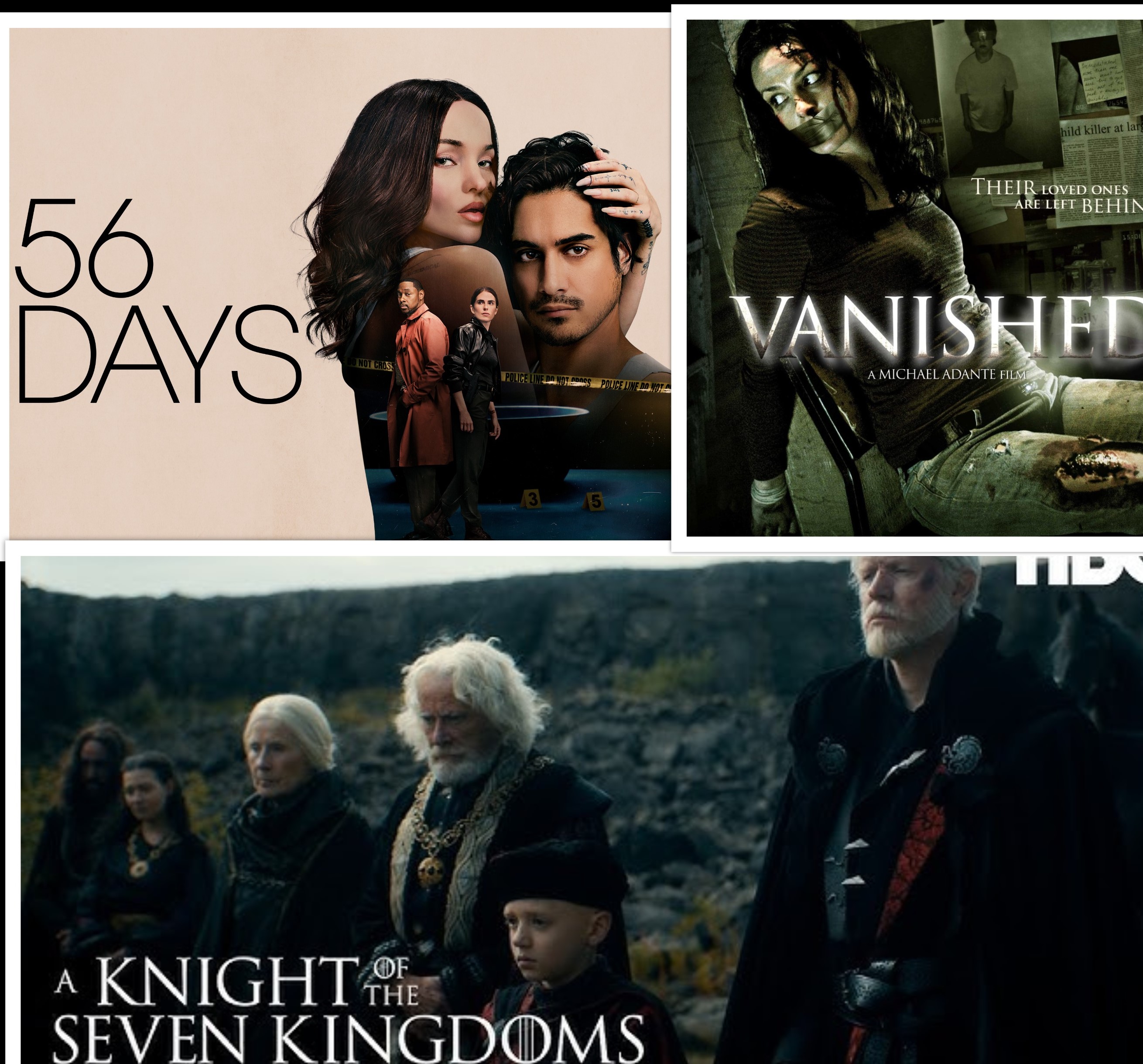
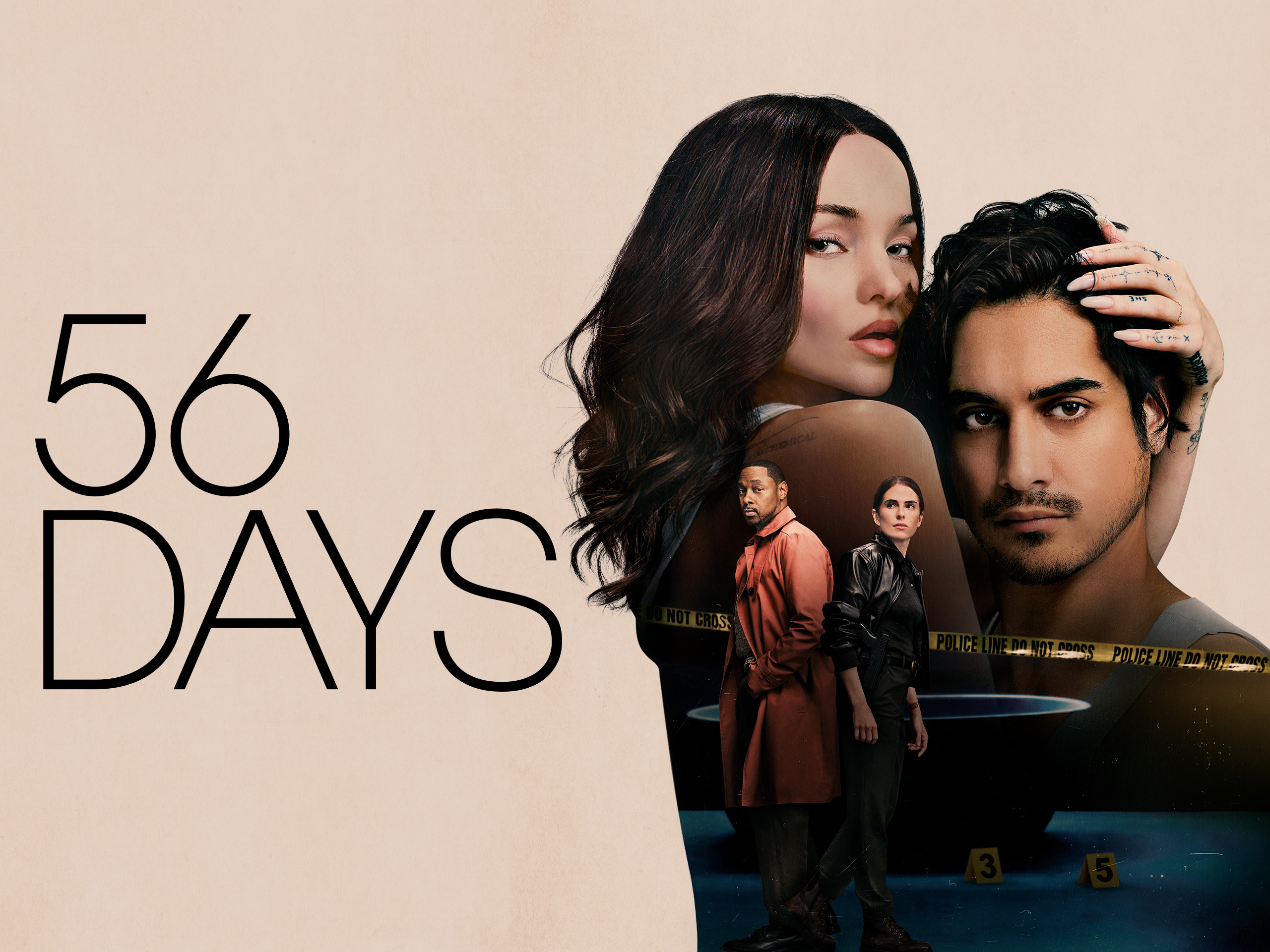
Streaming on Prime Video, 56 Days is a gripping romantic mystery that weaves between two timelines as it unravels the secrets of a relationship that ends in a suspicious death. The movie keeps the audience guessing with its intricate plot and unexpected twists. If you love films that combine romance with elements of thriller and mystery, 56 Days is perfect for a weekend binge-watch. It’s an engaging story that explores the complexities of relationships and trust.
4. Shoresy (Season Five)
Fans of the beloved Canadian comedy series Letterkenny will want to check out Shoresy on Hulu. This spinoff series, now in its fifth season, mixes humor and ice hockey antics, delivering witty character interactions, hilarious one-liners, and over-the-top sports shenanigans. If you’re in the mood for something lighthearted with a fun mix of sports comedy and fast-paced banter, Shoresy offers just that. A perfect choice for a feel-good and funny viewing experience.
5. EPiC: Elvis Presley in Concert
For music lovers and fans of Elvis Presley, this limited theatrical release offers a rare and intimate look at the King of Rock ‘n’ Roll’s live performances in Las Vegas. Featuring rare archival footage, EPiC: Elvis Presley in Concert brings the vibrant energy of Elvis’s live shows back to the big screen. A must-watch for anyone who appreciates music history or wants to experience the magic of one of the most iconic entertainers of all time.
6. Strip Law
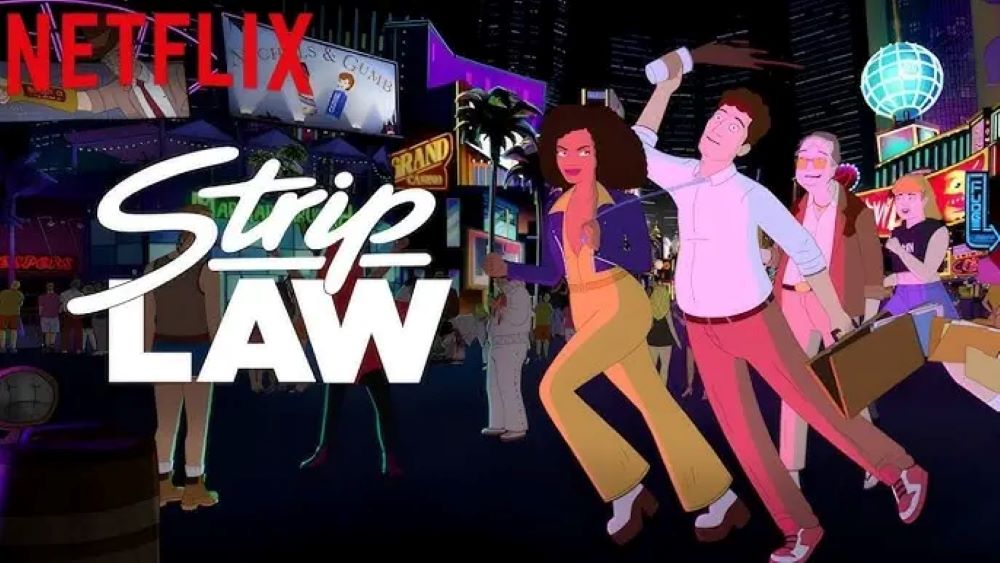
Available on Netflix, Strip Law is an animated comedy that pairs a straight-laced lawyer with a flashy Vegas magician, leading to a series of quirky and hilarious misadventures. The film’s unique premise and vibrant animation make it a fun choice for fans of lighthearted, offbeat comedy. With its playful narrative and clever humor, Strip Law offers a great escape into an entertaining and visually appealing world.
7. A Knight of the Seven Kingdoms (Season Finale)
Stream the season finale of A Knight of the Seven Kingdoms on HBO Max for a lighter adventure set in the Game of Thrones universe. Combining fantasy, action, and comedic moments, this series follows the journey of knights and adventurers through a world of magic and danger. Whether you’re a die-hard GoT fan or just love a good fantasy tale, this show offers something for everyone. Don’t miss the action-packed season finale for a satisfying conclusion to this magical adventure.
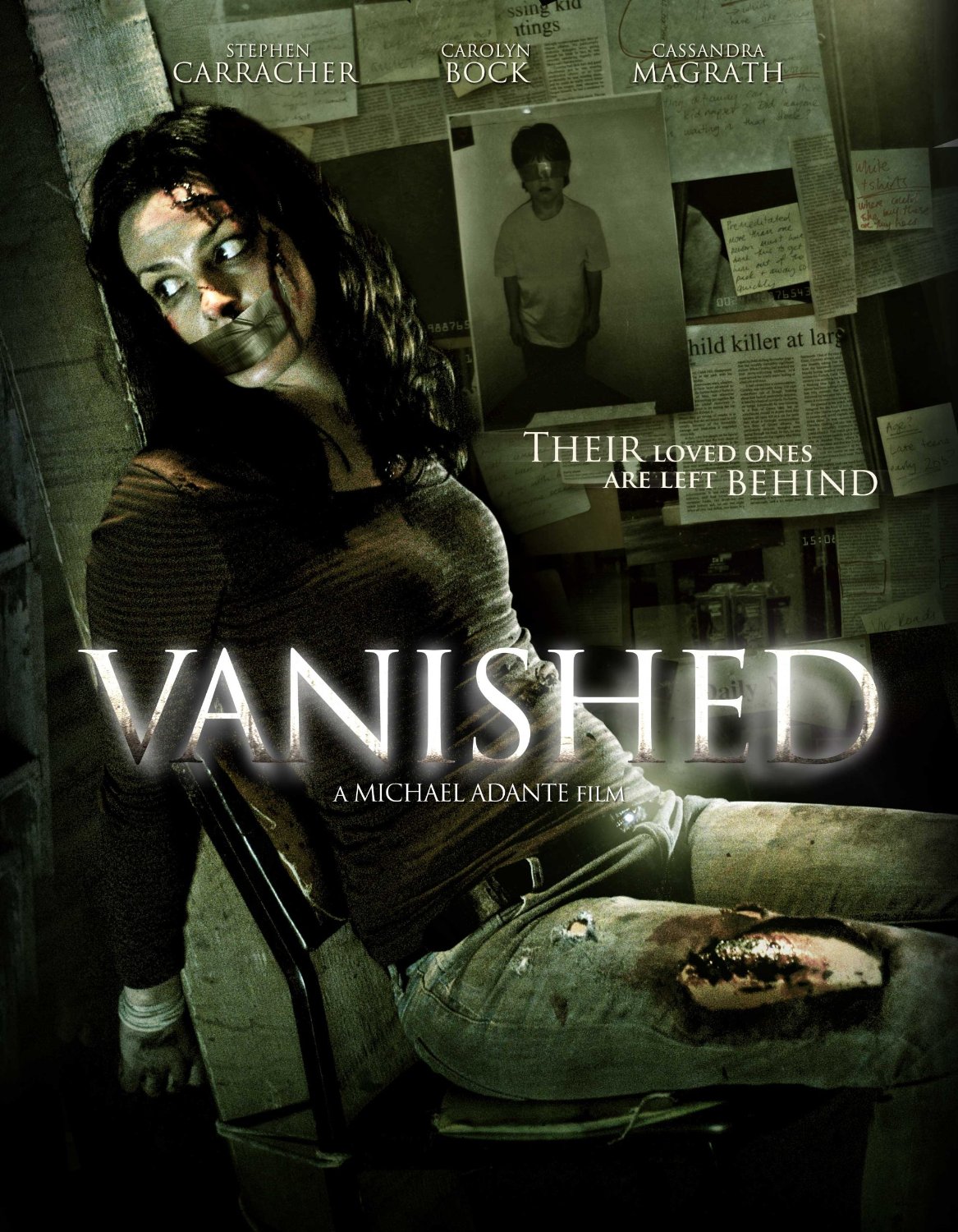
8. Vanished
If you’re craving an intense thriller, look no further than Vanished, streaming on MGM+. This four-episode series delves into international intrigue, mystery, and suspense as it follows the disappearance of several high-profile individuals. The show’s tightly woven plot, unpredictable twists, and high stakes will keep you on the edge of your seat from start to finish. A perfect pick for viewers who enjoy fast-paced, gripping drama with a touch of mystery.
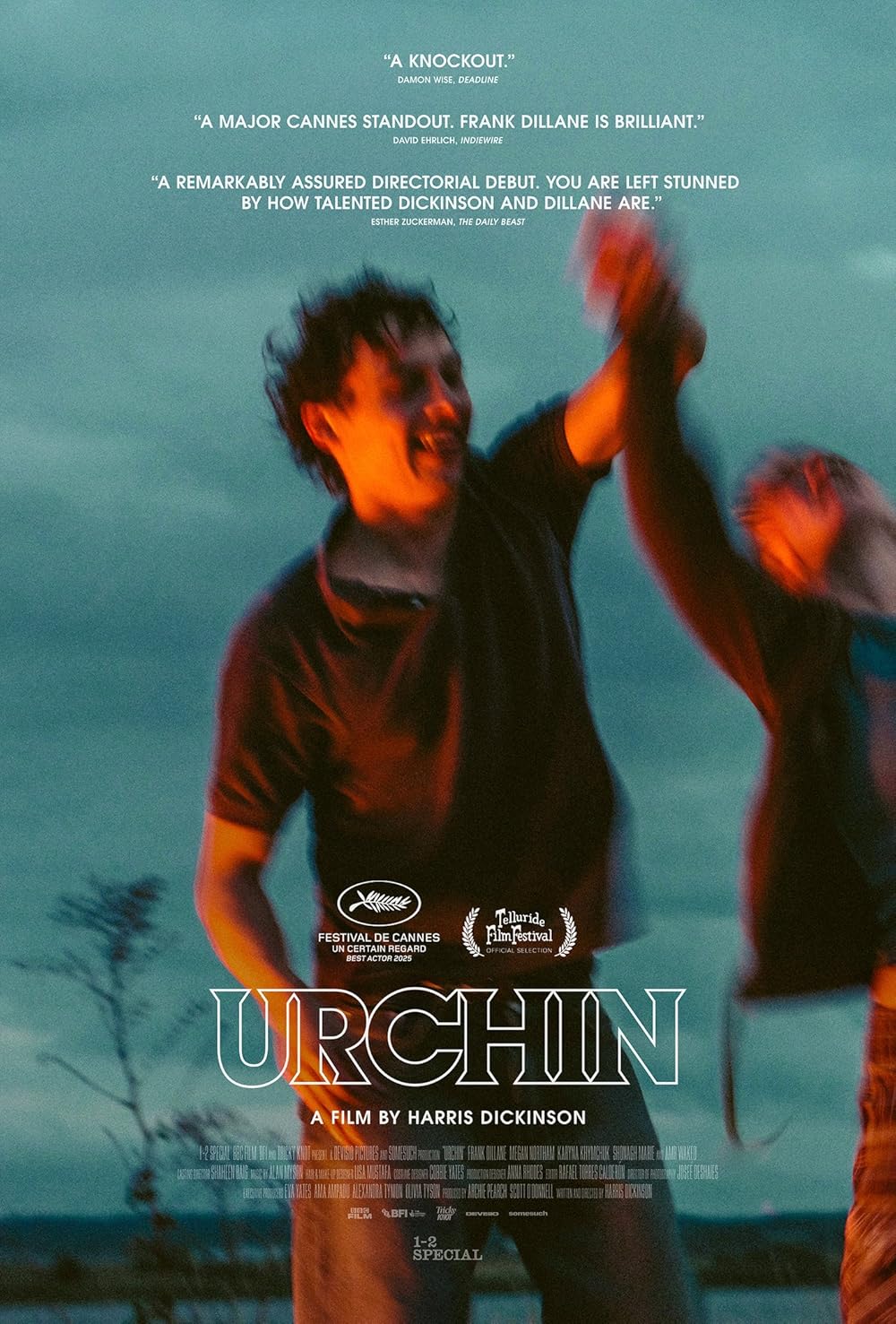
9. Urchin
Streaming on Hulu, Urchin is a gritty drama that explores the harsh realities of life on the streets, tackling themes of poverty, addiction, and survival. The movie offers a powerful central performance and is an emotional rollercoaster that will resonate deeply with audiences. If you appreciate films that delve into the human condition and offer raw, thought-provoking narratives, Urchin is a compelling choice that provides a window into resilience and hope amidst adversity.
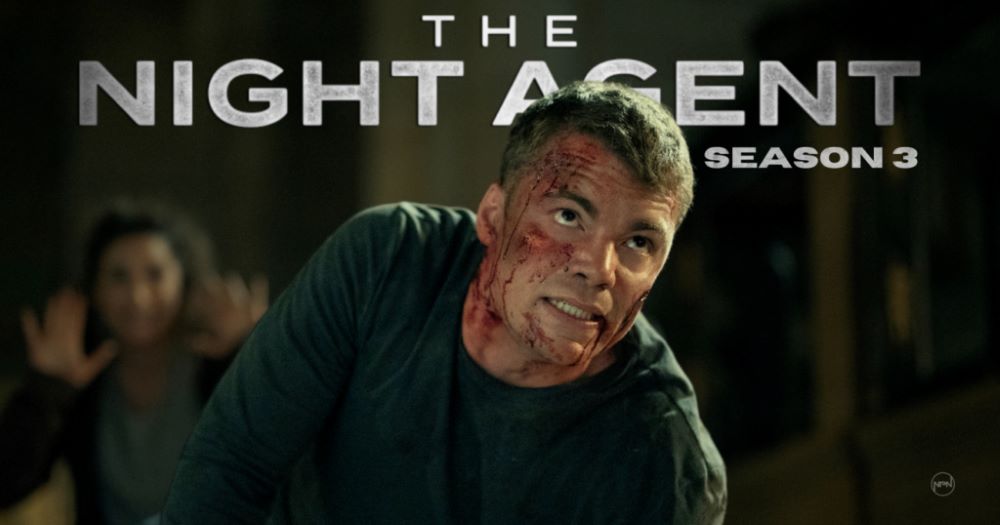
10. The Night Agent (Season Three)
Returning to Netflix for its third season, The Night Agent continues to deliver gripping action and intense suspense. Following a young FBI agent thrust into a conspiracy that reaches the highest levels of government, the series combines high-octane action with political intrigue. With new conspiracies and fresh mysteries, this season promises even more twists and turns, making it a must-watch for fans of spy thrillers and edge-of-your-seat suspense.
Spanning 777 square metres, the Gihanga Institute was designed by Rwandan architect Amin Gafaranga and is located in Kigali’s Kimihurura neighbourhood. It’s equipped with state-of-the-art facilities, including a library, exhibition spaces, performance platforms, a screening room, and artist studios, all intended to foster creativity and provide artists with the resources needed to thrive.
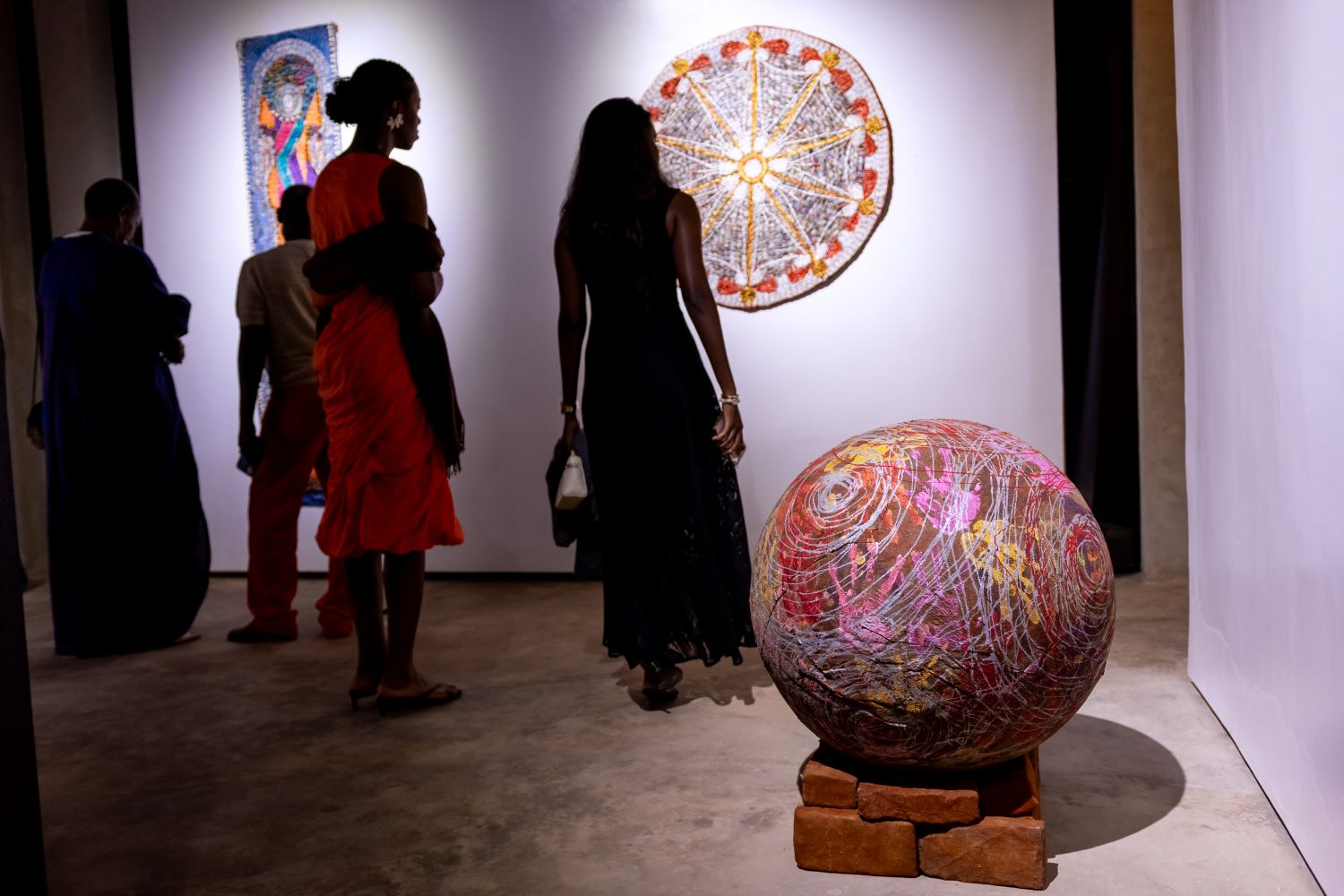
The opening exhibition, Inuma, curated by Kami Gahiga, co-founder of GICA, presents works by an impressive lineup of contemporary artists from Rwanda and beyond. Featured artists include Francis Offman, Kaneza Schaal, Innocent Nkurunziza, Feline Ntabangana, Christian Nyampeta, Sanaa Gateja, and Cedric Mizero. Each artist’s work reflects themes of memory, migration, survival, and the intersection of contemporary and traditional practices.
The title “Inuma” (which means “dove” in Kinyarwanda) symbolises the gentle yet powerful nature of the exhibition, which showcases works that communicate across borders and generations. Christian Nyampeta, for instance, explores communal living and cultural memory through a series of zines, charcoal drawings, and a film, while Kaneza Schaal presents a newly commissioned photographic series that challenges conventional perceptions of value and visibility.
Sanaa Gateja, known for his intricate beadwork, explores the intersection of craft, sculpture, and abstraction, while Francis Offman uses repurposed materials to create art that delves into themes of migration and colonial history. Feline Ntabangana adds a live performance piece that highlights gender, violence, and resilience, while Innocent Nkurunziza presents evocative barkcloth paintings that delve into spirituality and ecological reflection. Cedric Mizero merges photography and sculpture to create an immersive experience that engages with memory and material culture.
Sandrine Umutoni, Rwanda’s Minister of State for Youth and Arts, called GICA’s inauguration a “very special moment” for the country’s cultural arts, noting its role as a non-profit platform that makes the arts more accessible to all.
“We have artists from different disciplines and backgrounds, but we all share one thing in common: our relation to Rwanda,” she said.
She added that GICA’s location and accessibility are central to its impact. “To see the arts come back to Kigali and be presented to such a large audience in an affordable manner allows everyone to access and enjoy the arts. Art connects, it educates, and it has a powerful impact on society. This space brings a higher level to how art should be presented, following global standards, and it sends a strong message that art belongs to everyone, not just the elite,” she said.
Othman Lazraq, the founder of Museum of African Contemporary Art Al Maaden (MACAAL) in Marrakech, Morocco, expressed his excitement about the space and its potential.
“Art is a universal language, and this space will give more visibility to artists from Rwanda and beyond. It creates hope for the next generation of artists, offering them a platform where they can build their careers. I’m very proud to be here and support this initiative. It’s an immense addition to the cultural landscape of Rwanda,” he said.
Lazraq highlighted GICA’s role in fostering an international exchange, especially for artists from the region.
“This space provides an alternative, non-commercial environment that will be crucial for young artists starting their careers. The neutral, non-profit model here at GICA offers a platform that gives emerging artists the opportunity to think about the future of their craft, and I look forward to returning to see how it evolves.”
Kami Gahiga, co-founder of GICA, reflected on the institute’s journey and the support it has received from the community.
“This has been a real labour of love for me, for Kayneza, and for Amin Gafaranga, the architect. It took a village to build this place, and we are so thankful for the support from the community,” she shared.
“This is a place for Rwandans, by Rwandans. It’s about showcasing our talent, our love for the country, and giving a voice to perspectives that may otherwise be quieter.”
Gahiga emphasised the importance of GICA as an educational and cultural space. “We want to create a rich program focused on conversation, education, and the visibility of African art. This is Rwanda’s first non-profit institute dedicated to contemporary art, and it’s about time we had something like this. People often ask, ‘How can we think so high in Rwanda?’ But this is what Rwanda deserves. We have so much beauty in this country, and it’s time to showcase it.”
At the heart of the Gihanga Institute is its commitment to promoting African art globally while fostering intellectual and artistic exchanges. The institute’s name, “Gihanga,” honours the legendary Rwandan hero who is credited with introducing essential cultural practices and technologies that shaped Rwandan society. The institute’s founders hope to continue this legacy by offering a space where artists can reflect on Rwanda’s rich cultural heritage while pushing boundaries in contemporary art.
The institute’s debut exhibition, Inuma: A Bird Shall Carry the Voice, which ran from December 20-21, 2025, was a powerful introduction to the rich and evolving world of contemporary African art.