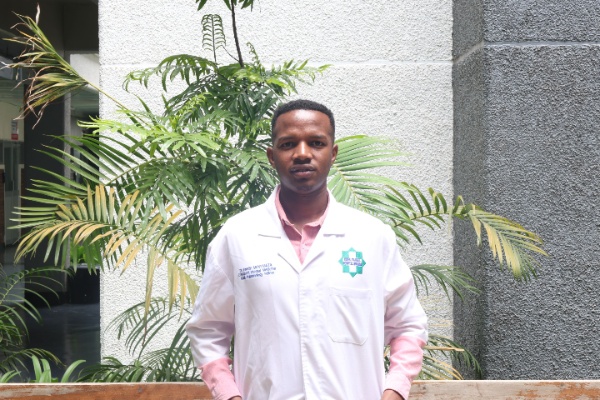
But beyond the ward rounds and clinical consultations, another mission has been steadily unfolding, one that could reshape the future of medical research in Rwanda.
A question that changed everything
Like many young doctors, Dr. Munyaneza entered medicine driven by curiosity and a desire to serve. Science fascinated him. So did the power of evidence, how data and research could shape decisions, strengthen health systems, and influence national policy.
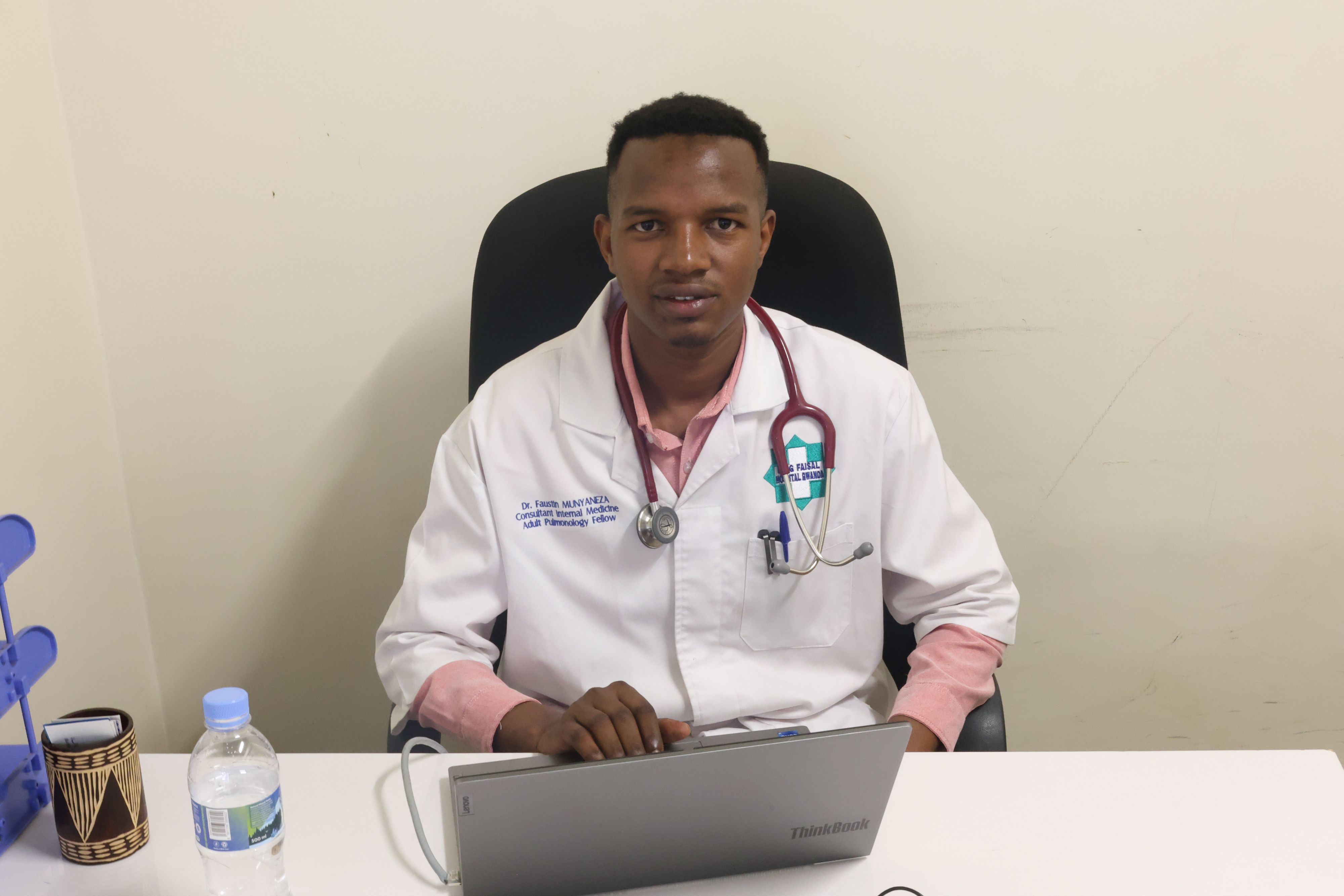
During his residency training at the University of Rwanda, he began to observe opportunities to further strengthen practical research mentorship for medical trainees.
Like any tertiary institution, research was a graduation requirement. Every resident had to complete a dissertation. As Dr. Munyaneza began shaping his own research topic, he sought guidance from senior colleagues, hoping to learn from their experience.
What he found was that many residents were navigating similar challenges themselves, balancing clinical duties while trying to translate research theory into practical project design, data analysis, and scientific writing. Some projects progressed more slowly than expected, occasionally extending training timelines. It became clear to him that the issue was not a lack of ability or dedication, but the need for more structured, hands-on mentorship throughout the research journey.
“We were taught research methodology once, mostly in theory, and then left to navigate complex projects largely on our own,” he explains.
Curious and concerned, he examined the university repository of medical Master’s theses dating back to 2014. Fewer than 10 percent had been published in peer-reviewed journals. In conversations and needs assessments with fellow residents, more than 85 percent cited lack of mentorship and practical research skills as major barriers.
Valuable local data was being generated, but rarely reaching the global scientific community.
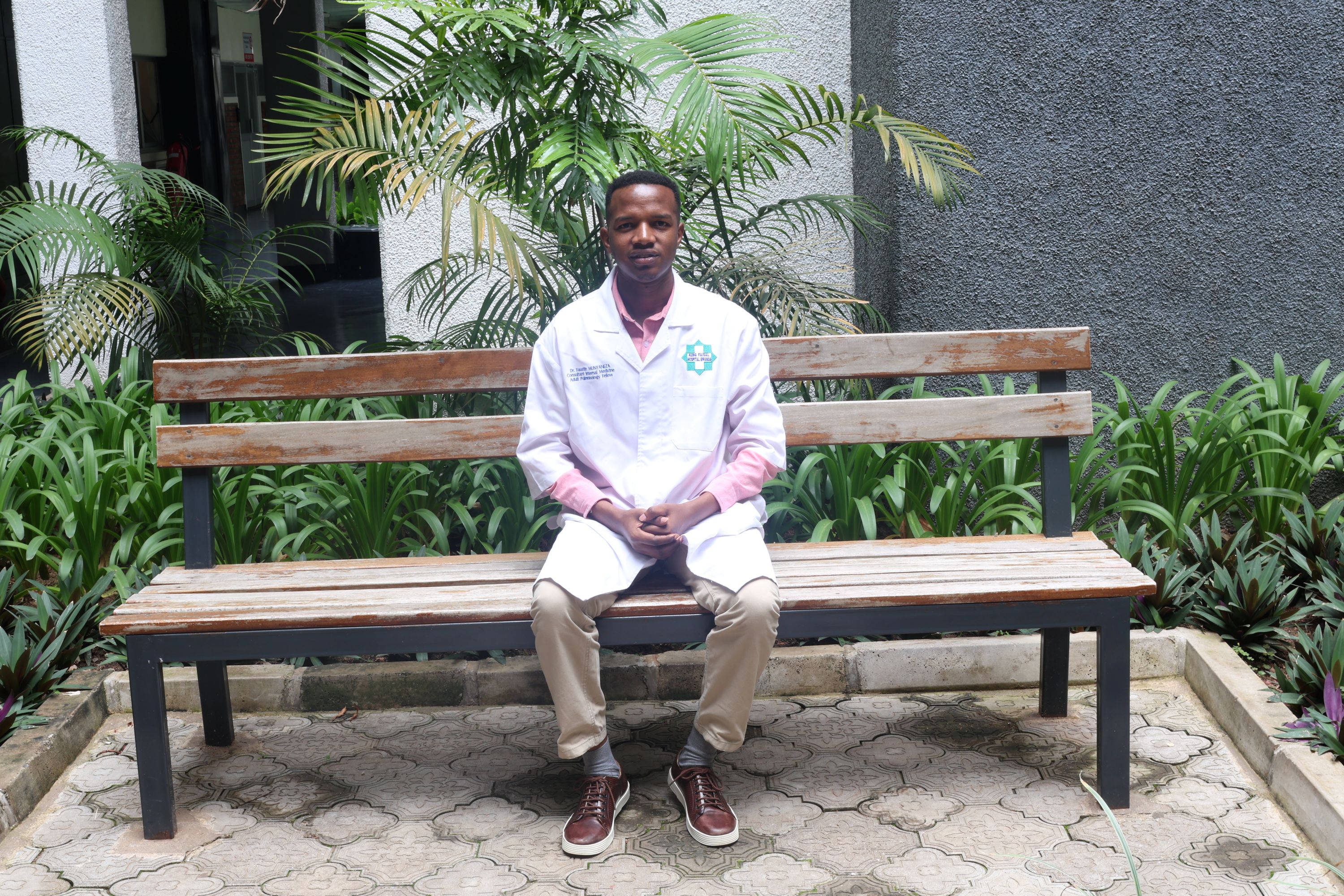
Rather than accepting the gap, Dr. Munyaneza decided to build something to fill it.
He founded NextGen MedResearch, an initiative designed to strengthen practical research mentorship for medical trainees. Its flagship program, the Resident Research Space (RRS), offers structured, step-by-step guidance from the earliest stages of idea development all the way to journal submission.
Residents receive support in designing strong protocols, navigating ethical approvals, planning statistical analyses, interpreting their own data, and writing manuscripts that meet publication standards.
Importantly, the program does not replace academic supervisors. It complements them, reducing supervisory burden while strengthening residents’ independence and confidence.
The transformation, he says, has been striking.
“Residents who consistently participate show remarkable growth. They don’t just complete dissertations. They understand their data. They defend their methodology. They think like researchers.”
A shift in identity
Perhaps the most powerful change has been less technical and more personal.
Residents who once viewed research as an academic hurdle now see it as part of their professional identity. They begin to imagine futures that include academic medicine, doctoral training, conference presentations, and independent projects.
“They no longer see themselves only as clinicians,” Dr. Munyaneza notes. “They see themselves as contributors to knowledge.”
That shift matters. In a country like Rwanda, with its unique epidemiological patterns, environmental factors, and health system realities, relying solely on external data can limit effectiveness. Local research ensures that clinical guidelines and policies reflect lived realities.
For Dr. Munyaneza, strengthening research output is not about prestige. It is about patient care.
“Without strong local evidence, we make decisions based on assumptions that may not fully apply to our context,” he says. “Research improves outcomes.”
Collaboration and vision
The initiative has grown through collaboration. Partnerships with the University of Rwanda, teaching hospitals, and international collaborators like Oli Health Magazine Organization are expected to expand mentorship networks and create new opportunities for publication and conference engagement.
Rwanda’s policy environment, including its emphasis on innovation and evidence-based healthcare, provides fertile ground. Still, Dr. Munyaneza sees room for growth: protected research time for residents, stronger infrastructure, access to statistical tools and journals, and sustainable funding.
Looking ahead, he envisions expanding the Resident Research Space nationally, developing AI-powered mentorship tools, and launching a digital mentor–mentee matching platform to connect Rwandan trainees with experts across Africa and beyond.
“Africa does not lack talent,” he often says. “It lacks systems that nurture that talent.”
Ask him where he hopes Rwanda will stand in a decade, and his answer comes without hesitation.
He sees hospitals generating high-quality, clinician-led research. Residents graduating not only as competent specialists but as confident researchers. Local data shaping national health policy. Rwanda emerging as a continental hub for scientific innovation.
But if his journey proves anything, it is that systems can be built. Gaps can be addressed. And change often begins with one person who refuses to accept that things must remain as they are.
Leave a Reply