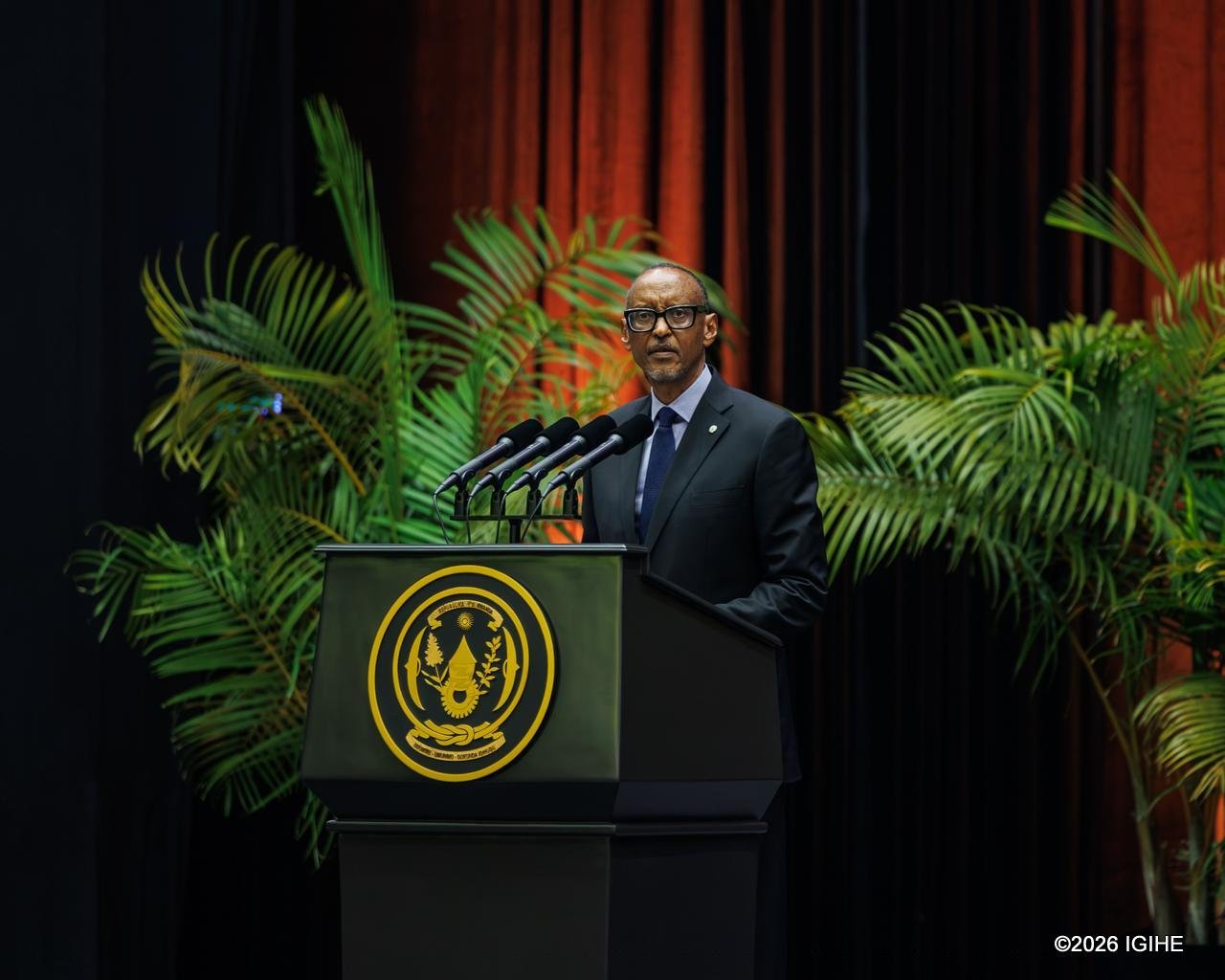
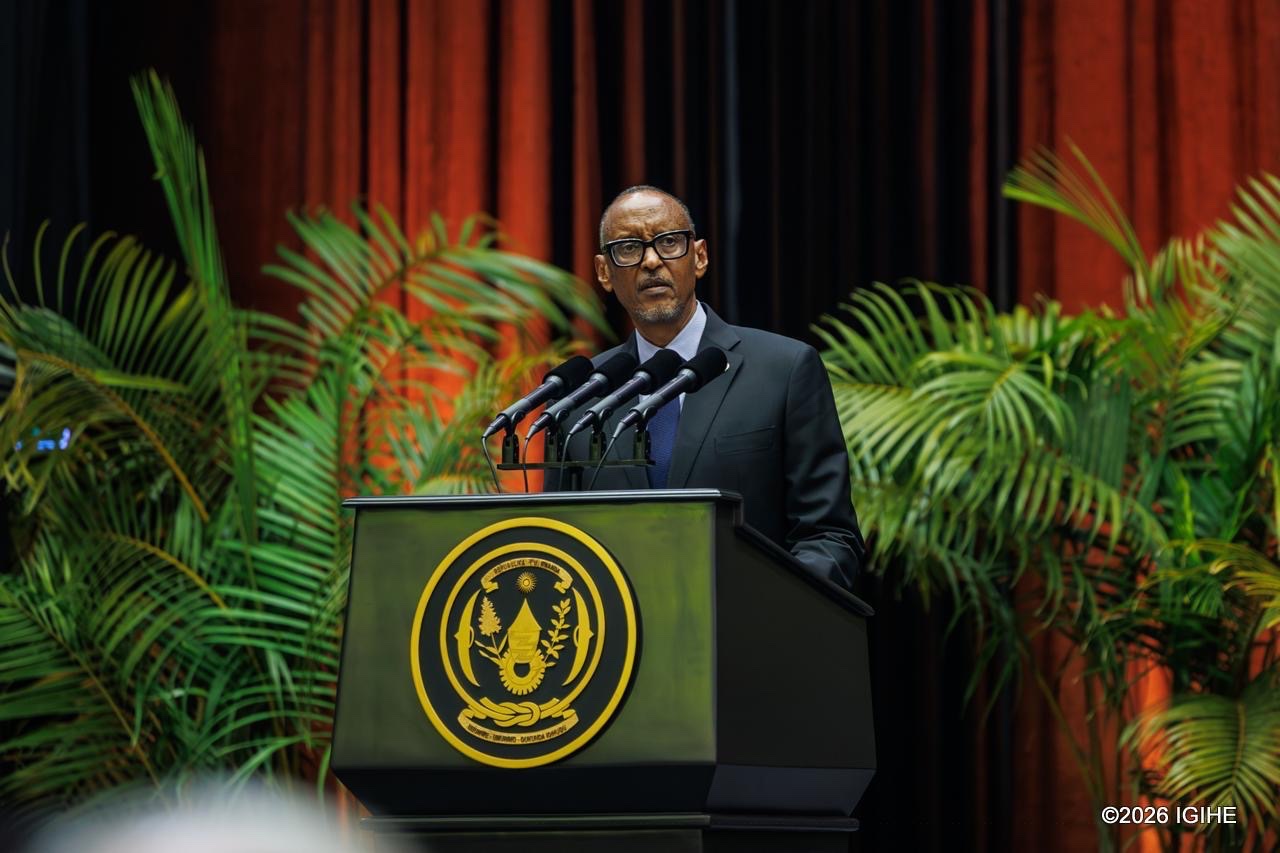
Speaking during a diplomatic dinner with ambassadors, high commissioners and representatives of international organisations in Kigali on Friday, Kagame said Rwanda faces what he described as an “impossible choice” between tolerating threats near its borders or defending itself and facing condemnation.
His remarks come days after the United States imposed sanctions on the Rwanda Defence Force (RDF) over the conflict in eastern Democratic Republic of the Congo (DRC).
The Head of State said Rwanda’s defensive measures are driven solely by security concerns, particularly the continued presence of the Democratic Forces for the Liberation of Rwanda (FDLR), a militia group formed by perpetrators of the 1994 Genocide against the Tutsi, in the eastern DRC.
“Rwanda faces an impossible choice: to either tolerate the continued presence of the FDLR and its growing network of militias and allow them to grow closer to our border or to defend ourselves and be condemned for it,” Kagame said.
“Any condemnation that comes, by the way, is a badge of honour for our security forces,” he added.
Security concerns
The president told diplomats that Rwanda’s security concerns stem from the continued presence and activities of the FDLR in eastern DR Congo, accusing the Congolese government of providing political cover and support to the group.
According to Kagame, the militia continues to spread an ideology rooted in genocide and has formed alliances with other armed groups in the region.
“One thing that has not changed is the right and duty of every nation to ensure the safety of its borders and people. Rwanda is no exception,” Paul Kagame said, adding that the country’s defensive measures are intended to address security threats and nothing else.
He argued that Rwanda has repeatedly raised these concerns in regional and international forums, but claims that the root causes of the conflict are often ignored in favour of short-term political interests.
Kagame also questioned the implementation of the Washington Accords, saying the agreement was intended to address security concerns for all parties involved.
He noted that the accords involve three parties, Rwanda, DR Congo and the United States, but said expectations often appear to place the burden of compliance primarily on Rwanda.
“A signed peace agreement should bind all parties equally,” Kagame said, adding that selective pressure risks emboldening armed groups and prolonging instability.
Call for lasting peace
Despite the tensions, Kagame emphasised that Rwanda remains committed to peace in the region.
He said Rwanda would be ready to lift its defensive measures if DR Congo fulfils its obligations under the Washington Accords, including addressing the threat posed by the FDLR and other armed groups operating near Rwanda’s borders.
“Rwanda wants peace,” Kagame said. “But we want a genuine and lasting peace on which we can build our future prospects.”
The president also warned that Rwanda would never compromise on the security gains it has built over the past three decades.
“We have made a promise to ourselves never to go back to the dark days,” he told the diplomats. “That is not something we will waver from.”
President Kagame said Rwanda’s defensive measures are driven solely by security concerns, particularly the continued presence of the FDLR genocidal force in the DRC.
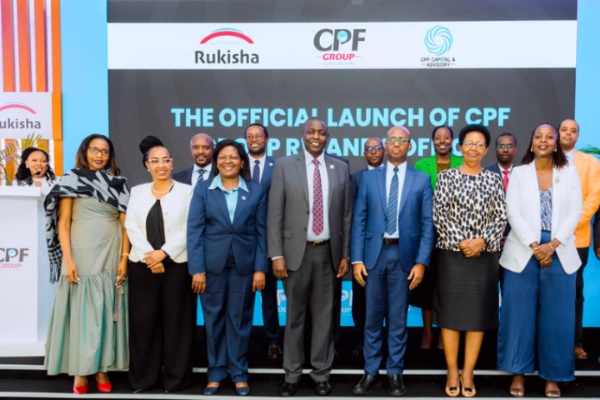
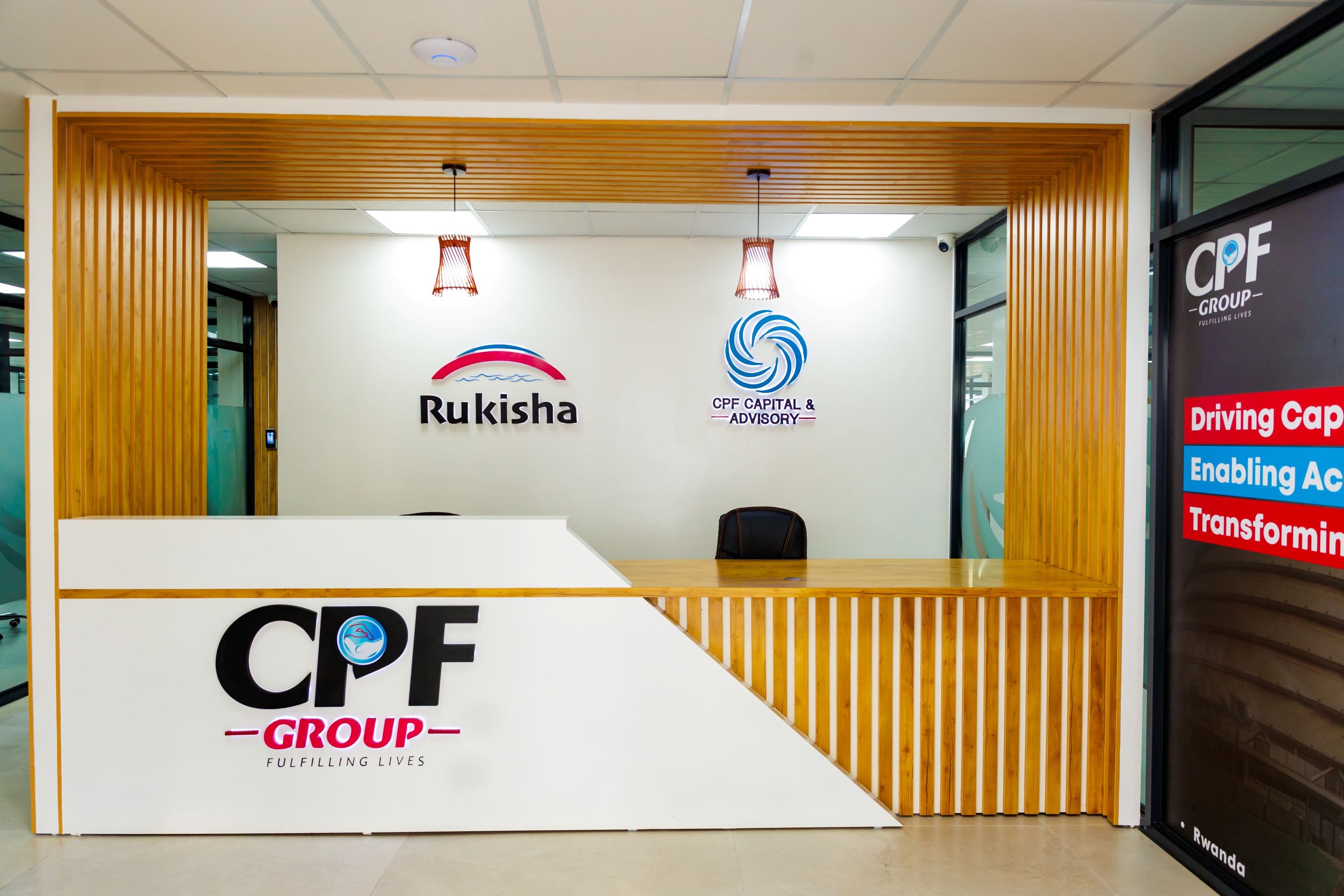
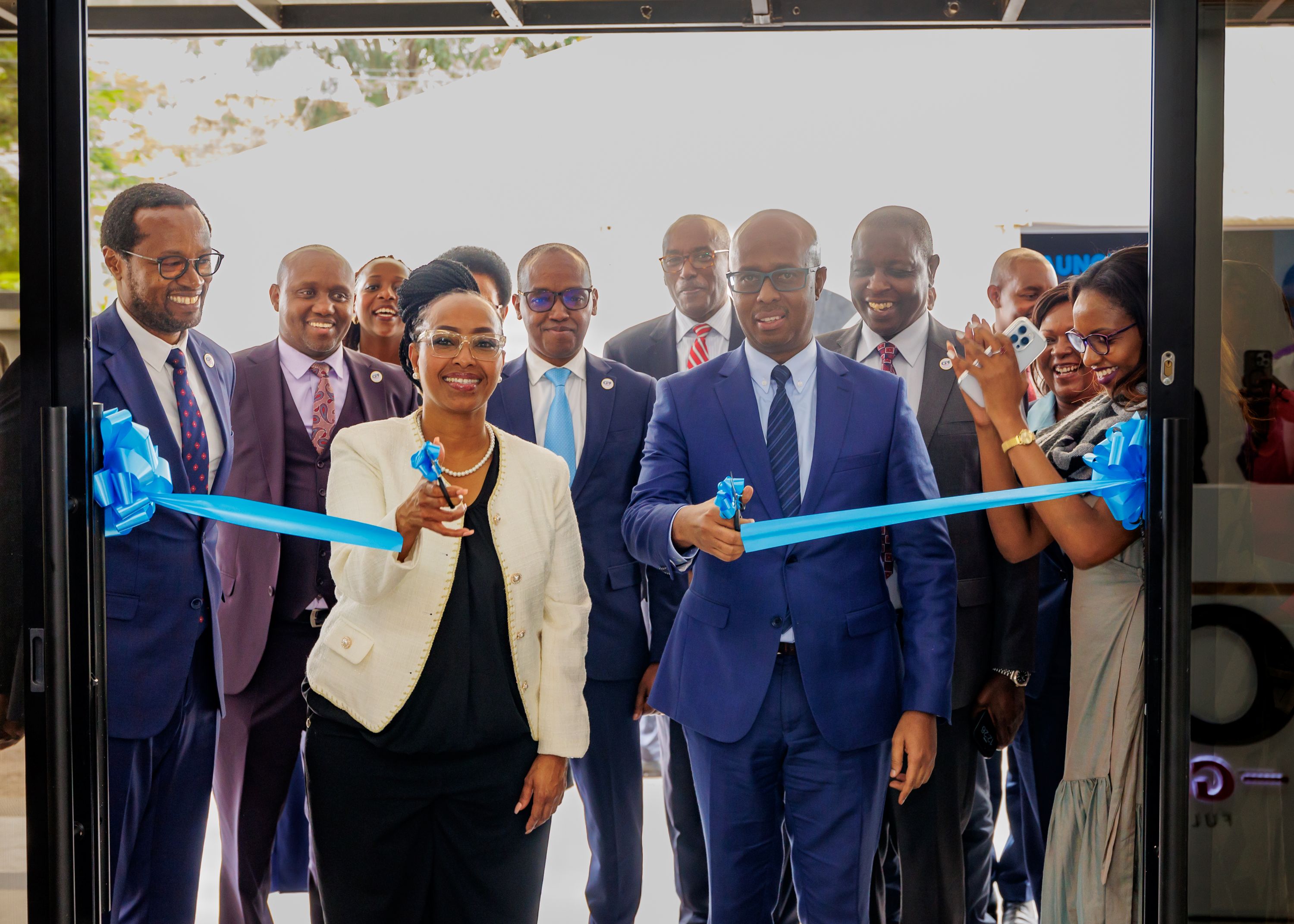
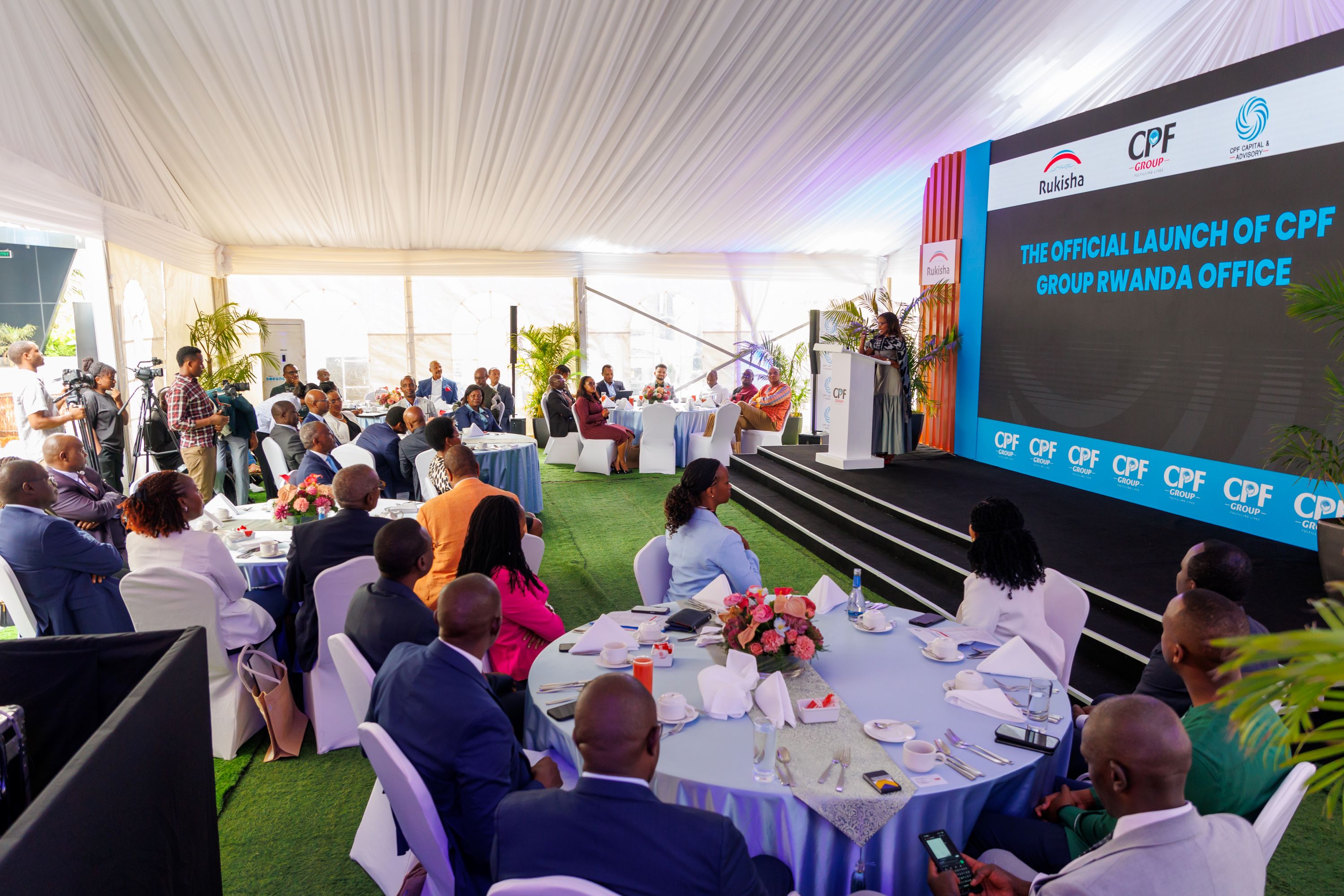
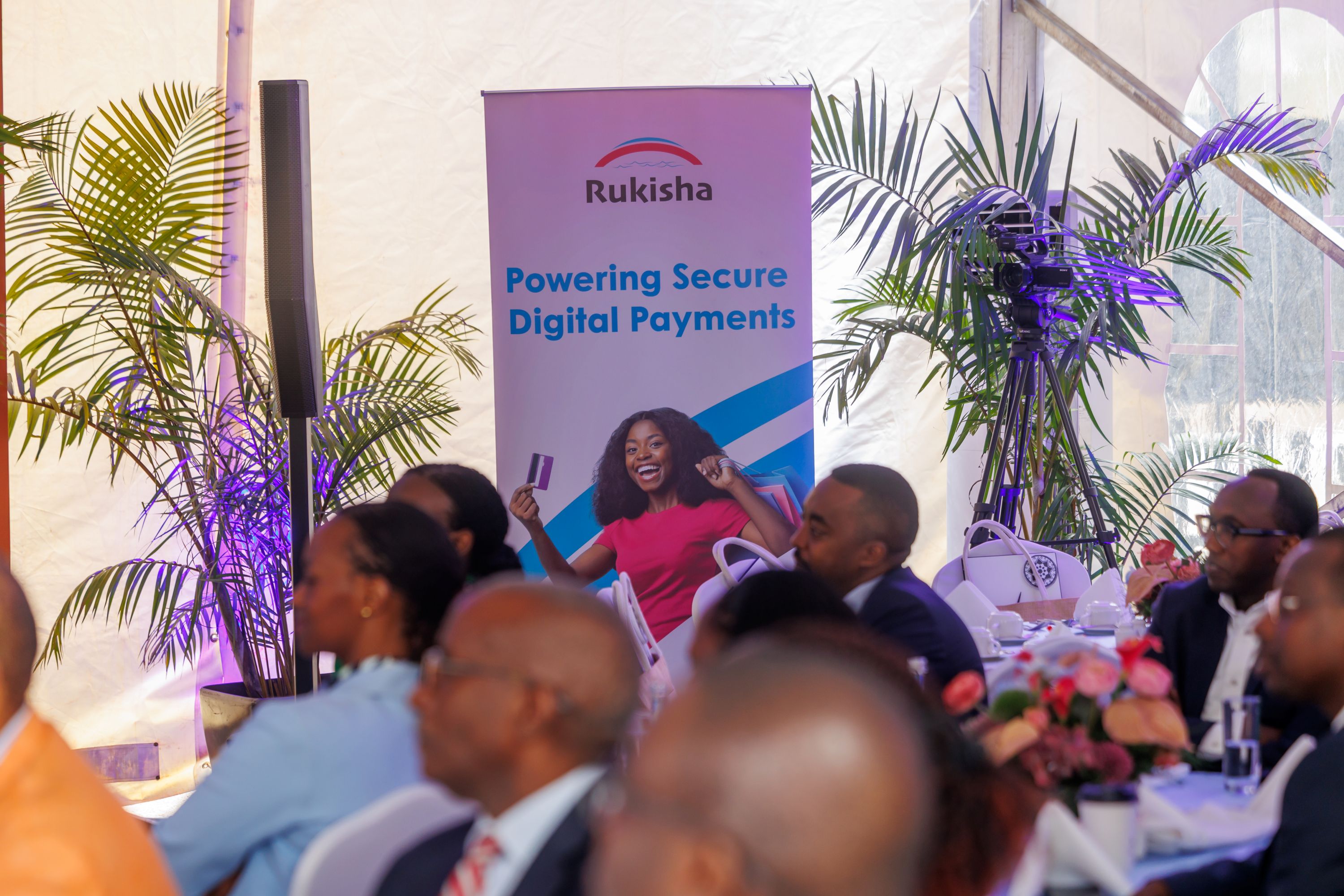
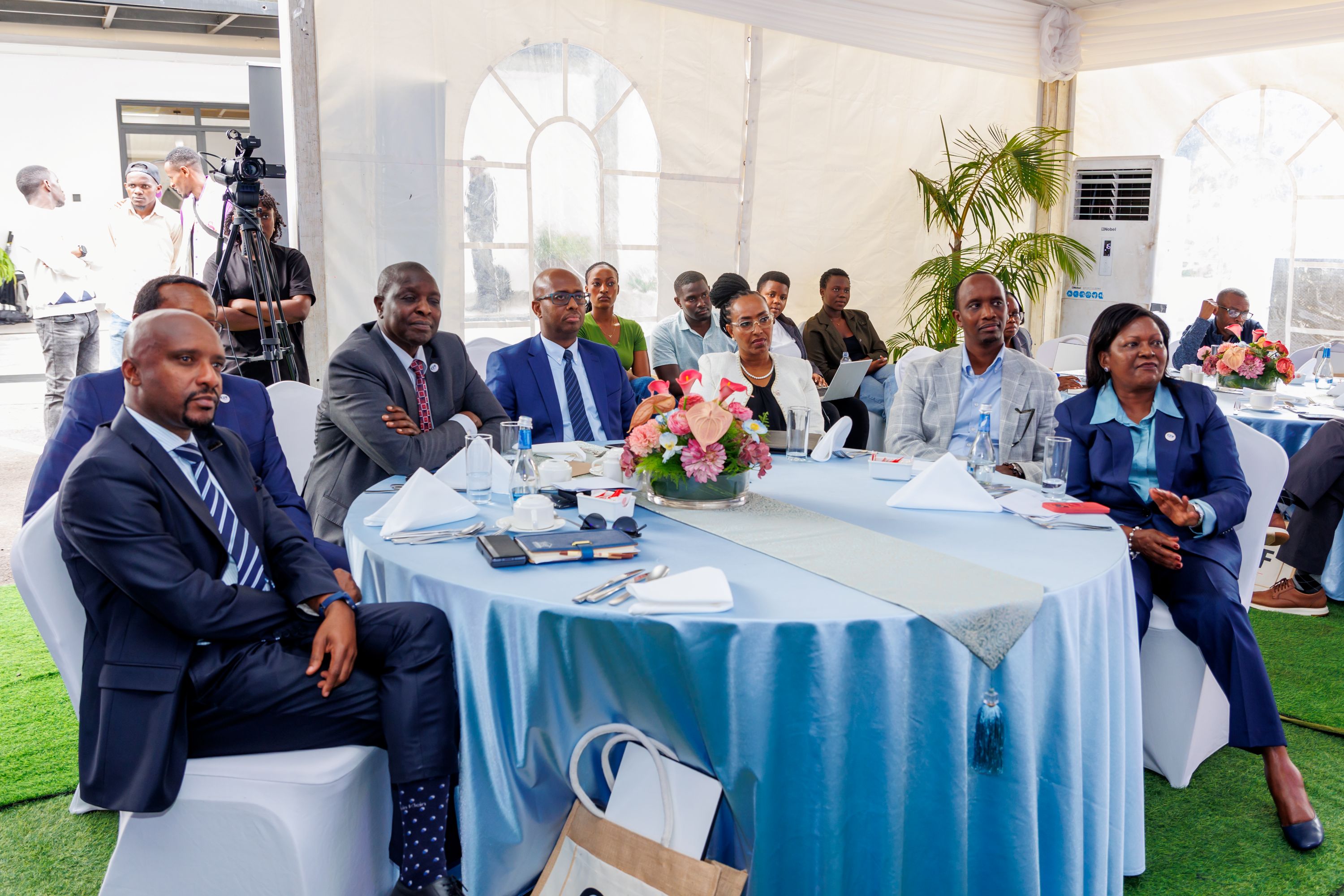
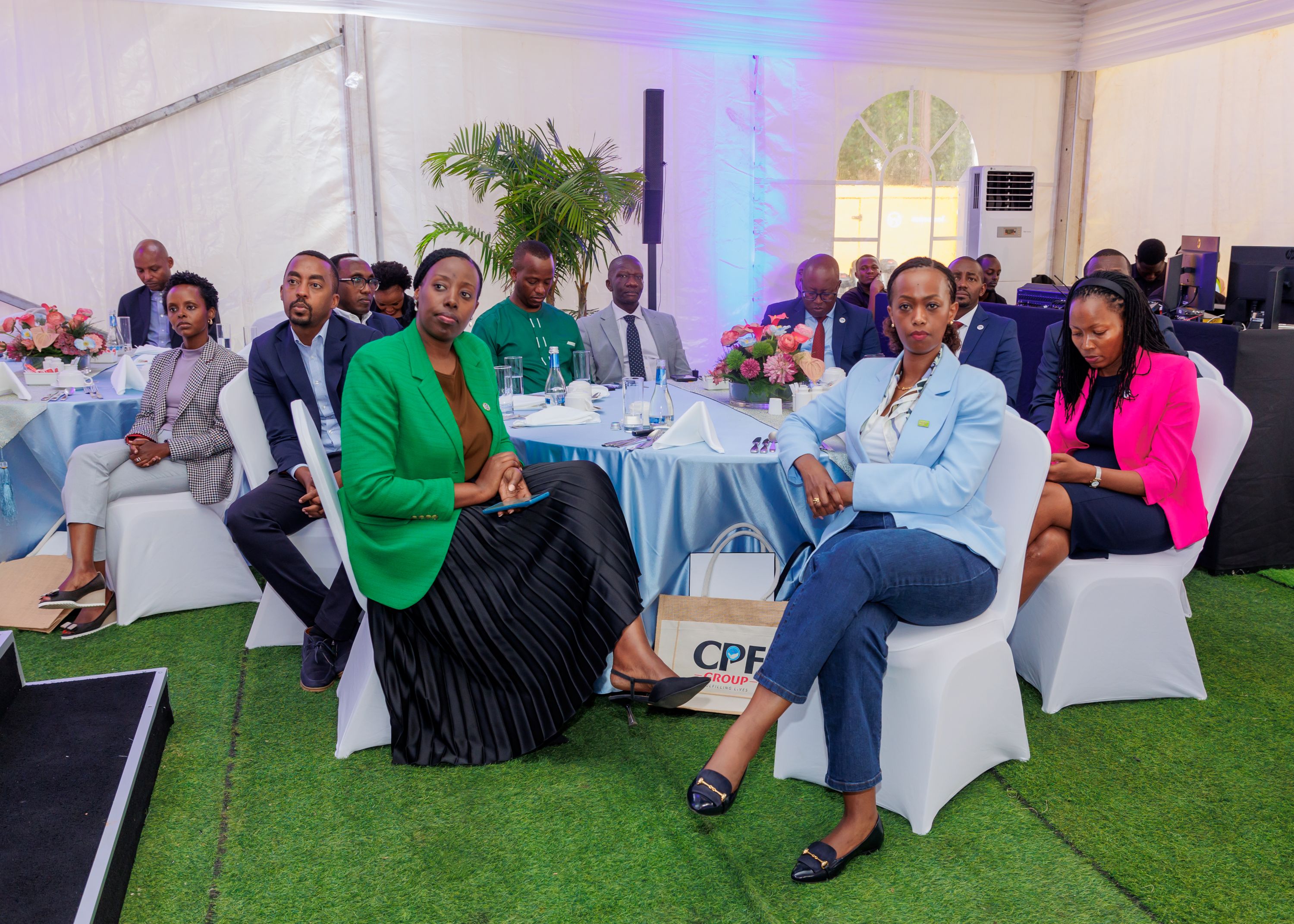
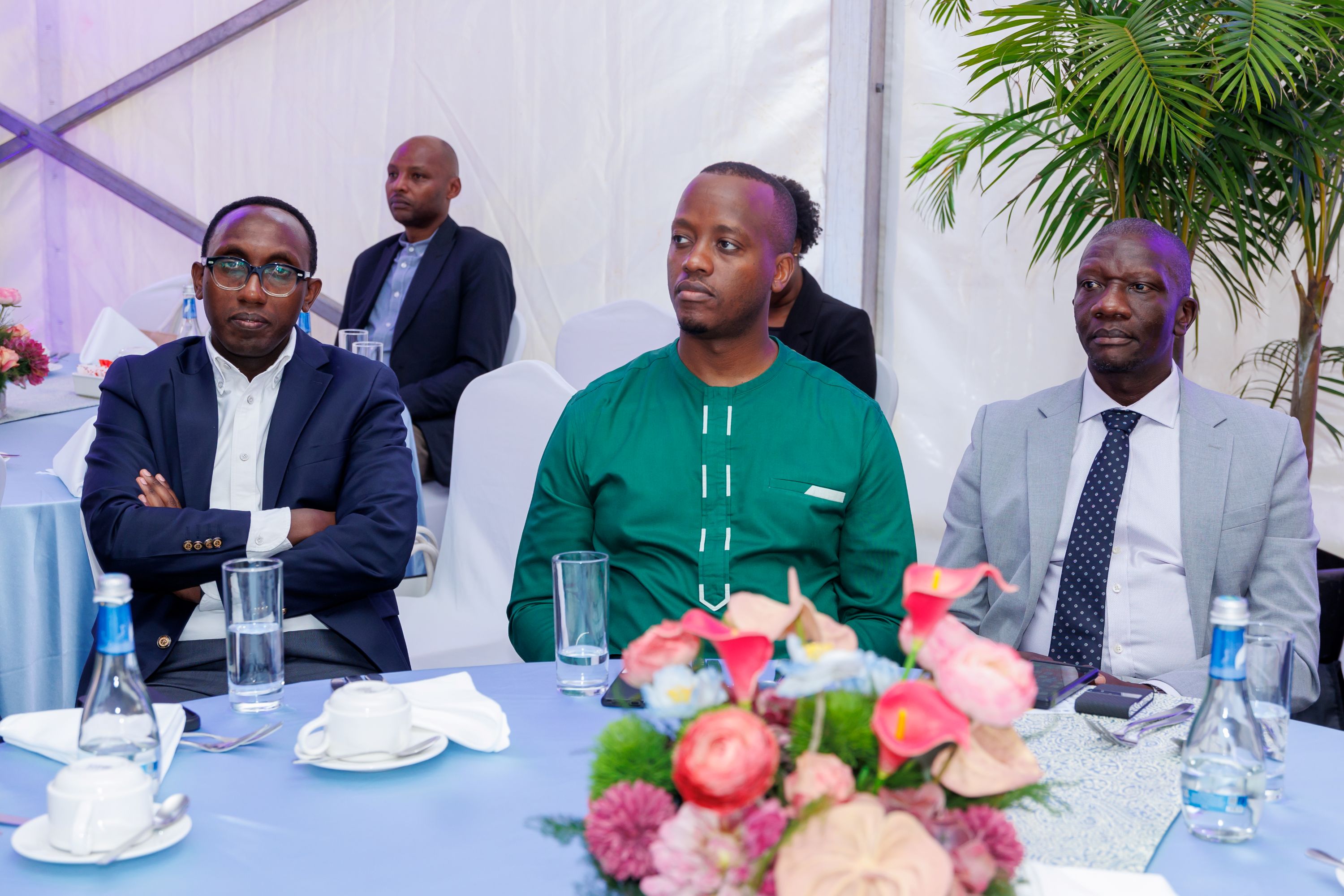
The office, located at the Zein Building in Nyarutarama, Kigali, will host the group’s subsidiaries CPF Capital & Advisory, Rukisha Solutions, and CPF Financial Services, positioning the institution as a partner in capital markets development, structured finance, and technology-driven financial services in Rwanda.
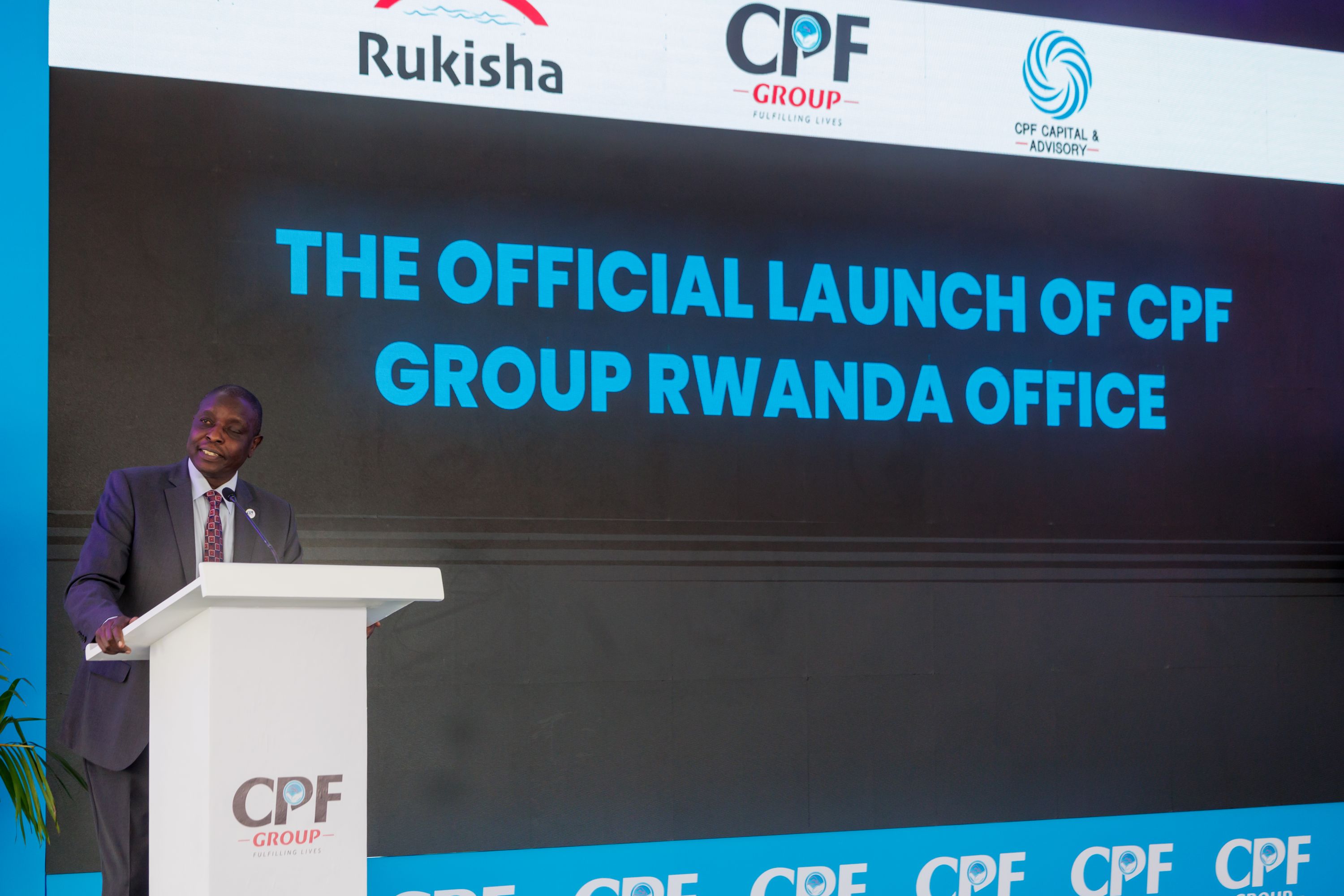
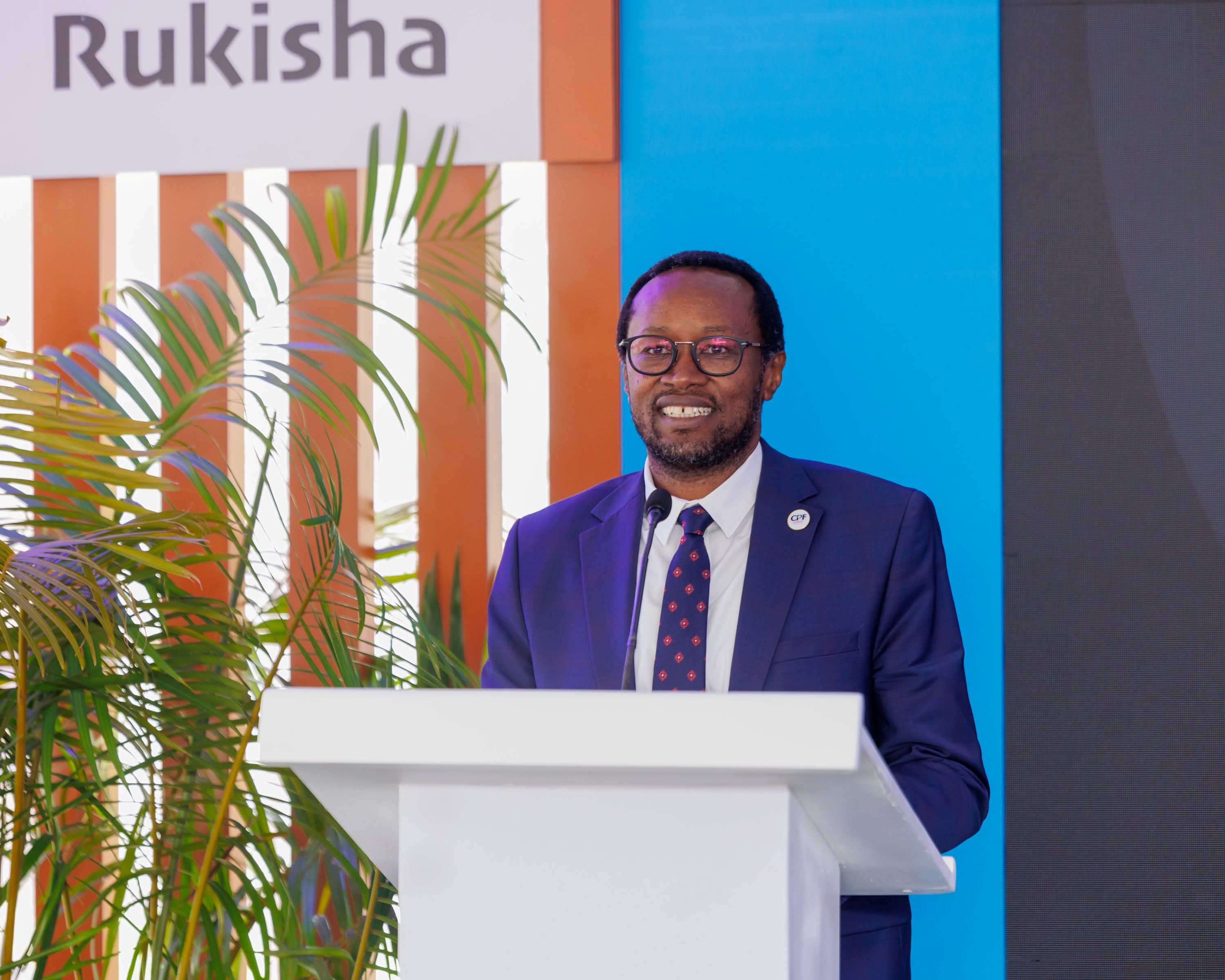
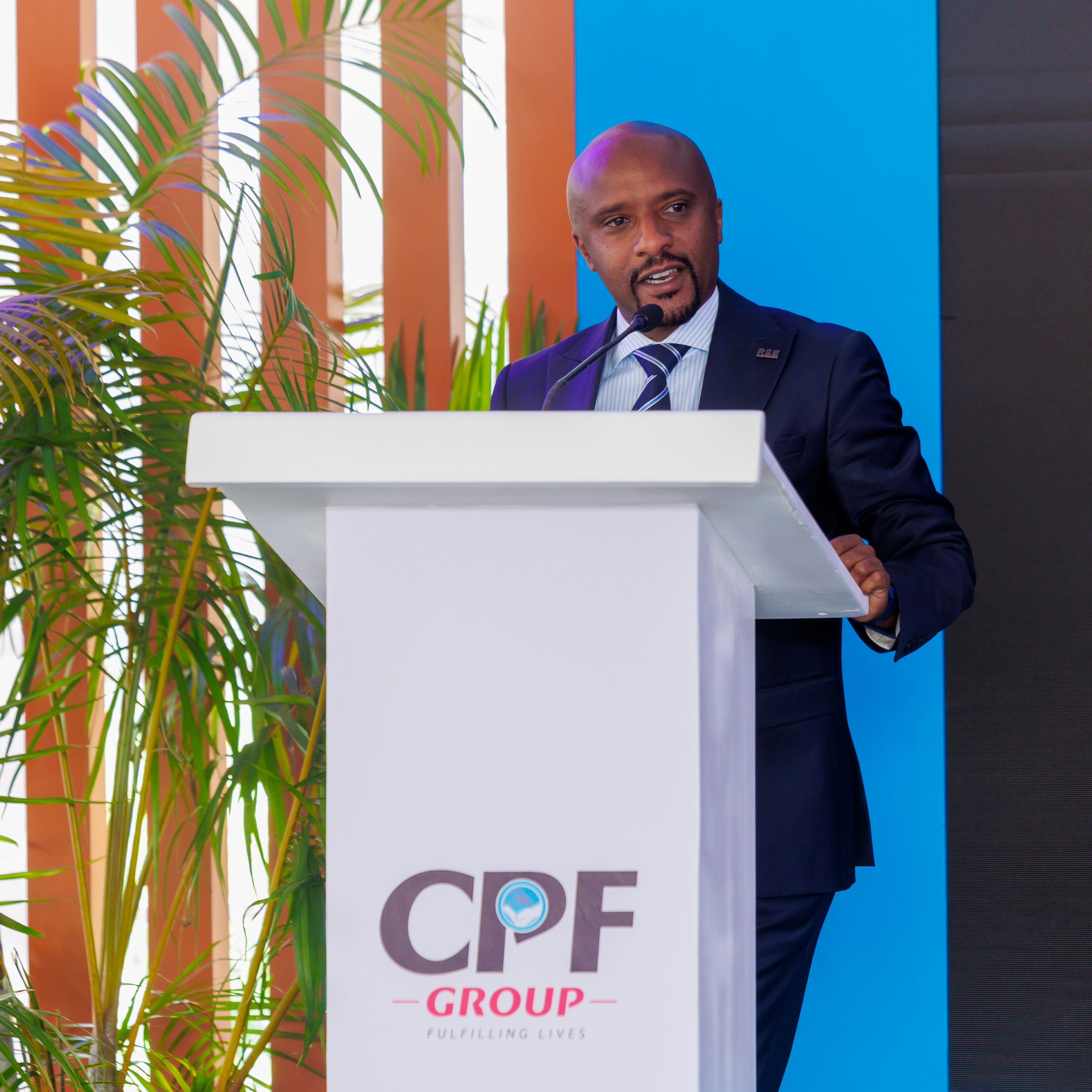
Speaking during the launch on Friday, Hosea Kili, Group Managing Director and CEO of CPF Group, said Rwanda’s stable regulatory environment and rapidly developing digital economy made it an attractive destination for the company’s regional growth strategy.
“Our presence in Rwanda reflects the deliberate regional growth strategy. Rwanda has built one of Africa’s most stable and forward-looking financial ecosystems. We are here to mobilize capital responsibly, structure transformative transactions, and support institutions with governance-led, execution-focused advisory solutions aligned to national development priorities,” Kili said.
Hosea Kili, Group Managing Director and CEO of CPF Group, said Rwanda’s stable regulatory environment and rapidly developing digital economy made it an attractive destination for the company’s regional growth strategy.
He revealed that the group plans to begin operations with a $20 million investment, with additional capital expected as the company identifies further opportunities in the market.
Founded in Kenya in the 1920s as a pension fund administrator, CPF Group has grown into a diversified regional financial services institution providing pension administration, wealth management, capital advisory and structured finance services. The company currently administers pension funds with a combined value of over Ksh 318 billion (approximately Rwf 3.6 trillion) serving more than 500,000 members.
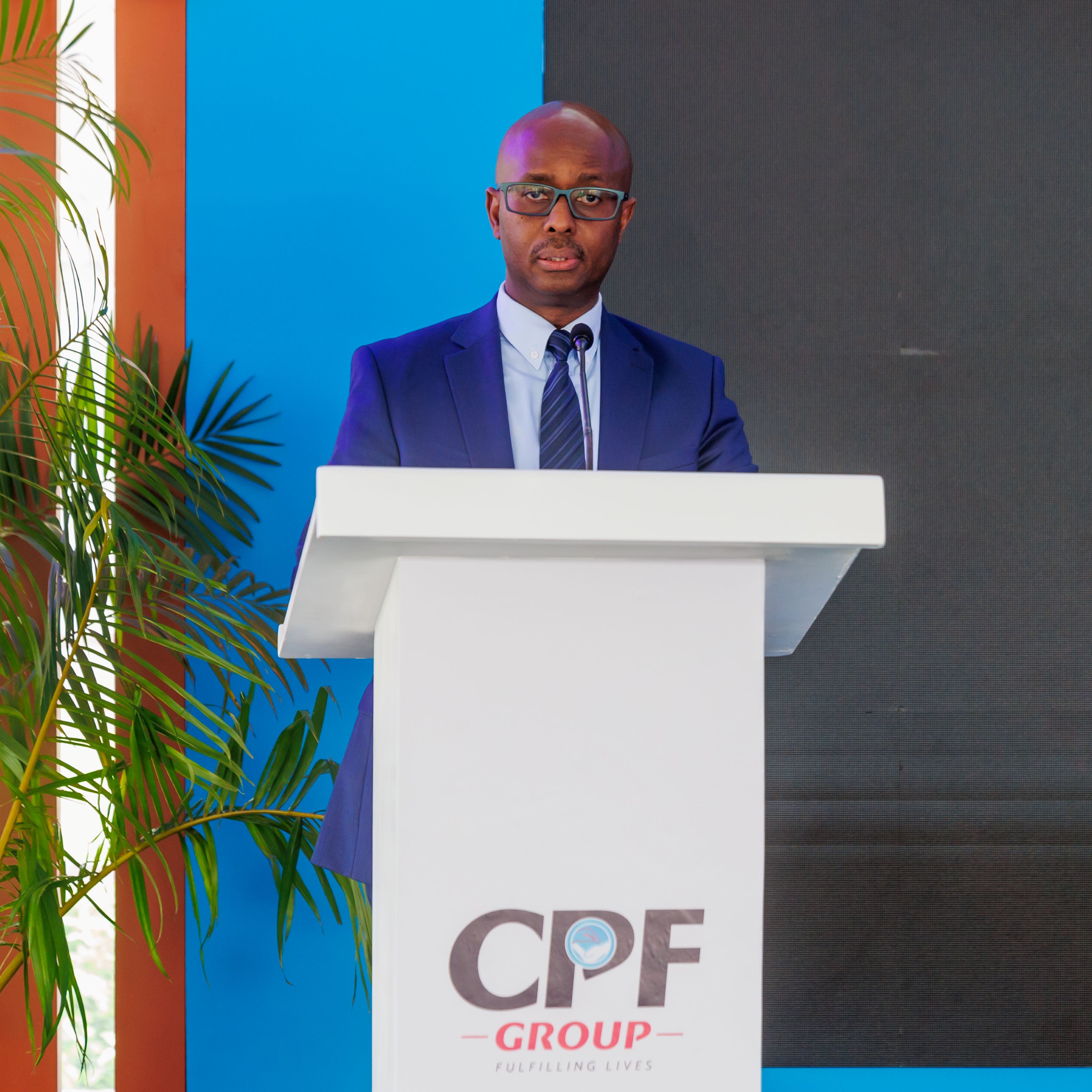
According to Maurice Nduranu, Group Chairperson, CPF Group, Rwanda was chosen as one of the first destinations for the group’s international expansion due to its strong investment climate and supportive regulatory environment.
“We are excited about the ease of doing business in Rwanda and the responsiveness of both government and the private sector. For us, this is an excellent first stop outside Kenya as we expand across the region with ultimately Pan-African ambitions,” Nduranu said.
Maurice Nduranu, Group Chairperson, CPF Group, Rwanda was chosen as one of the first destinations for the group’s international expansion due to its strong investment climate and supportive regulatory environment.
He added that establishing a physical presence in Rwanda would allow the firm to build partnerships locally rather than operating remotely from Kenya.
“We believe capital is borderless, and African businesses must increasingly operate across borders. Being here allows us to collaborate with institutions on the ground and contribute to regional economic growth,” he noted.
The Rwanda office will focus on capital markets advisory, infrastructure financing, alternative investment structuring, and cross-border capital mobilization. Through its fintech subsidiary Rukisha Solutions, the company also plans to introduce digital micro-lending and payments services aimed at expanding financial inclusion.
The office, located at the Zein Building in Nyarutarama, Kigali, will host the group’s subsidiaries CPF Capital & Advisory, Rukisha Solutions, and CPF Financial Services.
Kili said Rwanda’s growing Rwanda Stock Exchange presents opportunities for new investment products, noting that the group intends to support listings and capital market transactions in the country.
“We have strong experience in transaction advisory and investment banking across the region. Through our investment banking license, we expect to bring new products that can be listed on the stock exchange and deepen Rwanda’s capital markets,” he said.
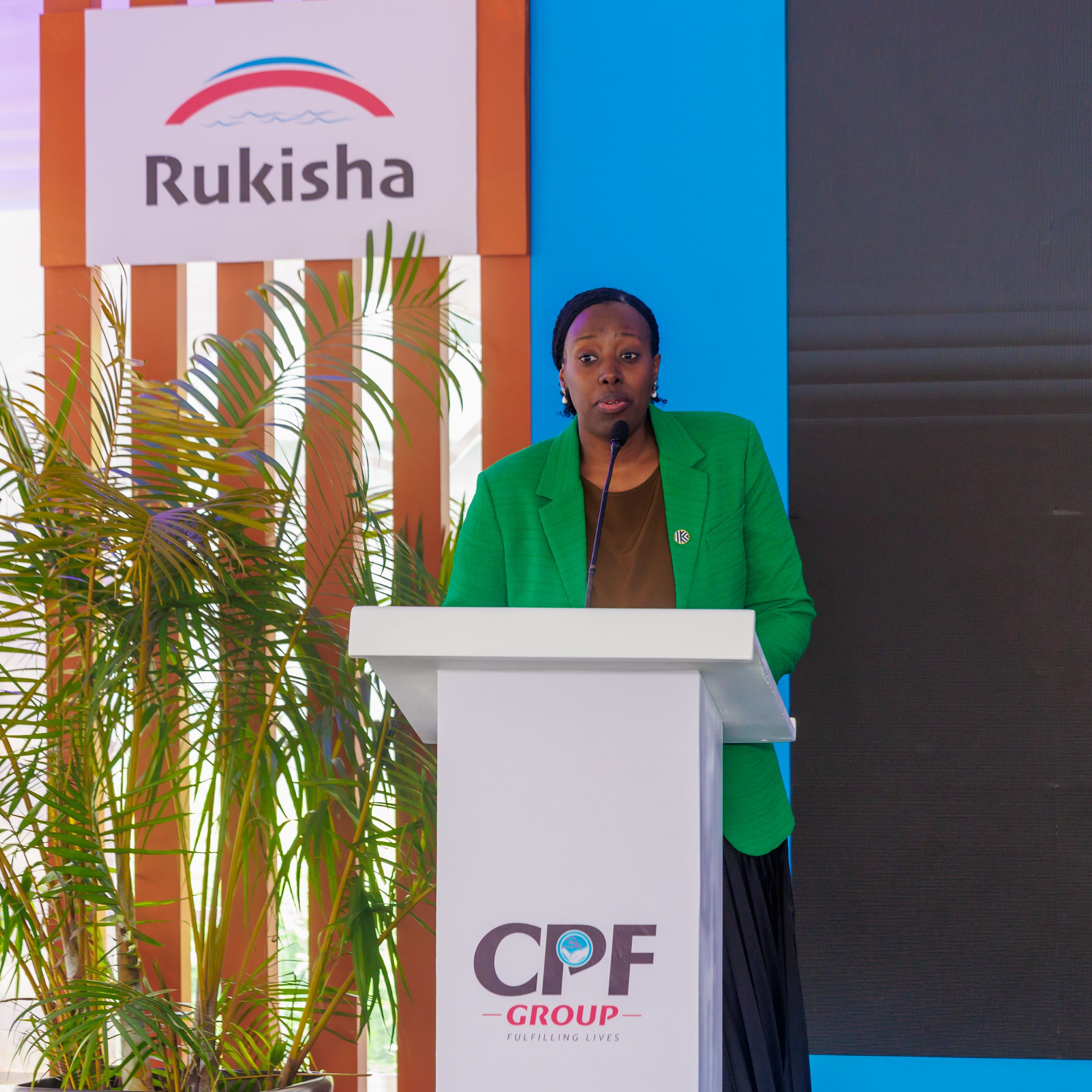
Speaking at the launch, Rwanda’s Minister of Finance and Economic Planning, Yusuf Murangwa, said the entry of institutions like CPF Group reflects growing confidence in Rwanda’s economic direction and policy framework.
“This milestone reflects the continued confidence that regional and international institutions have in Rwanda’s economic direction, the strength of our policy framework, and the consistency with which we are implementing our national development agenda,” Murangwa said.
Rwanda’s Minister of Finance and Economic Planning, Yusuf Murangwa, said the entry of institutions like CPF Group reflects growing confidence in Rwanda’s economic direction and policy framework.
He emphasized that strengthening financial markets and expanding financial inclusion remain key priorities for the government.
“Mobilizing long-term capital is essential for financing infrastructure, supporting private sector growth, and delivering our national strategy for transformation. Institutions such as CPF Capital play an important role in bringing structuring expertise and access to new sources of capital,” he said.
Murangwa added that Rwanda is continuing to invest in institutions, regulatory frameworks and financial infrastructure to position the country as a regional financial and investment hub.
On her part, Janet Mwawasi, Kenya’s High Commissioner to Rwanda, highlighted the broader economic and diplomatic significance of the launch between the two countries.
“The establishment of CPF Group in Rwanda represents the strengthening of economic ties between Kenya and Rwanda and demonstrates the confidence Kenyan institutions have in Rwanda’s regulatory environment and growth trajectory. This investment reflects the shared ambition of our nations to deepen capital markets integration and accelerate sustainable regional development.”
Janet Mwawasi, Kenya’s High Commissioner to Rwanda, said the establishment of CPF Group in Rwanda demonstrates the confidence Kenyan institutions have in Rwanda’s regulatory environment and growth trajectory.
The expansion into Rwanda marks a key milestone in CPF Group’s broader regional strategy, as the nearly century-old institution seeks to deepen its presence across East Africa while pursuing longer-term Pan-African ambitions.
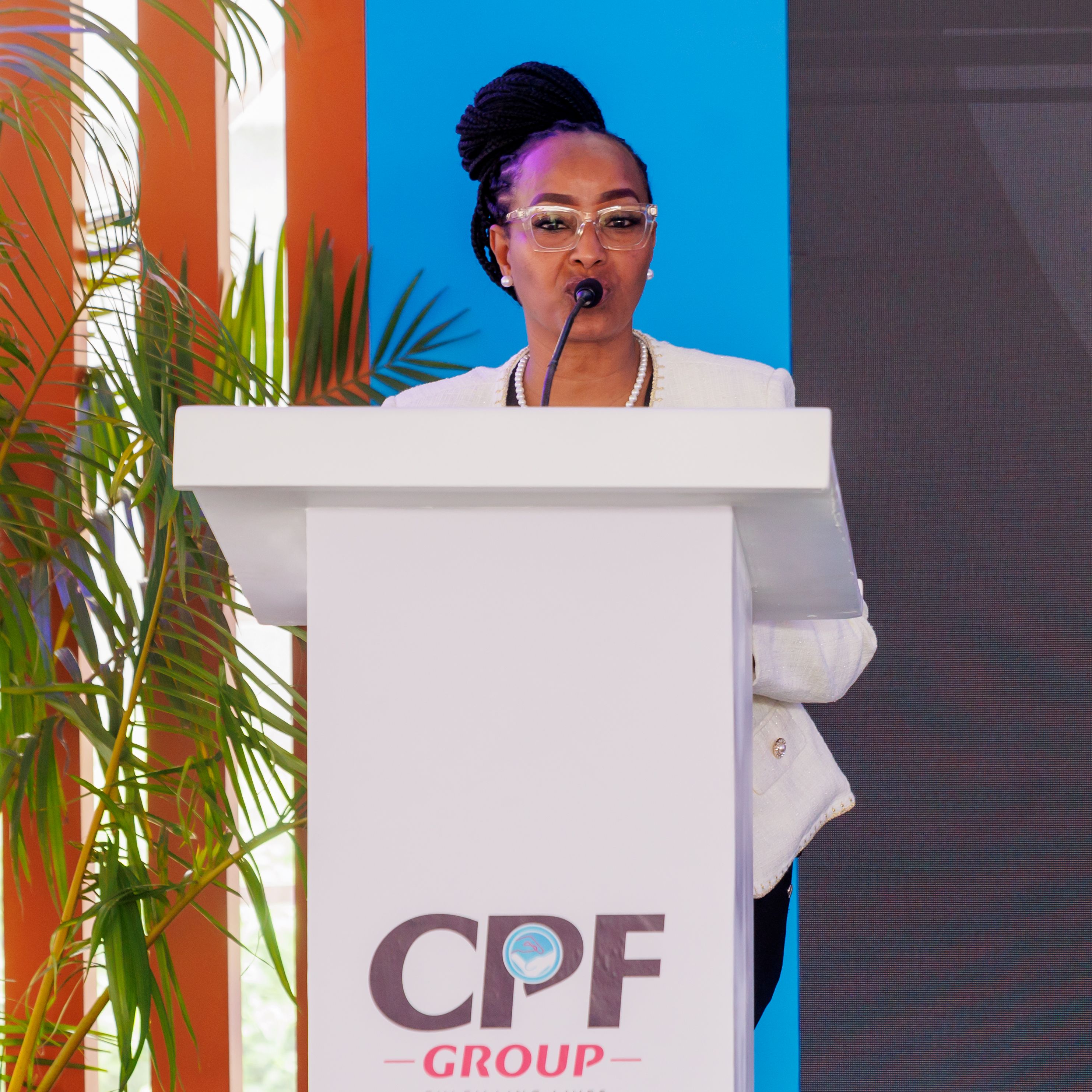
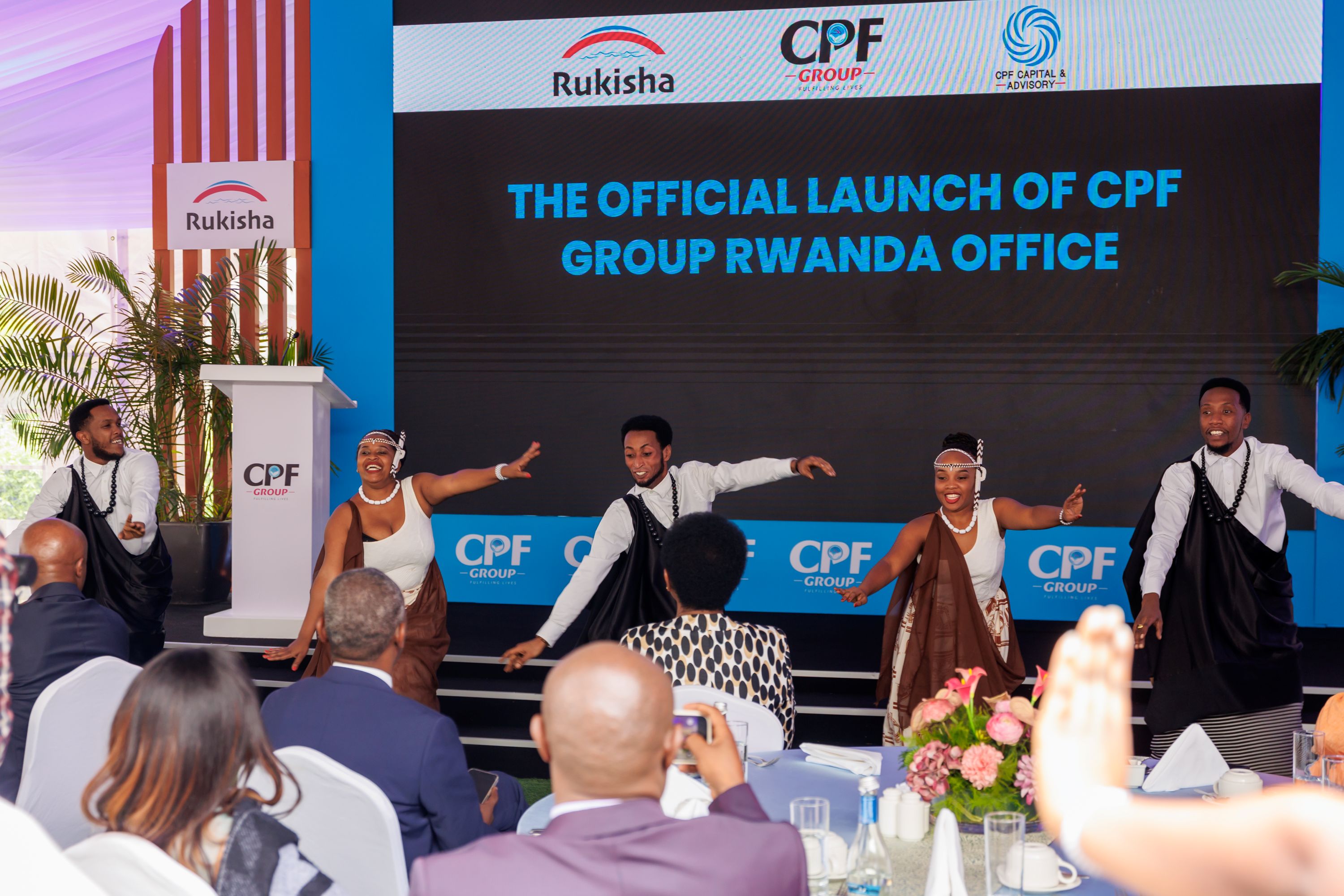
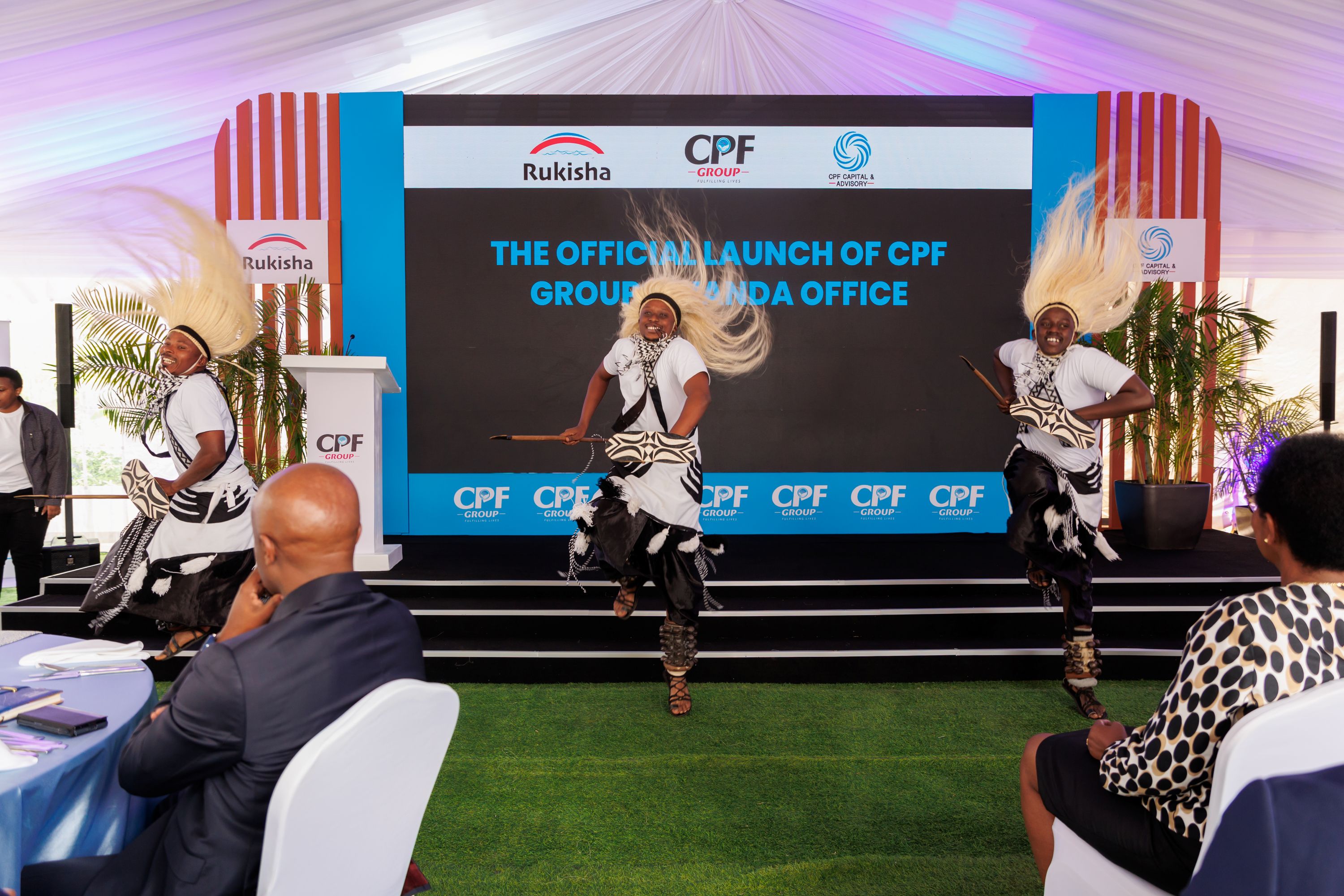
Pierre-Célestin Rwabukumba, the Chief Executive Officer (CEO) of the Rwanda Stock Exchange (RSE), attended the event.Hortense Mudenge, the CEO of the Kigali International Financial Centre (KIFC), also graced the launch.Various stakeholders attended the launch.Attendees were treated to entertainment by a traditional Rwandan troupe.
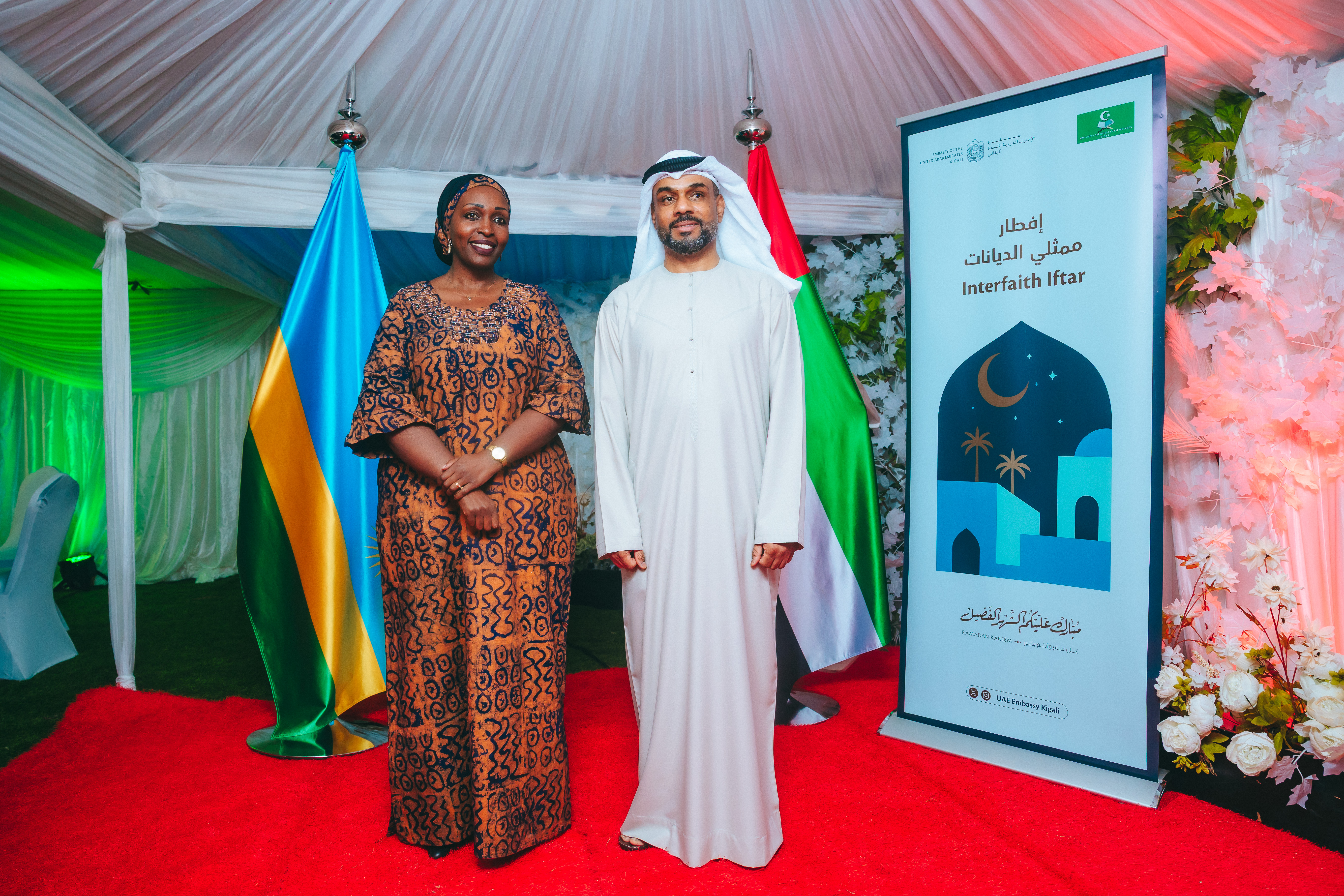
The gathering highlighted shared values of compassion, tolerance and mutual respect, with speakers emphasizing the role of faith communities in fostering harmony in society.
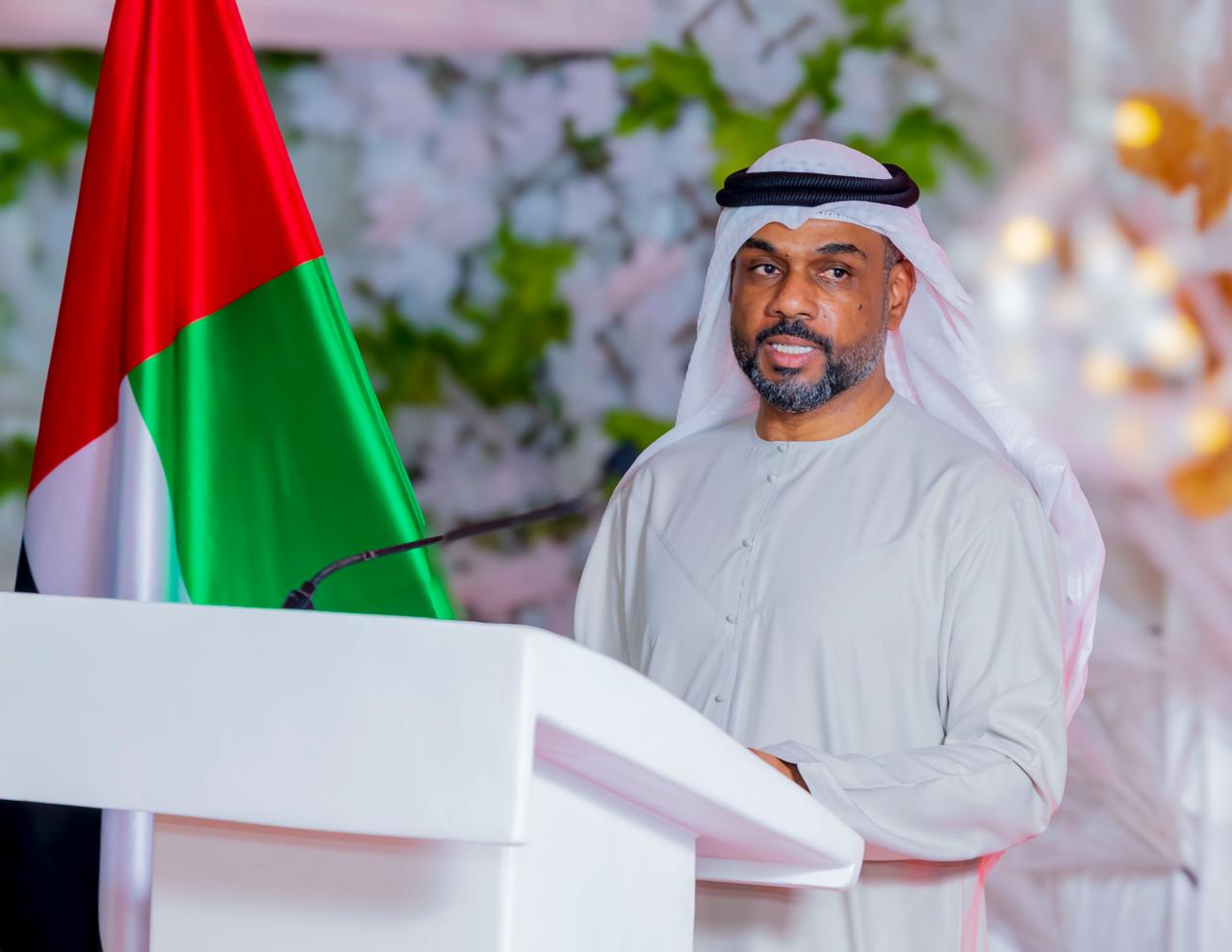
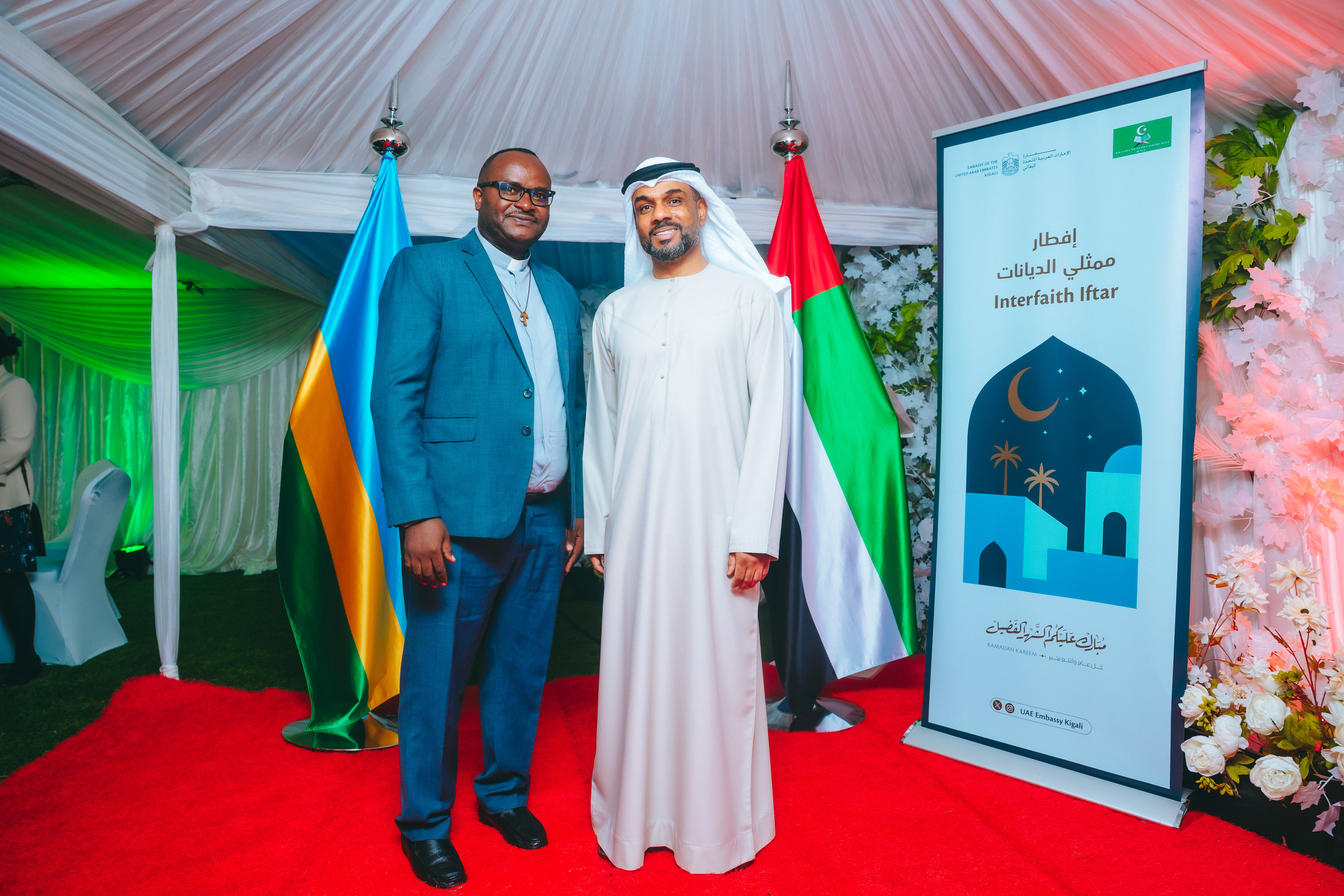
Speaking at the event, the UAE Embassy’s Chargé d’Affaires, Mohammed AlKaabi, said the interfaith Iftar was an opportunity to bring together people from diverse traditions in the spirit of friendship and shared humanity.
“Your presence honors us, and it also gives this gathering its true meaning: coming together across traditions and backgrounds in a spirit of respect, friendship and shared humanity,” he said.
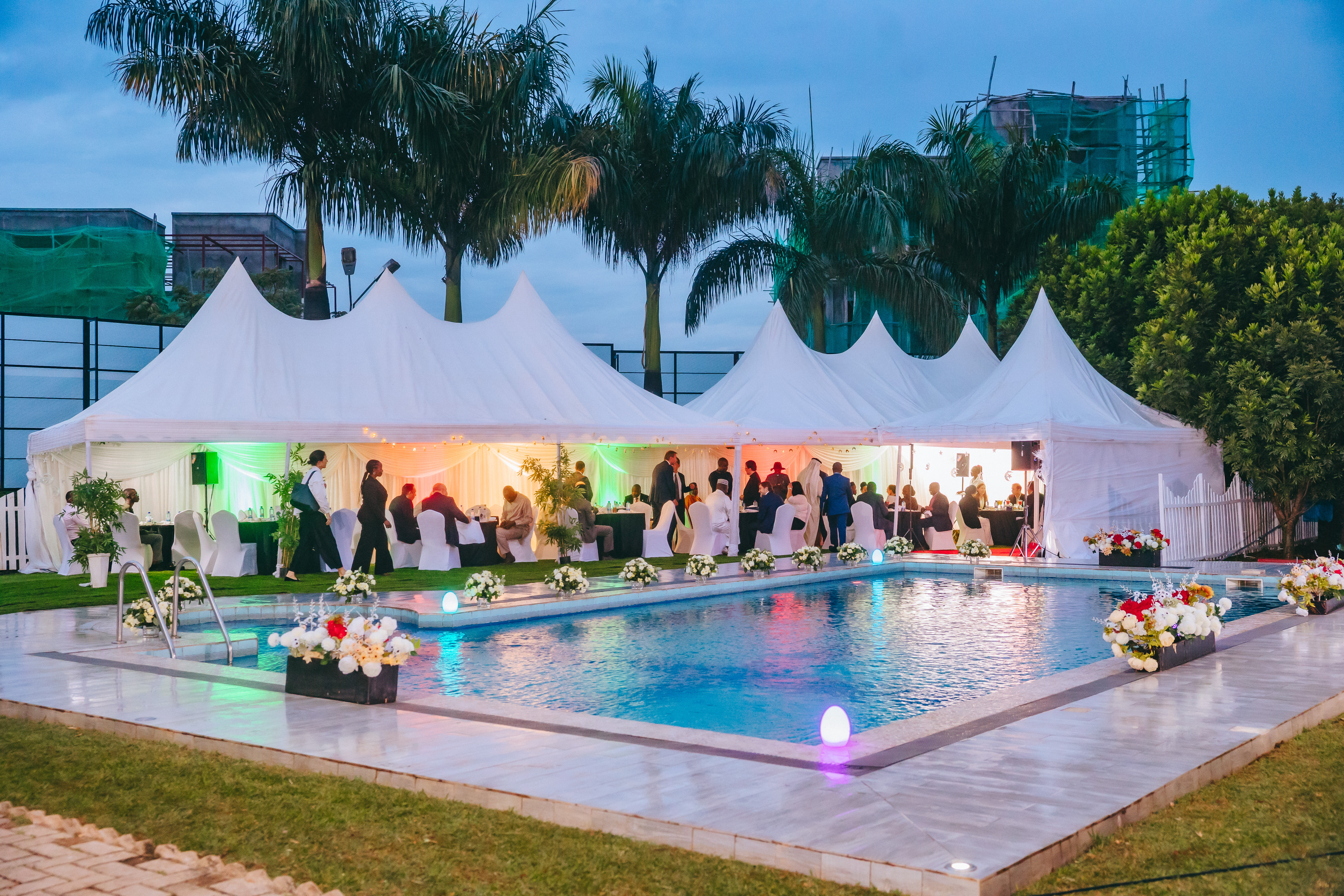
The gathering held at the UAE ambassador’s residence highlighted shared values of compassion, tolerance and mutual respect.
AlKaabi noted that the United Arab Emirates places strong emphasis on tolerance, mutual respect and peaceful coexistence, values that shape its society and engagement with partners around the world.
“In the UAE, diversity is not simply acknowledged — it is embraced. People of many faiths and cultures live and work side by side, contributing to a society built on openness, compassion and unity,” the envoy noted.
He emphasized that Ramadan’s values of compassion, generosity, and reflection are especially important amid global uncertainties, and in light of recent tensions in the Middle East, he stressed the need for restraint and dialogue.
“Such times remind us how essential it is to protect human life, reject hatred and incitement, and uphold the principles of international law,” he added.
The diplomat also pointed to the growing relationship between the UAE and Rwanda, describing it as a partnership grounded in mutual respect and a shared commitment to progress and stability.
“We value Rwanda’s commitment to unity and resilience, and we look forward to further strengthening our cooperation in ways that benefit our peoples,” AlKaabi remarked.
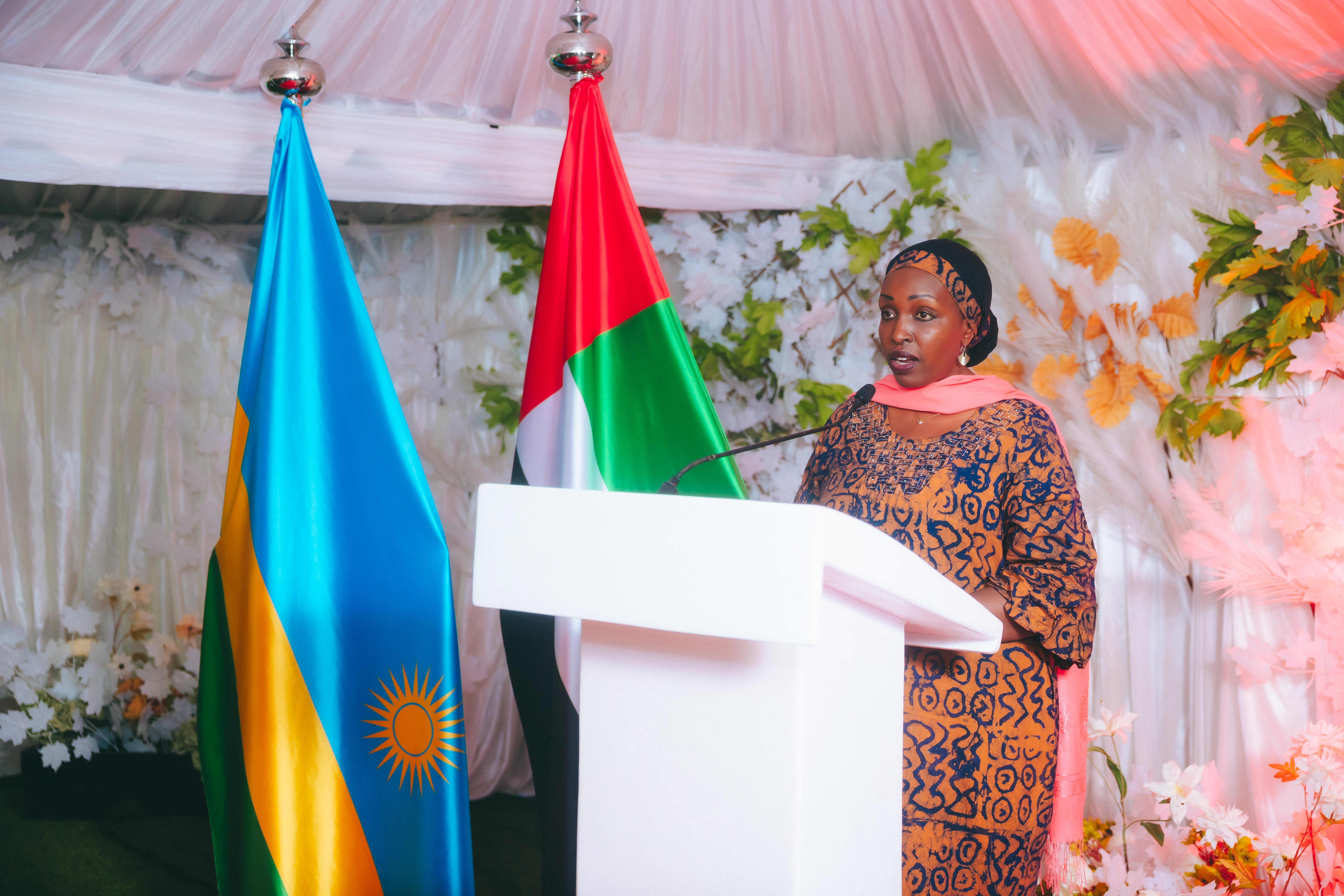
The Guest of Honor, Marie Grâce Nyinawumuntu, Director General for Europe, Americas and International Organizations at the Ministry of Foreign Affairs and International Cooperation, commended the initiative for bringing together people of different faiths.
Marie Grâce Nyinawumuntu, Director General for Europe, the Americas, and International Organizations at the Ministry of Foreign Affairs and International Cooperation, was the guest of honor.
She said Ramadan serves as a period of reflection, compassion and spiritual renewal, encouraging individuals to strengthen their faith and commitment to serving others.
“This evening is particularly meaningful because it brings together people of different faiths and backgrounds around one table,” she said.
Nyinawumuntu noted that Rwanda strongly values peaceful coexistence among religions, with different faith communities living side by side in mutual respect.
“This commitment to unity and reconciliation is rooted in our history and in our determination to ensure that faith becomes an instrument of peace, not division,” she added.
Marie Grâce Nyinawumuntu noted that Rwanda strongly values peaceful coexistence among religions.
She also recalled Rwanda’s recent engagement with the Muslim World League, including the visit of its Secretary-General Mohammed bin Abdulkarim Al-Issa from February 18 to 20, during which a scholarly seminar on peaceful coexistence highlighted Rwanda’s experience in unity and reconciliation.
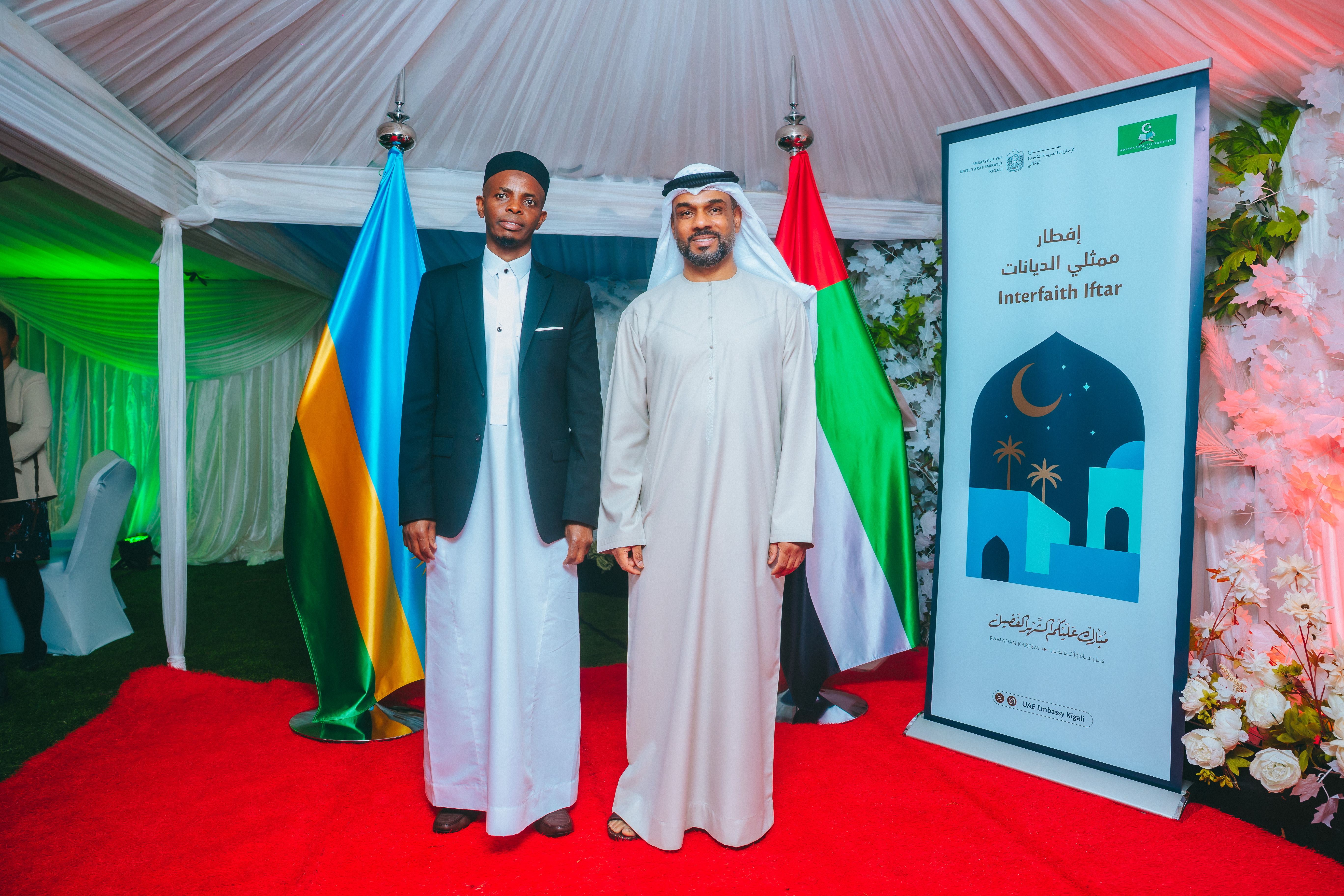
Also addressing the gathering, the Mufti of Rwanda, Sheikh Musa Sindayigaya, emphasized that Ramadan is not only a time of fasting but also a period of spiritual reflection, self-discipline and compassion for others, particularly the vulnerable.
He said interfaith initiatives such as the Iftar reflect the true spirit of Ramadan by bringing together people from different religious traditions around shared values including respect for diversity and the pursuit of peace.
“As religious leaders, we carry a sacred responsibility to guide our communities toward harmony and tolerance rather than division and violence,” Sheikh Musa stated.
The Mufti of Rwanda, Sheikh Musa Sindayigaya said interfaith initiatives such as the Iftar reflect the true spirit of Ramadan.
He also commended the UAE for its global efforts to promote tolerance and interfaith dialogue, noting that such initiatives strengthen not only diplomatic relations between nations but also the bonds among their peoples.
Participants concluded the evening by breaking the fast together, symbolizing a shared commitment to dialogue, understanding and cooperation for the common good. The event formed part of broader Ramadan observances aimed at encouraging compassion, solidarity and peace among communities.
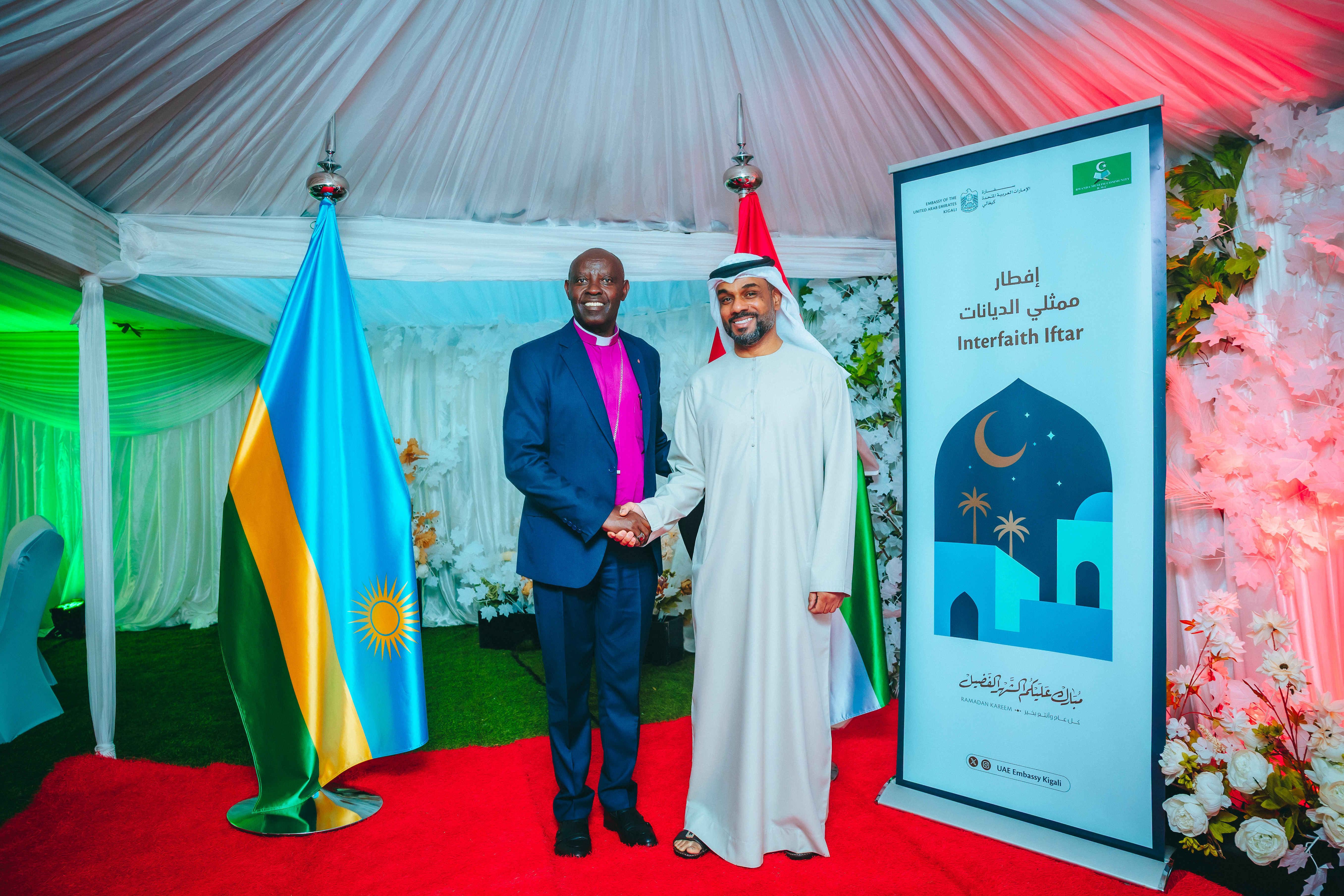
The event brought together government officials, diplomats, religious leaders and members of different faith communities.The gathering highlighted shared values of compassion, tolerance and mutual respect.
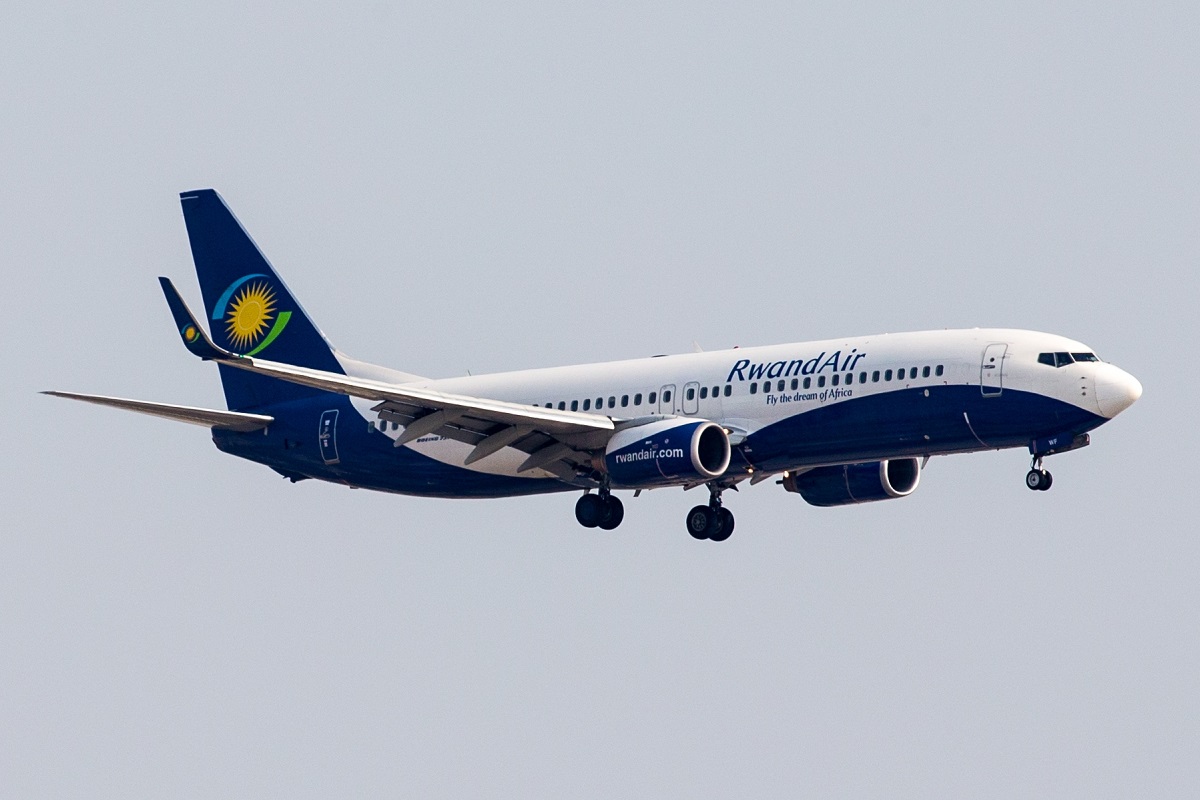
In a statement issued on Friday, March 6, 2026, the embassy said it is coordinating with the national carrier, RwandAir, and other relevant entities to organise flights for citizens wishing to return home.
“All Rwandans wishing to be repatriated are therefore invited to register with the Embassy the soonest possible,” the statement said.
The embassy also urged Rwandan nationals in both countries to follow safety instructions issued by authorities in their host countries and to remain updated through official communication channels. It added that, so far, no Rwandan national has been harmed.
The advisory comes as the Middle East enters the seventh day of a rapidly escalating regional war triggered by joint military strikes by the United States and Israel on Iran that began on February 28.
The attacks, code-named Operation Roaring Lion by Israel and Operation Epic Fury by the United States, targeted Iranian nuclear facilities, missile infrastructure and senior leadership. The opening strikes reportedly killed Iran’s Supreme Leader, Ali Khamenei.
Iran later launched retaliatory strikes under Operation True Promise IV, involving waves of missiles and drones targeting U.S. military bases across Iraq, Jordan, Qatar, Kuwait, Bahrain and the United Arab Emirates, as well as Israeli cities including Tel Aviv and Jerusalem.
The widening conflict has disrupted international trade, forced the closure of several airspaces and triggered evacuations of foreign nationals from parts of the region, raising concerns about a growing humanitarian and economic crisis.
The Rwandan embassy said its diplomatic and consular team remains available to provide guidance and support to citizens during the ongoing situation.
Rwandans in need of assistance or wishing to register for repatriation have been encouraged to contact the embassy through emergency telephone numbers +971508242987 or +971504253218, or via email at ambaabudhabi@minaffet.gov.rw.
Headlined by international touring DJ Alisha, the event marks the first stop of a continental journey for the Rwandan-owned and trademarked brand. After Kigali, the tour is expected to travel to several African cities, including Nairobi, Kampala, Lusaka, and Zanzibar.
Organized by SEEV AFRICA in partnership with Intore Entertainment and Kozo Kigali, the Kigali edition coincides with Women’s Month and features an all-female DJ lineup. Alongside DJ Alisha, the event will showcase DJ Senshi, DJ Muun, and host Zuba Mutesi.
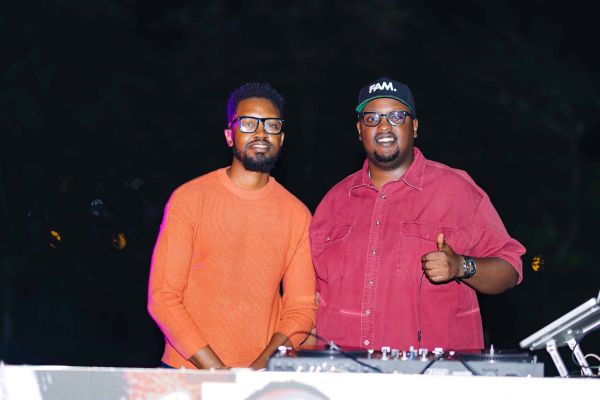
Alongside DJ Alisha, the event will showcase DJ Senshi, DJ Muun, and host Zuba Mutesi.
The night is designed as a tribute to the women whose voices and artistry helped define the R&B genre. Guests can expect a nostalgic mix of 1990s and early 2000s R&B classics, complemented by Kozo’s signature ambience, food offerings, and a premium social experience.
Since its launch in 2024, Spin The Block has grown beyond a pop-up music event into a platform aimed at supporting the cultural and creative industries. The brand uses R&B music as a cultural connector to bring together people, networks, and opportunities.
Spin The Block will launch its highly anticipated Africa Tour with the R&B Divas Edition at Kozo Kigali.
In 2024 alone, the initiative contributed to the creation of more than 200 short-term jobs for youth, refugees, and persons with disabilities. It has also supported women-led small businesses and cultural icons through talent accelerators and capacity-building initiatives.
According to the experience’s lead curator, Paul Atwine, the Kigali edition represents a defining moment for the tour.
“The Kigali edition will serve as the sound-breaking moment for the Africa Tour, symbolizing Rwanda’s growing influence in the regional creative economy,” he said.
By taking the experience to other African cities, the organizers hope to export Rwandan talent and culture while opening new pathways for collaboration, revenue generation, and market access across the continent.
Doors for the event open at 5 p.m., with organizers encouraging early reservations as tickets are selling quickly. The evening promises a celebration of Women’s Month and the queens who shaped the golden era of old-school R&B.
The event is curated by SEEV AFRICA and Intore Entertainment in partnership with Kozo Kigali, with support from Martell and Big Sound AV Solutions.
Doors for the event open at 5 p.m., with organizers encouraging early reservations as tickets are selling quickly.
The press conference came as the Middle East entered the sixth day of a rapidly escalating regional war, triggered by massive joint U.S.-Israeli strikes on Iran that began on February 28.
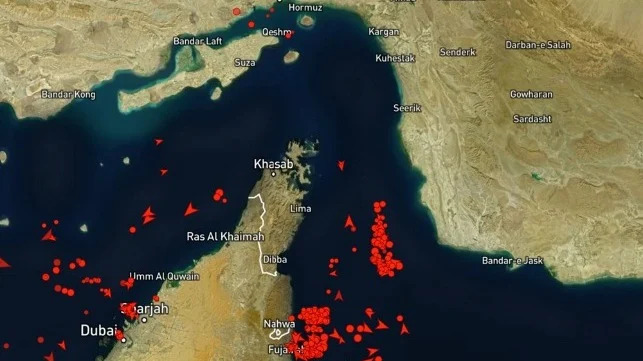
The Strait of Hormuz is a shipping lane that handles about 20 per cent of the world’s traded oil.
The attacks, code-named Operation Roaring Lion by Israel and Operation Epic Fury by the U.S., targeted Iranian nuclear sites, missile infrastructure, and leadership, including the killing of Iran’s Supreme Leader, Ayatollah Ali Khamenei, in the opening strikes.
Iran’s counterattack, Operation True Promise IV, has involved waves of missiles and drones targeting U.S. bases across Iraq, Jordan, Bahrain, Qatar, Kuwait, and the UAE, as well as Israeli cities including Tel Aviv and Jerusalem.
The conflict has disrupted international trade, closed airspaces, and triggered mass evacuations of foreign nationals, creating both a humanitarian and economic crisis.
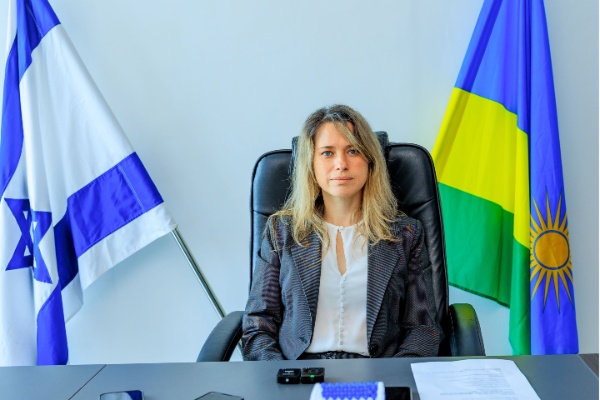
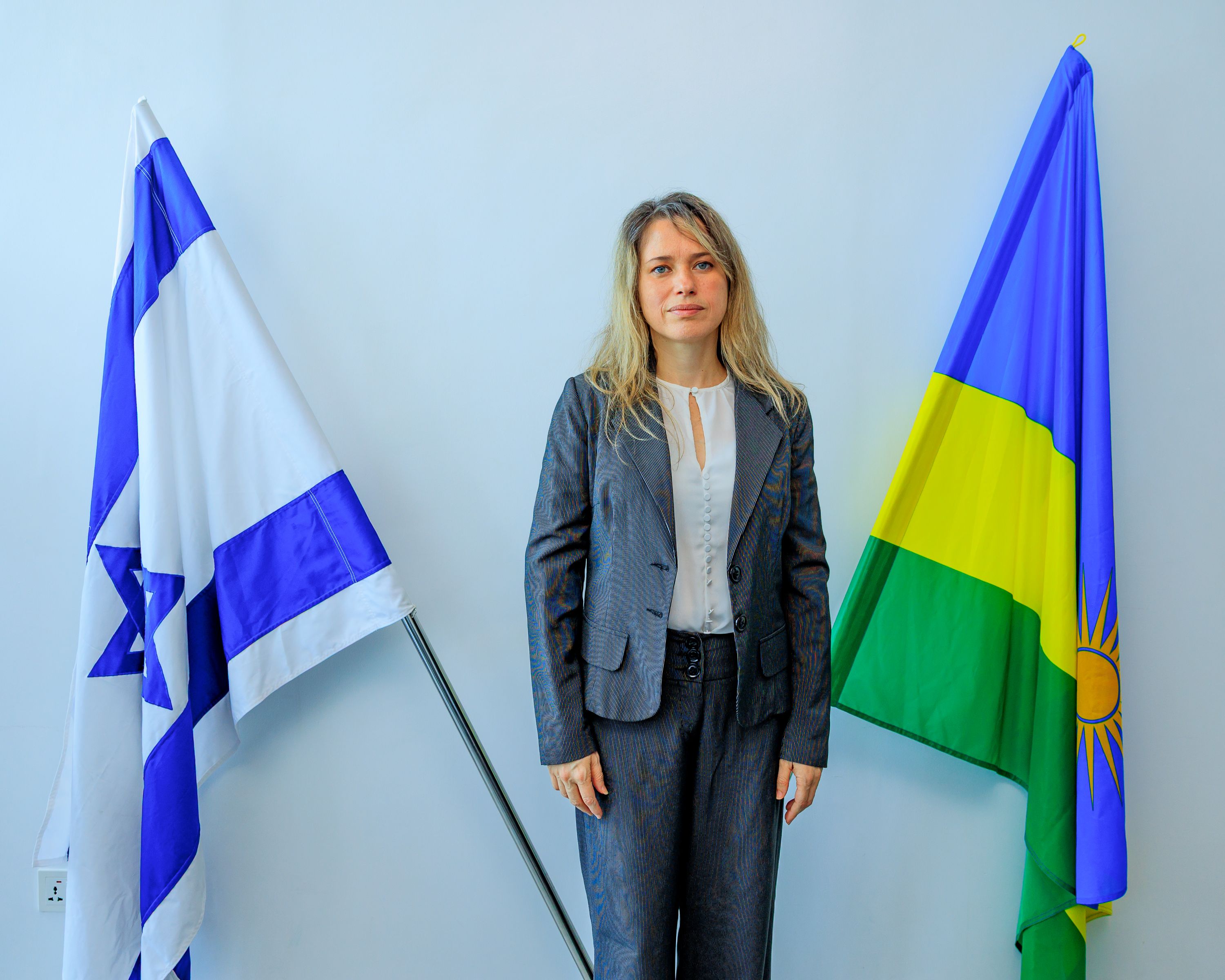
“Iran wants to close the Strait of Hormuz to drive oil prices up and force the international community into applying pressure to end Israel’s operations,” Ambassador Weiss said. “This is a desperate measure by a country under attack, but it also affects Africa. You are not out of this game.”
The Ambassador emphasised the strategic importance of the Strait of Hormuz, a shipping lane that handles about 20 percent of the world’s traded oil, and warned that disruptions could drive global oil prices higher. Recent data shows fuel prices have surged from $70 to over $85 per barrel, with global fuel costs increasing by more than 10 percent since the escalation of U.S.-Iran tensions.
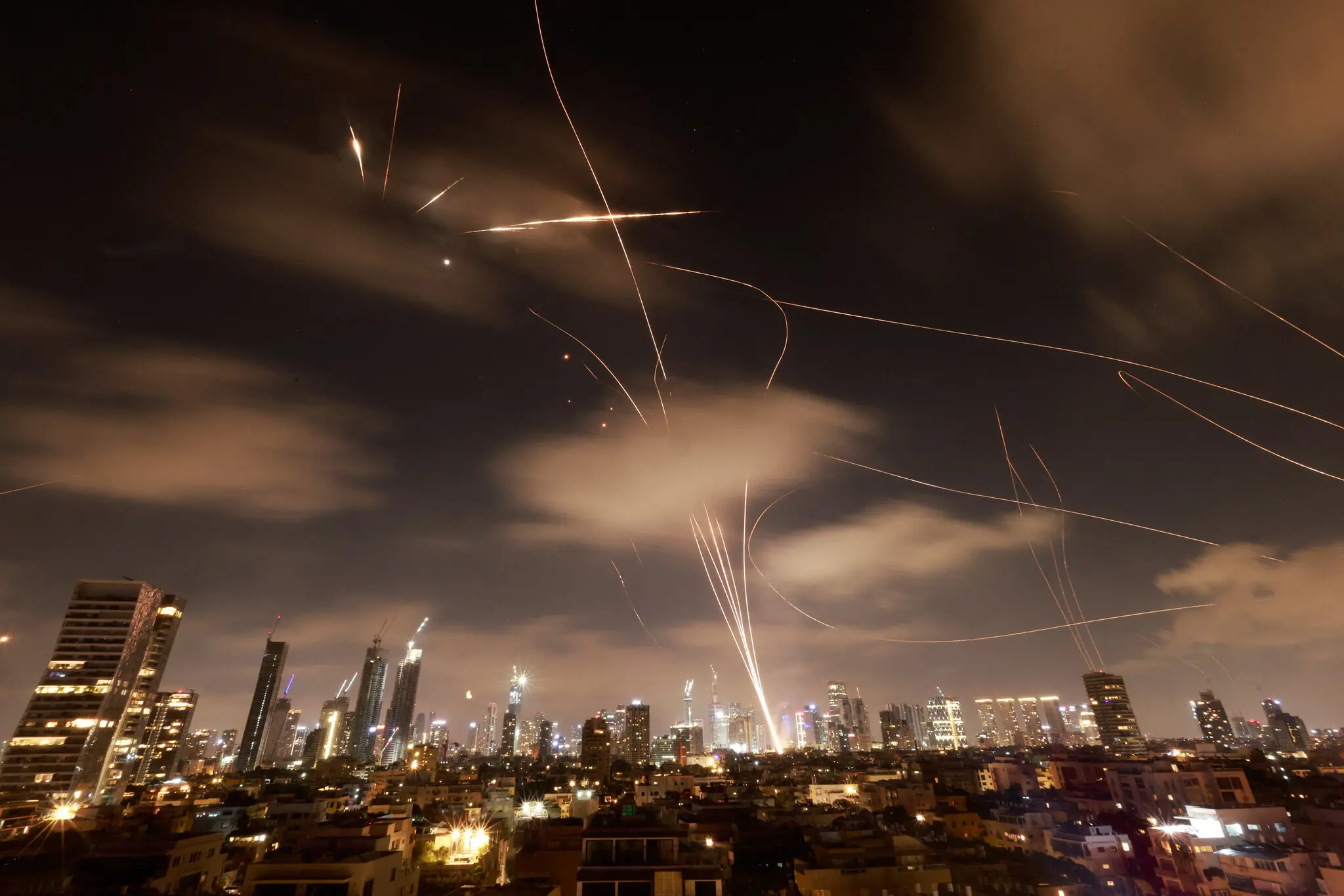
File photo: Israeli air defence systems were activated to intercept Iranian missiles over the Israeli city of Tel Aviv.
Ambassador Weiss framed Israel-U.S. operations as preemptive measures designed to prevent Iran from acquiring capabilities to destroy Israel, stressing that strikes were carefully targeted at government and military infrastructure.
She described Iran’s support for proxy groups such as Hezbollah, Hamas, and Houthi forces in Yemen as a regional threat extending beyond the Middle East.
“Hamas, Hezbollah, the Houthis, and Iran – they are all linked. Iran funds, arms, and directs these groups. The impact is global, including Africa,” she said.
Beyond security concerns, Weiss highlighted Israel’s development and humanitarian cooperation in Rwanda. Initiatives in agriculture, renewable energy, STEM education, and vocational training for women were cited as lessons in resilience and self-reliance during times of crisis.
“The lesson from Israel is how to remain self-sufficient even under siege,” she said. “Rwanda can apply the same principles to ensure food security, energy independence, and stability for its people.”
The ambassador expressed hope for pragmatic engagement to prevent further escalation while advocating for regional stability.
The Ambassador concluded with a message emphasising peace and solidarity, clarifying that Israel’s conflict is with the Iranian regime, not its people. She expressed hope for pragmatic engagement to prevent further escalation while advocating for regional stability.
“We hope for peace and normal lives for all, but we cannot wait for Iran to become fully equipped to destroy Israel. Our actions are about defence, deterrence, and protecting not just Israel but also the stability of the wider region,” she said.
From Tehran’s viewpoint, the conflict is not seen as a defensive struggle against terror but as a response to what Iranian officials describe as “unlawful aggression” by the United States and Israel. Iran’s government has condemned the February 28 strikes as a “clear act of aggression” that violates international law and the United Nations Charter, asserting that it targeted sovereign territory without justification.
Watch our recent exclusive interview with the ambassador below:
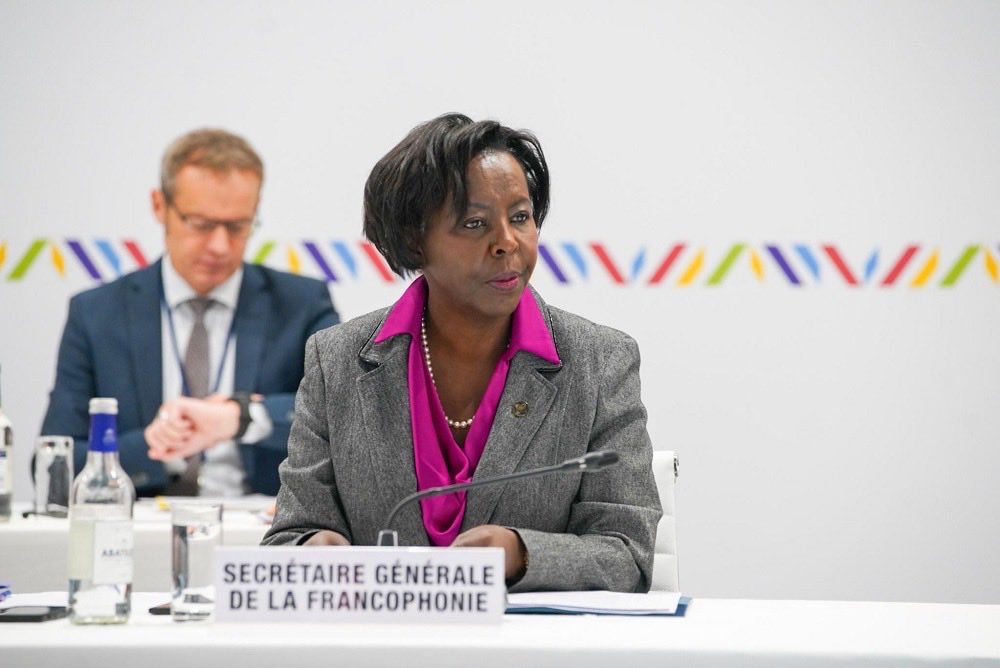
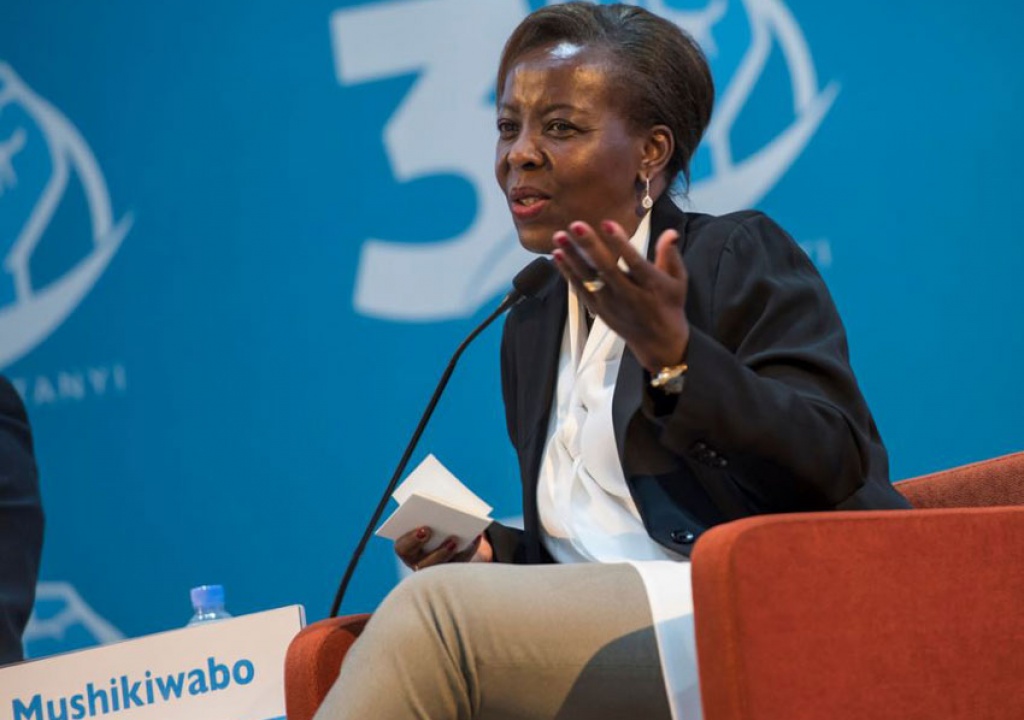
In a statement, Mushikiwabo deplored the loss of human lives and warned of the severe consequences for civilian populations caught in the crossfire. She reaffirmed the full solidarity of La Francophonie with all countries and communities in the region affected by the crisis.
“The Secretary-General urges all parties to exercise restraint, prioritise diplomatic solutions, and fully respect international law, particularly in safeguarding civilians,” the statement read.
The warning comes as the Middle East enters the sixth day of a rapidly expanding regional war, triggered by massive joint U.S.-Israeli strikes on Iran that began on February 28. The attacks, code-named Operation Roaring Lion by Israel and Operation Epic Fury by the U.S., targeted Iranian nuclear sites, missile infrastructure, and leadership, and Iran’s Supreme Leader, Ayatollah Ali Khamenei, was reported killed in the opening strikes.
The conflict has since escalated far beyond its initial targets. Israeli airstrikes hit Beirut’s southern suburbs, targeting Hezbollah, which formally joined the war on March 2. Meanwhile, Iranian drones struck locations in Azerbaijan, marking the first expansion of the fighting into the Caucasus.
In Turkey, NATO forces intercepted an Iranian ballistic missile aimed at its territory. The U.S. Navy also became directly engaged, with a submarine sinking the Iranian frigate IRIS Dena in the Indian Ocean, the first torpedo attack by a U.S. submarine since World War II.
Iran’s counterattack, known as Operation True Promise IV, has involved waves of missiles and drones targeting U.S. bases across Iraq, Jordan, Bahrain, Qatar, Kuwait, and the UAE, as well as Israeli cities including Tel Aviv and Jerusalem.
The conflict has also triggered a global humanitarian and economic crisis. Mass evacuations of foreign nationals are underway, airspaces and key shipping routes like the Strait of Hormuz and Bab El-Mandeb Strait are closed, and global oil prices have surged from $70 to over $85 per barrel.
La Francophonie, which comprises 90 states and governments, including 53 members, 5 associate members, and 32 observers, emphasised in Mushikiwabo’s statement the need for diplomacy and adherence to international law to prevent further humanitarian catastrophe.
The Secretary-General of La Francophonie, Louise Mushikiwabo, deplored the loss of human lives and warned of the severe consequences for civilian populations caught in the crossfire.
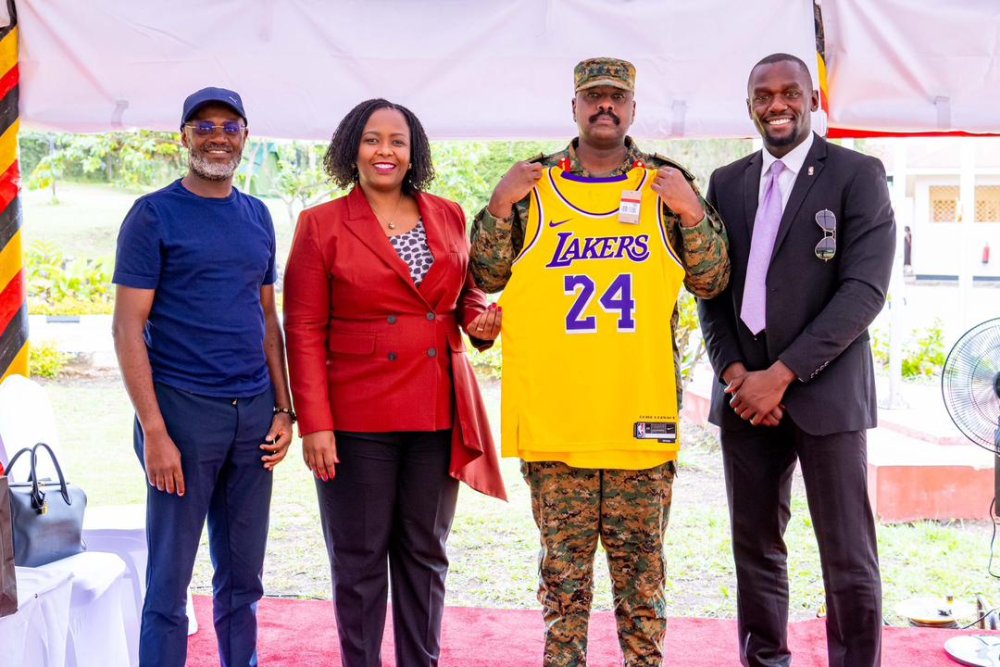
The talks, held on Wednesday, March 4, 2026, were also attended by Nicholas Mutebi, NBA Africa’s Regional Partnerships and Sponsorships Lead, and journalist Andrew Mwenda, a close associate of Gen. Muhoozi.
Discussions focused on elevating basketball in Uganda to a professional level and creating pathways for young talent. Akamanzi highlighted NBA Africa’s initiatives across the continent, including partnerships with governments and private sector players to develop basketball-driven economic opportunities.
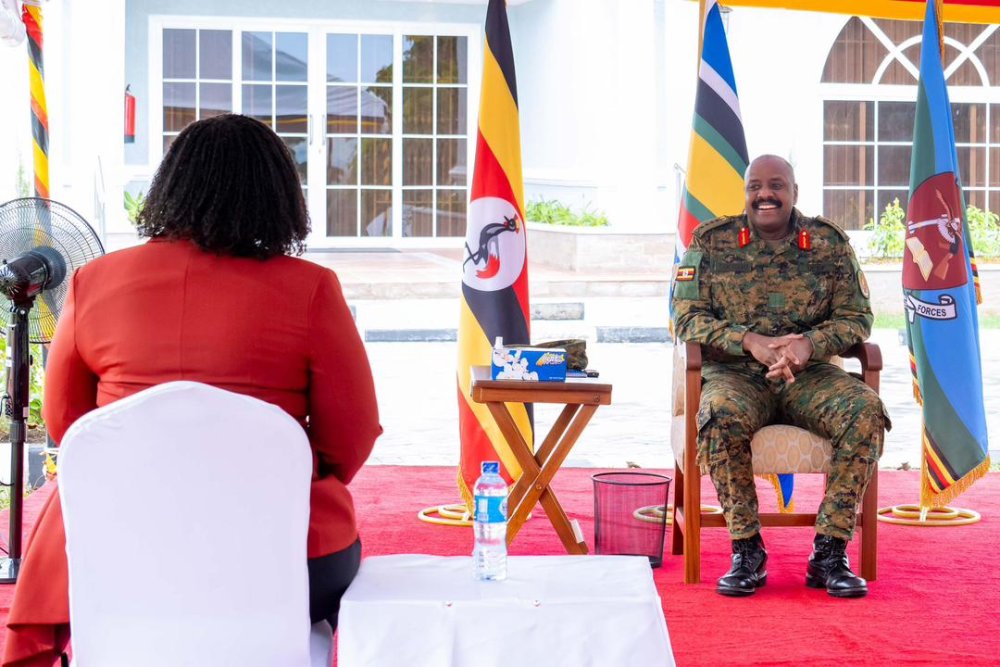
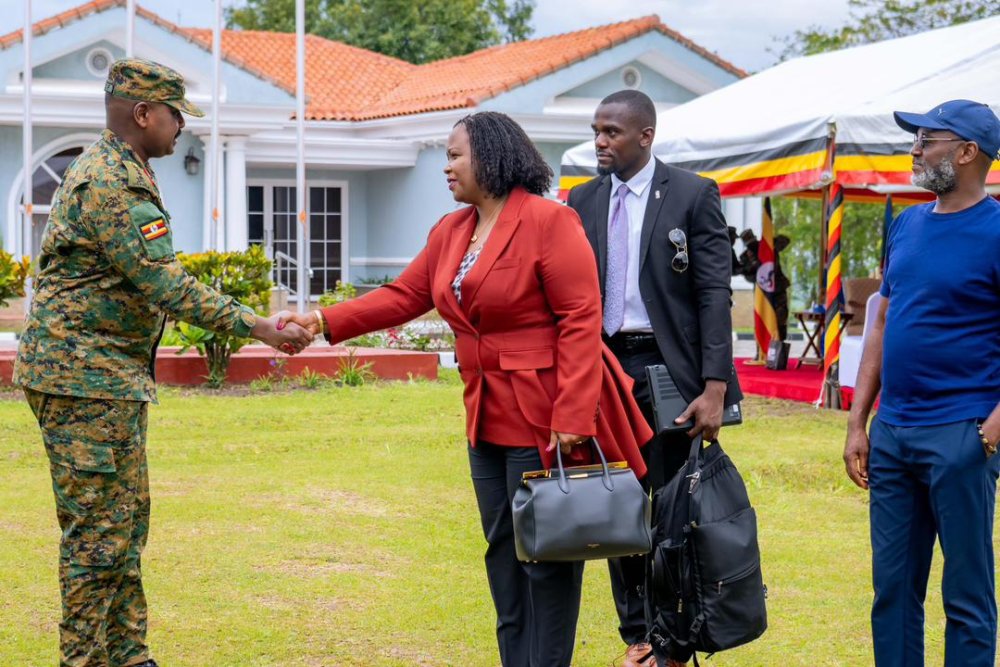
Gen. Muhoozi Kainerugaba held discussions with Clare Akamanzi, CEO of NBA Africa, on Wednesday.
As part of these efforts, NBA Africa plans to collaborate with Uganda’s Ministry of Sports and Education to launch the “NBA Junior League,” a youth competition aimed at nurturing talent from secondary schools and preparing players for professional leagues.
Gen. Muhoozi and Akamanzi also explored the development of basketball infrastructure in Uganda to further stimulate economic growth. Akamanzi’s visit comes as the country invests in sports facilities, including the newly completed Hoima Stadium and plans to renovate the basketball court in Lugogo.
Discussions between the two officials focused on elevating basketball in Uganda to a professional level and creating pathways for young talent.
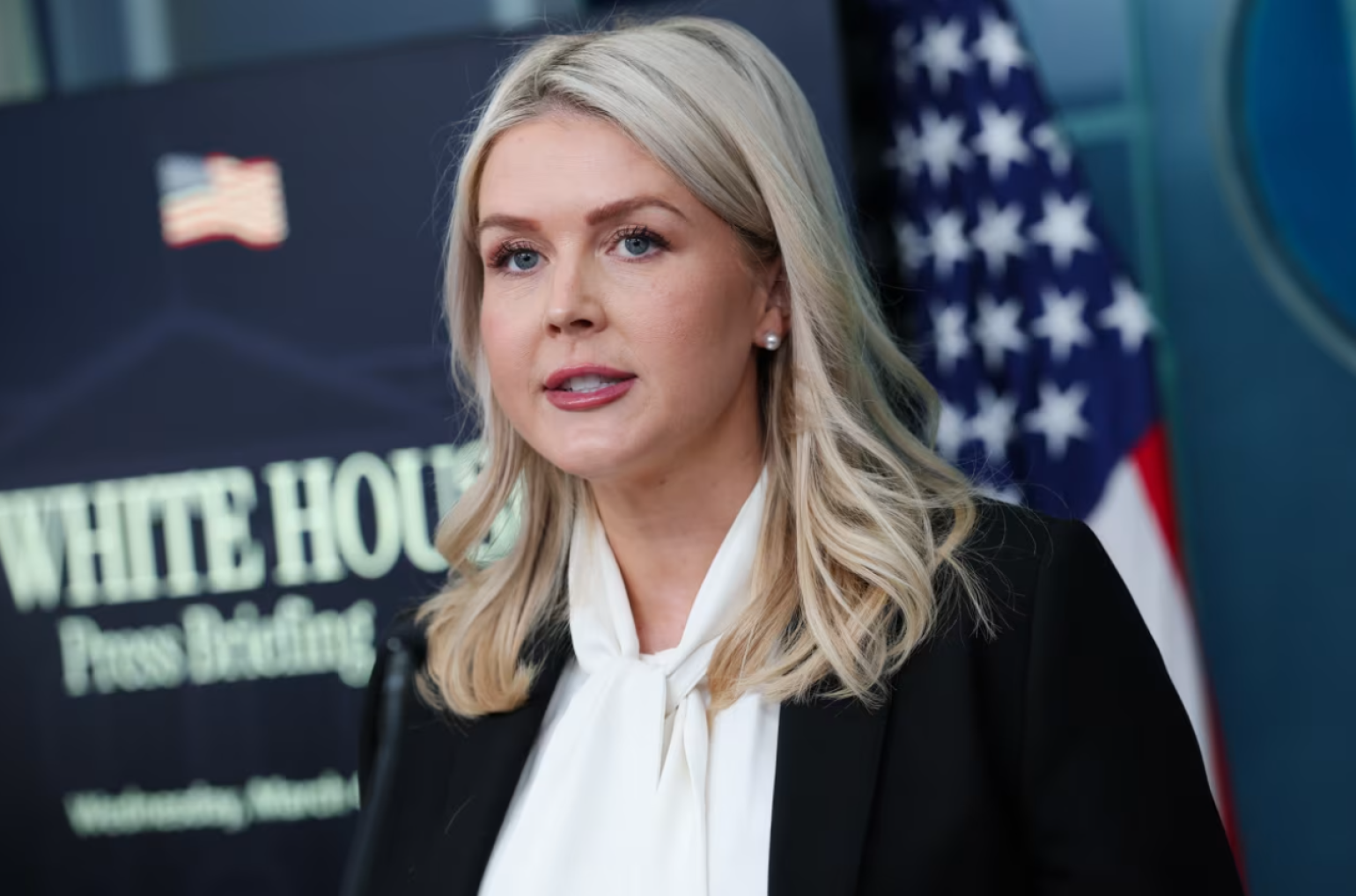
“We expect to have complete and total dominance over Iranian airspace in the coming hours,” Leavitt said at the White House daily press briefing.
She added that deploying U.S. ground troops to Iran is not currently planned, though U.S. President Donald Trump said earlier he is open to the option in the future.
Earlier in the day, U.S. Defence Secretary Pete Hegseth said at a Pentagon briefing that the U.S.-Israeli military operation against Iran is still in its early stages.
Dan Caine, chairman of the Joint Chiefs of Staff, said U.S. forces will begin striking progressively deeper into the Iranian territory as operations expand.
Iran and the Lebanese militant group Hezbollah have conducted their first coordinated attacks on Israel amid the ongoing escalation, the Israel Defence Forces told CNN on Wednesday.
On Saturday morning, U.S.-Israeli airstrikes against Iran killed Iran’s Supreme Leader Ayatollah Ali Khamenei, along with some of the leader’s family members, senior military commanders and civilians. Iran responded through waves of missile and drone attacks targeting Israel and U.S. bases across the Middle East.
White House press secretary Karoline Leavitt said Wednesday that the United States will have “complete and total dominance” over Iranian airspace in the next few hours.
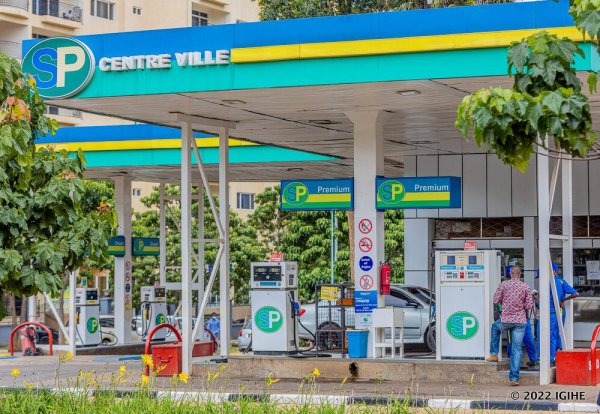
In a communiqué issued on Wednesday, the regulator said the new pump prices will take effect from 6:00 am on March 5, 2026. The maximum retail price of gasoline (petrol), inclusive of Value Added Tax (VAT), will remain at Rwf 1,989 per litre, while diesel will be capped at Rwf 1,948 per litre.
The adjustment raises diesel from the Rwf 1,900 per litre rate that had been in place since November 2025. Petrol prices remain steady at the same level set during the review.
RURA Director General, Evariste Rugigana, said the revised pump prices “reflect prevailing trends in the international market for refined petroleum products, and measures taken by the Government of Rwanda to mitigate the impact of evolving global developments.”
Global fuel prices have recently surged by more than 10 percent following the escalation of tensions between the United States and Iran, which disrupted traffic through the Strait of Hormuz, a critical shipping lane that handles about 20 percent of the world’s traded oil.
The Minister of Finance and Economic Planning, Yusuf Murangwa, recently highlighted the risk of rising fuel and commodity prices due to the global supply chain disruptions.
Speaking during an interview with the Rwanda Broadcasting Agency (RBA), he reassured the public that Rwanda’s fuel reserves remain stable and that the government is closely monitoring the situation.
He added that, if necessary, alternative markets will be explored to ensure continued economic stability.
The maximum retail price of gasoline (petrol), inclusive of Value Added Tax (VAT), will remain at Rwf 1,989 per litre, while diesel will be capped at Rwf 1,948 per litre.