According to the seventh Demographic and Health Survey (DHS 7) conducted in 2025, the rate of teenage pregnancies increased from 5% in 2020 to 8% in 2025, signaling a worrying trend. The study focused on girls aged 15 to 19, including those who gave birth before reaching adulthood over the past five years.
With support from the Office of the United Nations High Commissioner for Human Rights (OHCHR), the Commission organized this campaign in secondary schools across nine districts: Nyabihu, Ngororero, Rutsiro, Kamonyi, Huye, Gakenke, Nyarugenge, Gasabo, and Kicukiro. Students are being educated on children’s rights and on the role young people can play in preventing and addressing this issue.
The Chairperson of the National Commission of Human Rights, Providence Umurungi, noted that several factors contribute to the rise in teenage pregnancies, including poverty, family conflicts, alcohol and drug abuse, risky behaviors, and limited access to information on reproductive health.
She emphasized that teenage pregnancies remain a major violation of girls’ rights in Rwanda, often leading to school dropout and jeopardizing their future prospects.
“Raising awareness among young people about their rights through schools is one of the key pathways to permanently eradicate this problem,” she said.
Students have welcomed the initiative. Mbabazi Hirwa Aklat, a second-year secondary school student, shared: “What I learned from these sessions is how to say ‘no’ when someone tries to pressure me into having sex. I also realized the importance of avoiding risky behavior that can lead to an unplanned pregnancy.”
The Commission indicated that the campaign will soon be extended to higher learning institutions and universities to broaden youth engagement.
Data from the Ministry of Gender and Family Planning show that 22,454 teenage girls were sexually abused and became pregnant in 2024. Trends reveal a generally rising pattern: 19,701 cases in 2020, 23,111 in 2021, 24,472 in 2022, followed by a slight decline to 22,055 in 2023.
Despite the slight drop in 2023, authorities note that the overall number of teenage pregnancies remains high, with many identified cases involving girls who carry pregnancies to term. The Commission’s school visits represent a strategic response aimed at safeguarding children’s rights and building a better-informed and more responsible generation.
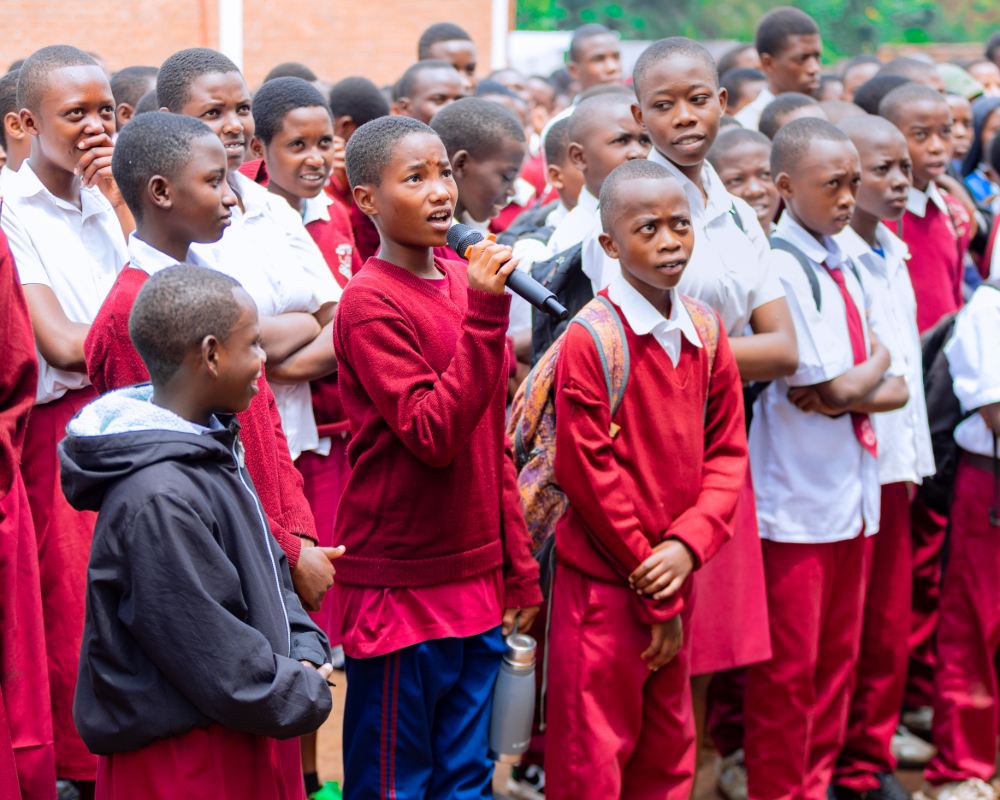
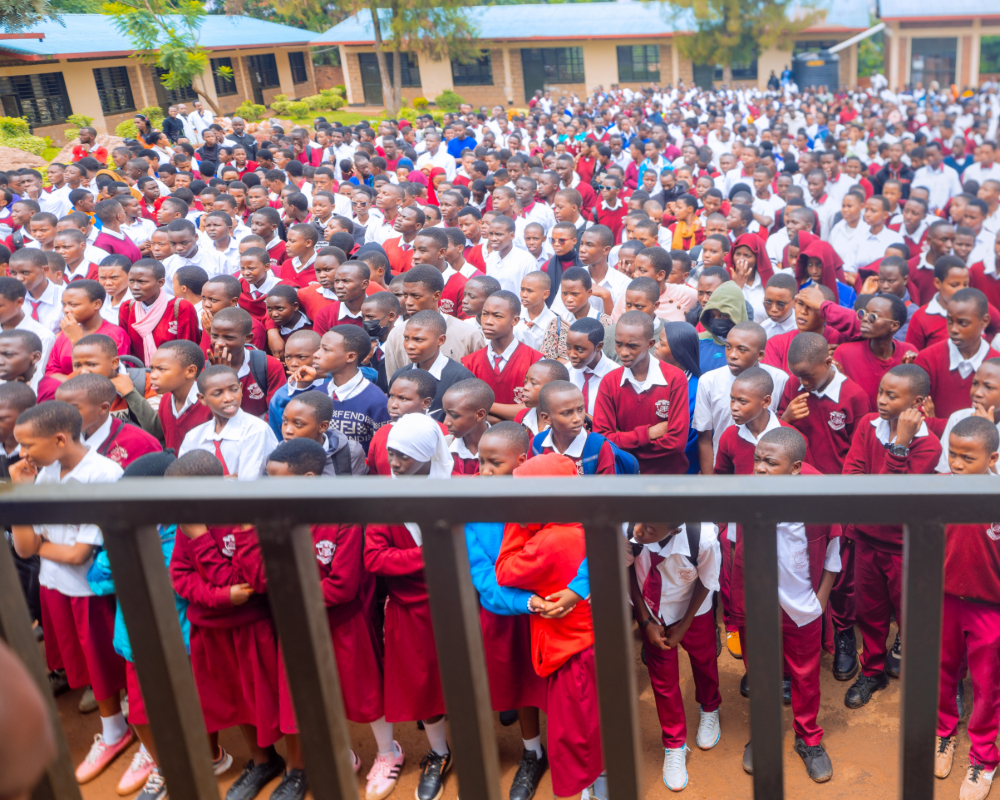
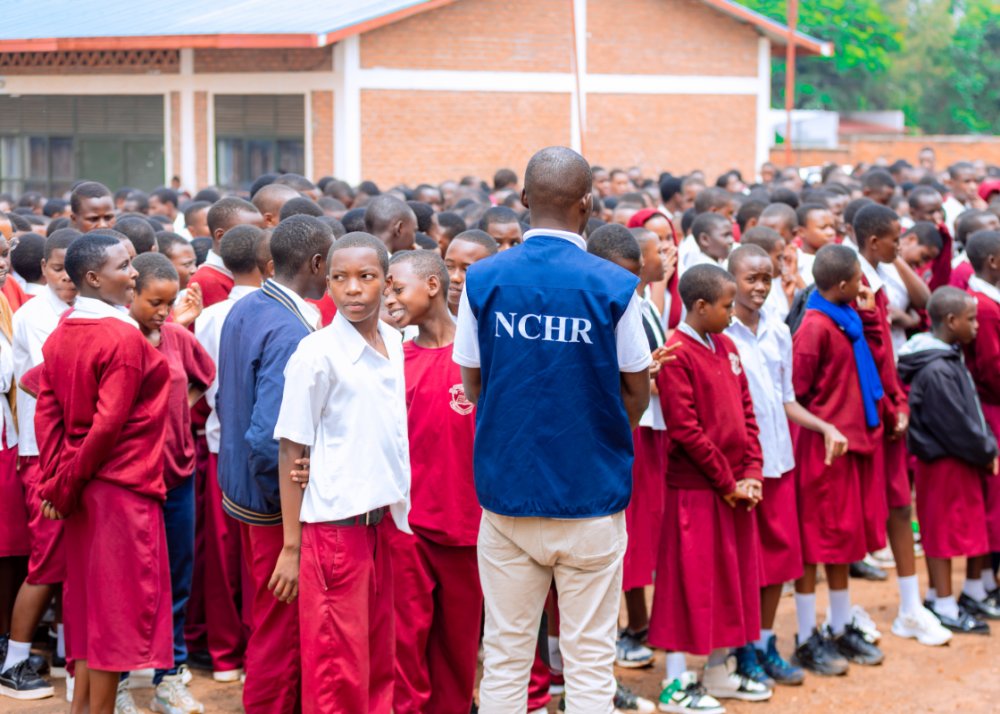
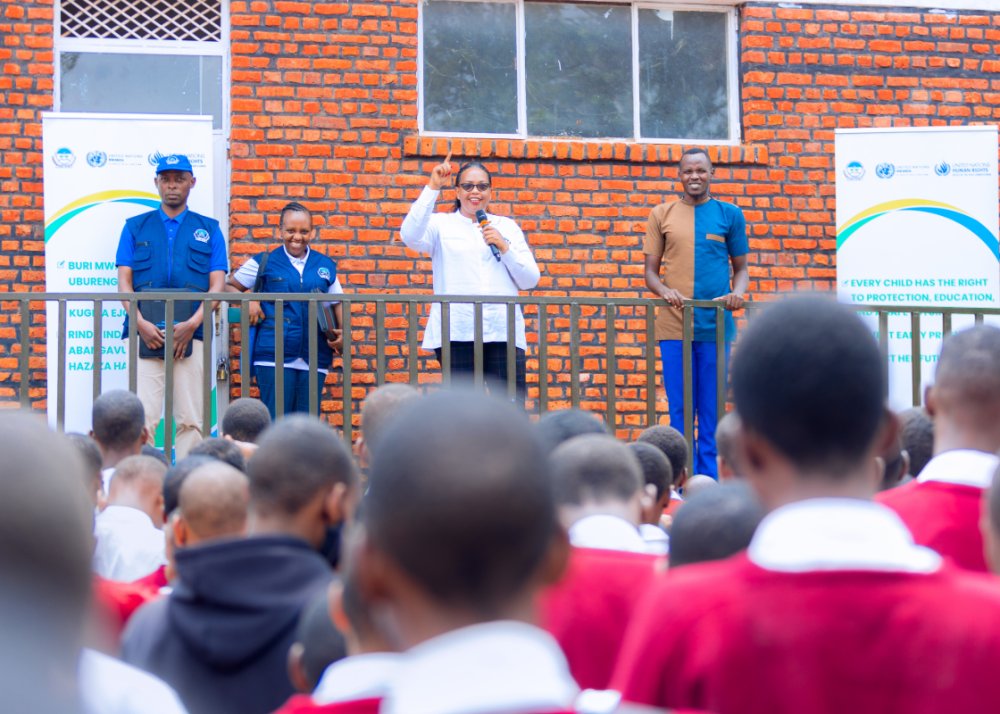
Students were given the opportunity to ask questions on issues related to their rights.Students at GS Camp Kigali followed the message delivered by the National Commission for Human Rights on how to avoid unintended pregnancies.A school awareness campaign was organized to educate students on children’s rights and their role in preventing and addressing teenage pregnancies.The Chairperson of the National Commission for Human Rights, Umurungi Providence, urged female students to be cautious and to know how to refuse anyone trying to pressure them into sexual activity.
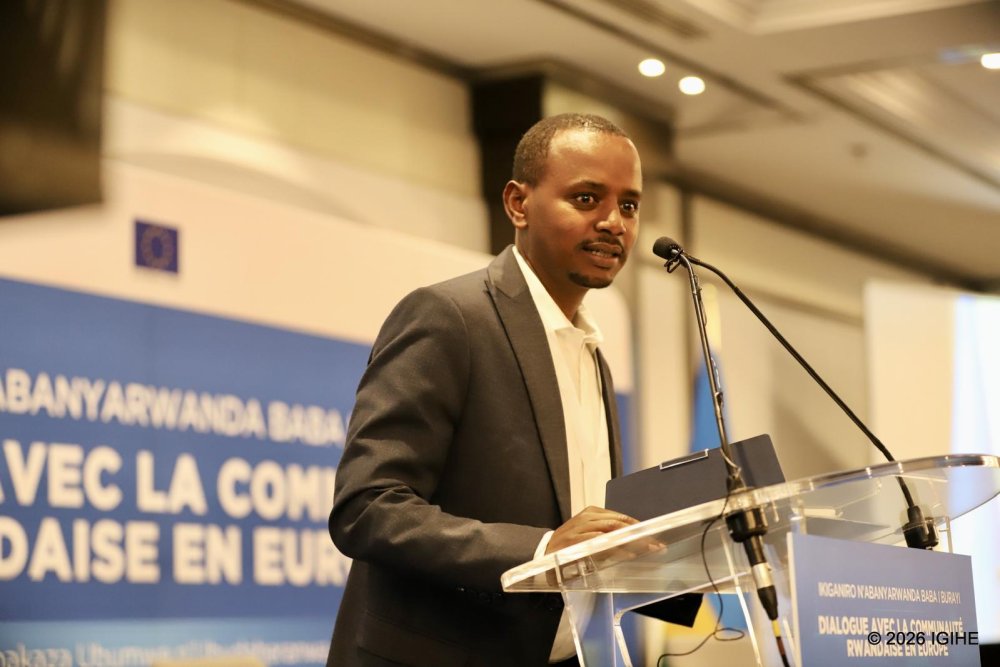
Among the speakers, Frank Kayitare, representing Interpeace, emphasized the importance of addressing legacies of the past with clarity and inclusiveness in order to reinforce community cohesion and resilience.
Speaking before an audience of youth and adults from various European countries, he highlighted the complexity surrounding the transmission of genocide legacies, such as trauma and hate ideology.
In his remarks, he explained that the concept of the intergenerational transmission of genocide legacies reflects a broad and often invisible reality.
According to him, what passes from one generation to the next can take multiple forms, ranging from trauma and silence to guilt, shame, and mistrust. These legacies, he noted, are transmitted both consciously and unconsciously, shaping individual and collective trajectories.
In response to this reality, Interpeace prioritizes the creation of safe spaces that foster dialogue between generations. Such forums enable participants to share their experiences, listen to others, and build mutual understanding in an environment grounded in respect and trust.
For the organizers, this approach represents a key pathway toward preventing memory divides and encouraging a more reconciled engagement with history.
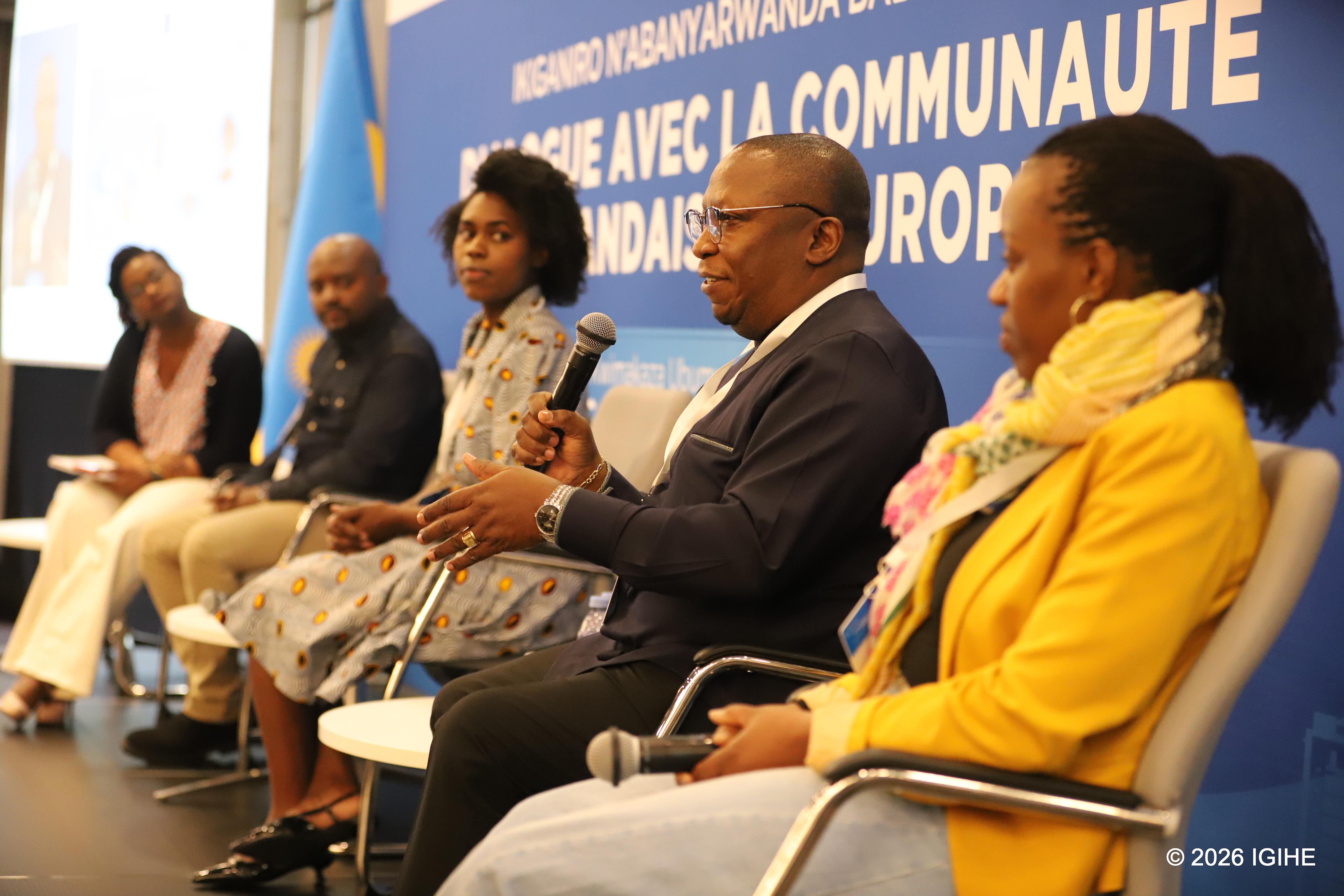
Beyond the formal interventions, the event was enriched by personal testimonies, informal discussions, and cultural moments that strengthened the sense of belonging to a community shaped by diverse journeys yet united by shared memory.
Several participants welcomed an initiative that offers younger generations an opportunity to ask questions, engage with different narratives, and participate in a constructive process of transmission.
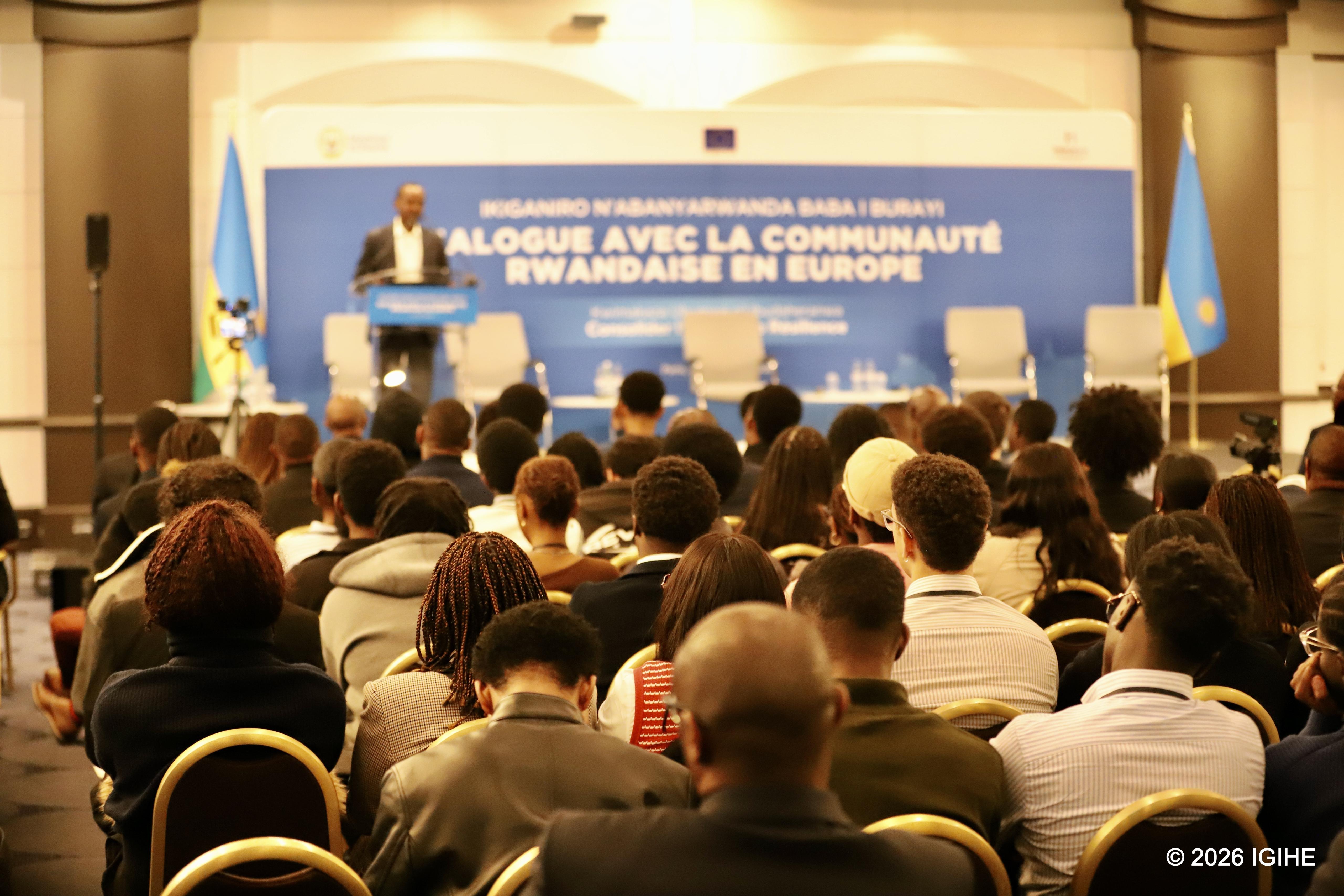
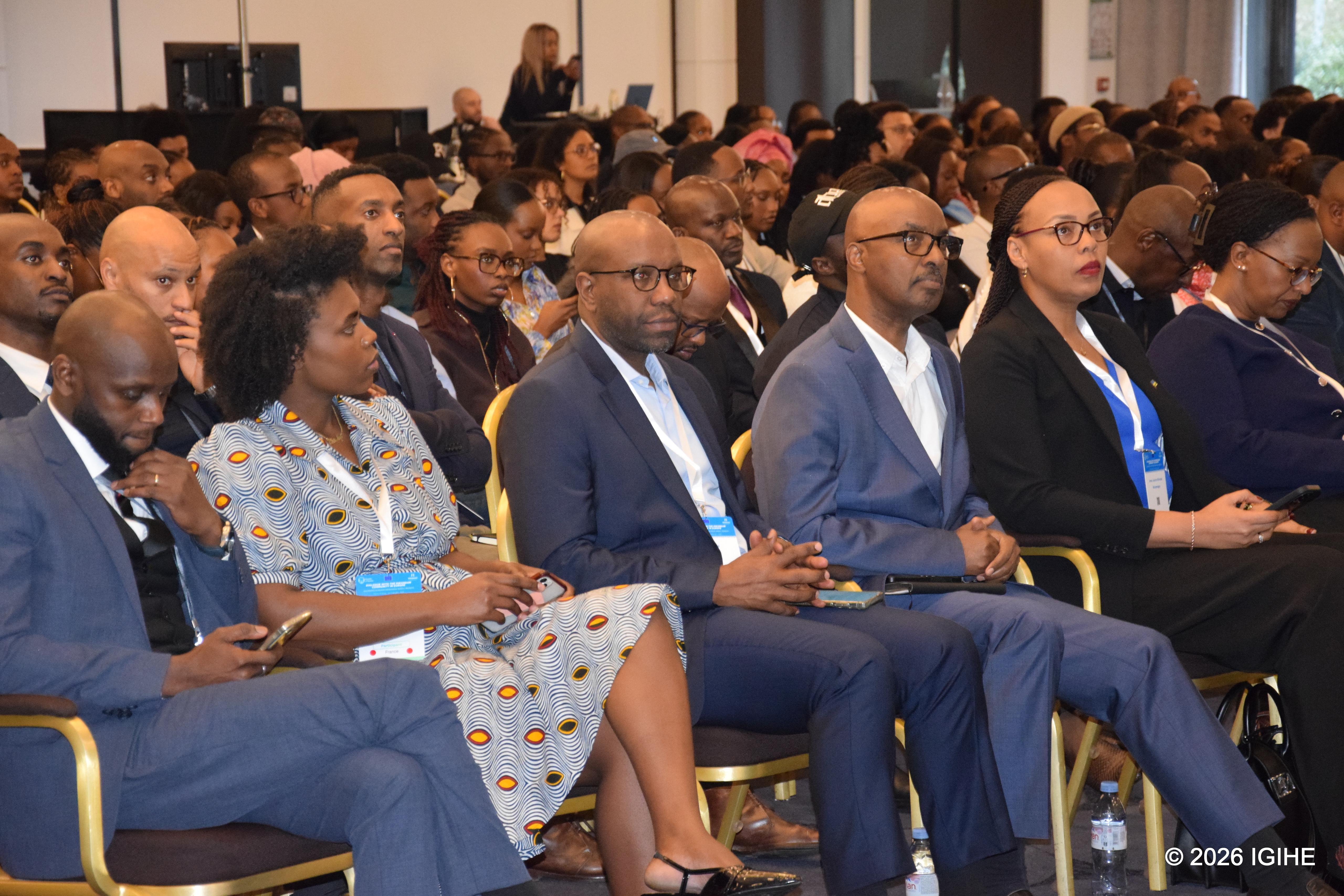
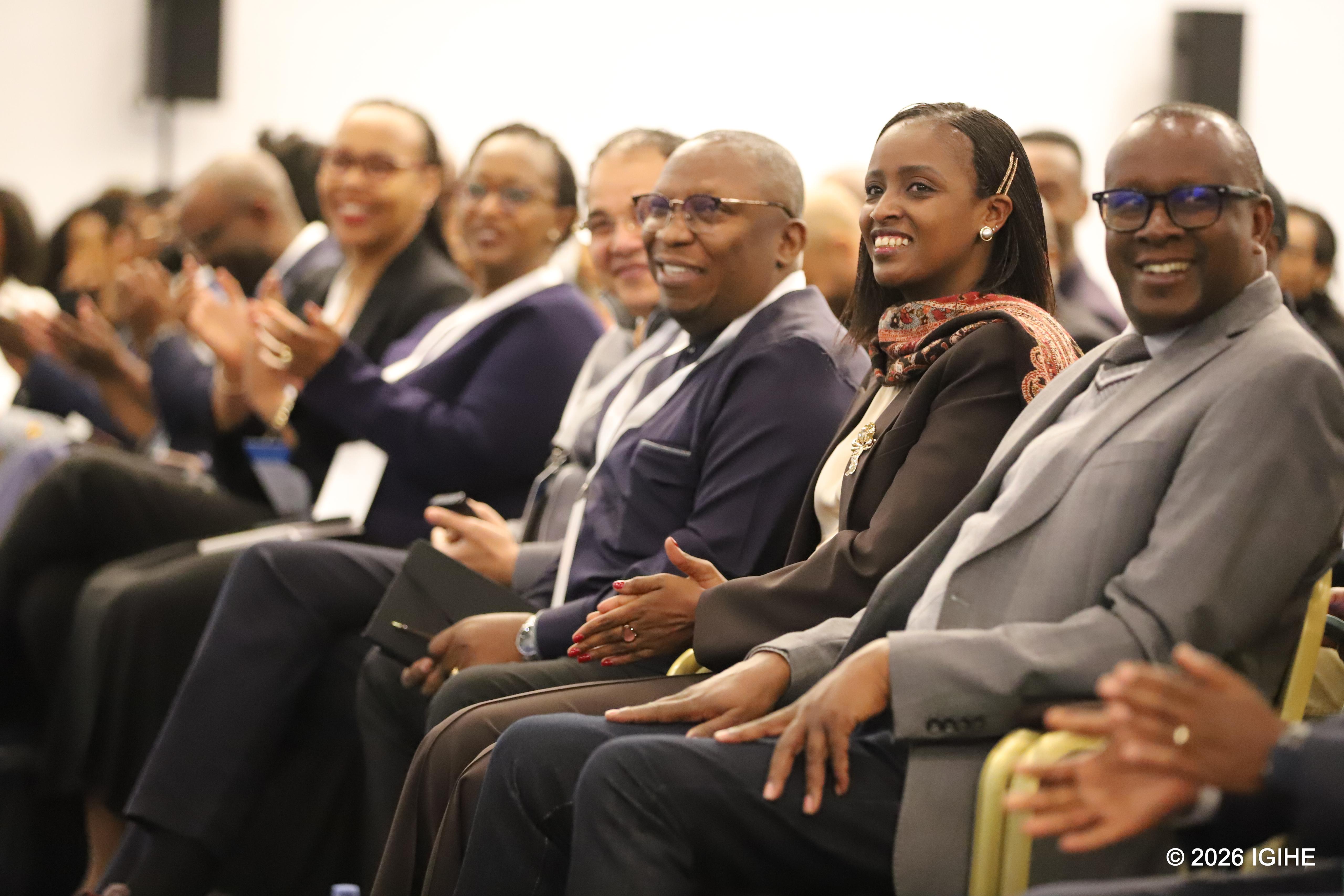
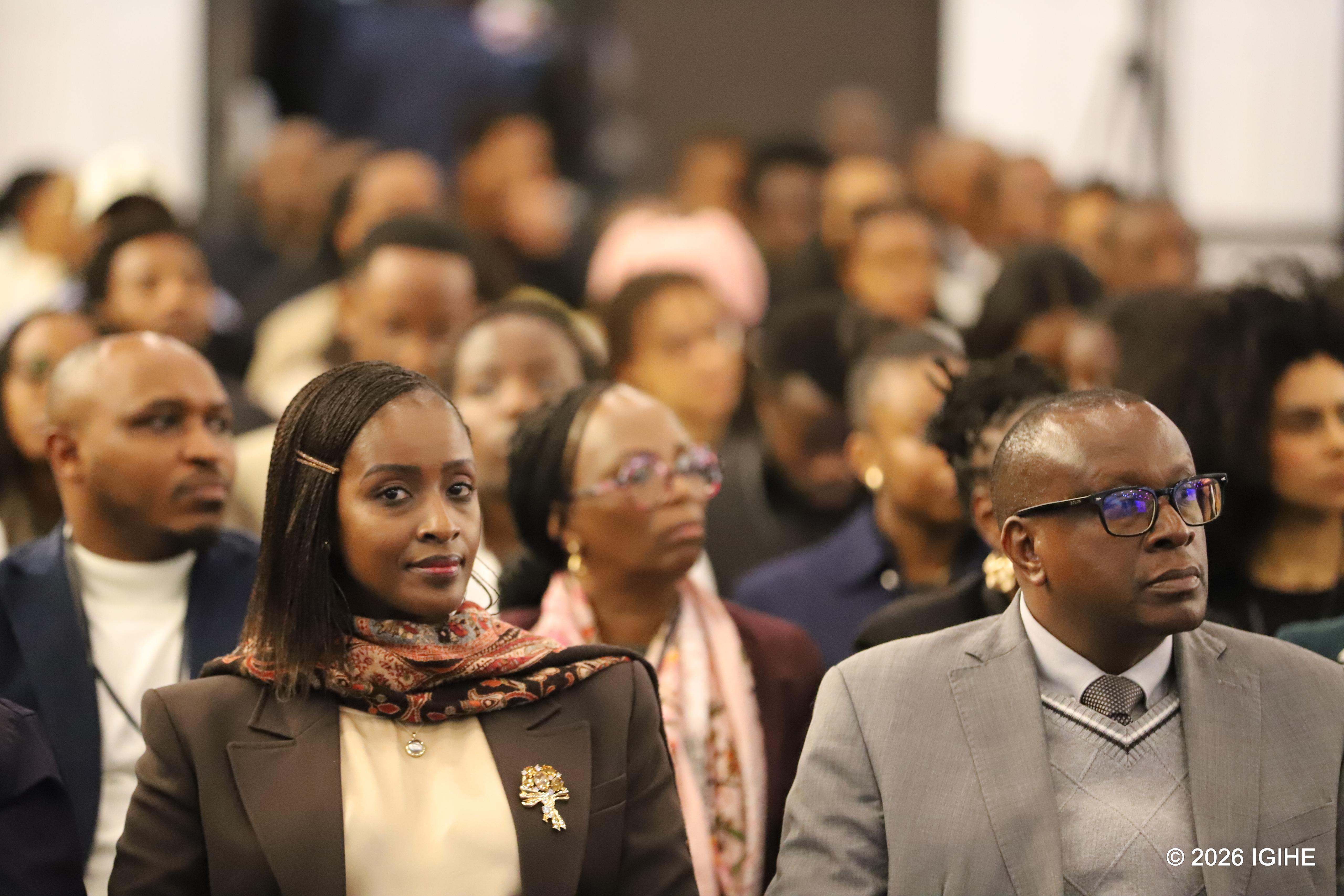
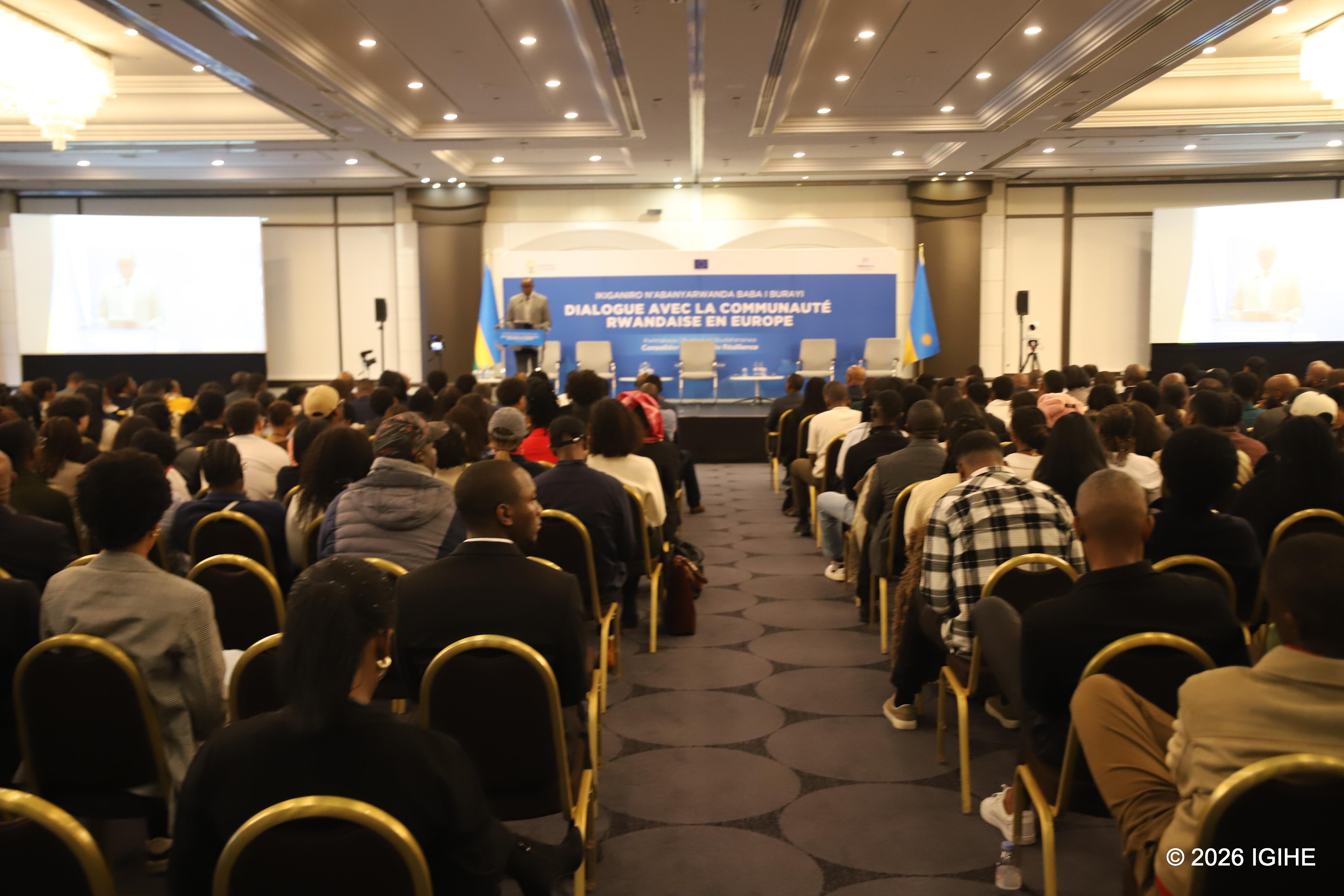
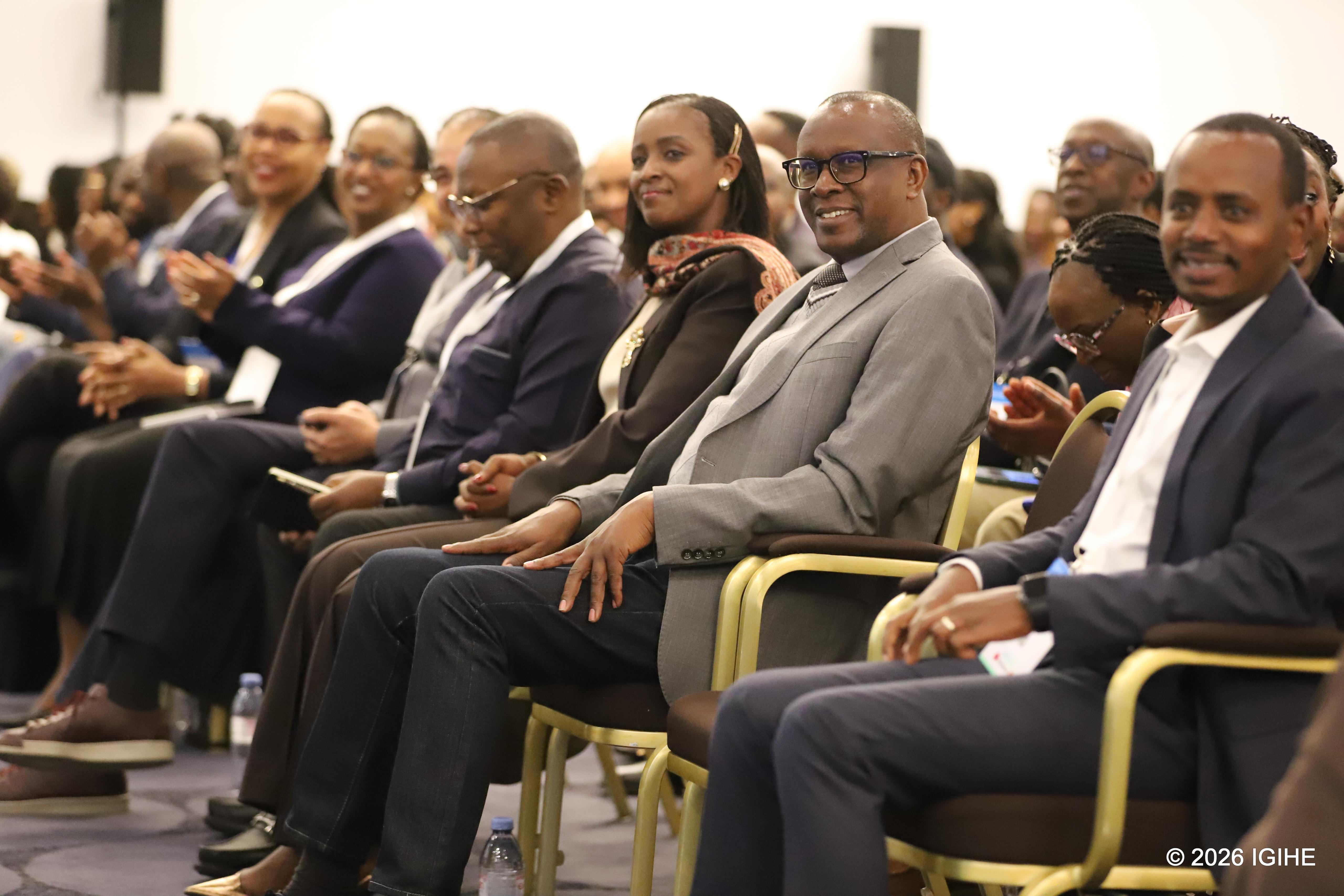
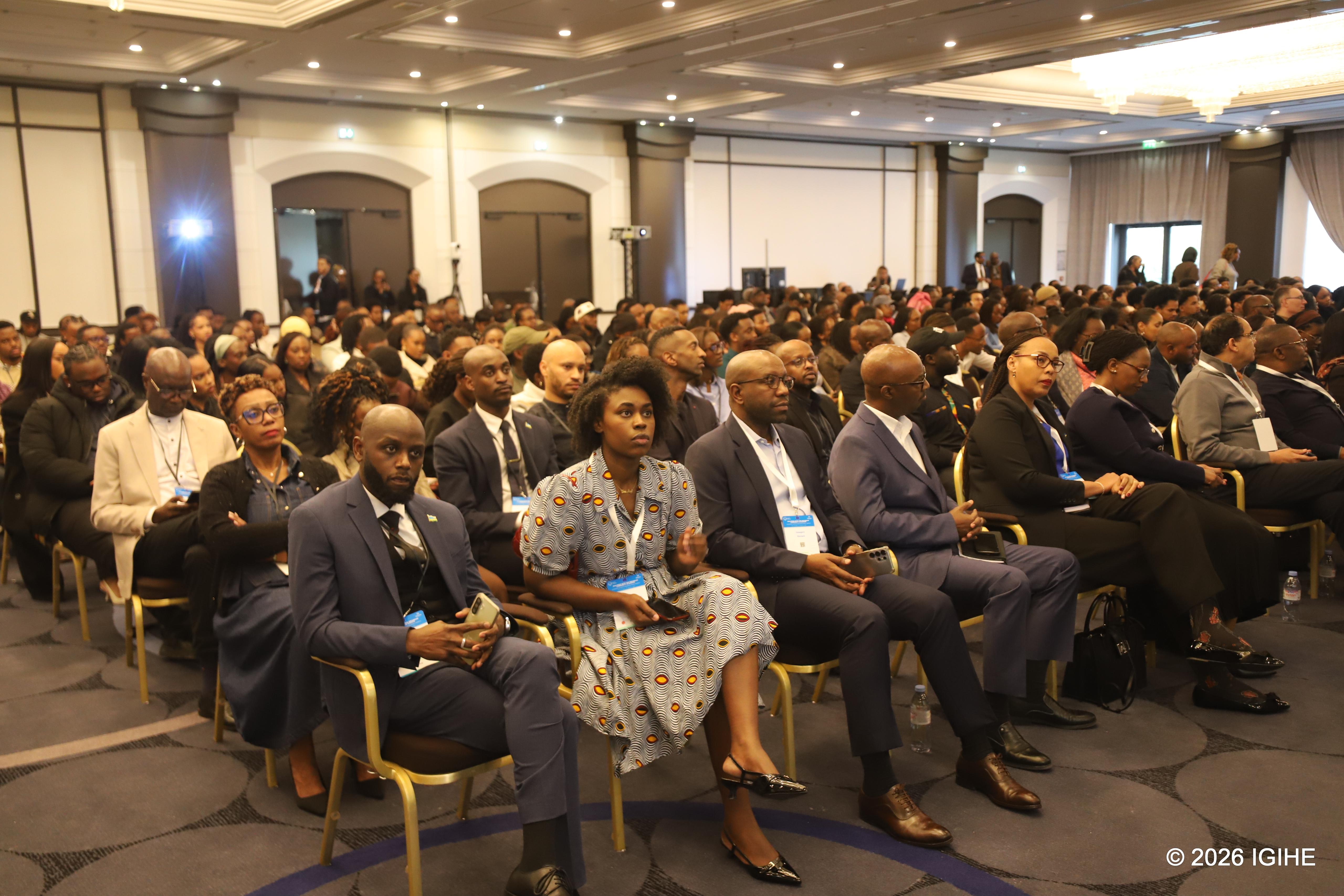
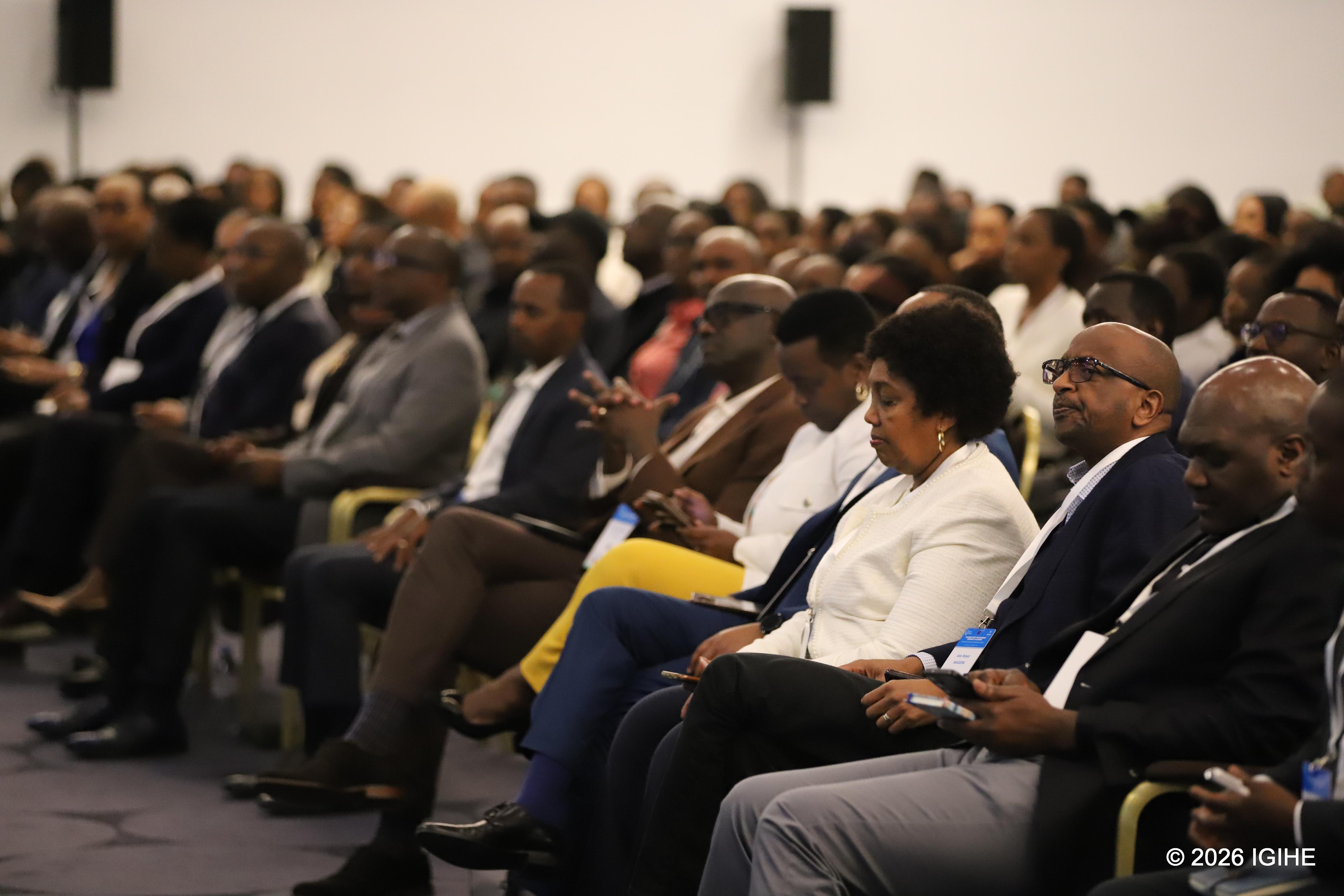
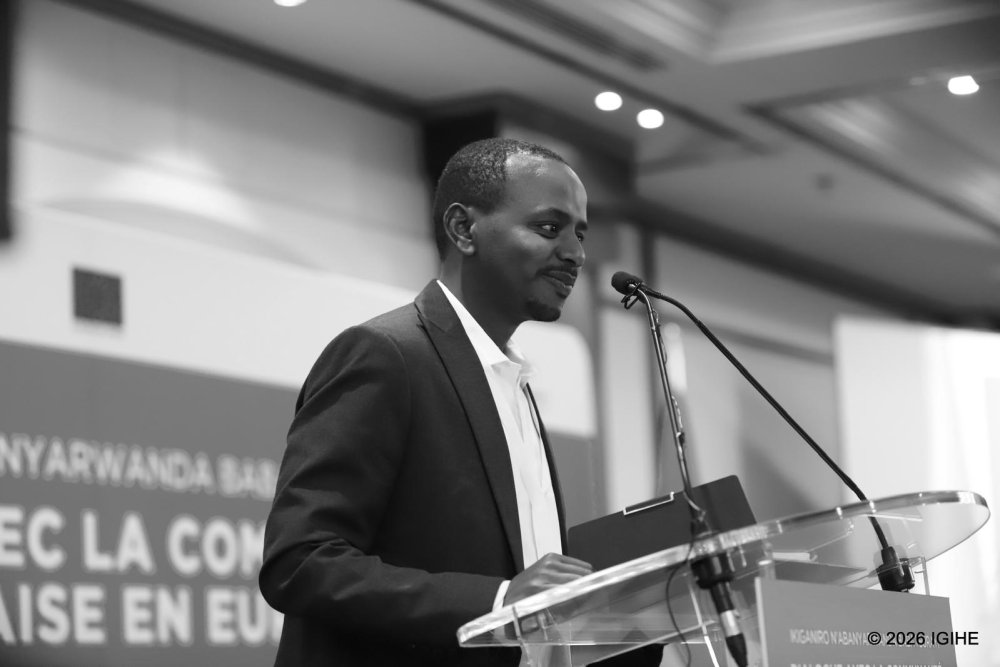
Speaking before an audience of youth and adults from various European countries, Kayitare highlighted the complexity surrounding the transmission of genocide legacies, such as trauma and hate ideology.The event held in Paris brought together over 500 Rwandans from across Europe for a sociocultural dialogue. Frank Kayitare, representing Interpeace, was among speakers.
NCBA underscored this commitment during a customer engagement forum in Rubavu attended by local government leaders, business owners, cross-border traders, logistics operators, and entrepreneurs.
The forum created space for practical discussion on the realities of running businesses in a border economy; working capital pressures, currency flows, digital payments, supply chain delays, and the need for financing that matches the speed of opportunity.
Rubavu’s identity is distinct. Where other cities are built primarily around domestic markets, Rubavu is built around movement of goods, people, and demand. It is Rwanda’s western doorway into the Great Lakes region, and a city whose economic pulse is driven by cross-border trade with the Democratic Republic of Congo. But Rubavu is changing.
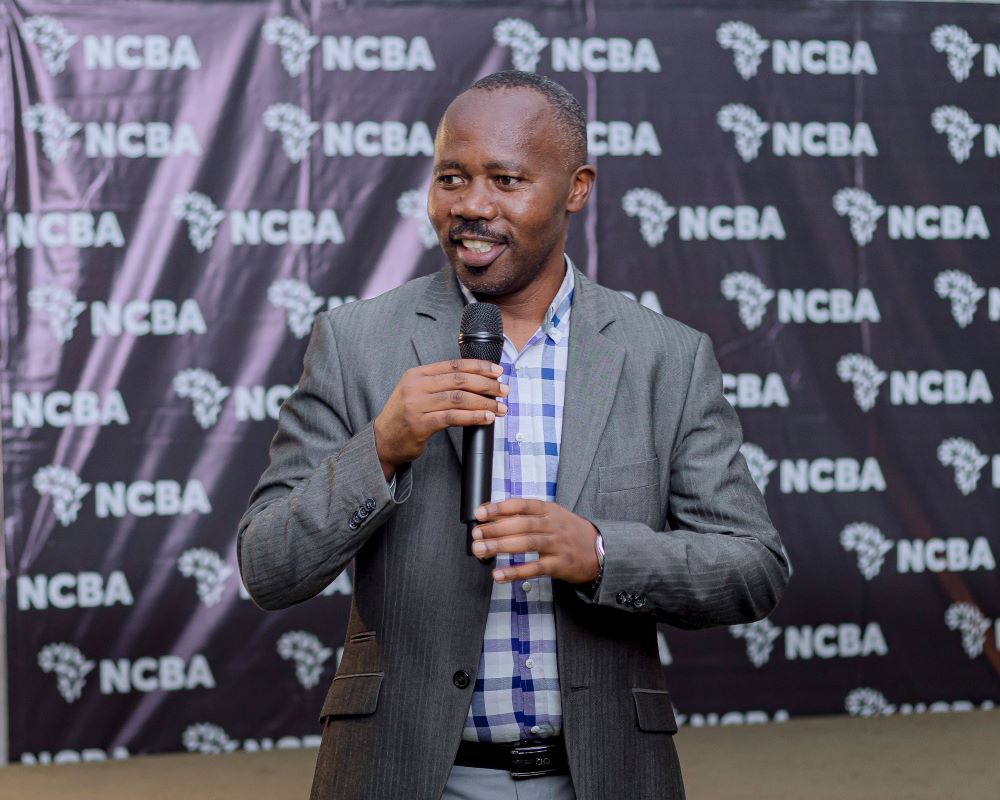
“We are excited to collaborate with NCBA as we enter Rubavu’s next chapter of growth which is about shifting from a border town to a regional trade hub,” said Rubavu Mayor Mulindwa Prosper.
During the event, NCBA committed to supporting investors and enterprises in the district and held direct talks with manufacturers, processors, warehouse operators, distributors, and SMEs.
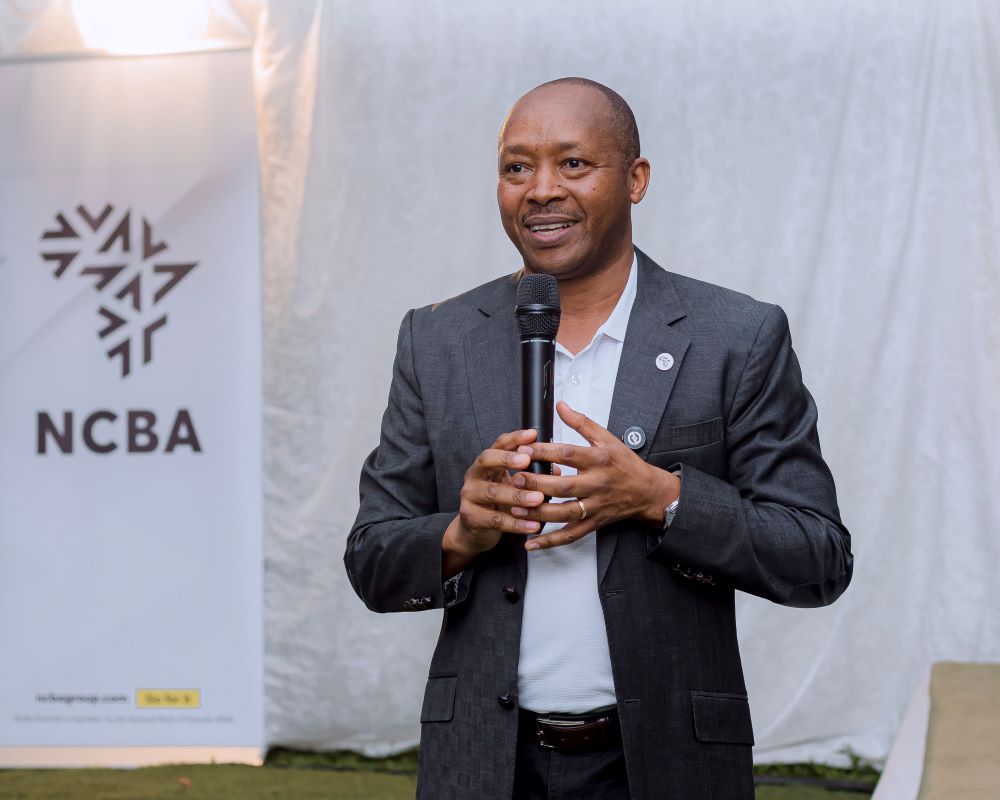
In his remarks, NCBA Rwanda’s Managing Director Maurice Toroitich agreed with the Mayor’s sentiments. “With our physical and digital presence across East Africa, NCBA is the right bank to enable entrepreneurs to scale trade beyond the traditional routes. We are present in Kigali, Kampala, Busia, Eldoret, Nairobi and all the way to Mombasa and that’s the same on the Dar-es-Salaam route. “So, for cross-border trade, import and export we can provide you with one experience wherever you are. We also have capabilities to connect you across Africa and the world,” he noted.
Re-anchoring growth on industry and urban redevelopment
The vice mayor in charge of economic development Nzabonimpa Deogratias also thanked NCBA for coming in at a critical time and taking initiative to collaborate with the area’s traders and industrialists.
“Rubavu is entering a different era,” Nzabonimpa said. “Trade will always be our strength, but industry is its multiplier. We are currently developing Rugerero Industrial Park which is a platform for value addition, jobs, and businesses that can scale beyond the district.” he said.
“We thank NCBA for its bold decision to drive multi-sectoral investments in Rubavu and invite our entrepreneurs to take these opportunities seriously. During our next forum, we will be taking stock of the commitments we make today,” he added.
Rubavu is not just growing, it is reorganizing. The city’s urban redesign signals an intent to modernize infrastructure, strengthen city planning, improve commercial order, and attract a new class of investment into hospitality, retail, and real estate development.
NCBA affirmed its commitment to backing this transition by supporting businesses and developers aligned with Rubavu’s masterplan, through financing for property development.
As Rubavu upgrades its physical form, the private sector must upgrade its capacity. That requires capital that is fit for purpose and financial partners like NCBA.
NCBA’s message in Rubavu was clear: this is not a transactional relationship, it is a long-term commitment to a city whose economy is strategic to Rwanda’s growth.
NCBA Bank Rwanda is a subsidiary of NCBA Group, a regional banking group providing a broad range of financial products and services to corporate, institutional, SME, and consumer banking customers. NCBA Group operates 115 branches in five countries ; Kenya, Uganda, Tanzania, Rwanda, and Ivory Coast, serving over 60 million customers and ranking as the largest banking group in Africa by customer numbers.
In Rwanda, NCBA operates branches in Kigali, Musanze, Nyagatare, Rubavu, Kayonza, and Rusizi. Through its partnership with MTN Mobile Money Rwanda Ltd on MoKash, NCBA has attracted over 5 million customers, making it the country’s largest retail digital bank and a central catalyst for financial inclusion.
Rubavu Mayor Mulindwa Prosper expressed delight at collaborating with NCBA as the district enters the next chapter of growth.NCBA Rwanda’s Managing Director Maurice Toroitich speaking at the event.
The funding supports farmer training, capacity building, and modern production techniques aimed at strengthening food security and raising farm incomes.
The progress was highlighted during a consultative meeting that brought together SAIP-supported farmers from Huye District on February 24, 2026. The meeting focused on exchanging experience and identifying practical ways to further increase yields.
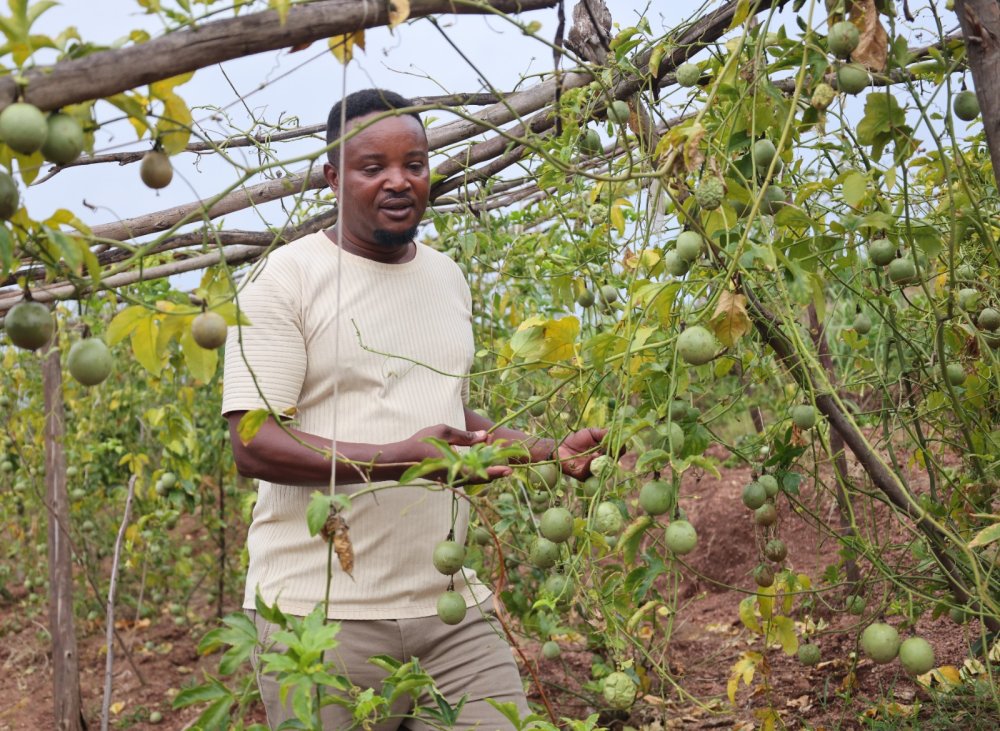
Launched in 2024, SAIP II operates in 20 districts across Rwanda. Among beneficiaries is farmer Darius Havugarurema, who grows fruits on more than five hectares. Before receiving SAIP training, the land had largely remained idle, producing only once every seven years.
With project support, he received over 7,000 fruit seedlings, including tomato trees, passion fruit, and avocado, along with a diesel-powered irrigation system and more than 800 meters of piping. The investment totaled nearly Rwf 40 million, half of which was subsidized by the project. He said the transformation allowed him to fully commit to commercial farming, with initial harvests generating between Rwf 6 and 7 million.
Support has also extended to agro-processing. Entrepreneur Mutabaruka Théophile, who operates a rice processing plant in Sovu Industrial Zone in Huye District, said SAIP backing helped expand his operations.
He has since established a Rwf 650-million-animal feed factory, receiving Rwf 140 million in project support. The facility is expected to process six tons per hour.
He noted that by-products from rice processing that were previously discarded will now be converted into livestock feed, while strengthened links with maize and soybean farmers supported by SAIP will ensure a steady supply of raw materials.
Farmer cooperatives have also benefited. The Tuzamurane Cooperative, which grows maize, beans, and vegetables in Ruvungirana Marshland in Ruhashya Sector, received training that reached all members.
Cooperative leaders say new practices, such as planting protective vegetation along roadsides to prevent flooding, have improved resilience while creating additional income sources.
Members were also equipped with harvesting tents that allowed them to gather and protect crops from post-harvest losses.
SAIP Project Coordinator at RAB-SPIU, Mutabaruka Ezra, said the initiative aims to expand sustainable agriculture by improving irrigation, particularly small-scale irrigation, while strengthening post-harvest handling, storage, and market access.
Beyond field production, the project is supporting broader agricultural infrastructure, including the construction of eight storage facilities, cold rooms and cold trucks for transport of fruits and vegetables, construction of more than 200 greenhouses, and modern farming machinery, investments expected to deliver long-term gains in food production.
Overall, SAIP II represents a $20 million investment, with irrigation alone accounting for $5.7 million.
Darius Havugarurema grows fruits on more than five hectares.
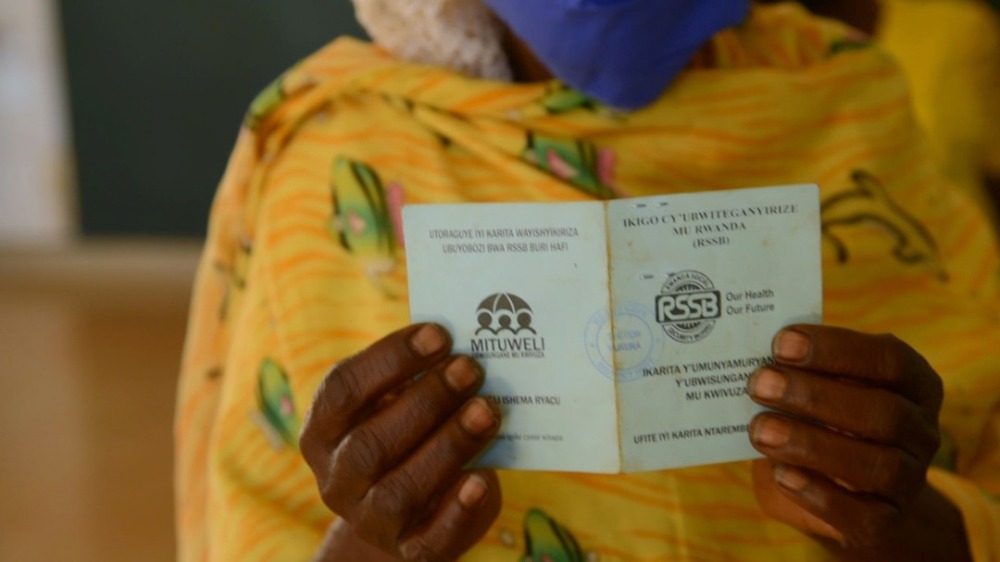
The announcement was made on Tuesday, February 24, 2026, during events marking 25 years of community-based health insurance in Rwanda, held in Rusera Cell, Kabarondo Sector, Kayonza District. The occasion also marked the launch of new reforms aimed at strengthening community-based health insurance services nationwide.
Mutuelle de Santé is one of the Government’s flagship social protection programs, built on the principle of solidarity and designed to ensure that healthcare remains accessible to all citizens. It reflects Rwanda’s long-standing policy of placing citizens’ wellbeing at the center of national development.
When the scheme began, each citizen paid 1,000 Rwandan Francs annually. In 2011, the contribution rose to Rwf 3,000 . Under the new structure, fully government-supported beneficiaries will now receive coverage valued at Rwf 4,000 per person.
Citizens in the second level of social registry will pay Rwf 3,000 with a Rwf 1,000- government subsidy. Those in the third level will pay Rwf 5,000; the fourth level, Rwf 8,000; while individuals in the fifth level will contribute Rwf 20,000 per year.
RSSB estimates that about 90 percent of members will pay between Rwf 4,000 and Rwf 8,000 annually.
RSSB Director General Regis Rugemanshuro explained that, historically, citizens’ contributions covered about 67 percent of healthcare costs. However, as the cost of services rose and coverage expanded, that share dropped to 34 percent.
Over the past decade, total spending under Mutuelle de Santé more than doubled, from Rwf 39 billion in 2015/2016 to Rwf 98 billion in 2024/2025. The increase is largely attributed to the rising cost of healthcare and the addition of high-cost services.
Newly covered treatments include cancer care, kidney treatment, organ replacement, orthopedic and spinal surgery, and assistive devices for people with hearing or vision impairments. These services, many of which have been covered for the past two years, significantly increased the program’s financial demands.
Rugemanshuro noted that although services expanded, contributions had not changed since 2011. Last year alone, Mutuelle de Santé spent Rwf 98 billion, while members contributed only Rwf 31 billion, about 34 percent of total funding.
The remaining resources came from government support, including revenues from telecommunications taxes, fuel levies, and other funding streams.
Even with the new contribution rates, citizens’ payments will account for about 42 percent of total program financing, with the government continuing to cover the majority share. Around 70 percent of Rwandans are expected to pay no more than Rwf 5,000 annually, while only about 8 percent will pay Rwf 20,000.
Number of covered medicines to nearly double
Minister of Health Dr. Sabin Nsanzimana said the contribution adjustment is directly linked to improved treatment access. The number of medicines available under Mutuelle de Santé will increase from 845 to 1,450.
He emphasized that, considering the breadth of services now covered, contributions could have exceeded Rwf 50,000 per person if the government had not stepped in with substantial subsidies.
“Today, patients can receive treatment for conditions that would normally cost Rwf 10 to 20 million, heart disease, kidney conditions, and major surgeries, under Mutuelle de Santé,” he said. “Someone who used to pay Rwf 3,000 is now asked to pay Rwf 5,000 francs if they are able.”
Cancer treatment will now be fully covered under Mutuelle de Santé, including diagnostics, imaging, medication, and related care. Kidney dialysis, previously limited to eight sessions, will now be available as needed. Major heart surgery, often costing at least Rwf 10 million, will also be accessible through the scheme.
The minister added that the government will begin advancing funds to health centers for medicine procurement so that patients consistently find drugs available at facilities. The measure is intended to eliminate shortages previously caused by delayed reimbursements from RSSB.
Residents speak out
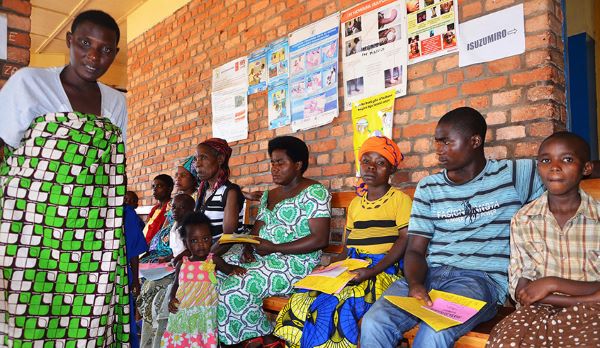
Celestin Niyonsaba, a 75-year-old resident of Kabarondo praised the scheme, recalling that in 2018 he underwent abdominal surgery at University Teaching Hospital of Kigali (CHUK) costing Rwf 3 million francs but paid only 52,000 because he had Mutuelle de Santé coverage.
“Since then, I never delay paying,” he said. “Without Mutuelle de Santé, I would have sold my house or land. Instead, I sold a goat, received treatment, and recovered.”
Josephine Barakagwira from Rusera also welcomed the reform, noting she once paid Rwf 3,000 francs and received surgery that would otherwise have cost over one million Rwandan francs. She acknowledged that while some households face financial constraints, the program remains highly valuable.
Citizens have been urged to begin paying the new rates now to ensure uninterrupted access to healthcare starting July 1, 2026.
Mutuelle de Santé spent Rwf 98 billion, while members contributed only Rwf 31 billion, about 34 percent of total funding last year.
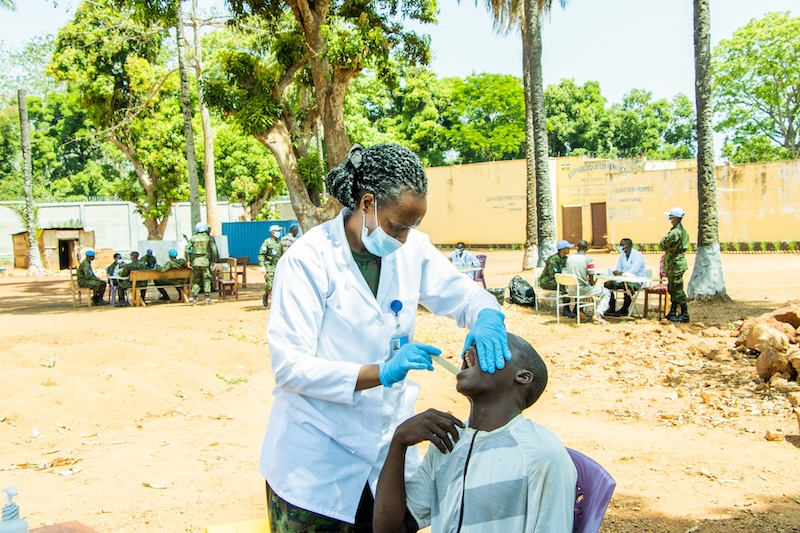
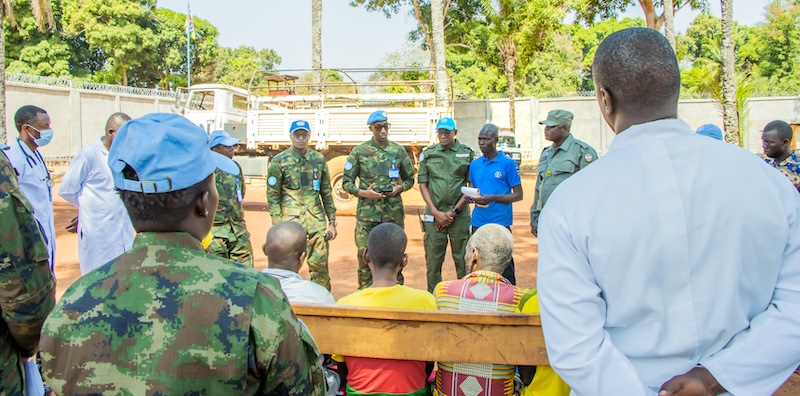
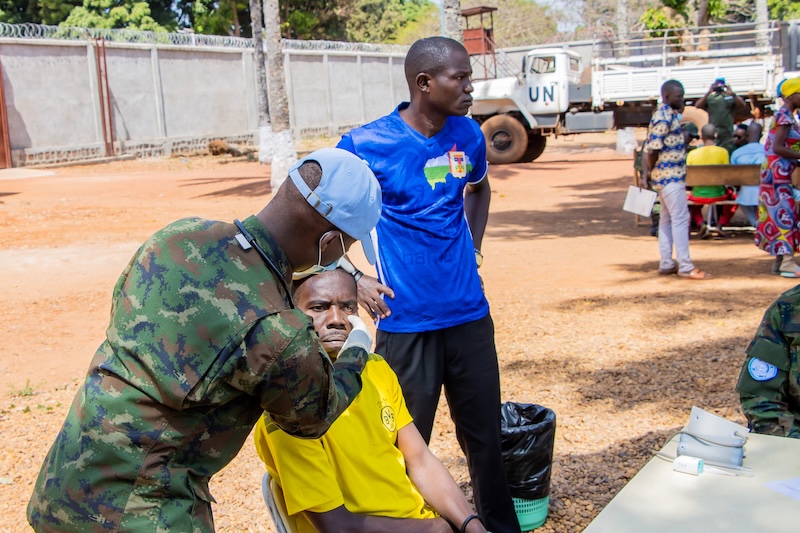
According to Rwanda’s Ministry of Defence, the initiative was carried out by Rwanda Battle Group 8 in collaboration with the Rwanda Level 2 Hospital contingent, it aimed to address essential health needs within the prison community by offering a wide range of medical services, including internal medicine consultations, gynecological care, dental treatment, and other critical healthcare support.
The activity was attended by the Director of Bria Prison, Mahamat Adoum Salle; the Commander of the Rwanda Level 2 Hospital, Col Dr. Christian Mukwesi; and the Commander of Rwanda Battle Group 8, Lieutenant Col David Ngabonziza.
In his welcoming remarks, Bria Prison Director Mahamat Adoum Salle expressed sincere gratitude to MINUSCA leadership and the Rwandan peacekeepers for their timely intervention. He described MINUSCA as a longstanding and reliable partner in various areas of support and commended the medical outreach as a strong example of effective cooperation.
He further highlighted the challenges prisoners face in accessing medical care, particularly due to shortage of essential medicines and medical supplies.
“When prisoners experience health problems, we take them to the hospital where medication is prescribed, but obtaining those medicines is often difficult,” he explained. “It is therefore extremely important that the Rwandan peacekeepers under MINUSCA have come to provide free medical treatment to our inmates.”
Col Dr. Christian Mukwesi, Commander of the Rwanda Level 2 Hospital, stated that the outreach was guided by the fundamental peacekeeping principle of protecting civilians.
“This medical outreach at Bria Prison demonstrates our commitment not only to maintaining security but also to promote the well-being, dignity, and fundamental rights of every individual. Health is a universal right, not a privilege. By offering free medical consultations, treatment, and preventive care to prisoners, we reaffirm that every human life is precious and deserves compassion,” he said.
The activity was attended by the Director of Bria Prison, Mahamat Adoum Salle; the Commander of the Rwanda Level 2 Hospital, Col Dr. Christian Mukwesi; and the Commander of Rwanda Battle Group 8, Lieutenant Col David Ngabonziza.The contingent offered a wide range of medical services, including internal medicine consultations, gynecological care, dental treatment, and other critical healthcare support.The exercise was conducted on Tuesday, February 24, 2025, conducted a medical outreach at Bria Prison.
The findings, published in the scientific journal Zootaxa, highlighted the extraordinary and still unfolding biodiversity of the Cardamom Mountains, where many species occur nowhere else on Earth, said the press release issued by the Ministry of Environment and Wild Earth Allies.
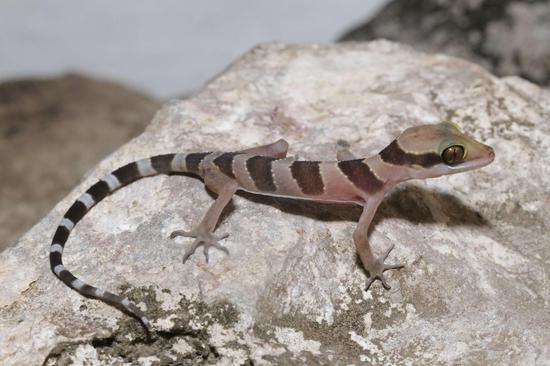
The species, Cyrtodactylus kiriromensis, belongs to a group of bent-toed geckos once thought to represent a single widespread species, the press release said, adding that continued research has since revealed this group to consist of multiple distinct, site-specific species found across the Cardamom Mountains.
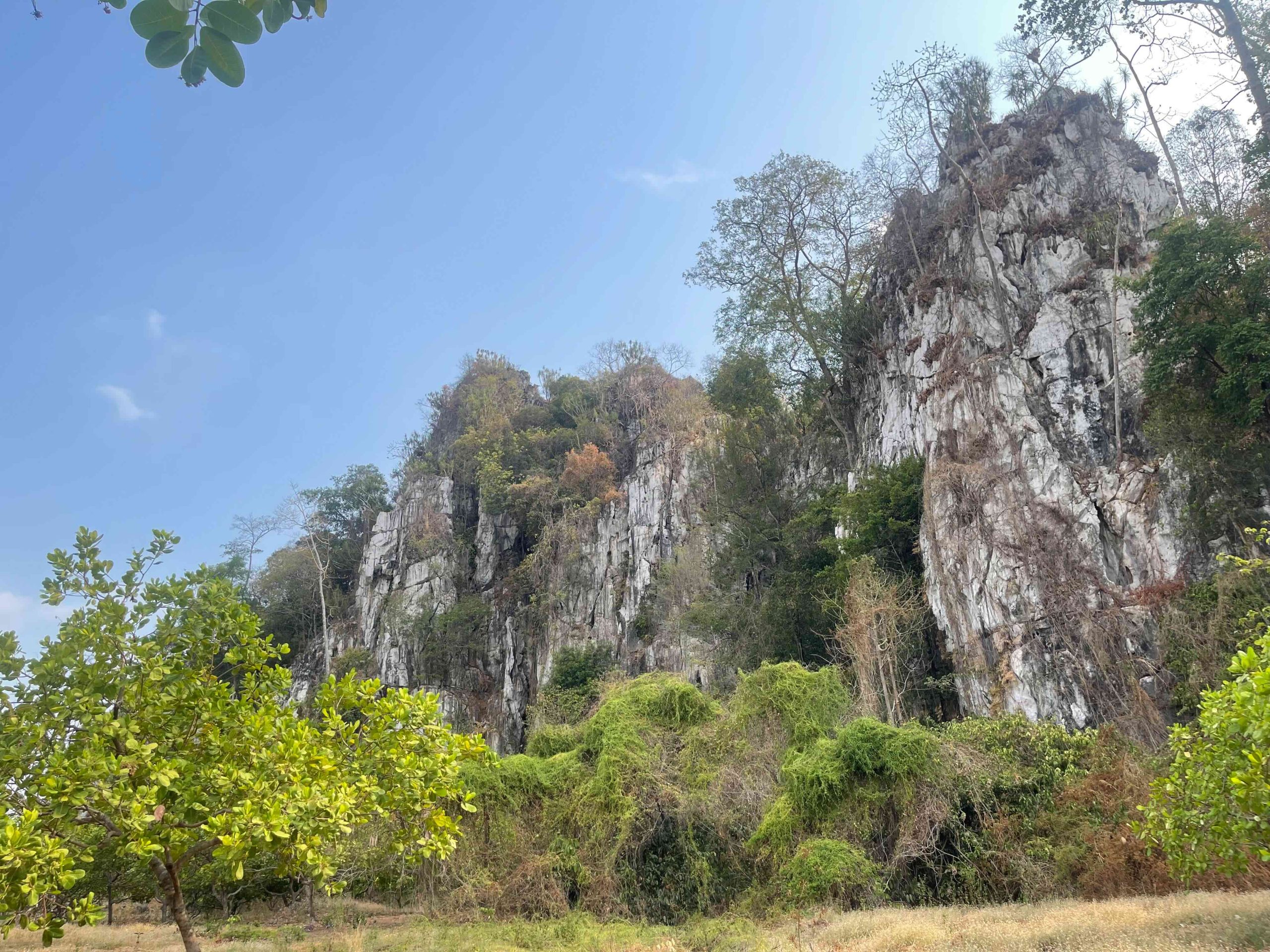
The new species was observed on tree trunks, at the base of trees, on rock boulders near streams, and along forest trails at night in semi-evergreen forest, the press release said, adding that it is named after Kirirom National Park, a protected area in Kampong Speu Province characterized by pine forest, semi-evergreen and evergreen forest, and bamboo stands.
The park is a popular destination for visitors to the region.
“The discovery of new biodiversity species clearly confirms the critical importance of green cover within protected areas, which holds invaluable significance for both people and nature,” said Khvay Atitya, undersecretary of state and spokesperson for the Ministry of Environment.
“Protected areas play a fundamental role in conserving natural resources and protecting the environment, and in ensuring sustainability for present and future generations,” he added.
Wild Earth Allies Cambodia Conservation Manager Neang Thy said the discovery reminded that Cambodia’s biodiversity was still far from fully documented.
“Even in well-known protected areas like Kirirom National Park, there are species waiting to be recognized. Continued field research is essential to understanding and protecting the country’s unique wildlife,” he said.
Kamping Poi bent-toed gecko (Cyrtodactylus kampingpoiensis). Credit: Hun Seiha / Fauna & Flora
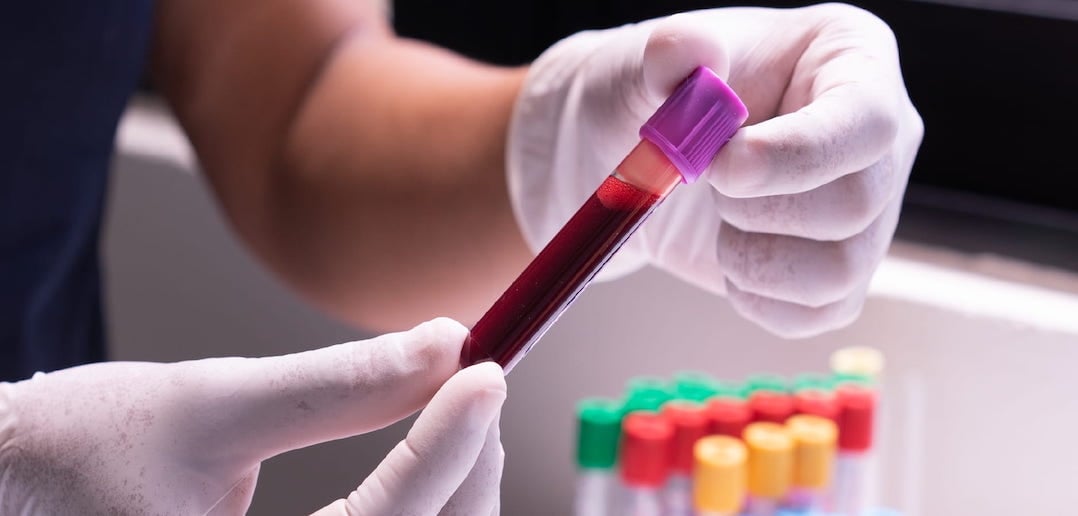
Researchers analyzed post-surgery blood samples and linked the presence of circulating tumor cells — cancer cells that have broken away from a tumor and entered the bloodstream — to increased recurrence odds, said a statement from Australia’s Centenary Institute on Wednesday.
Around 5,500 Australians face diagnosis annually for head and neck cancer, which affects the lining of the mouth, throat and voice box. While many patients respond well to treatment, a significant number experience relapse, often with limited early warning, said the study published in the European Journal of Surgical Oncology.
Follow-up care relies heavily on scans and clinical exams, which do not always spot early relapse risks, said study co-senior author Jonathan Clark, director of Head and Neck Cancer Research at Australia’s Chris O’Brien Lifehouse, in collaboration with Centenary Institute.
“Our findings suggest that detecting circulating tumor cells could provide additional information to help identify patients who may benefit from closer monitoring after surgery,” said study lead author Dannel Yeo, laboratory head at the Centenary Institute’s Center for Cancer Innovations.
The findings add to growing evidence that blood-based biomarkers could play an important role in more personalized cancer care, the researchers said.
In a statement, the network said the casualties included 10 women, based on preliminary information from the area.
Rocket shelling destroyed the town’s only health center, and medical staff working there were assaulted, with one of them arrested and remaining unaccounted for, the statement said.
The network condemned what it called a “large-scale violation” that caused civilian deaths, spread fear among residents, and targeted health facilities, triggering a wave of displacement toward nearby villages amid deteriorating humanitarian conditions.
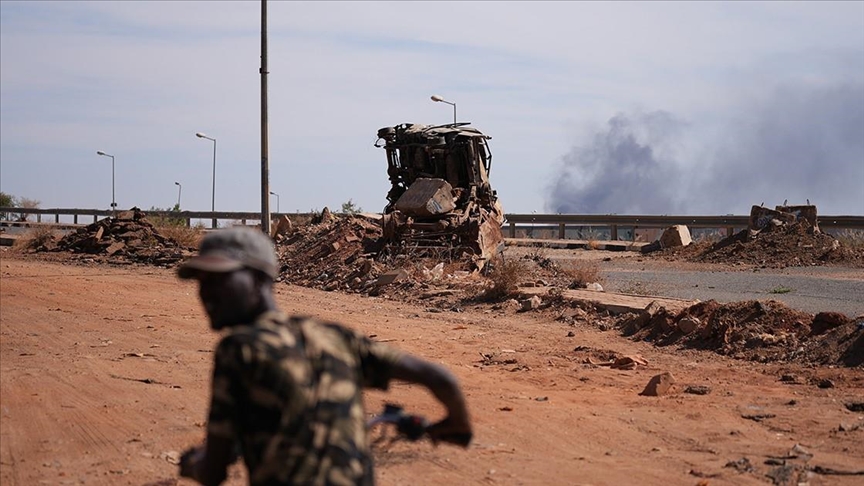
The Emergency Lawyers, a legal group, said on Tuesday in a separate statement that the RSF’s attack on Monday included an armed raid and the burning of several homes. It was preceded by drone strikes targeting several civilian locations, including the health center, residents’ homes, the market, and guest houses, resulting in civilian deaths and injuries, and forced displacement of residents.
An eyewitness from the nearby city of Kabkabiya told Xinhua that dozens of families had arrived in the city in recent hours after fleeing Mustariha.
“They were in shock. Some walked long distances on foot. Many spoke of heavy shelling and homes being burned, and they were unable to take any belongings with them,” the witness said, speaking on condition of anonymity.
Mustariha is considered a stronghold of Musa Hilal, one of the leaders of a branch of the Rizeigat tribe, from which several RSF commanders originate. Since the outbreak of fighting in Sudan, Hilal has declared his support for the Sudanese army and allied with the joint forces, which includes armed Darfuri groups fighting alongside the army.
The RSF has not yet commented on the attack.
Since April 15, 2023, Sudan has been engulfed in an armed conflict between the Sudanese Armed Forces and the RSF, resulting in thousands of deaths and injuries and the displacement of millions of people inside and outside the country, while regional and international efforts continue to seek a ceasefire.
Iran’s Foreign Minister Seyed Abbas Araghchi said on Tuesday Iran is determined to reach a “fair and equitable” deal with the United States as soon as possible.
In his remarks posted on X, Araghchi said the two sides have a “historic opportunity” to strike an unprecedented agreement that addresses mutual concerns and achieves common interests, adding that a deal is within reach if diplomacy is prioritized.
His comments came ahead of a third round of indirect nuclear negotiations between Tehran and Washington, scheduled for Thursday in Geneva. Two rounds of indirect talks were held earlier this month, centered on Iran’s nuclear program and the possible lifting of U.S. sanctions.
Also on Tuesday, Iran’s Deputy Foreign Minister for Political Affairs Majid Takht Ravanchi said Iran is ready to do “whatever necessary” to reach a nuclear agreement with the United States.
“We want to do whatever necessary to make it (an agreement) happen. We will enter the negotiating room in Geneva with all sincerity and goodwill,” Ravanchi said in an interview with NPR radio.
“We hope that our goodwill and good approach would be reciprocated by the Americans, and if there is a political will on all sides, I believe that the deal can be reached as soon as possible,” he added.
Meanwhile, during a meeting in Tehran with Armenian Defense Minister Suren Papikyan on Tuesday, Iranian Defense Minister Aziz Nasirzadeh reiterated his country’s firm resolve to defend itself.
He said Iran does not seek war, “but if a war is imposed on the country, it will defend itself strongly and give an unforgettable lesson to enemies.”
The remarks followed a drill held by Iran’s Islamic Revolution Guards Corps (IRGC) along the Iran’s southern coast, the semi-official Fars news agency reported on Tuesday.
Iranian forces practiced the scenario of “strongly defending” the country’s coasts and islands, and the IRGC Ground Forces’ special forces carrying out operations to prevent the enemy from approaching Iran’s southern coasts.
The exercise took place amid continued U.S. military buildup in the Middle East and media reports that U.S. President Donald Trump was considering launching an initial attack on Iran.
Israel media reported Tuesday that eleven U.S. F-22 stealth fighter jets have landed at an Israeli airbase in southern Israel, as part of Washington’s regional military reinforcement against Iran.
The world’s largest aircraft carrier, the USS Gerald R. Ford, which is en route to the Middle East, has arrived in the Mediterranean Sea. It will join the USS Abraham Lincoln carrier strike group and other guided-missile destroyers already deployed near Iran.
Trump on Monday refuted media reports that Dan Caine, the chairman of the Joint Chiefs of Staff, warned against attacking Iran.
In a social media post, Trump said that if a decision is made on conducting military operations against Iran, “it is his (Caine’s) opinion that it will be something easily won.”
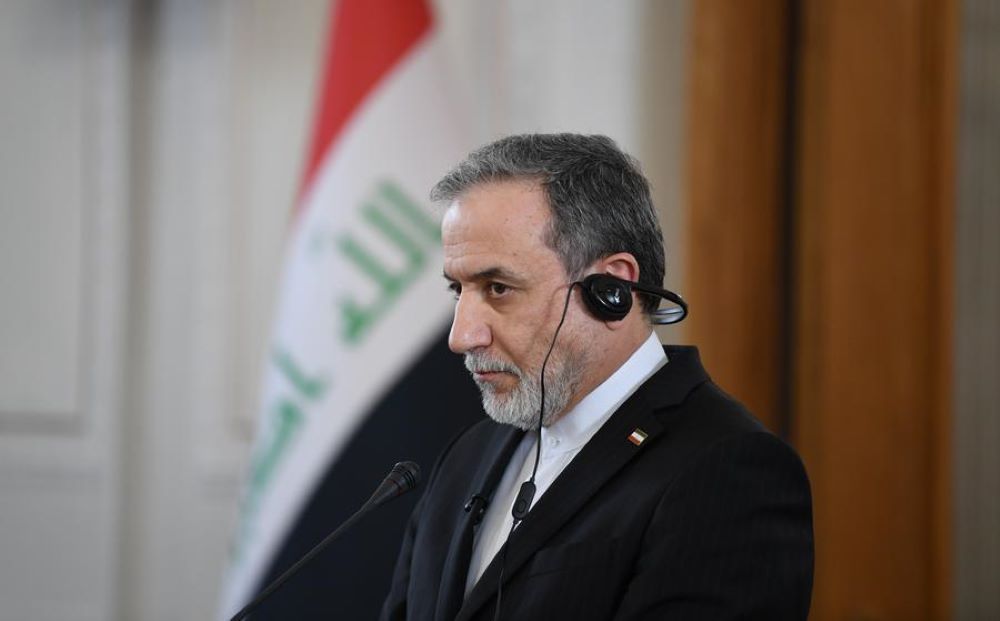
Iran’s Foreign Minister Seyed Abbas Araghchi (R) attends a joint press conference in Tehran, Iran, Jan. 18, 2026.