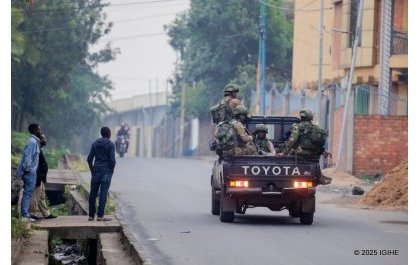
AFC/M23 stated that it conducted drone strikes on the airport on February 1 and March 1, 2026, targeting a section of the facility used by the DRC military and its allies.
The aim was to destroy part of the airport’s infrastructure utilized by the DRC military forces and their partners.
The alliance explained that the DRC military and its partners use the airport to prepare and launch drone strikes against AFC/M23 bases and civilians in North Kivu and South Kivu provinces.
Dr. Oscar Balinda, the Deputy Spokesperson for AFC/M23, revealed that the alliance has deployed commando units near Kisangani.
These units are tasked with carrying out operations aimed at disrupting the DRC’s plans to destabilize areas under AFC/M23 control.
“The commandos operate day and night, completing their missions and returning once the task is finished. Our goal is to halt this terror and restore peace so we can return to the negotiation table and work towards lasting peace,” he stated.
On March 2, 2026, AFC/M23 enrolled 1,518 special force recruits who were trained at the Rumangabo military camp in Rutshuru Territory.
The alliance clarified that these new recruits are specially trained commandos with advanced combat skills, prepared to undertake mobile operations and establish permanent bases.
Yannick Tshisola, Chief of Staff to AFC leader, hinted that these new fighters would be involved in future missions, similar to the recent strike on Bangoka International Airport.
Dr. Balinda stated that AFC/M23 fighters conduct targeted attacks in Kisangani before returning to their original positions.
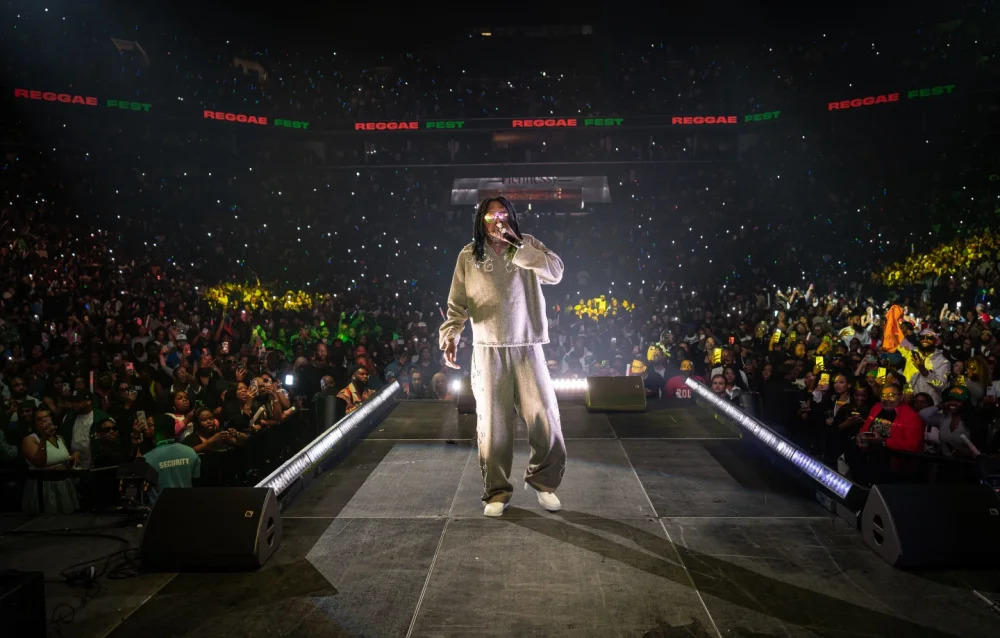
The tour will include performances in multiple countries, starting with Uganda on May 1, 2026, followed by Kenya on May 8, 2026, and concluding in Kigali, Rwanda, on May 9, 2026.
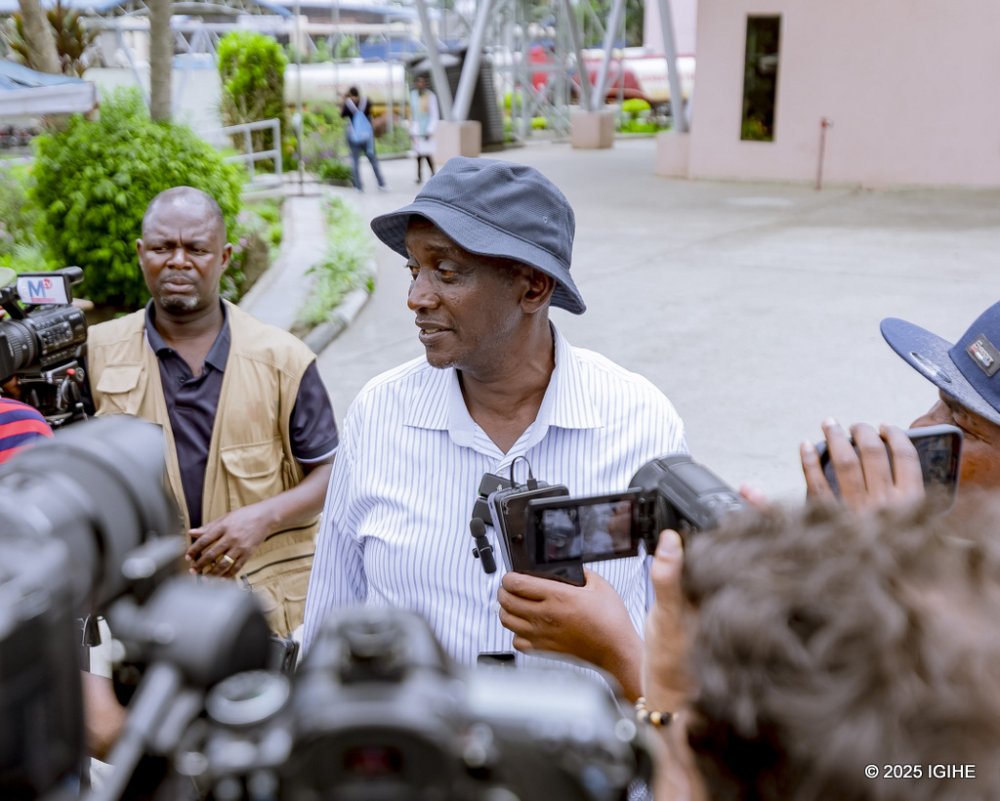
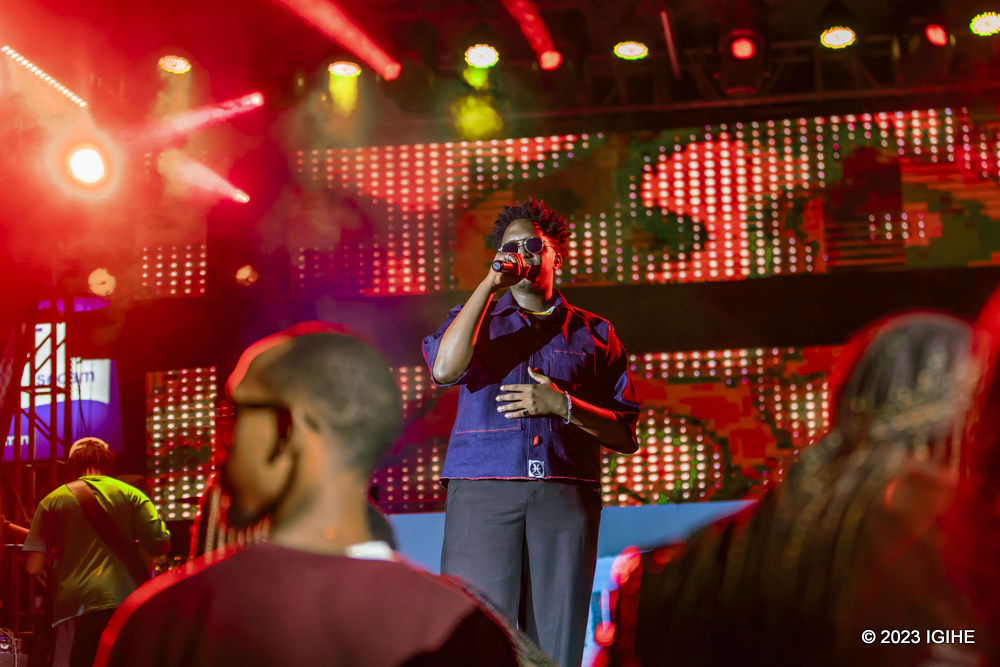
During these concerts, Vybz Kartel will perform alongside artists such as Element EleéeH, Bien, and Joshua Baraka. Additionally, each country on the tour will feature local artists who will join the performances to enhance the show.
A source close to the event shared, “These four artists will be the main performers, but in each country, local artists will also be added to the lineup to perform with them. In Kenya, they have their own local talent, Uganda has theirs, and in Kigali, we’ll showcase our local artists as well.”
Vybz Kartel, whose real name is Adidja Azim Palmer, is a renowned Jamaican artist famous for his contributions to the “Dancehall” genre. He began his rise to fame in 1993.
In 2014, Vybz Kartel was sentenced to life imprisonment after being convicted of the murder of Clive “Lizard” Williams. Despite being incarcerated, he remained active in music, releasing over 50 songs in 2016 alone, showing his unwavering commitment to his craft.
In 2024, after a lengthy legal battle, Vybz Kartel was acquitted and released from prison, having spent nearly ten years behind bars.
The artist is best known for hit songs like “Romping Shop” featuring Spice, “Clarks” featuring Popcaan, “Loodi” featuring Shensea, and “Wine to the Top” featuring WizKid. With his return to the stage, Vybz Kartel is set to continue making waves in the music industry.
Element is set to perform with Vybz Kartel on EAC tour in May.Joshua Baraka from Uganda will also join the tour.Bien from Kenya is among the artists on the lineup.Vybz Kartel is set to embark on an East Africa concert tour.
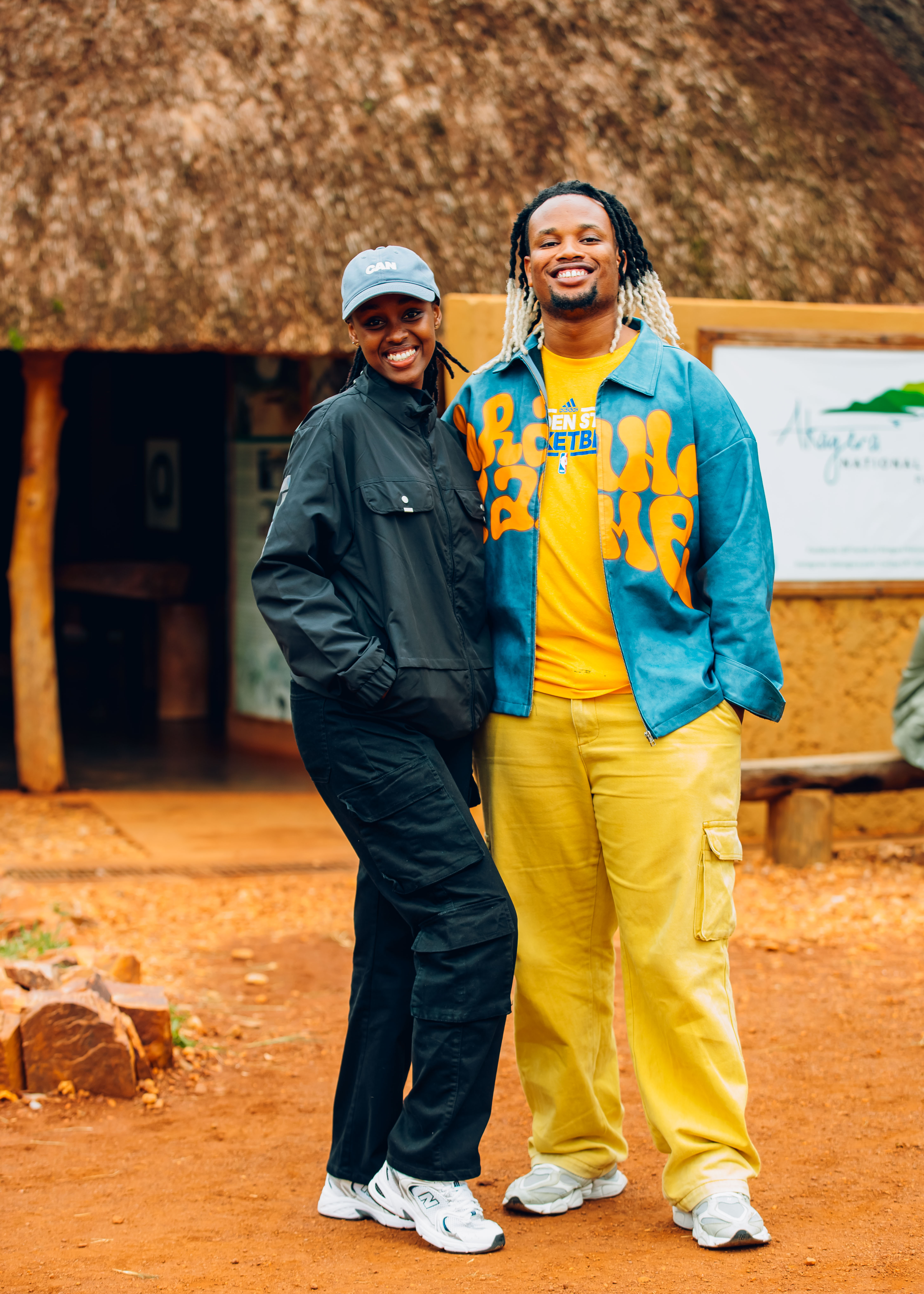
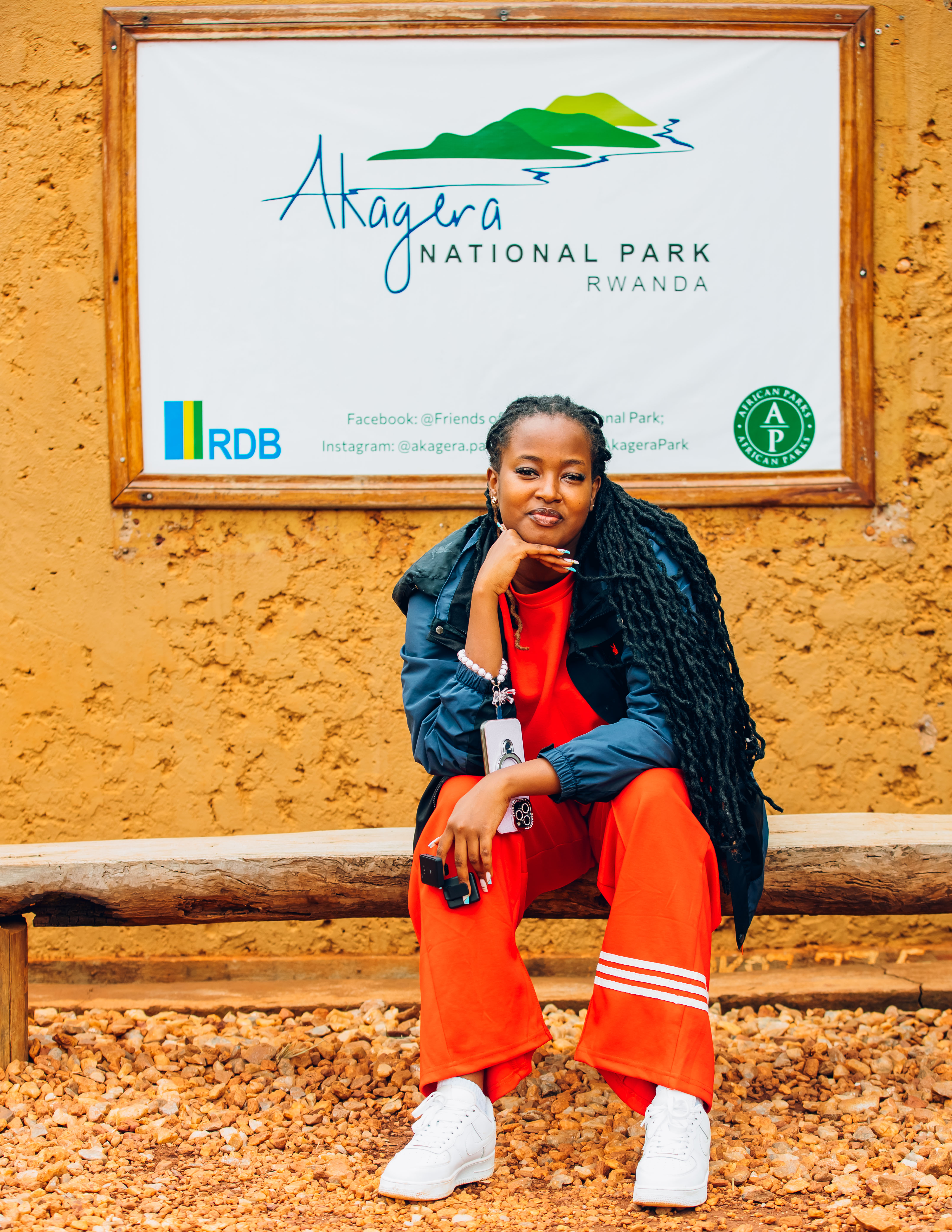
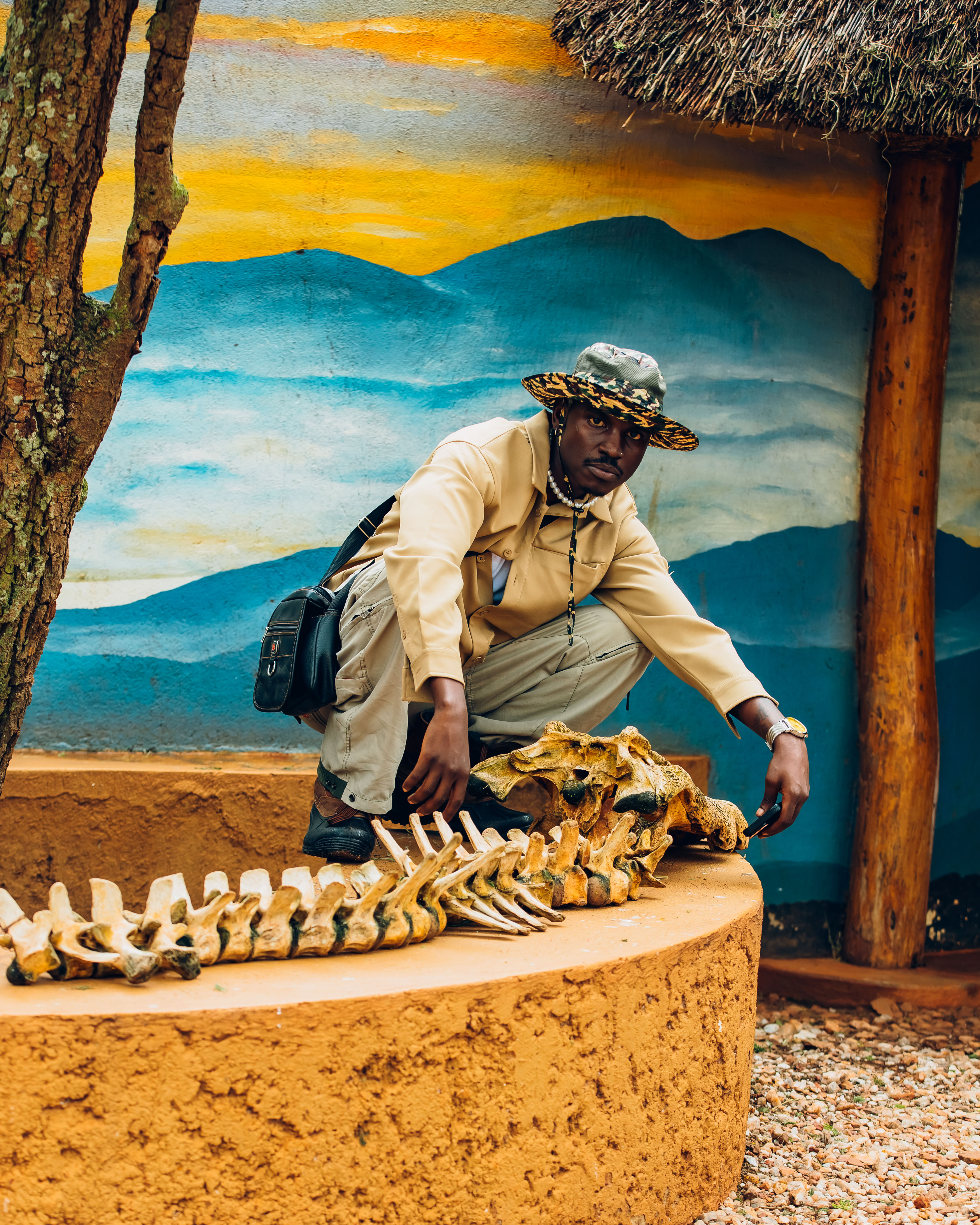
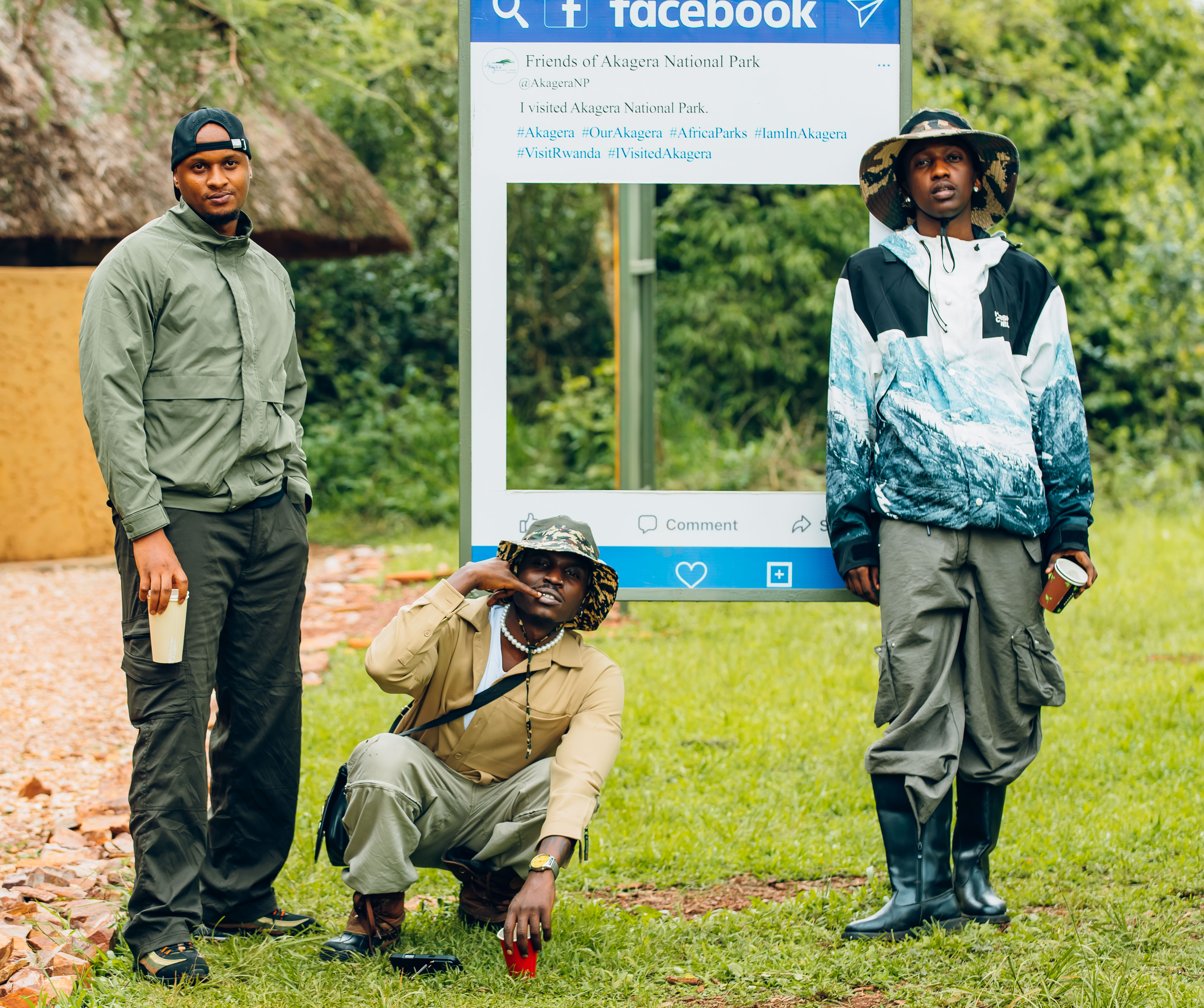
The initiative aimed at promoting domestic tourism while giving participants an immersive experience in the rich biodiversity of one of Rwanda’s most iconic wildlife destinations.
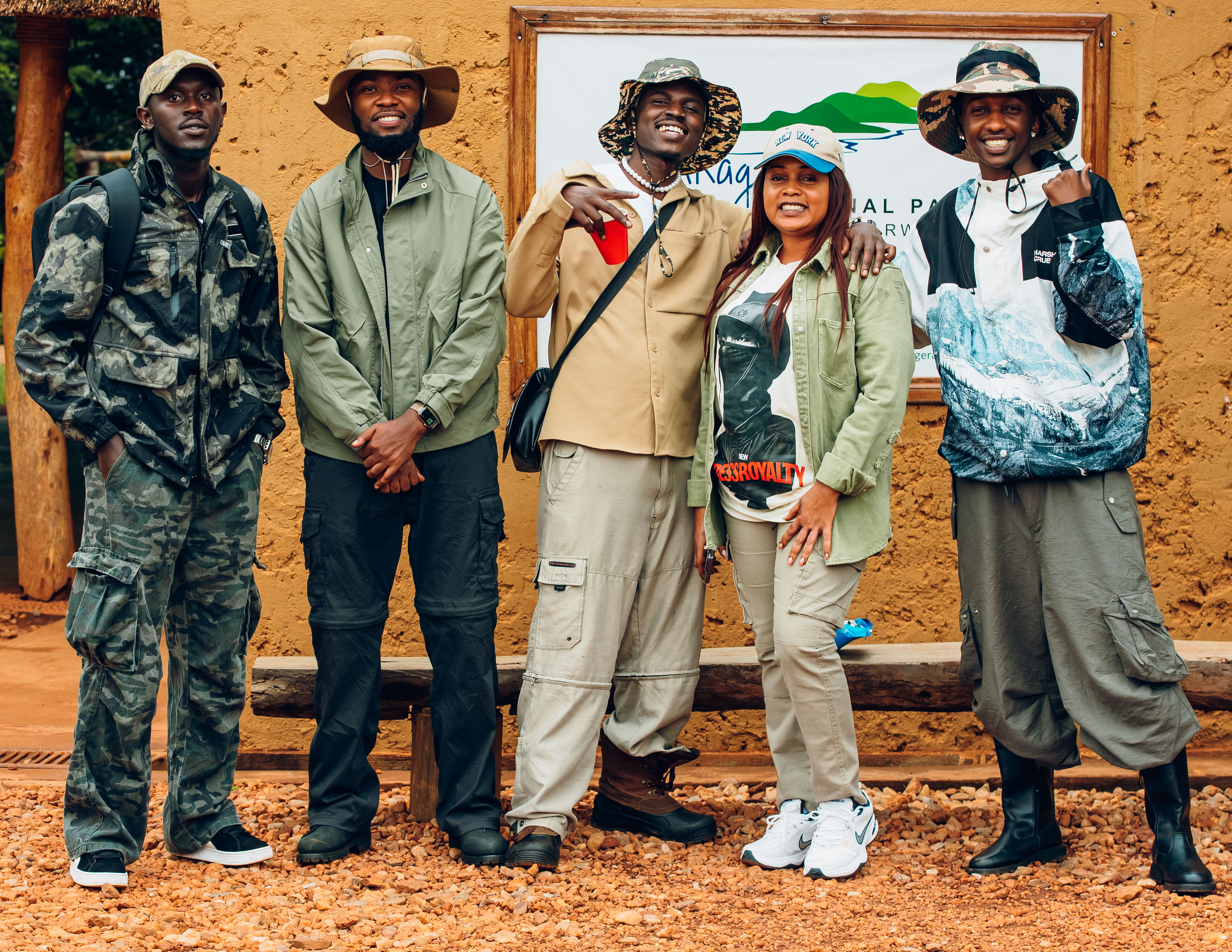
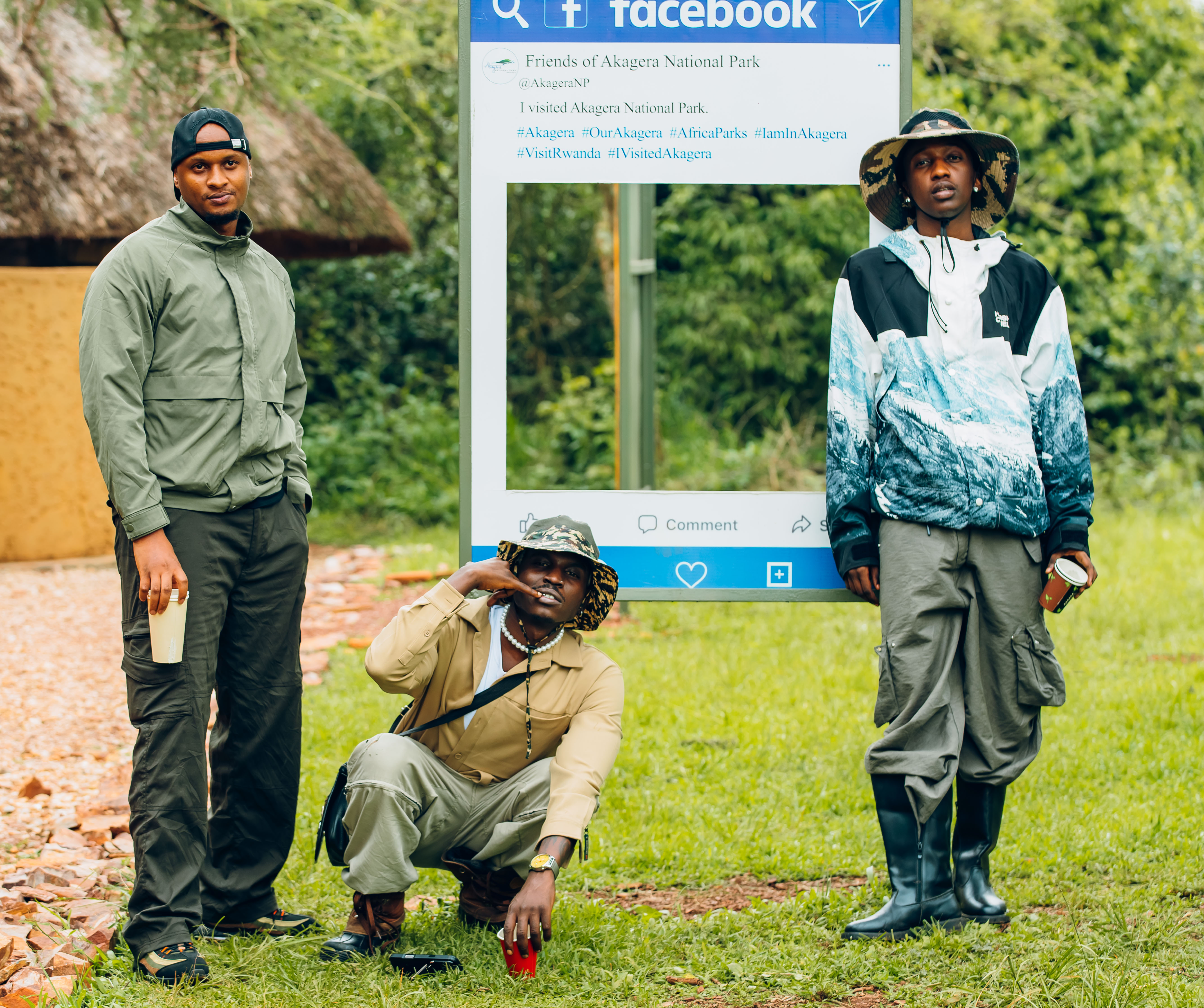
Participants expressed excitement as they explored Akagera’s scenic landscapes and diverse wildlife.
Celebrities, including Ish Kevin and DiezDola, joined fans for an unforgettable safari adventure at Akagera National Park.
The tour, held on Saturday, February 28, followed a successful inaugural trip to Nyungwe National Park. Organisers have since announced a third excursion scheduled for April in Bigogwe, Nyabihu District, as part of ongoing efforts to encourage Rwandans to discover the country’s natural attractions.
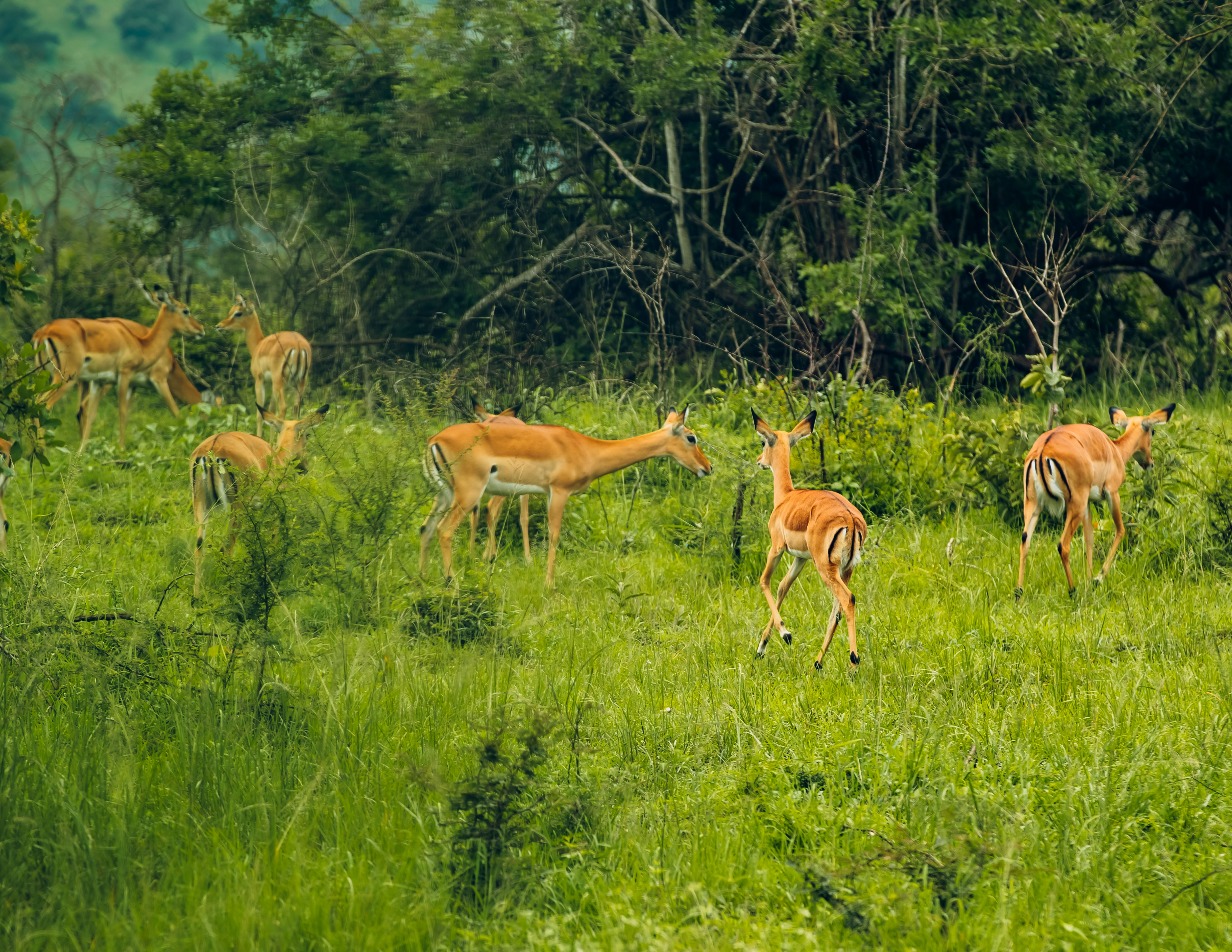
The highlight of the trip was the game drive, which took participants deep into the park’s wilderness. Akagera, renowned for its diverse wildlife species including lions, giraffes, zebras and elephants, offered guests an opportunity to observe animals in their natural habitat.
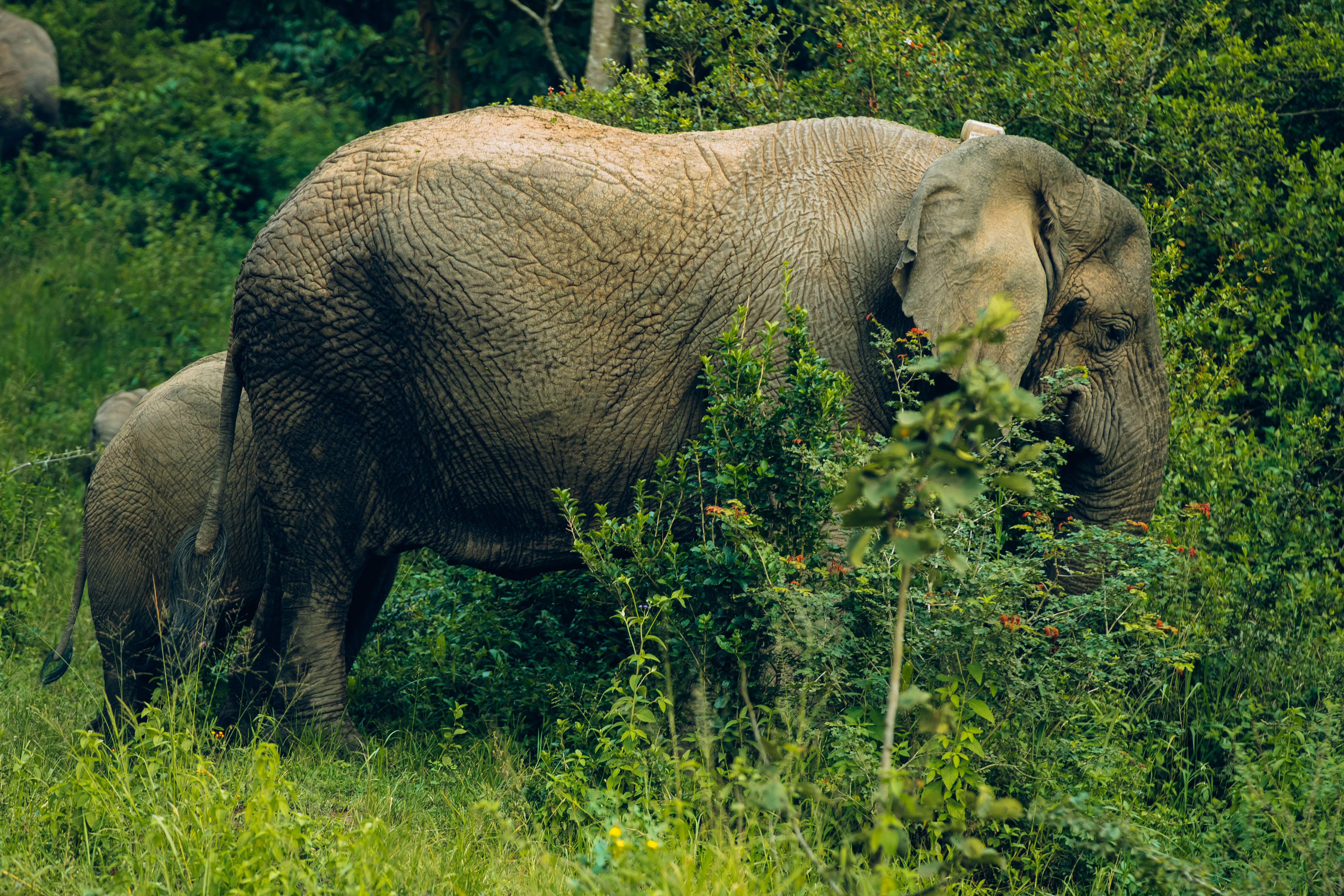
The group was fortunate to spot elephants, one of the iconic Big Five, during their adventure at Akagera National Park.
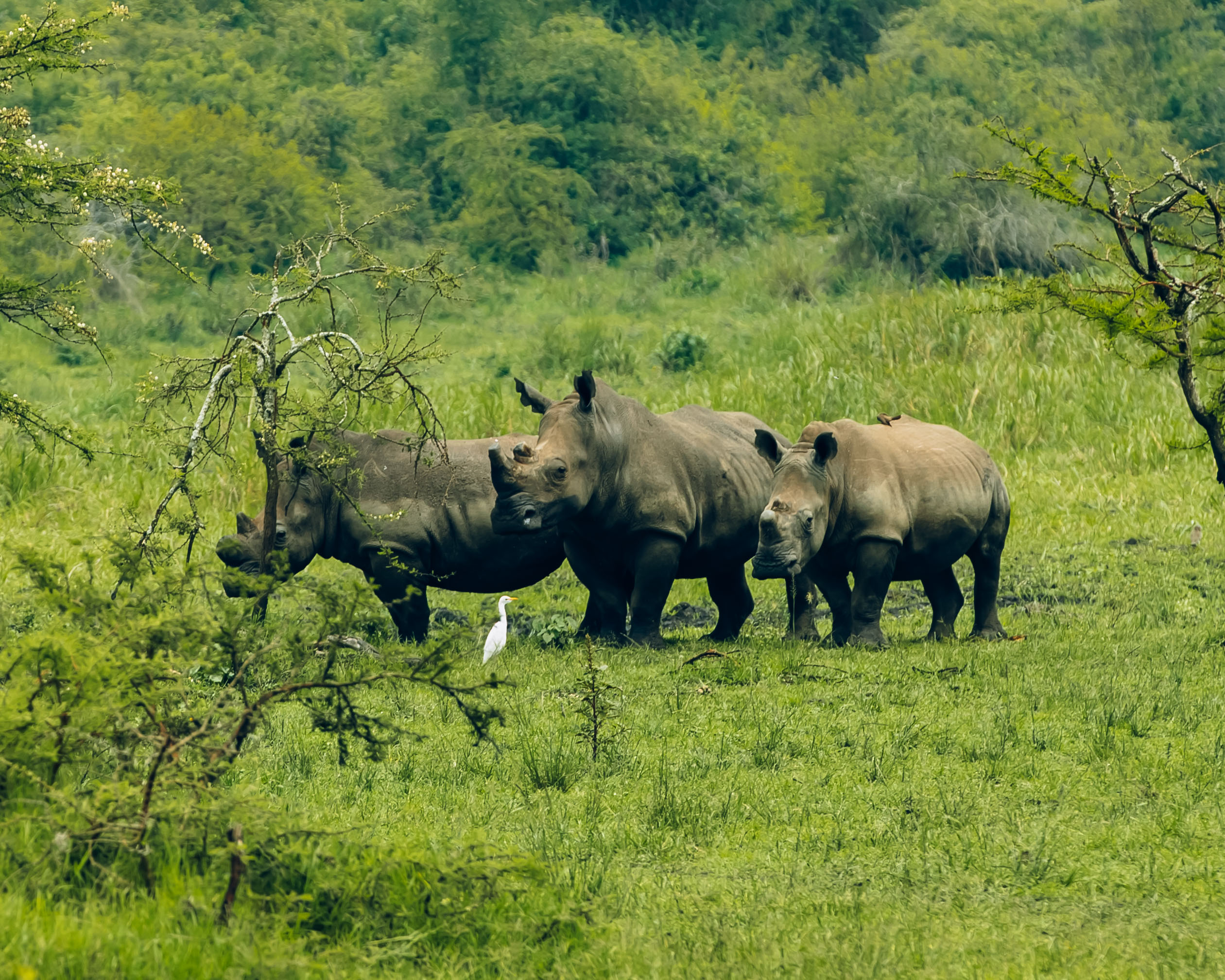
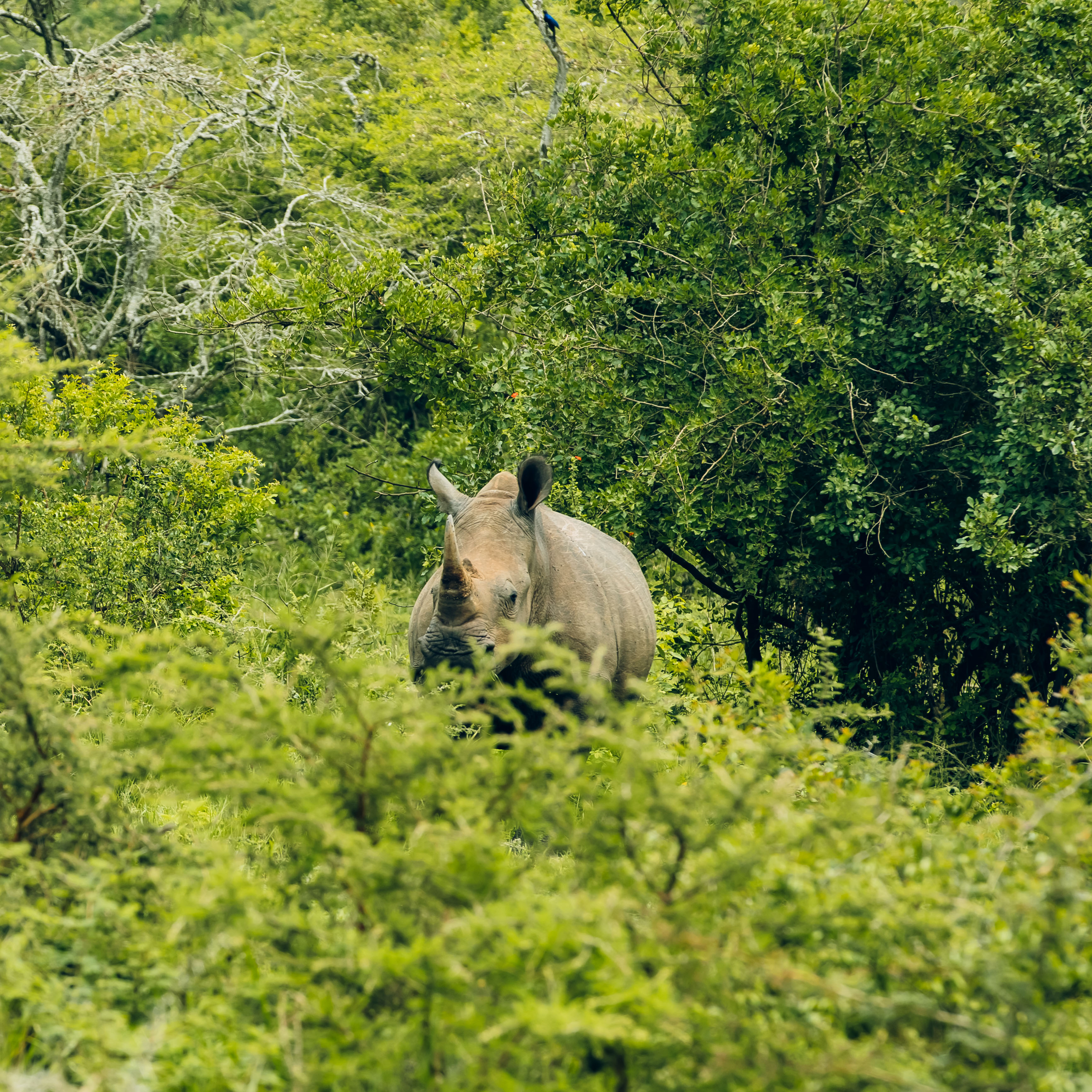
Although the group did not spot the complete Big Five, they encountered elephants, buffaloes and a rhinoceros during the drive.
Babu Rugemana, the event organiser, described wildlife viewing as a matter of chance.
“You may see them today, and you may not see them tomorrow,” he said, noting that safari experiences vary from one visit to another.
Families with their children had an amazing time at Akagera National Park, enjoying the beauty of nature and the thrill of wildlife sightings.
In addition to the game drive, participants enjoyed a boat safari on Lake Ihema, where they observed hippos, crocodiles and various bird species. The boat cruise provided a unique vantage point of the park’s ecosystem.
The tour also featured a guided nature walk led by conservation experts, who educated participants on Akagera’s ecological significance, conservation efforts and historical background.
Speaking to IGIHE, Amen Babu Rugemana expressed appreciation to the sponsors, partners and celebrities who supported and amplified the initiative.
He specifically acknowledged IGIHE and Choice Live for their sponsorship, and commended Coach Gael for backing the event, particularly in its appeal to young people.
“I’m thankful to everyone who made this trip a success, from our sponsors to the celebrities who shared their experiences. Their engagement plays a key role in promoting Rwanda’s wildlife and tourism potential,” he said.
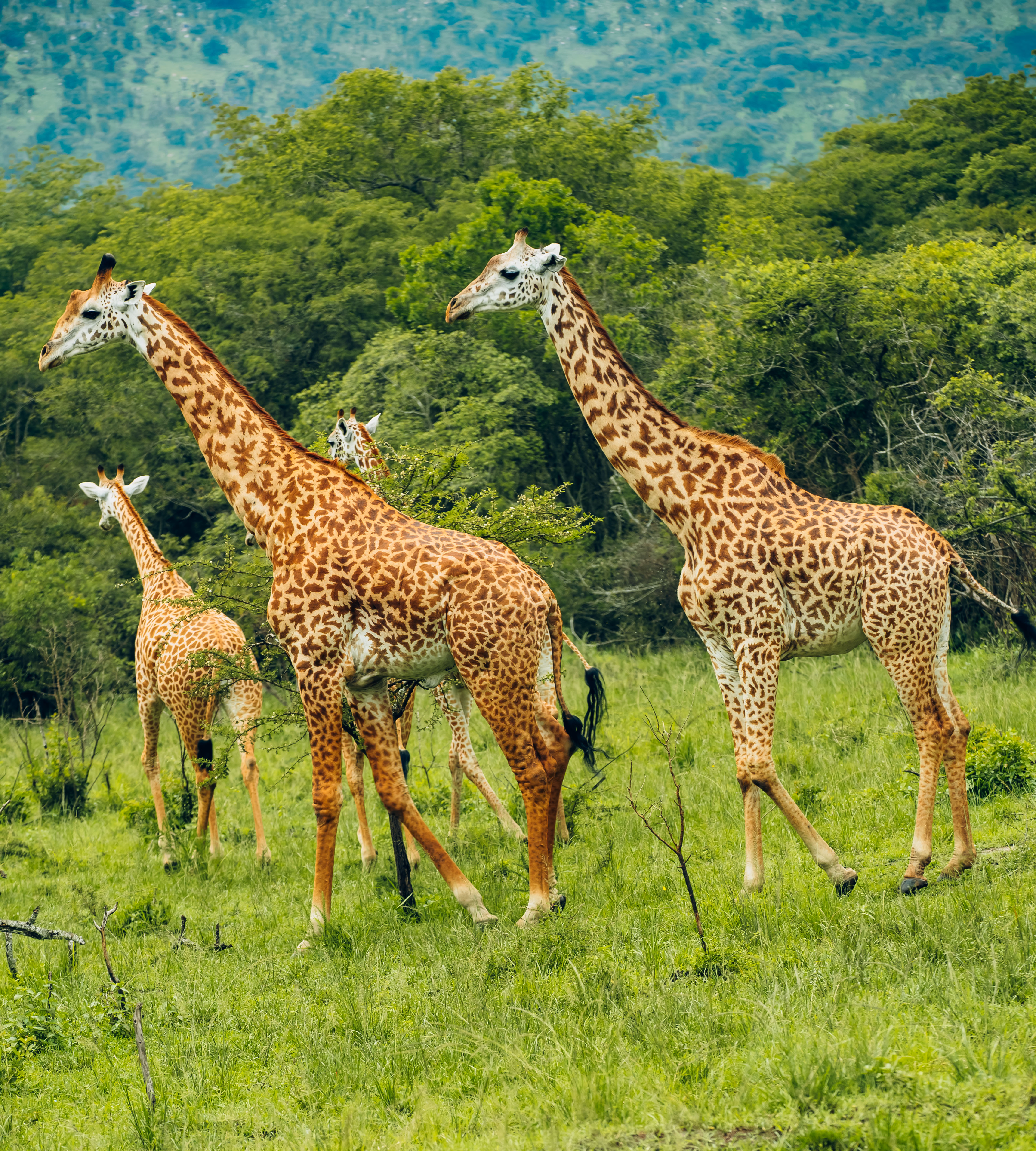
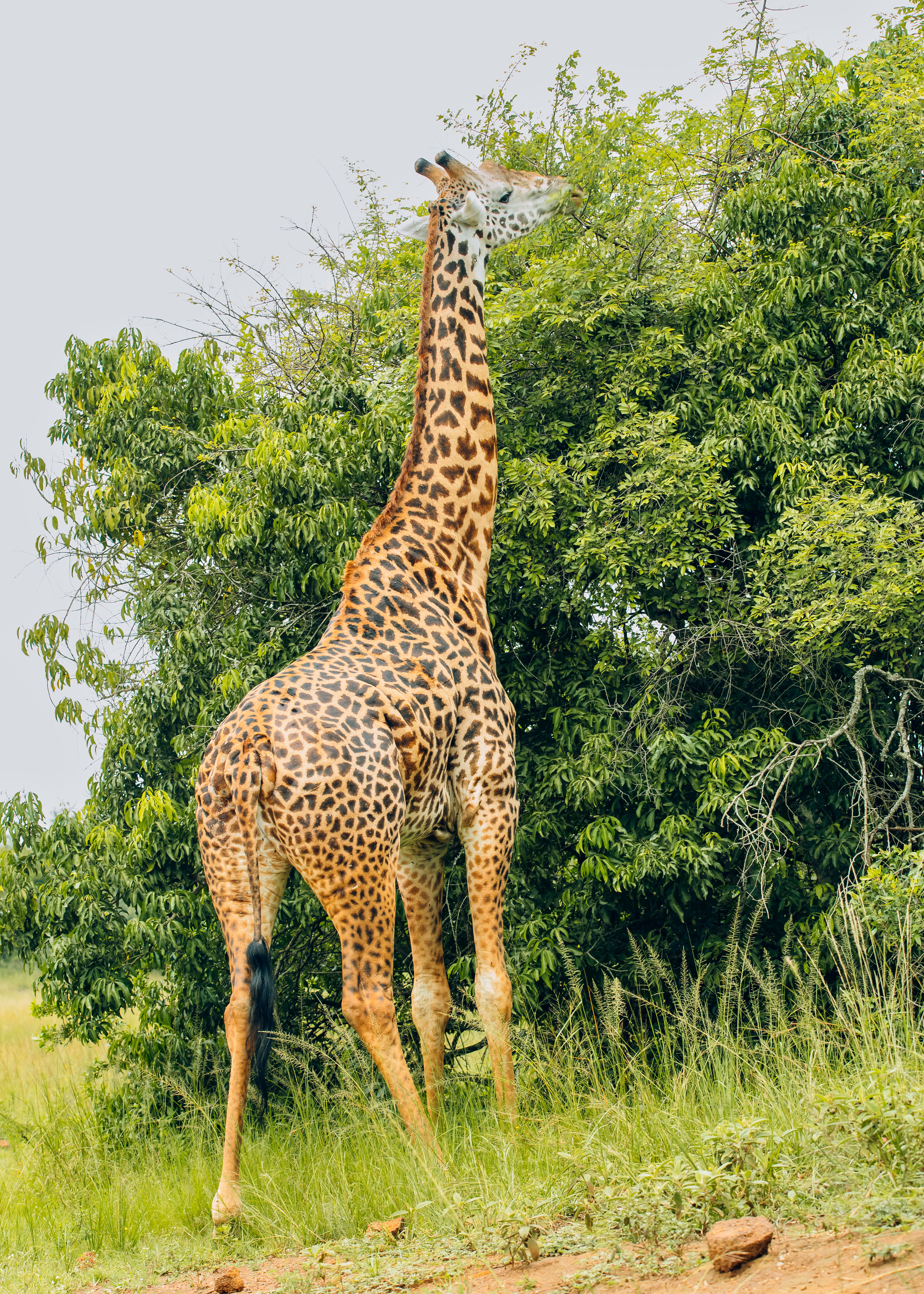
The group was treated to the sight of giraffes gracefully roaming through Akagera National Park, adding to the awe of the safari experience.
Looking ahead, Rugemana reaffirmed plans for the upcoming April trip to Bigogwe in Nyabihu District.
“This is just the beginning. We want to continue creating opportunities for more people to explore Akagera and other unique destinations across Rwanda,” he added.
Akagera National Park continues to play a vital role in Rwanda’s conservation and tourism sectors. Located in eastern Rwanda, the park is home to the Big Five, lions, elephants, buffaloes, rhinos, and leopards, making it one of the region’s premier wildlife destinations.
In recent years, visitor numbers have steadily grown, reaching 59,538 in 2025, a 5.4% increase over the previous year.
This growth, alongside ongoing conservation and restoration initiatives and the park’s achievement of 100% operational self-sufficiency in 2025, underscores Akagera’s importance as both a cornerstone of Rwanda’s natural heritage and a key driver of the country’s ambition to become a global leader in sustainable tourism.
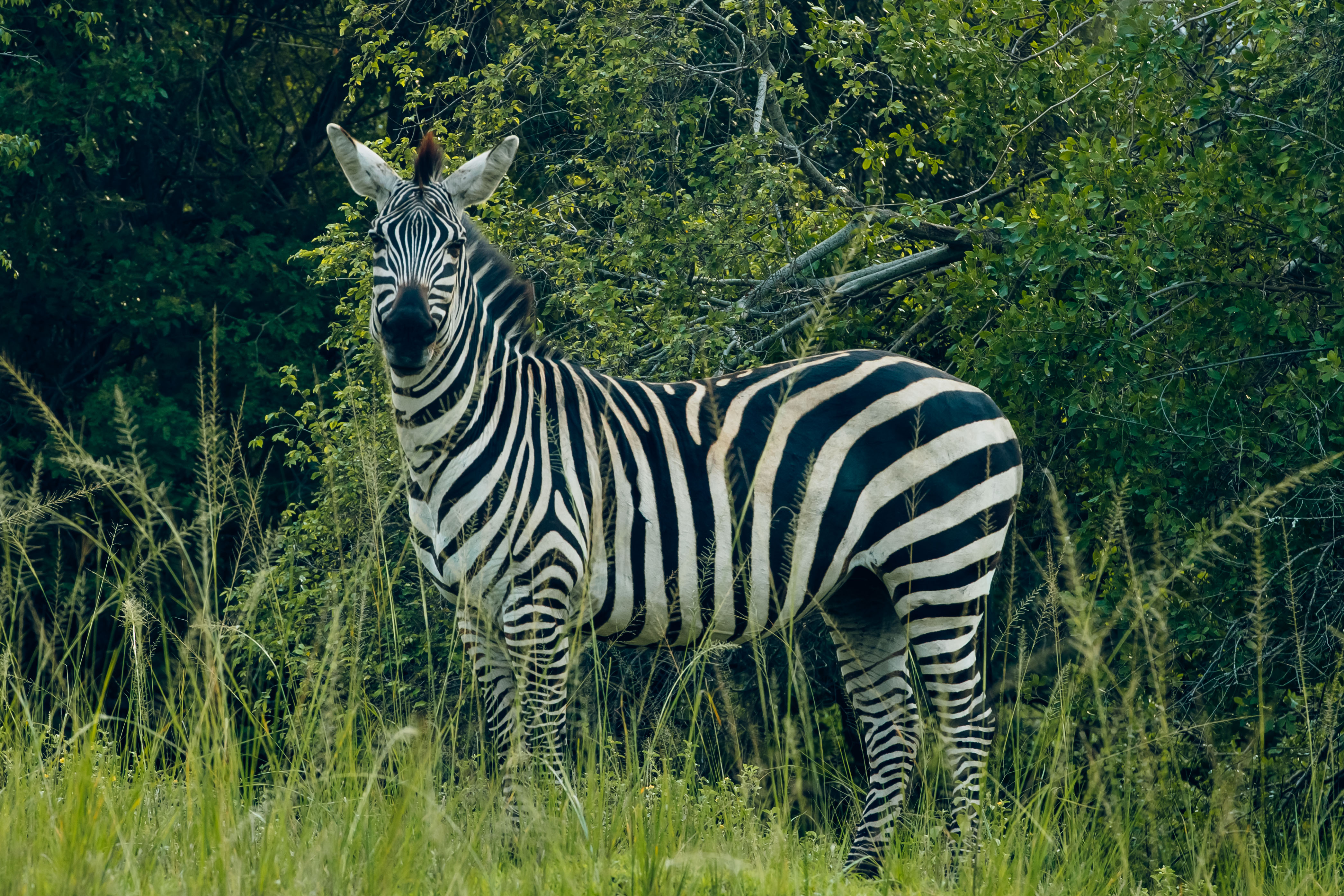
Osmarito, the popular TikToker, was also part of the adventure at Akagera National Park, sharing his experience with fans and capturing the beauty of Rwanda’s wildlife.IGIHE journalists were also on the ground at Akagera National Park, capturing the essence of the adventure and sharing the unforgettable moments of the safari.The group was thrilled to spot zebras during the safari tour at Akagera National Park. The day at Akagera National Park offered a variety of entertainment activities.
The draft law was previously approved by Parliament and will now be forwarded to the budget committee for detailed scrutiny, where each provision will be reviewed ahead of the final approval of the new national budget in Rwanda.
Domestic revenue is projected at Rwf 4,662.7 billion, comprising Rwf 3,655.3 billion in tax income, Rwf 516.5 billion from domestic borrowing, and Rwf 490.8 billion from other sources, including assets, sales of goods and services, fines, and penalties.
Foreign revenue is expected to reach Rwf 2,289.3 billion, made up of Rwf 1,639.7 billion in loans and Rwf 649.6 billion in grants.
The funds will be allocated according to priority needs and planned government activities. The recurrent budget is set at Rwf 4,836.2 billion, covering staff salaries of Rwf 1,167.2 billion, expenditure on goods and services of Rwf 1,038.8 billion, and interest payments totaling Rwf 536.4 billion.
In addition, there will be funds allocated for durable equipment, grants, loans, and assistance for the disadvantaged, as well as other miscellaneous expenses.
The development budget has been set at Rwf 2.115.8 billion and will be used for various development projects across the country.
Minister of Finance and Economic Planning, Murangwa Yusuf, recently told the parliament that the reduction in the budget was due to changes made in the process of securing funds for the construction of the new Kigali International Airport. The amount required for this project was reduced by Rwf 168.2 billionfor the 2025/2026 fiscal year.
Additionally, the planned repayment of the RwandAir loan for the 2025/2026 fiscal year has been revised, meaning the repayments will begin gradually from the 2026/2027 fiscal year.
This reduction in the budget has been offset by an increase in foreign funds for development projects, particularly funds expected from international aid and loans.
Key changes in this budget revision include the increased revenue, an increase in tax revenues, additional funds, and the rise in foreign grants and loans used for development projects, along with a decrease in foreign loans routed through the State Treasury.
Despite the overall reduction in the budget, the government has shown that foreign funds are expected to rise by Rwf 250.5 billion, primarily from grants and loans for development projects.
This will coincide with an increase in the development budget, which will also rise by Rwf 253.3 billion.
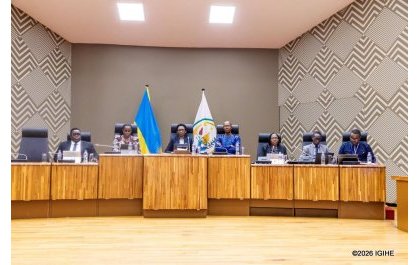
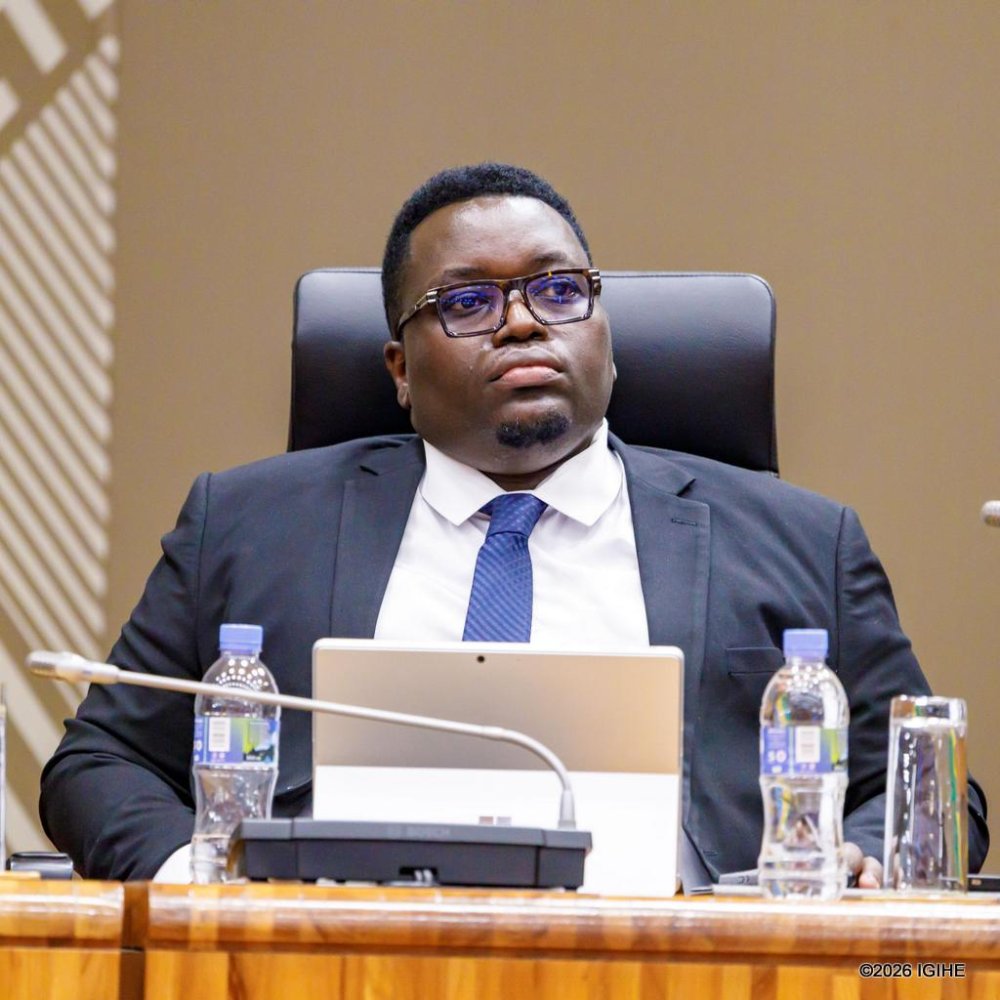
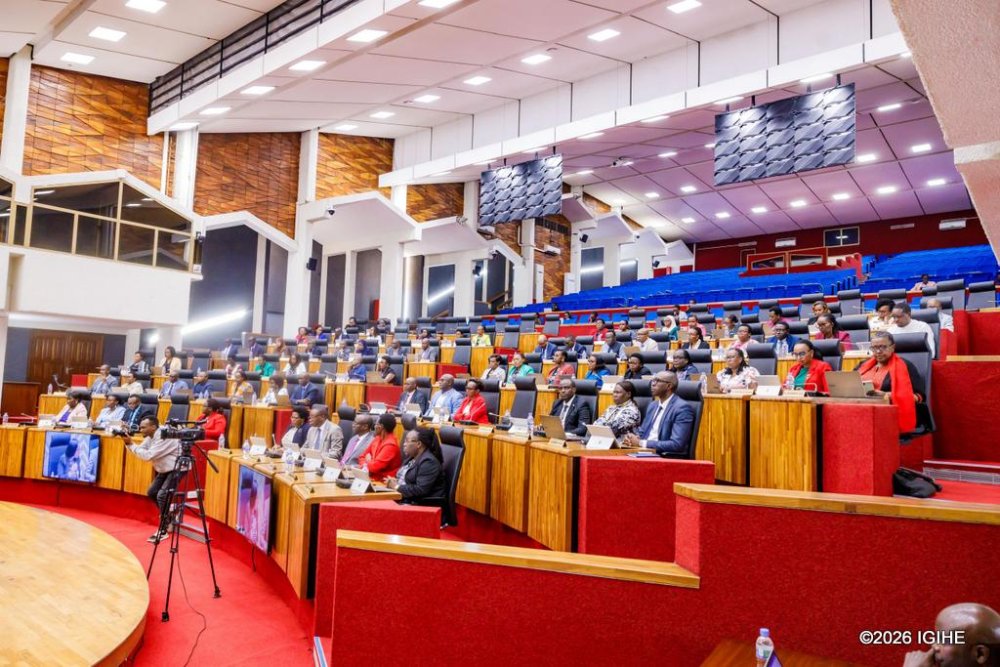
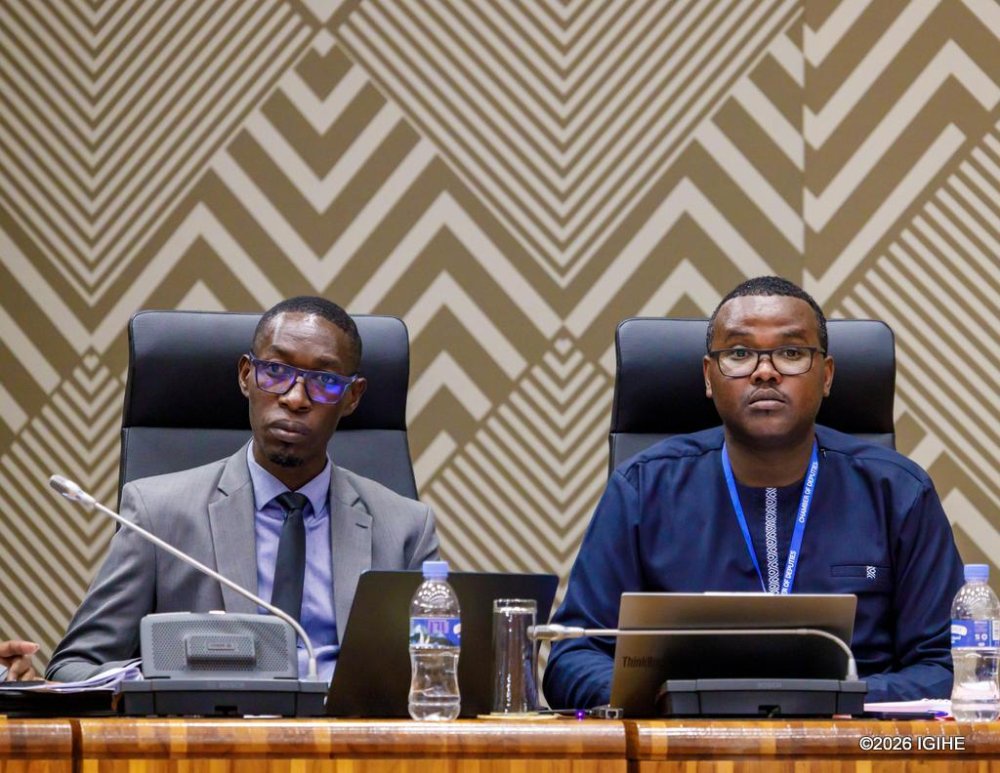
The Minister of State for National Treasury in Rwanda’s Ministry of Finance and Economic Planning , Godfrey Kabera, represented the Government.A total of 78 Members of Parliament attended the General Assembly that approved the new budget.
The Parliament approved the revised budget for the 2025/2026 fiscal year.
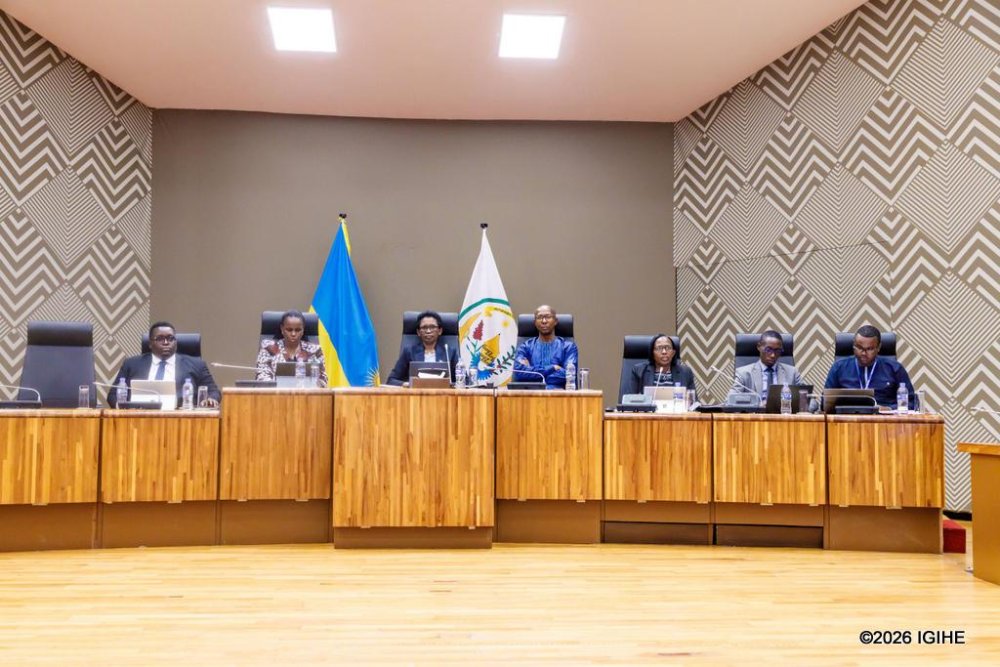
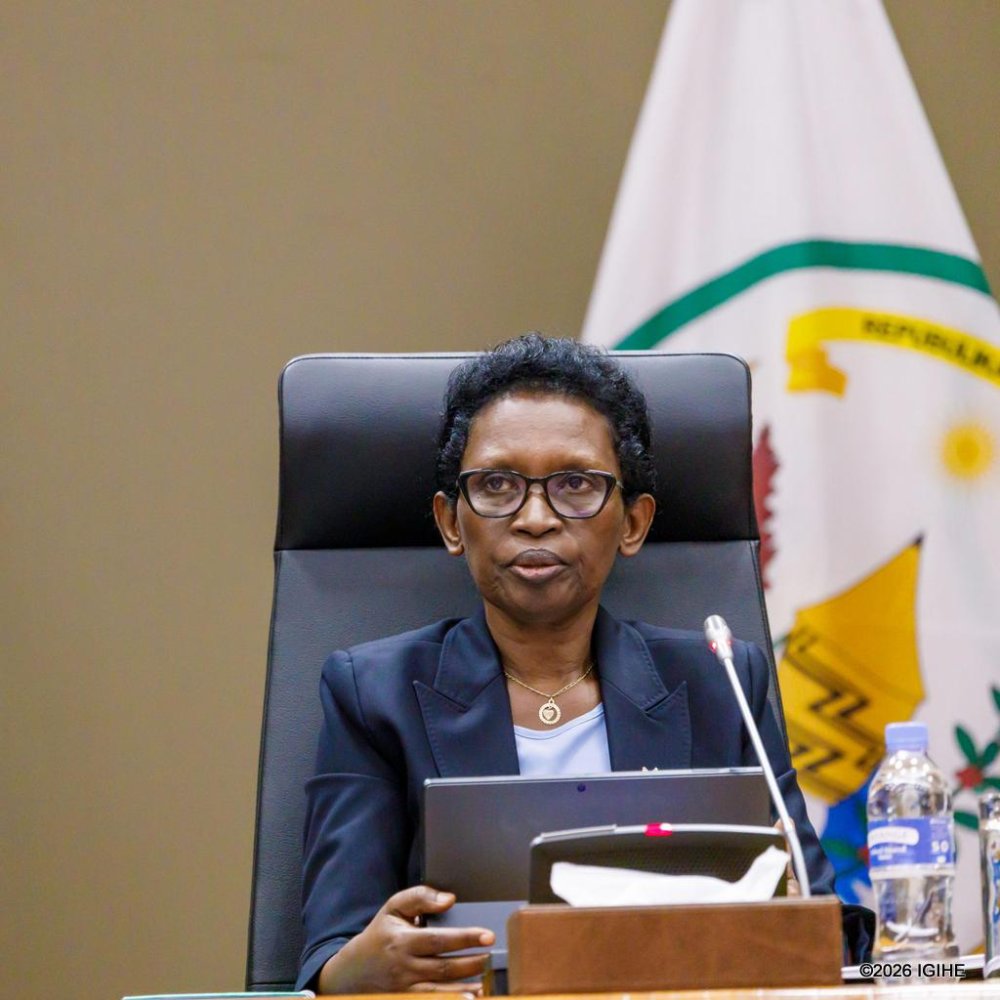
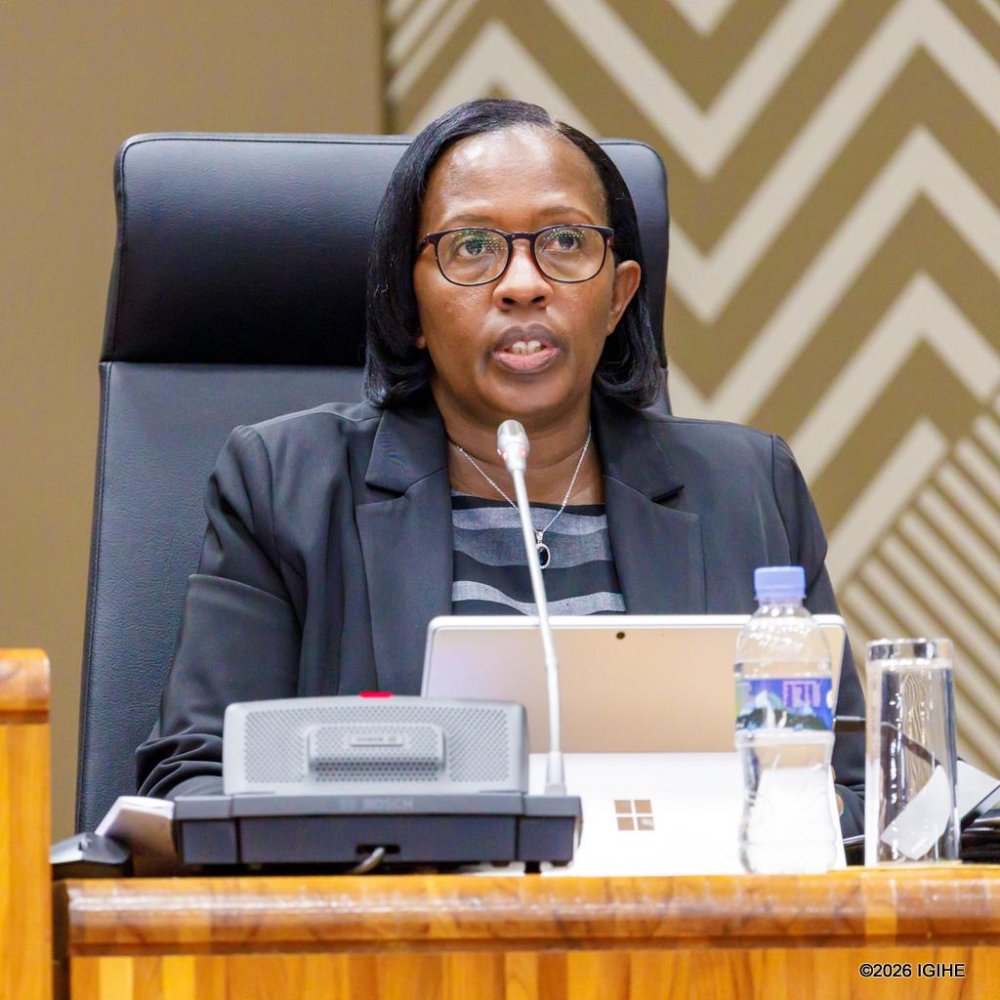
The Speaker of the Chamber of Deputies of the Parliament of Rwanda Kazarwa Gerturde, chaired the General Assembly.Deputy Uwamariya Odette, explained the reasons for the changes in the budget.
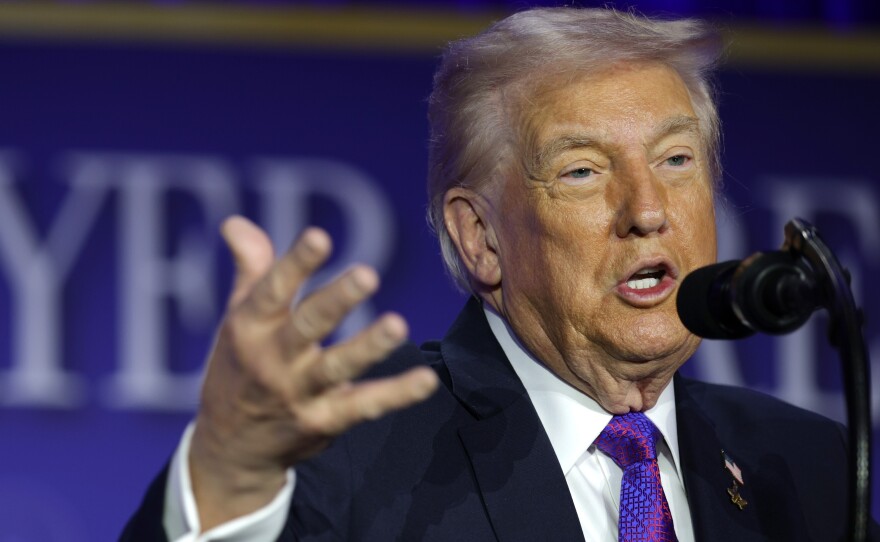
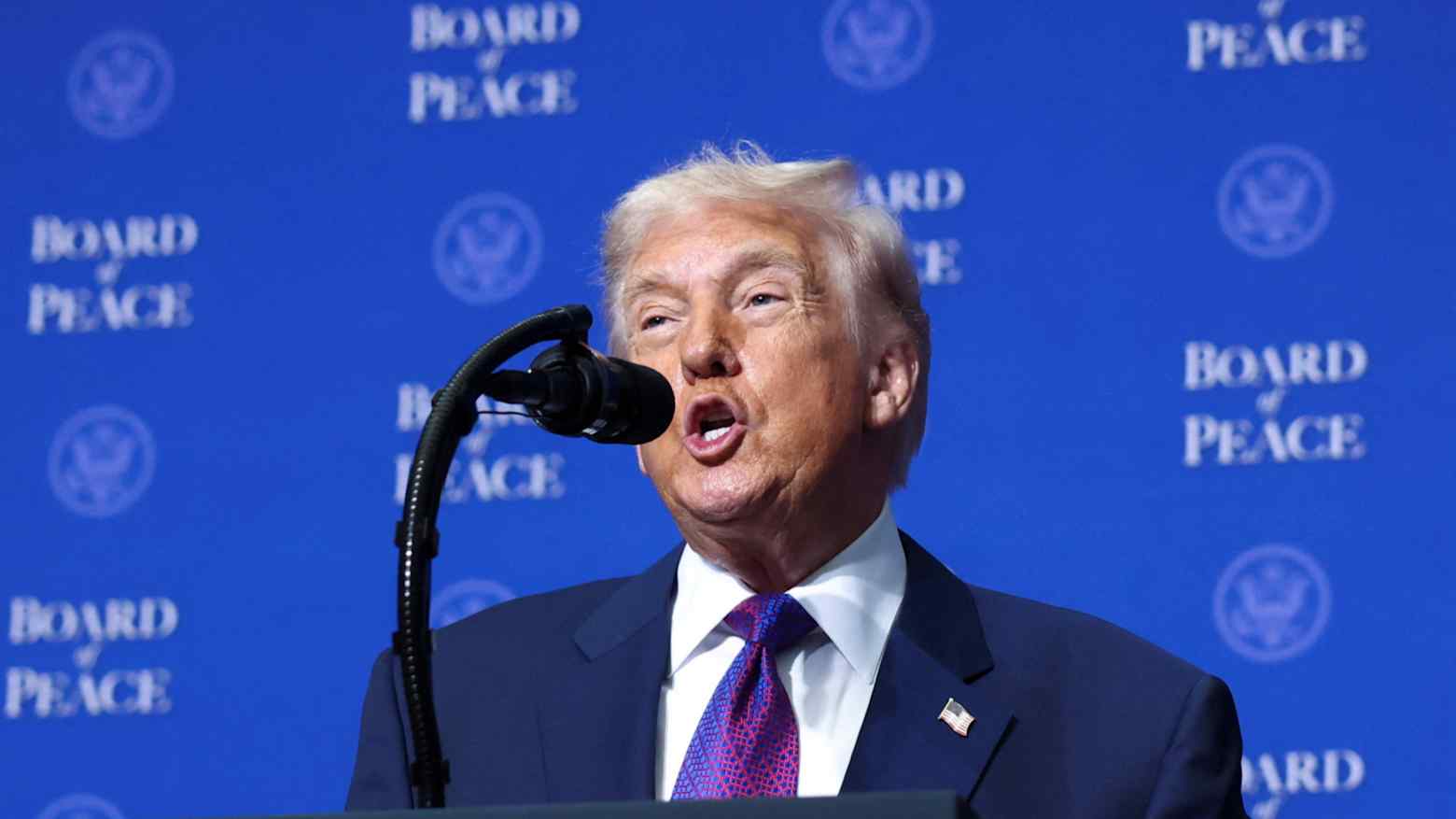
With the midterm elections approaching later this year, Trump is using this high‑profile speech as an opportunity to defend his record and rally support from Americans who remain sceptical about the direction of the country.
Domestically, Trump’s approval ratings have slipped as inflation and cost‑of‑living concerns continue to trouble many households. Recent data shows the U.S. economy has slowed more than expected, and the public is worried about job security and everyday expenses, forcing the president to try to reassure voters that his policies are working.
At the same time, a Supreme Court decision invalidating his global tariff program has undercut one of his signature economic strategies, and the impasse over immigration enforcement has led to parts of the Department of Homeland Security being temporarily shut down.
Internationally, the Trump administration is confronting rising tensions, particularly with Iran, where U.S. military assets have been repositioned amid ongoing nuclear disputes and regional instability. These foreign affairs challenges add to the pressure on Trump to present a confident and persuasive vision of U.S. leadership to both domestic and global audiences.
White House aides and Republican strategists see the State of the Union as a critical moment to shift the narrative, encouraging Trump to focus on economic gains such as stock market performance and tax cuts, even as polls show mixed public confidence in those outcomes. Trump is also expected to highlight his administration’s border policies, including deportation and enforcement efforts, despite controversy around these issues.
The address is expected to be lengthy and somewhat unscripted, a style Trump has used before giving him room to cover a wide range of topics and reinforce his message to voters ahead of the November elections. However, his administration’s troubles from economic discontent to geopolitical uncertainty will likely shape how the speech is received and influence the broader political climate in the months to come.
Trump prepares to address the nation at a critical moment, with economic challenges and political tensions shaping his upcoming State of the Union speech.
The U.S. Supreme Court ruled on February 20, 2026 that President Donald Trump exceeded his constitutional powers when he imposed sweeping tariffs using the International Emergency Economic Powers Act (IEEPA).
The court’s 6–3 decision rejected Trump’s expansive view that the president could unilaterally impose broad tariffs under emergency economic powers without specific congressional authorization.
Chief Justice John Roberts wrote the majority opinion, joined by a mix of conservative and liberal justices, holding that IEEPA does not grant the president open-ended authority to regulate imports through tariffs.
By limiting the president’s ability to act without explicit approval from Congress, the ruling serves as a major check on executive power particularly in economic and trade policy and injects uncertainty into future administration actions.
The decision could have far‑reaching financial effects. Economists estimate that more than $175 billion in U.S. tariff collections could be subject to refunds because the tariffs were struck down as unlawful, affecting trade partners and U.S. importers alike.
Trump reacted angrily to the court’s decision, criticizing the justices including two whom he originally appointed and vowing to pursue alternative legal avenues for imposing tariffs. Despite his remarks, legal experts say any new approach would likely be slower and require greater justification and involvement from Congress.
The ruling arrives as the U.S. approaches midterm elections, a period when legal and political constraints on federal power can have significant national impact. By affirming that Congress, not the president alone, holds the ultimate authority over major trade policies, the Supreme Court has reaffirmed a central constitutional principle: that executive power has defined limits under the law.
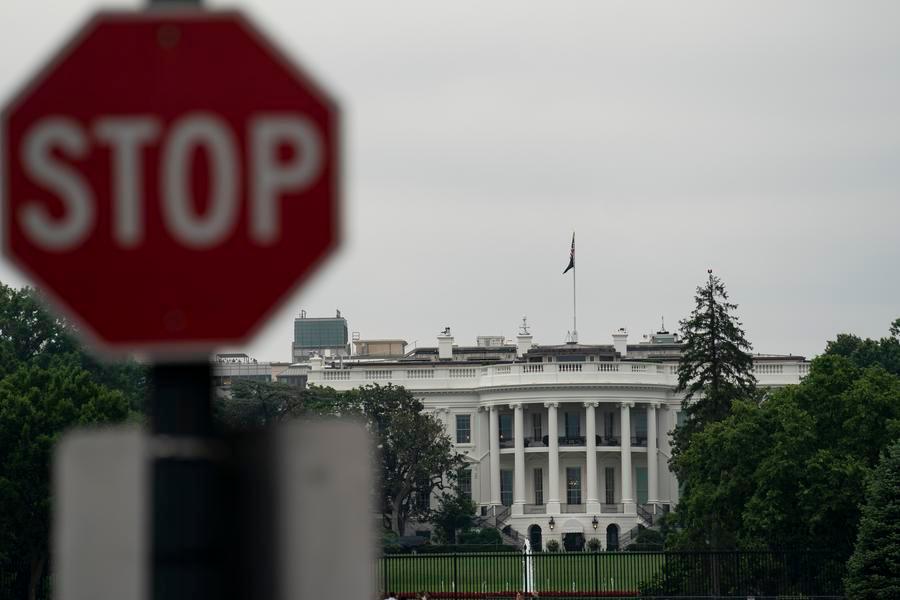
Photo taken on June 22, 2022 shows the White House and a stop sign in Washington, D.C., the United States.
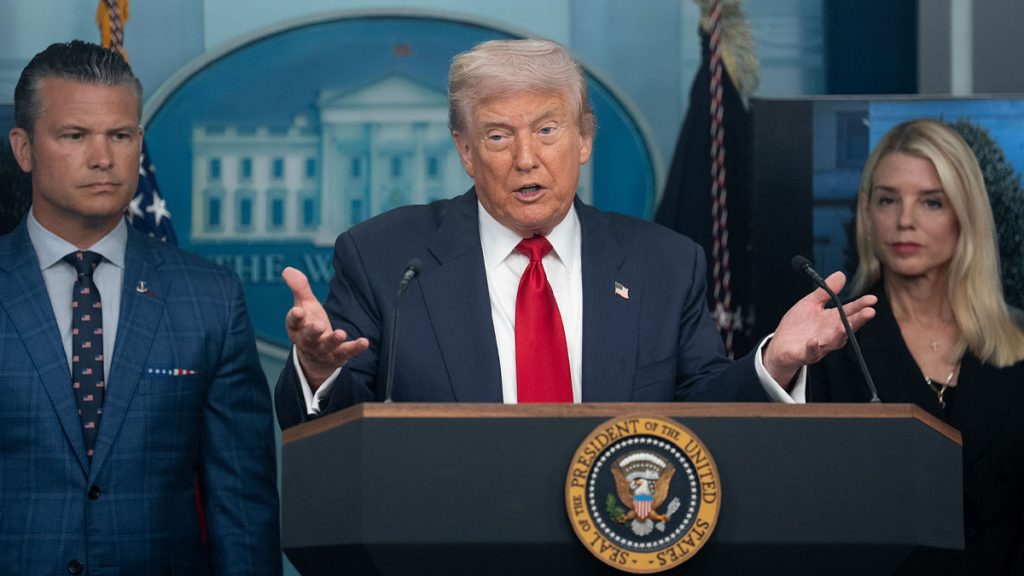
The remarks were made aboard Air Force One as Trump prepared for the high‑profile discussions, which come against a backdrop of rising tensions and intense diplomatic pressure.
“I’ll be involved in those talks, indirectly. And they’ll be very important,” Trump said, signaling Washington’s continued engagement in the effort to resolve long‑running disputes over Iran’s nuclear program.
The planned negotiations aim to address issues that have stalled diplomacy for years, especially Tehran’s uranium enrichment activities that Washington fears could pave the way for nuclear weapons development. Trump said he believed Iran wanted a deal, suggesting that Tehran may be motivated by a desire to avoid serious consequences if talks fail.
Tensions in the region remain high. The United States has deployed a second aircraft carrier strike group to the Middle East and U.S. military officials are preparing for the possibility of a sustained campaign if diplomacy does not succeed.
Last year, the U.S. and Israel conducted strikes on Iranian nuclear sites, actions Trump referenced as a factor that may now influence Iran’s willingness to negotiate.
Iran’s delegation led by Foreign Minister Abbas Araghchi, has emphasized that negotiations should focus on nuclear issues in exchange for sanctions relief, and that Tehran is committed to a “fair and equitable deal.” Araghchi has also called for respect and fairness in talks, rejecting any approach based on coercion.
Meanwhile, the International Atomic Energy Agency (IAEA) is pressing Iran to clarify what happened to its stockpile of enriched uranium and to allow full inspection access at sites damaged during the previous year’s strikes.
Iran also staged a military drill near the Strait of Hormuz, one of the world’s most important oil transit routes, underscoring the potential for escalation if negotiations break down.
U.S. Secretary of State Marco Rubio described the diplomatic path as challenging but said there was still an opportunity to reach a deal though success would depend on both sides’ willingness to compromise.