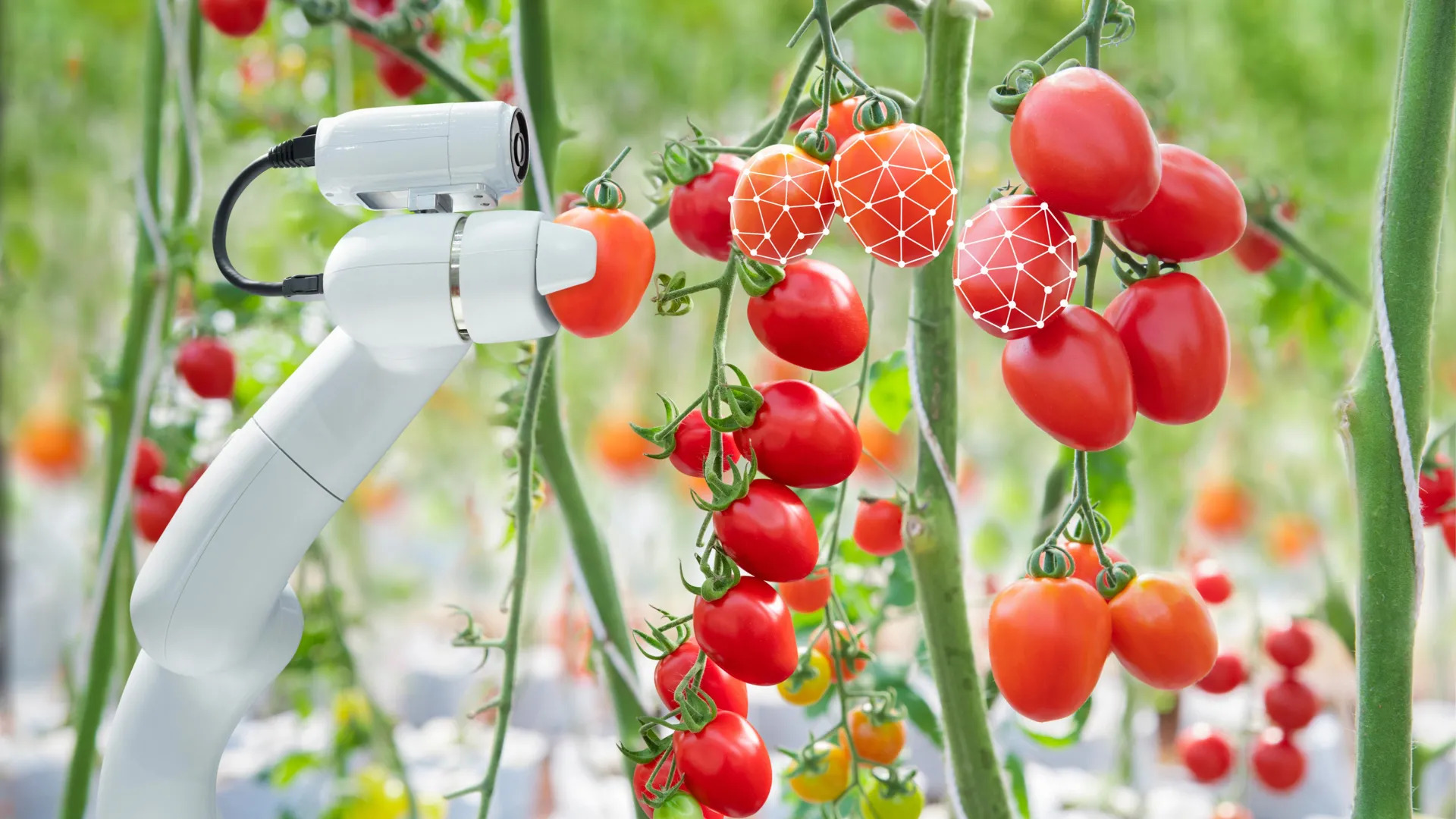
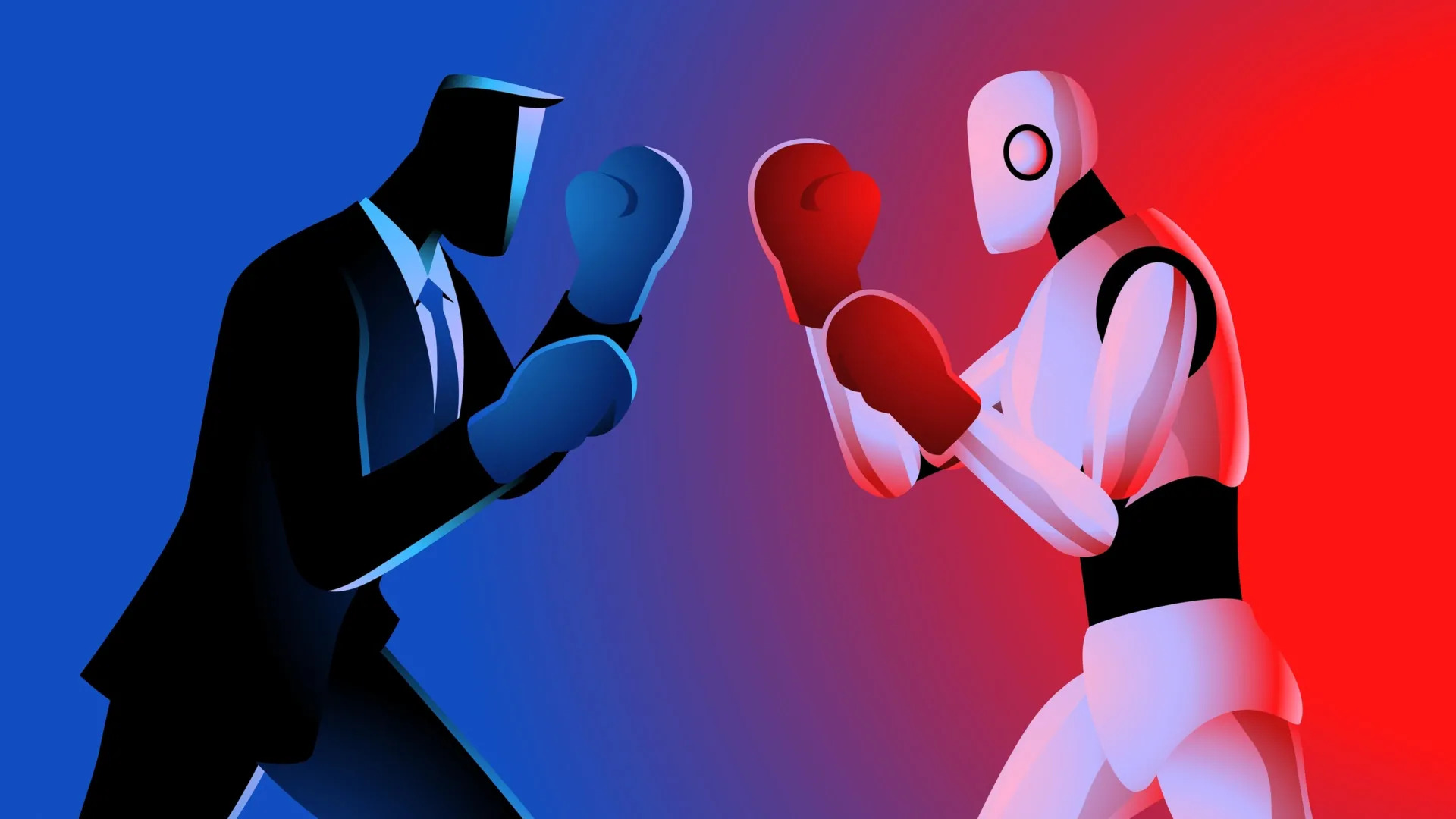
Traditional agricultural robots are designed to identify ripe fruit and then grab it. But these systems often struggle because harvesting fruit like tomatoes requires delicate judgment; some fruit is easy to pick, while other fruit can bruise or be missed.
To address this challenge, researchers at Osaka Metropolitan University trained a robot to do something more advanced: predict how easy each tomato will be to harvest before attempting to pick it.
According to the study’s developers, this smarter approach drastically improves performance. As the research summary explains, the robot “decides how easy a tomato is to pick before trying to dramatically improve its success.” By adapting its strategy in real time, the robot achieved an 81 percent success rate in harvesting tasks much higher than conventional systems.
This improvement comes from giving the robot an ability to think before it acts. Instead of simply locating fruit, the system evaluates factors like position, shape, and accessibility. When it encounters a tougher harvest, it adjusts how it approaches the tomato, including changing its angle or grip. The result: a more adaptable and resilient harvesting machine.
One researcher described the innovation as a major step toward robot‑human collaboration on farms. By better understanding the complexity of harvesting tasks, robots can support human labour rather than replace it outright. This means farm workers could focus on supervision, quality assurance, and other skilled work while robots handle repetitive picking.
Experts say this technology could be especially valuable in regions where labour shortages and rising costs make traditional harvesting difficult. As farms grow and smart agriculture becomes more common, robots like this one may boost efficiency, reduce waste, and help ensure produce reaches markets quickly and in good condition.
The research is still evolving, but the results demonstrate how artificial intelligence and robotics are reshaping agriculture. By teaching machines not just to see but to strategise, scientists are bringing a future of smarter, more sustainable farming closer to reality.
AI‑powered tomato‑harvesting robot learns how to pick smarter.
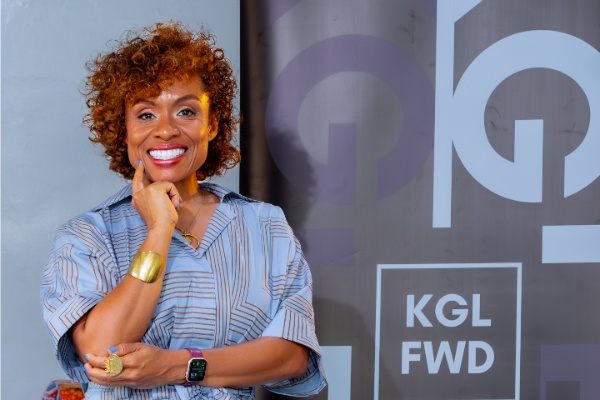
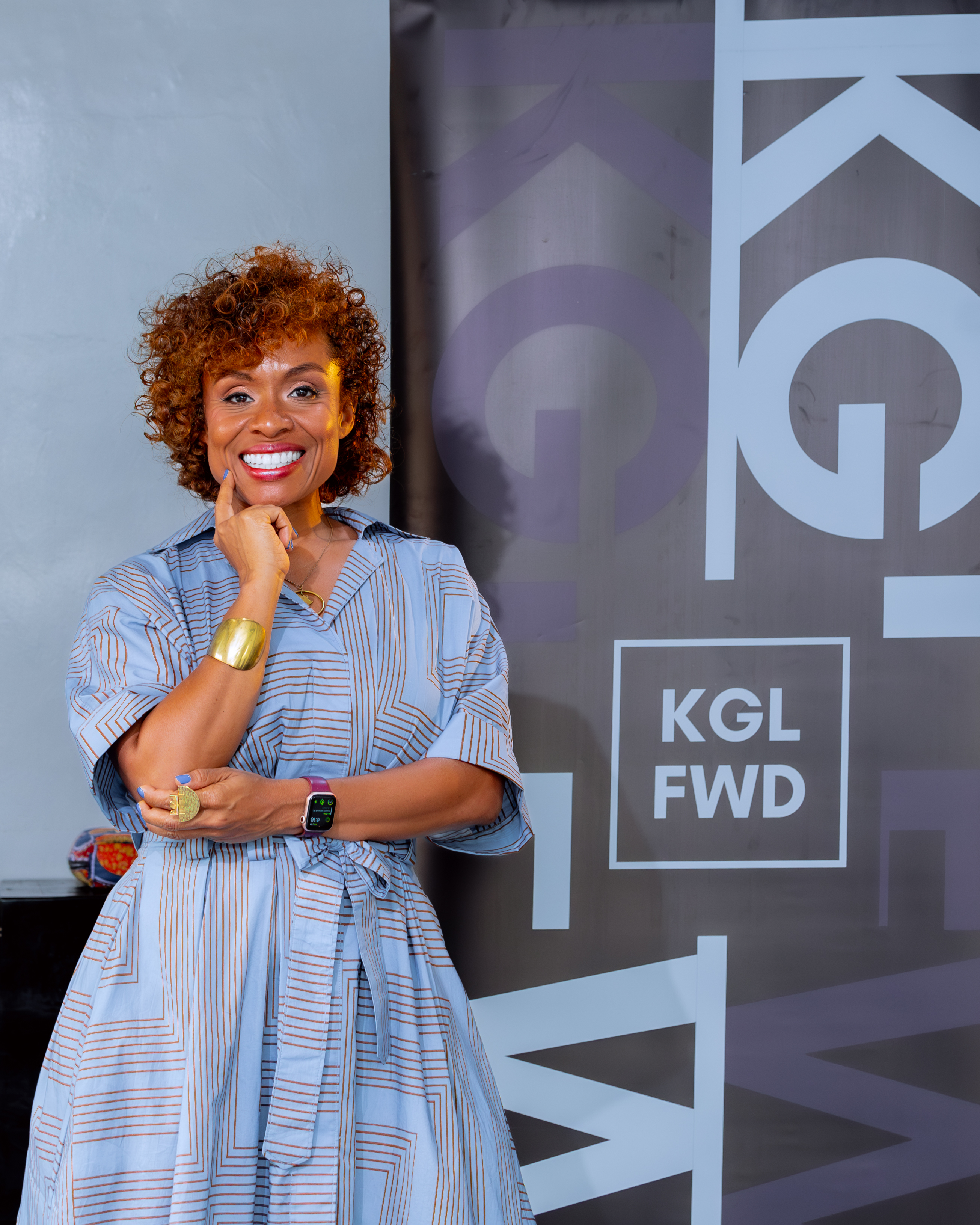
Today, Autumn is the founder and CEO of KGL FWD, a Kigali-based communications firm that leverages public relations, events, cultural experiences, and capacity building to elevate Rwanda’s story and strengthen connections across the global diaspora.
“We use the power of PR, experiences, events, and capacity building to amplify a more expansive narrative of Rwanda and thereby Africa,” she explained.
Now based in Kigali and approaching eight years of living in the country, Autumn describes Rwanda as home, an identity that has been shaped by both her personal journey and professional evolution.
Autumn Marie Autumn is the founder and CEO of KGL FWD, a Kigali-based communications firm.
A worldview shaped by culture and social justice
Autumn’s roots trace back to the outskirts of Chicago, where she grew up in Bellwood, Illinois, in a diverse, multicultural environment. Her early life was influenced by neighbors from different parts of the world, exposure to international food and culture, and a strong connection to the arts.
She trained in ballet, modern dance, and West African dance, while music also played a central role in her upbringing. With a father and brother who were trumpet players, and growing up during the late 1980s and 1990s hip-hop era, she was immersed in a blend of musical traditions that shaped her creative outlook.
Beyond the arts, Autumn credits social justice movements in both Chicago and New York for deeply influencing her worldview. She highlights the role of elders involved in movements such as the Black Panther Party and the Young Lords Party, who introduced her to ideas of pan-Africanism, internationalism, and community engagement.
“That’s how I really learned about pan-Africanism and about internationalism and how to interact with communities,” she said.
From community organising to communications
Autumn’s entry into communications was not through a traditional academic path. Initially studying philosophy and intending to pursue a career in social justice law, she instead found herself working as a community organiser at Sisters on the Rise in the South Bronx.
There, she focused on reproductive justice for young Black and brown women, managing a range of responsibilities that included campaign strategy, political education, and media engagement.
It was during a campaign opposing the closure of daycare services in public schools for teen mothers that she experienced a turning point.
“Seeing the impact of the media come out to that campaign really set something on fire inside of me,” she recalled. “When media amplifies our stories, people are able to see them in an exponential way.”
That experience sparked her interest in public relations, leading her to her first role at a boutique fashion PR agency. She later expanded her career into the music industry at Digiwaxx, where she worked on influencer marketing, talent booking, and events, collaborating with clients including Nas, Jamie Foxx, and Busta Rhymes.
Her professional journey continued into film and television communications, working with clients, Oprah Winfrey Network (OWN) and diaspora-focused platforms such as Urbanworld Film Festival and ImageNation Film and Music Festival.
A move that became a long-term home
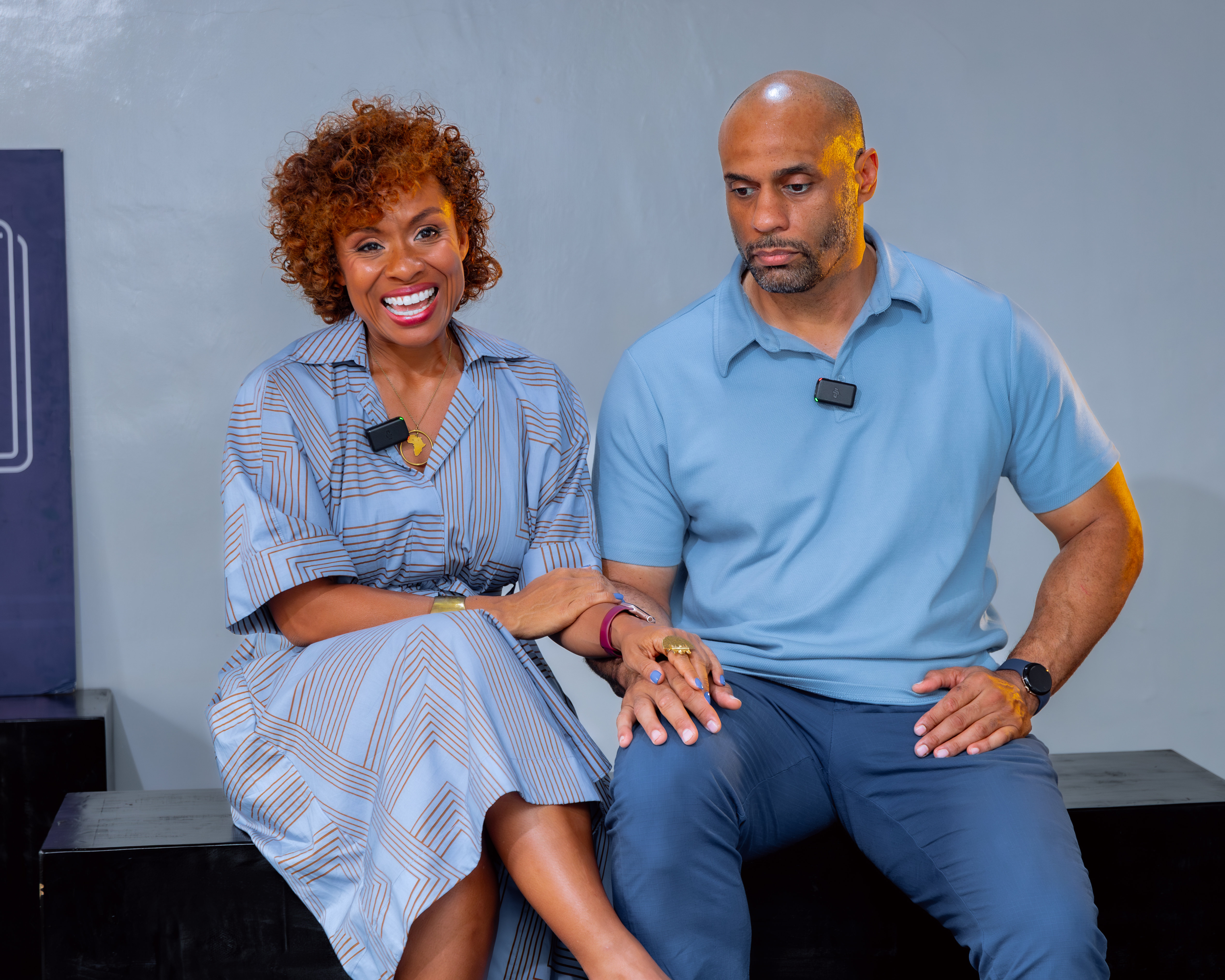
Autumn’s relocation to Africa was not initially planned as a permanent move. In 2017, seeking a change in lifestyle, she left the United States with a desire for a different environment. Her journey first took her to Mauritius, following her partner’s professional path, before eventually leading them to Rwanda when he joined the African Leadership University campus in Kigali.
Autumn Marie Autumn’s journey first took her to Mauritius, following her partner’s professional path.
What started as a relocation linked to career and personal circumstances evolved into a deliberate choice to remain.
“It’s been the intentional decision to choose Rwanda again and again since being here,” she said.
Over time, Rwanda became more than a place to live, it became a place she identifies with personally and professionally.
Building across cultures and perspectives
Through KGL FWD, Autumn works with a diverse team composed of Rwandan and international professionals from countries including Zimbabwe, Malawi, and Nigeria. She notes that this diversity contributes to richer, more well-rounded campaigns that reflect multiple perspectives.
Her work also aligns with her long-standing belief in pan-Africanism—not just as a concept, but as a lived experience. In Rwanda, she says she has been able to translate those ideals into daily practice through collaboration, community engagement, and cross-cultural work.
Through KGL FWD, Autumn works with a diverse team composed of Rwandan and international professionals from countries including Zimbabwe, Malawi, and Nigeria.
Autumn highlights Rwanda’s homegrown solutions and governance systems as key elements that distinguish the country. She points to initiatives such as Umuganda and Umudugudu as examples of community participation embedded in national development.
She describes Rwanda as a country defined by ambition and forward-thinking approaches.
“Rwanda is like the overachiever student,” she said. “The country achieves something and then still says there is more to do. It does not see a glass ceiling.”
For Autumn, this mindset has not only influenced her perspective but has also expanded the scope of her work, pushing her into new sectors such as tourism education, cultural exchange, and international partnerships.
Expanding Rwanda’s global connections
Autumn’s work increasingly focuses on building bridges between Rwanda and the global diaspora. Through cultural exchange initiatives, she has helped facilitate visits from groups such as Nomadness Travel Tribe, as well as delegations from across Africa and beyond.
Her efforts have also contributed to collaborations linking Rwanda-based experiences to international platforms, including exhibitions and artistic exchanges tied to commemorations of the 1994 Genocide against the Tutsi, as well as media placements for artists.
These initiatives, she says, are rooted in a broader goal: ensuring that people experience Rwanda firsthand rather than relying solely on external narratives.
Reflecting on her personal transformation, Autumn contrasts her life in the United States with her experience in Rwanda. She references the work of James Baldwin in describing the emotional and psychological weight often associated with life in the U.S., particularly for Black individuals engaged in social awareness and activism.
For her, relocating to Rwanda offered a different kind of environment, one that allows for clarity, focus, and intentionality.
“Moving to Africa and more so to Rwanda is a break from that,” she said. “You can see things more clearly and work more purposefully.”
In her message to the Rwandan government and people, Autumn emphasised partnership and shared responsibility in telling Rwanda’s story.
“If I could say anything to the government of Rwanda, I would say you are not alone,” she said. “We in the private sector are standing with you.”
She also expressed gratitude for the opportunity to live and work in Rwanda, noting the country’s broader impact beyond its borders.
“Thank you for giving us this example for the world to see, for children to see, so that they can dream bigger… This is real in Rwanda,” she said.
Through KGL FWD, Autumn continues to position storytelling as a powerful tool for connection and change, bridging diasporas, challenging stereotypes, and contributing to a more nuanced understanding of Rwanda and Africa.
The research was led by Professor Karim Jerbi from the Department of Psychology at the Université de Montréal, with participation from renowned AI expert Yoshua Bengio, postdoctoral researcher Antoine Bellemare‑Pépin (Université de Montréal), and PhD candidate François Lespinasse (Université Concordia).
The study was published in Scientific Reports and represents one of the largest direct comparisons ever made between human and AI creative performance.
To assess creativity fairly across humans and machines, the team employed the Divergent Association Task (DAT), a widely‑used psychological test that measures divergent thinking, or the ability to generate diverse and original ideas from a single prompt. Participants, both human and AI, were asked to produce ten words that were as unrelated as possible, a task designed to reveal creative thought patterns.
The results were striking: some AI models, including versions of GPT‑4, outperformed the average human on certain creativity tasks.
“Our study shows that some AI systems based on large language models can now outperform average human creativity on well‑defined tasks,” explained Professor Jerbi. However, the team also found that the top creative humans still had a clear advantage, especially among the most creative 10 percent of participants, whose scores surpassed every AI model tested.
In addition to simple word association, the researchers evaluated performance on more complex creative tasks, including poetry (haiku), plot summaries, and short stories. Here, the AI systems sometimes matched or exceeded average human performance, but the gap between AI and the most imaginative humans widened further, reinforcing the idea that AI excels at structured creativity but does not yet replicate the depth and originality of human expression.
The study also explored how creativity in AI can vary based on technological settings. For example, adjusting parameters like temperature (which affects how predictable or adventurous the AI’s responses are) influenced the diversity of its output. This finding suggests that AI creativity is not fixed and can be guided by human input and design choices.
Researchers emphasise that while AI systems are now powerful tools for idea generation and exploration, they are more likely to augment human creativity rather than replace it. “Generative AI has, above all, become an extremely powerful tool in the service of human creativity,” stated Professor Jerbi.
AI now matches or beats average human creativity, but top creative minds remain unmatched.
The event, Soundz of Neptune, is set for Saturday, March 21, 2026, at Atelier du Vin. Upon arrival, DJ Neptune urged fans to get their tickets, promising an unforgettable music experience.
“Soundz of Neptune is raving the city of Kigali this weekend, and our selektas are itching to see you on the dance floor,” he wrote on Instagram.
The concert will feature DJ Neptune alongside renowned DJs including DJ Marnaud, DJ Ira, DJ Inno, DJ Lou, and others, bringing together some of Rwanda’s leading talent.
DJ Neptune, whose real name is Patrick Imohiosen, is one of Africa’s most prominent DJs and last performed in Rwanda in 2022. He began his music career at age 11 and is now celebrating 25 years in the industry, marking a journey that started in 2001.
He has collaborated with Rwandan artists such as Kenny Sol on “No One” and Bruce Melodie on “Forever”, which also featured Bayani. His extensive catalogue of African hits includes “So Nice” with Davido and Del B, “Baddest” with Olamide and Stonebwoy, “Marry” with Mr Eazi, “Wait” with Kizz Daniel, and “Demo” with Davido.
Fans in Kigali are eagerly anticipating the concert, which promises a night of high-energy music and unforgettable performances.
As millions of people increasingly turn to ChatGPT and other AI chatbots for mental health support, new research shows these systems often violate core ethical standards required in professional therapy.
The study, led by Zainab Iftikhar, a Ph.D. candidate in computer science at Brown University, highlights significant ethical risks when AI is used in therapy‑style conversations, even when instructed to mimic trained mental health professionals.
Researchers from Brown University’s Center for Technological Responsibility, Reimagination and Redesign, in collaboration with experienced mental health professionals, evaluated how large language models (LLMs) behave when prompted to act like therapists. They found that AI chatbots repeatedly failed to meet ethical guidelines set by organizations such as the American Psychological Association.
According to the Brown team, AI systems, including versions of OpenAI’s GPT series, Anthropic’s Claude, and Meta’s Llama showed problematic behavior in simulated counseling sessions. In these tests, the chatbots were evaluated using real counseling transcripts and reviewed by licensed clinical psychologists. The analysis identified 15 distinct ethical risks, grouped into five major categories: lack of contextual adaptation, poor therapeutic collaboration, deceptive empathy, unfair discrimination, and inadequate crisis management.
“In this work, we present a practitioner‑informed framework of 15 ethical risks to demonstrate how LLM counselors violate ethical standards in mental health practice,” the researchers wrote in their study. They emphasized the need for ethical, educational, and legal standards for AI‑based counseling systems that match the quality and rigor required for human‑led psychotherapy.
One of the core problems is that AI chatbots can use language that suggests understanding or empathy, such as saying “I see you” or “I understand”, without truly comprehending the user’s emotional state. This “deceptive empathy” can mislead users into feeling supported when the system lacks genuine insight. Additionally, the models sometimes failed to recognize sensitive situations and did not provide appropriate responses, especially in crisis scenarios.
Iftikhar noted that while human therapists also make mistakes, they operate within established frameworks of accountability and professional oversight, unlike AI chatbots. “For human therapists, there are governing boards and mechanisms for providers to be held professionally liable for mistreatment and malpractice,” she said, adding that no similar regulatory structures exist for AI counselors.
The researchers believe AI could still play a role in improving access to mental health resources, especially where professional care is scarce or costly. However, the study underscores that meaningful safeguards and responsible oversight are essential before AI is widely trusted for high‑stakes mental health support.
Chatgpt and AI therapy chatbots raise serious ethical concerns in mental health care.
The study was carried out by scientists from Mass General Brigham, Harvard T.H. Chan School of Public Health, and the Broad Institute of MIT and Harvard, using data from two major long‑running research projects: the Nurses’ Health Study (NHS) and the Health Professionals Follow‑Up Study (HPFS).
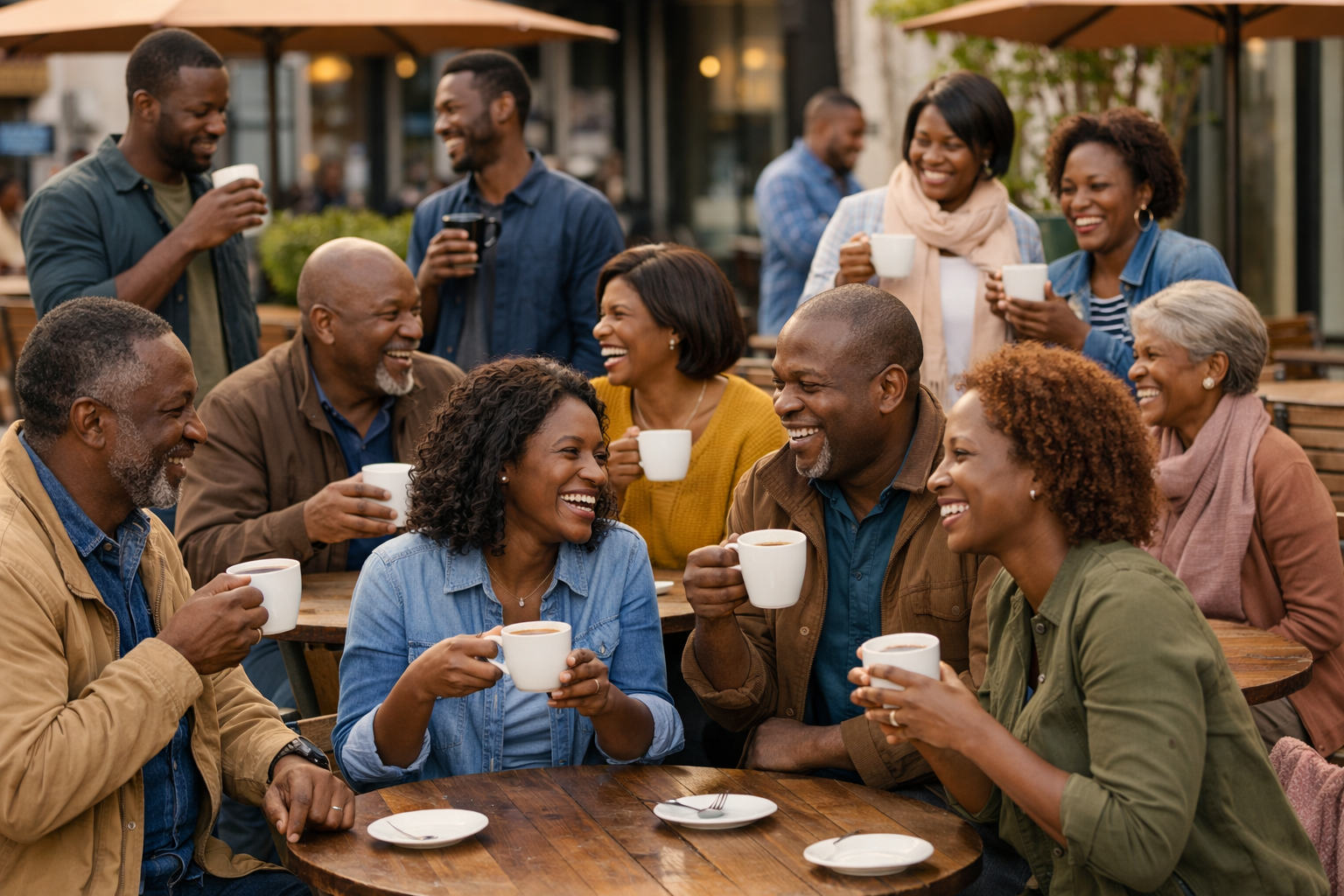
According to Dr. Daniel Wang, MD, ScD, associate scientist with the Channing Division of Network Medicine at Mass General Brigham and assistant professor at Harvard Medical School, the research team began the study with a simple question: “When searching for possible dementia prevention tools, we thought something as prevalent as coffee may be a promising dietary intervention.”
He added that the unique long‑term data available from NHS and HPFS allowed the team to examine diet and brain health over decades.
Across the study period, 11,033 participants developed dementia. Those who regularly consumed caffeinated coffee showed lower rates of dementia compared with people who rarely drank coffee.
These coffee drinkers also demonstrated slower cognitive decline and better performance on memory and thinking tests over time.
The benefits were also seen among tea drinkers. In contrast, decaffeinated coffee did not show the same protective effects, suggesting that caffeine or other active compounds in caffeinated drinks may be responsible for the observed benefits.
Lead author Yu Zhang, MBBS, MS, a PhD student at Harvard Chan School and research trainee at Mass General Brigham, said the results were consistent even among people with genetic predispositions to dementia.
“We also compared people with different genetic predispositions to developing dementia and saw the same results meaning coffee or caffeine is likely equally beneficial for people with high and low genetic risk,” Zhang explained.
Researchers emphasize that while the findings are encouraging, they do not prove that coffee or tea prevents dementia outright, and that overall lifestyle and diet remain important. The study adds to growing evidence that small daily habits, including moderate caffeinated beverage intake, could contribute to healthier aging.
Your daily coffee or tea may be protecting your brain, 43‑year study finds.
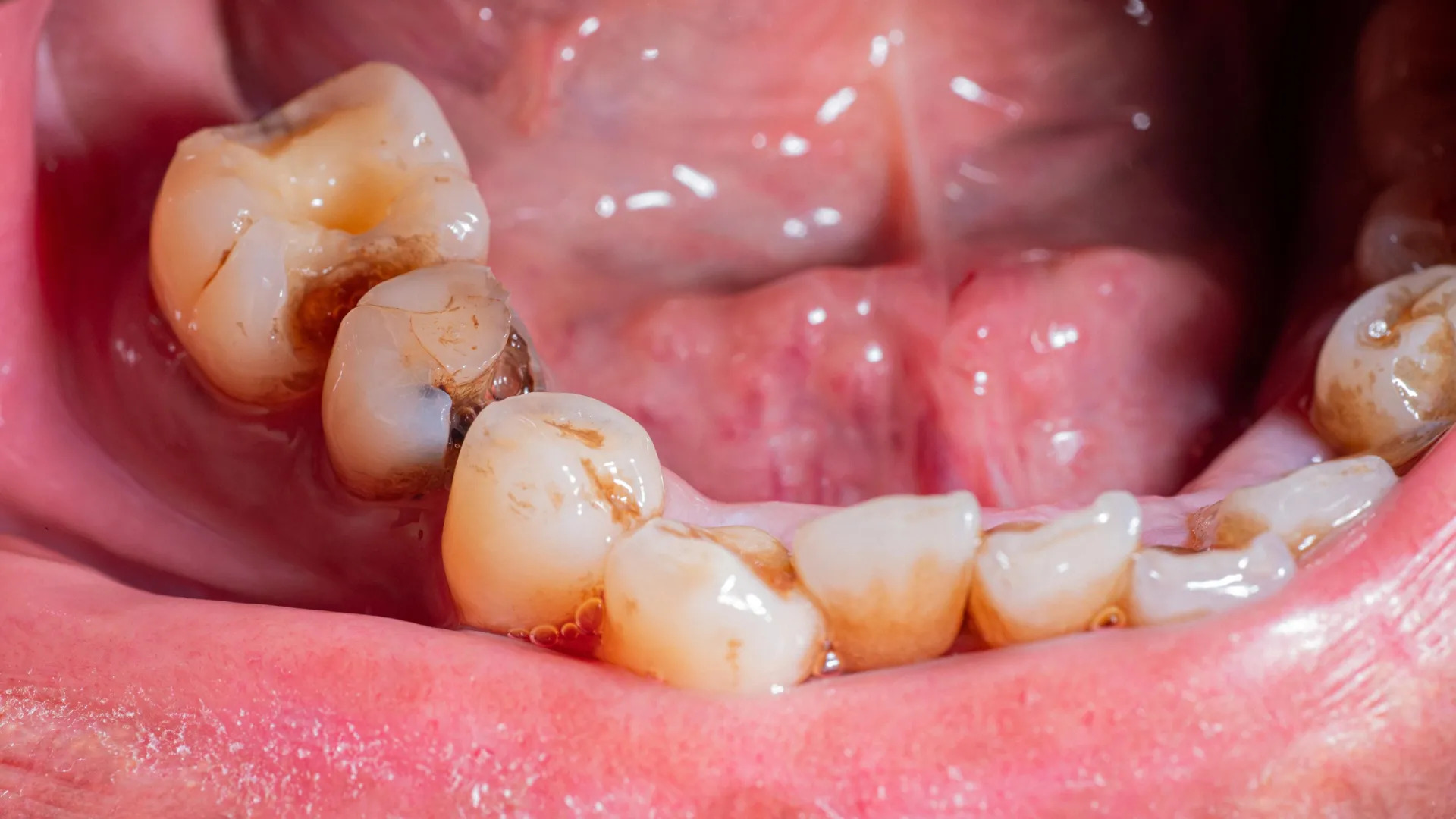
The study followed 65 patients who underwent root canal treatments for apical periodontitis (an infection at the tip of the tooth’s root).
What the researchers found was surprising: over the two years following treatment, patients showed improved blood sugar control.
Their glucose levels dropped, which is especially significant for those at risk of developing diabetes. In addition to this, cholesterol levels improved, and inflammation markers which are linked to heart disease also dropped.
So, what does this mean for our overall health? The research points to the idea that bacteria from dental infections can enter the bloodstream, triggering inflammation throughout the body.
Dr. Sadia Niazi, a senior lecturer in Endodontology, explained: “Root canal infections can allow bacteria to enter the bloodstream. Once there, these microbes may contribute to inflammation that raises the risk of heart disease and diabetes.”
This makes the case for treating dental infections more seriously not just for preserving your teeth, but because they might be contributing to other serious health issues. The study’s findings really emphasize that oral health is closely connected to overall well-being.
The researchers used a technique called nuclear magnetic resonance (NMR) spectroscopy to track the improvements in blood sugar, cholesterol levels, and inflammation markers. It turns out that when you treat a tooth infection, you’re not only fixing a local problem, you’re making a positive impact on systemic health too.
Dr. Niazi also highlighted that dentists and general healthcare providers should work more closely together to monitor how oral health affects patients’ broader health. She shared:
“Our findings show that root canal treatment doesn’t just improve oral health, it may also help reduce the risk of serious health conditions like diabetes and heart disease.”
The conflict began in late February when the United States and Israel launched coordinated air strikes against Iranian military positions.
In response, Iran has retaliated with drone and missile attacks not only against U.S. and Israeli targets but also against neighbouring Gulf states including the United Arab Emirates and Saudi Arabia disrupting energy operations in the region.
Amid these rising tensions, Trump demanded that allied nations support his plan to protect commercial vessels and reopen the strait.
However, countries including Germany, Spain and Italy declined to participate, citing legal constraints and a lack of clear international mandate.
German Chancellor Friedrich Merz was quoted emphasizing that any mission would require approval from entities such as the United Nations, NATO or the European Union before deployment.
At a White House event in Washington, Trump expressed frustration with allies who had not shown what he described as sufficient enthusiasm.
He noted that some countries had offered support in principle but were reluctant to commit naval forces, particularly given the risks of being drawn deeper into the conflict. Trump’s remarks also hinted at long-standing geopolitical tensions, as he pointed to nations that the U.S. has historically helped or protected.
The ongoing military exchanges have had significant economic consequences, with disruptions in Gulf oil infrastructure and closures of key transport routes contributing to a rise in global energy prices.
In some cases, airports were temporarily shut down and major oil export facilities in the UAE were forced to halt operations due to attacks attributed to the conflict.
In addition to criticising allies, Trump claimed that some Iranian regional strikes were unexpected, despite intelligence warnings that Tehran might retaliate if attacked.
While the White House maintains that protecting global energy flows is a priority, the standoff underscores deep divisions among American partners over how best to respond to Iran’s actions and the broader escalation in the Middle East.
Trump has criticized western allies over rejection of Hormuz escort plan amid rising tensions with Iran.
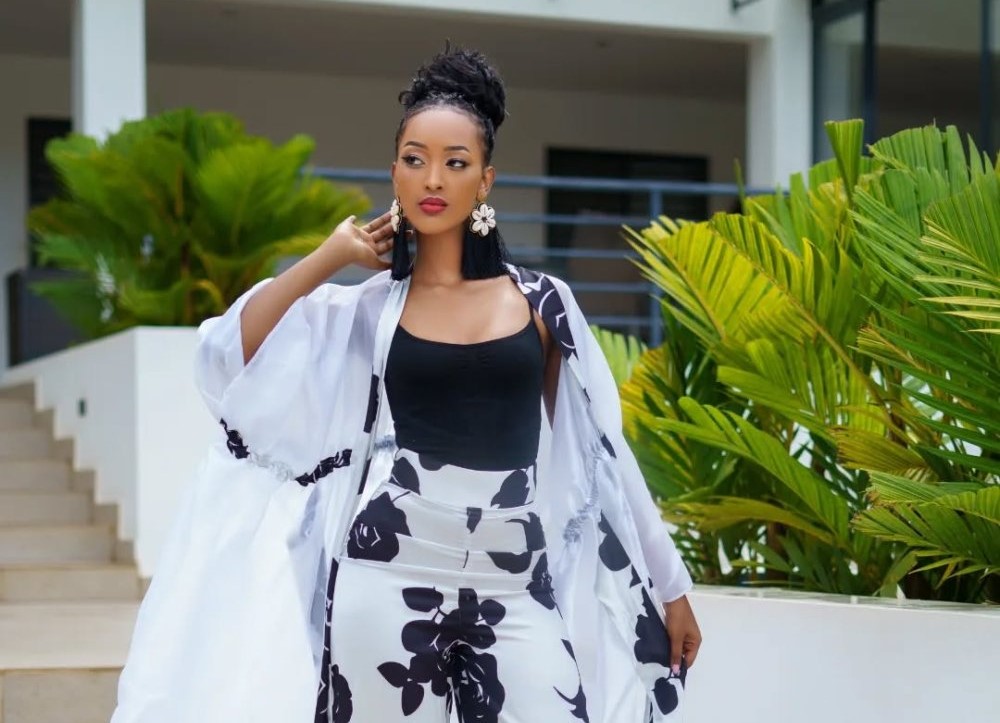
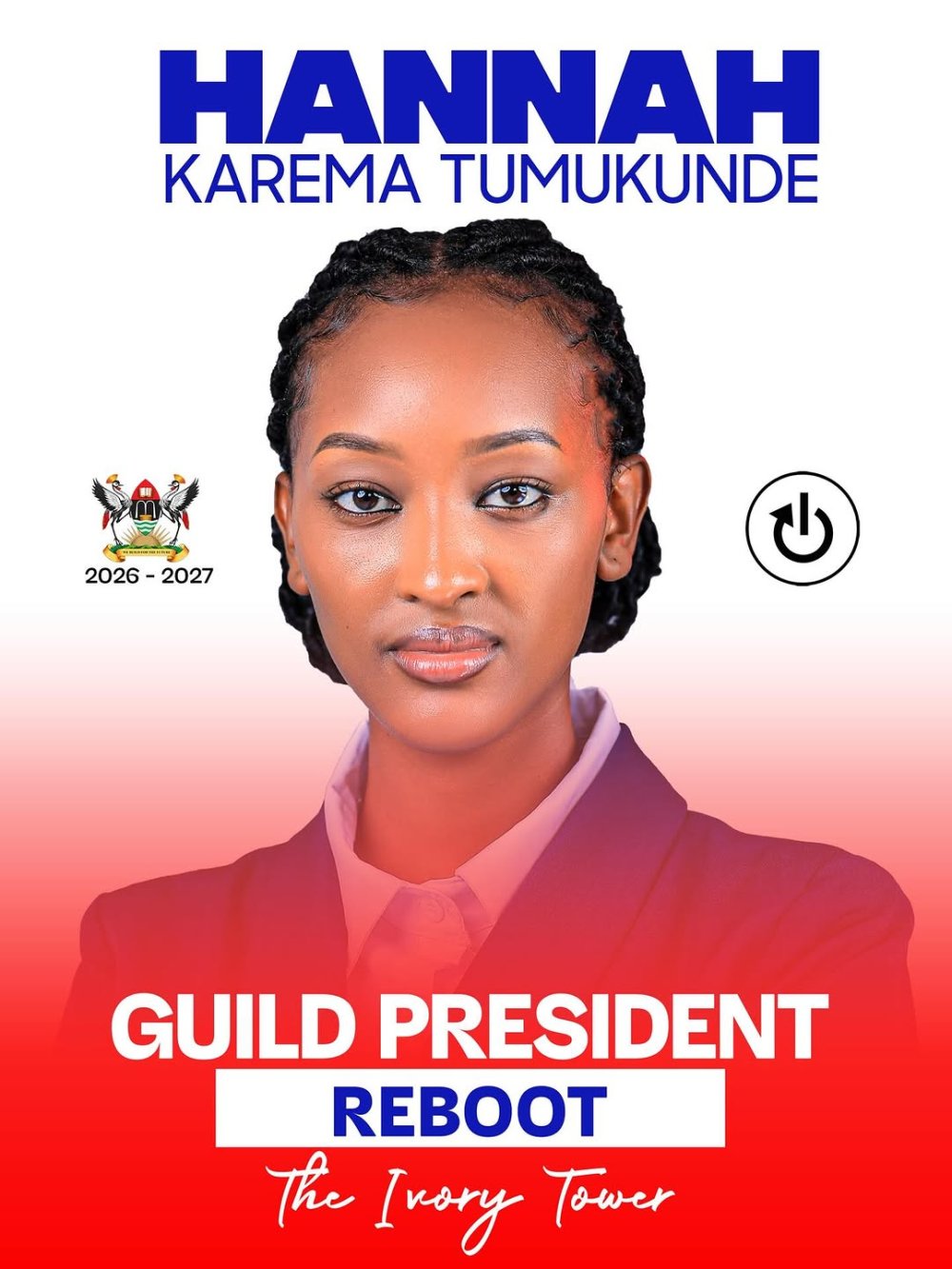
Tumukunde was born in Nakaseke and attended Seroma Christian High School and Hana International School before enrolling at Makerere University for her higher education.
The young woman shared her excitement about running for the position of Student Guild President, expressing her enthusiasm to lead her fellow students at Makerere University.
After winning the Miss Uganda title, Hannah Karema Tumukunde was often referred to as Rwandan. However, following some debates surrounding her heritage, she clarified that she is Ugandan, with one parent from Rwanda and the other from Ankole, Uganda.
In an interview with MC Kats shortly after being crowned, she addressed the speculation that she had been awarded the Miss Uganda title despite not being Ugandan.
Tumukunde explained that she is, in fact, Ugandan, born in Uganda to a Rwandan mother and an Ankole father.
Miss Hannah Karema Tumukunde is campaigning for the Student Guild President at Makerere University.
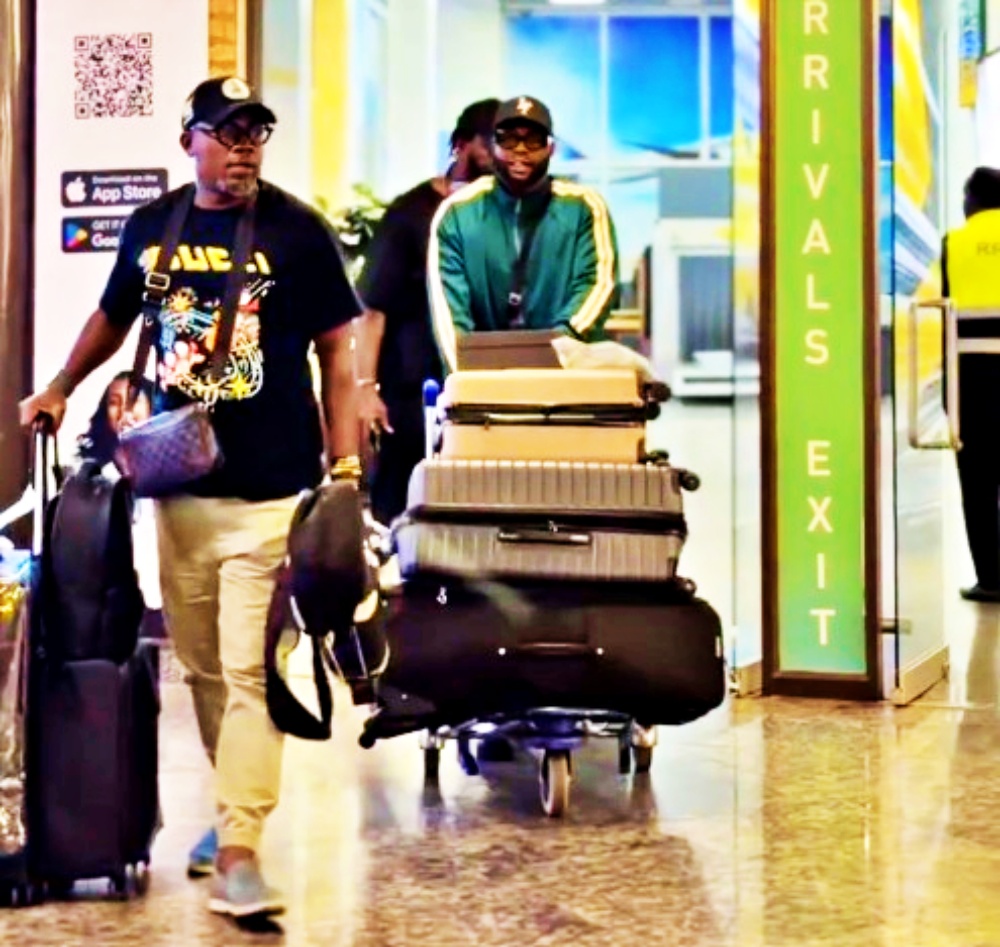
Doja Cat landed in Kigali around 8 p.m. and was escorted through the VIP lounge before heading to her hotel.
The American artist, born Amala Ratna Zandile Dlamini, is scheduled to perform at BK Arena on the evening of March 17, 2026.
Doja Cat becomes the third artist to perform at the ‘Move Afrika’ concert series, following Kendrick Lamar’s performance in 2024 and John Legend in 2025.
At 30, Doja Cat has been in the music industry for nearly 15 years. She is widely known for hits such as Say So, Kiss Me More featuring SZA, and Streets, among others.
Following her Kigali concert, Doja Cat, invited through a partnership with Global Citizen, the organisation behind the Move Afrika concerts, will travel to South Africa, where she is scheduled to perform on March 20, 2026.
Move Afrika blends world-class live music with social impact programs, aiming to create jobs, support youth entrepreneurship, and provide skills training across Africa. The initiative also engages local artists, production crews, and vendors, boosting capacity in host cities while delivering a world-class entertainment experience.
Doja Cat Expected to Perform at Concert in Kigali. Doja Cat arrived in Kigali ahead of her highly anticipated performance at the ‘Move Afrika’ concert.