To put that figure into a local context, at current exchange rates, the sale represents approximately 658.2 billion Rwandan Francs, a sum that rivals the infrastructure budgets of massive projects in the continent.
The divine composition
At its core, Salvator Mundi (Latin for “Savior of the World”) is a powerful theological statement. The painting depicts Jesus Christ in Renaissance-era dress, facing the viewer with a steady, ethereal gaze. In his left hand, he holds a transparent rock crystal orb, representing the celestial sphere of the heavens and the entirety of the universe.
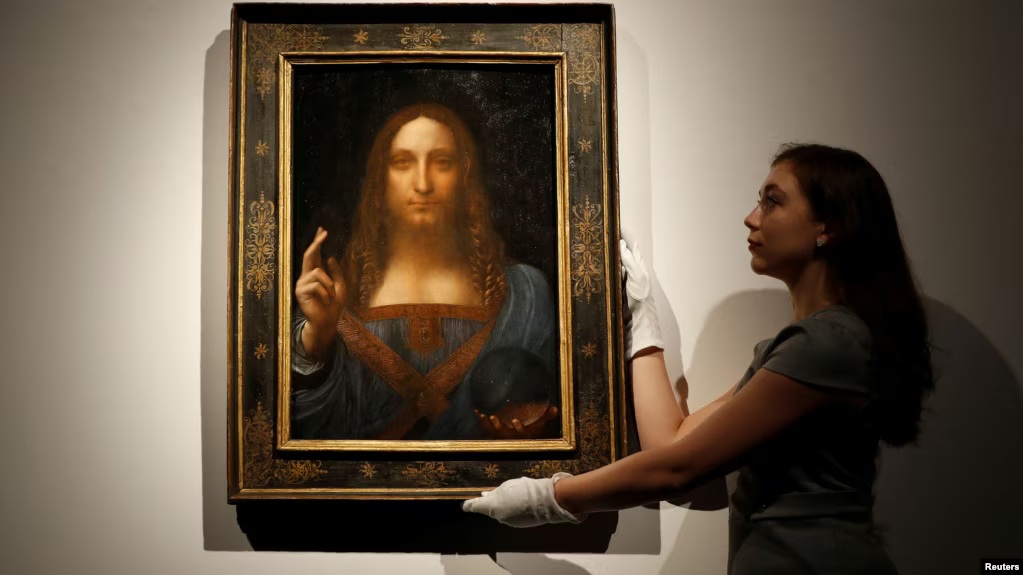
His right hand is raised in a traditional gesture of blessing, with two fingers extended. This specific composition was meant to convey Christ’s role as the divine guardian of the world, balancing the physical realm with the spiritual.
A lost masterpiece found
The journey of Salvator Mundi is as cinematic as its price tag. For centuries, the painting was considered lost or destroyed. It reappeared in 1958 at an auction in London, where it was sold for a mere £45. At the time, it was dismissed as a poor copy made by one of Leonardo’s students, heavily overpainted and damaged.
It wasn’t until 2005, after being purchased by a consortium of art dealers for less than $10,000, that the painting underwent extensive restoration. Layers of grime and secondary paint were stripped away to reveal brushwork that many experts identified as the hand of Leonardo himself, specifically the ethereal sfumato technique and the intricate detail of the crystal orb held by Christ.
The auction in 2017 lasted nearly 20 minutes, an eternity in the world of professional bidding. While the buyer used a proxy to remain anonymous, intelligence assessments and investigative reports later linked the winning bid to the Saudi Crown Prince, Mohammed bin Salman.
The acquisition was seen by many as a major cultural power move, signalling a desire to turn the region into a global arts destination. Loïc Gouzer, the Chairman of Post-War and Contemporary Art at Christie’s, who secured the work for the auction, captured the weight of the moment perfectly: “Salvator Mundi is a painting of the most iconic figure in the world by the most important artist of all time. The opportunity to bring this masterpiece to the market is an honour that comes around once in a lifetime.”
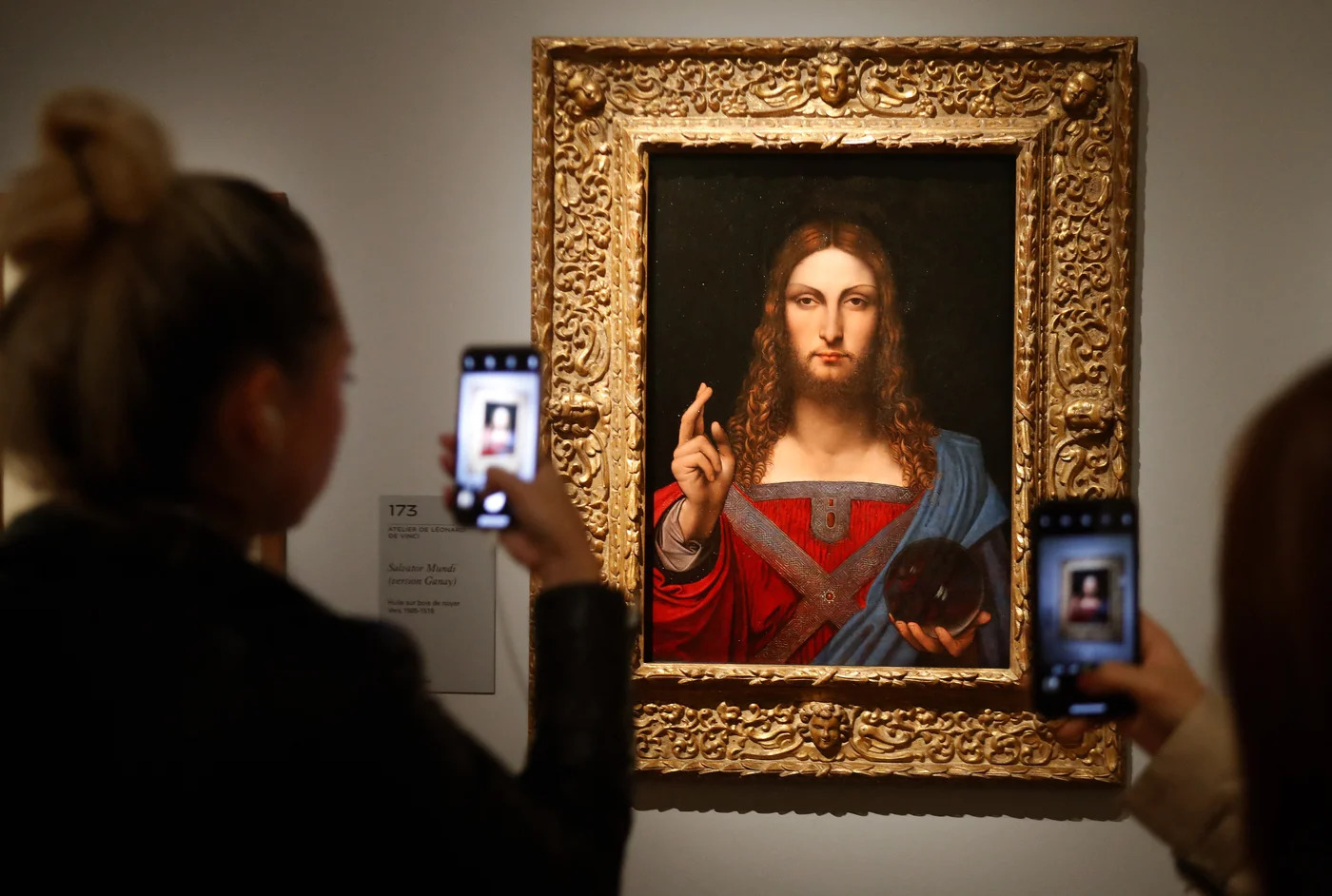
Despite the record-breaking price, the art world remains divided. Some scholars argue that while Leonardo likely designed the composition, much of the execution may have been handled by his workshop assistants. This debate has kept the painting out of major museum exhibitions recently, adding a layer of mystery to its status.
Beyond the price tag
While $450 million is a figure that captures headlines, the sale of Salvator Mundi represents a broader trend: the treatment of masterpiece-level art as a primary global asset class. It raises fundamental questions about the intersection of cultural heritage, historical truth, and extreme wealth.
Whether it is viewed as the ultimate Renaissance discovery or what art advisor Todd Levin described as a “thumping epic triumph of branding and desire over connoisseurship,” Salvator Mundi remains the singular benchmark for value in the art world today, proving that even in a digital age, the allure of the “Old Masters” remains untouchable.
Leave a Reply