One of the global concerns linked to the conflict has been the sharp rise in petroleum prices, driven by disruptions to supply routes and reduced oil processing in the Middle East.
These effects have reached many countries, including Rwanda, which imports a significant share of its food and other goods.
A survey of major Kigali markets, including Kimironko Market and Nyabugogo Market, shows mixed trends: while prices of some essential food items have remained unchanged, others have risen sharply, making them less affordable for many consumers.
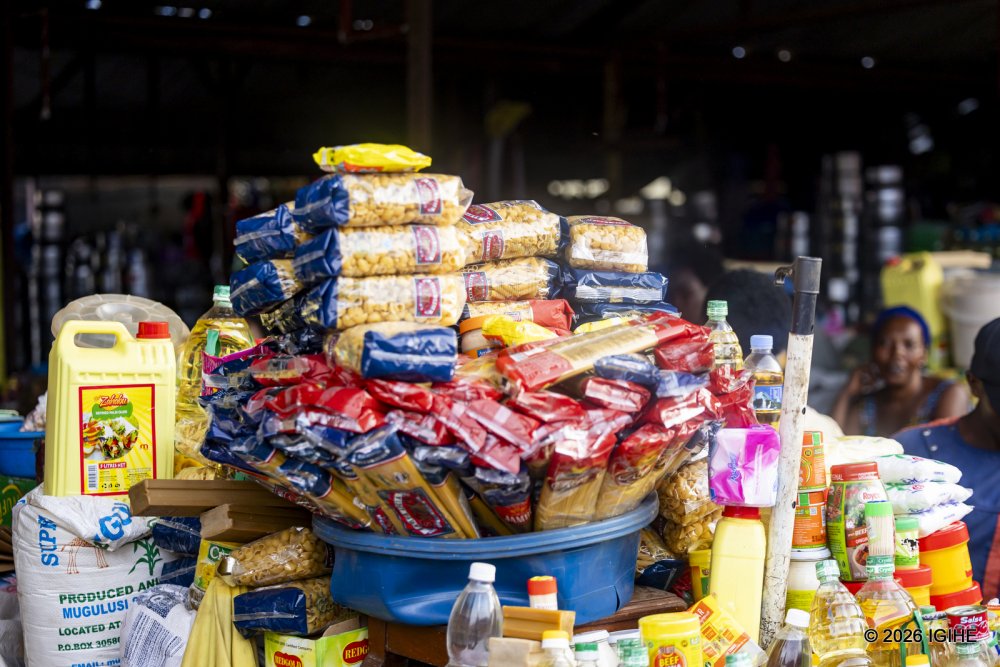
At Kimironko Market, locally produced cooking oil has seen a notable increase. A five-liter container now sells between Rwf 14,000 and Rwf 15,000, up from Rwf 11,000–12,000 just two months ago.
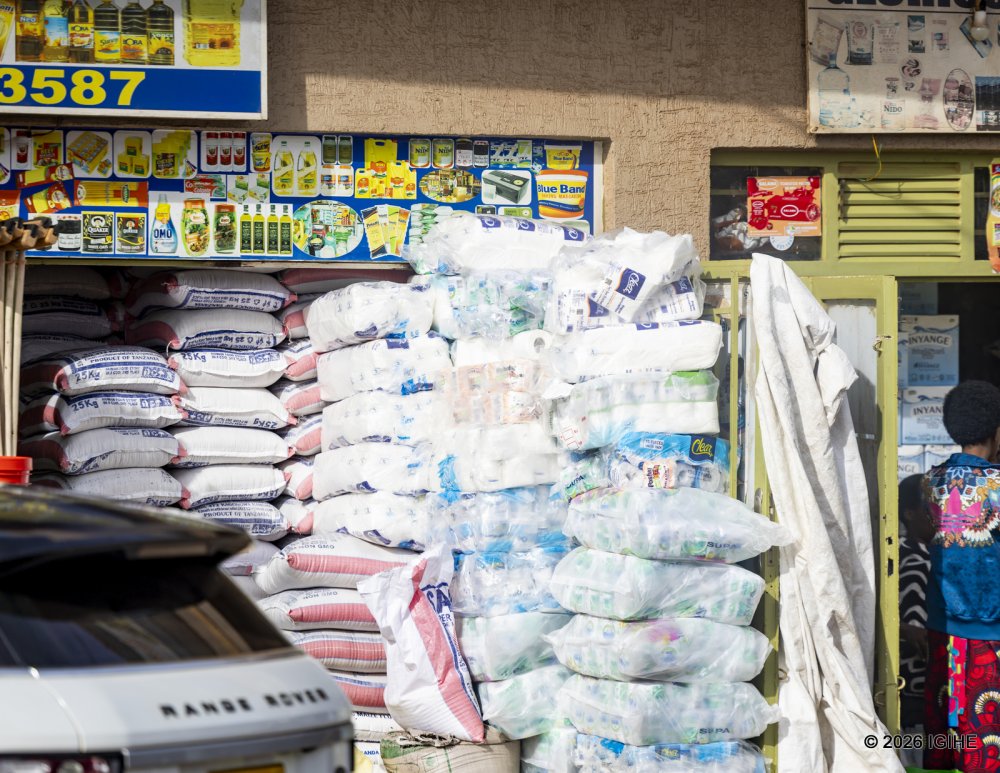
However, staple foods such as rice and maize flour have remained stable. A 25 kg sack of rice imported from Tanzania still costs around Rwf 38,000, while higher-quality varieties range between Rwf 47,000 and 50,000—prices that have held steady since late last year.
The same applies to rice from India, Pakistan, and locally produced varieties, which continue to retail between Rwf 1,100 and Rwf 1,300 per kilogram.
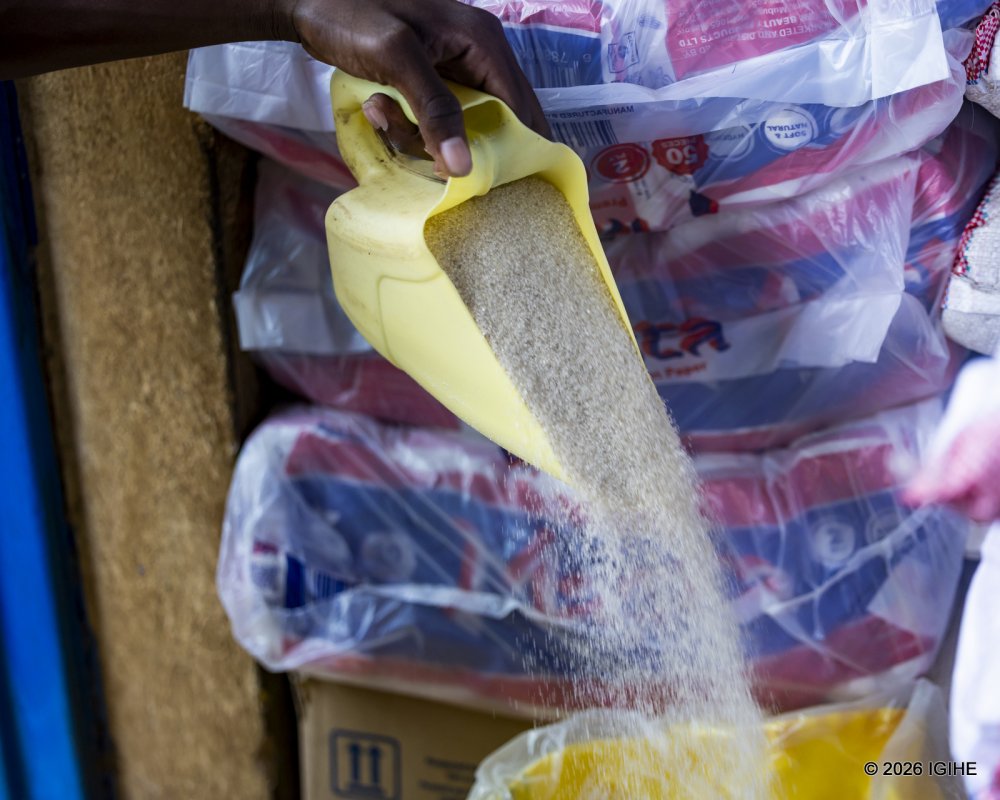
Sugar prices have also remained unchanged, selling between Rwf 1,400 and Rwf 1,600 per kilogram, similar to prices recorded two months ago.
Traders say there has been no major shock in food prices so far, though some note reduced purchasing activity. One vendor explained that many families are currently focused on paying school fees, which has affected household spending on food.
Fruits record sharp increases
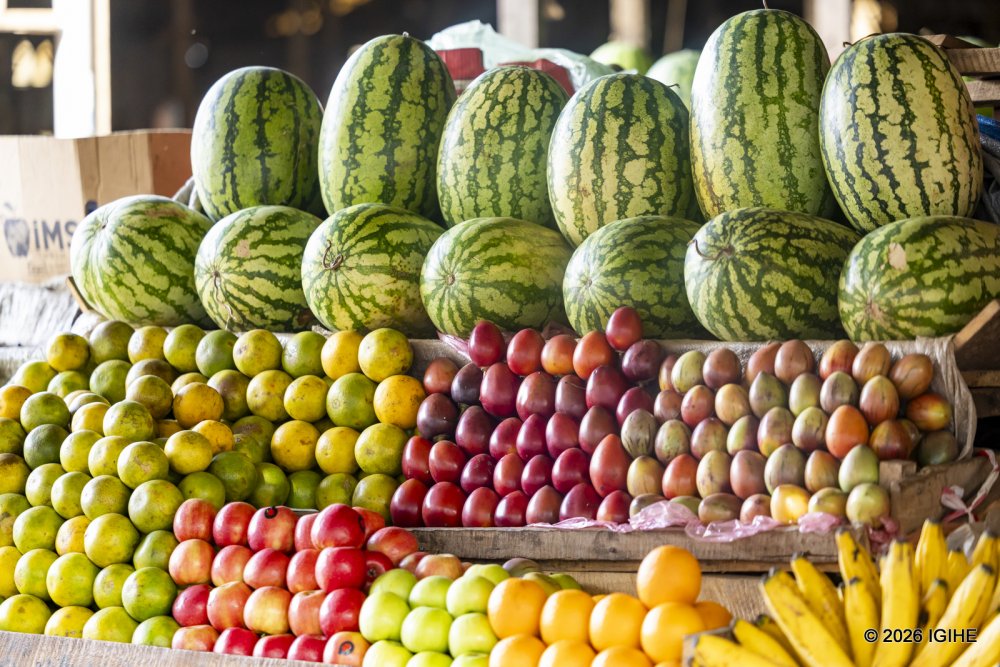
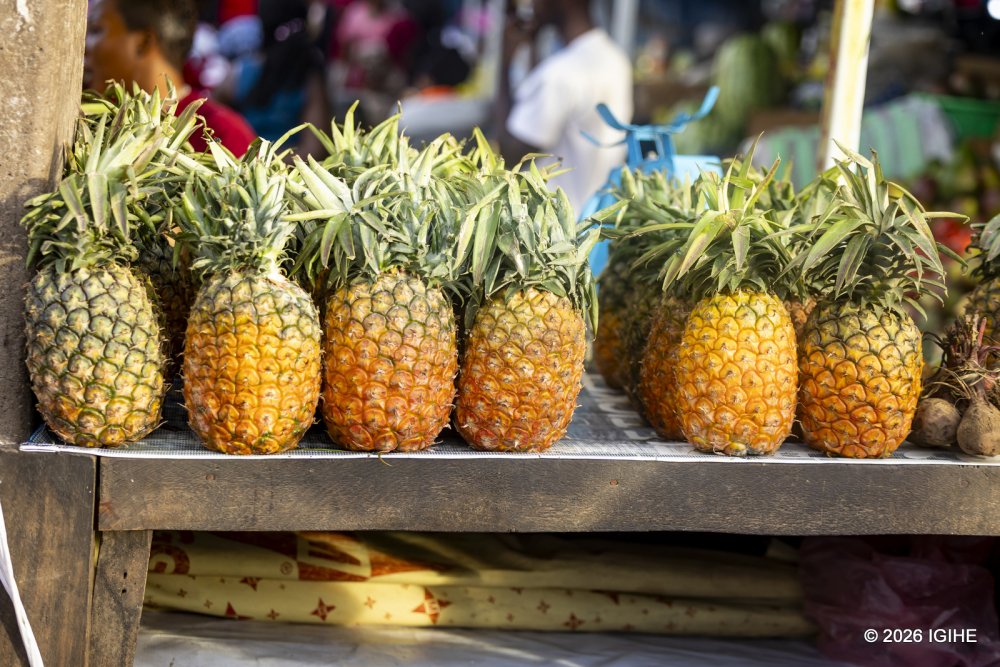
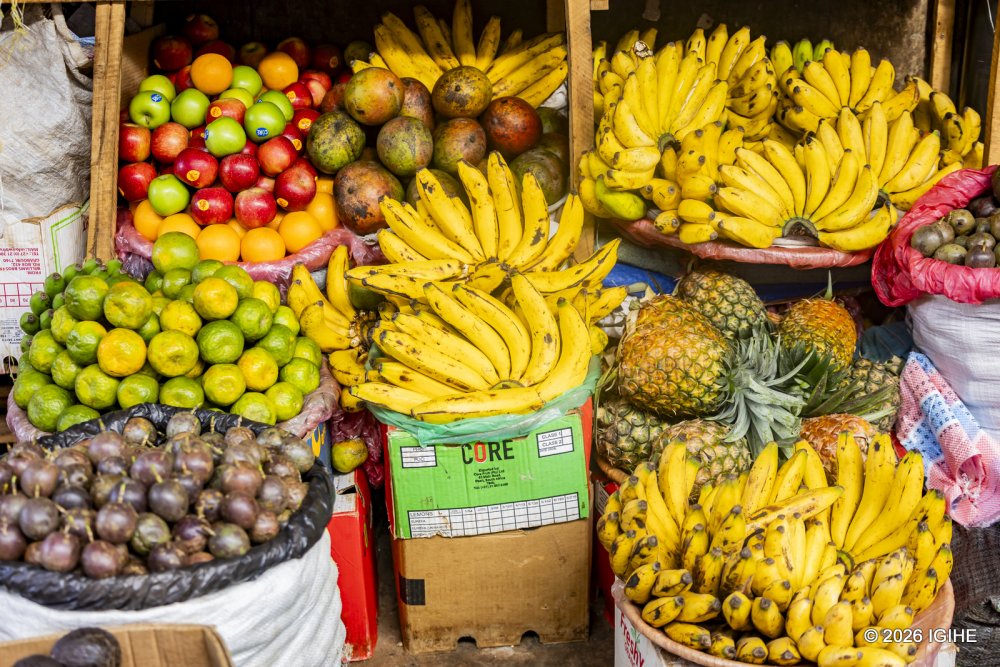
Despite stability in some staples, fruit prices have risen significantly. A kilogram of oranges, which cost Rwf 1,000 in January 2026, now sells for about Rwf 1,500. Lemons have increased from Rwf 1,200–1,500 to between Rwf 1,800 and Rwf 2,000 per kilogram.
Tree tomatoes have also risen to around Rwf 2,000 per kilogram, up from Rwf 1,500–1,800. Other items such as cooking bananas and passion fruits have followed a similar trend.
Traders attribute these increases mainly to high transport costs, as most fruits are sourced from rural provinces or neighboring countries. The higher prices have also reduced the number of customers.
Potatoes have also gone up. At Kimironko Market, Irish potatoes from Kinigi now cost between Rwf 700 and Rwf 800 per kilogram, up from Rwf 650 six months ago. White potatoes have increased from Rwf 400 to around Rwf 600 per kilogram.
Cooking bananas have risen from Rwf 400 to between Rwf 500 and Rwf 600 per kilogram.
Meat prices, however, have remained relatively stable. Mixed beef cuts still sell between Rwf 6,500 and Rwf 7,000 per kilogram, with only slight fluctuations. Chicken prices vary but have not seen a major increase.
Nyabugogo market shows similar trends
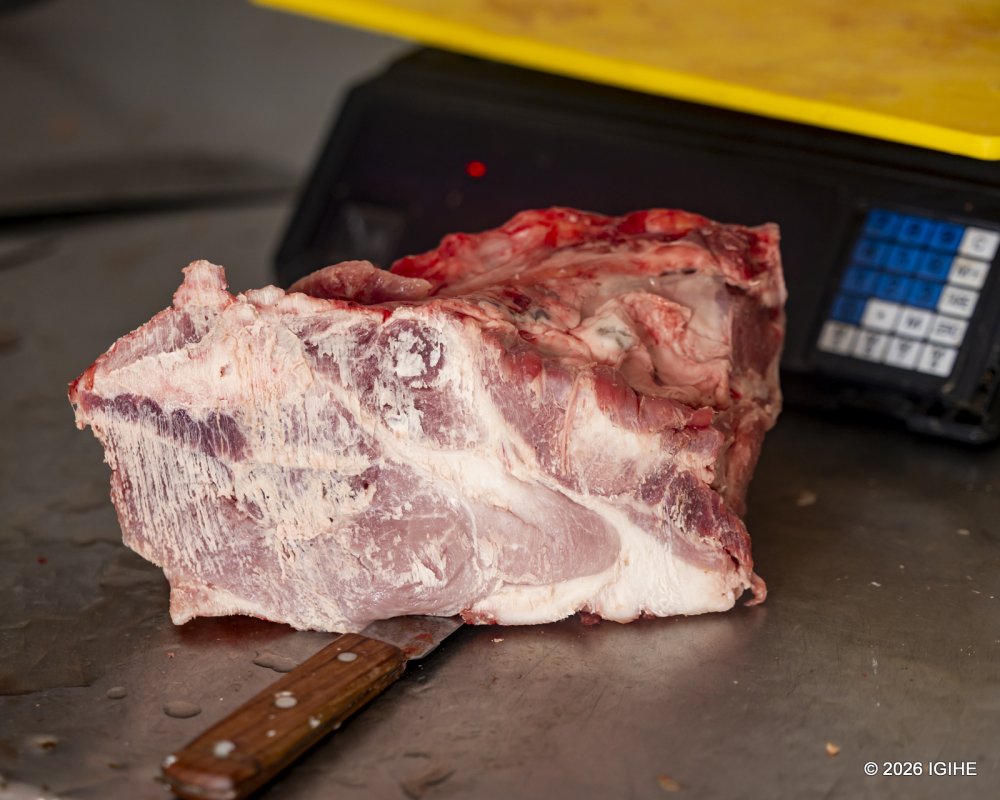
At Nyabugogo Market, where slaughtering facilities are also available, beef prices have remained steady at around Rwf 6,500 per kilogram.
Other meat prices have not changed significantly, except for chicken, which fluctuates and can exceed Rwf 5,000.
Rice prices remain stable as well, with Tanzanian rice selling between Rwf 1,800 and 2,100 per kilogram.
However, locally produced cooking oil has increased from Rwf 2,500 to about 3,200 per liter.
White potatoes now cost around Rwf 650 per kilogram, up from 400, while Kinigi potatoes have risen to Rwf 800 from 500 in just two months.
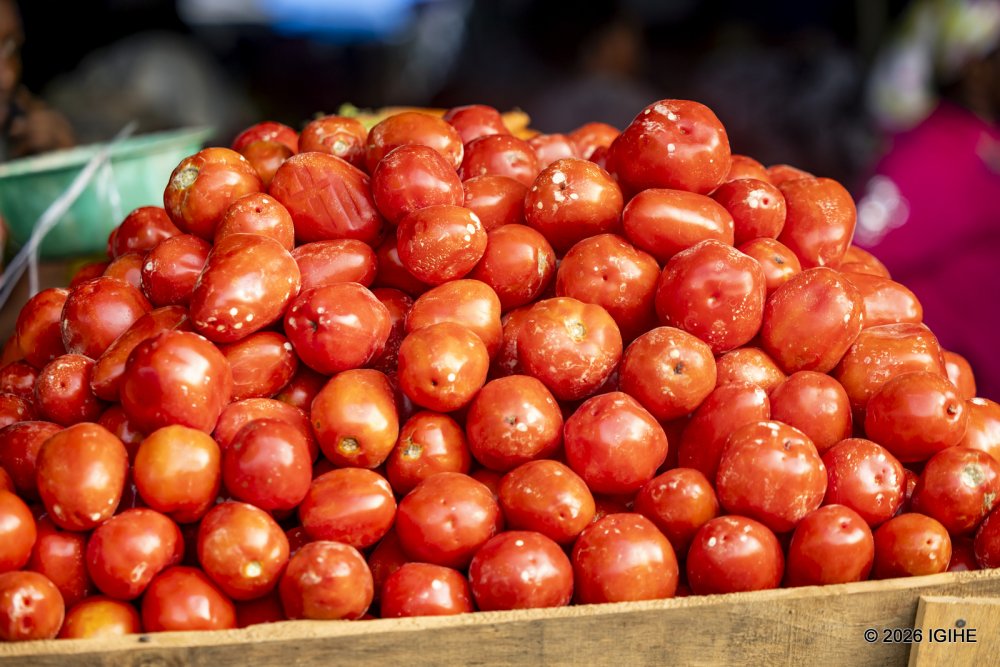
Tomatoes have doubled in price from Rwf 500–600 per kilogram, while fruits have increased by Rwf 200–500 per kilogram, raising the overall cost of doing business.
One fruit trader said the rising prices have made it harder to operate, as capital requirements have doubled in some cases while supply remains inconsistent.
Most traders agree that rising fuel prices are the main driver behind these increases. However, they note that relatively stable diesel prices have helped prevent even steeper hikes in other goods.
Construction materials also affected
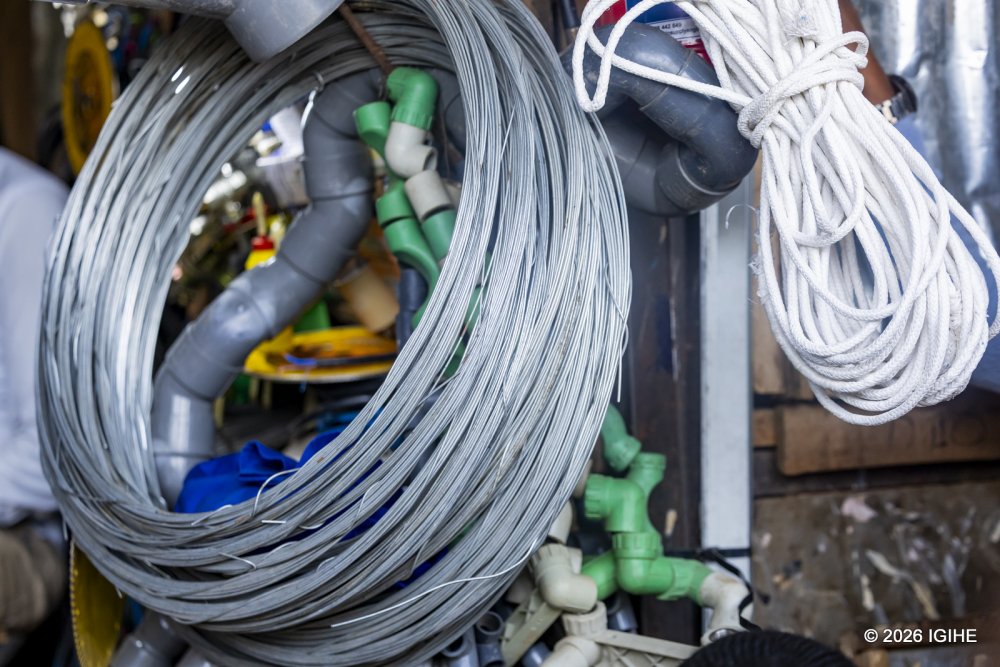
Traders dealing in construction materials report that cement and electrical cables have been among the most affected.
A 50 kg bag of Cimerwa cement, which cost around Rwf 9,500 two months ago, now sells for nearly Rwf 15,000. Meanwhile, Tanzania’s Twiga cement has increased from Rwf 14,000 Frw to between Rwf 16,000 and 16,500.
Electrical cables have also surged. A 100-meter roll of Alpha cables now costs between Rwf 65,000 and Rwf 70,000, up from Rwf 40,000–45,000.
Other materials have seen moderate or no changes. For example, 12-meter steel rods (12 mm thickness) still cost around Rwf 16,000, while roofing sheets (gauge 30)have increased from Rwf 9,500 to about 12,000.
According to the National Institute of Statistics of Rwanda, consumer prices in Rwanda rose by 9.2% in March 2026 compared to the same period in 2025, reflecting broader inflationary pressures in the economy.
Leave a Reply