The final decision will be made by the United Nations Security Council. The Mechanism was tasked with handling residual cases from the International Criminal Tribunal for Rwanda (ICTR) and the tribunal for the former Yugoslavia, including tracking fugitives and overseeing ongoing legal matters.
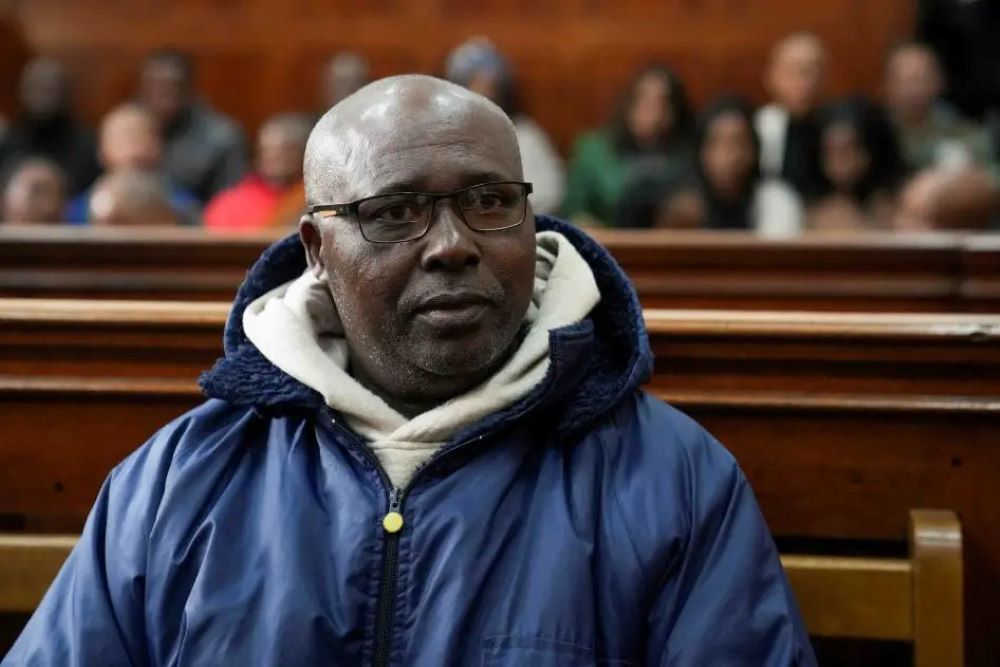
Among the most prominent recent cases handled by the IRMCT are those of Félicien Kabuga and Fulgence Kayishema. Kabuga, arrested in 2020, was deemed unfit to stand trial due to severe health and cognitive issues.
Once considered a key financier of the 1994 Genocide against the Tutsi, he remains detained in The Hague, as medical experts ruled he cannot travel. No country has agreed to host him except Rwanda.
Kayishema, arrested in 2023 in South Africa, continues to resist extradition to Rwanda, despite a 2012 ICTR ruling determined that his case should be transferred to Rwanda’s High Court.
If no legal obstacles arise, he is expected to be transferred via Arusha before facing trial in Rwanda, as national courts cannot overturn decisions made by international tribunals.
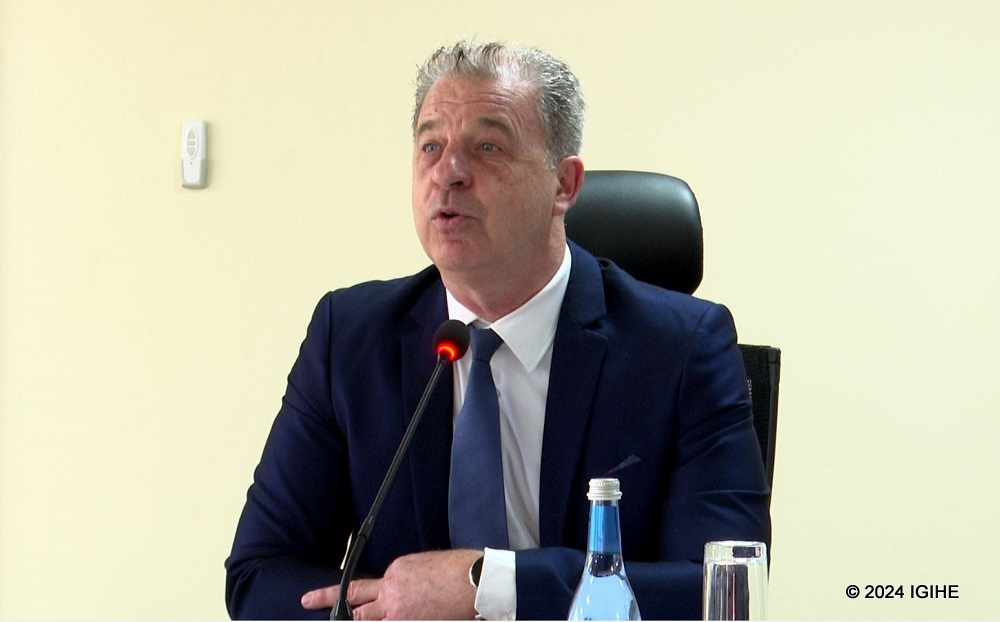
In June 2026, the UN Security Council will also decide whether to renew the mandates of IRMCT Prosecutor Serge Brammertz and Registrar Abubacarr Tambadou, or to formally wind down the institution’s operations. According to Tambadou, this meeting will determine whether the Mechanism continues operating in Arusha or begins its closure process.
If the IRMCT ceases operations, remaining cases will likely be handled by national jurisdictions. Countries such as France, Belgium, and others in Europe have already taken steps to prosecute genocide suspects or extradite them to Rwanda.
Since the establishment of the ICTR in 1995, 92 individuals were indicted for their role in the 1994 Genocide against the Tutsi. Of these, 62 were convicted, 10 were transferred to Rwanda for trial, and three cases were left to the IRMCT in 2010. Ten individuals were acquitted.
Beyond trials, the IRMCT also oversees enforcement of sentences and management of archives. Its closure raises concerns about genocide convicts currently imprisoned in countries like Senegal and Benin, as their future custody arrangements remain unclear once UN oversight ends.
Reports indicate that the UN has been funding their detention, particularly in Africa.
Discussions are ongoing about whether host countries will assume responsibility for these prisoners or transfer them to Rwanda. The country has indicated readiness to receive them, given the capacity to host them at modern prison facilities such as Mpanga Prison in Nyanza.
Meanwhile, Rwanda continues to pursue justice for genocide suspects abroad. Over 1,100 arrest warrants have been issued to various countries, with more than 500 suspects believed to be in the Democratic Republic of the Congo.
However, cooperation, especially from African nations, has been limited.
On April 11, 2026, Rwanda’s Minister of Foreign Affairs, Olivier Nduhungirehe, criticized the lack of action from African countries during a commemoration event in Kicukiro.
He emphasized that while European countries are often blamed, many African states have not taken sufficient steps to prosecute or extradite suspects.
France alone is currently handling around 40 pending genocide-related cases, while the United Kingdom is reported to host five suspects but has neither prosecuted nor extradited them.
As the IRMCT approaches its possible closure, the question remains: will justice for the remaining genocide cases be fully realized, or will responsibility shift unevenly across national jurisdictions?
Leave a Reply