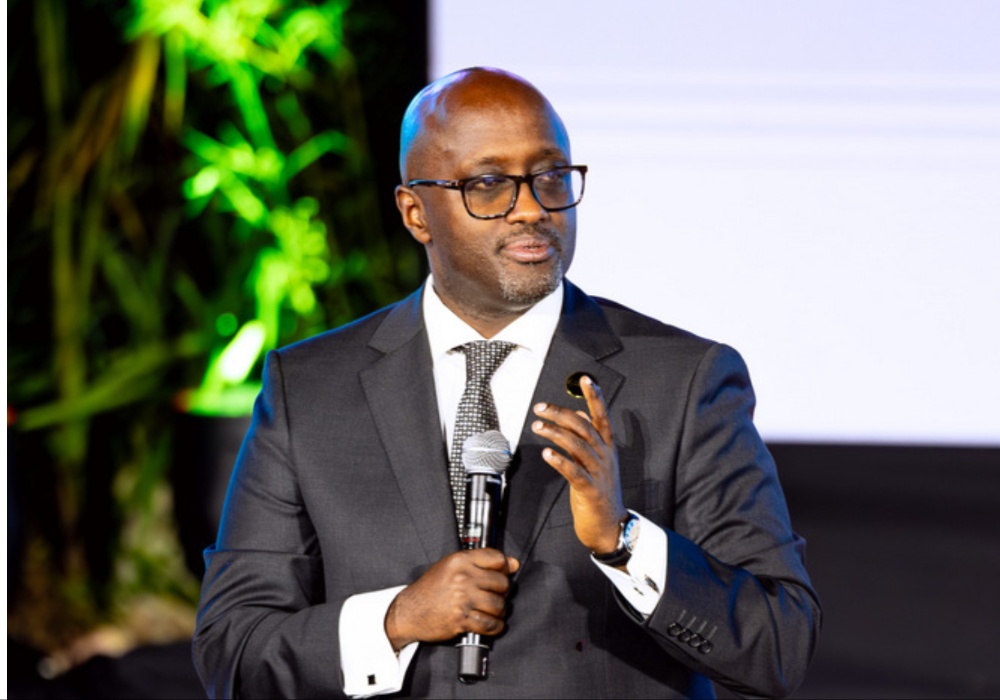
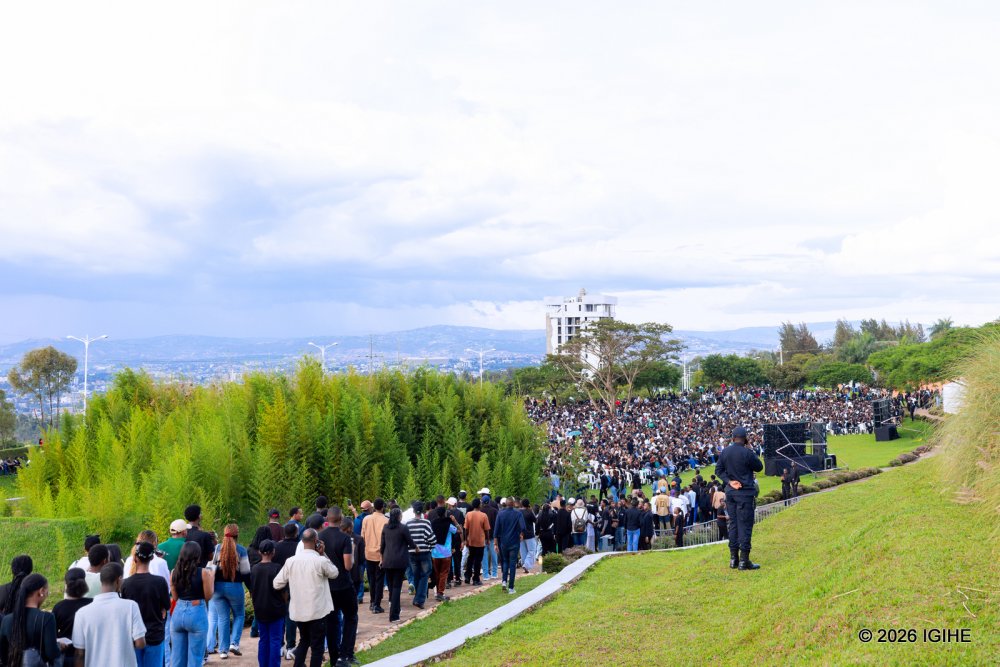
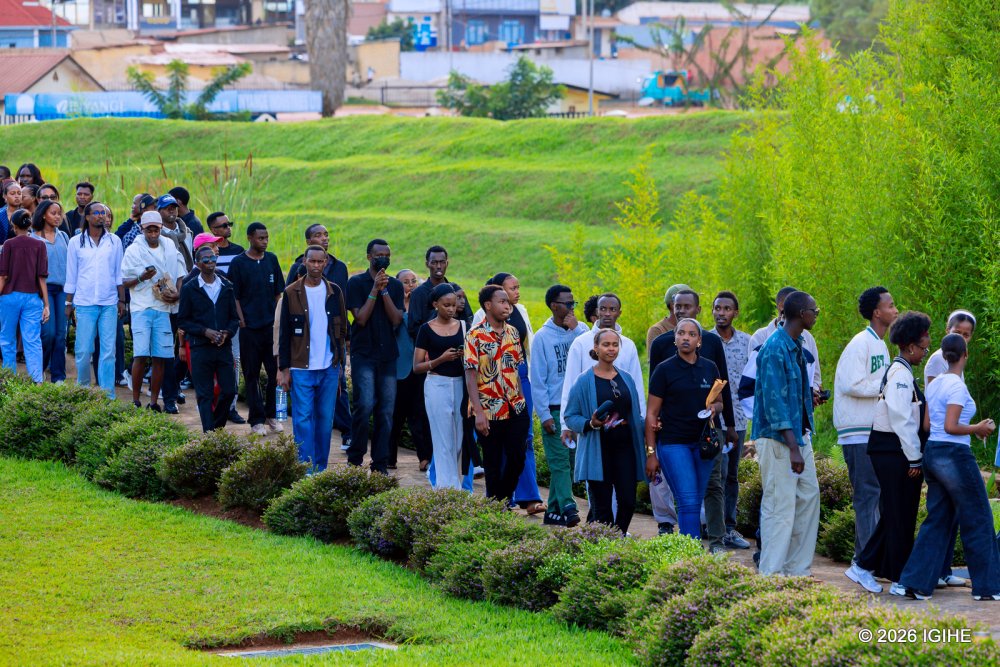
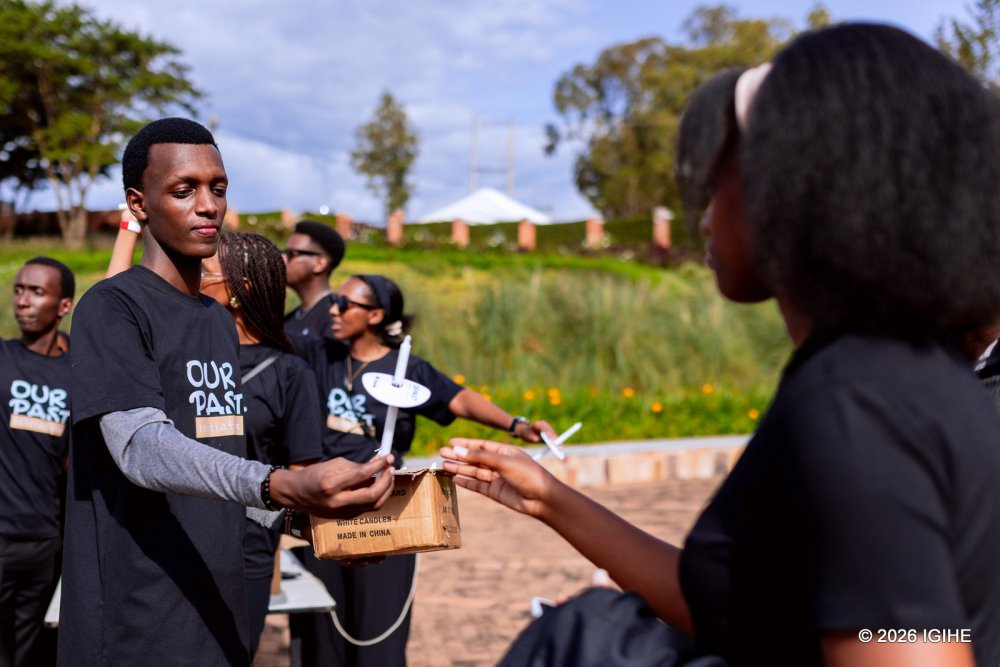
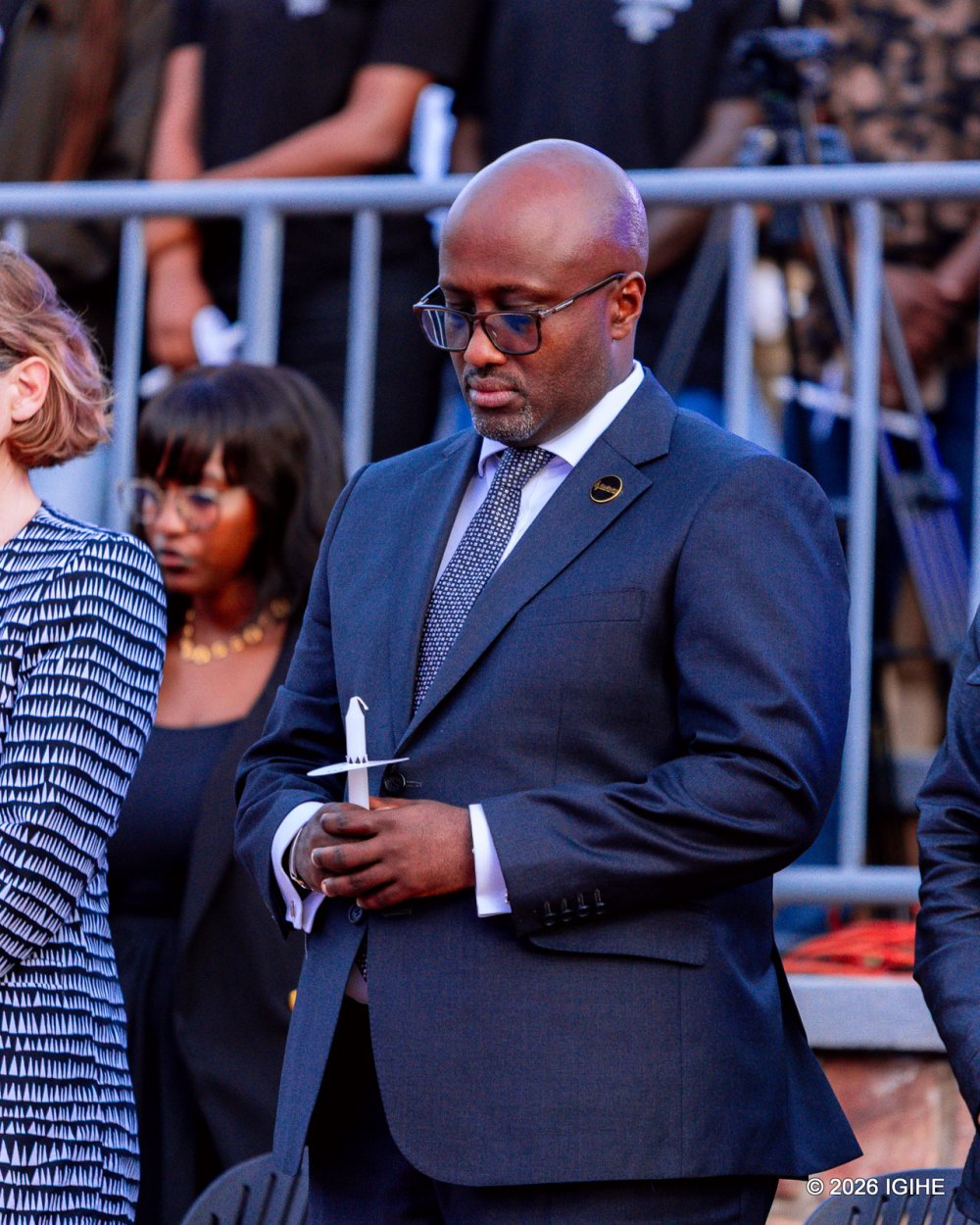
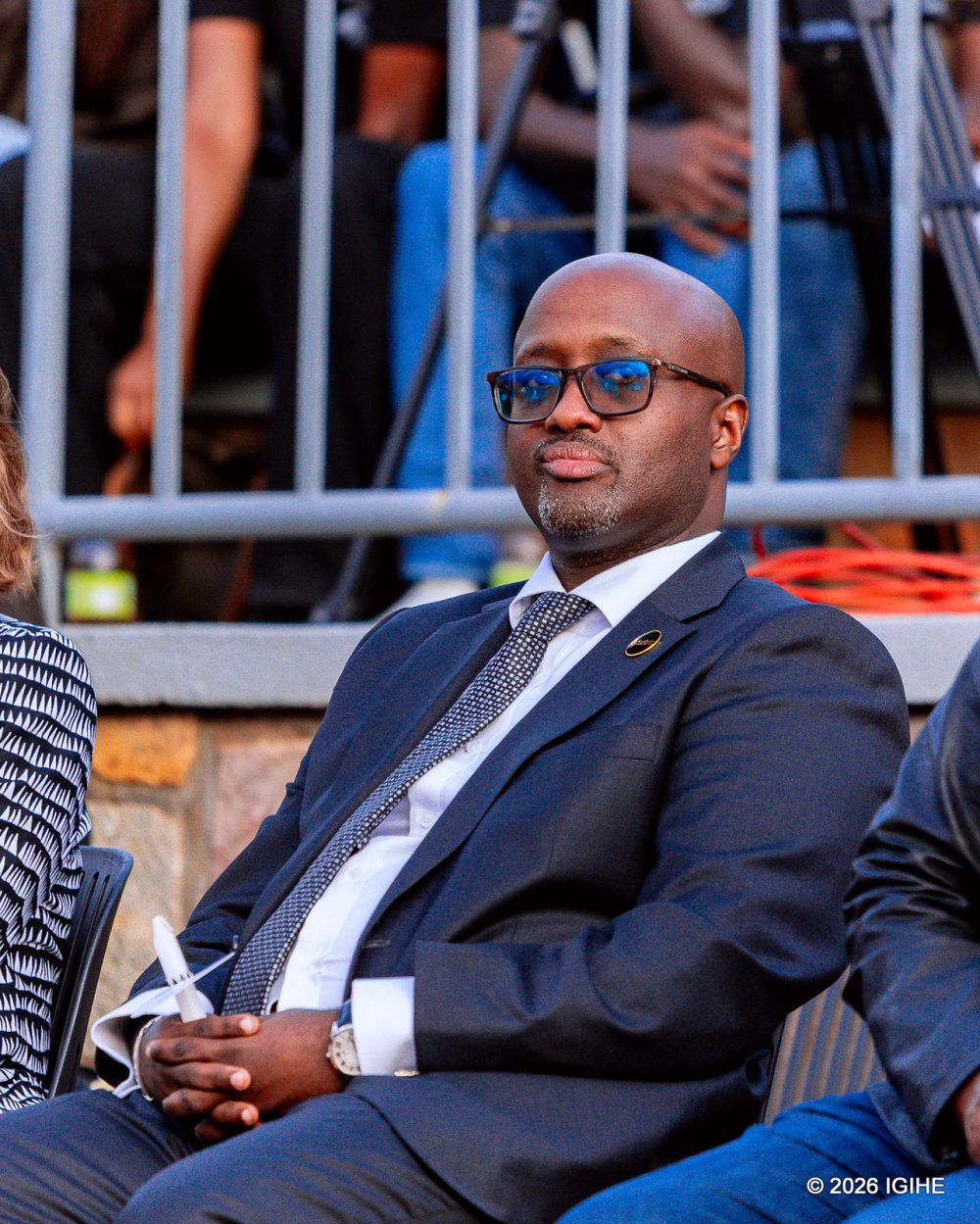
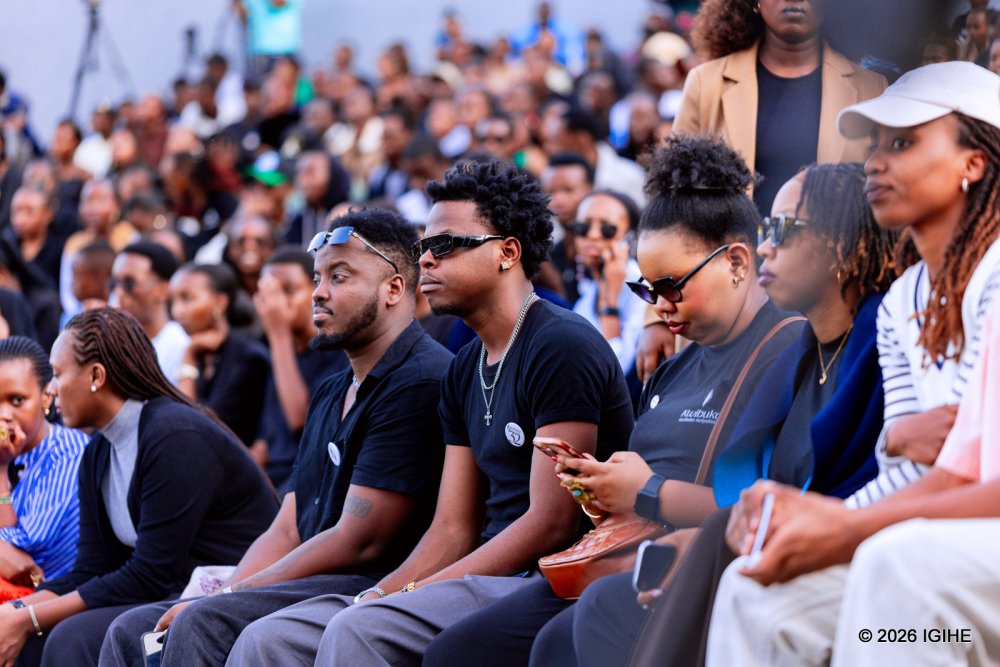
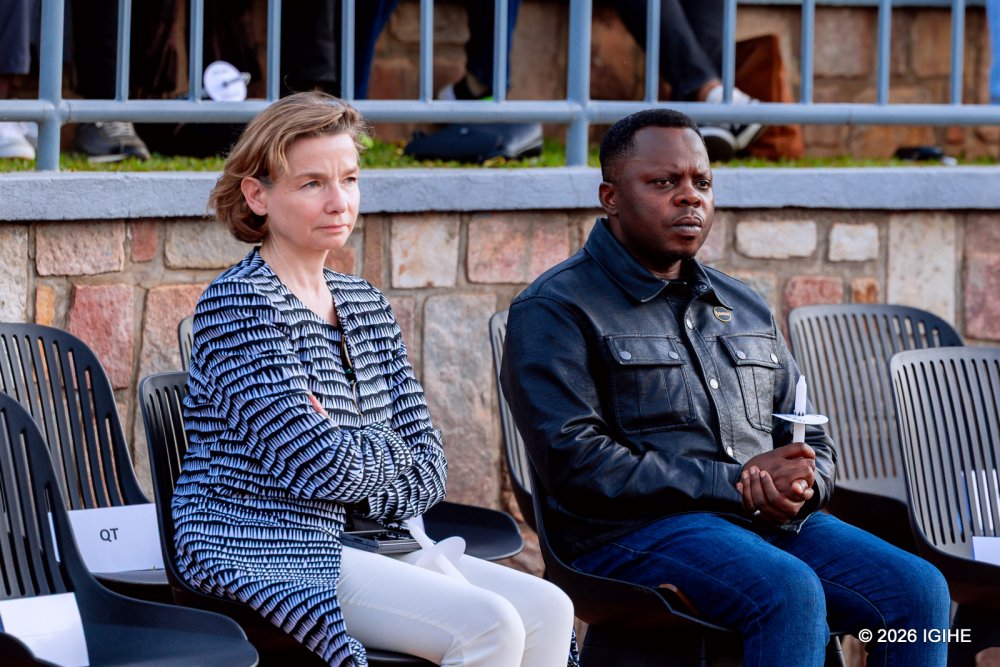
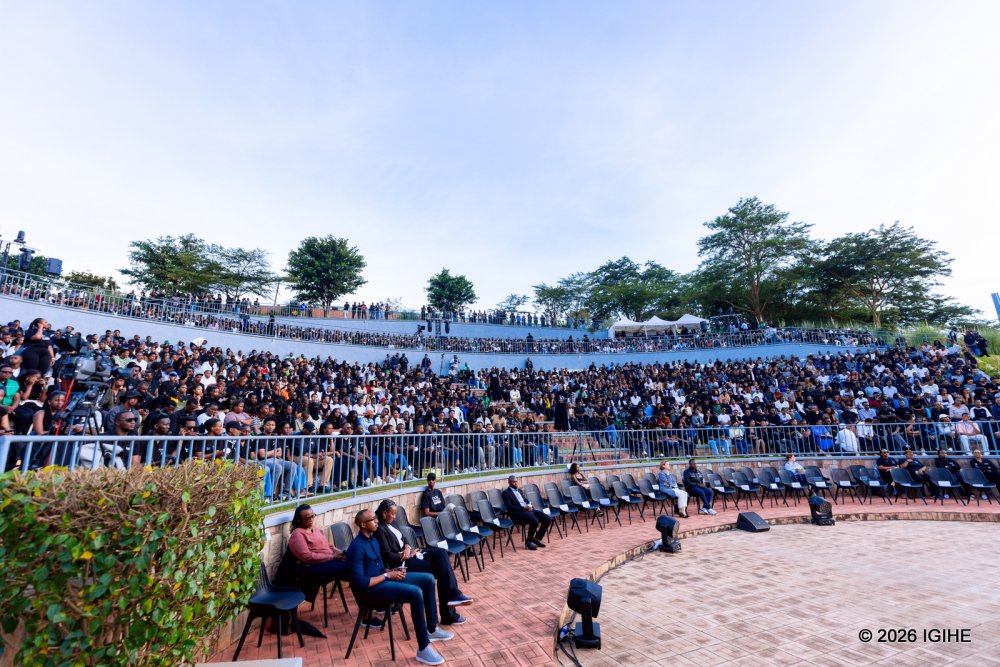
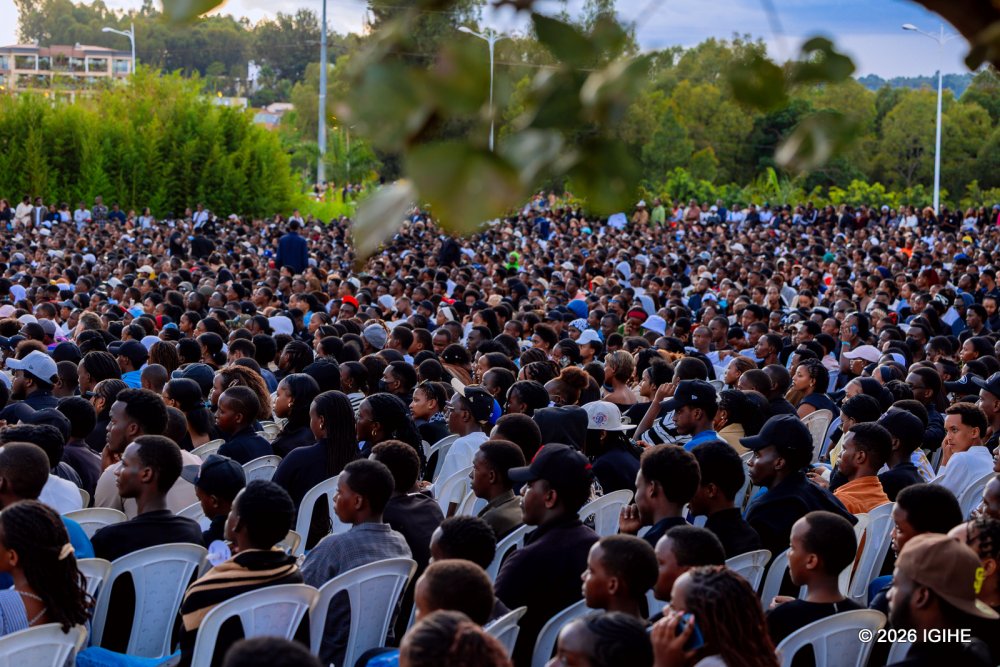
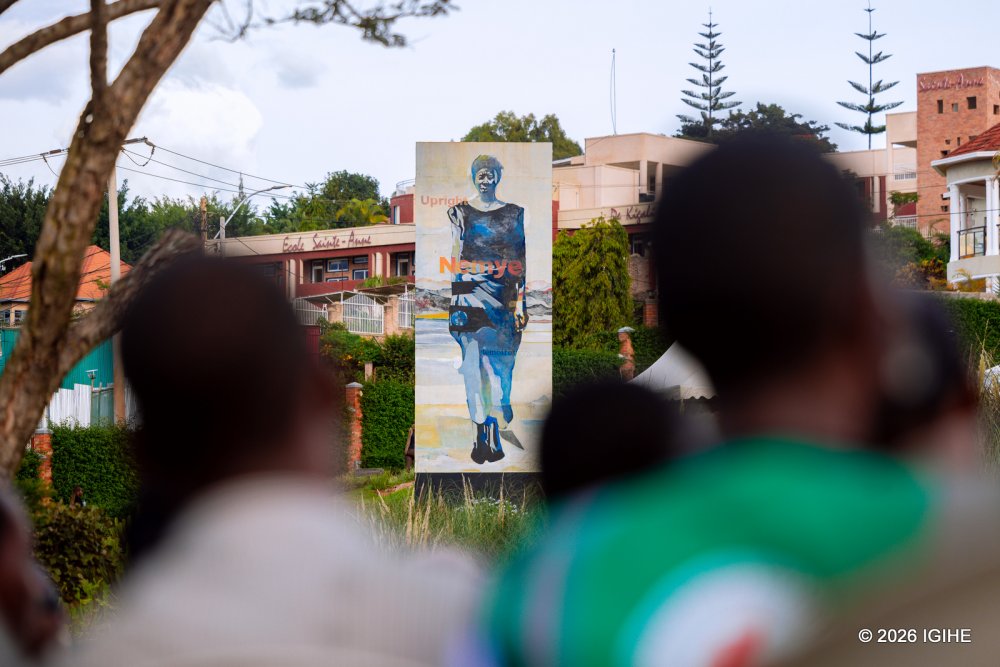
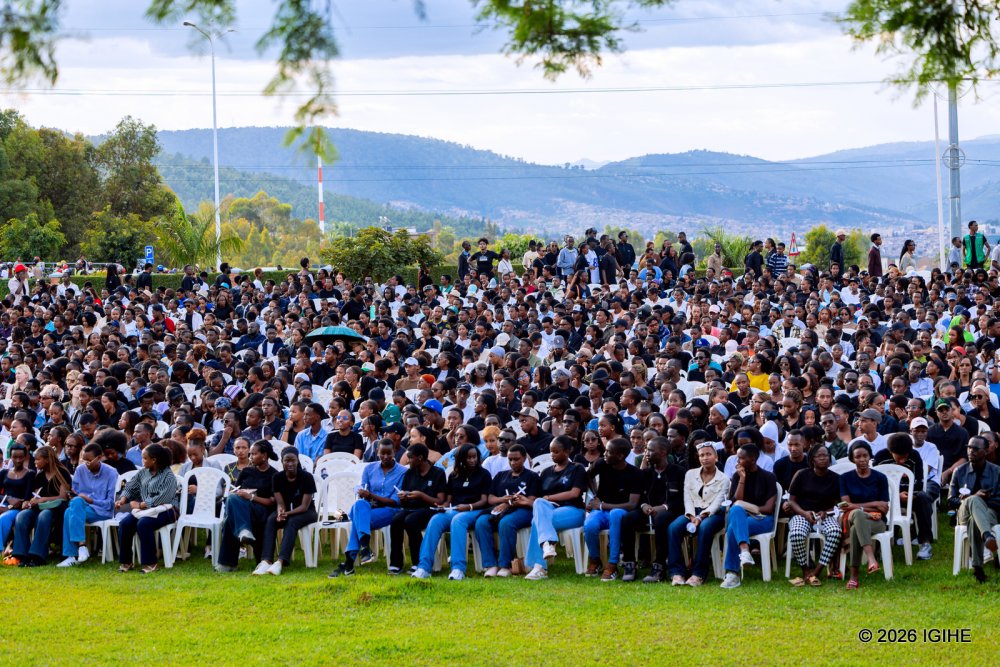
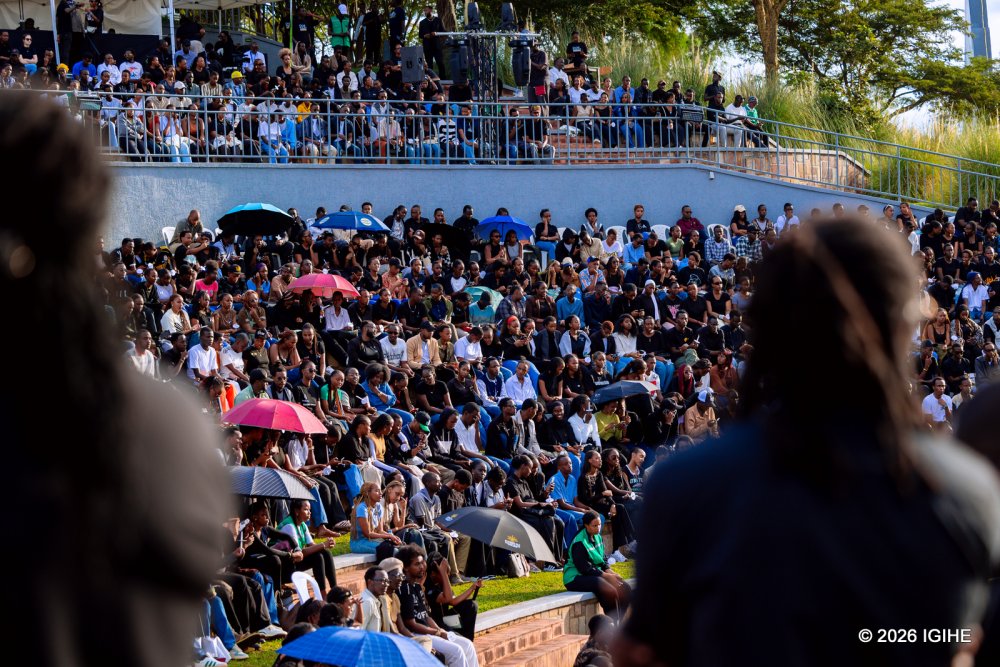
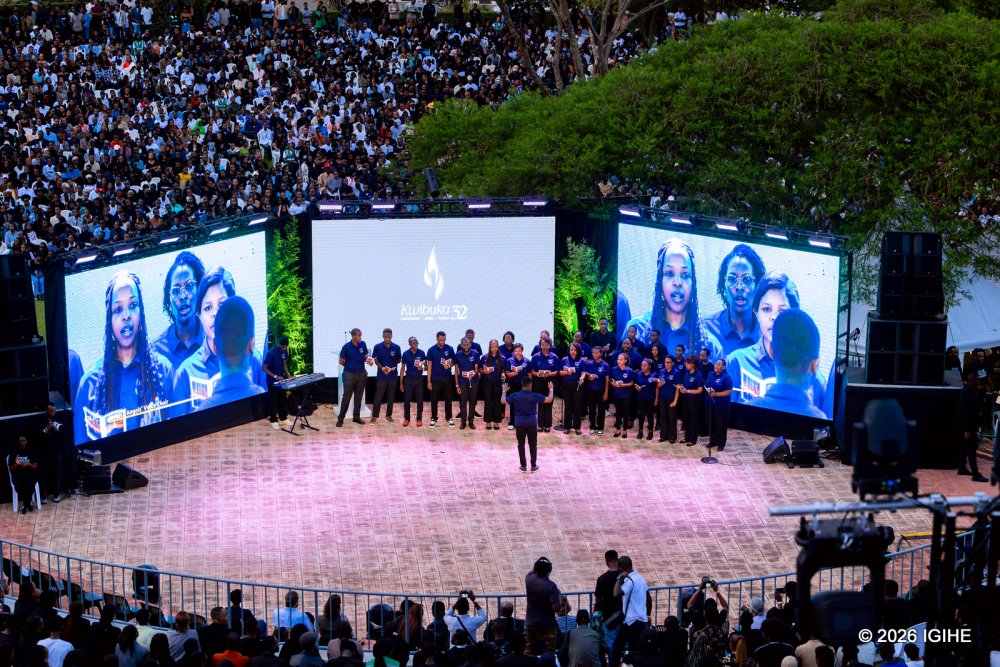
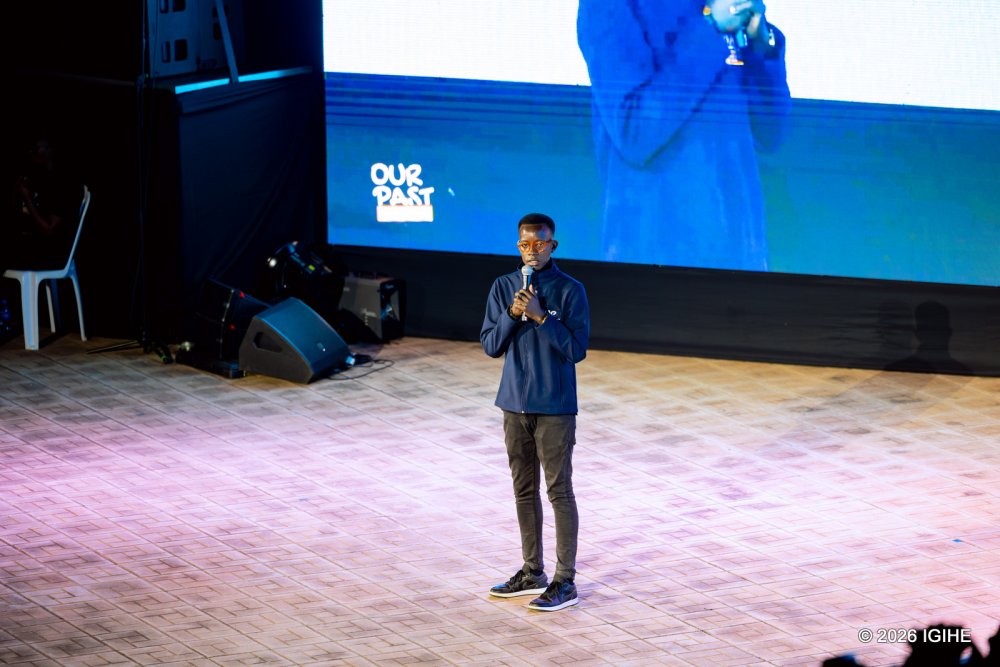
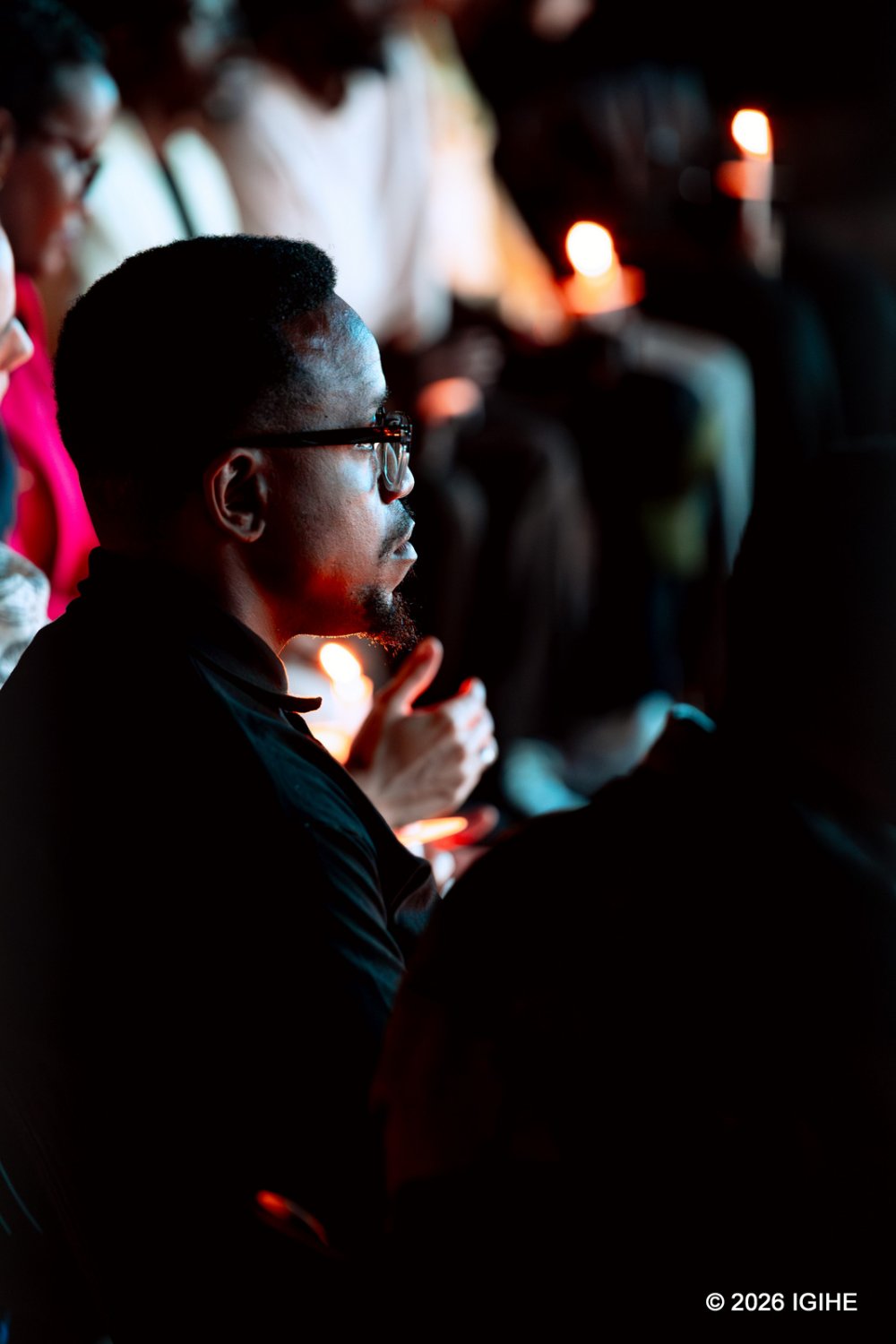
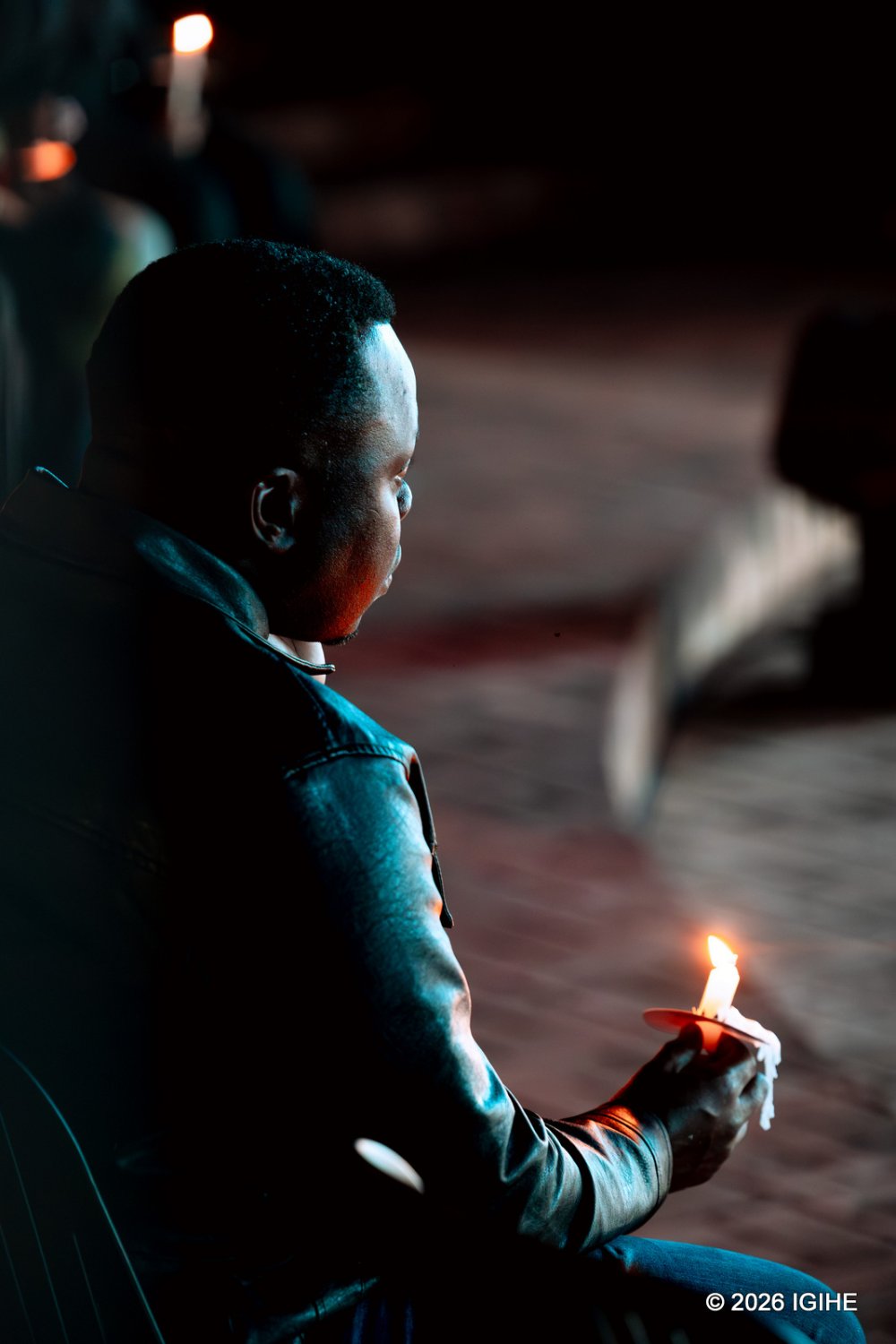
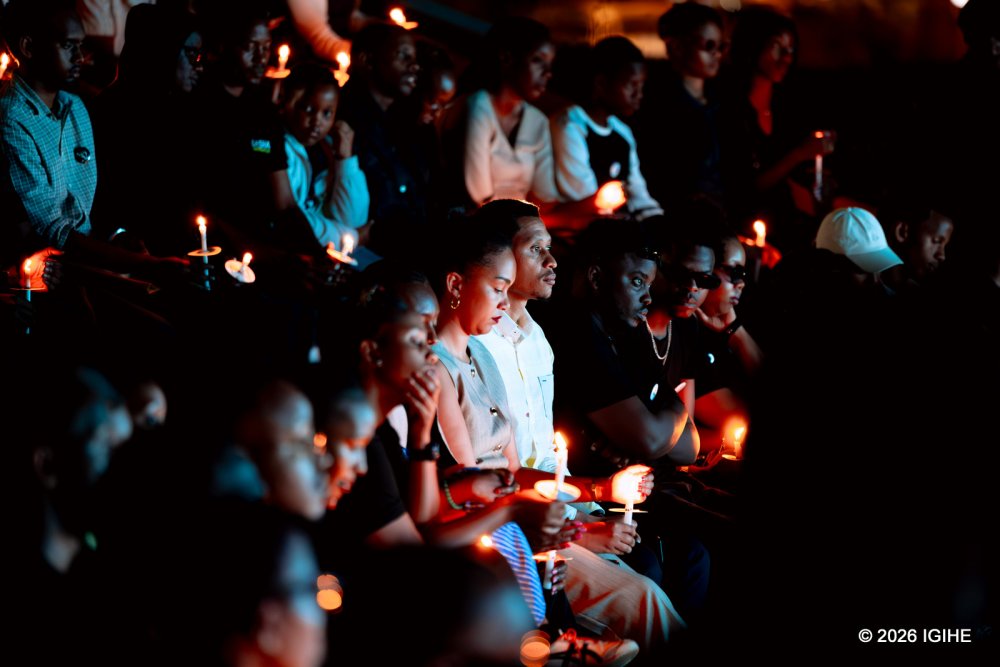
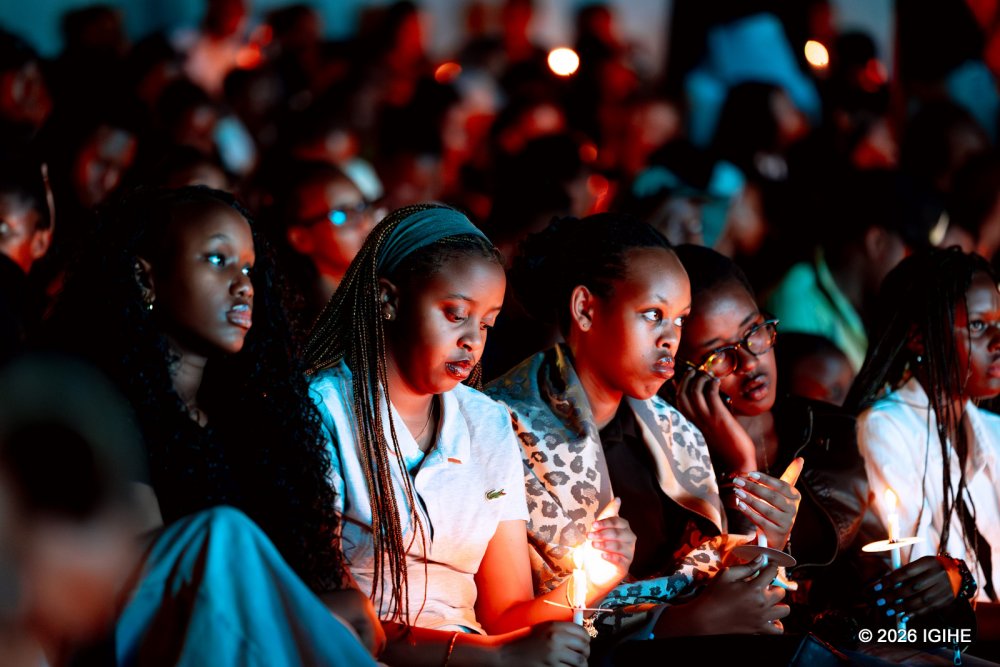
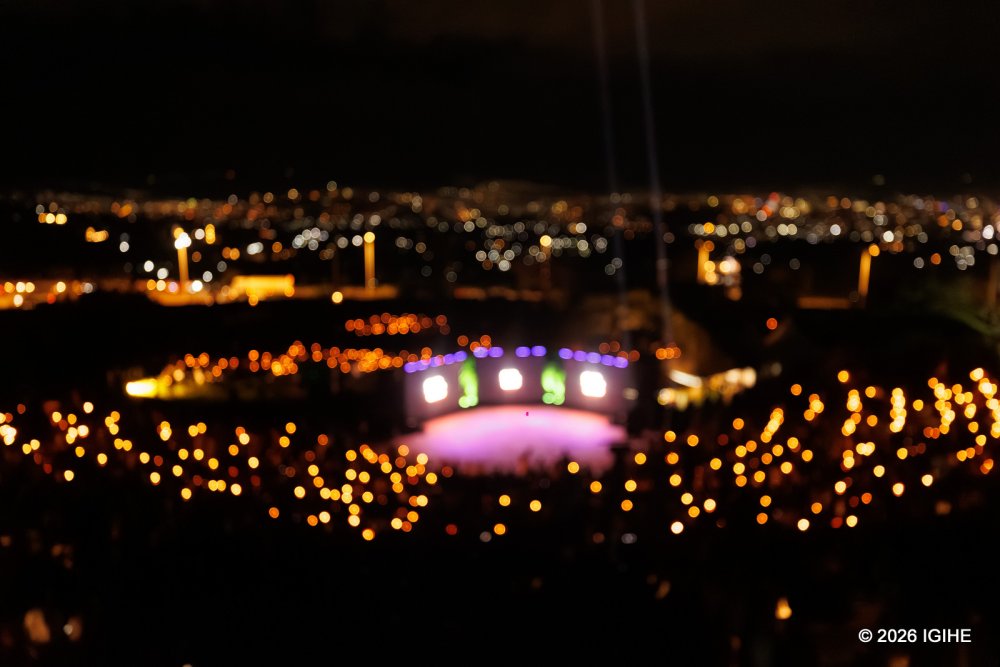
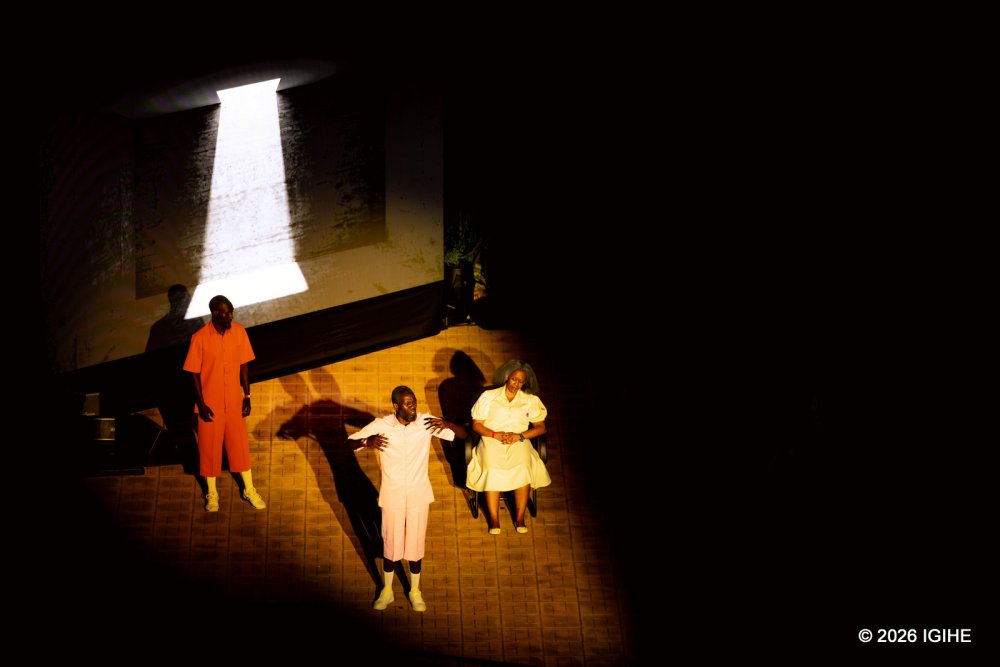
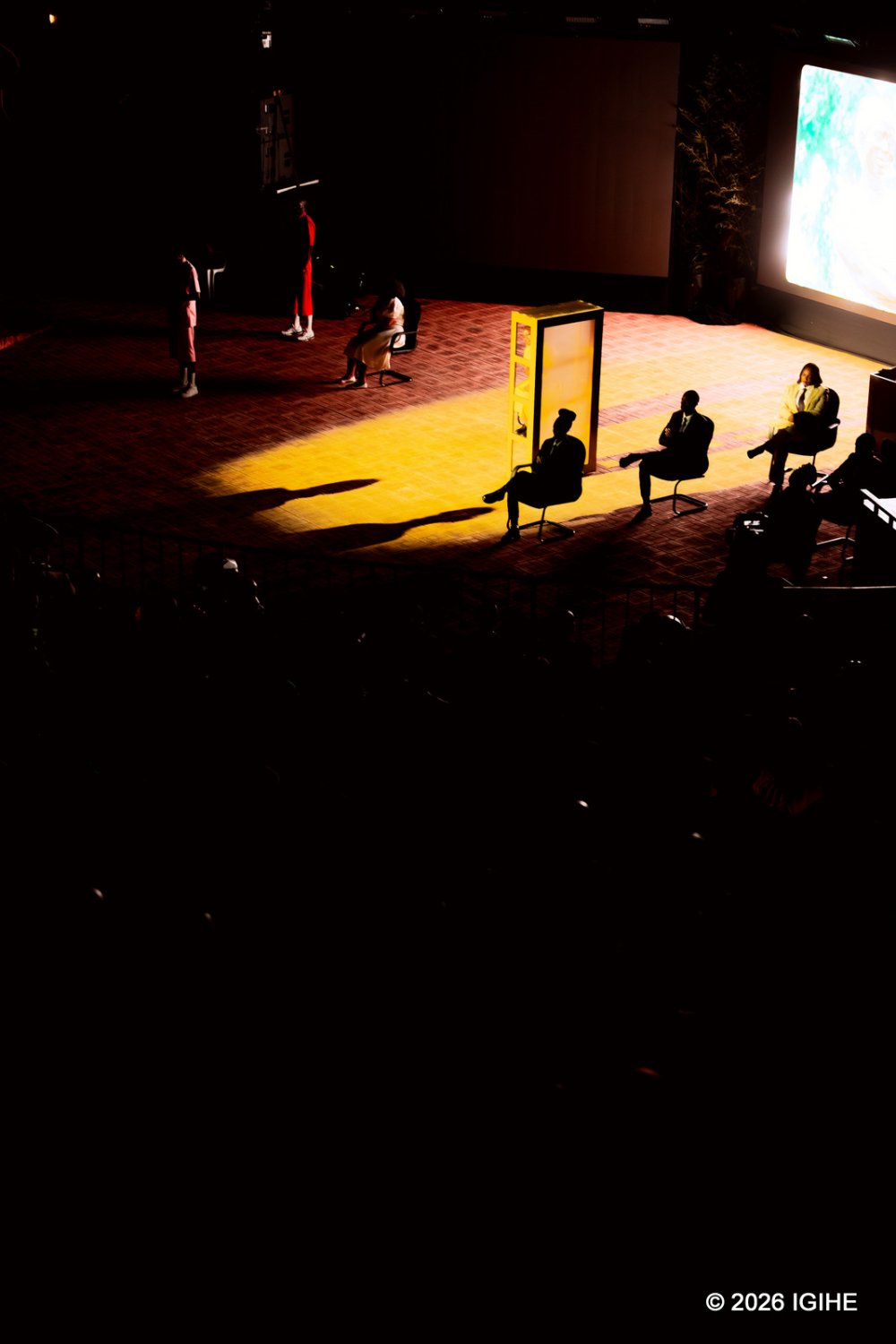
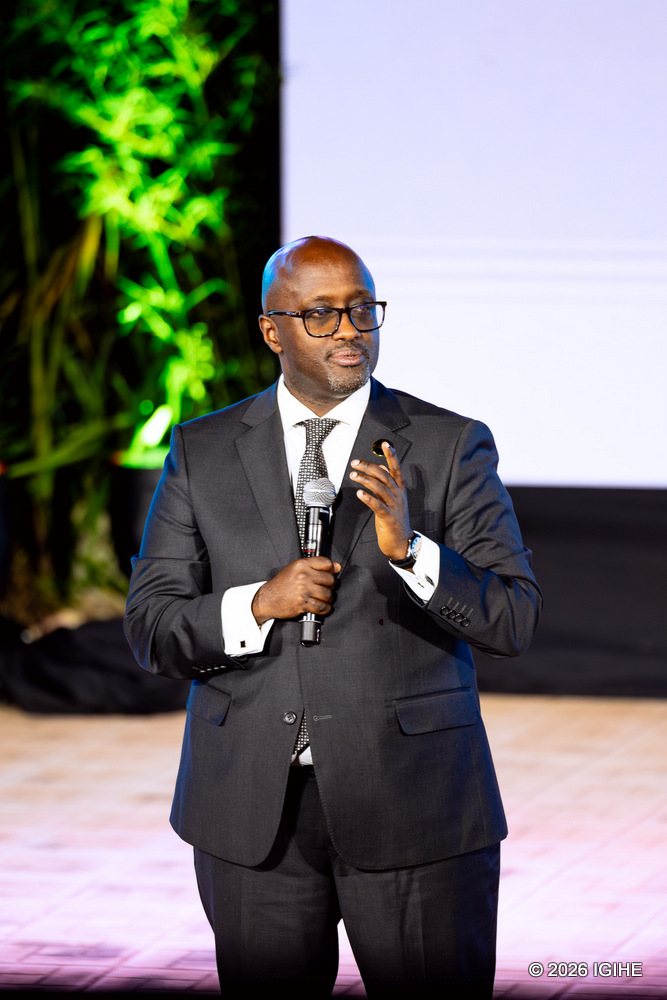
He made the remarks during the 32nd commemoration of the Genocide against the Tutsi, organised by a youth initiative known as “Our Past Initiative,” which is held annually on April 9. The event brought together more than 10,000 young people at the Nyanza Genocide Memorial in Kicukiro District.
Nduhungirehe said that while remembrance is a matter of principle for Rwandans, it is sometimes misunderstood internationally as an expression of resentment.
“Commemoration is very important, but not everyone understands it that way. Some believe we should forget and move on with life. I have personally been told that Rwandans are exaggerating and should simply forget,” he said.
He stressed that such a position is impossible given the scale and nature of the crime committed during the genocide.
“The Genocide against the Tutsi claimed more than one million lives out of a population of just over seven and a half million in only 100 days. It was an unimaginable crime, which is why remembrance must continue indefinitely,” he said.
Nduhungirehe reflected on Rwanda’s historical context, including the colonial period, during which social categories of Hutu, Tutsi, and Twa were ethnicised, and divisive ideologies were introduced and reinforced under Belgian rule.
He noted that these ideologies were later sustained by successive post-independence governments, from Grégoire Kayibanda to Juvénal Habyarimana, and further entrenched through education systems that normalised ethnic division from an early age.
“In history classes, no child could be identified as Tutsi without consequences. Students were taught divisive narratives and then asked to identify themselves along ethnic lines. Teachers often knew students’ backgrounds and would single them out accordingly,” he said.
He argued that decades of indoctrination and hate propaganda contributed significantly to the scale and intensity of the genocide.
“The genocide was carefully planned, but without more than 30 years of indoctrination, it would not have reached such magnitude. People were taught to see their neighbours as enemies,” he said.
He added that the genocide was not carried out by a single group, but involved widespread participation.
“The genocide was not committed by the Interahamwe alone, nor solely by the army. In many cases, neighbours took part. That is why escape was extremely difficult,” he said.
Following the genocide, Rwanda embarked on a long process of rebuilding national unity and reconciliation.
This included psychosocial healing programmes, the establishment of the National Unity and Reconciliation Commission, and community-based justice mechanisms such as Gacaca courts, which enabled citizens to participate in delivering justice for genocide crimes.
On the international stage, he said, Rwanda faced significant resistance in securing recognition that the 1994 atrocities constituted the Genocide against the Tutsi, rather than a general genocide in Rwanda.
“For many years, it was difficult to have the genocide recognised as the Genocide against the Tutsi,” he said.
He noted that the United Nations General Assembly only formally adopted the International Day of Reflection on the Genocide against the Tutsi on April 7 in 2020, 26 years after the genocide.
He attributed the delay to resistance from powerful member states within the United Nations.
“There were powerful countries that did not accept the terminology and did not want it to be called the Genocide against the Tutsi,” he said.
He added that Rwanda often had to advocate persistently for international recognition of its history.
“In 2014, when I was a diplomat in New York, we spent nights lobbying countries to acknowledge our history. Many of those countries had not intervened or had, in some cases, been complicit,” he said.
Call to youth
Nduhungirehe warned of ongoing genocide denial and revisionism, particularly among some members of the Rwandan diaspora youth.
He cited groups such as Jambo ASBL, which he said are composed of children of individuals implicated in the genocide, and which promote narratives denying that the genocide was planned, instead claiming it was a spontaneous reaction following the assassination of President Juvénal Habyarimana.
He urged young people to actively counter such narratives by studying history, educating others, and rejecting genocide ideology.
“National unity, reconciliation, and the understanding that we are one people must remain our priority. We must tell young people abroad that genocide ideology has no place in Rwanda and will never be tolerated again,” he said.
Leave a Reply