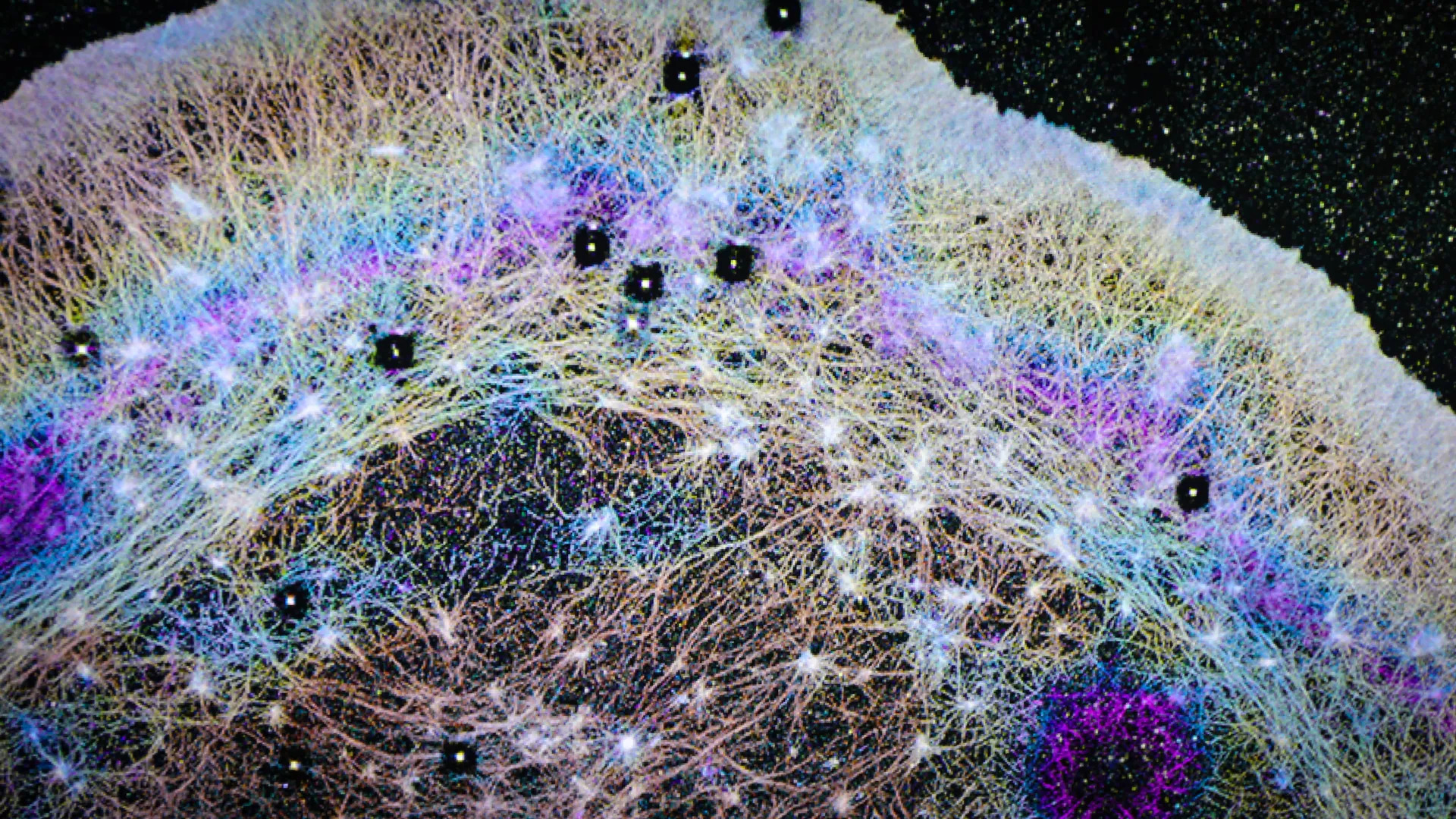
In research led by a team at Oregon Health & Science University, scientists observed that cells create dynamic internal currents similar to trade winds in the atmosphere. These internal currents, described by researchers as cellular winds, help push proteins toward the front edge of the cell where they are needed for movement and repair.
Previously, it was believed that cells mainly relied on simple diffusion and structural filaments to move proteins around, but this new discovery shows that cells have a more active and powerful transport system than previously understood.
The discovery was made possible through advanced imaging techniques that allowed scientists to see how proteins and other components travel inside living cells.
They found that these internal air‑like currents extend far beyond what was expected and operate in a coordinated way, guiding materials quickly and efficiently within the crowded environment of the cell. This process represents a fundamentally new form of intracellular organization that researchers had not observed before.
According to the study published in Nature Communications, these cellular winds could help explain why certain cancer cells are able to move and spread so rapidly. Cancer cells often migrate faster and more aggressively than normal cells, and the discovery of this internal transport mechanism offers a possible explanation for that increased mobility.
By efficiently directing proteins to specific parts of the cell, the cellular winds may give cancer cells a kind of internal advantage that supports their invasive behavior.
Beyond cancer research, the implications of this discovery are broad. Cell movement is essential for normal biological processes such as wound healing and immune responses, where cells must travel to the site of injury or infection and repair damaged tissues.
A better understanding of how materials are transported inside cells can lead to new insights into these critical natural functions and may reveal new targets for medical treatments.
Scientists believe that uncovering this hidden mechanism opens the door to a deeper understanding of fundamental cell biology.
As researchers continue to explore how cellular winds function and interact with known structural components, this discovery may reshape the way we think about life at its smallest scale and offer innovative ways to intervene in diseases where cell movement plays a pivotal role.
Leave a Reply