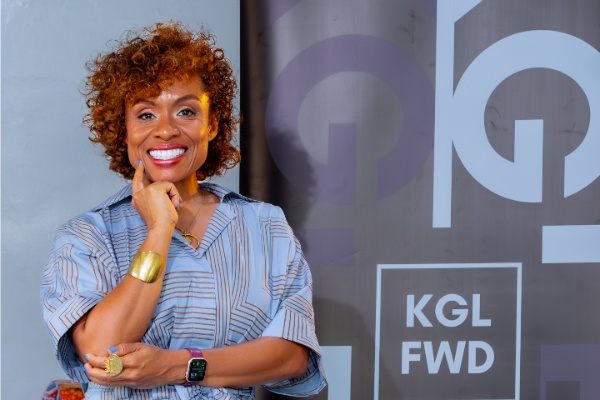
Today, Faraj is the founder and CEO of KGL FWD, a Kigali-based communications firm that leverages public relations, events, cultural experiences, and capacity building to elevate Rwanda’s story and strengthen connections across the global diaspora.
“We use the power of PR, experiences, events, and capacity building to amplify a more expansive narrative of Rwanda and thereby Africa,” she explained.
Now based in Kigali and approaching eight years of living in the country, Faraj describes Rwanda as home, an identity that has been shaped by both her personal journey and professional evolution.
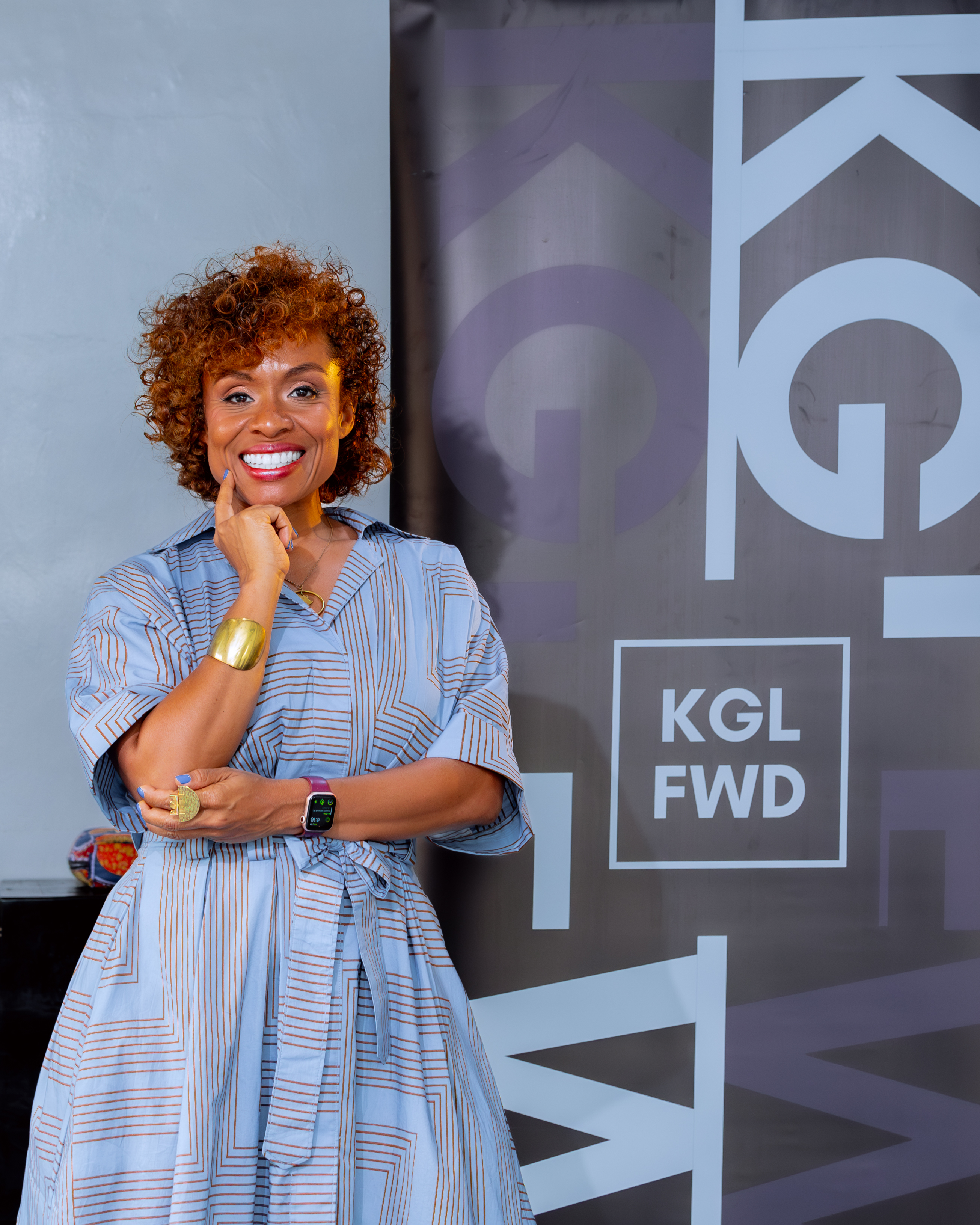
A worldview shaped by culture and social justice
Faraj’s roots trace back to the outskirts of Chicago, where she grew up in Bellwood, Illinois, in a diverse, multicultural environment. Her early life was influenced by neighbors from different parts of the world, exposure to international food and culture, and a strong connection to the arts.
She trained in ballet, modern dance, and West African dance, while music also played a central role in her upbringing. With a father and brother who were trumpet players, and growing up during the late 1980s and 1990s hip-hop era, she was immersed in a blend of musical traditions that shaped her creative outlook.
Beyond the arts, Faraj credits social justice movements in both Chicago and New York for deeply influencing her worldview. She highlights the role of elders involved in movements such as the Black Panther Party and the Young Lords Party, who introduced her to ideas of pan-Africanism, internationalism, and community engagement.
“That’s how I really learned about pan-Africanism and about internationalism and how to interact with communities,” she said.
From community organising to communications
Faraj’s entry into communications was not through a traditional academic path. Initially studying philosophy and intending to pursue a career in social justice law, she instead found herself working as a community organiser at Sisters on the Rise in the South Bronx.
There, she focused on reproductive justice for young Black and brown women, managing a range of responsibilities that included campaign strategy, political education, and media engagement.
It was during a campaign opposing the closure of daycare services in public schools for teen mothers that she experienced a turning point.
“Seeing the impact of the media come out to that campaign really set something on fire inside of me,” she recalled. “When media amplifies our stories, people are able to see them in an exponential way.”
That experience sparked her interest in public relations, leading her to her first role at a boutique fashion PR agency. She later expanded her career into the music industry at DigiWax, where she worked on influencer marketing, talent booking, and events, collaborating with artists including Nas, Lauryn Hill, Jamie Foxx, and Busta Rhymes.
Her professional journey continued into film and television communications, including work related to Oprah Winfrey’s network and diaspora-focused platforms such as Urbanworld Film Festival and ImagineNATIVE Film Festival.
A move that became a long-term home
Faraj’s relocation to Africa was not initially planned as a permanent move. In 2017, seeking a change in lifestyle, she left the United States with a desire for a different environment. Her journey first took her to Mauritius, following her partner’s professional path, before eventually leading them to Rwanda when he joined the African Leadership University campus in Kigali.
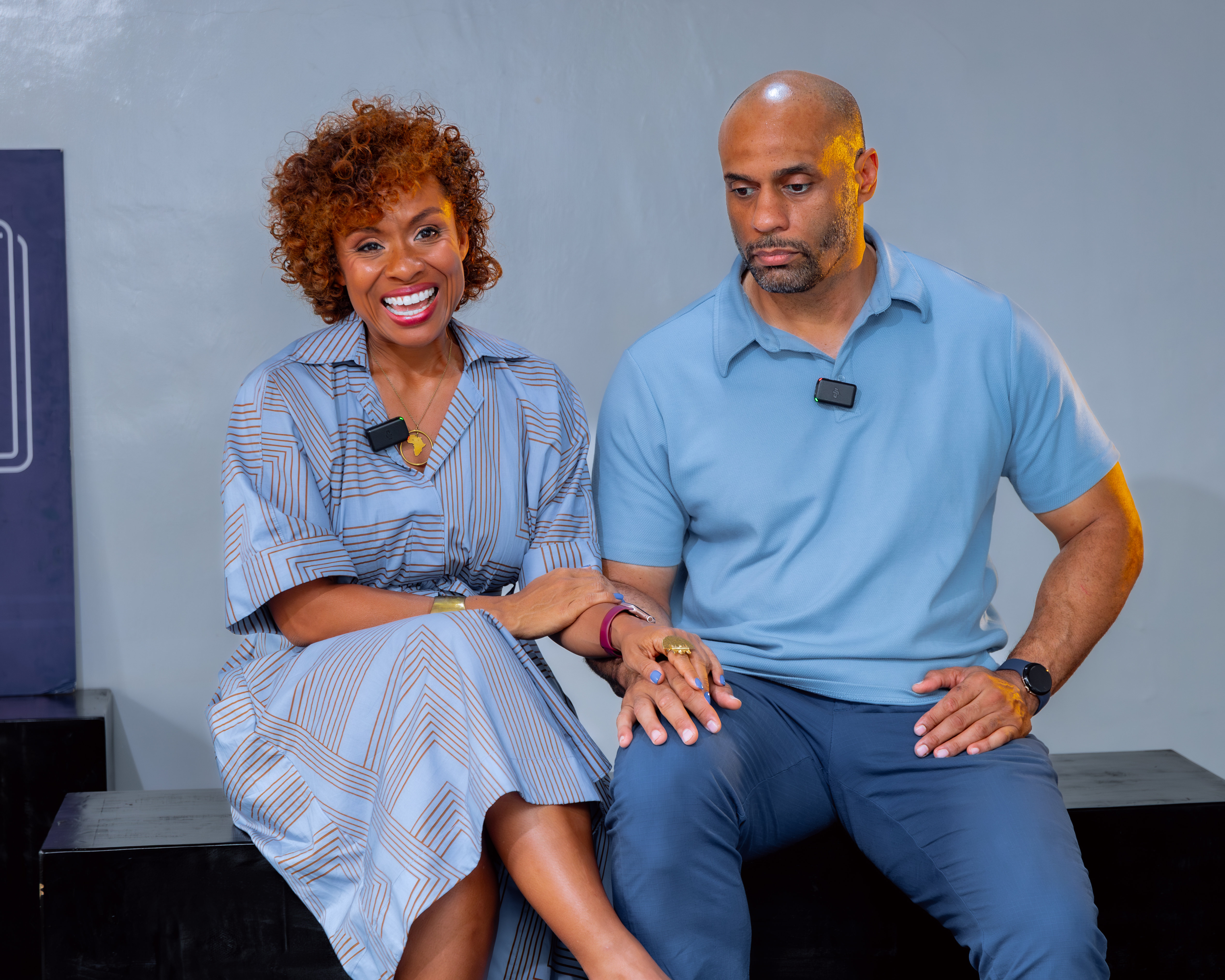
What started as a relocation linked to career and personal circumstances evolved into a deliberate choice to remain.
“It’s been the intentional decision to choose Rwanda again and again since being here,” she said.
Over time, Rwanda became more than a place to live, it became a place she identifies with personally and professionally.
Building across cultures and perspectives
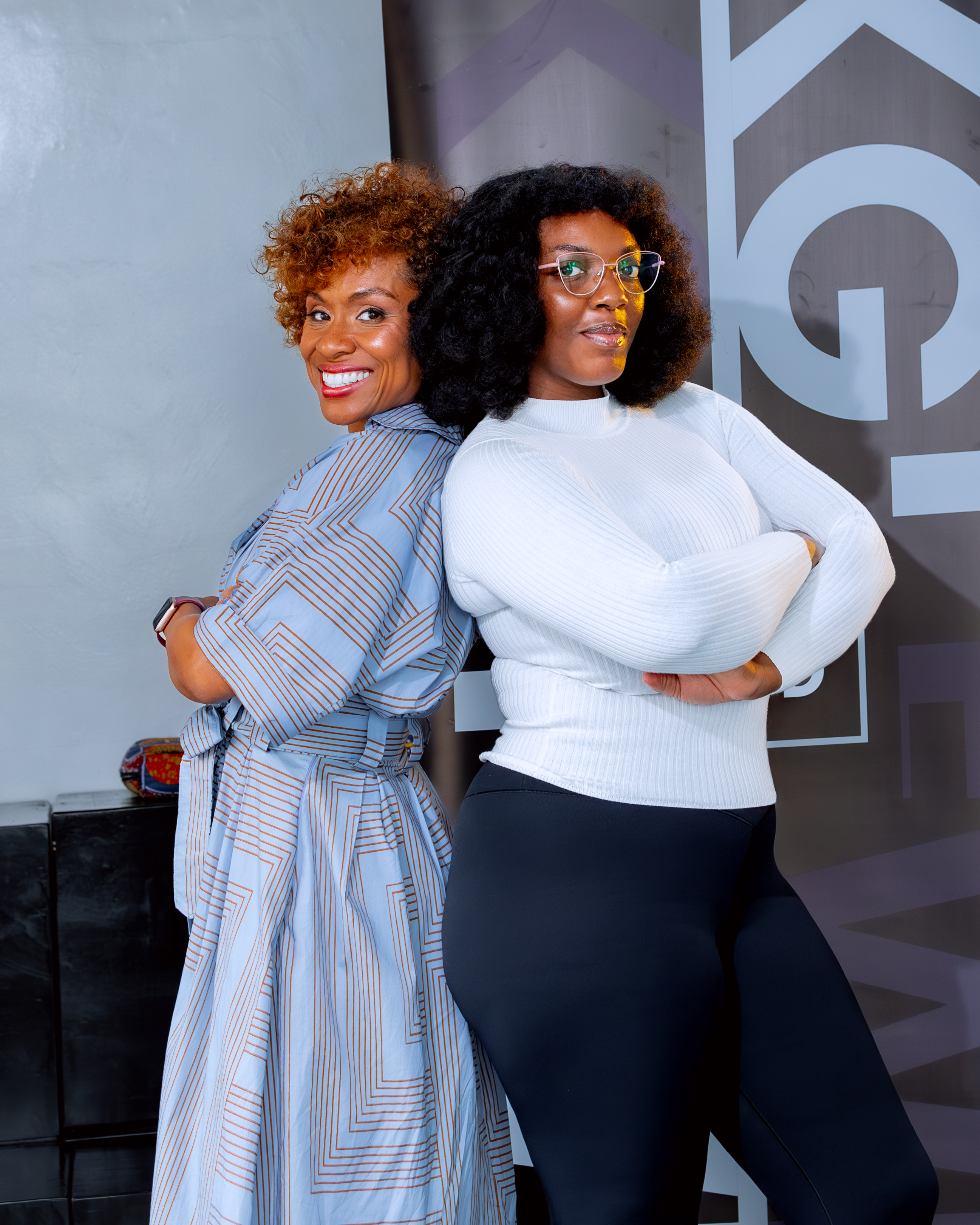
Through KGL FWD, Faraj works with a diverse team composed of Rwandan and international professionals from countries including Zimbabwe, Malawi, and Nigeria. She notes that this diversity contributes to richer, more well-rounded campaigns that reflect multiple perspectives.
Her work also aligns with her long-standing belief in pan-Africanism—not just as a concept, but as a lived experience. In Rwanda, she says she has been able to translate those ideals into daily practice through collaboration, community engagement, and cross-cultural work.
Faraj highlights Rwanda’s homegrown solutions and governance systems as key elements that distinguish the country. She points to initiatives such as Umuganda and Umudugudu as examples of community participation embedded in national development.
She describes Rwanda as a country defined by ambition and forward-thinking approaches.
“Rwanda is like the overachiever student,” she said. “The country achieves something and then still says there is more to do. It does not see a glass ceiling.”
For Faraj, this mindset has not only influenced her perspective but has also expanded the scope of her work, pushing her into new sectors such as tourism education, cultural exchange, and international partnerships.
Expanding Rwanda’s global connections
Faraj’s work increasingly focuses on building bridges between Rwanda and the global diaspora. Through cultural exchange initiatives, she has helped facilitate visits from groups such as Nomadness Travel Tribe, as well as delegations from across Africa and beyond.
Her efforts have also contributed to collaborations linking Rwanda-based experiences to international platforms, including exhibitions and artistic exchanges tied to commemorations of the 1994 genocide against the Tutsi, as well as media placements for artists.
These initiatives, she says, are rooted in a broader goal: ensuring that people experience Rwanda firsthand rather than relying solely on external narratives.
Reflecting on her personal transformation, Faraj contrasts her life in the United States with her experience in Rwanda. She references the work of James Baldwin in describing the emotional and psychological weight often associated with life in the U.S., particularly for Black individuals engaged in social awareness and activism.
For her, relocating to Rwanda offered a different kind of environment, one that allows for clarity, focus, and intentionality.
“Moving to Africa and more so to Rwanda is a break from that,” she said. “You can see things more clearly and work more purposefully.”
In her message to the Rwandan government and people, Faraj emphasised partnership and shared responsibility in telling Rwanda’s story.
“If I could say anything to the government of Rwanda, I would say you are not alone,” she said. “We in the private sector are standing with you.”
She also expressed gratitude for the opportunity to live and work in Rwanda, noting the country’s broader impact beyond its borders.
“Thank you for giving us this example for the world to see, for children to see, so that they can dream bigger… This is real in Rwanda,” she said.
Through KGL FWD, Faraj continues to position storytelling as a powerful tool for connection and change, bridging diasporas, challenging stereotypes, and contributing to a more nuanced understanding of Rwanda and Africa.
Watch full conversation below:
Leave a Reply