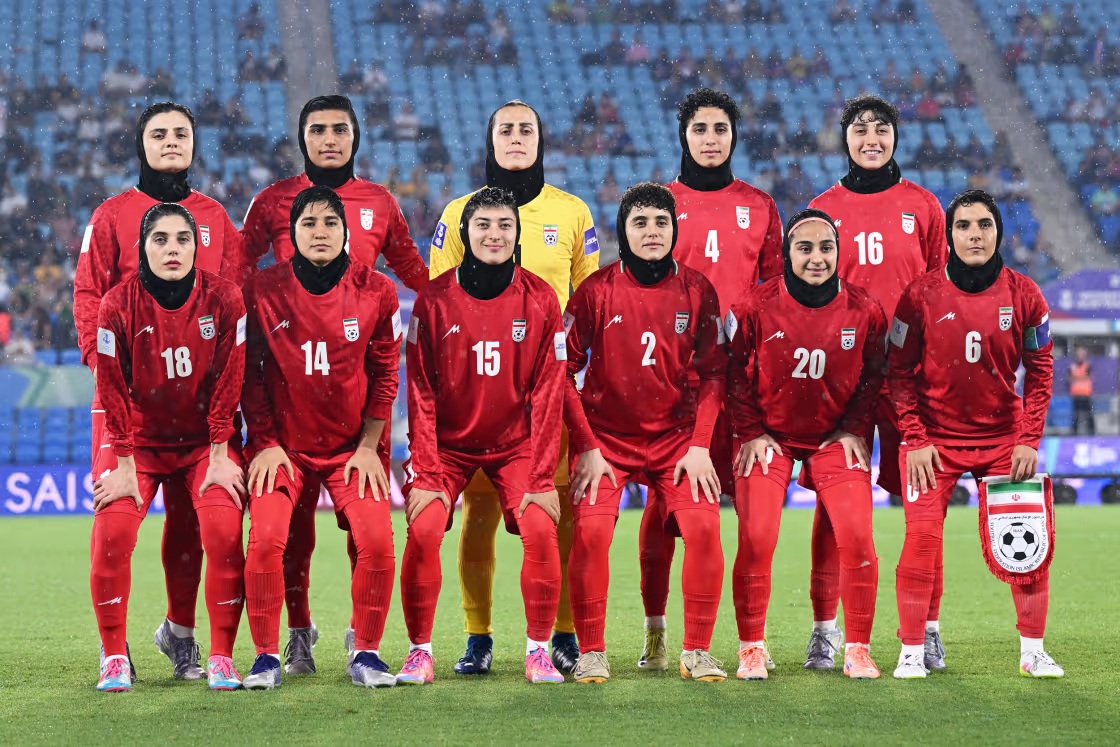
Immigration Minister Tony Burke confirmed the players, Fatemeh Pasandideh, Zahra Ghanbari, Zahra Sarbali, Atefeh Ramazanzadeh, and Mona Hamoudi, were “moved to a safe location” by Australian police.
He added that other team members had been told they were welcome to remain in the country.
“They want to be clear they are not political activists. They are athletes who want to be safe,” Burke said, noting that discussions with the players had been ongoing for several days.
The decision came amid concerns for the women’s safety after facing heavy criticism in Iran, where some commentators labelled them “wartime traitors.”
Australian police escorted the players during their stay, ensuring they could not be approached unaccompanied.
Burke emphasised Australia’s open offer to the rest of the team, saying, “Australia has taken the Iranian women’s soccer team into our hearts. These women are tremendously popular in Australia.”
The situation also drew attention from US President Donald Trump, who called on Australia to provide asylum and later confirmed the five had been “taken care of.”
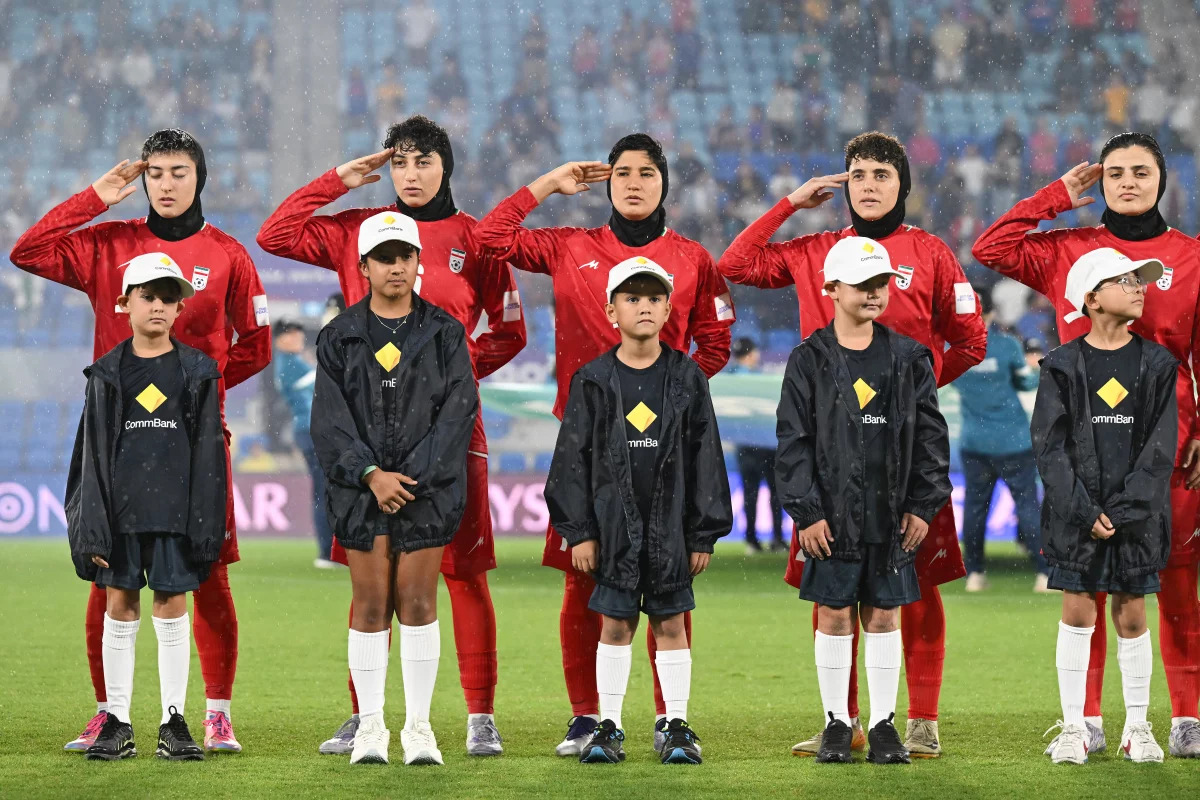
During the tournament, the players sang the anthem in subsequent matches against Australia and the Philippines, reportedly under the watch of government officials.
Many supporters in Australia, including members of the Iranian diaspora, expressed solidarity with the team, waving pre-revolution Lion and Sun flags and booing the current Iranian anthem.
Human rights advocates highlighted the difficult position faced by the players, noting some may feel unable to stay due to concern for their families back home.
Craig Foster, former captain of the Australian men’s team, said, “Some may have concerns… even if offered the right to remain in Australia, if they feel unsafe, many may not accept that opportunity.”
The five players are now under Australia’s humanitarian visa program, which allows them to live, work, and study safely in the country.
Leave a Reply